



Memorial Day stands as more than a long weekend or seasonal milestone—it represents our nation’s solemn commitment to remember those who made the ultimate sacrifice in military service. For schools, communities, civic organizations, and veteran support groups, creating meaningful Memorial Day tributes transforms abstract gratitude into tangible recognition that honors service members, educates younger generations, and preserves the stories of courage that define our shared heritage.
Yet many organizations struggle with tribute implementation: How do you create recognition that feels authentic rather than perfunctory? What formats effectively honor diverse service experiences across multiple conflicts and eras? How can communities preserve tribute programs permanently beyond single-day observances? What content strategies tell service stories compellingly while maintaining appropriate dignity? How do modern recognition technologies enhance traditional memorial approaches without diminishing solemnity?
This comprehensive guide provides practical frameworks for designing Memorial Day tribute programs that honor military service authentically, engage communities meaningfully, and create lasting recognition celebrating those who defended our freedoms through distinguished service and ultimate sacrifice.
Memorial Day tributes serve essential purposes in communities and institutions—they preserve historical memory, educate younger generations about service and sacrifice, strengthen community bonds around shared values, and demonstrate genuine appreciation for military families who carried burdens most civilians never experience. Organizations approaching tribute programs thoughtfully create recognition experiences that resonate emotionally while maintaining dignity appropriate to the occasion.

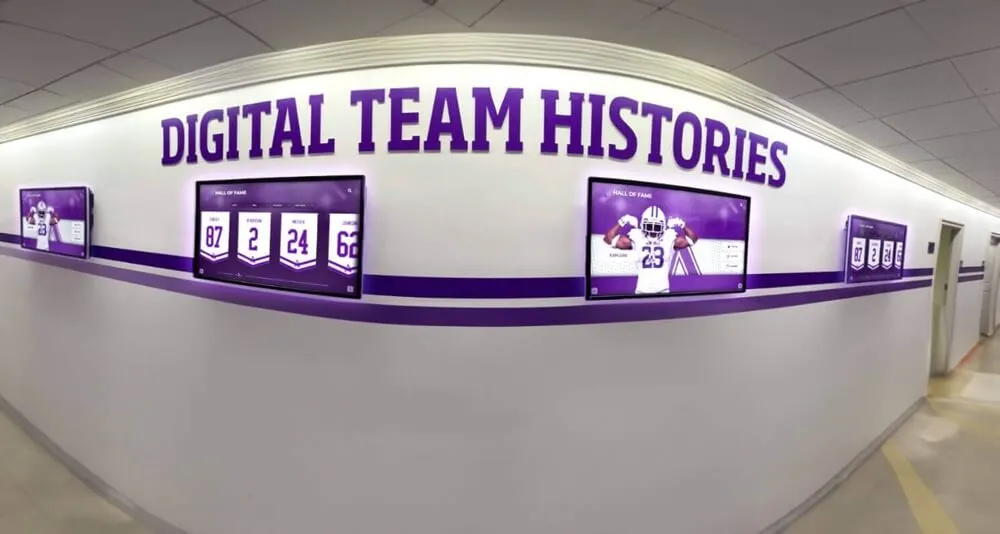
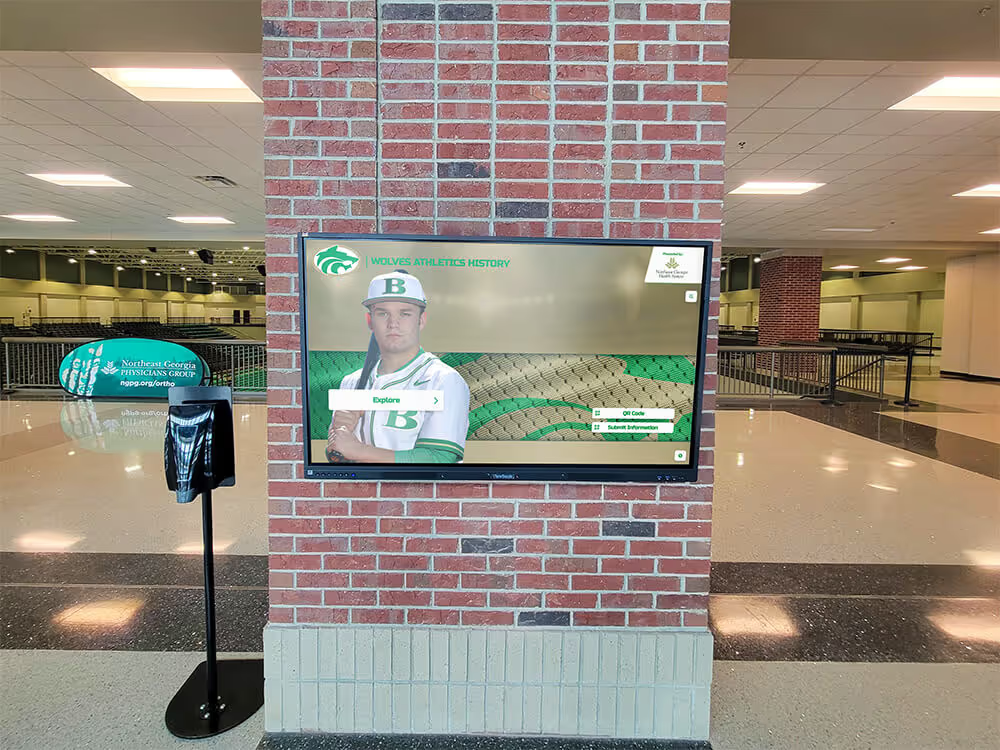
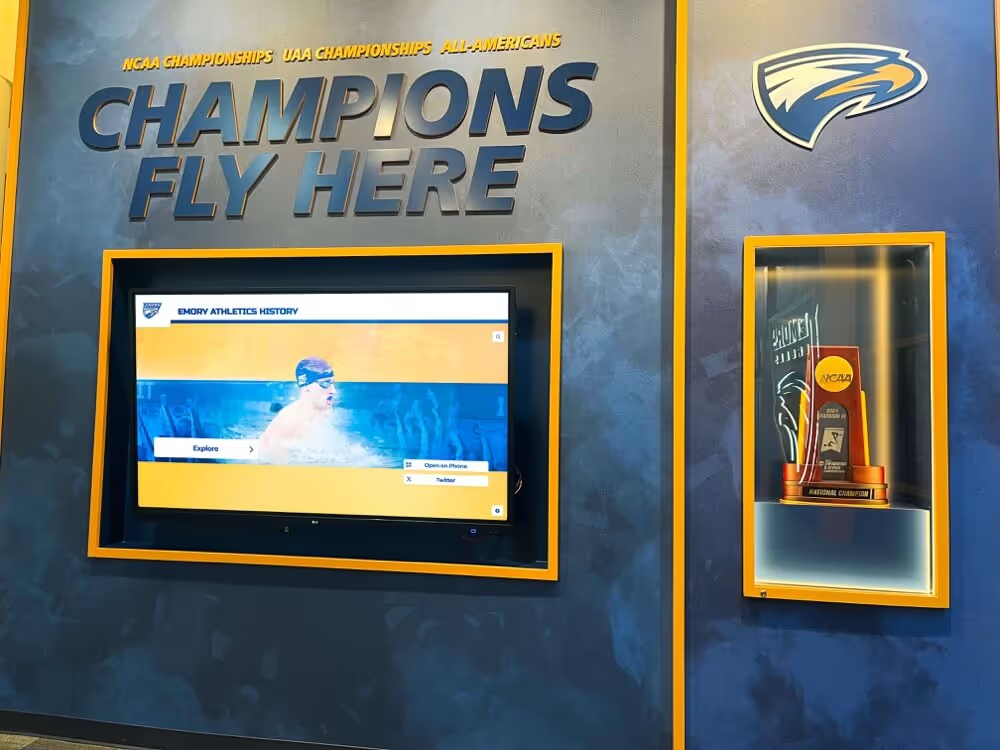
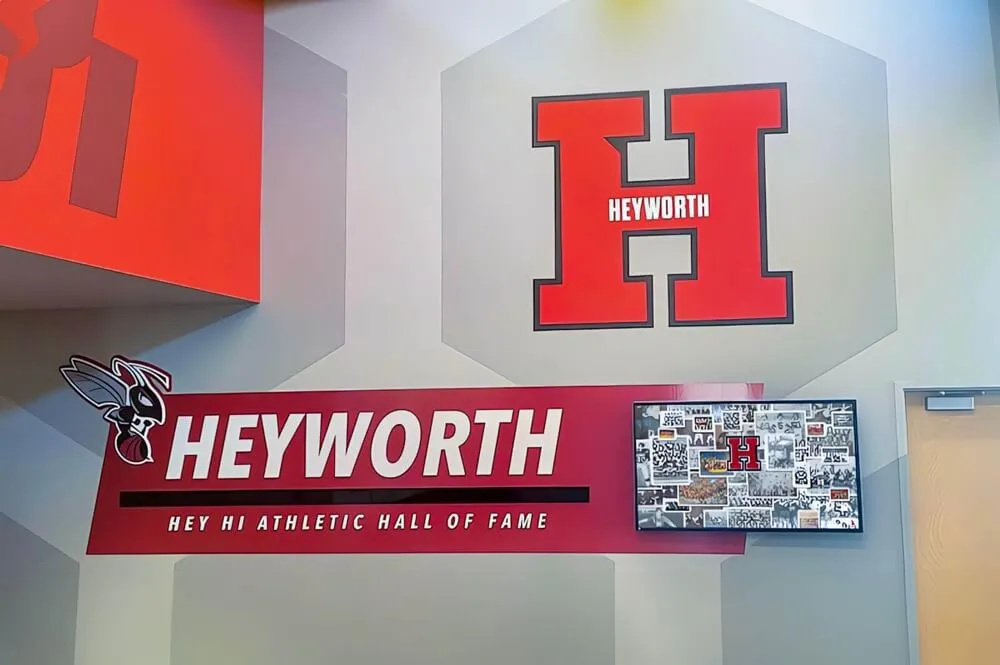
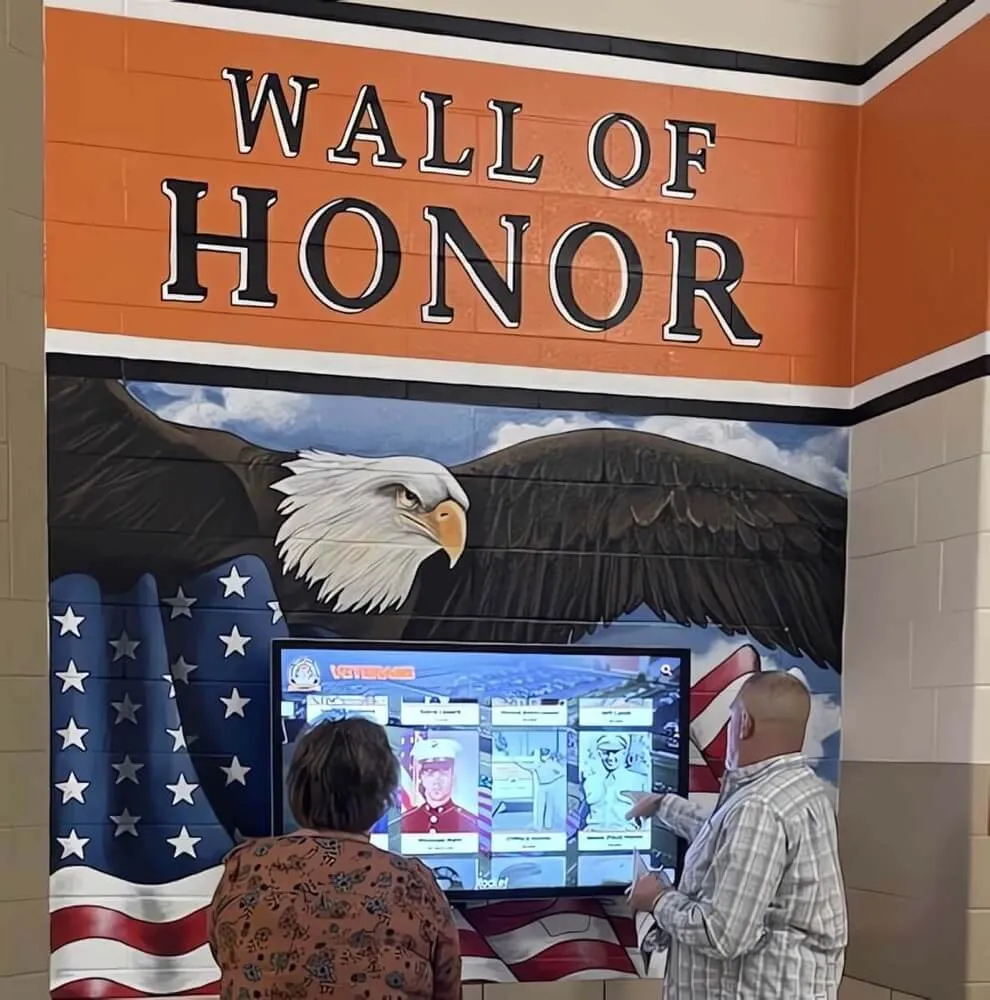
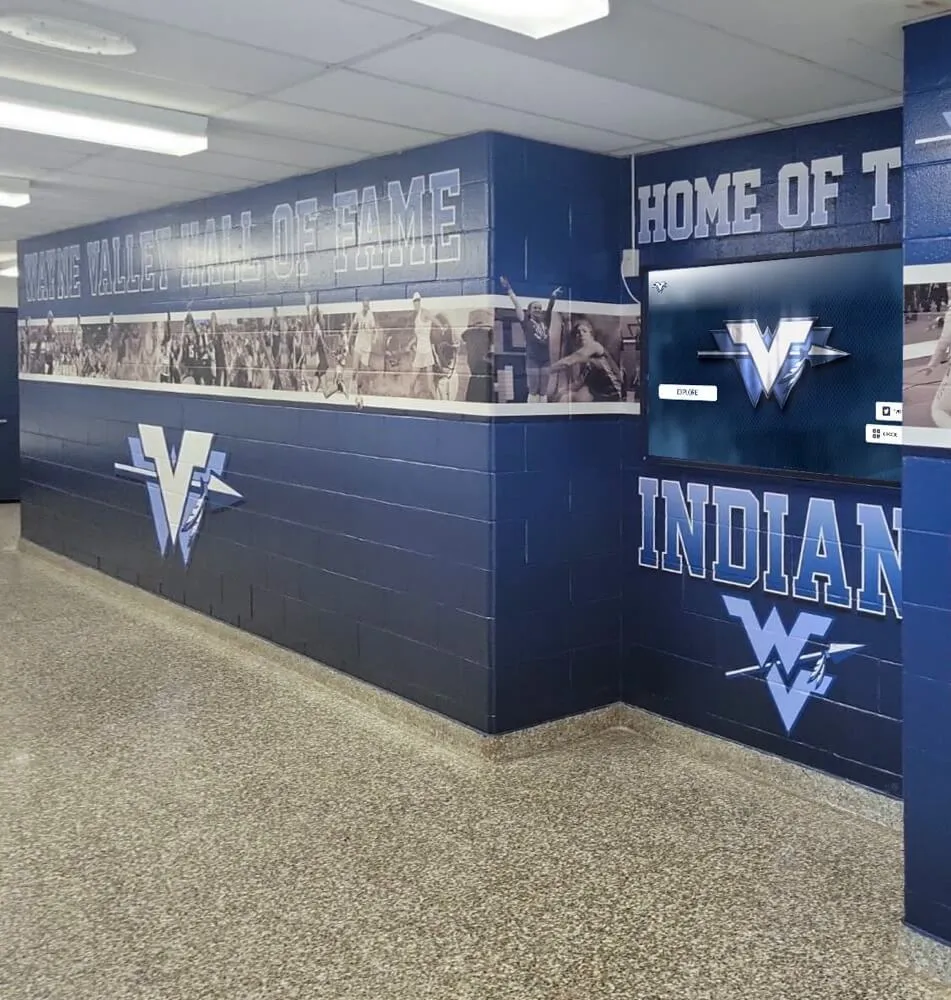
Memorial Day tributes combine patriotic symbols with personal service stories, creating powerful recognition experiences that honor sacrifice while educating communities
Understanding Memorial Day Tribute Program Components
Before launching recognition initiatives, understanding what makes tribute programs effective helps organizations design experiences that deliver intended impact.
Core Elements of Meaningful Memorial Day Tributes
Effective programs typically incorporate several foundational components:
Service Member Recognition Platforms
Comprehensive tribute systems acknowledge individuals across service experiences:
- Fallen heroes who made the ultimate sacrifice in combat operations
- Veterans with distinguished service records across multiple deployments
- Active-duty military personnel currently serving in armed forces
- Military family members who support service from home fronts
- Veterans from specific conflicts or eras (WWII, Korea, Vietnam, Gulf Wars, Afghanistan, Iraq)
- Local community members who served regardless of national prominence
- Gold Star families who lost loved ones in service-connected circumstances
- POW/MIA recognition for those who remain unaccounted for
Inclusive recognition ensures tribute programs honor complete spectrum of military service rather than limiting acknowledgment to specific ranks, conflicts, or circumstances.
Educational Content and Historical Context
Effective tributes educate audiences about service significance:
- Individual service biographies providing personal context beyond names and dates
- Conflict histories explaining circumstances under which service members deployed
- Personal sacrifice stories illustrating challenges military families faced
- Military tradition explanations helping civilians understand service culture
- Timeline presentations showing community contributions across multiple wars
- Medal and honor descriptions explaining recognition significance
- Service branch information educating about Army, Navy, Air Force, Marines, Coast Guard roles
- Home front stories connecting civilian communities to military efforts
Educational components transform simple name recognition into meaningful learning experiences that inspire appreciation while preserving historical memory for generations who never experienced specific conflicts directly.
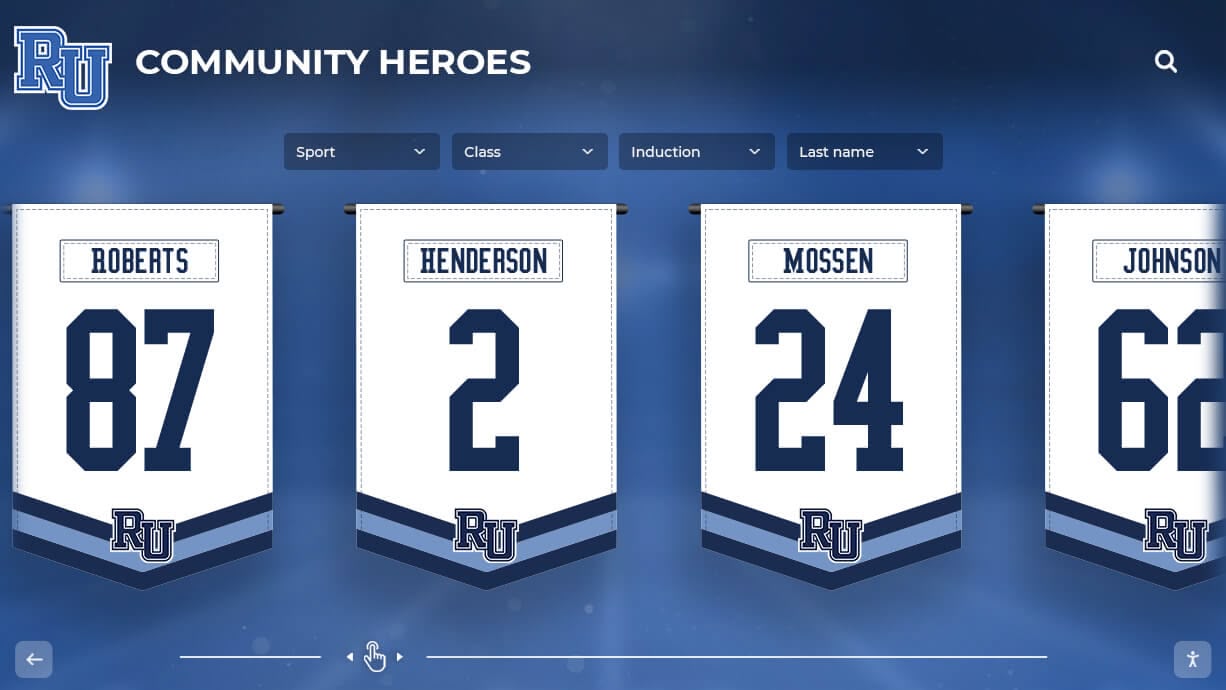
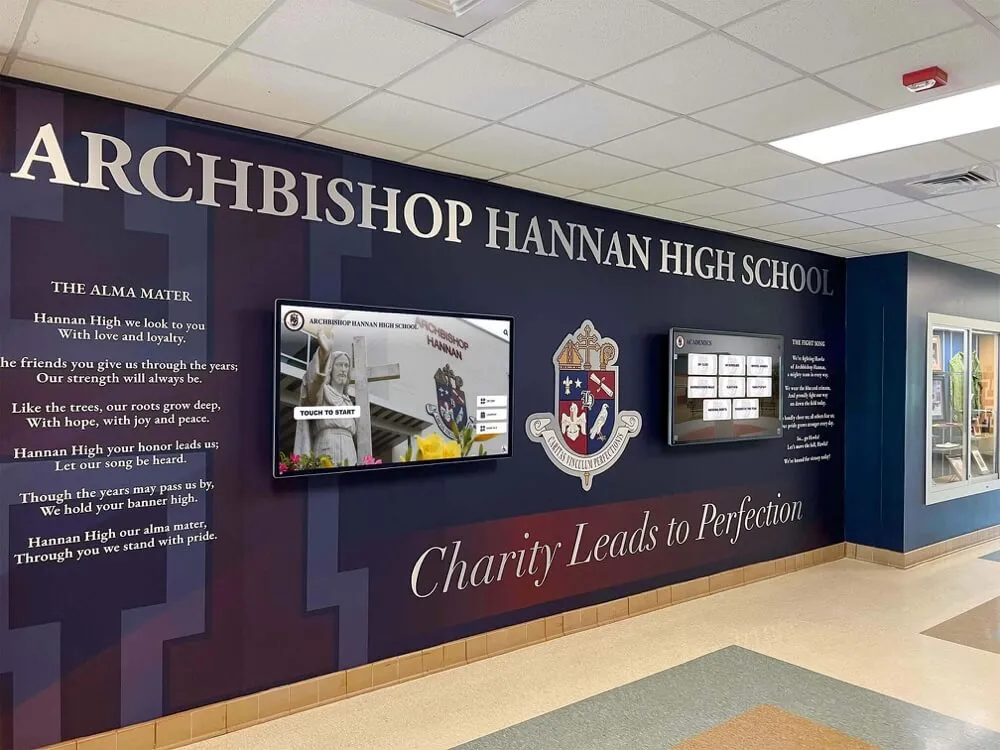
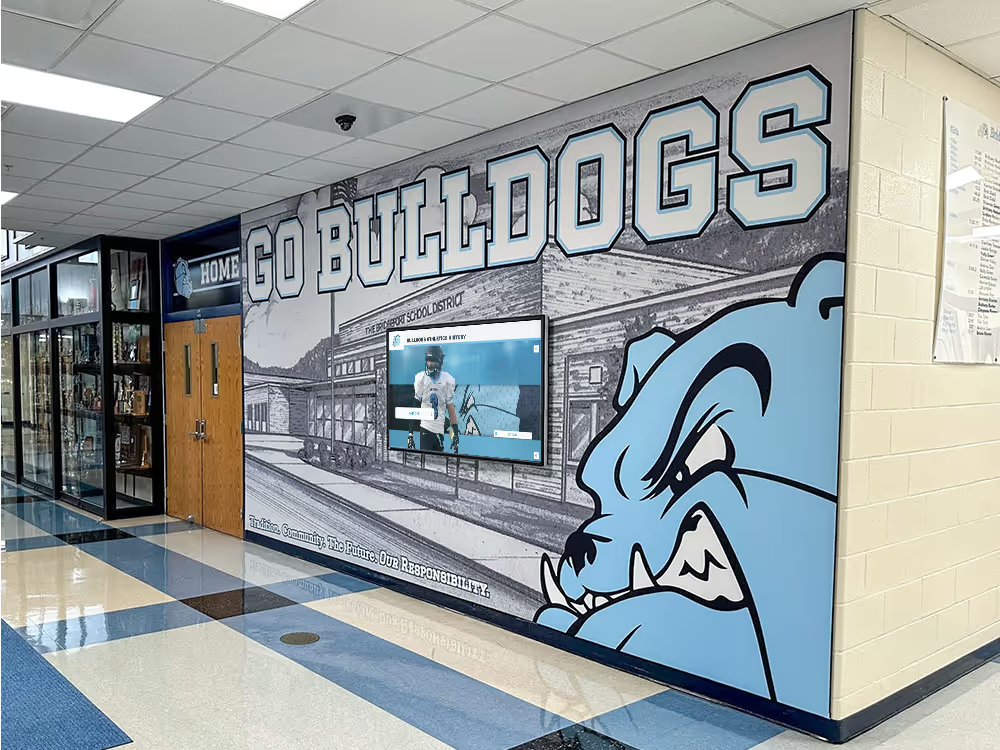
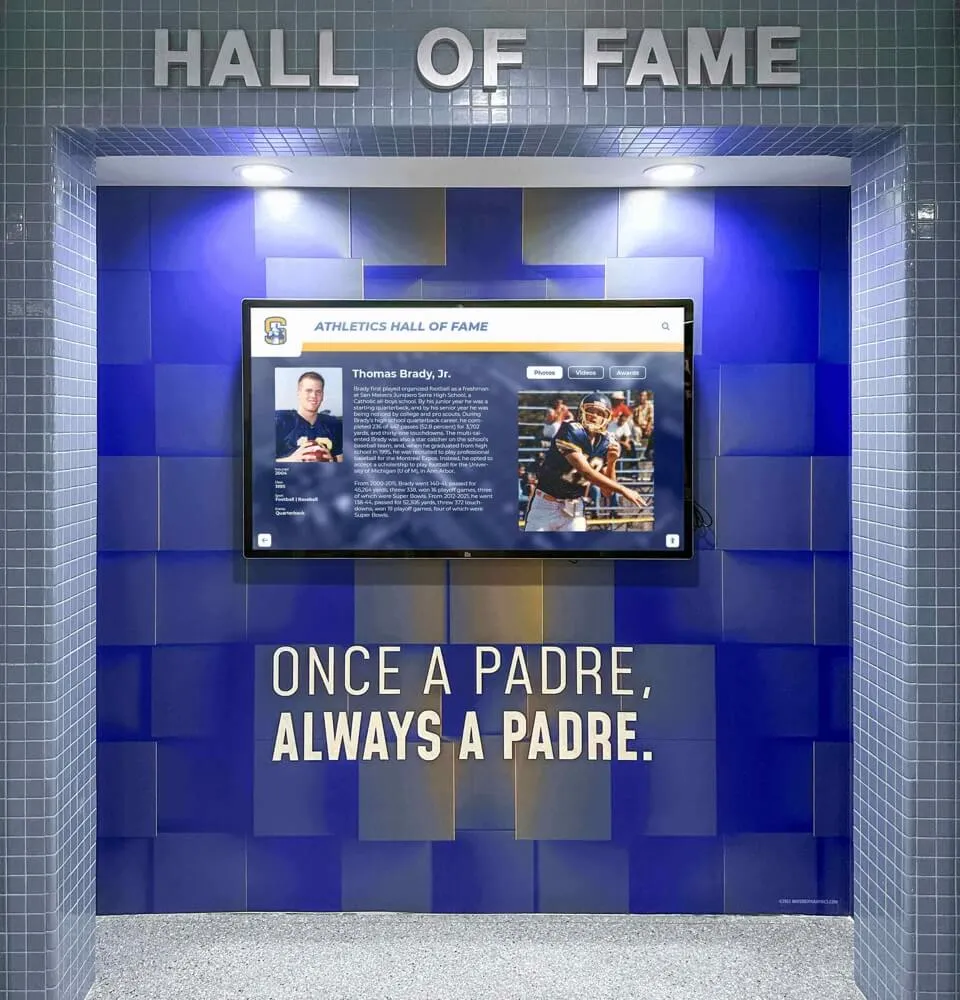
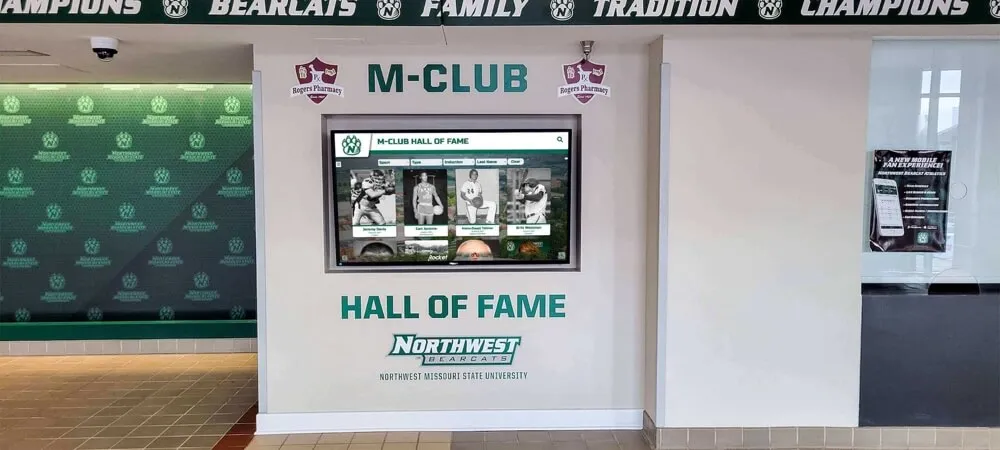
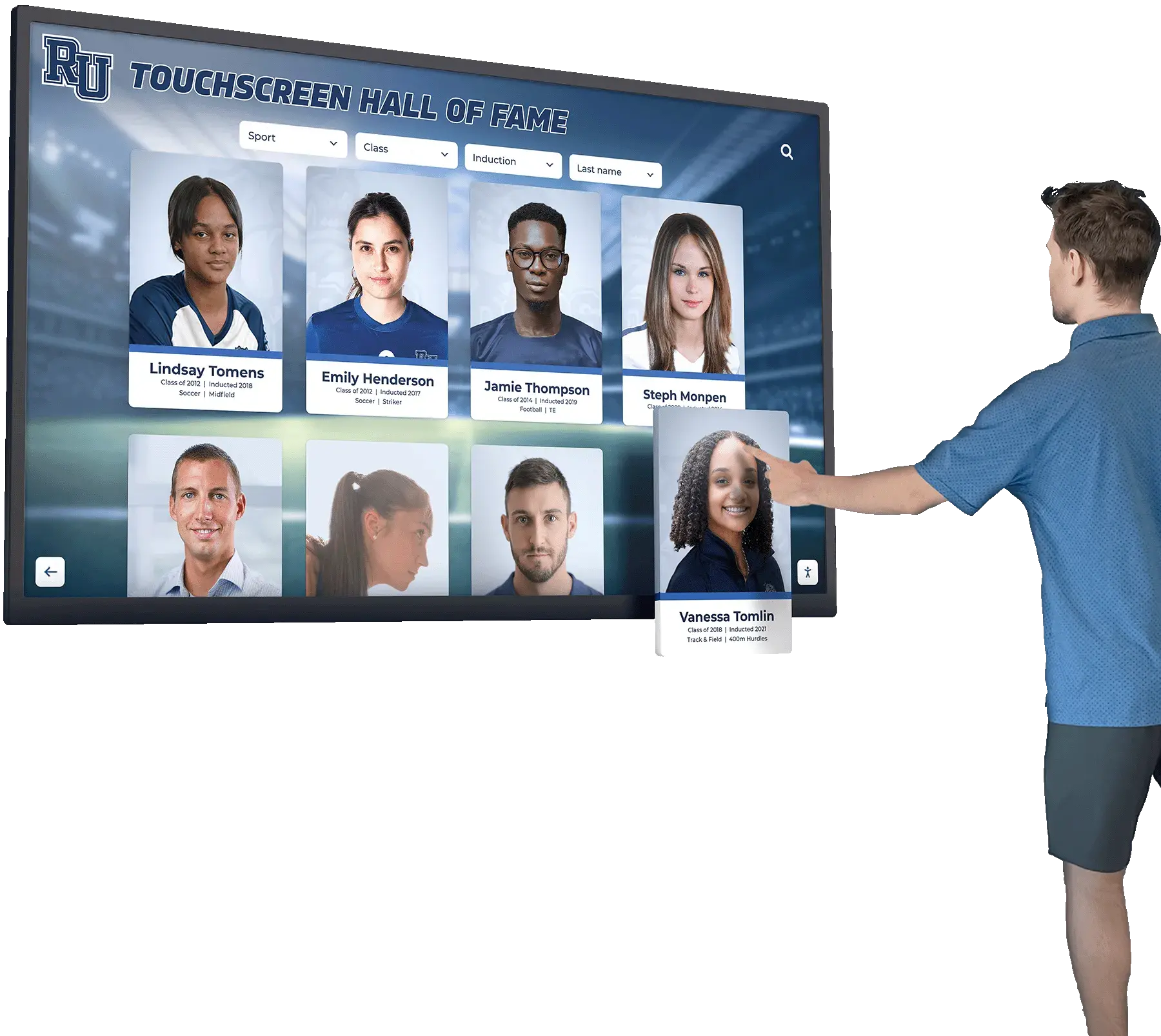
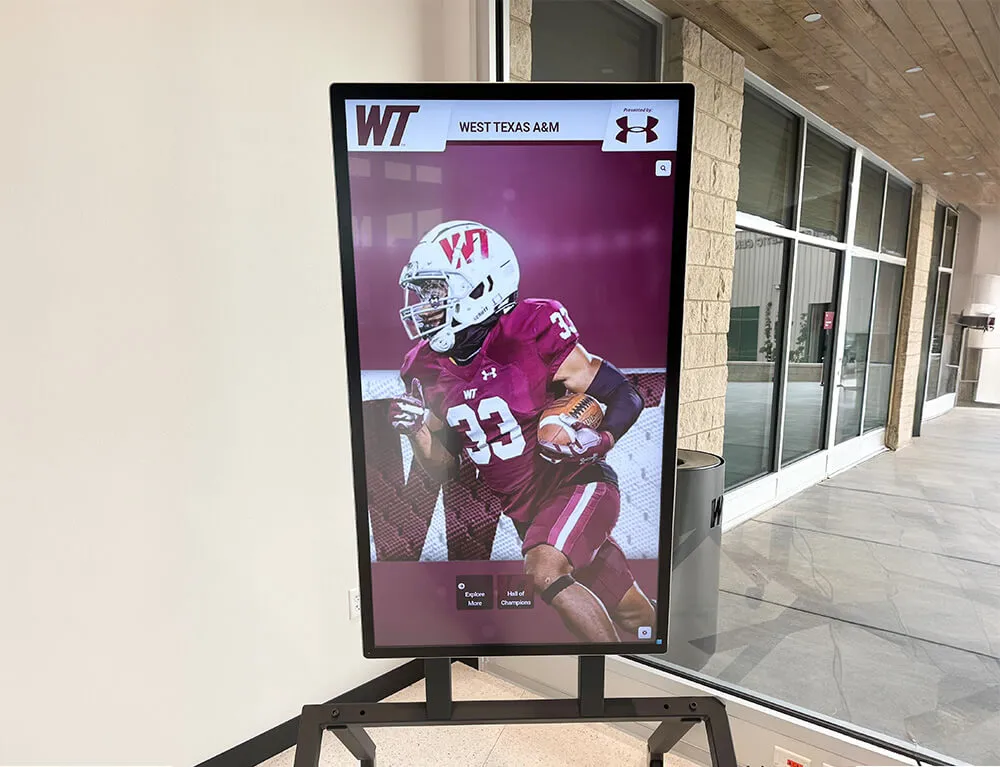
Visual displays featuring service member photography create immediate emotional connections while honoring individual contributions prominently
Ceremonial Programming and Community Gatherings
Public observances create shared memorial experiences:
- Traditional Memorial Day ceremonies on final Monday of May
- Wreath-laying rituals at memorial sites or recognition installations
- Moment of silence observances at designated national memorial time (3:00 PM local)
- Guest speaker presentations from veterans or military family members
- Musical performances including patriotic songs and military branch anthems
- Honor guard presentations from local VFW, American Legion, or active military units
- Flag-raising ceremonies following proper military protocol and respect
- Community processions or parades celebrating service and remembrance
Ceremonial elements provide structure for collective mourning and appreciation while creating memorable experiences that reinforce tribute program significance.
Permanent Memorial Installations
Physical recognition ensures year-round honor:
- Monument installations in parks, town squares, or institutional campuses
- Memorial walls listing service members with biographical information
- Plaques and markers at specific locations connected to individuals or units
- Garden spaces providing reflective environments for contemplation
- Brick pavers or walkways engraved with veteran names and service details
- Digital recognition displays offering unlimited capacity and rich storytelling
- Bench dedications creating functional memorials serving dual purposes
- Flag displays honoring each service member with individual American flag
Permanent installations transform single-day observances into continuous recognition accessible throughout the year, ensuring service members receive sustained honor rather than annual-only acknowledgment.
Learn about comprehensive approaches to creating donor walls that can be adapted for veteran recognition programs with appropriate dignity and respect.
Program Snapshot: Memorial Day Tribute Implementation Framework
| Program Element | Details |
|---|---|
| Planning Phase | 4-6 months before Memorial Day for first-year implementation |
| Committee Composition | Veterans, military families, civic leaders, educators, historians |
| Service Member Research | 2-3 months gathering biographical information, service records, photographs |
| Display Development | 6-8 weeks for physical installations or digital platform configuration |
| Ceremony Planning | 4-6 weeks coordinating speakers, honor guards, logistics, communications |
| Educational Materials | Ongoing development of historical context, service explanations, impact stories |
| Budget Considerations | $2,000-$50,000 depending on scale, permanence, and technology integration |
| Annual Refresh Schedule | Monthly updates for active programs; major refresh annually before Memorial Day |
| Community Engagement | Schools, civic organizations, veteran groups, faith communities, government entities |
Content Architecture: Organizing Service Recognition Effectively
Thoughtful content structures ensure tribute programs honor service members comprehensively while enabling intuitive community exploration and emotional engagement.
Individual Service Member Profiles
Biographical Recognition Components
Complete profiles typically include essential information:
- Full name including rank and service branch designation
- Birth date and location providing personal context
- Military service dates spanning enlistment through discharge or death
- Duty stations and deployment locations documenting where service occurred
- Military occupational specialty explaining specific role and contributions
- Combat operations or campaigns in which individual participated
- Medals, ribbons, and commendations received during service
- Circumstances of death for fallen heroes when appropriate to share
- Surviving family information connecting service to ongoing legacy
- Personal interests, hobbies, or characteristics humanizing individuals beyond service
Rich biographical content transforms names into persons—helping communities understand service members as complete individuals rather than abstract symbols, creating deeper emotional connections that inspire genuine appreciation.
Personal Stories and Testimonials
Narrative elements bring service experiences to life:
- First-person accounts from veterans describing deployment experiences or military life
- Family member reflections sharing personal memories and sacrifice stories
- Letters home preserved from deployment periods providing authentic voices
- Oral history recordings capturing veterans telling their own stories
- Comrade testimonials from fellow service members who served together
- Community impact stories showing how individuals contributed locally before or after military service
- Personal valor accounts describing specific courageous actions during service
- Return home experiences including challenges veterans faced reintegrating
Personal narratives create emotional resonance that statistics and dates cannot achieve—helping civilians understand sacrifice on human level while preserving authentic voices for generations who never met service members personally.
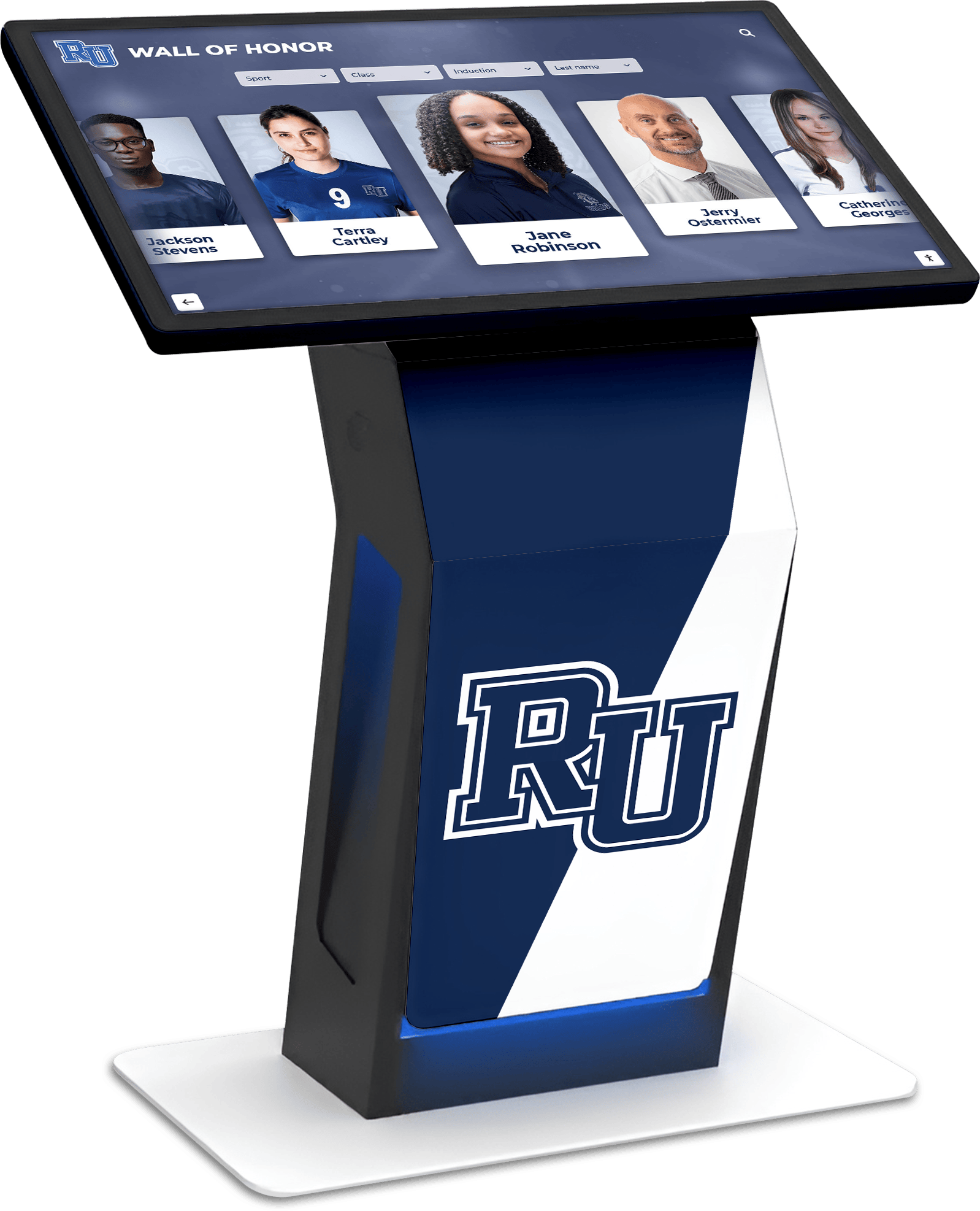
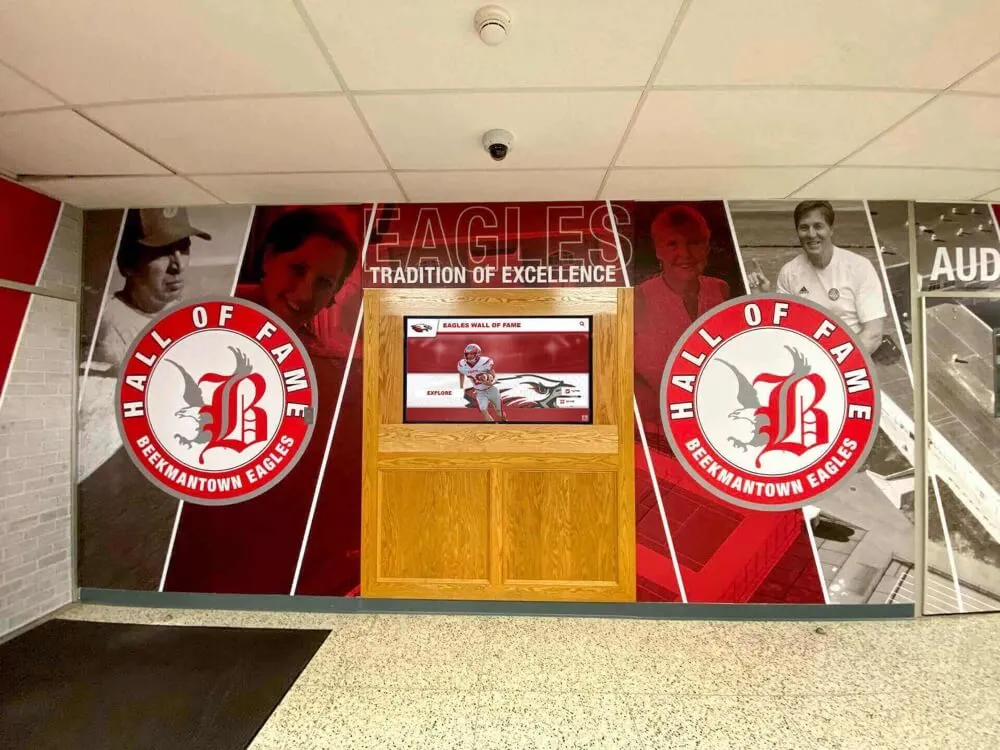
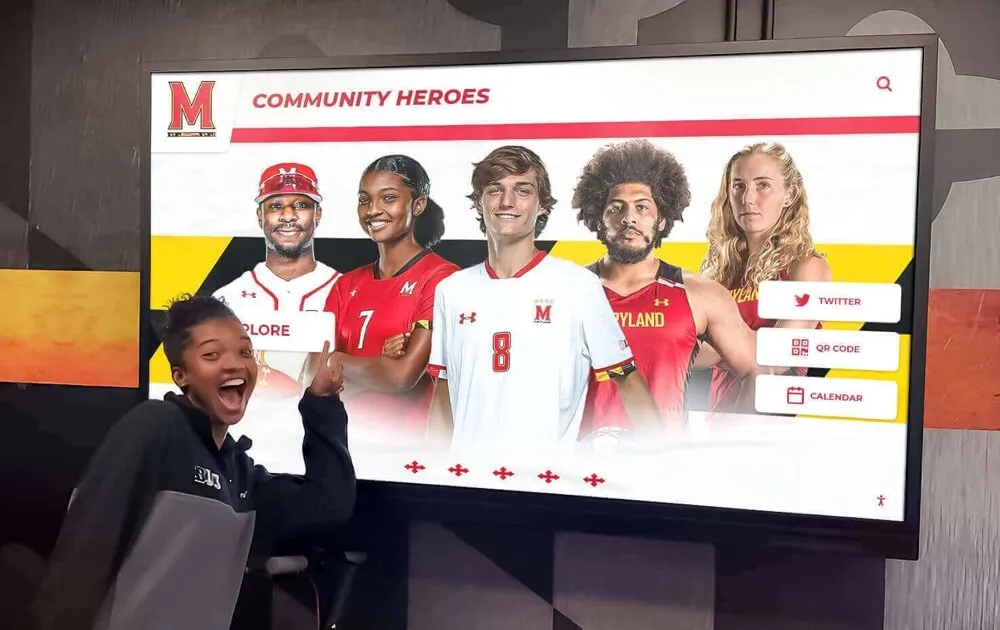
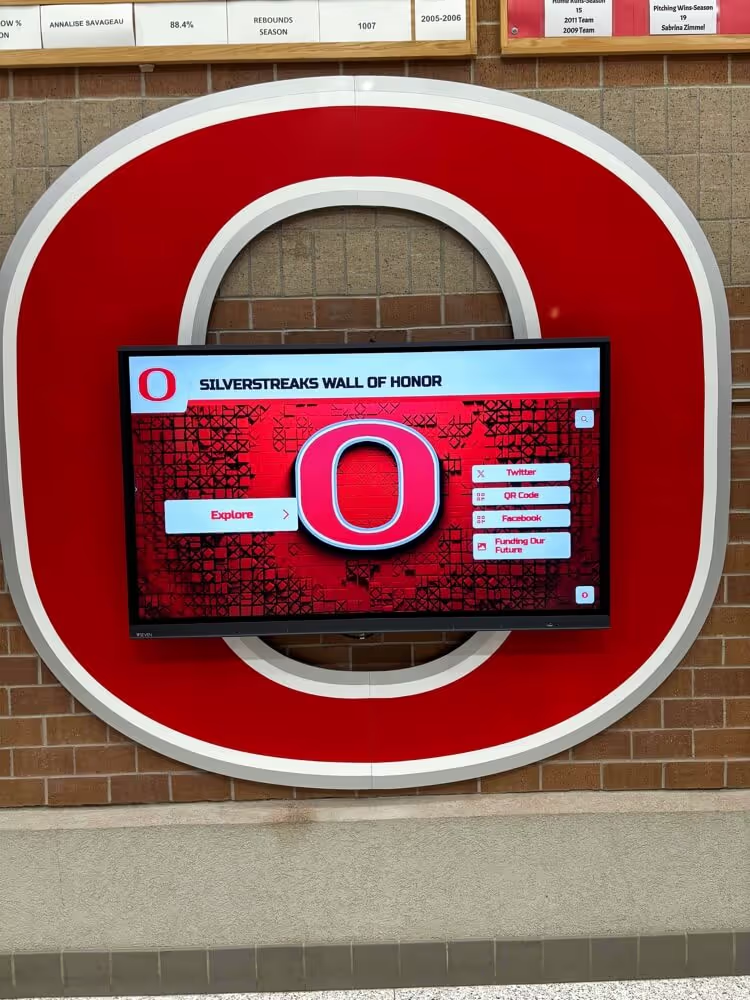
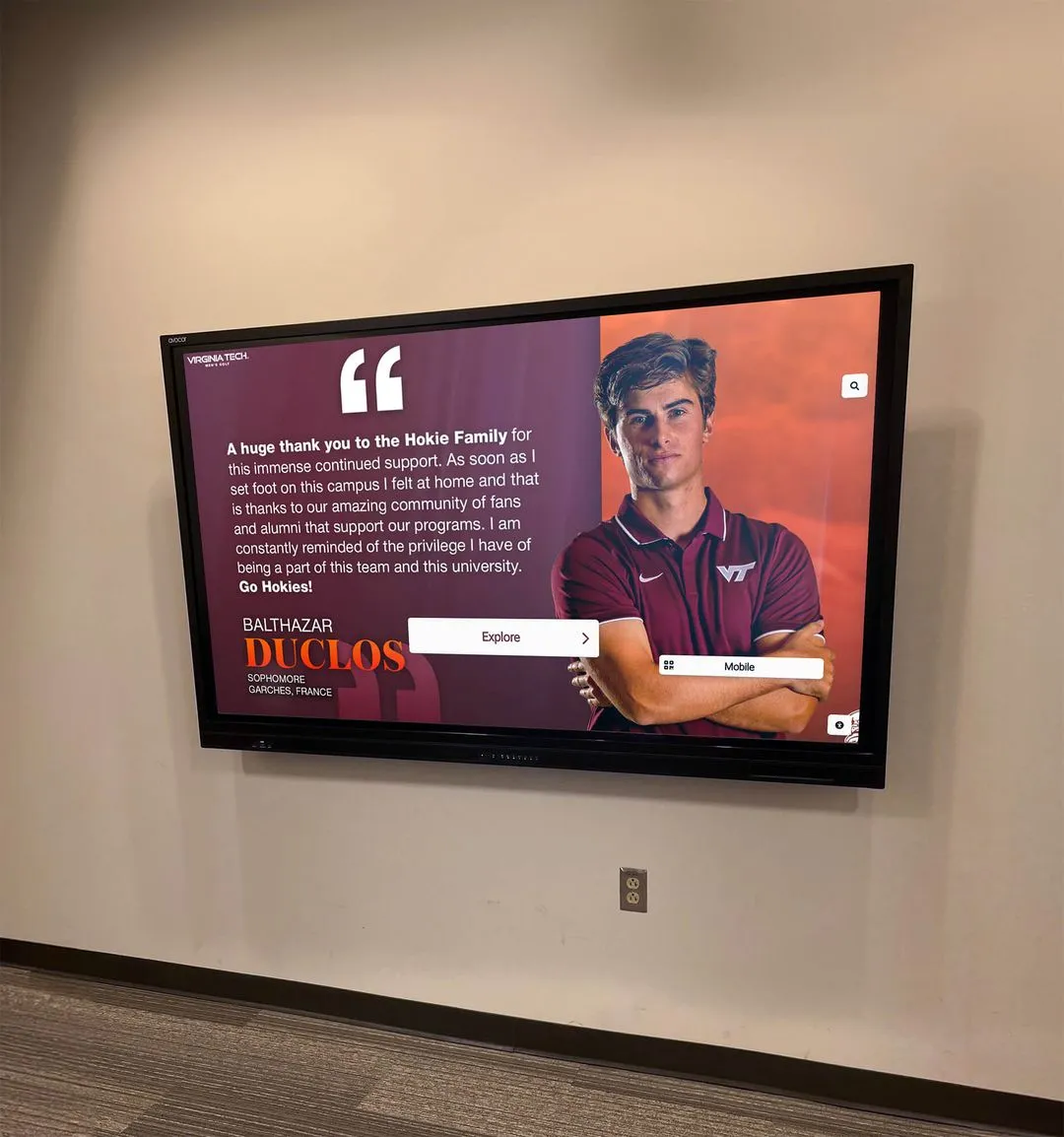
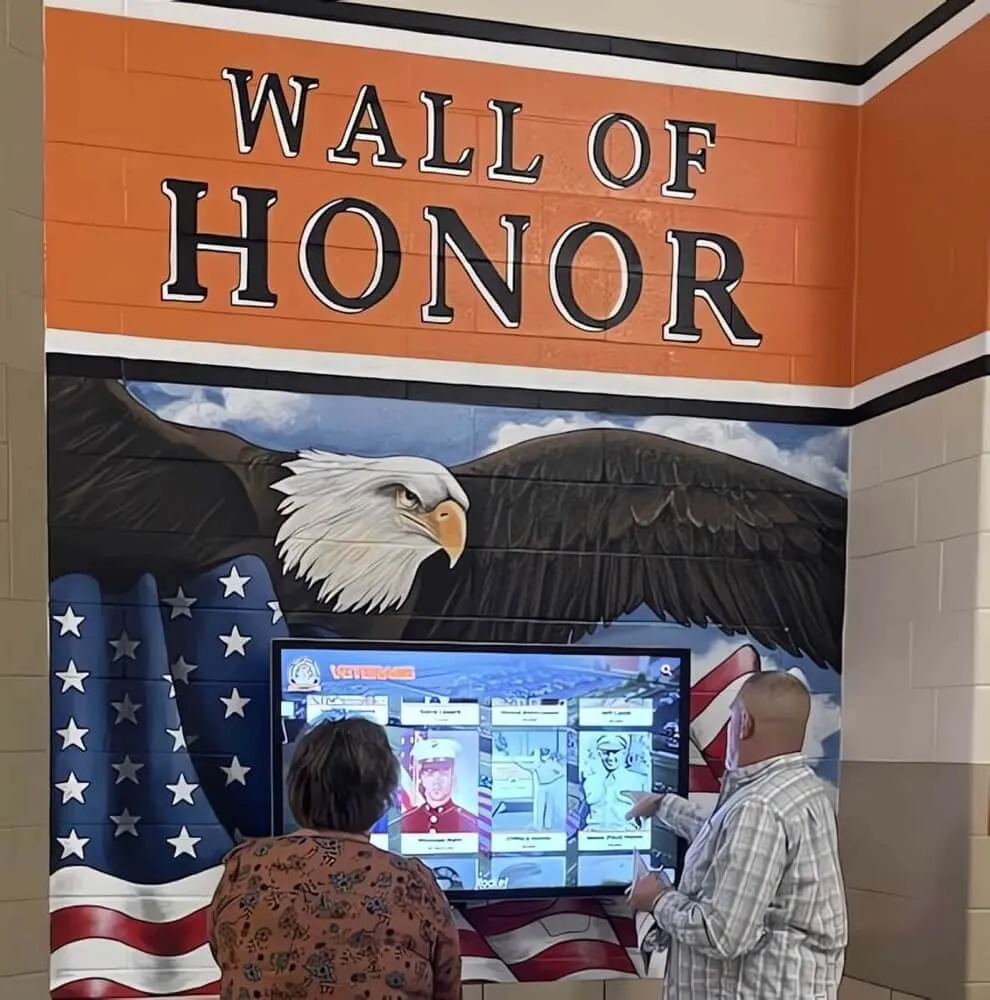
Digital memorial platforms provide unlimited recognition capacity while enabling rich multimedia storytelling impossible with traditional physical monuments alone
Organizing Recognition by Conflict and Era
Chronological Service Documentation
Historical organization provides valuable context:
World War II (1941-1945)
- Greatest Generation service members who defended freedom globally
- Home front contributions including war production and civilian support
- Specific theaters (European, Pacific) and major campaigns
- D-Day, Battle of Bulge, island-hopping campaigns, liberation efforts
- Holocaust awareness and concentration camp liberation participants
Korean War (1950-1953)
- “Forgotten War” veterans deserving prominent recognition
- Pusan Perimeter, Inchon Landing, Chosin Reservoir battles
- Challenges of cold weather combat and difficult terrain
- Armistice circumstances and ongoing division reality
- POW experiences including harsh treatment and repatriation
Vietnam War (1955-1975)
- Controversial conflict requiring sensitive acknowledgment approaches
- Combat experiences in jungle warfare and guerrilla tactics
- Agent Orange exposure and long-term health consequences
- POW/MIA focus given ongoing accounting efforts
- Welcome home recognition many veterans never received during service
- Helicopter pilots, door gunners, and aviation support roles
Gulf War and Modern Conflicts
- Operation Desert Shield/Desert Storm (1990-1991)
- War on Terror including Afghanistan (2001-present) and Iraq (2003-2011)
- Ongoing deployments reflecting continuous operational tempo
- IED threats and evolving combat environment challenges
- Military family sacrifices during multiple extended deployments
- Veteran suicide prevention and mental health awareness
- Female service members in expanded combat roles
- Post-9/11 generation veterans transitioning to civilian life
Era-specific organization helps communities understand different warfare contexts and unique challenges specific generations faced during their service periods.
Learn about creating recognition programs for diverse contributions that can inform respectful military tribute approaches.
Service Branch Recognition Structures
Branch-Specific Acknowledgment
Organizational approaches honoring each military branch:
United States Army
- Ground combat forces and operational roles
- Distinctive unit insignias and division histories
- Battle streamers and campaign participation credits
- Army Values (Loyalty, Duty, Respect, Selfless Service, Honor, Integrity, Personal Courage)
- Fort locations and training center connections
- Army Reserve and National Guard service recognition
United States Navy
- Naval aviation and carrier operations
- Submarine service including silent service traditions
- Surface warfare and ship assignments
- Naval construction battalions (Seabees) and support roles
- Core Values (Honor, Courage, Commitment)
- Navy Reserve and fleet participation
United States Air Force
- Fighter and bomber pilot recognition
- Transport and airlift mission contributions
- Missile operations and strategic deterrence
- Air traffic control and ground support personnel
- Core Values (Integrity First, Service Before Self, Excellence in All We Do)
- Air National Guard and Reserve components
United States Marine Corps
- Amphibious assault and expeditionary warfare
- Marine Expeditionary Units and deployment cycles
- Drill instructor and recruit training traditions
- Core Values (Honor, Courage, Commitment)
- Marine Corps Reserve recognition
United States Coast Guard
- Maritime security and search-and-rescue operations
- Port security and homeland defense missions
- Drug interdiction and law enforcement roles
- Lighthouse service and aids to navigation
- Core Values (Honor, Respect, Devotion to Duty)
Branch organization helps communities understand service diversity while honoring unique traditions and missions each military branch fulfills.
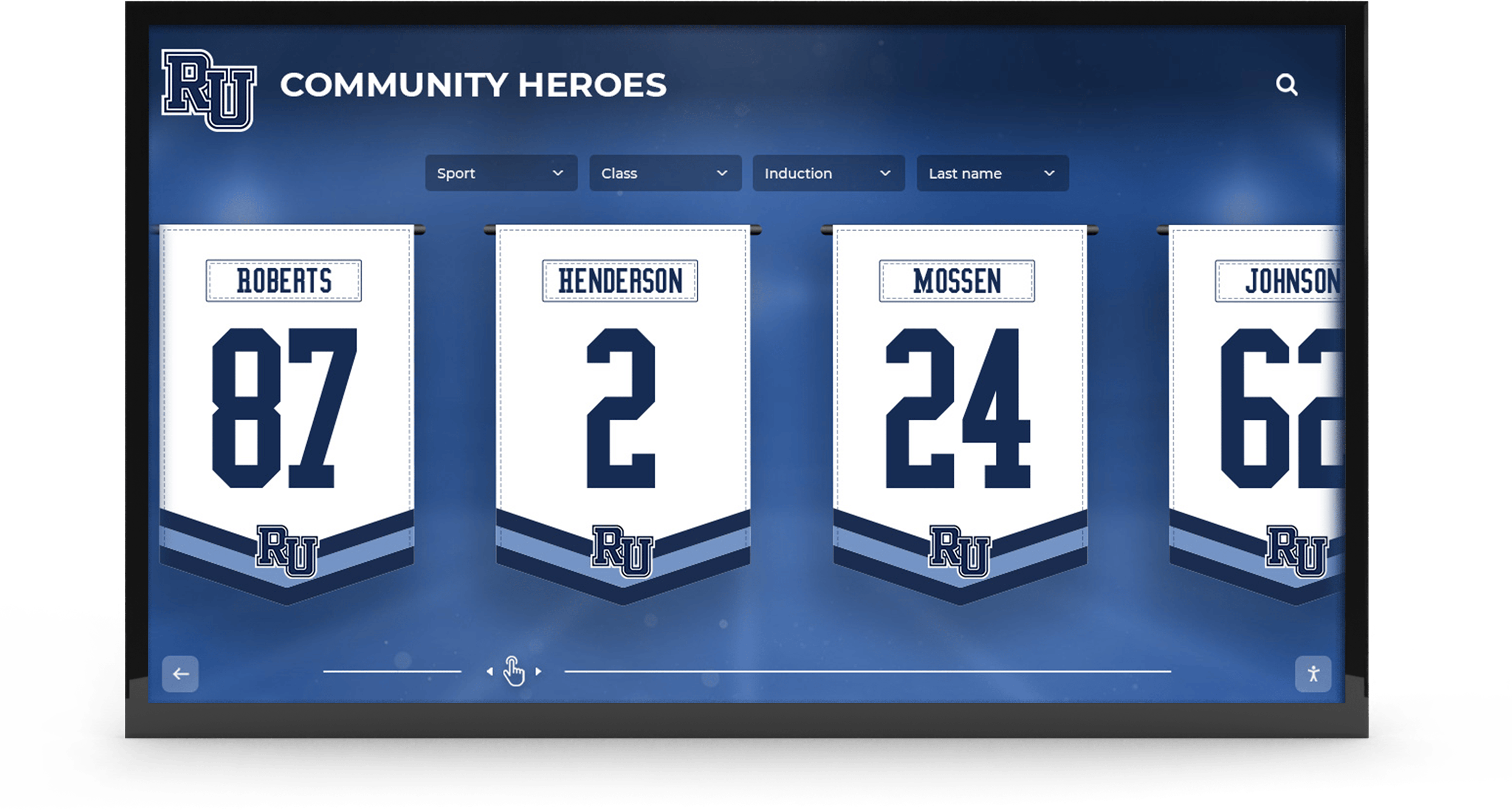
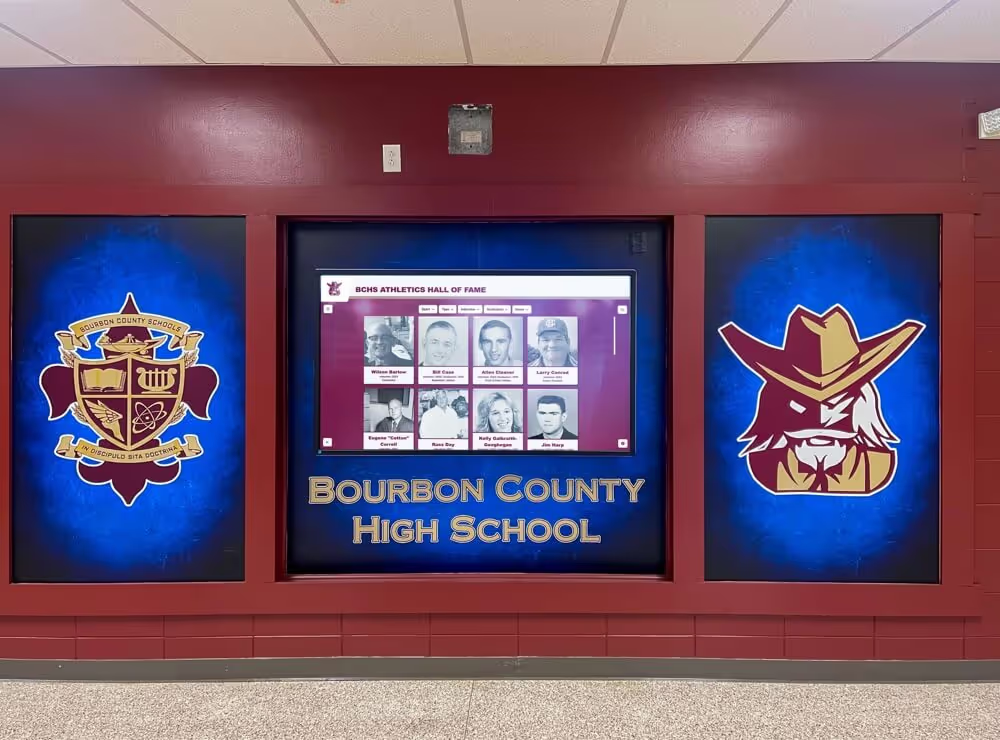
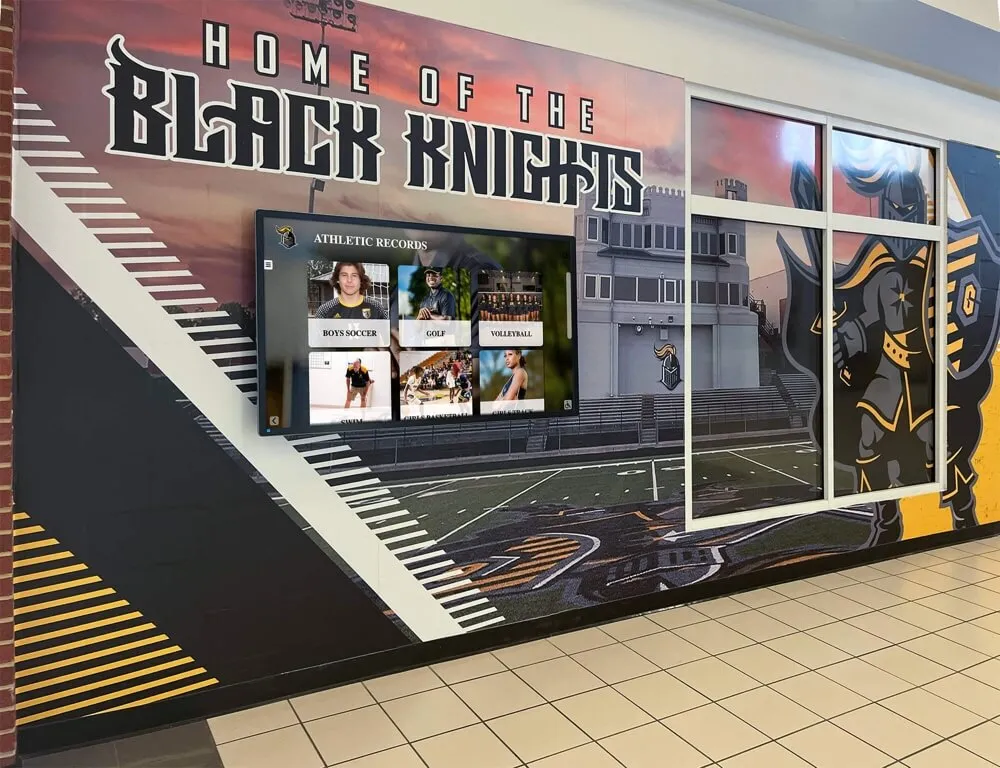
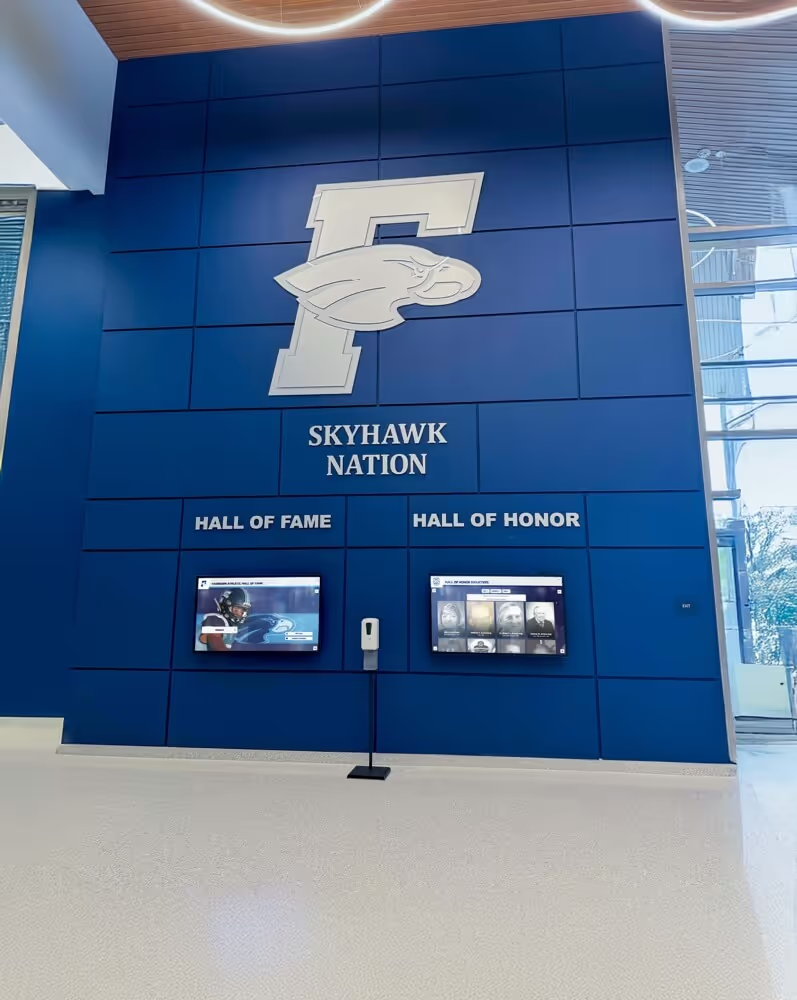
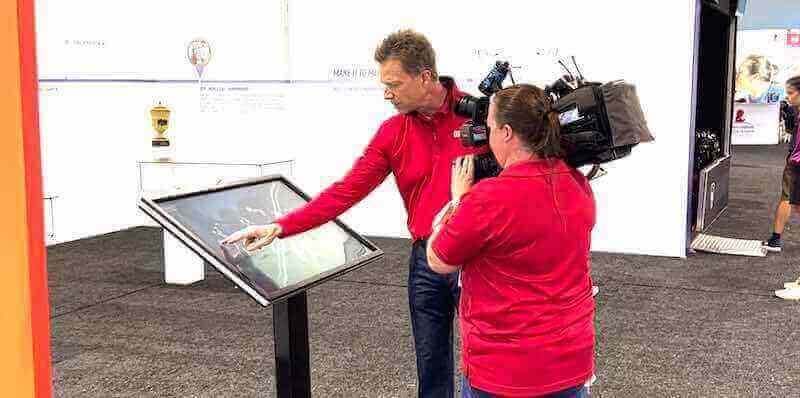
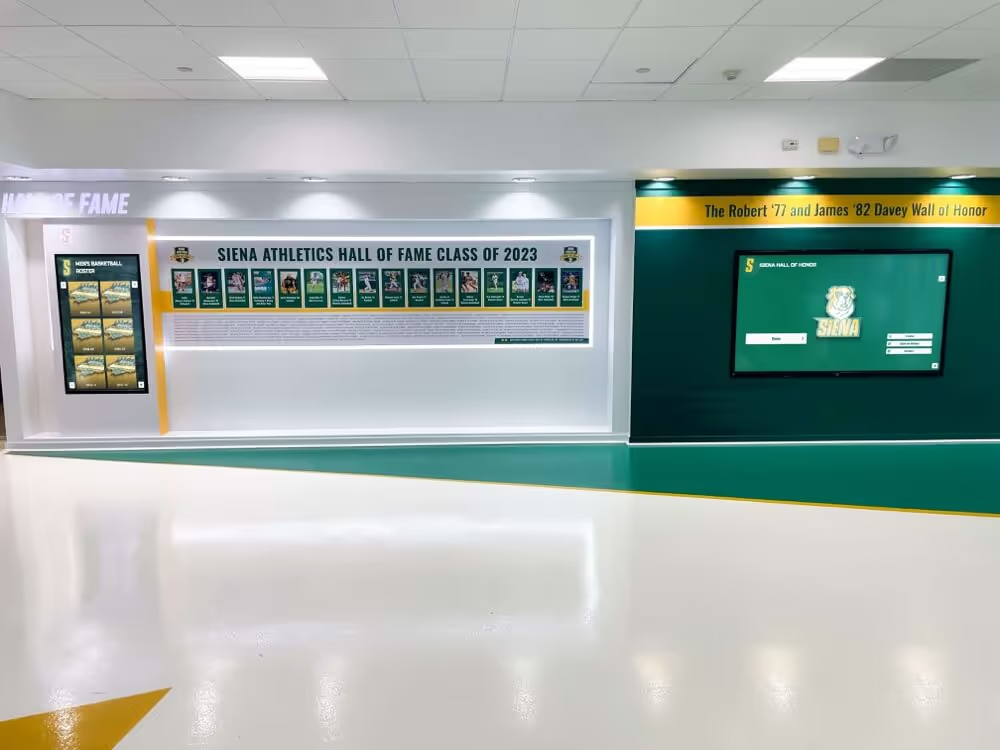
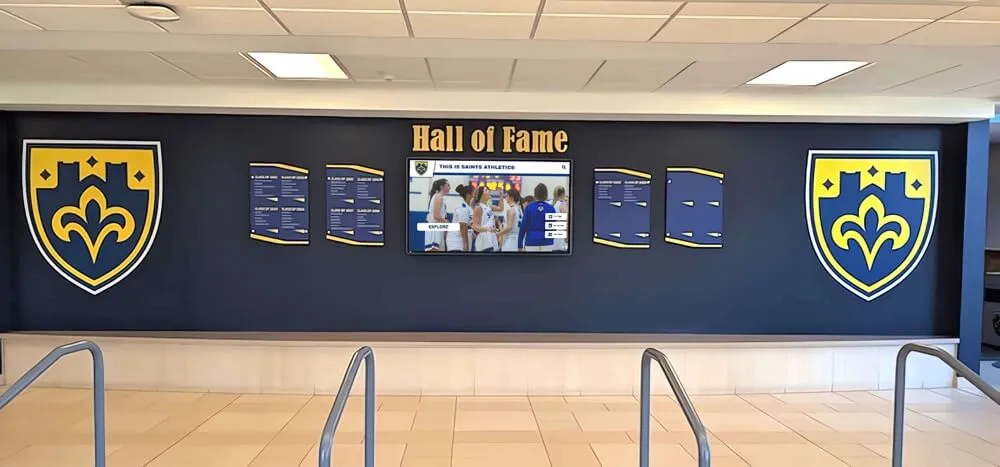
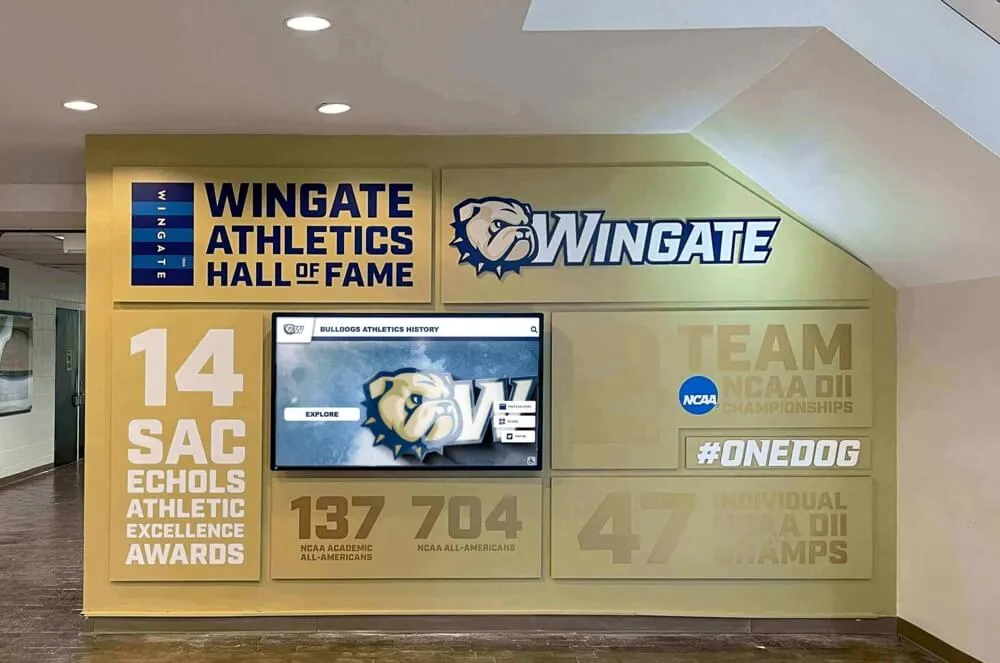
Multi-panel displays enable simultaneous recognition of numerous service members, creating comprehensive community honor rolls
Execution Timeline: Implementing Memorial Day Tribute Programs
Systematic planning ensures meaningful recognition that honors service appropriately while engaging communities effectively.
Phase 1: Foundation Development (4-6 Months Before Memorial Day)
Committee Formation and Goal Setting
Establish leadership and objectives:
- Recruit diverse committee including veterans, military families, civic leaders, educators, historians
- Define tribute scope (single memorial or comprehensive recognition program)
- Establish recognition criteria (all veterans, fallen only, specific conflicts, community connections)
- Determine budget parameters and available funding sources
- Identify potential locations for installations or ceremonies
- Set timeline milestones ensuring completion before Memorial Day observance
- Assign responsibilities across committee members based on expertise and availability
Representative committees ensure tribute programs reflect diverse perspectives while distributing workload manageable for volunteer-driven efforts typical of community organizations.
Service Member Identification and Research
Comprehensive data gathering requires systematic approaches:
Research local service members through:
- County veteran service offices maintaining service records and databases
- VFW and American Legion posts with membership records and historical files
- Historical societies preserving community military history documentation
- Cemetery records identifying veteran graves and service information
- Newspaper archives containing obituaries, service announcements, and deployment coverage
- High school and university records documenting alumni military service
- Family outreach encouraging relatives to submit information and photographs
- Military unit reunion groups connecting with service member associations
- Department of Defense databases including casualty lists and service verification
- National Archives for older service records requiring formal research
Thorough research ensures tribute programs honor complete community military history rather than only recognizing prominent or recent service members while inadvertently overlooking equally deserving veterans.
Explore approaches to archiving institutional history that can inform veteran recognition data collection strategies.
Content Development and Biographical Writing
Transform research into compelling recognition content:
- Draft individual service member profiles following consistent format
- Gather high-quality photographs from military service, personal collections, or historical archives
- Conduct family interviews when possible to capture personal stories and memories
- Verify all service information accuracy through official records preventing embarrassing errors
- Write narratives balancing factual information with emotional storytelling
- Develop historical context explanations for conflicts and campaigns
- Create glossaries explaining military terminology for civilian audiences
- Compile quotes, letters, or testimonials adding authentic voices
- Photograph memorial sites, grave markers, or relevant locations
- Produce video content interviewing surviving veterans or family members
Quality content development distinguishes meaningful tribute programs from superficial name listings—creating recognition that educates, inspires, and honors appropriately.
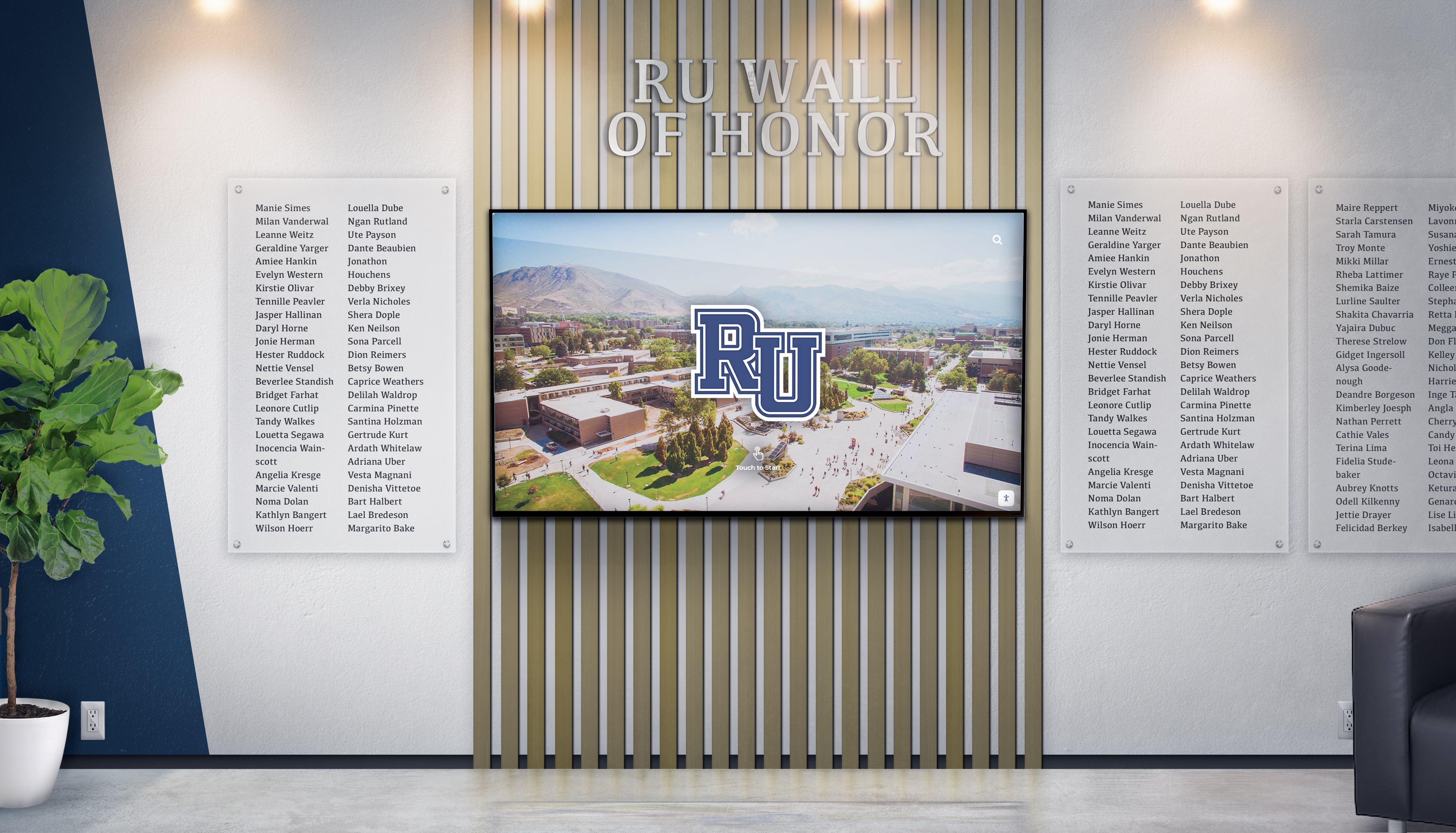
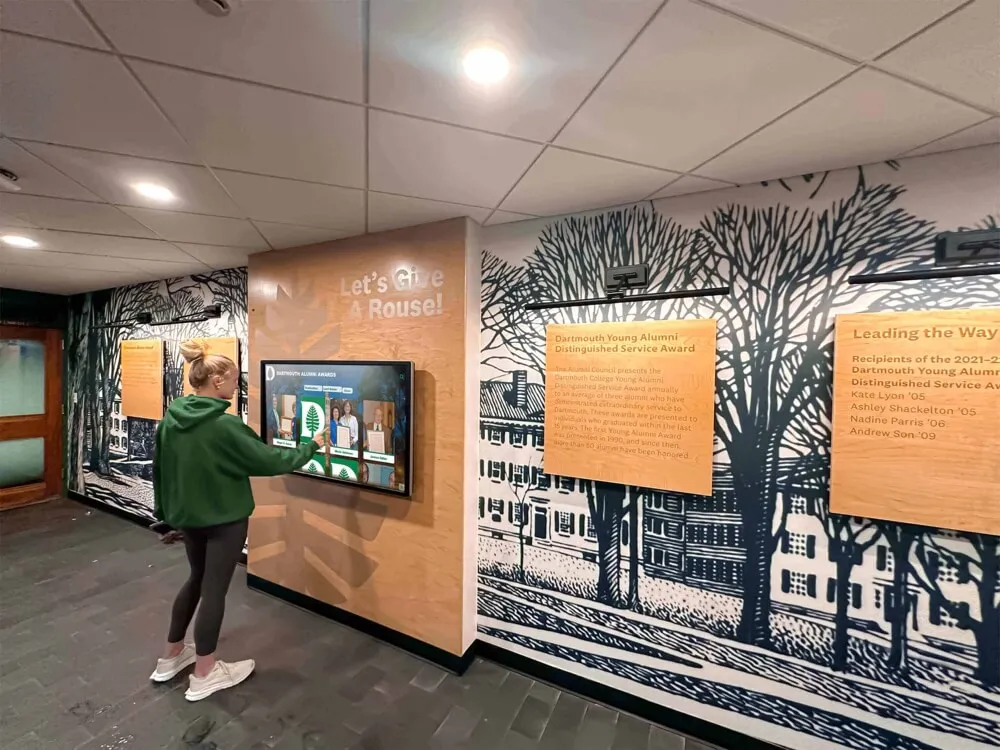
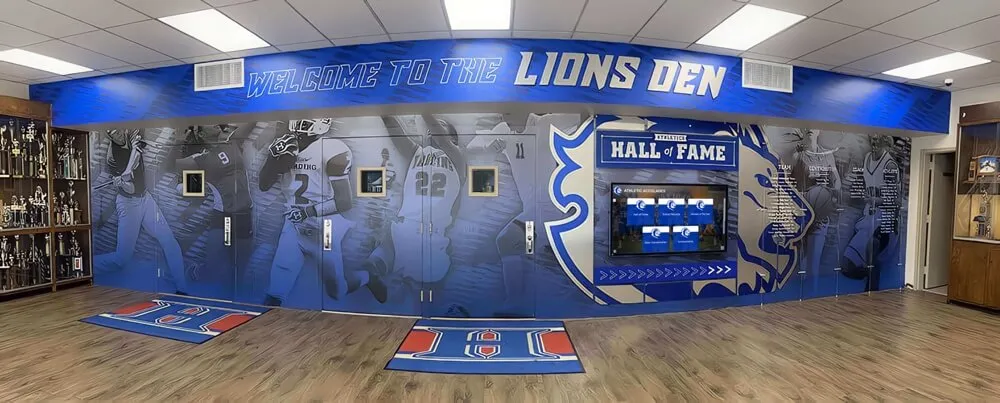
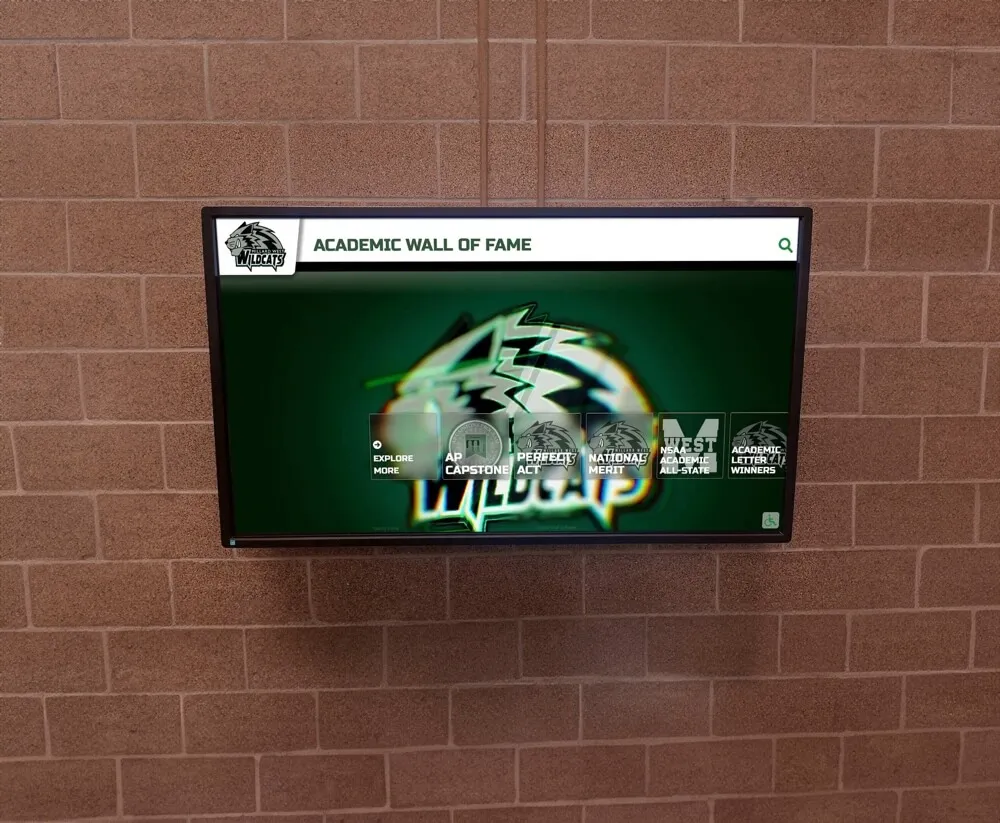
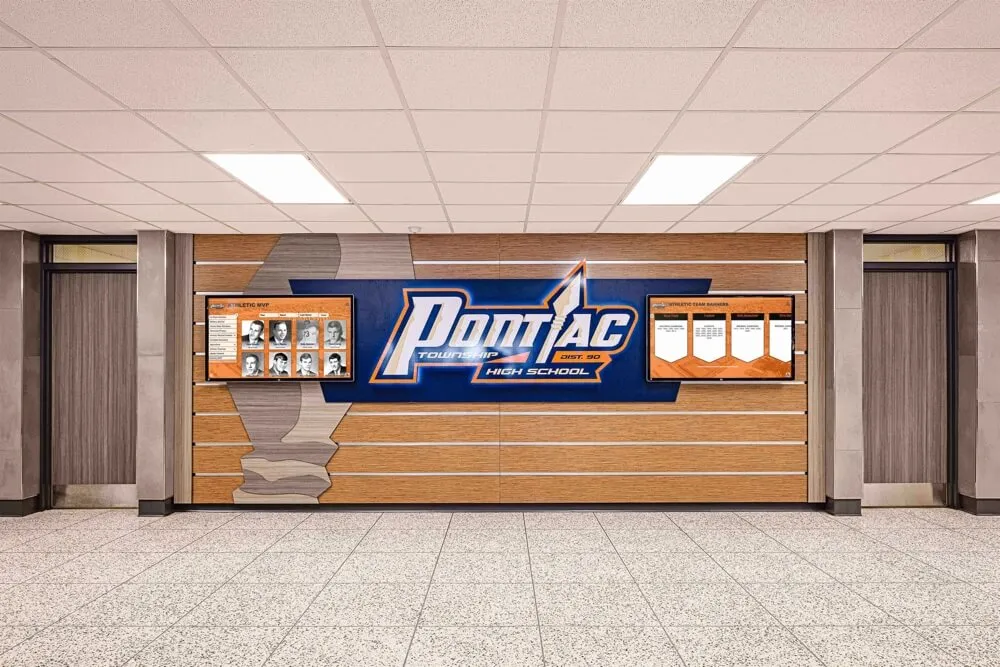
Integrated recognition systems combine traditional naming elements with digital storytelling, offering flexibility and comprehensive capacity
Phase 2: Display Development (6-8 Weeks Before Memorial Day)
Traditional Physical Memorial Options
Several proven formats honor service permanently:
Monument and Marker Installations
- Granite or bronze monuments listing service member names engraved permanently
- Height and visibility considerations ensuring prominence and community access
- Lighting systems enabling evening viewing and creating dramatic effect
- Landscaping integration with flags, memorial plantings, or walking paths
- Dedication plaques explaining tribute purpose and providing context
- Maintenance planning addressing cleaning, repairs, and seasonal care
- Accessibility ensuring all community members can approach and read inscriptions
- Weather resistance appropriate to local climate conditions
Physical monuments provide traditional recognition many veterans and families value while creating permanent community focal points for memorial observances and individual contemplation.
Memorial Wall Approaches
- Name walls listing service members alphabetically or chronologically
- Photo walls displaying individual portraits alongside biographical information
- Branch-specific panels organizing recognition by military service
- Conflict walls grouping service members by war or era
- Tile or brick installations enabling family purchases supporting program funding
- Interactive elements including QR codes linking to digital content
- Multiple wall locations accommodating growth as research identifies additional veterans
Wall formats work effectively in schools, municipal buildings, veteran facilities, and parks—providing flexible recognition adaptable to various space constraints and aesthetic preferences.
Digital Recognition Platform Advantages
Technology-enhanced tributes address traditional limitations:
Modern digital memorial platforms provide capabilities impossible with physical-only approaches:
- Unlimited recognition capacity accommodating every service member without space constraints
- Rich multimedia profiles including multiple photographs, video testimonials, and extended biographies
- Easy content updates adding newly identified veterans or correcting information
- Search and filtering capabilities helping visitors find specific individuals or explore by criteria
- Cost-effectiveness compared to physical memorial expansions and engraving changes
- Remote accessibility extending tribute reach to geographically distant family members
- Educational content integration explaining conflicts, medals, and military traditions
- Preservation safeguarding content through cloud backup and technology upgrades
- Analytics revealing which service members receive most attention and engagement
- Social sharing enabling family members to distribute profiles through personal networks
Solutions like Rocket Alumni Solutions offer specialized military recognition platforms designed specifically for veteran tribute applications, combining appropriate dignity with modern storytelling capabilities that honor service comprehensively while educating communities about sacrifice and service.
Learn about implementing digital recognition displays that can effectively showcase veteran tributes with appropriate reverence and impact.
Hybrid Recognition Strategies
Combined approaches maximize both format strengths:
- Physical monument or wall featuring prominent fallen heroes or limited capacity
- Digital platform providing comprehensive recognition of all service members
- QR codes on physical elements linking to expanded digital profiles
- Touchscreen kiosks placed at monument locations enabling interactive exploration
- Mobile-responsive websites extending recognition beyond physical installations
- Print materials distributed during ceremonies complementing digital content
Hybrid strategies honor traditional memorial preferences while leveraging technology to overcome space limitations and enhance storytelling beyond what physical monuments alone achieve.
Phase 3: Ceremony Planning (4-6 Weeks Before Memorial Day)
Memorial Day Observance Design
Traditional ceremony elements create meaningful experiences:
Core Ceremony Components
- Opening remarks from civic leaders or organization executives
- National Anthem performance by vocalists, instrumentalists, or combined groups
- Invocation or prayer from chaplains or community faith leaders
- Posting of Colors by honor guard following military protocol
- Pledge of Allegiance recited collectively by all attendees
- Wreath-laying ceremony at memorial site or recognition installation
- Guest speaker presentations from veterans, military historians, or Gold Star families
- Reading of names ceremony honoring fallen service members individually
- Musical selections including Armed Forces Medley, Taps, or patriotic songs
- Moment of silence at 3:00 PM local time (National Moment of Remembrance)
- Rifle salute or 21-gun salute when honor guard units available
- Benediction and closing remarks
- Reception providing informal time for attendees to connect and reflect
Thoughtful ceremony design balances solemnity with celebration—honoring sacrifice appropriately while expressing gratitude for freedoms service members defended and preserved.
Logistics and Operational Planning
Successful events require detailed preparation:
- Venue selection appropriate to expected attendance and weather contingencies
- Sound system arrangements ensuring all attendees hear clearly
- Seating provisions for elderly veterans, disabled attendees, and families
- Parking coordination and traffic management for larger observances
- Volunteer recruitment for setup, greeting, programs, and cleanup
- Program printing including ceremony order, featured service members, and content
- Photography and videography documentation for archives and absent family members
- Media outreach encouraging local news coverage amplifying impact
- Promotional campaign through newspapers, social media, community calendars, schools
- Accessibility accommodations ensuring all community members can participate fully
- Weather backup plans for outdoor ceremonies threatened by rain or extreme conditions
- Post-ceremony reception planning when budgets and venues allow
Professional planning demonstrates respect for honorees while creating positive experiences that encourage community participation in future memorial observances.
Explore event planning strategies that can inform successful Memorial Day ceremony development.
Phase 4: Educational Integration (Ongoing)
School and Youth Engagement Programs
Memorial Day tributes provide valuable teaching opportunities:
Classroom Integration Activities
- History lessons connecting specific service members to broader war contexts
- Writing assignments researching local veterans and preparing biographical profiles
- Art projects creating memorial-themed drawings, paintings, or sculptures
- Poetry and creative writing inspired by service and sacrifice themes
- Primary source analysis examining letters, photos, and documents from veterans
- Oral history projects interviewing surviving veterans about experiences
- Flag etiquette lessons teaching proper display, folding, and respect protocols
- Mock induction ceremonies helping students understand military commitment
- Service project participation in cemetery beautification or memorial maintenance
Educational programming ensures younger generations understand Memorial Day significance beyond three-day weekends—building appreciation for military service while preserving historical memory as direct connections to specific conflicts fade with veteran populations.
Community Learning Opportunities
Broader educational efforts reach diverse audiences:
- Public library displays featuring veteran books, photographs, and artifacts
- Museum exhibitions highlighting local military history and service members
- Walking tours visiting memorial sites and explaining significance
- Documentary screenings showing combat footage and veteran testimonials
- Panel discussions with veterans representing different conflicts and perspectives
- Memorial Day concert series featuring military music and patriotic programs
- Historical reenactments demonstrating period uniforms, equipment, and tactics
- Online resources providing digital access to veteran stories and research materials
Year-round educational programming transforms Memorial Day from single-day observance into continuous recognition supporting military appreciation and historical literacy throughout communities.
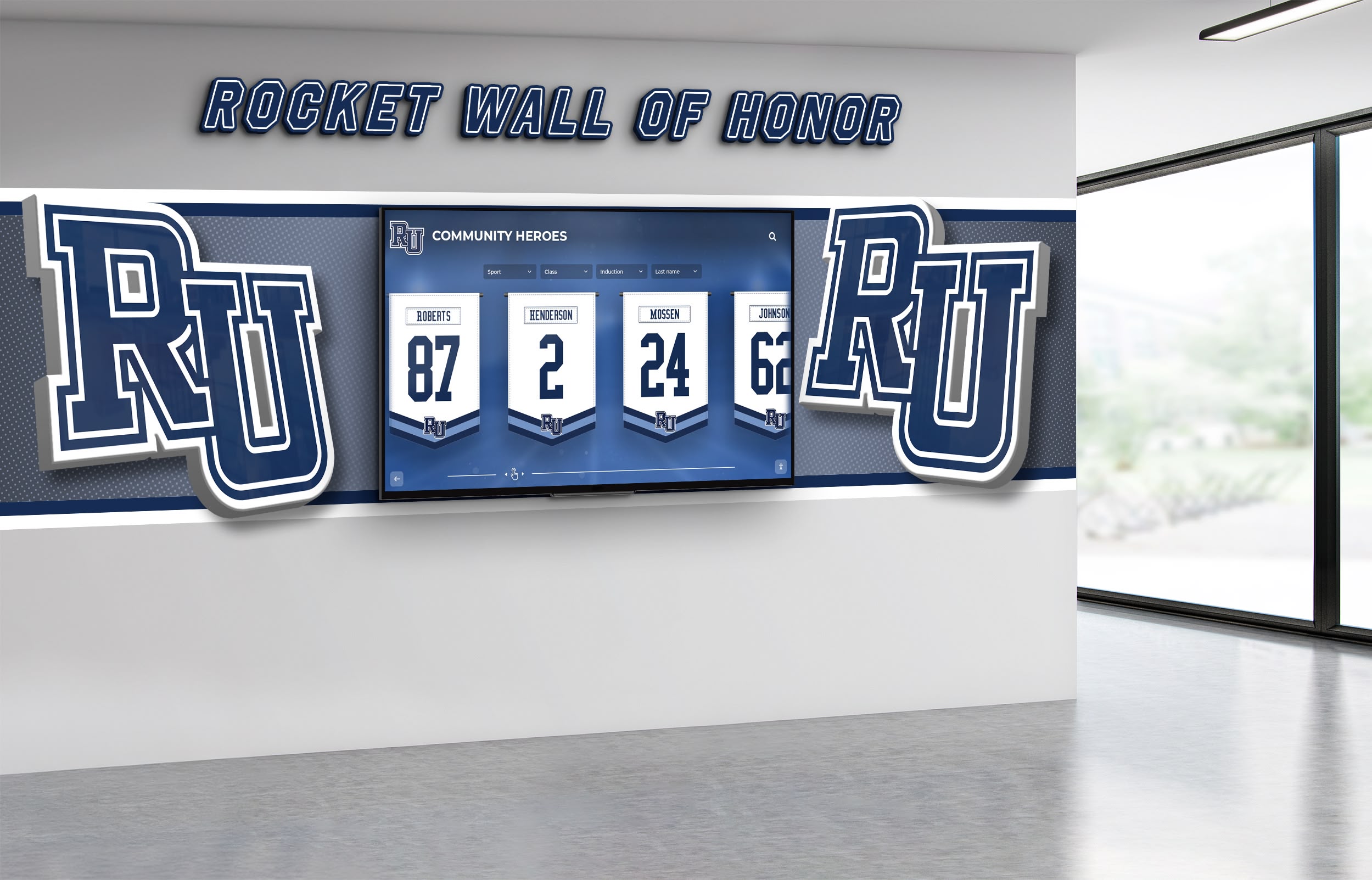
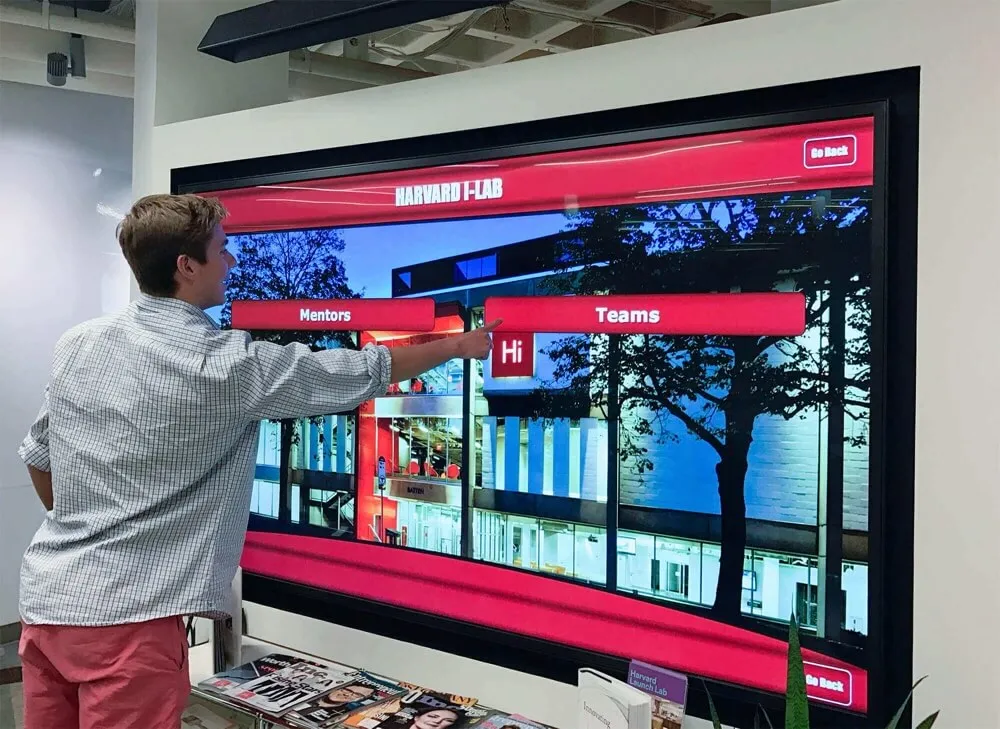
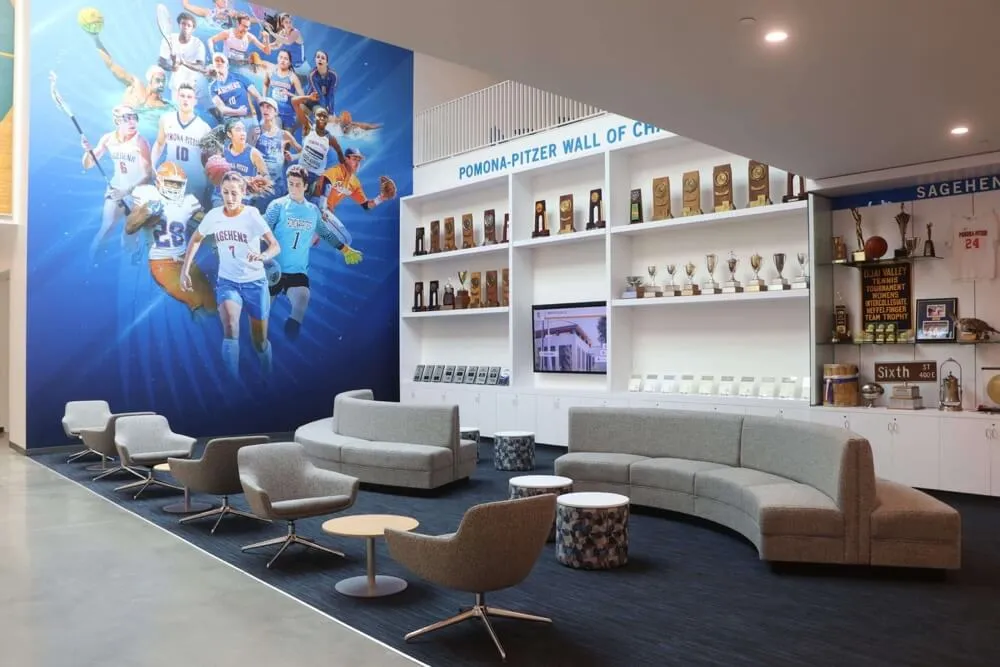
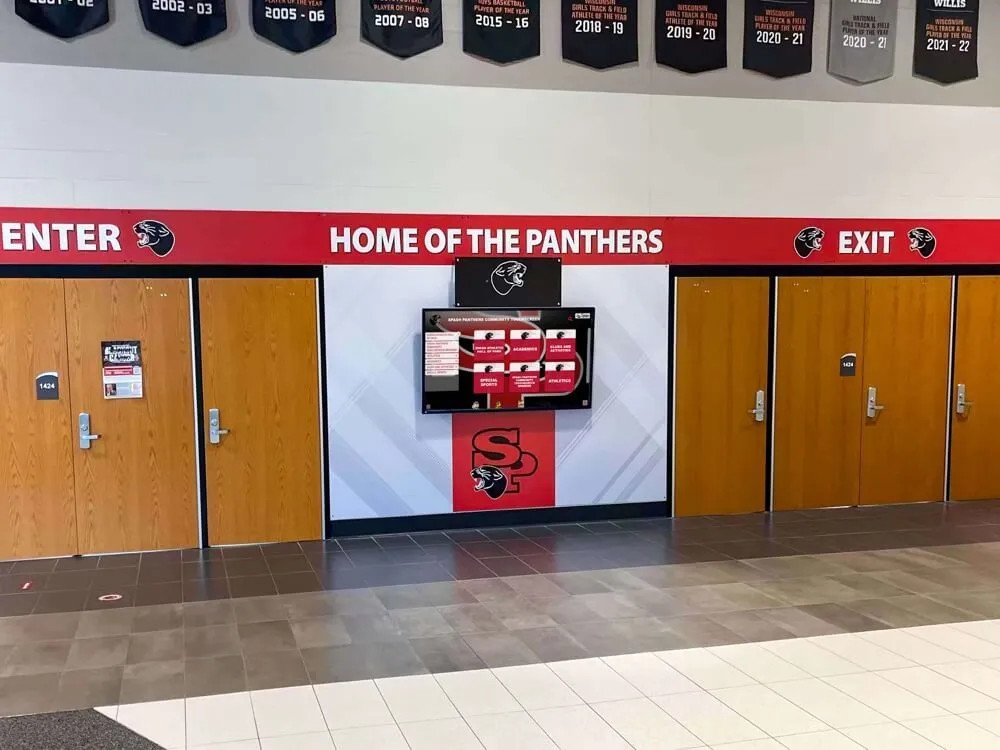
Strategic lobby placement ensures veteran recognition greets visitors daily, maintaining year-round honor beyond single Memorial Day observances
Display Integration: Connecting Tributes to Physical and Digital Environments
Thoughtful installation strategies maximize recognition visibility and community engagement throughout the year.
Location Selection and Placement Strategy
High-Traffic Community Locations
Position recognition where residents encounter it naturally:
- Municipal building lobbies ensuring government acknowledgment of service
- Public library main entrances connecting education with recognition
- School hallways and commons areas inspiring students daily
- Community center gathering spaces serving diverse populations
- Park entrances and plaza areas providing outdoor contemplation settings
- Veteran facility lobbies honoring visitors and residents directly
- Sports complex concourses reaching families during youth activities
- Religious institution narthex or fellowship halls engaging faith communities
Strategic placement ensures memorial tributes reach broad audiences rather than existing in isolated locations only veterans or their families visit intentionally.
Accessibility and Universal Design Principles
Inclusive planning enables all community members to engage:
- ADA-compliant pathways and clear approach distances to physical memorials
- Wheelchair-accessible mounting heights for plaques and digital displays
- Adequate lighting for evening viewing without glare on reflective surfaces
- Seating areas allowing extended contemplation comfortably
- Protective coverings or indoor installations preventing weather damage and vandalism
- Multilingual content when communities include non-English speaking populations
- Audio descriptions for visually impaired visitors when technology platforms allow
- Large text and high contrast meeting readability standards
- Tactile elements enabling hands-on exploration when appropriate
- Clear wayfinding directing visitors to memorial locations from parking and entry points
Universal design demonstrates that memorial tributes honor all veterans by welcoming all community members regardless of age, ability, or background.
Learn about comprehensive approaches to creating recognition installations that inform accessible veteran memorial design strategies.
Technology Integration Best Practices
Interactive Touchscreen Memorial Displays
Digital platforms enable rich storytelling:
Purpose-built memorial kiosks provide comprehensive capabilities:
- Portrait and landscape orientation options matching space constraints and design preferences
- Commercial-grade displays rated for continuous operation in public environments
- Intuitive touch interfaces requiring no instruction or technical expertise
- Powerful search enabling visitors to find specific service members quickly
- Photo galleries showing military service, family, and community images
- Video integration incorporating veteran interviews and historical footage
- Map visualizations showing deployment locations and campaign movements
- Timeline presentations organizing service chronologically across decades
- Medal and ribbon galleries explaining military honors and decorations
- Related content linking service members from same units or conflicts
- Social sharing capabilities enabling family distribution through personal networks
- Analytics tracking most-viewed profiles informing future content development
Interactive exploration transforms passive memorial visits into active learning experiences—helping visitors discover connections while spending extended time engaging with service member stories and sacrifice narratives.
Content Management and Update Workflows
Digital platforms require ongoing administration:
- Cloud-based management systems enabling updates from any location without site visits
- Secure access controls protecting sensitive information and preventing unauthorized changes
- Version history tracking all content modifications and approval workflows
- Scheduled publishing enabling timed release of newly researched service members
- Bulk import capabilities streamlining large dataset additions
- Media optimization automatically resizing photos and videos for optimal display
- Backup systems preventing content loss through redundant storage
- Technical support assisting with questions, troubleshooting, and enhancements
- Training resources enabling volunteer administrators to manage systems confidently
Solutions like Rocket Alumni Solutions provide specialized support for military recognition applications, understanding the unique sensitivities and requirements that distinguish veteran tributes from general recognition programs.
Web Accessibility and Remote Engagement
Online extensions reach geographically dispersed stakeholders:
- Public-facing websites providing global access to memorial content
- Mobile-responsive design ensuring smartphone and tablet compatibility
- Direct profile links enabling family members to share specific service members easily
- Embeddable widgets allowing integration with organizational websites
- Email notifications informing families when loved ones added to digital memorials
- Virtual ceremony streaming for families unable to attend physically
- Online memorial books enabling public comments and remembrances
- Downloadable content allowing families to preserve profiles personally
- Search engine optimization ensuring discoverability through Google searches
- Social media integration amplifying reach through Facebook, Instagram, LinkedIn sharing
Remote accessibility proves particularly valuable for military families who often live far from service members’ hometown communities—enabling participation in memorial tributes regardless of geographic distance.
Measurement: Assessing Memorial Day Tribute Impact
Evaluation demonstrates program value while identifying continuous improvement opportunities.
Community Engagement Metrics
Participation and Attendance Indicators
Quantifiable measures include:
- Memorial Day ceremony attendance year-over-year trends
- Digital display interaction frequency and average session duration
- Website page views for online memorial profiles and content
- Social media engagement rates including shares, comments, and reactions
- Student participation in educational programs and service projects
- Volunteer recruitment success for memorial maintenance and ceremonies
- Media coverage quantity and quality in local newspapers, television, radio
- Family feedback and gratitude expressions received after recognition
- New service member identification rate as research uncovers additional veterans
- Donation and sponsorship support for memorial programs and installations
Strong engagement metrics validate investment while weak performance signals need for strategy adjustments or enhanced promotional efforts.
Educational Impact Assessment
Measure learning outcomes when possible:
- Student knowledge gains about military history, conflicts, and service
- Teacher feedback regarding curriculum integration success and student engagement
- Youth participation trends in veteran interview projects and research assignments
- Community survey results assessing Memorial Day significance awareness
- Generational differences in memorial appreciation and observance practices
- Historical literacy improvements in communities with sustained educational programs
Educational assessment demonstrates tribute value beyond recognition alone—showing how memorial programs contribute to broader civic education and patriotic understanding throughout communities.
Family and Veteran Satisfaction
Stakeholder Feedback Collection
Understand perspectives from those most affected:
- Surviving family member satisfaction with recognition quality and appropriateness
- Veteran reactions to memorial tributes honoring fallen comrades and service
- Gold Star family input regarding dignity and respect in content presentation
- Military organization perspectives from VFW, American Legion, and unit associations
- Community feedback about ceremony meaningfulness and emotional impact
- Suggestion gathering for continuous program improvement and expansion
- Testimonial collection documenting personal stories of recognition impact
- Complaint or concern mechanisms addressing issues respectfully and promptly
Family satisfaction represents ultimate success metric—recognition programs exist primarily to honor service members and comfort families, making their perspectives paramount in assessing program effectiveness.
Long-Term Sustainability Indicators
Evaluate program viability across years:
- Volunteer committee retention and ongoing leadership engagement
- Financial sustainability through donations, sponsorships, or municipal funding
- Content update frequency maintaining current and accurate information
- Technology platform reliability and vendor partnership quality
- Community awareness maintenance through sustained promotional efforts
- Intergenerational participation ensuring younger leaders assume responsibility
- Memorial maintenance quality preserving physical installations professionally
- Program expansion capacity accommodating newly identified veterans
Sustainable programs require ongoing commitment extending far beyond initial installation enthusiasm—evaluation should assess whether structures exist supporting long-term memorial excellence.
Learn about approaches to measuring recognition program success that inform veteran tribute assessment strategies.
Special Considerations for Military Recognition Programs
Several unique factors distinguish veteran tributes from other recognition types:
Sensitivity and Dignity Requirements
Appropriate Content Standards
Military recognition demands particular care:
- Verification of service information through official records preventing misinformation
- Respectful presentation of combat death circumstances without sensationalism
- Privacy considerations for families preferring limited information disclosure
- Accuracy regarding medals, ranks, and service details maintaining military precision
- Appropriate imagery avoiding graphic combat photos or insensitive depictions
- Language choices emphasizing honor and gratitude rather than glorifying warfare
- Political neutrality avoiding controversial policy debates within memorial contexts
- Inclusive recognition of all service regardless of conflict popularity or outcome
- Sensitivity toward PTSD, mental health challenges, and suicide among veterans
- Gold Star family consultation ensuring comfort with public recognition approaches
Inappropriate handling of military recognition can cause profound pain to families and veterans—organizations must prioritize sensitivity throughout all planning and implementation phases.
Cultural and Religious Diversity Acknowledgment
Memorial tributes should honor varied backgrounds:
- Recognition of diverse faith traditions represented in military service
- Multilingual content when communities include immigrant veteran populations
- Awareness of cultural military service traditions beyond American contexts
- Indigenous/Native American veteran recognition honoring unique contributions
- African American military history acknowledging segregation and civil rights connections
- Hispanic/Latino service member recognition in appropriate cultural contexts
- Women veteran visibility highlighting expanding roles and contributions
- LGBTQ+ service member inclusion following policy evolution and current openness
Inclusive approaches ensure memorial tributes honor complete military history rather than reflecting narrow perspectives that inadvertently exclude deserving service members.
Ongoing Program Management and Sustainability
Administrative Workflows Preventing Lapses
Systematic approaches maintain quality:
- Annual calendar establishing regular memorial activities and milestones
- Research protocols continuously identifying additional service members deserving recognition
- Content update schedules ensuring digital platforms remain current and accurate
- Physical memorial maintenance contracts preventing deterioration and damage
- Committee succession planning preventing leadership gaps threatening continuity
- Financial management practices sustaining funding through diverse revenue sources
- Partnership maintenance with veteran organizations ensuring ongoing support
- Documentation systems preserving institutional knowledge across volunteer transitions
- Crisis communication plans addressing controversies or challenges professionally
- Quality assurance reviews ensuring consistent excellence and dignity standards
Well-managed programs endure decades while poorly structured initiatives often fade within few years despite strong initial enthusiasm—administrative discipline distinguishes sustainable memorial tributes from temporary projects.
Expansion and Evolution Strategies
Growing programs thoughtfully:
- Regular research expanding service member database as new information discovered
- Technology upgrades maintaining modern platforms and replacing outdated equipment
- Physical memorial expansions accommodating additional names when original capacity filled
- Educational program development adding new curriculum and community learning opportunities
- Ceremony enhancements incorporating new traditions or improved experiences
- Partnership cultivation adding organizational supporters and resource contributors
- Funding diversification reducing dependence on single revenue sources
- Measurement sophistication improving assessment and strategic planning capabilities
Continuous improvement demonstrates ongoing commitment to service member honor while adapting recognition programs to evolving community needs, technological capabilities, and best practice development.
Conclusion: Creating Memorial Day Tributes with Lasting Impact
Memorial Day tributes represent more than ceremonial obligation—they preserve our connections to those who sacrificed for freedoms we often take for granted, educate younger generations about service and citizenship, strengthen community bonds around shared values, and demonstrate tangible gratitude to military families who carried burdens most civilians never experience. Organizations approaching tribute programs thoughtfully create recognition experiences that resonate emotionally while maintaining appropriate dignity, honor service comprehensively across conflicts and eras, and sustain appreciation year-round rather than limiting acknowledgment to single holiday observances.
The most effective memorial programs balance traditional elements honoring time-tested commemoration practices with modern technologies enabling comprehensive recognition impossible through physical monuments alone. From identifying and researching local service members to creating rich biographical content, planning meaningful ceremonies, selecting appropriate display strategies, and measuring community impact, the frameworks explored throughout this guide provide practical pathways for schools, communities, veteran organizations, and civic groups designing tribute programs worthy of those who served.
As organizations navigate recognition options, digital memorial platforms offer substantial advantages—unlimited capacity honoring every service member without space constraints, rich multimedia storytelling bringing service experiences to life, easy content updates maintaining accuracy and adding newly identified veterans, and remote accessibility enabling geographically distant families to engage with tributes regardless of location. Solutions like Rocket Alumni Solutions provide specialized platforms designed specifically for military recognition applications, combining appropriate dignity with modern capabilities that honor service comprehensively while educating communities about sacrifice.
For organizations ready to launch new memorial programs or enhance existing recognition, systematic planning following frameworks outlined in this guide creates foundations for tributes that honor service authentically while building traditions that strengthen community appreciation and preserve historical memory for generations who never directly experienced the conflicts during which service members deployed and fought.