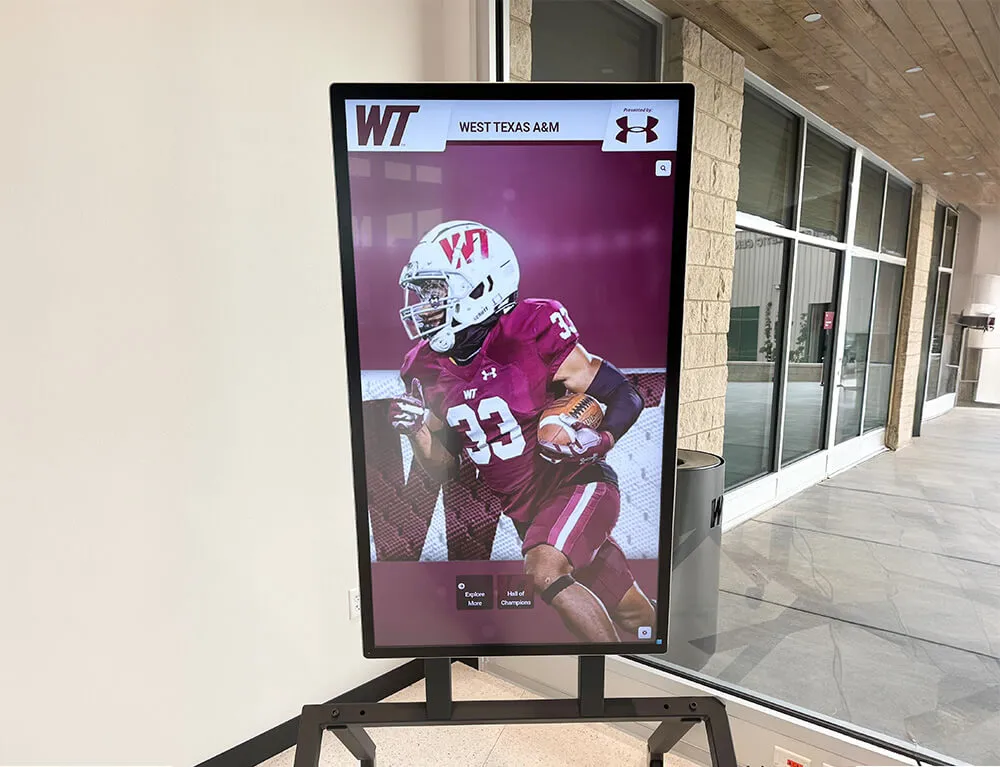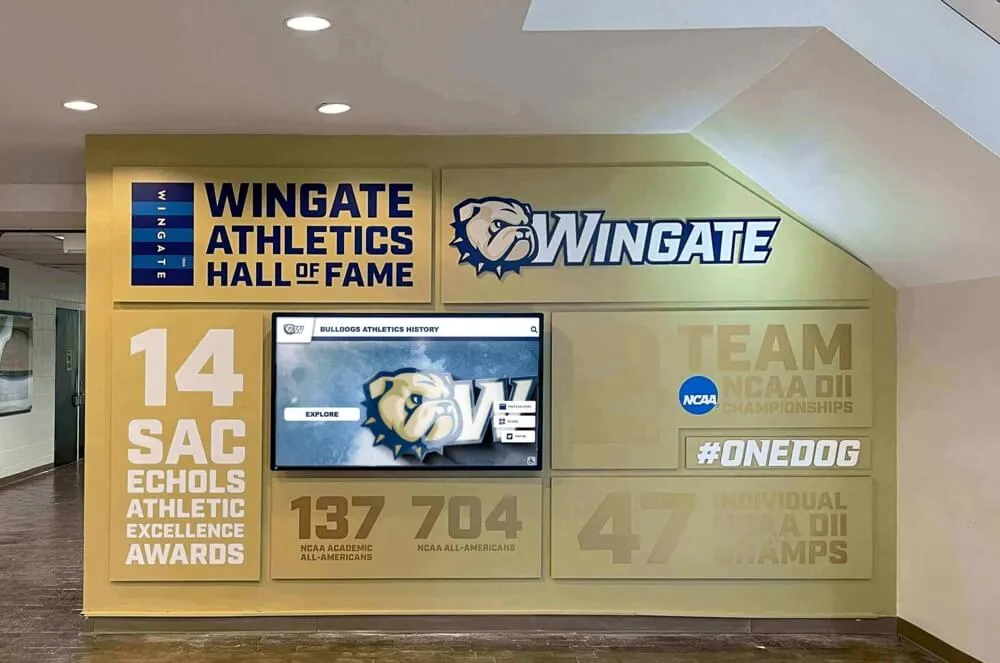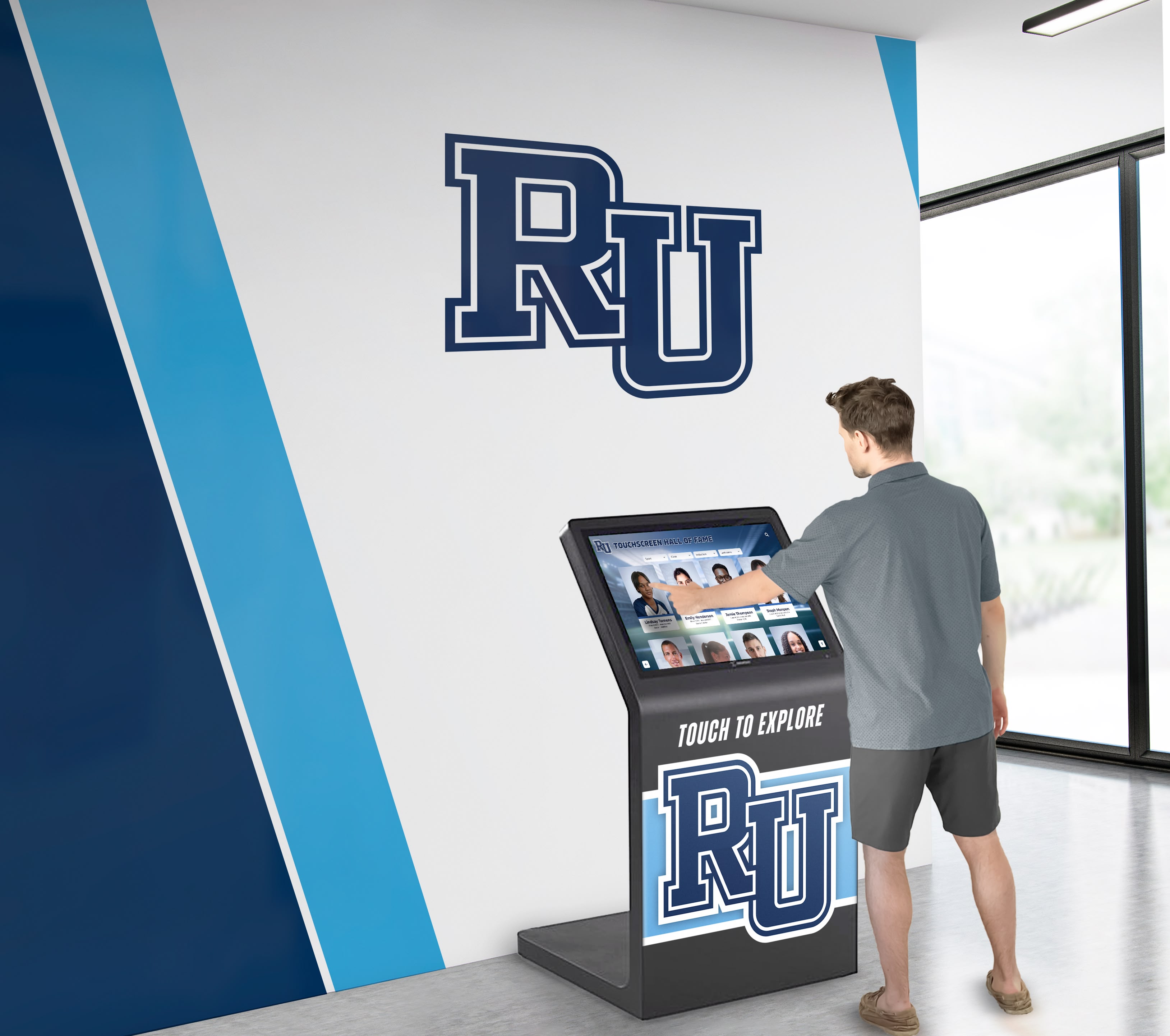




Intent: Plan — Law firm lobbies serve as critical first impression spaces where clients form immediate judgments about professional credibility, organizational prestige, and attorney expertise during vulnerable moments when selecting legal representation for important matters affecting their businesses, families, or personal futures. Yet despite the lobby’s strategic importance in establishing trust and demonstrating capability, most law firms struggle with outdated recognition approaches that scatter achievement information across static plaques, aging photograph walls, dusty trophy cases, and generic framed certificates—leaving prospective clients unable to discover attorney credentials, unaware of firm accomplishments, and uncertain about the expertise available to address their specific legal needs through communication methods failing to meet contemporary expectations for accessible professional information.
This recognition challenge extends beyond aesthetic concerns to impact client confidence, attorney recruitment, and competitive positioning in increasingly crowded legal markets. Firm administrators spend valuable time maintaining physical displays that clients barely notice, struggle to communicate comprehensive achievement histories through limited wall space, face difficulties highlighting current successes without outdated materials undermining credibility, and miss opportunities to differentiate their practices when prospective clients cannot easily discover the specific expertise, landmark victories, and professional recognitions that distinguish truly exceptional legal representation from generic alternatives offering similar services at comparable rates.
This comprehensive guide provides a complete blueprint for implementing interactive touchscreen recognition displays specifically designed for law firm lobbies and professional legal environments. These displays consolidate attorney achievements, showcase firm history and landmark cases, provide instant access to practice area expertise and professional credentials, display real-time awards and recognition updates, and create engaging digital showcases where clients naturally explore firm capabilities while building confidence in attorney expertise—transforming scattered recognition chaos into streamlined accessible achievement presentation that serves both client trust-building and professional recruitment excellence.
Law firm lobbies represent unique communication environments where prospective clients, current clients, opposing counsel, and potential attorney recruits require instant access to credibility-building information demonstrating firm capability, attorney expertise, and organizational prestige. Interactive touchscreen recognition displays overcome the limitations inherent in traditional plaque-and-photograph approaches while creating modern engaging presentation experiences that contemporary clients expect from forward-thinking professional service organizations throughout their legal representation journeys.

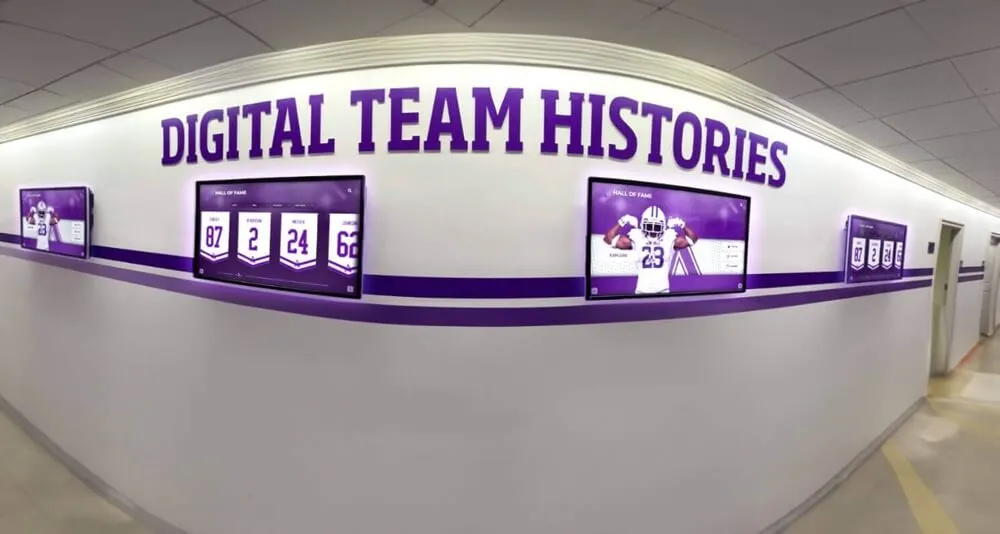
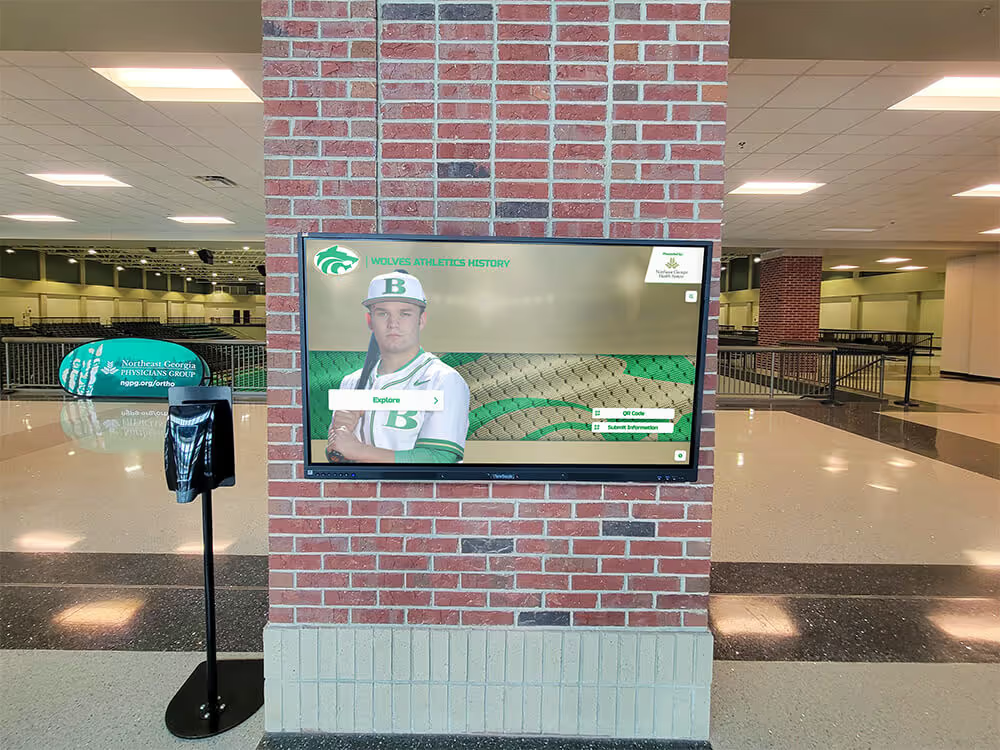
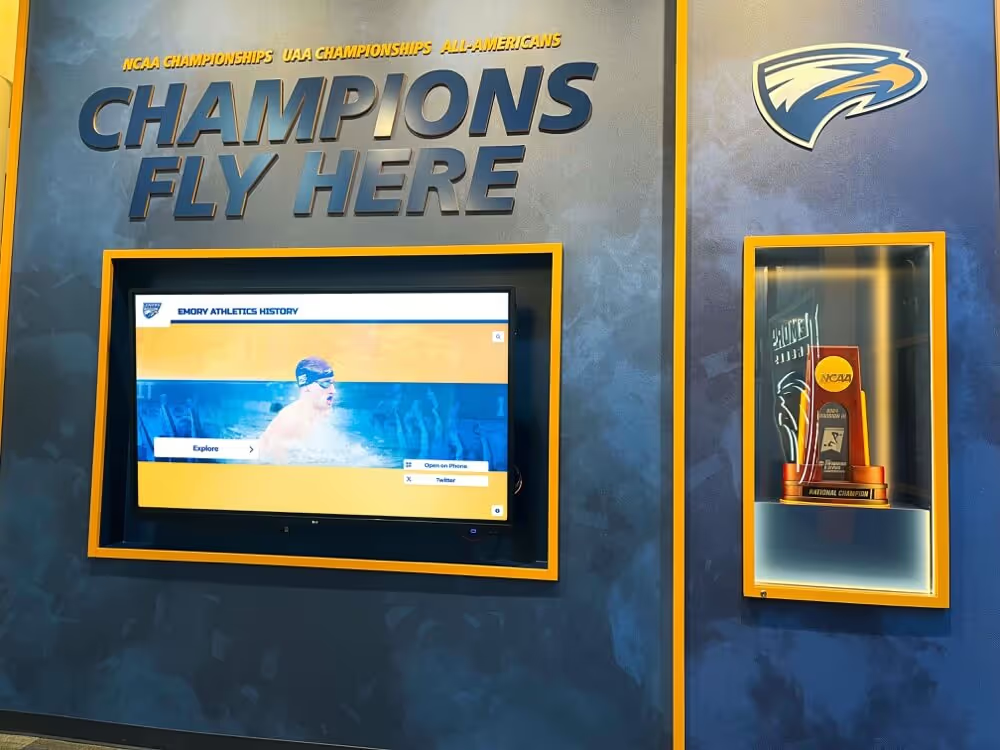
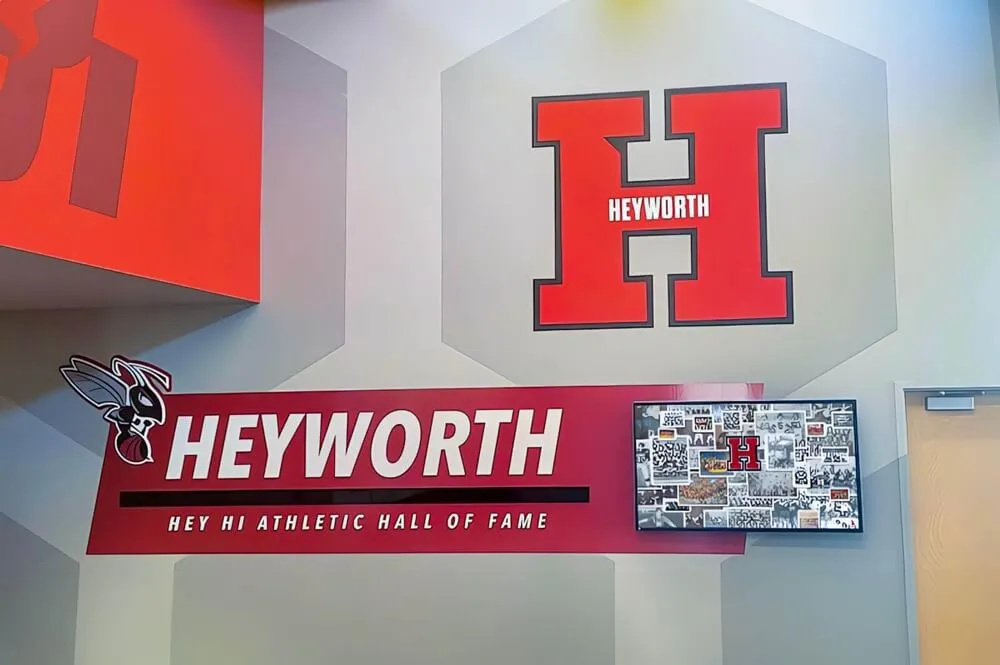
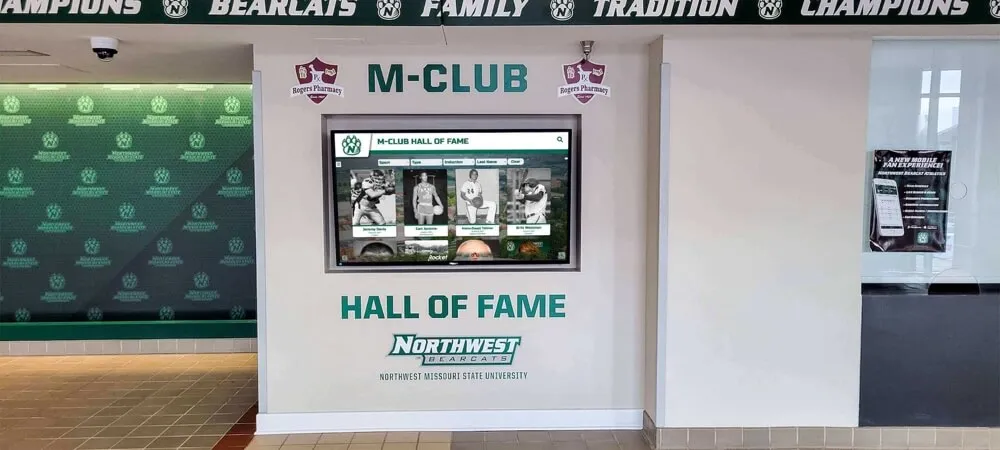
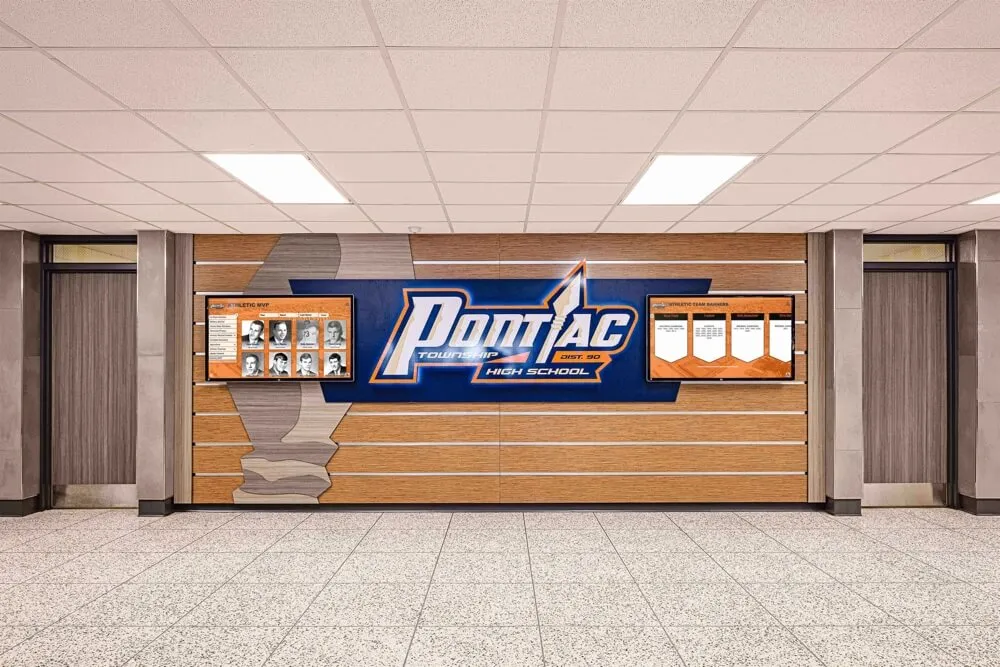
Interactive touchscreen displays create accessible information hubs where law firm clients discover attorney credentials, firm achievements, case victories, and professional recognitions through intuitive digital interfaces
Program Snapshot: Law Firm Interactive Recognition Displays
Understanding the complete scope of law firm touchscreen recognition implementation helps managing partners and firm administrators assess whether this communication approach aligns with branding goals and operational capabilities:
| Program Element | Description | Key Considerations |
|---|---|---|
| Target Audience | Prospective clients, current clients, opposing counsel, attorney recruits, community partners, media representatives | Diverse audiences require intuitive interfaces accessible without training or legal expertise |
| Information Categories | Attorney biographies and credentials, landmark case victories, awards and professional recognitions, firm history timelines, practice area expertise, community involvement | Comprehensive content requires systematic organization preventing overwhelming information density |
| Primary Outcomes | Enhanced client confidence, improved competitive differentiation, streamlined attorney recruitment, strengthened professional branding, increased referral generation | Success requires measuring outcomes beyond simply having displays installed |
| Technology Components | Interactive touchscreen displays, content management systems, network connectivity, mobile integration capabilities, analytics tracking | Purpose-built solutions deliver superior results versus generic digital signage lacking legal-specific features |
| Deployment Locations | Main lobby reception areas, conference room entrances, elevator lobbies, waiting areas, partner floor hallways | Strategic placement ensures visitors encounter information during natural facility navigation |
| Launch Timeline | Typically 2-4 months from planning through operational deployment for initial implementations | Rushed installations without adequate content development consistently disappoint |
| Ongoing Management | Regular content updates for new case victories, quarterly recognition additions, annual attorney credential refreshes | Requires dedicated staff time or clear administrative responsibilities for sustainable operation |
Content Architecture: Organizing Legal Achievement Information for Client Discovery
Law firm interactive touchscreen displays structure professional recognition and achievement information through specialized content modules designed for quick discovery and intuitive client exploration:
Attorney Profiles and Professional Credentials
Comprehensive Attorney Biographies
Detailed professional information clients need when selecting representation includes:
- Educational background featuring law school credentials, undergraduate institutions, and specialized certifications
- Bar admissions showing jurisdictions where attorneys maintain active practice licenses
- Years of experience demonstrating depth of legal knowledge and practical expertise
- Practice area concentrations highlighting specific legal specializations and focus areas
- Professional association memberships indicating industry leadership and peer recognition
- Published articles and legal scholarship demonstrating thought leadership
- Speaking engagements at conferences and professional development events
- Pro bono work and community legal service contributions
Professional Recognition and Awards
Individual attorney achievements deserving celebration:
- Super Lawyers designations by practice area and year of recognition
- Best Lawyers in America selections across relevant practice categories
- Martindale-Hubbell peer review ratings demonstrating professional reputation
- State and local bar association awards recognizing legal excellence
- Chambers and Partners rankings showing market-leading status
- National Law Journal honors and recognition placements
- Industry-specific awards related to specialized practice areas
- Community service awards and civic leadership recognitions
According to legal marketing research, the majority of law firms believe that winning and showcasing awards helped them acquire more clients, as these recognitions serve as objective social proof that prospective clients use when evaluating legal representation options in unfamiliar practice areas where expertise differences prove difficult to assess.
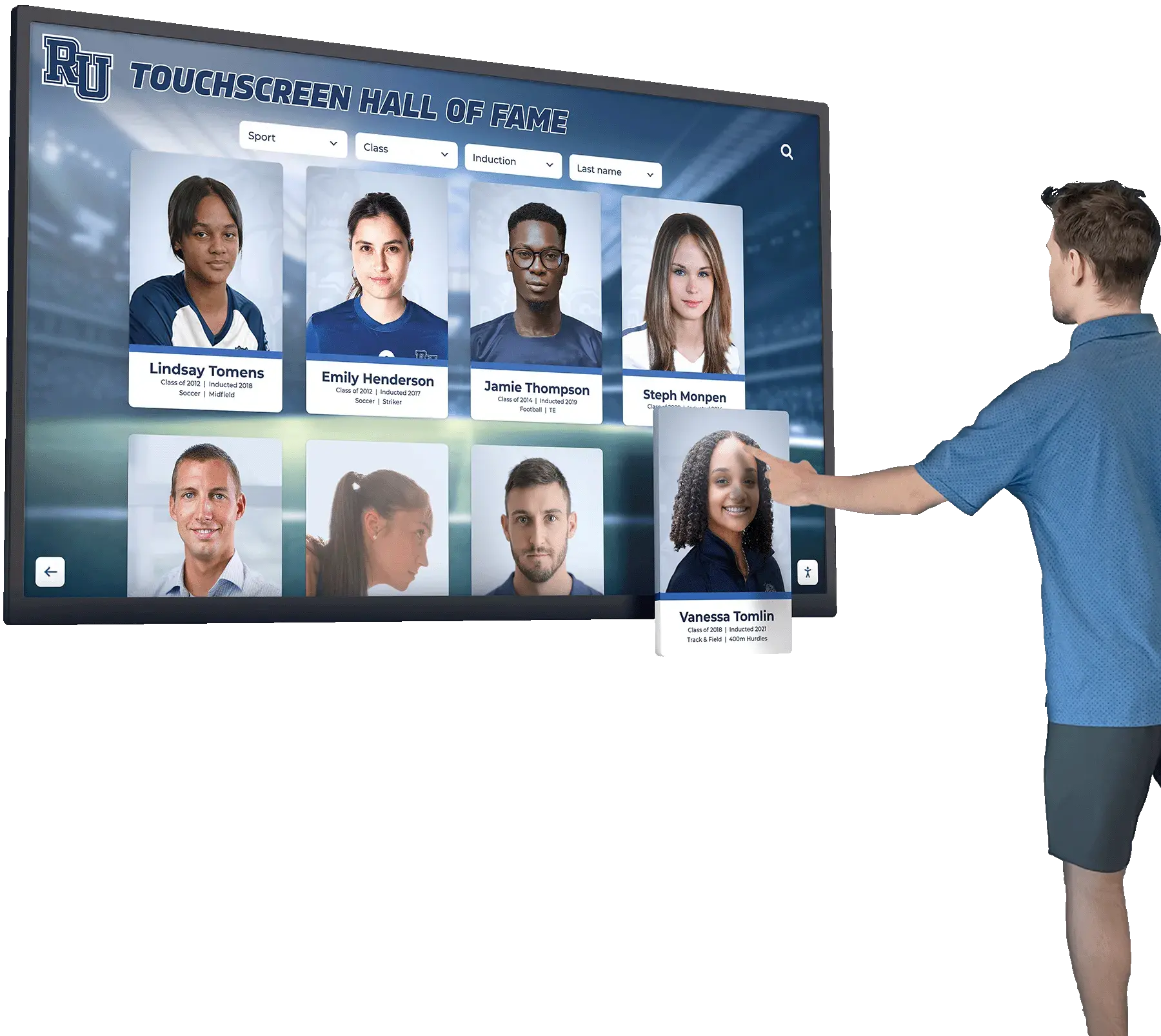
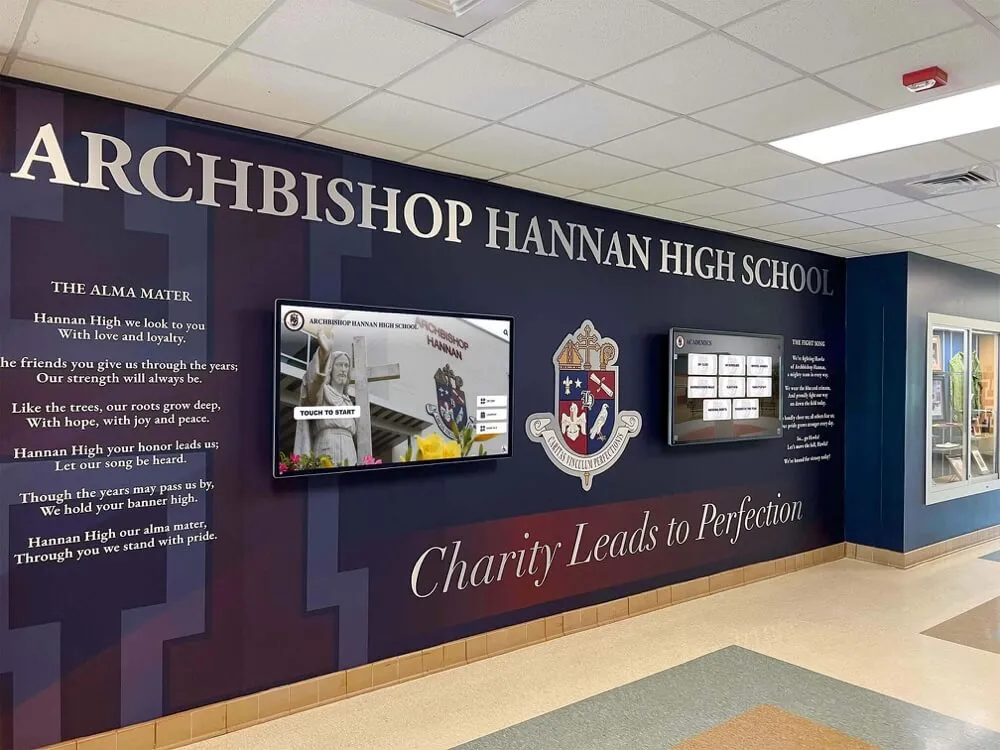
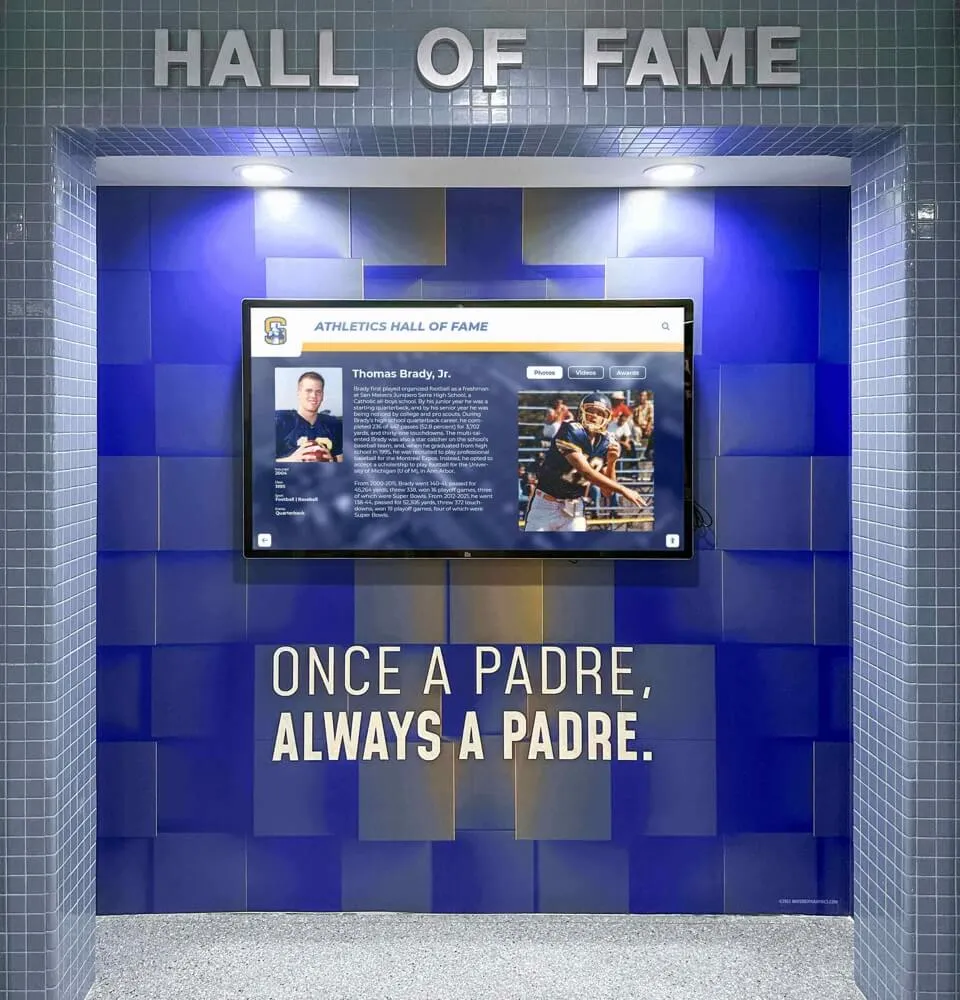
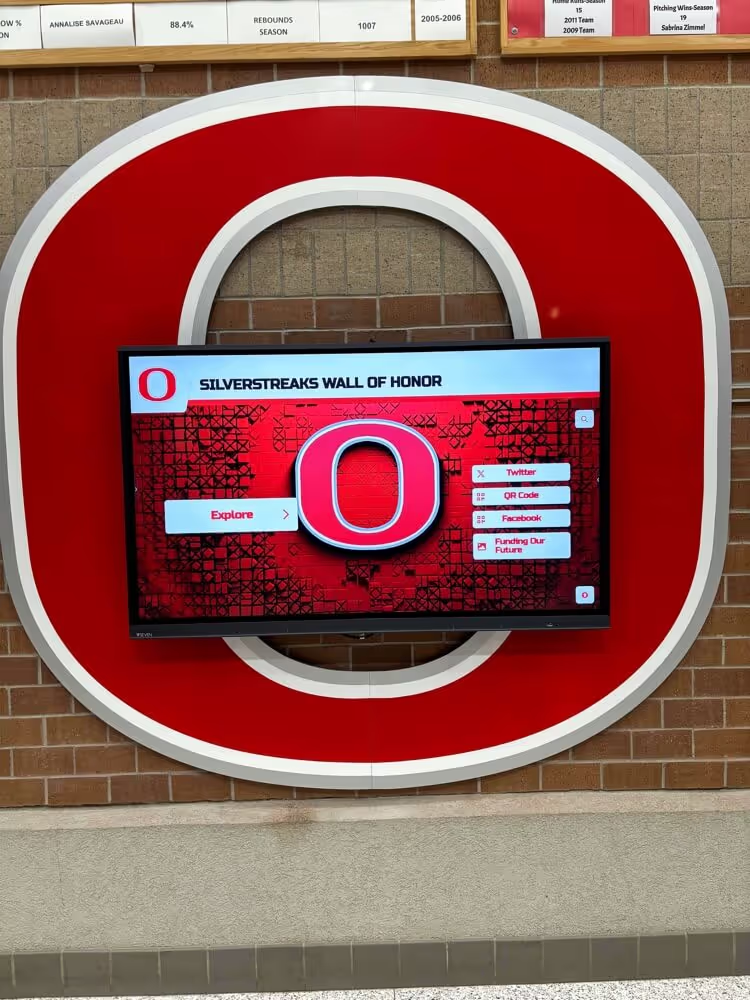
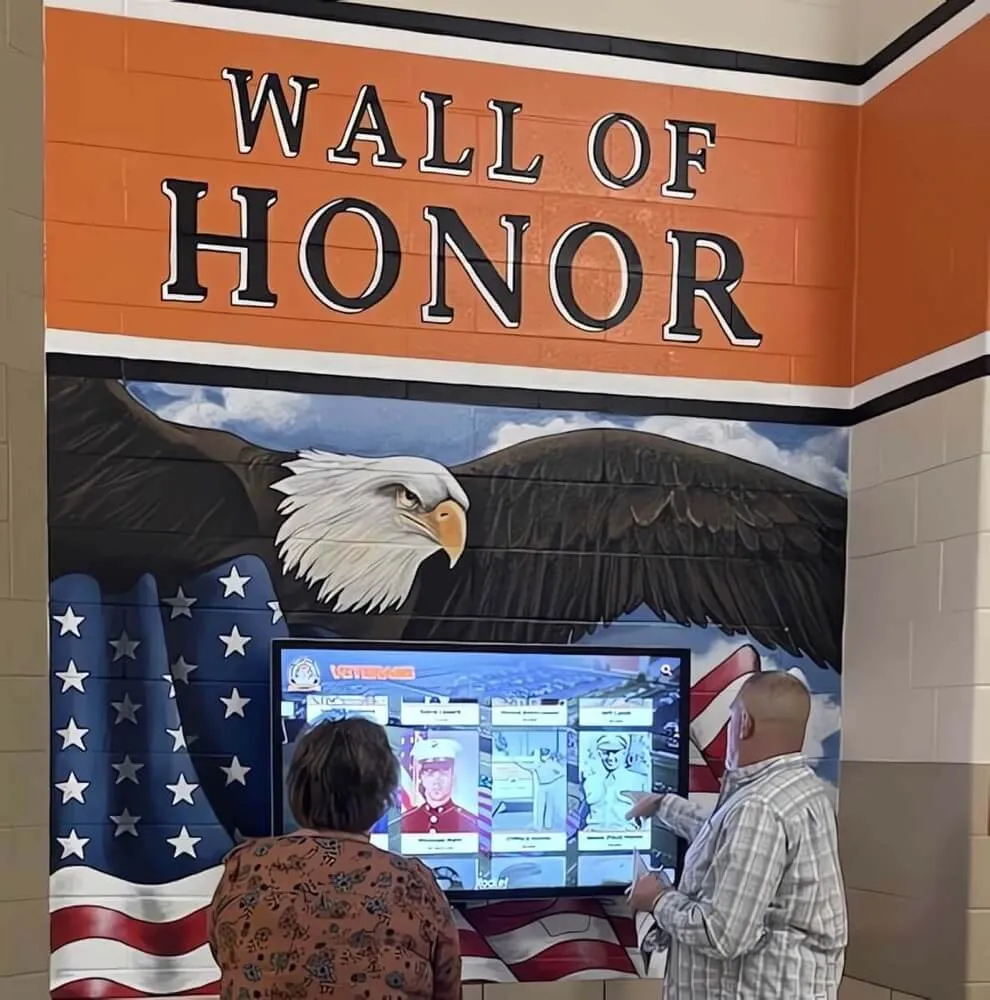
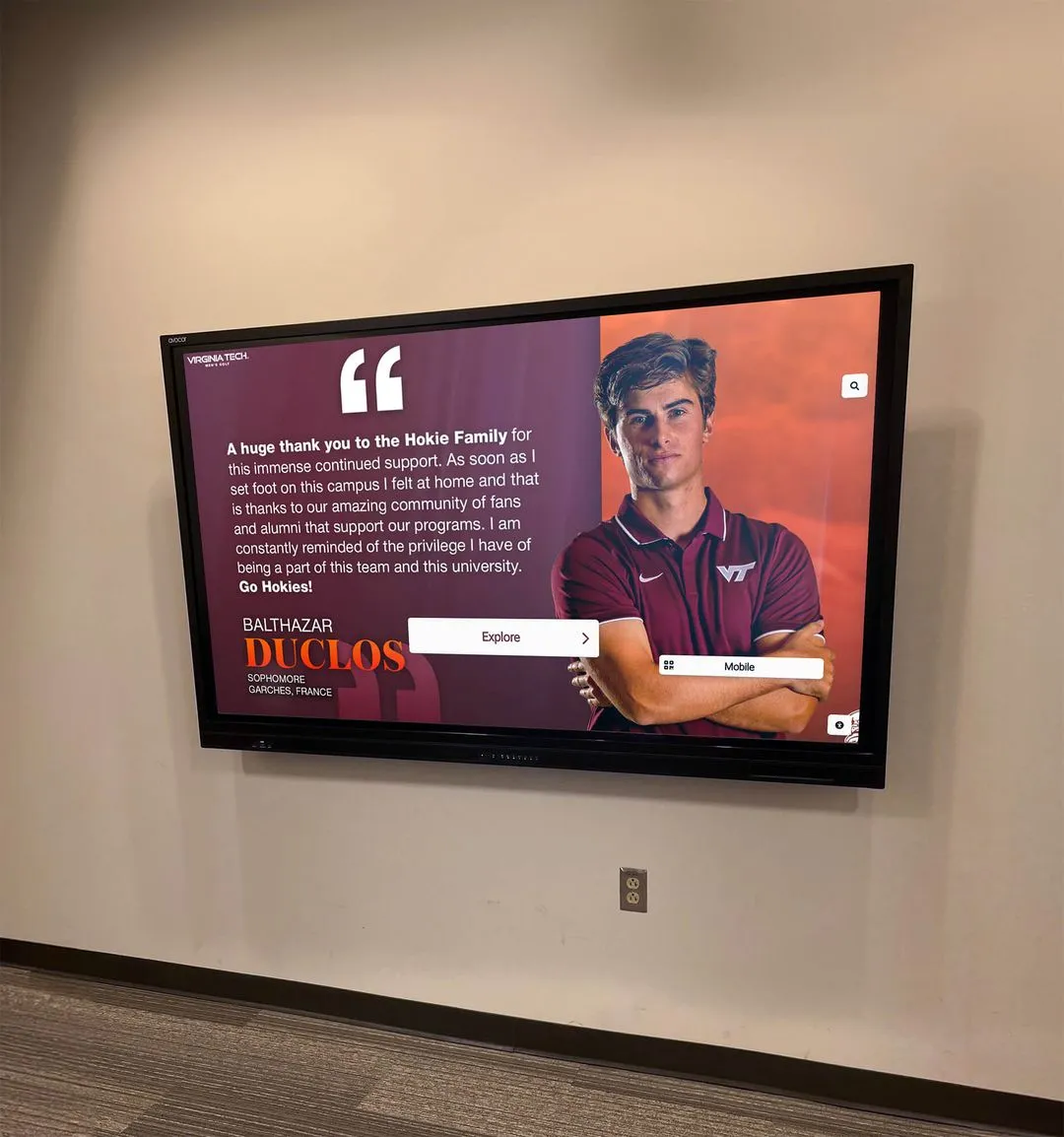
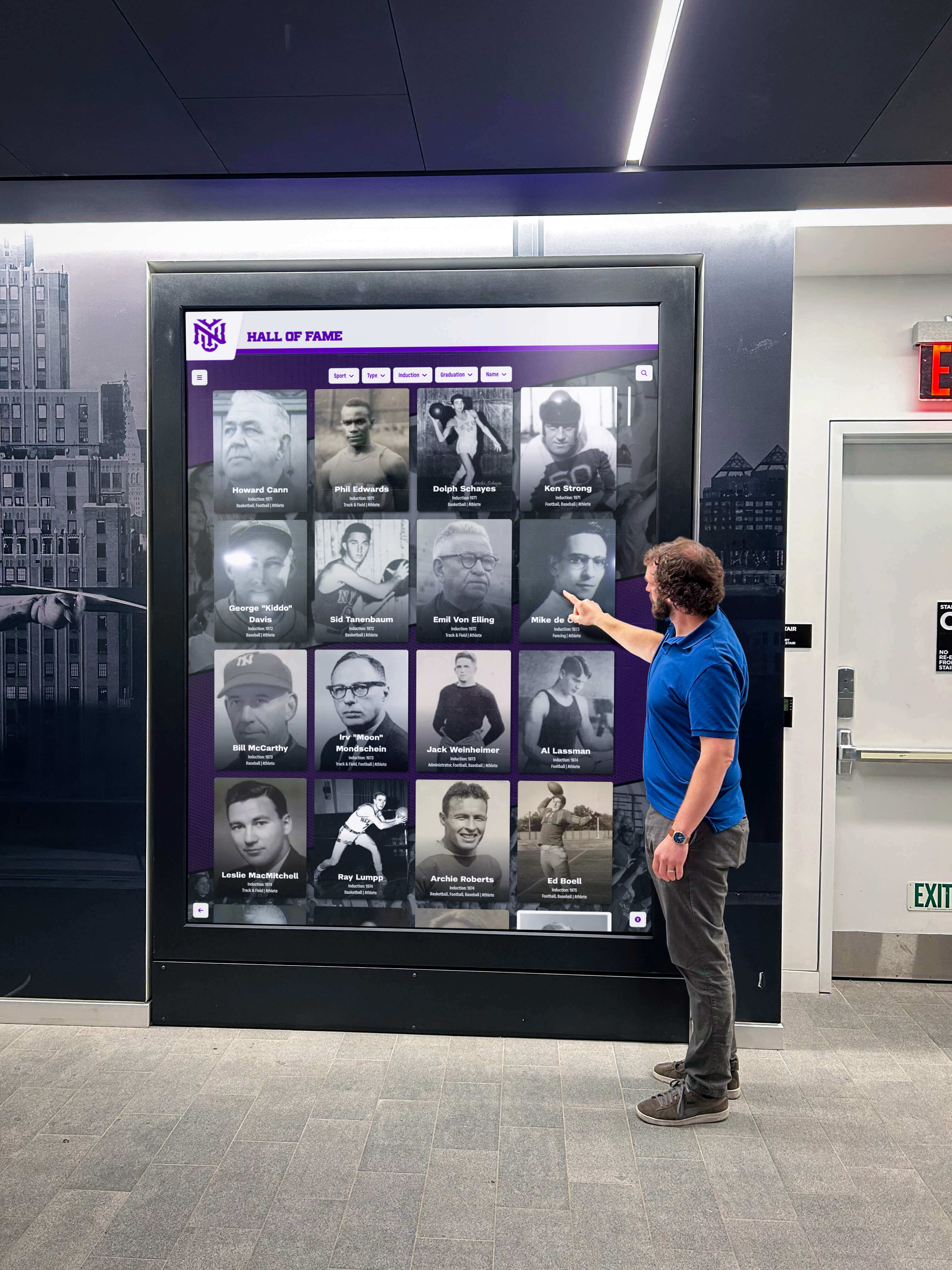
Interactive displays enable prospective clients to explore comprehensive attorney credentials, educational backgrounds, case experience, and professional awards at their own pace without requiring staff assistance
Landmark Case Victories and Legal Achievements
Notable Case Results
Strategic case outcome presentation builds client confidence:
- Significant verdicts and settlements showing financial results achieved for clients
- Precedent-setting legal opinions establishing new standards or interpretations
- Class action representations demonstrating large-scale litigation capability
- Complex transaction completions highlighting business law expertise
- Regulatory victories showing administrative law success
- Appellate wins establishing higher court experience
- Industry-specific case outcomes relevant to prospective client concerns
- Pro bono case victories demonstrating commitment to justice access
Practice Area Success Stories
Domain-specific achievement showcasing:
- Personal injury case results with substantial compensation awards
- Business litigation outcomes protecting corporate client interests
- Estate planning implementations serving high-net-worth families
- Intellectual property protections securing client innovations
- Real estate transaction completions facilitating major developments
- Family law resolutions achieving favorable client outcomes
- Criminal defense acquittals and reduced charges
- Employment law victories protecting worker or employer rights
Client Confidentiality Considerations
Ethical presentation requires careful content curation:
- Sanitized case descriptions removing identifying client information
- Public record references citing published opinions and media coverage
- Generalized outcome descriptions preserving attorney-client privilege
- Aggregated success statistics showing overall practice effectiveness
- Awards and recognition focusing on attorney capability rather than specific clients
- Industry-specific expertise demonstration without confidential details
- Testimonial integration only with explicit client permission
- Regular legal ethics review ensuring all content meets professional responsibility standards
Solutions like Rocket Alumni Solutions provide comprehensive platforms that extend beyond simple recognition displays to create integrated achievement communication systems connecting attorney credentials with case outcomes and professional recognition while maintaining appropriate confidentiality boundaries throughout client representation relationships. Understanding corporate employee recognition programs demonstrates principles applicable across professional service environments including law firms.

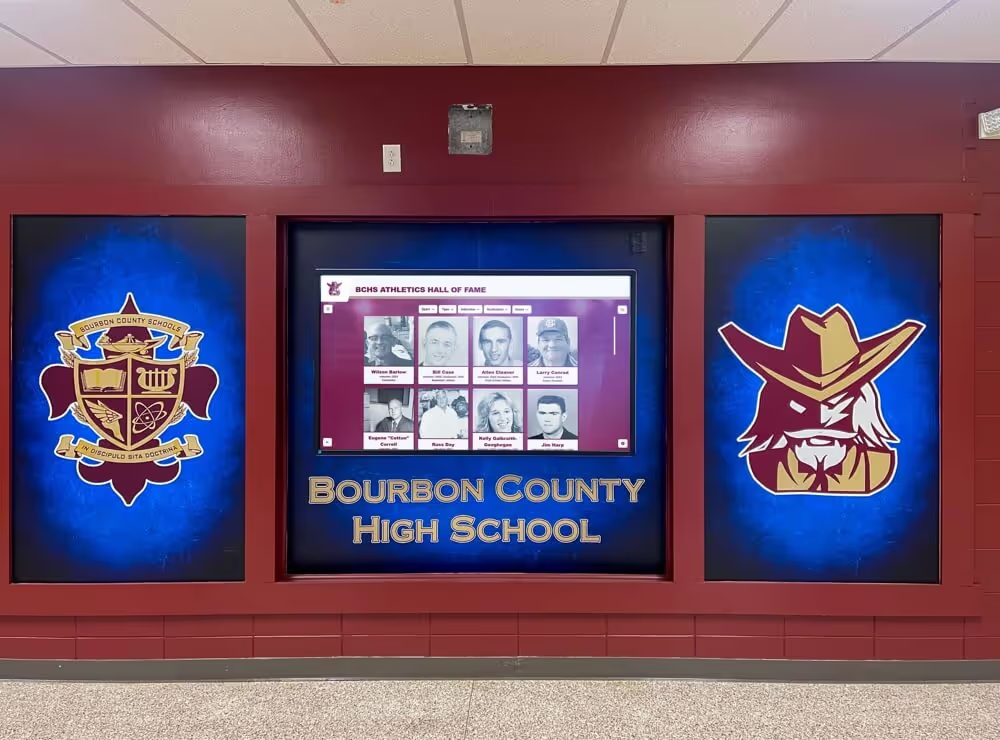
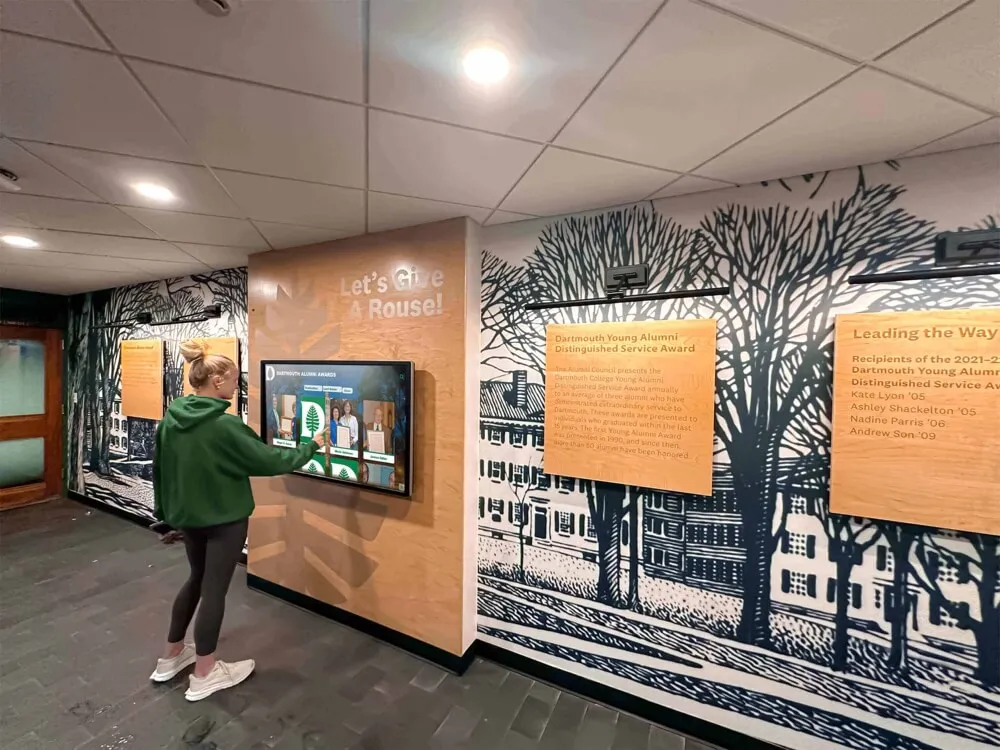
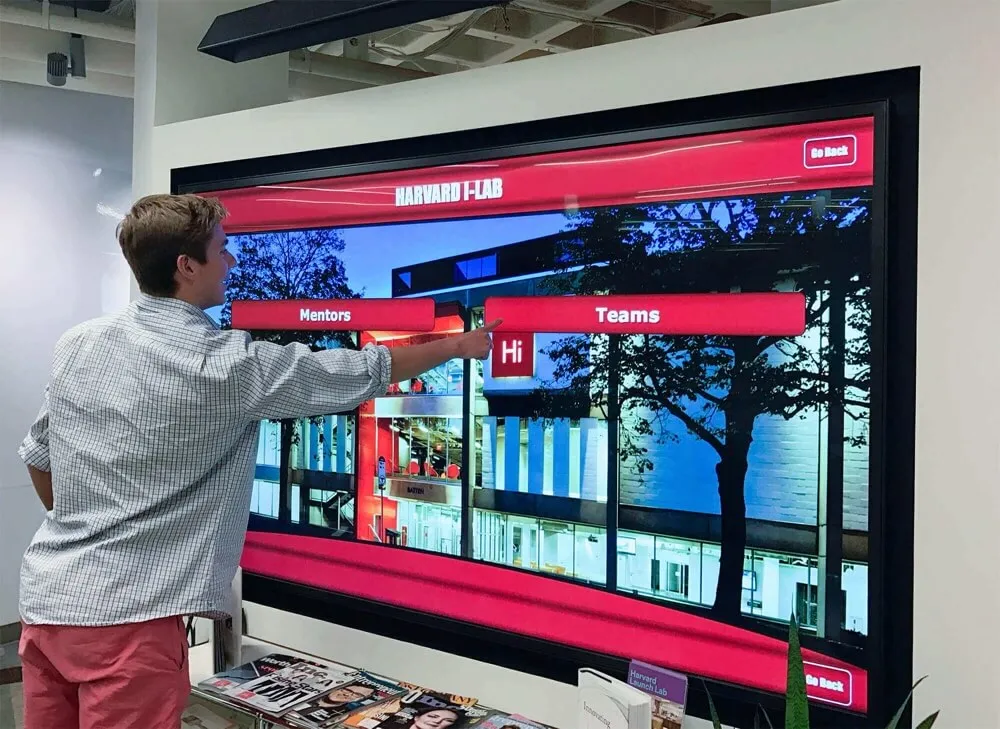
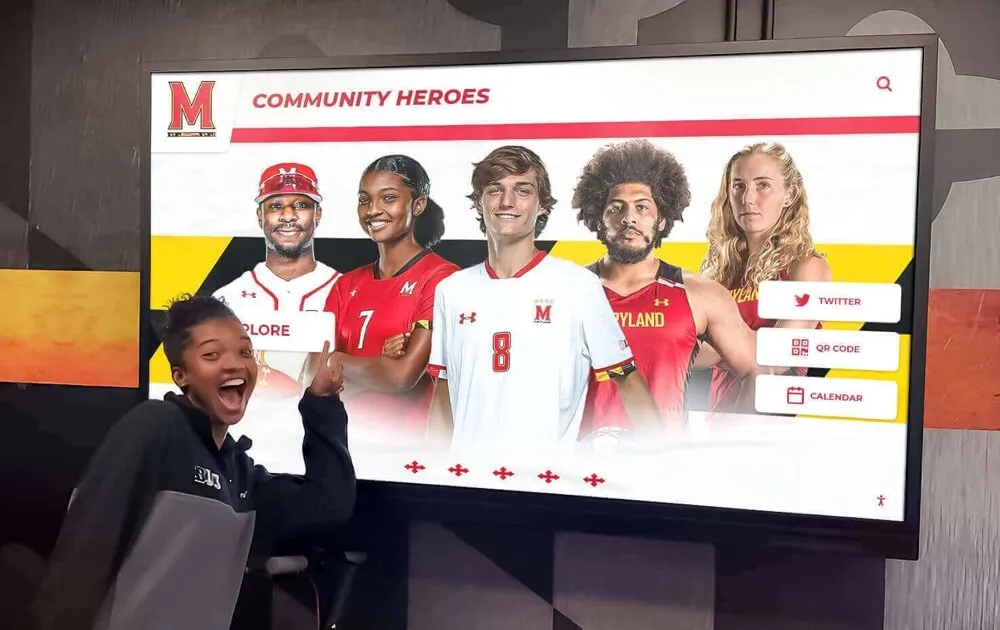
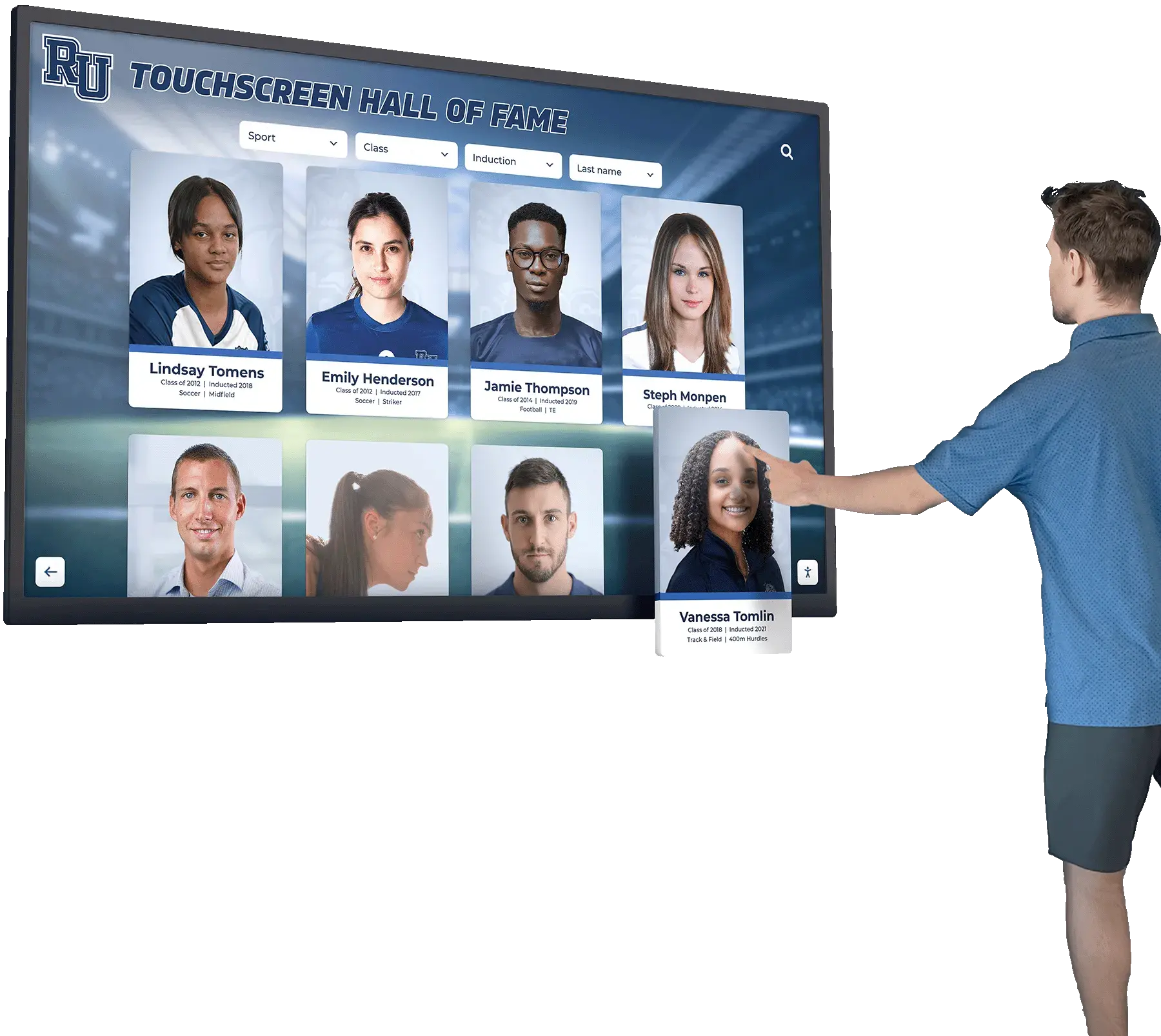
Responsive touchscreen technology provides intuitive interaction enabling clients to explore specific attorney backgrounds, practice areas, and professional achievements relevant to their legal needs
Firm History and Heritage Timelines
Organizational Evolution and Growth
Historical presentation demonstrates stability and longevity:
- Founding story showcasing firm origins and founding partners
- Milestone anniversaries celebrating organizational persistence
- Office expansion history showing geographic growth and market reach
- Practice area development demonstrating expertise evolution
- Merger and acquisition history explaining firm consolidation
- Notable alumni highlighting attorneys who trained at the firm
- Leadership succession showing partner development and promotion
- Community presence evolution demonstrating local commitment
Legacy Case Achievements
Historic legal victories establishing firm reputation:
- Landmark cases that shaped legal precedent in relevant jurisdictions
- High-profile representations generating media attention and public awareness
- Industry-defining transactions establishing thought leadership
- Groundbreaking legal strategies innovating practice approaches
- Multi-generational client relationships demonstrating sustained trust
- Historical photographs preserving firm heritage and tradition
- Newspaper clippings and media coverage documenting public recognition
- Archived documents showing firm involvement in significant legal matters
Partner Tributes and Memorial Recognition
Honoring firm leadership across generations:
- Founding partner biographies establishing firm culture and values
- Retired partner tributes acknowledging contributions to firm development
- Memorial recognitions preserving legacies of deceased partners
- Name partner histories explaining firm name origins
- Generational leadership succession showing family firm traditions
- Awards named after distinguished partners creating ongoing tribute
- Mentorship legacy recognition celebrating attorney development contributions
- Community impact stories demonstrating broader societal contributions
Comprehensive approaches to preserving organizational history demonstrate techniques for compelling heritage presentation applicable to law firm legacy communication.
Awards, Rankings, and Professional Recognition
Firm-Level Distinctions
Organizational achievements demonstrating collective excellence:
- Best Law Firms rankings by U.S. News & World Report showing market position
- Chambers and Partners firm rankings indicating industry leadership
- Law360 Practice Group of the Year awards recognizing specialized expertise
- American Lawyer rankings including Am Law 100 or 200 placements
- State and regional best places to work recognitions
- Diversity and inclusion awards demonstrating commitment to equity
- Pro bono firm recognition celebrating public service contributions
- Environmental sustainability certifications showing corporate responsibility
Practice Group Recognition
Department-specific achievements:
- National tier rankings in specialized practice areas
- Industry publication recognition of practice group leadership
- Client choice awards in specific practice categories
- Benchmark litigation rankings for trial capabilities
- IP Stars recognition for intellectual property practices
- Chambers Corporate/M&A rankings for transactional work
- Environmental law leader designations
- Healthcare law top-tier status
Community and Civic Involvement
Broader impact beyond legal practice:
- Charitable foundation programs and giving totals
- Community board service by firm attorneys
- Pro bono hours contributed annually by practice area
- Legal aid partnership programs serving underrepresented populations
- Scholarship programs for law students from diverse backgrounds
- Law school moot court sponsorships and judging participation
- Bar association leadership positions held by firm members
- Public education initiatives on legal topics
Discover comprehensive approaches to donor recognition programs that apply similar principles to law firm civic involvement and philanthropic contribution showcasing.
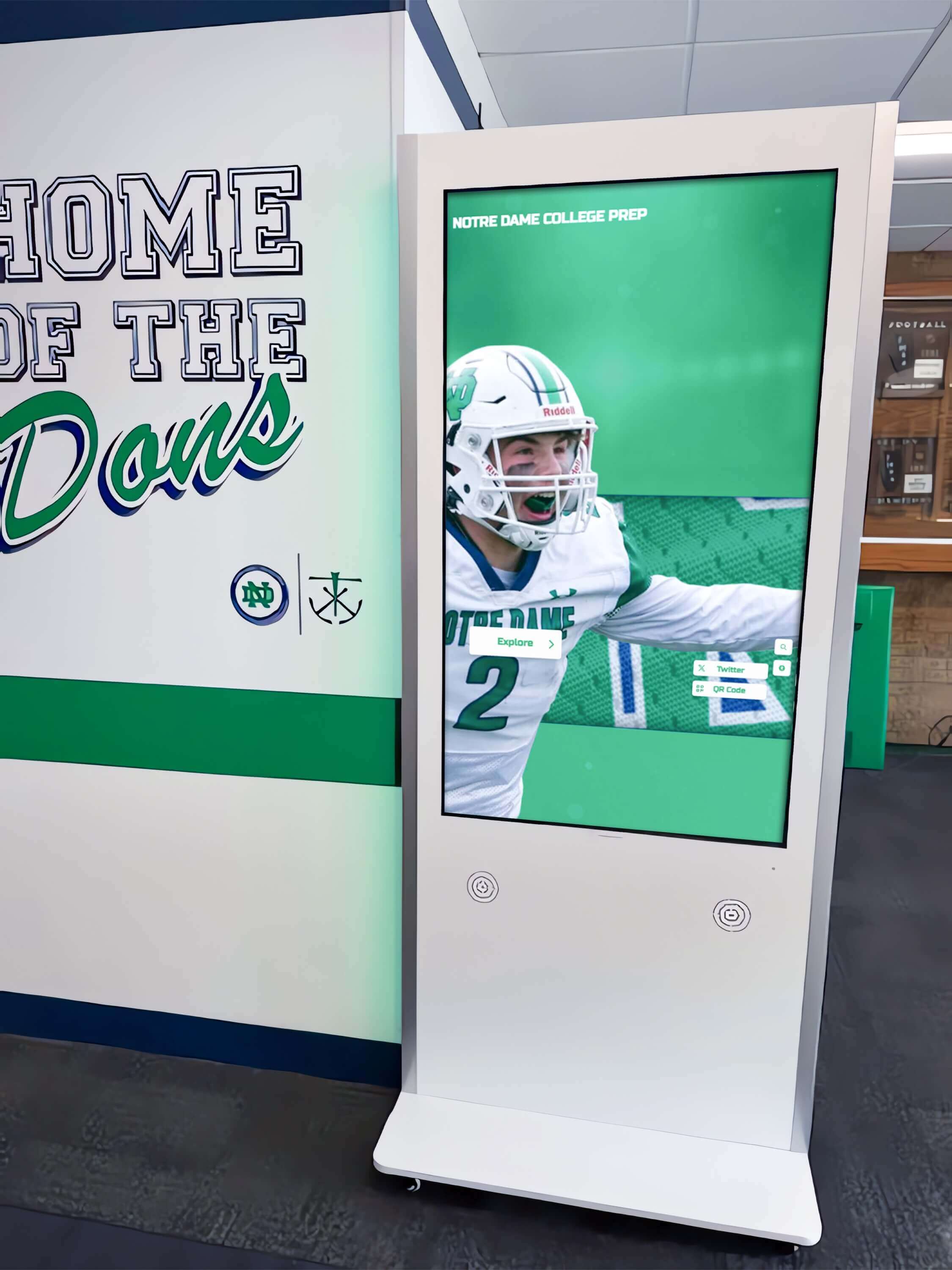
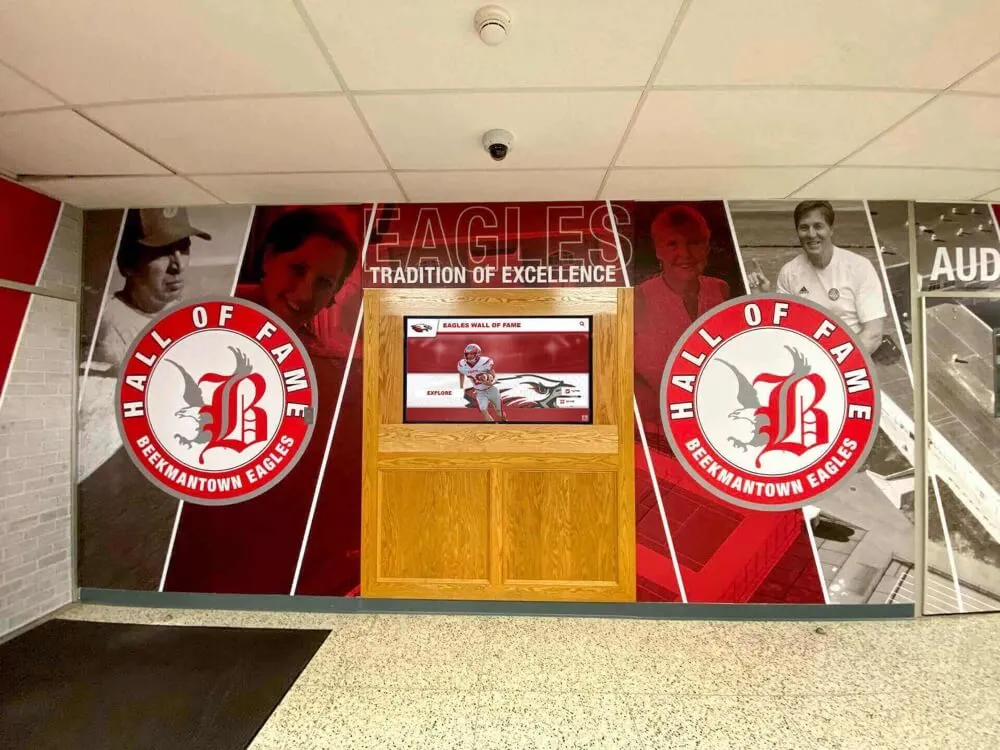
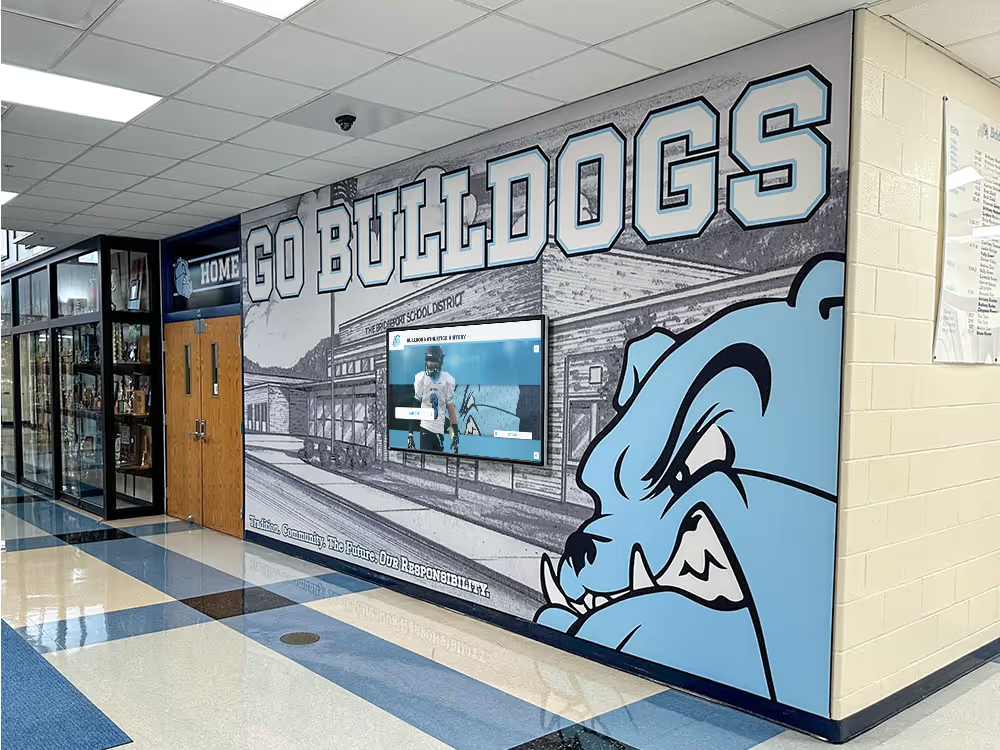
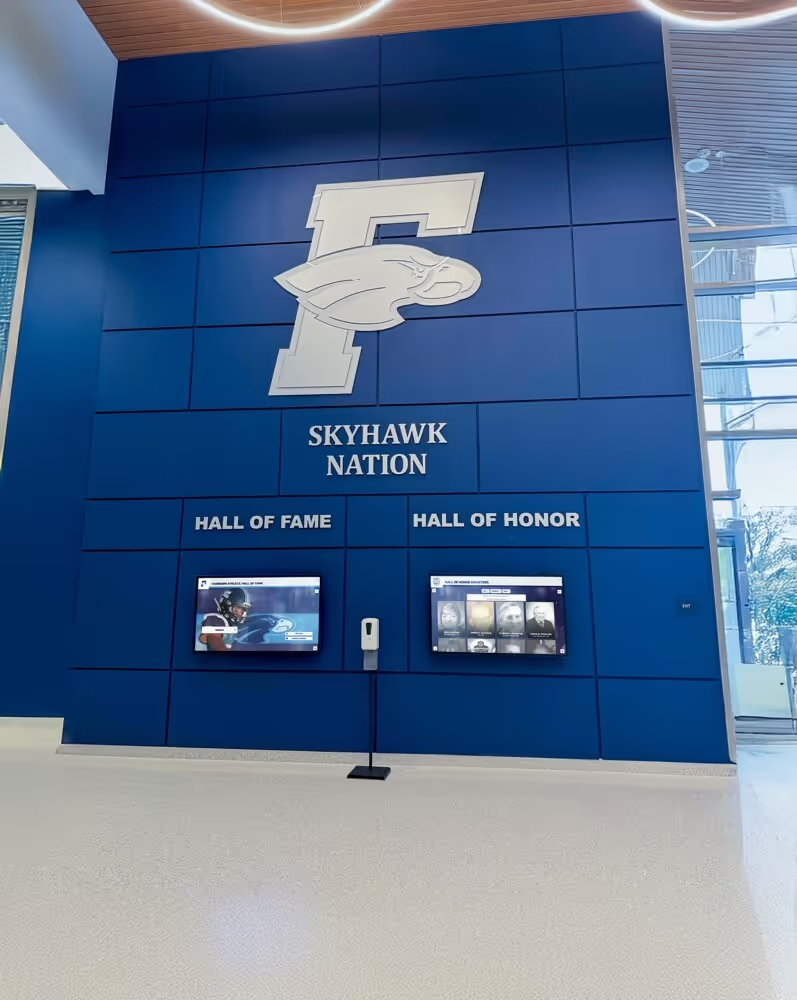
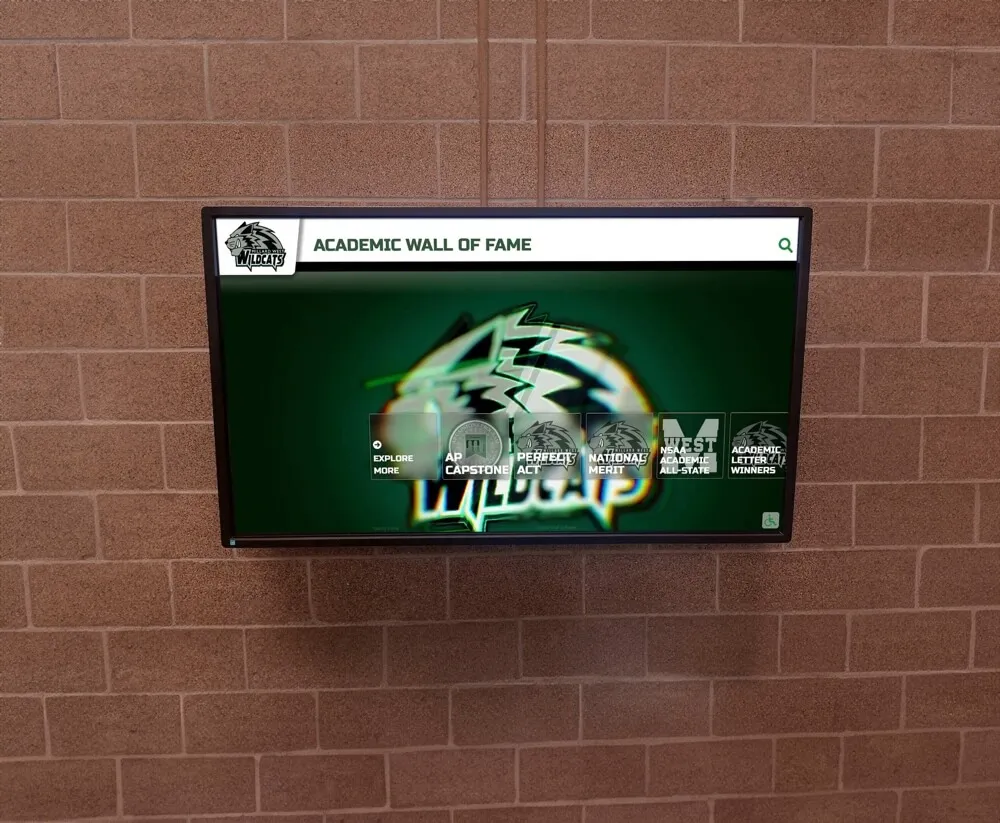
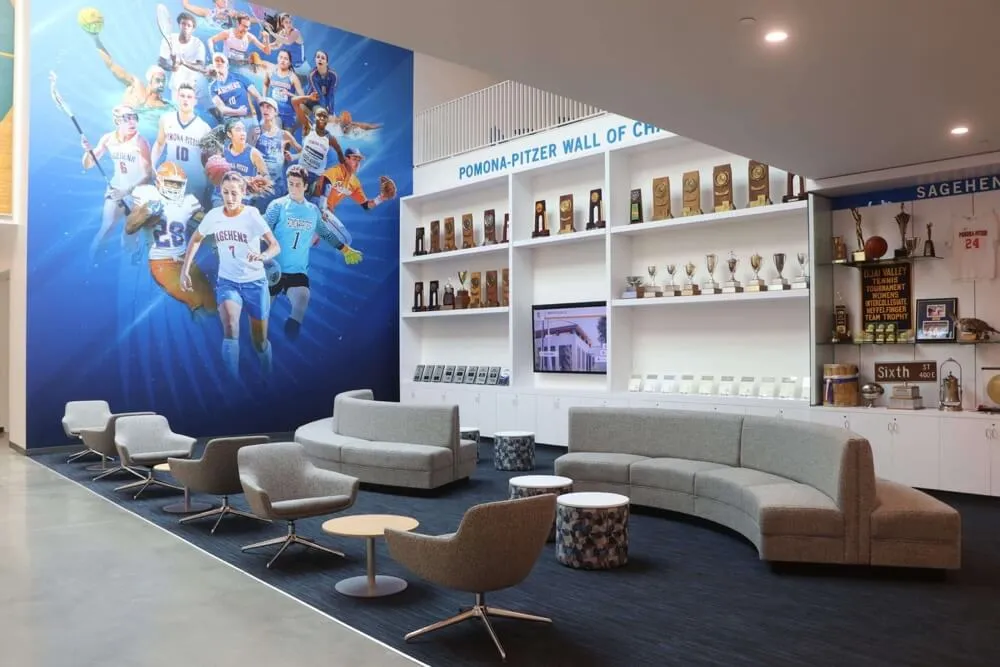
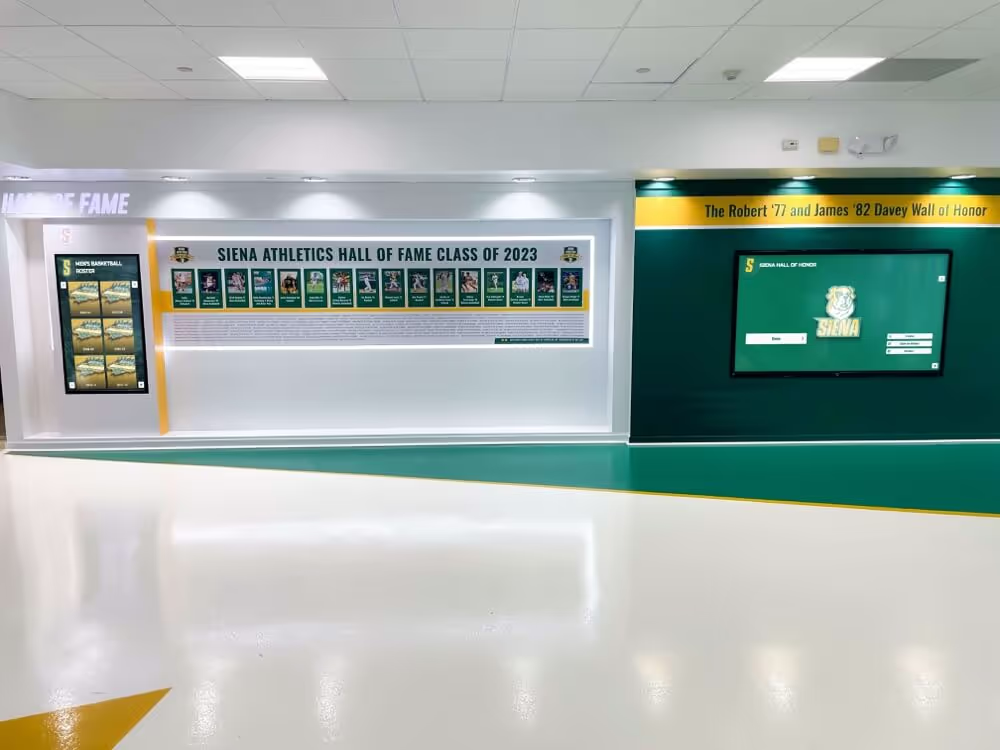
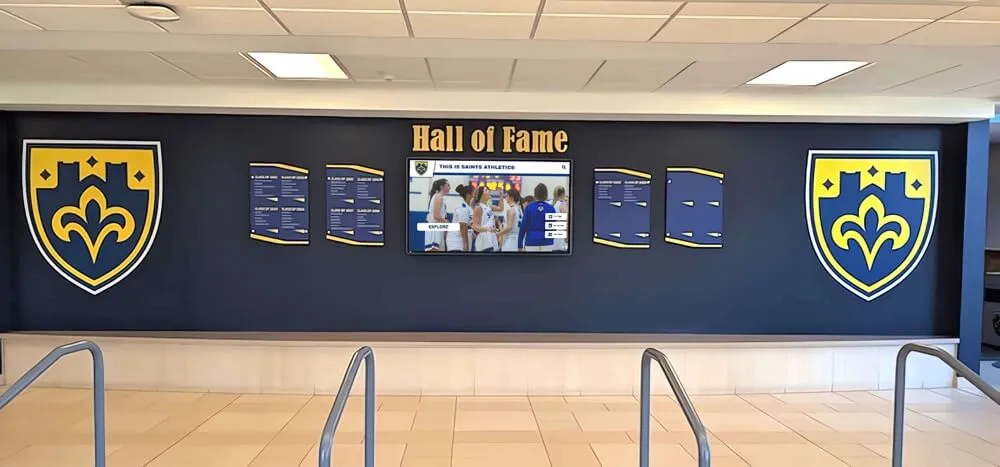
Professional installations integrate interactive recognition displays with architectural design while ensuring prominent visibility in high-traffic areas where clients form first impressions
Display Integration: Strategic Placement and Interface Design
Effective law firm recognition systems combine thoughtful physical placement with intuitive interface design optimizing client engagement and information discovery:
Optimal Display Locations
Primary High-Impact Areas
Strategic placement maximizes visitor exposure:
- Main reception lobby where all visitors enter and wait for attorney meetings
- Elevator landing areas on multiple floors providing sustained viewing time during brief waiting periods
- Conference room entrance hallways where clients gather before meetings
- Partner floor reception areas showcasing senior attorney achievements
- Waiting areas outside practice group departments highlighting specialized expertise
- Client hospitality spaces where longer stays enable deeper information exploration
- Building entrance lobbies creating first impressions before reaching firm reception
- Parking garage elevators connecting to firm floors for commuter attorney viewing
Secondary Strategic Locations
Extended coverage enhances comprehensive presentation:
- Individual practice area department entrances showcasing specialized team achievements
- Law library spaces where attorneys and staff frequently pass
- Kitchen and break room areas promoting internal recognition and attorney pride
- Training and professional development spaces inspiring associate development
- Video conference room entrances demonstrating capabilities to remote participants
- Attorney office hallway intersections creating multiple touchpoints throughout facilities
- Recruitment interview areas showcasing firm culture to prospective attorney recruits
- Event spaces used for client entertainment and professional networking functions
Accessibility and Viewing Optimization
Technical considerations ensure effective operation:
- ADA-compliant mounting heights accommodating wheelchair users and ensuring universal access
- Adequate lighting conditions preventing glare while maintaining visibility throughout daily cycles
- Sufficient viewing space enabling small group exploration during client tours
- Network connectivity supporting cloud-based content management and real-time updates
- Power infrastructure providing reliable electricity without unsightly extension cords
- Professional aesthetics complementing law firm interior design and branding
- Security features protecting expensive equipment in semi-public professional environments
- Sound considerations in quiet professional environments preferring silent operation
Learn about effective building directory and wayfinding systems that apply similar placement and accessibility principles to law firm contexts.
Interface Design for Client Engagement
Intuitive Navigation Patterns
User experience determines information accessibility:
- Large clearly-labeled navigation buttons enabling quick section discovery
- Visual hierarchy emphasizing most frequently accessed information categories
- Search functionality allowing visitors to find specific attorneys, practice areas, or case types instantly
- Consistent navigation patterns throughout all sections reducing learning curve
- Home button returning to main menu from any location within deep content exploration
- Breadcrumb trails showing current location within information architecture
- Back button functionality enabling efficient content browsing without starting over
- Attract loops inviting interaction when displays sit idle between uses
Professional Visual Design
Brand-consistent presentation maintains firm identity:
- Color schemes matching law firm branding and office interior design
- Typography consistent with firm marketing materials and letterhead
- Professional photography showcasing actual attorneys and office spaces
- Sophisticated layouts reflecting premium professional service positioning
- Subtle animations enhancing engagement without appearing frivolous
- Practice area iconography enabling quick visual identification
- Consistent content templates maintaining presentation quality
- Regular design refreshes preventing dated appearance
Mobile-Responsive Integration
Contemporary clients expect cross-device access:
- QR code generation linking physical displays to mobile-accessible web content
- Responsive web interfaces providing attorney information accessible from anywhere
- Calendar integration for prospective clients scheduling consultations
- Social media connectivity enabling sharing of attorney credentials to extended networks
- Email capture for clients requesting more information about specific practice areas
- Download capabilities for attorney biographies and case summaries
- Integration with firm website maintaining consistent online presence
- Analytics tracking showing both physical display and mobile engagement
Explore comprehensive interactive display software options designed specifically for professional recognition applications including law firm achievement showcasing.
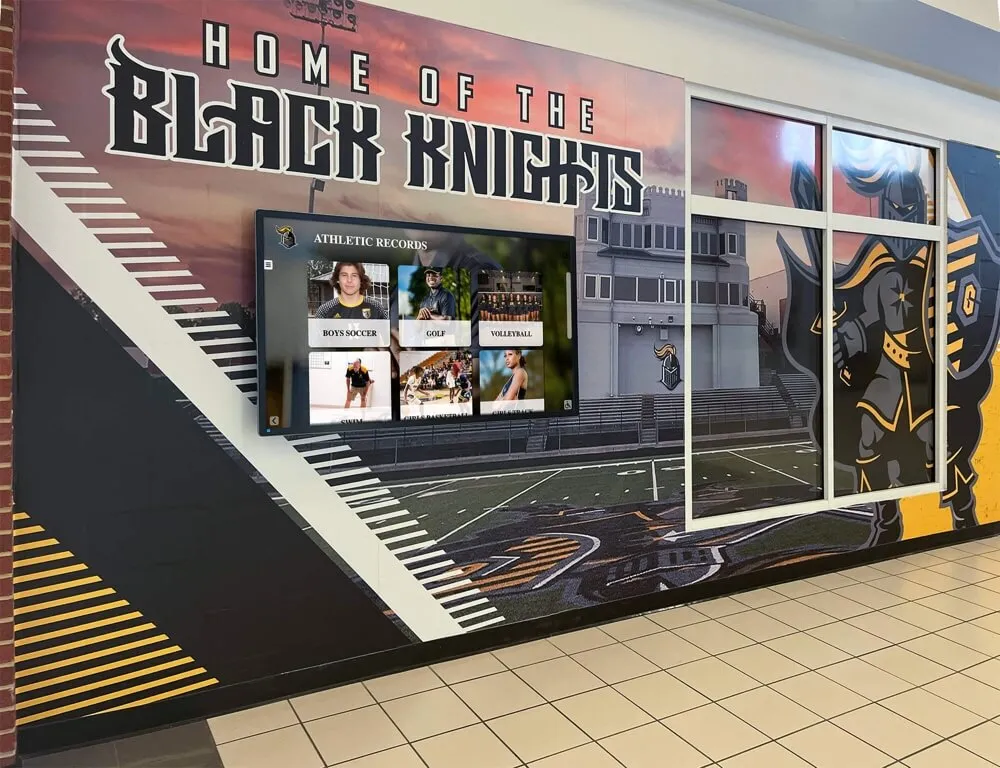
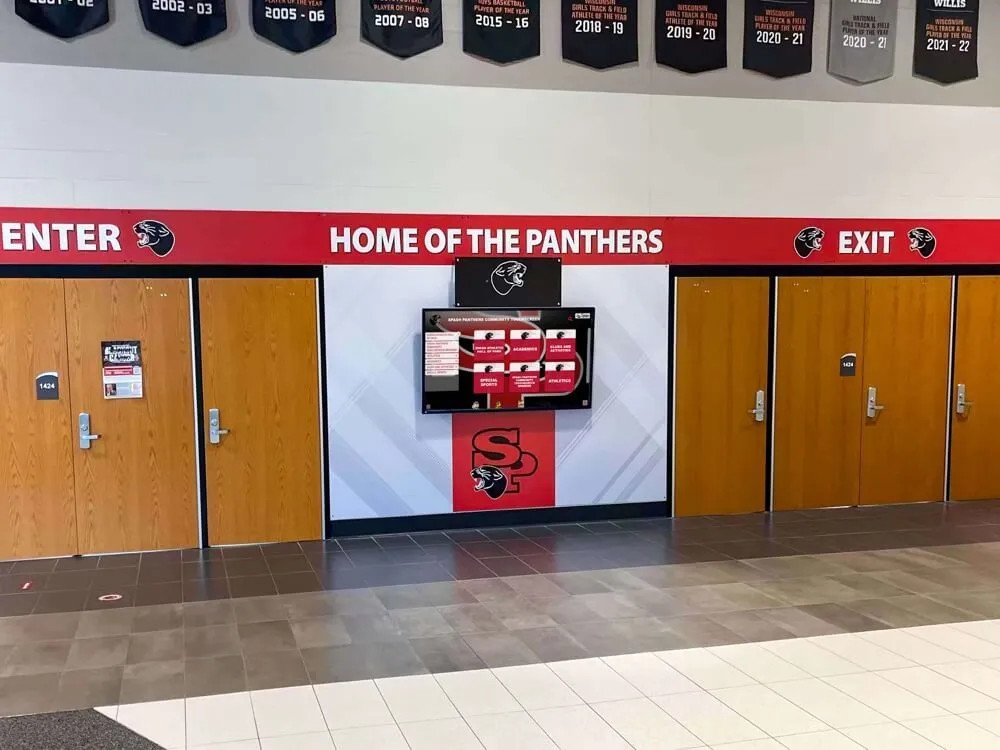
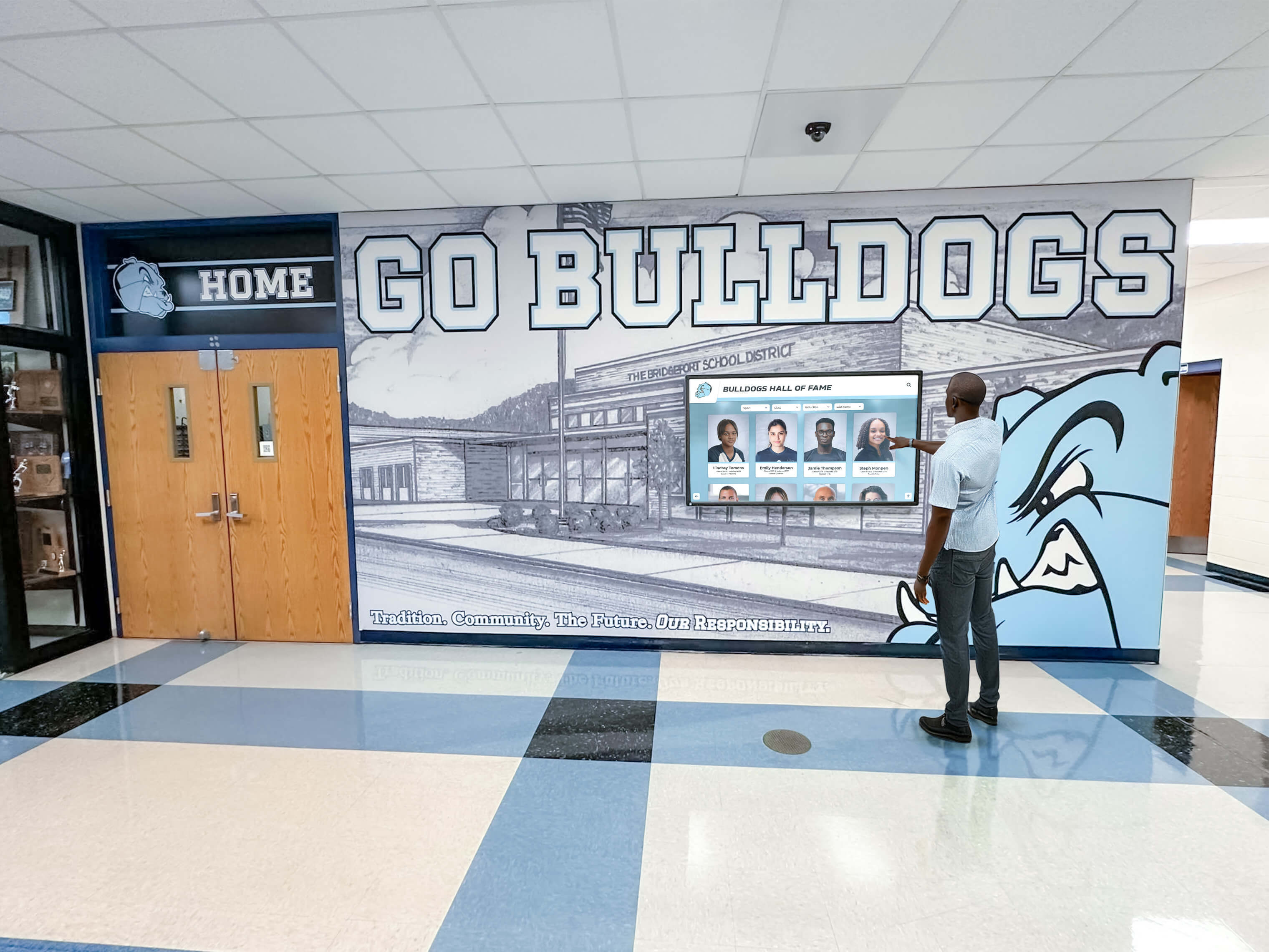
Strategic lobby placement ensures every client and visitor encounters firm achievement information during natural facility navigation, building confidence before attorney consultations begin
Execution Timeline: From Planning to Launch
Successful law firm interactive display implementation follows systematic phases ensuring thoughtful decision-making and effective deployment:
Phase 1: Assessment and Planning (Weeks 1-3)
Needs Analysis and Goal Setting
Foundation work establishes clear direction:
- Identify current recognition communication pain points through attorney feedback and client survey input
- Determine achievement categories requiring display prominence versus lower-priority content
- Assess target audience needs across prospective clients, current clients, and attorney recruits
- Evaluate existing recognition methods identifying which remain effective versus obsolete approaches requiring replacement
- Define success metrics measuring client confidence, competitive differentiation, and attorney recruitment improvements
- Secure managing partner support and budget authorization for pilot implementation
- Establish governance structure assigning content management responsibilities across marketing staff and practice group leaders
Location Selection and Architectural Planning
Strategic placement demonstration:
- Choose pilot display location representing highest client traffic and optimal first impression impact
- Identify optimal mounting positions balancing visibility, power access, network connectivity, and viewing conditions
- Assess facility constraints including mounting options, interior design integration, and security considerations
- Determine display quantity providing adequate coverage without overwhelming lobby aesthetics
- Plan phased expansion to additional locations contingent on pilot success demonstration
- Coordinate with facilities management and IT departments for infrastructure support
- Establish installation timelines minimizing disruption during client meeting schedules
Phase 2: Technology Selection and Procurement (Weeks 4-6)
Platform Research and Vendor Evaluation
Critical considerations for legal applications:
- Distinguish purpose-built recognition display platforms from generic digital signage lacking professional achievement features
- Evaluate content management interfaces ensuring marketing staff or administrators can update information without technical expertise
- Assess mobile integration capabilities connecting physical displays to smartphone-accessible content
- Review analytics capabilities tracking client engagement and popular content categories
- Verify security features protecting confidential firm information and client privacy
- Compare long-term support commitments ensuring vendor reliability throughout multi-year deployments
- Speak with current customers at other law firms about vendor support responsiveness and platform reliability
Hardware Specification and Procurement
Equipment decisions impact long-term success:
- Commercial-grade touchscreen displays rated for continuous operation in professional environments
- Appropriate display sizes balancing visibility, cost, and space constraints (typically 43-55 inches for law firm lobbies)
- Wall-mount versus freestanding kiosk configurations based on available space and aesthetic preferences
- Network connectivity requirements supporting cloud-based management and real-time updates
- Electrical specifications and installation coordination with facilities management
- Warranty coverage and maintenance agreements protecting firm investments
- Delivery timelines aligned with installation schedules and content development completion
Learn about comprehensive touchscreen kiosk software options specifically designed for public information applications in professional settings.
Phase 3: Content Development and System Configuration (Weeks 7-10)
Initial Information Architecture
Launch content typically includes:
- Complete attorney biographies for all partners and senior associates with comprehensive credentials
- Current year award recognitions and professional honors across all practice areas
- Firm history timeline with founding story and significant milestone achievements
- Notable case outcomes appropriately sanitized for client confidentiality compliance
- Practice area descriptions with representative experience and specialized expertise
- Community involvement programs and pro bono commitment documentation
- Photo galleries showcasing office locations and attorney professional portraits
- Frequently asked questions addressing common prospective client inquiries
Content Approval and Legal Review
Professional responsibility compliance ensures appropriate presentation:
- Ethics review ensuring all content complies with attorney advertising rules
- Confidentiality verification protecting client information and attorney-client privilege
- Partner approval for case outcome descriptions and financial results
- Marketing consistency review maintaining brand standards and messaging
- Accuracy verification confirming all credentials and awards remain current
- Accessibility compliance ensuring ADA requirements for digital content
- Style guide development maintaining consistent professional presentation quality
- Version control systems tracking content changes and approval history
Administrative Training and Workflow Establishment
Sustainable operation requires capable management:
- Comprehensive content management training for marketing coordinators and designated staff
- Practice group leader training covering attorney profile updates and achievement additions
- Approval workflows ensuring accuracy and ethics compliance before publication
- Content calendar templates establishing regular review cycles preventing outdated information
- Update schedules for quarterly recognition additions and annual comprehensive reviews
- Technical support contact information and troubleshooting resources for common issues
- Backup procedures ensuring continued operation during staff transitions or unexpected absences
Phase 4: Installation and Testing (Weeks 11-12)
Professional Display Installation
Technical implementation requires expertise:
- Licensed electrical work meeting code requirements and building standards
- Secure display mounting with professional cable management and finished appearance
- Network configuration ensuring reliable connectivity and remote management capability
- Touchscreen calibration and display settings optimization for lobby lighting conditions
- Content loading and initial display function testing
- ADA compliance verification ensuring wheelchair user accessibility
- Staff walkthrough confirming proper operation before client introduction
- Backup plan establishment addressing potential technical failures during initial deployment
Pilot Testing and Refinement
Validation ensures effective launch:
- Soft launch period allowing staff observation and issue identification before promotion
- Client testing with trusted existing clients gathering usability feedback
- Content accuracy verification confirming all information displays correctly
- Navigation flow assessment identifying confusing interface elements requiring adjustment
- Mobile integration testing ensuring QR codes and links function properly
- Analytics baseline establishment measuring engagement during initial deployment
- Issue resolution addressing any technical problems or content gaps discovered during testing
- Final quality assurance confirming readiness for official public launch and promotional efforts
Discover strategies for outstanding professional recognition programs that capture visitor attention and encourage information exploration applicable to law firm contexts.
Intuitive interfaces enable independent information discovery across all visitor populations without requiring instruction or technical assistance from reception staff
Phase 5: Launch and Promotion (Week 13+)
Client Awareness Campaign
Driving adoption requires active promotion:
- Email announcements to current client database introducing new recognition displays
- Lobby signage directing attention to display locations and encouraging exploration
- Attorney instructions for mentioning displays during prospective client consultations
- Social media content featuring display highlights and encouraging office visits
- Website integration explaining recognition programs and linking to mobile-accessible content
- Print marketing materials including display photographs and achievement highlights
- Media outreach for technology-forward positioning and differentiation
- Client event demonstrations during receptions and professional networking functions
Ongoing Engagement and Improvement
Sustained success requires continuous attention:
- Regular content updates maintaining currency with new case victories and award recognitions
- Client feedback collection through surveys and informal consultation conversations
- Analytics review identifying popular content and underutilized information categories
- Quarterly content additions reflecting ongoing achievement generation
- Annual comprehensive review ensuring all attorney credentials remain current
- Competitive monitoring tracking other firm recognition approaches and identifying opportunities
- Feature enhancement adoption implementing new platform capabilities as vendors release updates
- Expansion planning for additional displays based on pilot success demonstration
Measuring Law Firm Display Program Success
Systematic evaluation demonstrates value and guides continuous improvement across client confidence, competitive differentiation, and attorney recruitment dimensions:
Client Confidence and Trust Metrics
Prospective Client Conversion Indicators
Measuring improved client acquisition effectiveness:
- Consultation-to-retention conversion rates comparing periods before and after display implementation
- Prospective client feedback about factors influencing attorney selection decisions
- Reduction in credentials-related questions during initial consultations indicating pre-meeting education
- Referral source feedback about firm positioning and perceived expertise
- Website traffic patterns showing increased exploration of attorney biography pages
- Consultation request volume growth potentially attributable to enhanced credibility presentation
- Client survey responses about first impression formation and confidence levels
Engagement Analytics
Quantitative usage measurement:
- Total display interactions tracking how frequently clients engage recognition systems
- Average session duration indicating depth of exploration versus superficial glancing
- Popular content identification revealing which information categories attract most interest
- Search query patterns showing what information clients seek most frequently
- Attorney profile view patterns indicating which credentials matter most to prospective clients
- Practice area exploration showing client interest distribution across service offerings
- Return visitor rates demonstrating multiple interaction sessions during extended lobby waits
Competitive Differentiation Outcomes
Market Positioning Improvements
Evaluating strategic advantage gains:
- New client source attribution identifying whether recognition presentation influences selection
- Competitive win rates in proposal situations where multiple firms compete
- Media coverage mentioning technology-forward positioning and innovation
- Industry recognition for marketing excellence and client communication
- Online review content mentioning impressive lobby presentation and professional impression
- Attorney recruitment candidate feedback about firm positioning and perceived prestige
- Referral source comments about differentiation from competitor firms
- Client retention metrics showing whether enhanced credibility presentation improves loyalty
Brand Perception Indicators
Assessing professional image enhancement:
- Stakeholder perception surveys measuring credibility and expertise ratings
- Community standing indicators comparing pre- and post-implementation reputation
- Professional association visibility within legal community
- Media inquiry volume for expert commentary and thought leadership
- Speaking invitation frequency at industry conferences and events
- Client satisfaction scores related to confidence and trust dimensions
- Staff pride indicators measuring internal perception of firm prestige
Explore comprehensive approaches to digital recognition program success measurement applicable across various professional environments including law firms.
Attorney Recruitment and Retention Impact
Recruiting Effectiveness Measures
Quantifying talent acquisition improvements:
- Attorney candidate application volume from target law schools and lateral markets
- Offer acceptance rates comparing periods before and after recognition display implementation
- Candidate feedback about factors influencing firm selection decisions
- Recruiting event effectiveness with display demonstrations during campus visits
- Time-to-hire reductions resulting from enhanced firm positioning
- Quality of candidate pool improvements measured by credentials and experience
- Diversity recruitment success showing inclusive achievement recognition
- Summer associate conversion rates potentially influenced by professional presentation
Internal Culture Benefits
Assessing attorney satisfaction and retention:
- Attorney pride indicators measuring internal perception of firm prestige
- Retention rates comparing turnover before and after recognition implementation
- Internal recognition program satisfaction from attorneys seeing achievements celebrated
- Mentorship relationship quality potentially enhanced by visible success pathways
- Partnership track clarity showing achievement expectations and recognition
- Cross-practice collaboration improvements from better understanding of colleague expertise
- Alumni engagement maintenance through ongoing recognition of former attorneys
- Retirement transition support celebrating career achievement contributions
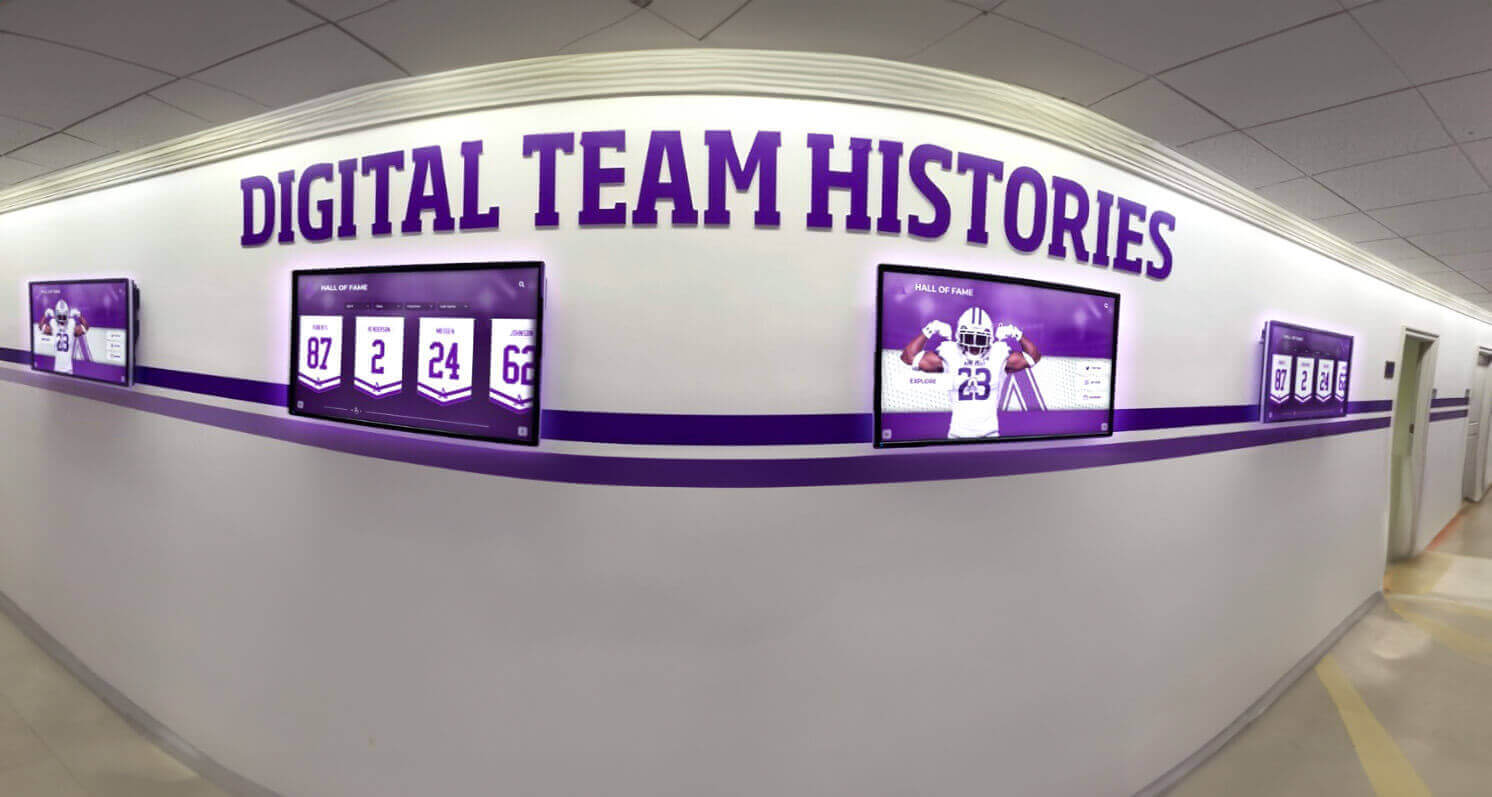
Comprehensive installations coordinate multiple displays across facilities ensuring consistent recognition access throughout large law firm offices serving multiple practice areas
Advanced Implementation Strategies
Mature law firm display programs enhance effectiveness through sophisticated approaches:
Personalized Content Delivery
Practice Area-Specific Modules
Tailoring content to client specializations:
- Individual practice sections featuring relevant attorney teams and specialized expertise
- Industry-specific case outcomes and representative client profiles
- Regulatory expertise demonstrations for compliance-focused practices
- Transaction experience showcases for business and corporate groups
- Litigation track records for trial practices and dispute resolution teams
- Geographic market presence for firms with multiple office locations
- Client industry focus highlighting sector-specific experience and relationships
Client Type Targeting
Addressing diverse constituent needs:
- Corporate client content emphasizing business sophistication and transaction capability
- Individual client materials highlighting personal attention and successful outcomes
- Government entity experience demonstrating public sector expertise
- Nonprofit organization specialization showing mission-aligned values
- High-net-worth individual services featuring estate planning and wealth protection
- Emerging business support highlighting startup and entrepreneurial experience
- International client capabilities showing cross-border practice reach
Learn about customized recognition program approaches that demonstrate personalization strategies applicable to law firm achievement showcasing.
Thought Leadership Integration
Published Content Showcasing
Demonstrating intellectual capital:
- Legal article repositories with searchable attorney publication libraries
- White paper collections covering practice area developments and legal trends
- Legal alert archives providing ongoing analysis of regulatory changes
- Blog post highlights featuring attorney commentary on current events
- CLE presentation materials showing educational leadership
- Book publications authored by firm attorneys
- Law review contributions demonstrating academic engagement
- Podcast and video content featuring attorney expertise
Media Appearance Archives
Capturing public recognition:
- News interview clips featuring attorney commentary and expert analysis
- Television appearance archives showing media engagement
- Podcast guest appearances discussing legal topics and industry developments
- Webinar presentations delivering client education and thought leadership
- Conference panel participation demonstrating industry recognition
- Awards ceremony footage celebrating recognition achievements
- Community event participation highlighting civic engagement
- Pro bono program showcases demonstrating commitment to justice access
Integration with Marketing Ecosystem
Website Synchronization
Leveraging existing digital infrastructure:
- Automatic content synchronization between display and website databases
- Consistent attorney biography information across all platforms
- Unified award recognition across physical and digital presentations
- Mobile-responsive extensions enabling off-site information access
- Social media integration connecting to firm LinkedIn, Twitter, and other channels
- Blog content feeding automatically to display current thought leadership
- Event calendar synchronization promoting upcoming client education programs
- News and announcement coordination maintaining consistent messaging
Client Relationship Management Integration
Streamlining operational workflows:
- Matter management system connections displaying relevant attorney expertise during consultations
- Billing system integration showing attorney experience levels and credentials
- Marketing automation connections tracking client engagement with recognition content
- Proposal generation tools pulling attorney credentials automatically
- Recruiting systems accessing attorney profiles for candidate communications
- Professional development tracking showing attorney skill enhancement over time
- Succession planning support identifying expertise gaps requiring recruitment
Discover comprehensive digital platform integration strategies that enhance recognition program effectiveness across law firm operations.
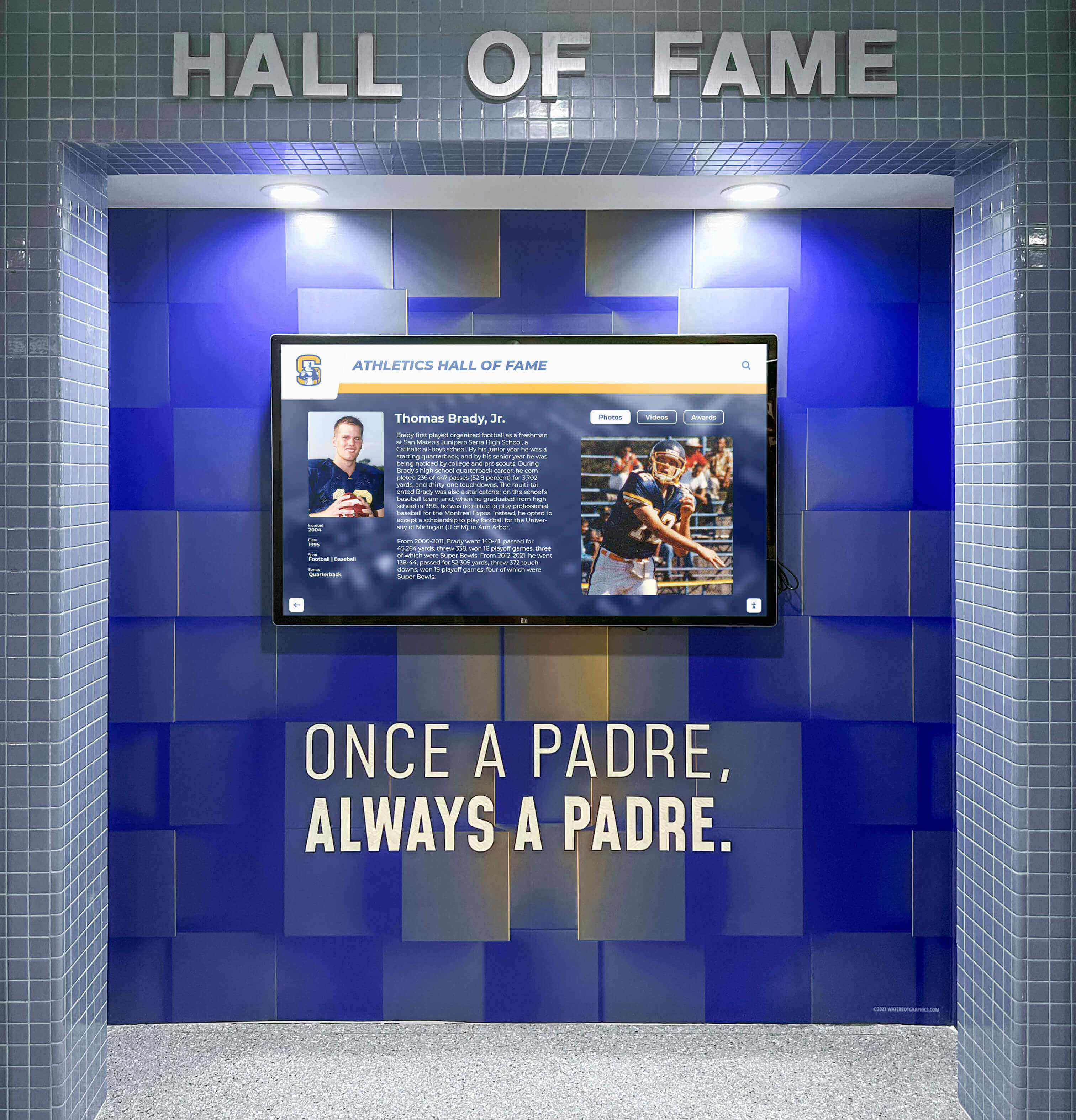
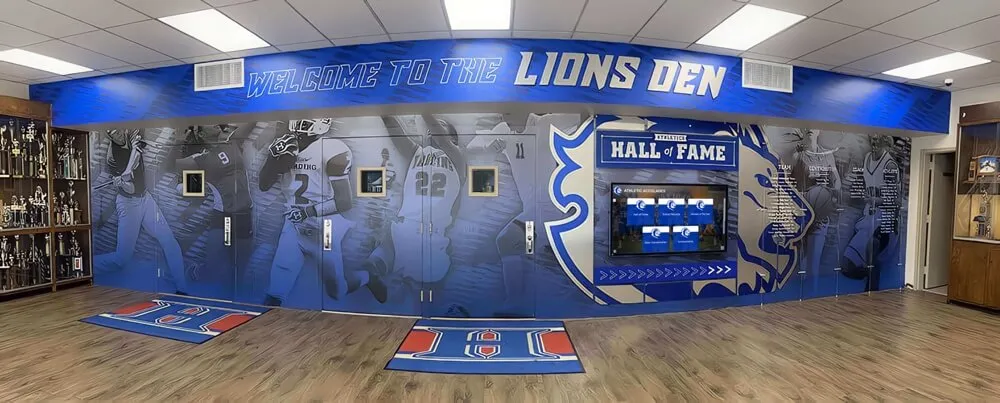
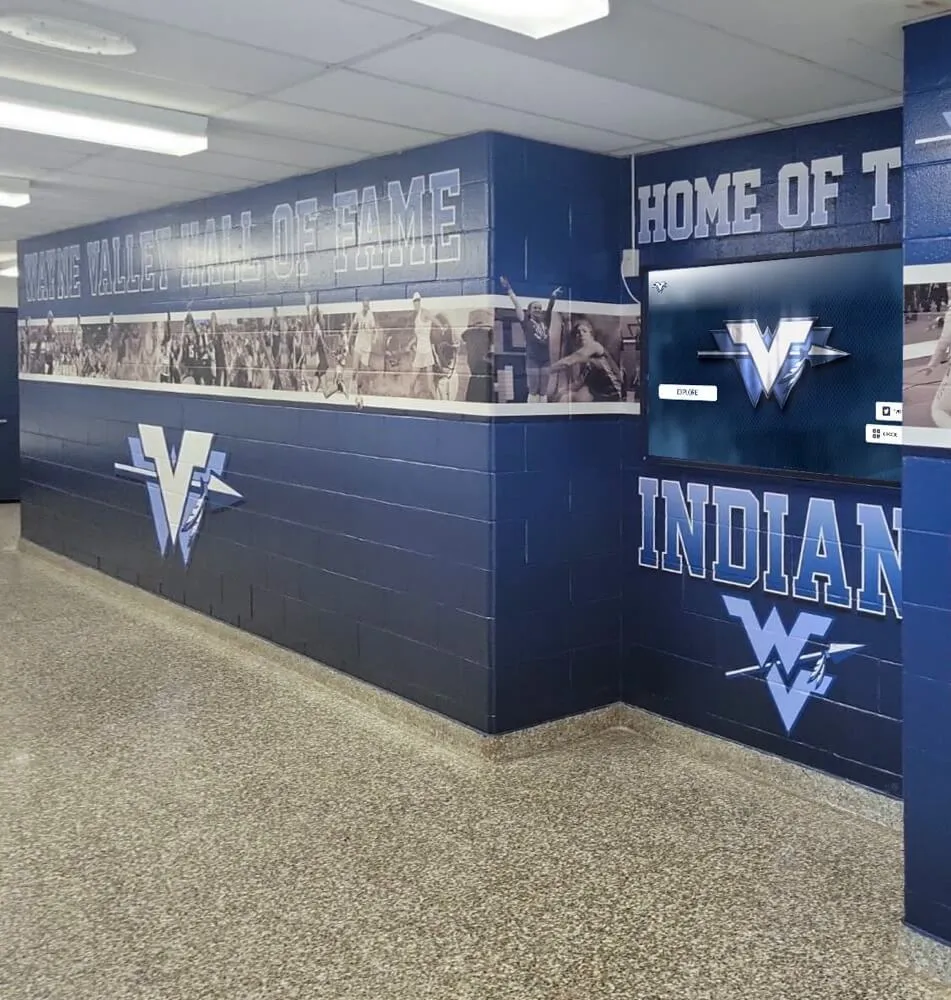
Professional installations integrate seamlessly with existing law firm aesthetics while providing modern recognition capabilities clients expect from forward-thinking legal practices
Special Considerations for Law Firm Applications
Several factors specifically affect law firm interactive display effectiveness:
Legal Ethics and Professional Responsibility
Advertising Rules Compliance
Navigating attorney marketing regulations:
- State bar advertising guidelines governing content and presentation format
- Prohibition on false or misleading statements requiring careful case outcome description
- Disclaimer requirements for case results and attorney credentials
- Specialization certification accuracy maintaining only authorized designations
- Testimonial restrictions limiting client endorsement presentation
- Comparative advertising guidelines for practice area leadership claims
- Geographic practice limitations ensuring accurate service area representation
- Fee information disclosure requirements when displaying rate structures
Client Confidentiality Protection
Maintaining attorney-client privilege:
- Case outcome sanitization removing all identifying client information
- Public record citations limiting descriptions to published opinions only
- Aggregated success statistics avoiding specific client matter details
- Client permission requirements for any testimonial or named representation
- Sealed settlement confidentiality maintaining agreement terms
- Privileged communication protection ensuring display content contains no protected information
- Opposing counsel sensitivity avoiding inflammatory characterizations
- Regular ethics review ensuring ongoing compliance as content updates
Competitive Intelligence Management
Strategic Information Control
Balancing transparency with competitive protection:
- Selective case outcome disclosure protecting litigation strategies
- Practice area positioning maintaining differentiation without revealing plans
- Attorney credential presentation avoiding unnecessary competitor intelligence
- Client relationship confidentiality protecting business development efforts
- Expansion plan discretion maintaining strategic flexibility
- Merger and acquisition activity confidentiality during negotiation periods
- Recruiting target privacy protecting attorney candidate relationships
- Financial performance discretion maintaining competitive positioning
Market Positioning Strategy
Differentiating from competitor firms:
- Unique value proposition emphasis highlighting distinctive capabilities
- Niche practice area prominence showing specialized expertise competitors lack
- Geographic market presence demonstrating local commitment and knowledge
- Industry relationship depth showcasing sector-specific client portfolios
- Innovation leadership featuring technology adoption and modern practices
- Diversity and inclusion commitment demonstrating values alignment
- Community engagement differentiation showing authentic local involvement
- Alumni network strength leveraging former attorney relationships
Explore professional recognition best practices applicable across various organizational environments including law firms.
Facility Security and Access Control
Visitor Management Integration
Balancing openness with appropriate security:
- Reception area visibility ensuring displays accessible to legitimate visitors
- After-hours access restrictions protecting facilities during unmonitored periods
- Confidential floor protections limiting public access to sensitive practice areas
- Conference room security maintaining client privacy during consultations
- Network isolation protecting confidential firm data from public display connections
- Surveillance integration monitoring display areas for security incidents
- Emergency evacuation coordination using displays for safety communication
- Visitor tracking understanding who accesses recognition information
Conclusion: Elevating Law Firm Recognition Through Interactive Display Technology
Law firm touchscreen recognition displays represent strategic investments that simultaneously enhance client confidence, strengthen competitive differentiation, streamline attorney recruitment, and demonstrate organizational prestige through modern achievement presentation meeting contemporary professional expectations. When firms thoughtfully evaluate applications, implement purpose-built systems, maintain current content, and measure outcomes strategically, interactive recognition displays transform from interesting possibilities to essential infrastructure delivering measurable value to client relations, attorney recruitment, and competitive positioning.
The strategies explored throughout this guide provide complete blueprints for developing law firm recognition display systems serving diverse practice contexts—from understanding unique legal communication requirements and content organization challenges to implementing sustainable management workflows and measuring outcomes demonstrating investment value. Whether establishing first-ever digital recognition systems or modernizing existing approaches, the fundamental principles remain consistent: organize achievement information intuitively matching how clients naturally seek attorney credentials, leverage technology overcoming traditional plaque-and-photograph limitations, integrate seamlessly with broader marketing ecosystems preventing isolated information silos, and sustain commitment ensuring content remains current and compelling throughout years of operation.
Ready to transform attorney recognition at your law firm? Modern interactive recognition display solutions help firms enhance client confidence while supporting competitive differentiation and attorney recruitment excellence. Solutions like Rocket Alumni Solutions provide comprehensive platforms specifically designed for professional recognition environments, combining purpose-built software with professional implementation support ensuring successful long-term programs that become essential lobby infrastructure clients rely upon when evaluating legal representation and making attorney selection decisions.
Your implementation journey begins with assessing current recognition challenges through client feedback and attorney input, continues through selecting purpose-built technology designed specifically for professional achievement applications rather than generic digital signage, advances with systematic content development organized around client trust-building needs, and sustains through clear management workflows distributing responsibilities appropriately across marketing staff and practice group leaders. Request your free custom demo or schedule a consultation to explore how interactive recognition displays can appropriately serve your law firm while addressing communication challenges limiting client confidence and competitive differentiation.
Your prospective clients deserve accessible transparent attorney credential information that provides the confidence necessary when selecting legal representation for matters affecting their most important interests. The most important consideration isn’t selecting the most sophisticated technology or implementing every possible feature—it’s choosing solutions aligned with your firm’s professional positioning, sustainable within available marketing resources, and designed to serve your specific client population effectively throughout years of operation serving trust-building and differentiation goals.
Begin your law firm recognition transformation today by assembling your planning team including managing partners, marketing directors, and practice group leaders, defining recognition priorities balancing attorney achievements with firm heritage and case outcome celebration, evaluating platforms designed specifically for professional recognition rather than generic displays, developing content strategies ensuring comprehensive accessible achievement organization while maintaining ethics compliance, and committing to systematic implementation creating the modern recognition infrastructure your professional practice deserves. The blueprint provided throughout this guide offers proven pathways to success—transform vision into reality and create the confident engaging first impression environments where clients select representation with full understanding of attorney expertise and organizational capability supporting their legal representation needs throughout challenging legal matters requiring exceptional professional guidance.
Sources: