



A framed jersey hanging from the rafters or mounted in a glass case sends an unmistakable message to every athlete who walks past it: greatness was built here, and it will never be forgotten. A jersey retirement ceremony is one of the most powerful recognition rituals in school athletics—a permanent declaration that a student-athlete’s contributions transcended seasons, records, and graduating classes.
Yet many schools improvise these events on short notice, treating them as isolated moments rather than structured programs. The result is celebrations that feel incomplete: rushed unveilings, absent family members, no lasting display, and no connection to the broader athletic story the institution is trying to tell.
This guide gives athletic directors, coaches, and event coordinators everything needed to plan a jersey retirement ceremony that genuinely honors standout athletes—from establishing clear qualification criteria to building permanent recognition that inspires future generations of competitors.
When a number is retired, it belongs to history. The goal of a well-planned jersey retirement ceremony is to make that history visible, accessible, and meaningful—not just on ceremony night, but every day an athlete, parent, or visitor walks through the facility.

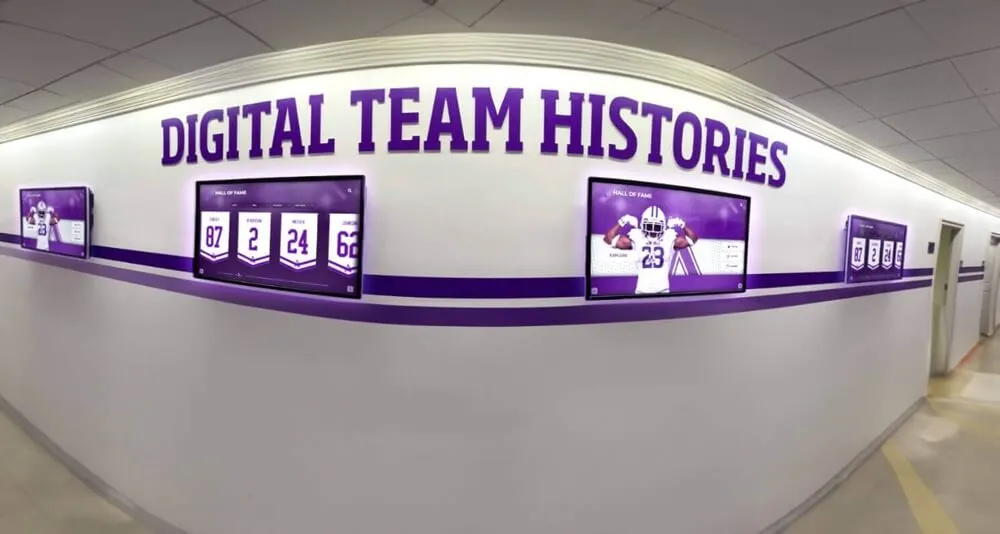
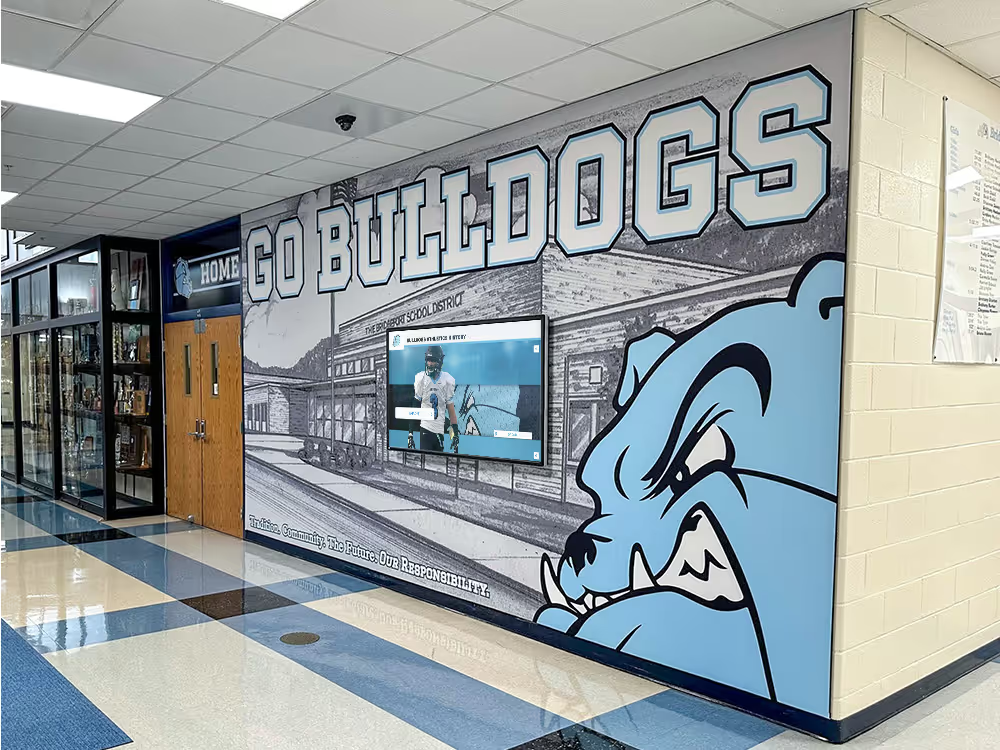
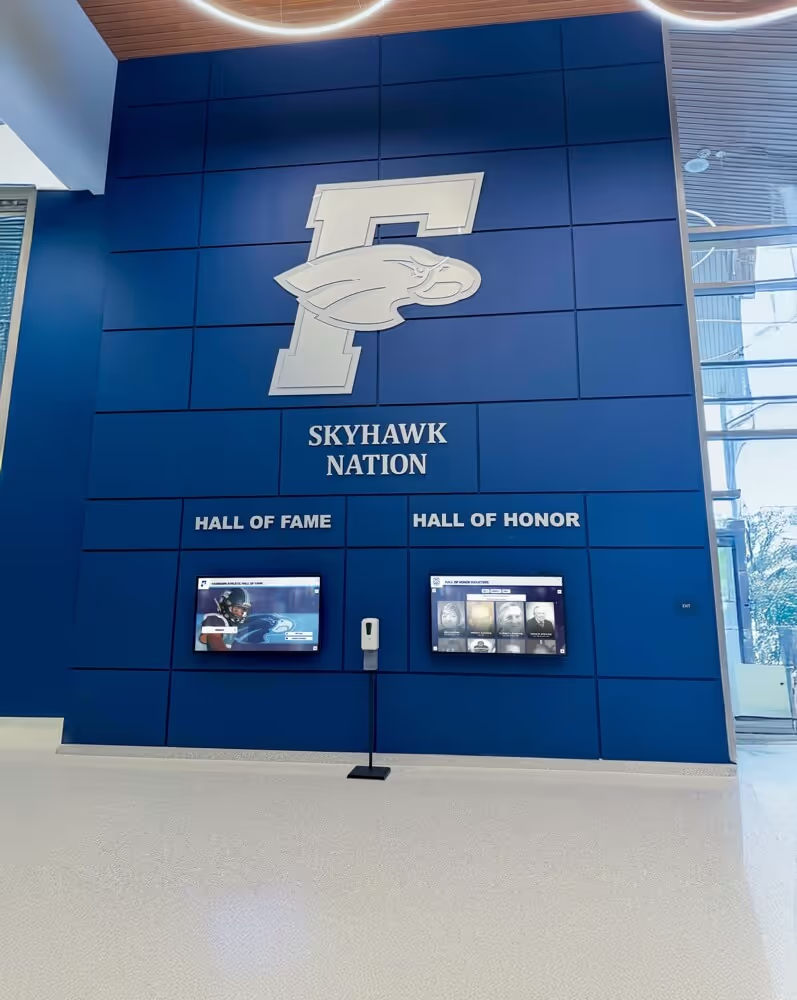
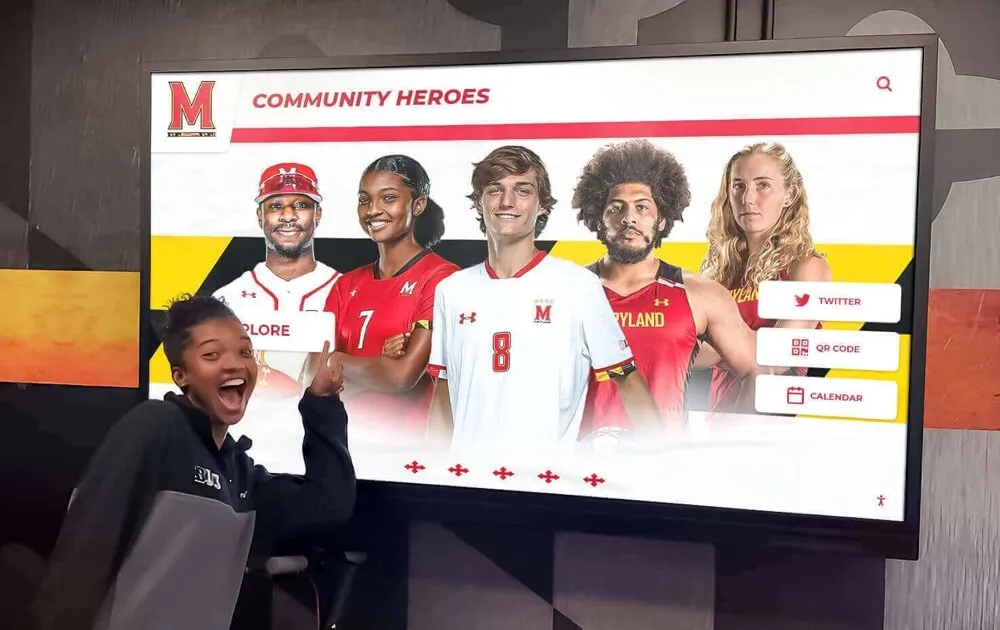
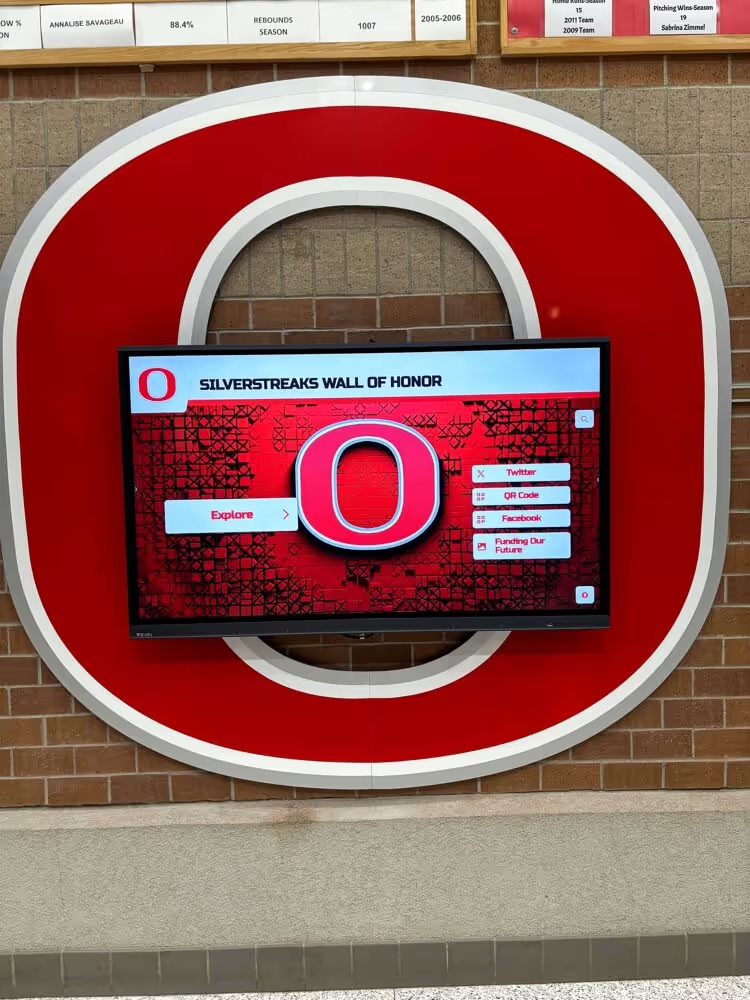
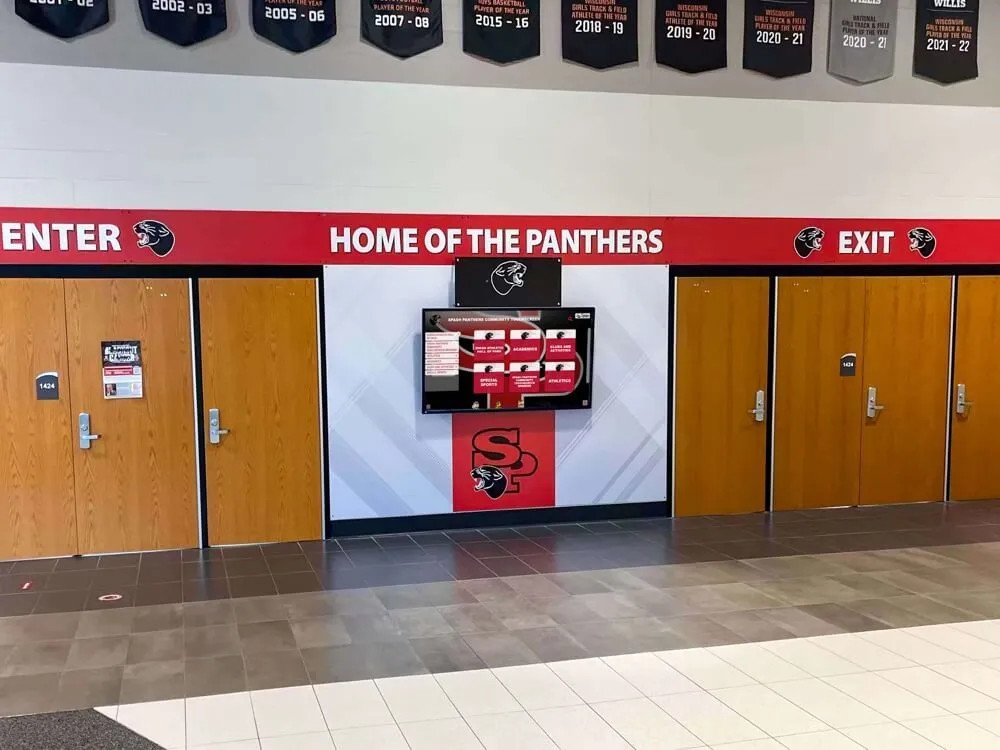
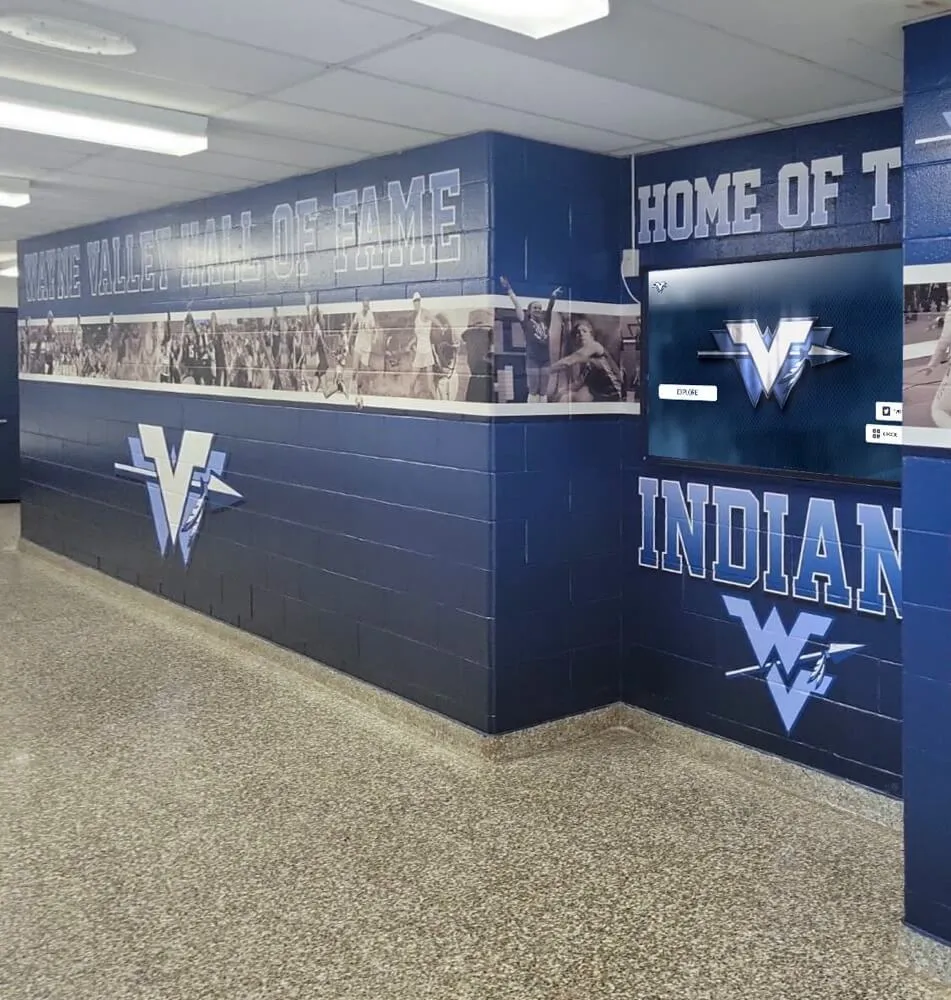
Permanent recognition displays transform athletic facilities into living tributes where retired numbers remain visible to every generation of athletes that follows
Program Snapshot: Jersey Retirement Ceremony
| Program Element | Implementation Details |
|---|---|
| Core Purpose | Permanently retire a standout athlete’s number and honor their program contributions |
| Typical Honorees | 1–3 athletes per year, selected through a defined committee process |
| Ceremony Timing | Home game halftime, senior night, annual athletic banquet, or standalone event |
| Primary Audience | Current athletes, alumni, families, coaches, faculty, and community supporters |
| Planning Window | 8–12 weeks minimum; 6 months preferred for major installations |
| Core Deliverables | Framed jersey or number display, video tribute, printed program, permanent recognition element |
| Ceremony Duration | 15–25 minutes for ceremony segment; 30–90 minutes if paired with reception |
| Ongoing Component | Permanent physical or digital display in athletic facility |
Establishing Qualification Criteria
The most common source of program friction is the absence of written criteria. When a number is retired based on informal consensus or a coach’s personal preference, the decision can generate resentment rather than celebration. Clear, published standards protect the program and give the honor meaning.
Common Criteria Frameworks
Most schools base jersey retirement decisions on combinations of the following:
Performance Benchmarks
Objective thresholds tied to on-field achievement:
- All-state selection (one or multiple years)
- Program all-time records in major statistical categories
- State championship contribution as a primary contributor
- All-conference selection for multiple seasons
- National recognition such as All-American honors
Character and Conduct Standards
Achievement alone is rarely sufficient for the highest institutional honor:
- Exemplary academic standing throughout athletic career
- Demonstrated leadership benefiting teammates and program culture
- No significant conduct violations during or after high school career
- Positive impact on community beyond individual performance
Time Eligibility
Many programs require a waiting period of three to five years after graduation before eligibility. This allows perspective, prevents impulsive decisions, and ensures post-school conduct aligns with program values.
Nomination and Selection Process
A transparent committee process legitimizes every decision:
- Nominations open to coaches, alumni, and athletic staff
- Committee composed of athletic director, head coaches from relevant sports, alumni representatives, and a student representative
- Documented scoring rubric applied to each nominee
- Annual review calendar preventing the process from being triggered only by advocate pressure
Explore how athletic banquet planning checklists can structure the recognition events that frequently accompany jersey retirement ceremonies.
How Many Numbers Should Be Retired?
Scarcity drives meaning. Programs that retire numbers liberally dilute the honor. A reasonable target is one to two retirements per year across all sports combined—fewer in smaller programs. Some schools establish hard limits (no more than three active retirements per sport) to maintain visual and symbolic impact.
Keep a reserve list of nominees who didn’t meet the current year’s threshold. Revisiting qualified athletes in future years strengthens the program rather than weakening it.
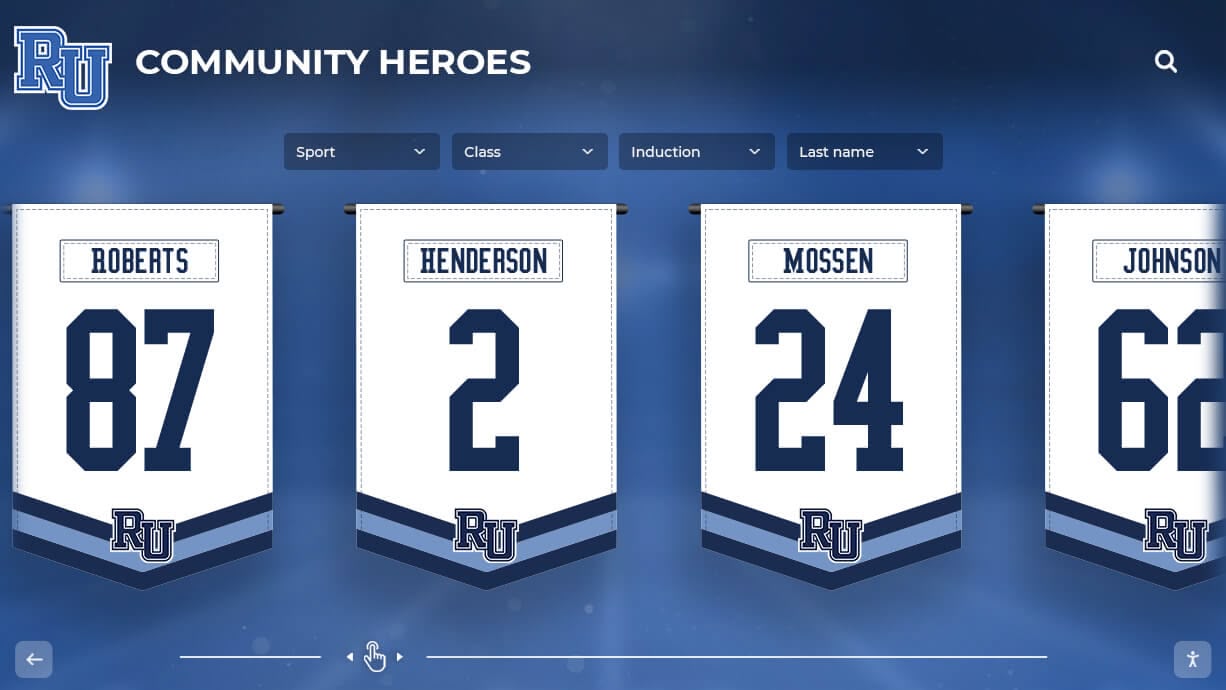
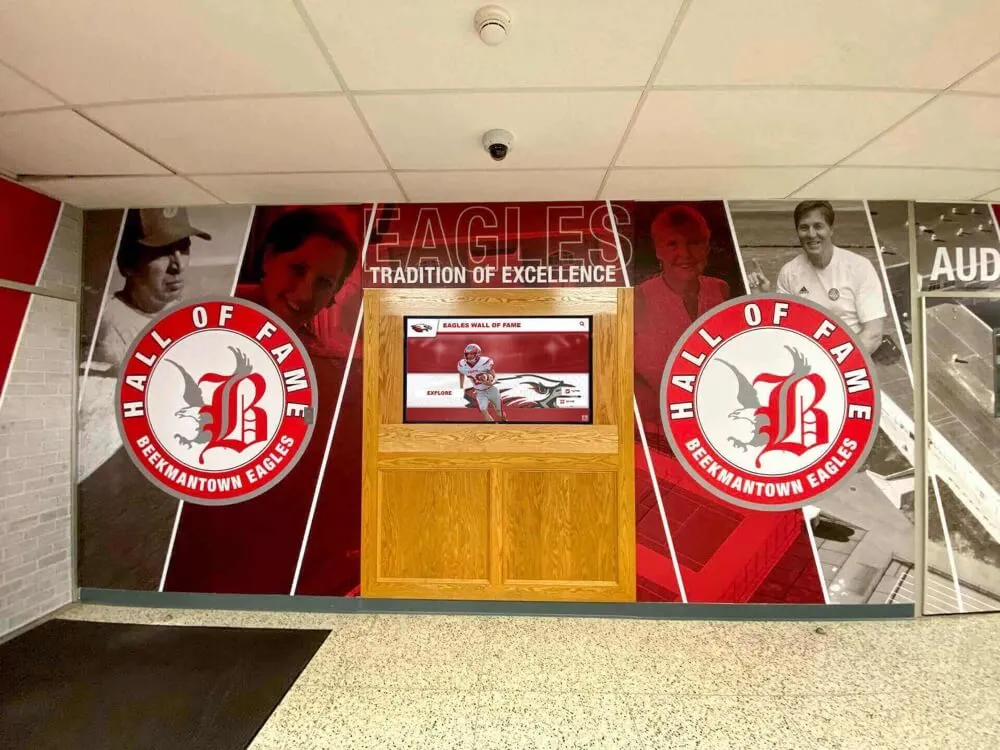
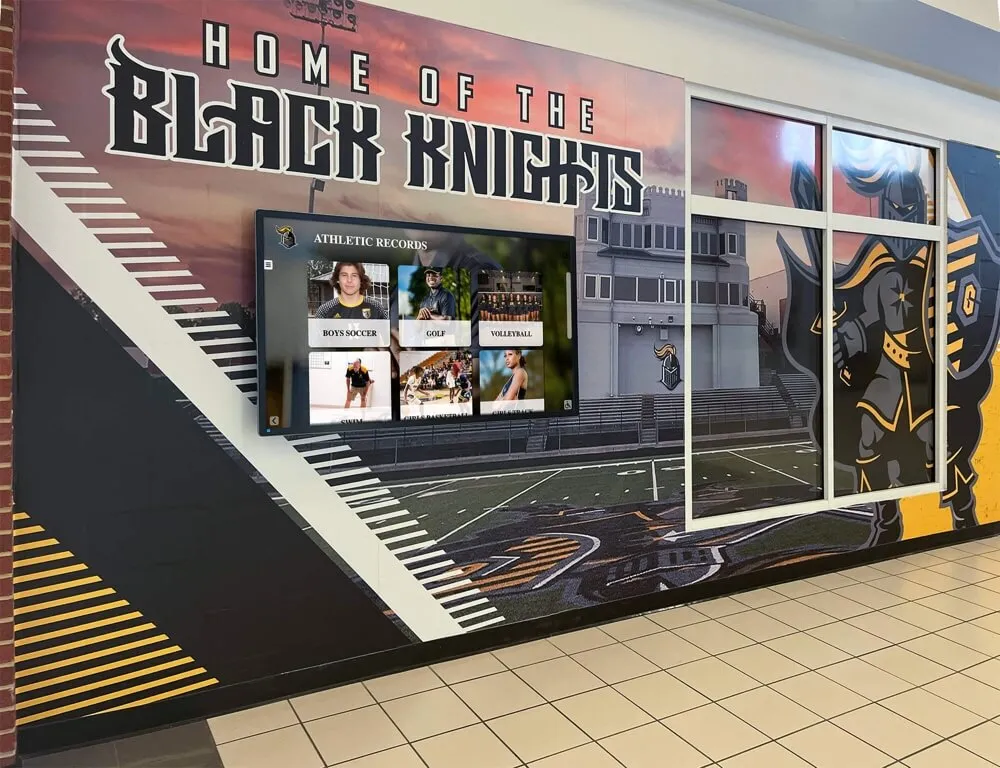
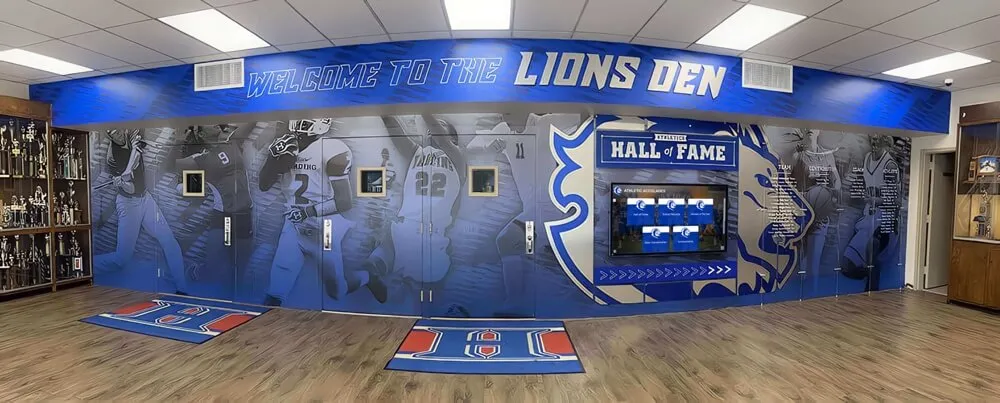
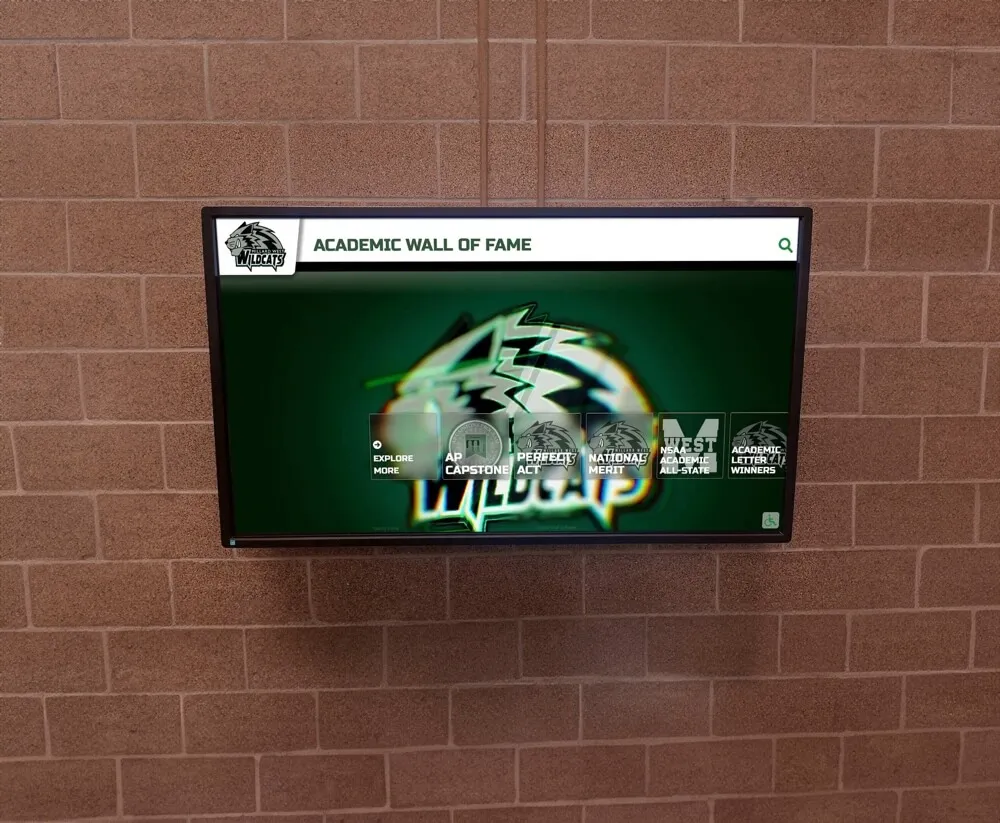
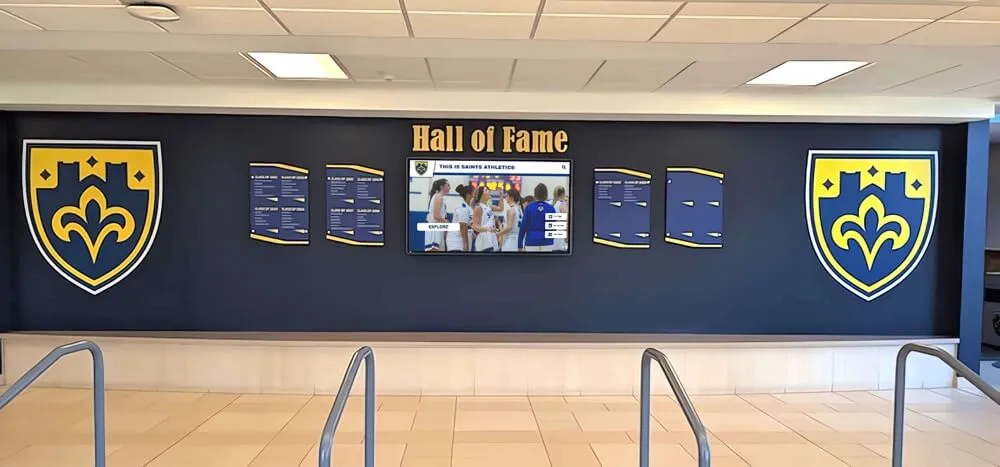
Hanging retired numbers in prominent athletic spaces creates daily visual reminders of program standards and legacy
Content Architecture: Telling the Athlete’s Story
A jersey retirement ceremony lives or dies by the quality of its storytelling. The number being retired is a symbol; the athlete’s actual story—the seasons, the moments, the character—is what the audience came to hear. Map your content across three layers before the ceremony date arrives.
Layer 1: The Career Archive
Gather and organize all available documentation about the honoree’s athletic career:
Statistical and Achievement Record
- Season-by-season statistics and career totals
- Records broken or approached
- All-conference, all-state, or national honors received
- Championship contributions and tournament performances
- Academic honors held alongside athletic career
Visual Archive
- Action photographs from key games across all varsity seasons
- Team photos showing the athlete’s progression from sophomore to senior
- Award ceremony images and recognition moments
- Practice and locker room images showing daily investment
- High-resolution individual portrait for permanent display
Media and Community Documentation
- Local newspaper coverage and feature articles
- Game programs from significant competitions
- Social media posts and video footage with proper permissions
- Quotes from former coaches, teammates, and opponents
Layer 2: The Human Story
Statistics tell observers what happened; the human narrative explains why it mattered. Gather material that brings context to the numbers:
Defining Moments
Interview the honoree and those who coached or competed alongside them to identify:
- The game or moment that defined the career
- An obstacle overcome that most observers never knew about
- A teammate the honoree credits for their development
- The decision or sacrifice that separated them from peers
Post-Graduation Chapter
For athletes eligible based on their time requirement, document their life after high school:
- College athletic career and academic accomplishments
- Professional achievements and community contributions
- Family life and current connection to the program
- Message to current athletes they’d like the ceremony to convey
Layer 3: The Program Connection
Position the honoree within the larger story of the program:
- Which coaches developed them and what made the relationship significant
- Championship banners their contributions helped build
- Teammates who played alongside them and may also be recognized someday
- How the program has changed since they graduated and what they left behind
Understanding the full scope of varsity letter jacket traditions helps frame jersey retirement within the broader spectrum of athletic honor traditions in American schools.
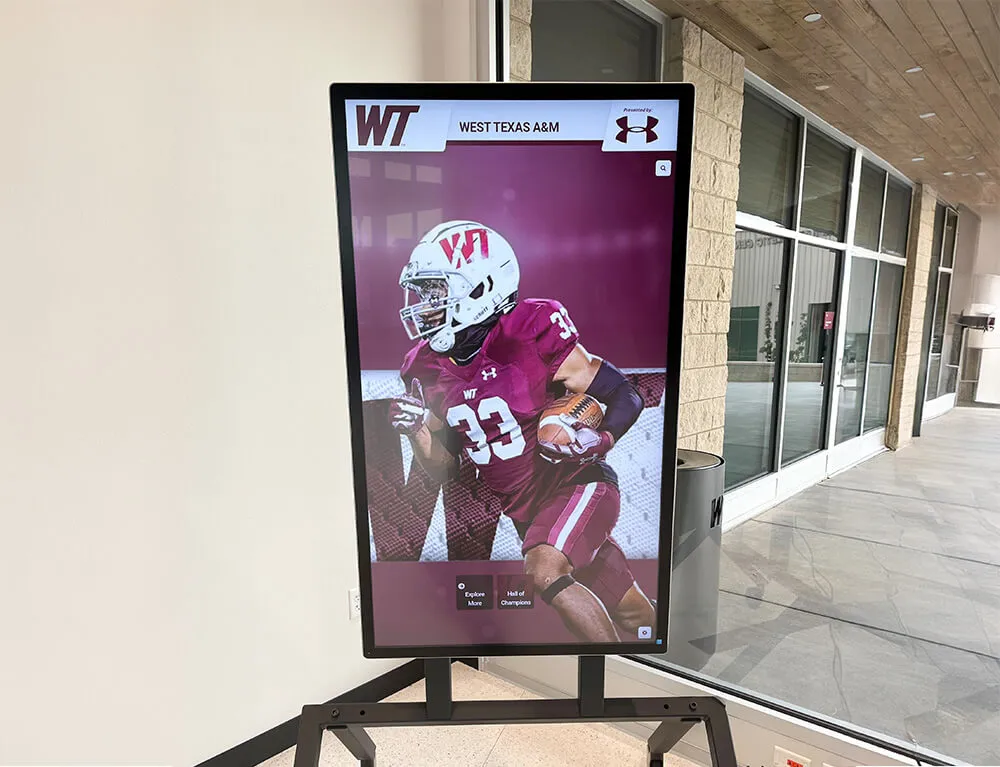
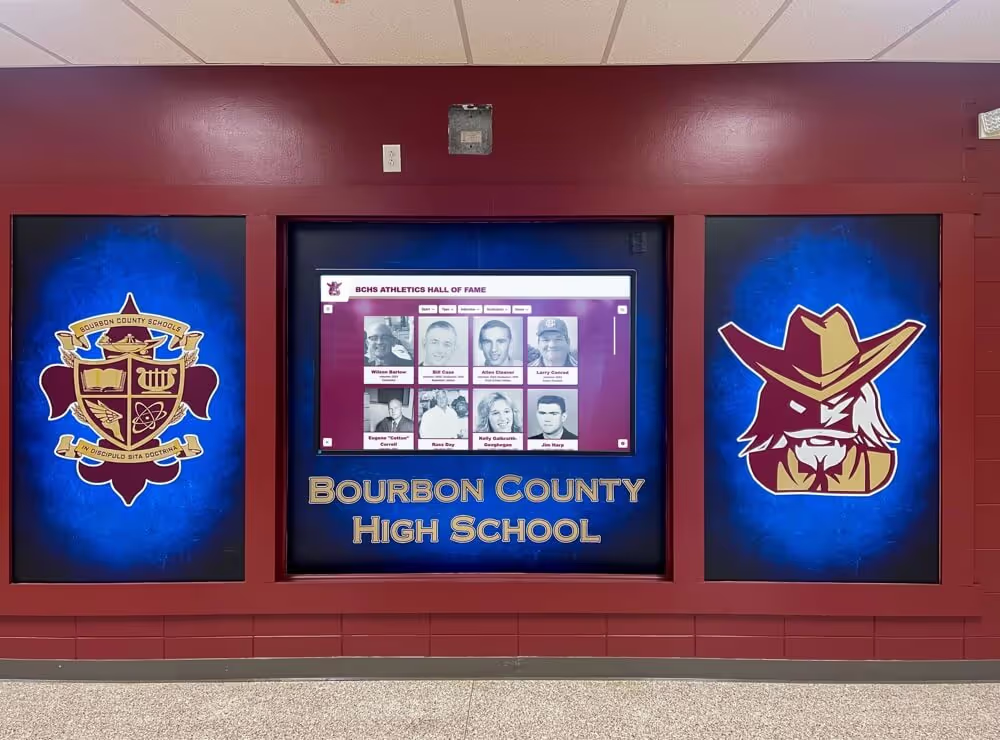
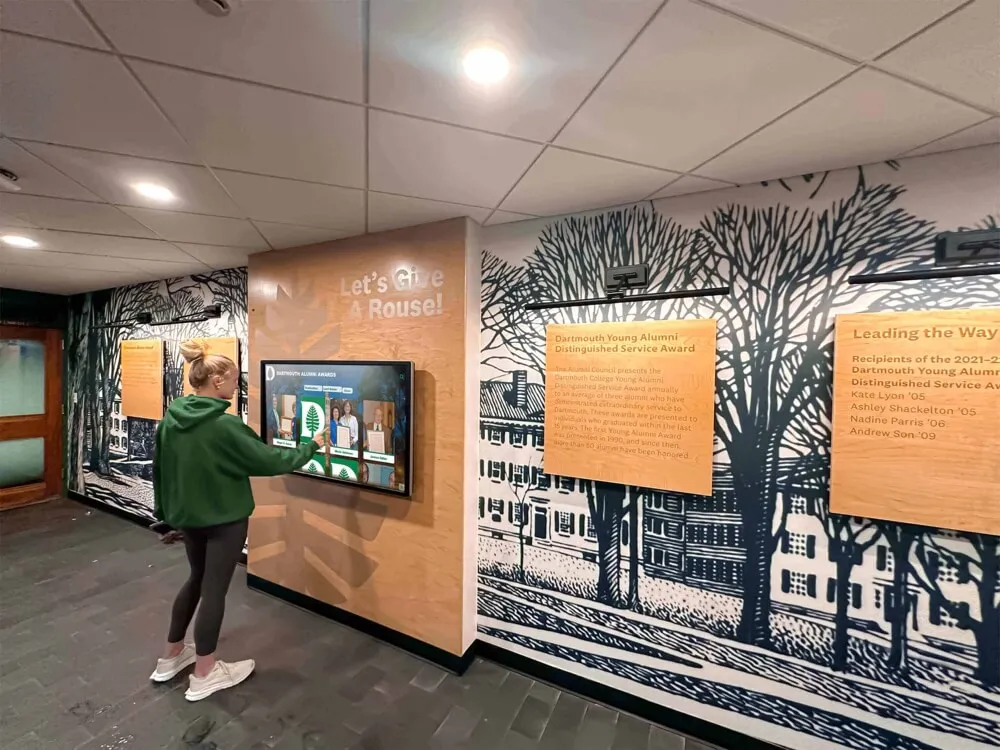
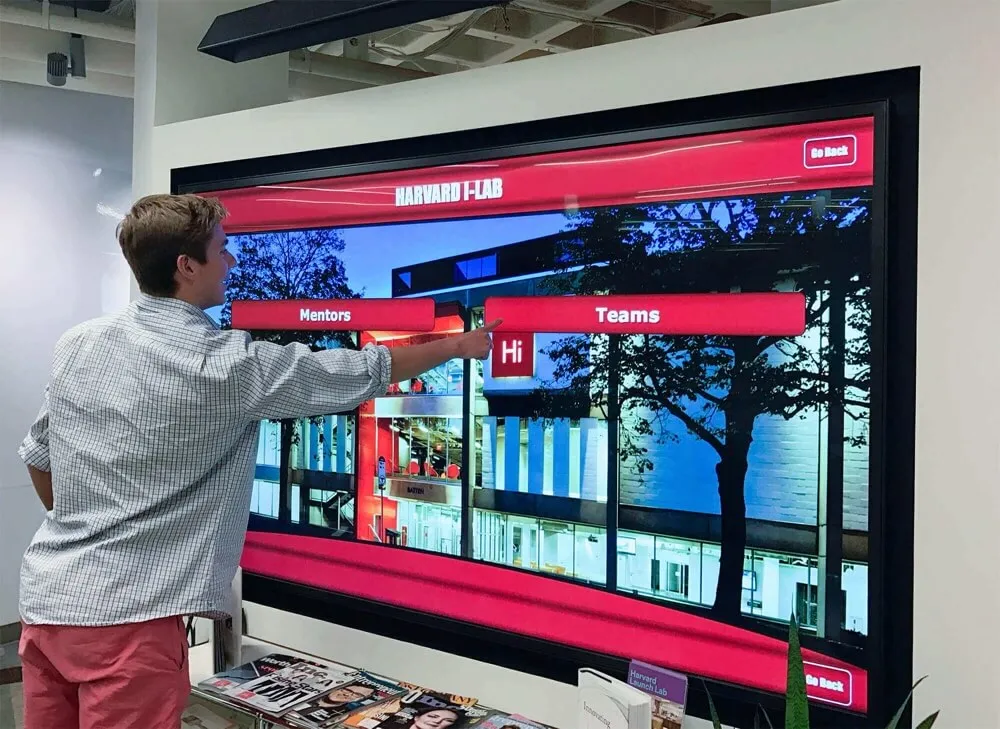
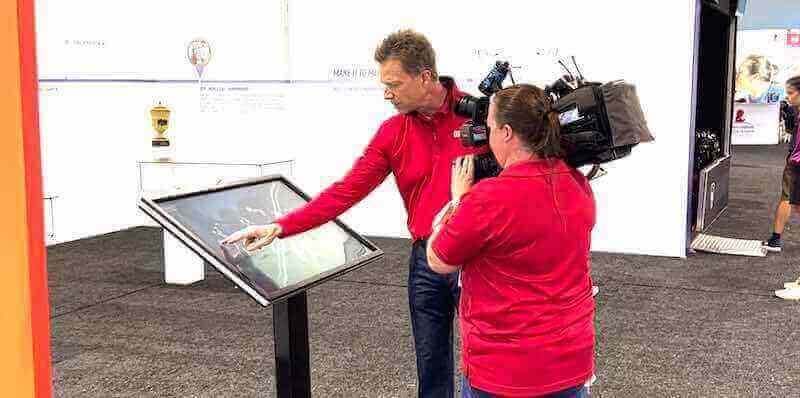
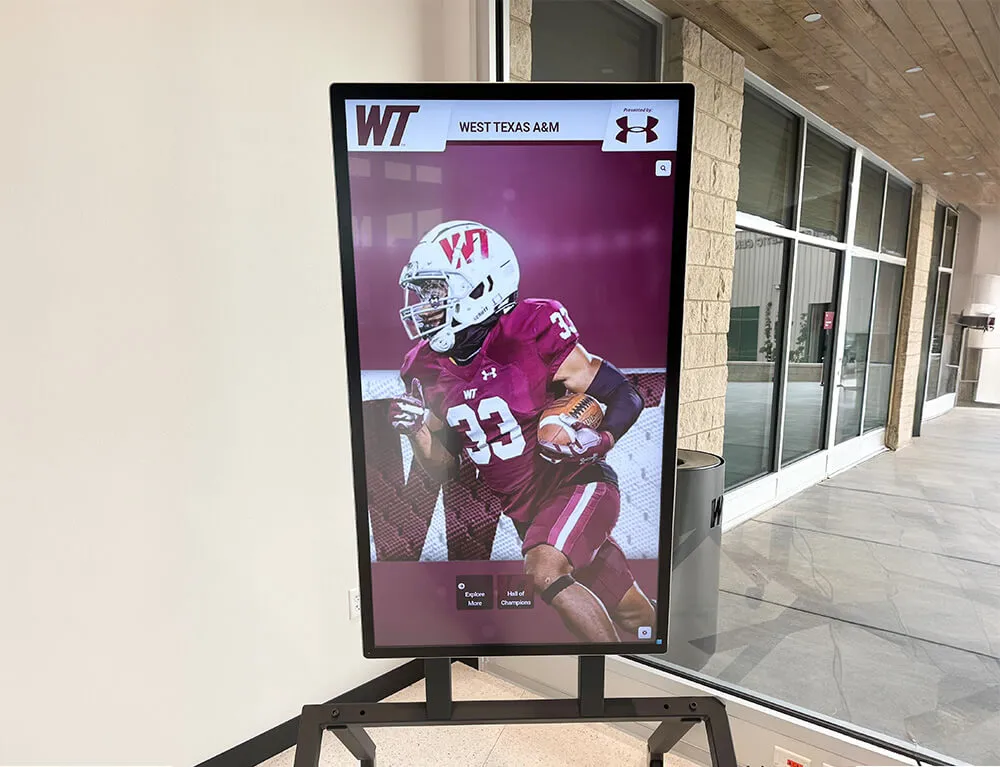
Modern recognition displays create immersive profiles linking jersey numbers to the full story behind each standout athlete's career
Execution Timeline: Plan to Launch
Use this four-phase framework to manage the planning process systematically.
Phase 1: Plan (10–12 Weeks Before Ceremony)
Honoree Notification and Confirmation
Contact the athlete privately before any public announcement. Confirm their willingness to participate, gather preliminary biographical information, and identify family members who should be invited. Some honorees may decline public recognition or request lower-profile celebrations—honor those preferences.
Ceremony Date Selection
Match the ceremony format to the honoree’s sport and availability:
- Home game integration: Works well for high-visibility sports like basketball and football; provides a natural audience but limits ceremony depth due to game timing constraints
- Dedicated night: Best for athletes whose story warrants full attention; allows longer tributes, more family participation, and greater ceremony design flexibility
- Annual athletic banquet: Efficient for programs recognizing multiple athletes; allows deeper storytelling without interrupting competitive schedules
Logistics Checklist
- Venue capacity and AV requirements confirmed
- Date communicated to honoree and immediate family
- Ceremony assigned to staff coordinator with defined responsibilities
- Budget approved (venue, video production, display fabrication, reception)
Phase 2: Build (6–8 Weeks Before Ceremony)
Video Tribute Production
The video tribute is the emotional centerpiece. A quality production runs three to five minutes and includes:
- Career highlight footage with context narration
- Interviews with head coach, assistant coaches, and two or three former teammates
- Interview with the honoree reflecting on their career
- Still photo montage set to appropriate music
- Closing statement from the honoree to current athletes
Program Booklet Design
Printed programs give attendees something to keep:
- Honoree biography (400–600 words)
- Career statistics and records
- List of coaches and teammates
- Message from athletic director
- Sponsor acknowledgments if applicable
- Photos from career highlights
Display Fabrication
Determine the permanent recognition component at this stage:
- Framed jersey with nameplate for wall mounting
- Number-only display with engraved plaque
- Custom banner for ceiling or wall installation
- Touchscreen display profile for existing digital recognition system
- Combination of physical and digital elements
Guest Communications
- Formal invitations to family members with RSVP instructions
- Coach and teammate outreach for ceremony participation
- Media notification if relevant
- Announcement to current team with context for who is being honored and why
Phase 3: Launch (Ceremony Week and Night)
Rehearsal and Logistics
Hold a rehearsal at least 48 hours before the ceremony:
- Walk through full ceremony sequence with speakers
- Test all AV equipment including video playback and microphones
- Confirm display installation or placement
- Brief all staff on run-of-show and backup procedures
Run of Show Template
A standard 20-minute jersey retirement ceremony follows this sequence:
- Introduction by MC or athletic director (2 minutes) — context for the honor and the athlete
- Video tribute playback (4–5 minutes)
- Remarks from head coach (3 minutes) — personal perspective on the athlete’s career
- Remarks from a former teammate or community figure (2 minutes)
- Jersey or number unveiling with honoree and family on floor or stage (3 minutes)
- Honoree remarks (3–4 minutes) — prepared or extemporaneous
- Photo opportunity with current team, coaches, and family (2 minutes)
- Transition to reception or resumption of event programming
Honoree Day-Of Support
Assign a staff contact to the honoree and their family from arrival to departure:
- Green room or private space for family before the ceremony
- Briefed photographer for family photo opportunities
- Clear timeline communicated in advance so there are no surprises
- Post-ceremony guidance for display location and visit
Phase 4: Refresh (Post-Ceremony and Ongoing)
Recognition should not end when the ceremony ends. The refresh phase transforms a one-night event into permanent program infrastructure:
- Update all digital and physical directories to reflect the new retired number
- Post ceremony video and photos to school athletic website and social channels
- Add honoree profile to touchscreen hall of fame or digital recognition system
- Brief incoming athletes each season on who the retired numbers represent and why
- Invite the honoree back as a guest speaker or mentor in subsequent years
Learn how induction ceremony planning for honor societies applies parallel ceremony design principles applicable to athletic retirement events.
Display Integration: Making the Honor Permanent
A jersey retirement ceremony creates a moment. Permanent display integration ensures that moment echoes through the facility for decades. This is where the ceremony’s impact compounds—every athlete who practices in that gym, every parent who attends a game, every recruit who tours the facility encounters the number and its story.
Physical Display Options
Hanging Banners
The most traditional format: fabric or vinyl banners suspended from ceiling rafters or wall mounts. Effective for gymnasiums and arenas where visual scale matters. Plan for:
- Consistent sizing across all retired numbers (typically 18" × 36" to 24" × 48")
- Durable materials rated for indoor environments
- Lighted sections or accent lighting drawing attention to the display
- Adequate spacing preventing visual overcrowding as additional numbers are added
Framed Jersey Cases
Shadowbox-style cases mounted in hallways, lobbies, or dedicated recognition walls preserve the actual garment. Key considerations:
- UV-protective glass preventing fabric fading
- Engraved nameplates identifying athlete, number, sport, and years
- Consistent framing style creating a cohesive wall over time
- Location in high-traffic areas ensuring daily visibility
Review athletic display cabinet ideas for guidance on glass selection, lighting design, and layout planning for jersey and collectibles displays.
Dedicated Recognition Walls
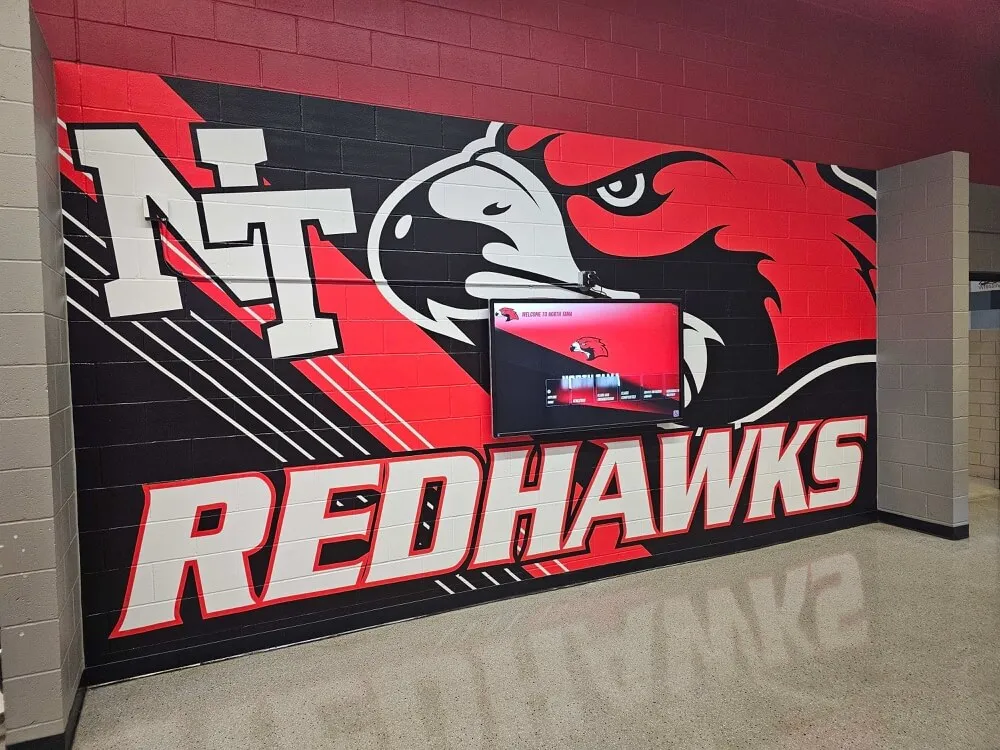
Purpose-built wall sections combining number plaques, nameplates, and framed photography create impactful environments in athletic lobbies and hallways. When designed consistently, these walls communicate program standards at a glance to every visitor.
Digital Display Integration
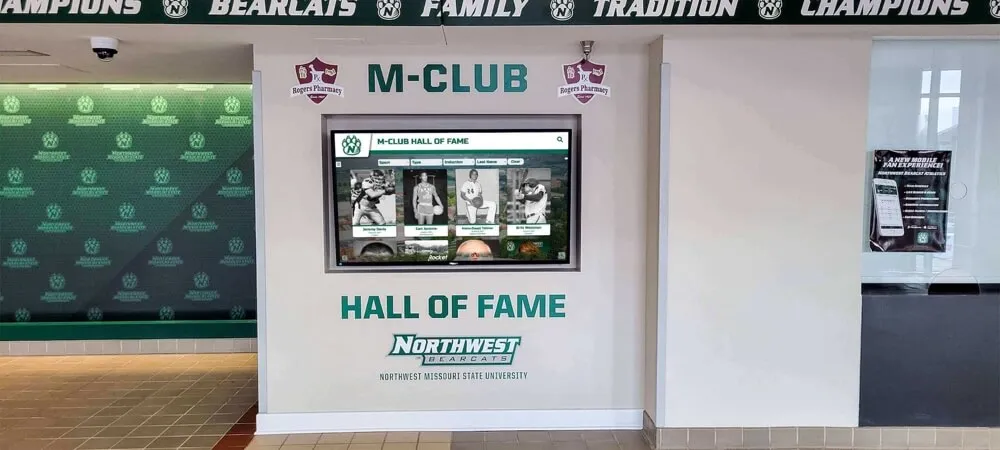
Physical displays honor one athlete at a time; digital recognition systems can tell every story simultaneously. Modern touchscreen platforms allow schools to create dedicated jersey retirement profiles accessible alongside hall of fame inductees, championship banners, and all-time records boards.
Key capabilities for jersey retirement recognition:
- Full career profiles with unlimited statistical detail
- Video tribute playback on demand
- Photo galleries from ceremony and playing career
- Searchable by name, number, sport, or graduation year
- Alumni access via web portal from anywhere in the world
- Content updates without hardware changes as new athletes are inducted

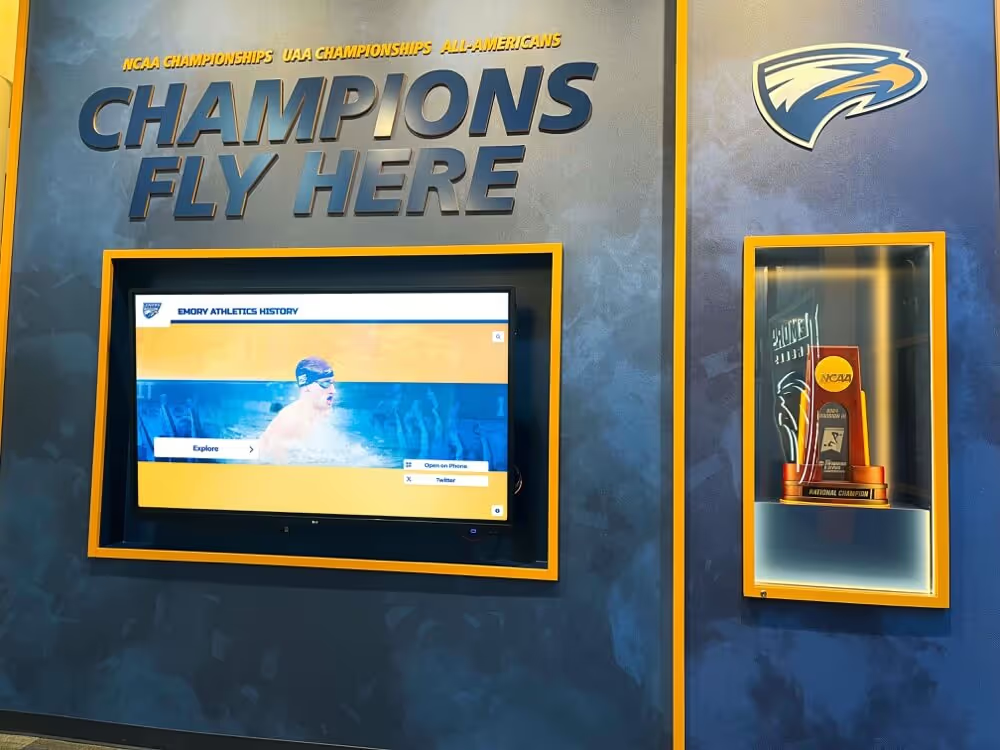
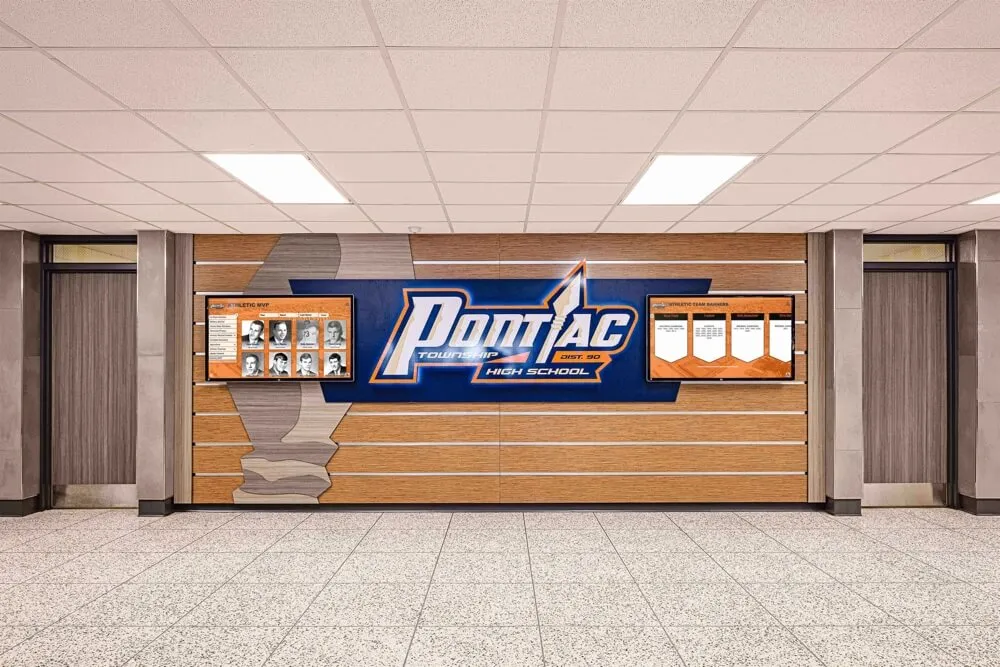
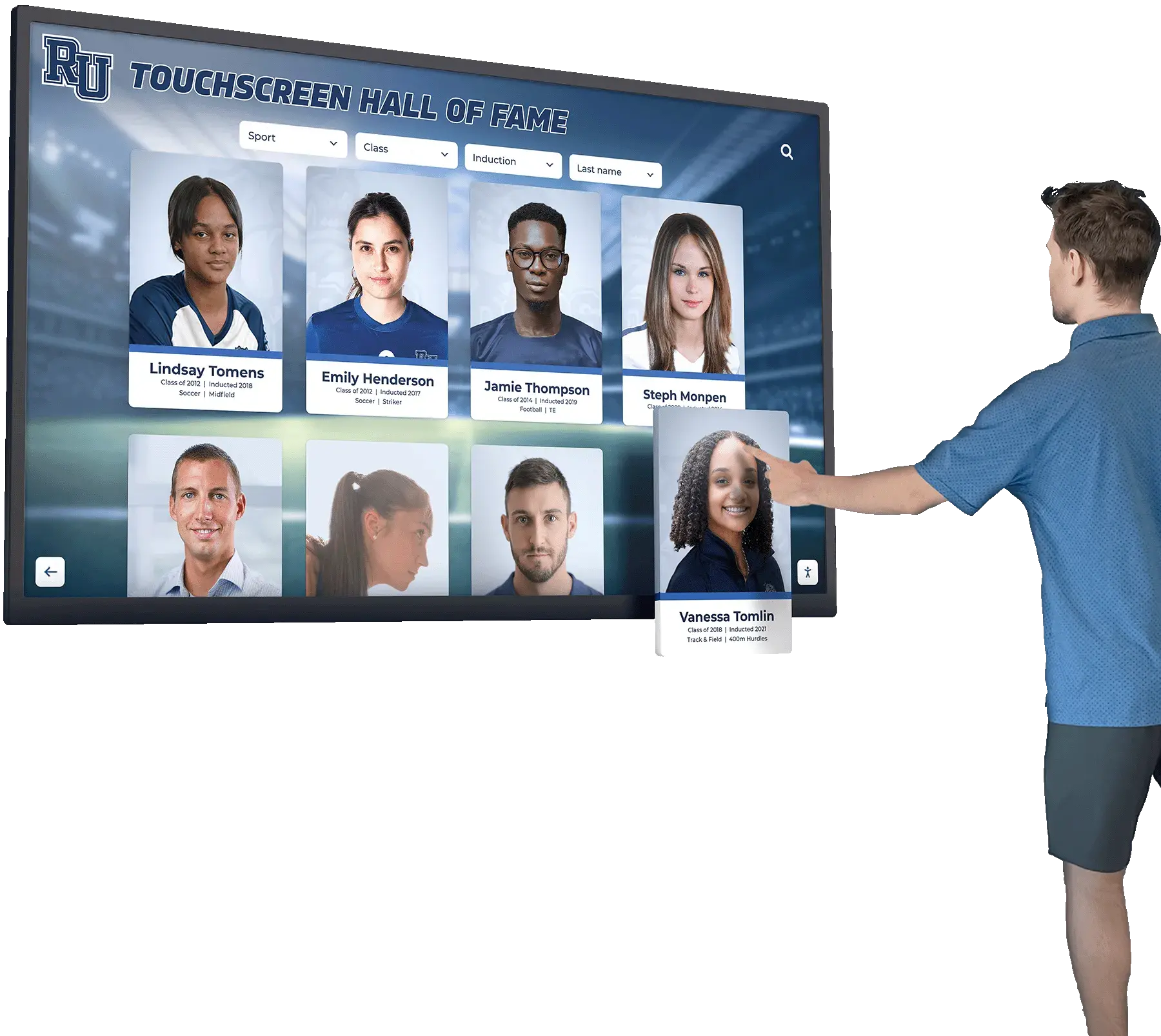
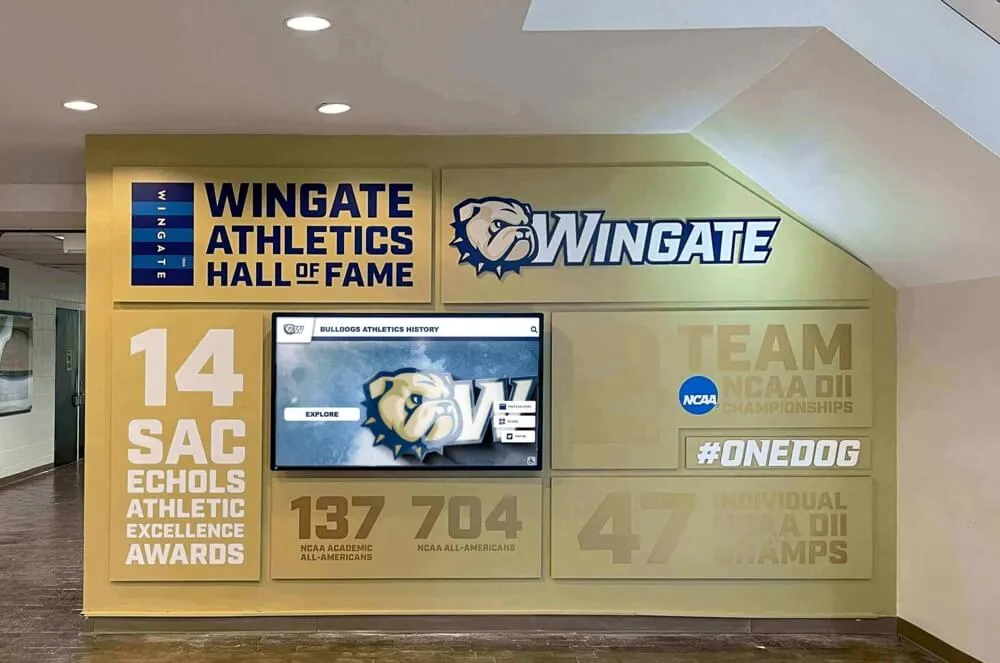
Digital recognition platforms integrate jersey retirement profiles into comprehensive athletic hall of fame systems accessible to athletes, alumni, and visitors
ADA and Access Considerations
Any physical or digital recognition installation should meet accessibility standards:
- Display heights between 15" and 48" from floor for touchscreen or interactive elements (WCAG 2.1 AA compliant mounting)
- Adequate contrast ratios on all text elements (minimum 4.5:1 for normal text)
- Physical clearance of 30" × 48" minimum for wheelchair approach to interactive displays
- Audio narration options for video tributes benefiting visitors with visual impairments
- Consideration of hallway traffic flow ensuring displays don’t create congestion points
Remote Content Management
The best digital recognition platforms allow athletic staff to update jersey retirement profiles without IT involvement or vendor scheduling. When a new number is retired, staff should be able to publish a complete profile—biography, photos, statistics, video—within a standard working week. Cloud-based content management systems supporting this workflow reduce administrative overhead by 75–85% compared to physical installation processes.
Explore how digital wall of honor displays integrate with traditional plaque systems to create hybrid recognition environments.
Ceremony Reusable Templates
Sample Ceremony Script (MC Introduction)
“Tonight, [School Name] Athletics permanently retires jersey number [X], worn by [Athlete Name] from [Year] to [Year]. [He/She/They] left this program with [key achievement]—but more importantly, left it better than [he/she/they] found it. When future athletes see this number hanging in our facility, they will know exactly what it looks like to give everything to this school, this team, and this community. Please join me in welcoming [Athlete Name] home.”
Content Collection Checklist
Use this checklist when beginning the build phase for each honoree:
- Signed photo release and biographical consent form
- High-resolution headshot (300+ DPI)
- Full career statistics from official scorebooks
- Season-by-season records or achievements
- Honors received (all-state, all-conference, academic)
- 3–5 action photos from career with game context notes
- Team photos from each varsity year
- Video footage (game highlights, interviews)
- Coach interview recorded
- Teammate interview recorded (1–2 participants)
- Honoree interview recorded
- Post-graduation biography (current occupation, family, connection to program)
- Honoree message to current athletes (written or recorded)
- Family member contact information for invitation logistics
- Social media handles if honoree approves tagging
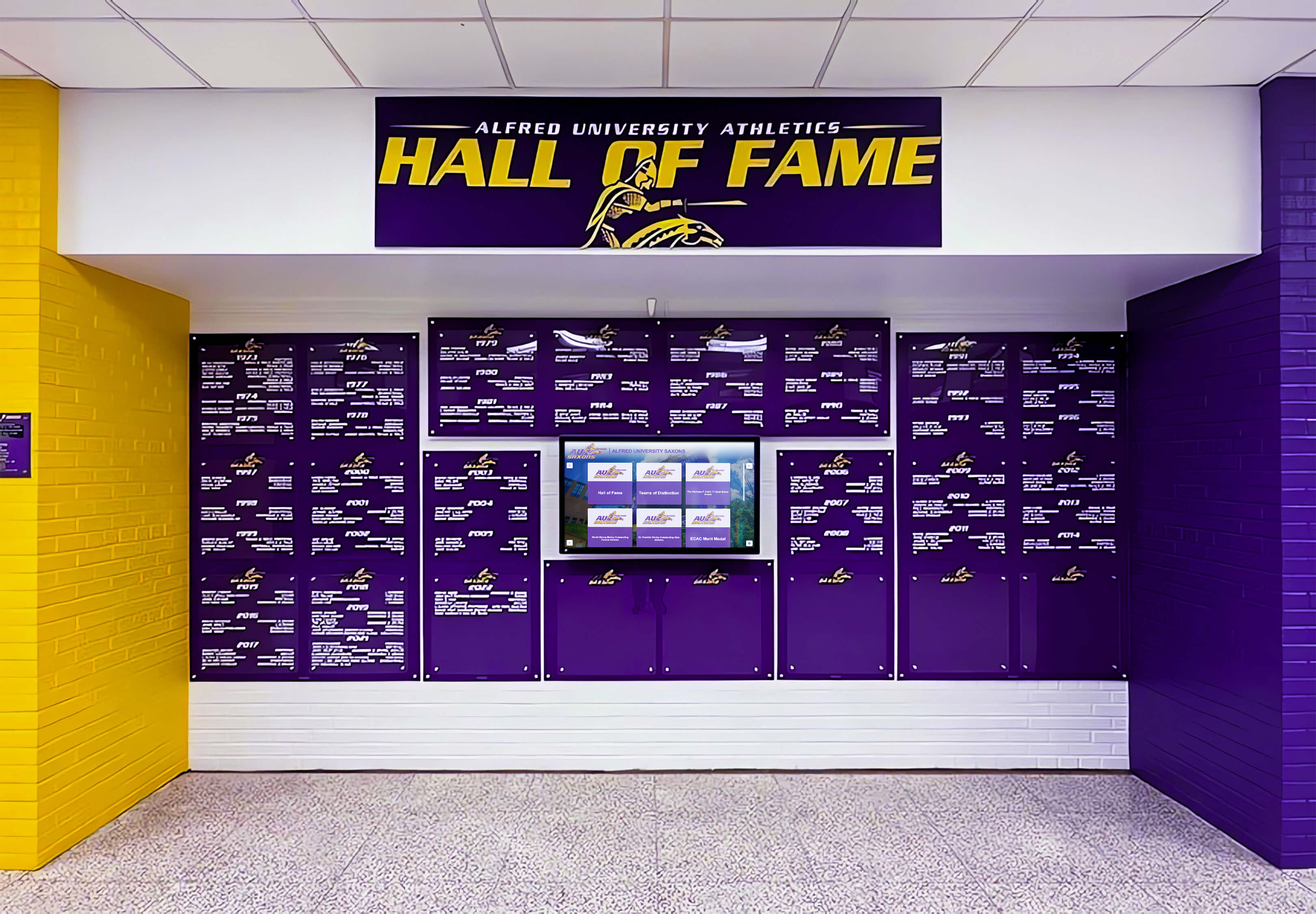
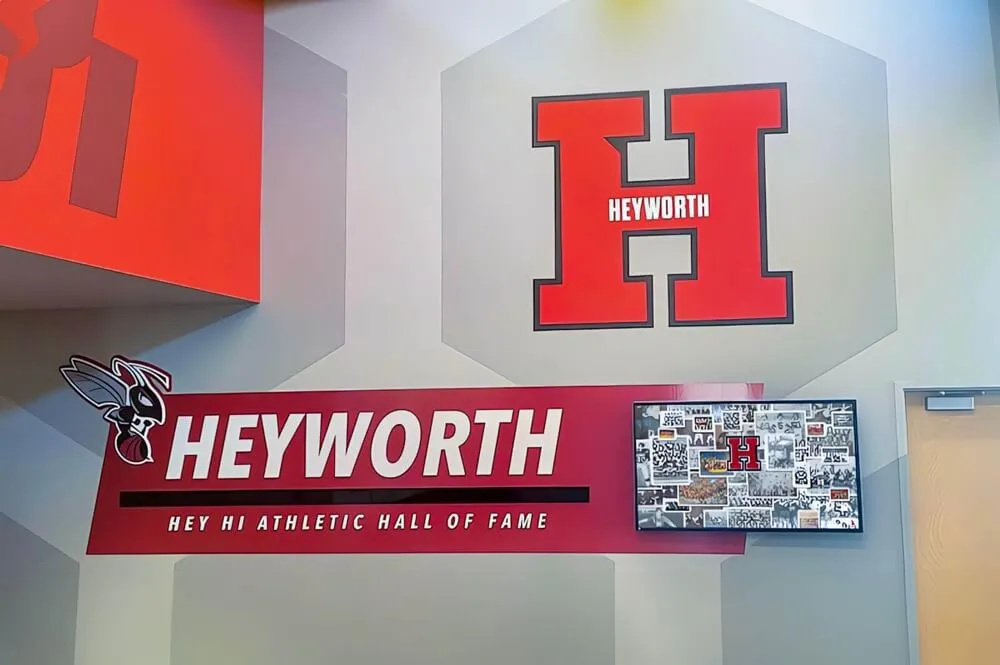
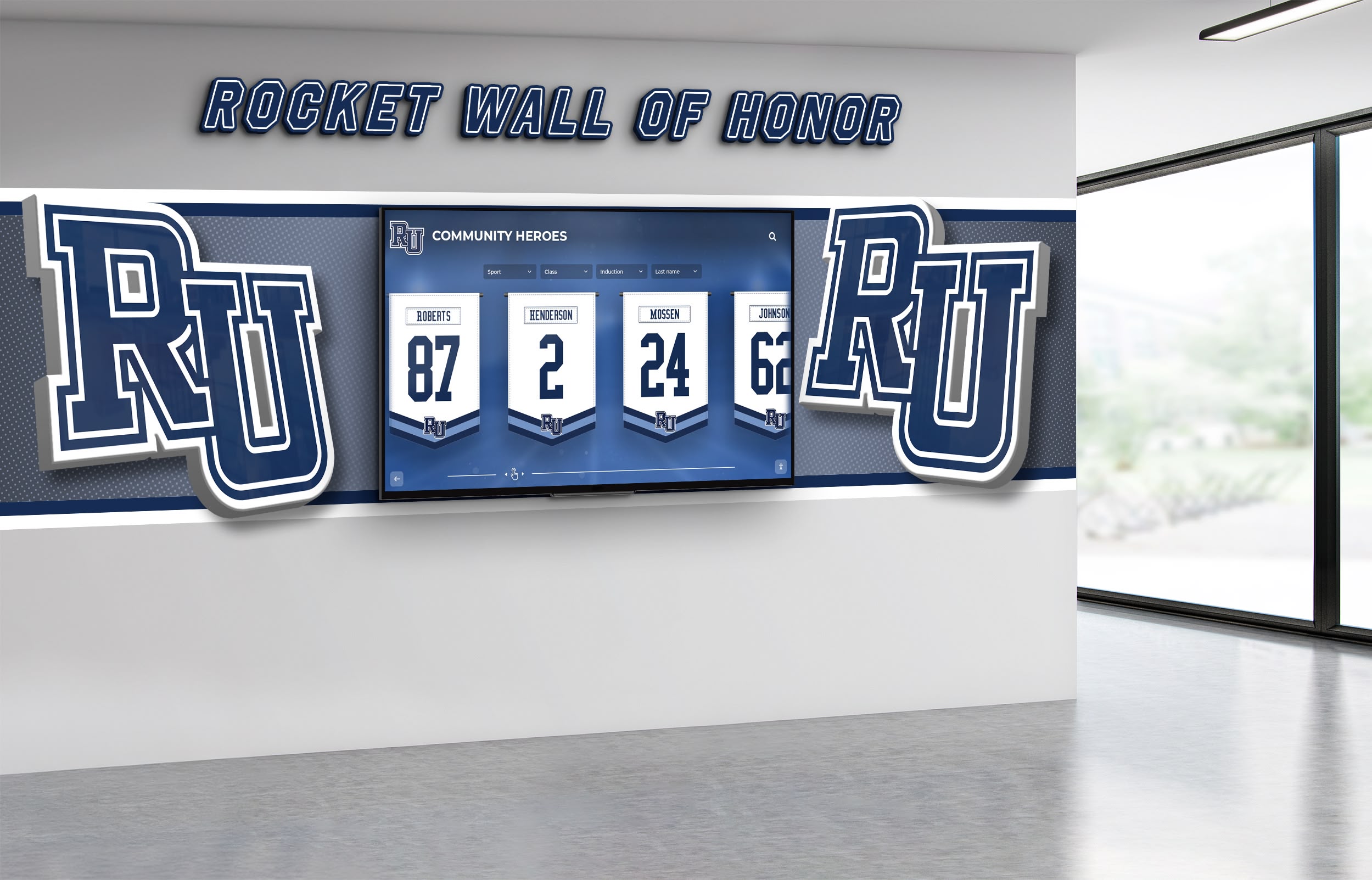
Consistent branding across recognition walls communicates institutional pride while ensuring each honored athlete receives equal visual prominence
Connecting Jersey Retirement to the Broader Hall of Fame
Jersey retirement and hall of fame induction are distinct honors that many programs administer independently—but the most effective athletic recognition systems treat them as connected chapters in the same story.
Jersey Retirement vs. Hall of Fame Induction
| Jersey Retirement | Hall of Fame Induction | |
|---|---|---|
| Focus | Individual number and playing legacy | Career achievement and institutional impact |
| Scope | Sport-specific | Often multi-sport or program-wide |
| Timing | Can occur shortly after graduation | Typically requires 10+ year eligibility window |
| Output | Physical display of number/jersey | Plaque, portrait, or digital profile in hall |
| Ceremony Tone | Athletic, celebratory | More formal, institutional |
Many standout athletes merit both honors at different points in their post-graduation timeline. Programs that design these tracks intentionally can engage alumni across decades—a jersey retirement brings an athlete back at age 25, a hall of fame induction brings them back at 40.
Explore how basketball hall of fame recognition programs structure multi-decade engagement with standout athletes.
Creating a Unified Recognition Ecosystem
When jersey retirement and hall of fame profiles exist on the same platform, alumni can navigate between them. A visitor to the athletic facility can tap a retired number, view the player’s career statistics, watch the retirement ceremony tribute, see their hall of fame induction speech, and follow their post-graduation career—all from a single display. That depth of storytelling turns a recognition display into a genuine athletic archive.
Understanding how interactive alumni directories connect individual athlete profiles to broader institutional history helps programs design recognition systems that serve multiple stakeholder audiences simultaneously.
Supporting Recruiting with Recognition Infrastructure
Prospective athletes and their families evaluate programs on culture and commitment, not just records. A facility where retired numbers hang alongside video tribute stations and interactive alumni directories communicates that this program takes care of its people—not just during their playing years, but for the rest of their lives. That message resonates powerfully during recruiting visits.
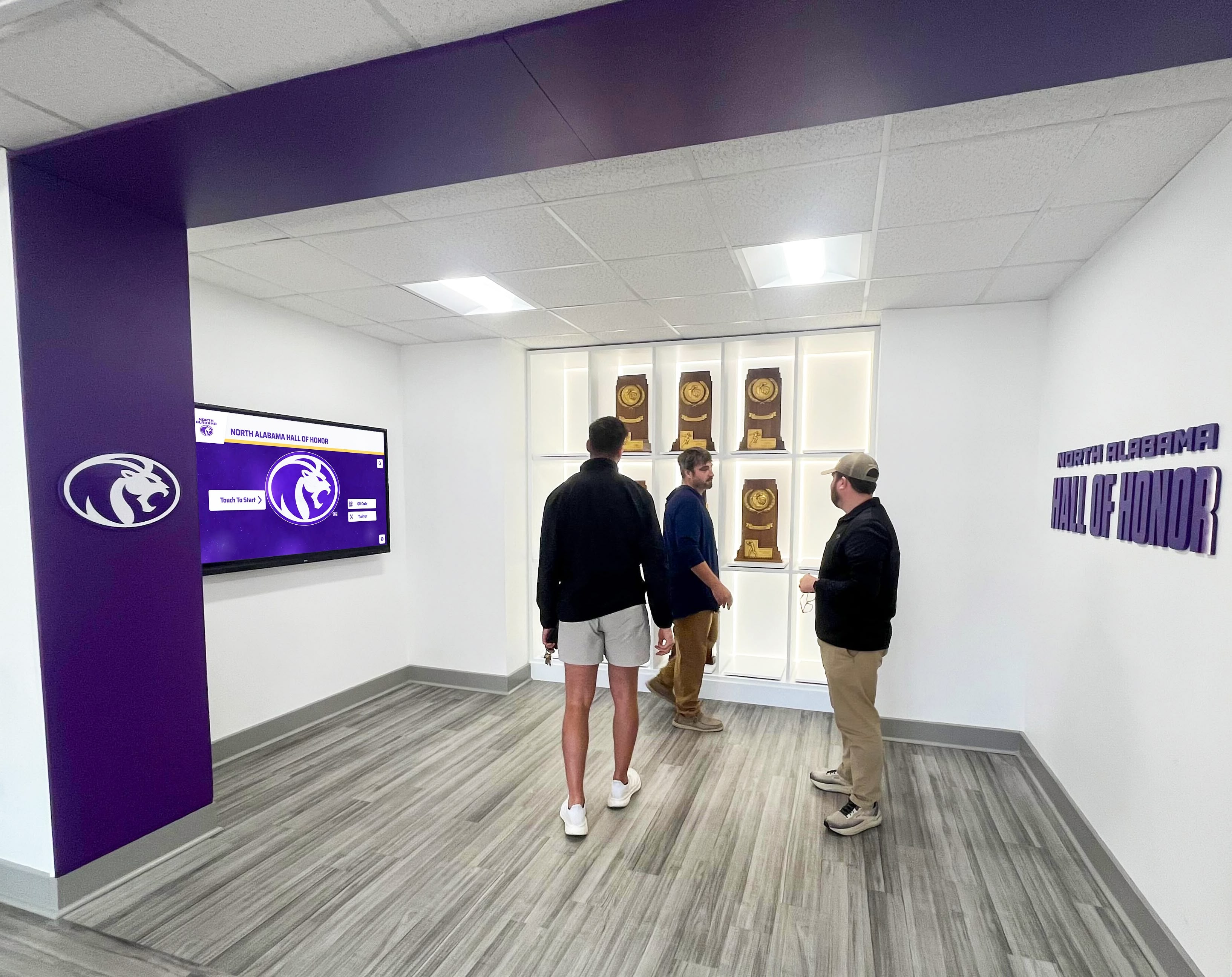
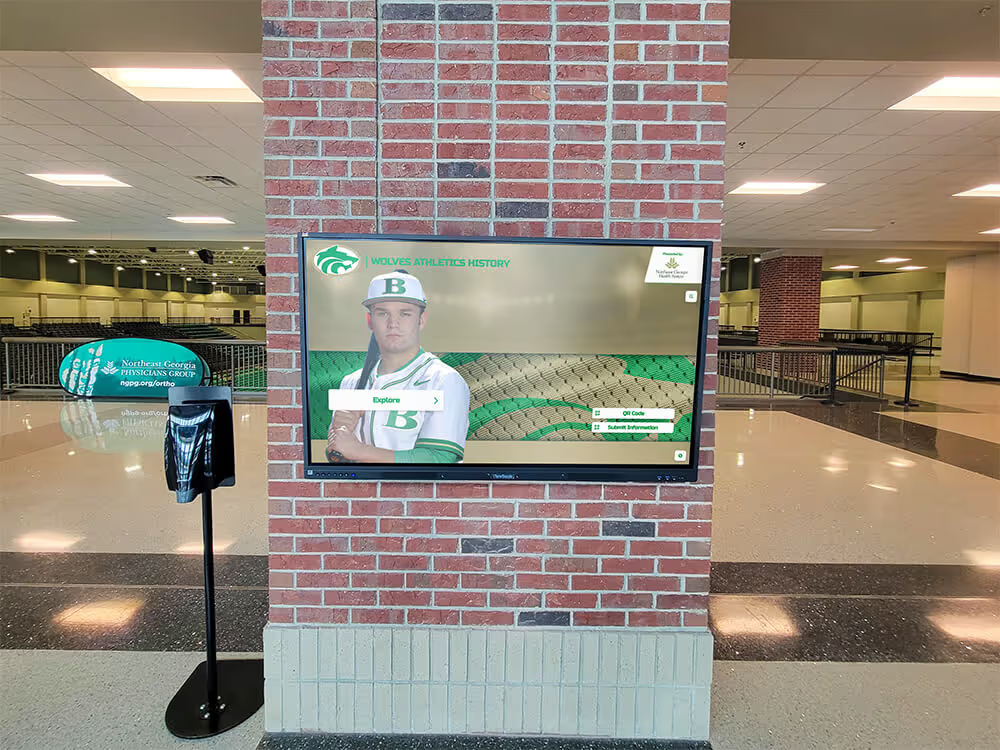
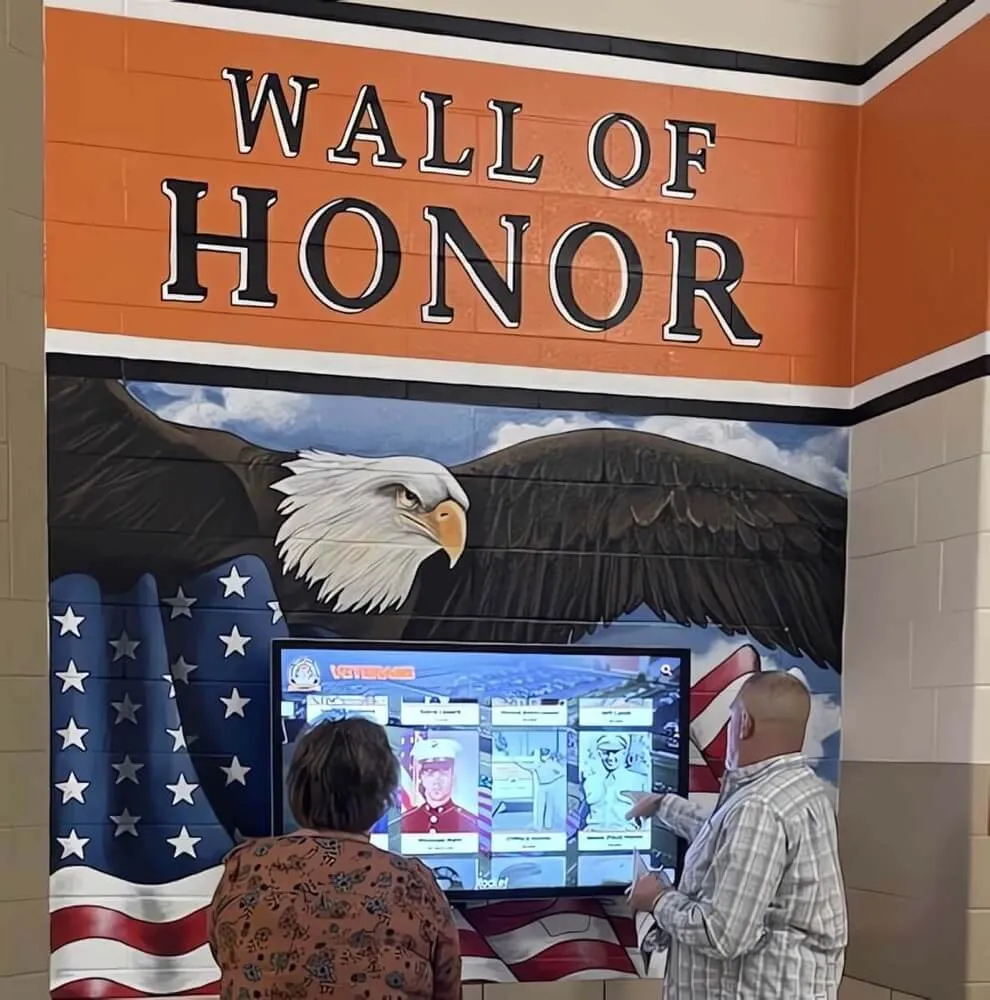
Recognition spaces become natural gathering points where alumni, community members, and prospective athletes engage with program history together
Measurement: Tracking Ceremony and Recognition Impact
Sustainable programs track what works. Establish baselines for these indicators before your first ceremony and revisit them annually:
Engagement Metrics
Ceremony Night
- Total attendance versus target
- Media coverage generated (local papers, district communications, social reach)
- Social media engagement on ceremony posts (shares, comments, tags)
- Video tribute views within 30 days of posting
Ongoing Display Engagement
- Monthly interaction count for digital recognition profiles (if applicable)
- Average dwell time on retired number profiles versus other display content
- Web portal visits to honoree profiles from off-campus locations
- Recruiting visit feedback specifically mentioning recognition displays
Program Health Indicators
- Nomination volume year-over-year
- Selection committee participation rate
- Honoree satisfaction feedback collected via post-ceremony survey
- Current athlete awareness tested through brief annual survey
- Alumni engagement generated by recognition (event attendance, giving participation)
Learn how coach appreciation programs apply similar measurement frameworks to evaluate the impact of recognition programming across athletic departments.
Special Situations and Common Challenges
Retired Numbers from Past Eras Without Documentation
Many programs discover gaps when trying to document athletes from 30 or 40 years ago. Approach these situations systematically:
- Contact state athletic associations and local newspapers for historical game coverage
- Reach out to alumni associations and class reunion networks for photographs and biographical details
- Interview former coaches or faculty who may hold institutional memory
- Post queries to school social media accounts inviting community submissions
- Launch profiles with available information and a “Help us complete this story” prompt
See how digitizing old yearbooks for hall of fame displays recovers historical athlete content from analog archives into digital recognition formats.
Athletes Who Cannot Attend
Schedule conflicts, health challenges, geographic distance, or personal circumstances sometimes prevent honorees from attending their ceremony. Options include:
- Live video connection enabling real-time participation remotely
- Pre-recorded video message played during the ceremony
- Proxy acceptance by a family member or former teammate
- Postponement to a date the honoree can attend (for non-time-sensitive events)
Never proceed with a retirement ceremony without the honoree’s knowledge and consent. The honor belongs to them, and the manner of celebration should reflect their preferences.
Number Conflicts
When a number an athlete wants retired is also worn by a current athlete mid-career, handle the transition with care:
- Inform the current athlete privately and give them the opportunity to choose an alternative number
- Frame the transition as an honor (their number will eventually join the legacy wall) rather than a disruption
- Ensure the current athlete is recognized during the ceremony as the last to wear the number before retirement
Posthumous Retirements
When a retired number honors an athlete who has passed away, adjustments to the ceremony framework are necessary:
- Work closely with the family to understand their preferences for tone and content
- Include family members in all planning decisions
- Allocate more ceremony time for community reflection
- Consider a permanent dedication element beyond the jersey itself (scholarship fund, facility naming, annual memorial event)
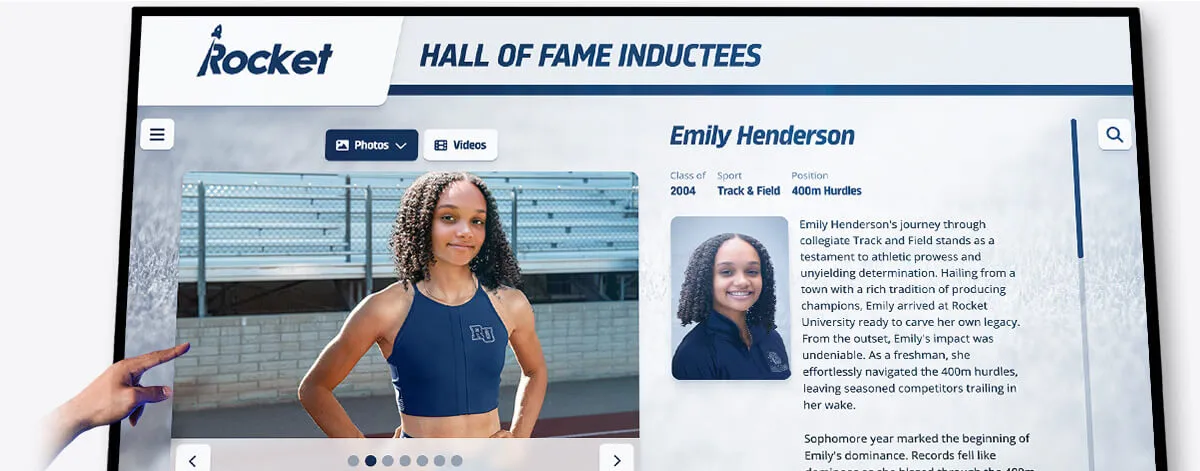
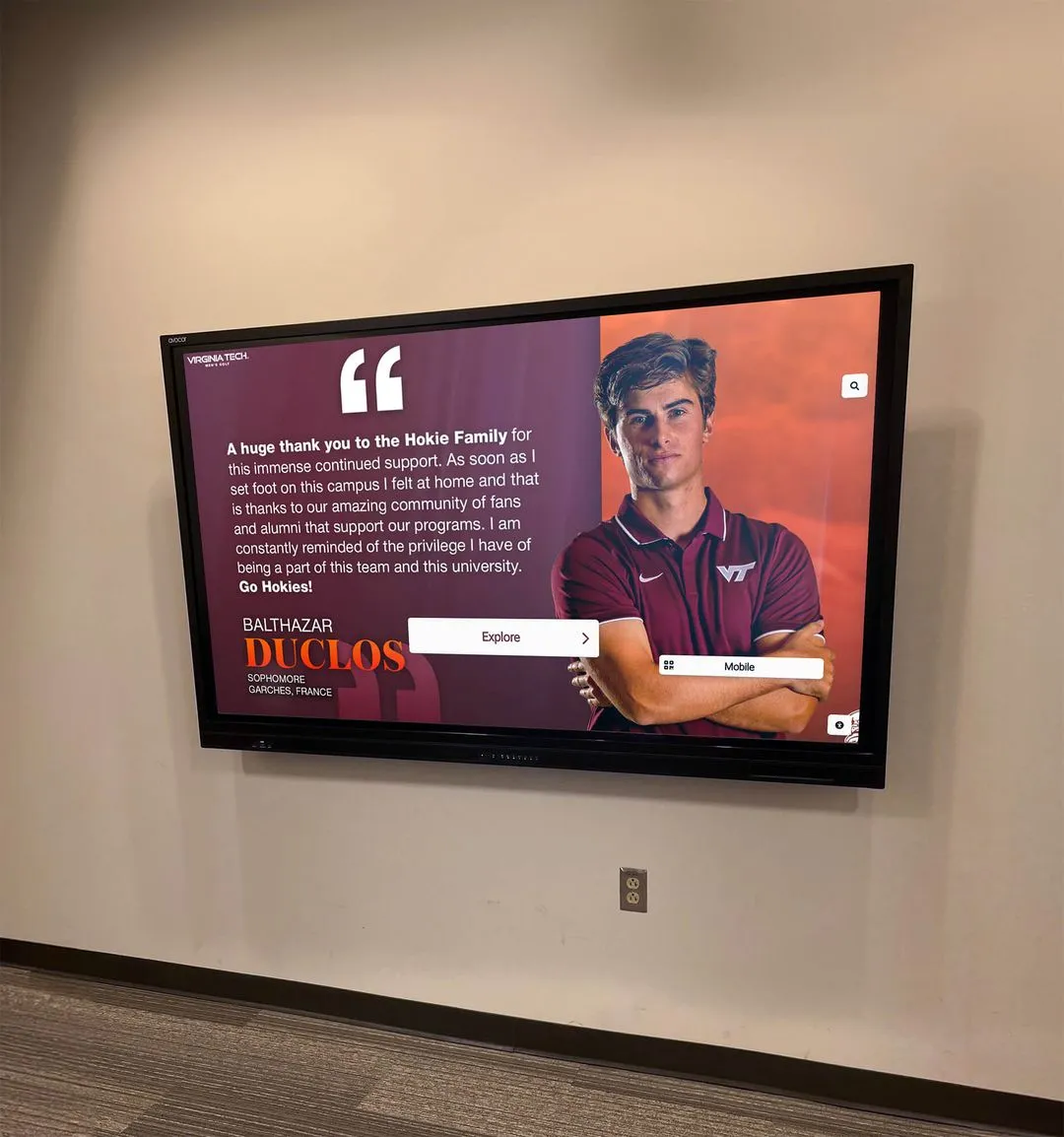
Comprehensive digital profiles capture the full depth of individual athlete careers, from statistics to personal narrative, accessible to any visitor to the athletic facility
Building a Sustainable Jersey Retirement Program
The difference between programs that run memorable ceremonies year after year and those that struggle to maintain consistency is almost always systematic infrastructure—not budget, facility size, or athletic department resources.
Annual Program Calendar
Build the jersey retirement process into the athletic year rather than responding to it ad hoc:
- August: Selection committee review of pending nominations; new nominations open
- September–October: Committee scoring and selection decision made
- October–November: Honoree notification and confirmation; ceremony date selected
- November–January: Content collection phase (photos, video, statistical documentation)
- January–February: Video production, program printing, display fabrication
- February–March: Ceremony execution (aligned with key home games or banquet season)
- April–May: Digital profile published; post-ceremony survey distributed; archive updated
Staff Roles and Responsibilities
| Role | Primary Responsibility |
|---|---|
| Athletic Director | Selection committee chair; honoree notification; budget approval |
| Sports Information Director | Content collection; video coordination; profile development |
| Facilities Coordinator | Display installation; AV setup; ceremony logistics |
| Coach (relevant sport) | Personal tribute; team briefing; honoree liaison |
| Volunteer Coordinator | Family hospitality; reception setup; photographer briefing |
Budget Planning Reference
Programs vary significantly in scale and investment. This reference range covers common implementation approaches:
| Item | Estimated Range |
|---|---|
| Video tribute production | $300–$2,000 |
| Framed jersey or number display | $150–$500 |
| Printed ceremony programs | $100–$400 |
| Ceremony AV and logistics | $200–$1,000 |
| Reception (if applicable) | $300–$1,500 |
| Digital profile development (one-time) | $0 (staff-managed) to $500 |
| Total per ceremony | $1,050–$5,400 |
Schools with existing digital recognition platforms incur no additional display costs for profile creation, making the per-ceremony investment primarily ceremonial rather than infrastructural.
Conclusion: A Number Is Never Just a Number
A well-executed jersey retirement ceremony does three things at once: it honors a standout athlete who earned the distinction, it sets a visible standard for every athlete currently in the program, and it deepens the community’s connection to the institution’s athletic legacy.
The frameworks in this guide—qualification criteria, content architecture, execution timelines, display integration, and measurement—exist to make that happen reliably rather than occasionally. When a program commits to a structured approach, retired numbers stop being plaque-and-banner projects and become anchors of a recognition culture that athletes, families, and communities can build genuine pride around.
Ready to build recognition infrastructure that makes every retired number part of a living, searchable athletic legacy? Rocket Alumni Solutions provides interactive touchscreen platforms specifically designed for schools and universities—featuring unlimited inductee profiles, jersey retirement displays, video integration, cloud-based content management, ADA-compliant installations, and web accessibility for alumni anywhere in the world. Whether you’re launching your first formal retirement program or modernizing a tradition that’s been running for decades, the right platform transforms one-night ceremonies into permanent recognition that compounds in value year after year.
The number on that jersey earned its place in program history through years of effort no ceremony can fully capture. Your job as the planner is to create a ceremony worthy of the effort—and a display worthy of the story. Start with clear criteria, commit to systematic planning, and invest in permanent recognition that ensures the athlete’s legacy outlasts every season that follows.
Request your free custom demo to explore how modern recognition platforms can bring your jersey retirement program to life—and keep it alive for every athlete and visitor who walks through your facility.