



You’ve checked your email and found an invitation to join an honor society—complete with congratulations on your academic achievement, promises of networking opportunities, scholarship access, and resume-building credentials. But there’s a membership fee, and you’re wondering: is this honor society legit, or is it just another organization collecting dues from unsuspecting students?
This question confronts hundreds of thousands of high school and college students annually. While many legitimate, prestigious honor societies provide genuine value to members through recognition, opportunities, and community, the honor society landscape also includes organizations that exist primarily to collect membership fees while offering minimal tangible benefits. Understanding how to distinguish between reputable academic honor societies and questionable operations becomes essential for making informed decisions about where to invest your time, money, and trust.
This comprehensive guide examines how to evaluate honor society legitimacy, identifies warning signs of questionable organizations, explores the most reputable academic honor societies worth joining, and helps you make informed decisions about honor society membership invitations.
The honor society question isn’t simply “legitimate or scam”—it’s more nuanced. Most honor societies operate legally and provide some services to members, but they exist on a spectrum from highly prestigious organizations that significantly enhance academic and professional trajectories to marginal groups that provide limited value relative to membership costs. Understanding where specific organizations fall on this spectrum helps you make decisions aligned with your academic goals and budget constraints.

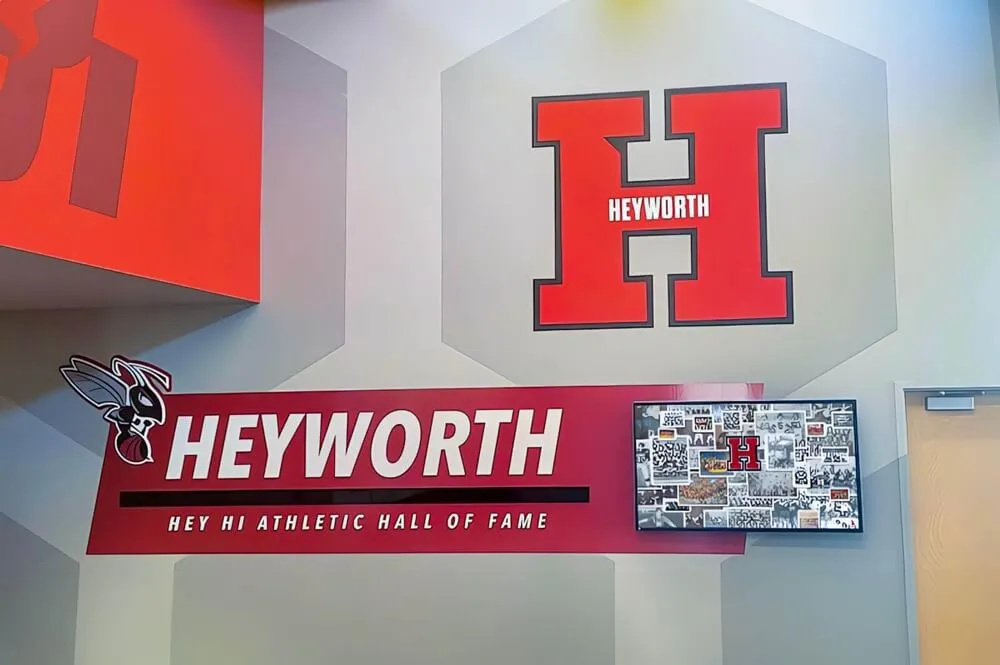
Legitimate academic honors deserve lasting recognition through school-based displays celebrating genuine achievement
Understanding Honor Society Legitimacy Spectrum
Before evaluating specific organizations, understanding the honor society legitimacy spectrum helps frame appropriate expectations.
Tier 1: Highly Reputable National Honor Societies
The most prestigious honor societies maintain rigorous selection criteria, long-standing institutional recognition, and provide genuine value to members through networking, scholarships, and career opportunities:
National Honor Society (NHS)
Founded in 1921 by the National Association of Secondary School Principals, NHS represents the gold standard for high school academic honor societies. Chapter membership requires:
- Minimum cumulative GPA of 85, B, 3.0 on a 4.0 scale, or equivalent standard
- Demonstrated leadership, service, and character
- School-based chapters with faculty oversight
- Selection by local chapter committees
NHS membership genuinely enhances college applications, provides scholarship opportunities, and involves meaningful service activities. There’s no membership fee beyond modest local chapter dues covering activities and recognition items.
National Junior Honor Society (NJHS)
The middle school equivalent to NHS, maintaining similarly high standards and school-based chapter structures. NJHS membership demonstrates early academic excellence and leadership development.
Phi Beta Kappa
The nation’s oldest and most prestigious undergraduate honor society, founded in 1776. Phi Beta Kappa chapters exist only at select colleges and universities, with invitation extended to top 10% of graduating seniors and select juniors. Membership carries significant prestige in academic and professional circles.
Students seeking comprehensive information about various academic recognition programs can explore academic recognition programs that celebrate excellence across different achievement levels.
Tier 2: Reputable Discipline-Specific Honor Societies
Legitimate subject-specific honor societies maintain academic standards while providing discipline-focused communities and opportunities:
Science and Mathematics
- Mu Alpha Theta (Mathematics): Established standards for math achievement
- Sigma Xi (Scientific Research): Graduate and professional research honor society
- Tri-Beta (Biology): Biology honor society for undergraduate and graduate students
Social Sciences and Humanities
- Phi Alpha Theta (History): International history honor society
- Psi Chi (Psychology): International honor society in psychology
- Sigma Tau Delta (English): International English honor society
Professional and Technical
- Tau Beta Pi (Engineering): Engineering honor society with rigorous selection
- Beta Alpha Psi (Accounting): Accounting and finance honor society
These organizations typically charge reasonable membership fees ($40-100 lifetime), maintain genuine academic standards, and provide discipline-specific networking and development opportunities.

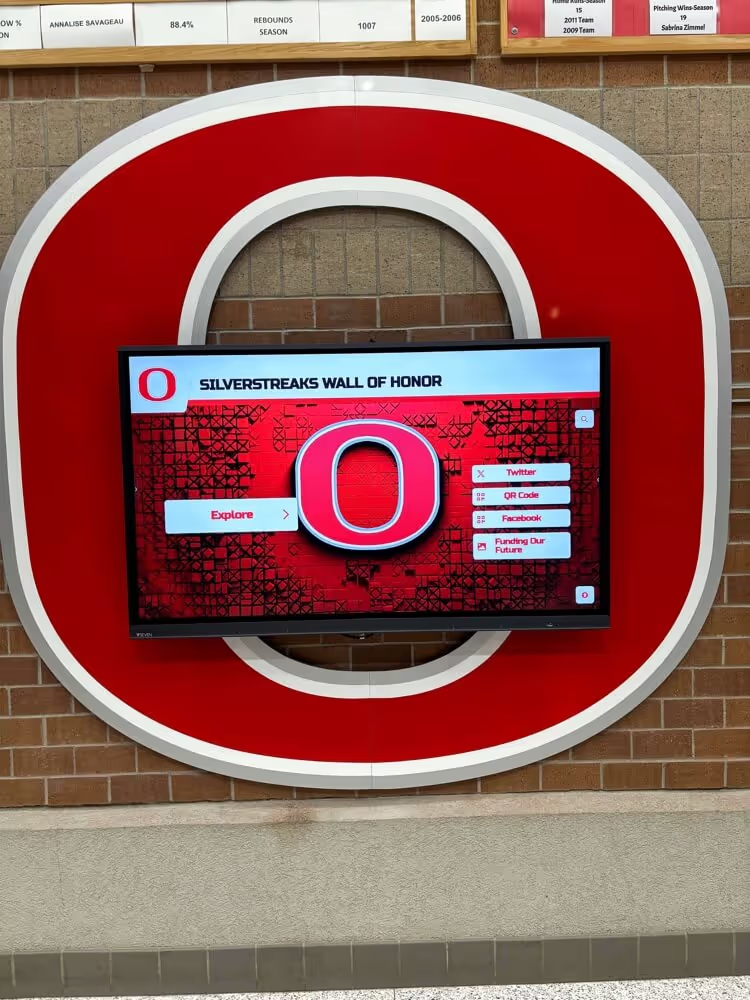
Authentic academic achievements deserve prominent recognition documenting genuine accomplishment
Tier 3: Legitimate but Broad-Access Organizations
Some honor societies maintain lower barriers to entry while providing legitimate services. These organizations aren’t scams, but the value proposition should be carefully evaluated against membership costs:
Examples Include:
- Organizations accepting students with 3.0+ GPAs (common rather than exceptional)
- Honor societies with primarily online presence and limited local chapters
- Groups providing legitimate services but aggressive marketing tactics
These organizations operate legally and deliver promised services, but membership may provide limited competitive advantage since admission criteria aren’t highly selective.
Tier 4: Questionable or Minimal-Value Organizations
Some organizations exist primarily to collect membership fees while providing minimal genuine value. Red flags include:
- Extremely low or unclear admission standards
- Aggressive email and mail marketing campaigns
- High membership fees ($75-200+) relative to tangible benefits
- No local chapters or in-person activities
- Limited scholarship opportunities despite prominent marketing claims
- Difficult-to-cancel auto-renewing memberships
These aren’t necessarily illegal operations, but they provide poor value relative to cost and add minimal credibility to academic profiles.
Red Flags: Identifying Questionable Honor Societies
Certain warning signs indicate honor societies that may not provide value worth membership investment.
Suspicious Membership Criteria
Overly Broad Eligibility
Legitimate selective honor societies maintain meaningful academic standards. Be skeptical of organizations claiming to recognize “top students” while inviting anyone with minimal qualifications.
If nearly every student receives an invitation, the “honor” becomes meaningless for distinguishing exceptional achievement.
Unclear or Hidden Selection Criteria
Reputable organizations clearly publish selection criteria on their websites. Organizations that obscure standards or use vague language like “nominated by faculty” without specifying actual requirements may simply be buying mailing lists rather than conducting genuine selection.
Marketing and Communication Red Flags
Aggressive Marketing Tactics
Multiple unsolicited emails, physical mail pieces, and urgent deadlines (“respond within 48 hours!”) resemble sales tactics more than academic recognition. Legitimate honor societies typically extend invitations through schools or single communications rather than aggressive multi-channel marketing campaigns.
Emphasis on Fees Over Achievement
Communications focused primarily on membership benefits and payment instructions rather than celebrating your specific accomplishments suggest the organization prioritizes revenue over recognition.
Financial Warning Signs
High Membership Fees
Legitimate honor societies charge modest fees covering administrative costs and member services. Fees exceeding $100-150 for lifetime membership (or any annual fees beyond nominal amounts) should prompt careful evaluation of value received.
Opaque Fee Structure
Hidden fees, auto-renewing memberships, complicated cancellation policies, or additional charges for “enhanced” membership levels indicate organizations designed to maximize revenue extraction rather than member service.

Schools should maintain comprehensive achievement records honoring legitimate accomplishments
Scholarship Claims Without Evidence
Organizations heavily marketing scholarship access should provide transparent information about scholarship amounts, number of recipients, and selection criteria. Vague promises without concrete data often indicate minimal actual scholarship availability.
Organizational Legitimacy Questions
No Physical Address or Established History
Reputable honor societies maintain physical offices and established operational histories. Organizations without verifiable addresses, unclear founding dates, or minimal online presence beyond their own website raise legitimacy concerns.
Lack of Institutional Recognition
Legitimate honor societies maintain relationships with educational institutions. If your school’s guidance office, academic advisors, or institutional representatives have never heard of an organization sending you invitations, proceed cautiously.
Poor Online Reputation
Search for the organization name along with terms like “scam,” “legitimate,” or “review.” Extensive complaints about value, refund difficulties, or questionable practices from previous members indicate problems.
Students should focus on academic awards and honors that genuinely enhance college applications rather than paying for credentials of questionable value.
How Legitimate Honor Societies Operate
Understanding how reputable honor societies function helps you recognize genuine organizations.
School-Based Chapter Structure
The most prestigious honor societies (NHS, NJHS, Phi Beta Kappa, major discipline-specific societies) operate through school-based chapters:
Faculty Oversight
Local chapters involve school faculty advisors who oversee selection, activities, and ensure standards maintenance. This institutional connection provides accountability and legitimacy.
Selection Committees
Rather than automated invitations based on GPA databases, legitimate societies involve faculty committees reviewing multiple criteria including academics, leadership, service, and character.
Local Activities and Service
School-based chapters conduct regular meetings, service projects, and activities that justify membership and create genuine community beyond credential collection.

Modern recognition systems enable students to explore academic achievements and organizational memberships
Transparent Selection Standards
Reputable organizations clearly publish selection criteria, typically including:
- Minimum GPA requirements (specific numbers, not vague standards)
- Class rank percentages (top 10%, top 20%, etc.)
- Additional requirements (leadership, service hours, character evaluation)
- Selection process descriptions
- Appeal or review procedures if standards aren’t met
This transparency allows students to understand whether they genuinely qualify rather than relying on marketing claims.
Genuine Member Benefits
Legitimate honor societies provide tangible value:
Scholarship Access
Real scholarship programs with published award amounts, number of recipients, application processes, and selection criteria. Reputable organizations award hundreds of thousands or millions in total scholarships with transparent selection.
Networking Opportunities
Local chapter meetings, regional conferences, national conventions, and online communities providing genuine connection with fellow members and alumni networks.
Recognition Materials
Certificates, membership cards, graduation cords, and other recognition items that cost-effectively acknowledge achievement without excessive fees.
Professional Development
Leadership training, career resources, and skill-building opportunities that extend beyond credential collection to genuine member development.
Reasonable Cost Structure
Legitimate honor societies charge fees that reflect actual costs:
- One-time lifetime membership fees ($40-100 for most discipline-specific societies)
- Modest local chapter dues ($10-30 annually) covering activities and materials
- Optional additional purchases (honor cords, frames) at reasonable prices
- No hidden fees or complicated payment structures
Fee structures should feel appropriate for services provided rather than primary revenue generators.
Most Reputable Honor Societies Worth Joining
When evaluating honor society invitations, these organizations generally provide legitimate recognition and value:
High School Honor Societies
National Honor Society (NHS)
The undisputed standard for high school academic honor societies. NHS membership provides:
- Genuine college application credential recognized by admissions committees
- Service learning opportunities through chapter projects
- Leadership development through chapter officer positions
- National scholarship programs awarding significant funds
- Graduation recognition (honor cords, distinction on diplomas)
NHS membership typically involves minimal fees and significant service requirements, ensuring members contribute rather than simply paying for credentials.
Schools implementing comprehensive academic recognition display programs effectively showcase NHS membership alongside other student achievements.
National Junior Honor Society (NJHS)
The middle school equivalent maintaining similar standards and school-based structure. NJHS prepares students for future NHS membership while providing early leadership opportunities.
Subject-Specific High School Honor Societies
Many schools host chapters of subject-specific societies including:
- National Science Honor Society: Science achievement recognition
- National Technical Honor Society: Career and technical education excellence
- National Art Honor Society: Visual arts achievement
- National English Honor Society: English and language arts distinction
These school-based organizations provide legitimate subject-specific recognition.

Digital recognition platforms effectively showcase legitimate honor society memberships and academic achievements
Undergraduate Honor Societies
Phi Beta Kappa
The most prestigious undergraduate honor society maintains highly selective membership limited to top students at select institutions. Phi Beta Kappa membership provides:
- Significant resume and application credential for graduate school and employment
- Strong alumni network with active local associations
- Scholarship and fellowship opportunities
- Publication access and intellectual community
Invitation to Phi Beta Kappa represents genuine distinction worth celebrating.
Discipline-Specific Undergraduate Societies
Reputable field-specific honor societies include:
STEM Disciplines
- Tau Beta Pi (Engineering): Prestigious engineering honor society
- Sigma Pi Sigma (Physics): Physics honor society recognizing achievement
- Chi Epsilon (Civil Engineering): Civil engineering distinction
Social Sciences
- Psi Chi (Psychology): International psychology honor society
- Pi Sigma Alpha (Political Science): Political science distinction
- Lambda Pi Eta (Communication): Communication studies honor society
Business and Professional
- Beta Gamma Sigma (Business): Business school honor society for AACSB-accredited institutions
- Beta Alpha Psi (Accounting/Finance): Accounting and finance distinction
These organizations maintain legitimate academic standards and provide discipline-specific networking and development.
Graduate and Professional Honor Societies
Phi Kappa Phi
Multidisciplinary honor society recognizing top students across all academic fields at undergraduate, graduate, and professional levels. Membership provides scholarship access, recognition, and networking.
Field-Specific Graduate Societies
Most academic disciplines maintain graduate-level honor societies with rigorous standards and strong professional connections relevant to career development.
Evaluating Specific Honor Society Invitations
When you receive an honor society invitation, systematic evaluation helps determine legitimacy and value.
Research Checklist
Step 1: Verify the Organization
- Search the organization name with “legitimate,” “scam,” or “reviews”
- Check the Better Business Bureau (BBB) for complaints or ratings
- Look for the organization’s physical address and operational history
- Verify whether your school recognizes the organization
Step 2: Examine Selection Criteria
- Can you find published, specific admission standards?
- Do you actually meet these standards, or did you merely receive marketing?
- Does the organization explain how they identified you as eligible?
- Are the standards meaningfully selective or broadly inclusive?
Step 3: Analyze the Value Proposition
- What specific benefits does membership provide?
- Are scholarship programs real with published award amounts and recipients?
- Does the organization offer local chapters or only online presence?
- What activities, events, or networking opportunities exist?
Step 4: Evaluate Cost vs. Value
- What are total costs including all fees?
- Do benefits justify the expense?
- Are there hidden fees or auto-renewal charges?
- Could the money be better spent elsewhere (application fees, test prep, etc.)?
Step 5: Consult Trusted Advisors
- Ask your school guidance counselor or academic advisor
- Consult teachers or mentors familiar with honor societies
- Check with older students or recent alumni about their experiences
- Contact your school’s college counseling office
These trusted sources can provide informed perspectives based on experience with various organizations.

Students benefit from exploring comprehensive achievement records showing legitimate accomplishments
Questions to Ask Before Joining
Before committing to membership, consider these questions:
Academic and Career Value
- Will this credential genuinely enhance college applications or resumes?
- Do admissions committees or employers recognize this organization?
- Does the honor society provide networking relevant to my field?
- What distinguishes this from other honor societies I might join?
Financial Considerations
- Can I afford the membership fee without financial hardship?
- Are there payment plans or fee waivers for financial need?
- What exactly do I receive for the membership cost?
- Is this the best use of limited resources right now?
Time Commitment
- What activities or service requirements does membership involve?
- Can I fulfill membership obligations given current commitments?
- Will active participation provide genuine value beyond credential collection?
- Does the organization offer flexibility for busy students?
Long-Term Value
- Will this membership matter in 5-10 years?
- Does the organization maintain active alumni networks?
- Are there ongoing member benefits beyond initial recognition?
- Have previous members found lasting value?
Students focused on academic recognition should prioritize achievements that schools will celebrate through end-of-semester honor roll recognition displays and other institutional acknowledgment systems.
Alternatives to Paid Honor Society Memberships
Rather than paying for honor society credentials of questionable value, students can pursue recognition and opportunities through alternative approaches:
School-Based Achievements and Recognition
School Honor Roll and Academic Distinctions
Focus on achieving school-based recognition like honor roll, principal’s list, or highest honors that appear on transcripts and genuinely demonstrate academic excellence to colleges.
These institutional recognitions cost nothing, appear on official records, and carry weight because they reflect verified academic performance rather than paid memberships.
Advanced Coursework Success
Taking and succeeding in AP, IB, dual enrollment, or honors courses demonstrates academic ambition and capability more effectively than many honor society memberships. Course rigor and grades speak directly to your abilities.
Academic Competition Achievements
Participation and success in subject-specific academic competitions (Science Olympiad, Math Olympiad, debate tournaments, writing contests) provide concrete achievement evidence that exceeds credentials purchased through honor society membership.
For students interested in showcasing diverse achievements, schools can implement comprehensive academic achievement recognition programs that celebrate legitimate accomplishments across multiple dimensions.

Integrated recognition systems celebrate genuine achievements alongside traditional elements
Service and Leadership Opportunities
Community Service and Volunteering
Demonstrated commitment to community service through sustained volunteering provides meaningful resume content while making genuine impact. Service hours and leadership in service organizations often matter more than honor society membership.
Programs like the Presidential Volunteer Service Award provide verified recognition for documented service contributions.
Student Government and Leadership Roles
Elected or appointed leadership positions in student government, clubs, or activities demonstrate leadership capability through actual responsibility rather than paid credentials.
Club Founding and Management
Creating and sustaining student organizations shows initiative, leadership, and commitment that far exceeds honor society membership on college applications and resumes.
National Recognition Programs
Several prestigious recognition programs involve no fees while providing genuine distinction:
National Merit Scholarship Program
Based on PSAT/NMSQT performance, National Merit recognition represents verified academic distinction that significantly enhances college applications and scholarship opportunities.
College Board National Recognition Programs
The College Board offers several recognition programs honoring diverse student achievements including First-Generation Recognition Awards and Rural/Small Town Recognition Awards, all provided at no cost to students.
AP Scholar Awards
Earning AP Scholar distinctions through AP exam performance provides verified academic achievement recognition that appears on college applications at no additional cost beyond AP exam fees already paid for college credit.
Free Professional Development
LinkedIn Profile Development
Creating a strong LinkedIn profile documenting your achievements, skills, and experiences provides professional networking opportunities without membership fees.
Free Online Courses and Certifications
Platforms like Coursera, edX, and Khan Academy offer free courses and certificates demonstrating intellectual curiosity and skill development in specific areas.
Industry-Specific Free Memberships
Many professional organizations offer free student memberships providing networking, resources, and conference access without the questionable value proposition of general honor societies.
Making the Final Decision About Honor Society Membership
After researching specific organizations, evaluating costs and benefits, and considering alternatives, you’re ready to make an informed decision.
When to Join
Consider accepting honor society invitations when:
The Organization Is Highly Reputable
NHS, NJHS, Phi Beta Kappa, Tau Beta Pi, and other well-established organizations with rigorous selection standards provide credentials worth having and communities worth joining.
Benefits Clearly Justify Costs
Real scholarship opportunities, valuable networking, meaningful activities, and genuine career development justify modest membership investments.
School-Based Chapter Involvement
Organizations with active local chapters providing in-person activities, service opportunities, and community create genuine value beyond credential collection.
Alignment with Career Goals
Discipline-specific honor societies relevant to your field provide networking and resources directly supporting your professional development.
Financial Feasibility
Membership costs fit within your budget without creating hardship, especially if the organization offers lasting value and genuine opportunities.
When to Decline
Consider declining honor society invitations when:
Questionable Legitimacy Indicators
Multiple red flags suggest the organization prioritizes revenue over member service and provides minimal genuine value.
Excessive Costs Relative to Benefits
High membership fees (especially recurring charges) without corresponding tangible benefits indicate poor value proposition.
No Institutional Recognition
Your school, guidance counselors, or academic advisors don’t recognize the organization, suggesting limited credibility with admissions committees and employers.
Better Alternative Uses for Resources
The same money could be invested in test prep, application fees, educational experiences, or other opportunities providing greater value.
Time Commitment Concerns
You cannot fulfill membership obligations given current academic, extracurricular, and personal commitments, making membership a hollow credential rather than genuine involvement.
The “Prestige” Consideration
An important reality check: unless you’re joining top-tier organizations (NHS, Phi Beta Kappa, major discipline-specific societies), honor society membership likely provides minimal competitive advantage on college applications or resumes.
Admissions committees and employers can distinguish between selective, prestigious organizations and broadly accessible groups primarily existing to collect membership fees. Your GPA, test scores, coursework rigor, and genuine accomplishments matter far more than most honor society memberships.
Don’t join honor societies primarily for perceived prestige unless the organization genuinely carries weight in academic or professional circles. Focus instead on authentic achievements, meaningful involvement, and activities you find personally rewarding.
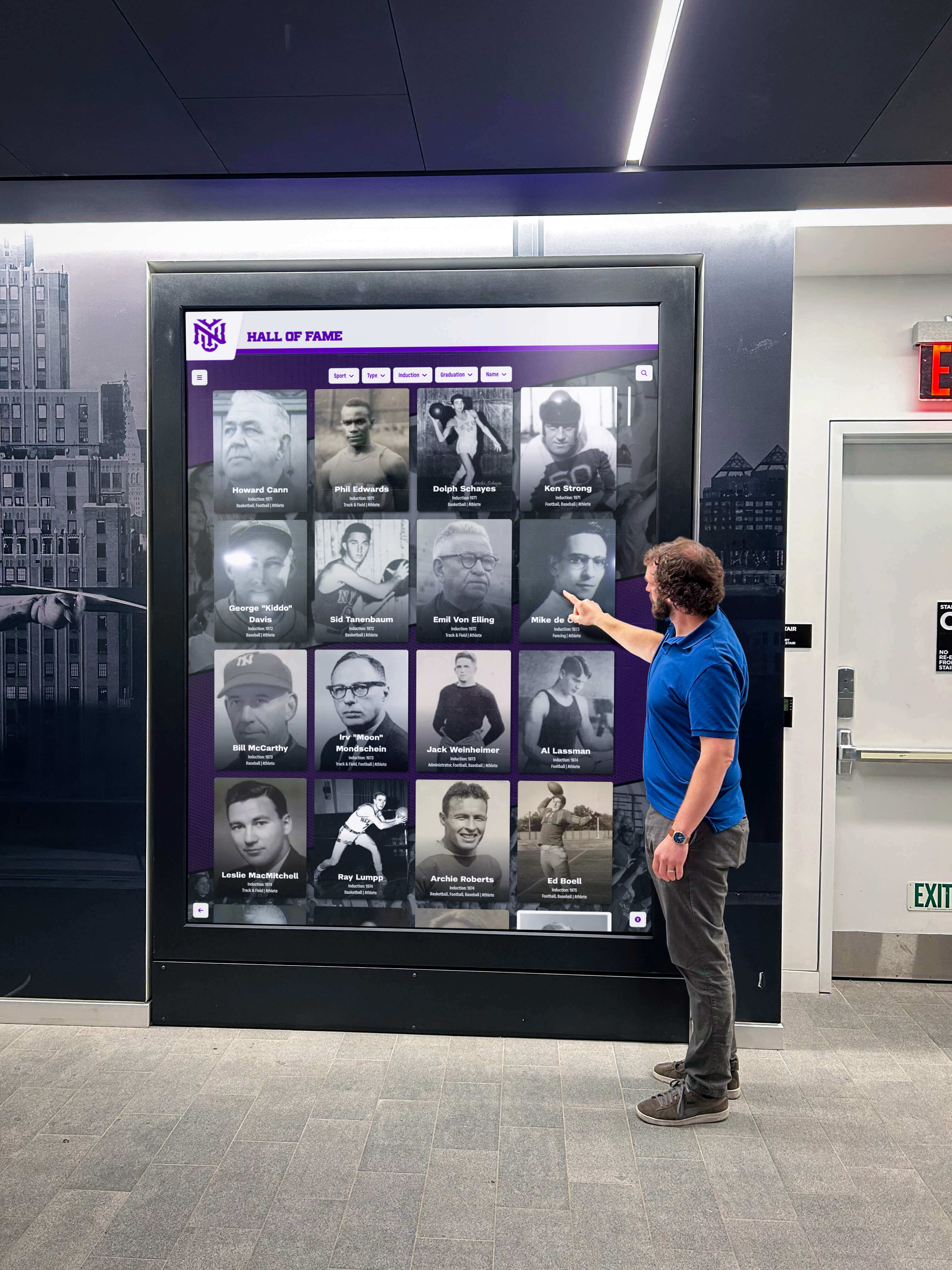
Interactive displays enable exploration of genuine academic achievements and recognition
How Schools Should Recognize Legitimate Student Achievements
Rather than students paying for questionable honor society credentials, schools should implement comprehensive recognition programs celebrating genuine achievements through institutional channels.
Comprehensive Academic Recognition Systems
Schools can create systematic approaches acknowledging diverse student achievements:
Honor Roll and Academic Excellence Displays
Regular recognition of students achieving various GPA thresholds, perfect attendance, academic improvement, and subject-specific excellence provides meaningful acknowledgment without external organization fees.
Modern solutions like Rocket Alumni Solutions enable schools to implement digital recognition displays showcasing unlimited students across all achievement categories with easily updatable content management systems.
National Honor Society Chapter Recognition
Schools hosting NHS or NJHS chapters should prominently recognize inductees through ceremonies, permanent displays, graduation distinctions, and ongoing celebration of member service contributions.
Competition and Award Achievement Displays
Systematic recognition of students earning external distinctions (National Merit, AP Scholar, state competition honors, scholarship awards) documents genuine accomplishments that carry weight with colleges and employers.
Service and Leadership Recognition
Acknowledging students’ community service hours, leadership roles, and civic engagement provides recognition for non-academic but equally important contributions.
Modern Digital Recognition Solutions
Traditional recognition approaches—static plaques, trophy cases, printed honor roll lists—struggle to accommodate comprehensive student achievement celebration. Digital recognition platforms transform institutional acknowledgment by:
Unlimited Recognition Capacity
Digital displays eliminate space constraints limiting how many students receive visible recognition. Schools can showcase every achievement without removing older recognition to accommodate new honorees.
Rich Achievement Documentation
Rather than simple name listings, digital profiles can include achievement descriptions, photos, academic statistics, future plans, and personal statements providing meaningful context.
Immediate Updates
Cloud-based content management enables instant recognition updates following achievement announcements—no waiting for engraving or installation to acknowledge accomplishments.
Multi-Category Organization
Students can be featured across multiple recognition categories (honor roll, NHS membership, academic competitions, service awards, athletics) providing comprehensive achievement celebration rather than siloed recognition.
Web Accessibility
Online extensions enable families, alumni, and community members worldwide to explore student achievements, extending recognition visibility beyond physical campus.
Schools implementing modern recognition systems ensure students receive meaningful institutional acknowledgment that provides greater value than many paid honor society memberships.
Conclusion: Focusing on Genuine Achievement Over Purchased Credentials
The question “Is honor society legit?” doesn’t have a single answer—legitimacy exists on a spectrum from highly prestigious organizations providing genuine value to questionable operations primarily collecting membership fees. Understanding how to evaluate specific honor societies, recognize red flags, and distinguish meaningful opportunities from credential collection enables informed decisions aligned with your goals and resources.
Most importantly, remember that genuine academic achievement, meaningful involvement, and authentic contributions matter far more than credentials purchased through honor society memberships. College admissions committees and employers value your actual accomplishments—grades, test scores, course rigor, leadership, service, work experience, and demonstrated character—more than most honor society affiliations.
Rather than investing in questionable honor society memberships, focus your energy and resources on authentic achievement, meaningful activities, and experiences that genuinely develop your capabilities and demonstrate your potential. The most impressive credentials come not from organizations you pay to join, but from accomplishments you earn through dedication, excellence, and contribution.
For the few truly prestigious honor societies with rigorous selection standards and genuine value—NHS, Phi Beta Kappa, established discipline-specific organizations—membership represents recognition worth pursuing and displaying proudly. For the many organizations of questionable value aggressively marketing memberships through unsolicited invitations and high fees, your skepticism serves you well.
Your academic achievements deserve celebration and recognition, whether through selective honor society membership or other avenues. Make decisions based on genuine value, institutional credibility, and alignment with your goals rather than marketing promises or fear of missing opportunities. The students who succeed academically and professionally do so through authentic accomplishment, not credential collection—and that’s the most important distinction to understand.
When schools implement comprehensive recognition systems celebrating genuine student achievements, students receive meaningful acknowledgment without questionable external organization fees. Solutions like Rocket Alumni Solutions enable institutions to showcase academic excellence, honor society inductions, competition achievements, and diverse student accomplishments through modern digital platforms that provide permanent, accessible recognition. This institutional approach ensures every deserving student receives acknowledgment that genuinely celebrates their dedication and success.
Your achievements matter because of what they represent—your hard work, intellectual capability, character, and contribution—not because of organization names on membership certificates. Focus on the substance of achievement rather than the appearance of credentials, and you’ll build the authentic record of excellence that opens doors to future opportunities and reflects who you genuinely are as a student and person.