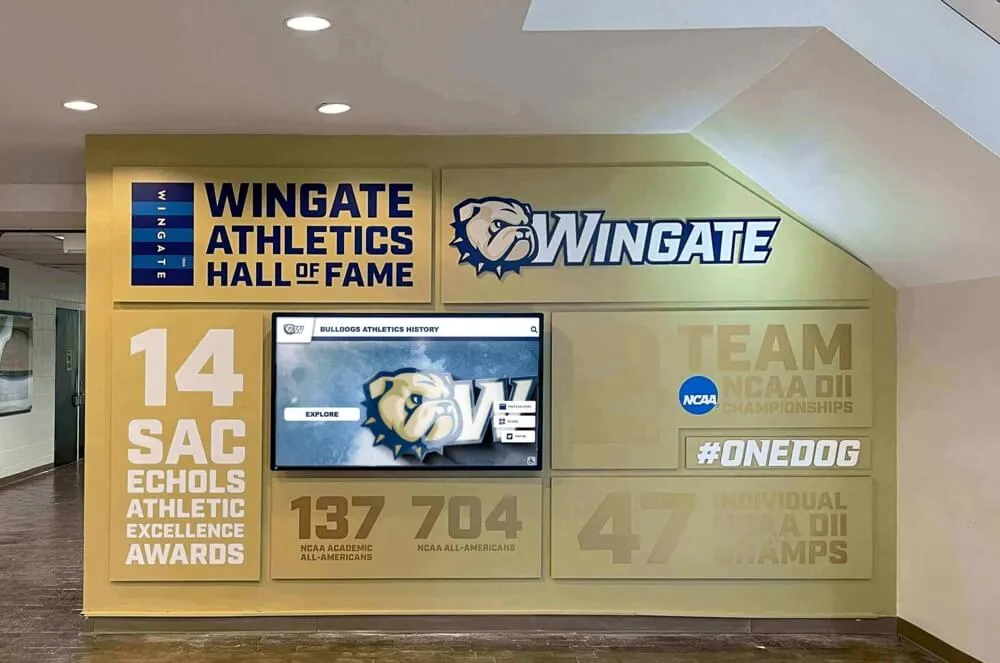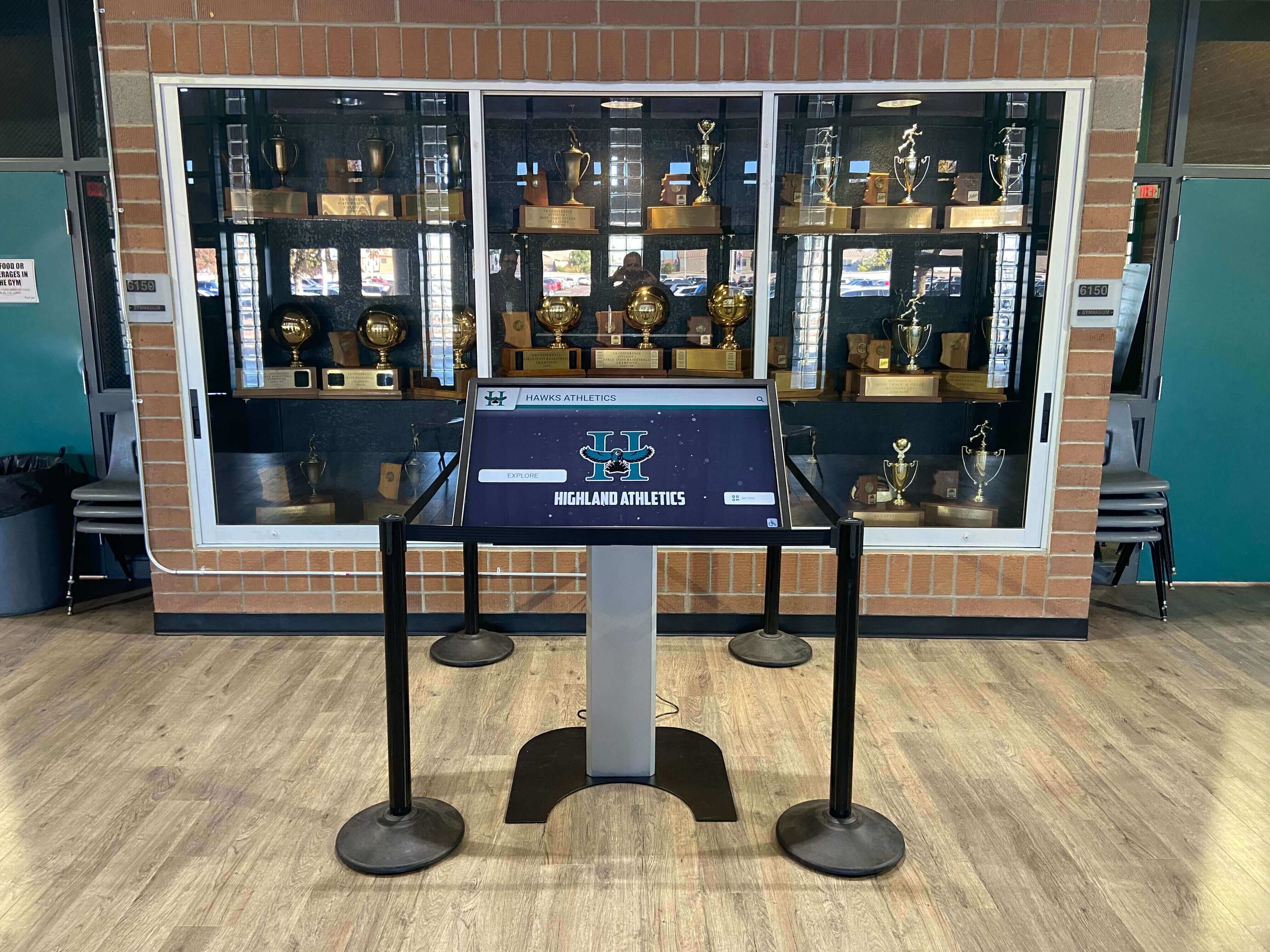




Interactive digital boards at track meets represent the evolution of competition management and spectator engagement in track and field athletics. These sophisticated display systems combine real-time results processing, dynamic schedule updates, and interactive features to transform how athletes, coaches, families, and spectators experience track meets. Instead of static paper heat sheets, delayed manual scoreboard updates, and spectators struggling to follow multiple simultaneous events, modern digital boards provide instant information access while creating engaging experiences that honor athletic achievement appropriately.
Yet many athletic programs considering digital board implementations face critical questions: How do these systems integrate with existing timing equipment and meet management software? What features distinguish effective track meet displays from generic scoreboards? How can interactive capabilities enhance athlete performance and spectator engagement? What implementation considerations determine long-term success? How can schools and track programs maximize return on investment while creating compelling competition experiences?
This comprehensive guide explores interactive digital board technology for track meets, providing practical insights for evaluating systems, understanding benefits, planning installations, and implementing solutions that celebrate athletic excellence while creating lasting engagement with athletes, families, and communities.
Track meet management has always confronted fundamental challenges—athletes struggling to find their heat assignments across multiple simultaneous events, spectators unable to follow competitions beyond the finish line they’re watching, families missing their athlete’s events due to schedule confusion, and coaches managing complex logistics with limited real-time information visibility. Modern interactive digital board systems eliminate these limitations while creating dynamic competition experiences that engage all participants and honor athletic achievement comprehensively.

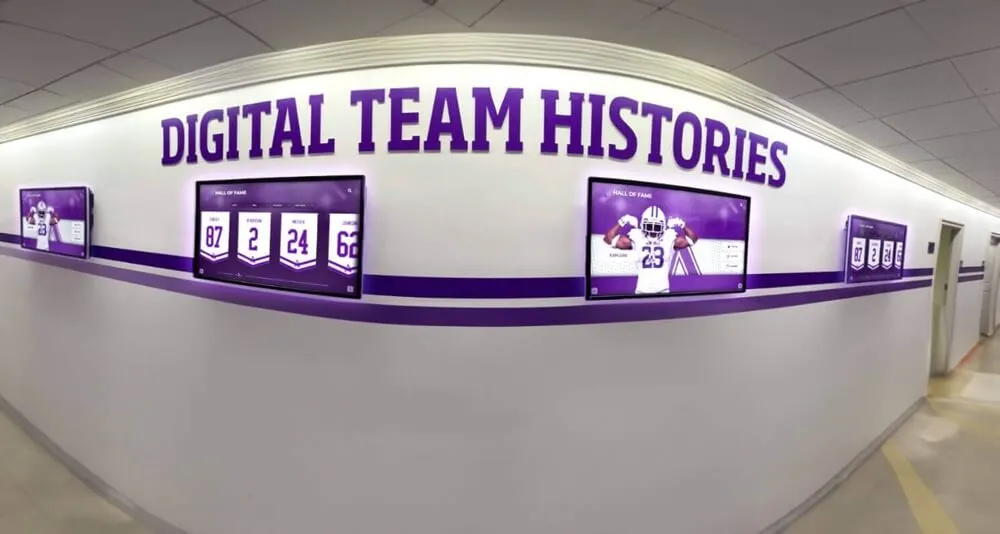
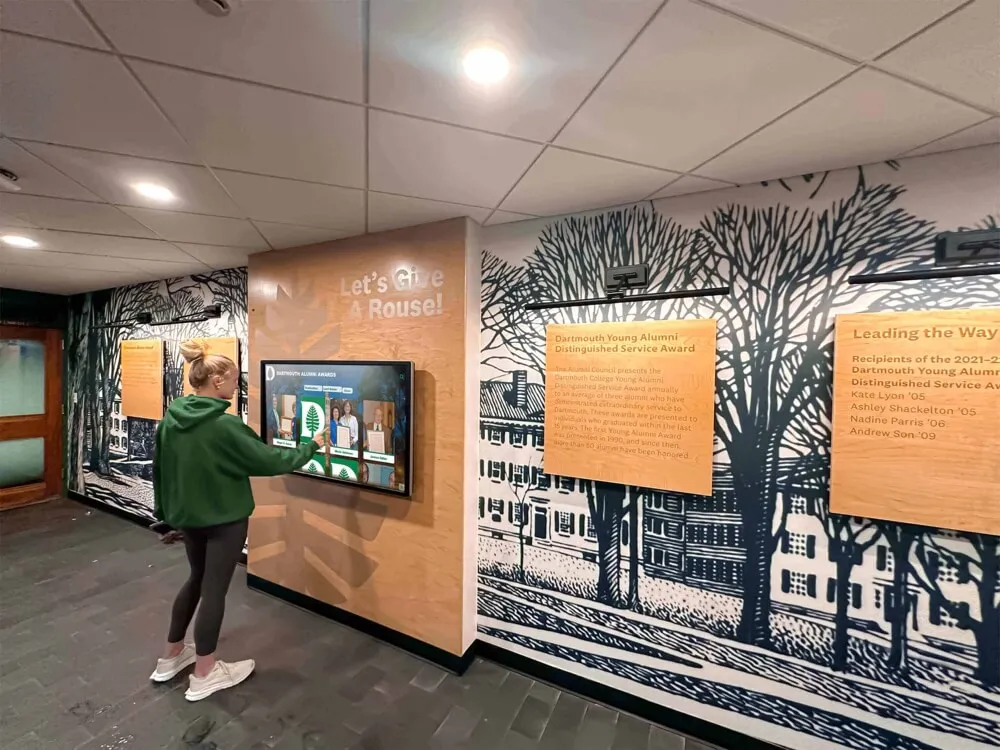
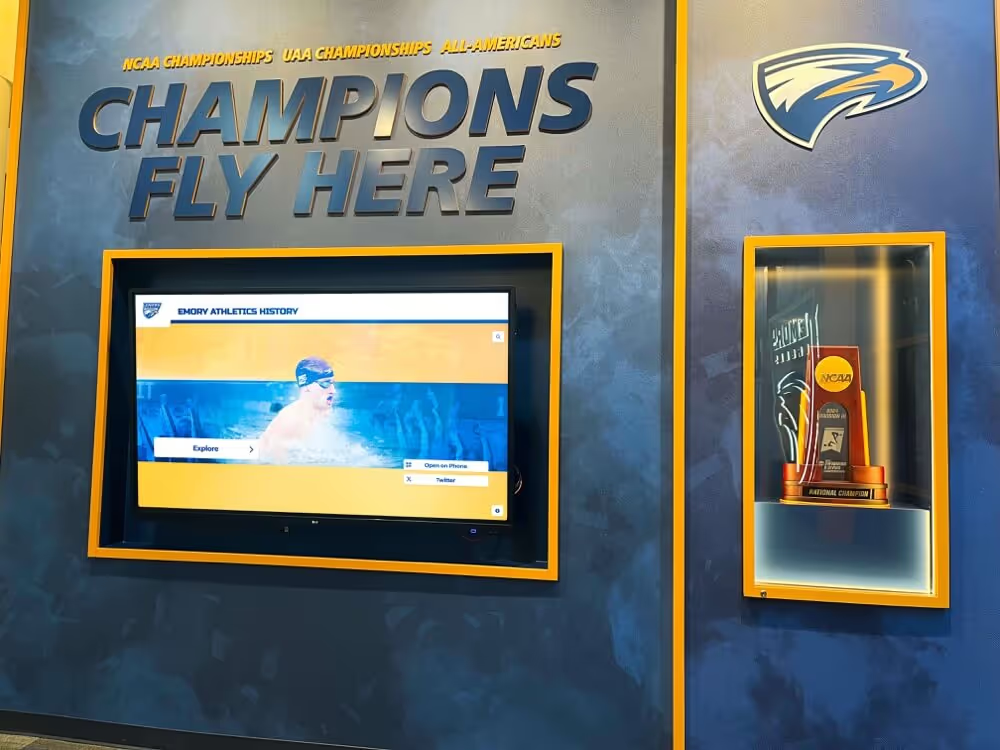
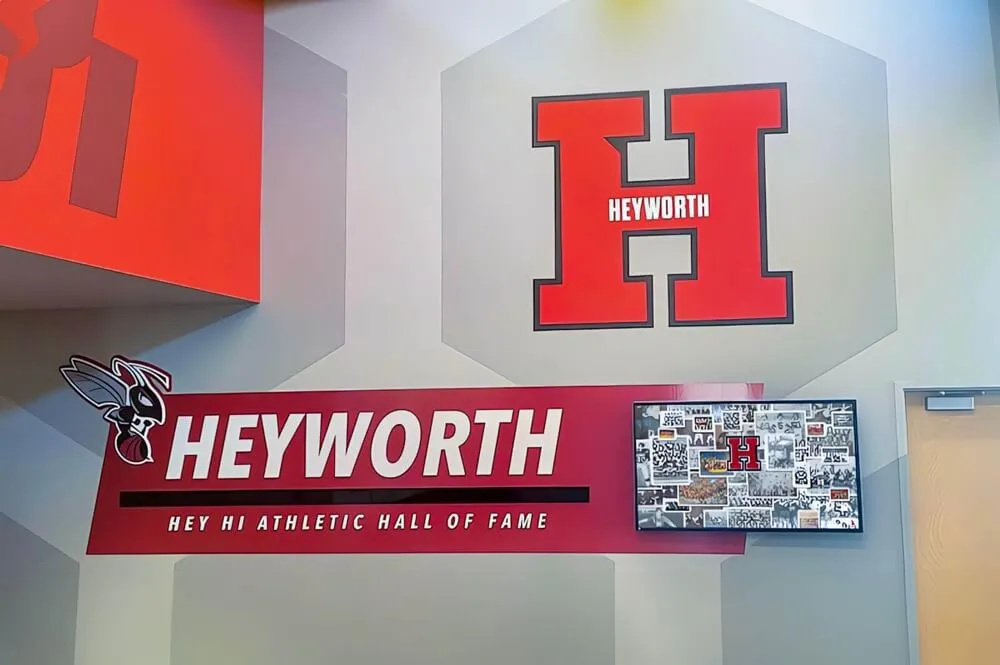
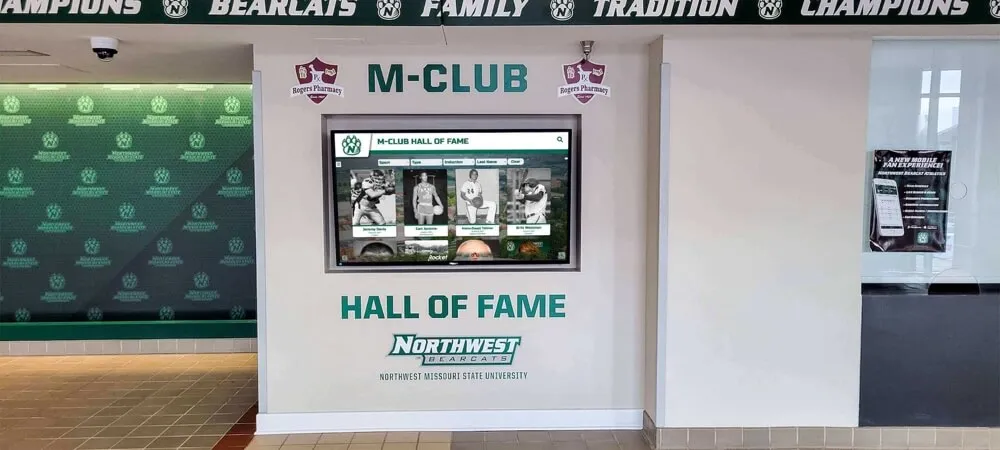
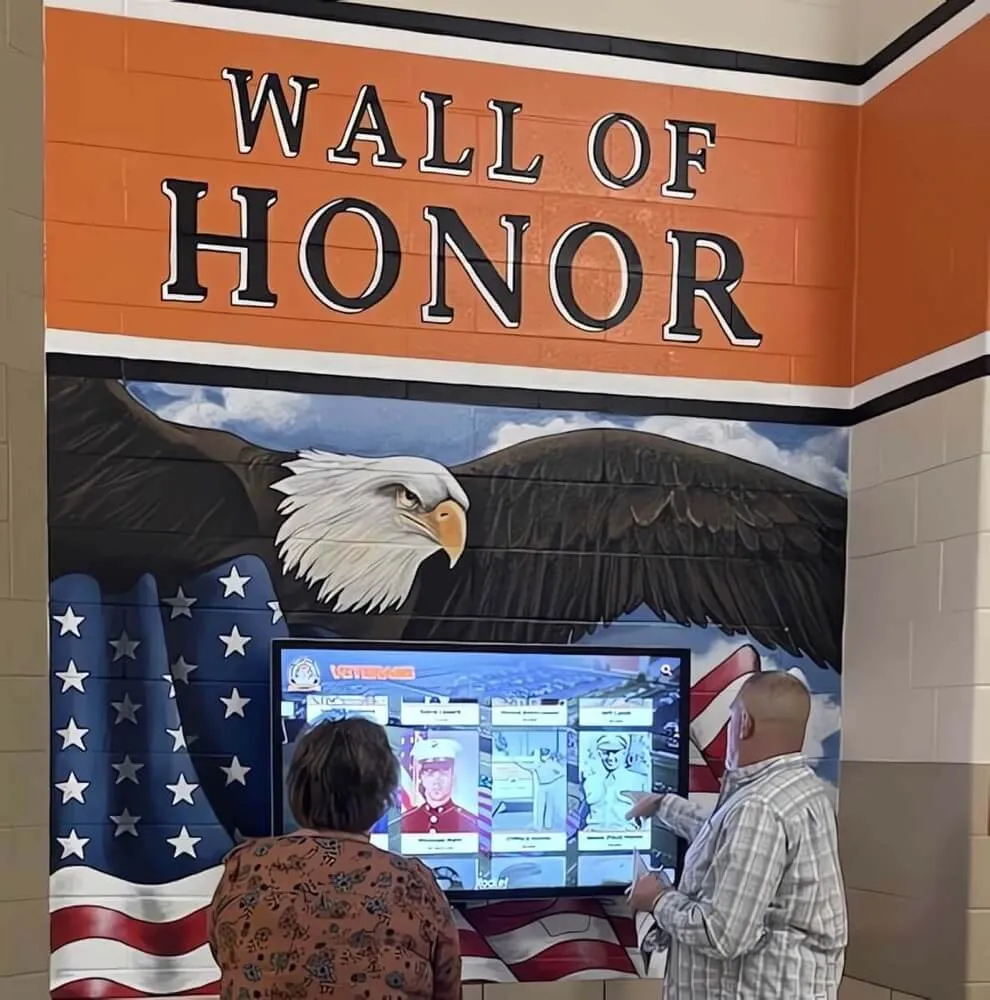
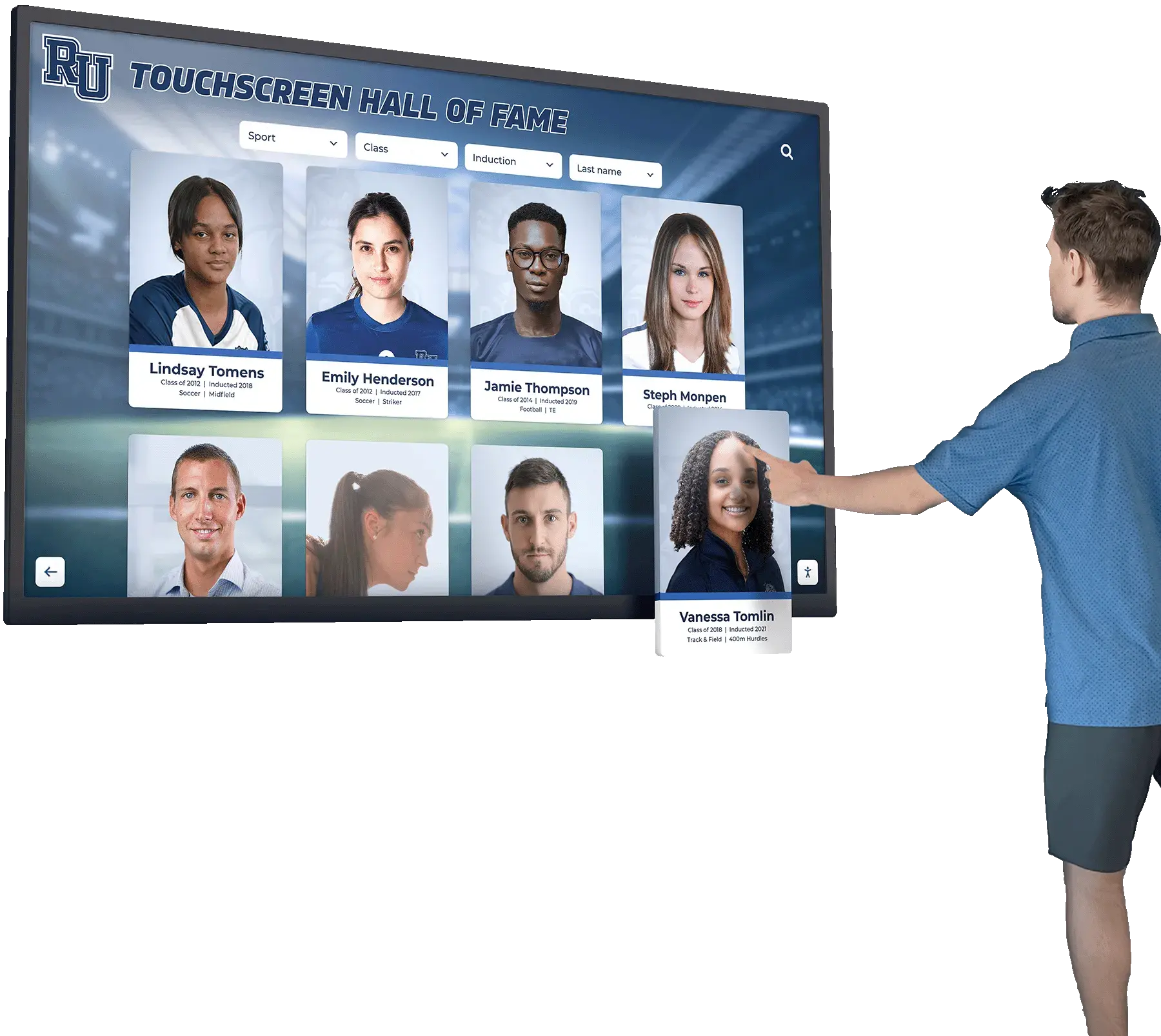
Modern digital boards provide comprehensive meet information through intuitive touchscreen interfaces accessible to athletes, coaches, and spectators
Understanding Interactive Digital Boards for Track Meets
Before evaluating specific systems or technologies, understanding the fundamental components and capabilities helps athletic programs make informed decisions aligned with competition management goals.
Core Components of Track Meet Digital Board Systems
Interactive digital boards integrate several sophisticated technology elements:
Real-Time Results Processing
The foundation includes seamless timing equipment integration:
- Direct connection to meet management software like HY-TEK’s Meet Manager or DirectAthletics MeetPro
- Automatic results updates as athletes cross finish lines or complete field events
- Integration with FinishLynx photo-finish systems providing verified accurate results
- Split time display showing intermediate performance data for distance events
- Field event progression tracking with attempt-by-attempt results
- Heat and flight results posting immediately upon completion
- Real-time standings calculation across all competition levels
Modern digital boards eliminate manual scoreboard updates that inevitably lag actual competition completion, ensuring athletes and spectators receive accurate information instantly rather than waiting for announcer updates or results posting.
Dynamic Schedule Management
Sophisticated displays provide constantly updated meet progression:
- Running schedule adjustments based on actual event completion times
- Real-time delay notifications when events run behind or ahead of schedule
- Multi-event coordination showing simultaneous competition timelines
- Heat sheet information with lane assignments and seed times
- Flight and section details for field events with rotation orders
- Warm-up area notifications alerting athletes to upcoming events
- Location information directing participants and spectators to event sites
This dynamic scheduling eliminates the confusion common at large meets where printed schedules become obsolete within minutes, helping athletes avoid missed events while enabling spectators to plan viewing effectively.
Interactive Information Access
Touchscreen capabilities enable personalized exploration:
- Athlete search functionality finding specific competitors instantly
- School or team filtering showing all athletes from particular programs
- Event browsing enabling quick navigation to specific competitions
- Historical results comparison showing season bests and personal records
- Meet records display providing performance context and achievement benchmarks
- Athlete profile information when integrated with comprehensive databases
- Social media integration enabling performance sharing and celebration
Solutions like Rocket Alumni Solutions provide platforms that extend beyond meet day, preserving athletic achievement and enabling ongoing recognition through permanent digital displays that honor track and field excellence comprehensively.
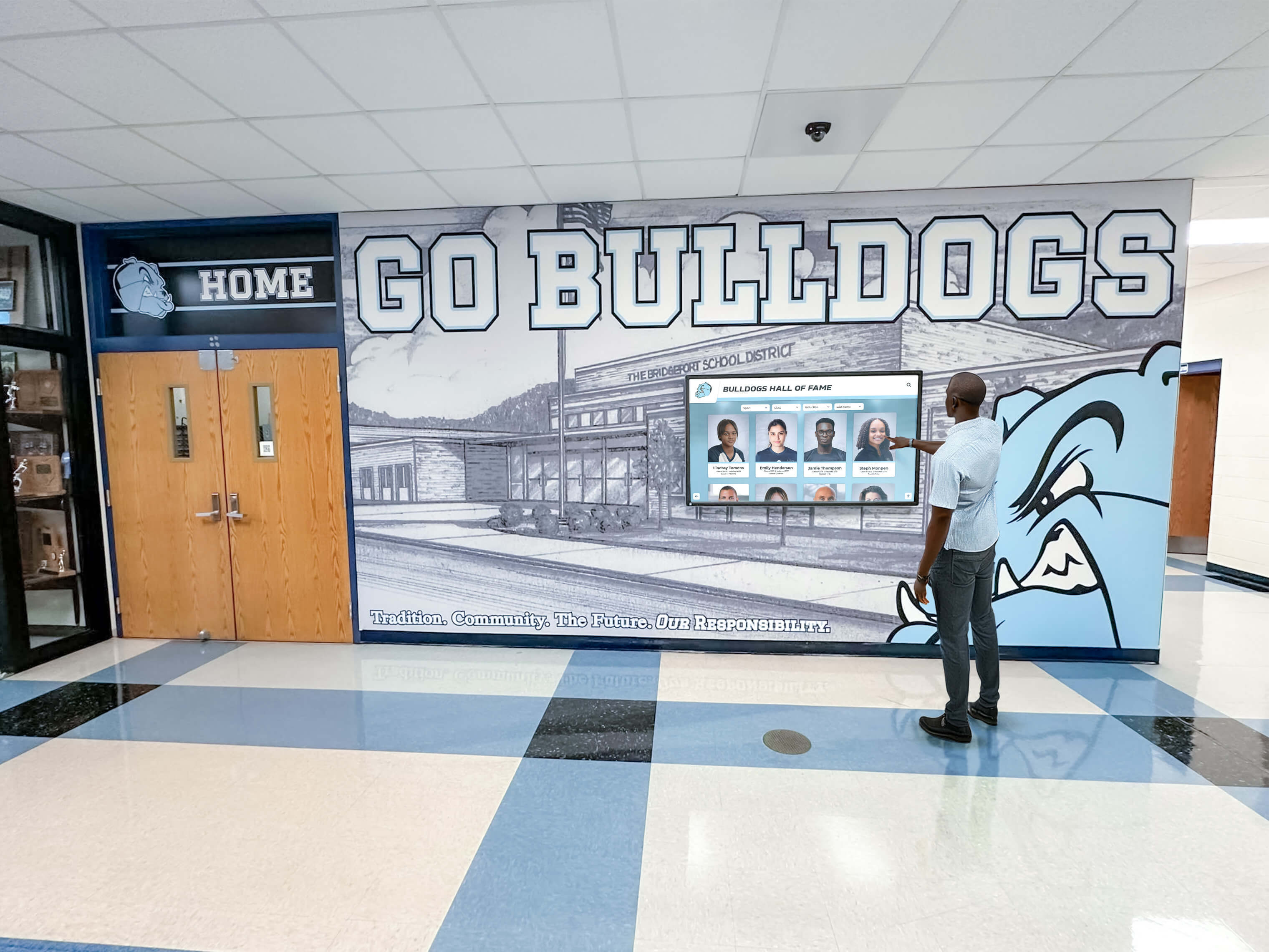
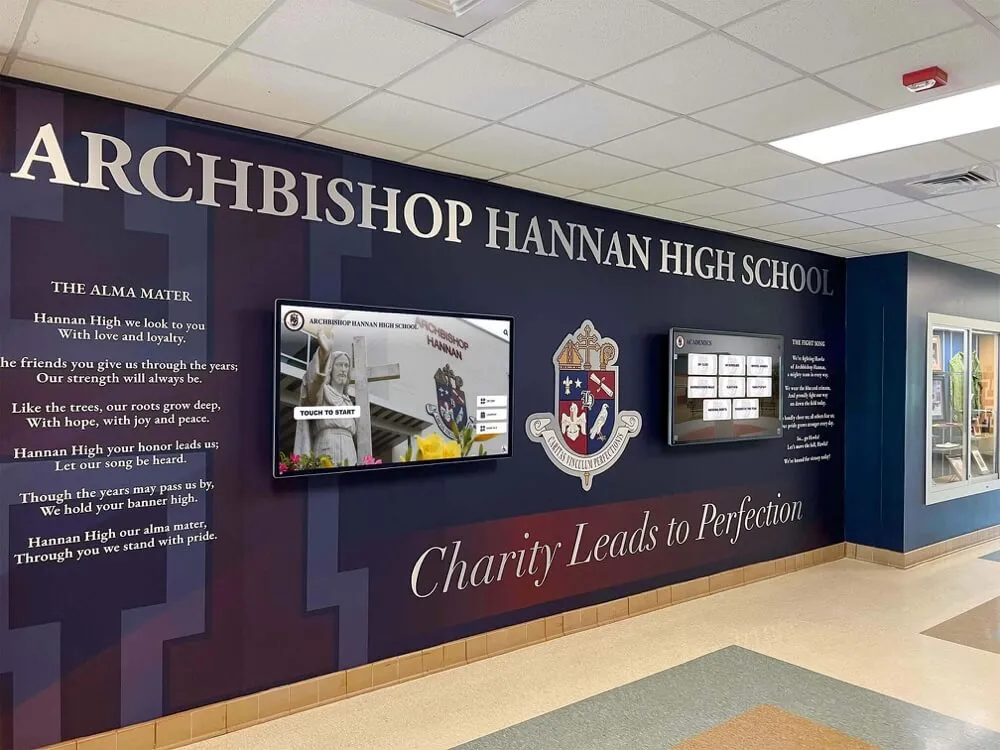
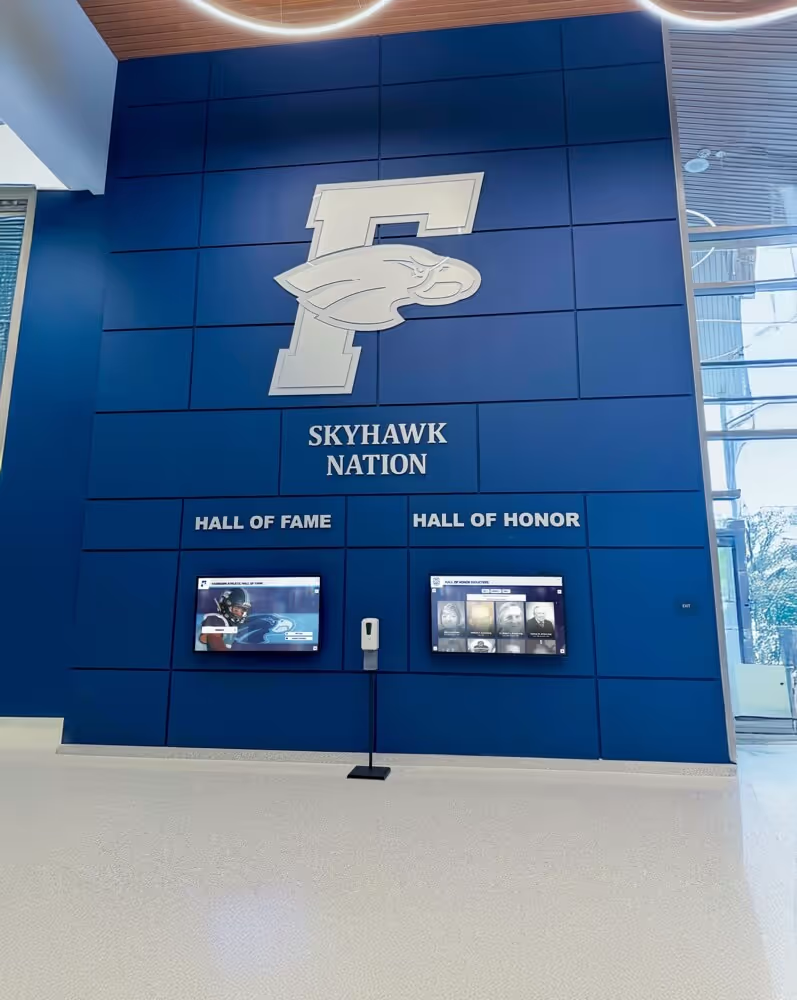
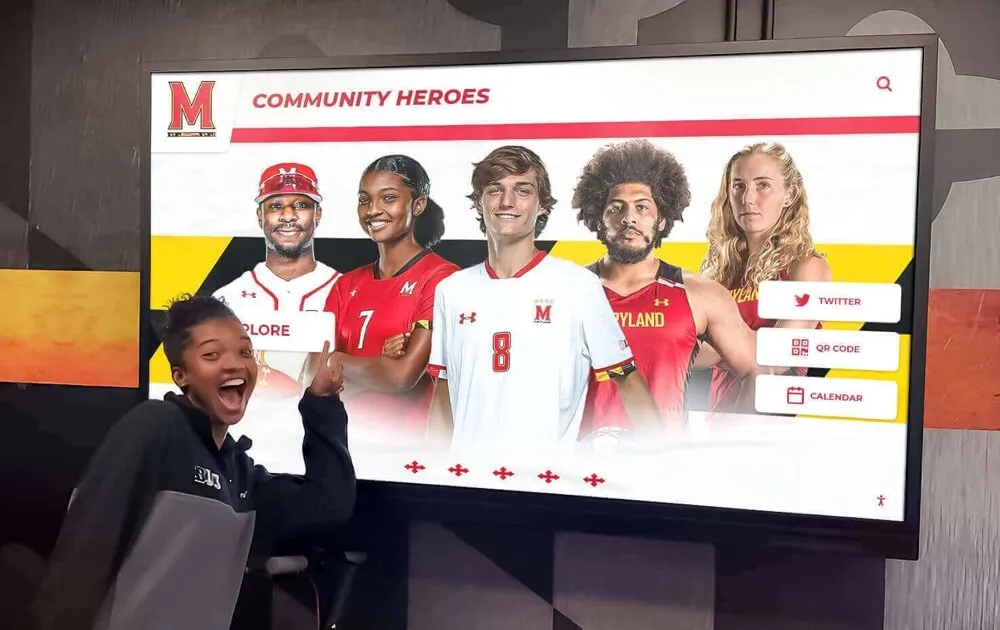
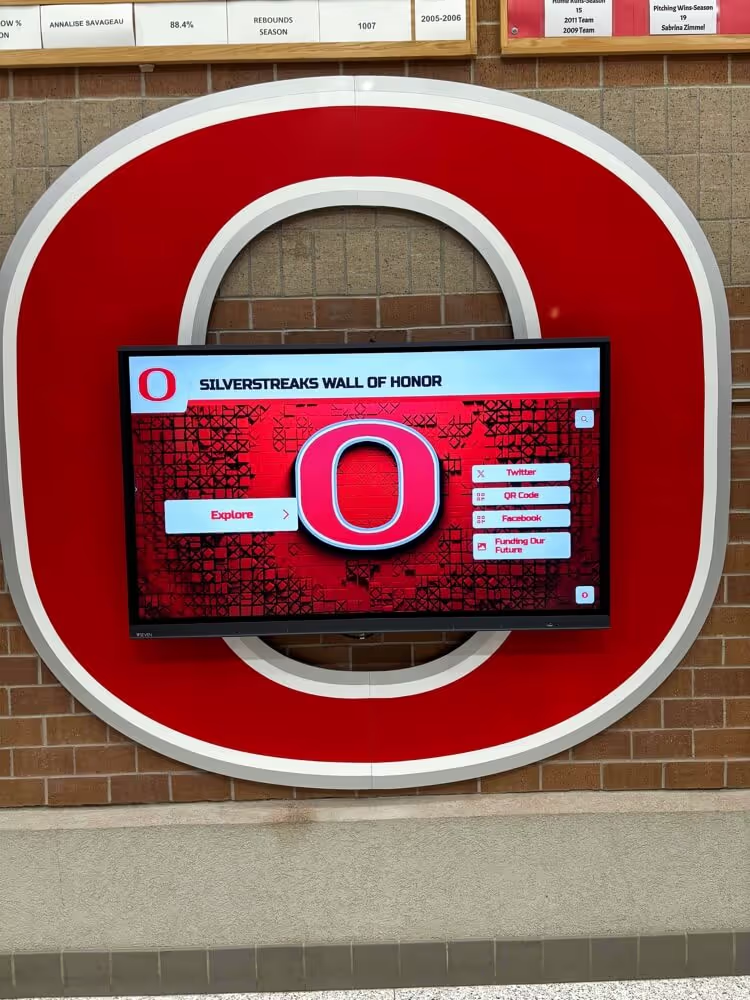
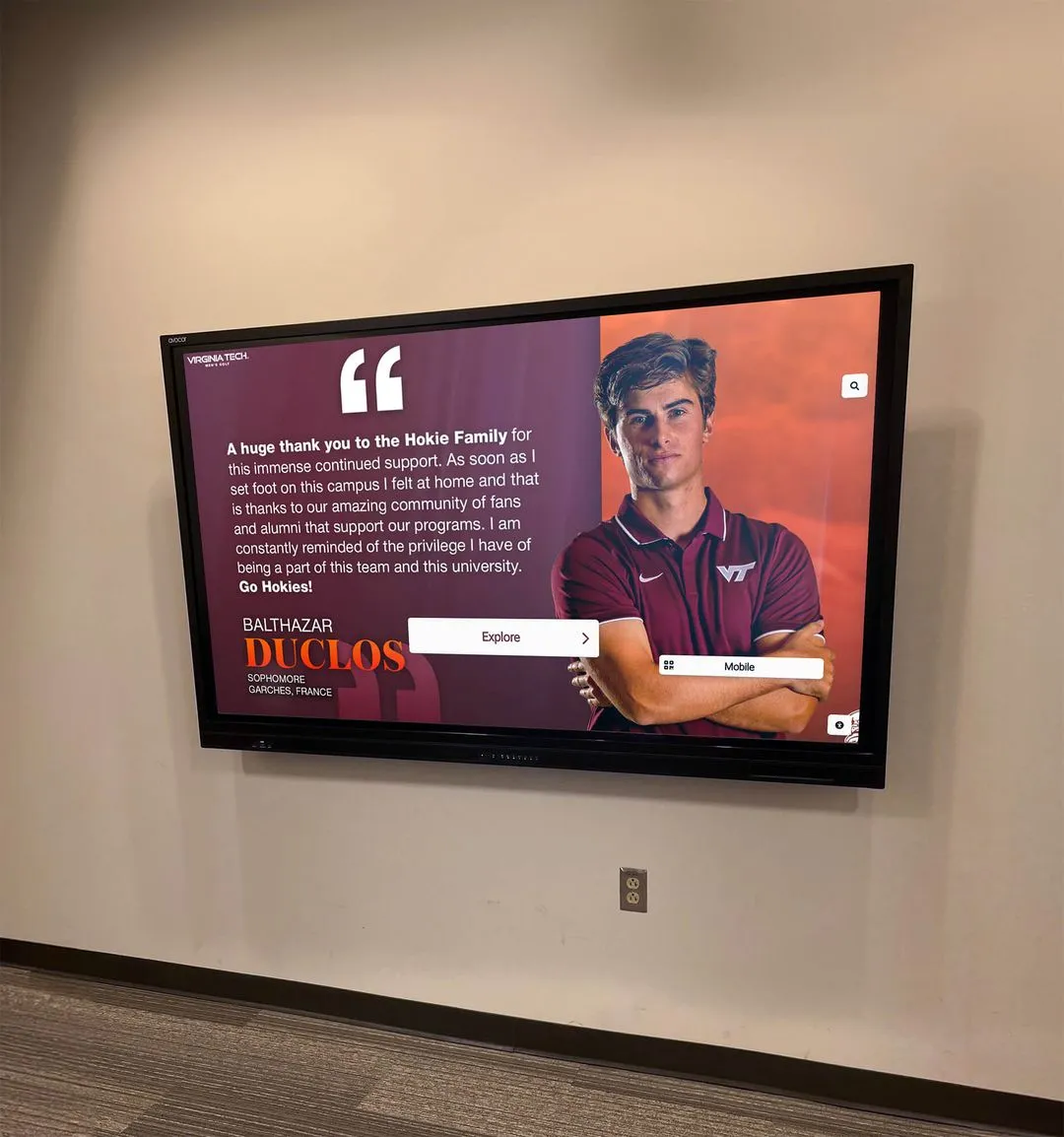
Intuitive touchscreen interfaces enable athletes and spectators to navigate complex meet information independently without staff assistance
How Track Meet Digital Boards Differ from Traditional Scoreboards
Understanding fundamental differences clarifies the value proposition:
Information Capacity Comparison
Traditional scoreboards face severe limitations:
- Fixed display formats showing limited simultaneous information
- Single event focus requiring constant manual updates between competitions
- Minimal contextual information beyond current race times
- No ability to display comprehensive heat sheets or complete results
- Limited visibility for field events occurring simultaneously with track competitions
- Static displays offering no exploration or historical context
Digital board systems eliminate capacity constraints:
- Unlimited information accessible through navigation and search
- Simultaneous display of all event schedules, results, and standings
- Complete heat sheets with lane assignments, seed times, and athlete information
- Real-time field event leaderboards updated attempt-by-attempt
- Historical context including meet records, season bests, and championship standards
- Multiple viewing modes accommodating different user needs and interests
Athletic programs implementing comprehensive digital systems report displaying 10-20 times more information than traditional scoreboards allowed, creating transparency previously impossible while eliminating the constant “Where do I go?” and “When is my event?” questions overwhelming meet officials.
Engagement and User Experience
Traditional scoreboards generate passive viewing:
- Spectators glance at displays checking current race results briefly
- No ability to explore other simultaneous events or upcoming schedules
- Athletes repeatedly asking officials about heat assignments and event timing
- Limited engagement beyond immediate competition viewing
- Frustration when information needs exceed scoreboard capabilities
Interactive digital boards create active exploration:
- Athletes independently check heat sheets, warm-up schedules, and results
- Spectators browse all event results rather than only visible competitions
- Families search for their athlete’s specific performances across entire meet
- Coaches access team summaries showing all athlete results comprehensively
- Social sharing of standout performances and personal records directly from displays
- Extended interaction sessions averaging 3-5 minutes rather than brief glances
Research on sports venue technology demonstrates that interactive displays generate 6-8 times longer engagement compared to static scoreboards, transforming brief information checks into meaningful exploration sessions that enhance meet experience quality significantly.
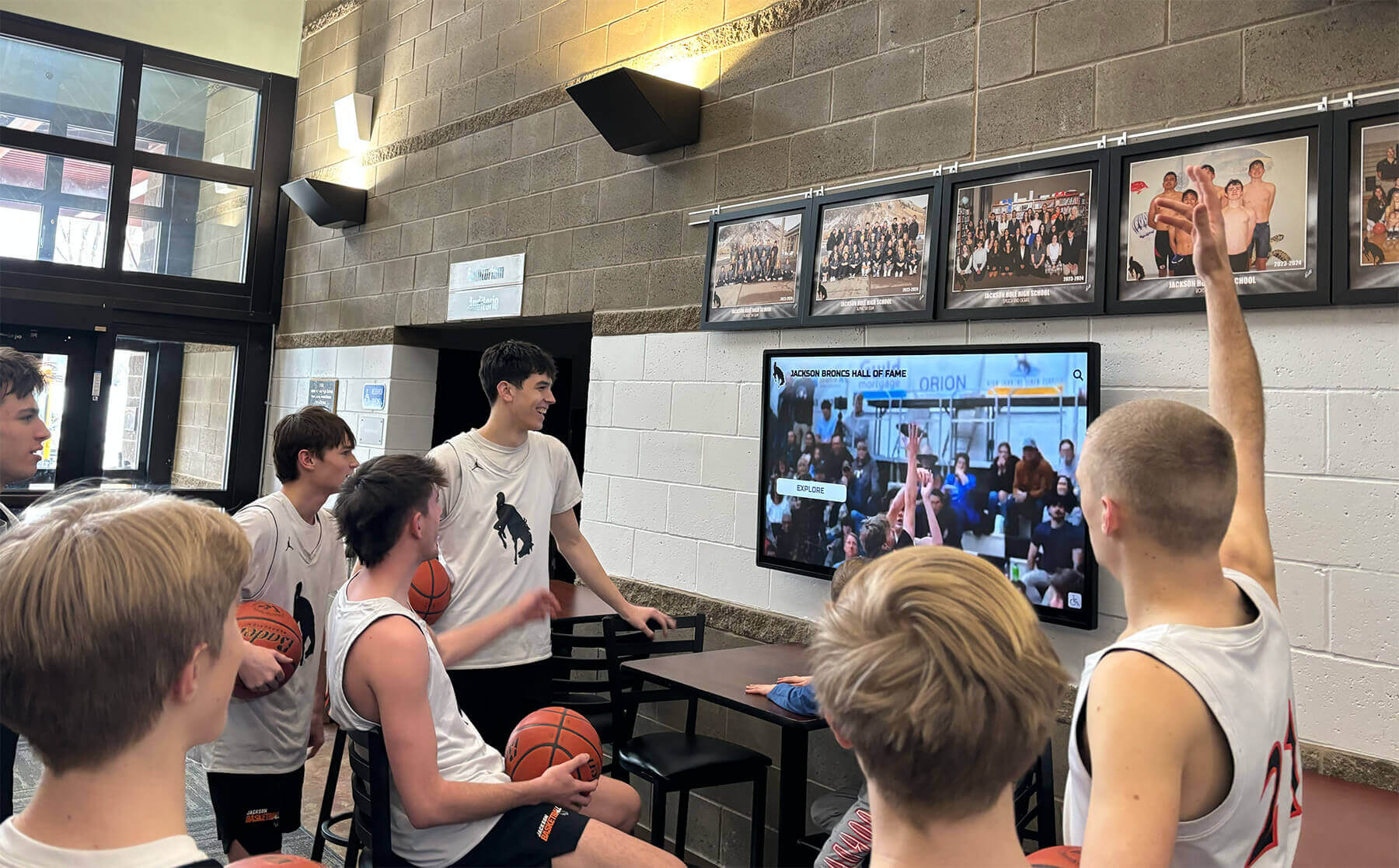
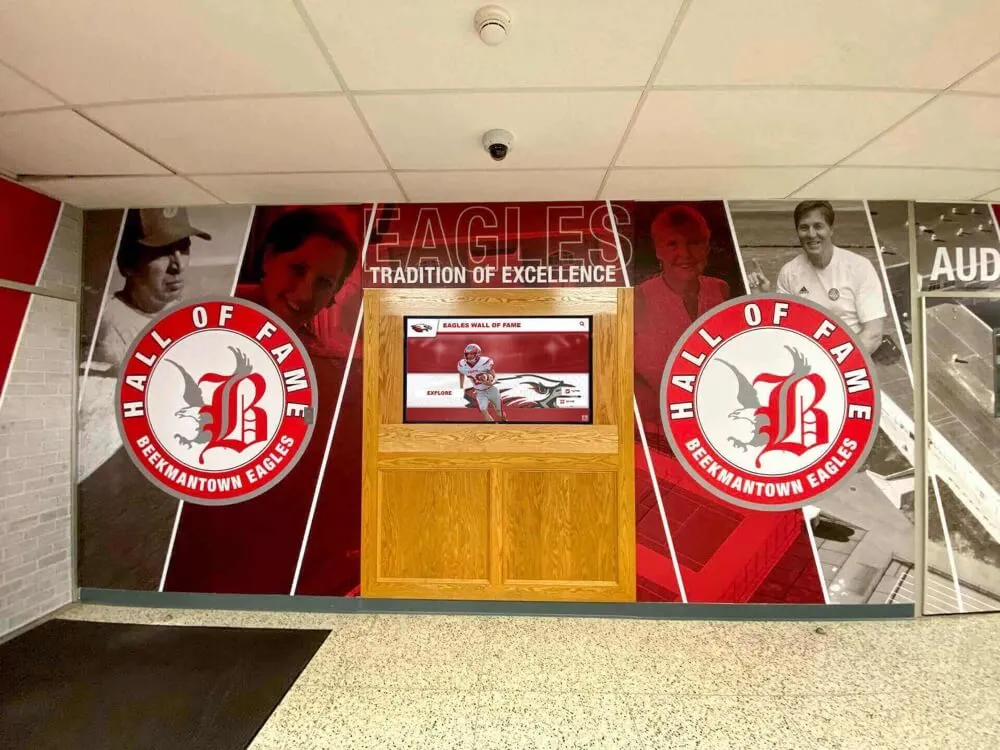
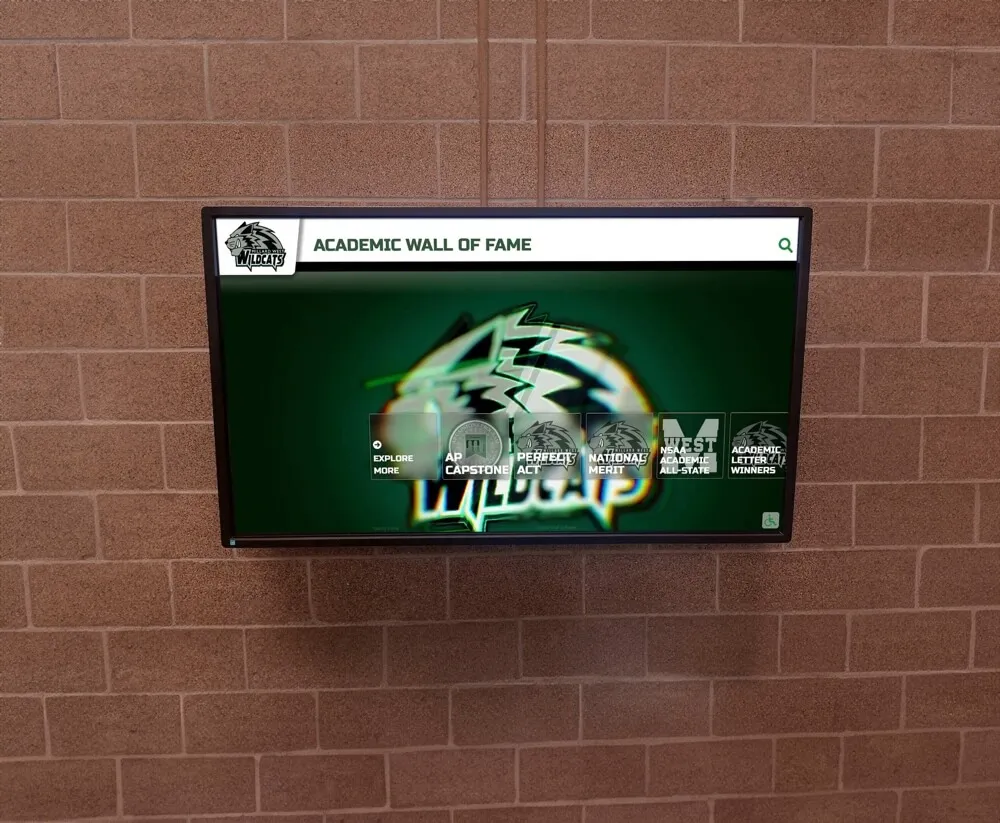
Digital boards create natural gathering points where athletes and spectators explore results and upcoming schedules together
Transformative Benefits for Track Meet Management
Interactive digital board systems overcome fundamental limitations of traditional approaches while creating engagement and efficiency impossible with manual methods.
Real-Time Schedule and Results Transparency
The most significant benefit addresses the primary challenge at track meets:
Traditional Meet Management Challenges
Conventional approaches confronts severe communication barriers:
- Printed heat sheets become outdated immediately when schedule adjustments occur
- Athletes missing events due to delayed or unclear schedule information
- Spectators unable to determine when their athlete competes or where events occur
- Coaches struggling to coordinate athlete warm-ups across multiple simultaneous competitions
- Meet officials overwhelmed answering repetitive location and timing questions
- Manual result posting creating 10-30 minute delays between competition and information availability
- Limited visibility for field events occurring away from main competition areas
These communication failures frustrate all participants while potentially affecting athletic performance when athletes receive inadequate advance notice for event preparation.
Digital Board Solutions
Interactive systems eliminate information barriers completely:
- Automatic schedule updates reflecting actual meet progression rather than pre-meet estimates
- Real-time results posting within seconds of event completion verified by timing equipment
- Universal information access ensuring all participants receive identical current information
- Self-service athlete lookup eliminating need to ask officials for heat assignments
- Proactive delay notifications alerting affected athletes to schedule changes
- Comprehensive field event coverage providing equal visibility to all competitions
- Mobile accessibility when systems offer web-based information platforms
Athletic directors and meet directors consistently report that real-time information transparency represents the most transformative benefit, dramatically reducing athlete stress, improving spectator satisfaction, and enabling officials to focus on competition management rather than answering endless information questions.
Performance Impact
Information accessibility affects athletic performance:
- Reduced pre-competition anxiety from uncertainty about timing and logistics
- Appropriate warm-up timing when athletes receive accurate schedule information
- Mental preparation optimization with clear advance notice of competition timing
- Elimination of rushed or inadequate preparation from missed schedule updates
- Focus maintenance when athletes access information independently without seeking officials
- Coach effectiveness improvement with comprehensive team performance visibility
Track coaches report measurable performance improvements after implementing comprehensive digital information systems, noting athletes arrive at starting lines better prepared mentally and physically when meet logistics become transparent and manageable.
Explore strategies for showcasing track and field achievements through comprehensive digital recognition systems.
Enhanced Spectator Experience and Family Engagement
Digital boards transform spectator experience fundamentally:
Traditional Spectator Limitations
Conventional track meets create challenging viewing experiences:
- Spectators watching only events directly visible from their seating location
- Inability to follow their athlete across multiple events throughout the meet
- Missed performances when families unable to determine event timing accurately
- Limited context for performance quality without access to meet records or standards
- Frustration at large meets with 10-20 simultaneous competitions
- No ability to share results immediately with extended family or social networks
This limited engagement means families often travel significant distances for meets but miss key performances or lack meaningful participation beyond watching brief competitions.
Interactive Digital Board Engagement
Modern systems create active spectator participation:
- Comprehensive view of entire meet enabling families to track their athletes across all events
- Real-time notifications as specific athletes compete in their assigned heats
- Performance context through meet records, qualifying standards, and historical data
- Social sharing capabilities enabling immediate celebration with extended networks
- Field event visibility for families watching track competitions and vice versa
- Multiple viewing modes accommodating casual spectators versus serious track enthusiasts
- Post-competition exploration reviewing complete meet results and standout performances
Schools and programs implementing comprehensive digital boards report measurably improved family satisfaction, with surveys indicating spectators feel “more connected” to meets and able to “follow the entire competition” rather than experiencing fragmented viewing of isolated events.
Community Building
Digital boards facilitate social interaction:
- Natural gathering points where spectators discuss performances and upcoming events
- Shared celebration of exceptional achievements visible to entire community
- Team camaraderie building as athletes explore results together
- Recruit engagement during championship meets when college coaches access comprehensive results
- Alumni connection during meets held at school facilities with integrated recognition displays
- Media and photographer coordination with accurate immediate results information
This social dimension amplifies athletic recognition beyond individual achievement to create shared celebration and community connection around track and field excellence traditions.
Learn about comprehensive approaches to athletic recognition programs that honor diverse achievements effectively.
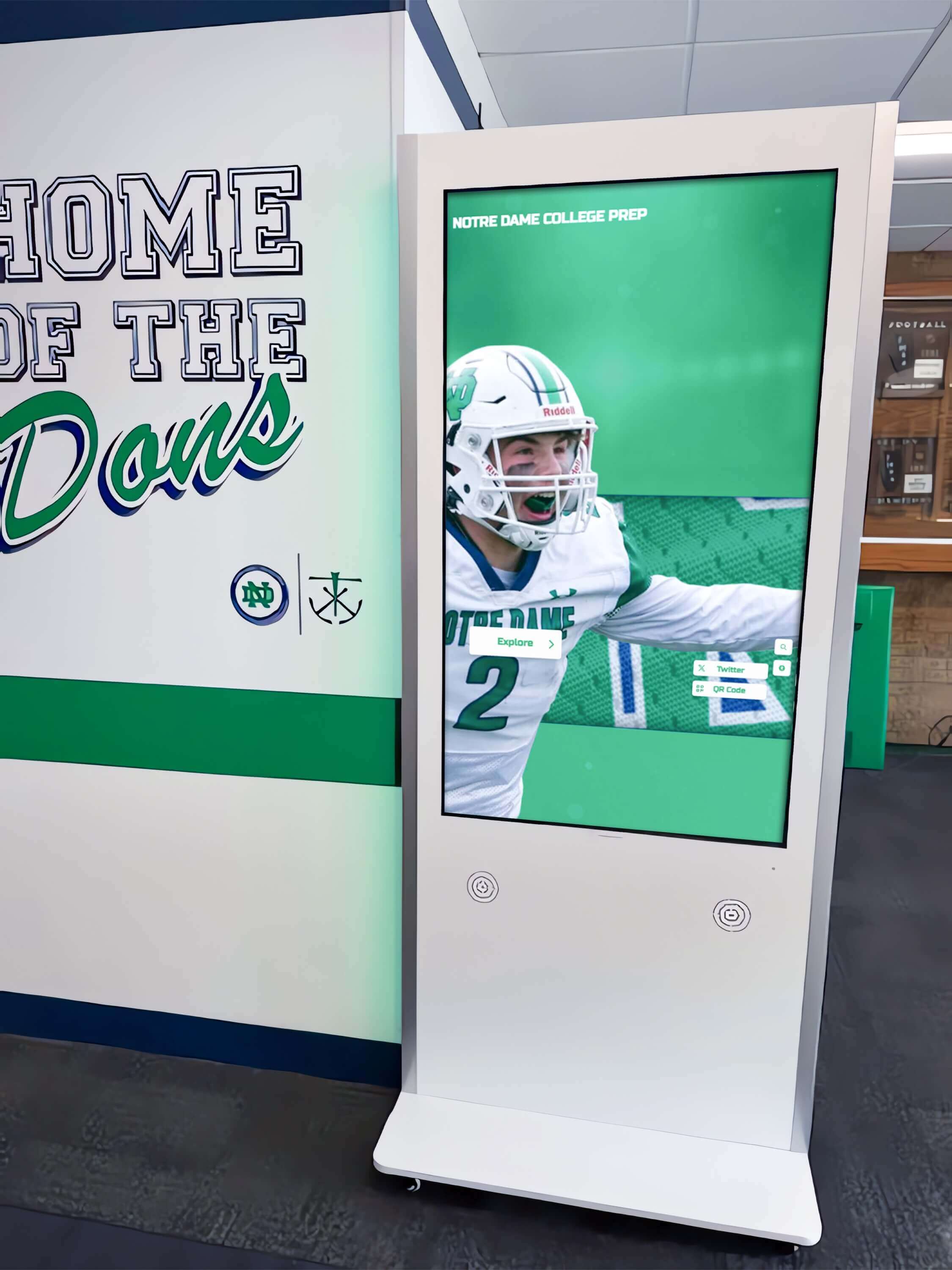
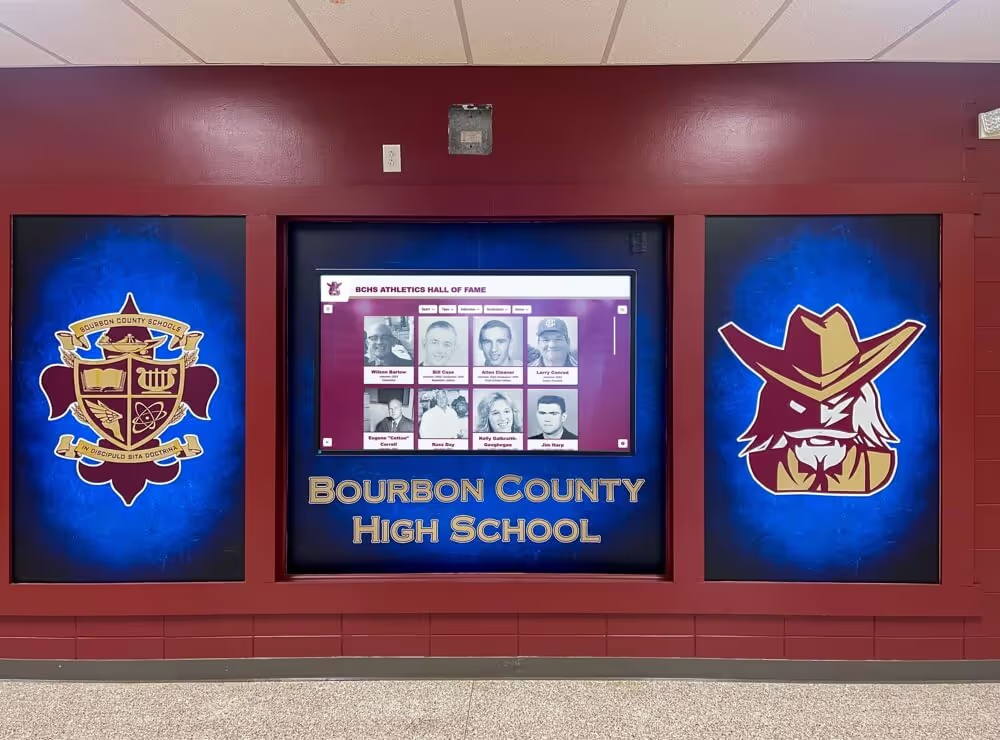
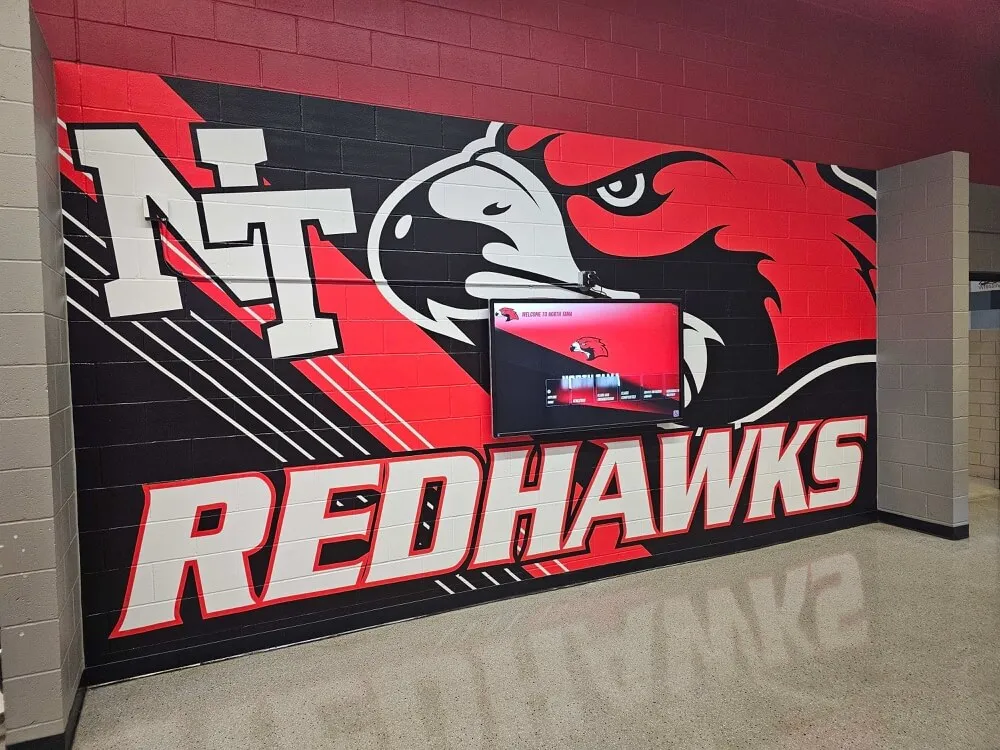
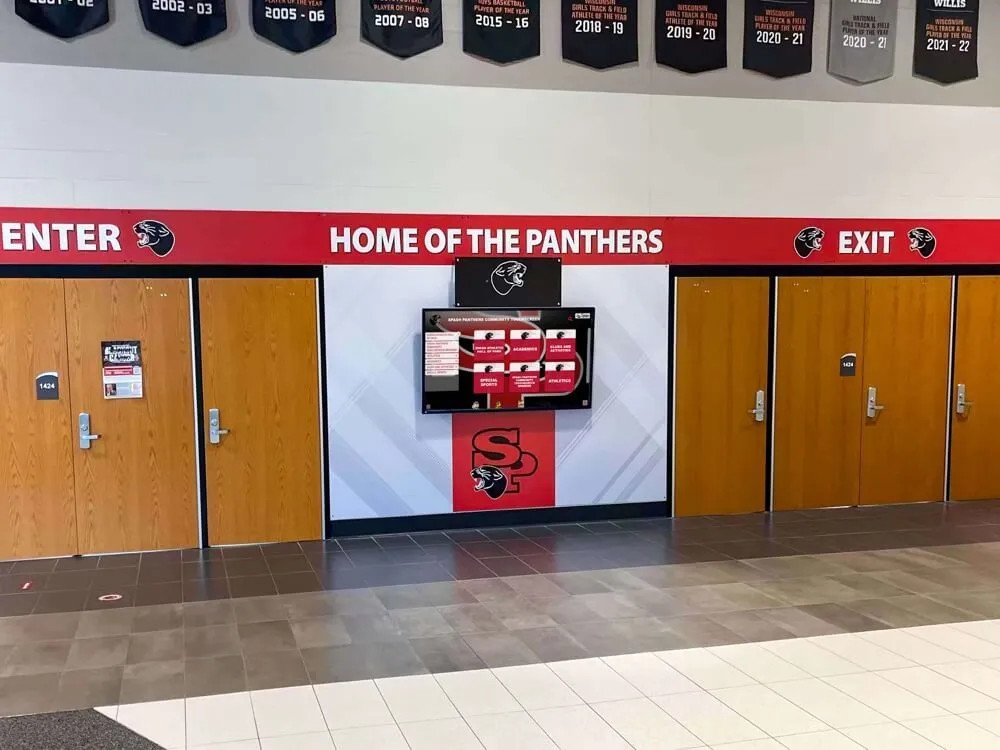
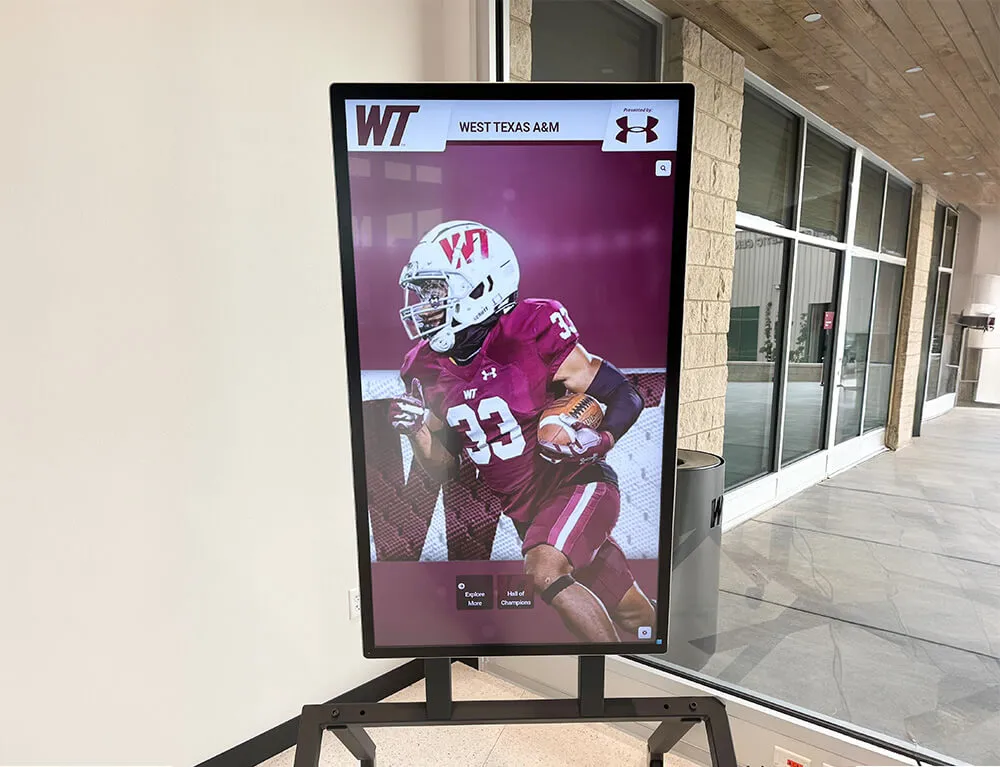
Strategic placement in high-traffic areas ensures digital boards reach athletes and spectators throughout competition days
Operational Efficiency for Meet Directors and Officials
Digital systems dramatically reduce administrative burden while improving meet execution:
Traditional Meet Management Labor
Conventional approaches require substantial ongoing effort:
- Manual heat sheet distribution requiring printing and delivery throughout venue
- Constant schedule update communication through announcements and posted notices
- Repetitive information provision answering the same athlete questions repeatedly
- Scoreboard updates requiring dedicated personnel throughout entire meet
- Results compilation and posting creating significant delays
- Field event coordination with limited real-time visibility
- Post-meet results processing and publication requiring hours of work
This workload typically requires 8-12 additional volunteers or staff beyond timing and judging personnel—resources increasingly difficult for programs to secure consistently.
Digital Board Efficiency
Automated systems streamline operations dramatically:
- Automatic information distribution eliminating manual heat sheet updates
- Real-time scheduling updates propagating instantly without manual communication
- Self-service athlete information access reducing official inquiries by 70-80%
- Automated results posting removing manual scoreboard update requirements
- Integrated field event management with centralized information visibility
- Instant web publication when systems include online platforms
- Comprehensive meet archives preserving results automatically
Meet directors report 60-70% reduction in volunteer requirements after implementing comprehensive digital board systems—typically reducing support needs by 6-8 positions while simultaneously improving information quality and timeliness throughout meets.
Error Reduction and Quality Improvement
Automation improves accuracy substantially:
- Elimination of manual transcription errors from timing equipment to scoreboards
- Consistent information across all display locations when using distributed systems
- Automatic calculation accuracy for complex scoring and qualification standards
- Timestamp verification ensuring results authenticity and timing accuracy
- Backup systems preventing data loss from technical issues
- Professional presentation quality automatically maintained without design skills
This reliability builds confidence among athletes, coaches, and officials while reducing disputes and confusion that plague manually-managed meets.
Extending Value Beyond Competition Days
Modern digital board platforms amplify impact through permanent recognition:
Preserving Athletic Achievement
Systems with recognition capabilities create lasting value:
- Meet results archived permanently rather than disappearing after competitions
- Season and career statistics tracking individual athlete progression over time
- School and team records documentation with complete historical context
- Championship performance preservation honoring exceptional achievements
- Athlete profile integration connecting meet results to comprehensive recognition
- Alumni athlete exploration maintaining institutional connections across decades
Athletic programs implementing permanent digital recognition report significantly enhanced athlete motivation as competitors understand their achievements become part of enduring institutional legacy rather than disappearing after brief meet-day acknowledgment.
Recruitment and Program Promotion
Comprehensive systems support athletic development:
- College recruiters accessing complete performance histories during championship meets
- Prospective student-athletes evaluating programs through authentic achievement evidence
- Media coverage facilitation with immediate access to accurate results and context
- Social media content generation from standout performances and record achievements
- Community awareness building through visible celebration of athletic excellence
- Development opportunities when systems integrate with fundraising recognition platforms
Schools leveraging digital boards for both meet management and ongoing recognition report measurable increases in program interest, recruit quality, and community support as authentic achievement visibility creates compelling evidence of athletic excellence.
Discover approaches to digital athletic storytelling that celebrate program excellence comprehensively.

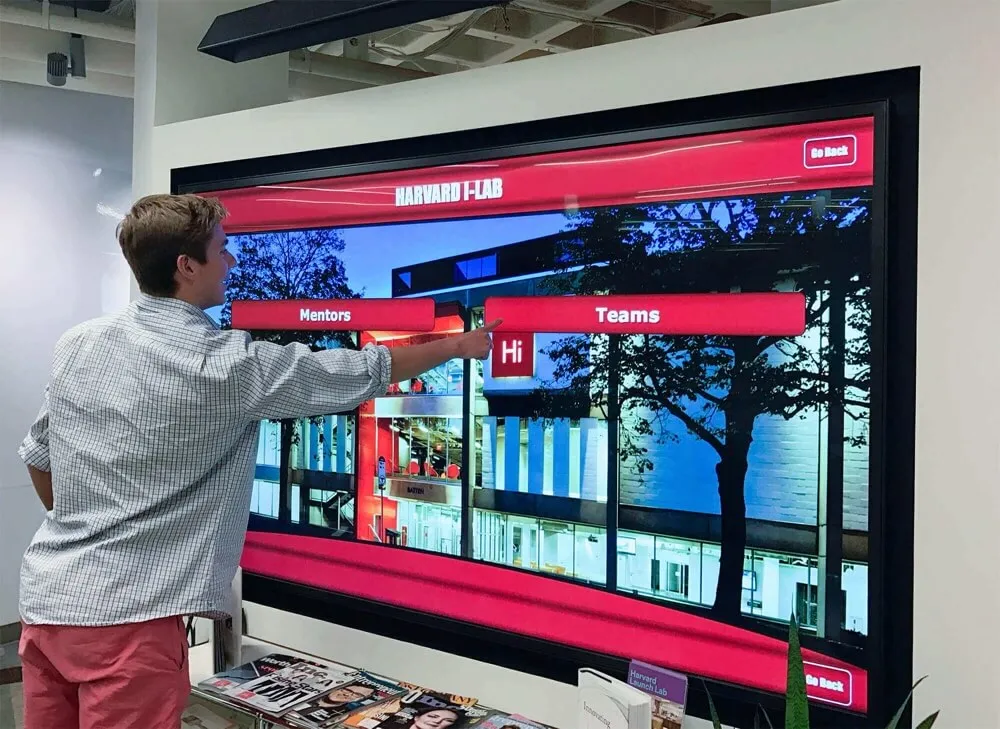
Intuitive touch interfaces enable quick navigation through complex athlete and event information
Essential Features for Effective Track Meet Digital Boards
Not all digital display systems deliver equal value for track meet applications. Programs should evaluate systems based on features critical for comprehensive competition management.
Meet Management Software Integration
Effective systems require seamless timing equipment connectivity:
Standard Integration Capabilities
Comprehensive platforms provide:
- HY-TEK’s Meet Manager direct connection for automatic results transfer
- DirectAthletics MeetPro compatibility for web-based meet management
- FinishLynx photo-finish integration ensuring timing accuracy verification
- Generic timing system support through standardized data formats
- Field event tablet system connectivity for throwing and jumping events
- Manual entry backup options for equipment failures or unique circumstances
- Bidirectional communication enabling results confirmation and correction
Real-Time Data Processing
Quality systems handle information flow reliably:
- Sub-second update latency from event completion to display posting
- Automatic calculation of points, standings, and qualification standards
- Heat and section advancement determination based on meet format rules
- Record detection identifying outstanding performances automatically
- Multi-meet support for dual meets and triangular competitions
- Simultaneous event handling displaying multiple real-time competitions
- Data validation preventing display of incomplete or erroneous results
This integration reliability determines whether digital boards function as intended or create frustration through delayed, incomplete, or incorrect information that undermines system credibility completely.
Historical Results Integration
Advanced systems provide performance context:
- Season best tracking showing athlete progression throughout year
- Personal record comparison highlighting career achievements during competitions
- Meet record databases providing performance benchmarks automatically
- Qualifying standard references for championship meets and advancement
- Team scoring history when displaying dual meet or championship competitions
- Cross-season comparison enabling year-over-year performance analysis
Learn about comprehensive digital record board systems that preserve athletic achievement permanently.
User Interface Design for Athletic Environments
Track meet displays must function effectively in challenging conditions:
Outdoor Visibility Requirements
Specialized display technology handles sunlight:
- High brightness displays (1000-2500 nits) ensuring readability in direct sunlight
- Anti-glare coatings reducing reflection from overhead sun angles
- Automatic brightness adjustment adapting to changing light conditions
- Wide viewing angles maintaining visibility from various spectator positions
- Weather-resistant enclosures protecting electronics from rain and extreme temperatures
- Durable construction withstanding outdoor athletic facility conditions
Indoor venues require different considerations but outdoor track facilities present particularly demanding display environments requiring specialized commercial equipment rather than consumer displays.
Information Hierarchy and Readability
Effective interfaces prioritize critical information:
- Large, high-contrast text ensuring readability from 30-50 feet away
- Color coding differentiating events, competition levels, or information types
- Clear section headers enabling quick visual scanning for specific information
- Scrolling displays managing more information than fits single screens
- Customizable layouts adapting to different meet formats and user preferences
- Accessibility features ensuring inclusive information access for all spectators
- Intuitive navigation requiring no instruction for basic information access
Multiple Display Modes
Comprehensive systems accommodate different needs:
- Current results mode showing just-completed event outcomes
- Upcoming schedule view displaying next hour’s competition timeline
- Complete heat sheets with all athlete assignments and seed times
- Team scoring summaries for dual meets and championship competitions
- Field event leaderboards with attempt-by-attempt progression
- Records and achievements highlighting exceptional performances
- Athlete search and profile access for detailed individual information
This flexibility ensures digital boards serve diverse constituencies effectively rather than optimizing for single use cases while failing others.
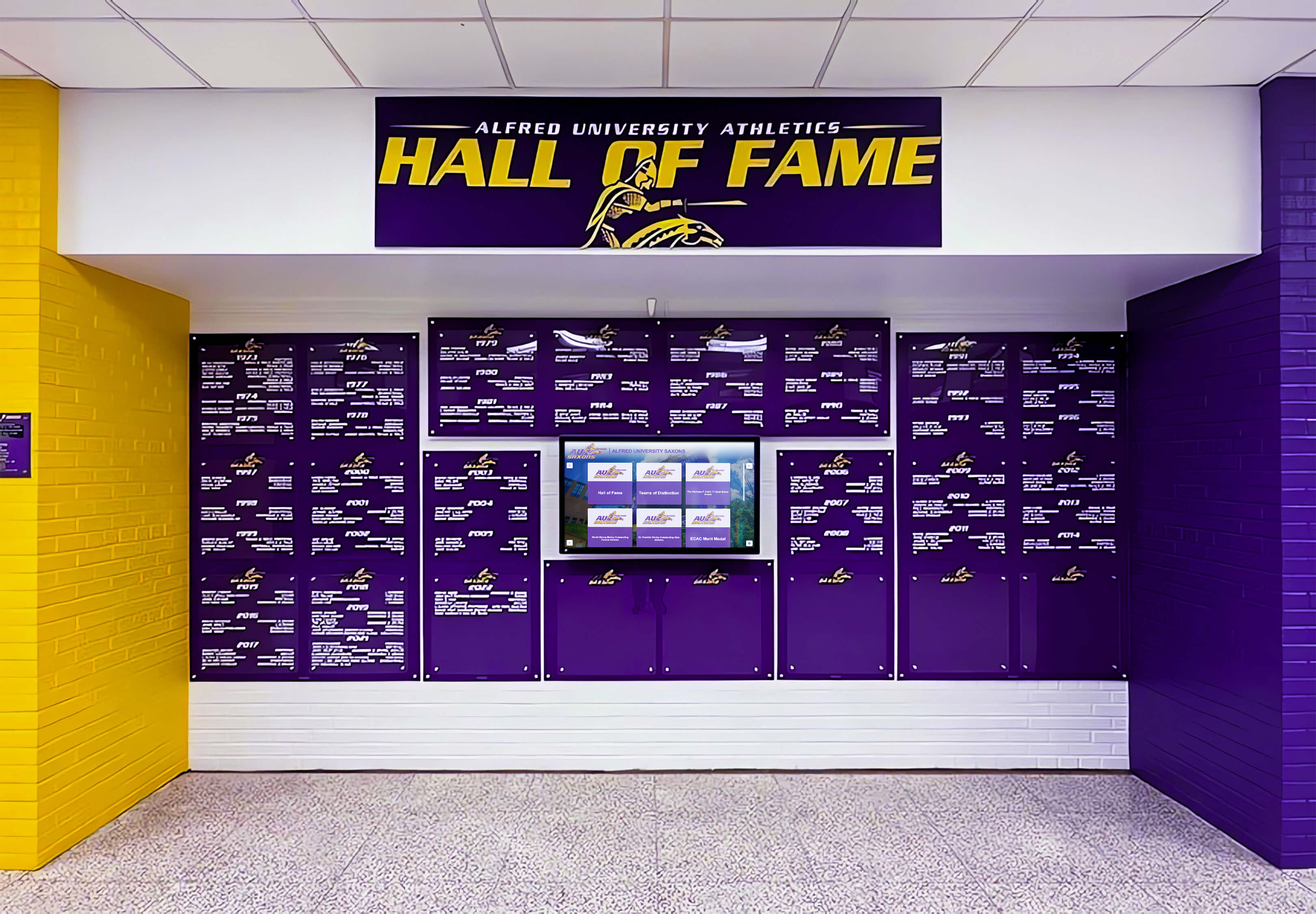
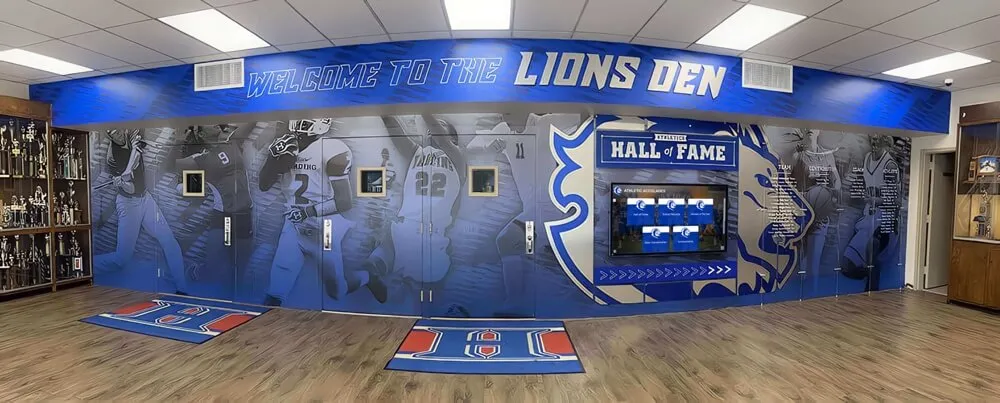
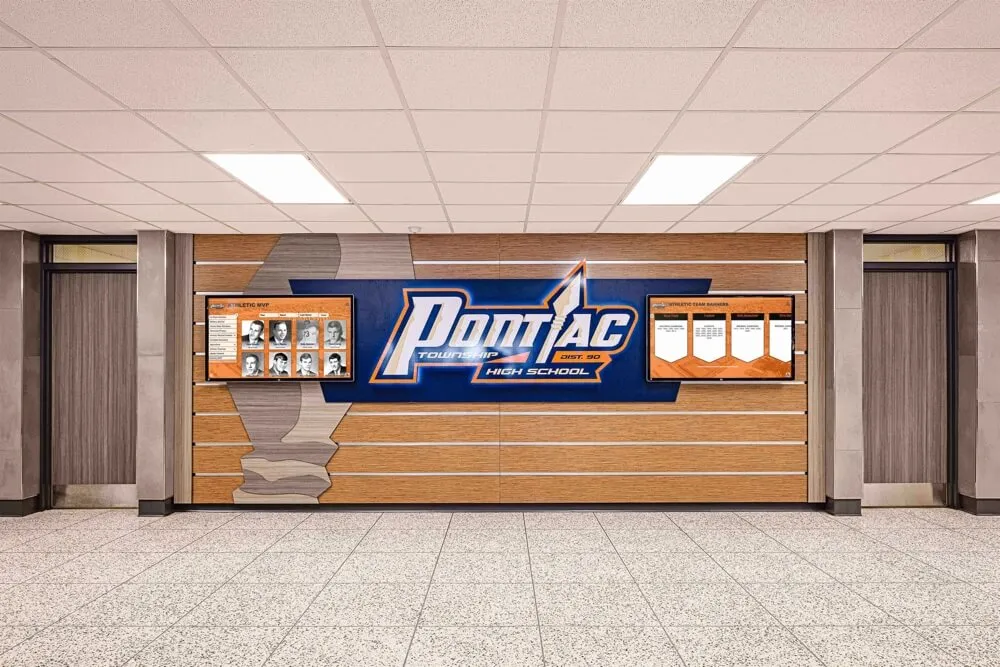
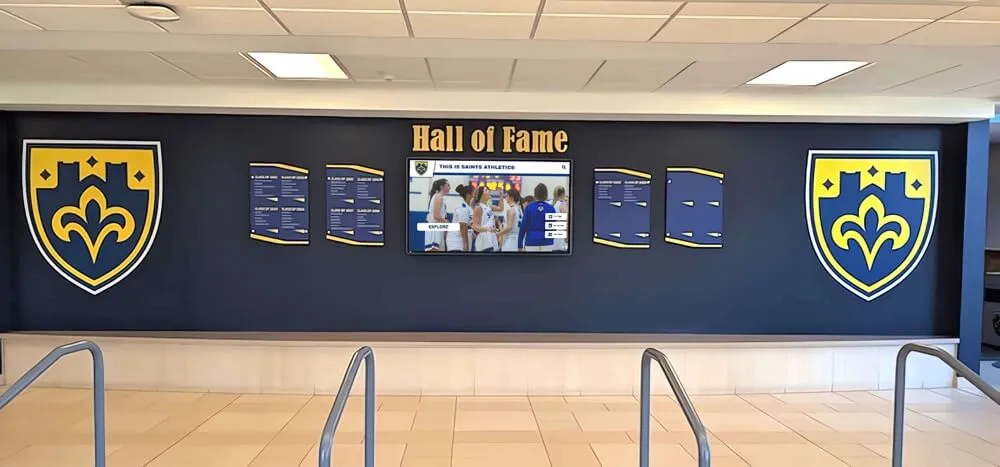
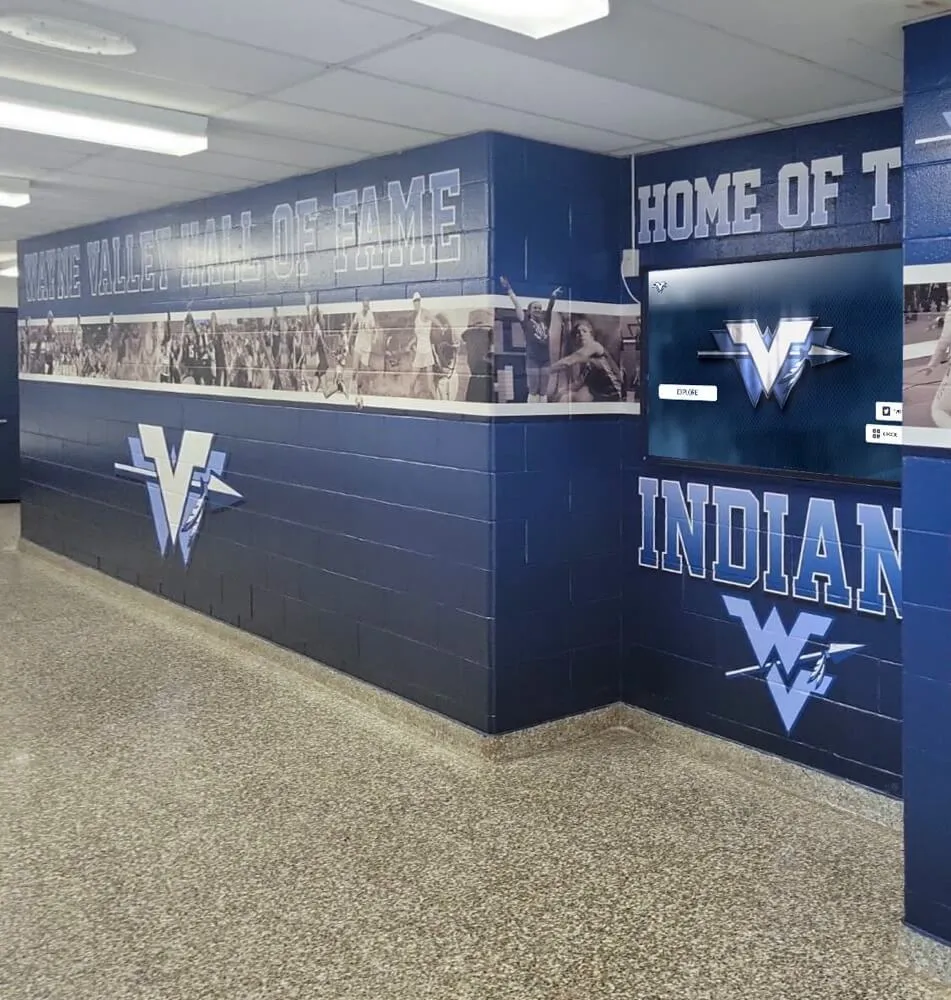
Professional installations integrate display technology seamlessly with athletic facility aesthetics and branding
Hardware Specifications for Track Meet Applications
Display equipment must meet demanding athletic facility requirements:
Display Types and Sizes
Various configurations serve different applications:
- 55-65 inch displays for team areas, warm-up zones, and concession locations
- 65-75 inch displays for main spectator viewing and results stations
- 86+ inch displays creating impressive focal points in lobbies or stadium entrances
- LED video boards for permanent outdoor installations with massive visibility
- Distributed display networks showing synchronized information throughout venues
- Mobile display solutions on carts for flexible meet-day placement
- Tablet-integrated systems enabling officials and coaches to access information anywhere
Durability and Reliability
Athletic facilities require robust equipment:
- Commercial-grade displays rated for continuous operation throughout meet days
- IP-rated weather resistance for outdoor installations facing rain and sun exposure
- Vibration resistance preventing damage from nearby stadium activity
- Temperature tolerance functioning in hot summer and cool spring conditions
- Protective enclosures preventing damage from balls, equipment, or accidental contact
- Redundant power systems maintaining operation during brief outages
- Service accessibility enabling quick repairs when issues occur
Connectivity and Infrastructure
Reliable operation requires appropriate networking:
- Hardwired ethernet connections providing guaranteed bandwidth and reliability
- Backup wireless connectivity maintaining operation if wired networks fail
- Power conditioning protecting displays from athletic facility electrical fluctuations
- Remote monitoring enabling proactive maintenance and quick troubleshooting
- Centralized management when deploying multiple displays across large facilities
- Mobile device connectivity for coaches and officials accessing information portable
Programs should work with experienced athletic facility technology vendors ensuring displays meet demanding meet day requirements rather than failing at critical moments due to inappropriate consumer-grade equipment selection.
Implementation and Installation Best Practices
Successful digital board systems require thoughtful planning beyond equipment purchase.
Strategic Placement for Maximum Effectiveness
Display location significantly impacts utility and engagement:
Essential Location Categories
Optimal track meet installations include:
- Main results station near finish line showing current race outcomes and upcoming events
- Team gathering areas displaying heat sheets and warm-up schedules for athlete access
- Field event locations providing dedicated coverage of throwing and jumping competitions
- Spectator concourse positions enabling family information access without leaving viewing areas
- Entry/registration areas helping incoming athletes find event locations and timing
- Official and timing headquarters for meet management visibility and coordination
- Permanent lobby installations in host school facilities integrating meet management with ongoing recognition
Comprehensive systems typically require 4-8 displays at championship meets or large invitationals, with minimum 2-3 displays even for smaller dual meets, ensuring adequate coverage across sprawling track facilities where single displays reach insufficient audiences.
Viewing Environment Optimization
Physical environment affects display effectiveness:
- Shaded locations for outdoor displays minimizing direct sunlight impact
- Elevated mounting ensuring visibility over crowds during popular events
- Adequate space allowing multiple simultaneous users at interactive displays
- Power and network access ensuring reliable connectivity
- Protective positioning avoiding high-risk damage areas
- ADA-compliant mounting heights ensuring accessibility for wheelchair users
- Security considerations for valuable equipment in unsupervised locations
Meet directors should observe actual meet day traffic patterns before finalizing permanent display placement, potentially using temporary installations during competitions to identify optimal locations.
Explore considerations for athletic facility digital displays and strategic placement strategies.
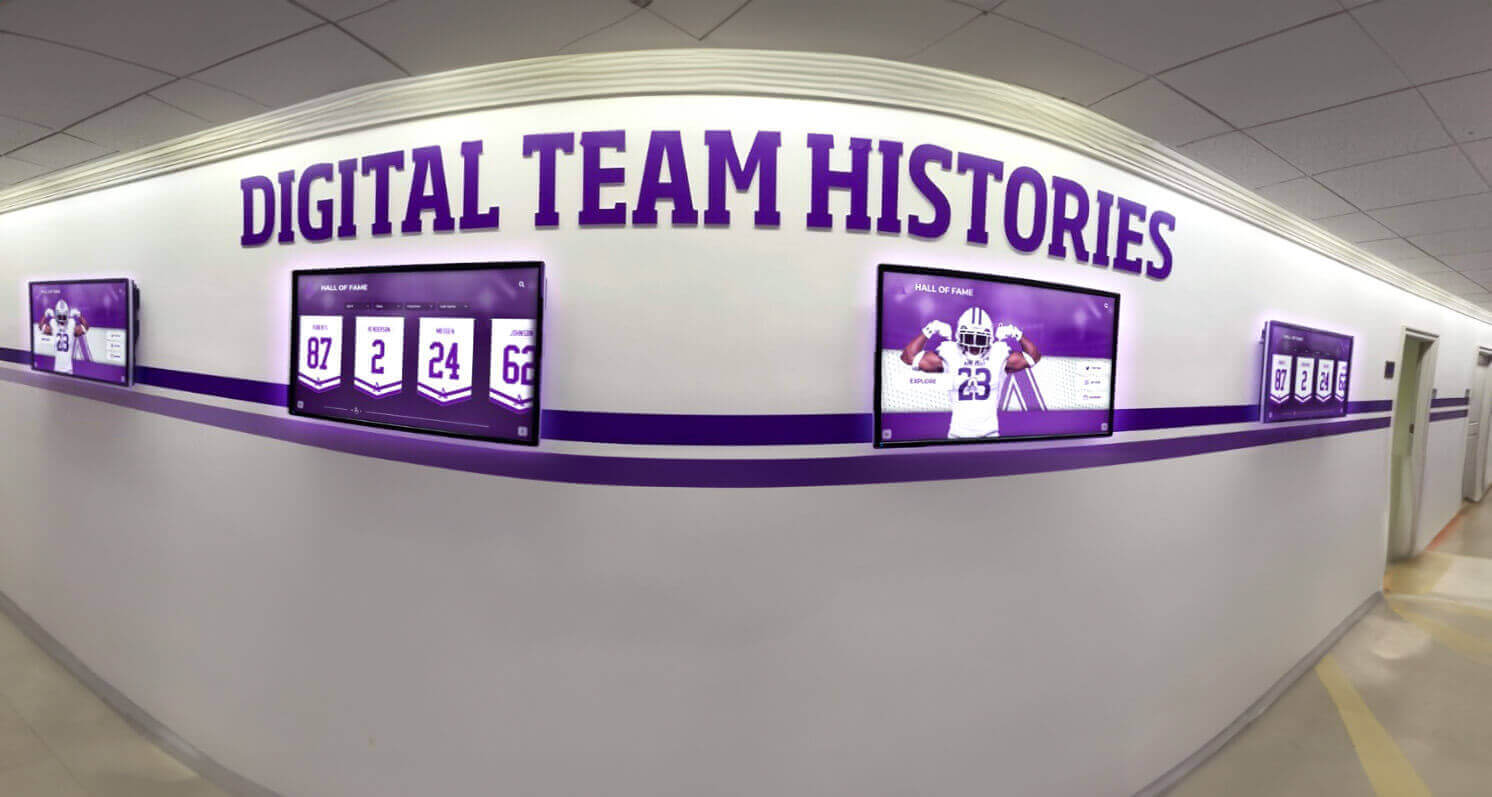
Distributed display systems ensure comprehensive information access throughout large athletic facilities
Integration with Existing Meet Management Systems
Digital boards must work seamlessly with established workflows:
Timing Equipment Compatibility
Successful implementations maintain current systems:
- Compatibility verification with existing FinishLynx or Lynx photo-finish equipment
- Integration testing with current meet management software versions
- Electronic starting system coordination when using fully-automatic timing
- Field event measurement device connectivity for tablet-based systems
- Backup manual entry procedures when equipment fails or connectivity issues occur
- Technical support access for troubleshooting integration problems during meets
Programs should involve timing equipment vendors early in digital board planning, ensuring compatibility and coordination rather than discovering conflicts during meet preparations when resolution becomes difficult or impossible.
Workflow Integration
Systems must enhance rather than complicate operations:
- Minimal additional training requirements for officials and timing personnel
- Automated information flow eliminating manual data transfer between systems
- Clear responsibility assignment for display monitoring and information verification
- Backup procedures maintaining operations during technical difficulties
- Gradual adoption pathways starting with basic functionality before advanced features
- Documentation ensuring knowledge continuity through personnel changes
Meet Format Flexibility
Quality systems adapt to various competition types:
- Standard track meets with prelims, semifinals, and finals progression
- Field event flights with multiple concurrent competitions
- Multi-team scoring for triangular meets and large invitationals
- Championship qualification formats with time-based advancement
- Combined events tracking decathlon and heptathlon scoring
- Youth and modified meets with simplified events and timing
- Masters competitions with age-group specific standards and records
This flexibility ensures single system investment serves all program competition needs rather than requiring different solutions for various meet types.
Content Strategy and Information Design
Effective digital boards require thoughtful content planning:
Information Prioritization
Determine essential display content:
- Current competition results as top priority for all displays
- Upcoming event schedules within next 30-60 minutes
- Heat sheets with athlete assignments for imminent competitions
- Field event leaderboards updated after each attempt
- Team scoring when relevant for dual meets or championships
- Records and performance standards providing achievement context
- Sponsor recognition when commercial displays support program funding
Display Rotation and Timing
Manage multiple information types effectively:
- Dynamic content switching based on meet phase and event timing
- Adequate display duration ensuring viewers can read complete information
- Priority overrides allowing important announcements or results
- Idle content when no current competitions showing upcoming schedules
- Attracting features during pre-meet periods promoting program achievements
- Post-meet celebration highlighting exceptional performances and meet records
Branding and Customization
Leverage displays for program promotion:
- School colors and athletic branding throughout display design
- Team logos and mascot imagery creating professional appearance
- Sponsor acknowledgment when appropriate and contracted
- Social media handles encouraging digital engagement and sharing
- Website URLs directing viewers to additional program information
- Program milestones and achievement recognition building tradition awareness
Well-designed content strategies transform digital boards from purely functional tools into program promotion assets that build awareness, support, and pride throughout communities.
Learn about recognizing all-state athletes and championship achievement through comprehensive digital platforms.
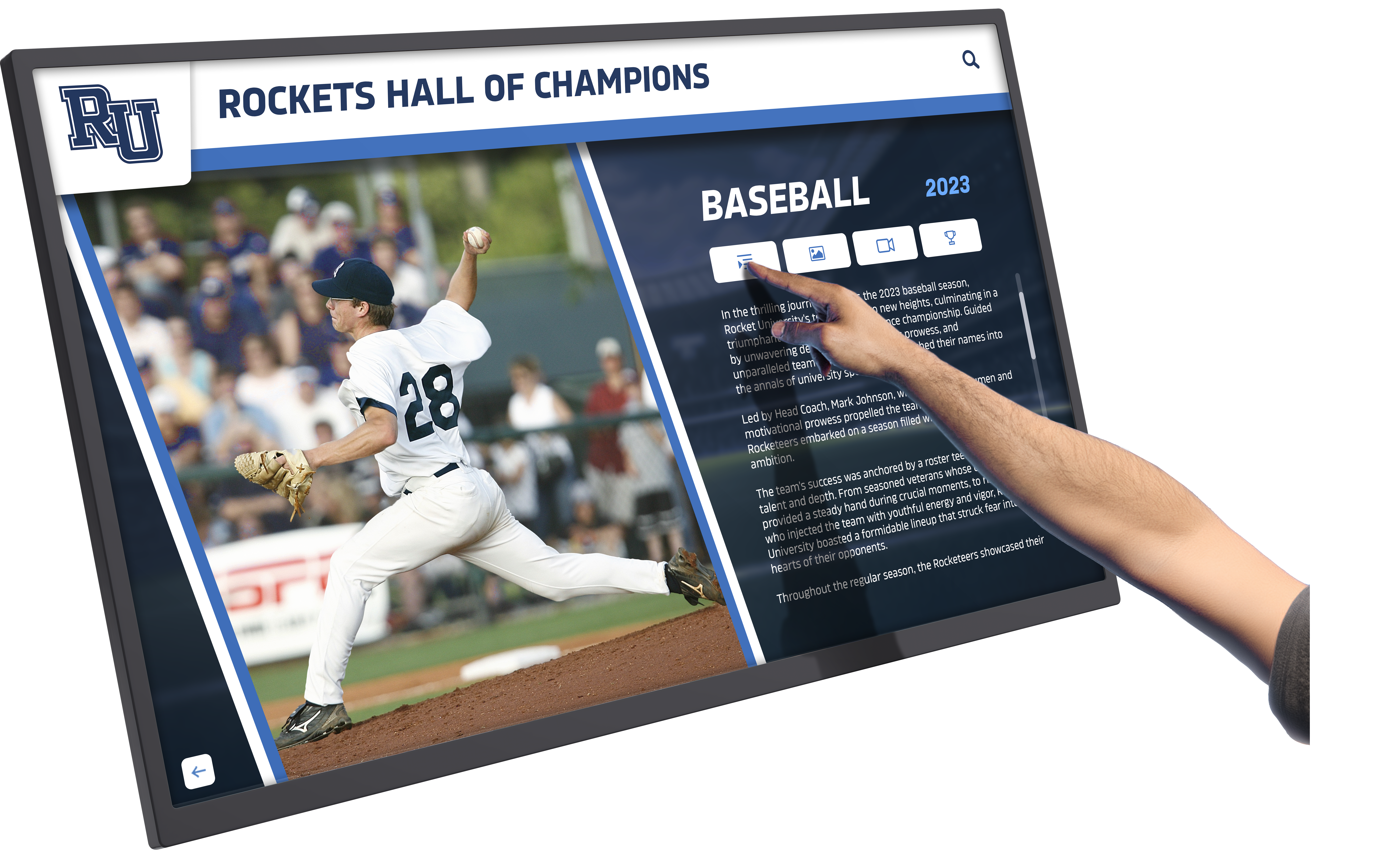
Detailed athlete profiles connect meet results to comprehensive achievement recognition
Cost Considerations and Budget Planning
Understanding investment requirements helps programs plan appropriately for digital board implementations.
Initial Investment Components
Digital board costs include several categories:
Hardware Costs
Display equipment pricing typically includes:
- 55-65 inch commercial indoor display: $2,500-5,000
- 65-75 inch commercial indoor display: $4,000-8,000
- Outdoor-rated high-brightness display: $8,000-15,000 depending on size
- LED video board permanent installation: $25,000-100,000+ for stadium-scale displays
- Freestanding kiosk enclosure: $1,500-3,000 additional per display
- Mobile display cart solutions: $800-2,000 per unit
- Mounting hardware and accessories: $200-600 per display
- Network infrastructure upgrades: $1,000-5,000 if required
Software and Integration Costs
Meet management integration varies significantly:
- Purpose-built track meet display software: $1,000-5,000 annual licensing
- Custom integration with existing meet management systems: $2,000-8,000 one-time
- Content management platform subscription: $500-2,000 annually
- Training and implementation support: $1,000-3,000 one-time
- Ongoing technical support: Often included in software subscription
- Updates and feature enhancements: Typically included
Professional Installation
Quality installations require expertise:
- Indoor display mounting and configuration: $500-1,500 per display
- Outdoor weather-resistant installation: $2,000-5,000 per display
- Network infrastructure deployment: $2,000-8,000 depending on facility
- Electrical work and power conditioning: $1,000-3,000
- Testing, calibration, and training: $1,000-2,500
- Project management and coordination: Typically 10-15% of hardware costs
Total Initial Investment Range: $8,000-40,000 for comprehensive single-location systems, with most programs implementing functional basic solutions for $12,000-20,000, and advanced distributed systems with multiple displays and full integration reaching $30,000-75,000 depending on scope.
Ongoing Operational Costs
Annual expenses after initial implementation:
Software and Services
- Platform subscriptions: $1,000-5,000 annually depending on features
- Cloud hosting and data storage: Often included in subscriptions
- Technical support access: Typically included or $500-1,500 annually
- Software updates and enhancements: Usually included in subscriptions
Hardware Maintenance
- Display cleaning and basic maintenance: Minimal staff time
- Extended warranty coverage: $300-800 annually per display optional
- Repair and replacement reserve: $500-1,500 annually recommended
- Weather-related outdoor display maintenance: $500-2,000 annually
Operational Requirements
- Staff training for new personnel: 2-4 hours typically
- Meet day technical support: Absorbed within existing timing personnel
- Content customization and branding updates: Minimal staff time
Total Annual Operating Costs: $1,500-8,000 with most expenses being predictable software subscriptions and warranty coverage, making ongoing costs manageable within typical athletic budgets.
Return on Investment Analysis
Digital boards deliver value justifying investment:
Quantifiable Benefits
- Volunteer requirement reduction saving 6-8 positions per meet at typical $15-20/hour value
- Results processing time reduction eliminating 4-6 hours post-meet compilation work
- Official inquiry reduction freeing timing and meet management personnel for core duties
- Spectator satisfaction improvement potentially supporting admission price increases
- Facility competitiveness when hosting invitational and championship meets
- Sponsor value increase through digital display exposure opportunities
Non-Monetary Value
- Enhanced athlete experience through reduced stress and improved information access
- Family satisfaction improvement creating positive program perception
- Meet execution quality enhancement through operational efficiency gains
- Professional appearance improvement supporting program reputation
- Recruitment impact when prospective athletes experience modern meet management
- Community engagement through visible athletic excellence celebration
Programs hosting 6-8 meets annually typically achieve cost-neutral operation within 2-4 years through volunteer savings and operational efficiency alone, while delivering substantially superior athlete and spectator experiences throughout equipment lifespan of 5-8 years.
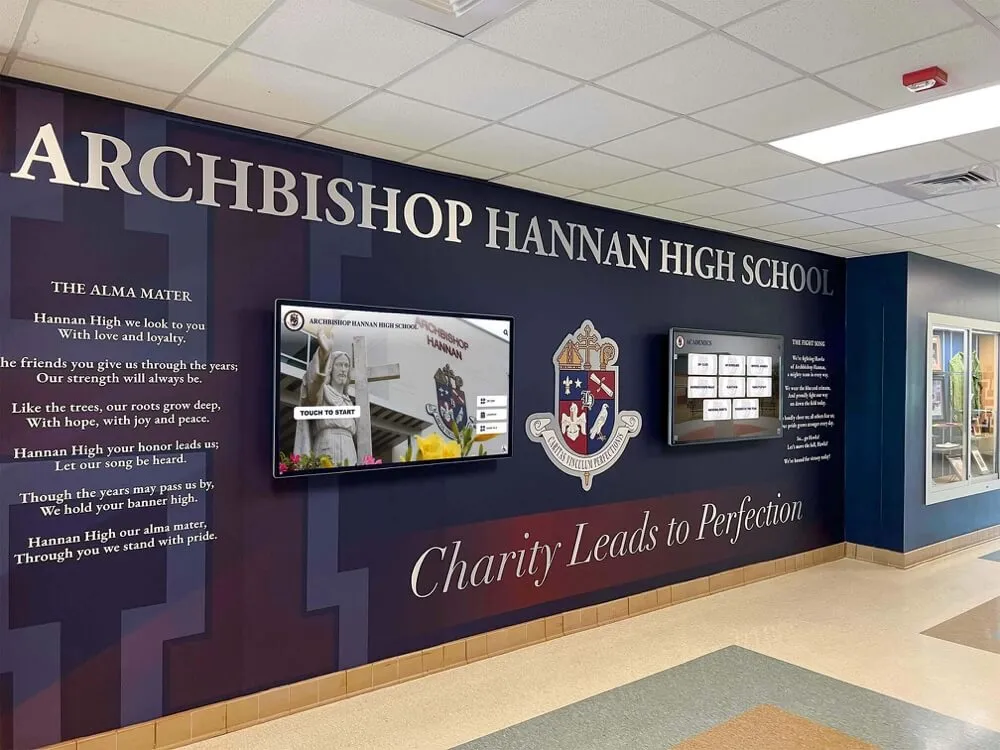
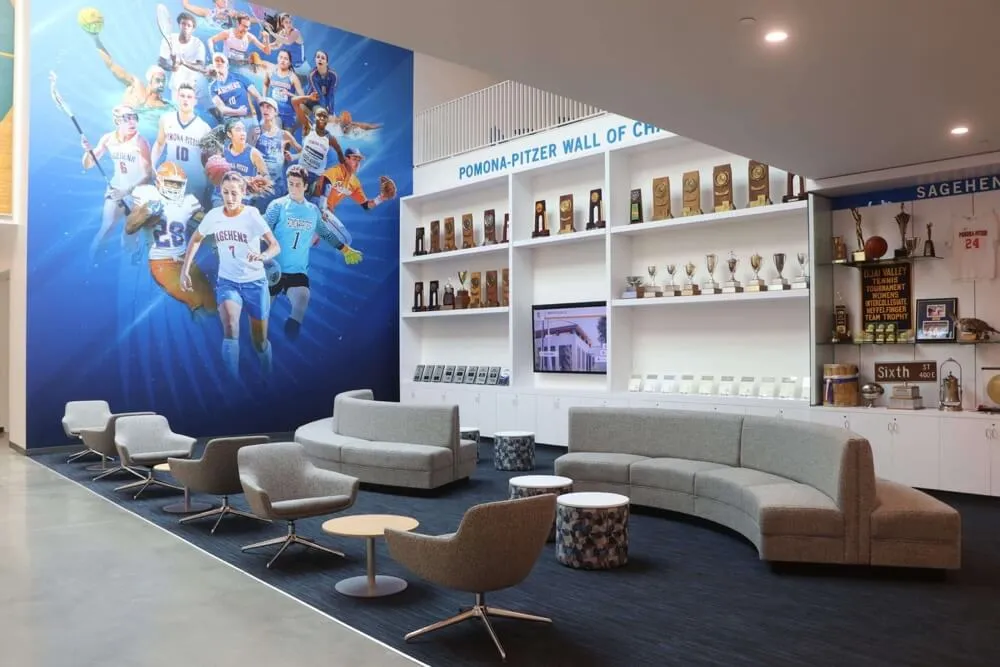
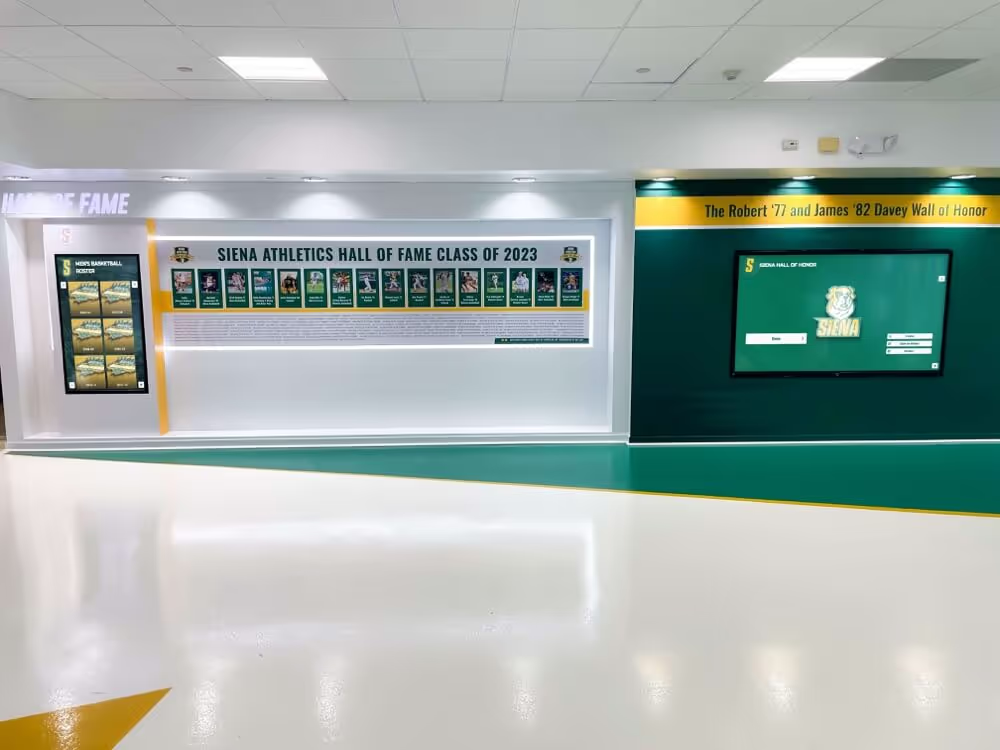
Integrated installations combine meet day functionality with permanent athletic recognition celebrating program excellence
Special Considerations for Track Meet Applications
Several additional factors affect digital board effectiveness and long-term success.
Weather and Environmental Challenges
Outdoor track facilities present demanding conditions:
Sunlight Visibility
Direct sun creates major challenges:
- Standard displays becoming completely unreadable in bright sunlight
- High-brightness commercial displays (1000+ nits) essential for outdoor readability
- Shaded location priority when possible reducing brightness requirements
- Screen orientation consideration avoiding worst sun angle exposure
- Anti-glare coatings providing additional visibility improvement
- Automatic brightness adjustment adapting to changing conditions throughout day
Temperature Extremes
Displays must function in varying conditions:
- Summer temperatures reaching 90-100°F (32-38°C) requiring active cooling
- Spring and fall meets with 40-60°F (4-16°C) operating requirements
- Thermal management preventing overheating or cold-start issues
- Weather-resistant enclosures protecting electronics from rain
- Condensation prevention in humid conditions
- Extended temperature range commercial displays over consumer models
Durability Requirements
Athletic facilities demand robust construction:
- Protective enclosures preventing damage from balls, equipment, or accidents
- Vandalism-resistant mounting and security features
- Vibration tolerance from nearby running, jumping, and throwing
- Chemical resistance to field maintenance products and cleaning supplies
- UV resistance preventing sun damage to enclosures and display panels
- Long-term reliability under harsh conditions typical consumer displays cannot survive
Programs should work with vendors experienced in outdoor athletic facility installations ensuring appropriate equipment selection and installation approaches for demanding environments.
Explore approaches to outdoor athletic recognition displays and weather-resistant installations.
Multi-Purpose Facility Utilization
Maximize investment through extended use:
Beyond Meet Day Applications
Leverage displays year-round:
- Training day schedule posting for practice organization
- Team records and standards displaying performance goals and benchmarks
- Athlete recognition showcasing season achievements and personal records
- Recruiting day presentations during campus visits and official recruit trips
- Fundraising events featuring program excellence and achievement history
- Alumni gatherings celebrating historical performances and team traditions
- Community events promoting program awareness and support building
Integration with Permanent Recognition
Comprehensive platforms serve multiple needs:
- Athlete profile databases supporting both meet results and ongoing recognition
- Historical results archives becoming permanent achievement records
- School record progression tracking across seasons and decades
- Championship performance preservation honoring exceptional achievements
- Team history displays celebrating program traditions and excellence
- Hall of fame functionality when investing in comprehensive recognition platforms
Solutions like Rocket Alumni Solutions provide integrated platforms that serve both meet day operational needs and permanent athletic recognition, maximizing return on technology investments through year-round utility rather than equipment sitting idle between competitions.
Cross-Sport Utilization
Extend value across athletic programs:
- Facility displays supporting multiple sports using common platforms
- Swimming and diving meet results posting with lap time tracking
- Cross country meet information and course maps with split time locations
- Indoor track meet management during winter seasons
- Multi-sport athlete recognition celebrating diverse achievements
- Athletic facility wayfinding and general information distribution
This multi-purpose utilization dramatically improves cost-effectiveness while ensuring displays remain active and visible throughout entire school years rather than occasional use creating limited engagement and awareness.
Learn about comprehensive athletic program digital recognition strategies that celebrate diverse achievements.
Accessibility and Inclusive Design
Digital boards should serve all community members:
Physical Accessibility
- ADA-compliant mounting heights enabling wheelchair user access
- Adequate clearance and maneuvering space at interactive displays
- Accessible paths from main spectator areas to information stations
- Audio output options for visually impaired spectators when feasible
- High-contrast display modes assisting users with visual impairments
- Text size adjustment capabilities for users with reading difficulties
Language Support
- Multiple language interfaces for diverse communities
- Clear iconography reducing language dependency for basic functions
- Cultural sensitivity in information presentation and design
- Translation capabilities for major community languages when appropriate
Simplified Information Access
- Intuitive navigation requiring minimal technical comfort
- Clear help screens and instructions visible on displays
- Staff assistance availability during meets for users needing support
- Printed backup materials for users preferring traditional information access
- Redundant information communication through multiple channels
Comprehensive accessibility ensures track meet improvements serve entire communities rather than creating barriers for some members while benefiting others.
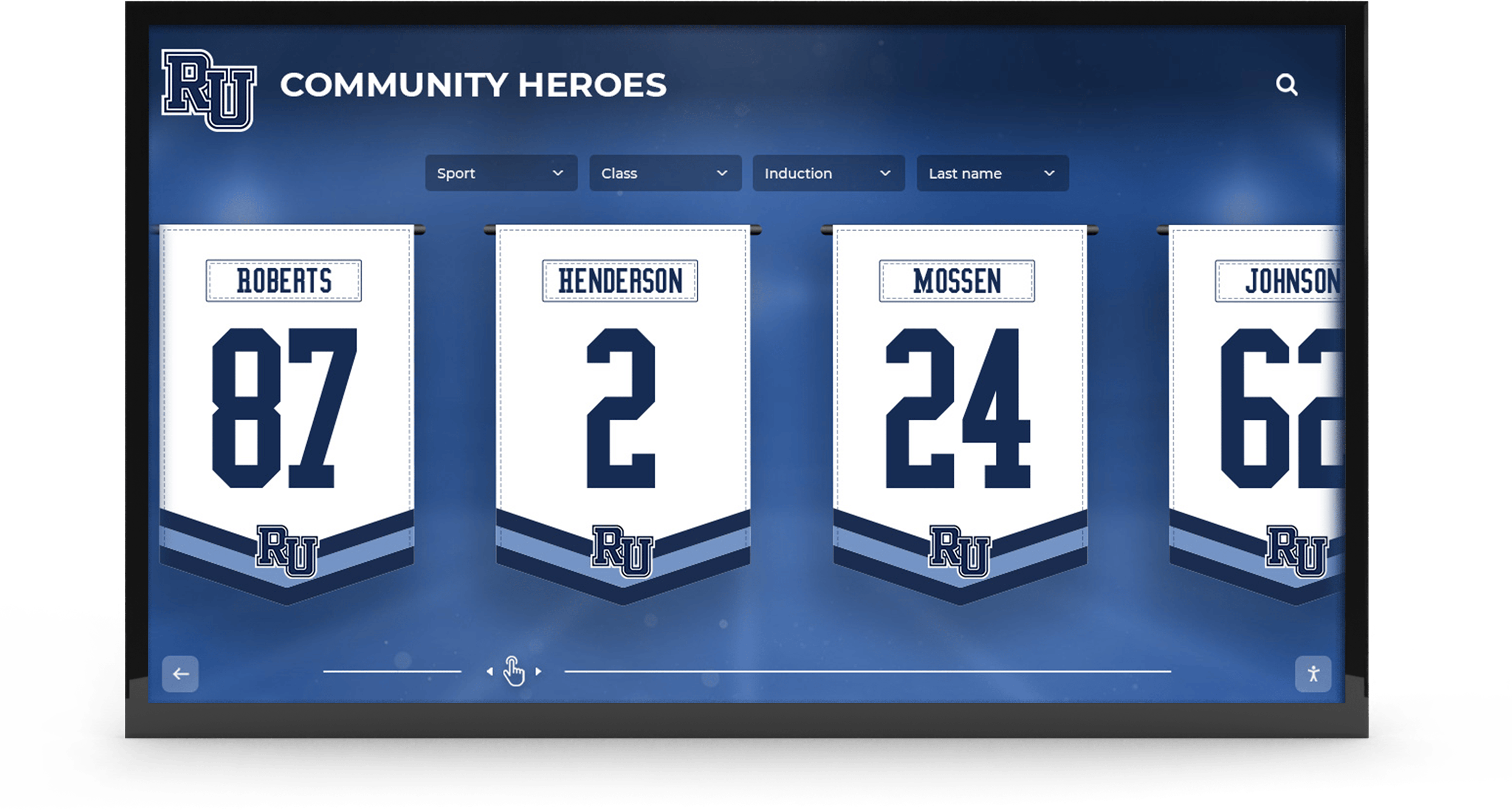
Community-focused displays celebrate diverse athletic achievements while serving practical meet management needs
Conclusion: Transforming Track Meets Through Interactive Technology
Interactive digital boards represent far more than upgraded scoreboards—they enable fundamentally different approaches to track meet management that reduce operational burden, enhance athlete and spectator experiences, and celebrate athletic achievement in ways traditional methods never could. When programs thoughtfully select appropriate hardware, implement purpose-built meet management display software, and develop strategic installation plans, digital boards transform from theoretical possibility to practical reality delivering lasting value to athletes, families, and communities.
The technology considerations explored throughout this guide provide frameworks for evaluating digital board options, making informed decisions, and implementing systems that serve competition management goals effectively. From display specifications and meet management integration to strategic placement and multi-purpose utilization, each decision affects long-term success and community engagement.
Ready to explore how interactive digital boards can transform track meet experiences at your school or program? Modern display solutions help athletic programs manage competitions efficiently while creating engaging experiences and celebrating athletic excellence appropriately. Solutions like Rocket Alumni Solutions provide comprehensive platforms specifically designed for athletic recognition and meet management, combining intuitive software with professional hardware recommendations and implementation support ensuring successful long-term programs.
Whether you’re establishing first-ever digital meet management systems or enhancing existing capabilities, the key is selecting technology aligned with your operational needs, ensuring platforms provide meet-specific features your competitions require, and implementing solutions sustainable within your program resources and volunteer capabilities.
Your athletes and programs deserve meet management technology that honors athletic achievement appropriately while creating meaningful engagement and reducing operational complexity. With thoughtful evaluation, appropriate technology selection, and authentic commitment to comprehensive athletic celebration, you can implement interactive digital board systems that enhance competition experiences, engage broader communities, and preserve excellence for generations to come.
The most important consideration isn’t selecting the most expensive hardware or most sophisticated software—it’s choosing solutions aligned with your meet management goals, sustainable within your resources, and designed to serve your specific community needs effectively. Your athletes deserve competition experiences that celebrate their efforts meaningfully. Interactive digital boards make that comprehensive, engaging recognition achievable and sustainable.
Ready to begin exploring digital board options for your track program? Start by assessing your current meet management challenges and information communication pain points, evaluating your facility opportunities and infrastructure capabilities, and connecting with vendors who understand track and field competition management specifically rather than simply selling generic display technology. Explore comprehensive guides to digital athletic record displays and sports recognition technology for additional insights into celebrating athletic achievement through modern interactive platforms.