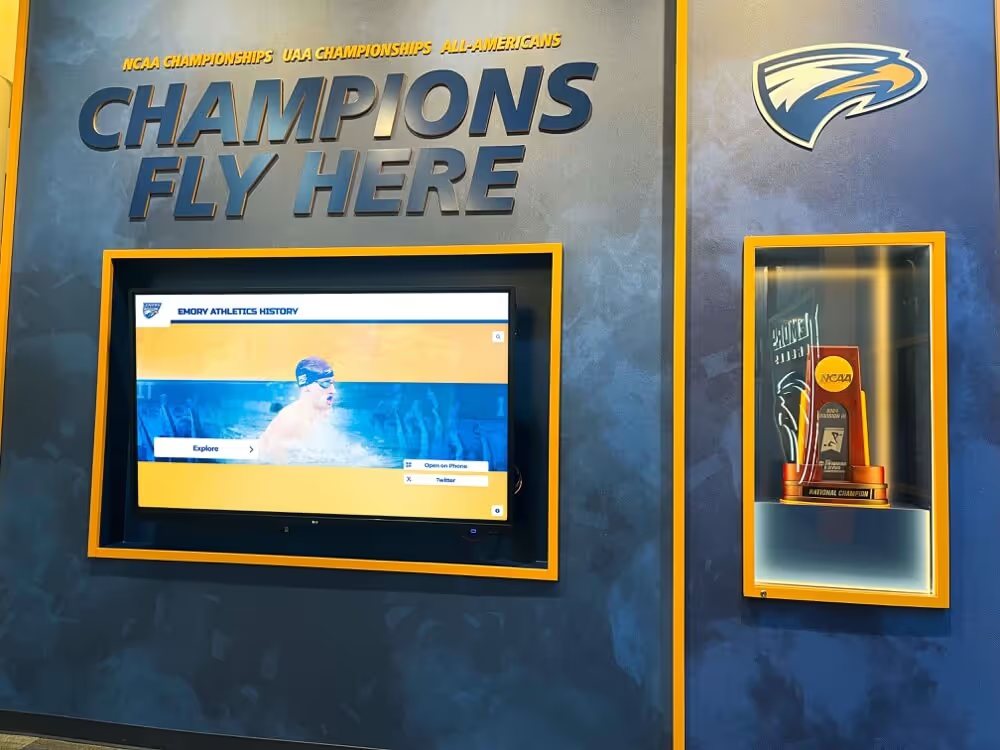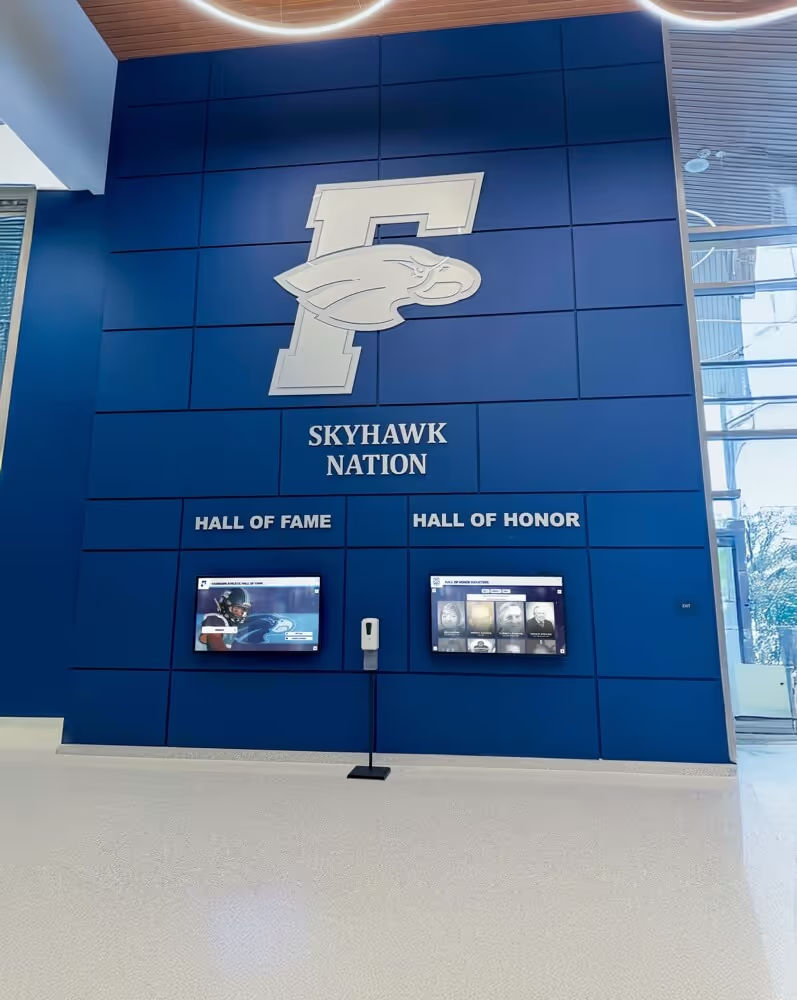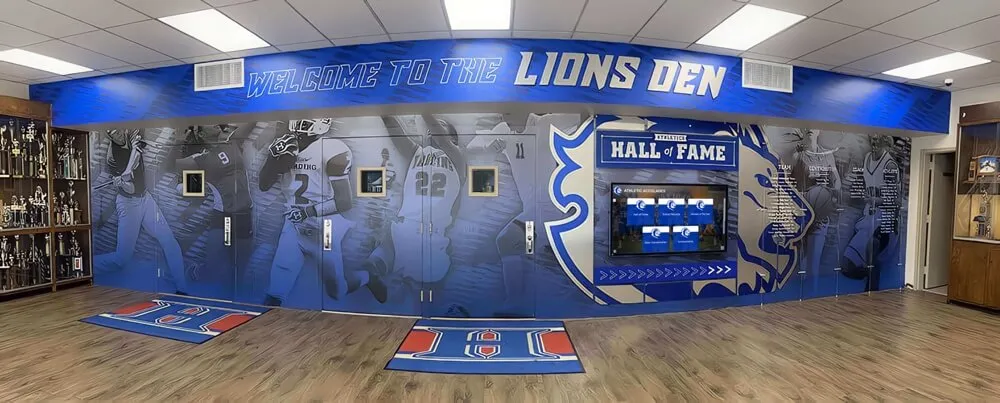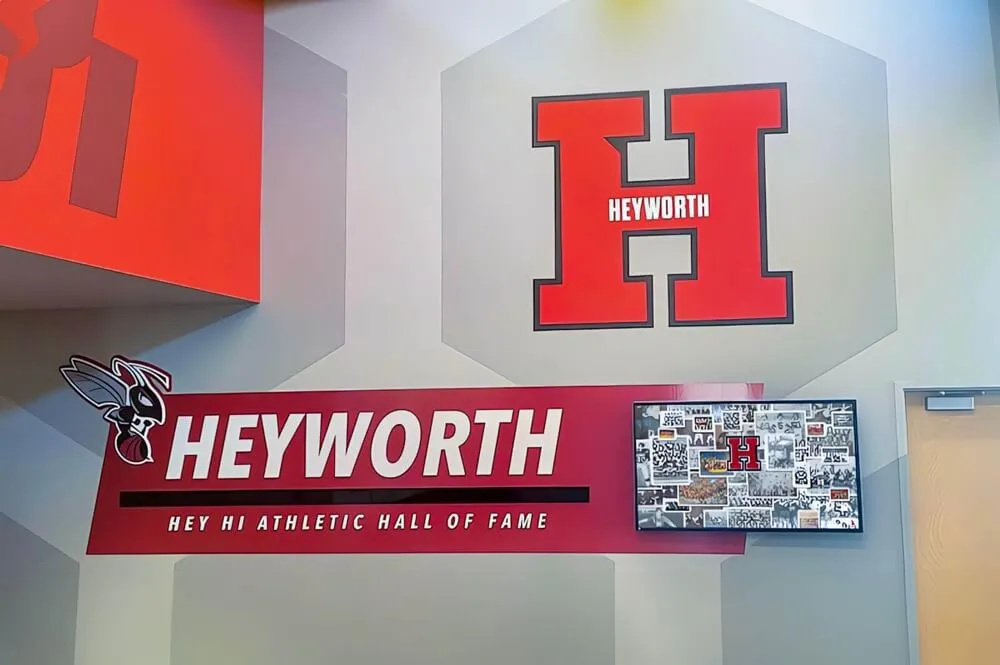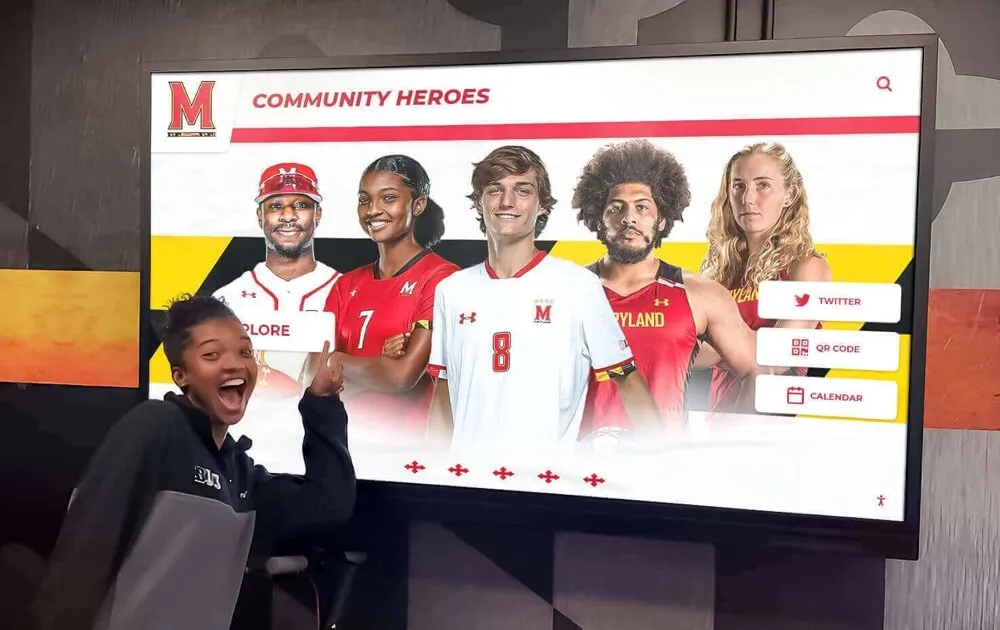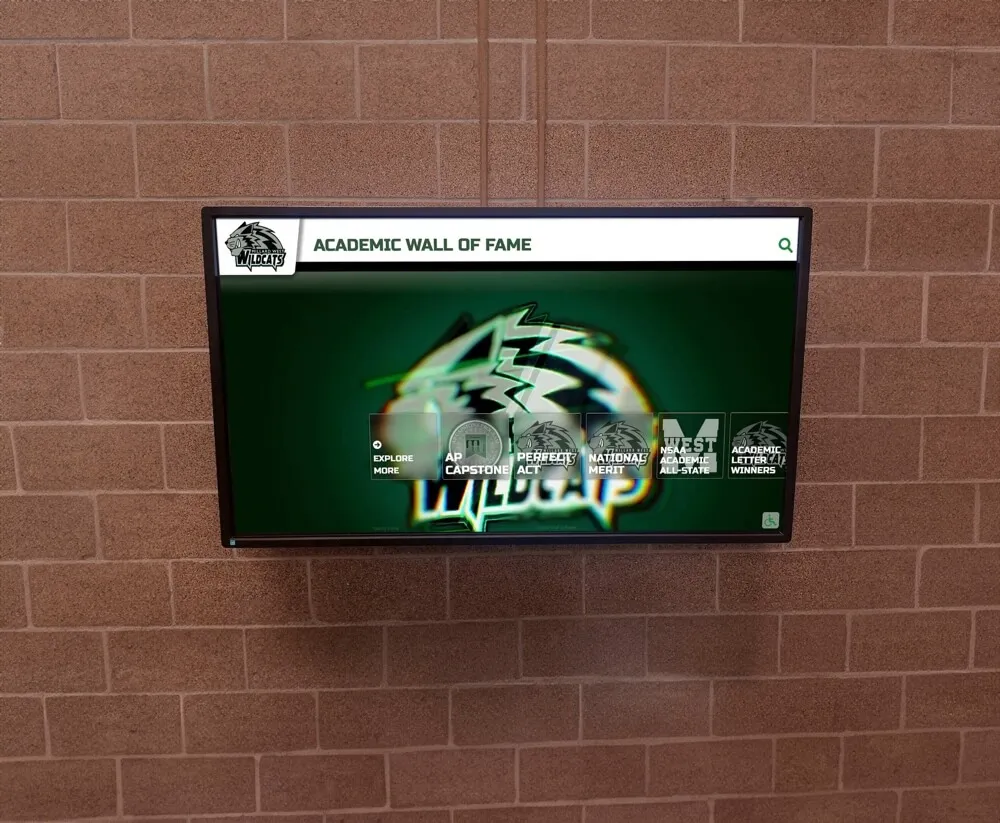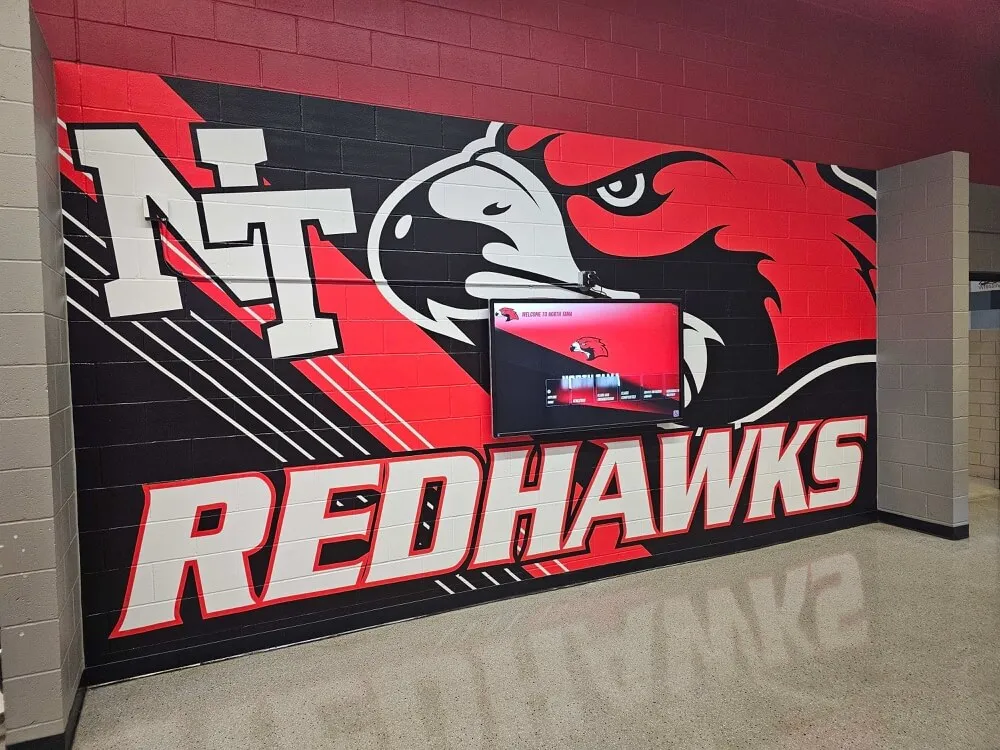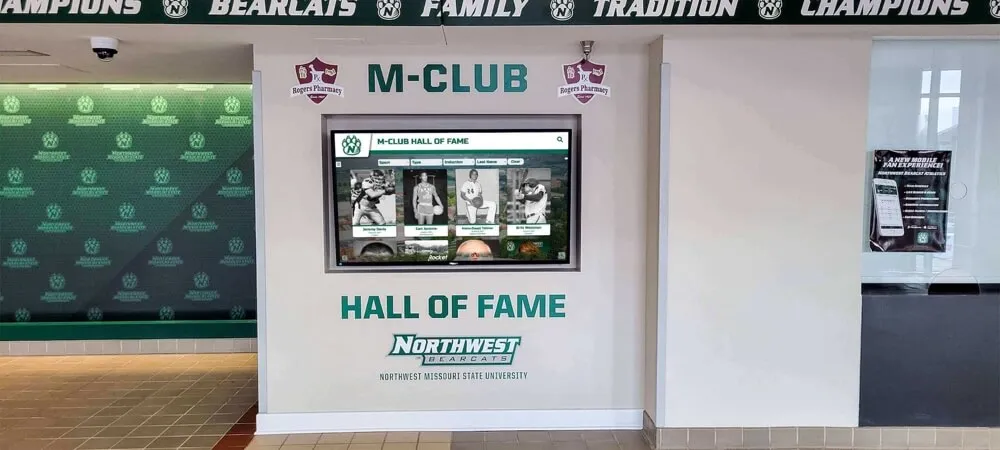




Interactive announcements feeds transform how schools communicate with students, faculty, and families by replacing static bulletin boards and fleeting morning announcements with dynamic digital platforms where every announcement becomes an interactive gateway to deeper information. Instead of simply reading that a new club is starting or an event is coming, students can tap or click into announcements to discover meeting times, sign-up procedures, event details, contact information, and multimedia content that brings school activities to life in ways traditional communication methods never could.
Traditional school announcements—whether printed posters that quickly get covered by newer materials, morning PA announcements that students half-hear between classes, or email messages buried in overflowing inboxes—create communication challenges limiting student engagement with opportunities and activities. Important club meetings go unattended because students forget dates and locations. Events receive minimal participation because the single announcement didn’t provide enough detail to generate interest. New programs struggle to gain traction because static communication fails to convey their value compellingly.
This comprehensive guide explores how interactive announcements feeds solve these fundamental communication limitations through clickable digital content, rich multimedia presentation, strategic placement on engaging displays, and sustained visibility that ensures important information reaches students when and where they need it most—transforming school communication from background noise into engaging content that drives participation, builds community, and keeps everyone genuinely informed about opportunities enhancing their educational experience.
Modern school communication requires systems that capture attention in increasingly distracted environments while delivering information depth impossible through traditional brief announcements. Interactive announcements feeds achieve these goals through purpose-built platforms combining engaging presentation with actionable content that students actually explore rather than passively ignore.

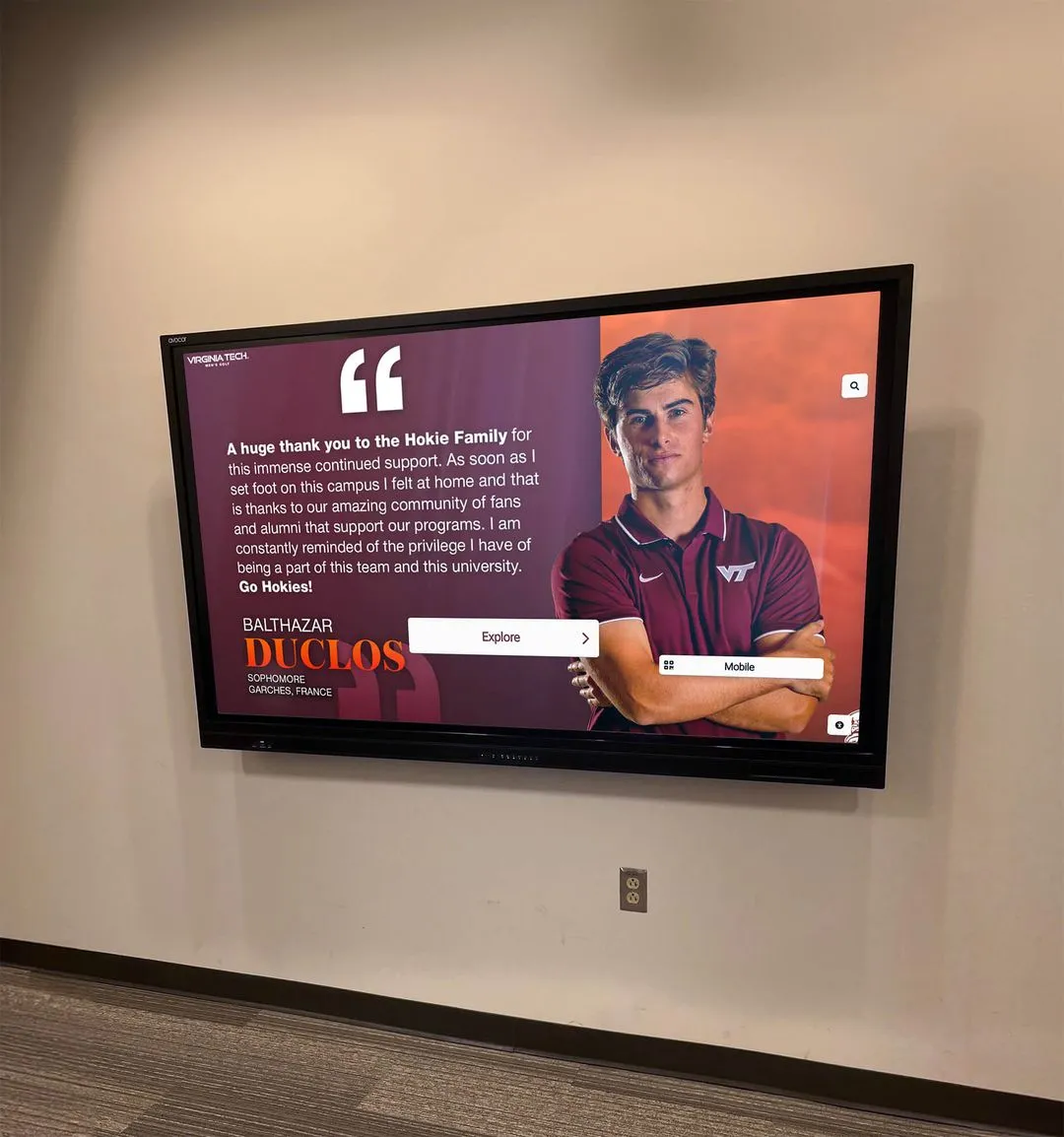
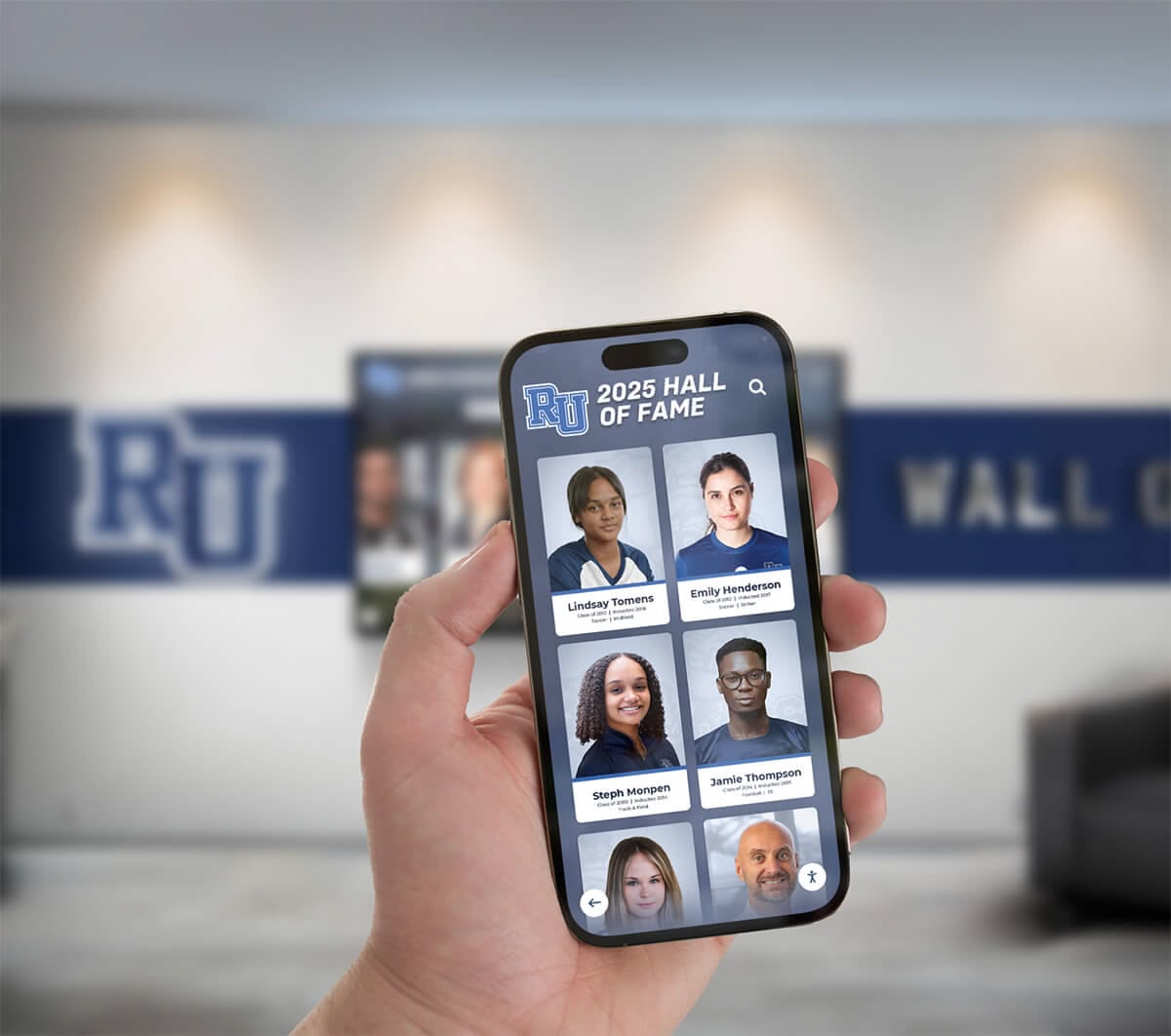
Mobile-accessible interactive announcements enable students to explore school opportunities anywhere, anytime through smartphones and tablets
Understanding Interactive Announcements Feed Systems
Before exploring specific implementation strategies and benefits, understanding what distinguishes true interactive announcements feeds from basic digital signage helps schools select systems that genuinely enhance communication rather than simply replacing paper bulletins with digital versions.
What Makes Announcements “Interactive”
Interactive announcements feeds differ fundamentally from traditional communication through several key capabilities:
Clickable Entry Points
Every announcement serves as a gateway to comprehensive information:
- Brief headline displays capturing attention in scrolling feeds or digital displays
- Full detail screens accessible through touch or click interactions
- Multimedia content including photos, videos, documents, and graphics
- Action buttons enabling immediate sign-ups, RSVPs, or information requests
- Related content suggestions connecting announcements to similar opportunities
- Social sharing capabilities letting students spread information through personal networks
This layered approach accommodates both quick scanners and interested explorers—students can absorb headlines rapidly while those wanting details access complete information through simple interactions rather than hunting for details across multiple disconnected communication channels.
Rich Multimedia Content
Interactive feeds support diverse content types creating engaging experiences:
- High-resolution event photography showing what activities actually look like
- Video announcements from club leaders, coaches, or teachers explaining opportunities personally
- Document attachments including permission forms, schedules, or detailed information sheets
- Interactive maps showing event locations or meeting spaces with directions
- Countdown timers building anticipation for upcoming deadlines or events
- Photo galleries from previous years demonstrating activity value and community
According to educational technology research, announcements incorporating visual content receive approximately 65% more engagement than text-only communications, with video content generating even higher interaction rates as students connect more strongly with dynamic multimedia than static text.
Real-Time Updates and Scheduling
Dynamic content management ensures timely, relevant communication:
- Scheduled publication automatically displaying announcements at optimal times
- Automatic expiration removing outdated content without manual intervention
- Last-minute updates instantly appearing across all display locations and web platforms
- Urgent priority settings highlighting time-sensitive information
- Category filtering enabling students to view only relevant announcements
- Personalized feeds showing grade-specific or interest-based content when appropriate
This flexibility ensures announcements remain current and relevant rather than displaying outdated information that erodes communication credibility and student attention.
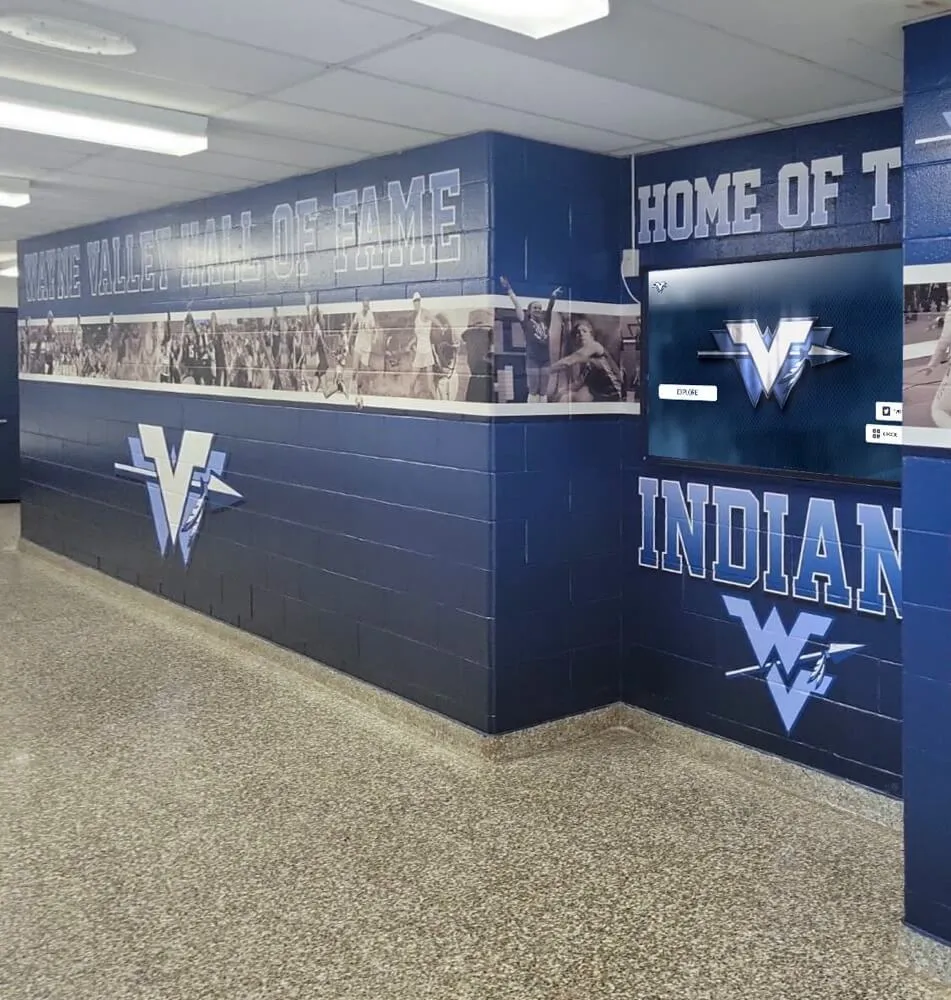
Learn about comprehensive approaches to exciting hallway displays that incorporate announcements effectively alongside recognition content.
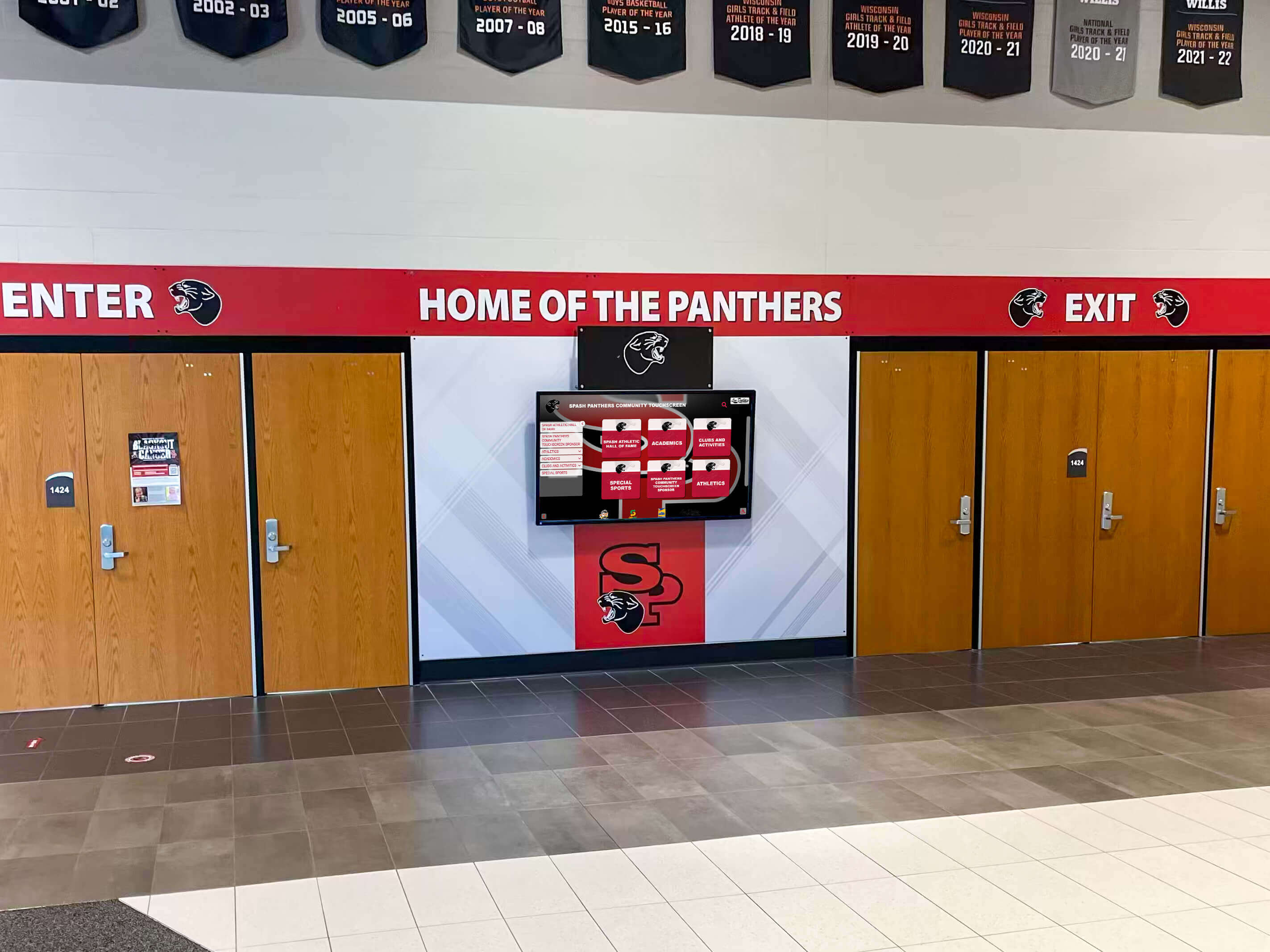
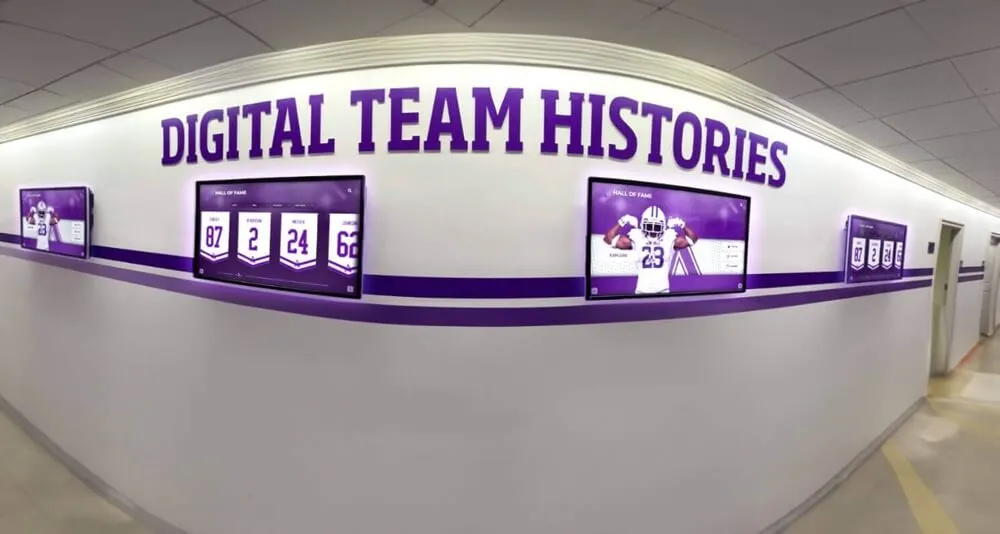
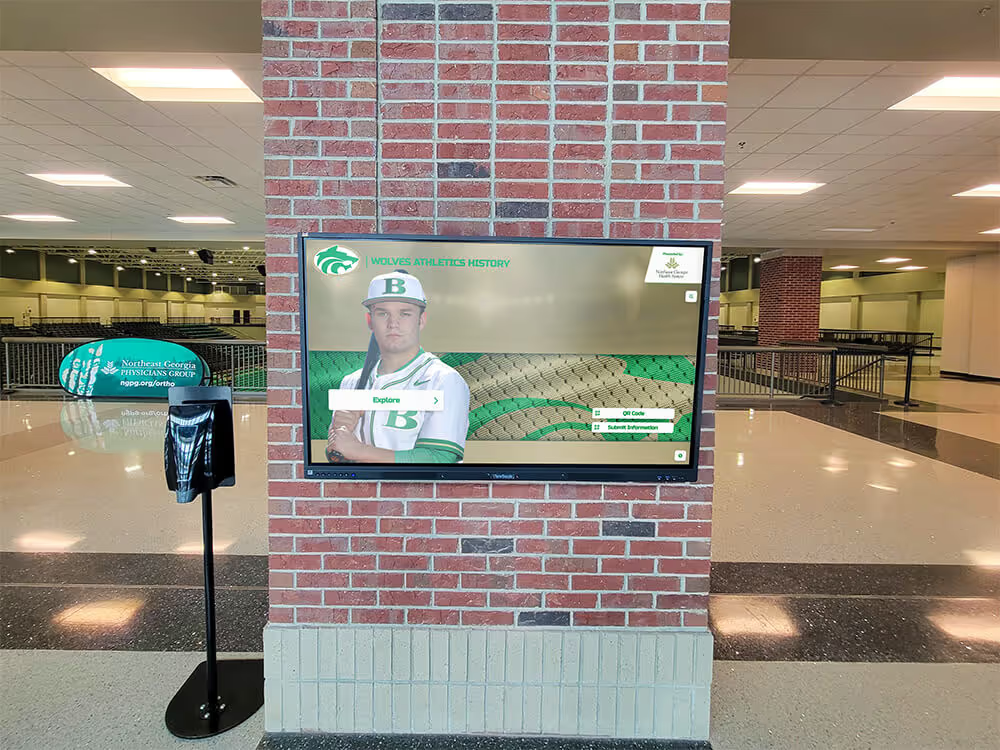
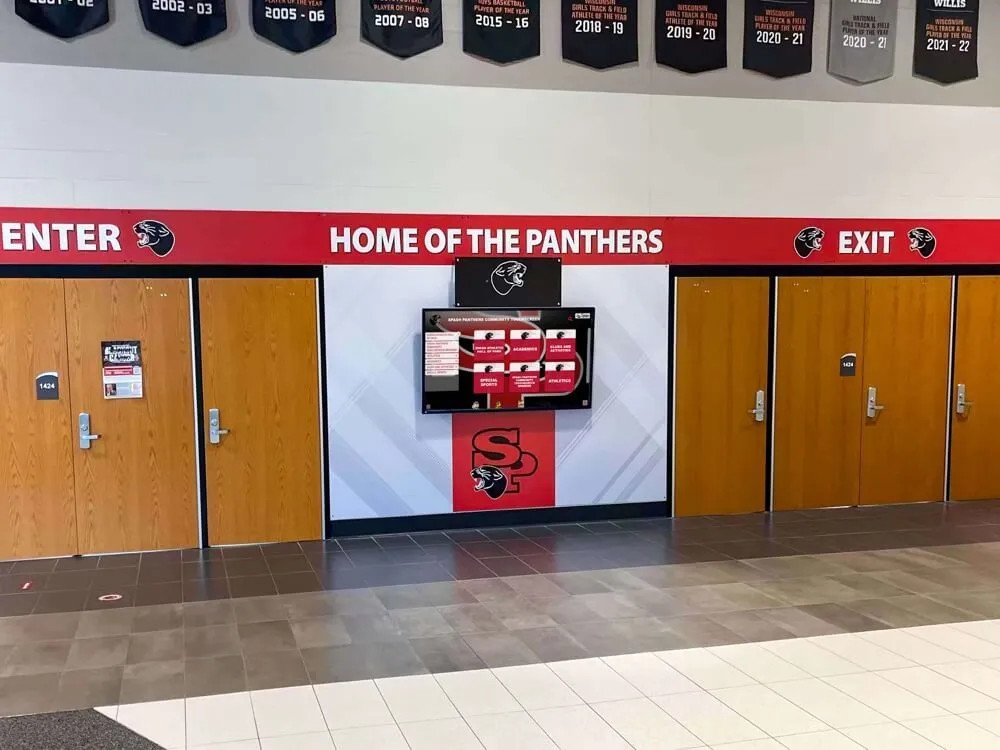
Strategic placement at school entrances ensures announcements reach students during daily arrival and dismissal when attention is available
Key Components of Effective Interactive Announcement Systems
Successful implementations combine several integrated elements:
Multiple Display Touchpoints
Comprehensive announcement systems reach students through various channels:
Physical Digital Displays
- Large-format touchscreen displays in main lobbies enabling interactive exploration
- Non-interactive digital signage in hallways showing scrolling announcement feeds
- Cafeteria displays catching student attention during lunch periods
- Gym and athletic facility screens reaching students during sports and activities
- Library displays targeting students during study periods and research time
- Office area screens communicating with families during visits and meetings
Web and Mobile Platforms
- Dedicated announcement websites accessible from any internet-connected device
- Mobile-responsive designs ensuring excellent smartphone experiences
- Native mobile apps providing push notifications for important announcements
- Integration with existing school websites and student portals
- Social media connections sharing announcements across platforms students already use
- Email digests summarizing new announcements for those preferring traditional communication
This multi-channel approach ensures announcements reach students regardless of which communication touchpoints they regularly engage, maximizing visibility and participation in school opportunities.
Content Management Infrastructure
Administrative systems enabling sustainable communication:
- Intuitive web-based interfaces requiring no technical expertise to operate
- Multi-user administration with permissions controlling announcement approval workflows
- Template systems ensuring consistent professional presentation automatically
- Content libraries organizing recurring announcements like club meetings or regular events
- Analytics tracking which announcements generate engagement and which go ignored
- Approval processes preventing inappropriate or inaccurate information publication
- Integration options with student information systems and calendar platforms
Schools report that user-friendly content management represents the most critical factor determining whether announcement systems succeed long-term or fade as initial enthusiasm encounters administrative burden overwhelming available staff capacity.
Category and Organization Features
Structured content helps students find relevant information:
- Event categories (athletics, arts, academics, community service, social activities)
- Audience filtering (grade-specific, club member, team member, all students)
- Date-based organization enabling students to browse by timeframe
- Priority tagging highlighting especially important or time-sensitive information
- Search functionality finding specific announcements or keywords instantly
- Archive access enabling students to reference previous announcements missed initially
This organization prevents information overload where excessive announcements create “noise” causing students to tune out communication entirely rather than engaging with content relevant to their interests and needs.
Explore strategies for interactive church information displays that apply effectively to school communication contexts as well.
Transformative Benefits of Interactive Announcements Feeds
Interactive announcement systems solve fundamental communication challenges while creating engagement and participation increases impossible with traditional approaches.
Dramatically Increasing Event and Activity Participation
The most frequently observed benefit involves improved attendance and engagement:
Traditional Announcement Limitations
Conventional communication methods face substantial constraints:
- Brief PA announcements providing insufficient detail to generate interest
- Printed posters easily overlooked in visually cluttered school environments
- Email messages lost in overflowing inboxes students rarely check thoroughly
- Limited space preventing comprehensive information sharing
- No reminder system ensuring students remember details after initial exposure
- Missing action mechanisms requiring students to remember separate sign-up procedures
These limitations mean many valuable school opportunities receive minimal participation not because students lack interest but because communication fails to convey value compellingly or provide convenient engagement pathways.
Interactive Feed Solutions
Digital announcement systems overcome these fundamental barriers:
- Detailed event descriptions conveying complete value propositions and participation benefits
- Visual content showing what activities look like creating emotional connection
- Multiple exposures through displays in various locations and digital channels reinforcing awareness
- Built-in action buttons enabling immediate sign-ups or information requests
- Automatic reminders as event dates approach preventing students forgetting despite initial interest
- Social sharing enabling students to invite friends through familiar platforms
Schools implementing comprehensive interactive announcement feeds consistently report 25-40% increases in event attendance, club participation, and activity engagement—with particularly strong improvements for newer programs struggling to build awareness through traditional communication alone.
Reducing Participation Barriers
Interactive systems eliminate friction preventing engagement:
- All necessary information accessible in single location rather than requiring students to hunt across multiple sources
- Direct contact links enabling immediate questions rather than requiring students to remember to follow up later
- Permission forms and sign-up documents downloadable directly from announcements
- Calendar integration adding events to personal schedules automatically
- Location details with maps ensuring students find venues without confusion
- FAQ sections answering common questions reducing uncertainty that prevents participation
According to behavioral psychology research, reducing steps between initial interest and concrete action substantially increases follow-through rates. Interactive announcements that enable immediate action while interest is high convert significantly more students compared to traditional approaches requiring separate subsequent actions students intend but forget to complete.
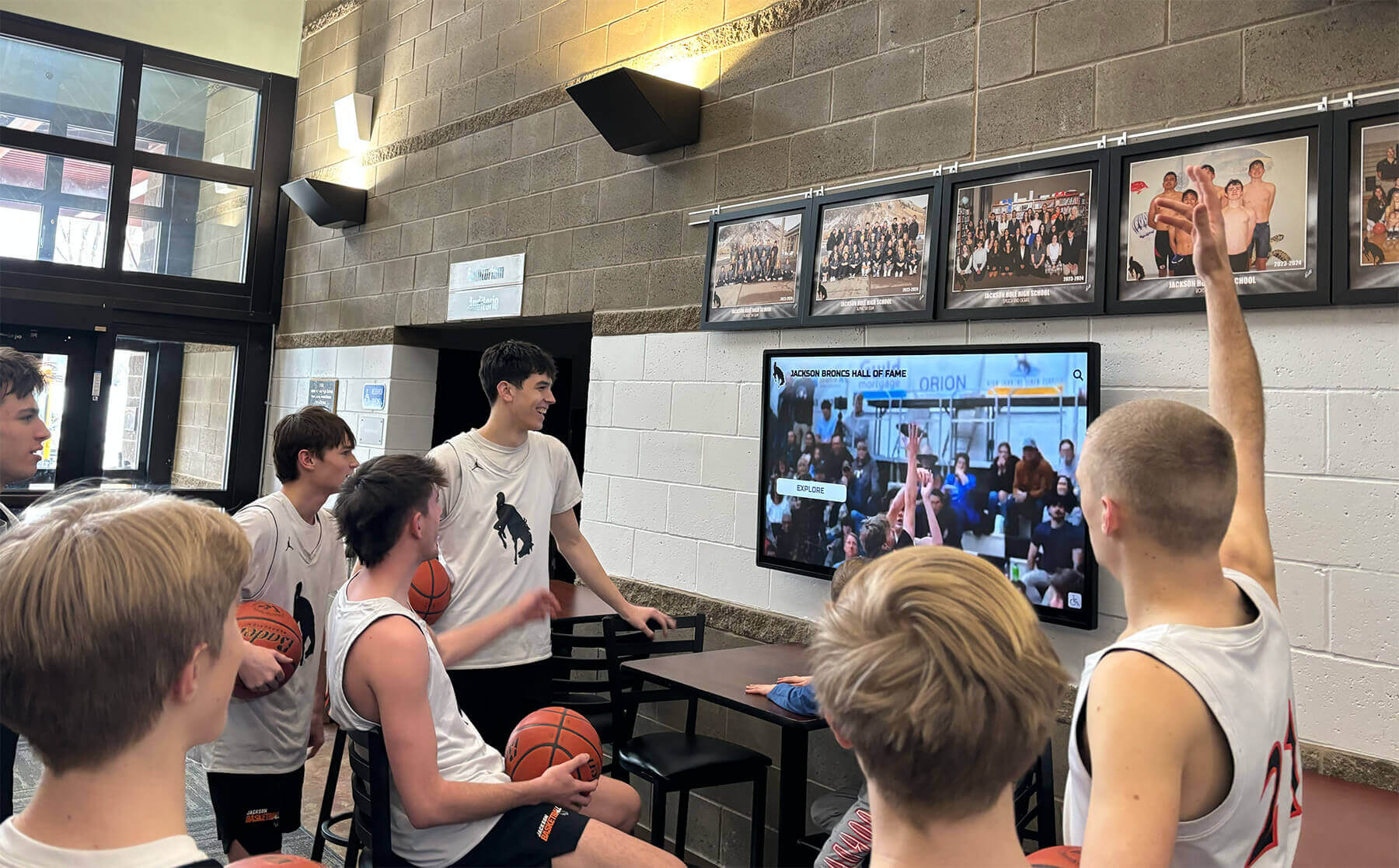
Interactive displays create natural gathering points where students explore announcements together, generating social conversation that amplifies communication impact
Solving Information Overload Through Personalization
Modern students face overwhelming communication across countless channels:
The Attention Economy Challenge
Students navigate constant information streams:
- Hundreds of social media posts, messages, and notifications daily
- Academic assignments and deadlines across multiple classes
- Personal communications with friends and family
- Entertainment content competing for limited attention and leisure time
- School announcements competing with all other information sources
In this environment, generic mass communication fails to capture attention. Students develop sophisticated filtering mechanisms ignoring content perceived as irrelevant to conserve limited attention and cognitive capacity for information truly mattering to their lives.
Smart Filtering and Personalization
Advanced interactive announcement systems enable relevant communication:
Grade-Level Filtering
- Freshman orientation events reaching only ninth graders
- Senior-specific announcements about graduation requirements and college applications
- Grade-appropriate club opportunities and activities
- Academic support sessions targeted to specific class levels
Interest-Based Content
- Athletic announcements reaching students participating in sports programs
- Arts events targeting drama club, band, choir, and visual arts participants
- STEM opportunities for students enrolled in science and technology courses
- Community service announcements for students involved in volunteer programs
Smart Recommendations
- Machine learning identifying which announcement categories individual students engage most frequently
- Suggesting new opportunities aligned with demonstrated interests
- Highlighting announcements from groups students already participate in
- Connecting related activities creating natural pathways between complementary programs
This intelligent filtering ensures students see announcements genuinely relevant to their interests and needs rather than drowning in generic information broadcasts largely irrelevant to their personal situations—dramatically improving engagement while reducing the communication fatigue that causes students to ignore all school messaging.
Empowering Student Control
Best practices include student choice in communication:
- Notification preferences enabling students to opt into announcements for specific interests
- Category subscriptions allowing granular control over received information
- Frequency settings preventing overwhelming communication volume
- Easy unsubscribe options maintaining trust and preventing spam perceptions
- Privacy protections ensuring student control over personal information usage
Research on communication effectiveness demonstrates that user control over received information dramatically increases engagement compared to one-size-fits-all mass communication approaches regardless of content quality.
Supporting New Programs and Club Launches
Interactive announcements prove especially valuable when introducing new opportunities:
New Club Visibility Challenges
Traditional communication creates substantial barriers for new programs:
- Limited space on bulletin boards dominated by established programs
- Competition for limited announcement time during brief morning periods
- Difficulty building awareness when students lack existing context or recognition
- Inability to convey program value through brief mentions requiring extended explanation
- No mechanism for generating momentum as initial members begin joining
- Missing opportunities to leverage early adopter enthusiasm to attract additional participants
These challenges mean many valuable new programs fail to reach critical mass not due to lack of student interest but because communication limitations prevent effective opportunity marketing to potential participants.
Interactive Feed Advantages
Digital systems provide new programs with communication advantages:
Comprehensive Introduction Opportunities
- Detailed descriptions explaining what new clubs or activities offer and why students might care
- Founder or advisor video messages personally inviting participation and conveying genuine enthusiasm
- Frequently asked questions anticipating and addressing student concerns or questions
- Previous participant testimonials when piloting programs or expanding from limited trials
- Meeting time flexibility information helping students understand scheduling commitment requirements
- Success stories from similar programs at other schools demonstrating potential value
Sustained Visibility
- Featured placement highlighting new opportunities above routine announcements
- Multiple exposures over several weeks building cumulative awareness rather than single mentions
- Category placement ensuring new programs appear when students browse relevant announcement types
- Social sharing mechanisms enabling early members to invite friends through personal networks
- Countdown timers building anticipation toward first meetings or launch events
- Reminder sequences ensuring interested students remember to attend initial sessions
Momentum Building
- Real-time member counts showing participation building creating social proof and FOMO effects
- Photo galleries from initial meetings showing community forming and fun being had
- Achievement announcements celebrating early accomplishments generating additional interest
- Testimonial updates from satisfied participants explaining why others should join
- Growth milestones recognition acknowledging when programs reach member targets or participation goals
Schools report that new clubs and activities utilizing interactive announcement feeds achieve 50-75% higher first-year participation compared to similar programs launched through traditional communication alone—with sustained visibility and momentum-building capabilities proving particularly valuable during critical launch phases when building awareness determines long-term success.
Explore comprehensive approaches to digital announcement systems that support diverse communication needs effectively.
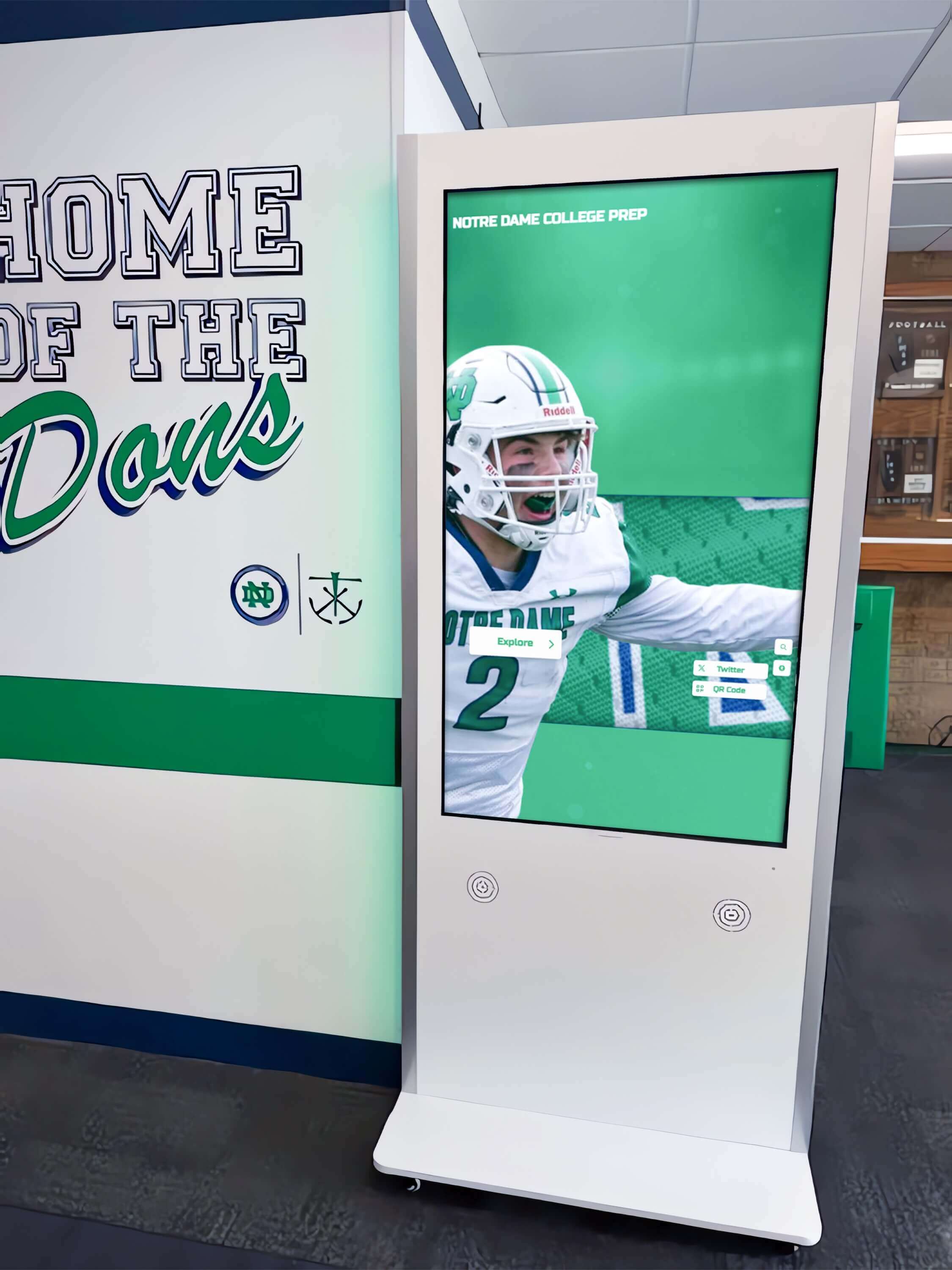
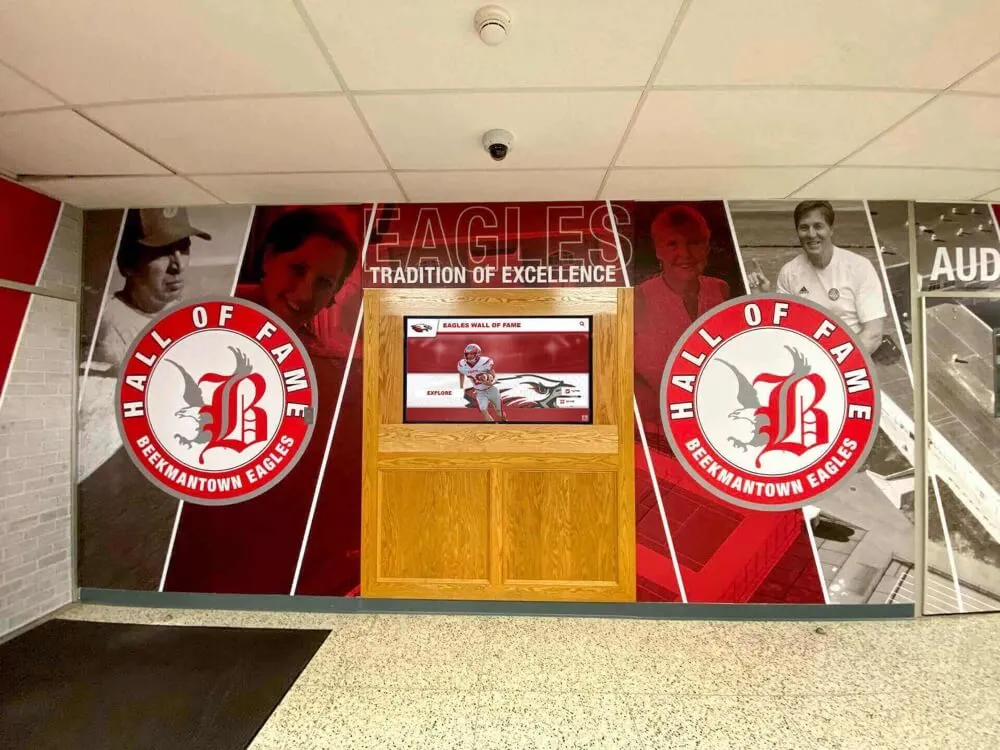
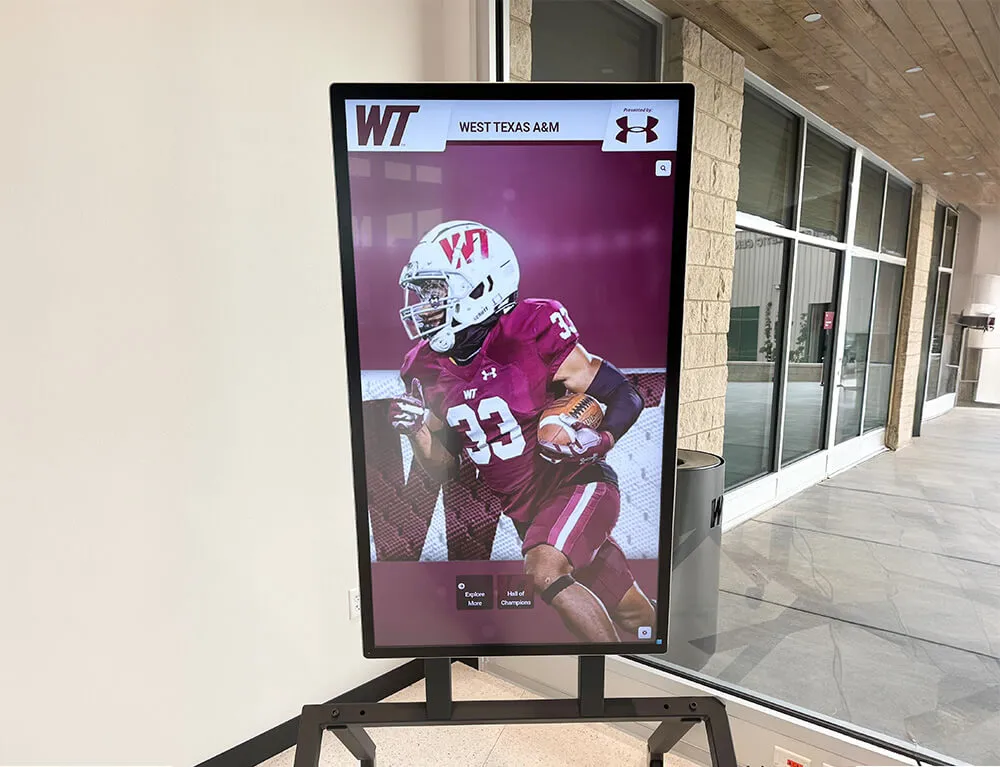
Freestanding kiosk installations provide dedicated announcement access points without requiring wall mounting or construction modifications
Reducing Administrative Communication Burden
Effective communication systems must remain sustainable long-term:
Traditional Communication Labor Requirements
Conventional approaches require substantial staff effort:
- Manual printing and physical posting of announcement materials multiple times weekly
- Collecting and compiling announcements from various teachers, coaches, and club advisors
- Formatting diverse submissions into consistent professional presentations
- Distributing information across multiple disconnected communication channels
- Removing outdated announcements to prevent information confusion
- Responding to individual student questions about basic information theoretically communicated previously
- Tracking which announcements ran when for accountability and future reference
This workload typically consumes 5-10 hours weekly for staff members managing school communications—time rarely available given other responsibilities and priorities. Unsustainable burden causes communication systems to become inconsistent, incomplete, or eventually abandoned despite continued administrative support for communication goals.
Digital System Efficiency
Cloud-based announcement platforms streamline administration dramatically:
- Single web-based interface centralizing all announcement creation and management
- Template systems ensuring consistent presentation without requiring design skills
- Scheduled publication automating display without manual intervention
- Automatic expiration removing outdated content systematically
- Multi-channel distribution publishing simultaneously to displays, websites, and mobile apps from single entry
- Analytics identifying which announcement formats and content generate engagement
- Historical archives preserving communication records automatically
Schools report 60-75% reduction in administrative time spent on daily announcements after implementing integrated digital platforms—typically requiring 2-3 hours weekly compared to 5-10 hours for traditional approaches. This efficiency enables more comprehensive communication rather than forcing selective announcement choices due to management burden constraints.
Distributed Content Creation
Advanced systems enable broader participation in communication:
- Club advisors create announcements for their specific programs without central bottlenecks
- Athletic directors manage sports announcements independently
- Student government leaders publish event information directly
- Teachers communicate assignment deadlines and academic information
- Counselors share important deadline reminders and opportunities
- Approval workflows ensure quality control while distributing workload
- Permission systems prevent unauthorized access while enabling appropriate contributor autonomy
This distributed approach removes communication bottlenecks where single staff members become overwhelmed managing all school announcements—enabling more timely, complete, and diverse communication while building organizational resilience when personnel changes occur.
Implementing Interactive Announcements Feed Systems
Successful implementation requires systematic planning ensuring communication systems serve school goals while remaining sustainable long-term.
Technology Selection and Infrastructure
Choosing appropriate platforms and hardware determines program effectiveness:
Platform Evaluation Criteria
Schools should assess announcement systems based on several factors:
Core Functionality Requirements
- Content management system intuitive enough for non-technical staff to operate confidently
- Multi-channel distribution to physical displays, web platforms, and mobile devices
- Rich media support including photos, videos, documents, and interactive elements
- Smart scheduling with automatic publication and expiration
- Search and filtering capabilities enabling students to find relevant content
- Analytics tracking engagement patterns and content effectiveness
- Permission systems supporting distributed content creation with appropriate oversight
Integration Capabilities
- Student information system connections for grade-level filtering and personalization
- Calendar platform integration ensuring announcement dates sync with school schedules
- Website CMS compatibility enabling seamless announcement display on existing school sites
- Email system connections for optional digest notifications
- Social media publishing tools sharing announcements to platforms students already use
- Mobile app development or existing app integration extending announcement access
Scalability and Sustainability
- Cloud-based infrastructure requiring no local server management
- Predictable pricing structure remaining affordable as usage grows
- Comprehensive support and training ensuring staff confidence
- Regular updates adding features and maintaining platform security
- Multi-year track record demonstrating vendor stability and commitment
Solutions like Rocket Alumni Solutions provide comprehensive platforms combining digital display management with announcement capabilities, enabling schools to integrate recognition and communication within unified systems rather than maintaining separate disconnected technologies.
Display Hardware Decisions
Physical announcement displays require appropriate equipment:
Interactive Touchscreen Options
- 43-55 inch displays for smaller spaces and secondary locations
- 55-65 inch displays for main lobbies and high-traffic areas (most common)
- 75+ inch displays for large gathering spaces maximizing visibility
- Commercial-grade panels rated for continuous institutional operation
- Responsive touch technology providing smartphone-like interaction
- Protective enclosures for high-traffic or unsupervised locations
Non-Interactive Digital Signage
- Lower-cost displays for locations where touch interaction unnecessary
- Wall-mounted screens in hallways showing rotating announcement feeds
- Multiple displays distributed throughout buildings reaching all students
- Centralized management updating all screens from single interface
- Mix of interactive and non-interactive displays balancing cost and functionality
Location Strategy
- Main entrance lobbies reaching all students during arrival and dismissal
- Cafeteria spaces capturing attention during lunch and social time
- Athletic facilities communicating with students during sports and activities
- Library and academic commons areas reaching students during study time
- Main office areas visible to families during school visits
- Outdoor displays when weatherproof options available for exterior communication
Strategic placement ensures announcements reach students during natural attention-available moments rather than competing for focus during instruction or concentrated academic work.
Learn about digital display implementation strategies applicable to announcement systems effectively.
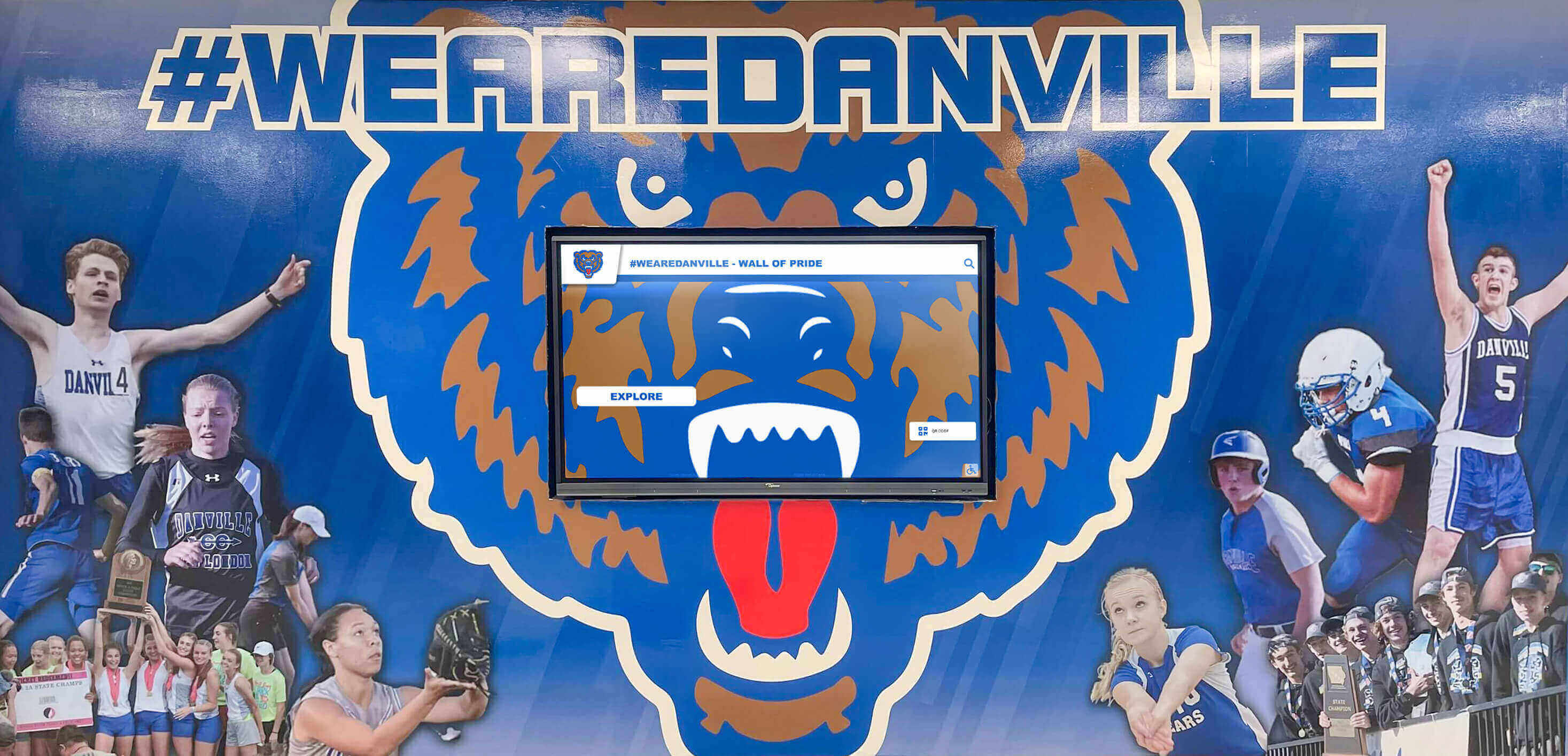
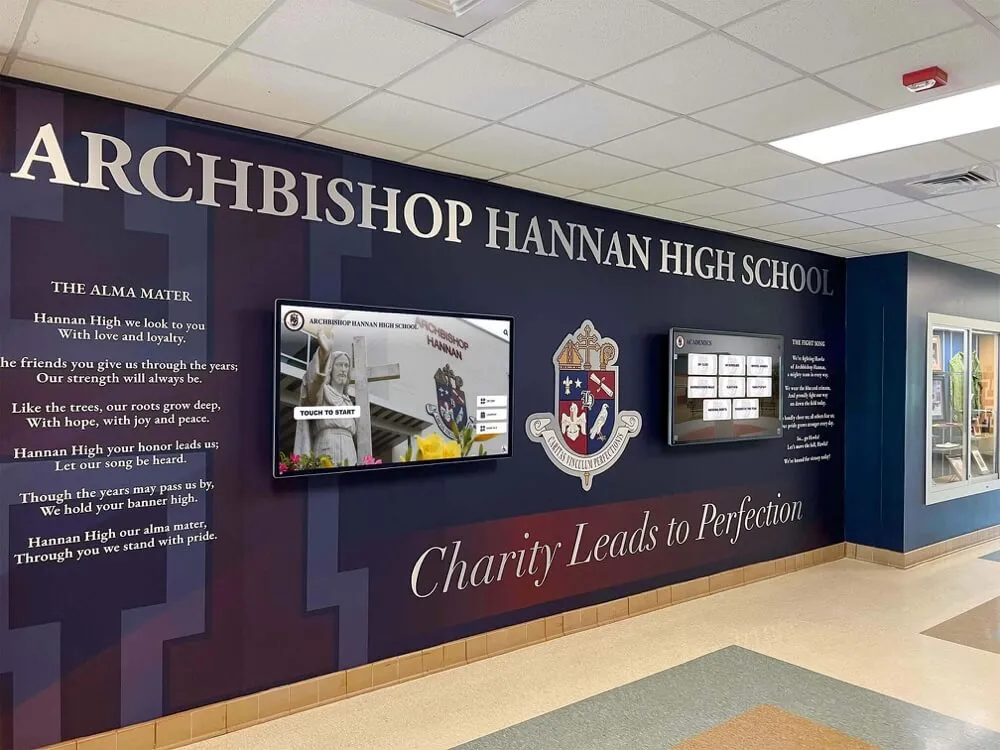
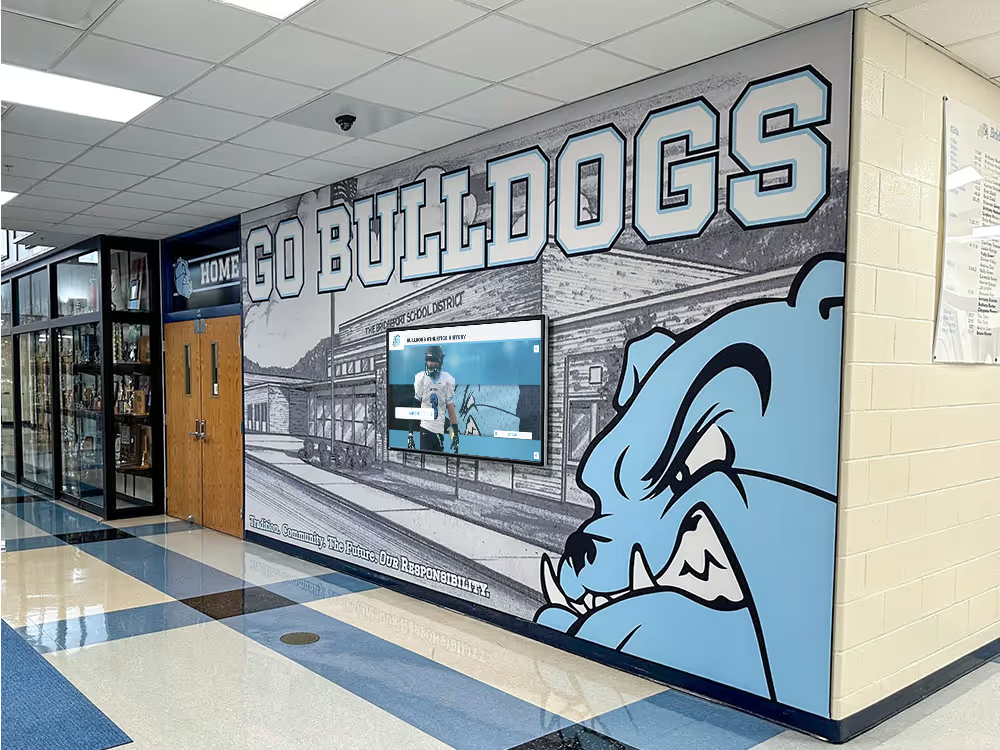
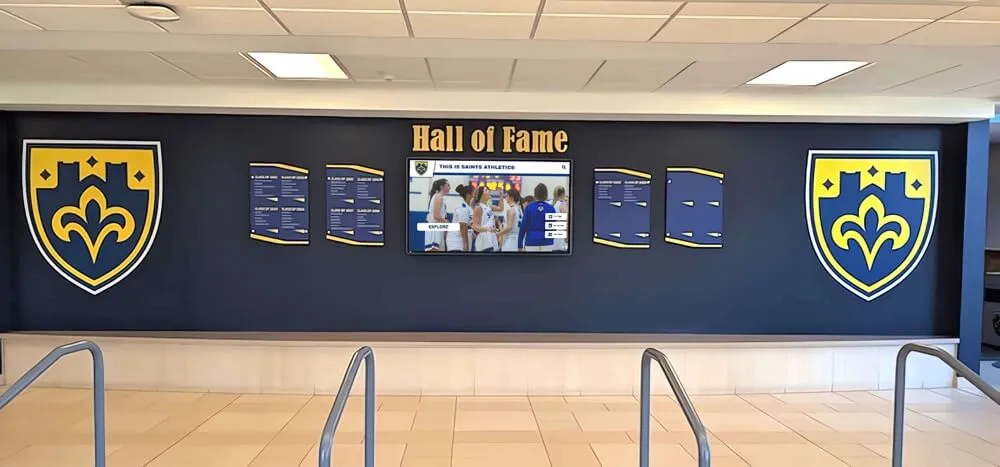
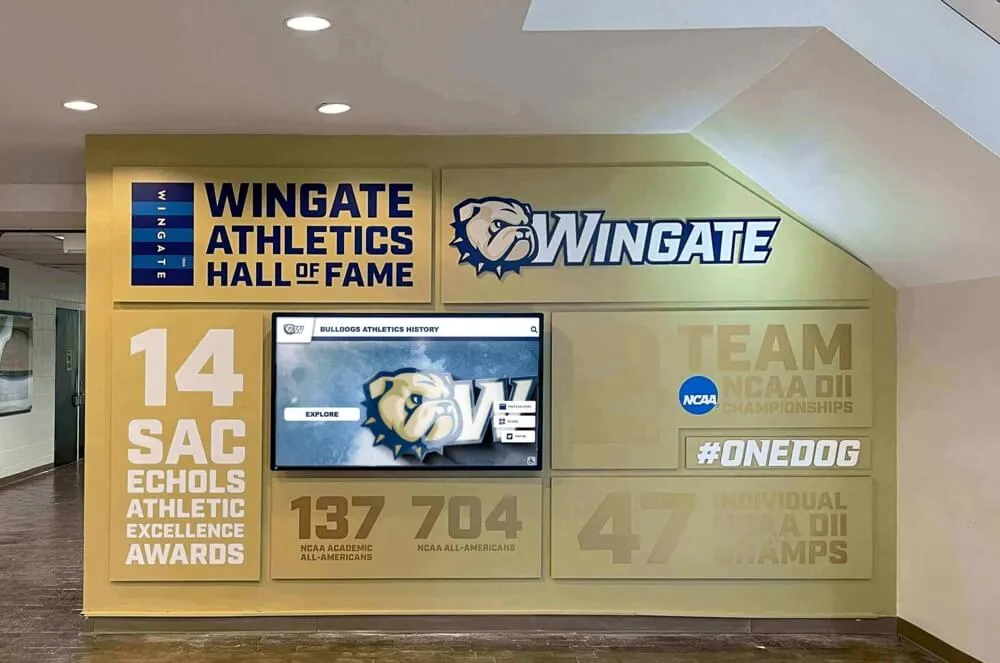
Integrated installations combine announcement displays with school branding creating cohesive environments that enhance institutional identity
Content Strategy and Announcement Design
Effective communication requires thoughtful content development:
Announcement Structure Best Practices
Well-designed announcements follow proven patterns:
Headline Optimization
- Clear, specific headlines immediately conveying announcement subject and value
- Action-oriented language creating urgency and interest (“Join Us…”, “Discover…”, “Learn How…”)
- Grade level or audience identification helping students quickly assess relevance
- Emotional connection through benefit-focused language rather than feature descriptions
- Brevity ensuring readability in scrolling feeds and brief viewing contexts
Content Hierarchy
- Essential information first (what, when, where) enabling quick understanding
- Supporting details second providing context and additional information
- Action steps third explaining how students participate or get involved
- Contact information last for students wanting additional questions answered
- Visual elements strategically placed breaking text and maintaining engagement
Visual Design Principles
- High-quality photography showing actual students and activities creating authenticity
- Consistent branding reinforcing school identity and communication professionalism
- Adequate white space preventing overwhelming cluttered appearances
- Color coding by announcement category enabling quick visual categorization
- Accessibility standards ensuring readability for students with various visual abilities
Call-to-Action Elements
- Clear next steps explaining exactly what students should do to participate
- Button-based actions enabling immediate sign-ups, RSVPs, or information requests
- Deadline visibility creating appropriate urgency without causing stress
- Social sharing prompts encouraging students to spread information through networks
- Follow-up information explaining what happens after students take initial action
Educational communication research demonstrates that announcements following these structure patterns achieve approximately 3-4 times higher engagement compared to poorly organized information dumps that bury essential details in lengthy text blocks.
Content Category Development
Systematic organization improves communication effectiveness:
Event Announcements
- School dances, spirit weeks, and social activities
- Athletic events, competitions, and game schedules
- Performing arts productions, concerts, and showcases
- Academic competitions and scholarly events
- Community service opportunities and volunteer activities
- Field trips, educational travel, and experiential learning
Club and Organization Updates
- Regular meeting reminders with locations and times
- Special activities and club events outside normal meetings
- Leadership opportunities and officer elections
- Achievement celebrations and accomplishments
- New member recruitment and open house events
- Fundraisers and support campaigns
Academic Information
- Testing schedules and important academic deadlines
- Course registration information and selection guidance
- Academic support sessions and tutoring availability
- College and career planning events and visits
- Scholarship opportunities and application deadlines
- Academic achievement celebrations and recognition
Administrative Communications
- Schedule changes and calendar updates
- Policy reminders and procedural information
- Safety announcements and emergency procedures
- Facility information and campus news
- Transportation updates and parking information
- Important deadline reminders
This categorization enables students to filter announcements to their specific interests while helping administrators ensure comprehensive coverage across all communication needs.
Launch and Adoption Strategies
Effective rollout ensures community engagement with new systems:
Phased Implementation Approach
Systematic deployment builds success:
Phase 1: Foundation Building (1-2 months)
- Technology installation and testing ensuring reliable operation
- Staff training on content creation and management
- Content library development with recurring announcement templates
- Initial announcement creation establishing baseline content
- Soft launch with limited announcement types testing workflows
Phase 2: Official Launch (1 month)
- School-wide announcement introducing new communication system
- Student orientation explaining how to access announcements across channels
- Teacher integration encouraging classroom promotion of relevant opportunities
- Parent communication explaining web and mobile access options
- Featured content highlighting system capabilities and benefits
Phase 3: Adoption Building (2-3 months)
- Regular content updates maintaining engagement and demonstrating value
- Ambassador programs with students promoting announcement access to peers
- Analytics review identifying popular content types and optimization opportunities
- Feedback collection from students, staff, and families
- Adjustment implementation addressing identified challenges and gaps
Phase 4: Sustained Operations (Ongoing)
- Routine content management integrated into daily operations
- Regular assessment and continuous improvement
- Expansion to additional announcement categories as capacity permits
- Enhanced features and capabilities added based on community feedback
This phased approach prevents overwhelming staff and students while enabling systematic problem-solving before fully committing to new communication workflows.
Community Promotion Strategies
Multi-channel awareness building:
Student Engagement
- Classroom demonstrations during appropriate instructional times
- Student ambassador recruitment promoting announcement access among peers
- Social media campaigns targeting platforms students actively use
- Contest incentives encouraging exploration and interaction
- Integration with student government leadership and communication
Staff Adoption
- Professional development sessions explaining announcement creation
- Templates and resources simplifying content development
- Success stories from early adopters demonstrating value
- Support systems addressing questions and technical challenges
- Recognition for effective announcement communication
Family Communication
- Email announcements explaining web and mobile access
- Website features highlighting announcement platforms prominently
- Back-to-school night presentations during family events
- Newsletter articles explaining communication improvements
- FAQ resources addressing common questions and concerns
Learn about comprehensive back-to-school recognition strategies incorporating communication effectively.
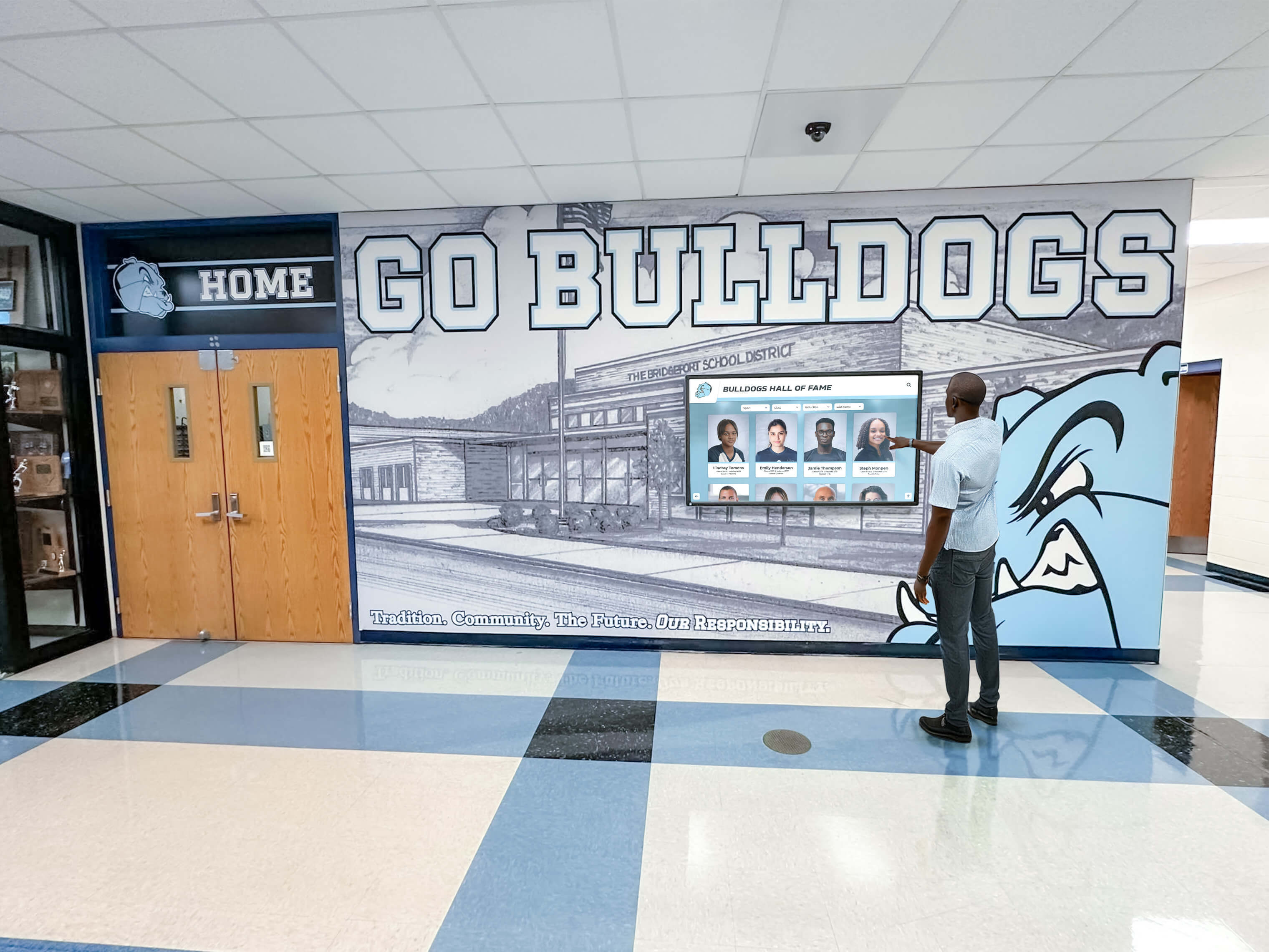
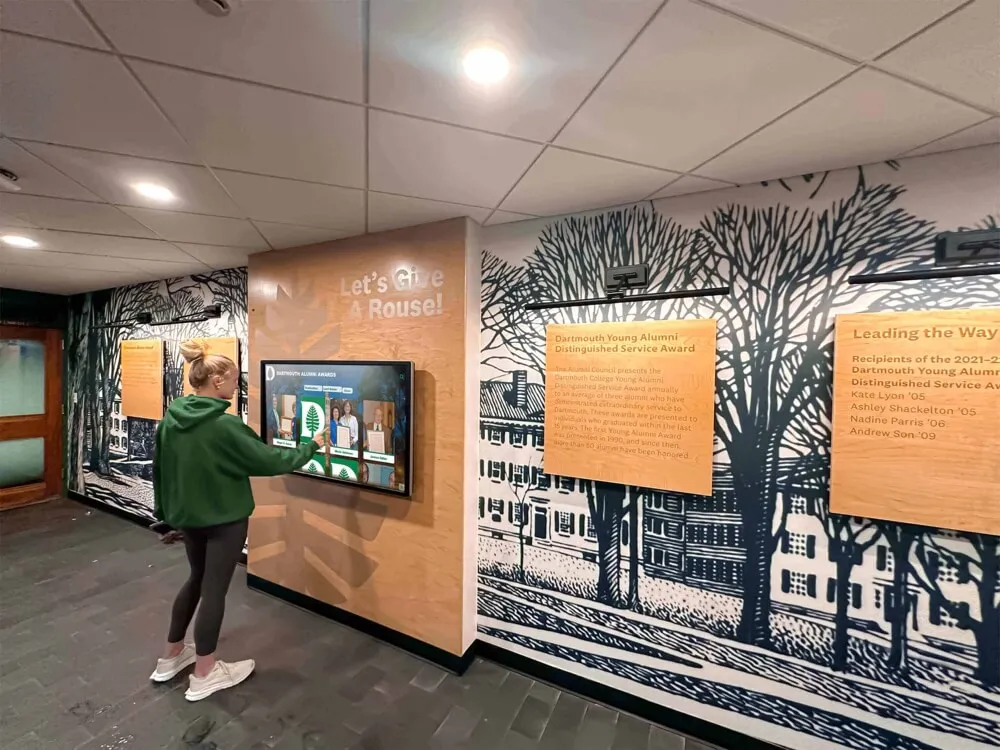
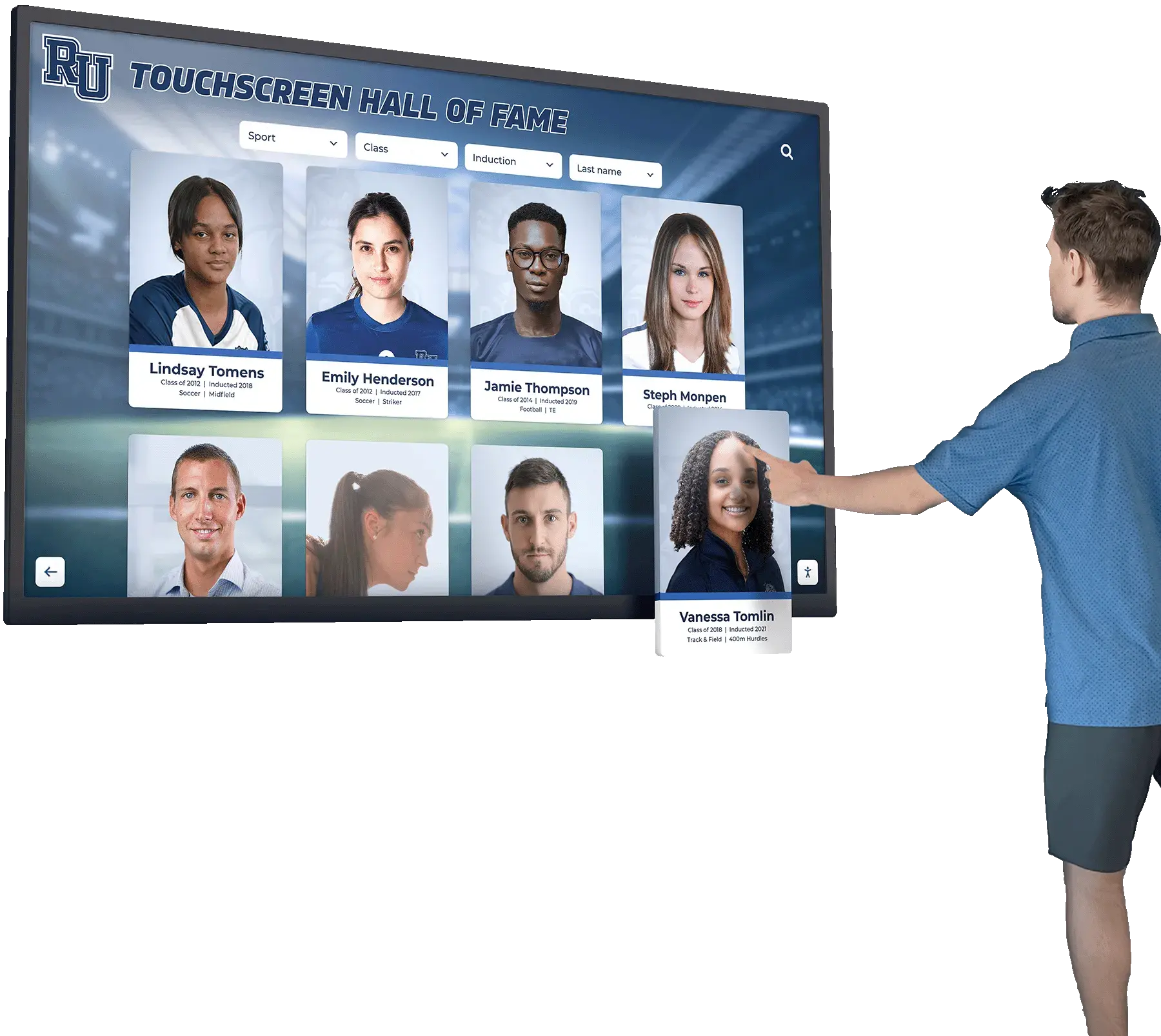
Intuitive interfaces enable students of all technical comfort levels to explore announcements independently without instruction or assistance
Maximizing Interactive Announcements Impact
Beyond basic implementation, strategic approaches amplify communication effectiveness and student engagement outcomes.
Integrating Announcements with School Culture
Position communication as cultural element rather than administrative task:
Building Information-Seeking Behaviors
Develop routine announcement engagement:
- Morning homeroom check-ins where students briefly review daily announcements
- Teacher promotion of relevant opportunities during appropriate instructional moments
- Passing period displays capturing attention during high-traffic times
- Lunchtime exploration when students have leisure time available
- After-school browsing as students wait for activities or transportation
Research on habit formation demonstrates that consistent cues in specific contexts create routine behaviors. When announcement checking becomes integrated into daily school rhythms rather than requiring special effort, engagement increases substantially.
Leveraging Student Leadership
Empower students as communication partners:
- Student government leadership creating and managing announcements for schoolwide events
- Club officers publishing information about their specific organizations
- Athletic team captains communicating about sports opportunities and achievements
- Class representatives sharing grade-level specific information
- Peer ambassadors encouraging announcement exploration among classmates
Student-created content often resonates more effectively with peers than adult-authored announcements, with research suggesting students perceive peer communication as more relevant and authentic compared to authority-figure messaging.
Recognition Integration
Connect announcements with achievement celebration:
- Event announcements highlighting previous year successes demonstrating value
- Club recruitment featuring member testimonials and accomplishments
- Activity participation recognized through subsequent achievement announcements
- Photo galleries showing students engaged in opportunities creating social connection
- Success stories demonstrating concrete benefits from participation
This integration demonstrates that announcements represent real opportunities with meaningful outcomes rather than abstract information disconnected from student experience.
Creating Interactive Announcement Content Libraries
Systematic organization improves efficiency:
Template Development
Standardized formats ensure consistency:
- Event announcement templates with consistent structure and required information
- Club meeting templates enabling quick recurring communication
- Athletic event templates specifically formatted for sports announcements
- Academic deadline templates highlighting important dates systematically
- Recognition announcement templates celebrating student and program achievements
Recurring Content Scheduling
Automate predictable communication:
- Weekly club meeting reminders automatically publishing without manual recreation
- Monthly calendar highlights showcasing upcoming opportunities
- Seasonal activity announcements for annual events and traditions
- Deadline countdown reminders building appropriate urgency
- Standard administrative announcements requiring minimal customization
Content Collaboration
Distribute creation responsibility:
- Club advisor access for program-specific announcements
- Athletic department management of sports communication
- Counseling office control over academic and college information
- Student organization permissions for appropriate self-service publishing
- Administrative oversight ensuring quality without creating bottlenecks
This distributed model prevents communication burden from overwhelming single staff members while enabling timely relevant information from subject matter experts closest to specific programs and activities.
Explore approaches to keeping digital content fresh that apply to announcement systems effectively.
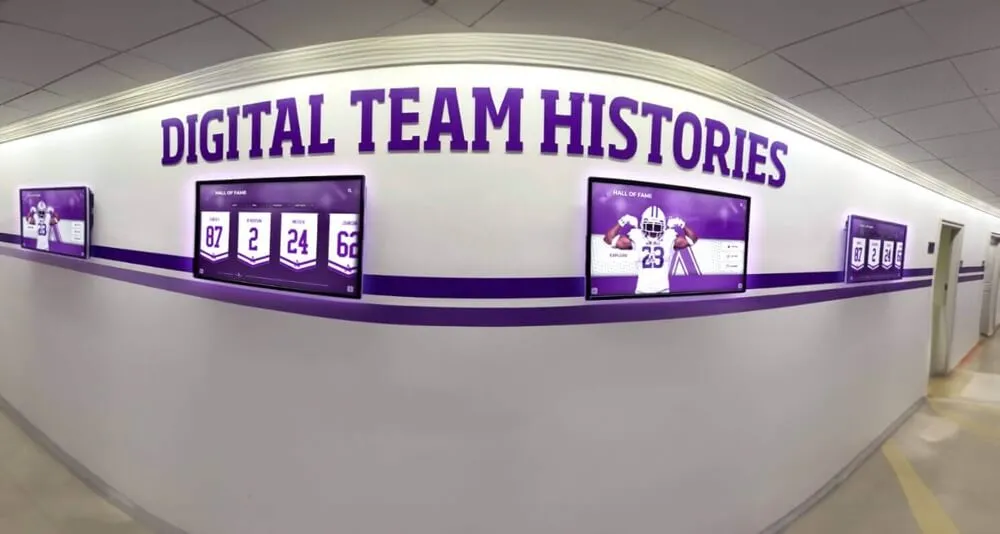
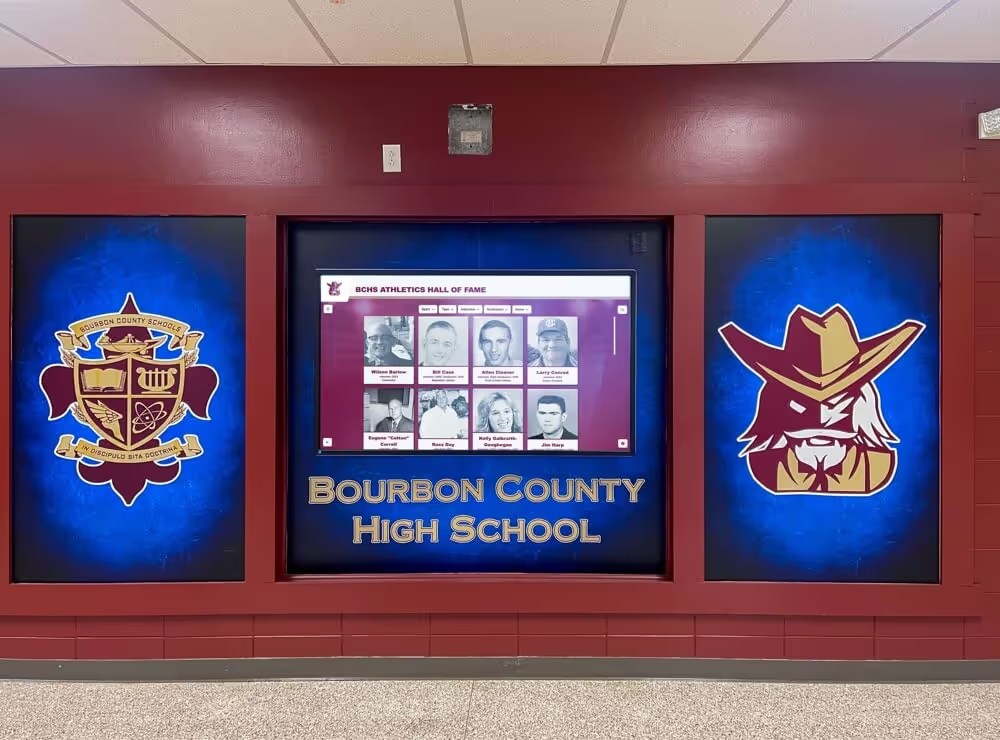
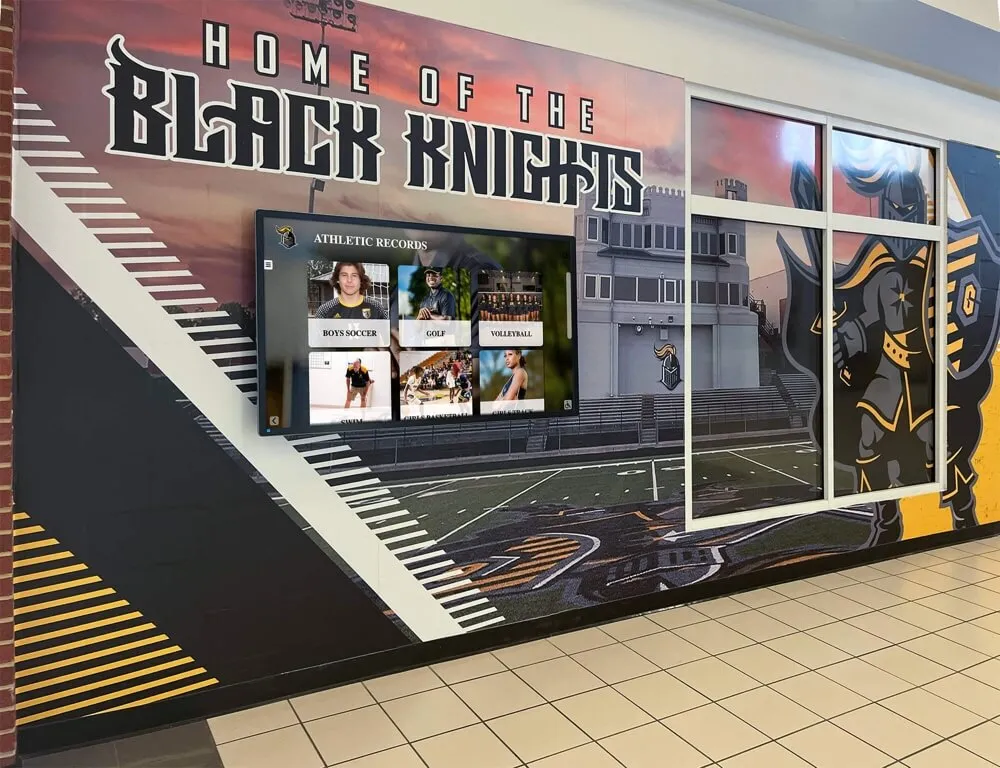
Multiple coordinated displays throughout facilities ensure comprehensive reach while maintaining consistent messaging across locations
Measuring Communication Effectiveness
Regular assessment ensures announcements achieve intended goals:
Quantitative Success Metrics
Objective measurement includes:
Engagement Analytics
- Daily display interactions showing how often students explore announcements
- Average session duration indicating engagement depth versus brief glances
- Click-through rates on specific announcements revealing content effectiveness
- Web and mobile platform visits demonstrating extended reach
- Social sharing frequency showing organic information spreading
- Search query patterns revealing what information students actively seek
Participation Outcomes
- Event attendance rates comparing interactive announcement promotion to traditional communication
- Club membership numbers tracking recruitment effectiveness
- Activity sign-up rates for opportunities promoted through announcements
- RSVP conversion measuring intent-to-participation follow-through
- Survey responses about announcement awareness and information adequacy
Administrative Efficiency
- Staff time spent on communication management before and after implementation
- Number of individual information requests decreased by self-service announcement access
- Announcement publication frequency enabled by improved workflows
- Content contributor participation rates showing distributed creation adoption
Qualitative Feedback
Complement quantitative data with stakeholder input:
- Student surveys about announcement awareness, usefulness, and access preferences
- Staff assessment of communication effectiveness and workflow improvements
- Family feedback regarding information access and student awareness
- Administrator observations about participation and engagement changes
- Club advisor perspectives on recruitment and member communication
Continuous Improvement Processes
Use assessment data systematically:
- Regular analytics review identifying successful content types and formats
- A/B testing comparing announcement approaches and design variations
- Feedback integration addressing user experience challenges and preferences
- Feature enhancement based on demonstrated needs and usage patterns
- Best practice documentation enabling knowledge sharing across content creators
Regular systematic assessment enables continuous improvement ensuring interactive announcements remain effective, engaging, and aligned with evolving communication needs while demonstrating return on technology investment to administrators and school boards.
Conclusion: Transforming School Communication Through Interactive Announcements
Interactive announcements feeds represent powerful communication evolution enabling schools to move beyond limitations of traditional bulletin boards, fleeting PA announcements, and static printed materials toward dynamic digital platforms where every announcement becomes an engaging gateway to comprehensive information, immediate action, and genuine student participation in school opportunities and activities.
The strategies explored throughout this guide provide complete frameworks for evaluating, selecting, and implementing interactive announcement systems that enhance communication effectiveness while remaining administratively sustainable and aligned with educational goals. From understanding core technology components and benefits to systematic implementation and ongoing optimization, these approaches transform occasional information broadcasts into comprehensive communication woven throughout school culture and student experience.
Ready to transform how your school communicates with students about opportunities, events, and activities? Modern interactive announcement solutions help schools move beyond communication limitations toward engaging digital platforms that genuinely inform students and drive participation. Solutions like Rocket Alumni Solutions provide comprehensive digital platforms combining announcement capabilities with recognition features, enabling schools to integrate communication and celebration within unified systems that enhance student engagement and school culture.
Whether establishing your first interactive announcement system or modernizing existing communication approaches, start with clear planning establishing strong foundations, select technology matching your specific needs and resources, develop engaging content that captures attention and drives action, and implement systematic processes ensuring long-term sustainability and continued effectiveness year after year.
Your students deserve communication that genuinely informs them about opportunities enhancing their educational experience while respecting their limited attention and time. With thoughtful planning, appropriate technology selection, engaging content development, and consistent implementation, you can create interactive announcement systems that cut through information noise to deliver relevant, timely, actionable communication that drives participation, builds community, and keeps everyone genuinely connected to the rich opportunities your school provides.
The most important considerations aren’t budget size, facility quality, or technology sophistication—they’re genuine commitment to communication excellence, systematic implementation ensuring consistent execution, and sustained effort making information access central to school culture rather than peripheral administrative task. Your school community invests enormous energy creating valuable opportunities; investing appropriately in their effective communication represents not just operational necessity but strategic commitment to ensuring those opportunities reach the students who can benefit most.
Start planning your interactive announcements implementation today, and create the communication system your school community deserves. Explore comprehensive approaches to school hallway displays or learn more about digital recognition technology to begin your communication transformation journey.