



Intent: Plan — An induction ceremony represents the culminating moment when schools formally welcome exceptional individuals into permanent halls of fame, transforming selections into celebrated community traditions. Planning effective ceremonies requires coordinating dozens of moving parts—from inductee notification and biographical content development through event logistics, program scripting, display integration, and lasting documentation. Whether you’re an athletic director organizing your first hall of fame induction, a principal managing a multi-sport ceremony, or an alumni coordinator planning comprehensive recognition across athletics, academics, and arts, this guide provides complete frameworks for creating ceremonies that honor inductees appropriately while strengthening institutional pride.
Many schools discover that memorable induction ceremonies demand far more than booking venues and printing programs. Successful events require systematic planning establishing clear timelines and responsibilities, thoughtful program design balancing formality with celebration, comprehensive content development showcasing inductee achievements meaningfully, strategic display integration ensuring lasting visibility beyond event night, genuine family engagement making honorees feel valued, and sustainable frameworks enabling annual ceremony excellence without overwhelming staff. Schools rushing toward quick implementations without addressing these critical elements typically create events that disappoint—while those planning systematically establish induction traditions that become anticipated highlights on community calendars.
This comprehensive induction ceremony planning guide walks you through every phase—from initial timeline development and committee formation through inductee notification, content creation, program design, event execution, and post-ceremony follow-through. Whether launching your first hall of fame induction or enhancing existing ceremony traditions, these proven strategies ensure your event delivers the meaningful recognition and community celebration your inductees deserve.
Induction ceremonies represent significant institutional moments celebrating your community’s most exceptional achievements. Schools implementing thoughtfully—with clear vision, systematic planning, appropriate formality, comprehensive recognition, and sustained commitment to excellence—create ceremonies that honor inductees genuinely, engage families and supporters meaningfully, strengthen school pride and tradition, and establish annual events that communities anticipate eagerly.

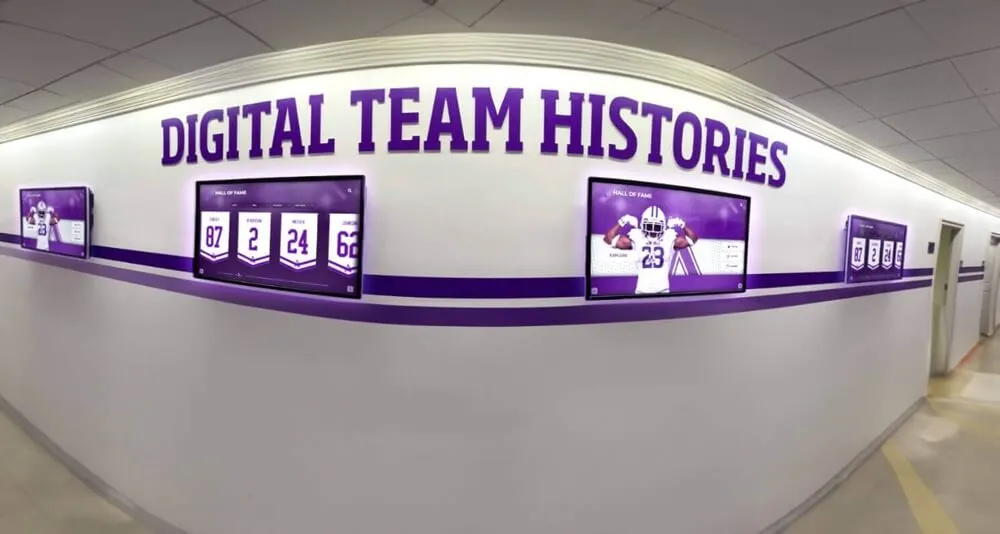
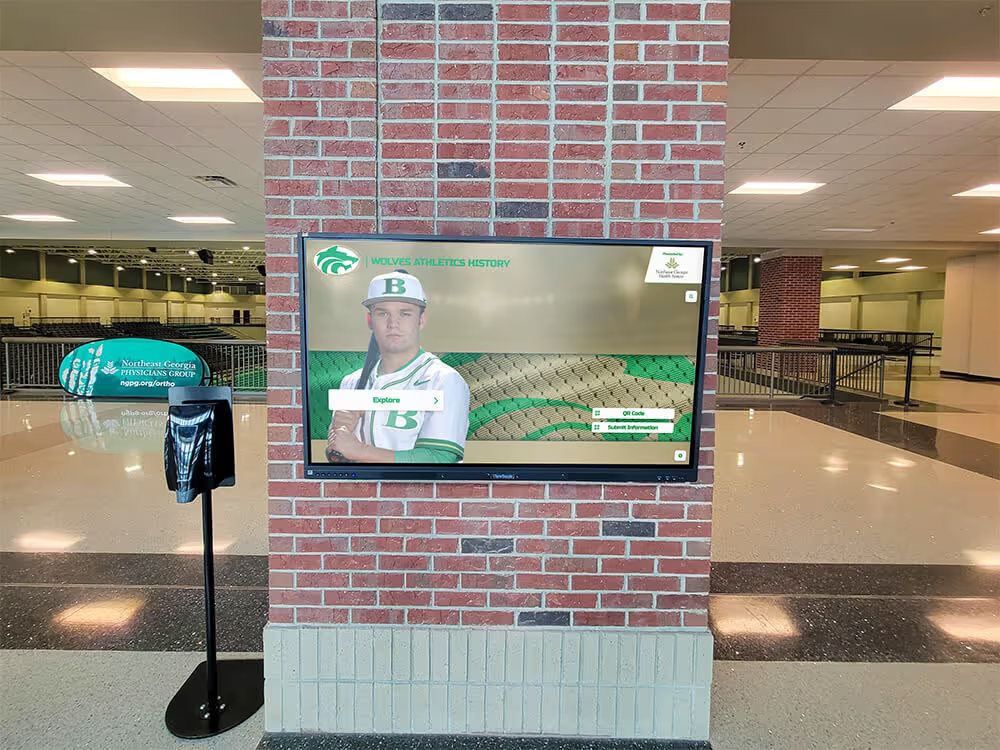
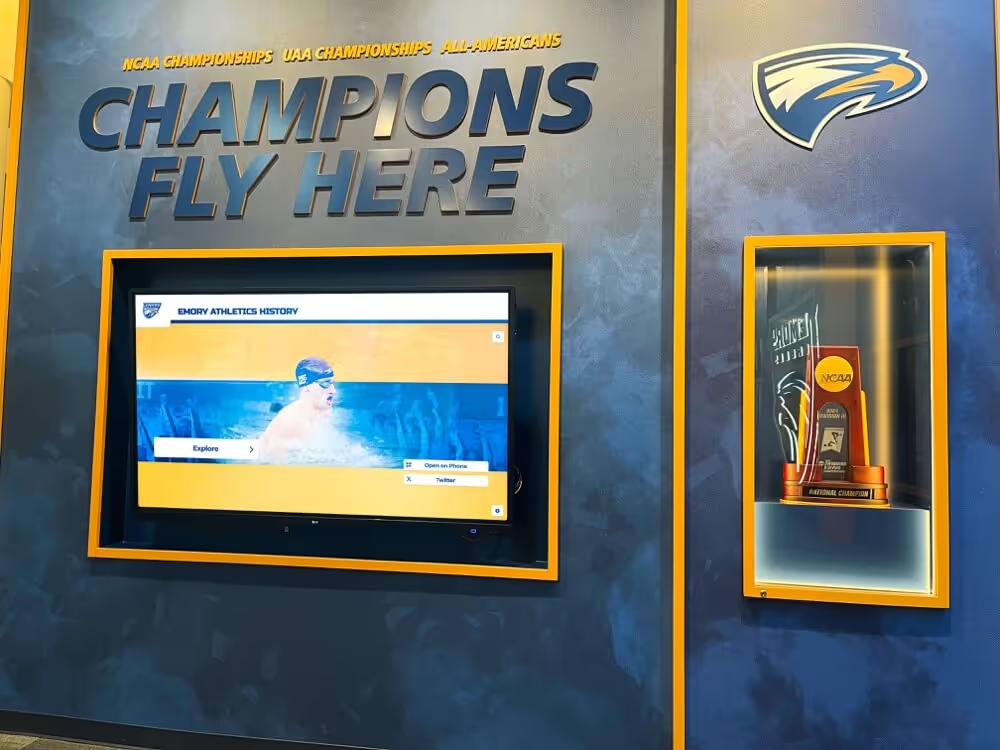
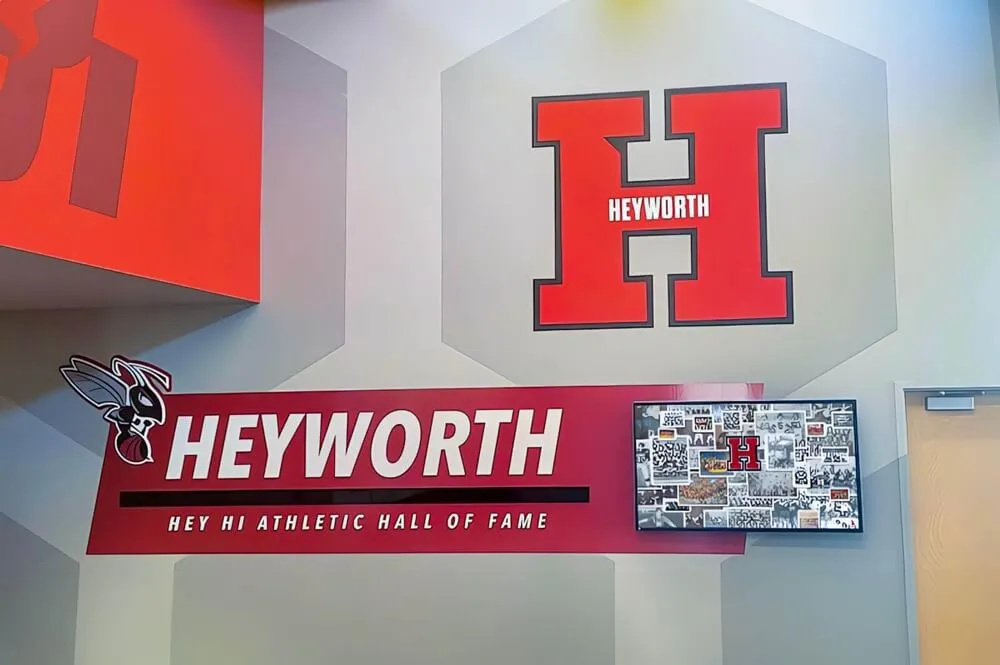
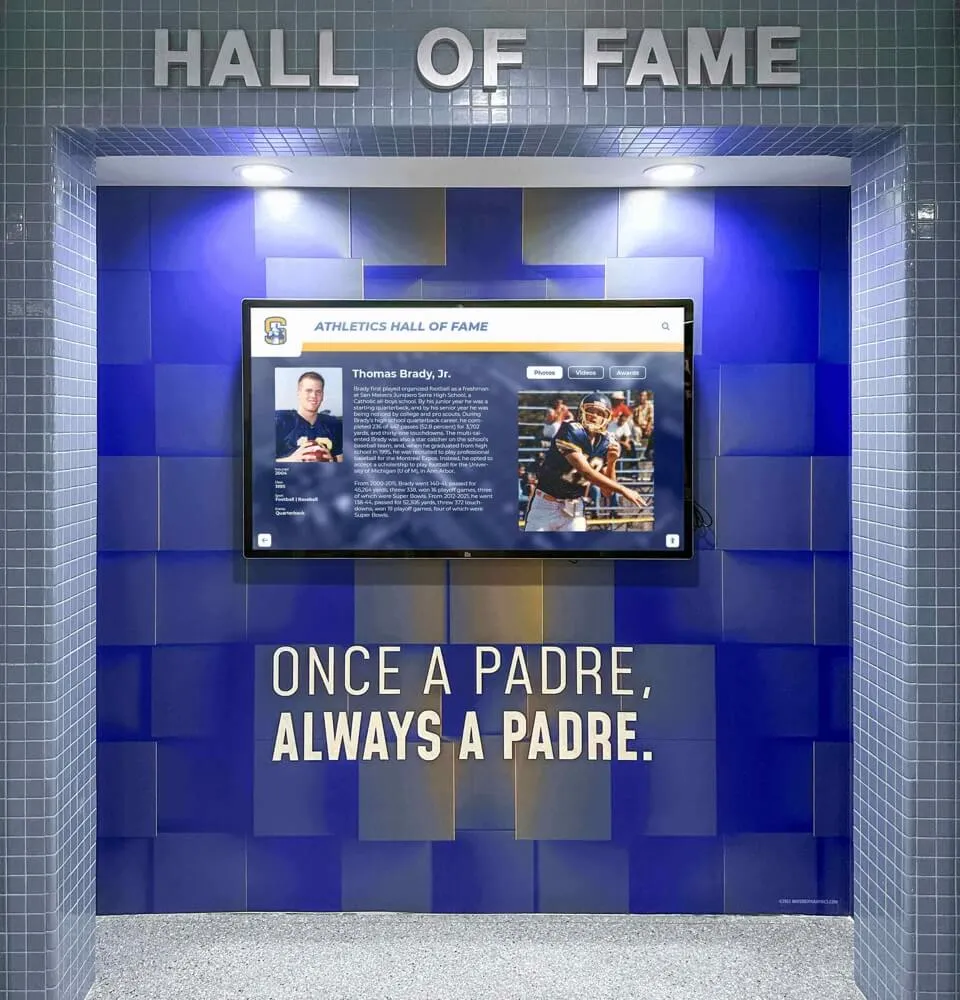
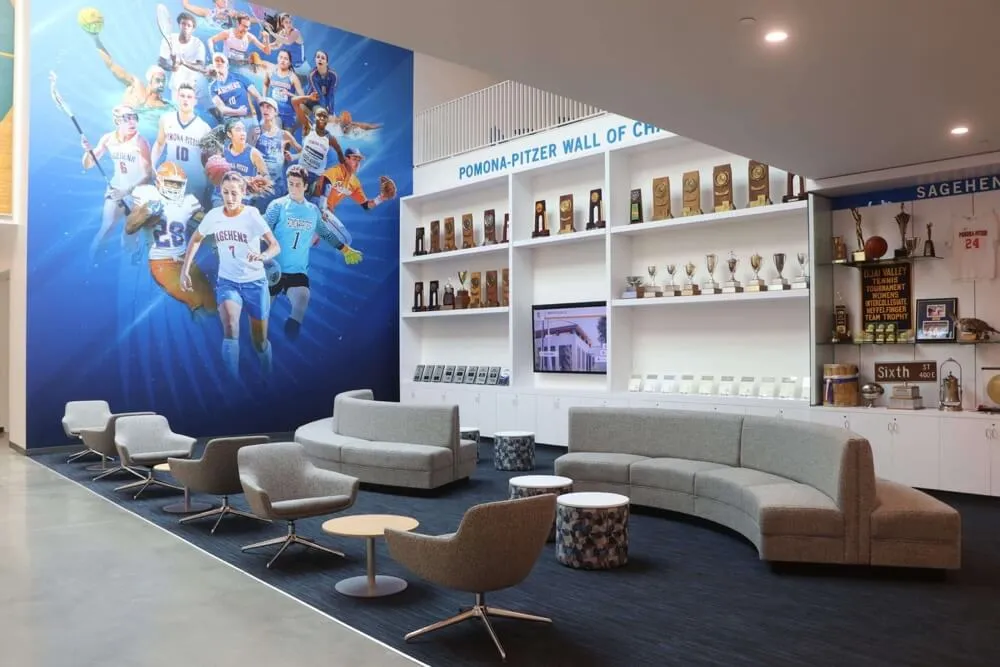
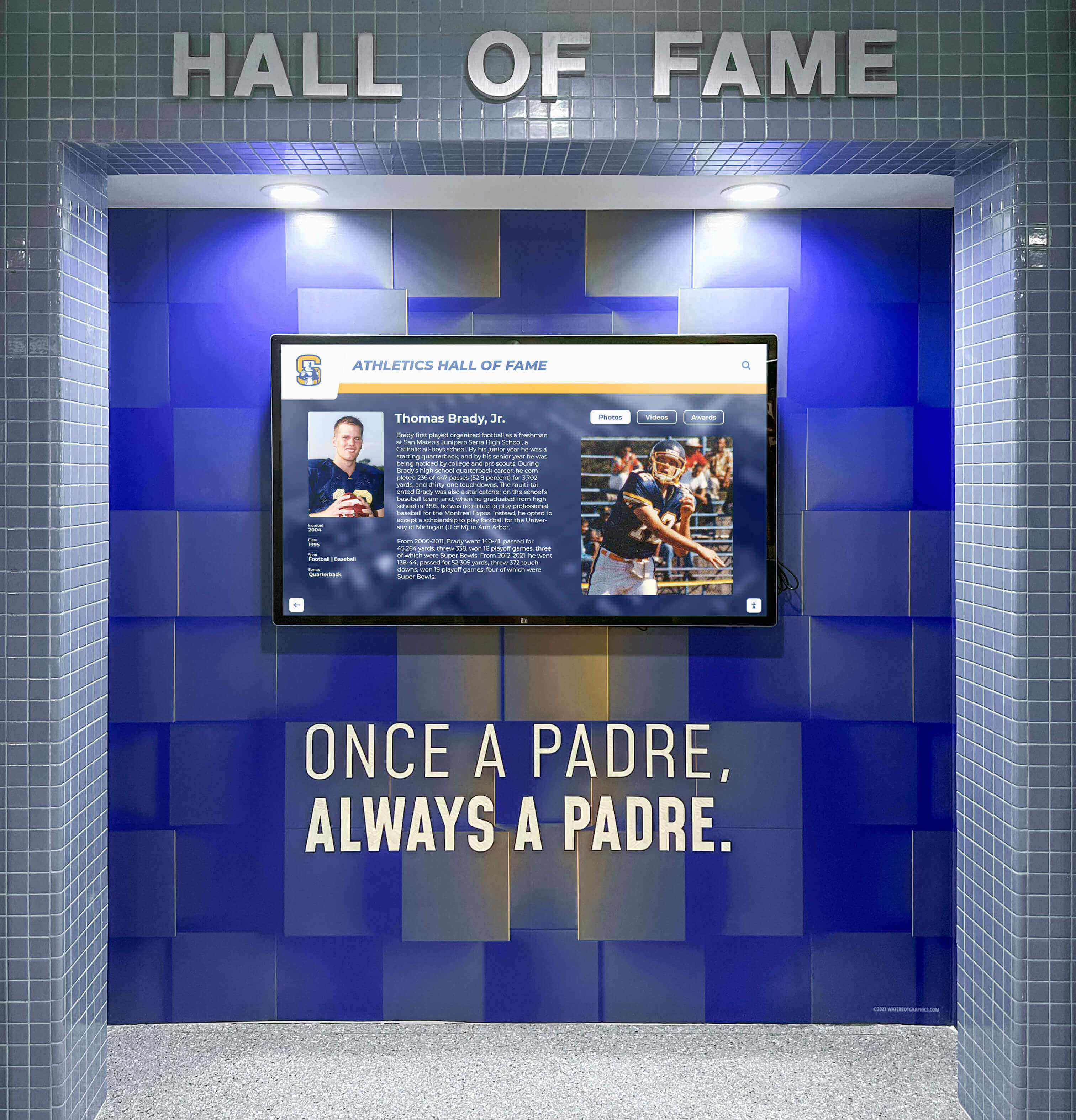
Professional hall of fame displays provide lasting recognition extending well beyond induction ceremony night
Program Snapshot: Induction Ceremony Implementation Framework
Before exploring detailed planning strategies, understanding the complete induction ceremony scope helps schools assess resource requirements and timeline expectations.
| Program Element | Description | Key Considerations |
|---|---|---|
| Planning Timeline | 4-6 months from selection announcement to ceremony | Adequate preparation time ensures quality execution without staff burnout |
| Committee Structure | 5-10 members coordinating all ceremony elements | Clear roles prevent gaps while avoiding redundancy |
| Inductee Class Size | Typically 3-8 individuals per ceremony | Balance recognition depth against event length and budget |
| Event Format | Formal banquet, reception, or assembly-style ceremony | Format reflects school culture and budget capacity |
| Typical Duration | 90-120 minutes for formal ceremonies | Respect attendee time while providing adequate recognition |
| Primary Audience | Inductees, families, current students, alumni, staff | Different stakeholders require different engagement approaches |
| Budget Range | $2,000-$10,000 depending on venue, catering, production | Comprehensive planning identifies all cost categories early |
| Lasting Recognition | Permanent display integration through digital platforms | Ceremony night represents launch, not conclusion, of recognition |
Content Architecture: Ceremony Components and Recognition Modules
Induction ceremonies organize celebration through structured program frameworks specifically designed for dignified, engaging honoree recognition:
Pre-Ceremony Planning and Timeline Development
Successful ceremonies begin months before event night with systematic preparation:
Selection to Ceremony Timeline (6-Month Framework)
Months 6-5: Foundation and Initial Notification
- Hall of fame selection committee completes voting and approves inductee class
- Verify inductee availability and willingness to accept recognition
- Send formal notification letters to inductees and immediate families
- Establish ceremony planning committee with designated responsibilities
- Reserve venue and set formal event date
- Create master timeline with deadlines for all deliverables
- Establish ceremony budget with line-item allocations
According to event management research, ceremonies planned with minimum six-month lead times achieve 73% higher attendee satisfaction compared to rushed implementations with inadequate preparation windows.
Months 4-3: Content Development and Production
Critical content creation phase includes:
- Biographical information gathering from inductees and families
- Draft inductee profiles for program books and display integration
- Collect high-resolution photographs from multiple sources
- Commission video production for ceremony presentations
- Design and print save-the-date announcements
- Create ceremony program outline and script draft
- Coordinate with venue regarding logistics, A/V, and catering
Content quality determines ceremony impact more than any other factor. Schools consistently report that comprehensive biographical storytelling creates emotional connection and ceremony memorability far exceeding impact of venue selection or catering quality.
Months 2-1: Finalization and Promotion
Final preparation includes:
- Finalize and proof all program materials
- Send formal invitations to attendees
- Coordinate inductee and family arrival schedules
- Brief speakers and presenters on ceremony expectations
- Update digital hall of fame displays with new inductee content
- Arrange photography and videography documentation
- Conduct rehearsal for ceremony flow and timing
- Create contingency plans for potential issues
Event Week: Final Preparation
- Confirm final attendee counts and dietary accommodations
- Prepare venue setup diagrams and seating arrangements
- Conduct sound checks and presentation testing
- Brief all ceremony participants on roles and timing
- Prepare inductee gifts, plaques, and recognition items
- Test display technology integration
- Schedule day-of coordination meetings
Comprehensive timeline management transforms potentially overwhelming projects into manageable, sequential tasks with clear accountability and achievable deadlines.
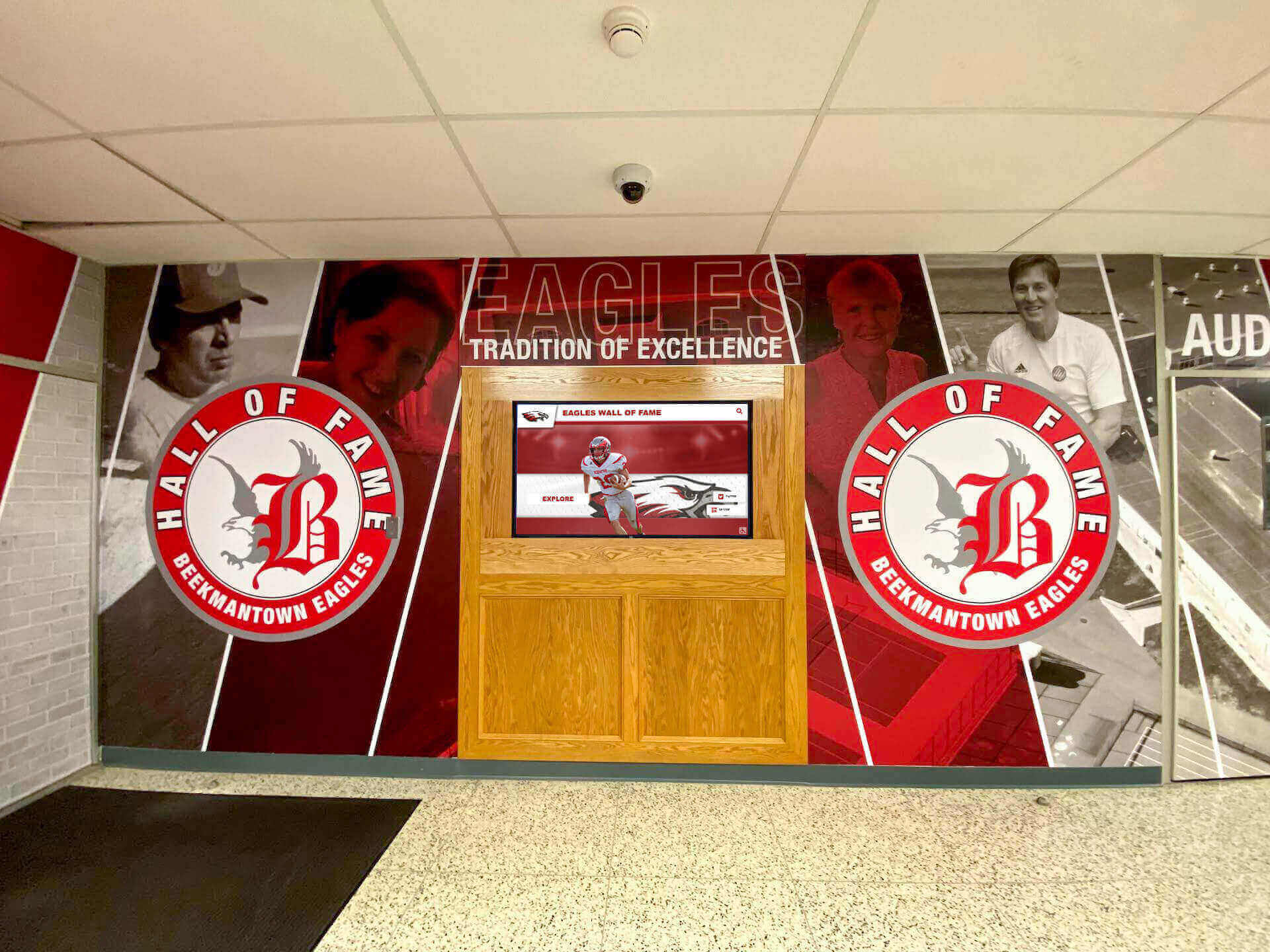
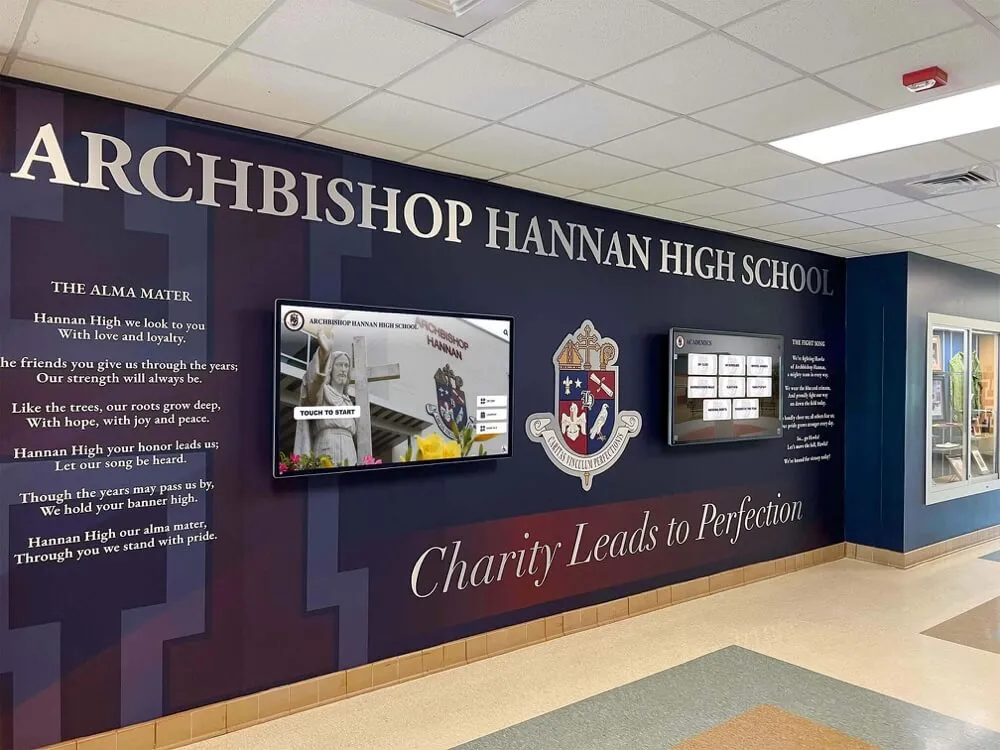
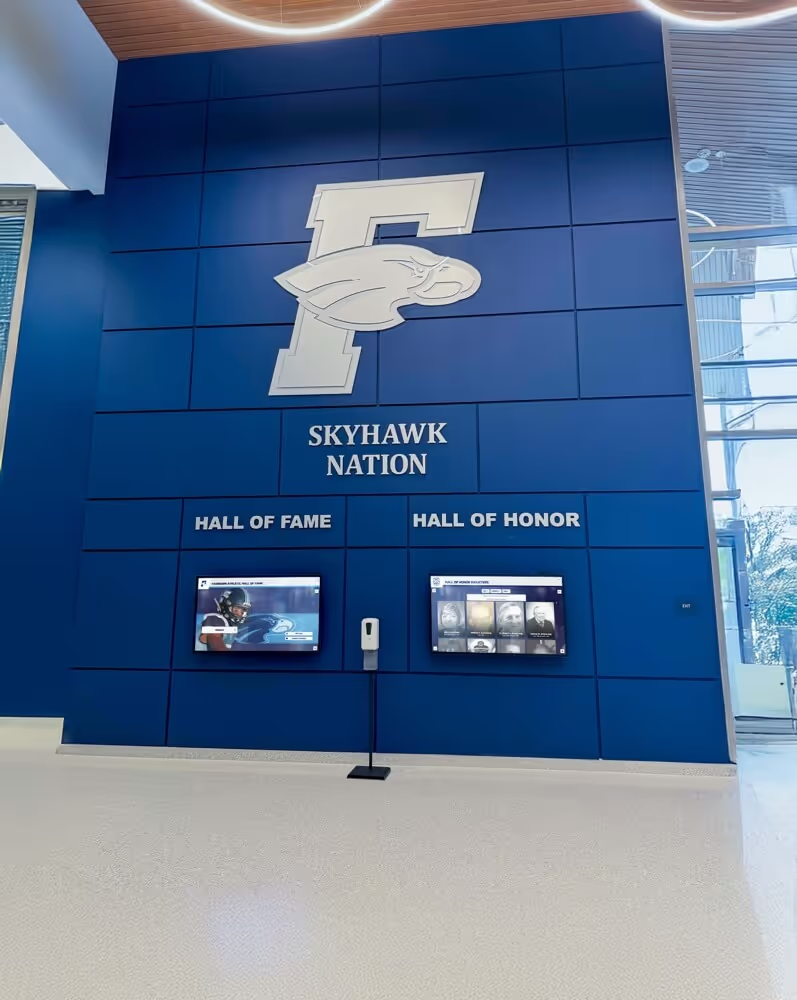
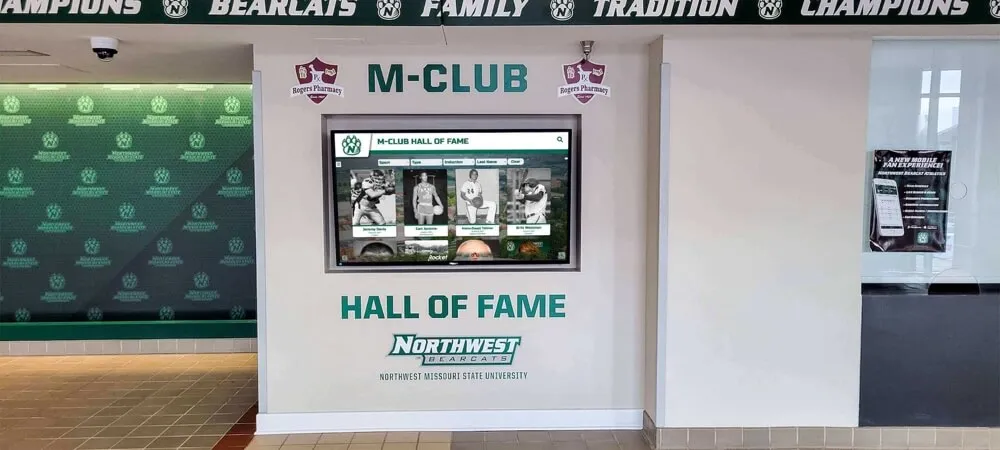
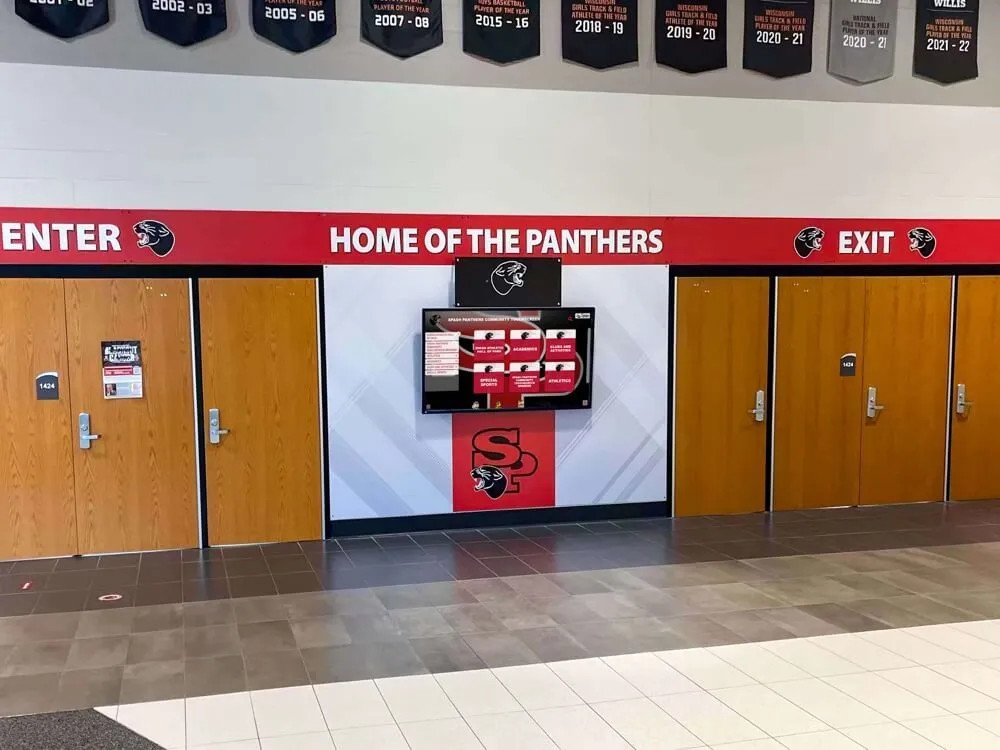
Permanent hall of fame installations in school lobbies provide daily visibility that extends recognition far beyond ceremony night
Inductee Content Development and Storytelling
Meaningful recognition requires comprehensive biographical content creation:
Biographical Information Gathering
Systematic research includes:
- Direct outreach to inductees requesting personal information
- Family interviews capturing stories and achievements
- School records review documenting statistics and accomplishments
- Yearbook research providing historical context and photographs
- Newspaper archive searches finding contemporary coverage
- Colleague and coach interviews for character insights
- Professional career documentation for post-graduation achievements
Profile Writing and Content Creation
Effective inductee profiles include:
- Compelling narrative openings hooking reader interest
- Comprehensive achievement documentation across categories
- Statistical highlights demonstrating excellence quantitatively
- Personal stories revealing character and values
- Post-graduation success showing lasting impact
- Quotes from inductees, families, or colleagues
- Connection between school experiences and life trajectories
Learn effective approaches for creating student achievement spotlights that inform hall of fame storytelling strategies.
Multimedia Content Production
Modern ceremonies incorporate rich media elements:
- Professional video tributes featuring photo montages
- Highlight reels showing athletic or performance excellence
- Interview segments capturing inductee reflections
- Historical footage providing era context
- Slideshow presentations during recognition speeches
- Social media content for digital engagement
- Web platform integration extending reach beyond attendees
Research consistently demonstrates that video content increases emotional engagement and ceremony memorability by 60-80% compared to speech-only recognition formats.
Ceremony Program Design and Scripting
Structured program flow ensures professional, engaging events:
Standard Induction Ceremony Program Outline
Pre-Ceremony (30 minutes before start)
- Social gathering with music and display exploration
- Registration and name tag distribution
- Photo opportunities at interactive recognition displays
- Seating assistance and program distribution
- Background presentations on screens or displays
Formal Ceremony Opening (10 minutes)
- Processional music as inductees enter
- Welcome address by principal or athletic director
- National anthem or school song
- Opening remarks establishing ceremony significance
- Introduction of selection committee and honored guests
Individual Inductee Recognition (12-15 minutes per inductee)
- Introduction by presenter (coach, teacher, administrator)
- Video tribute or slideshow presentation
- Biographical narrative highlighting achievements
- Personal reflections or acceptance speech
- Physical recognition items (plaque, jacket, ring)
- Photo opportunity with family and presenter
- Transition to next inductee recognition
For ceremonies with multiple inductees, pacing becomes critical. Schools typically allocate 12-15 minutes per inductee for comprehensive recognition without excessive length.
Ceremony Closing (10 minutes)
- Collective recognition of entire inductee class
- Group photograph of all inductees
- Closing remarks and ceremony significance reflection
- Invitation to reception and display viewing
- Recessional music as inductees exit
Post-Ceremony Reception (60+ minutes)
- Social gathering with refreshments
- Open microphone for additional testimonials
- Extended time exploring digital hall of fame systems
- Networking among alumni, families, and community
- Additional photography opportunities
- Display demonstrations for interested attendees
Balanced program design honors inductees thoroughly while maintaining audience engagement through pacing variety and multimedia elements.

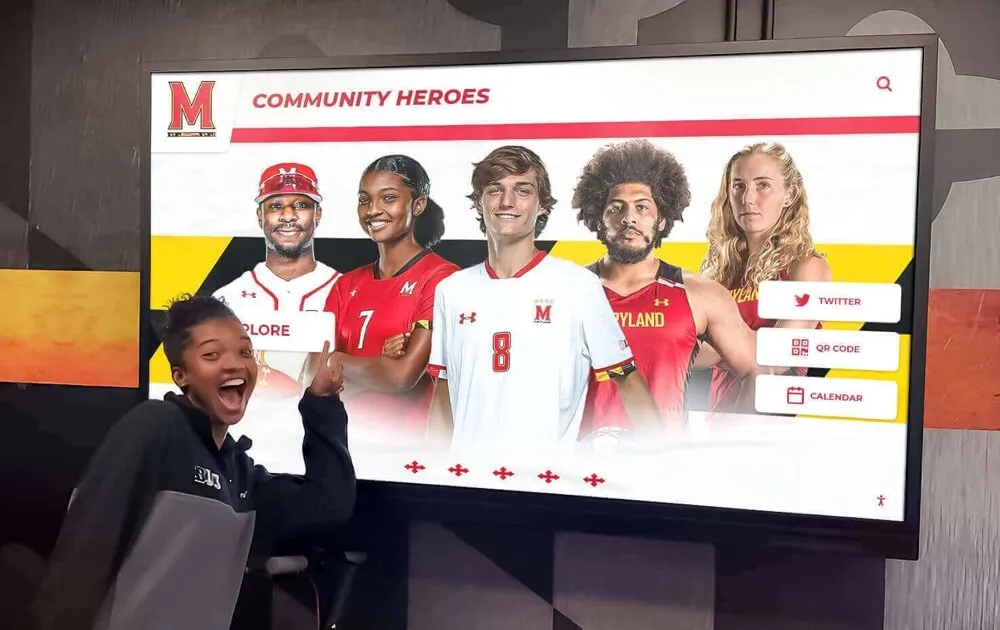
Interactive displays enable ceremony attendees to explore comprehensive inductee content beyond time-limited program presentations
Event Logistics and Venue Management
Professional execution requires systematic operational planning:
Venue Selection and Setup
Ceremony location considerations include:
- Capacity accommodating anticipated attendee numbers
- Audio-visual capabilities supporting presentations
- Accessibility ensuring all guests can participate comfortably
- Ambiance appropriate for formal recognition
- Parking availability and campus access
- Catering facilities or vendor accommodation
- Display integration capabilities for permanent recognition
- Budget alignment with available resources
Popular venue options include school gymnasiums with staging, performing arts centers with professional A/V, hotel ballrooms for upscale events, campus dining facilities combining space with catering, or outdoor spaces for weather-permitting ceremonies.
Technology and Presentation Requirements
Essential technical elements include:
- High-quality audio system with multiple microphones
- Large-format video display or projection system
- Laptop and presentation management technology
- Lighting appropriate for formal events and photography
- Backup systems preventing technical failures
- Professional technical support during event
- Integration with permanent display systems when available
Catering and Hospitality
Meal or refreshment considerations:
- Service style matching ceremony formality (plated, buffet, reception)
- Dietary accommodation for various restrictions
- Timing coordinated with program length
- Quality reflecting event significance
- Budget management across food and service costs
- Setup and cleanup coordination
- Alcohol policies if applicable for adult events
Many schools find that reception-style events with heavy appetizers provide adequate hospitality at lower cost than full sit-down dinners, while maintaining flexibility for varying attendee counts.
Execution Timeline: From Selection Announcement to Post-Ceremony Follow-Through
Systematic implementation ensures comprehensive preparation without staff overwhelm:
Phase 1: Foundation Planning and Committee Formation (Months 6-5)
Establishing Ceremony Infrastructure
Initial planning includes:
- Designate ceremony chair with overall coordination responsibility
- Assemble planning committee with specialized subcommittees:
- Content development team (biographical writing, media production)
- Logistics coordinators (venue, catering, setup)
- Communications team (invitations, promotion, programs)
- Technology managers (A/V, displays, presentations)
- Budget administrators (expense tracking, vendor coordination)
- Create master planning document with all deliverables and deadlines
- Establish meeting cadence for coordination and accountability
- Define decision-making authority and approval processes
Inductee Notification and Engagement
First contact with honorees includes:
- Formal notification letter announcing selection
- Congratulations from school leadership
- Overview of ceremony timeline and expectations
- Request for biographical information and photographs
- Family ticket allocation and invitation details
- Save-the-date information
- Point of contact for questions and coordination
Prompt, professional notification sets tone for entire ceremony experience, demonstrating that inductees are valued and that the school takes recognition seriously.
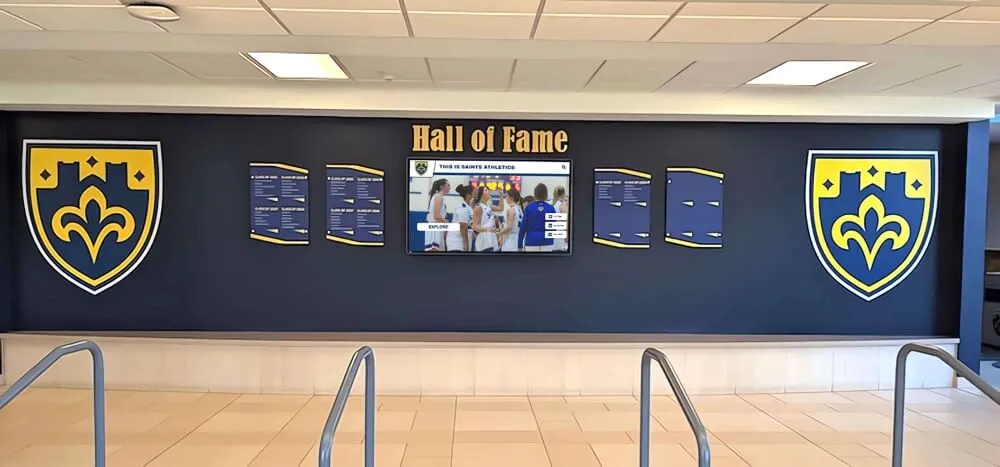
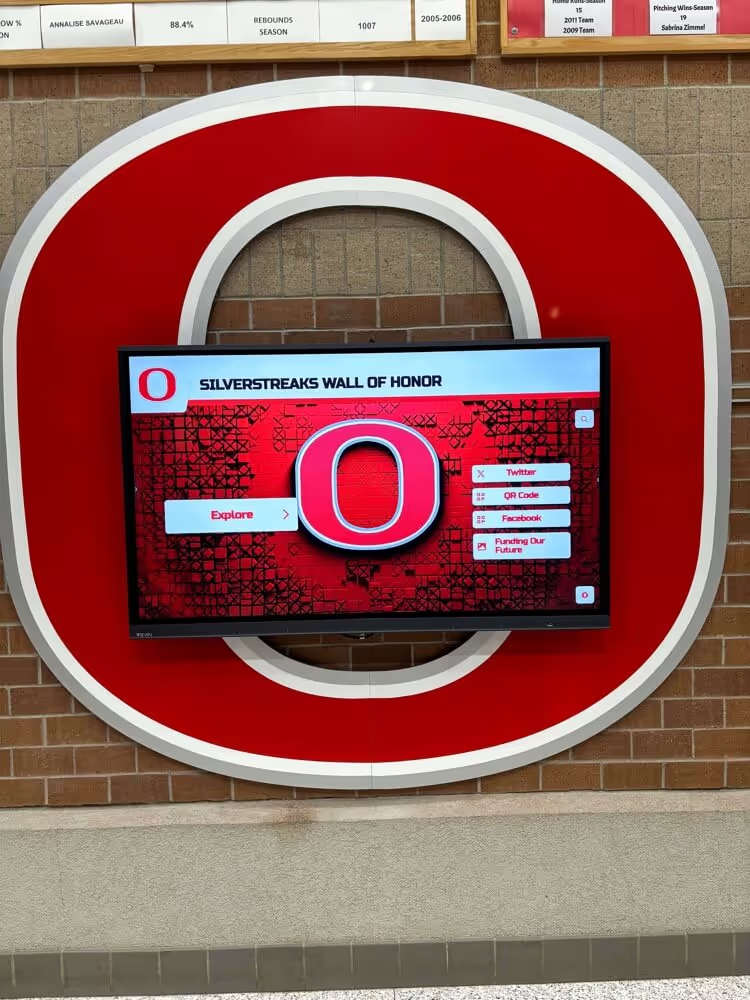
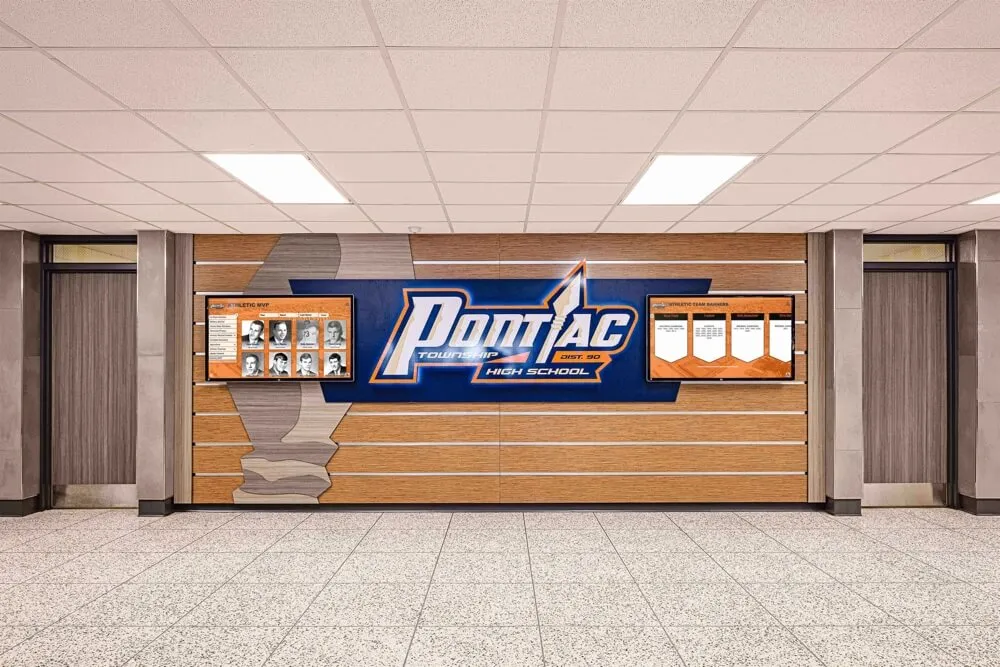
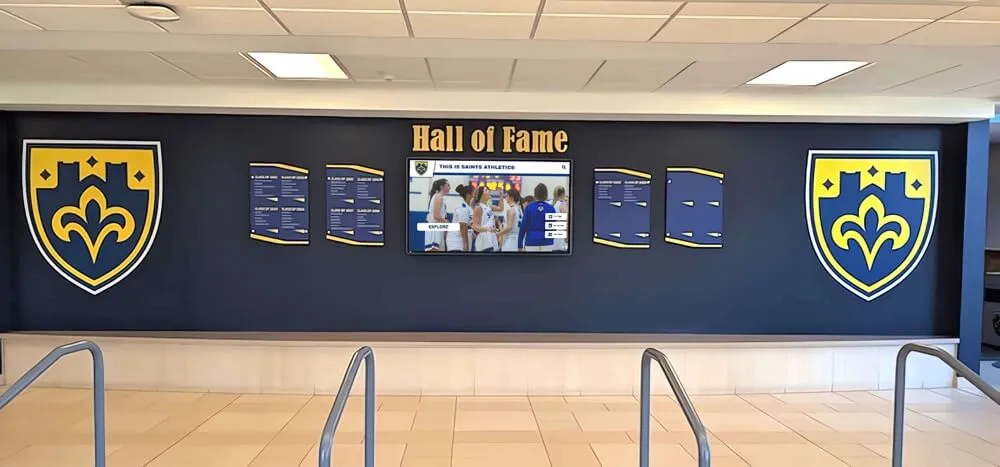
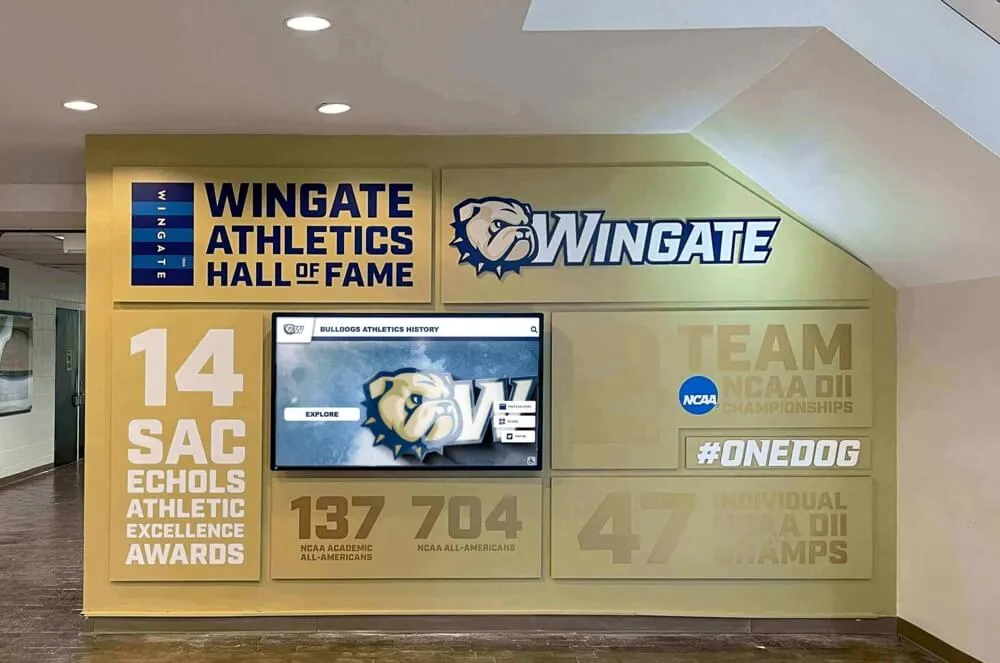
Comprehensive hall of fame displays integrate traditional physical elements with modern digital storytelling capabilities
Phase 2: Content Development and Media Production (Months 4-3)
Biographical Content Creation
Research and writing phase includes:
- Conduct inductee and family interviews gathering stories
- Review school records documenting achievements
- Research post-graduation careers and accomplishments
- Write comprehensive biographical profiles
- Develop ceremony presentation scripts
- Create program book content with inductee features
- Draft website and social media content
- Obtain content approval from inductees before publication
Professional biographical content serves multiple purposes: ceremony presentations, program books, permanent displays, website integration, and social media promotion. Investing in quality content creation produces dividends across all ceremony touchpoints.
Video and Multimedia Production
Visual storytelling includes:
- Collect high-resolution photographs from multiple eras
- Organize photo sequences showing career progression
- Edit highlight footage for athletic or performance inductees
- Record video interviews with inductees or colleagues
- Create slideshow presentations for ceremony projection
- Produce opening video establishing ceremony significance
- Develop content for digital display integration
- Test all media on venue equipment before event
Schools with limited video production expertise often partner with communications classes, student media programs, or professional vendors, viewing production costs as investments in lasting recognition quality.
Physical Recognition Items
Tangible awards preparation includes:
- Design commemorative plaques for permanent display
- Order induction year jackets, rings, or gifts
- Create framed certificates or recognition items
- Prepare program books for ceremony distribution
- Design table displays with inductee photos and achievements
- Develop branded materials reflecting school identity
- Order quantities with buffer for unexpected needs
Phase 3: Promotion, Logistics, and Final Preparation (Months 2-1)
Invitation and Communication Strategy
Outreach includes:
- Send formal invitations to families and inductees
- Promote ceremony through school communication channels
- Create social media content building anticipation
- Notify media outlets for potential coverage
- Distribute save-the-dates to broader school community
- Provide ticket information and RSVP processes
- Send reminder communications as event approaches
- Update school website with ceremony details
Effective promotion serves dual purposes: ensuring strong attendance at ceremony while building broader awareness of hall of fame program and inductee achievements.
Operational Finalization
Event logistics include:
- Finalize attendee count and venue setup
- Confirm all vendor commitments (catering, A/V, photography)
- Conduct script reviews with all speakers
- Rehearse ceremony flow and timing
- Test all presentation technology
- Prepare seating charts and name cards
- Print all program materials and signage
- Create detailed minute-by-minute run-of-show
- Assign staff responsibilities for event coordination
- Develop contingency plans for potential issues
Display Integration Preparation
Permanent recognition setup includes:
- Update digital recognition systems with new inductee content
- Schedule content release coordinated with ceremony
- Test display functionality and content accuracy
- Train ceremony volunteers on demonstration
- Create display exploration activities for reception
- Prepare QR codes linking to expanded digital profiles
- Integrate ceremony with ongoing recognition program
Modern hall of fame platforms enable ceremony coordinators to launch new inductee content precisely timed to ceremony celebration, creating seamless connection between event recognition and permanent display.
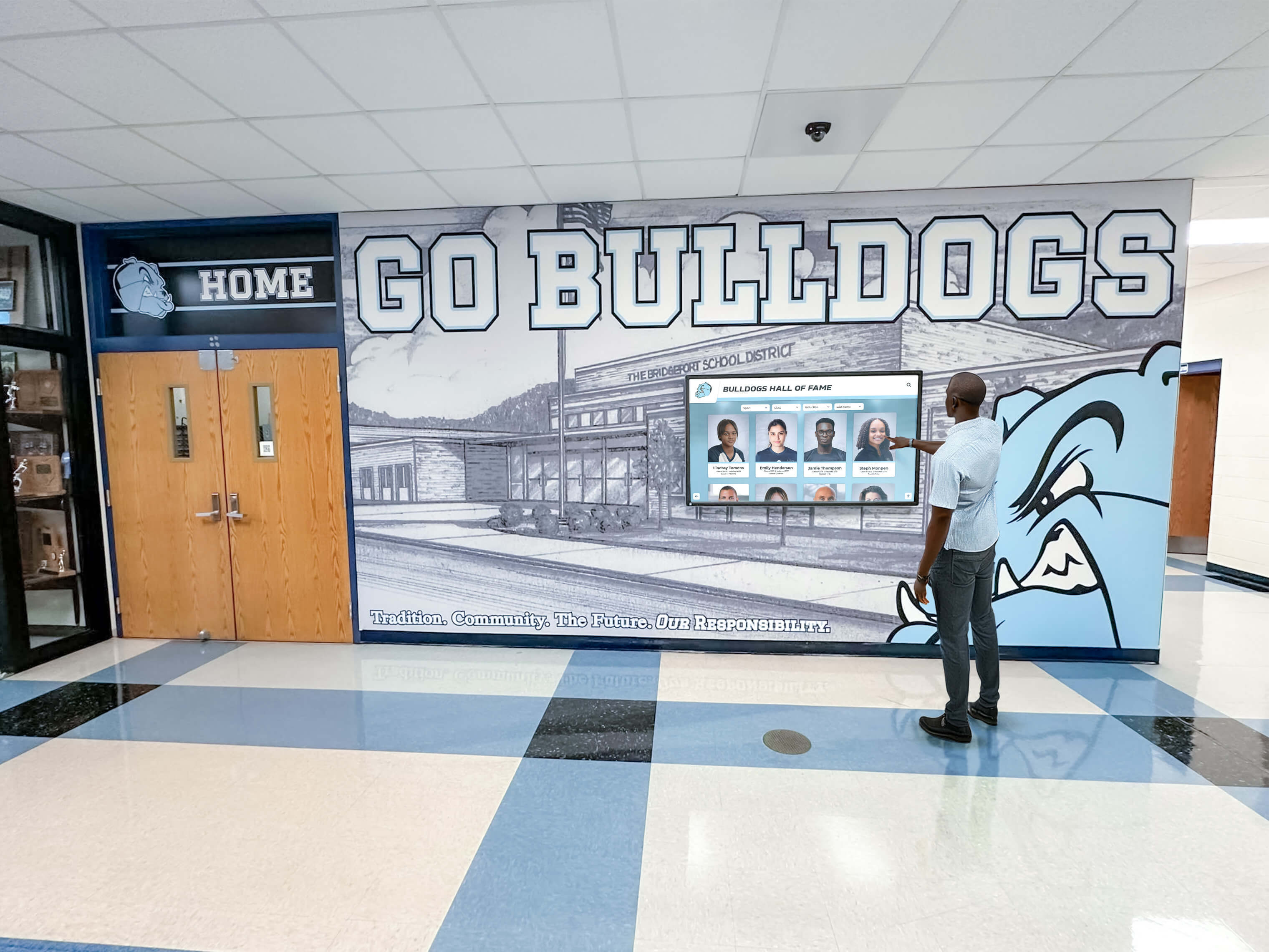
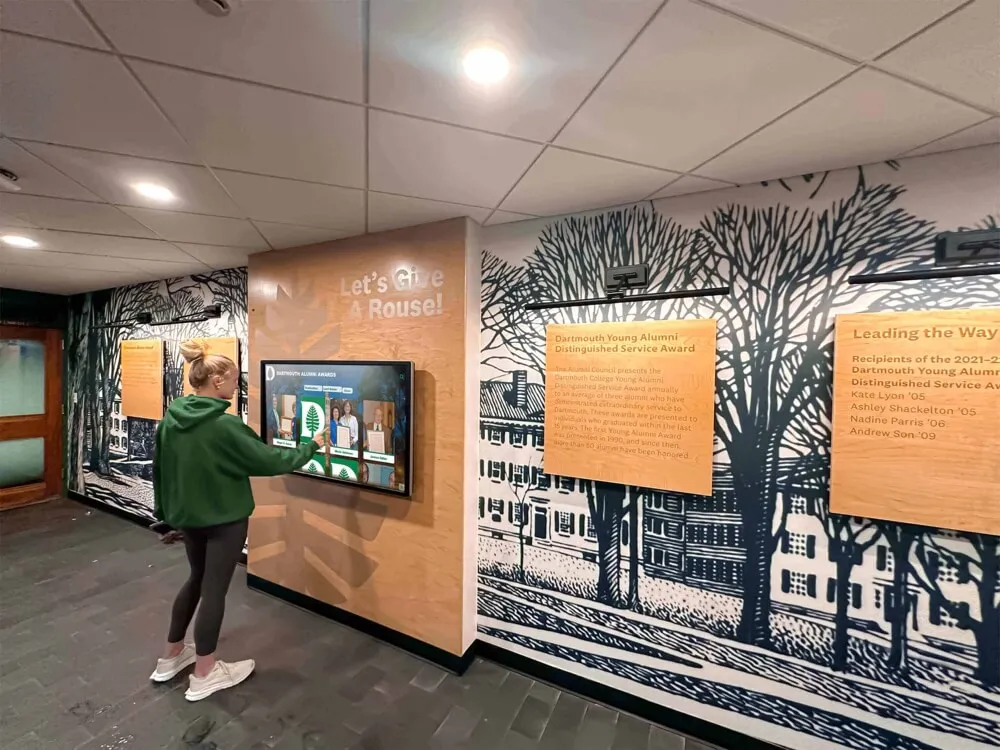
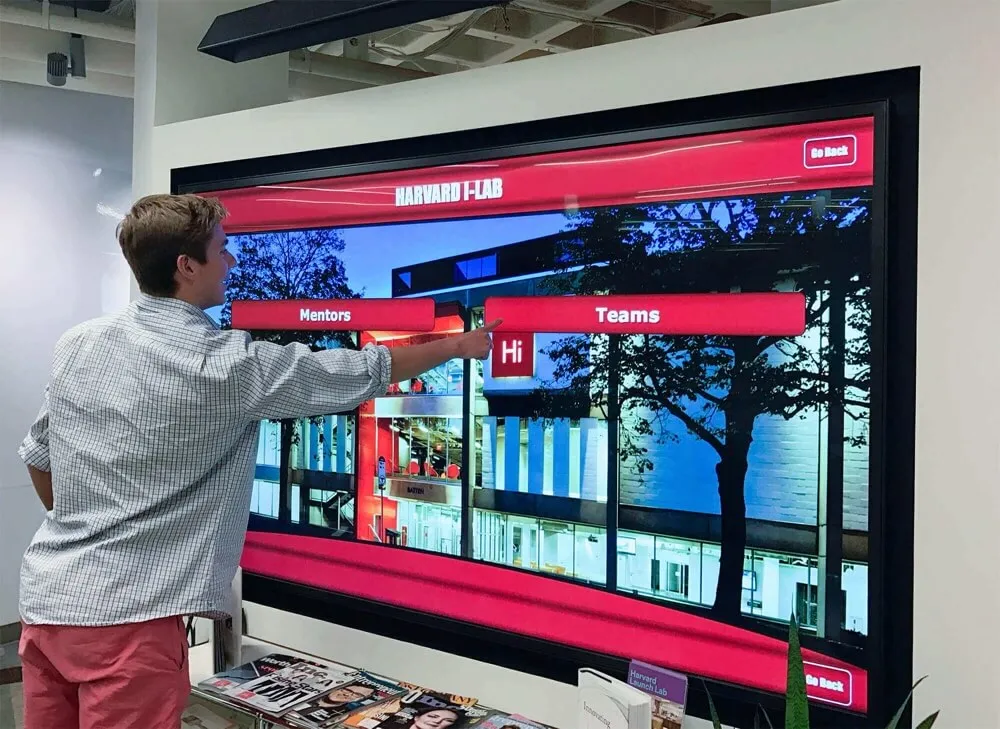
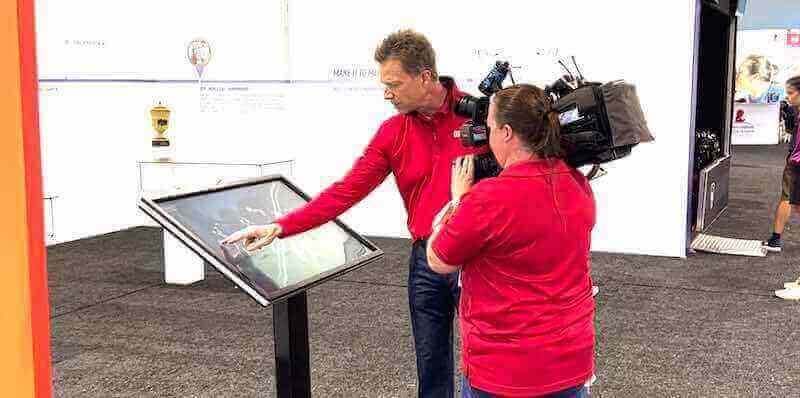
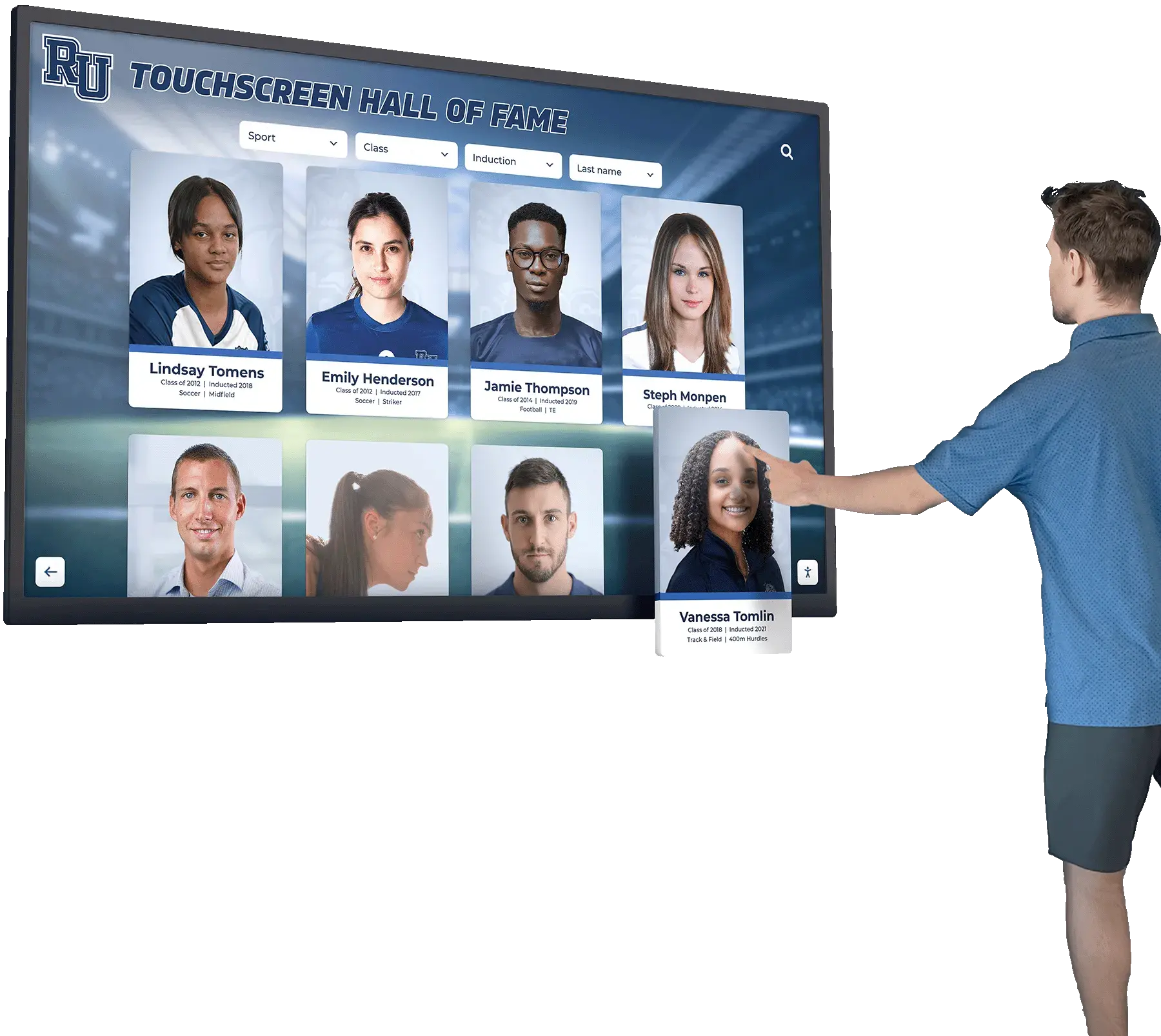
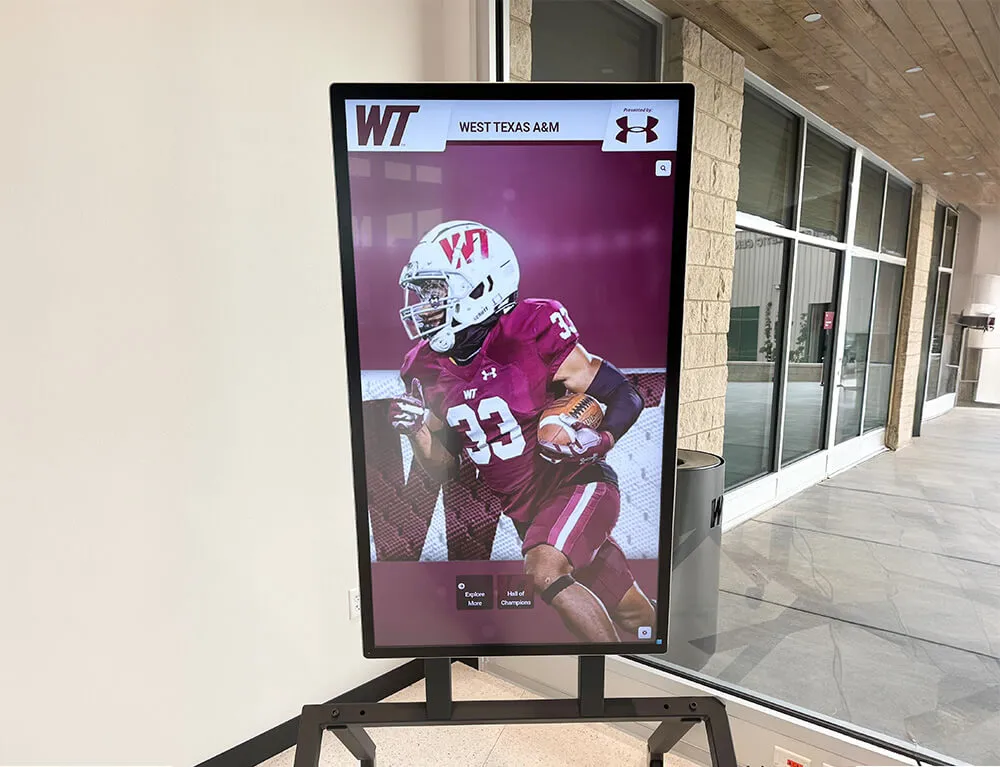
User-friendly touchscreen systems enable ceremony attendees to independently explore comprehensive inductee information
Phase 4: Ceremony Execution and Event Management (Event Day)
Pre-Event Setup and Preparation
Day-of coordination includes:
- Early venue access for setup and decoration
- Table arrangement and seating assignment
- Stage setup with podium, displays, and recognition items
- Audio-visual testing and backup preparations
- Display technology activation and testing
- Registration area setup with programs and materials
- Photography staging areas and backdrop preparation
- Final walkthrough with all staff and volunteers
- Inductee arrival coordination and green room preparation
- Opening of doors and attendee reception
Live Event Management
During ceremony execution:
- Registration greeting and seating assistance
- Timing coordination maintaining program flow
- Speaker support ensuring smooth transitions
- Technology management preventing technical issues
- Photography and videography documentation
- Social media live coverage for remote engagement
- Family support addressing needs and questions
- Flexibility managing unexpected situations
- Attendee experience monitoring and adjustment
Post-Ceremony Reception Coordination
After formal program concludes:
- Transition guests to reception area
- Facilitate display exploration and demonstration
- Support informal networking and celebration
- Coordinate additional photography opportunities
- Manage facility requirements and catering
- Distribute any remaining recognition items
- Collect feedback through observation and conversation
- Oversee venue cleanup and breakdown
- Secure all ceremony materials and technology
Professional event execution requires designated coordinators managing behind-the-scenes logistics so that public-facing hosts can focus entirely on inductee recognition and guest engagement.
Phase 5: Post-Ceremony Documentation and Follow-Through (Weeks After)
Recognition Documentation and Archival
Preservation activities include:
- Compile all ceremony photographs and video
- Create edited ceremony highlight video
- Archive program books and printed materials
- Document attendance and participation
- Organize media coverage and publicity
- Update permanent hall of fame records
- Preserve digital files for historical reference
- Create ceremony summary for institutional archives
Communication and Continued Celebration
Post-event engagement includes:
- Thank-you notes to inductees, speakers, and sponsors
- Share ceremony photos and videos on social media
- Publish ceremony highlights on school website
- Distribute media coverage to school community
- Update alumni communication channels with recognition news
- Provide inductees with ceremony documentation
- Send certificates or program books to absent family members
- Maintain engagement through ongoing display visibility
Program Evaluation and Improvement
Assessment for future enhancement includes:
- Debrief meeting with planning committee
- Gather feedback from inductees and families
- Analyze attendee experience and satisfaction
- Review budget actuals versus projections
- Document lessons learned and improvement opportunities
- Update planning templates for future ceremonies
- Recognize staff and volunteer contributions
- Begin preliminary planning for next cycle
Continuous improvement mindset transforms each ceremony into learning opportunity, systematically enhancing quality and efficiency across annual cycles.
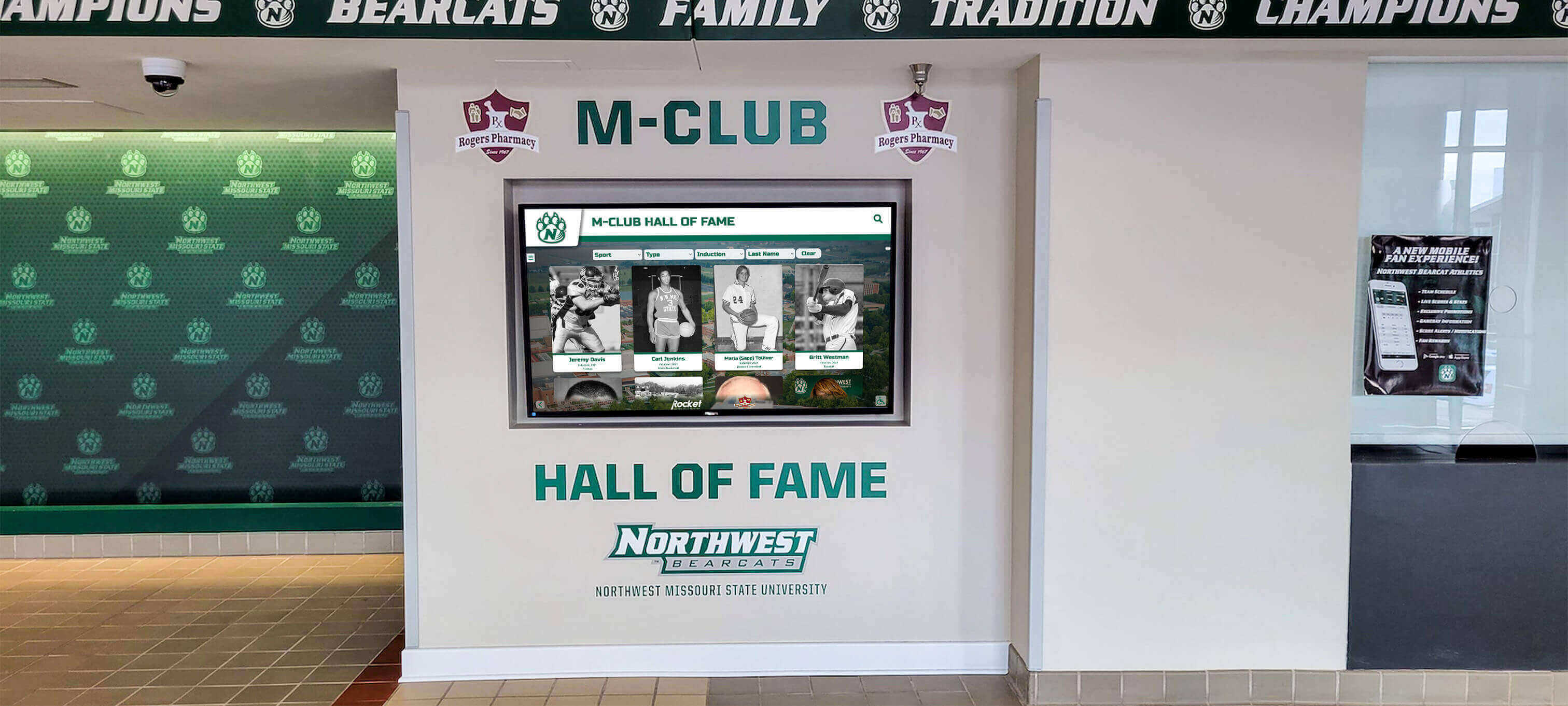
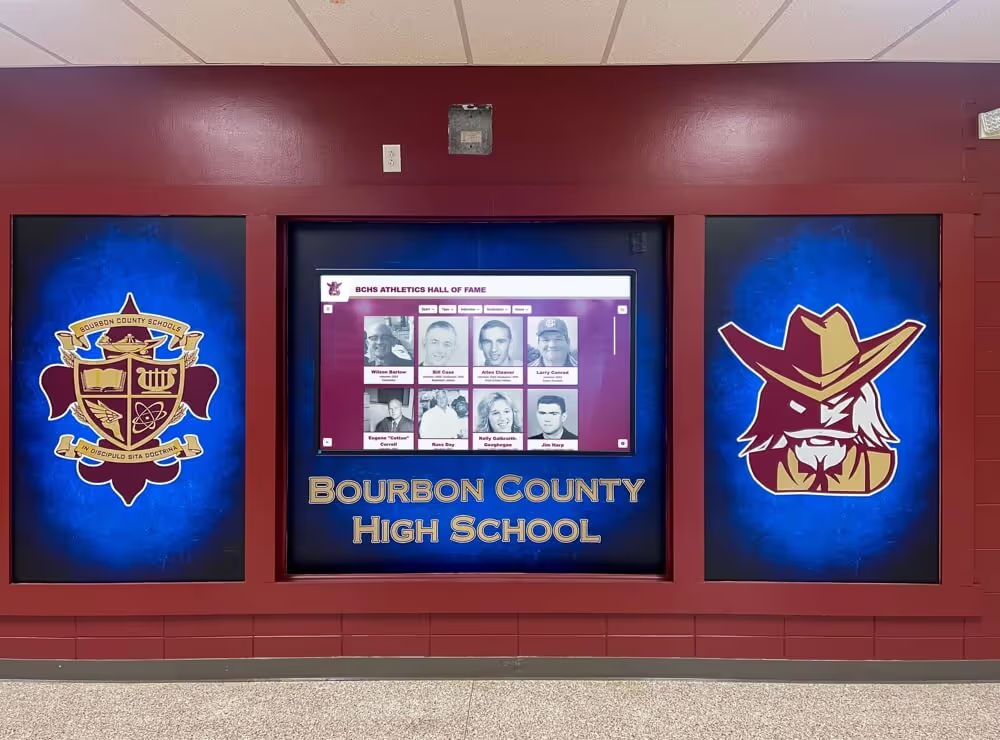
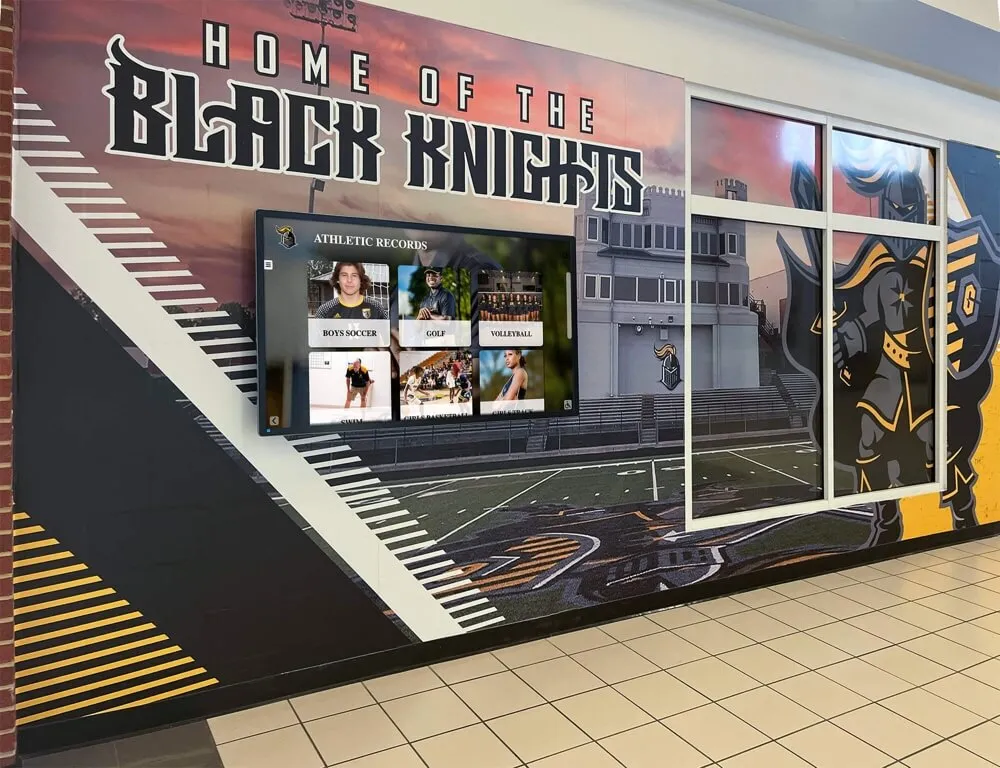
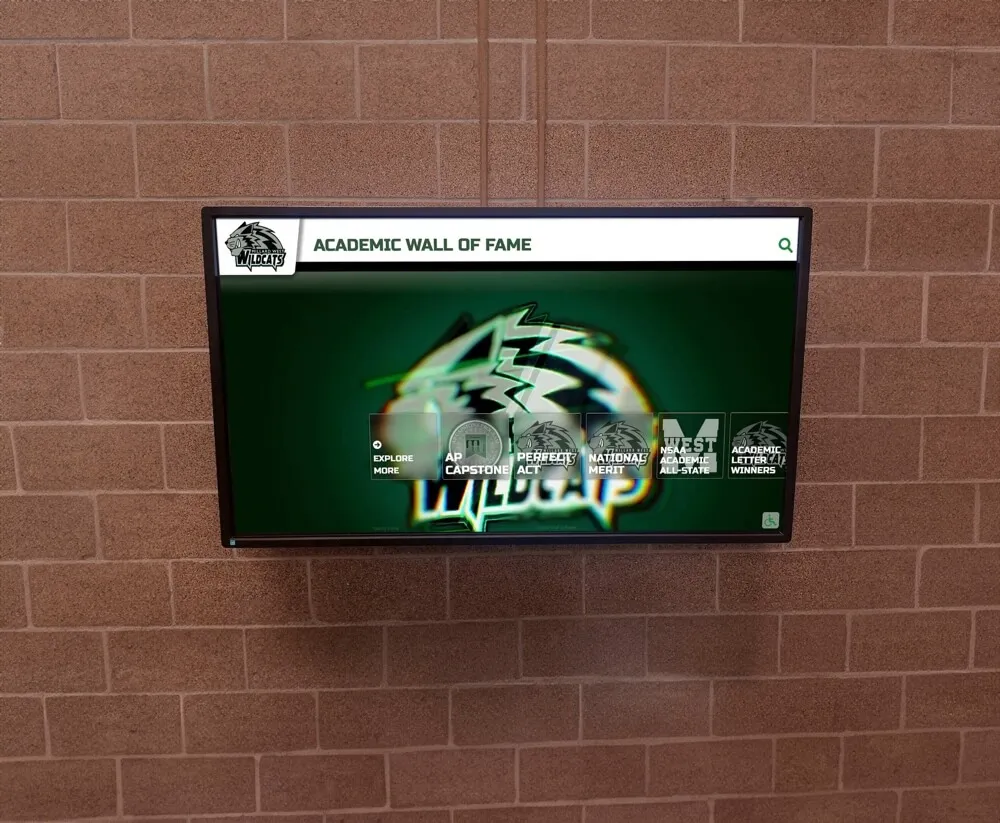
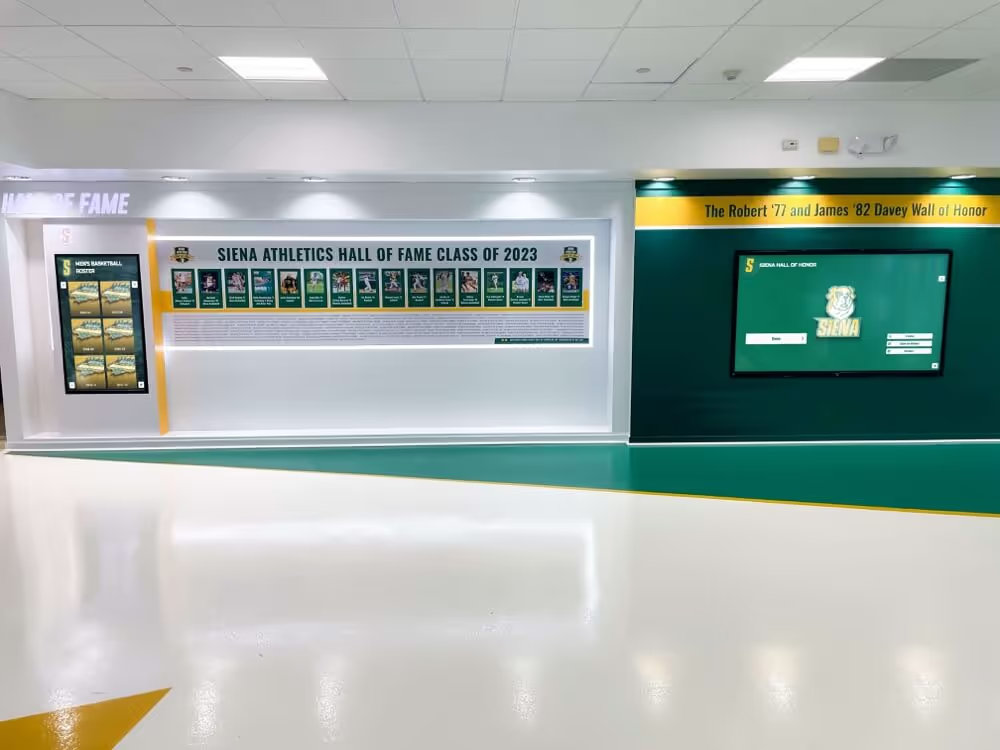
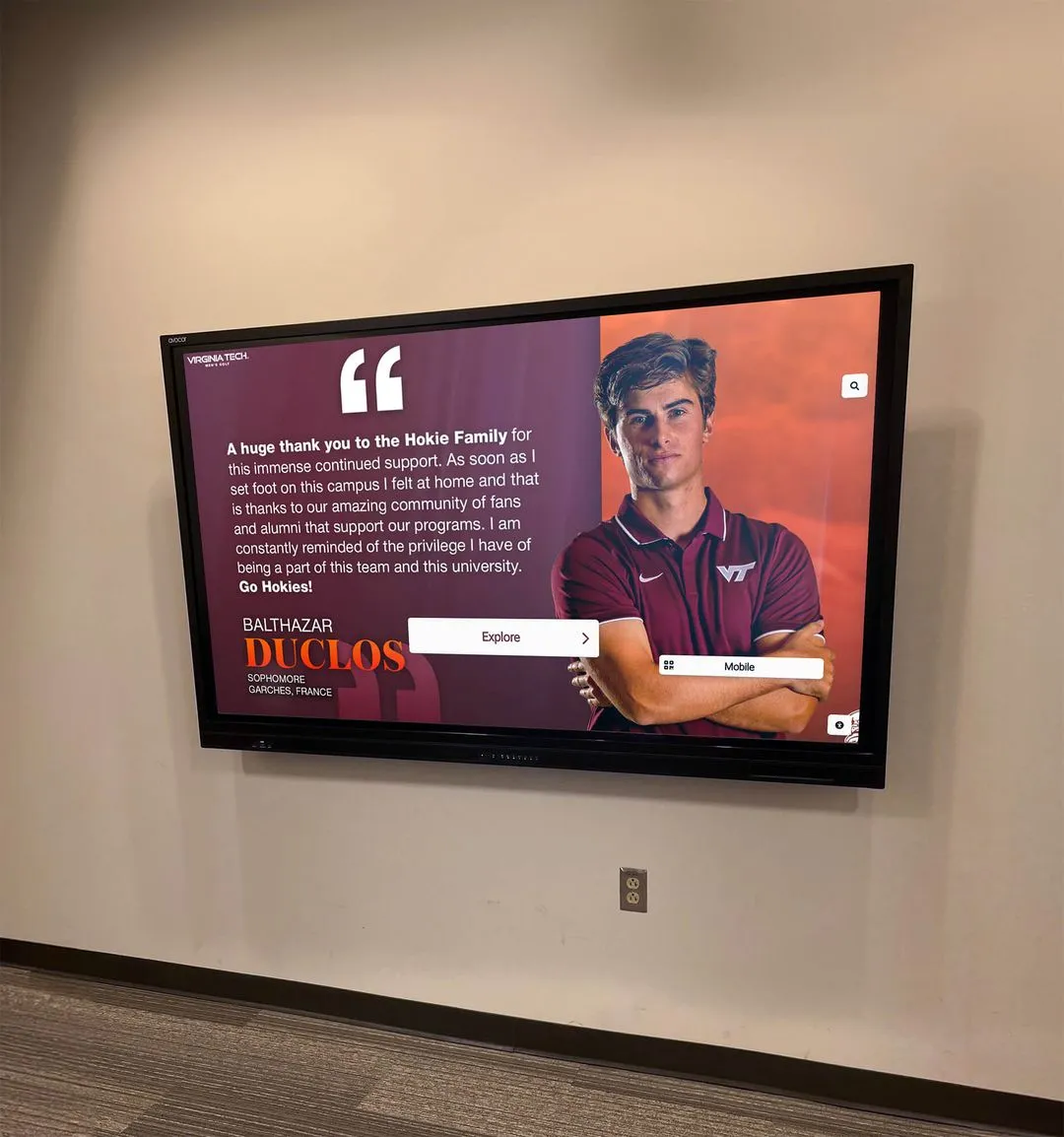
Professional displays create lasting recognition that continues honoring inductees long after ceremony celebrations conclude
Display Integration: Connecting Ceremony Recognition to Permanent Visibility
Effective induction ceremonies launch lasting recognition, not one-night celebrations:
Digital Display Advantages for Ceremony Integration
Modern recognition platforms transform how schools connect ceremonies with ongoing visibility:
Ceremony-Timed Content Launch
Strategic content release includes:
- Schedule inductee profiles to publish during ceremony
- Coordinate display content with program presentations
- Create ceremony night “reveals” on permanent displays
- Enable family exploration during reception
- Generate social media sharing from display content
- Extend ceremony reach to remote community members
- Document ceremony itself within display content
Cloud-based content management systems enable precise timing, launching new inductee content at exact moment ceremony begins, creating powerful connection between event celebration and permanent recognition.
Reception Engagement Through Interactive Displays
Ceremony integration opportunities include:
- Position displays prominently in reception area
- Staff volunteers demonstrating display features
- Create scavenger hunt activities exploring content
- Enable family sharing via QR codes and social links
- Document attendee engagement for impact assessment
- Showcase display capabilities to broader audience
- Generate enthusiasm for ongoing hall of fame program
Reception periods provide ideal opportunities for extended display exploration when ceremony formality has concluded but attendees remain engaged and celebratory.
Ongoing Visibility Beyond Event Night
Sustained recognition includes:
- Daily display visibility in high-traffic locations
- Featured content rotations highlighting recent inductees
- Anniversary recognition on induction dates
- Integration with school communication systems
- Web platform access for remote engagement
- Search functionality enabling easy inductee discovery
- Unlimited capacity for comprehensive recognition
Solutions like Rocket Alumni Solutions provide comprehensive platforms specifically designed for school hall of fame applications, combining ceremony-ready content presentation with long-term recognition management through user-friendly cloud systems.
Traditional vs. Modern Display Approaches
Schools face important choices regarding permanent recognition:
Traditional Physical Plaques
Classic approaches include:
- Engraved plaques mounted in display areas
- Formal aesthetic matching institutional traditions
- Tangible physical presence creating gravitas
- No technology requirements or digital management
Limitations include:
- Severe space constraints limiting capacity
- High costs for ongoing plaque additions
- Minimal biographical information beyond names
- Difficult updates requiring physical modification
- No multimedia or interactive capabilities
Digital Interactive Systems
Modern platforms provide:
- Unlimited inductee capacity on single display
- Rich multimedia content with photos, videos, statistics
- Cloud-based management enabling easy updates
- Search and filtering for efficient discovery
- Web integration extending access beyond physical location
- Comprehensive biographical storytelling
- Cost efficiency over long-term operation
Schools increasingly recognize that digital systems overcome fundamental limitations of physical plaques while enabling recognition quality impossible through traditional approaches.
Hybrid Recognition Strategies
Balanced approaches include:
- Traditional plaques for high-visibility physical presence
- Digital displays for comprehensive content and exploration
- QR codes on plaques linking to expanded digital profiles
- Complementary systems honoring tradition while embracing capability
- Phased migration from physical to digital over time
Learn about comprehensive approaches for creating athletic recognition programs that inform hall of fame display strategies.
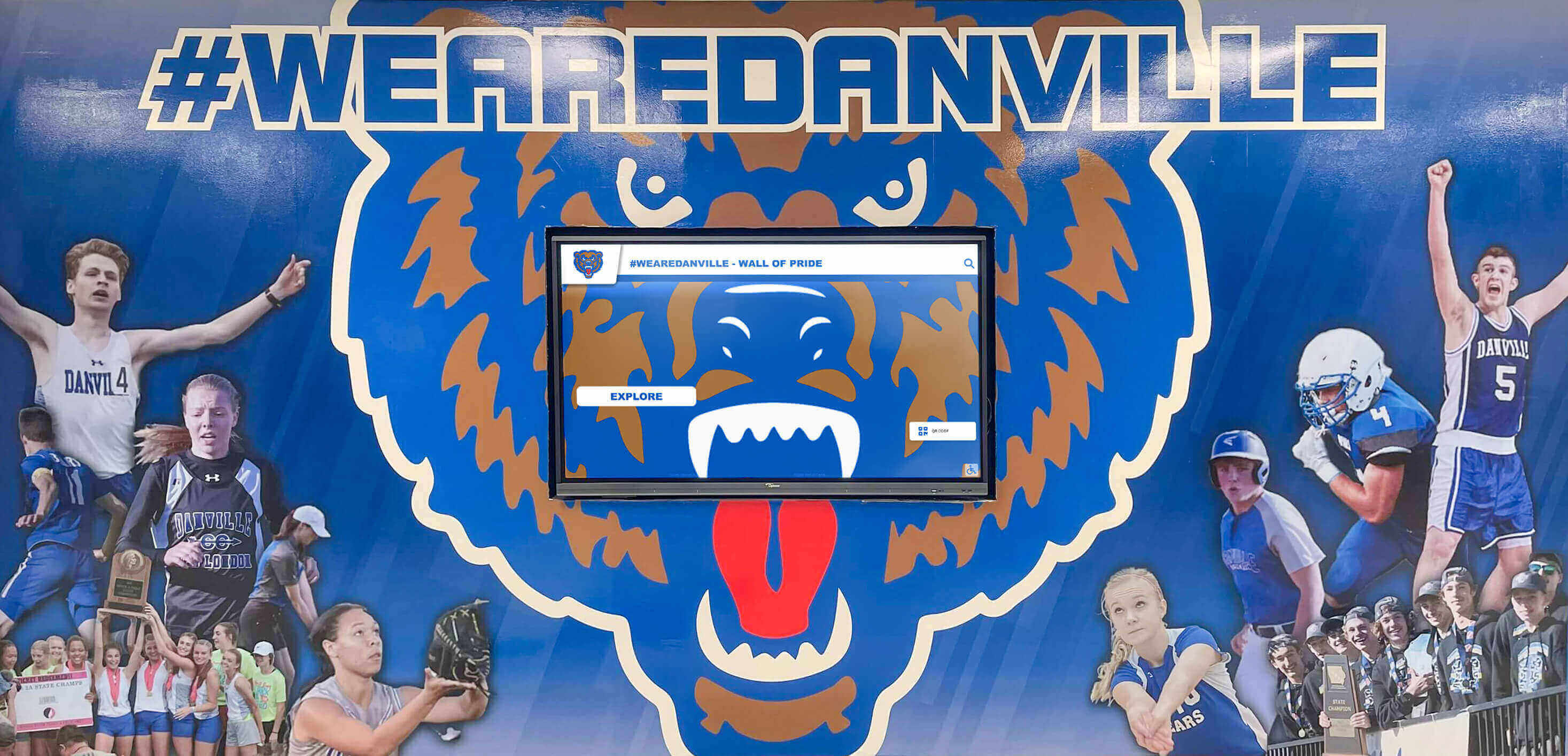
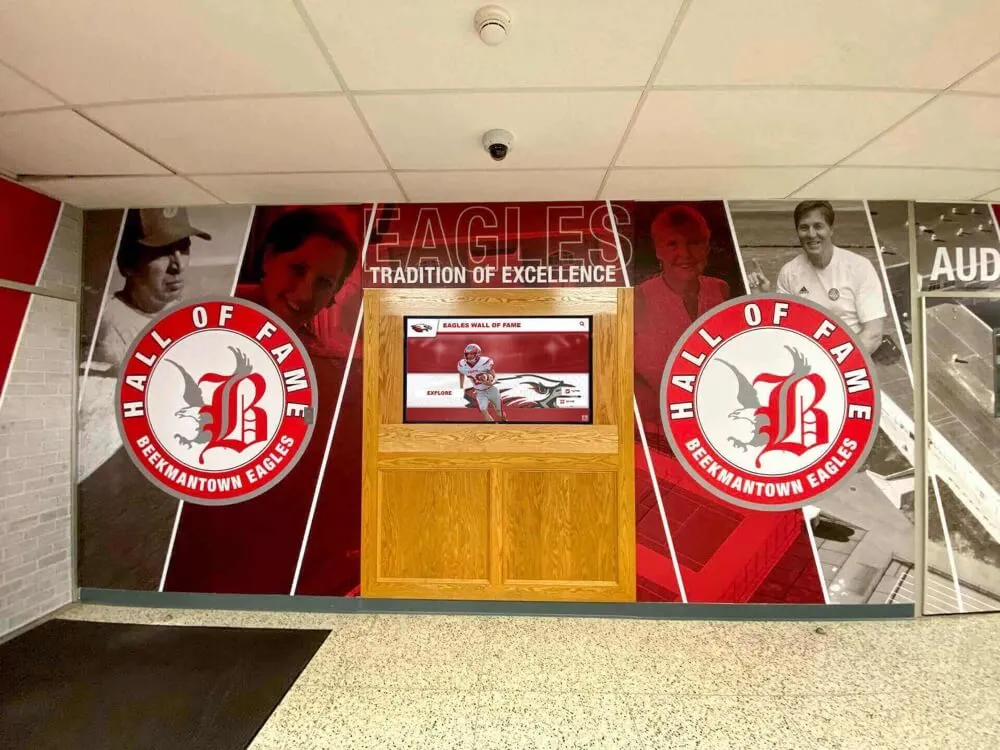
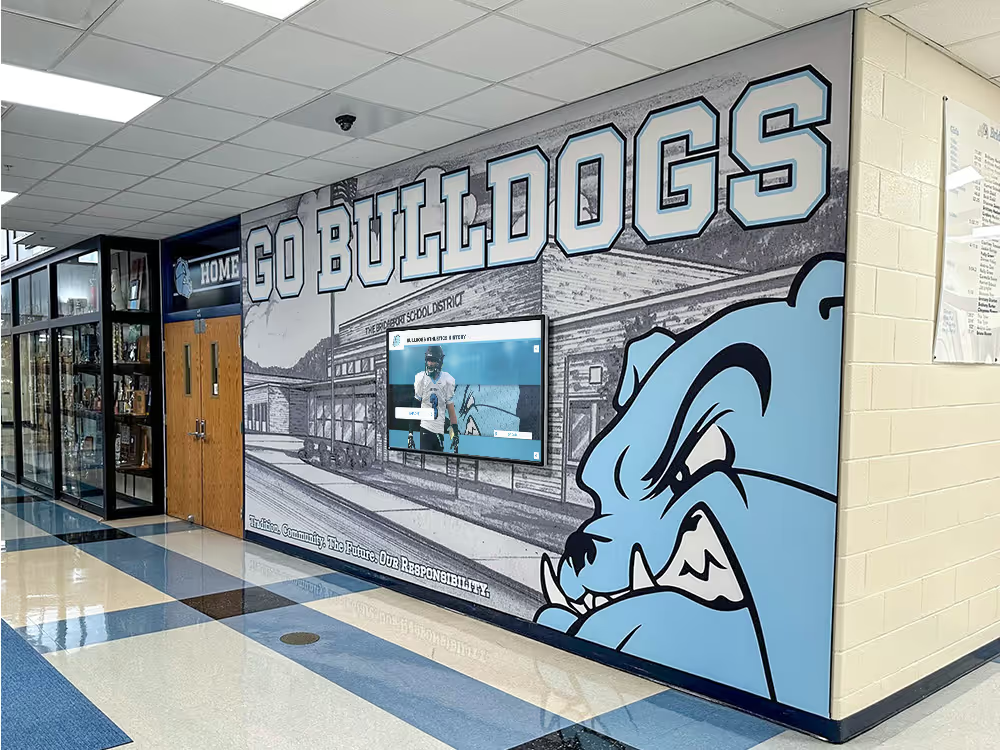
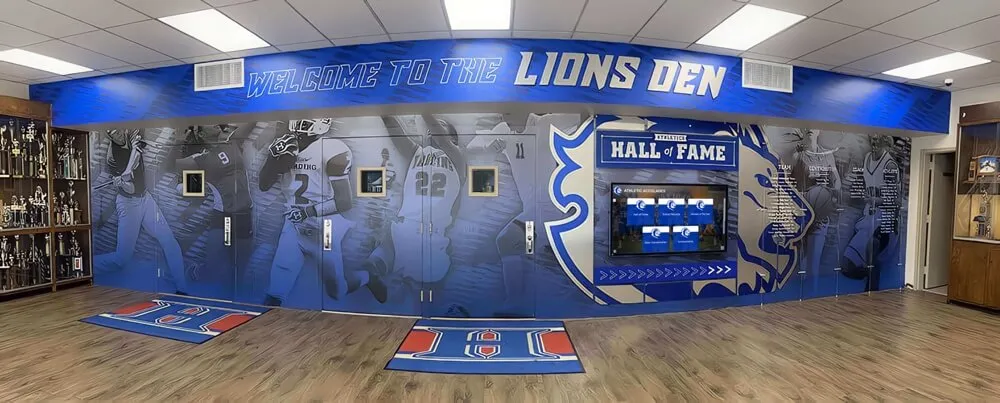
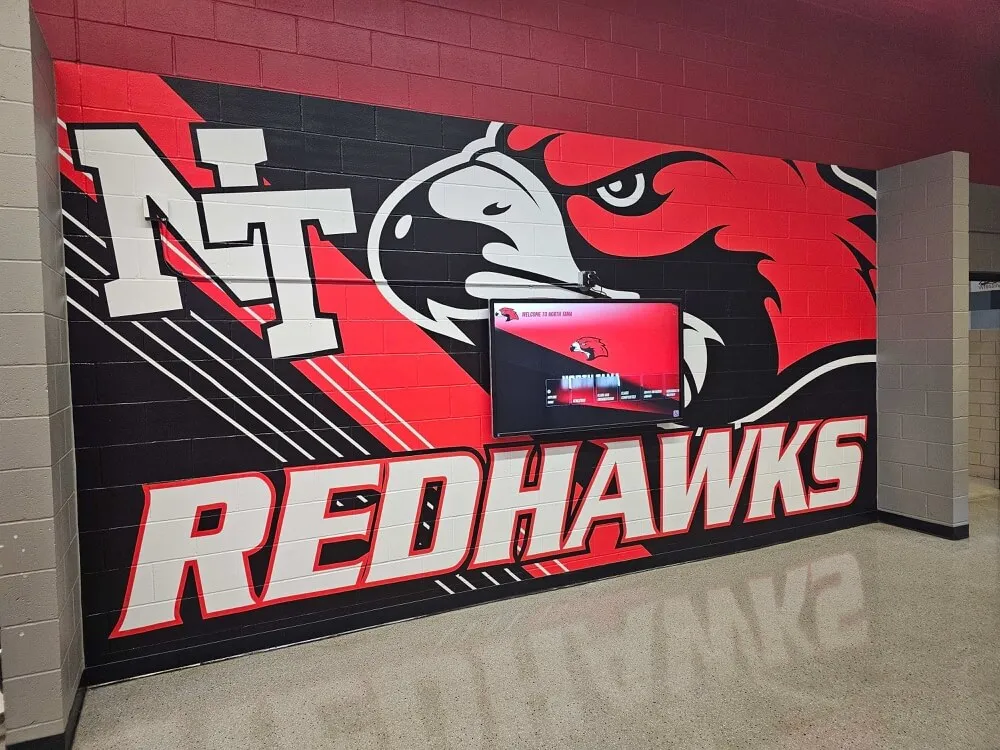
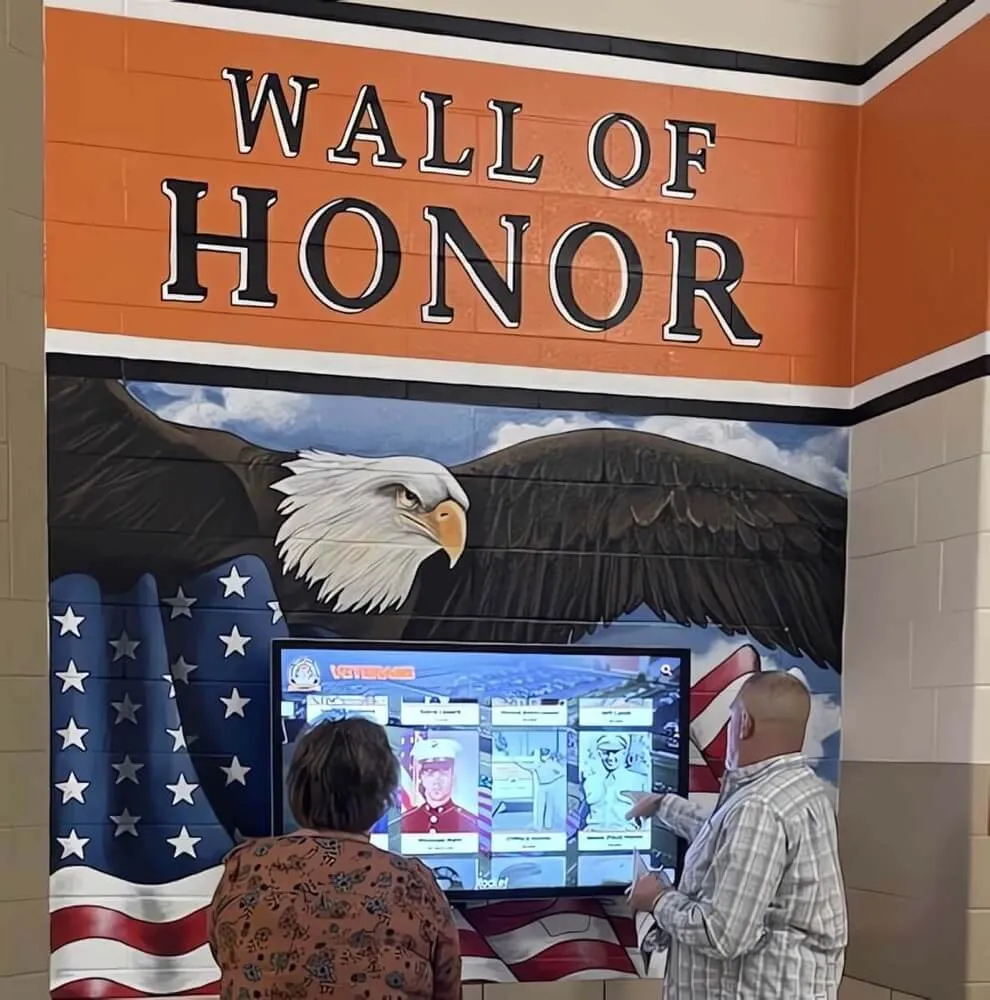
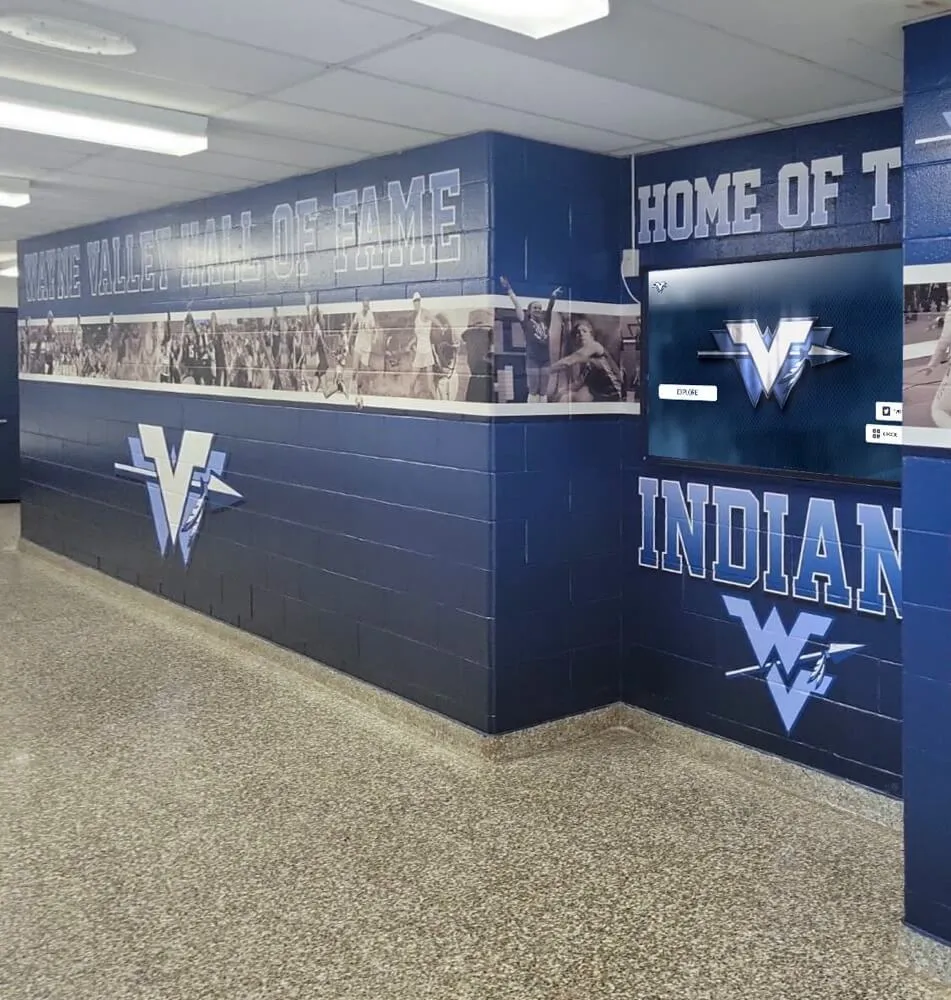
Integration of traditional mural elements with modern digital displays balances heritage with contemporary recognition capabilities
Special Ceremony Considerations and Format Variations
Different contexts require adapted approaches:
Multi-Category Induction Ceremonies
Comprehensive recognition across programs:
Balancing Multiple Recognition Types
When honoring diverse achievements:
- Athletic hall of fame inductees alongside academic or arts recognition
- Separate program segments for each category
- Rotating ceremony focus across years if needed
- Integrated programs celebrating all excellence types
- Appropriate time allocation ensuring equity
- Category-specific presenters providing expertise
Schools with mature programs often rotate ceremony focus, alternating years between athletic, academic, and arts inductions rather than creating excessively long combined events.
Category-Specific Ceremonies
Focused recognition events include:
- Annual athletic hall of fame banquets
- Separate academic excellence recognition ceremonies
- Arts program induction celebrations
- Leadership and service hall of fame events
- Alumni achievement recognition separate from student awards
Specialized ceremonies enable deeper recognition within categories while maintaining appropriate program length and thematic coherence.
Scale Considerations: Intimate vs. Large-Format Events
Event size affects planning:
Small, Intimate Ceremonies (Under 100 attendees)
Characteristics include:
- Single inductee or small class size
- Family-centered gatherings with personal feel
- Simplified logistics and budget requirements
- On-campus venues like libraries or small auditoriums
- Reception-style formats with brief formal program
- Enhanced opportunities for personal connection
Large, Community-Wide Events (200+ attendees)
Larger ceremonies require:
- Expanded venues accommodating significant crowds
- Professional event management and coordination
- Substantial budget supporting production quality
- Formal program structure maintaining organization
- Enhanced A/V and technology requirements
- Strategic crowd management and logistics
Schools should scale ceremony scope to available resources and traditional expectations rather than feeling obligated to match external benchmarks that may not fit local context.
Virtual or Hybrid Ceremony Options
Modern alternatives include:
Live-Streaming for Remote Access
Technology enabling broader participation:
- Video broadcast of ceremony for distant family
- Social media live coverage expanding reach
- Recorded ceremony available for on-demand viewing
- Chat or comment engagement for remote attendees
- Multiple camera angles and professional production
- Integration with school streaming capabilities
Hybrid In-Person and Virtual Models
Blended approaches include:
- Core attendees present physically
- Extended family and community joining remotely
- Pre-recorded video elements ensuring quality
- Live interaction components maintaining engagement
- Technology backup preventing broadcast failures
Virtual components became essential during pandemic restrictions but continue offering value by extending accessibility to geographically dispersed communities and family members unable to travel.
Discover strategies for creating effective recognition ceremony programs that inform induction planning.
Budget Planning and Resource Management
Sustainable ceremonies require realistic financial planning:
Typical Induction Ceremony Budget Categories
Venue and Facility Costs
- Facility rental fees: $200-$2,000
- Setup and cleanup services: $200-$500
- Parking and security if required: $100-$400
Catering and Hospitality
- Meal or reception food: $20-$60 per person
- Beverage service: $5-$15 per person
- Catering service fees and gratuity: 15-20% of food cost
- Rentals (tables, linens, dinnerware): $500-$1,500
Recognition Items and Materials
- Inductee plaques or awards: $75-$300 each
- Induction jackets or gifts: $50-$150 each
- Program book printing: $3-$8 per book
- Invitations and printing: $200-$500
- Table decorations and signage: $200-$600
Media Production and Technology
- Video production services: $500-$2,000
- Professional photography: $300-$1,000
- Audio-visual rental and support: $500-$1,500
- Display technology for presentations: $200-$800
Promotion and Communication
- Printed promotional materials: $100-$300
- Social media advertising (if used): $100-$500
- Program advertising sales (revenue offset): varies
Total ceremony budgets typically range from $2,000 for modest events to $10,000+ for elaborate formal banquets, with per-inductee costs averaging $600-$1,500 when fixed costs are distributed.
Revenue and Funding Strategies
Offsetting costs through:
- Ticket sales to non-family attendees: $25-$75 per person
- Corporate or sponsor table sales: $500-$2,000 per table
- Program advertising from local businesses: $100-$500 per ad
- Alumni association or booster club funding
- School operating budget allocations
- Endowment or hall of fame fund support
- Commemorative item sales (t-shirts, programs)
Many schools find that modest ticket charges for non-family attendees combined with sponsor support substantially offsets ceremony costs without creating financial barriers for inductee families.
Cost Management Without Sacrificing Quality
Efficiency strategies include:
- On-campus venues eliminating rental fees
- Student or volunteer photography and videography
- Digital invitations reducing printing costs
- Reception-style service versus formal plated dinners
- Community partner sponsorships for in-kind donations
- Multi-year recognition items spreading costs
- Reusable decorations and materials
- Technology leverage reducing production needs
Schools report that content quality—compelling biographical storytelling and meaningful presentations—drives ceremony memorability far more than venue elegance or catering expense, suggesting that resource prioritization toward content development produces highest return.
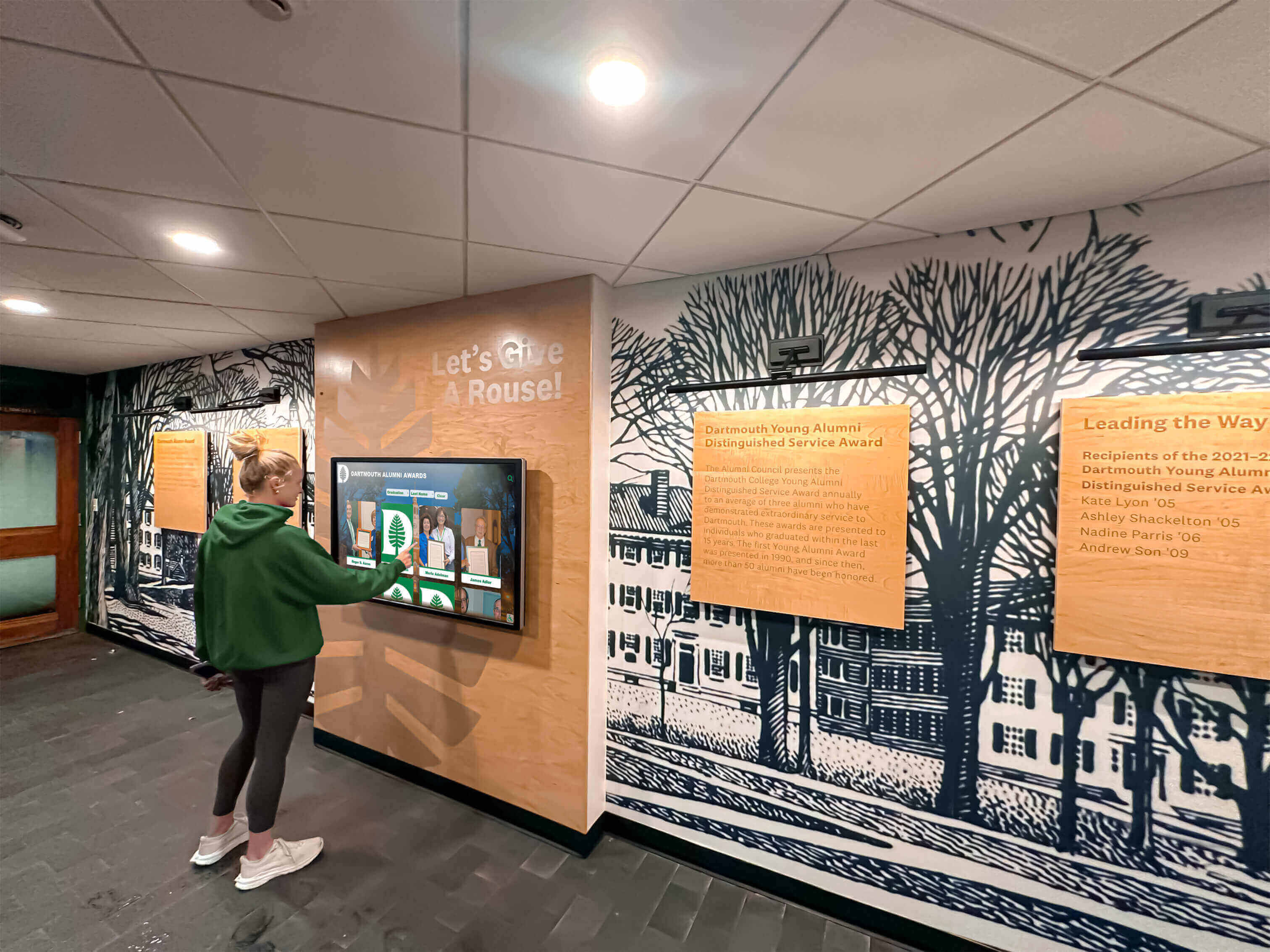
Intuitive touchscreen systems enable students and community members to explore inductee achievements independently
Common Induction Ceremony Challenges and Solutions
Learning from frequent pitfalls helps schools avoid expensive mistakes:
Challenge 1: Inadequate Planning Timeline
The Problem: Schools announce ceremony dates just 6-8 weeks in advance, leaving insufficient time for quality content development, proper promotion, or thoughtful logistics planning. Rushed preparation creates stress for staff while producing subpar ceremonies that don’t honor inductees appropriately.
The Solution: Establish minimum 4-6 month planning windows from selection announcement to ceremony date. Create detailed planning timelines with milestone deadlines for content development, invitation distribution, and logistics finalization. Begin preliminary planning for next year’s ceremony immediately after completing current year’s event, enabling systematic preparation without last-minute scrambling.
Challenge 2: Weak Biographical Content and Storytelling
The Problem: Ceremony presentations provide minimal information beyond inductee names, graduation years, and surface-level achievement lists. Generic recognition fails to help attendees understand why inductees deserve honor or what made their contributions exceptional, resulting in ceremonies that feel perfunctory rather than celebratory.
The Solution: Invest significant time in biographical research and content development. Conduct thorough inductee and family interviews gathering compelling stories. Draft comprehensive profiles capturing achievement depth, personal character, and institutional impact. Create multimedia presentations leveraging photos, statistics, and video to bring stories to life. Quality content transforms routine recognition into meaningful celebration.
Challenge 3: Excessive Event Length and Pacing Issues
The Problem: Ceremonies stretch to 3+ hours through excessive speeches, redundant presentations, or poor time management, causing audience fatigue and diminishing recognition impact. Attendees leave with negative impressions despite good intentions, and word-of-mouth dampens future attendance.
The Solution: Design programs respecting audience attention spans, targeting 90-120 minute total duration for ceremonies with 4-6 inductees. Allocate specific time limits for each program segment and enforce them through practiced emcee management. Eliminate redundant elements and unnecessary speeches. Save extended storytelling for reception period when interested parties can engage voluntarily. Remember that focused, well-paced recognition honors inductees more effectively than exhaustive tributes that lose audience engagement.
Challenge 4: Poor Display Integration and Lasting Visibility
The Problem: Schools invest substantial resources in single-night ceremonies but provide minimal permanent recognition, resulting in inductees whose achievements receive brief celebration before fading into obscurity. Physical space constraints force selective plaque installation, creating equity issues when some inductees receive lasting visibility while others don’t.
The Solution: Implement comprehensive digital recognition platforms providing unlimited permanent visibility for all inductees equally. Integrate ceremony content directly into displays so reception attendees can explore expanded biographical information. Leverage ceremony momentum to demonstrate display capabilities to broader community. View ceremony as launch of ongoing recognition rather than complete tribute. Solutions like Rocket Alumni Solutions eliminate space constraints while enabling rich multimedia recognition impossible with traditional physical plaques.
Challenge 5: Limited Family Engagement and Participation
The Problem: Schools treat ceremonies as institutional events rather than family celebrations, resulting in inductee families feeling like guests at someone else’s party rather than honored participants. Minimal family involvement in content development or program design creates disconnection between institutional recognition and personal meaning.
The Solution: Center planning around family experience and engagement. Involve families in biographical content development, photo selection, and presenter identification. Provide advance ceremony previews so families know what to expect. Offer participation opportunities like family remarks or recognition presentation involvement. Allocate adequate time for family photography and celebration. Follow up with ceremony documentation and continued recognition communication. Remember that inductees experience recognition through their families’ pride and appreciation, not just personal acknowledgment.
Building Your Induction Ceremony: Next Steps and Implementation Resources
Schools ready to plan memorable induction ceremonies should follow systematic approaches:
Immediate Planning Actions
Establish Ceremony Framework (Week 1)
- Set formal ceremony date providing adequate planning window
- Designate ceremony coordinator with primary responsibility
- Assemble planning committee with diverse expertise
- Create master timeline with milestone deadlines
- Establish preliminary budget with category allocations
- Define decision-making authority and approval processes
Begin Content Development (Weeks 2-4)
- Notify inductees formally and request biographical information
- Conduct family interviews gathering stories and photographs
- Research achievements through records and archives
- Draft preliminary biographical profiles
- Identify multimedia production needs and resources
- Create content approval processes ensuring quality
Coordinate Event Logistics (Weeks 5-8)
- Reserve venue and confirm availability
- Establish catering or reception plans
- Book photography and videography services
- Arrange audio-visual technology requirements
- Design and order recognition items and materials
- Plan invitation and promotion strategies
Long-Term Program Sustainability
Developing Annual Ceremony Traditions
Sustainable programs include:
- Consistent ceremony timing (same month annually)
- Established planning calendars and timelines
- Documented processes and planning templates
- Designated budgets with predictable funding
- Trained committee members with institutional knowledge
- Clear role definitions and succession planning
Continuous Improvement Mindset
Enhancement strategies include:
- Post-ceremony evaluation and feedback gathering
- Documented lessons learned and improvement opportunities
- Innovation testing and best practice adoption
- Benchmark comparison with peer institutions
- Investment in ceremony quality and experience
- Celebration of planning team contributions
Recognition Beyond Ceremony
Comprehensive programs include:
- Permanent display visibility through digital platforms
- Web platform integration extending remote access
- Anniversary recognition on induction dates
- Featured content highlighting recent inductees
- Integration with school communications
- Ongoing engagement with inducted alumni
Learn comprehensive strategies for creating memorable award programs that inform hall of fame ceremonies.
Conclusion: Creating Induction Ceremonies That Honor Excellence Meaningfully
Induction ceremonies represent culminating moments when schools formally welcome exceptional individuals into permanent halls of fame, transforming selections into celebrated community traditions. When schools plan thoughtfully—following systematic timelines establishing adequate preparation windows, developing comprehensive biographical content showcasing achievements meaningfully, designing balanced programs honoring inductees thoroughly while maintaining audience engagement, integrating ceremony celebration with permanent recognition displays, and committing to excellence across annual cycles—they create recognition events that honor inductees genuinely, strengthen family connections and school pride, and establish anticipated traditions that communities value deeply.
The strategies explored throughout this comprehensive planning guide provide complete frameworks for developing effective induction ceremonies serving any school context—from understanding critical timeline requirements and content development strategies to executing professional events and sustaining programs across annual cycles. Whether you’re planning your first hall of fame induction or enhancing established ceremony traditions, the fundamental principles remain consistent: honor inductees with biographical depth demonstrating why they deserve recognition, create formal yet celebratory events balancing gravitas with joy, engage families as central participants rather than passive attendees, connect ceremony celebration with lasting permanent visibility, and sustain commitment ensuring consistent quality across leadership transitions.
Ready to transform your school’s hall of fame induction ceremony? Modern recognition solutions help schools create seamless connections between ceremony celebration and permanent display visibility. Solutions like Rocket Alumni Solutions provide comprehensive platforms specifically designed for school hall of fame applications, combining ceremony-ready content presentation with long-term recognition management through user-friendly cloud systems that eliminate space constraints while enabling rich multimedia storytelling.
Your induction ceremony planning journey begins with establishing adequate timelines enabling quality preparation, continues through systematic content development creating meaningful biographical tributes, advances through thoughtful event design honoring inductees appropriately, and sustains through permanent display integration extending recognition far beyond ceremony night. Request your free custom demo or schedule a consultation to explore how purpose-built hall of fame platforms can elevate both your induction ceremony and ongoing recognition program.
Your inductees deserve recognition that celebrates their achievements comprehensively while creating meaningful experiences for families and communities. The most important consideration isn’t hosting the most expensive ceremony or securing the most prestigious venue—it’s creating events that honor excellence authentically while establishing sustainable traditions your school can maintain across decades. Systematic planning, quality content development, and permanent display integration make that vision achievable.
Begin your ceremony planning today by establishing your timeline and committee structure, initiating biographical content development with inductees and families, coordinating event logistics aligned with available resources, integrating ceremony with permanent recognition displays, and committing to systematic excellence across annual cycles. The planning frameworks provided throughout this guide offer proven pathways to success—transform your hall of fame selections into celebrated community traditions that honor achievement meaningfully while strengthening institutional pride for generations to come.