



Indiana high school football state championships represent the pinnacle achievement in one of the Midwest’s most competitive prep football landscapes. Since 1973, when the Indiana High School Athletic Association (IHSAA) inaugurated the state tournament system, championship Friday nights in Indianapolis have crowned Hoosier football excellence across multiple classifications—from small rural communities to large metropolitan programs competing at the highest levels.
Yet championship recognition in Indiana extends far beyond trophy presentations at Lucas Oil Stadium. These tournaments document remarkable competitive journeys through sectionals, regionals, semi-states, and state finals where legendary programs like Carmel, Center Grove, Warren Central, and countless small-school dynasties have built championship traditions inspiring generations of athletes. Meanwhile, schools often struggle to preserve this rich championship heritage—tournament brackets fade, championship rosters get forgotten, and the compelling stories of playoff runs become lost to time.
This comprehensive guide explores Indiana’s high school football state championship system, tournament structure evolution, classification framework, championship history documentation strategies, and proven approaches for preserving tournament excellence that strengthen school pride while celebrating the programs and athletes who’ve reached the summit of Hoosier football.
Indiana high school football championships embody distinctive Hoosier characteristics—passionate community support regardless of school size, fierce regional rivalries transcending classifications, balanced competitive opportunity through thoughtful tournament structure, and championship traditions connecting small towns and suburban powerhouses through shared pursuit of football excellence. Schools that effectively document and celebrate this championship heritage create lasting recognition honoring athletes and coaches while inspiring current teams toward similar competitive heights.

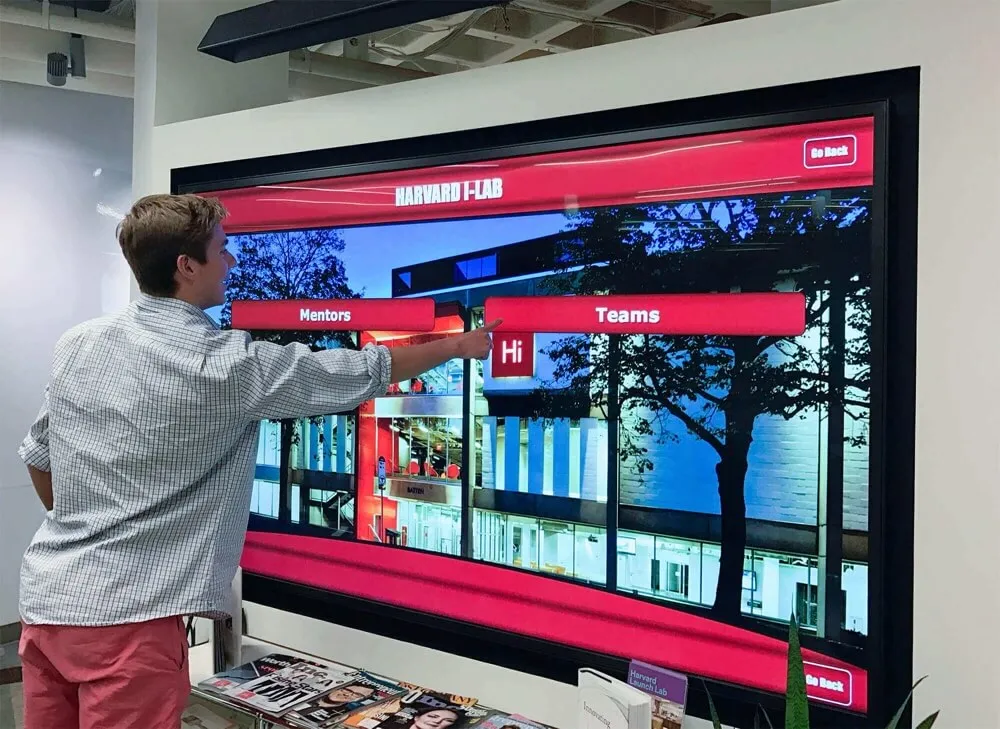
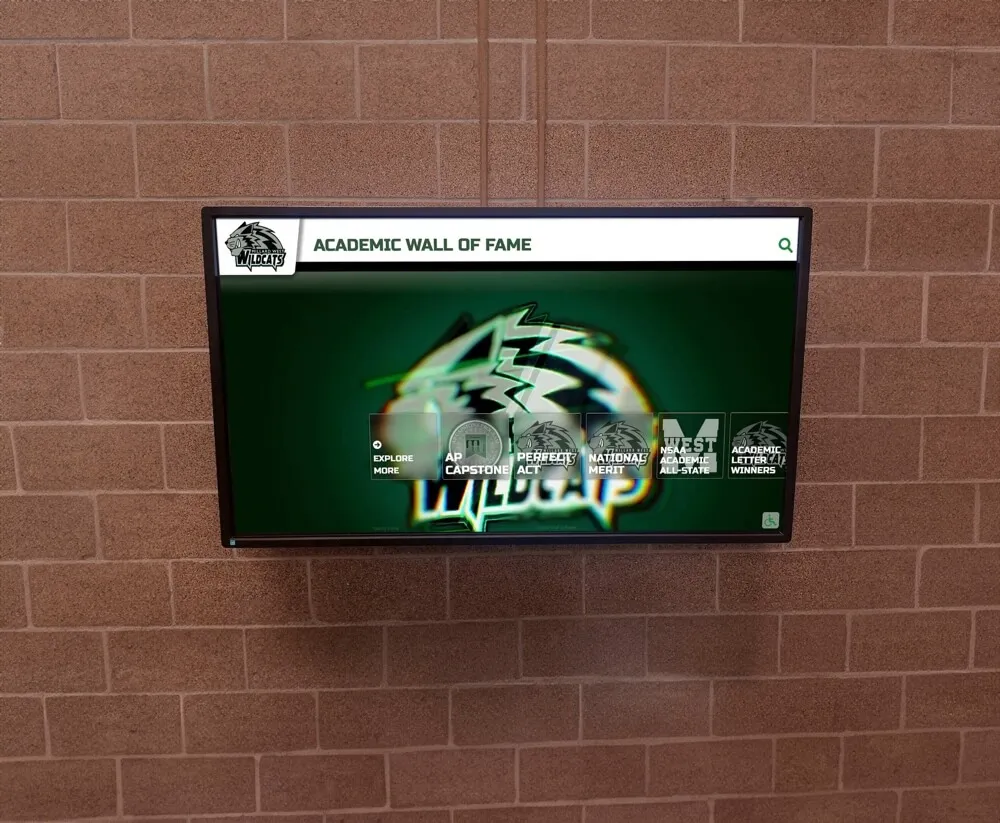
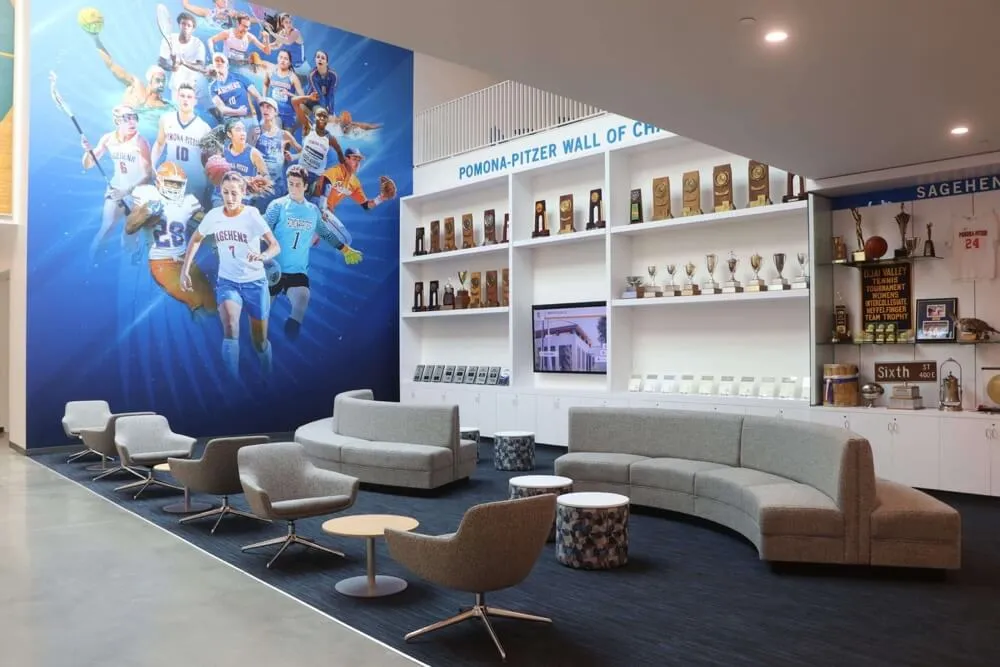
Modern recognition systems enable schools to preserve complete championship tournament journeys and inspire current athletes through historical excellence
Program Snapshot: Indiana Football State Championship Recognition System
| Program Element | Implementation Details |
|---|---|
| Primary Audience | Current athletes, students, alumni, and community members celebrating Indiana football championship traditions and tournament excellence |
| Featured Content | IHSAA tournament brackets, championship game results, sectional/regional/semi-state progressions, historical championship teams, coaching legacies, player achievements |
| Core Outcomes | Preserved championship history, visible competitive standards, program tradition documentation, community pride celebration, tournament context understanding |
| Launch Timeline | 8-12 weeks from planning to initial championship displays with ongoing seasonal tournament updates |
| Refresh Cadence | Real-time during active IHSAA tournaments, immediate post-championship updates, annual comprehensive historical reviews and additions |
| Primary Venues | Digital touchscreen displays in athletic facilities, gymnasium lobbies, school hallways, web-based archives, social media championship features |
Understanding Indiana’s IHSAA Football Tournament System
Comprehensive championship recognition begins with understanding the tournament structure determining Indiana’s state champions across classifications.
IHSAA Football Classification Framework
Indiana’s classification system creates competitive balance through enrollment-based divisions:
Current Six-Class Structure
Since 2014, Indiana has competed across six classifications providing championship opportunities appropriate to school enrollment:
- Class 6A - Largest schools typically enrolling 2,000+ students competing at Indiana’s highest level
- Class 5A - Large suburban and metropolitan programs with substantial enrollment
- Class 4A - Mid-large schools including medium-sized city programs and larger suburban schools
- Class 3A - Mid-sized programs often representing county seat communities and smaller cities
- Class 2A - Smaller schools including rural consolidated districts and small-town programs
- Class 1A - Smallest IHSAA football programs representing rural communities and private schools with limited enrollment
This structure enables schools to compete against similar-sized programs rather than facing overwhelming enrollment disadvantages that would make championship pursuit unrealistic.
Historical Classification Evolution
Understanding tournament history requires recognizing structure changes:
- Pre-1973: No formal state tournament system with mythical state champions determined by media polls
- 1973-1981: Single-class tournament with all schools competing for one championship regardless of size
- 1982-1996: Three-class system (A, AA, AAA) providing initial classification framework
- 1997-2004: Four-class structure expanding competitive opportunities
- 2005-2013: Five-class system further refining competitive balance
- 2014-Present: Six-class framework creating current championship landscape
Schools documenting complete championship history must account for these classification changes when presenting historical tournament achievements and championship contexts.
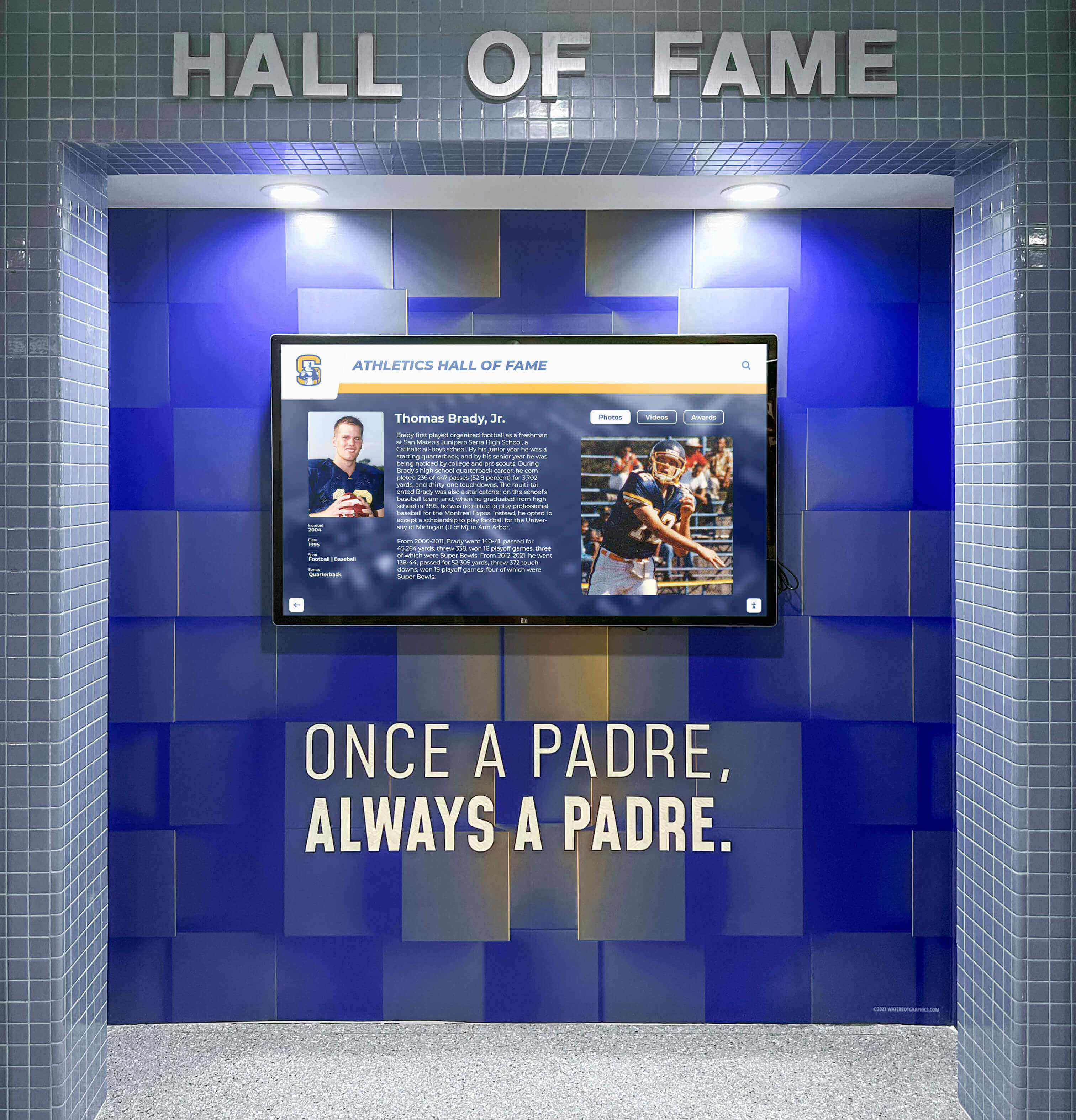
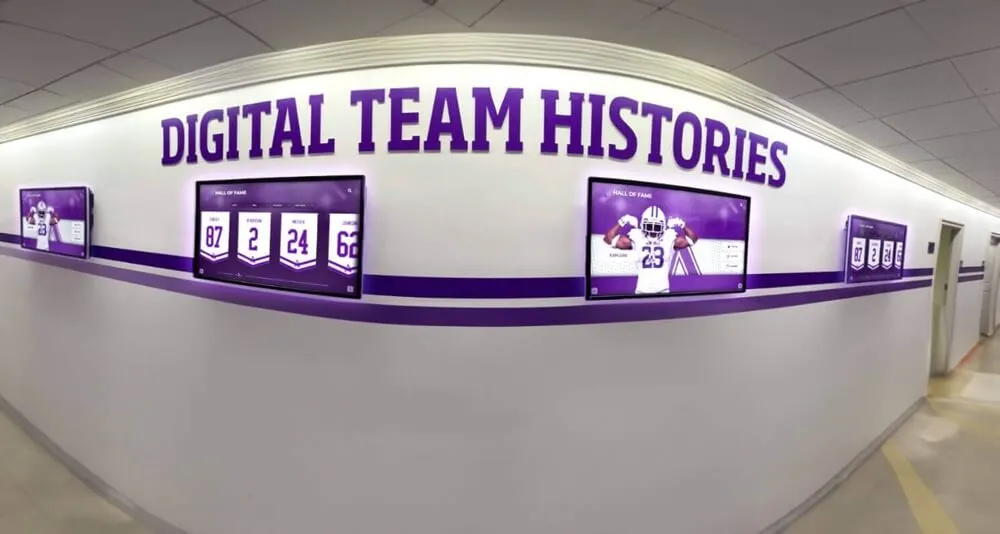
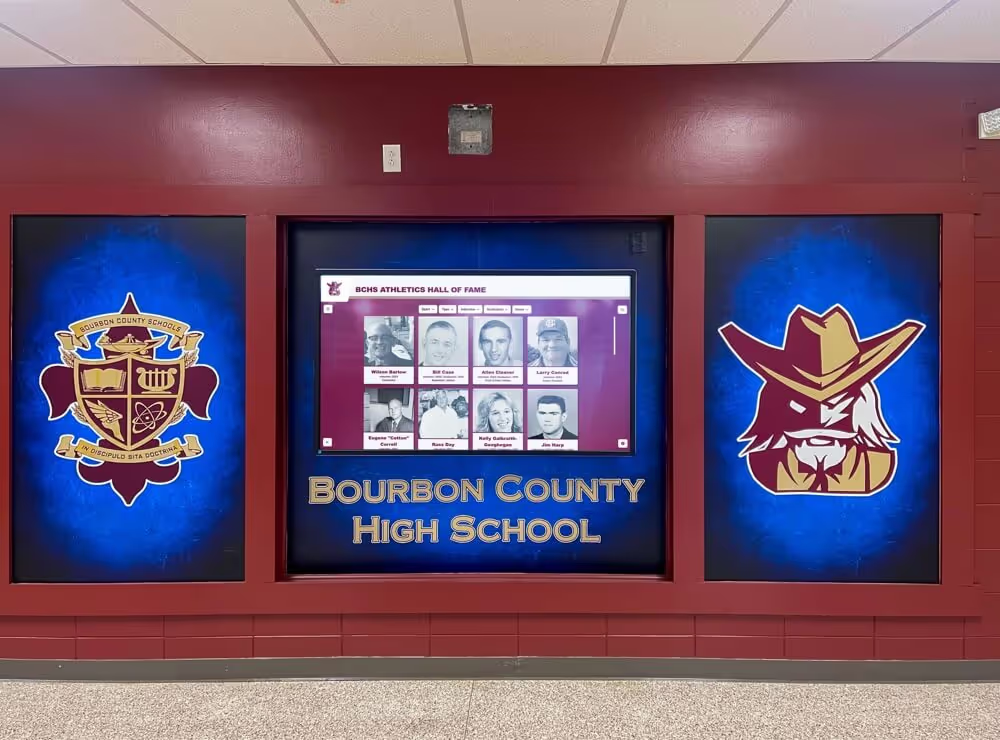
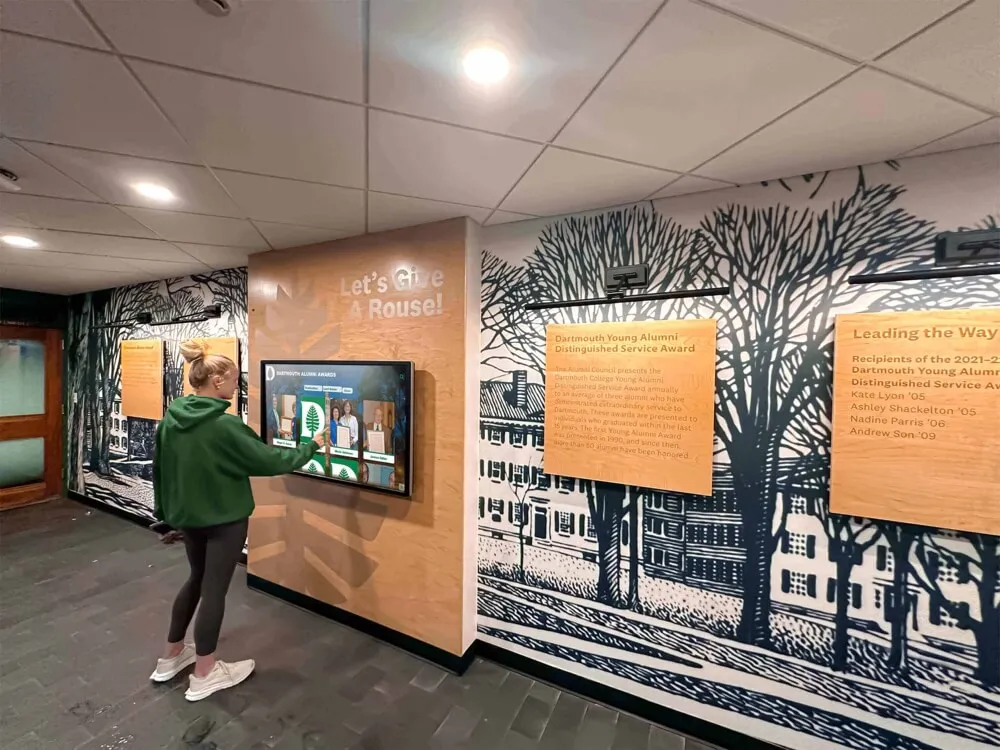
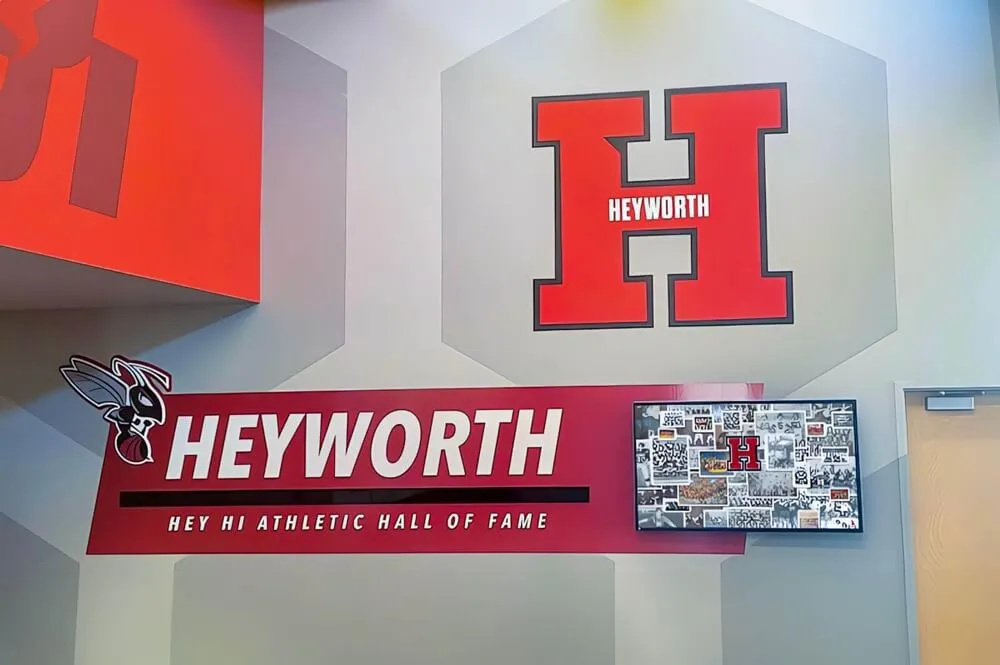
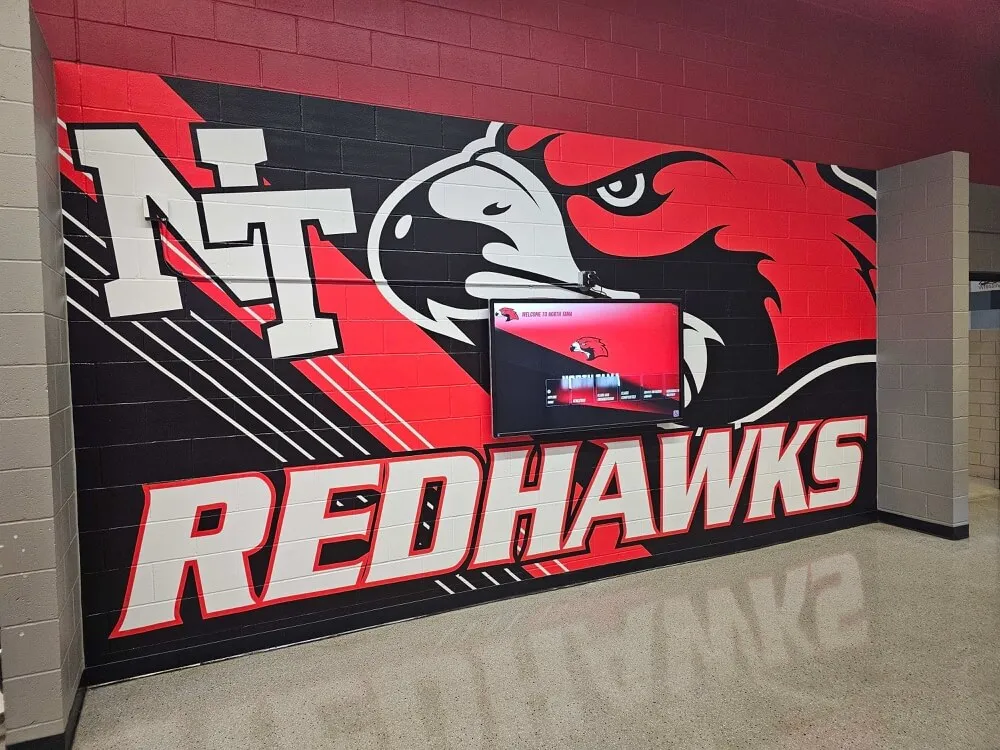
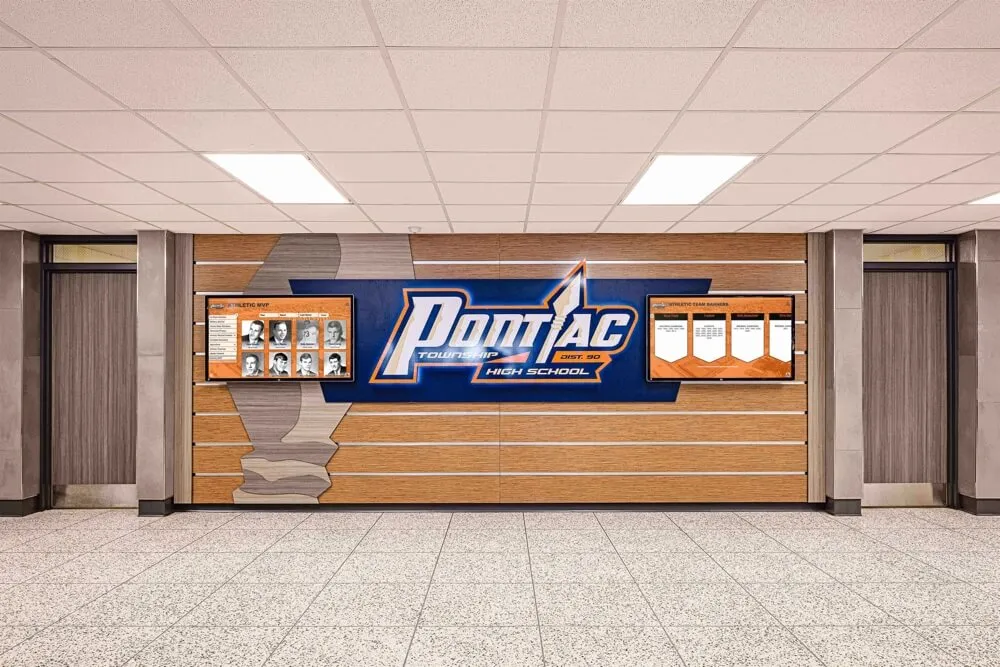
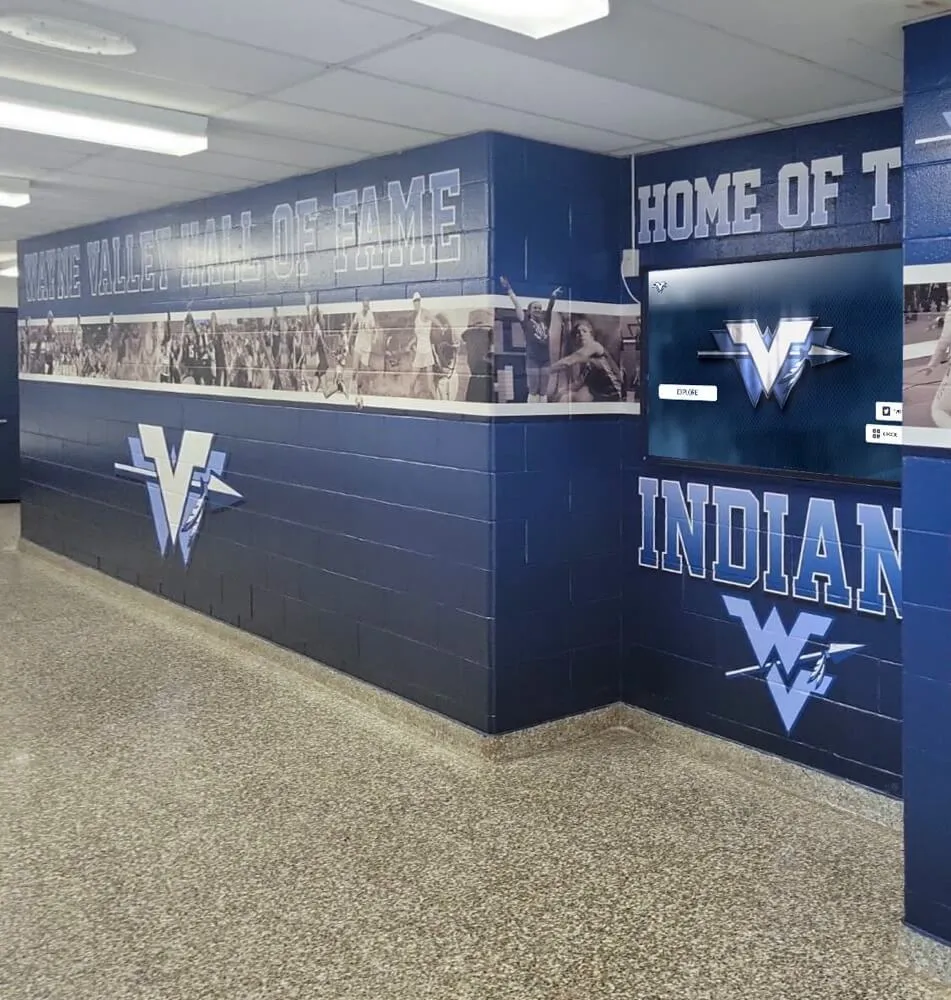
Prominent displays communicate championship achievement significance and program competitive excellence standards
Tournament Structure and Path to State Finals
IHSAA Football Playoff Format
Indiana’s four-round tournament structure tests championship contenders systematically:
Sectional Round (Week 1)
- Tournament begins with sectional pairings typically involving 4-8 schools per sectional
- Geographic proximity emphasized in sectional assignments minimizing travel
- Seeding based on IHSAA point system considering strength of schedule
- Winners advance to regional competition while season ends for defeated teams
Regional Round (Week 2)
- Sectional champions compete in regional matchups
- Victorious programs advance to semi-state competition
- Regional championships represent entry to elite tournament levels
- Community recognition intensifies as championship possibilities become tangible
Semi-State Round (Week 3)
- Four remaining teams per classification compete in semi-state games
- Winners earn coveted state championship berths at Lucas Oil Stadium
- Programs reaching semi-state achieve elite competitive status
- Fan support reaches peak intensity with championship week approaching
State Championship (Week 4)
- Championship games held at Lucas Oil Stadium in Indianapolis
- Six state champions crowned across classifications throughout championship weekend
- Trophy presentations and championship celebrations conclude tournament
- Media coverage and community recognition reach maximum levels
Understanding football program recognition strategies helps schools celebrate tournament achievements comprehensively.
Tournament Qualification and Selection
IHSAA tournament access follows specific criteria:
- All IHSAA member schools completing conference/regular season schedules qualify
- Minimum game requirements ensure adequate competitive preparation
- Point system determines seeding creating competitive balance
- Geographic considerations minimize extensive travel in early rounds
- Classification assignments based on enrollment data submitted annually
- Tournament opt-out possible but extremely rare given championship significance
This universal access distinguishes Indiana from states limiting tournament participation to specific qualifying standards, ensuring every IHSAA football program maintains championship pursuit possibilities annually.
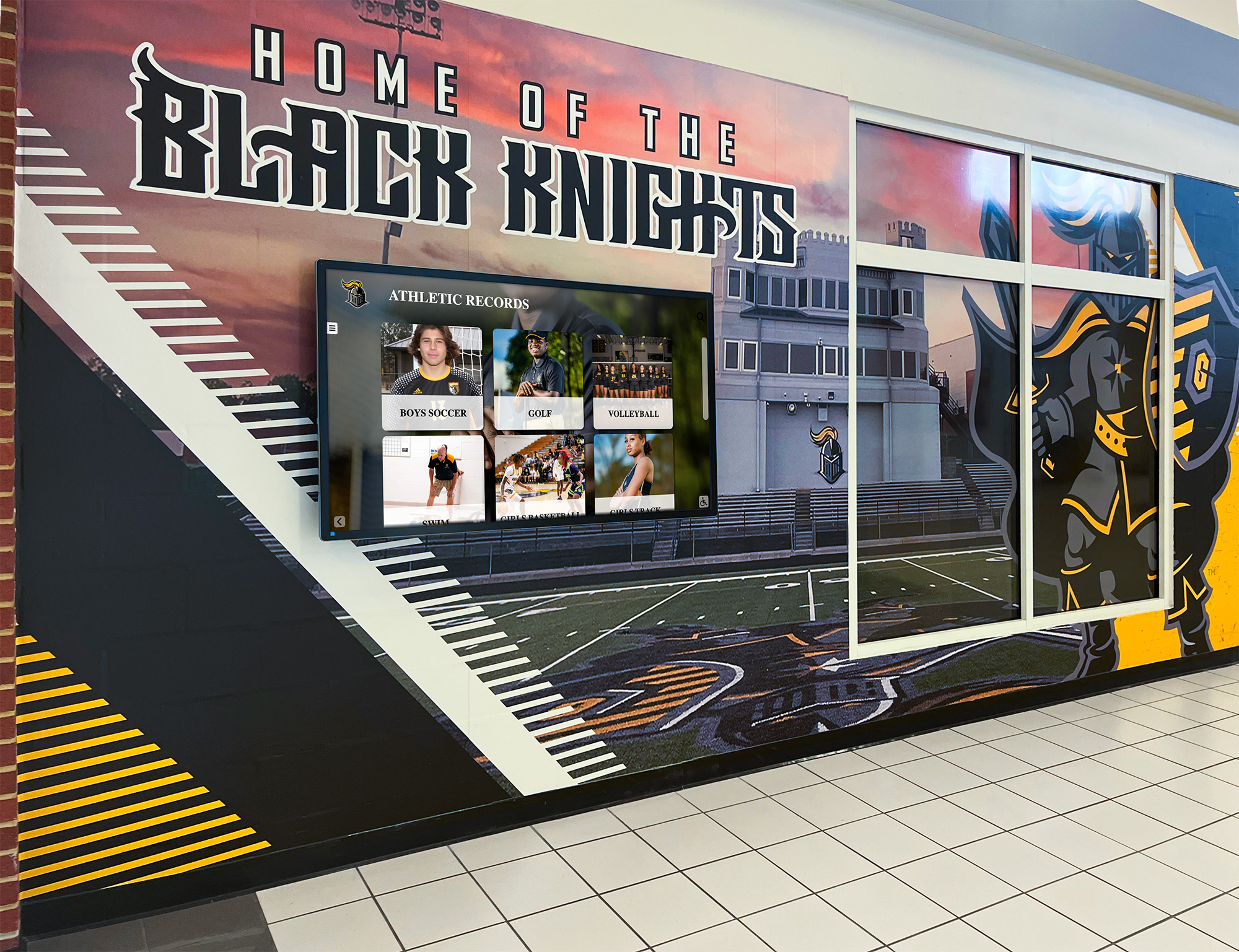
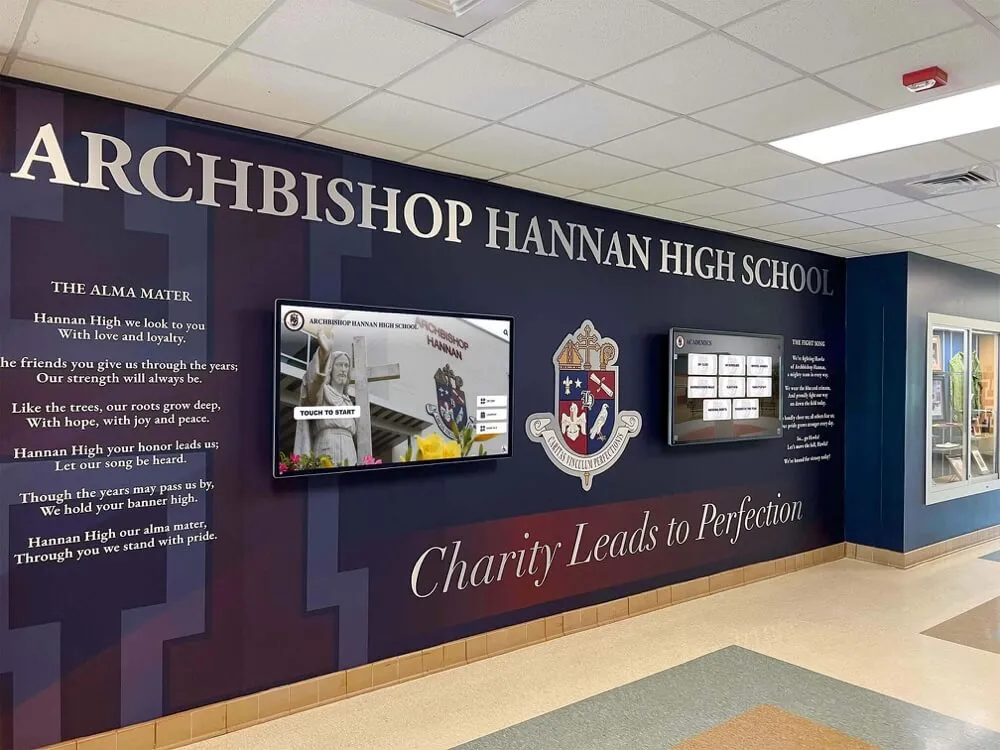
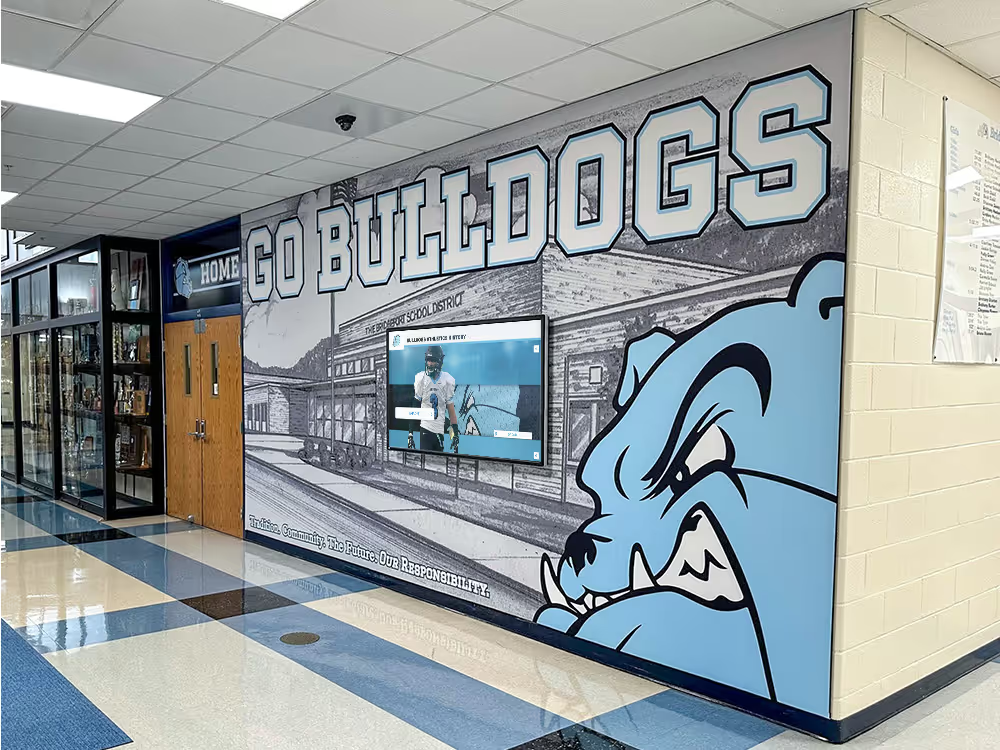
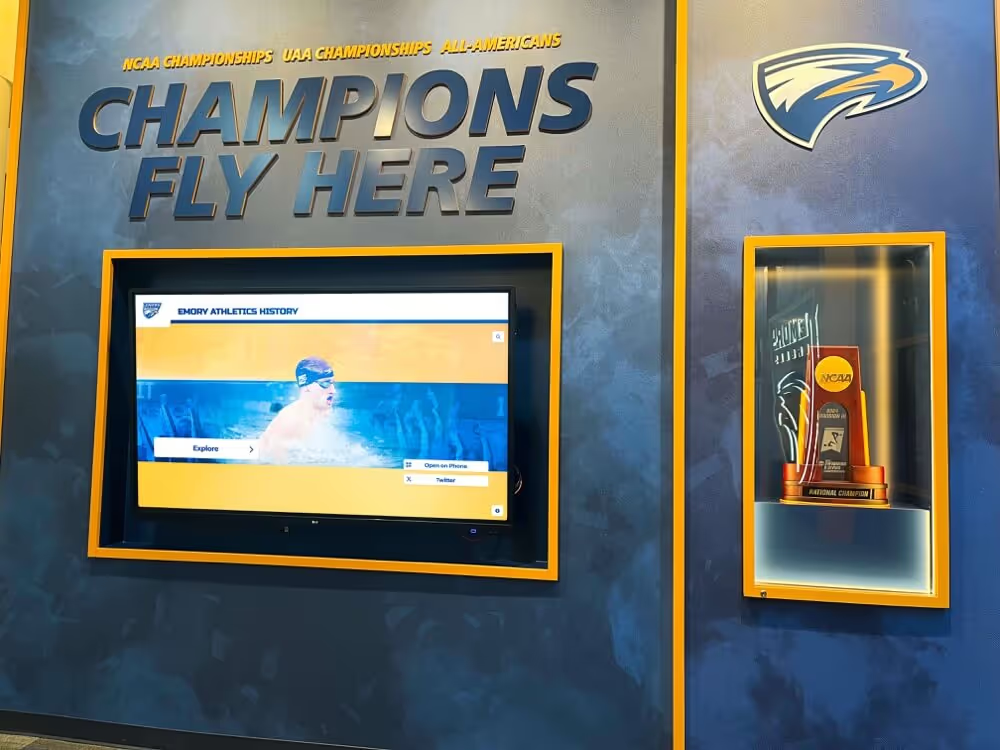
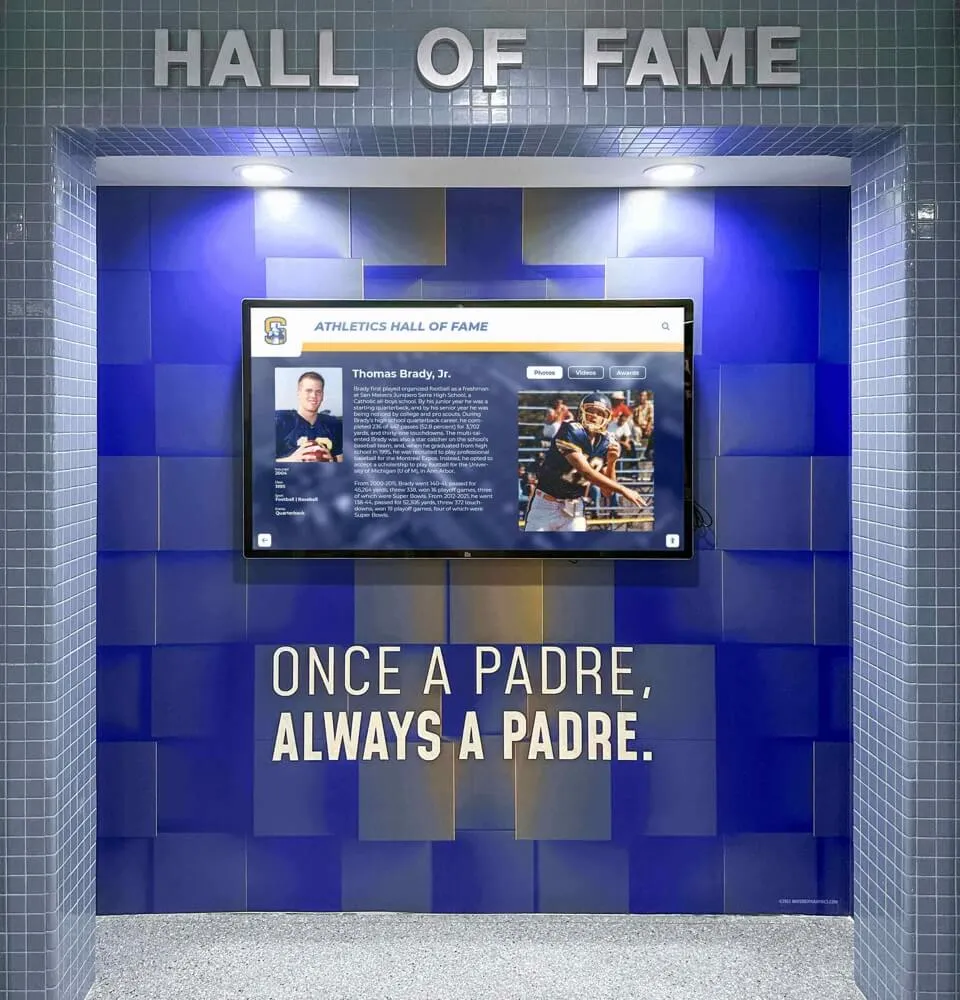
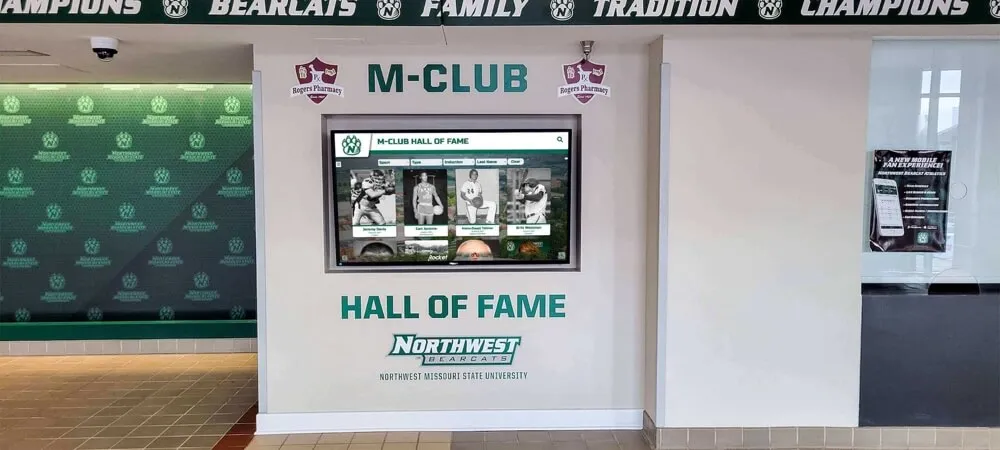
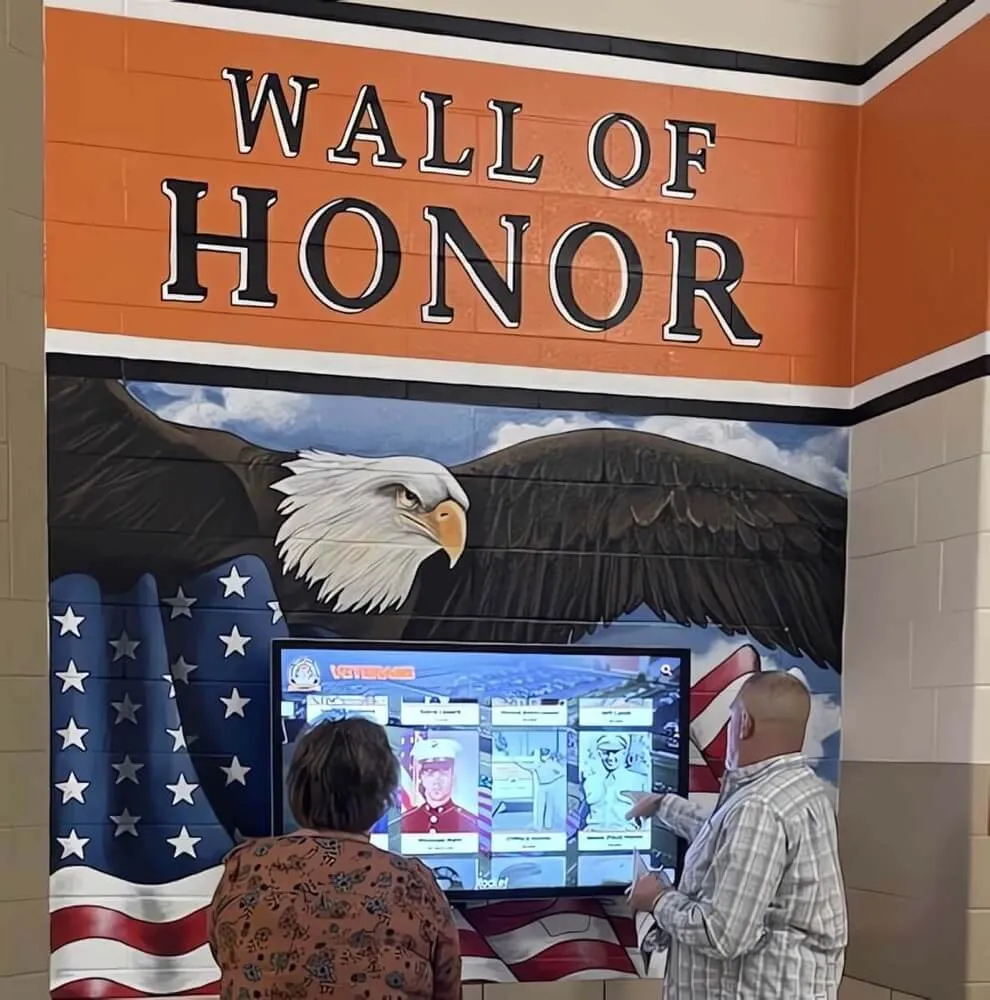
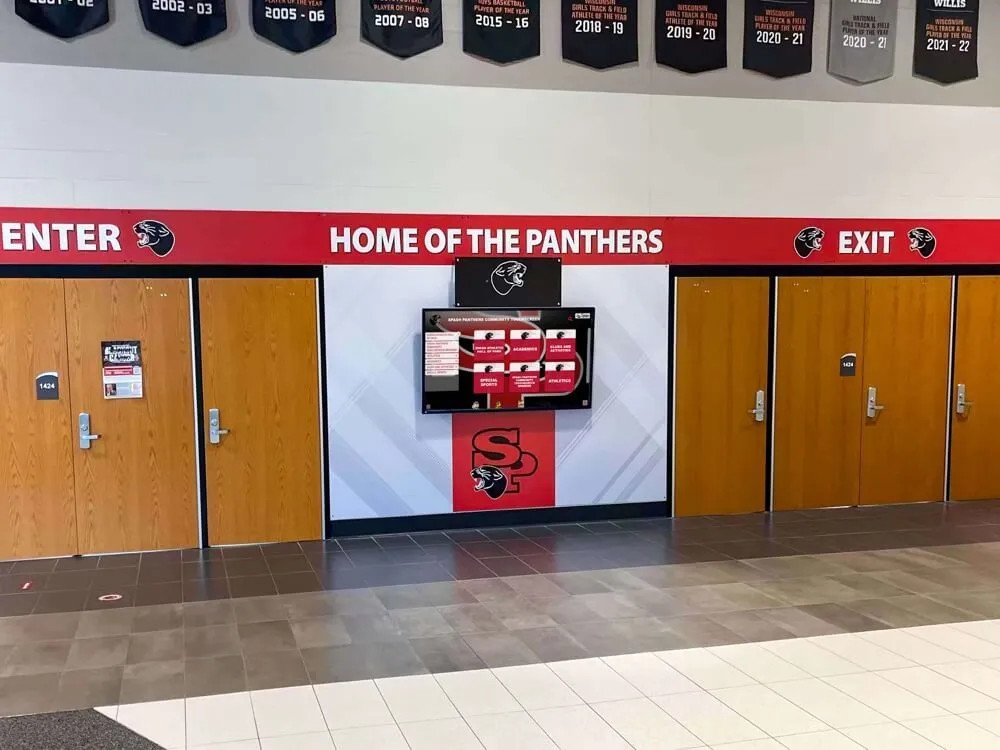
Strategic hallway placement ensures regular student and visitor exposure to championship tradition and program history
Lucas Oil Stadium: Indiana’s Championship Venue
Since 2008, Indiana’s football state championships have been contested at Lucas Oil Stadium, home of the NFL’s Indianapolis Colts:
Venue Significance for Championship Recognition
The professional stadium setting creates unique championship experiences:
- Professional Atmosphere - State champions compete in NFL-caliber facilities creating memorable experiences
- Consistent Championship Home - Single venue builds tradition and recognition compared to rotating sites
- Spectator Capacity - Stadium accommodates large crowds supporting championship programs
- Media Infrastructure - Professional broadcasting capabilities enable extensive championship coverage
- Community Pride - Playing at Lucas Oil represents ultimate achievement recognizable statewide
- Recognition Opportunities - Professional venue photography and video enhance championship documentation
Schools preserving championship memories benefit substantially from Lucas Oil’s professional documentation, high-quality photography, and video broadcast footage unavailable at typical high school venues.
Indiana Football Championship History and Dominant Programs
Understanding competitive landscape provides context for championship recognition programs.
Championship Program Traditions Across Classifications
Class 6A Championship Excellence
Indiana’s largest classification features several dynasty programs:
Carmel Greyhounds - Metropolitan Indianapolis powerhouse with multiple state championships demonstrating sustained excellence through strong program infrastructure, community support, and consistent coaching
Center Grove Trojans - Southern Indianapolis suburban program building championship tradition through player development and competitive consistency
Warren Central Warriors - Indianapolis program achieving championship success through talent-rich geographic location and strong community investment
These programs demonstrate that sustained excellence requires more than single-season success—championship cultures built over decades through systematic commitment create recurring tournament contention.
Mid-Classification Championship Balance
Classes 3A-5A showcase competitive balance and program diversity:
- Suburban programs leveraging enrollment advantages and resource access
- County seat communities with strong football traditions and community support
- Regional power programs dominating geographic areas through sustained success
- Emerging programs building competitive relevance through improved coaching and development
- Private school programs competing effectively despite smaller enrollment bases
Championship recognition at these levels often documents breakthrough achievements and program-defining moments alongside established dynasty traditions.
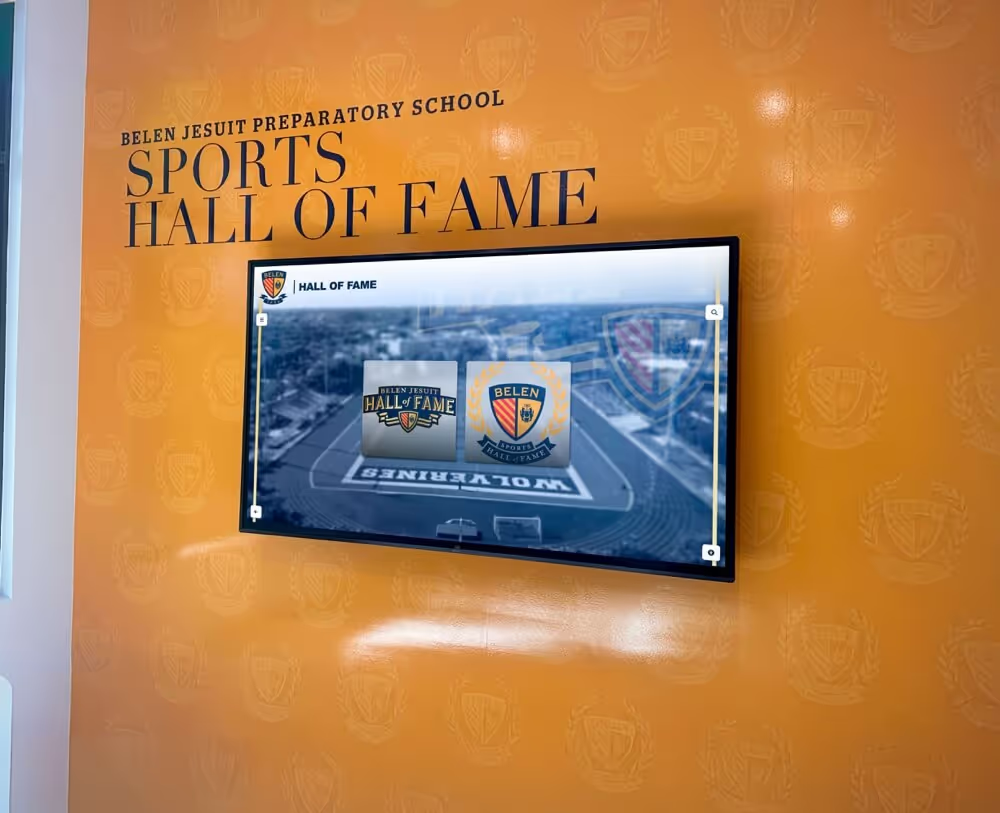
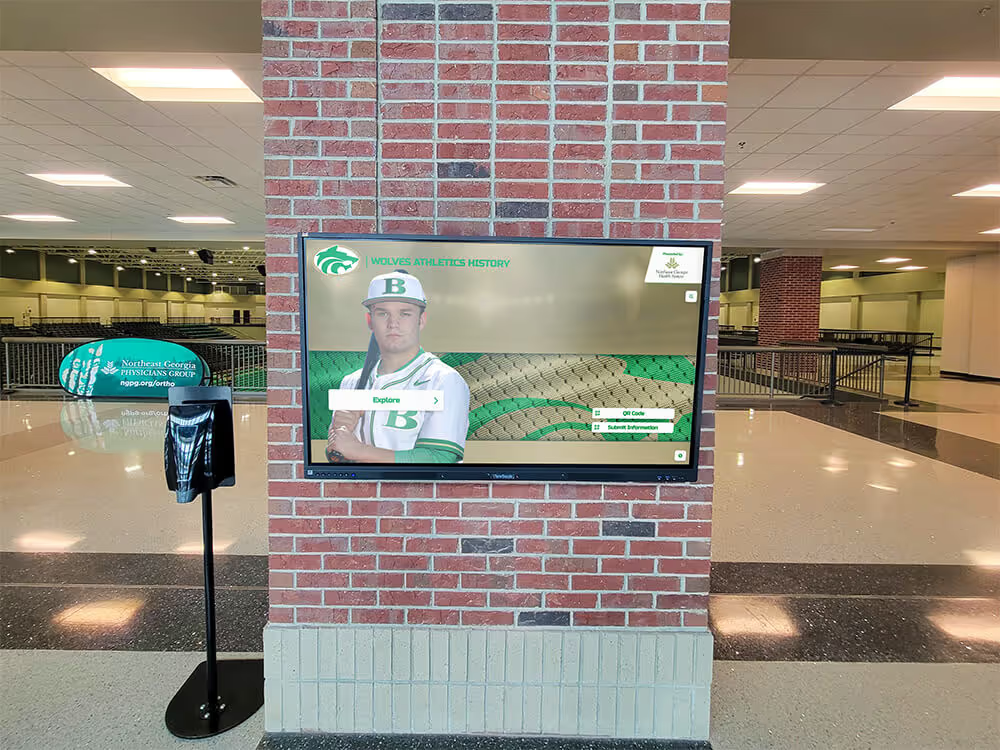
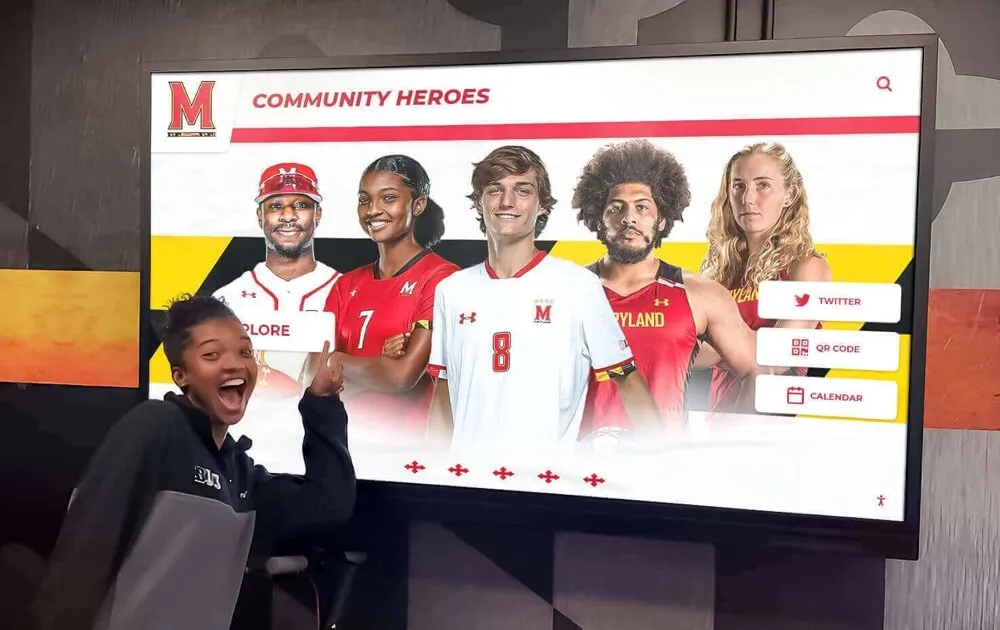
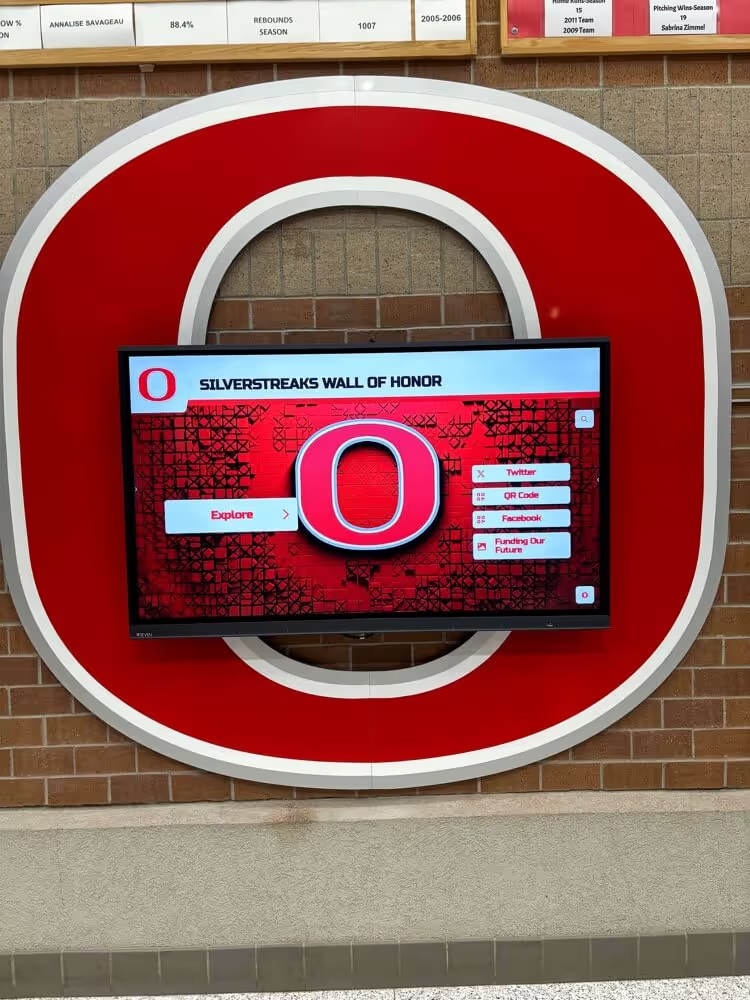
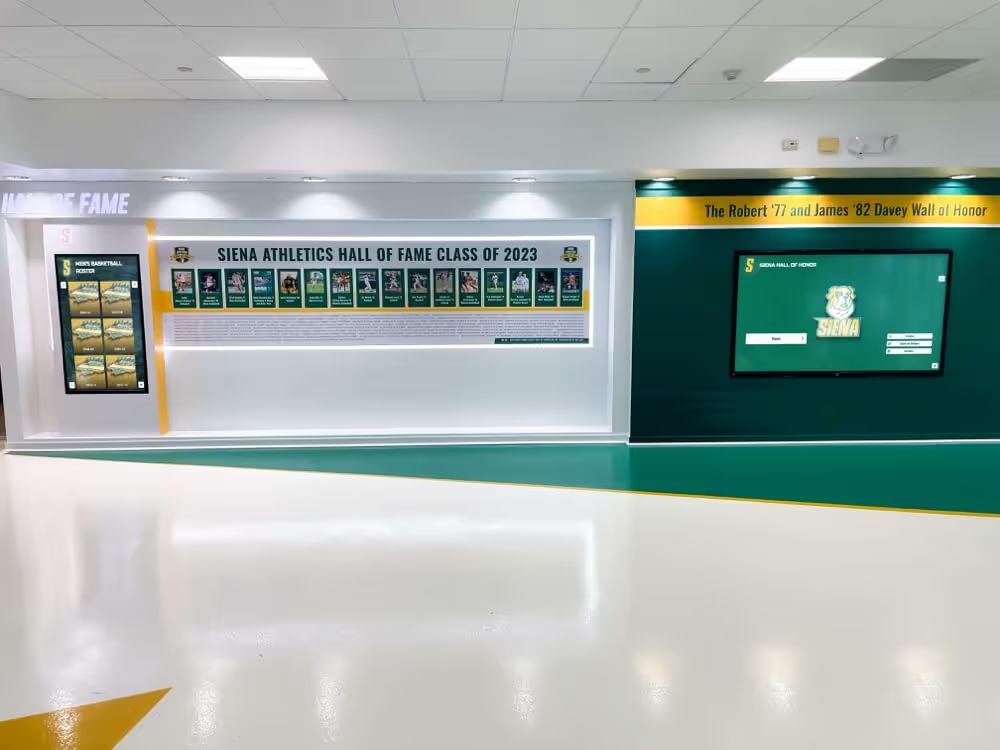
Interactive platforms provide comprehensive championship documentation without physical space constraints limiting traditional displays
Small-School Championship Dynasties
Classes 1A-2A feature remarkable small-school excellence:
Programs like Lafayette Central Catholic, Linton-Stockton, Adams Central, Eastbrook, and numerous small-town powers have built championship traditions rivaling larger schools through:
- Exceptional coaching stability and expertise
- Complete community investment and support
- Multi-sport athlete development maximizing talent
- Youth program integration creating development pipelines
- School pride and tradition transcending enrollment disadvantages
- Geographic advantages recruiting athletes within attendance boundaries
Small-school championships often generate disproportionate community celebration given enrollment constraints and resource limitations compared to larger metropolitan programs.
Understanding digital recognition for athletic programs helps schools celebrate achievements regardless of classification level.
Notable Championship Games and Memorable Moments
Indiana football history includes remarkable championship contests:
Dominant Championship Performances
- Record-setting victories demonstrating overwhelming superiority
- Undefeated championship seasons completing perfect years
- Defensive shutout championships showcasing elite units
- Offensive explosion finals highlighting prolific scoring
Championship Upsets and Cinderella Stories
- Lower-seeded teams defeating tournament favorites
- First-time championship winners breaking through competitive barriers
- Underdog programs exceeding expectations through tournament runs
- Small-school programs competing effectively against enrollment advantages
Overtime and Dramatic Finishes
- Championship games decided in overtime periods
- Last-minute touchdowns determining champions
- Goal-line stands preserving championship victories
- Weather-impacted championships testing physical and mental toughness
These memorable moments deserve comprehensive documentation preserving specific game details, championship contexts, and participant reflections creating engaging narratives for future generations.
Learn about approaches for honoring end-of-season athletic achievements that can complement championship recognition programs.
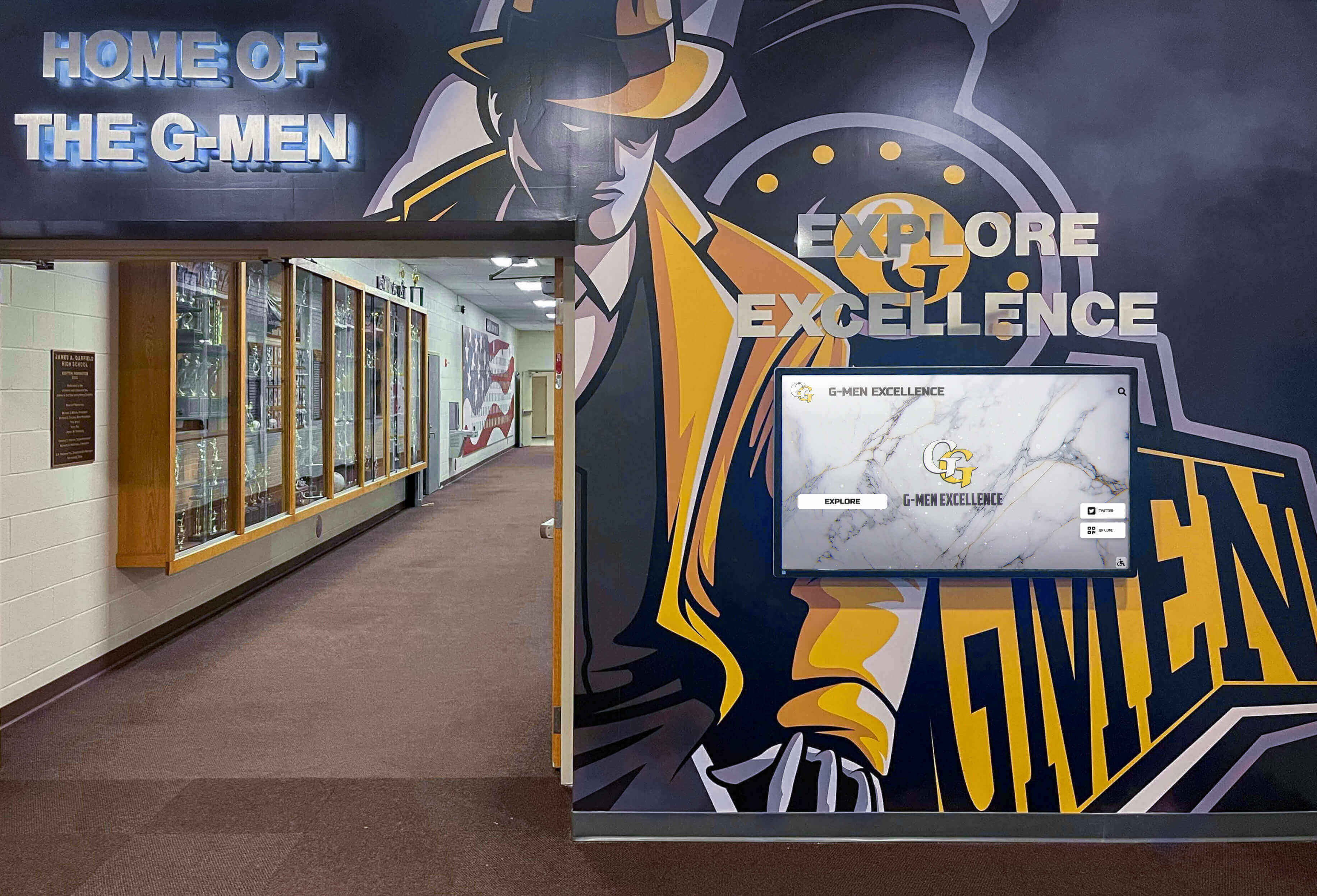
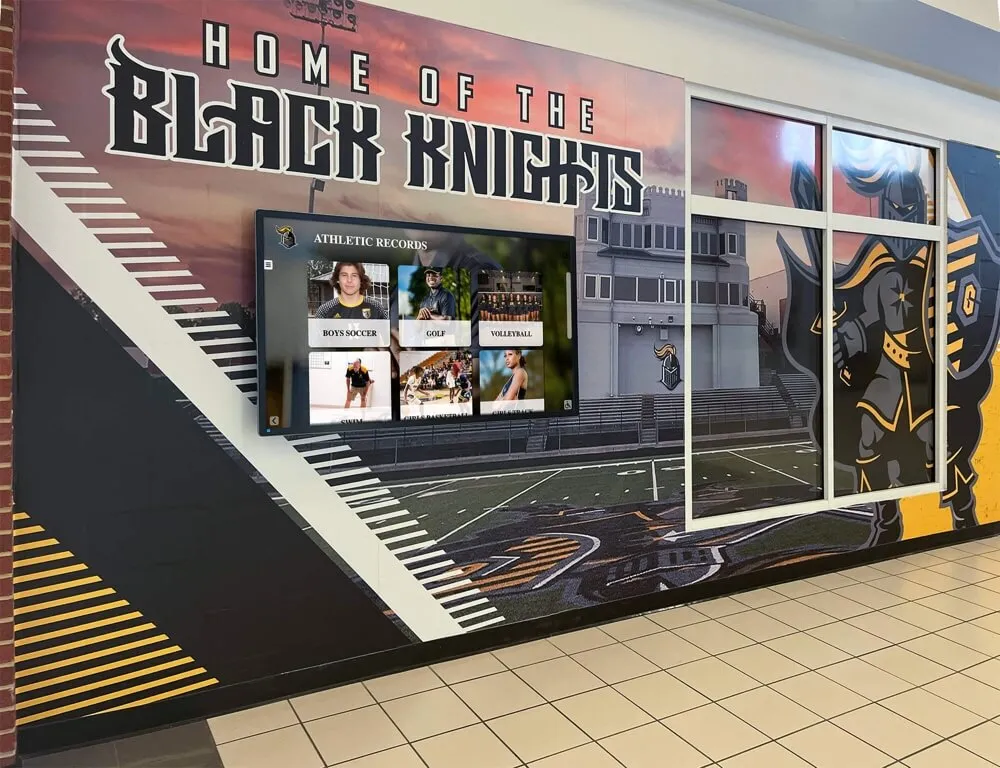
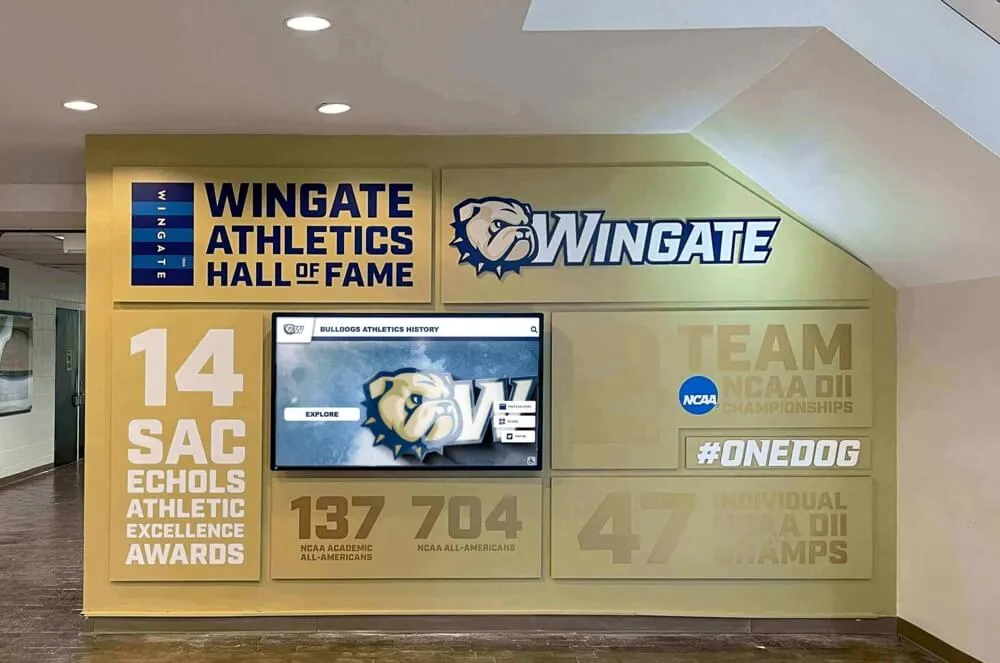
Comprehensive programs integrate multiple display formats ensuring championship visibility across different presentation preferences
Strategies for Preserving Indiana Championship Football History
Effective championship documentation requires systematic approaches addressing multiple content categories.
Essential Championship Recognition Content
Foundation-Level Tournament Information
Every championship recognition display should document:
- Championship year and classification level competed
- Complete tournament bracket showing sectional through state final results
- Game-by-game scores throughout tournament progression
- Tournament seeding and opponent records entering playoff competition
- Semi-state and state championship game details and statistics
- Venue information for significant tournament contests
- Final season records including regular season and playoff performance
- Head coach identification and coaching staff documentation
- Team captains and senior leadership recognition
- Championship trophy and award documentation
Detailed Team Information
Comprehensive championship recognition includes:
- Complete varsity roster with player names, positions, and classes
- Season statistical leaders in rushing, passing, receiving, defense
- All-conference, all-state, and postseason award recipients
- Team photograph from championship season
- Individual senior and underclassman recognition
- Notable injuries or adversity overcome during championship runs
- Regular season highlight games establishing tournament positioning
- Practice and preparation details distinguishing championship teams
Championship Game Documentation
Title game recognition deserves enhanced detail:
- Quarter-by-quarter scoring progressions showing game flow
- Key plays and momentum shifts determining championship outcomes
- Individual performances in critical championship moments
- Coaching decisions and strategic elements in championship success
- Weather conditions and playing surface at Lucas Oil Stadium
- Attendance figures and fan support documentation
- Post-game celebrations and trophy presentations
- Championship parade and community celebration recognition
- Media coverage highlights and championship reactions
This comprehensive documentation transforms simple championship acknowledgment into rich historical narratives preserving complete championship contexts for decades.
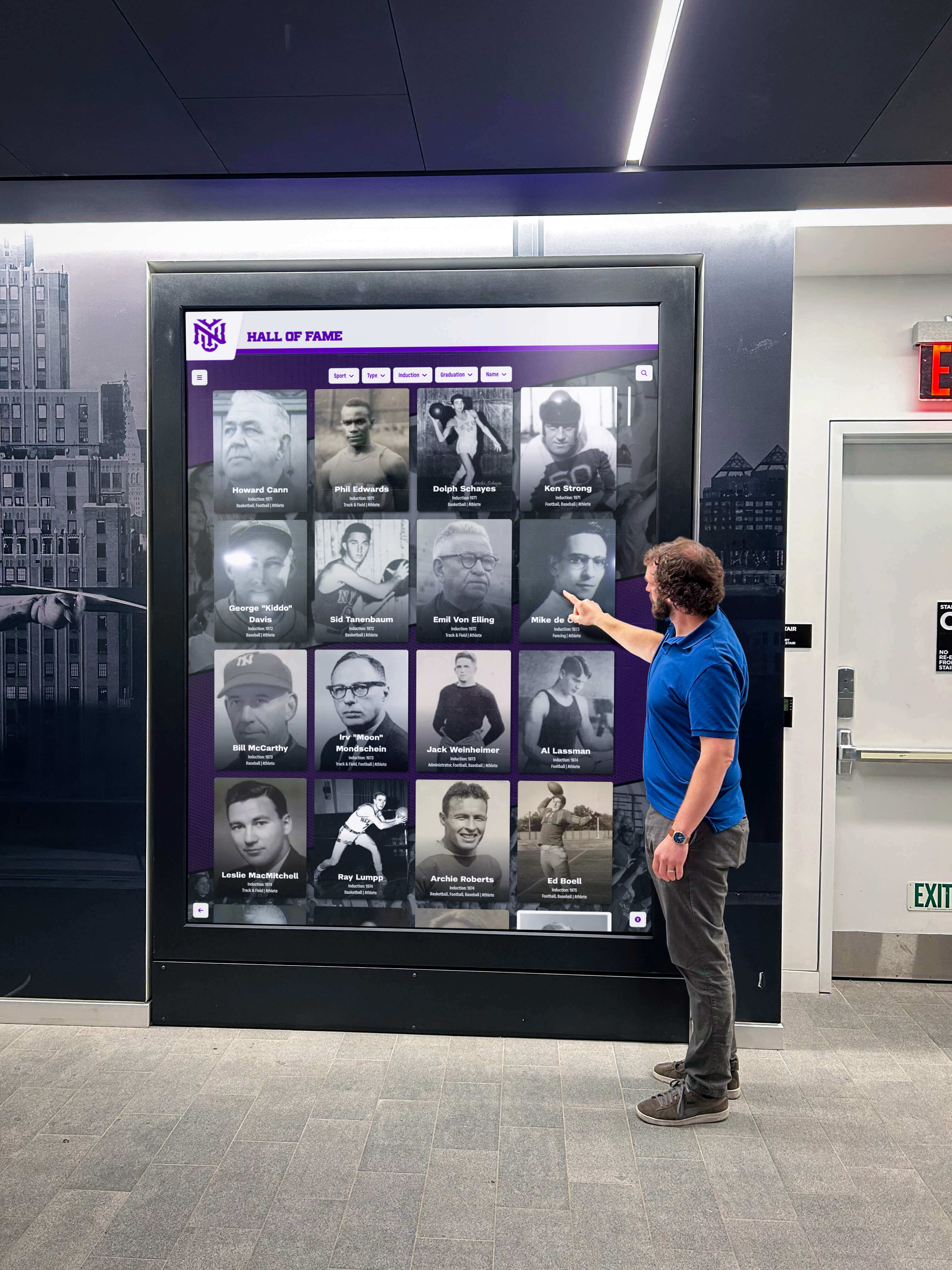
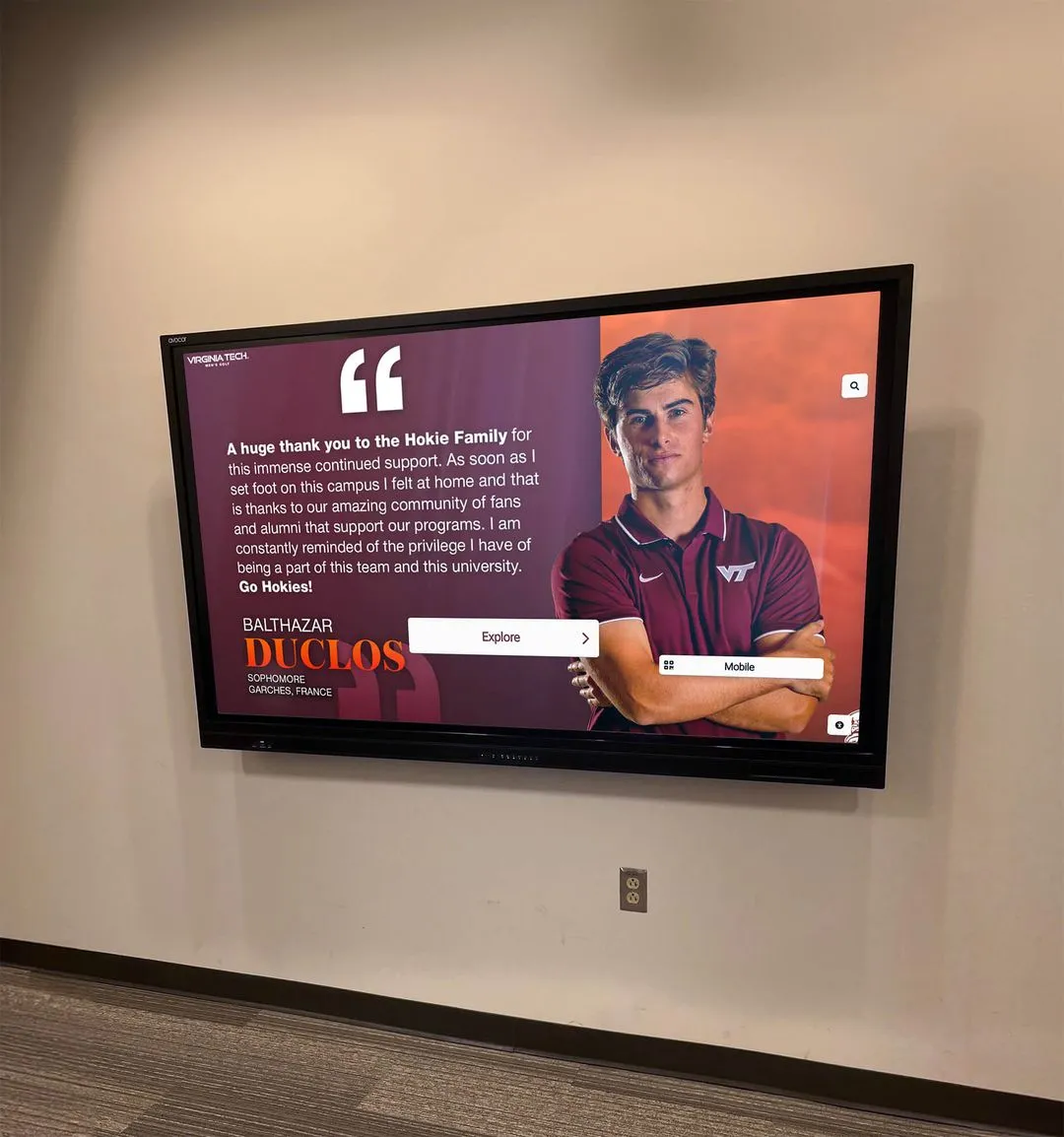
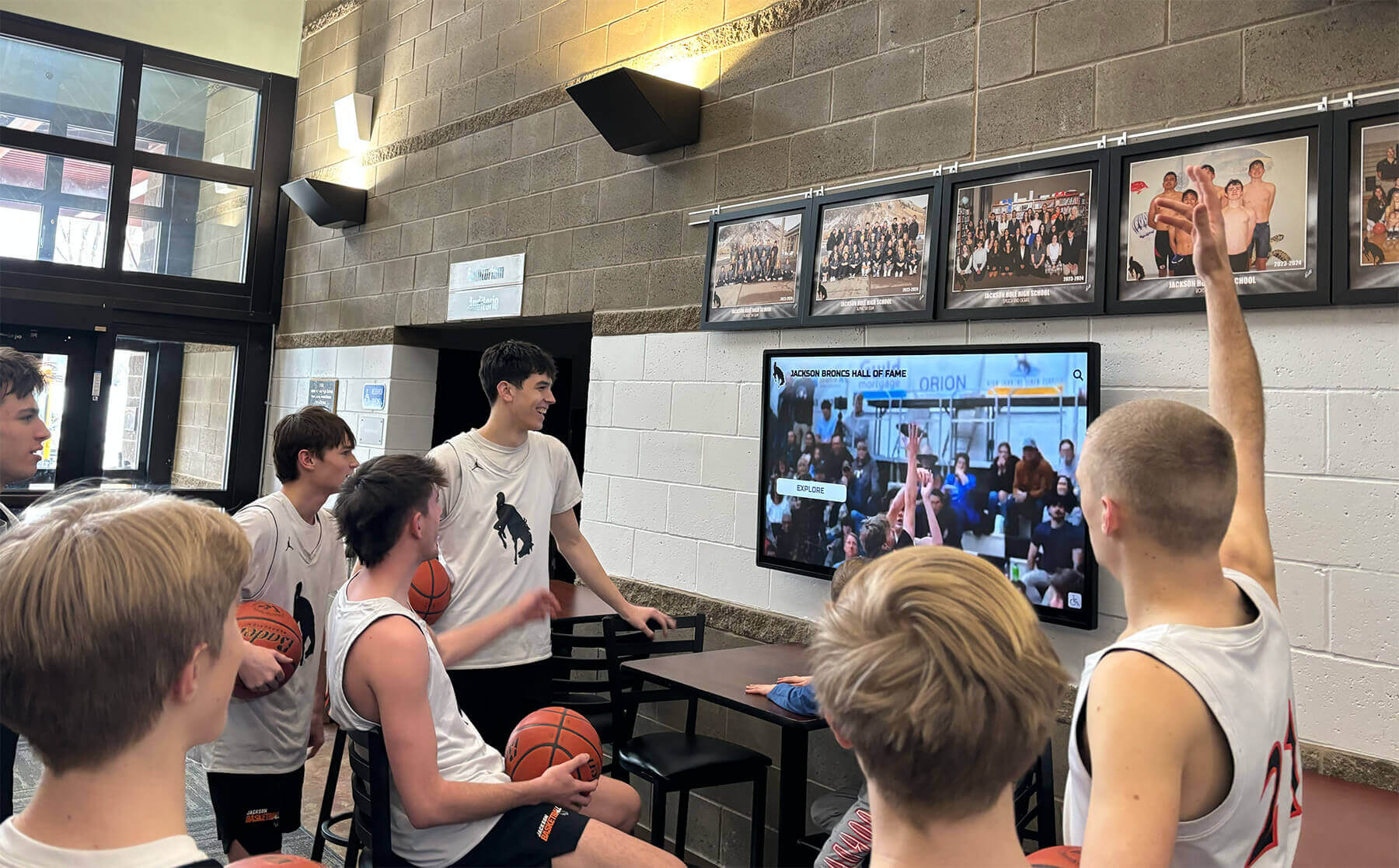
Interactive displays encourage exploration and create engaging experiences connecting visitors to championship histories
Systematic Championship History Research
Building Complete Historical Championship Archives
Develop comprehensive documentation through phased research:
Phase One: Recent Championships (Past 10-15 Years)
- Access IHSAA tournament archives and official records
- Gather school yearbooks documenting recent championship seasons
- Interview recent coaches and players with direct championship memories
- Compile local newspaper coverage from recent tournament runs
- Collect championship photographs from school archives and family collections
- Preserve championship video footage from broadcasts and recordings
- Document social media content from contemporary championship seasons
Phase Two: Modern Era Championships (1990s-2000s)
- Research newspaper archives for game coverage and statistics
- Contact retired coaches for details and historical context
- Reach out to alumni associations identifying championship participants
- Review athletic department records preserving tournament documentation
- Digitize aging photographs and documents requiring preservation
- Compile available video footage from VHS and early digital sources
Phase Three: Historical Championships (1970s-1980s)
- Conduct extensive newspaper microfilm research
- Interview community members with institutional memory
- Review yearbook archives for available documentation
- Contact state historical societies preserving local records
- Acknowledge information gaps while documenting verified details
- Present partial information honestly when complete records unavailable
Understanding approaches for researching school athletic records ensures comprehensive championship documentation.
Addressing Classification Changes in Historical Recognition
Present championship history accounting for tournament structure evolution:
- Clearly label pre-1973 championships as “mythical” or poll-determined titles
- Identify classification levels for all post-1973 championships
- Explain enrollment contexts when schools competed in different classifications
- Acknowledge that single-class era championships (1973-1981) represented different competitive contexts
- Provide historical enrollment data explaining classification assignments
- Document conference affiliations providing competitive context
- Note significant rule changes affecting different championship eras
This contextual presentation ensures viewers understand that championships across different eras occurred under varying competitive frameworks requiring appropriate context rather than direct comparison.
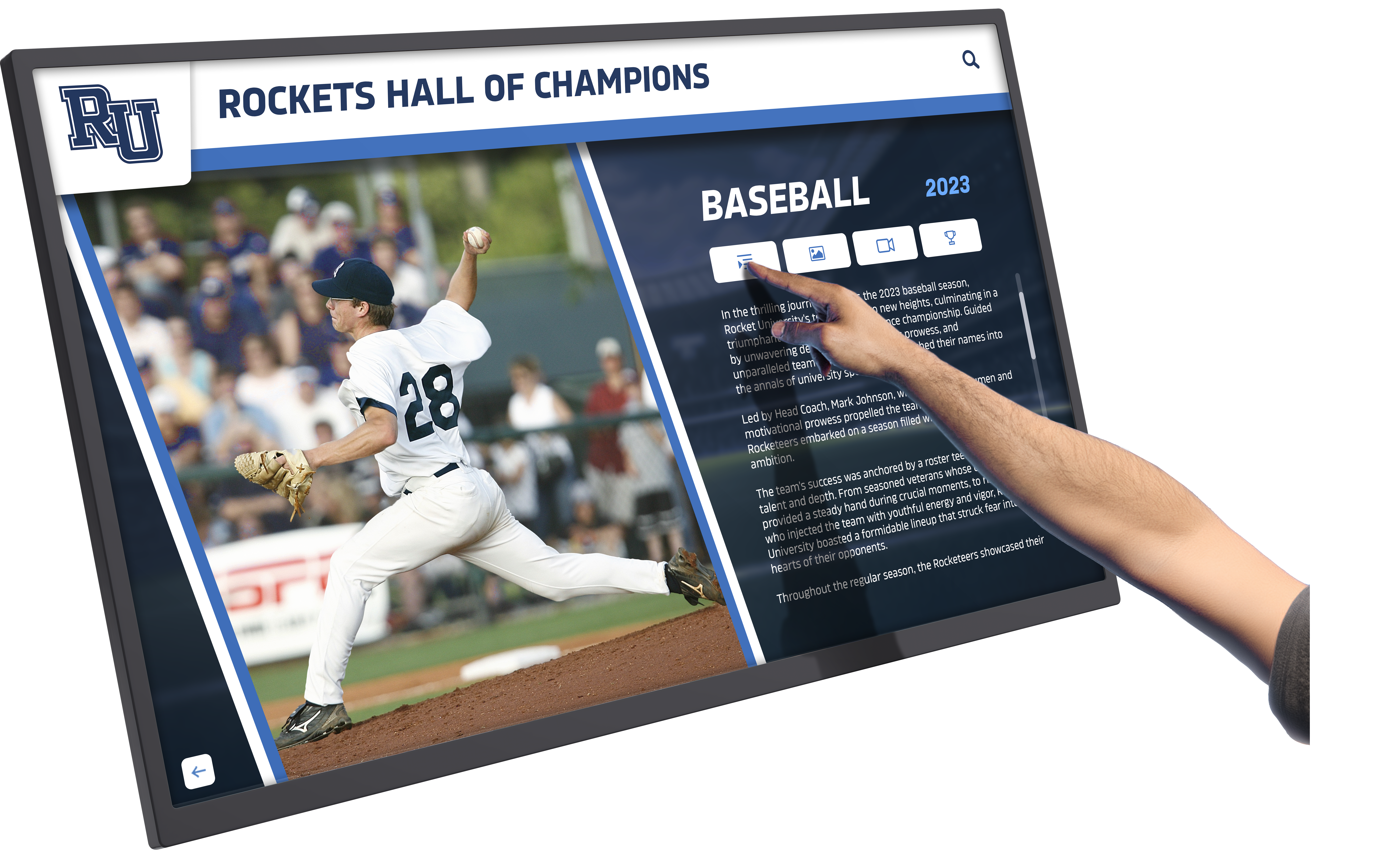
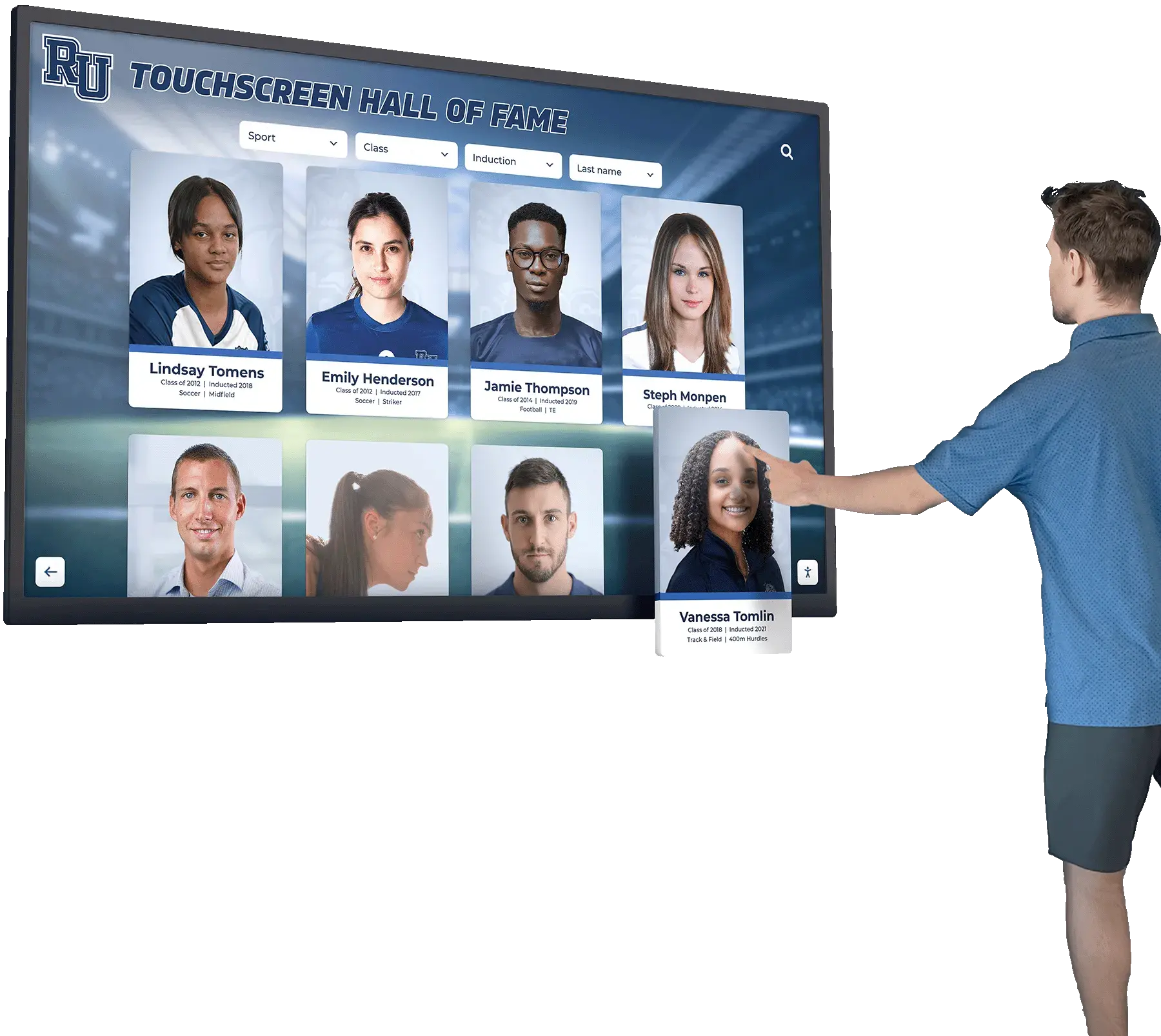
Intuitive interfaces enable detailed exploration of championship rosters, statistics, and game details at visitor-controlled pace
Modern Championship Recognition Display Solutions
Technology-enhanced platforms address traditional display limitations while creating enhanced engagement opportunities.
Digital Recognition Eliminating Space Constraints
Traditional championship displays face physical limitations:
- Limited wall space restricts number of championship seasons displayable
- Banner programs face ceiling capacity constraints
- Trophy cases fill completely requiring difficult prioritization decisions
- Plaque systems consume extensive wall area as championship numbers grow
- Printed brackets deteriorate requiring periodic replacement
- Static displays offer no opportunity for content expansion
Unlimited Championship Documentation Capacity
Digital recognition platforms eliminate these constraints entirely:
- Document every championship season across all classifications throughout program history
- Preserve complete tournament brackets for sectionals, regionals, semi-states, and state finals
- Display comprehensive rosters rather than selecting limited players for recognition
- Include extensive photography unavailable in space-limited physical displays
- Provide complete statistical documentation and game summaries
- Enable unlimited content additions without requiring physical space expansion
- Support multiple sports without prioritization based on display availability
Solutions like Rocket Alumni Solutions provide specialized platforms designed specifically for championship recognition, enabling schools to document complete football excellence without the painful prioritization decisions traditional formats require.
Rich Multimedia Championship Storytelling
Digital systems enable comprehensive championship documentation impossible with traditional approaches:
- Championship game video highlights bringing title runs to life
- Photo galleries documenting tournament progression and celebrations
- Statistical dashboards showing championship team performance metrics
- Interactive timelines placing individual championships within program history
- Championship roster exploration enabling visitor investigation of specific players
- Coaching profile integration documenting staff contributions to championships
- Audio recordings preserving championship radio calls and celebration moments
- Social media integration connecting historical achievements to contemporary engagement
Explore comprehensive approaches for athletic hall of fame displays applicable to championship recognition programs.
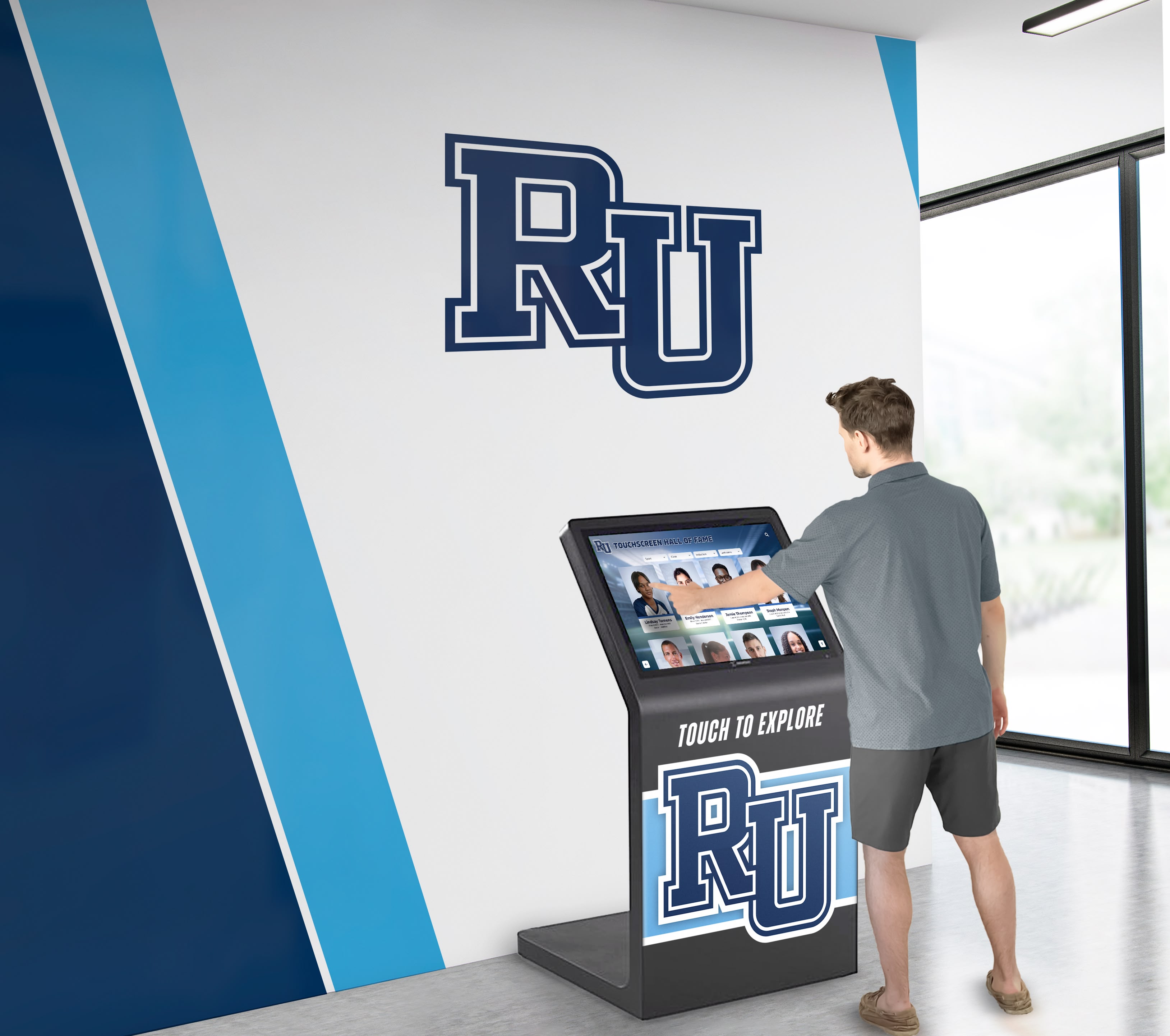
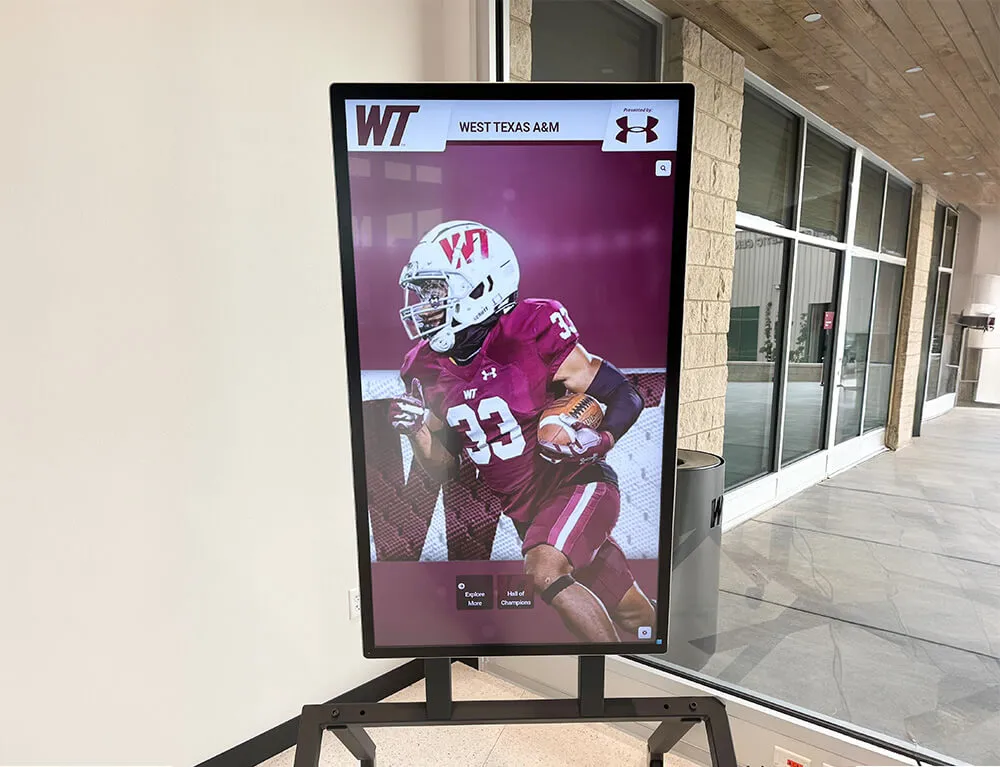
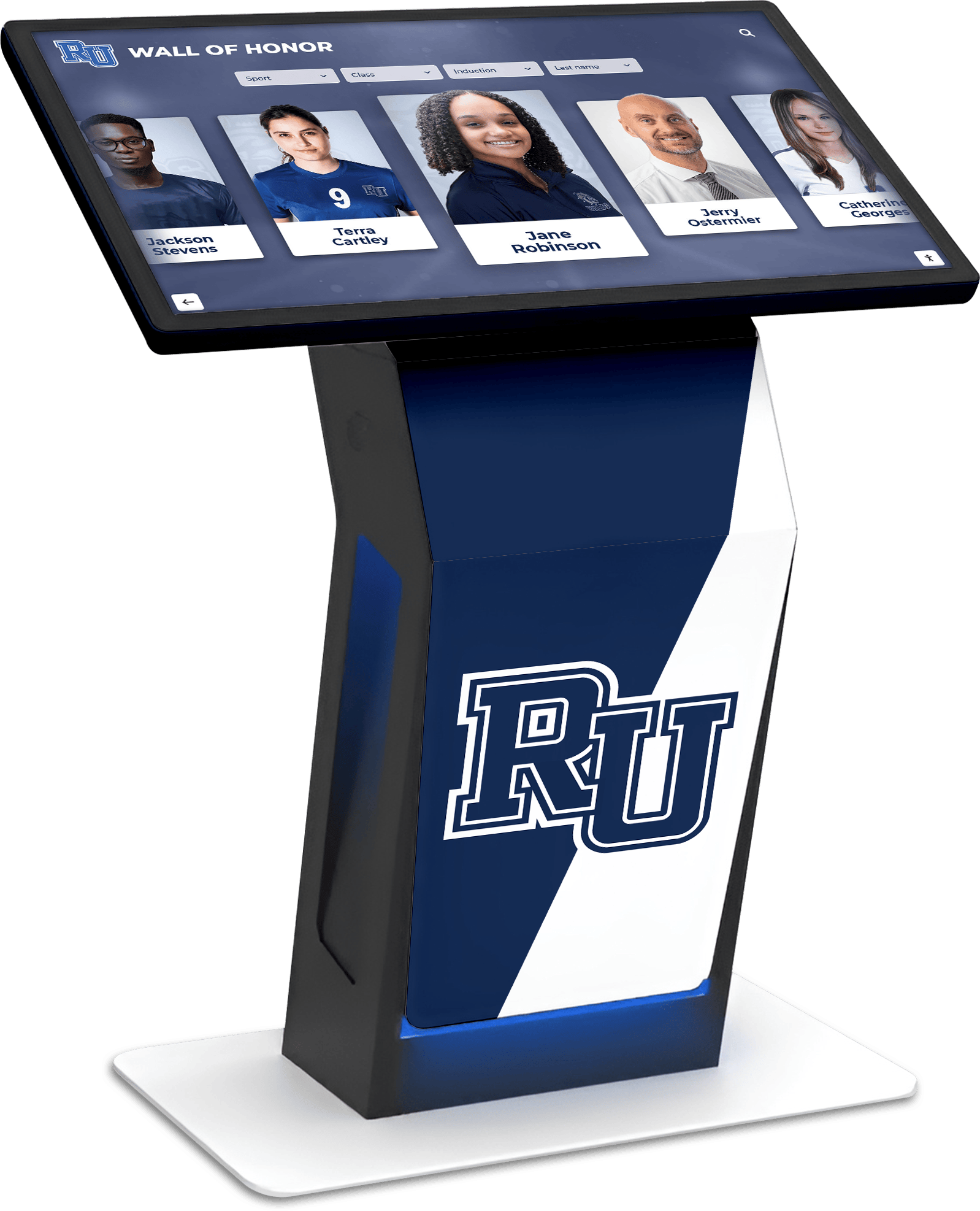
Freestanding kiosks provide flexible placement options while offering comprehensive championship exploration capabilities
Interactive Championship Exploration Features
Advanced Search and Filtering Capabilities
Modern platforms enable targeted championship discovery:
- Year-specific filtering showing tournament details for particular seasons
- Classification level sorting across different competitive eras
- Coach filtering revealing championships under specific coaching tenures
- Player name search identifying individual participation in championship seasons
- Opponent filtering showing results against specific rivals or geographic regions
- Tournament round filtering focusing on sectionals, regionals, semi-states, or finals
- Statistical sorting revealing record-setting championship performances
- Decade views showing championship success patterns across program history
Championship Comparison and Analysis
Digital systems enable fascinating historical analysis:
- Side-by-side championship season comparison showing statistical differences
- Tournament path analysis revealing strength of schedule variations
- Classification performance showing success rates at different competitive levels
- Coaching era analysis documenting championship rates under different staff
- Decade comparison revealing championship success pattern evolution
- Scoring trend analysis showing offensive and defensive championship characteristics
- Weather impact documentation for championships played in adverse conditions
Understanding digital display capabilities for school recognition helps administrators evaluate platform options effectively.
Web Accessibility Extending Beyond Physical Locations
Remote Championship Archive Access
Online platforms dramatically expand championship recognition reach:
- Alumni anywhere accessing complete championship documentation anytime
- Recruits researching program championship tradition during evaluation process
- Media accessing championship statistics without athletic department contact
- Community members following tournament progressions remotely during playoffs
- Genealogy researchers documenting family championship participation
- Social media sharing amplifying championship recognition broadly
- Mobile-responsive design ensuring smartphone and tablet accessibility
- Embedding capabilities for athletic website integration
Analytics Revealing Engagement Patterns
Digital platforms provide valuable usage insights:
- Pageview statistics showing most-viewed championship seasons and eras
- Engagement duration data revealing content effectiveness
- Geographic distribution showing championship interest across regions
- Popular search terms indicating audience priorities
- Seasonal traffic patterns aligning with current tournament competition
- Device distribution informing responsive design optimization
- Social sharing metrics measuring viral championship content reach
This extended accessibility transforms local championship recognition into globally-accessible historical archives amplifying program pride far beyond traditional geographic boundaries.
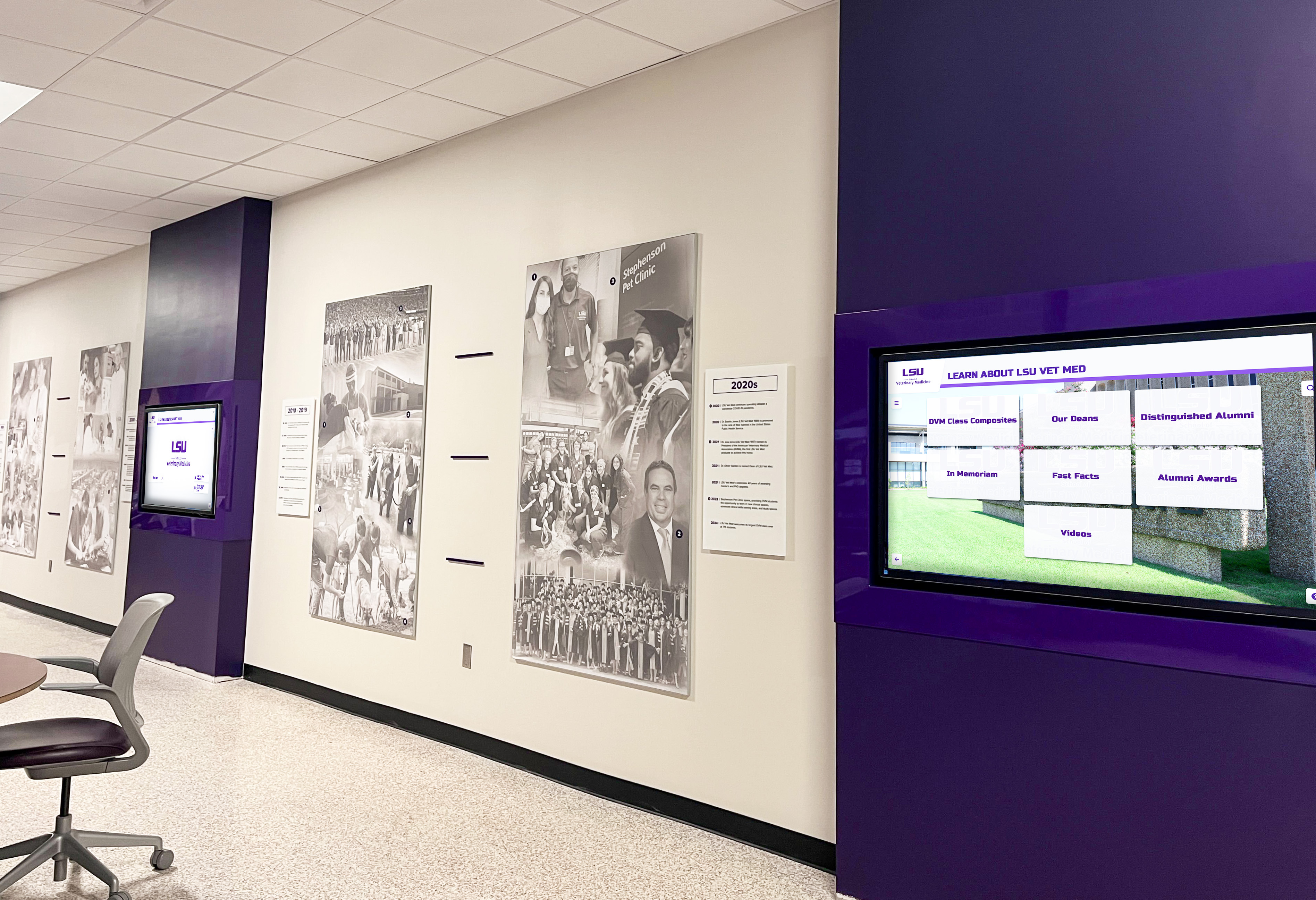
Multi-screen installations enable simultaneous display of current tournament brackets and historical championship achievements
Integrating Championship Recognition with Program Culture
Strategic approaches amplify championship documentation impact and strengthen program identity.
Championship Recognition in Recruiting and Program Marketing
Leveraging Championship History for Athlete Recruitment
Use championship documentation strategically during recruiting:
- Feature championship displays prominently during campus visits and recruiting tours
- Enable recruits to explore program championship history interactively
- Demonstrate coaching staff tournament success and championship experience
- Showcase player development producing championship-level performances
- Document consistent competitive excellence rather than isolated championship seasons
- Highlight pathway from youth programs through championship teams
- Present championship alumni success at collegiate levels
Community Pride and Program Visibility
Championship recognition enhances broader institutional reputation:
- Social media content celebrating current tournament advancement
- Local media coverage opportunities around championship anniversaries
- Alumni engagement through championship nostalgia and reunion programming
- Community celebration connecting civic pride to school athletic success
- Donor appeal demonstrating athletic investment producing championship results
- Prospective student awareness of championship athletic culture
- Regional reputation building through visible competitive excellence
Understanding building school pride through recognition provides frameworks for leveraging championship achievements strategically.
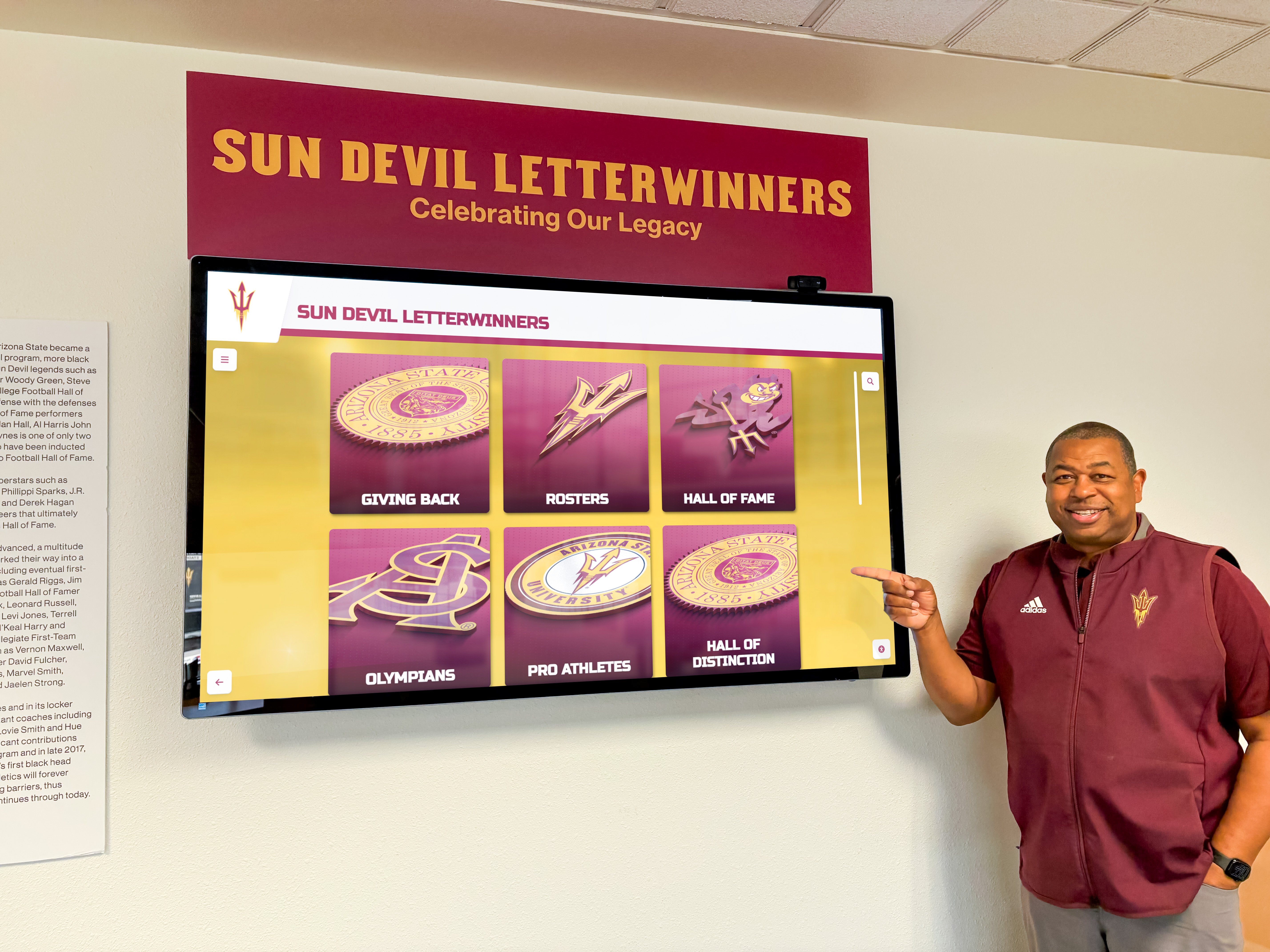
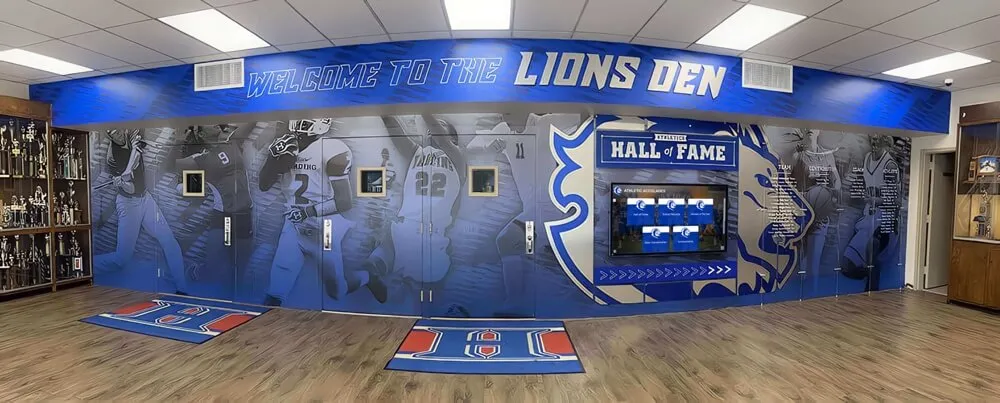
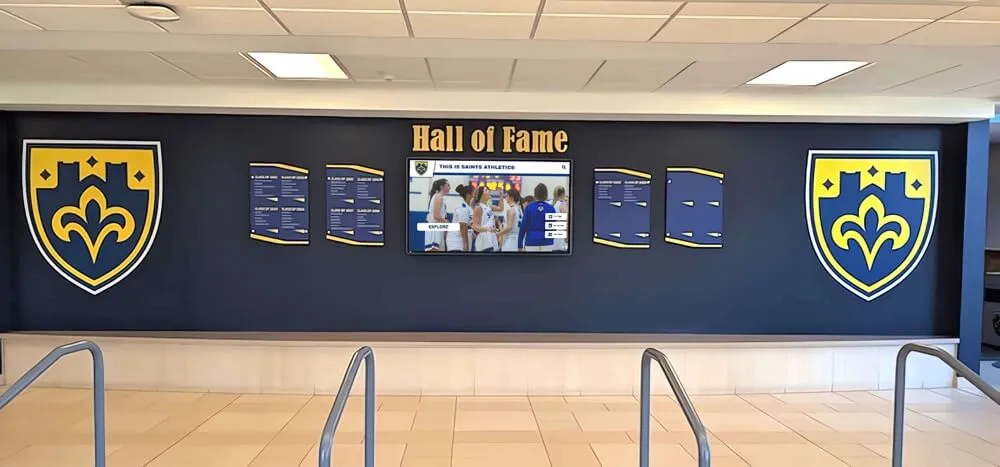
Comprehensive displays demonstrate program commitment to honoring championship excellence and building lasting traditions
Alumni Engagement Through Championship Memories
Championship Reunion Programming
Connect alumni through shared championship experiences:
- Championship anniversary celebrations bringing teams together
- Reunion events featuring championship season highlights and recognition
- Alumni weekend programming highlighting championship eras prominently
- Social media campaigns sharing championship memories and throwback content
- Email communications featuring championship anniversaries and team updates
- Championship participant gatherings during current playoff games
- Generational legacy documentation showing family championship traditions
Community Celebration and Civic Connection
Championship recognition strengthens community bonds:
- Celebration of local championship pursuit regardless of school size
- Generational connections through decades of tournament tradition
- Regional rivalry documentation preserving competitive history
- Civic pride in producing championship-level competition
- Local business support for programs achieving championship success
- Social cohesion through shared celebration of championship achievement
- Media coverage amplifying community championship awareness
Learn about celebrating homecoming traditions that can integrate championship recognition effectively.
Ceremony Integration and Tradition Building
Championship Celebration Events
Enhance championship acknowledgment through systematic programming:
- School assembly presentations featuring championship journey documentation
- Championship ring ceremonies recognizing title team participants
- Community celebration events with championship displays as focal points
- Booster club gatherings celebrating championship achievement
- Media day events highlighting championship team accomplishments
- End-of-season banquets with comprehensive championship recognition
- Championship banner unveiling ceremonies connecting physical and digital recognition
Ongoing Championship Tradition Development
Build competitive culture through championship-focused activities:
- Pre-tournament bracket prediction contests for students and community
- Watch parties for championship games at Lucas Oil Stadium
- Championship anniversary retrospectives celebrating program milestones
- Coaching milestone recognition tied to tournament success
- Program achievement timelines showing sustained championship pursuit
- Historical championship comparison challenges engaging athletics enthusiasts
- Youth camp integration teaching championship mentality and tradition
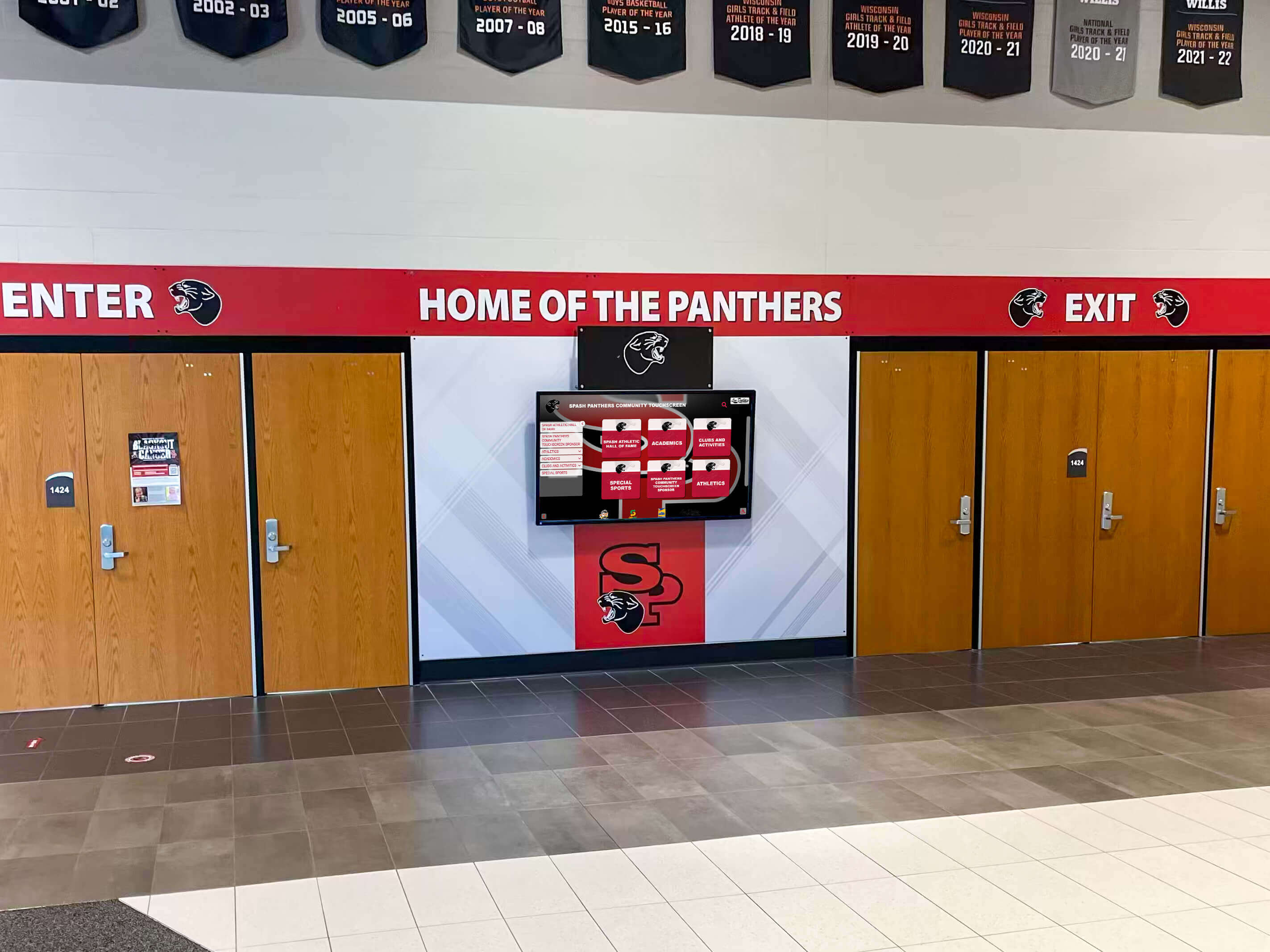
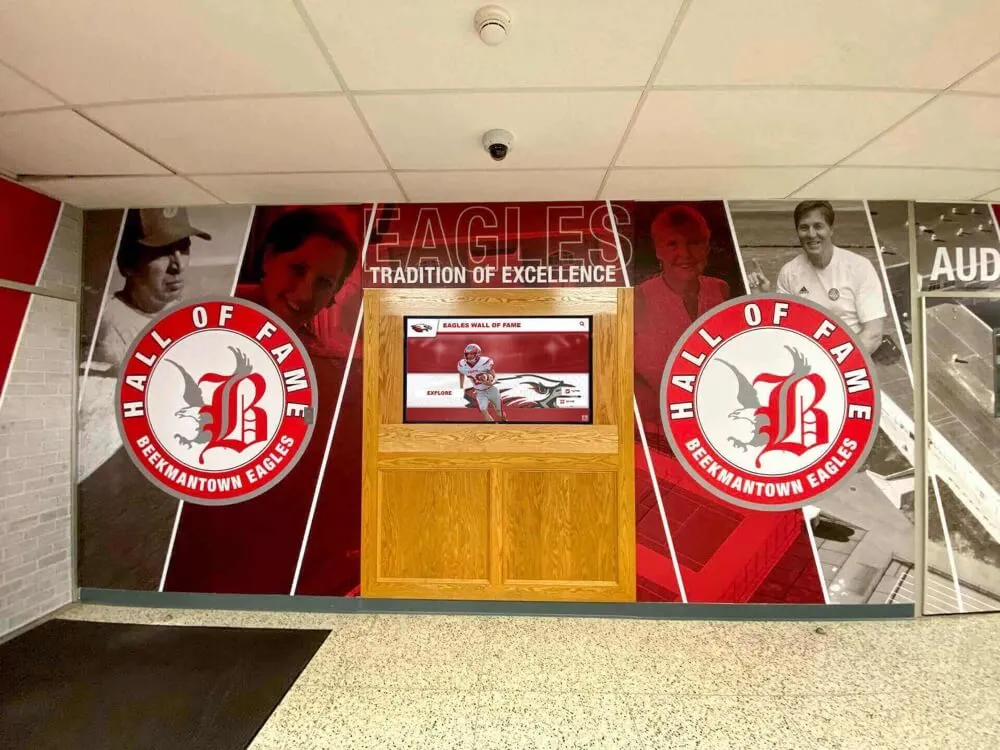
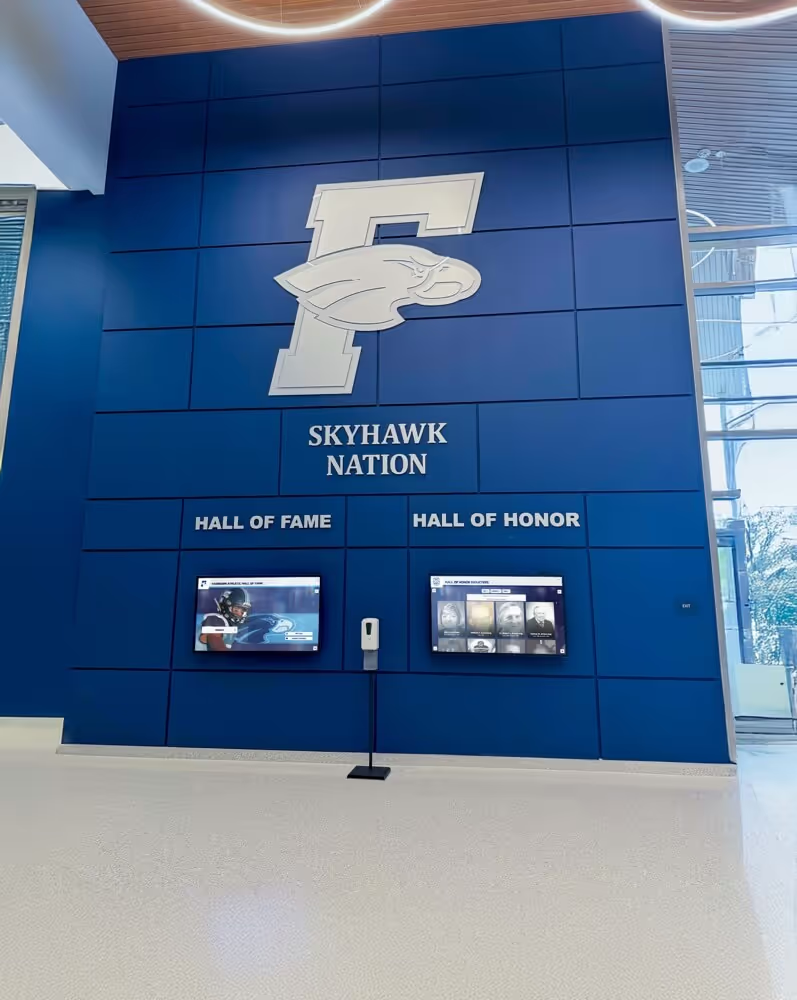
Entrance placement ensures championship tradition greets all students, visitors, and community members entering facilities
Implementation Planning and Budget Considerations
Realistic resource planning ensures sustainable championship recognition programs.
Investment Requirements for Championship Display Programs
Initial Implementation Costs
Comprehensive programs involve several expense categories:
- Digital display hardware and professional installation ($3,000-$12,000 depending on size, quantity, and location complexity)
- Software platform licensing for championship management and display ($500-$1,800 annually)
- Historical research and content development (staff time or contracted research services)
- Championship photography and videography when professional documentation needed
- Graphic design and template development for consistent presentation
- Initial promotional materials and community communications
- Administrative training and platform onboarding for staff
Ongoing Operational Expenses
Annual costs sustaining program quality:
- Software platform maintenance and support fees ($500-$1,800)
- Current season championship documentation and content updates
- Additional historical research as time and resources permit
- Photography and video licensing when needed
- Display hardware maintenance and occasional repairs
- Communications and social media management promoting championship content
- Annual content reviews ensuring accuracy and completeness
Cost-Effectiveness Analysis
Compare different recognition approaches:
Traditional Championship Displays: Limited capacity requiring painful prioritization decisions, deterioration necessitating replacement every 5-10 years, labor-intensive manual updates, restricted storytelling capabilities
Digital Recognition Platforms: Higher initial investment offset by unlimited capacity, minimal per-championship content costs, dramatically reduced maintenance demands, comprehensive multimedia capabilities impossible with traditional formats
Over 10-15 year horizons, digital systems prove substantially more cost-effective while providing exponentially greater recognition capacity, engagement capabilities, and administrative efficiency.
Understanding trophy case modernization approaches helps schools evaluate comprehensive recognition investments.
Funding Source Strategies
Athletic Department Operating Budgets
Integrate championship recognition into regular budget planning:
- Annual allocations for recognition program maintenance and updates
- Technology budget line items for digital display systems
- Facility improvement budgets including championship recognition components
- Athletic communications budget supporting championship documentation
Booster Club and Community Fundraising
Engage supporters in funding championship recognition:
- Capital campaigns specifically for championship display installation
- Annual giving programs supporting ongoing recognition operations
- Corporate sponsorship with appropriate acknowledgment
- Alumni giving campaigns focused on championship preservation
- Memorial contributions honoring deceased championship participants
- Championship anniversary fundraising around milestone celebrations
Grant Opportunities and Alternative Funding
Explore additional resource sources:
- IHSAA foundation grants supporting school athletic programs
- Local education foundation support for school recognition projects
- Community foundation grants celebrating local achievement
- Corporate partnership programs supporting school athletics
- Technology grants applicable to digital display installations
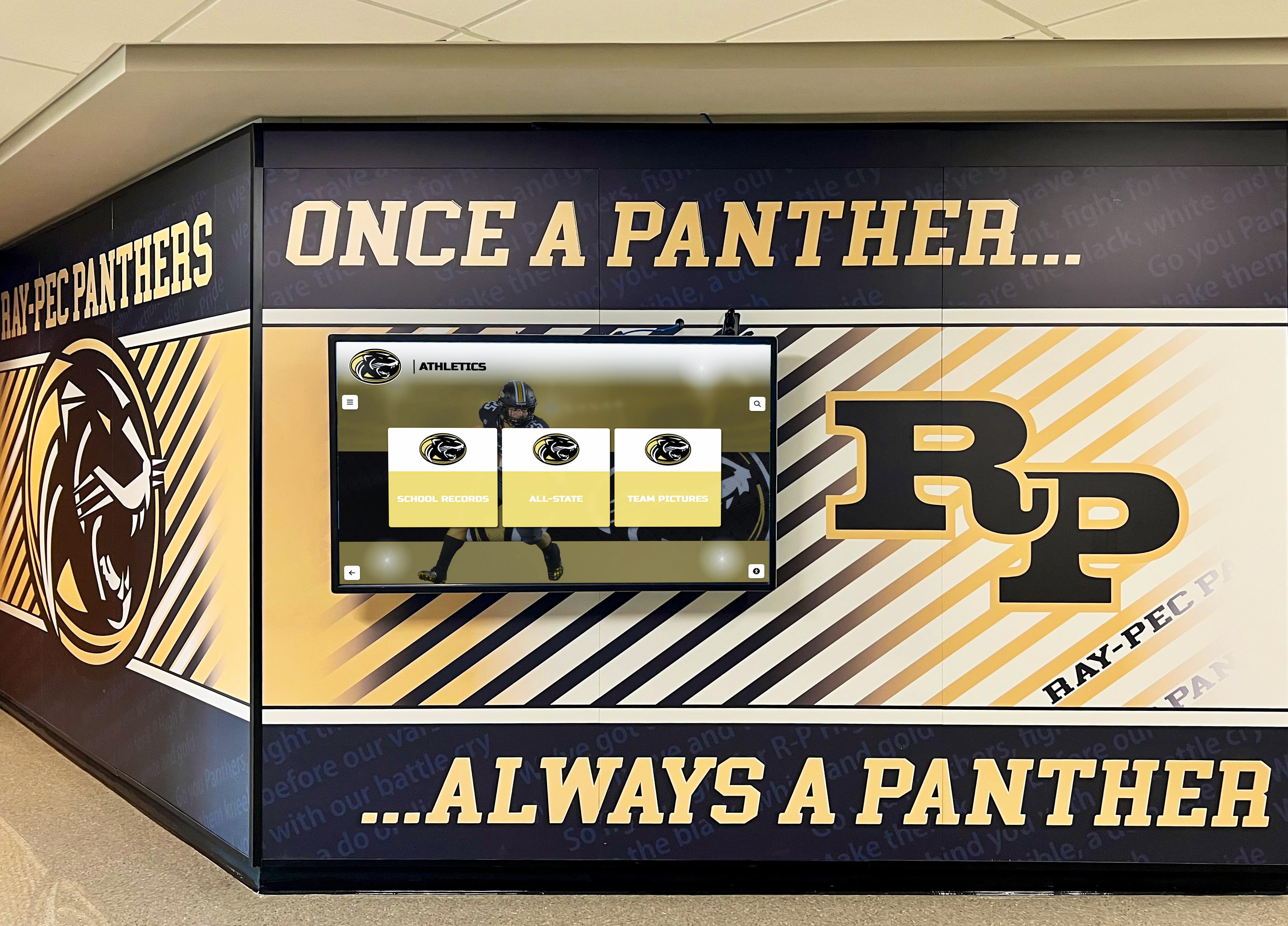
Professional installations demonstrate program commitment to celebrating championship tradition appropriately
Special Considerations for Indiana Championship Recognition
Additional factors specific to Indiana high school football enhance program effectiveness.
Documenting Sectional and Regional Championship Significance
Indiana’s tournament structure creates multiple championship opportunities:
Beyond State Championships
Comprehensive recognition acknowledges tournament achievements at multiple levels:
- Sectional championships representing first tournament hurdle and initial playoff success
- Regional championships establishing elite program status within geographic areas
- Semi-state appearances demonstrating championship-caliber competitive level
- Consistent playoff qualification showing sustained program excellence
- Competitive playoff performances even in seasons falling short of championships
- Record-setting tournament performances regardless of advancement
- Tournament upset victories regardless of ultimate outcome
Many Indiana programs have rich tournament histories without state championships—comprehensive recognition celebrates playoff excellence comprehensively rather than exclusively focusing on ultimate state titles.
Geographic and Competitive Context
Provide appropriate tournament context:
- Sectional assignments showing competitive difficulty variations
- Regional matchup analysis revealing strength of opposition
- Geographic advantages or disadvantages in tournament draws
- Weather impacts on outdoor tournament games
- Venue contexts for significant tournament contests
- Fan support and attendance documentation
- Local rivalry tournament matchups adding competitive intensity
Understanding recognizing athletic director leadership provides insight into comprehensive program recognition approaches.
Addressing Classification Changes in Recognition Displays
Clear Historical Context Presentation
Help viewers understand championship competitive contexts:
- Prominent classification labeling for all championship documentation
- Explanation of classification systems during different eras
- School enrollment documentation explaining classification assignments
- Conference affiliation details providing competitive context
- Acknowledgment that championships across eras aren’t directly comparable
- Historical notes explaining rule changes affecting different championship periods
- Separate recognition sections for different classification structures when helpful
Celebrating Championships Appropriately Across Classifications
Ensure equal honor for championships regardless of classification:
- Identical presentation quality across all classification levels
- Equal content depth for small-school and large-school championships
- Balanced historical research efforts regardless of classification
- Equivalent prominence in display placement and accessibility
- Recognition that small-school championships require equal dedication and excellence
- Community context explaining championship significance for school size
- Avoidance of hierarchical presentation suggesting certain championships matter more
Learn about Minnesota high school football recognition providing comparative perspective on state championship systems.
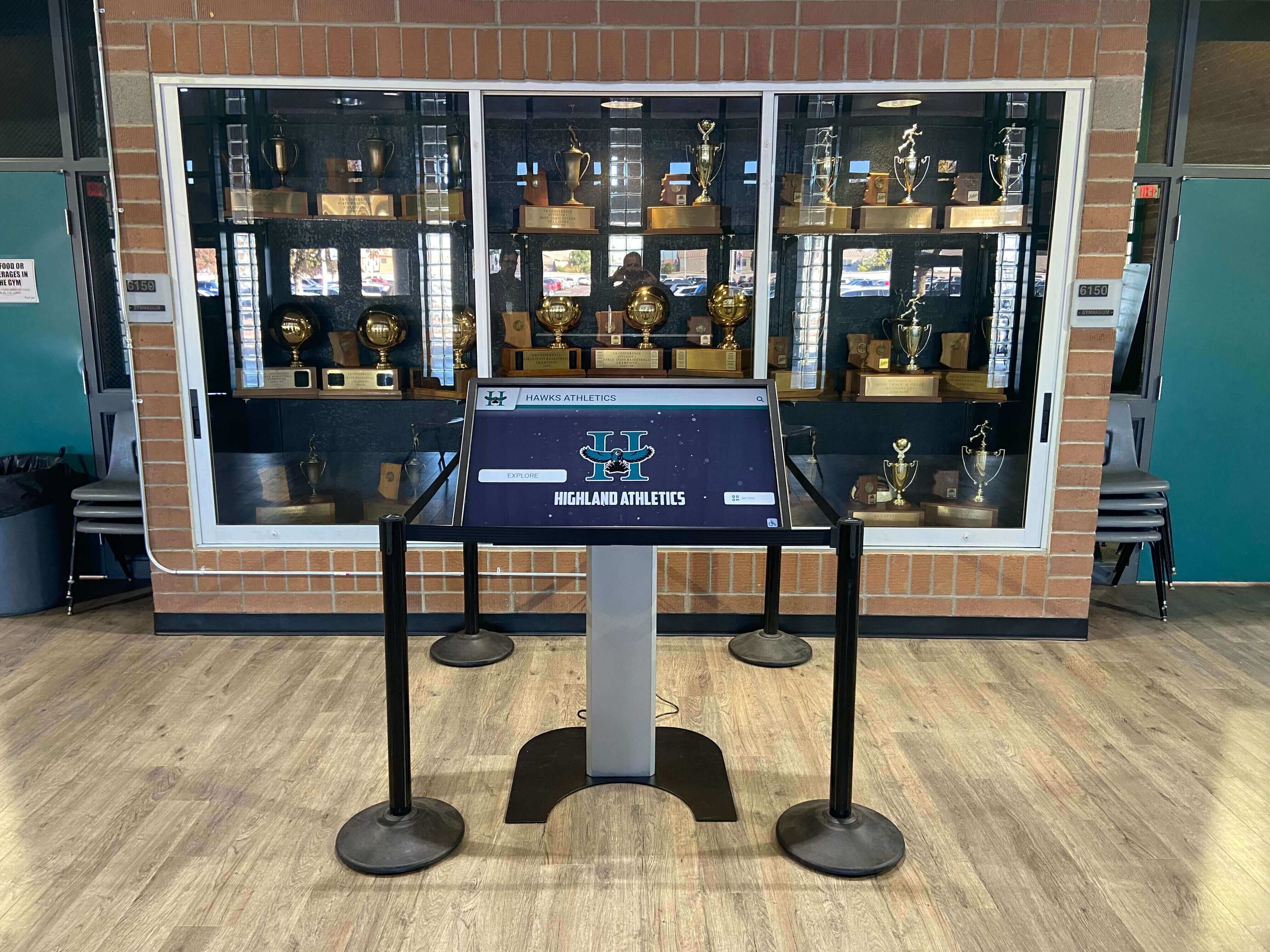
Hybrid approaches combine traditional trophy displays with digital platforms providing comprehensive championship documentation
Measuring Championship Recognition Program Success
Assessment demonstrates value and informs continuous improvement.
Quantitative Performance Metrics
Engagement and Usage Data
Digital systems provide detailed analytics revealing program effectiveness:
- Total display interactions and championship exploration sessions
- Average engagement duration per user visit
- Most-viewed championship seasons and tournament years
- Search queries revealing audience championship interests
- Web platform visits and geographic distribution patterns
- Social media sharing frequency and content reach metrics
- Peak usage timing aligning with current tournament seasons
- Device type distributions informing design optimization
Program Impact Indicators
Track broader championship recognition effects:
- Student awareness surveys assessing championship history knowledge
- Recruit feedback mentioning championship tradition during decision processes
- Alumni engagement rates through championship content exploration
- Media coverage referencing championship displays and program history
- Community survey responses about program reputation and awareness
- Social media follower growth and championship post engagement rates
- Website traffic patterns during tournament seasons and championship anniversaries
Qualitative Impact Assessment
Stakeholder Feedback Collection
Gather perspectives systematically across constituencies:
Current Athletes: Survey awareness of program championship history, motivation impact from championship displays, championship aspiration influences, understanding of tournament requirements for championship pursuit
Alumni: Assess satisfaction with championship recognition quality, pride in championship celebration, engagement with digital championship platforms, reunion experience enhancement through championship content
Community Members: Gauge awareness of program championship tradition, civic pride in local football excellence, visitor facility reactions to championship displays, program reputation perceptions
Coaches and Administrators: Monitor recruiting advantages from championship displays, program culture impacts, administrative burden appropriateness, athlete motivation observations, community engagement effects
Understanding academic recognition measurement approaches provides additional assessment frameworks applicable to athletic recognition.
Conclusion: Honoring Indiana’s Championship Football Heritage
Indiana high school football state championships represent the culmination of Friday night dreams pursued throughout communities from Carmel to Linton-Stockton, from Fort Wayne to Evansville, from metropolitan powers to rural dynasties competing at Lucas Oil Stadium for the ultimate Hoosier football achievement. These championships deserve recognition proportional to their significance—not fading printed brackets disappearing within years or limited trophy case space forcing painful prioritization decisions, but comprehensive documentation preserving complete championship journeys for generations.
Whether your program has multiple state championships across classifications or celebrates sectional excellence and consistent tournament qualification, championship recognition matters profoundly. These displays honor athletes and coaches who dedicated countless hours pursuing competitive excellence, connect current teams to championship traditions inspiring similar pursuit, demonstrate to communities that athletic investment produces tangible championship results, and preserve program heritage that becomes increasingly valuable with each passing decade.
Ready to preserve your Indiana championship football history while inspiring current athletes toward similar competitive heights? Modern recognition solutions help schools celebrate tournament excellence comprehensively without traditional display limitations. Solutions like Rocket Alumni Solutions provide platforms specifically designed for championship recognition, combining unlimited capacity for complete tournament documentation, engaging multimedia presentation impossible with traditional formats, intuitive content management requiring no technical expertise, and web accessibility extending championship recognition far beyond physical facility boundaries.
Schools evaluating championship display options should consider not just immediate costs but long-term value, sustainability, comprehensive capabilities, and the profound impact that effective championship recognition creates for athletes, alumni, and communities celebrating Hoosier football excellence.
Your championship teams earned their place in program history through exceptional dedication, sustained excellence, and remarkable competitive achievement. Your recognition should reflect that excellence by documenting every tournament journey comprehensively, preserving complete championship contexts, and creating engaging experiences inspiring future athletes to pursue similar greatness. With strategic planning, appropriate investment, and systematic implementation, you can build championship recognition programs serving athletes, families, and communities for decades—ensuring Indiana football excellence receives the lasting honor it truly deserves.
Start planning your championship recognition program today, whether establishing comprehensive systems for the first time or enhancing existing approaches. The essential elements aren’t budget size, technology sophistication, or facility quality—they’re genuine commitment to honoring championship achievement, systematic tournament documentation ensuring complete recognition, and sustained management keeping programs relevant and inspiring for all who experience them.
Explore Championship Recognition Solutions for Your Indiana Program