How to Watch a Hall of Fame Induction: Ceremony Schedules, Tickets, and Livestream Options
- Home /
- Digital Hall of Fame Insights & Resources /
- How to Watch a Hall of Fame Induction: Ceremony Schedules, Tickets, and Livestream Options
The Easiest Touchscreen Solution




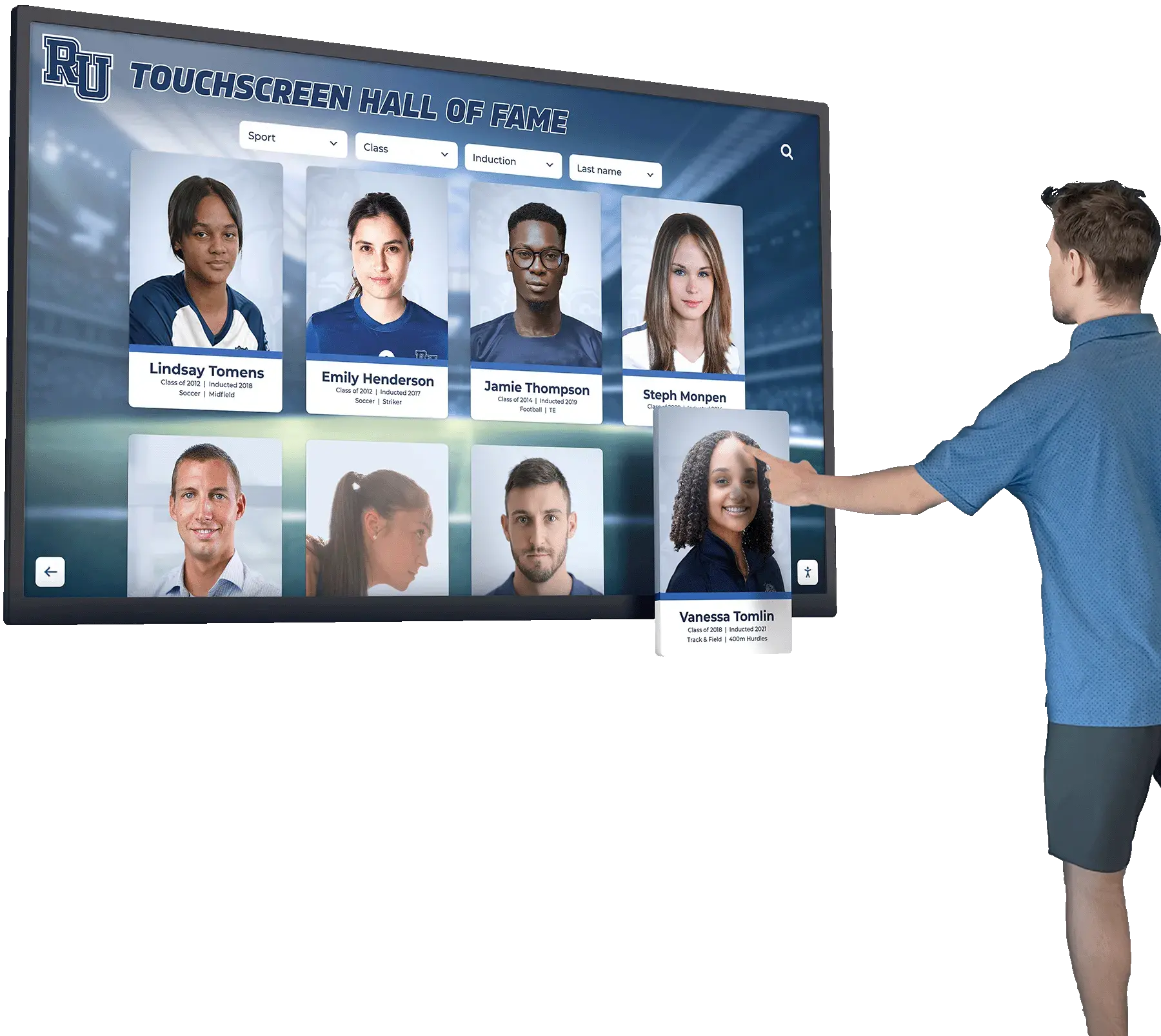
Live Example: Rocket Alumni Solutions Touchscreen Display
Interact with a live example (16:9 scaled 1920x1080 display). All content is automatically responsive to all screen sizes and orientations.
The moment arrives with anticipated fanfare: a beloved coach, decorated athlete, or distinguished alumnus prepares to receive formal recognition among their institution’s most celebrated figures. Hall of fame induction ceremonies represent pinnacle recognition events where communities gather to honor exceptional achievement, preserve institutional legacy, and celebrate individuals whose contributions transcend ordinary excellence. For attendees, honorees, families, and distant supporters, understanding how to access these ceremonies—whether through physical attendance or remote viewing—ensures no one misses witnessing these defining recognition moments.
Hall of fame inductions span diverse contexts from professional sports leagues hosting nationally televised ceremonies to high schools conducting intimate gatherings celebrating local excellence. Each event brings unique access considerations: ticket availability and pricing structures, venue capacity constraints, ceremony timing and scheduling patterns, livestream technology options, and hybrid attendance formats combining in-person and virtual participation. Organizations planning inductions face critical decisions about accessibility, while potential attendees navigate various pathways to witness these celebrations.
This comprehensive guide explores every dimension of accessing hall of fame induction ceremonies, from understanding different ceremony formats and purchasing tickets to accessing livestream options and planning around typical scheduling patterns. Whether you’re organizing an induction event for your institution or seeking to attend a ceremony honoring someone you admire, this resource provides the framework for ensuring meaningful access to these recognition milestones.
Hall of fame induction ceremonies create lasting memories for honorees, families, communities, and institutions. Understanding access options—from physical attendance to remote viewing—ensures these recognition moments receive the participation and celebration they deserve, regardless of geographic constraints or venue limitations.

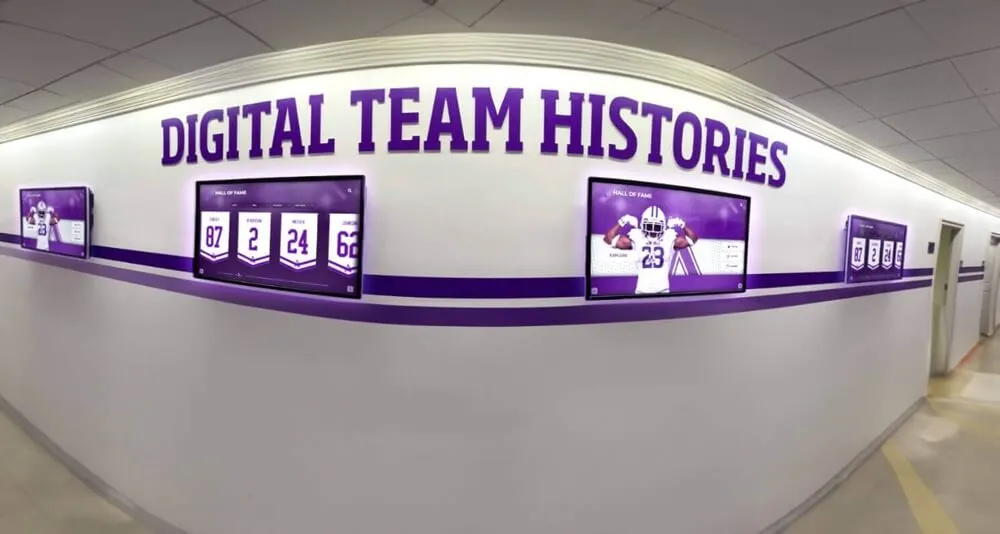
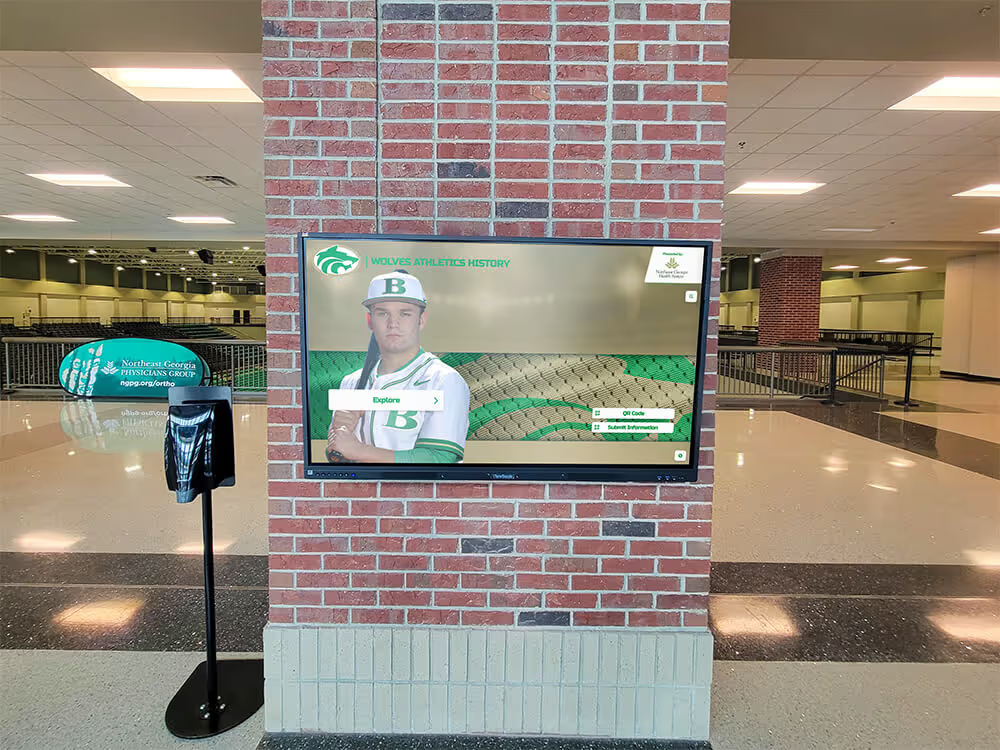
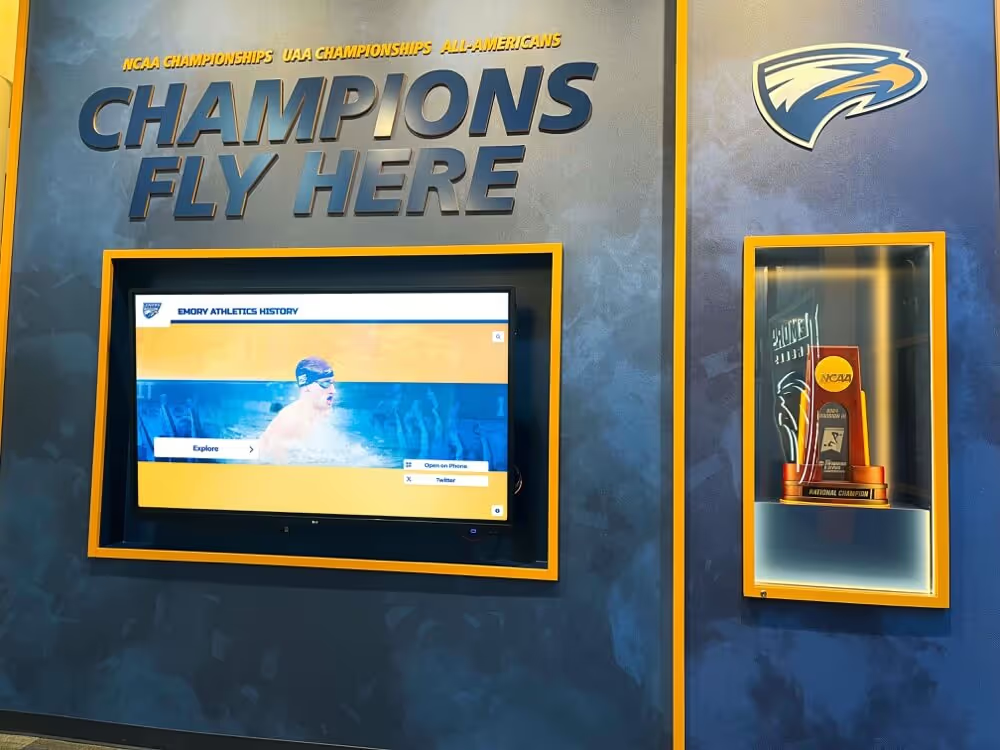
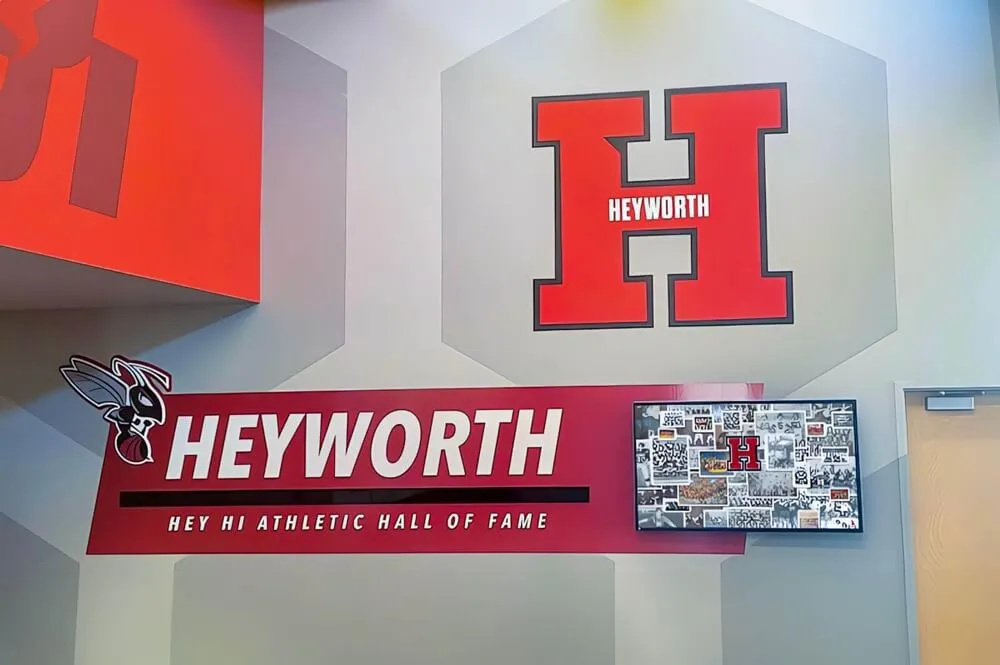
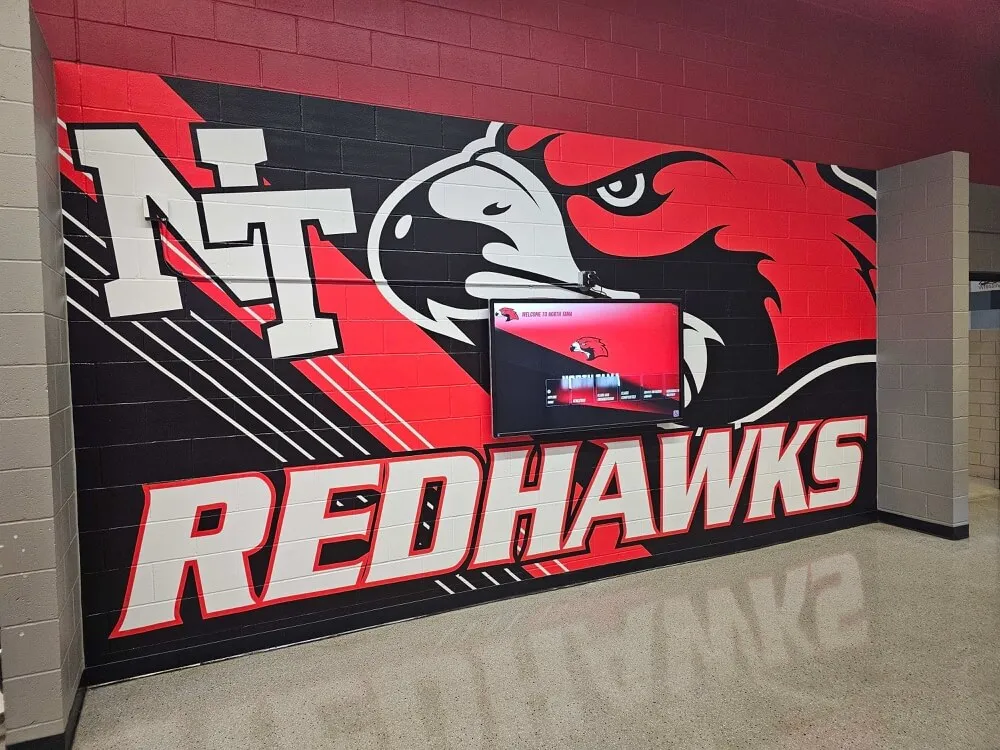
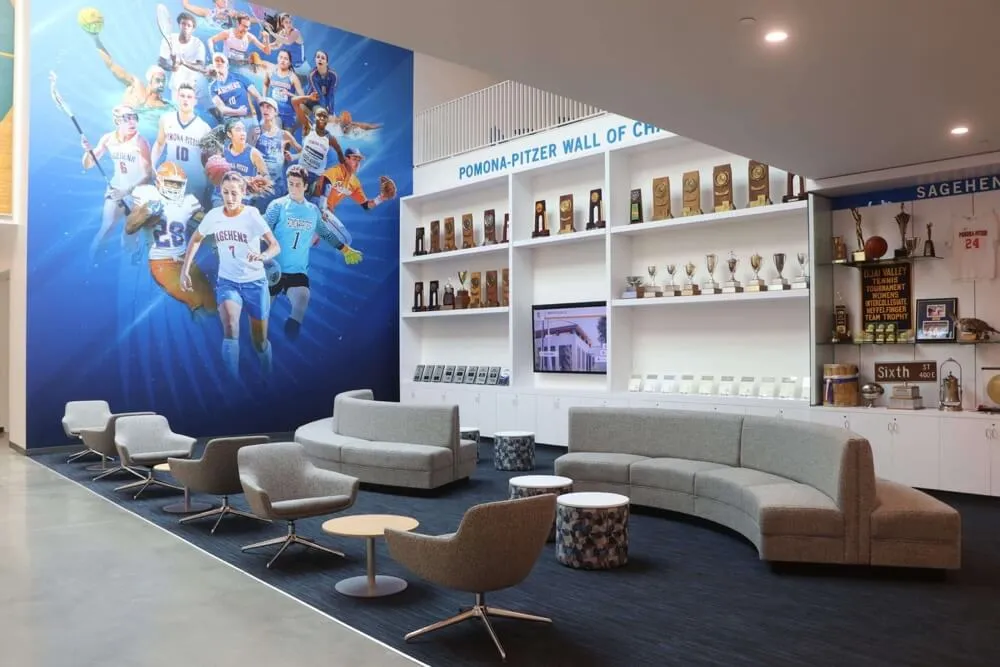
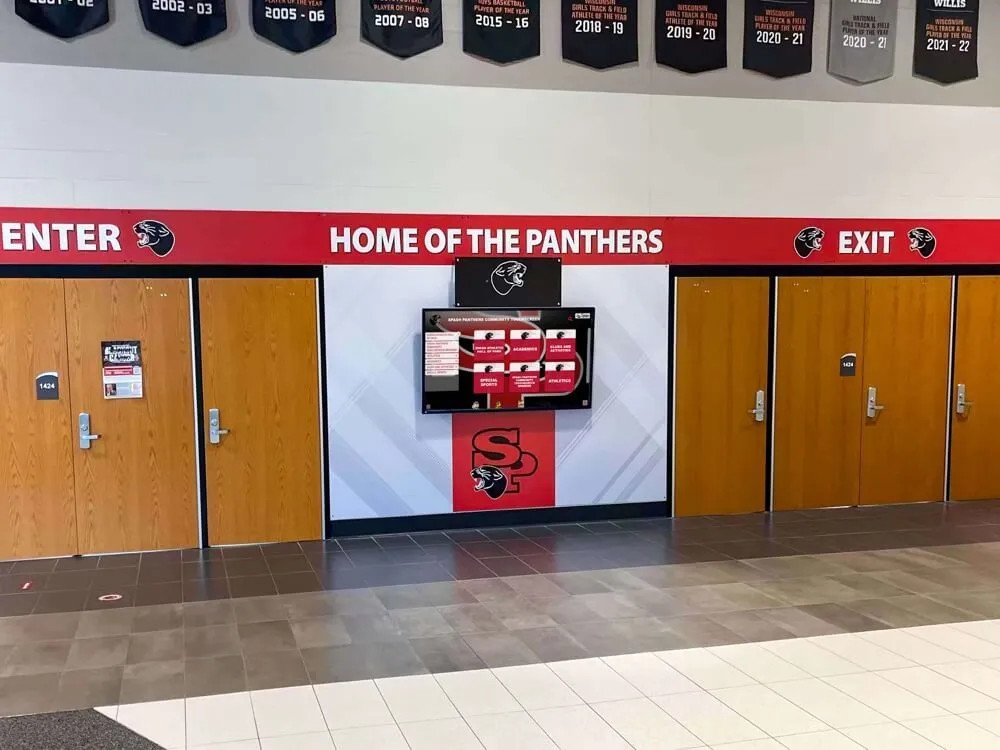
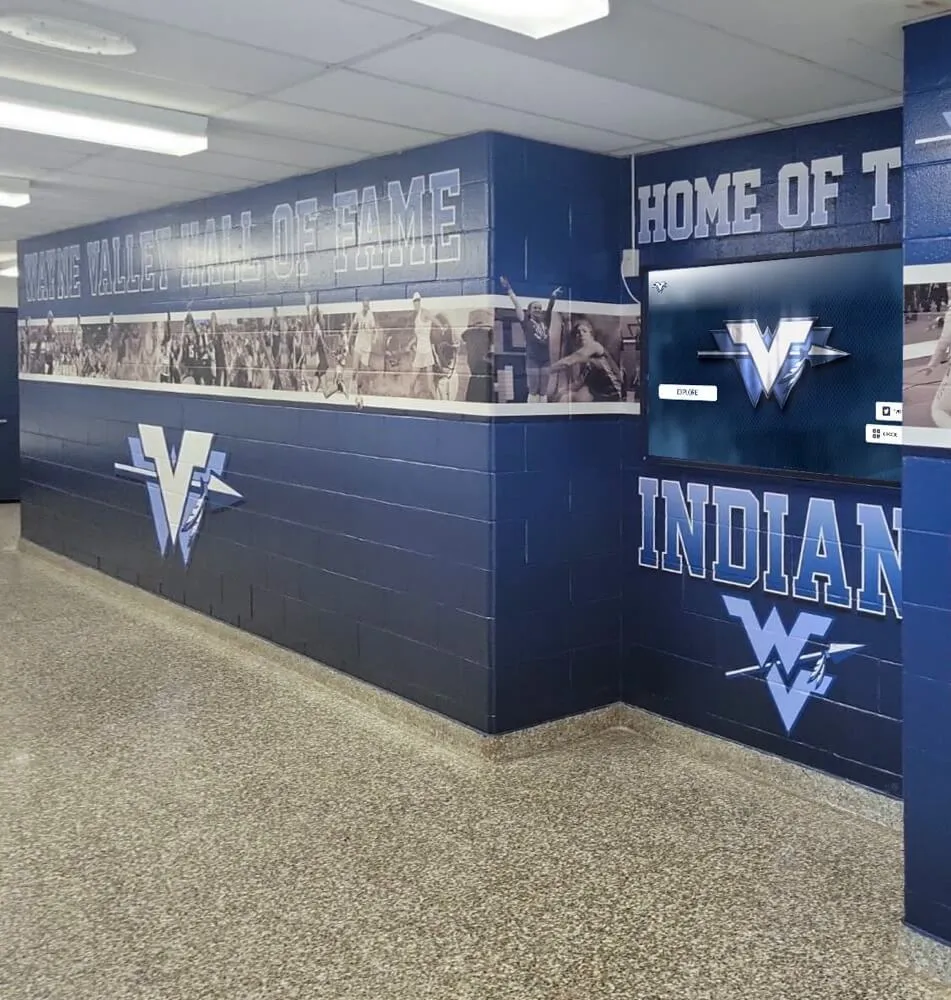
Modern hall of fame programs integrate physical ceremonies with year-round digital recognition accessible to broader audiences
Understanding Different Hall of Fame Induction Formats
Before exploring access methods, recognizing the distinct ceremony formats helps set appropriate expectations for attendance options and viewing experiences.
Professional Sports Hall of Fame Ceremonies
Major professional sports halls of fame typically conduct large-scale public ceremonies with national media coverage:
National Recognition Events
Professional league halls of fame feature:
- Dedicated Induction Weekends - Multi-day celebrations including ceremonies, panel discussions, fan events, and commemorative activities
- Stadium or Arena Venues - Large capacity facilities accommodating thousands of attendees
- Broadcast Coverage - National television networks providing live ceremony coverage
- Ticketed Access - Formal ticket purchasing systems with various pricing tiers
- VIP Experiences - Premium packages including meet-and-greets, exclusive receptions, and memorabilia
- Public Fan Zones - Outdoor viewing areas and interactive exhibits surrounding main ceremonies
These high-profile events generally offer multiple access pathways serving diverse audience segments from VIP ticket holders to home viewers watching broadcasts.
Regional and Sport-Specific Halls
Beyond major league facilities, numerous sport-specific and regional halls of fame conduct more modest ceremonies:
- State-level sports halls honoring athletes across multiple sports within geographic regions
- Single-sport halls celebrating excellence in specific athletic disciplines
- Conference or league halls recognizing achievement within competitive associations
- Media halls honoring sports journalists, broadcasters, and photographers
These ceremonies typically occur at banquet facilities, convention centers, or institutional venues with varying public access policies.
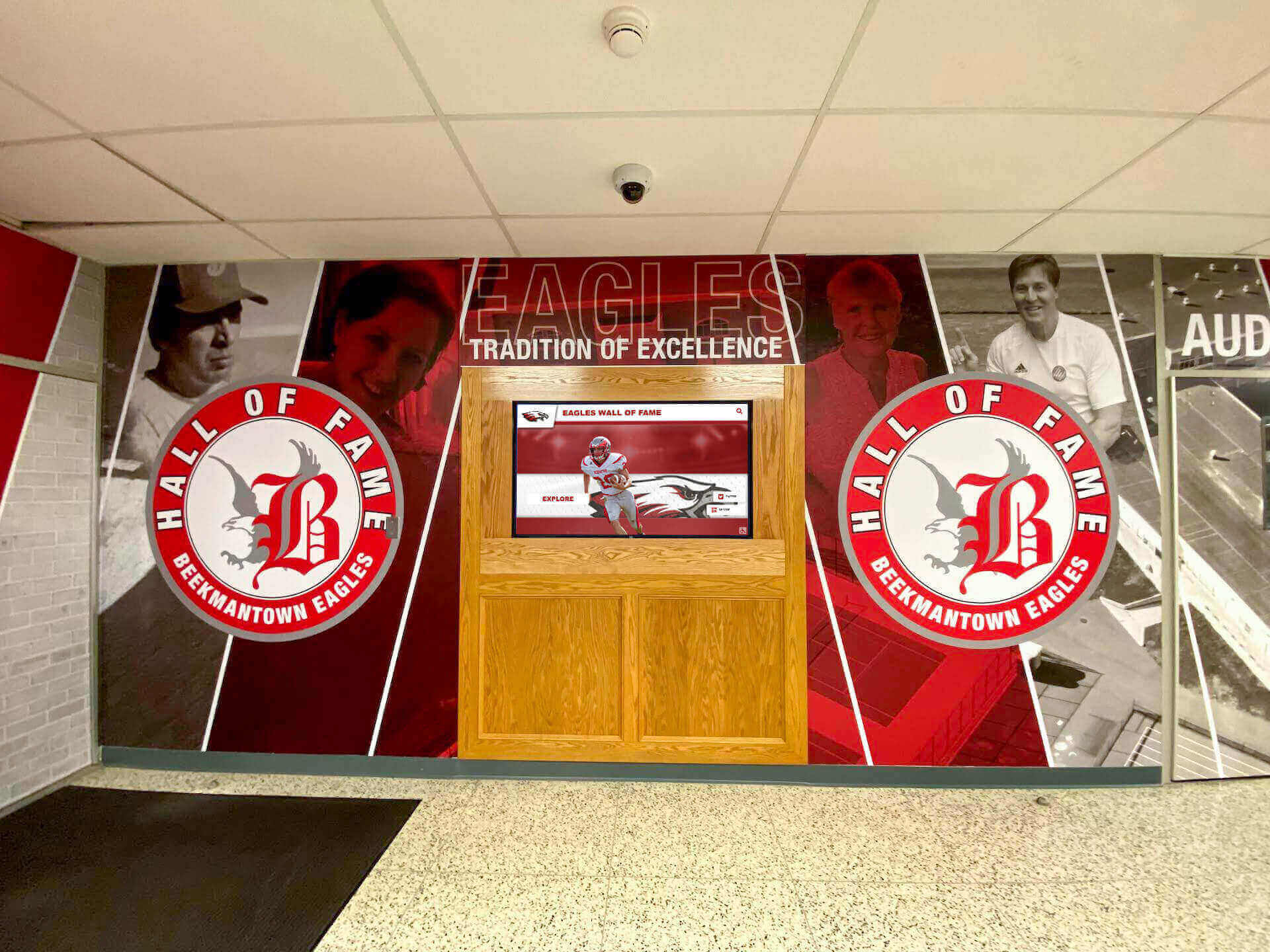
School-based halls of fame conduct ceremonies ranging from intimate gatherings to major community events
Educational Institution Induction Ceremonies
Schools, colleges, and universities conduct hall of fame inductions celebrating athletic, academic, and service excellence:
High School Athletic Halls of Fame
Secondary schools typically structure inductions as:
- Homecoming Weekend Events - Ceremonies coordinated with football games or alumni gatherings
- Banquet Format - Dinner events in school gymnasiums, cafeterias, or local banquet facilities
- Community Access - Open attendance or ticketed events supporting athletic programs
- Livestream Options - Growing adoption of video streaming for family members unable to attend physically
- Hybrid Recognition - Ceremony events complemented by permanent digital hall of fame displays accessible year-round
These intimate ceremonies emphasize community celebration over commercial spectacle.
College and University Athletic Halls
Higher education institutions often conduct more formal induction programs:
- Athletic Department Hosted Events - Professional event coordination through advancement offices
- Homecoming or Reunion Timing - Scheduling aligned with major campus gatherings maximizing attendance
- Ticketed Banquets - Formal dinners with limited capacity requiring advance ticket purchase
- Campus Facility Venues - Student centers, alumni houses, or field house facilities
- Multi-Class Inductions - Annual ceremonies honoring multiple inductees simultaneously
University ceremonies balance intimate recognition with institutional tradition and alumni engagement objectives.
Academic and Service Recognition
Beyond athletics, educational institutions increasingly establish academic halls of fame:
- Distinguished alumni recognizing career achievement across all fields
- Academic excellence halls celebrating scholarly contribution
- Service halls honoring community leadership and philanthropic impact
- Faculty halls recognizing teaching excellence and institutional service
These ceremonies typically occur during commencement weekends, founder’s days, or dedicated recognition events.
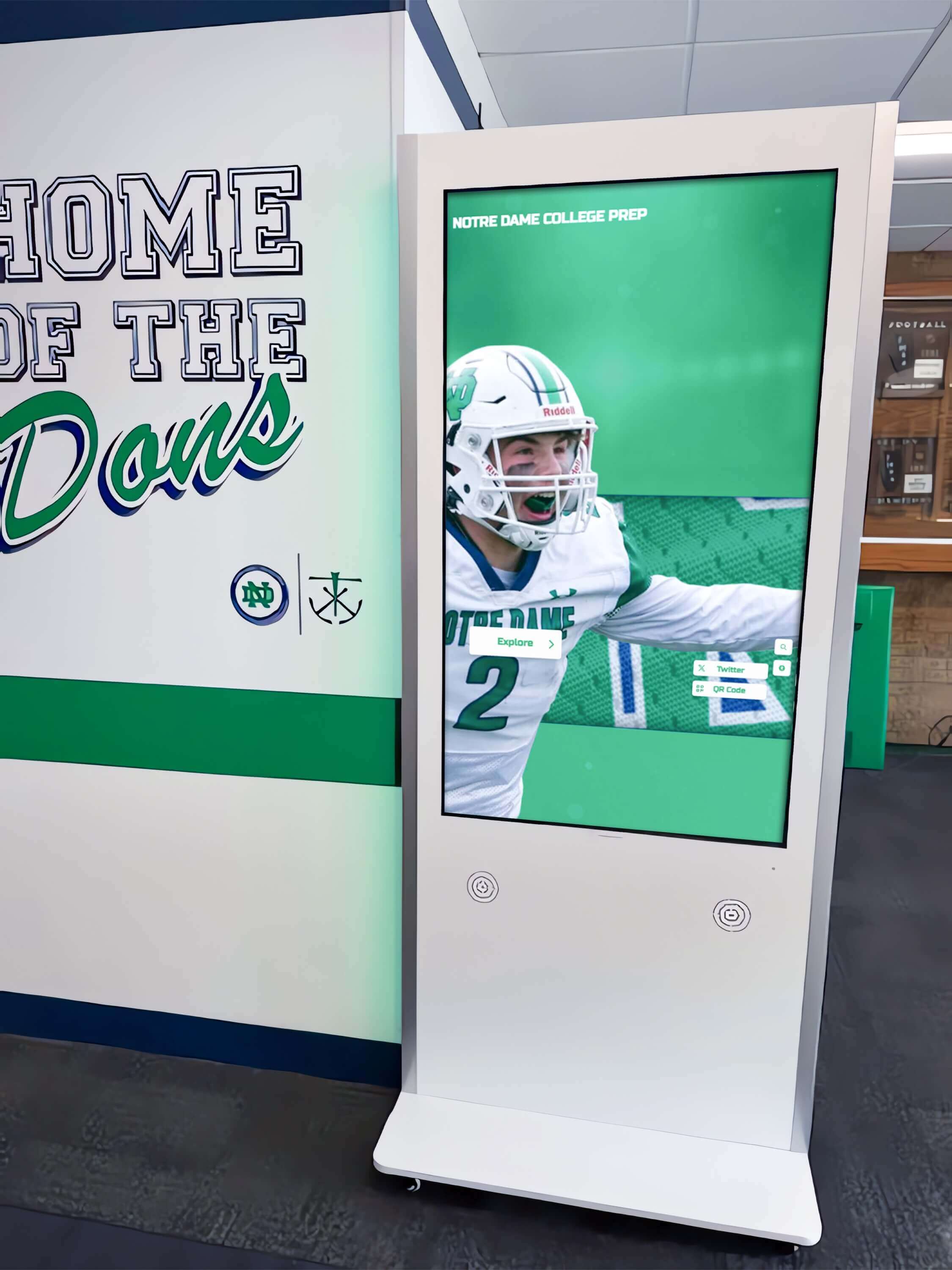
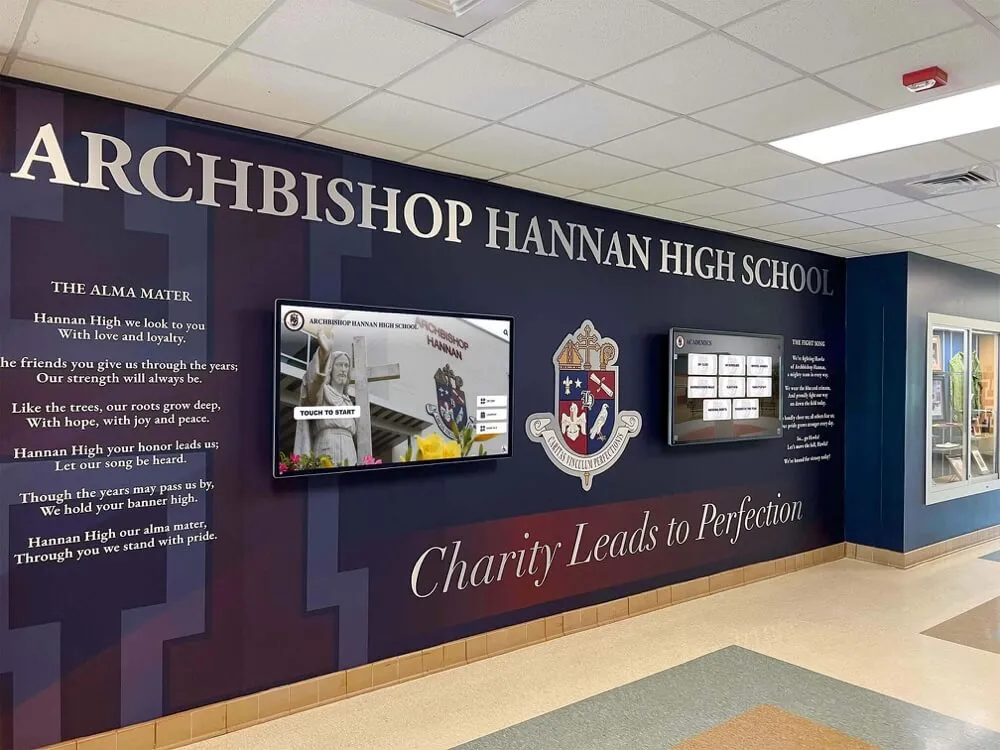
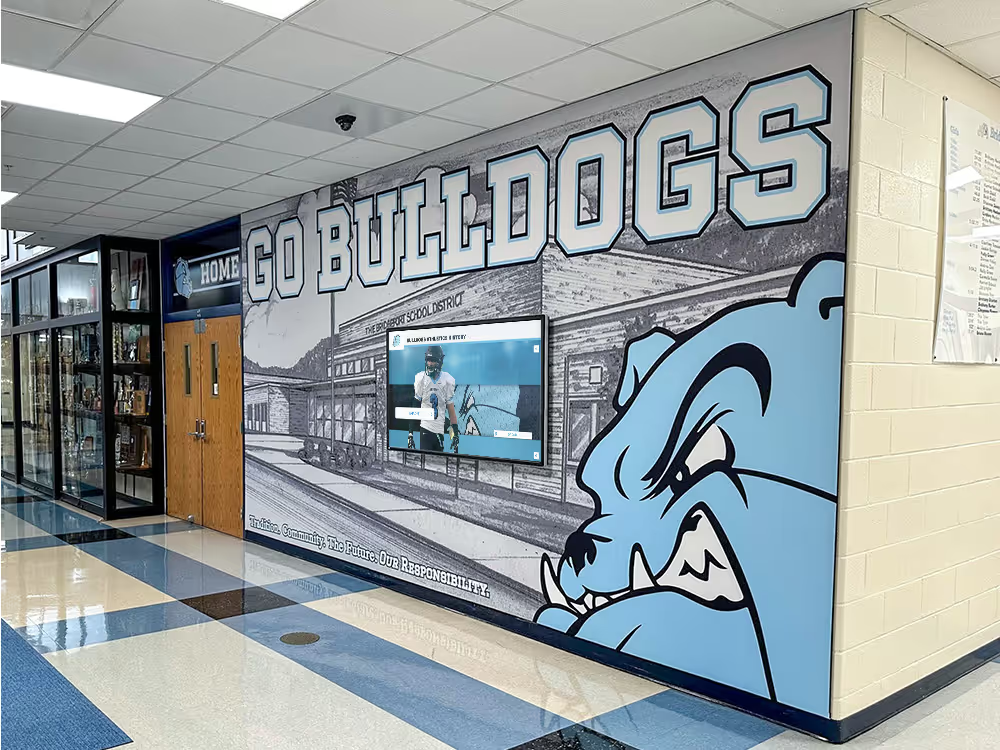
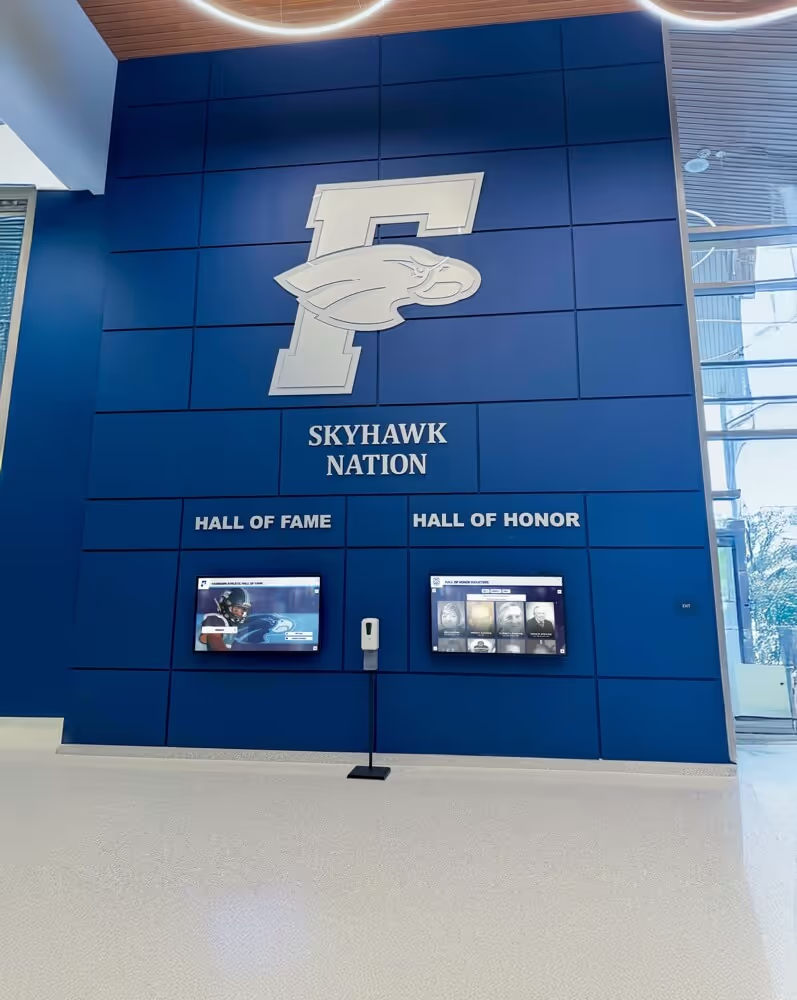
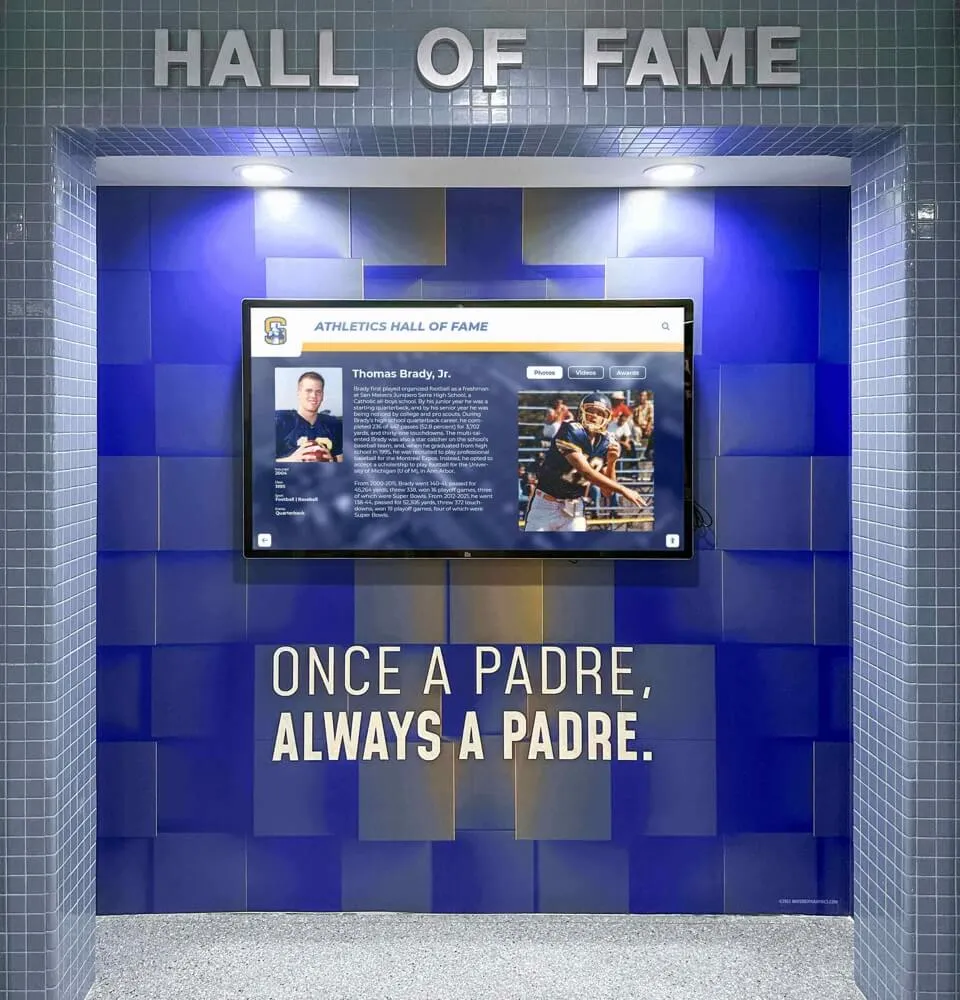
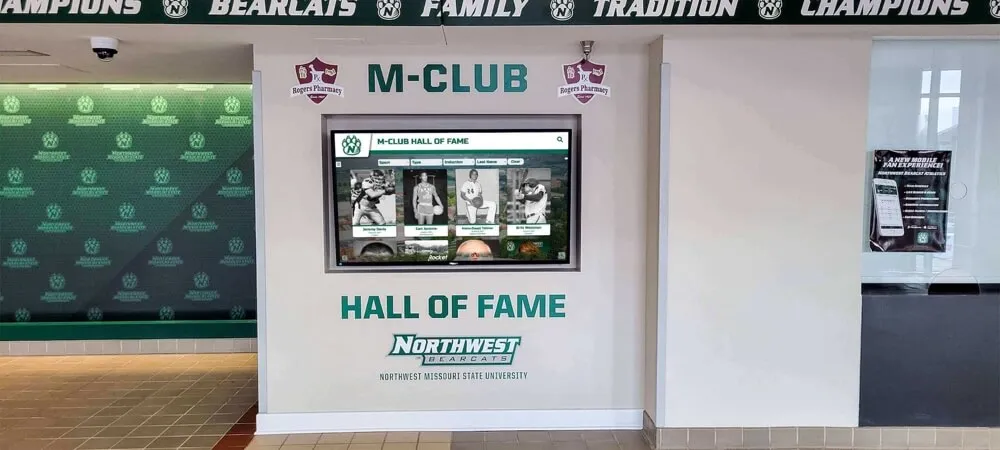
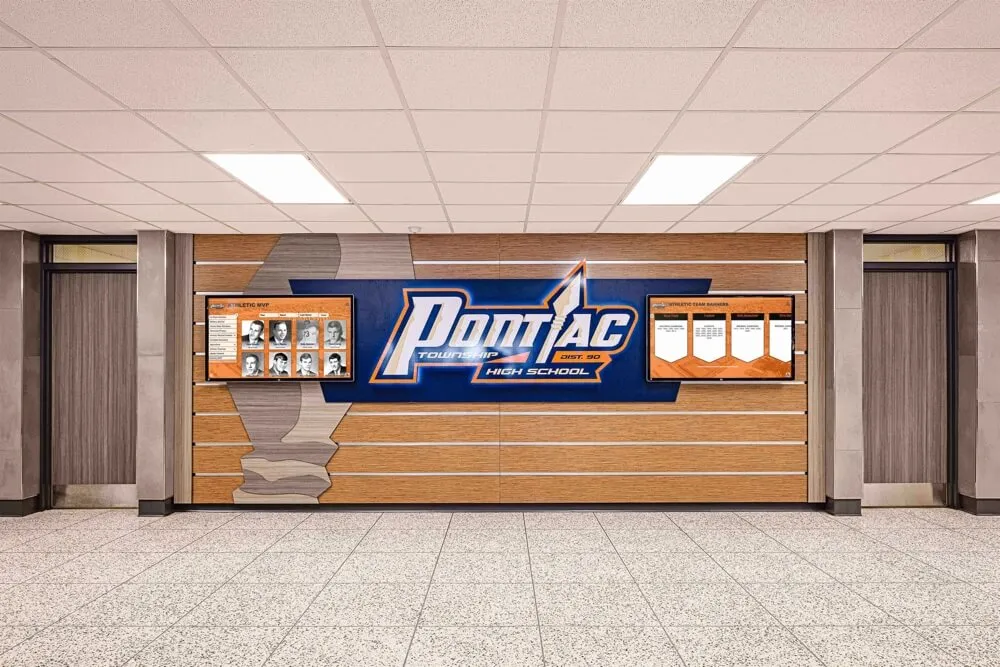
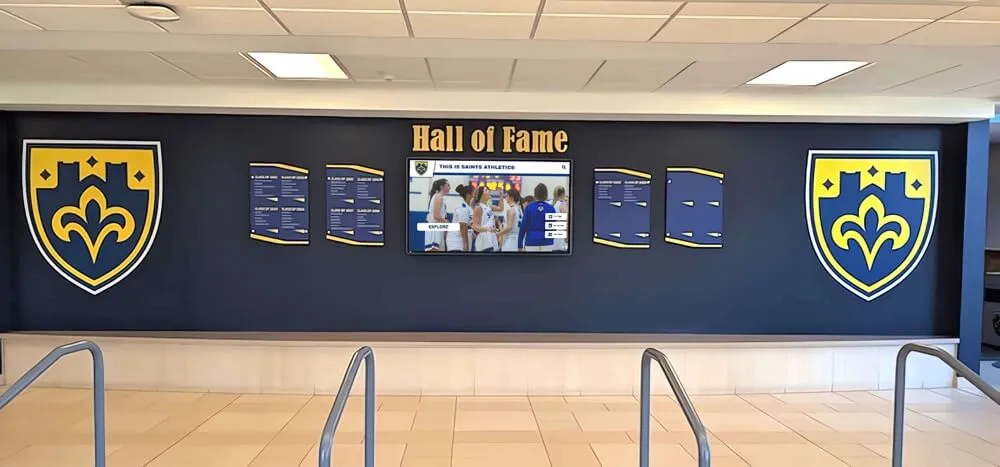
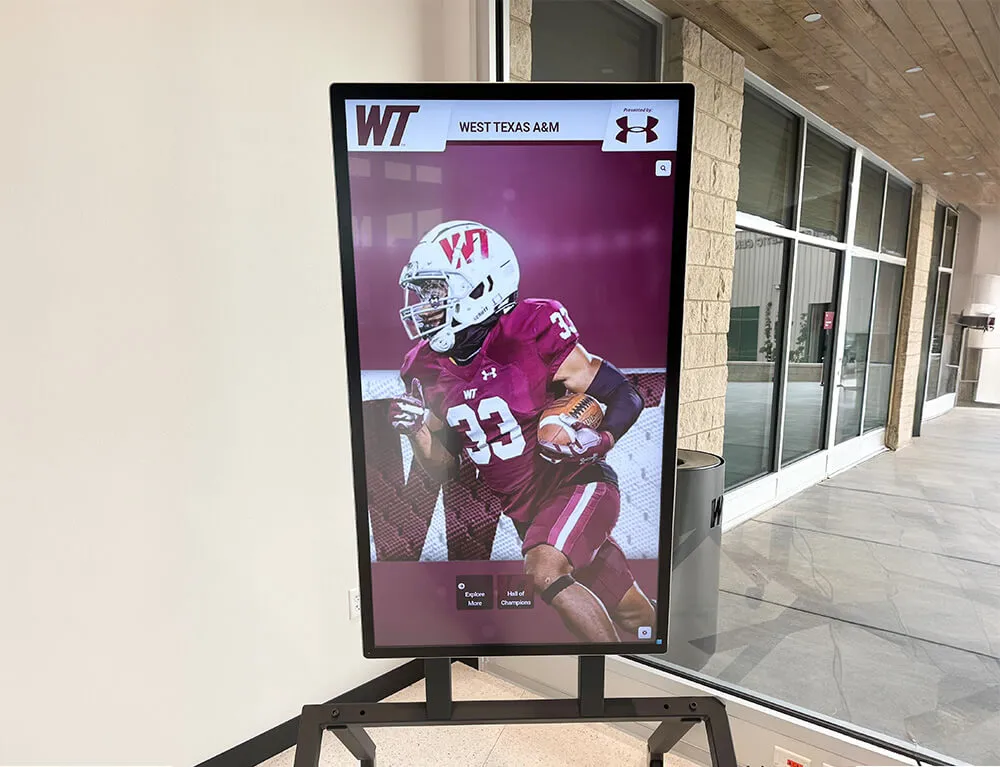
Interactive displays extend hall of fame recognition beyond annual ceremonies to daily engagement opportunities
Corporate and Community Organization Inductions
Businesses, civic groups, and professional associations conduct specialized hall of fame programs:
Corporate Recognition Halls
Companies establish halls of fame honoring:
- Founding leaders and transformational executives
- Sales achievement and performance excellence
- Innovation and patent contributors
- Long-service employees and organizational culture exemplars
These typically occur at:
- Annual corporate gatherings and leadership conferences
- Company milestone celebrations and anniversary events
- Internal employee recognition programs with limited public access
- Customer or partner appreciation events incorporating recognition elements
Community and Civic Halls of Fame
Local organizations create halls celebrating community contribution:
- Chamber of Commerce business halls recognizing entrepreneurial excellence
- Veterans halls honoring military service and sacrifice
- Arts halls celebrating cultural contribution
- Public safety halls recognizing first responders and community protectors
Ceremonies generally feature public accessibility at civic centers, libraries, or government facilities.
Typical Hall of Fame Ceremony Schedules and Timing Patterns
Understanding when inductions occur helps with planning attendance or viewing arrangements.
Seasonal Scheduling Trends
Different hall of fame types follow predictable timing patterns:
Fall Season (September-November)
Autumn represents peak induction season driven by:
- Homecoming Events - High schools and colleges coordinating with football season traditions
- Academic Year Kickoff - Educational institutions launching recognition early in school year
- Reunion Timing - Alumni associations scheduling around class reunion weekends
- Favorable Weather - Outdoor reception components benefiting from comfortable temperatures
Schools planning award ceremony events typically favor this window for maximum community participation.
Spring Season (March-May)
Secondary induction period featuring:
- End of Academic Year Celebrations - Final recognition events before summer break
- Professional Sports Halls - Many major halls conduct summer inductions, with spring announcements
- Commencement Coordination - University ceremonies aligned with graduation weekends
- Fundraising Galas - Spring benefit events incorporating hall of fame recognition
Year-Round Patterns
Some organizations conduct inductions on fixed dates:
- Founder’s Day or institutional anniversary dates
- Specific commemorative dates honoring organizational milestones
- Quarterly or monthly recognition for rolling admission programs
- Virtual-only inductions maintaining flexible scheduling
Announcement to Ceremony Timelines
Typical planning horizons between inductee announcement and ceremony:
Professional Halls
Major sports halls announce 3-6 months before ceremonies, allowing time for:
- Media promotion and public interest building
- Ticket sales and hospitality package development
- Inductee preparation including speech writing and family coordination
- Sponsor activation and commemorative merchandise production
Educational Institutions
Schools generally announce 2-4 months in advance:
- Nomination and selection committee review periods
- Board or administrative approval processes
- Marketing to alumni and community stakeholders
- Venue booking and event logistics coordination
Community Organizations
Smaller halls may announce 1-3 months prior:
- Simpler logistics allowing shorter lead times
- More intimate gatherings requiring less extensive planning
- Flexible venue arrangements and catering coordination
Understanding these timelines helps prospective attendees plan travel, request time off work, or clear schedules for viewing.
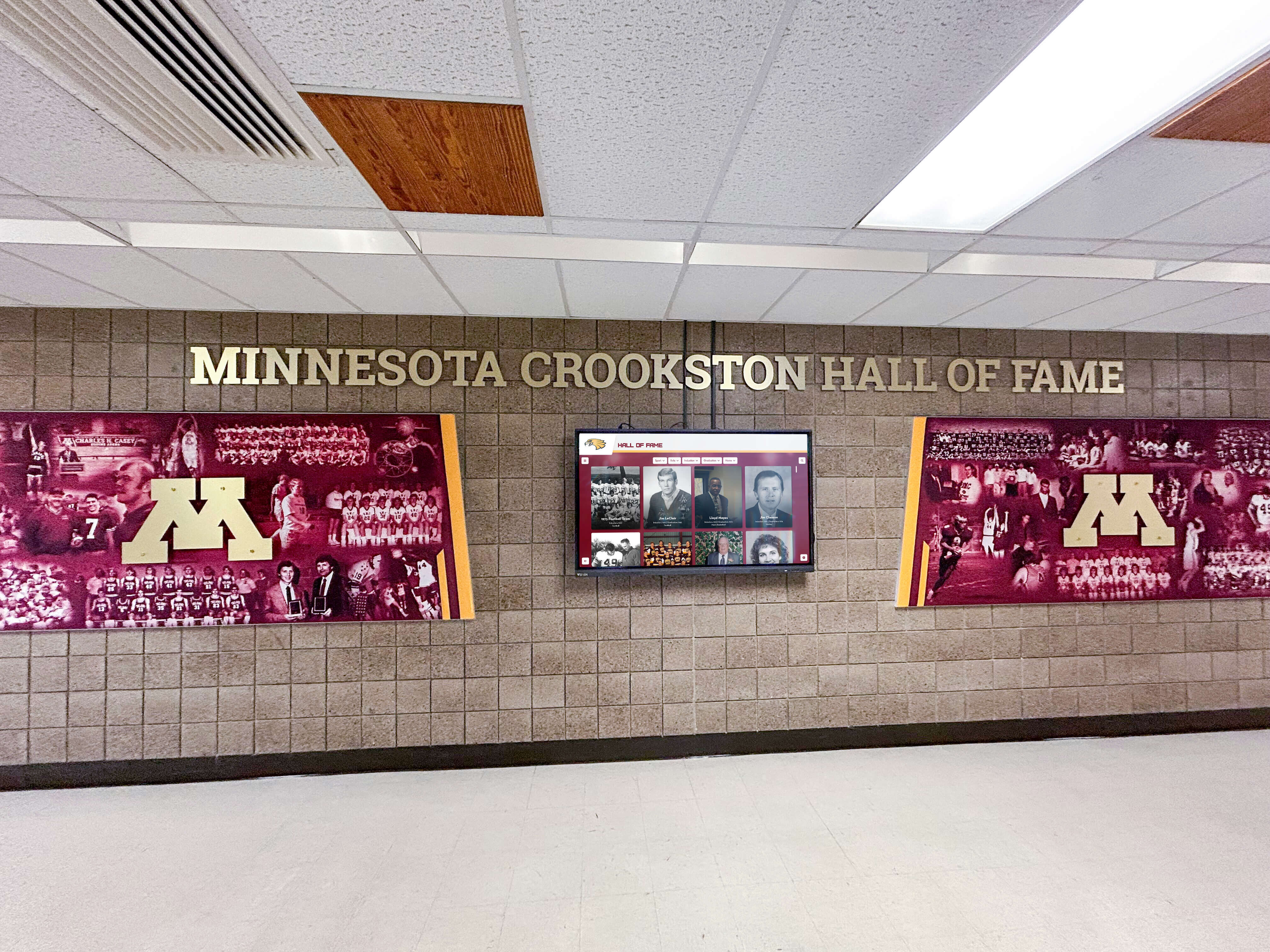
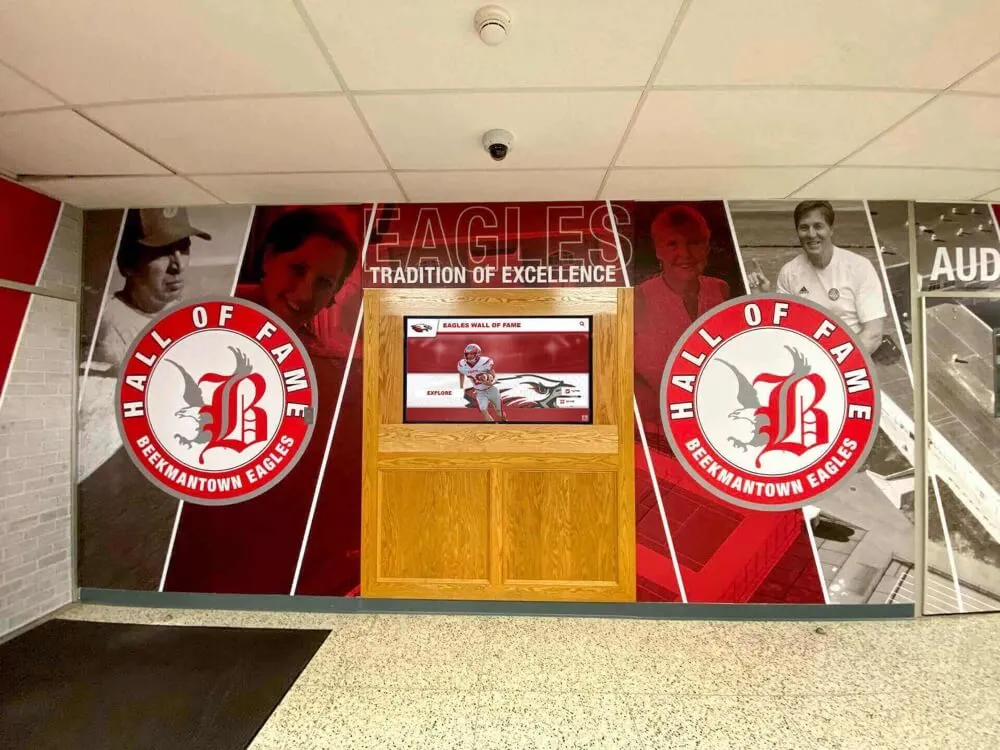
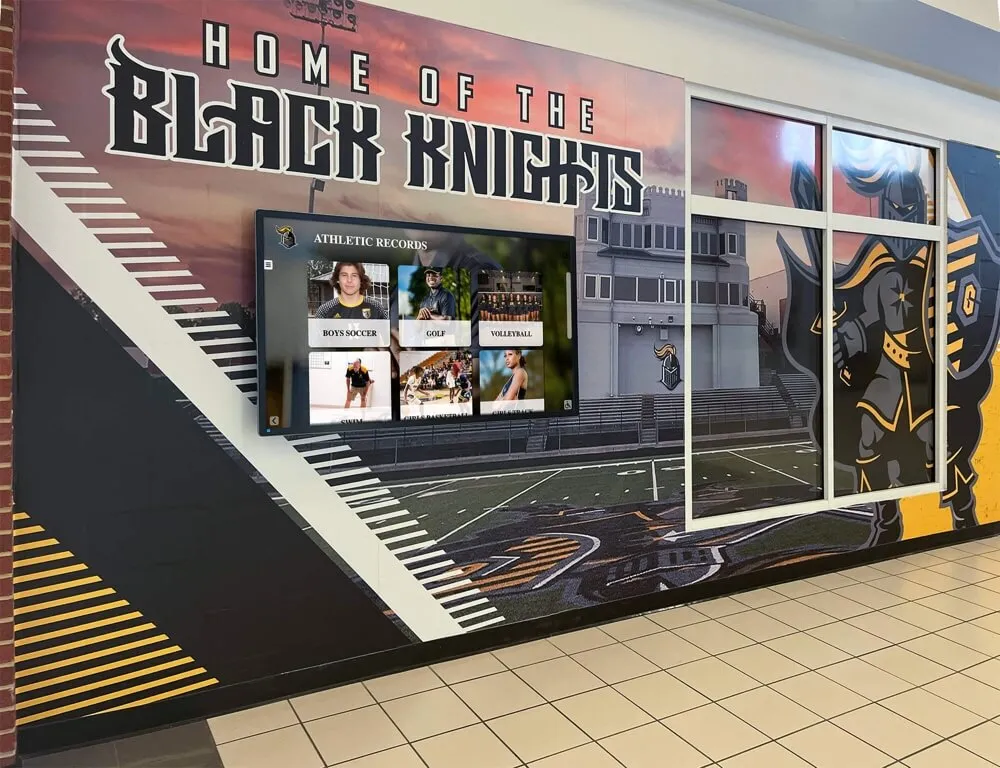
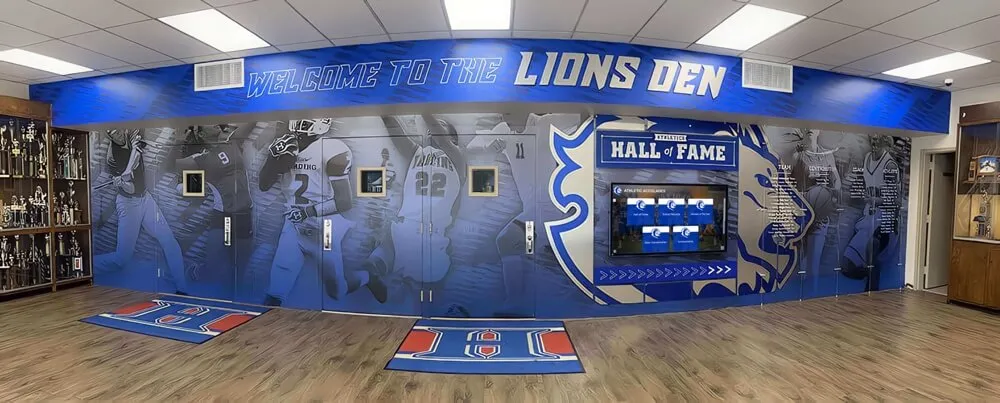
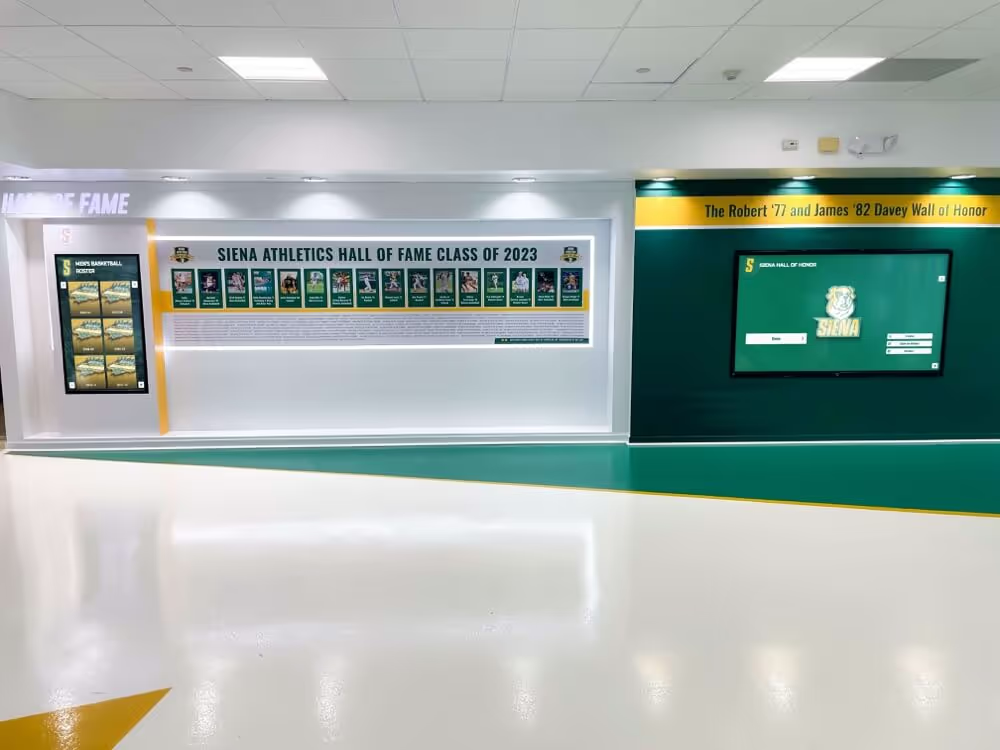
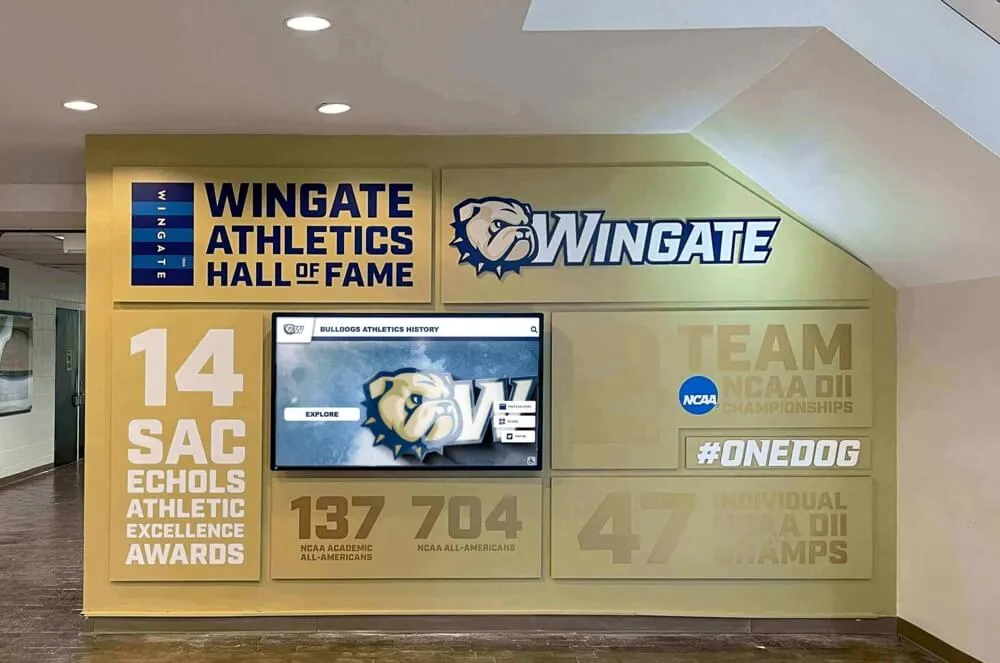
Higher education institutions balance ceremony events with permanent displays ensuring year-round inductee celebration
Purchasing Tickets to Hall of Fame Induction Ceremonies
For ceremonies requiring tickets, understanding purchasing processes prevents disappointment.
Ticketing Structures and Pricing Models
Hall of fame ceremonies employ various ticketing approaches:
Open Admission Events
Some inductions maintain public access:
- Free Community Events - High schools or civic organizations offering open seating
- First-Come Seating - No reservation required but limited by venue capacity
- Standing Room Options - Overflow accommodation for popular inductions
- Donation Suggested - Voluntary contribution supporting programs without mandatory fees
These ceremonies prioritize accessibility and community participation over revenue generation.
Tiered Ticket Pricing
Many organizations implement structured pricing:
- General Admission - Standard seating at base price ($25-$75 typical for school events)
- Reserved Seating - Guaranteed seats in premium locations ($75-$150)
- VIP Tables - Group tables near stage with enhanced amenities ($500-$2,000 per table)
- Inductee Family Tables - Reserved accommodation for honoree guests
- Student/Senior Discounts - Reduced pricing for specific populations
Pricing reflects venue costs, catering expenses, commemorative programs, and fundraising objectives.
Premium Experience Packages
Professional halls often offer enhanced packages including:
- Pre-ceremony receptions with cocktails and hors d’oeuvres
- Meet-and-greet opportunities with current inductees or past honorees
- Commemorative merchandise and exclusive memorabilia
- Premium seating with enhanced sightlines
- Post-ceremony photo opportunities
- Multi-day event access including panels, exhibitions, and fan events
These packages serve dedicated fans willing to invest significantly in enhanced experiences.
Where to Purchase Tickets
Ticketing channels vary by organization sophistication:
Institutional Websites
Most halls of fame sell directly through:
- Dedicated hall of fame website ticket portals
- Athletic department or advancement office pages
- School district or university ticketing systems
- Integrated payment processing with receipt confirmation
This direct purchasing ensures maximum revenue retention and customer data collection.
Third-Party Platforms
Some organizations utilize external ticketing services:
- Eventbrite, Ticketmaster, or regional platform integration
- Payment processing and attendee management tools
- Marketing integration and promotional capabilities
- Service fees added to base ticket prices
Physical Box Offices
Traditional sales methods persist:
- School athletic offices or administration buildings
- Alumni association physical offices
- Day-of-ceremony box office sales (if availability remains)
- Mail-in order forms for populations preferring offline purchasing
Group Sales and Sponsorships
Organizations often provide dedicated channels for:
- Corporate table sponsorships supporting multiple attendees
- Alumni class group purchases coordinating reunion attendance
- Booster club or support organization bulk buying
Ticket Availability Timelines
Purchase planning requires understanding typical sales windows:
Early Bird Sales
Organizations often incentivize early commitment:
- Announcement concurrent with inductee reveal (3-6 months prior)
- Discounted pricing for immediate purchases
- Priority seating selection for early buyers
- Limited quantity creating urgency
General Sales Period
Standard availability window:
- Opens 2-3 months before ceremony
- Regular pricing tiers in effect
- Seating allocation on rolling basis
- Availability diminishing as ceremony approaches
Last-Minute Availability
Final purchasing opportunities:
- Week-of sales if capacity remains
- Day-of box office sales (variable availability)
- Possible price increases for late purchases
- Standing room only options if seated capacity reached
Sellout Considerations
Popular inductions frequently reach capacity:
- High-profile inductees attracting significant interest
- Milestone anniversaries (25th, 50th) drawing larger crowds
- Limited venue capacity creating scarcity
- First-time inductions generating heightened community enthusiasm
For must-attend events, purchasing immediately upon availability announcement prevents disappointment.
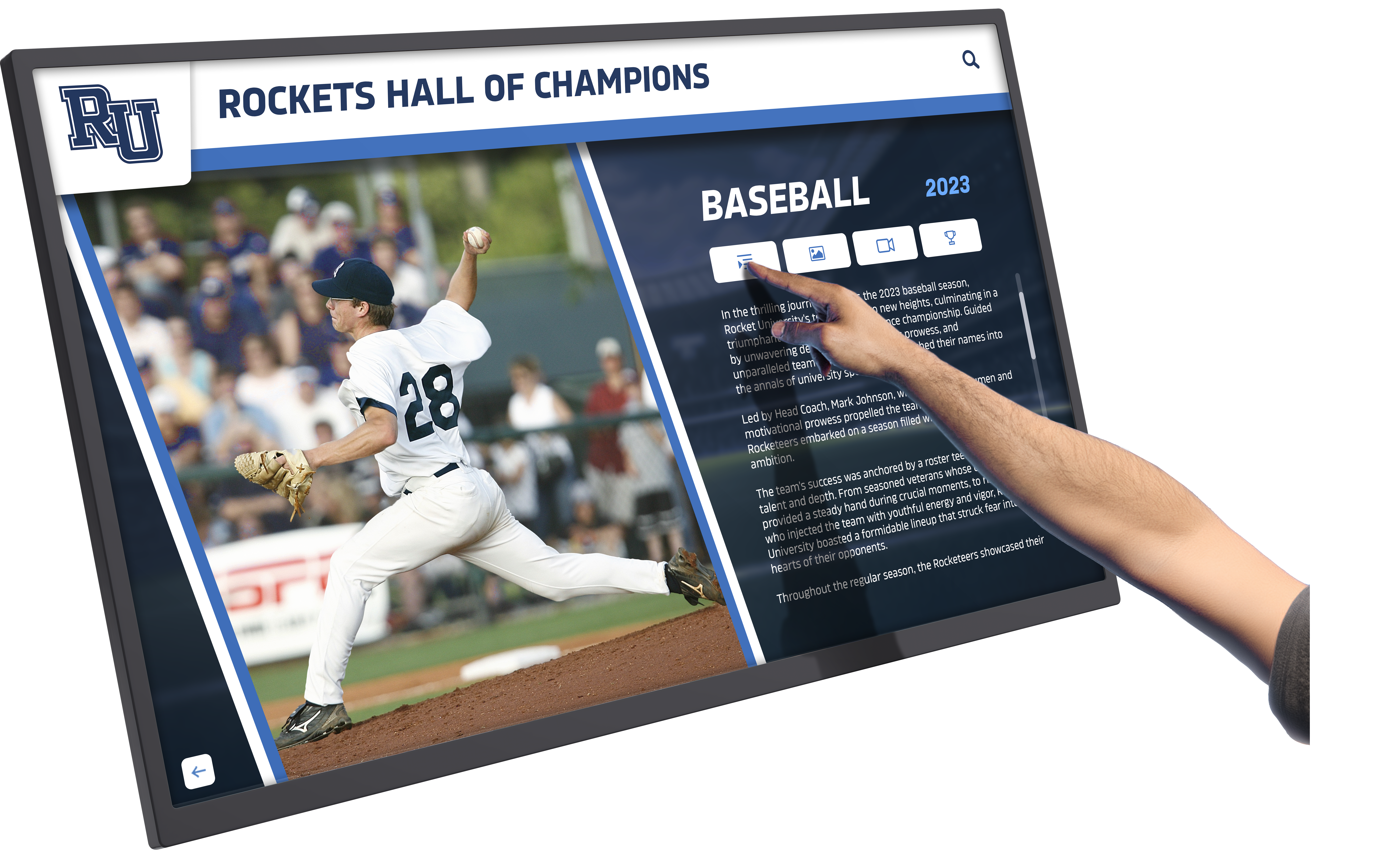
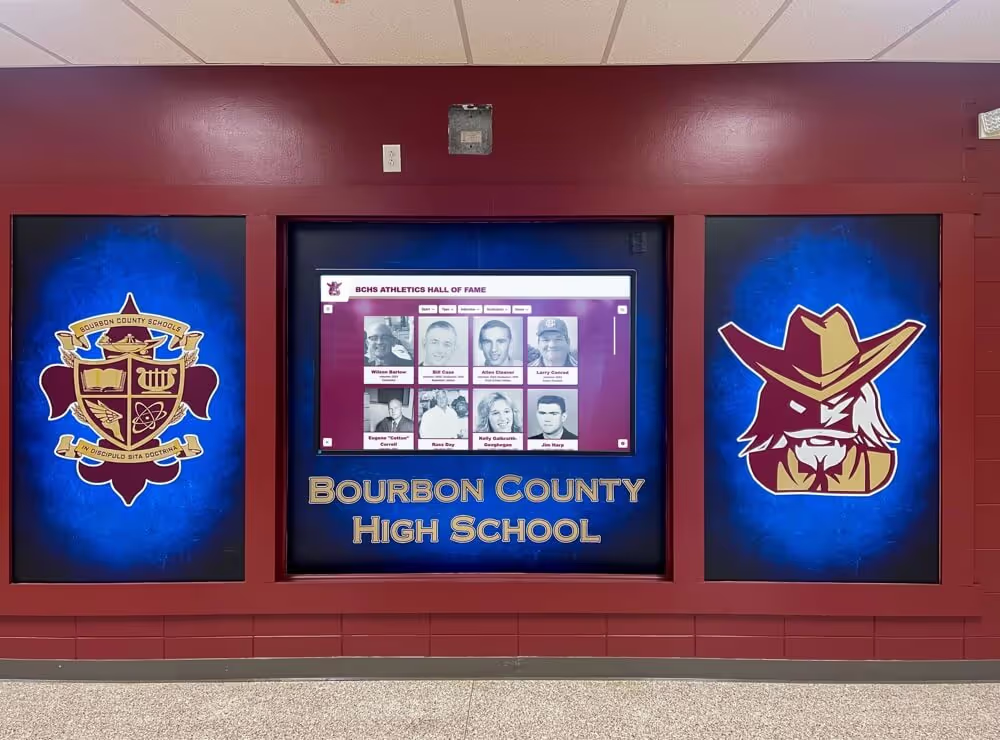
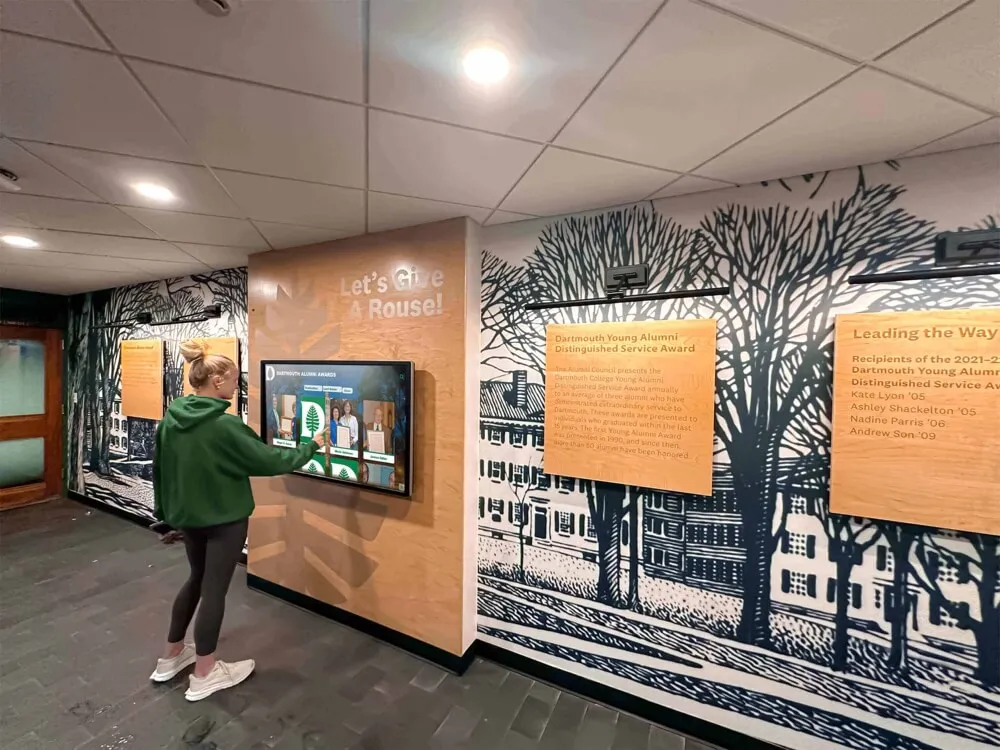
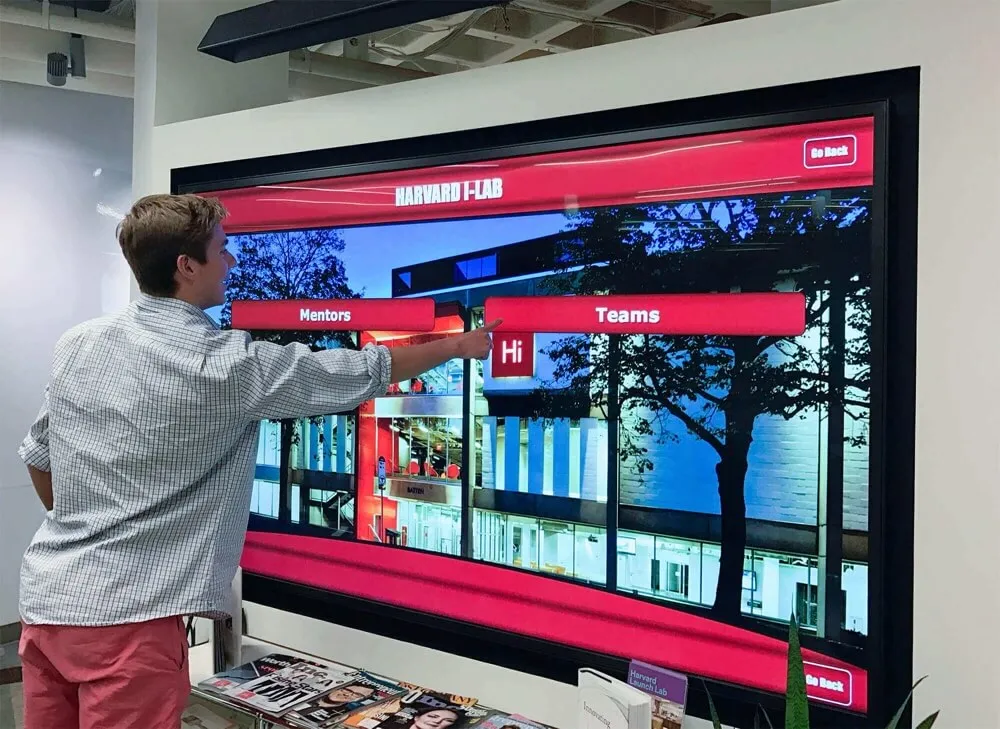
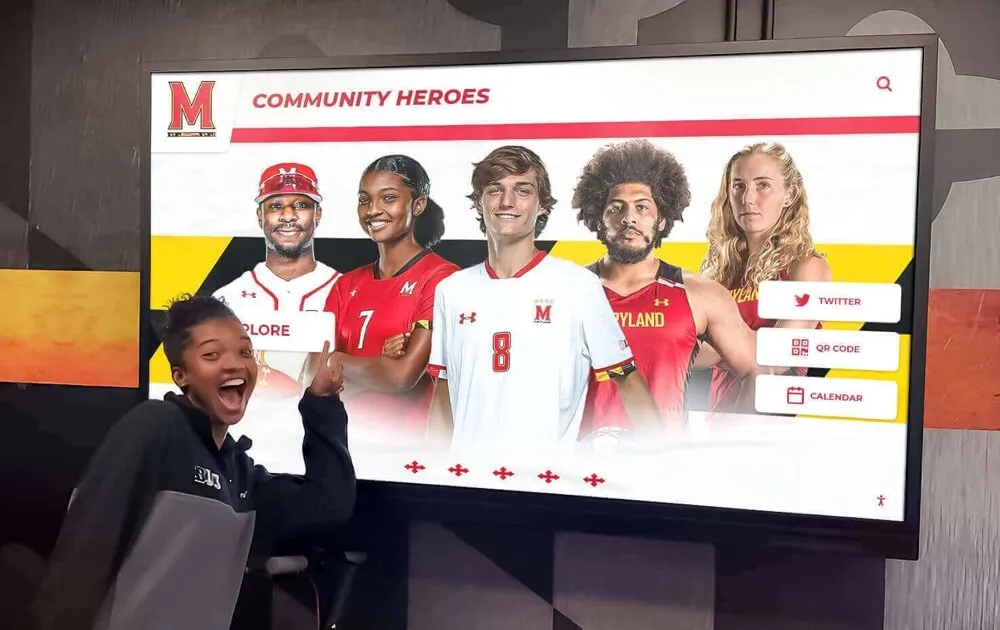
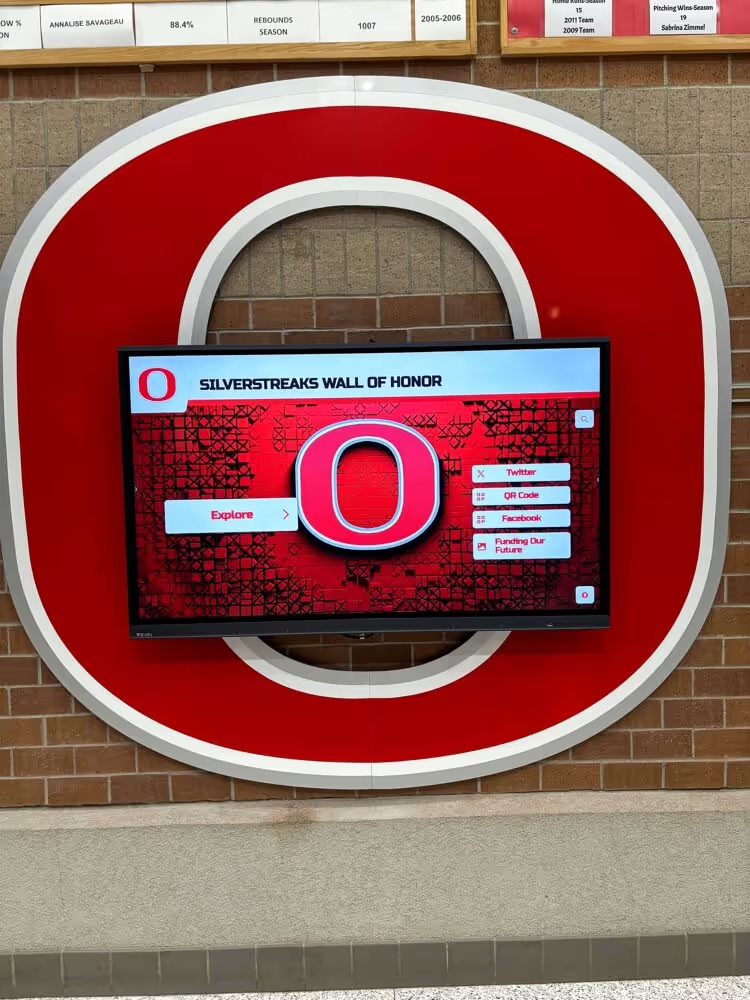
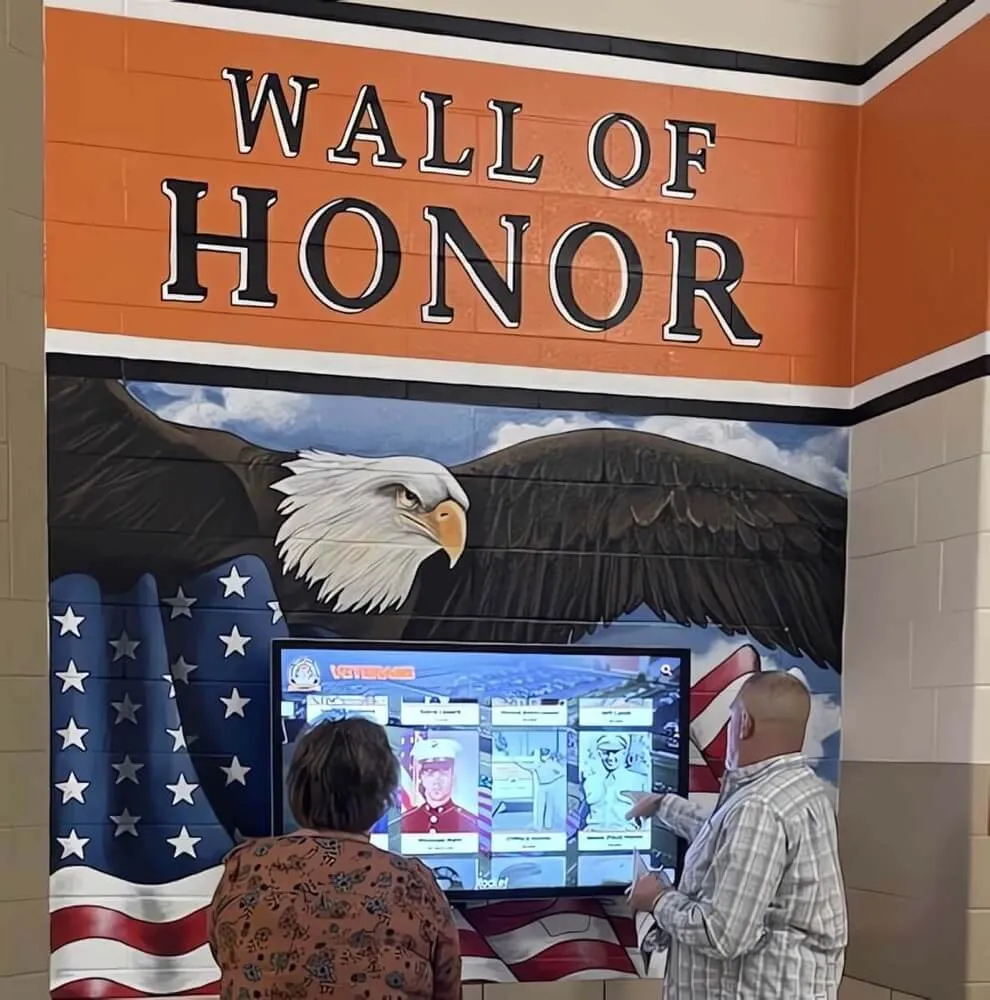
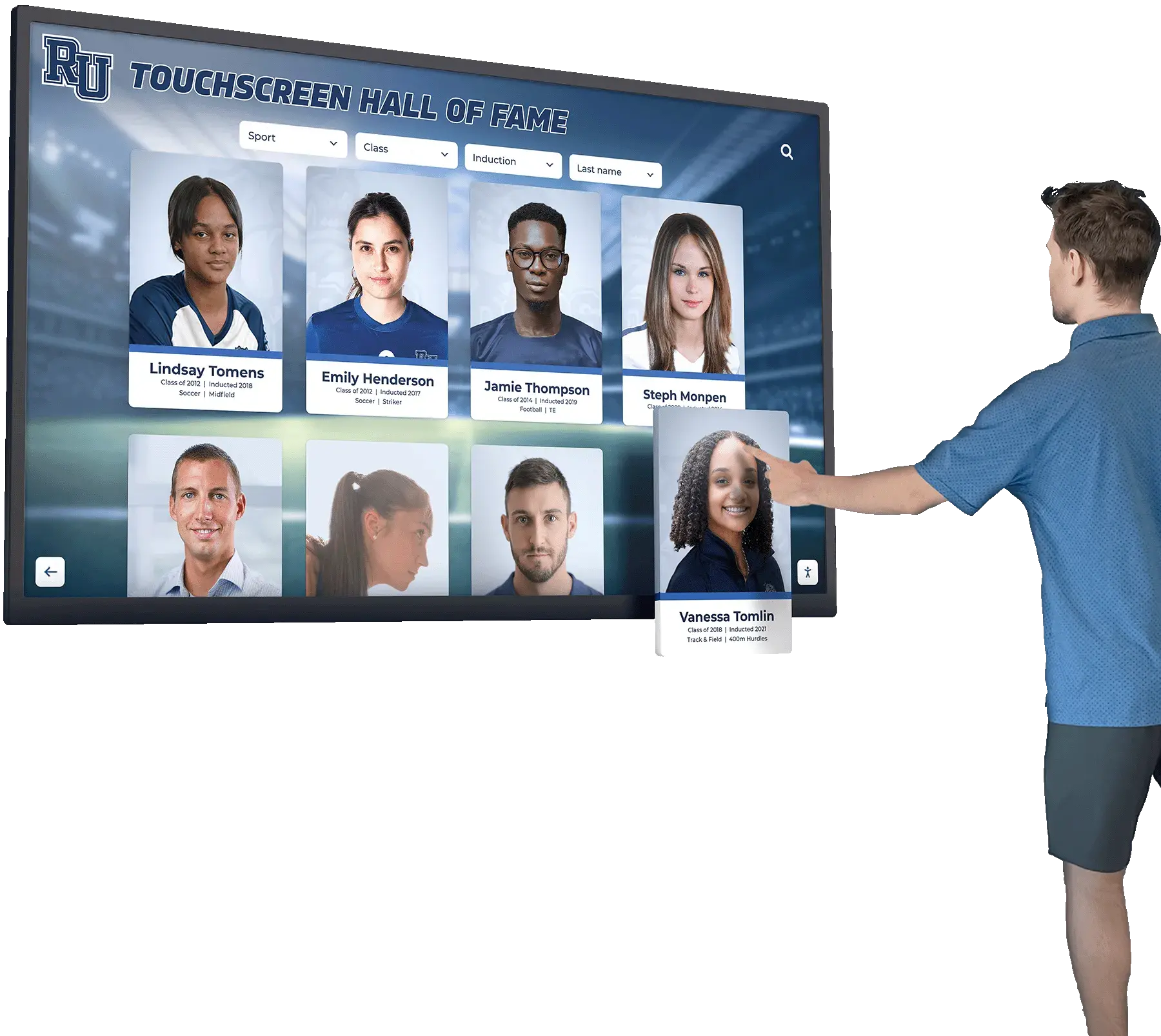
Digital recognition systems provide 24/7 access to inductee stories complementing annual ceremony events
Accessing Hall of Fame Induction Livestreams
Virtual attendance options have expanded dramatically, providing access regardless of geographic location.
Livestream Availability by Organization Type
Different institutions embrace virtual broadcasting to varying degrees:
Professional Sports Halls
Major facilities typically offer robust streaming:
- National Television Broadcast - Live coverage on sports networks (ESPN, NFL Network, MLB Network)
- Streaming Service Integration - Access through sports subscription platforms
- Official Website Streaming - Direct broadcast via hall of fame digital properties
- Social Media Live Features - Facebook Live or YouTube streaming for supplemental content
- International Access - Worldwide streaming accommodating global fan bases
These streams generally include professional production values with multiple camera angles, commentary, and integrated features.
College and University Halls
Higher education institutions increasingly provide streaming:
- Athletic Department Platforms - Integration with existing sports streaming infrastructure
- Alumni Association Channels - Member benefit providing ceremony access
- YouTube or Facebook Live - Public streaming using accessible platforms
- Registration-Gated Access - Login requirements tracking viewership and gathering data
- Archived Replays - Post-event access for those unable to watch live
Universities recognize distant alumni value remote participation options maintaining institutional connection despite geographic separation.
High School Athletic Halls
Secondary schools adopt varying approaches:
- School District Streaming - Districts with existing infrastructure extending to ceremonies
- Third-Party Services - Partnerships with platforms like BoxCast, StreamSpot, or regional providers
- Parent-Organized Streaming - Volunteer video capture via smartphones and platforms
- Limited or No Streaming - Smaller schools lacking technical capacity or budget
- Hybrid Solutions - Simple camera setup with Zoom, Google Meet, or similar platforms
Schools implementing virtual alumni events often extend similar technology to induction ceremonies.
Community and Civic Halls
Local organizations show mixed streaming adoption:
- Progressive organizations embracing accessibility through streaming
- Traditional groups maintaining in-person only attendance
- Hybrid approaches streaming portions while keeping some elements exclusive
- Archived video posted after events for broader sharing
Finding Livestream Links and Access Information
Locating streaming access requires checking multiple sources:
Official Websites
Start with primary institutional channels:
- Hall of fame dedicated website pages
- Athletic department or advancement office sites
- Social media profiles and event announcements
- Email communications to alumni or member lists
Event Registration Systems
Many organizations integrate streaming with ticketing:
- Virtual ticket options providing streaming access links
- Confirmation emails containing unique streaming URLs
- Member portals requiring authentication for access
- Countdown communications sent day-of event with instructions
Social Media Platforms
Organizations increasingly broadcast via:
- Facebook Events with integrated Live streaming
- YouTube channel live premieres with chat features
- Instagram Live for supplemental behind-scenes content
- LinkedIn streaming for professional or corporate halls
Follow official organizational accounts and enable notifications for live alerts.
Third-Party Streaming Services
Some ceremonies appear on:
- Regional sports networks with streaming apps
- Conference or association platforms
- Educational institution streaming consortiums
- Municipal government access channels
Livestream Viewing Best Practices
Optimize virtual attendance experience through:
Technical Preparation
Before ceremony start:
- Test streaming link in advance if provided early
- Ensure stable internet connection (wired preferred over wireless)
- Update browser or streaming app to latest version
- Clear cache if experiencing buffering issues
- Prepare backup device (phone/tablet) if primary experiences problems
Participation Enhancement
Improve engagement during virtual attendance:
- Connect on large screen (cast to TV) for better viewing experience
- Use quality speakers or headphones for clear audio
- Participate in live chat features if available
- Share social media reactions using official hashtags
- Screenshot memorable moments for personal keepsake
Archival Access
Many streams remain available post-ceremony:
- YouTube archived broadcasts for on-demand viewing
- Institutional websites posting recorded ceremonies
- DVD or digital download sales for commemorative purchases
- Highlight reels edited for social media sharing
Organizations with content management systems for digital displays often integrate ceremony footage into ongoing recognition programs.
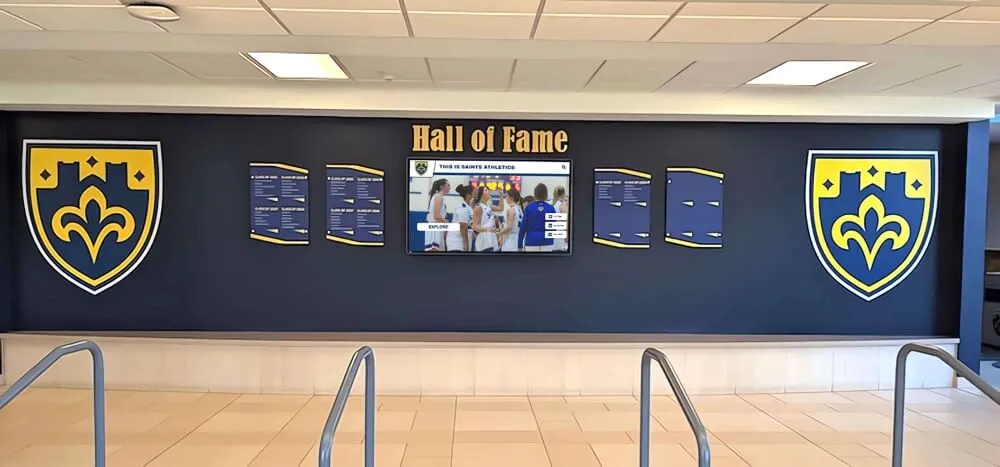
Hybrid recognition approaches combine ceremony events with permanent displays preserving inductee legacies
Planning Attendance: Travel, Accommodations, and Logistics
For those traveling to attend ceremonies in person, advance planning ensures smooth experiences.
Travel Planning Considerations
Distance attendance requires logistical coordination:
Transportation Booking
Secure travel arrangements early:
- Flight Reservations - Book 6-8 weeks ahead for best rates, especially during peak travel seasons
- Ground Transportation - Arrange rental cars, rideshare, or public transit access to venue
- Parking Logistics - Identify parking options, fees, and distance from ceremony location
- Accessibility Needs - Confirm transportation accommodates any mobility requirements
Major induction weekends may strain local transportation resources requiring early booking.
Accommodation Selection
Lodging planning timelines:
- Hotel Blocks - Check if organization secured discounted group rates at specific properties
- Proximity Priority - Book accommodations near venue minimizing ceremony day logistics
- Extended Stays - Consider multi-night stays if induction spans weekend with related events
- Alternative Lodging - Explore Airbnb, VRBO for group or family gatherings around ceremony
High-profile inductions may deplete nearby hotel inventory requiring early reservation.
Ceremony Day Logistics
Ensure punctual arrival and smooth participation:
Timing and Schedule
Typical ceremony timelines:
- Pre-Ceremony Reception - 1-2 hours before main event (VIP ticket holders)
- General Admission Doors - 30-60 minutes before ceremony start
- Ceremony Duration - 2-3 hours typical for multi-inductee programs
- Post-Ceremony Activities - Reception, photos, or informal gatherings
Plan arrival accounting for parking, venue navigation, and pre-ceremony activities.
What to Bring
Enhance experience with:
- Ticket Confirmation - Printed or digital ticket/confirmation
- Identification - Photo ID if required for will-call pickup
- Camera/Phone - Capture memories (confirm photography policies)
- Commemorative Items - Programs, memorabilia for autograph opportunities
- Appropriate Attire - Business casual to formal depending on ceremony type
Venue Familiarization
Research facility in advance:
- Review venue layout and seating maps
- Identify restroom locations
- Note food/beverage policies and availability
- Understand prohibited items (large bags, outside food)
- Confirm accessibility accommodations
Family and Group Coordination
Multi-party attendance requires communication:
Seating Arrangements
Coordinate group placement:
- Purchase tickets simultaneously ensuring adjacent seating
- Communicate special seating needs (accessibility, children)
- Arrange meeting points for dispersed arrivals
- Plan table assignments for banquet-style events
Extended Family Considerations
Support diverse family participation:
- Childcare arrangements for young children if ceremony not family-oriented
- Accessibility support for elderly or mobility-limited family
- Dietary restriction communication for catered events
- Post-ceremony photo session coordination with inductees
Surprise Attendance
Some families arrange secret participation:
- Coordinating distant relative attendance unknown to inductee
- Arranging surprise appearances by former teammates or colleagues
- Planning post-ceremony gatherings reuniting dispersed groups
These special moments enhance ceremony emotional impact for honorees.
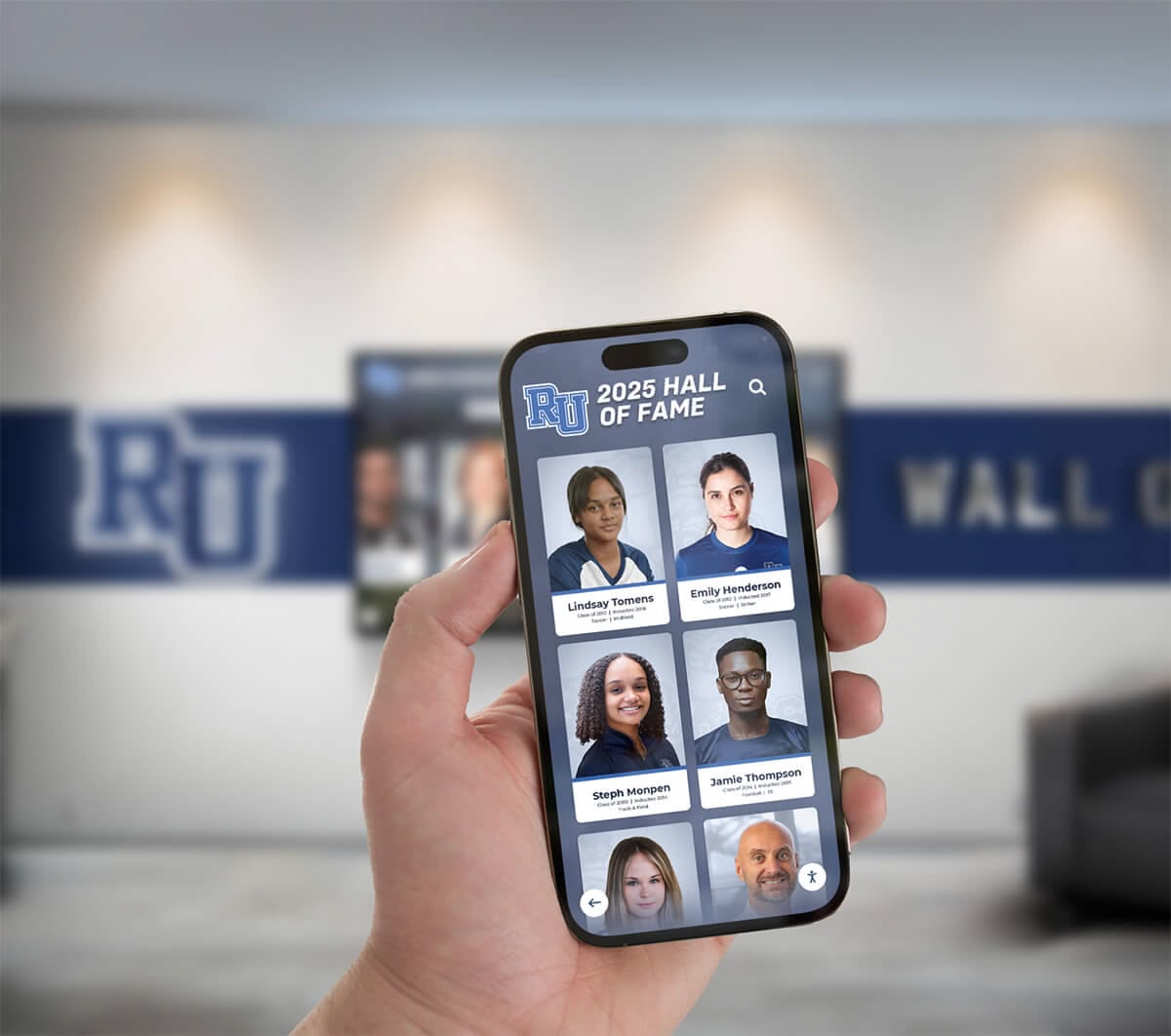
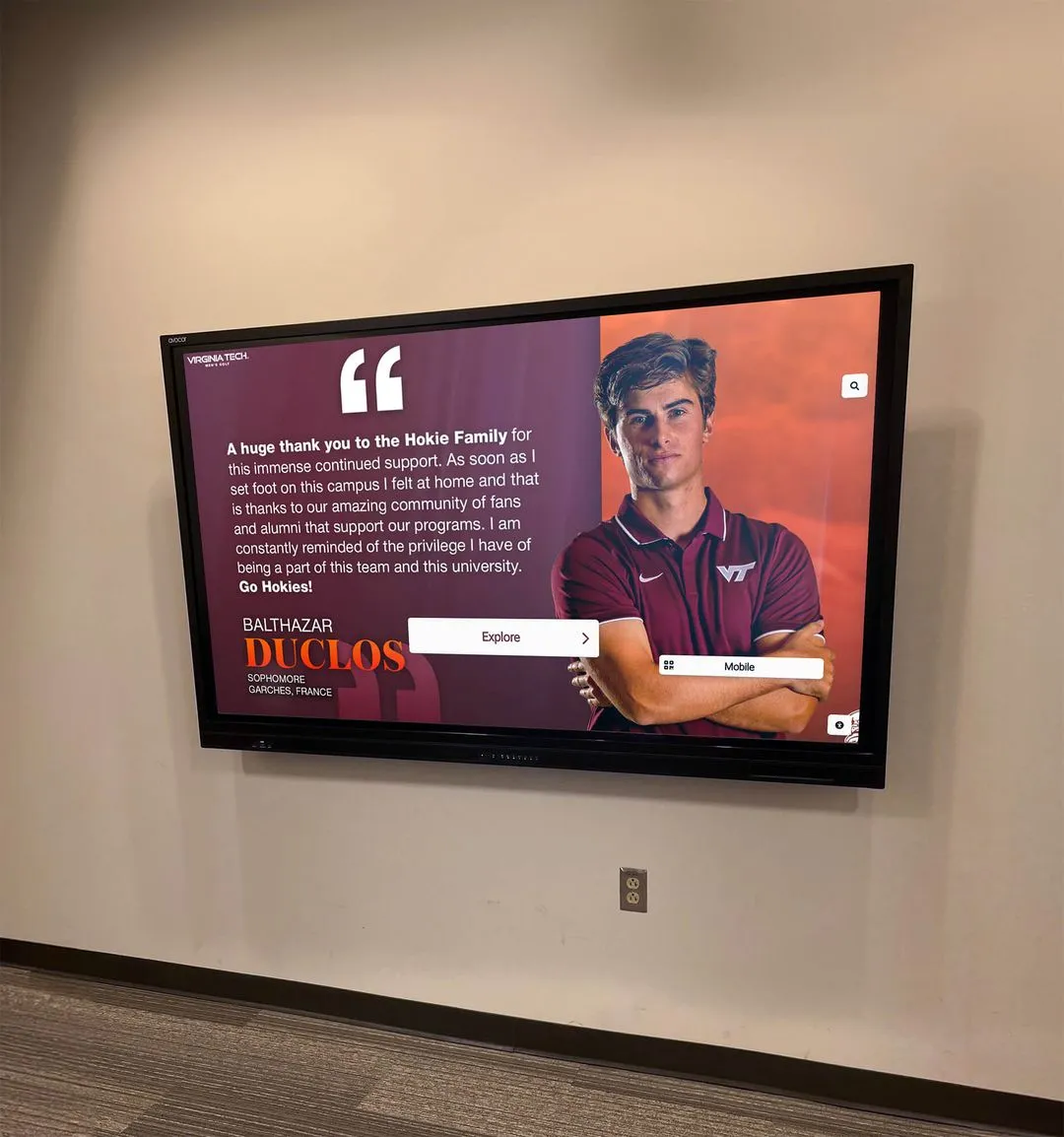
Mobile and digital platforms extend hall of fame access beyond ceremonies to ongoing engagement
Modern Hybrid Induction Formats
Organizations increasingly blend physical ceremonies with digital recognition expanding access and permanence.
The Evolution Toward Hybrid Recognition
Contemporary halls of fame transcend single-event ceremonies:
Traditional Model Limitations
Single-event inductions face constraints:
- Geographic barriers preventing distant supporter attendance
- Time conflicts limiting participation despite interest
- Venue capacity caps restricting total attendees
- Momentary recognition lacking lasting visibility
- Limited storytelling depth in time-constrained programs
Hybrid Recognition Advantages
Blended approaches address limitations:
- Ceremony Plus Permanent Display - Annual induction events complemented by year-round recognition
- Physical and Virtual Attendance - Simultaneous in-person and livestream options
- Brief Ceremony, Extended Digital Story - Time-limited events directing to comprehensive online profiles
- Multi-Touchpoint Engagement - Ceremony, display, mobile app, social media creating recognition ecosystem
Schools modernizing recognition understand that ceremonies initiate ongoing celebration rather than defining complete recognition.
Virtual Induction Ceremonies
Some organizations conduct entirely virtual events:
When Virtual-Only Makes Sense
Circumstances favoring digital ceremonies:
- Geographic dispersion of inductees and constituents
- Budget constraints limiting venue and catering costs
- Pandemic or health considerations affecting gathering
- Rolling induction programs admitting members throughout year
- International organizations with global membership
Virtual Ceremony Best Practices
Successful digital inductions incorporate:
- Professional Production - Quality video, audio, and graphic elements
- Interactive Elements - Live chat, Q&A sessions, poll participation
- Pre-Recorded Components - Highlight videos, testimonials, achievement retrospectives
- Live Presentation Elements - Real-time speeches, panel discussions, interviews
- Post-Event Access - Archived content for continued viewing
Virtual formats sacrifice in-person energy but gain accessibility and production flexibility.
Permanent Digital Recognition Displays
Forward-thinking organizations extend beyond ceremonies through ongoing display systems:
Interactive Touchscreen Displays
Digital hall of fame displays provide year-round access:
- Lobby or entry installations welcoming daily visitors
- Comprehensive inductee profiles with photos, statistics, videos
- Searchable databases enabling targeted exploration
- Regular content updates as new members join
- Social sharing features amplifying recognition reach
These systems transform ceremonial moments into sustained recognition programs accessible to students, visitors, and community members regardless of ceremony attendance.
Multi-Platform Integration
Comprehensive digital strategies include:
- Physical Displays - Touchscreen kiosks in institutional facilities
- Mobile Applications - Smartphone access to complete inductee database
- Website Platforms - Online hall of fame sections with detailed profiles
- Social Media - Regular inductee spotlights and throwback features
- Email Communications - Anniversary recognitions and milestone celebrations
This multi-channel approach ensures recognition reaches audiences through their preferred platforms.
Ceremony Integration Benefits
Digital platforms complement rather than replace ceremonies:
- Ceremony highlights integrated into display content
- Induction speech videos accessible through touchscreens
- Photo galleries from recognition events viewable year-round
- Award ceremony planning considering how ceremony content extends to displays
- Live ceremony streaming embedded in digital platforms
Organizations implementing alumni recognition walls understand that the best recognition programs balance celebratory events with sustained visibility.
Frequently Asked Questions About Hall of Fame Induction Access
How much do hall of fame induction ceremony tickets typically cost?
Pricing varies dramatically by organization type. High school ceremonies often range $25-$75 for general admission with table sponsorships $500-$2,000. College and university events typically cost $50-$150 per person. Professional sports hall of fame ceremonies range $100-$500+ depending on seating tier and VIP packages. Many community and civic halls offer free admission with suggested donations.
Are hall of fame induction ceremonies open to the public or invitation only?
This depends entirely on the organization. Professional sports halls generally sell public tickets. Educational institutions vary—some offer open ticketed sales while others limit attendance to alumni, families, and invited guests. Corporate halls typically restrict access to employees and stakeholders. Always check the specific hall of fame’s website or contact their office to understand attendance policies.
Where can I find livestream links for hall of fame ceremonies?
Check these sources in order: the official hall of fame website, the organization’s social media accounts (Facebook, YouTube, Twitter), email communications if you’re on their mailing list, athletic department or advancement office websites for educational institutions, and sports network apps for professional halls. Many organizations announce streaming details 1-2 weeks before ceremonies.
When are most hall of fame inductions held?
Fall (September-November) represents peak season, particularly for educational institutions coordinating with homecoming and reunion weekends. Professional sports halls often conduct summer ceremonies. Spring inductions (March-May) align with end-of-academic-year celebrations and commencement. Some organizations maintain fixed annual dates regardless of season.
Can I watch ceremony recordings if I miss the live event?
Increasingly, yes. Many organizations archive ceremonies on YouTube, their websites, or streaming platforms. Some offer DVD or digital downloads for purchase. Educational institutions often maintain ceremony archives for historical purposes. Contact the specific organization to inquire about recorded access if not immediately apparent on their website.
Do I need special tickets to attend pre-ceremony receptions?
Typically yes. Pre-ceremony receptions usually require VIP tickets, premium packages, or separate tickets beyond general admission. These exclusive events limit capacity and include enhanced amenities justifying additional cost. Check ticket descriptions carefully to understand what’s included with each tier.
How early should I arrive for a hall of fame induction ceremony?
For ticketed events with reserved seating, 20-30 minutes before ceremony start time suffices. For general admission or first-come seating, arrive 45-60 minutes early to secure preferred locations. If attending pre-ceremony receptions, plan arrival 90-120 minutes before main event. For high-profile inductions with expected large crowds, add extra buffer time.
Are hall of fame ceremonies formal events requiring specific attire?
Dress codes vary. Professional sports hall ceremonies typically suggest business casual to cocktail attire. High school and community events often accept smart casual. College and university inductions lean toward business casual or business formal. Corporate and professional association halls may require business formal. When in doubt, business casual (dress slacks/skirt, collared shirt/blouse, dress shoes) appropriately suits most ceremonies.
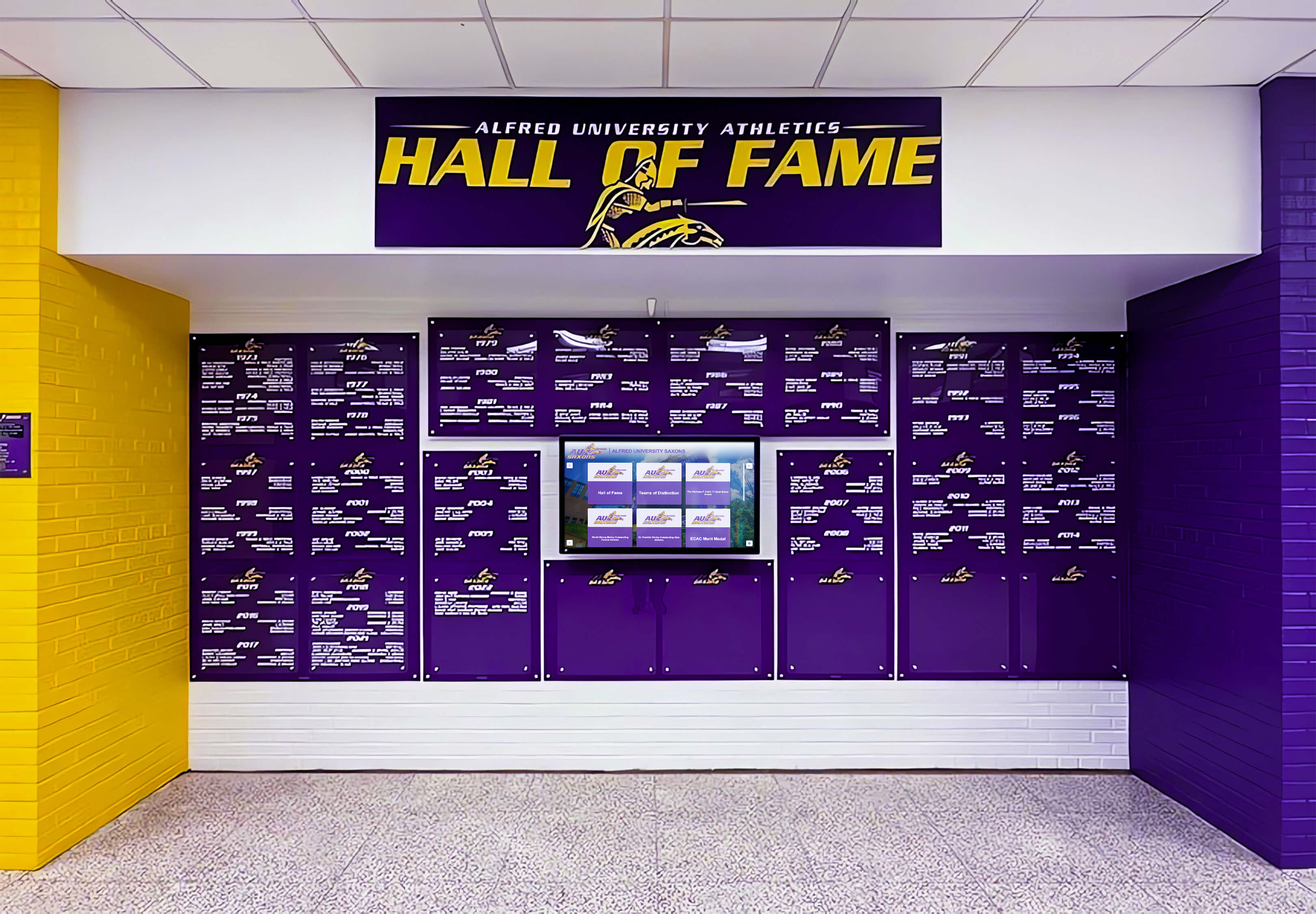
University halls of fame balance ceremony traditions with modern display systems ensuring multi-generational accessibility
Making Hall of Fame Recognition Accessible and Meaningful
Hall of fame induction ceremonies represent milestone recognition moments deserving broad accessibility. Whether organizing ceremonies or seeking to attend or view them, understanding the landscape of scheduling patterns, ticketing systems, livestream options, and modern hybrid formats ensures these celebrations reach their full potential.
For institutions planning inductions, expanding access through thoughtful ticketing policies, robust streaming infrastructure, and permanent digital recognition systems demonstrates commitment to honoring inductees while welcoming maximum community participation. The most effective programs recognize that single-event ceremonies, while valuable, represent just one component of comprehensive recognition—digital trophy displays and interactive systems extend celebration beyond event nights to ongoing daily engagement.
For attendees and supporters, early planning around ticket purchasing, travel logistics, and streaming access ensures participation in these meaningful celebrations. Whether witnessing inductions in person or joining virtually from across the country, your presence honors inductees and reinforces the community values that halls of fame represent.
As recognition continues evolving, the most successful halls of fame will balance cherished ceremony traditions with innovative digital approaches—ensuring every inductee receives both the celebratory moment their achievement deserves and the lasting recognition that keeps their legacy visible to future generations. Whether through grand stadium ceremonies, intimate school banquets, or comprehensive digital platforms, the goal remains constant: celebrating excellence and preserving the stories of those who set the highest standards for others to follow.
Ready to create a comprehensive hall of fame recognition program that extends beyond annual ceremonies? Rocket Alumni Solutions specializes in interactive digital displays that bring inductee stories to life year-round through engaging touchscreen technology. Our solutions integrate ceremony highlights, comprehensive profiles, searchable databases, and social sharing features—ensuring your hall of fame honorees receive the sustained recognition their achievements deserve while providing 24/7 access for students, alumni, and community members regardless of ceremony attendance.
Live Example: Rocket Alumni Solutions Touchscreen Display
Interact with a live example (16:9 scaled 1920x1080 display). All content is automatically responsive to all screen sizes and orientations.