



Starting a booster club transforms casual parent involvement into organized community support that provides essential funding, volunteer resources, and sustained enthusiasm for athletic programs. When schools establish structured booster organizations with clear missions, transparent governance, and systematic operations, they create sustainable support systems that enhance athletic experiences, strengthen community connections, and ensure program excellence beyond what institutional budgets alone can provide.
Yet many well-intentioned booster club efforts falter within the first few years. Informal parent groups lack clear organizational structure, fundraising efforts become scattered and ineffective, volunteer burnout occurs when responsibilities fall on the same few dedicated individuals, and schools encounter compliance issues with financial management or nonprofit regulations. Meanwhile, successful athletic programs watch competing schools with organized booster clubs provide superior equipment, enhanced facilities, and comprehensive recognition that attracts talented student-athletes and builds community pride.
This comprehensive guide provides step-by-step instructions for establishing booster clubs that deliver lasting value to athletic programs while remaining legally compliant, financially sustainable, and operationally manageable for volunteer leaders navigating complex responsibilities alongside their professional and family commitments.
Schools and athletic programs with thriving booster clubs share common characteristics: structured organizations with clear governance, transparent financial management creating donor confidence, diverse fundraising strategies reducing dependency on single revenue sources, systematic volunteer coordination preventing burnout, and authentic recognition programs celebrating contributions that motivate continued support.

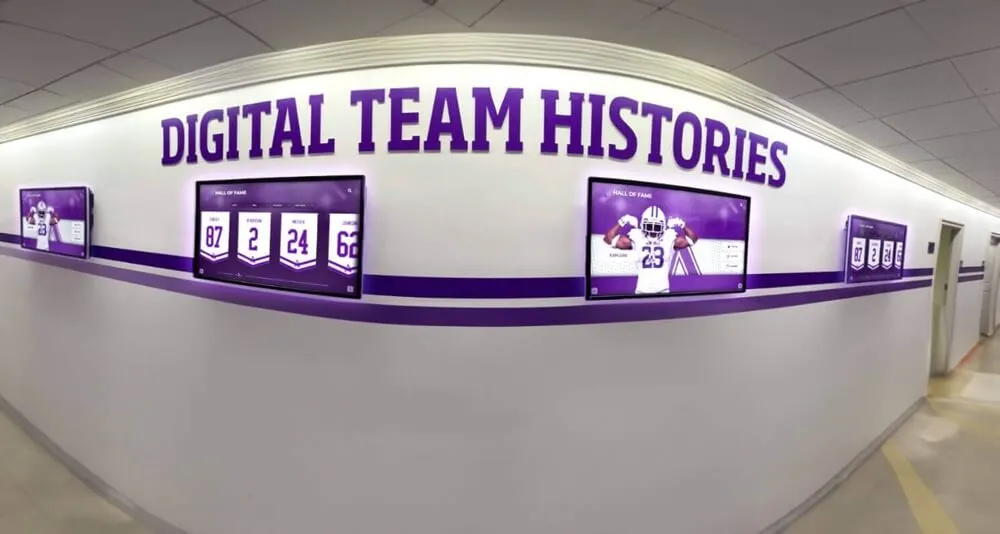
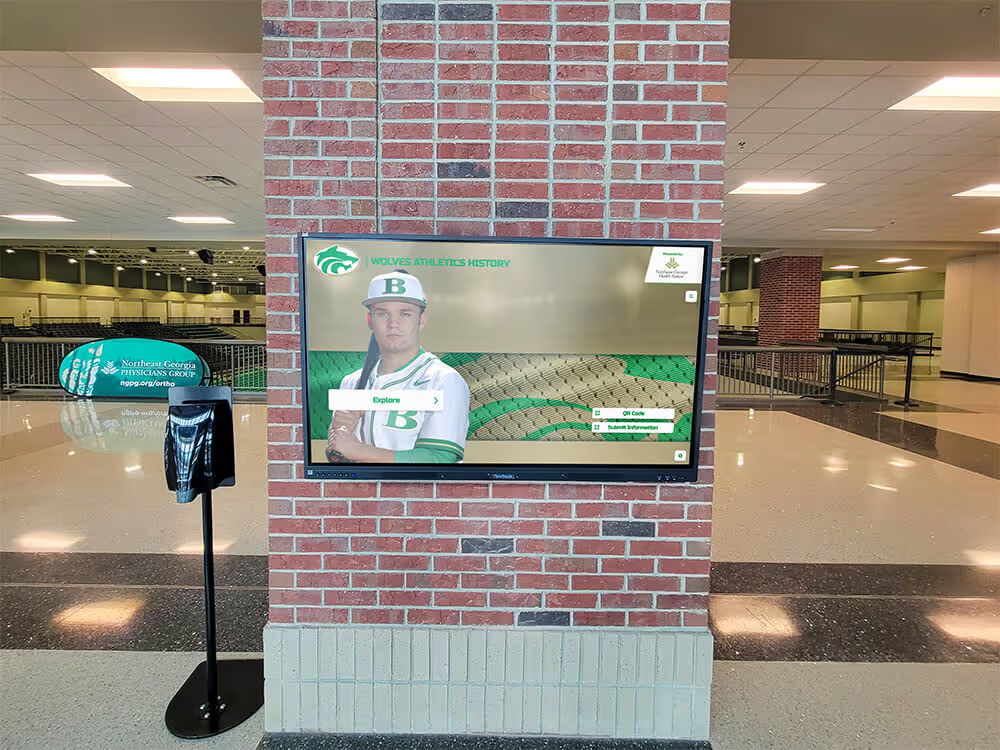
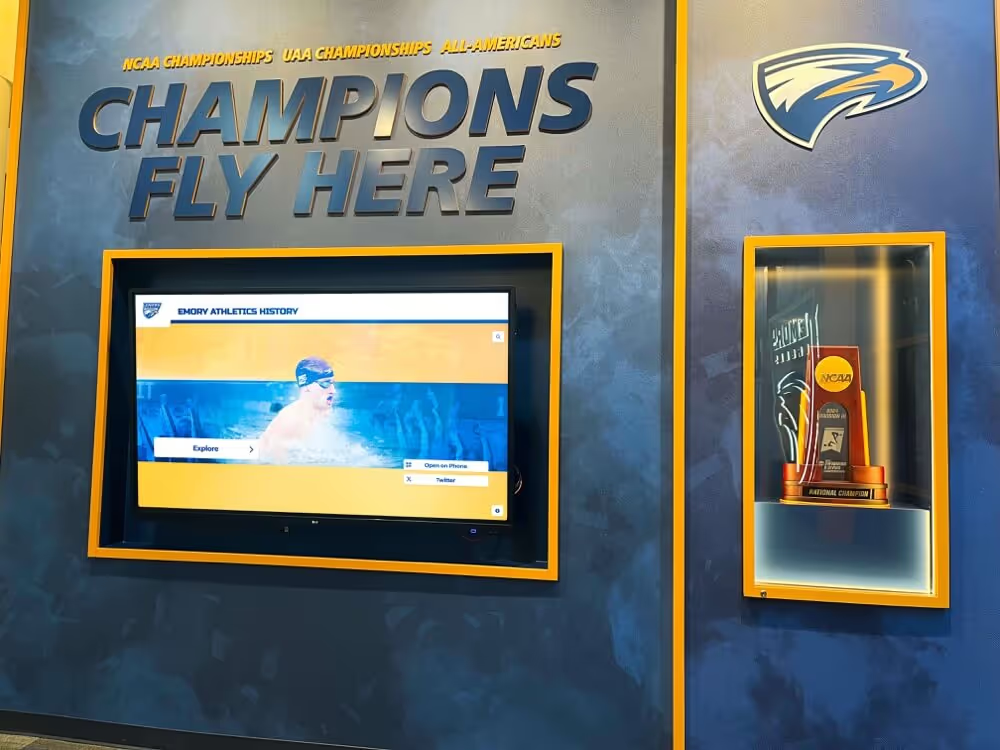
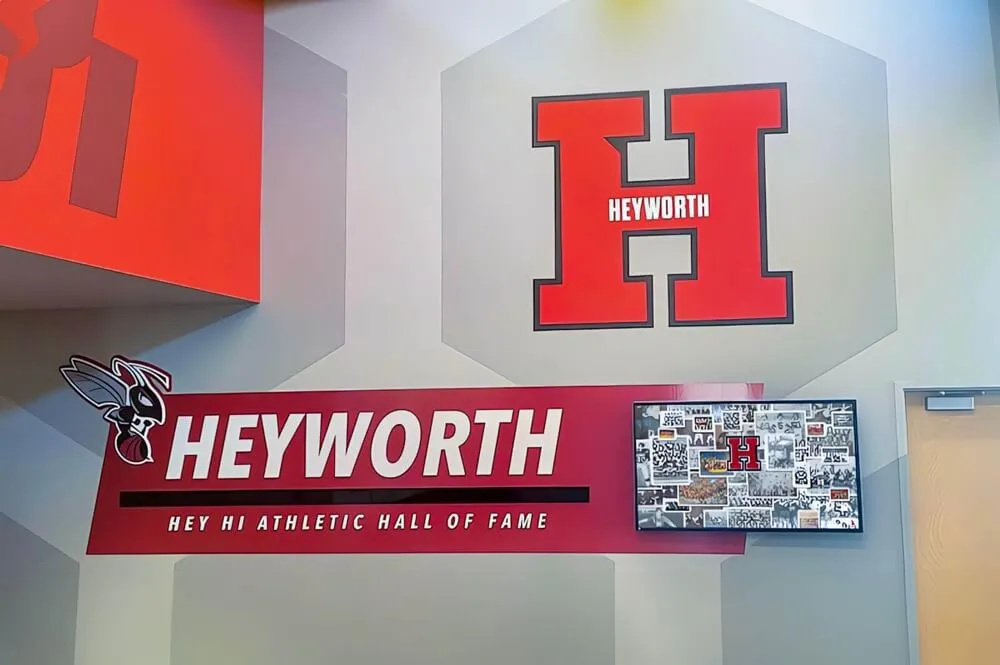
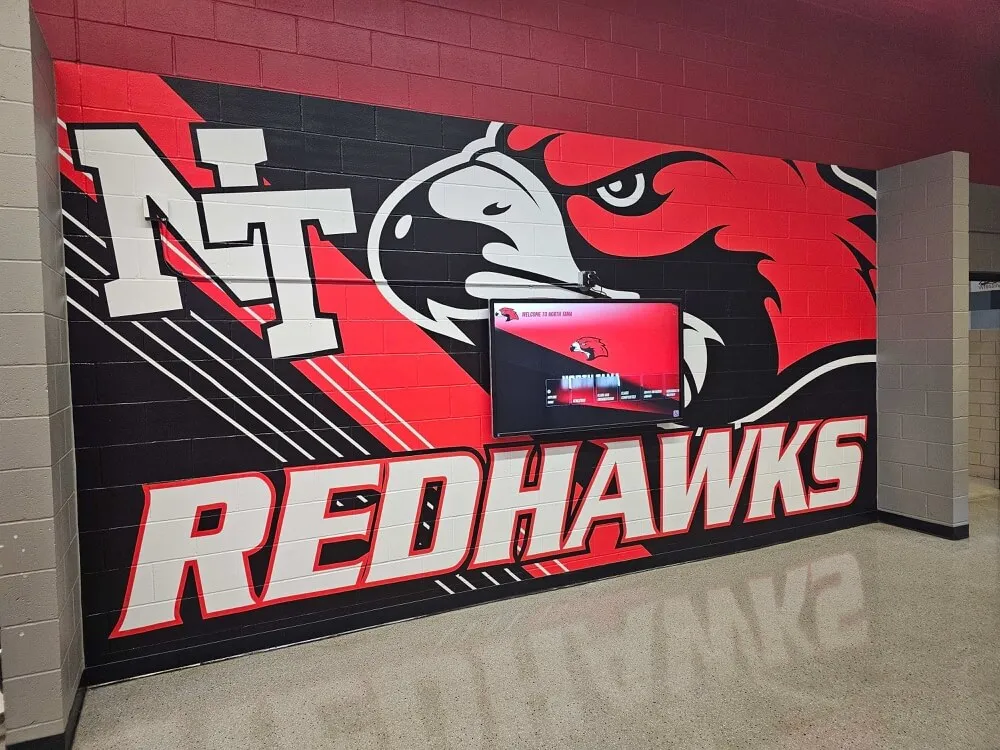
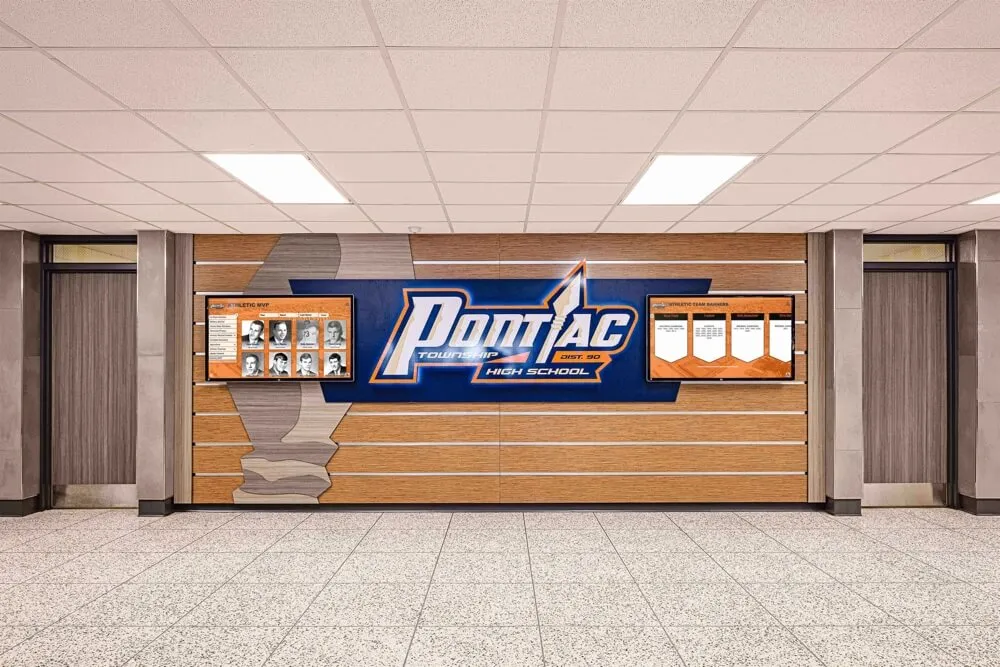
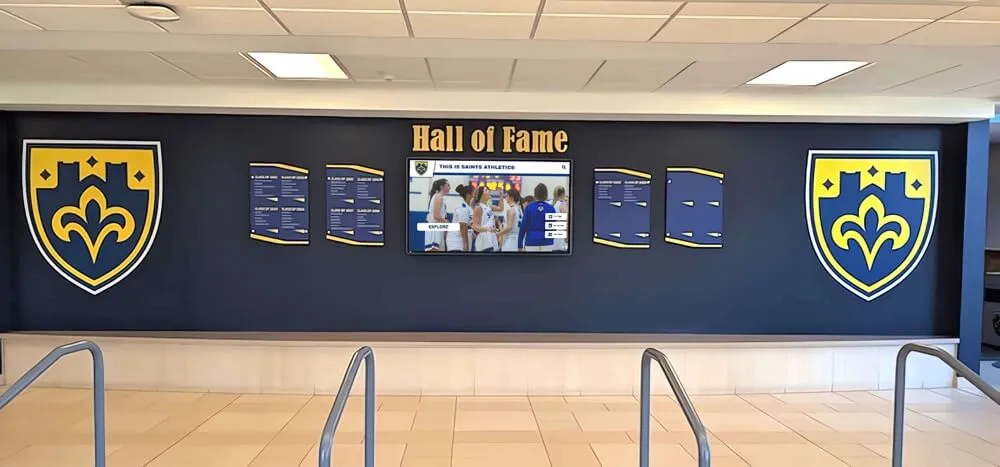
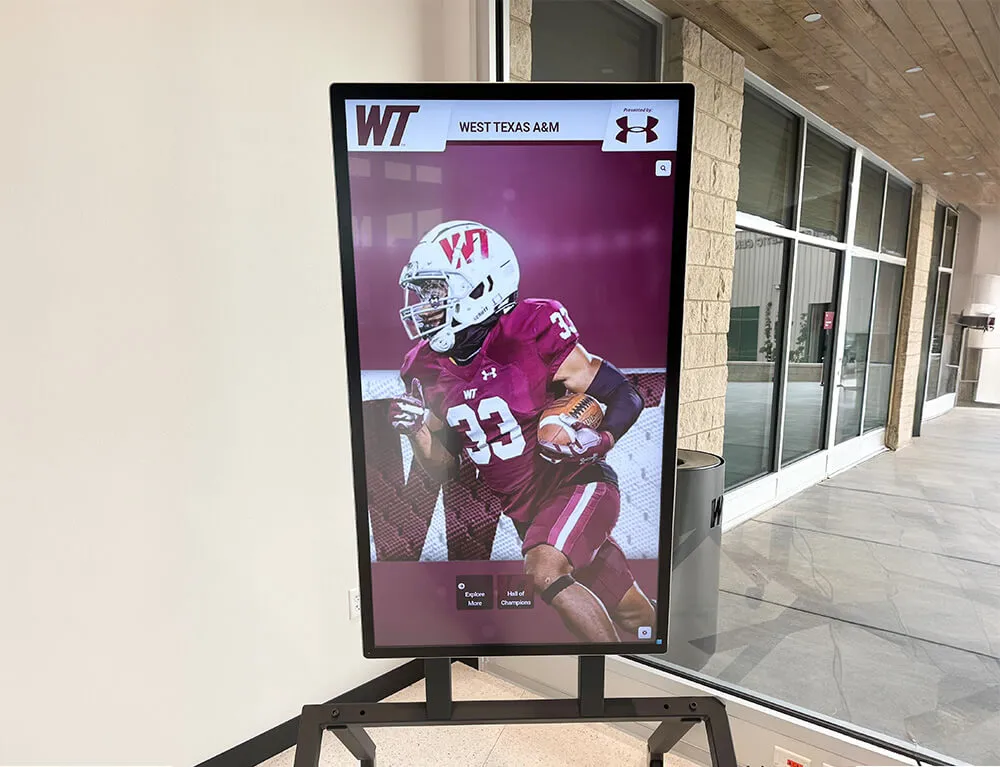
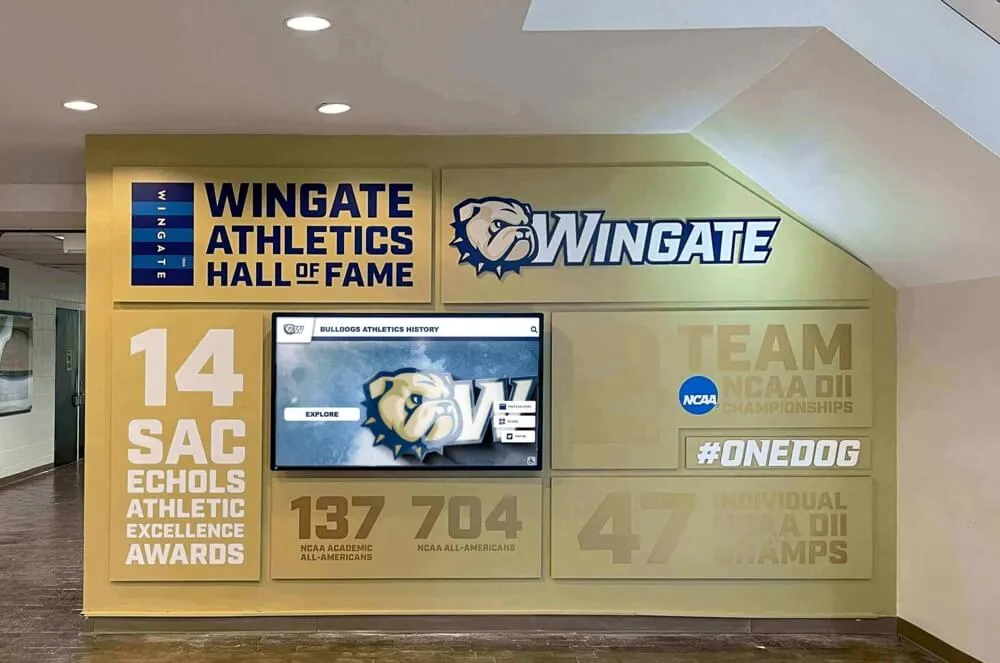
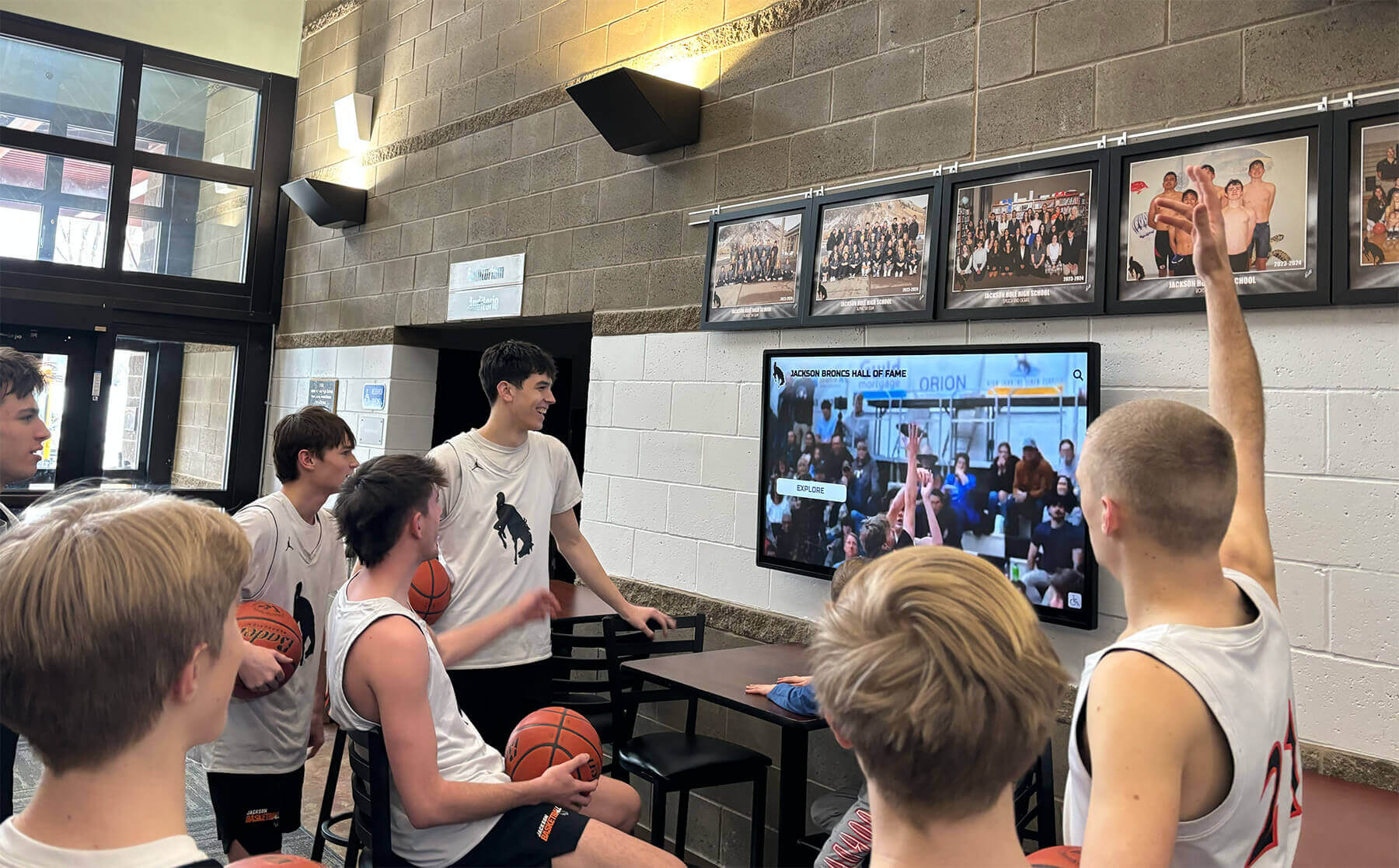
Successful booster clubs create engaged communities where families connect with athletic programs through events, fundraising, and recognition that celebrates achievements
Understanding Booster Club Purpose and Benefits
Before diving into organizational logistics, understanding the comprehensive value booster clubs provide helps build stakeholder support and clarify program goals.
What Booster Clubs Provide Athletic Programs
Organized booster support delivers benefits schools and athletic departments cannot achieve through institutional budgets alone:
Financial Resources Beyond School Funding
Budget realities create gaps between adequate and excellent programs:
- School athletic budgets typically cover basic operational necessities only
- Equipment replacement cycles lag behind optimal safety and performance standards
- Facility improvements require capital investments beyond annual operational budgets
- Transportation to competitive events and tournaments strains limited resources
- Specialized coaching, training equipment, and performance enhancement tools remain unaffordable
- Recognition programs celebrating achievements receive minimal institutional funding
Booster clubs fill these gaps strategically:
- Equipment funds ensuring athletes access safe, current, competitive gear annually
- Facility enhancement supporting improvements from scoreboards to training facilities
- Travel support enabling participation in showcases and tournaments benefiting college recruitment
- Coaching supplements attracting and retaining quality leadership
- Athletic trainer resources supporting injury prevention and rehabilitation
- Recognition and awards programs celebrating individual and team accomplishments appropriately
According to national athletic association data, schools with active booster clubs report 40-60% higher per-athlete investment compared to programs relying solely on institutional budgets, with enhanced resources correlating to improved performance, increased participation, and stronger college recruitment outcomes.
Volunteer Resources and Community Engagement
Financial contributions represent only part of booster club value:
- Event coordination for competitions, tournaments, and recognition ceremonies
- Concession stand operations generating revenue while creating community gathering spaces
- Facility maintenance and improvement projects saving schools substantial contractor costs
- Administrative support reducing burden on coaches and athletic directors
- Communication and marketing expanding community awareness and attendance
- Mentorship and professional networking for student-athletes
Schools implementing comprehensive booster programs report that volunteer hours contributed often exceed financial donations in actual value, with community engagement building institutional support extending beyond athletics to broader educational advocacy.
Learn about comprehensive approaches to athletic program recognition that booster clubs can support effectively.
Enhanced Student-Athlete Experiences
Strong booster support directly impacts student experiences:
- Quality equipment improving safety, performance, and competitive outcomes
- Enhanced facilities creating professional training environments
- Travel opportunities exposing athletes to higher competition levels
- Comprehensive recognition celebrating achievements publicly and permanently
- Team-building activities strengthening cohesion and culture
- College recruitment support through showcases and marketing materials
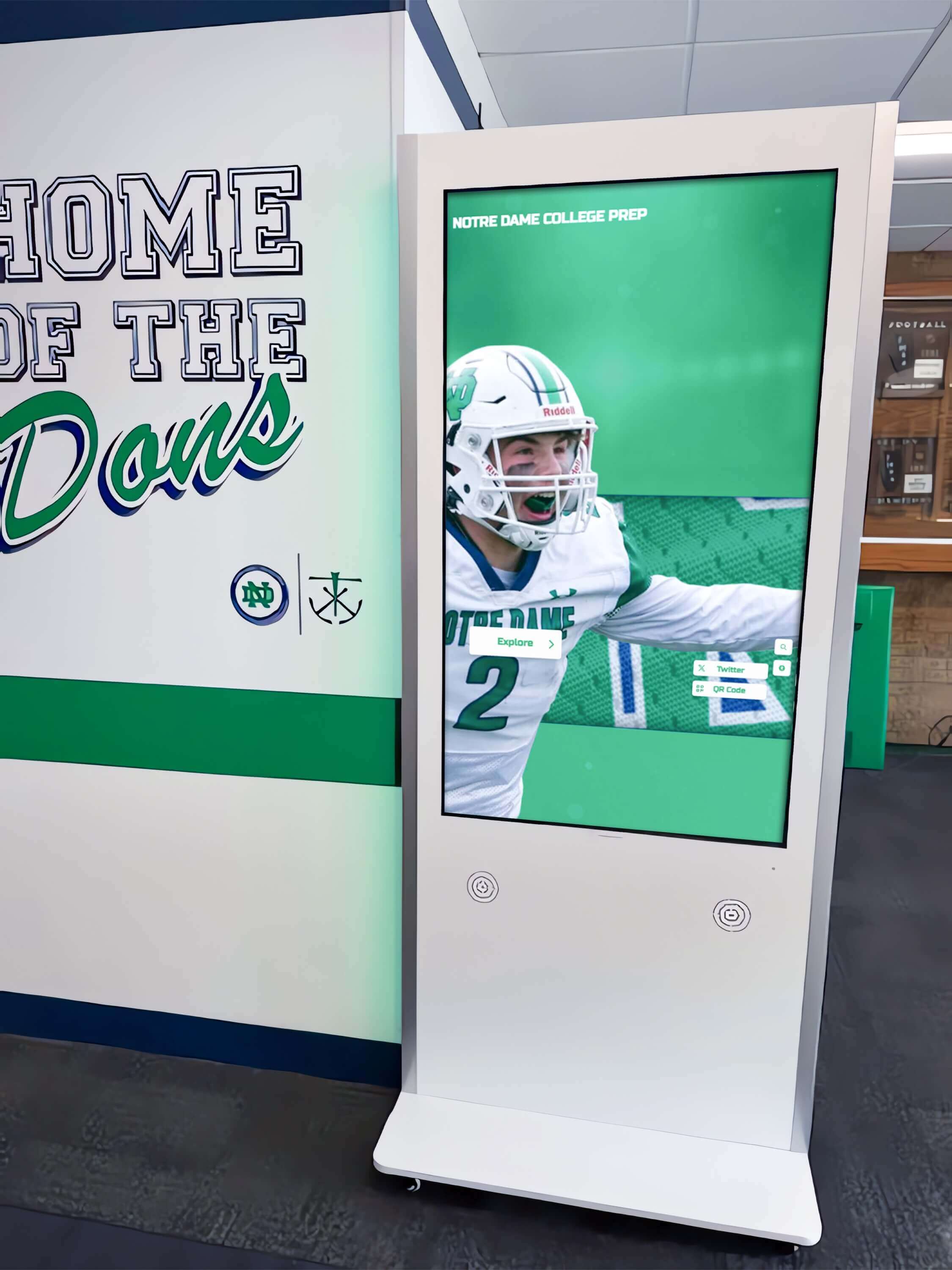
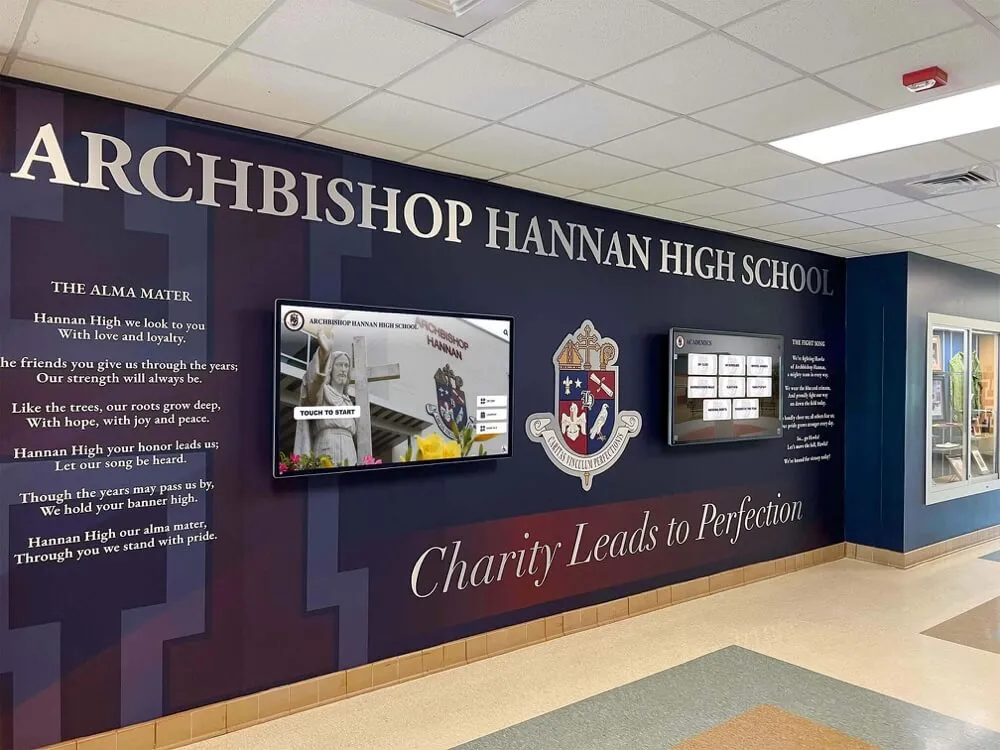
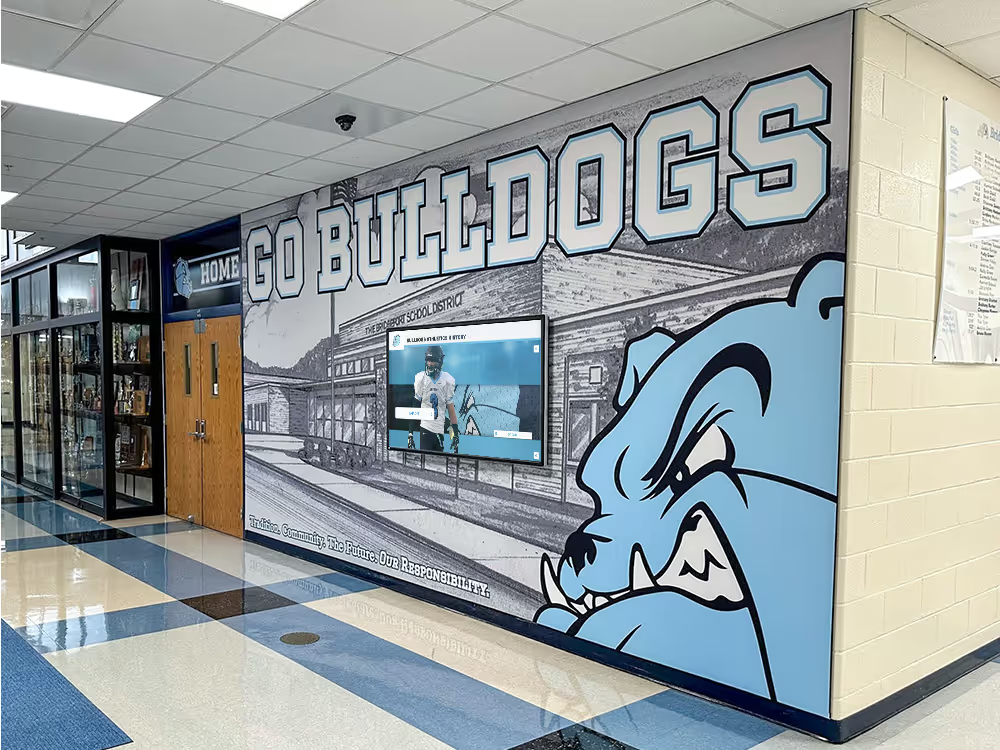
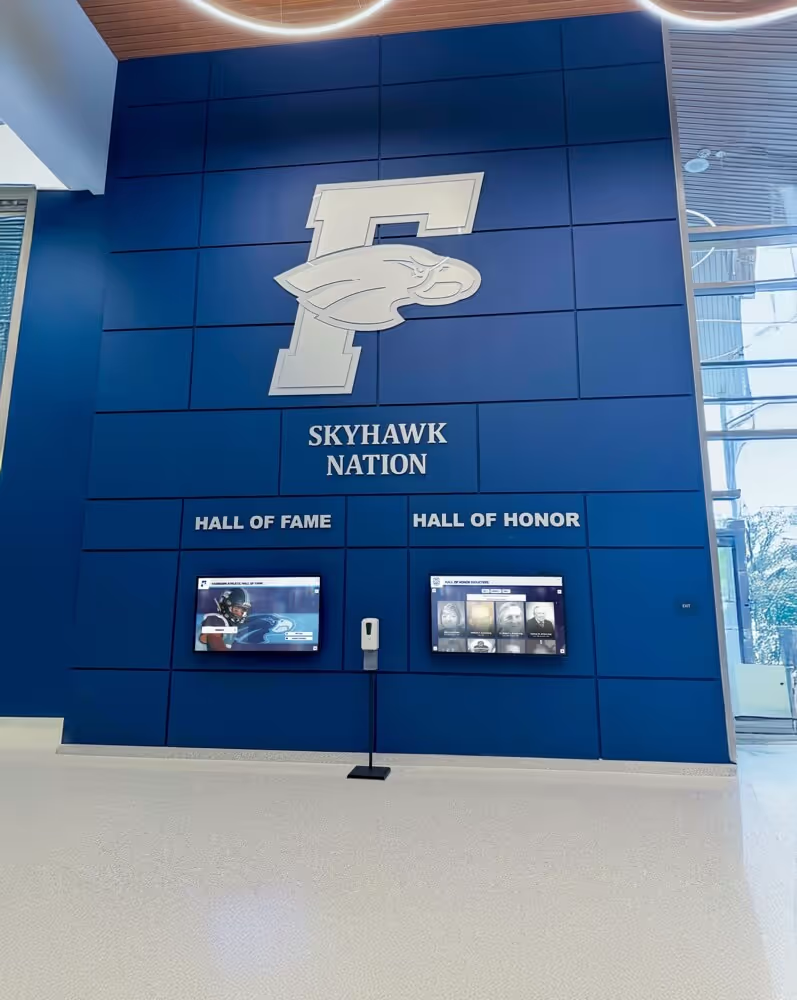
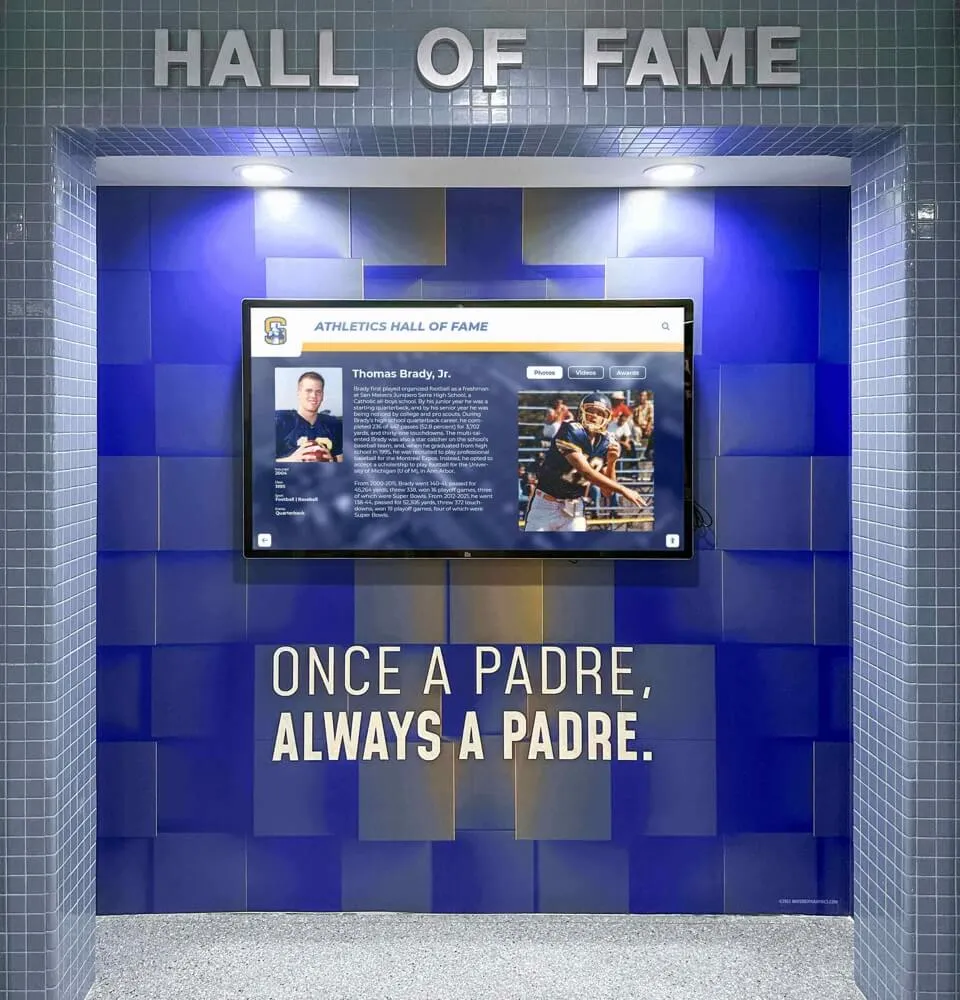
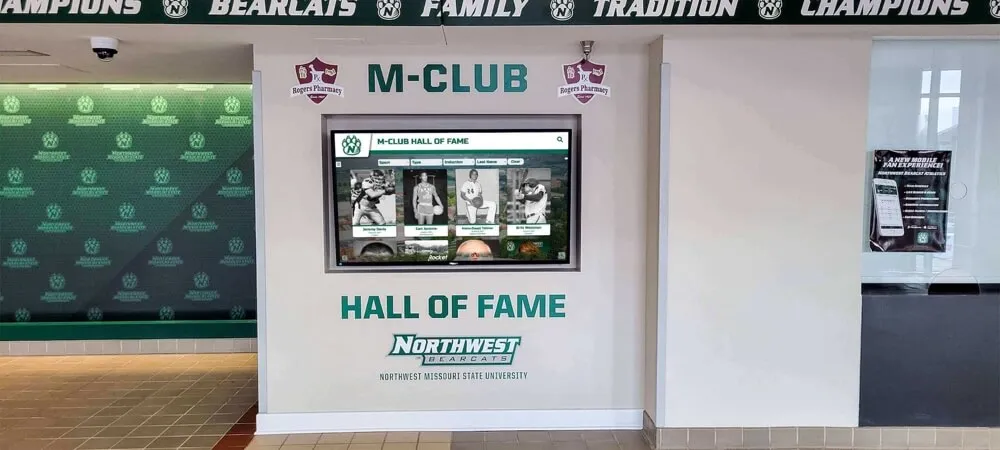
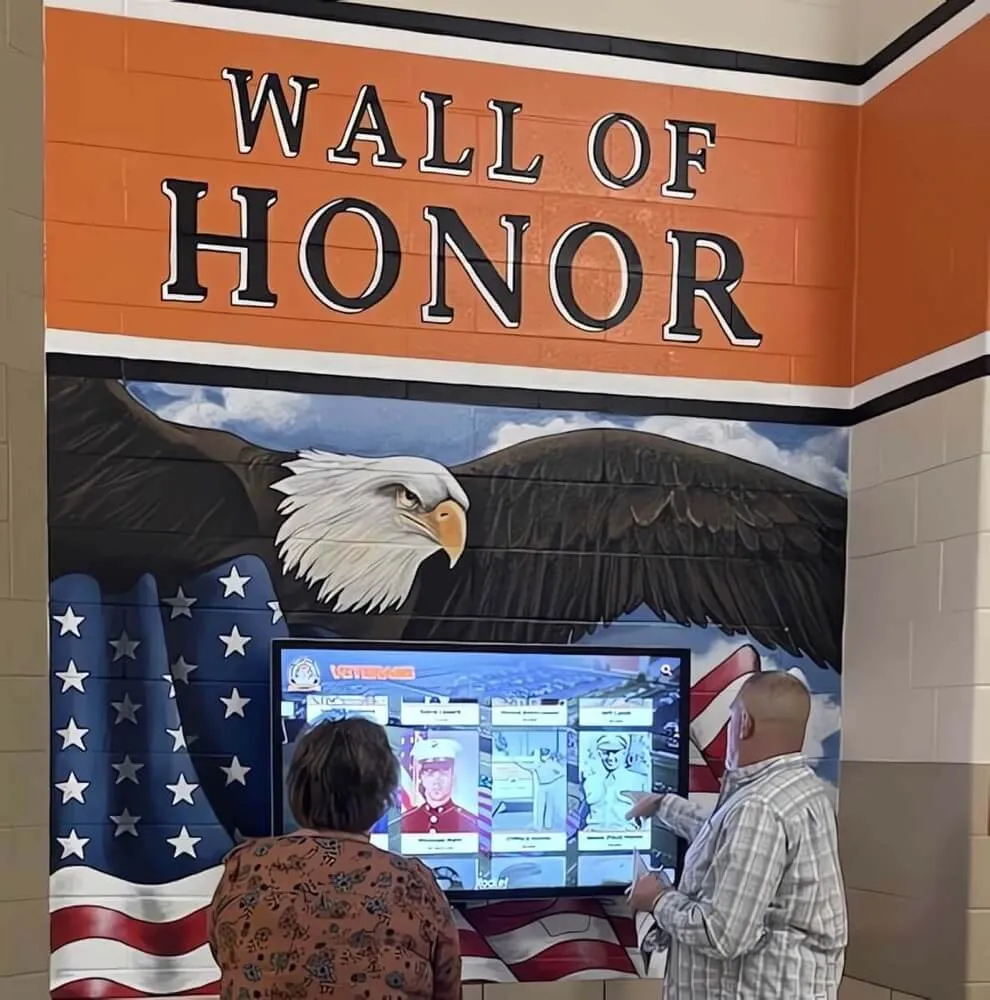
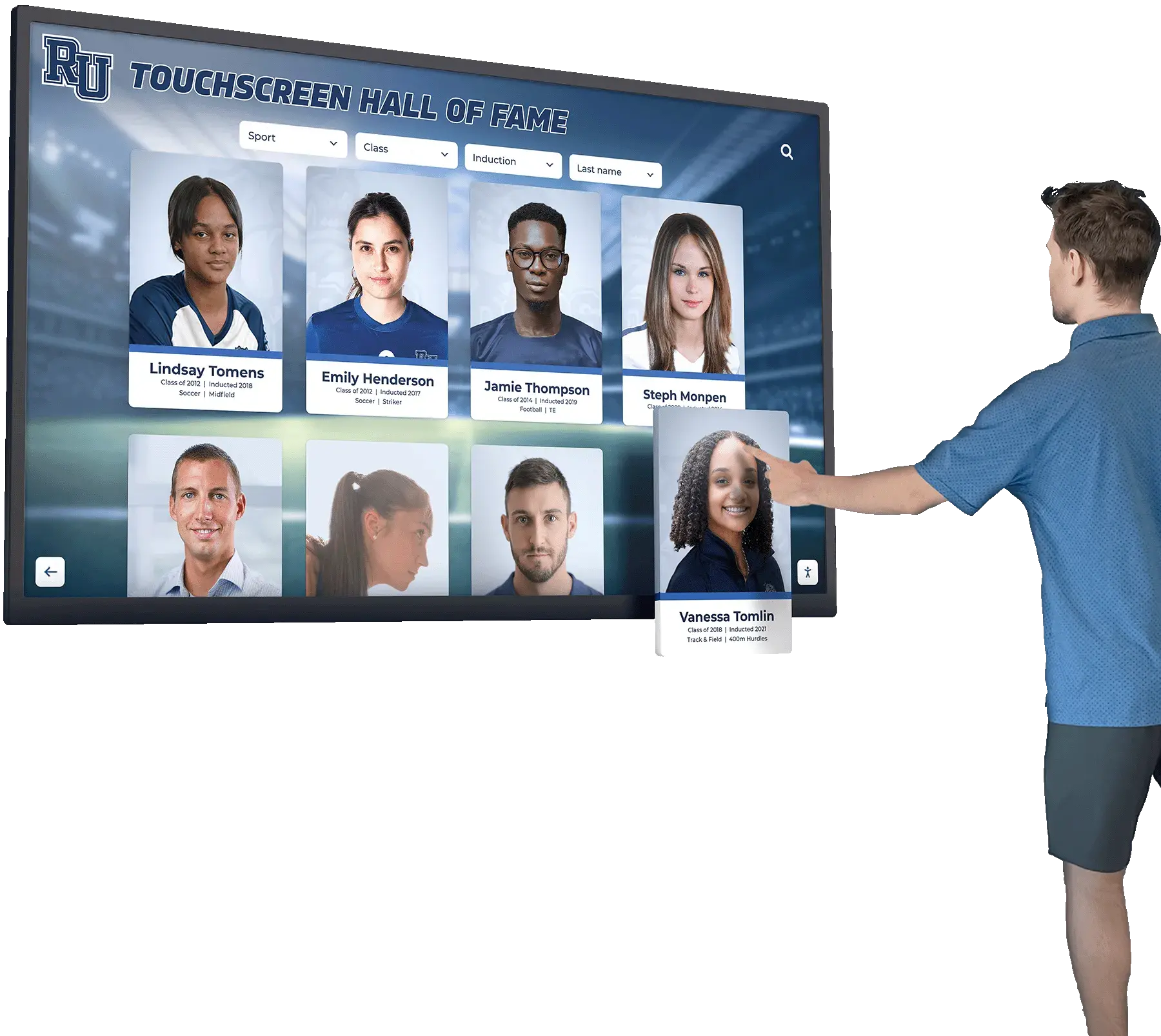
Recognition programs funded by booster clubs celebrate athletic achievements while building program pride and community connection
Benefits for Community and Families
Booster clubs create value extending beyond direct athletic support:
Community Connection and Pride
Organized booster activities strengthen social fabric:
- Regular gatherings building relationships among families across diverse backgrounds
- Shared mission creating common purpose and collaborative spirit
- School pride reinforced through visible athletic program success and recognition
- Multi-generational involvement connecting alumni, current families, and community members
- Local business partnerships supporting economic connections
- Positive community identity built around educational and athletic excellence
Research on community development demonstrates that structured volunteer organizations like booster clubs create social capital—networks of relationships and shared values—that benefit communities far beyond specific organizational missions.
Personal Fulfillment and Skill Development
Active booster involvement provides individual benefits:
- Leadership development through committee and officer roles
- Professional skill building in fundraising, marketing, event management, and finance
- Social connections and friendships developed through shared experiences
- Meaningful contribution feeling from visible impact on student experiences
- Family bonding through shared athletic program involvement
- Community standing and recognition as active civic contributors
Discover how planning athletic banquets creates opportunities for booster club involvement and recognition.
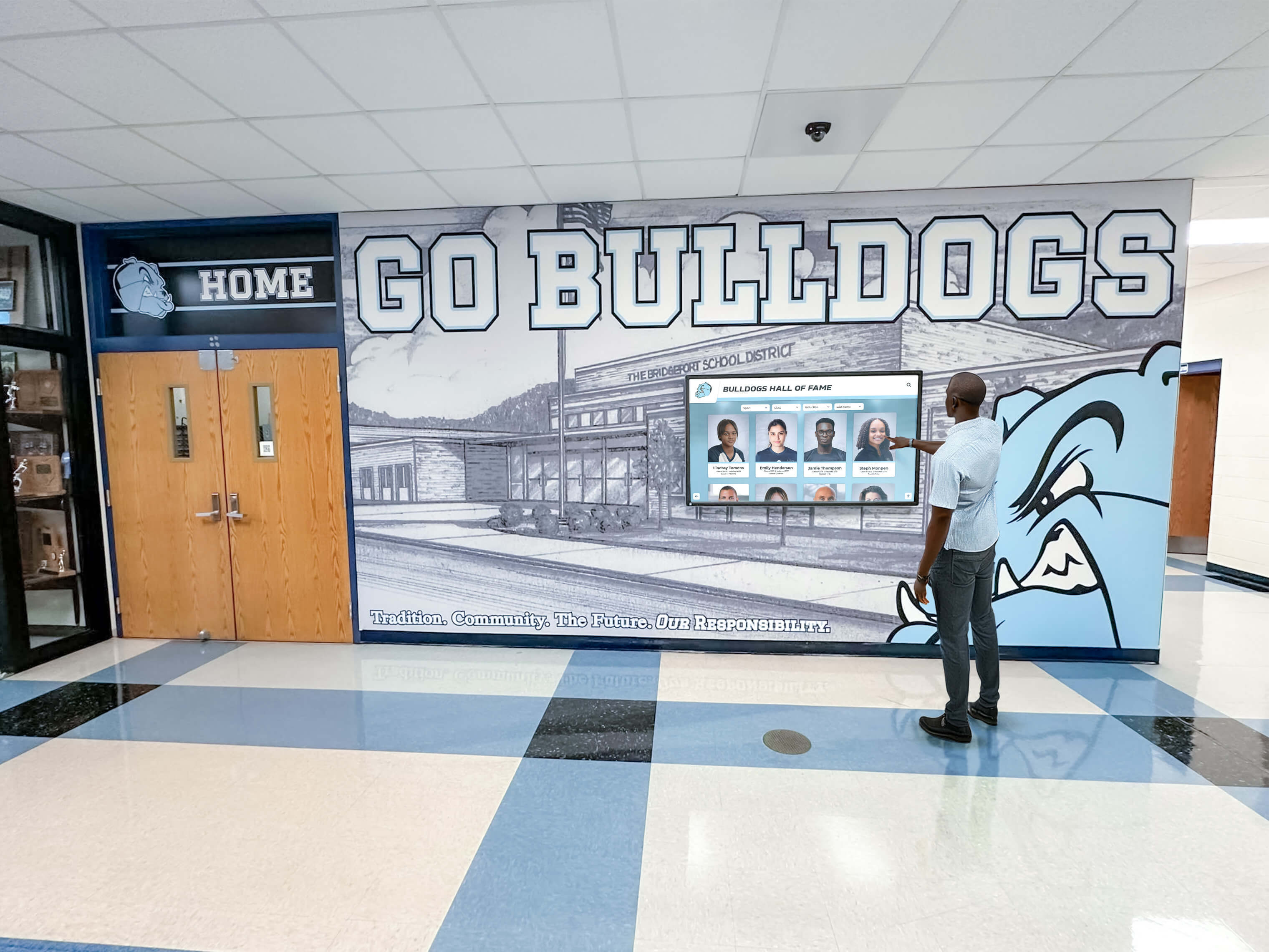
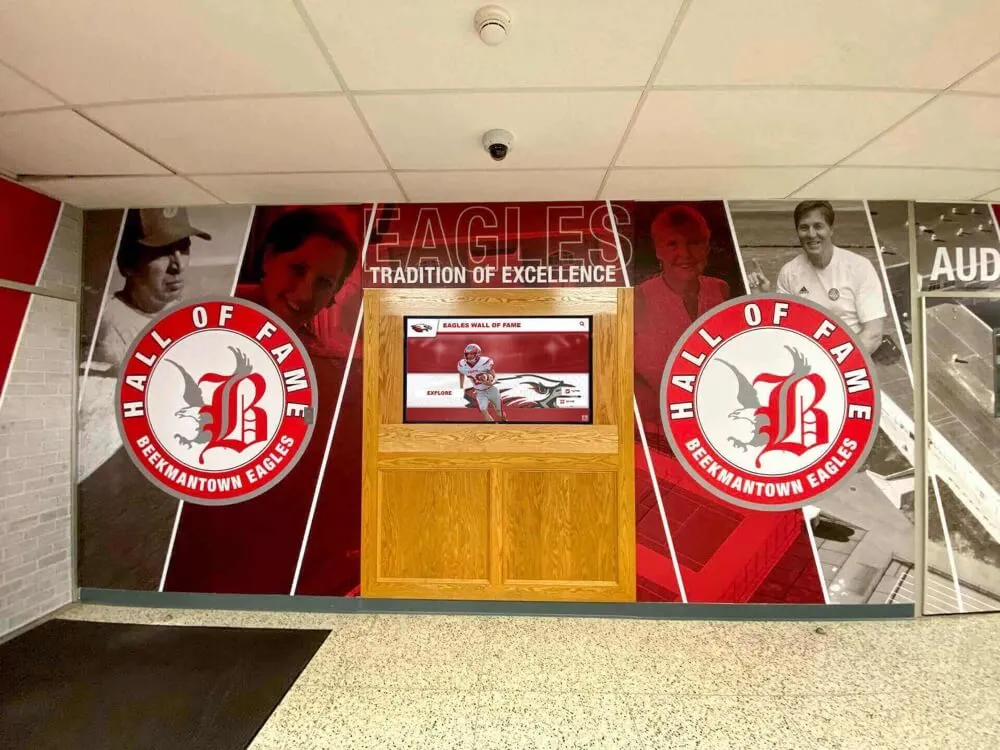
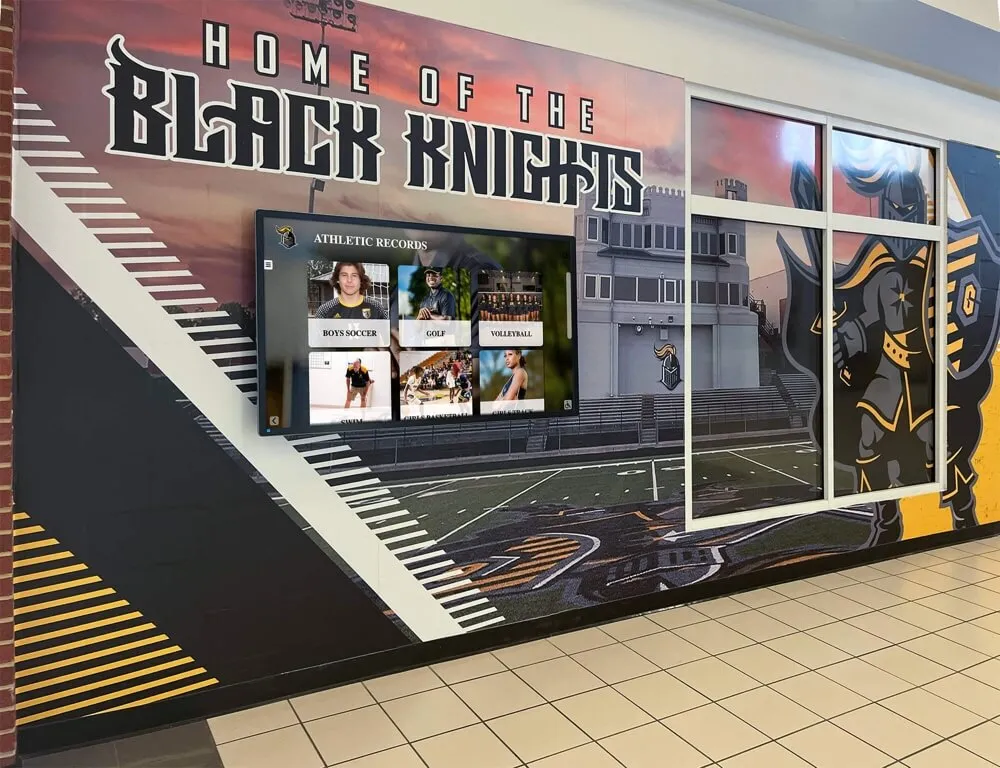
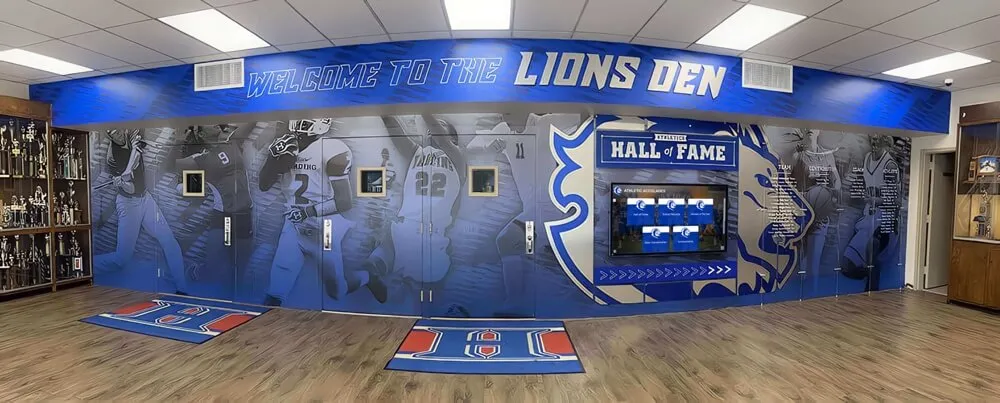
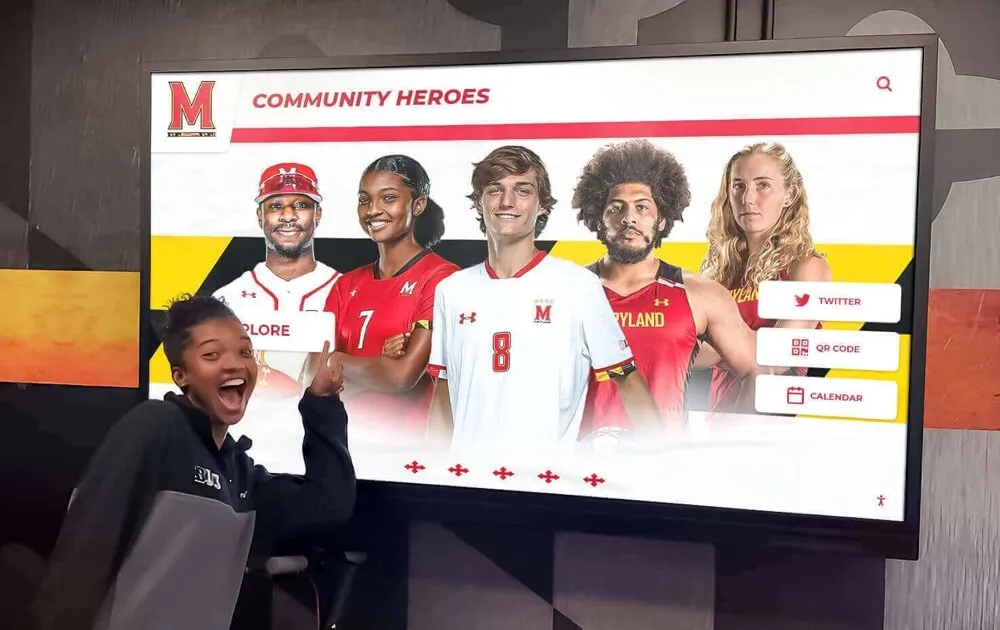
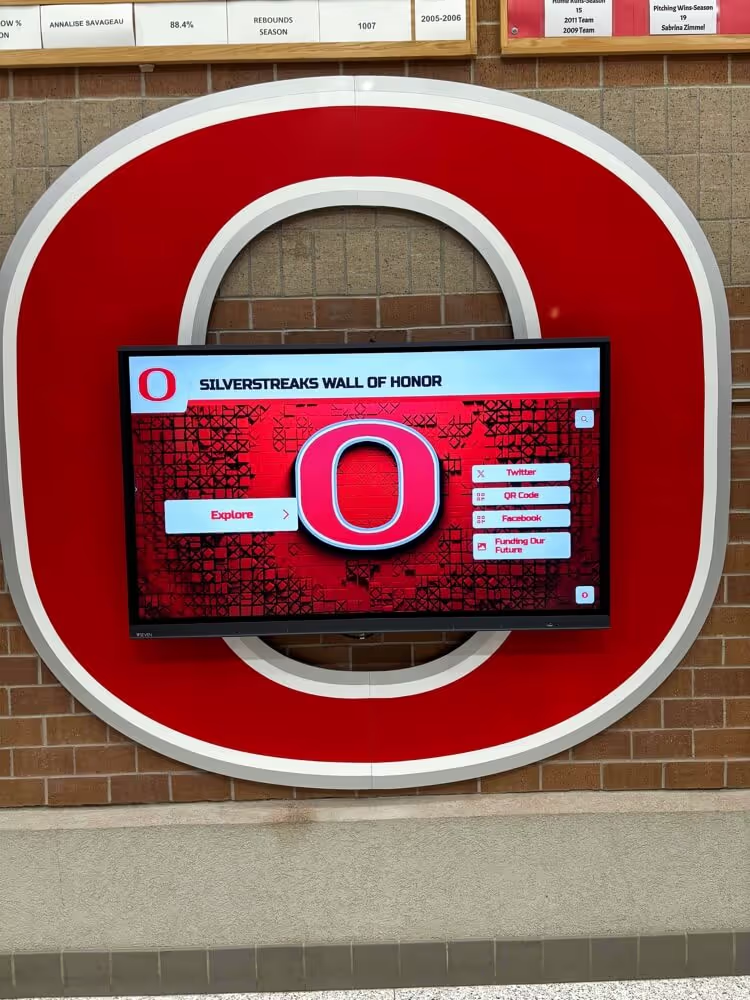
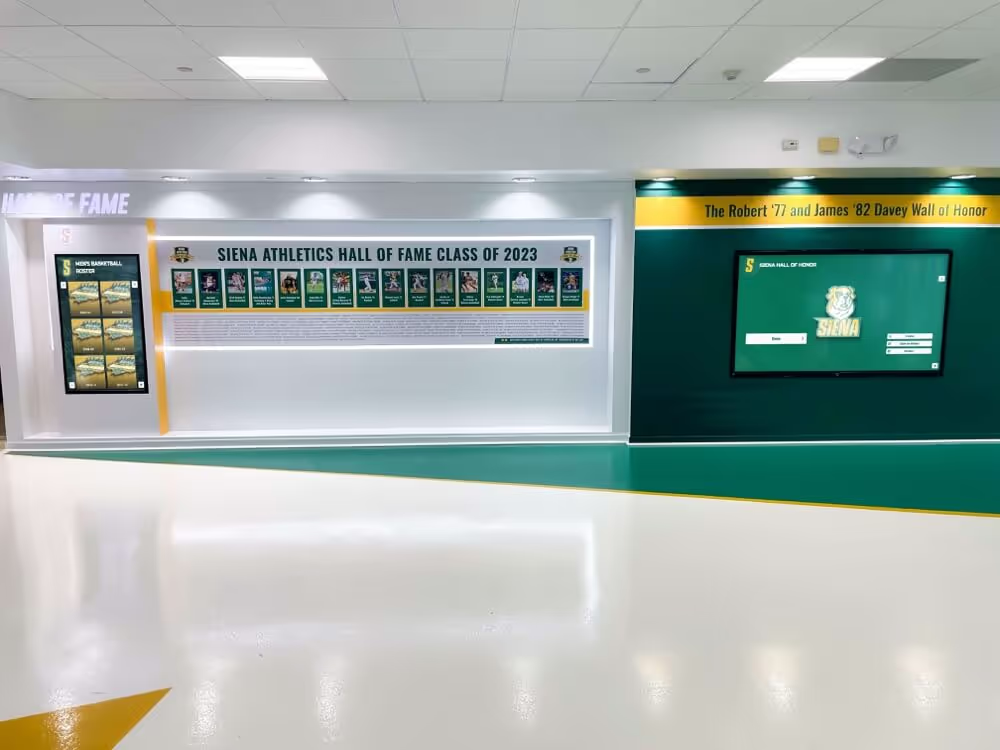
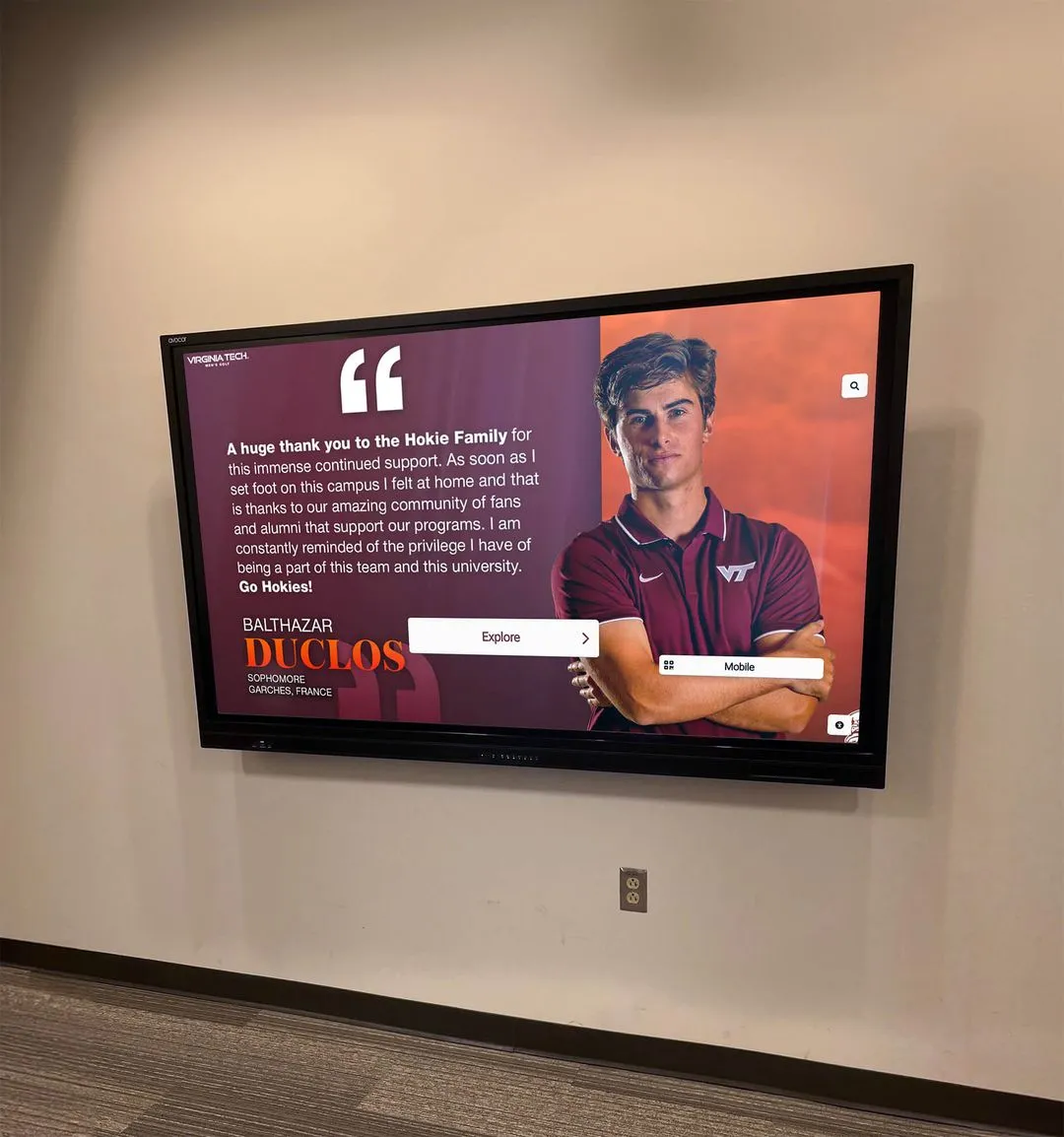
Booster clubs create gathering points and recognition programs that strengthen community connections to athletic programs
Step 1: Establishing Legal Structure and Governance
Proper organizational foundation ensures booster clubs operate effectively while maintaining legal compliance and institutional relationships.
Determining Organizational Structure
Schools should carefully consider appropriate legal structures:
Options for Booster Club Organization
School-Affiliated Organization
- Operates as part of school district with direct institutional oversight
- School maintains financial accounts and legal responsibility
- Simplified tax status under school’s nonprofit exemption
- Direct principal and athletic director involvement in governance
- Reduced administrative burden for volunteer leaders
- Clear authority structure preventing conflicts
Independent 501(c)(3) Nonprofit
- Separate legal entity with independent board governance
- Requires IRS application and ongoing compliance requirements
- Full financial independence and fundraising flexibility
- Increased administrative complexity requiring sophisticated volunteer leadership
- Liability protection separating organization from school district
- Greater autonomy in decision-making and resource allocation
Informal Parent Organization
- No formal legal structure or tax-exempt status
- Minimal compliance requirements but limited fundraising capacity
- Cannot accept tax-deductible donations reducing donor appeal
- Personal liability concerns for organizers handling funds
- Appropriate only for small-scale, temporary support activities
- Not recommended for sustained, significant booster operations
Recommendation for Most Schools
School-affiliated structures work best for most booster clubs because they:
- Reduce compliance complexity for volunteer leaders
- Provide immediate tax-exempt status under school umbrella
- Ensure alignment with institutional policies and priorities
- Minimize liability exposure for volunteers
- Maintain appropriate school oversight of athletic program support
Independent nonprofit status makes sense primarily for very large programs with sophisticated volunteer leadership, substantial budgets requiring maximum flexibility, or situations where institutional relationships create limitations on affiliated organization effectiveness.
Creating Governance Documents
Formal documentation establishes clear operational parameters:
Essential Bylaws Components
Comprehensive bylaws should address:
Organizational Purpose and Mission
- Specific athletic programs or sports supported
- Geographic scope and institutional relationships
- Restrictions on political or non-athletic activities
- Commitment to equity across all supported programs
- Alignment with school district values and policies
Membership Structure
- Eligibility criteria for membership (parents, community members, alumni)
- Voting rights and procedures for major decisions
- Membership fees if applicable
- Participation expectations and volunteer requirements
- Member communication and engagement protocols
Board and Officer Structure
- Officer positions, terms, and election procedures
- Board composition and size requirements
- Meeting frequency and quorum requirements
- Decision-making authority and approval thresholds
- Succession planning and leadership transitions
- Conflict of interest policies and disclosure requirements
Financial Management Policies
- Banking and financial account management
- Approval requirements for expenditures at various levels
- Audit and financial review procedures
- Fiscal year definition and reporting schedules
- Fundraising approval processes
- Asset management and reserve policies
Amendment Procedures
- Process for proposing bylaw changes
- Voting requirements for amendments
- Notice requirements before amendment votes
- Documentation of changes and version control
Sample Governance Template
Many state athletic associations and national organizations provide booster club bylaw templates that schools can adapt to their specific needs. Start with proven templates rather than creating governance documents from scratch, ensuring you include all essential legal and operational provisions.
Learn about comprehensive gala planning that requires strong organizational governance and coordination.
Establishing School District Relationships
Clear institutional connections prevent conflicts and ensure compliance:
Required Approvals and Agreements
Most school districts require:
- Board of education approval for booster club formation
- Written memorandum of understanding defining relationships and responsibilities
- Athletic director oversight and communication protocols
- Financial coordination with district business office
- Facility use agreements and scheduling procedures
- Compliance with district policies on fundraising, volunteers, and communications
Key Agreement Elements
Essential components include:
- Specific programs and activities booster club supports
- Decision-making authority for equipment purchases and program expenses
- Fundraising approval processes and restricted activities
- Volunteer screening and background check requirements
- Insurance and liability coverage responsibilities
- Intellectual property rights regarding school names, logos, and marks
- Communication protocols and approval requirements
- Dispute resolution procedures
- Agreement termination conditions and asset disposition
Building Collaborative Relationships
Successful booster clubs maintain positive working relationships through:
- Regular communication with athletic directors and principals
- Transparency in financial management and decision-making
- Respect for institutional authority and final decision rights
- Alignment with school values and educational priorities
- Responsiveness to school needs and concerns
- Professional conduct in all interactions and communications
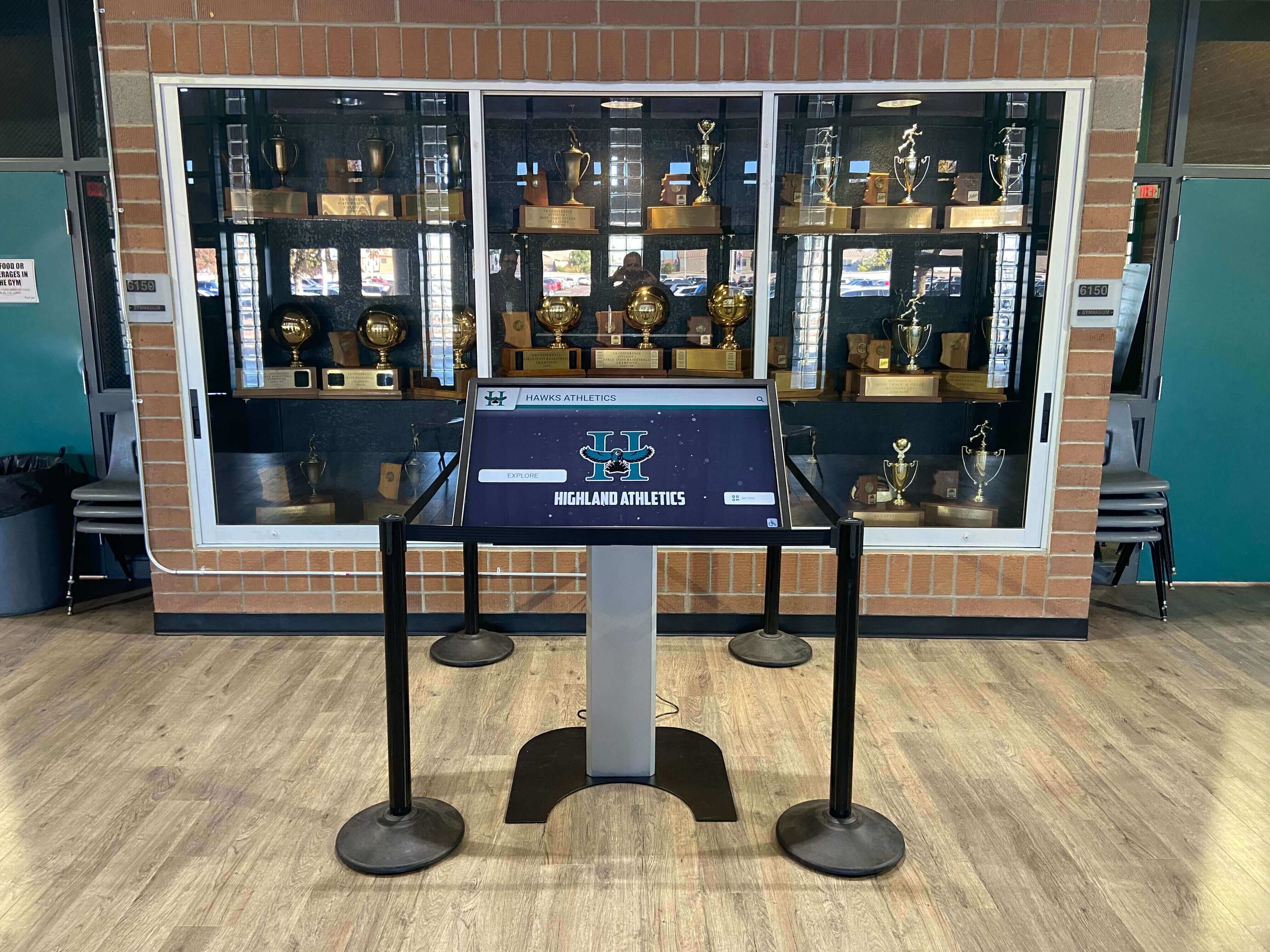
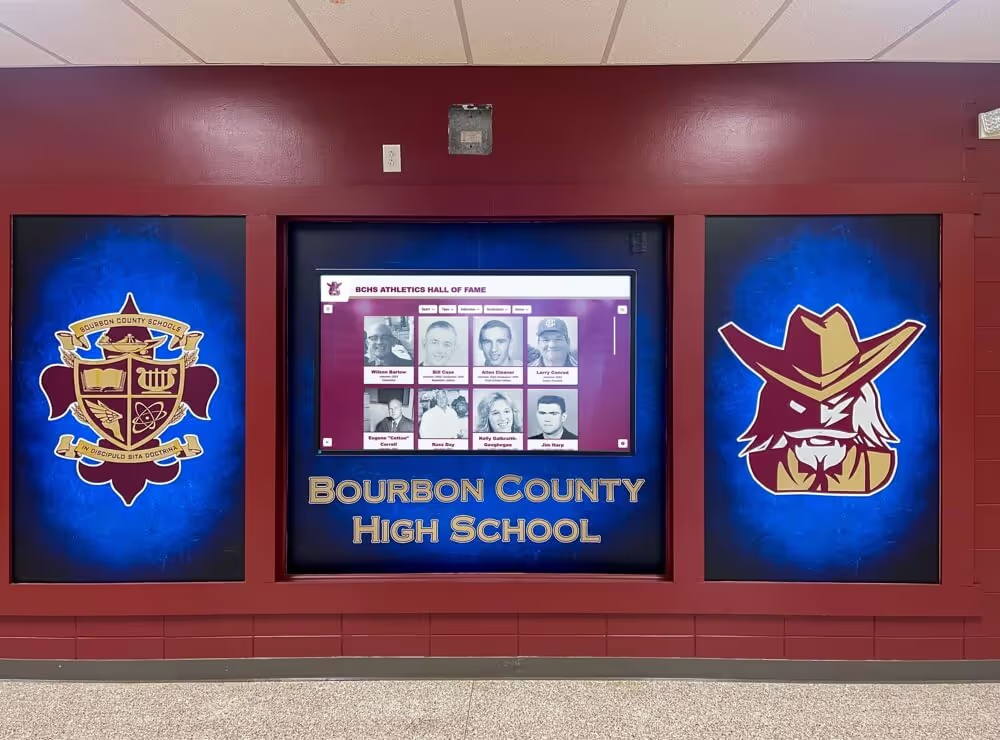
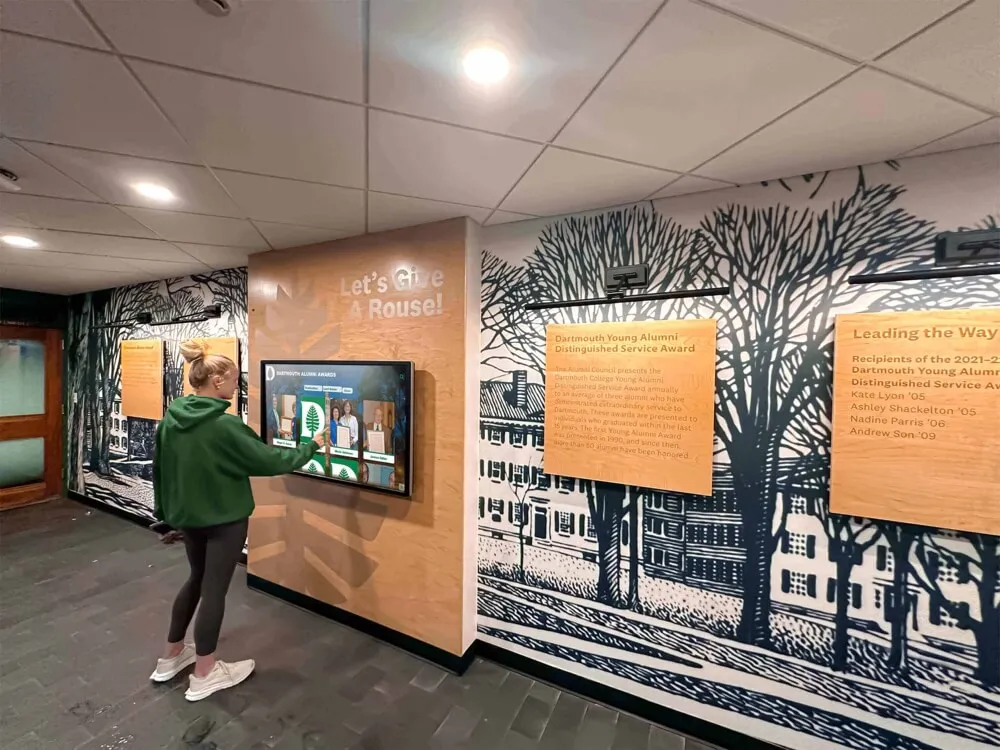
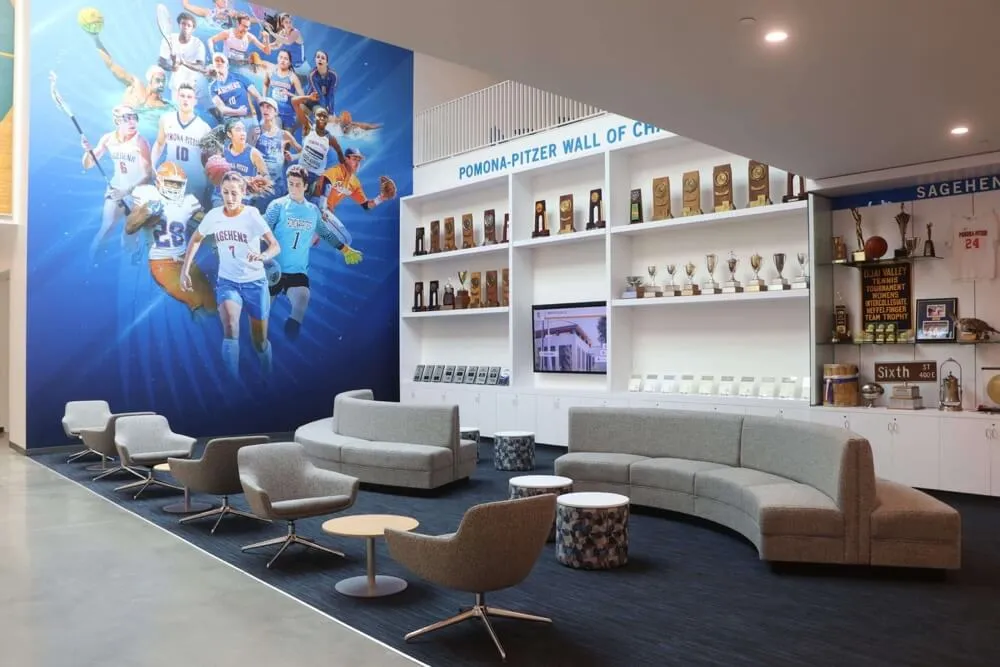
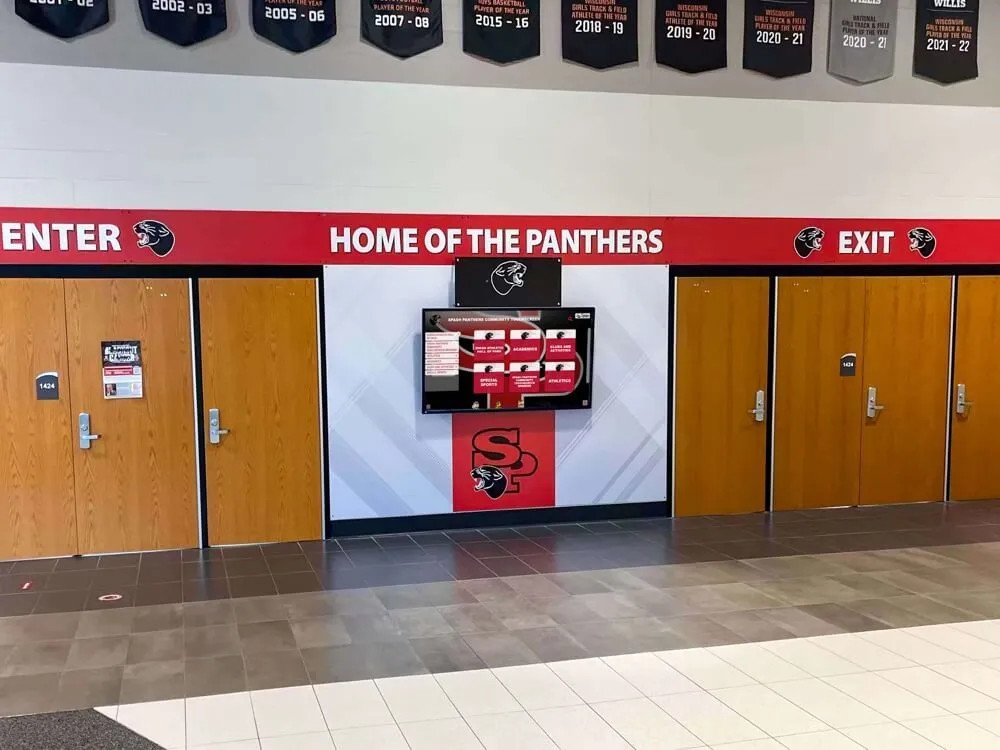
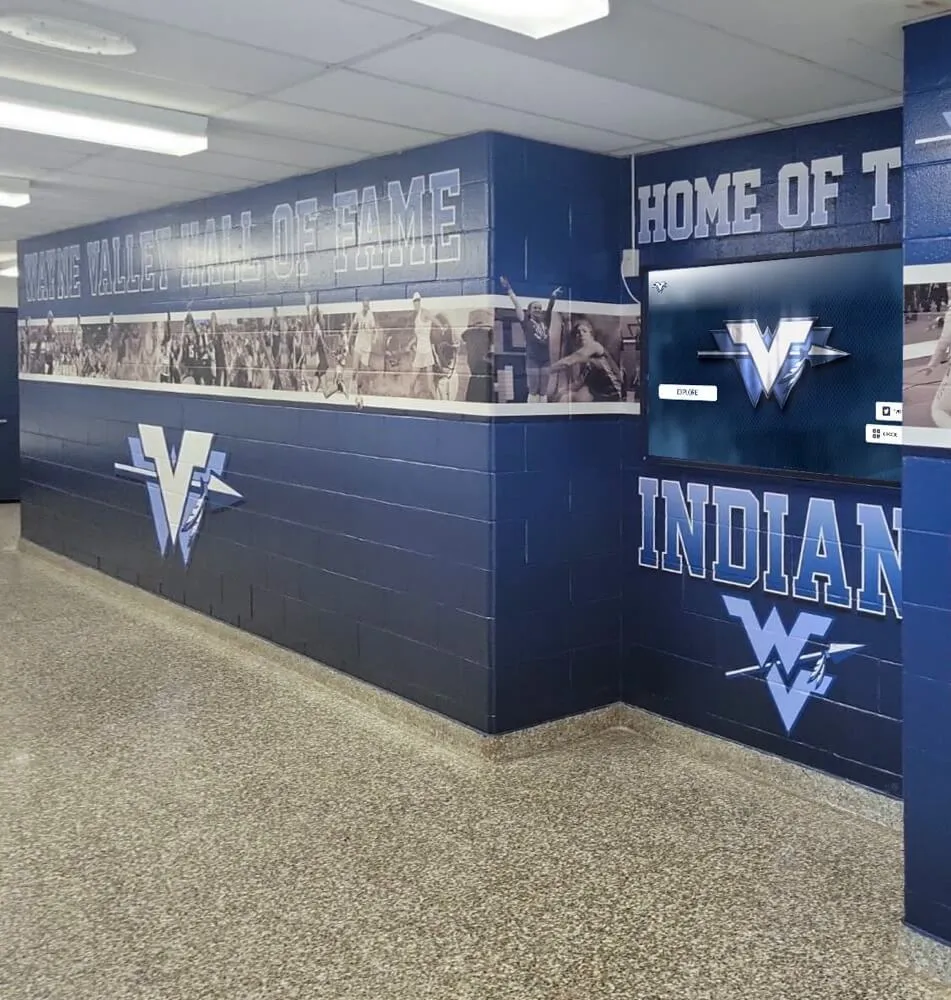
Effective booster clubs work collaboratively with schools to enhance athletic recognition and program visibility
Step 2: Building Organizational Infrastructure
Systematic operational systems enable sustainable booster club management beyond initial enthusiasm.
Recruiting Leadership and Volunteers
Strong organizations require capable, committed leadership:
Essential Officer Positions
Core leadership typically includes:
President
- Overall organizational leadership and strategic direction
- Primary school district liaison and relationship management
- Board meeting coordination and governance oversight
- Public representation at events and community functions
- Final decision authority within bylaws parameters
Vice President
- President support and backup coverage
- Specific program area oversight or committee leadership
- Succession planning preparation for president role
- Special project management as needed
Treasurer
- All financial management and record-keeping
- Budget development and financial reporting
- Tax compliance and audit coordination
- Banking relationships and account management
- Expenditure approval and reimbursement processing
- Financial controls and fraud prevention
Secretary
- Meeting minutes and official record maintenance
- Communication coordination and distribution
- Membership records and volunteer tracking
- Document management and archival
- Correspondence handling
Volunteer Coordinator
- Volunteer recruitment across all activities and events
- Sign-up systems and scheduling coordination
- Volunteer recognition and appreciation programs
- Training and orientation for new volunteers
- Activity-specific volunteer team leadership
Leadership Recruitment Strategies
Build strong leadership teams through:
- Personal recruitment identifying individuals with relevant professional skills
- Clear role descriptions setting realistic expectations about time commitments
- Term limits preventing burnout while ensuring leadership continuity
- Mentorship pairing new officers with experienced leaders
- Recognition programs acknowledging leadership contributions publicly
- Professional development supporting skill building and effectiveness
Implementing Financial Management Systems
Proper financial systems build donor confidence and ensure compliance:
Banking and Account Setup
Establish appropriate financial infrastructure:
- Dedicated bank accounts separate from personal finances
- Multiple authorized signers requiring dual approval for large transactions
- Online banking access enabling transparent monitoring
- Credit card policies limiting use and requiring documentation
- Regular statement review by board members beyond treasurer
- Annual audit or financial review by qualified accountant
Budgeting and Financial Planning
Systematic financial management includes:
- Annual budget development aligned with program priorities
- Revenue projections based on historical fundraising performance
- Expense categories matching supported activities and programs
- Reserve fund policies ensuring financial stability
- Multi-year planning for major capital projects
- Monthly financial reports comparing actual to budget
- Quarterly board review and adjustment processes
Donation Management and Acknowledgment
Proper donor stewardship requires:
- Receipt systems providing immediate acknowledgment
- Annual contribution statements for tax purposes
- Recognition programs celebrating donor generosity at various levels
- Donor communication about fund utilization and impact
- Transparency reports showing how contributions support student-athletes
- Privacy protection for donors preferring anonymity
Explore comprehensive donor recognition strategies that strengthen fundraising relationships.
Financial Controls and Fraud Prevention
Protect organizational assets through:
- Dual signature requirements for checks above threshold amounts
- Regular bank reconciliation by someone other than primary financial manager
- Annual audit or financial review by independent accountant
- Conflict of interest policies preventing personal benefit
- Transparent financial reporting to full membership
- Document retention policies maintaining adequate records
- Insurance coverage protecting against theft or mismanagement
Creating Communication Systems
Effective communication keeps stakeholders informed and engaged:
Essential Communication Channels
Multi-channel approach includes:
- Email distribution lists segmented by interest and involvement level
- Social media presence on platforms families actively use
- Website providing central information repository and donation portal
- Text messaging for time-sensitive volunteer coordination
- Monthly newsletters with updates, needs, and recognition
- Annual reports documenting accomplishments and financial stewardship
- In-person meetings at games and events for relationship building
Content Strategy
Regular communication should include:
- Upcoming events and volunteer opportunities
- Fundraising campaign updates and progress toward goals
- Student-athlete achievements and team accomplishments
- Financial transparency reports showing fund utilization
- Volunteer recognition celebrating contributions publicly
- School district updates and policy changes affecting operations
- Call-to-action items requesting specific support or participation
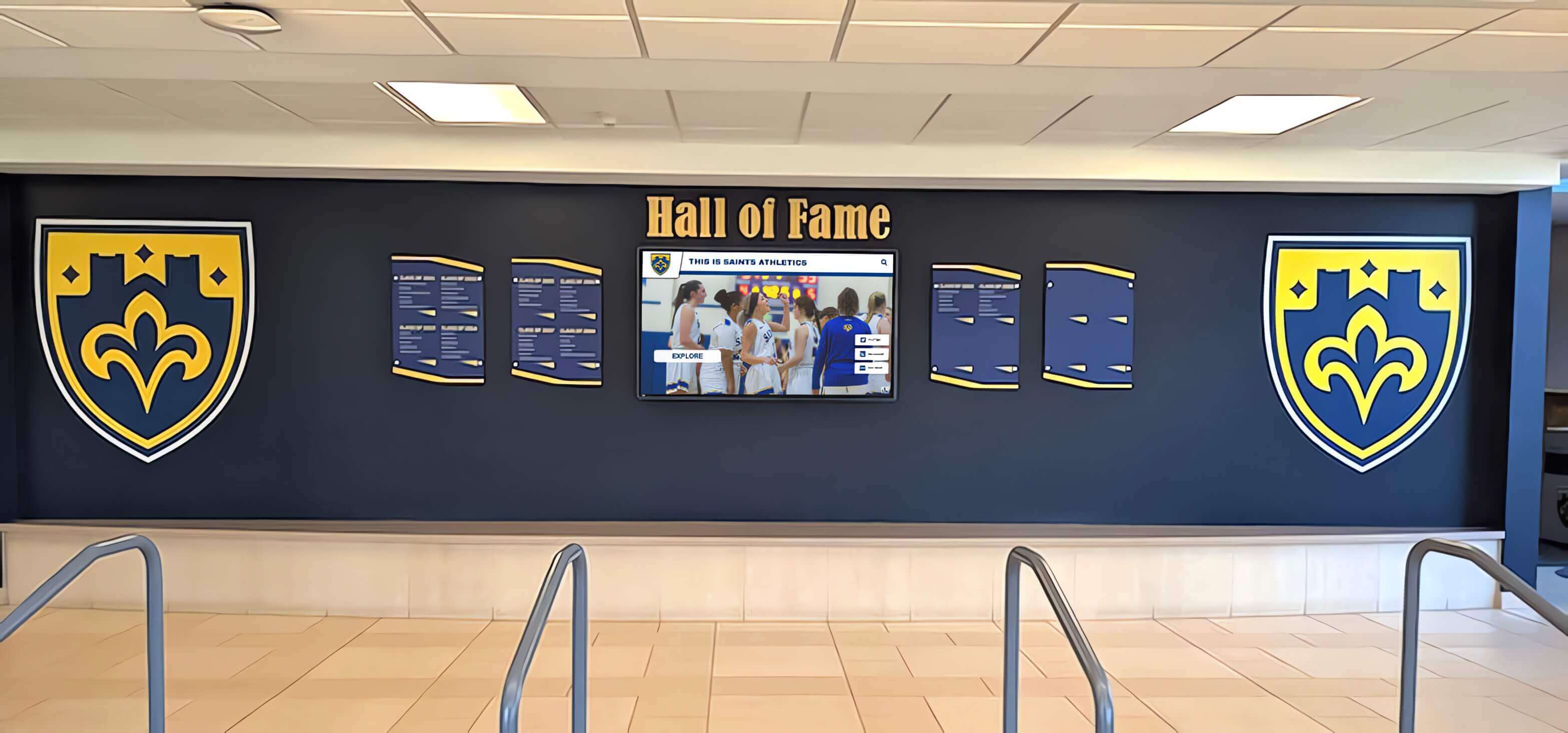
Communication about booster club impact includes showcasing recognition programs and facility improvements that donations support
Step 3: Developing Fundraising Strategies
Diversified revenue generation ensures financial sustainability and reduces dependency on single sources.
Establishing Multiple Revenue Streams
Successful booster clubs balance various fundraising approaches:
Membership Dues and Annual Giving
Foundation of sustainable funding:
- Annual membership levels at various contribution amounts
- Automatic renewal options encouraging sustained support
- Recognition tiers motivating higher contribution levels
- Family-friendly pricing avoiding exclusion based on financial capacity
- Early-bird incentives encouraging prompt commitment
- Multi-year pledges providing budget predictability
- Employer matching gift programs doubling contributions
Membership programs typically generate 30-50% of annual booster club revenue while creating engaged donor base that supports additional fundraising initiatives.
Event-Based Fundraising
Popular fundraising events include:
Athletic Banquets and Award Ceremonies
- Ticket sales, sponsorships, and silent auctions generating revenue
- Recognition opportunities creating emotional connection to program
- Community gathering building relationships and enthusiasm
- Sponsor visibility providing business marketing value
- Annual tradition creating anticipated calendar event
Golf Tournaments and Fun Runs
- Participant registration fees and team sponsorships
- Business hole sponsorships and corporate partnerships
- Silent auctions and raffle prizes
- Broad community participation beyond current athletic families
- Relationship building in relaxed, social environments
Concession Operations
- Game-day food and beverage sales at home events
- Volunteer staffing minimizing labor costs
- Consistent revenue stream throughout athletic seasons
- Community gathering space during events
- Sponsorship opportunities from food and beverage suppliers
Learn about effective senior night celebrations that can incorporate fundraising elements.
Product Sales and Campaigns
Traditional fundraising approaches:
- Spirit wear and athletic apparel sales
- Seasonal product campaigns (holiday items, gift wrap, etc.)
- Coupon books and discount cards
- Car washes and seasonal services
- Online fundraising platforms simplifying ordering and delivery
While product sales remain common, many booster clubs report declining effectiveness compared to direct donation appeals, suggesting balanced approaches rather than over-reliance on product campaigns.
Sponsorship and Business Partnerships
Corporate support provides significant funding:
Sponsorship Opportunities
- Facility naming rights for major capital contributions
- Equipment and uniform sponsorships with logo recognition
- Digital display advertising on athletic recognition screens
- Program book advertisements
- Event title sponsorships
- Season-long partnerships with various recognition benefits
Sponsorship Value Proposition
- Community visibility and brand awareness
- Association with positive youth development activities
- Employee engagement through workplace giving programs
- Customer loyalty building in local markets
- Tax benefits for qualifying contributions
Effective sponsorship programs provide clear benefits matching contribution levels, professional communication and recognition, and stewardship ensuring sponsors feel appreciated and receive promised value.
Creating Fundraising Calendar
Strategic planning prevents donor fatigue:
Annual Fundraising Timeline
Spread activities throughout year:
- Fall: Membership drive and season kickoff event
- Winter: Holiday fundraising and mid-season activities
- Spring: Major gala or tournament event
- Summer: Golf outing and equipment fundraising
- Ongoing: Concessions, spirit wear, and online giving
Campaign Coordination
Prevent conflicts and maximize participation:
- Coordinate with school district fundraising calendar
- Space major campaigns adequately preventing overlap
- Vary fundraising types appealing to different donors
- Build toward major annual events systematically
- Allow recovery periods between intensive campaigns
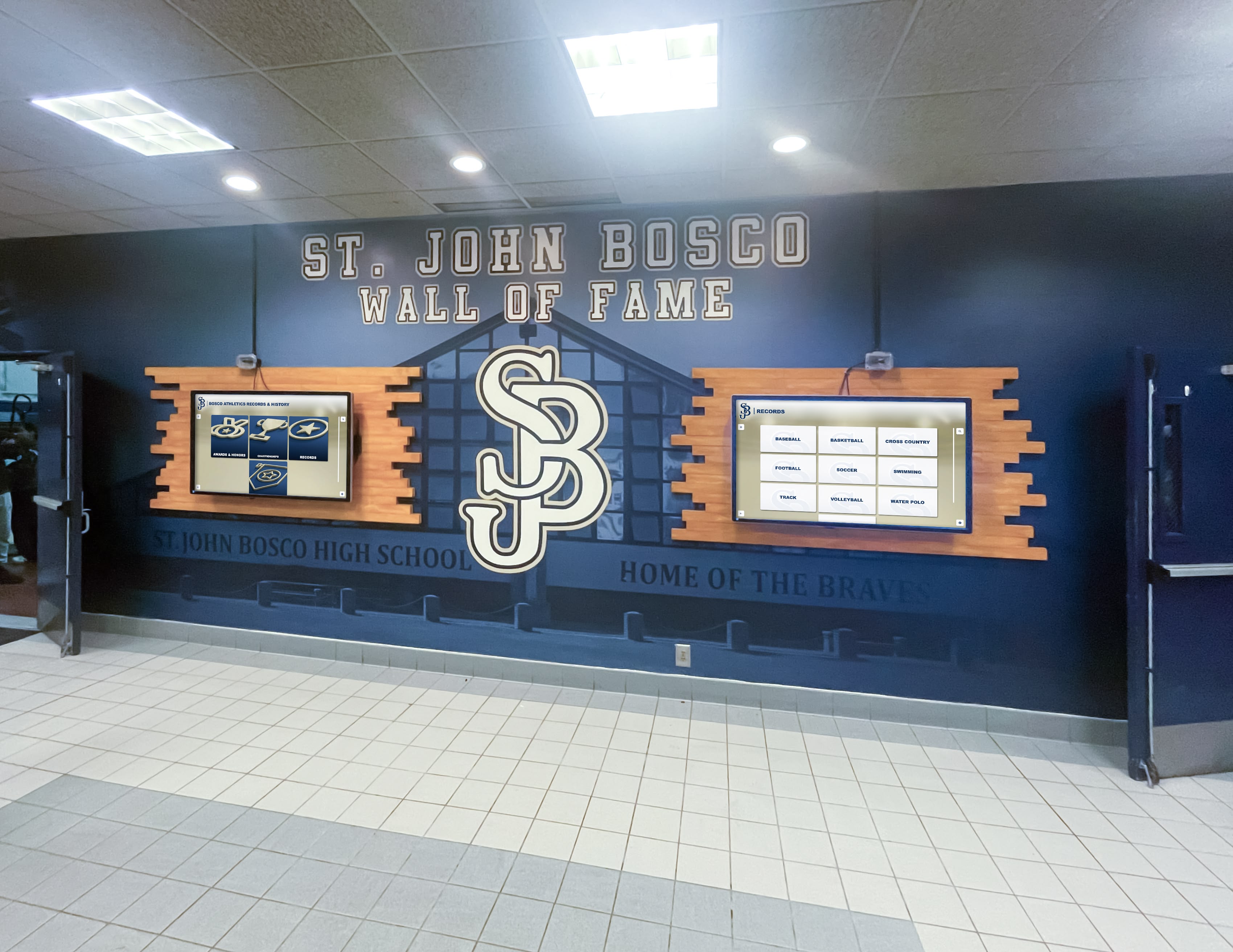
Sponsor recognition on digital displays provides valuable visibility supporting fundraising relationships
Setting Fundraising Goals and Priorities
Clear objectives focus efforts effectively:
Needs Assessment Process
Work with athletic directors to identify:
- Critical equipment replacement needs and safety priorities
- Facility improvement opportunities enhancing program quality
- Transportation and travel support for competitive opportunities
- Coaching and training resources improving athlete development
- Recognition programs celebrating achievements appropriately
- Emergency reserves for unexpected needs or opportunities
Multi-Year Capital Planning
Major projects require extended fundraising:
- Phased approach breaking large projects into achievable milestones
- Matching grant strategies leveraging institutional or external funding
- Named giving opportunities for major donor recognition
- Progress tracking and transparent communication maintaining momentum
- Celebration events marking completion and donor appreciation
Explore capital campaign strategies for major booster club fundraising initiatives.
Step 4: Managing Volunteer Operations
Systematic volunteer coordination prevents burnout while maximizing community engagement.
Building Volunteer Teams
Distributed responsibility creates sustainability:
Committee Structure
Organize volunteers around specific functions:
Fundraising Committee
- Event planning and execution
- Sponsorship solicitation and stewardship
- Product campaign coordination
- Online fundraising platform management
- Donor communication and recognition
Communications Committee
- Newsletter production and distribution
- Social media content and community management
- Website maintenance and updates
- Press releases and media relations
- Photography and videography documentation
Concessions Committee
- Volunteer scheduling for game-day operations
- Inventory management and purchasing
- Equipment maintenance and facility cleanliness
- Health department compliance
- Revenue tracking and reporting
Facilities and Equipment Committee
- Maintenance project coordination
- Equipment needs assessment and purchasing
- Facility improvement planning and execution
- Volunteer workday organization
- Vendor relationship management
Recognition and Awards Committee
- Banquet planning and execution
- Award selection and presentation
- Digital recognition content development
- Senior recognition coordination
- Season-end celebrations
Volunteer Recruitment and Retention
Sustainable programs require systematic volunteer engagement:
Recruitment Strategies
Build volunteer base through:
- New family orientation connecting booster club with athletic program participation
- Specific opportunity descriptions clarifying commitments and expectations
- Flexible involvement levels accommodating various availability
- Family-friendly volunteer activities enabling children’s participation
- One-time opportunities for those unable to commit long-term
- Skills-based recruitment matching professional expertise with organizational needs
Retention Approaches
Keep volunteers engaged through:
- Clear role descriptions preventing scope creep and unrealistic expectations
- Adequate support and resources enabling successful task completion
- Regular appreciation and recognition celebrating contributions publicly
- Social activities building relationships and community among volunteers
- Leadership development preparing members for expanded roles
- Feedback opportunities allowing volunteers to shape programs
According to volunteer management research, the primary reasons volunteers discontinue involvement are feeling unappreciated, experiencing unclear expectations, and encountering disorganized programs. Systematic approaches addressing these factors substantially improve retention.
Volunteer Recognition Programs
Acknowledge contributions through:
- Annual volunteer appreciation events
- Public recognition at athletic events and banquets
- Digital recognition displays showcasing volunteer leadership
- Personalized thank-you notes from student-athletes
- Service hour tracking and milestone celebrations
- Volunteer of the year awards highlighting exceptional contributions
- Alumni volunteer programs honoring sustained service
Learn about digital recognition displays that can celebrate both donors and volunteers effectively.
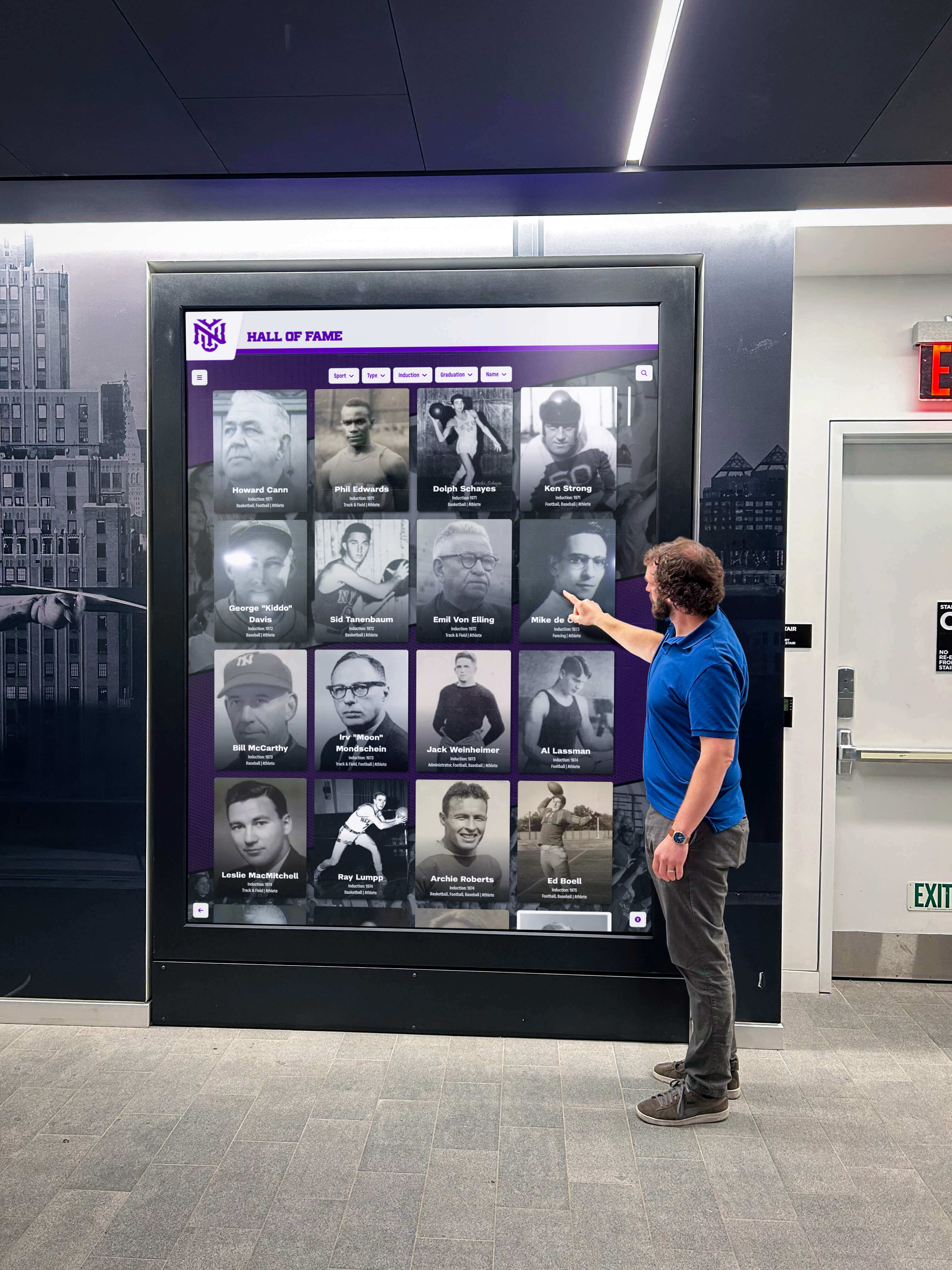
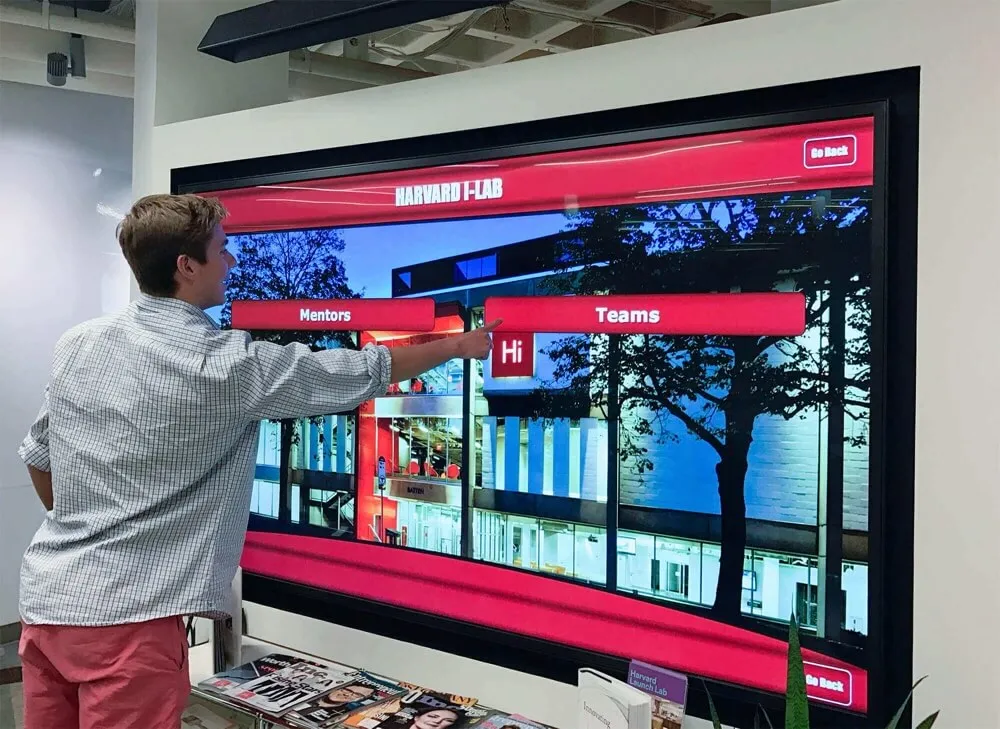
Interactive recognition displays can showcase volunteer contributions alongside athletic achievements, strengthening community engagement
Managing Volunteer Logistics
Operational systems streamline coordination:
Scheduling and Sign-Up Systems
Technology simplifies volunteer management:
- Online scheduling platforms with automated reminders
- Mobile-friendly access enabling convenient sign-up
- Shift descriptions clarifying responsibilities and expectations
- Substitute coordination for last-minute conflicts
- Communication tools for shift-specific updates
- Attendance tracking and hour logging
Training and Orientation
Prepare volunteers for success:
- Role-specific training for technical or specialized tasks
- School district requirement compliance (background checks, SafeSport certification)
- Orientation to facilities, equipment, and procedures
- Mentorship pairing new volunteers with experienced members
- Reference materials and job aids for complex tasks
- Regular refresher training for procedural updates
Safety and Compliance
Protect volunteers and participants through:
- Background check requirements for volunteers working with minors
- SafeSport or similar abuse prevention training
- Concession food safety certifications
- Liability insurance coverage verification
- Emergency procedures and contact information
- Incident reporting protocols
Step 5: Implementing Recognition Programs
Comprehensive recognition celebrates achievements while strengthening community pride and booster club value.
Creating Athletic Recognition Systems
Systematic celebration honors accomplishments appropriately:
Digital Recognition Platforms
Modern technology enables unlimited recognition:
- Interactive touchscreen displays showcasing unlimited athletes across all sports
- Comprehensive profiles with photos, statistics, and achievement details
- Searchable databases enabling exploration by sport, year, or individual
- Web accessibility extending recognition beyond physical campus
- Social sharing capabilities amplifying celebration
- Historical archives preserving program legacy permanently
Solutions like Rocket Alumni Solutions provide comprehensive platforms specifically designed for athletic recognition, combining intuitive content management with engaging displays and web directories ensuring maximum community accessibility and impact while remaining administratively sustainable for volunteer-run booster clubs.
Traditional Recognition Elements
Complement digital systems with tangible recognition:
- Award plaques and trophies for individual and team achievements
- Banner displays celebrating championships and milestones
- Senior recognition programs honoring graduating athletes
- Hall of fame inductions celebrating distinguished alumni
- Letter jackets and awards recognizing participation and excellence
- Team photos and display boards documenting seasons
Balanced Recognition Philosophy
Ensure equitable celebration:
- All sports receive comparable recognition opportunities regardless of prominence
- Individual excellence alongside team achievements
- Effort and improvement alongside outcome-based accomplishments
- Academic achievements integrated with athletic success
- Character and leadership recognition beyond performance metrics
- Multiple athletes from each team rather than only stars
Research on student motivation demonstrates that recognition systems perceived as equitable and attainable create stronger motivational impact than programs celebrating only exceptional achievements, suggesting balanced approaches serve broader athletic program goals more effectively.
Discover comprehensive athletic hall of fame programs that booster clubs can support and sustain.
Planning Recognition Events
Ceremonial celebrations create community connection:
Annual Athletic Banquet
Major recognition event typically includes:
- Individual and team award presentations
- Coach recognition and appreciation
- Senior athlete tributes and future plans announcements
- Video highlight reels and photo slideshows
- Guest speaker providing inspiration and perspective
- Volunteer and booster club recognition
- Fundraising components through ticket sales and sponsorships
Season-Specific Recognition
Sport-focused celebrations during or after seasons:
- Senior night ceremonies honoring graduating athletes
- Championship celebrations following title achievements
- End-of-season team parties combining social and recognition elements
- Parent appreciation events acknowledging family support
- Multi-sport showcases highlighting athletes participating in several programs
Community Recognition Opportunities
Extend celebration beyond athletic community:
- School board recognition of championship teams
- City council proclamations for exceptional achievements
- Local media coverage and features
- Community event participation (parades, festivals)
- Business partner recognition displays
- Social media celebration campaigns
Learn about effective banquet program planning that creates memorable recognition experiences.
Integrating Donor Recognition
Acknowledge support funding athletic excellence:
Donor Recognition Levels
Tiered acknowledgment includes:
- Named giving opportunities for major facility or equipment contributions
- Recognition walls or displays celebrating cumulative support
- Program book acknowledgments listing annual donors
- Social media features highlighting sponsor partnerships
- Event recognition during banquets and ceremonies
- Digital display sponsor rotations at athletic events
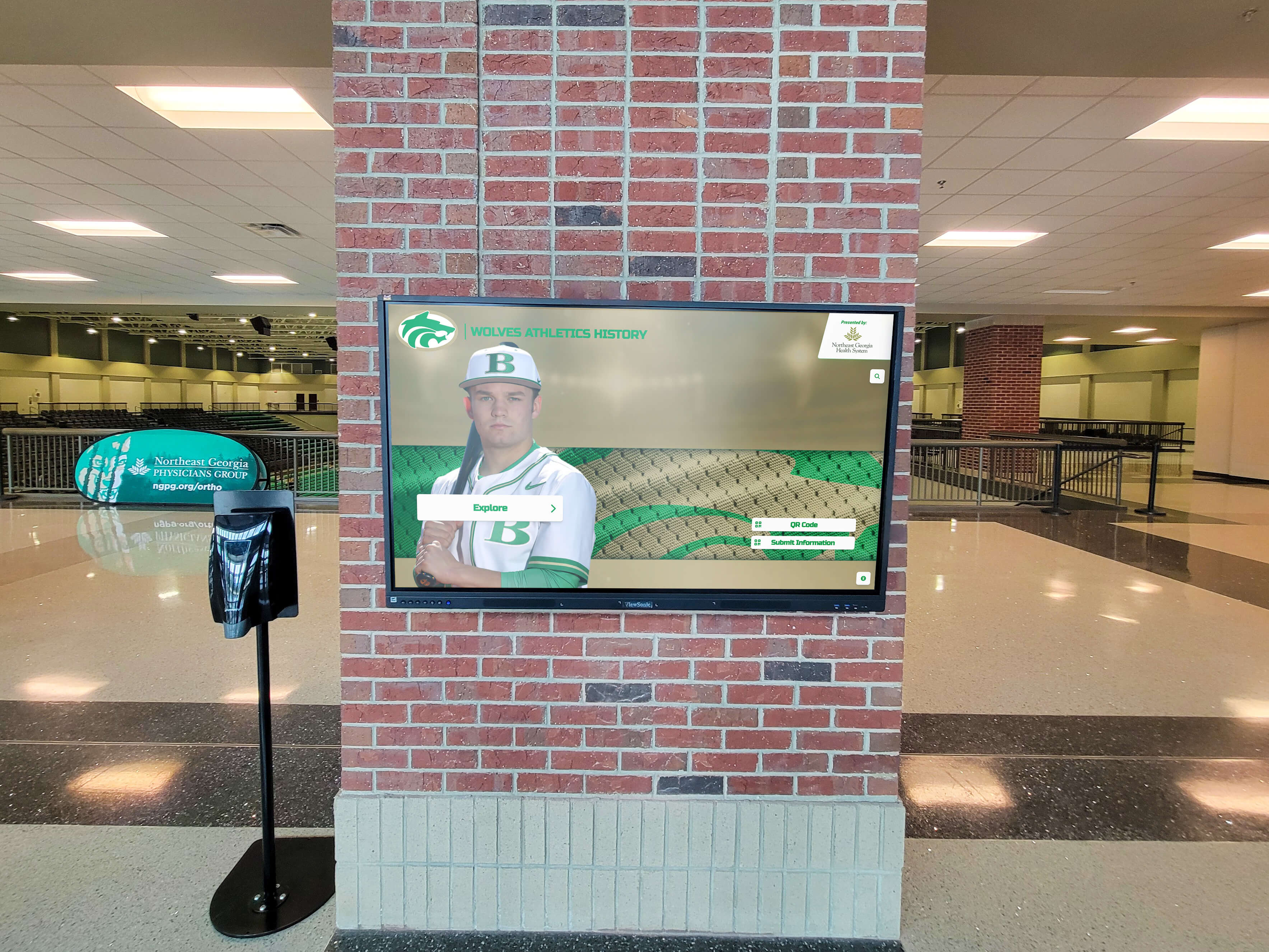
Recognition displays in athletic facilities celebrate both athlete achievements and donor contributions supporting program excellence
Stewardship Communication
Maintain donor relationships through:
- Impact reports showing how contributions support student-athletes
- Photo documentation of purchased equipment or improvements
- Athlete thank-you notes acknowledging donor generosity
- Invitation to exclusive events or behind-the-scenes experiences
- Annual reports celebrating collective community impact
- Personal communication from leadership expressing appreciation
Effective donor stewardship creates sustained giving relationships rather than transactional contributions, with research showing that donors who receive meaningful recognition and impact communication give at substantially higher rates over extended periods.
Step 6: Ensuring Long-Term Sustainability
Strategic planning creates booster clubs that thrive beyond initial enthusiasm.
Developing Leadership Succession
Prevent organizational disruption through systematic transitions:
Succession Planning Elements
Continuity requires:
- Staggered leadership terms preventing complete turnover simultaneously
- Vice president roles explicitly preparing future presidents
- Mentorship programs pairing experienced leaders with potential successors
- Documentation of procedures, contacts, and institutional knowledge
- Cross-training ensuring multiple people understand critical functions
- Recognition of outgoing leaders honoring service while celebrating transitions
Knowledge Transfer Systems
Preserve organizational memory through:
- Procedure manuals documenting routine operations and annual cycles
- Contact databases maintaining vendor, donor, and stakeholder relationships
- Financial records and historical budgets informing future planning
- Event planning templates and checklists standardizing execution
- Digital file organization enabling easy access to resources
- Annual transition meetings between outgoing and incoming leadership
Building Leadership Pipeline
Develop future leaders systematically:
- Committee chair positions preparing members for officer roles
- Leadership development workshops building necessary skills
- Graduated responsibility pathways from volunteer to leader
- External training opportunities through state athletic associations
- Networking with leaders from other successful booster clubs
- Recognition of leadership potential through appointment to key projects
Maintaining Financial Health
Long-term viability requires prudent financial management:
Reserve Fund Development
Financial stability needs:
- Operating reserves covering 3-6 months of typical expenses
- Equipment replacement funds for predictable capital needs
- Opportunity funds enabling response to unexpected needs or timing-sensitive chances
- Risk management reserves for potential liability or loss events
- Restricted funds designated for specific major projects
- Investment policies for funds not needed immediately
Revenue Diversification
Reduce dependency through:
- Multiple fundraising approaches rather than single major event
- Balanced mix of recurring revenue (memberships) and variable income (events)
- Corporate sponsorships supplementing individual donations
- Endowment development for programs with substantial alumni networks
- Grant applications to foundations supporting youth athletics
- Creative partnerships generating sustainable revenue streams
Cost Management
Maximize program impact through:
- Volunteer utilization minimizing paid service expenses
- Bulk purchasing and vendor negotiations reducing equipment costs
- Facility use agreements avoiding rental expenses
- In-kind donations supplementing cash contributions
- Technology leverage reducing administrative overhead
- Regular expense review identifying efficiency opportunities
Explore comprehensive donor wall strategies that recognize sustained support while encouraging continued giving.
Building Institutional Relationships
Strong school partnerships ensure organizational longevity:
Collaborative Decision-Making
Partnership requires:
- Regular communication with athletic directors about program needs and priorities
- Transparency in financial planning and major expenditure decisions
- Respect for institutional authority in athletic program management
- Alignment of booster priorities with school strategic plans
- Responsiveness to school concerns or requests
- Professional conduct maintaining positive working relationships
Value Demonstration
Build administrative support through:
- Impact documentation showing concrete student-athlete benefits from booster support
- Financial transparency demonstrating responsible stewardship
- Compliance excellence with all district policies and legal requirements
- Recognition of school leadership acknowledging partnership
- Community building that strengthens broader institutional support
- Problem-solving orientation addressing school needs proactively
Managing Conflicts
Inevitable disagreements require:
- Direct communication addressing concerns promptly
- Focus on shared goals rather than positional disputes
- Willingness to compromise finding mutually acceptable solutions
- Escalation procedures for unresolved issues
- Documentation of agreements preventing future misunderstandings
- Relationship preservation prioritizing long-term collaboration
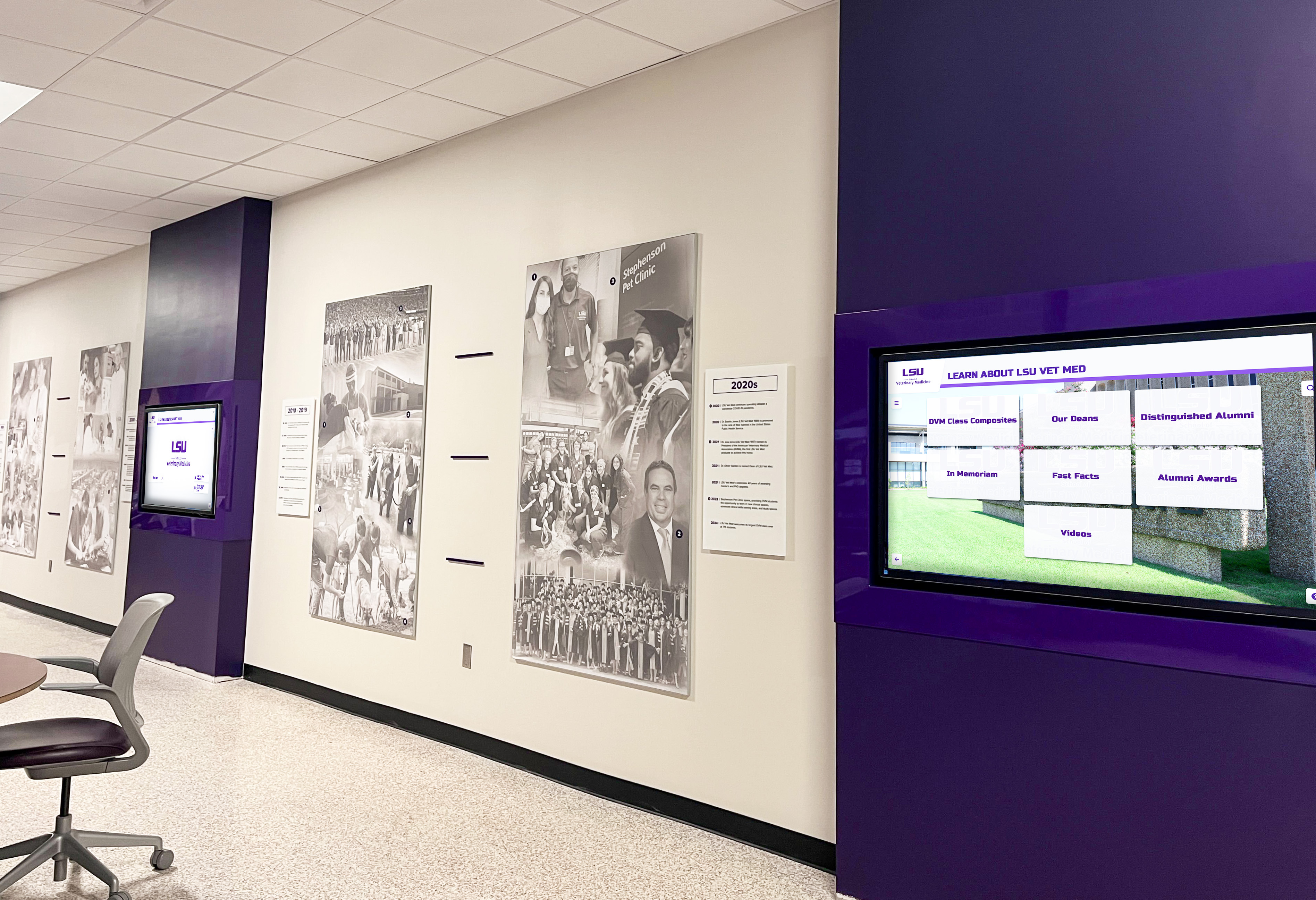
Successful booster clubs partner with schools to create comprehensive recognition programs enhancing facilities and celebrating excellence
Avoiding Common Booster Club Pitfalls
Learning from typical challenges prevents organizational struggles:
Financial Management Issues
Protect organizational integrity through:
Preventing Common Problems
- Inadequate financial controls enabling misappropriation or fraud
- Poor record-keeping creating tax compliance problems
- Restricted fund violations using designated donations improperly
- Excessive spending without adequate board oversight
- Lack of transparency eroding donor confidence
- Inadequate insurance exposing organization and individuals to liability
Solutions and Best Practices
- Implement dual-signature requirements and regular audits
- Maintain comprehensive records and timely reporting
- Honor donor restrictions and document fund usage appropriately
- Require board approval for significant expenditures
- Publish regular financial reports to full membership
- Secure appropriate insurance coverage for organizational activities
Volunteer Burnout and Turnover
Sustain organizational capacity by:
Recognizing Warning Signs
- Same individuals handling most responsibilities repeatedly
- Declining volunteer participation in activities and events
- Leadership unwillingness to continue beyond current terms
- Increasing complaints about workload and time demands
- Quality deterioration in programs and activities
- Growing reliance on paid services for tasks previously volunteer-managed
Prevention Strategies
- Distribute responsibilities across larger volunteer base
- Set realistic expectations about time commitments
- Provide adequate resources and support for volunteers
- Celebrate contributions publicly and frequently
- Create social aspects making involvement enjoyable
- Build leadership pipeline ensuring sustainable transitions
Mission Creep and Scope Expansion
Maintain focus through:
Avoiding Common Drift
- Taking on non-athletic activities beyond organizational mission
- Supporting individual athletes or teams inequitably
- Involvement in coaching or playing time decisions
- Political activities or advocacy beyond athletic support
- Excessive social programming diluting fundraising focus
- Facility projects beyond booster club capacity or authority
Staying Mission-Focused
- Regular review of activities against stated organizational purpose
- Clear policies defining appropriate and inappropriate activities
- School partnership ensuring alignment with institutional priorities
- Board discussion before adding new programs or commitments
- Willingness to decline requests beyond organizational scope
- Annual goal-setting maintaining strategic direction
Learn about comprehensive approaches to academic and athletic recognition that booster clubs can support effectively.
Conclusion: Building Lasting Athletic Program Support
Starting a successful booster club transforms casual parent involvement into organized community support that provides essential resources, strengthens relationships, and creates sustainable excellence benefiting student-athletes for generations. When schools establish structured organizations with clear governance, transparent financial management, diversified fundraising, systematic volunteer coordination, and comprehensive recognition programs, they build athletic program support systems delivering value far exceeding what institutional budgets alone can provide.
The step-by-step framework provided in this guide offers comprehensive approaches to booster club formation addressing legal structure, operational systems, fundraising strategy, volunteer management, recognition programs, and long-term sustainability. From establishing appropriate organizational frameworks and recruiting capable leadership to implementing diverse revenue streams and creating meaningful athletic recognition, these proven strategies enable booster clubs that thrive through leadership transitions, economic challenges, and evolving program needs.
Ready to start your booster club and transform athletic program support? Successful organizations combine strong governance, transparent finances, engaged volunteers, and comprehensive recognition celebrating both athletic achievements and community contributions. Solutions like Rocket Alumni Solutions provide digital recognition platforms specifically designed for athletic programs, enabling booster clubs to showcase unlimited athletes, celebrate achievements comprehensively, and recognize donor support through engaging displays and web platforms that strengthen community connections while remaining administratively sustainable for volunteer leadership.
Whether you’re forming your first booster club or revitalizing an existing organization, success requires clear mission focus, professional operational systems, collaborative school relationships, and genuine commitment to student-athlete benefit rather than adult agendas.
Your athletic program deserves organized community support that enhances student experiences, strengthens program quality, and builds lasting excellence. With thoughtful planning, appropriate organizational structure, systematic operations, and sustained volunteer commitment, you can create a booster club that becomes integral to athletic program success—providing resources, building community, and celebrating achievements that motivate student-athletes to pursue their highest potential.
The most important factors aren’t initial funding, facility quality, or program history—they’re authentic commitment to student-athlete benefit, transparent and professional operations earning community trust, and sustained effort maintaining organizational excellence through leadership transitions and changing circumstances. Your student-athletes invest countless hours developing their athletic talents; investing in organized support through a well-structured booster club represents appropriate acknowledgment and strategic enhancement of their experiences.
Start planning your booster club today, follow proven organizational best practices, build collaborative school relationships, and create the sustainable athletic program support your community deserves. The student-athletes you serve will benefit for years to come from the foundation you establish.