



Landing on the Dean’s List represents significant academic achievement—but only if hiring managers actually notice it on your resume. The difference between a Dean’s List mention that strengthens your candidacy and one that gets overlooked comes down to strategic placement, clear formatting, and knowing exactly when this academic honor adds the most value. Whether you’re a recent graduate competing for your first professional role, a student applying for competitive internships, or someone transitioning careers who wants to highlight continued excellence, understanding how to present Dean’s List recognition effectively transforms this achievement from a simple line item into compelling evidence of your capability, consistency, and work ethic.
Most students who earned Dean’s List recognition struggle with the same questions: Does this honor belong in Education or a separate Honors section? Should you list every semester or summarize the achievement? What format makes employers take notice without seeming like you’re padding your resume? And perhaps most importantly—when does Dean’s List strengthen your application versus when does it become irrelevant clutter that wastes precious resume real estate?

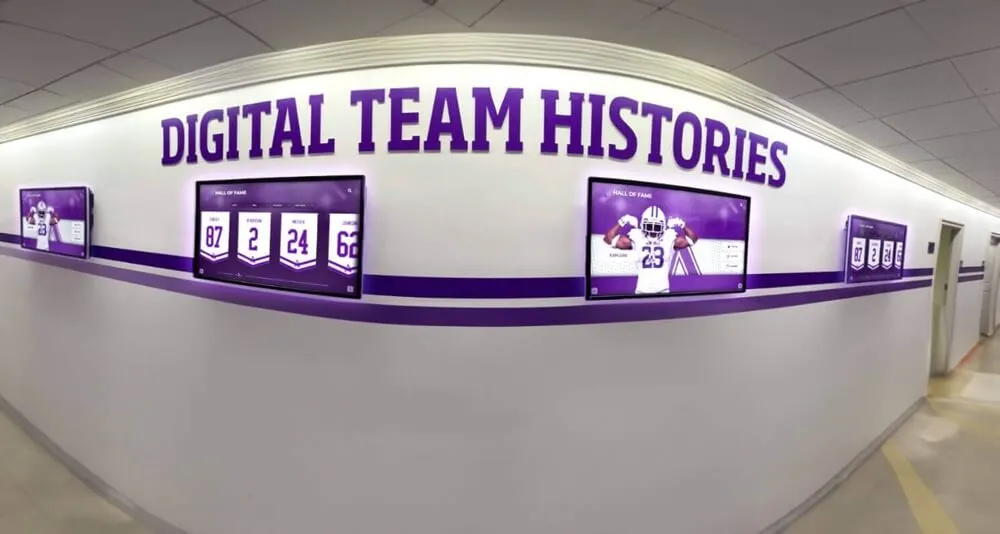
Dean's List recognition represents verifiable academic achievement that employers value—when presented strategically
This comprehensive guide provides specific formatting examples, placement strategies for different career stages, and decision frameworks helping you determine whether Dean’s List belongs on your resume—and exactly how to present it for maximum impact.
Resume Snapshot: Dean’s List Presentation Fundamentals
Understanding the basic parameters helps you make informed decisions about including Dean’s List recognition on your resume.
| Element | Best Practice | Why It Matters |
|---|---|---|
| When to Include | First 5 years post-graduation, GPA above 3.5, limited work experience | Relevance diminishes as professional experience grows |
| Where to Place | Education section or dedicated Honors & Awards section | Placement depends on how recently you graduated and overall resume strength |
| How to Format | “Dean’s List, [University Name], [Semester/Year or “All Semesters”]” | Clear, concise formatting that’s scannable by applicant tracking systems (ATS) |
| Level of Detail | Specify GPA requirement if impressive (e.g., “top 10%”), include frequency | Context helps employers understand selectivity and consistency |
| Verification | Institution name and timeframe enable employer verification | Specifics build credibility and prevent resume fraud concerns |
| ATS Optimization | Use standard terminology: “Dean’s List” not “Dean’s Honor Roll” or creative variations | Resume screening software looks for exact keyword matches |
Where to Put Dean’s List on Your Resume: Section Placement Strategies
The optimal location for Dean’s List recognition depends on your graduation timeline, overall experience level, and the strength of your other qualifications.
Option 1: Within Your Education Section (Most Common)
For recent graduates (0-3 years post-graduation) with limited professional experience, embedding Dean’s List directly in your Education section keeps related information together while maximizing visibility.
Format Example:
EDUCATION

Bachelor of Science in Marketing
University of Wisconsin-Madison, Madison, WI
Graduated: May 2024 | GPA: 3.78/4.0
Dean's List: Fall 2021, Spring 2022, Fall 2022, Spring 2023, Fall 2023 (5 semesters)
This placement works well because:
- Hiring managers naturally look at Education section for recent graduates
- Keeps all academic credentials consolidated
- The GPA provides immediate context for the Dean’s List achievement
- Specific semesters demonstrate consistency rather than a one-time achievement
Alternative Condensed Format:
Bachelor of Arts in Psychology
Boston University, Boston, MA | May 2025
GPA: 3.82/4.0 | Dean's List: All semesters (minimum 3.5 GPA required)
This streamlined approach works when resume space is limited and you achieved Dean’s List consistently throughout your college career.

Verifiable academic records like Dean's List provide concrete evidence of sustained performance
Option 2: Dedicated Honors & Awards Section
Creating a separate “Honors & Awards” or “Academic Achievements” section makes sense when:
- You have multiple significant honors beyond Dean’s List (scholarships, academic competitions, recognition program awards)
- You’re 3-5 years post-graduation and want to highlight academic excellence without overemphasizing education
- Your degree is from a less competitive program, but strong academic performance demonstrates capability
- You’re applying to graduate programs where academic credentials carry extra weight
Format Example:
HONORS & AWARDS

Dean's List, Northwestern University – 6 of 8 semesters (top 10% of class)
Presidential Scholarship – $15,000 merit-based award, 2021-2024
Phi Kappa Phi Honor Society – Inducted Junior Year based on academic excellence
Outstanding Marketing Student Award – Department recognition, Spring 2024
This dedicated section creates a “credibility cluster” where multiple achievements reinforce each other, making your overall academic excellence more impressive than any single line item.
Option 3: Summary or Profile Section (Advanced)
Experienced professionals (5+ years post-graduation) rarely include Dean’s List in traditional sections, but might reference academic excellence in a resume summary when relevant:
Example:
PROFESSIONAL SUMMARY

Results-driven data analyst with 6+ years translating complex datasets into actionable business strategies. Consistent academic performer (Dean's List, Cornell University) who brings the same analytical rigor and attention to detail to solving business challenges. Proven track record increasing operational efficiency 23% through predictive modeling and advanced statistical analysis.
This approach works only when academic achievement directly reinforces professional capabilities—analytical fields, research positions, or roles where intellectual horsepower matters significantly.
How to Format Dean’s List on Your Resume: Specific Examples
The exact wording and structure of your Dean’s List entry affects both human readers and applicant tracking systems screening your resume.
Basic Format Templates
Template 1: Frequency-Based (Most Recommended)
Dean's List: [Number] of [Total] semesters | [University Name]
Example: Dean's List: 7 of 8 semesters | University of Michigan
Why it works: Demonstrates consistency over time, which impresses employers more than a single semester achievement. Shows sustained performance rather than a one-time spike.
Template 2: Percentage-Based (When Highly Selective)
Dean's List (top [X]% of class), [University Name] – [Timeframe]
Example: Dean's List (top 5% of class), UCLA – All undergraduate semesters
Why it works: Quantifies selectivity, helping employers understand achievement significance. Particularly effective when Dean’s List requirements at your institution are more stringent than typical (many schools set the bar at top 10-20%).
Template 3: GPA Threshold Format
Dean's List, [University Name] ([Minimum GPA] required) – [Frequency]
Example: Dean's List, Penn State University (3.5 GPA required) – 6 consecutive semesters
Why it works: Provides context for employers unfamiliar with Dean’s List criteria. The specific GPA requirement makes the achievement concrete and verifiable.

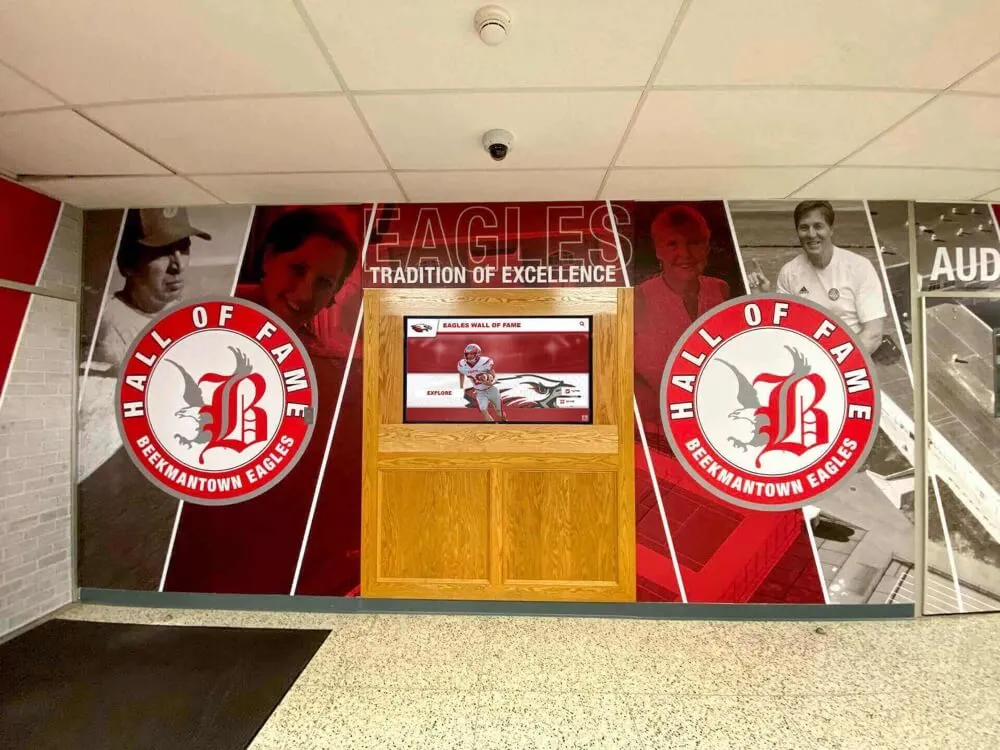
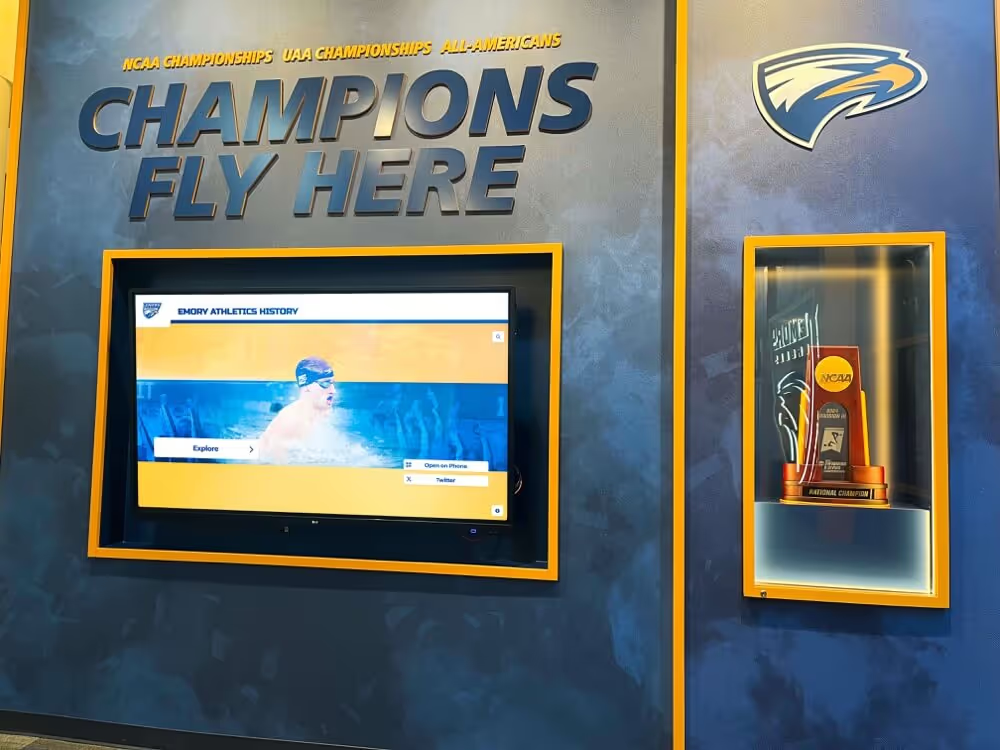
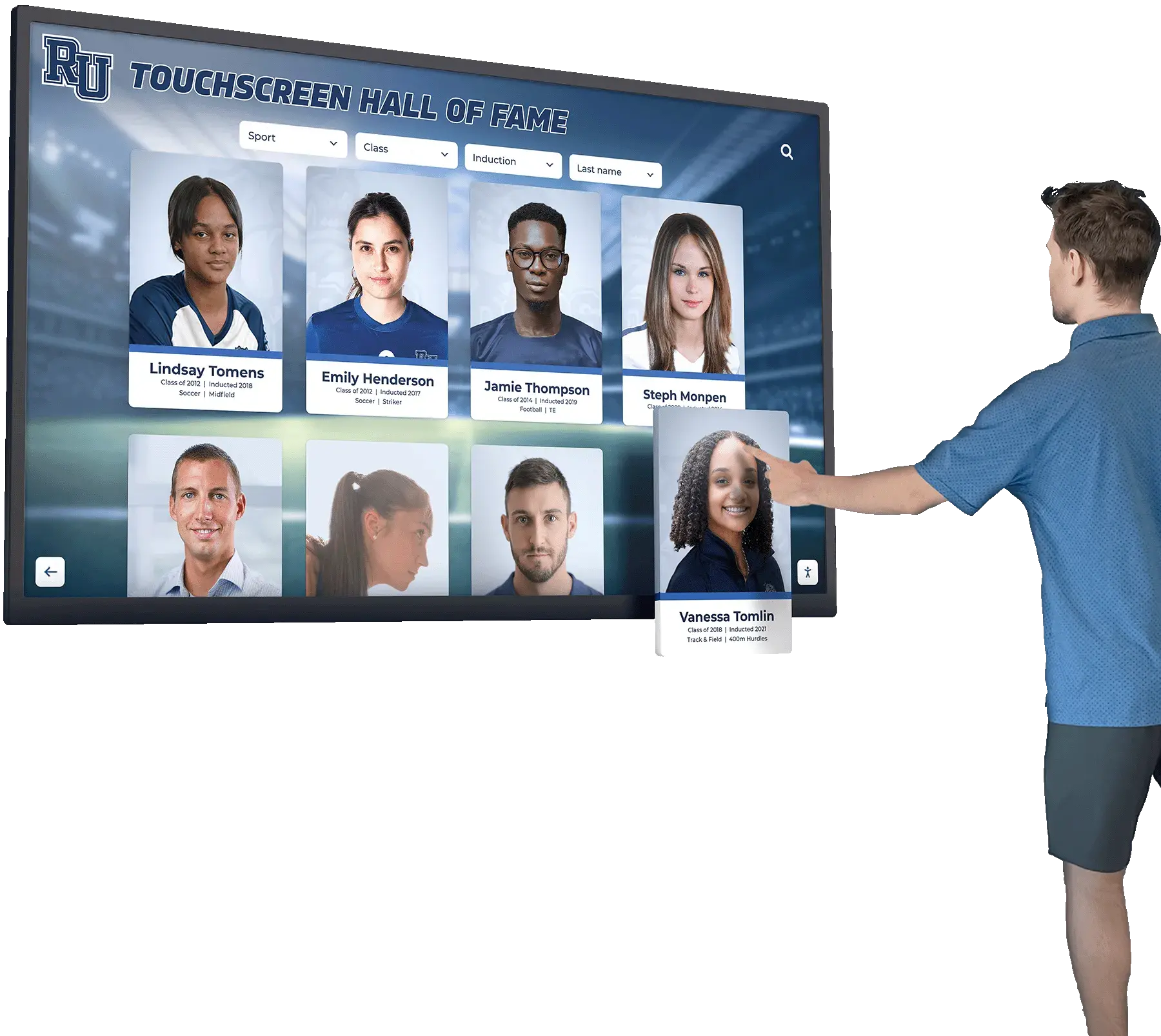
Schools increasingly use [digital recognition displays](https://touchwall.us/blog/digital-recognition-display-launch-strategy/?utm_source=organic&utm_medium=seo-auto&utm_content=halloffameonline&utm_campaign=how-to-put-dean-s-list-on-resume&utm_term=seo) to celebrate academic achievement—creating permanent, verifiable records students can reference
What NOT to Do: Common Formatting Mistakes
❌ Avoid vague references:
- “Consistent academic excellence” (too generic)
- “Multiple semesters of Dean’s List” (be specific)
- “High academic achievement” (meaningless without context)
❌ Don’t use creative variations:
- “Dean’s Honor Roll” (unless that’s your school’s exact terminology)
- “Academic Dean’s Recognition”
- “Dean’s Scholar”
Use the exact terminology your institution uses—typically “Dean’s List”—to ensure ATS systems recognize the keyword.
❌ Skip outdated achievements:
- Listing Dean’s List from 15 years ago when you have 10+ years professional experience
- Including it when your professional accomplishments far outweigh academic ones
✅ Do include specific details:
- Exact semesters or “all semesters”
- GPA if above 3.5
- Selectivity percentage if available
- University name
When Dean’s List Strengthens Your Resume (And When to Remove It)
Strategic inclusion means understanding when Dean’s List adds value versus when it’s irrelevant or even counterproductive.
Include Dean’s List When:
1. You’re a Recent Graduate (0-5 Years Post-Graduation)
Fresh graduates need every differentiator. Dean’s List signals work ethic, time management, and intellectual capability—especially important when professional experience is limited.
2. Your Work Experience is Limited
Career changers, those returning to the workforce, or professionals with employment gaps can leverage academic achievement to demonstrate capability and consistency.
3. Your GPA is Strong (3.5+)
Dean’s List paired with a high GPA creates a powerful credibility signal. If your GPA is below 3.5, consider whether including Dean’s List draws attention to a mediocre academic record.
4. You’re Applying to Graduate Programs
Academic credentials carry extra weight for graduate school applications. Dean’s List demonstrates you can handle rigorous coursework—a key success predictor for advanced degrees.
5. The Position Values Academic Excellence
Research positions, analytical roles, competitive graduate programs, academic achievement-focused organizations, and roles at prestigious firms that recruit heavily from top academic programs all value demonstrated scholarly achievement.
6. You Have Limited Professional Achievements
If your work experience section feels thin, academic honors fill the gap and demonstrate excellence in something measurable.
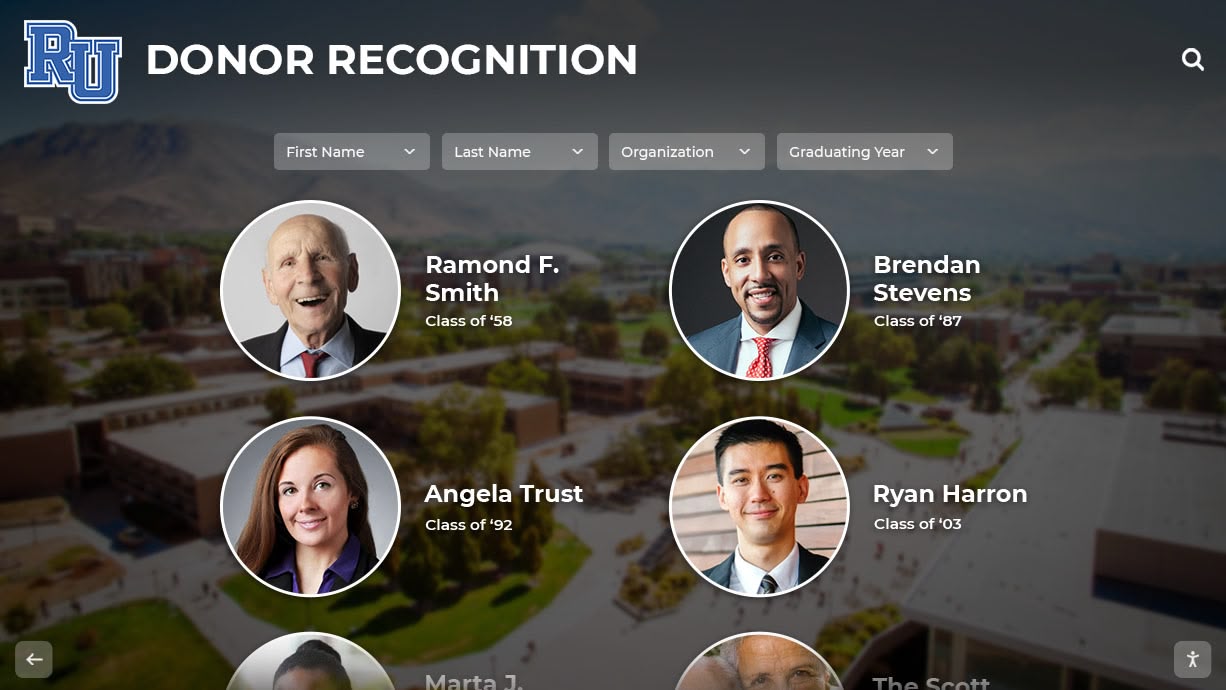
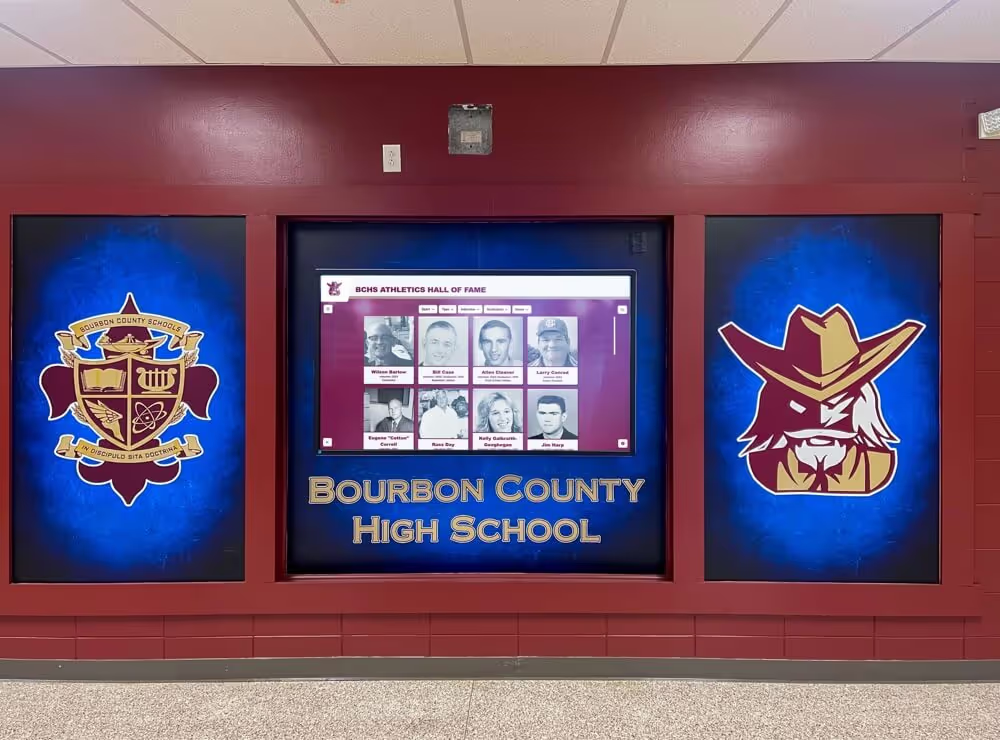
Universities increasingly showcase alumni achievements through [interactive recognition programs](https://digitalrecordboard.com/blog/donation-honor-wall-guide/?utm_source=organic&utm_medium=seo-auto&utm_content=halloffameonline&utm_campaign=how-to-put-dean-s-list-on-resume&utm_term=seo) that provide permanent, shareable proof of academic excellence
Remove Dean’s List When:
1. You’re 10+ Years Post-Graduation with Substantial Experience
Professional accomplishments matter far more than college performance once you’ve established a track record. Keep resume focus on recent, relevant achievements.
2. Your Professional Achievements are Exceptional
If you’ve driven $2M in revenue growth, managed teams of 50+, or earned industry awards, Dean’s List becomes resume clutter. Let your professional excellence speak for itself.
3. You’re Changing Industries and It’s Not Relevant
A marketing professional pivoting to project management doesn’t gain much from highlighting Dean’s List in Communications 12 years ago. Focus on transferable skills and relevant certifications instead.
4. Space is Limited and Other Content is Stronger
One-page resumes require ruthless prioritization. Professional recognition, quantified achievements, and relevant certifications typically deserve space over academic honors from years past.
5. Your GPA Was Mediocre
Dean’s List with a 3.1 GPA raises questions. If you achieved Dean’s List only because you took an easy course load or grade inflation helped, it may hurt more than help. Omit your GPA entirely rather than highlighting modest academic performance.
Complete Resume Examples: Dean’s List Integration
Seeing full context helps understand how Dean’s List fits into broader resume narratives.
Example 1: Recent Graduate Resume (Strong Academic Profile)
JANE MARTINEZ
jane.martinez@email.com | (555) 123-4567 | LinkedIn: linkedin.com/in/janemartinez

EDUCATION

Bachelor of Science in Computer Science
University of Illinois Urbana-Champaign, Champaign, IL | May 2025
GPA: 3.91/4.0 | Dean's List: All 8 semesters
Relevant Coursework: Data Structures, Machine Learning, Database Systems, Software Engineering

TECHNICAL SKILLS

Languages: Python, Java, C++, JavaScript, SQL
Frameworks: React, Django, TensorFlow, Node.js
Tools: Git, Docker, AWS, MongoDB, PostgreSQL

EXPERIENCE

Software Engineering Intern | Microsoft | Redmond, WA | May 2024 - August 2024
• Developed automated testing framework reducing QA cycle time by 34%
• Collaborated with cross-functional team of 12 engineers on cloud migration project
• Presented technical solution to senior leadership resulting in $150K budget approval

[Additional experience sections...]

HONORS & AWARDS

Dean's List – University of Illinois (all 8 semesters, top 10% of College of Engineering)
Presidential Scholarship – $20,000 merit-based award, 2021-2025
ACM Programming Competition – 3rd Place Regional, 2024
Why this works: The Dean’s List appears in multiple places—briefly in Education with GPA context, then expanded in Honors & Awards with selectivity details. The “all semesters” notation emphasizes consistency.
Example 2: Mid-Career Professional (Selective Academic Highlight)
MICHAEL CHEN
michael.chen@email.com | (555) 987-6543 | Portfolio: michaelchen.com

PROFESSIONAL SUMMARY

Strategic marketing leader with 7+ years driving customer acquisition and brand growth for B2B SaaS companies. Analytical approach developed through rigorous academic training (Dean's List, Northwestern) combined with hands-on campaign optimization has delivered 156% improvement in marketing-qualified leads and $4.2M in attributed revenue.

EXPERIENCE

Senior Marketing Manager | SalesForce Solutions | Chicago, IL | 2022 - Present
[Detailed achievements...]

Marketing Specialist | TechStart Inc. | Evanston, IL | 2019 - 2022
[Detailed achievements...]

EDUCATION

Bachelor of Arts in Marketing
Northwestern University, Evanston, IL | 2019
Dean's List: 6 of 8 semesters | GPA: 3.76/4.0
Why this works: For a mid-career professional, Dean’s List appears only briefly in the Education section and gets a subtle mention in the Professional Summary to reinforce analytical capabilities. The focus stays on professional achievements.
Example 3: Graduate School Application Resume
SARAH JOHNSON
sarah.johnson@email.com | (555) 246-8135

EDUCATION

Bachelor of Science in Biology
University of California, Davis | June 2024
GPA: 3.88/4.0 | Dean's List: All semesters (top 5% of graduating class)
Honors Thesis: "CRISPR Applications in Agricultural Pest Resistance"

RESEARCH EXPERIENCE

Undergraduate Research Assistant | Molecular Biology Lab, UC Davis | 2022 - 2024
[Research details demonstrating preparedness for graduate work...]

HONORS & AWARDS

Dean's List, UC Davis – All 8 semesters (3.5 GPA minimum requirement)
Barry Goldwater Scholarship Honorable Mention – National undergraduate research recognition
Phi Beta Kappa Honor Society – Inducted Spring 2023
Best Undergraduate Research Poster – UC Davis Research Symposium, 2024
Departmental Honors in Biological Sciences
Why this works: For graduate school applications, extensive academic credentials matter. Dean’s List appears with strong context (top 5%, all semesters) and is reinforced by multiple other academic honors creating a compelling excellence narrative.
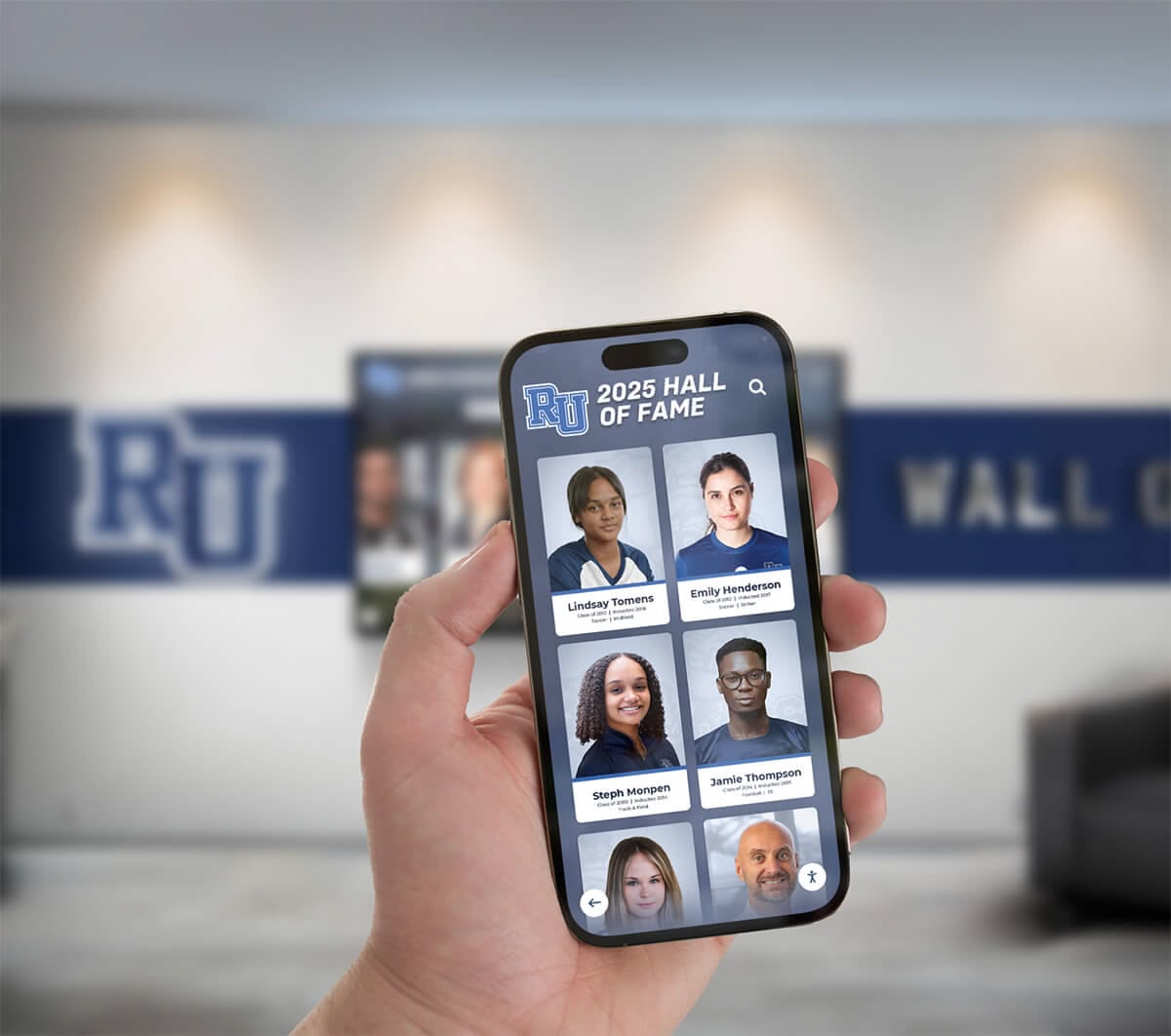
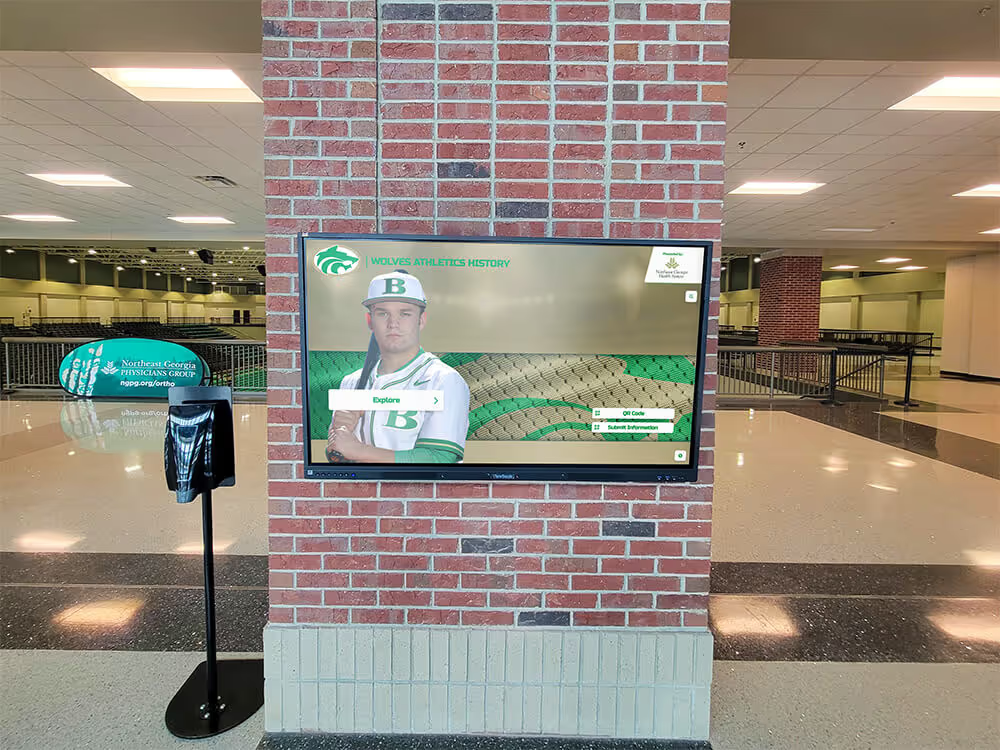
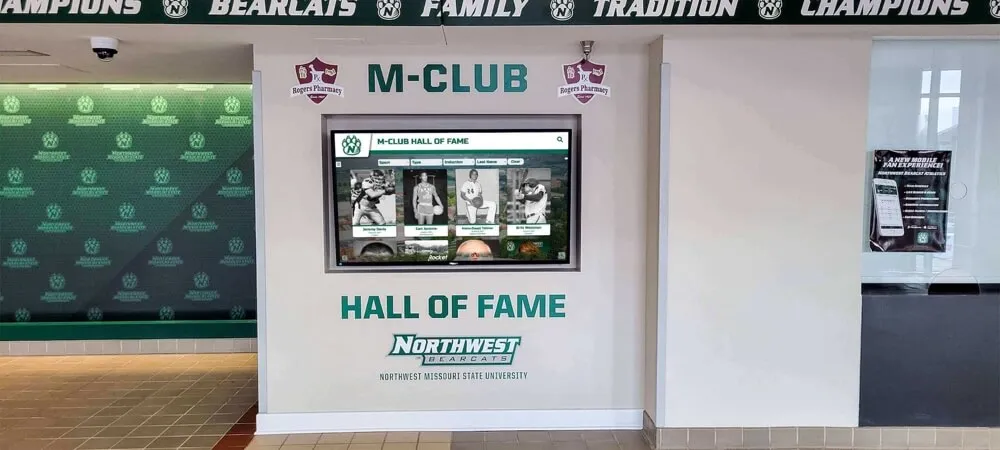
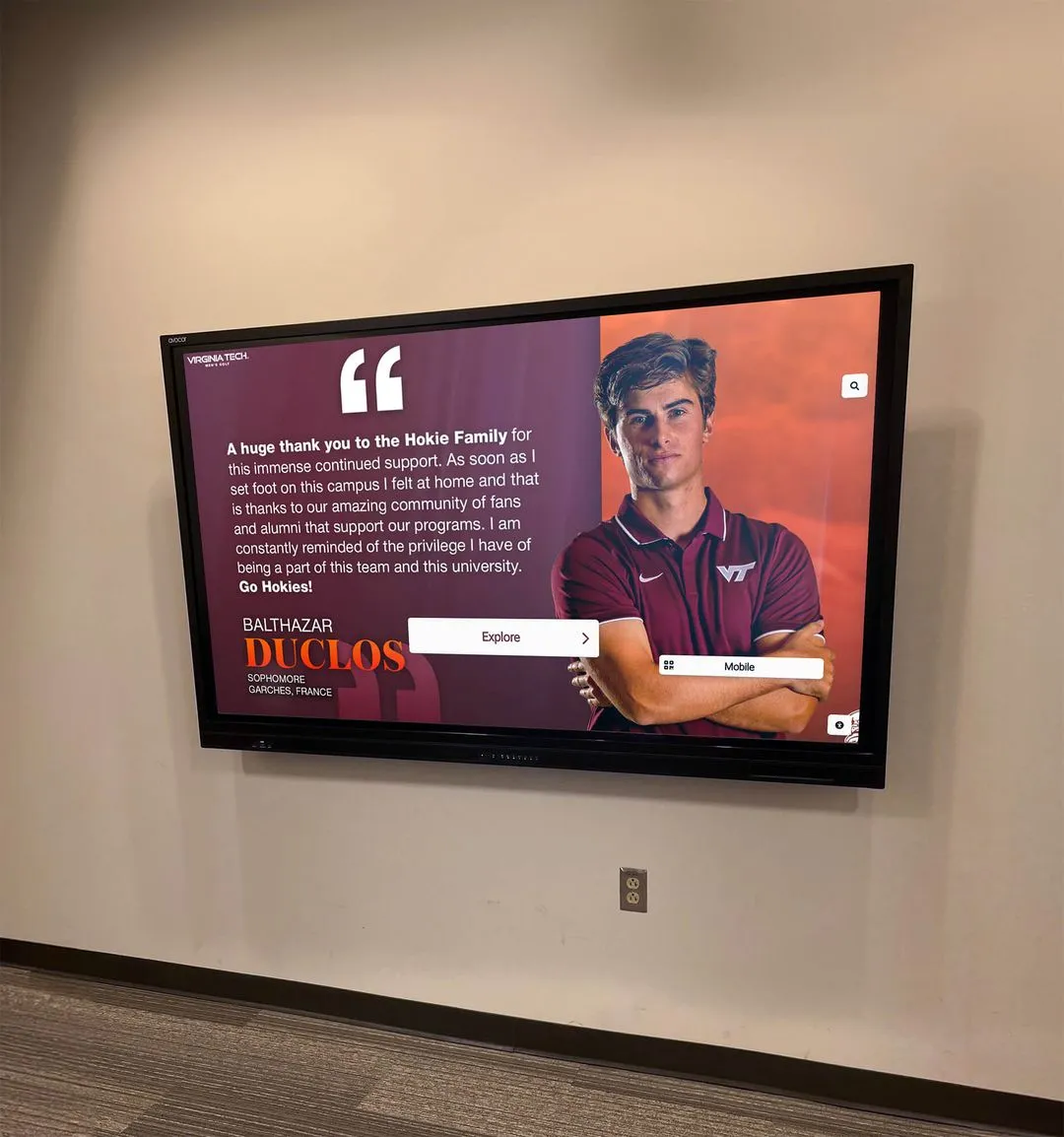
Modern universities provide digital verification of academic honors, enabling graduates to share verifiable proof of achievements like Dean's List with potential employers
Making Dean’s List Verifiable: Digital Proof That Strengthens Applications
One advantage of Dean’s List recognition over self-reported skills or claims is that it’s independently verifiable—but only if you provide enough context for employers to confirm it. Increasingly, universities offer digital verification systems that make confirming academic honors simple and credible.
Enhancing Credibility Through Digital Recognition
Forward-thinking institutions now provide graduates with permanent digital access to their academic achievement records through interactive alumni portals and recognition platforms. These systems offer:
Permanent Digital Records
- Verifiable Dean’s List documentation accessible through institutional portals
- Shareable links to official recognition pages
- QR codes on digital recognition walls students can reference in applications
- Timestamped achievement verification preventing resume fraud
Enhanced Application Materials When your university maintains digital recognition systems, you can:
- Include direct links to your Dean’s List verification in digital resume versions
- Reference your achievement on institutional recognition displays
- Provide hiring managers with immediate confirmation access
- Demonstrate tech-savvy approach to credential verification
Portfolio Integration Link to campus digital recognition displays featuring your achievements from your online portfolio or LinkedIn profile, creating visual proof of academic excellence.
Schools using platforms like Rocket Alumni Solutions provide students with permanent digital recognition that remains accessible long after graduation—turning academic honors into career-long credentials rather than static resume lines.
Optimizing Dean’s List for Applicant Tracking Systems (ATS)
Even perfectly formatted Dean’s List entries fail if resume screening software can’t parse them. Follow these ATS optimization guidelines:
ATS-Friendly Formatting Rules
Use Standard Terminology
- “Dean’s List” (most common and widely recognized)
- Not: “Dean’s Honor Roll,” “Academic Dean’s List,” “Honor Roll”
- Exception: Use your institution’s exact terminology if different
Avoid Graphics and Special Characters
- No bullet points or symbols within the Dean’s List line
- Standard text formatting only
- No tables or columns (use simple line breaks)
Include Searchable Keywords
- Institution name spelled out fully
- Degree type (Bachelor of Science, not B.S.)
- GPA if above 3.5 (common ATS screening threshold)
- Graduation year
Test Your Resume Run your resume through free ATS simulators to ensure the Dean’s List entry appears correctly in parsed versions.
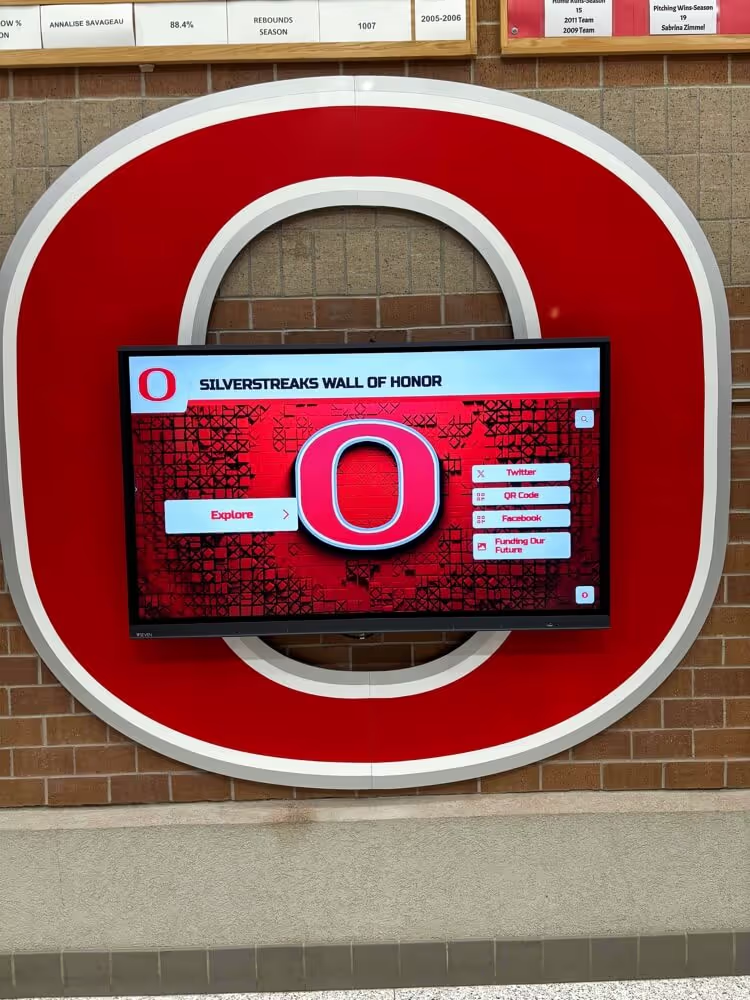
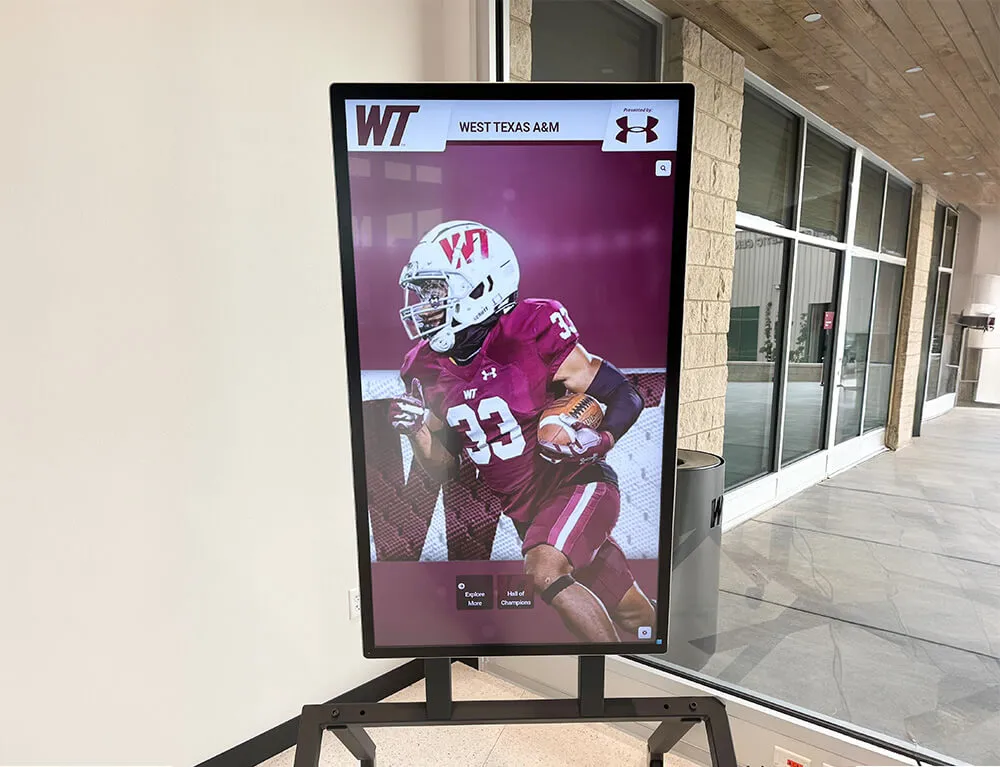
Professional achievement displays model how to present academic honors clearly and credibly—principles that translate to effective resume formatting
Additional Academic Honors to Include Alongside Dean’s List
Dean’s List gains strength when combined with complementary academic achievements. Consider including:
Complementary Academic Recognition
Merit-Based Scholarships Academic scholarships validate Dean’s List achievement while demonstrating value:
- “Presidential Scholarship – Full tuition merit award ($100,000 total value)”
- “Dean’s Scholarship – Four-year academic achievement award”
Honor Societies Selective academic societies add prestige:
- Phi Beta Kappa (top 10% of liberal arts graduates)
- Phi Kappa Phi (all disciplines honor society)
- Golden Key International Honour Society
- Major-specific honor societies (Beta Gamma Sigma for business, Tau Beta Pi for engineering)
Academic Awards Department and institutional recognition:
- Departmental honors (“Graduated with Honors in Economics”)
- Outstanding student awards
- Best thesis/capstone project recognition
- Academic competition placements
Selective Programs Competitive program admission demonstrates capability:
- Honors College participation
- Undergraduate research programs
- Competitive study abroad programs with academic requirements
When you combine Dean’s List with 2-3 other substantive academic achievements, you create a pattern of excellence more convincing than any single honor.
Dean’s List on LinkedIn and Digital Profiles
Your resume isn’t the only place Dean’s List matters. Optimize your digital presence:
LinkedIn Optimization
Licenses & Certifications Section While technically not a certification, some candidates add Dean’s List here with:
- Title: “Dean’s List - [Number] Semesters”
- Issuing Organization: [University Name]
- Issue Date: [Graduation Date]
Honors & Awards Section More appropriate location in LinkedIn’s structure:
- Award Title: “Dean’s List”
- Issuer: [University Name]
- Date: [Graduation Year]
- Description: “Achieved Dean’s List recognition [X] of [Y] semesters, awarded to students maintaining [GPA threshold or top percentage]”
Education Section Description Brief mention within your degree listing:
University of Texas at Austin
Bachelor of Business Administration, Finance
2020 - 2024
Dean's List: All 8 semesters | GPA: 3.84/4.0
Portfolio and Personal Website
For candidates with online portfolios, consider:
- Dedicated “About” or “Background” section mentioning academic achievements
- Digital recognition wall screenshots if your university features you prominently
- Links to institutional verification pages when available
Common Dean’s List Resume Questions
Q: Should I list every semester I made Dean’s List?
For recent graduates: Yes, if it’s 5+ semesters—shows consistency. Use “Dean’s List: 6 of 8 semesters” format for easy scanning.
For experienced professionals: Condense to “Dean’s List: Multiple semesters” or “Dean’s List: All semesters” to save space.
Q: What if I made Dean’s List only once or twice?
Include it only if you’re a very recent graduate with limited achievements. Otherwise, single-semester recognition lacks the consistency signal employers value.
Q: Do I need to include the GPA requirement?
Include it if the requirement is selective (top 10% or 3.7+ GPA). Skip it if the threshold is 3.0—that’s not particularly impressive.
Q: Should I include Dean’s List if I didn’t graduate?
Yes, if you completed at least 2 years and earned Dean’s List multiple semesters. Format it clearly:
University of Florida, Gainesville, FL
Completed 3 years toward Bachelor of Science in Engineering (2019-2022)
Dean's List: 4 of 6 semesters | GPA: 3.72/4.0
Q: Does Dean’s List matter for career changers?
Only if you recently completed a degree relevant to your new career direction. A 15-year-old Dean’s List achievement from an unrelated field won’t help.
Q: How do employers verify Dean’s List claims?
Background check companies can request transcripts showing honors. Increasingly, universities provide digital verification systems making confirmation immediate. Never lie—it’s easily discovered and grounds for termination.
Final Checklist: Dean’s List Resume Integration
Before finalizing your resume, verify:
✅ Placement is appropriate for your career stage
- Recent grad (0-5 years): Education section or Honors & Awards
- Mid-career (5-10 years): Education section only, brief mention
- Senior professional (10+ years): Consider removing entirely
✅ Formatting is ATS-optimized
- Standard terminology (“Dean’s List”)
- University name included
- Frequency specified (number of semesters)
- No special characters or graphics
✅ Context provides credibility
- GPA included if 3.5+
- Selectivity percentage if notable
- “All semesters” or specific count
- Graduation year present
✅ Information is accurate and verifiable
- Exact university name
- Correct semester count
- Honest GPA
- Consistent with transcript records
✅ Overall resume balance is maintained
- Dean’s List enhances rather than dominates
- Professional achievements receive more space if you have 3+ years experience
- Other honors complement rather than repeat the same message
Leveraging Academic Recognition for Career Success
Dean’s List recognition represents more than a resume line—it demonstrates capability, consistency, and intellectual horsepower that transfer to professional settings. Strategic presentation of this achievement helps hiring managers see those qualities quickly, whether you’re launching your career or transitioning to new opportunities.
The key is understanding when Dean’s List strengthens your narrative versus when more relevant credentials deserve the space. Recent graduates benefit enormously from highlighting sustained academic excellence. Experienced professionals let their track record speak louder than college performance from years past.
As universities increasingly adopt digital recognition systems providing permanent, verifiable records of student achievements, Dean’s List becomes even more valuable—offering not just a resume claim but independently confirmable proof of academic excellence that follows graduates throughout their careers.
Format it clearly, place it strategically, and let your Dean’s List achievement support the broader story of excellence you’re telling employers.