How to Get Recruited for College Football: A Complete Guide for High School Athletes and Parents
- Home /
- Digital Hall of Fame Insights & Resources /
- How to Get Recruited for College Football: A Complete Guide for High School Athletes and Parents
The Easiest Touchscreen Solution




Live Example: Rocket Alumni Solutions Touchscreen Display
Interact with a live example (16:9 scaled 1920x1080 display). All content is automatically responsive to all screen sizes and orientations.
College football recruiting represents a competitive, multi-year process through which high school athletes position themselves for scholarship opportunities and roster spots at collegiate programs. Each year, thousands of talented high school football players pursue limited Division I, II, and III roster positions, navigating complex NCAA eligibility requirements, creating compelling recruiting materials, and building relationships with college coaches who hold scholarship offers.
Yet many families approach recruiting reactively rather than strategically, missing critical timeline milestones, submitting inadequate highlight films, overlooking smaller programs that offer better opportunities, or failing to understand NCAA academic requirements until eligibility issues arise. Parents often struggle to determine their appropriate role—when to advocate versus when to step back—while athletes underestimate the self-directed marketing effort required to get noticed among thousands of competing prospects.
This comprehensive guide provides high school football players and their families with systematic frameworks for navigating every phase of the college football recruiting timeline, creating highlight films that showcase abilities effectively, identifying appropriate target programs, understanding NCAA eligibility standards, and executing proactive recruiting strategies that maximize scholarship opportunities and roster positions.
College football recruiting success demands both athletic excellence and strategic planning—standout players who fail to market themselves effectively often receive fewer opportunities than slightly less talented athletes who execute comprehensive recruiting campaigns. Families who understand recruiting timelines, requirements, and communication protocols position their student-athletes for success regardless of star ratings or recruiting service rankings.

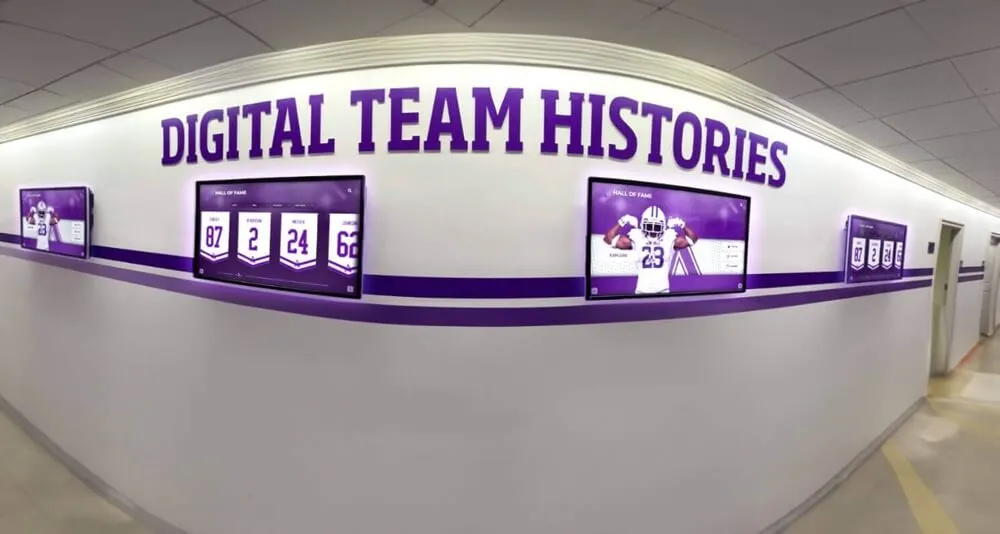
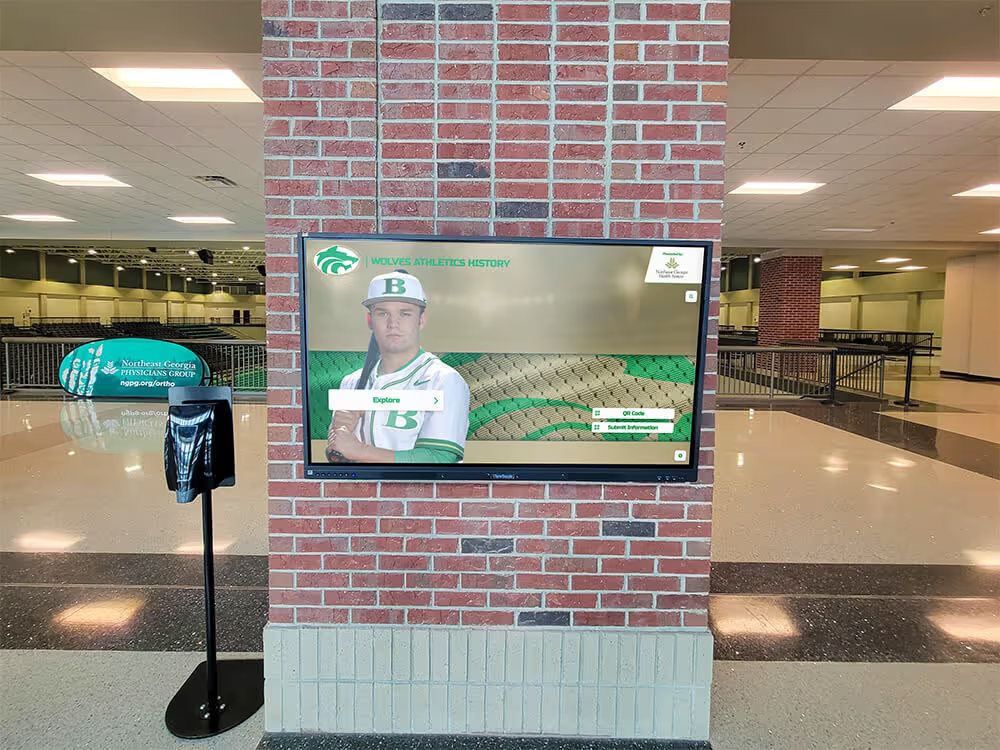
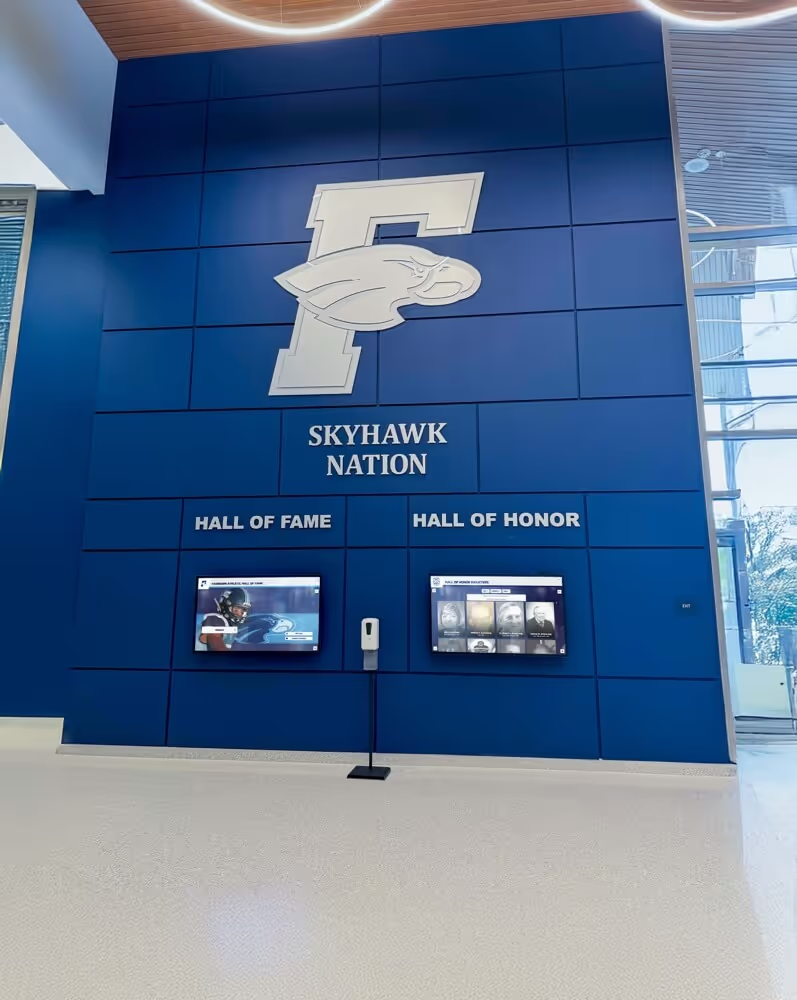
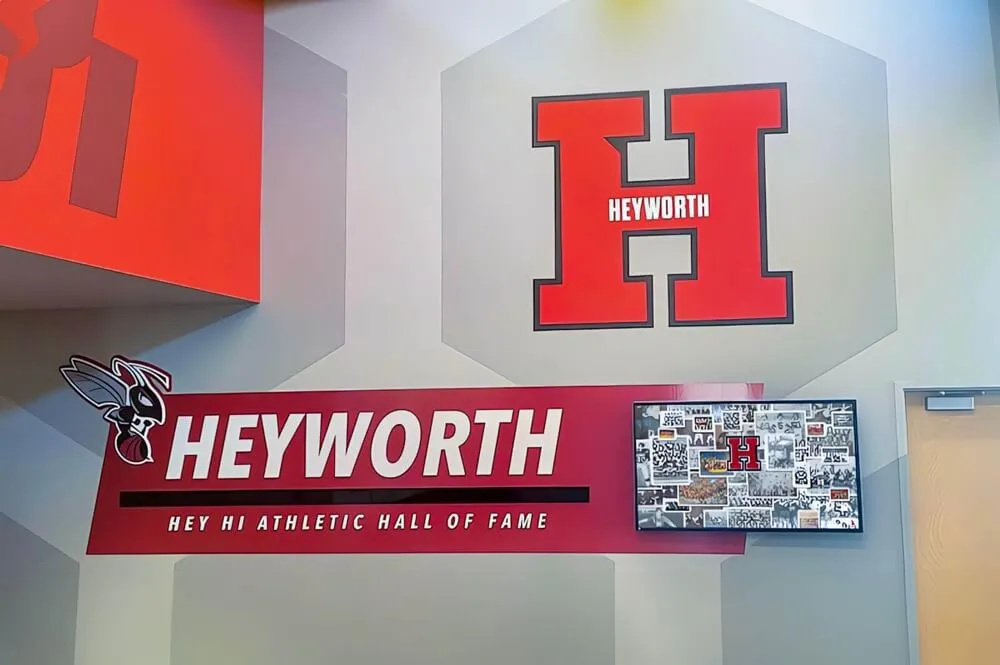
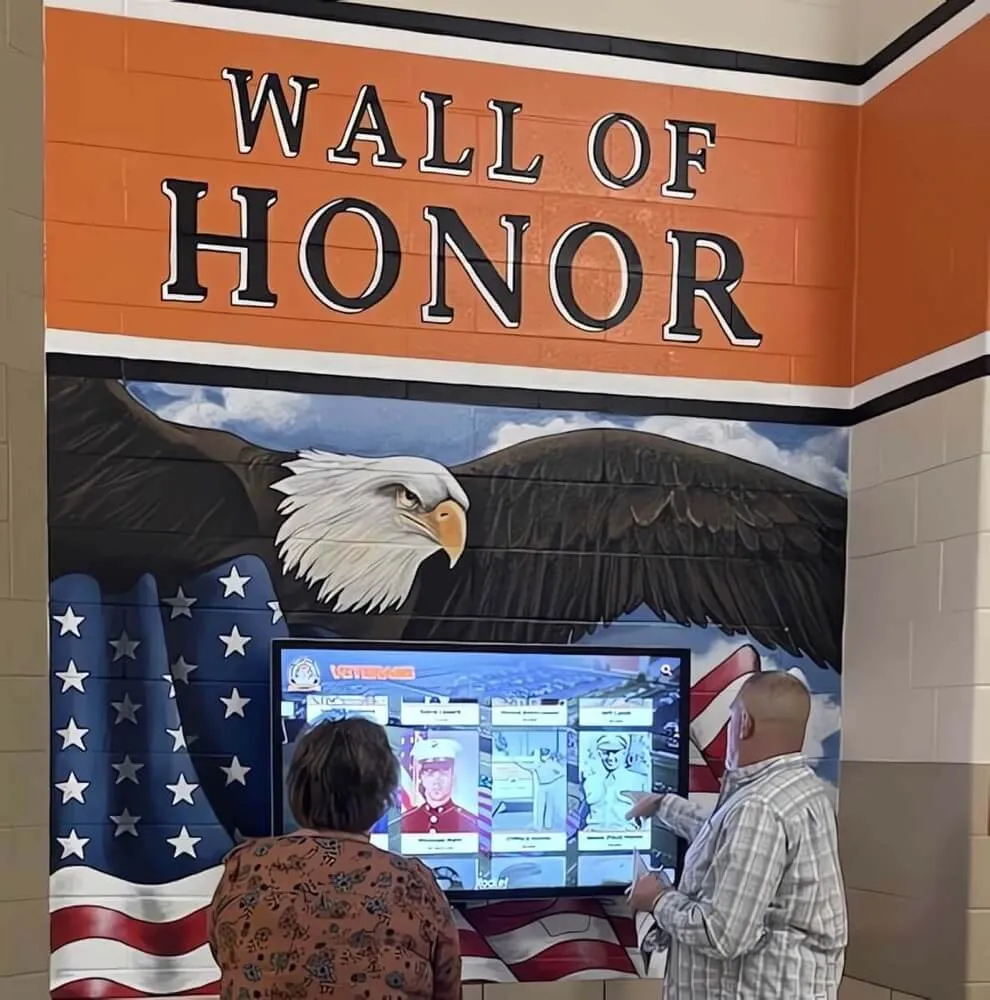
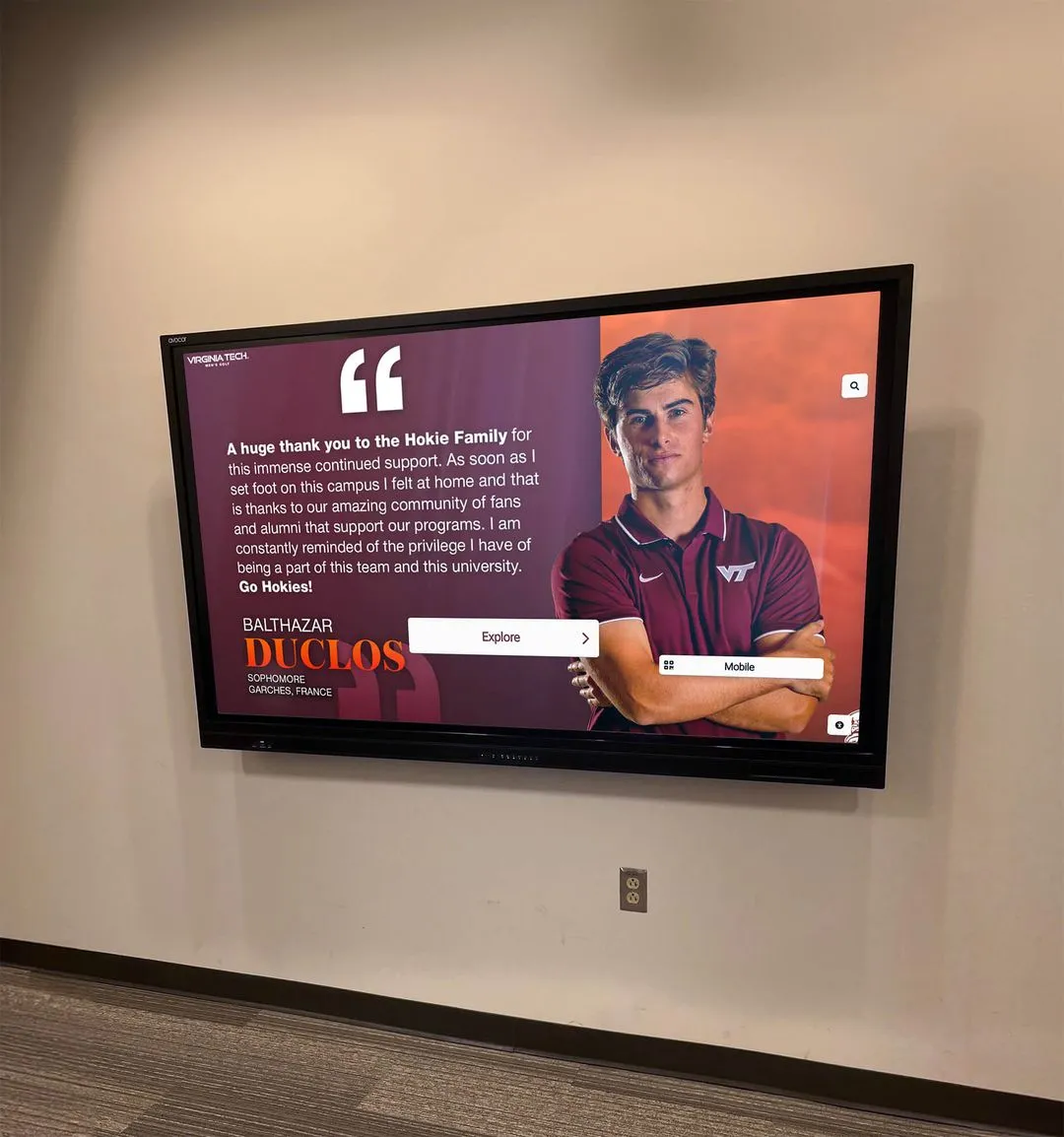
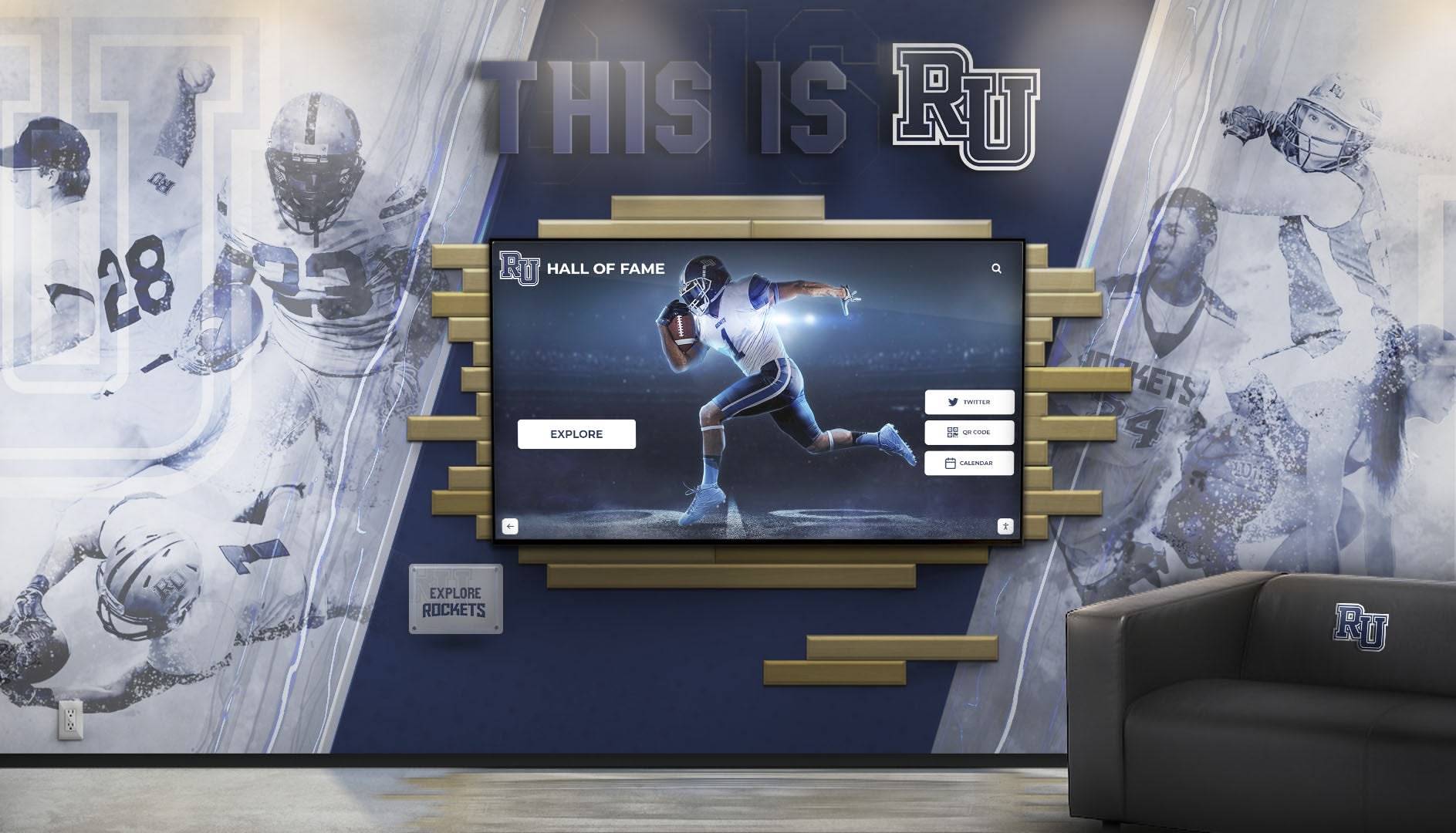
Programs that celebrate athletic achievement through digital recognition systems inspire future generations of student-athletes pursuing college opportunities
Understanding the College Football Recruiting Timeline
Before executing recruiting strategies, understanding when different activities occur helps families plan proactively rather than scrambling to meet unexpected deadlines.
Freshman Year: Foundation Building (Ages 14-15)
The freshman year establishes academic and athletic foundations that determine future recruiting viability.
Academic Priorities
College recruiting begins with NCAA eligibility, making freshman academic performance crucial:
- Maintain strong GPA in NCAA-approved core courses (aim for 3.0+ minimum)
- Understand that all high school courses contribute to NCAA eligibility calculations
- Recognize that poor freshman grades cannot be completely offset by later improvement
- Begin building study habits and time-management skills required for student-athlete success
- Consult school counselors about NCAA-approved course sequences
Academic requirements matter immediately because NCAA eligibility calculations include all four high school years, meaning freshman failures create mathematical challenges for meeting Division I and II academic thresholds.
Athletic Development
Freshman athletes should focus on fundamental skill development:
- Master position-specific techniques through focused repetition and coaching
- Develop strength, speed, and conditioning through age-appropriate training programs
- Learn playbook concepts and football intelligence beyond physical abilities
- Participate in off-season training, camps, and 7-on-7 competitions
- Build coachability and work ethic that coaches notice and recommend
Schools implementing comprehensive athletic achievement recognition programs discover that celebrating early accomplishments motivates sustained effort through challenging developmental years.
Sophomore Year: Visibility Building (Ages 15-16)
Sophomore year marks when college coaches begin identifying potential prospects for future recruiting classes.
Key Sophomore Activities
Athletes should increase visibility through strategic participation:
- Register with NCAA Eligibility Center - Create accounts early even though certification occurs later
- Attend football showcase camps - Participate in reputable camps where college coaches evaluate talent
- Begin highlight film creation - Start compiling quality game footage showing position skills
- Research college programs - Identify 20-30 schools matching athletic ability and academic interests
- Communicate with coaches - Send introductory emails to programs expressing genuine interest
- Maintain academic standards - Continue building strong GPA and taking challenging courses
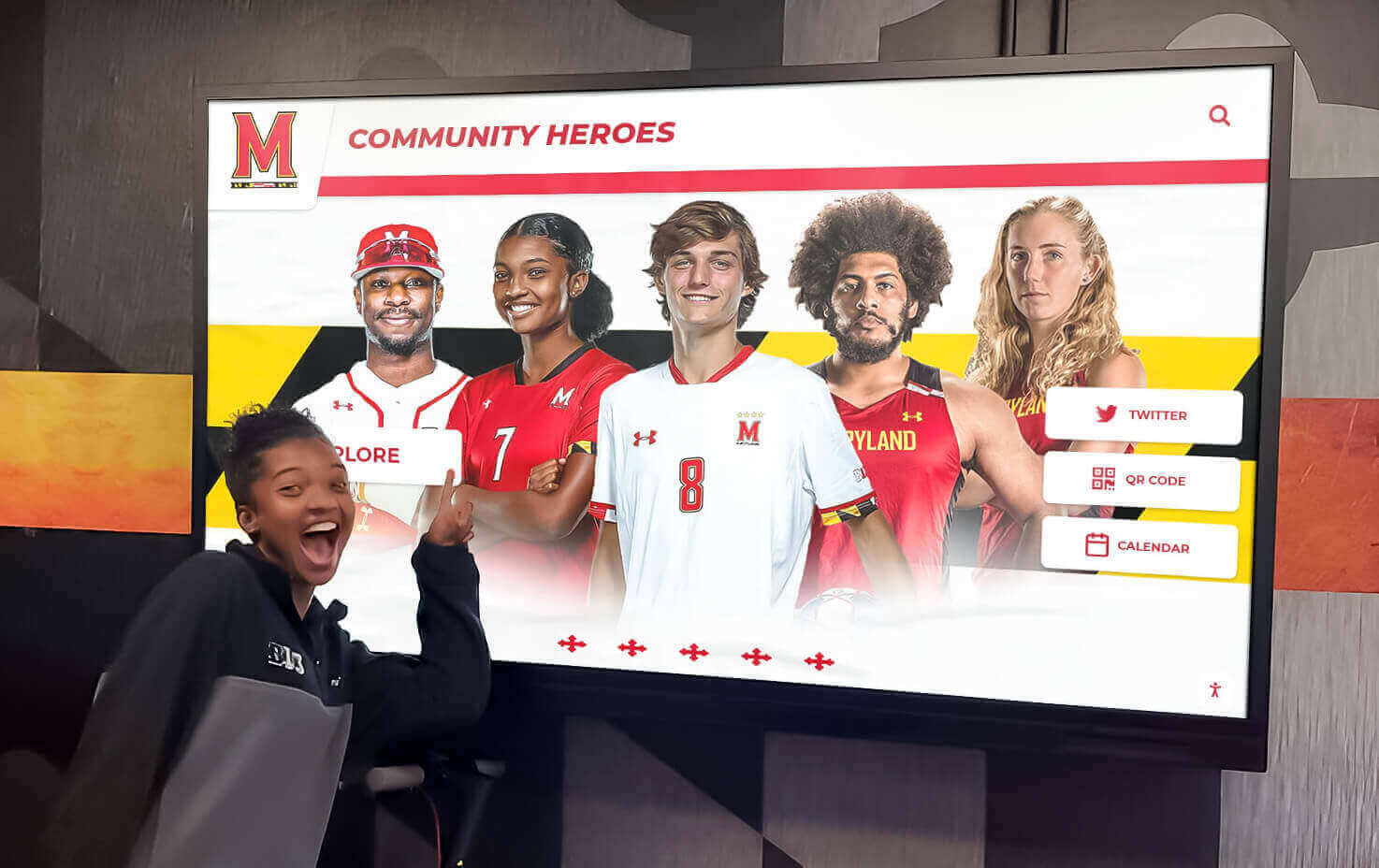
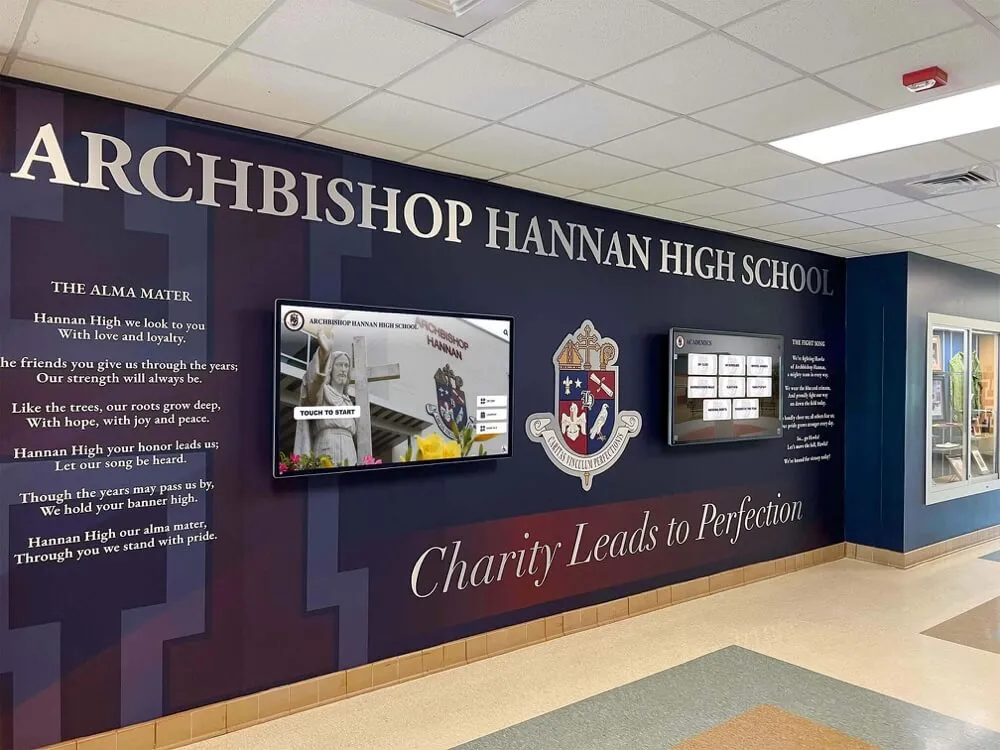
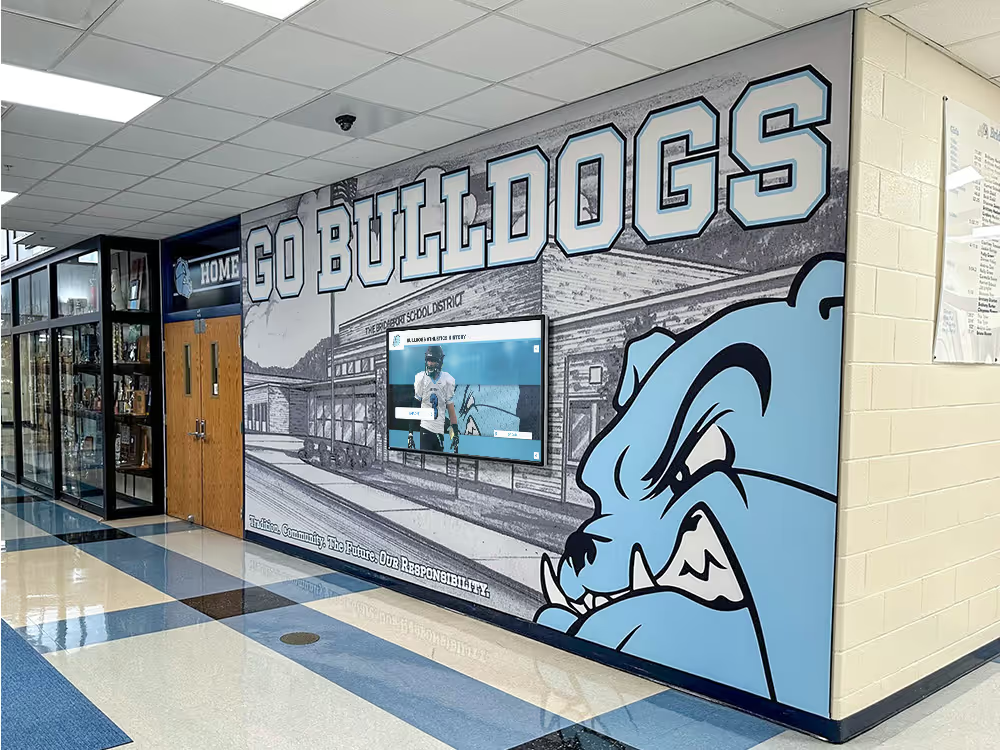
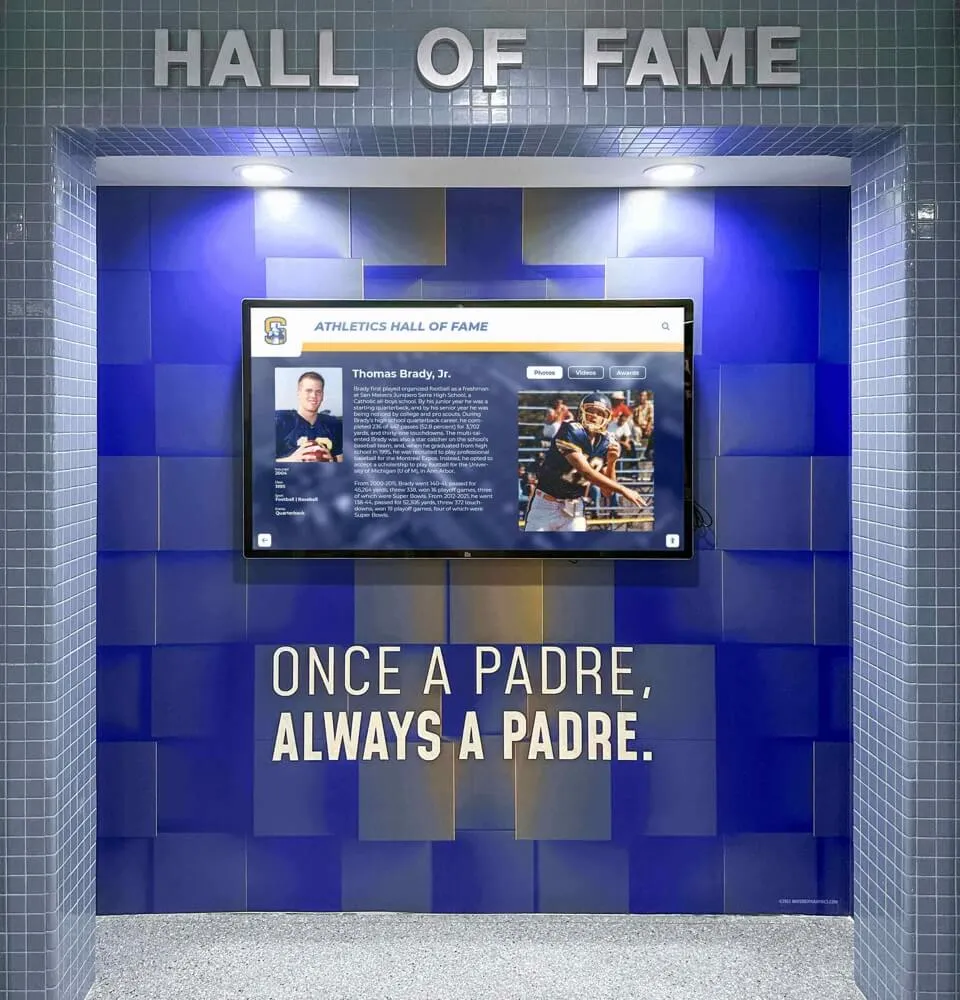
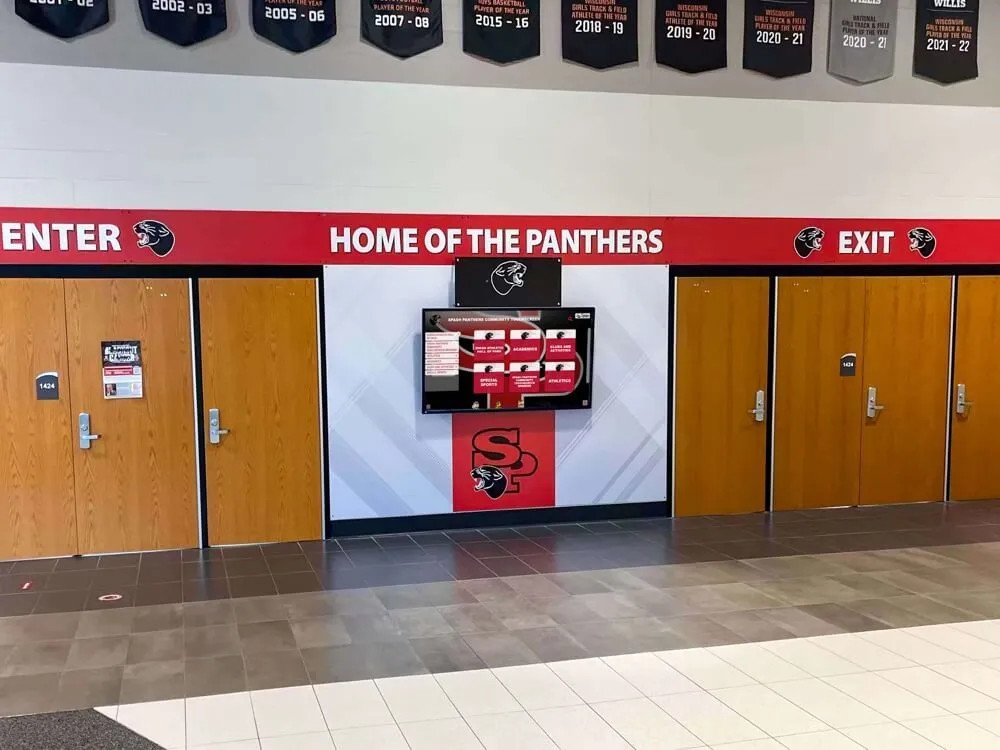
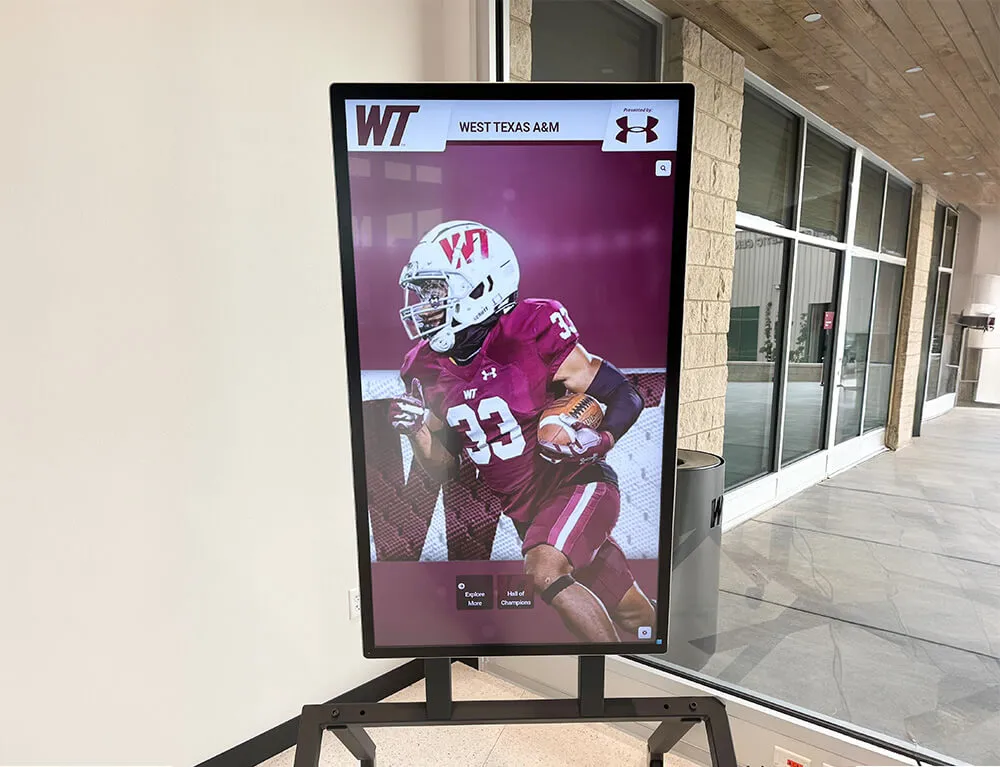
Modern recognition displays help schools showcase student-athlete achievements that attract college recruiter attention
College coaches cannot initiate contact with sophomores under NCAA rules, but athletes can proactively reach out, attend camps, and get on recruiting radars through self-directed marketing efforts.
Building Your Target School List
Successful recruiting requires realistic self-assessment:
- Tier 1 Schools - Dream programs where you’re likely under-recruited (reach schools)
- Tier 2 Schools - Programs matching your current ability and projection (target schools)
- Tier 3 Schools - Programs where you exceed typical recruit profiles (safety schools)
- Academic Fits - Schools offering desired majors and academic support systems
- Geographic Preferences - Consider distance from home and regional recruiting patterns
Creating multi-tier lists ensures you generate options even if top-choice programs recruit higher-rated prospects.
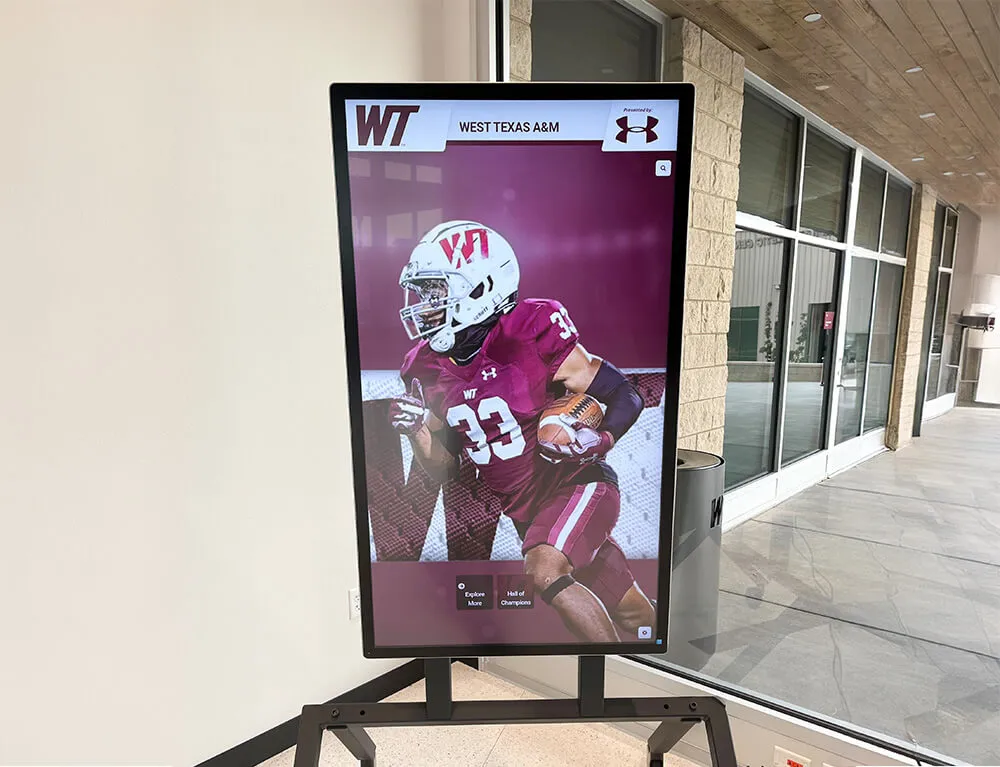
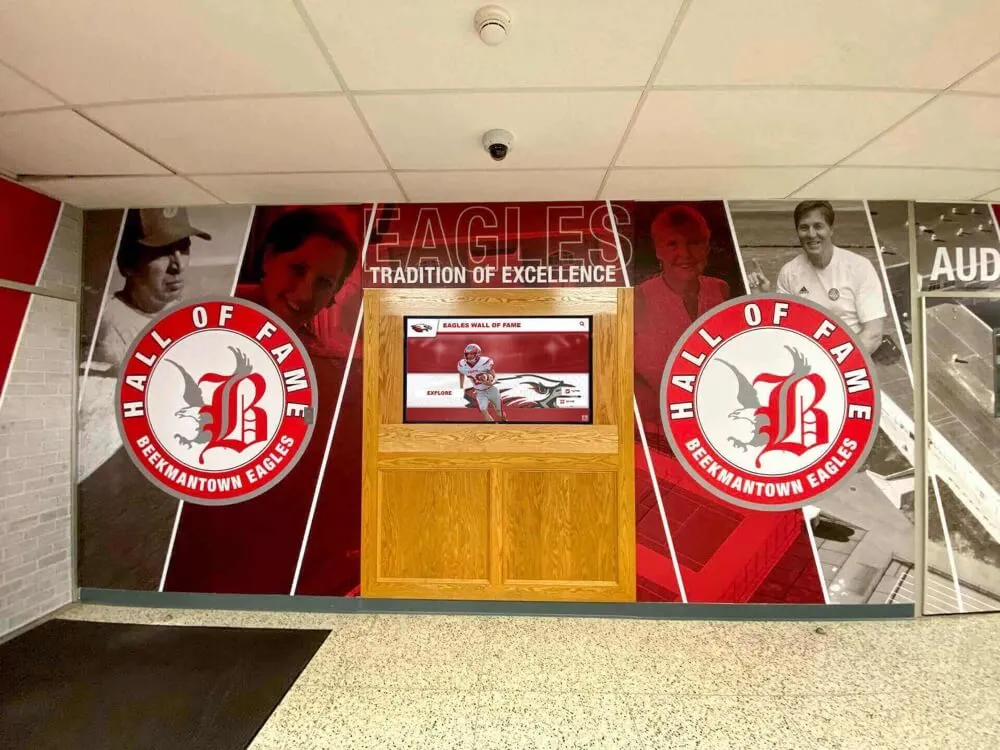
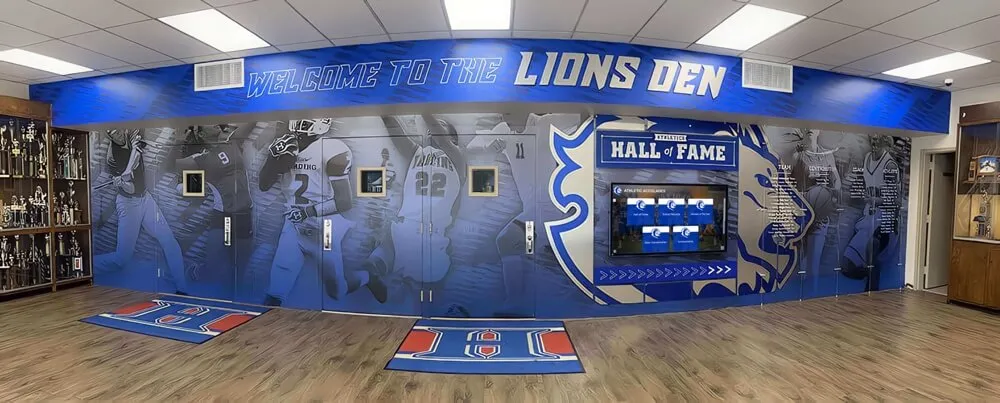
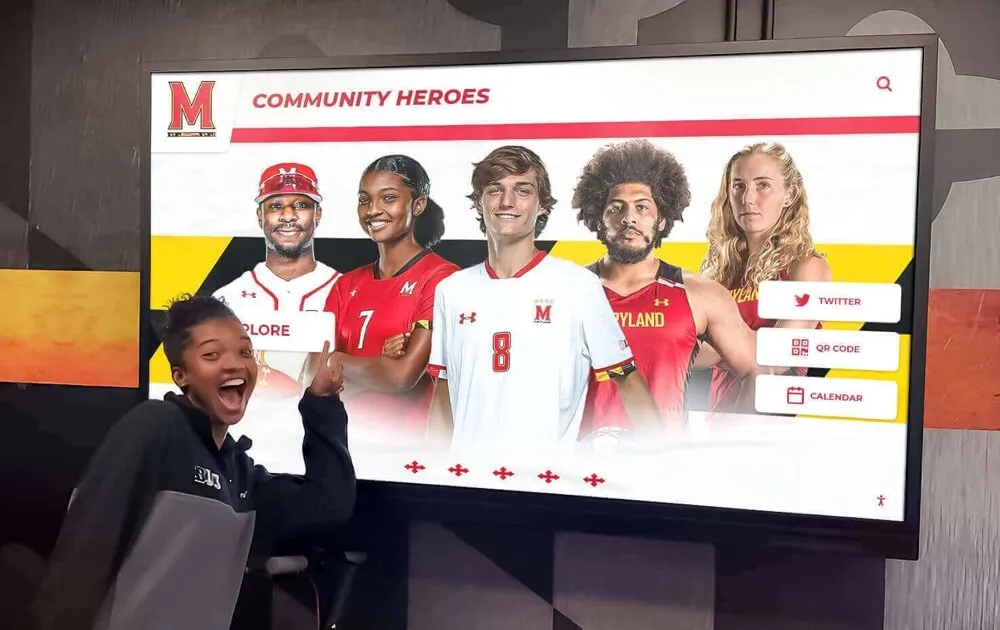
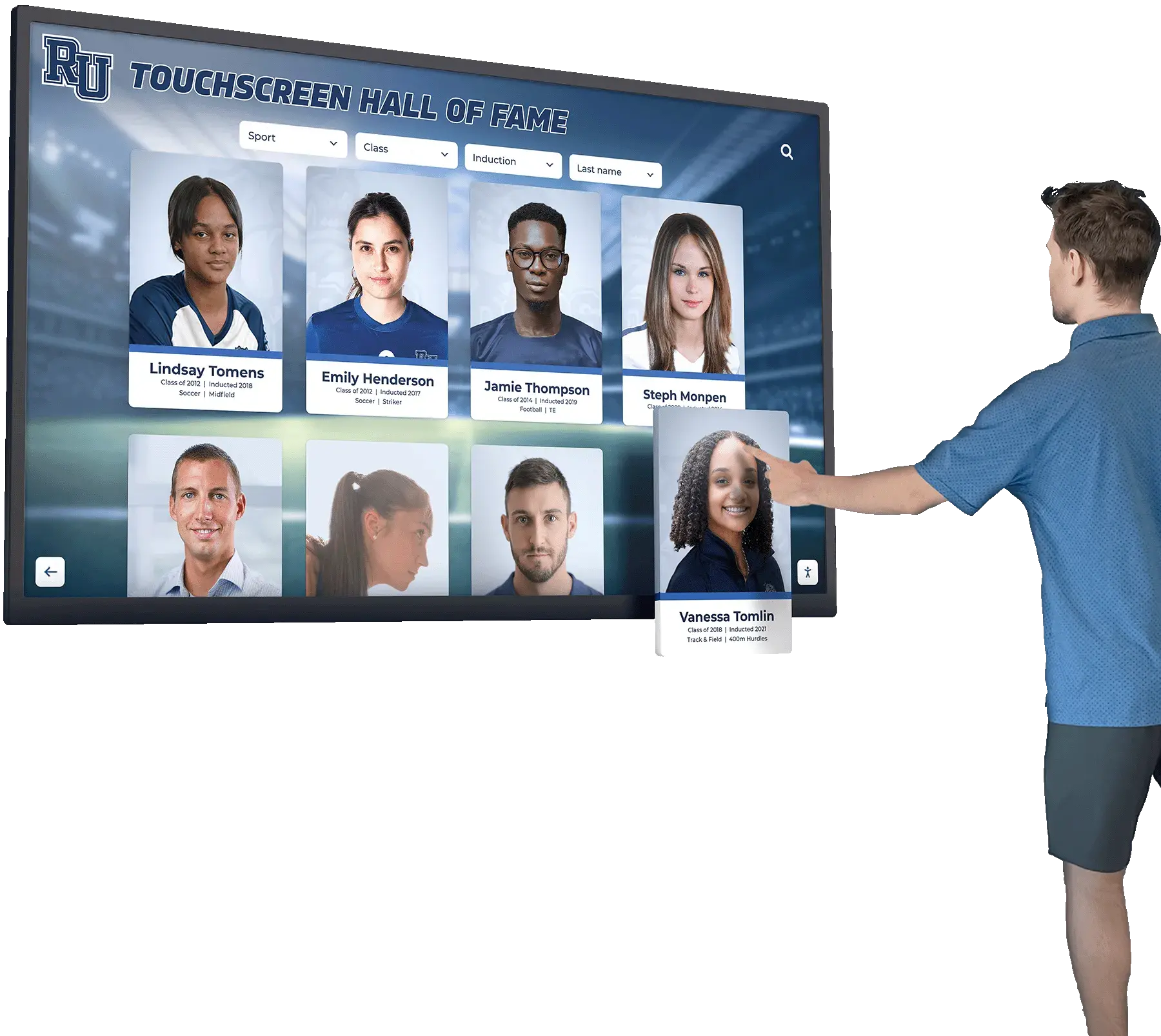
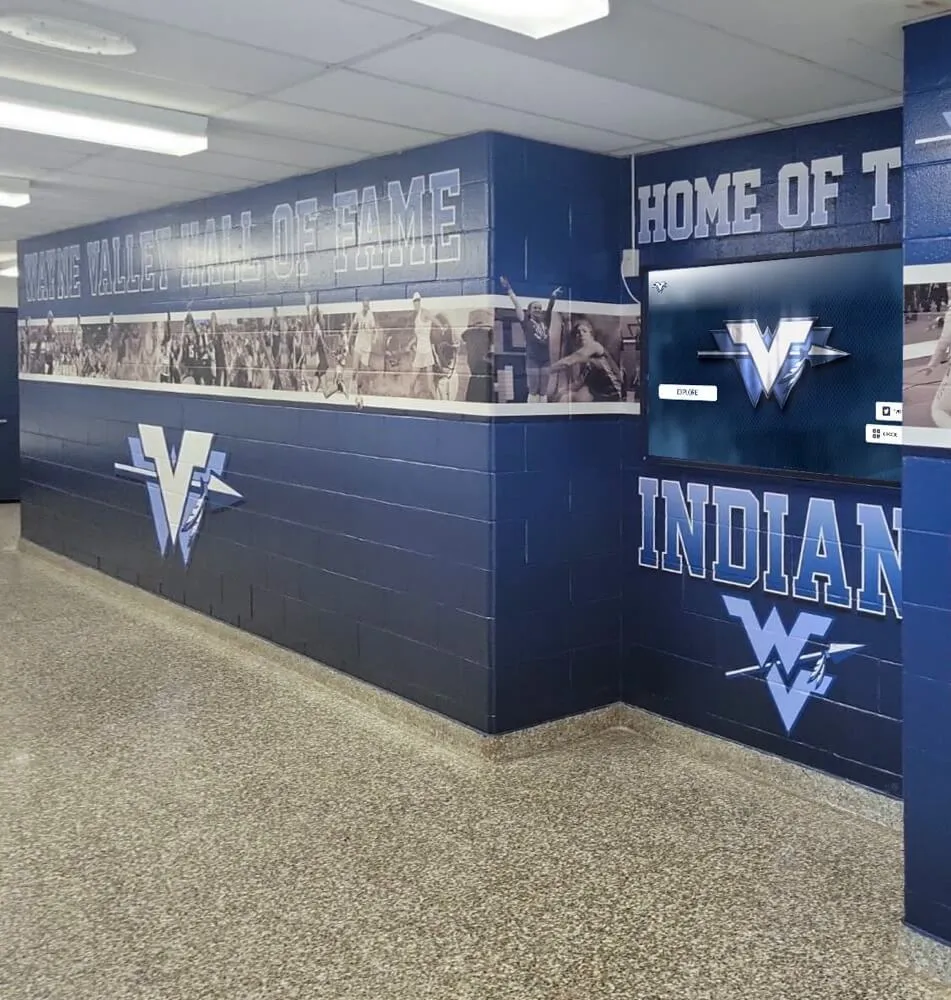
Individual athlete recognition systems showcase the achievements that build recruiting profiles and program traditions
Junior Year: Peak Recruiting Period (Ages 16-17)
Junior year represents the most critical recruiting period when most scholarship offers occur and relationships with coaches intensify.
Junior Year Recruiting Timeline
September 1 - Contact Period Opens
- College coaches can initiate phone calls, texts, and emails starting September 1 of junior year
- Respond promptly and professionally to all coach communications
- Expect increased recruiting attention if you’re on program recruiting boards
- Continue attending camps and showcases where coaches evaluate in person
Many schools celebrate athletic commitments through dedicated college signing day ceremonies that honor student-athletes who earn collegiate roster spots.
October-November - Unofficial Visit Season
- Schedule unofficial visits to top-choice programs (families pay travel costs)
- Attend games to experience game-day atmosphere and meet coaching staffs
- Tour facilities, academic support centers, and campus housing
- Meet current players to learn about program culture and coach relationships
- Ask specific questions about depth charts, redshirt expectations, and playing time projections
December-February - Evaluation and Film Review
- Send updated highlight films showing junior season performance
- Complete online recruiting questionnaires for every target program
- Update academic transcripts showing continued NCAA-compliant progress
- Maintain regular communication with coaching staffs expressing continued interest
- Continue training and skill development to show upward trajectory
March-August - Camp Season and Offer Period
- Attend college prospect camps at schools offering genuine recruiting interest
- Participate in competitive 7-on-7 tournaments where coaches evaluate multiple prospects
- Receive scholarship offers and unofficial verbal commitments (non-binding until National Signing Day)
- Take official visits (limited to five visits, school pays all costs)
- Continue academic focus—junior year grades heavily influence final NCAA eligibility

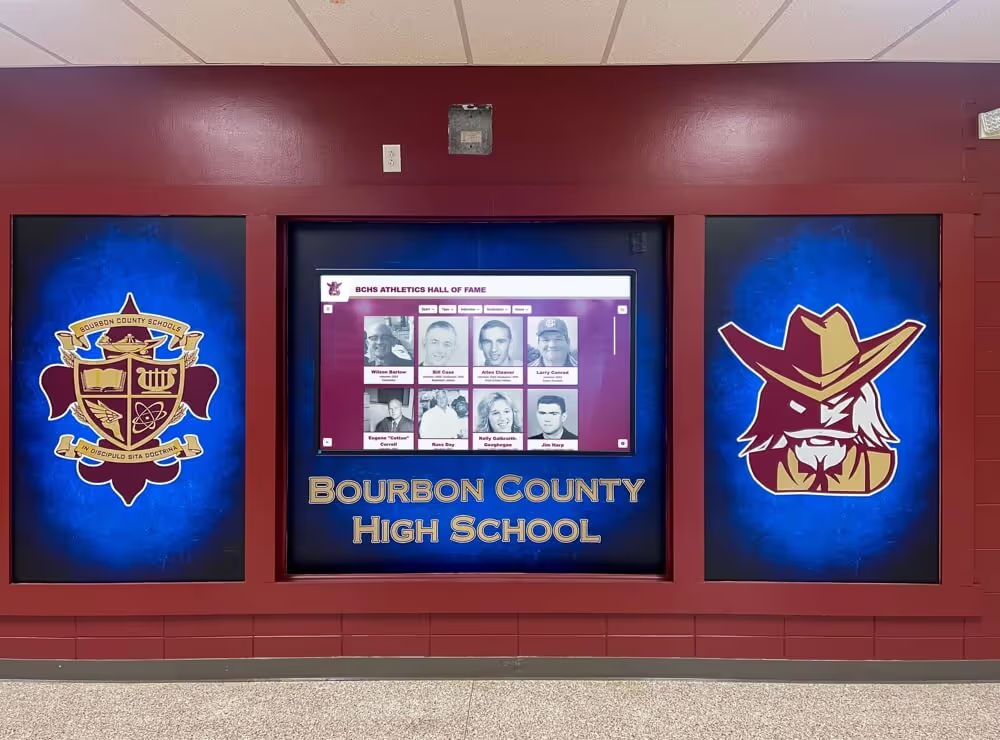
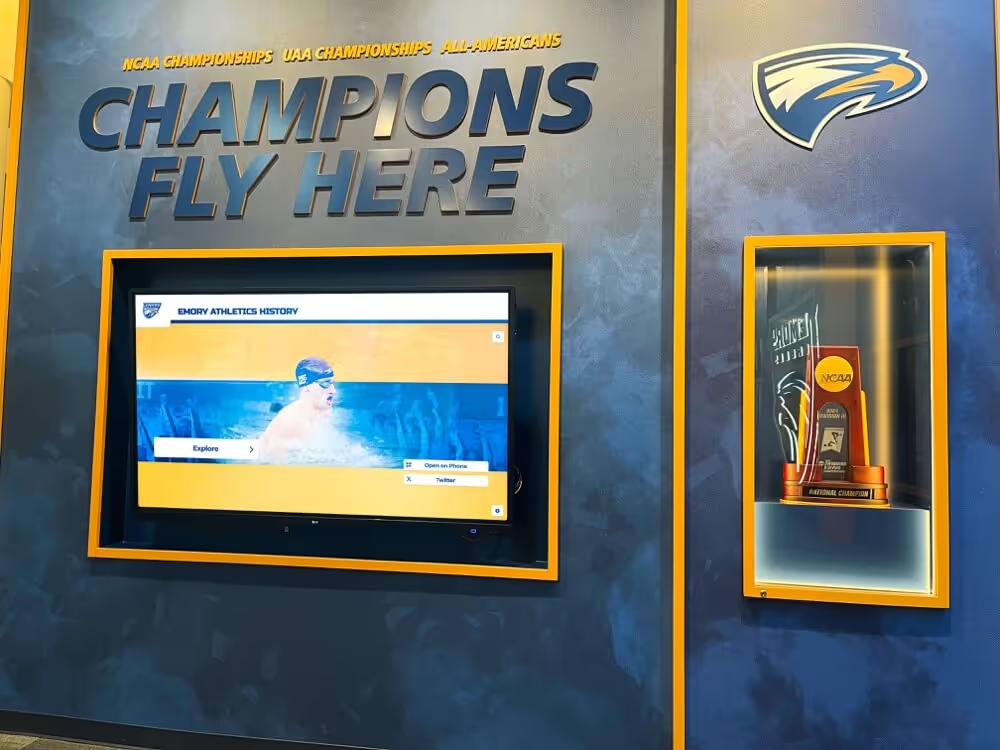
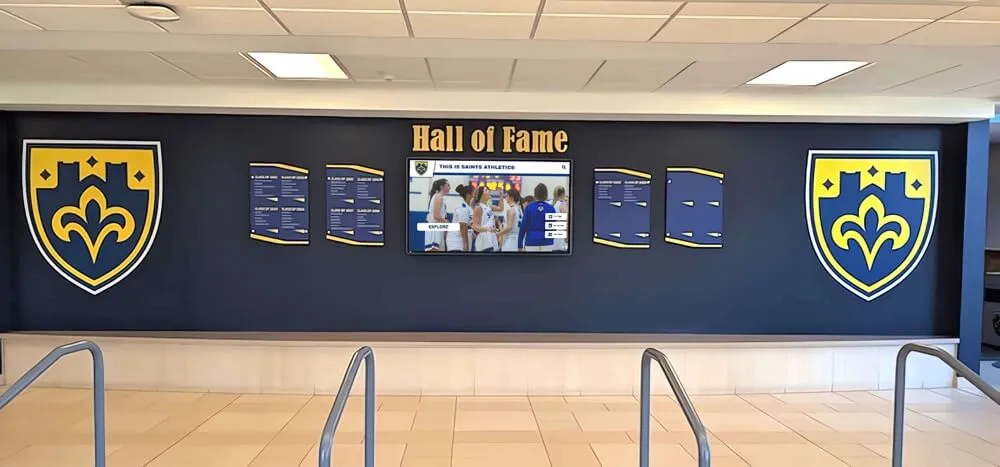
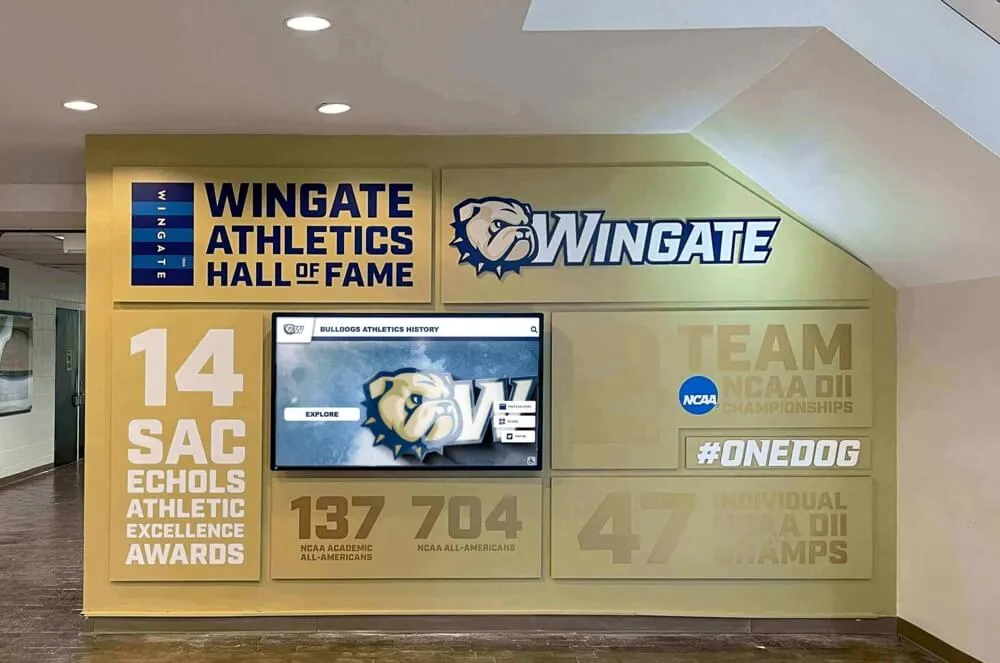
Championship traditions and program history displays demonstrate the winning culture that attracts college recruiter attention
Senior Year: Commitment and Signing (Ages 17-18)
Senior year involves finalizing commitments, completing eligibility requirements, and officially signing National Letters of Intent.
Early Senior Timeline (August-December)
August-September
- Finalize college choices and schedule remaining official visits
- Continue communicating with coaching staffs about offers and interest levels
- Maintain peak athletic performance throughout senior season
- Avoid major injuries through proper training and recovery protocols
- Complete all NCAA Eligibility Center requirements
October-December
- Early Signing Period (typically mid-December) - Most football players sign during this window
- Finalize scholarship details, playing position expectations, and academic support commitments
- Celebrate signing day with family, teammates, and school community
- Continue academic excellence to maintain NCAA eligibility through graduation
Programs implementing digital recognition displays for student-athlete commitments create memorable celebrations while inspiring younger athletes toward similar achievements.
Late Senior Timeline (January-Graduation)
January-February
- Regular Signing Period (typically early February) - Second opportunity for players still uncommitted
- Continue monitoring academic progress toward graduation requirements
- Participate in all-star games if selected (showcase events for top recruits)
- Begin preparing mentally and physically for college-level competition
Spring-Summer
- Graduate high school with final NCAA eligibility certification complete
- Receive final transcript showing all core course requirements met
- Complete summer training programs preparing for college preseason camp
- Attend freshman orientation and begin transitioning to college life
Creating an Effective Football Recruiting Highlight Film
Recruiting highlight films represent critical marketing tools that allow college coaches to efficiently evaluate your abilities, playing style, and position fit within their offensive or defensive systems.
Highlight Film Essential Components
Technical Requirements
College coaches receive hundreds of highlight films and quickly dismiss those with poor production quality:
- Length: 3-5 minutes maximum (coaches watch first 60 seconds then skip through)
- Quality: 1080p minimum resolution with clear visibility of jersey numbers
- Angles: End-zone and sideline angles showing full plays rather than tight close-ups
- Labeling: Include jersey number, position, height, weight, graduation year, GPA, and test scores
- Music: Skip music entirely or use instrumental only—coaches want to evaluate, not be entertained
- Organization: Group similar plays together (blocks, tackles, receptions, touchdowns)
Content Selection Strategy
Effective highlight films showcase versatility and consistent excellence:
- Open with your single best play that immediately demonstrates elite ability
- Include 15-25 plays maximum showing complete plays from snap to whistle
- Demonstrate multiple skills for your position (blocking AND receiving for running backs)
- Show plays against quality competition rather than highlighting blowouts against weak opponents
- Include plays demonstrating football intelligence (reading defenses, adjustments, awareness)
- Avoid unnecessary replays and slow-motion unless showing specific technique details
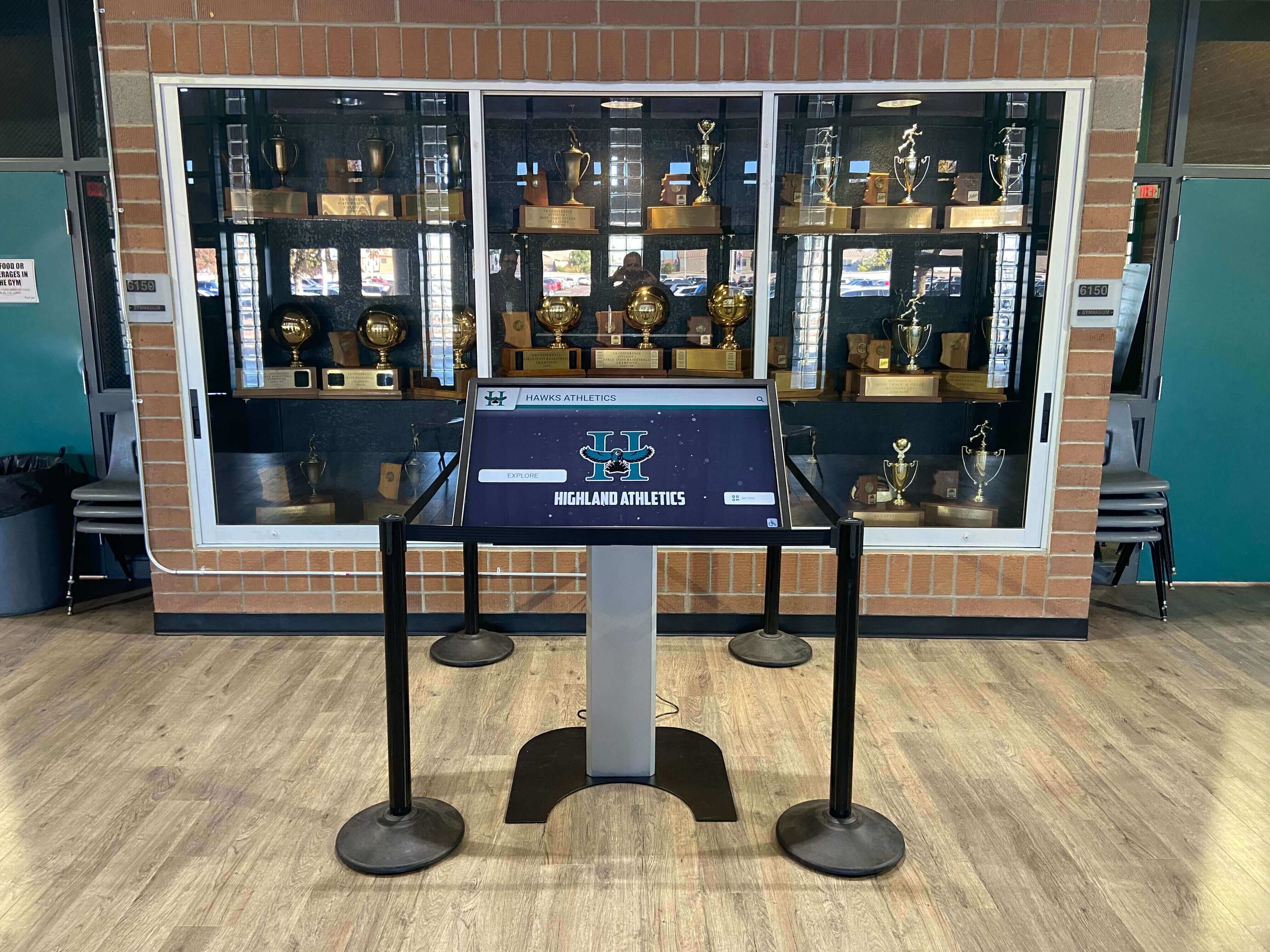
Modern athletic recognition systems enable programs to showcase player achievements that support recruiting profiles
Common Highlight Film Mistakes
Avoid these errors that cause coaches to stop watching immediately:
- Including plays where you’re barely visible or not involved in the action
- Adding excessive graphics, transitions, or effects that distract from gameplay
- Creating films longer than 5-6 minutes (shows inability to self-evaluate)
- Highlighting plays against clearly inferior competition exclusively
- Failing to include contact information, position, or graduation year
- Using poor quality footage where jersey numbers can’t be identified
- Including highlight plays where your team committed penalties
Film Distribution Strategy
Creating excellent highlight films matters only if they reach decision-makers:
- Upload to recruiting platforms (Hudl, MaxPreps) where coaches actively search for prospects
- Email directly to position coaches with personalized messages (not mass emails to head coaches)
- Include YouTube or Hudl links in email signatures for easy access
- Update films after each season showing continued development and improvement
- Create position-specific edits when coaches request to see particular skills
Schools celebrating athletes through comprehensive sports recognition programs build cultures where achievement becomes visible and recruiter interest increases.
Understanding NCAA Football Eligibility Requirements
NCAA eligibility determines whether recruited athletes can receive athletic scholarships and compete immediately or must delay competition while satisfying academic requirements.
Division I Academic Requirements
Division I football programs—the highest competition level—impose strict academic standards:
Core Course Requirements
- Complete 16 NCAA-approved core courses:
- 4 years of English
- 3 years of mathematics (Algebra I or higher)
- 2 years of natural/physical science (including 1 lab science)
- 1 additional year of English, math, or science
- 2 years of social science
- 4 years of additional core courses (any area above or foreign language, philosophy, comparative religion)
GPA and Test Score Sliding Scale
Division I uses a sliding scale where higher GPAs require lower test scores and vice versa:
- Minimum core-course GPA of 2.3 required for competition eligibility
- SAT or ACT scores must meet sliding scale requirements based on GPA
- Students with 3.0+ core GPAs need lower standardized test scores
- Students with lower GPAs need higher test scores to qualify
- All 16 core courses must be completed before high school graduation
Division I Academic Timelines
- 10 core courses (including 7 English/math/science) must be completed before senior year
- Remaining 6 core courses completed during senior year
- Final certification occurs after high school graduation with final transcripts
Division II Academic Requirements
Division II programs offer athletic scholarships with slightly more flexible academic requirements:
- Complete 16 NCAA-approved core courses (same distribution as Division I)
- Achieve minimum 2.2 core-course GPA
- Meet sliding scale test score requirements based on GPA
- Graduate from high school
Division II allows more flexibility in when core courses are completed compared to Division I front-loading requirements.
Division III Academic Standards
Division III schools cannot offer athletic scholarships but may provide academic and need-based financial aid:
- No NCAA-mandated core course requirements
- Individual schools establish admission standards
- Focus on overall academic profile rather than athletic-specific requirements
- May offer academic merit scholarships to recruited athletes meeting institutional criteria
Athletes considering Division III should research specific school admission requirements and available financial aid packages.
NCAA Eligibility Center Registration
All prospective Division I and II athletes must register with the NCAA Eligibility Center:
Registration Steps
- Create account at eligibilitycenter.org during sophomore or junior year
- Request high school transcripts sent directly to NCAA Eligibility Center
- Submit SAT or ACT scores directly from testing agencies
- Pay registration fee ($90 for U.S. students, fee waivers available)
- Answer amateurism questions about previous participation
- Receive amateurism certification and academic certification
Complete registration early—certification delays can prevent athletes from practicing, competing, or receiving scholarships even after enrollment.
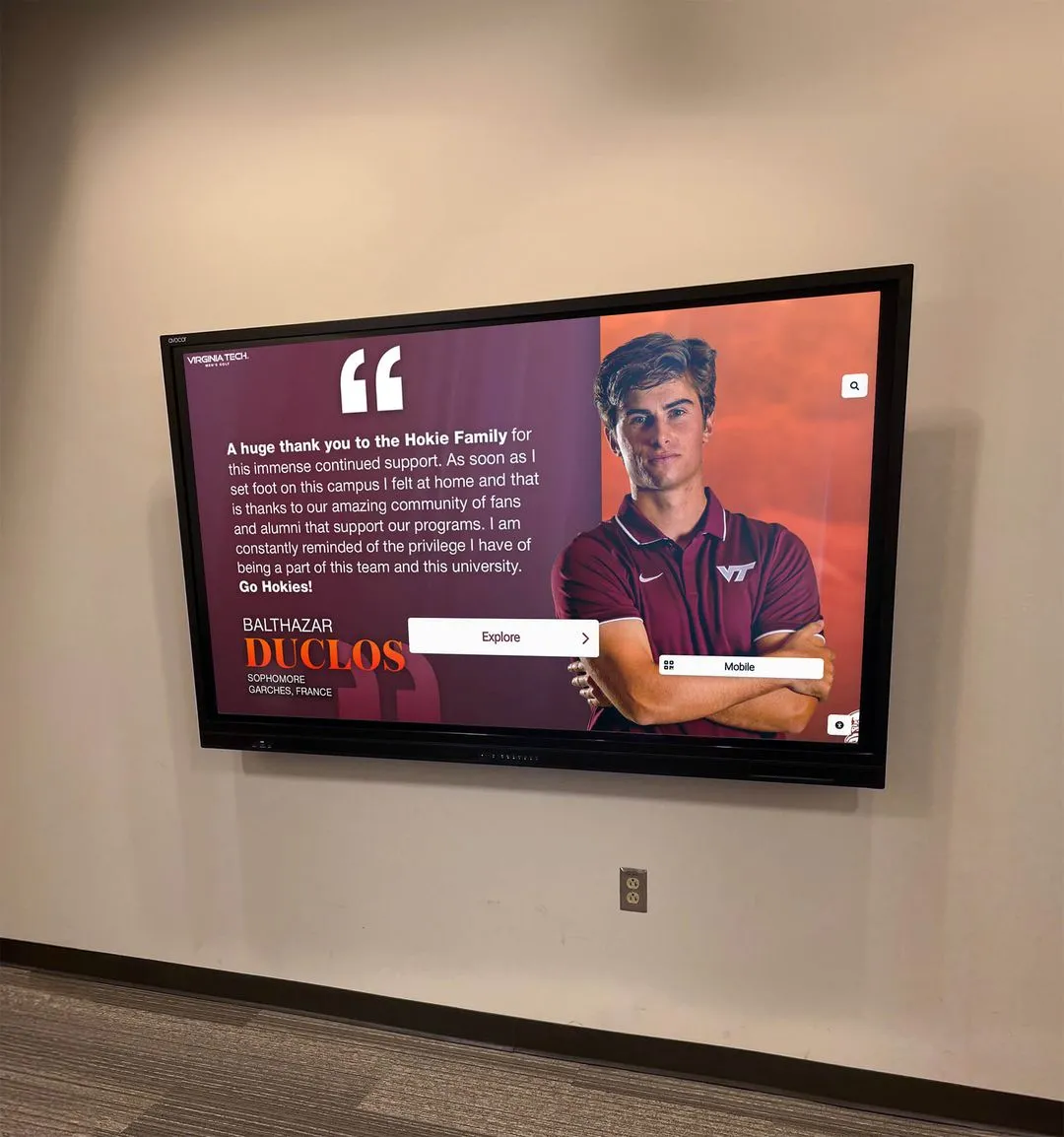
Student-athletes benefit from schools that showcase academic and athletic achievement through accessible digital platforms
Maximizing Exposure Through Football Showcase Camps
Football showcase camps provide concentrated opportunities for athletes to demonstrate abilities directly to college coaches while receiving expert instruction and evaluation.
Types of Football Camps
Understanding different camp formats helps families invest in opportunities providing genuine recruiting value:
College Prospect Camps
- Hosted by individual college programs on their campuses
- Staffed by program coaches who directly evaluate attendees
- Provide best opportunities to impress coaching staffs considering you for recruitment
- Typically cost $50-$200 per camp
- Best for athletes genuinely interested in attending host institutions
Combine/Showcase Camps
- Large events featuring athletes from multiple states and grad years
- Include measurables testing (40-yard dash, vertical jump, shuttle runs, bench press)
- Attended by coaches from multiple programs scouting talent
- Often operated by third-party organizations (Nike, Under Armour, regional showcases)
- Valuable for athletes needing exposure to multiple programs simultaneously
Position-Specific Camps
- Focus on developing and evaluating specific position skills
- Led by position coaches or former professional players
- Smaller player-to-coach ratios allow more individual instruction
- Demonstrate specialized skills to coaches seeking specific position talents
- Particularly valuable for specialists (kickers, punters, long snappers)
Elite Invite-Only Camps
- Restricted to highly-ranked prospects receiving direct invitations
- Include national events like Nike Football Training Camp (The Opening)
- Provide maximum exposure to top-tier programs and recruiting media
- Earning invitations validates national-level recruiting interest
- Not realistic for most athletes—focus on accessible camps first
Selecting Valuable Camps
Not all camps provide equal recruiting value—choose strategically:
- Prioritize camps at schools genuinely recruiting your talent level and grad year
- Attend camps where you can realistically compete well against other participants
- Research which college coaches will actually attend and evaluate (not just brand names)
- Avoid camps making unrealistic promises about guaranteed exposure or scholarship opportunities
- Consider geographic location—regional camps may provide better evaluation than distant mega-camps
- Ask high school coaches and recent alumni about which camps provided legitimate recruiting value
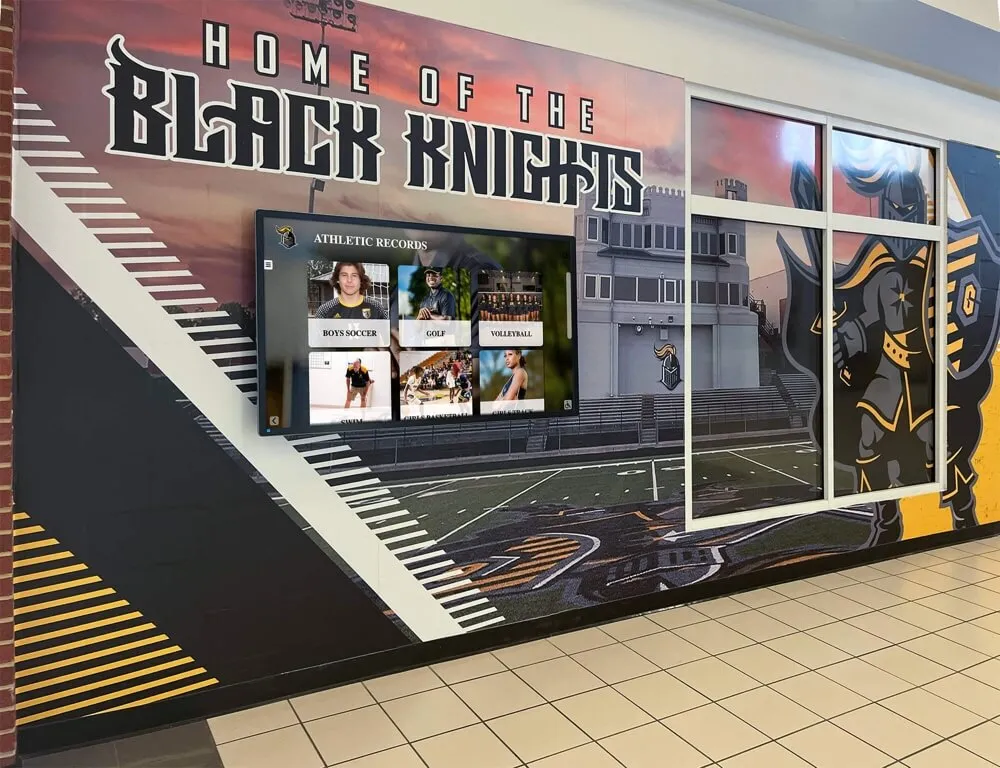
Programs that celebrate athletic achievement through features like digital athletic record boards demonstrate commitment to recognizing excellence that attracts college recruiter attention.
Maximizing Camp Performance
Attending camps represents only half the equation—standing out requires preparation and strategic execution:
Pre-Camp Preparation
- Train specifically for camp measurables (40-yard dash technique, vertical jump, position drills)
- Arrive fully healthy and rested rather than attending injured or fatigued
- Bring multiple jerseys, cleats, and gear in case of equipment issues
- Research coaching staff names and positions to introduce yourself professionally
- Prepare questions about programs, playing time, and academic support
During Camp Performance
- Arrive early demonstrating commitment and professionalism
- Listen intently to coaching instruction and immediately apply feedback
- Compete intensely on every rep regardless of how you’re performing
- Demonstrate coachability by asking questions and taking corrections positively
- Introduce yourself professionally to coaches between drills
- Network with other quality athletes who may become future teammates
- Avoid negative body language or complaining about conditions, competition, or results
Post-Camp Follow-Up
- Send personalized thank-you emails to position coaches within 48 hours
- Reference specific coaching points or conversations from camp
- Express genuine interest in programs where you felt strong coaching connections
- Update recruiting profiles with camp performance data and measurables
- Request evaluation feedback if coaches offered to provide assessments
Essential Recruiting Communication Strategies
College football recruiting requires athletes to market themselves proactively through consistent, professional communication with coaching staffs.
Initial Contact Templates
First impressions matter—initial emails should be concise, informative, and professional:
Subject Line Format: “2027 QB [Your Name] - [High School Name] - [City, State]”
Email Body Template:
“Coach [Last Name],
My name is [Your Name], and I’m a [height] [weight] [position] in the Class of [grad year] at [High School Name] in [City, State]. I’m interested in [University Name] because of [specific academic program or team characteristic].
My junior season statistics: [key stats for your position] GPA: [core course GPA] | Test Scores: SAT [score] / ACT [score]
Highlight Film: [Hudl or YouTube link] Recruiting Profile: [MaxPreps, 247Sports, or other profile link]
I would appreciate the opportunity to learn more about your program and discuss how I might contribute. I plan to attend your prospect camp on [date] if you’re still accepting registrations.
Thank you for your time and consideration.
[Your Full Name] [Graduation Year] | [Position] | [Jersey Number] [High School Name] [Phone Number] | [Email Address]”
Communication Frequency and Timing
Effective recruiting communication balances persistence with professionalism:
- Send initial introduction emails during sophomore year (coaches cannot respond but will file information)
- Follow up every 4-6 weeks with updates on season performance, awards, or academic achievements
- Increase frequency to every 2-3 weeks during junior year when coaches can respond
- Respond within 24 hours to any coach-initiated communication
- Send game schedules allowing coaches to evaluate you in person if geographically feasible
- Update highlight films and send new links after each season
Avoid daily or weekly emails that appear desperate—quality updates matter more than communication frequency.
Schools implementing awards ceremony planning systems create cultures that celebrate achievement and motivate student-athletes toward college-level goals.
Professional Social Media Presence
College coaches review social media profiles during recruiting evaluations—manage your digital footprint carefully:
- Make Twitter and Instagram accounts public so coaches can find and evaluate your content
- Post training videos, game highlights, and achievement announcements regularly
- Engage positively with programs you’re interested in (like, retweet, comment professionally)
- Avoid controversial political content, profanity, substance references, or inappropriate photos
- Set Google Alerts for your name to monitor what coaches find when researching you
- Include recruiting contact information in social media bios
Coaches have withdrawn scholarship offers based on social media content—treat online presence as part of your recruiting portfolio.
Parent’s Guide to Supporting the Recruiting Process
Parents play crucial supporting roles in college football recruiting while avoiding behaviors that harm their athlete’s prospects.
Appropriate Parent Roles
Productive Parent Responsibilities
- Manage logistics including camp registrations, travel arrangements, and visit scheduling
- Monitor NCAA eligibility requirements and ensure academic progress
- Research financial aid options, scholarship details, and cost comparisons
- Provide emotional support during rejection, decommitment, or scholarship loss
- Ask questions about academic support, player safety, and graduation rates
- Review scholarship offers and National Letter of Intent details before signing
- Communicate with high school coaches about recruiting progress and guidance
Counterproductive Parent Behaviors
- Contacting college coaches directly instead of allowing athletes to lead communication
- Arguing with coaches about playing time projections or depth chart positions
- Attending camps or unofficial visits then dominating conversations
- Posting recruiting updates or scholarship offers on social media before athletes announce
- Comparing your athlete to current roster players or other recruits negatively
- Pressuring athletes toward programs based on parent preferences rather than fit
- Publicly criticizing programs that don’t offer scholarships or recruiting interest
College coaches evaluate entire families during recruiting—overbearing parents frequently cause programs to withdraw recruiting interest despite athlete talent.
Parent Recruiting Checklist
Freshman-Sophomore Years
- Schedule meeting with school counselor about NCAA core course requirements
- Research NCAA Eligibility Center registration process and requirements
- Begin saving for camp fees, travel costs, and unofficial visit expenses
- Support athlete strength training and position skill development
- Arrange quality game film recording with appropriate angles and clarity
- Encourage academic excellence and study habit development
Junior Year
- Help athlete create initial college target list (20-30 schools)
- Support highlight film creation with editing software or professional services
- Register athlete with NCAA Eligibility Center
- Schedule SAT/ACT tests and understand sliding scale requirements
- Research college programs for academic fit, graduation rates, and position depth charts
- Plan unofficial visit trips during contact period
- Monitor communications from college coaches and help track interest levels
Senior Year
- Schedule official visits (maximum five allowed)
- Review scholarship offer details including renewal requirements and medical coverage
- Compare financial aid packages from multiple programs
- Consult with high school coaches about program reputation and coaching staff stability
- Verify final NCAA eligibility certification before signing National Letter of Intent
- Plan signing day celebration and announcements
- Prepare athlete mentally and physically for college competition level
Programs celebrating achievements through systems like recognition program displays create environments where athletic excellence receives visibility that supports recruiting success.
Financial Considerations and Questions
College football recruiting involves significant financial decisions—understand costs and ask appropriate questions:
Scholarship Types and Values
- Full scholarships cover tuition, fees, room, board, and books
- Partial scholarships cover percentage of total costs (common in Division II)
- Walk-on positions receive no athletic scholarship but may earn scholarships later
- Academic and need-based aid may supplement athletic scholarships
Critical Financial Questions for Coaches
- Is this scholarship guaranteed for four years or renewed annually based on performance?
- What happens to scholarship if athlete suffers career-ending injury?
- What are team GPA requirements for scholarship renewal?
- What percentage of recruits in my position redshirt versus play immediately?
- What academic support services exist for student-athletes?
- What is the four-year graduation rate for football players at your institution?
Don’t make college decisions based solely on scholarship amounts—graduation rates, academic support, and degree value matter significantly for long-term success.
Evaluating Program Fit Beyond Scholarship Offers
Receiving scholarship offers represents success, but selecting the right program requires evaluating multiple factors beyond athletic opportunities alone.
Academic Fit Evaluation
Your college experience extends far beyond football—prioritize academic fit:
- Does the school offer your intended major with strong department reputation?
- What academic support exists specifically for student-athletes?
- What percentage of players graduate within five years?
- Can athletes pursue demanding majors or are they steered toward specific programs?
- What happens academically if injury ends your football career?
- How flexible are practice schedules around class requirements and labs?
Many football careers end due to injury—ensuring strong academic programs protects your future regardless of athletic outcomes.
Coaching Staff Evaluation
Coaching relationships determine your college experience quality:
- Research coaching staff stability and turnover rates
- Understand position coach experience and development track record
- Ask current players about coaching communication styles and accessibility
- Evaluate whether coaching philosophy matches your playing style and strengths
- Consider program trajectory—rebuilding programs versus established winners
- Assess whether coaches genuinely value you or see you as roster depth
Coaching changes occur frequently in college football—select programs where you’d remain happy even if coaching staff turns over.
Playing Time and Development Path
Realistic playing time expectations influence college satisfaction:
- Review current depth chart at your position and incoming recruit classes
- Understand program redshirt policies and practices
- Ask directly about playing time projections for your skill level
- Evaluate whether starting immediately or developing over time suits your goals
- Consider competition level—starting at FCS program versus limited playing time at FBS program
- Research program’s history of developing players in your position
Schools that celebrate athletic achievement through features like state championship recognition displays demonstrate cultures that honor winners and develop successful programs.
Campus Culture and Environment
College represents your home for 4-5 years—evaluate comprehensive fit:
- Visit campus during regular school year, not just game weekends
- Spend time with current players without coaches present to get honest perspectives
- Evaluate campus size, location, and distance from home
- Consider social environment, student body diversity, and campus activities
- Research support systems for student-athletes including mental health resources
- Assess whether you could see yourself thriving academically and socially without football
The right program fit creates positive experiences regardless of athletic outcomes.
Overcoming Common Recruiting Challenges
Most families encounter obstacles during recruiting—understanding common challenges helps you navigate them effectively.
Limited Recruiting Interest
Many talented players receive less recruiting attention than expected:
Expanding Your Target Programs
- Honestly reassess your talent level relative to typical recruits at programs showing interest
- Research Division II, Division III, NAIA, and junior college programs actively
- Consider position changes if more opportunities exist at different positions
- Attend more camps at schools matching your realistic recruiting level
- Highlight versatility and special teams abilities that create roster value
Increasing Visibility
- Send more personalized emails to position coaches with updated highlight films
- Ask high school coaches to contact college coaches directly on your behalf
- Attend regional showcase camps where you can excel against appropriate competition
- Create Twitter/social media presence posting training videos and game highlights
- Research walk-on opportunities at programs where you could earn scholarships later
Academic Eligibility Concerns
NCAA eligibility issues create major recruiting obstacles:
- Meet with school counselor immediately to create core course completion plan
- Consider online NCAA-approved courses to supplement deficient areas
- Retake SAT/ACT tests targeting higher scores on sliding scale
- Explore prep school or junior college pathways if eligibility cannot be achieved
- Communicate proactively with college coaches about academic progress plans
Academic eligibility issues discovered senior year often cannot be resolved—address concerns during sophomore or junior year while options exist.
Late Development or Position Changes
Some athletes develop later or need to change positions:
- Prepare highlight films showing new position skills even from practice footage
- Attend position-specific camps demonstrating abilities at new position
- Send updated emails explaining position change and why it improves recruiting value
- Consider prep school year allowing additional development time and exposure
- Research programs with reputations for developing late bloomers or converting positions
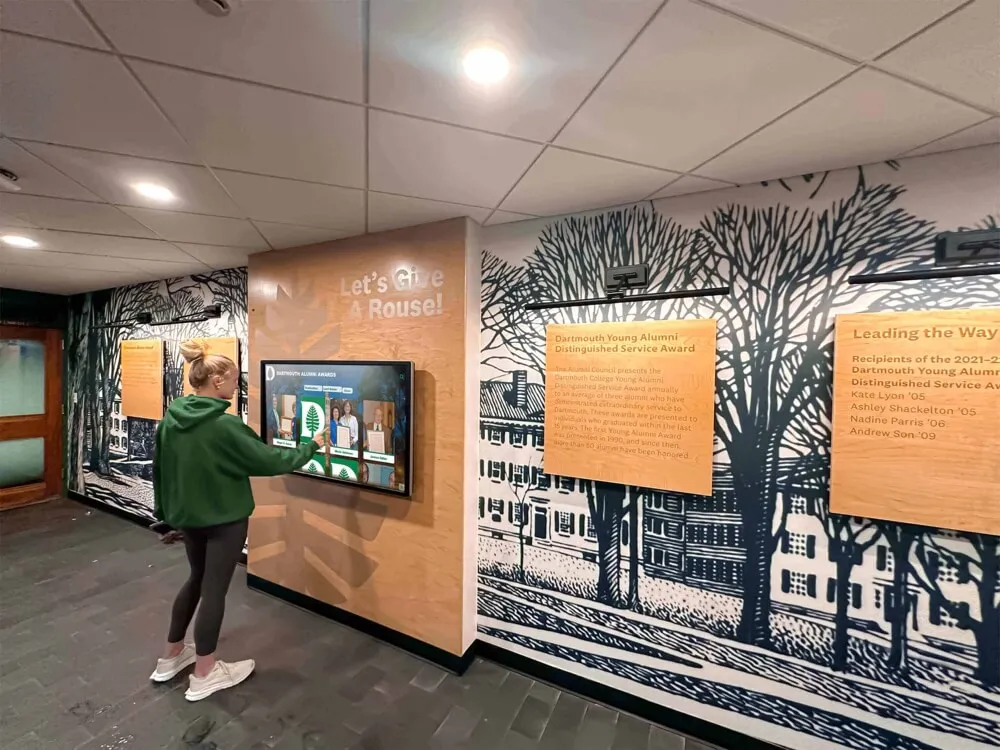
Programs celebrating diverse achievements through alumni spotlight recognition systems demonstrate that success follows many different pathways and timelines.
Alternative Pathways to College Football
Traditional four-year scholarship routes represent only one path to college football—several alternatives create opportunities for dedicated athletes.
Junior College Football
Junior colleges (JUCO) provide excellent pathways for athletes who:
- Need additional academic preparation for NCAA Division I or II eligibility
- Developed late and need more exposure to attract four-year programs
- Require additional physical development before competing at higher levels
- Want opportunities to play immediately rather than redshirt at four-year programs
JUCO Benefits
- Two years to improve academically, athletically, and physically
- Immediate playing time helping develop game experience and film
- Lower costs while completing general education requirements
- Strong JUCO performance attracts Division I and II recruiting interest
- National Junior College Athletic Association (NJCAA) provides competitive football
Prep School Programs
Post-graduate prep school years allow athletes to:
- Complete additional academic coursework improving NCAA eligibility
- Gain physical maturity competing against older competition
- Develop skills under college-style coaching and strength programs
- Create updated highlight film showing improved performance
- Reset recruiting process with additional exposure to college coaches
Prep school programs typically cost $30,000-60,000 annually but may offer financial aid for qualified athletes.
Walk-On Opportunities
Walk-on roster spots provide entry points for athletes without scholarship offers:
- Preferred walk-ons receive invitations to join teams without scholarships but with roster spots
- Standard walk-ons attempt to make teams through open tryouts
- Many walk-ons earn scholarships after proving abilities during practice and games
- Walk-on opportunities exist at all competition levels, even top programs
Research walk-on success rates at target programs—some coaches actively develop walk-ons while others rarely promote them.
Division III and NAIA Football
Non-scholarship football opportunities provide:
- Immediate playing time and competitive football experience
- Quality education at strong academic institutions
- Academic merit scholarships offsetting costs
- Smaller rosters meaning greater coach attention and development
- Less time commitment allowing greater focus on academics and campus life
Don’t dismiss non-scholarship opportunities—many Division III and NAIA schools provide excellent education and competitive football experiences.
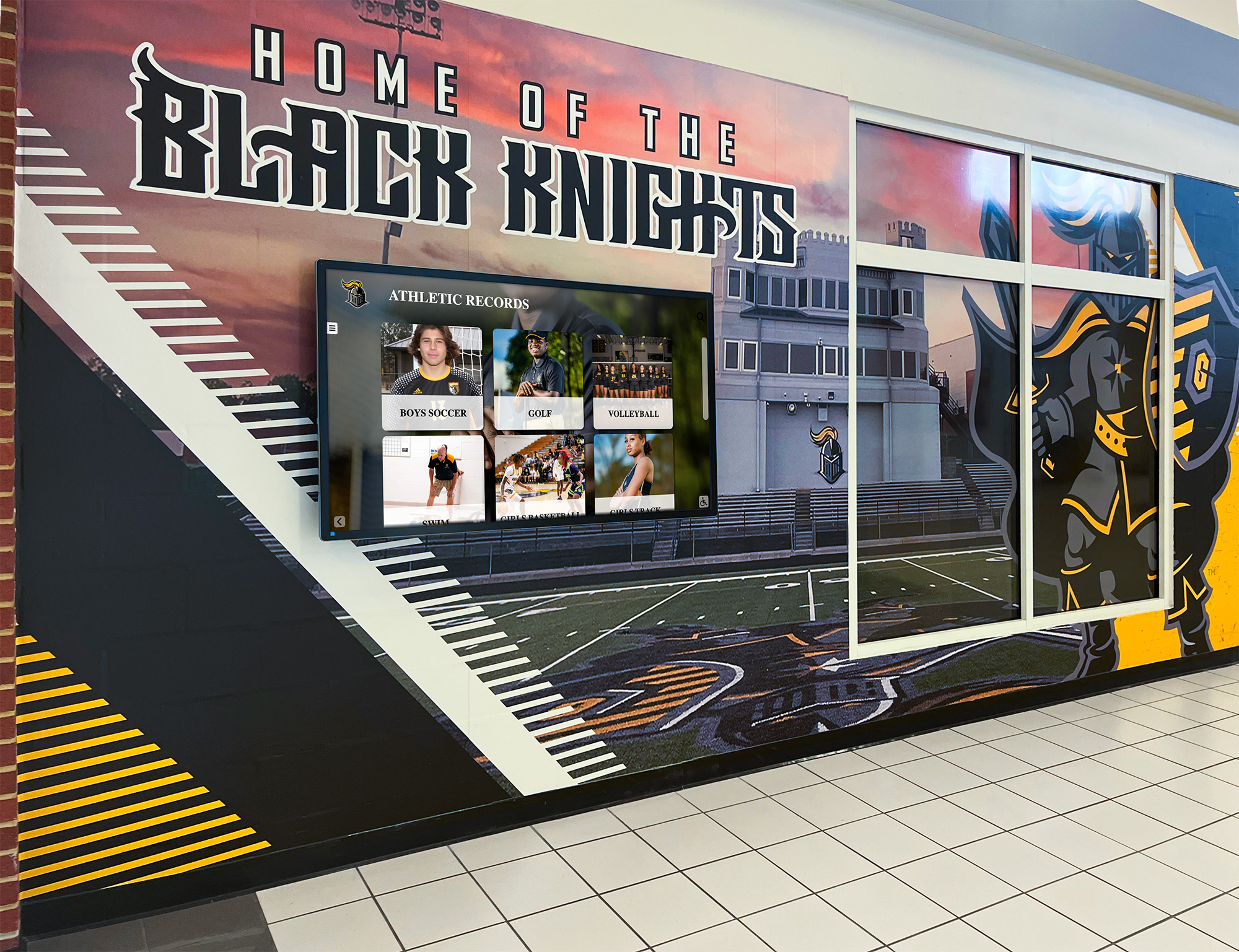
Schools that prominently display athletic achievements create cultures of excellence that inspire recruiting success
Maintaining Perspective Throughout the Process
College football recruiting creates stress for families navigating complex processes with high stakes and uncertain outcomes.
Realistic Expectations
Understanding recruiting realities prevents disappointment:
- Only 7% of high school football players compete collegiately at any level
- Fewer than 3% receive athletic scholarships
- Division I rosters include only the most elite high school prospects
- Most college football players compete at Division II, III, NAIA, or JUCO levels
- Even recruited athletes face significant injury risks and competition for playing time
Balancing Football and Education
Football provides college opportunities, but education creates lifelong value:
- Select schools offering strong academic programs in your career interests
- Prioritize graduation rates and academic support over rankings and facilities alone
- Understand that injuries or performance issues can end football careers unexpectedly
- Build relationships and experiences beyond football creating diverse college experiences
- Develop career interests and skills applicable after football ends
Family Communication and Support
Recruiting creates stress requiring strong family communication:
- Discuss financial realities including costs families can afford
- Balance parent input with athlete decision-making authority
- Manage expectations around scholarship offers and playing time
- Support athletes through rejection and disappointment
- Celebrate achievements and progress regardless of Division level
- Maintain perspective that college provides education first, football second
Schools that honor achievement through programs like football banquet planning and recognition systems create celebrations acknowledging the dedication families invest in athletic pursuits.
Building a Legacy Beyond Recruiting
Successful recruiting campaigns result from years of dedication, strategic planning, and comprehensive effort—but they represent beginnings rather than endpoints.
College football opportunities reward athletes who demonstrate exceptional ability, maintain academic excellence, market themselves effectively, and identify programs matching their talents and goals. Families who approach recruiting proactively, understand timelines and requirements, and maintain realistic perspectives maximize opportunities while building foundations for success beyond football.
Whether you sign with Division I programs, earn scholarships at smaller schools, or walk on to rosters at any level, the discipline, work ethic, and goal-setting skills developed through recruiting serve you throughout life in careers, relationships, and personal achievement.
Programs that celebrate student-athlete achievement through modern recognition systems inspire future generations toward similar dedication and success. Your recruiting journey—regardless of outcome—demonstrates commitment that shapes who you become beyond the game.
Ready to showcase your school’s athletic achievements and recruiting success? Modern digital recognition systems help schools celebrate student-athletes who earn college opportunities, creating visible inspiration for younger athletes pursuing similar goals. Discover how interactive displays can transform your athletic recognition program and build cultures where excellence becomes tradition.
Live Example: Rocket Alumni Solutions Touchscreen Display
Interact with a live example (16:9 scaled 1920x1080 display). All content is automatically responsive to all screen sizes and orientations.