How to Build a School Hall of Fame: A Step-by-Step Planning Guide for Lasting Recognition Programs
- Home /
- Digital Hall of Fame Insights & Resources /
- How to Build a School Hall of Fame: A Step-by-Step Planning Guide for Lasting Recognition Programs
The Easiest Touchscreen Solution




Live Example: Rocket Alumni Solutions Touchscreen Display
Interact with a live example (16:9 scaled 1920x1080 display). All content is automatically responsive to all screen sizes and orientations.
School halls of fame represent one of the most prestigious forms of institutional recognition—honoring exceptional achievement, preserving institutional history, and inspiring current students to pursue excellence. Whether recognizing athletic champions, academic scholars, distinguished alumni, or arts performers, well-designed hall of fame programs create lasting traditions that strengthen school identity and community connections across generations.
Yet many schools struggle with the fundamental question of how to actually build these recognition programs. Administrators face challenges around establishing fair selection criteria, developing sustainable nomination processes, securing adequate funding, choosing appropriate physical displays, and ensuring programs remain relevant decades after launch. Without clear planning frameworks, halls of fame risk becoming inconsistent, controversial, or simply forgotten after initial enthusiasm fades.
This comprehensive guide provides a complete roadmap for building school halls of fame that honor achievement meaningfully, engage communities effectively, and sustain impact across generations. From initial planning through long-term management, we’ll address every critical decision required to create recognition programs worthy of your institution’s most distinguished contributors.
Building effective school halls of fame requires systematic planning that addresses program purpose, governance structures, selection standards, recognition displays, and sustainability strategies. Schools that excel at hall of fame development create programs where selection is viewed as fair and prestigious, where recognition inspires excellence, and where displays remain engaging for decades.

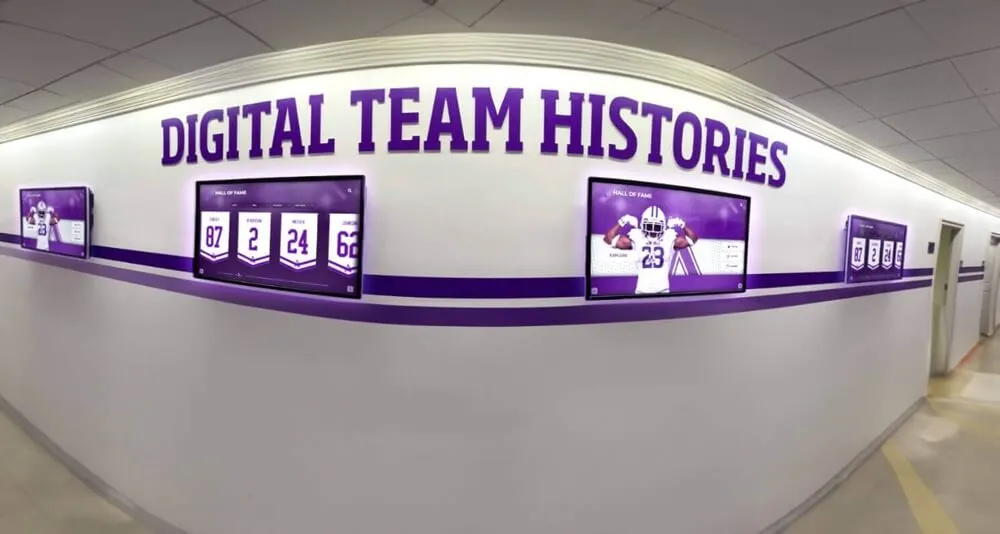
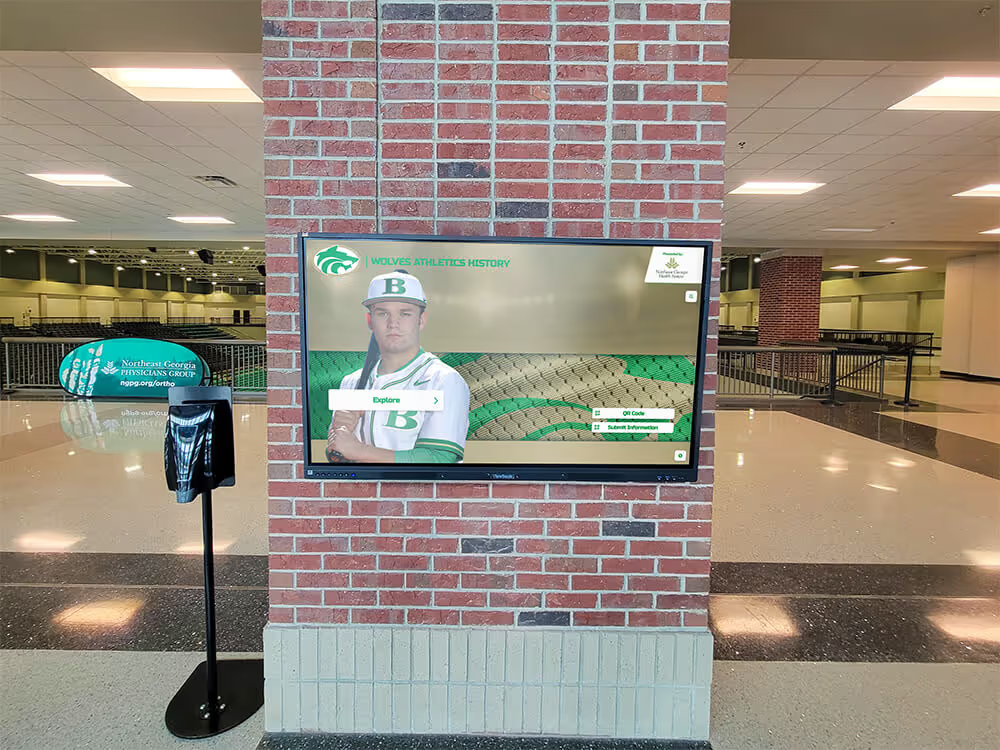
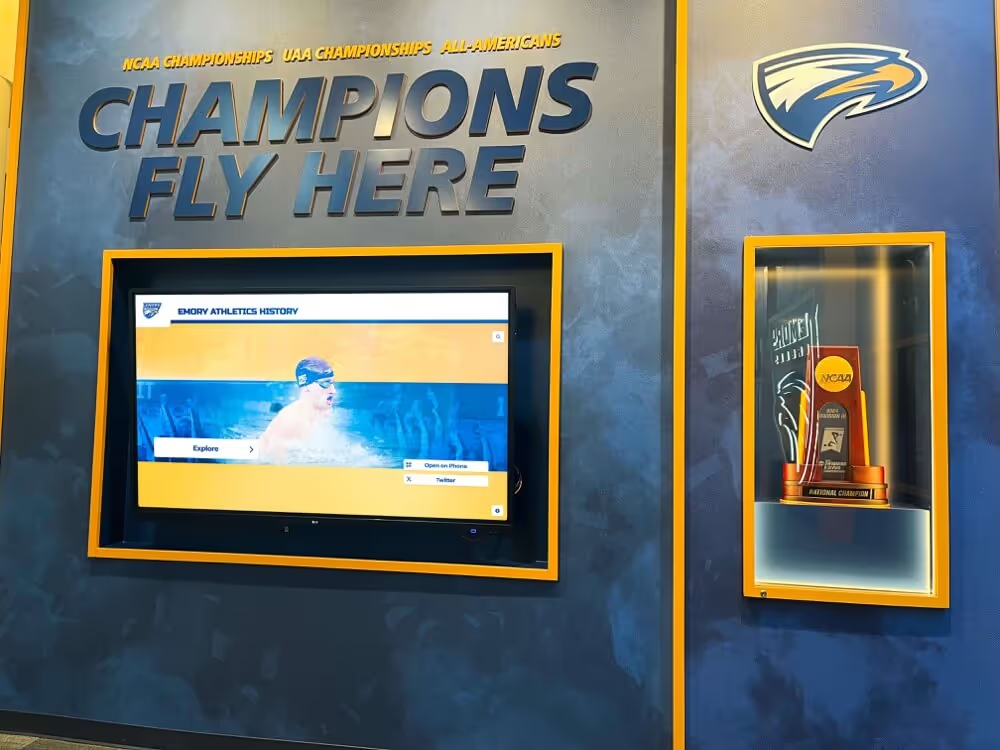
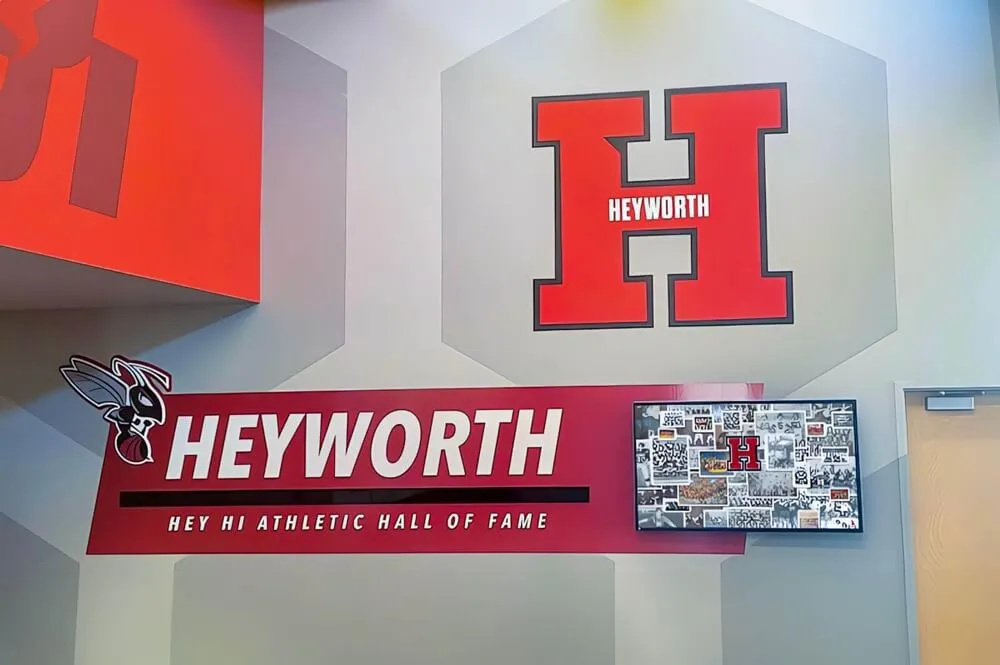
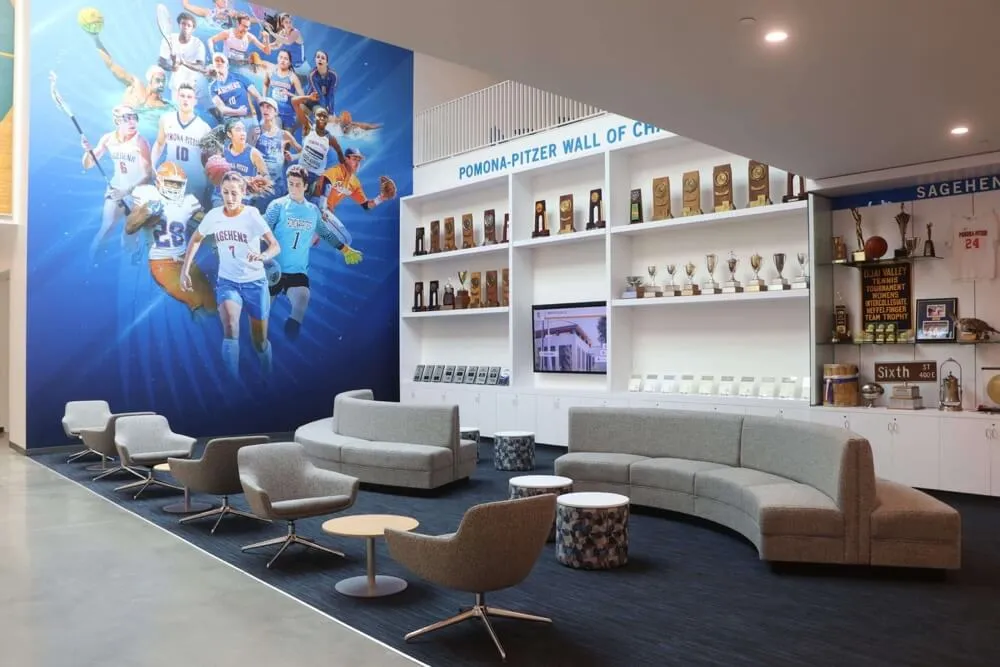
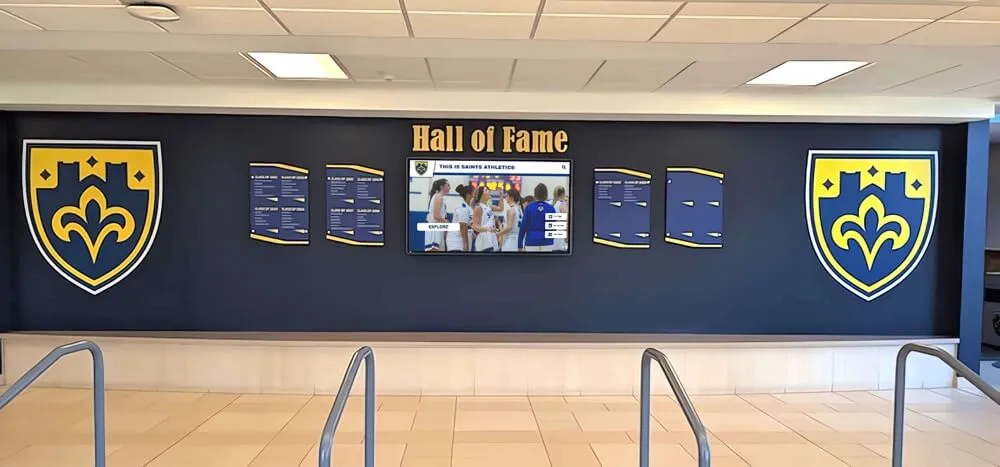
Effective school halls of fame combine traditional elements with modern displays to honor achievement across multiple categories
Program Snapshot: Understanding School Hall of Fame Fundamentals
Before diving into planning specifics, understanding what distinguishes halls of fame from other recognition forms helps establish appropriate scope and objectives.
Defining School Halls of Fame
School halls of fame represent selective honor societies recognizing the most exceptional achievements within educational institutions. Unlike comprehensive recognition displays celebrating all significant accomplishments, halls of fame maintain prestige through exclusivity, rigorous selection standards, and formal induction processes.
Core Characteristics
True halls of fame share several defining features:
- Selective Recognition: Only the most exceptional individuals or groups receive induction, with clear criteria establishing high standards
- Permanent Membership: Induction represents lifetime honorary status that establishes lasting institutional connection
- Formal Selection Process: Nomination procedures, committee deliberation, and voting protocols ensure legitimate, defensible selection
- Ceremonial Induction: Formal ceremonies celebrate new inductees and honor achievements publicly
- Sustained Program: Regular selection cycles create enduring tradition rather than one-time recognition
Schools maintain credibility by ensuring hall of fame standards meaningfully distinguish honorees from other forms of recognition like honor rolls, awards ceremonies, or achievement displays.
Common Recognition Categories
Comprehensive school halls of fame typically include multiple categories acknowledging different excellence types:
Athletic Achievement
- Individual athletes with exceptional competitive careers
- Championship teams achieving extraordinary success
- Coaches building sustained program excellence
- Athletic contributors advancing programs through support
Learn about athletic recognition programs that celebrate team accomplishments effectively.
Academic Excellence
- Scholars achieving exceptional academic records
- Students earning prestigious academic honors
- Academic competition champions
- Innovative student researchers
Discover recognition for academic achievement programs celebrating student success.
Arts and Activities
- Performing arts students achieving state or national recognition
- Visual arts students earning significant honors
- Music students selected for elite ensembles
- Activity leaders building exceptional programs
Distinguished Alumni
- Graduates achieving exceptional post-graduation success
- Alumni making significant community contributions
- Alumni bringing honor to institutions through professional achievement
- Alumni demonstrating exemplary character and leadership
Faculty and Staff Recognition
- Educators demonstrating teaching excellence across careers
- Administrators advancing institutional mission significantly
- Staff members providing exceptional service over decades
- Faculty members earning professional distinction
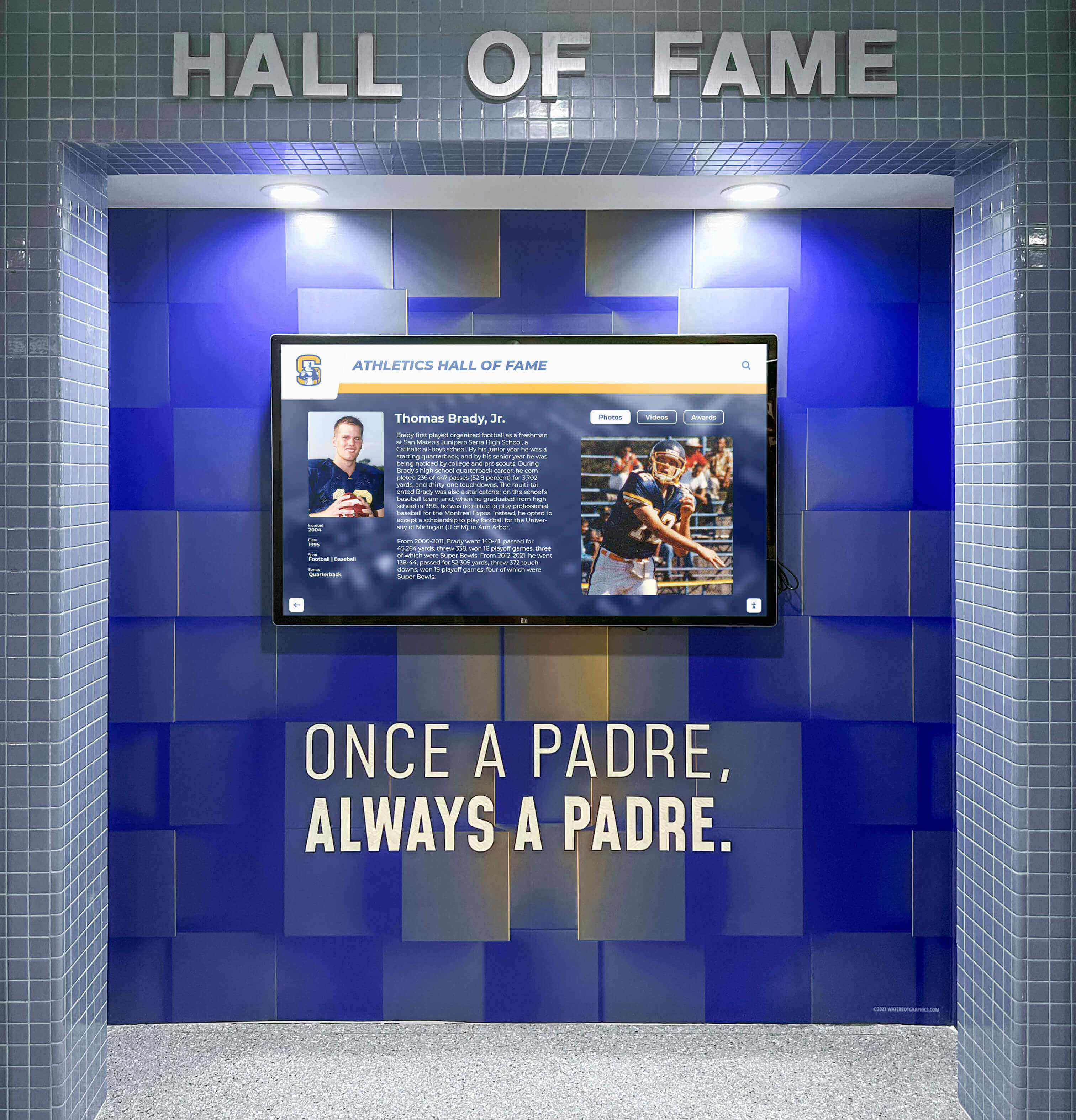
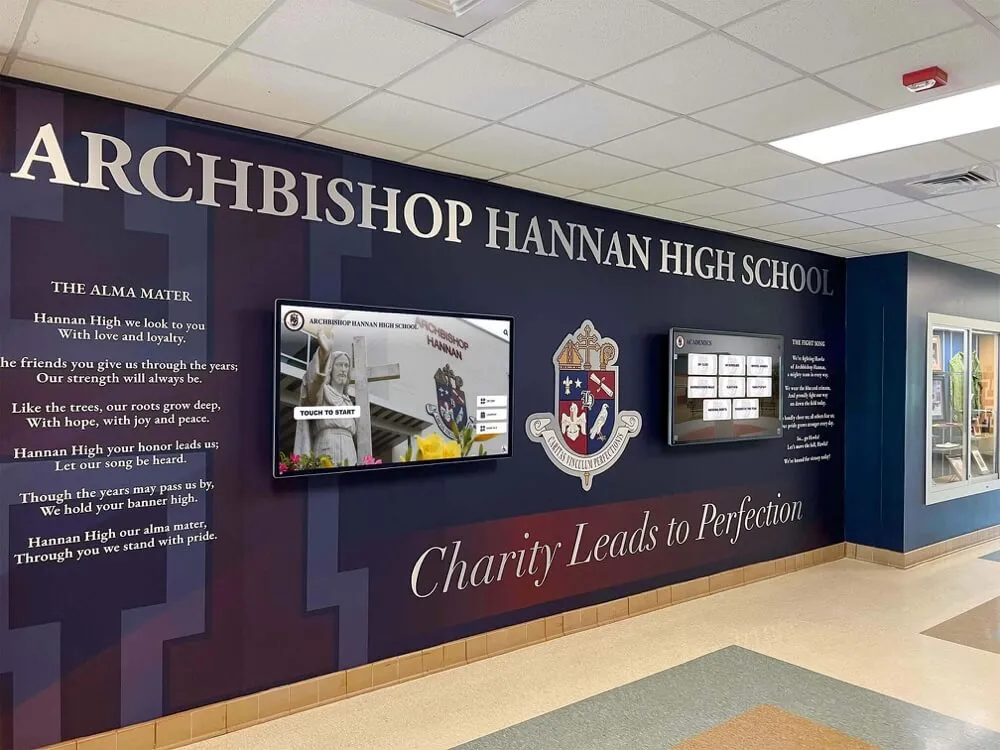
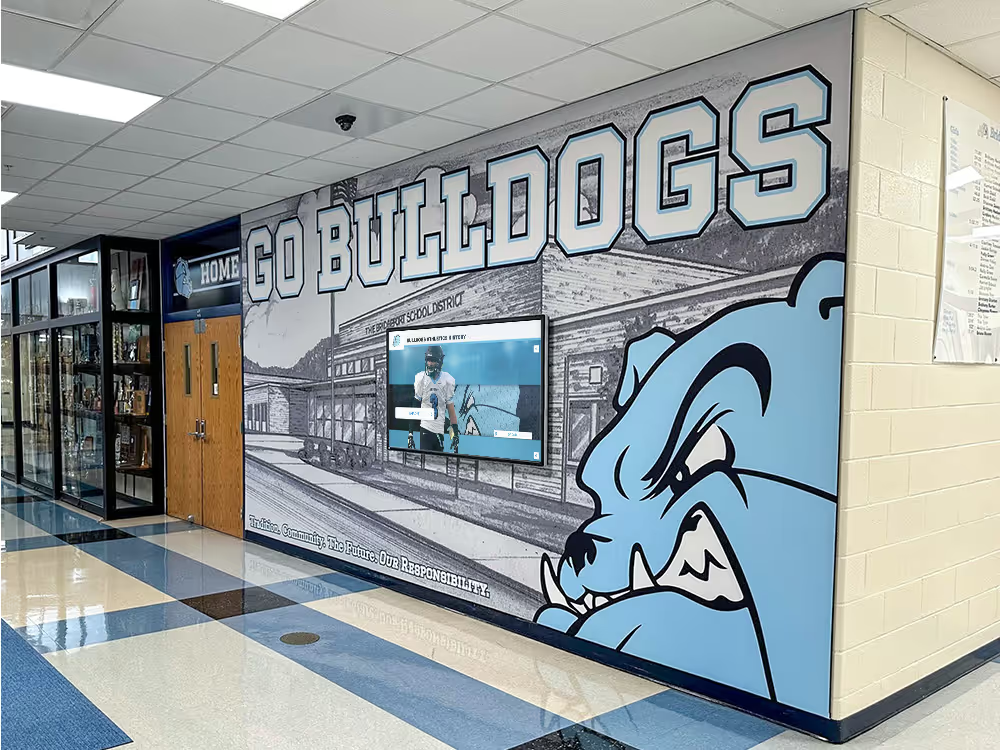
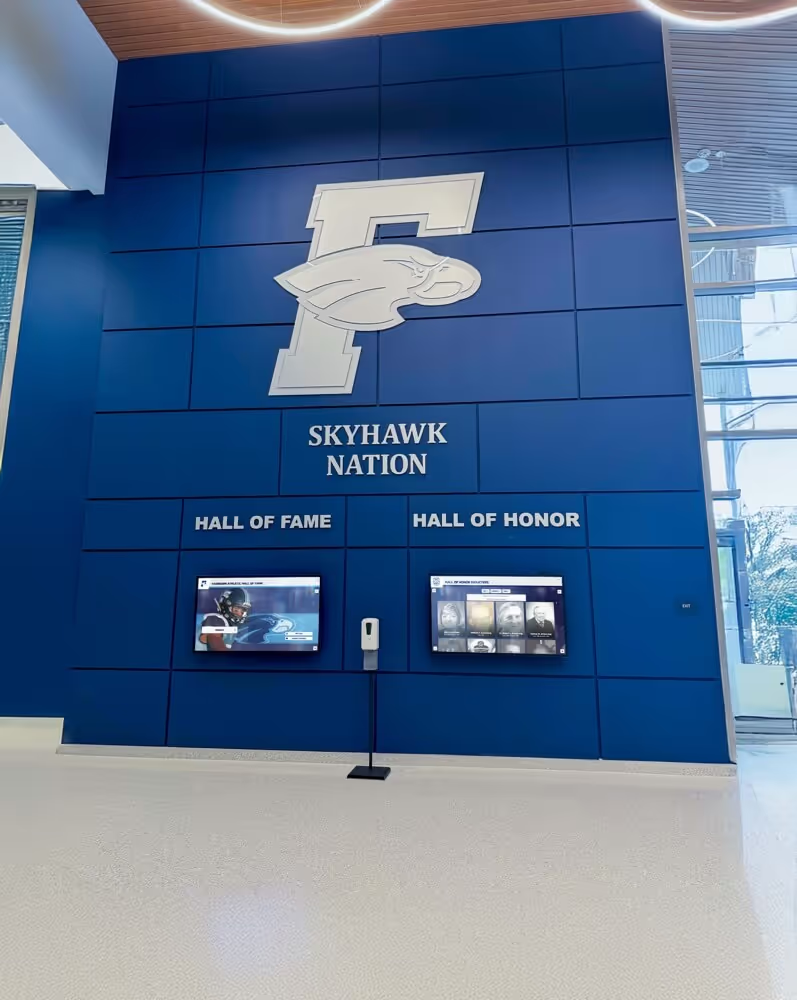
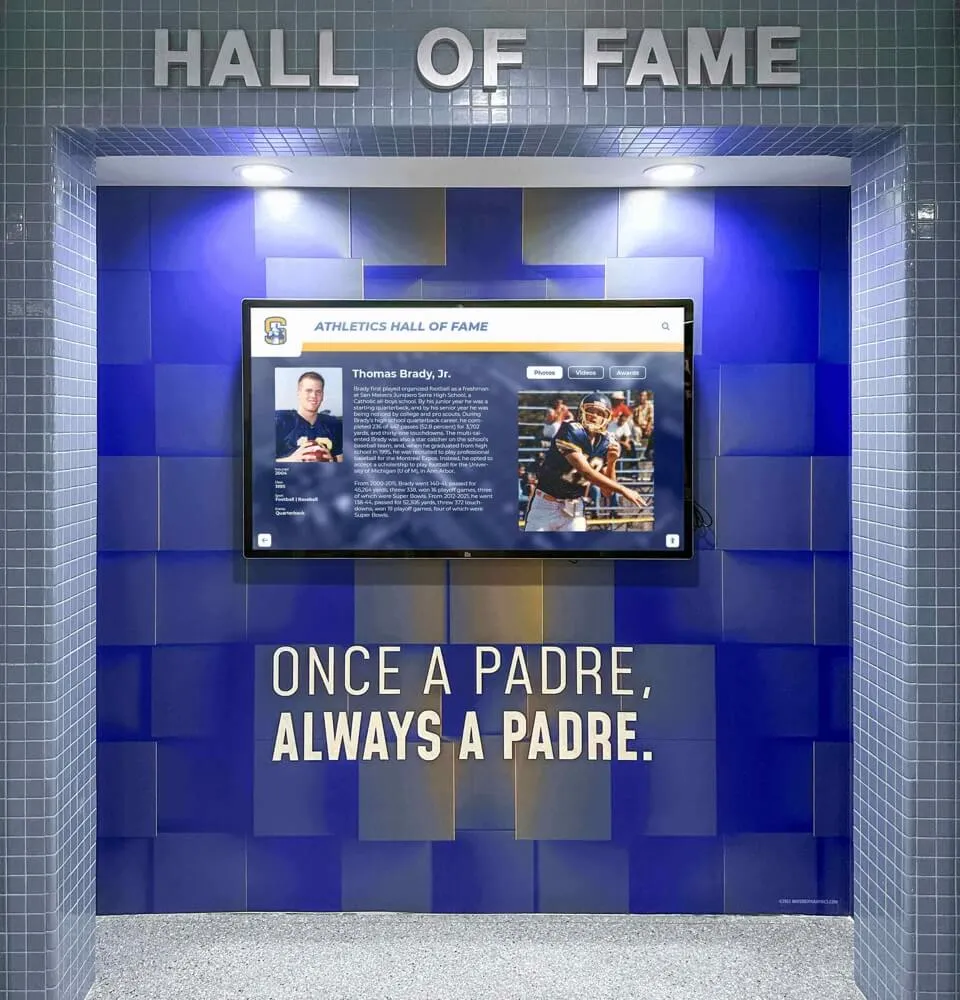
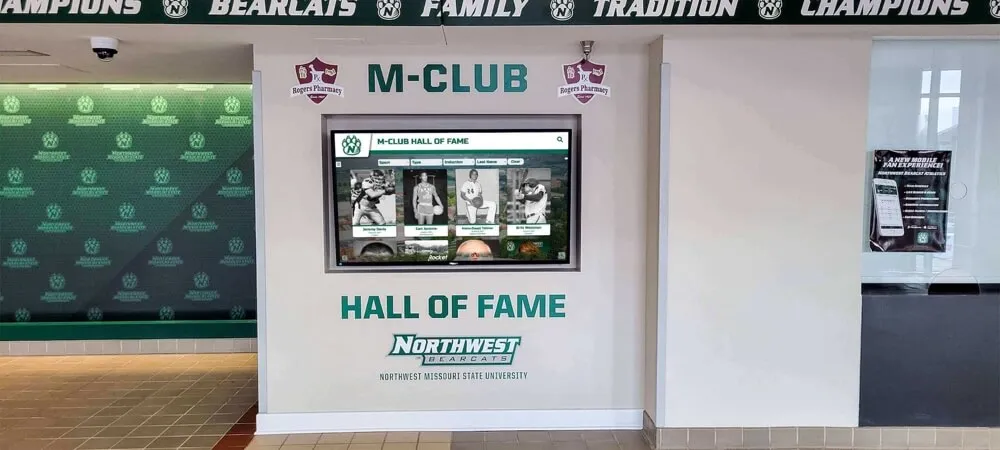
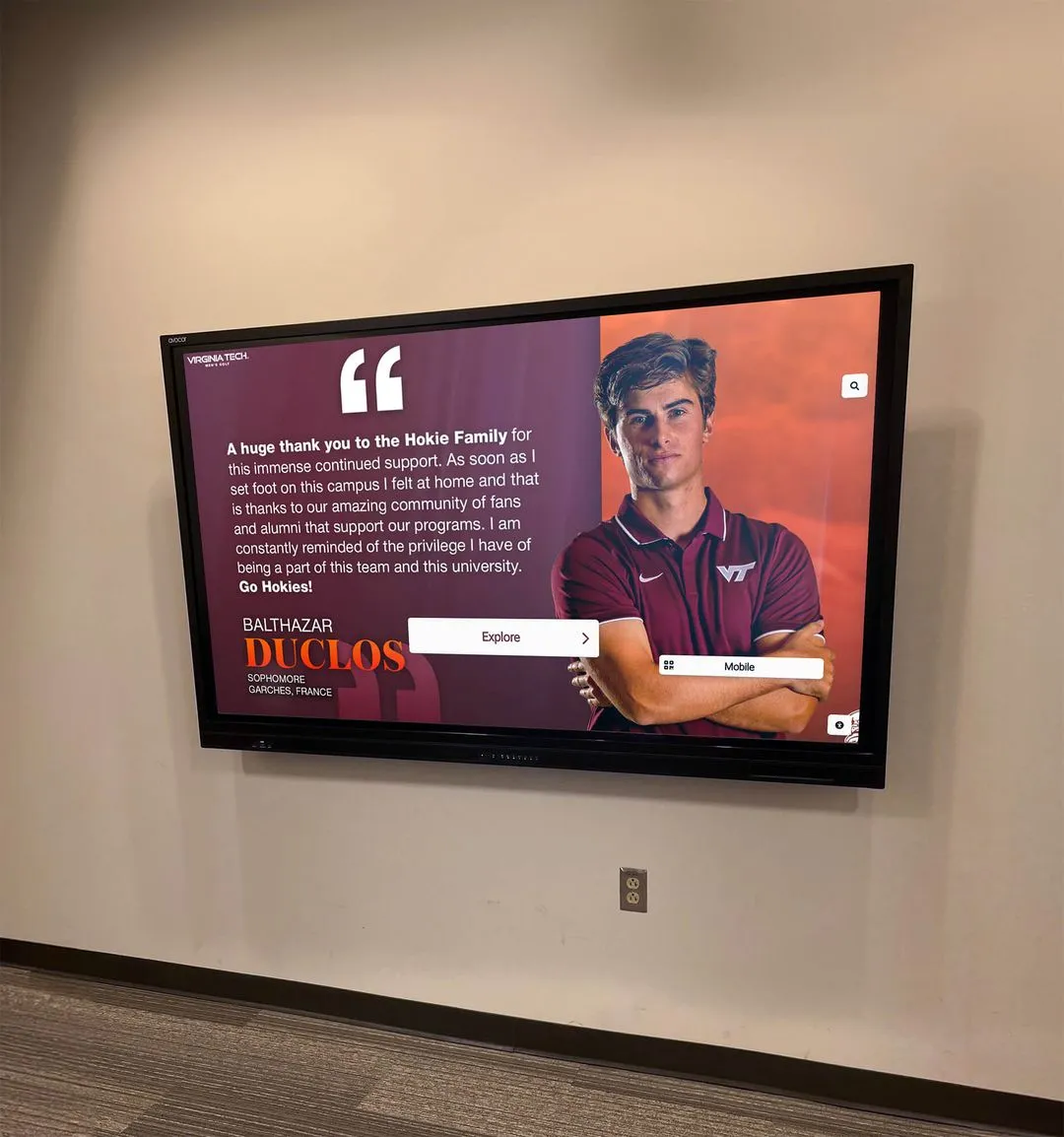
Digital displays enable schools to create professional, updatable hall of fame recognition within existing facilities
Benefits of School Halls of Fame
Properly implemented halls of fame deliver meaningful benefits justifying required investment and effort:
Preserving Institutional History
Halls of fame systematically document and preserve school history that might otherwise be lost as decades pass. They ensure exceptional achievements are remembered accurately, create searchable archives of institutional excellence, and connect current programs to historical foundations.
Inspiring Current Students
Visible recognition of past excellence motivates current students to pursue their own achievements. Students see concrete examples of what’s possible within their institution, understand standards defining excellence, and feel connected to traditions they’re now responsible for continuing.
Explore how school lobby design creates welcoming spaces showcasing achievement.
Strengthening Alumni Engagement
Hall of fame programs create ongoing connections with distinguished alumni through induction ceremonies bringing graduates back to campus, recognition maintaining honored individuals’ institutional connection, and networking opportunities connecting past and present community members.
Enhancing Institutional Prestige
Formal halls of fame signal institutional quality and tradition to multiple audiences including prospective students and families evaluating schools, community members assessing institutional excellence, and donors considering philanthropic support.
Content Architecture: Building Your Hall of Fame Foundation
Successful hall of fame programs result from careful planning addressing governance, criteria, processes, and recognition approaches before launch.
Step 1: Establish Program Leadership and Governance
Creating representative governance ensures diverse perspectives inform program design and ongoing management:
Forming a Hall of Fame Committee
Effective committees typically include:
- School administrator providing institutional oversight and policy alignment
- Athletic director representing athletic recognition perspectives
- Academic department heads ensuring academic category representation
- Alumni association representative offering historical context and community connection
- Student representative providing current student perspective
- Community member ensuring external credibility and objectivity
Defining Committee Responsibilities
The governance committee should address:
- Developing eligibility criteria and selection standards for all categories
- Creating nomination and voting procedures ensuring fair evaluation
- Planning induction ceremony format, timing, and budget
- Determining physical or digital recognition display approaches
- Establishing funding sources and long-term sustainability plans
- Managing ongoing program administration and updates
Documenting Program Governance
Create formal documentation establishing:
- Committee composition requirements and term lengths
- Selection process procedures from nomination through induction
- Eligibility criteria for each recognition category
- Appeal or reconsideration processes if needed
- Budget approval and expenditure authority
- Amendment procedures for updating program policies
Clear documentation prevents future disputes and ensures program sustainability beyond founding committee members.
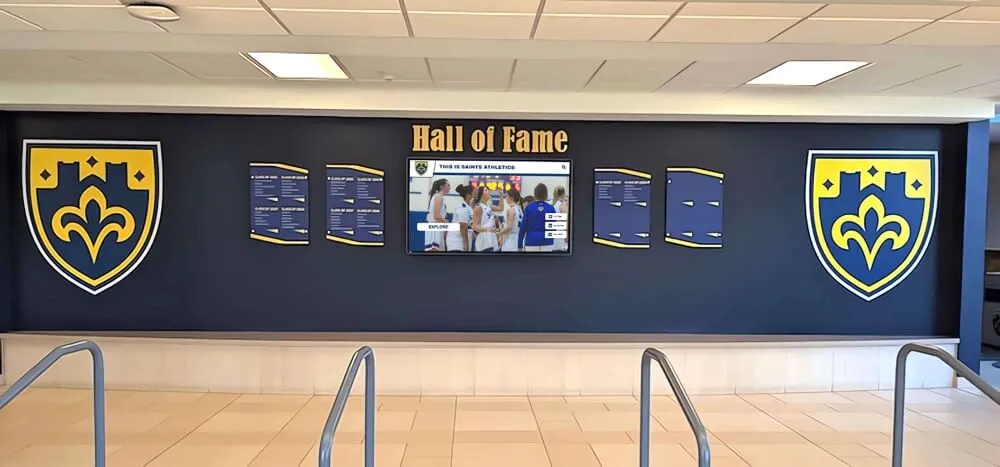
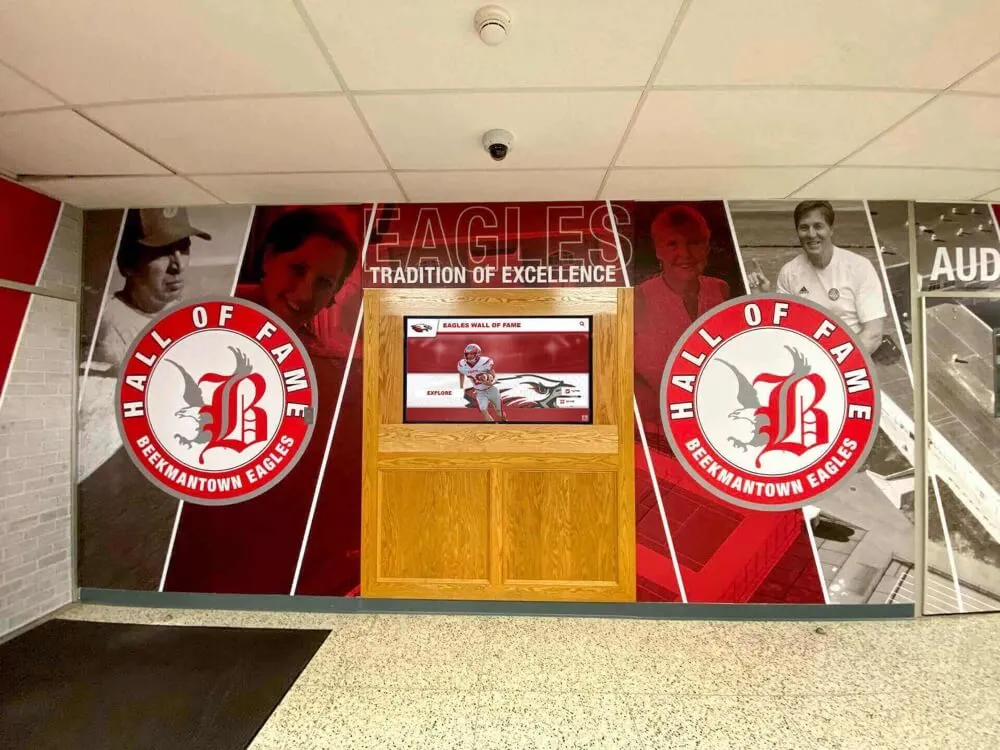
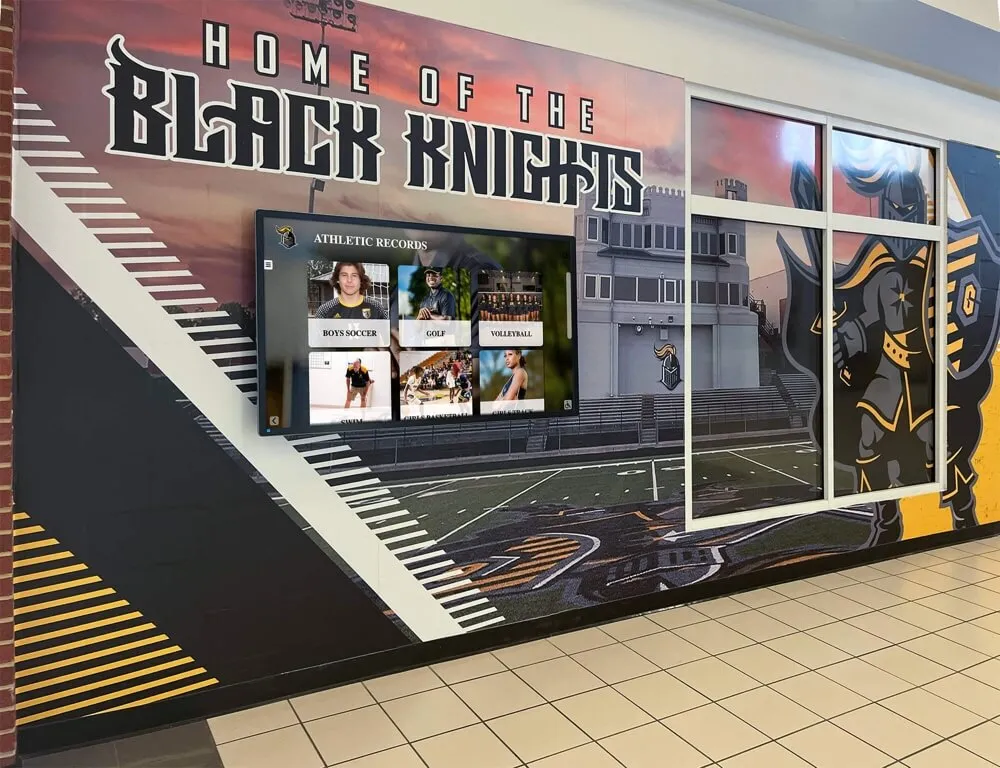
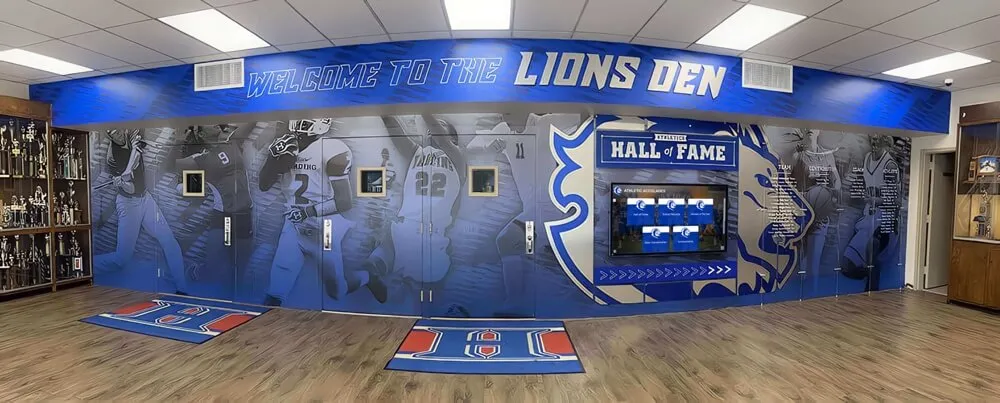
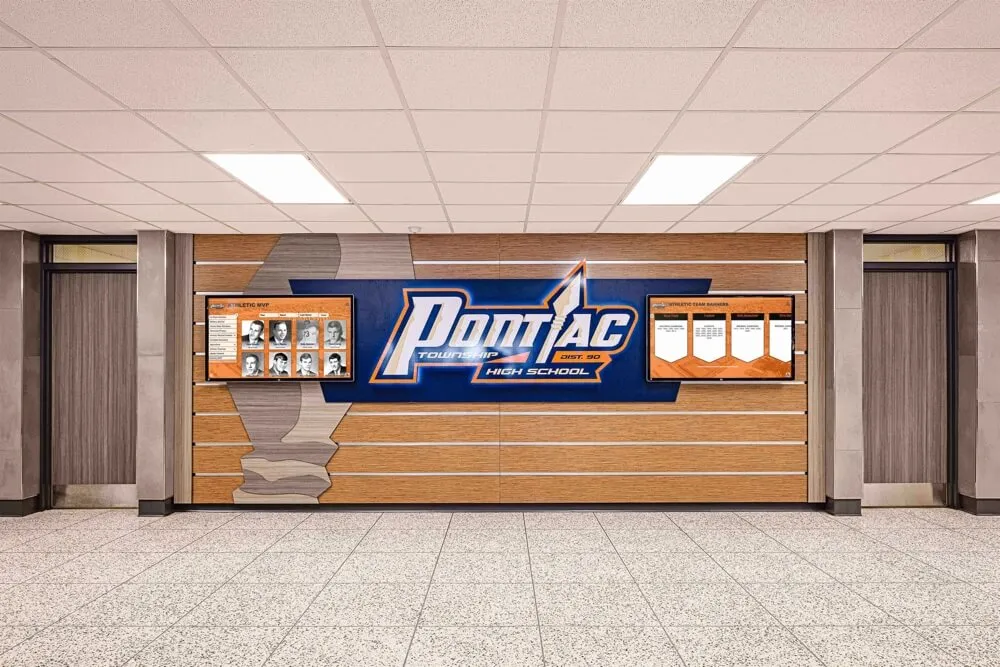
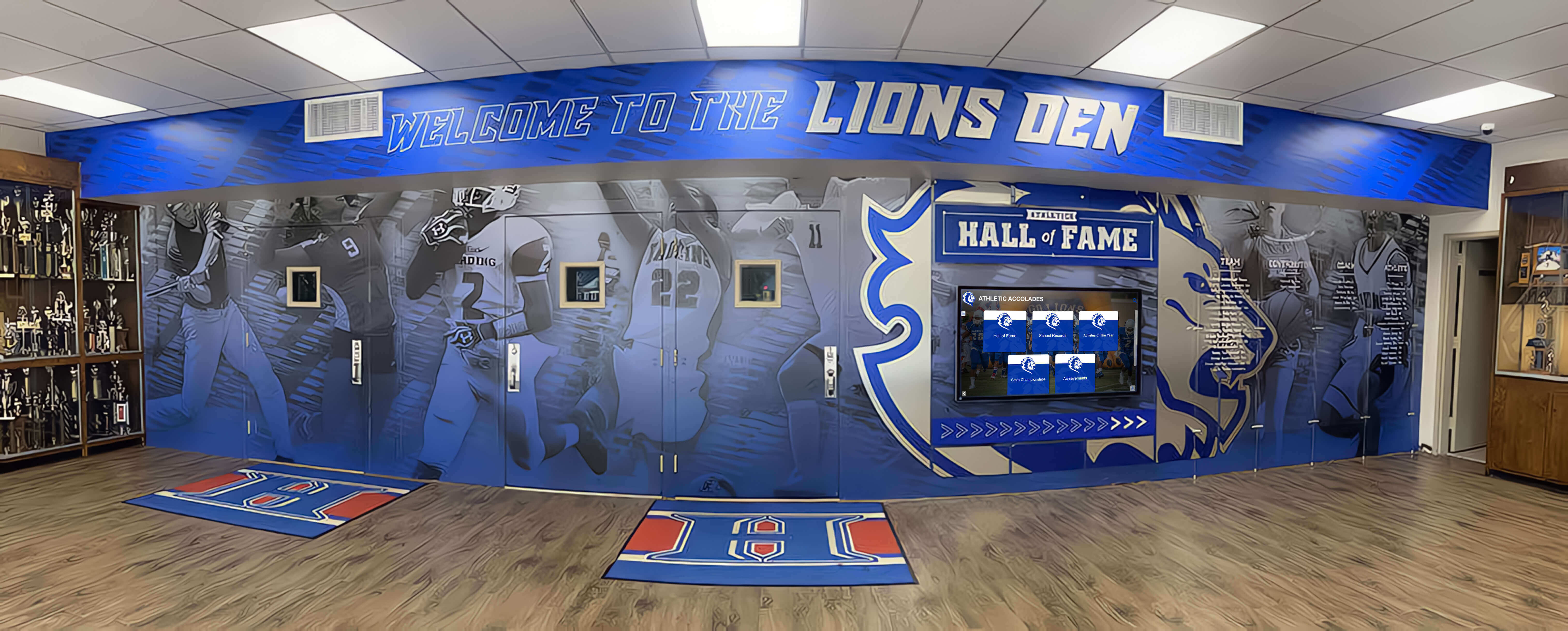
Hybrid approaches combining traditional recognition elements with digital displays offer flexibility and comprehensive coverage
Step 2: Define Eligibility Criteria and Selection Standards
Clear, defensible criteria ensure program credibility and prevent controversy:
Establishing Category-Specific Requirements
For each recognition category, define specific eligibility standards:
Athletic Category Standards
- Minimum years since graduation (typically 5-10 years for perspective)
- Specific achievement thresholds (championships, records, honors)
- Character and sportsmanship requirements
- Post-graduation success considerations if applicable
- Team recognition criteria (championship requirements, milestone achievements)
Academic Category Standards
- Grade point average minimums or class rank requirements
- Specific academic honors received (National Merit, AP Scholar, etc.)
- Academic competition achievements
- Scholarship awards received
- Post-graduation academic success if considering alumni
Arts Category Standards
- State or national competition results
- Elite ensemble selections (All-State, regional, national)
- Professional recognition or publication
- Sustained excellence across multiple years
- Performance or exhibition achievements
Alumni Category Standards
- Minimum years since graduation providing career perspective
- Professional achievement benchmarks
- Community service contributions
- Character and values alignment with institutional mission
- Bringing distinction to institution through accomplishment
Balancing Objective and Subjective Criteria
Effective criteria combine:
- Quantifiable achievements (statistics, honors, awards) providing objective baselines
- Qualitative factors (leadership, character, impact) capturing intangible excellence
- Clear weighting or priority among criteria preventing arbitrary selection
- Specific examples illustrating what meets standards
Step 3: Develop Nomination and Selection Processes
Transparent processes ensure fairness and maintain program credibility:
Creating Nomination Procedures
Establish clear nomination processes:
- Define who may submit nominations (anyone vs. limited groups)
- Create standardized nomination forms capturing required information
- Set annual nomination deadlines and announcement schedules
- Specify required documentation (statistics, achievements, recommendations)
- Develop nomination review procedures ensuring completeness
Designing Selection Workflows
Structure deliberation and voting:
- Committee review process for evaluating nominations against criteria
- Scoring or ranking systems for consistent evaluation
- Discussion protocols ensuring all nominees receive fair consideration
- Voting procedures (simple majority, supermajority, consensus)
- Maximum inductees per year maintaining selectivity
- Handling ties or close decisions
Ensuring Process Transparency
Maintain credibility through:
- Publishing criteria, nomination procedures, and selection timelines
- Announcing selections with brief achievement summaries
- Providing feedback to unsuccessful nominees if requested
- Documenting selection rationale for future reference
- Regular review of criteria and processes ensuring continued relevance
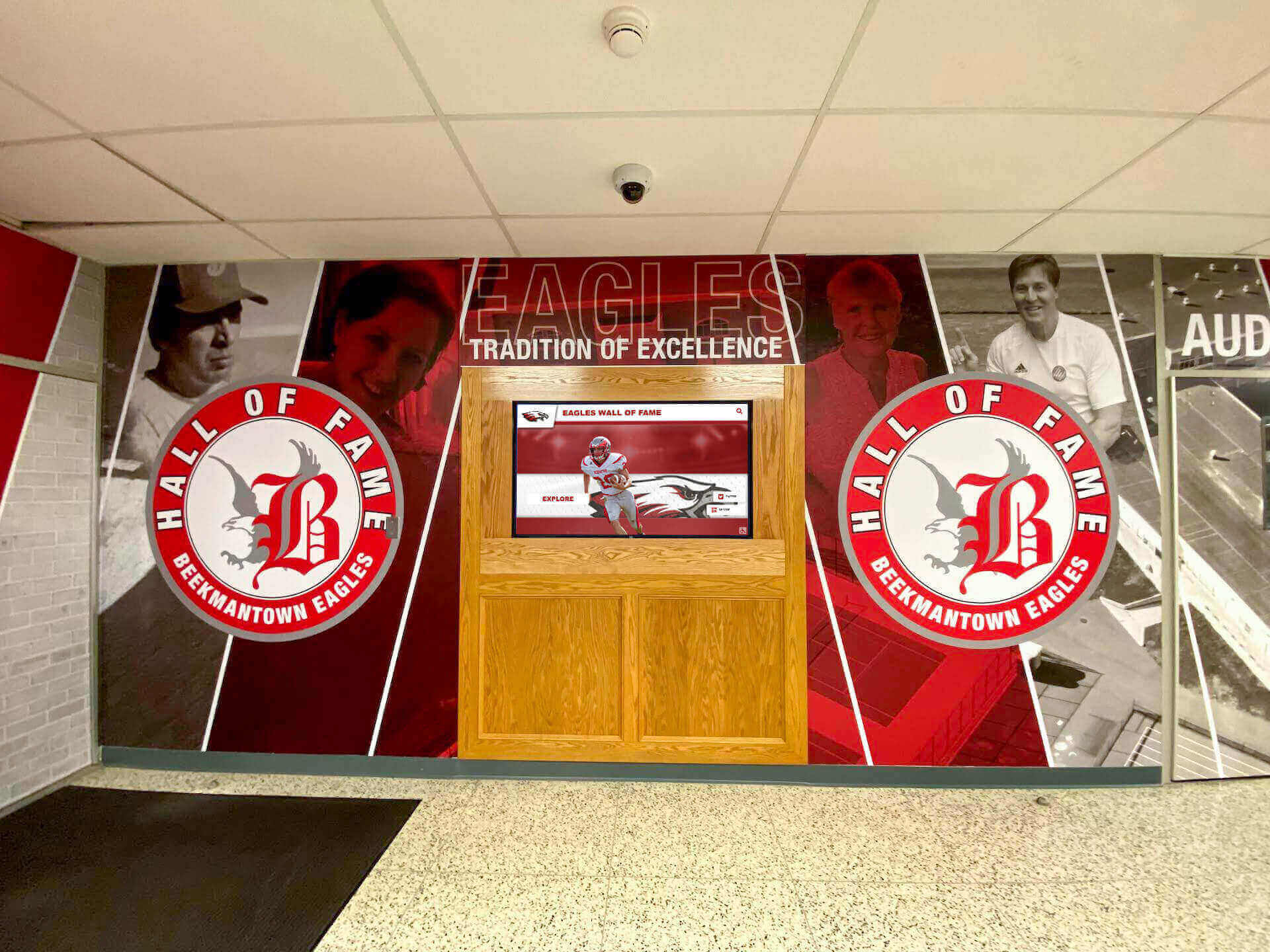
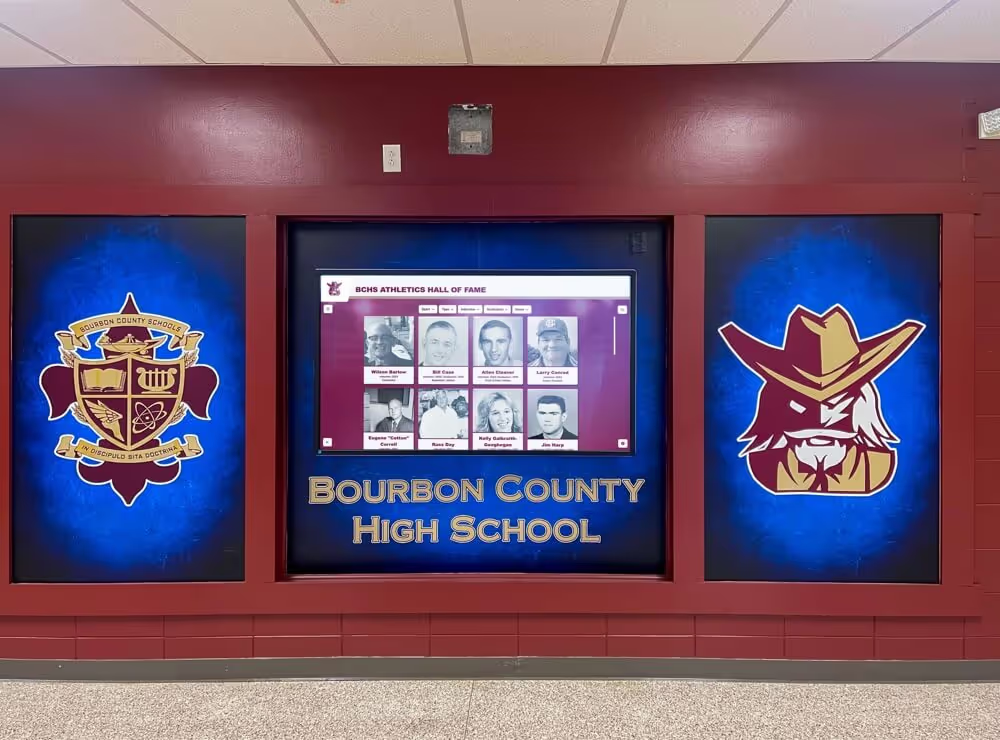
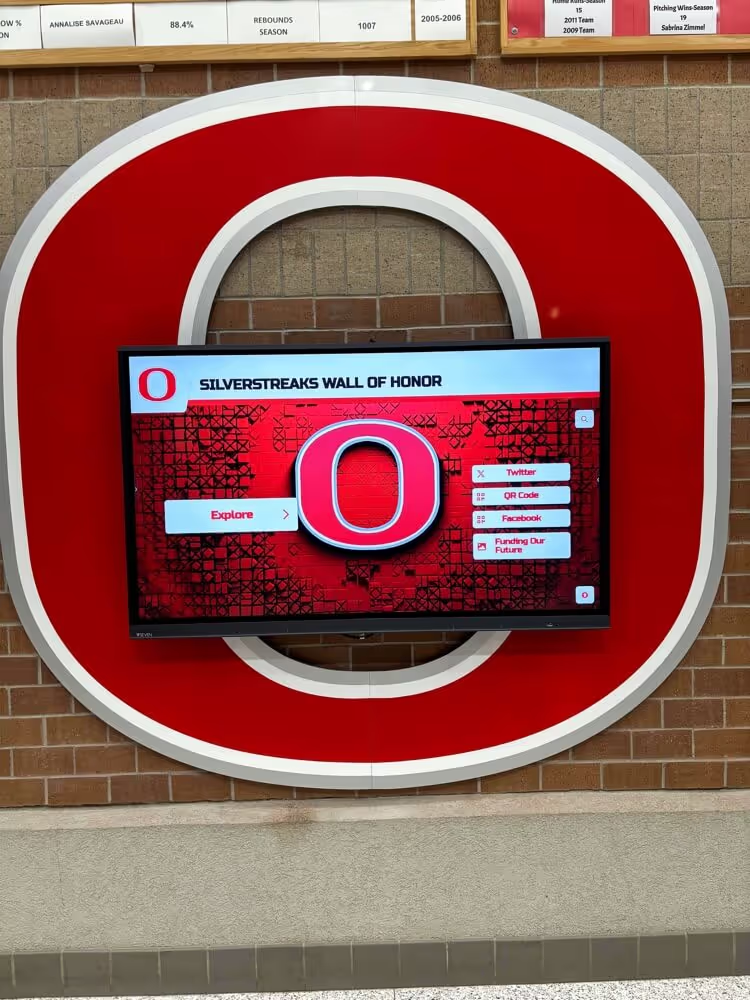
Dedicated lobby spaces create prominent recognition showcasing institutional pride and achievement
Step 4: Plan Recognition and Display Approaches
Physical or digital recognition represents the visible manifestation of hall of fame honor:
Traditional Display Options
Physical recognition approaches include:
Wall-Mounted Plaques
- Individual plaques for each inductee mounted on dedicated walls
- Allows for detailed biographical information and photos
- Creates impressive visual impact through accumulated recognition
- Requires significant wall space as program grows
- Permanent installation limits flexibility for updates or corrections
Trophy Case Displays
- Combining inductee recognition with related trophies and memorabilia
- Creates comprehensive achievement showcases
- Protects valuable items and documents
- Limited space constrains long-term program growth
- Difficult to update or reorganize as needed
Traditional Display Limitations
Schools often encounter challenges with physical-only approaches:
- Space constraints limiting inductee numbers
- Update difficulty requiring facilities work for additions
- Aging appearance as plaques and displays deteriorate
- Limited storytelling capacity beyond names and basic information
- Accessibility challenges for viewing detailed information
- Inability to incorporate video, audio, or interactive content
Digital Hall of Fame Solutions
Modern digital recognition overcomes traditional limitations:
Unlimited Capacity
- Accommodate unlimited inductees without space constraints
- Add new honorees instantly without facilities modifications
- Include comprehensive biographies, statistics, photos, and videos
- Reorganize or update content remotely as needed
Enhanced Storytelling
- Share achievement videos, competition footage, and interviews
- Display career statistics, honors, and milestones comprehensively
- Feature photo galleries documenting careers and accomplishments
- Include audio recordings, speeches, or testimonials
Accessibility and Engagement
- ADA-compliant interfaces ensuring universal access
- Search and filter tools helping visitors find specific inductees
- Social sharing enabling broader recognition visibility
- Analytics tracking engagement and popular content
Learn about digital recognition solutions providing unlimited recognition capacity.
Hybrid Approaches
Many schools effectively combine traditional and digital elements:
- Prominent physical recognition for most recent inductees
- Digital displays providing comprehensive access to all honorees
- Traditional aesthetic elements (school colors, logos, themes) integrated with modern technology
- Rotating physical displays featuring different inductee groups periodically
Explore donor wall examples demonstrating hybrid recognition approaches.
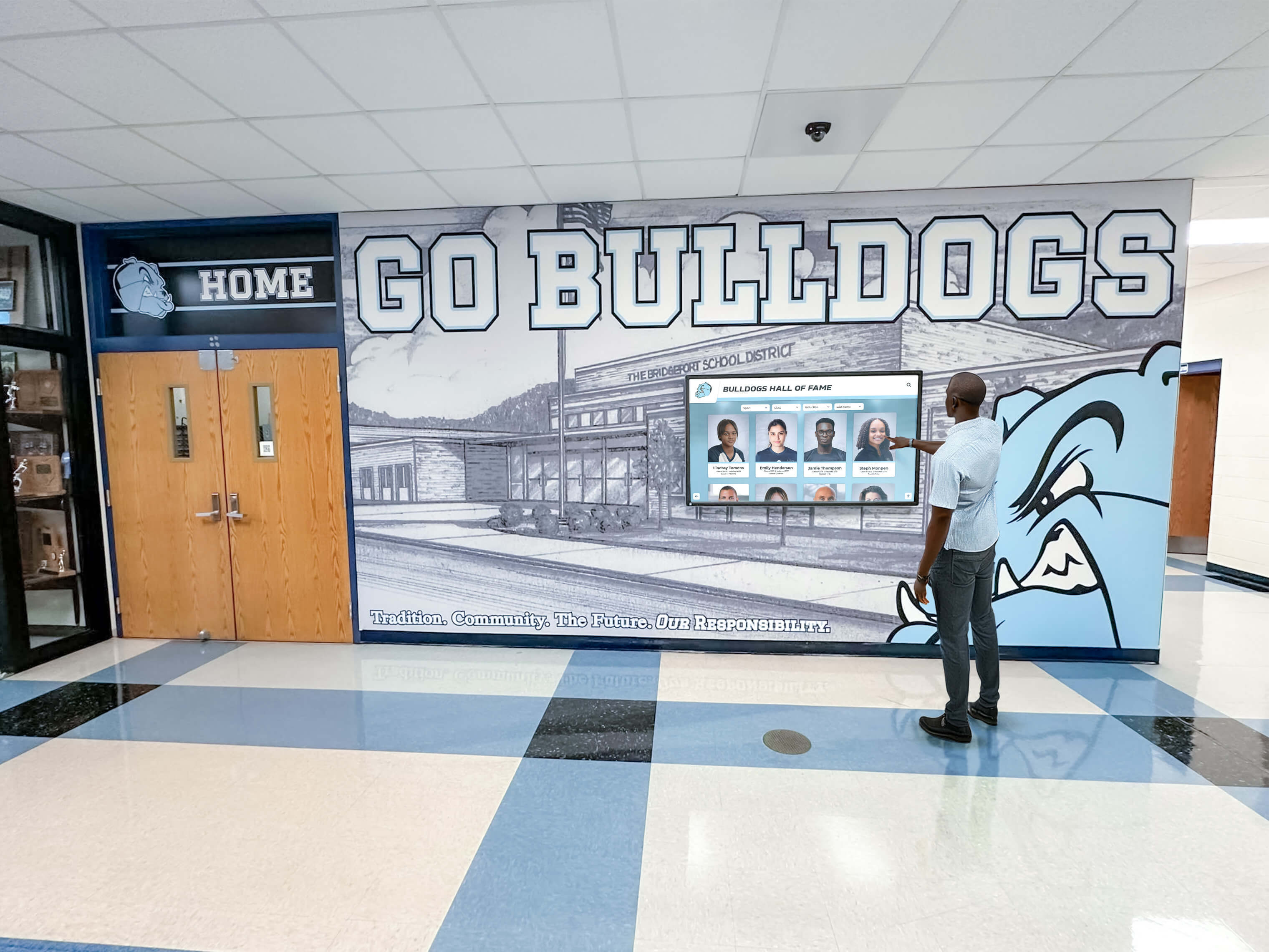
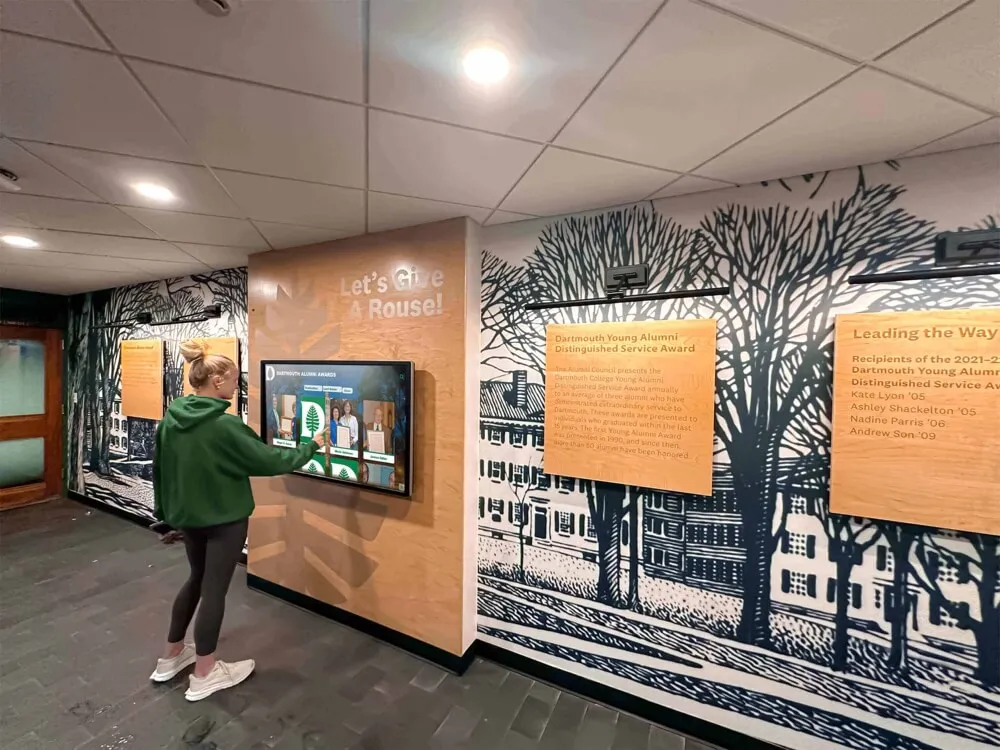
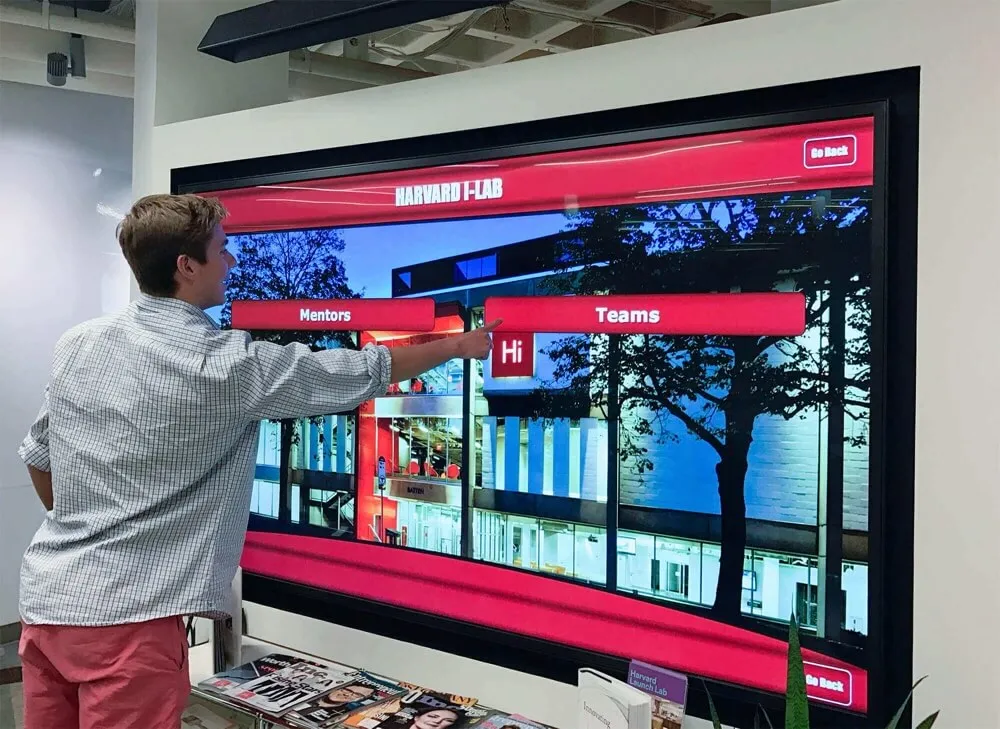
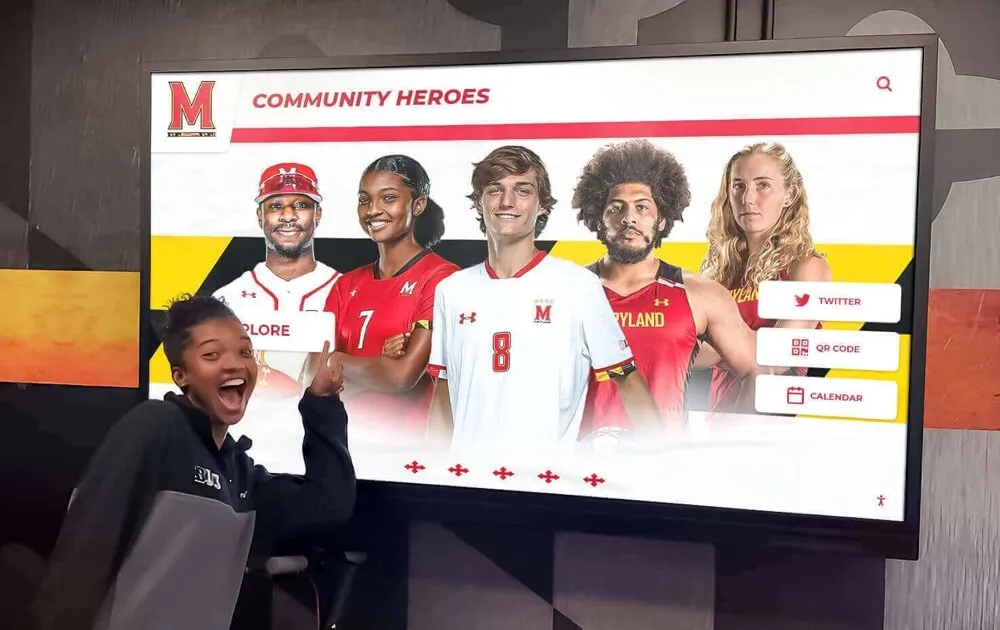
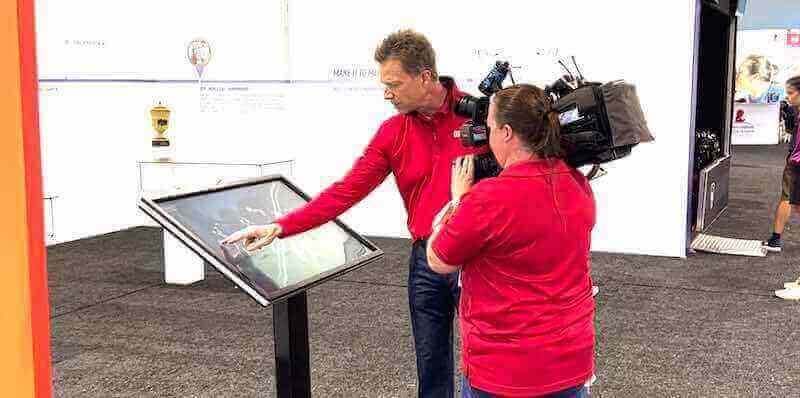
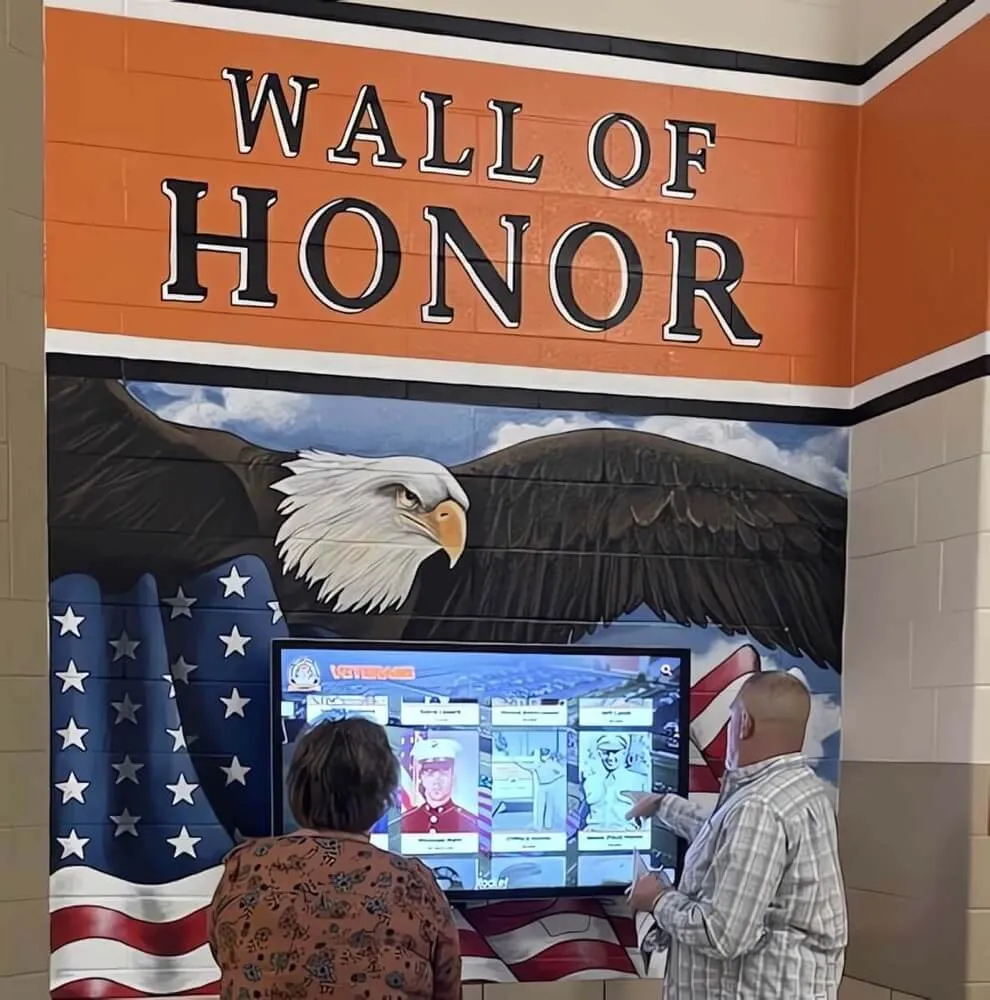
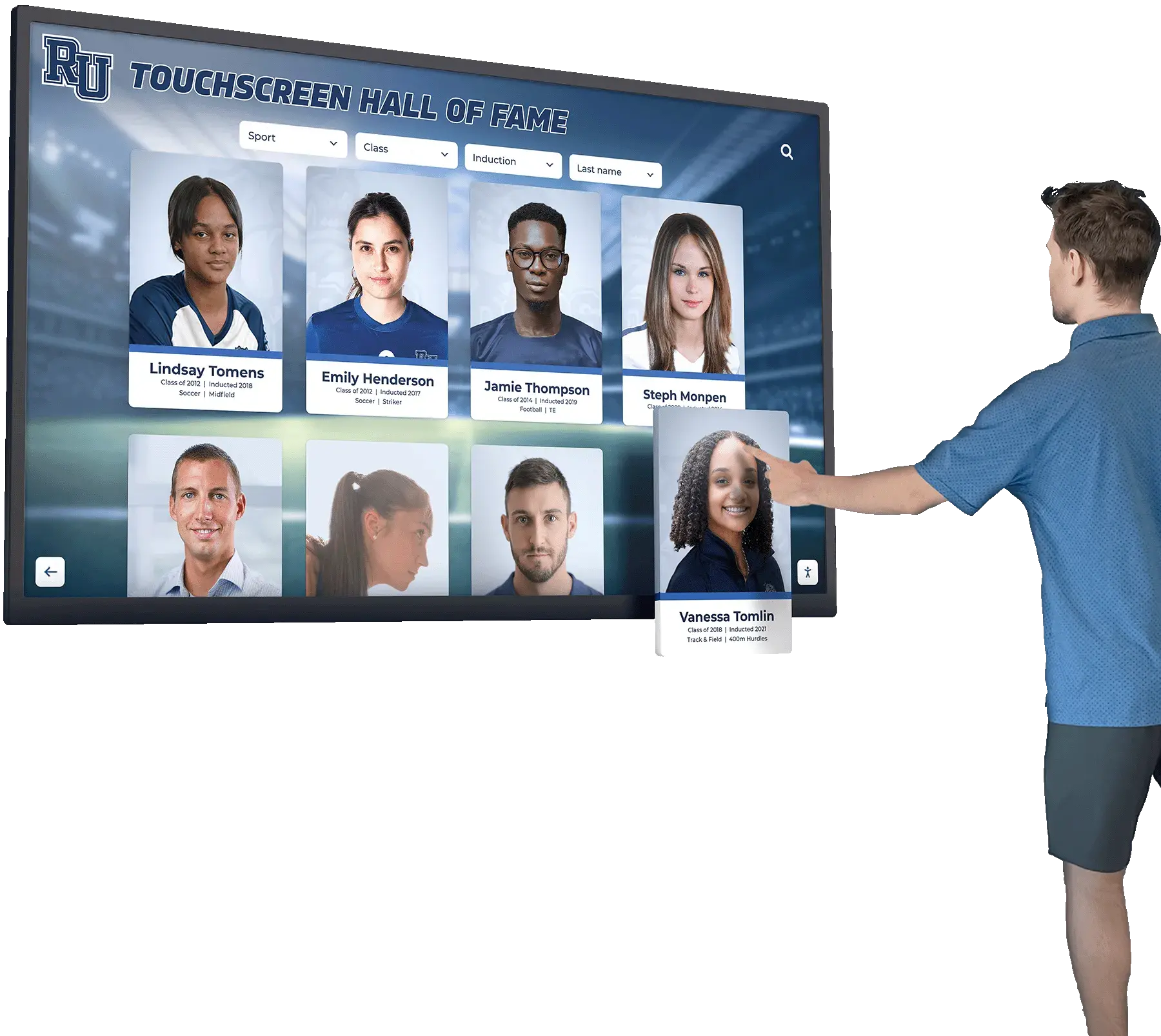
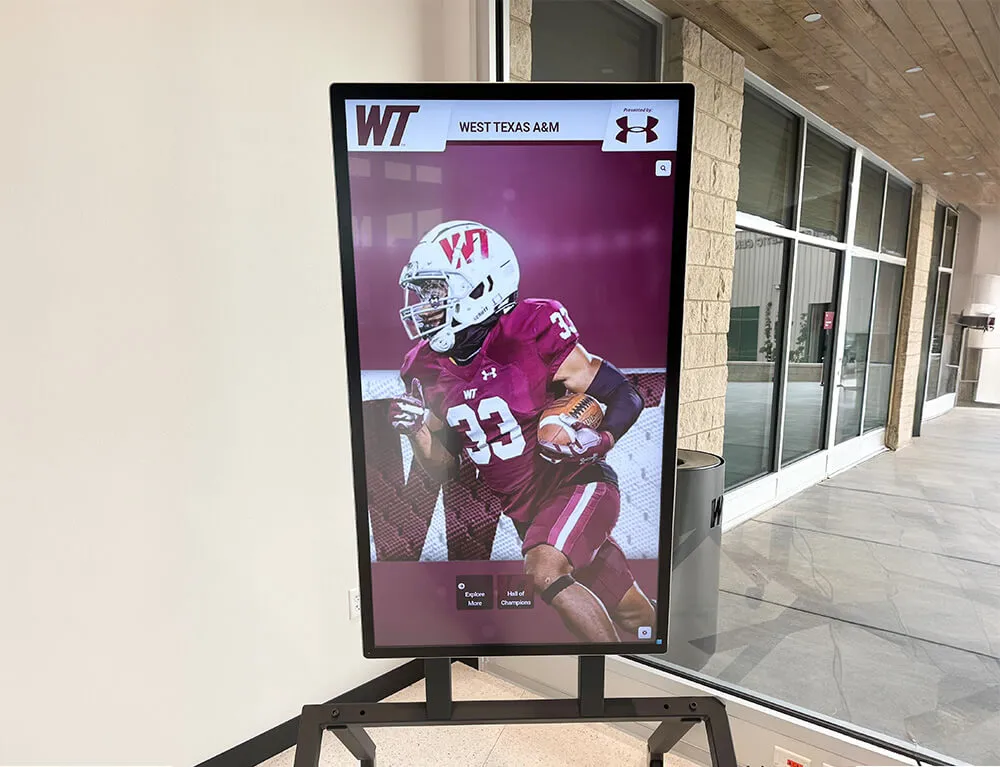
Interactive touchscreen displays enable visitors to explore inductee achievements, watch videos, and search hall of fame content
Execution Timeline: Launching Your Hall of Fame Program
Breaking the development process into manageable phases ensures successful program launch:
Phase 1: Planning and Design (Months 1-3)
Month 1: Foundation Building
- Form hall of fame committee and establish meeting schedule
- Review similar programs at comparable institutions for insights
- Draft initial program purpose statement and goals
- Identify budget sources and funding requirements
- Establish project timeline and key milestones
Month 2: Policy Development
- Define recognition categories based on institutional priorities
- Develop eligibility criteria for each category
- Create nomination forms and procedures
- Design selection and voting processes
- Draft program governance documents
Month 3: Display Planning
- Assess available physical spaces for recognition displays
- Evaluate traditional vs. digital display options
- Obtain cost estimates for display approaches under consideration
- Determine content requirements (photos, biographies, statistics)
- Finalize display approach and begin vendor selection if needed
Phase 2: Content Development and Preparation (Months 4-6)
Month 4: Initial Inductee Selection
- Open nomination period for inaugural induction class
- Committee reviews nominations against established criteria
- Conduct deliberation sessions and voting
- Notify selected inductees and secure participation
- Begin collecting inductee information and materials
Month 5: Content Creation
- Gather photos, videos, and biographical information
- Write inductee biographies and achievement summaries
- Compile statistics, honors, and career highlights
- Obtain necessary permissions for photos and content use
- Create ceremony programs and promotional materials
Month 6: Display Implementation
- Install physical displays or configure digital systems
- Input inductee content into displays or databases
- Test digital systems ensuring proper functionality
- Create wayfinding signage directing visitors to displays
- Develop maintenance and update procedures
Phase 3: Launch and Celebration (Month 7)
Ceremony Planning
- Schedule induction ceremony date and secure venue
- Invite inductees, families, school community, and media
- Plan ceremony program including speeches and presentations
- Arrange reception or celebration following ceremony
- Coordinate recognition gifts, plaques, or certificates
- Prepare media releases and social media content
Public Launch
- Host formal induction ceremony celebrating inaugural class
- Unveil hall of fame displays during ceremony or related events
- Generate media coverage highlighting program launch
- Promote displays to school community and visitors
- Celebrate achievement of launching meaningful recognition program
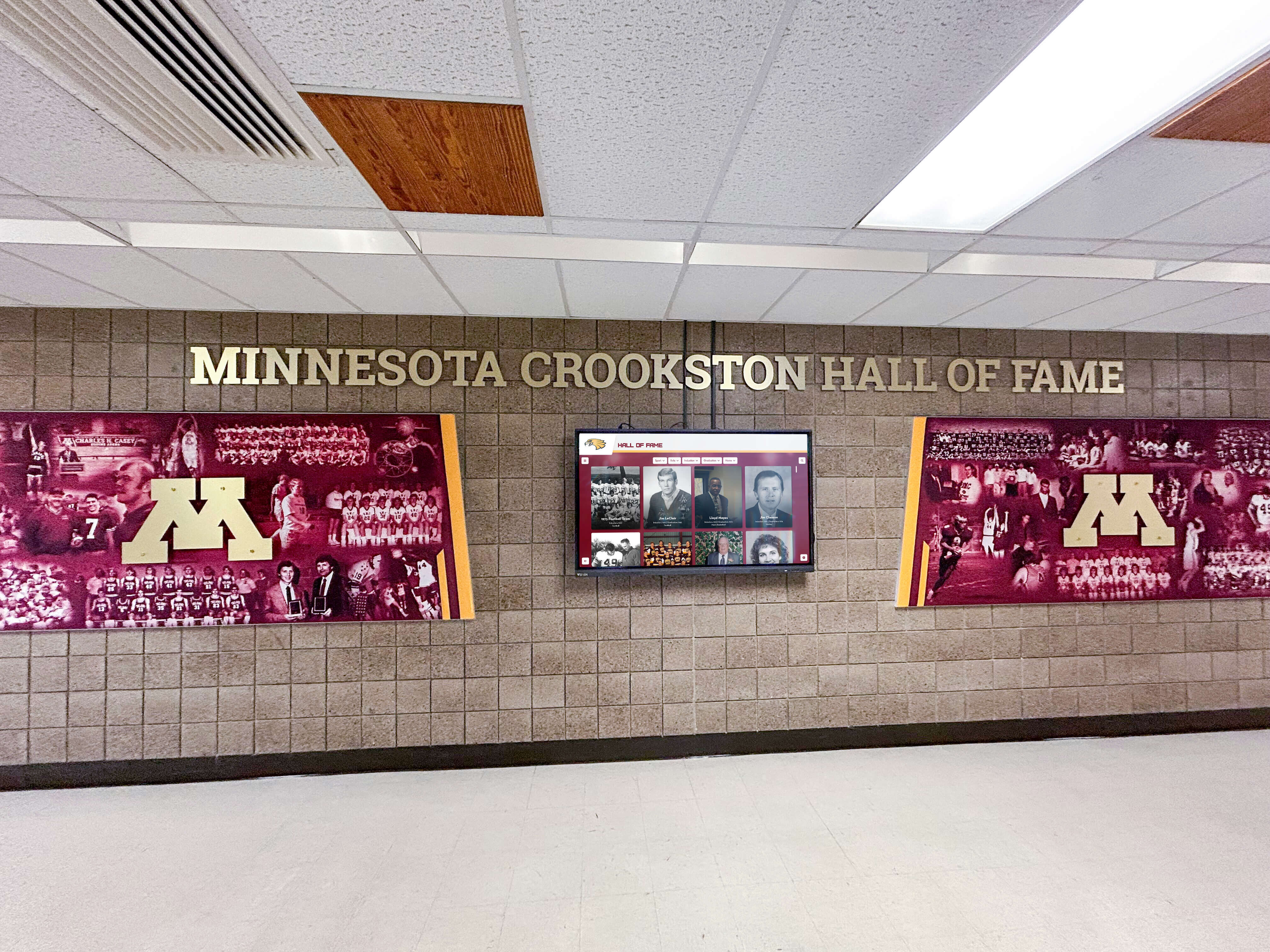
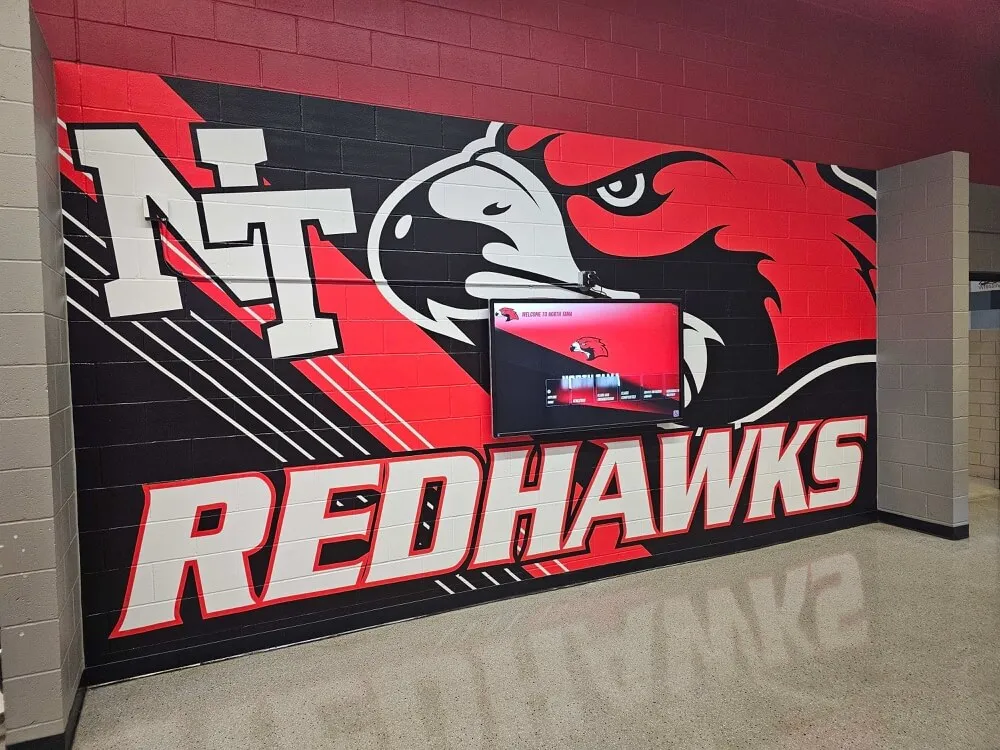
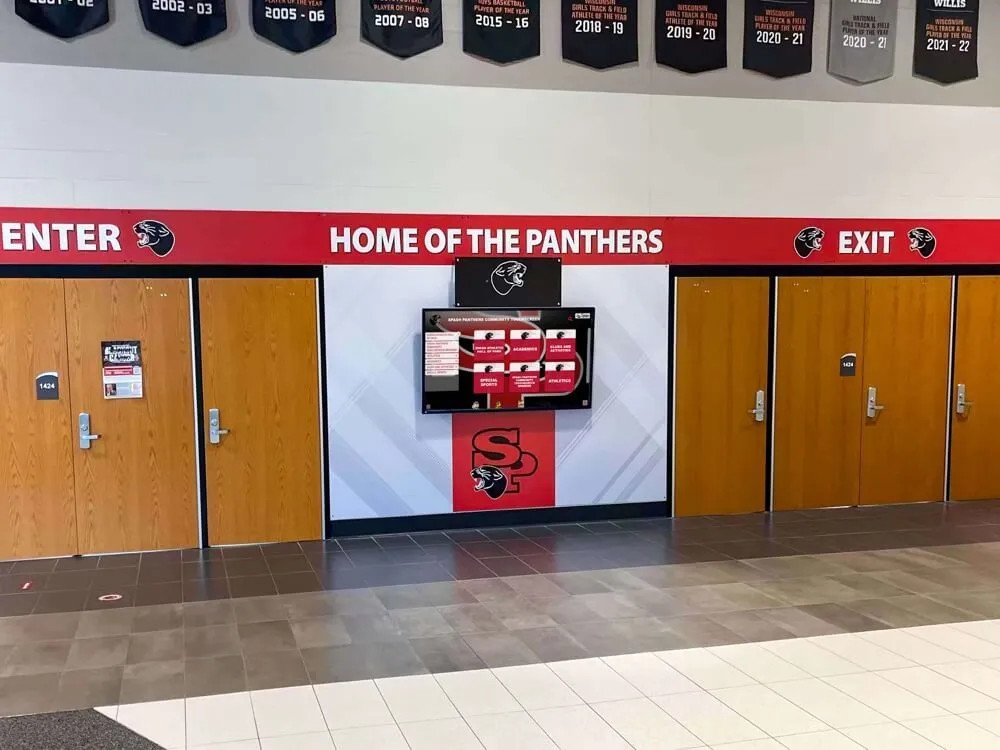
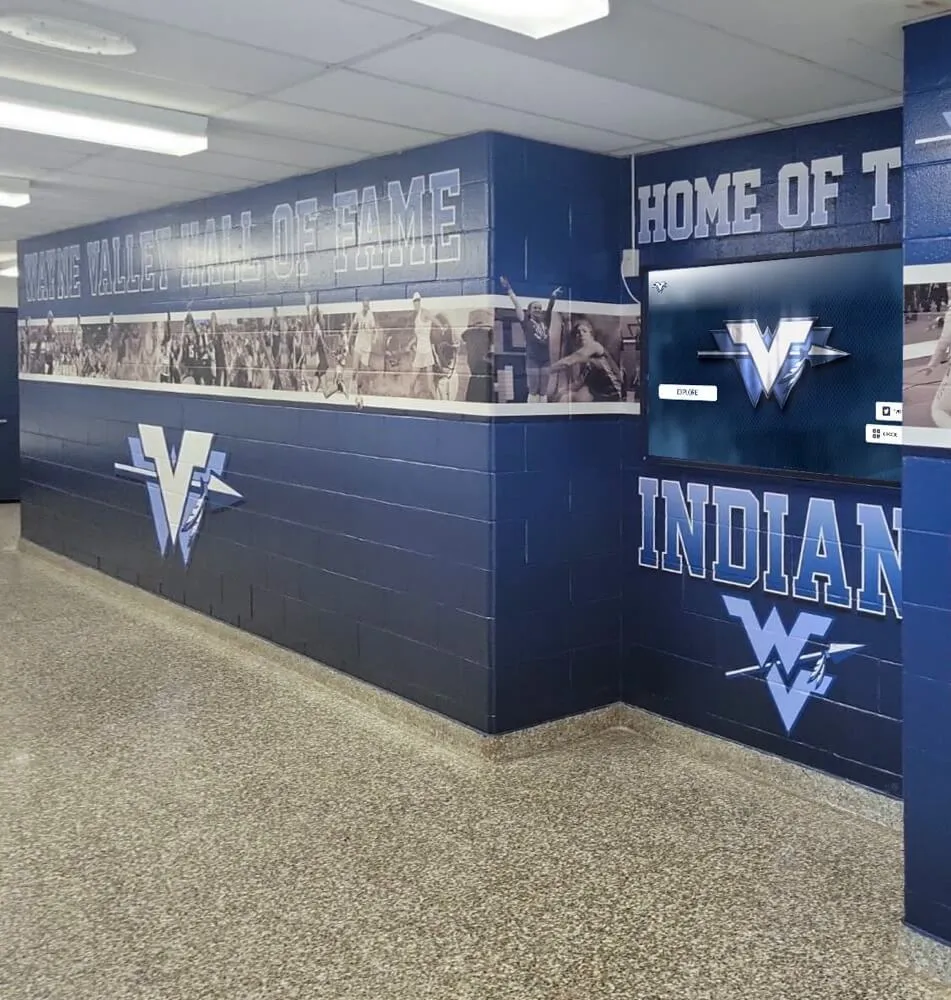
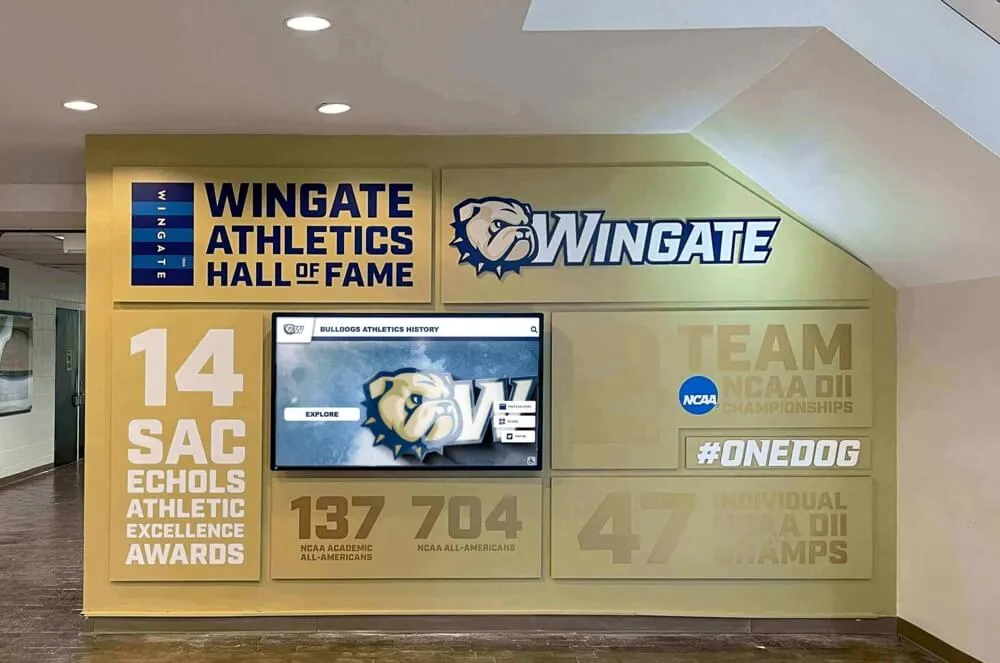
Coordinating displays with school branding creates cohesive recognition environments celebrating institutional identity
Phase 4: Ongoing Management (Ongoing)
Annual Selection Cycles
- Open nominations according to established schedule
- Committee reviews nominations and selects new inductees
- Plan annual induction ceremonies maintaining tradition
- Update displays with new inductee information
- Maintain consistent program quality and standards
Program Maintenance
- Update biographical information as needed
- Refresh photos and content ensuring quality
- Monitor display condition and functionality
- Gather community feedback on program effectiveness
- Review and refine criteria and processes periodically
Continuous Improvement
- Track program metrics (nominations, attendance, engagement)
- Survey inductees and attendees for improvement suggestions
- Stay current with recognition best practices
- Expand categories or adjust criteria as institutional needs evolve
- Ensure long-term program sustainability through funding and leadership succession
Display Integration: Choosing the Right Recognition Approach
Selecting appropriate display methods significantly impacts program success, visitor engagement, and long-term sustainability:
Evaluating Display Options
Consider these factors when selecting recognition approaches:
Space Availability and Constraints
- Available wall space in high-traffic areas
- Competition for space with other institutional priorities
- Growth projections for inductee numbers over decades
- Accessibility requirements for viewing displays
- Security considerations for valuable memorabilia
Budget Considerations
- Initial installation or implementation costs
- Ongoing maintenance and update expenses
- Long-term replacement or refresh requirements
- Staff time required for content management
- Comparative cost per inductee over program lifetime
Content Requirements
- Biographical information depth desired
- Photo and video content integration
- Statistical data and achievement documentation
- Ability to update or correct information
- Storytelling capabilities beyond basic facts
Technical Capabilities
- Search and filtering for finding specific inductees
- Content categorization by sport, era, achievement type
- Analytics tracking visitor engagement
- Remote content management capabilities
- Integration with school websites or apps
Digital Display Advantages for Schools
Modern digital hall of fame solutions address common challenges:
Unlimited Growth Capacity
Digital systems accommodate:
- Hundreds or thousands of inductees without space limitations
- Comprehensive biographical content, statistics, and achievements
- Extensive photo galleries documenting careers
- Video interviews, competition footage, and ceremony recordings
- Historical documents, newspaper articles, and memorabilia scans
Remote Content Management
Cloud-based systems enable:
- Instant content updates from any location
- Adding new inductees without on-site visits or facilities work
- Correcting errors or updating information immediately
- Scheduling content changes or rotating features
- Managing multiple displays from centralized systems
Enhanced Visitor Experience
Interactive capabilities provide:
- Touchscreen interfaces enabling exploration and discovery
- Search tools finding specific inductees quickly
- Filtering by sport, decade, achievement type, or other criteria
- Social sharing extending recognition beyond physical location
- QR codes linking to additional online content
Learn about comprehensive digital recognition platforms designed specifically for schools.
Accessibility Compliance
Digital solutions ensure:
- WCAG 2.1 AA accessibility standards compliance
- Adjustable text size and high-contrast modes
- Screen reader compatibility for vision-impaired visitors
- Height-adjustable mounting or multiple display locations
- Inclusive design serving all community members
Cost Effectiveness Over Time
While initial investment may be higher, digital systems provide:
- Lower per-inductee cost as program grows
- Elimination of ongoing plaque manufacturing costs
- Reduced facilities work for display updates
- Minimal maintenance beyond basic cleaning
- Extended service life through software updates
Implementation Considerations
Successfully implementing hall of fame displays requires:
Location Selection
- High-traffic areas ensuring visibility and engagement
- Appropriate dignity and respect for honorees
- Adequate space for comfortable viewing
- Security from vandalism or theft
- Accessibility for all visitors including those with disabilities
Content Standards
- Consistent biographical format across all inductees
- Photo quality standards ensuring professional appearance
- Writing style guidelines maintaining appropriate tone
- Fact-checking procedures ensuring accuracy
- Regular content review and refresh schedules
Promotion and Awareness
- Signage directing visitors to hall of fame displays
- Website integration extending access beyond physical location
- Social media promotion highlighting inductees
- Student orientation including hall of fame tour
- Visitor guide materials featuring recognition displays
Discover how school spirit initiatives can incorporate hall of fame recognition.
Measurement: Evaluating Program Success
Tracking hall of fame program effectiveness ensures continued relevance and justifies ongoing investment:
Program Metrics to Monitor
Selection Process Metrics
- Annual nominations received across all categories
- Nomination quality and completeness trends
- Selection committee participation and engagement
- Inductee acceptance rates and ceremony attendance
- Time required for nomination review and selection
Community Engagement Indicators
- Induction ceremony attendance trends
- Media coverage and community awareness
- Website or digital display interaction analytics
- Social media engagement with hall of fame content
- Visitor feedback and satisfaction
Recognition Impact Measures
- Current student awareness of hall of fame program
- Alumni engagement with induction events
- Donor interest in supporting hall of fame expansion
- Prospective student and family interest during visits
- Community pride and institutional reputation enhancement
Sustainability Factors
- Program funding adequacy and stability
- Committee member retention and succession
- Display condition and functionality
- Process efficiency and administrative burden
- Long-term strategic alignment with institutional priorities
Success Indicators
Thriving hall of fame programs demonstrate:
- Consistent high-quality nominations exceeding available spots
- Community anticipation for annual induction announcements
- Well-attended induction ceremonies becoming treasured traditions
- Inductees feeling genuinely honored by recognition
- Current students inspired by displayed achievement
- Alumni maintaining engagement through hall of fame connection
- Recognition program sustainability through leadership transitions
Continuous Improvement Strategies
Strengthen programs through:
- Annual program review identifying improvement opportunities
- Inductee and attendee surveys gathering feedback
- Benchmarking against comparable institution programs
- Adapting criteria as institutional needs evolve
- Expanding recognition categories addressing new achievement areas
- Technology updates ensuring displays remain current and engaging
- Leadership development ensuring committee continuity
Launching Your School Hall of Fame Program
Building an effective school hall of fame represents a significant undertaking requiring careful planning, committed leadership, adequate resources, and sustained effort. Yet the investment delivers meaningful returns through preserved institutional history, inspired current students, strengthened alumni connections, and enhanced school prestige.
Schools ready to build hall of fame programs should begin by forming representative planning committees, studying successful programs at comparable institutions, developing clear criteria and processes, selecting sustainable display approaches, and launching with well-planned induction ceremonies celebrating inaugural inductee classes.
Whether recognizing athletic champions, academic scholars, distinguished alumni, or arts performers, well-executed hall of fame programs create lasting traditions honoring exceptional achievement while strengthening institutional identity across generations.
Modern digital recognition platforms enable schools of all sizes to create professional, comprehensive hall of fame programs overcoming traditional space and budget limitations while providing engaging, accessible recognition worthy of distinguished honorees.
Ready to build a hall of fame program that inspires excellence and preserves your school’s legacy? Request your free custom demo to explore how digital recognition solutions can help you honor achievement, engage your community, and create traditions that last for generations.
Live Example: Rocket Alumni Solutions Touchscreen Display
Interact with a live example (16:9 scaled 1920x1080 display). All content is automatically responsive to all screen sizes and orientations.