



Athletic directors serve as the architects of school sports programs, balancing educational mission with competitive excellence while managing budgets, personnel, compliance, facilities, and community relationships. These dynamic leaders shape student-athlete experiences, guide coaching staffs, ensure regulatory adherence, and create athletic cultures that complement and enhance educational objectives.
The path to becoming an athletic director combines teaching experience, coaching background, administrative expertise, and strategic leadership—yet many aspiring athletic administrators struggle to identify the specific steps, credentials, and experiences that position them for these influential roles. Understanding the educational requirements, career progression pathways, and multifaceted responsibilities helps those considering athletic administration careers make informed decisions while preparing systematically for leadership positions.
This comprehensive guide explores the complete journey to becoming an athletic director, from initial education through career advancement, while detailing the diverse responsibilities, challenges, and rewards that define this essential educational leadership role.
Athletic directors operate at the intersection of education, athletics, business management, and community relations. They champion student-athlete welfare while pursuing competitive success, manage significant budgets with limited resources, navigate complex regulatory environments, and build programs that strengthen school culture. Those who excel in these positions combine passion for athletics with administrative acumen, educational commitment, and strategic vision.

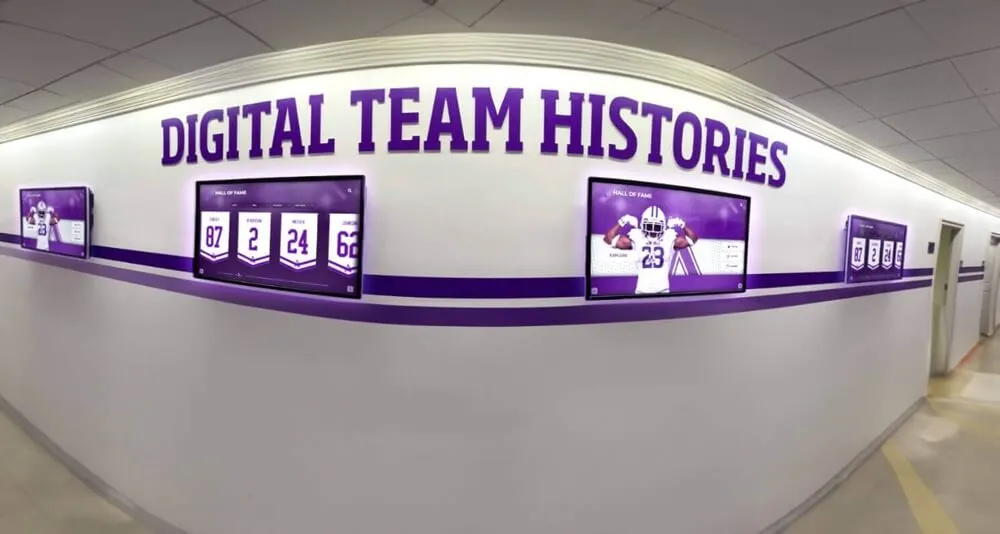
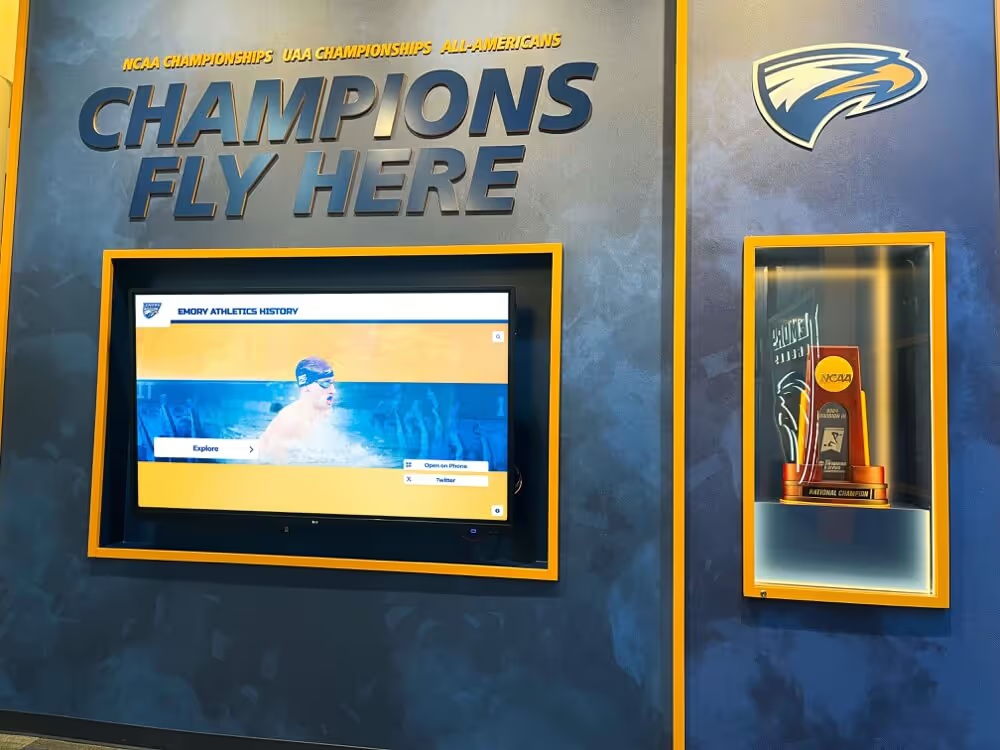
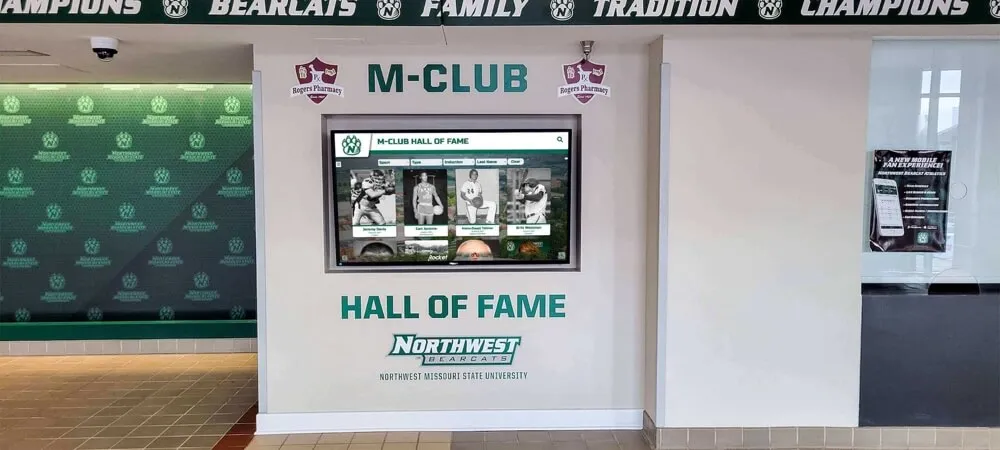
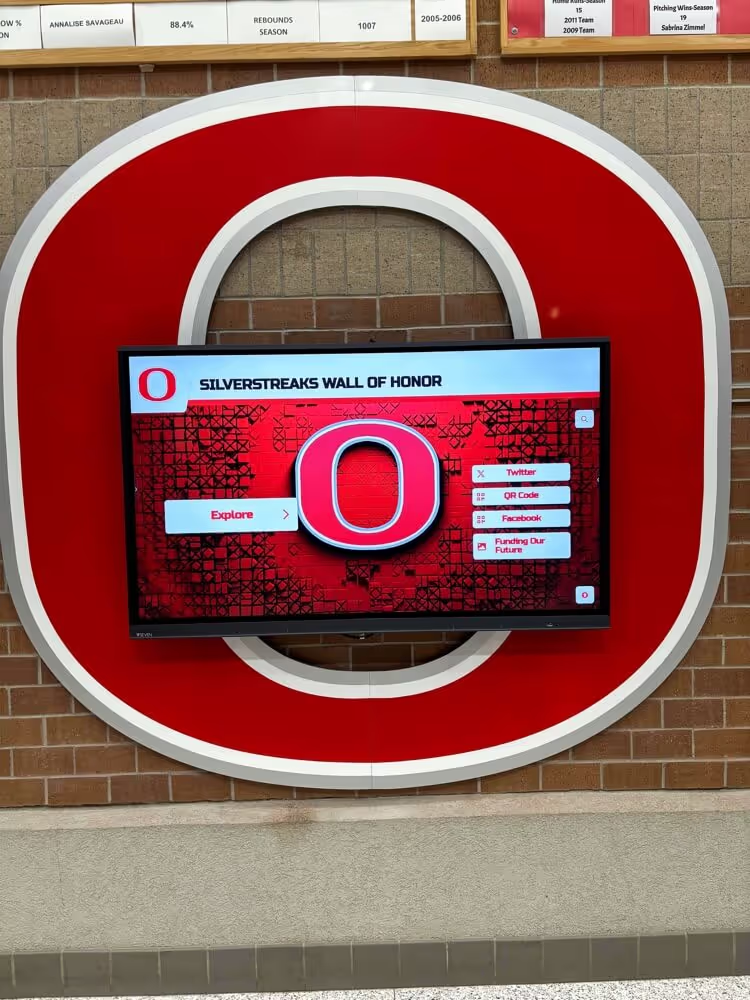
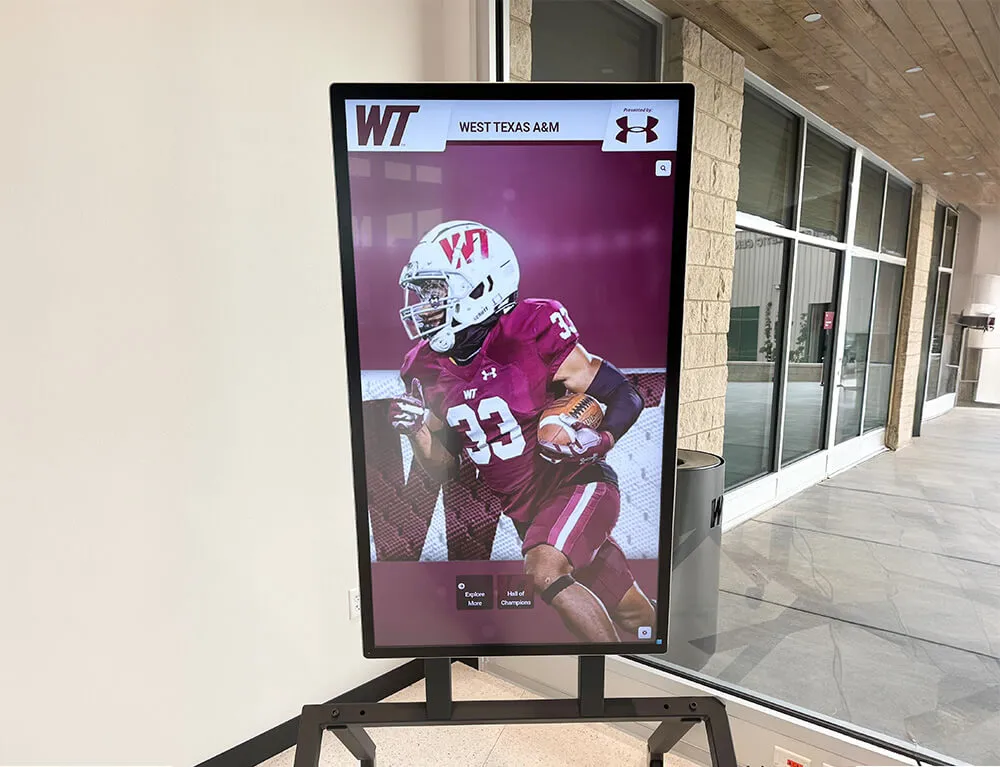
Modern athletic directors leverage technology platforms to manage recognition programs and strengthen athletic culture
Understanding the Athletic Director Role
Before pursuing this career path, aspiring athletic administrators should understand the position’s scope, impact, and defining characteristics.
Core Purpose and Mission
Athletic directors serve as educational leaders first, using athletics as vehicles for student development:
Educational Leadership Responsibilities
- Ensuring athletic programs align with institutional educational missions
- Promoting academic achievement and eligibility among student-athletes
- Developing character, leadership, and life skills through sports participation
- Creating inclusive programs that serve diverse student populations
- Balancing competitive objectives with developmental priorities
Program Management Duties
- Overseeing all school athletic programs, teams, and competitions
- Hiring, supervising, and evaluating coaching staff across multiple sports
- Managing athletic department budgets and financial operations
- Ensuring compliance with conference, state, and national regulations
- Maintaining facilities and equipment for safety and program quality

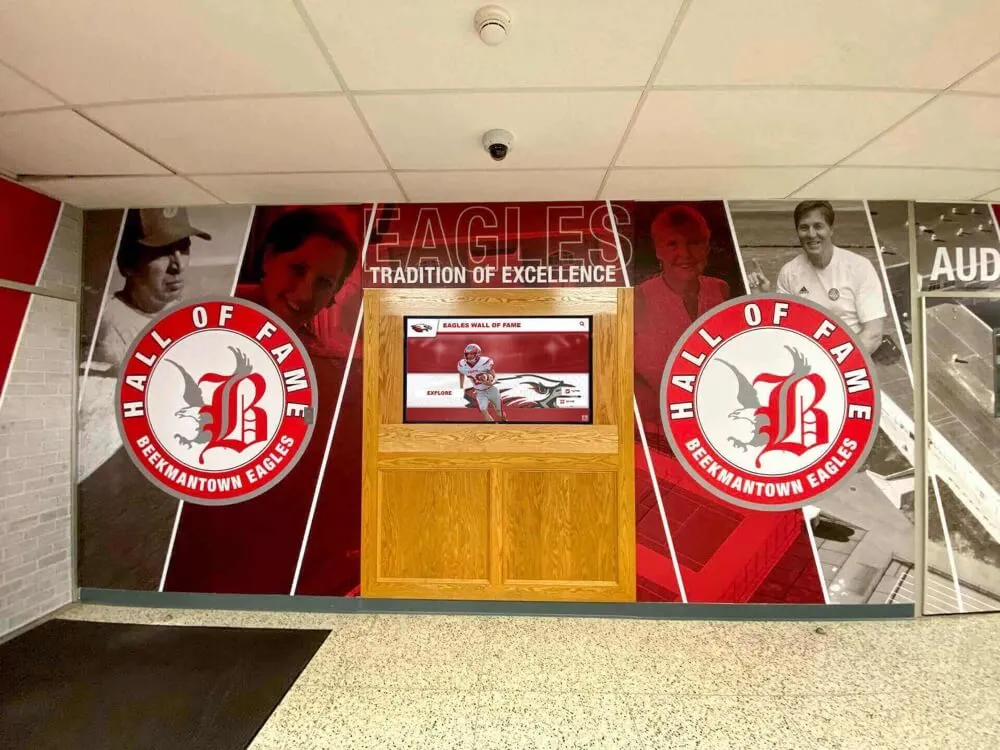
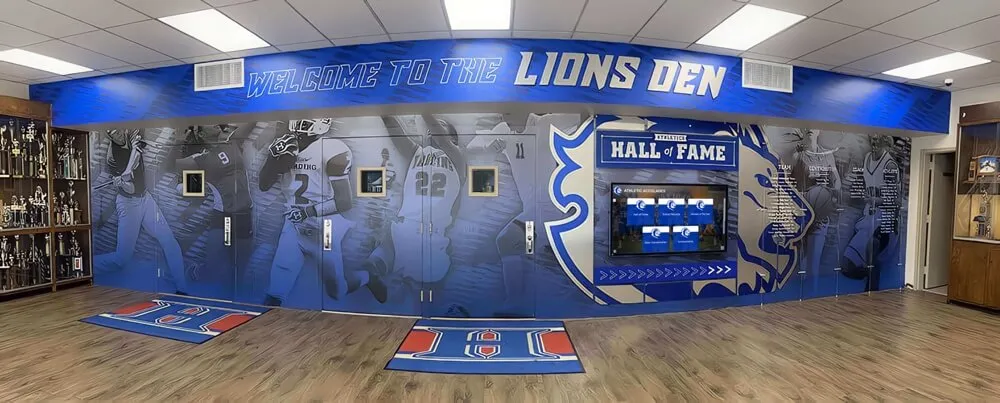
Athletic directors manage facilities and recognition systems that celebrate achievement while inspiring excellence
Strategic Development Functions
- Establishing long-term vision and strategic plans for athletic programs
- Building community support and engagement with athletic programs
- Fundraising and resource development for program enhancement
- Developing partnerships with youth programs and community organizations
- Creating recognition programs that honor achievement and build tradition
The athletic director role requires balancing these diverse responsibilities while maintaining focus on student-athlete welfare and educational objectives.
Position Variations by School Level
Athletic director responsibilities vary significantly based on institutional size and level:
Small School Athletic Directors
- Often combine athletic director duties with teaching or coaching
- Manage 10-20 sports programs with limited support staff
- Hands-on involvement in game operations and event management
- Direct communication with all coaches, athletes, and parents
- Budget management typically under $500,000 annually
Large School Athletic Directors
- Full-time administrative positions with dedicated support staff
- Oversee 20-30+ sports programs with assistant athletic directors
- Strategic focus on program development and systemic improvements
- Layer management structure with assistant ADs handling operational details
- Budget management often exceeding $1-2 million annually
College and University Athletic Directors
- Lead complex athletic departments with significant staffing and resources
- Navigate NCAA compliance and conference membership requirements
- Manage substantial budgets potentially exceeding tens of millions
- Oversee marketing, media relations, and revenue generation operations
- Balance educational missions with increasingly commercial athletics environments
Understanding these distinctions helps aspiring athletic directors target appropriate career pathways and preparation strategies.
Educational Requirements and Credentials
Systematic preparation begins with understanding the educational foundations and certifications athletic director positions require.
Undergraduate Education Foundations
Athletic director careers typically begin with bachelor’s degrees in relevant fields:
Common Undergraduate Majors
- Physical Education and Kinesiology
- Sport Management and Administration
- Business Administration with sports emphasis
- Education with teaching certification
- Health and Exercise Science
Essential Undergraduate Experiences
- Teaching certification programs preparing for classroom roles
- Student coaching positions and athletic department internships
- Sports team participation building understanding of athlete perspectives
- Leadership roles in student organizations
- Volunteer coaching experience with youth or high school programs
Strong undergraduate preparation includes practical experience beyond coursework—internships, coaching positions, and athletic department work that demonstrate commitment and build foundational competencies.
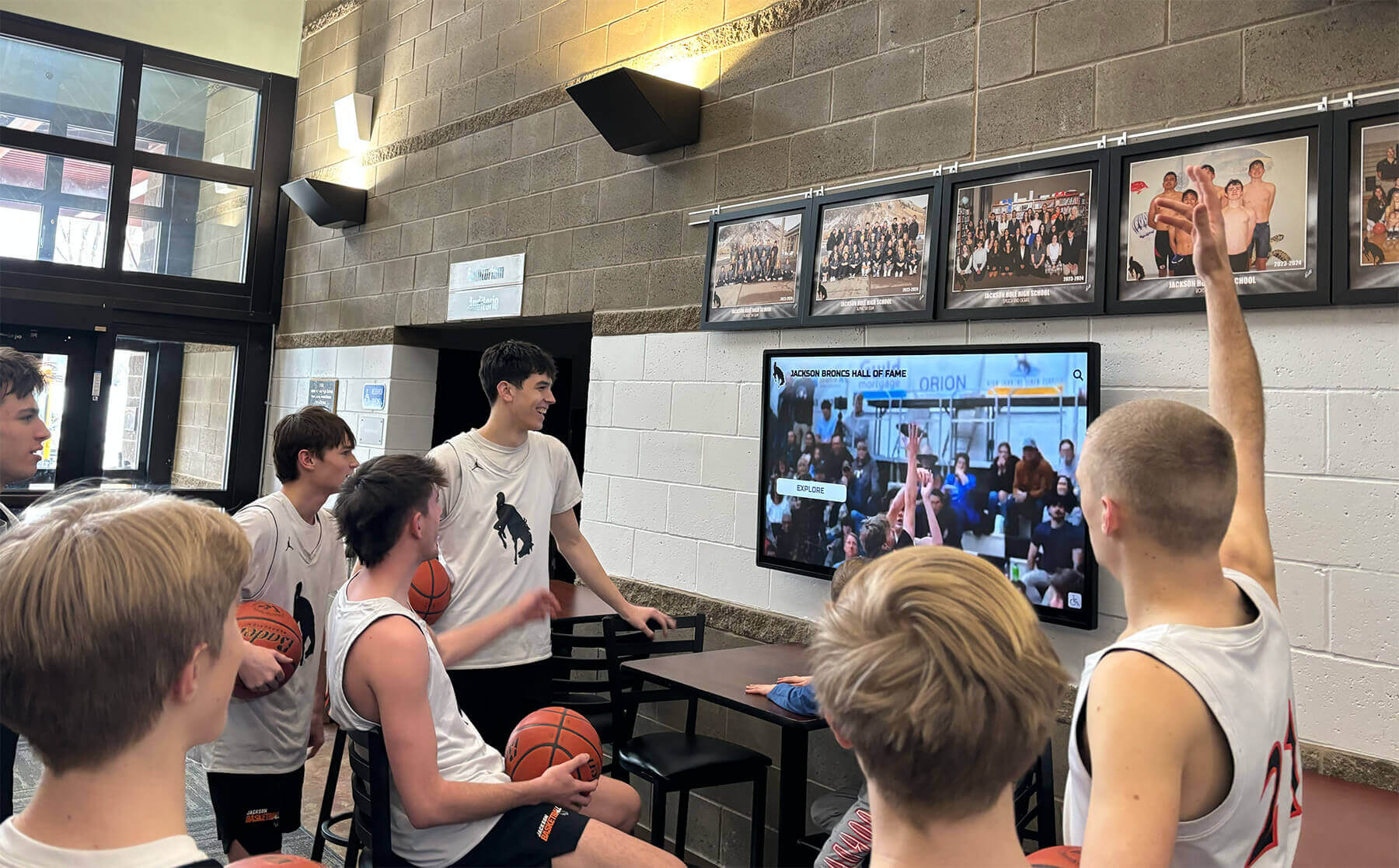
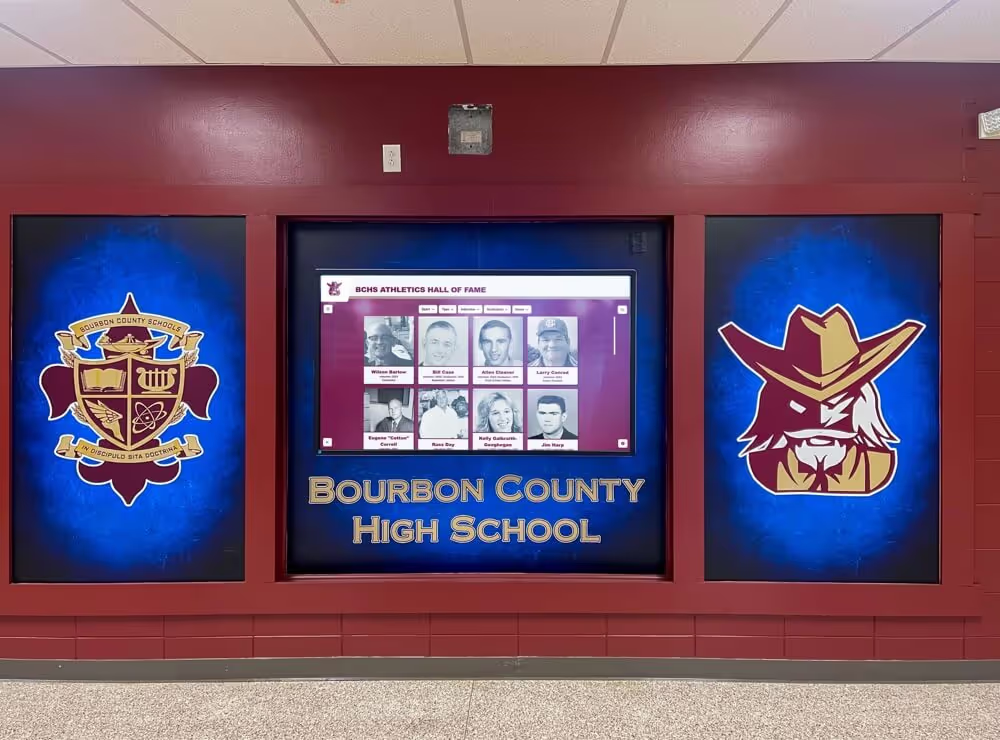
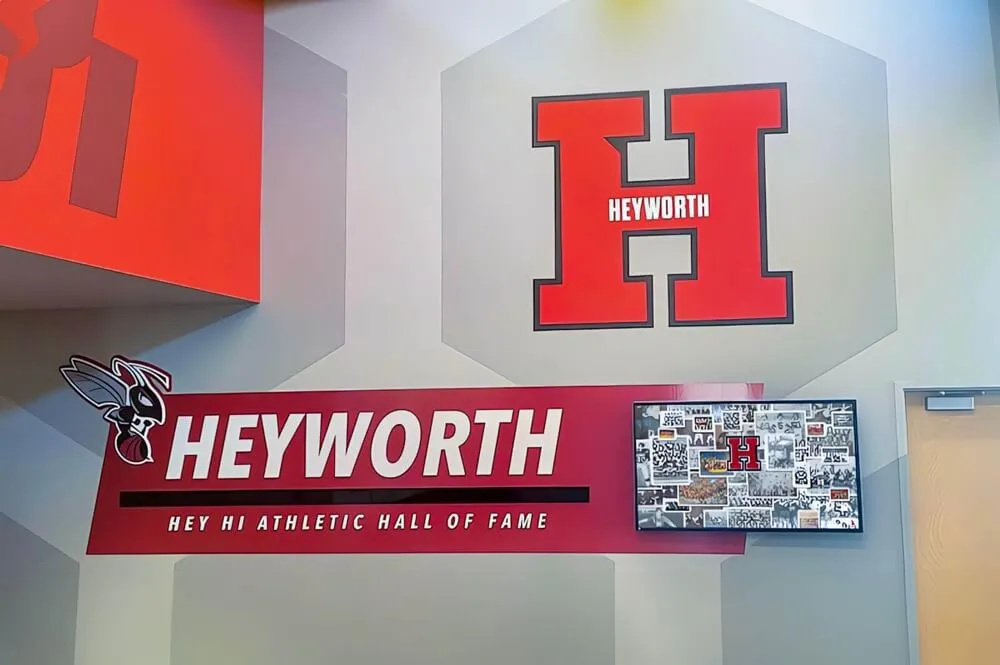
Athletic directors create engaging environments where student-athletes connect with program history and tradition
Graduate Education Pathways
Most athletic director positions, particularly at secondary and collegiate levels, require or strongly prefer master’s degrees:
Preferred Master’s Degree Programs
- Master’s in Educational Leadership or Administration
- Master’s in Sport Management or Athletic Administration
- Master’s in Physical Education or Kinesiology
- MBA with sports management concentration
- Master’s in Education with athletic administration emphasis
Graduate Program Essential Components
- Budget and financial management coursework
- Personnel supervision and evaluation training
- Athletic compliance and regulatory knowledge
- Facility and event management education
- Strategic planning and organizational leadership
The National Interscholastic Athletic Administrators Association (NIAAA) reports that 80%+ of athletic directors hold master’s degrees, making graduate education effectively essential for career advancement.
Professional Certifications and Credentials
Beyond academic degrees, professional certifications demonstrate expertise and commitment:
NIAAA Leadership Training Program The most recognized athletic director credential includes:
- Leadership Training Institute (LTI) - Comprehensive curriculum covering all athletic administration aspects
- LTI Levels 1-4 - Progressive coursework building advanced administrative competencies
- Certified Athletic Administrator (CAA) - Professional designation requiring LTI completion plus experience
- Certified Master Athletic Administrator (CMAA) - Highest credential requiring extensive experience and contribution
According to NIAAA, CAA-certified athletic directors demonstrate measurably higher program quality and professional performance.
Additional Relevant Certifications
- CPR and First Aid certification for emergency preparedness
- Concussion management and recognition training
- Title IX compliance certification
- Facilities management credentials
- Coaching education certifications (NFHS, ASEP)
Learn more about professional development for athletic administrators that enhances program effectiveness.
Career Pathway and Experience Requirements
Athletic directors typically follow systematic career progressions building the diverse experiences these positions demand.
Teaching and Coaching Foundation
Most successful athletic directors begin as teachers and coaches:
Teaching Experience Benefits
- Understanding educational environments and school cultures
- Building relationships with students, parents, and colleagues
- Demonstrating commitment to education beyond athletics
- Developing communication and classroom management skills
- Establishing credibility within educational institutions
Coaching Experience Requirements
- Typically 5-10+ years coaching experience before athletic director consideration
- Progression from assistant to head coaching positions
- Experience across multiple sports or competitive levels
- Demonstrated success in program development and athlete growth
- Understanding of coaching challenges, pressures, and requirements
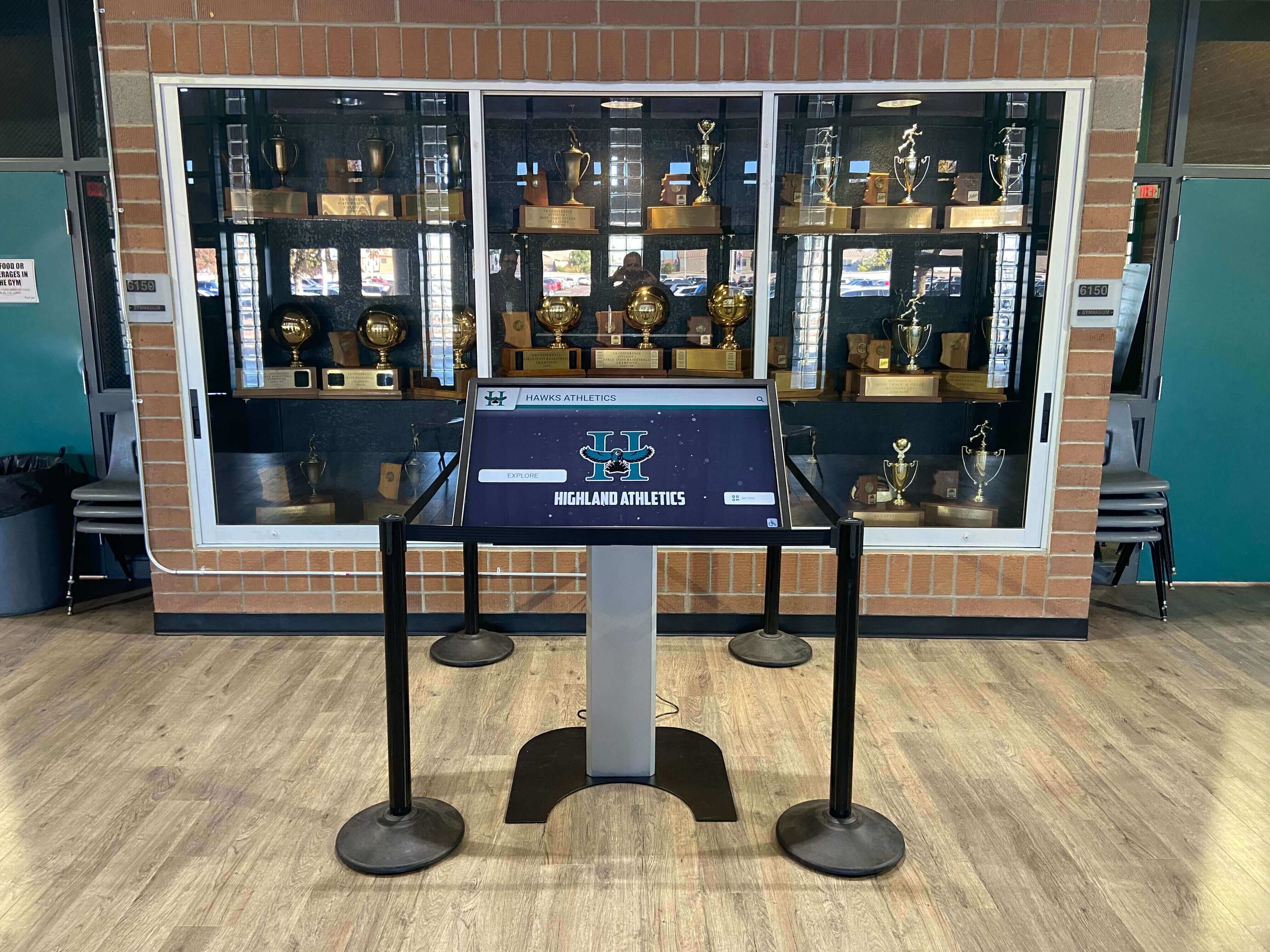
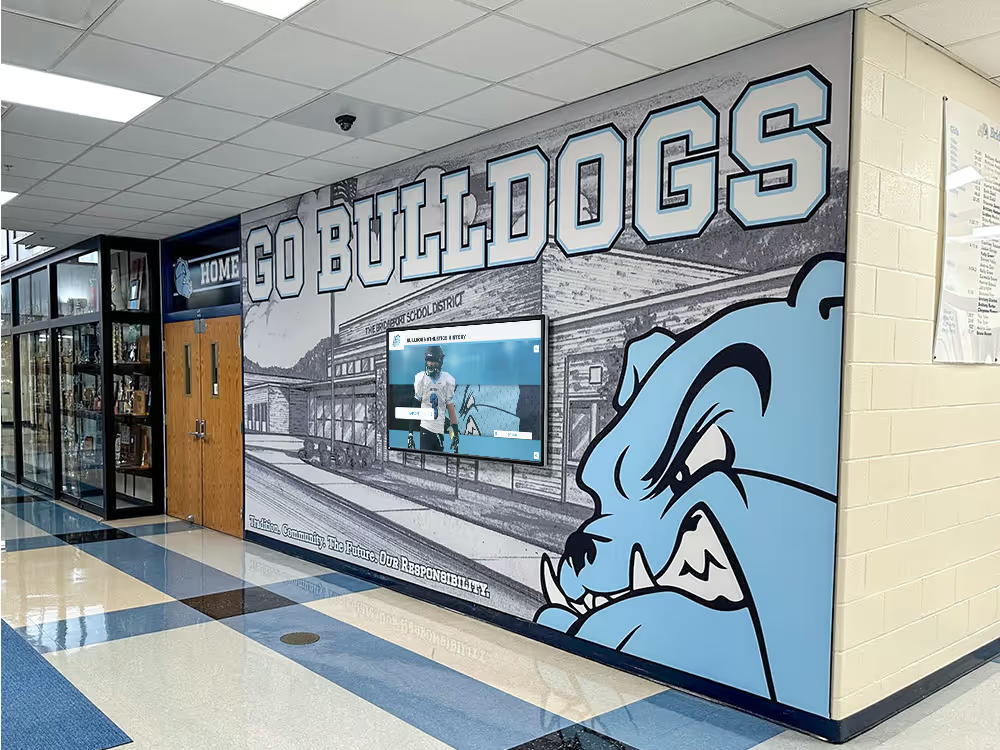
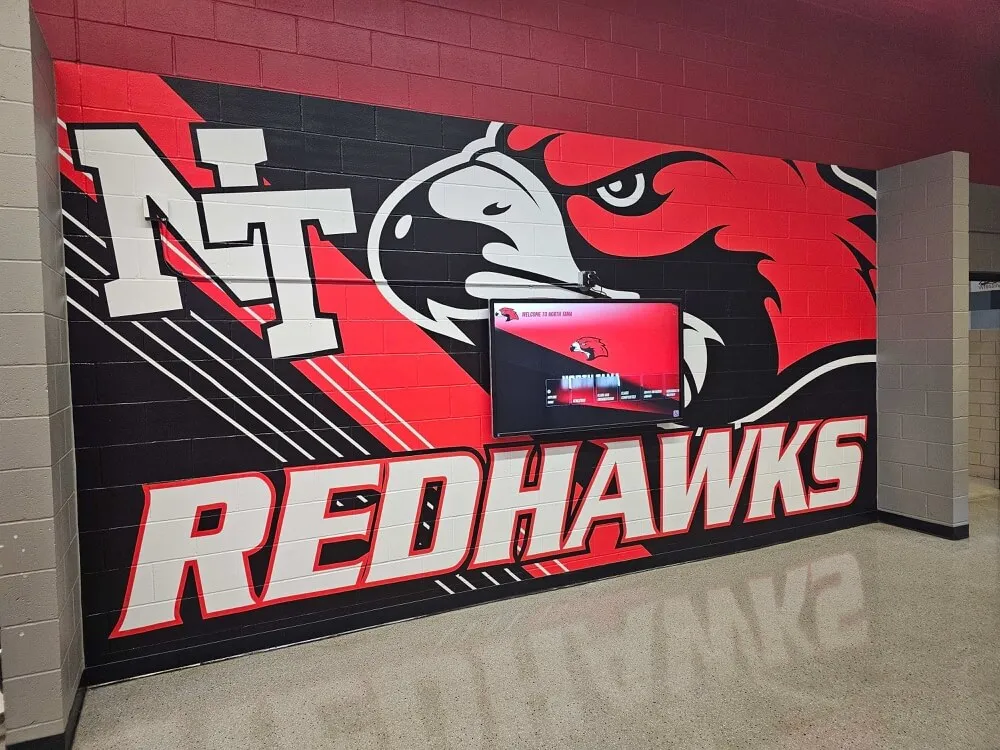
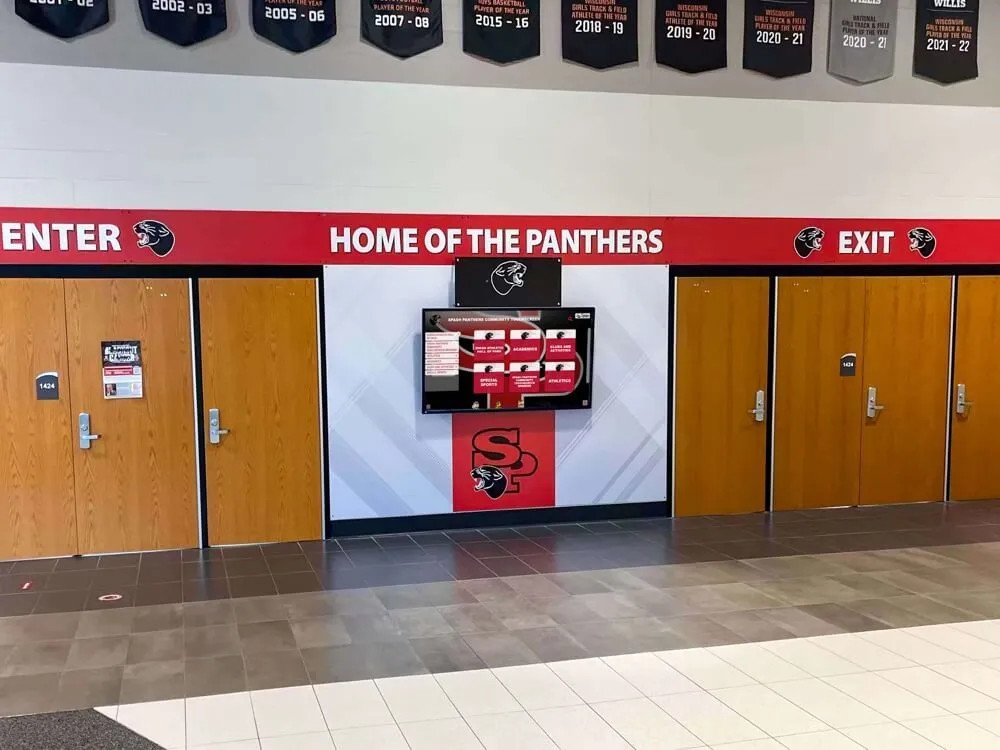
Successful athletic directors implement [modern recognition systems](https://best-touchscreen.com/blog/10-best-hall-of-fame-tools-athletics-donors-arts-history/?utm_source=organic&utm_medium=seo-auto&utm_content=halloffame-online&utm_campaign=athletic-director&utm_term=seo) that celebrate achievement effectively
The coaching foundation provides irreplaceable perspective on student-athlete experiences, competitive pressures, program operations, and the coach-administrator relationship dynamics that athletic directors must navigate effectively.
Administrative Experience Progression
Systematic advancement toward athletic director positions includes intermediate administrative roles:
Assistant Athletic Director Positions
- Supervision of specific sports or competitive levels
- Management of scheduling, officials, and game operations
- Budget oversight for designated program areas
- Facilities and equipment management responsibilities
- Compliance monitoring and eligibility administration
Activity Director Roles
- Management of all extracurricular programs beyond just athletics
- Event planning and student activity oversight
- Broader institutional perspective on student programming
- Budget administration across diverse program areas
- Cross-functional collaboration with multiple school departments
Athletic Coordinator Positions
- Support roles in larger athletic departments
- Specialized responsibilities (scheduling, compliance, facilities)
- Project management for specific initiatives
- Experience with department operations without full directorship authority
- Preparation for more comprehensive leadership responsibilities
These intermediate positions provide hands-on experience with administrative functions while allowing aspiring athletic directors to demonstrate leadership capabilities and administrative competencies.
Networking and Professional Development
Career advancement requires systematic relationship building and continuous learning:
Professional Association Engagement
- Active NIAAA membership and conference participation
- State athletic director association involvement
- National conferences and workshops attendance
- Professional learning community participation
- Leadership roles in professional organizations
Mentorship and Guidance
- Identifying experienced athletic director mentors
- Seeking advice on career progression and skill development
- Learning from others’ experiences and challenges
- Building professional networks across institutions
- Gaining insider knowledge of position requirements and opportunities
Continuing Education Commitments
- Regular professional development beyond initial credentials
- Staying current on regulatory changes and best practices
- Technology skills development for modern administration
- Leadership training and management education
- Specialized expertise in areas like Title IX, facilities, or budgeting
Learn about tools and resources for athletic directors that enhance program effectiveness.
Core Athletic Director Responsibilities
Understanding daily operations and responsibilities helps aspiring athletic directors prepare for these multifaceted positions.
Program Management and Oversight
Athletic directors manage comprehensive sports programs encompassing diverse responsibilities:
Sports Program Administration
- Establishing competitive schedules across all sports and levels
- Managing transportation logistics for practices and competitions
- Coordinating facility usage and maintenance across programs
- Overseeing equipment purchasing and inventory management
- Ensuring adequate practice and competition resources
- Monitoring program quality and competitive success
Game and Event Management
- Supervising home athletic events and competitions
- Coordinating officials, security, and event staff
- Managing ticketing, admissions, and revenue collection
- Ensuring visitor accommodations and hospitality
- Addressing in-game issues and emergency situations
- Creating positive competitive environments and fan experiences
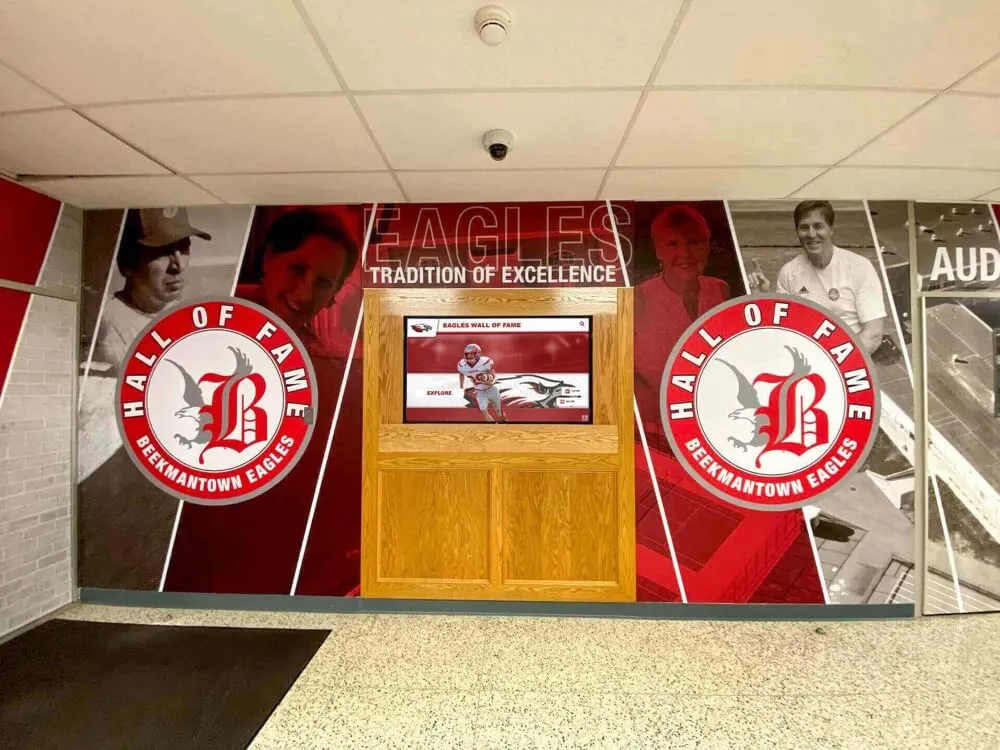
Athletic directors create [recognition programs](https://digital-trophy-case.com/blog/athletic-hall-of-fame-complete-guide-school-admin/?utm_source=organic&utm_medium=seo-auto&utm_content=halloffame-online&utm_campaign=athletic-director&utm_term=seo) that honor excellence and build program tradition
Athletic Communications
- Managing athletic department websites and social media presence
- Coordinating media relations and press coverage
- Publishing schedules, results, and program information
- Creating promotional materials and program guides
- Building community awareness and engagement with programs
- Implementing digital recognition displays showcasing achievements
Personnel Management and Development
Athletic directors hire, supervise, and develop coaching staffs critical to program success:
Coaching Staff Management
- Recruiting, interviewing, and hiring qualified coaches
- Conducting annual performance evaluations and feedback
- Providing professional development opportunities and resources
- Addressing performance concerns and corrective actions
- Managing coaching staff conflicts and interpersonal issues
- Building cohesive departmental culture and collaboration
Support Staff Supervision
- Managing athletic trainers, equipment managers, and administrative assistants
- Supervising game operations staff and event volunteers
- Coordinating strength and conditioning programs
- Overseeing athletic communications personnel
- Managing technology support for athletic operations
Professional Development Leadership
- Establishing coaching education expectations and opportunities
- Facilitating mentorship programs for developing coaches
- Providing resources for skill development and advancement
- Supporting coaches’ professional goals and career growth
- Building collaborative learning culture within departments
Effective personnel management creates positive work environments that attract and retain quality coaches while ensuring programs maintain high standards.
Compliance and Eligibility Administration
Regulatory compliance represents critical athletic director responsibilities with significant consequences:
Eligibility Management
- Monitoring student-athlete academic progress and GPA requirements
- Verifying enrollment and attendance eligibility standards
- Managing transfer student eligibility determinations
- Tracking participation limits and age restrictions
- Maintaining accurate eligibility documentation
Regulatory Compliance
- Understanding and implementing state high school association rules
- Ensuring conference and league requirement adherence
- Managing recruiting regulations and contact restrictions
- Administering physical examination and insurance requirements
- Maintaining required documentation and reporting
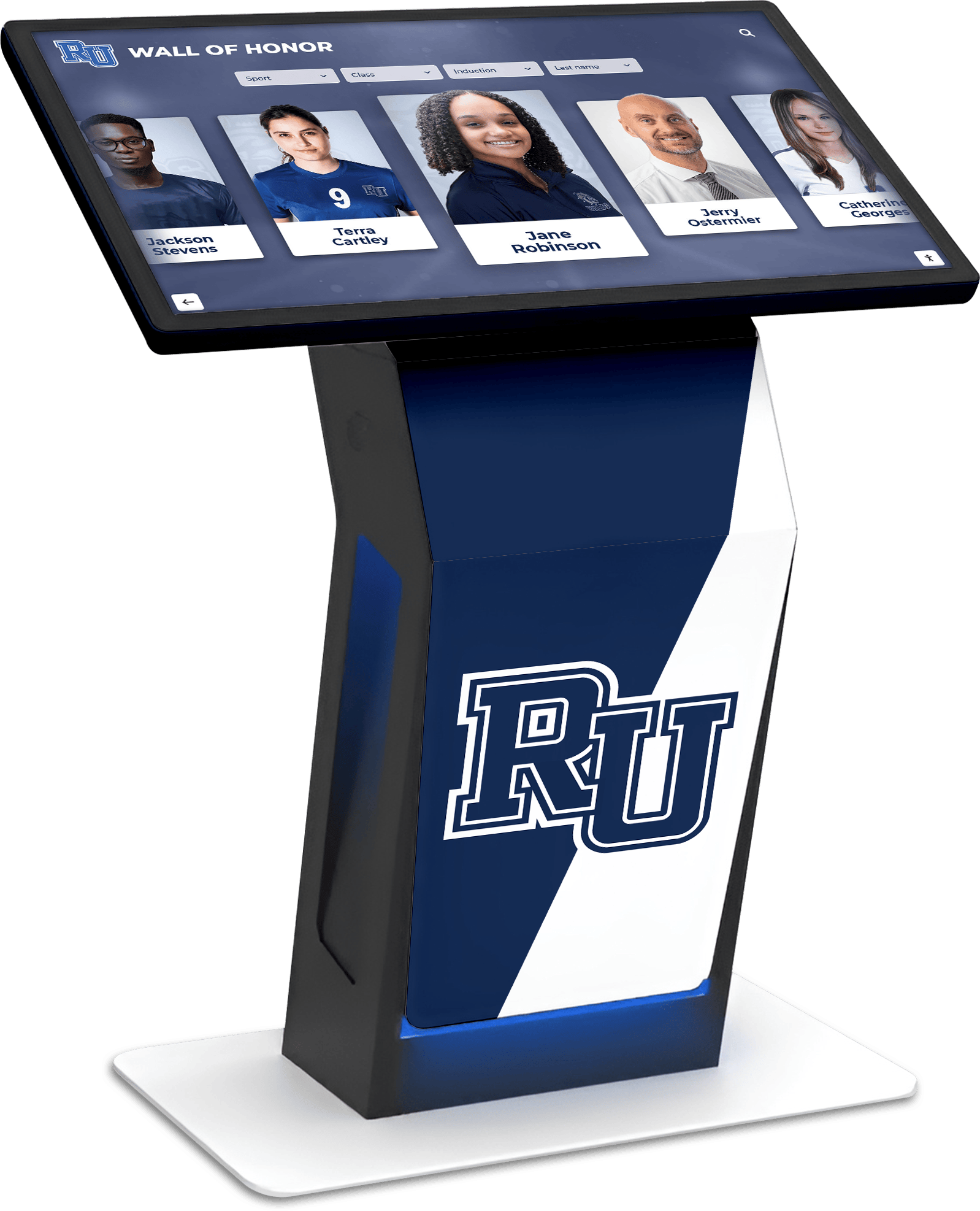
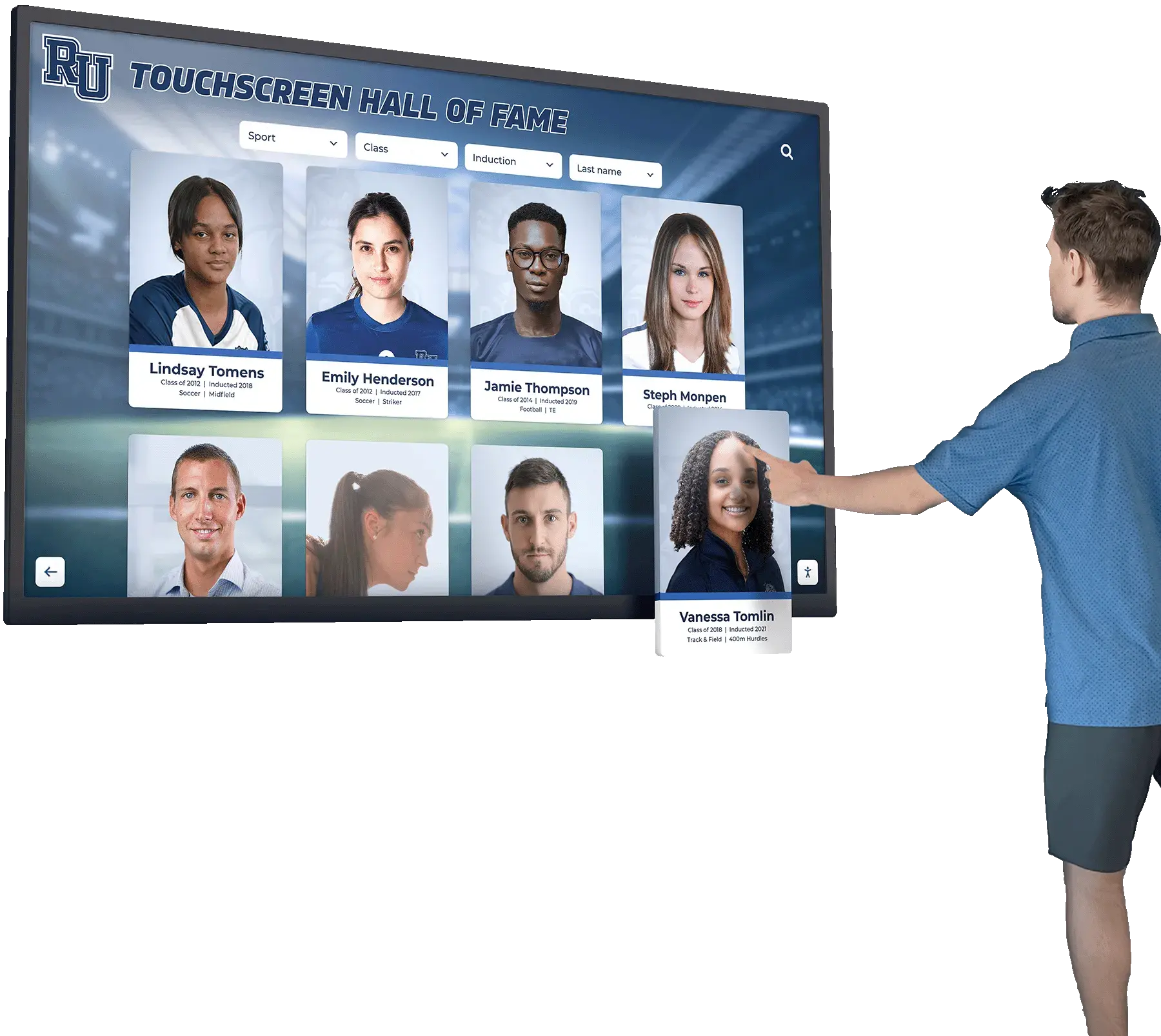
Modern athletic directors leverage [technology solutions](https://donorswall.com/blog/touch-screen-kiosk-software-interactive-kiosk-displays/?utm_source=organic&utm_medium=seo-auto&utm_content=halloffame-online&utm_campaign=athletic-director&utm_term=seo) for recognition and communication
Investigation and Reporting
- Investigating potential rule violations and eligibility concerns
- Self-reporting violations to appropriate governing bodies
- Implementing corrective actions and penalty compliance
- Maintaining records and documentation of compliance efforts
- Training coaches and staff on regulatory requirements
Compliance failures can result in serious consequences including forfeitures, suspensions, and damage to institutional reputations—making this among athletic directors’ most critical responsibilities.
Budget and Financial Management
Athletic directors manage significant financial resources requiring careful planning and accountability:
Budget Development and Administration
- Creating annual athletic department budgets aligned with strategic priorities
- Allocating resources across sports programs and operational areas
- Managing expenditures and maintaining fiscal accountability
- Forecasting needs and planning for multi-year investments
- Making difficult resource allocation decisions with limited funding
Revenue Generation and Fundraising
- Managing gate receipts and ticket sales revenue
- Overseeing booster club relationships and fundraising
- Seeking sponsorships and community partnerships
- Organizing fundraising events and campaigns
- Managing endowments and athletic foundation relationships
Financial Reporting and Controls
- Maintaining accurate financial records and documentation
- Preparing reports for school administration and boards
- Implementing internal controls preventing fraud and misuse
- Managing purchases and procurement processes
- Conducting regular budget reviews and adjustments
According to the National Federation of State High School Associations, high school athletic department budgets range from $100,000 to over $2 million annually depending on school size and program scope.
Essential Skills and Competencies
Success as an athletic director requires mastering diverse skills beyond sports knowledge:
Leadership and Vision
Athletic directors must provide strategic direction and inspire others:
Strategic Thinking Abilities
- Establishing long-term vision and program development plans
- Identifying opportunities for program enhancement and growth
- Anticipating challenges and planning proactive responses
- Making decisions balancing multiple competing priorities
- Creating cultures of excellence and continuous improvement
Motivational Leadership
- Inspiring coaches, staff, and athletes toward shared goals
- Building positive organizational cultures and morale
- Recognizing and celebrating achievements and contributions
- Supporting individuals through challenges and setbacks
- Modeling professional standards and ethical behavior

Effective athletic directors create [engaging recognition systems](https://best-touchscreen.com/blog/senior-night-ideas-unforgettable-athlete-celebration/?utm_source=organic&utm_medium=seo-auto&utm_content=halloffame-online&utm_campaign=athletic-director&utm_term=seo) that motivate and inspire
Change Management
- Leading programs through transitions and transformations
- Managing resistance to necessary changes
- Communicating change rationale and benefits effectively
- Supporting stakeholders through adjustment periods
- Building buy-in for new directions and initiatives
Communication and Relationship Building
Athletic directors interact with diverse stakeholders requiring strong interpersonal skills:
Stakeholder Communication
- Communicating effectively with school administrators and boards
- Building relationships with parents and community members
- Collaborating with coaches and athletic department staff
- Partnering with youth programs and feeder schools
- Engaging with media and managing public relations
Conflict Resolution
- Mediating disputes between coaches, parents, or athletes
- Addressing complaints and concerns professionally
- Finding solutions to interpersonal tensions
- De-escalating emotionally charged situations
- Maintaining relationships while enforcing policies
Presentation and Public Speaking
- Presenting to school boards and community organizations
- Speaking at recognition events and athletic banquets
- Conducting media interviews and press conferences
- Leading professional development sessions for coaches
- Advocating for athletic programs and student-athletes
Organizational and Management Skills
Athletic directors manage complex operations requiring strong organizational capabilities:
Time Management
- Balancing diverse responsibilities and competing demands
- Prioritizing tasks based on urgency and importance
- Managing calendar across practices, games, meetings, and events
- Maintaining work-life balance in demanding positions
- Delegating appropriately when resources allow
Detail Orientation
- Managing schedules, contracts, and compliance documentation
- Ensuring accuracy in eligibility and financial records
- Tracking deadlines across multiple operational areas
- Maintaining organized systems for information management
- Preventing oversights that could cause significant problems
Technology Proficiency
- Utilizing athletic management software systems
- Managing digital communications and social media
- Implementing digital recognition platforms like Rocket Alumni Solutions
- Using data analytics for program evaluation
- Maintaining cybersecurity and information protection
Salary Expectations and Compensation
Athletic director compensation varies significantly based on multiple factors:
Salary Ranges by School Level
High School Athletic Directors
- Small schools (under 500 students): $45,000-$65,000 annually
- Medium schools (500-1,500 students): $60,000-$85,000 annually
- Large schools (over 1,500 students): $75,000-$110,000+ annually
- Many high school ADs receive stipends on top of teaching salaries rather than standalone positions
College Athletic Directors
- Division III and NAIA: $60,000-$100,000 annually
- Division II: $80,000-$150,000 annually
- Division I (non-Power 5): $120,000-$300,000 annually
- Power 5 Division I: $200,000-$5,000,000+ annually for major programs
According to the Bureau of Labor Statistics, median annual wages for education administrators in elementary and secondary schools (including athletic directors) were approximately $98,420 as of May 2022.
Factors Affecting Compensation
Geographic Location
- Higher cost-of-living areas typically offer higher salaries
- State funding levels and local property wealth affect compensation
- Urban and suburban districts generally pay more than rural areas
- Regional competition for qualified administrators influences salaries
Experience and Credentials
- Years of experience in athletic administration
- Advanced degrees and professional certifications (CAA, CMAA)
- Track record of program success and achievement
- Previous leadership roles and administrative experience
Institution Characteristics
- School size and total enrollment
- Number of sports programs and teams managed
- Athletic department budget size
- Revenue generation expectations
- Competitive classification and conference membership

Athletic directors oversee facilities and [recognition systems](https://digital-trophy-case.com/blog/digital-signage-content-ideas-screens-kiosks/?utm_source=organic&utm_medium=seo-auto&utm_content=halloffame-online&utm_campaign=athletic-director&utm_term=seo) that showcase program excellence
Additional Compensation and Benefits
Beyond base salaries, athletic directors often receive:
- Health insurance and retirement benefits
- Paid time off and vacation allowances
- Professional development funding and conference support
- Performance bonuses tied to program achievements
- Stipends for additional duties or extended contracts
- Vehicle or mileage allowances for travel
- Equipment and technology provision
Challenges and Rewards of Athletic Director Roles
Understanding both difficulties and satisfactions helps aspiring athletic directors set realistic expectations:
Common Challenges
Resource Limitations
- Managing programs with insufficient funding and facilities
- Making difficult decisions about program cuts or reductions
- Balancing competitive expectations with limited resources
- Advocating for athletic funding in academic-focused environments
- Addressing equity concerns across programs with unequal resources
Time and Schedule Demands
- Evening and weekend commitments for games and events
- Minimal downtime during athletic seasons
- Responding to emergencies and issues at all hours
- Balancing professional demands with personal and family life
- Managing stress from constant pressure and visibility
Difficult Stakeholder Management
- Addressing upset parents and community criticism
- Managing coach conflicts and performance issues
- Navigating political dynamics within schools and communities
- Dealing with unrealistic expectations for program success
- Maintaining composure under constant scrutiny
Regulatory Complexity
- Staying current with evolving rules and requirements
- Managing compliance across multiple governing bodies
- Addressing violations and investigations
- Training coaches on complex regulatory frameworks
- Balancing compliance with competitive objectives

Athletic directors preserve program history through comprehensive [recognition displays](https://donorswall.com/blog/what-is-digital-hall-of-fame/?utm_source=organic&utm_medium=seo-auto&utm_content=halloffame-online&utm_campaign=athletic-director&utm_term=seo) celebrating past excellence
Significant Rewards
Student-Athlete Impact
- Witnessing student growth and development through athletics
- Creating opportunities that change students’ lives
- Building character and teaching life lessons through sports
- Helping student-athletes pursue college opportunities
- Receiving appreciation from students and families
Program Building Satisfaction
- Developing successful programs and competitive teams
- Creating recognition systems celebrating achievements
- Building positive cultures and traditions
- Improving facilities and resources
- Leaving lasting legacies strengthening communities
Leadership Influence
- Shaping athletic culture and values
- Mentoring and developing coaches
- Advocating for student-athletes and programs
- Making strategic decisions affecting many people
- Building consensus and solving complex problems
Community Engagement
- Connecting schools with broader communities
- Building pride and engagement through athletics
- Developing partnerships supporting programs
- Creating events bringing people together
- Representing institutions in visible, valued roles
Job Search and Application Strategies
Successfully securing athletic director positions requires strategic approaches:
Preparation and Positioning
Resume and Application Materials
- Highlighting relevant teaching and coaching experience
- Emphasizing administrative roles and leadership positions
- Showcasing program achievements and measurable results
- Including professional certifications and credentials
- Demonstrating budget management and compliance expertise
Portfolio Development
- Documenting program improvements and initiatives led
- Collecting letters of recommendation from administrators, coaches, and community members
- Compiling evidence of successful projects and programs
- Creating professional presentations showcasing work
- Maintaining records of professional development
Professional Networking
- Attending state and national athletic director conferences
- Engaging with professional associations actively
- Building relationships with current athletic directors
- Connecting with mentors and references
- Maintaining visibility in professional communities
Interview Preparation
Common Interview Topics
- Educational philosophy and approach to athletic administration
- Budget management and resource allocation strategies
- Personnel management and coaching supervision approaches
- Compliance knowledge and commitment
- Crisis management and problem-solving scenarios
- Vision for program development and improvement
- Stakeholder communication and relationship building
Interview Success Strategies
- Researching institutions and understanding their contexts
- Preparing specific examples demonstrating competencies
- Asking thoughtful questions about positions and programs
- Demonstrating understanding of current challenges facing athletics
- Conveying genuine passion for student-athlete development
- Following up professionally after interviews
Career Advancement Considerations
Strategic Position Selection
- Evaluating whether positions align with career goals
- Assessing program challenges and support systems
- Understanding community expectations and pressures
- Considering geographic location and family impacts
- Reviewing compensation and benefits packages
Timing Career Moves
- Building sufficient experience before pursuing AD positions
- Recognizing when ready for increased responsibilities
- Identifying opportune times for advancement
- Balancing patience with proactive career management
- Considering family and personal circumstances in timing
Modern Tools and Technology for Athletic Directors
Today’s athletic directors leverage technology for increased efficiency and program enhancement:
Athletic Management Software
Comprehensive platforms streamline administrative operations:
- Scheduling and calendar management systems
- Eligibility tracking and compliance monitoring
- Budget and financial management tools
- Facility reservation and management systems
- Communication and notification platforms
Digital Recognition and Engagement Systems
Solutions like Rocket Alumni Solutions transform how athletic directors celebrate achievements and build program culture. These platforms provide:
Unlimited Recognition Capacity
- Showcase all athletes, coaches, and contributors without space constraints
- Create comprehensive halls of fame honoring program history
- Preserve legacies through rich multimedia presentations
- Update content easily as programs evolve
Enhanced Engagement Features
- Interactive touchscreen displays for facilities and lobbies
- Web-based platforms accessible to alumni and community
- Social sharing capabilities extending program reach
- Analytics showing which content resonates most
Administrative Efficiency
- Cloud-based content management from any device
- Template systems requiring no design expertise
- Scheduled publishing for automatic updates
- Multi-user permissions for delegated management
Athletic directors report that digital recognition systems save significant time while creating more engaging, comprehensive celebrations of athletic excellence.

Modern athletic directors implement intuitive [recognition technology](https://digitalyearbook.org/blog/touchscreen-software-rocket-alumni-solutions/?utm_source=organic&utm_medium=seo-auto&utm_content=halloffame-online&utm_campaign=athletic-director&utm_term=seo) that engages athletes and communities
Communication and Promotion Tools
- Website content management systems
- Social media management platforms
- Email marketing and communication systems
- Live streaming and broadcast technologies
- Mobile apps for schedules and updates
Continuing Education and Professional Growth
Successful athletic directors commit to lifelong learning:
Professional Association Resources
National Interscholastic Athletic Administrators Association (NIAAA)
- Leadership Training Institute courses and certifications
- National and section conferences
- Publications and research on athletic administration
- Networking opportunities with peers nationwide
- Specialized workshops on current topics
State Athletic Director Associations
- Regional conferences and meetings
- State-specific training on regulations and compliance
- Networking with in-state colleagues
- Advocacy for athletic programs with state officials
- Recognition programs and awards
Specialized Training Opportunities
Advanced Topics
- Title IX compliance and gender equity
- Concussion management and athlete safety
- Facility design and renovation planning
- Mental health awareness and student support
- Diversity, equity, and inclusion in athletics
- Technology integration and digital recognition
Leadership Development
- Executive leadership programs
- Change management training
- Strategic planning facilitation
- Conflict resolution and mediation
- Supervision and evaluation skills
Conclusion: Building a Career as an Athletic Director
The journey to becoming an athletic director combines education, experience, and continuous development. This challenging but rewarding career offers opportunities to shape student lives, build excellence programs, and strengthen educational communities through athletics.
Success requires systematic preparation—earning appropriate degrees, gaining diverse teaching and coaching experience, developing administrative competencies, earning professional certifications, and building professional networks. The path demands patience, as most athletic directors spend a decade or more preparing before securing these positions.
Those who become athletic directors discover roles requiring remarkable versatility—managing budgets and facilities, supervising personnel, ensuring compliance, engaging communities, and maintaining constant focus on student-athlete welfare and development. The demands are significant, including evening and weekend commitments, high visibility, and constant decision-making under pressure.
Yet athletic directors also experience profound rewards—watching students develop character and skills through athletics, building programs that strengthen communities, creating lasting traditions, and making strategic decisions that shape athletic cultures. The influence extends beyond individual games and seasons to affect hundreds or thousands of student-athletes across careers.
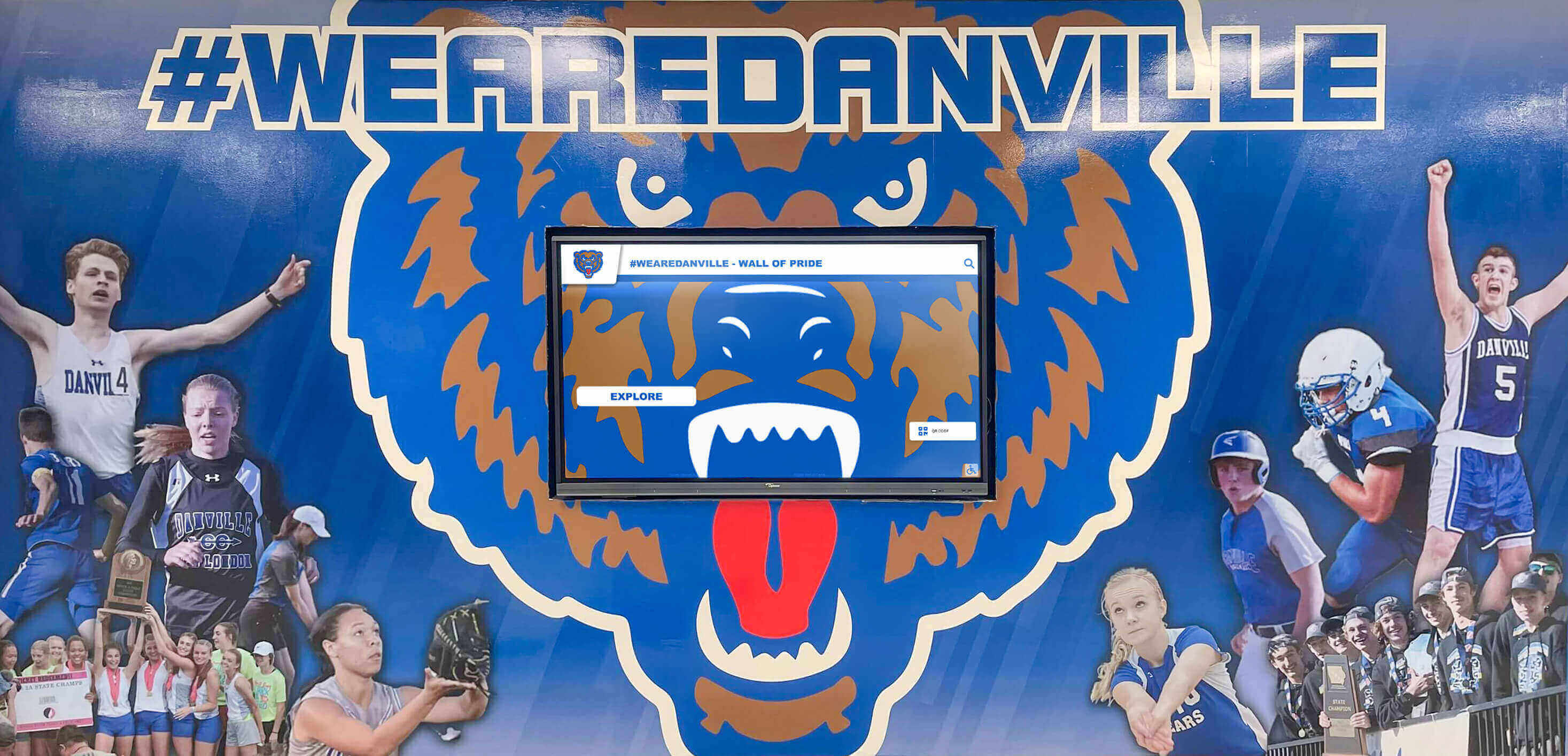
Athletic directors create lasting legacies through facilities and [recognition programs](https://rocketalumnisolutions.com/?utm_source=organic&utm_medium=seo-auto&utm_content=halloffame-online&utm_campaign=athletic-director&utm_term=seo) that honor excellence
Modern athletic directors also benefit from technology that enhances their effectiveness. Solutions like Rocket Alumni Solutions provide powerful platforms for celebrating achievements, engaging communities, and preserving program histories—all while reducing administrative burden. These tools help athletic directors fulfill their recognition and communication responsibilities more effectively than ever before.
For those considering athletic director careers, the path forward involves earning appropriate education credentials, gaining diverse athletic and administrative experience, pursuing professional certifications through organizations like NIAAA, building professional networks, and continuously developing leadership competencies. Start by excelling in current teaching and coaching roles, seeking opportunities for increased responsibility, and positioning yourself as someone who combines educational commitment with athletic passion and administrative capability.
The athletic director role represents an opportunity to lead, inspire, and make lasting impacts on students, programs, and communities. For those with the right combination of passion, preparation, and persistence, this career offers the chance to shape athletic excellence while fulfilling broader educational missions that develop well-rounded, successful young people.