



Honor roll is one of the most universally recognized academic distinctions in American education, yet surprisingly few families—and even some educators—can explain exactly what it means, how eligibility is determined, or why it matters beyond the report card. Walk the halls of nearly any K–12 school during the end of a grading period and you’ll see students anxiously checking grades, parents awaiting phone notifications, and counselors finalizing lists—all centered on the same question: did they make the honor roll?
At its core, the honor roll meaning is straightforward: students who earn grades above a defined threshold earn public recognition for academic achievement. But the nuances surrounding eligibility requirements, tier structures, naming conventions, and especially the ways schools choose to celebrate honored students vary enormously from district to district. Getting those details right transforms honor roll from a generic list posted on a bulletin board into a genuine motivational program that shapes academic culture.
This guide breaks down everything students, parents, and school administrators need to know about honor roll—what it means, how requirements are structured, what benefits it carries, and how modern schools are reimagining recognition to make the achievement feel as significant as it actually is.
Understanding honor roll in its full context helps everyone involved—from students targeting eligibility to administrators designing recognition programs—align their efforts around meaningful academic standards. Schools that build thoughtful academic recognition programs around their honor roll criteria consistently report stronger student motivation, greater family engagement, and a more positive academic culture overall.

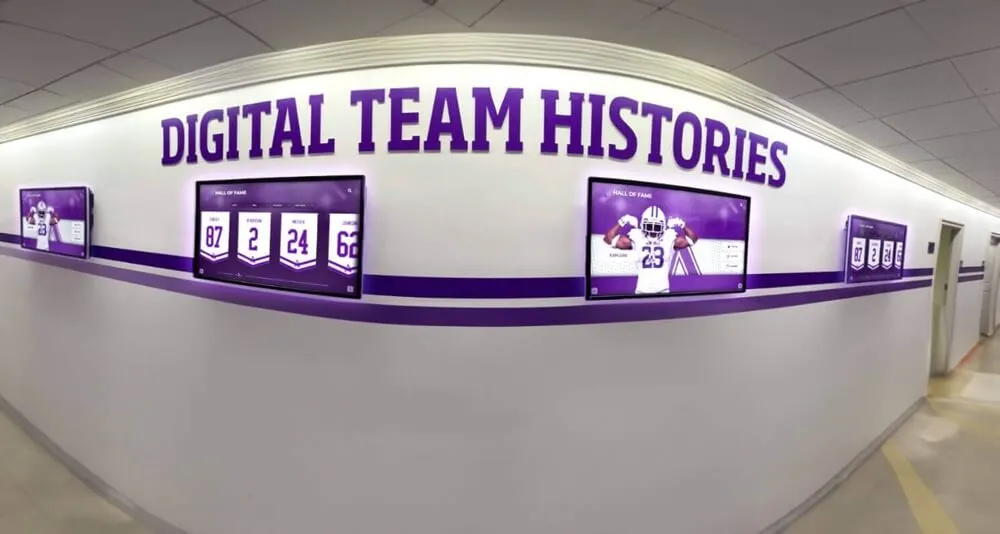
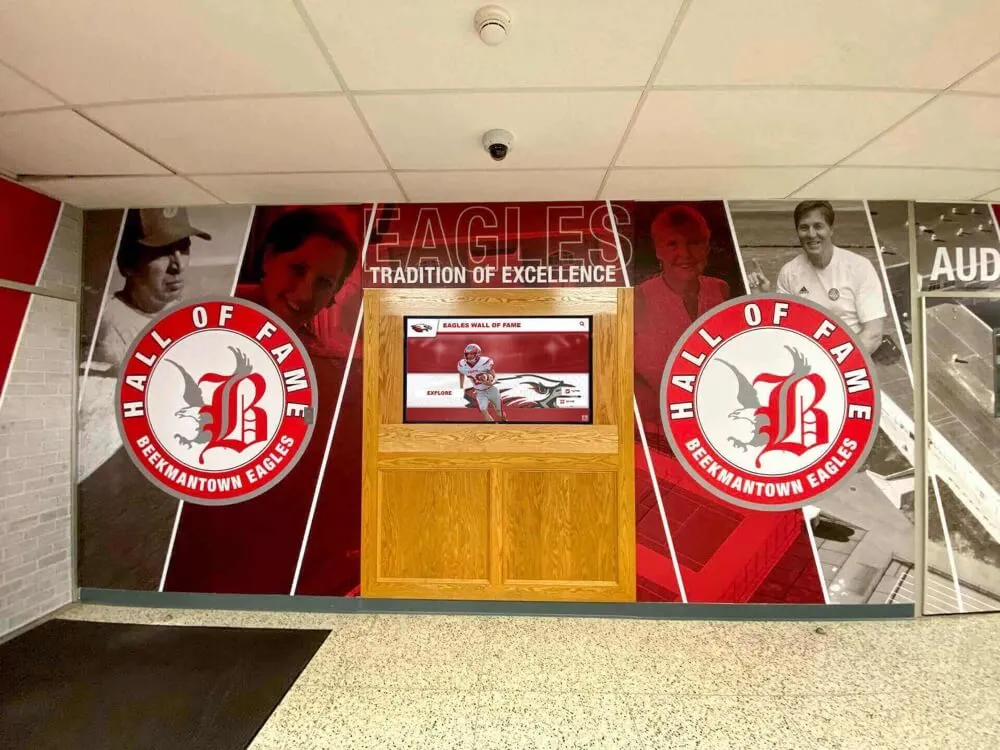
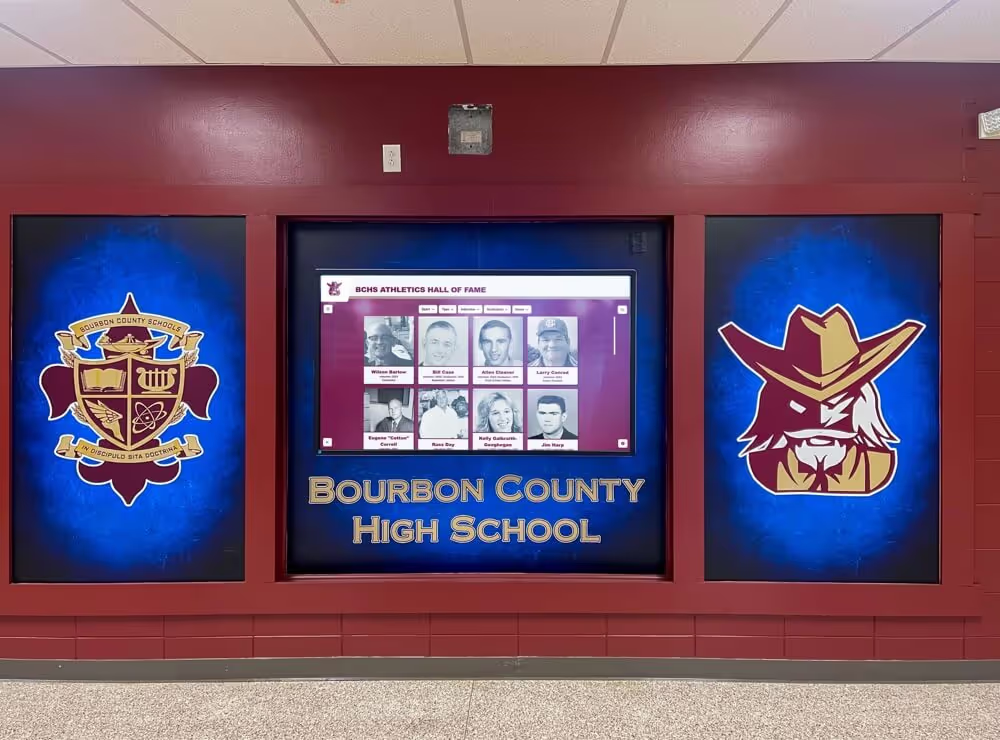
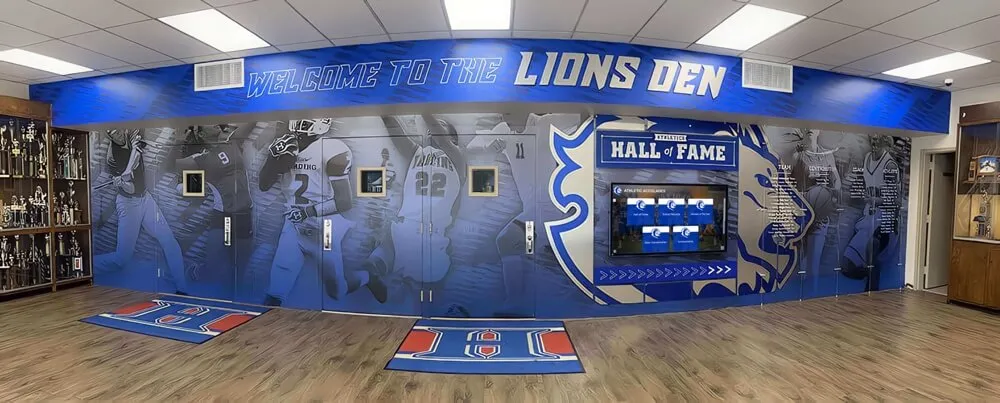
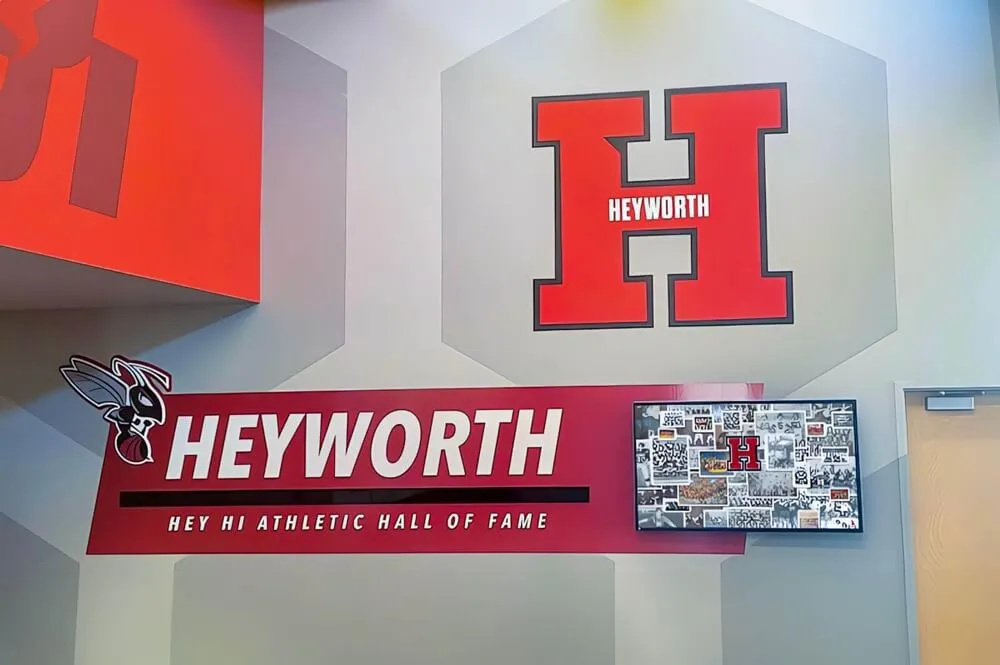
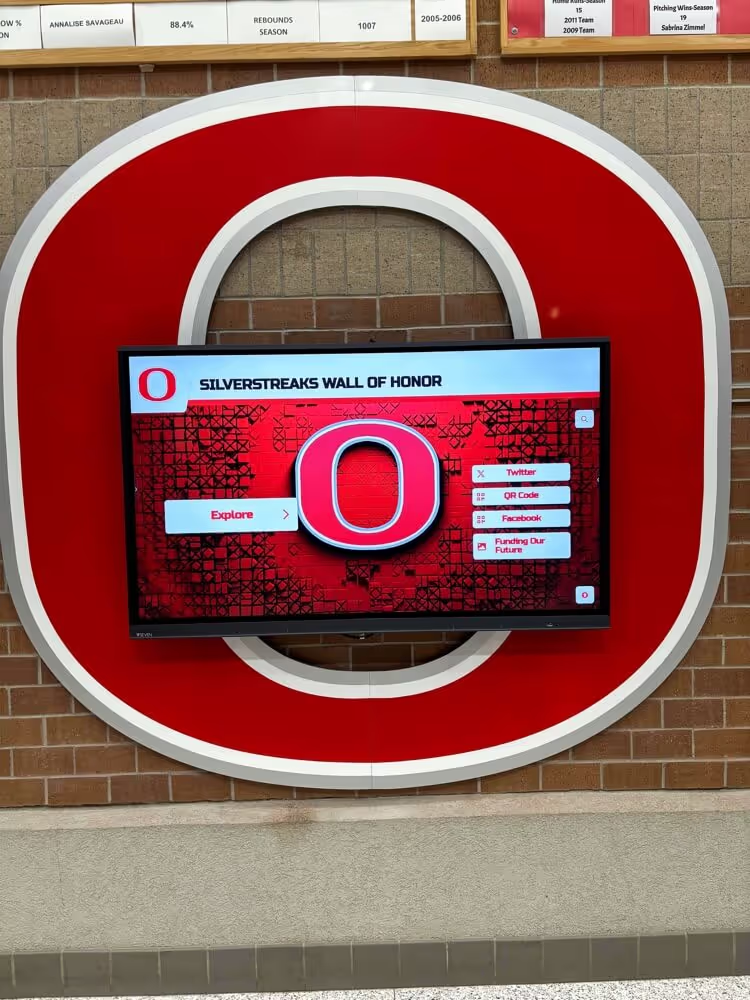
Modern interactive honor displays bring honor roll recognition to life—making academic achievement visible and celebrated across the entire school community
What Is Honor Roll? Definition and Core Meaning
The term “honor roll” refers to a school-maintained list of students who have achieved academic performance at or above a defined standard during a given grading period—typically a quarter, semester, or trimester. Being named to the honor roll signals that a student’s grades reflect consistent commitment, strong study habits, and academic performance that stands above the average.
The Origin of the Term
The phrase itself carries historical weight. “Roll” in this context derives from a tradition of recording distinguished names on formal lists—a practice dating to military commendations and academic guilds. The “honor roll” in schools evolved from that tradition, designating students whose names were formally recorded as achievers worthy of public recognition.
In the United States, widespread use of the term in K–12 education grew throughout the 20th century as standardized grading systems became universal. Today, the honor roll appears in virtually every American school system, though the specific criteria, tiers, and celebration practices differ widely.
How Honor Roll Differs from Other Academic Awards
Honor roll occupies a specific space in the academic recognition landscape:
Honor Roll vs. Dean’s List
- Honor roll typically applies to K–12 students; dean’s list is the college equivalent
- Both recognize GPA achievement above a threshold for a specific term
- Dean’s list commonly requires a higher minimum GPA (often 3.5 or above on a 4.0 scale)
Honor Roll vs. Valedictorian/Salutatorian
- Valedictorian recognizes the single top-ranked senior at graduation
- Honor roll recognizes multiple students each grading period throughout the year
- Honor roll is periodic and cumulative; valedictorian is a one-time culminating distinction
Honor Roll vs. National Honor Society
- NHS requires scholarship, leadership, service, and character—not GPA alone
- Honor roll is purely grade-based; NHS involves faculty committee evaluation
- Honor roll eligibility is automatic based on grades; NHS requires application and selection
Understanding where honor roll fits among the broader range of awards high school students can win helps students and families prioritize academic goals strategically.
Types of Honor Roll Programs
Most schools organize honor roll recognition into multiple tiers to reflect different levels of achievement. While naming conventions vary, a two-tier structure is most common.
High Honor Roll (Principal’s Honor Roll)
The highest tier typically requires all A grades (usually a 4.0 or 3.85+ GPA). Common names include:
- High Honor Roll
- Highest Honors
- Principal’s Honor Roll
- Distinguished Honor Roll
- All-A Honor Roll
Standard Honor Roll
The second tier recognizes strong academic performance with a mix of A and B grades. Common thresholds range from 3.0 to 3.5 GPA. Names include:
- Honor Roll
- Honors
- Merit Roll
- High Achievement Roll
- Academic Honor Roll
A/B Honor Roll
Many schools simplify the structure by referring to the combined recognition as the “A/B Honor Roll”—a practical label communicating that students earning A’s and B’s across their courses qualify for recognition without a numerical GPA threshold.

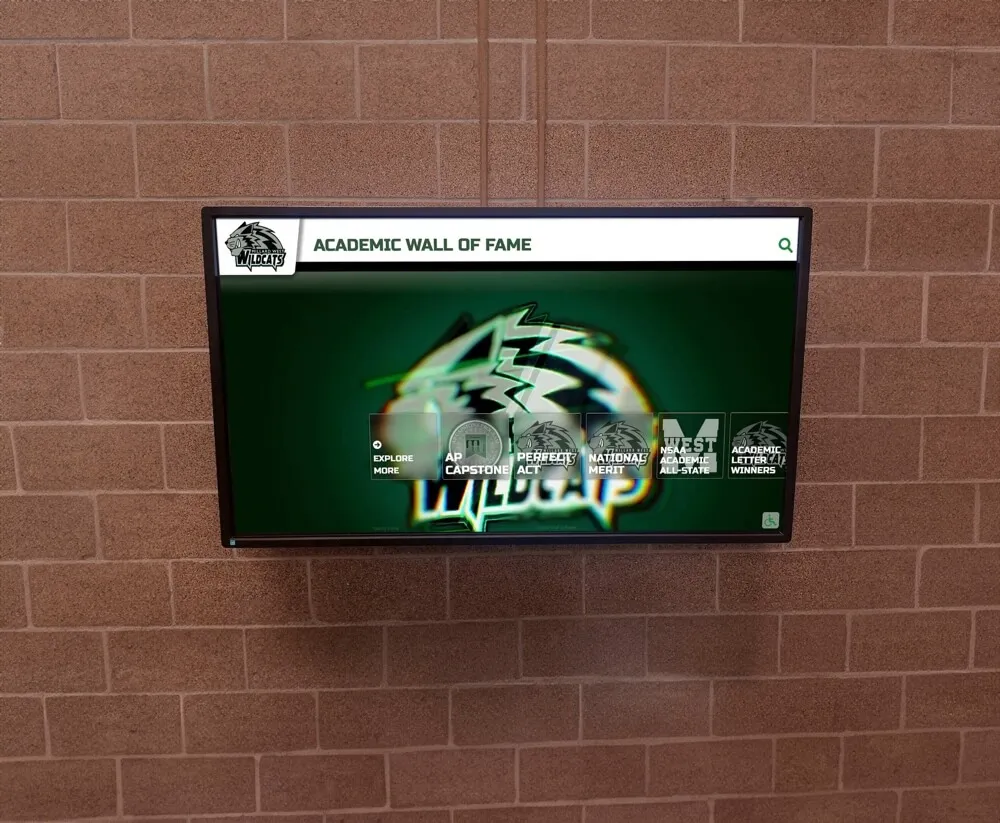
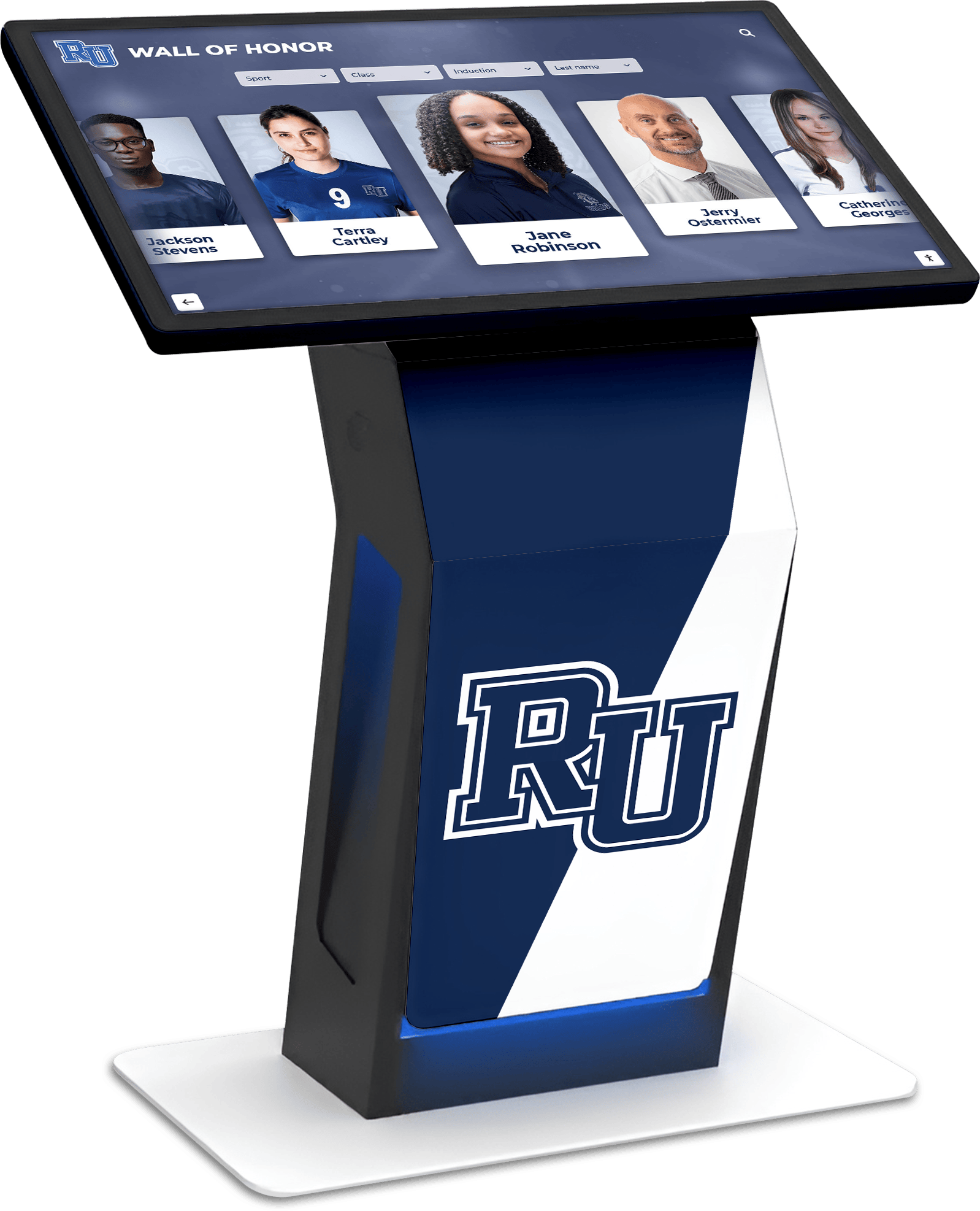
Individual digital portrait cards transform honor roll lists into personal, memorable recognition for every qualifying student
Quarter, Semester, and Annual Honor Roll
Quarterly Honor Roll Students qualify based on each nine-week or ten-week grading period. More frequent recognition opportunities motivate students who might stumble in one period to reset and aim higher the next.
Semester Honor Roll Qualification is evaluated twice per year—most common in high schools where semester grades determine course credit. The longer timeframe rewards consistency over a sustained period.
Annual or Cumulative Honor Roll Some schools recognize students who maintain qualifying grades across an entire school year. Annual recognition carries more weight but is less accessible for students who have an off quarter.
Most K–12 schools use the quarterly or semester model to maximize recognition opportunities and keep academic motivation high throughout the year.
Honor Roll Requirements by School Level
The specific GPA thresholds and eligibility rules for honor roll differ across grade levels, reflecting developmental appropriateness and grading system variations.
Elementary School Honor Roll
Elementary schools handle honor roll recognition with particular care given the developmental considerations involved. Common approaches include:
- Standards-based recognition: Rather than GPA, many elementary schools use “proficiency” markers (meeting, exceeding) aligned to learning standards
- All-A or A/B equivalent: Schools using letter grades typically recognize students earning all A’s or a mix of A’s and B’s
- Participation eligibility: Some districts require students to be enrolled for a full grading period without unresolved incompletes
- No F rule: Many programs disqualify students who receive any grade below a C regardless of overall average
Elementary honor roll increasingly focuses on recognizing genuine effort and growth alongside achievement, particularly at grades K–3.
Middle School Honor Roll
Middle school programs typically introduce more formalized GPA-based systems as students transition to departmentalized instruction with multiple teachers:
- High Honor Roll: 3.7–4.0 GPA (all A’s or A’s with one B)
- Honor Roll: 3.0–3.69 GPA (predominantly B grades)
- Course requirement: Usually requires students to be passing all enrolled courses
- Conduct clause: Some schools include a behavior/citizenship component
Middle school represents a critical window when academic habits form. Schools that celebrate honor roll consistently in grades 6–8 see higher academic engagement entering high school.
High School Honor Roll
High school programs are typically the most rigorous, often reflecting weighted GPA calculations:
- High Honor Roll: 3.85+ weighted GPA or all A grades
- Honor Roll: 3.5–3.84 weighted GPA or predominantly A’s with no more than one or two B’s
- No failing grade: Virtually all programs disqualify students with any D or F
- No incomplete: Open incompletes often prevent listing until resolved
- Course load considerations: Some districts require enrollment in a minimum credit load
The presence of weighted vs. unweighted GPA calculations creates important nuances. A student in demanding AP or IB coursework may have a lower unweighted GPA than a peer in all standard courses, yet demonstrate greater academic achievement. Schools address this by using weighted GPA for honor roll, explicitly recognizing course rigor as part of the calculus.
College and University Honor Roll (Dean’s List)
At the postsecondary level, honor roll transitions to the dean’s list, with requirements that vary by institution:
- Typical threshold: 3.5–3.7 GPA on a 4.0 scale
- Full-time enrollment: Usually requires 12 or more credit hours per semester
- No D or F policy: Standard across virtually all institutions
- Term-based: Recognized each semester independently
Exploring the range of highest academic awards in high school helps families understand how honor roll connects to a broader ladder of academic achievement leading into college.

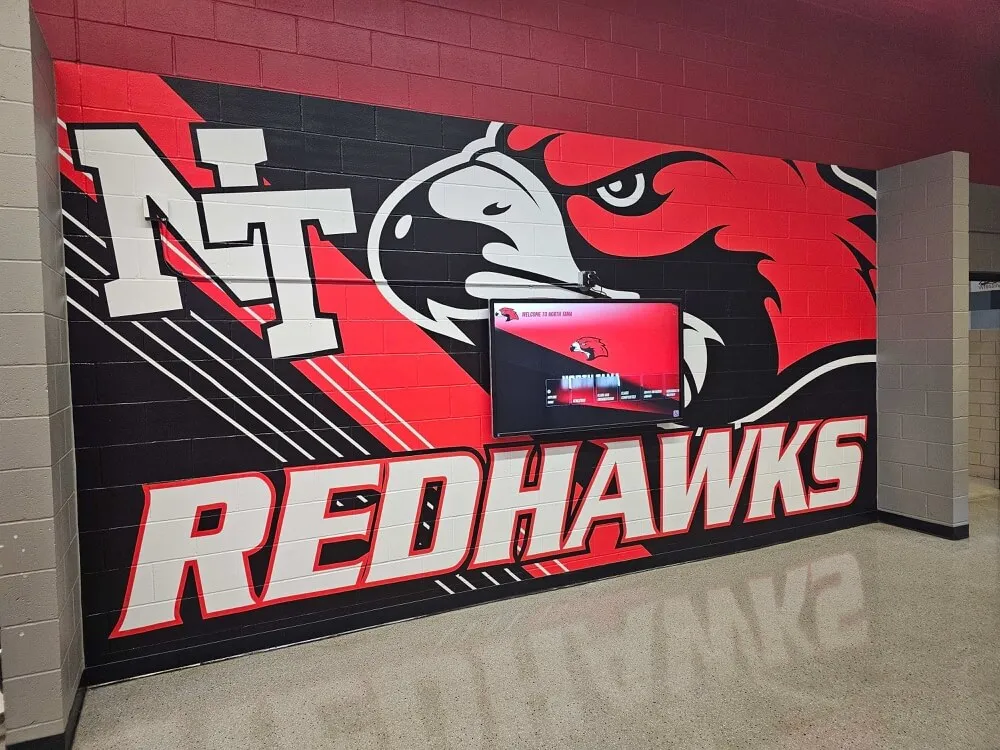
Permanent recognition displays in school hallways give honor roll meaning a physical, lasting presence—not just a list printed at the end of each term
How Schools Set and Calculate Honor Roll GPA Thresholds
Getting the eligibility math right is essential for school administrators designing or refining honor roll programs.
Weighted vs. Unweighted GPA
Unweighted GPA treats all courses equally on a 4.0 scale:
- A = 4.0
- B = 3.0
- C = 2.0
- D = 1.0
- F = 0.0
Weighted GPA adds points for advanced coursework:
- AP/IB course A = 5.0 (some systems use 4.5)
- Honors course A = 4.5
- Standard course A = 4.0
Most high schools use weighted GPA for honor roll because it better reflects actual academic rigor. Unweighted GPA remains common in middle and elementary schools where advanced course tracking is less formalized.
Setting the Right Threshold
The threshold schools choose creates different cultural outcomes:
| Threshold | Approximate % Qualifying | Culture Created |
|---|---|---|
| 4.0 (all A’s) | 10–20% of students | Highly exclusive, maximum prestige |
| 3.75+ | 20–30% of students | Strong academic standard, attainable stretch goal |
| 3.5+ | 25–40% of students | Balanced recognition, broad motivation |
| 3.0+ | 40–60% of students | Inclusive recognition, wide accessibility |
Schools aiming to maximize student motivation while preserving genuine meaning typically land on a two-tier system: High Honor Roll at 3.75+ and Honor Roll at 3.5–3.74. This structure recognizes roughly 30–45% of students—enough to feel achievable without becoming universal.
Course Failure Policies
Nearly every honor roll program includes language preventing students who fail a course from qualifying, regardless of GPA. This provision ensures the honor roll represents genuine competency across the curriculum, not a statistical artifact of strong performance in some subjects masking failure in others.
Benefits of Making the Honor Roll
The value of honor roll extends well beyond a certificate at an assembly. Students who earn consistent recognition across their academic careers gain tangible advantages.
Academic and College Admissions Impact
- Transcript notation: Honor roll designations appear on many school transcripts, providing context for GPA numbers
- Class rank influence: Consistent honor roll performance correlates strongly with top-tier class rank
- College admissions context: Admissions officers reviewing transcripts recognize repeated honor roll designation as evidence of academic consistency
- Scholarship eligibility: Many local, regional, and national scholarships require honor roll or a minimum GPA that corresponds to honor roll eligibility
Schools that clearly showcase student test scores and academic achievements alongside honor roll recognition give students comprehensive recognition packages that serve their college applications well.
Personal Development Benefits
- Growth mindset reinforcement: Regular, attainable recognition reinforces the connection between effort and reward
- Intrinsic motivation development: Students who experience the satisfaction of making honor roll develop internal academic drive
- Habit formation: The consistent study habits required to maintain honor roll status build skills students carry throughout life
- Resilience building: Falling off honor roll and working back onto it teaches valuable lessons about recovery and persistence
Social and Community Recognition
Being named to the honor roll carries visible community acknowledgment that matters to students and families across cultures. Whether announced at assembly, published in a school newsletter, or displayed on a screen in the school lobby, public recognition communicates to students that their community notices and values their academic effort.
Supporting Honor Roll Achievement: A Parent’s Guide
Parents play a critical role in whether students consistently achieve honor roll status. Strategic support—without pressure that triggers anxiety—makes a significant difference.
Create Structure That Enables Achievement
- Establish consistent homework time and study spaces
- Limit disruptions during peak study periods
- Ensure adequate sleep (research consistently links sleep to academic performance)
- Monitor assignment completion without taking over the work
Engage With the School
- Review progress reports and report cards as soon as they’re available
- Attend parent-teacher conferences to understand subject-specific challenges
- Communicate with teachers early when grades slip, not after report cards arrive
- Understand your school’s honor roll criteria so you can help students set concrete targets
Celebrate Consistently
- Acknowledge honor roll achievement genuinely—overpraising and underpraising both undermine motivation
- Focus praise on effort and strategy (“you figured out how to study for that class”) not innate ability
- Mark the achievement in ways that feel meaningful to the individual student

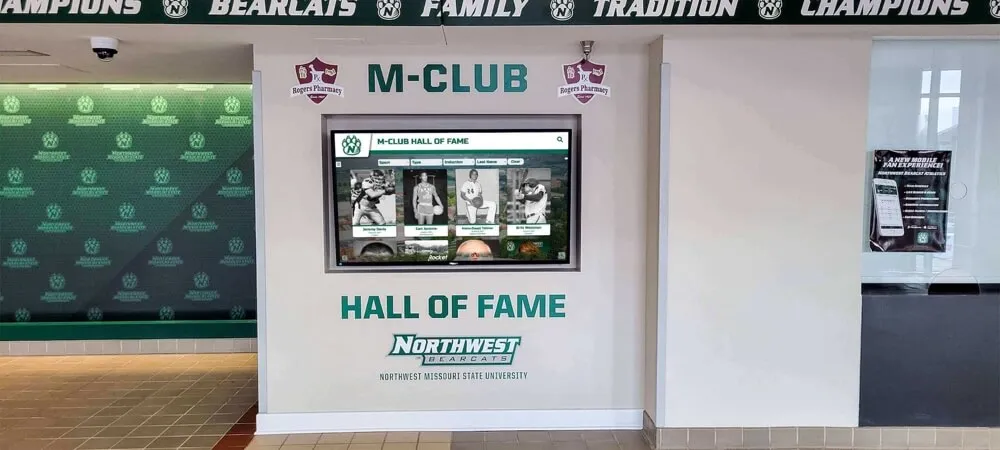
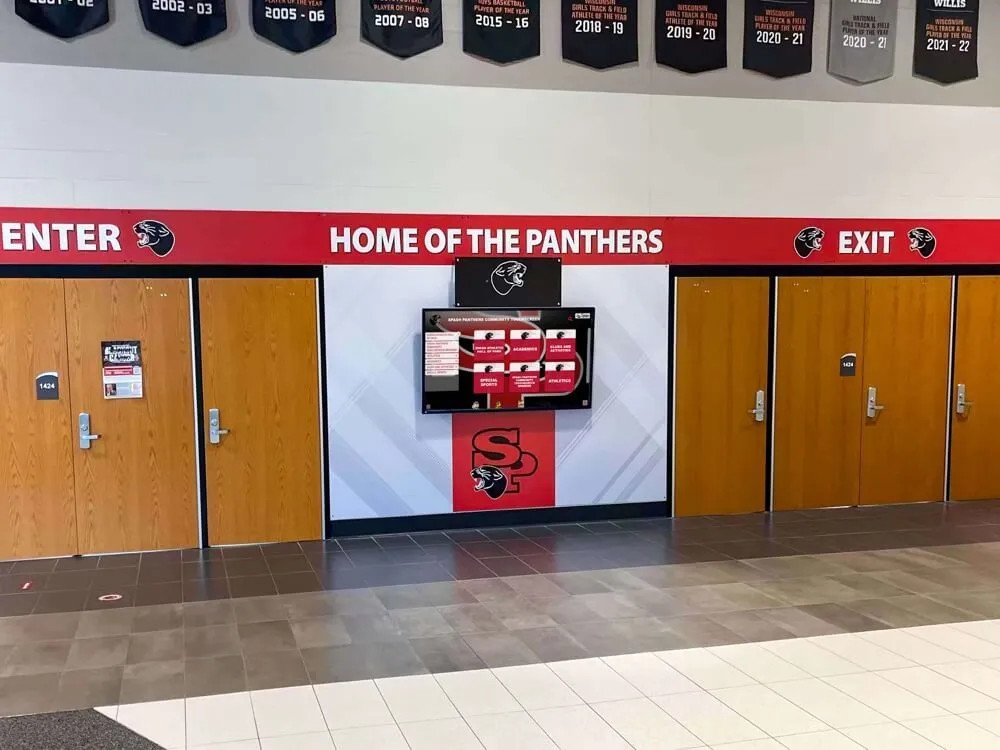
Schools that dedicate prominent hallway space to recognition—athletic and academic alike—signal to the entire community that achievement is valued
How School Administrators Build Effective Honor Roll Programs
Strong honor roll programs don’t happen automatically. Administrators who design them thoughtfully create systems that genuinely motivate students and engage families.
Step 1: Establish Clear, Consistent Criteria
Document honor roll eligibility requirements in writing and publish them in:
- Student and parent handbooks
- The school website
- Communication sent home at the start of each school year
- Any recognition displays where honor roll lists appear
Ambiguity about requirements is the single biggest source of honor roll-related parent complaints. When criteria are clear and consistently applied, nearly all disputes disappear.
Step 2: Create a Reliable Notification Process
Students and families should learn about honor roll status through an intentional notification process—not by stumbling across a posted list. Consider:
- Automated grade system notifications (most SIS platforms support this)
- Individual honor roll letters sent home with report cards
- Email or SMS notifications to families
- Certificates distributed at homeroom or advisories
Step 3: Design Meaningful Recognition Moments
The moment of recognition matters. Honor roll programs that include visible public acknowledgment motivate students more effectively than purely private notification.
Recognition Ceremony Elements
- Brief acknowledgment at school-wide assemblies
- Classroom shout-outs coordinated with homeroom teachers
- Posted lists in high-traffic hallways
- Feature in school newsletters and social media
- Individual certificates with specific achievement noted
Connecting student leadership awards and honor roll recognition creates a comprehensive celebration of academic and character achievement that families value enormously.
Step 4: Make Recognition Persistent, Not Just Periodic
The most impactful honor roll programs don’t limit recognition to a single moment at the end of each quarter. They build systems that keep student achievement visible throughout the year. This is where modern digital recognition technology has fundamentally changed what’s possible.
Schools interested in the full range of student awards and recognition ideas will find that honor roll sits naturally at the center of a broader academic celebration ecosystem.
Modern Digital Recognition for Honor Roll Students
Traditional honor roll recognition—a printed list on a bulletin board—has significant limitations. The list is static, reaches only people who happen to walk past it, ages quickly, and provides no visual connection to the individual students being recognized.
Digital recognition systems solve all of these problems while making honor roll achievement feel commensurate with its actual significance.
From Lists to Interactive Displays
Modern schools are replacing static paper lists with dynamic digital displays that:
- Feature individual student profile photos with honor roll designation
- Update automatically each grading period without manual reprinting
- Allow students and families to interact with achievement data
- Connect honor roll to broader academic achievement timelines
A well-designed digital wall of fame can integrate honor roll recognition alongside athletic achievements, community service milestones, and other student accomplishments—creating a comprehensive picture of a school’s achievement culture rather than siloed lists in separate hallways.
Touchscreen Recognition Kiosks
Interactive touchscreen kiosks placed in school lobbies, academic wings, or near administrative offices allow:
- Students to find their own names and achievement details
- Families visiting the school to explore recognition records
- Prospective students and parents during admission tours to see a culture of recognition
- Alumni returning to campus to browse historical honor roll archives
Interactive campus displays that incorporate honor roll alongside other achievements create powerful narrative experiences for everyone who enters the building.

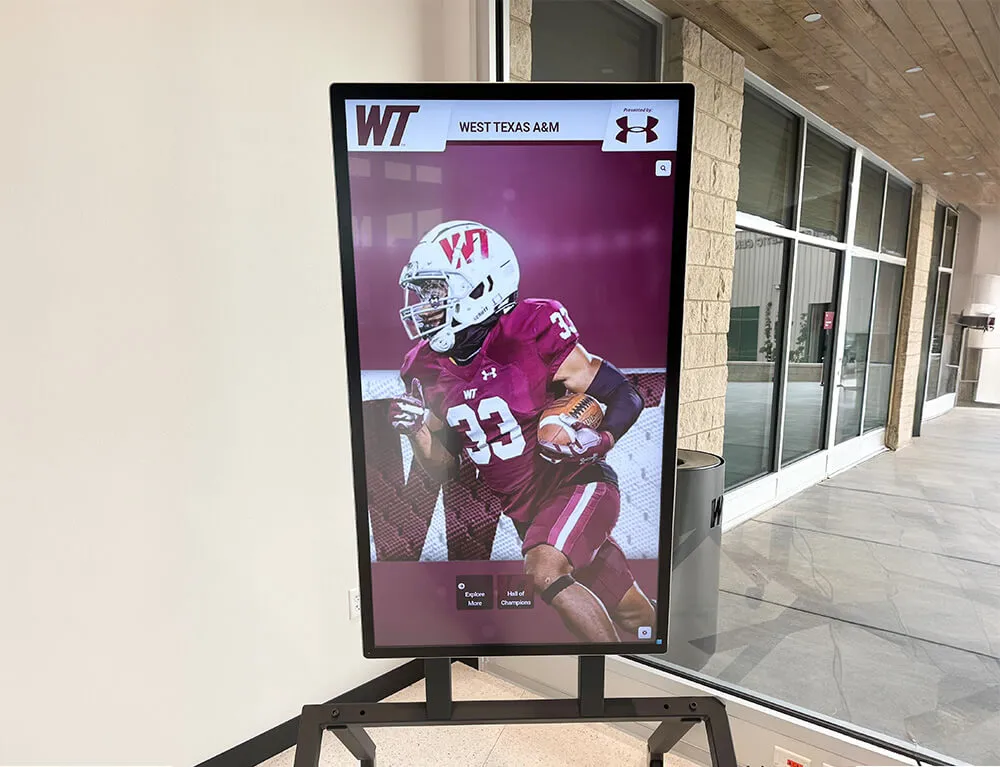
Touchscreen recognition systems allow schools to display honor roll students with individual profiles—transforming a list into a personalized celebration of each student's achievement
Digital Trophy Walls and Honor Boards
The same technology that powers athletic trophy displays can showcase academic achievement. A well-designed digital trophy wall for academic recognition includes:
- Current and historical honor roll rosters organized by year and term
- Featured student profiles with photos and achievement highlights
- Searchable archives allowing families to find students by name or year
- Integration with other academic honors including subject awards, AP exam scores, and scholarship recipients
Schools that invest in permanent, high-quality academic recognition infrastructure send an unmistakable signal that grades and academic achievement are as valued as athletic championships.
Connecting Honor Roll to Broader Academic Programs
Honor roll recognition is often the foundation of a broader academic achievement ecosystem that includes programs like the National Technical Honor Society for CTE students, subject-area awards, and service-learning designations. Schools that connect these programs visually—through integrated displays showing a student’s full recognition history—create recognition experiences that honor the whole student, not just a single metric.
Program Snapshot: Honor Roll Recognition System
Audience: Students in grades 4–12; parents and families; school community
Outcomes: Increased academic motivation, visible culture of achievement, meaningful student recognition
Timing: End of each grading period (quarter, semester, or trimester)
Core Elements:
- Clear written eligibility criteria published annually
- Automatic notification to qualifying students and families
- Public recognition through assemblies, certificates, and displays
- Persistent digital recognition updated each term
- Historical archive accessible throughout the school year
Content for Digital Displays:
- Student name, grade level, and photo
- Honor roll tier (High Honor Roll vs. Honor Roll)
- Grading period and school year
- Cumulative semesters on honor roll (for multi-year archives)
- Optional: subject area with highest achievement
Remote Management:
- Update lists each grading period via cloud CMS
- Automated publishing from student information system
- No reprinting, no manual posting, no paper lists
Frequently Asked Questions About Honor Roll
Does making honor roll look good for college applications? Consistent honor roll designation strengthens college applications by demonstrating academic dedication across multiple grading periods, not just a single strong semester. While honor roll isn’t a formal application requirement at most colleges, counselor recommendation letters and school profiles often reference academic recognition programs, and transcripts at some schools include honor roll notations directly.
Can a student be removed from honor roll after being announced? Policies vary by school, but most programs treat honor roll as a final determination based on official report card grades. Grade corrections that affect eligibility may prompt quiet revisions, but public removal after announcement is rare. Schools should define their policy on grade changes and eligibility corrections in writing.
What happens if a student makes honor roll every semester? Many schools offer cumulative recognition for students who achieve honor roll across multiple consecutive terms—sometimes called “consecutive honor roll” or recognized at end-of-year awards ceremonies with special distinction. Building cumulative recognition into the program rewards consistency and long-term academic commitment.
Does honor roll carry GPA weight toward graduation? No. Honor roll is a recognition designation, not a grade or credit. It doesn’t affect GPA calculation, graduation requirements, or class rank directly. GPA determines class rank; honor roll recognizes students whose GPA crosses defined thresholds.
Should elementary schools use honor roll? This is genuinely debated among elementary educators. Proponents argue that early recognition establishes positive academic habits. Critics note that highly competitive recognition in early grades can create unhealthy anxiety and focus students on grades rather than learning. Many elementary schools opt for effort-based or growth-based recognition programs rather than strict GPA honor roll, transitioning to more grade-based systems in grades 4 or 5.
How do parents find out if their child made honor roll? Notification methods vary: some schools send home formal certificates with report cards, others post lists to the school website or parent portal, and many now use automated grade system alerts. Schools should communicate their notification process clearly at the start of the year so families know when and how to expect the information.

Schools that integrate academic recognition into their permanent lobby displays—alongside athletic and community achievement—create a unified culture where every form of student excellence is celebrated
Execution Timeline for Honor Roll Programs
Phase 1: Planning (Before School Year Begins)
- Review and update eligibility criteria
- Publish requirements in student handbook and school website
- Configure grade management system notifications
- Design or update display templates for digital recognition boards
Phase 2: Each Grading Period
- Generate honor roll lists from student information system within 5 business days of report card release
- Notify qualifying students and families via automated system
- Prepare certificates for distribution
- Update digital recognition displays with current period lists
- Post public acknowledgment in newsletter, social media, and school communications
Phase 3: End of Year
- Recognize cumulative honor roll achievers at end-of-year assembly
- Archive annual honor roll data for historical display
- Collect feedback from students, families, and faculty on recognition program effectiveness
- Review eligibility criteria and recognition methods for the following year
Make Honor Roll Recognition Last
Honor roll meaning is at its most powerful when the achievement doesn’t disappear as soon as the grading period ends. A list posted on a bulletin board is gone within weeks. A printed certificate lives in a drawer. But a student’s photo on an interactive display in the school lobby—searchable by name, visible to every family that walks through the door, archived alongside every previous cohort of academic achievers—that recognition has permanence and weight.
Schools using Rocket Alumni Solutions build recognition systems that make honor roll achievement visible and lasting—integrating academic honors, athletic achievements, and community recognitions into unified displays that celebrate the full spectrum of student excellence. From touchscreen kiosks in the lobby to wall-mounted digital honor boards in academic hallways, modern recognition technology ensures that every student who earns honor roll status receives recognition that feels as significant as the achievement itself.
Ready to transform how your school recognizes academic achievement? Request a free custom demo from Rocket Alumni Solutions to see how interactive displays can bring your honor roll program to life.