



Homecoming parades transform ordinary streets into vibrant celebrations of school pride, bringing together students, alumni, families, and communities in moving displays of tradition and creativity. These processions—featuring decorated floats, marching bands, spirited students, and honored alumni—create shared experiences that define school identity and build lifelong connections. Yet many schools struggle to move beyond basic parade execution, missing opportunities to create truly memorable events that engage diverse participants, maximize community visibility, and establish recognition traditions extending beyond single afternoons.
Traditional parade approaches often default to minimal planning, limited participation beyond football players and cheerleaders, hastily constructed floats lacking creativity, and missed opportunities to recognize achievements comprehensively or preserve parade memories for future generations. Meanwhile, schools with exceptional parade traditions invest months in systematic planning, engage broad student and community participation, implement creative themes connecting all elements cohesively, and integrate recognition programs celebrating diverse achievements during highly visible community gatherings.
This comprehensive guide explores actionable homecoming parade ideas spanning float design strategies, participation expansion approaches, logistical planning frameworks, safety protocols, recognition integration, and digital documentation systems. Whether launching inaugural parades or enhancing established traditions, these blueprints help schools create processions that celebrate pride authentically while building the visibility and community connections that strengthen institutional reputation.
Homecoming parades represent strategic investments extending beyond entertainment—they function as community engagement platforms, recognition showcases, tradition-building experiences, and visibility events demonstrating institutional vitality to prospective families, local businesses, and civic partners who measure school excellence through community connection and spirit demonstration.

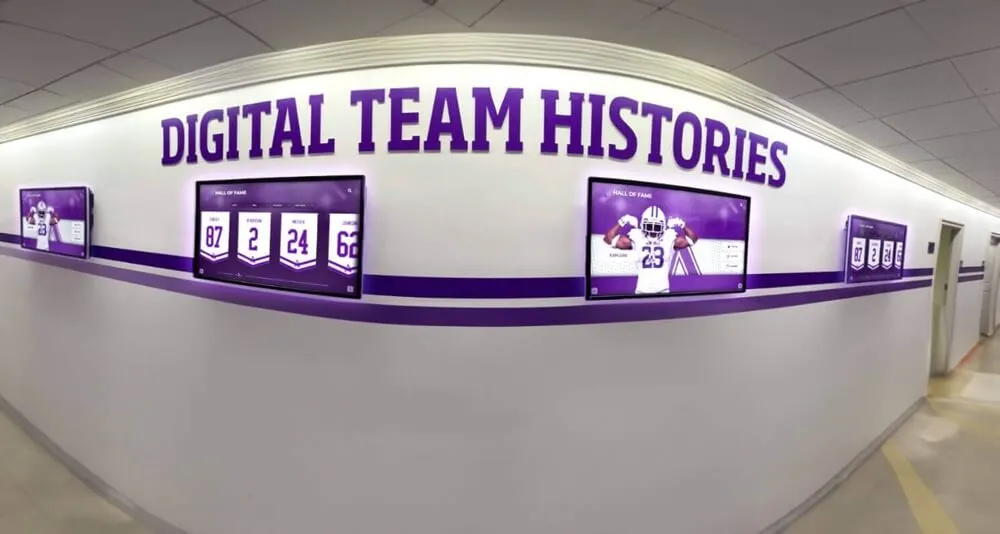
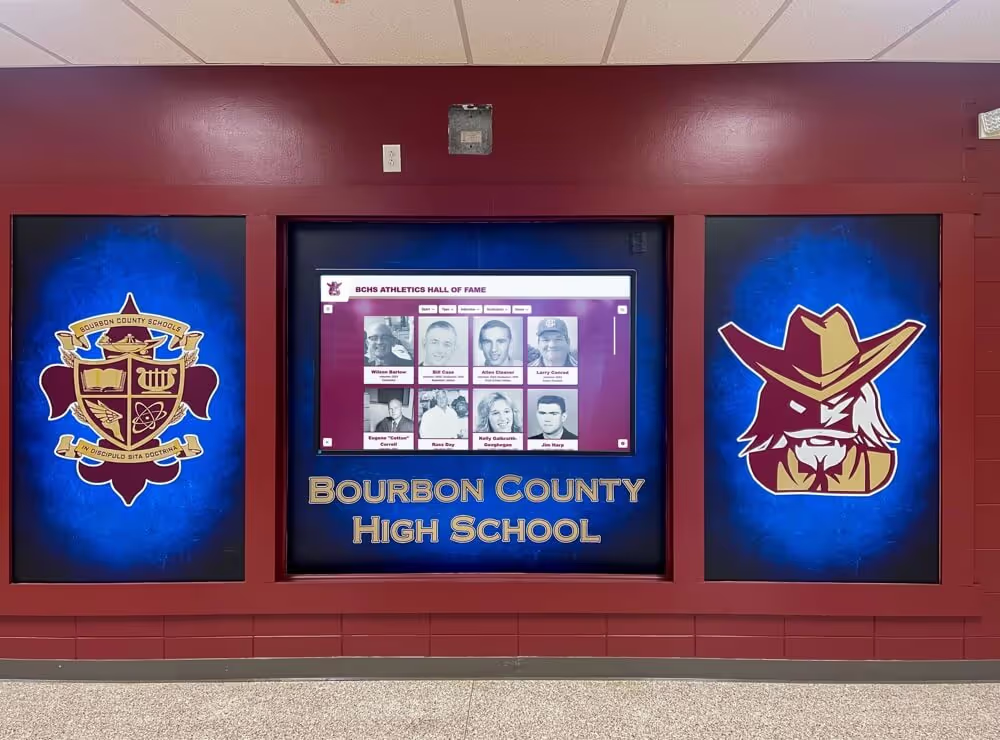
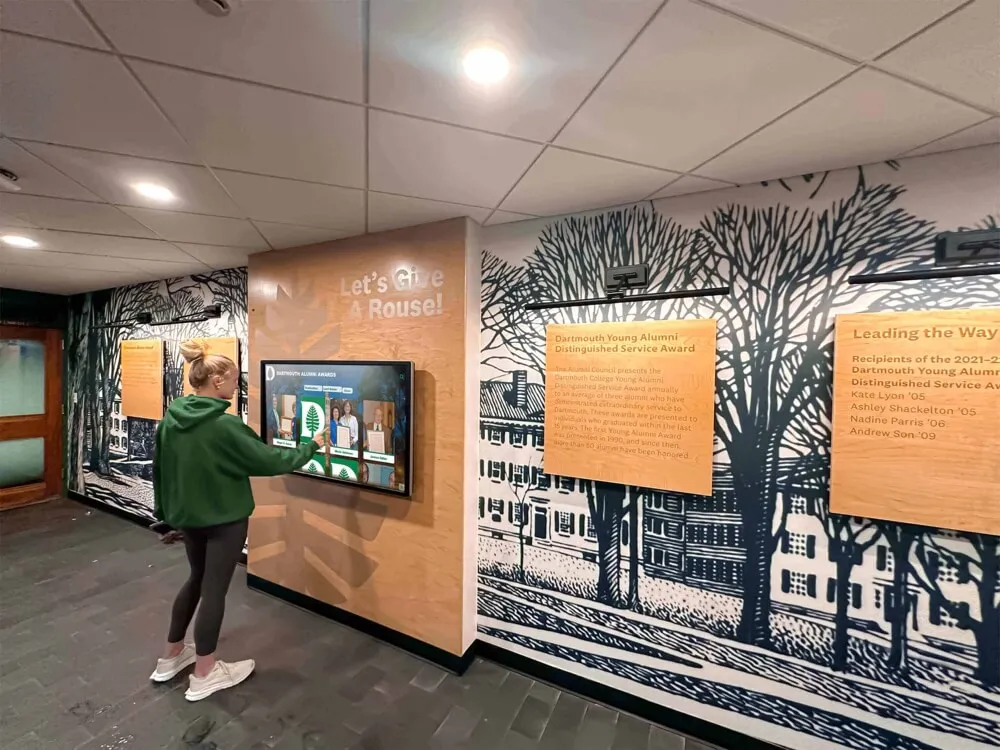
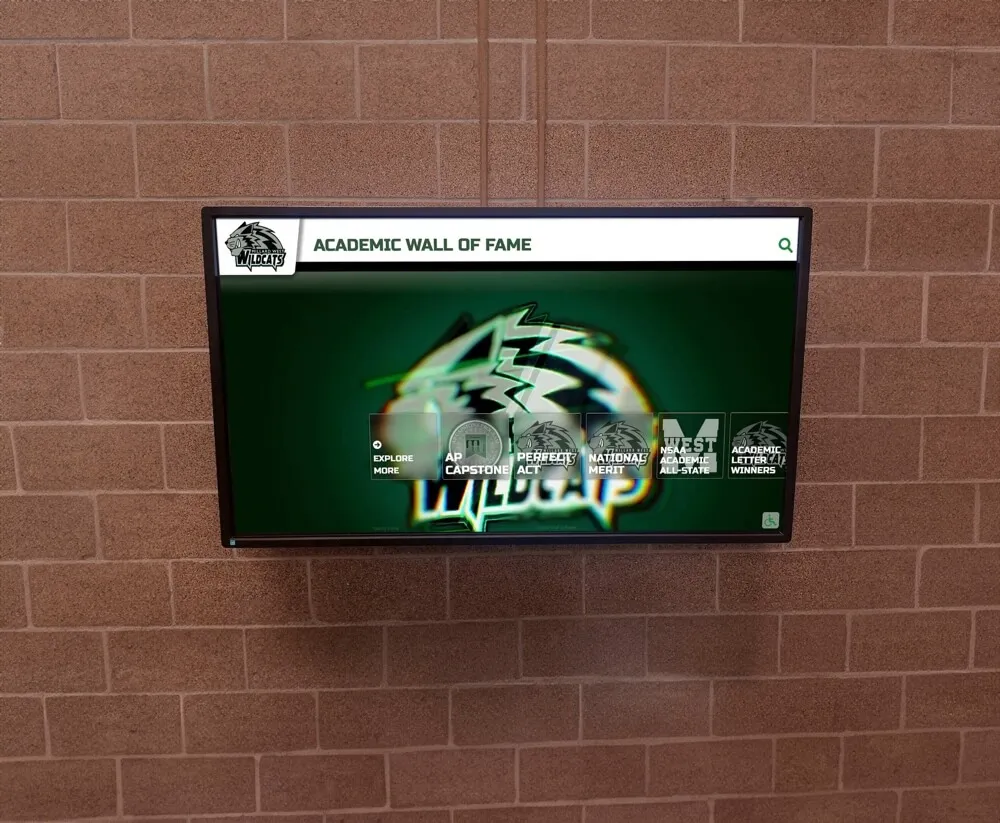
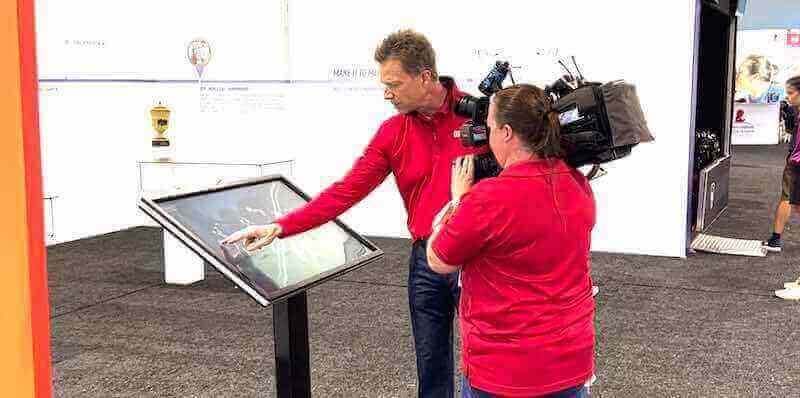
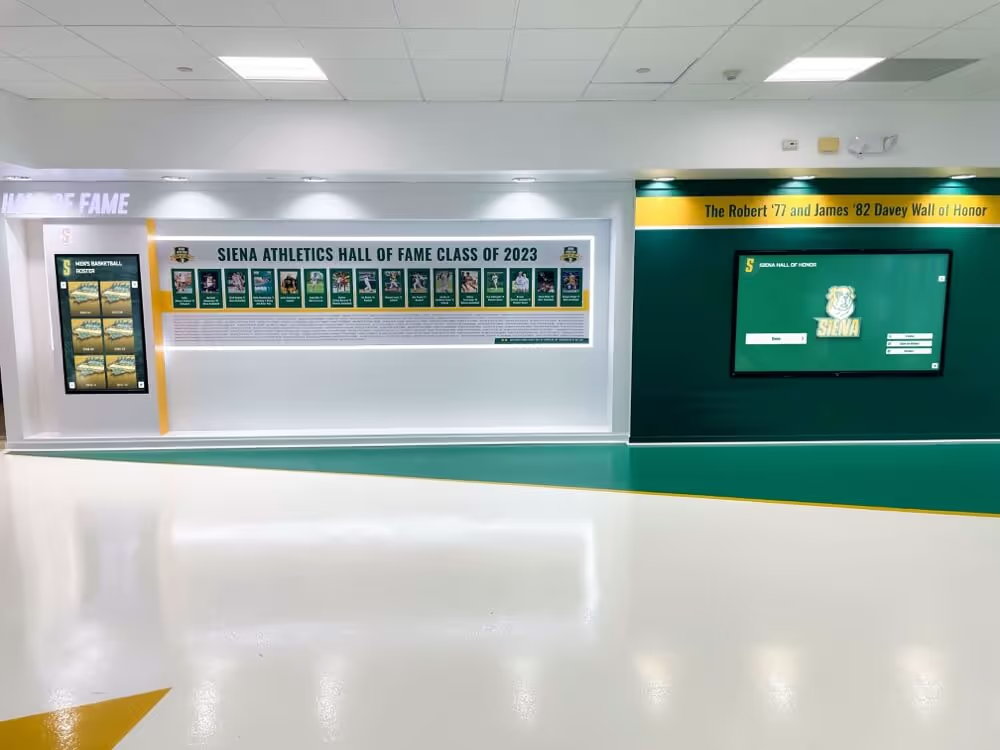
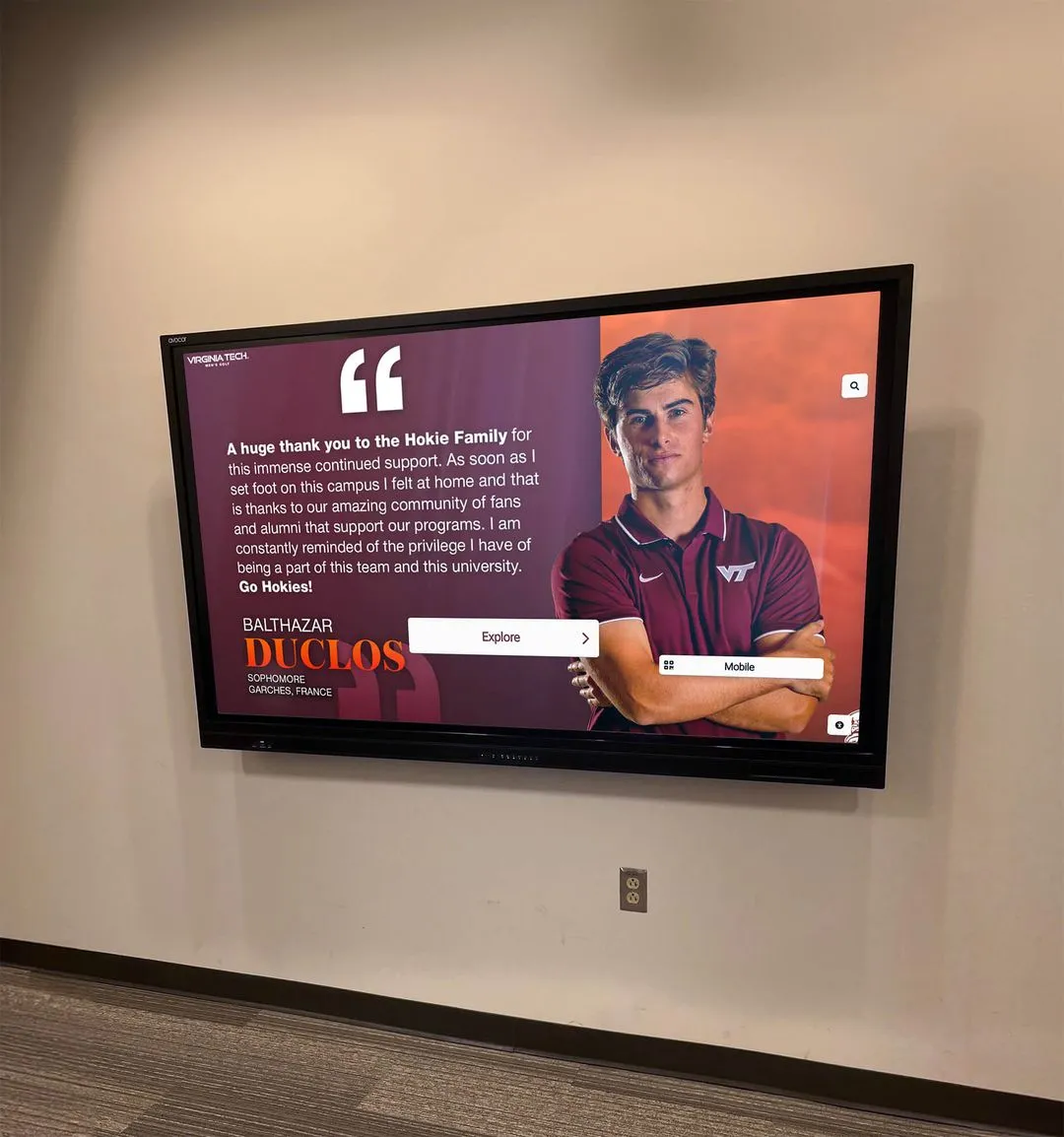
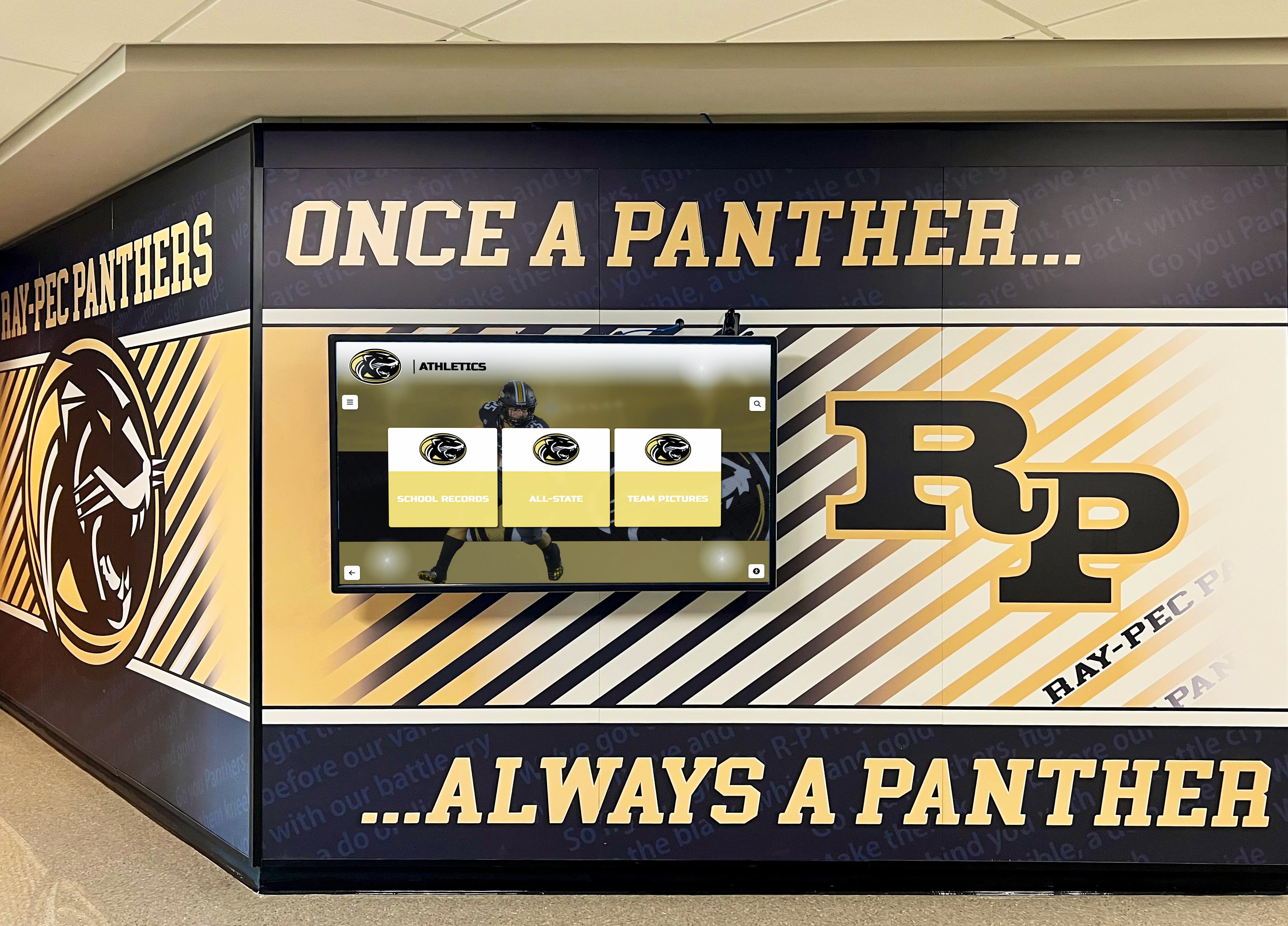
Digital recognition displays showcase parade participants and school achievements year-round, extending homecoming visibility beyond single parade days
Program Snapshot: Homecoming Parade Planning Framework
Understanding complete planning components helps coordinators design comprehensive parades that maximize participation while remaining manageable to execute.
| Program Component | Planning Timeline | Key Considerations |
|---|---|---|
| Initial Planning | 10-12 weeks before parade | Theme selection, route determination, permit applications, committee formation |
| Participant Recruitment | 8-10 weeks out | Float assignments, marching unit coordination, community partner outreach |
| Float Construction | 4-8 weeks out | Materials procurement, build schedule coordination, safety compliance review |
| Logistics Finalization | 2-4 weeks out | Traffic management, insurance verification, volunteer assignment, contingency planning |
| Promotion and Communication | 3-6 weeks out | Community announcements, participant instructions, spectator information distribution |
| Final Preparation | 1 week out | Weather monitoring, final participant coordination, setup timeline confirmation |
| Event Execution | Parade day | Registration, lineup management, procession coordination, photography documentation |
| Post-Event Follow-up | 1-2 weeks after | Recognition updates, photo distribution, evaluation assessment, cleanup completion |
Creative Homecoming Float Ideas and Design Strategies
Innovative float designs transform ordinary trailers into memorable displays showcasing school pride and creativity.
Theme-Based Float Concepts
Cohesive themes unify parade elements creating professional, coordinated impressions:
School Heritage and History
- Timeline floats depicting institutional founding through present day
- Decade-specific designs representing different eras (1950s sock hop, 1980s neon, 2000s technology)
- Founder recognition celebrating individuals who established school
- Milestone achievement showcases highlighting championships, records, academic excellence
- Architectural evolution displaying building changes and campus development
Understanding comprehensive school history documentation helps schools create historically accurate parade floats celebrating institutional heritage.
School Colors and Mascot Emphasis
- Giant mascot replicas as float centerpieces
- Color gradient designs featuring school colors prominently
- Mascot “through the ages” showing costume evolution
- Student-in-costume mascot performers interacting with crowds
- School symbol representations (shields, crests, logos) in three-dimensional form
Athletic Excellence Celebration
- Championship trophy displays showcasing winning seasons
- Sports-specific floats for each fall team (football, volleyball, cross country, soccer)
- Record-breaker recognition highlighting athletes achieving milestones
- Coach tribute floats honoring long-serving staff members
- Team unity displays featuring current rosters and season accomplishments
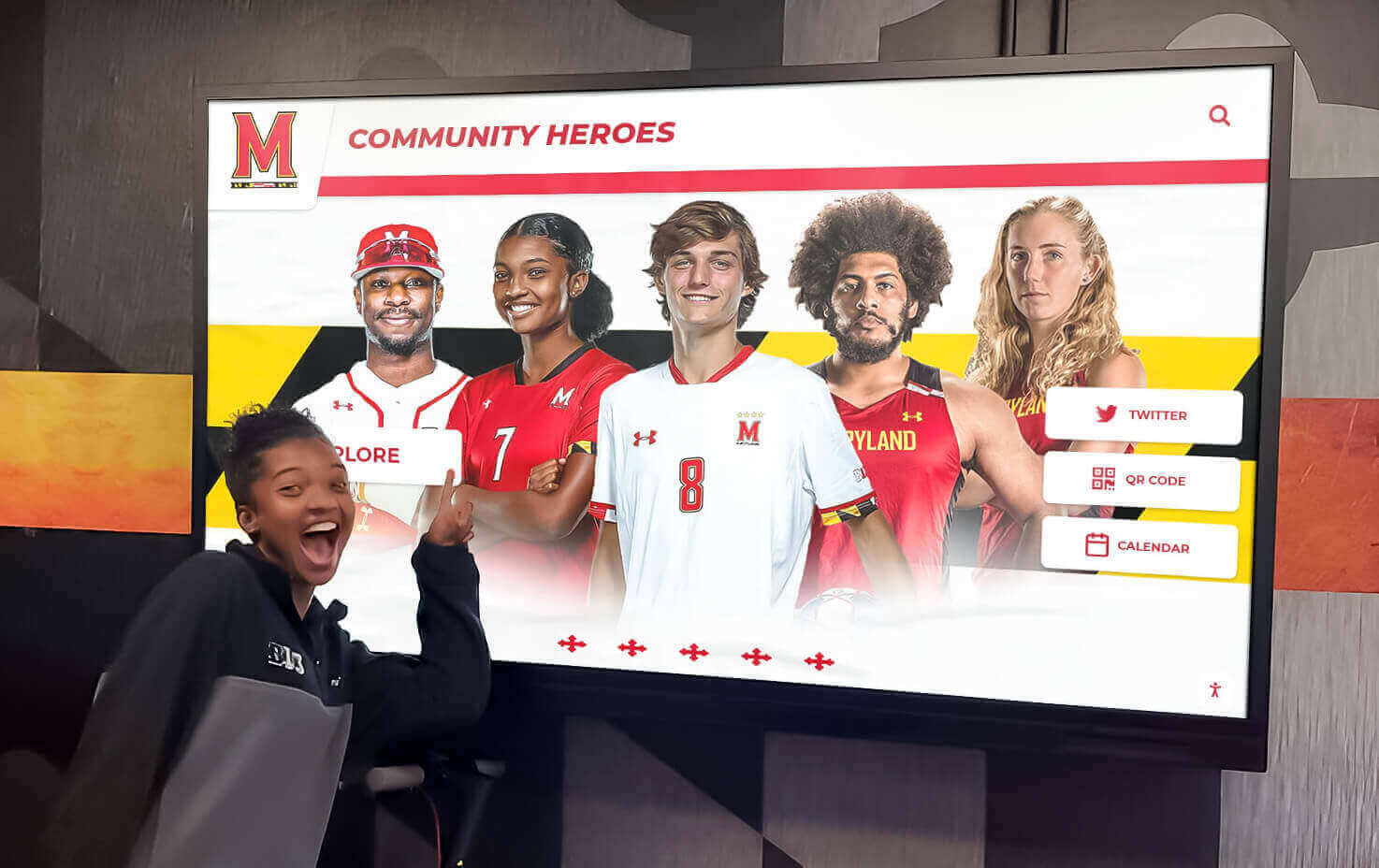
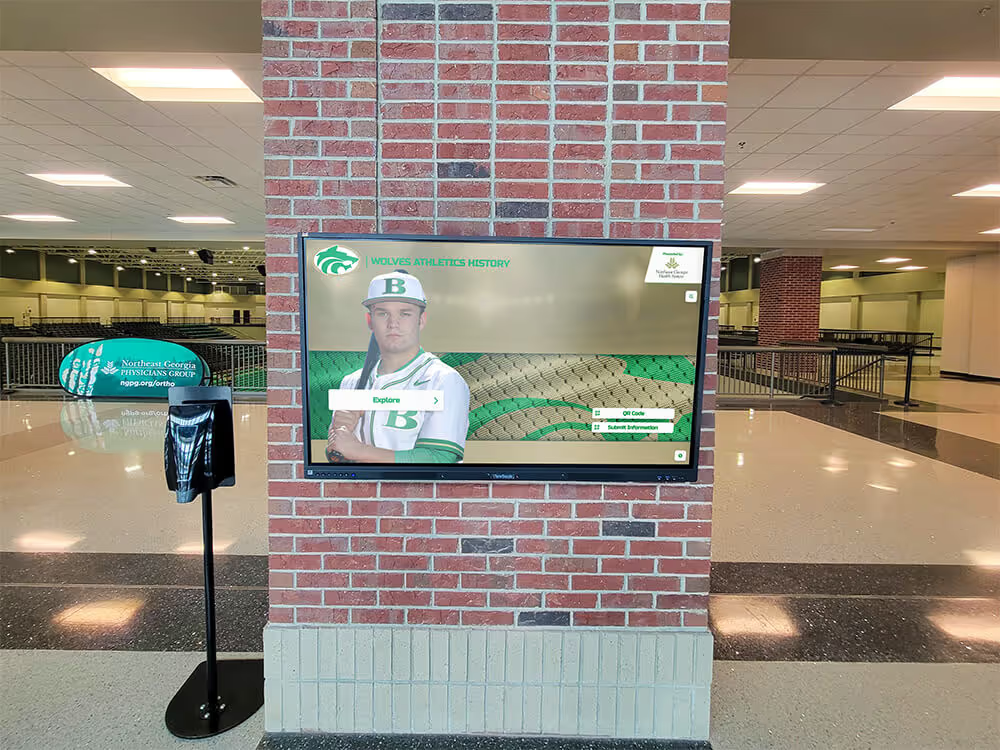
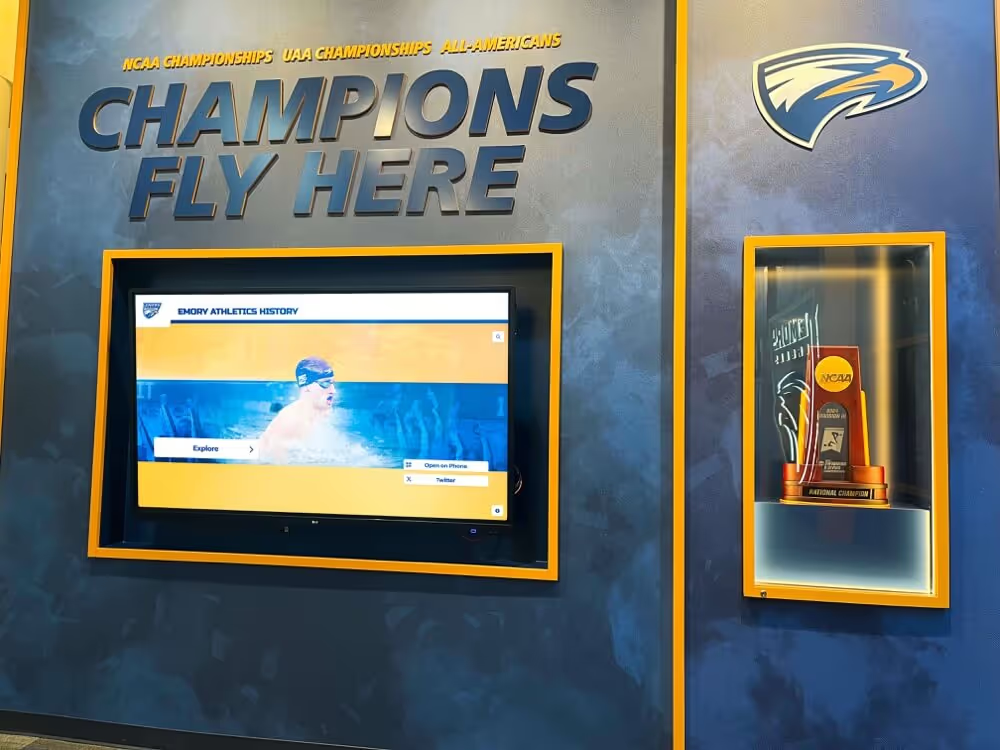
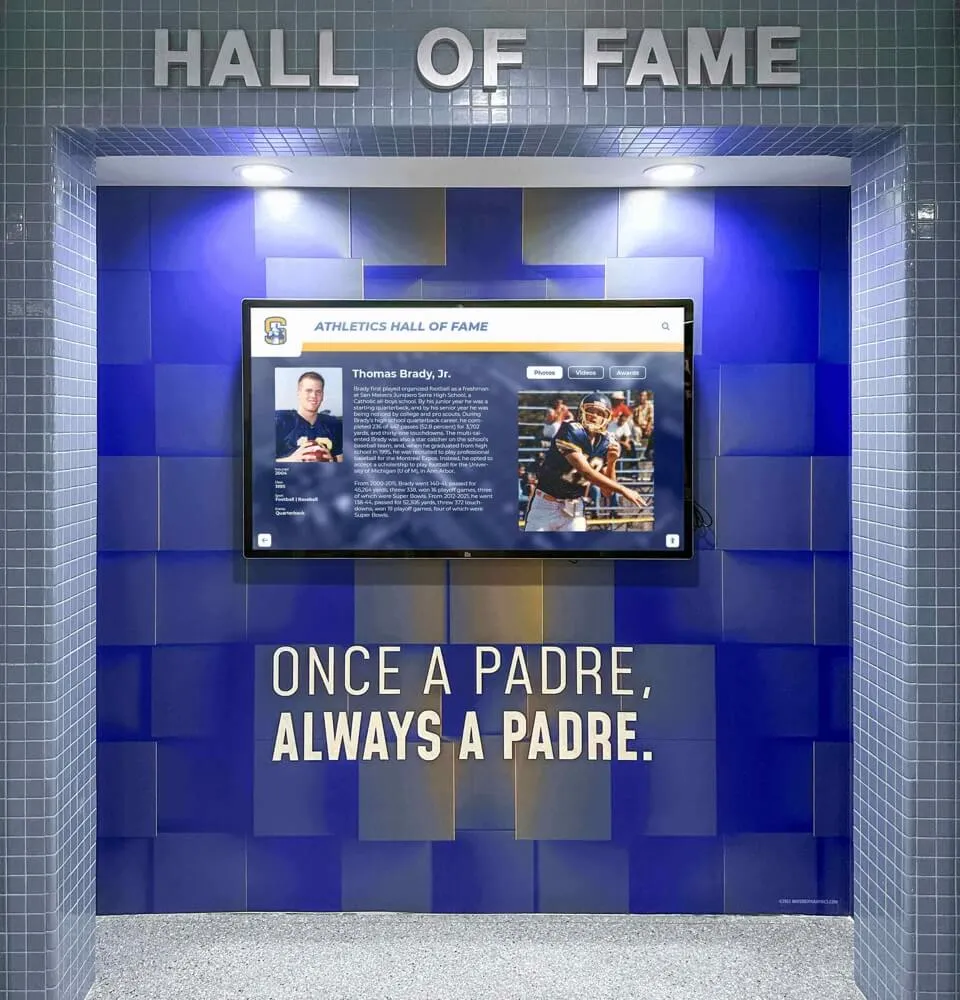
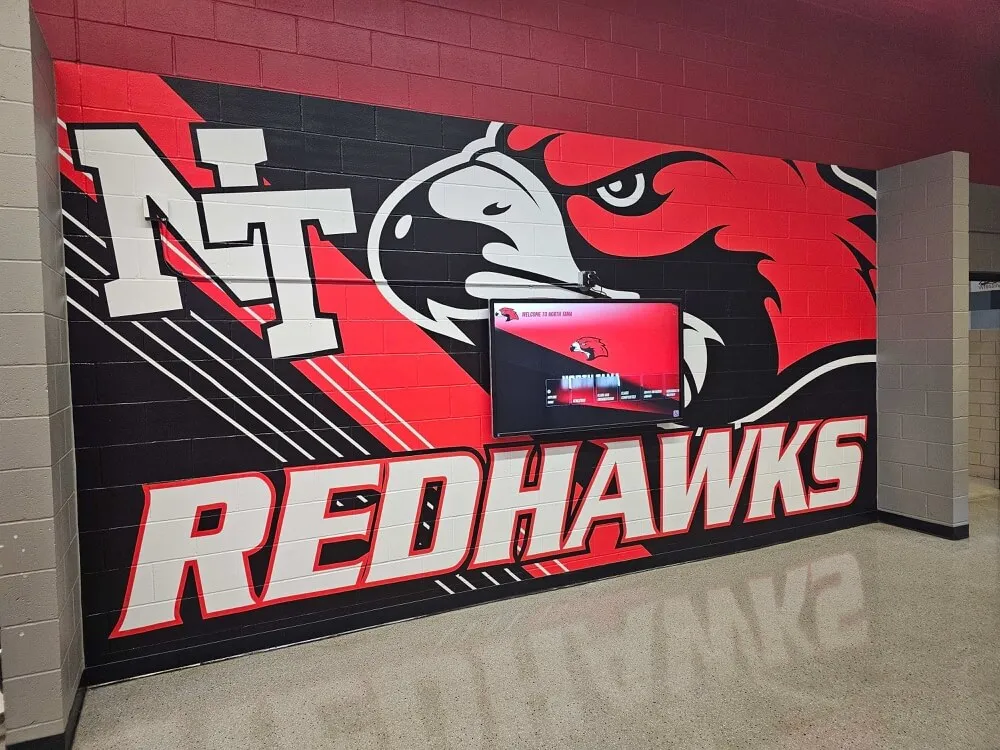
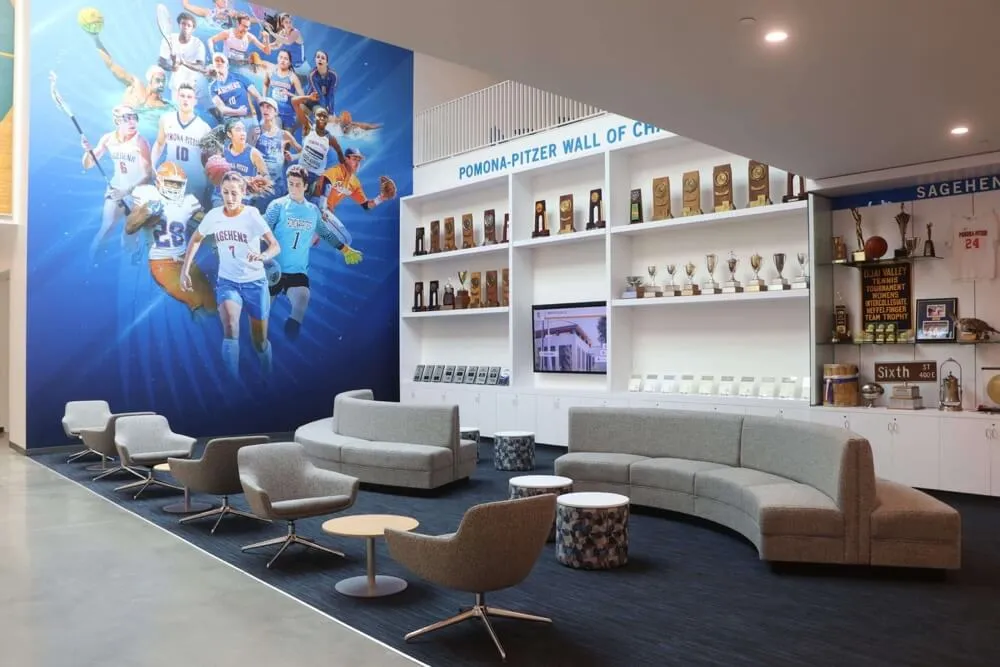
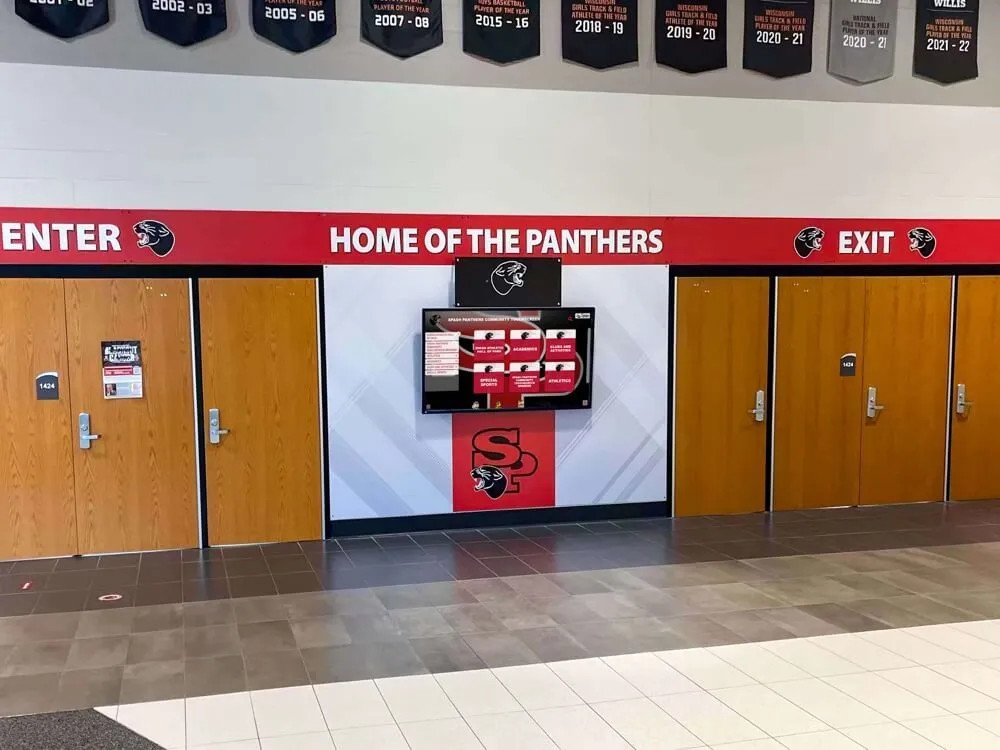
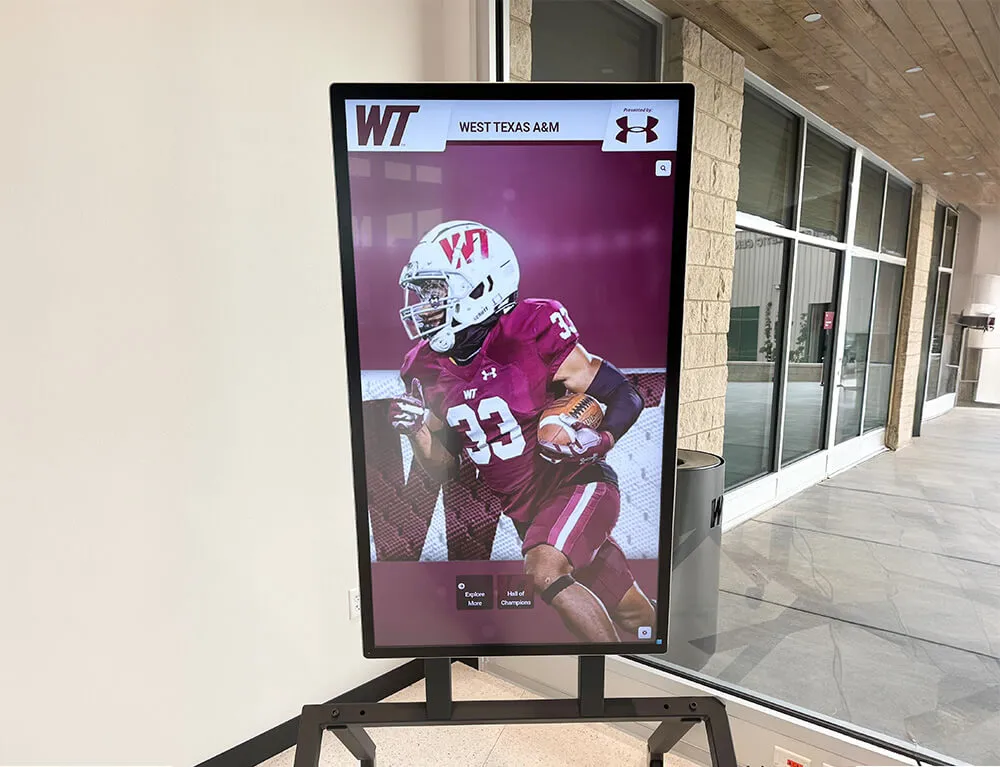
Recognition displays enable parade planners to identify honored athletes and achievements to feature prominently in procession designs
Academic and Extracurricular Achievement
- Honor roll celebration floats recognizing academic excellence
- Department-specific designs (science lab replicas, art gallery displays, music performance stages)
- Club showcase floats representing organizations (debate team, robotics, environmental club)
- Competition winner recognition highlighting state champions and award recipients
- College acceptance displays celebrating graduating seniors’ university commitments
Learn about comprehensive academic recognition approaches that parades can showcase through creative float designs.
Community Partnership Celebration
- Local business sponsor recognition with company branding
- Civic organization participation (Rotary Club, Chamber of Commerce, service groups)
- Feeder school involvement showing elementary and middle school connections
- Alumni achievement spotlights featuring distinguished graduates
- Community service recognition highlighting volunteer contributions and partnerships
Float Construction Planning and Execution
Systematic construction processes ensure quality results while managing safety and budget constraints:
Materials and Construction Approach
Budget-Friendly Foundation Options
- Hay wagon trailers borrowed from agricultural community members
- Flatbed truck rentals providing stable platforms
- School-owned trailers used throughout year for various purposes
- Parent-donated vehicle beds as float bases
- Coordinated walking groups when vehicle platforms unavailable
Decoration Materials and Techniques
- Tissue paper flowers creating vibrant color displays affordably
- Fabric draping transforming plain surfaces into professional presentations
- Cardboard construction enabling three-dimensional design elements
- Chicken wire frameworks supporting paper decoration attachment
- Paint transforming recycled materials into cohesive color schemes
- Balloon arrangements adding volume and visual impact
- LED lighting systems enhancing evening parade visibility
Safety Requirements and Best Practices
- Weight distribution ensuring stable float balance during movement
- Participant positioning preventing falls or injuries during procession
- Secure decoration attachment preventing hazards from loose materials
- Electrical system safety when incorporating lights or sound equipment
- Fire-retardant materials compliance meeting municipal requirements
- Emergency dismount planning enabling quick participant exit if needed
- Adult supervision throughout construction and parade participation
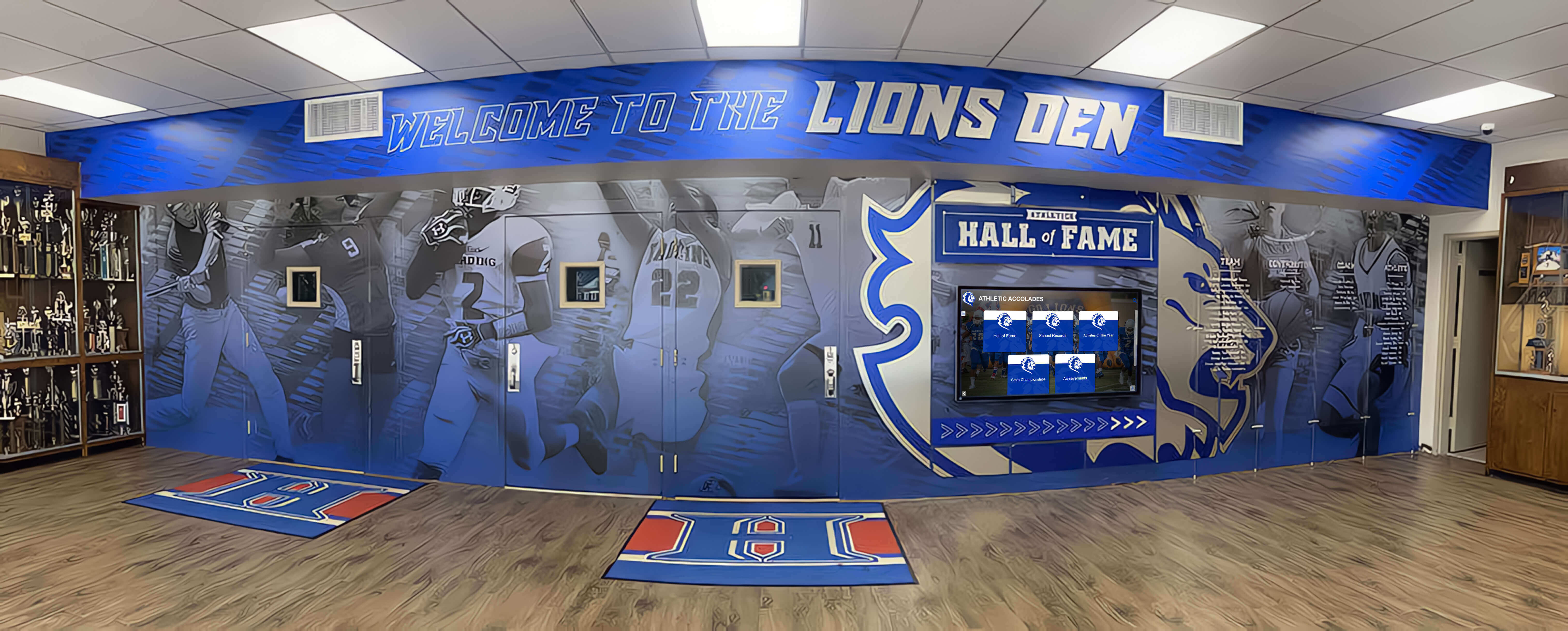
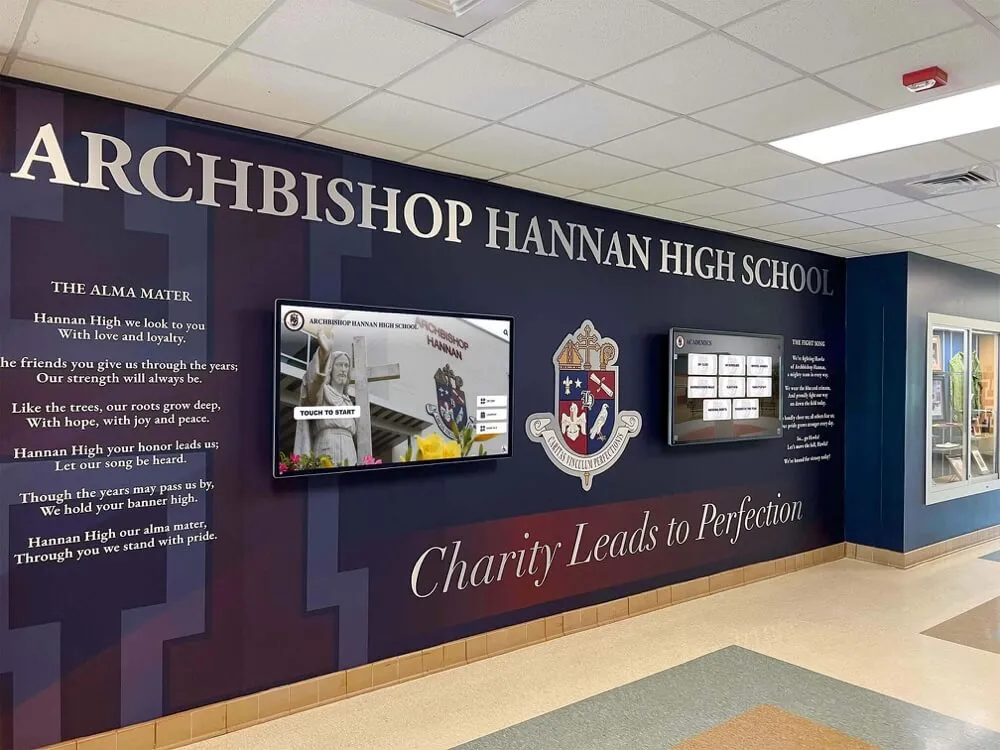
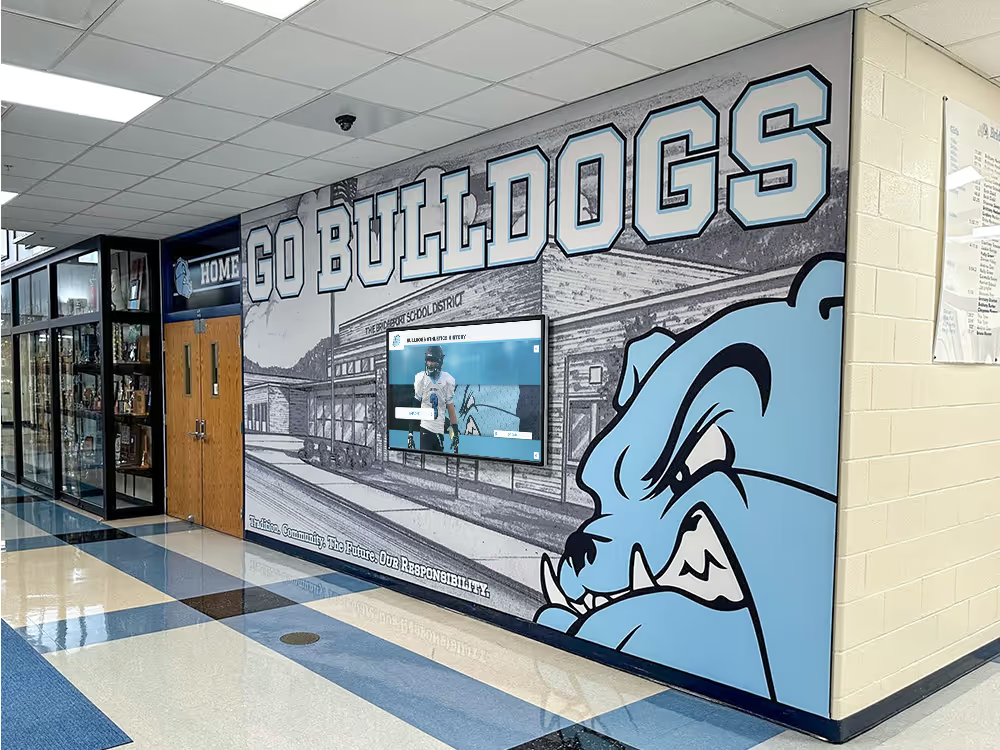
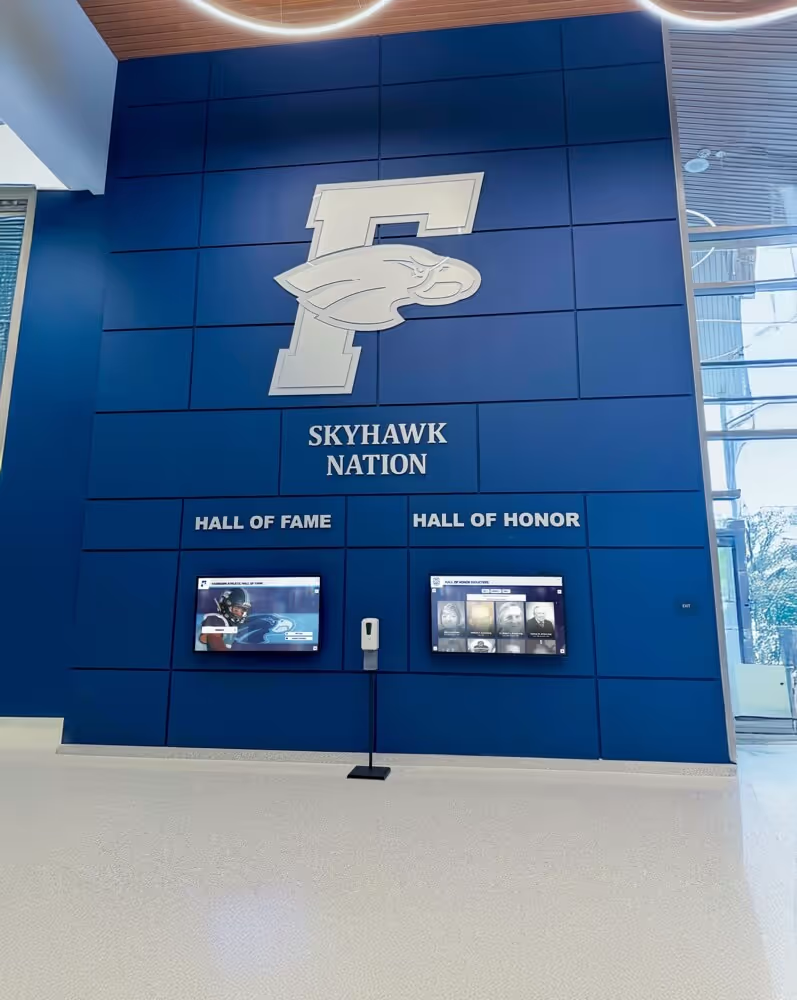
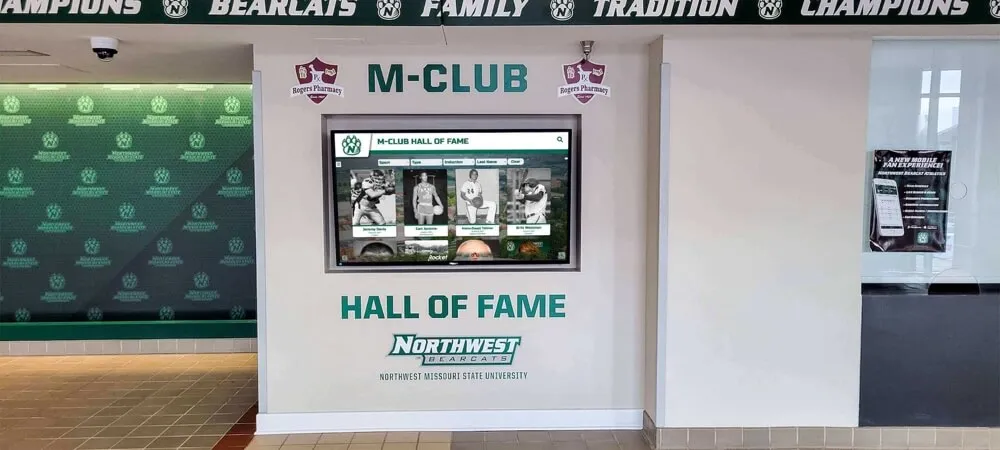
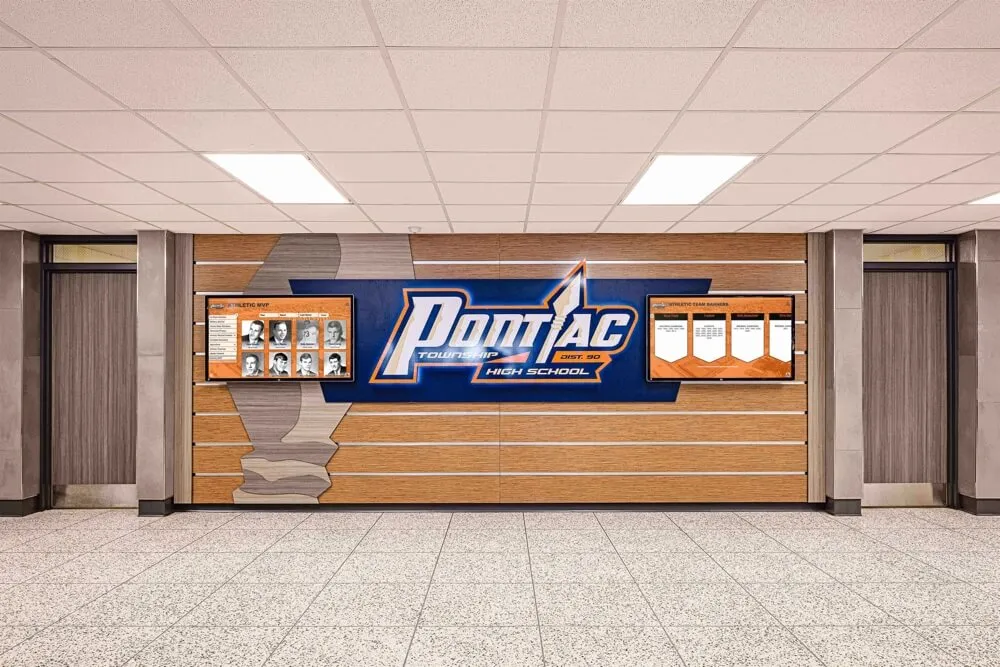
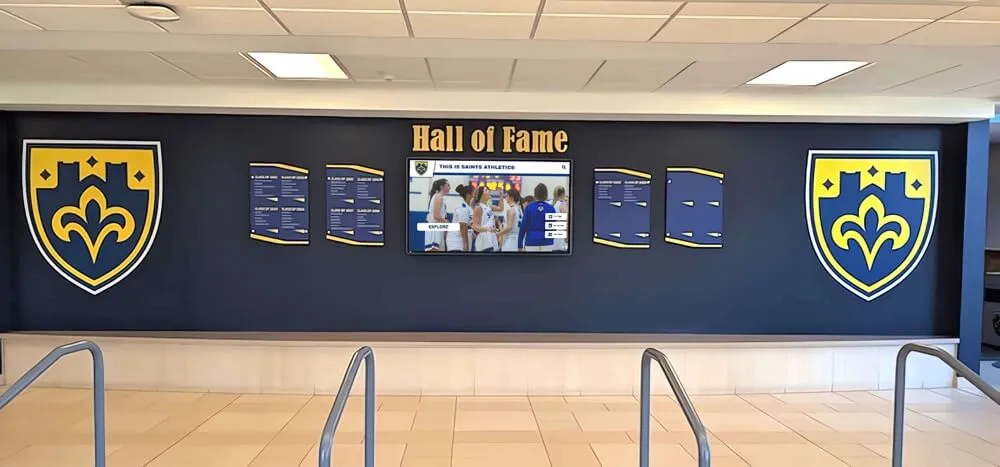
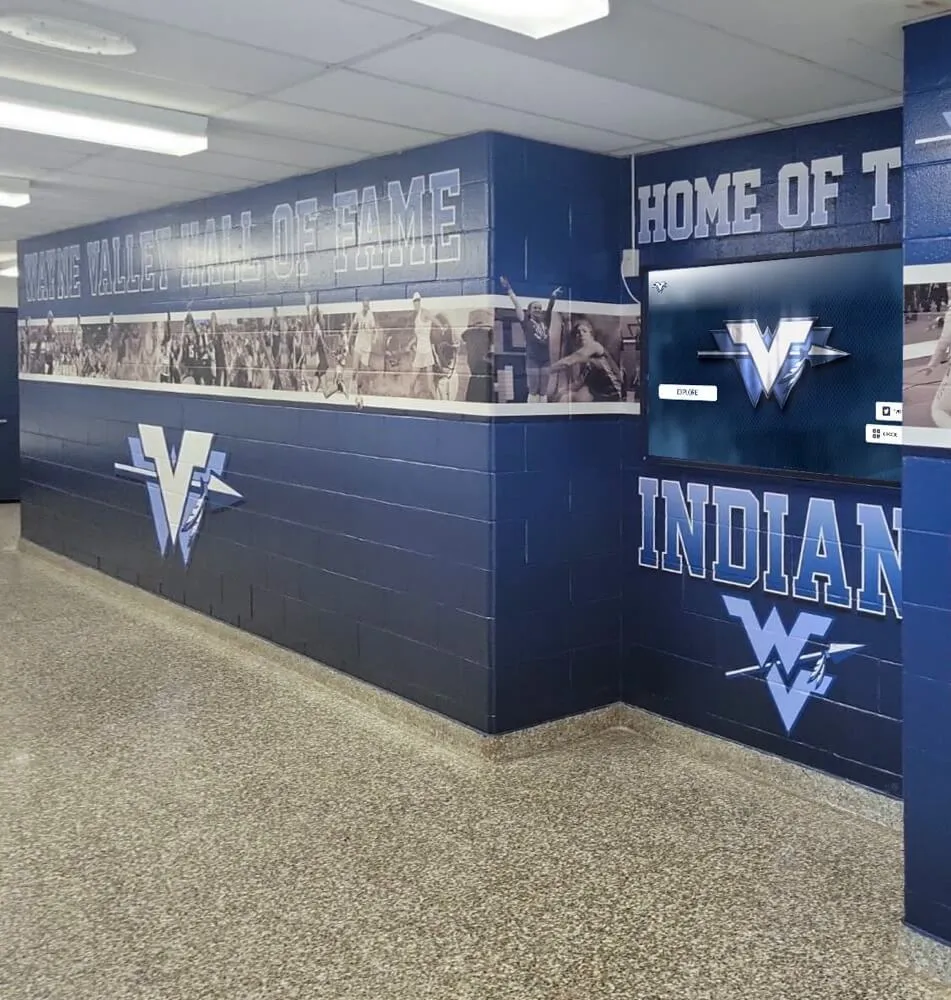
Permanent recognition installations provide inspiration for parade float designs showcasing similar achievement themes and visual aesthetics
Student Participation in Float Building
Float construction provides valuable experiential learning opportunities:
Design Phase Activities
- Sketching competitions selecting final float concepts
- Committee decision-making developing leadership skills
- Budget planning teaching resource allocation
- Theme research connecting to curriculum content
- Collaboration requirements building teamwork capabilities
Construction Phase Engagement
- Scheduled work sessions over multiple weeks
- Task assignments matching student skills and interests
- Adult supervision ensuring safety and quality
- Problem-solving when original plans require modification
- Pride in creation fostering ownership and school spirit
Grade-Level Float Competitions
Competitive elements increase participation and creative effort:
Competition Categories and Judging
- Most Creative Design recognizing innovative concepts
- Best Theme Interpretation honoring cohesive execution
- School Spirit Award celebrating pride demonstration
- Technical Excellence acknowledging construction quality
- People’s Choice voted by spectators during parade
Recognition technology solutions like those from Rocket Alumni Solutions enable schools to document float competition winners permanently, creating historical records showing parade evolution and encouraging future participation through visible recognition extending beyond single events.
Expanding Parade Participation Beyond Traditional Groups
Comprehensive participation creates inclusive celebrations engaging diverse school constituencies.
Student Organization and Club Involvement
Broad organizational participation demonstrates institutional vibrancy:
Academic Clubs and Competitive Teams
- Math team, science olympiad, academic decathlon representation
- Debate team and speech competition participants
- Robotics club with robot demonstrations during procession
- Foreign language clubs with cultural costume representation
- Academic honor societies (National Honor Society, subject-specific honors)
Arts and Performance Organizations
- Theater department actors promoting upcoming productions
- Choir and orchestra members performing during parade stops
- Dance team and drill team choreographed performances
- Visual arts students displaying portable artwork
- Photography club documenting parade as official photographers
Service and Leadership Groups
- Student government representatives carrying class banners
- Peer tutoring and mentorship program participants
- Community service clubs showcasing volunteer achievements
- Environmental and sustainability organizations
- Cultural awareness and diversity clubs celebrating heritage
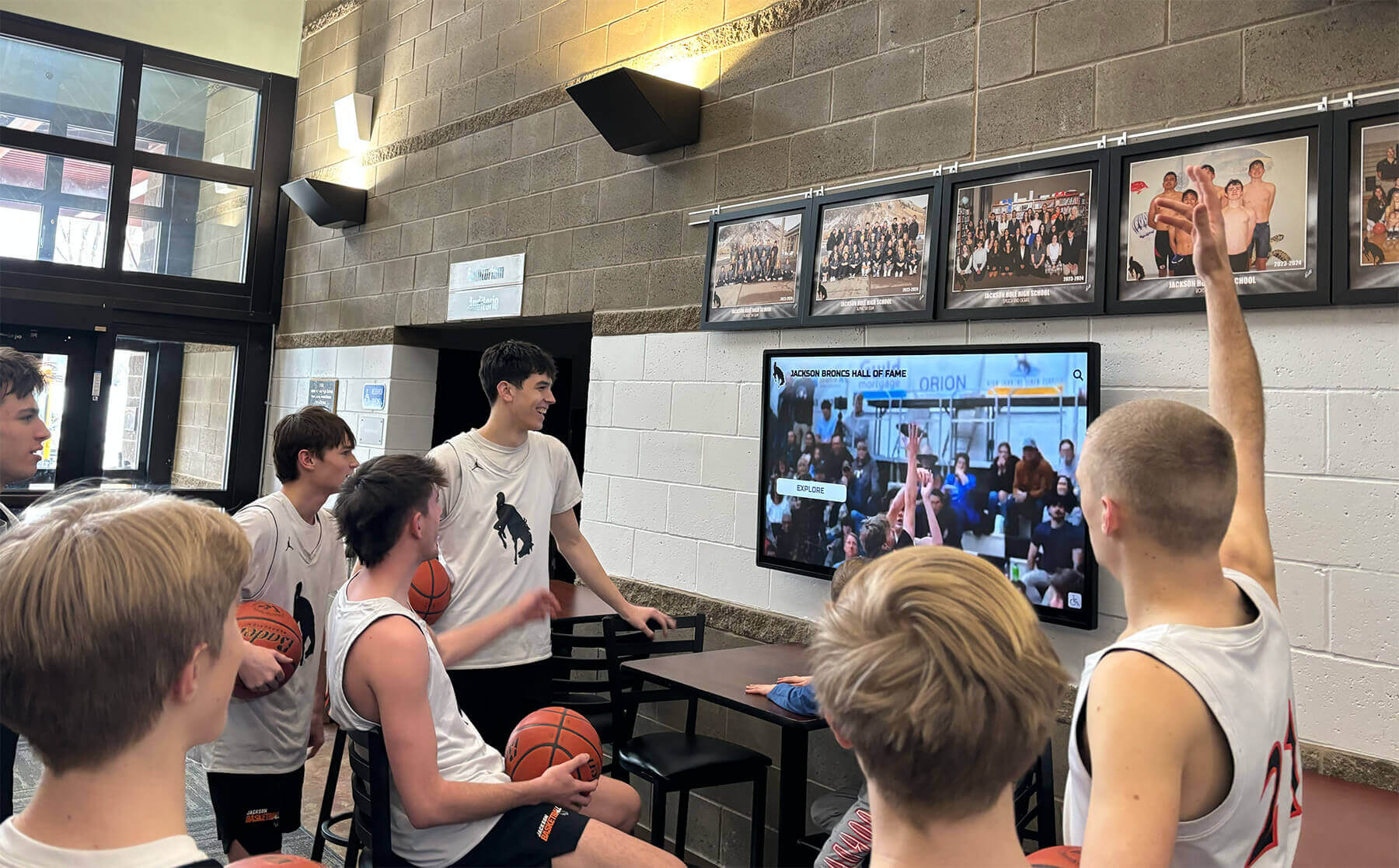
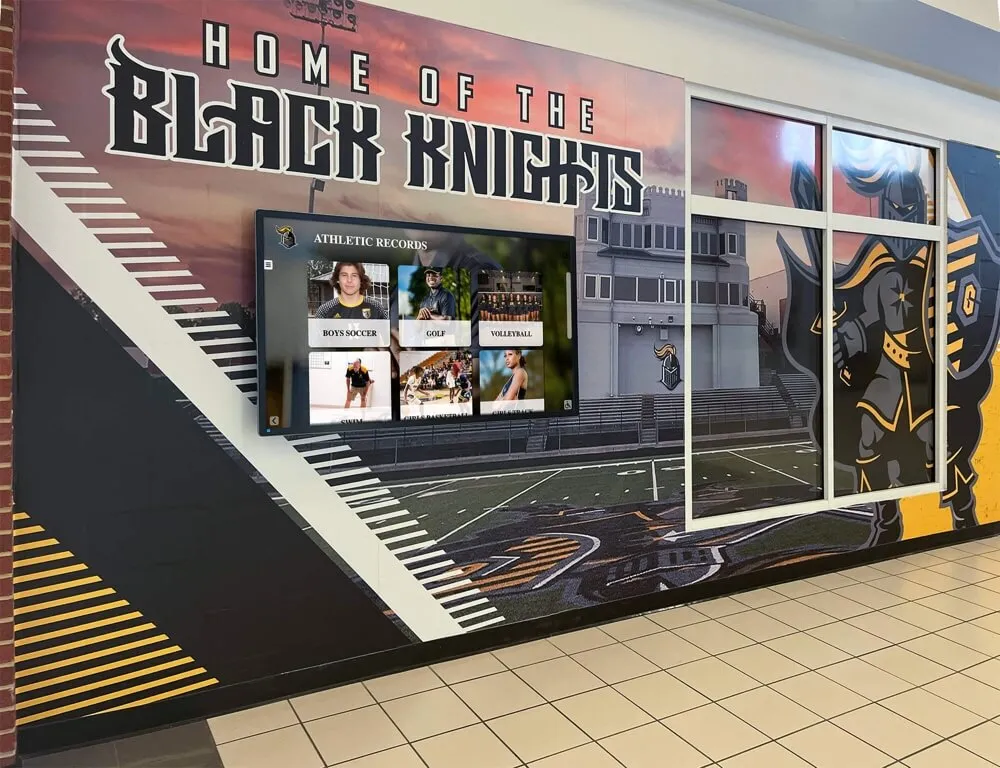
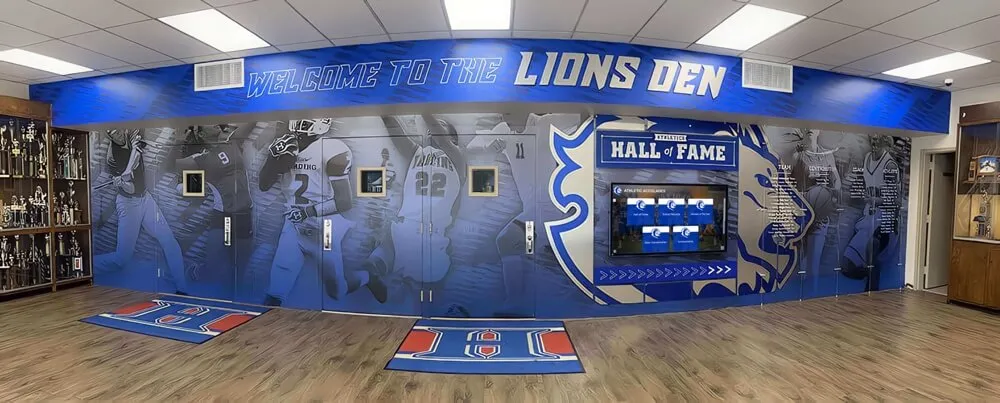
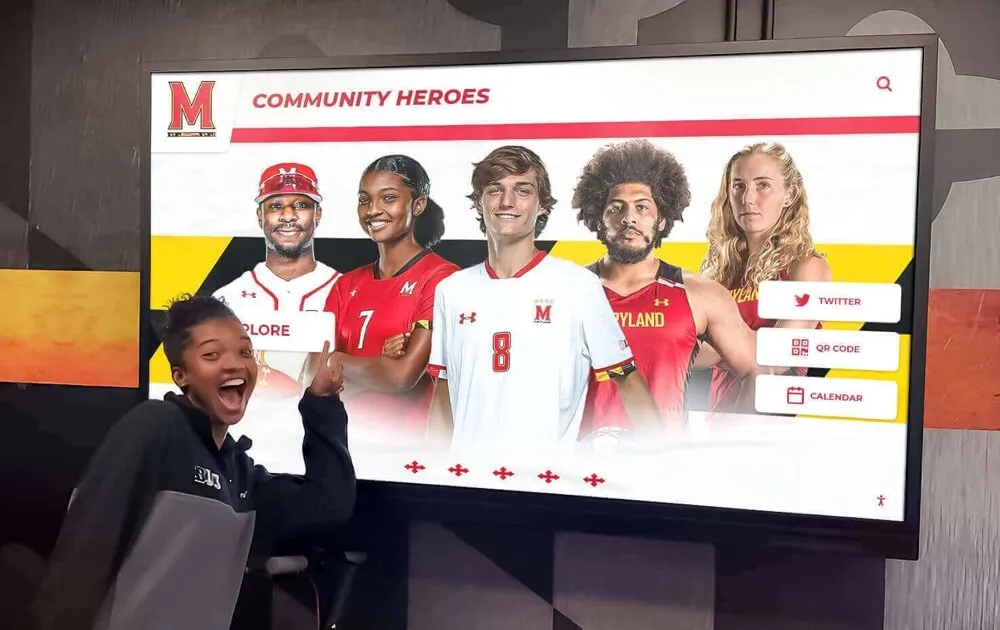
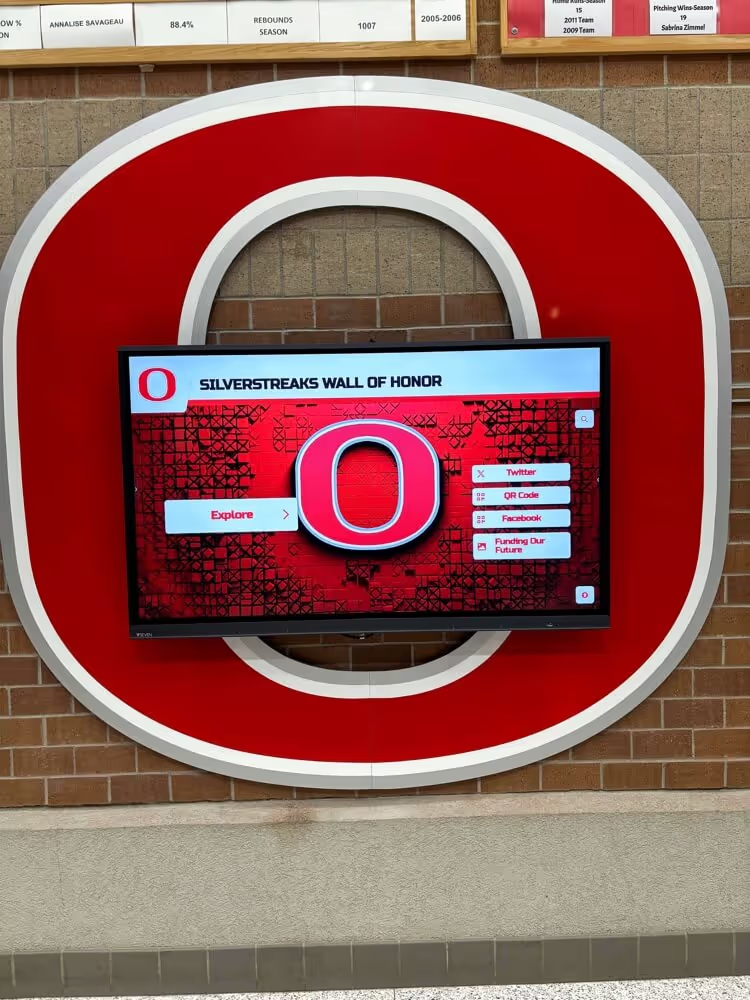
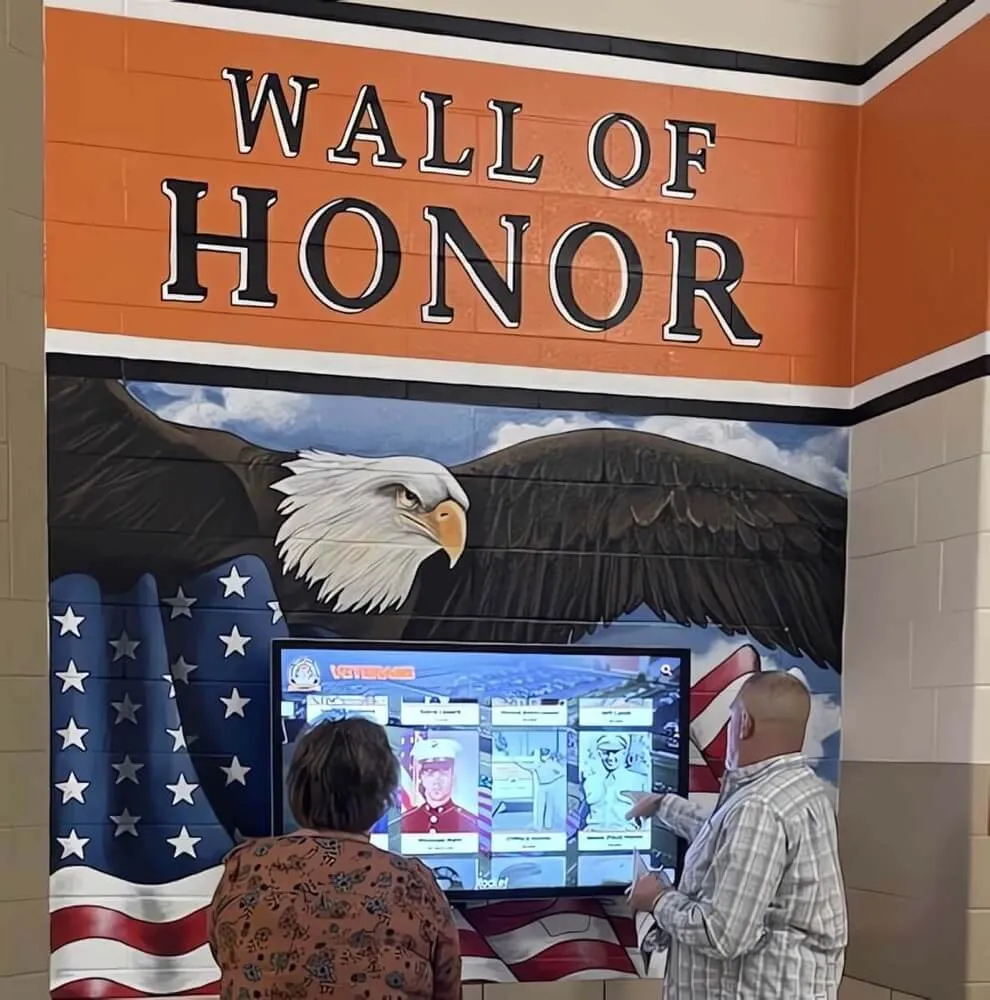
Interactive displays enable parade planners to identify diverse student achievements worth celebrating through comprehensive participation strategies
Athletic Team Integration Beyond Fall Sports
While fall teams naturally align with homecoming timing, comprehensive athletic recognition includes all programs:
All-Season Team Participation
- Winter and spring team preview promoting upcoming seasons
- Athletic booster club representation supporting all programs
- Coaching staff recognition honoring entire athletic department
- Athletic training and support staff acknowledgment
- Multi-sport athlete recognition celebrating versatile competitors
Alumni Engagement and Generational Connection
Strategic alumni involvement creates meaningful intergenerational experiences:
Milestone Reunion Year Participation
Coordinate parade timing with reunion schedules maximizing alumni attendance:
Reunion Class Representation
- 10-year reunion classes walking together with class banners
- 25-year reunion groups in coordinated school color attire
- 50-year “golden anniversary” classes in place of honor
- Reunion year floats featuring class-specific achievements
- Alumni athletes wearing vintage uniforms from their playing years
Distinguished Alumni Recognition
Parade prominence for honored graduates:
- Hall of Fame inductees riding in convertibles or special vehicles
- Athletic legend introductions at parade conclusion
- Academic achievement honorees acknowledged during procession
- Community service award recipients receiving public recognition
- Career accomplishment celebrations connecting success to school foundation
Alumni Student Connections
Create mentorship moments during parade activities:
- Alumni walking alongside current students in their former activities
- Career professionals engaging with students considering similar paths
- College-enrolled recent graduates sharing higher education experiences
- Multi-generational family participation when students attend parents’ alma mater
- Legacy recognition when siblings, children, or relatives all attended institution
Explore comprehensive alumni engagement strategies that homecoming parades can strengthen through visible inclusion and recognition.
Community Partner and Civic Organization Involvement
Extending participation beyond school creates broader community investment:
Local Business Sponsorship and Participation
Strategic partnership development benefits both schools and businesses:
Sponsorship Recognition Opportunities
- Float sponsorship funding construction costs with business acknowledgment
- Banner displays along parade route recognizing major contributors
- Program advertisement in printed materials or digital communications
- Public announcements during parade thanking sponsors specifically
- Year-round recognition through digital displays celebrating community partnerships
Business Float Participation
- Company vehicles decorated in school colors
- Employee walking groups demonstrating community connection
- Product sampling or promotional materials distributed appropriately
- Business-school partnership demonstrations (internship programs, career days)
- Family-owned business multi-generational participation
Municipal and Civic Group Coordination
Government and civic participation elevates parade legitimacy:
Official Participation Elements
- Mayor or city council members riding in official vehicles
- Local emergency services (fire truck, police motorcycle escort)
- Military veteran organizations honoring community service members
- Service clubs (Lions, Rotary, Kiwanis) walking in parade
- Youth organizations (Scouts, 4-H clubs) representing feeder programs
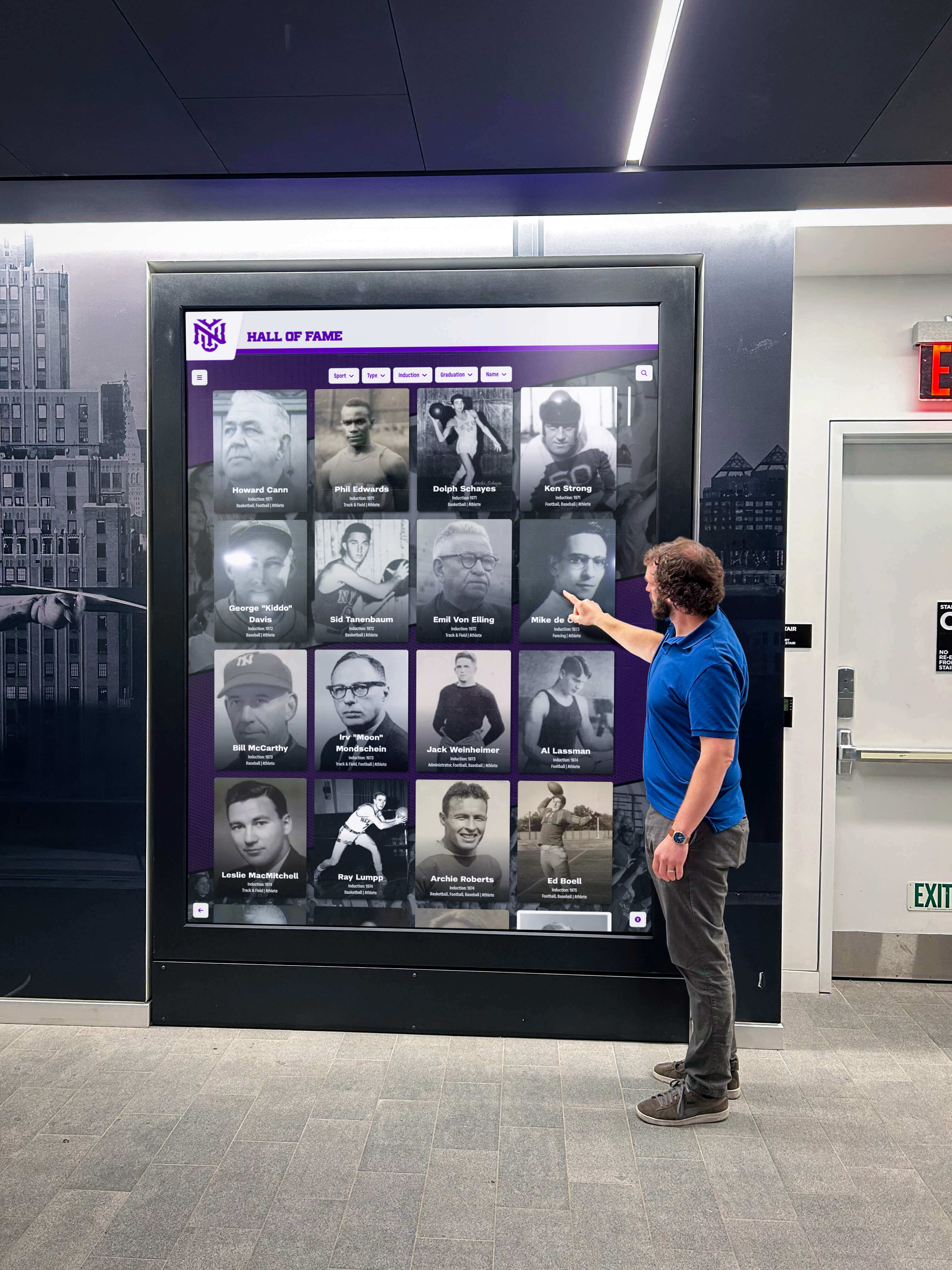
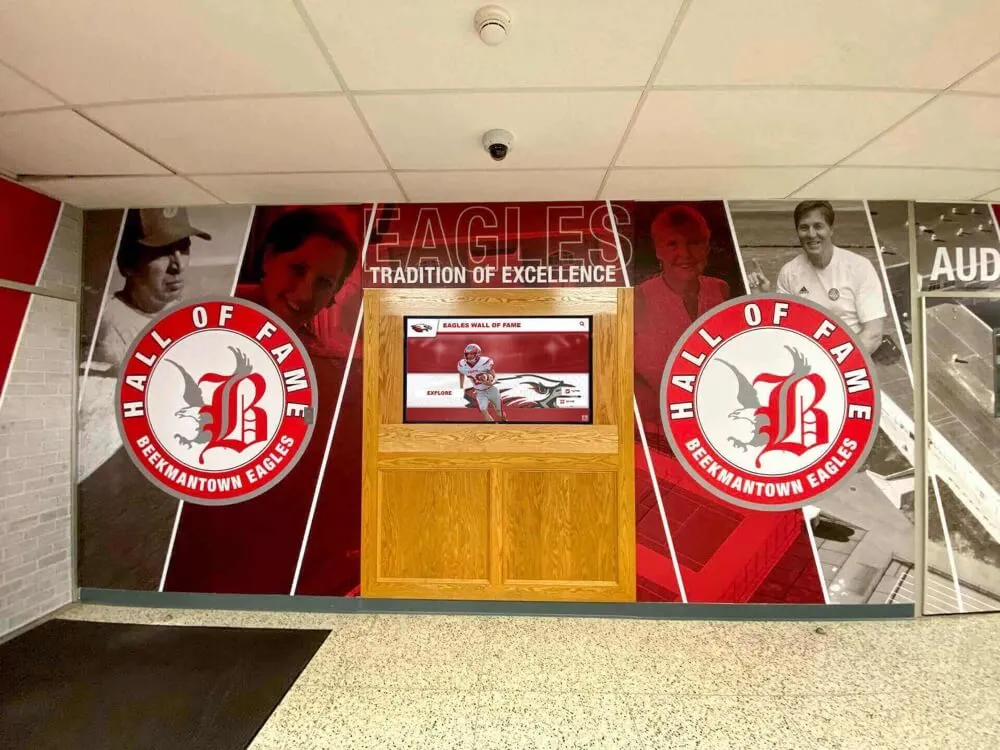
Interactive recognition systems help identify community partners and honored individuals to feature prominently in parade celebrations
Content Architecture: Organizing Parade Elements for Maximum Impact
Systematic sequencing creates professional processions maximizing visual impact and audience engagement.
Parade Order and Flow Design
Strategic positioning enhances participant visibility and spectator experience:
Opening Section (Setting Tone and Excitement)
- Color guard with American flag and school banner
- Marching band playing fight songs and school anthems
- Mayor or grand marshal in lead vehicle
- Homecoming court in convertibles or decorated vehicles
- Student body president and school leadership representation
Recognition and Achievement Section (Celebrating Excellence) 6. Hall of Fame inductees and distinguished alumni honorees 7. Fall athletic teams in sport-specific groupings 8. Academic achievement recognition (valedictorians, honor roll, competition winners) 9. Performing arts groups (choir, orchestra, drama) with portable performances 10. Special achievement floats (championship teams, state qualifiers, record breakers)
Student Organization Section (Demonstrating Breadth) 11. Service clubs and leadership organizations 12. Academic clubs and competitive teams 13. Cultural awareness and diversity groups 14. Grade-level floats competing for creative awards 15. Specialty clubs and interest-based organizations
Community Partnership Section (Building Connections) 16. Local business sponsor floats and walking groups 17. Civic organization representatives 18. Feeder school participation (elementary, middle school bands or groups) 19. Youth organization involvement (Scouts, recreation leagues) 20. Alumni class reunion groups
Closing Section (Ending with Energy) 21. Cheerleading squad with high-energy performance 22. Dance team or drill team choreographed routine 23. Mascot with student spirit leaders 24. School administration and faculty representation 25. Final marching band performance bringing procession to conclusion
Learn about hall of fame induction ceremony structures that provide frameworks for organizing parade recognition sequences effectively.
Parade Route Selection and Logistics
Strategic routing maximizes visibility while maintaining safety and community access:
Route Planning Considerations
Distance and Duration Management
- 1-2 mile routes balancing visibility with participant stamina
- 45-60 minute duration maintaining spectator engagement
- Flat terrain preferred for ease of float movement
- Wide streets accommodating floats and spectator crowds
- Accessible sidewalks enabling viewing for community members with disabilities
Visibility and Spectator Access
- Routes through downtown business districts maximizing community exposure
- Paths past school campus connecting celebration to institution
- Locations near parking facilitating spectator attendance
- Areas with natural gathering spaces (parks, town squares) for post-parade activities
- Streets with existing seating or walls enabling comfortable viewing
Logistical and Safety Requirements
- Municipal permit acquisition coordinating with city officials
- Police or security coordination for traffic control
- Street closure timing minimizing community disruption
- Emergency vehicle access throughout route
- Accessible restroom facilities near parade path
- Weather contingency planning with indoor backup options or postponement procedures
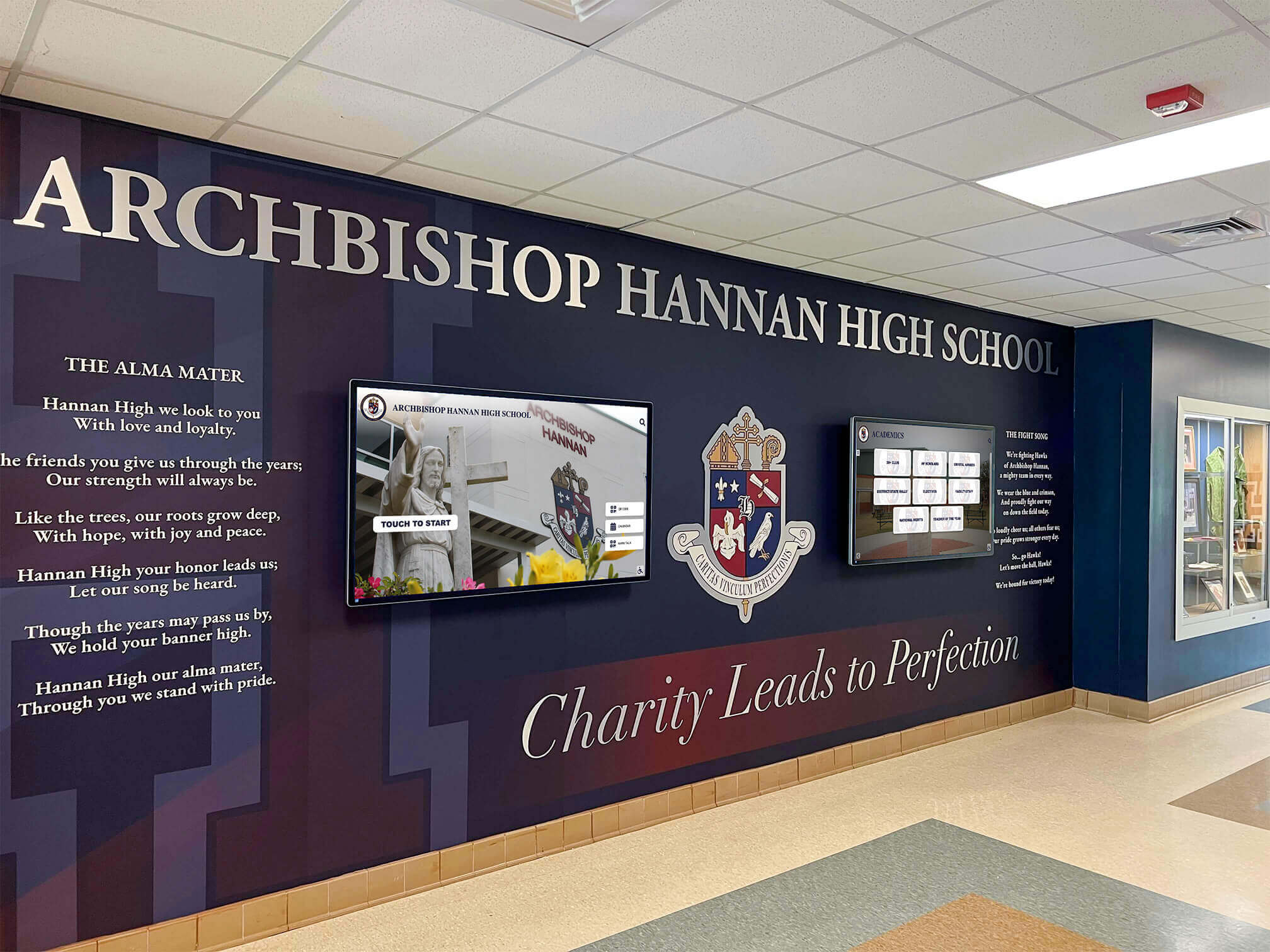
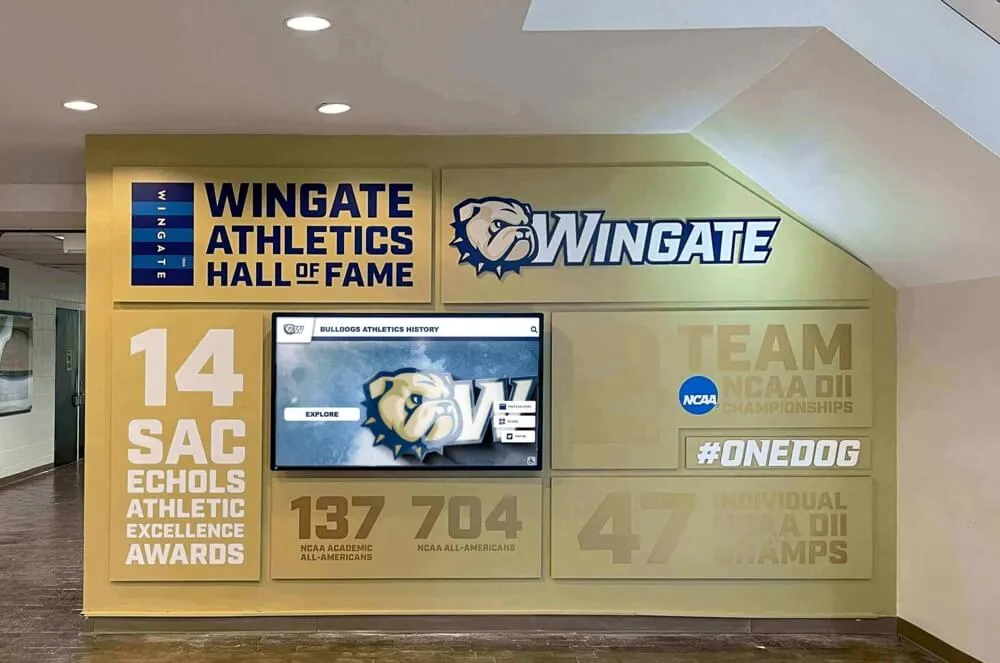
Recognition installations provide visual templates for parade banner designs and float aesthetics maintaining brand consistency
Execution Timeline: Homecoming Parade Implementation
Strategic planning phases ensure comprehensive preparation while managing competing demands during busy homecoming periods.
Phase 1: Initial Planning and Foundation Setting (10-12 Weeks Before Parade)
Committee Formation and Leadership Assignment
- Assemble planning committee with student, faculty, parent, and community representation
- Designate parade coordinator with primary responsibility and authority
- Establish subcommittees for specific areas (float construction, safety, logistics, promotion)
- Schedule regular planning meetings maintaining momentum throughout preparation period
- Define decision-making processes and approval authorities
Theme Selection and Concept Development
- Review previous parade themes identifying successful approaches
- Solicit theme suggestions from students, staff, and community
- Select overarching theme connecting to homecoming week activities
- Develop theme integration guidelines for float designs and participant costumes
- Create visual identity materials (logos, color schemes, promotional graphics)
Permit and Insurance Coordination
- Research municipal requirements for parade permits
- Submit permit applications with adequate lead time for approval processing
- Coordinate with local law enforcement for traffic control and security
- Verify school liability insurance coverage for parade activities
- Obtain additional event insurance if required by municipality or school policy
- Document all permits and insurance certificates maintaining accessible records
Phase 2: Participation Development and Resource Acquisition (6-10 Weeks Before Parade)
Participant Recruitment and Assignment
- Communicate parade participation expectations to all student organizations
- Assign float responsibilities to grades, clubs, or departments
- Recruit marching bands, color guards, and performance groups
- Contact alumni association coordinating reunion class participation
- Reach out to community partners, businesses, and civic organizations
- Confirm homecoming court participation and transportation arrangements
Materials Procurement and Budget Management
- Establish float construction budgets for each participant group
- Coordinate bulk materials purchasing reducing individual costs
- Identify donation sources for trailers, decorations, and supplies
- Create materials distribution system ensuring all groups receive necessary resources
- Track spending against budget preventing overruns
- Arrange payment processes for vendors and suppliers
Route Finalization and Logistics Planning
- Walk parade route identifying potential challenges or hazards
- Measure route distance and estimate procession duration
- Identify lineup area accommodating all participants comfortably
- Determine dismissal location and post-parade logistics
- Map spectator viewing areas and accessibility accommodations
- Coordinate parking arrangements for participants and spectators

Interactive displays enable identification of honored individuals to feature prominently in parade processions and recognition ceremonies
Phase 3: Construction Coordination and Promotion (2-6 Weeks Before Parade)
Float Building Supervision and Support
- Establish construction schedule with designated work sessions
- Provide adult supervision ensuring safety throughout building process
- Conduct mid-construction progress reviews identifying challenges early
- Offer technical assistance for groups encountering difficulties
- Inspect completed floats verifying safety compliance before parade participation
- Arrange storage for finished floats protecting them until parade day
Marketing and Community Promotion
- Distribute press releases to local media outlets
- Create social media promotional campaign with countdown and sneak previews
- Develop printed flyers and posters for community distribution
- Announce parade details at athletic events and school assemblies
- Coordinate with business partners for cross-promotion opportunities
- Communicate spectator information (route, timing, parking, accessibility)
Volunteer Recruitment and Training
- Identify volunteer needs across all parade functions
- Recruit parent volunteers for supervision and coordination roles
- Assign specific responsibilities with clear expectations
- Conduct training sessions explaining procedures and safety protocols
- Distribute volunteer contact lists and emergency information
- Create backup volunteer lists addressing no-show contingencies
Phase 4: Final Preparation and Event Execution (1 Week Before Through Parade Day)
Pre-Parade Final Coordination
- Monitor weather forecasts implementing contingency plans if necessary
- Conduct final walk-through with committee members reviewing all details
- Confirm participation with all registered groups
- Distribute detailed schedules and positioning instructions to participants
- Prepare registration and lineup management materials
- Coordinate with law enforcement finalizing traffic control plans
Parade Day Operations
- Arrive early establishing registration and lineup areas
- Check in participants verifying attendance and float safety compliance
- Position floats and walking groups according to planned sequence
- Distribute participant numbers or identifiers for organization
- Brief participants on procession speed, safety expectations, and emergency procedures
- Coordinate with announcer providing commentary during parade
Safety Management and Emergency Response
- Station safety coordinators throughout route monitoring conditions
- Maintain communication system connecting all coordinators
- Position first aid personnel and equipment at key locations
- Implement emergency protocols if incidents occur
- Monitor participant welfare throughout procession addressing issues immediately
- Execute dismissal procedures ensuring organized conclusion
Documentation and Photography
- Assign photography team capturing comprehensive parade coverage
- Position videographers at strategic locations documenting procession
- Collect participant and spectator photos through social media hashtags
- Gather footage for highlight videos and future promotional materials
- Document award-winning floats and notable parade moments
Explore approaches to homecoming float construction that maximize visual impact while managing safety requirements effectively.
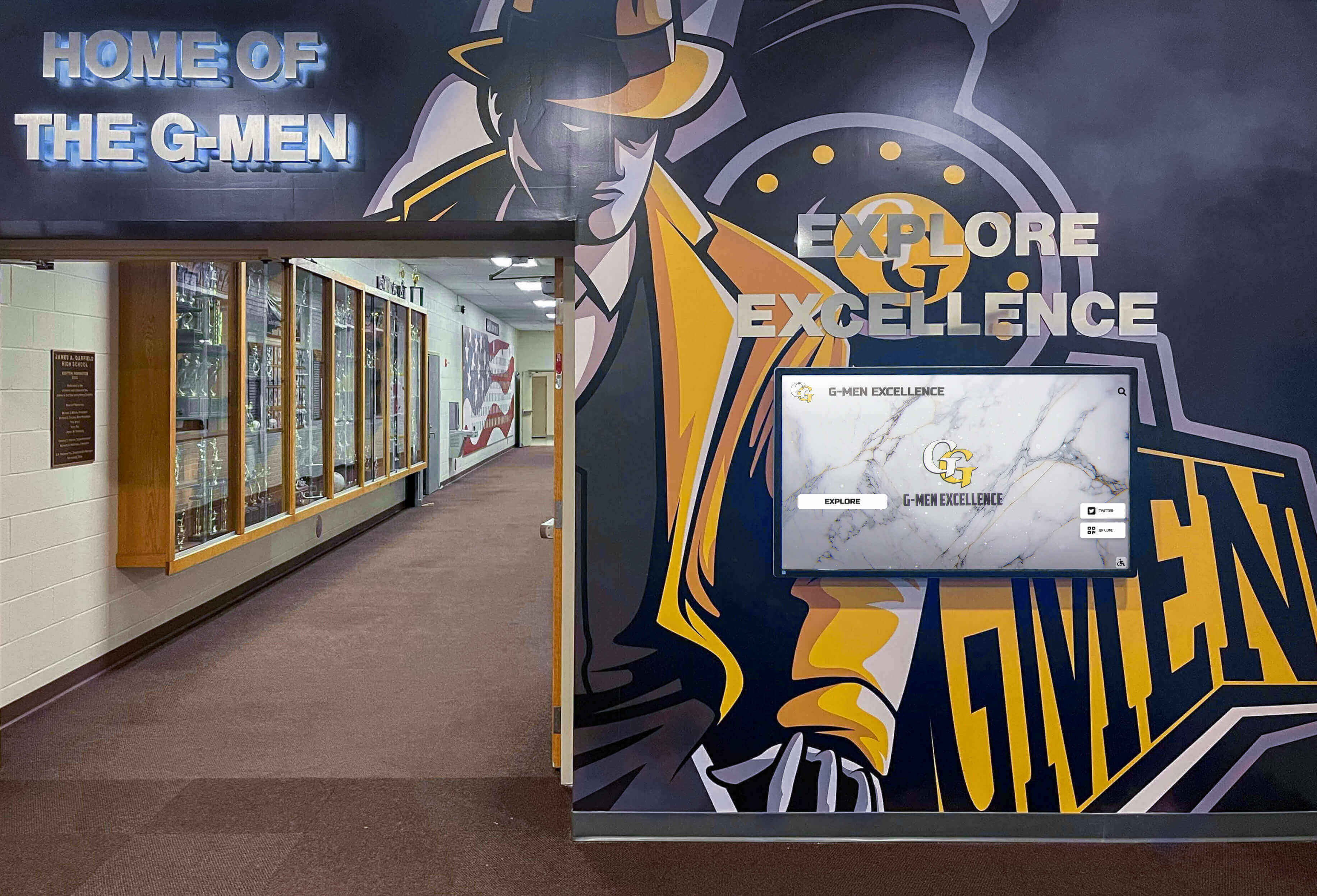
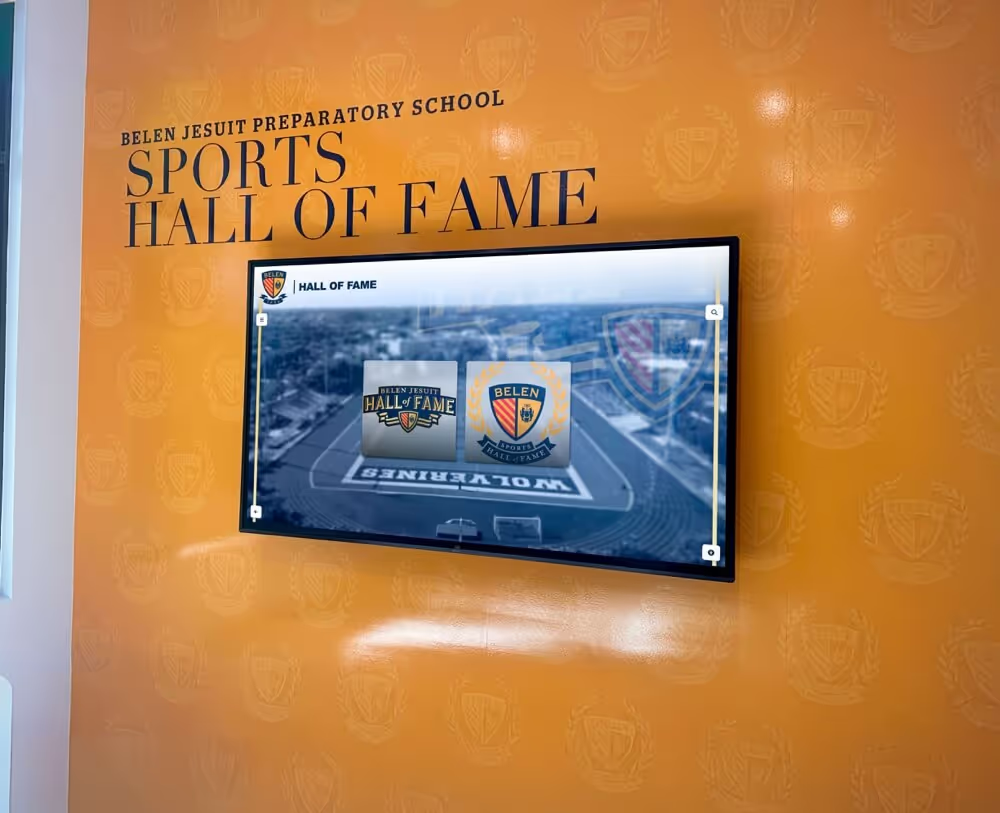
Recognition installations celebrating school pride provide thematic inspiration for parade float designs and organizational strategies
Display Integration: Technology for Year-Round Parade Recognition
Strategic technology integration extends parade recognition beyond single events, creating sustained visibility that builds program prestige.
Digital Recognition of Parade Participants and Winners
Permanent documentation transforms temporary parade experiences into lasting recognition:
Parade Winner Documentation Systems
Comprehensive digital platforms preserve parade achievement:
- Float competition category winners displayed prominently
- Photographs of award-winning designs accessible year-round
- Designer and builder recognition crediting student creativity
- Historical parade archives showing tradition evolution
- Comparison galleries displaying floats across multiple years
Participant Recognition Profiles
Individual acknowledgment enhancing engagement value:
- Student organization participation documentation
- Class-level float builder rosters and committees
- Volunteer coordinator recognition crediting adult support
- Community partner appreciation celebrating business involvement
- Alumni participation records connecting generations through shared tradition
Interactive Exploration Capabilities
Technology enabling deep engagement with parade content:
- Searchable databases finding specific participants or organizations
- Year-by-year navigation exploring parade history comprehensively
- Theme-based browsing organizing content by annual celebration focuses
- Video integration showing parade processions in motion
- Social sharing enabling participants to celebrate recognition publicly
Solutions like Rocket Alumni Solutions provide purpose-built platforms specifically designed for educational institutions implementing comprehensive parade recognition programs. These systems transform one-time events into permanent engagement infrastructure serving recruitment, community building, and tradition preservation objectives while creating compelling reasons for alumni to reconnect and community members to stay engaged with institutions.
Permanent Parade History Displays
Physical and digital installations extending recognition visibility:
Lobby and Hallway Display Locations
Strategic positioning maximizing exposure:
- Main entrance installations greeting all building visitors immediately
- Athletic facility lobbies connecting parade to sports programs
- Cafeteria or common area displays ensuring student visibility
- Administrative office areas impressing prospective families during tours
- Library or media center historical sections preserving institutional memory
Content Rotation and Refresh Strategies
Maintaining current relevance while preserving history:
- Annual updates adding most recent parade content immediately after events
- Seasonal rotations highlighting homecoming themes during fall months
- Alumni visit coordination displaying relevant reunion year content
- Prospective family tour customization showcasing community engagement
- Historical throwback features connecting current students to traditions
Understanding digital hallway display strategies helps schools maximize parade recognition visibility throughout facilities year-round.
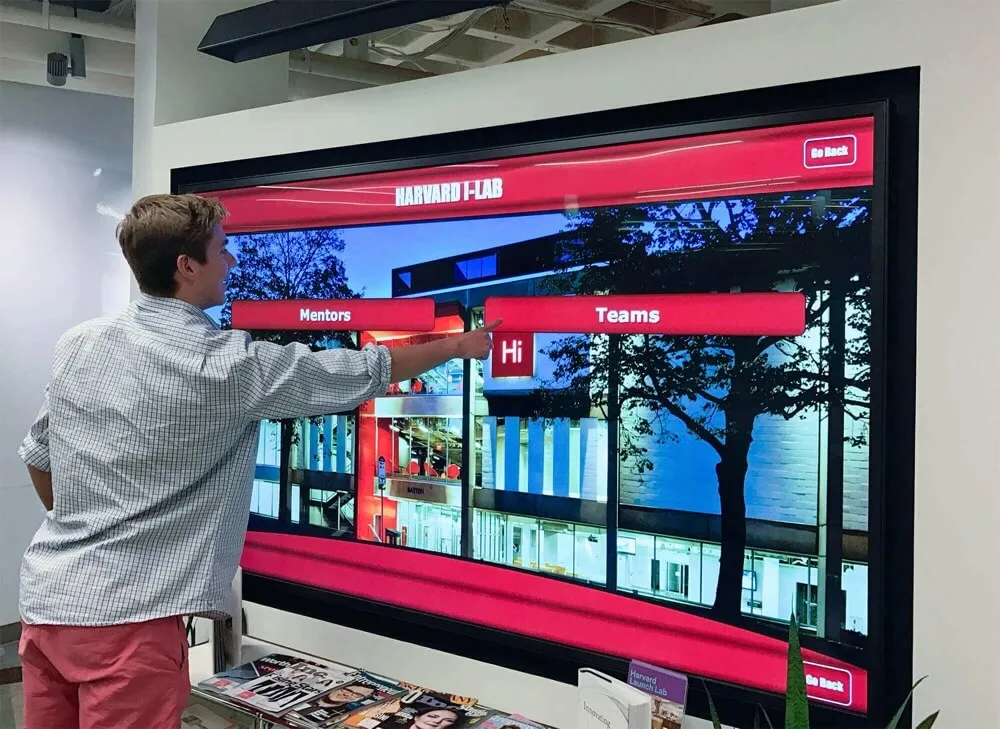
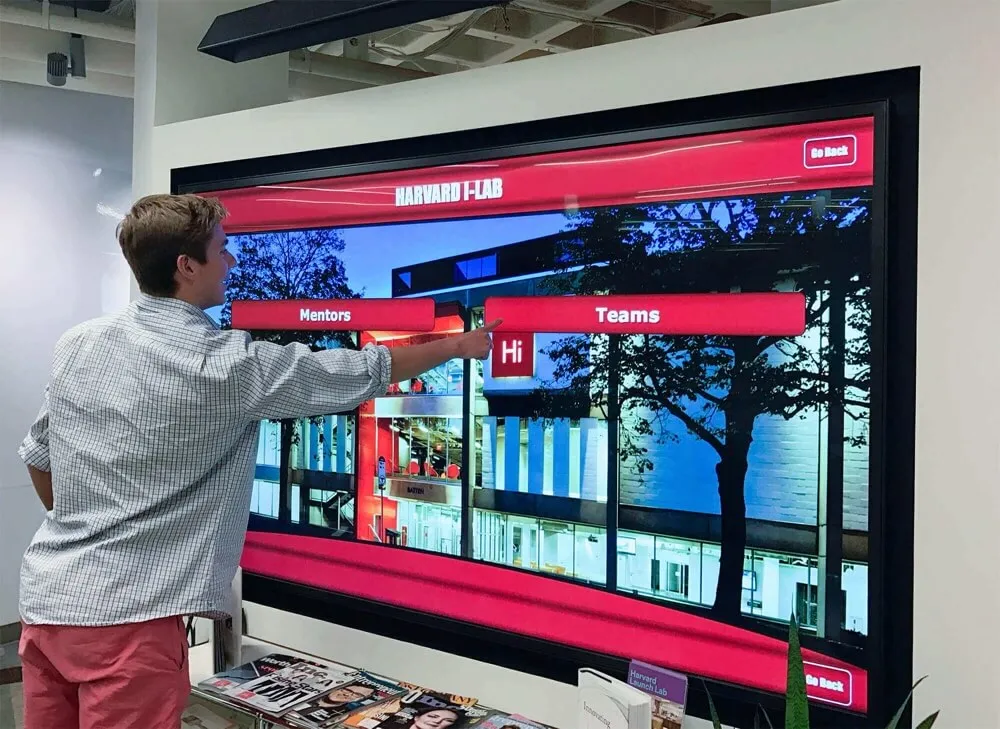
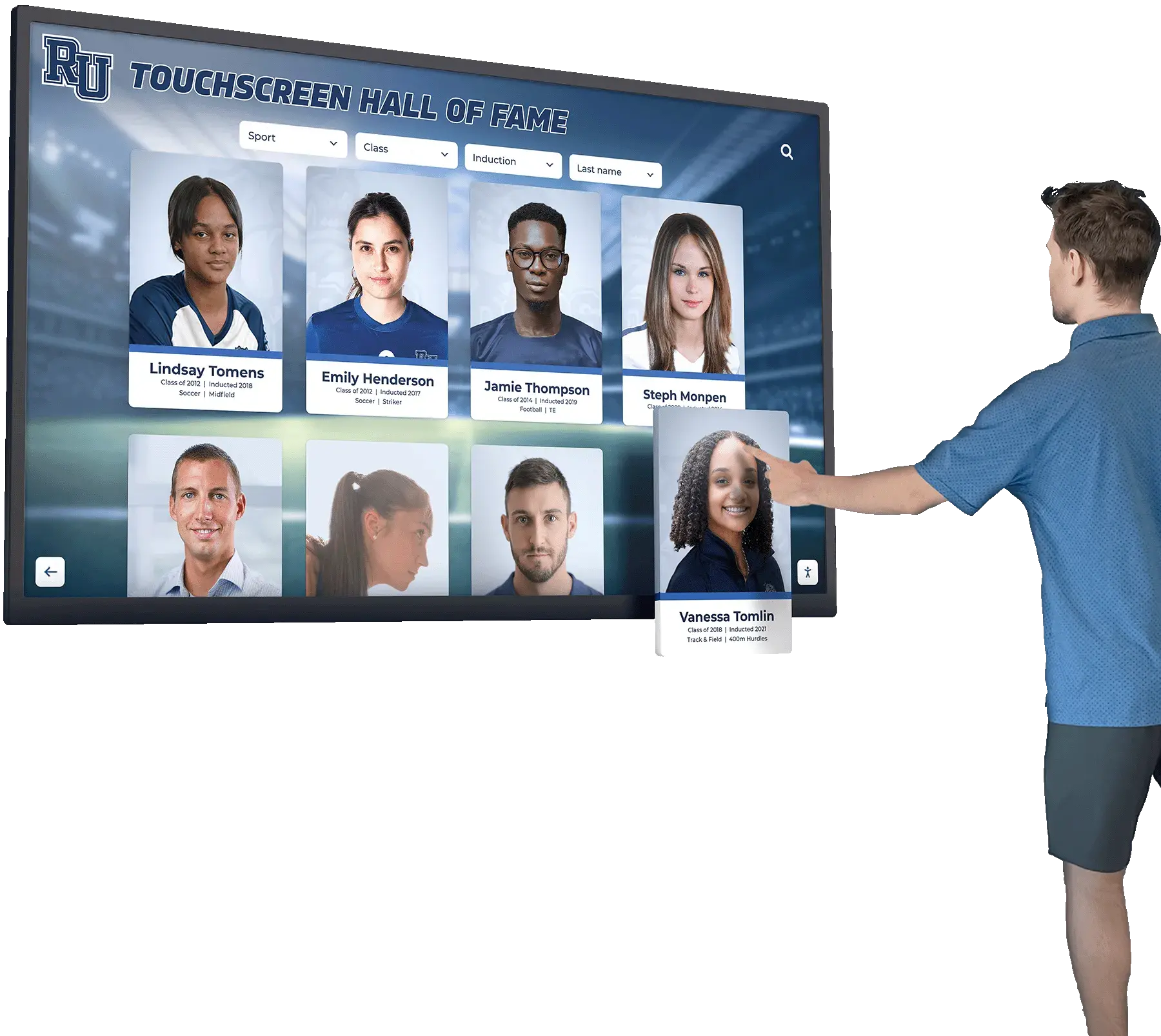
Interactive touchscreen systems provide engaging exploration experiences connecting community members with parade history and recognition content
Post-Parade Content Distribution and Engagement
Systematic distribution extends parade impact beyond spectator attendance:
Immediate Photo and Video Sharing
Rapid distribution maintaining enthusiasm:
- Same-day photo galleries posted to school websites and social media
- Participant-specific albums enabling targeted sharing
- Video highlight reels edited and distributed within days
- Social media story features providing real-time parade coverage
- Community newspaper photo submissions promoting institutional visibility
Long-Term Archive Development
Permanent preservation creating historical resources:
- Organized digital repositories maintaining all parade documentation
- Consistent file naming and metadata enabling future searchability
- Multiple backup locations preventing loss of institutional memory
- Integration with school archive systems preserving comprehensive records
- Accessibility planning ensuring future technology compatibility
Recognition Update Coordination
Connecting parade achievements to broader recognition programs:
- Digital display content updates adding parade winner recognition
- Trophy case additions if physical awards presented
- School newsletter and annual report features celebrating parade success
- Alumni magazine articles highlighting reunion class participation
- Website homepage features during homecoming periods
Safety Protocols and Risk Management
Comprehensive safety planning protects participants while enabling enjoyable celebrations.
Pre-Parade Safety Measures
Proactive risk reduction preventing incidents:
Float Construction Safety Standards
- Weight capacity calculations ensuring stable designs
- Secure attachment methods preventing decoration detachment during movement
- Participant positioning requirements keeping riders safely positioned
- Railing or barrier installation where participants ride on elevated platforms
- Electrical safety inspections for floats incorporating lights or sound systems
- Fire safety compliance using fire-retardant materials when required
Participant Safety Training
- Pre-parade briefings explaining safety expectations clearly
- Emergency dismount procedures enabling quick evacuation if needed
- Behavior guidelines preventing horseplay or unsafe actions
- Prohibited items policies (no candy throwing, no loose decorations)
- Adult supervision requirements ensuring adequate oversight throughout
- Medical information collection for all participants addressing emergency needs
During-Parade Safety Management
Active monitoring and rapid response capabilities:
Coordination and Communication Systems
- Radio or mobile communication connecting all safety coordinators
- Designated safety officers positioned throughout route
- Direct law enforcement communication for immediate assistance
- Medical personnel stationed at strategic locations with equipment
- Parade marshal with authority to stop procession if necessary
- Clear signals communicating instructions to all participants
Weather and Environmental Monitoring
- Real-time weather tracking addressing changing conditions
- Heat management protocols for high temperatures (hydration, rest breaks)
- Severe weather response plans enabling rapid evacuation
- Wind speed monitoring affecting tall float structures
- Surface condition assessment after rain ensuring safe passage
- Sun protection strategies for outdoor participants
Spectator Safety Considerations
- Barricade placement maintaining safe distance from parade route
- Accessible viewing area designation accommodating wheelchairs and mobility devices
- First aid stations positioned in spectator areas
- Clear emergency exit paths enabling rapid evacuation if needed
- Lost child protocols reuniting separated families quickly
- Restroom facility access near viewing areas
Understanding comprehensive event safety planning helps schools create secure homecoming parade environments protecting all participants and spectators.
Measurement and Assessment: Evaluating Parade Success
Systematic evaluation informs continuous improvement while demonstrating value to stakeholders.
Participation and Engagement Metrics
Quantifiable data measuring parade reach and involvement:
Participant Statistics
- Total number of students participating (target: 40-60% of student body)
- Organization representation percentage (clubs, teams, grades involved)
- Community partner participation count demonstrating external engagement
- Alumni attendee numbers indicating successful reunion coordination
- Volunteer hours contributed calculating community investment value
Spectator Attendance
- Estimated crowd size along parade route
- Geographic distribution determining community reach
- Alumni spectator numbers measuring institutional connection strength
- Family attendance indicating parent engagement levels
- Community member participation beyond school families
Digital Engagement Indicators
- Social media reach, impressions, and engagement rates
- Photo gallery views and downloads showing content interest
- Video view counts and sharing frequency
- Website traffic increases during homecoming period
- Media coverage mentions and audience reach
Qualitative Assessment and Feedback
Stakeholder perspectives informing future improvements:
Participant Surveys Post-parade feedback gathering:
- Overall experience ratings and satisfaction levels
- Specific element feedback (float building, lineup process, route experience)
- Improvement suggestions for future parades
- Recognition of particularly successful aspects to repeat
- Participation likelihood for future years
Spectator Input Community perspective collection:
- Viewing experience quality and accessibility
- Float quality and creativity impressions
- Parade length and pacing appropriateness
- Safety and organization observations
- Enthusiasm for continued tradition support
Stakeholder Reflection Administrative and committee assessment:
- Budget performance against projections
- Timeline effectiveness and planning adequacy
- Safety protocol effectiveness and incident review
- Committee coordination and communication quality
- Documentation completeness for future reference
Return on Investment Analysis
Demonstrating value justifying resource allocation:
Tangible Benefits
- Community visibility and positive media coverage value
- Alumni engagement contributing to fundraising potential
- Prospective family impressions during recruitment periods
- Local business relationship strengthening for future partnerships
- Student participation building school connection and retention
Tradition Building Impact
- Historical documentation creating institutional memory
- Annual participation growth indicating increasing enthusiasm
- Community expectation establishment making parade anticipated event
- Recognition opportunities celebrating diverse achievements
- School pride development measurable through surveys and participation rates
Conclusion: Building Homecoming Parade Traditions That Last Generations
Homecoming parades represent powerful opportunities extending far beyond single-afternoon processions—they function as community engagement platforms showcasing institutional vitality, recognition showcases celebrating diverse achievements, tradition-building experiences connecting generations, and visibility events demonstrating school spirit to broader communities determining institutional reputation and support.
When approached systematically with attention to creative float design, broad participation, comprehensive safety protocols, and permanent recognition integration, homecoming parades become defining experiences that participants, families, and communities remember for years. The most effective parades balance tradition with innovation, accommodate varying resources without compromising quality, engage diverse constituencies ensuring inclusive celebration, and create lasting visibility extending recognition impact beyond single events into sustained community connection and pride demonstration.
Ready to enhance your homecoming parade tradition with recognition systems extending visibility beyond single events? Modern digital platforms provide comprehensive solutions for documenting parade participation, celebrating float competition winners, preserving historical archives, and creating engaging exploration experiences connecting community members with school traditions year-round.
Whether launching inaugural parade programs or enhancing established traditions, success requires creative float designs showcasing school pride authentically, systematic planning managing complex logistics effectively, broad participation engaging diverse constituencies, comprehensive safety protocols protecting all participants, and permanent recognition displays extending parade impact far beyond single procession days.
Discover how Rocket Alumni Solutions can help your school create professional recognition displays showcasing homecoming parade traditions permanently, inspiring future participants while honoring those who built beloved community celebrations through creativity, dedication, and authentic school spirit demonstration.
Your school community deserves homecoming parade traditions celebrating achievements comprehensively, engaging participants broadly, maintaining safety rigorously, and creating memories lasting lifetimes. With thoughtful planning addressing creative design, logistical coordination, inclusive participation, and recognition integration, you can create parades becoming cherished institutional traditions—experiences that alumni recall decades later as defining moments demonstrating the pride, creativity, and community connection making their schools special.
The essential elements aren’t elaborate floats, expensive decorations, or extensive budgets—they’re authentic celebration of school identity, inclusive engagement across all constituencies, systematic planning ensuring quality execution, comprehensive safety protocols protecting participants, and permanent recognition extending impact beyond single events. Start planning your homecoming parade today, creating traditions that build school pride while celebrating the students, alumni, and community members who make competitive excellence and authentic celebration possible year after year.