Homecoming Float Ideas for Schools: Creative Themes and Building Tips for an Unforgettable Parade
- Home /
- Digital Hall of Fame Insights & Resources /
- Homecoming Float Ideas for Schools: Creative Themes and Building Tips for an Unforgettable Parade
The Easiest Touchscreen Solution




Live Example: Rocket Alumni Solutions Touchscreen Display
Interact with a live example (16:9 scaled 1920x1080 display). All content is automatically responsive to all screen sizes and orientations.
Homecoming float construction represents one of the most visible expressions of school spirit, bringing together students, alumni, parents, and community members in collaborative projects that transform flat trailers into moving showcases celebrating institutional pride, class identity, and creative vision through weeks of planning, building, and refinement.
Effective homecoming floats balance creative ambition with practical construction constraints, combining thematic cohesion, structural integrity, visual impact, and execution feasibility within typical budget limitations and volunteer availability. The most memorable floats tell stories, incorporate movement and interaction, reflect authentic school culture, and create lasting impressions extending well beyond the parade route itself.
This comprehensive guide explores homecoming float ideas spanning classic themes and innovative approaches, examining creative concepts, construction techniques, budget management strategies, safety protocols, and coordination frameworks that help schools build floats generating genuine excitement while honoring traditions that make homecoming celebrations meaningful across generations.
Homecoming parades serve as centerpiece events connecting current students with returning alumni, showcasing school pride throughout wider communities, and creating traditions that graduates remember decades after their final parade. Float construction transforms abstract school spirit into tangible displays requiring problem-solving, teamwork, and creative execution—skills extending far beyond the parade itself.

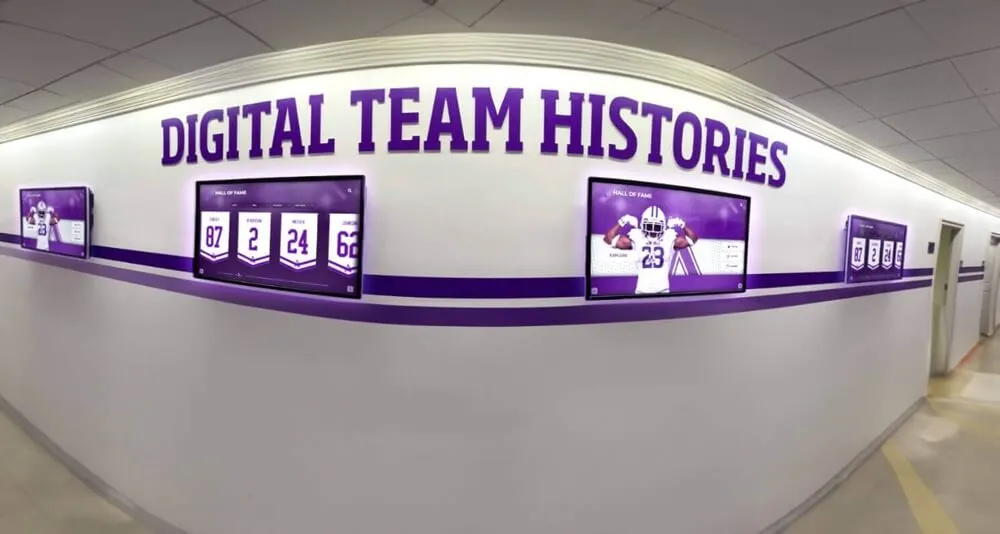
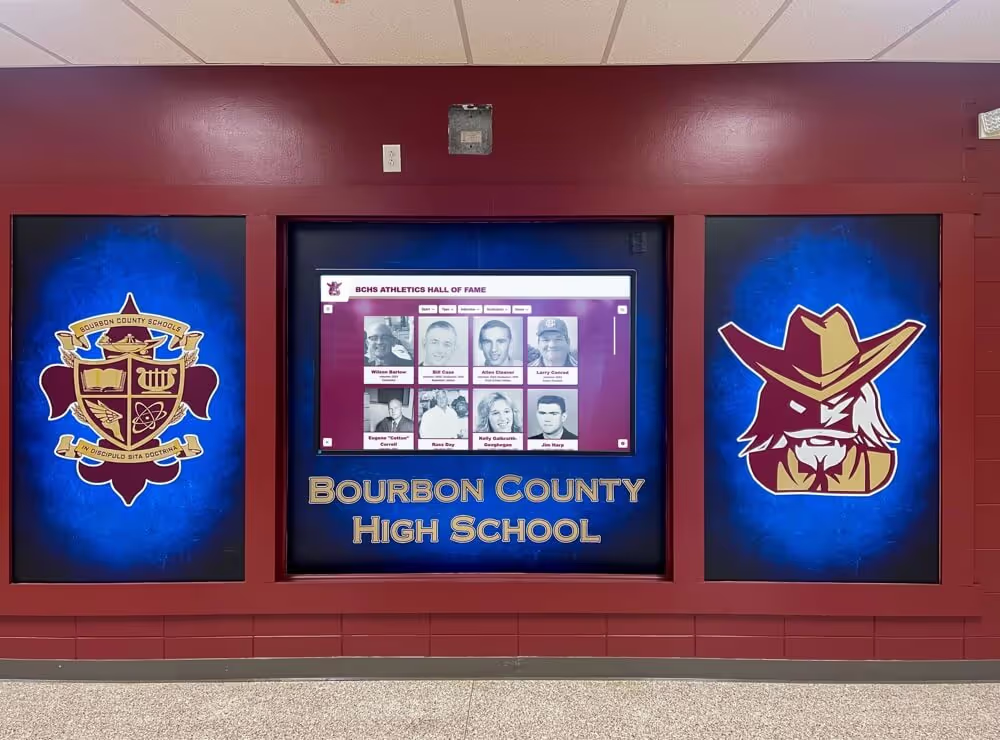
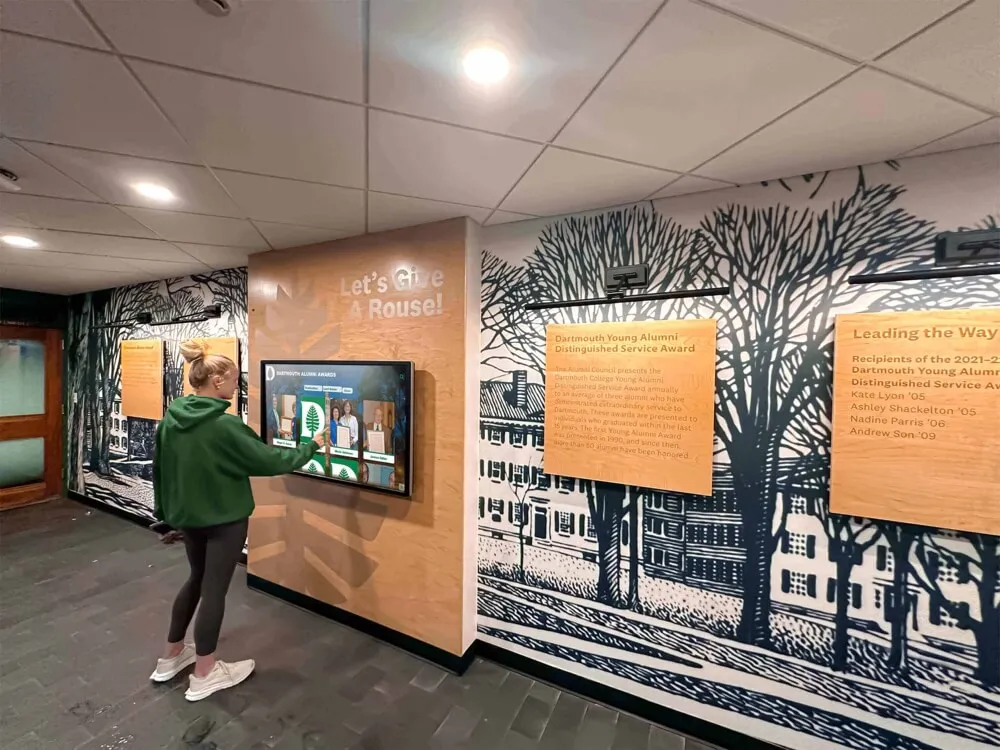
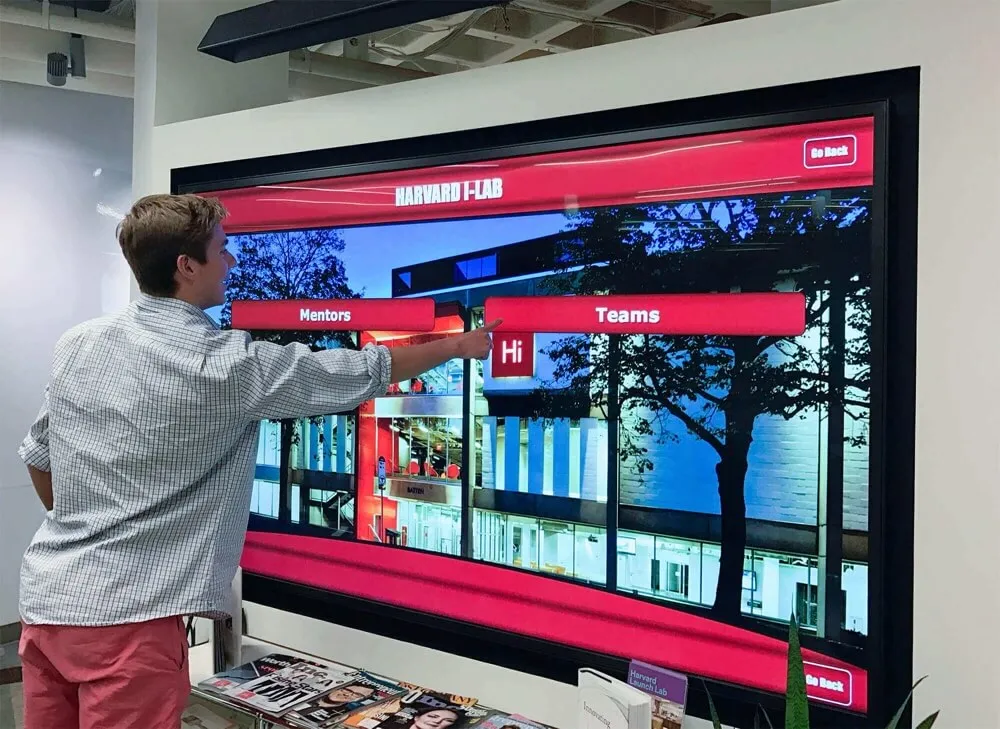
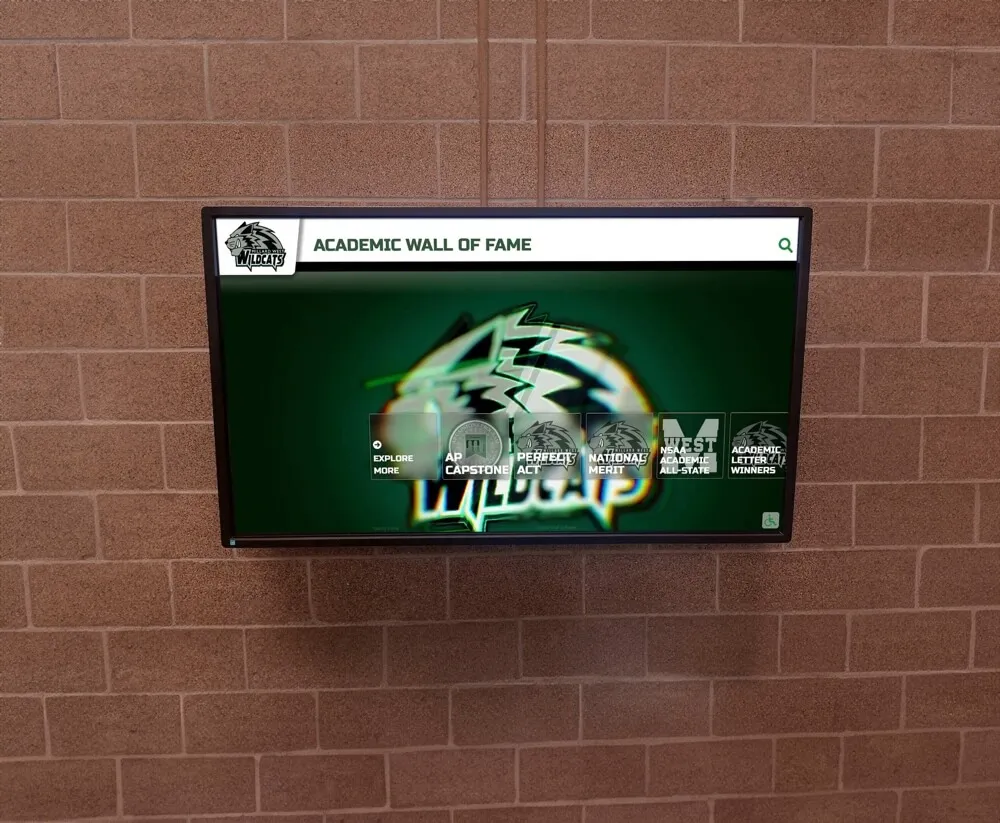
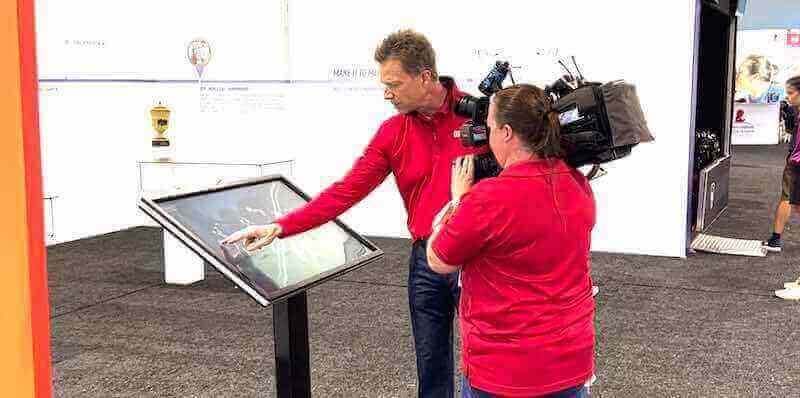
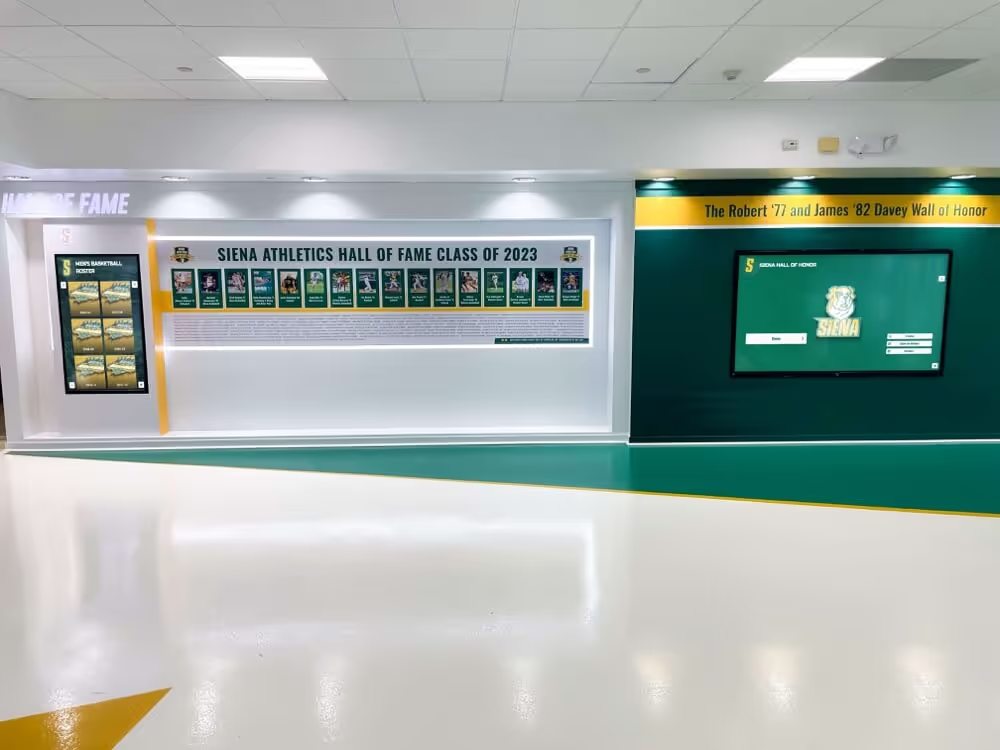
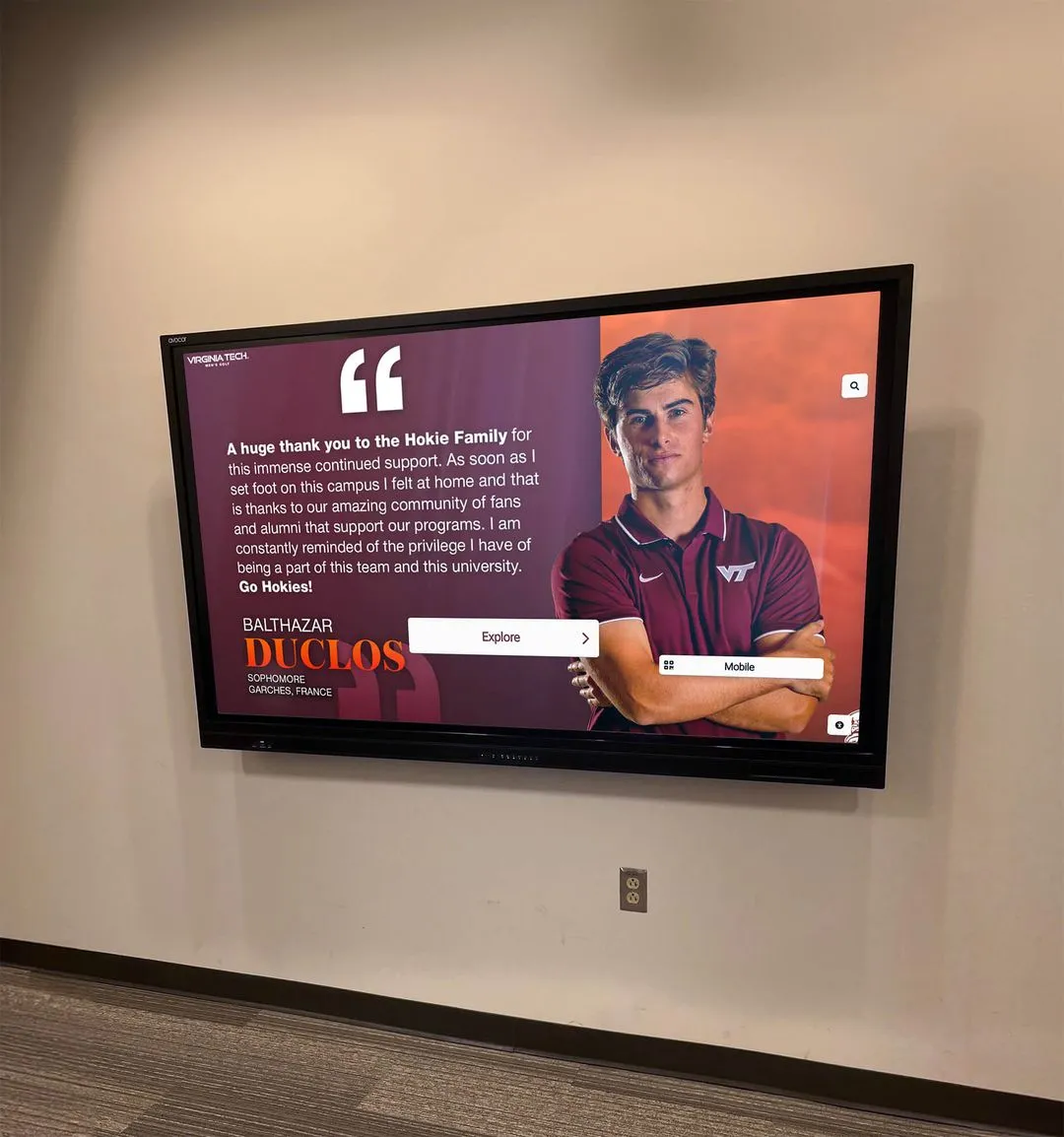
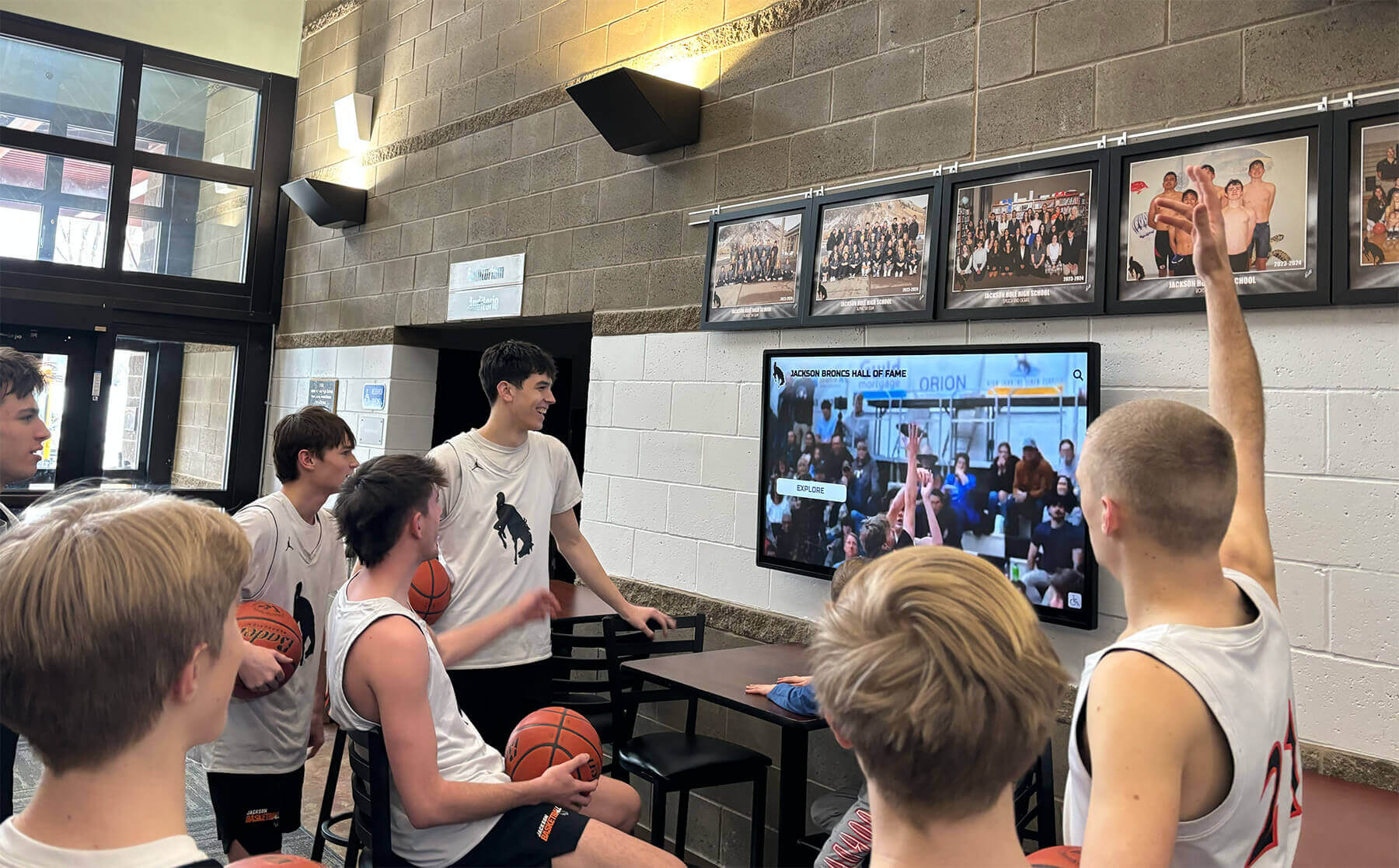
Homecoming celebrations create opportunities to showcase school traditions and spirit through both temporary parade floats and permanent recognition displays
Program Snapshot: Homecoming Float Planning Framework
Understanding complete float construction components helps coordinators design realistic projects balancing creative vision with practical execution requirements.
| Planning Phase | Key Activities | Timeline Recommendation | Critical Success Factors |
|---|---|---|---|
| Theme Development | Concept brainstorming, sketch creation, committee approval | 6-8 weeks before parade | Alignment with homecoming theme, visual impact potential, construction feasibility |
| Design Refinement | Detailed drawings, materials list, budget estimation | 5-6 weeks before parade | Structural soundness, transportation safety, weather considerations |
| Material Acquisition | Supply shopping, donation collection, workspace preparation | 4-5 weeks before parade | Budget adherence, quality materials, sufficient quantities |
| Construction Phase | Frame building, decoration application, detail work | 2-4 weeks before parade | Adequate workspace, sufficient volunteers, construction expertise |
| Assembly & Testing | Final assembly, transport testing, safety inspection | 1 week before parade | Secure attachment, weight distribution, visibility compliance |
| Parade Day Preparation | Transportation, participant coordination, last-minute touch-ups | Day of parade | Weather backup plans, repair supplies, communication systems |
This structured timeline ensures float committees complete construction systematically without last-minute panic sessions compromising safety or quality while maintaining student engagement throughout the building process rather than concentrating all effort into final exhausting days before the parade.
Classic Homecoming Float Themes That Work
Proven theme concepts provide starting points for float committees, offering creative frameworks with track records of visual impact and audience connection.
School Mascot Showcase Floats
Building floats around school mascot identity creates immediate recognition and pride:
Giant Mascot Centerpieces
- Oversized three-dimensional mascot figures serving as float focal points
- Strategic positioning elevating mascots above crowd sightlines for maximum visibility
- Movement elements like rotating heads, waving arms, or animated features
- Complementary decorations reinforcing school colors and athletic identity
- Integration with athletic recognition themes connecting current celebration to program achievements
Mascot in Action Scenes
- Mascot representations engaged in signature school activities or sports
- Dynamic poses suggesting movement, victory, or team spirit
- Environmental elements creating context (stadium, classroom, campus landmarks)
- Interactive components allowing float riders to animate mascot actions
- Photo opportunity designs encouraging spectator engagement and social media sharing
Schools with distinctive mascot traditions find these floats strengthen institutional identity while providing flexible frameworks accommodating various class themes, grade-level customization, or specific homecoming celebration focuses.
Decade and Time Period Themes
Historical period floats combine education with entertainment through nostalgic recreation:
Vintage Americana (1950s-60s)
- Classic car replicas, diner scenes, or drive-in movie theaters
- Period-appropriate costumes, music, and cultural references
- Retro color schemes and signage styles
- Integration with school historical elements from corresponding eras
- Connections to alumni recognition programs honoring graduates from featured decades
Disco Era (1970s)
- Dance floor platforms, disco balls, and vibrant lighting
- Bold geometric patterns and psychedelic color combinations
- Platform shoes, bell bottoms, and period fashion displays
- Music integration through sound systems or live performances
- Emphasis on fun, energy, and celebration matching homecoming spirit
Radical Eighties (1980s)
- Neon colors, geometric shapes, and bold graphic elements
- Pop culture references spanning movies, music, and technology
- Arcade game themes, boomboxes, and cassette tape decorations
- Energetic design aesthetics matching decade’s cultural exuberance
- Nostalgia appeal connecting with alumni, parents, and community members
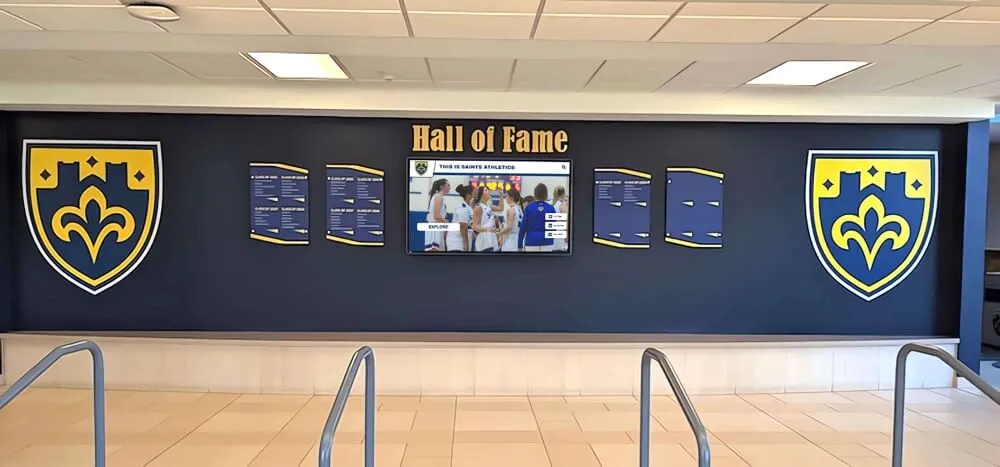
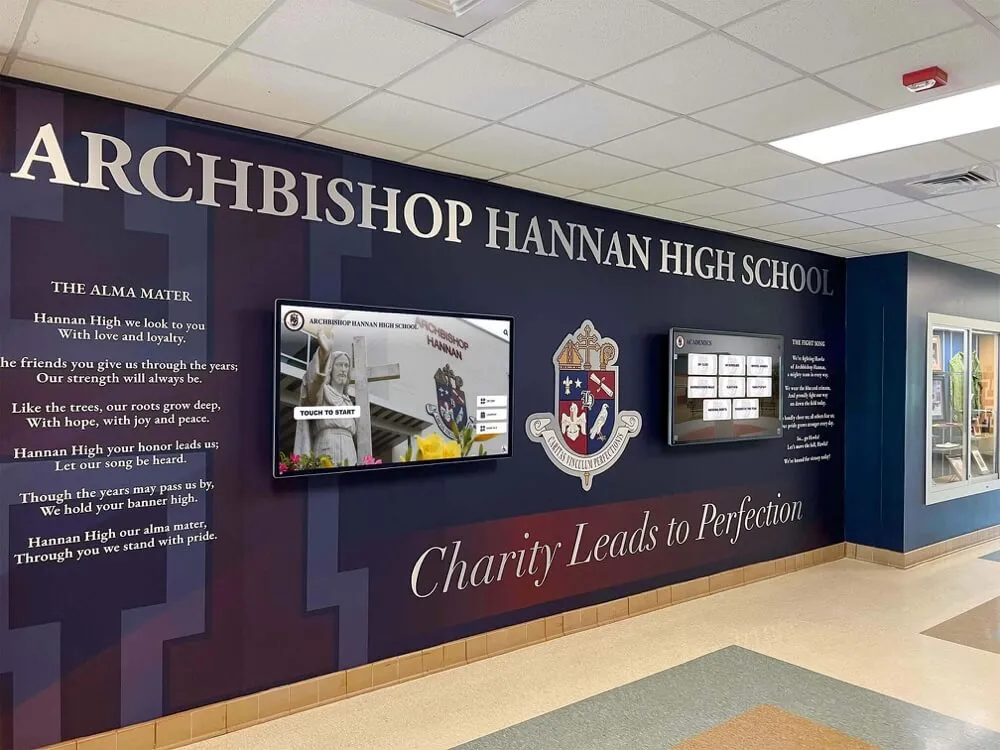
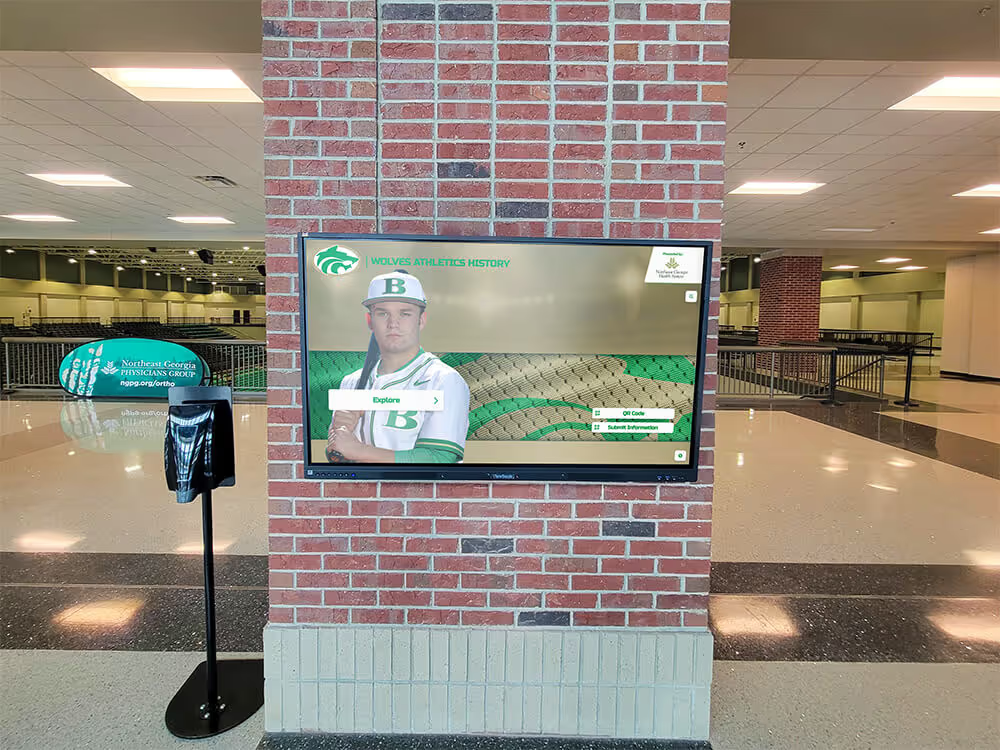
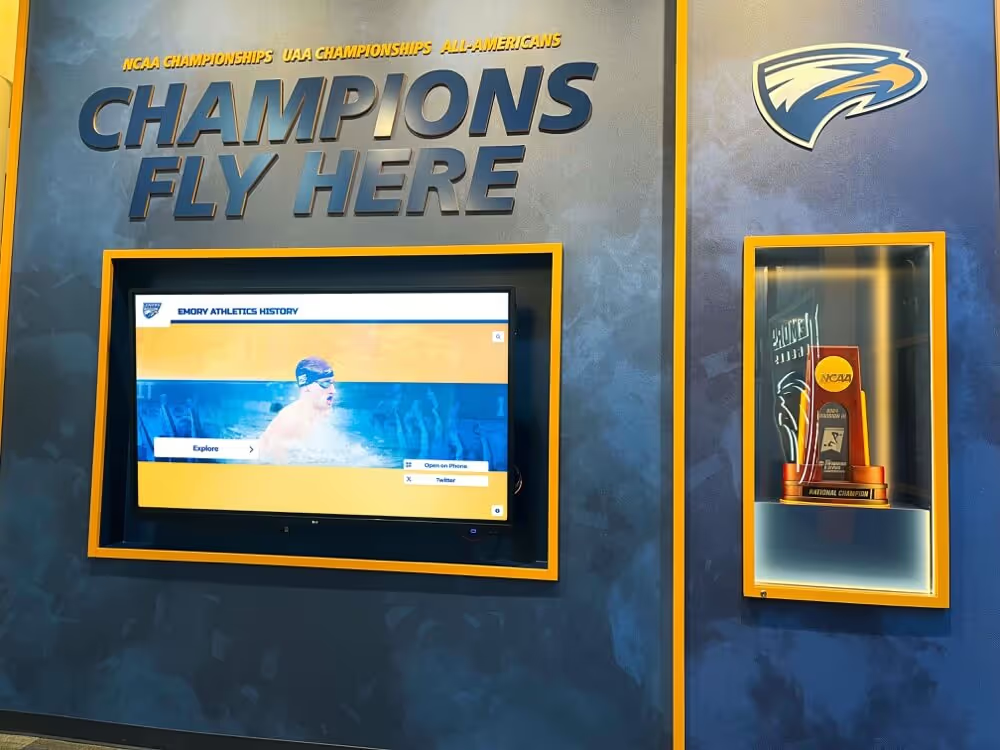
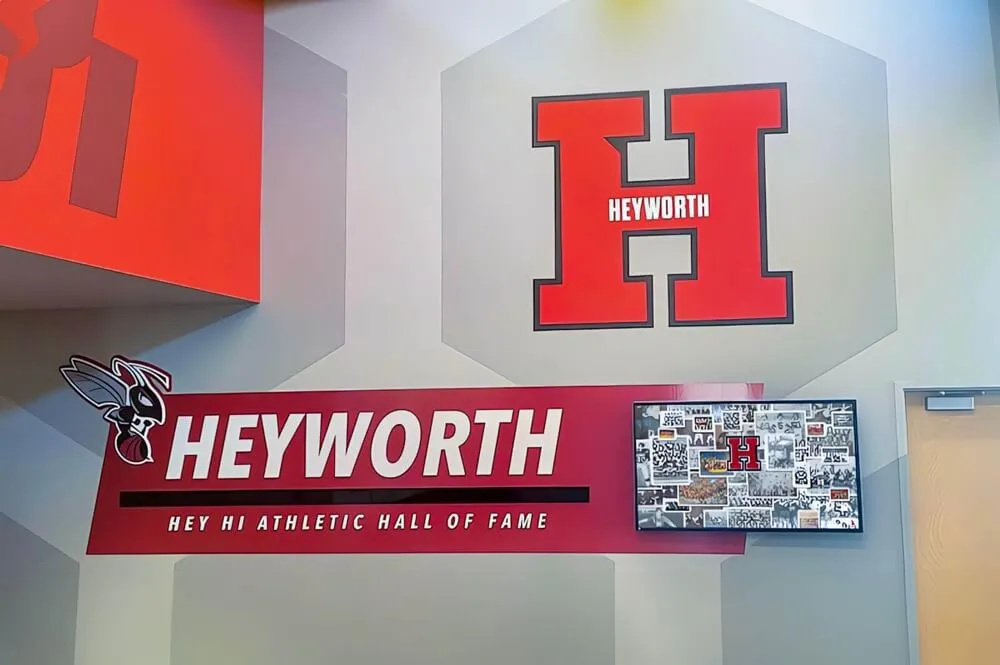
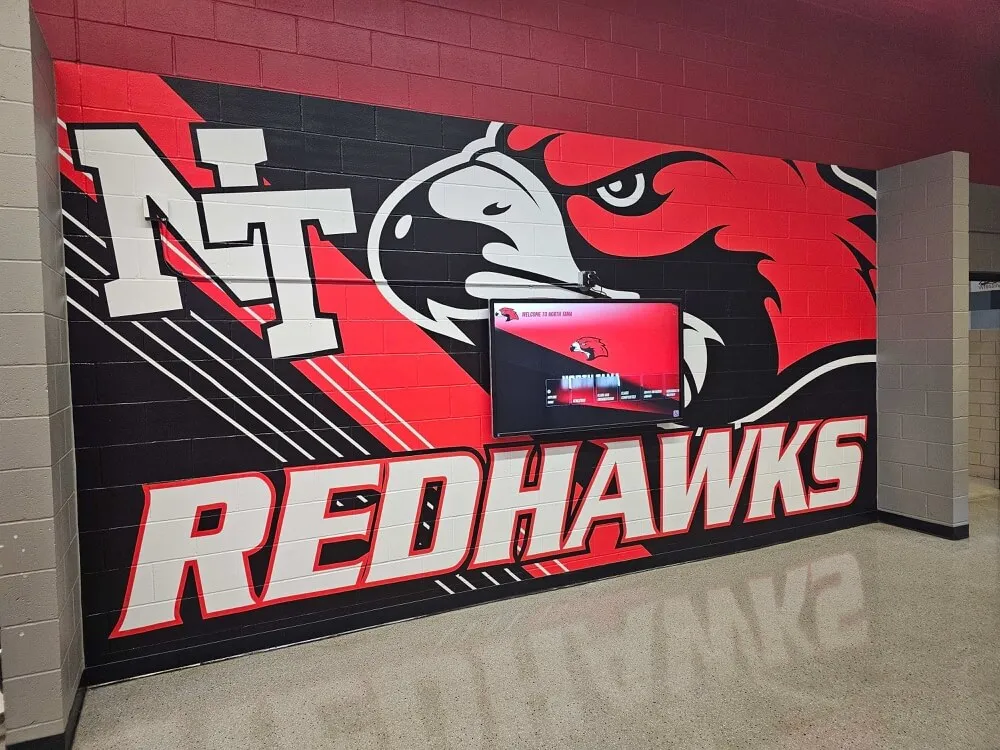
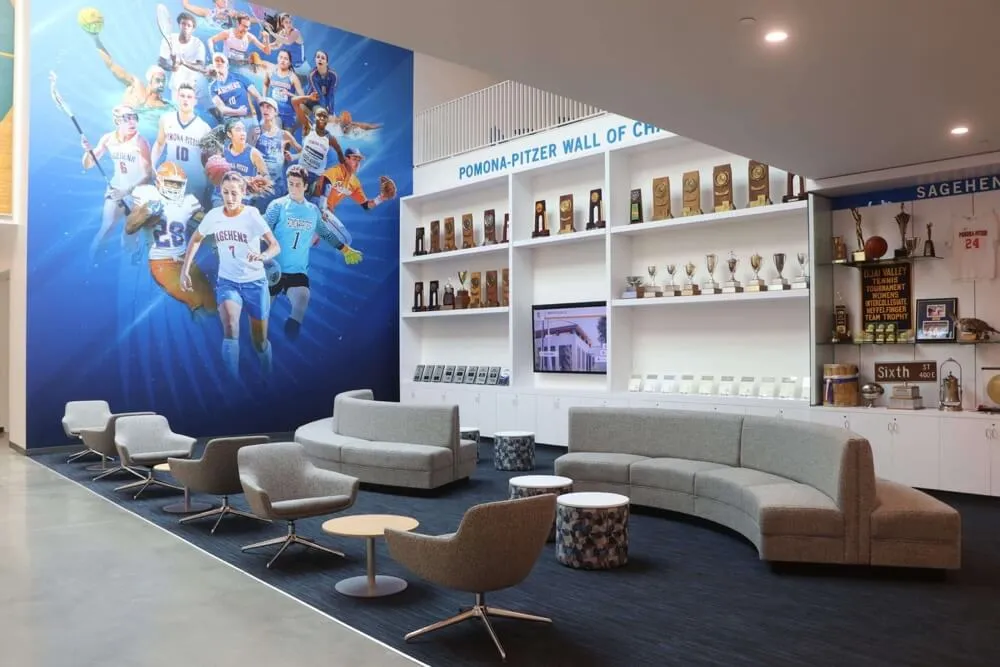
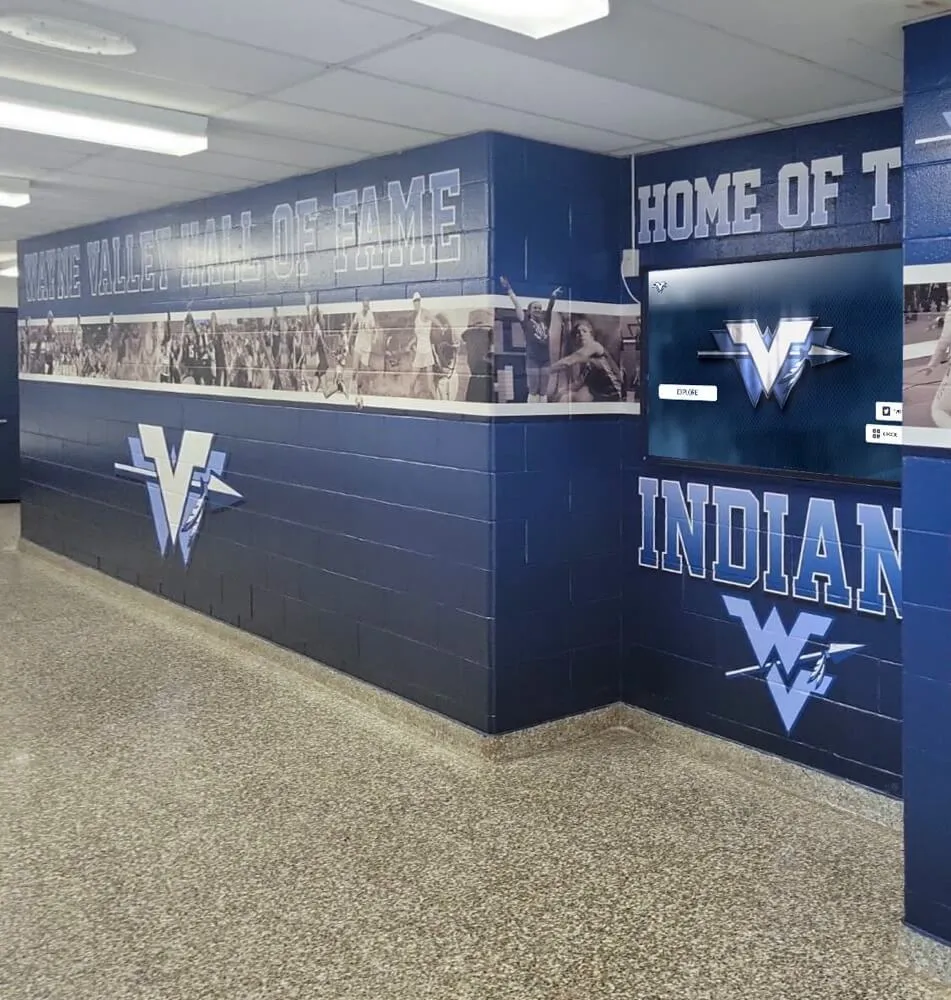
Permanent displays preserve school history and traditions celebrated temporarily through homecoming floats, creating year-round connection to institutional heritage
Movie and Entertainment Themes
Popular film and show themes provide instant recognition and creative possibilities:
Superhero Spectaculars
- Comic book aesthetics with cityscape backgrounds and action scenes
- Recognizable character representations without trademark violations
- Dynamic poses suggesting flight, power, or heroic action
- School pride messaging connecting mascots to superhero concepts
- Color schemes aligning both with entertainment properties and school identity
Classic Story Adaptations
- Fairy tale scenes transformed with school-specific elements
- Literary references appropriate for educational settings
- Clever wordplay connecting stories to homecoming themes
- Sophisticated execution appealing to diverse age groups
- Educational connections justifying entertainment-based themes
Successful entertainment floats avoid direct trademark infringement by creating inspired interpretations rather than exact reproductions, focusing on recognizable elements, color schemes, and thematic concepts while maintaining original creative expression protecting schools from intellectual property concerns.
Modern and Innovative Float Concepts
Contemporary themes reflect current student interests while incorporating technologies and design approaches unavailable in traditional float construction.
Interactive and Immersive Float Experiences
Modern floats move beyond passive viewing toward audience participation:
Social Media Integration Floats
- QR code displays linking to school spirit content or homecoming information
- Live social media feeds showing audience posts using event hashtags
- Photo opportunity stations designed specifically for social sharing
- Digital display integration showing real-time engagement metrics
- Contest elements encouraging audience participation during parade
Augmented Reality Enhanced Floats
- Marker designs triggering AR experiences when viewed through smartphones
- Digital overlay content adding animations, information, or effects
- Interactive games or activities accessible to spectators during parade
- Technology integration demonstrating innovation while maintaining traditional float elements
- Educational components teaching students emerging design technologies
Schools incorporating digital display technologies in permanent installations often transfer technical expertise to homecoming float projects, creating continuity between celebration events and year-round recognition programs.
Environmental and Social Awareness Themes
Purpose-driven floats connect school spirit with broader values:
Sustainability Showcases
- Recycled and repurposed material construction demonstrating environmental commitment
- School sustainability program highlights showing concrete institutional achievements
- Native plant displays or environmental science project integrations
- Solar power elements or renewable energy demonstrations
- Educational messaging about environmental stewardship and responsibility
Community Service and Impact Floats
- Visual representations of school volunteer programs and service projects
- Partnership recognition acknowledging community organizations
- Student achievement celebration in service categories
- Call-to-action elements encouraging community involvement
- Integration with recognition programs celebrating service achievements year-round
Purpose-driven themes demonstrate that school spirit extends beyond athletic competition and social events, encompassing complete institutional values including community engagement, environmental responsibility, and social contribution.
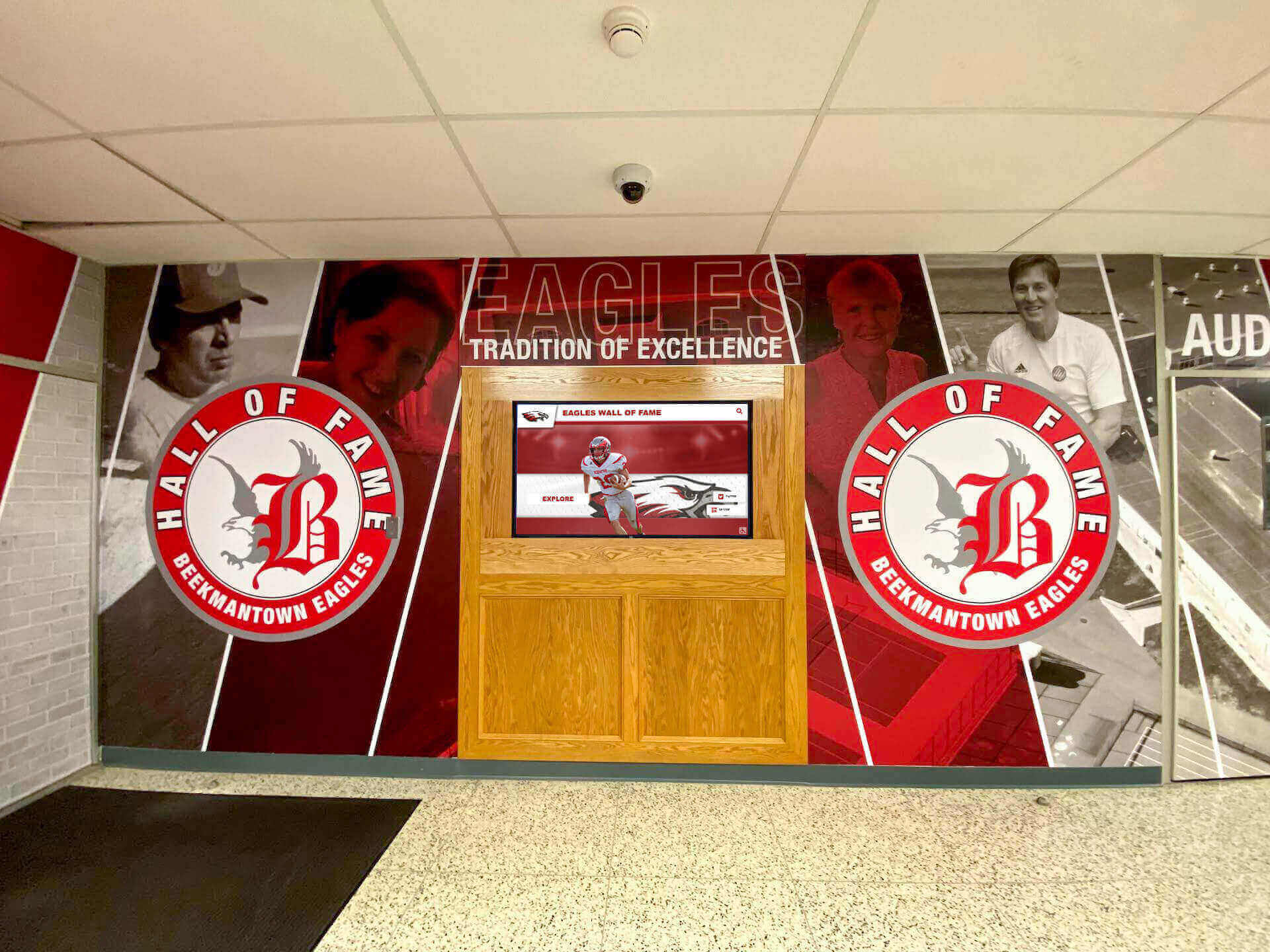
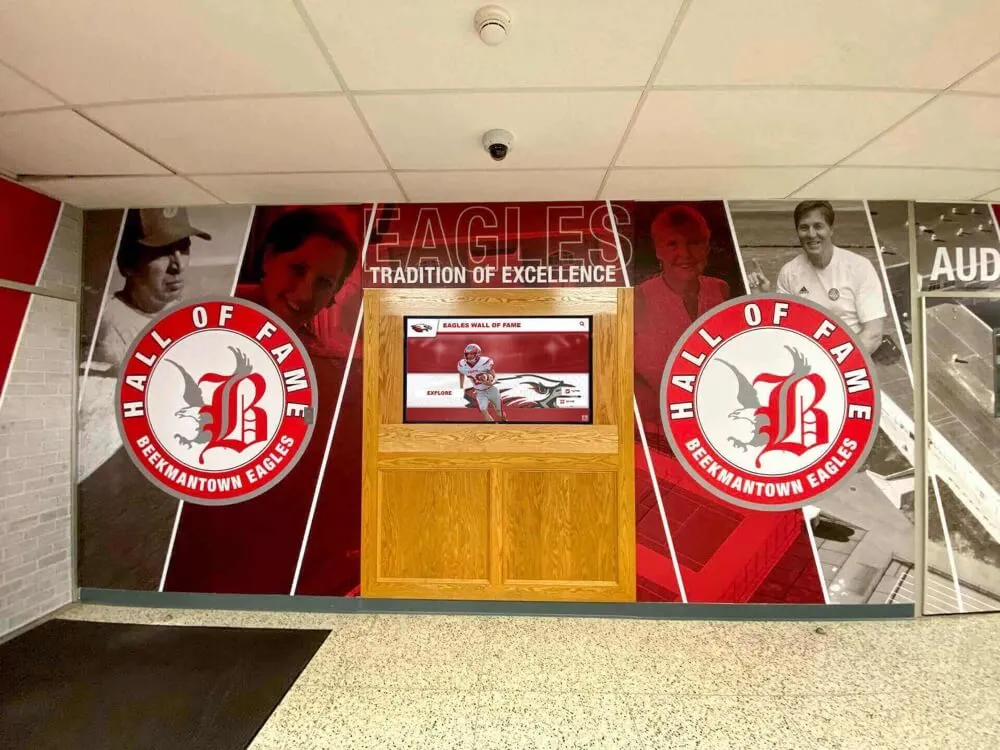
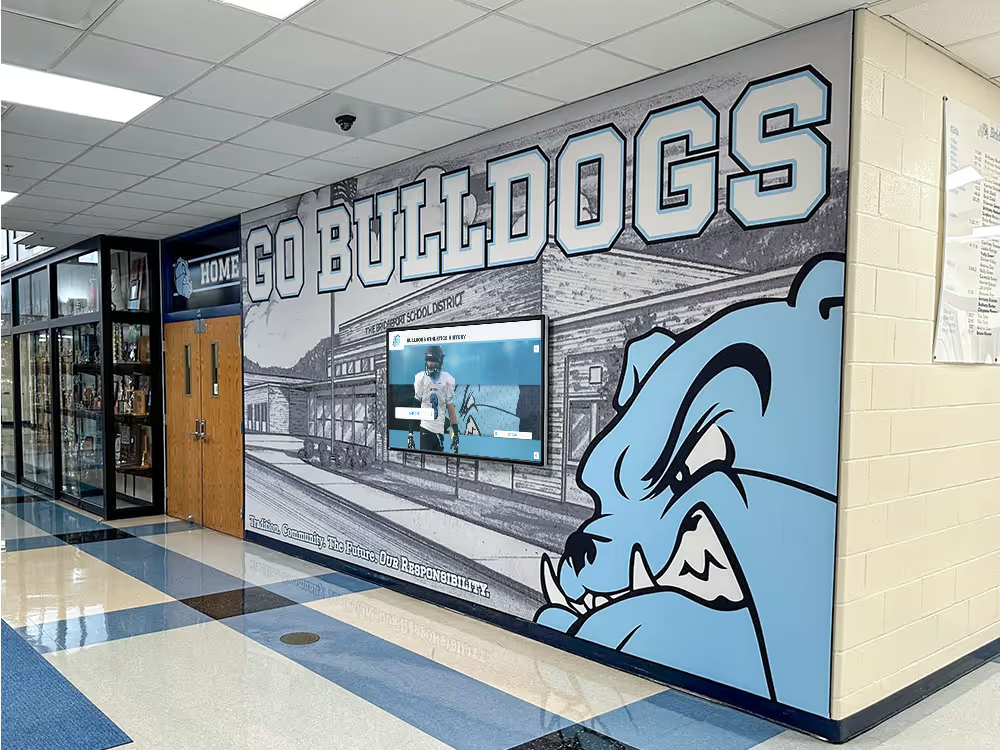
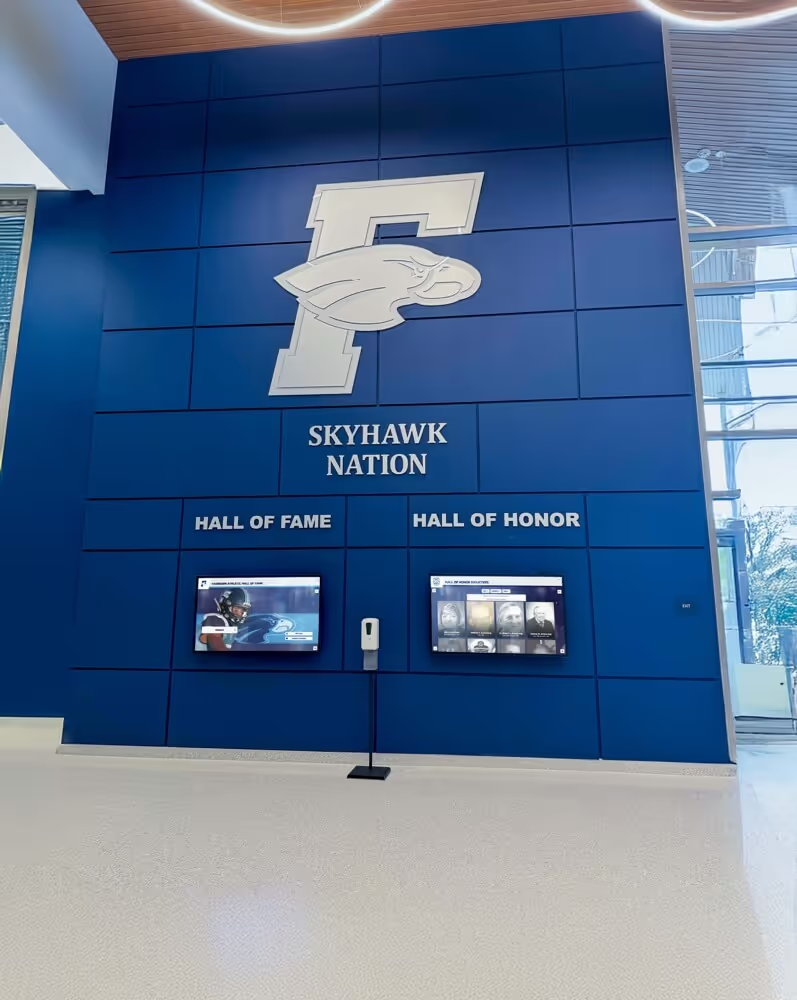
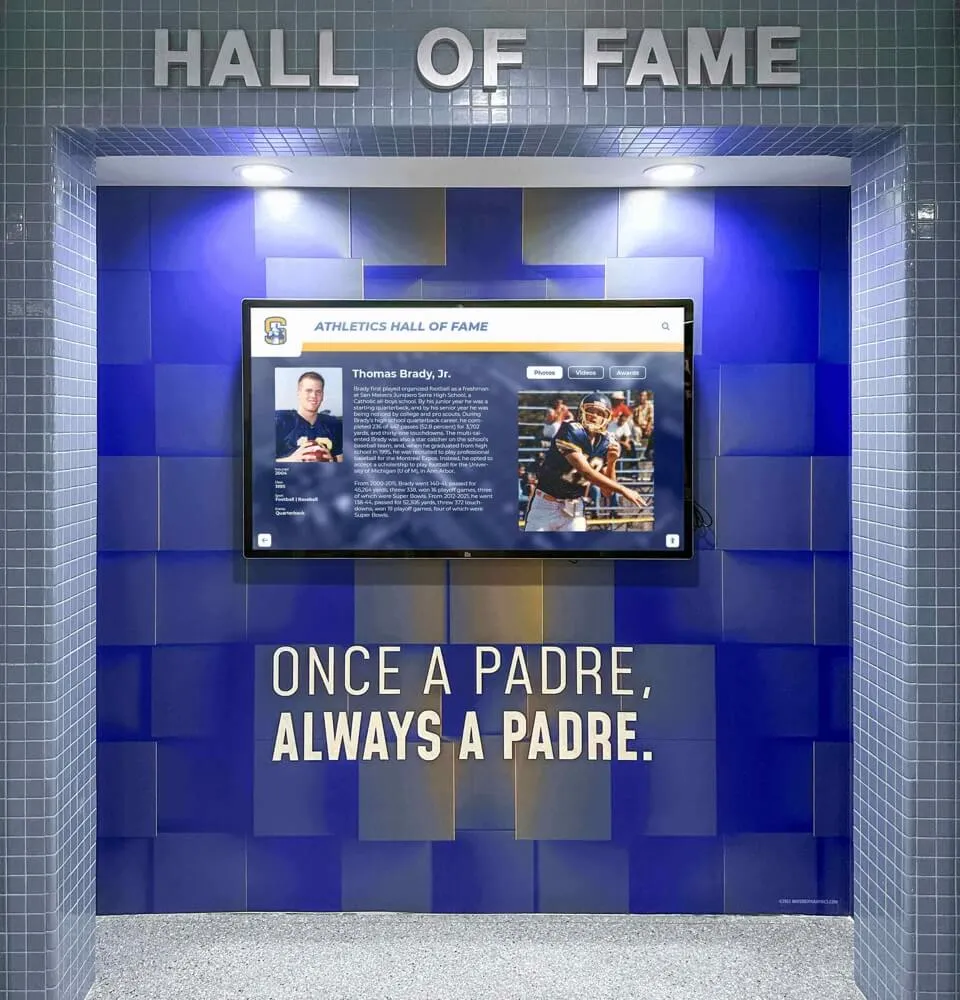
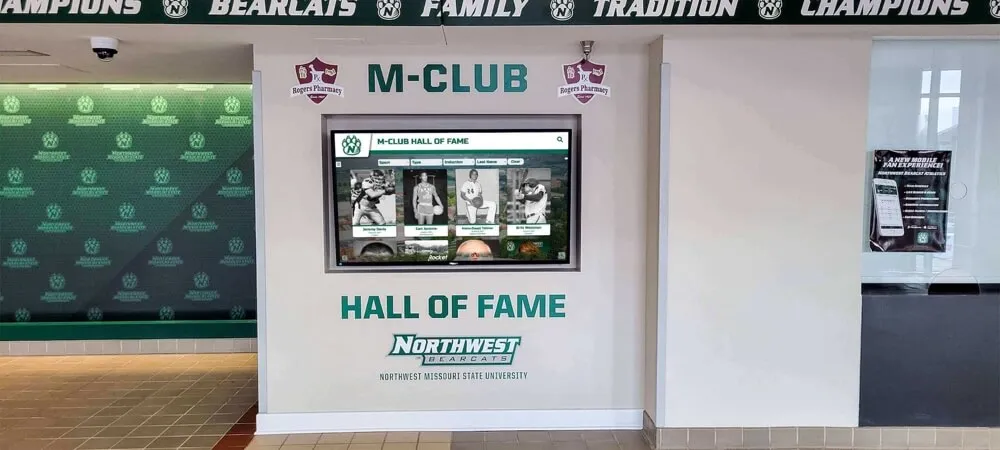
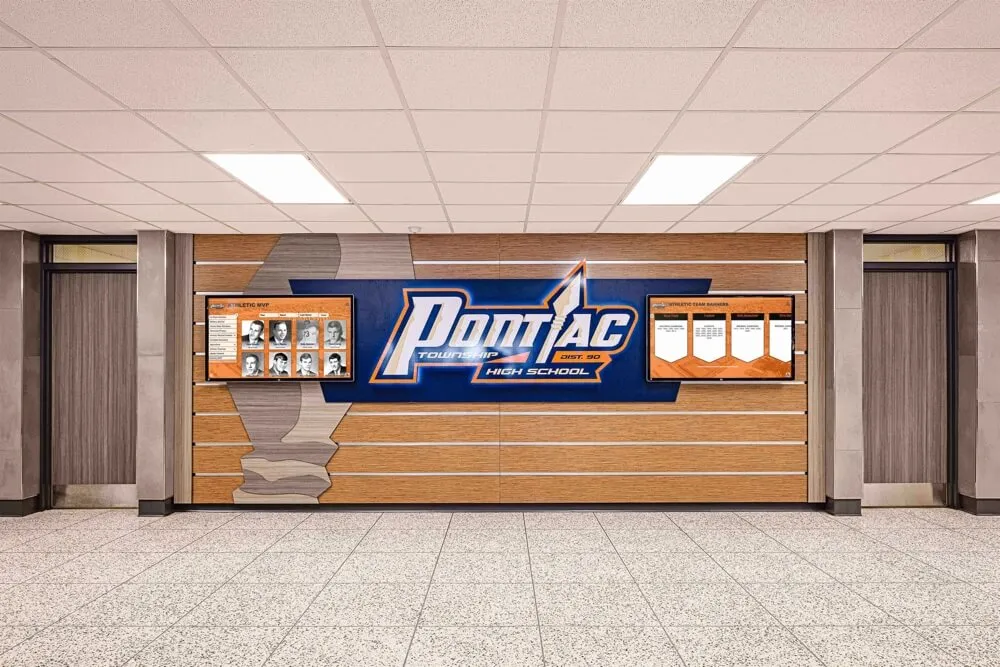
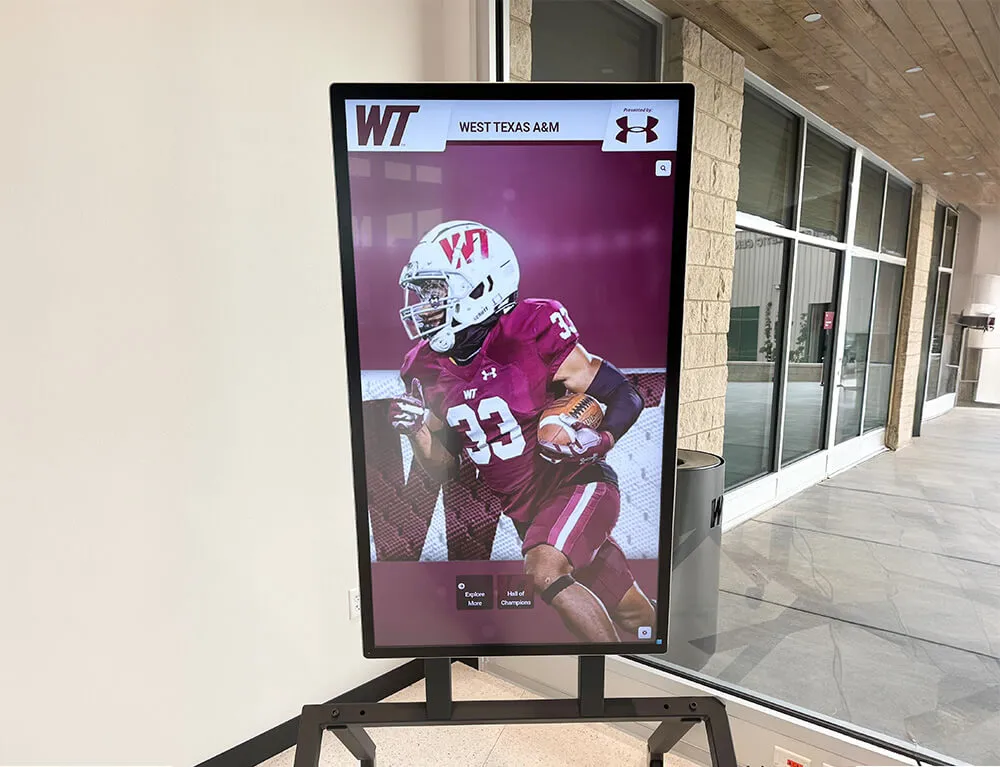
Schools excel at creating visual displays celebrating achievements and traditions, with expertise transferring between permanent installations and temporary homecoming celebrations
Float Construction Techniques and Best Practices
Successful float building requires understanding proven construction methods ensuring structural integrity, visual impact, and safety compliance.
Frame and Structure Fundamentals
Strong foundations prevent construction failures and safety hazards:
Trailer Selection and Preparation
- Flatbed trailers providing stable building platforms with adequate weight capacity
- Safety inspection ensuring roadworthiness, proper lighting, and brake functionality
- Deck reinforcement accommodating heavy decorations and multiple participants
- Strategic anchor point identification for secure decoration attachment
- Weight distribution planning preventing dangerous imbalances during transport
Frame Construction Approaches
- Wooden framework using dimensional lumber creating three-dimensional structures
- PVC pipe systems offering lightweight alternatives for curved shapes
- Wire mesh forming creating organic shapes and compound curves
- Modular construction enabling component building in separate locations
- Engineering considerations accounting for wind resistance and movement during transport
Height and Clearance Management
- Parade route survey identifying overhead obstacles, power lines, and bridge clearances
- Maximum height limits ensuring safe passage throughout complete route
- Structural bracing preventing dangerous swaying at elevated heights
- Visibility maintenance ensuring driver sightlines remain unobstructed
- Emergency lowering mechanisms for unexpected clearance issues
Understanding professional installation approaches for permanent displays provides insight into structural planning applicable to temporary float construction, particularly regarding weight distribution, secure mounting, and safety engineering.
Decoration Materials and Application Methods
Material selection significantly impacts visual impact, construction efficiency, and budget management:
Traditional Tissue Paper Techniques
- Pom-pom creation methods producing textured surfaces and dimensional interest
- Color layering strategies creating depth, shading, and visual complexity
- Fluffing techniques maximizing volume from limited material quantities
- Weather protection considerations including waterproofing and wind resistance
- Time-efficient application methods accommodating volunteer schedules and skill levels
Modern Material Alternatives
- Plastic tablecloths providing affordable, weather-resistant color coverage
- Fabric draping creating elegant effects with minimal construction effort
- Vinyl banners enabling professional graphics and detailed imagery
- LED lighting integration adding evening visibility and modern aesthetics
- Foam board cutouts creating sharp graphics and dimensional letters
Paint and Graphics Application
- Large-format printing creating professional graphics within school budgets
- Spray paint techniques covering large areas efficiently
- Stenciling methods ensuring consistent lettering and pattern replication
- Projection painting using overhead projectors for accurate large-scale reproduction
- Weather-resistant finishes protecting decorations from environmental conditions
Budget-conscious float committees often blend traditional tissue methods with strategic modern material integration, using professional graphics for focal point visibility while relying on volunteer-intensive tissue application for background areas and texture.
Lighting and Special Effects
Technical enhancements elevate floats from good to memorable:
Lighting Design Strategies
- LED strip lighting outlining major float elements and creating definition
- Spotlighting emphasizing focal points and drawing attention to key features
- Color-changing elements adding dynamic visual interest during parade progression
- Battery power systems eliminating generator noise and safety concerns
- Low-voltage systems ensuring participant safety around electrical components
Motion and Animation Elements
- Simple mechanical systems creating rotating, waving, or oscillating movements
- Manual operation designs enabling float riders to control animation timing
- Motor integration for continuous movement without constant volunteer effort
- Pneumatic systems creating dramatic effects like rising elements or banner reveals
- Safety interlocks preventing motion during inappropriate conditions
Schools experienced with digital display installations often possess technical expertise applicable to float lighting design, electrical safety, and power management.
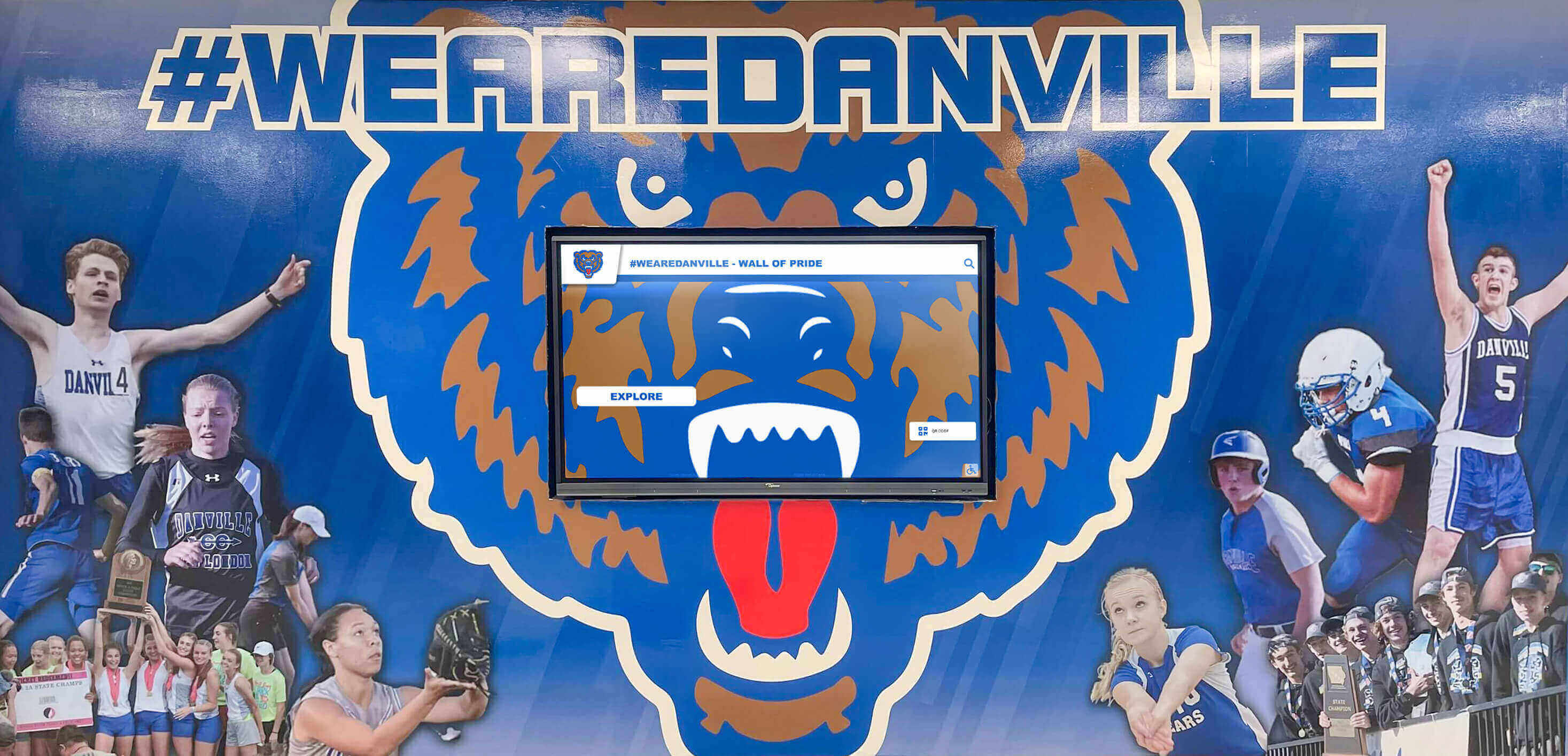
Technical capabilities developed for permanent installations enhance temporary float construction through improved electrical systems, lighting design, and special effects implementation
Budget Management and Resource Acquisition
Effective float projects balance creative ambition with financial reality through strategic planning and resourcefulness.
Cost Estimation and Budget Allocation
Realistic financial planning prevents mid-project compromises and completion stress:
Major Budget Categories
- Construction materials: lumber, hardware, fasteners, adhesives ($200-500)
- Decoration supplies: tissue paper, fabric, paint, vinyl ($300-800)
- Lighting and electronics: LED systems, batteries, wiring ($100-300)
- Structural elements: rental trailer costs, safety equipment ($200-400)
- Contingency reserve: unexpected repairs, weather damage replacement (15-20% of total)
Budget Optimization Strategies
- Early planning enabling discount shopping during sales periods
- Bulk purchasing reducing per-unit costs for high-volume materials
- Donation solicitation from local businesses and community supporters
- Material reuse from previous floats or other school inventory
- Volunteer expertise leveraging instead of professional services
Schools typically spend between $800 and $2,500 on competitive homecoming floats depending on size, complexity, and available donated resources. Fundraising approaches developed for athletic programs and student activities translate directly to float funding initiatives.
Donation and Sponsorship Acquisition
Community partnerships extend budgets while strengthening school relationships:
Local Business Engagement
- Construction supply stores providing materials at cost or as donations
- Print shops offering banner production at reduced rates
- Lighting retailers loaning temporary equipment for parade day
- Transportation companies providing trailer use without rental fees
- Recognition opportunities acknowledging sponsors through float signage
Parent and Alumni Involvement
- Skill-based volunteering contributing carpentry, electrical, or artistic expertise
- Material donations from home improvement projects or business inventories
- Transportation assistance moving materials and completed floats
- Supervision support enabling extended work sessions with proper adult oversight
- Financial contributions through class fundraising or booster organizations
Recognition of donor contributions through parade announcements, program credits, and social media acknowledgment encourages sustained community support for future homecoming celebrations while strengthening relationships beyond single-event participation.
Safety Protocols and Risk Management
Responsible float construction prioritizes participant safety and liability management throughout design, building, and parade phases.
Construction Site Safety
Workshop environments present numerous hazards requiring systematic management:
Tool and Equipment Safety
- Power tool restriction limiting use to trained, supervised individuals
- Protective equipment requirements including safety glasses, gloves, and closed-toe shoes
- Tool storage and checkout systems preventing unauthorized use
- Extension cord management avoiding trip hazards in work areas
- Fire safety equipment placement near paint, adhesives, and electrical work
Workspace Organization
- Designated construction zones separating incompatible activities
- Material storage systems preventing clutter and access obstacles
- Ventilation requirements for paint, adhesives, and other chemical products
- Lighting adequacy preventing accidents during evening work sessions
- Emergency exit maintenance ensuring clear evacuation paths
Volunteer Supervision Requirements
- Adult supervision ratios appropriate for participant ages and activities
- Permission and waiver documentation for student participants
- Emergency contact information and medical disclosure forms
- Age-appropriate task assignment matching abilities with activities
- Regular safety briefings reinforcing protocols and hazard awareness
Schools implementing comprehensive safety protocols experience fewer accidents while demonstrating institutional responsibility protecting both participants and organizations from liability exposure.
Parade Day Safety Considerations
Float operation during parades requires specific safety measures:
Participant Safety Protocols
- Secure seating or standing positions with handholds or railings
- Height restrictions preventing dangerous falls from elevated positions
- Capacity limits based on structural engineering and weight distribution
- Movement restrictions prohibiting entering, exiting, or position changes during parade
- Emergency communication systems connecting float to parade coordinators
Vehicle Operation Safety
- Experienced drivers with appropriate license classifications
- Speed limitations matching parade regulations and safe operation
- Spotter systems ensuring driver awareness of obstacles and clearances
- Emergency stop procedures and communication protocols
- Insurance coverage verification for vehicles and participants
Weather Contingency Planning
- Wind speed limits beyond which float participation becomes unsafe
- Rain protection plans for electrical components and structural integrity
- Heat exhaustion prevention for participants exposed to direct sun
- Cold weather preparation for extended outdoor exposure
- Severe weather cancellation criteria and communication plans
Comprehensive safety planning protects participants while demonstrating organizational maturity that reflects positively on student leadership capabilities and adult supervision effectiveness.
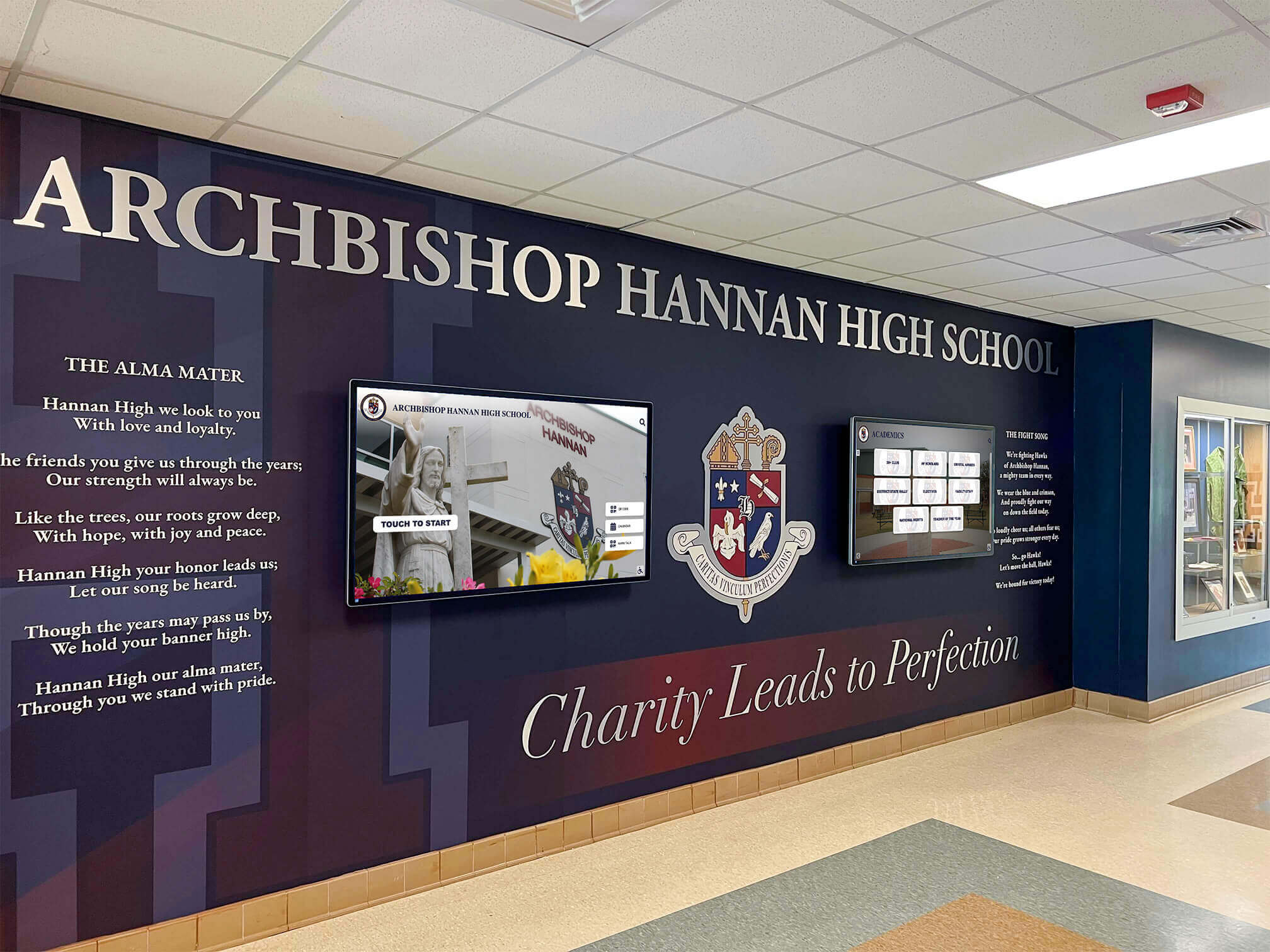
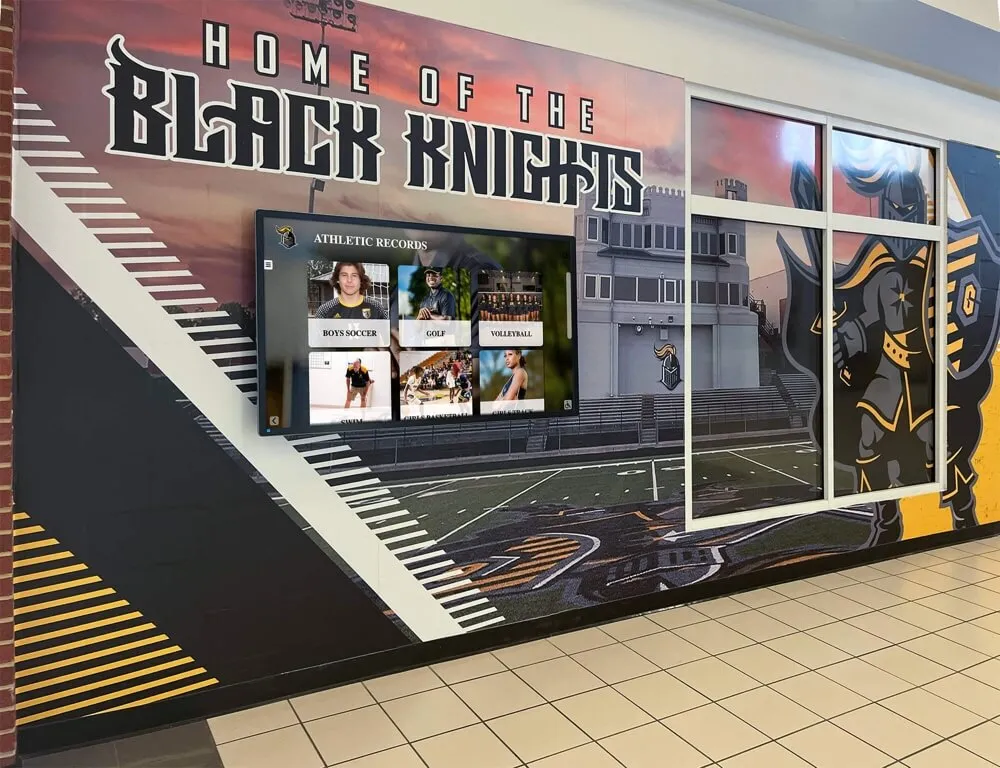
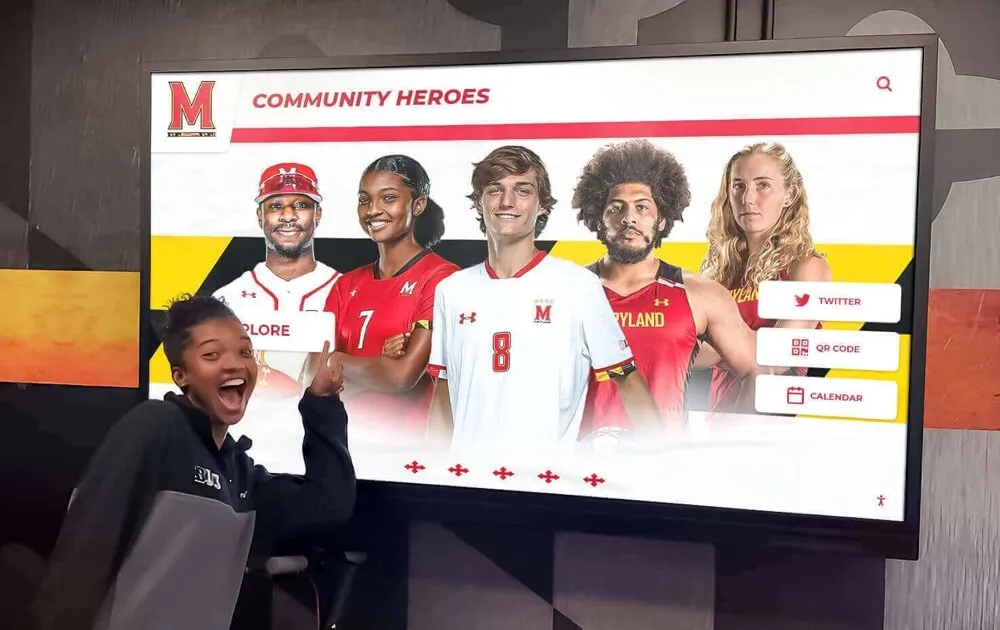
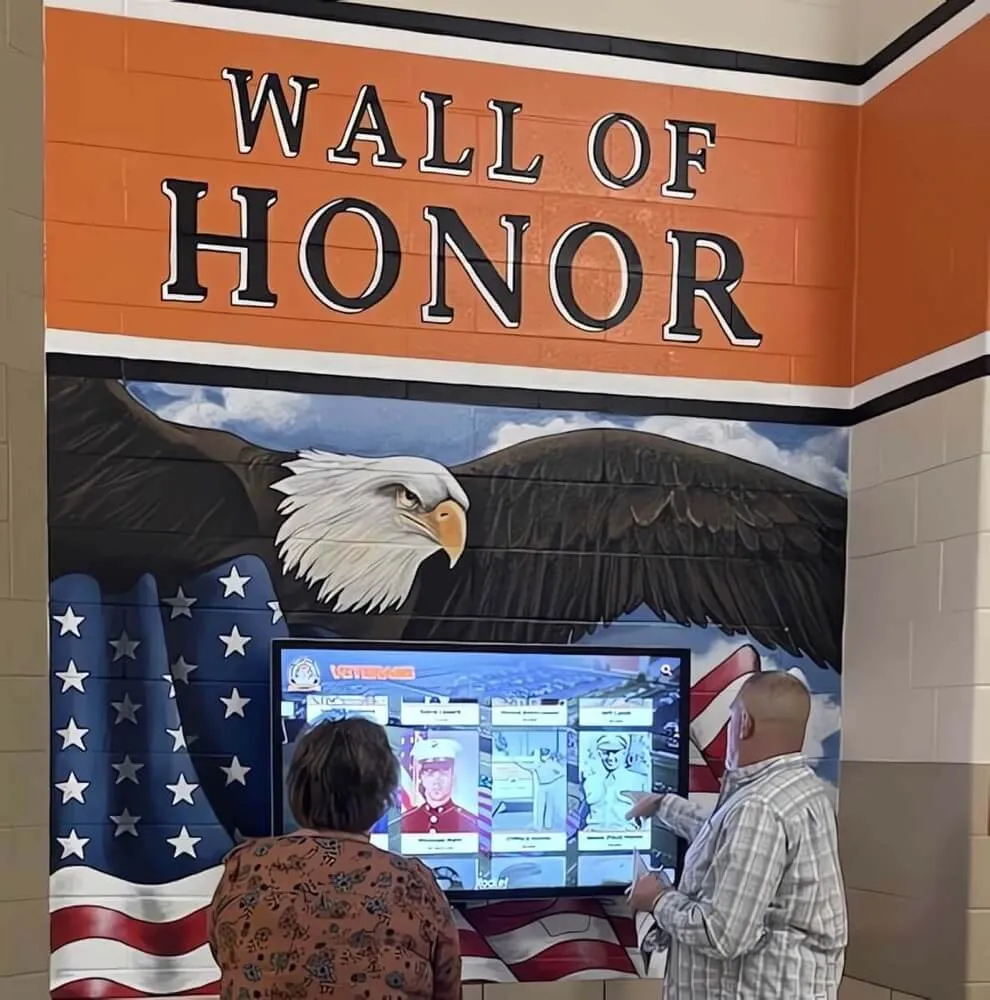
Schools invest in creating impressive visual displays for permanent installations, with similar design thinking and planning rigor applying to temporary homecoming float projects
Coordination and Project Management
Successful float construction requires organizational systems managing volunteers, timelines, and deliverables efficiently.
Committee Structure and Role Assignment
Clear organizational frameworks prevent confusion and task overlap:
Leadership Positions
- Project coordinator overseeing complete float development and timeline management
- Design lead directing creative vision and aesthetic decisions
- Construction manager supervising building activities and technical execution
- Decoration coordinator organizing material acquisition and application
- Safety officer ensuring protocol compliance throughout project
- Communications lead managing volunteer scheduling and stakeholder updates
Specialized Teams
- Structural team: frame construction, trailer preparation, mounting systems
- Decoration team: tissue application, painting, banner installation
- Technical team: lighting, electronics, special effects implementation
- Logistics team: material transport, workspace setup, parade day coordination
- Documentation team: photography, social media, archive creation
Volunteer Management Systems
- Online scheduling platforms coordinating work session participation
- Skill inventory databases matching volunteers with appropriate tasks
- Hour tracking systems recognizing contribution levels fairly
- Communication channels maintaining updates between work sessions
- Appreciation strategies acknowledging volunteer efforts throughout project
Structured organizational approaches transform potentially chaotic volunteer projects into efficient operations producing professional results while maintaining enjoyable experiences motivating continued participation.
Timeline Management and Milestone Tracking
Project management discipline prevents last-minute crises:
Phase-Based Scheduling
- Theme development and approval: weeks 8-6 before parade
- Detailed design and engineering: weeks 6-5 before parade
- Material acquisition and workspace preparation: weeks 5-4 before parade
- Framework construction: weeks 4-3 before parade
- Decoration application: weeks 3-1 before parade
- Final assembly and testing: week 1 before parade
Progress Monitoring Systems
- Weekly status meetings reviewing accomplishments and identifying concerns
- Photographic documentation tracking construction progression
- Checklist systems ensuring no detail omission in complex projects
- Contingency planning identifying backup approaches for delayed elements
- Leadership check-ins maintaining coordinator awareness between meetings
Communication Protocols
- Central information repository accessible to all participants
- Text/messaging group coordination for real-time updates
- Parent/guardian updates maintaining community awareness and support
- Social media teasers building excitement without revealing complete designs
- Final reminder distribution confirming parade day logistics and timing
Disciplined project management approaches create float construction experiences teaching students valuable life skills in organization, communication, and collaborative execution extending well beyond homecoming celebrations.
Post-Parade Recognition and Documentation
Preserving float achievements and acknowledging contributions extends project value beyond parade day.
Float Awards and Recognition Categories
Award programs celebrate excellence while motivating future participation:
Competition Categories
- Best Overall Float: comprehensive evaluation across all criteria
- Most Creative Theme: innovation and originality in concept execution
- Best School Spirit: enthusiasm, energy, and pride demonstration
- Technical Excellence: construction quality and engineering achievement
- People’s Choice Award: spectator voting determining community favorite
- Best Newcomer Float: encouraging first-time participant groups
Recognition Approaches
- Judging panels including community members, alumni, and school leaders
- Criteria rubrics ensuring consistent, fair evaluation across floats
- Award presentation during homecoming events or immediately following parade
- Trophy, plaque, or certificate distribution for award recipients
- Digital recognition displays preserving achievement documentation year-round
Award programs transform float building from isolated projects into competitive traditions motivating sustained effort and creative excellence while creating institutional memories extending across multiple homecoming celebrations.
Documentation and Historical Preservation
Archiving float achievements maintains institutional memory:
Photographic Documentation
- Professional photography capturing complete floats from multiple angles
- Action photography showing floats in parade context with spectators
- Construction photography documenting building process and volunteer participation
- Close-up detail photography showcasing technical elements and craftsmanship
- Award ceremony coverage recognizing achievement and contributor efforts
Digital Archive Integration
- School website galleries displaying current and historical float photographs
- Social media albums enabling sharing and community engagement
- Institutional archives preserving homecoming traditions across decades
- Yearbook coverage documenting annual homecoming celebrations
- Video compilation creating complete parade records for future reference
Comprehensive documentation transforms ephemeral float displays into lasting institutional assets, enabling current students to learn from previous approaches while demonstrating to alumni that their float-building experiences remain valued as important components of school heritage.
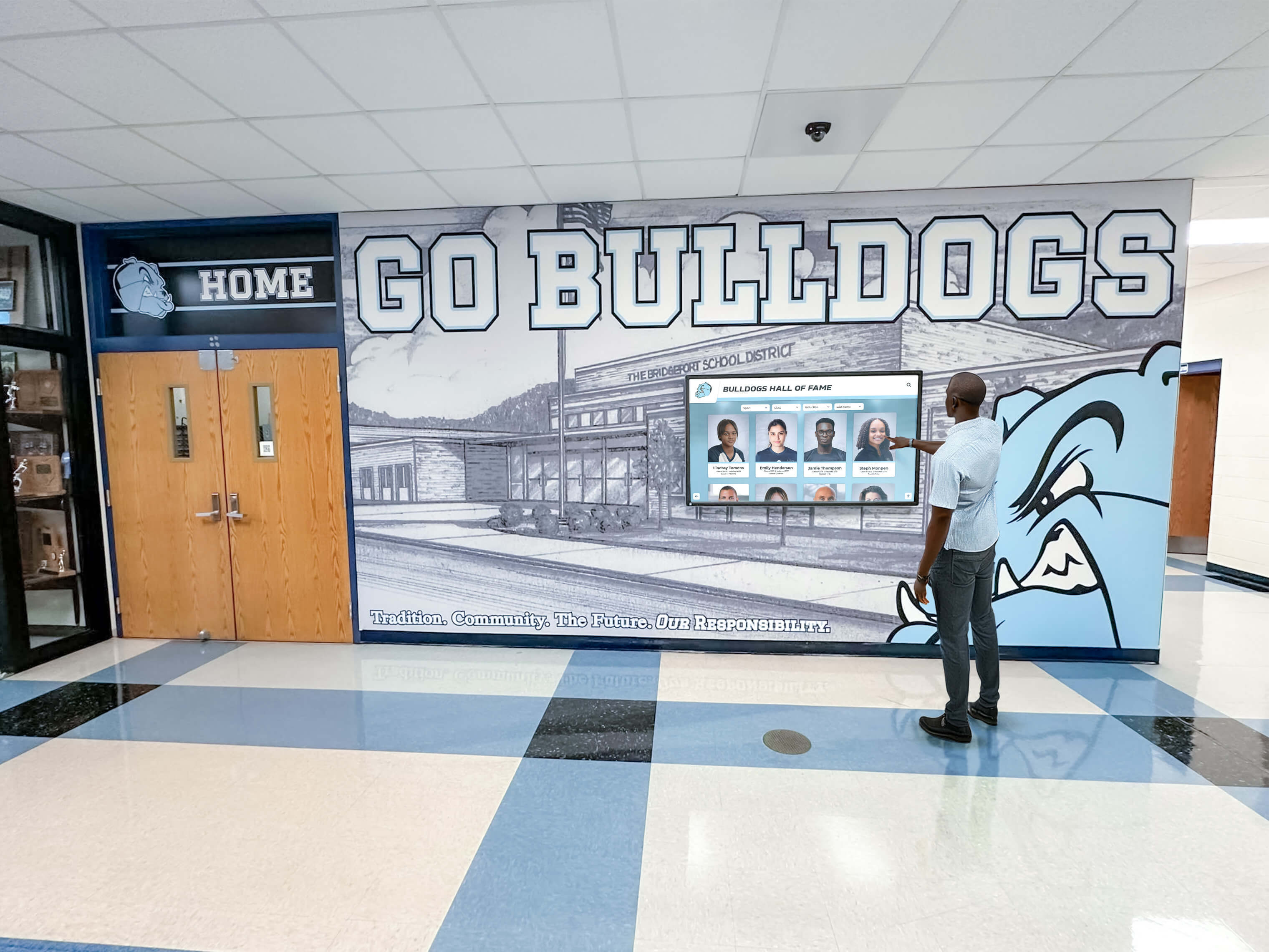
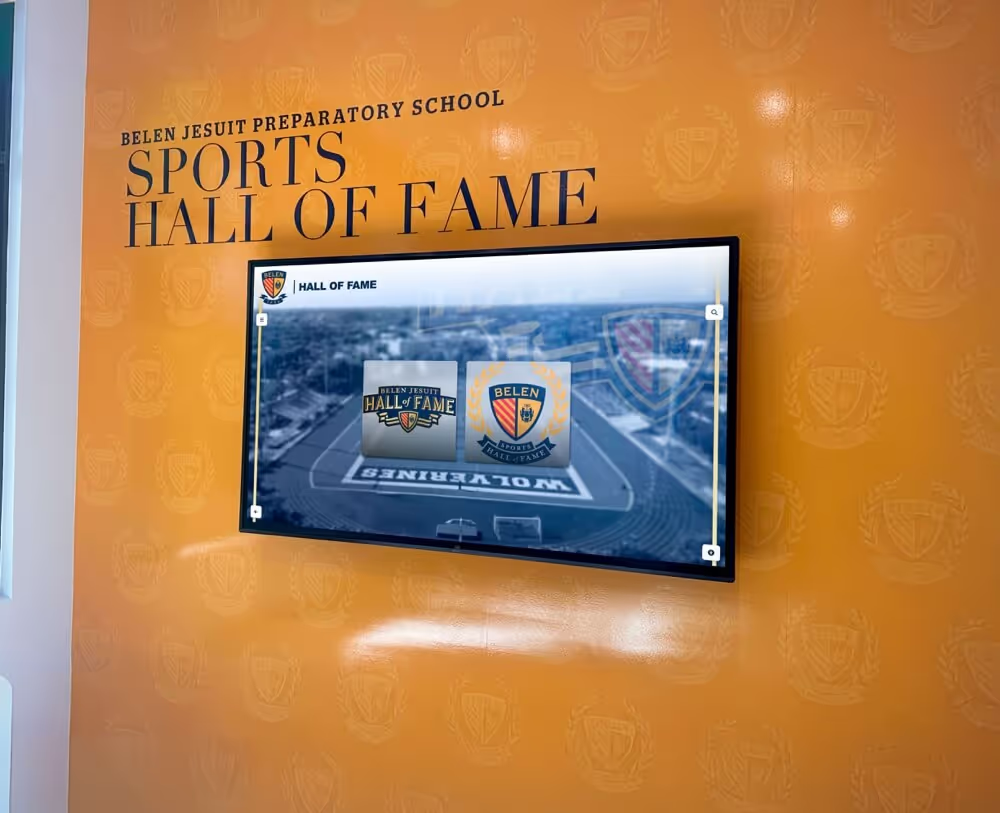
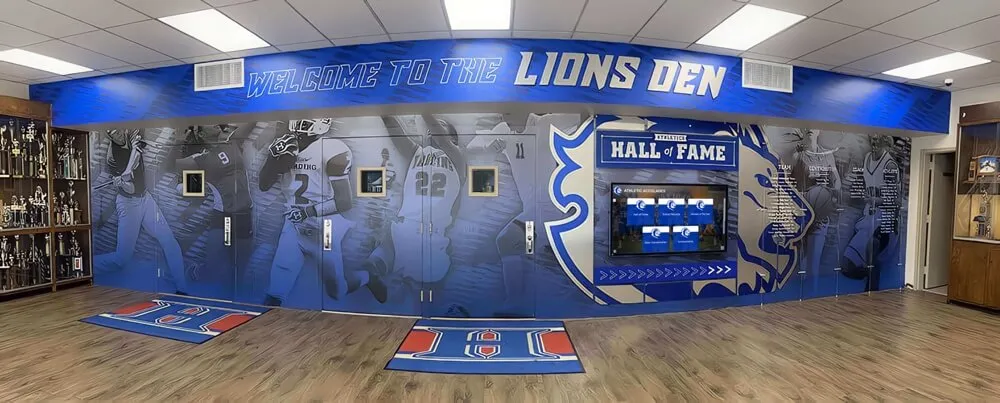
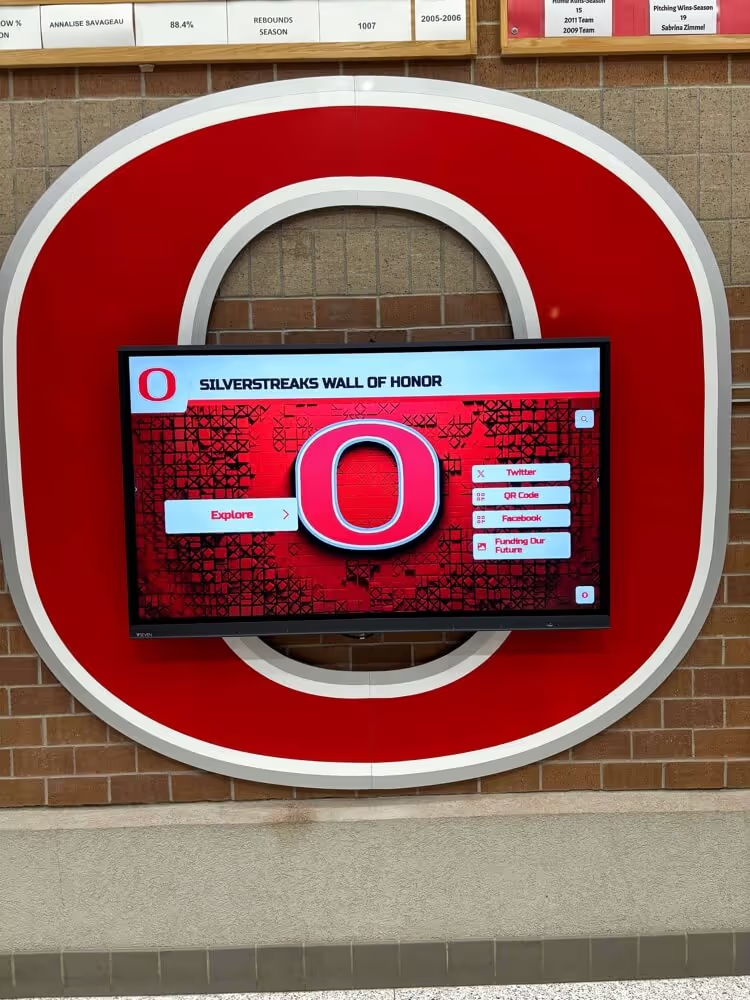
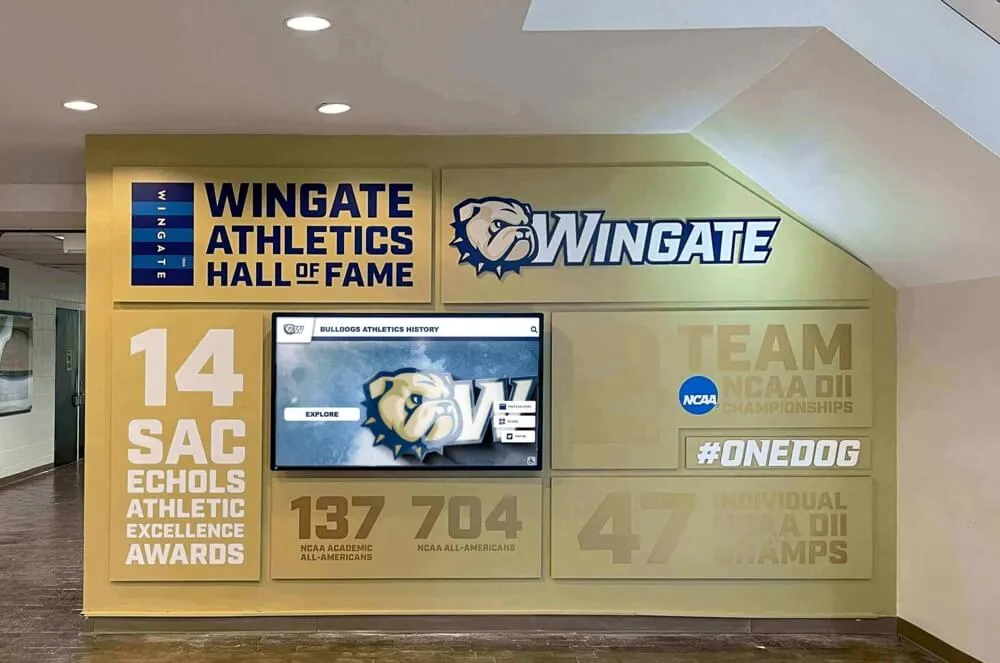
Modern recognition systems preserve school traditions and achievements including homecoming celebrations, creating permanent connections to temporary events that define school culture
Connecting Float Traditions to Year-Round Recognition
Homecoming float achievements represent single moments in comprehensive school spirit programs extending throughout academic years.
Schools investing significant resources in temporary parade floats benefit from complementary permanent installations preserving celebration spirit and achievement recognition beyond single events. Digital recognition systems enable schools to showcase homecoming traditions alongside athletic accomplishments, academic achievements, and alumni contributions through unified platforms accessible to students, parents, and community members year-round.
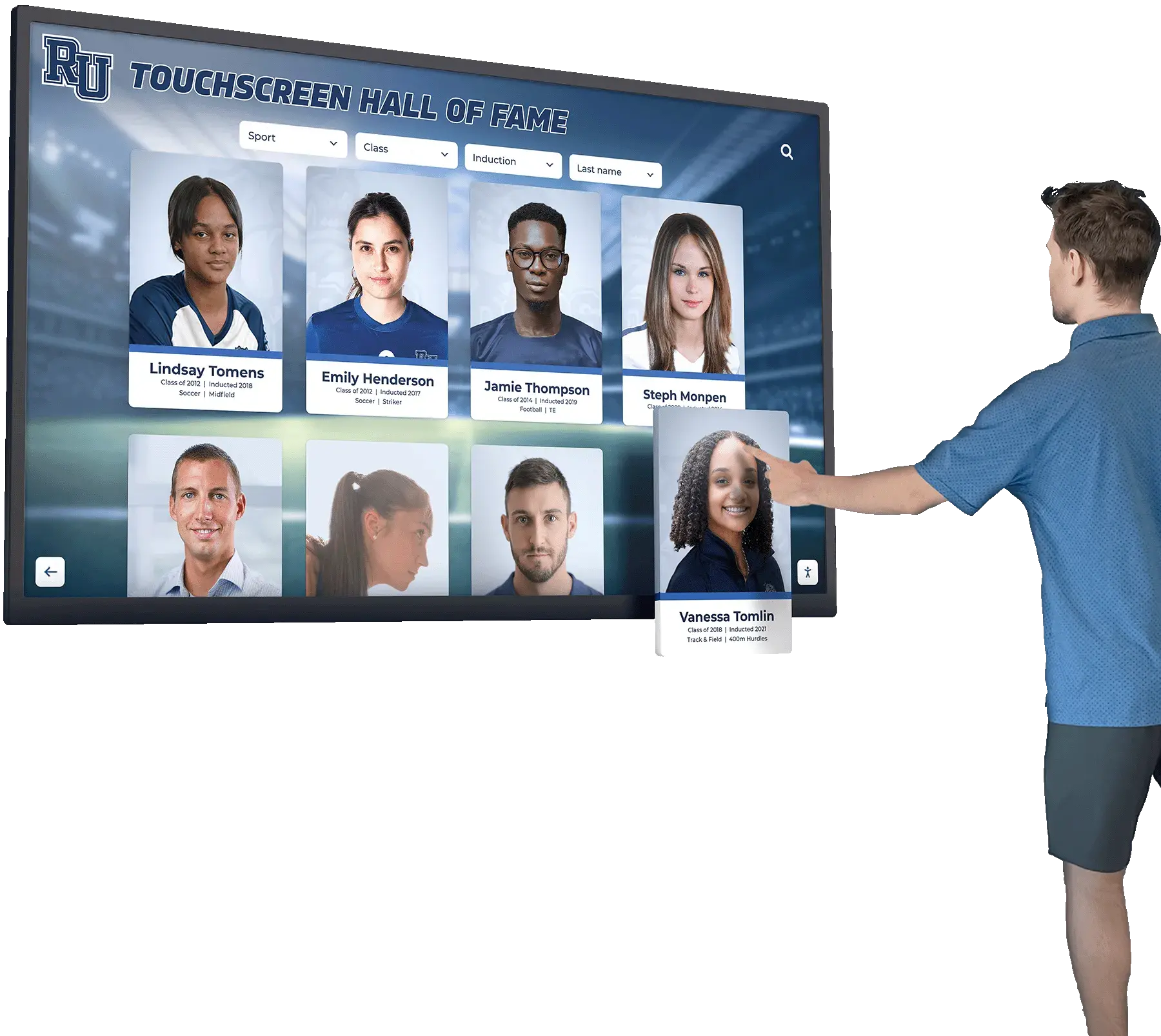
Modern touchscreen displays incorporate video content from homecoming parades, float construction documentation, and award ceremony coverage into comprehensive institutional narratives connecting current students with school traditions while demonstrating to prospective families the vibrant community culture distinguishing schools from competitors. These permanent installations extend homecoming celebration value beyond parade day, creating ongoing school spirit reinforcement and tradition documentation preserving institutional heritage.
Successful schools recognize that temporary events like homecoming floats and permanent recognition systems serve complementary purposes in comprehensive student experience strategies. Float building teaches collaboration, creativity, and project management while developing relationships and memories, whereas digital recognition systems preserve these achievements and demonstrate institutional commitment to celebrating student contributions across all dimensions of school life.
Start Planning Your Memorable Homecoming Float
Effective homecoming floats combine creative vision with practical construction expertise, organizational discipline with volunteer enthusiasm, and thematic ambition with safety consciousness. Schools implementing systematic planning approaches, leveraging community resources strategically, and maintaining focus on both immediate celebration and lasting memory creation develop float traditions that define institutional culture while creating experiences students remember long after graduation.
The most successful float projects balance competition and participation, ensuring all contributors feel valued regardless of final awards while maintaining standards motivating excellence. These balanced approaches create sustainable traditions surviving leadership transitions, budget fluctuations, and participation variations while adapting to changing student interests and contemporary design aesthetics.
Whether you’re coordinating your first homecoming float or refining established traditions, systematic planning frameworks, proven construction techniques, and comprehensive safety protocols enable ambitious projects producing professional results within typical school constraints. Start with realistic theme selection matching available resources, maintain disciplined timeline management preventing last-minute crises, and create inclusive volunteer structures ensuring all participants contribute meaningfully to collaborative celebrations of institutional pride.
Ready to extend your homecoming spirit beyond parade day? Discover how digital recognition displays preserve school traditions and celebrate student achievements year-round, creating permanent connections to the memorable events that define your school culture.
Live Example: Rocket Alumni Solutions Touchscreen Display
Interact with a live example (16:9 scaled 1920x1080 display). All content is automatically responsive to all screen sizes and orientations.