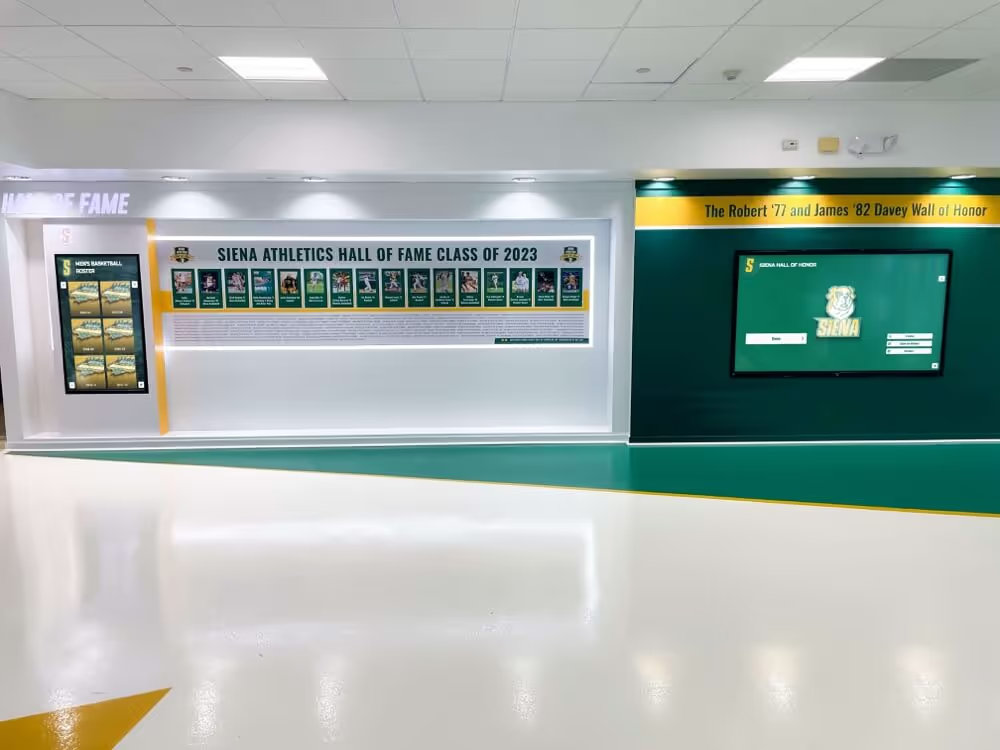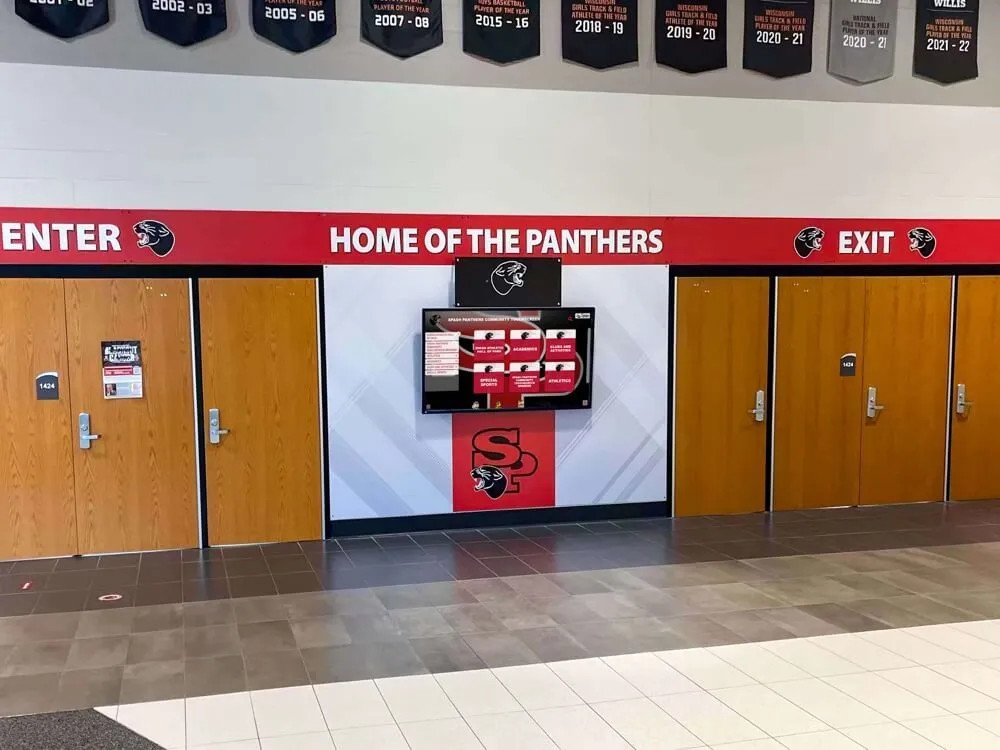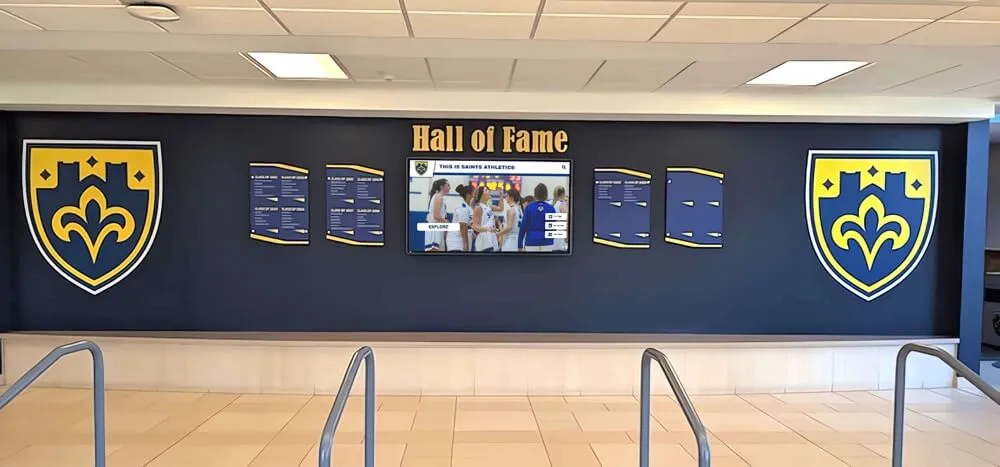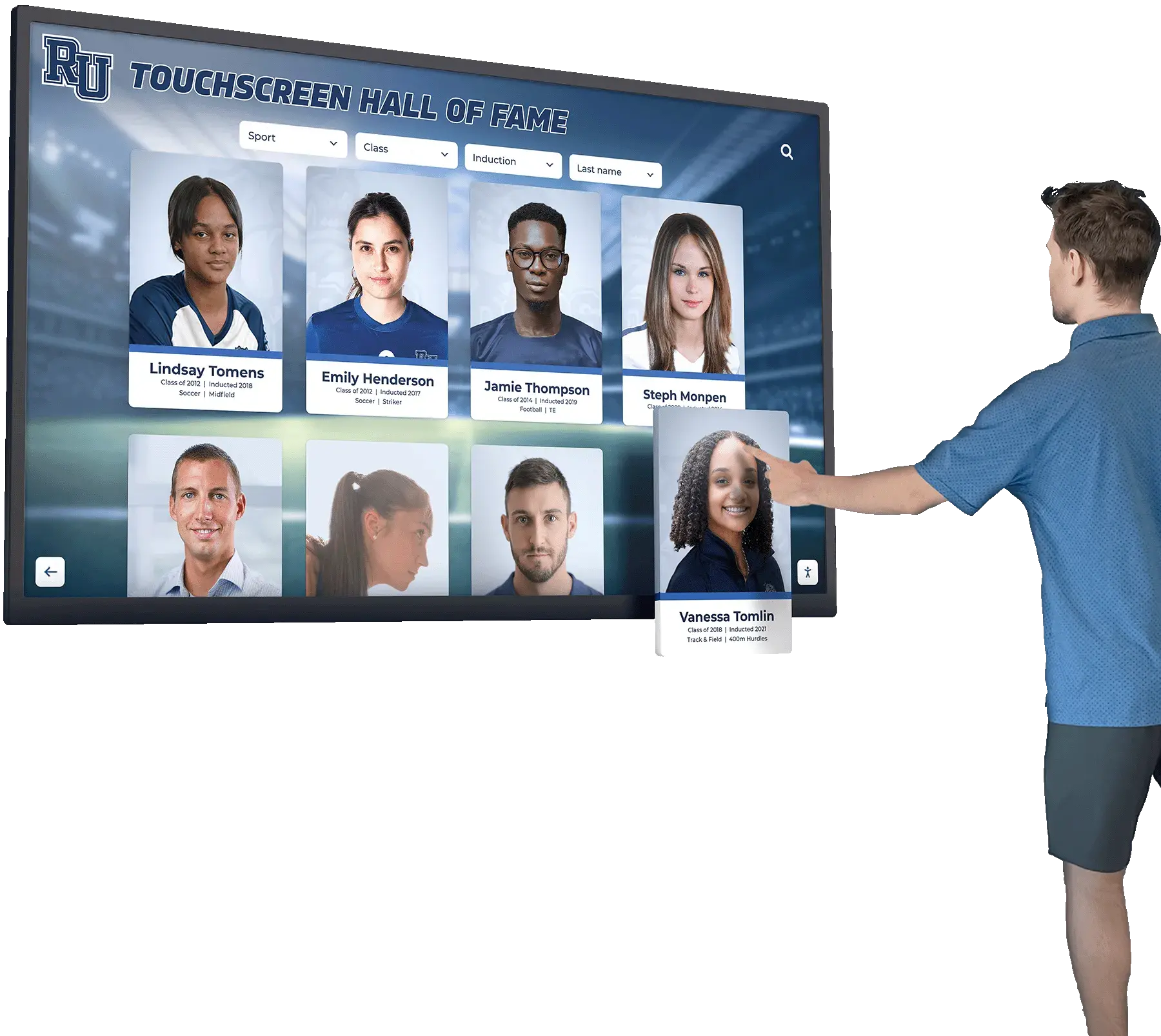




Hockey rinks serve as community gathering places where generations of players, families, and fans create lasting memories through competitive games, championship victories, and lifelong friendships forged on the ice. From youth house leagues to high school varsity programs, prep school powerhouses to community adult leagues, these facilities host teams whose achievements deserve permanent recognition and celebration within the spaces where excellence was achieved.
Yet traditional recognition approaches in hockey rinks face significant challenges. Physical space along arena concourses and lobbies remains limited, forcing difficult decisions about which teams and players receive visibility. Championship banners hang from rafters but provide minimal context about the teams they celebrate. Trophy cases fill quickly, leaving countless deserving achievements unrecognized. Meanwhile, static displays cannot accommodate the rich multimedia storytelling—game highlights, player interviews, season narratives—that would bring hockey history to life for contemporary audiences.
Interactive touchscreen displays address these fundamental limitations while creating engaging recognition experiences impossible with traditional plaques and banners. Digital systems provide unlimited capacity to honor every championship team, document complete program histories, showcase player profiles with statistics and photos, display memorable game footage, and enable visitors to explore content matching their interests through intuitive navigation.
This comprehensive guide explores how hockey rinks are implementing touchscreen recognition systems to honor past teams, the benefits these modern displays provide over traditional approaches, strategies for creating compelling content that celebrates hockey heritage, and practical considerations for facilities evaluating digital recognition investments that will serve their communities for decades.

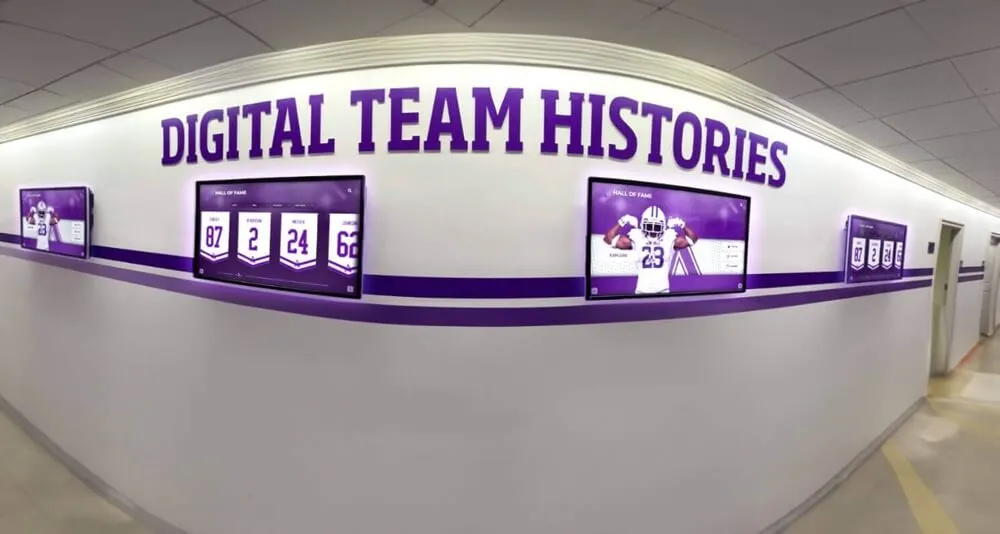
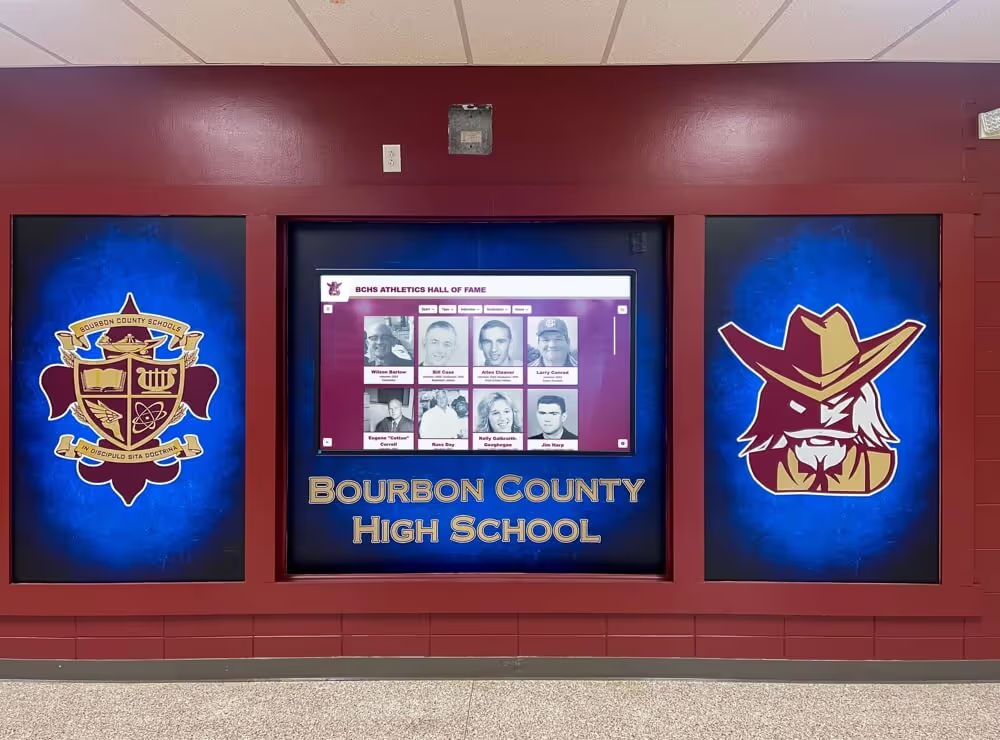
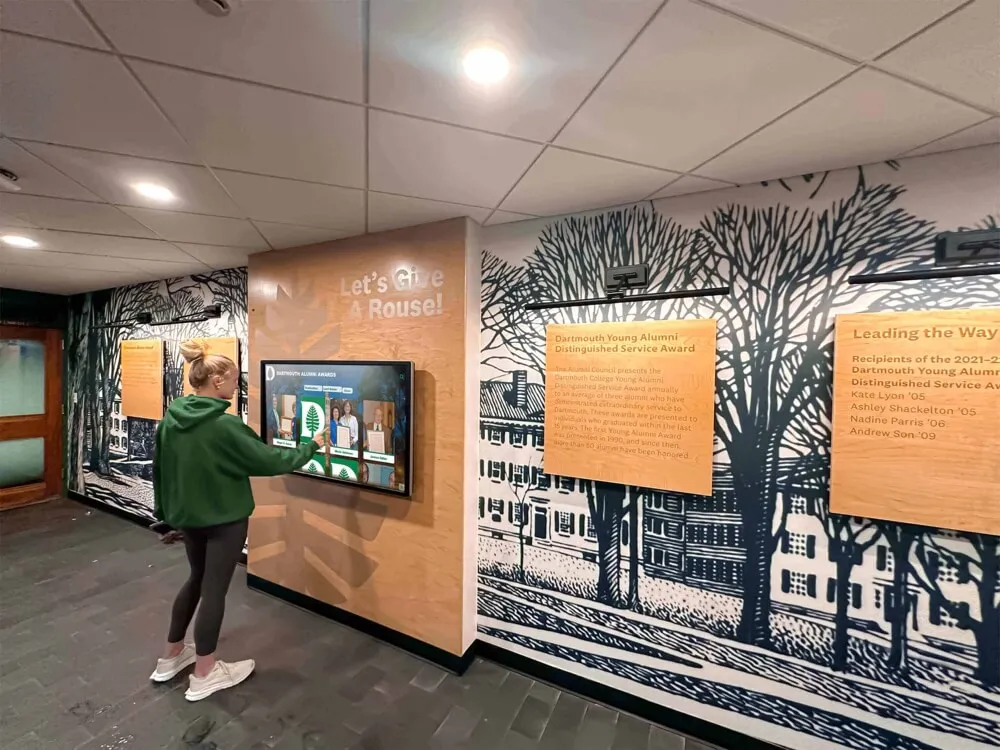
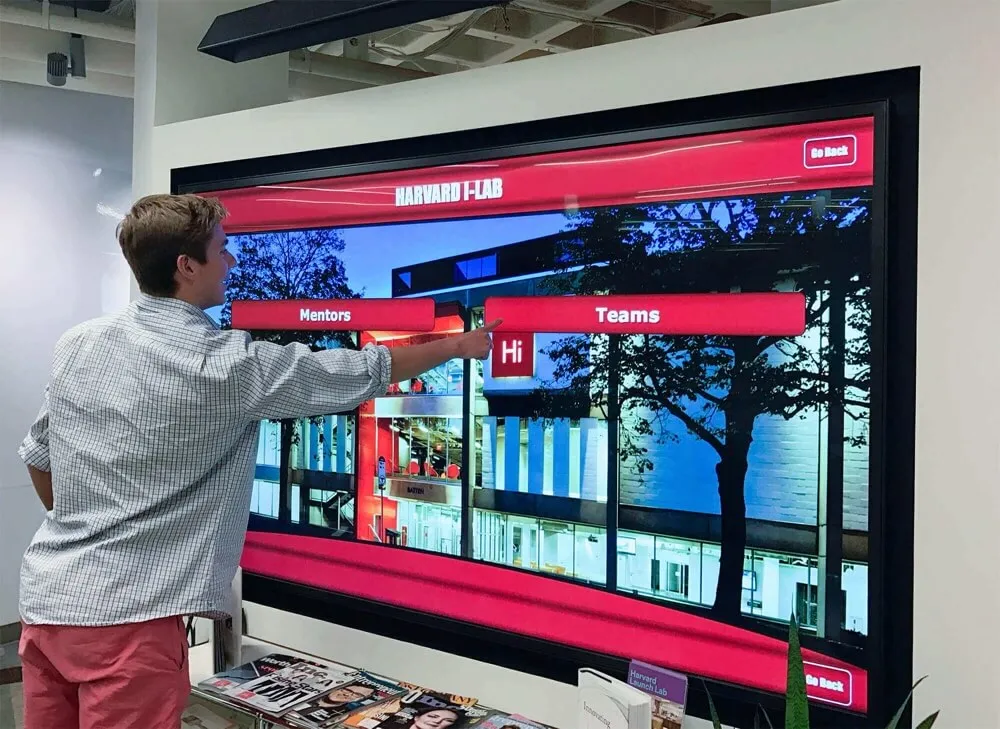
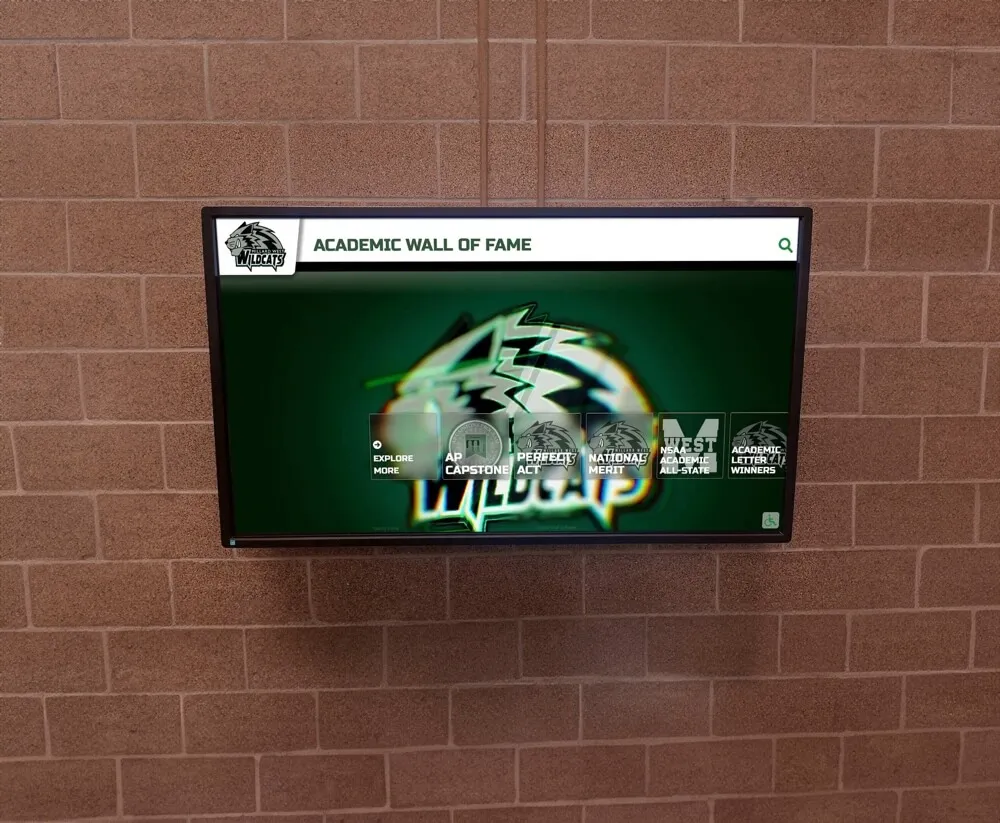
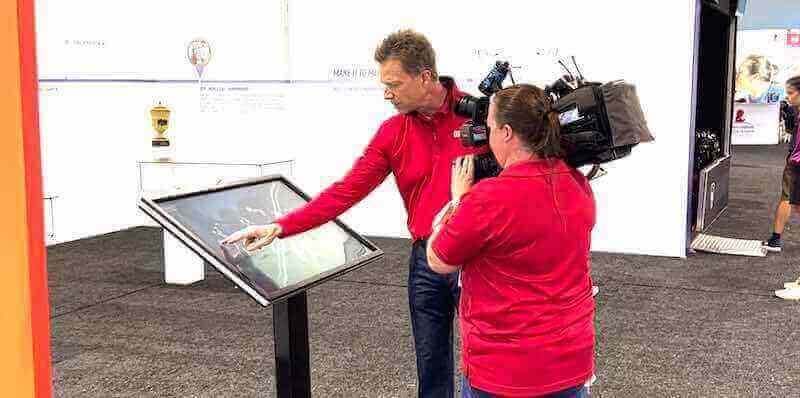
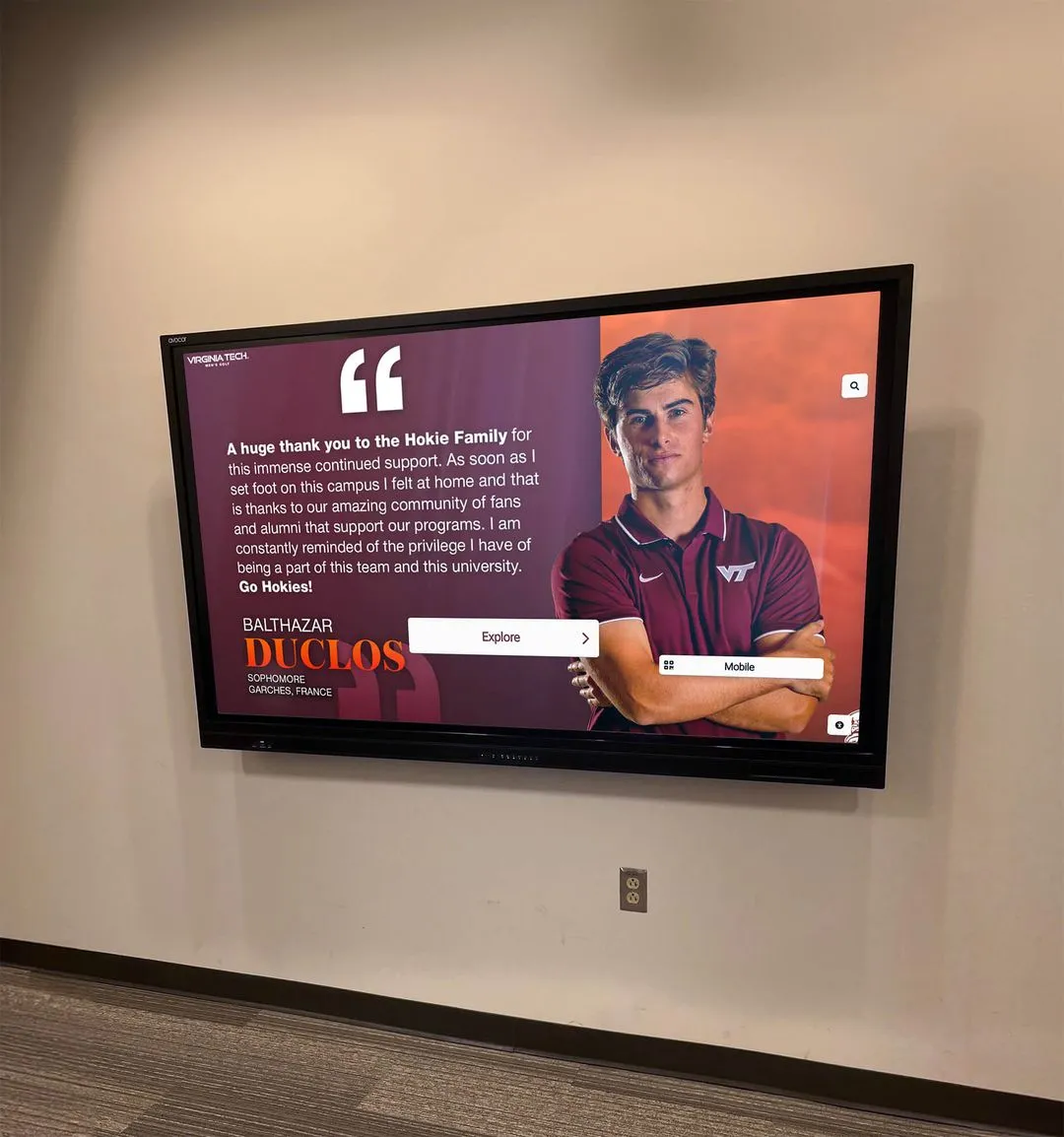
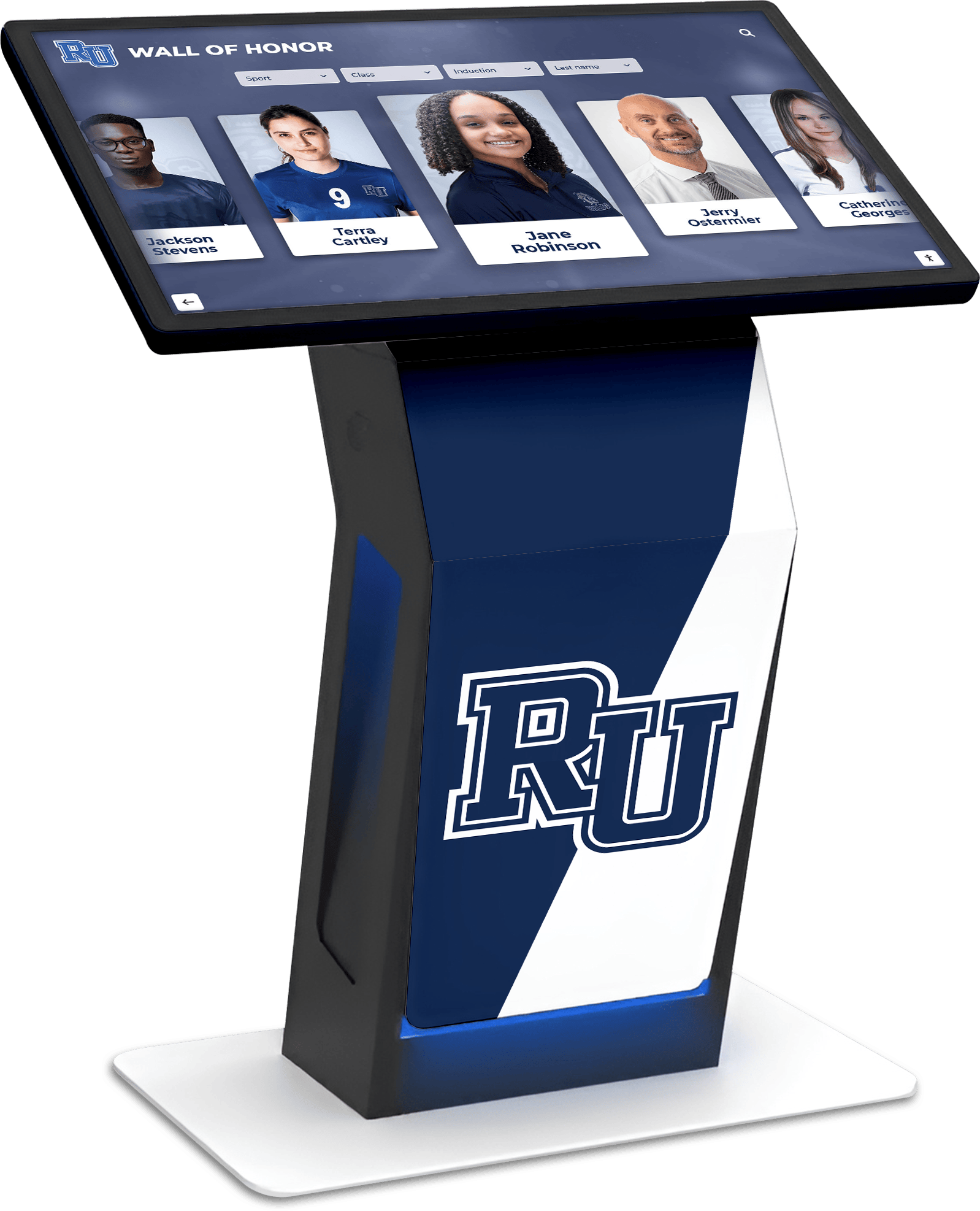
Modern interactive touchscreens enable hockey rinks to honor unlimited past teams while creating engaging discovery experiences for players, families, and fans
Understanding Hockey Recognition Challenges in Arena Settings
Before exploring touchscreen solutions, recognizing the specific challenges hockey facilities face helps clarify why digital recognition delivers transformational value for community rinks, high school arenas, and prep school facilities.
The Unique Nature of Hockey Program Recognition
Hockey programs accumulate recognition needs differently than other sports, creating distinct challenges traditional displays struggle to address effectively.
Multi-Level Team Structures
Hockey facilities typically host multiple competitive levels simultaneously:
- Varsity, junior varsity, and freshman high school teams at different skill levels
- Multiple age divisions in youth programs from mites through midgets
- Boys’ and girls’ programs deserving equal recognition and celebration
- Community adult league teams with decades of participation history
- Prep school varsity and junior varsity squads competing in rigorous conferences
- Alumni teams and recreational leagues maintaining facility connections
- Club and travel teams practicing and competing from the same home rink
This diversity means a single facility might need to recognize 50-100+ distinct teams across just a decade, with championship achievements, statistical leaders, and memorable seasons spanning all levels deserving appropriate celebration.
Championship Recognition Complexity
Hockey success spans multiple competitive dimensions:
- League championships reflecting regular season excellence and consistency
- Tournament championships demonstrating peak performance under pressure
- State tournament appearances and advancement showing elite achievement
- Conference titles recognizing success within specific competitive groups
- Invitational tournament victories at various prestigious competitions
- Playoff success advancing through elimination rounds
- Undefeated seasons and exceptional win-loss records
- Rivalry game achievements against traditional opponents
Each achievement type holds significance worthy of documentation, yet physical space limitations force facilities to prioritize only the most prestigious accomplishments, leaving many deserving teams unrecognized.
Generational Recognition Spans
Hockey programs often maintain multi-decade traditions:
- Alumni spanning 30-50+ years returning to facilities for games and events
- Family dynasties with multiple generations playing for the same programs
- Coaching legends whose tenures span decades of team development
- Facility evolution from outdoor rinks to modern indoor arenas
- Program growth from single teams to comprehensive multi-level systems
- Historical context showing how the sport evolved in specific communities
Traditional trophy cases and banner displays struggle to accommodate this depth comprehensively, forcing difficult decisions about which eras receive limited physical space.
Learn about comprehensive athletic recognition approaches that address multi-sport recognition challenges applicable to hockey facilities hosting multiple programs.
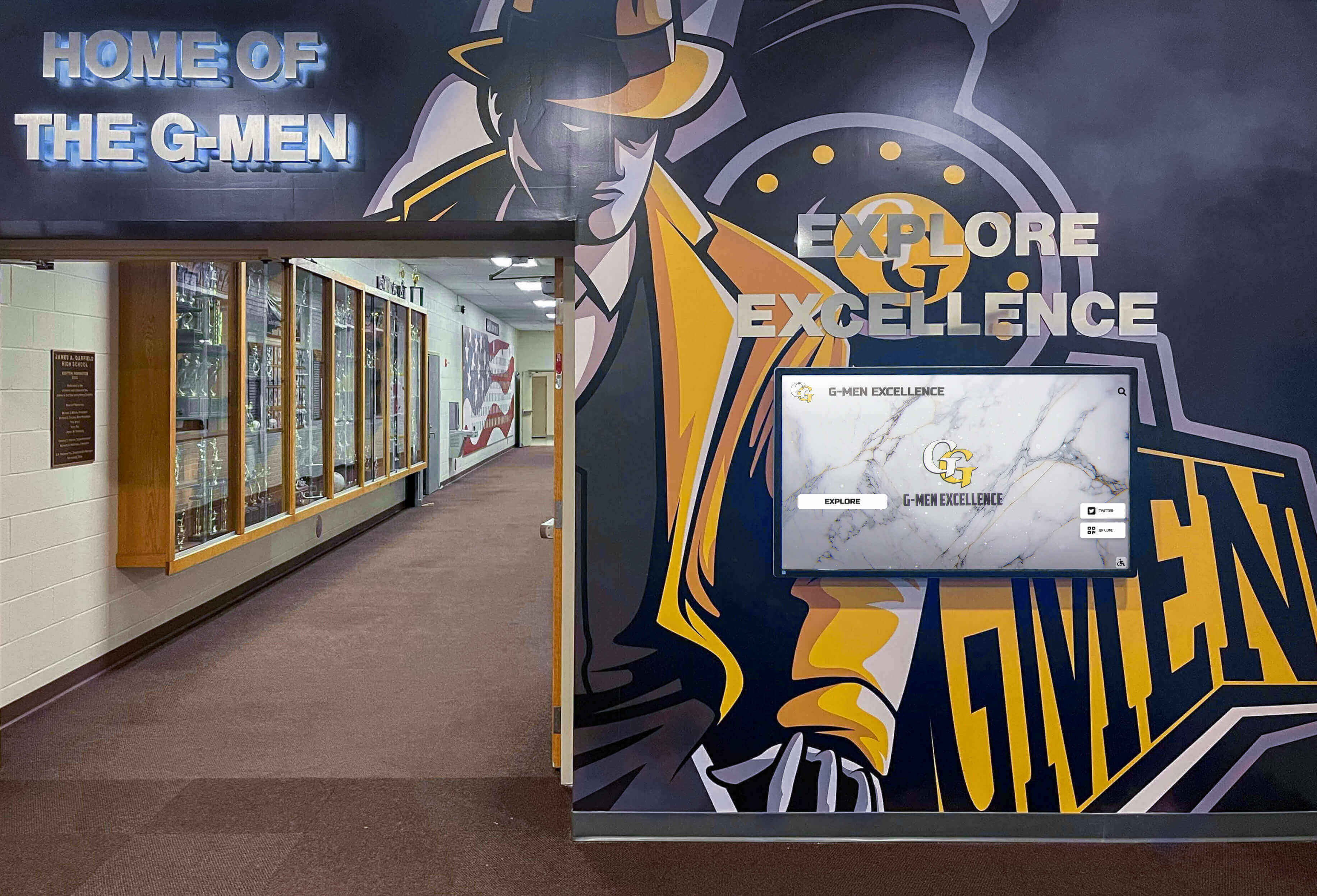
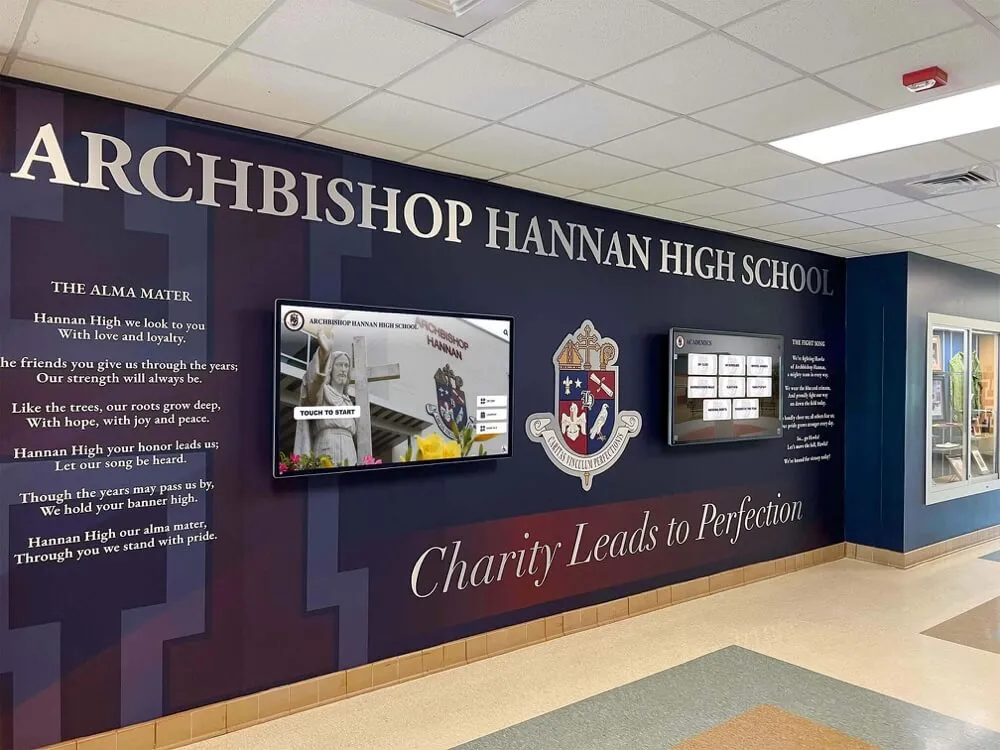
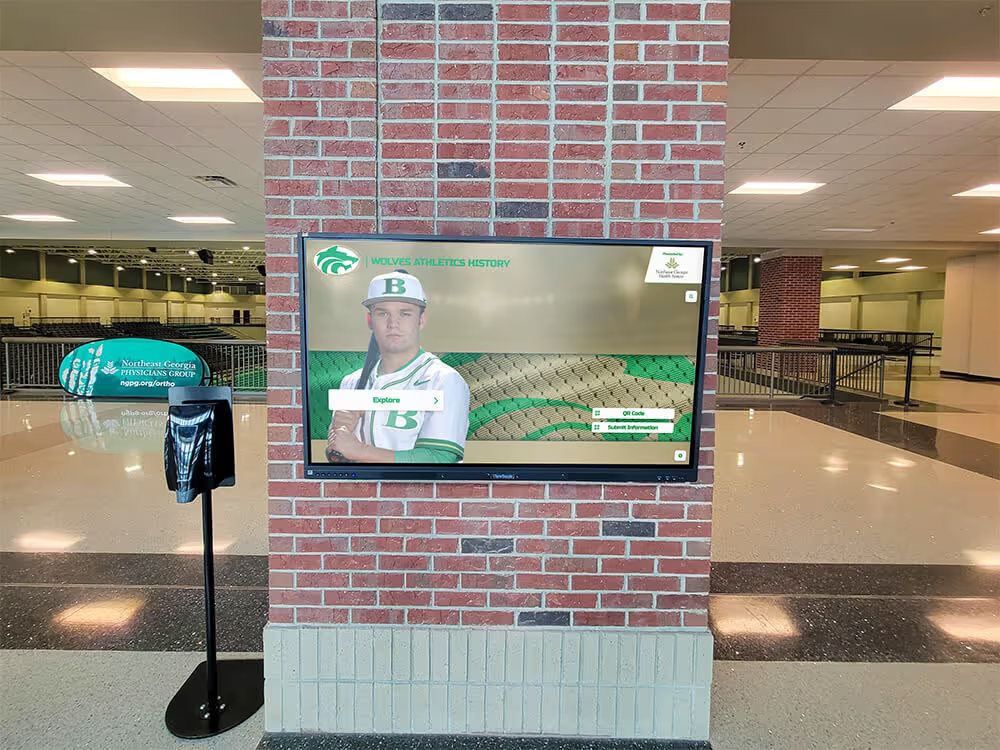
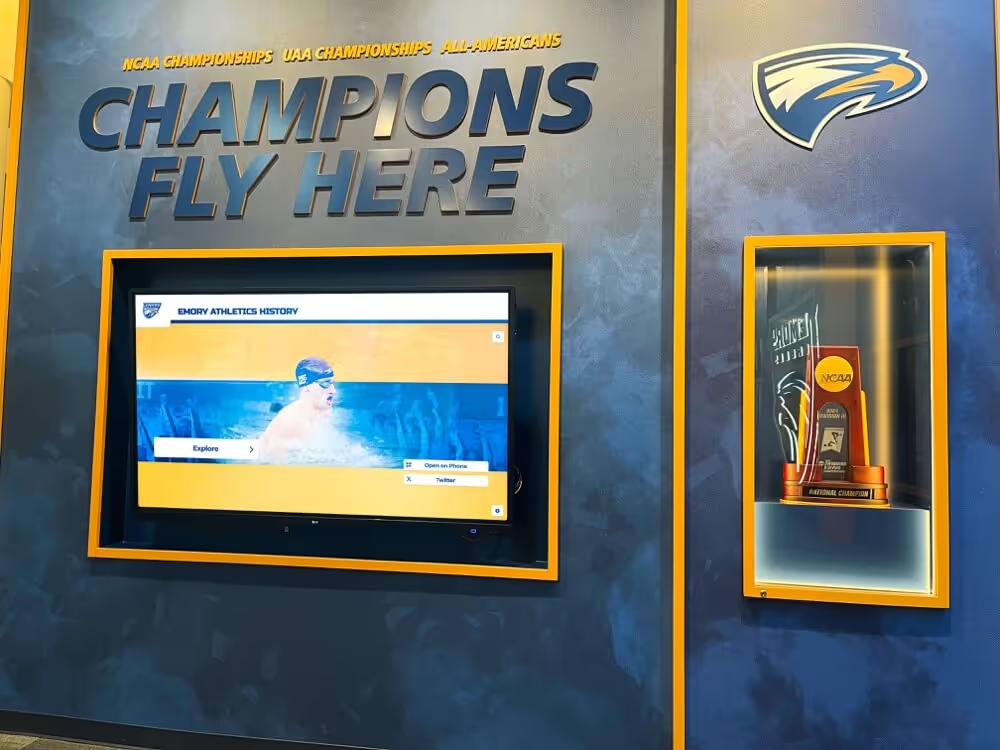
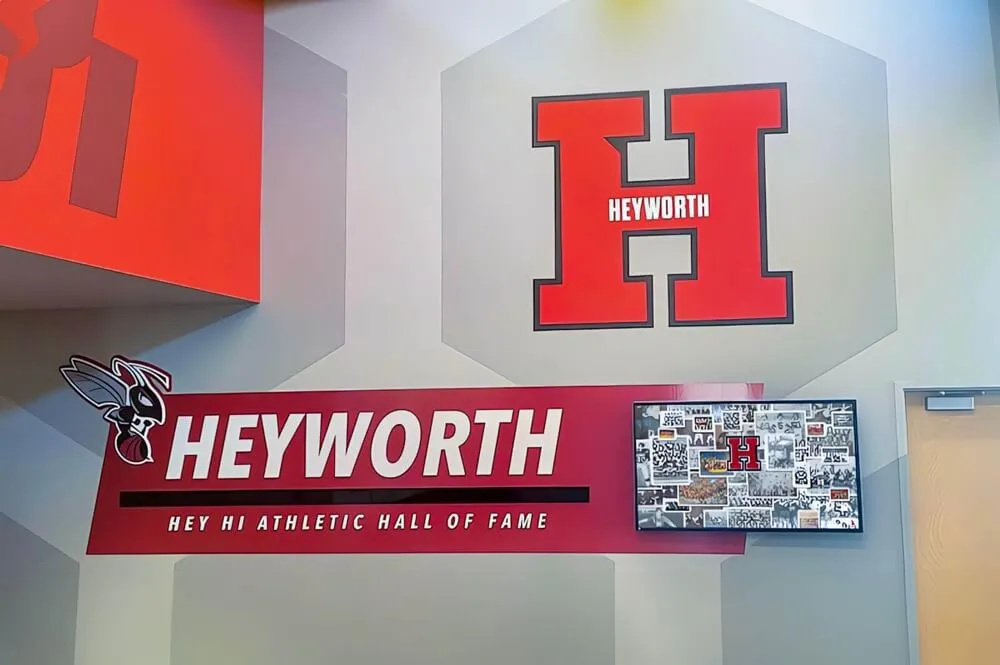
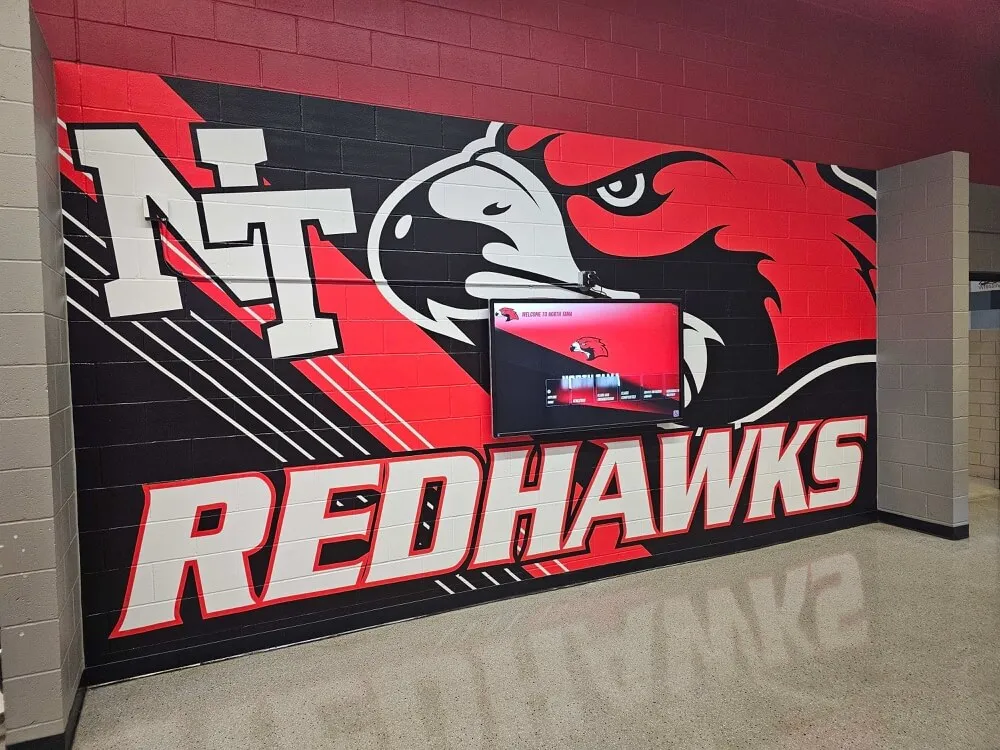
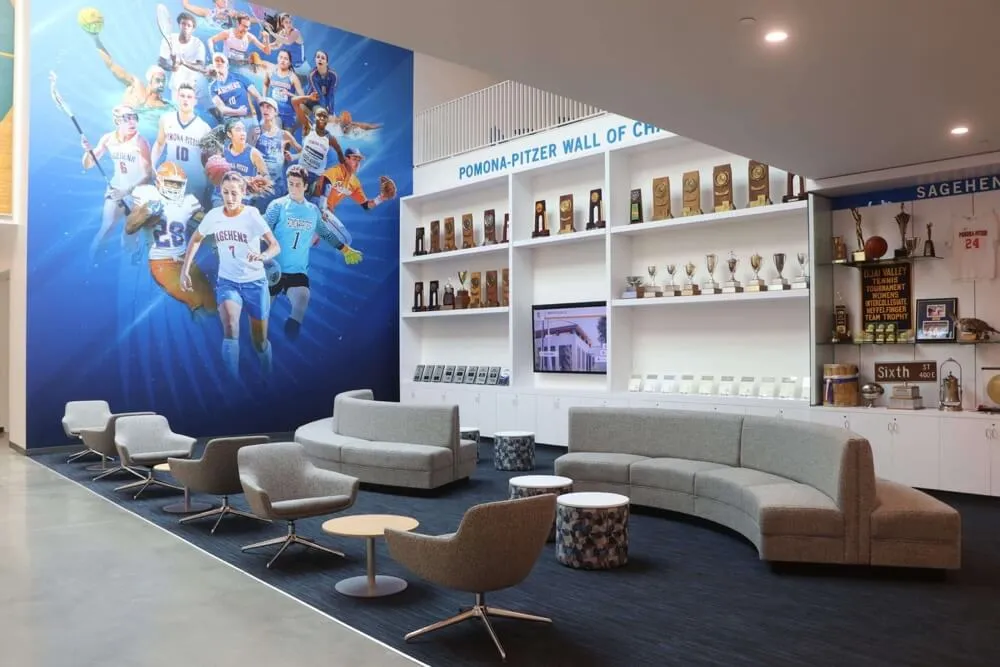
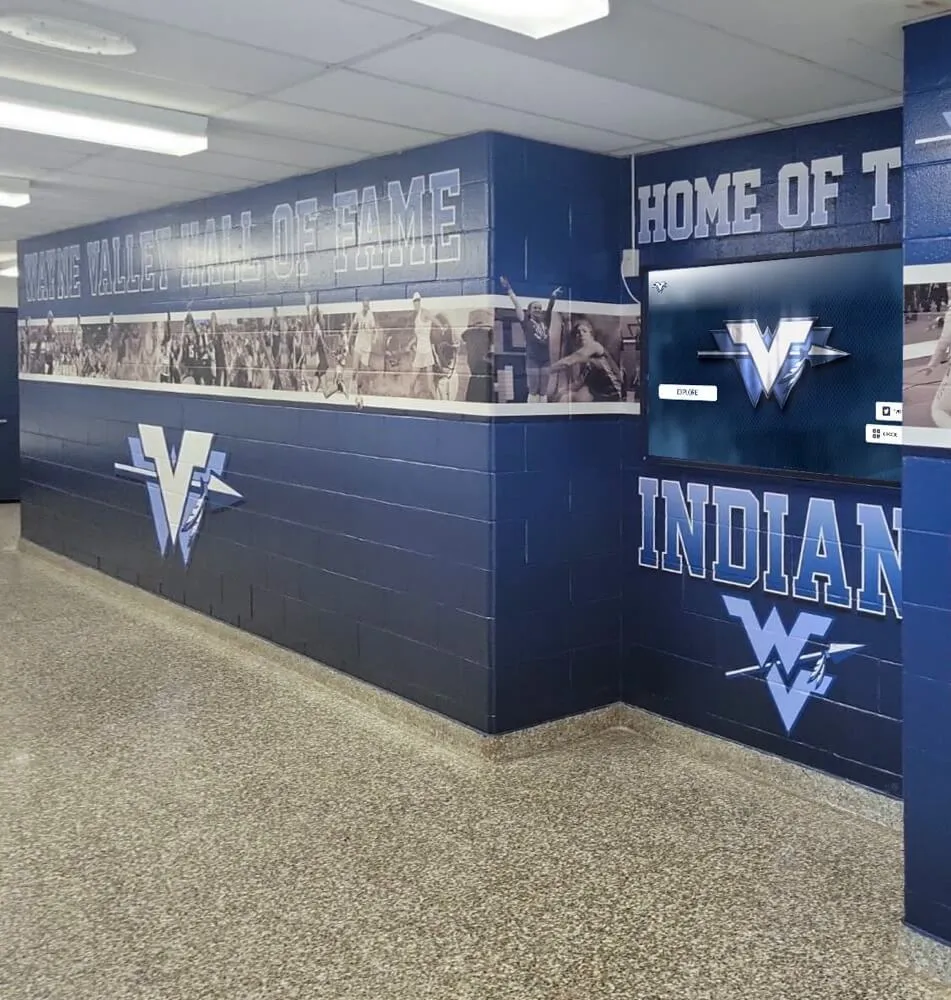
Strategic placement in high-traffic areas ensures hockey recognition reaches players, families, and community members during everyday facility use
Limitations of Traditional Hockey Recognition Methods
Understanding specific constraints helps facilities evaluate whether digital alternatives address their particular challenges effectively.
Physical Space Constraints
Arena environments impose strict limitations:
- Concourse width requirements for safe foot traffic flow limit wall space availability
- Building codes and fire safety regulations restrict display placement options
- Zamboni access, player bench areas, and operational spaces consume potential recognition locations
- Glass barriers, boards, and structural columns interrupt continuous display areas
- Ceiling-hung championship banners require professional installation and structural support
- Limited wall space in lobbies serves multiple competing purposes beyond recognition
- Facility renovations and improvements displace historical displays periodically
These constraints mean even spacious modern facilities struggle to accommodate comprehensive recognition of all deserving teams and achievements across program histories.
Maintenance and Update Challenges
Traditional displays create ongoing burdens:
- New championship banners require design, fabrication, and professional installation at substantial cost
- Trophy case rearrangement to accommodate new awards demands significant labor
- Plaque ordering, engraving, and mounting for each recognized team consumes time and budget
- Dust accumulation, fading from sunlight, and physical deterioration require regular maintenance
- Updating statistical information or correcting errors requires physical replacement
- Removing outdated recognition to make space for current teams creates difficult decisions
- Storage of removed displays consumes facility space while preserving historical artifacts
Facility managers and athletic directors report that recognition maintenance can consume 15-20 hours annually even for relatively modest programs, with costs accumulating into thousands of dollars over multi-year periods.
Information Depth Limitations
Physical displays provide minimal context:
- Championship banners show year and achievement but no team details or season narrative
- Trophy case labels list basic information without player rosters or game results
- Photographs show team compositions but lack identification beyond jersey numbers
- Static presentations cannot include game highlights, memorable moments, or player interviews
- No ability to search for specific players across multiple seasons and teams
- Missing connections between related achievements or multi-year player careers
- Lost opportunities to explain championship significance or competitive context
Without comprehensive information, impressive achievements remain abstract accomplishments rather than meaningful stories that engage contemporary audiences and honor participants appropriately.
Explore strategies for preserving sports history comprehensively through digital systems that overcome traditional limitations.
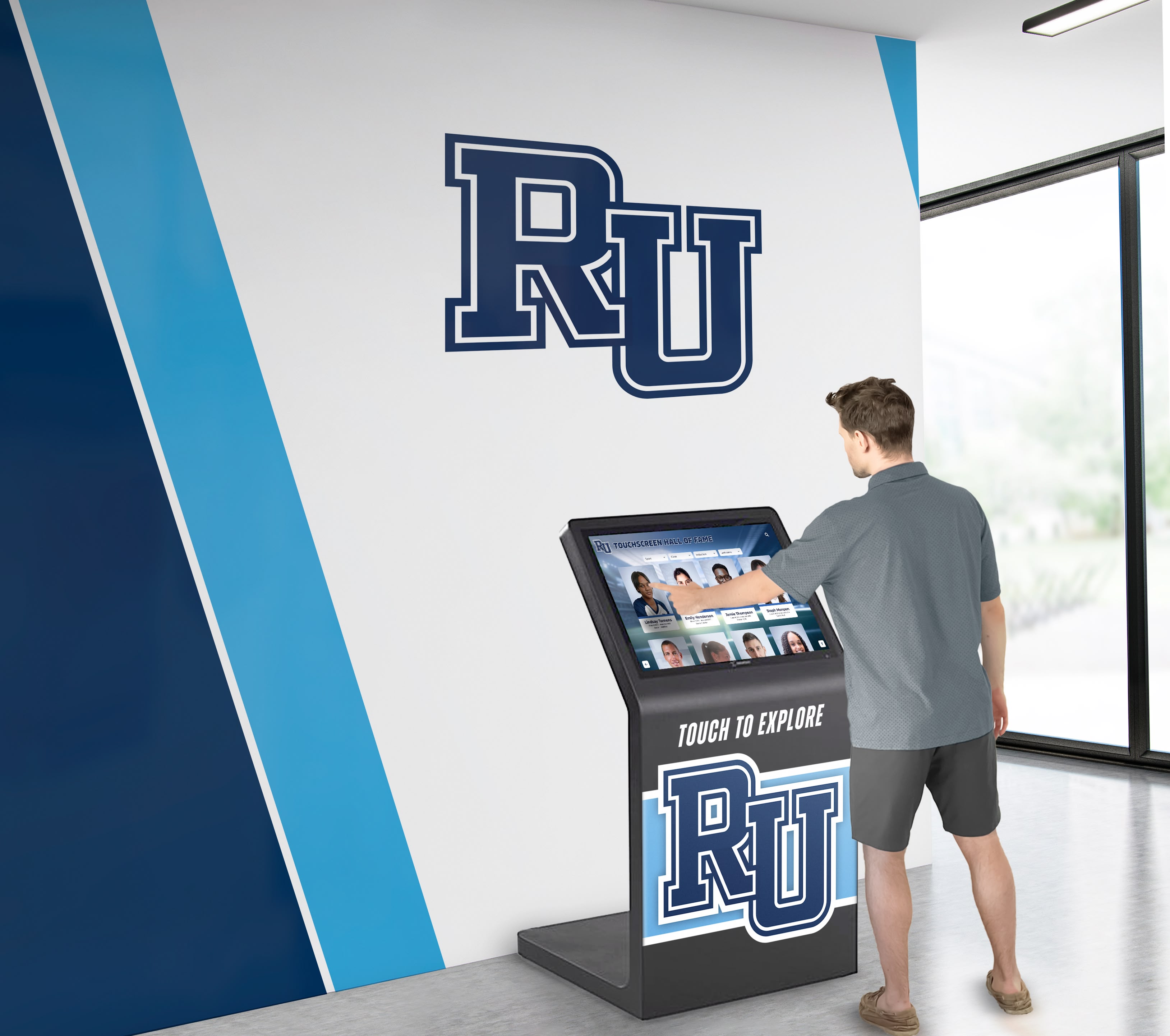
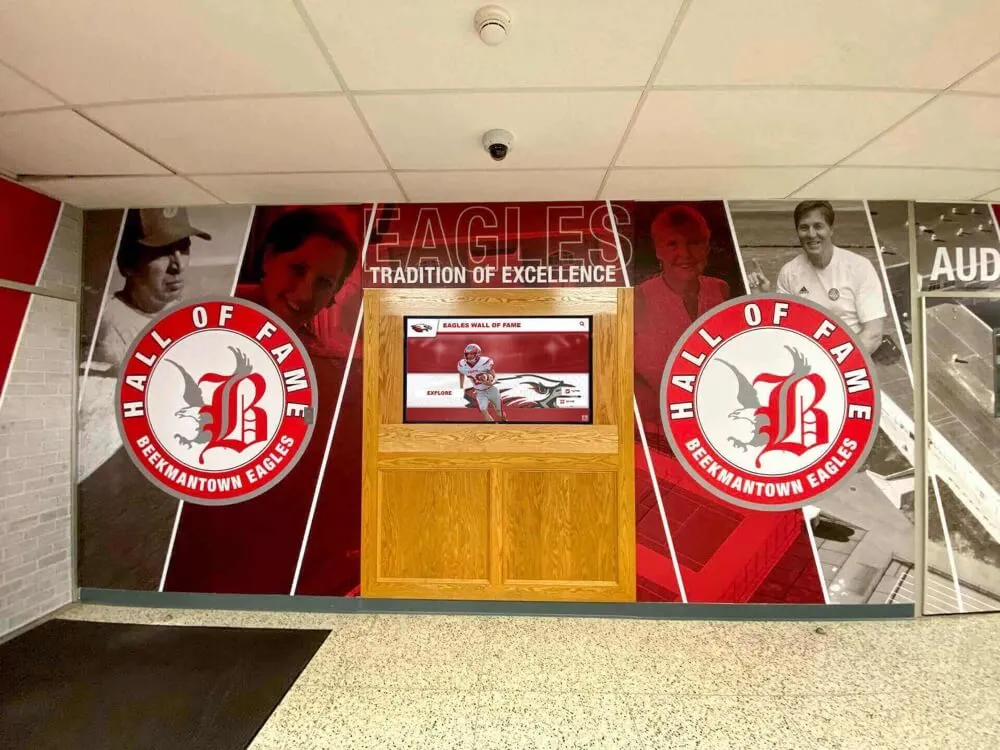
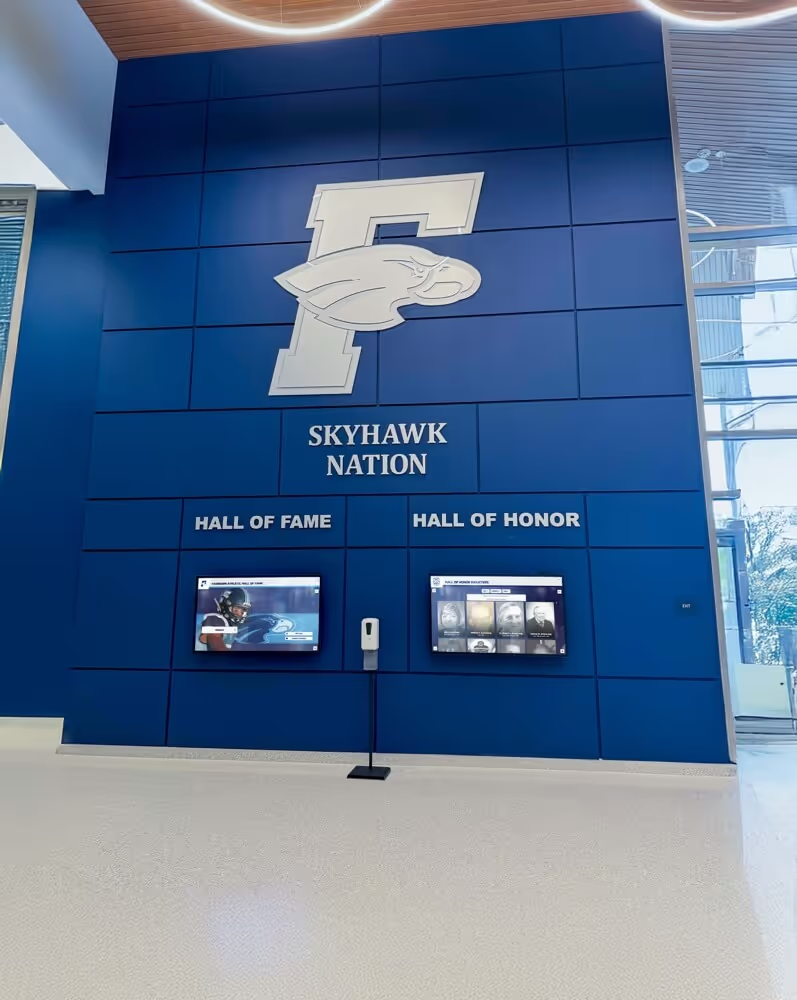
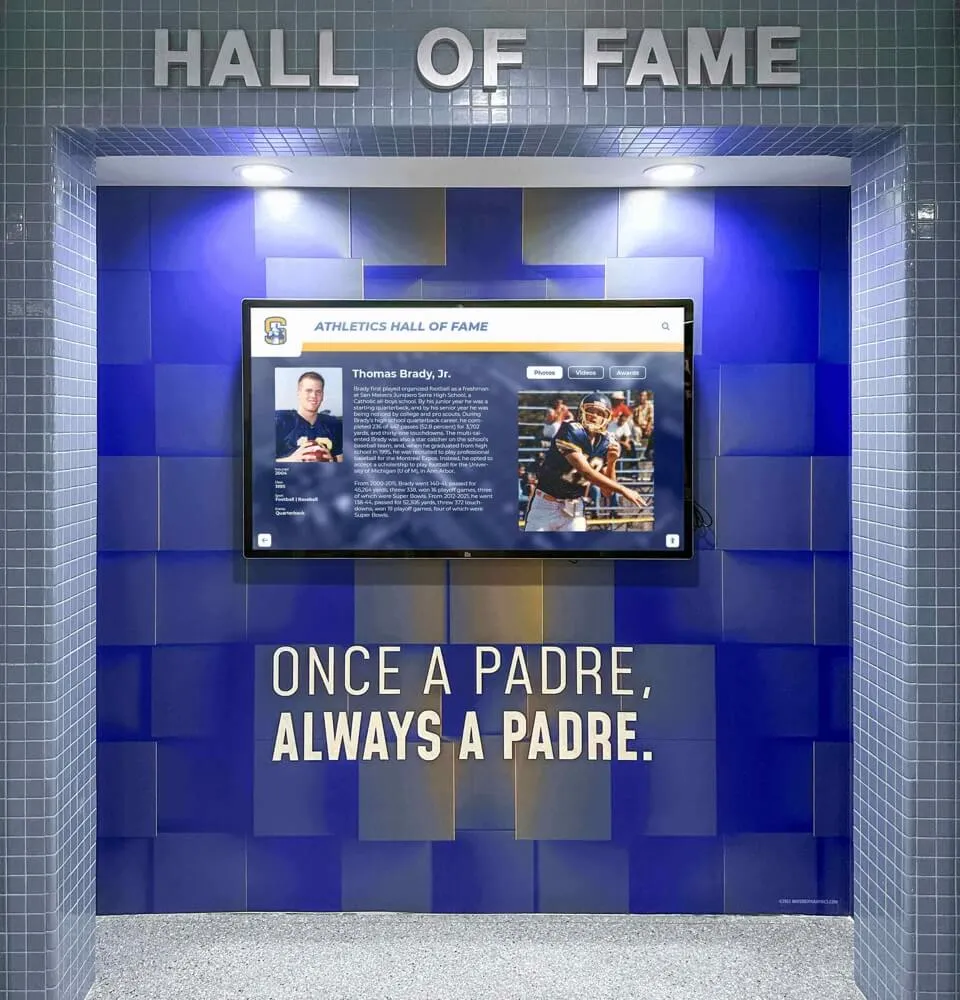
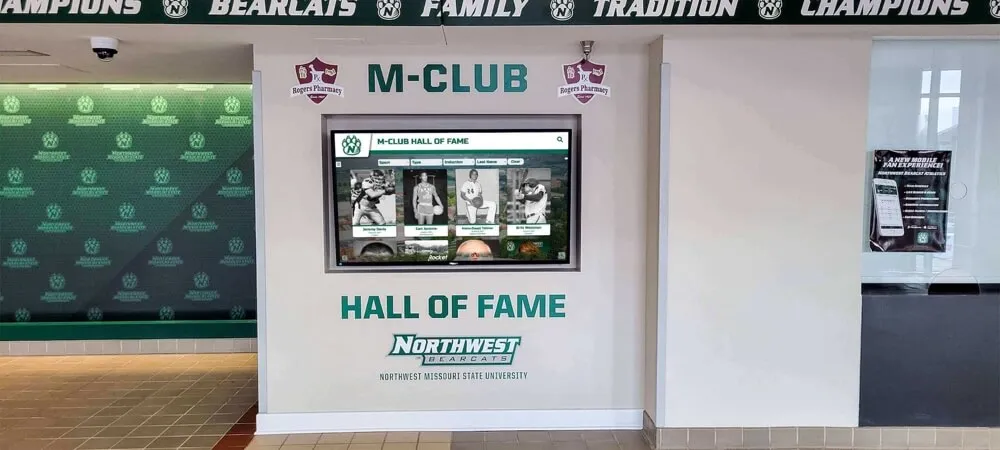
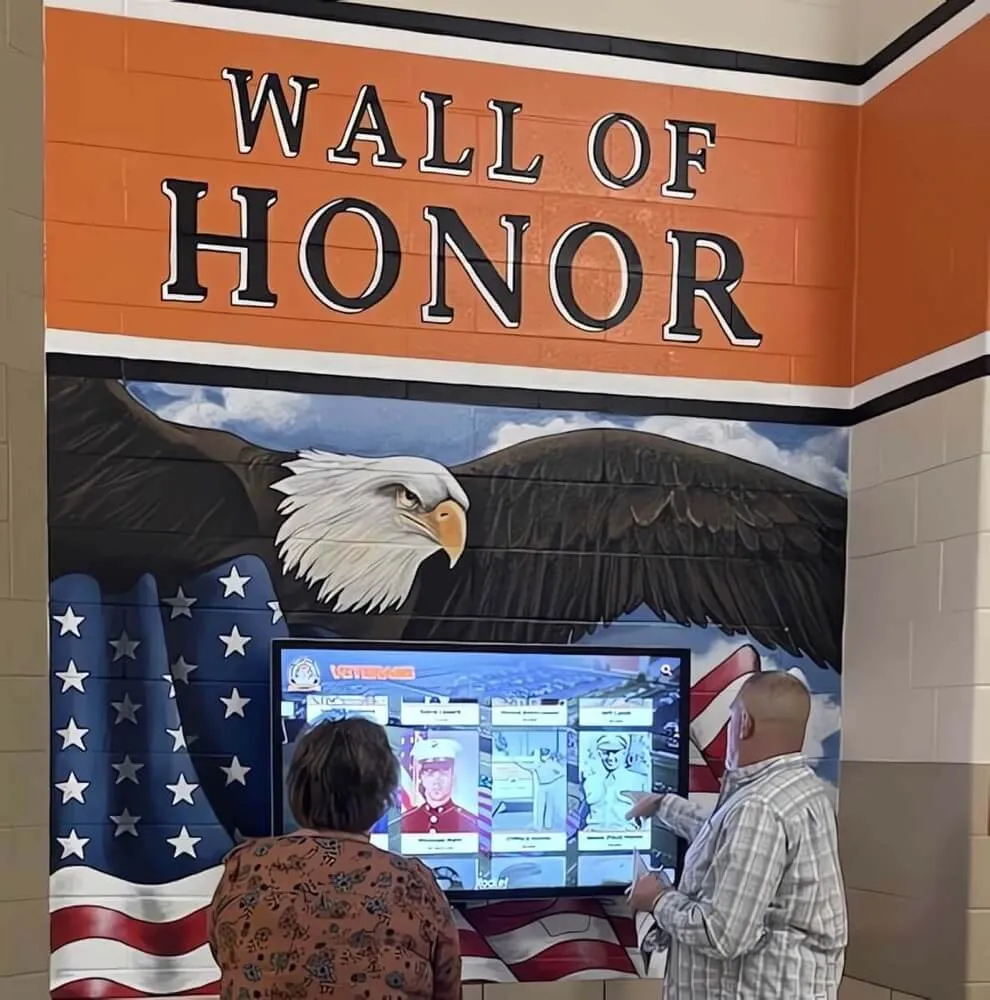
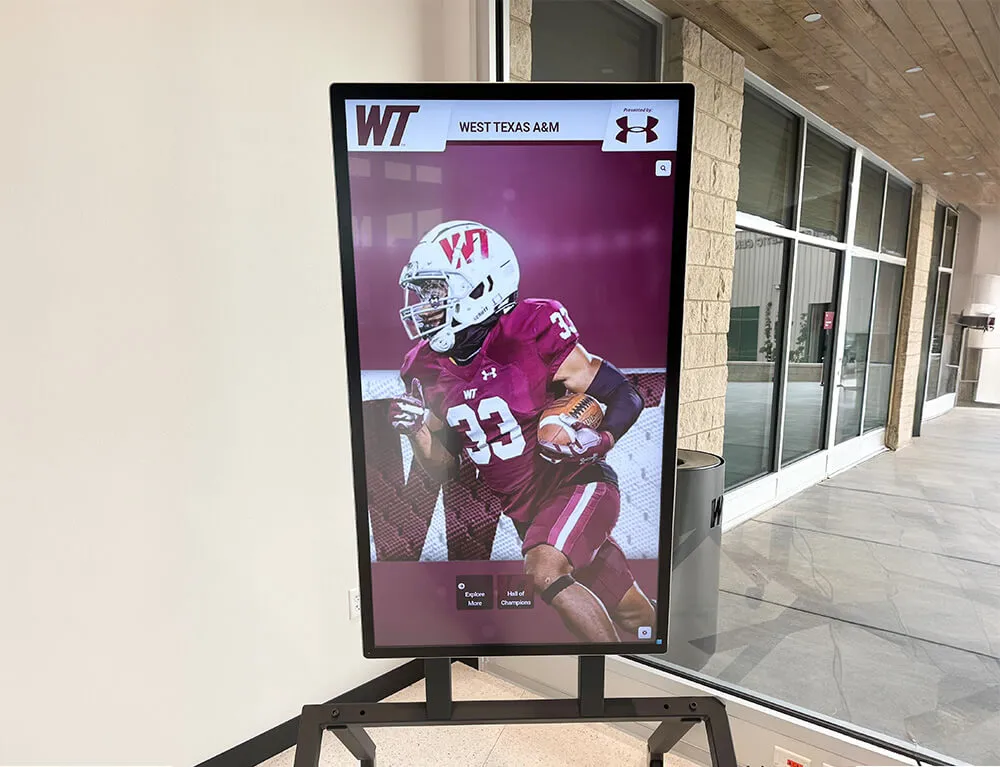
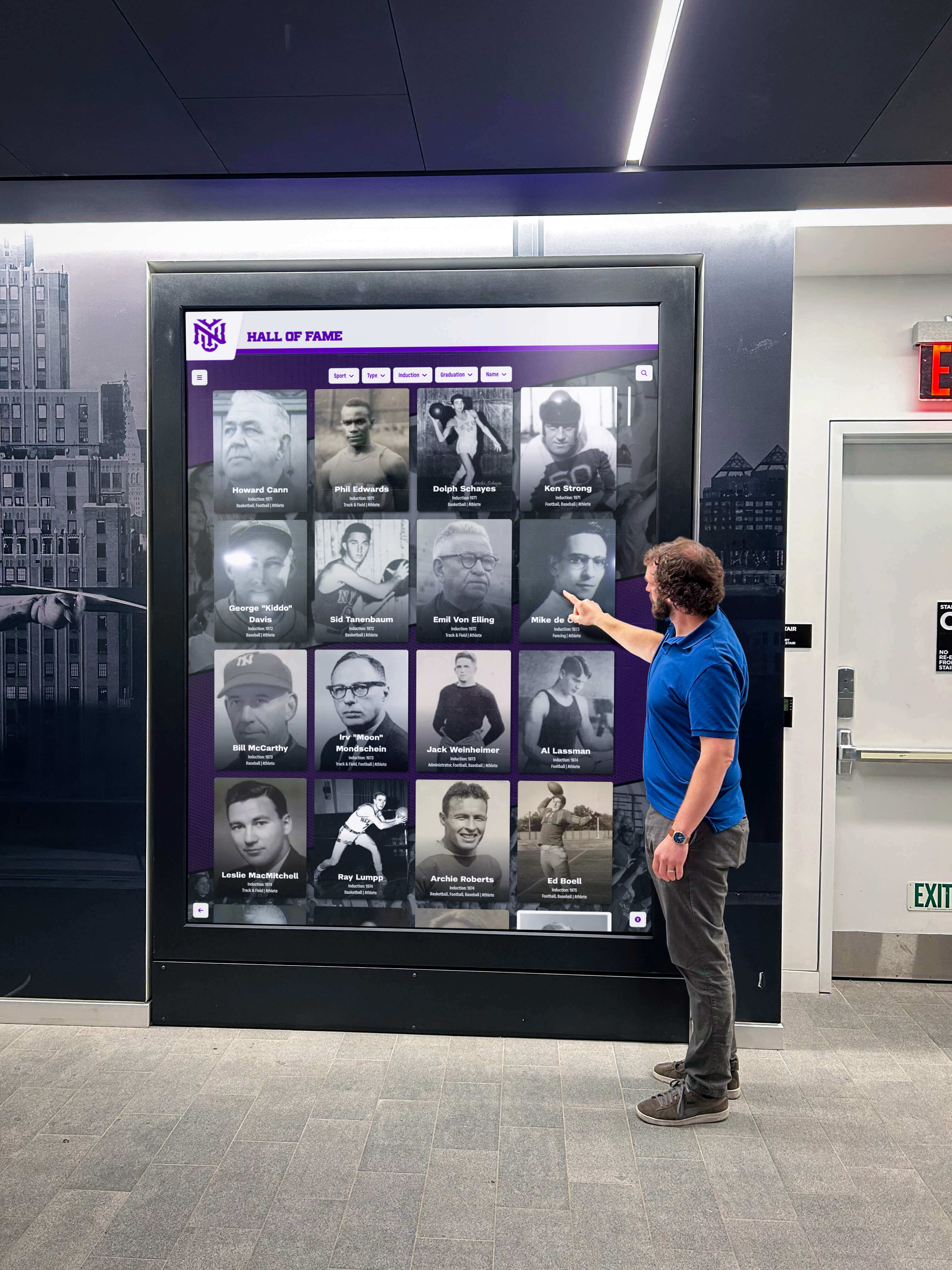
Intuitive touchscreen interfaces enable independent exploration of team histories, player profiles, and championship achievements by visitors of all ages
How Touchscreen Recognition Transforms Hockey Facilities
Interactive digital displays address traditional limitations while creating entirely new recognition capabilities that static approaches cannot achieve.
Unlimited Recognition Capacity
Perhaps the most significant benefit involves eliminating space constraints that force impossible decisions about which teams deserve visibility.
Comprehensive Team Archives
Digital platforms accommodate unlimited team recognition:
- Every championship team across all competitive levels and decades preserved permanently
- Complete season documentation for all varsity, junior varsity, and freshman teams
- Youth program teams from mites through midgets with appropriate celebration
- Girls’ and boys’ programs with equitable recognition regardless of establishment date
- Alumni teams and recreational leagues maintaining historical connections
- Tournament participations, playoff appearances, and special achievements documented thoroughly
- Individual game results, statistics, and season narratives adding depth
This comprehensive capacity means facilities never face difficult choices about removing previous recognition to accommodate current achievements—everyone receives appropriate permanent visibility.
Player Profile Databases
Individual recognition becomes practically achievable:
- Every player who competed for recognized teams with biographical information
- Complete statistical records across careers including goals, assists, and special achievements
- Multi-year players tracked across different teams and competitive levels over time
- Academic honors and scholar-athlete recognition alongside athletic achievements
- Post-secondary pathways showing advancement to college hockey and professional levels
- Alumni career updates maintaining long-term connections with program heritage
- Coaching and administrative contributions beyond playing careers
Rather than recognizing only the most exceptional individual athletes due to space limitations, digital systems enable comprehensive player documentation honoring everyone who contributed to program success.
Multi-Dimensional Historical Documentation
Beyond teams and players, comprehensive programs celebrate:
- Coaching excellence and tenure milestones across program history
- Facility evolution from outdoor rinks to modern arena developments
- Community support and volunteer contributions enabling program success
- Rivalry histories and memorable matchups against traditional opponents
- Records and milestones achieved at team and individual levels
- Championship game highlights and tournament advancement documentation
- Historical context explaining program development within community evolution
This breadth creates complete program histories rather than fragmented highlights limited by physical display capacity.
Discover approaches to digital trophy recognition that provide unlimited capacity for championship celebration.
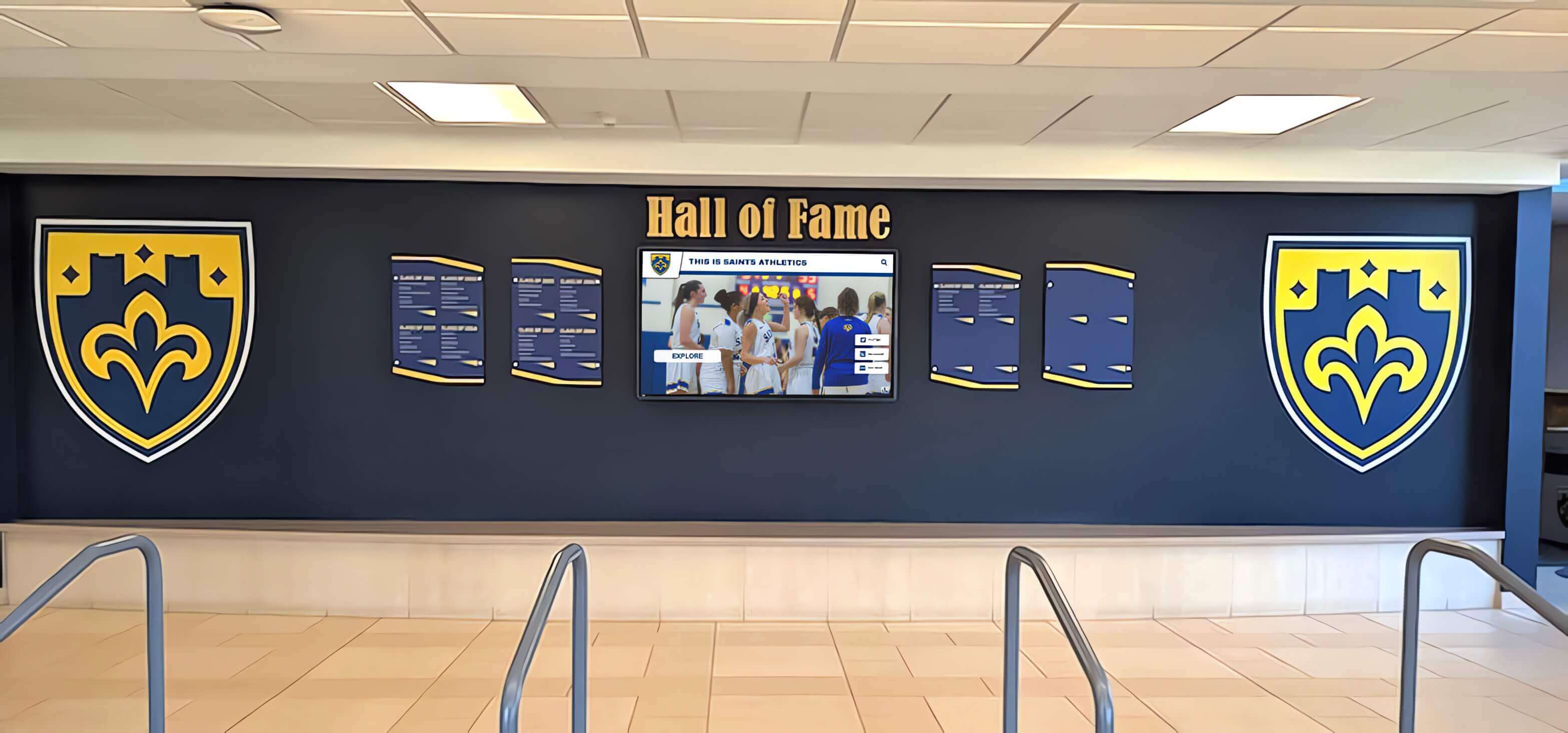
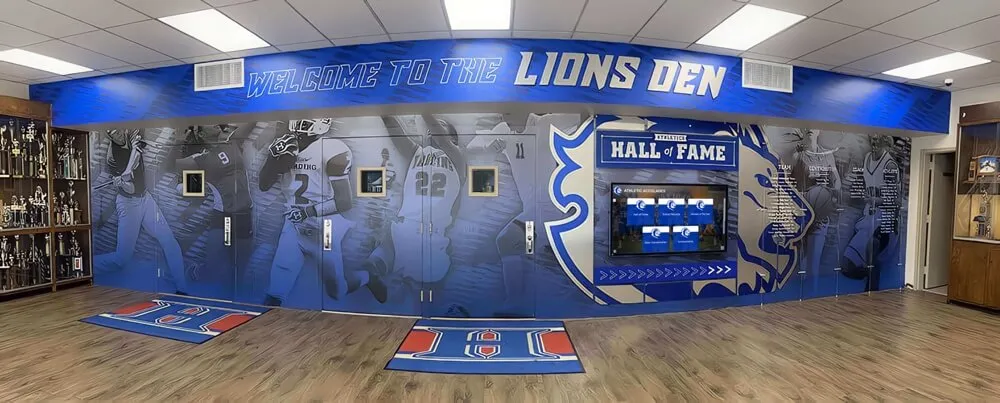
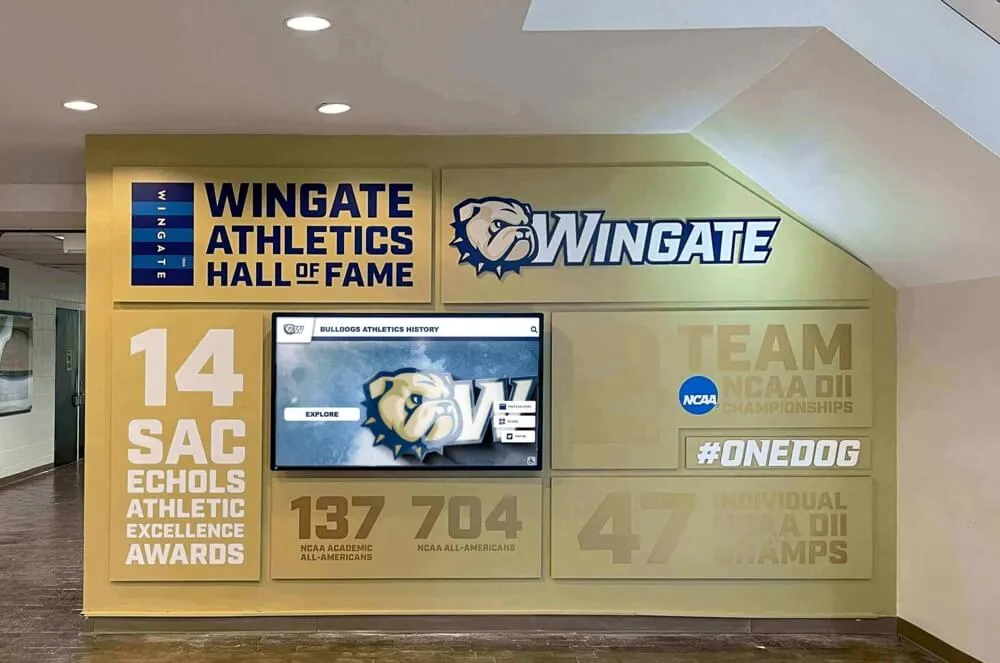
Digital displays effectively complement traditional recognition elements like championship shields and retired jerseys in comprehensive programs
Rich Multimedia Storytelling
Interactive platforms enable content depth impossible with physical displays, bringing hockey history to life through video, audio, and comprehensive statistics.
Game Highlights and Championship Footage
Video content transforms abstract accomplishments into visceral experiences:
- Championship-winning goals shown with full game context and competitive situation
- Tournament advancement moments capturing excitement of playoff victories
- Outstanding individual performances highlighting exceptional skill and determination
- Memorable saves by goalies during crucial game situations
- Rivalry game highlights from matchups against traditional opponents
- Season highlight reels documenting championship paths and key victories
- Post-game celebrations showing team camaraderie and community support
Watching actual game footage helps contemporary audiences understand what made past teams special, particularly for younger players discovering program history for the first time.
Player Interviews and Personal Narratives
Authentic voices add human dimensions to achievement stories:
- Alumni reflections on memorable seasons, crucial games, and lasting friendships
- Coach perspectives on what made specific teams or players exceptional
- Parent testimonials about program impact on family experiences
- Opponent coaches discussing competitive challenges and respect for excellence
- Contemporary player connections to program heritage and tradition
- Historical context from long-time community members witnessing program evolution
These personal perspectives transform statistical achievements into meaningful human stories that resonate emotionally with visitors exploring recognition content.
Statistical Visualizations and Analysis
Interactive charts enable understanding achievement significance:
- Career progression graphs showing player development across multiple seasons
- Team performance trends documenting program growth and competitive evolution
- Comparative statistics placing achievements within appropriate historical context
- Era-adjusted records accounting for rule changes and competitive environments
- Position-specific comparisons evaluating excellence against similar players
- League-wide rankings demonstrating elite status among contemporaries
These analytical tools help visitors appreciate achievement significance beyond raw numbers, understanding competitive contexts and relative excellence.
Learn about effective digital storytelling for athletic programs that brings achievements to life through multimedia content.
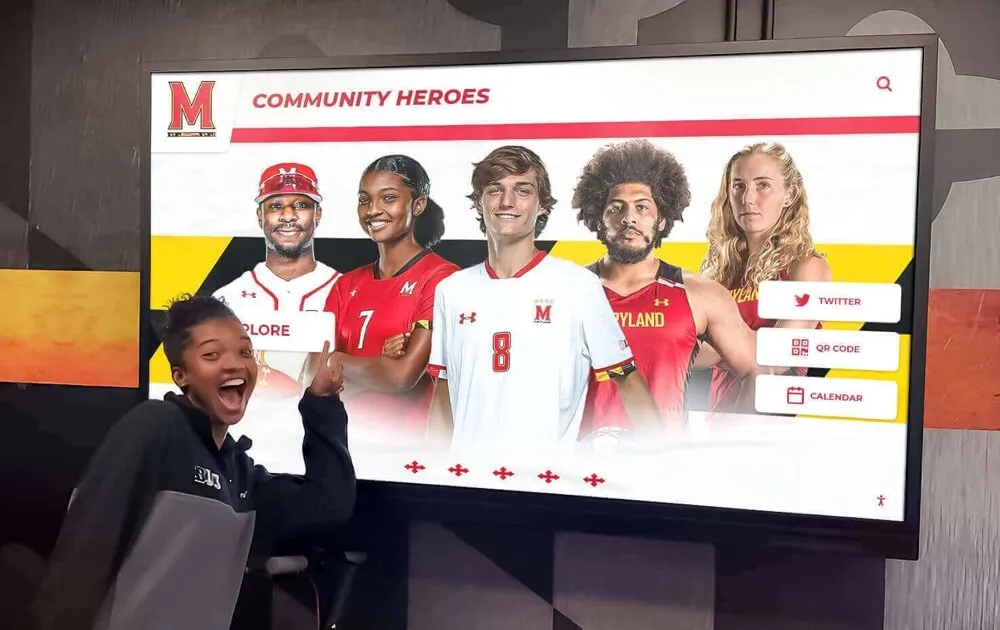
Interactive displays create social experiences where families and teams explore achievements together, sharing memories and discovering new stories
Engaging Discovery Experiences
Touchscreen technology transforms passive viewing into active exploration, dramatically increasing visitor engagement and content consumption.
Intuitive Search and Navigation
Finding relevant content becomes effortless:
- Name search enabling instant discovery of specific players across all seasons
- Team browsing by year, level, or championship achievement
- Position filtering showing all goalies, defensemen, or forwards for comparison
- Statistical searches finding career scoring leaders, assist records, or goaltending achievements
- Era exploration discovering teams from specific decades or coaching tenures
- Tournament filtering showing championship teams across various competitions
- Jersey number searches finding all players who wore specific numbers
This flexible navigation means every visitor can explore content matching their specific interests—former players finding their teams, families discovering relatives’ achievements, or new community members learning program history.
Interactive Features and Engagement Tools
Beyond basic content viewing, advanced features create compelling experiences:
- Video playlists allowing continuous watching of championship highlights
- Image galleries enabling detailed examination of team photos and memorable moments
- Comparison tools analyzing statistical achievements across different eras
- Timeline visualizations showing program evolution and milestone achievements
- Trivia games testing hockey knowledge and encouraging content exploration
- Comment capabilities enabling alumni to share memories and additional context
- Social sharing allowing direct posting of favorite content to personal networks
These interactive elements encourage extended engagement, with average visitor sessions lasting 5-8 minutes compared to 30-60 seconds for traditional static displays.
Personalized Discovery Pathways
Smart features adapt to individual interests:
- Featured content highlighting recent additions and milestone anniversaries
- Related content suggestions connecting teams across shared players or eras
- Popular content rankings showing most-viewed teams and players
- Seasonal programming emphasizing current team connections to historical excellence
- Event-specific content during alumni gatherings, reunions, and special occasions
- Mobile-responsive web access enabling continued exploration beyond physical visits
This personalization ensures recognition remains relevant and engaging regardless of visitor background, knowledge level, or specific interests.
Explore approaches to interactive recognition displays that maximize visitor engagement through thoughtful feature design.
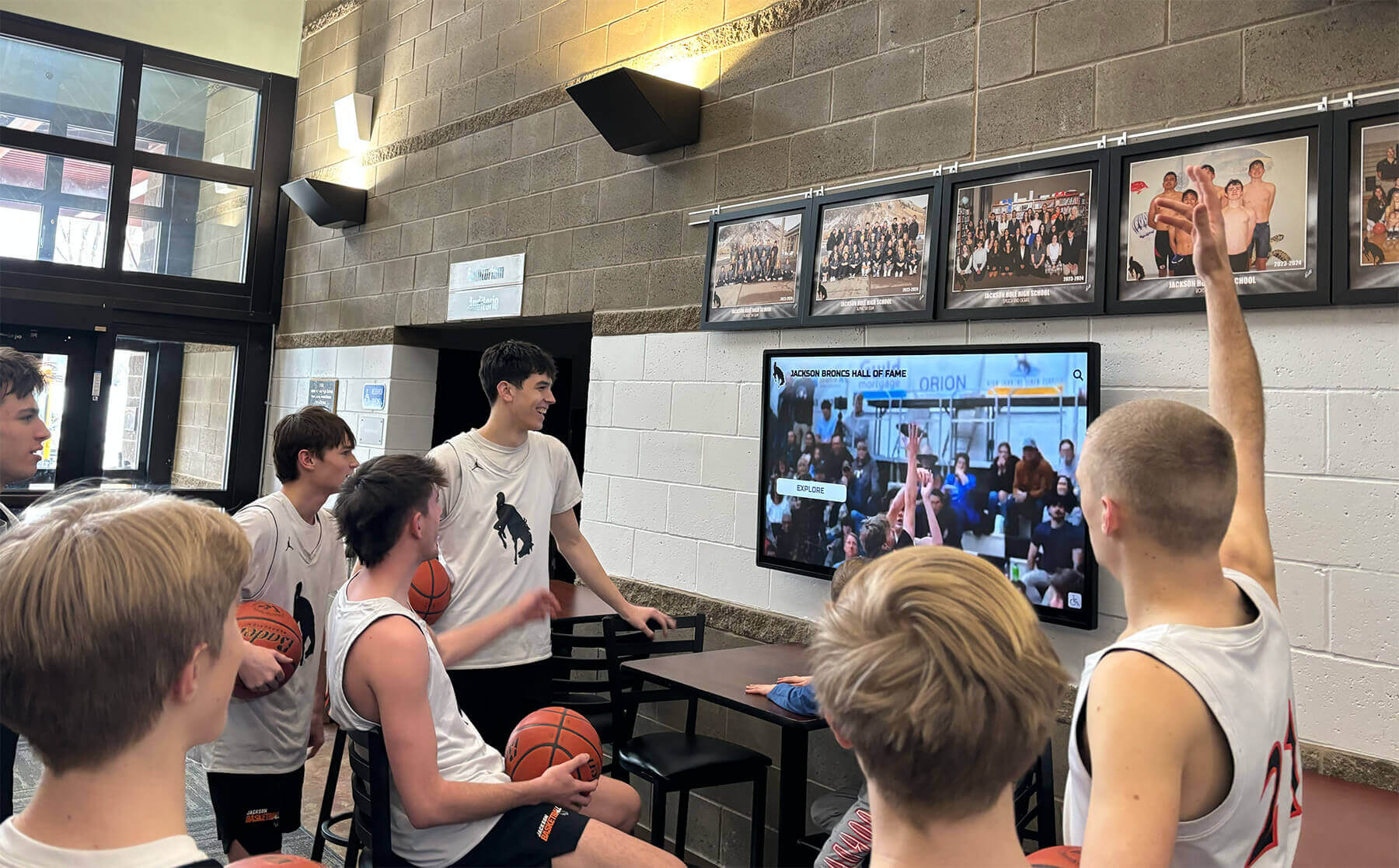
Large-format displays create gathering points where teams watch highlights together, building connections between current players and program traditions
Administrative Efficiency and Sustainability
Digital recognition dramatically reduces ongoing management burden while improving program documentation and organizational capacity.
Simplified Content Updates
Cloud-based systems eliminate physical maintenance:
- Remote updates from any internet-connected device without requiring arena access
- Adding new championship teams requires minutes through administrative interfaces
- Bulk upload tools enabling efficient season-end recognition of multiple teams simultaneously
- Instant corrections if roster information, statistics, or details need updating
- Scheduled publishing automating recognition timing to coincide with celebrations
- Role-based permissions enabling multiple staff members to manage content appropriately
- No physical materials, printing, engraving, or installation required
Athletic directors and facility managers report 85-90% reduction in recognition management time after implementing digital systems, with time savings enabling more comprehensive team documentation and celebration.
Cost-Effective Long-Term Value
While initial investments may exceed single season’s banner costs, digital systems deliver superior long-term economics:
- Eliminated ongoing banner fabrication and installation expenses ($300-800 per championship)
- No trophy case expansion or facility modifications required for growing programs
- Reduced labor costs managing physical displays and making seasonal updates
- Multi-year equipment lifespan (8-10+ years typically) serving programs extensively
- Scalable recognition accommodating program growth without proportional cost increases
- Consolidated investment serving multiple recognition purposes beyond championships alone
Most facilities achieve cost-neutral operation within 4-6 years compared to traditional recognition costs, while delivering vastly superior recognition capacity throughout equipment lifespan.
Permanent Program Documentation
Digital platforms create invaluable organizational records:
- Comprehensive databases preserving complete program history permanently
- Searchable archives enabling historical research and verification
- Analytics tracking which content generates most interest and engagement
- Export capabilities providing data for program assessments and planning
- Backup systems protecting records from facility issues or system changes
- Historical continuity maintained regardless of staff transitions or facility modifications
This documentation transforms recognition into permanent institutional knowledge, ensuring program heritage is never lost to time or organizational changes.
Learn about recognition program management best practices applicable to hockey facility implementations.
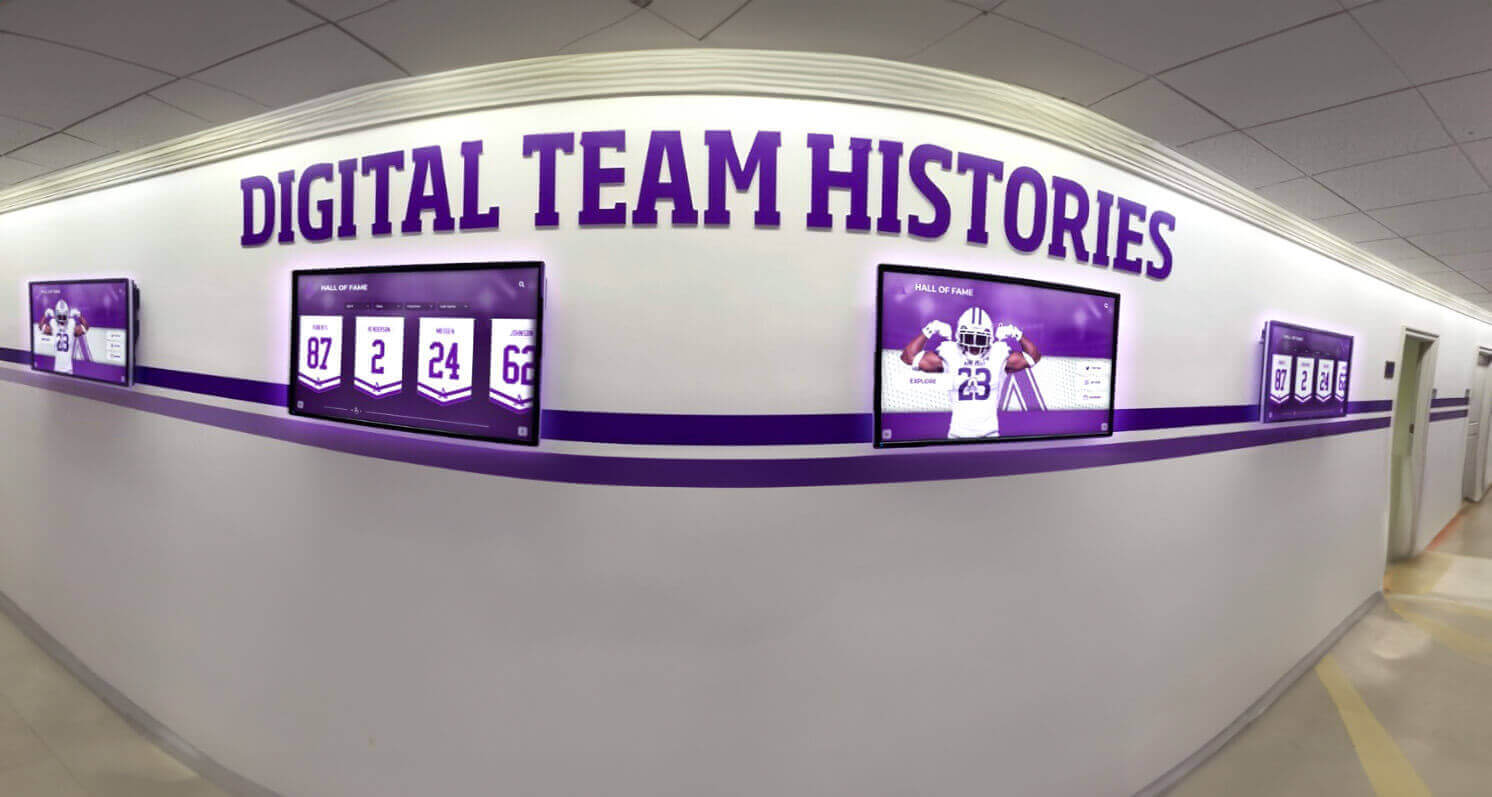
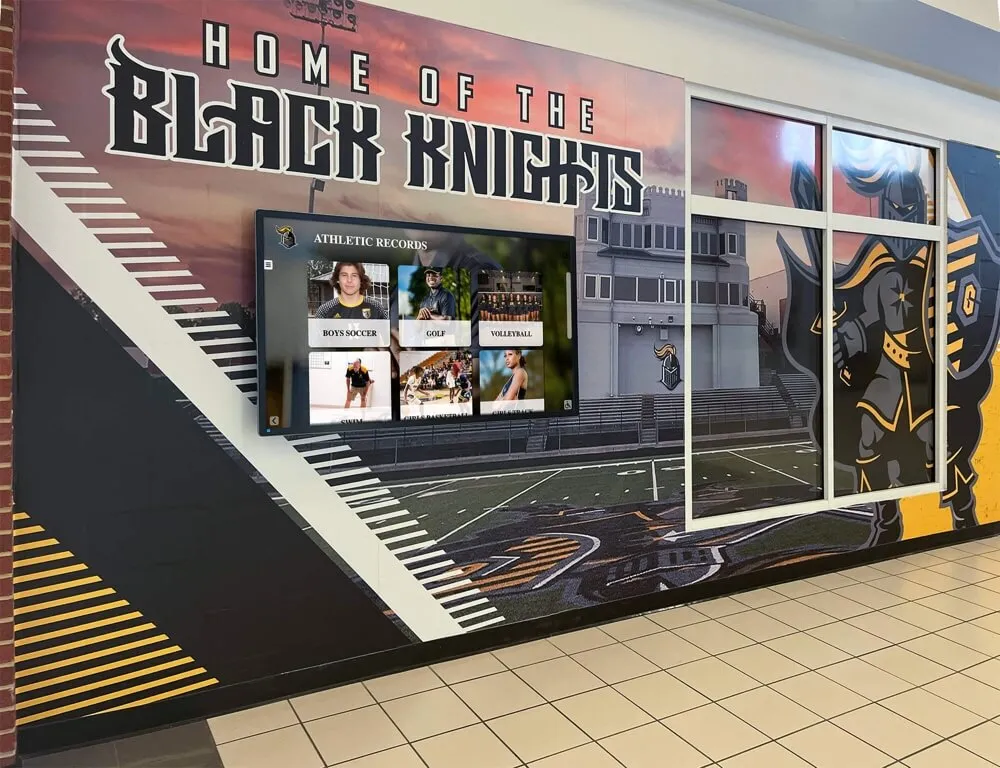
Coordinated multi-display installations throughout facilities create comprehensive recognition systems serving diverse programs and audiences
Creating Compelling Hockey Recognition Content
Effective touchscreen displays require thoughtful content development that honors achievements comprehensively while engaging diverse audiences.
Team Profile Development
Championship teams deserve comprehensive documentation celebrating collective achievements and individual contributions.
Essential Team Information
Complete profiles should include:
- Season year, level (varsity, JV, freshman), and competitive division or conference
- Final record including wins, losses, ties/overtime losses with context
- Championship achievements including tournament titles, league championships, and playoff success
- Tournament brackets and advancement showing path to championship victories
- Team photograph with player identification by name and jersey number
- Complete roster with names, positions, jersey numbers, and graduation years
- Coaching staff including head coach and assistants with biographical information
- Team captains and special recognition for leadership roles
Season Narrative and Context
Storytelling elements bring seasons to life:
- Season summary highlighting key victories, turning points, and team characteristics
- Championship game or tournament descriptions with scores and memorable moments
- Notable victories against ranked opponents or traditional rivals
- Individual achievement highlights including scoring leaders and special performances
- Team statistics including goals for/against, power play percentage, penalty kill success
- Opponent quality and competitive context explaining achievement significance
- Overcoming adversity stories demonstrating resilience and team character
- Community impact and support received during championship seasons
Multimedia Enhancement
Rich content creates engaging experiences:
- Team photographs from practices, games, and championship celebrations
- Championship game highlights showing crucial goals and memorable saves
- Victory celebrations capturing post-game excitement and trophy presentations
- Individual player highlight compilations for exceptional seasons
- Coach interviews reflecting on team achievements and player development
- Alumni testimonials about lasting impact and memorable experiences
- Historical comparisons placing teams within program excellence context
Explore strategies for showcasing championship teams through comprehensive digital recognition.
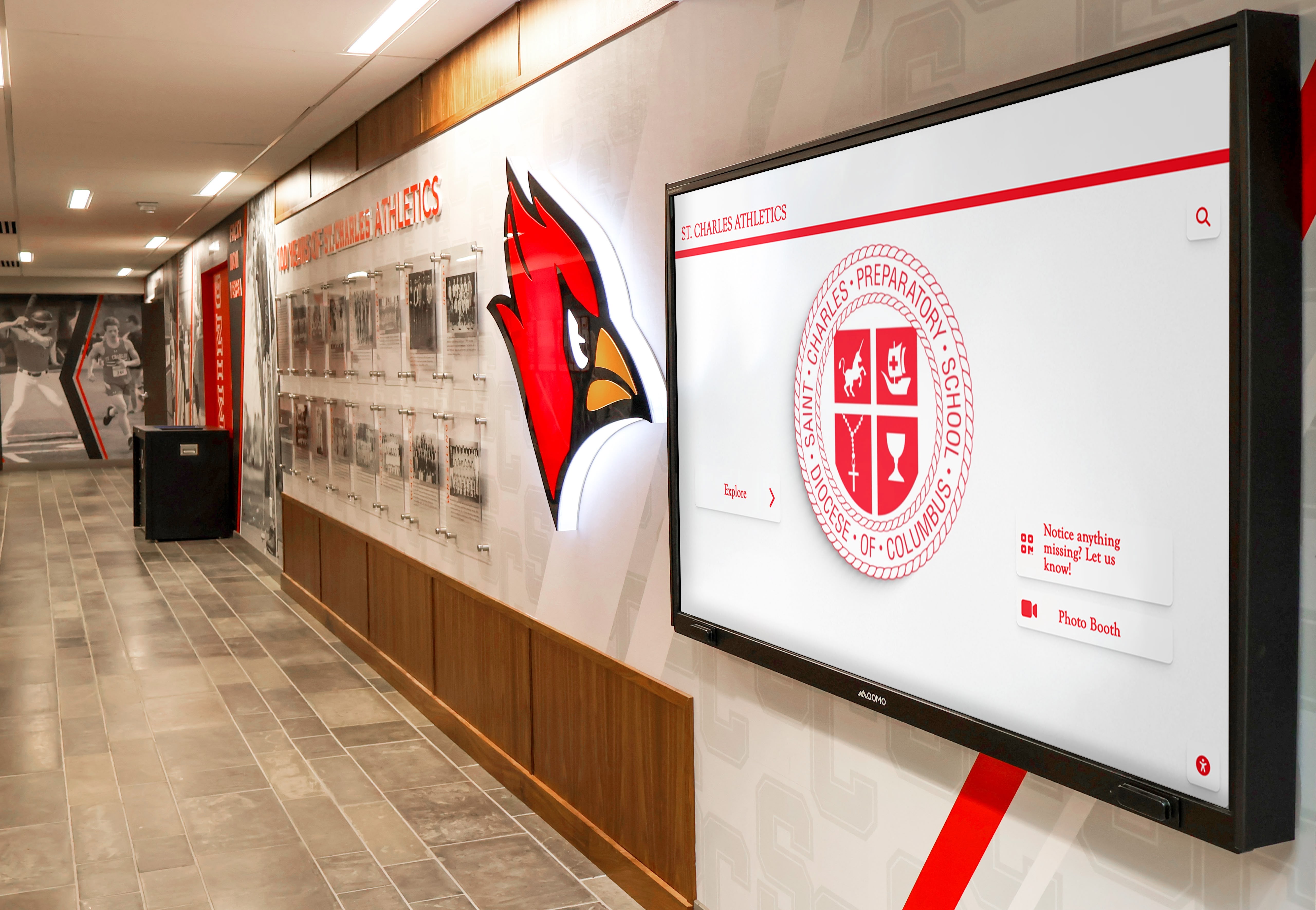
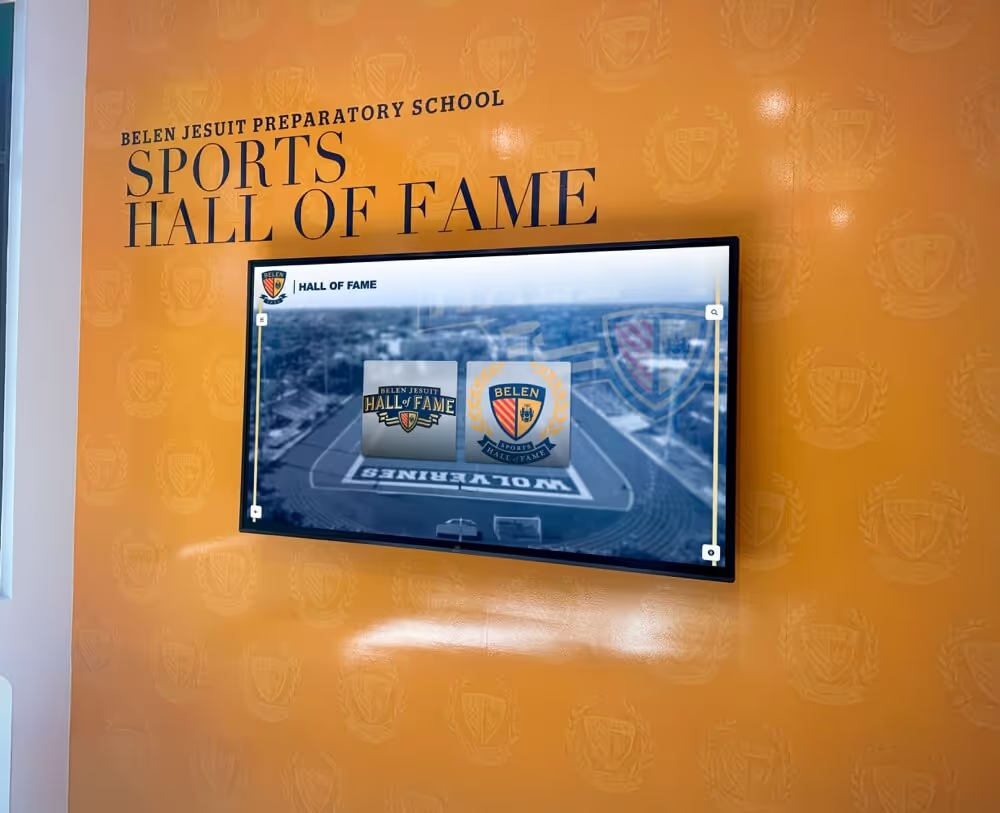
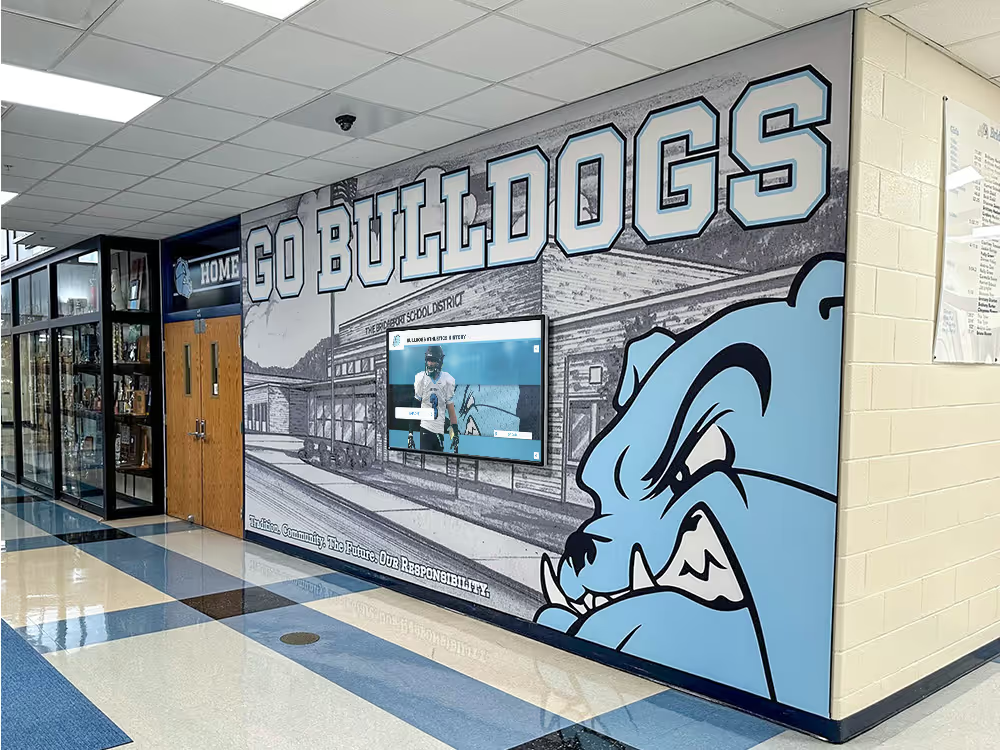
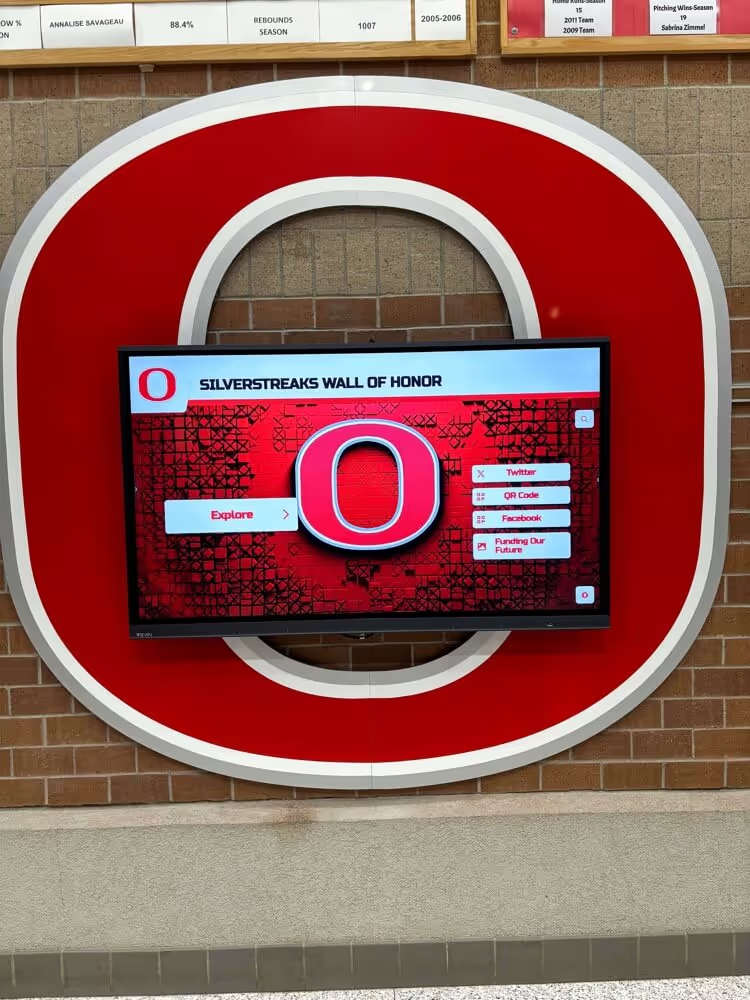
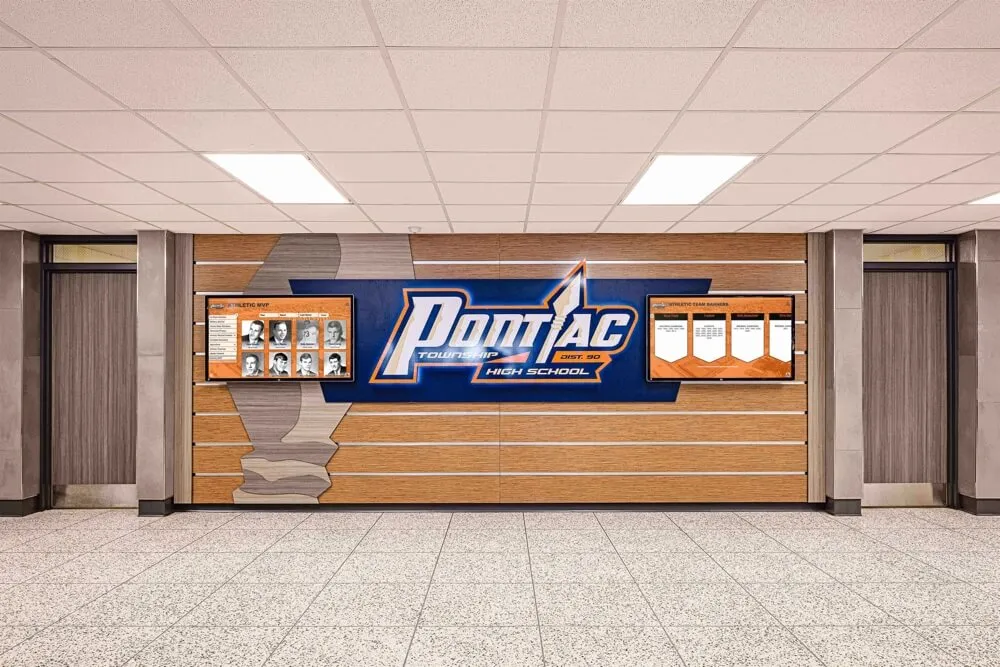
Branded installations reinforcing school identity create cohesive environments positioning hockey programs prominently within institutional athletics
Individual Player Recognition
Comprehensive systems honor individual excellence alongside team achievements, creating connections across multiple seasons and career arcs.
Player Profile Components
Individual recognition should document:
- Full name, graduation year, and jersey number(s) worn across career
- Years of participation including specific teams and competitive levels
- Career statistics including goals, assists, points, and relevant position-specific metrics
- Single-season records and notable achievements deserving highlight
- All-conference, all-state, and special team selections received
- Academic honors including honor roll, scholar-athlete recognition, and academic awards
- Team captain roles and leadership positions held
- Post-secondary pathways including college commitments and continued careers
Career Narratives and Context
Storytelling elements personalize achievements:
- Player background including youth hockey experience and development path
- Playing style characteristics and position-specific contributions
- Memorable games and signature performances during career highlights
- Team contributions beyond statistics including leadership and character
- Development progression showing growth across multiple seasons
- Coach testimonials about work ethic, character, and team impact
- Alumni updates describing current careers and life achievements
- Family hockey traditions connecting generations of program participation
Visual Documentation
Images bring player profiles to life:
- Action shots capturing playing style and signature moments
- Team photographs showing player within championship squad contexts
- Award ceremony images documenting special recognitions received
- Celebration photographs capturing memorable moments and friendships
- Multiple-year progression images showing physical development
- Post-graduation updates including college team photos or professional achievements
Learn about individual athletic recognition approaches that celebrate player achievements comprehensively.
Historical Context and Program Heritage
Beyond individual teams and players, effective recognition documents complete program evolution and community connections.
Program Timeline Development
Chronological narratives show organizational growth:
- Founding dates and early program history establishing context
- Facility evolution from outdoor rinks to modern arena developments
- Coaching successions and tenure highlights across program history
- Championship eras and periods of sustained competitive excellence
- Milestone achievements including anniversary seasons and special recognitions
- Competitive affiliation changes and conference membership evolution
- Youth program development and feeder system establishment
- Community partnerships and support enabling program success
Coaching Legacy Recognition
Systematic coaching celebration honors program builders:
- Career records and tenure lengths across program history
- Championship totals and tournament successes achieved
- Notable teams coached and exceptional season highlights
- Player development success showing advancement to higher levels
- Program-building contributions including facility improvements and culture development
- Coaching philosophy and approach defining program characteristics
- Mentorship impact extending beyond hockey into life lessons
- Awards and recognition received at league, state, or national levels
Rival Histories and Memorable Matchups
Competition documentation adds narrative dimensions:
- Traditional rivalry histories and all-time records against key opponents
- Memorable games with dramatic finishes or exceptional performances
- Championship matchup histories in tournament and playoff contexts
- Series sweeps, streaks, and exceptional competitive achievements
- Venue-specific records showing home ice advantage significance
- Notable individual performances in rivalry game contexts
- Community significance and cultural importance of specific rivalries
Discover approaches to documenting rivalry traditions applicable to hockey programs with similar competitive relationships.
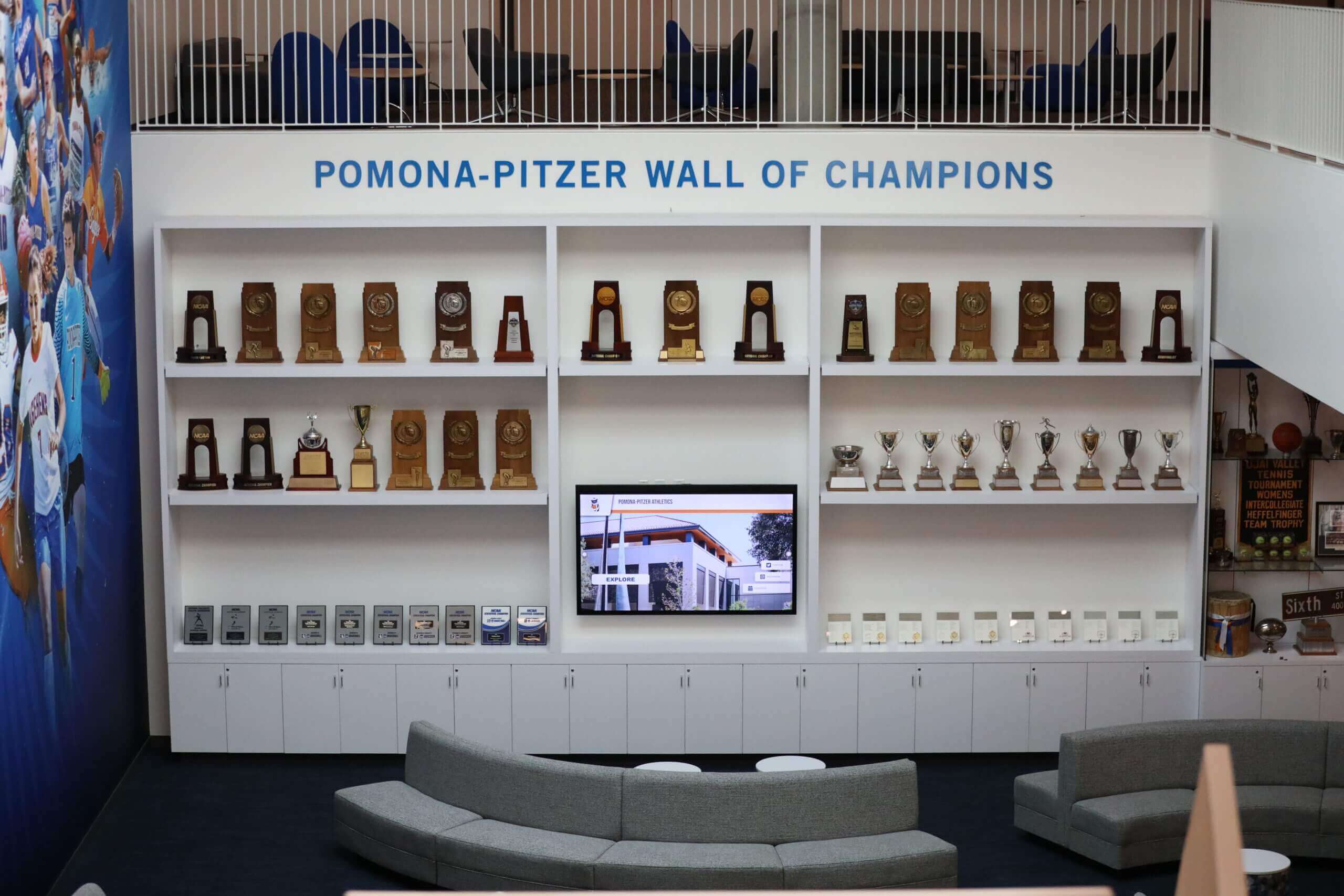
Integrated approaches combining physical trophies with digital recognition create comprehensive programs honoring tradition while enabling unlimited capacity
Implementation Strategies for Hockey Facilities
Successful touchscreen recognition requires thoughtful planning addressing technical requirements, content development, and long-term sustainability.
Display Hardware Selection and Placement
Choosing appropriate equipment and positioning ensures optimal visitor engagement and system reliability.
Hardware Specifications for Arena Environments
Hockey facility installations require robust equipment:
- Commercial-grade touchscreen displays rated for continuous public use (16-18 hours daily)
- Screen sizes from 55-75 inches based on viewing distances and space availability
- 4K resolution ensuring text readability and image clarity at all content scales
- Multi-touch capacitive screens supporting intuitive smartphone-like interaction
- Enhanced brightness (450-700 nits) maintaining visibility in bright arena lighting
- Anti-glare coatings reducing reflection from rink lighting and windows
- Vandal-resistant construction protecting valuable equipment in public settings
- Temperature tolerance accommodating seasonal variations and HVAC systems
Strategic Location Selection
Placement significantly impacts recognition effectiveness:
- Main lobby areas greeting all visitors as they enter facilities
- Concourse locations with natural foot traffic during games and events
- Locker room hallways where current players engage with program heritage daily
- Community gathering spaces and viewing areas with extended dwell time
- Tournament hosting areas showcasing program excellence to visiting teams
- Multi-purpose room locations serving various facility uses beyond hockey
- Near trophy cases and championship banners creating comprehensive recognition zones
Facilities should evaluate viewing distances, lighting conditions, foot traffic patterns, and competitive focal points when finalizing display locations.
Installation Options and Configurations
Various mounting approaches serve different needs:
- Wall-mounted displays for clean aesthetics and space-efficient installations
- Freestanding kiosks providing flexibility without requiring appropriate wall structures
- Multiple coordinated displays throughout facilities for comprehensive coverage
- Mobile installations enabling repositioning for special events and tournaments
- ADA-compliant mounting heights ensuring accessibility for wheelchair users
- Secure mounting protecting expensive equipment from accidental damage
- Professional cable management maintaining clean appearances
Learn about touchscreen hardware selection for recognition applications across facility types.
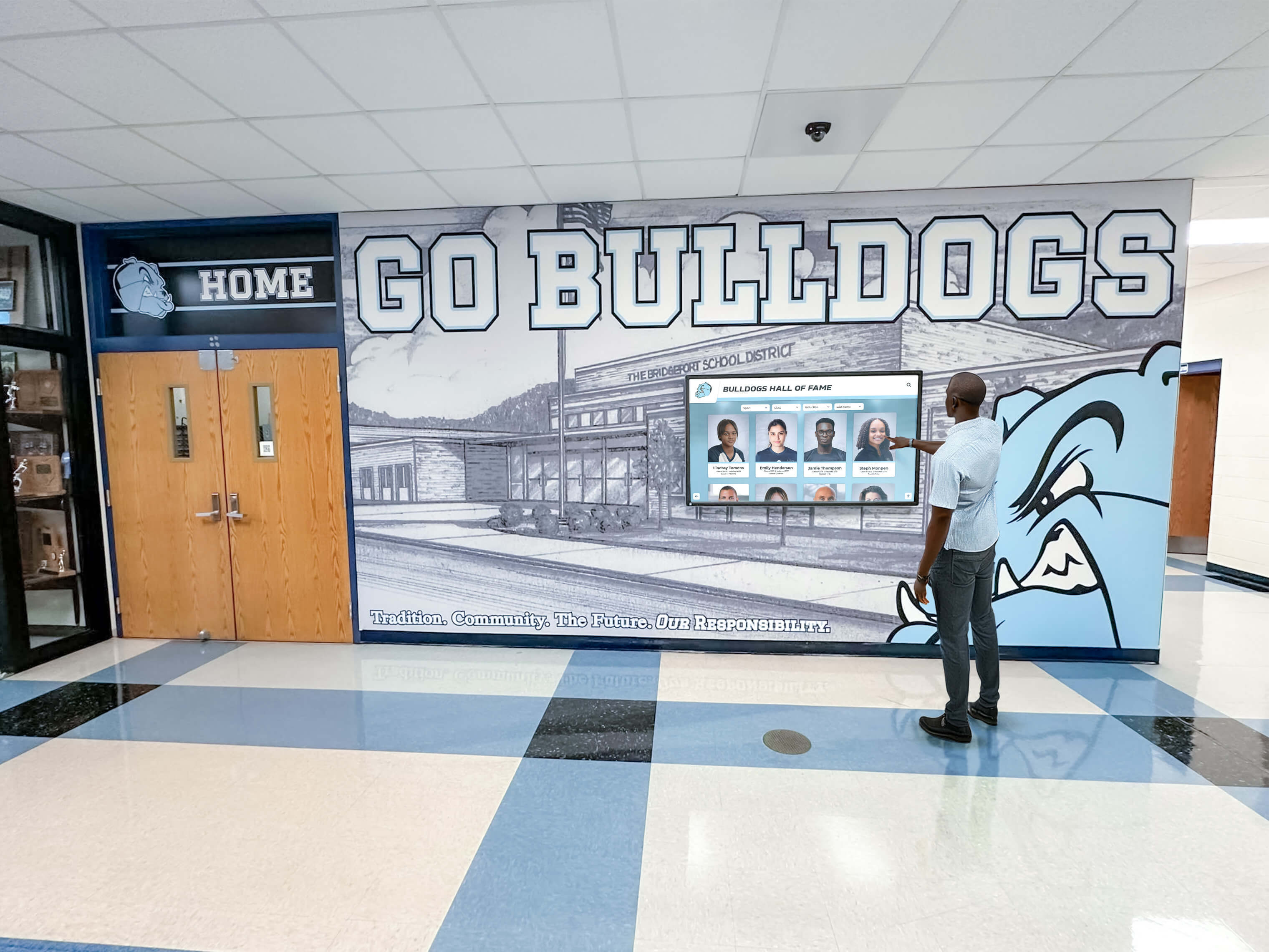
Professional installations create impressive focal points while providing reliable functionality for years of continuous community use
Content Development and Launch Planning
Comprehensive initial content ensures displays deliver immediate value rather than appearing incomplete during early adoption.
Historical Research and Documentation
Gathering complete program information requires systematic approaches:
- Athletic department records including team rosters, statistics, and season results
- Newspaper archives and media coverage from local publications across decades
- Yearbook photographs and team composites from historical seasons
- Program books, media guides, and tournament brackets documenting achievements
- Trophy and banner inventories verifying championship years and details
- Alumni interviews gathering memories and contextual information
- Coach succession documentation with tenure dates and biographical information
- Facility history including construction dates, renovations, and improvements
Photography and Video Collection
Visual content brings recognition to life:
- Team photographs from championship seasons across program history
- Action photography capturing game situations and playing styles
- Individual player portraits for profile enhancement where available
- Championship celebration images showing community support and excitement
- Game highlights and tournament footage when preservation allowed
- Facility evolution photographs documenting venue changes over time
- Contemporary photography of current facilities and programs
- Award ceremony and recognition event coverage
Launch Event and Promotion
Strategic introduction maximizes community engagement:
- Dedication ceremony gathering hockey community around new recognition
- Alumni weekend coordination showcasing historical content to former players
- Media coverage generating awareness and community interest
- Social media campaigns promoting exploration and discovery
- Current team orientation introducing heritage and program traditions
- Family newsletters explaining access and encouraging exploration
- Tournament hosting opportunities showcasing recognition to visiting programs
Ongoing Enhancement Commitment
Recognition programs require sustained attention:
- Annual updates adding current season championship teams and achievements
- Alumni outreach soliciting career updates and maintaining connections
- Historical discovery incorporating newly found photographs and information
- Statistical verification ensuring accuracy and correcting any errors
- Anniversary retrospectives celebrating milestone years and achievements
- Content expansion based on visitor analytics and engagement patterns
- Technology updates maintaining current software and security standards
Explore comprehensive implementation guides providing detailed workflows for recognition program launches.
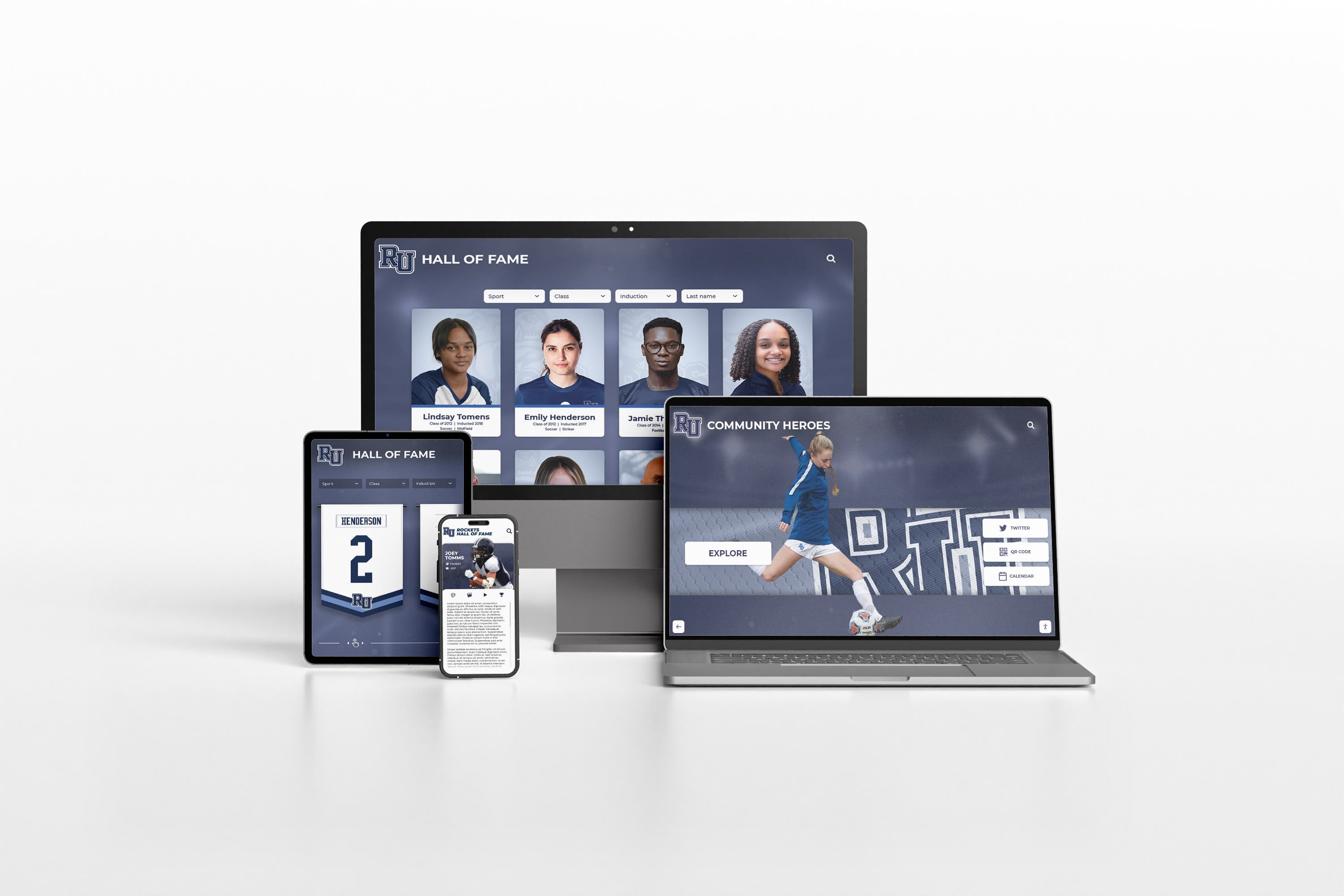
Web-accessible platforms extend recognition beyond physical displays, enabling global access from smartphones, tablets, and computers
Benefits Beyond Recognition: Community and Program Impact
Interactive touchscreen recognition delivers value extending far beyond honoring past achievements, influencing current programs and strengthening community connections.
Current Team Motivation and Culture Development
Historical recognition shapes contemporary program culture in meaningful ways that influence performance and participant experience.
Establishing Excellence Standards
Visible achievement history communicates expectations:
- Championship teams demonstrating sustained excellence achievable within programs
- Statistical records showing performance benchmarks across positions and roles
- Multi-year player progressions illustrating development pathways
- Coaching philosophies and program values consistent across successful eras
- Team characteristics and cultural elements contributing to championship success
- Sacrifice, dedication, and work ethic required for elite achievement
- Legacy and tradition creating pride in organizational identity
Current players experiencing comprehensive recognition understand the standards expected and feel inspired to contribute their own chapters to ongoing program histories.
Connecting Generations
Recognition bridges past and present meaningfully:
- Current players discovering teammates’ siblings, cousins, or parents in historical teams
- Alumni returning and sharing experiences with current generations
- Coaching staff drawing on program history for teaching and motivation
- Family traditions and multi-generational participation celebrated visibly
- Historical context helping players appreciate program evolution and community investment
- Mentorship relationships forming between alumni and current participants
- Shared identity across decades of program participation
These connections strengthen organizational culture while creating support networks extending beyond playing years into lifelong hockey relationships.
Learn about building school pride through recognition programs that connect past and present.
Recruitment and Program Growth
Visible excellence attracts talented players while demonstrating program quality to families evaluating options.
Prospect Family Engagement
Recognition influences recruitment decisions:
- Championship history demonstrating sustained competitive excellence
- Player development success showing advancement to higher competitive levels
- Comprehensive programs offering appropriate challenges across skill levels
- Facility quality and community investment visible through recognition systems
- Coach tenure and program stability indicating sustainable environments
- Alumni success and post-secondary placement documenting preparation quality
- Community support and engagement evident through facility atmosphere
Families considering program options increasingly value evidence of excellence rather than marketing claims alone, with comprehensive recognition providing authentic documentation.
Community Visibility and Support
Recognition strengthens public awareness and engagement:
- Facility visitors discovering program depth and achievement breadth
- Community members developing pride in local hockey excellence
- Media coverage highlighting championship achievements and program milestones
- Social media sharing extending recognition visibility throughout networks
- Business partnerships strengthened through visible community investment
- Youth enrollment growth as families discover program opportunities
- Volunteer recruitment showing worthy cause deserving time commitment
This expanded visibility generates support enabling continued program development and competitive success.
Alumni Engagement and Organizational Connections
Recognition maintains lasting relationships with former players who become program ambassadors and supporters.
Alumni Discovery and Reconnection
Digital accessibility enables ongoing engagement:
- Former players worldwide accessing recognition from anywhere with internet connectivity
- Class reunion coordination leveraging recognition for nostalgia and connection
- Career updates maintaining current connections with program evolution
- Fundraising appeals demonstrating continued program excellence and needs
- Volunteer recruitment leveraging emotional connections for organizational support
- Mentorship opportunities connecting current players with successful alumni
- Reunion event planning using recognition to identify contact prospects
Legacy and Heritage Preservation
Comprehensive documentation creates permanent institutional memory:
- Complete program history accessible regardless of staff transitions
- Protection against knowledge loss as community members age
- Family heritage documentation for multi-generational participants
- Community historical record preserving local cultural traditions
- Educational resources for students researching local history
- Archival permanence through digital backup and preservation
- Ongoing enhancement incorporating new discoveries and memories
Discover strategies for alumni recognition and engagement applicable to hockey programs.
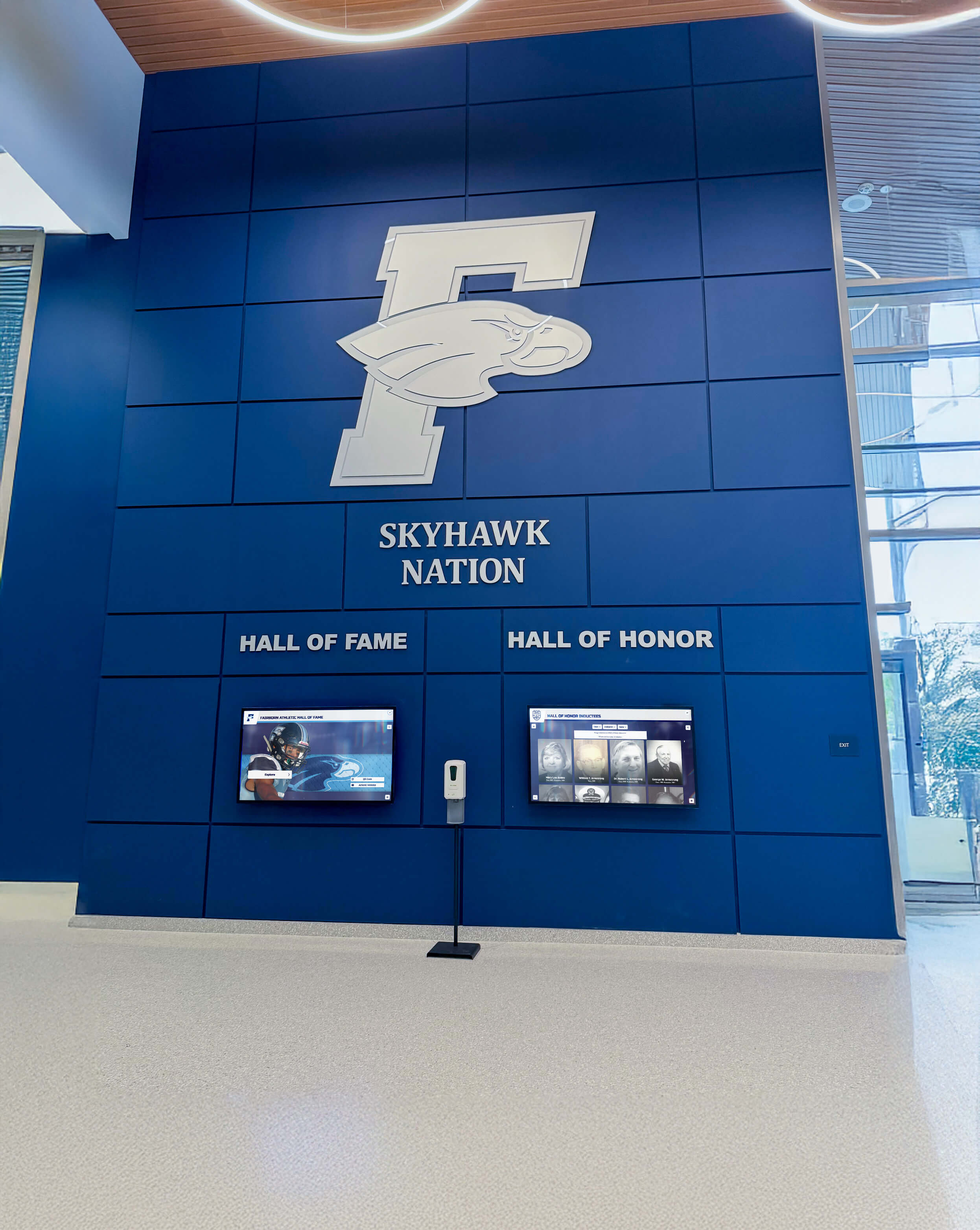
Professional installations create impressive first impressions while demonstrating organizational commitment to honoring participant achievements
Investment Considerations and Return on Value
Understanding costs and benefits enables informed decisions about recognition technology appropriate for specific facility contexts and program needs.
Initial Investment Components
Digital recognition involves several cost categories facilities should plan for comprehensively.
Hardware and Equipment
Display technology costs typically include:
- Commercial touchscreen displays: $4,000-12,000 depending on size (55-75 inches)
- Freestanding kiosk enclosures: $2,000-4,000 additional for non-wall-mounted installations
- Computer hardware and network connectivity: $800-1,500 for content delivery
- Professional installation: $1,000-2,500 for mounting, cabling, and configuration
- Surge protection and electrical work: $300-800 for power infrastructure
- Mounting hardware and accessories: $200-500 for secure professional installation
Software and Platform Licensing
Recognition-specific platforms provide essential capabilities:
- Purpose-built recognition software: $1,500-5,000 annual licensing typically
- Initial setup and configuration: Often included or $500-1,500
- Custom branding and design: $500-2,000 one-time for organizational identity
- Training and implementation support: Usually included or $500-1,500
- Web accessibility and mobile optimization: Typically included in platform licensing
- Cloud hosting and backup services: Generally included in annual subscription
Content Development
Launch preparation includes:
- Historical research and documentation: $1,000-5,000 depending on scope
- Photography and media digitization: $500-2,000 for archival scanning
- Content writing and profile development: Can be managed internally or contracted
- Video editing and highlight production: $1,000-3,000 if professionally produced
- Launch event and promotion: $500-2,000 for community introduction
Total Initial Investment: $12,000-30,000 for most single-display implementations, with comprehensive multi-display systems reaching $40,000-60,000 depending on facility size and program scope.
Ongoing Operational Expenses
Annual costs after initial implementation remain relatively modest:
- Software licensing and support: $1,500-5,000 annually
- Hardware maintenance and warranties: $500-1,200 annually optional
- Content updates and management: 5-10 hours monthly staff time typically
- Electricity and connectivity: $100-200 annually per display
- Periodic content enhancement: $500-2,000 annually optional
Total Annual Operating Costs: $2,000-7,000 with most expenses being predictable subscription fees.
Comparative Economics Versus Traditional Recognition
Digital systems deliver superior long-term value compared to ongoing traditional costs:
Traditional Recognition Annual Expenses:
- Championship banners: $300-800 per team requiring new recognition
- Trophy case expansion: $2,000-8,000 periodically as space fills
- Plaque fabrication and engraving: $40-100 per player/team
- Physical maintenance and cleaning: 10-15 hours annually
- Display materials and mounting: $200-500 annually
- Limited capacity forcing exclusion of deserving achievements
Digital Recognition Benefits:
- Unlimited capacity without additional costs regardless of program growth
- Instant updates without fabrication or installation expenses
- Comprehensive player documentation impossible with physical space constraints
- Extended accessibility through web platforms reaching global audiences
- Analytics demonstrating engagement and program value quantitatively
- Professional appearance and modern technology reflecting organizational quality
Most facilities achieve cost-neutral operation within 4-6 years while delivering vastly superior recognition capacity and engagement throughout decade+ equipment lifespans.
Learn about digital recognition investment planning and cost-benefit analysis approaches.
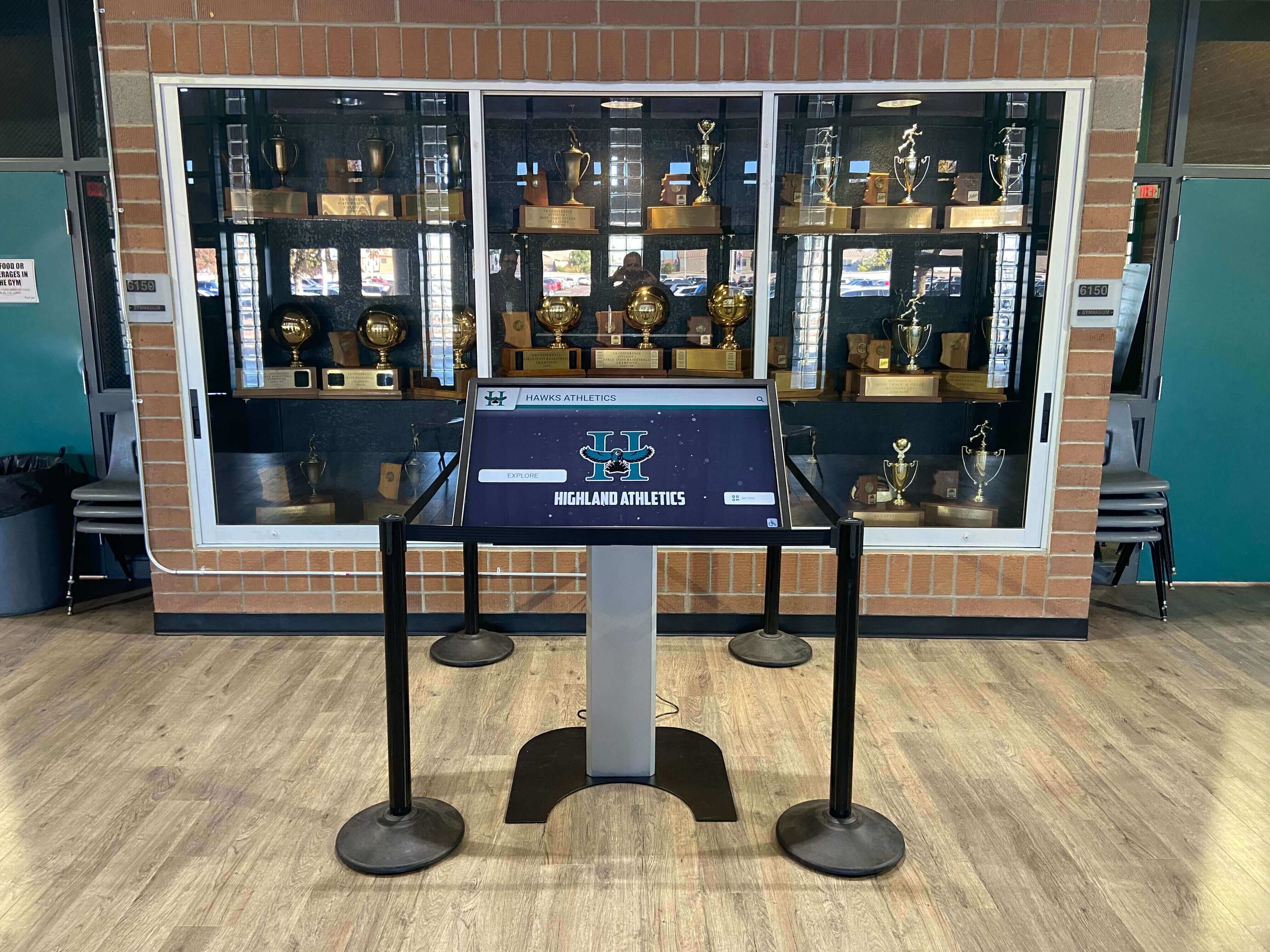
Integrated installations combining digital touchscreens with traditional trophy cases create comprehensive recognition systems balancing innovation and tradition
Conclusion: Honoring Hockey Heritage Through Modern Recognition
Hockey rinks serve as community gathering places where generations of players, families, and fans create lasting memories through competitive excellence, championship victories, and lifelong friendships forged on the ice. These achievements deserve recognition that appropriately honors participant dedication while inspiring future generations to pursue similar excellence. Yet traditional recognition approaches—championship banners, trophy cases, and static plaques—face fundamental limitations that prevent comprehensive celebration of all deserving teams and players across program histories.
Interactive touchscreen recognition systems address these limitations through transformative capabilities: unlimited capacity honoring every championship team regardless of physical space constraints, rich multimedia storytelling bringing hockey history to life through highlights and personal narratives, intuitive discovery enabling personalized exploration matching individual interests, and efficient management dramatically reducing recognition maintenance burden while improving program documentation.
Most significantly, recognition technology pioneered in professional arenas has become accessible to community rinks, high school facilities, and prep school programs seeking to honor their own hockey heritage appropriately. Facilities don’t need professional budgets to implement touchscreen systems providing similar discovery experiences, multimedia celebration, and comprehensive documentation of program achievements spanning decades.
Ready to explore how interactive touchscreen recognition can transform hockey celebration at your facility? Modern digital recognition solutions help community rinks, high schools, prep schools, and hockey programs of all sizes honor unlimited past teams while creating engaging experiences that strengthen community connections and preserve athletic heritage for future generations. Solutions like Rocket Alumni Solutions provide comprehensive platforms specifically designed for sports recognition, combining intuitive software with professional hardware recommendations and implementation support ensuring successful long-term programs delivering sustained value.
Whether managing a community rink hosting multiple programs, a high school with proud hockey tradition, a prep school competing at elite levels, or a youth organization developing future players, the fundamental recognition challenges remain similar: limited physical space forcing difficult decisions, growing celebration needs as history accumulates, and maintaining emotional connections between past excellence and current participants. Digital touchscreen technology solves these challenges while creating recognition experiences that honor tradition, inspire contemporary players, and preserve program legacy for decades to come.
Your hockey community deserves recognition technology that celebrates achievements comprehensively while creating meaningful engagement strengthening connections between players, families, alumni, and facility supporters. From championship teams and statistical leaders to coaching legends and program milestones, comprehensive recognition ensures nothing worthy of celebration gets forgotten due to physical space limitations or maintenance challenges that undermine good intentions.
The most important consideration isn’t whether to embrace digital recognition—it’s selecting appropriate technology aligned with your program’s unique character while implementing systems delivering sustained value through efficient content management, reliable hardware, and genuine commitment to honoring everyone who contributed to your hockey community’s proud heritage. Your teams earned their achievements through dedication, sacrifice, and excellence. They deserve recognition that matches their accomplishment significance—today and for generations of hockey players to come.
Modern interactive touchscreen technology makes comprehensive, equitable recognition achievable and sustainable for hockey facilities at every competitive level and budget scale. With thoughtful planning, appropriate technology selection, and authentic commitment to celebrating athletic excellence, you can implement recognition systems that motivate current players, engage broader communities, and preserve hockey heritage permanently for future generations discovering the achievements that built your program’s proud tradition.