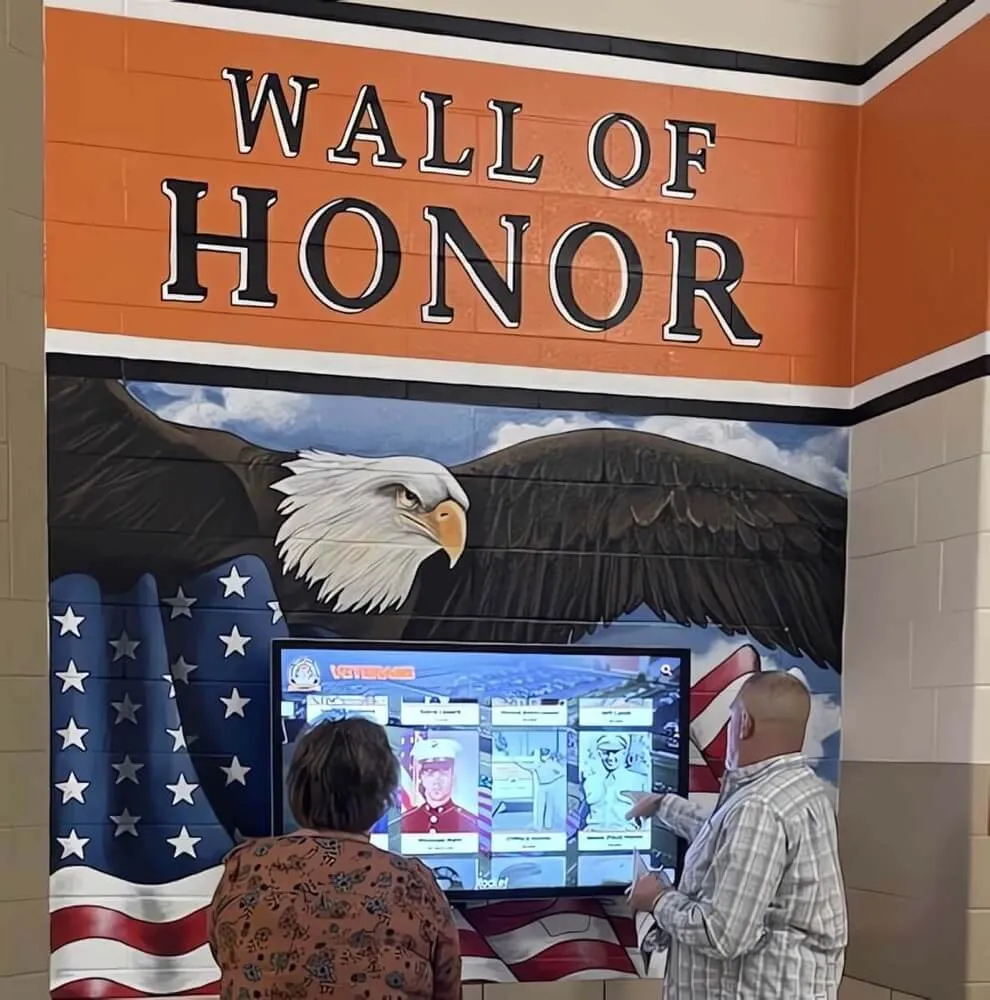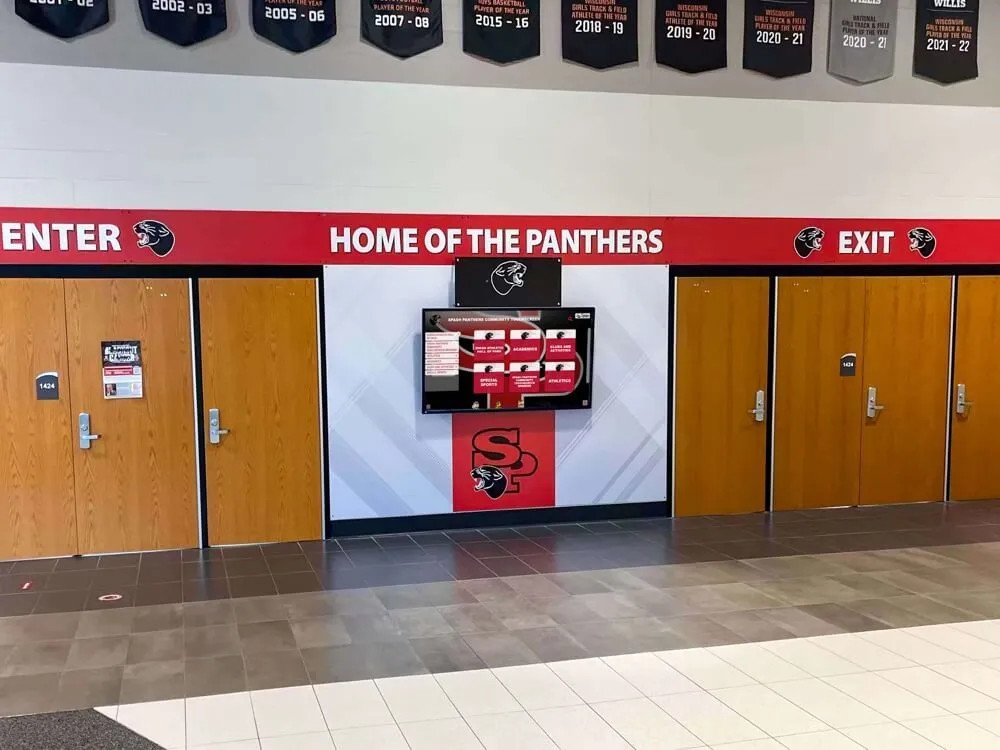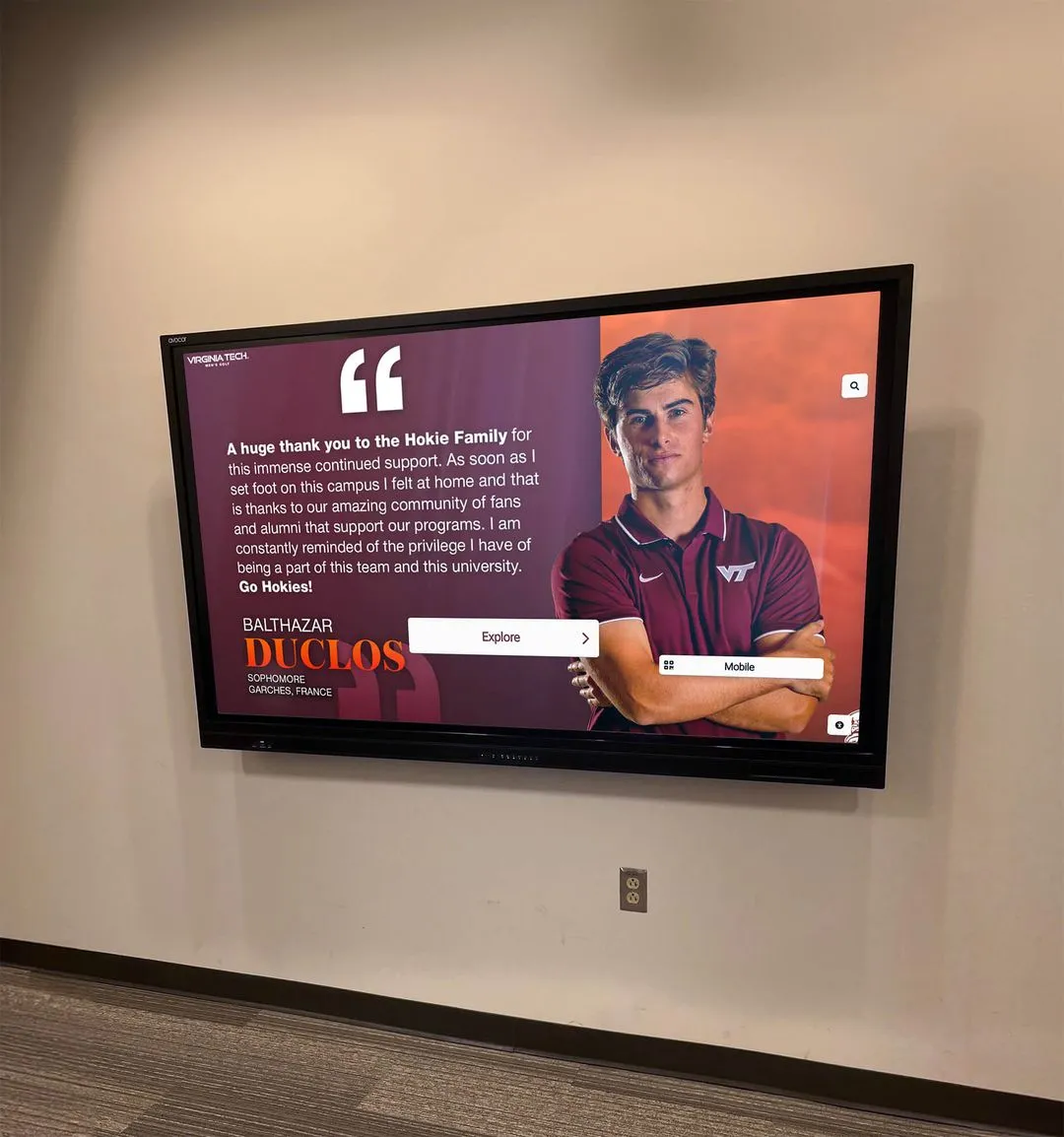




School consolidation has reshaped American education over the past century, transforming approximately 200,000 one-room schoolhouses into today’s 13,000 school districts. For communities experiencing merger, school closure, or consolidation, the transition brings both opportunities and profound challenges—particularly the fear that predecessor school identities, traditions, and achievements will be forgotten. Whether you’re an administrator managing a recent consolidation, an alumni coordinator preserving multiple school legacies, or a community leader addressing identity concerns during merger planning, understanding consolidation history provides essential context for creating inclusive recognition programs that honor all heritage appropriately.
Yet many consolidated districts discover that successful mergers require far more than combining rosters and facilities. Effective transitions demand systematic preservation of predecessor school histories, intentional creation of unified identities respecting all traditions, comprehensive recognition celebrating achievements from every merged community, and sustained commitment to ensuring no school’s legacy disappears. Districts that rush mergers without addressing these cultural elements typically face decades of resentment and division—while those implementing thoughtfully create stronger unified communities that honor their complete heritage.
This comprehensive guide explores school consolidation history from the 1890s through today, examining why districts merge, what benefits and challenges result, how communities preserve identity through change, and what recognition strategies help consolidated districts honor all predecessor schools equitably. Whether managing recent consolidation or planning future mergers, these proven approaches help ensure your transition strengthens rather than divides your community.
School consolidation represents one of the most dramatic transformations in American education history. Understanding this evolution—and particularly how successful districts preserve multiple school identities through merger—provides essential guidance for communities navigating their own consolidation journeys while honoring the achievements and traditions that define institutional pride.

Consolidated schools face the challenge of preserving multiple predecessor identities—but thoughtful recognition strategies ensure no legacy disappears
Program Snapshot: Understanding School Consolidation
Before exploring detailed consolidation history, understanding the complete transformation scope helps communities assess what consolidation means for institutional identity and heritage preservation.
| Element | Historical Context | Contemporary Implications |
|---|---|---|
| Scale of Change | From 200,000 one-room schools (1900) to approximately 13,000 districts today | 90% reduction in districts over 120 years represents dramatic community transformation |
| Peak Consolidation Era | 1930s-1970s saw most aggressive mergers, particularly in rural areas | Current consolidation continues but at slower pace with greater community input |
| Primary Drivers | Rural depopulation, economic efficiency, curriculum expansion, transportation improvements | Budget pressures, declining enrollment, teacher shortages, technology requirements drive modern mergers |
| Community Impact | School closures eliminated primary civic gathering spaces and community identity sources | Understanding historical impacts helps districts plan more sensitive contemporary consolidations |
| Identity Challenges | Alumni from closed schools feared their heritage would be forgotten and traditions lost | Digital recognition systems now enable preserving unlimited predecessor school legacies |
| Success Factors | Districts honoring all merged communities created unified identities; those dismissing predecessor traditions faced decades of division | Comprehensive heritage preservation remains essential for successful consolidation transitions |
The Early Consolidation Movement: From One-Room Schools to Centralized Districts (1890s-1930s)
America’s school consolidation story begins in the rural landscapes of the late 19th century, when education occurred primarily in small, locally controlled one-room schoolhouses serving immediate neighborhoods.
The One-Room School Era
In 1900, the United States operated approximately 200,000 one-room schoolhouses educating children across all grade levels in single classrooms. These schools represented pure local control—communities typically consisting of just a few farm families built and maintained their own schools, hired teachers directly, and determined curriculum independently.
Characteristics of One-Room Schools:
- Served students across all elementary grades (sometimes through high school) in single classrooms
- Teachers handled complete educational responsibility alone with minimal support
- Curriculum focused on basic literacy, arithmetic, and practical skills for agricultural life
- Located within walking distance for most students, rarely exceeding two miles from homes
- Community gathering spaces hosting social events, meetings, and civic activities
- Deep connections between families, teachers, and students creating intimate learning environments
These tiny schools created profound community identity. Alumni maintained lifelong connections to their one-room schools, and the schoolhouse represented the physical center of rural community life.
Schools have historically served as community identity centers—making consolidation emotionally complex for affected communities
Why Consolidation Began: The Progressive Era Rationale
The consolidation movement emerged from several converging forces during the Progressive Era (1890s-1920s):
Educational Philosophy Changes
Progressive educators argued that one-room schools could not provide adequate education for modern industrial society. The curriculum expansion movement advocated for specialized instruction in sciences, foreign languages, vocational training, physical education, and arts—all impossible in single-teacher settings. Standardization advocates pushed for uniform educational quality across all districts, arguing that isolated rural schools lagged behind urban educational advances.
Transportation Improvements
Before 1900, students attended schools within walking distance because no practical transportation alternatives existed. The automobile revolution and road improvement programs of the 1910s-1920s made transporting students longer distances feasible. School districts began purchasing motorized buses, replacing horse-drawn wagons, enabling consolidation of students from multiple small schools into centralized facilities.
Economic Efficiency Arguments
Consolidation advocates emphasized economic advantages of larger schools. Administrative costs could be shared across larger student populations rather than duplicated in every tiny district. Better facilities—science laboratories, libraries, gymnasiums—became affordable when serving more students. Teacher salaries could increase to competitive levels attracting qualified educators to rural areas.
The Country Life Movement
Rural reformers in the Country Life Movement (1900s-1920s) viewed consolidation as essential rural modernization. They argued that better schools would keep talented young people in rural communities, improve agricultural productivity through scientific education, and strengthen rural areas’ economic competitiveness against growing urban centers.
First Wave of Consolidation: 1900-1930
The earliest consolidation efforts met significant resistance from rural communities protective of local control and concerned about children traveling long distances. However, gradual consolidation occurred throughout this period:
- By 1918, the number of one-teacher schools had declined slightly to approximately 196,000
- States began offering financial incentives for districts to consolidate voluntarily
- Township-level consolidated schools emerged as compromises serving several nearby communities
- High school consolidation occurred faster than elementary consolidation as communities accepted central secondary schools while preserving local elementary schools
This era established patterns that would continue throughout consolidation history: economic and educational arguments favoring consolidation confronting fierce community resistance based on identity and tradition preservation concerns.
Learn more about how schools maintain traditions through change by exploring school history timeline displays that preserve complete institutional heritage.
The Peak Consolidation Era: Dramatic Rural School Transformation (1930s-1970s)
The four decades from 1930 to 1970 witnessed the most dramatic school consolidation in American history, fundamentally transforming rural education and community life.
The Numbers Tell the Story
The scale of consolidation during this era defies easy comprehension:
District Consolidation:
- In 1930, the United States operated approximately 128,000 separate school districts
- By 1970, only about 17,000 districts remained
- This represents an 87% reduction in just four decades
- Some states saw even more dramatic changes—Nebraska dropped from over 7,000 districts in 1948 to fewer than 300 by 2000
School Building Consolidation:
- The number of one-room schools declined from approximately 150,000 in 1930 to fewer than 1,000 by 1990
- Total number of public schools decreased from roughly 270,000 to approximately 90,000
- Average school size increased dramatically from less than 100 students to over 500 students
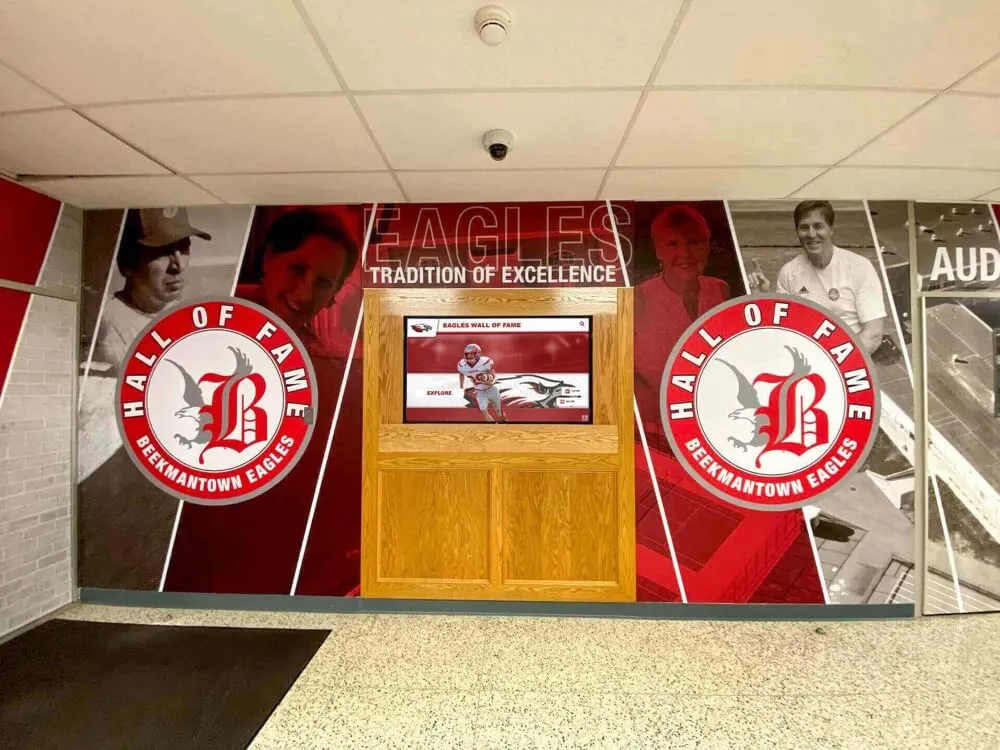
Successful consolidated schools create new unified identities while preserving heritage from all predecessor communities
Driving Forces Behind Accelerated Consolidation
Several factors combined to accelerate consolidation during this period:
Rural Depopulation
Agricultural mechanization fundamentally changed rural demographics. Farm machinery replaced manual labor, reducing agricultural employment dramatically. Families left rural areas seeking urban employment opportunities, causing rural population decline that made small schools increasingly unsustainable financially. Communities that once supported schools with 50-100 students saw enrollment drop to 10-20 students as families departed.
State Mandates and Financial Incentives
Many states moved from voluntary to mandatory consolidation during this era. State legislatures enacted laws requiring minimum district sizes, forcing mergers of districts falling below thresholds. Financial incentive programs rewarded consolidating districts with enhanced state aid while penalizing small districts maintaining separate operations. Minimum curriculum requirements became impossible for small schools to meet without consolidating to share specialized teachers.
Educational Standards Evolution
Rising educational expectations made small schools increasingly inadequate. Federal programs like the National Defense Education Act (1958) pushed advanced mathematics and science instruction requiring specialized facilities and teachers. Special education mandates required services small districts could not provide independently. Accreditation standards favored larger comprehensive schools offering diverse curricula.
Transportation Infrastructure Investment
Massive road improvement programs made long-distance school transportation practical. Federal and state highway construction connected rural areas more effectively. School bus technology improved dramatically with safety features and reliability. Communities that once considered 5-mile commutes impossible accepted 20-30 mile bus rides as consolidation enabled access to comprehensive educational programs.
Regional Variation in Consolidation
Consolidation did not occur uniformly across the United States:
Midwest and Great Plains States
These regions experienced the most aggressive consolidation. States like Iowa, Nebraska, Illinois, and Kansas saw district numbers drop by 90%+ during this era. Declining rural populations from agricultural changes created severe enrollment challenges. State policies actively encouraged consolidation through financial incentives and mandates.
Southern States
Consolidation in the South intertwined with desegregation during the 1950s-1970s. Some districts used consolidation to facilitate or resist integration. African American schools often closed disproportionately during consolidation, with students integrated into formerly all-white schools, creating additional community identity and heritage preservation challenges.
Western States
Western states with vast geographic distances consolidated more selectively. Extremely remote communities sometimes maintained small schools because consolidation would require impractical transportation distances. States like Montana and Wyoming preserved more small schools than their Midwest counterparts.
Eastern States
Consolidation in New England and Mid-Atlantic states occurred but less dramatically due to higher population density. Township-based school systems already provided some consolidation benefits, requiring less dramatic reorganization than Midwest’s thousands of tiny districts.
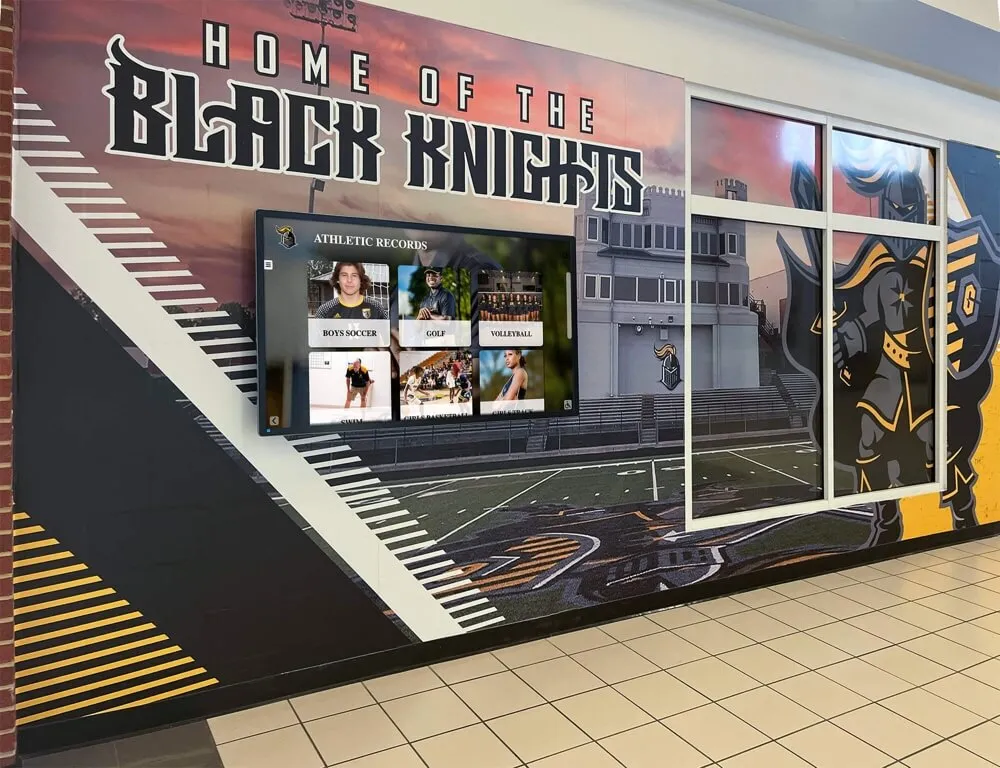
Explore how athletic programs maintain identity through consolidation with digital recognition systems preserving all predecessor school achievements.
Benefits and Challenges: What Consolidation Actually Delivered
After decades of consolidation experience, communities can assess what promises were kept and what unexpected challenges emerged.
Documented Benefits of School Consolidation
Expanded Educational Opportunities
Consolidated schools undeniably offered broader curricula than their one-room predecessors. Students gained access to:
- Advanced sciences with specialized laboratories and equipment
- Foreign language instruction from qualified teachers
- Vocational and technical training programs with expensive equipment
- Advanced Placement and honors courses for college-bound students
- Comprehensive arts programs including band, chorus, theater, and visual arts
- Physical education with proper facilities and trained instructors
These opportunities simply could not exist in tiny schools serving 20-30 students across all grade levels.
Enhanced Facilities and Resources
Consolidated schools provided facilities impossible in one-room buildings:
- Modern libraries with extensive book collections and trained librarians
- Science laboratories with proper equipment and safety features
- Computer labs and technology infrastructure
- Gymnasiums, athletic fields, and proper sports facilities
- Auditoriums for performances and community gatherings
- Specialized spaces for art, music, vocational training, and special education
Professional Teaching Environment
Consolidation improved conditions for educators:
- Teachers gained colleagues in their subject areas for collaboration and support
- Professional development opportunities expanded dramatically
- Salaries increased to levels attracting and retaining qualified teachers
- Specialized support staff (counselors, nurses, librarians, specialists) became available
- New teachers received mentoring from experienced colleagues
Economic Efficiencies
Some promised cost savings materialized:
- Administrative duplication decreased with shared superintendents and support staff
- Purchasing power improved for supplies, equipment, and services
- Specialized facilities served more students, improving cost-effectiveness
- Transportation efficiency improved through coordinated routing and scheduling
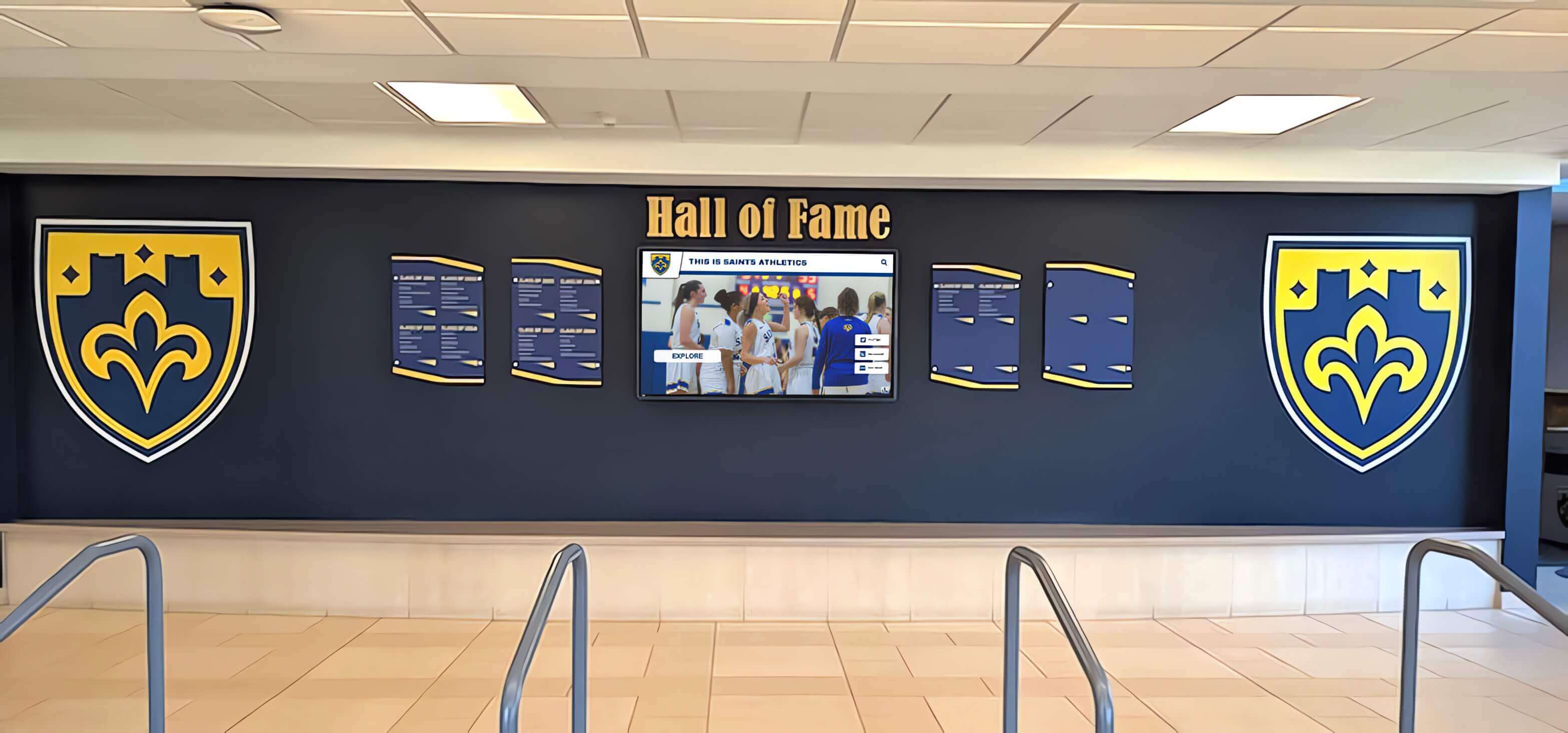
Consolidated schools provide educational opportunities impossible in small one-room schoolhouses—but come with significant community costs
Significant Challenges and Unmet Promises
Community Identity Loss
The most painful consolidation impact proved to be loss of community identity and cohesion:
- Schools served as primary community gathering spaces for rural areas
- School closures eliminated civic centers hosting meetings, events, and celebrations
- Community pride and identity centered on local schools disappeared overnight
- Multi-generational connections to specific schools disrupted permanently
- Towns losing schools often experienced accelerated economic and population decline
Mixed Academic Results
Academic improvements from consolidation proved less consistent than promised:
- Research shows varying academic outcomes depending on specific circumstances
- Some studies link consolidation to increased dropout rates, particularly for at-risk students
- Loss of personalized attention in larger schools negatively impacted some learners
- Achievement gains from expanded curriculum sometimes offset by impersonal environments
Student and Family Burdens
Consolidation created new hardships for students and families:
- Long bus rides (30-60+ minutes each way) created student fatigue and reduced family time
- Very early morning schedules and late afternoon returns limited extracurricular participation
- Larger schools felt impersonal and overwhelming compared to intimate small school environments
- Increased competition for athletics and activities reduced participation opportunities for some students
- Safety concerns about young children on long bus rides and large school environments
Unexpected Costs
Economic savings proved less dramatic than anticipated:
- Initial consolidation required massive capital investment in new buildings and bus fleets
- Transportation costs increased substantially with longer routes and more buses
- Larger facilities required expensive maintenance and operations
- Some consolidated schools became too large, requiring later division back into smaller buildings
- Hidden costs of community economic decline following school closures offset direct savings
Implementation Difficulties
The consolidation process itself created ongoing challenges:
- Fierce community resistance and legal battles delayed or derailed mergers
- Merging organizational cultures and traditions proved extremely difficult
- Alumni from closed schools felt their heritage was dismissed or forgotten
- Rivalries between merged communities persisted for decades
- Staff integration challenges when merging teacher corps from multiple districts
Understanding these benefits and challenges helps contemporary districts plan consolidations that maximize advantages while mitigating predictable problems—particularly ensuring predecessor school identities receive appropriate recognition.
Discover strategies for preserving all school histories through comprehensive digital archives accessible to all community members.
Modern Consolidation Patterns: Contemporary Trends (1980s-Present)
School consolidation continues today but with different characteristics, slower pace, and greater attention to community concerns than the aggressive mid-century consolidation era.
Slowing Consolidation Rates
The consolidation pace decreased substantially after 1980:
- By 2000, approximately 15,000 school districts remained (compared to 17,000 in 1970)
- Between 2000 and 2020, roughly 1,000-1,500 rural schools closed—significant but far less dramatic than earlier eras
- Some states enacted policies specifically protecting small rural schools from forced consolidation
- Growing recognition emerged that “optimal” school size varies by community context rather than following universal formulas
Contemporary Consolidation Drivers
Modern consolidation pressures differ somewhat from historical drivers:
Financial Crisis-Driven Consolidation
Economic downturns trigger consolidation waves:
- The 2008-2009 recession forced consolidations across multiple states
- COVID-19 pandemic budget impacts created new consolidation pressure
- State funding cuts make small districts financially unsustainable
- Property tax resistance limits local funding capacity
Severe Enrollment Decline
Continuing rural depopulation drives selective consolidation:
- Schools with enrollment under 100 students face extreme per-pupil costs
- Teacher recruitment becomes impossible when schools cannot offer competitive salaries
- Some rural areas lose population so dramatically that consolidation becomes unavoidable
Teacher Shortage Pressures
National teacher shortages particularly impact small rural schools:
- Difficulty attracting teachers to remote areas with limited social opportunities
- Inability to offer competitive salaries and benefits
- Specialized subject teachers (STEM, special education, world languages) virtually impossible to recruit
- Consolidation into larger districts improves recruitment through better compensation and professional environment
Technology and Curriculum Requirements
Modern educational expectations require resources beyond small schools’ capacity:
- Technology infrastructure investment (high-speed internet, devices, software) requires scale
- STEM program expectations require specialized equipment and training
- Special education mandates demand specialized staff and facilities
- Advanced Placement and dual-enrollment programs need critical mass of interested students

Modern consolidated schools increasingly recognize the importance of preserving all predecessor traditions and achievements
Alternative Models to Full Consolidation
Contemporary districts increasingly explore consolidation alternatives:
Shared Services Agreements
Districts maintain separate schools while sharing specific services:
- Shared superintendents and administrative staff reducing overhead without closing schools
- Cooperative special education programs pooling resources across districts
- Joint transportation systems improving efficiency while preserving schools
- Shared purchasing cooperatives gaining economies of scale without mergers
Virtual and Distance Learning
Technology enables curriculum expansion without consolidation:
- Online Advanced Placement courses accessed by students across small schools
- Virtual foreign language instruction through statewide or regional programs
- Dual-enrollment partnerships with community colleges expanding opportunities
- Shared specialist teachers rotating among multiple small schools
Strategic Partial Consolidation
Some districts consolidate selectively rather than completely:
- Maintaining local elementary schools while consolidating secondary schools
- Preserving schools serving as community identity centers while closing underutilized buildings
- Gradual consolidation allowing community adjustment over extended timeframes
- Grade configuration changes (K-8 and 9-12 rather than K-6 and 7-12) addressing specific needs
These alternatives demonstrate growing recognition that consolidation should not follow one-size-fits-all formulas but instead reflect specific community circumstances and values.
Learn about contemporary recognition approaches that honor multiple school traditions through unified digital displays celebrating complete institutional heritage.
Preserving Identity After Consolidation: Strategies for Success
The most critical consolidation challenge involves preserving predecessor school identities while building unified new institutional culture. Districts handling this process thoughtfully create stronger communities—while those dismissing predecessor traditions face decades of resentment.
The Identity Challenge
When schools merge, several identity-related conflicts emerge:
Alumni Displacement
Graduates from closed schools suddenly lack institutional affiliation:
- Their school literally no longer exists in operational form
- Reunions and commemorative events lose natural organizational homes
- Younger generations lack connection to schools their parents and grandparents attended
- Fear that achievements and traditions will be forgotten or dismissed
Unequal Status Perception
Communities often perceive unequal treatment in merged districts:
- If one community’s building becomes the consolidated school, others feel “absorbed” rather than merged as equals
- Adoption of one school’s mascot, colors, or name suggests superiority over other traditions
- Athletic or academic achievements from certain predecessor schools receive more recognition than others
- Staff from different predecessor schools may experience different treatment
Generational Divides
Consolidation creates generational identity gaps:
- Older community members identify with closed schools and resist new unified identity
- Younger students have no direct connection to predecessor schools but hear family stories about them
- Middle generations struggle between loyalty to predecessor schools and investment in consolidated district success
Competing Traditions
Different predecessor schools bring conflicting traditions:
- School colors that clash visually and symbolically
- Mascots creating identity conflicts (particularly if rivals merge)
- Athletic traditions and conference affiliations with different histories
- Academic program emphases reflecting different community values
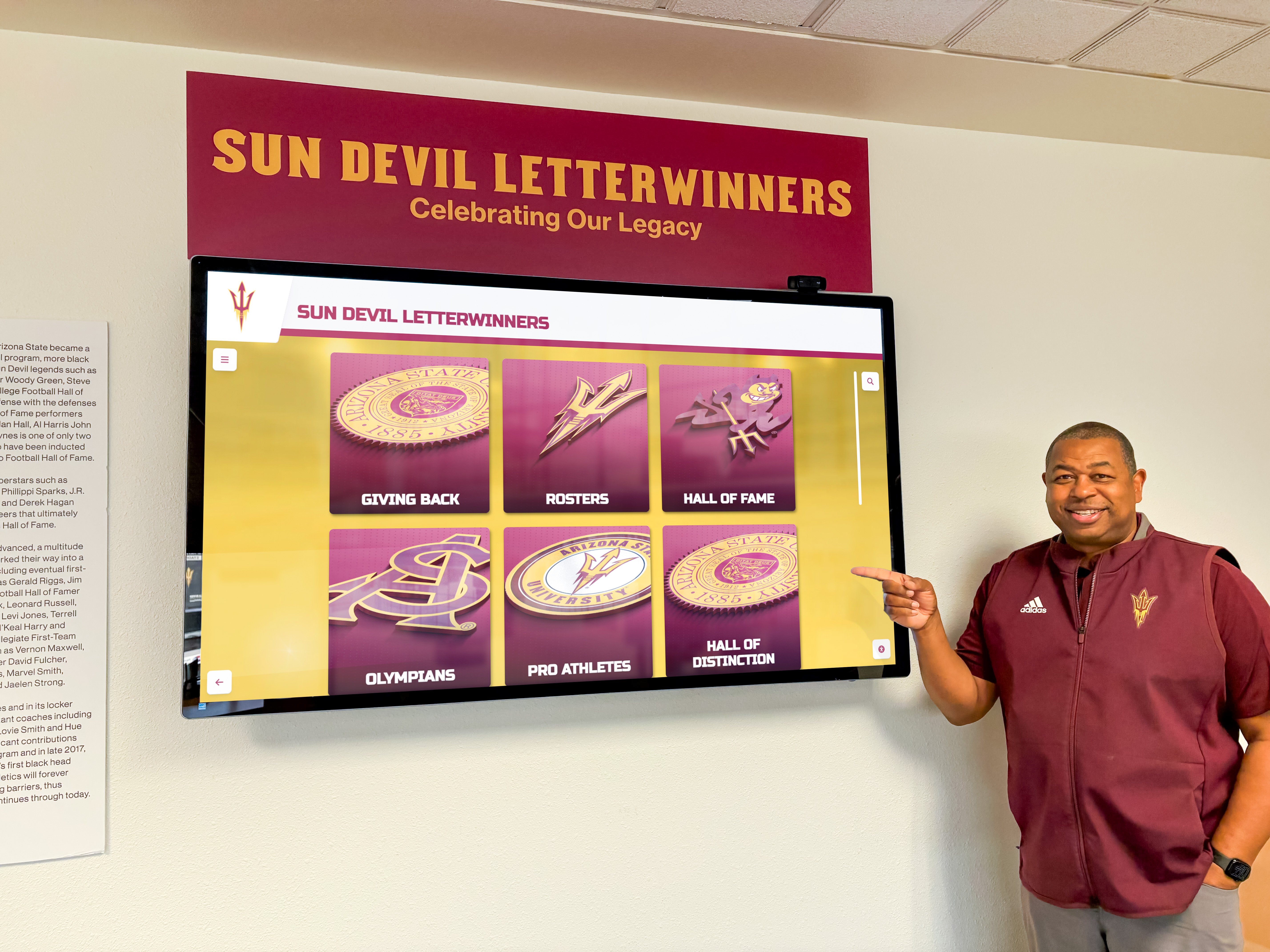
Successful consolidation requires intentional strategies preserving all predecessor school identities equitably
Proven Identity Preservation Strategies
Create New Unified Identity Honoring All Traditions
Rather than adopting one predecessor school’s identity, create entirely new identity:
- New mascot and colors representing merger rather than continuation of single school
- Name reflecting geography or shared values rather than specific predecessor school
- Traditions incorporating elements from all merged communities
- Symbolism acknowledging all predecessor schools in logos, facility design, uniforms
Systematically Document and Preserve Heritage
Comprehensive historical preservation prevents predecessor schools from being forgotten:
- Collect yearbooks, photographs, trophies, and memorabilia from all closed schools before dispersal
- Conduct oral history interviews with alumni, teachers, and community members
- Create historical timelines showing complete heritage from all predecessor schools
- Preserve achievement records including athletics, academics, fine arts from all schools
- Establish archives accessible to researchers, alumni, and community members
Implement Equitable Recognition Systems
Recognition programs must honor all predecessor schools fairly:
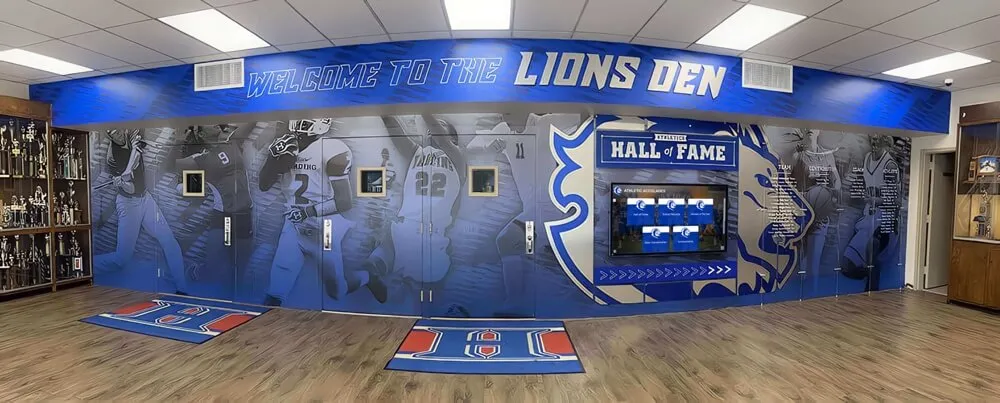
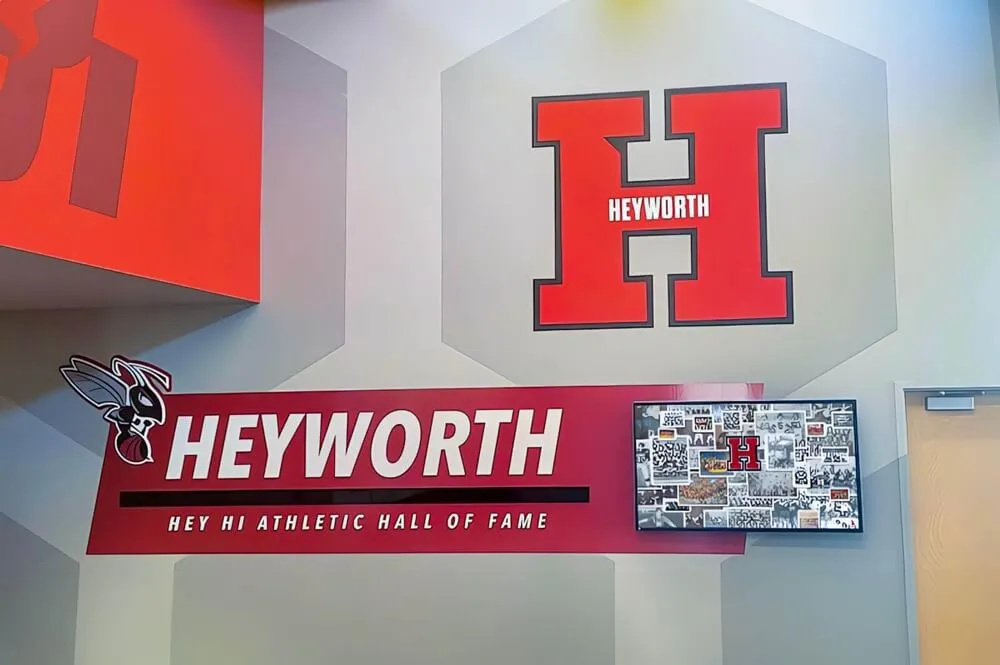
- Hall of fame programs inducting worthy candidates from all predecessor schools
- Digital displays presenting achievements from every merged community proportionally
- Historical sections for each predecessor school with comprehensive documentation
- Annual ceremonies incorporating traditions from all merged schools
- Alumni association structures ensuring representation from all communities
Physical Space Recognition
Facility design should acknowledge all predecessor schools:
- Name gymnasiums, libraries, or specific spaces after closed schools
- Display historical photos and memorabilia from all predecessor schools prominently
- Create historical hallways or recognition walls for each merged community
- Incorporate architectural or design elements reflecting all traditions
- Placement of monuments or markers honoring closed school locations
Maintain Predecessor School Alumni Connections
Support ongoing connections to closed schools:
- Facilitate separate alumni gatherings for specific predecessor schools
- Include predecessor school reunion information in consolidated district communications
- Create online platforms enabling predecessor school alumni to maintain connections
- Invite predecessor school alumni to consolidated school events
- Support commemorative events marking significant predecessor school anniversaries
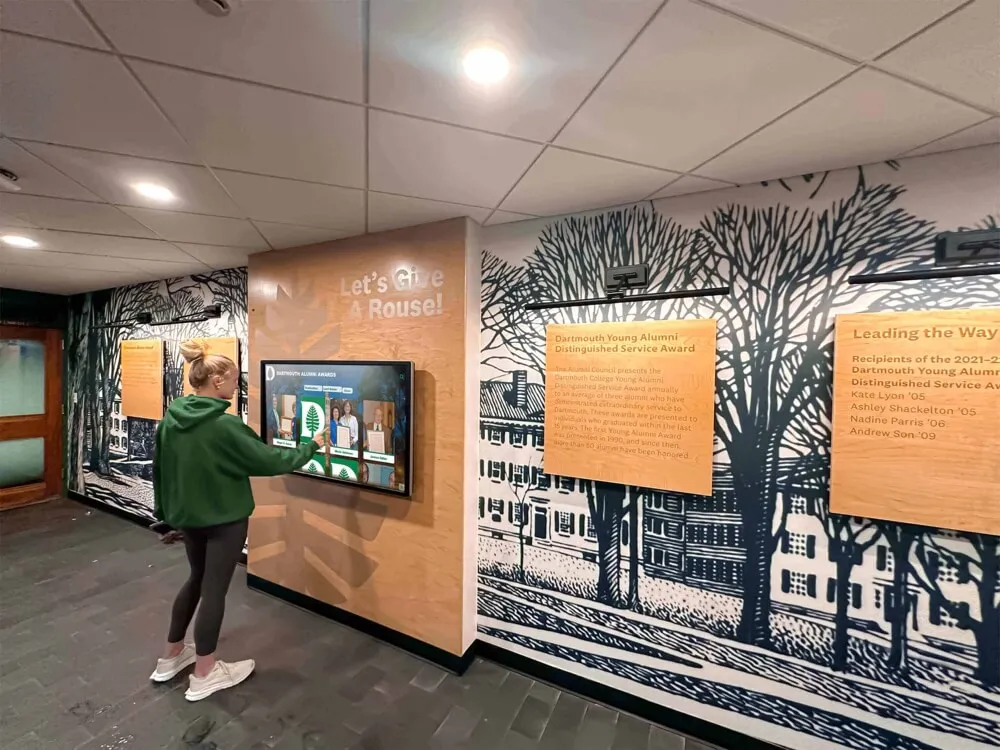
Discover how comprehensive digital recognition enables preserving unlimited predecessor school heritage without space constraints.
Digital Recognition: Modern Solutions for Heritage Preservation
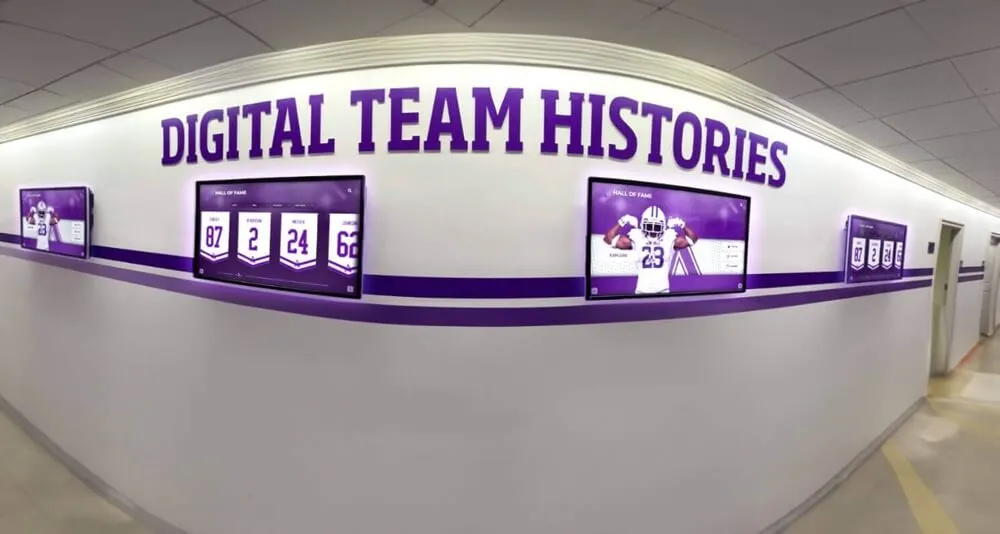
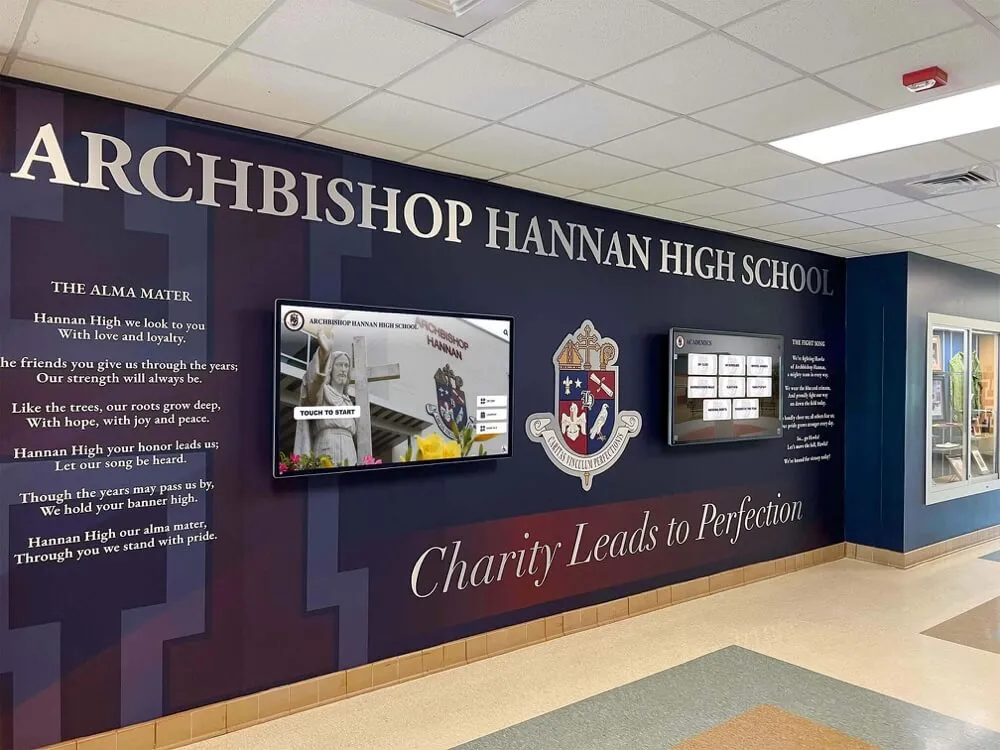
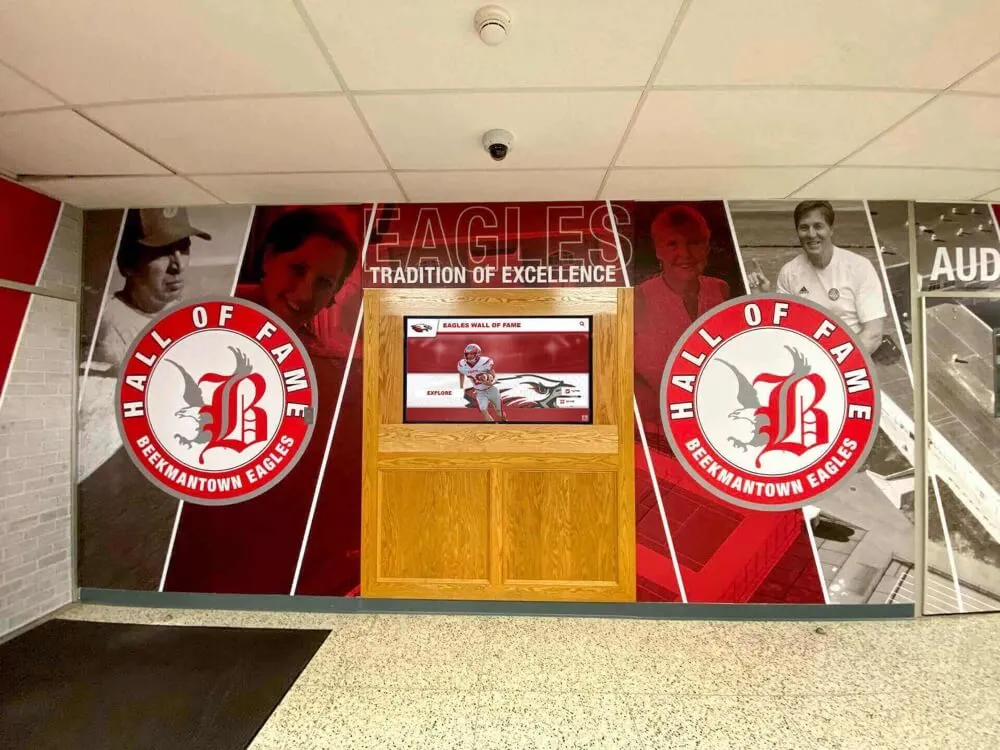
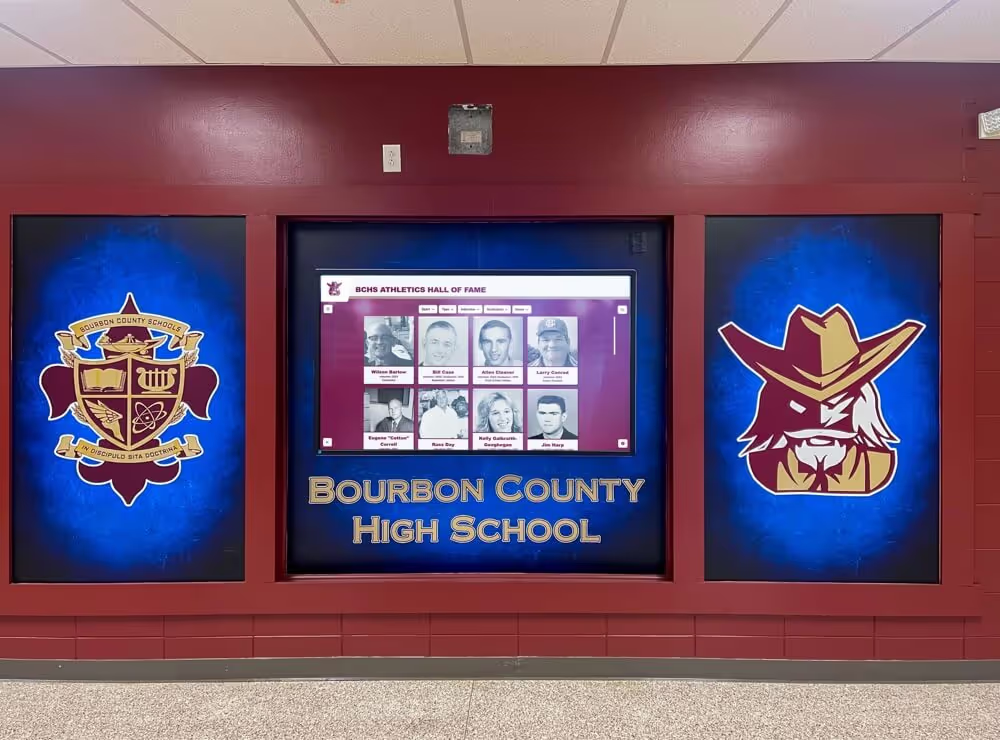
Traditional consolidation approaches often failed to preserve predecessor school identities adequately because physical space constraints forced choosing what to recognize. Digital recognition systems eliminate these limitations, enabling comprehensive heritage preservation.
How Digital Recognition Solves Consolidation Challenges
Unlimited Recognition Capacity
Physical trophy cases and plaque walls have finite space, forcing difficult decisions about what receives recognition. Schools typically prioritized recent achievements in the new consolidated identity while relegating predecessor school recognition to minimal space or storage.
Digital platforms eliminate capacity constraints:
- Every predecessor school receives comprehensive recognition regardless of when it closed
- All historical periods from all merged schools documented completely
- No forced choices between old and new recognition
- Easy expansion as new achievements occur without displacing historical content
Equitable Multi-School Heritage Display
Digital systems enable truly equitable recognition:
- Parallel structure showing each predecessor school’s complete history
- Proportional representation ensuring no school receives disproportionate visibility
- Searchable databases allowing alumni to find their school’s information easily
- Flexible views enabling visitors to explore specific predecessor schools or unified consolidated history
Accessible to Dispersed Alumni
Graduates from closed schools often scatter geographically, making physical access to recognition difficult. Web-accessible digital platforms enable:
- Alumni anywhere accessing their school’s history from any internet-connected device
- Social sharing allowing graduates to celebrate their school with extended networks
- Virtual reunions exploring shared history across distances
- Ongoing connection to institutional heritage regardless of location
Engaging Presentation of Historical Content
Digital platforms present historical information more engagingly than static displays:
- Video content preserving voices and memories from predecessor schools
- Interactive timelines showing institutional evolution through consolidation
- Photo galleries with thousands of historical images impossible to display physically
- Searchable statistics and achievement databases
- Audio recordings of memorable events, performances, or interviews
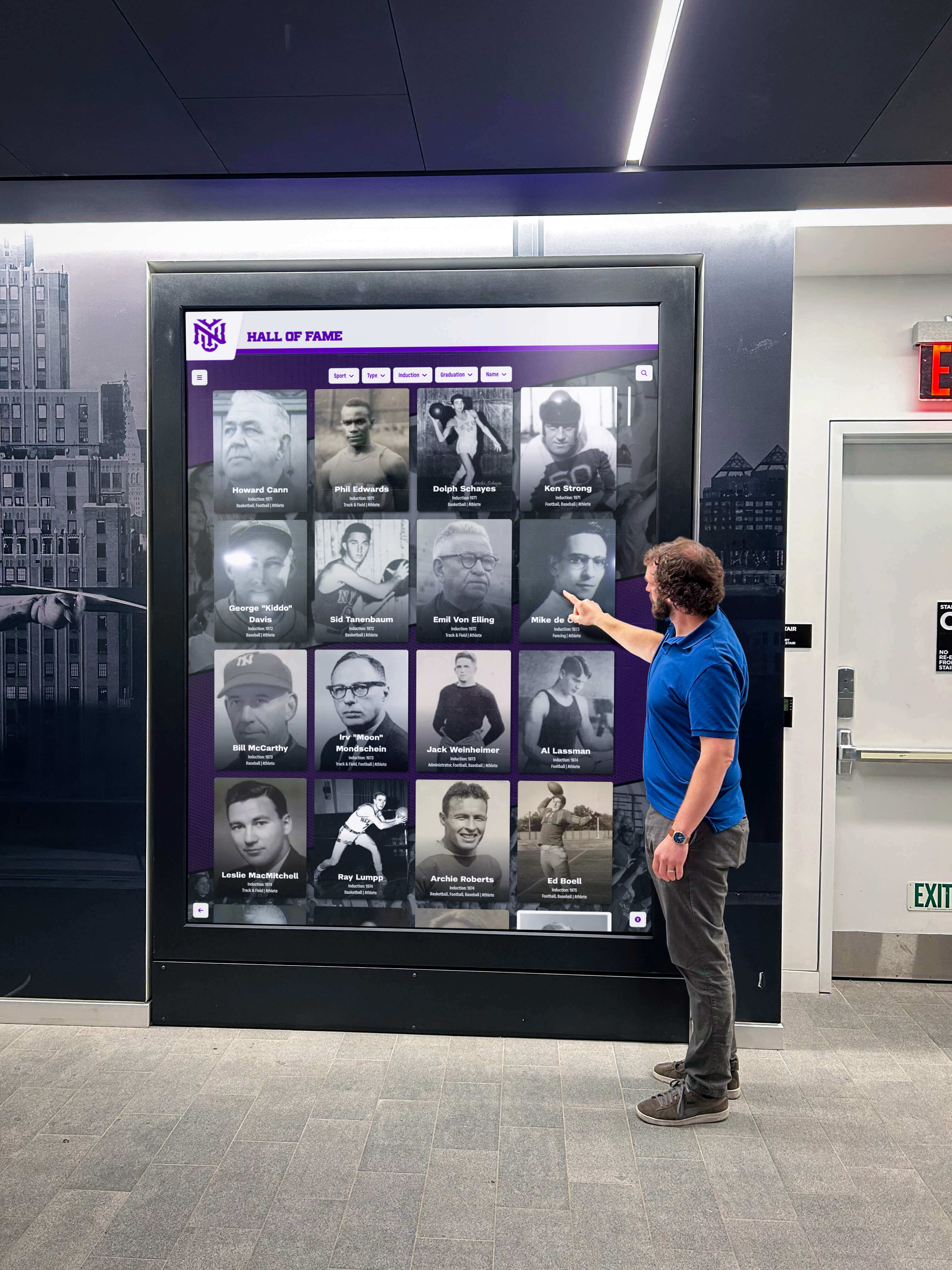
Digital recognition platforms enable consolidated schools to preserve complete heritage from all predecessor schools
Implementation Best Practices for Consolidated Districts
Establish Heritage Preservation Committee
Form committee with representation from all predecessor school communities:
- Include alumni, former staff, and community members from each merged school
- Set equitable recognition standards applying consistently across all schools
- Prioritize comprehensive historical documentation preventing any school’s erasure
- Create sustainable processes for ongoing heritage preservation
Systematic Historical Content Development
Approach heritage preservation systematically:
- Research each predecessor school’s history comprehensively using yearbooks, newspapers, archives
- Conduct interviews with alumni and former staff preserving oral histories
- Digitize photographs, documents, and memorabilia at professional quality
- Document athletic records, academic achievements, arts accomplishments, and significant events
- Verify information accuracy through multiple sources before publication
Balance Historical and Contemporary Content
Digital platforms should honor past while celebrating present:
- Equal prominence for historical and contemporary recognition
- Contemporary achievement displays using same professional standards as historical content
- Integration showing how current programs evolved from predecessor school traditions
- Regular updates maintaining currency while preserving historical completeness
Involve Community in Content Development
Alumni and community members provide invaluable historical knowledge:
- Create submission portals enabling community contribution of photos, stories, information
- Host collection events at predecessor school reunions or community gatherings
- Publicize content needs through alumni networks and local media
- Acknowledge contributors publicly encouraging ongoing participation
Launch with Comprehensive Content
Avoid incremental launches showing incomplete heritage:
- Delay public launch until all predecessor schools have substantial content
- Ensure equity across predecessor schools rather than favoring some with more complete information
- Present consolidation as opportunity to preserve all heritage rather than just creating new identity
- Generate excitement about comprehensive historical preservation in launch communications
Solutions like Rocket Alumni Solutions provide platforms specifically designed for consolidated school recognition needs, enabling equitable preservation of all predecessor school legacies while building unified contemporary identity.
Case Examples: Learning from Consolidation Successes and Challenges
Examining real consolidation experiences illustrates what approaches work and what pitfalls to avoid.
Success Story: Honoring All Heritage Equitably
Many consolidated districts successfully preserved multiple identities through intentional strategies. Common success factors include:
Immediate Heritage Preservation Priority
Successful districts prioritized historical documentation immediately upon consolidation rather than waiting years:
- Formed historical committees before finalizing consolidation
- Collected yearbooks, photographs, trophies, and records systematically
- Conducted alumni interviews while memories remained fresh
- Created comprehensive archives accessible to all communities
New Identity Creation Rather Than Adoption
Districts creating entirely new identities avoided perceptions of winners and losers:
- Selected new mascots and colors through inclusive community processes
- Named consolidated schools using geographic identifiers rather than predecessor school names
- Designed facilities incorporating symbolic elements from all merged schools
- Created new traditions intentionally integrating practices from all communities
Visible Equal Recognition
Physical and digital spaces demonstrated commitment to honoring all predecessor schools:
- Dedicated equal wall space or display areas to each merged school’s history
- Implemented digital platforms showing all schools comprehensively
- Inducted hall of fame members from all predecessor schools proportionally
- Featured rotating displays highlighting different predecessor school traditions
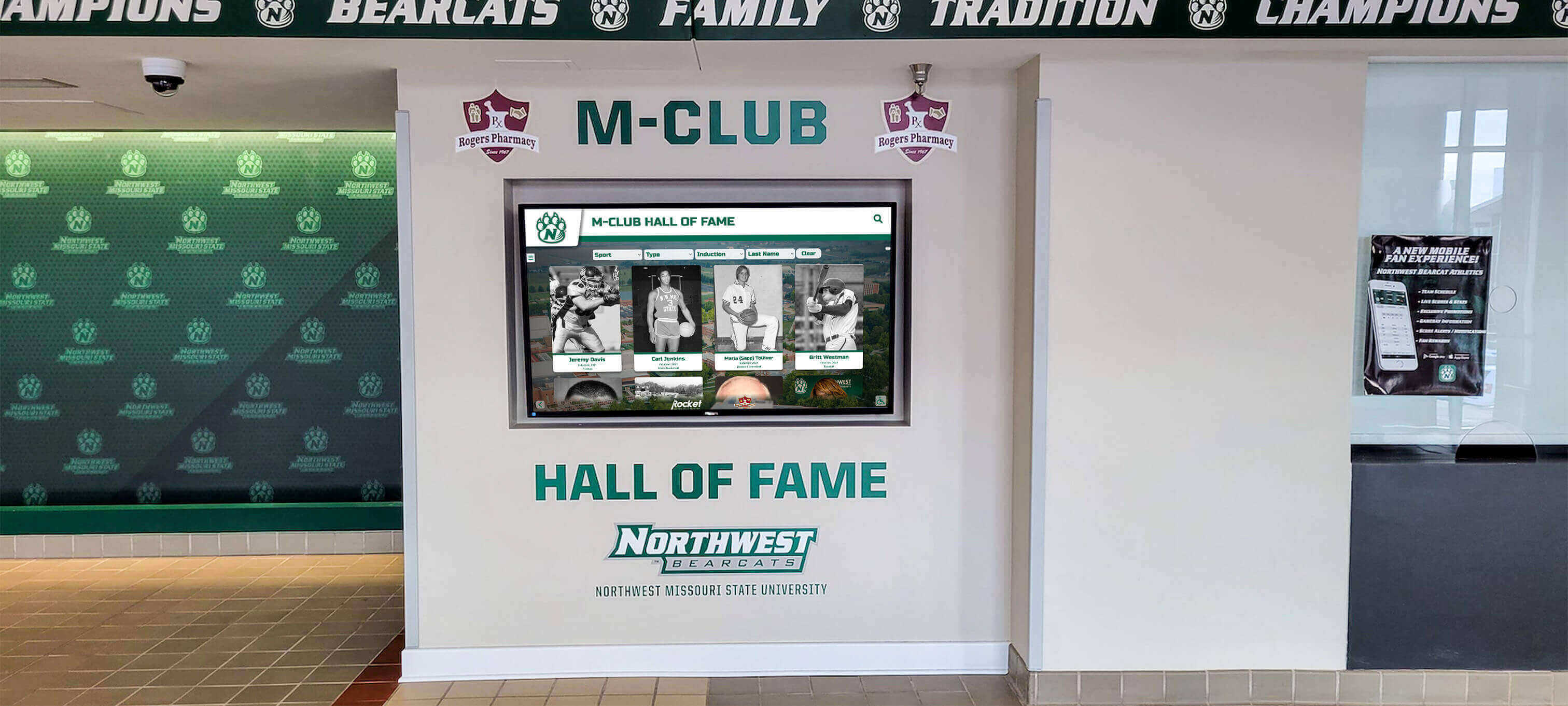
Successful consolidation requires visible commitment to preserving all predecessor school achievements equitably
Challenge Example: Incomplete Heritage Preservation
Unfortunately, many consolidated districts inadequately preserved predecessor school identities, creating lasting resentment:
Common Mistakes:
Adopting Single School’s Identity
- Using one predecessor school’s mascot, colors, and name while others disappeared
- Created perception that one community “won” consolidation while others lost
- Alumni from discontinued schools felt their heritage was dismissed
Inadequate Historical Recognition
- Minimal space dedicated to closed schools compared to new consolidated identity
- Recognition limited to championship teams or famous alumni while comprehensive history disappeared
- No systematic preservation effort allowing yearbooks, photos, and records to scatter or be lost
Dismissive Attitudes Toward Predecessor Schools
- Leadership communicating that consolidation meant moving forward without dwelling on the past
- Failure to acknowledge legitimate grief about school closures
- No mechanisms for alumni from closed schools to maintain connections
Delayed Recognition Efforts
- Waiting years or decades before attempting historical preservation
- By then, many alumni had passed away, memories faded, and physical artifacts disappeared
- Attempting to recover lost history proved extremely difficult and incomplete
Long-Term Consequences:
Districts failing to preserve predecessor identities appropriately experienced:
- Persistent resentment and lack of community buy-in for consolidated schools
- Lower alumni engagement and reduced financial support from closed school graduates
- Ongoing identity conflicts preventing unified community formation
- Difficulty recruiting families to communities where school heritage disappeared
- Lost institutional memory making comprehensive historical recognition impossible
These contrasting outcomes demonstrate that thoughtful heritage preservation directly impacts long-term consolidation success.
Explore comprehensive approaches to preserving institutional history through modern digital platforms.
Planning Future Consolidations: Applying Historical Lessons
Districts considering or planning consolidation can apply lessons from consolidation history to create more successful transitions.
Pre-Consolidation Planning Essentials
Open Community Engagement
Include affected communities meaningfully in consolidation planning:
- Hold community meetings in all affected communities, not just central locations
- Provide complete information about consolidation rationale, alternatives considered, and expected impacts
- Gather input about what traditions and identities matter most to each community
- Address concerns honestly rather than dismissing legitimate emotional attachments
- Allow adequate time for community processing and feedback rather than rushed decisions
Heritage Preservation Plans
Develop comprehensive heritage preservation strategies before consolidation:
- Form historical committees with representation from all merging schools
- Inventory what needs preservation from each school (records, memorabilia, traditions, stories)
- Establish clear processes for collecting, organizing, and making accessible historical materials
- Budget adequately for professional digitization, archival storage, and recognition systems
- Begin collecting before consolidation when access to materials and memories is easier
Identity Creation Processes
Plan new consolidated identity creation inclusively:
- Involve all communities in selecting new mascots, colors, school names
- Create symbolism representing merger rather than continuation of single school
- Design facilities integrating architectural or design elements from all traditions
- Plan inaugural ceremonies honoring all predecessor schools appropriately
- Develop new traditions intentionally incorporating practices from all merged communities
Post-Consolidation Implementation
Immediate Heritage Preservation Action
Begin historical preservation work immediately upon consolidation:
- Launch comprehensive content development for digital recognition platforms
- Conduct alumni interviews while memories are fresh and participants available
- Digitize yearbooks, photos, records systematically rather than selectively
- Create accessible archives so communities see commitment to preservation
- Publicize preservation efforts demonstrating respect for all predecessor schools
Ongoing Identity Building
Unified identity creation requires sustained intentional effort:
- First 5-10 years after consolidation remain critical for identity formation
- Regular evaluation of whether all communities feel equitably represented
- Adjustment of recognition approaches based on community feedback
- Celebration of achievements creating positive associations with consolidated identity
- Sustained communication about how consolidation enables opportunities impossible in smaller schools
Alumni Engagement Across All Schools
Maintain connections with alumni from all predecessor schools:
- Alumni association structures ensuring representation from all merged schools
- Support for predecessor school-specific reunions and commemorative events
- Communication strategies reaching alumni through established predecessor school networks
- Involvement opportunities allowing alumni to contribute to heritage preservation
- Recognition of alumni contributions to current consolidated school success
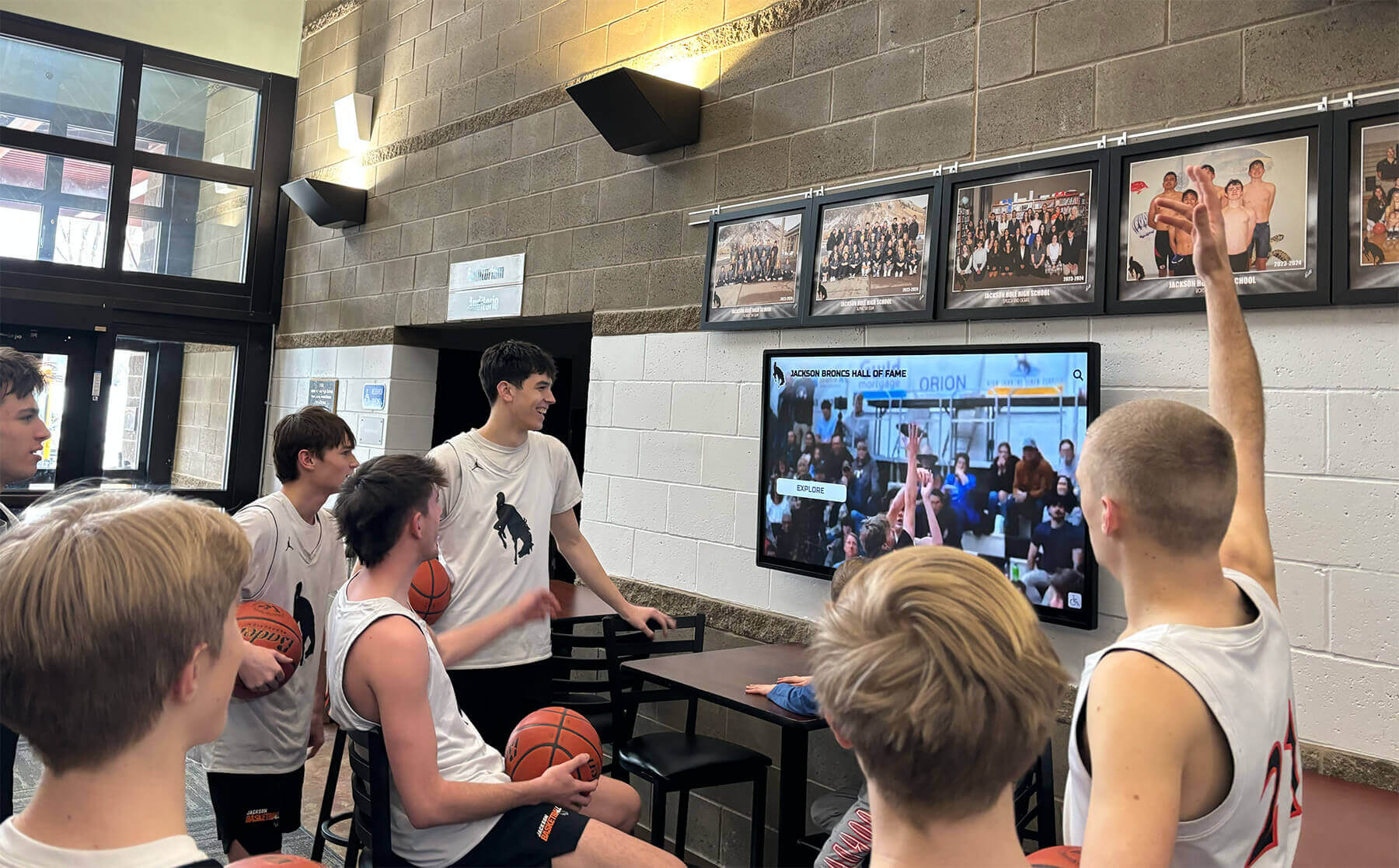
Successful consolidation creates new traditions while maintaining visible connections to all predecessor school heritage
Long-Term Commitment Requirements
Sustained Leadership Priority
Successful consolidation requires ongoing leadership commitment:
- Recognition that identity integration takes years, not months
- Consistent messaging about valuing all predecessor traditions
- Resource allocation supporting comprehensive heritage preservation
- Succession planning ensuring new leaders understand consolidation history
- Regular assessment of whether all communities feel equitably honored
Continuous Heritage Development
Heritage preservation is ongoing, not one-time:
- Regular content additions to digital recognition platforms
- Solicitation of historical materials from alumni and community members
- Special projects marking significant predecessor school anniversaries
- Research filling gaps in historical knowledge
- Integration of new technologies enhancing historical presentation
Community Healing and Integration
Address consolidation’s emotional impacts continuously:
- Acknowledge that grief about school closures is legitimate and lasting
- Celebrate when unified identity milestones occur (championship teams, significant achievements)
- Recognize generational differences in consolidation attitudes and experiences
- Support activities bringing together alumni from different predecessor schools
- Maintain flexibility adjusting approaches as community needs evolve
The Future of School Consolidation and Identity Preservation
School consolidation will continue as demographic and economic realities make some small schools unsustainable. However, approaches to consolidation and heritage preservation continue evolving based on historical lessons.
Emerging Consolidation Trends
More Thoughtful, Community-Centered Processes
Contemporary consolidations increasingly prioritize community concerns:
- Extended planning timelines allowing proper preparation and adjustment
- Greater community input in consolidation decisions and planning
- More attention to heritage preservation as essential consolidation element
- Willingness to explore alternatives to full consolidation when appropriate
Technology-Enabled Heritage Preservation
Digital platforms transform consolidation heritage preservation:
- Unlimited recognition capacity eliminating forced choices between old and new
- Web accessibility enabling dispersed alumni to maintain connections
- Multimedia content creating engaging historical presentations
- Searchable databases making comprehensive historical information discoverable
- Cost-effectiveness making comprehensive preservation financially feasible
Recognition of Small School Value
Growing research and experience temper consolidation enthusiasm:
- Acknowledgment that optimal school size varies by community context
- Greater willingness to preserve small schools when communities strongly prioritize them
- Exploration of alternatives enabling small schools to access resources without full consolidation
- Balance between educational opportunity and community identity preservation
Best Practices Moving Forward
Contemporary consolidations should incorporate these evidence-based practices:
Prioritize Heritage Preservation Equally with Educational Planning
- Dedicate resources to historical preservation comparable to facility and curriculum planning
- Begin heritage preservation before consolidation rather than as afterthought
- Implement comprehensive digital recognition systems honoring all predecessor schools
Create Genuinely Unified New Identities
- Avoid simply adopting one school’s identity while others disappear
- Involve all communities in creating new traditions and symbols
- Design facilities and programs integrating elements from all merged schools
Maintain Long-Term Commitment
- Recognize consolidation success requires sustained effort over years
- Allocate ongoing resources for heritage preservation and identity building
- Regularly assess whether all communities feel equitably represented
Use Technology Appropriately
- Implement purpose-built recognition platforms designed for consolidated school needs
- Ensure web accessibility enabling alumni to connect regardless of location
- Use digital platforms’ unlimited capacity to preserve complete heritage comprehensively
Learn from Historical Experience
- Study both successful and unsuccessful consolidation examples
- Apply proven approaches while avoiding predictable pitfalls
- Adapt strategies to specific community contexts and values
Conclusion: Honoring the Past While Building the Future
School consolidation has fundamentally transformed American education over 120 years, reducing approximately 200,000 one-room schools to today’s 13,000 districts. This dramatic change brought genuine educational benefits—broader curricula, better facilities, enhanced resources—but also profound community costs, particularly loss of institutional identity and heritage. Districts experiencing consolidation face the critical challenge of preserving predecessor school legacies while building unified new identities that honor all merged communities appropriately.
The strategies explored throughout this comprehensive guide demonstrate that successful consolidation requires far more than combining facilities and curricula. Effective transitions demand systematic heritage preservation documenting all predecessor schools comprehensively, intentional creation of new unified identities respecting all traditions equitably, implementation of recognition systems celebrating achievements from every merged community, and sustained commitment ensuring no school’s legacy disappears despite closure. Districts implementing thoughtfully—prioritizing heritage preservation from the beginning, involving all communities meaningfully in identity creation, leveraging digital recognition technology enabling unlimited preservation capacity, and maintaining long-term commitment to equitable representation—create stronger unified communities that honor complete institutional heritage while building exciting new traditions.
Consolidated schools deserve recognition systems that honor all predecessor communities equitably while building unified contemporary identity. Modern digital platforms eliminate the space constraints that once forced choosing between old and new recognition, enabling comprehensive heritage preservation alongside celebration of current achievements. Solutions like Rocket Alumni Solutions provide comprehensive platforms specifically designed for consolidated school recognition needs, combining unlimited historical capacity with intuitive interfaces enabling alumni from all predecessor schools to explore their heritage easily.
Whether managing recent consolidation or planning future mergers, systematic heritage preservation strengthens rather than divides your community. Request your free custom demo to explore how digital recognition can honor all predecessor school legacies while building unified identity for your consolidated district.
School consolidation will continue as demographic and economic realities evolve. However, the choice remains whether consolidation strengthens or divides communities. Districts learning from consolidation history—particularly the critical importance of preserving predecessor school identities equitably—create transitions that honor the past while building exciting futures. Every closed school represents decades of achievements, traditions, and community pride deserving appropriate recognition. Digital platforms finally enable keeping that promise, ensuring no legacy disappears and all heritage receives the celebration it deserves throughout consolidation transitions and beyond.