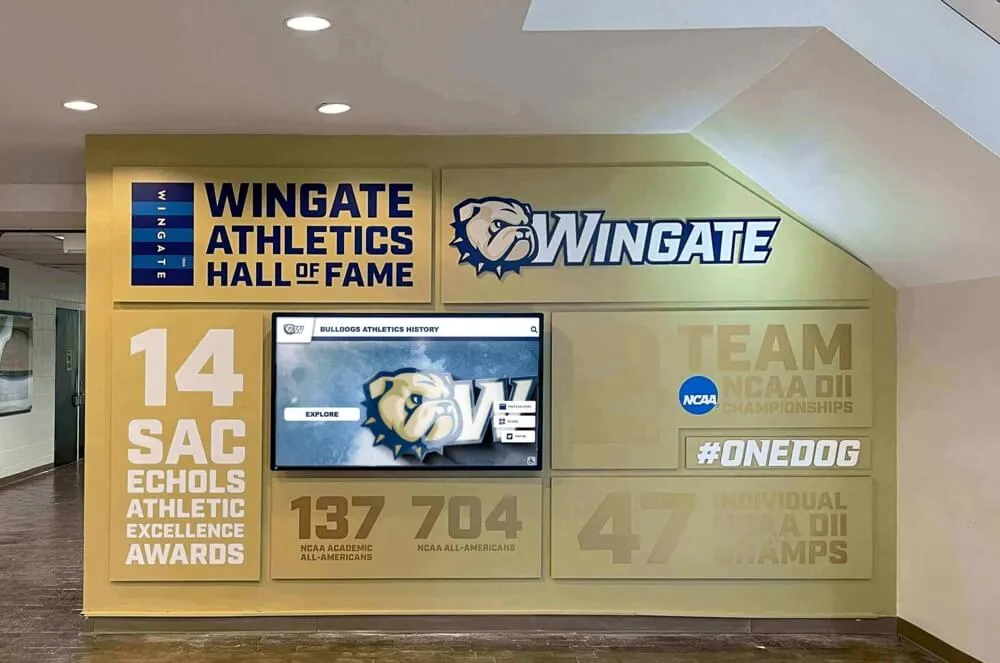




Intent: Define comprehensive approaches for tracking, preserving, and displaying high school wrestling rankings and records through systematic program documentation.
High school wrestling stands apart from other scholastic sports through its distinctive combination of individual competition within team frameworks, weight-class based matchups, intricate scoring systems, and meticulous record-keeping traditions that have defined the sport for generations. Wrestling programs accumulate extensive performance data—individual match records, season statistics, tournament placements, state rankings, historical weight class champions, dual meet results, and career achievement milestones—creating rich competitive archives that document program excellence across decades.
Yet many wrestling programs struggle with how to systematically organize, preserve, and showcase this wealth of achievement data. Paper records deteriorate in storage rooms, historical statistics exist only in aging coaches’ memories, championship recognition remains limited to crowded trophy cases, and current athletes remain disconnected from program traditions because past excellence isn’t visible or accessible. When ranking systems change, weight classes shift, or coaching transitions occur, institutional knowledge vanishes unless programs establish deliberate documentation and recognition systems.
This comprehensive blueprint provides wrestling coaches, athletic directors, and program administrators with systematic frameworks for tracking performance metrics, organizing historical records, implementing modern ranking systems, and creating engaging recognition displays that preserve program legacy while inspiring current competitors to pursue their own excellence.
Wrestling programs that excel at record-keeping and recognition gain significant competitive advantages. They create visible program culture that communicates excellence standards, provide recruiting tools showcasing developmental success, strengthen alumni connections through accessible historical documentation, and establish systematic approaches ensuring future achievements receive proper documentation from occurrence rather than attempting reconstruction years later when details have faded.

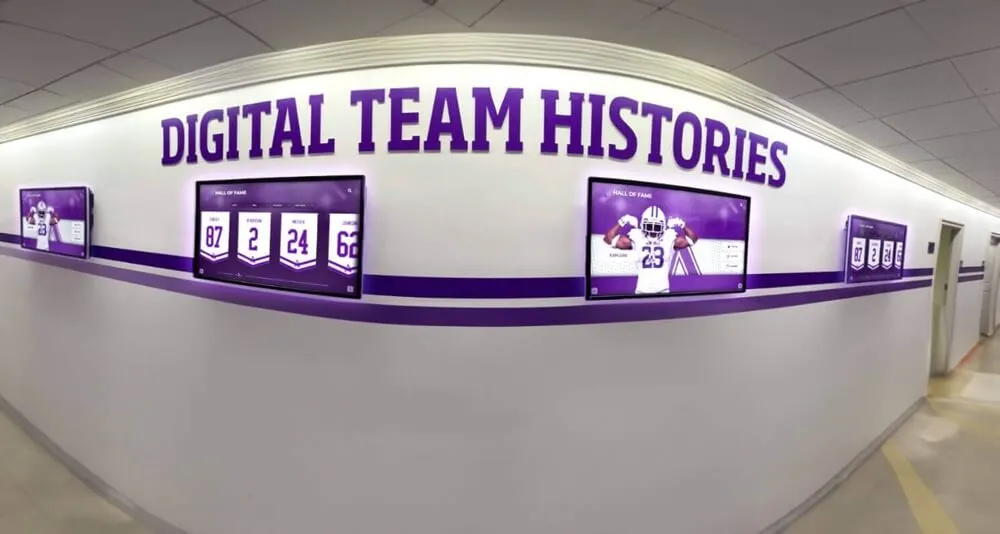
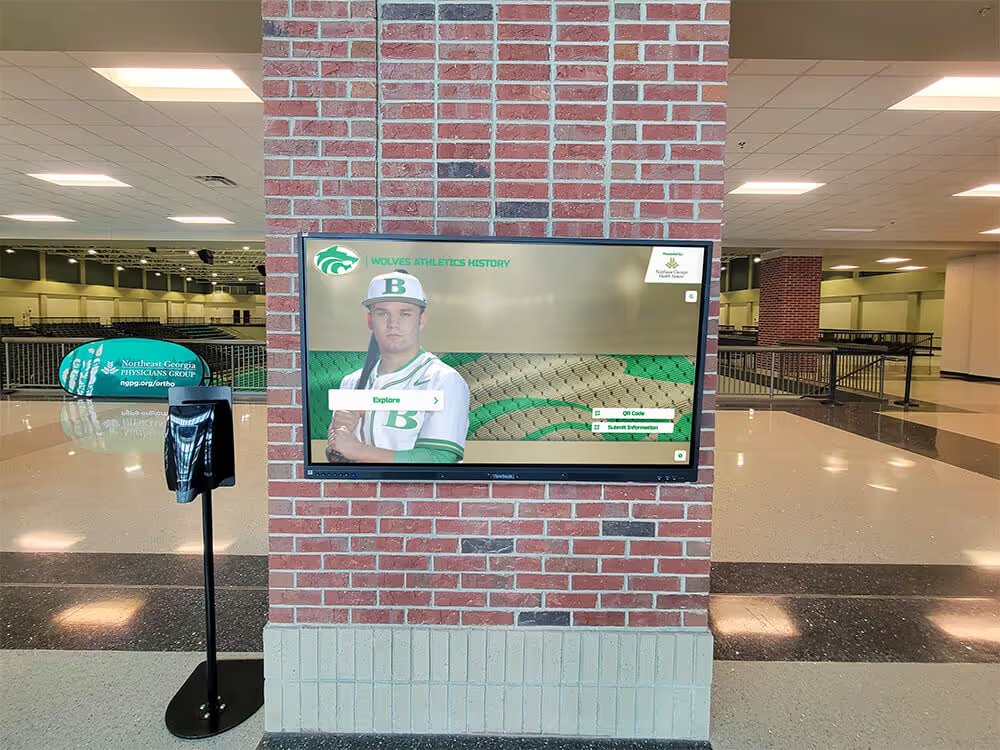
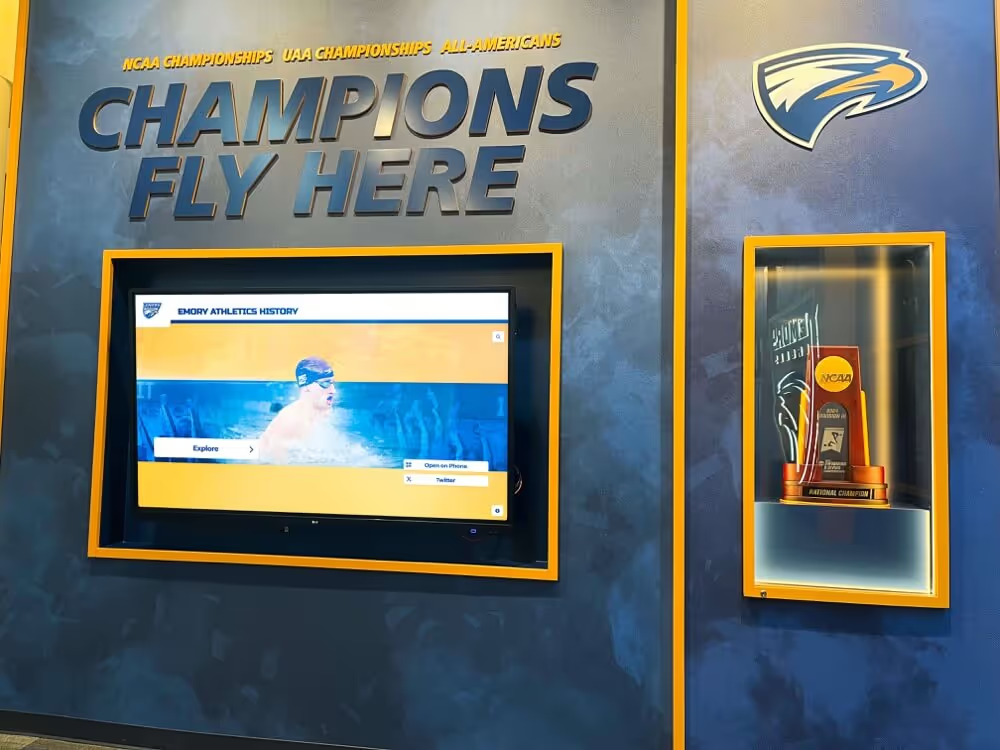
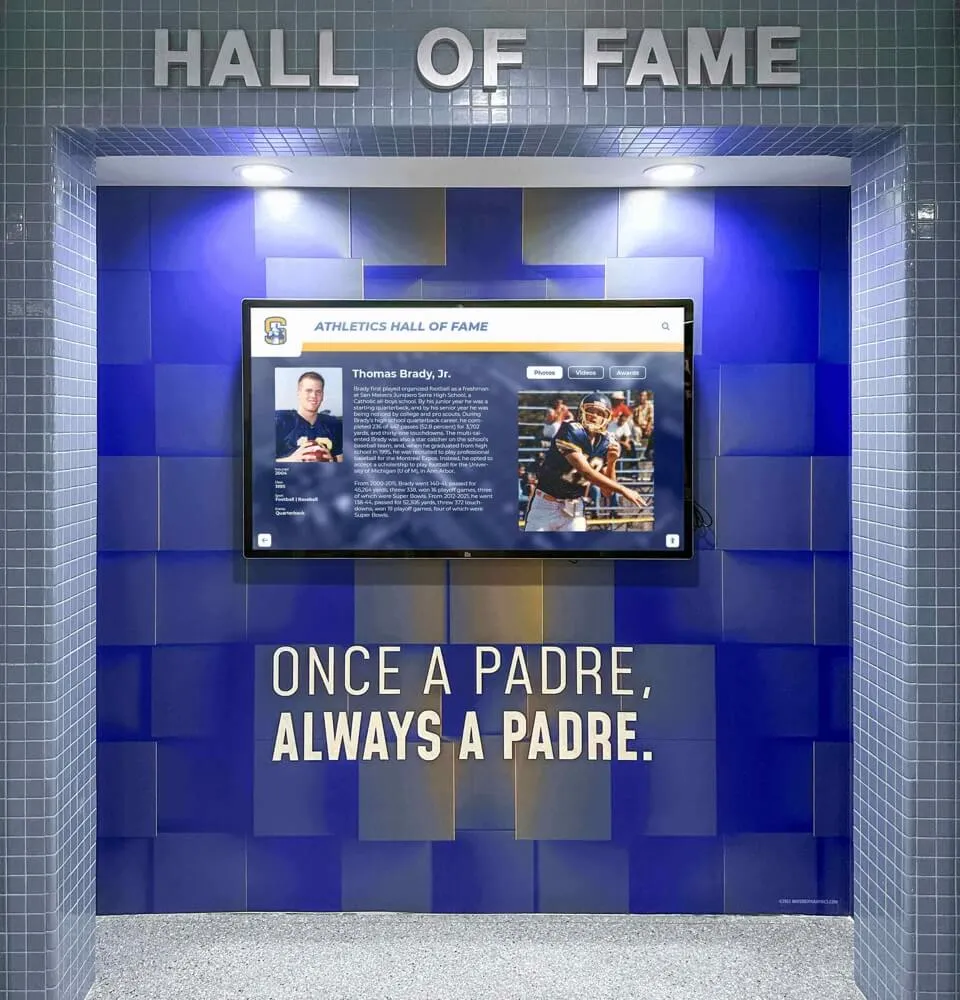
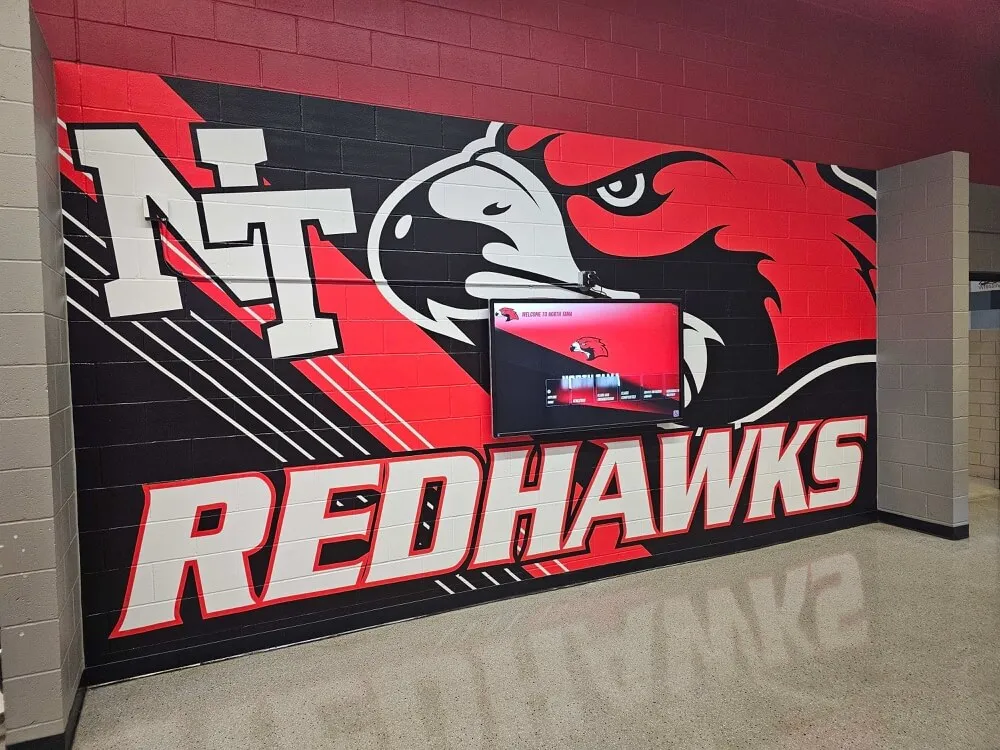
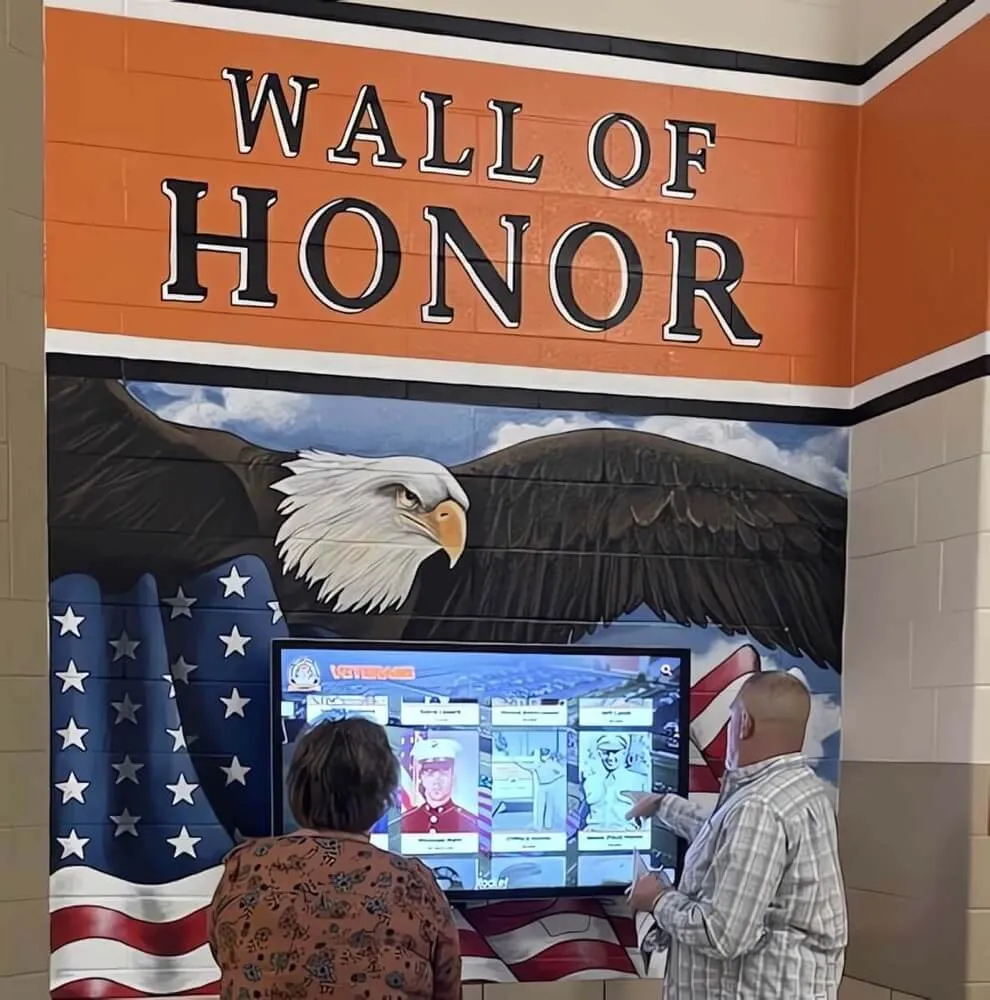
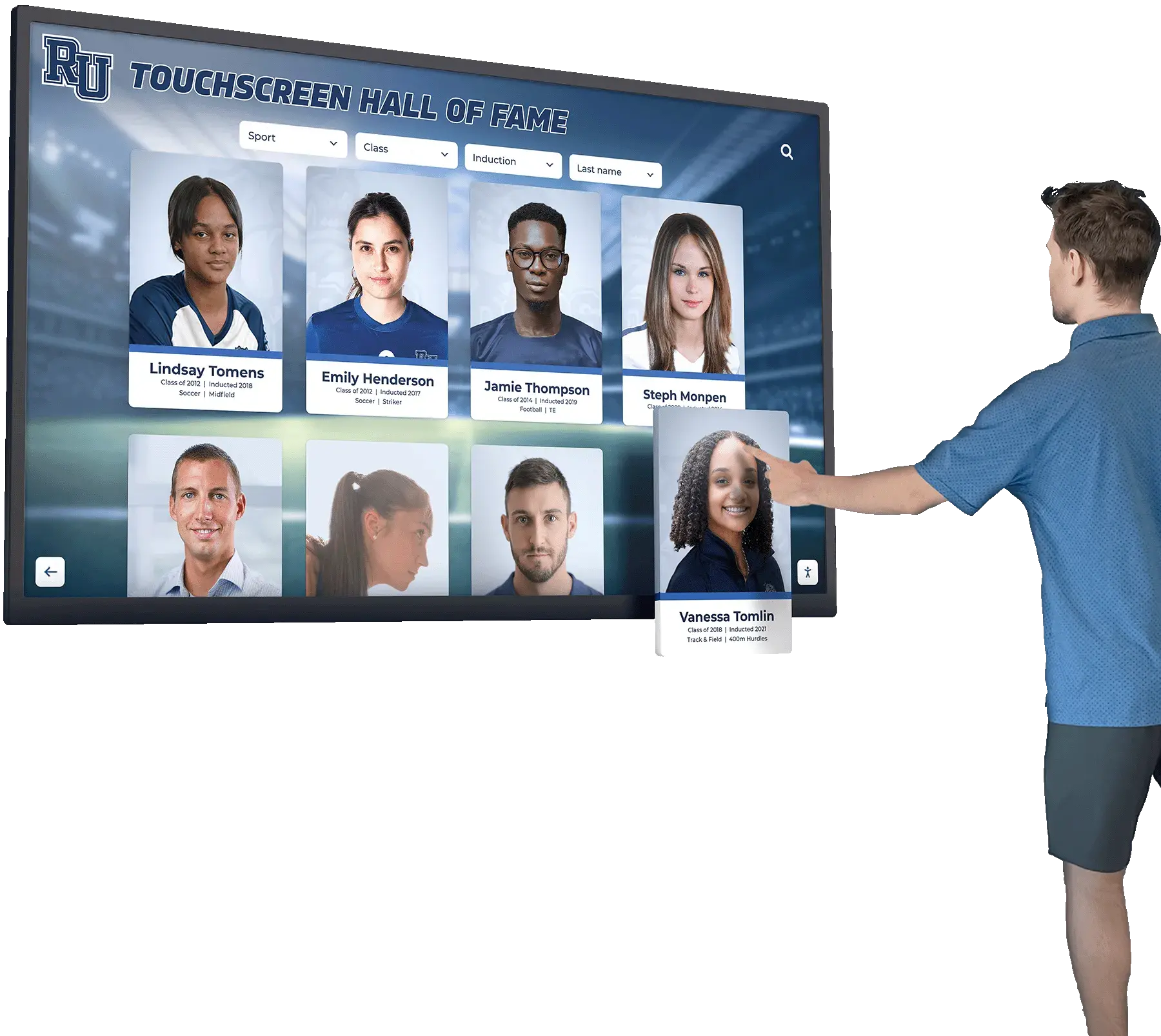
Modern recognition displays make wrestling records and rankings accessible to athletes, recruits, and alumni while preserving program history
Program Snapshot: High School Wrestling Recognition System
| Component | Description | Implementation Timeline |
|---|---|---|
| Target Audience | Current wrestlers, prospective recruits, alumni, coaching staff, families, community supporters | Ongoing engagement across seasons |
| Recognition Scope | Individual match records, career statistics, weight class champions, tournament placements, state rankings, team performance, coaching milestones, alumni achievements | Comprehensive program documentation |
| Content Types | Match results database, season statistics, ranking histories, championship rosters, record progression, athlete profiles, coaching records, photo archives | Multi-format documentation |
| Display Locations | Wrestling room, athletic hallway, gymnasium lobby, team locker area, school main entrance, web platform | Strategic visibility placement |
| Update Frequency | Real-time during season, weekly rankings, tournament results immediate, season-end archiving, summer historical additions | Living documentation system |
| Key Outcomes | Preserved program legacy, visible excellence standards, enhanced recruiting effectiveness, strengthened alumni engagement, systematic record maintenance | Long-term cultural impact |
Understanding Wrestling’s Unique Record-Keeping Requirements
Wrestling’s individual-within-team structure creates documentation needs that differ significantly from other scholastic sports, requiring specialized approaches to accurately capture and preserve competitive achievements.
Individual Performance Tracking Across Weight Classes
Unlike team sports where statistics accumulate in consistent positions, wrestlers compete across different weight classes throughout careers as they grow and develop. Comprehensive documentation must track:
Weight Class Movement and Career Progression
Individual wrestlers often compete at three or four different weight classes during high school careers, requiring systems that document:
- Performance statistics separated by weight class and season
- Career cumulative records accounting for weight changes
- Comparison capabilities showing performance across different weights
- Historical context about competitive depth at various weight classes
- Physical development narratives explaining weight progressions
Match-Level Performance Documentation
Wrestling’s scoring complexity demands detailed match documentation beyond simple win-loss records:
- Victory method classification (fall, technical fall, major decision, decision)
- Specific fall time recording for rapid pin achievements
- Period-by-period scoring breakdowns for close matches
- Penalty points and deduction documentation
- Overtime and tiebreaker results when applicable
- Tournament bracket progression and placement details
Programs that implement match-by-match documentation create statistical depth impossible to reconstruct later while enabling meaningful performance analysis that informs training priorities.

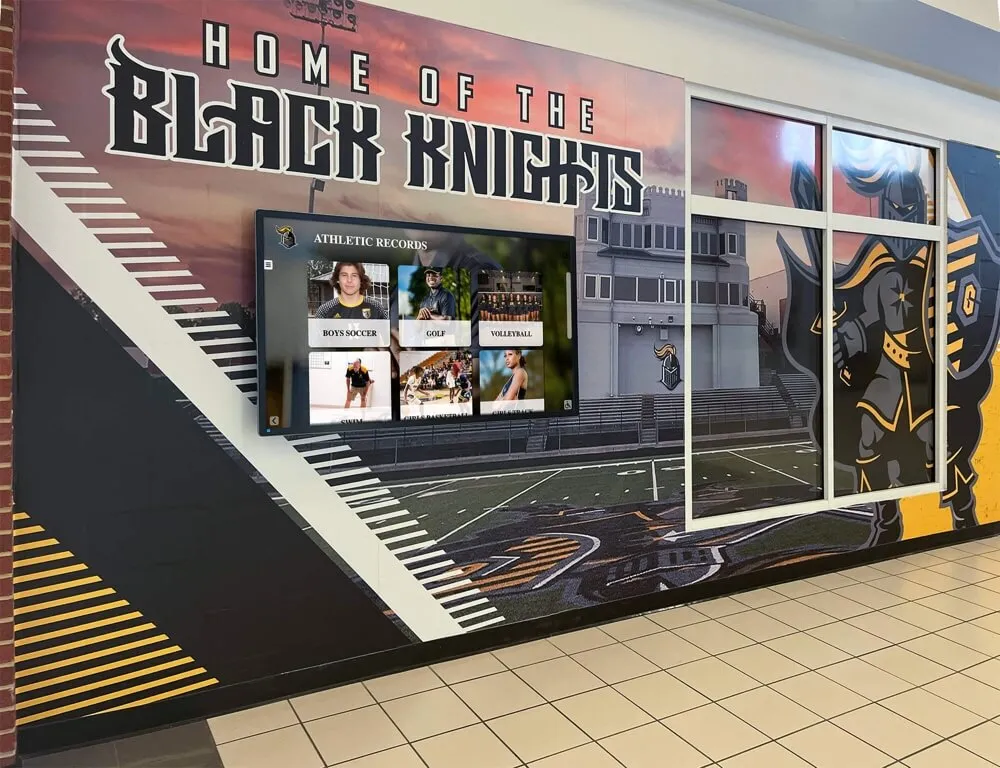
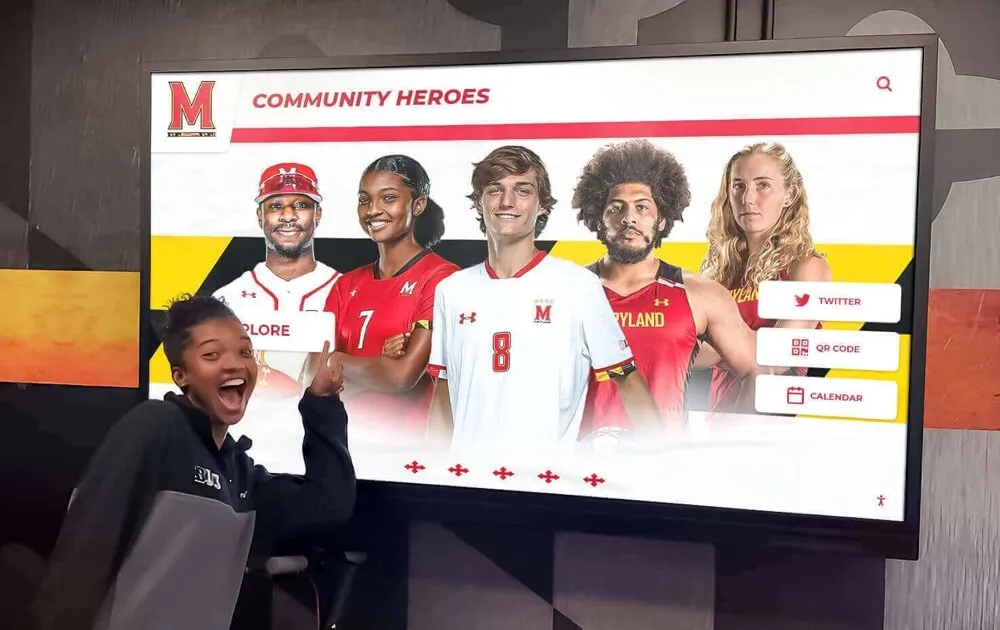
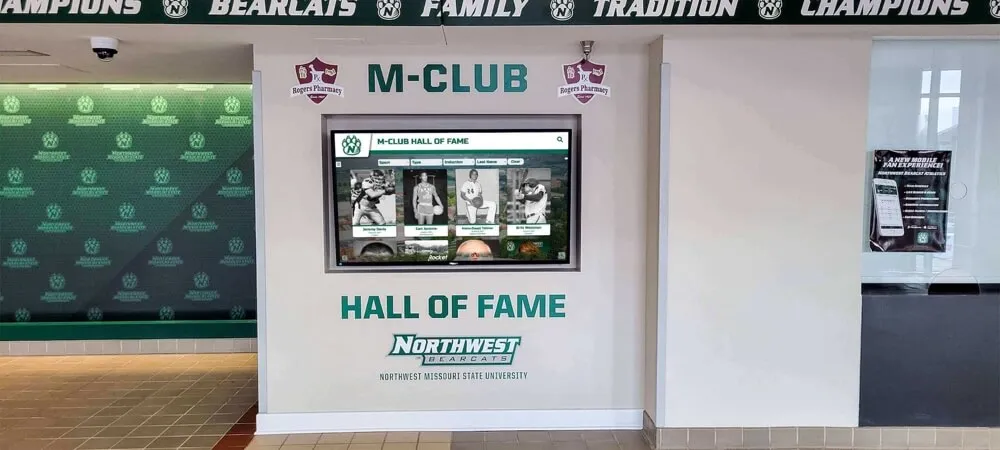
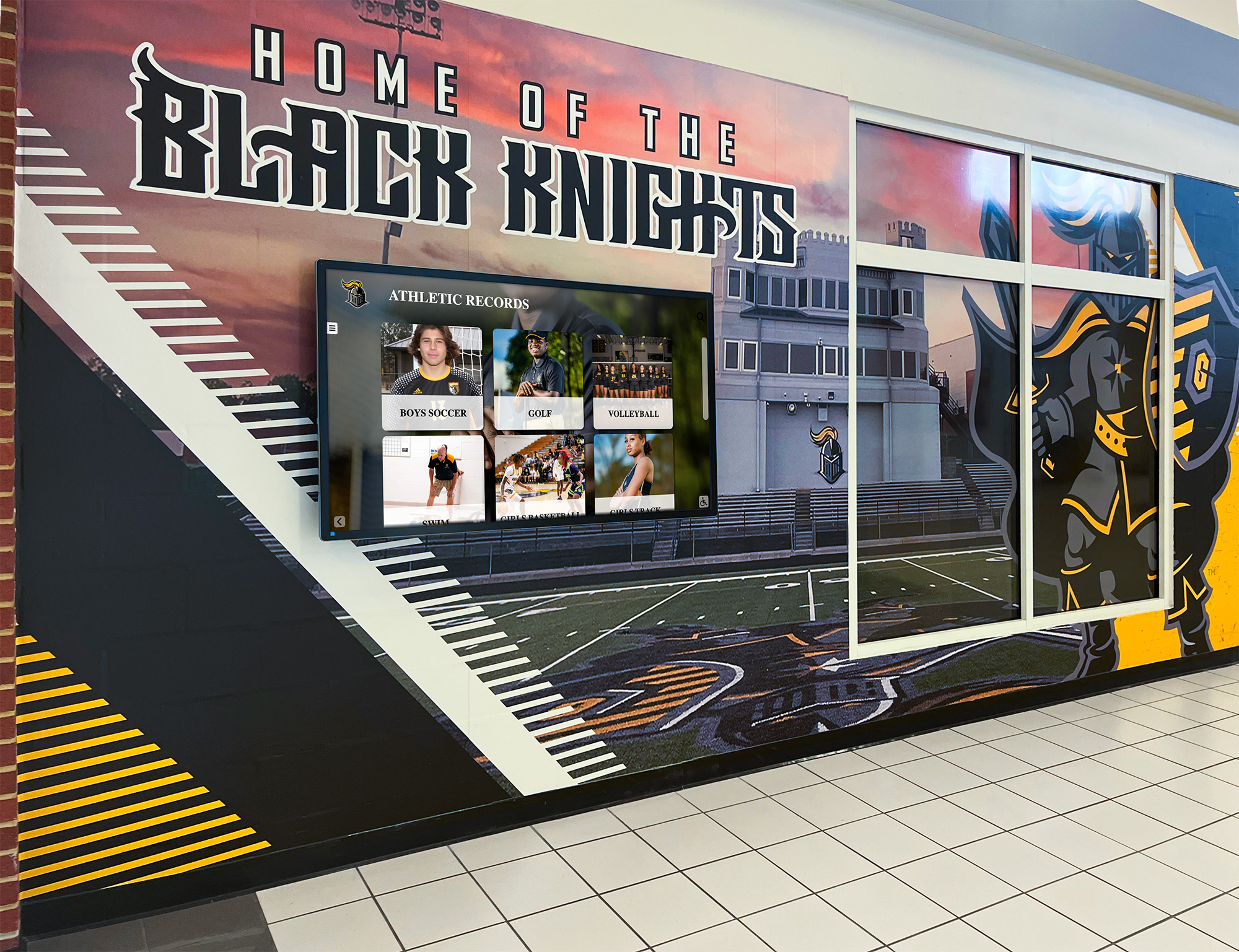
Accessible recognition displays enable wrestlers to explore program records and understand performance standards
Team Performance Metrics and Dual Meet Records
While wrestling emphasizes individual achievement, team success matters significantly for program culture and competitive positioning:
Dual Meet Team Records
Traditional team versus team competition creates separate performance metrics:
- Season dual meet win-loss records
- Historical dual meet winning percentages across eras
- Significant rivalry match results and series records
- Conference championship and tournament team placements
- Team scoring capabilities and competitive patterns
- Home versus away dual meet performance analysis
Tournament Team Performance
Tournament formats generate additional team metrics:
- Regional and sectional team placement histories
- State championship team scoring and placements
- Individual tournament qualifiers contributed by program
- Team advancement through bracket progression
- Comparative performance versus ranked opponents
- Historical tournament performance trends across decades
Comprehensive systems document both individual and team achievements, recognizing that program excellence manifests through both personal competitive success and collective team performance.
Ranking System Evolution and Historical Context
Wrestling ranking methodologies have evolved significantly over recent decades, creating documentation challenges when comparing achievements across different eras:
State and National Ranking Systems
Current programs must navigate multiple ranking approaches:
- State association official rankings by weight class
- Independent wrestling media and website rankings
- National prep ranking services tracking elite competitors
- Win-loss record based versus quality win weighted systems
- Tournament performance versus head-to-head result emphasis
- Ranking update frequency and methodology transparency
Historical documentation should note which ranking systems were used during specific eras, enabling appropriate context when comparing achievements from different time periods. A wrestler ranked #3 in 1995 competed under very different ranking methodologies than a current #3 ranked competitor.
Rating System Changes
Understanding how rating systems evolved helps contextualize historical achievements:
- Introduction of computer-based ranking algorithms
- Expansion of national ranking coverage to more states
- Changes in tournament point systems and placement values
- Modified criteria for ranking eligibility and minimum matches
- Integration of off-season tournament results into rankings
Programs preserving historical context about ranking system evolution enable future generations to appropriately understand and appreciate past accomplishments within their competitive context rather than inappropriately comparing across fundamentally different ranking approaches.
Solutions like digital record boards enable programs to document these contextual details alongside raw statistics, creating richer historical archives.
Content Architecture: Organizing Wrestling Program Records
Systematic organization transforms scattered data into accessible, meaningful recognition that serves multiple program purposes from daily motivation to historical preservation.
Essential Record Categories for Wrestling Programs
Comprehensive wrestling documentation should encompass multiple record types ensuring complete program history:
Individual Career Records
Career achievement documentation provides benchmark recognition:
- Career match wins (overall and by weight class)
- Career winning percentage milestones
- Total career falls recorded
- Fastest career pin accumulation
- Career tournament championship victories
- Career major decision and technical fall totals
- Matches wrestled across entire career
- Career points scored in all competitions
Learn about approaches to state championship recognition that complement individual achievement records.
Single-Season Achievement Records
Season records document exceptional competitive performance:
- Season match win totals by weight class
- Perfect season undefeated records
- Season fall totals and fastest fall average
- Single-season major decision and technical fall records
- Season tournament championship victories
- Consecutive match winning streak within season
- Season performance against ranked opponents
- Shortest cumulative fall time across season
Tournament Performance Records
Tournament success creates distinct achievement categories:
- State championship individual titles by weight class
- Regional and sectional tournament victories
- Multiple-year state qualifier recognition
- State tournament placement records
- Career state tournament match victories
- Prestigious invitational tournament championships
- Perfect tournament performances (all falls)
- Tournament performance versus nationally ranked competition
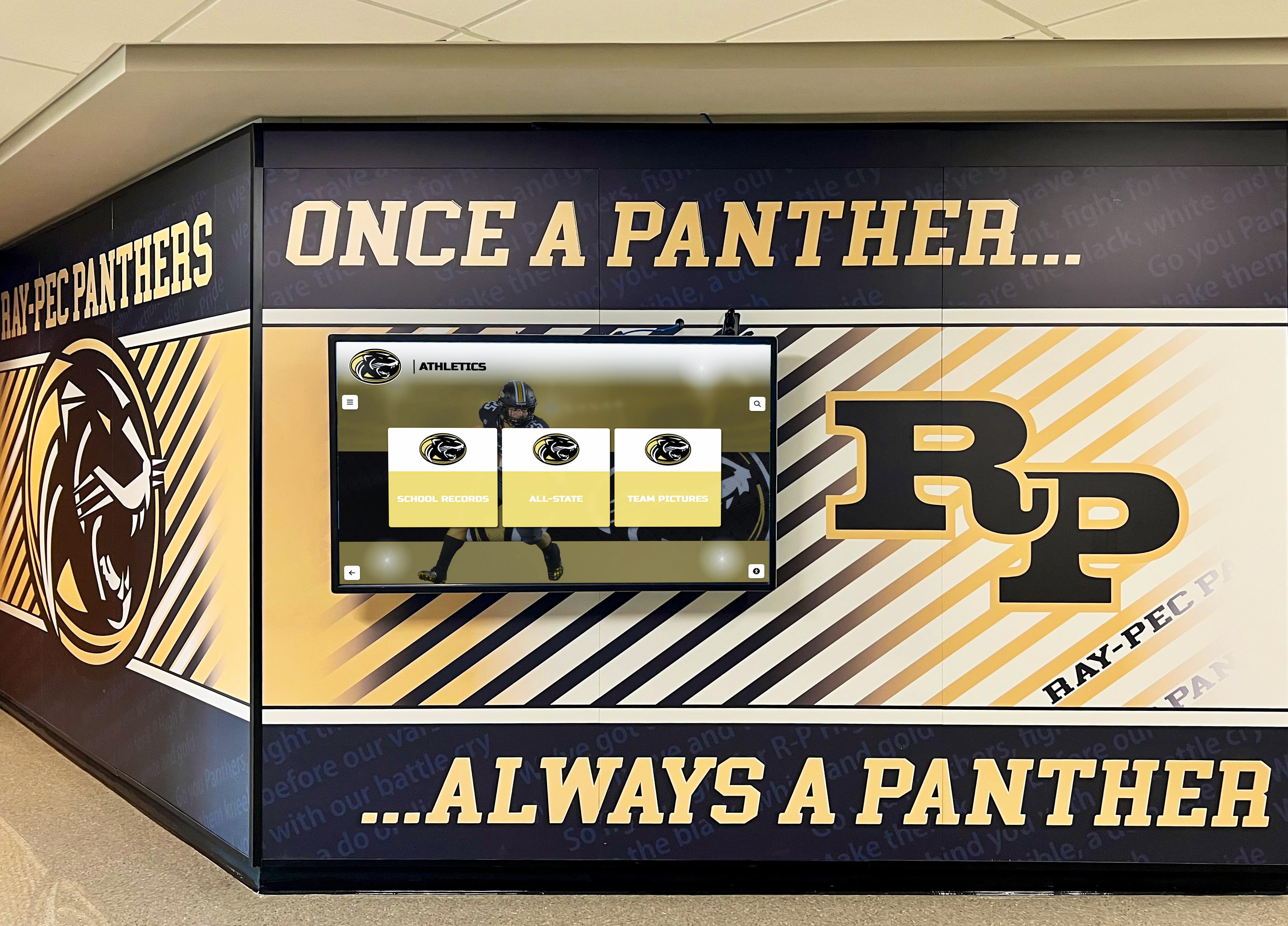
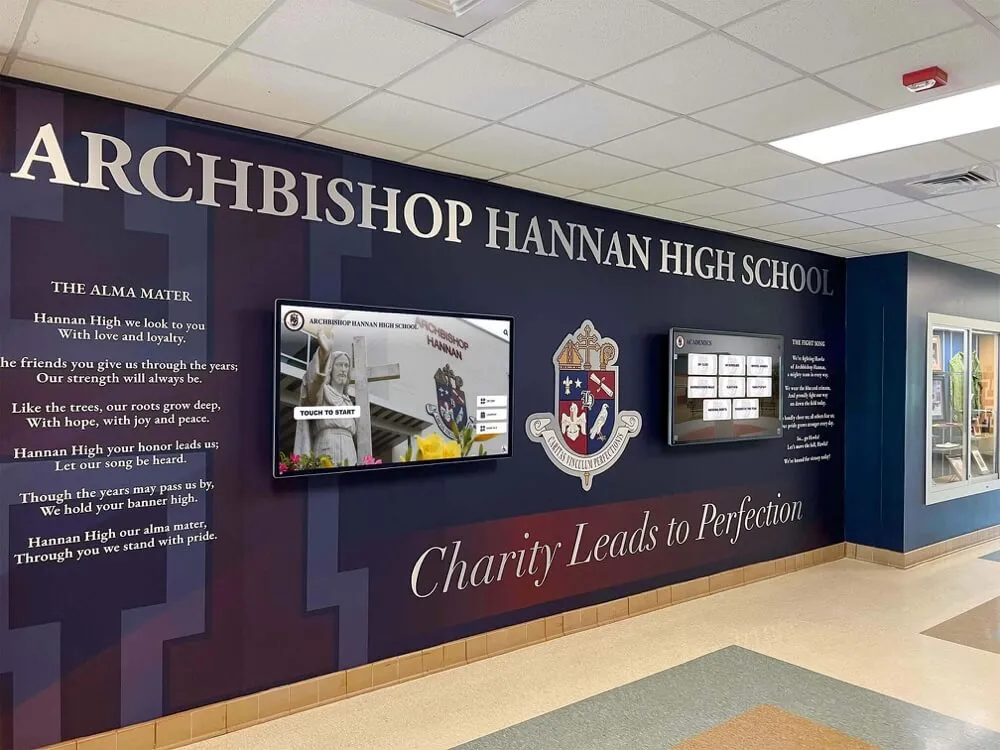
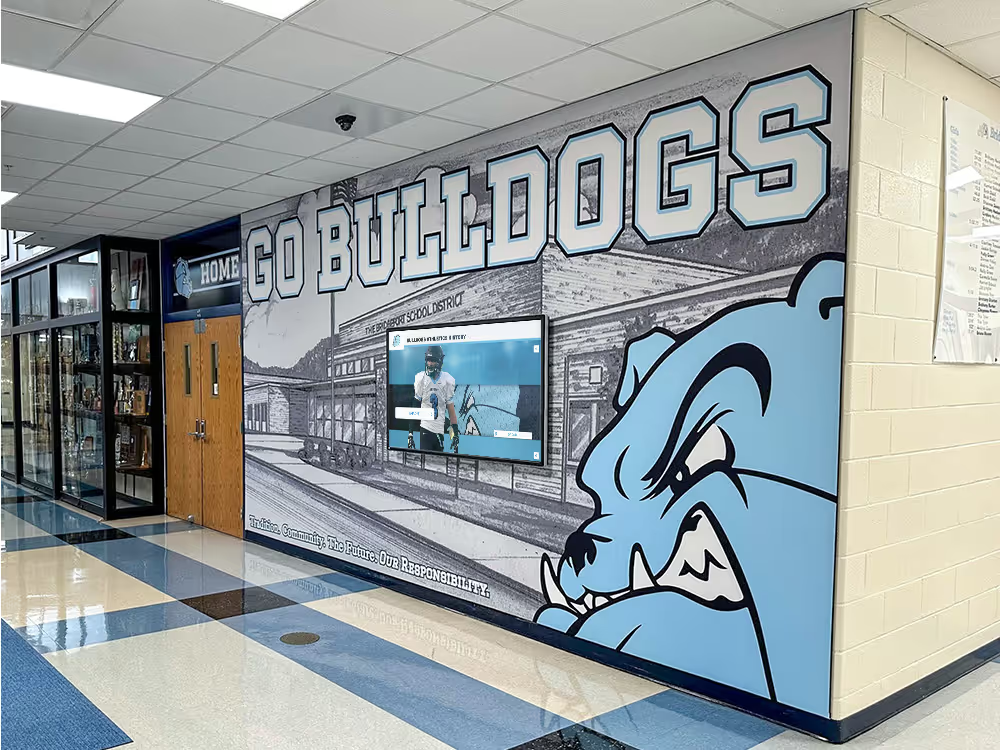
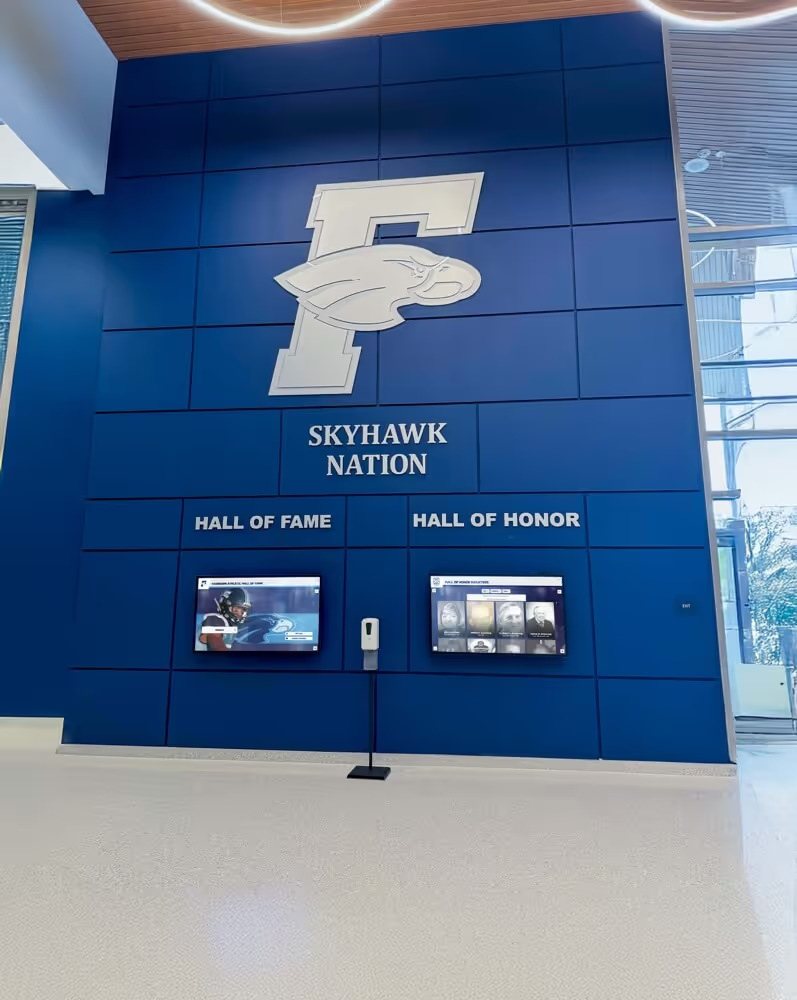
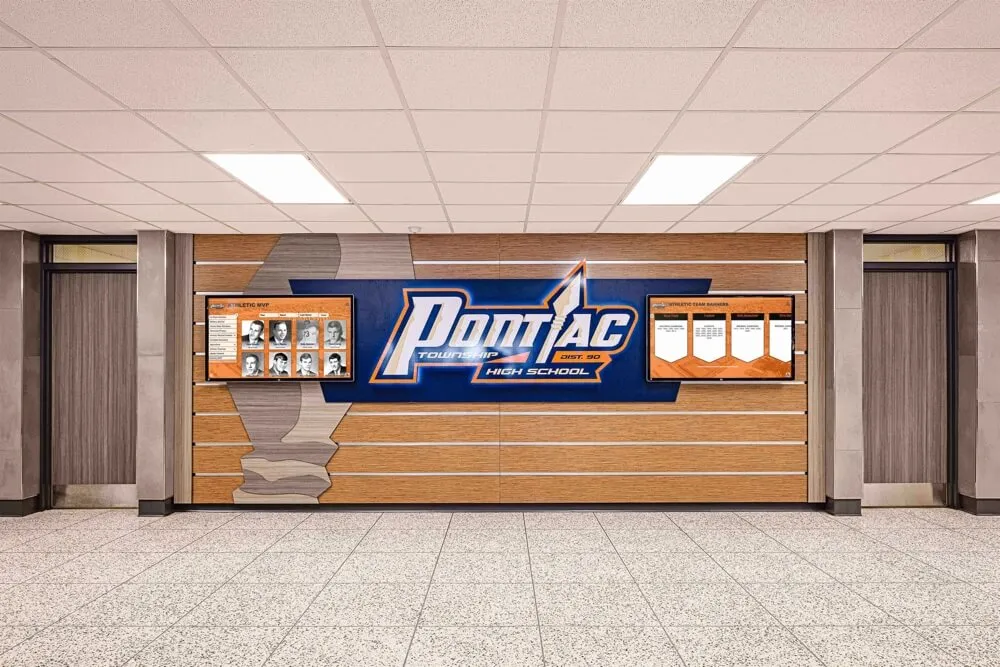
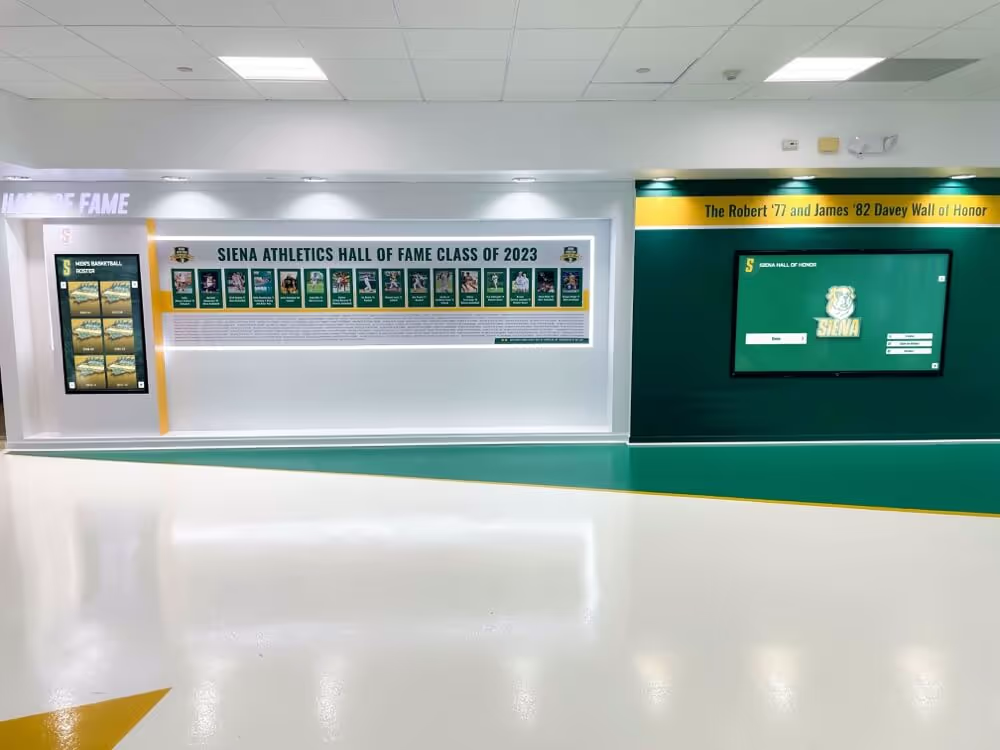
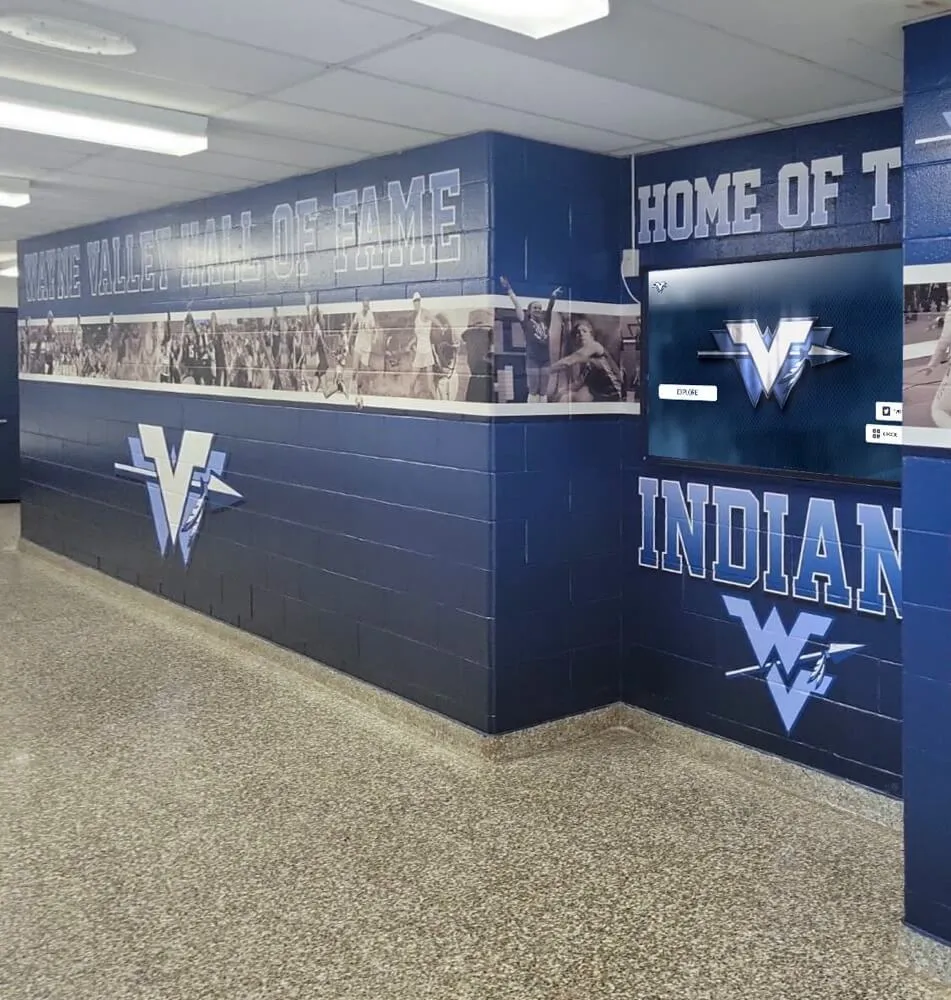
Strategic hallway placement ensures wrestling achievements remain visible to current athletes throughout training seasons
Team Achievement Records
Collective success documentation celebrates team excellence:
- Team season dual meet records
- Team state championship victories and placements
- Conference and regional team championships
- Team tournament scoring records
- Number of state qualifiers in single season
- Team winning streaks across multiple seasons
- Historical team performance trends
- Dual meet scoring margin records
Coaching Achievement Recognition
Coach documentation preserves leadership legacies:
- Career match victories and winning percentages
- State championship teams coached
- Individual state champions developed
- All-state wrestlers coached across career
- Coaching tenure and program development impact
- College-level wrestlers developed
- Coaching philosophy and training approach documentation
- Season-by-season coaching record archives
Weight Class Specific Record Organization
Wrestling’s weight class structure requires systematic organization ensuring each weight receives appropriate documentation:
Historical Weight Class Evolution
Weight class structures change periodically, creating documentation complexity:
- Traditional weight classes before recent modifications
- Current weight class structure and recent changes
- Documentation noting which weight class system applies to specific records
- Cross-referencing when weight classes were combined or modified
- Recognition that record comparison across different class structures requires appropriate context
Weight Class Record Documentation
Each weight class deserves comprehensive record tracking:
- Season win record holders at specific weights
- Career performance leaders at particular weight classes
- State championship victories by weight class across program history
- Tournament success rates comparing competitive depth across weights
- Historical weight class strength within program
- Notable rivalries and competitive matchups by weight class
Organize displays enabling visitors to explore program records by weight class, helping current wrestlers understand historical performance standards at their specific competitive weight while recognizing excellence across the full team spectrum.
Ranking History and Recognition Milestones
Systematic ranking documentation creates meaningful context about competitive positioning:
State Ranking Achievement Documentation
Track ranking milestone achievements:
- First time program had state-ranked wrestler
- Highest ranking achieved by program wrestler at each weight class
- Number of ranked wrestlers in single season
- Consecutive seasons with ranked wrestlers
- Season-ending ranking achievements and final positions
- Ranking improvement narratives showing developmental success
National Ranking Recognition
Programs developing elite-level wrestlers should document:
- First nationally-ranked wrestler in program history
- Highest national ranking achieved by program wrestler
- All-American recognition at national tournaments
- National tournament participation and performance results
- Media recognition in national wrestling publications
- Comparison of program national ranking representation across eras
Ranking Milestone Dates
Document specific dates when significant ranking milestones occurred:
- Date wrestler first achieved state ranking
- Date of highest ranking achievement
- Rankings immediately before and after significant tournament performances
- Final season ranking positions
- Ranking milestone celebrations and recognition
Comprehensive ranking documentation demonstrates program competitive trajectory while providing recruiting evidence of developmental capability that produces ranked competitors, not just inheriting naturally talented wrestlers.
Explore digital touchscreen athletic records for displaying ranking progressions and achievement milestones.
Execution Timeline: Building Wrestling Recognition Systems
Systematic implementation transforms documentation concepts into functional recognition programs serving current needs while preserving historical legacy.
Phase 1: Planning and Foundation (Months 1-2)
Needs Assessment and Goal Definition
Begin by understanding current state and desired outcomes:
- Inventory existing records noting organization method and accessibility
- Assess historical documentation gaps identifying missing information
- Survey coaching staff about record-keeping priorities and pain points
- Define clear objectives for enhanced documentation system
- Establish success metrics measuring program impact
- Determine available resources for system implementation
Record Category Prioritization
Determine which records warrant systematic tracking:
- Identify must-track categories that define program excellence standards
- Determine nice-to-have records adding depth but not essential initially
- Plan phased implementation starting with highest priority categories
- Create standardized forms and templates for record documentation
- Establish protocols ensuring consistent data collection methods
- Assign clear staff responsibilities for various documentation tasks
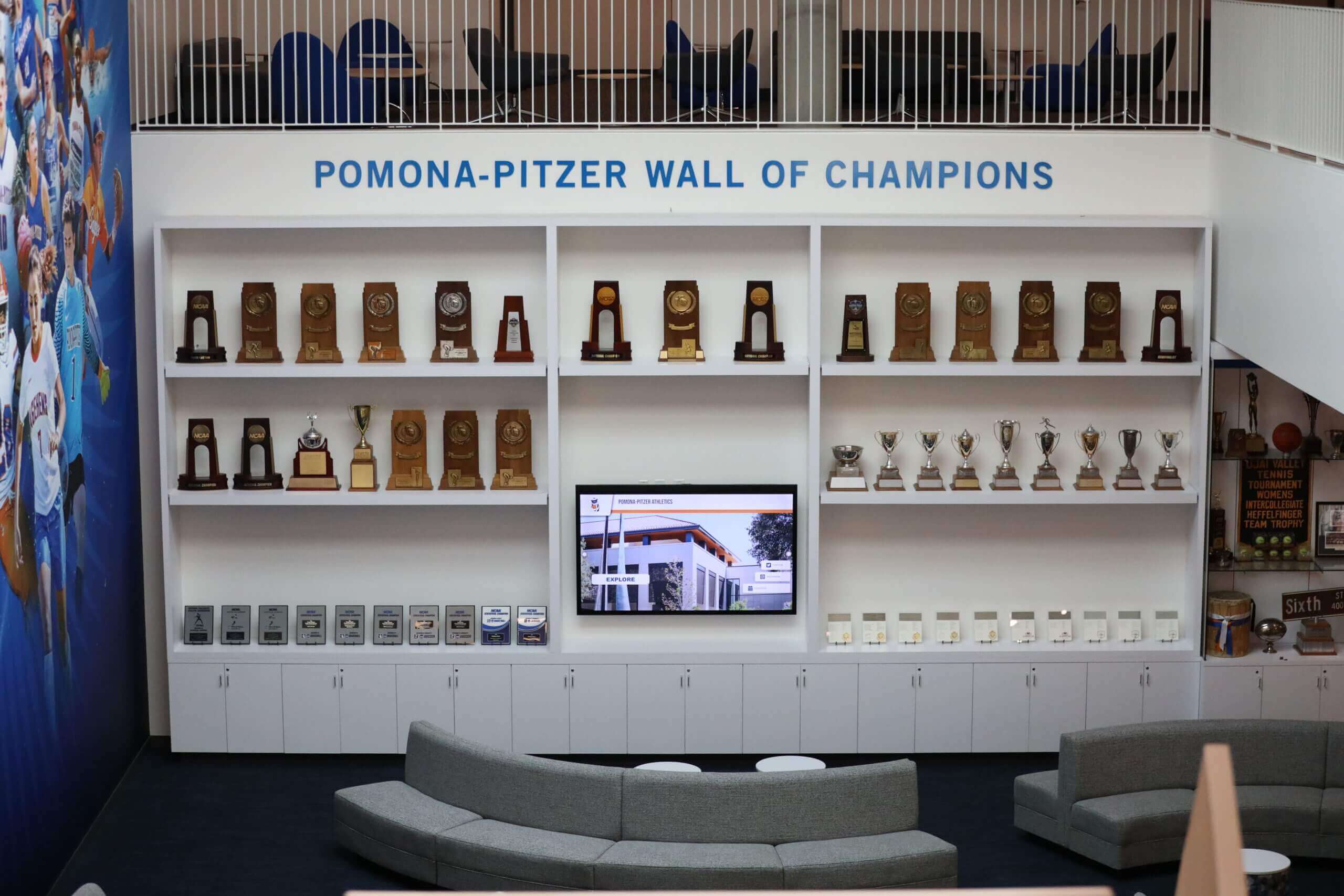
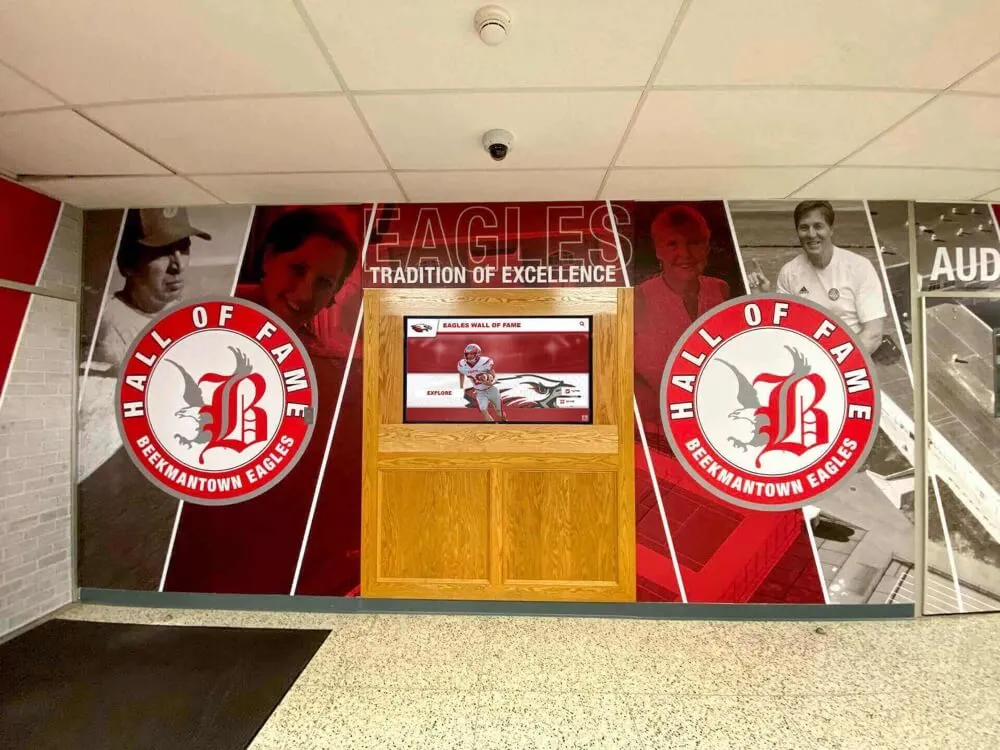
Comprehensive planning creates recognition systems accommodating current achievements while preserving historical program records
Phase 2: Historical Documentation and Data Collection (Months 2-4)
Historical Record Research
Reconstruct program history through systematic investigation:
- Review yearbooks identifying team rosters and season records
- Search local newspaper archives for match coverage and tournament results
- Interview retired coaches and alumni wrestlers with institutional memory
- Examine program records in storage locating statistical documentation
- Contact state association for historical tournament results and placements
- Cross-reference multiple sources verifying accuracy of discovered information
- Document research sources enabling future verification and expansion
Digital Archive Development
Convert discovered records into accessible digital formats:
- Create spreadsheet databases organizing historical match results
- Digitize historical photographs preserving image quality
- Scan newspaper clippings and program materials preventing deterioration
- Organize files using consistent naming conventions enabling searchability
- Back up all digital archives preventing data loss
- Create master record lists tracking what information exists versus gaps remaining
Current Season Integration
Establish ongoing documentation for active competition:
- Implement match result recording immediately after competitions
- Create weekly statistics compilation showing season progressions
- Track ranking changes as new rankings publish
- Document tournament performances and placement results
- Collect action photographs from matches and tournaments
- Record wrestler and coach interview content for biographical profiles
Programs implementing systematic current documentation prevent future reconstruction challenges while creating engagement content throughout active seasons that strengthens team culture and community connection.
Phase 3: Recognition Display Implementation (Months 3-5)
Display Technology Selection
Choose appropriate platforms for making records accessible:
Traditional Physical Displays
- Record boards listing all-time achievement leaders
- Championship banner recognition for state qualifiers and title winners
- Trophy cases showcasing physical awards and medals
- Team photo displays documenting championship seasons
- Hallway signage identifying program milestone achievements
Modern Digital Recognition Systems
- Interactive touchscreens enabling searchable record exploration
- Unlimited capacity displaying comprehensive historical archives
- Multimedia integration incorporating photos, videos, and statistics
- Remote content management enabling immediate season updates
- Web accessibility extending reach beyond physical campus locations
- Analytics tracking engagement and identifying popular content
Solutions like Rocket Alumni Solutions provide specialized wrestling program recognition platforms designed specifically for athletic documentation needs with intuitive management interfaces requiring minimal technical expertise.
Strategic Display Placement
Position recognition where it delivers maximum cultural impact:
- Wrestling room walls where athletes train daily and see record standards constantly
- Athletic hallway connecting multiple sport facilities reaching broader audiences
- School main entrance demonstrating institutional athletic pride
- Team locker area providing private motivation and standard reinforcement
- Online platforms enabling alumni access and recruit research from any location
Content Organization and Interface Design
Structure information enabling intuitive exploration:
- Browse by weight class showing historical performance at specific weights
- Search by wrestler name locating individual athlete achievements
- Filter by achievement type (state champions, season records, career milestones)
- Sort by season or era exploring program evolution across decades
- Compare statistics across different time periods understanding program development
- Highlight current season statistics showing real-time performance updates
Resources about basketball hall of fame displays offer comparable approaches applicable to wrestling program recognition.
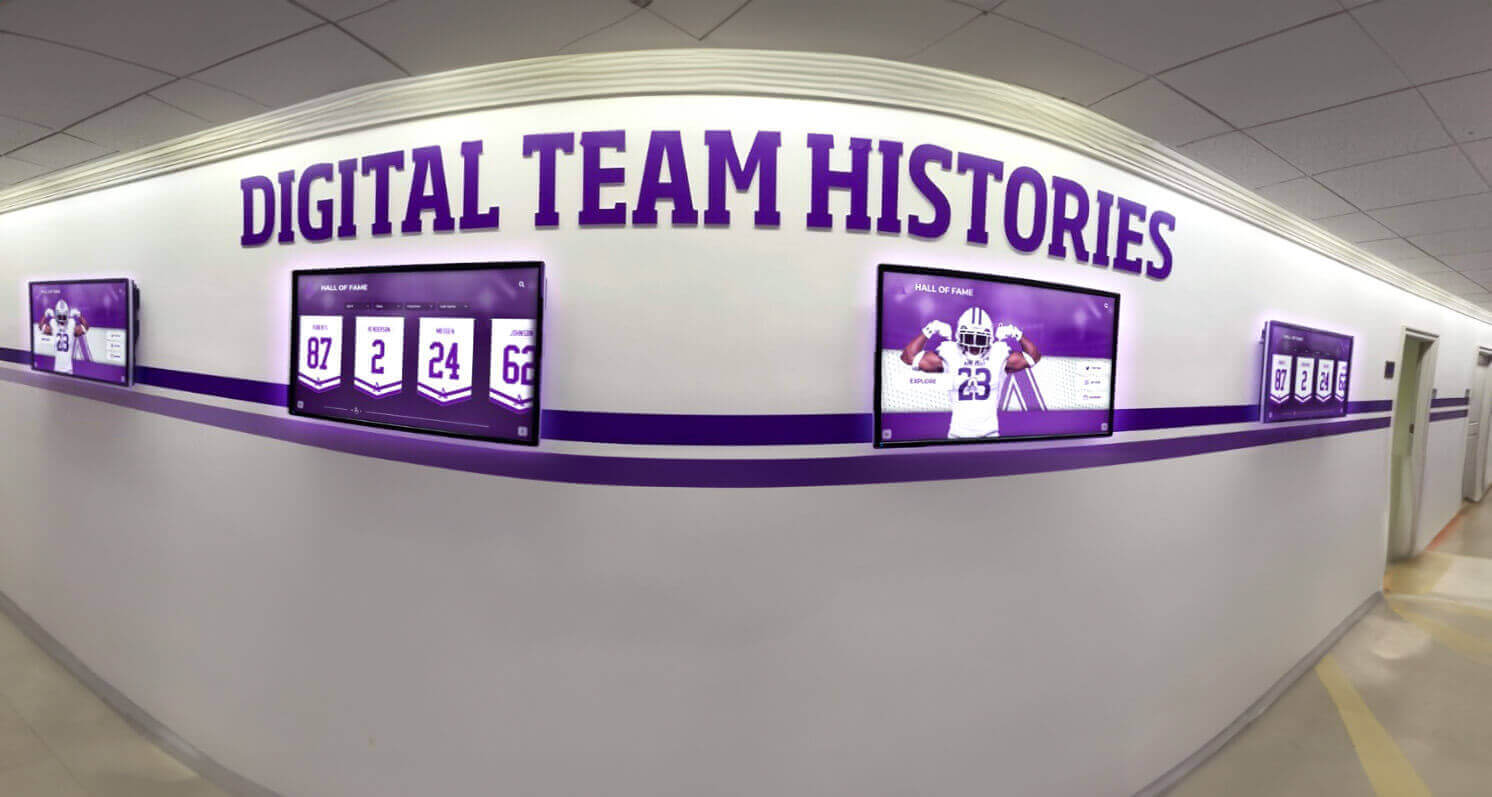
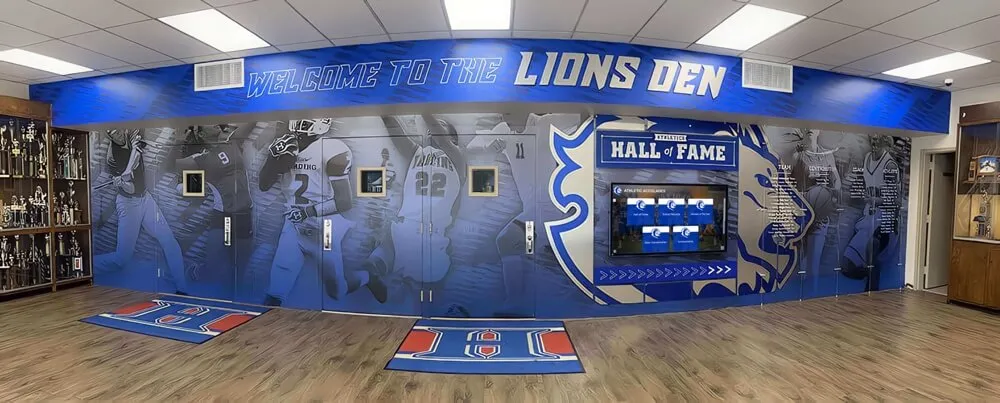
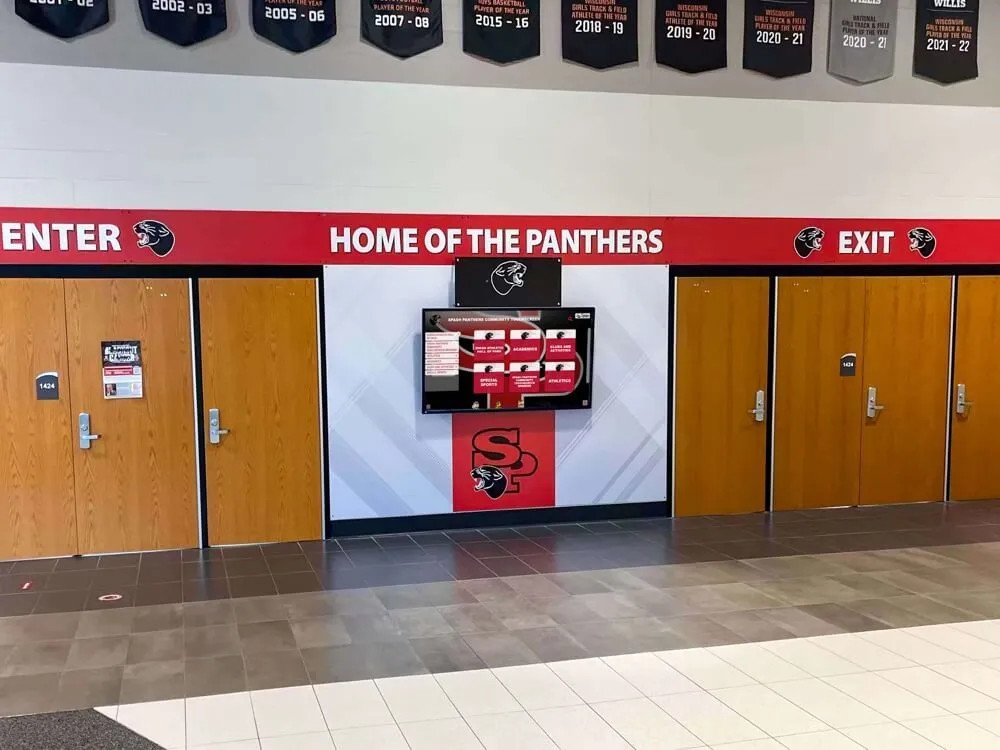
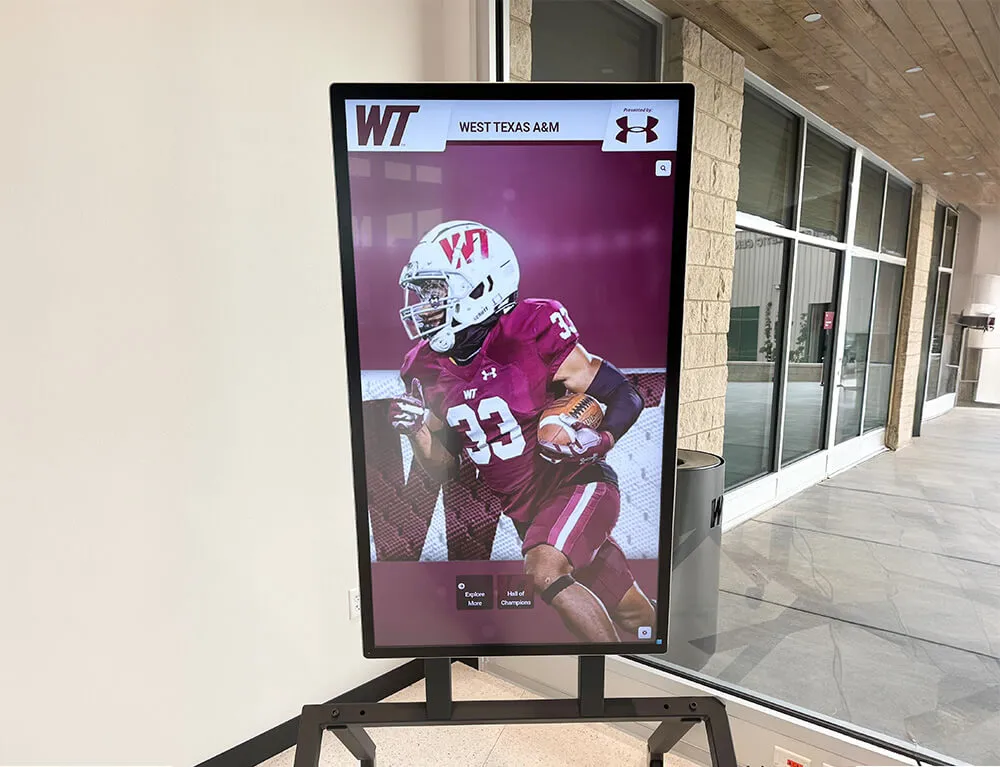
Digital systems enable comprehensive record documentation that traditional displays cannot accommodate due to space constraints
Phase 4: Launch and Community Engagement (Month 5)
Recognition System Unveiling
Create meaningful launch experience:
- Schedule unveiling event during season when athletes and families attend competitions
- Feature historical wrestling legends demonstrating program tradition
- Demonstrate display functionality showing content exploration
- Celebrate current season achievements alongside historical records
- Generate local media coverage promoting program excellence
- Create social media content showcasing new recognition system
- Distribute communications to alumni announcing historical documentation availability
Stakeholder Training and Communication
Ensure all audiences understand how to engage with recognition:
- Train coaching staff on content management and update procedures
- Demonstrate search and exploration capabilities to current wrestlers
- Provide alumni with online access instructions and login credentials
- Show recruits during campus visits how to research program history
- Create quick reference guides for common system functions
- Establish clear communication channels for reporting errors or submitting additional historical information
Phase 5: Ongoing Maintenance and Enhancement (Ongoing)
Season Documentation Workflows
Establish sustainable processes ensuring future seasons receive complete documentation:
- Assign specific staff member responsibility for post-match data entry
- Create standardized forms coaches complete after competitions
- Implement weekly review cycles verifying data accuracy
- Update displays within 24 hours of tournament results
- Collect wrestler biographical information at season start
- Photograph matches and tournaments systematically
- Document coaching decisions and strategic approaches for historical context
Continuous Historical Expansion
Build archives incrementally over time:
- Allocate summer months for historical research projects
- Engage student volunteers through academic research opportunities
- Request alumni submit photos and memories filling documentation gaps
- Investigate newly discovered archival sources as they become available
- Correct errors identified through community feedback
- Add newly contextualized information as understanding improves
- Expand recognition categories based on stakeholder interest and available information
Periodic Assessment and Enhancement
Evaluate program effectiveness and identify improvement opportunities:
- Review engagement analytics understanding which content resonates
- Survey stakeholders about documentation satisfaction and priorities
- Assess recruiting impact through athlete and family feedback
- Track alumni engagement through reunion participation and online access
- Monitor wrestling community best practices for potential adoption
- Upgrade technology platforms as capabilities improve
- Refresh visual design maintaining current appearance
Programs maintaining systematic enhancement processes create recognition systems that improve continuously rather than becoming outdated installations requiring complete replacement.
Display Integration: Making Records Accessible and Engaging
Thoughtful presentation transforms raw data into inspiring recognition that shapes program culture while preserving competitive legacy.
Traditional Display Limitations and Digital Solutions
Physical Display Constraints
Traditional wrestling record recognition faces significant practical limitations:
Space Capacity Restrictions
- Wall space accommodates finite record categories before overcrowding
- Adding new records requires removing existing recognition
- Comprehensive historical documentation impossible through physical displays alone
- Multiple display locations required for complete program coverage
- Expansion costs significant when reconfiguring physical installations
Information Depth Limitations
- Static displays convey basic facts without contextual detail
- No ability to show match-by-match statistics or performance progressions
- Biographical information limited to names and years
- Historical context and achievement significance not documented
- Achievement comparison across eras impossible without extensive manual research
Update Complexity
- Physical modifications required for every record change
- Seasonal updates demand fabrication and installation expense
- Real-time recognition impossible during active competition
- Correction of errors requires complete section reconstruction
- Updates depend on vendor availability rather than immediate staff action
Digital Recognition Advantages
Modern platforms like those available through digital hall of fame systems overcome traditional constraints:
Unlimited Capacity
- Single display accommodates complete program history across all weight classes and eras
- Every achievement receives appropriate recognition without forced prioritization
- Comprehensive biographical profiles impossible with physical plaques
- Statistical depth preserving match-by-match performance records
- Unlimited photo galleries documenting program visual history
Rich Storytelling Capabilities
- Video highlights showing actual competitive performances
- Detailed season narratives explaining championship runs
- Complete roster information recognizing all team members
- Coaching philosophy documentation preserving strategic approaches
- Alumni career updates connecting high school to life after wrestling
Immediate Updates
- Content management systems enabling staff updates without technical expertise
- Same-day recognition after tournament performances
- Real-time season statistics showing current performance relative to records
- Instant correction of discovered errors maintaining accuracy
- No vendor dependency or fabrication delays for routine updates
Interactive Exploration
- Powerful search finding specific wrestlers or achievement types instantly
- Advanced filtering by weight class, season, achievement category
- Statistical comparison capabilities across different eras
- Cross-referencing linking related achievements and wrestlers
- Personal exploration paths based on individual interests
Learn about student athlete recognition approaches that complement wrestling-specific displays.
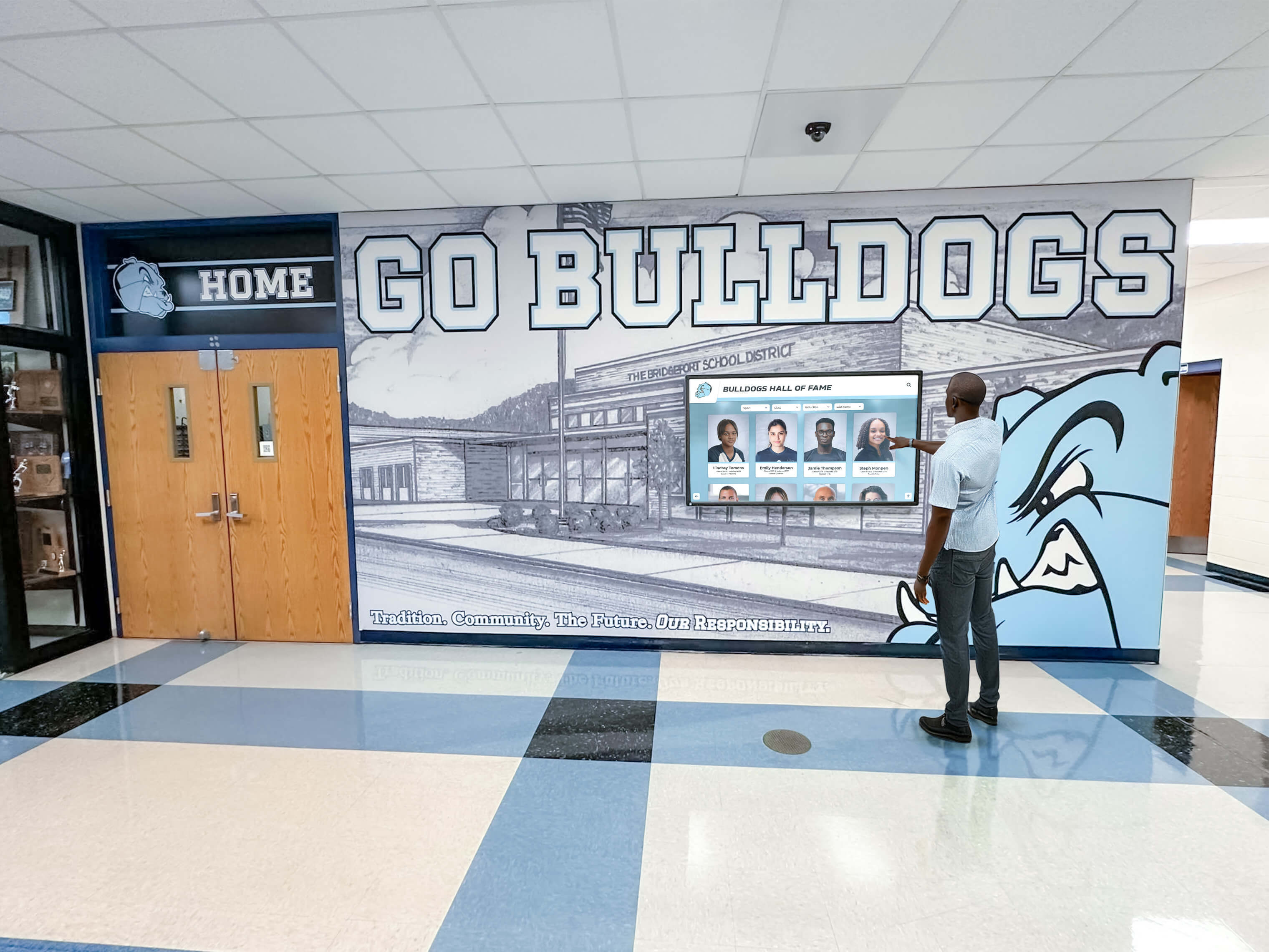
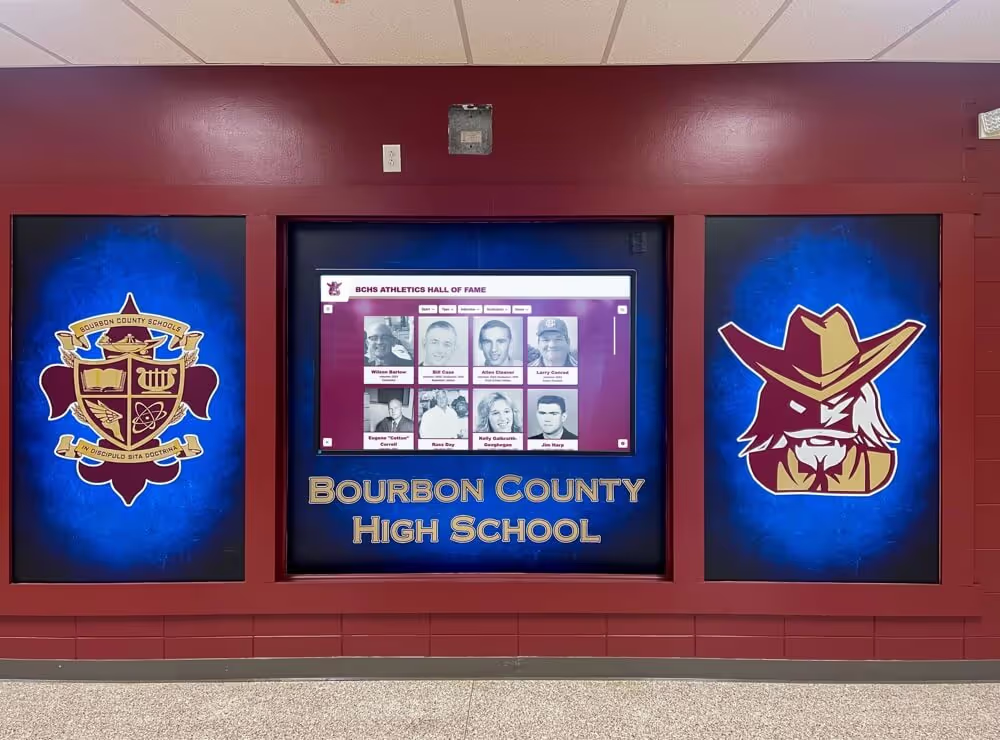
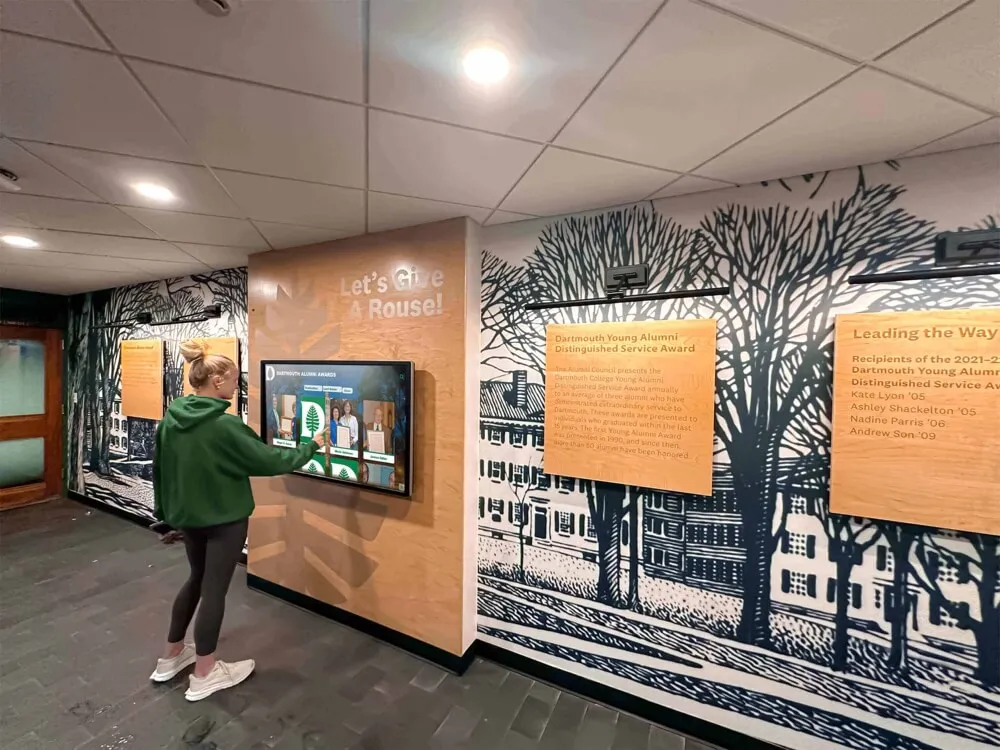
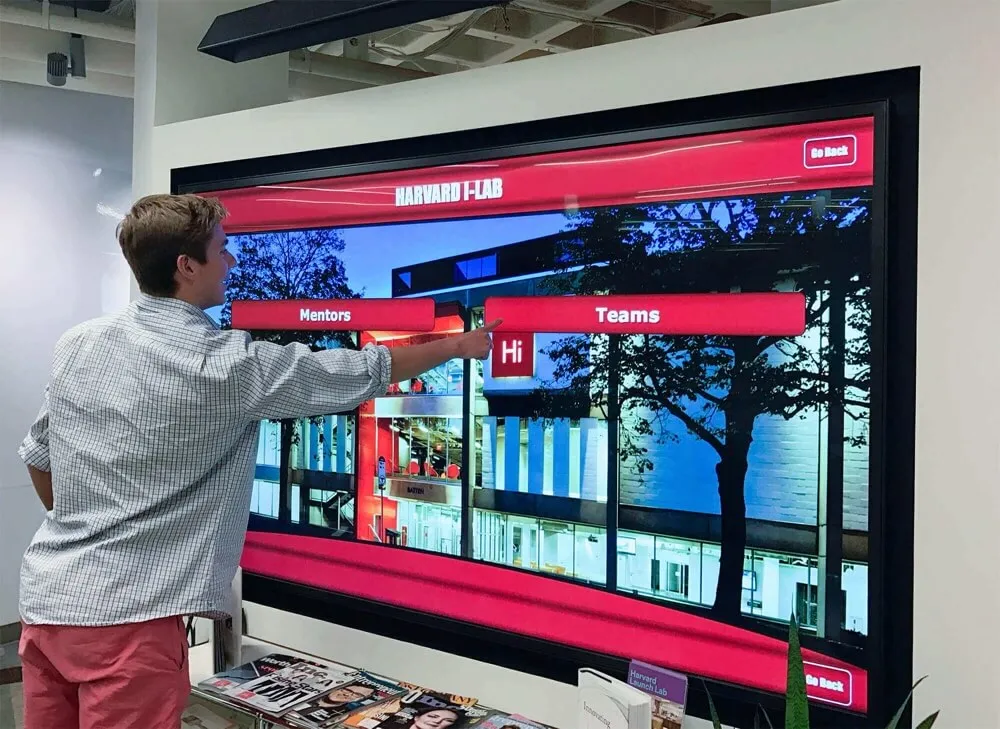
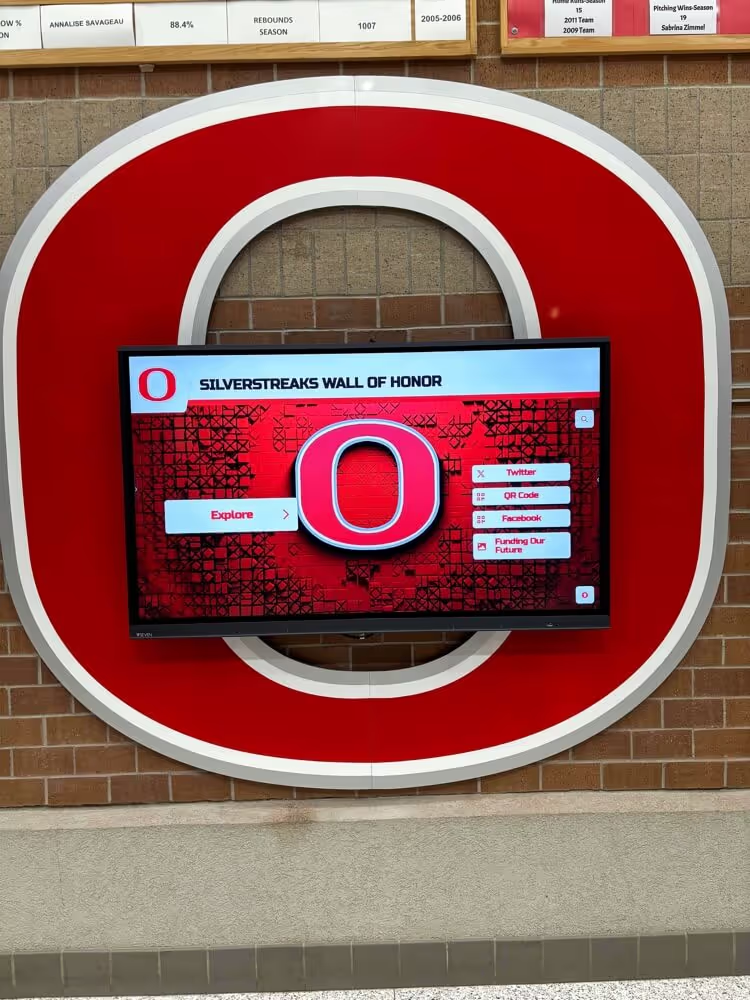
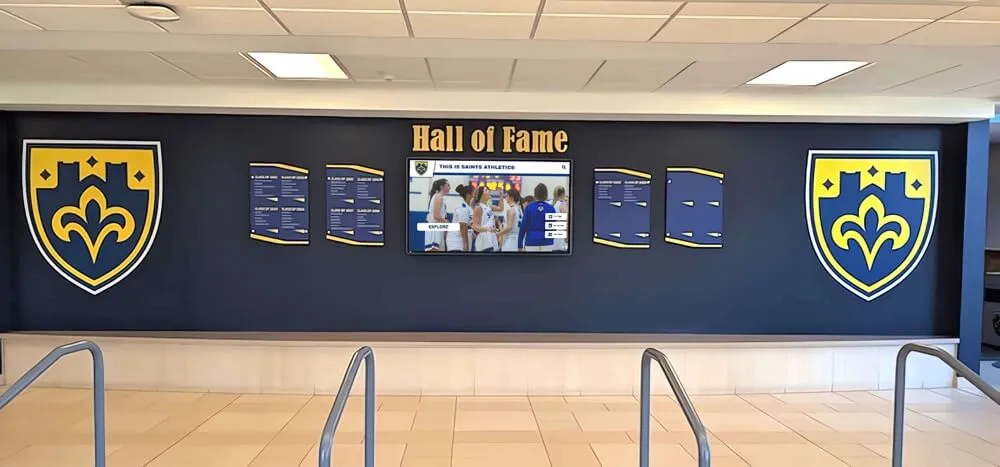
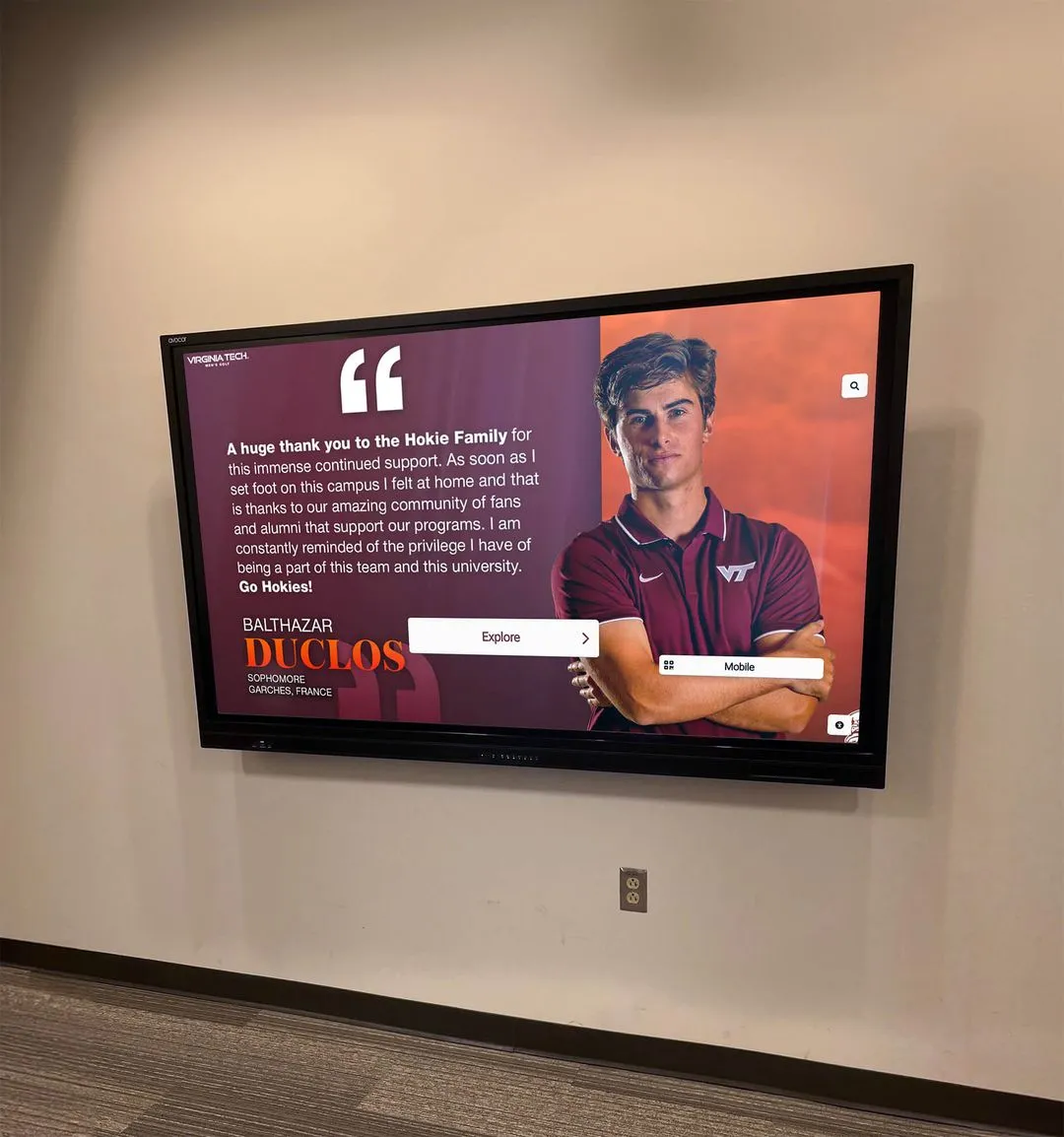
Touchscreen interfaces enable wrestlers to explore program records interactively rather than passive viewing of static displays
Content Management and Update Workflows
Successful recognition systems require sustainable maintenance processes:
Designated Record Keeper Responsibilities
Assign clear ownership for documentation management:
- Specific staff member accountable for data accuracy and updates
- Backup personnel trained on systems preventing single-point failures
- Documented procedures for all common management tasks
- Regular review schedules ensuring content remains current
- Authority to access historical archives and resources
- Time allocation within job responsibilities for documentation work
Season Documentation Protocols
Establish systematic workflows ensuring complete current season documentation:
Weekly During Season
- Enter all match results from past week into database
- Update season statistics showing current wrestler performance
- Check ranking publications for program wrestlers and update displays
- Collect and organize action photographs from recent competitions
- Verify schedule accuracy and update upcoming opponent information
- Review previous week entries correcting any identified errors
Immediately After Tournaments
- Document placement results and bracket progressions
- Update career tournament records and statistics
- Recognize achievement milestones reached during competition
- Publish tournament recap content with photos and highlights
- Update championship qualification lists and state tournament qualifiers
- Celebrate tournament success through social media and school communications
End of Season
- Compile final season statistics for all wrestlers
- Update career records incorporating full season results
- Document final ranking positions and year-end recognition
- Archive season records and team performance documentation
- Collect wrestler reflections and season memories
- Update coaching career records and milestone achievements
- Plan senior recognition and career celebration content
- Begin next season information collection and roster development
Summer Off-Season
- Conduct historical research projects filling documentation gaps
- Organize and catalog off-season tournament results
- Plan next season display enhancements and content updates
- Solicit alumni information and career updates
- Review program documentation for improvement opportunities
- Train new staff on record-keeping procedures
- Prepare incoming freshman information for fall season
Systematic workflows transform documentation from overwhelming burden to manageable routine activities that coaches and administrators execute efficiently throughout annual cycles.
Accessibility Beyond Physical Displays
Modern recognition extends well beyond on-campus installations:
Web Platform Integration
Online access dramatically expands recognition reach:
- Alumni anywhere can explore program records and relive competitive memories
- Recruits research program history before campus visits
- Parents share wrestler achievements with extended family and friends
- Community supporters follow program success throughout seasons
- Media access accurate information for coverage and feature articles
- Historical researchers investigate wrestling program evolution
Mobile Responsiveness
Contemporary systems function effectively across devices:
- Smartphone access enabling quick record checks and sharing
- Tablet compatibility providing medium-sized viewing option
- Laptop and desktop support for extended exploration sessions
- Consistent functionality and content across all devices
- Optimized interfaces for touch interaction and traditional navigation
- Offline access capabilities for areas with limited connectivity
Social Sharing Integration
Enable recognition distribution through social channels:
- One-click sharing of individual achievement profiles
- Automated season highlight compilation for team accounts
- Record milestone announcements formatted for social platforms
- Weekly performance update graphics for program promotion
- Championship recognition templates maintaining brand consistency
- Alumni career success stories connecting past to present
Comprehensive accessibility ensures recognition serves diverse audiences across multiple contexts rather than limiting impact to those physically present at specific campus locations.
Explore approaches to high school wrestling tournament brackets and recognition systems.
Measurement: Demonstrating Recognition Program Value
Systematic assessment quantifies recognition impact while identifying enhancement opportunities ensuring continuous improvement.
Quantitative Engagement Metrics
Digital platforms provide detailed usage data impossible with traditional static displays:
Usage Volume and Frequency
- Total interactions and viewing sessions over time periods
- Unique users versus returning visitors indicating sustained interest
- Average engagement duration per session showing content depth
- Peak usage times revealing when audiences engage most actively
- Geographic distribution showing alumni access patterns
- Device type breakdown understanding access preferences
Content Performance Analysis
- Most-viewed wrestler profiles identifying audience favorites
- Popular record categories revealing highest interest areas
- Search query analysis showing what information users seek
- Video content viewing duration and completion rates
- Photo gallery exploration patterns
- Tournament result page views showing event interest
Engagement Trends
- Usage comparison across different seasons understanding patterns
- Growth trajectories showing increasing adoption
- Return visitor rates demonstrating lasting appeal
- Social sharing frequency measuring organic promotion
- External link clicks showing downstream engagement
- Session depth indicating exploration thoroughness
Qualitative Impact Assessment
Beyond usage numbers, evaluate broader program influence:
Current Wrestler Perspectives
- Survey awareness of program records and historical achievements
- Assess whether displays motivate training effort and performance goals
- Gather feedback about record accessibility and usability
- Evaluate understanding of program tradition and excellence standards
- Monitor discussions about displayed records and achievements
- Track goal-setting influenced by visible performance benchmarks
Coaching Staff Feedback
- Evaluate administrative burden of record maintenance
- Assess usefulness of statistics for performance analysis
- Determine whether displays support team culture development
- Monitor recruitment discussions referencing recognition systems
- Understand what additional records would provide coaching value
- Identify improvement opportunities based on daily usage
Alumni Engagement
- Track reunion participation and connection maintenance
- Monitor online platform usage by graduated wrestlers
- Measure social sharing of personal achievements and team memories
- Assess satisfaction with program historical documentation
- Evaluate philanthropic engagement potentially influenced by recognition
- Understand emotional connection strengthened through accessible records
Recruit and Family Responses
- Monitor campus visit discussions mentioning displayed records
- Track commitment decision factors citing program tradition
- Compare recruiting success metrics before and after recognition implementation
- Assess perceived program prestige and competitive positioning
- Evaluate parent comfort with program culture and values
- Understand how displays influence competitive opportunity perception
Community and Media Impact
- Monitor local media coverage mentioning program records
- Track social media engagement with recognition content
- Assess community conversation about program excellence
- Evaluate athletic event attendance potentially influenced by program pride
- Monitor comparative positioning versus rival programs
- Understand broader community perception of wrestling program quality
Return on Investment Analysis
Calculate comprehensive ROI encompassing multiple value dimensions:
Direct Financial Considerations
- Initial technology investment and implementation costs
- Ongoing annual maintenance and support expenses
- Eliminated costs from reduced physical display fabrication
- Staff time efficiency gained through streamlined updates
- Potential fundraising increases attributable to enhanced alumni engagement
- Recruiting advantages creating competitive positioning value
Strategic Value Creation
- Enhanced program reputation and institutional prestige
- Improved alumni connection and ongoing engagement
- Strengthened program culture and performance standards
- Preserved institutional history preventing memory loss
- Competitive recruiting advantages versus comparable programs
- Community pride and school spirit contributions
Long-Term Sustainability
- Technology longevity compared to physical display replacement cycles
- Scalability accommodating unlimited future achievements
- Adaptability to changing record categories and documentation priorities
- Independence from vendor dependencies for routine updates
- Knowledge preservation preventing loss during coaching transitions
- Cultural impact shaping multiple athlete generations
Most wrestling programs discover that thoughtfully implemented recognition systems deliver returns dramatically exceeding initial investment when accounting for comprehensive benefits across recruitment, culture development, alumni engagement, historical preservation, and operational efficiency spanning decades of program operation.
Common Challenges and Practical Solutions
Wrestling programs implementing comprehensive recognition encounter predictable obstacles requiring proactive strategies:
Incomplete Historical Records
Challenge: Many programs lack complete historical documentation—missing rosters, uncertain statistics, few photographs from earlier decades, unclear tournament results before recent digitization.
Practical Solutions:
- Prioritize recent decades with accessible documentation for initial implementation creating immediate value
- Conduct systematic research through yearbooks, newspapers, and state association archives filling gaps incrementally
- Engage alumni through outreach campaigns requesting photos, statistics, and memories from their competitive eras
- Acknowledge information gaps honestly rather than publishing uncertain details maintaining credibility
- Build historical archives gradually as research uncovers previously unknown information rather than delaying launch
- Focus initially on well-documented achievements establishing system value before tackling reconstruction challenges
- Accept that some historical information may be permanently lost rather than indefinitely postponing recognition
Digital platforms make updating straightforward as historical research uncovers previously unknown information, unlike physical displays requiring complete reconstruction to incorporate new details.
Limited Staff Time and Technical Expertise
Challenge: Wrestling coaches and athletic administrators face extensive existing responsibilities without excess capacity for new documentation systems requiring technical skills they may not possess.
Practical Solutions:
- Select intuitive content management platforms requiring minimal technical expertise and training
- Create standardized templates and forms streamlining repetitive documentation tasks
- Engage student volunteers through technology classes or athletic team managers gaining experience
- Implement phased approach over multiple years rather than attempting immediate comprehensive completion
- Allocate summer months for major projects when coaching schedules allow dedicated focus
- Establish clear division of labor spreading workload across multiple individuals
- Partner with alumni who possess relevant technical skills and program knowledge
- Consider turn-key implementation services providing initial setup and ongoing support
- Accept that perfect systems don’t exist and functional implementation beats delayed perfection
Sustainable systems match program resource realities rather than requiring unsustainable effort levels that eventually cause documentation to lapse.
Maintaining Accuracy and Correcting Errors
Challenge: Historical record research uncovers conflicts between sources, current data entry errors occur, and past documentation contains mistakes requiring correction without undermining credibility.
Practical Solutions:
- Cross-reference multiple independent sources before publishing historical information
- Document research sources enabling future verification and conflict resolution
- Establish clear verification protocols for current season data entry
- Create public submission processes where alumni can report errors or provide corrections
- Update information transparently when errors are discovered rather than defending mistakes
- Implement review cycles catching data entry errors before becoming permanent
- Train multiple staff on verification procedures preventing single-reviewer oversights
- Accept that 100% accuracy may be impossible especially for historical eras but pursue highest reasonable standards
- Communicate clearly about information confidence levels when certainty varies
Digital systems excel at corrections, enabling immediate fixes without physical reconstruction or vendor dependencies characterizing traditional displays.
Balancing Individual and Team Recognition
Challenge: Wrestling’s individual competition emphasis can overshadow team achievement, creating tension between celebrating individual excellence and recognizing collective success.
Practical Solutions:
- Design recognition systems explicitly incorporating both individual and team achievement categories
- Feature dual meet team records alongside individual performance statistics
- Highlight team tournament placements and championships prominently
- Document team scoring contributors not just individual champions
- Recognize role players and practice squad wrestlers whose contributions enabled team success
- Celebrate team culture and collective effort alongside statistical achievement
- Balance display space ensuring team and individual recognition receive proportional visibility
- Feature team photos and roster documentation showing collective participation
- Document coaching philosophies emphasizing team-first culture even in individual sport
Comprehensive systems recognize that wrestling excellence manifests through both personal competitive success and collective team achievement requiring both to receive appropriate celebration.
Conclusion: Creating Recognition That Inspires Wrestling Excellence
High school wrestling programs accumulate rich competitive histories spanning decades of individual achievement, team success, coaching excellence, and program development. These accomplishments deserve recognition proportional to their significance—documentation that preserves accurate historical record, displays that inspire current competitors by showcasing program tradition, systems that strengthen alumni connection through accessible memories, and frameworks ensuring future achievements receive immediate appropriate celebration rather than risking eventual loss as institutional knowledge fades.
The strategies explored in this guide provide comprehensive blueprints for tracking wrestling performance metrics, organizing program records systematically, implementing modern recognition displays, and establishing sustainable maintenance workflows that transform documentation from overwhelming burden into manageable routine activity delivering substantial strategic value.
Ready to create comprehensive wrestling program recognition showcasing your competitive history while inspiring current athletes? Modern recognition solutions help programs celebrate excellence while addressing limitations of traditional approaches. Solutions like Rocket Alumni Solutions provide platforms specifically designed for wrestling program documentation, combining intuitive content management enabling coaches to update records independently, unlimited capacity accommodating complete historical archives, engaging interactive experiences making records accessible and inspiring, and ongoing support ensuring long-term success.
Wrestling programs evaluating recognition options should consider not just immediate implementation costs and logistics but long-term sustainability and value creation. Traditional physical displays require ongoing per-record expenses and eventually face insurmountable space constraints necessitating difficult prioritization decisions. Digital systems involve higher initial investment but provide unlimited capacity, comprehensive storytelling capabilities through multimedia integration, dramatically lower costs for ongoing updates spanning decades, and accessibility extending far beyond physical campus boundaries connecting with alumni worldwide.
Every wrestling achievement deserves recognition—not just those that happen to fit available trophy case space or wall area. The wrestlers, coaches, and families who achieved these accomplishments through years of disciplined training, competitive courage, and sustained commitment earned lasting honor. Your recognition displays should reflect that dedication by celebrating comprehensive program history appropriately for generations of current and future competitors.
Start planning your wrestling recognition strategy today, whether establishing new documentation systems or enhancing existing recognition. The most important elements aren’t budget size, technology sophistication, or facility quality—they’re genuine commitment to honoring achievement comprehensively, systematic documentation capturing program history before institutional knowledge vanishes, and sustained management ensuring displays remain current and inspiring for the wrestlers, alumni, and community members who make your wrestling program excellent across generations.
Wrestling programs building recognition systems today create institutional assets serving schools for decades while preserving competitive legacies that might otherwise disappear as coaches retire, athletes graduate, and memories fade. That preservation work—systematic, deliberate, sustained—represents critical service to everyone who has wrestled for your program, ensuring their achievements receive the lasting recognition excellence deserves.