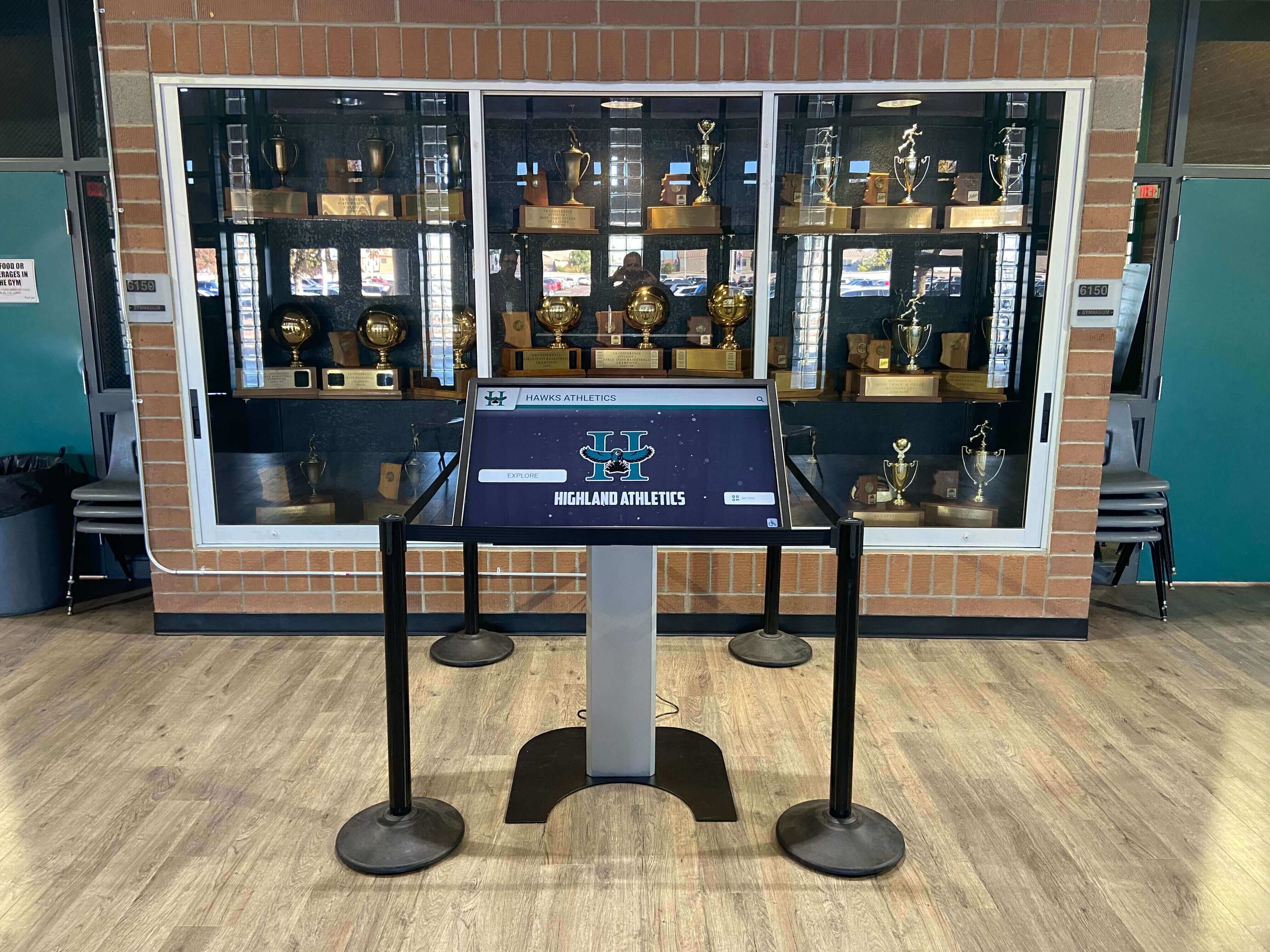




High school trophy cases serve as prominent showcases celebrating athletic excellence, preserving program heritage, and creating visible inspiration for current students pursuing competitive success. These displays occupy prime hallway and lobby locations, immediately communicating institutional values around achievement, dedication, and excellence while honoring athletes whose efforts built distinguished competitive legacies.
Yet traditional trophy case design creates persistent challenges that grow more problematic as successful programs continue accumulating achievements: limited physical capacity forcing difficult decisions about which trophies deserve display, ongoing maintenance requirements keeping cases clean and organized, security concerns protecting valuable awards, and static presentation formats that provide minimal context about the achievements being celebrated.
This comprehensive guide examines trophy case design considerations for high schools modernizing recognition systems, comparing traditional physical displays with contemporary digital alternatives that eliminate space constraints while enabling richer storytelling, interactive exploration, and sustainable long-term recognition accommodating unlimited program growth without additional facility costs.
Athletic directors and facility planners face critical decisions when designing or updating trophy case systems—choices that affect recognition equity across decades, maintenance burden on staff, space utilization efficiency, and program culture. Understanding available approaches helps administrators select recognition strategies aligned with institutional priorities while creating sustainable systems serving athletic departments effectively across leadership transitions.

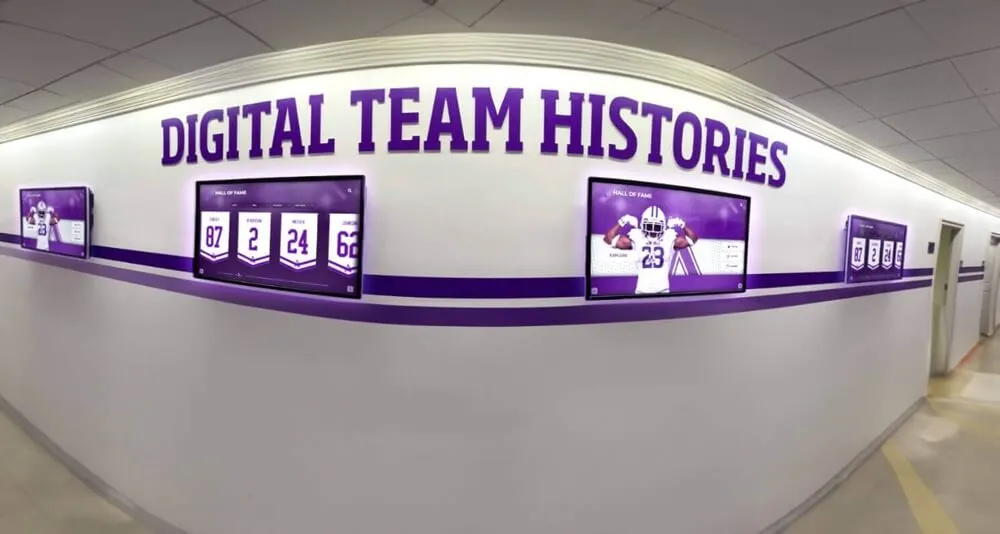
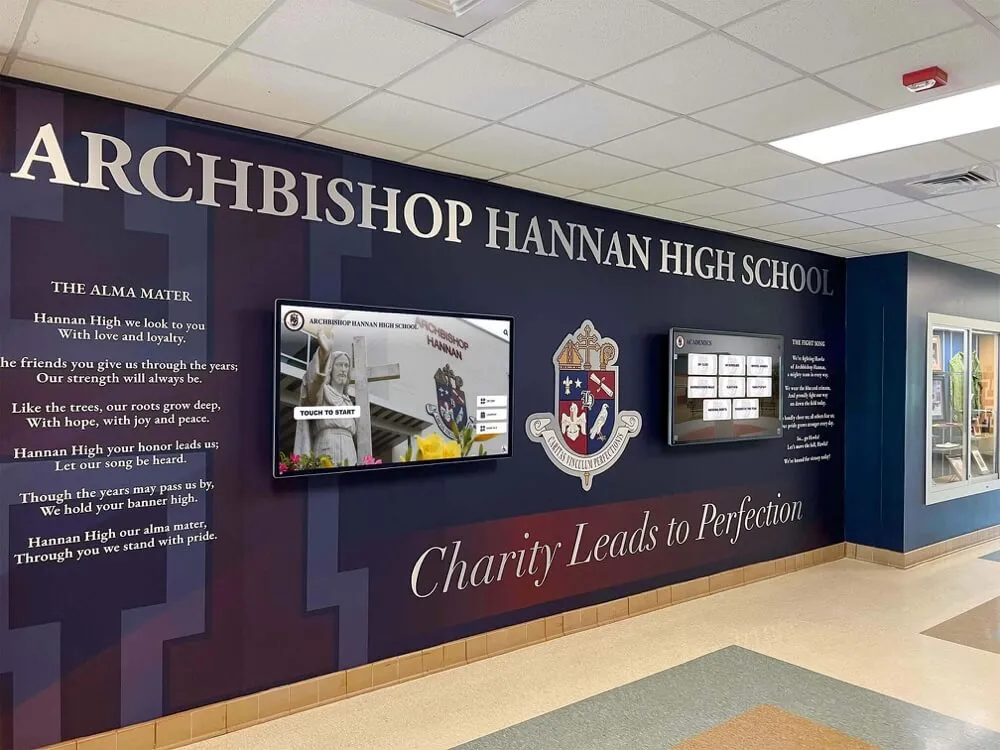
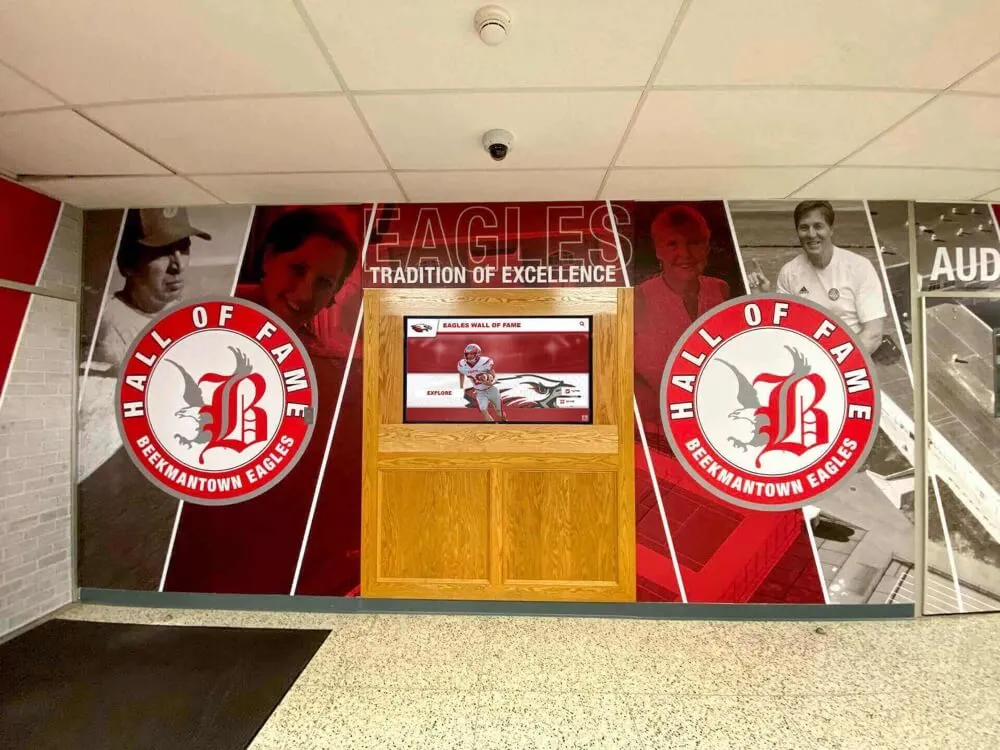
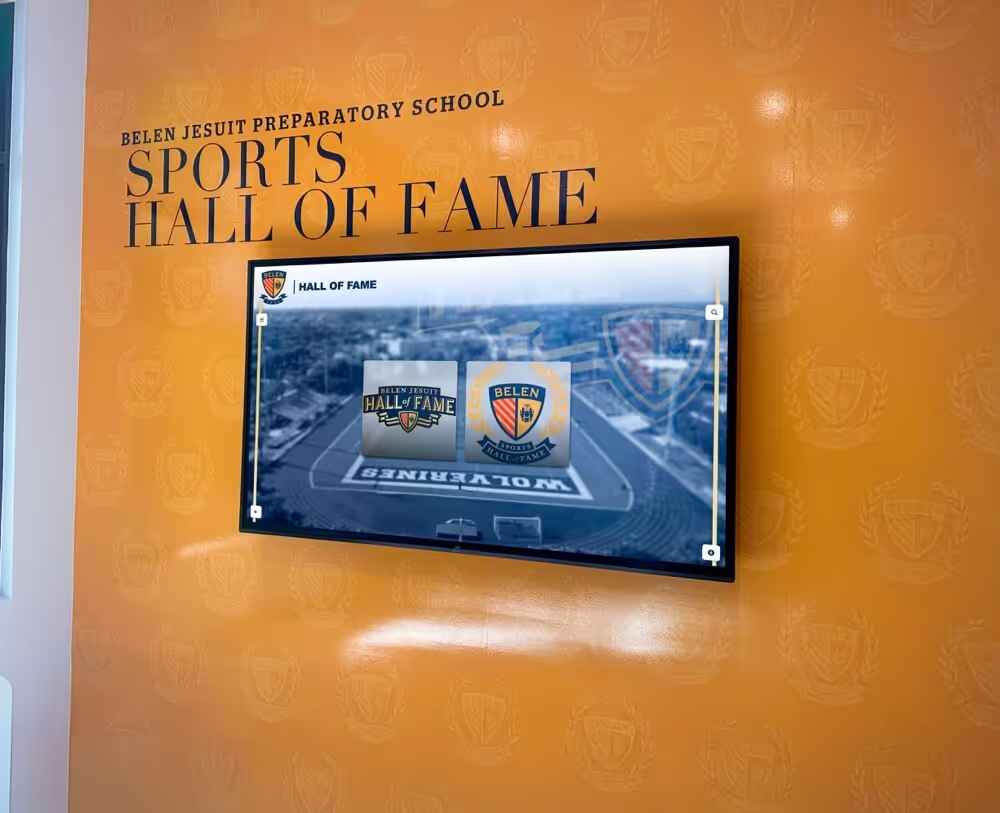
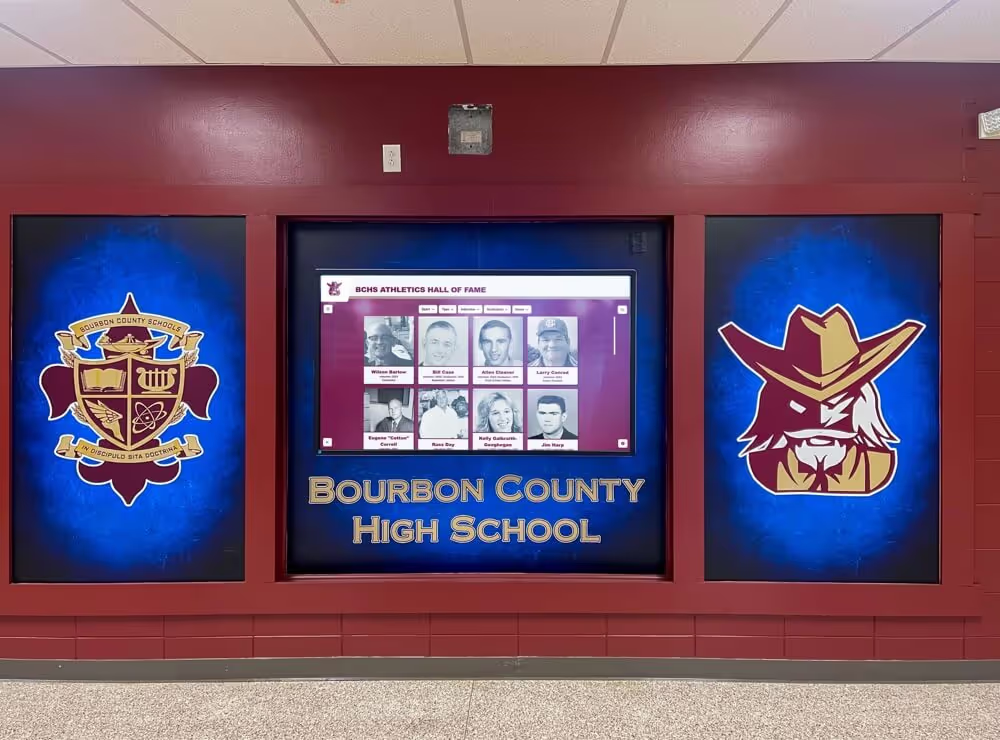
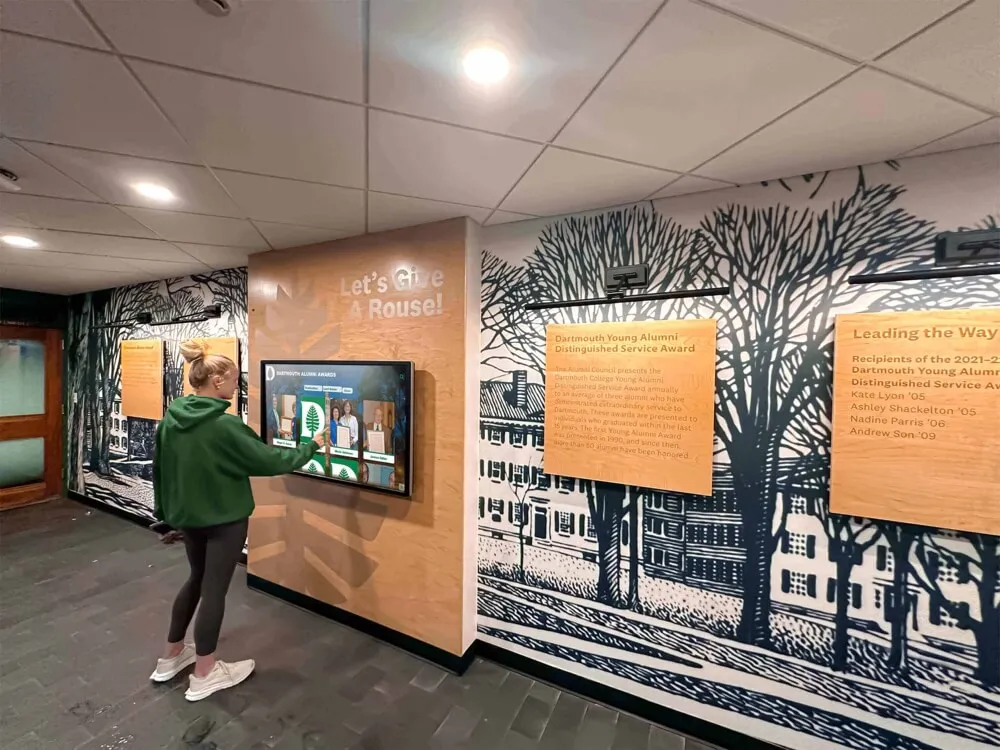
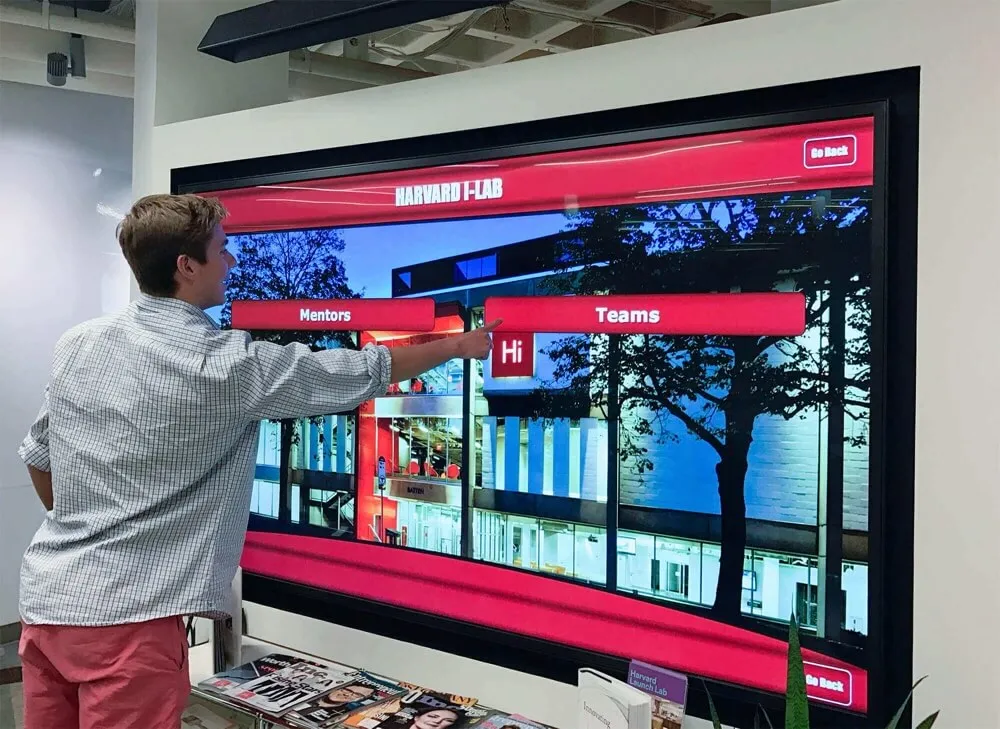
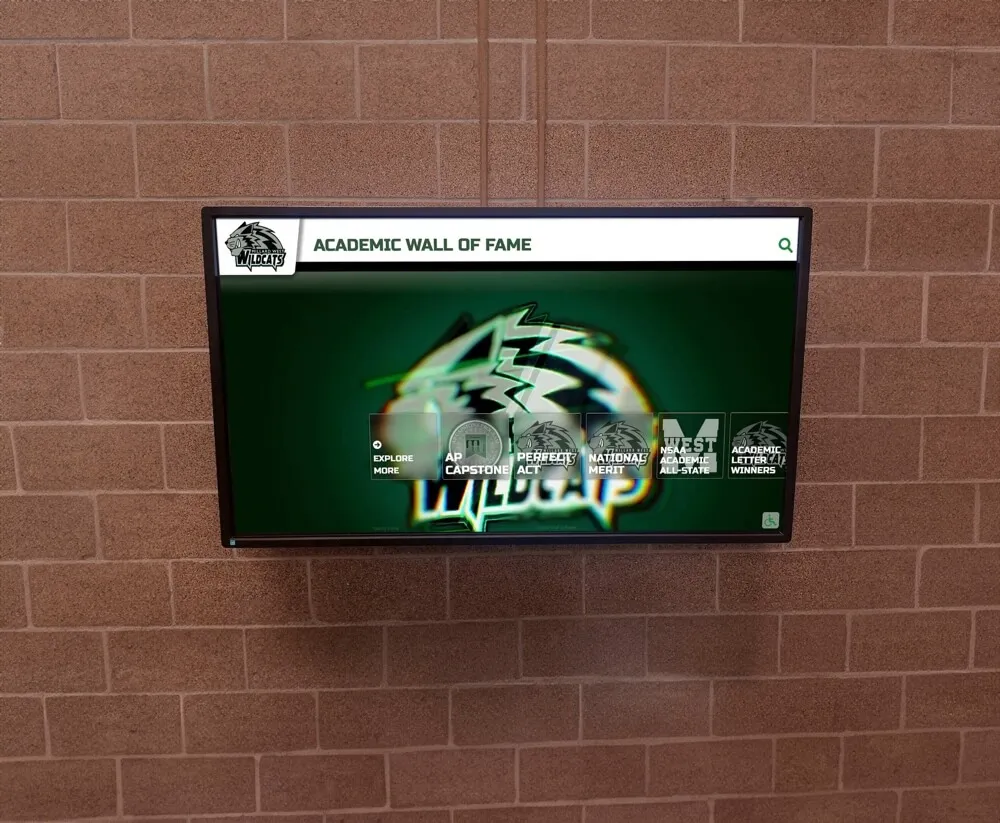
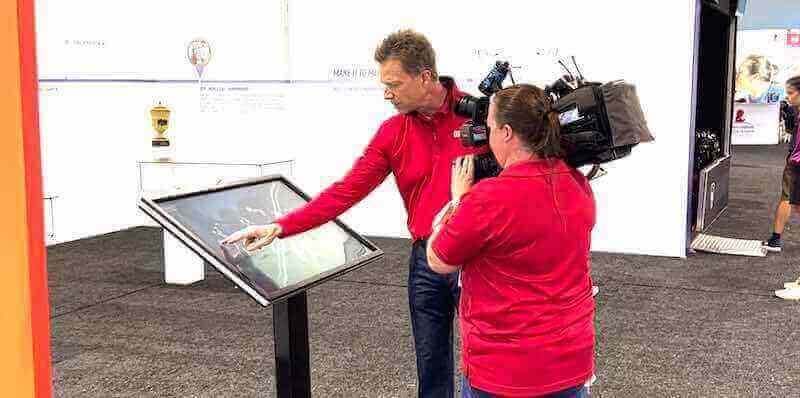
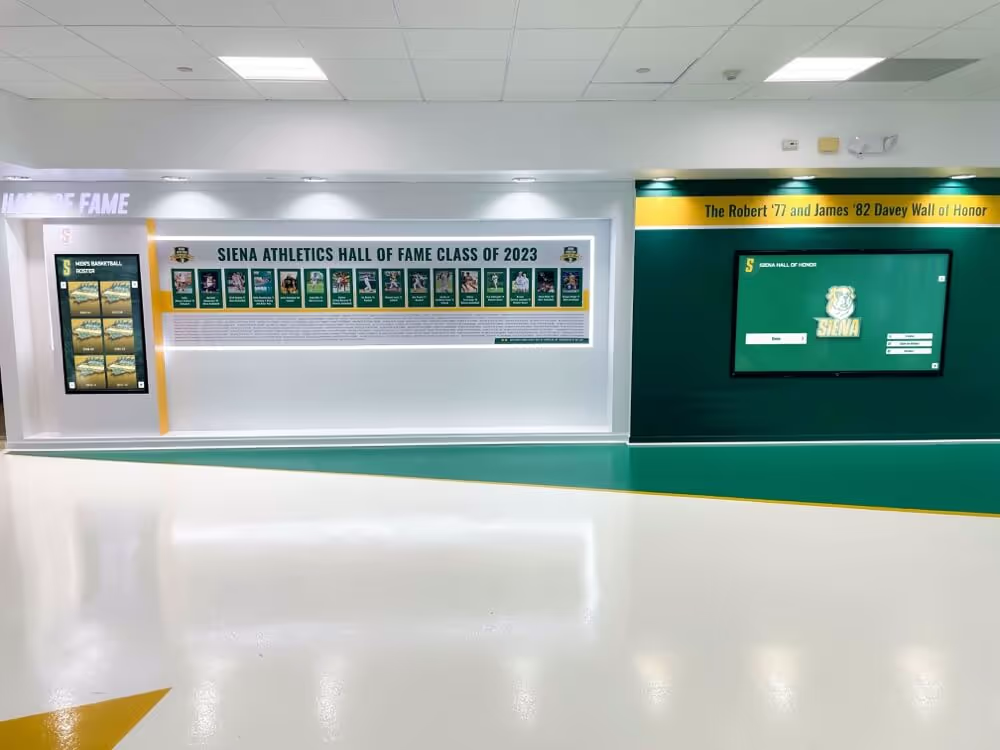
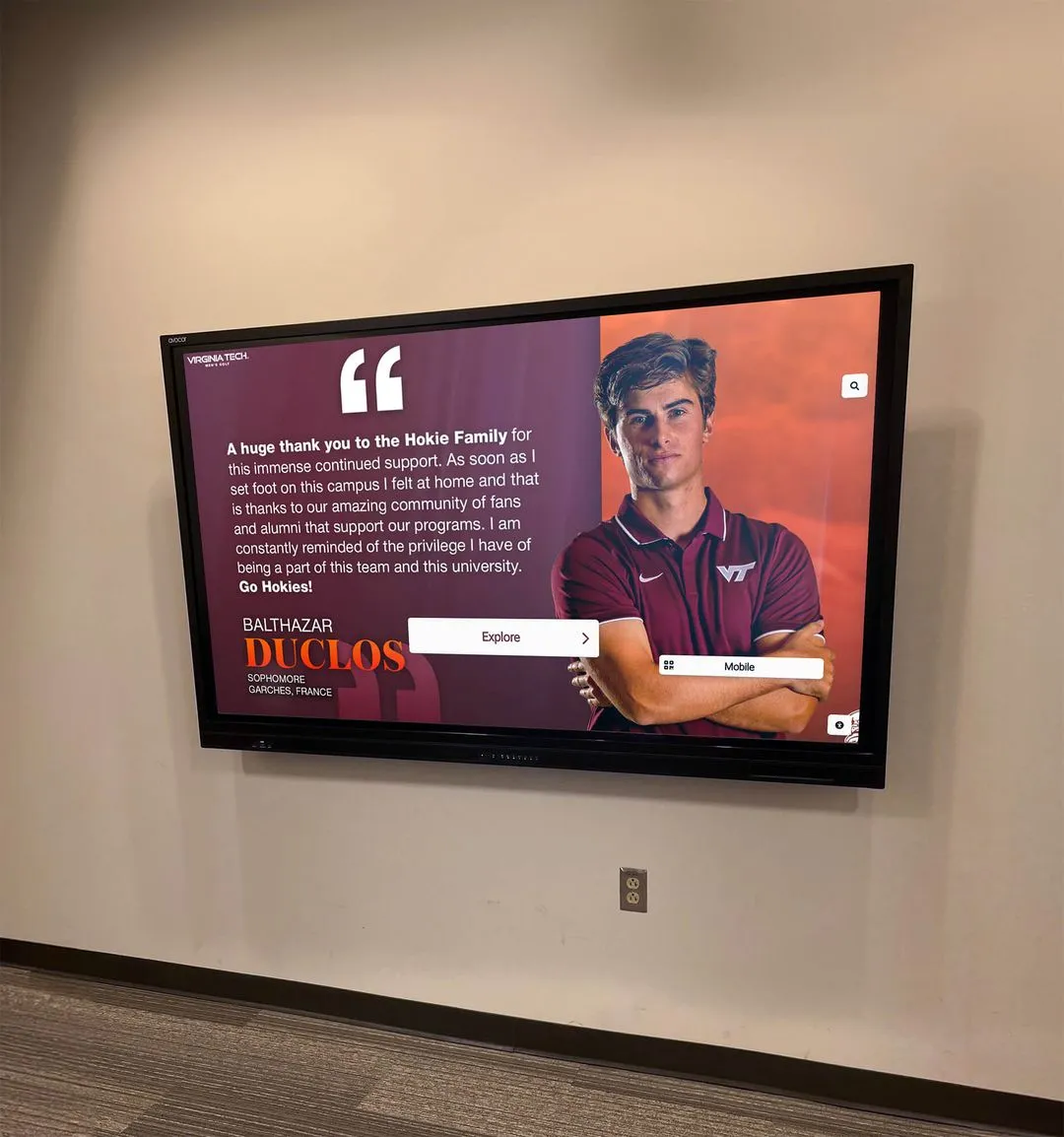
Contemporary trophy case designs integrate traditional physical displays with digital recognition platforms creating comprehensive athletic showcases
Program Snapshot: Trophy Case Design Planning Framework
| Planning Element | Considerations |
|---|---|
| Purpose Definition | Championship celebration, individual recognition, program heritage preservation |
| Capacity Planning | Current collection size plus 10-20 year growth projections |
| Location Selection | High-traffic areas ensuring visibility while maintaining security |
| Budget Allocation | Initial installation costs plus ongoing maintenance and expansion expenses |
| Maintenance Requirements | Cleaning schedules, security protocols, content updates |
| Display Organization | Sport-based arrangement, chronological ordering, achievement level grouping |
| Recognition Equity | Balanced visibility across sports, eras, and achievement types |
| Technology Integration | Digital enhancement possibilities and hybrid approach considerations |
Understanding Traditional Trophy Case Design
Before exploring modern alternatives, understanding conventional trophy case characteristics helps identify strengths worth preserving and limitations requiring solutions.
Physical Display Construction and Materials
Traditional trophy cases involve several standard design components:
Cabinet Structure and Materials
Typical construction includes:
- Framework Materials - Hardwood, aluminum, or steel frames supporting glass panels
- Display Surfaces - Glass shelving with adjustable height configurations
- Back Panels - Wood, fabric, or painted surfaces providing display backgrounds
- Lighting Systems - Integrated LED or fluorescent lighting illuminating contents
- Security Features - Locking mechanisms protecting valuable awards
- Mounting Systems - Wall-mounted or freestanding cabinet installation options
Quality construction using commercial-grade materials ensures durability withstanding decades of institutional use while maintaining professional appearance resisting deterioration.
Sizing and Capacity Specifications
Standard dimensions typically include:
- Wall-mounted cases: 48-96 inches wide, 36-72 inches tall, 12-18 inches deep
- Freestanding cases: 36-60 inches wide, 72-84 inches tall, 18-24 inches deep
- Custom installations: Designed specifically for architectural integration
- Shelf capacity: 8-12 trophies per linear foot depending on award sizes
- Total capacity: 20-100+ trophies depending on case dimensions and configurations
Understanding capacity helps administrators plan for collection growth and determine when traditional approaches reach practical limitations requiring alternative solutions.
Visual Design and Branding Integration
Effective cases incorporate school identity:
- School colors in painted or fabric backing materials
- Mascot graphics or logos integrated tastefully
- Championship banners or decorative elements
- Coordinated lighting creating dramatic presentation
- Professional signage identifying case purpose and contents
- Consistent design language matching facility aesthetics
Visual integration creates cohesive facility identity while elevating trophy presentation beyond simple storage to meaningful institutional celebration.
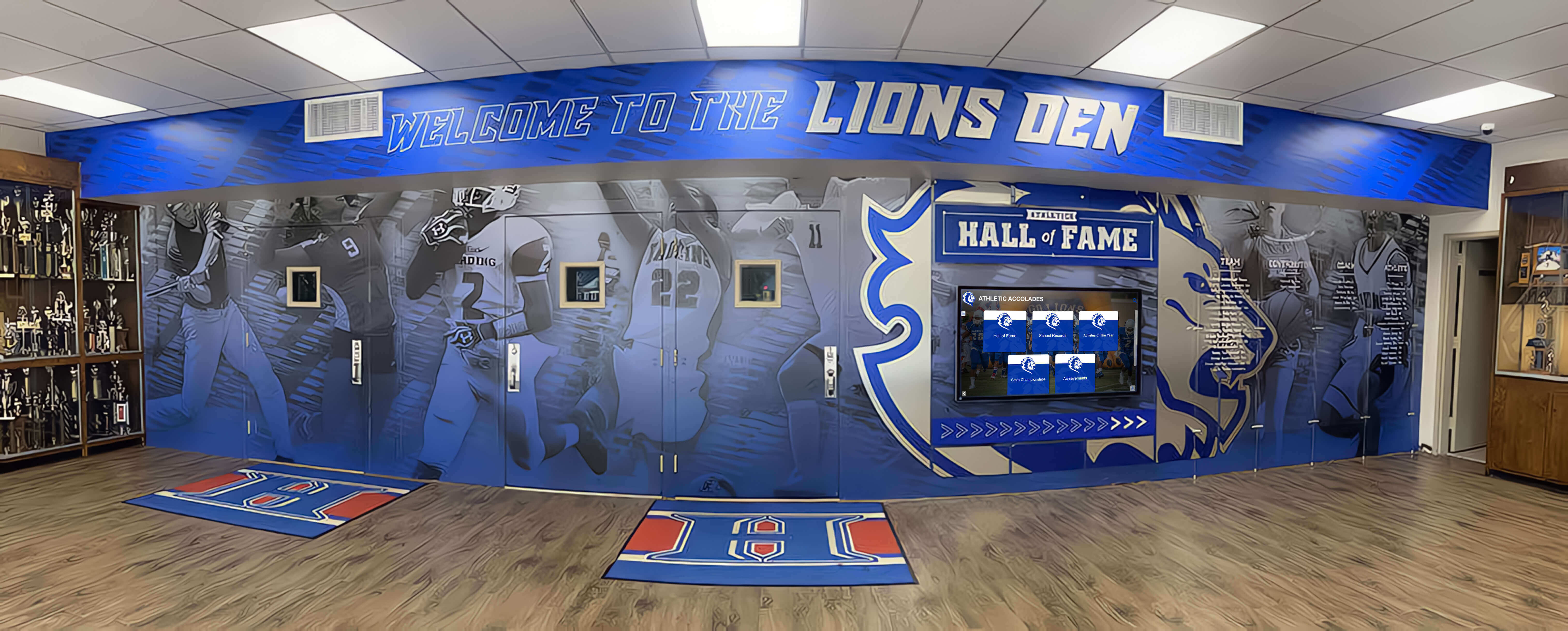
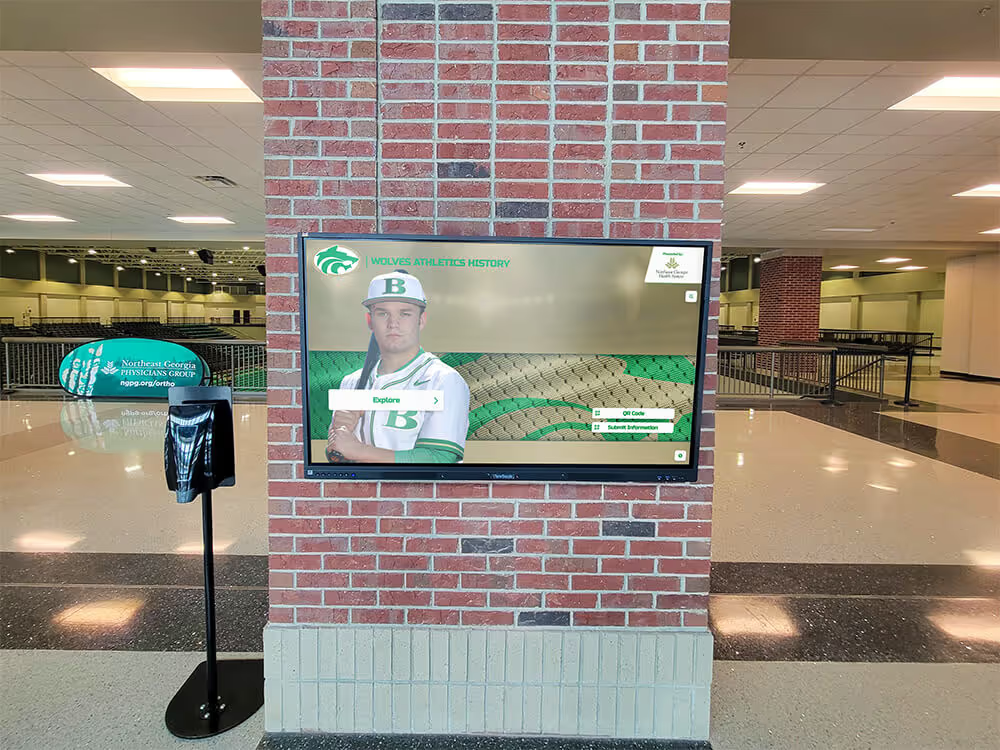
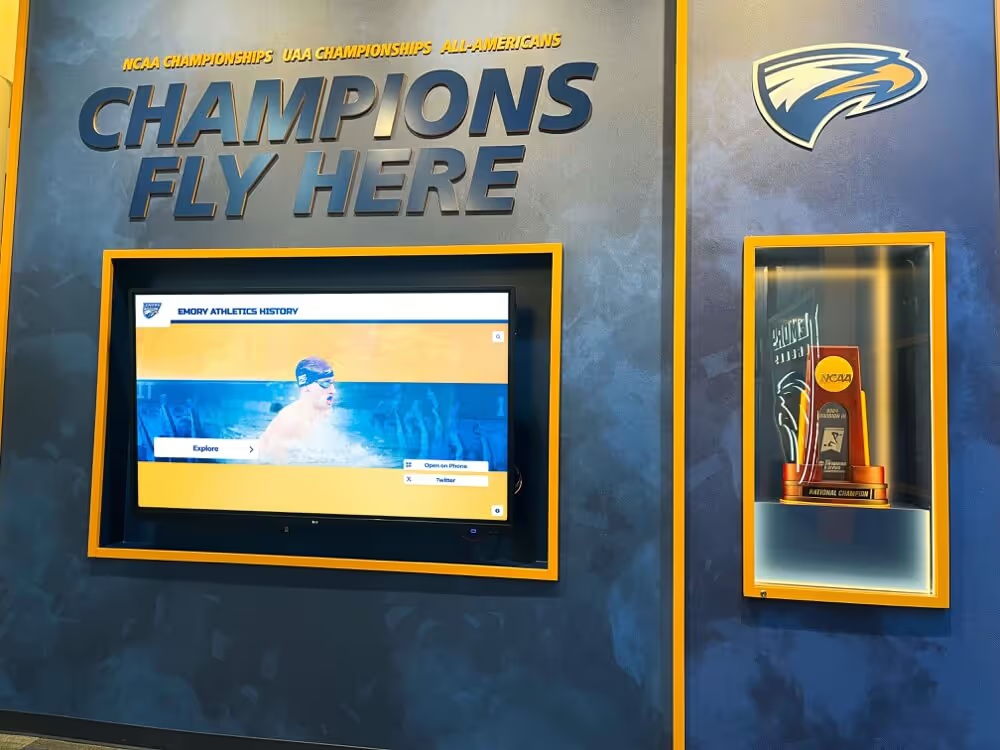
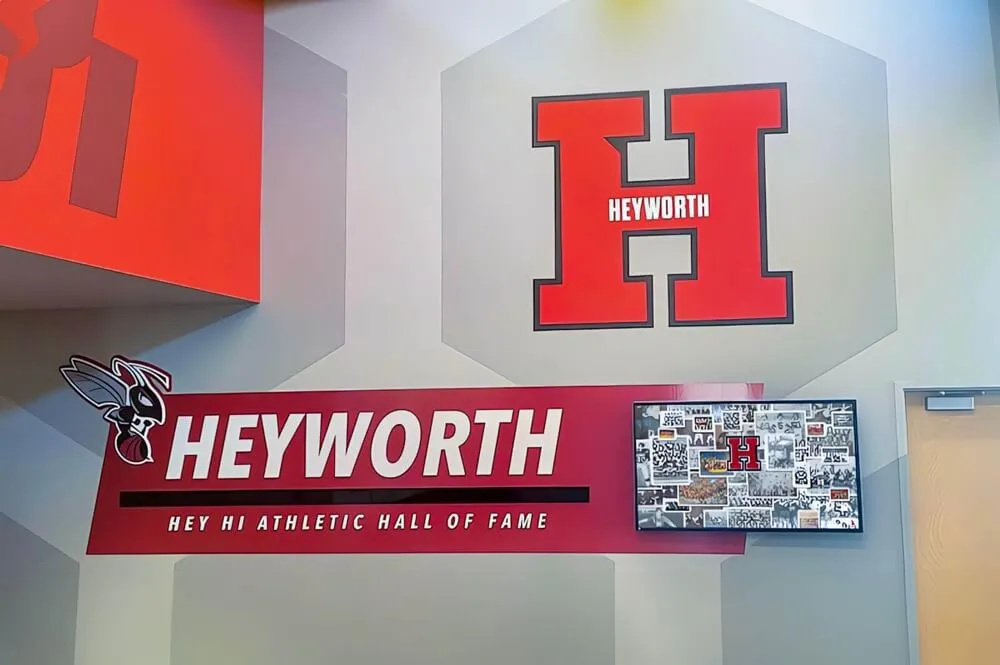
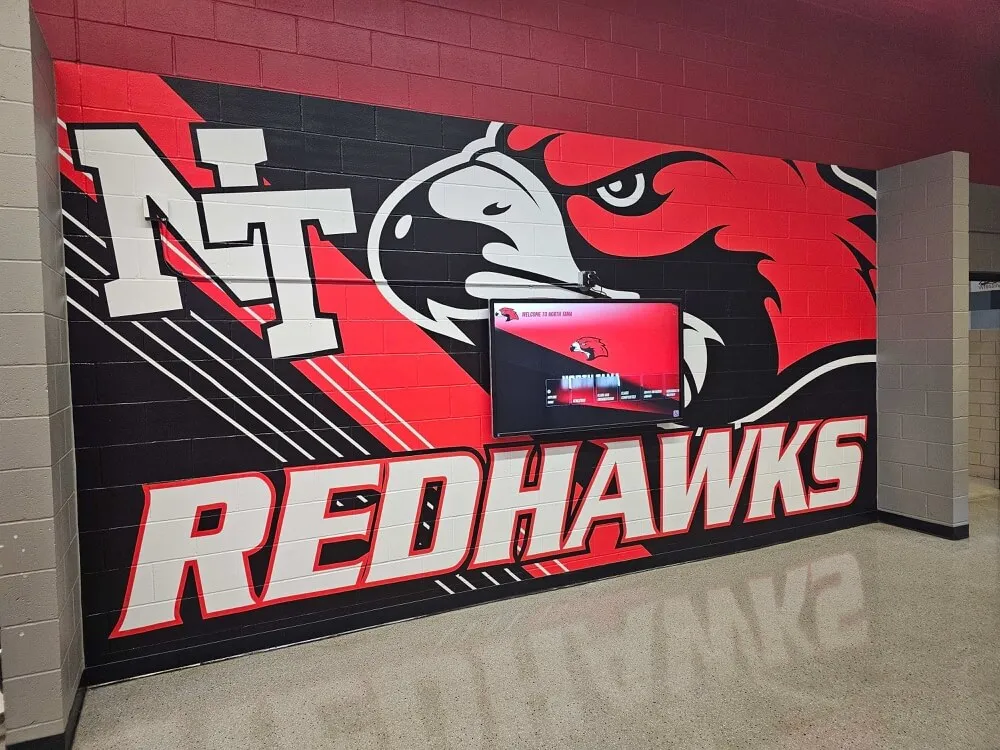
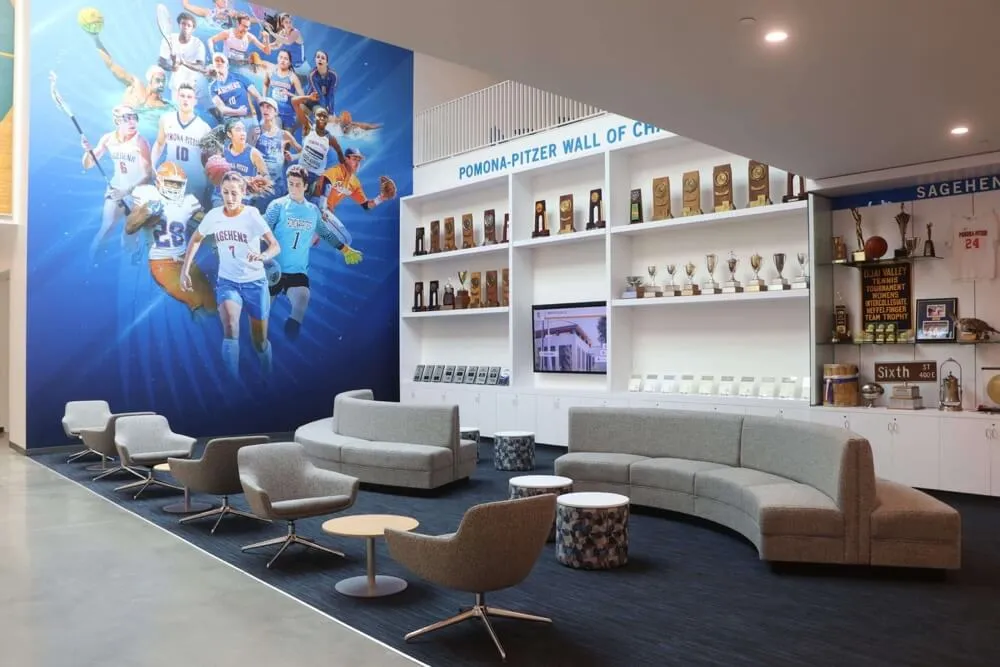
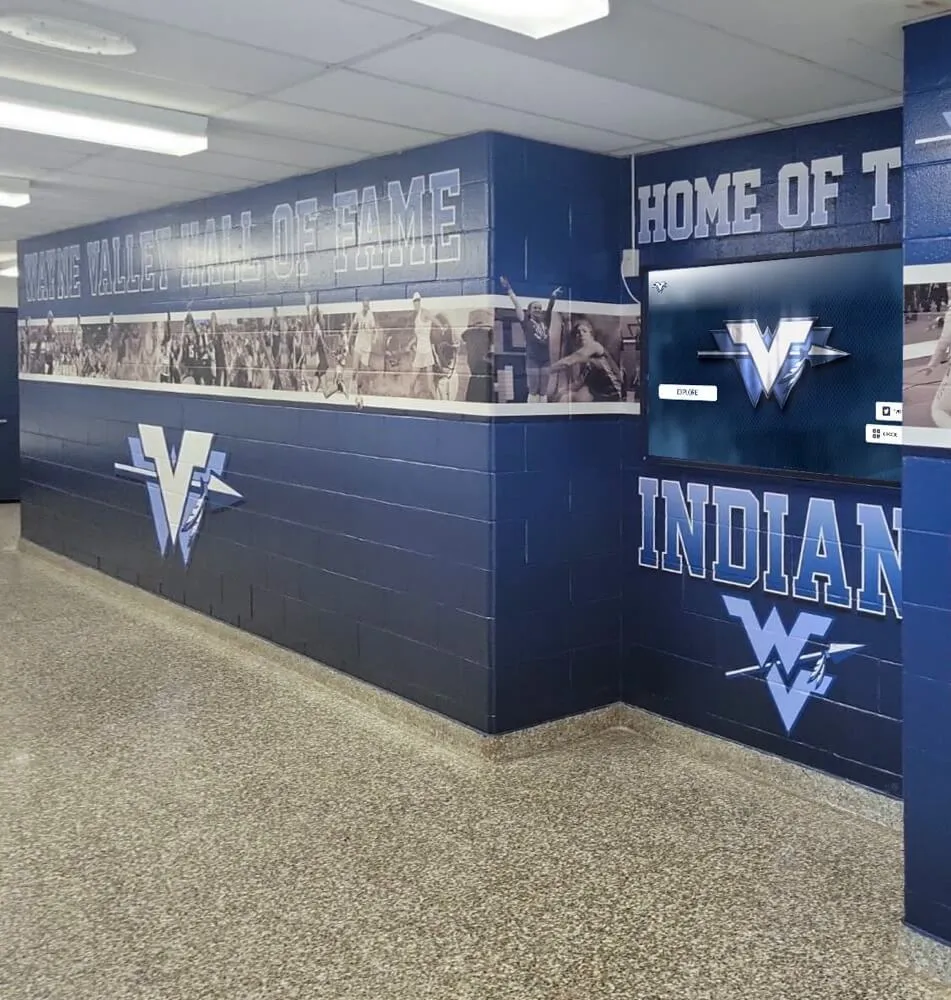
Professional trophy case installations integrate school branding and architectural elements creating impressive athletic heritage displays
Organizational Systems and Display Strategies
Effective trophy arrangement requires thoughtful organizational planning:
Sport-Based Organization
Grouping by athletic program provides clear structure:
- Dedicated sections for major sports programs (football, basketball, baseball, volleyball)
- Combined areas for smaller sports sharing display space
- Separate recognition for team championships versus individual awards
- Visual dividers or labels clearly identifying sport sections
- Proportional space allocation reflecting program size and success rates
Sport-based organization helps viewers locate specific program achievements while demonstrating comprehensive athletic department success across multiple competitive areas.
Chronological Arrangement
Timeline-based displays show program evolution:
- Left-to-right or top-to-bottom progression across years or decades
- Clear year labels identifying when championships occurred
- Historical context showing program development and coaching eras
- Space for adding recent achievements to ongoing timelines
- Periodic reorganization as collections expand beyond allocated space
Chronological systems work well initially but eventually require difficult decisions about removing older achievements when space fills completely.
Learn about comprehensive athletic recognition program design addressing long-term sustainability considerations.
Achievement Level Grouping
Hierarchical arrangement emphasizes significant accomplishments:
- Premium top-shelf placement for state championships and major awards
- Middle positions for regional and conference championships
- Lower shelves for participant trophies and lesser recognitions
- Highlighted spacing or special positioning for historically significant items
- Visual emphasis through lighting, stands, or special mounting
This approach maximizes impact of most prestigious achievements but can inadvertently devalue important accomplishments receiving less prominent positioning.
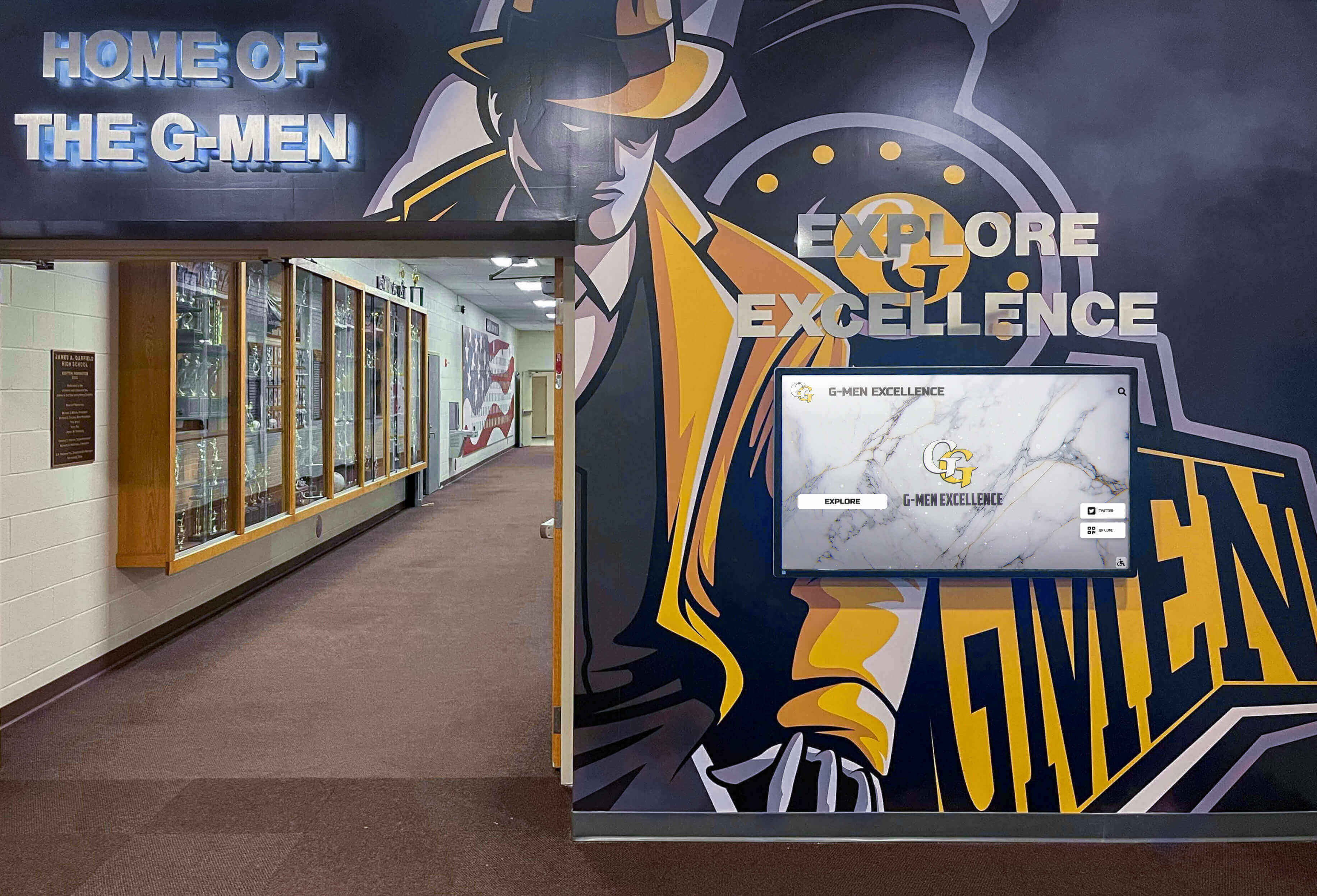
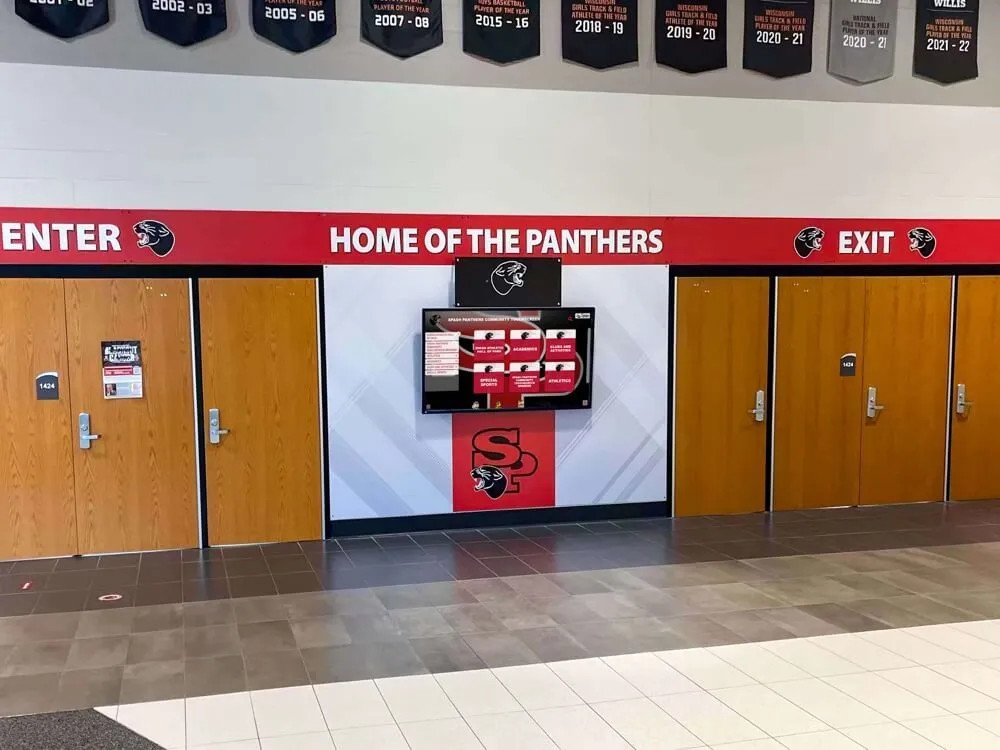
Strategic trophy case placement in athletic corridors ensures daily visibility for students, athletes, and visitors
Critical Limitations of Traditional Trophy Cases
Physical display systems create persistent challenges that worsen as programs mature and collections expand.
Space Constraints and Capacity Problems
The fundamental limitation affecting all traditional trophy cases involves finite physical capacity:
Inevitable Collection Growth
Successful athletic programs generate predictable trophy accumulation:
- Conference championships: 5-10 annually across multiple sports
- District and regional tournaments: 3-8 trophies per year
- State championship appearances: 1-5 significant trophies annually
- Individual athlete awards: 10-20+ per year depending on recognition practices
- Team achievement trophies: Multiple per sport each season
Over 10-20 years, successful programs easily accumulate 200-500+ trophies worthy of display recognition. Yet typical trophy cases accommodate only 50-150 items before becoming overcrowded.
Forced Selectivity and Removal Decisions
When cases reach capacity, administrators face difficult choices:
- Removing older championships to display recent achievements
- Eliminating conference titles to preserve only state championships
- Rotating displays periodically but storing most trophies invisibly
- Adding supplementary cases if wall space and budget permit
- Establishing arbitrary cutoff dates determining display eligibility
These decisions inevitably disappoint athletes, coaches, and alumni whose achievements are removed or never displayed, creating recognition inequity that undermines program culture.
Explore approaches to digital trophy case alternatives eliminating physical capacity constraints entirely.
Facility Space Competition
Beyond individual case capacity, broader facility constraints limit recognition:
- Prime hallway locations already occupied by existing cases
- Architectural limitations restricting additional cabinet installation
- Budget constraints preventing expansion even when space exists
- Competing demands for available wall space from other programs
- Building codes and safety regulations affecting permissible installations
Schools eventually exhaust feasible expansion options, creating permanent capacity limitations that persist regardless of continued athletic success.
Minimal Context and Limited Storytelling
Physical trophies communicate achievement abstractly without explaining the stories behind championships:
Basic Information Availability
Standard trophies typically display only:
- Sport or competition name engraved on award
- Championship level achieved (conference, district, regional, state)
- Year or season when achievement occurred
- Team or athlete name receiving recognition
- Basic design elements indicating competition type
Missing Narrative Elements
Viewers see that achievements occurred but learn nothing about:
- Individual athletes who comprised championship teams
- Season journey and defining moments leading to titles
- Obstacles overcome and adversity faced during competitions
- Coaching strategies and program philosophies producing success
- Statistical achievements and record-breaking performances
- Championship game details and competition outcomes
- Current whereabouts and post-graduation achievements of recognized athletes
This limited information capacity means trophies represent accomplishments symbolically without celebrating the actual people whose dedication and excellence produced championship success.
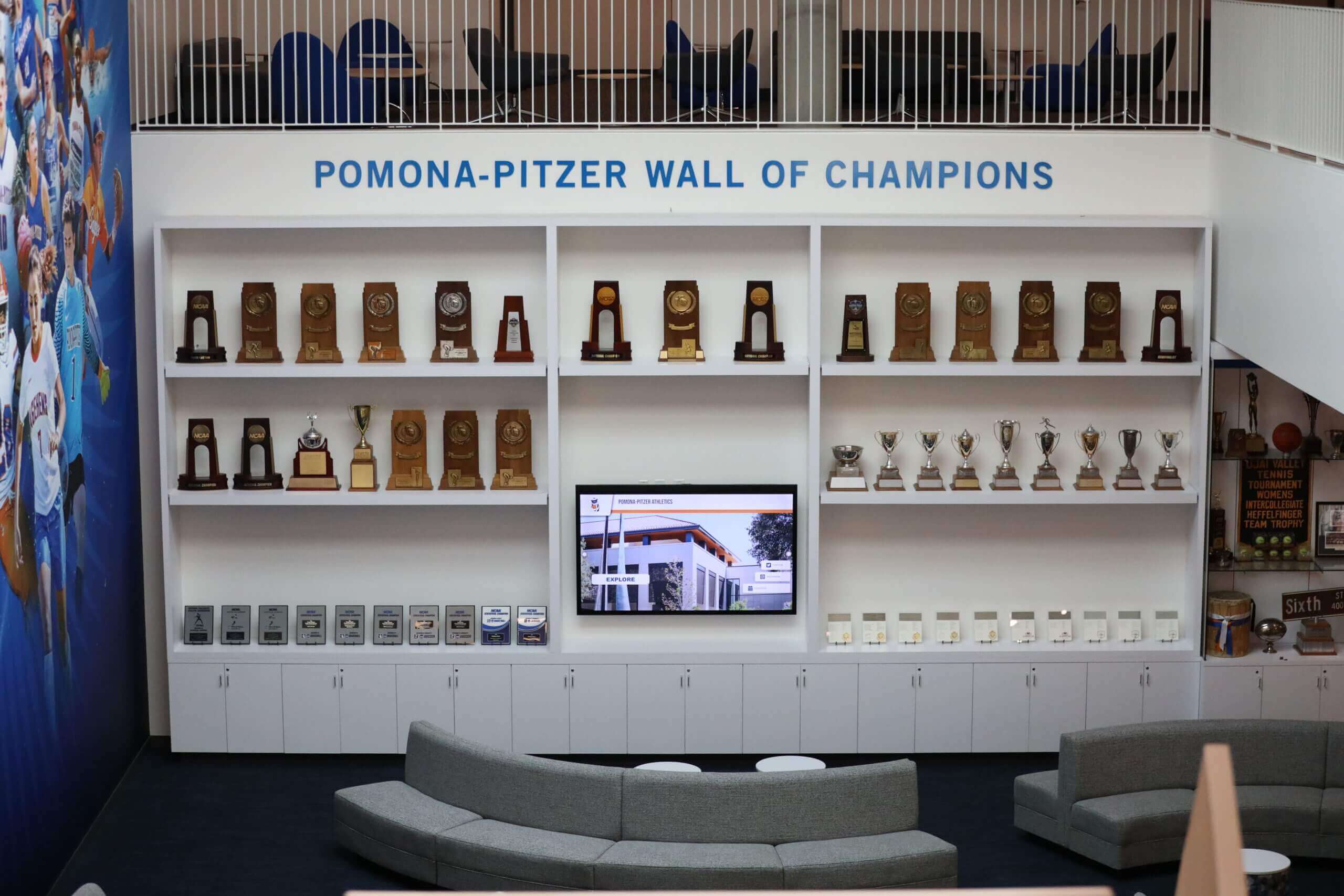
Physical trophy displays provide visual impact but minimal context about the athletes and stories behind achievements
Ongoing Maintenance Requirements
Trophy case upkeep demands consistent staff attention and resource allocation:
Regular Cleaning and Maintenance
Maintaining professional appearance requires:
- Weekly or monthly glass cleaning removing fingerprints and dust
- Interior dusting of shelves, trophies, and decorative elements
- Light bulb replacement as fixtures fail over time
- Hardware inspection and repair of locks, hinges, and mounting systems
- Periodic deep cleaning and reorganization projects
- Damage repair from vandalism, accidents, or deterioration
Security and Theft Prevention
Valuable awards require protection:
- Locking mechanisms securing case access
- Alarm systems detecting unauthorized entry when appropriate
- Periodic inventory confirming all items remain present
- Replacement costs when trophies are stolen or damaged
- Insurance considerations for valuable historical awards
- Balance between security and accessibility for legitimate updates
Content Updates and Reorganization
Adding new achievements involves ongoing labor:
- Unlocking cases and physically arranging new items
- Relocating existing trophies to accommodate additions
- Creating and installing labels or signage for new achievements
- Periodic complete reorganization as arrangement becomes impractical
- Documentation tracking what’s displayed versus stored elsewhere
These maintenance demands consume facilities staff time while creating logistical barriers discouraging frequent updates that keep recognition current.
Recognition Inequity Across Eras
Physical capacity constraints inevitably create unequal recognition patterns:
Recent Achievement Bias
Limited space naturally favors current accomplishments:
- Recent championships receive immediate prominent display
- Older achievements gradually relocated to less visible positions
- Historical trophies eventually removed to storage as capacity fills
- Current athlete recognition substantially exceeds historical program legends
- Generational differences in visible celebration create alumni perceptions of reduced value
Sport-Based Disparities
Capacity limitations force prioritization decisions:
- High-profile sports receiving disproportionate display space
- Smaller programs struggling to find room for championship recognition
- Individual achievement trophies competing with team awards for positioning
- Subjective judgments about relative achievement importance affecting allocation
- Gender equity concerns when boys and girls programs receive unequal visibility
These inequities contradict institutional values around comprehensive recognition while potentially violating Title IX expectations regarding equitable treatment of male and female athletic programs.
Learn about ensuring recognition program equity across diverse programs and achievements.
Modern Digital Recognition Alternatives
Contemporary technology provides comprehensive solutions addressing traditional trophy case limitations while creating richer recognition experiences.
Unlimited Capacity Without Physical Constraints
Digital platforms fundamentally eliminate the capacity problem:
Space-Independent Recognition Systems
Digital displays enable:
- Unlimited trophy and achievement documentation regardless of collection size
- Complete historical archives accessible simultaneously without removal or rotation
- Equal recognition opportunity for all sports, eras, and achievement levels
- No per-achievement costs enabling economically sustainable comprehensive celebration
- Consistent physical footprint never requiring expansion as collections grow
- Permanent preservation ensuring no achievements are ever removed or forgotten
Schools implementing digital recognition consistently identify unlimited capacity as the most transformative benefit—finally enabling truly equitable recognition where every championship receives appropriate celebration regardless of when it occurred.
Comprehensive Championship Documentation
Digital systems showcase:
- All state championships throughout entire program history
- Regional, district, and conference championships across every sport
- Individual athlete championships and record-breaking achievements
- Team accomplishments and milestone victories
- Coaching milestones and career achievements
- Complete athletic timeline from program founding to present
- Individual athlete recognition impossible with physical trophies alone
Explore comprehensive digital athletic recognition systems providing unlimited celebration capacity.
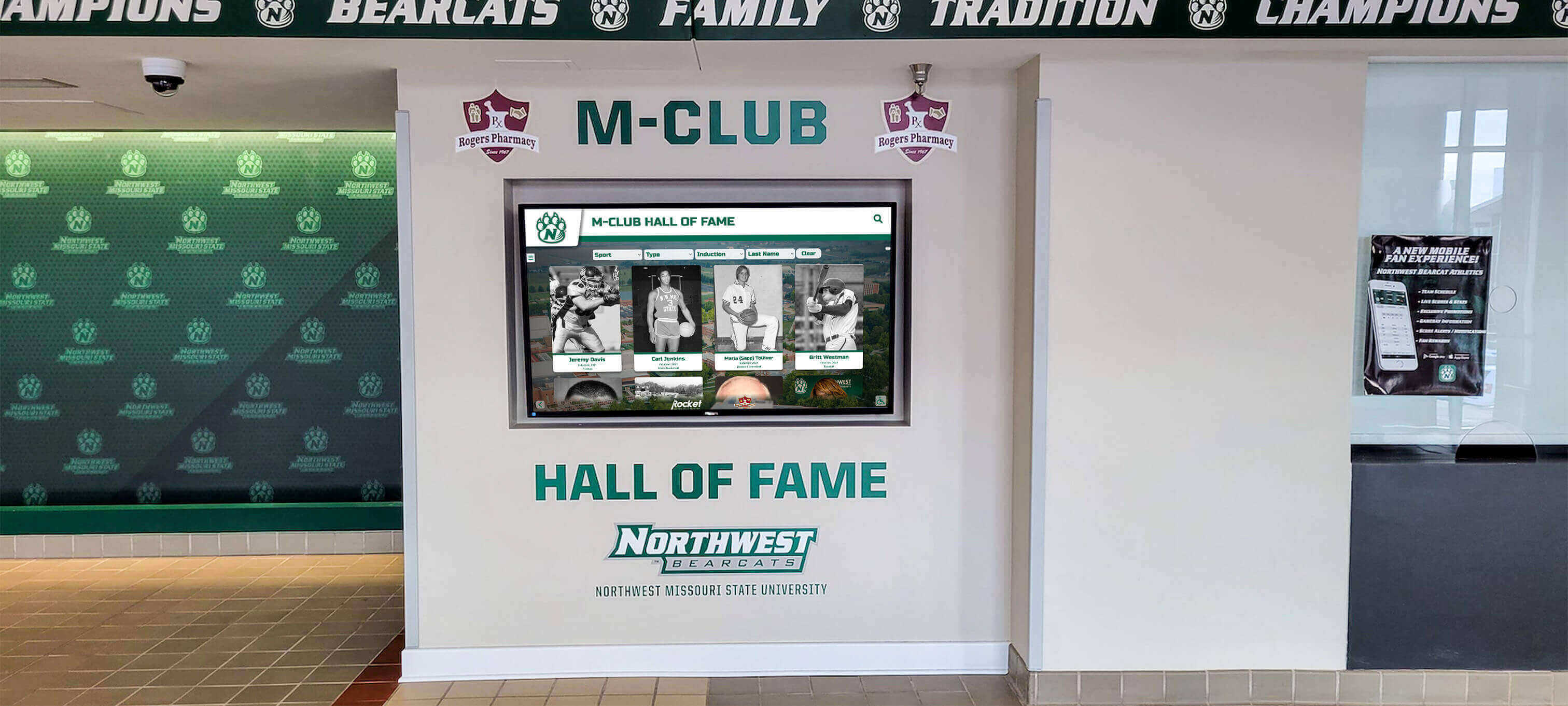
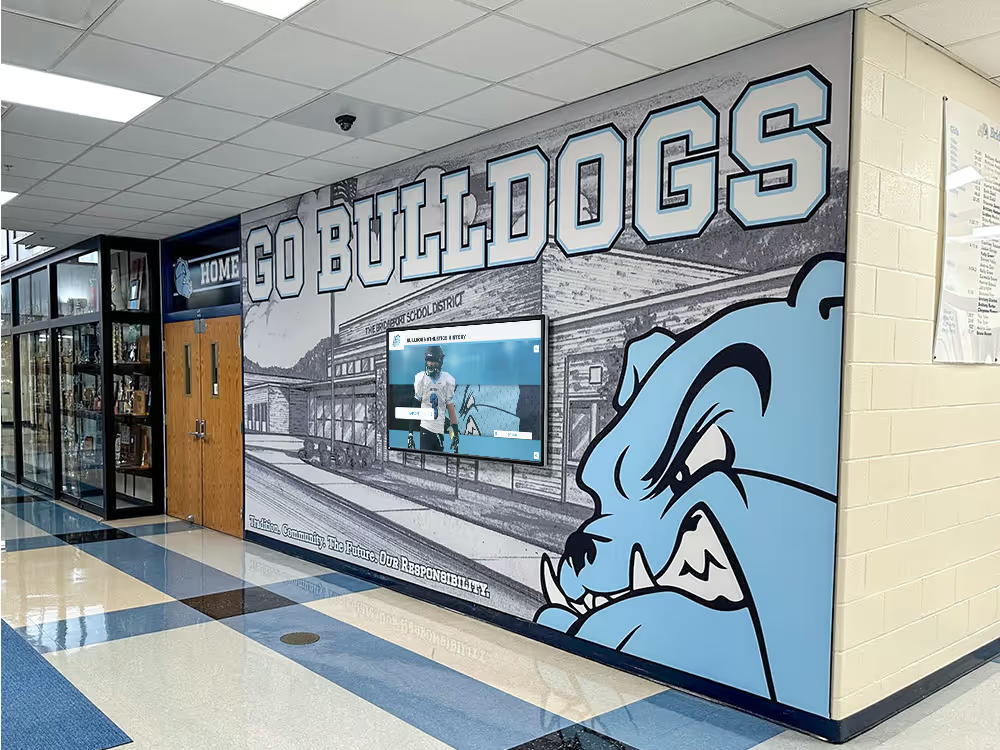
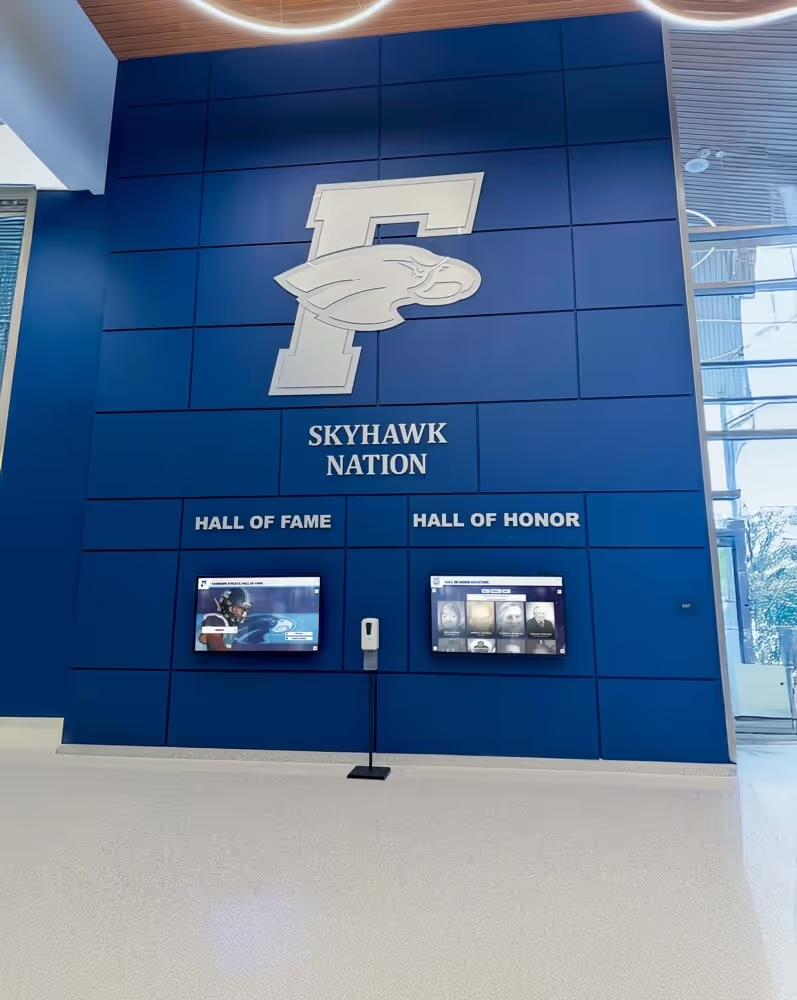
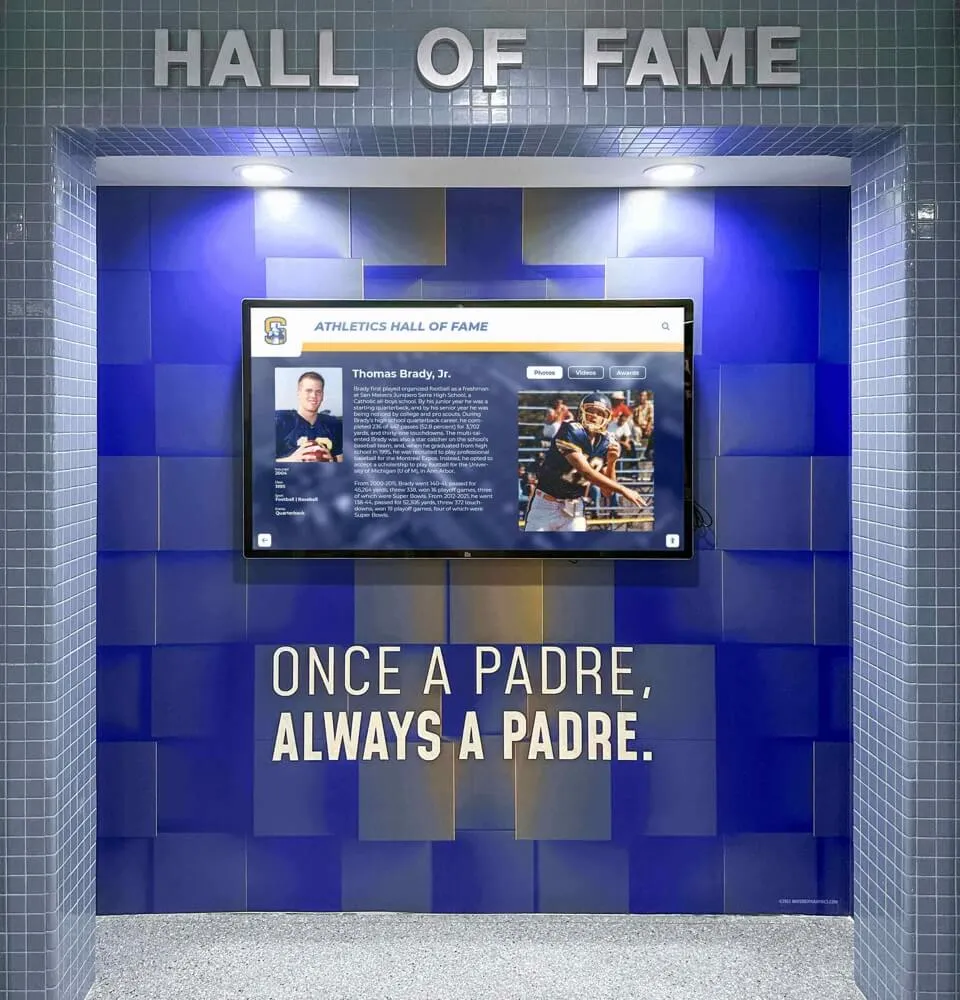
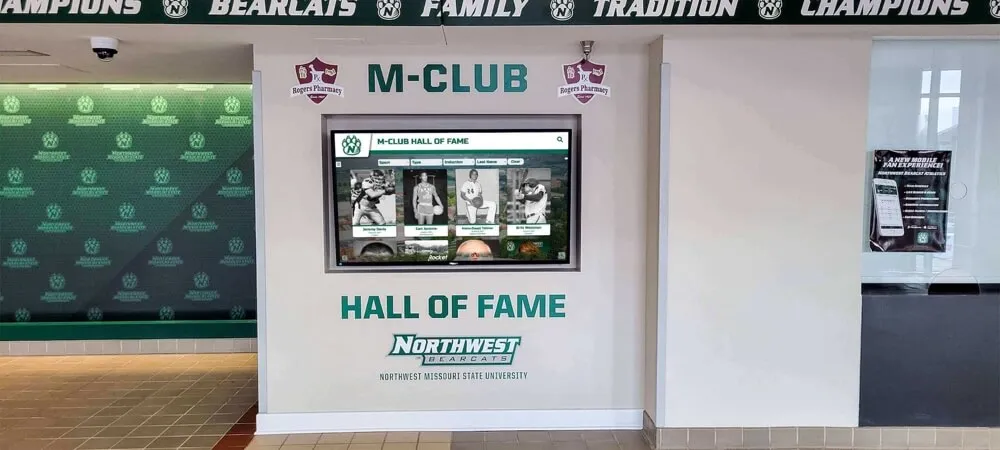
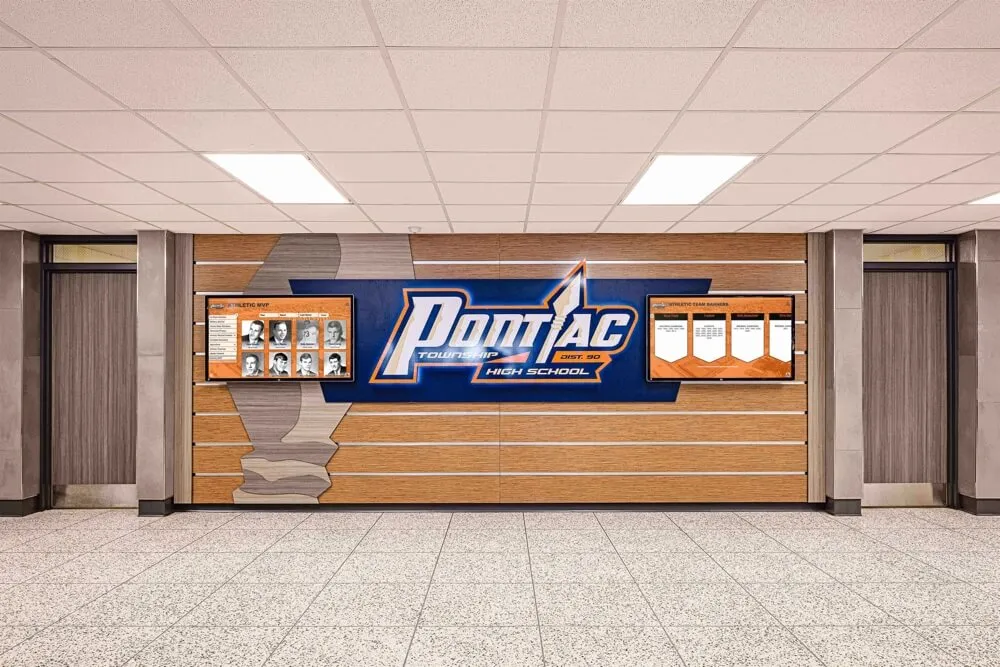
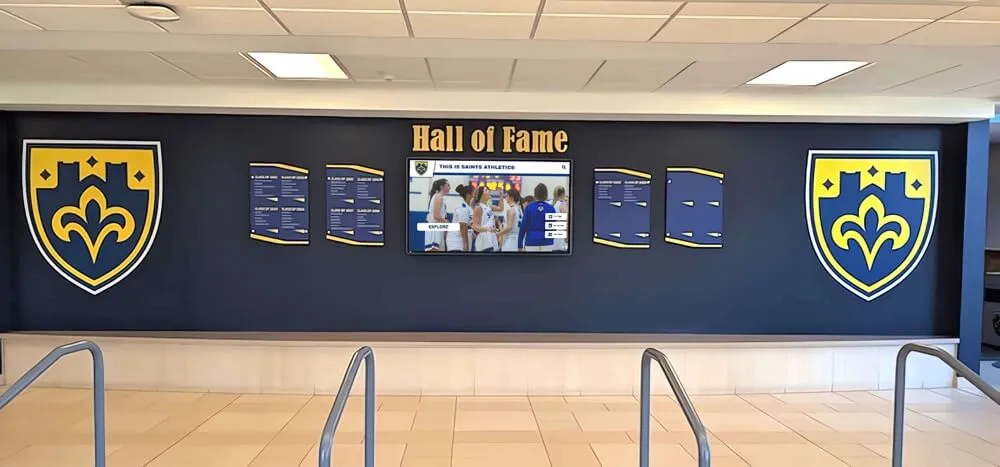
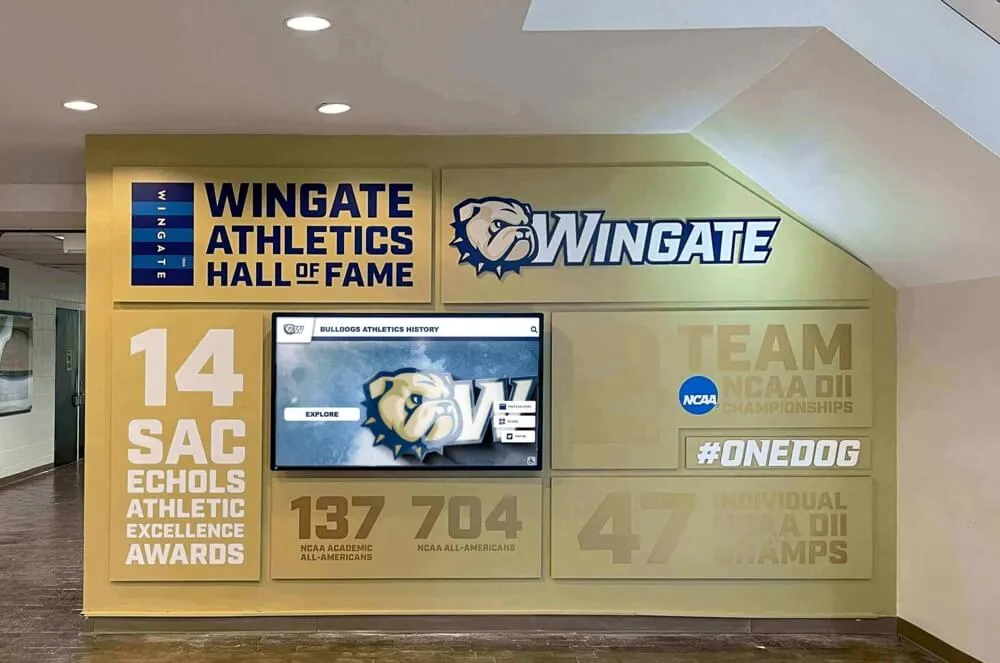
Professional digital installations create impressive athletic recognition showcasing unlimited achievements with rich multimedia context
Rich Multimedia Storytelling Capabilities
Digital platforms support comprehensive content bringing achievements to life:
Complete Team and Individual Profiles
Championship recognition can include:
- Full team rosters with every athlete properly acknowledged
- Individual player photographs and biographical information
- Position-specific roles and statistical contributions
- Career achievements and progression throughout high school
- Post-graduation athletic accomplishments and life updates
- Coach profiles with strategic philosophies and career records
- Support staff recognition including trainers, managers, and administrators
This comprehensive approach ensures every contributor receives appropriate recognition rather than limiting visibility to star athletes or team captains represented by physical trophies.
Season Narratives and Championship Context
Digital documentation provides meaningful storytelling:
- Complete season schedules showing journey to championships
- Game-by-game results and performance progression
- Defining moments and turning points throughout seasons
- Championship game or tournament details with scores and highlights
- Obstacles overcome and adversity faced during competition
- Team chemistry and cultural characteristics producing success
- Historical significance within broader program context
- Media coverage and contemporary reactions to achievements
Video and Photo Galleries
Multimedia content creates emotional connections:
- Championship game highlights and memorable play sequences
- Trophy presentations and celebration footage
- Team photographs from practices, travel, and competition
- Historical images showing uniforms, facilities, and era context
- Coach and athlete interview clips reflecting on experiences
- Season highlight compilations celebrating complete campaigns
Video content enables viewers to experience championship moments rather than simply reading that they occurred, creating substantially deeper engagement than physical trophies achieve.
Learn about multimedia integration in athletic displays enhancing recognition impact.
Interactive Exploration and Discovery
Touchscreen technology transforms recognition from passive viewing to active engagement:
Intuitive Search and Filtering
Digital platforms enable exploration:
- Instant search finding specific athletes, teams, or championships
- Sport-based filtering showing complete program histories
- Year-based browsing revealing athletic evolution across decades
- Achievement level sorting (conference, district, regional, state)
- Coach-based exploration showing tenures and accomplishments
- Athlete tracking finding all championships individuals participated in
Personalized Discovery Experiences
Different audiences find relevant content:
- Current athletes explore position-specific achievements and role models
- Alumni locate their own championship teams and relive memories
- Families discover relatives who competed across multiple generations
- Prospective athletes evaluate program competitive excellence
- Community members celebrate local athletic legacy and traditions
- Researchers access complete historical records for documentation
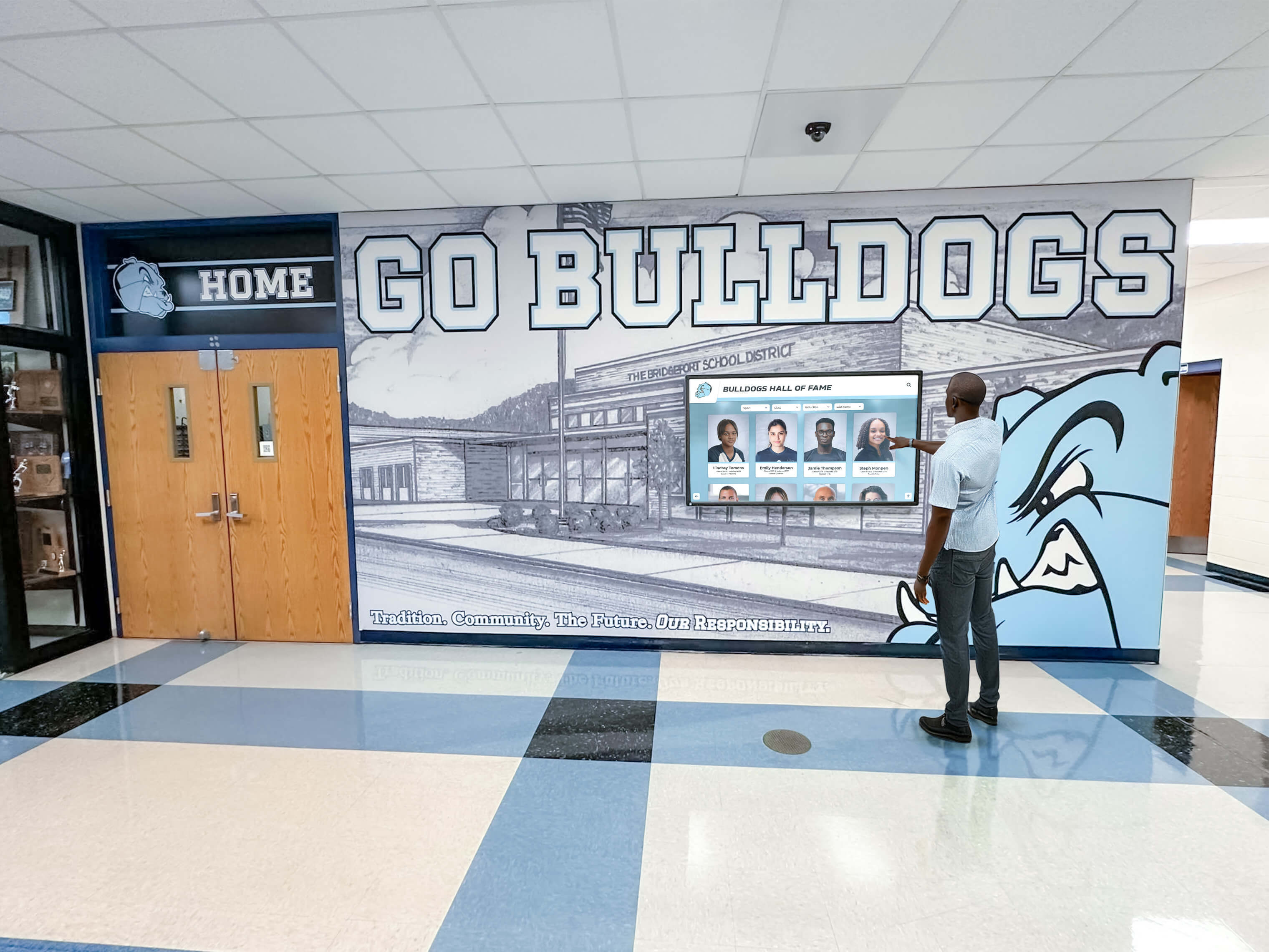
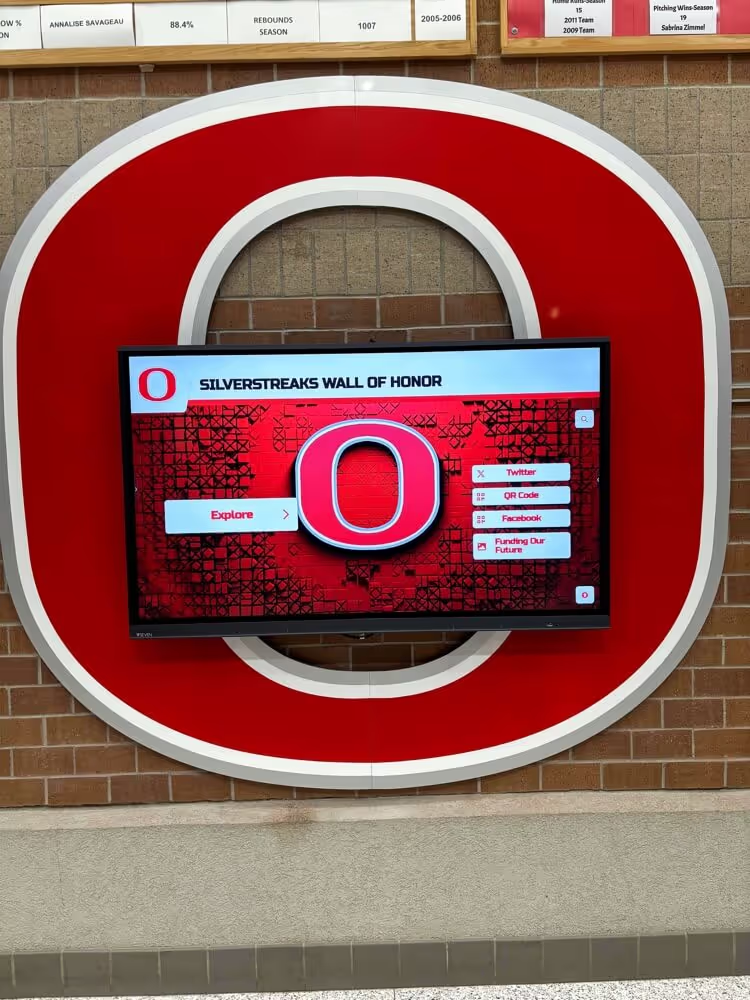
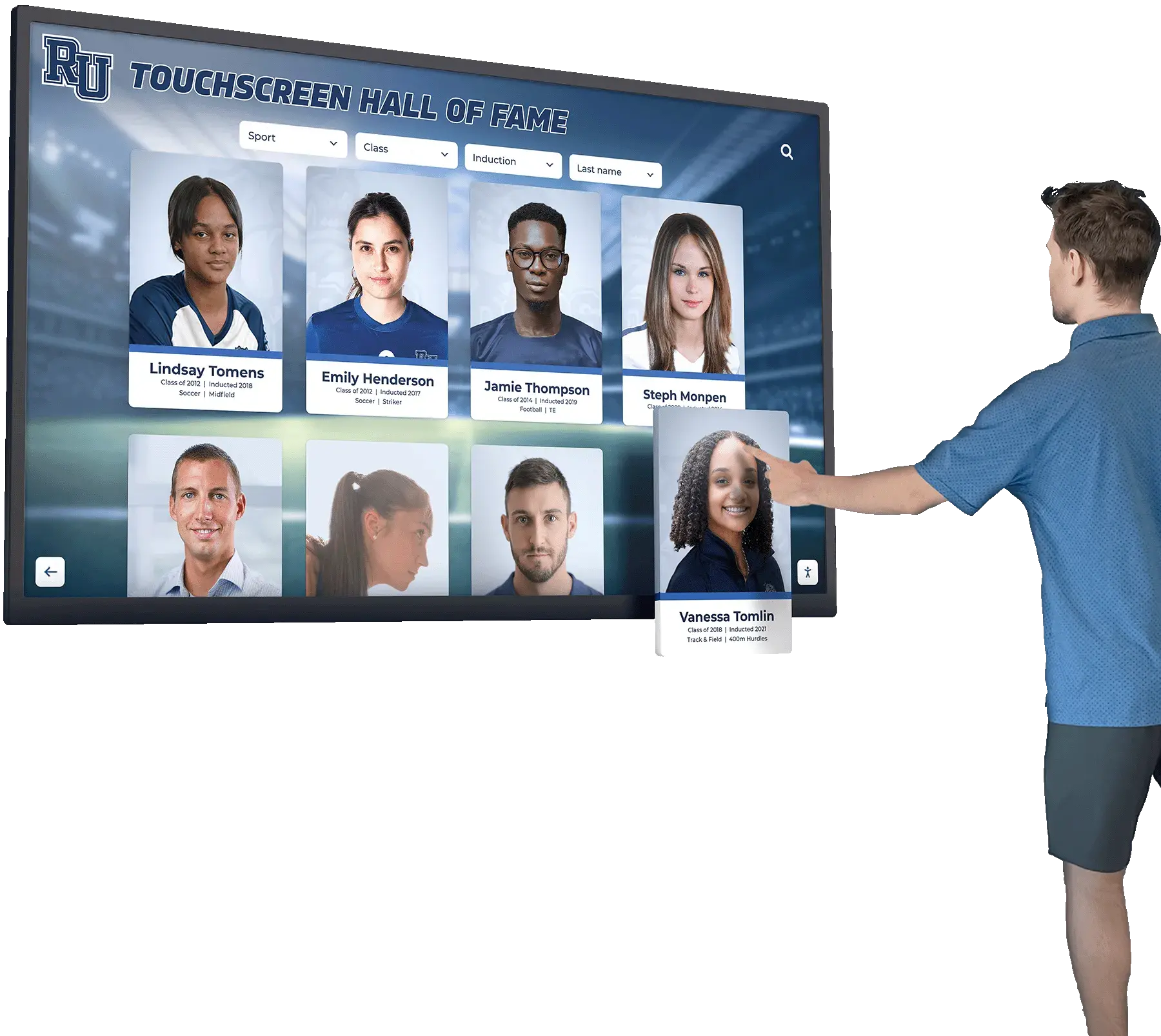
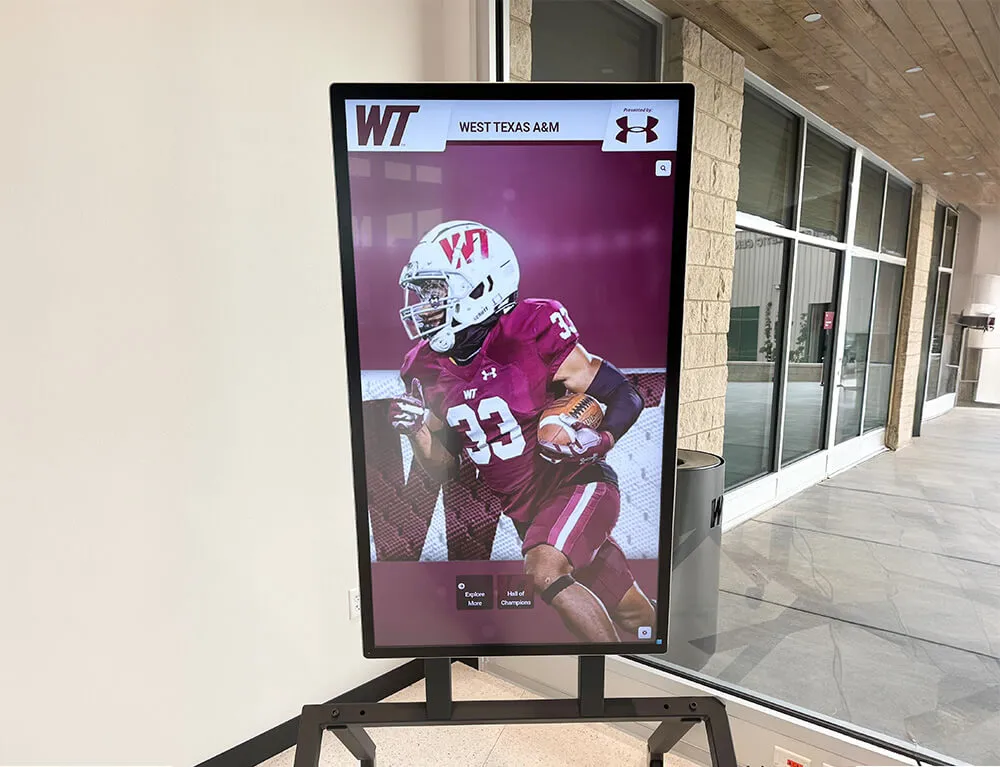
Touchscreen interfaces enable active exploration creating engagement impossible with static physical trophy cases
Extended Engagement Duration
Research demonstrates digital displays generate:
- Average viewing sessions of 4-8 minutes versus seconds for physical cases
- Multiple return visits as users discover new content across sessions
- Social interaction as groups explore championships together collaboratively
- Conversation and storytelling triggered by achievement rediscovery
- Educational value as students learn comprehensive program history
This extended engagement creates substantially stronger motivational impact and cultural connection compared to brief glances at physical trophies behind glass.
Zero Maintenance and Administrative Efficiency
Digital recognition eliminates ongoing physical upkeep requirements:
Cloud-Based Content Management
Modern platforms provide:
- Remote content updates from any location without facility access
- No glass cleaning, dusting, or physical maintenance requirements
- Automated security through password-protected management systems
- No theft risk or insurance needs for physical awards
- Instant content additions immediately visible without physical labor
- Scheduled publishing enabling advance preparation and timed releases
Sustainable Long-Term Operations
Digital systems create efficiency:
- Single annual subscription replacing ongoing maintenance costs
- Platform updates and improvements delivered automatically
- Technical support addressing questions without internal expertise requirements
- Cloud backup protecting content from loss or damage
- Multi-user access enabling distributed content management responsibilities
- Scalability accommodating unlimited growth without additional infrastructure
Athletic directors consistently report that eliminating physical maintenance represents significant operational advantages freeing staff time for higher-value activities while ensuring recognition remains current without logistical barriers.
Discover digital recognition management efficiencies reducing administrative burden.
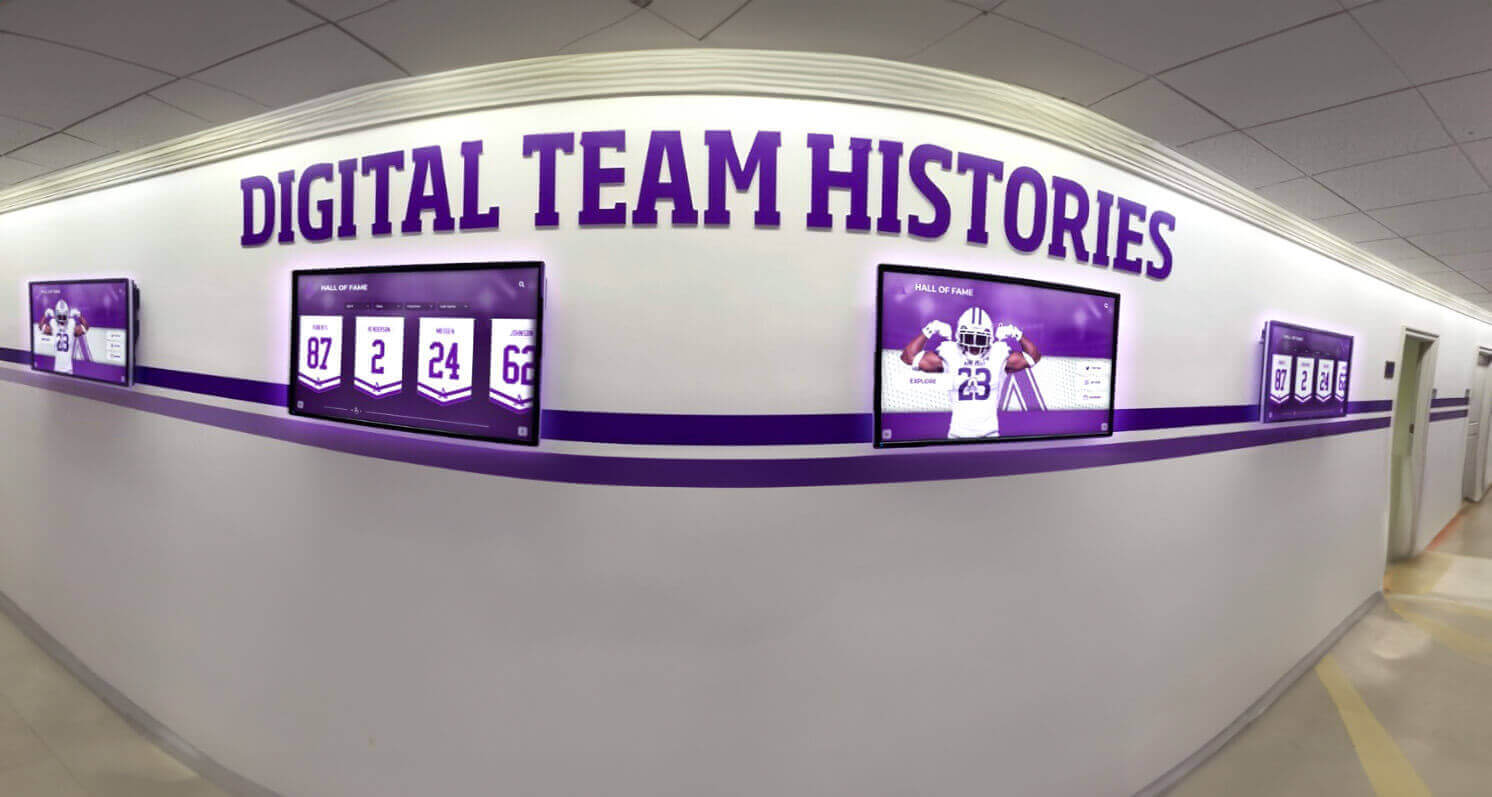
Cloud-based systems enable coordinated content across multiple displays without physical access or maintenance requirements
Hybrid Approaches: Combining Traditional and Digital Recognition
Many schools implement complementary strategies maximizing both physical and digital recognition strengths.
Selective Physical Display with Comprehensive Digital Documentation
Balanced approaches integrate formats effectively:
Premium Physical Trophy Display
Maintain traditional cases featuring:
- Most recent championships (past 2-3 years) in prominent physical cases
- Historically significant state championships from program history
- Milestone achievements deserving permanent physical prominence
- 20-30 most prestigious trophies fitting available space comfortably
- Rotating featured displays highlighting seasonal relevant sports
Complete Digital Achievement Archive
Comprehensive platform documenting:
- All championships including those with physical trophy representation
- Complete historical collection regardless of physical display status
- Detailed team profiles with rosters, statistics, and narratives impossible in cases
- Interactive exploration enabling deep engagement with achievement stories
- Individual athlete recognition beyond team-level trophy celebration
Integrated Experience Design
Connect physical and digital recognition:
- QR codes on or near physical cases linking to expanded digital profiles
- Digital displays positioned prominently adjacent to traditional trophy cases
- Signage directing visitors to explore complete championship archives digitally
- Coordinated visual design creating unified recognition ecosystem
- Complementary rather than competing recognition formats
This hybrid approach satisfies traditionalists valuing physical trophies while solving capacity and storytelling limitations through comprehensive digital documentation.
Learn about integrating digital and physical recognition creating cohesive athletic celebration.
Strategic Display Placement and Visibility
Optimize recognition impact through thoughtful positioning:
Primary Athletic Facility Locations
Position displays prominently:
- Main gymnasium lobbies where athletes, families, and visitors enter
- Athletic hallways connecting locker rooms and practice facilities
- Weight room and training areas where athletes spend significant time
- Concession stand areas with high traffic during competition events
- School main entrances demonstrating institutional athletic pride broadly
Complementary Recognition Throughout Facilities
Create comprehensive athletic celebration:
- Physical trophy cases in traditional high-visibility locations
- Digital touchscreen displays in adjacent or nearby positions
- Wall-mounted screens showing rotating championship highlights
- Mobile-responsive websites enabling remote exploration beyond physical campus
- Social media integration extending recognition reach to digital platforms
Multi-location recognition ensures athletes, students, and community members encounter celebration regularly rather than requiring deliberate visits to specific case locations.
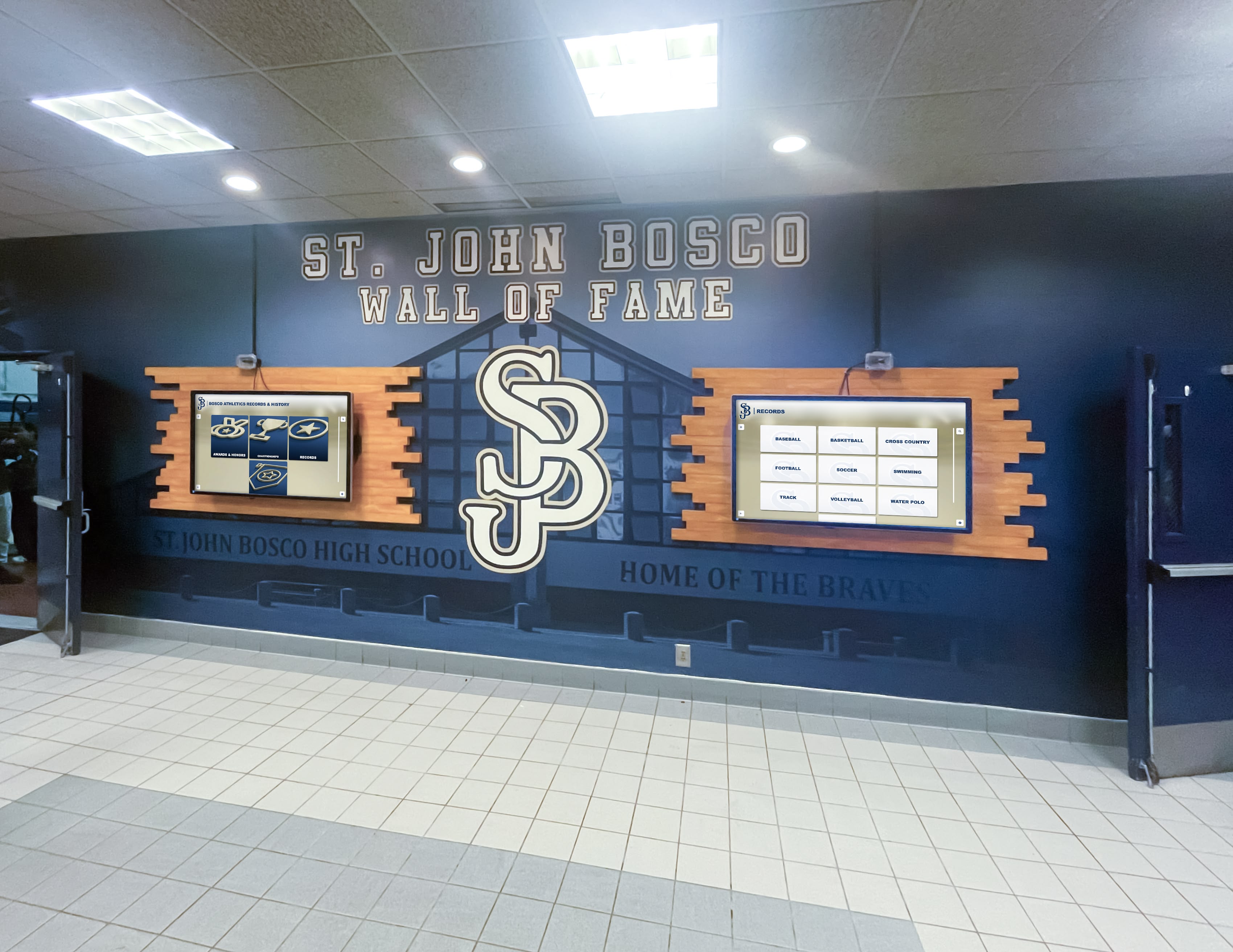
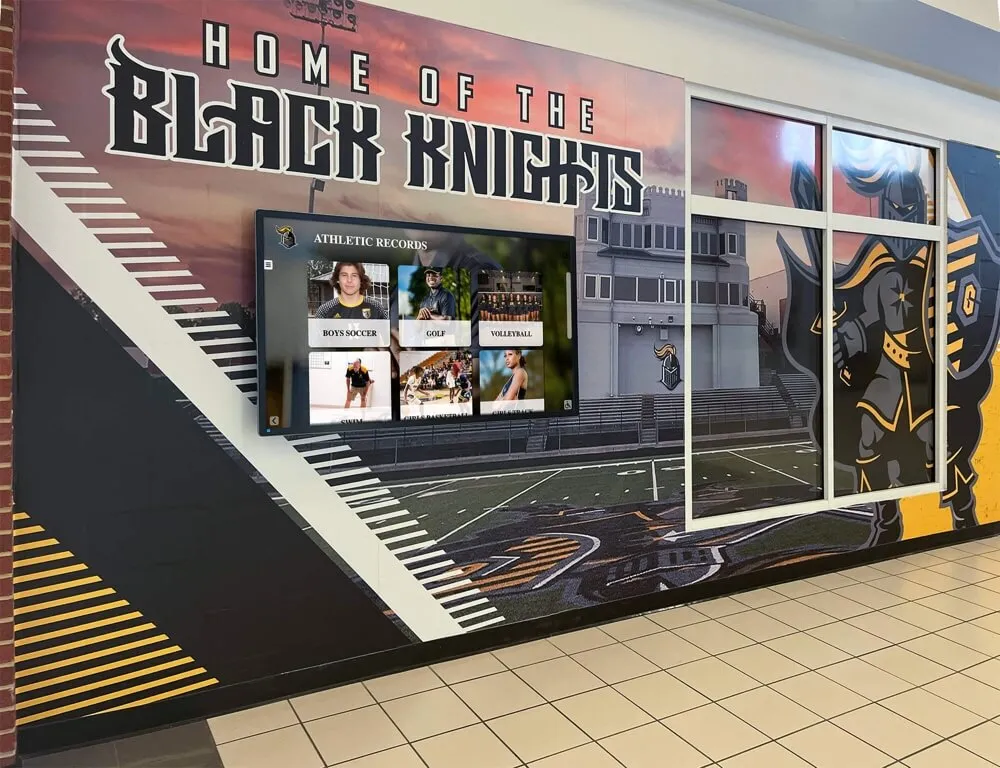
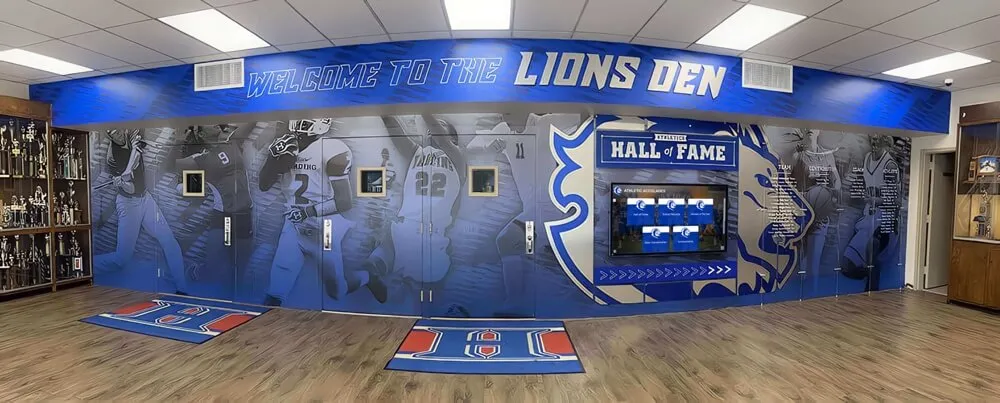
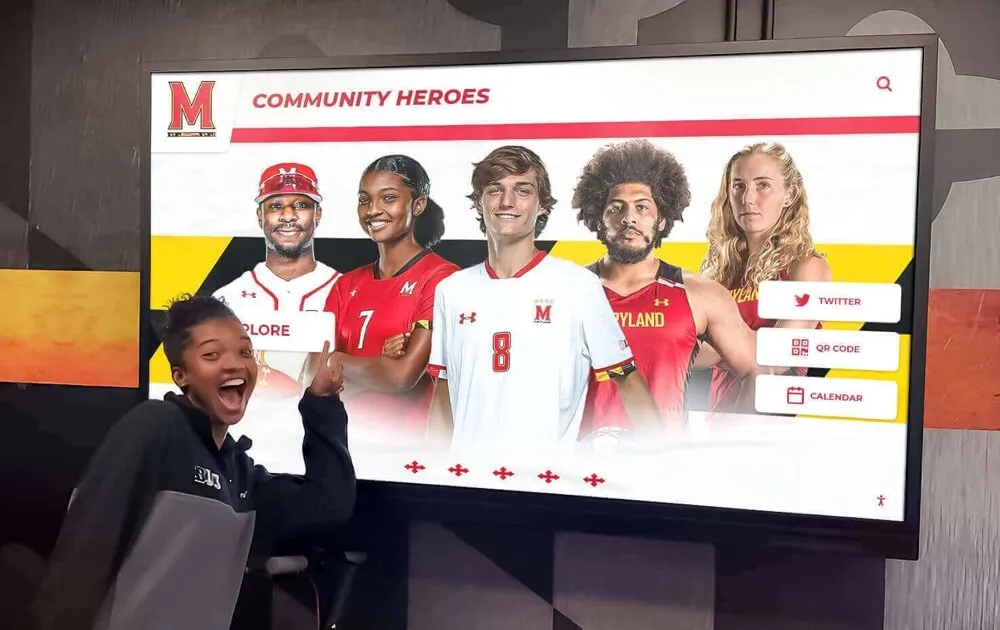
Professional installations integrate multiple displays creating comprehensive athletic recognition visible throughout facilities
Implementation Planning and Budget Considerations
Successful modernization requires systematic planning addressing technical, financial, and organizational factors.
Technology Selection and System Requirements
Choose platforms matching institutional needs and capabilities:
Essential Platform Capabilities
Effective digital recognition systems provide:
- User-friendly content management enabling non-technical staff updates
- Professional design templates maintaining visual quality without custom work
- Flexible content organization by sport, era, or achievement type
- Robust search and filtering helping visitors find specific content
- Media hosting accommodating photos, videos, and documents
- Regular platform updates maintaining security and adding features
- Technical support assisting with implementation and ongoing questions
- Integration capabilities connecting with school websites and systems
Hardware and Installation Requirements
Physical infrastructure includes:
- Commercial-grade touchscreen displays (43-75 inches)
- Professional mounting or kiosk enclosures appropriate for environments
- Media players or computing hardware running display software
- Network connectivity for content updates and management
- Power supply and electrical work meeting building codes
- Professional installation ensuring secure and appropriate mounting
Comprehensive platforms reduce administrative burden while ensuring recognition quality remains high across years and staff transitions.
Investment and Funding Strategies
Understanding costs enables realistic planning and resource allocation:
Initial Implementation Investment
Digital recognition typically costs:
Hardware and Installation - $4,000-$14,500 per display location
- Commercial touchscreen displays: $2,500-$8,000
- Professional mounting/kiosks: $500-$3,000
- Computing hardware: $500-$1,500
- Installation labor: $500-$2,000
Software Platform - $1,500-$6,000 annually
- Cloud hosting and content management
- Regular updates and feature additions
- Technical support and troubleshooting
- Unlimited content capacity
Content Development - $5,000-$15,000 initial setup
- Historical research and information gathering
- Professional photography and digitization
- Content entry and database population
- Video editing and multimedia production
Total First-Year Investment: $10,500-$35,500
Explore funding strategies for athletic recognition through diverse revenue sources.
Ongoing Annual Costs
Sustainable operations require:
- Platform subscription and support: $1,500-$6,000 annually
- Content updates and additions: $500-$2,000 staff time or contracted
- Minimal hardware maintenance: $200-$500 for occasional repairs
- Total Annual Costs: $2,200-$8,500
Compare to traditional trophy cases:
- Initial case construction: $2,000-$8,000 per case
- Trophy acquisition: $50-$300 per award (ongoing for every achievement)
- Annual maintenance: $500-$1,500 for cleaning and upkeep
- Eventual capacity expansion: $2,000-$8,000+ for additional cases
- Limited recognition capacity regardless of investment level
Funding Approaches
Revenue sources for recognition investments:
- Athletic department operating budget allocations
- Booster club fundraising campaigns dedicated to recognition
- Alumni association support for heritage preservation
- Facility improvement bond proceeds or capital campaigns
- Corporate sponsorships from community businesses
- Naming rights opportunities for major display installations
- Grant applications for educational technology initiatives
Diverse funding sources create implementation feasibility while preventing single revenue dependency threatening project completion.
Phased Implementation Timeline
Staged approaches manage costs and complexity:
Phase 1: Foundation and Planning (Months 1-3)
Initial preparation includes:
- Stakeholder input from coaches, athletes, alumni, and administrators
- Technology platform evaluation and vendor selection
- Display location identification and architectural planning
- Content strategy development and organizational frameworks
- Funding strategy finalization and resource commitment
- Project team formation and responsibility assignment
Phase 2: Infrastructure and Content Development (Months 4-6)
Implementation activities include:
- Hardware procurement and professional installation
- Software platform configuration and customization
- Content collection for recent achievements (past 3-5 years)
- Staff training on content management and system administration
- Testing and quality assurance before public launch
Phase 3: Launch and Promotion (Month 7)
Public deployment involves:
- Official unveiling ceremony or recognition event
- Communication campaigns building awareness among stakeholders
- Training sessions for athletes, coaches, and staff
- Media coverage generating community interest
- Feedback collection informing ongoing refinement
Phase 4: Expansion and Enhancement (Months 8-24)
Continuous improvement includes:
- Historical content additions expanding archives progressively
- Additional display locations as budget permits
- Feature enhancements and multimedia expansion
- Integration with school websites and communication channels
- Regular assessment and optimization based on usage data
Phased implementation delivers immediate value while building toward comprehensive recognition without overwhelming available resources or creating unrealistic completion expectations.
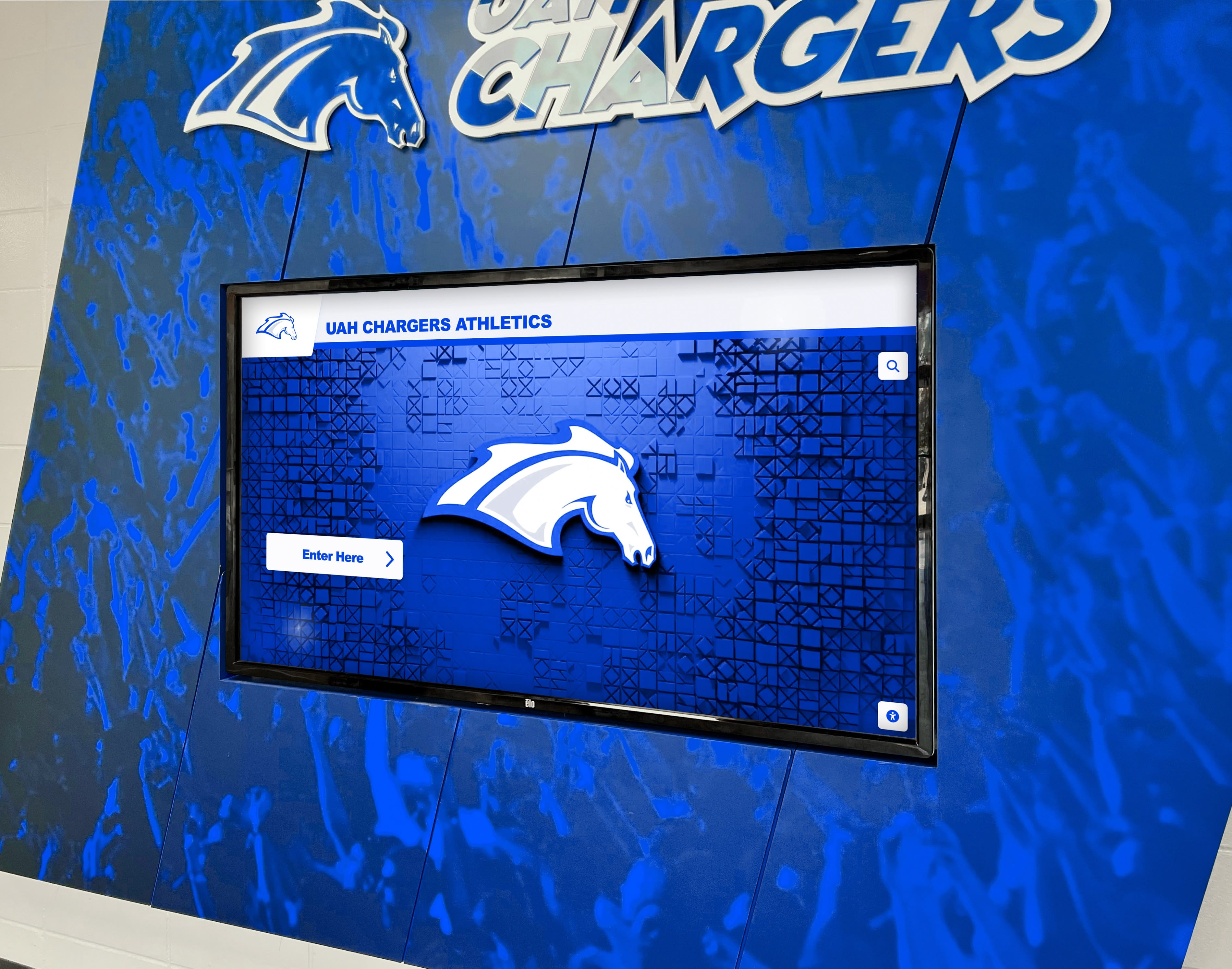
Professional installations integrate school branding and architectural design creating impressive athletic recognition showcases
Content Architecture: What to Include in Trophy Case Recognition
Comprehensive recognition requires thoughtful content planning addressing diverse athletic achievements.
Championship Team Recognition
Team-based achievements form recognition foundation:
Essential Team Profile Components
Complete championship documentation includes:
- Sport and season identification with clear year designation
- Championship level achieved (conference, district, regional, state)
- Complete team roster with every athlete properly acknowledged
- Coaching staff recognition including head coach and assistants
- Season record and statistical summary
- Championship game or tournament results with scores
- Team photographs from competition and celebration moments
- Season narrative describing journey to championship
- Defining moments and memorable games throughout season
Multi-Year Dynasty Recognition
Sustained excellence deserves special celebration:
- Consecutive championship teams highlighted collectively
- Program eras defined by exceptional coaching tenure or athlete cohorts
- Statistical comparisons showing dominance across multiple seasons
- Evolution of team strategies and system development
- Alumni connections showing how championship traditions continued
Individual Athlete Achievements
Personal accomplishments complement team recognition:
Individual Championship Recognition
Celebrate athlete-specific success:
- Individual state championships in track, swimming, wrestling, tennis, golf
- All-state selections across all sports programs
- School record achievements with statistical context
- All-conference and all-district honors throughout careers
- Academic all-state recognitions combining athletics and scholarship
- Post-graduation athletic achievements at collegiate or professional levels
Career Milestone Documentation
Long-term athlete excellence includes:
- Multiple-sport athletes competing across different seasons
- Career statistical achievements and program records
- Leadership roles as team captains or program representatives
- Character recognitions and sportsmanship awards
- Community service and citizenship honors
- Post-graduation updates showing continued success
Learn about comprehensive athlete recognition strategies honoring diverse achievements.
Coaching and Program Milestones
Leadership recognition honors those guiding athletic success:
Coaching Achievement Documentation
Celebrate coaching excellence:
- Career victory milestones (100, 200, 300+ wins)
- Championship coaching records showing sustained success
- Coaching tenure recognition for long-term program building
- Coach of the year honors at conference, district, or state levels
- Coaching philosophies and strategic approaches
- Athlete development success producing collegiate athletes
- Mentorship impact and coaching tree connections
Program Historical Milestones
Institutional achievements include:
- Program founding anniversaries and historical context
- Facility dedications and major capital improvements
- Conference affiliations and competitive classification changes
- Notable firsts (first championship, first state qualifier, etc.)
- Tradition establishment and cultural development
- Community impact and institutional contributions
Supporting Documentation and Archival Materials
Supplementary content enriches recognition:
Historical Artifacts and Memorabilia
Preserve program heritage through:
- Vintage uniforms and equipment showing evolution
- Original newspaper clippings and media coverage
- Competition programs and brackets
- Signed team memorabilia and autographed items
- Championship medals and individual awards
- Historical photographs and team composites
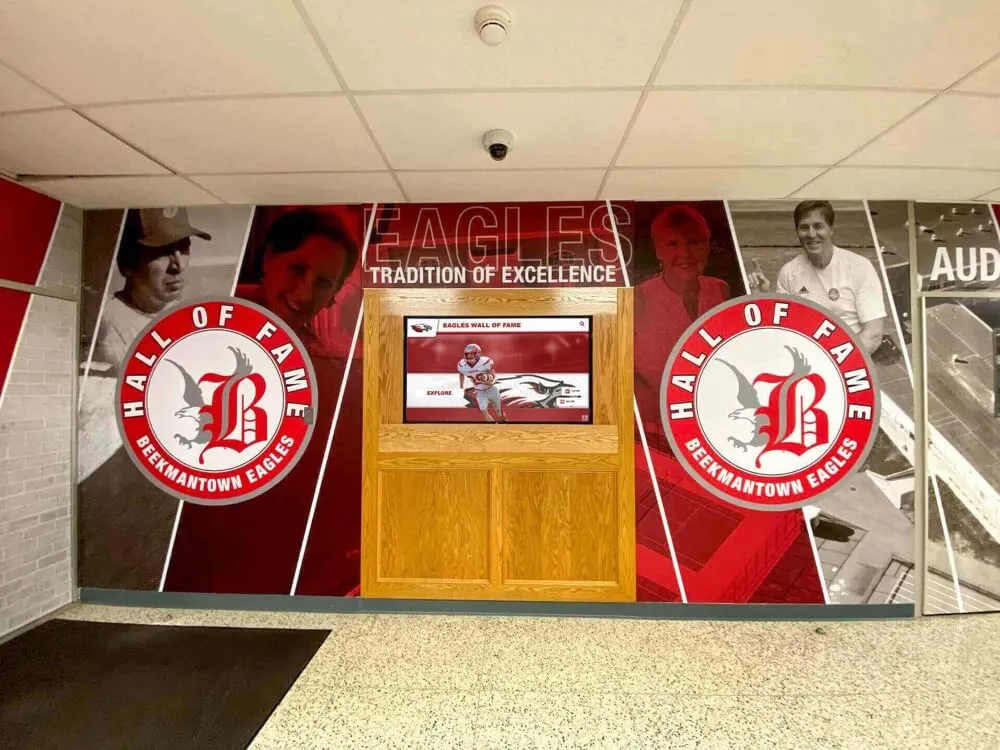
Comprehensive recognition preserves historical context alongside contemporary achievements creating complete program narratives
Multimedia Content Integration
Rich media enhances engagement:
- Championship game video highlights and play sequences
- Coach and athlete interview recordings
- Season highlight compilations celebrating complete campaigns
- Ceremony and celebration footage from recognition events
- Historical audio recordings when available (radio broadcasts, speeches)
Digital platforms accommodate unlimited content depth enabling preservation far beyond what physical trophy cases achieve while making historical materials accessible to broader audiences.
Measuring Recognition Program Impact
Strategic assessment demonstrates program value while informing continuous improvement.
Athletic Program Culture and Motivation
Recognition influences competitive culture significantly:
Current Athlete Inspiration
Visible achievement celebration creates:
- Concrete evidence that championship success is achievable within program
- Role models and examples demonstrating championship performance standards
- Accessible stories about overcoming obstacles and adversity during competition
- Understanding of preparation and dedication required for excellence
- Aspirational targets grounded in program precedent rather than abstract ideals
- Daily motivation through prominent recognition in athletic facilities
Coaches reference recognition displays regularly during team talks, explaining how previous teams achieved success and identifying transferable lessons applicable to current situations.
Recruiting Enhancement
Recognition becomes powerful recruiting tool:
- Tangible evidence of sustained competitive excellence across multiple sports
- Depth of championship success throughout program history
- Individual athlete development and post-graduation success pathways
- Coaching consistency and proven development track records
- Professional installations communicating program investment in athlete recognition
- Accessible research enabling pre-visit program evaluation by prospects and families
Recruits and families consistently report that comprehensive recognition influences program perception and commitment decisions, creating measurable recruiting advantages justifying recognition investments.
Explore team captain leadership development within successful athletic cultures.
Alumni Engagement and Community Connection
Recognition creates powerful alumni touchpoints:
Alumni Return and Reunion Programming
Feature championships during milestone events:
- Anniversary celebrations for significant championship teams
- Reunion weekend special recognition and team gatherings
- Updated displays highlighting reunion year championships and athletes
- Facilitated reconnection among championship teammates across decades
- Photo and story collection from reunion attendees updating archives
Ongoing Alumni Communication
Recognition creates natural engagement opportunities:
- Championship anniversary announcements and celebrations through communications
- “Where are they now” profile updates and career highlight features
- Alumni submission opportunities contributing information and photographs
- Networking connections among championship team alumni across eras
- Fundraising integration connecting giving to championship legacy preservation
Community Pride and Identity
Comprehensive recognition strengthens community connections:
- Visible evidence of athletic excellence building civic pride in local programs
- Shared community experiences around championship success and traditions
- Multi-generational connections through championship participation across families
- Local media coverage and social sharing extending recognition reach
- Prospective family interest and enrollment impact from athletic reputation
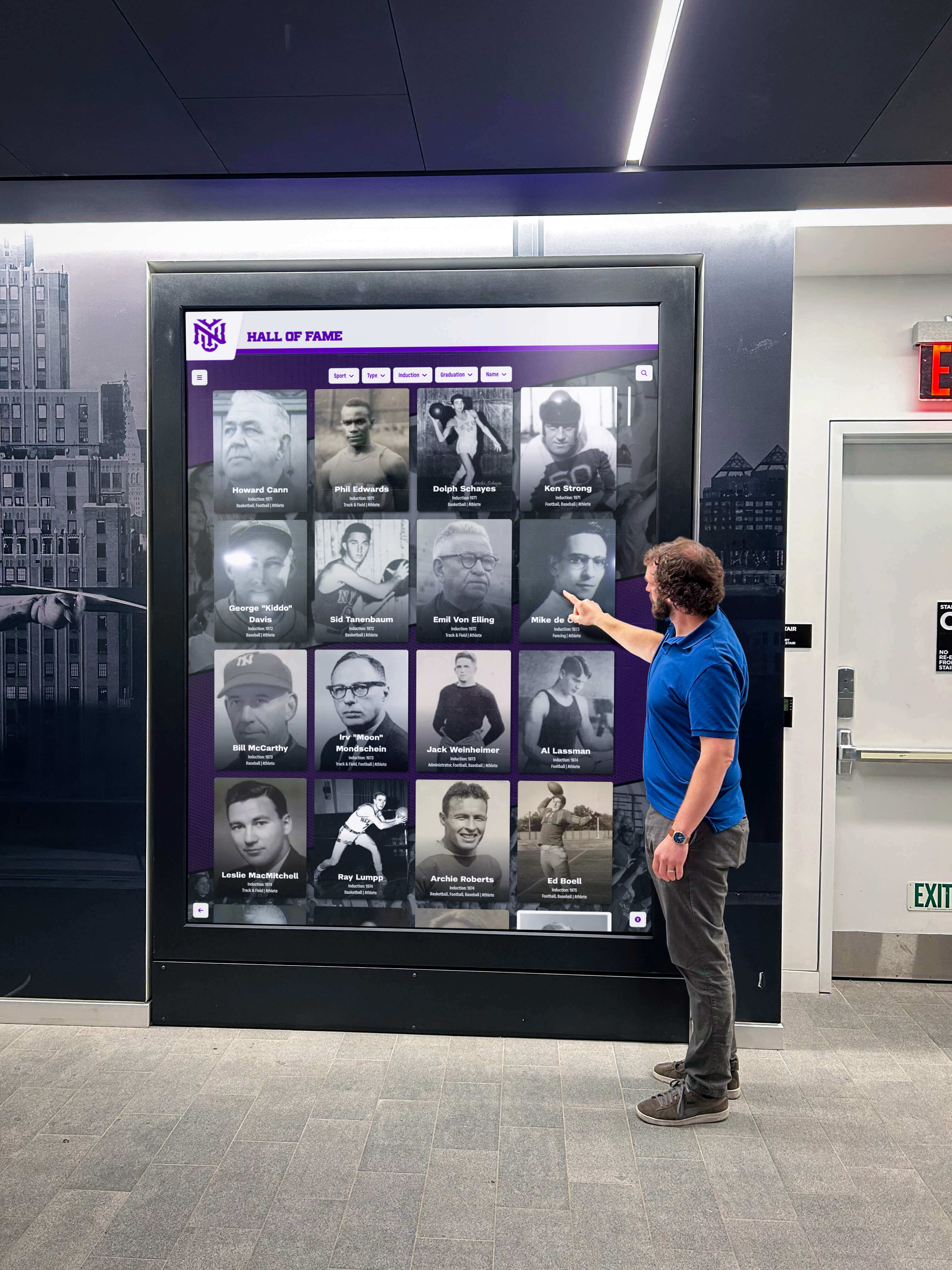
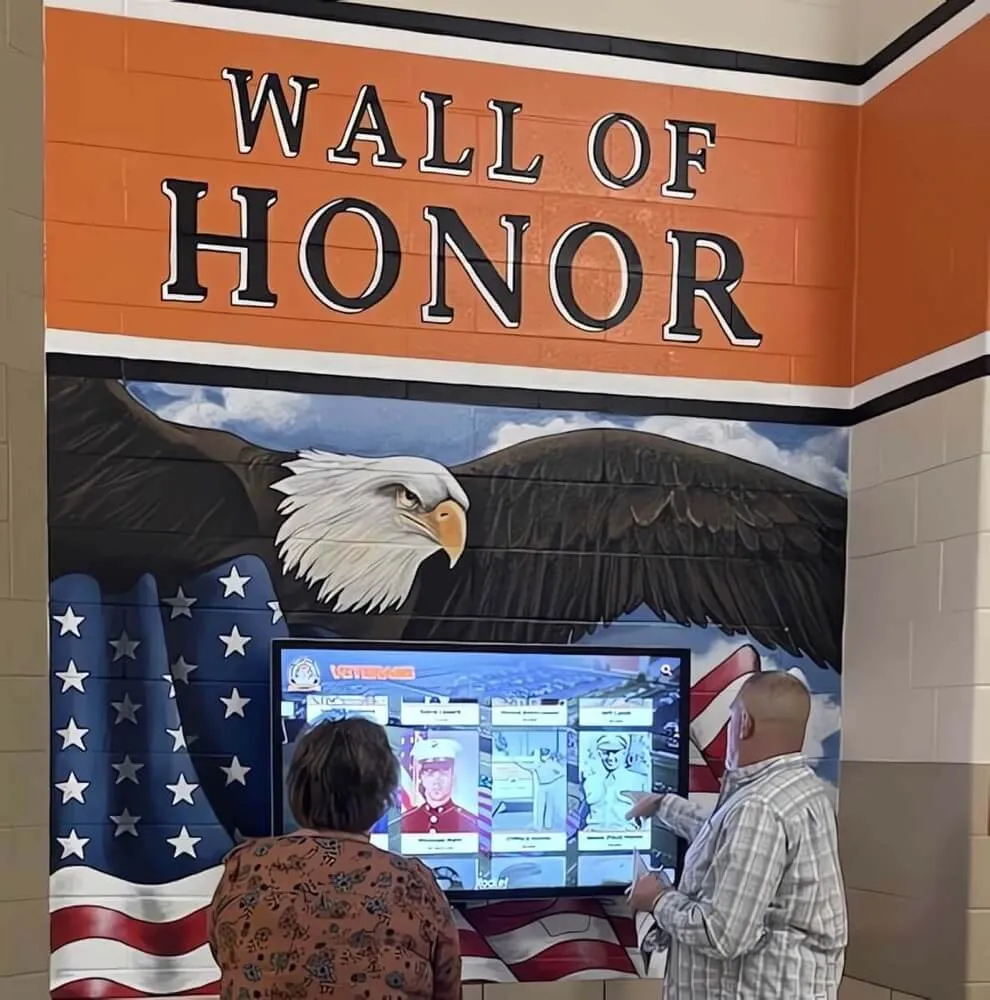
Interactive recognition creates engagement opportunities connecting alumni, families, and community members to athletic heritage
Quantitative Analytics and Usage Assessment
Digital platforms provide detailed performance data:
Engagement Metrics
Track recognition program effectiveness through:
- Total interactions and viewing sessions over time periods
- Average engagement duration per user visit
- Most-viewed content revealing community interests and priorities
- Search queries identifying what users seek when exploring
- Peak usage times and seasonal patterns
- Return visitor rates showing sustained interest
- Geographic distribution of web access beyond physical campus
- Social sharing frequency extending recognition reach
Program Outcome Indicators
Correlate recognition with institutional goals:
- Recruiting class quality and athlete commitment rates
- Current athlete survey responses about motivation and program culture
- Alumni engagement rates and reunion attendance patterns
- Fundraising success and donor participation levels
- Community perception surveys and institutional brand reputation
- Social media engagement and sentiment analysis
- Campus tour visitor feedback and commentary
Systematic assessment demonstrates recognition value while informing continuous improvement ensuring programs remain effective and aligned with evolving athletic department priorities.
Addressing Common Concerns and Objections
Understanding typical reservations helps administrators navigate stakeholder discussions effectively.
“We Need Physical Trophies for Tradition”
Address traditionalist perspectives respectfully:
Acknowledging Traditional Value
Physical trophies provide:
- Tangible symbols athletes can touch and hold after victories
- Traditional ceremonial elements during awards presentations
- Immediate physical presence in facilities after championships
- Historical connection to recognition practices across generations
Hybrid Approaches Preserving Tradition
Balanced solutions include:
- Maintaining physical trophy presentations to teams and athletes
- Storing trophies appropriately in athletics department offices or archives
- Displaying select premier trophies in limited physical cases
- Comprehensive digital documentation ensuring all achievements receive equal recognition
- Physical and digital recognition serving complementary purposes
Digital recognition doesn’t eliminate physical trophies—it solves the display capacity problem enabling equal celebration regardless of space constraints.
Learn about balancing tradition and innovation in athletic recognition.
“Digital Systems Are Too Expensive”
Address budget concerns with realistic cost comparisons:
Long-Term Cost Analysis
Compare total ownership costs:
Traditional Trophy Cases:
- Initial construction: $2,000-$8,000 per case
- Trophy purchases: $50-$300 each (×20-30 per year = $1,000-$9,000 annually)
- Maintenance and cleaning: $500-$1,500 annually
- Eventual expansion: $2,000-$8,000+ for additional cases
- 10-year total: $20,000-$110,000+ with limited capacity
Digital Recognition:
- Initial implementation: $10,500-$35,500
- Annual platform costs: $2,200-$8,500
- 10-year total: $32,700-$121,000 with unlimited capacity
Value Proposition Advantages
Digital systems provide:
- Unlimited capacity accommodating unlimited growth
- Rich multimedia storytelling impossible with physical cases
- Zero physical maintenance requirements
- Equal recognition across all sports, eras, and achievement types
- Extended reach through web access beyond physical campus
- Interactive engagement generating substantially longer viewing sessions
- Future-proof technology with regular platform improvements
When comparing comprehensive costs including ongoing trophy purchases and eventual capacity expansion, digital recognition provides superior long-term value while delivering substantially richer celebration experiences.
“Staff Lack Technical Expertise”
Address capability concerns proactively:
User-Friendly Management Systems
Modern platforms provide:
- Intuitive content management requiring no technical background
- Comprehensive training and onboarding support during implementation
- Ongoing technical support addressing questions and issues
- Video tutorials and documentation for self-service learning
- Simple workflows similar to social media or website management
- No coding, programming, or specialized skills required
Distributed Management Approaches
Reduce individual burden through:
- Multiple staff access enabling collaborative content management
- Coach and athlete involvement contributing content directly
- Student worker or intern opportunities for content development
- Vendor support services handling initial setup and historical content
- Athletic department communication staff leveraging existing digital skills
Schools consistently report that anticipated technical challenges prove minimal with properly designed platforms, while eliminating physical maintenance creates net administrative simplification.
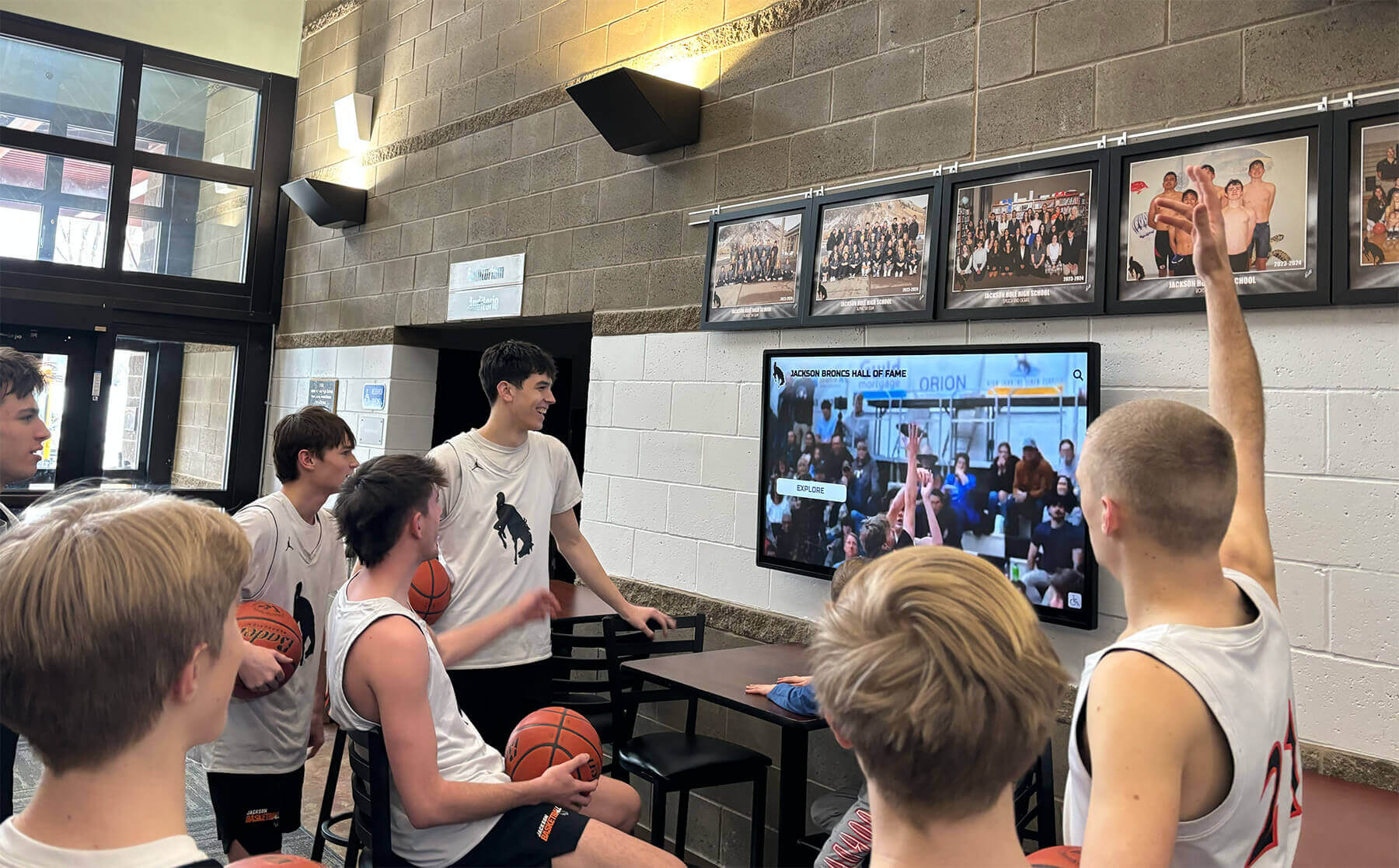
Modern platforms enable straightforward content management accessible to non-technical staff while creating engaging athlete experiences
Conclusion: Creating Sustainable Recognition That Grows With Your Program
High school trophy cases serve essential purposes—celebrating athletic excellence, preserving competitive heritage, inspiring current athletes through visible examples of achievement, and demonstrating institutional values around dedication, perseverance, and success. These recognition systems occupy prominent facility locations precisely because athletic achievement deserves prominent celebration honoring athletes whose efforts built distinguished program legacies.
Yet traditional physical trophy cases create fundamental limitations that worsen as successful programs continue accumulating achievements. Finite capacity forces difficult decisions about which trophies deserve display versus storage. Minimal context prevents meaningful storytelling about the athletes, coaches, and moments behind championships. Ongoing maintenance demands consume staff time and resources. Recognition inequity inevitably emerges as recent achievements displace historical accomplishments or certain sports receive disproportionate visibility.
Digital recognition solutions eliminate these constraints entirely while creating substantially richer celebration experiences. Unlimited capacity ensures every championship receives appropriate recognition regardless of when it occurred or which sport achieved it. Comprehensive multimedia content tells complete achievement stories honoring individual athletes, coaches, and defining moments. Interactive exploration through intuitive touchscreen interfaces creates engagement far exceeding passive trophy viewing. Cloud-based management eliminates physical maintenance while enabling efficient content updates. Recognition equity finally becomes achievable when space constraints no longer force impossible prioritization decisions.
Whether implementing standalone digital recognition, enhancing existing trophy cases through complementary technology, or creating hybrid approaches combining traditional and modern elements, successful modernization begins with clear objectives, systematic planning, stakeholder engagement, and sustained commitment to comprehensive celebration honoring all athletic achievements appropriately.
Your championship trophies represent months of preparation, countless hours of practice, strategic coaching, and complete team commitment. Those achievements deserve recognition that tells complete stories, honors every participant, and preserves legacies inspiring future generations to pursue similar excellence. Digital recognition platforms like Rocket Alumni Solutions provide specialized systems designed specifically for school athletic recognition needs, combining unlimited capacity, rich multimedia content, intuitive touchscreen experiences, and web accessibility extending championship celebration far beyond physical trophy cases.
The most important elements aren’t budget size, facility quality, or technology sophistication—they’re genuine commitment to honoring every achievement appropriately, systematic implementation ensuring consistent execution, and sustained management keeping recognition current and inspiring. Your athletes earned those championships through extraordinary effort and dedication. They deserve recognition celebrating their achievements comprehensively and permanently, without artificial limitations imposed by physical space constraints or static display formats that communicate accomplishment abstractly without celebrating the actual people whose excellence produced success.
Explore Digital Recognition Solutions for Your Athletic Program