



High school swimming programs offer transformative experiences extending far beyond pool competition—they develop discipline, build lifelong fitness habits, create team bonds, and provide college recruiting opportunities. Yet student-athletes and parents approaching high school swim teams often face uncertainty: What preparation does joining require? How do competitive schedules and training demands balance with academics? What skills and times separate recreational swimmers from competitive team members? How can programs recognize achievements and build traditions that honor swimmers appropriately?
Traditional approaches to high school swimming—treating teams as purely competitive endeavors without recognition infrastructure, overlooking relay contributions in favor of individual events, maintaining outdated record boards that exclude recent achievers—fail to capture the complete culture and heritage that distinguish excellent programs from merely functional ones.
This comprehensive guide explores high school swim team participation from multiple perspectives—students considering joining, coaches building programs, athletic directors supporting recognition systems, and parents navigating the commitment requirements. Whether you’re a prospective swimmer evaluating if high school teams match your goals, a coach developing program culture, or an administrator seeking recognition solutions that honor aquatic achievements permanently, these frameworks help create swimming experiences that celebrate excellence authentically while building traditions connecting current athletes to program heritage.
High school swim teams occupy unique positions in athletic departments—combining individual performance measurement with essential team dynamics, operating during non-traditional seasons, requiring specialized facilities, and producing quantifiable achievements perfectly suited for permanent recognition displays that track records, document relay combinations, and preserve championship memories across decades of program evolution.

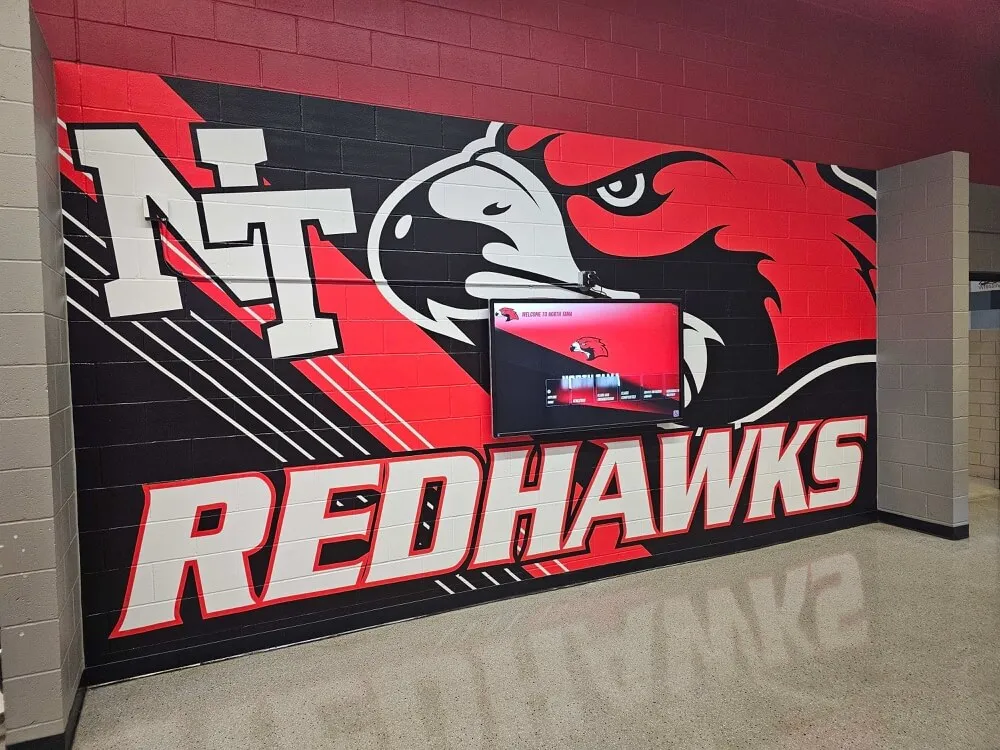
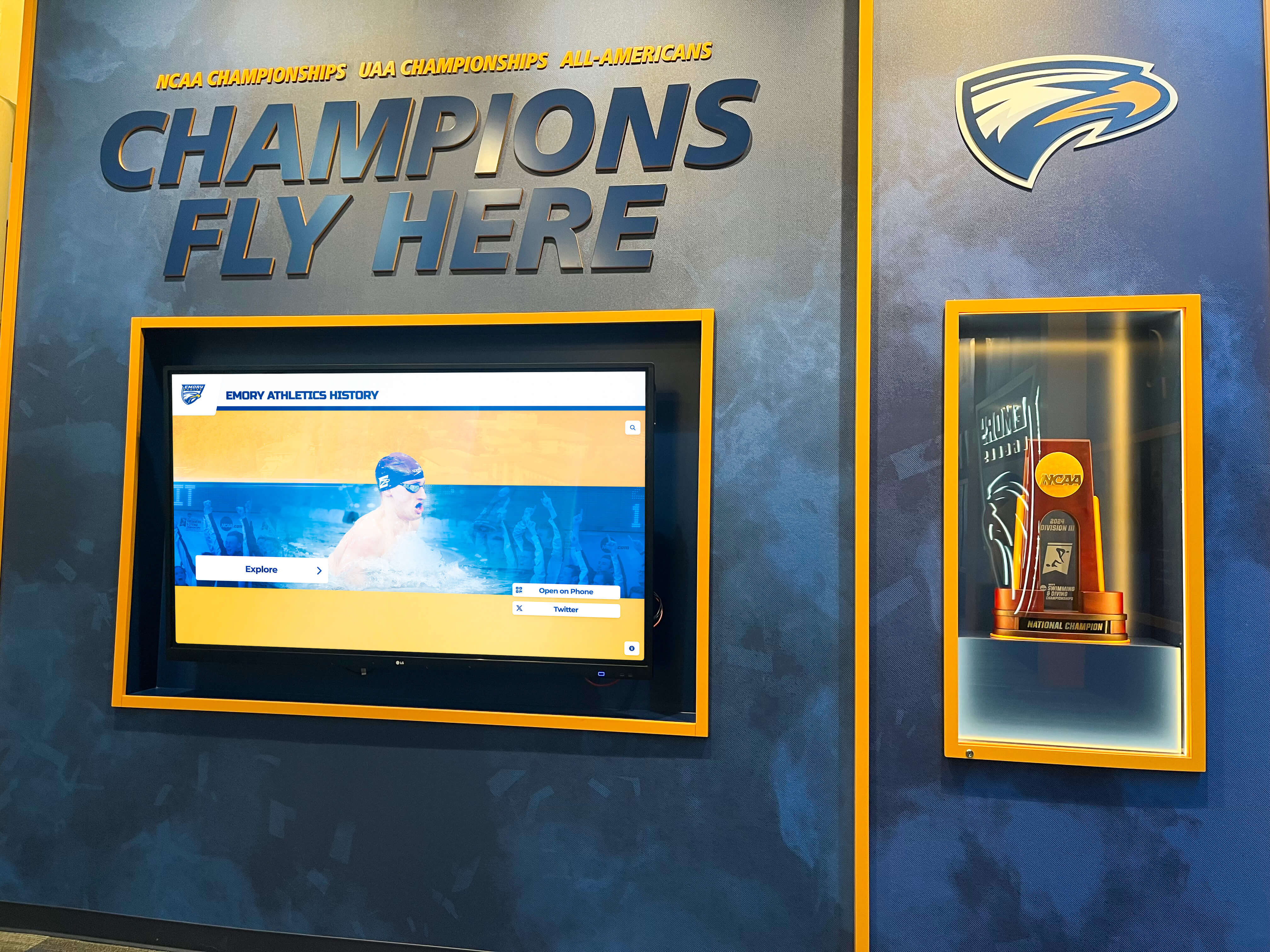
Swimming programs create lasting legacies through championship achievements and record-breaking performances worthy of prominent recognition displays
Program Snapshot: High School Swim Team Overview
Understanding complete swimming program components helps stakeholders evaluate participation requirements, training expectations, and competitive commitments that define successful high school swim team experiences.
| Program Element | Timeline/Details | Key Considerations |
|---|---|---|
| Season Structure | Winter (Nov-Feb most common) or Fall depending on state | Season length typically 12-16 weeks including championships |
| Practice Frequency | 5-6 days per week during season | 90 minutes to 2+ hours per practice session |
| Competition Format | Dual meets, invitationals, conference championships, state meets | Individual events (50-500 freestyle, backstroke, breaststroke, butterfly, IM) and relays |
| Tryout Requirements | Varies by program; some accept all experience levels | Demonstration of basic competitive strokes and endurance |
| Time Commitments | 10-15 hours weekly including practices, meets, travel | Weekend competitions and occasional weekday evening meets |
| Skill Development | Stroke technique, turns, starts, pacing, race strategy | Continuous improvement through video analysis and coaching |
| Team Structure | Varsity and JV levels at most schools | Some programs include freshman teams or combined levels |
| Recognition Systems | Record boards, championship banners, end-of-season awards | Modern programs implement digital displays showcasing comprehensive achievement histories |
Understanding High School Swimming Program Structures
Before joining swim teams, understanding organizational frameworks helps prospective swimmers identify how programs operate and what participation entails.
Season Scheduling and Format
High school swimming follows distinct seasonal patterns varying by state and competitive classification:
Winter Swimming Season (Most Common)
The majority of high school swimming occurs during winter:
- Season typically runs November through February
- Indoor pool competition avoiding weather complications
- Championship meets conclude before spring break
- Training often begins in October with pre-season conditioning
- Peak performance timed for conference and state championships
- Minimal overlap with other winter sports for multi-sport athletes
Winter seasons enable swimmers to participate in spring sports like track or lacrosse while maintaining swimming as their winter competitive focus.
Fall Swimming Season (Less Common)
Some states and regions conduct fall swimming:
- Season runs August/September through November
- Requires immediate conditioning following summer break
- Championships conclude before Thanksgiving
- May compete outdoors in warmer climates early season
- Enables swimmers to participate in winter sports afterward
- Less common nationally but standard in certain competitive regions
Understanding athletic program scheduling helps multi-sport athletes plan participation across seasons effectively.
Team Structure and Classification
Most programs organize swimmers into multiple competitive levels:
- Varsity Teams - Most competitive swimmers qualifying for championship meets
- Junior Varsity Teams - Developing swimmers building skills and experience
- Combined Teams - Smaller programs competing all swimmers together regardless of experience
- Freshman Teams - Separate developmental squads at larger schools
- Club vs. High School - Some swimmers balance both; others choose exclusively
Team structures determine competitive opportunities, coaching attention, and social experiences throughout seasons.

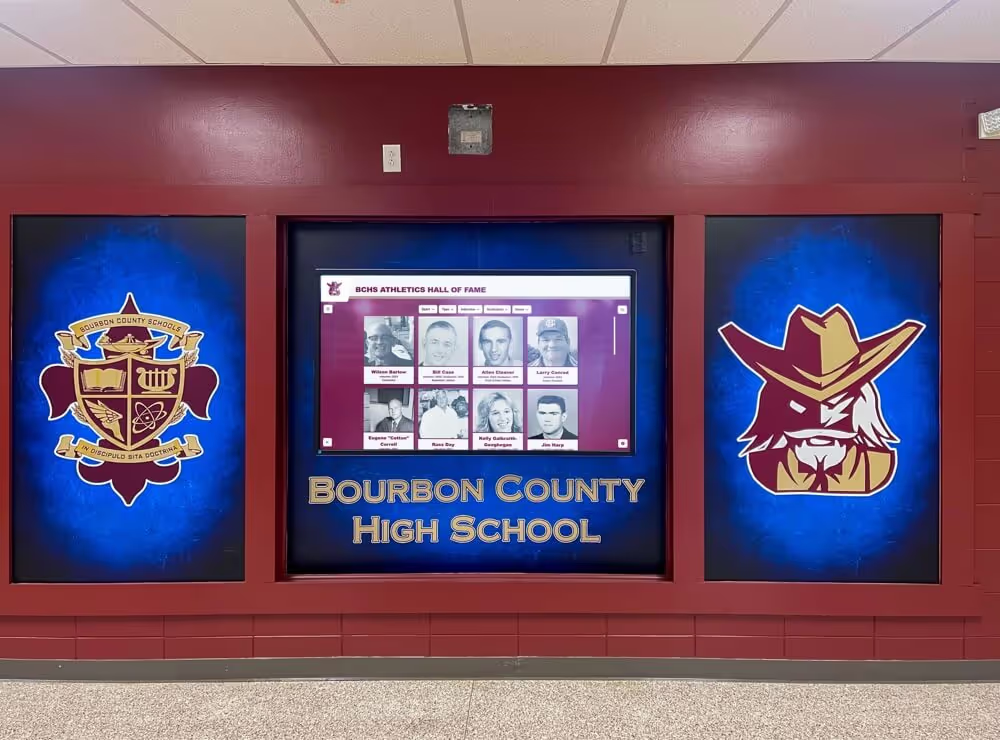
Permanent recognition displays ensure swimming achievements remain visible alongside other athletic accomplishments, building comprehensive program prestige
Practice Expectations and Training Demands
High school swimming requires substantial commitment to training regimens developing competitive performance:
Typical Practice Structure
Daily training sessions follow consistent patterns:
- Warm-up (15-20 minutes) - Easy swimming preparing muscles and establishing technique focus
- Technique Work (20-30 minutes) - Drill sets refining specific stroke elements or skills
- Main Set (40-60 minutes) - Primary training focusing on endurance, speed, or race-specific preparation
- Cool-down (10-15 minutes) - Easy swimming facilitating recovery
- Dryland Training (2-3 times weekly) - Strength, flexibility, and core work outside the pool
Total yardage varies significantly—beginners may swim 2,000-3,000 yards per practice while advanced swimmers complete 5,000-7,000 yards daily during peak training.
Physical Demands and Conditioning
Swimming requires unique fitness combining multiple athletic qualities:
- Cardiovascular Endurance - Sustained aerobic capacity for distance events and training volume
- Muscular Endurance - Maintaining stroke power throughout races and practices
- Flexibility - Range of motion enabling efficient technique and preventing injury
- Core Strength - Body position and rotation power
- Explosive Power - Starts, turns, and sprint performance
- Technical Precision - Efficient movement patterns minimizing energy waste
Conditioning develops gradually—new swimmers experience significant fatigue initially before adaptation enables handling increasing workload.
Time Commitment Reality
Understanding complete time requirements prevents surprises:
- Practice attendance 5-6 days weekly (Monday-Saturday most common)
- Individual practice duration 90 minutes to 2+ hours
- Arrival time before practice for preparation
- Additional time for showering and traveling home
- Weekend morning practices common (6:00-8:00 AM frequent)
- Competition days consuming 4-8 hours including travel
- Holiday training camps during Thanksgiving or winter breaks
Total weekly commitment typically ranges 10-15 hours during season—substantial but manageable with organization and prioritization.
Understanding athletic commitment requirements helps families evaluate whether high school swimming aligns with academic and extracurricular priorities.
Competition Structure and Meet Formats
High school swimming competitions follow standardized formats with specific rules and procedures:
Meet Types and Schedules
Swimmers participate in several competition categories throughout seasons:
Dual Meets - Traditional head-to-head competition between two schools
- Typically 1-2 per week during season
- All events contested with scoring determining team winner
- Opportunity for all team members to compete
- Usually held on weekday afternoons or evenings
- Home and away format creating travel to opponent pools
Invitational Meets - Large competitions hosting multiple teams
- Weekend events with 6-15+ schools participating
- Preliminary heats determine final placement
- Opportunity to compete against diverse competition
- Often held at larger aquatic facilities or college pools
- May require overnight travel for distant locations
Conference Championships - League or conference-wide competitive culmination
- Determines conference champion and all-conference honors
- Typically held toward season end
- Qualifying standards may limit participation to faster swimmers
- Higher competitive intensity than regular season meets
- Team scoring determines conference placement
State/Regional Championships - Season culminating championship meets
- Qualification based on achieving time standards
- Highest competition level in high school swimming
- Multi-day events with preliminary heats and finals
- Often held at premier aquatic facilities
- Team and individual championships determined
- All-state honors awarded to top finishers
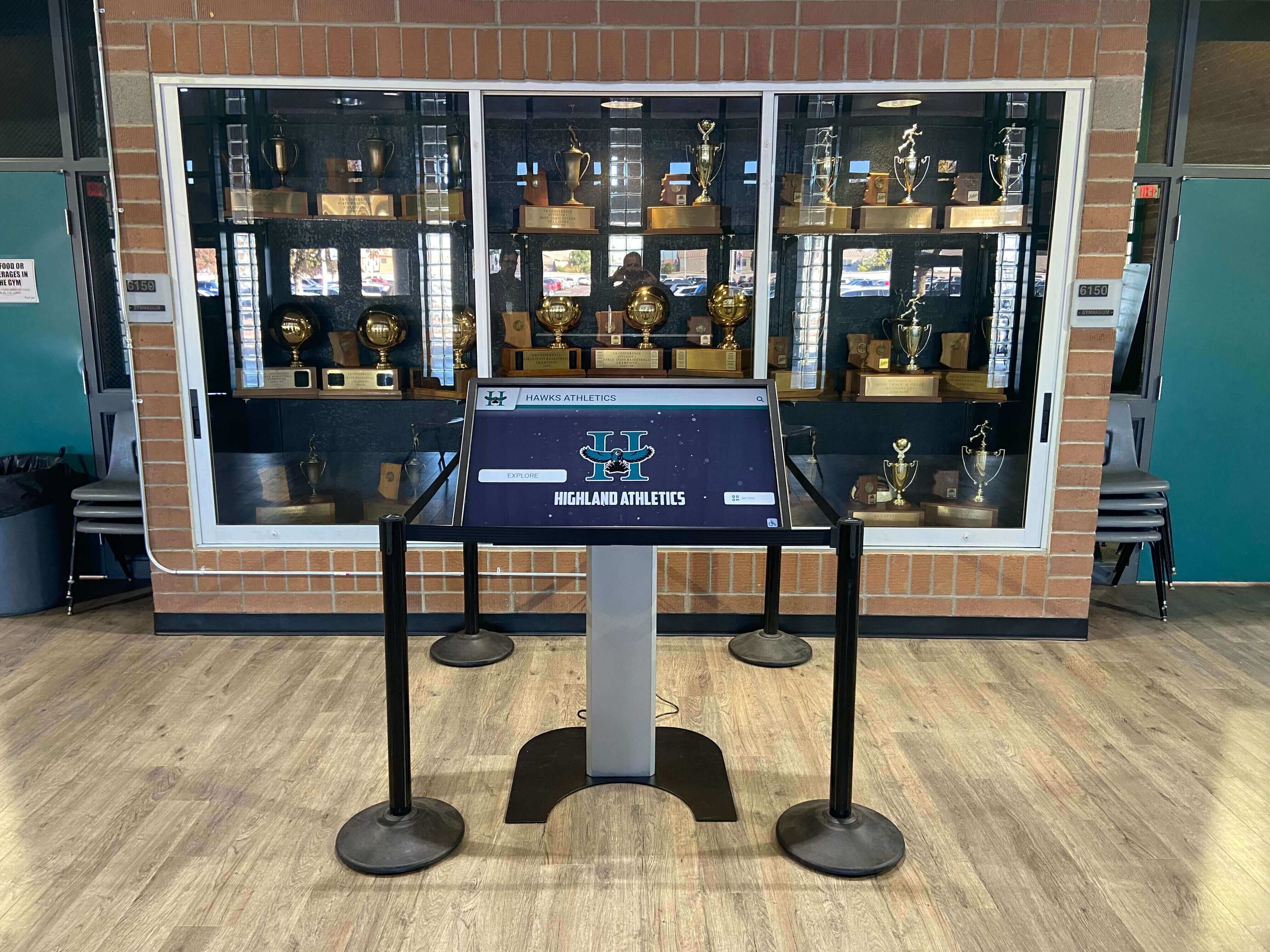
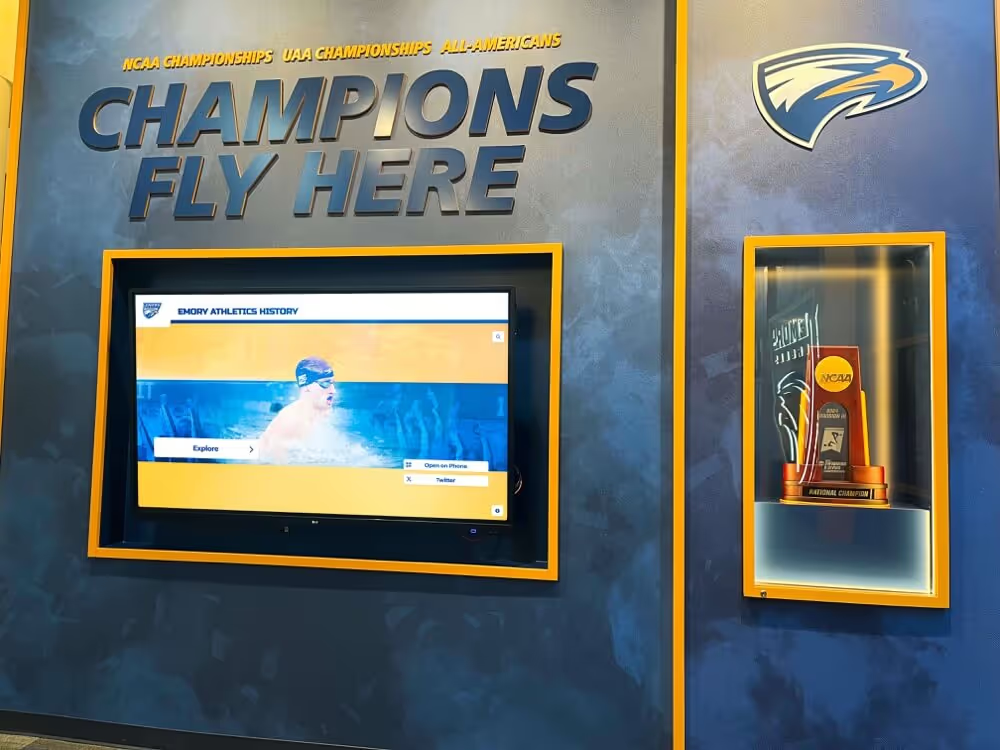
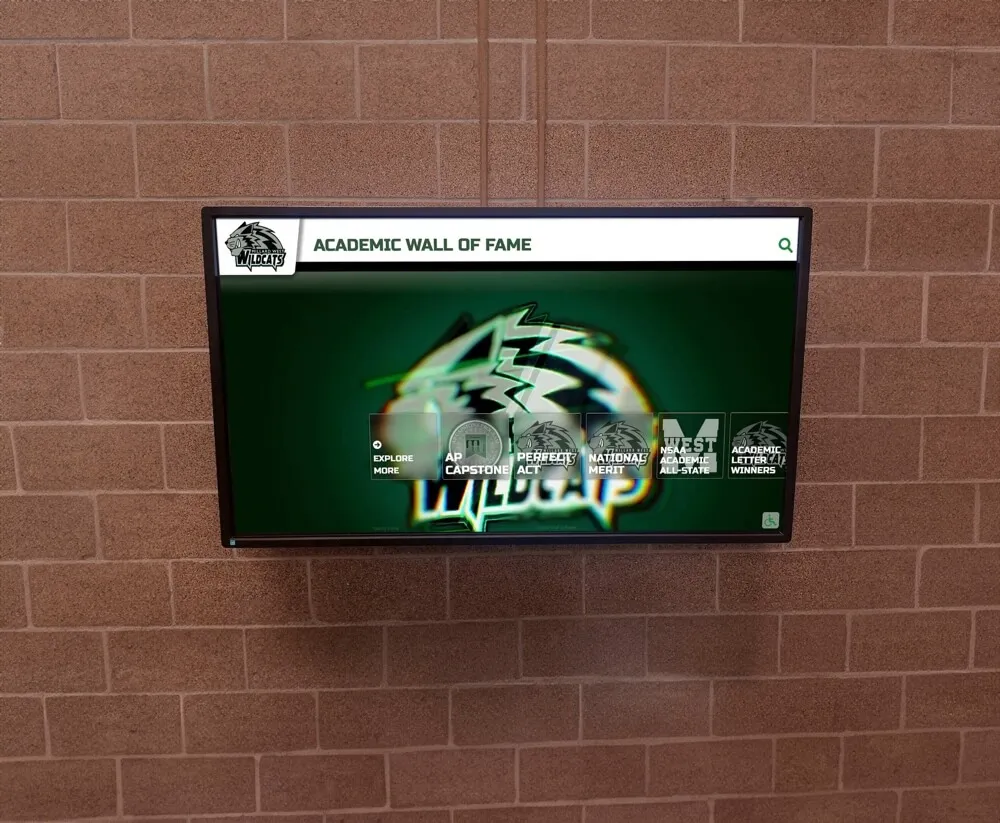
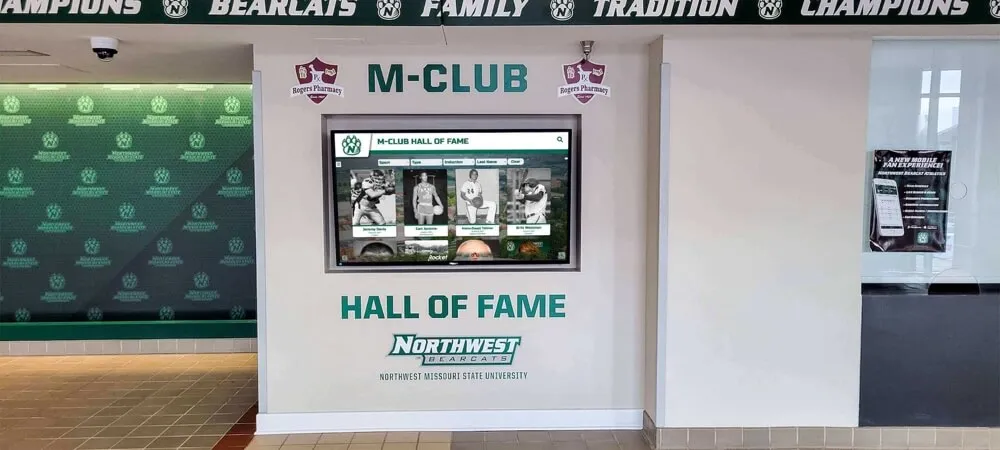
Interactive displays complement traditional trophy cases, enabling comprehensive documentation of swimming records and relay combinations across program history
Event Categories and Distances
High school swimming competitions include standardized events:
Individual Events
- Freestyle - 50 yards (sprint), 100 yards, 200 yards, 500 yards (distance)
- Backstroke - 100 yards
- Breaststroke - 100 yards
- Butterfly - 100 yards
- Individual Medley - 200 yards (all four strokes), 400 yards (championship meets only)
Relay Events
- 200 Yard Medley Relay - Four swimmers each completing 50 yards in different strokes
- 200 Yard Freestyle Relay - Four swimmers each completing 50 yards freestyle
- 400 Yard Freestyle Relay - Four swimmers each completing 100 yards freestyle
Swimmers typically compete in 2-3 individual events plus 1-2 relays per meet, though limits vary by meet format and team strategy.
Scoring and Team Competition
Meet results determine both individual placement and team winners:
- Individual events award points to top finishers (typically 1st through 6th or 8th place)
- Relay events earn bonus points (often 1.5x individual event points)
- Cumulative points across all events determine team winner
- Diving events (when available) contribute to team scoring
- Disqualifications eliminate points for rule violations
Team dynamics matter significantly—relay performance and depth across events can overcome superior individual stars when calculating team championships.
Preparing to Join a High School Swim Team
Prospective swimmers benefit from understanding preparation steps, skill requirements, and expectations before trying out for teams.
Skill Prerequisites and Tryout Expectations
Programs vary significantly in competitive selectivity and experience requirements:
Competitive Programs with Tryouts
Selective teams evaluate swimmers during tryout periods:
- Demonstration of all four competitive strokes legally
- Endurance tests swimming continuous distances (typically 500+ yards)
- Sprint assessments gauging speed potential
- Legal turns, starts, and finishes for all strokes
- Time standards for specific events when applicable
- Previous competitive experience preferred or required
- Limited roster spots creating selection decisions
Competitive programs often expect swimmers have club swimming experience or demonstrate times approaching qualifying standards for championship meets.
Developmental Programs Accepting All Experience Levels
Inclusive teams welcome swimmers regardless of background:
- Basic swimming ability sufficient for participation
- No previous competitive experience required
- Coaching provided to develop technique and conditioning
- Focus on improvement and participation over immediate performance
- No cuts or roster limitations
- Opportunities for novice swimmers to learn competitive swimming
- JV or developmental squads accommodating skill ranges
Many successful high school swimmers begin with limited competitive experience—developmental programs enable athletes to discover swimming passion while building skills progressively.
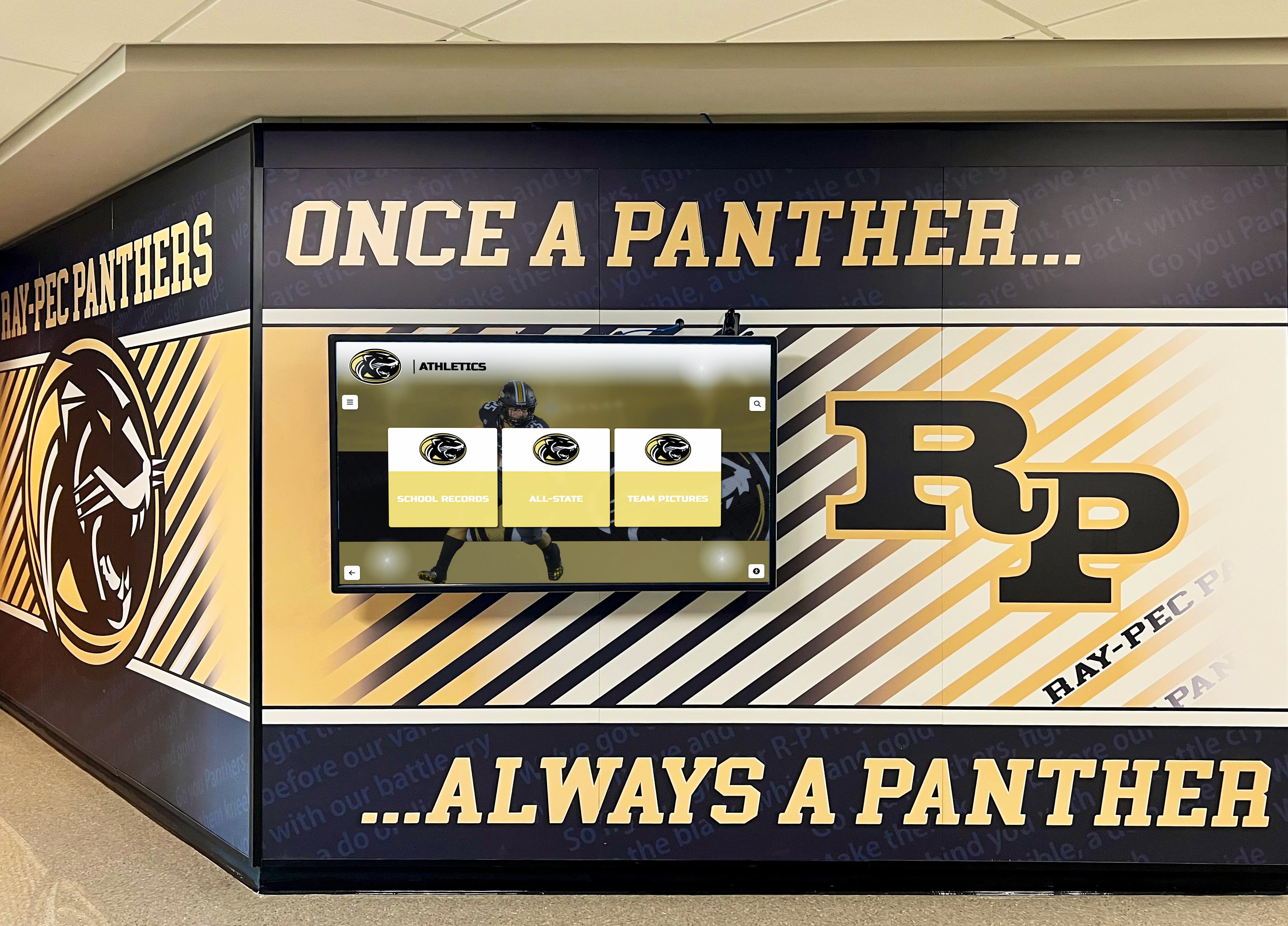
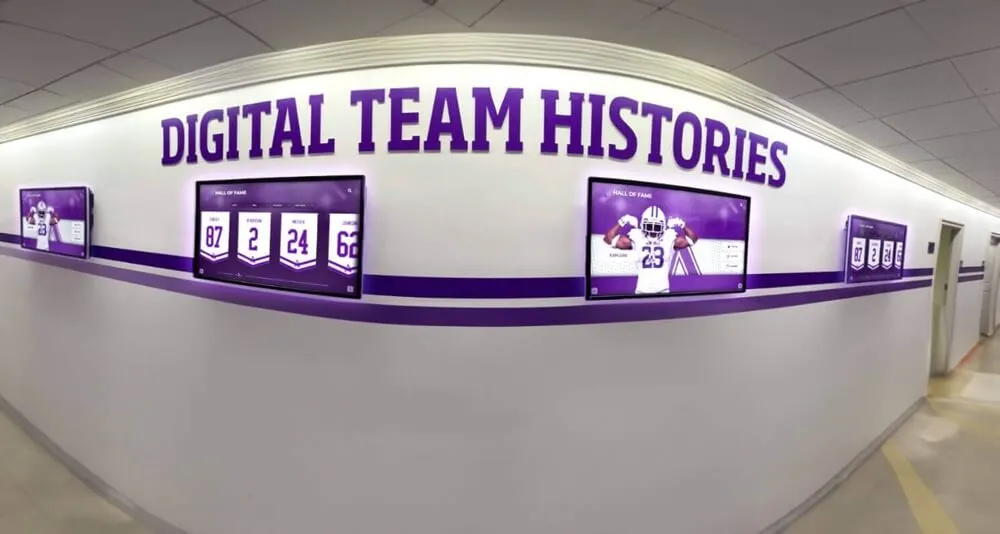
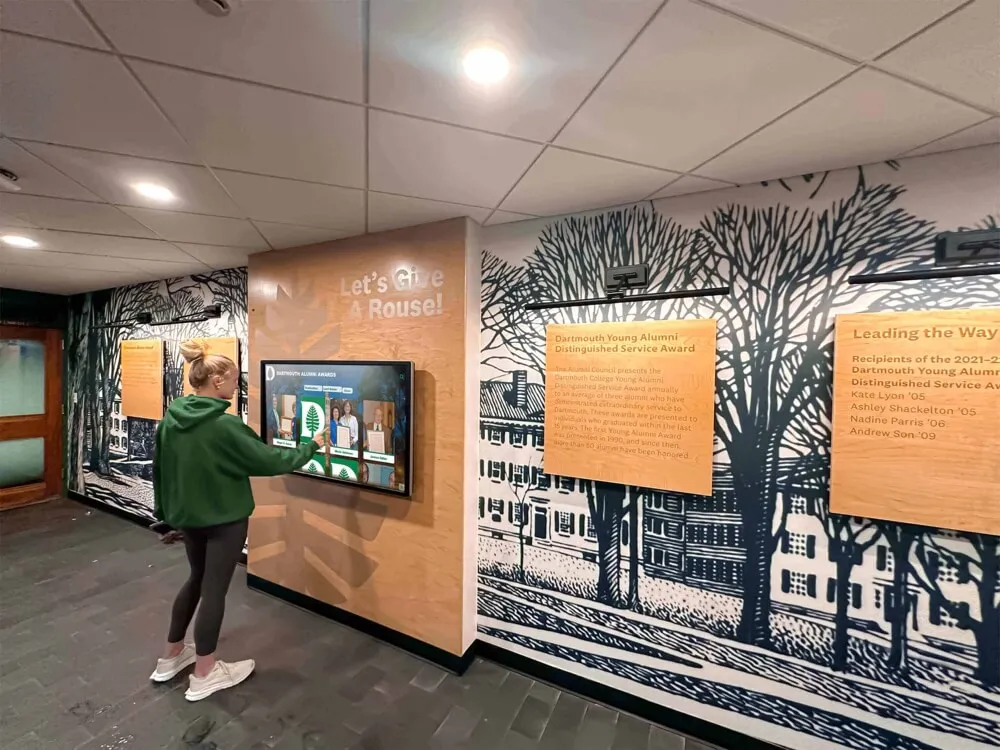
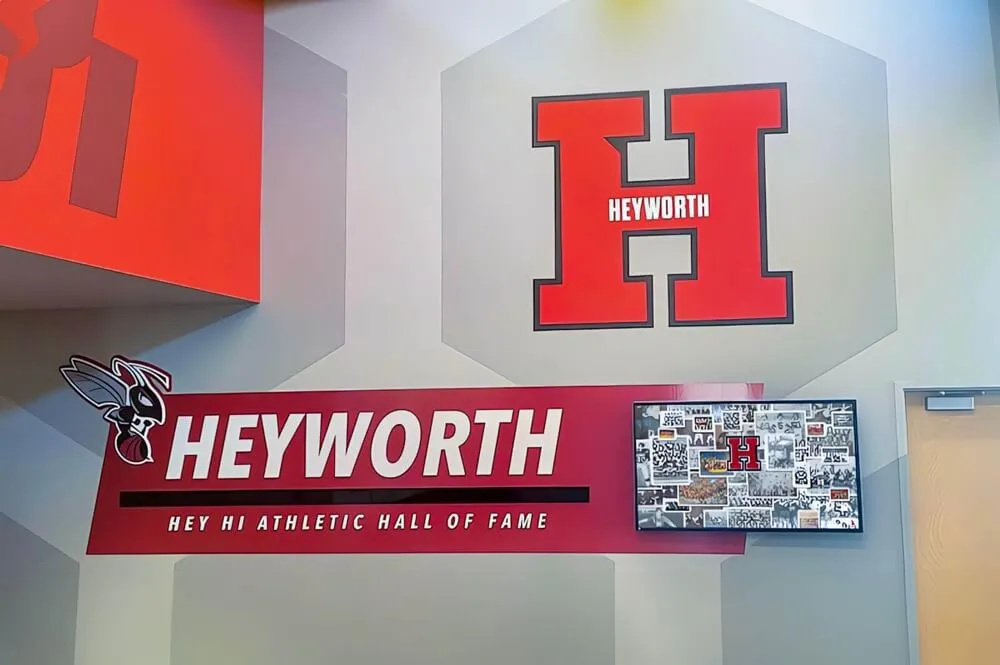
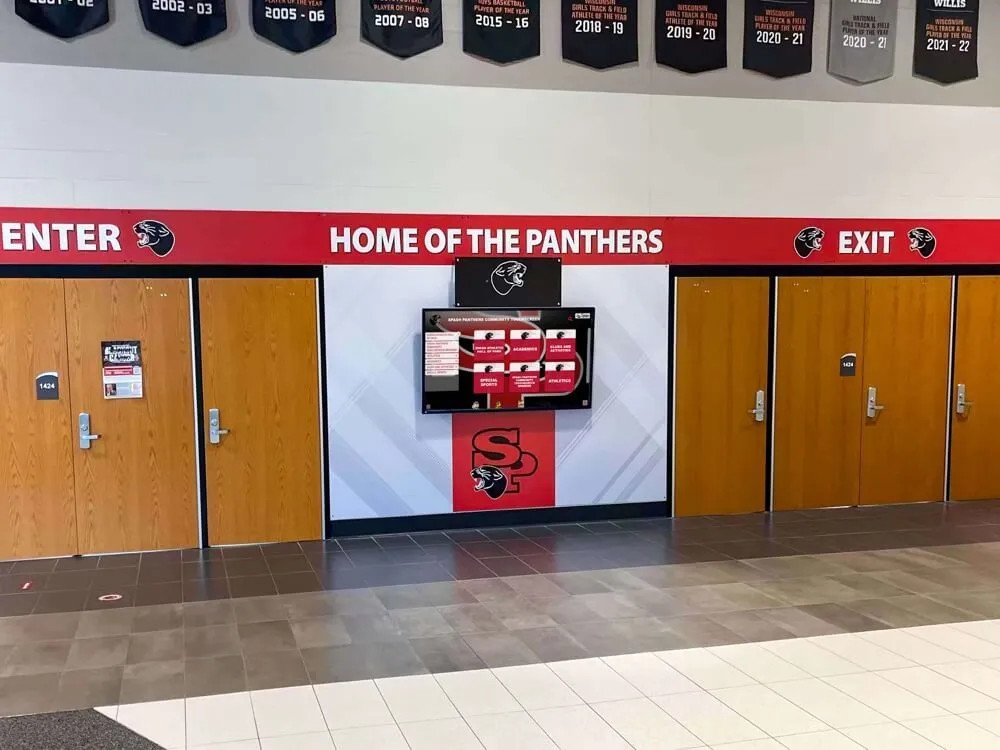
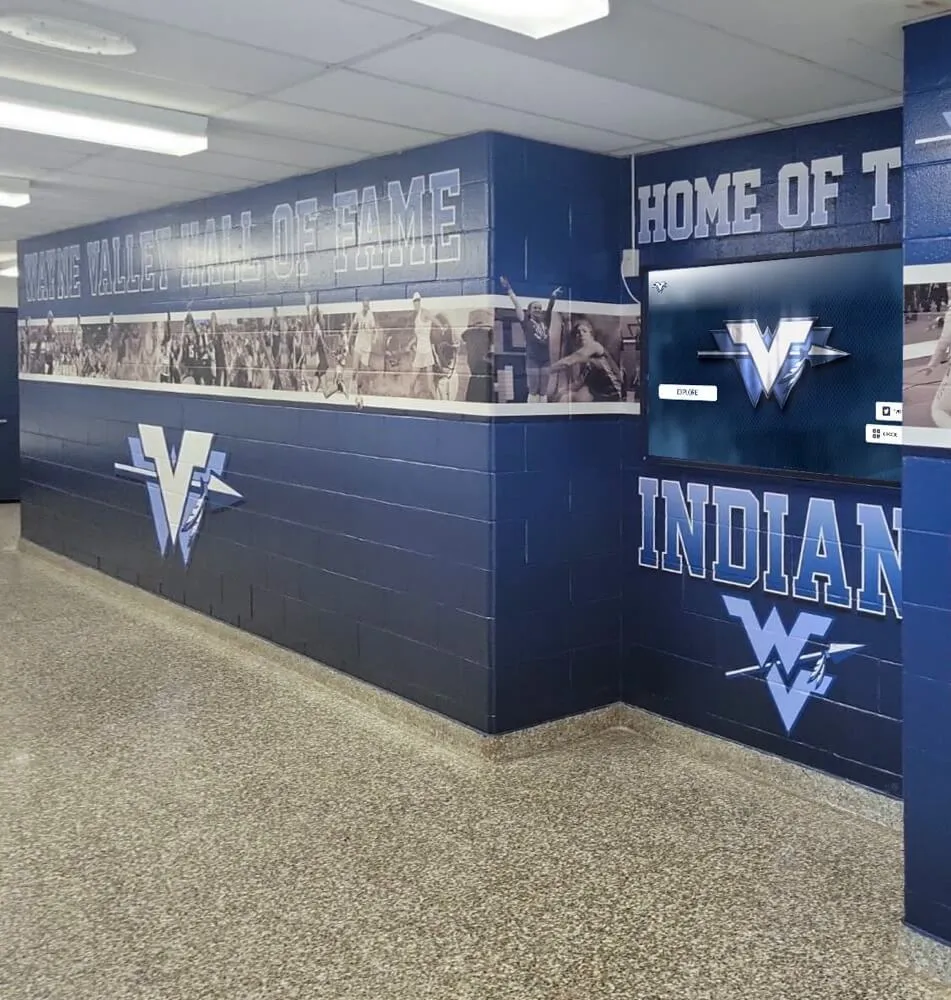
Prominent hallway installations showcase swimming achievements alongside other sports, integrating aquatic excellence into broader athletic recognition culture
Essential Skills for High School Swimming
New team members should develop foundational competencies:
Technical Requirements
- Freestyle - Proper breathing pattern, body rotation, high elbow recovery
- Backstroke - Body position, arm entry, underwater pull
- Breaststroke - Legal kick, arm pull sequence, timing coordination
- Butterfly - Undulating body motion, arm recovery, breathing pattern
- Starts - Dive technique from blocks with streamline position
- Turns - Flip turns (freestyle/backstroke) and open turns (breast/fly)
- Finishes - Legal touch requirements for all strokes
Physical Readiness
- Ability to swim continuously for 20+ minutes
- Basic cardiovascular fitness tolerating sustained effort
- Flexibility for efficient stroke mechanics
- Willingness to embrace discomfort during conditioning
- Mental toughness handling challenging training sets
Swimmers lacking certain technical skills can often develop them during early season with coaching support, but basic endurance and water comfort prove essential for managing training demands.
Pre-Season Preparation Strategies
Athletes considering high school swimming benefit from preparation during off-season periods:
Summer Swimming for Conditioning
Maintaining fitness between seasons enables smoother transitions:
- Regular swimming 3-4 times weekly during summer
- Focus on endurance building rather than intense training
- Technique refinement without competitive pressure
- Participation in summer league or recreation programs
- Open water swimming for variety and endurance
- Gradual distance increases preparing for fall/winter training
Pre-conditioned swimmers experience less shock when intensive training begins and can progress faster during the competitive season.
Dryland Training and Cross-Training
Non-swimming activities complement aquatic preparation:
- Running or cycling building cardiovascular base
- Strength training developing power for starts, turns, and strokes
- Flexibility work through yoga or stretching routines
- Core strengthening exercises supporting body position
- Sport variety preventing burnout and overuse injuries
- General fitness maintaining activity levels
Explore athletic preparation approaches that help swimmers optimize performance while preventing burnout across competitive seasons.
Mental Preparation and Goal Setting
Psychological readiness contributes significantly to successful seasons:
- Establishing clear personal goals (time improvements, event goals, team contributions)
- Understanding commitment requirements and planning accordingly
- Developing time management strategies balancing academics and athletics
- Building resilience for handling challenging practices and disappointing performances
- Identifying motivations clarifying why swimming matters personally
- Visualizing success and developing positive self-talk habits
Mental preparation proves as important as physical conditioning—swimmers who approach seasons with clear goals and realistic expectations typically experience greater satisfaction and improvement.

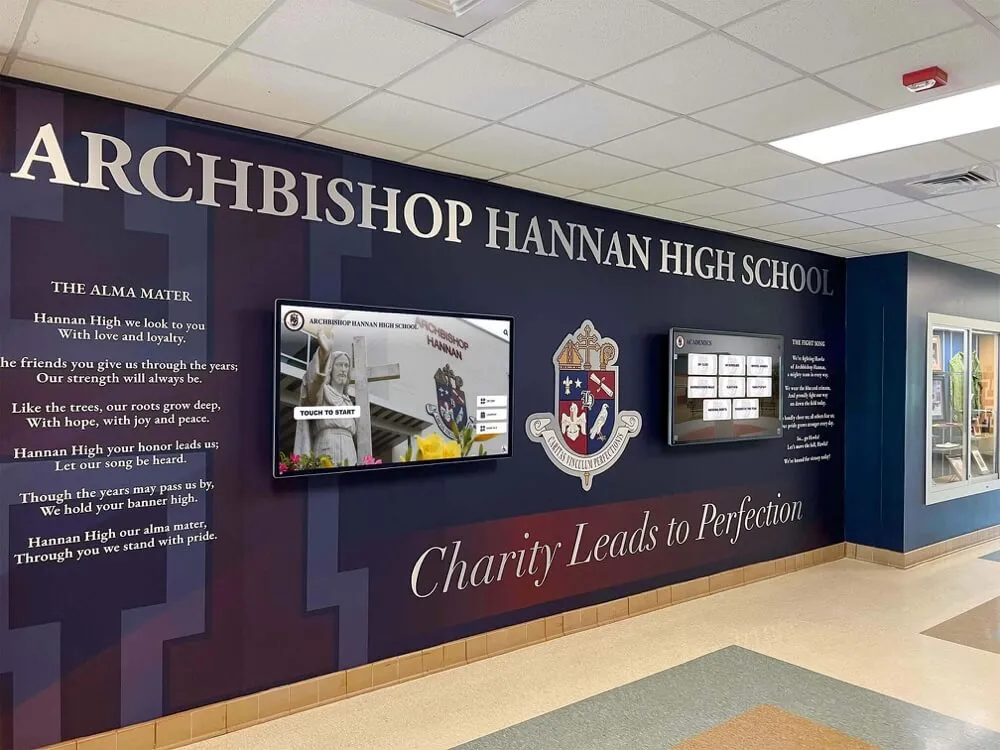
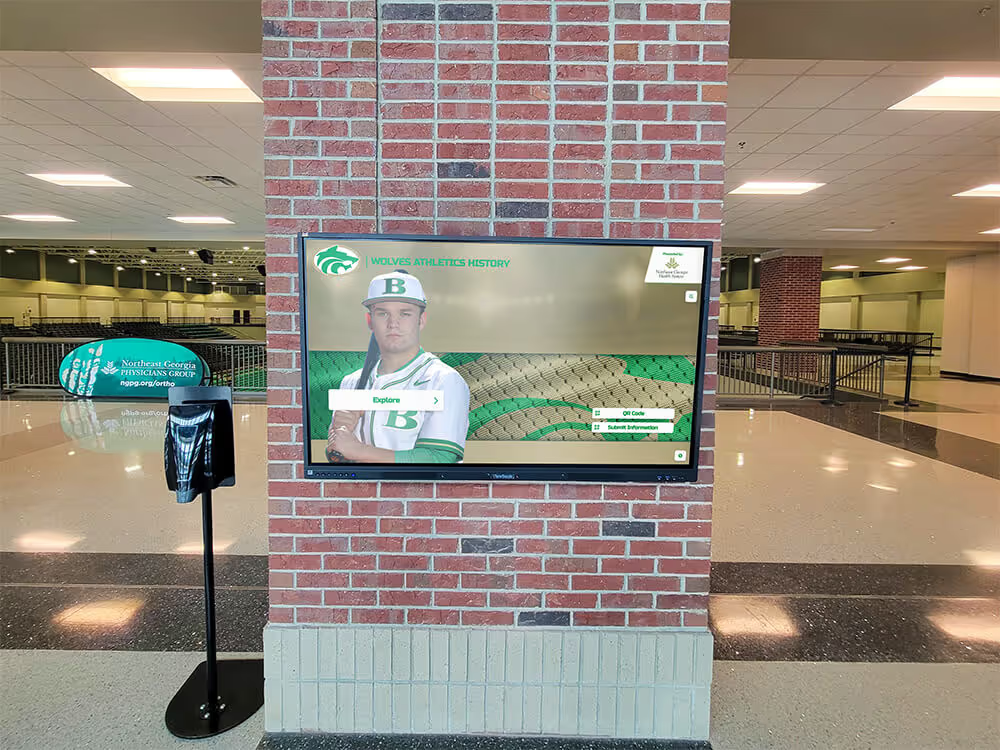
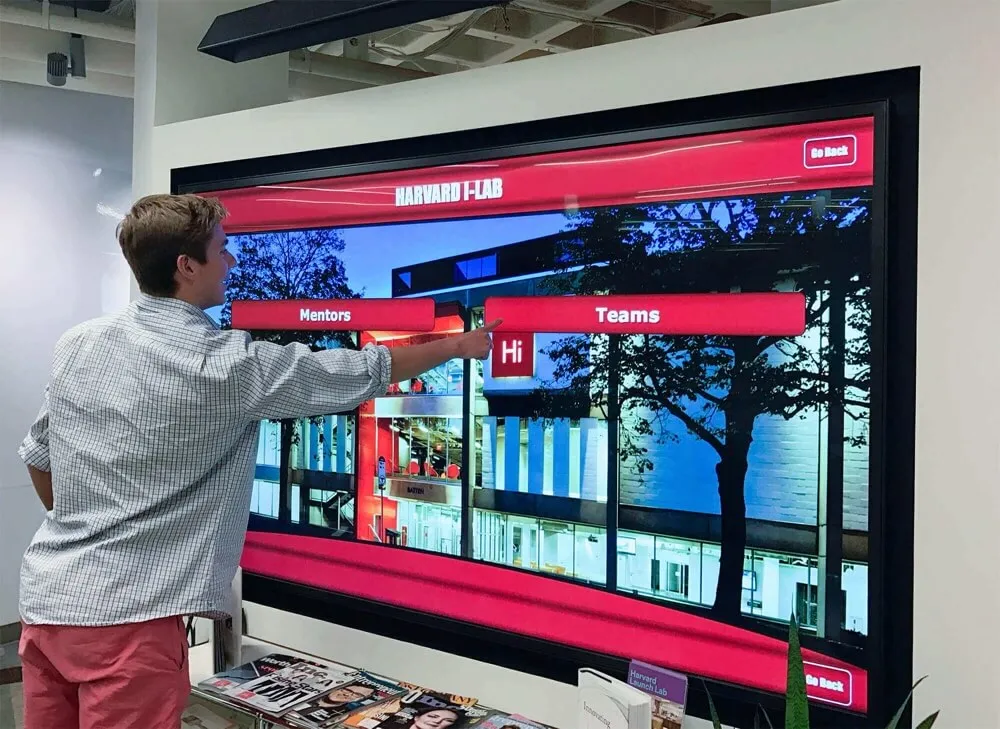
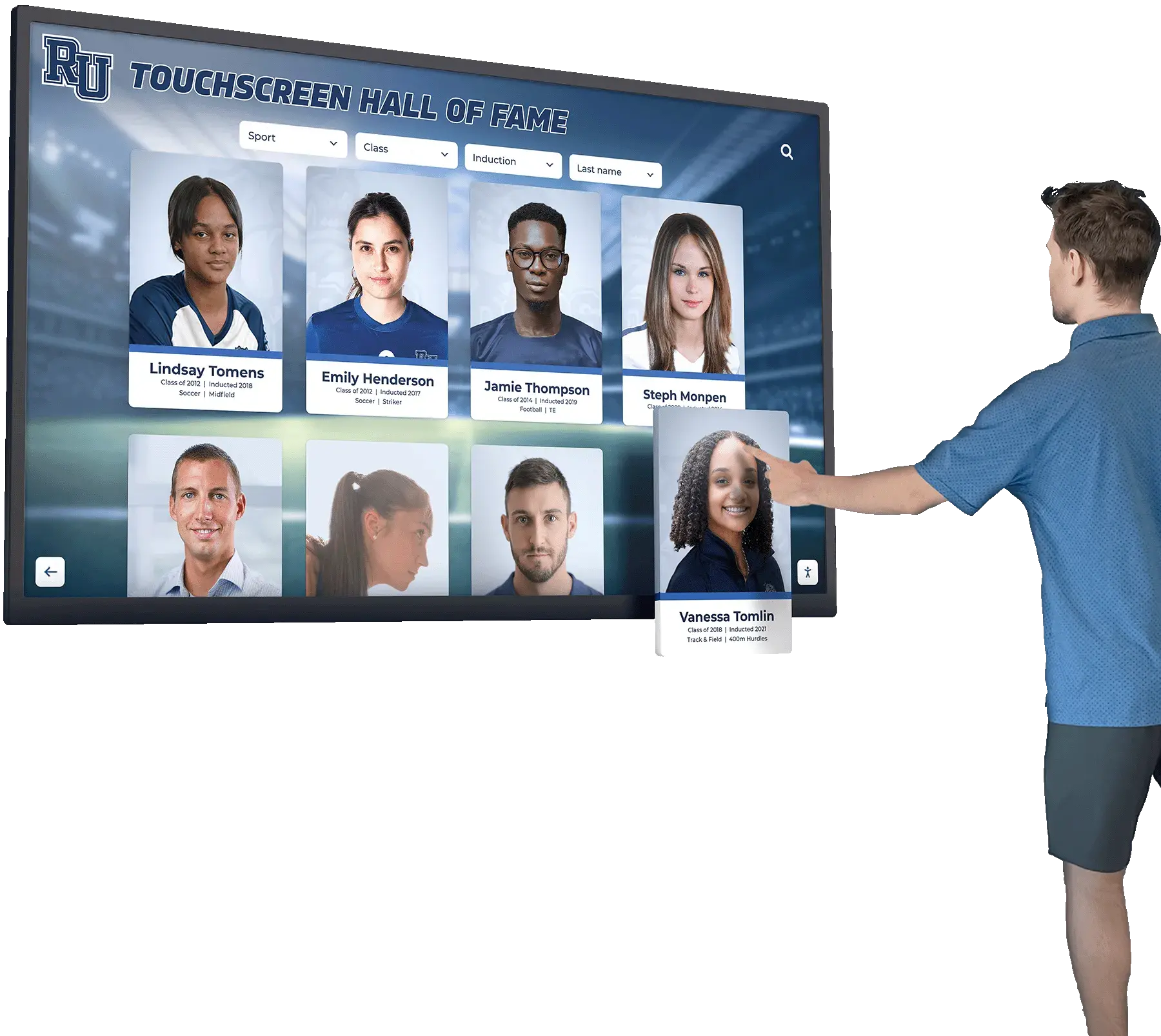
Interactive recognition systems enable swimmers and families to explore individual achievements, relay combinations, and program records comprehensively
Thriving as a High School Swimmer
Success on swim teams extends beyond physical performance—effective swimmers develop habits, relationships, and perspectives supporting complete experiences.
Balancing Academics and Athletics
Swimming’s substantial time demands require deliberate academic management:
Time Management Strategies
Successful student-athletes implement systematic approaches:
- Complete homework during school free periods maximizing available time
- Study during bus travel to away meets
- Communicate with teachers about meet schedules and potential absences
- Front-load assignments before heavy meet weekends
- Utilize team study sessions combining academics and team bonding
- Prioritize sleep despite early morning practices
- Decline optional social activities during peak season demands
- Maintain assignment tracking systems preventing oversight
Most high school swimmers manage academic success alongside athletic commitments—organization and discipline developed through swimming often enhance rather than hinder academic performance.
Communication with Teachers
Proactive teacher relationships prevent academic complications:
- Inform teachers of athletic schedules early in season
- Request assignments in advance for known absences
- Communicate immediately when unexpected conflicts arise
- Demonstrate responsibility completing work on time despite challenges
- Seek extra help during available times compensating for practice conflicts
- Express appreciation for accommodations and flexibility
- Maintain academic standards justifying athletic participation
Teachers typically support student-athletes demonstrating genuine academic commitment alongside athletic pursuits—communication and responsibility prove essential.
Academic Recognition Integration
Programs emphasizing complete student-athlete identity:
- Academic all-conference honors celebrating GPA alongside athletic achievement
- Team GPA recognition creating collective academic accountability
- Scholar-athlete awards at end-of-season celebrations
- Study table requirements for athletes below academic thresholds
- Academic milestone recognition (honor roll, AP scholars) in team settings
- College recruiting preparation emphasizing academic qualifications
- Parent communication about academic performance standards
Understanding academic recognition programs helps swimming programs honor student-athlete achievement comprehensively across athletic and academic domains.
Building Team Culture and Relationships
Swimming’s individual performance focus requires intentional team culture development:
Creating Connections Beyond Competition
Effective teams implement bonding strategies:
- Pre-season team dinners introducing new members
- Lane assignments mixing experience levels enabling peer mentoring
- Buddy systems pairing veterans with novice swimmers
- Team cheering strategies during meets building unified support
- Social activities outside practice and competition (team meals, movie nights)
- Inside jokes, traditions, and rituals creating shared identity
- Group messaging maintaining connection between practices
- Recognition of birthdays and personal milestones
Team cohesion significantly impacts season experience—swimmers with strong teammate relationships typically demonstrate greater commitment and enjoy participation more fully.
Leadership and Mentorship Roles
Experienced swimmers contribute to program culture through leadership:
- Team captains modeling dedication, attitude, and work ethic
- Veteran swimmers mentoring younger or less experienced teammates
- Positive encouragement during challenging practices maintaining morale
- Exemplifying sportsmanship and respect for opponents and officials
- Leading warm-up and stretching routines
- Organizing team social activities and traditions
- Communicating team concerns or suggestions to coaches respectfully
- Celebrating teammate successes enthusiastically
Leadership opportunities enable swimmers to develop skills extending far beyond pool performance while strengthening program culture across roster.
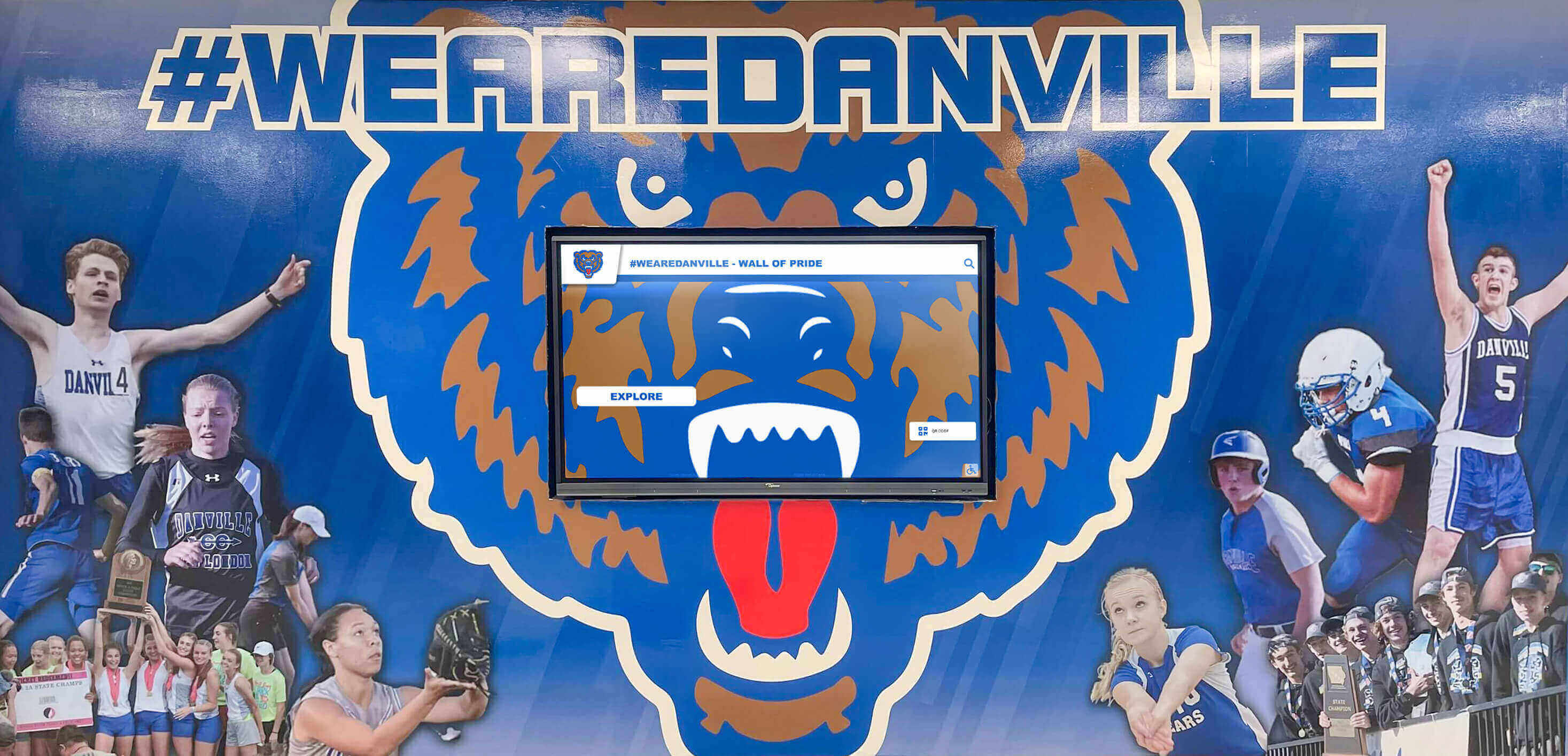
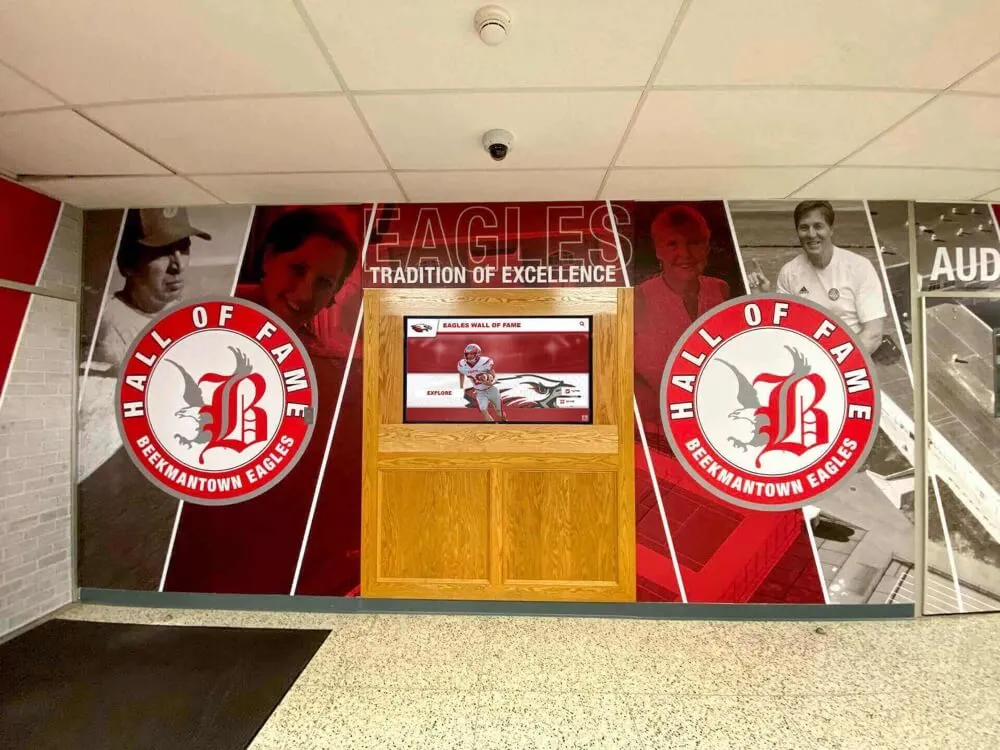
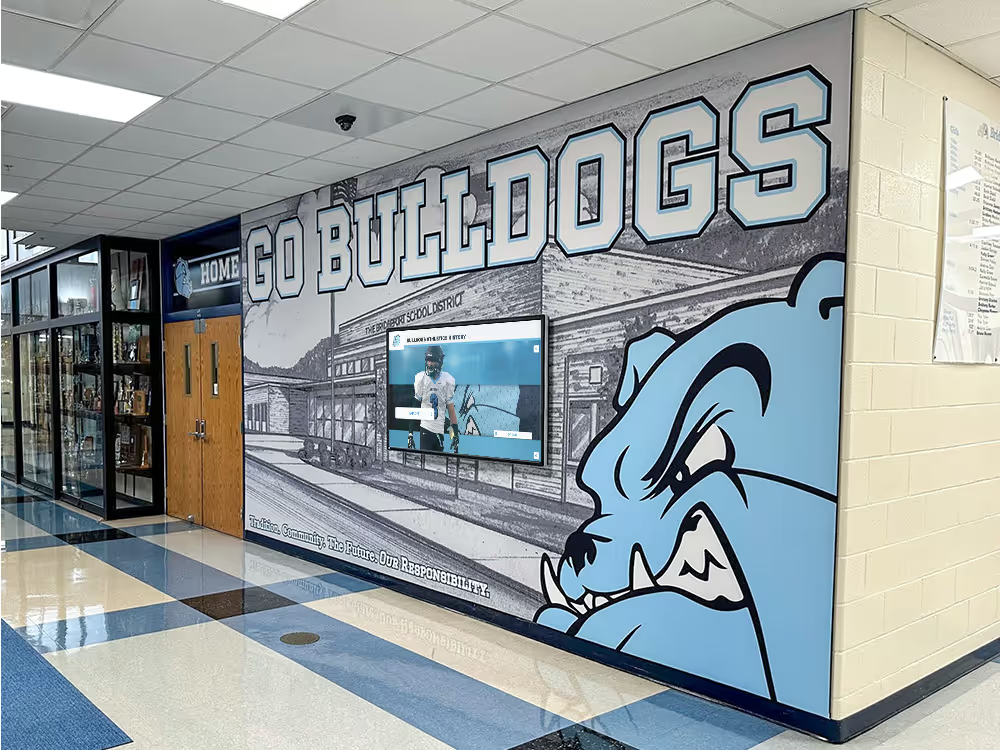
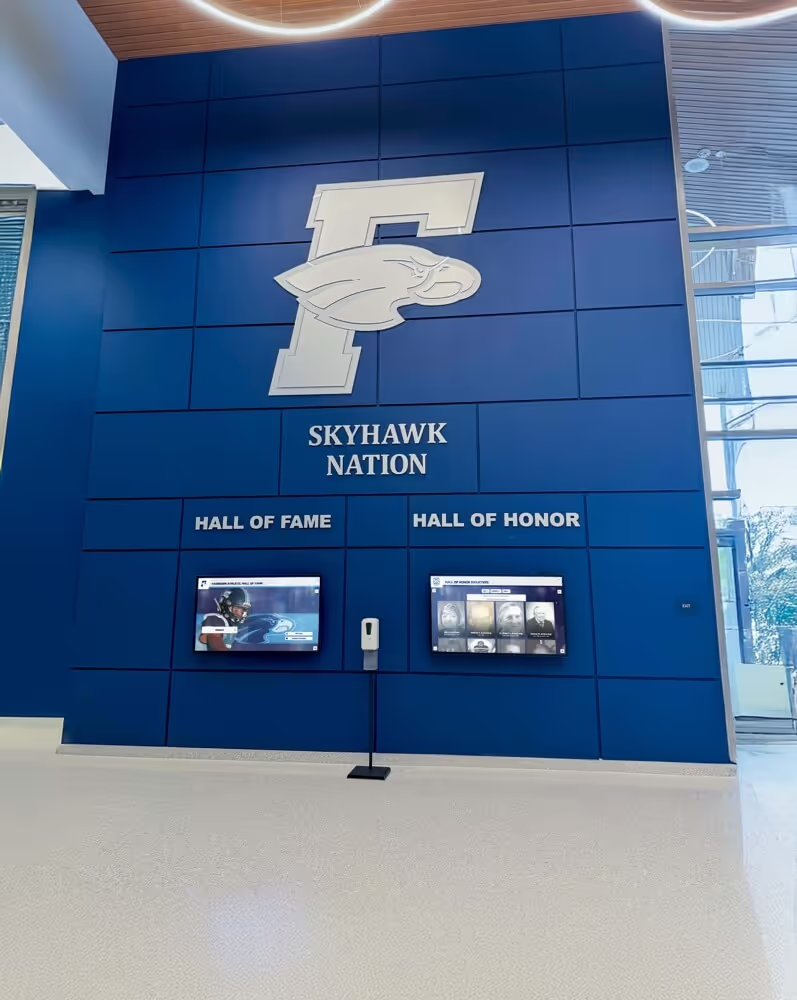
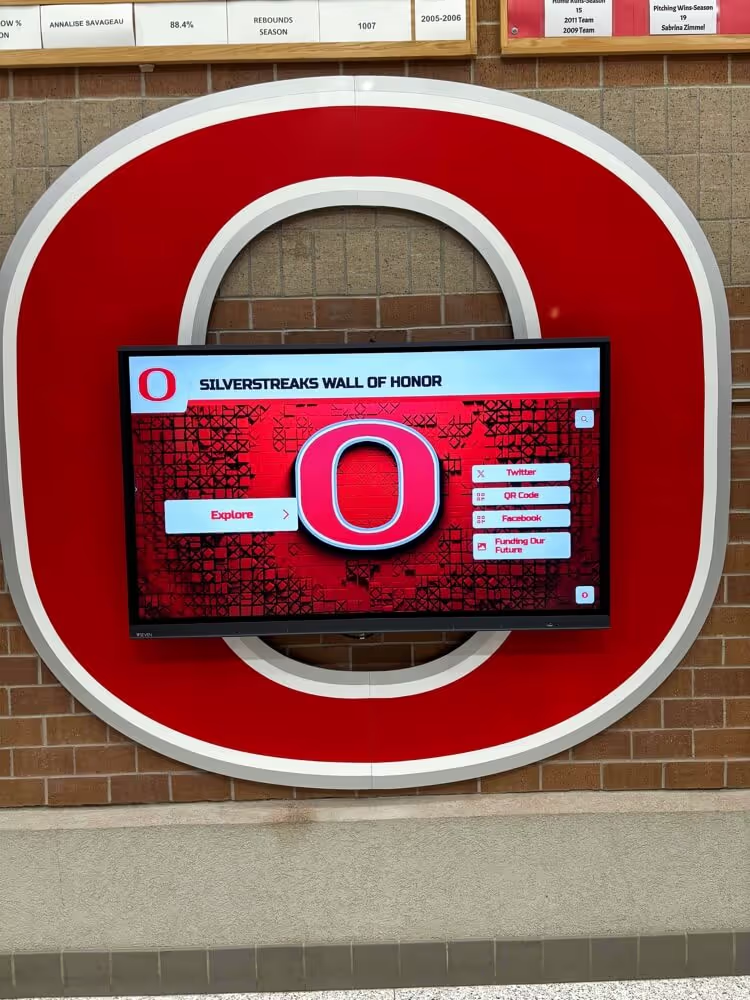
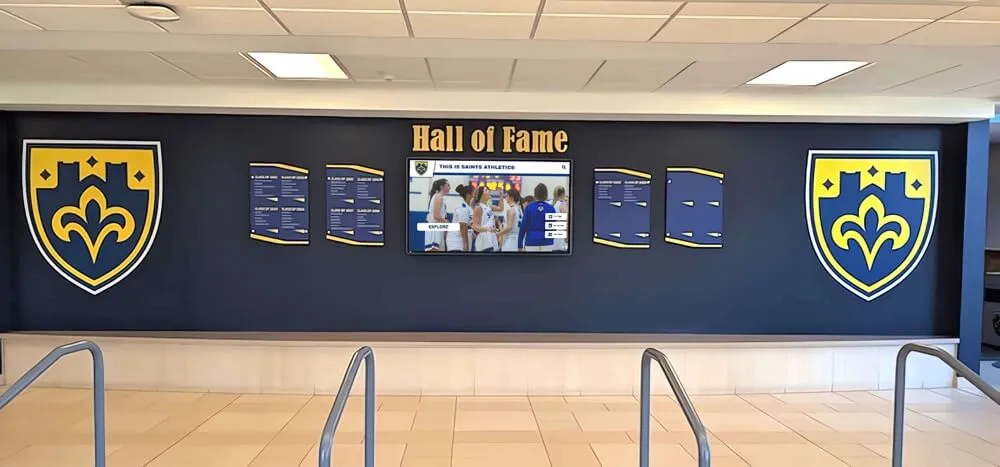
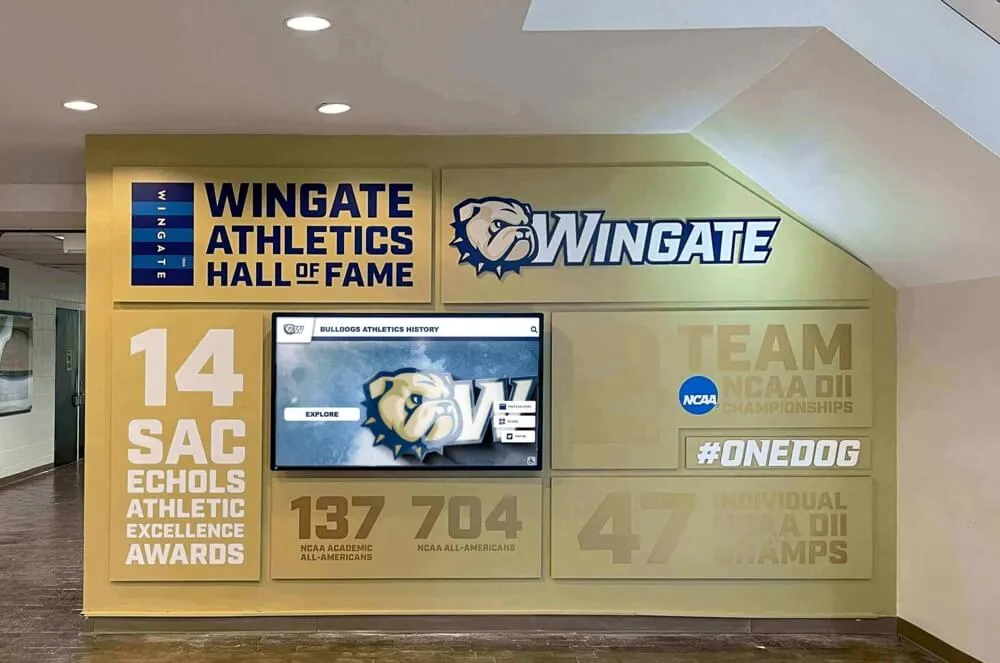
Integrated recognition displays combine school branding with achievement documentation, ensuring swimming excellence contributes to broader school athletic identity
Handling Competition and Performance Pressure
Swimming’s objective timing creates unique psychological challenges:
Developing Resilience
- Accepting that improvement isn’t linear—plateaus and setbacks occur
- Focusing on process (technique, effort, preparation) rather than only outcomes
- Learning from disappointing performances without dwelling on failures
- Celebrating teammates’ successes genuinely even during personal struggles
- Maintaining perspective that swimming contributes to but doesn’t define identity
- Seeking coach feedback constructively to guide improvement
- Developing pre-race routines managing anxiety and building confidence
Mental toughness distinguishes swimmers who sustain participation across seasons from those who abandon teams when facing challenges.
Race Strategy and Competition Mindset
- Understanding pacing strategies for different event distances
- Developing race plans with coaches before important competitions
- Practicing visualization techniques mentally rehearsing successful performances
- Managing pre-race nerves through breathing, routine, and focus
- Executing race plans despite in-competition discomfort
- Adjusting tactics based on competitor positioning when appropriate
- Finishing strong regardless of placement maintaining pride and effort
Competitive success requires both physical preparation and psychological skills enabling swimmers to perform optimally under pressure.
Recognition Programs Honoring Swimming Excellence
Swimming’s quantifiable achievements and objective records make aquatic programs particularly well-suited for comprehensive recognition systems preserving program heritage.
Traditional Swimming Recognition Approaches
High school programs typically implement several recognition formats:
Record Boards and Achievement Displays
Physical installations documenting program excellence:
- School record boards showing all-time best performances by event
- Conference championship banners hanging in pool facilities
- State qualifier lists documenting swimmers achieving championship standards
- All-American recognition for national-qualifying performances
- Team photo displays with season records and rosters
- Individual award plaques for MVP, Most Improved, leadership honors
- Senior recognition boards celebrating graduating athletes
Traditional displays create visible program history but face limitations—wall space constraints restrict comprehensive documentation as decades accumulate achievements, physical materials deteriorate requiring maintenance and replacement, and static formats prevent easy updates when records fall.
End-of-Season Recognition Ceremonies
Formal celebrations honoring swimmer achievements:
- Team banquets presenting awards across multiple categories
- Senior recognition with speeches and tribute videos
- Coach acknowledgment highlighting specific swimmer contributions
- Parent appreciation for support enabling participation
- Team awards for championship performance or improvement
- Special recognition for record-breakers and significant milestones
- Photo slideshows reviewing season highlights and memories
Ceremonies create meaningful season conclusions but provide only momentary recognition—without sustained visibility, achievements celebrated during banquets quickly fade from program consciousness.
Explore comprehensive sports banquet planning approaches that help swimming programs create memorable celebrations honoring achievements effectively.
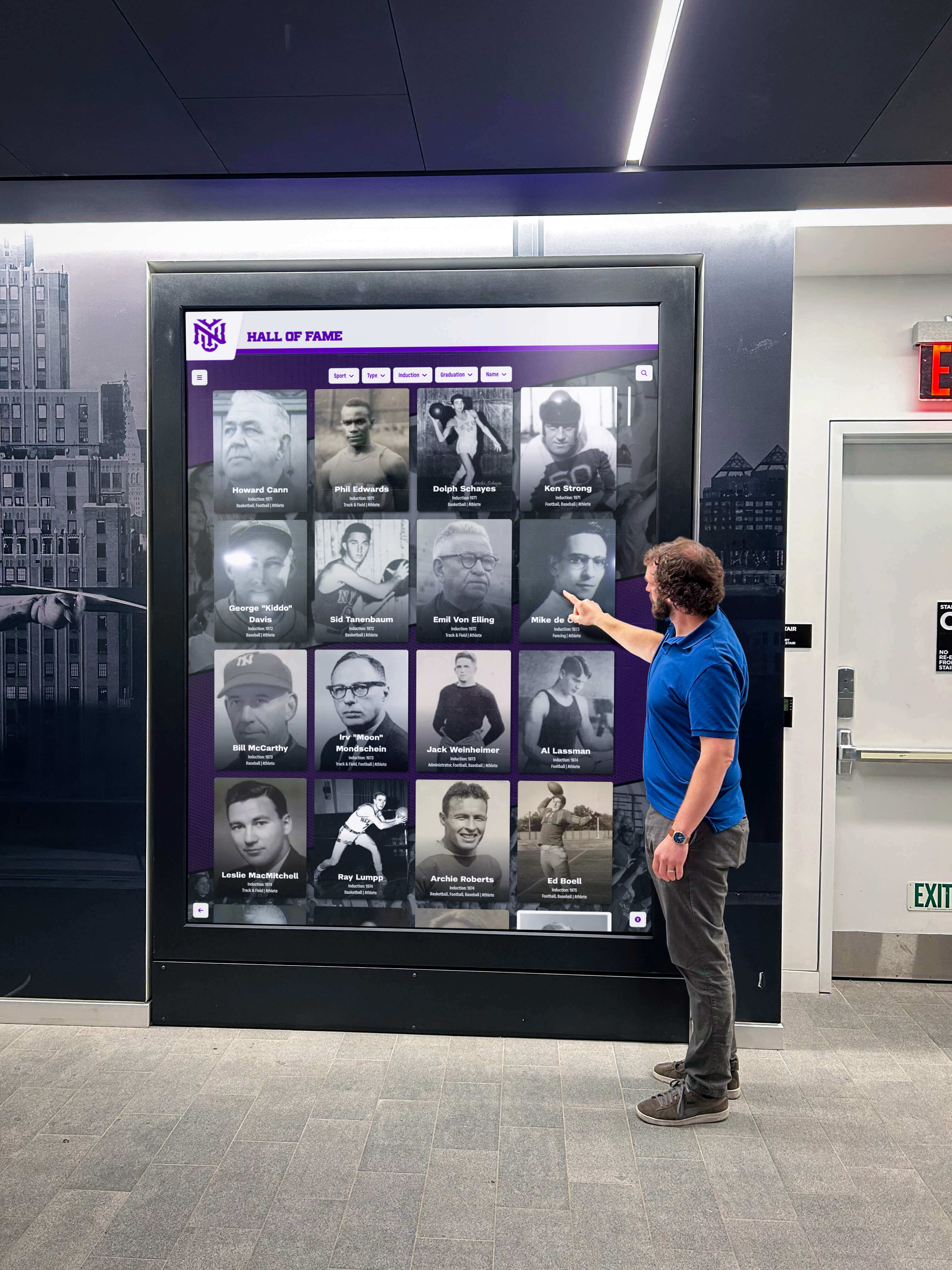
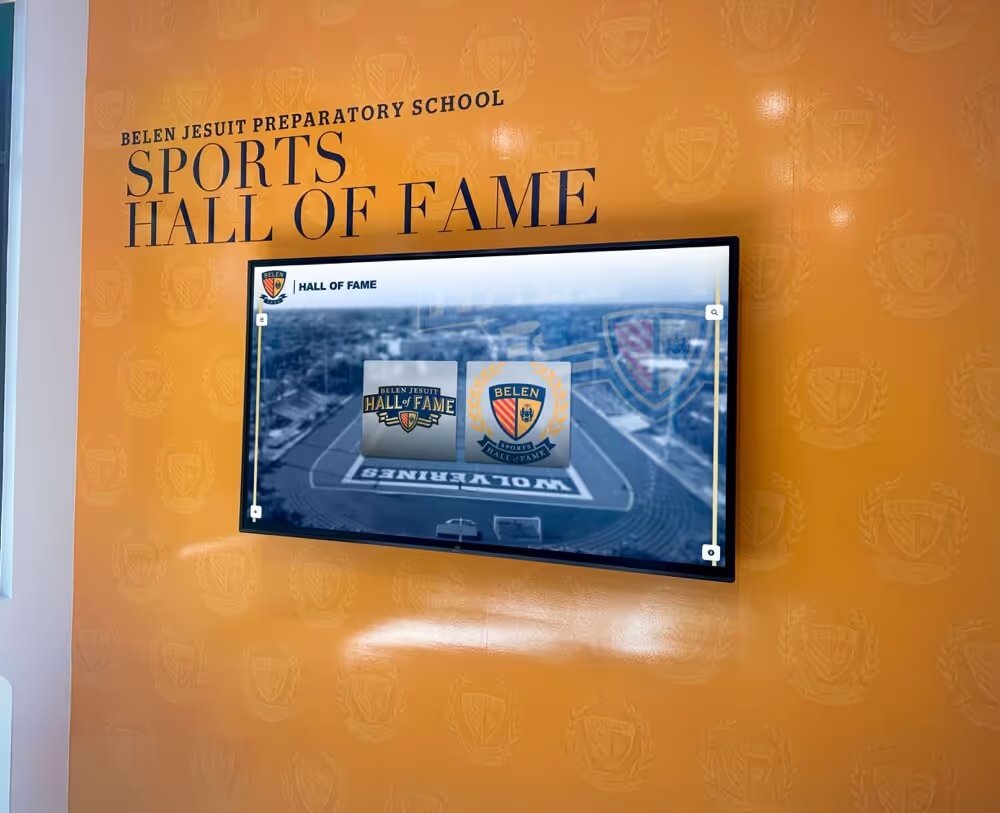
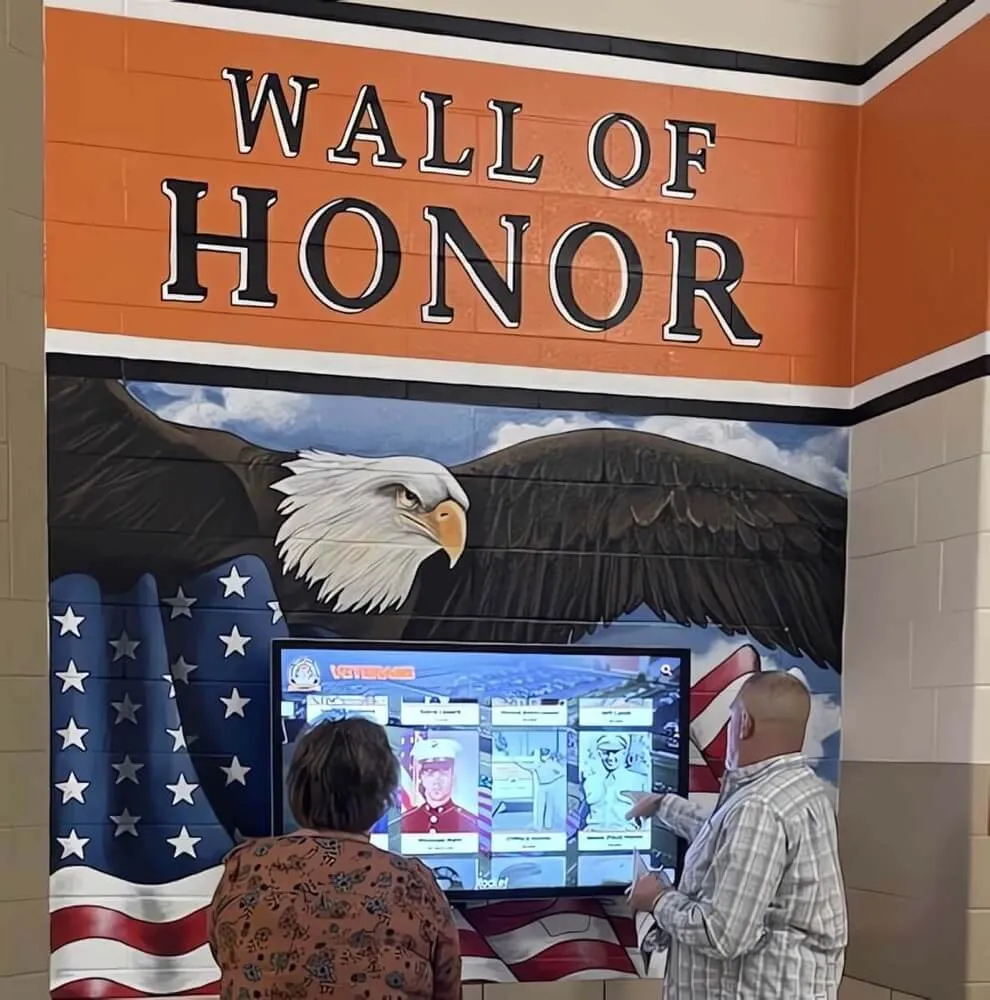
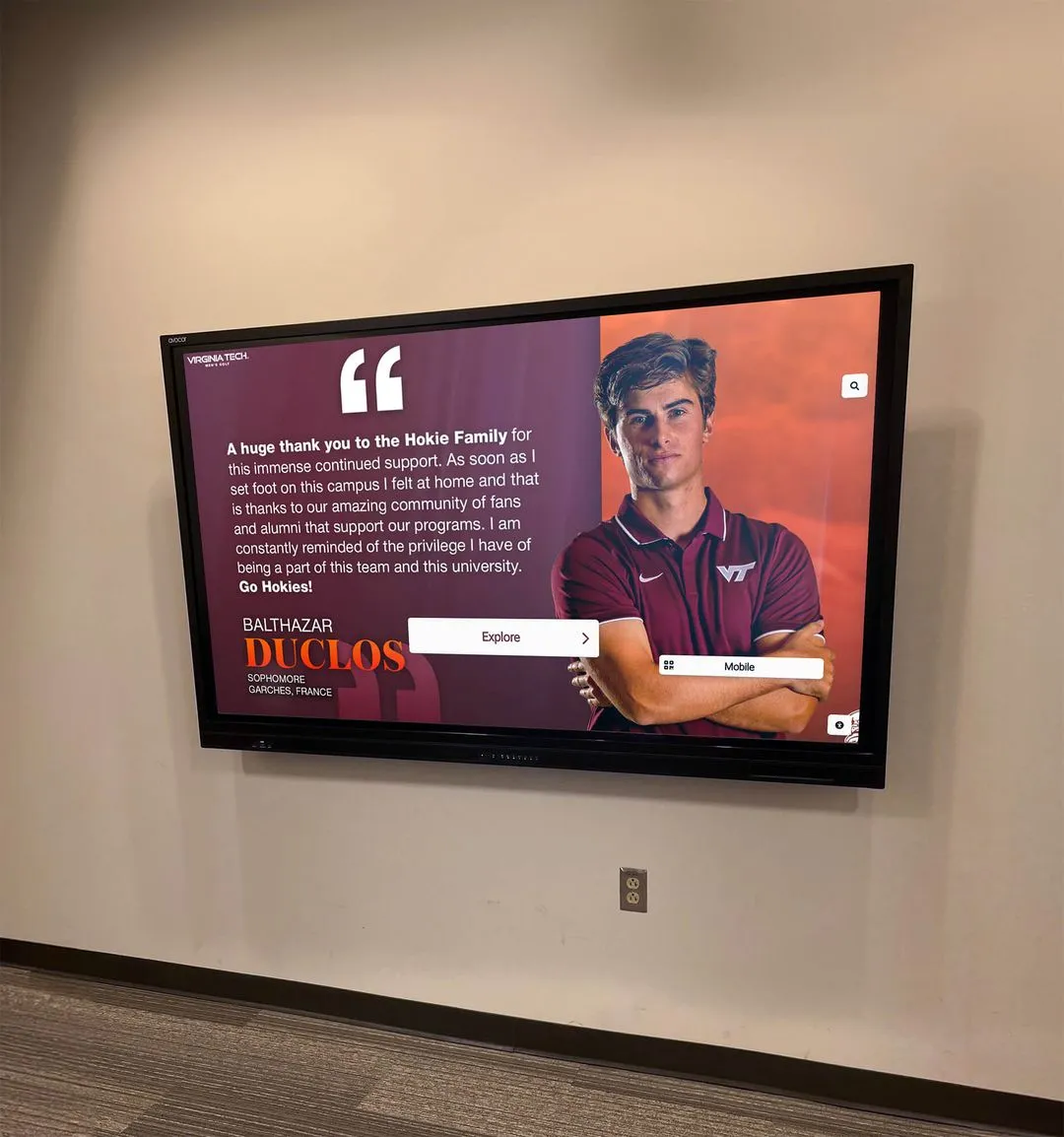
Interactive displays invite engagement from visitors, parents, and community members, extending swimming program visibility beyond athlete and coach audiences
Modern Digital Recognition Systems
Technology-enhanced approaches address traditional recognition limitations while creating engaging program showcases:
Comprehensive Digital Record Management
Modern platforms provide unlimited capacity for achievement documentation:
- Complete historical records showing progression across decades
- Individual swimmer profiles documenting career achievements
- Season-by-season results preserving complete competitive histories
- Relay combination documentation showing all contributors
- Championship meet results with complete placement details
- Time progression tracking showing improvement across careers
- Statistical leadership boards highlighting career achievements
- Comparison tools showing records across different eras and swimmers
Digital systems accommodate unlimited athletes without physical space constraints—every swimmer receives appropriate documentation regardless of when they competed or whether they achieved record-breaking performances.
Interactive Exploration and Engagement
Touchscreen interfaces create immersive recognition experiences:
- Search functionality enabling quick location of specific swimmers
- Filter options organizing by event, year, achievement level, or team
- Video integration showcasing race footage and championship performances
- Photo galleries documenting teams, meets, and significant moments
- Social sharing capabilities enabling swimmers to celebrate achievements publicly
- Mobile accessibility extending recognition beyond physical display locations
- Analytics revealing which content generates most community interest
- Regular updates maintaining current season information and recent achievements
Solutions like Rocket Alumni Solutions provide purpose-built athletic recognition platforms designed specifically for swimming programs, combining professional presentation with intuitive content management that enables coaches and administrators to showcase achievements comprehensively without technical expertise or ongoing vendor dependence.
Benefits of Year-Round Digital Visibility
Technology-enhanced recognition creates sustained impact:
- Permanent documentation preventing achievement loss as years pass
- Remote accessibility enabling alumni and family viewing from any location
- Simple content management allowing non-technical staff to maintain displays
- Cost-effectiveness eliminating ongoing plaque, engraving, and installation expenses
- Space efficiency requiring only single display location for comprehensive recognition
- Preservation protecting against physical deterioration of historical materials
- Flexibility accommodating program growth without capacity constraints
- Engagement analytics showing community interaction with recognition content
Learn more about swimming record board solutions that preserve achievements permanently while enabling easy updates as records fall and new swimmers earn recognition.
Award Categories Celebrating Diverse Contributions
Comprehensive recognition honors multiple achievement types beyond fastest times:
Performance-Based Recognition
- Most Valuable Swimmer (individual contribution to team success)
- Individual event champions (best performance in specific events)
- Record breakers (school, conference, pool, state records)
- State qualifiers (achieving championship meet standards)
- All-conference and all-state selections
- Season performance awards (highest point scorers)
- Most improved swimmer (greatest time drops across season)
Character and Leadership Awards
- Team captain recognition
- Leadership award (positive influence on team culture)
- Sportsmanship award (exemplary competitive behavior and character)
- Coaches’ award (intangible contributions coaches particularly value)
- Best teammate (supportive, encouraging, selfless contributions)
- Mental toughness award (overcoming adversity or demonstrating resilience)
Relay-Specific Recognition
- Championship relay team documentation
- Record-breaking relay combinations
- Relay specialists who excel in team events
- Iron swimmer awards (competing in maximum event allowances consistently)
Academic Excellence
- Scholar-athlete awards combining GPA and athletic achievement
- Academic all-conference honors
- Team GPA recognition celebrating collective academic performance
Diverse award categories ensure swimmers across experience and ability levels receive appropriate recognition—not only fastest athletes deserve acknowledgment when character, improvement, and team contributions matter equally.
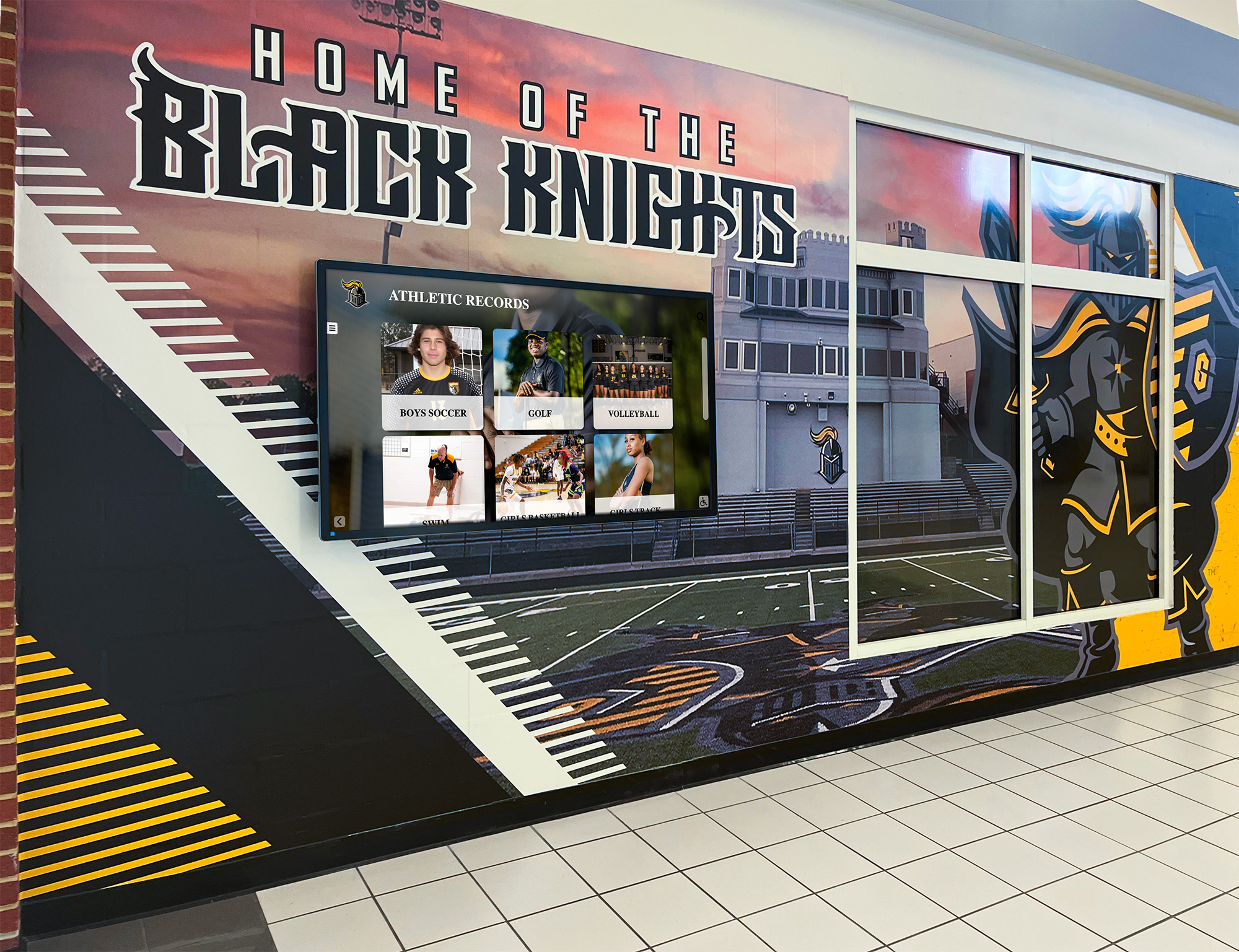
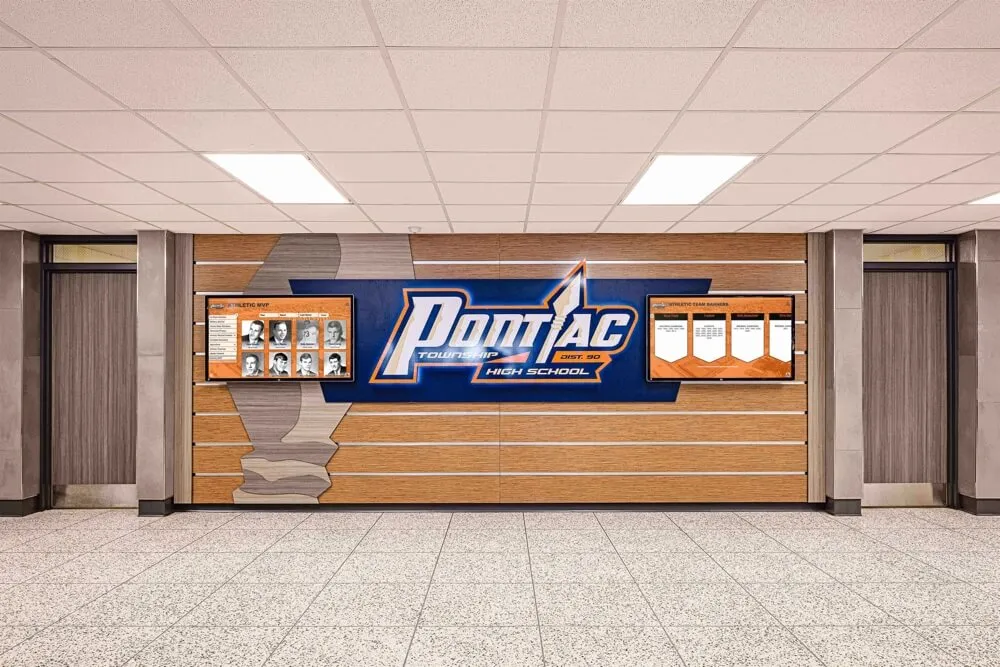
Comprehensive hallway displays integrate swimming achievements into broader athletic recognition, ensuring aquatic excellence receives visibility equal to other sports
Building Sustainable Swimming Program Culture
Long-term program excellence requires systematic approaches transcending individual seasons and coaching tenures.
Recruiting and Retaining Swimmers
Sustainable programs actively build participation rather than passively accepting whoever tries out:
Elementary and Middle School Pipeline Development
- Youth swim clinic offerings introducing competitive swimming
- Middle school feeder program coordination
- Elementary school visits promoting high school opportunities
- Summer swim league connections building relationships with young swimmers
- Open pool sessions inviting prospective swimmers to observe practices
- Parent information sessions explaining program expectations and benefits
- Alumni speakers sharing positive swimming experiences
Proactive recruitment ensures consistent participation numbers enabling competitive team depth and program continuity.
Retention Strategies Preventing Mid-Season Attrition
- Realistic expectation setting during recruitment preventing shock
- Differentiated practice groups accommodating varying ability levels
- Individual goal setting creating personalized success measures
- Regular coach communication with struggling swimmers
- Peer mentorship programs supporting newer team members
- Social activities building connections beyond training
- Meaningful participation opportunities for all skill levels
Retention matters as much as recruitment—programs losing substantial mid-season participants typically struggle with morale, team performance, and long-term sustainability.
Facility Access and Resource Management
Swimming programs face unique facility challenges compared to other sports:
Pool Availability Considerations
- Scheduling conflicts with physical education classes, recreation programs, and other teams
- Early morning or late evening practice times common due to limited pool access
- Facility sharing requiring coordination with community programs or other schools
- Maintenance schedules occasionally disrupting practice availability
- Travel to pool locations when schools lack on-campus facilities
- Weather impacts for outdoor facilities affecting early/late season training
Limited pool availability frequently determines practice schedules rather than optimal timing for student-athletes—flexibility and accommodation prove necessary.
Equipment and Budget Requirements
- Pace clocks, timing equipment, and training aids
- Kickboards, pull buoys, fins, and other training equipment
- Starting blocks and backstroke wedges for competition-quality starts
- Lane lines appropriate for competitive training
- Team suits, caps, and equipment for swimmers lacking personal gear
- Officials’ fees for hosting home meets
- Transportation costs for away meets and championships
- Entry fees for invitational and championship meets
Swimming costs exceed some sports due to facility, equipment, and meet expenses—adequate budget allocation enables quality programming and equitable participation regardless of family financial situations.
Explore athletic program budgeting approaches that help swimming coaches and athletic directors allocate resources effectively across recognition, equipment, and operational needs.
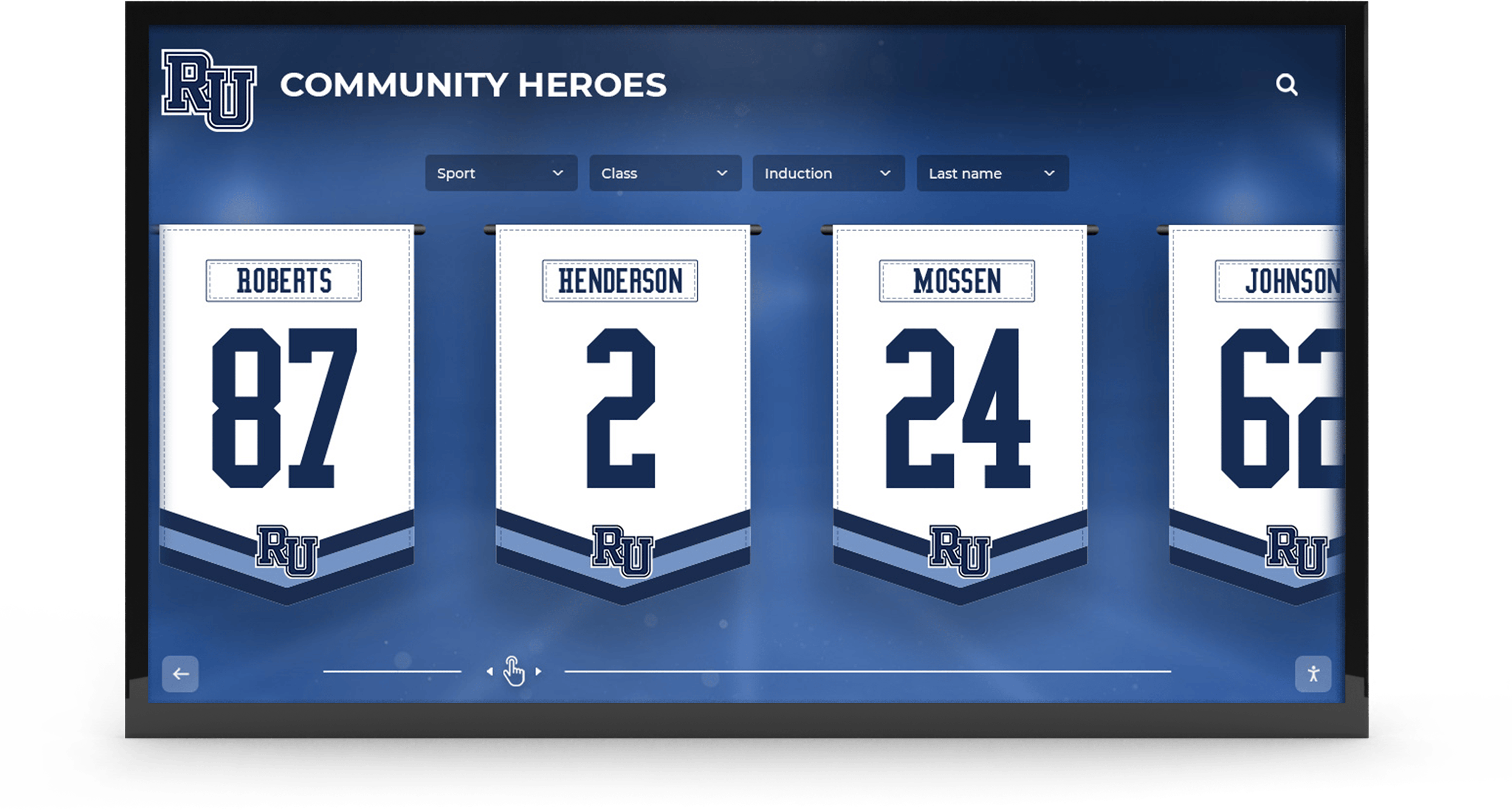
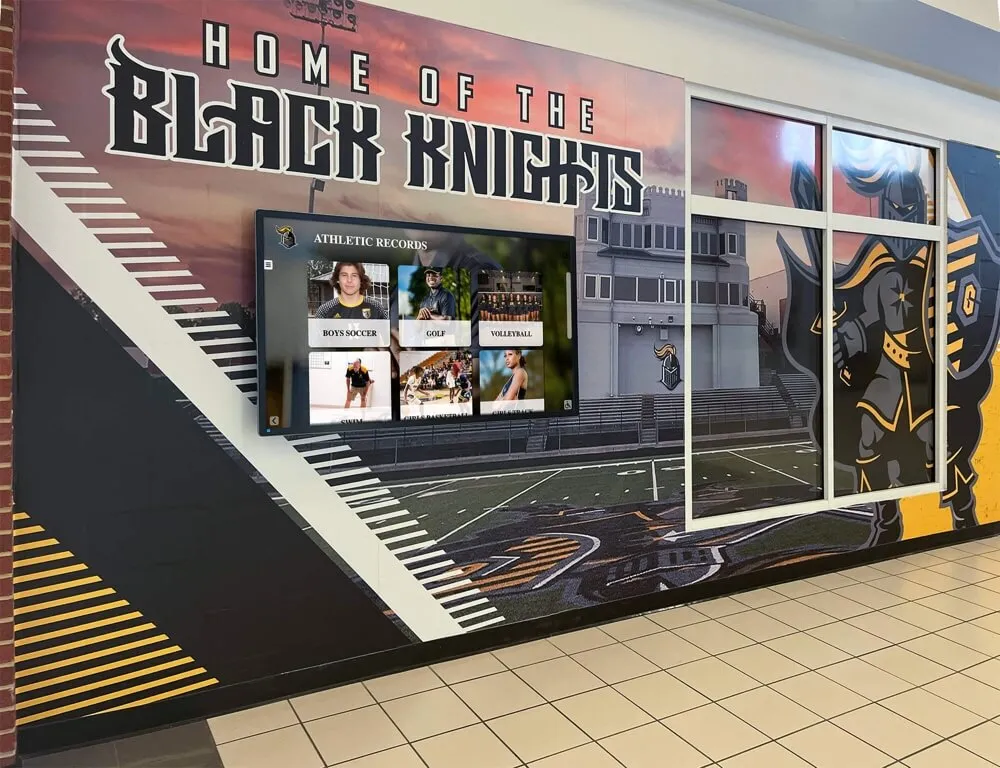
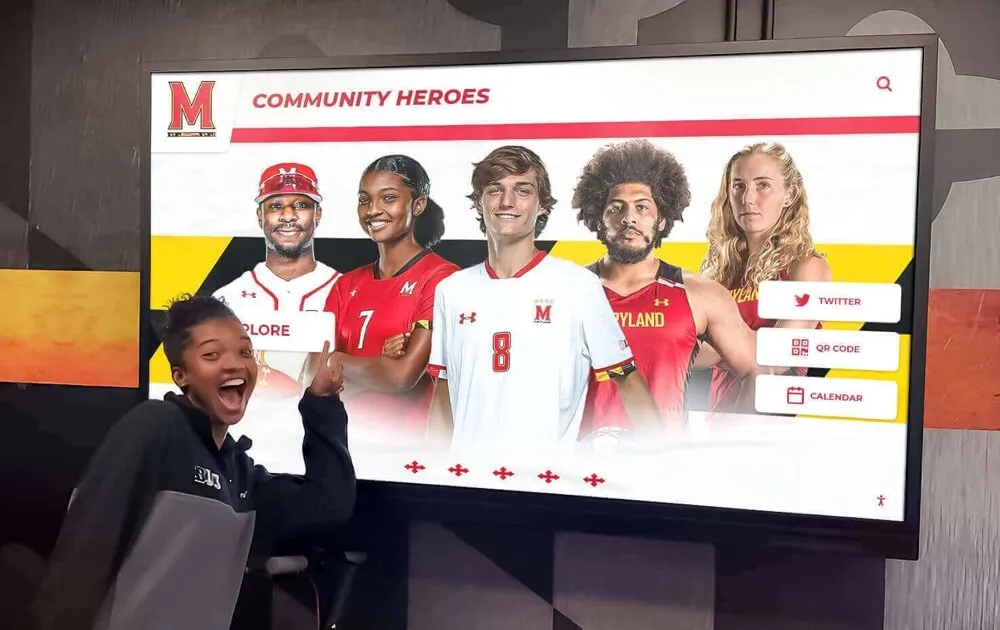
Digital recognition systems accommodate swimming teams alongside other athletic programs, enabling comprehensive multi-sport recognition within unified display platforms
Coaching Development and Program Leadership
Effective coaches distinguish excellent programs from struggling ones:
Essential Coaching Competencies
- Technical stroke expertise for all four competitive strokes
- Training methodology developing conditioning progressively without overtraining
- Race strategy and competitive tactics for different events and situations
- Communication skills motivating diverse personalities and ability levels
- Meet management coordinating entries, relays, and competitive strategy
- Safety consciousness preventing accidents and responding appropriately to incidents
- Administrative capabilities managing rosters, records, and program operations
- Relationship building connecting with athletes individually
Quality coaching requires both technical swimming expertise and interpersonal skills creating positive, productive team environments.
Professional Development and Learning
- Certification through organizations like USA Swimming or American Swimming Coaches Association
- Clinic attendance learning latest training methodologies and techniques
- Mentorship relationships with experienced coaches
- Video analysis developing technical expertise
- Conference and state coaching association participation
- Continuing education on safety, injury prevention, and athlete development
- Networking with peer coaches sharing strategies and insights
Coaching excellence develops continuously—investment in professional growth benefits entire programs through improved technical instruction, training design, and program leadership.
College Swimming Recruitment Considerations
High school swimming provides pathways to collegiate opportunities for athletes pursuing swimming beyond secondary school.
Understanding College Swimming Landscape
Multiple competitive levels exist for college swimming:
NCAA Division I
- Highest competitive level with athletic scholarships
- Significant time commitment resembling professional training
- Recruiting highly competitive requiring exceptional performances
- Academic standards varying by institution
- Full and partial scholarship availability
NCAA Division II
- Competitive swimming with scholarship opportunities (partial more common than full)
- More balanced academic and athletic emphasis than DI
- Regional recruiting focus in many programs
- Quality competition with somewhat lower time standards than DI
NCAA Division III
- No athletic scholarships but often substantial academic aid
- Strong academic focus with serious competitive programs
- Excellent balance for student-athletes prioritizing academics
- Many highly competitive programs recruiting strong swimmers
- Less time-intensive training than DI/DII at most institutions
NAIA and Junior College
- Alternative collegiate pathways with scholarship opportunities
- Quality programs with varying competitive levels
- Can provide stepping stones to four-year institutions
- Often more flexible admission and recruiting processes
Understanding these distinctions helps swimmers target appropriate programs matching athletic abilities, academic goals, and desired collegiate experiences.
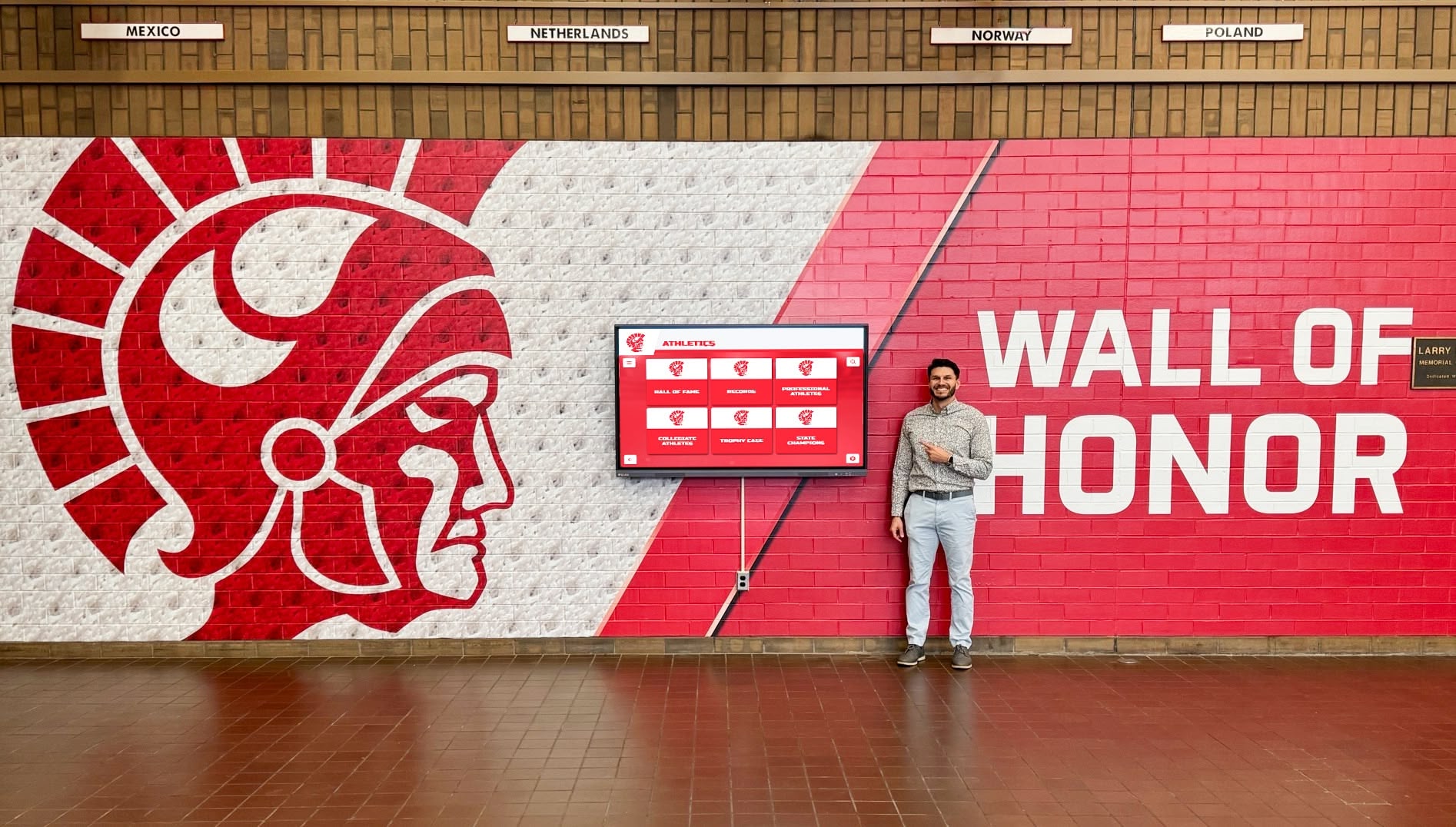
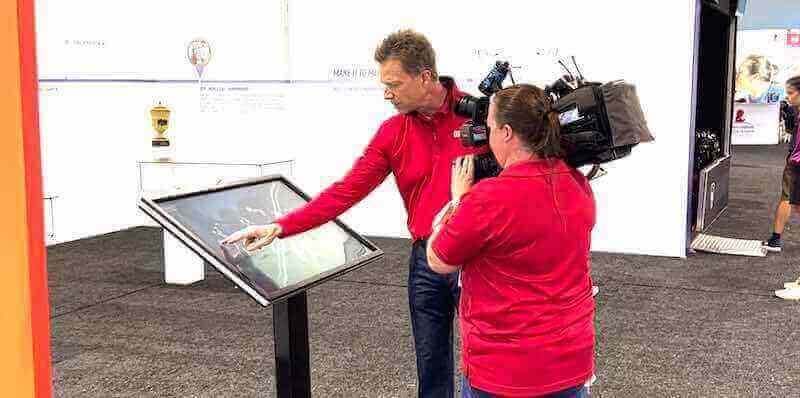
Prominent recognition displays create conversation points where swimmers, coaches, and visitors explore program achievements and connect with swimming heritage
Recruitment Timeline and Process
College recruiting for swimming follows specific patterns:
Sophomore and Junior Year Actions
- Research programs matching academic and athletic criteria
- Attend recruiting clinics or college prospect camps when appropriate
- Begin email communication with college coaches expressing interest
- Update athletic profiles with current times and achievements
- Take required standardized tests (SAT/ACT)
- Maintain strong academic performance (GPA critical for admissions and aid)
- Film race footage showcasing technique and competitive performances
Senior Year Recruitment
- Continue regular communication with college coaches
- Schedule official visits to top-choice programs (limit of five NCAA official visits)
- Complete applications meeting early decision/action deadlines when strategic
- Compare financial aid packages including athletic and academic awards
- Make verbal commitments (non-binding) or sign National Letters of Intent
- Maintain grades preventing admission rescission
Realistic Self-Assessment
- Compare personal times to recruited athlete profiles at target programs
- Understand that improvement potential matters alongside current performance
- Consider academic profile and admission requirements alongside athletic fit
- Evaluate commitment level desired for college swimming
- Discuss recruitment process with high school coaches who provide perspective
- Visit campuses and meet teams evaluating cultural fit
Explore athletic recognition for college recruitment showcasing high school achievements supporting collegiate recruiting efforts.
Parent Support and Involvement
Swimming’s unique demands require specific parental understanding and engagement:
Understanding Parental Roles
Effective parent support enhances swimmer experiences without creating pressure:
Logistical and Financial Support
- Transportation to early morning practices and competitions
- Meet volunteer commitments (timing, officiating, hospitality)
- Financial contributions for participation fees, equipment, and travel
- Meal planning supporting athletic nutritional needs
- Schedule accommodation enabling practice attendance
- Meet attendance providing support and encouragement
- Communication with coaches when concerns arise
Emotional and Psychological Support
- Encouragement emphasizing effort and improvement over winning
- Perspective during disappointing performances or frustrating plateaus
- Celebration of achievements and milestones
- Patience during adjustment period when training begins
- Balance preventing swimming from dominating complete family life
- Recognition of non-competitive swimming benefits (fitness, discipline, friendships)
- Appropriate distance allowing swimmers to develop independence
Parent involvement proves essential but requires calibration—excessive pressure or inadequate support both undermine positive swimming experiences.
Booster Organizations and Fundraising
Swimming’s substantial costs often necessitate organized parent support:
Typical Booster Functions
- Fundraising campaigns supporting program budgets
- Meet hospitality coordinating volunteers and refreshments
- Team social events enhancing culture and celebration
- Equipment procurement purchasing training aids and team supplies
- Scholarship funds assisting families with financial limitations
- Senior recognition planning end-of-season celebrations
- Communication networks sharing information with families
Well-organized booster groups significantly enhance program quality and sustainability while reducing coaching administrative burden.
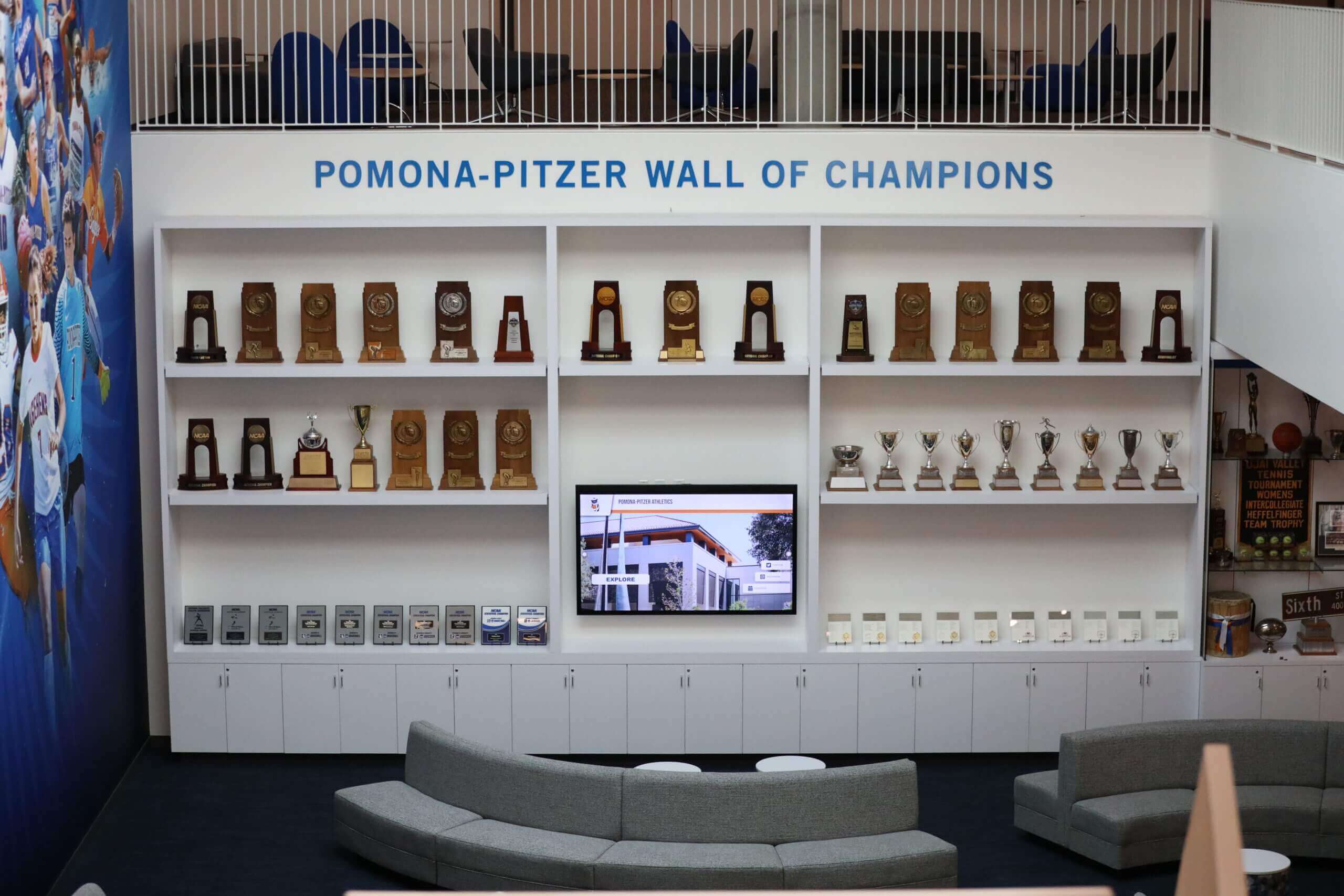
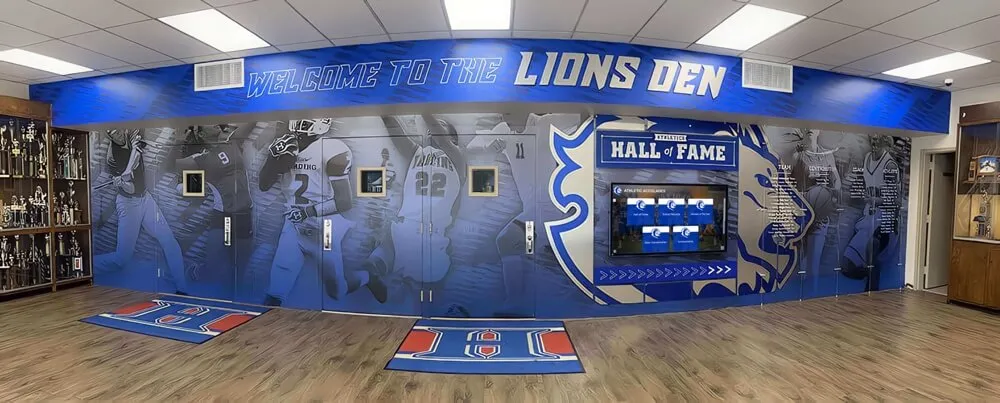
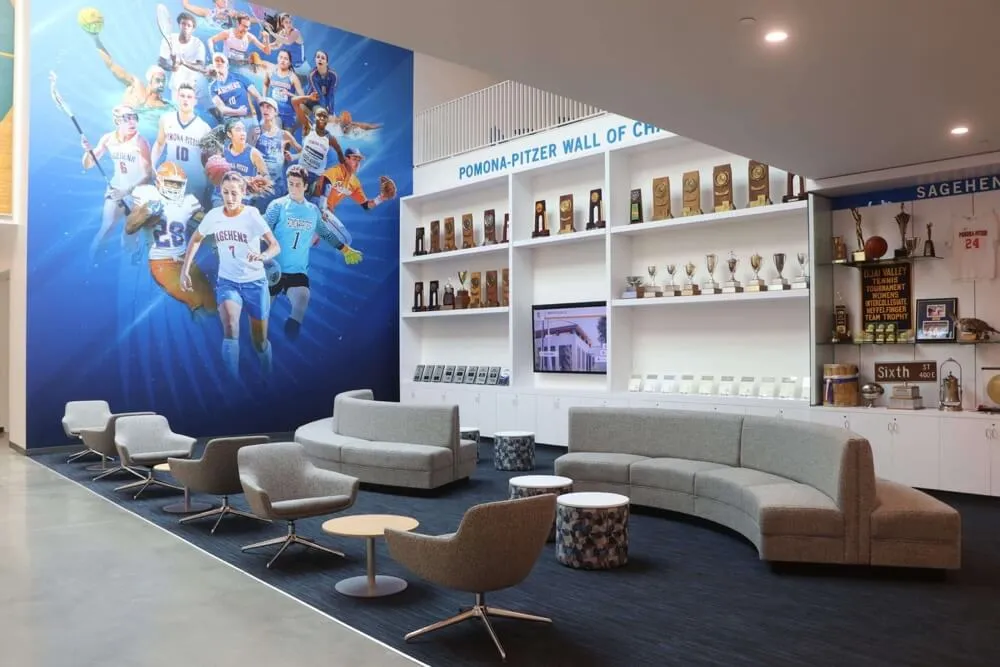
Comprehensive recognition spaces combining traditional trophies with digital displays create impressive showcases celebrating complete program histories
Content Architecture: Organizing Swimming Recognition Materials
Systematic organization ensures comprehensive documentation of swimming achievements, relay combinations, and program milestones:
Essential Recognition Content Elements
Individual Swimmer Profiles
- Full name, graduation year, events competed
- Personal best times for all events
- School records held
- Conference and state championship placements
- All-conference and all-state honors
- Team leadership roles (captains, award recipients)
- Academic honors (scholar-athlete recognition)
- Post-high school plans and college commitments
- Career progression showing improvement across seasons
- Photos from competitions, team events, and recognition ceremonies
Relay Documentation
- Complete relay combinations for all record-breaking or championship relays
- All four swimmers’ names preserved together
- Meet, date, and final time
- Context (conference championship, state meet, dual meet)
- Relay records showing historical progressions
- Video footage when available
Team Season Archives
- Complete rosters with photos
- Season results and meet scores
- Conference and state championship placements
- Team awards and recognition
- Coaching staff documentation
- Season highlights and memorable moments
- Photos from competitions, practices, and team events
Historical Records and Statistics
- Event records showing all-time best performances
- Year-by-year record progressions
- Multiple historical eras represented equitably
- Context for records (pool type, competition level)
- Records by event showing complete lists beyond single top performer
Understanding digital record board implementation helps swimming programs organize achievement documentation systematically.
Display Integration and Technology Selection
Effective recognition systems consider multiple factors:
Physical Display Placement
- Pool facility lobbies greeting all visitors
- Athletic hallways with multi-sport recognition
- School main entrances extending visibility beyond athletic facilities
- Locker room areas providing team-specific recognition spaces
- Community areas engaging non-athlete populations
Hardware Considerations
- Screen size appropriate to viewing distances and space
- Touchscreen capability enabling active exploration
- Brightness suitable for ambient lighting conditions
- Durability withstanding pool humidity when applicable
- Network connectivity for cloud-based content management
- Installation requirements (wall-mounted vs. freestanding kiosks)
Software and Content Management
- User-friendly interfaces enabling coach or administrator updates
- Unlimited capacity accommodating complete program history
- Search and filter functionality for easy content discovery
- Multimedia support (photos, videos, statistics)
- Mobile accessibility extending recognition beyond physical displays
- Automated backups preventing data loss
- Regular updates maintaining current season information
Technology selection significantly impacts long-term recognition success—prioritize swimming-appropriate platforms rather than generic digital signage solutions requiring custom development.
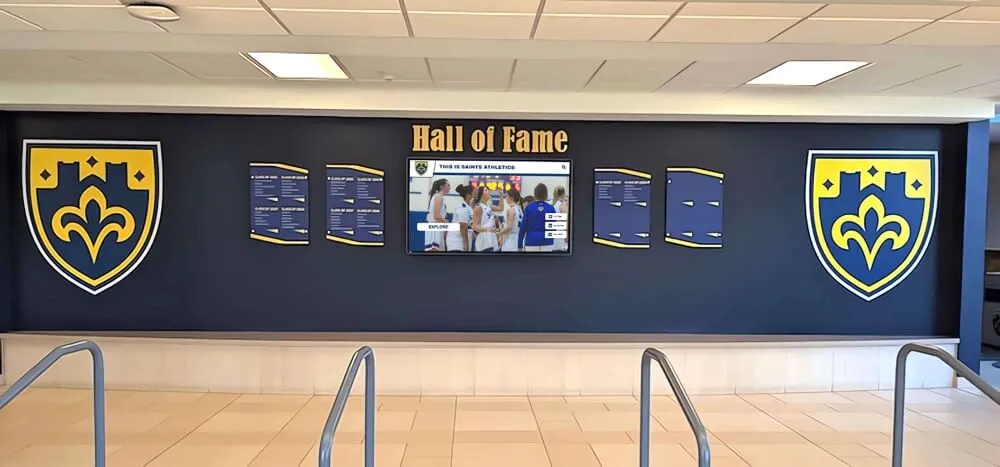
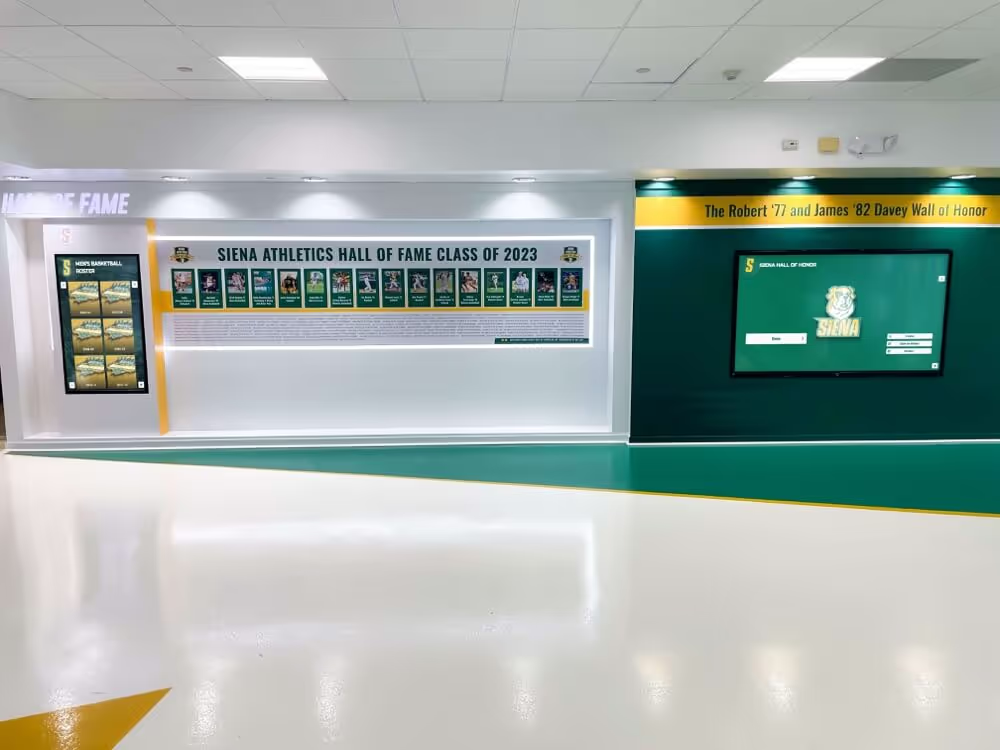
Combined approaches featuring traditional recognition elements alongside digital displays honor historical achievements while enabling unlimited capacity for future growth
Execution Timeline: Building Swimming Recognition Programs
Systematic implementation ensures quality recognition systems honoring swimming excellence appropriately:
Phase 1: Planning and Content Organization (Months 1-2)
Historical Research and Documentation
- Collect existing records from various sources (yearbooks, newspapers, meet results)
- Interview coaches and alumni about historical program achievements
- Photograph existing recognition displays before removal or modification
- Compile swimmer rosters across available years
- Organize photos chronologically by season and event
- Document relay combinations from championship teams
- Identify gaps requiring additional research or acceptance of incomplete historical data
Display Strategy Development
- Determine primary recognition goals (records, championships, comprehensive rosters)
- Select display locations based on visibility and traffic patterns
- Choose hardware appropriate to space and budget
- Evaluate software platforms comparing capabilities and costs
- Develop content organization structure (by year, event, achievement type)
- Plan integration with existing trophy cases or physical recognition
- Establish content update responsibilities and processes
Phase 2: Implementation and Content Migration (Months 3-4)
Platform Setup and Initial Content
- Install hardware and configure network connectivity
- Set up content management access for designated administrators
- Create organizational structure within software platform
- Begin systematic content entry starting with recent seasons
- Add historical content working backward through available documentation
- Upload photos, statistics, and achievement details
- Test display functionality and navigation experience
Launch Preparation
- Train coaches and administrators on content management
- Develop communication materials explaining recognition system
- Plan launch event or ceremony unveiling displays
- Create promotional materials for school communications
- Prepare social media content highlighting display features
- Establish ongoing update schedule and responsibilities
Phase 3: Launch and Promotion (Month 5)
Public Introduction
- Host launch event inviting swimmers, families, alumni, administrators
- Demonstrate display features and content discovery
- Share recognition system through school newsletters and announcements
- Post social media content featuring display and highlighted swimmers
- Encourage community exploration and feedback
- Document launch event with photos and videos
Phase 4: Ongoing Maintenance and Growth (Continuous)
Seasonal Updates
- Add current season rosters, results, and achievements
- Update records when broken during seasons
- Document championship performances and qualifiers
- Add end-of-season awards and recognition
- Refresh featured content highlighting recent achievements
- Archive season materials systematically for historical preservation
Long-Term Development
- Continue adding historical content filling documentation gaps
- Expand content depth with additional photos, videos, stories
- Respond to community feedback improving content and features
- Integrate with recruiting materials and program promotion
- Maintain hardware functionality addressing technical issues promptly
- Adapt content organization as programs grow and evolve
Conclusion: Creating Lasting Swimming Program Legacy
High school swim teams offer unique opportunities combining individual achievement measurement with essential team dynamics, developing physical fitness alongside mental toughness, building lifelong friendships while pursuing competitive excellence, and creating quantifiable legacies perfectly suited for permanent recognition systems preserving program heritage across decades.
Whether you’re a student considering joining a high school swim team, a parent evaluating participation commitments, a coach building program culture, or an administrator seeking recognition solutions that honor aquatic achievements permanently, success requires understanding complete requirements—training demands, competitive structures, time commitments, academic balance, and sustained visibility ensuring achievements receive appropriate celebration extending beyond single-season ceremonies into permanent program documentation.
The most successful high school swimming programs share common characteristics—comprehensive recognition honoring diverse contributions beyond fastest times, systematic documentation preserving complete program histories including relay combinations and championship achievements, year-round visibility creating sustained program prestige, and inclusive cultures welcoming swimmers across experience levels while pushing all toward maximum potential.
Modern recognition technology enables swimming programs to showcase achievements comprehensively without physical space constraints limiting traditional record boards. Digital platforms provide unlimited capacity for documenting every swimmer regardless of performance level, preserve relay combinations showing all contributors rather than only anchor legs, enable multimedia integration bringing races to life beyond static photos, and facilitate easy updates maintaining current recognition as records fall and new swimmers earn honors.
Discover how Rocket Alumni Solutions can help your swimming program create professional recognition displays celebrating achievements permanently while building traditions that inspire future swimmers toward excellence in competition, character, and commitment.
Swimming develops qualities extending far beyond pool performance—time management, resilience, goal-setting discipline, teamwork despite individual accountability, and mental toughness handling both success and disappointment. These lessons prove more valuable than any trophy or record, yet proper recognition of achievements honors the dedication required to develop such characteristics while inspiring future swimmers to pursue similar excellence.
The essential elements aren’t expensive facilities, elaborate equipment, or extensive coaching staffs—they’re welcoming cultures embracing swimmers across experience levels, supportive teammates celebrating collective success, dedicated coaches developing technique and character equally, and comprehensive recognition ensuring every swimmer’s contribution receives appropriate documentation. High school swimming provides transformative experiences when approached systematically with attention to preparation, participation, recognition, and legacy-building that honors those who built program traditions while inspiring future generations toward aquatic excellence.