



Planning a school reunion brings together classmates who shared formative years, late-night study sessions, championship victories, and memories that shaped who they became. These gatherings create opportunities to rekindle friendships, celebrate accomplishments, and reconnect with the institution that provided the foundation for future success. When thoughtfully organized, school reunions become treasured experiences that alumni remember for years while strengthening the bonds that unite a graduating class.
Yet reunion planning presents unique challenges. How do you locate classmates scattered across the country or around the world? What activities balance nostalgia with fresh engagement? How do you create programming that resonates with alumni at different life stages with varied interests? What recognition elements honor achievements while keeping everyone included? And how do you leverage modern technology to enhance rather than complicate the experience?
This comprehensive guide provides a step-by-step roadmap for planning school reunions that maximize attendance, create meaningful connections, celebrate shared history, and establish frameworks for continued engagement long after guests return home.
Successful school reunions result from systematic planning that addresses every phase from initial committee formation through post-event follow-up. The most effective reunion organizers create experiences where attendance feels effortless, programming flows naturally between structure and spontaneity, and classmates leave feeling genuinely reconnected rather than having simply checked a box on their social calendar.

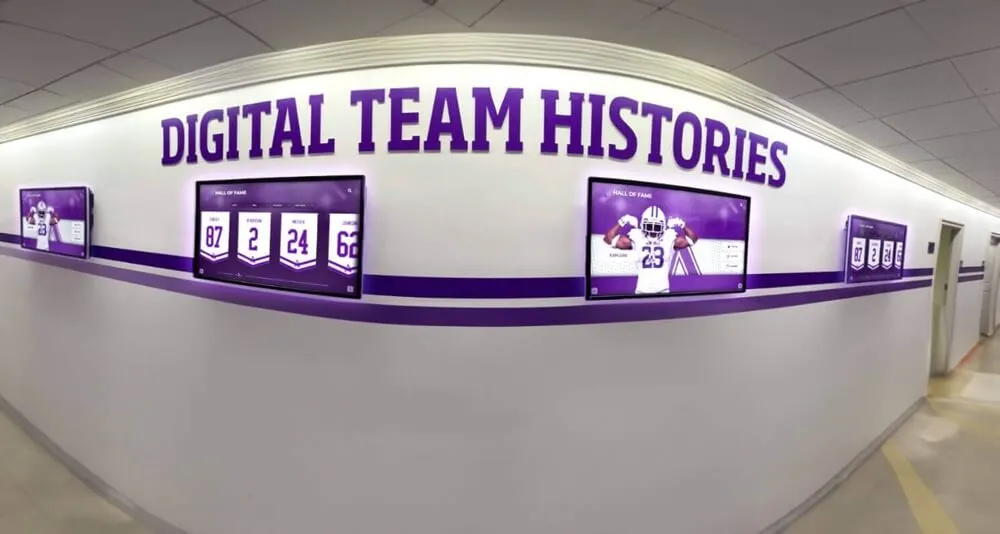
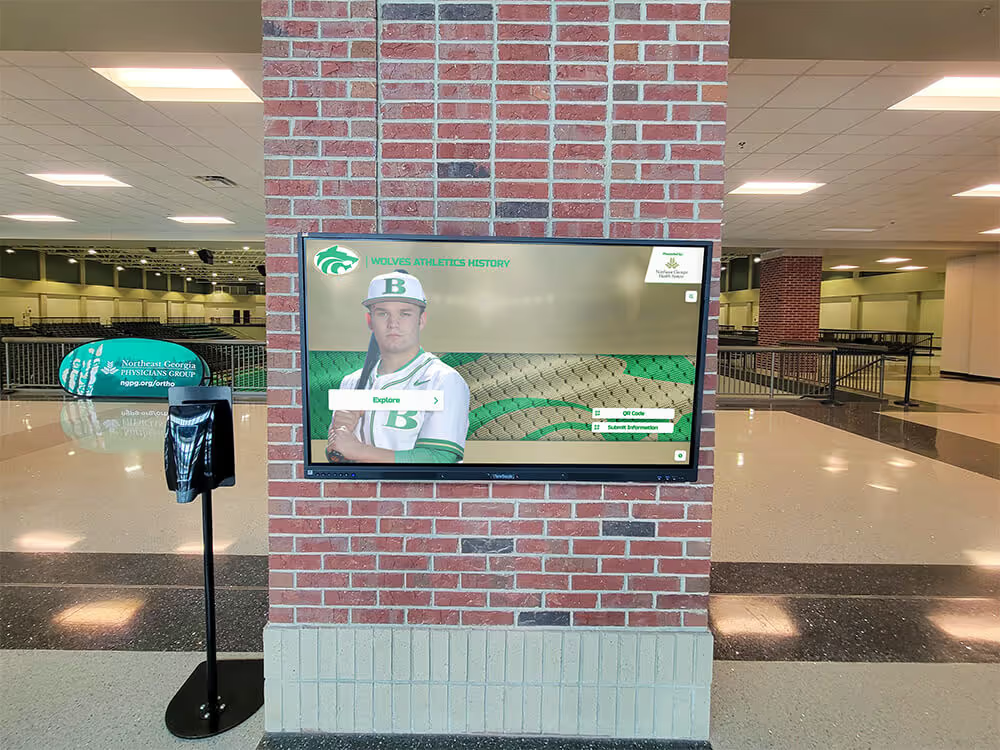
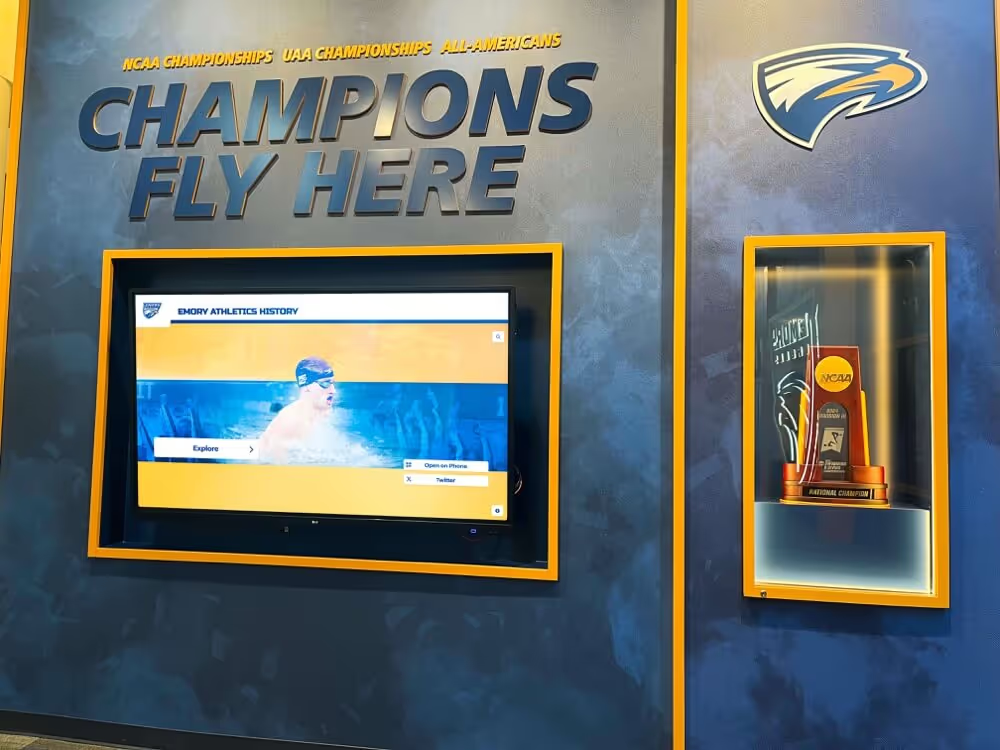
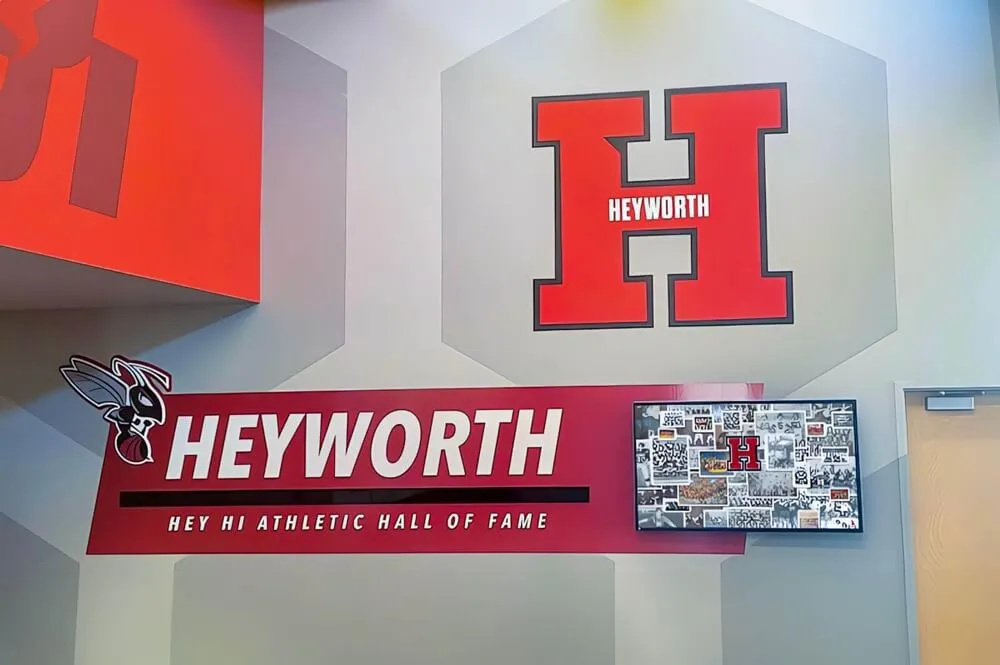
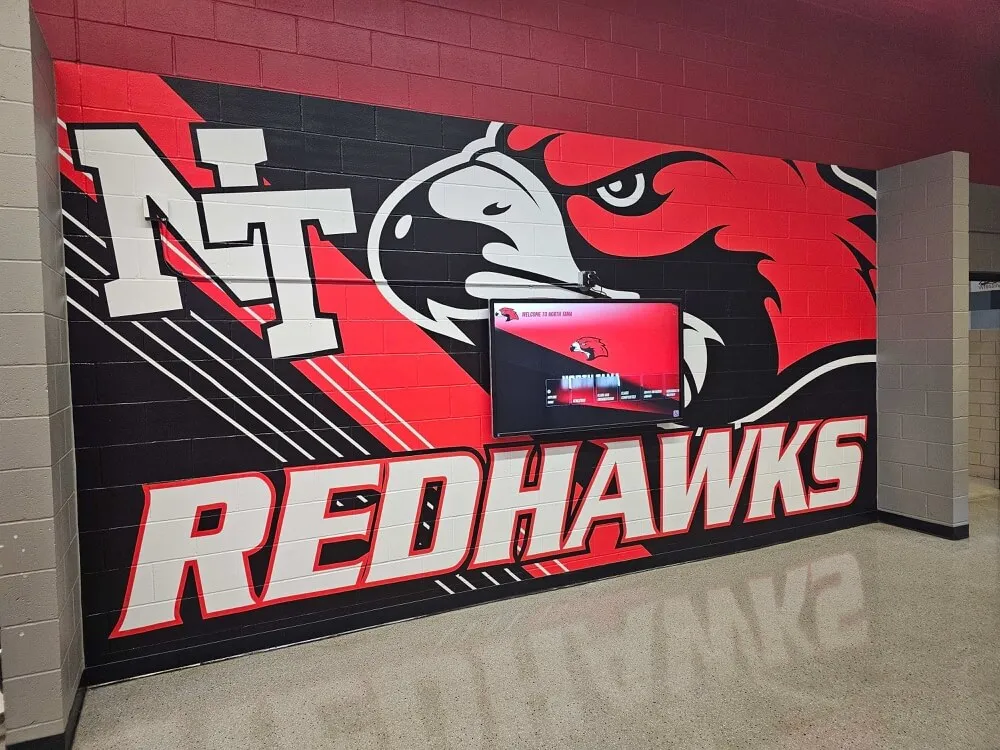
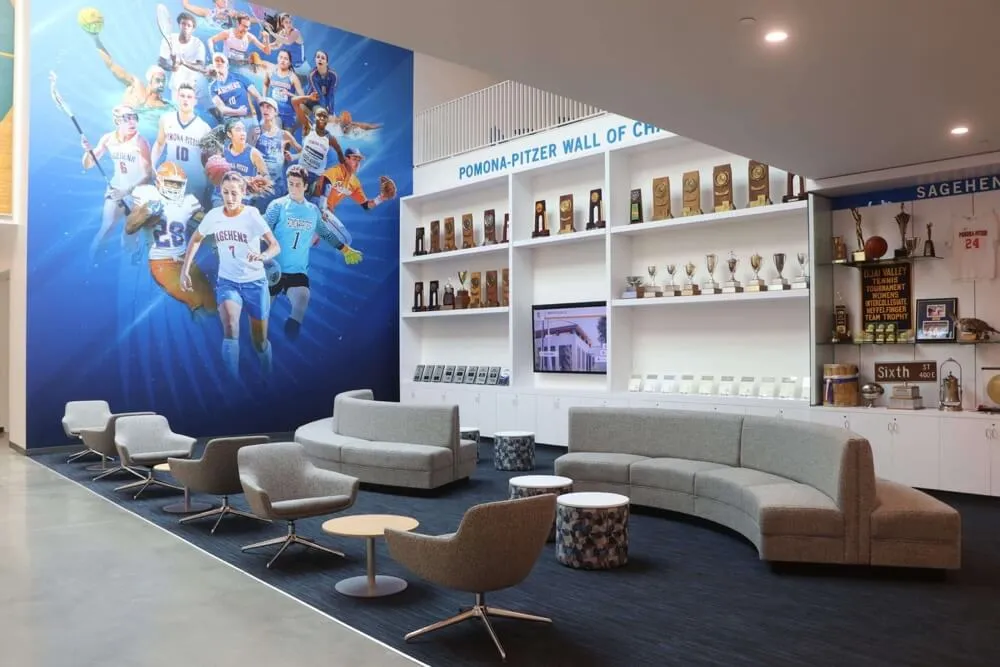
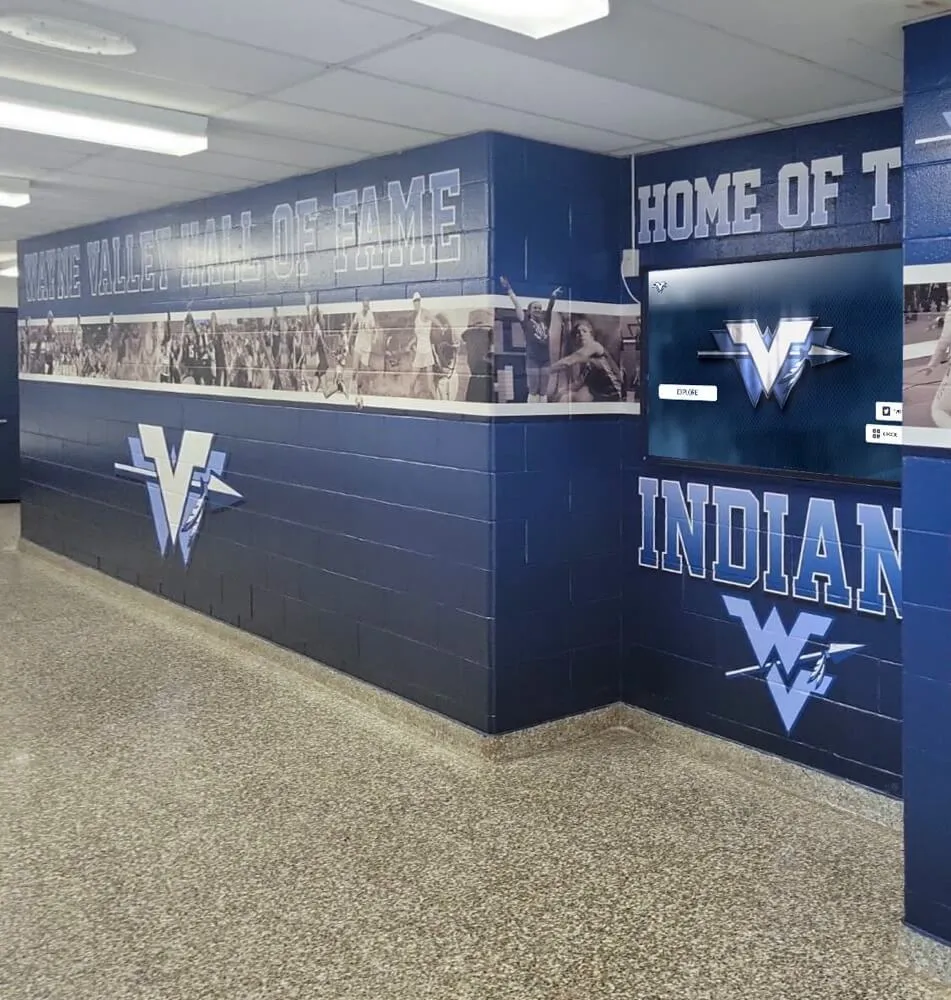
Modern reunions increasingly incorporate interactive recognition displays that help classmates rediscover each other's achievements and career paths since graduation
Phase 1: Foundation Building (18-24 Months Before Reunion)
The earliest planning stages establish the foundation for reunion success through strategic decisions and volunteer recruitment.
Forming Your Reunion Planning Committee
Successful reunions require dedicated volunteers coordinating multiple complex elements simultaneously.
Essential Committee Positions
Reunion Chair or Co-Chairs
- Provide overall leadership and make final decisions on contested issues
- Coordinate all committee activities ensuring tasks don’t fall through cracks
- Serve as primary liaison with school alumni office or administration
- Maintain timeline adherence preventing last-minute rushing
- Handle significant challenges requiring executive authority
Communications Coordinator
- Develop comprehensive communication strategy spanning 18+ months
- Write engaging emails, social media posts, and announcements
- Manage reunion website or dedicated web pages
- Track response rates adjusting outreach accordingly
- Coordinate with school on institutional communication platforms
Venue and Logistics Coordinator
- Research venue options evaluating capacity, cost, and amenities
- Negotiate contracts with hotels, restaurants, or event facilities
- Coordinate catering, audio-visual needs, and physical setup
- Plan transportation logistics including parking and shuttles
- Develop contingency plans for weather or unexpected issues
Registration Coordinator
- Establish online registration system and payment processing
- Monitor registration progress identifying attendance trends
- Respond to attendee questions about logistics and costs
- Prepare final attendee lists and name tags
- Coordinate day-of-event check-in procedures
Classmate Outreach Coordinator
- Lead efforts to locate missing or out-of-touch classmates
- Coordinate volunteer networks for personal outreach campaigns
- Manage class contact database with updated information
- Recruit reunion ambassadors from different geographic regions
- Encourage attendance through targeted personal appeals
Learn comprehensive approaches to alumni event planning that maximize engagement and attendance.
Establishing Timeline and Major Milestones
18-24 Months Out: Foundation Phase
- Form reunion planning committee recruiting key volunteers
- Establish meeting cadence and communication protocols
- Survey classmates about preferred dates and venue preferences
- Begin missing classmate location efforts
- Create preliminary budget projections
12-15 Months Out: Planning Phase
- Finalize reunion dates avoiding major holidays and conflicts
- Select and contract primary venue for main events
- Launch “save the date” campaign to all reachable classmates
- Establish class social media groups and communication channels
- Begin developing detailed program and activity plans
6-9 Months Out: Execution Phase
- Open registration system with early-bird pricing incentives
- Finalize all venue contracts and vendor agreements
- Intensify marketing campaigns with program details
- Coordinate hotel room blocks for out-of-town attendees
- Plan recognition elements and achievement showcases
2-3 Months Out: Finalization Phase
- Send final appeals to uncommitted classmates
- Confirm all logistics with vendors and venues
- Produce printed materials including programs and name tags
- Organize volunteer assignments for day-of-event roles
- Coordinate any recognition displays or technology elements
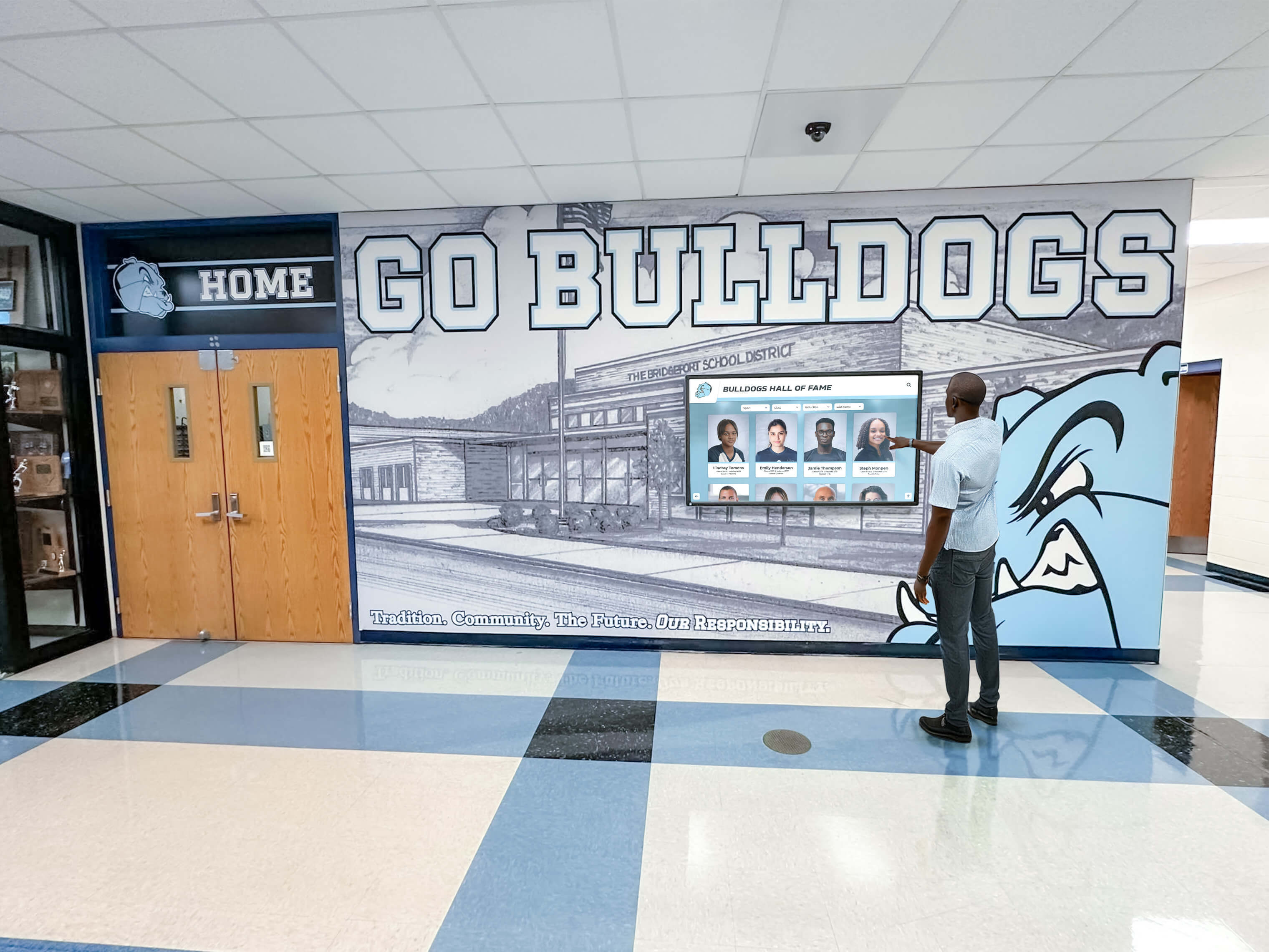
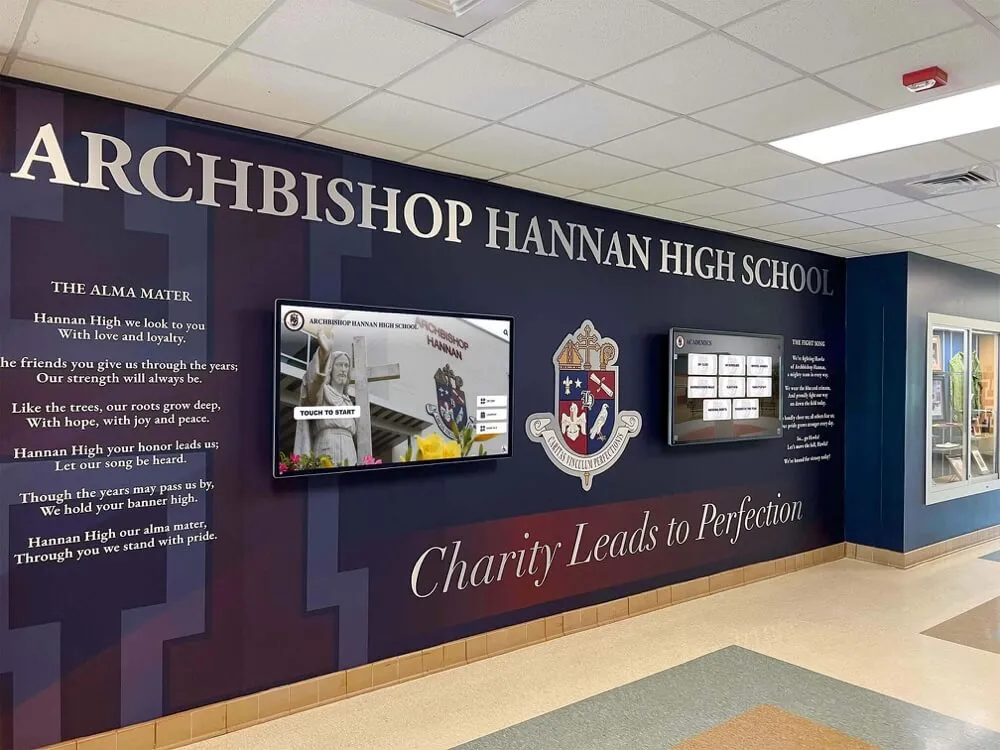
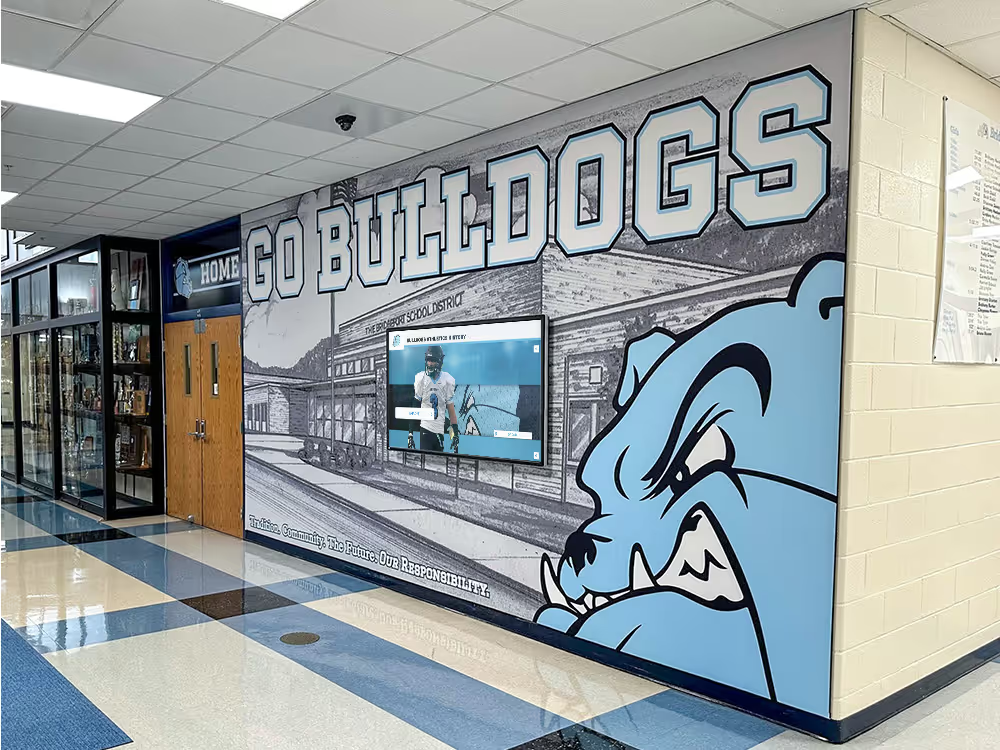
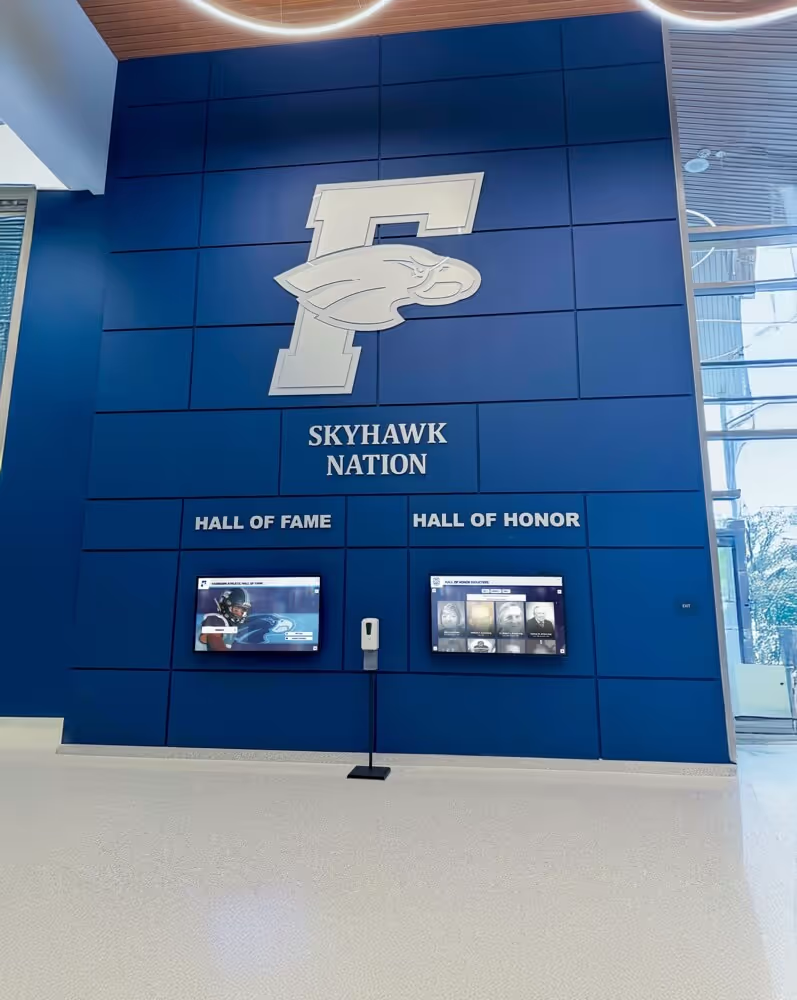
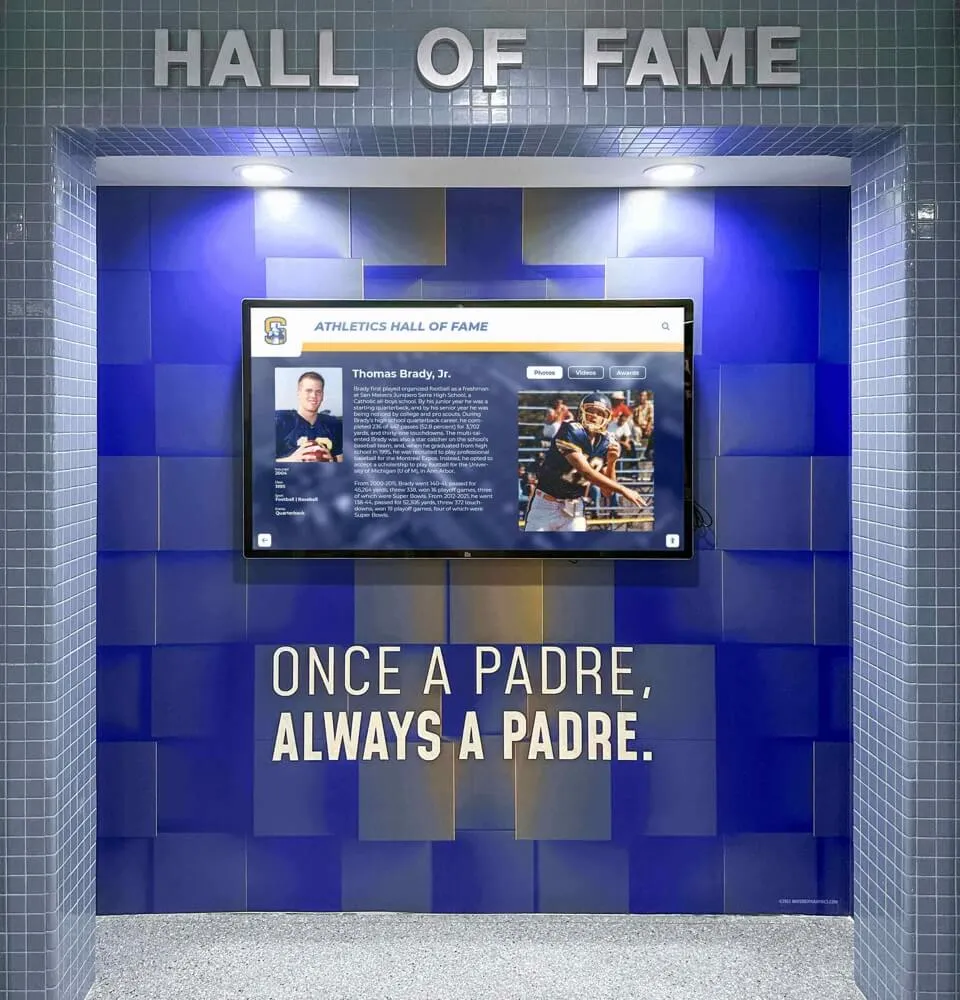
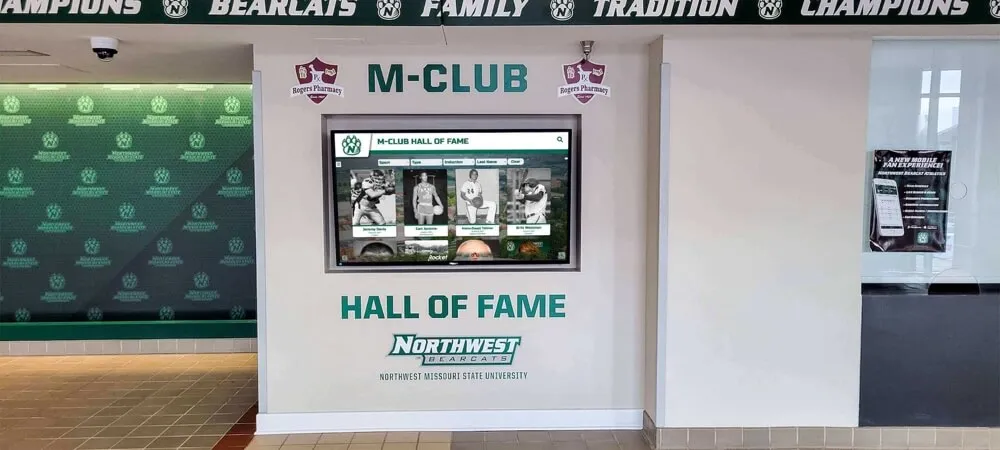
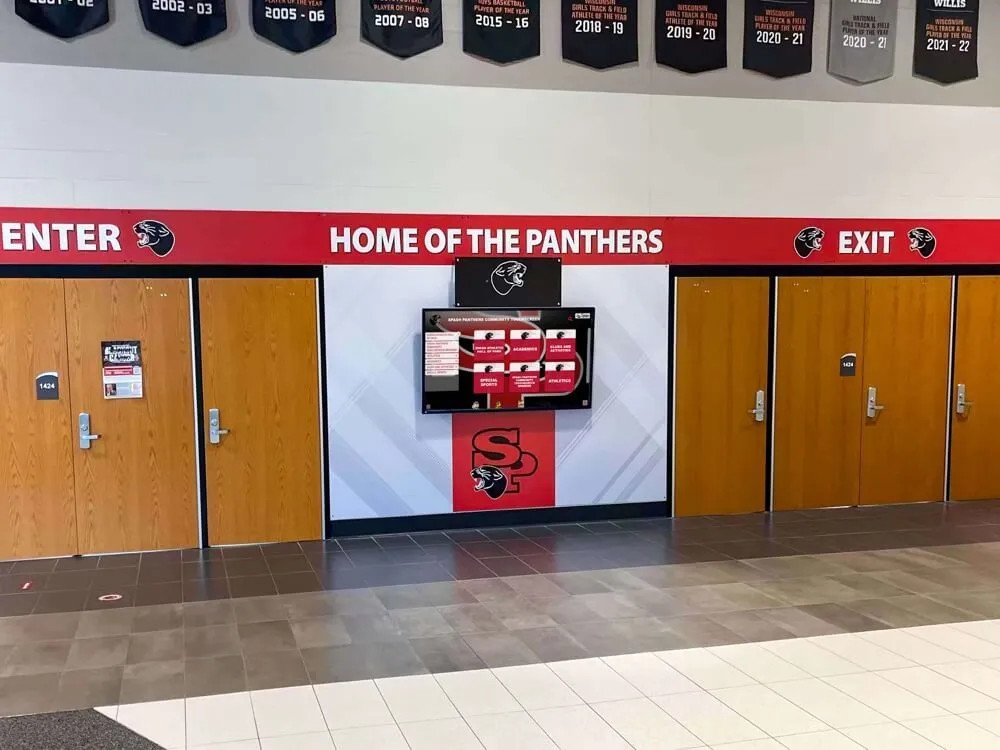
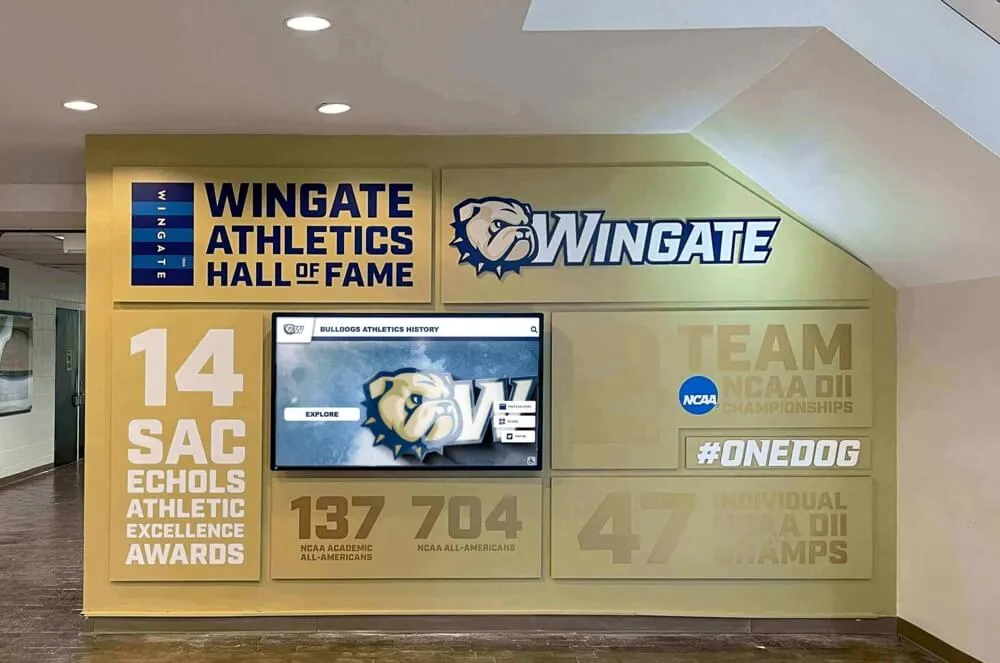
Digital recognition displays at schools provide natural gathering points where reunion attendees can explore classmate achievements and spark conversations
Partnering with Your School’s Alumni Office
Strong institutional partnerships significantly reduce volunteer burden while improving professional quality.
Typical School Support Services
- Access to alumni contact databases with most recent information on file
- Communication platforms for email distribution and marketing
- Registration systems with payment processing capabilities
- Guidance on school policies, traditions, and established best practices
- Potential funding assistance for specific reunion elements
- Campus facility access for tours or on-campus programming
- Professional expertise in event planning and logistics
Establishing Effective Partnerships
- Schedule initial meeting with alumni director or designated staff
- Clarify what support school can provide versus what committee must manage
- Establish clear communication protocols and decision-making authority
- Respect institutional priorities while advocating for class needs
- Express appreciation for support throughout planning process
- Report back after reunion with attendance data and feedback
Phase 2: Locating and Engaging Classmates (12-18 Months Before)
Maximizing attendance begins with successfully reaching as many classmates as possible wherever they currently live.
Building and Updating Your Class Database
Starting with School Records
Most schools provide:
- Most recent mailing addresses and email contacts on file
- Phone numbers when available and not privacy-restricted
- Employment information from alumni surveys
- Engagement history showing who attends events regularly
- Giving records indicating institutional connection strength
However, alumni databases often contain significant gaps:
- Graduates who never updated contact information after moving
- Classmates with common names requiring additional verification
- Alumni who changed names after marriage or personal preference
- International classmates with limited ongoing school contact
- Privacy-conscious graduates who opted out of directories
Digital Search Strategies
Modern tools enable effective locating campaigns:
- Professional Networks: LinkedIn provides the single most effective tool for finding classmates, especially those who maintain professional profiles with graduation year and school information visible
- Social Media: Facebook groups dedicated to your graduating class or school often contain classmates not in official databases
- People Search Services: Specialized websites can locate current addresses and contact information, though quality varies significantly
- Mutual Connections: Asking located classmates to help find their close friends from school years
- Google Searches: Simple searches combining name, graduation year, and school name often surface professional bios, wedding announcements, or news articles
Discover strategies for creating alumni gathering areas that facilitate year-round connection.
Developing Compelling Communication Campaigns
Early “Save the Date” Announcements
Initial outreach should:
- Announce reunion dates well in advance allowing travel planning
- Generate excitement about upcoming milestone celebration
- Invite classmates to join planning committee or volunteer roles
- Request contact information updates for improved outreach
- Launch social media groups facilitating preliminary reconnection
- Share nostalgic photos or memories building anticipation
Multi-Channel Communication Strategy
Email Communication
- Primary channel reaching most working professionals effectively
- Trackable metrics showing open rates and click-through engagement
- Easy forwarding helps locate missing classmates
- Cost-effective with professional appearance
- Subject lines crucial for avoiding spam filters
Social Media Engagement
- Facebook groups create ongoing conversation spaces
- Instagram enables photo sharing and visual nostalgia
- LinkedIn serves professional networking functions
- Peer-to-peer encouragement often proves most persuasive
- Organic reach may be limited by algorithm restrictions
Direct Mail
- Physical invitations command higher attention than digital
- Particularly effective for older demographics less digitally active
- Professional appearance signals event importance and quality
- Significantly higher cost per contact
- Slower turnaround requiring earlier planning
Personal Phone Calls
- Most effective for personal connection and persuasion
- Particularly important for reaching holdouts or uncertain classmates
- Time-intensive requiring volunteer coordination
- Enables real-time question answering and concern addressing
- Should be reserved for targeted high-value outreach
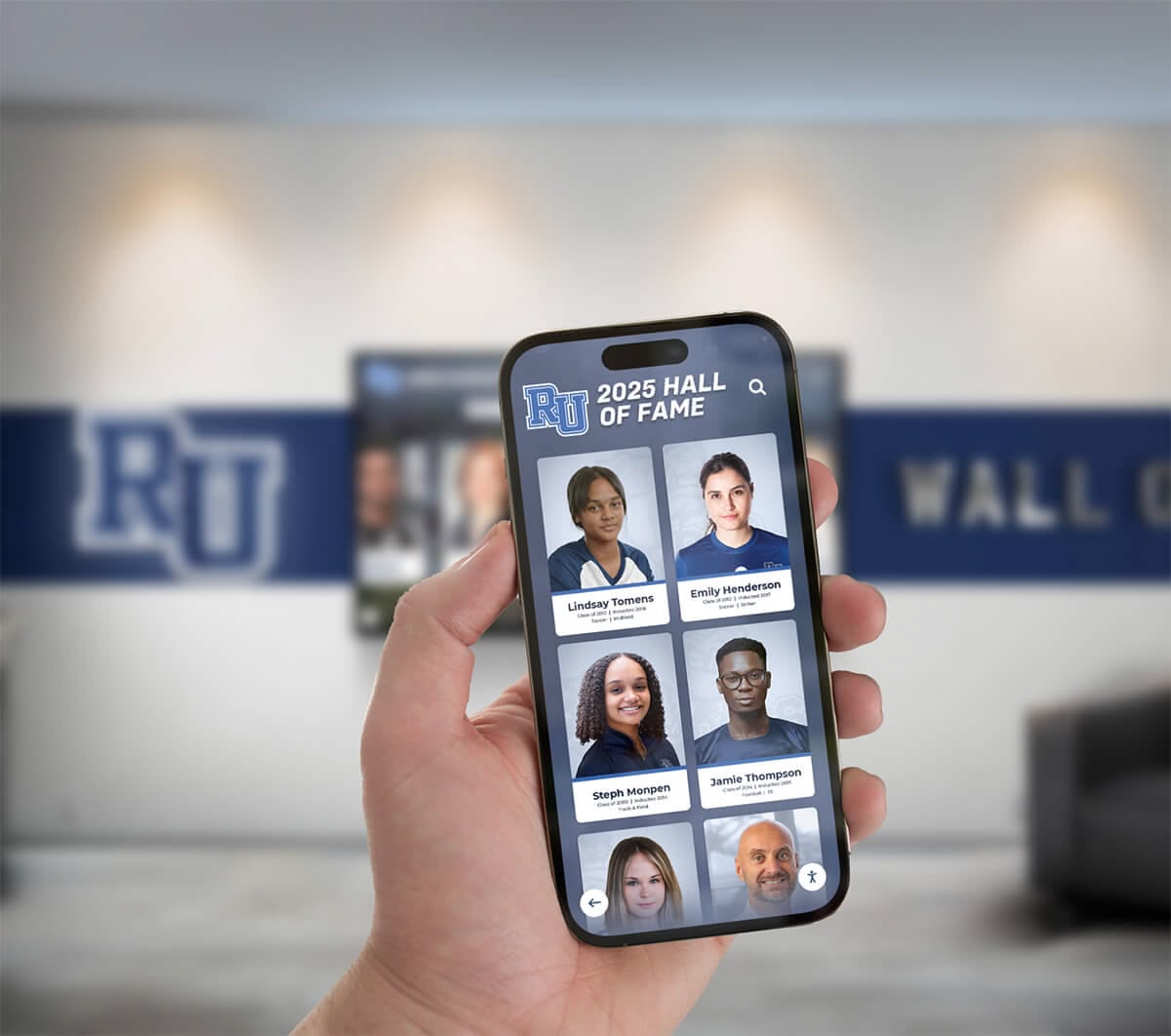
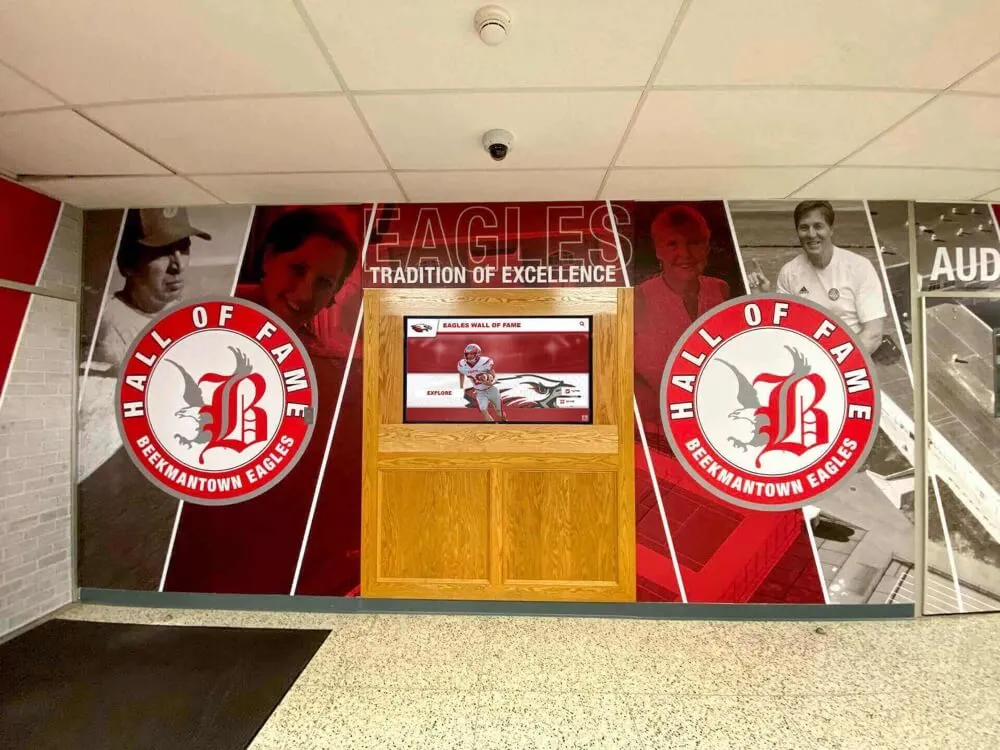
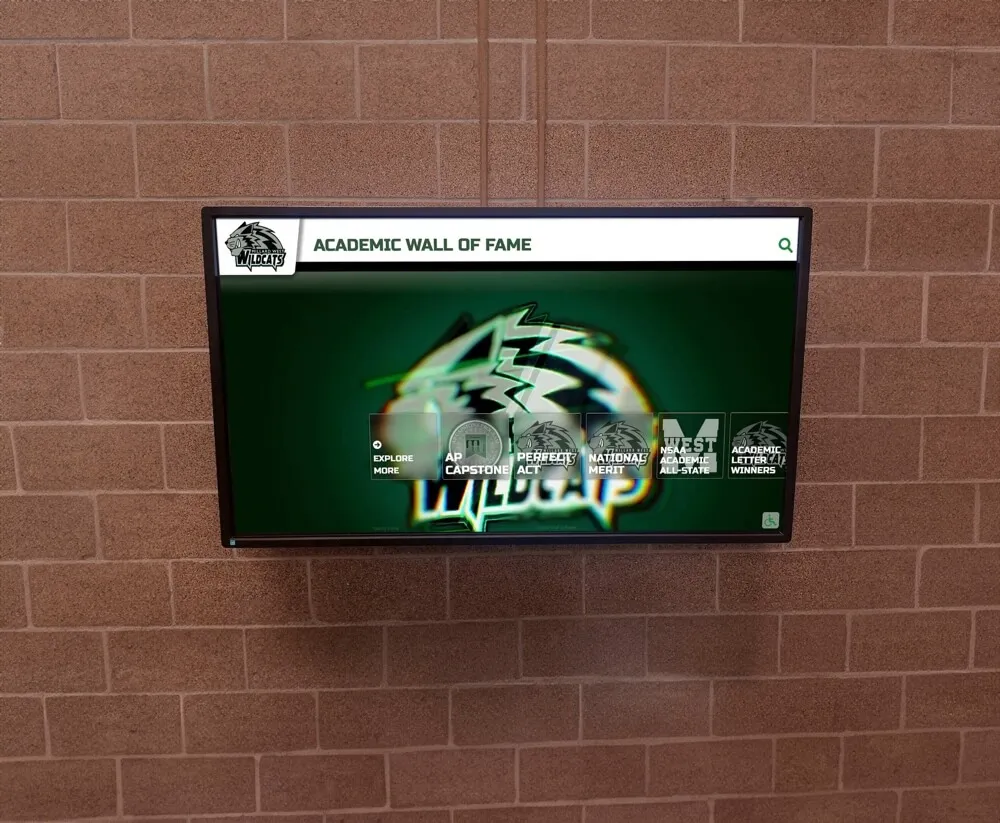
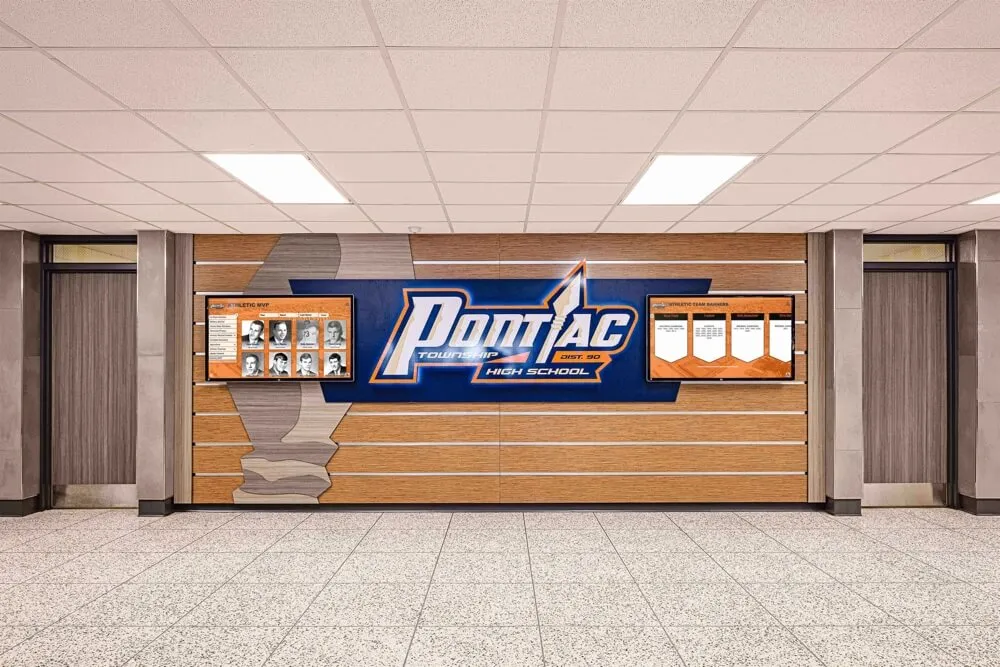
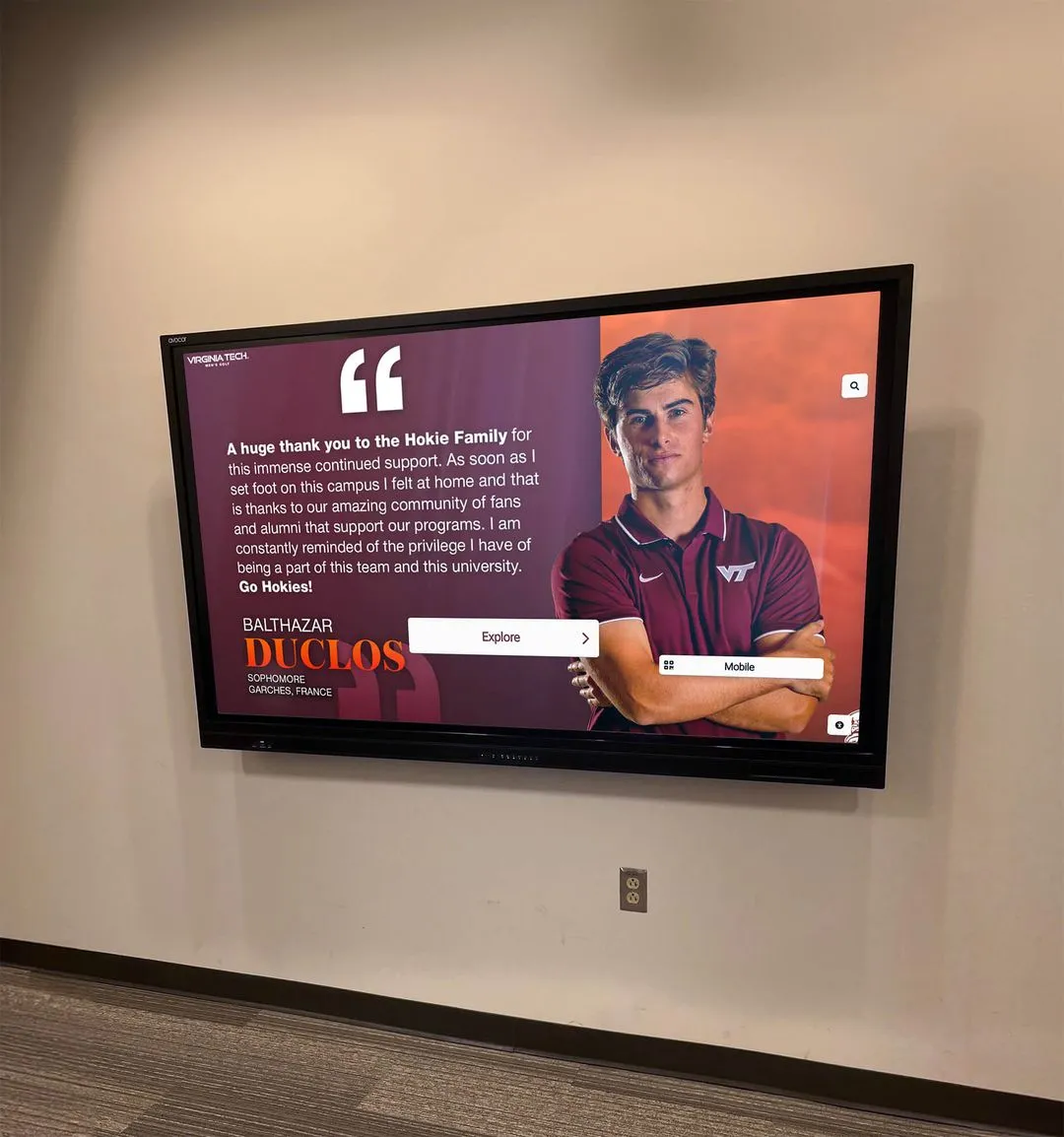
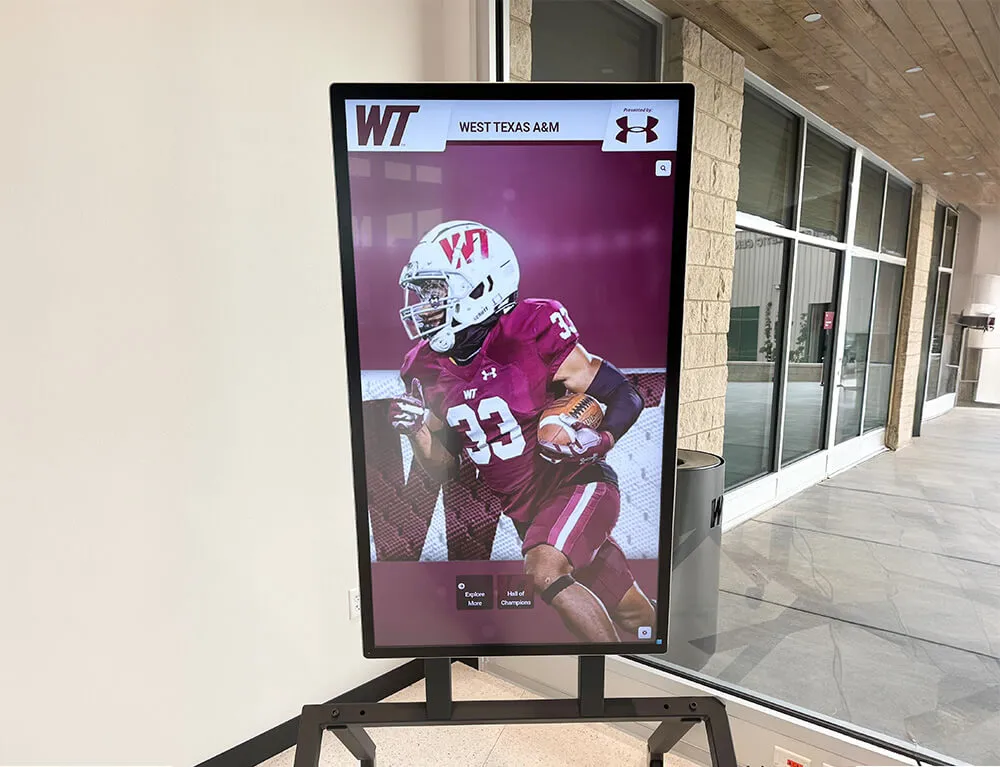
Mobile-accessible alumni recognition platforms enable classmates to explore each other's achievements before reunions, facilitating more meaningful conversations at events
Phase 3: Programming and Activity Planning (9-12 Months Before)
Thoughtful programming creates experiences that balance nostalgia with fresh engagement while accommodating diverse interests.
Balancing Structure with Flexibility
Structured Programming Elements (approximately 40% of time)
- Welcome reception with name tags facilitating recognition
- Campus or facility tours highlighting changes since graduation
- Formal dinner with brief program and acknowledgments
- Class business meeting if needed for legacy projects
- Recognition moments celebrating achievements and remembering deceased classmates
- Entertainment or speakers providing shared experience
Flexible Social Time (approximately 60% of time)
- Extended cocktail hours without forced transitions
- Open seating at meals encouraging natural table mixing
- Post-program socializing without strict ending times
- Break periods between structured activities
- Optional programming respecting different energy levels
Most attendees report that excessive structure prevents the authentic conversation they came seeking, while too little structure leaves them feeling awkward without built-in interaction opportunities.
Creating Compelling Recognition Experiences
Modern school reunions increasingly incorporate recognition elements celebrating individual and collective achievements.
Digital Recognition Displays
Interactive touchscreen systems provide engaging activities:
- Comprehensive databases showcasing where classmates live and what careers they pursued
- Searchable profiles enabling attendees to look up specific people or browse by criteria
- Rich multimedia including current photos, career highlights, and personal accomplishments
- Real-time updates showing which classmates registered or checked in to reunion
- Social sharing capabilities allowing direct distribution through personal networks
- Unlimited capacity accommodating entire class history without physical space constraints
Solutions like Rocket Alumni Solutions provide purpose-built platforms specifically designed for schools implementing permanent recognition infrastructure. These systems serve multiple functions—attracting prospective students by showcasing graduate success, inspiring current students through alumni role models, and providing compelling reunion programming that gives attendees meaningful activities beyond simple socializing.
Explore how high school reunion display boards create engaging focal points at reunion events.
Memory Walls and Photo Displays
- Historical photograph collections from graduation year
- Yearbook displays enabling reminiscing and identification games
- Memory contribution stations where attendees share written recollections
- Video montages featuring milestone moments from school years
- Timeline displays showing major events during graduation year
- “Then and Now” photo comparisons showing how classmates changed
Achievement Celebrations
- Career diversity showcases demonstrating breadth of professional paths
- Geographic distribution maps illustrating where classmates settled globally
- Statistical summaries about class composition and accomplishments
- Notable achievement highlights celebrating particularly distinguished classmates
- Industry representation showing educational value across sectors
- Family milestone recognition for marriages, children, and grandchildren
Entertainment and Themed Activities
Era-Specific Music and Entertainment
Musical selections create powerful nostalgic connections:
- Live bands or DJs featuring popular music from graduation year
- Curated playlists including songs that defined school years
- Dance floors encouraging energetic participation
- Karaoke featuring decade-specific hits classmates remember
- Video montages showing movies, TV shows, and cultural moments from school days
Interactive Games and Competitions
Light competition creates engagement:
- School trivia testing knowledge about teachers, traditions, and history
- Photo identification challenges using yearbook pictures
- “Most Changed” or “Hasn’t Changed a Bit” friendly competitions
- Team activities mixing classmates who weren’t close during school
- Scavenger hunts combining campus exploration with competitive fun
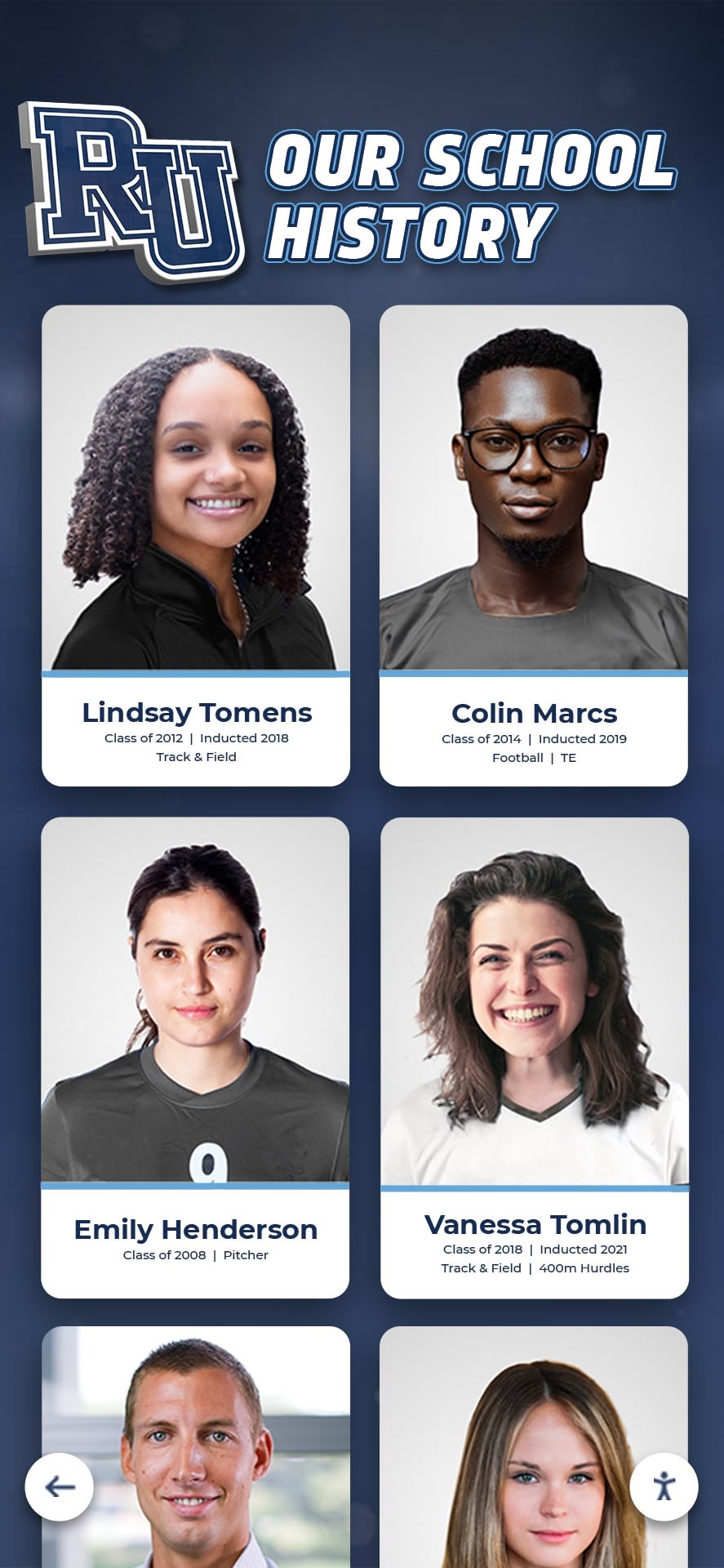
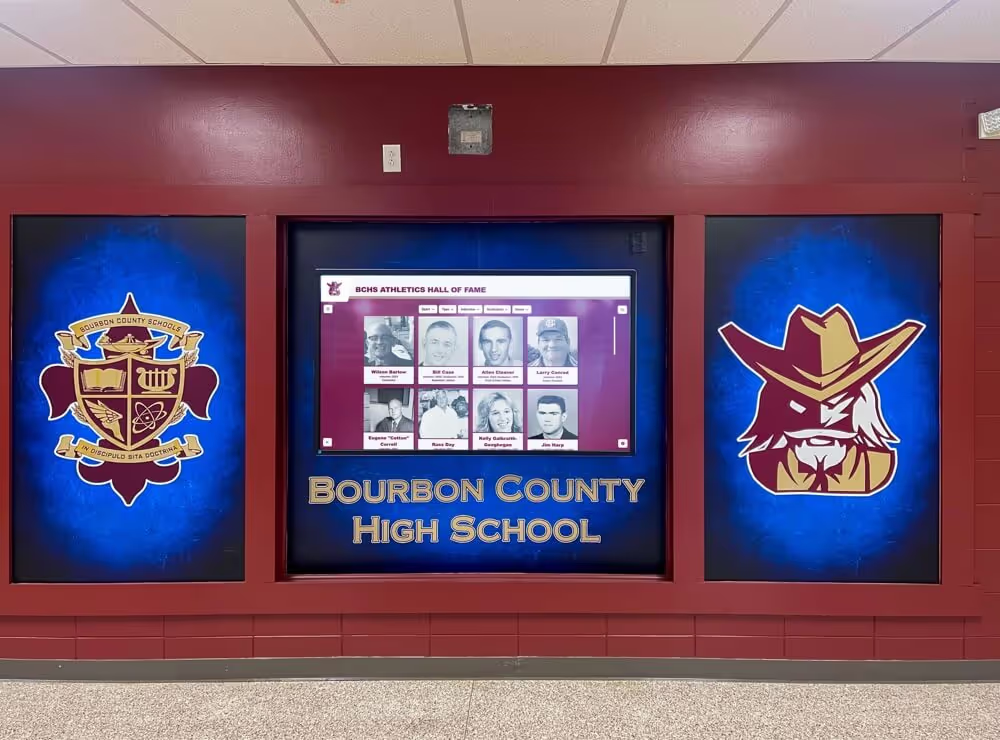
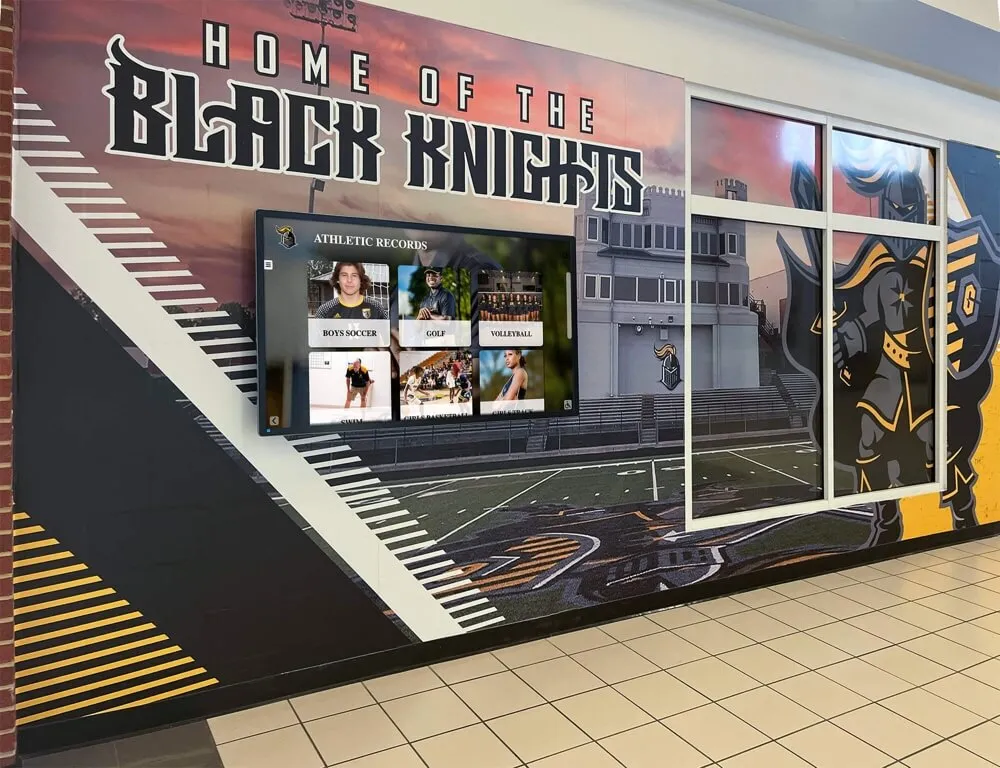
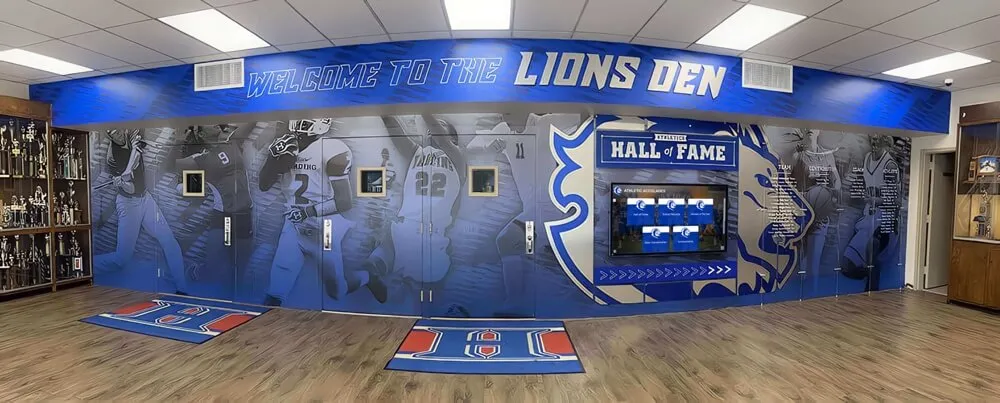
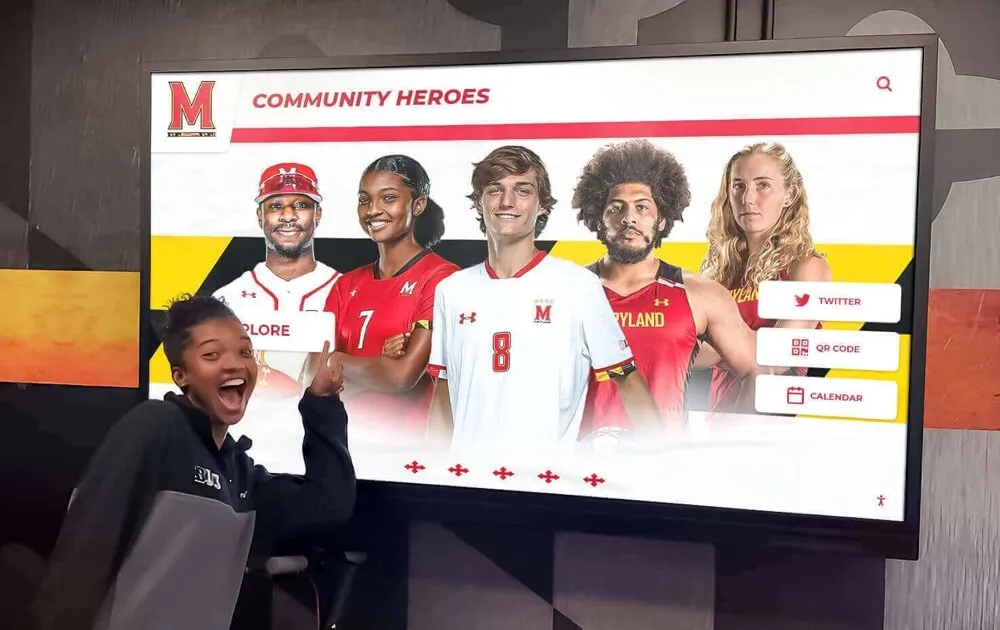
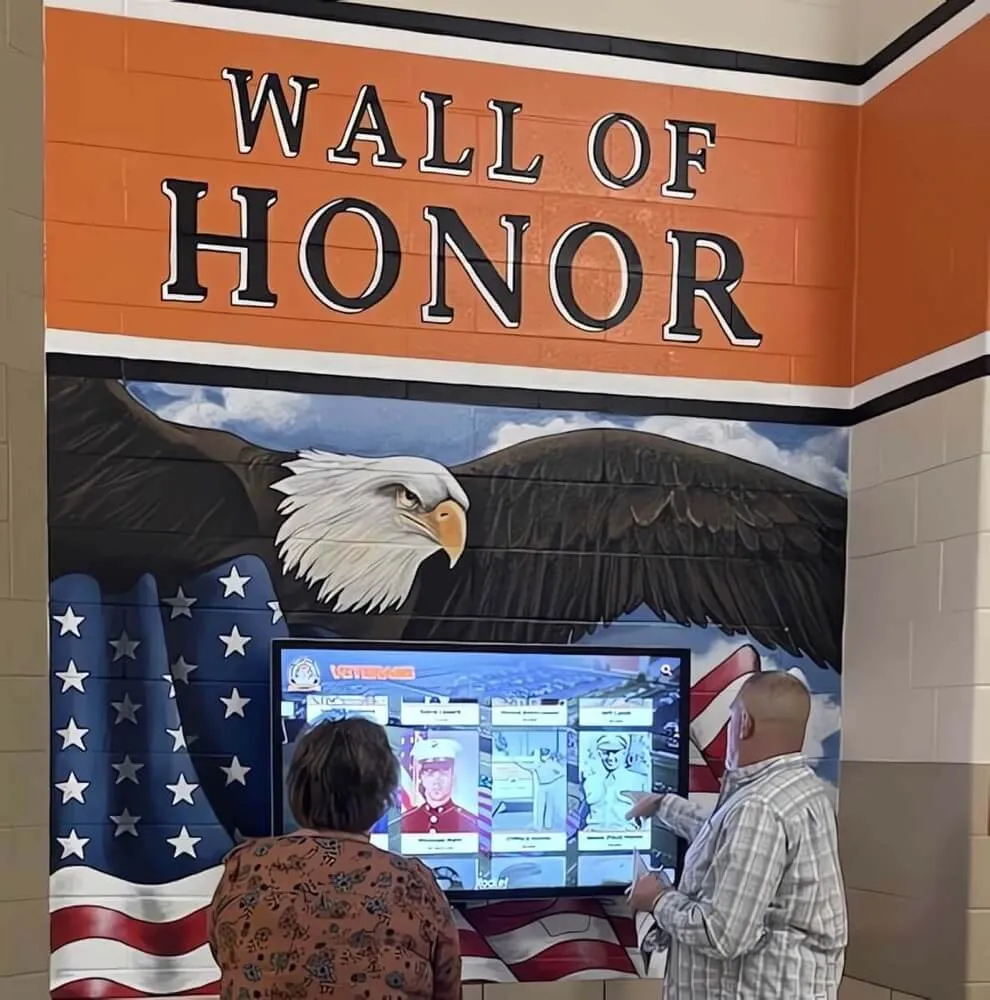
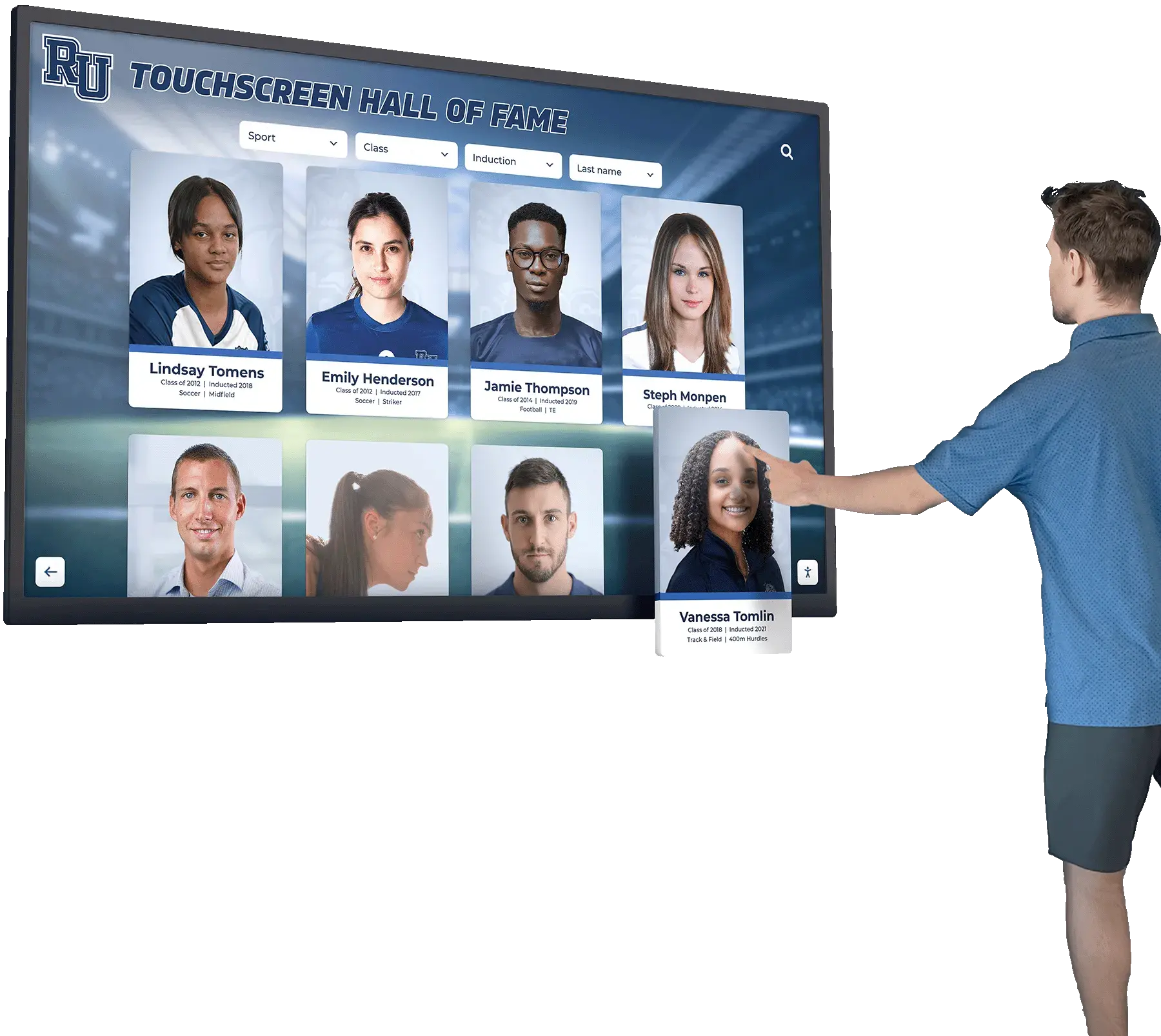
Portrait-style recognition displays enable reunion committees to showcase multiple class members' achievements in visually compelling formats
Phase 4: Venue Selection and Logistics (6-9 Months Before)
Location decisions significantly impact reunion accessibility, atmosphere, and overall success.
On-Campus vs. Off-Campus Venues
On-Campus Reunion Advantages
- Authentic atmosphere directly connected to shared memories
- Natural integration with campus tours and facility showcases
- Typically lower costs through school support or preferential pricing
- Access to recognition displays and institutional resources
- Emotional resonance of returning to physically meaningful spaces
- Parking and facilities already familiar to local attendees
On-Campus Considerations
- Limited availability during academic year when facilities are in use
- Institutional policies may restrict alcohol service or entertainment options
- Parking limitations potentially requiring shuttle coordination
- Facilities may not accommodate very large gatherings
- Early event end times if buildings have restricted access hours
Off-Campus Venue Benefits
- Professional event facilities with full-service amenities
- Flexible policies around catering, beverages, and entertainment
- Convenient locations near hotels and major transportation routes
- Extended hours without institutional restrictions
- Professional event coordination support
- Modern amenities and technology integration
Off-Campus Drawbacks
- Significantly higher rental and catering costs
- Less authentic connection to shared institutional experiences
- Requires separate campus tour coordination if desired
- Additional transportation logistics between locations
- May feel generic rather than meaningfully connected to school
Many reunion committees find hybrid approaches work effectively—afternoon campus tours and activities followed by evening off-campus dinner and dancing, combining authentic institutional connection with professional event facilities.
Accessibility and Inclusive Planning
Physical Accessibility Requirements
- ADA-compliant facilities with wheelchair access throughout
- Elevator access when venues include multiple levels
- Accessible parking spaces close to entrance
- Wide doorways and spacious layouts enabling mobility device navigation
- Accessible restrooms throughout facility
- Clear signage and wayfinding for easy navigation
Dietary Accommodations
- Menu options for vegetarian, vegan, and gluten-free requirements
- Clear ingredient labeling for common allergens
- Advance dietary needs collection through registration
- Professional catering capable of safely preparing special meals
- Alcohol-free beverage options for non-drinkers
- Culturally appropriate food reflecting class diversity
Schedule Flexibility
- Multiple transportation options for those unable to drive
- Hybrid virtual participation for geographically distant classmates
- Optional programming respecting varied energy levels
- Quiet spaces for those overwhelmed by large crowds
- Reasonable pacing preventing exhaustion
- Clear schedule communication allowing advance planning
Discover approaches to graduation ceremony planning that create memorable milestone events.
Managing Costs and Budgets
Major Expense Categories
Typical reunion budgets allocate:
- Venue rental and catering: 60-70% of total budget
- Communications and marketing: 10-15% of budget
- Entertainment and programming: 10-15% of budget
- Supplies and decorations: 5-10% of budget
- Contingency reserve: 10% for unexpected costs
Revenue Sources
- Per-person registration fees covering primary expenses
- Early-bird discounts encouraging advance commitment
- Tiered pricing for couples or families
- Potential school subsidies reducing alumni costs
- Sponsorships from successful classmates or local businesses
- Merchandise sales including T-shirts or commemorative items
Cost-Saving Strategies
- Volunteer contributions reducing professional service needs
- School facility usage avoiding commercial venue rental
- Digital communications minimizing printing and postage
- Alumni professional expertise donated for specific needs
- Strategic timing avoiding peak pricing periods
- Simple decorations emphasizing connection over elaborate production
Phase 5: Registration and Pre-Event Communications (3-6 Months Before)
Streamlined registration and compelling pre-event engagement maximize attendance while building anticipation.
Registration System Setup
Essential Registration Information
- Full name including maiden names and nicknames
- Contact information for last-minute communications
- Number of tickets (attendee plus guest)
- Dietary restrictions and accessibility needs
- Emergency contact information
- T-shirt or memento sizes if providing
- Permission for photography and social media
- Brief biographical update for program or displays
Guest and Family Policies
Clear communication prevents confusion:
- Spouse and partner inclusion policies with separate pricing
- Children and family attendance guidelines
- Programming balance for guests unfamiliar with class dynamics
- Name tags clearly identifying guests versus classmates
- Optional activities when guests may prefer alternative programming
Building Excitement Before the Event
Progress Updates and Attendee Lists
Regular communications maintain momentum:
- Registration milestones showing attendance growth
- Lists of confirmed attendees creating anticipation
- Countdown updates as event approaches
- Classmate spotlights featuring interesting alumni
- Behind-the-scenes planning updates showing progress
Memory Collection and Sharing
Pre-event engagement creates connection:
- Solicit favorite memories and stories from registrants
- Request historical photos for display or presentations
- Create online spaces where classmates share updates
- Develop video montages from submitted content
- Enable collaborative yearbook browsing online
Logistical Information
Detailed practical information reduces barriers:
- Comprehensive directions and parking instructions
- Hotel information with negotiated group rates
- Detailed schedule with timing for all activities
- Dress code guidance appropriate to venue
- Weather contingency information if outdoor elements
- Day-of contact information for questions or emergencies
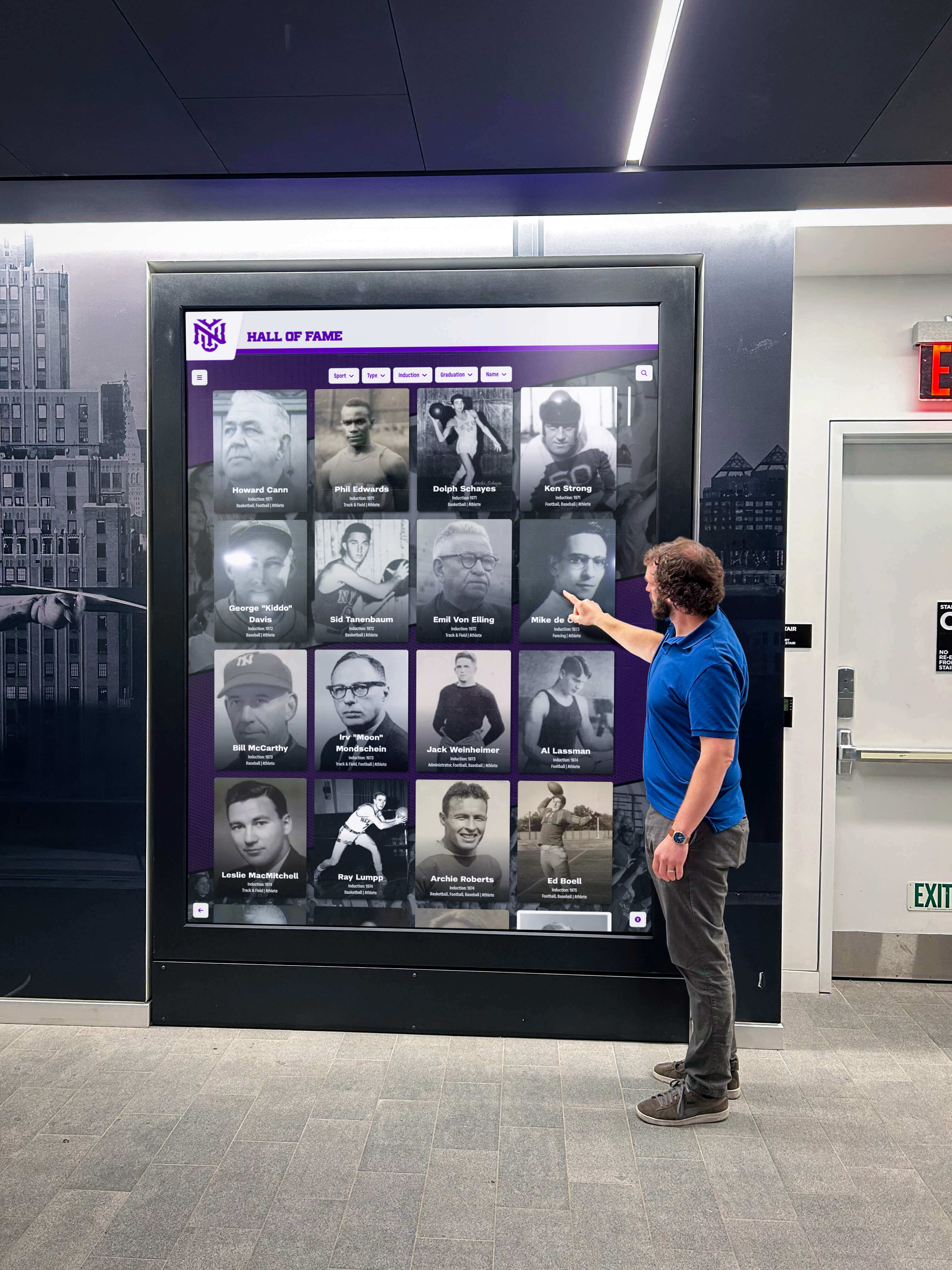
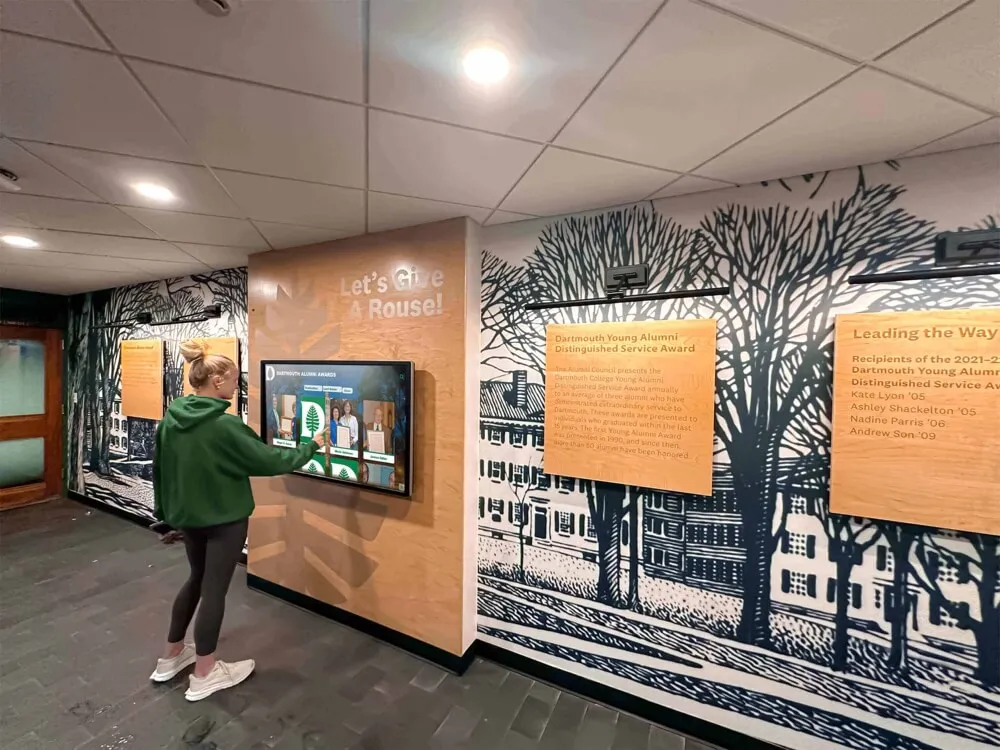
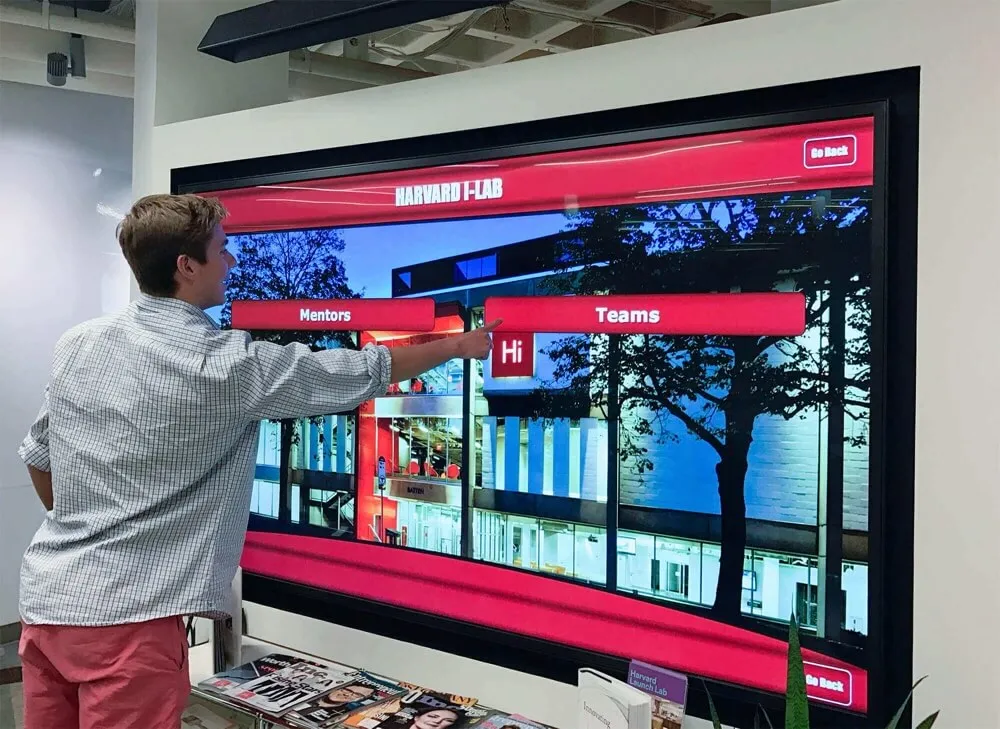
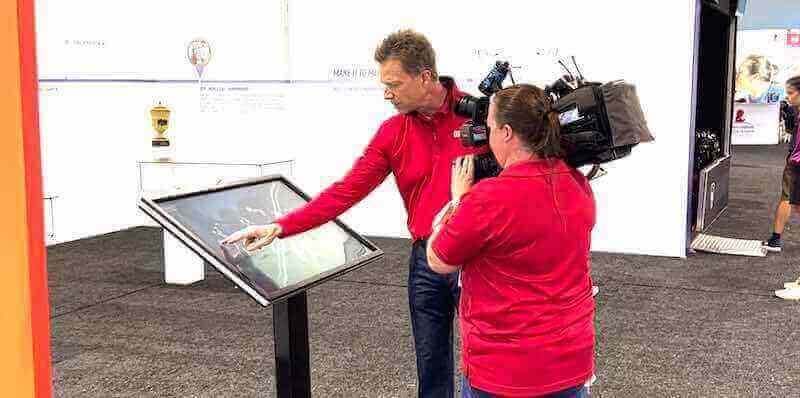
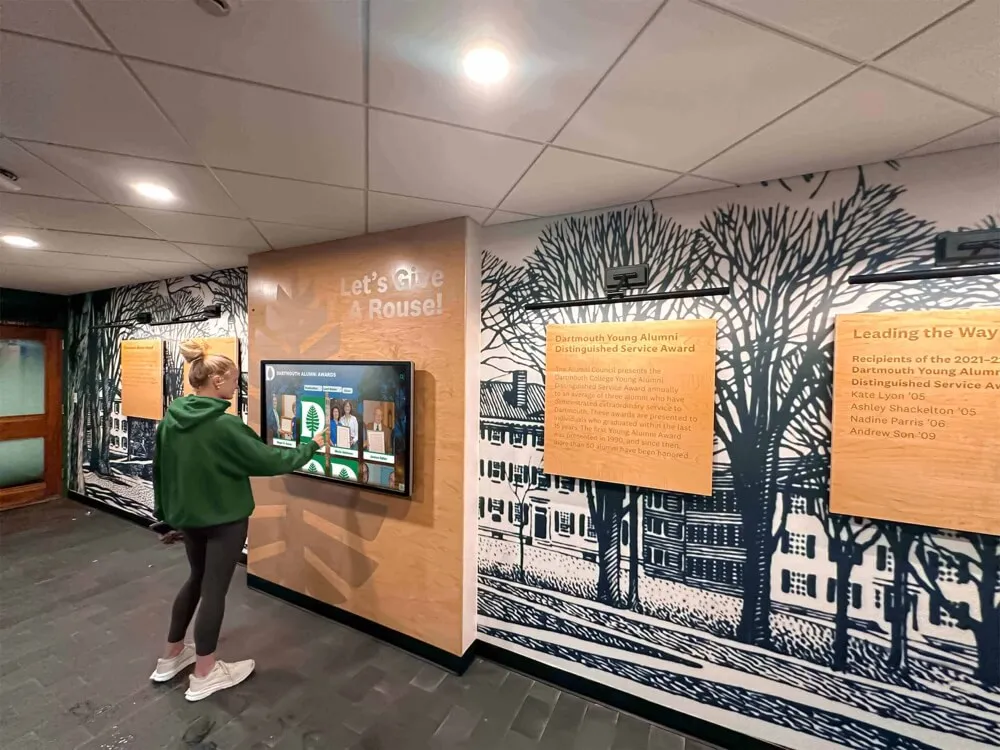
Interactive displays provide natural conversation starters where classmates discover each other's career paths and achievements since leaving school
Phase 6: Day-of-Event Execution
Meticulous execution ensures smooth operations during the reunion itself, allowing organizers to enjoy the event they worked months creating.
Registration and Welcome
Check-In Setup
- Multiple registration tables preventing bottlenecks during arrival
- Alphabetical organization enabling quick location
- Pre-printed name tags with large, readable fonts
- Maiden names prominently featured when applicable
- Graduation year included for context
- Volunteer greeters providing warm welcome
- Program materials and favors organized for distribution
Creating Welcoming Atmosphere
- Music from graduation era playing during arrival
- Historical photos or memory displays near entrance
- Welcoming signage with class year and reunion theme
- Recognition displays activated showing registered attendees
- Volunteers circulating helping uncertain guests
- Early-arrival activities preventing awkward waiting
Managing Program Flow
Smooth Transitions
- Clear announcements signaling activity changes
- Visual cues like dimming lights guiding attention
- Flexibility when activities run long organically
- Designated emcee managing overall timing and energy
- Staff coordination ensuring food service flows smoothly
- Problem-solving protocols for unexpected issues
Memory Capture
- Professional photographer documenting key moments
- Formal group photo of all attendees
- Individual or small group portrait opportunities
- Event hashtag for social media aggregation
- Video recording of speeches and memorable moments
- Photo release forms obtained during registration
Recognition and Celebration Moments
Honoring Achievements
Appropriate recognition creates pride:
- Acknowledge significant professional accomplishments
- Celebrate community service and contributions
- Honor long-distance travelers making extra effort
- Remember deceased classmates sensitively
- Thank reunion committee volunteers publicly
- Recognize any class legacy projects or scholarships
Leveraging Digital Recognition
If your school has invested in permanent recognition infrastructure like digital halls of fame, reunion weekend provides perfect opportunities to showcase these systems. Many schools position touchscreen displays in lobbies or common areas where reunion attendees naturally gather, creating interactive activities beyond passive socializing. These platforms enable classmates to search for each other, explore career paths taken since graduation, and share profiles through personal networks—extending reunion impact far beyond the physical event.
Phase 7: Post-Reunion Follow-Up and Future Planning
Reunion value extends well beyond the final goodbye through systematic follow-up maintaining momentum.
Immediate Post-Event Activities (Within 1-2 Weeks)
Thank You Communications
- Appreciation messages to all attendees
- Special recognition of volunteers and sponsors
- Photo gallery sharing with download access
- Video highlights compilation
- Reunion recap summary with attendance statistics
- Feedback survey soliciting improvement suggestions
Financial and Administrative Closeout
- Final budget reconciliation and reporting
- Surplus fund allocation decisions
- Vendor final payments and evaluations
- School debriefing and relationship strengthening
- Committee final meeting reviewing successes and challenges
Maintaining Long-Term Engagement
Ongoing Class Communication
- Periodic updates through established social media channels
- News sharing about classmate achievements and milestones
- Life event celebrations including births, retirements, accomplishments
- Memorial notifications when classmates pass away
- Building foundation for next milestone reunion
Leveraging School Recognition Infrastructure
If your school has implemented permanent alumni recognition walls, encourage classmates to keep their profiles updated with current information. These systems create living archives that grow with class history, providing framework for next reunion planning while enabling year-round connection when alumni visit campus or access digital platforms remotely.
Planning for Future Reunions
- Identify potential committee chairs for next milestone
- Document lessons learned and best practices
- Maintain updated contact database for future use
- Transfer institutional knowledge to next planning team
- Establish timeline and initial steps for next gathering
Explore comprehensive approaches to how to recognize alumni digitally that sustain engagement between reunion events.
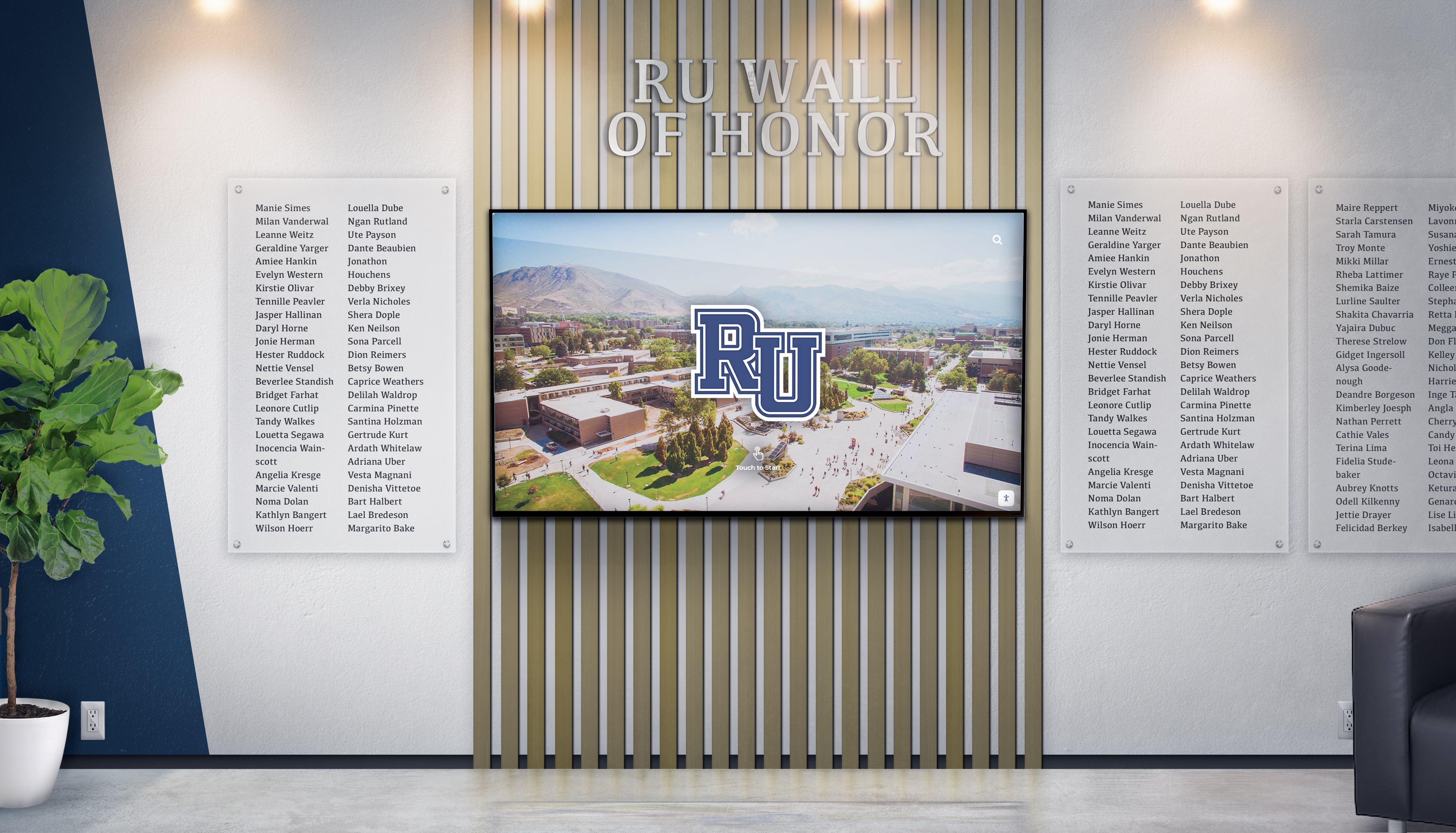
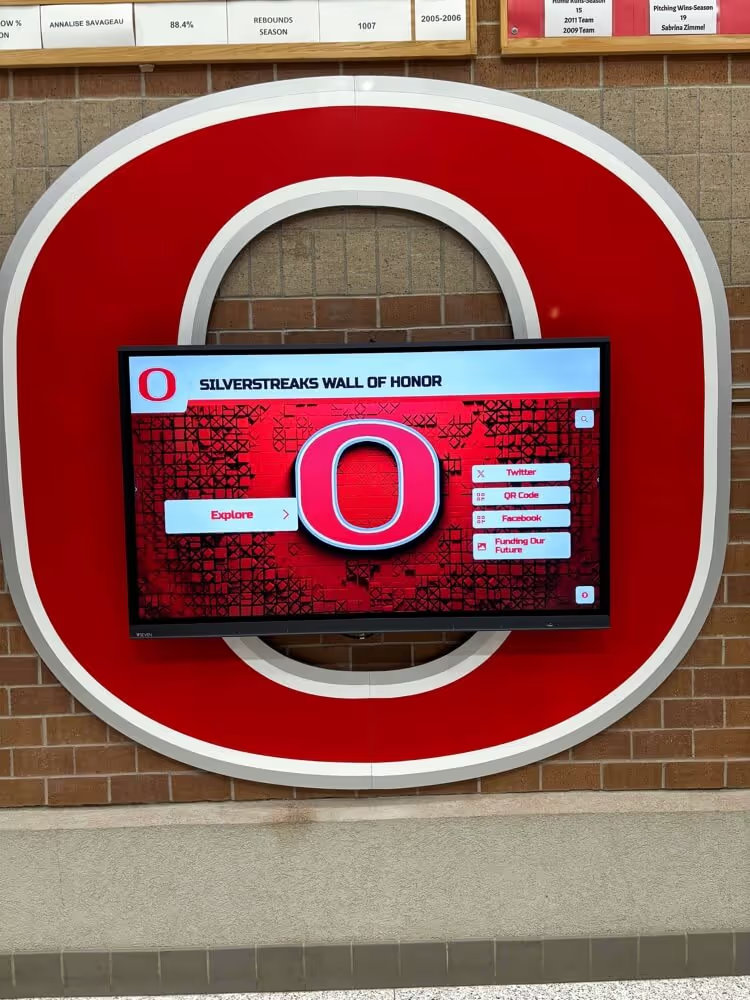
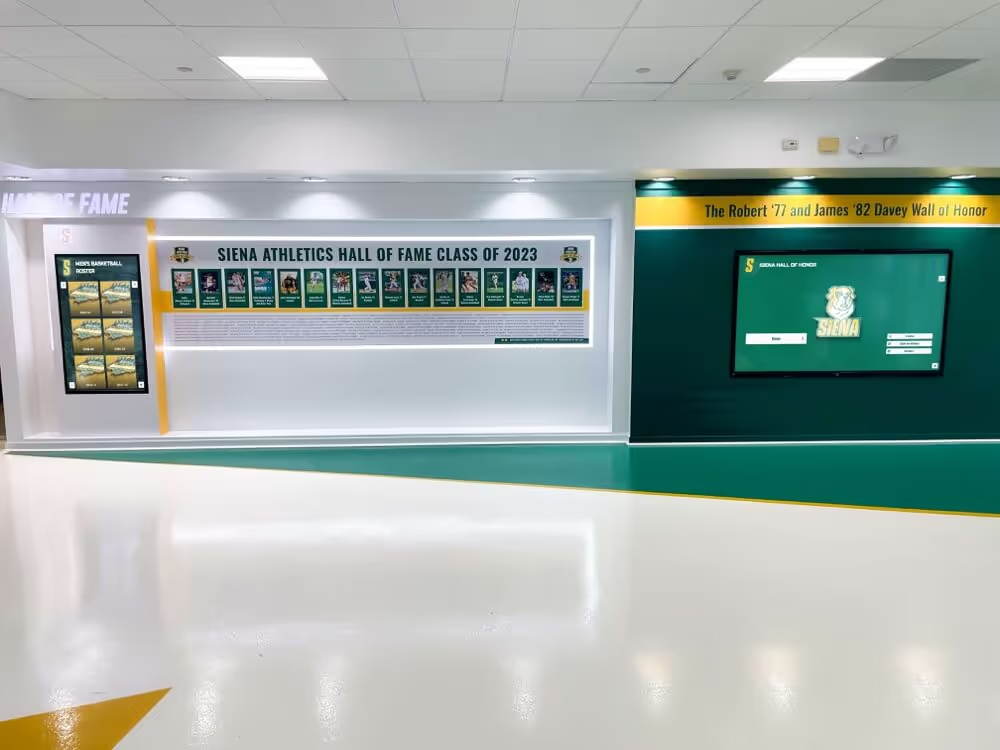
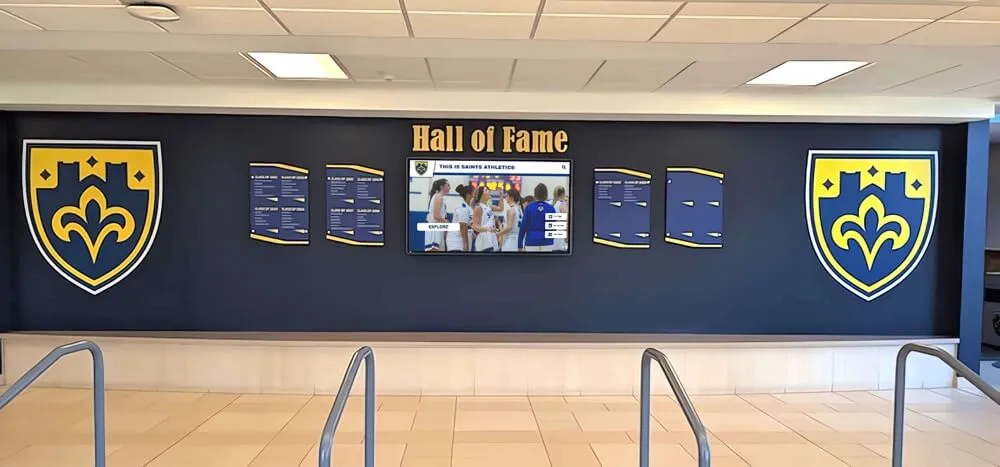
Comprehensive recognition installations combining digital displays with traditional elements create permanent infrastructure supporting reunion programming and year-round engagement
Special Considerations for Different Reunion Types
Various reunion formats require tailored planning approaches based on timing and class dynamics.
Milestone Year Reunions
5-10 Year Reunions
- Informal atmosphere emphasizing socializing over formal programming
- Lower budgets appropriate for alumni establishing early careers
- Heavy social media promotion and digital communication
- Integration with homecoming or other school events
- Urban venues or entertainment districts appealing to younger demographics
- Minimal nostalgia focus as memories remain relatively recent
25-50 Year Reunions
- More formal programming including ceremonies and structured recognition
- Campus-focused activities emphasizing institutional connection
- Spouse and family inclusion reflecting life stage
- Print communications complementing digital outreach
- Accessibility accommodations for aging attendees
- Memorial moments honoring deceased classmates appropriately
- Legacy focus including class history documentation or gift projects
Multi-Class or All-School Reunions
When combining multiple graduation years:
- Balance programming appealing to different age groups
- Provide class-specific gathering time alongside combined activities
- Create mentoring opportunities across generations
- Celebrate institutional continuity while honoring distinct class identities
- Use recognition displays showcasing multiple decades simultaneously
- Accommodate varied mobility levels and accessibility needs
Virtual and Hybrid Options
Technology enables broader inclusion:
- Video conferencing platforms for remote attendance
- Hybrid events combining in-person and virtual participation
- Live-streaming of formal program elements
- Breakout rooms for small group conversations online
- Recording availability for those unable to attend live
- Lower costs increasing accessibility for distant or budget-constrained classmates
Learn about athletic banquet planning techniques applicable to reunion events.
Measuring Reunion Success
Systematic evaluation informs continuous improvement and demonstrates value to volunteers and school administration.
Key Performance Indicators
Participation Metrics
- Attendance as percentage of locatable classmates
- Geographic distribution showing travel commitment
- First-time attendees versus repeat participants
- Demographic diversity reflecting class composition
- Registration timing indicating advance enthusiasm
Satisfaction Measures
- Post-event survey response rates and ratings
- Net Promoter Score showing likelihood to recommend future reunions
- Specific element ratings for venue, food, programming, and value
- Qualitative feedback themes from open-ended questions
- Social media sentiment and ongoing engagement
Engagement Impact
- Updated contact information captured
- Post-reunion communication platform adoption
- School giving increases from reunion attendees
- Volunteer recruitment for school activities
- Interest expressed in future reunion planning
Financial Outcomes
- Actual versus projected budget performance
- Cost per attendee compared to similar events
- Surplus for class fund or next reunion seed money
- Sponsorship success rates
- Registration pricing strategy effectiveness
Conclusion: Creating School Reunions That Truly Reconnect
School reunions represent far more than nostalgic social gatherings—they function as critical touchpoints that reconnect alumni with formative communities, strengthen relationships between graduates and their alma mater, create networking opportunities with lifelong value, celebrate individual and collective achievements meaningfully, and build traditions that successive classes will continue. When planned with systematic attention to logistics, programmed with balance between structure and flexibility, and executed with genuine commitment to classmate experience, reunions become treasured events that alumni remember for decades while strengthening the institutional fabric connecting past, present, and future.
The step-by-step framework explored throughout this guide provides comprehensive roadmaps for creating reunion experiences that maximize participation and authentic connection, honor diverse experiences and achievement types, integrate meaningful recognition and technology effectively, and establish foundations for continued engagement between milestones. From initial committee formation through classmate location through programming design through post-reunion follow-up, these approaches transform reunion concepts into successful events serving both alumni and institutions effectively.
Ready to elevate your school reunion planning beyond traditional approaches? Modern recognition solutions help schools and reunion committees create compelling experiences that reconnect alumni with their communities and institutional legacies meaningfully. Solutions like Rocket Alumni Solutions provide digital platforms that showcase comprehensive alumni achievements and school history through interactive displays, enable pre-reunion engagement as classmates explore each other’s profiles and rediscover connections, create natural conversation starters during events through searchable databases and rich multimedia content, and maintain ongoing engagement between milestone gatherings through permanent accessible platforms.
Whether planning your first reunion or enhancing established traditions, thoughtful integration of interactive recognition technology transforms gatherings from single events into sustained community touchpoints. These systems serve schools year-round—attracting prospective families by showcasing graduate success, inspiring current students through alumni role models, and providing reunion committees with turnkey programming that gives attendees meaningful activities beyond simple socializing.
Your classmates deserve reunions that honor shared experiences while creating new memories, provide authentic connection rather than obligatory small talk, reflect unique class character and school relationships, accommodate diverse needs and life circumstances appropriately, and establish frameworks for continued community throughout remaining lifetimes. With systematic planning, dedicated volunteers, appropriate school support, strategic recognition integration, and commitment to inclusive excellence, you can create reunions that become cherished traditions—gatherings alumni prioritize attending because experiences genuinely matter and connections truly endure.
The most important reunion elements aren’t budget size, venue prestige, or elaborate programming—they’re genuine commitment to bringing people together meaningfully, thoughtful attention to what makes your class unique, recognition honoring diverse achievements and experiences, and sustainable frameworks ensuring connection continues long after final goodbyes. Start where you are with resources available, then build systematically toward comprehensive approaches your class community deserves.
Your class’s story continues with every reunion, every connection renewed, every memory shared, and every achievement celebrated. Make those gatherings worthy of the relationships that shaped formative years and the community bonds lasting lifetimes. Request your free custom demo to discover how modern recognition platforms transform reunion planning and create lasting engagement extending far beyond single weekend gatherings.