



Intent: Plan — High school reunion display boards transform class gatherings from simple social events into meaningful celebrations of shared history, individual achievement, and collective journey. Whether reunion committees choose traditional poster displays, elegant memory walls, or modern interactive touchscreen platforms, thoughtfully designed recognition creates emotional connections that define memorable reunion experiences and strengthen lifelong bonds among classmates.
Reunion planning committees face common challenges: How do you gather decades of photos and memories scattered across individual collections? What display format balances nostalgia with professionalism? How can you showcase everyone’s journey without overwhelming limited venue space? Should displays focus solely on high school years or include life after graduation? Most importantly, how do you create recognition that extends beyond a single evening—preserving reunion memories for classmates who couldn’t attend and maintaining connections until the next gathering?
This comprehensive guide provides reunion planners with practical blueprints for designing display boards that celebrate shared history, honor individual journeys, facilitate meaningful conversations, and create lasting value extending far beyond reunion night. From traditional foam-board displays to cutting-edge digital recognition platforms, discover strategies that transform standard reunion decorations into cherished commemorations of your class’s unique story.
High school reunion display boards serve multiple essential purposes: they provide conversation starters breaking the ice among classmates reconnecting after years or decades apart, create opportunities for storytelling and reminiscence that strengthen emotional bonds, recognize individual achievements and life milestones honoring each person’s journey, and establish visual anchors making events more memorable and photographable for social media sharing.

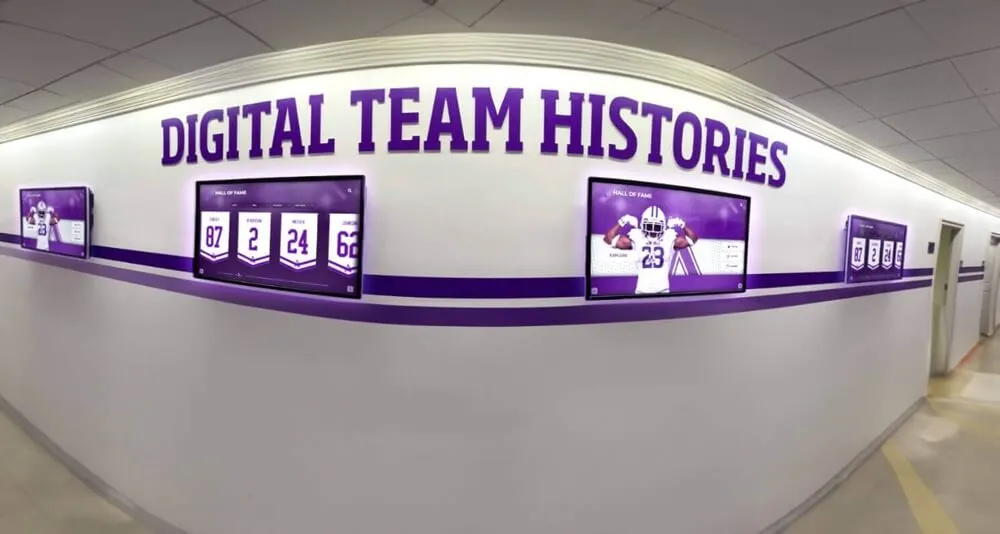
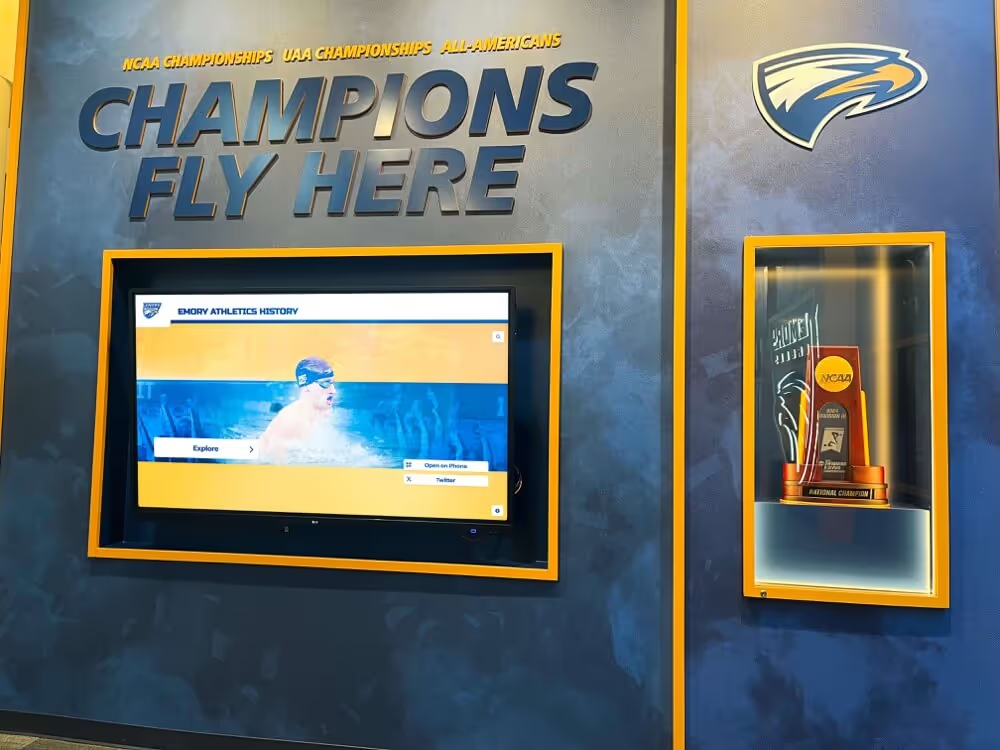
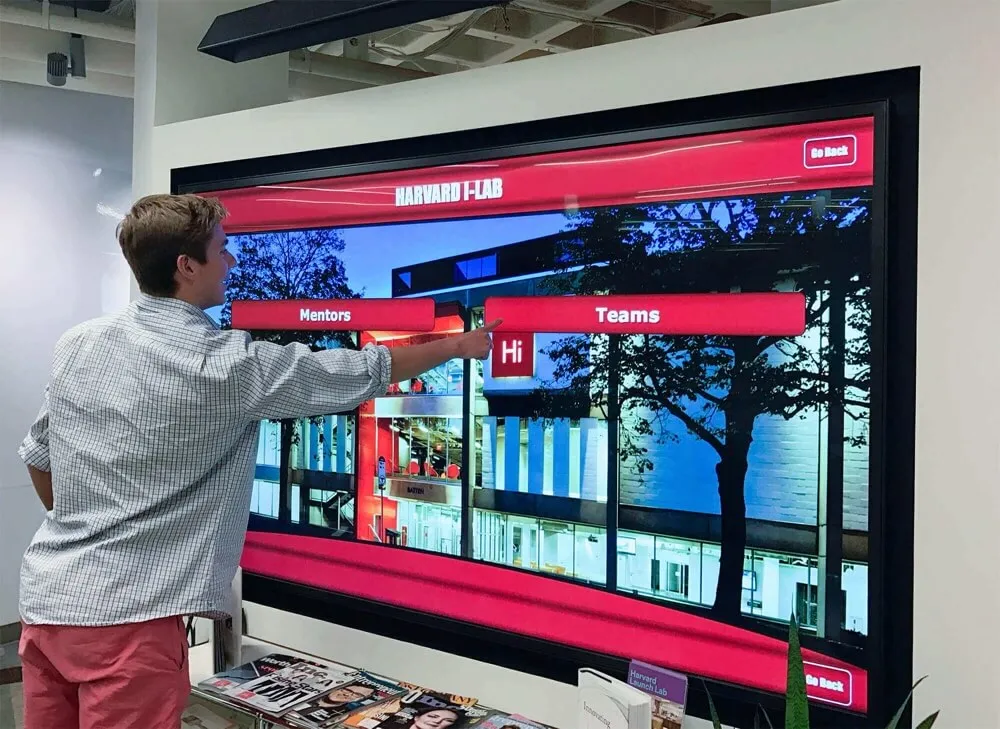
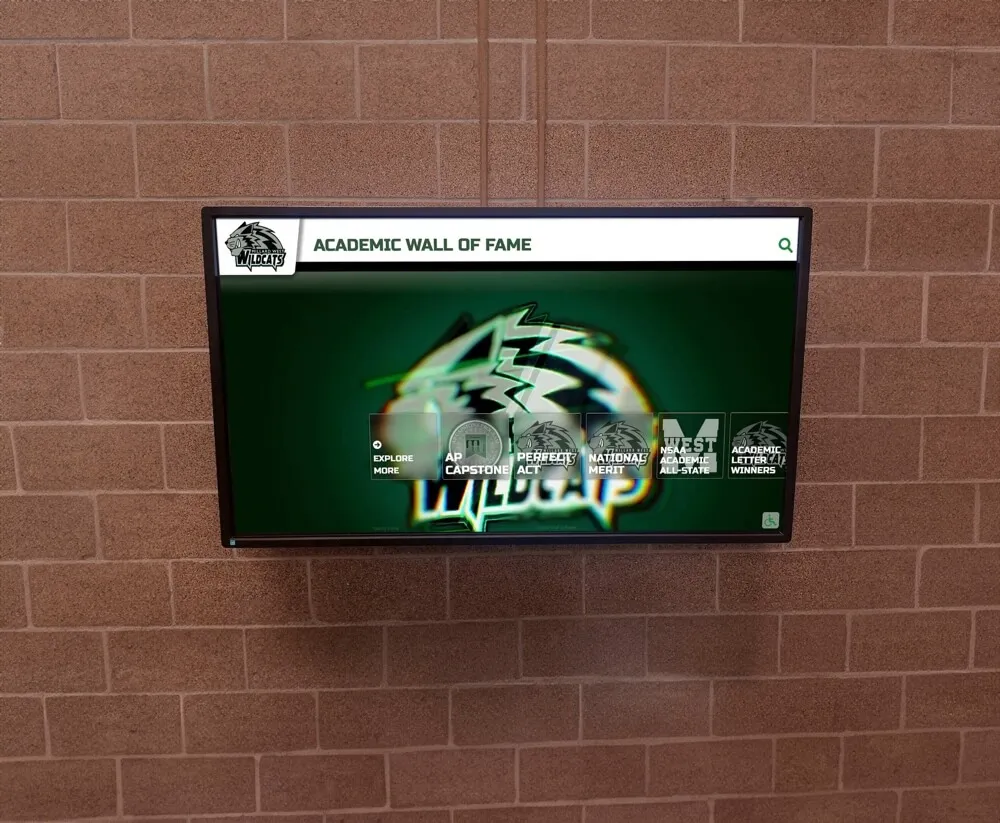
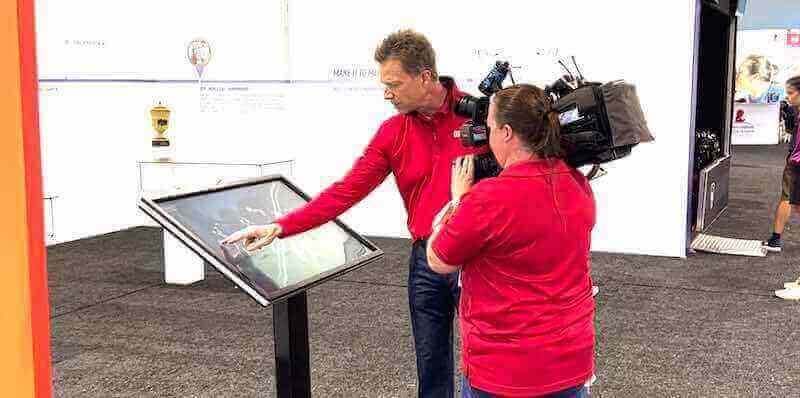
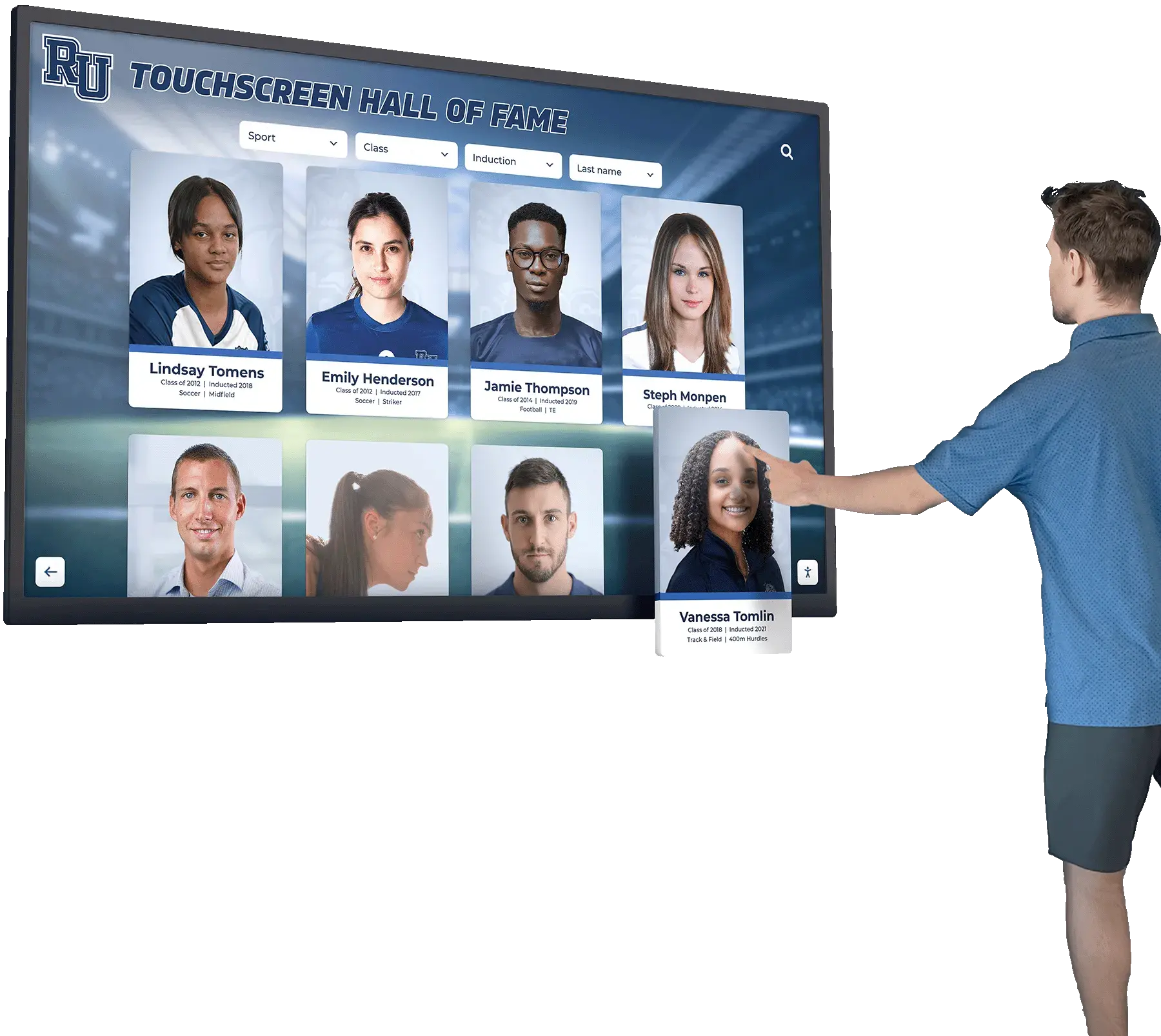
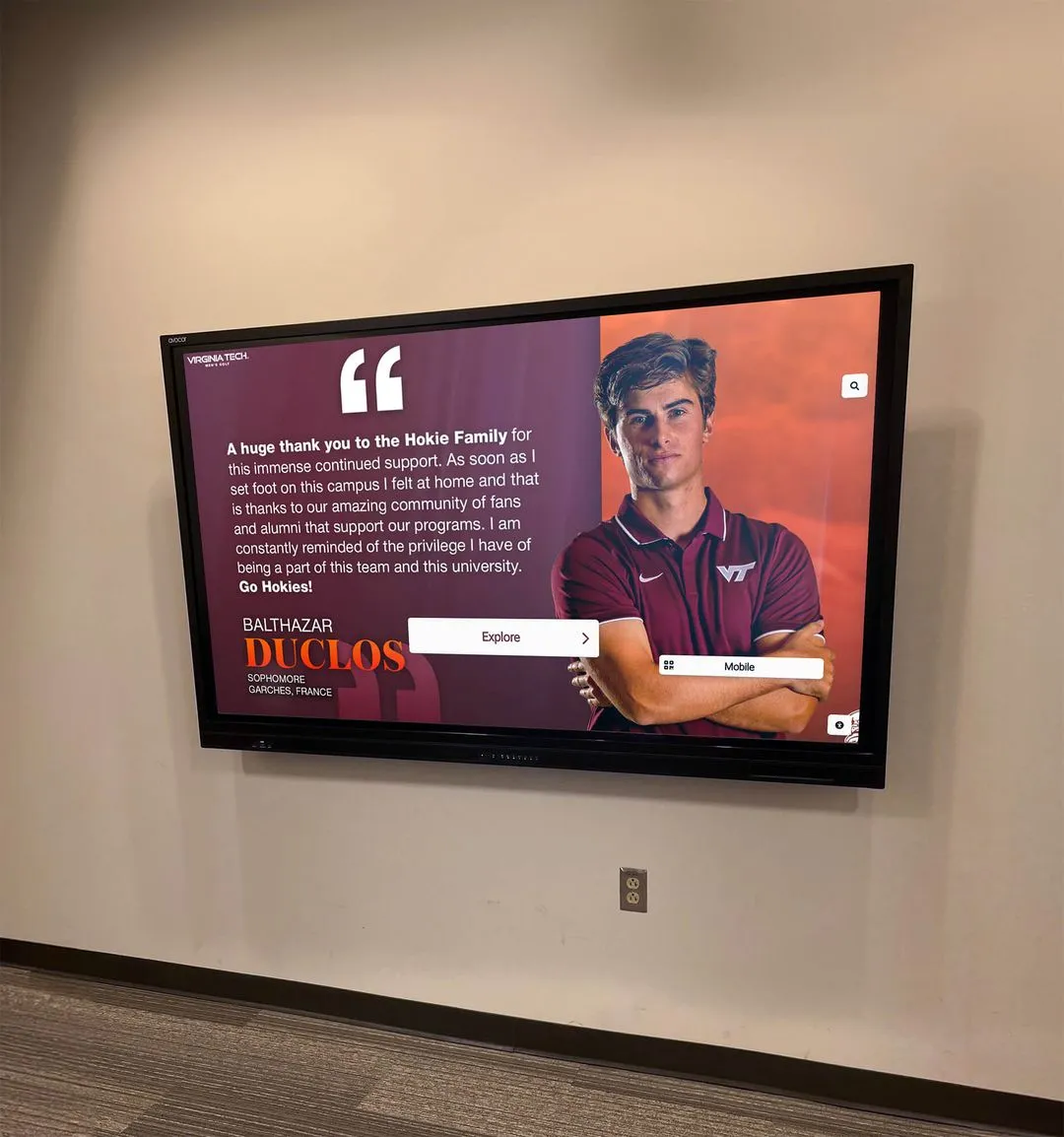
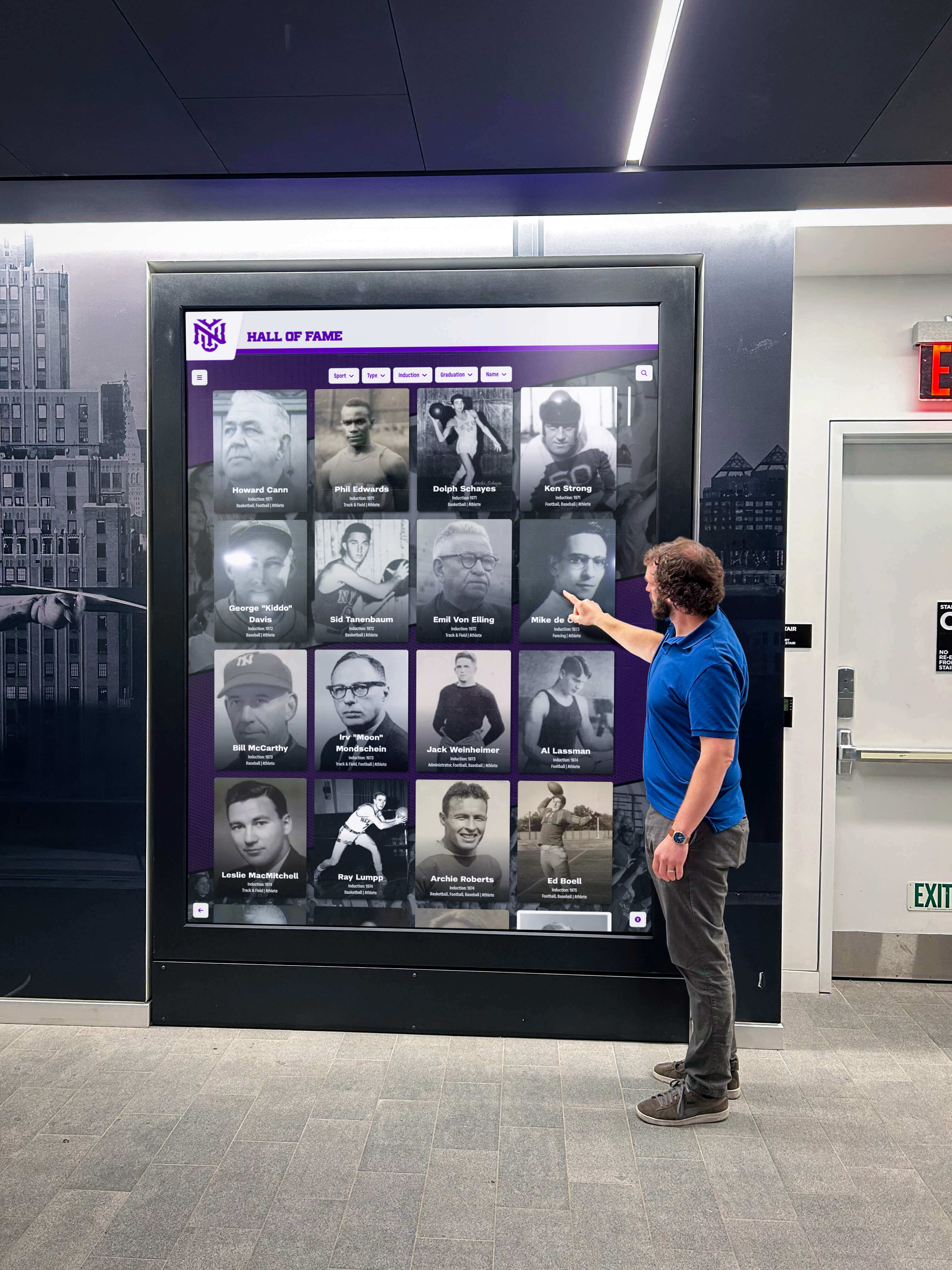
Modern reunion displays enable classmates to explore comprehensive reunion content through searchable interactive platforms
Program Snapshot: High School Reunion Display Board Planning
Understanding the complete scope of reunion display board creation helps committees assess resources, establish realistic timelines, and deliver recognition that makes reunions truly memorable.
| Program Element | Description | Key Planning Considerations |
|---|---|---|
| Display Purpose | Celebrate shared history, facilitate conversations, showcase life journeys, preserve memories | Clear objectives drive content selection and format decisions ensuring displays serve intended reunion goals |
| Content Scope | High school photos, yearbook pages, achievement updates, career milestones, family photos, “where are they now” profiles | Balance between school-era nostalgia and post-graduation accomplishments creates comprehensive narrative |
| Format Options | Traditional poster boards, photo collages, memory walls, digital slideshows, interactive touchscreen displays | Format selection impacts setup requirements, venue constraints, and long-term value beyond single event |
| Timeline Requirements | 3-6 months for content gathering, 4-8 weeks for production, 1-2 weeks for setup coordination | Early planning ensures adequate time for classmate participation and quality content development |
| Budget Considerations | $100-500 for poster boards, $500-2,000 for professional print displays, $3,000-10,000+ for digital solutions | Investment levels determine production quality, longevity, and whether displays create one-time or permanent value |
| Venue Constraints | Available wall space, lighting conditions, electrical access, table availability, traffic flow patterns | Physical limitations shape practical display options and influence format decisions |
| Preservation Goals | Single-event decoration vs. permanent digital archive, social media sharing, ongoing alumni engagement | Whether displays disappear after reunion or create lasting value determines optimal approach |
| Participation Level | Classmate photo submissions, profile updates, memory sharing, volunteer production assistance | High participation creates richer content but requires systematic outreach and coordination |
Traditional Reunion Display Board Approaches
Many reunion committees begin with conventional display methods that have served gatherings effectively for decades.
Poster Board and Foam Core Displays
Traditional foam-board displays remain popular for budget-conscious committees:
Classic Yearbook Photo Collages
Arrange senior class photos recreating yearbook layout:
- Large-format printing of senior class pages mounted on foam core boards
- Individual wallet-sized photos arranged by homeroom or alphabetically
- “Find Yourself” interactive element where classmates locate their school photo
- Side-by-side “then and now” comparisons pairing school photos with recent pictures
- Supplemental candid photos from school activities, sports, and events
This approach creates instant nostalgia while facilitating conversations as classmates locate friends and reminisce about shared memories.
Themed Display Categories
Organize content by specific topics or time periods:
- Senior Year Highlights: Prom photos, graduation ceremonies, senior activities, class trips
- Sports and Activities: Team photos, championship moments, drama productions, band performances
- Memorable Moments: Homecoming, spirit weeks, pranks, traditions, defining class experiences
- Life After Graduation: College years, weddings, families, careers, major life milestones
- In Memoriam: Tasteful tribute section honoring classmates who have passed
Thematic organization helps classmates navigate content efficiently while ensuring comprehensive coverage across different aspects of shared history.
DIY Production Methods
Budget-friendly creation approaches:
- Photo scanning and enlargement at local print shops
- Foam core boards from craft stores providing sturdy mounting surfaces
- Adhesive mounting corners or spray adhesive for photo attachment
- Printed captions and labels using home printers or professional services
- Protective sheet protectors for pages with multiple smaller photos
- Easels or poster stands if wall mounting isn’t available
According to reunion planning resources, most committees invest $200-500 in materials for comprehensive traditional display board setups covering 10-15 thematic boards.
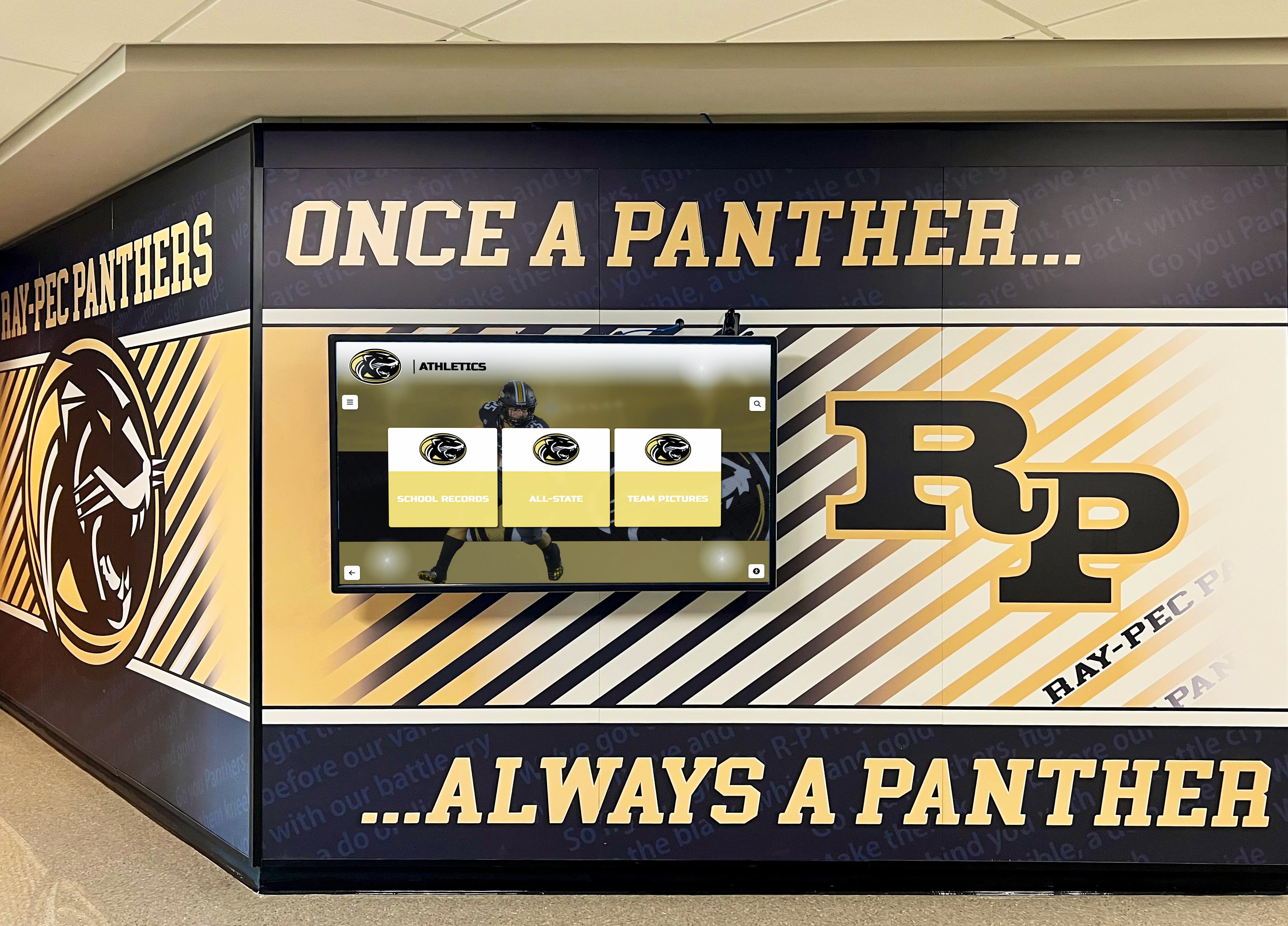
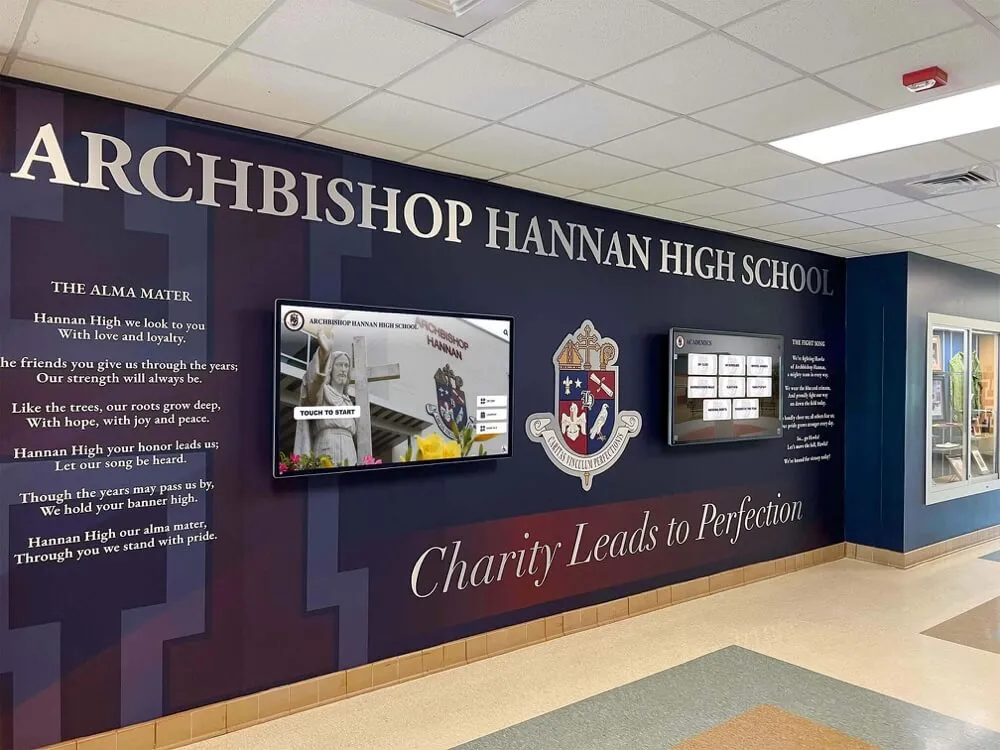
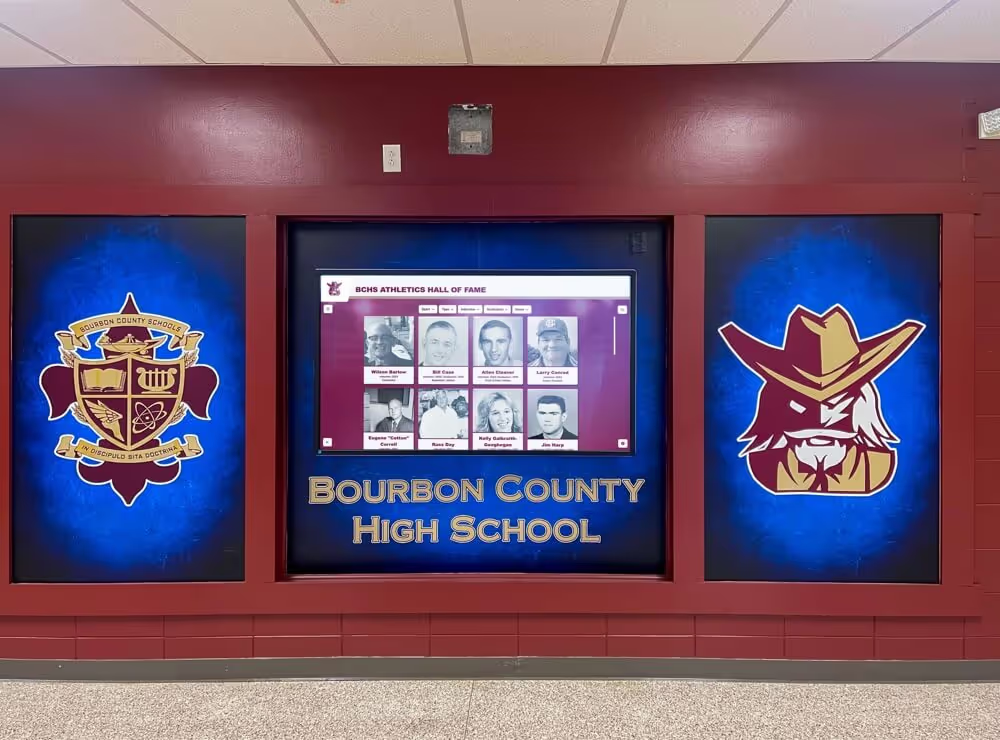
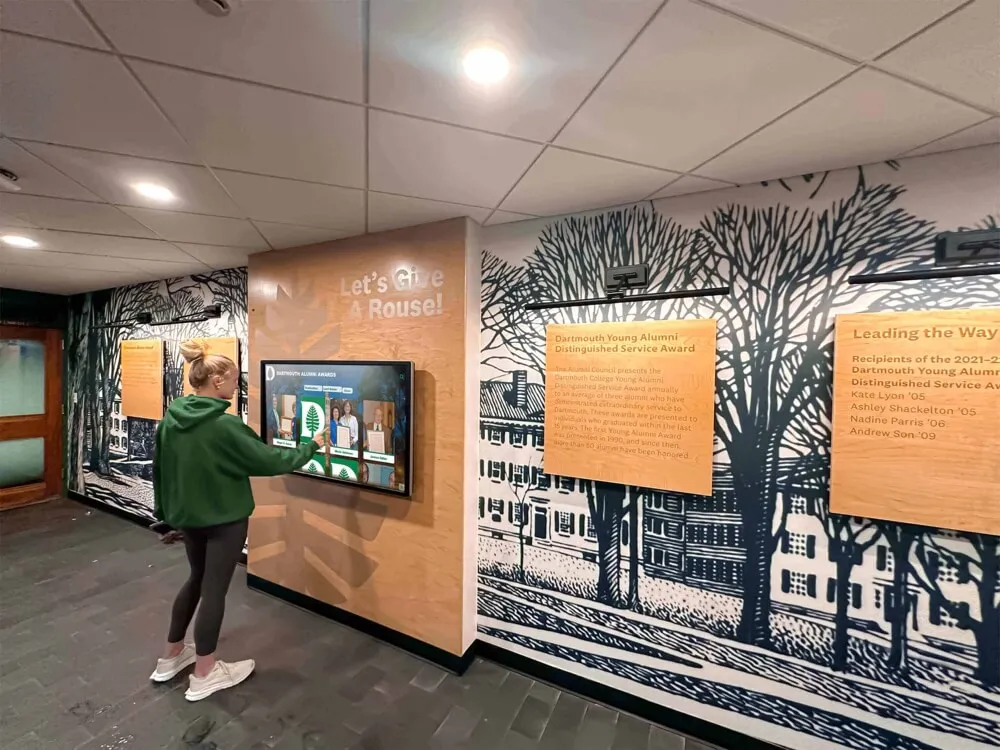
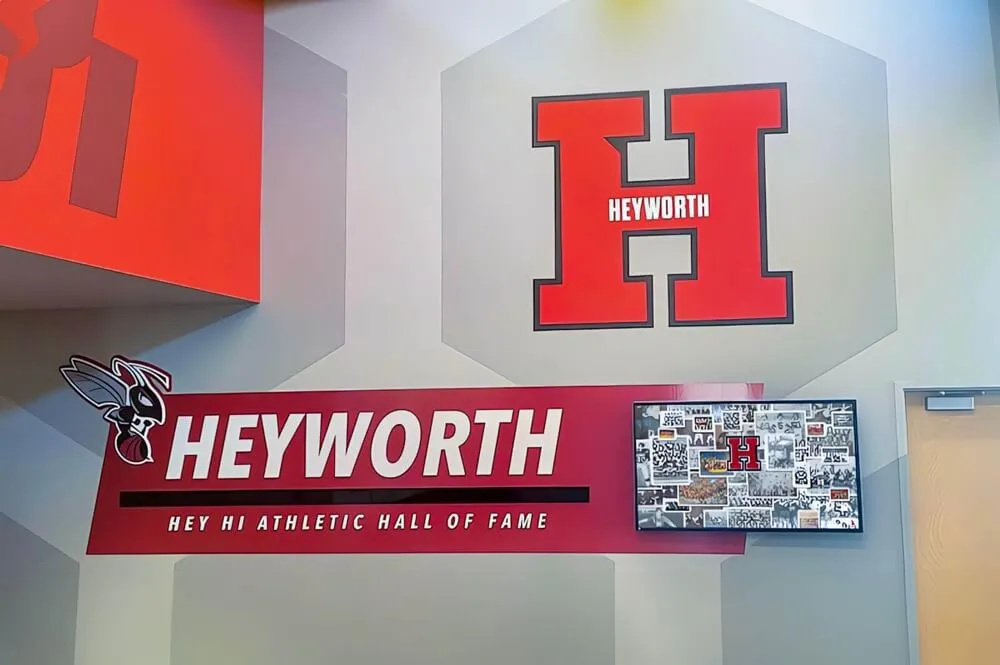
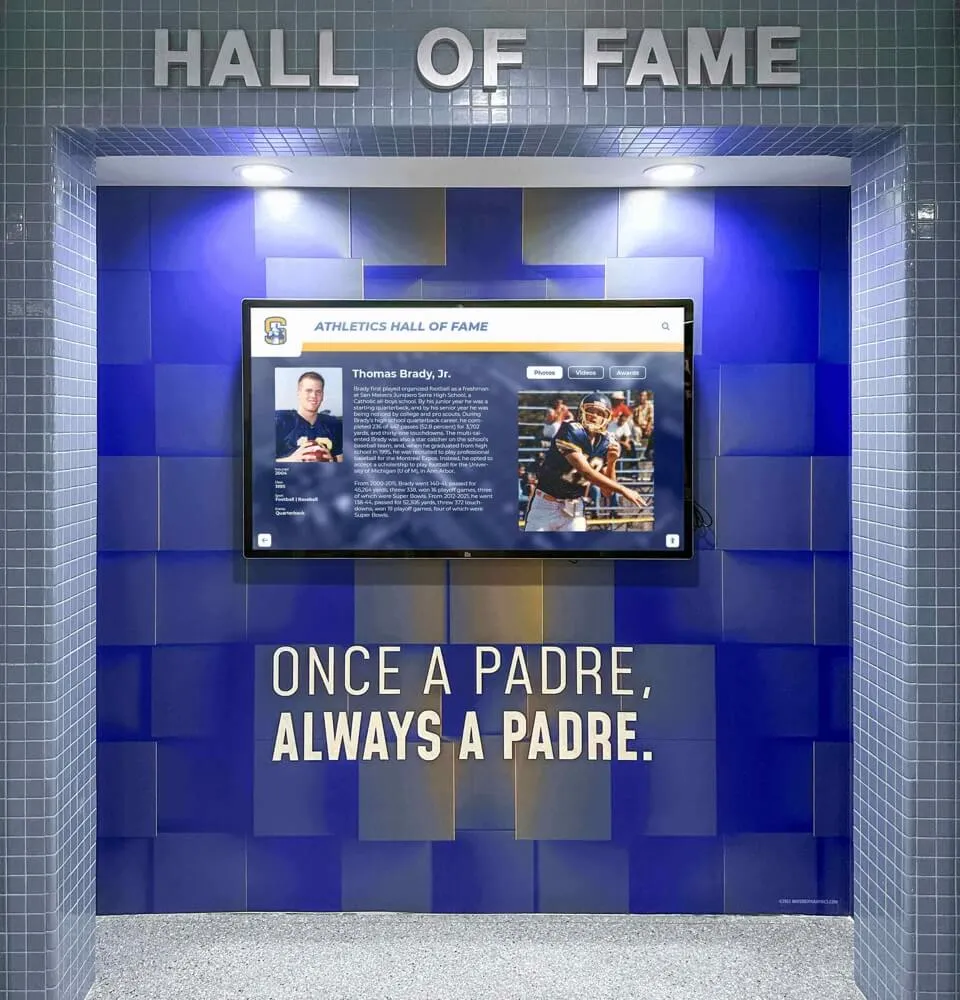
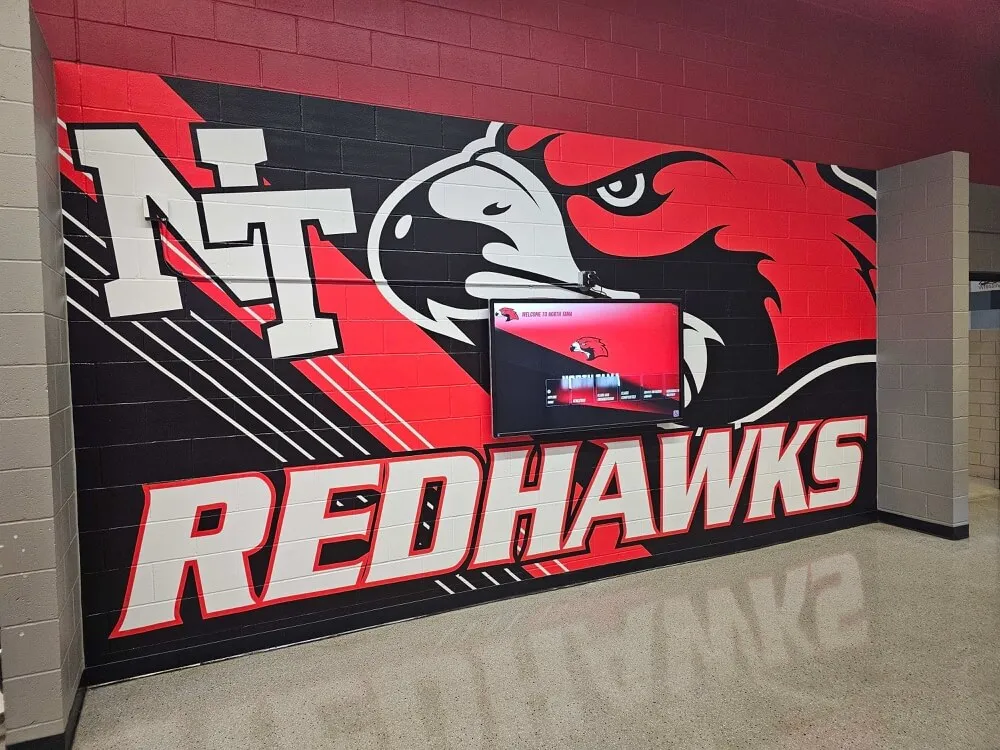
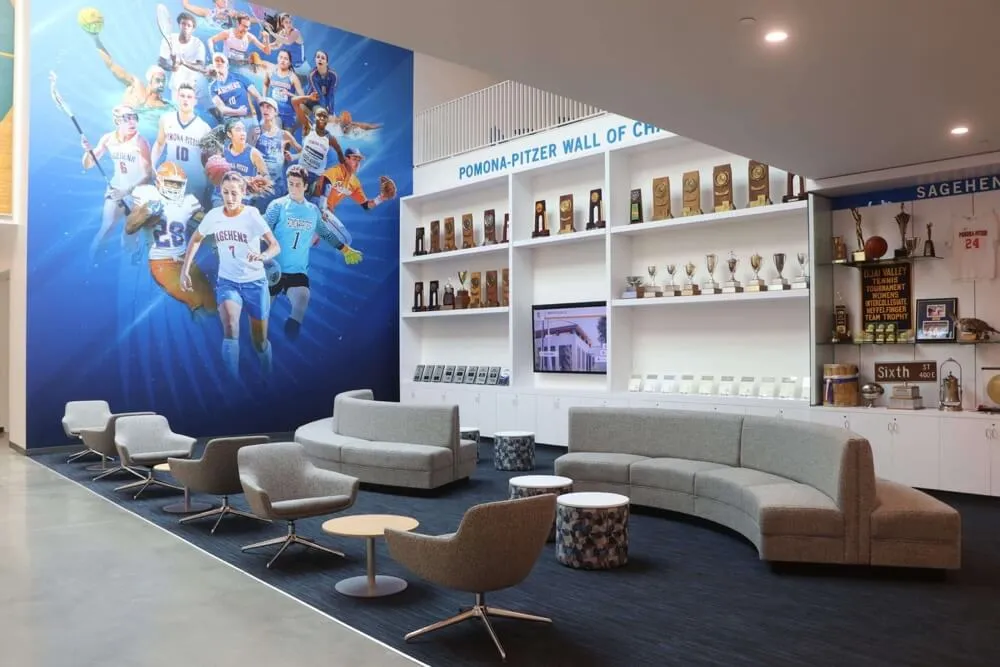
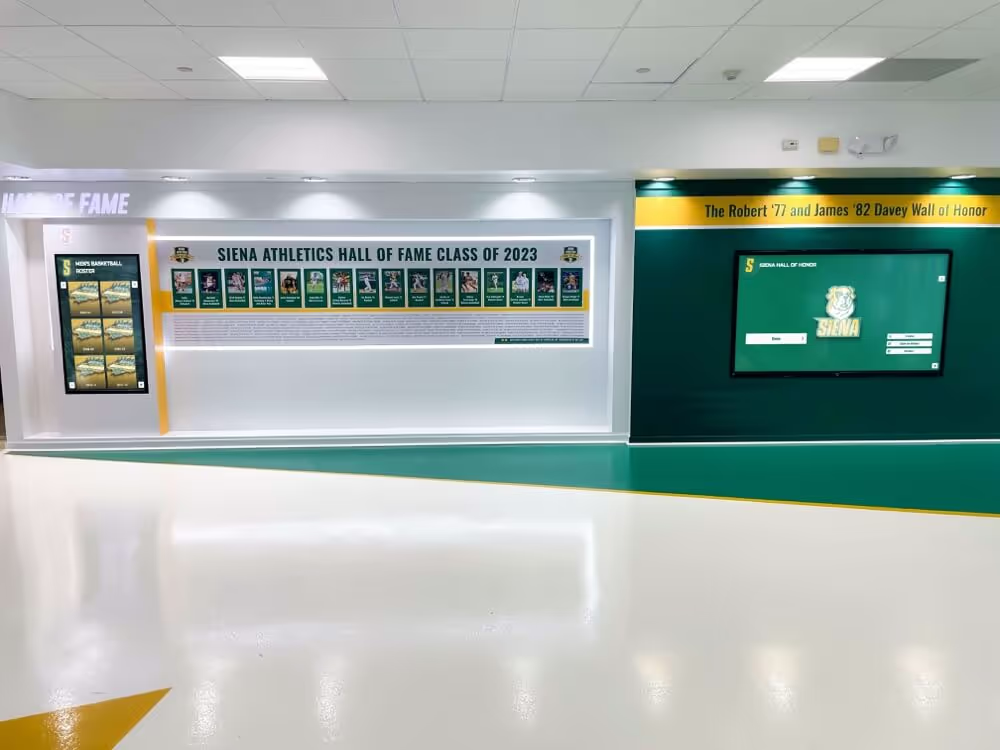
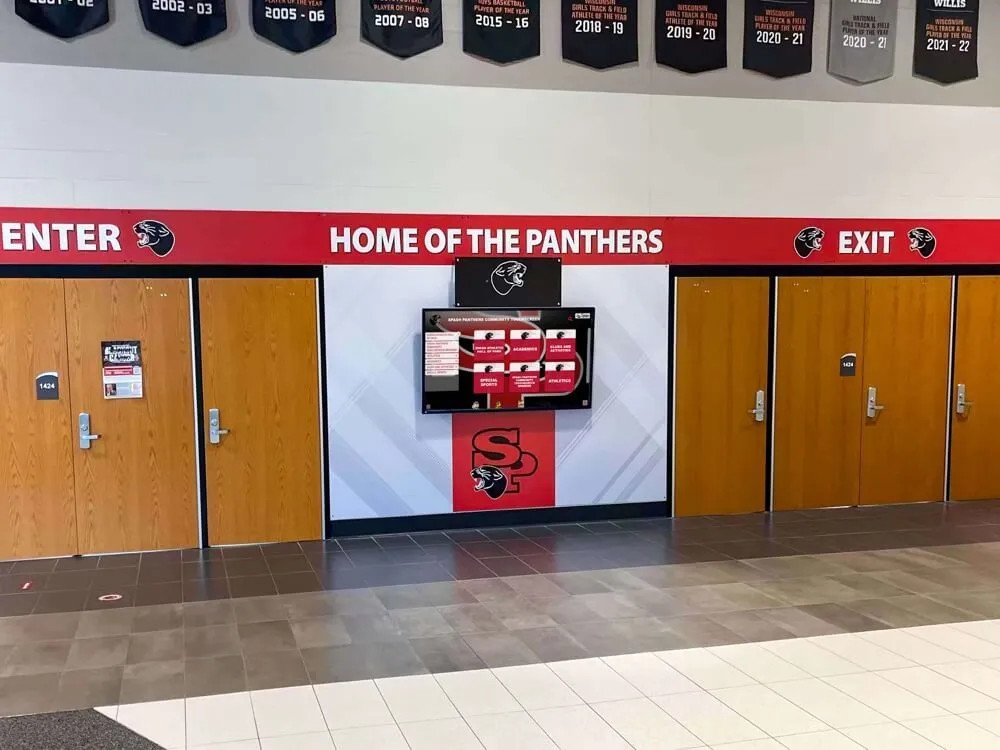
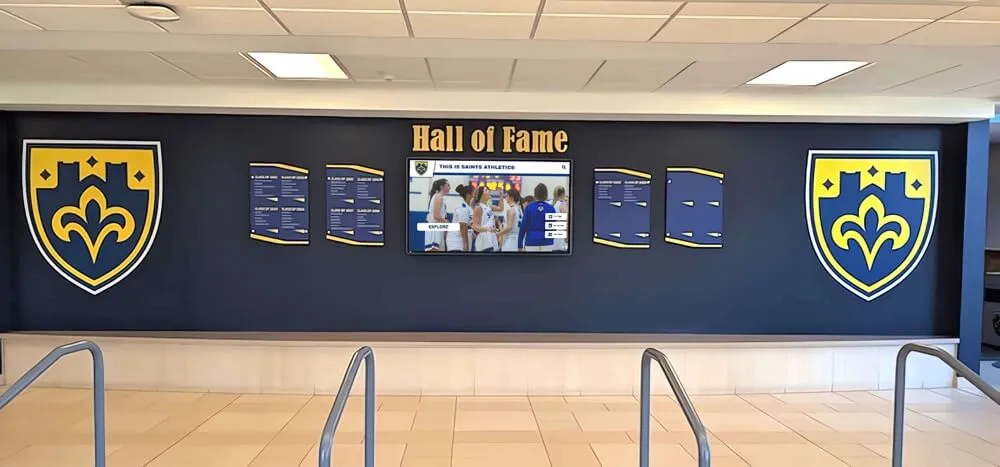
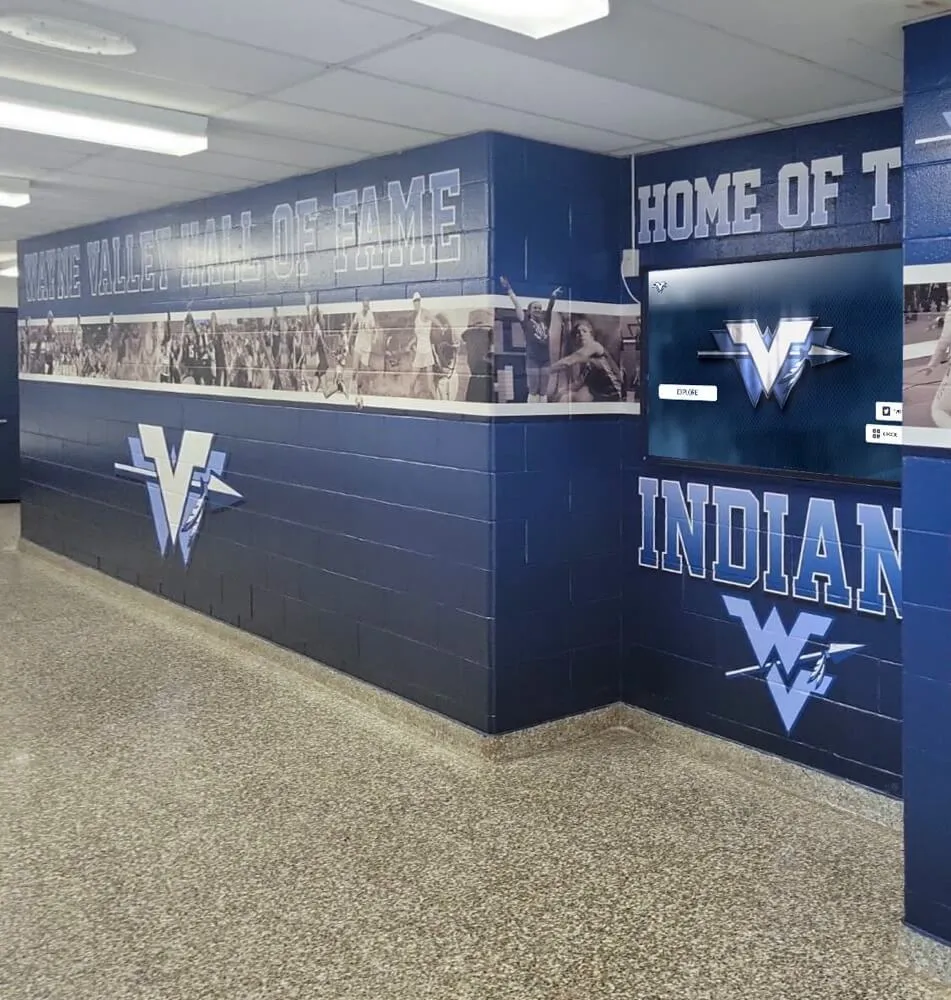
Permanent alumni recognition installations in school facilities provide ongoing engagement beyond single reunion events
Memory Wall and Pin Board Displays
Interactive memory walls invite ongoing classmate participation throughout reunion events:
Setup and Structure
Create engaging participation opportunities:
- Large bulletin boards or portable display panels positioned prominently
- Printed prompt cards encouraging memory sharing: “My favorite teacher was…”, “I’ll never forget when…”, “The best thing about our class…”
- Sticky notes, index cards, or printed forms for classmate responses
- Pushpins, mounting tape, or magnetic strips for attachment
- Designated volunteer monitoring station to assist participants
Memory walls work best positioned near entry points where classmates arrive, near food and beverage areas with natural gathering, or adjacent to other display boards creating comprehensive recognition zones.
Engagement Strategies
Maximize participation and content richness:
- Pre-populate boards with sample memories to demonstrate format and encourage participation
- Rotate prompts throughout evening keeping content fresh and encouraging return visits
- Create “advice for our younger selves” section generating reflective, meaningful content
- Photo booth adjacent to memory wall connecting physical memories with written reflections
- Real-time digitization photographing completed boards for post-reunion sharing
Research on reunion engagement indicates memory walls generate 40-60% classmate participation rates when properly positioned and staffed, compared to 10-20% interaction with static display boards.
Explore comprehensive approaches to interactive displays for schools that extend beyond single events.
Table Display Arrangements
Utilize available tables for organized content presentation:
Chronological Timeline Displays
Arrange content showing class journey across years:
- Freshman through senior year progression showing growth and change
- Academic year divisions with highlights from each grade level
- Decade-by-decade post-graduation updates tracking class evolution
- Major milestones mapped to years: graduations, marriages, career achievements
- Supplemental memorabilia including class t-shirts, programs, tickets, awards
Timeline arrangements help classmates process comprehensive information systematically while creating natural conversation flow as groups move chronologically.
Individual Profile Stations
Provide focused recognition for each classmate:
- Printed profile cards with school photo, current photo, career summary, family information
- Alphabetical arrangement enabling easy searching
- Optional sections for “fun facts”, hobbies, favorite memories
- Contact information sharing for classmates interested in maintaining connections
- Digital alternatives using tablets or screens displaying scrollable profiles
This personalized approach ensures every classmate receives individual recognition regardless of reunion attendance.
Memorabilia and Artifact Displays
Showcase physical items from school years:
- Yearbooks from all class years available for browsing
- School newspapers, literary magazines, and publications
- Athletic uniforms, letter jackets, and team equipment
- Class merchandise including t-shirts, hats, and commemorative items
- Awards, trophies, and recognition from school achievements
- Historical documents including programs, tickets, and certificates
Physical artifacts create powerful nostalgic connections that photos alone cannot replicate.
Digital Slideshow and Presentation Approaches
Technology-enhanced displays offer dynamic alternatives to static poster boards:
Projected Slideshow Displays
Simple digital solutions for reunion recognition:
Equipment Requirements
Basic technical setup includes:
- Laptop or computer containing slideshow content
- Projector with adequate brightness for venue lighting conditions (minimum 3,000 lumens recommended)
- Projection screen or blank wall surface
- Audio system for music accompaniment if desired
- Extension cords and backup power solutions
Most reunion venues including hotels, community centers, and restaurants offer projection equipment, though committees should verify capabilities and test compatibility well before event day.
Content Development
Create engaging slideshow presentations:
- 200-500 photos providing comprehensive visual history without excessive repetition
- 5-7 second display time per image allowing viewing without rushing
- Chronological or thematic organization providing structure
- Brief text captions identifying people, events, and contexts
- Period-appropriate music soundtrack enhancing nostalgic atmosphere
- Seamless looping for continuous display throughout event
Slideshow creation tools including PowerPoint, Google Slides, or specialized photo presentation software offer varying sophistication levels. Many committees report investing 20-40 hours in photo collection, organization, and slideshow assembly for comprehensive presentations.
Limitations of Slideshow Approaches
Consider these drawbacks when evaluating options:
- Passive viewing only—classmates cannot search for specific content or people
- Information density limitations as text becomes unreadable if too detailed
- No accommodation for classmates arriving at different times who miss earlier content
- Requires darkened room for optimal viewing potentially reducing social interaction
- No permanent archive after event unless files distributed separately
- Limited personalization as all viewers see identical sequence
While slideshows provide budget-friendly digital options, these constraints limit effectiveness compared to more interactive alternatives.
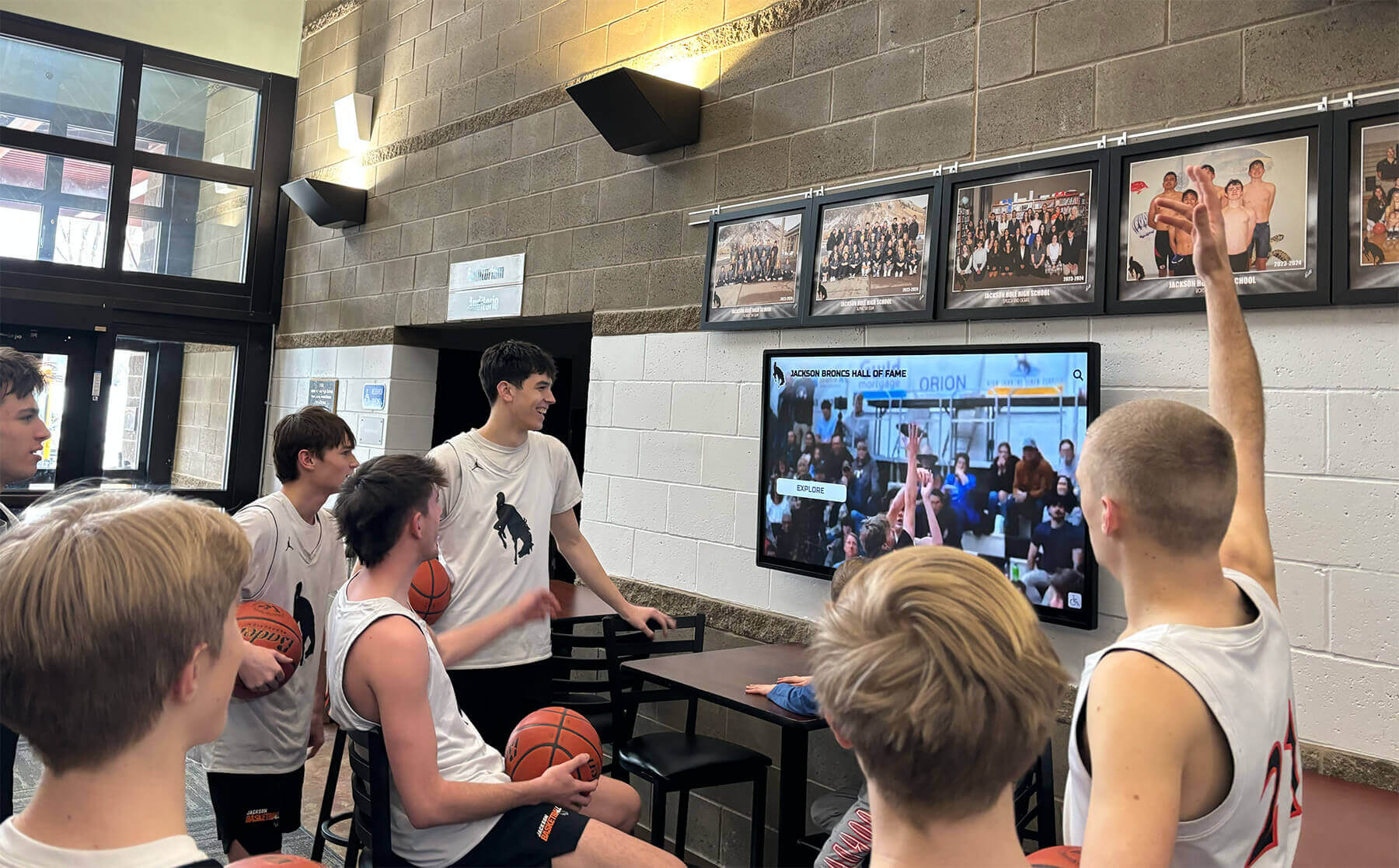
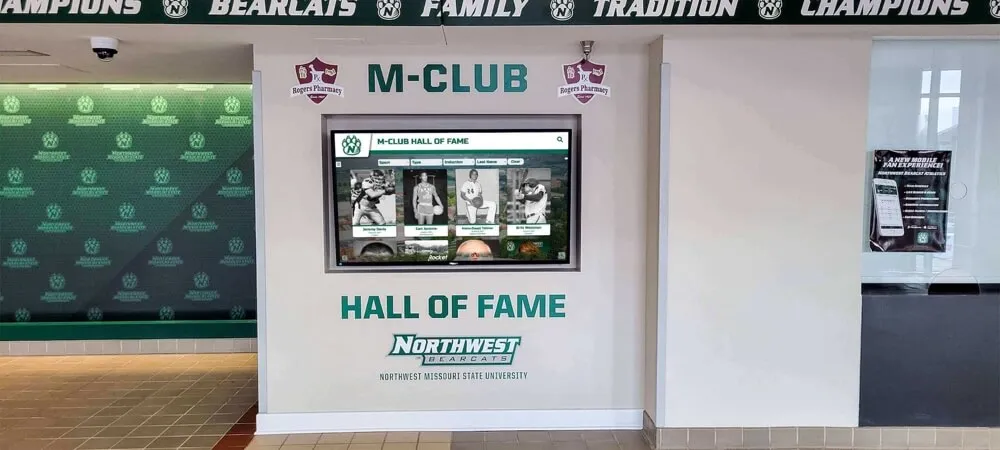
Interactive digital displays create natural gathering points where groups explore content together
Digital Photo Frame Displays
Consumer digital frames offer middle-ground solutions:
Setup and Configuration
Simple digital display approach:
- Large-screen digital photo frames (10-15 inch displays) positioned on tables or mounted on walls
- Multiple frames showing different content categories simultaneously
- Pre-loaded photo collections on SD cards or USB drives
- Automatic rotation through complete photo libraries
- No internet connectivity required for stand-alone operation
Digital frames cost $50-200 each depending on screen size and features, with most reunion setups utilizing 3-6 frames covering different themes.
Content Organization Strategies
Maximize effectiveness through thoughtful planning:
- Separate frames for distinct decades or life phases
- Thematic collections: athletics, academics, social events, post-graduation life
- Alphabetical organization enabling classmates to find personal content
- Strategic positioning with clear signage identifying each frame’s content focus
- Slow rotation speed ensuring adequate viewing time per image
While more dynamic than poster boards, digital frames still provide only passive viewing without search, filtering, or individualized exploration capabilities.
Modern Interactive Touchscreen Solutions
Cutting-edge reunion displays leverage purpose-built recognition platforms designed specifically for comprehensive alumni celebration:
Interactive Touchscreen Display Capabilities
Digital recognition platforms transform reunion experiences through advanced features:
Comprehensive Profile Databases
Move beyond photos to rich biographical content:
- Individual classmate profiles with multiple photos spanning decades
- Career summaries and professional accomplishments
- Family information and personal milestones
- “Where are they now” narratives in classmates’ own words
- Contact information sharing (with permission) facilitating ongoing connections
- School-era achievements and activities participation
Solutions like Rocket Alumni Solutions provide unlimited profile capacity, enabling recognition of every classmate regardless of reunion attendance while preserving comprehensive information for permanent access.
Powerful Search and Discovery Features
Enable personalized content exploration:
- Name search finding specific classmates instantly
- Filter by location, career field, or other categories
- Related content linking teammates, club members, and friends
- Random discovery encouraging serendipitous reconnections
- Most-viewed profiles highlighting popular content
- Recent updates showcasing newest information additions
Interactive search transforms passive viewing into active exploration, dramatically increasing engagement time compared to static displays or slideshows.
Multimedia Integration
Rich content beyond static photos:
- Video messages from classmates who cannot attend in person
- Audio memories or favorite songs from school years
- Document archives including programs, newspapers, and memorabilia
- Photo galleries with 10-50 images per classmate rather than single yearbook photo
- Social media integration enabling sharing and extending engagement beyond event
Research on interactive recognition indicates touchscreen displays generate 3-4x longer engagement time per person compared to traditional poster boards, with average interaction sessions lasting 8-12 minutes vs. 2-3 minutes with static displays.
Learn about interactive touchscreen software capabilities designed specifically for recognition applications.
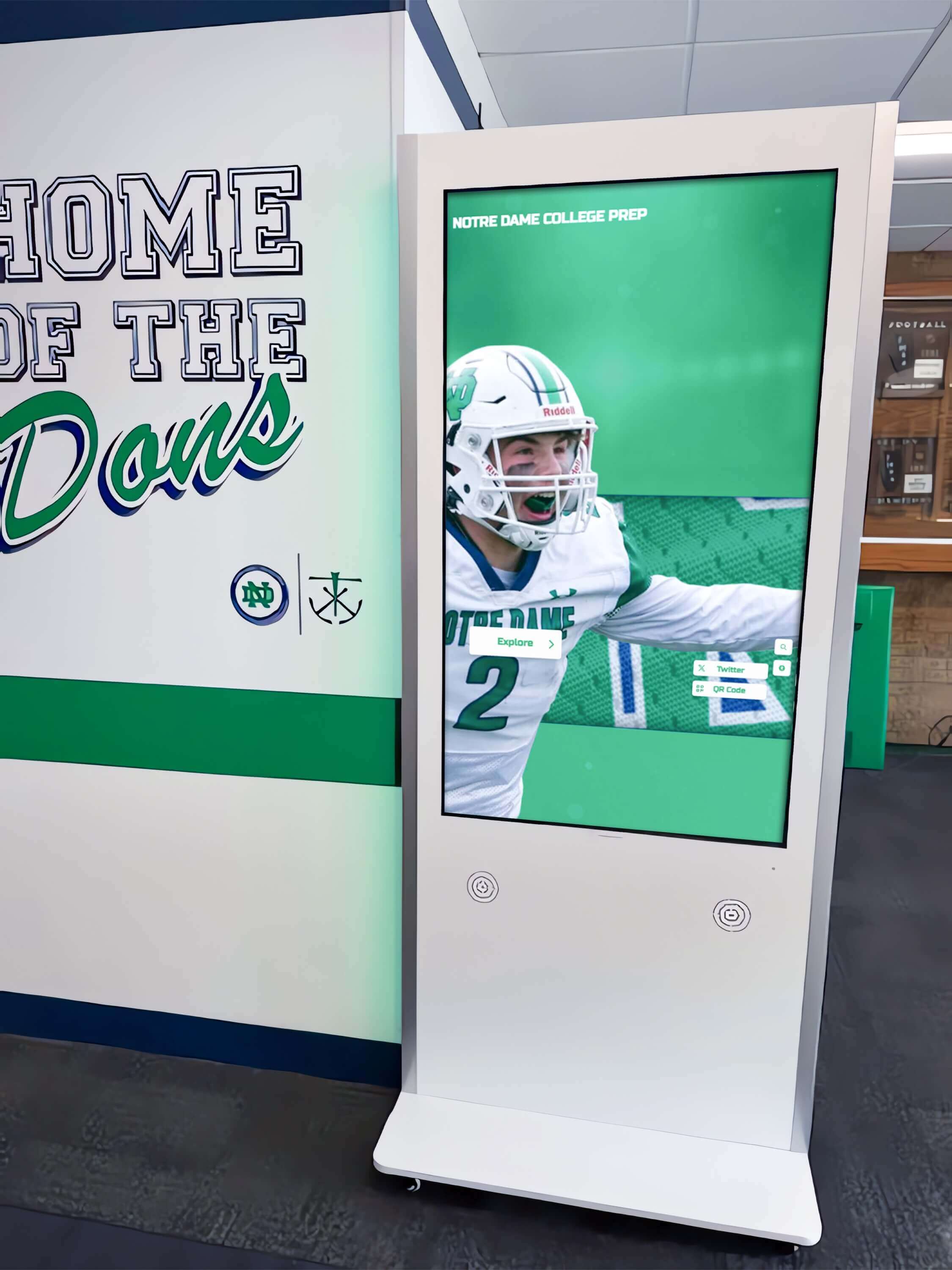
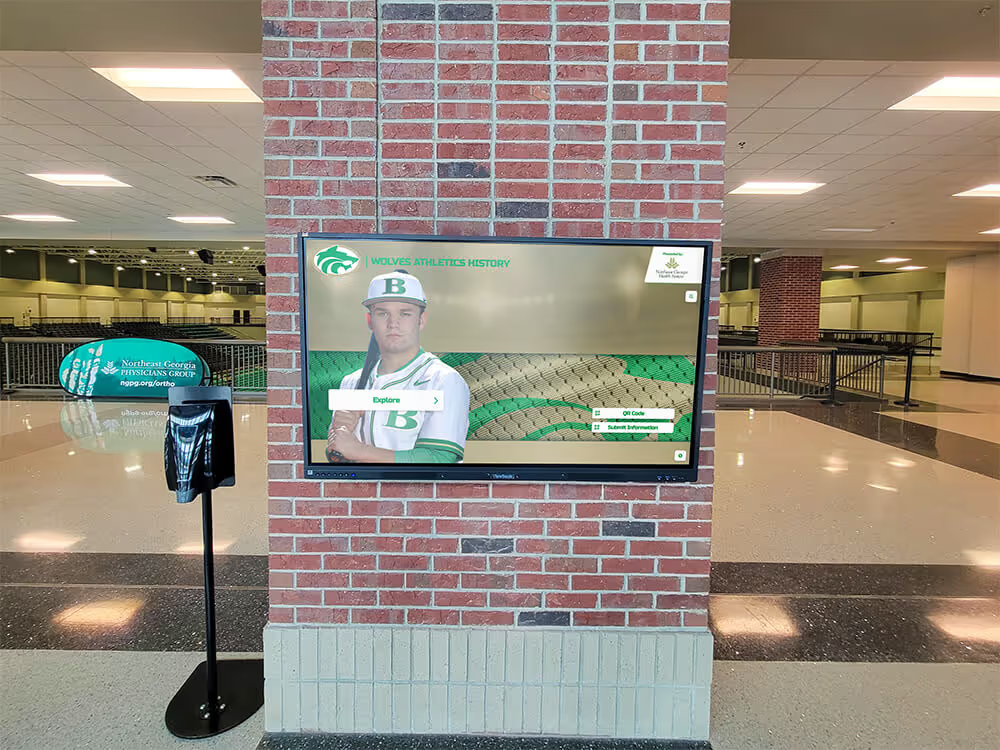
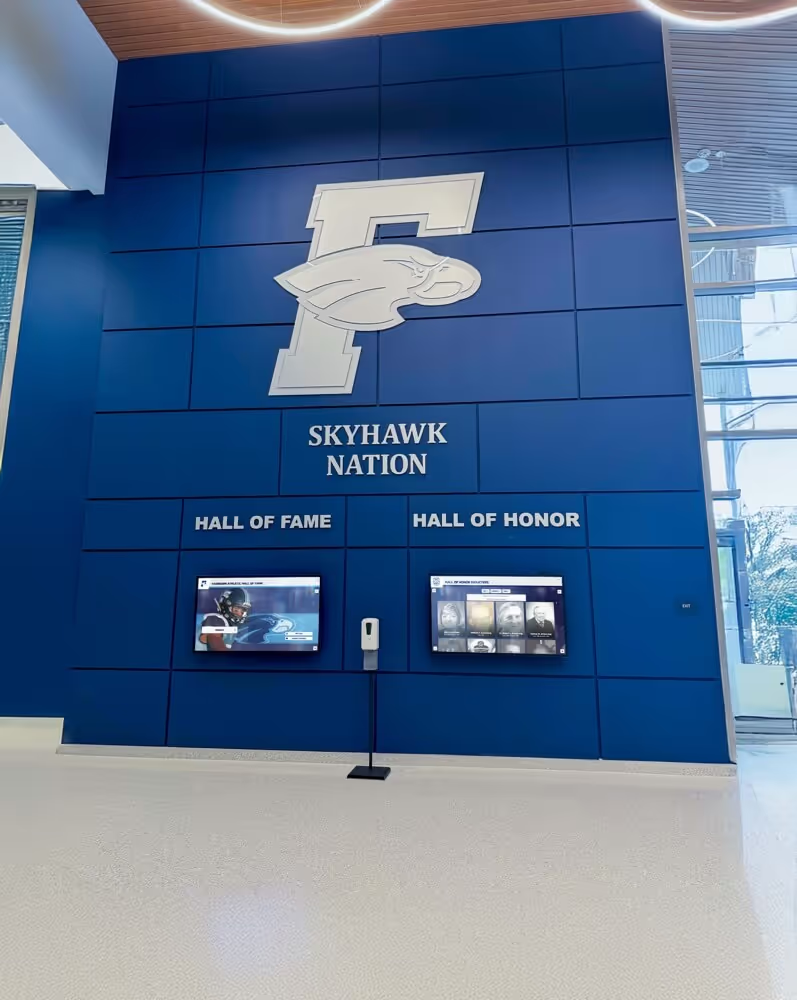
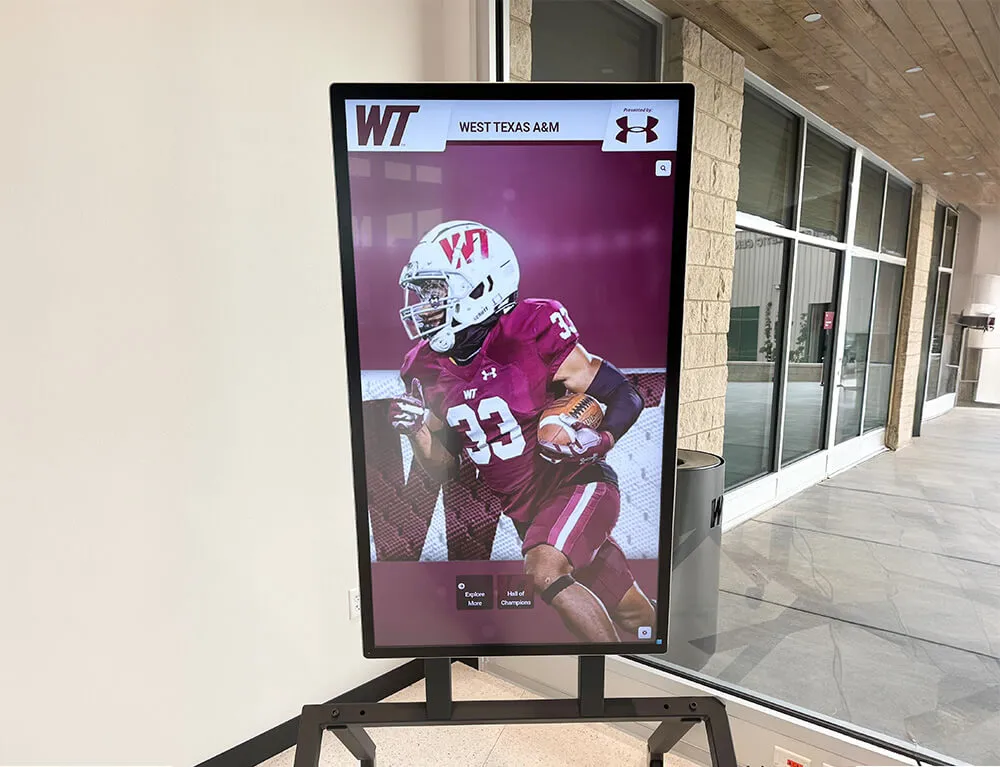
Professional touchscreen kiosks provide complete reunion display solutions without requiring wall mounting or extensive venue modifications
Web-Based Reunion Recognition Platforms
Extend reunion displays beyond single event night through permanent online access:
Pre-Reunion Engagement
Build excitement and participation before gathering:
- Online profile submission portal where classmates update information and upload photos
- Preview access enabling early exploration and memory sharing
- Gamification elements encouraging complete profile creation
- Social media integration amplifying reunion awareness
- “Coming/Not Coming” status updates helping with planning
- Digital memory book where classmates contribute stories and reflections
Pre-reunion platform access can increase eventual attendance by 15-20% according to reunion planning research, as online engagement reminds classmates about event and rebuilds connections beforehand.
During-Reunion Access
Enhance in-person experience through digital integration:
- Large touchscreen displays at venue for group exploration
- Personal mobile access via smartphones and tablets
- QR codes on name tags linking to individual profiles
- Real-time photo uploads throughout evening
- Live social feed aggregating posts from attendees
- Digital signing of classmate profiles creating permanent mementos
This multi-device approach accommodates different engagement preferences while ensuring comprehensive access regardless of display crowding.
Post-Reunion Continued Engagement
Transform single event into ongoing connection:
- Permanent access enabling classmates who couldn’t attend to explore all content
- Photo galleries from reunion night itself extending memories
- Ongoing profile updates as life continues evolving
- Announcement system for major news and milestone celebrations
- Planning platform for subsequent reunions building on existing foundation
- Reduced attrition between reunion events through sustained visibility
Many reunion committees report that post-event platform access generates more total engagement than reunion night itself, as classmates spend hours exploring comprehensive content at their own pace after returning home.
Discover comprehensive approaches to high school class reunion touchscreen displays that extend value beyond single events.
Investment and Implementation Considerations
Digital reunion solutions require different planning than traditional displays:
Cost Structures
Investment levels for interactive platforms:
- Display Hardware: $3,000-8,000 for touchscreen displays or kiosks if purchased (many platforms offer rental options for single events at $500-1,500)
- Platform Software: $1,000-3,000 for reunion-specific access depending on class size and feature requirements
- Content Development: $500-2,000 if engaging professional services for profile creation, though many platforms offer DIY tools
- Web Hosting and Access: $300-1,000 annually for ongoing platform access between reunions
While initial investment exceeds traditional poster boards, cost distributed across multiple reunions (10-year, 20-year, 30-year, etc.) makes per-event expense competitive while delivering substantially superior experience and permanent value.
Implementation Timeline
Digital solutions require earlier planning than traditional displays:
- 6 months before: Research platform options, request demonstrations, evaluate features and pricing
- 4-5 months before: Secure platform access, begin classmate outreach for profile submissions
- 2-3 months before: Develop content, create profiles, upload photos and biographical information
- 1 month before: Test all technical elements, train committee members, promote platform availability
- Event week: Coordinate equipment delivery/setup, conduct final testing, prepare backup plans
This extended timeline reflects reality that content development represents most significant investment, regardless of chosen format.
Vendor Selection Criteria
Evaluate digital reunion platforms carefully:
- Purpose-built reunion and alumni recognition capabilities vs. generic digital signage
- Intuitive content management enabling volunteer committees to create profiles easily
- Unlimited capacity accommodating every classmate regardless of attendance
- Web accessibility extending beyond physical displays to mobile and desktop devices
- Reasonable pricing sustainable across multiple reunion events over decades
- Responsive support understanding unique reunion requirements and timelines
- Positive references from similar reunion committees at comparable schools
Solutions like Rocket Alumni Solutions provide purpose-built platforms specifically designed for class reunions and alumni recognition, combining all essential features with reunion-focused support ensuring successful implementations.
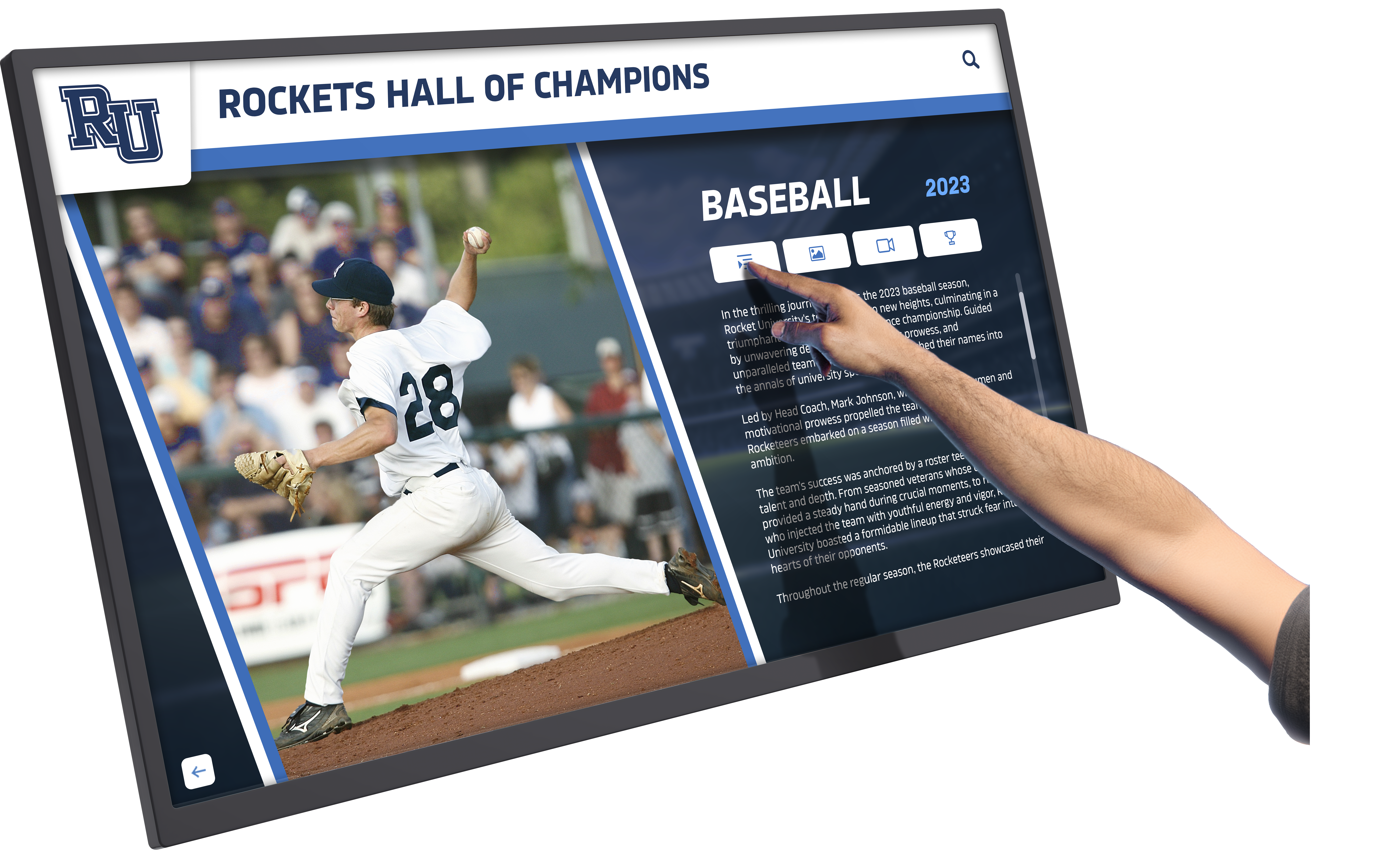
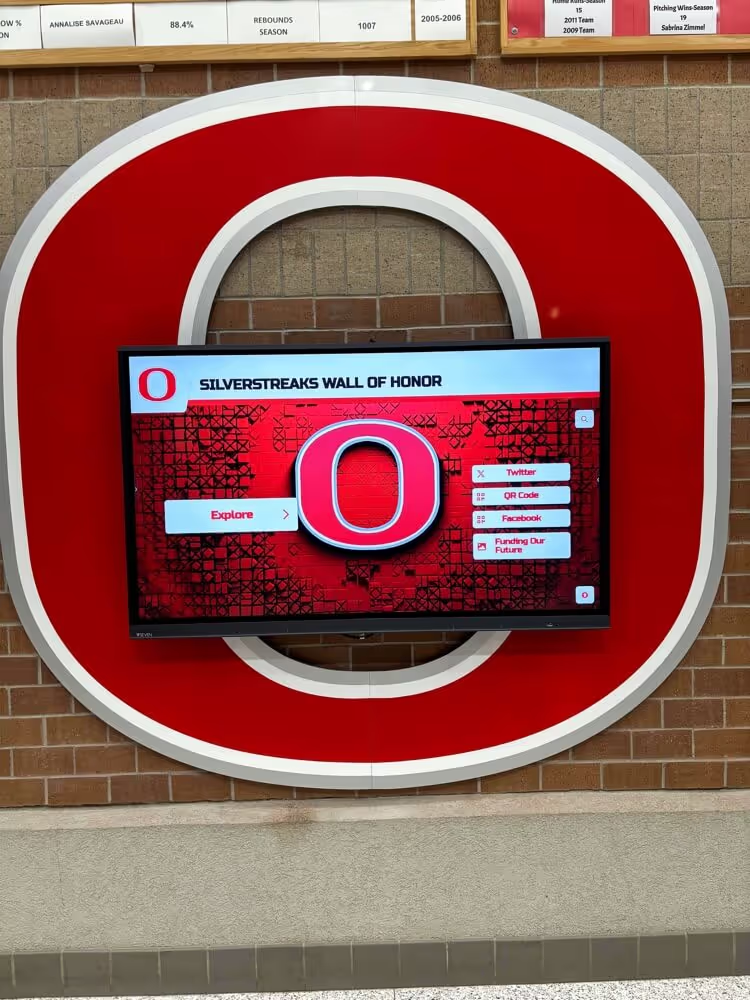
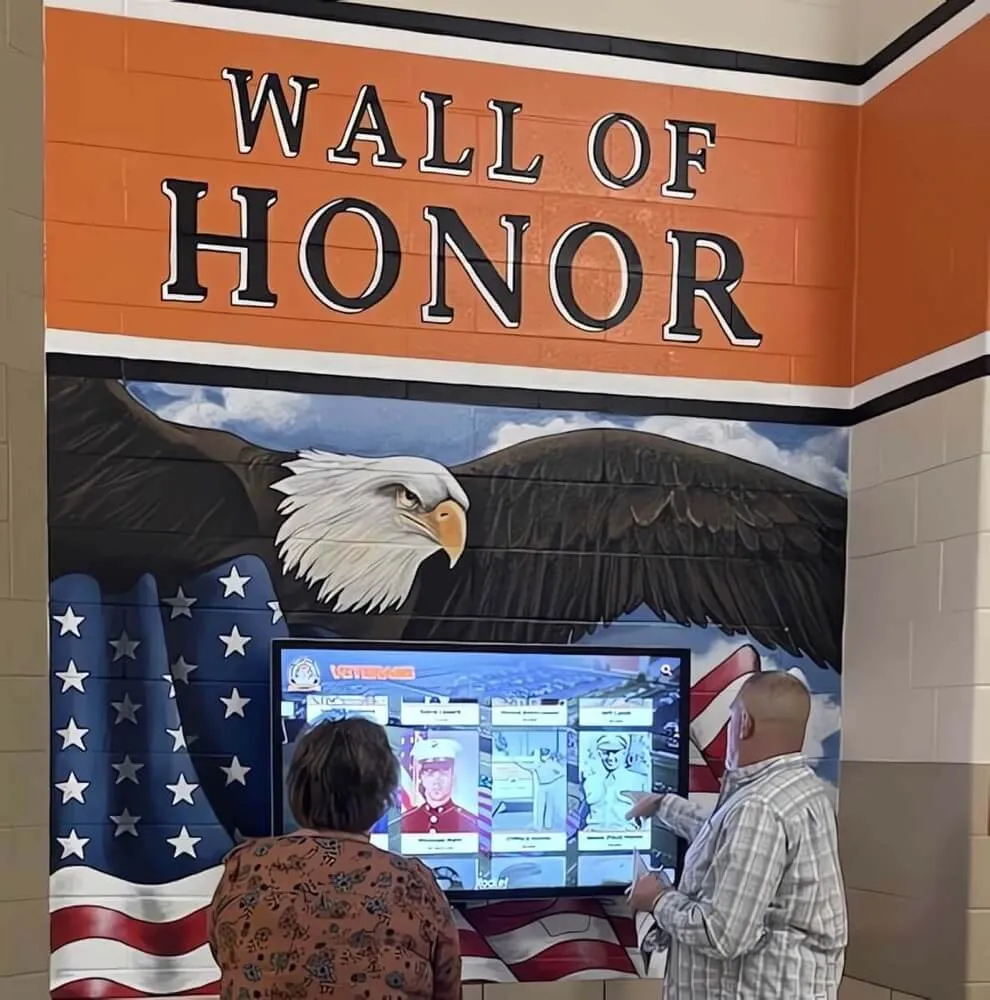
Intuitive touch interfaces enable classmates of all ages and technology comfort levels to explore reunion content independently
Content Architecture: Organizing Reunion Recognition Effectively
Thoughtful content organization transforms raw materials into coherent narratives celebrating class journey comprehensively:
Core Content Categories
Structure reunion displays around these essential elements:
School-Era Recognition
Celebrate shared high school experiences:
- Yearbook Archives: Senior photos, underclass photos, group shots, candid moments
- Academic Achievements: Honor roll, scholarships, academic competitions, valedictorians
- Athletic Accomplishments: Team photos, championships, individual records, all-conference selections
- Activities and Clubs: Drama productions, band performances, student government, special interest clubs
- Major Events: Prom, homecoming, graduation, senior trips, spirit weeks, traditions
- Faculty and Staff: Favorite teachers, coaches, administrators, support staff who shaped experience
School-era content creates foundation for reunion displays, triggering shared memories and facilitating conversations.
Life After Graduation
Honor individual journeys since school years:
- Career Profiles: Professional accomplishments, business ventures, career paths
- Educational Achievements: College degrees, graduate education, specialized training, certifications
- Family Milestones: Marriage, children, grandchildren, family photos
- Geographic Distribution: “Where are they now” mapping classmates’ locations
- Personal Accomplishments: Hobbies, volunteer service, creative pursuits, unique experiences
- Legacy Connections: Classmates’ children attending alma mater, multi-generational families
Post-graduation recognition honors individual paths while demonstrating collective impact of class across decades.
Commemorative Elements
Address sensitive but important topics:
- In Memoriam Sections: Tasteful tributes to deceased classmates with photos and brief biographies
- Alumni Achievement Awards: Recognition of classmates demonstrating exceptional accomplishment
- Class Statistics: Fun facts about class including geographic spread, career diversity, family totals
- Then and Now Comparisons: Side-by-side photos showing transformation across decades
- Reunion History: Photos and highlights from previous reunion gatherings
These special categories add depth and meaning to standard biographical content.
Information Gathering Strategies
Systematic approaches ensure comprehensive, accurate content:
Direct Classmate Outreach
Engage classmates in content development:
- Email campaigns to known addresses requesting photos and information updates
- Social media outreach through Facebook groups, LinkedIn networks, and dedicated reunion pages
- Online submission forms streamlining photo uploads and profile information
- Phone calls to classmates without digital presence or engagement
- Committee member assignments for personal outreach to specific classmates
- Incentives for early submission including reunion registration discounts
Higher participation creates richer displays while rebuilding connections before actual reunion event.
Secondary Research Methods
Fill gaps when direct outreach fails:
- Social media profile mining for professional and personal information
- LinkedIn research for career details and current locations
- Yearbook archives providing school-era photos and activities lists
- Previous reunion materials including past display boards and memory books
- Alumni database information from school advancement offices
- Local newspaper archives for major life events and accomplishments
- Mutual friend inquiries for classmates who have lost touch
Comprehensive research combined with direct outreach typically yields information on 70-85% of classmates even for classes with modest engagement levels.
Data Management and Organization
Systematic processes prevent chaos:
- Centralized spreadsheet or database tracking all content and status
- Consistent file naming conventions for submitted photos
- Permission tracking ensuring usage rights for all images
- Quality assessment flagging images requiring editing or replacement
- Backup systems preventing catastrophic content loss
- Version control maintaining submission histories and updates
Professional organization at this stage dramatically simplifies later production regardless of chosen display format.
Explore effective approaches to preserving school history that apply to reunion content management.
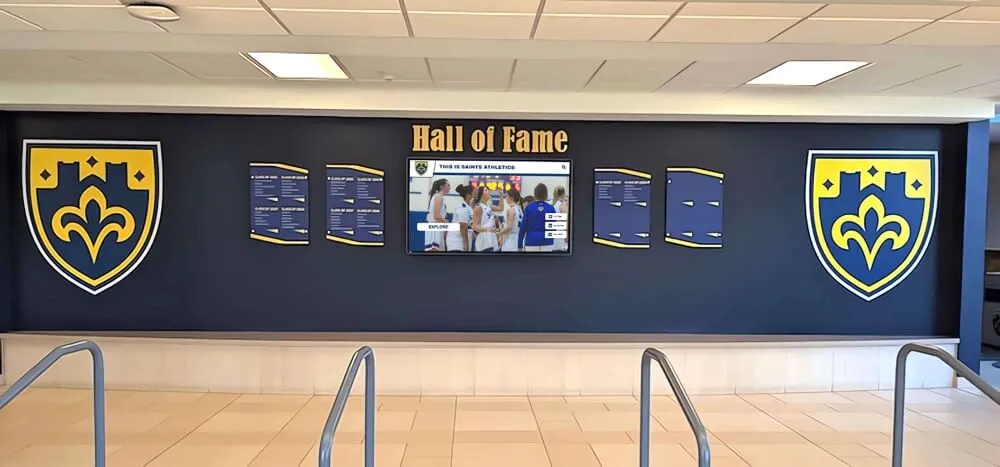
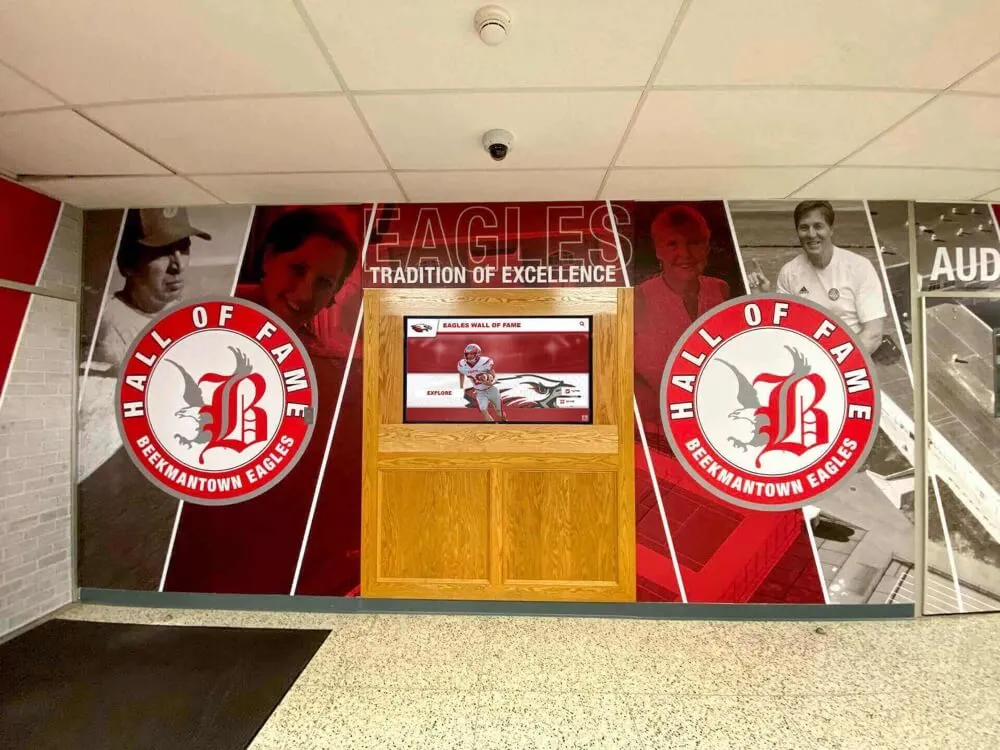
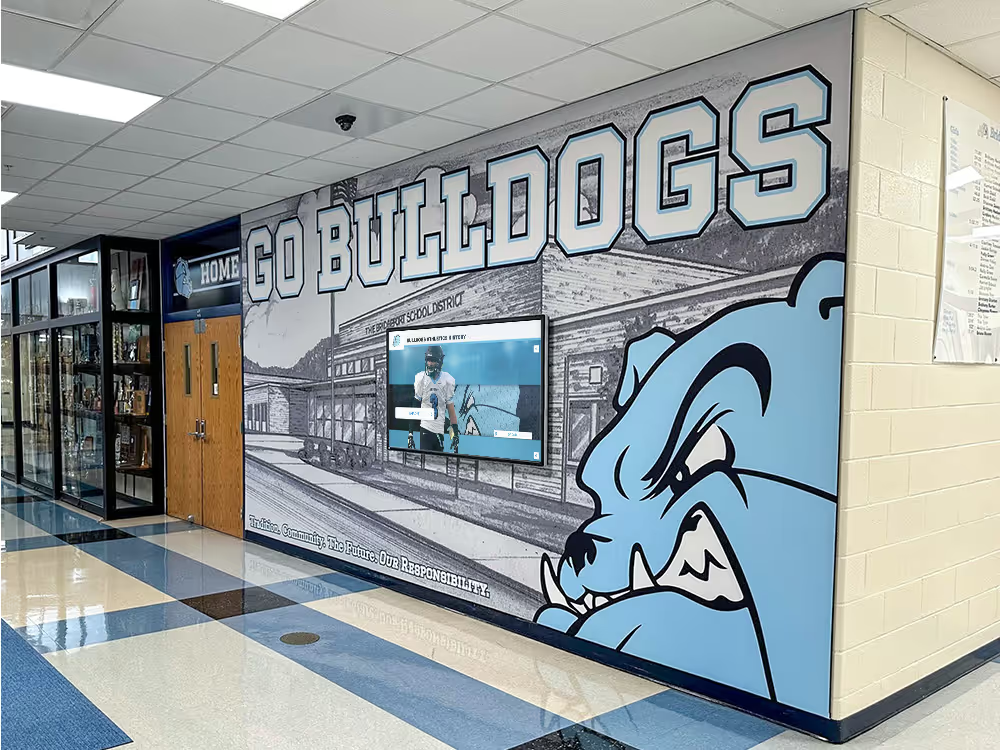
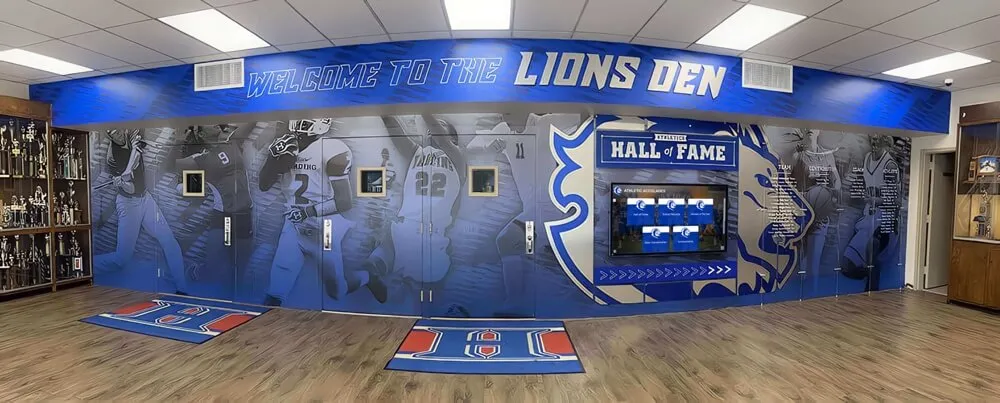
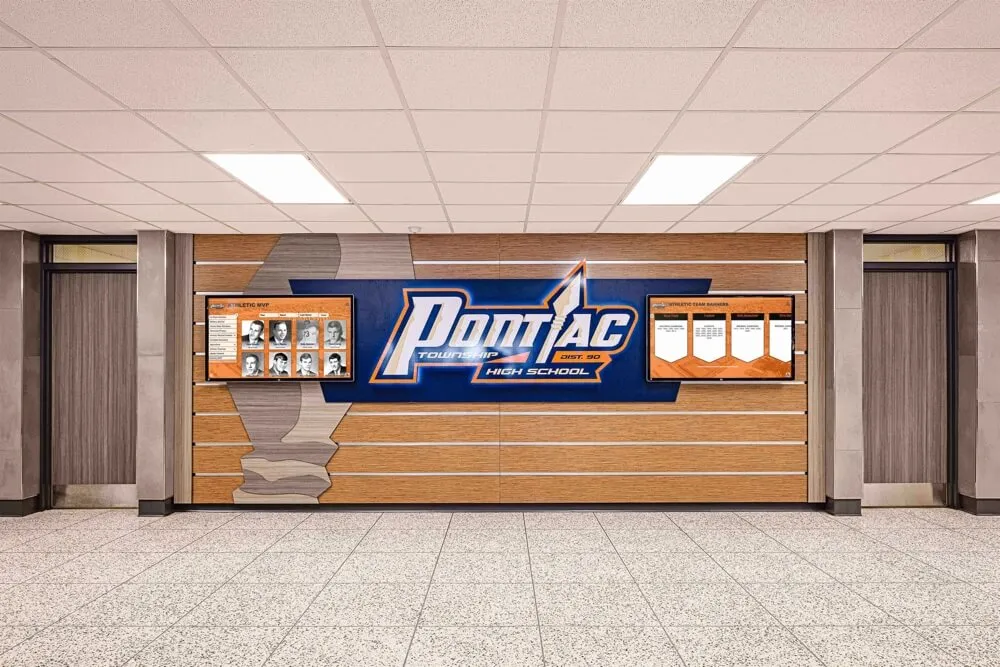
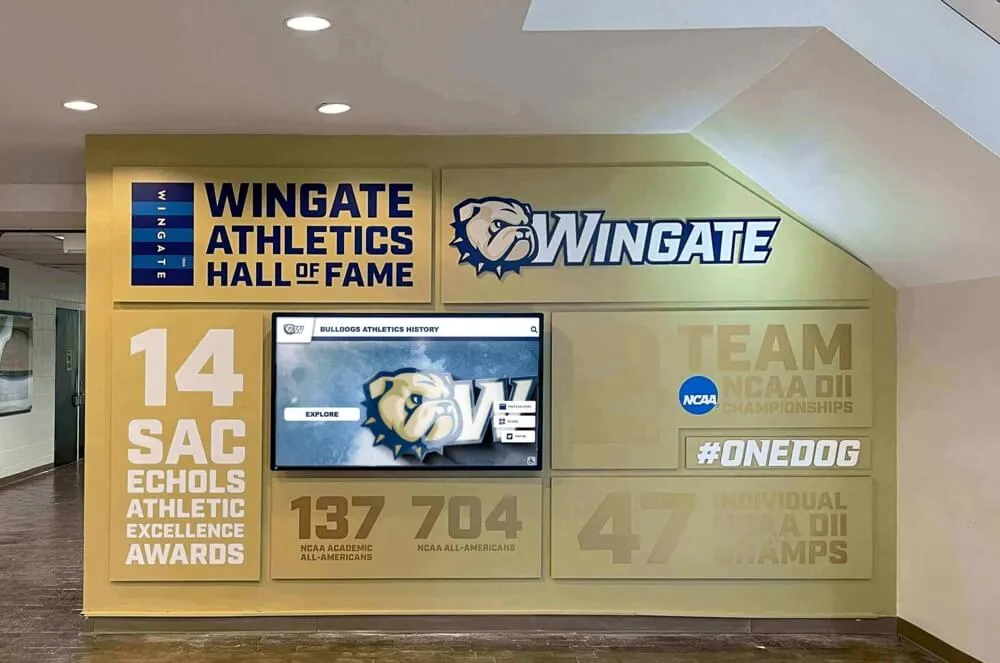
Hybrid approaches combining traditional aesthetic elements with modern interactive displays deliver both visual impact and rich content exploration
Execution Timeline: From Planning Through Post-Reunion Follow-Up
Systematic implementation ensures smooth execution and maximum value:
Phase 1: Initial Planning and Decision Making (6-8 Months Before)
Committee Formation and Role Assignment
Establish leadership and distribute responsibilities:
- Display Coordinator: Overall responsibility for all recognition elements
- Content Gathering Team: Outreach to classmates, information collection, photo acquisition
- Production Manager: Physical creation or digital platform implementation coordination
- Budget Manager: Financial tracking, vendor payments, expense authorization
- Technology Lead: Digital platform management, equipment coordination, technical troubleshooting
Clear role definition prevents confusion and ensures accountability for critical tasks.
Format Selection and Vendor Research
Make fundamental decisions shaping all subsequent work:
- Determine traditional vs. digital approach based on budget, goals, and venue
- Research potential vendors for printing, platform access, or equipment rental
- Request demonstrations and pricing from multiple providers
- Review references from reunion committees at similar schools
- Assess total cost of ownership across multiple future reunions if considering permanent platforms
Early format decisions enable appropriate timeline and resource allocation for chosen approach.
Phase 2: Content Development (4-6 Months Before)
Comprehensive Outreach Campaign
Maximize classmate participation:
- Launch email campaign with clear submission instructions and deadlines
- Create dedicated Facebook event or group for reunion coordination and content sharing
- Develop online submission form streamlining photo uploads and information gathering
- Assign committee members to personally contact classmates from their friend groups
- Send follow-up reminders at regular intervals maintaining momentum
- Establish “showcase classmates” early on demonstrating quality of content and encouraging others
According to reunion planning research, committees that implement systematic multi-channel outreach achieve 60-75% classmate participation vs. 20-35% for ad-hoc single-email approaches.
Content Organization and Quality Control
Transform raw submissions into usable materials:
- Centralize all content in organized digital library
- Edit photos for consistent quality, orientation, and resolution
- Verify biographical information accuracy with submitters when questionable
- Fill information gaps through secondary research and outreach
- Create standardized profile templates ensuring consistent presentation
- Develop content matrices tracking completeness across all classmates
This systematic processing phase typically requires 30-60 hours of volunteer time depending on class size and participation levels.
Phase 3: Production and Preparation (4-8 Weeks Before)
Display Creation
Execute chosen format professionally:
For Traditional Poster Boards:
- Finalize layouts for each thematic board
- Print photos at appropriate sizes and quality
- Purchase mounting materials, boards, easels, and supplies
- Assemble displays with attention to professional appearance
- Develop captions and labeling ensuring readability
- Transport and storage planning for safe handling
For Digital Platforms:
- Upload all content to platform following provided specifications
- Create individual classmate profiles with consistent structure
- Test search and navigation ensuring intuitive operation
- Configure featured content highlighting particularly interesting material
- Coordinate equipment rental or purchase with vendor
- Schedule delivery, setup, and pickup logistics
Venue Coordination
Ensure smooth on-site execution:
- Visit venue to confirm display placement locations
- Verify electrical access for digital displays if applicable
- Assess lighting conditions potentially requiring adjustments
- Confirm table and easel availability for traditional displays
- Develop floor plan showing optimal traffic flow
- Schedule setup time and access with venue management
Phase 4: Event Execution (Reunion Night)
Setup and Installation
Professional presentation creates strong first impressions:
- Arrive early for adequate setup time without rushing
- Position displays strategically near entry points and gathering areas
- Test all technical elements thoroughly before guests arrive
- Adjust lighting minimizing glare and ensuring visibility
- Create clear signage directing attention to recognition areas
- Assign volunteers to monitor displays, answer questions, and encourage exploration
Active Engagement Throughout Event
Maximize display impact during reunion:
- Station committee members near displays to facilitate navigation and encourage participation
- Prompt conversations by asking about specific memories or people visible in displays
- Capture photos and videos of classmates engaging with recognition content
- Encourage social media sharing with event hashtags and tags
- Update digital platforms in real-time with reunion night photos if feasible
- Monitor technical performance addressing any issues immediately
Documentation for Future Value
Preserve reunion experience comprehensively:
- Professional photography of display boards themselves for archival purposes
- Candid shots of classmates exploring and enjoying recognition content
- Video interviews with classmates sharing reflections on displays and reunion
- Guest book or digital collection of memories and reactions
- Social media aggregation capturing all shared posts and tags
This documentation becomes valuable content for future reunions while extending current event impact through post-reunion sharing.
Phase 5: Post-Reunion Follow-Up (1-4 Weeks After)
Content Distribution and Sharing
Extend reunion value to broader community:
- Distribute photos from reunion night to all classmates including those unable to attend
- Share highlights through social media and email communications
- Provide access to digital platforms enabling ongoing exploration
- Create PDF memory book compiling key content for download or printing
- Collect feedback on displays informing future reunion planning
Platform Maintenance (Digital Solutions)
Sustain engagement between reunion events:
- Add reunion night photos to platform expanding content library
- Encourage ongoing profile updates as life continues evolving
- Enable announcement features for major classmate news and milestones
- Maintain technical performance through regular monitoring
- Plan content enhancements based on usage analytics and feedback
Permanent digital platforms transform single-event displays into year-round engagement tools strengthening connections across decades.
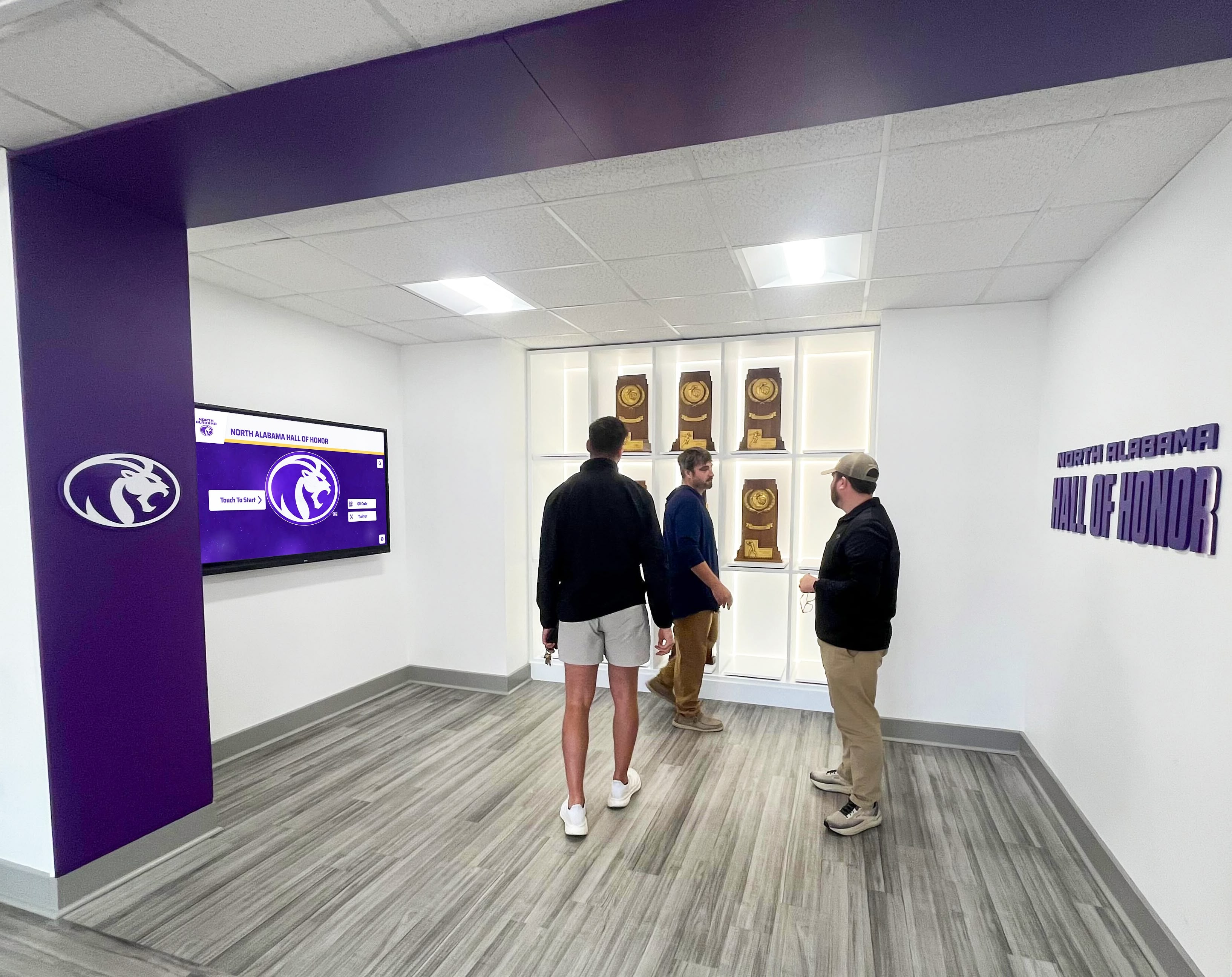
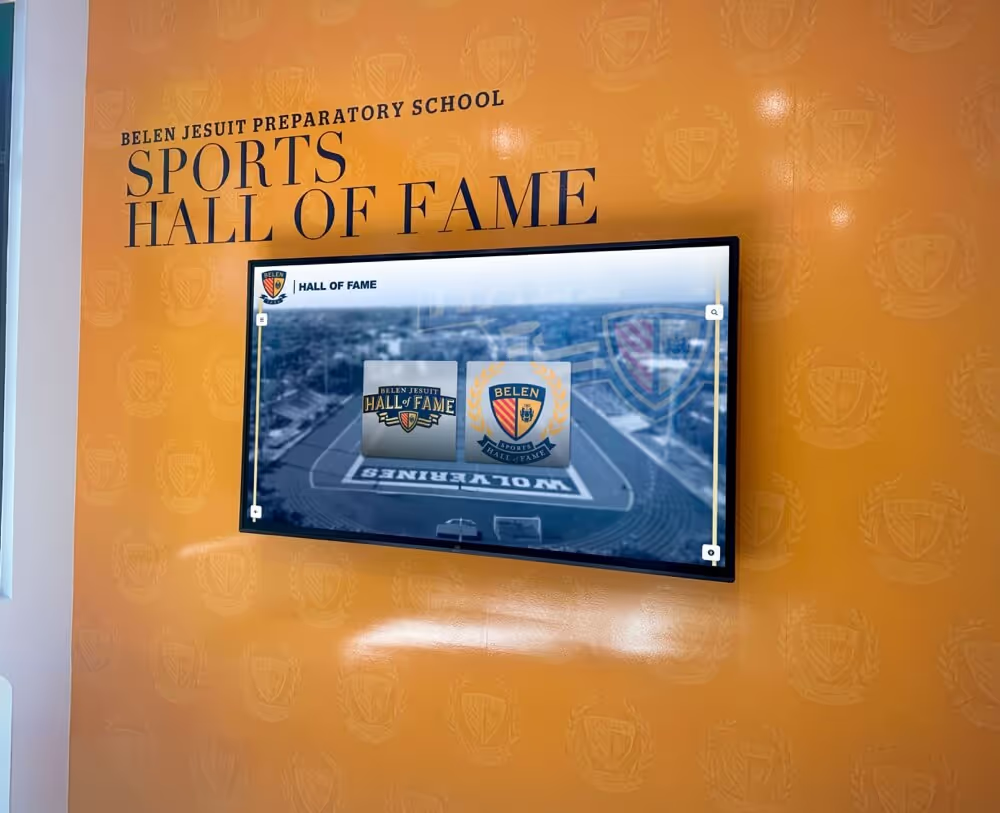
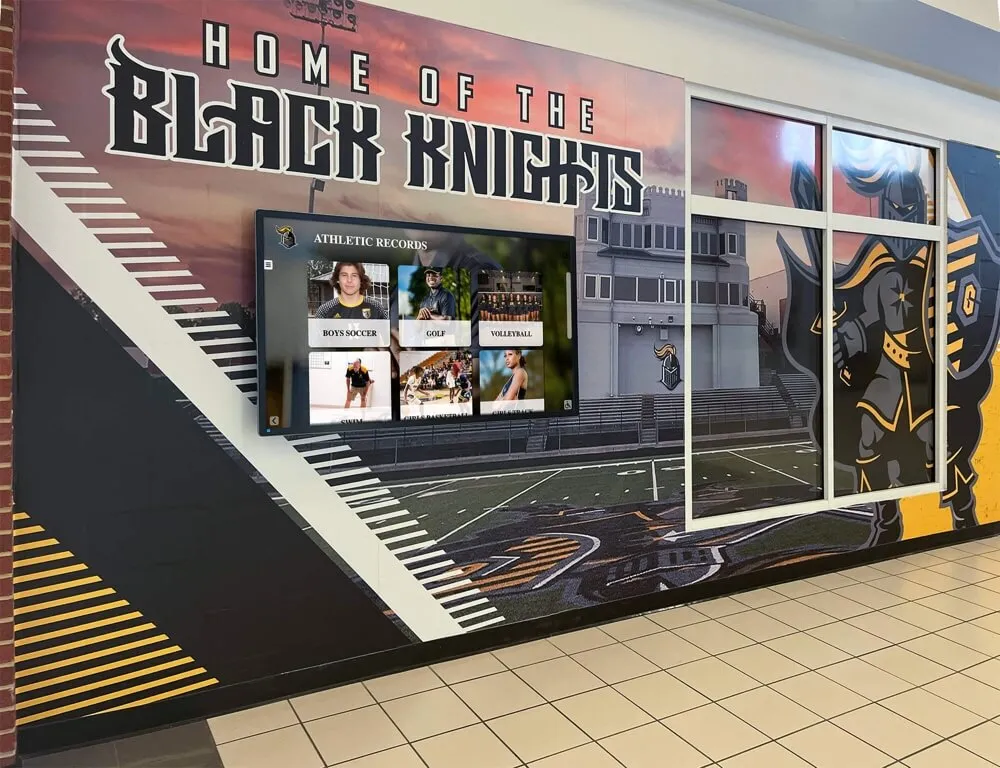
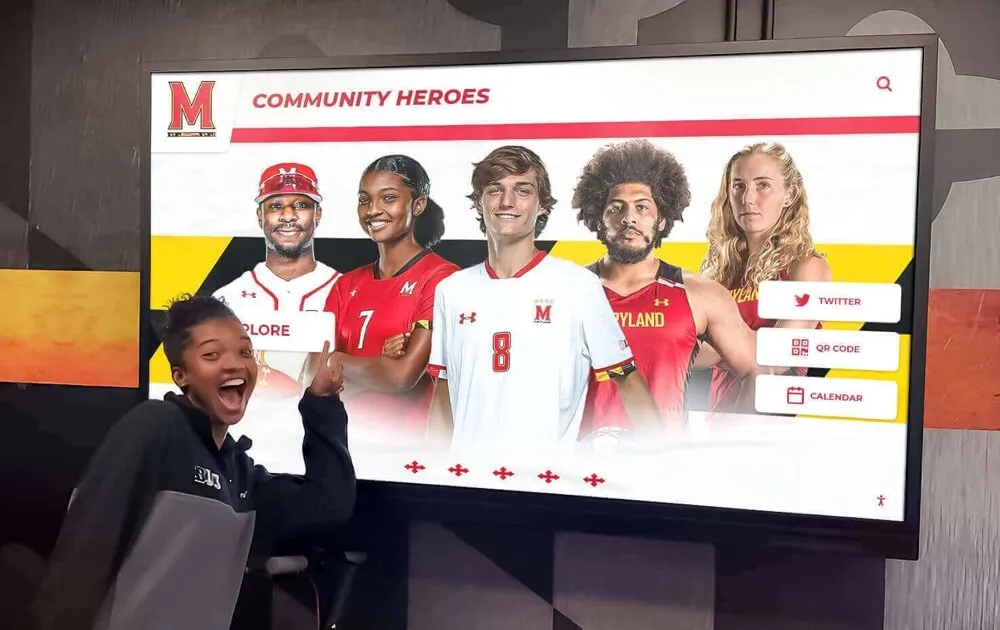
Effective reunion displays create social gathering points where classmates explore memories together, facilitating conversations and reconnections
Display Integration: Connecting Reunion Recognition to Ongoing Alumni Engagement
The most successful reunion displays serve as catalysts for sustained connection rather than single-event decorations:
Permanent School-Based Recognition
Schools can leverage reunion displays for broader institutional benefit:
Alumni Recognition Installations
Transform temporary reunion displays into permanent recognition:
- Interactive touchscreen displays in school lobbies or alumni areas showcasing reunion content
- Dedicated alumni walls celebrating graduate achievements across all class years
- Integration with existing school hall of fame recognition systems
- Web-based platforms accessible globally enabling worldwide alumni exploration
- Regular content updates incorporating new reunions and ongoing accomplishments
Permanent installations create lasting institutional value while providing reunion committees with ready-made recognition infrastructure for future events.
Multi-Reunion Content Aggregation
Build comprehensive historical archives systematically:
- Combine content from multiple class reunions creating decade-spanning narrative
- Class composite displays showing every graduating class
- “Where are they now” profiles across multiple decades of graduates
- Statistical analysis showing collective alumni impact and geographic distribution
- Historical timeline showing school evolution through alumni lens
This comprehensive approach positions individual class reunions as components of broader institutional story.
Reunion Committee Continuity
Preserve institutional knowledge across reunion cycles:
Documentation and Resources
Develop playbooks for future committees:
- Detailed process documentation explaining how current displays were created
- Vendor contact information and evaluation notes
- Budget worksheets showing actual costs and effective fundraising approaches
- Content gathering templates and outreach messaging that proved effective
- Technical setup guides for equipment and platform operation
- Lessons learned documenting what worked well and what to improve
Comprehensive documentation enables future committees to build on rather than recreate existing work.
Digital Asset Libraries
Maintain organized content repositories:
- Centralized photo libraries with consistent organization and metadata
- Master classmate databases with ongoing information updates
- Vendor files including contracts, pricing, and performance assessments
- Marketing materials available for customization by future committees
- Historical reunion documentation showing evolution across events
These permanent repositories reduce preparation time for subsequent reunions dramatically while ensuring consistent quality.
Explore approaches to school history software that support ongoing alumni recognition programs.
Social Media Integration and Ongoing Engagement
Extend reunion display impact through digital channels:
Pre-Reunion Social Amplification
Build excitement through strategic sharing:
- Teaser content highlighting display elements and encouraging registration
- Profile spotlights featuring individual classmates creating anticipation
- Memory sharing campaigns collecting content while promoting event
- Countdown posts maintaining visibility as reunion approaches
- Hashtag campaigns aggregating all reunion-related social content
Strategic pre-reunion social media can increase attendance by 10-20% according to reunion planning research.
During-Reunion Real-Time Engagement
Amplify event reach beyond attendees:
- Live social feed displays showing all tagged posts at venue
- Photo booth integration with instant social sharing capabilities
- Committee member posting capturing key moments and interactions
- Classmate self-posting encouraged through signage and prompts
- Hashtag monitoring and engagement responding to social conversations
Real-time social activity creates FOMO (fear of missing out) that can increase subsequent reunion attendance.
Post-Reunion Sustained Connection
Maintain momentum after event concludes:
- Comprehensive photo galleries shared through multiple channels
- Video highlights compilation capturing reunion spirit and energy
- Ongoing “classmate spotlight” series maintaining visibility between reunions
- Milestone celebrations for classmates with birthdays, achievements, or news
- Planning group formation for next reunion capitalizing on renewed connections
Sustained engagement reduces attrition between reunion events while deepening relationships beyond single gatherings.
Advanced Considerations for Exceptional Reunion Displays
Several additional factors separate adequate recognition from truly exceptional celebration:
Inclusivity and Representation
Thoughtful approaches ensure comprehensive recognition:
Diverse Achievement Definition
Celebrate success across multiple dimensions:
- Professional accomplishments across all career types not just high-status fields
- Personal achievements including family, hobbies, volunteer service, creative pursuits
- Character qualities like kindness, service, loyalty alongside measurable success
- Diverse life paths honoring varied choices and circumstances
- Recognition avoiding comparison or implying hierarchy among classmates
Inclusive achievement definition ensures all classmates see themselves reflected and celebrated appropriately.
Accessibility Considerations
Design displays serving everyone effectively:
- Physical accessibility for wheelchairs and mobility limitations
- Large readable fonts accommodating vision challenges
- Audio alternatives for visual content when technically feasible
- Multi-language content if class included non-English speakers
- Sensitivity to classmates with difficult histories or challenging circumstances
Accessibility extends beyond legal compliance to genuine hospitality ensuring all classmates feel welcomed and valued.
Privacy and Consent Management
Respectful approaches protect classmate boundaries:
Information Sharing Policies
Establish clear guidelines:
- Explicit permission required before including personal information beyond basic biographical facts
- Contact information sharing only for classmates who specifically authorize
- Family photos and children only with explicit approval
- Career details verified before inclusion preventing embarrassment from outdated information
- Opt-out procedures respecting classmates preferring privacy
Privacy protection builds trust while preventing uncomfortable situations stemming from overexposure.
Sensitive Content Handling
Address potentially difficult topics appropriately:
- In memoriam sections created with family consultation when possible
- Divorce and relationship changes handled with discretion
- Career setbacks or difficulties not highlighted unless classmate desires
- Health challenges private unless classmate chooses to share
- Financial circumstances never referenced or implied through content inclusion/exclusion
Thoughtful sensitivity prevents unintended hurt while maintaining celebration’s positive spirit.
Budget Optimization Strategies
Maximize impact within available resources:
Creative Cost Reduction
Deliver quality on modest budgets:
- Committee member skills utilized for design, photography, video editing
- Bulk printing through discount providers or local donors
- Equipment borrowing from school, church, or community centers
- Digital platforms with tiered pricing matching actual needs without unnecessary features
- Volunteer labor for setup, monitoring, and teardown reducing staffing costs
- Combination approaches using traditional displays for some content, digital for other elements
Strategic budgeting enables professional results without excessive expense.
Fundraising Integration
Generate revenue offsetting display costs:
- Reunion registration premiums explicitly supporting enhanced recognition
- Sponsorship opportunities for local businesses or successful alumni
- Display-related merchandise including printed memory books or photo products
- Digital platform access fees for classmates unable to attend in person
- Legacy gifts enabling permanent institutional recognition benefiting future classes
Thoughtful fundraising transforms displays from expenses into net-positive financial contributors while delivering superior recognition quality.
Conclusion: Creating Reunion Recognition That Strengthens Lifelong Connections
High school reunion display boards serve as far more than simple decoration—they create emotional anchors transforming reunion events into meaningful celebrations of shared journey, individual achievement, and collective bond. Whether reunion committees choose traditional poster displays with nostalgic yearbook photos, elegant memory walls inviting classmate participation, comprehensive digital slideshows showing class evolution across decades, or cutting-edge interactive touchscreen platforms enabling personalized exploration, thoughtfully designed recognition determines whether reunions become forgettable social gatherings or treasured commemorations strengthening connections that extend across lifetimes.
The strategies explored throughout this guide provide reunion planning committees with complete blueprints for designing displays that honor shared history authentically, celebrate individual journeys comprehensively, facilitate meaningful conversations naturally, and create lasting value extending far beyond single event nights. From traditional foam-board approaches serving budget-conscious committees to sophisticated digital recognition platforms preserving reunion memories permanently while enabling ongoing engagement between gatherings, successful display strategies balance nostalgia with innovation, individual recognition with collective celebration, and immediate impact with long-term value.
Ready to create exceptional reunion recognition for your upcoming class gathering? Modern approaches combining traditional display elements with interactive digital platforms deliver comprehensive solutions that serve both immediate event needs and long-term alumni engagement goals. Solutions like Rocket Alumni Solutions provide purpose-built platforms specifically designed for class reunions and alumni recognition, offering unlimited classmate profiles, rich multimedia content, intuitive search and discovery, web accessibility enabling global access, and sustainable pricing across multiple reunion events over decades.
Whether planning your first reunion or seeking to enhance traditions established across multiple gatherings, begin with clear recognition goals defining intended outcomes, develop systematic content gathering processes maximizing classmate participation, select display formats balancing budget constraints with desired impact, implement professional execution plans ensuring smooth setup and operation, and leverage permanent digital platforms transforming single events into ongoing engagement opportunities. Request your free custom demo or schedule a consultation to explore how purpose-built recognition platforms can celebrate your class’s unique story while strengthening connections that last a lifetime.
Your classmates deserve recognition celebrating shared history while honoring individual journeys. Your reunion deserves displays creating emotional connections rather than serving merely as background decoration. With thoughtful planning, comprehensive content development, appropriate format selection, and commitment to creating lasting value beyond single event nights, you can design reunion recognition that transforms ordinary class gatherings into extraordinary celebrations of the bonds, achievements, and memories that define your unique class story. The investment required remains modest while returns—measured through strengthened friendships, renewed connections, and collective pride—deliver exceptional value that participants cherish for years to come.
Start planning your reunion display board today, guided by these proven strategies and inspired by the understanding that well-designed recognition serves as catalyst for the meaningful connections that make reunions truly memorable. Your class’s story deserves to be told comprehensively, celebrated authentically, and preserved permanently for generations to come.
Sources: