



High school graduate displays serve as enduring tributes that celebrate senior achievements, preserve institutional memory, and create lasting connections between graduating classes and their alma maters. These recognition systems document the culmination of four years of academic growth, extracurricular involvement, and personal development while honoring each graduate’s unique journey and contributions to school communities.
Traditional approaches to graduate recognition—printed senior composites in hallways, static bulletin boards with graduation photos, or occasional yearbook displays—often fall short of providing the comprehensive, engaging celebration that graduating seniors deserve. Physical displays accumulate over time consuming valuable wall space, historical graduate information becomes inaccessible when removed from prominent locations, and static presentations fail to capture the rich stories and diverse accomplishments that define each graduating class.
This comprehensive guide explores how schools can honor graduating seniors through modern display solutions that combine traditional aesthetics with digital capabilities, creating recognition programs that celebrate every graduate equitably while building institutional pride and maintaining meaningful connections with alumni for decades to come.
Effective graduate recognition requires systems that honor individual achievements comprehensively, preserve historical records permanently, and create engagement that strengthens school community bonds across generations. Schools that excel at graduate display create environments where senior accomplishments receive appropriate prominence while establishing traditions that resonate throughout educational communities.

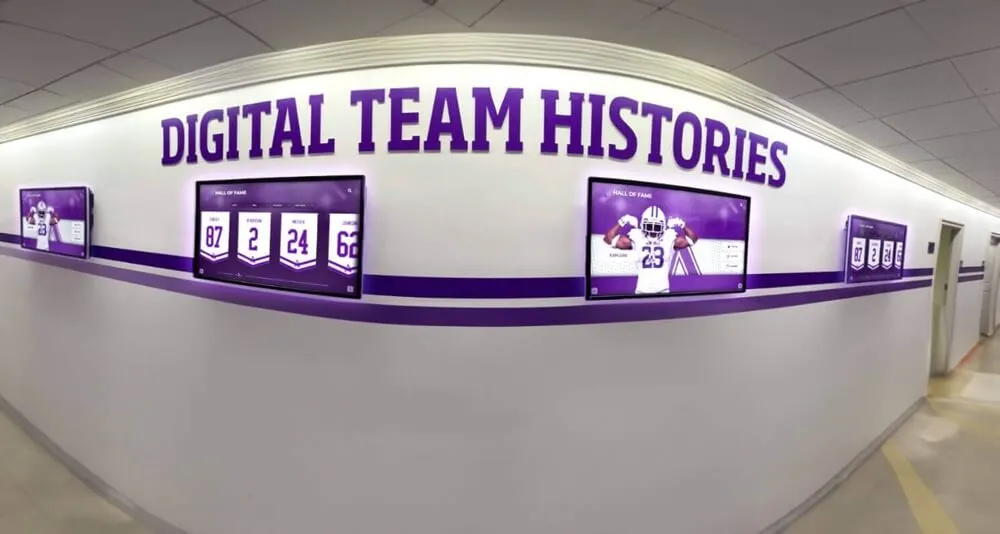
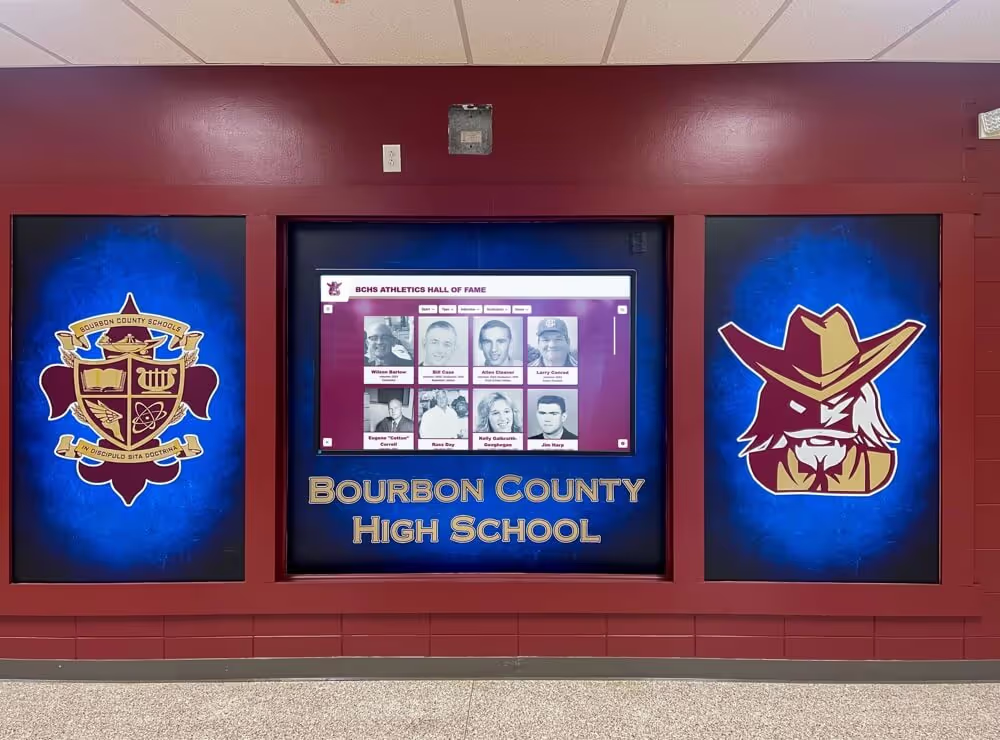
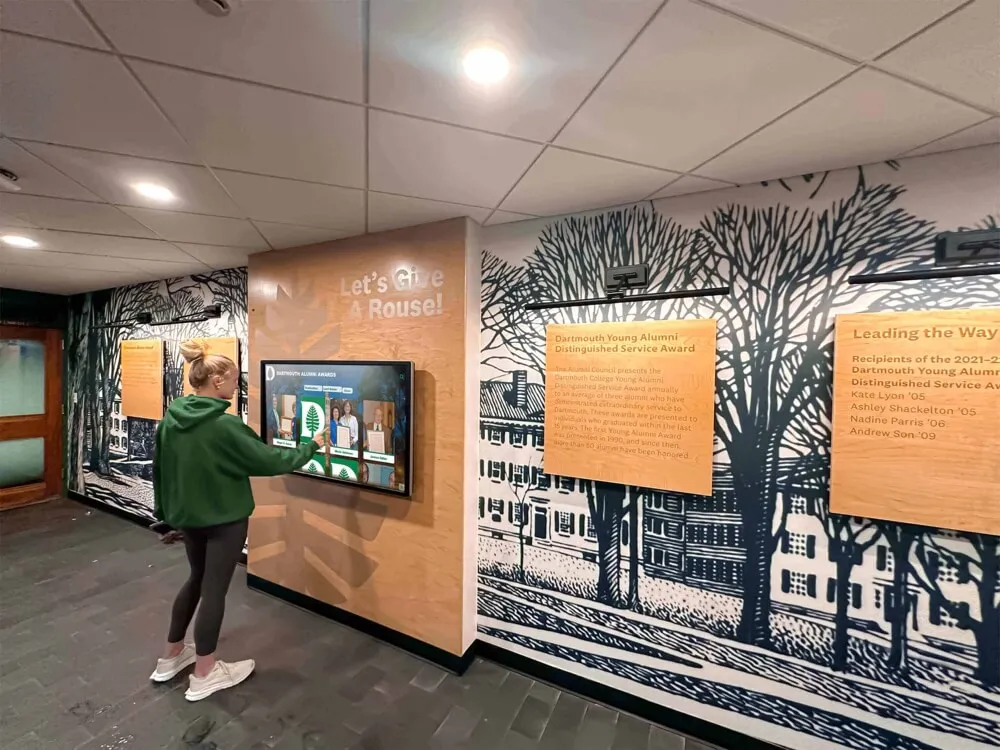
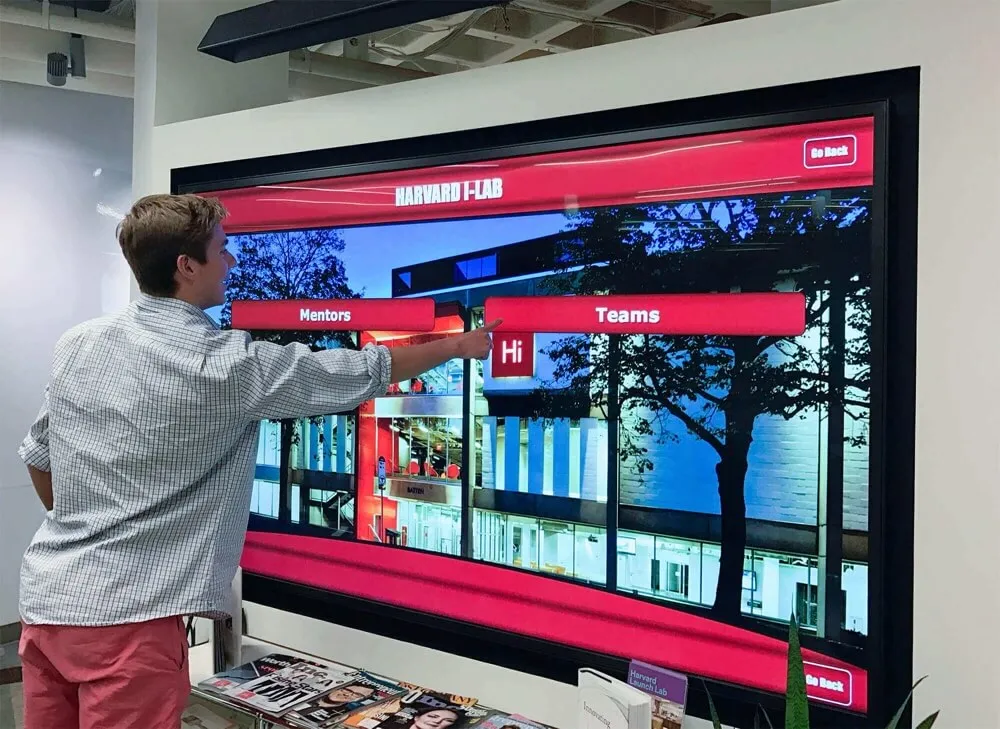
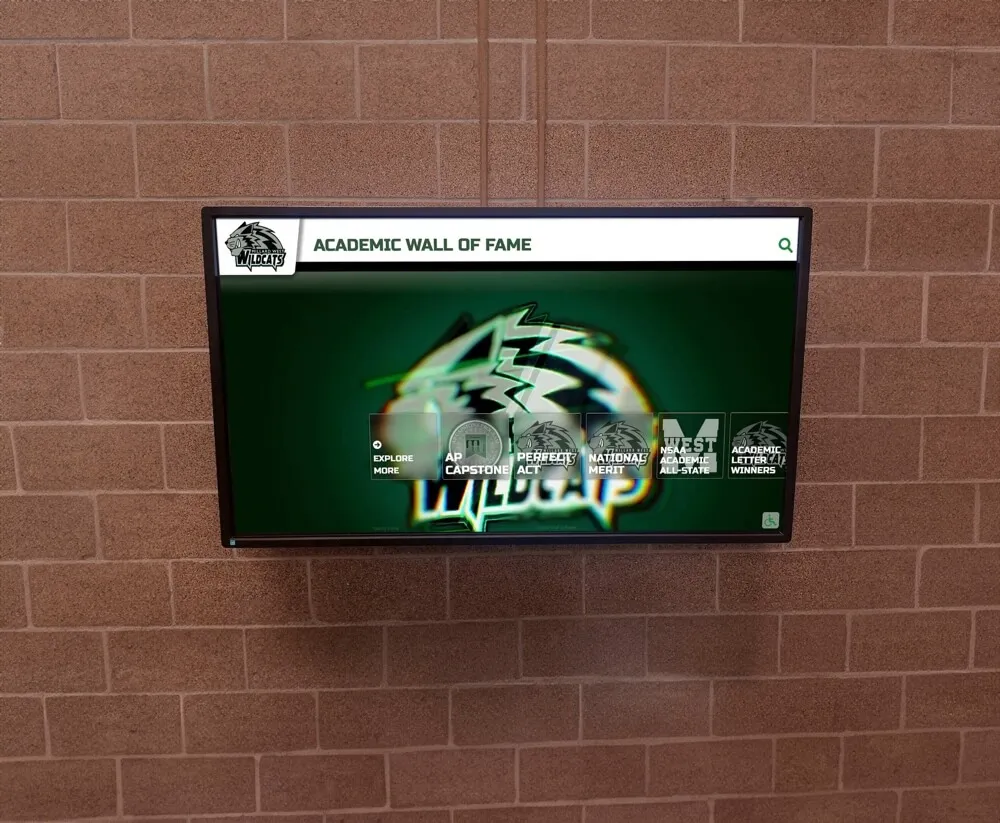
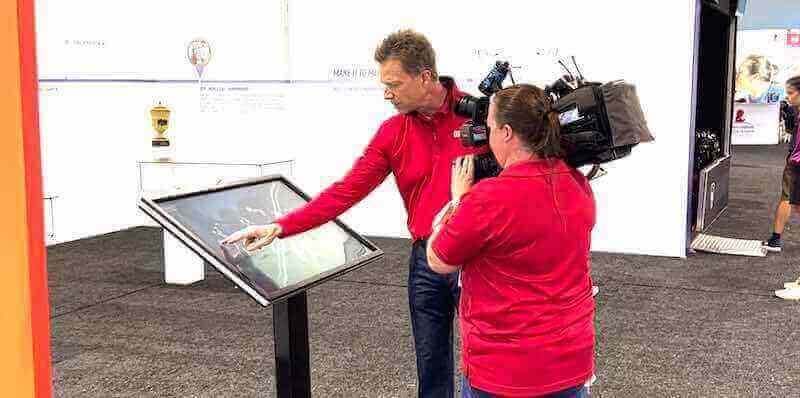
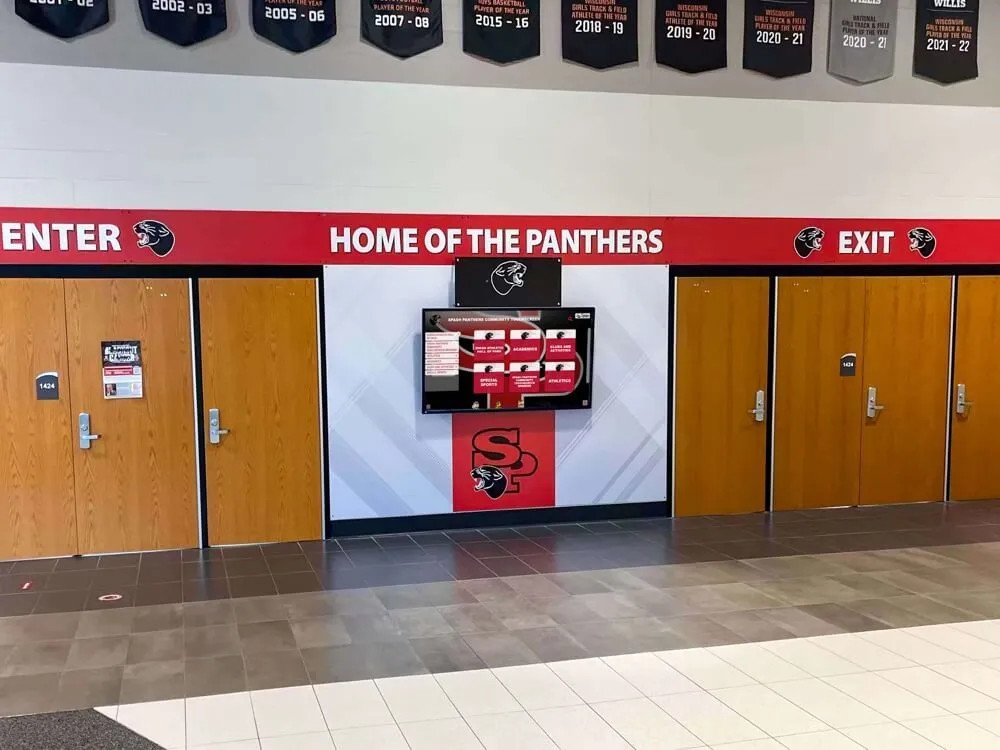
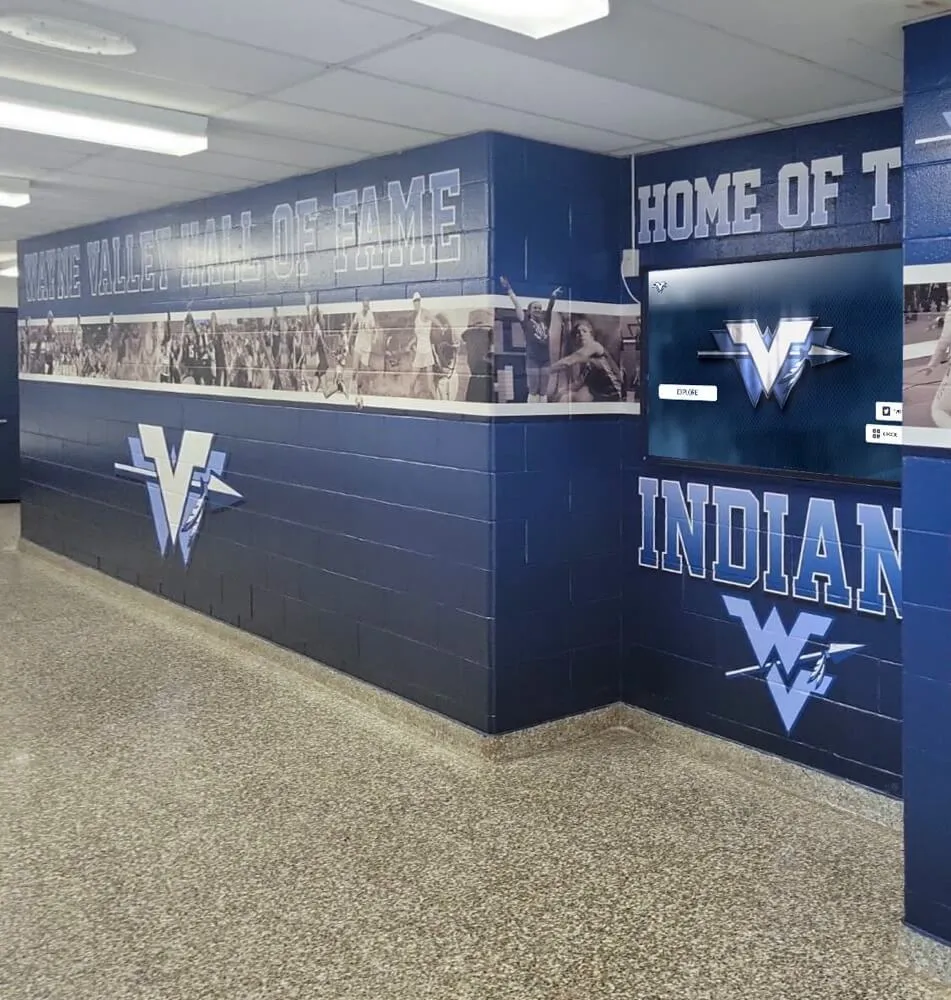
Contemporary graduate displays celebrate individual achievements while documenting class identity and institutional legacy
Understanding High School Graduate Display Systems
Before implementing recognition solutions, understanding what graduate displays encompass and why they matter helps schools create programs aligned with institutional values and community expectations.
The Purpose and Value of Graduate Recognition
Graduate displays serve multiple essential functions within educational institutions:
Individual Student Celebration
Recognition systems honor each graduate’s personal journey:
- Document academic achievements including honors, awards, and distinctions
- Showcase extracurricular involvement across athletics, arts, clubs, and leadership
- Highlight unique talents, interests, and contributions to school community
- Preserve memories of friendships, experiences, and formative moments
- Provide lasting acknowledgment of effort, growth, and accomplishment
- Create permanent records celebrating graduation as significant life milestone
Each senior invested thousands of hours over four years developing skills, building relationships, and contributing to their school. Graduate displays ensure these contributions receive appropriate recognition rather than disappearing after commencement ceremonies conclude.
Institutional Memory Preservation
Graduate recognition creates permanent historical archives:
- Document complete graduating class rosters across decades
- Preserve visual records showing demographic evolution over time
- Maintain connections between current students and institutional legacy
- Enable alumni research and reunion planning for future gatherings
- Provide historical context for understanding school tradition and identity
- Create tangible evidence of educational impact spanning generations
Without systematic graduate display programs, schools lose invaluable institutional memory as graduates disperse, physical materials deteriorate, and knowledge of past classes fades from collective awareness.
Alumni Engagement Foundation
Recognition establishes ongoing graduate connections:
- Create touchpoints alumni return to experience during campus visits
- Facilitate class reunion coordination and milestone celebrations
- Provide conversation starters strengthening bonds between generations
- Support fundraising by demonstrating institutional commitment to recognition
- Enable mentorship connections between alumni and current students
- Build lifelong loyalty through continued institutional acknowledgment
Research consistently demonstrates that alumni who feel recognized and valued by their institutions show substantially higher engagement levels including event attendance, mentorship participation, and philanthropic support throughout their lives.
Learn more about comprehensive senior recognition programs that extend beyond basic displays.
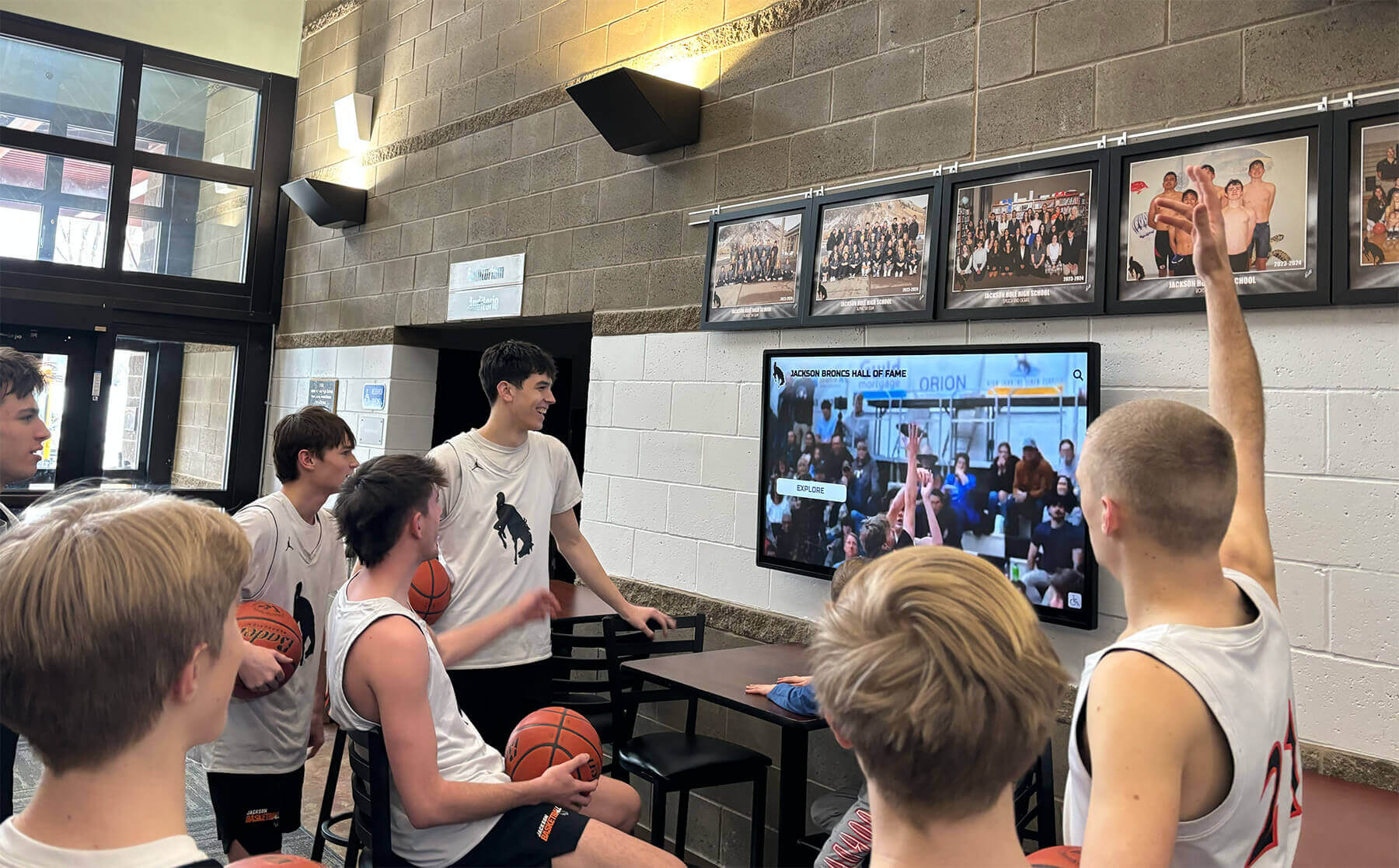
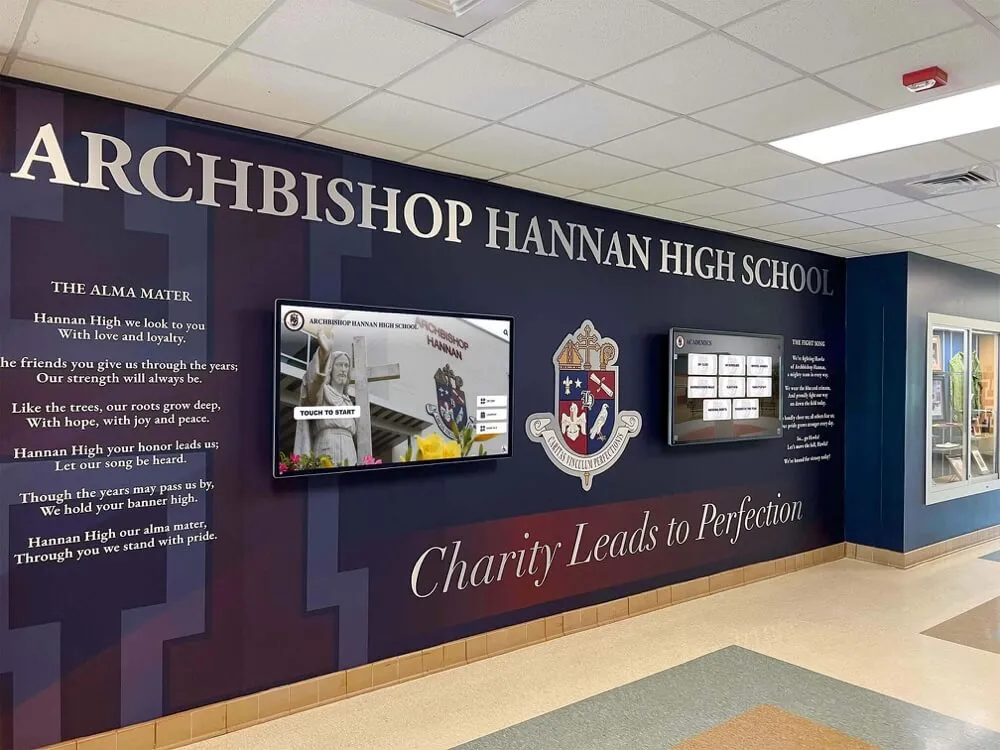
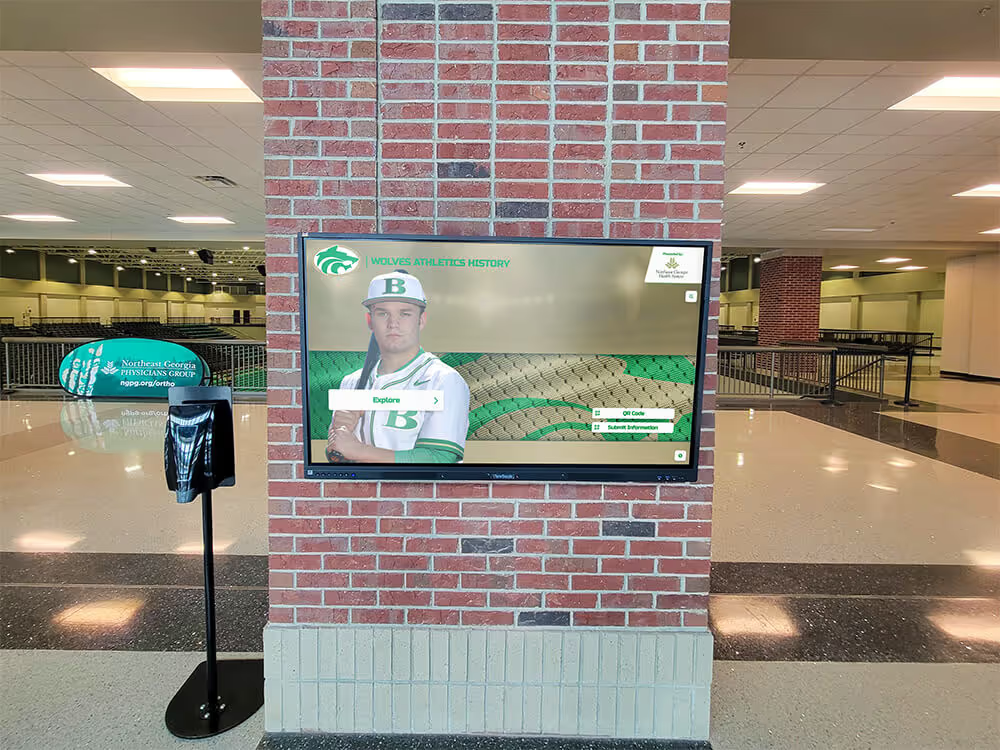
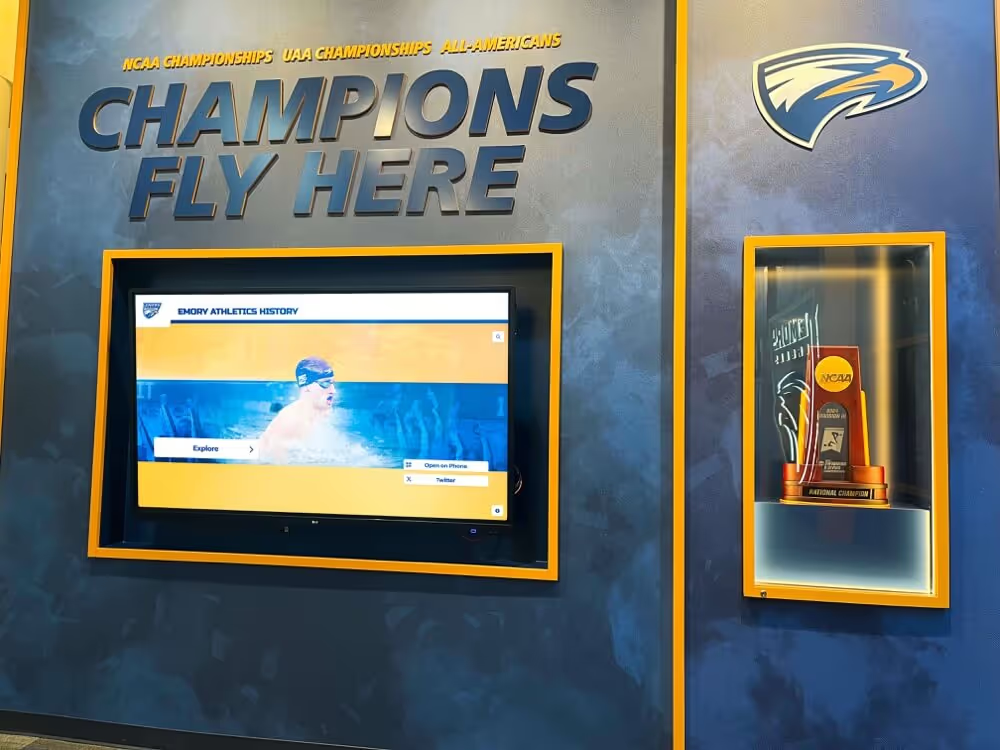
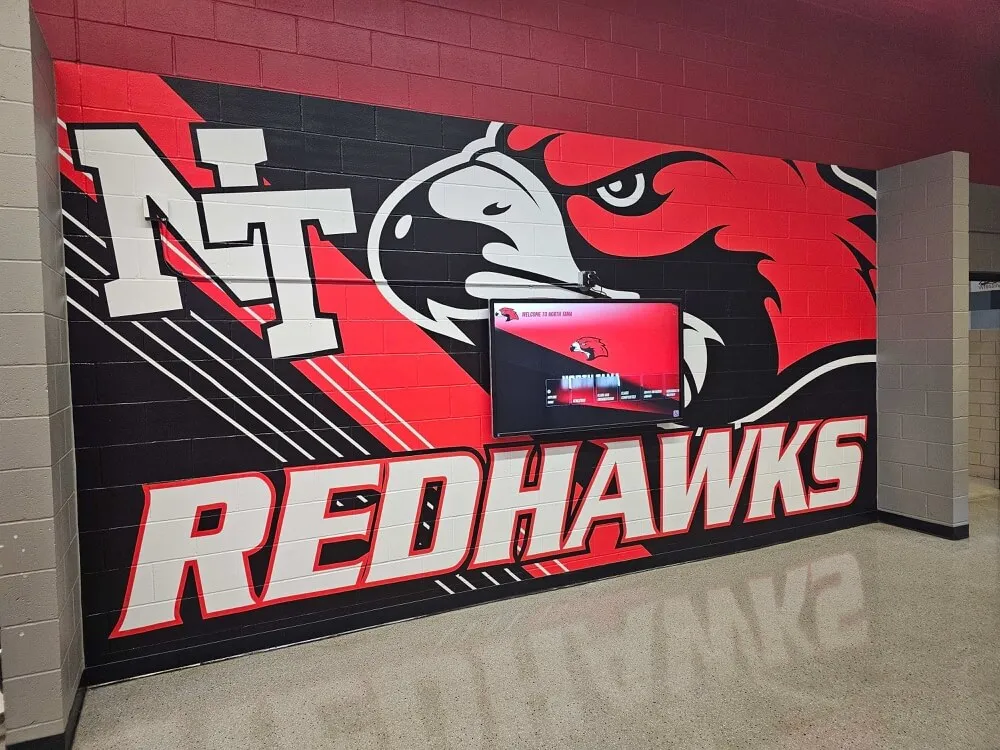
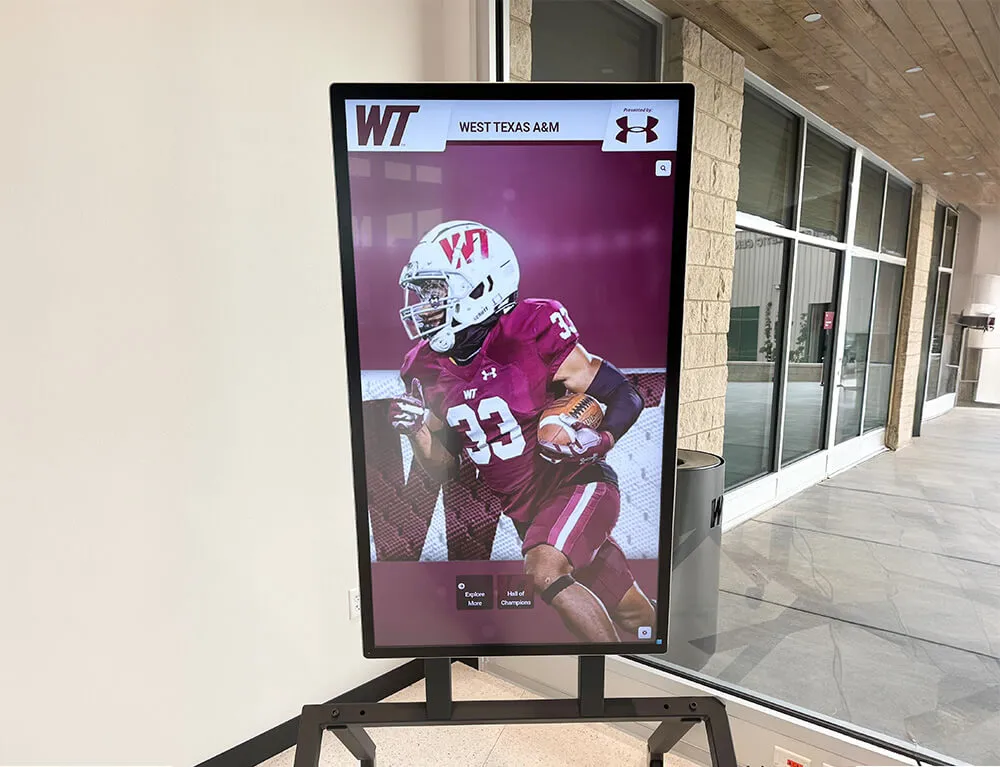
Interactive displays create natural gathering points where students explore graduate achievements and connect with school tradition
Traditional vs. Modern Graduate Display Approaches
Understanding differences between conventional methods and contemporary solutions clarifies benefits of evolving recognition strategies.
Traditional Physical Graduate Displays
Conventional approaches typically include:
Senior Composite Panels
- Large-format printed boards featuring individual senior portraits arranged systematically
- Professional photography companies producing annual composite prints
- Physical mounting in designated hallway or administrative office locations
- Accumulation over decades consuming increasing wall space annually
- Eventual storage or disposal when display capacity exhausted
Yearbook Display Cases
- Glass-front cases showcasing current and recent yearbook copies
- Limited capacity preventing comprehensive historical archive display
- Yearbooks aging and deteriorating over time without preservation
- Minimal engagement beyond brief viewing when passing by displays
Graduation Photo Bulletin Boards
- Temporary displays featuring current graduating class photographs
- Removed shortly after graduation to accommodate following year’s class
- No permanent recognition or historical preservation component
Advantages of Traditional Methods
- Familiar approaches with established vendor relationships and processes
- Tangible physical presence creating traditional aesthetic many value
- Simple viewing requiring no technology or digital literacy
- Proven reliability across decades of educational institution use
Learn about effective class composite presentation strategies combining multiple recognition elements.
Limitations Driving Innovation
Traditional graduate displays face significant constraints:
Space Accumulation: Each graduating class adds physical displays requiring dedicated wall space. Schools operating for 30+ years need 30 separate composite panels consuming 60-90+ square feet minimum—space few schools can dedicate exclusively to graduate recognition while maintaining athletic trophies, academic awards, and current student displays.
Selective Display Necessity: Limited space forces difficult decisions about which graduating classes receive prominent display versus storage in archives where graduates and families cannot access them, creating inequitable recognition where recent classes receive visibility while historical graduates become forgotten.
Deterioration and Loss: Physical materials face ongoing preservation challenges including photograph fading, mounting failures, frame damage, water damage from facility leaks, and accidental disposal during renovations or administrative transitions—putting irreplaceable institutional memory at risk.
Update Impossibility: Once printed and mounted, composites cannot accommodate corrections, updates, or enrichment as alumni achieve notable accomplishments or schools discover additional historical information worth documenting.
Limited Biographical Depth: Space constraints on physical composites restrict content to names and photographs without room for achievement details, career paths, or personal stories that would create more meaningful recognition and inspiration for current students.
Minimal Engagement: Static displays receive brief glances from passersby without creating active exploration or memorable experiences that strengthen emotional connections to graduate recognition and institutional tradition.
These fundamental limitations explain why many schools explore modern digital solutions that preserve traditional graduate display values while overcoming inherent constraints of physical-only approaches.
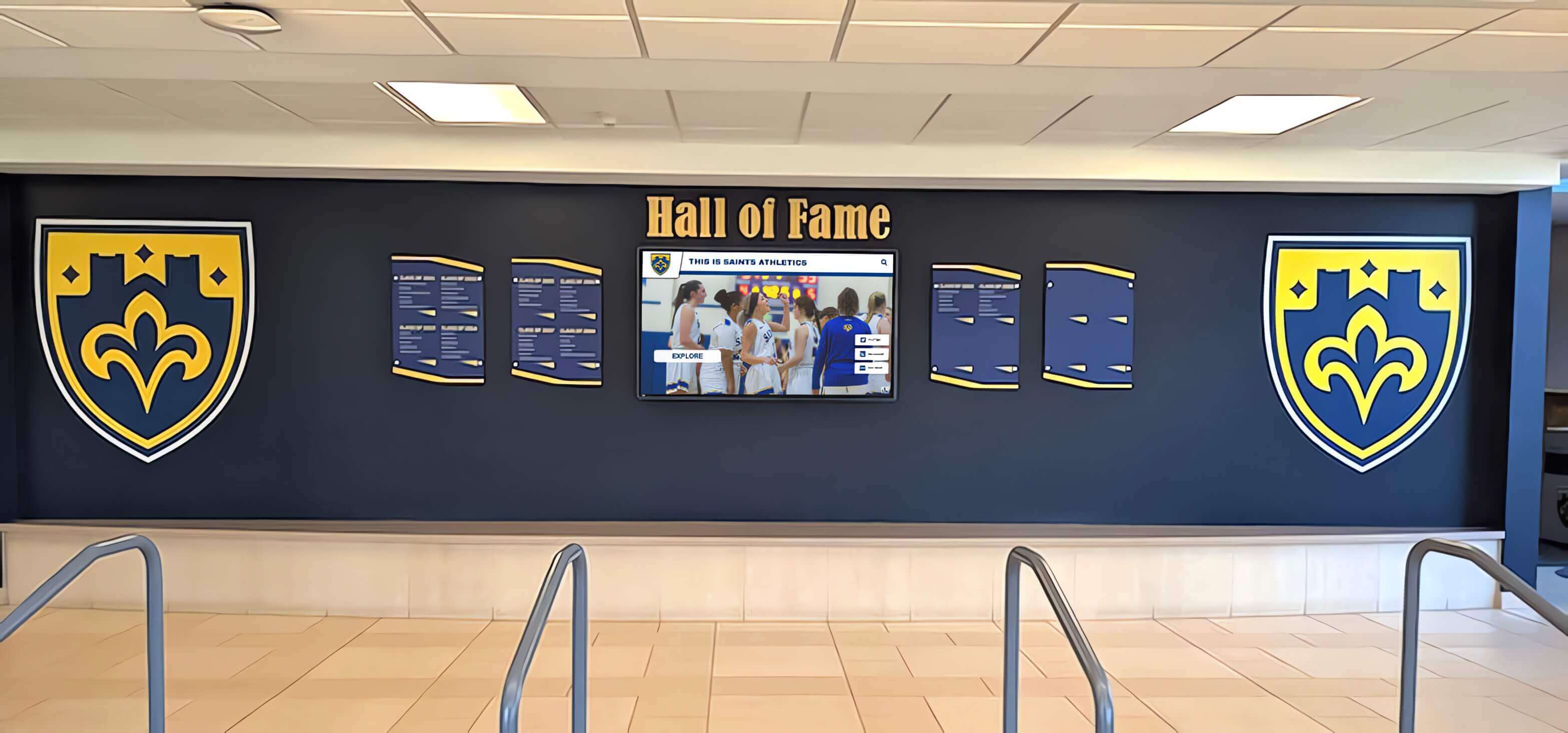
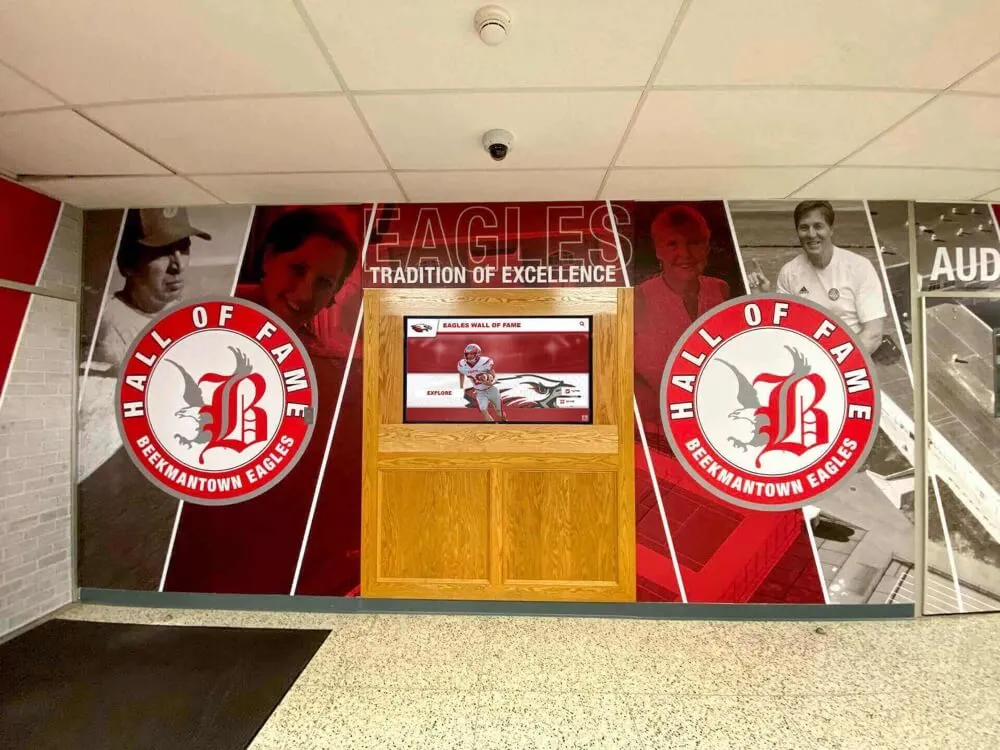
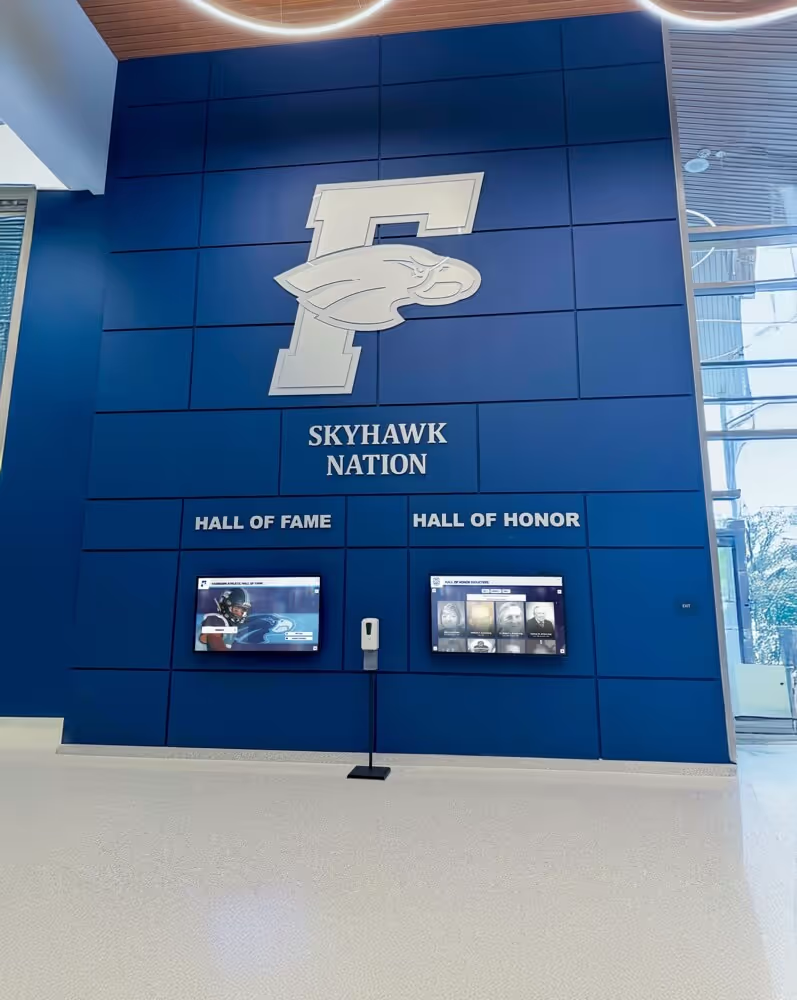
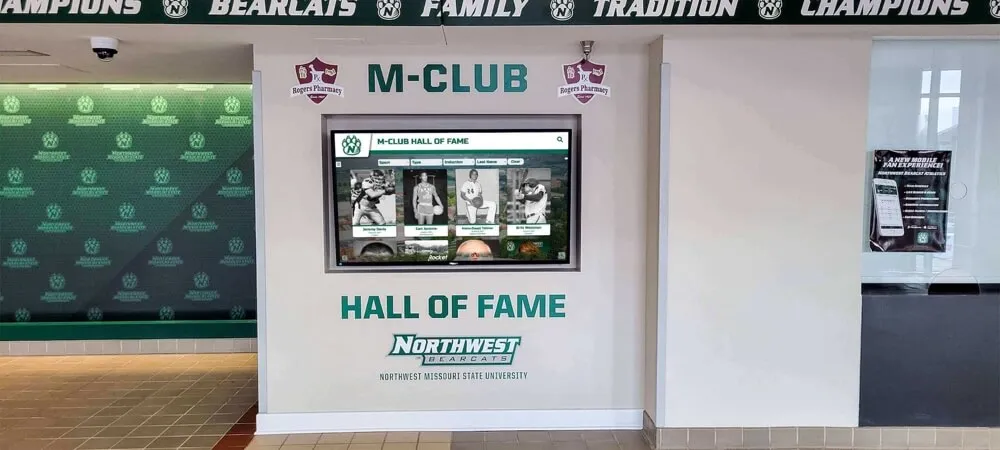
Strategic lobby placement ensures graduate displays reach all community members including prospective families
Modern Digital Graduate Display Solutions
Digital recognition platforms address traditional limitations while creating enhanced engagement and preservation impossible with physical-only approaches.
Comprehensive Interactive Recognition Systems
Solutions like Rocket Alumni Solutions transform graduate recognition through displays that eliminate traditional constraints:
Unlimited Recognition Capacity
Digital systems provide essentially limitless space for graduate celebration:
- Single touchscreen display accommodates unlimited graduating classes across all years
- Every class receives equal presentation prominence regardless of age or size
- No removal of historical graduates necessary to display current seniors
- Complete archives preserved indefinitely without deterioration concerns
- Economic feasibility for comprehensive recognition at any school size or age
This unlimited capacity fundamentally changes graduate display philosophy from selective presentation necessitated by physical space constraints to comprehensive celebration honoring every class and every graduate equitably across institutional history.
Rich Multimedia Graduate Profiles
Digital platforms support content impossible with traditional printed composites:
Comprehensive Biographical Content
- High-resolution professional senior portraits displayed optimally
- Academic achievements including GPA, honors, awards, and distinctions
- Extracurricular involvement across athletics, arts, clubs, and activities
- Leadership roles and community service contributions
- College acceptances and career path information
- Personal statements, goals, and reflections on high school experiences
- Teacher commendations and peer tributes when appropriate
Video and Multimedia Elements
- Senior video messages sharing advice and memories
- Performance highlights from athletics, theater, or music activities
- Graduation speech excerpts from class speakers
- Campus tour moments featuring meaningful locations
- Group video montages celebrating class unity and friendships
Alumni Updates and Life After Graduation
- Career achievements and professional accomplishments
- Advanced degree completion and academic pursuits
- Military service recognition and deployment information
- Community leadership and civic engagement
- Personal milestones including marriages, families, and life events
- Inspirational stories demonstrating impact of high school foundation
This comprehensive content creates engaging experiences honoring each graduate’s complete story rather than limiting recognition to names and photographs alone.
Explore comprehensive platforms in digital recognition display solutions specifically designed for educational institutions.
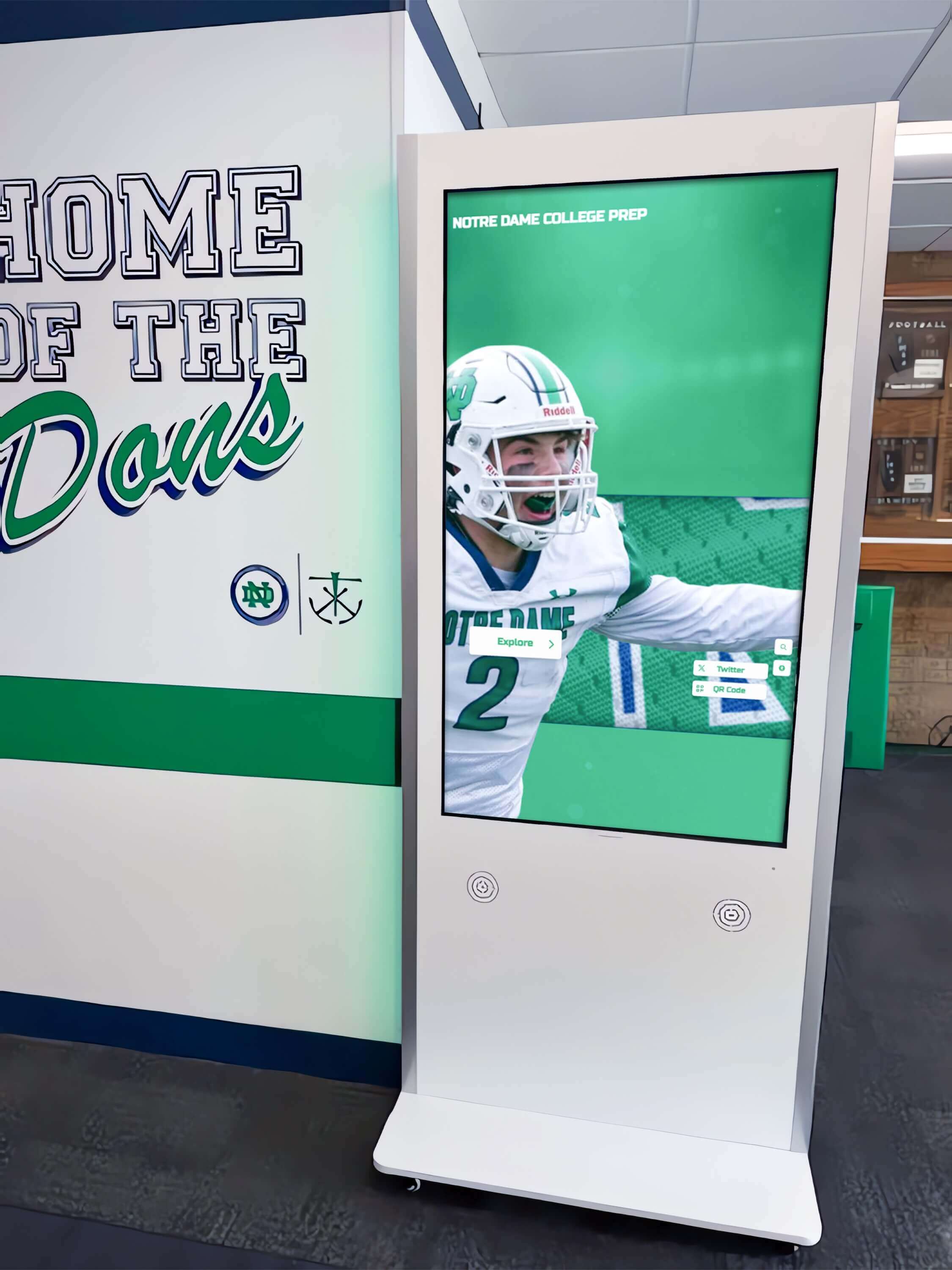
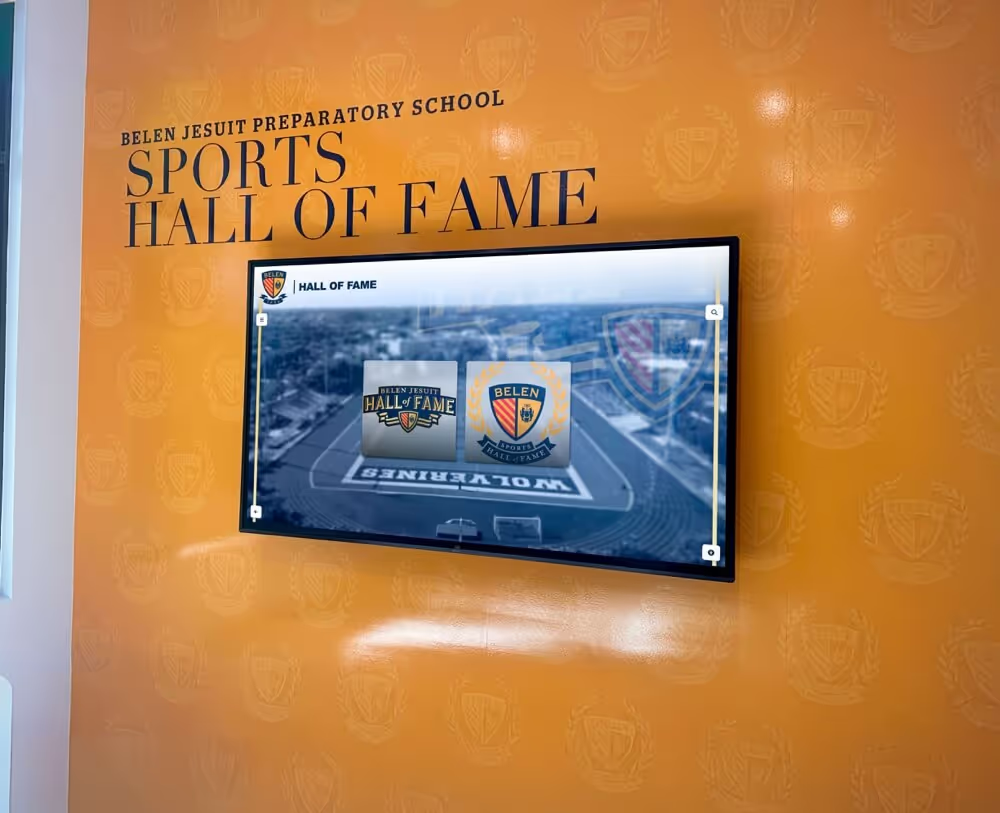
Professional kiosk installations provide complete graduate recognition solutions without extensive construction requirements
Interactive Exploration and Engagement Features
Digital graduate displays transform passive viewing into active exploration that increases recognition impact substantially:
Search and Discovery Capabilities
Touchscreen interfaces enable intuitive navigation:
- Search by graduate name finding specific individuals instantly across all years
- Filter by graduation year exploring particular class cohorts
- Browse by current location discovering alumni who settled in specific regions
- Search by college or university finding where graduates continued education
- Filter by career field identifying alumni in particular professions
- Discover family legacies showing related graduates across generations
- Random discovery features highlighting diverse graduates and unexpected connections
This interactivity particularly engages alumni returning for reunions who want to find themselves, their classmates, siblings, and later generations—creating memorable experiences strengthening emotional bonds with institutions.
Social Sharing and Extended Reach
Digital content inherently supports broader distribution:
- Alumni access graduate displays online from anywhere globally
- Mobile-responsive interfaces work seamlessly on smartphones and tablets
- Social media sharing enables graduates to post their profiles publicly
- Email notifications alert alumni when class information updates
- QR codes link physical materials to comprehensive digital databases
- Integration with school websites providing prominent alumni recognition
This extended reach transforms displays from location-specific installations into accessible recognition engaging constituencies regardless of geographic distance from campus.
Learn about effective alumni engagement strategies that leverage digital recognition platforms.
Reunion and Milestone Coordination
Graduate displays support alumni programming:
- Automated milestone anniversary identification for reunion planning
- Class-specific content highlighting approaching reunions prominently
- Alumni update campaigns coordinated with major anniversaries
- Historical class information supporting reunion committees
- Virtual reunion components enabling remote alumni participation
- Deceased alumni memorialization honoring classmates who passed away
Schools report that comprehensive digital graduate displays significantly enhance reunion attendance and engagement by providing conversation starters, memory refreshers, and compelling reasons to return to campus experiencing modern recognition of historical classes.
Cloud-Based Management and Seamless Updates
Modern platforms feature intuitive administrative interfaces empowering staff to manage graduate recognition without technical expertise.
Simple Content Management
Cloud-based systems enable:
- Remote updates from any internet-connected device without campus presence
- Drag-and-drop interfaces for uploading photographs and creating profiles
- Bulk import tools efficiently adding entire graduating classes from spreadsheets
- Scheduled publishing coordinating graduate display reveals with ceremonies
- Role-based permissions allowing multiple staff, teachers, or volunteers to contribute
- Template-driven design ensuring consistent professional appearance automatically
Schools report that digital graduate management requires substantially less time compared to coordinating traditional physical composite production, printing, framing, delivery, and installation.
Immediate Updates and Alumni Information Enrichment
Unlike traditional composites requiring reprinting for any modification, digital systems enable:
- Instant corrections when errors discovered without any reprinting costs
- Real-time alumni achievement updates as notable accomplishments occur
- Deceased alumni notation and memorial information addition
- Career path updates showing graduate professional progression
- College outcome documentation demonstrating institutional effectiveness
- Reunion photo additions after milestone anniversary celebrations
- Alumni contribution recognition when graduates support schools financially or through service
This dynamic capability means graduate recognition remains current and comprehensive rather than becoming static historical snapshot frozen at graduation moment never receiving enrichment as alumni lives evolve.
Explore digital display management platforms providing comprehensive content administration capabilities.
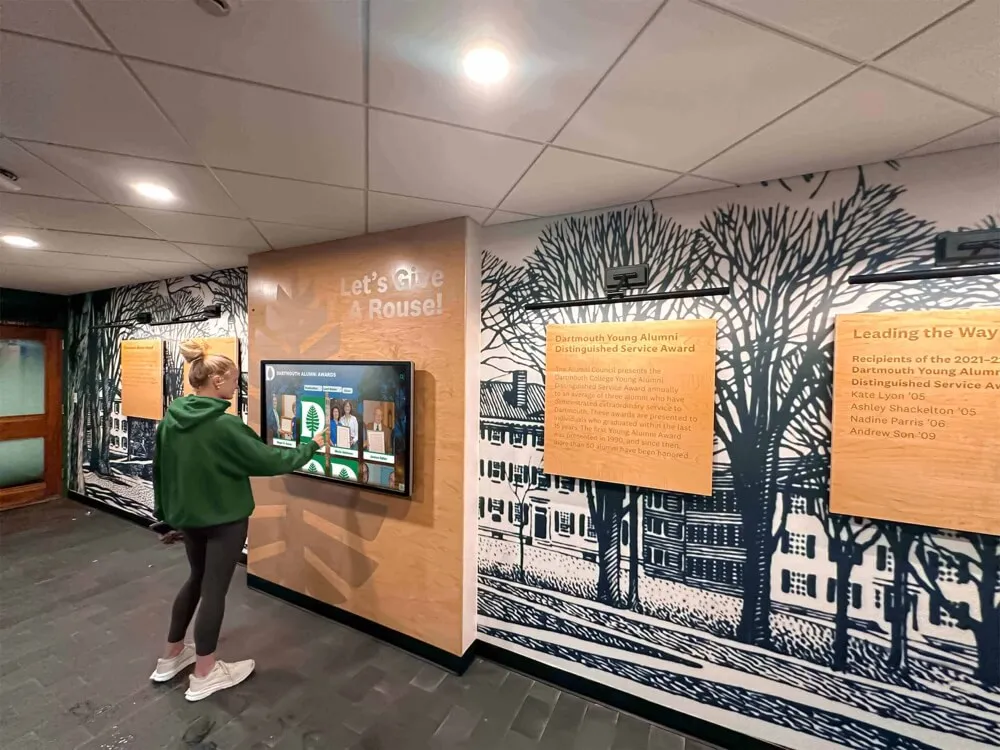
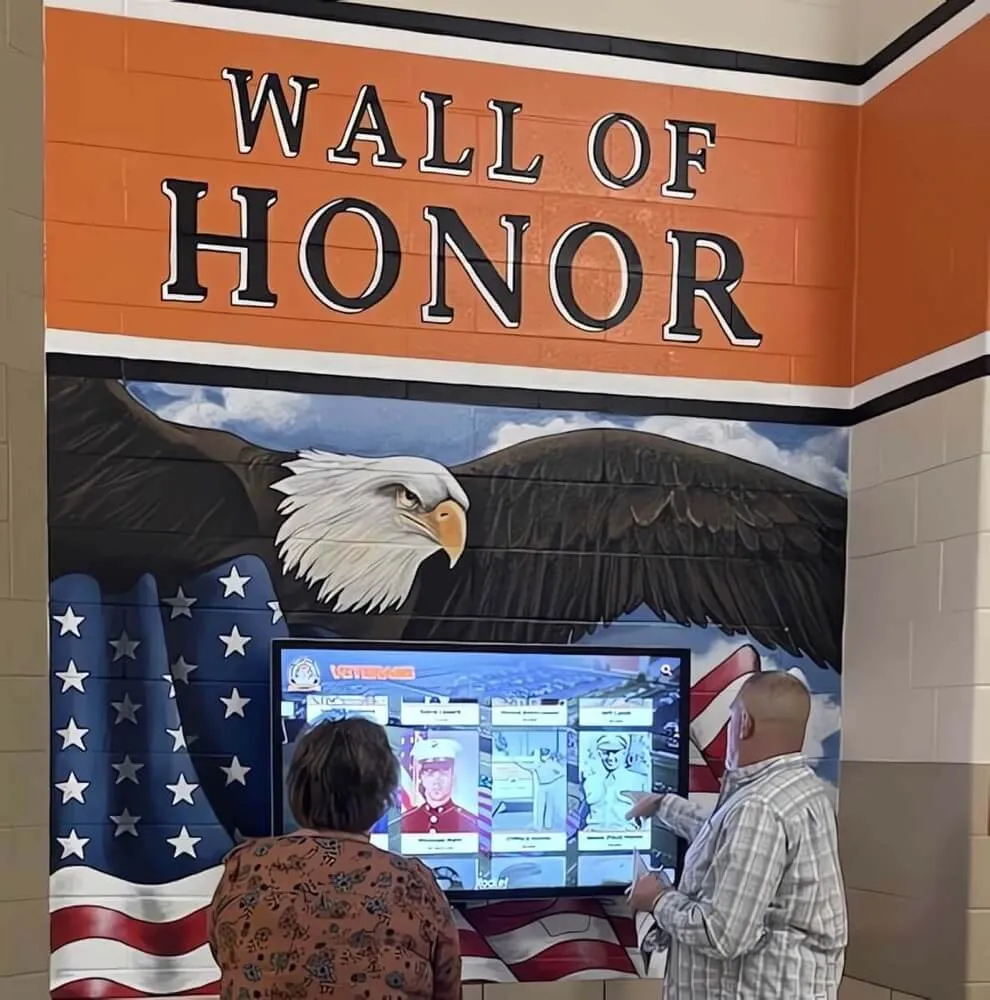
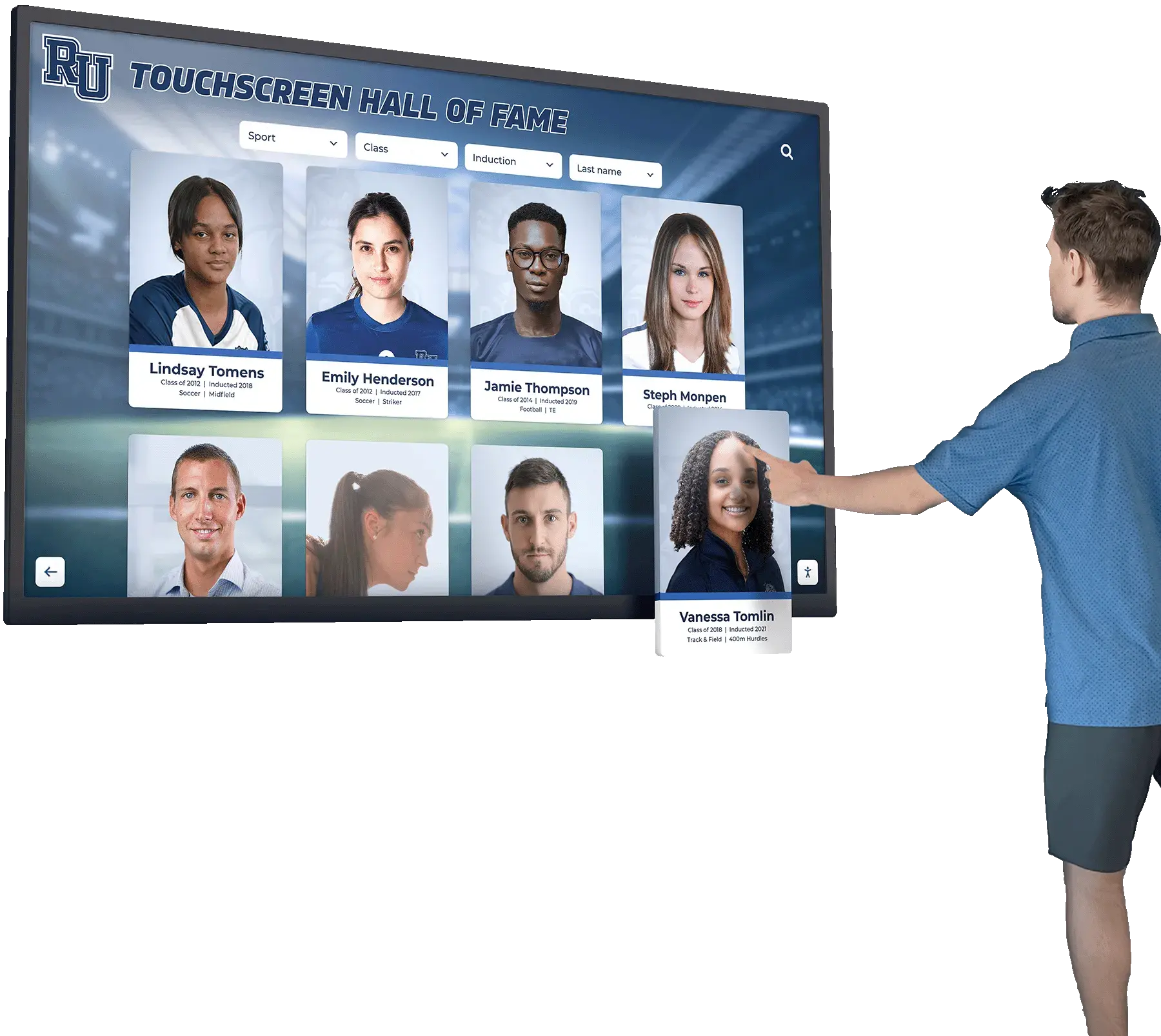
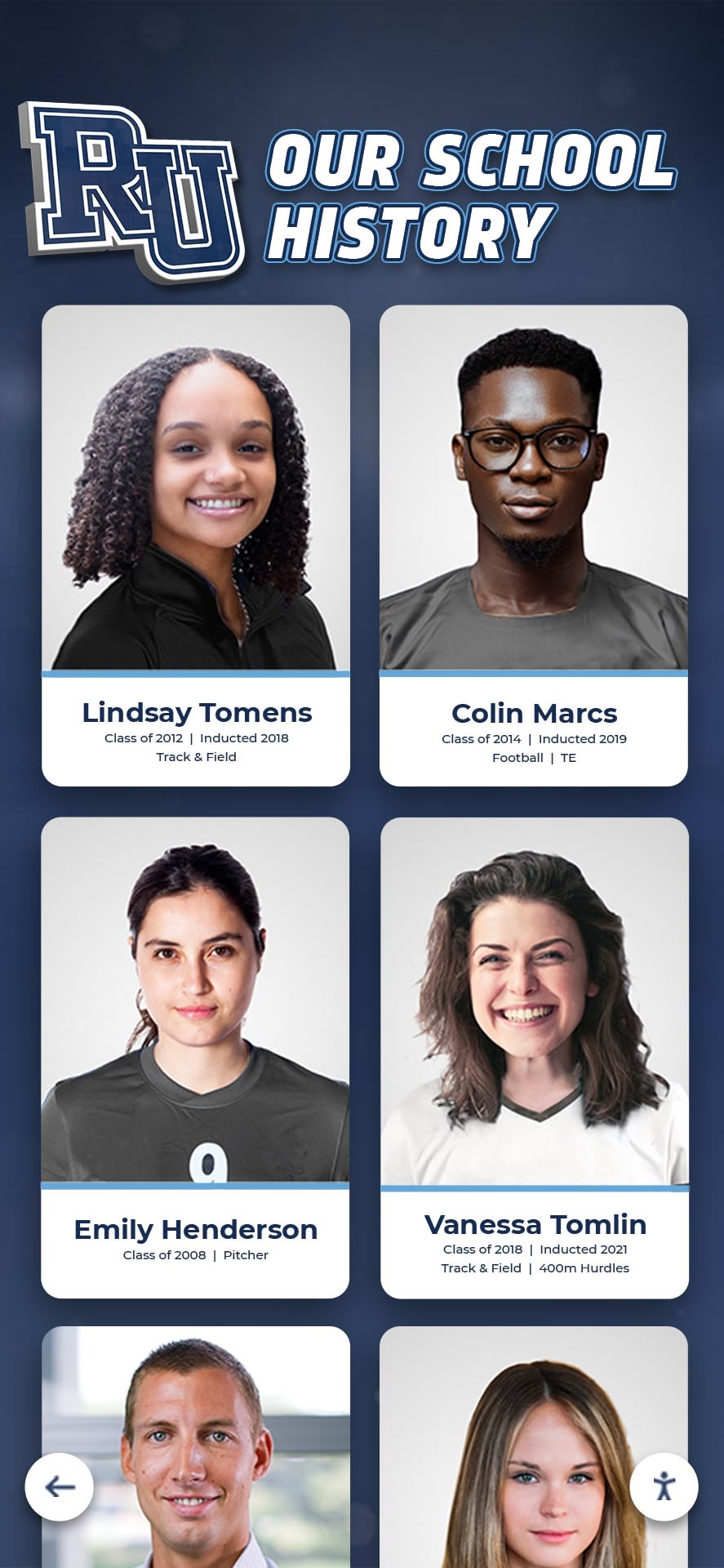
User-friendly interfaces enable alumni of all ages to explore graduate displays independently without assistance
Implementing Effective Graduate Display Programs
Successful graduate recognition requires systematic planning and thoughtful execution tailored to institutional contexts.
Planning and Needs Assessment
Begin with comprehensive evaluation ensuring graduate displays align with school culture and community expectations:
Stakeholder Engagement
Involve key constituencies in planning:
- Senior class leadership providing student perspective on meaningful recognition
- Alumni association representatives sharing graduate priorities and preferences
- Development office staff connecting recognition to fundraising and engagement goals
- Administrative leaders ensuring alignment with institutional mission and values
- Technology coordinators assessing infrastructure capabilities and requirements
- Communications staff planning promotion and family engagement strategies
- Facilities personnel addressing installation locations and physical considerations
Collaborative planning builds organizational support while ensuring programs meet diverse stakeholder needs effectively.
Current State Assessment
Evaluate existing graduate recognition:
- Inventory current displays, their condition, locations, and completeness
- Identify gaps in historical graduate coverage requiring attention
- Document space constraints limiting comprehensive recognition
- Assess administrative burden maintaining current approaches
- Gather feedback about existing recognition effectiveness and value
- Review budget allocation and sustainability of traditional methods
Future Vision Development
Clarify goals and priorities:
- Define what comprehensive graduate recognition means for your institution
- Establish priorities between historical preservation and current class celebration
- Determine balance between individual achievement detail and comprehensive coverage
- Identify integration opportunities with existing recognition and fundraising programs
- Set realistic implementation timeline and phased approach if necessary
- Establish success metrics measuring program effectiveness over time
Clear planning prevents costly mistakes while ensuring graduate display investments deliver intended institutional and community benefits.
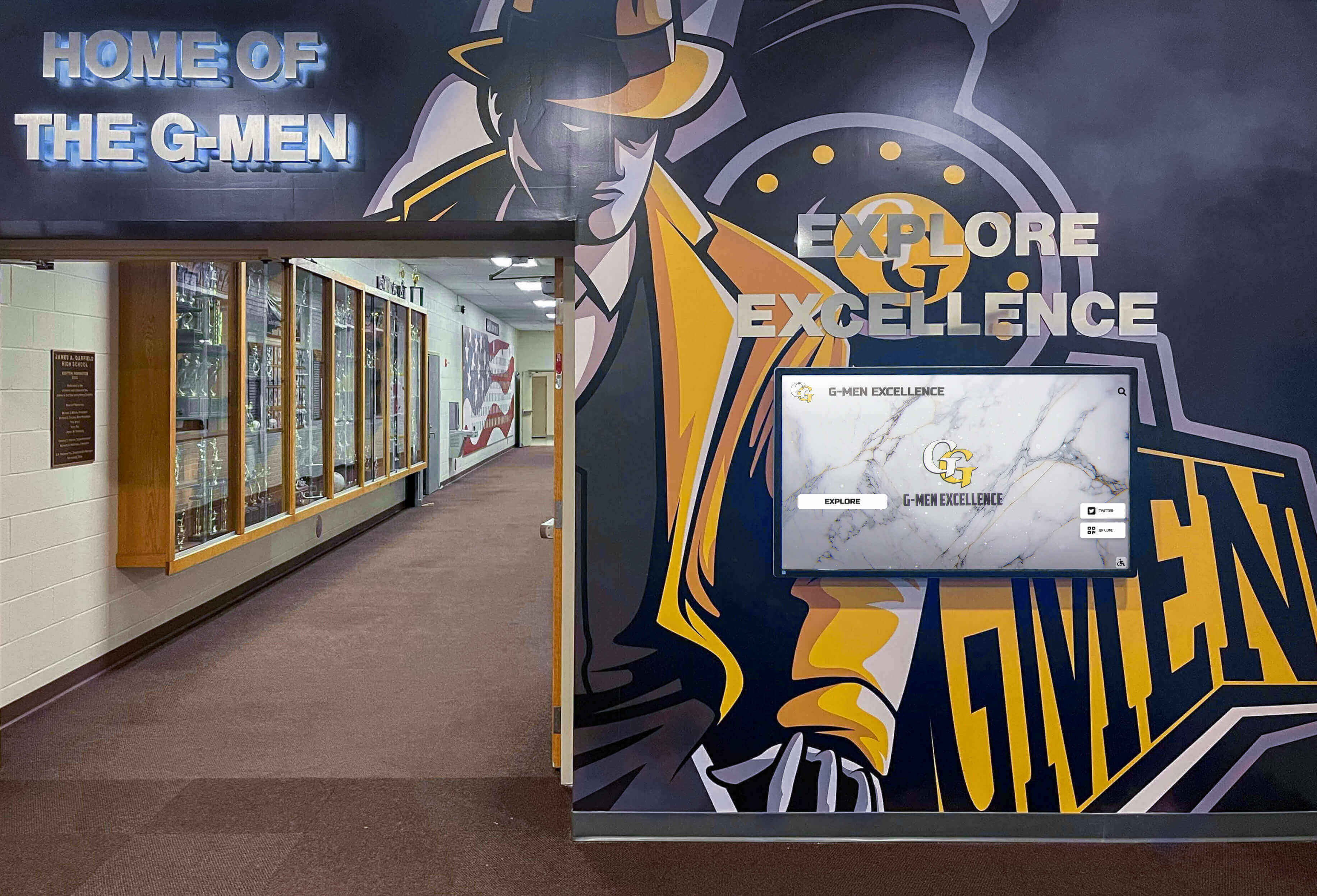
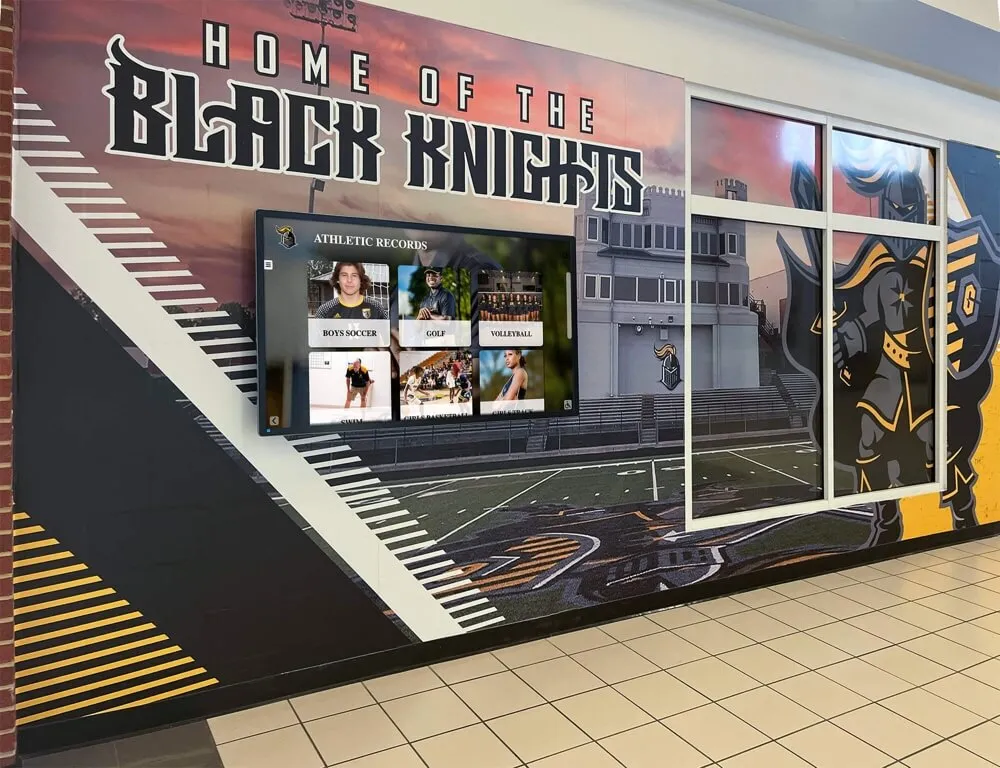
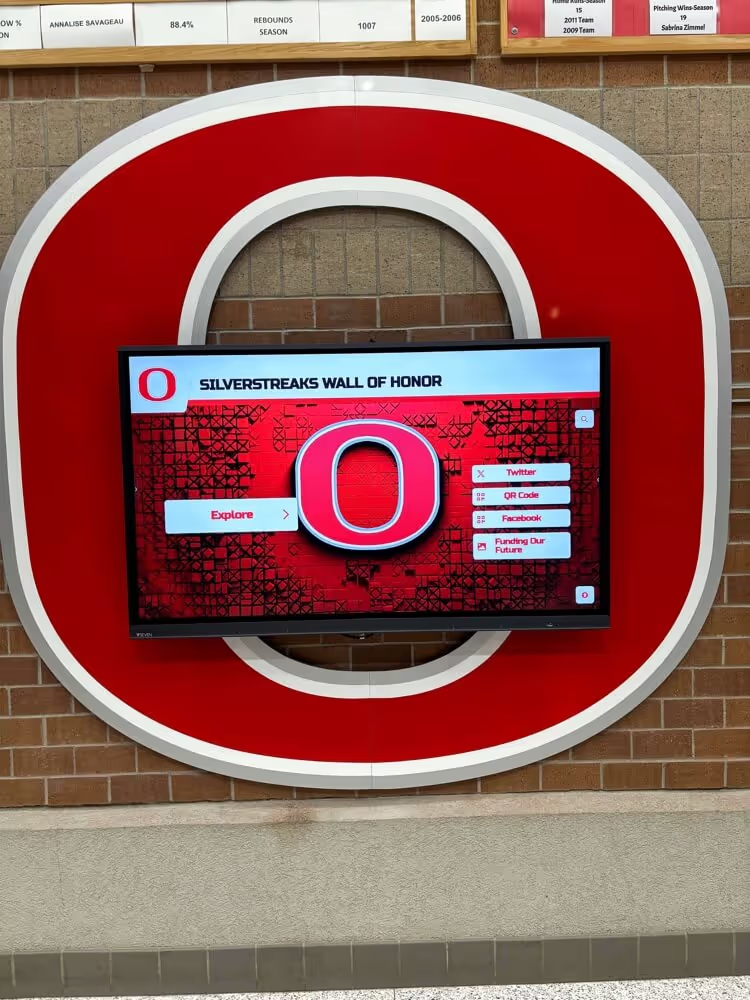
Integrated recognition systems combine digital innovation with traditional school aesthetics effectively
Content Development and Historical Digitization
Quality content determines graduate display effectiveness regardless of technology sophistication.
Current Senior Information Collection
Establish systematic processes for gathering comprehensive graduate information:
Basic Profile Elements
- Official senior name and preferred name variations
- Professional senior portrait or yearbook photograph
- Graduation date and class size context
- Academic honors and GPA designation
- College acceptance or post-graduation plans
- Major extracurricular involvements and leadership roles
Enhanced Content Components
- Personal statement or reflection on high school experience
- Future goals and career aspirations
- Meaningful memories or favorite school moments
- Advice for underclassmen or future students
- Recognition of influential teachers or mentors
- Acknowledgment of family support and gratitude
Collection Methods
- Senior survey distributed during final semester capturing information systematically
- Integration with existing yearbook data collection reducing redundant efforts
- Class officer coordination ensuring participation and completion
- Counselor verification of academic information accuracy
- Photo coordination with professional photography vendors
- Privacy consent forms addressing public display and social sharing permissions
Early planning and clear communication maximize participation while minimizing administrative burden on graduation coordinators already managing demanding senior year responsibilities.
Historical Graduate Digitization
Preserving legacy graduates through professional digitization protects irreplaceable institutional memory:
Digitization Priorities
- High-resolution scanning of existing physical senior composites
- Individual portrait extraction from composite layouts for searchable databases
- Historical yearbook digitization page-by-page preserving complete records
- Photograph restoration improving quality of faded or damaged original materials
- Metadata capture documenting names, years, and any available contextual information
- Condition assessment guiding preservation priorities for most vulnerable materials
Phased Implementation Approach
- Begin with recent graduates where information most complete and photography readily available
- Systematically work backward through institutional history over multiple years
- Prioritize milestone reunion years aligning with planned alumni programming
- Engage alumni volunteers assisting with identification and information verification
- Utilize class reunion committees for decade-specific content enrichment
- Acknowledge digitization as ongoing process rather than one-time project
Historical digitization not only enables digital presentation but creates permanent backup archives protecting against loss, damage, or continued deterioration of original physical materials representing irreplaceable institutional heritage.
Learn about comprehensive historical preservation approaches for educational institutions.
Alumni Information Enrichment
Beyond graduation moment data, enhanced content creates more meaningful recognition:
Alumni Outreach Strategies
- Reunion coordination requesting career updates and life milestones
- Social media campaigns inviting alumni to update information directly
- Alumni newsletter features highlighting update opportunities
- Class representative networks maintaining connections with specific cohorts
- Online forms enabling easy information submission from anywhere globally
- Privacy-respecting approaches allowing alumni control over shared information
Career and Achievement Documentation
- Professional accomplishment highlights and career progression
- Advanced degree completion and academic achievements
- Military service recognition and deployment information
- Community leadership roles and civic engagement
- Entrepreneurial ventures and business leadership
- Creative accomplishments in arts, athletics, or entertainment
- Notable contributions to society or specific fields
Connection Points and Relationship Documentation
- Family legacy connections showing multiple generation attendance
- Sibling relationships across different graduating classes
- Teacher or coach relationships particularly meaningful to individuals
- Peer group friendships maintained long after graduation
- Geographic proximity enabling local alumni connections
- Professional field networks facilitating career mentorship opportunities
Comprehensive biographical enrichment transforms simple graduate directories into compelling storytelling honoring individual journeys while documenting broader institutional impact across generations and communities.
Technology Selection and Vendor Evaluation
Not all digital display solutions deliver equal capabilities or appropriate features for graduate recognition applications.
Essential Feature Requirements
Evaluate platforms systematically based on critical capabilities:
Core Functionality
- Unlimited graduate profile capacity without licensing limitations based on quantity
- Intuitive public touchscreen interface requiring no instruction for any age visitor
- Powerful search across all graduate information fields enabling instant discovery
- Mobile responsive web platform ensuring accessibility across all device types
- User-friendly content management requiring no technical expertise to operate
- Template-driven professional design creating polished presentations automatically
- Historical archive preservation maintaining information indefinitely without degradation
Advanced Capabilities
- Video hosting supporting multimedia content without external dependencies
- Social media integration enabling easy sharing and promotion across platforms
- Analytics tracking engagement patterns and popular content quantitatively
- Automated alumni update workflows encouraging continued information enrichment
- Integration options with existing alumni databases when available
- Multiple language support for diverse school communities and international alumni
- Privacy controls respecting individual preferences about public information display
Educational Institution Specific Features
- Class-based organization reflecting how schools naturally think about graduates
- Reunion milestone identification supporting alumni programming proactively
- Historical timeline visualization showing institutional evolution across decades
- Legacy family relationship documentation celebrating multi-generational attendance
- Deceased alumni memorialization with appropriate respectful presentation
- College outcome reporting demonstrating institutional effectiveness to stakeholders
Solutions like Rocket Alumni Solutions provide comprehensive platforms specifically designed for educational graduate recognition, offering purpose-built features serving institutional needs rather than generic content management systems requiring extensive customization.
Hardware Specifications for Educational Environments
Physical display components significantly impact long-term reliability and user experience:
Display Selection Considerations
- Commercial-grade touchscreens rated for continuous institutional operation, not consumer TVs
- Screen size appropriate for viewing distances and typical audience sizes (typically 55-75 inches)
- Capacitive touch technology providing smartphone-like responsiveness and durability
- High brightness levels ensuring visibility in various lighting conditions including daylight
- Anti-glare treatments reducing reflection problems in challenging display locations
- Wide viewing angles maintaining image quality from various positions
Installation Format Options
- Wall-mounted displays in main lobbies or designated alumni recognition areas
- Freestanding floor kiosks creating dedicated graduate recognition stations
- Dual-display configurations showing complementary content simultaneously
- Portrait or landscape orientation matching space constraints and design preferences
- Protective enclosures for high-traffic or potentially unsupervised locations
- ADA-compliant mounting ensuring accessibility for wheelchair users
Infrastructure Requirements
- Reliable network connectivity for cloud-based content management and updates
- Adequate electrical service and professional code-compliant installation
- Secure mounting preventing theft or tampering in accessible public spaces
- Cable management creating polished professional appearance
- Maintenance access for occasional technical service or hardware updates
Schools should budget appropriately for commercial-grade components and professional installation rather than attempting consumer-grade alternatives that rarely withstand demanding institutional environments successfully long-term.
Explore comprehensive hardware selection guidance for educational recognition applications.
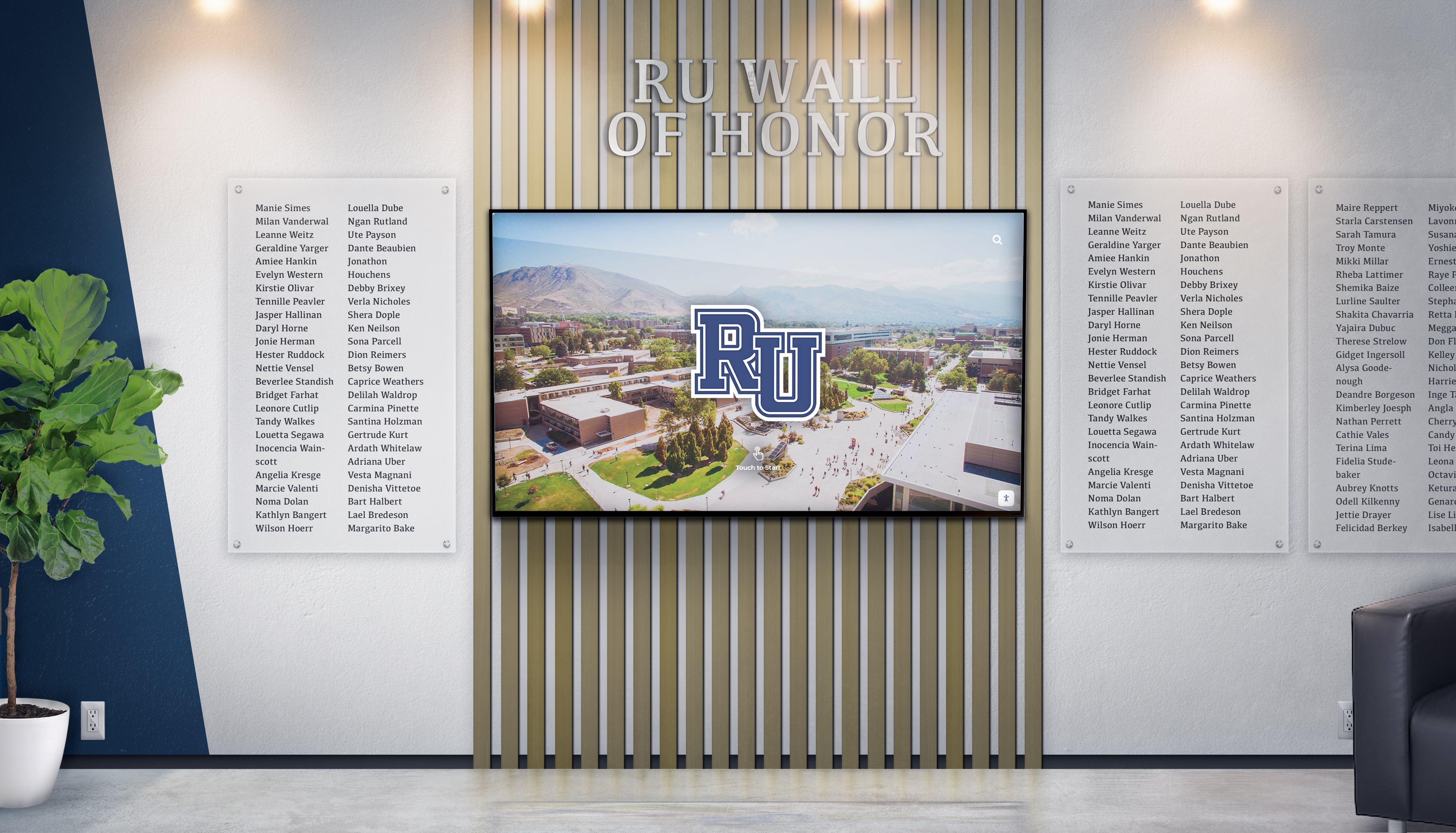
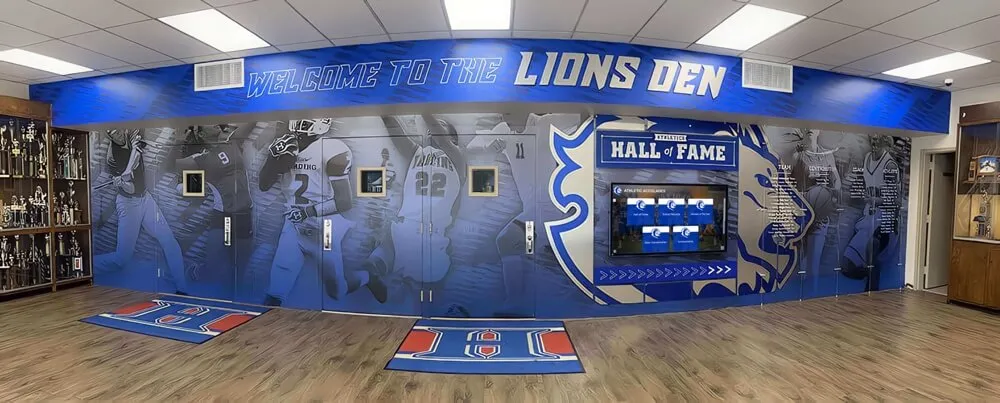
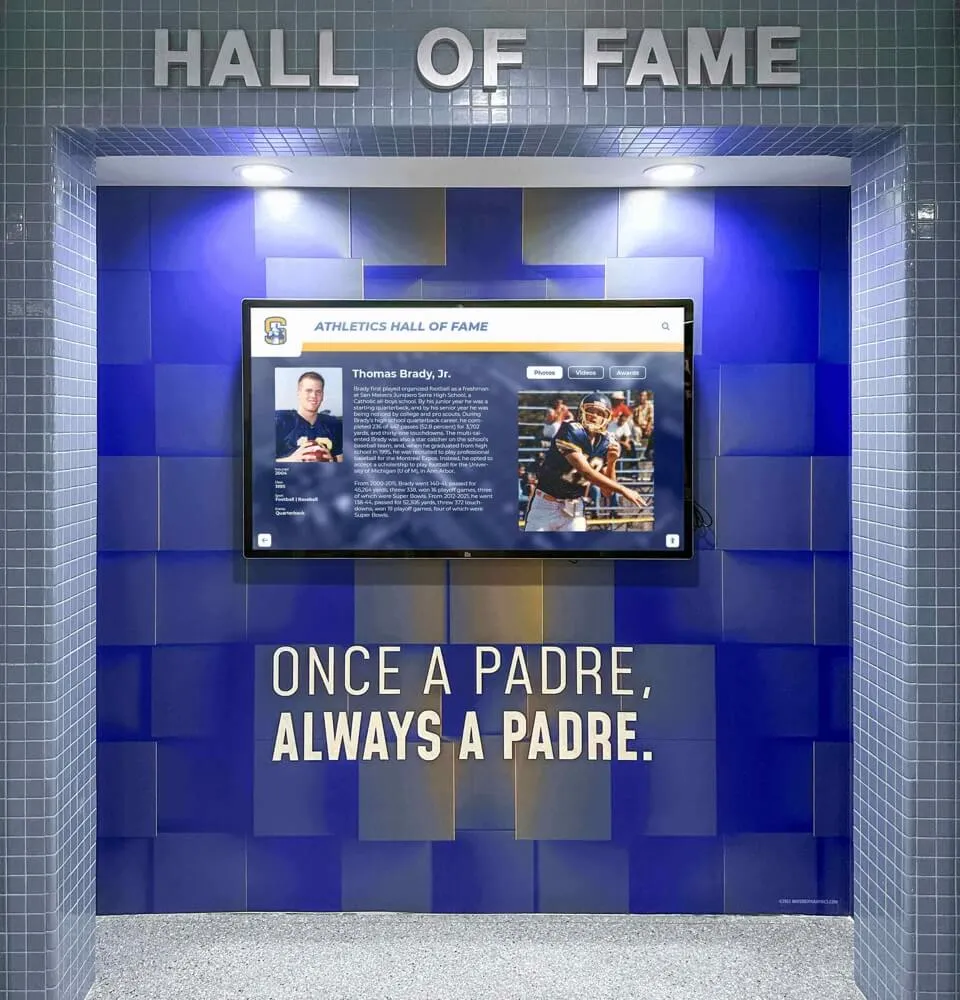
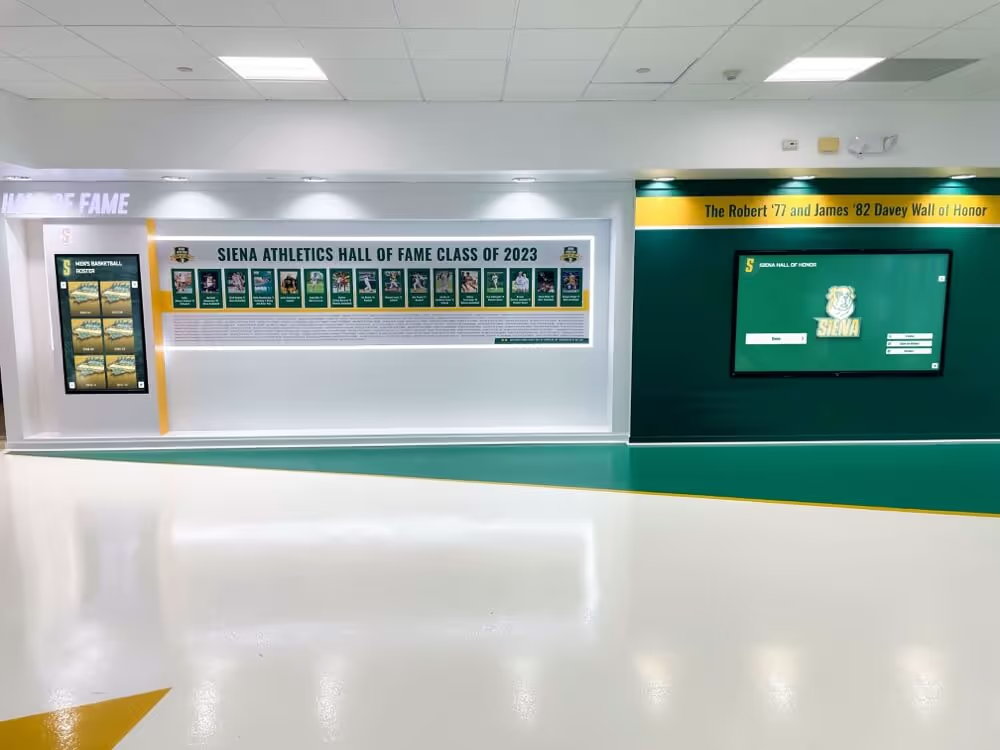
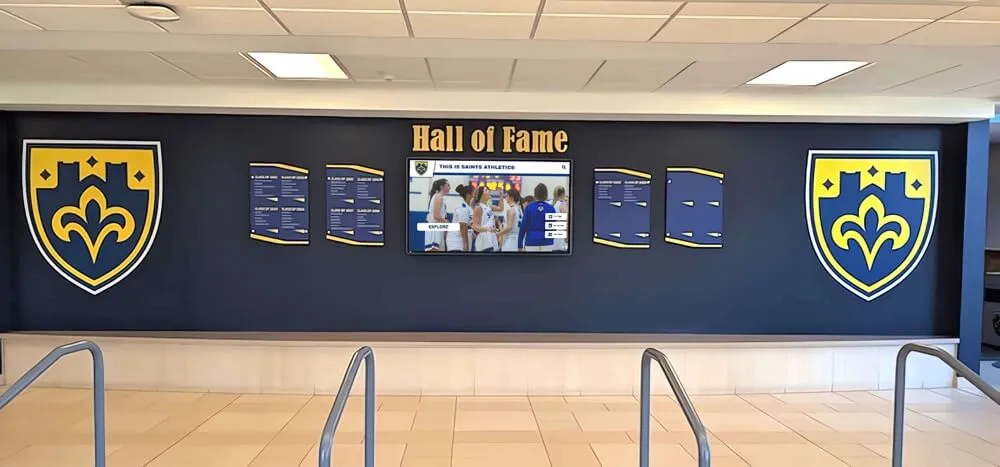
Integrated systems combine digital displays with traditional elements creating comprehensive recognition spaces
Hybrid Approaches: Combining Traditional and Digital Recognition
Many schools find that combining selective traditional physical displays with comprehensive digital systems creates optimal graduate recognition strategies.
Selective Physical Composite Strategy
Hybrid implementations preserve beloved traditional aesthetics while addressing limitations through digital augmentation:
Strategic Physical Display Selection
- Maintain physical composites for most recent 5-10 graduating classes in prominent locations
- Feature historically significant classes from school founding, milestone anniversaries, or notable achievements
- Rotate displayed physical composites highlighting milestone reunion years during alumni events
- Preserve especially beautiful or artistically significant historical composites as permanent displays
- Store remaining physical materials properly while ensuring complete digital access
This approach maintains visual impact and traditional aesthetic many school communities value while ensuring every graduate receives equitable recognition through digital systems eliminating space constraints.
Digital Augmentation of Physical Displays
Position digital displays strategically near traditional composite walls:
- Provide searchable access to all graduates not currently physically displayed
- Offer detailed biographical information impossible on physical composites
- Enable video content, career information, and life after graduation updates
- Showcase reunion photographs and milestone anniversary celebrations
- Direct visitors to online platforms for continued exploration beyond campus
Learn about comprehensive approaches combining traditional and digital recognition elements effectively.
Preservation Through Digitization While Maintaining Physical Tradition
Digital technology enables better preservation of traditional displays while extending accessibility and impact:
Professional Preservation Benefits
- Creates permanent digital backups protecting against physical loss or damage
- Enables digital restoration if physical materials suffer deterioration
- Allows widespread access without handling vulnerable original materials
- Documents current condition informing conservation planning
- Provides universal accessibility while protecting irreplaceable originals in proper storage
Enhanced Physical Displays Through Digital Integration
- QR codes mounted near physical composites linking to comprehensive digital profiles
- Mobile applications providing self-guided tours with audio context and stories
- Online galleries replicating physical display layouts for remote access
- Social media integration enabling sharing directly from physical display locations
- Digital wayfinding helping visitors navigate large physical composite collections
This integration honors existing investment in traditional physical composites while addressing inherent accessibility and engagement limitations through complementary digital enhancements serving contemporary community expectations.
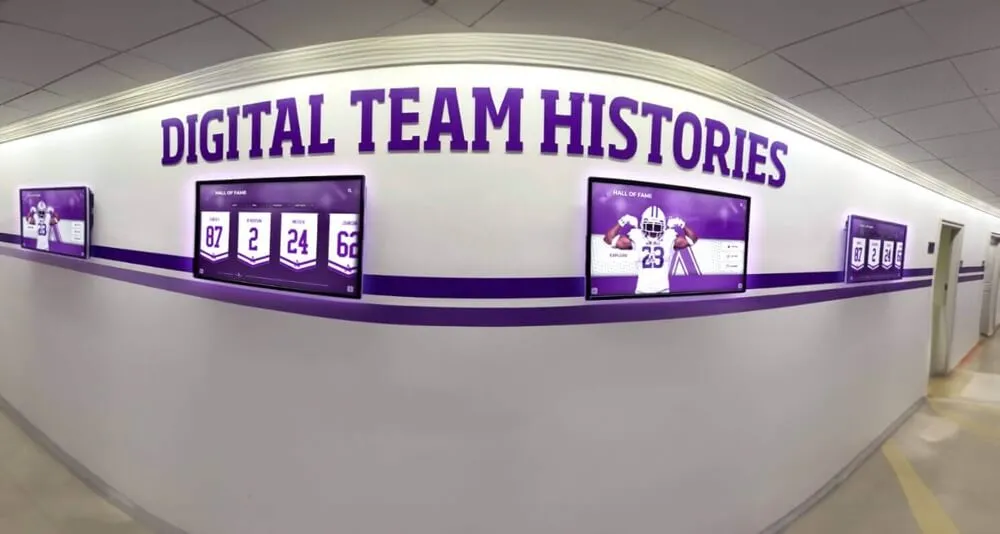
Multiple coordinated displays serve schools with comprehensive recognition needs across large facilities
Maximizing Graduate Display Impact
Beyond basic implementation, strategic approaches amplify recognition effectiveness and alumni engagement outcomes.
Ceremony Integration and Unveiling Traditions
Creating ceremonial traditions around graduate display additions increases student engagement and family participation:
Graduation Week Recognition Events
- Digital display unveiling ceremony during graduation week activities
- Senior class preview opportunity before commencement allowing graduates to explore their profiles
- Family reception featuring display as centerpiece for photographs and celebration
- Class gift presentations if seniors contributed to recognition system funding
- Media coverage highlighting institutional commitment to comprehensive graduate celebration
Ongoing Engagement Through Annual Additions
- Grading period announcements previewing upcoming senior class addition
- Senior survey completion campaigns ensuring comprehensive information collection
- Countdown activities building anticipation for digital display publication
- Post-graduation family notification when senior profiles publish officially
- Social media campaigns encouraging graduates and families to explore and share recognition
These ceremonial elements transform graduate displays from administrative activities into meaningful rites of passage creating lasting memories for students and families while emphasizing institutional values around comprehensive recognition.
Alumni Relations and Reunion Programming
Leverage graduate displays strategically to strengthen lifelong alumni connections:
Reunion Coordination Support
- Automatic identification of classes approaching milestone anniversaries
- Featured content highlighting upcoming reunion classes prominently
- Historical class information supporting reunion committee planning
- Then-and-now comparison displays showing campus and class evolution
- Virtual reunion components enabling remote alumni participation through online platforms
- Deceased classmate memorialization honoring those who passed away
Ongoing Alumni Engagement Activities
- Monthly or quarterly alumni spotlight campaigns featuring diverse graduates
- Career path series highlighting various professional trajectories
- Geographic location features showing where alumni settled globally
- Achievement celebrations when alumni accomplish notable milestones
- Legacy family recognition honoring multi-generational school attendance
- Alumni mentorship connections matching graduates with current students in similar fields
Explore comprehensive alumni engagement strategies that build on graduate recognition foundations.
Fundraising Integration
Graduate recognition supports development goals naturally:
- Donor walls integrated with graduate displays showing philanthropic support
- Named recognition opportunities within graduate display systems
- Legacy giving programs emphasizing institutional memory preservation
- Class fundraising challenges leveraging competitive spirit and class pride
- Endowment campaigns supporting permanent graduate recognition sustainability
- Recognition of alumni who give back through service or financial support
Research consistently demonstrates that alumni who feel recognized and connected to institutions show substantially higher giving rates across all demographic categories and economic levels.
Analytics and Continuous Improvement
Digital graduate display systems provide valuable usage data informing recognition strategy:
Engagement Metrics to Monitor
- Total interactions and unique visitors demonstrating reach and interest
- Most viewed graduate profiles revealing which individuals or classes attract highest attention
- Search patterns showing what information visitors seek most frequently
- Geographic distribution of web visitors revealing alumni spread and diaspora patterns
- Session duration indicating meaningful engagement versus brief acknowledgment
- Return visitor rates demonstrating sustained interest beyond single interactions
- Peak usage times informing optimal update scheduling and promotion decisions
Data-Driven Enhancement Decisions
- Expand high-performing content types generating strong community engagement
- Feature graduates or classes strategically based on viewing patterns and upcoming milestones
- Identify biographical gaps where additional information gathering would create value
- Understand which historical periods generate most interest informing digitization priorities
- Document measurable return on investment justifying continued technology investment
- Inform communication strategies based on what resonates most with constituencies
Regular systematic assessment enables continuous improvement ensuring graduate displays remain effective, engaging, and relevant across changing alumni populations, evolving technology capabilities, and shifting community expectations.
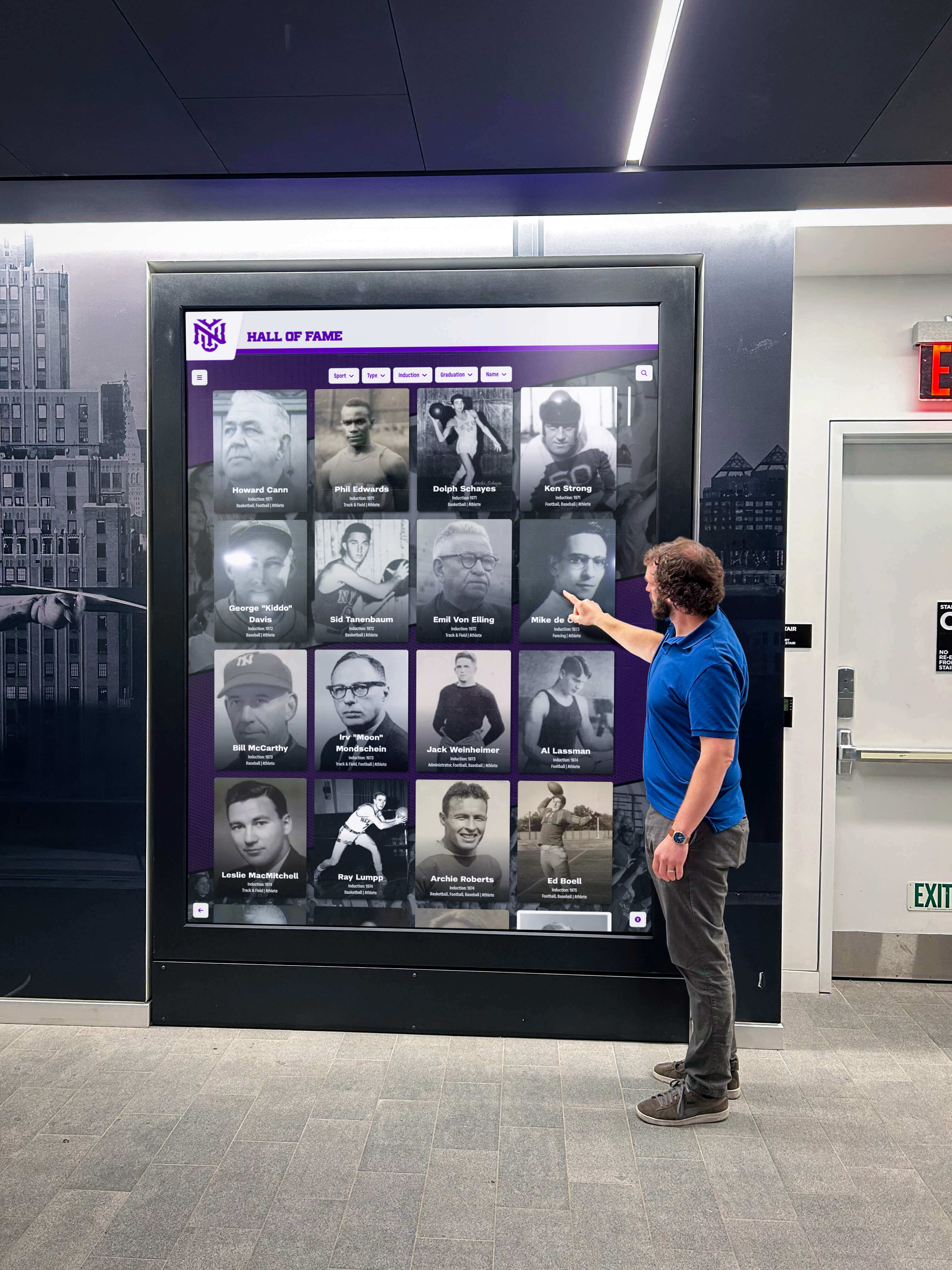
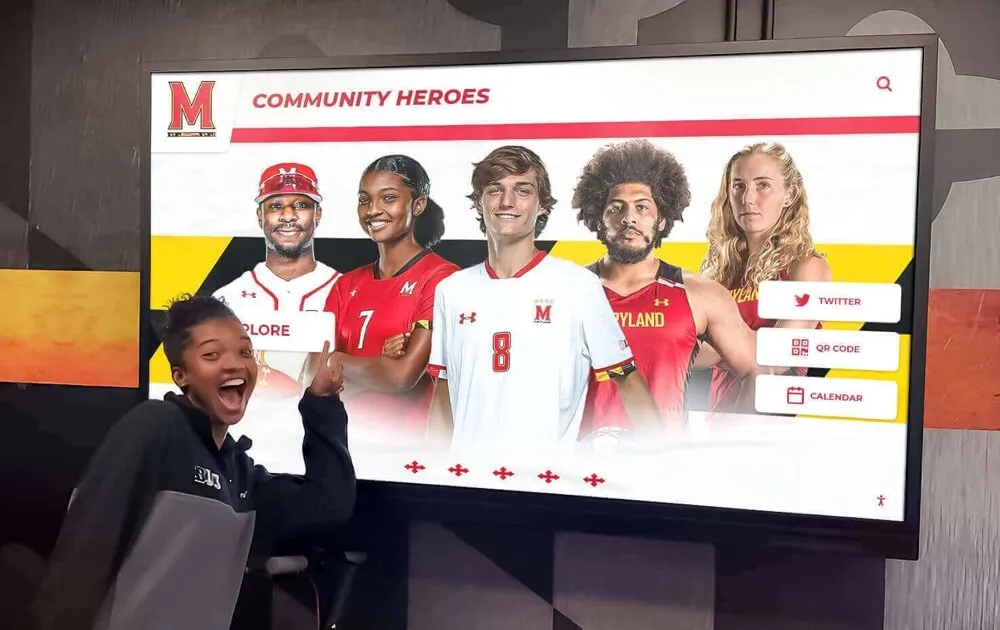
Strategic placement and intuitive design encourage natural exploration by visitors of all ages and technical comfort levels
Special Considerations and Best Practices
Several additional factors enhance graduate display effectiveness and sustainability.
Privacy and Consent Management
Balance comprehensive celebration with appropriate privacy protections:
Permission Requirements
- Photo release forms authorizing public display of senior images
- Content approval processes enabling student and family review before publication
- Clear opt-out procedures for graduates preferring privacy over public recognition
- FERPA compliance in all information collection, storage, and display practices
- Graduated privacy settings distinguishing on-campus display from broader web accessibility
- Annual permission renewals or confirmations as appropriate for your institutional context
Sensitive Information Handling
- Careful consideration of what information displays publicly versus restricted access
- Appropriate handling of deceased alumni memorialization and family sensitivities
- Respectful presentation of military service including deployment and casualty information
- Privacy protection for alumni in sensitive professions or public safety roles
- Geographic location information balancing transparency with safety considerations
- Contact information decisions protecting alumni from unwanted solicitation
Accommodation Approaches
- Private recognition alternatives for students declining public acknowledgment
- Partial participation options limiting information shared while enabling basic recognition
- Name-only recognition without photographs when families prefer
- Respect for family circumstances requiring discretion in particular cases
- Regular policy review ensuring alignment with evolving privacy expectations and regulations
Graduate recognition should celebrate those who want acknowledgment while respecting privacy preferences ensuring programs enhance rather than complicate family experiences.
Learn about digital display accessibility considerations and inclusive design practices.
Budget Considerations and Funding Strategies
Realistic planning addresses all cost components for sustainable programs:
Complete Investment Understanding
Initial Implementation Costs
- Display hardware and professional installation ($5,000-12,000 depending on specifications)
- Software platform licensing or initial subscription (often first year included with hardware)
- Historical graduate digitization if desired (varies based on archive size and condition)
- Content development including senior survey creation and data collection systems
- Launch event and promotional campaign expenses
- Staff training on system administration and content management
Ongoing Annual Costs
- Platform subscription or software license renewals ($500-3,000 annually based on features)
- Display maintenance and occasional technical support or hardware service
- Staff time for annual senior class addition (typically 4-8 hours annually with efficient systems)
- Photography coordination with senior portrait vendors
- Alumni outreach and information enrichment campaigns
- Promotion and communication expenses
Funding Source Strategies
Multiple approaches help schools afford graduate recognition investments:
- Operating budget integration including recognition in annual school program budgets
- Capital campaigns positioning graduate recognition as named giving opportunities
- Parent organization support from senior class families benefiting directly from recognition
- Alumni fundraising engaging accomplished graduates supporting current student recognition
- Community business sponsorship connecting with local businesses supporting education
- Grant applications pursuing educational technology or recognition program funding
- Class gift programs where graduating seniors contribute collectively to their own recognition
Many schools discover that comprehensive digital graduate recognition delivers superior long-term value compared to traditional displays requiring ongoing printing, materials, mounting, and space consumption costs—making digital approaches actually more economical despite higher initial investment.
Explore comprehensive funding strategies for recognition programs applicable to graduate displays.
Sustainability and Knowledge Transfer
Ensure programs continue effectively through staff transitions:
Documentation Systems
- Written step-by-step procedures for annual senior class addition with screenshots
- Vendor contact information and relationship history
- Technology access credentials and platform administration guides
- Historical institutional decisions and rationale for future reference
- Troubleshooting guides addressing common technical issues
- Succession planning identifying backup personnel and cross-training needs
Regular Training and Professional Development
- Annual refresher training for staff managing graduate displays
- Comprehensive orientation for new staff assuming recognition responsibilities
- Platform training as systems evolve or add new features
- Best practice sharing through professional associations or vendor communities
- Student assistant training if involving students in content management
Comprehensive knowledge documentation and regular training prevent program disruption when inevitable staff transitions occur.
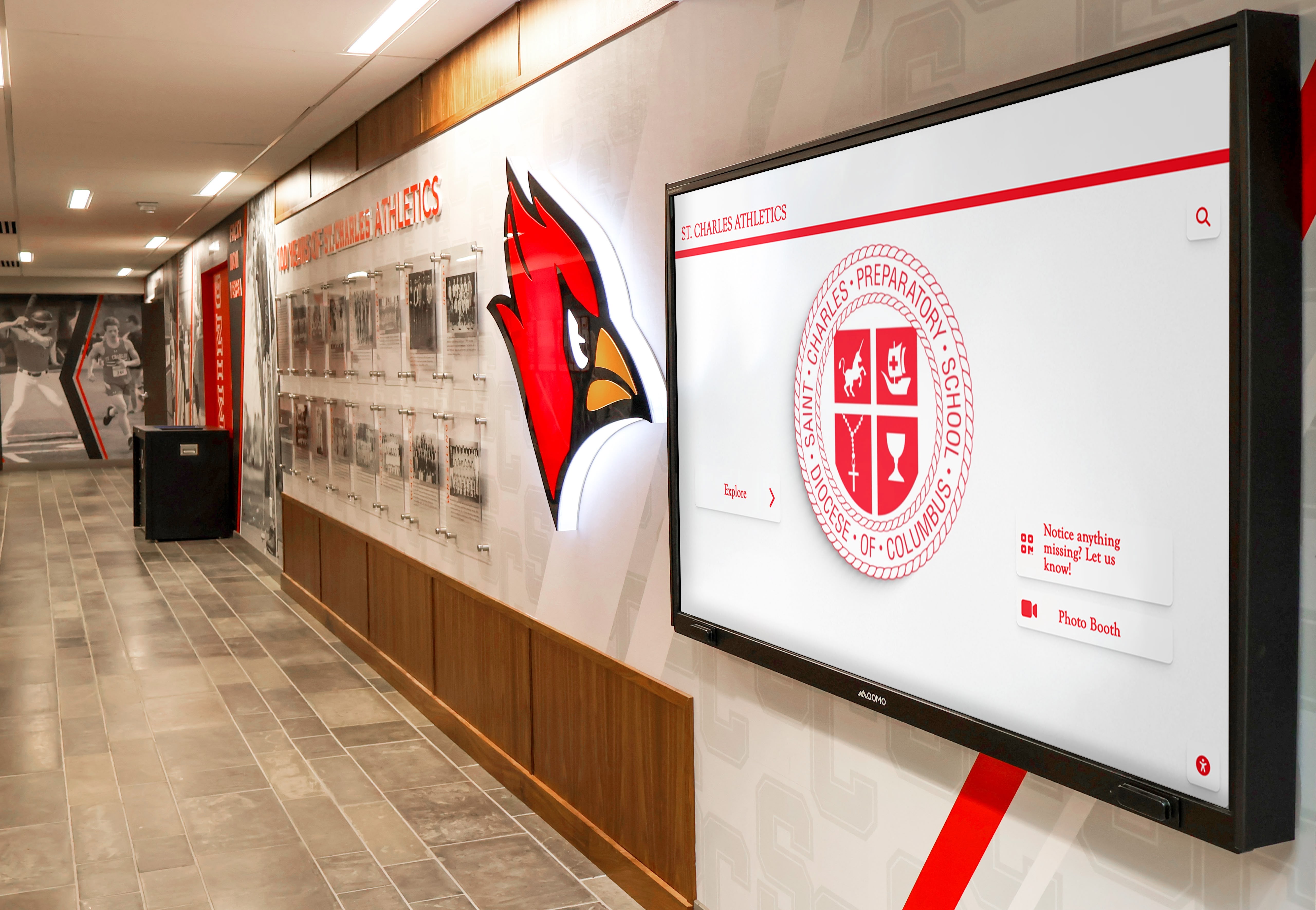
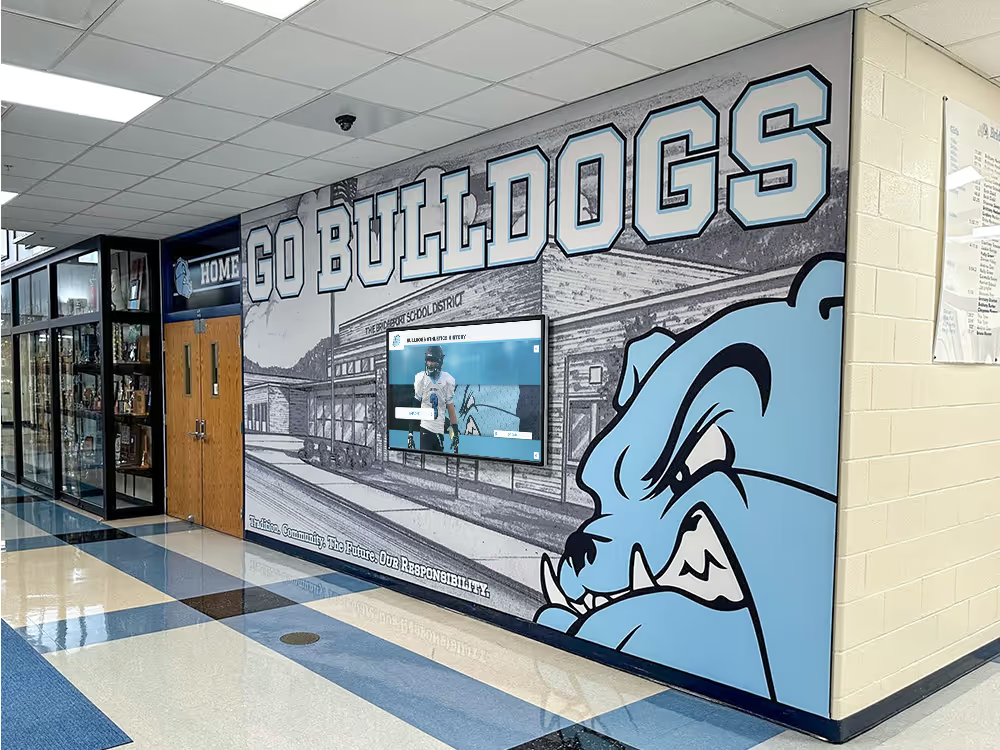
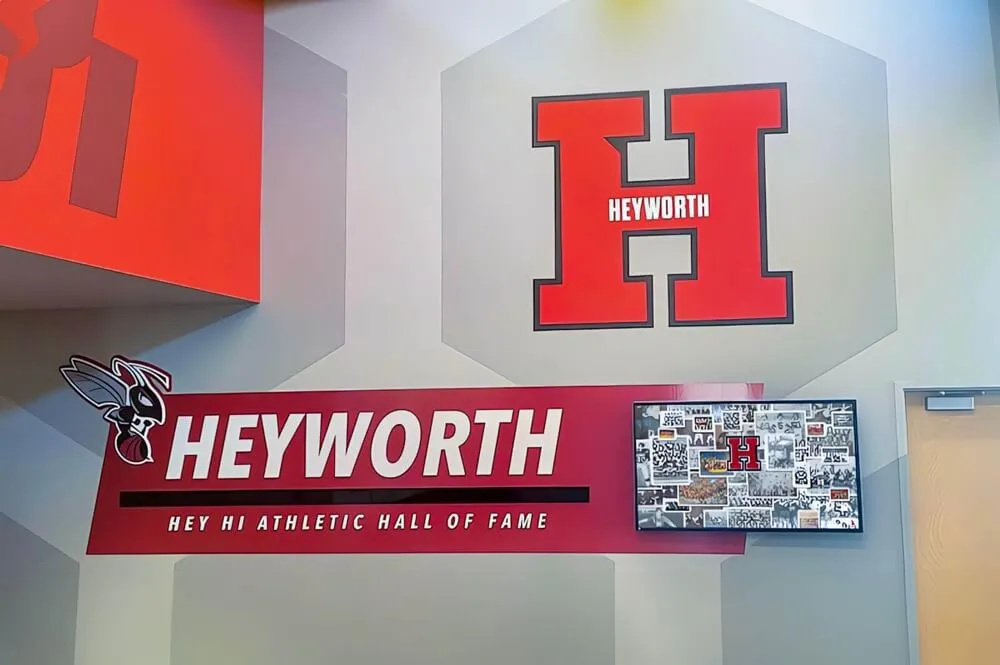
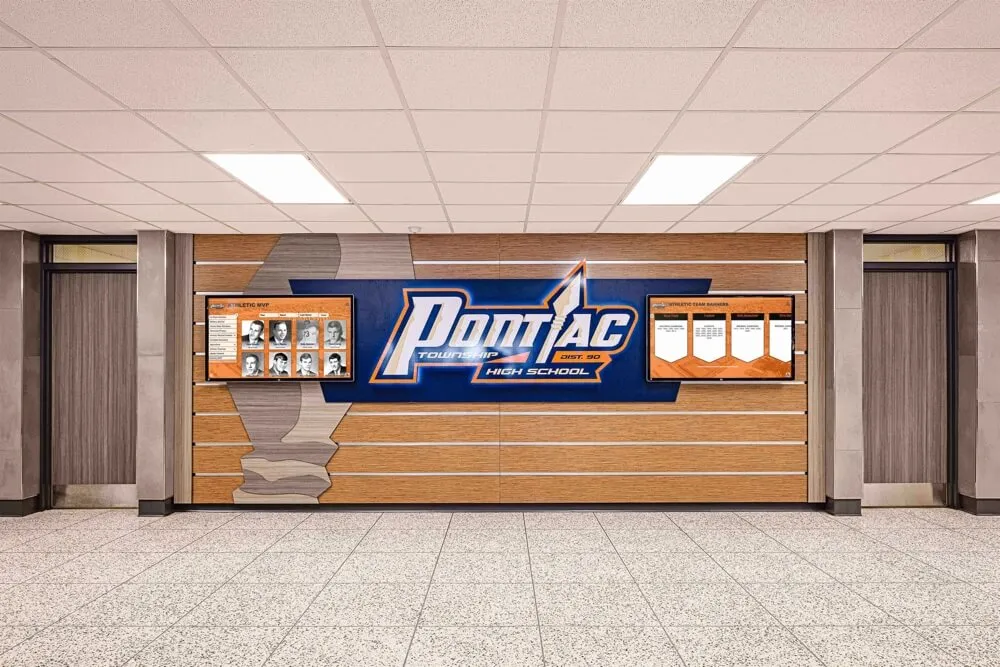
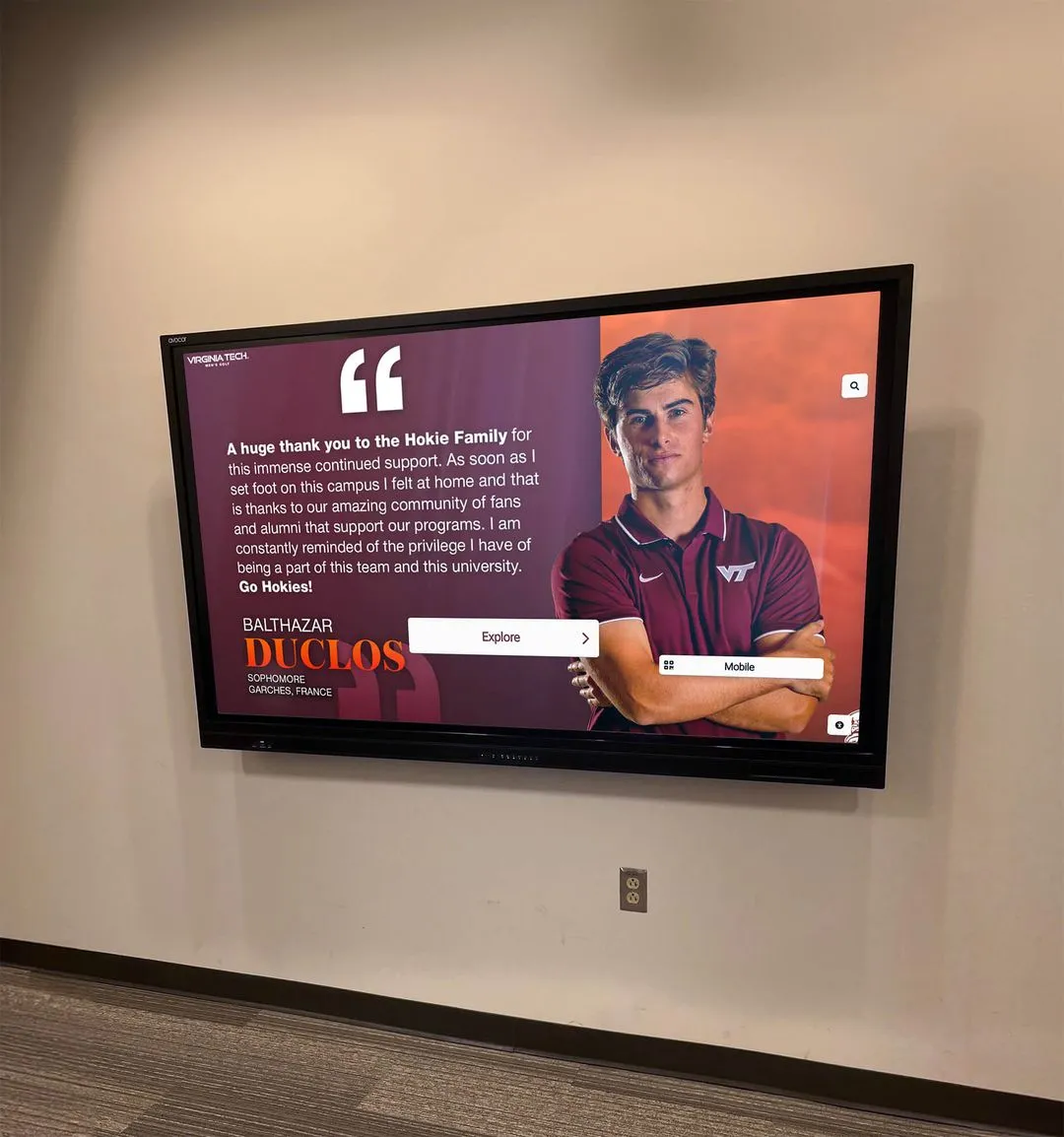
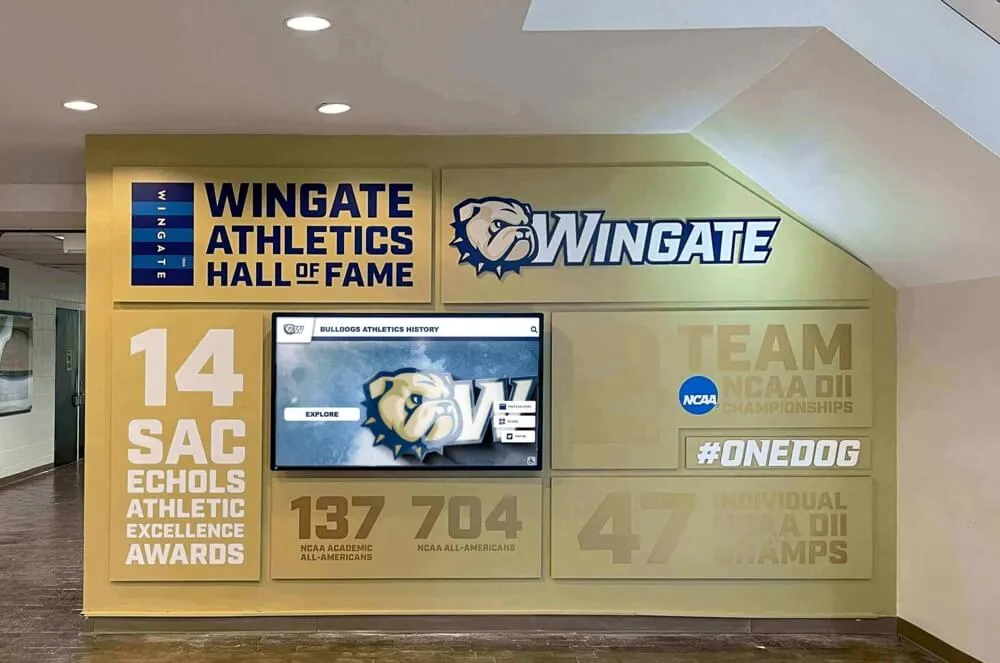
Professional installations integrate institutional branding and school identity throughout recognition displays
Conclusion: Honoring Graduates Through Comprehensive Recognition
High school graduate displays represent more than simple photography collections—they function as powerful celebrations honoring individual achievement, permanent archives preserving institutional memory, and engagement tools strengthening lifelong connections between alumni and their alma maters. These recognition systems deserve approaches that honor their significance while addressing real limitations compromising comprehensive celebration and community engagement.
The evolution from space-constrained physical composites to comprehensive digital recognition systems dramatically expands what becomes possible in graduate celebration. Modern platforms eliminate forced choices between displaying recent classes or preserving historical graduates, between protecting vulnerable physical materials or making them accessible, between serving on-campus audiences or engaging distant alumni and broader communities. Digital solutions enable schools to accomplish all objectives simultaneously while adding powerful engagement features, biographical depth, and interactive exploration capabilities that traditional static displays cannot match.
Whether implementing digital graduate recognition comprehensively, enhancing existing physical displays with technological augmentation, or gradually transitioning from traditional to hybrid approaches combining the best of both worlds, opportunities exist to create graduate recognition genuinely serving educational communities through meaningful celebration of every graduate across all generations.
Ready to transform your graduate recognition program? Modern digital solutions honor educational traditions while solving space, preservation, accessibility, and engagement challenges limiting traditional approaches. Every graduate deserves lasting recognition celebrating their achievements while strengthening the pride and connection sustaining vibrant school communities across generations.
Consider exploring digital recognition displays showcasing graduates alongside broader school achievements, or investigate hybrid approaches preserving existing traditional composites while extending their reach and impact through digital enhancement. Solutions like Rocket Alumni Solutions provide comprehensive platforms specifically designed for educational graduate recognition, combining unlimited capacity with professional presentation quality and proven reliability across hundreds of school implementations.
Start where you are with recognition improvements you can implement immediately, then systematically expand toward comprehensive approaches your graduates, families, alumni, and broader communities deserve. The technology exists, proven solutions are readily available, and schools nationwide demonstrate measurable success—the only question is when your school will join the transformation making graduate tradition more impactful, accessible, equitable, and sustainable than ever before.
Your graduates invested four years in their education, contributing countless hours to academics, activities, and school community. They deserve recognition celebrating every individual, preserving irreplaceable institutional history, building authentic school pride, and creating connections sustaining educational excellence across generations. With thoughtful planning, appropriate technology selection, genuine commitment to comprehensive celebration, and systematic content development, you can create graduate displays honoring the past authentically while serving the present effectively and inspiring the future meaningfully.
The most important element determining success is not budget size, technology sophistication, or administrative capacity—it is genuine institutional commitment to valuing graduates through appropriate resources, sustained visibility, and equitable recognition. Start planning your graduate display enhancement today, and create the recognition culture your entire educational community deserves for decades to come.