



When the high school football regular season winds down, a select group of teams faces a different challenge altogether—playoff preparation. The intensity increases, competition deepens, and every practice becomes crucial. Teams advancing to the high school football playoffs discover that success requires more than athletic ability alone. Championship runs demand comprehensive preparation across physical conditioning, strategic planning, mental toughness, and team unity.
The difference between first-round playoff exits and championship runs often comes down to preparation quality during those critical weeks between regular season conclusion and playoff kickoff. Coaches know that teams arriving at playoffs in peak physical condition, mentally prepared for heightened competition, and unified through strong bonds dramatically increase their championship prospects. Yet preparation challenges persist: How should teams adjust training as playoff intensity increases? What mental preparation strategies help athletes perform under championship pressure? How can programs build team chemistry strong enough to sustain through playoff adversity?
This comprehensive guide explores how successful high school football programs prepare for playoff runs—examining physical preparation protocols, strategic planning approaches, mental conditioning techniques, and the recognition systems that celebrate championship achievements while inspiring future playoff success.
High school football playoffs represent the culmination of months of preparation, dedication, and team building. Understanding comprehensive preparation strategies helps programs maximize their championship potential while creating experiences that players remember throughout their lives.

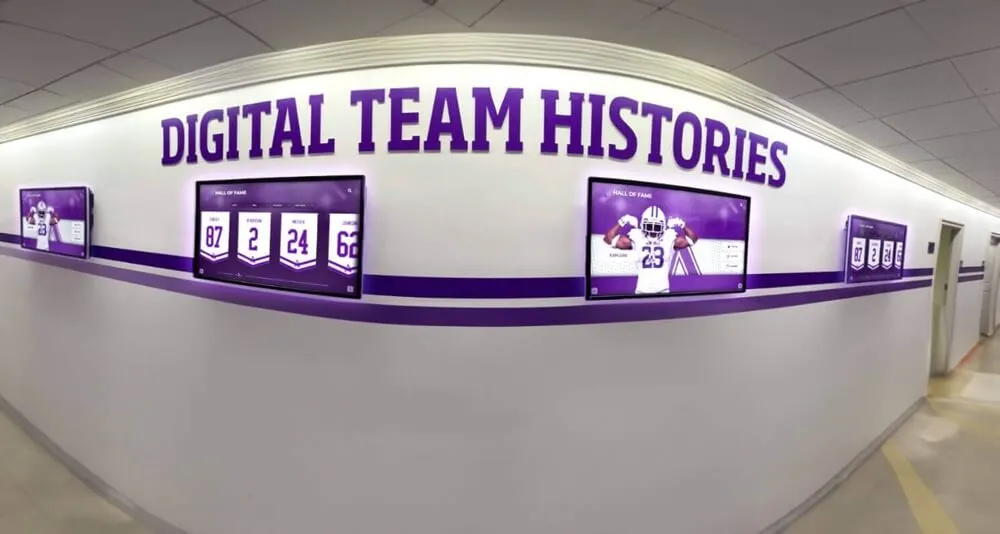
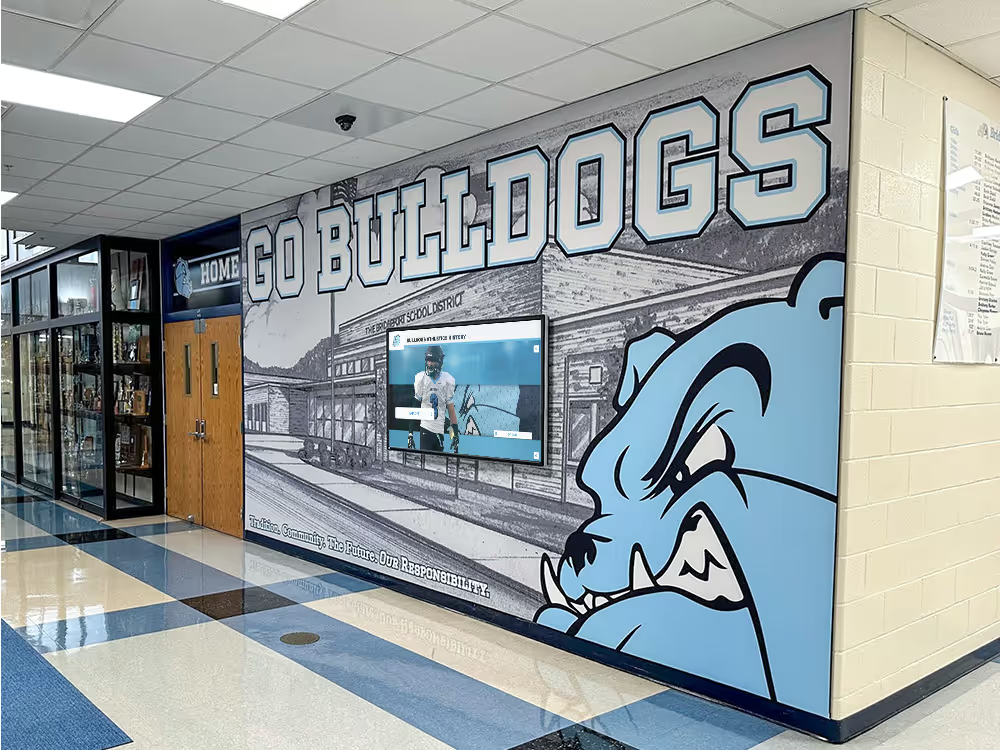
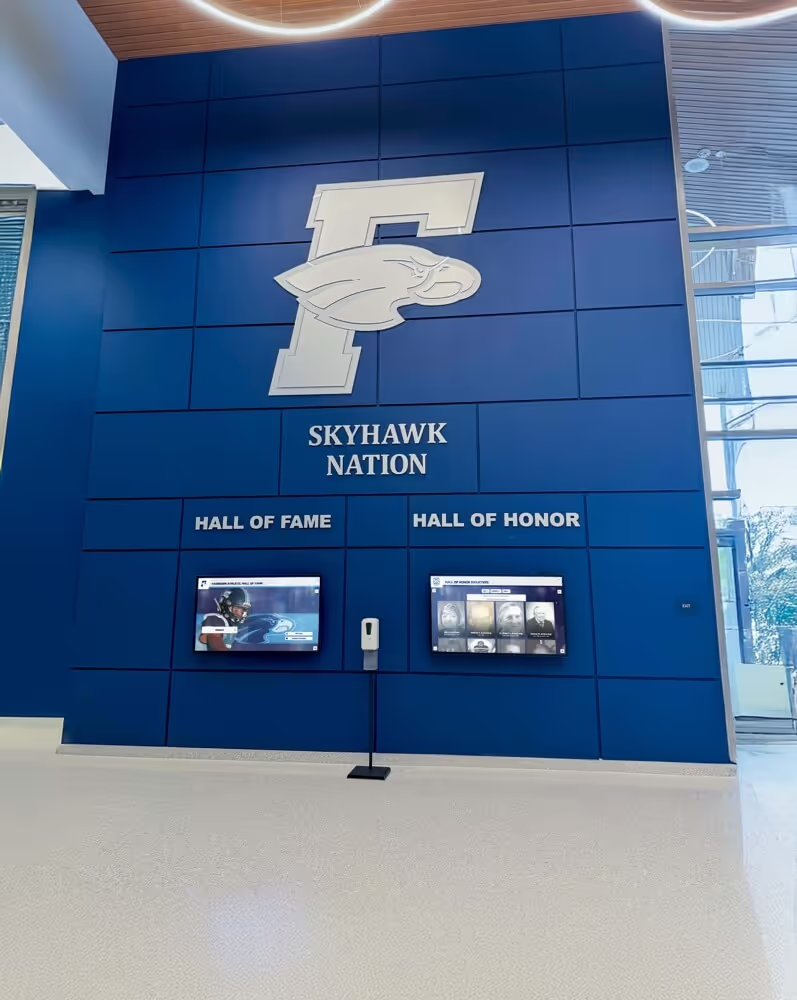
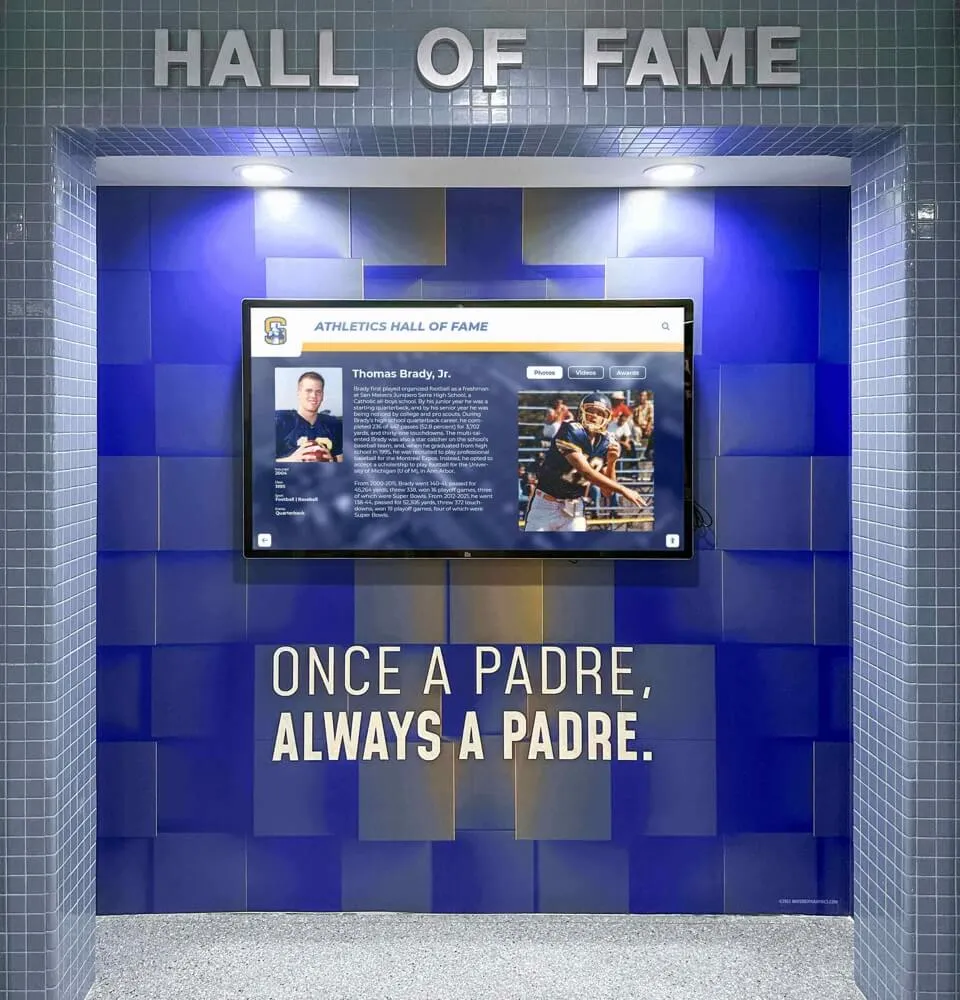
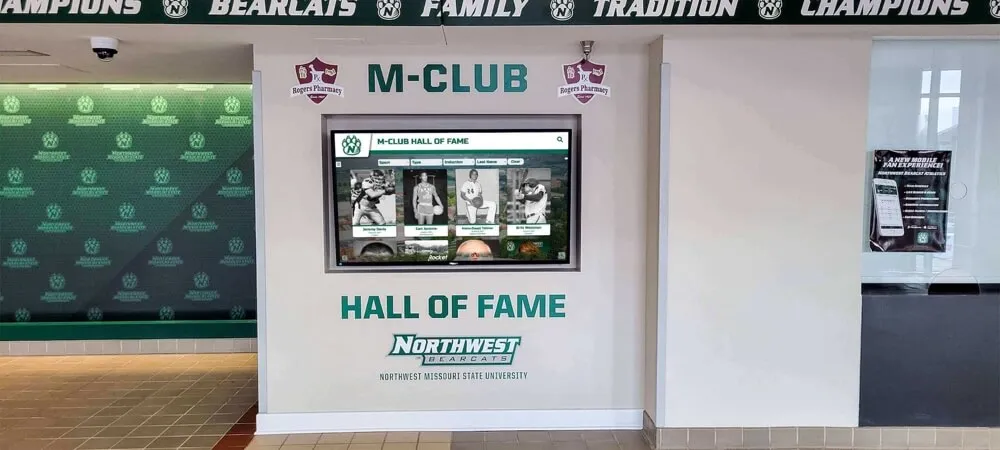
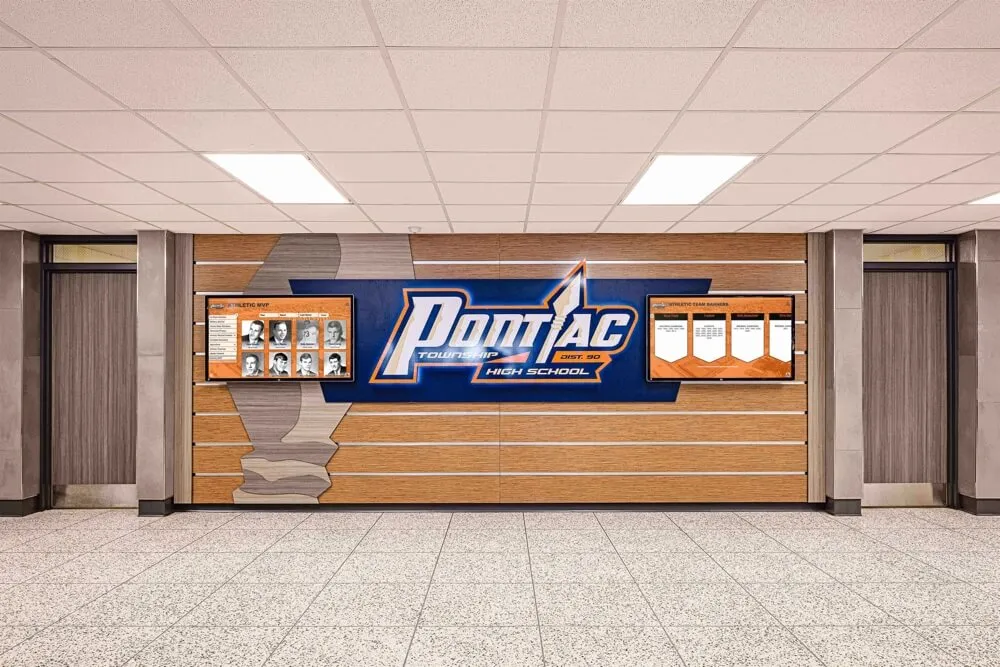
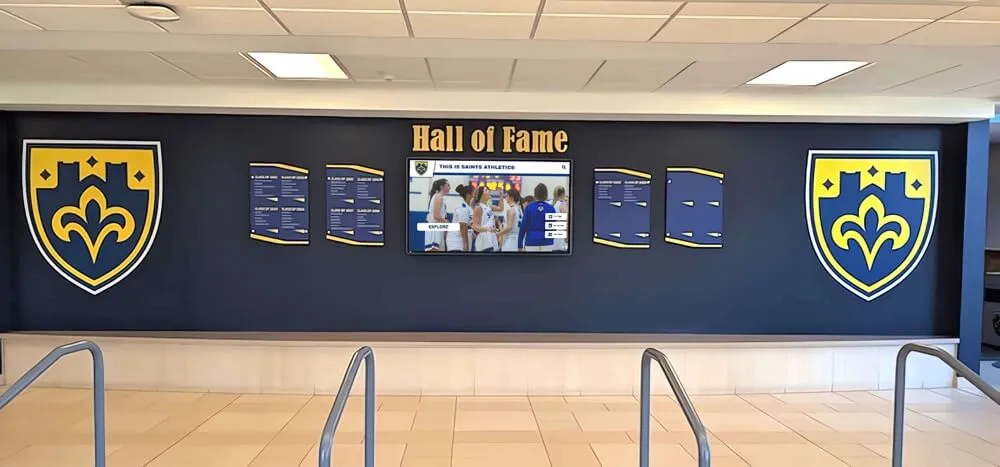
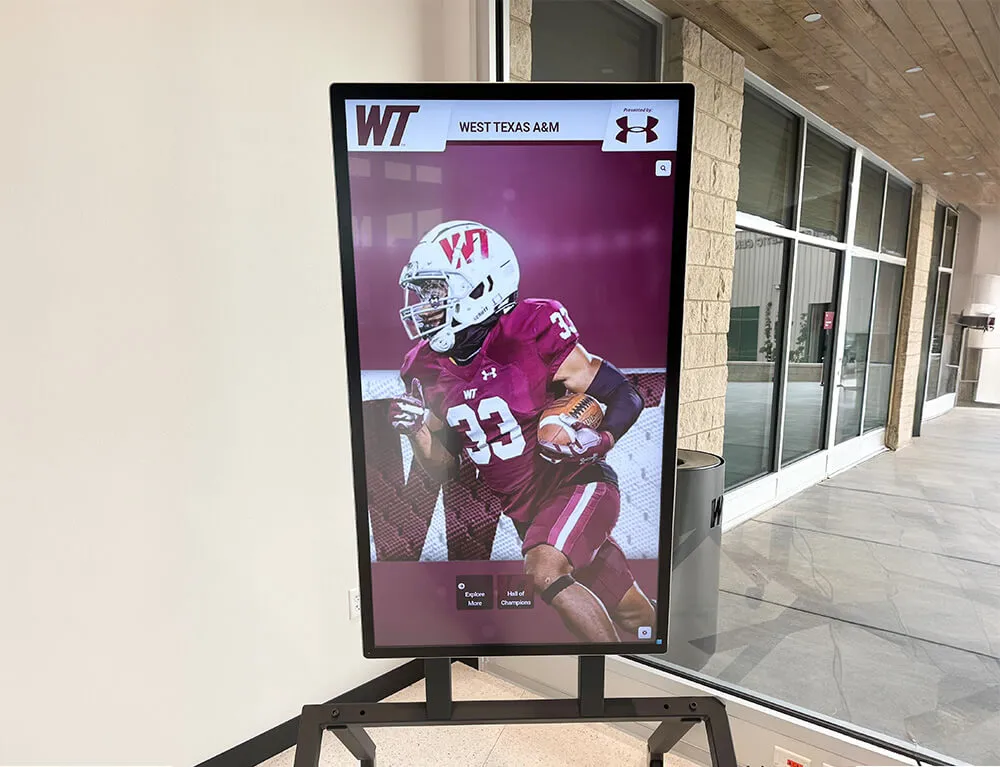
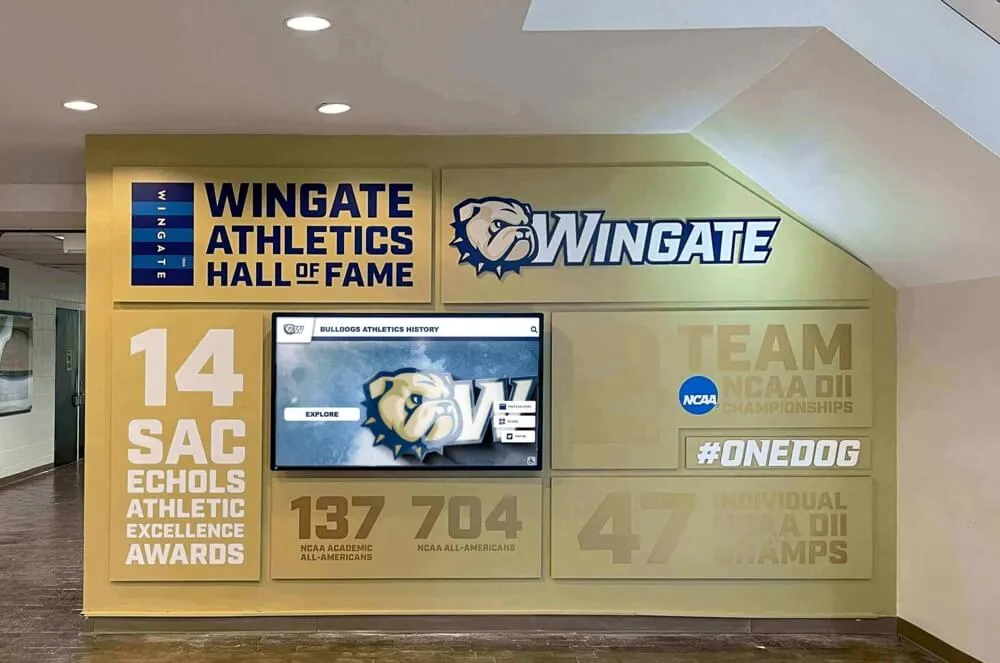
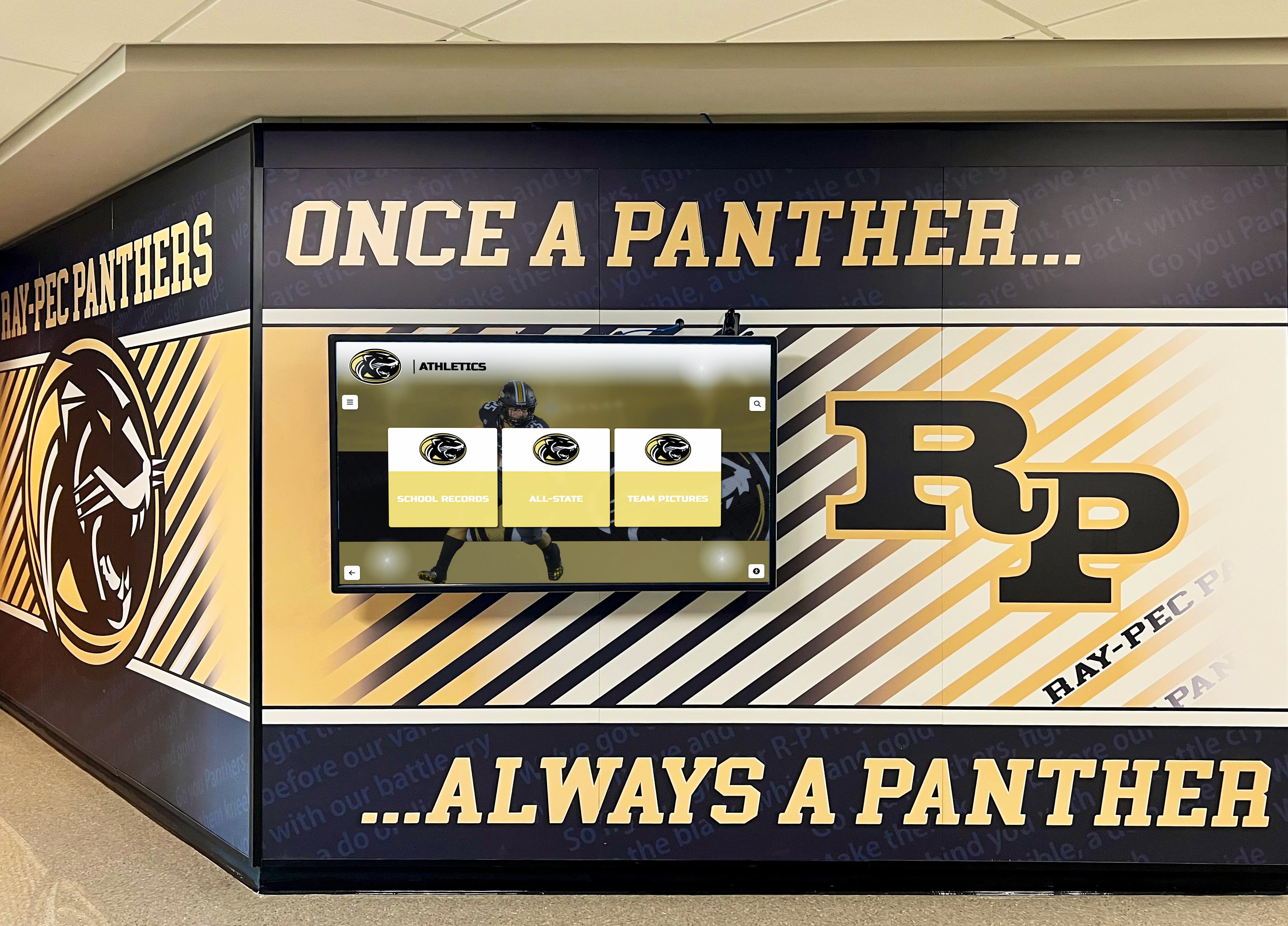
Championship recognition throughout athletic facilities creates culture celebrating playoff excellence and motivating current teams
Understanding the Playoff Preparation Challenge
The transition from regular season to playoff competition requires systematic adjustments across multiple preparation dimensions.
Physical Demands of Extended Seasons
Playoff success requires teams arriving in optimal physical condition despite accumulated season fatigue:
Managing Cumulative Physical Stress
Extended seasons challenge athlete bodies significantly:
- Ten regular season games already accumulate substantial physical wear
- Each additional playoff game extends season by one week of high-intensity competition
- Injury accumulation throughout season affects playoff availability and performance
- Position-specific wear patterns (linemen contact, running back carries, quarterback hits)
- Recovery time between games remains insufficient for complete healing
- Championship runs can extend seasons by 3-5 additional weeks beyond normal conclusions
Successful programs implement recovery protocols addressing cumulative fatigue while maintaining competitive conditioning necessary for playoff intensity.
Balancing Rest and Readiness
Playoff preparation requires careful equilibrium:
- Adequate rest enabling injury healing and physical recovery
- Sufficient practice intensity maintaining competitive sharpness
- Position-specific load management addressing individual athlete needs
- Modified practice schedules reducing unnecessary contact and injury risk
- Strategic rest days optimizing recovery without losing conditioning
- Individual athlete monitoring identifying fatigue levels requiring adjustment
This balance proves particularly challenging—excessive rest creates rusty performance while insufficient recovery increases injury risk and diminishes late-game stamina crucial during playoff competition.
Injury Management and Return Protocols
Playoff seasons force difficult decisions about injured athlete participation:
- Risk-reward assessments weighing championship opportunities against long-term health
- Medical professional consultation ensuring appropriate clearance protocols
- Modified participation allowing partial practice while continuing recovery
- Position depth determining whether teams can rest injured starters
- Communication with athletes and families about participation risks
- Conservative approaches protecting long-term athlete wellbeing
Programs prioritizing athlete welfare over short-term competitive advantage build trust while making ethical decisions protecting student-athlete health appropriately.
Discover approaches to building comprehensive athletic programs supporting sustained success.
Mental and Emotional Intensity
Championship competition creates psychological demands requiring specific preparation:
Pressure and Performance Expectations
Playoff environments differ substantially from regular season:
- Single-elimination stakes where losses immediately end seasons
- Community expectations and attention intensifying performance pressure
- Media coverage increasing athlete visibility and scrutiny
- Historical program expectations creating additional psychological weight
- Individual recruiting implications for college-prospect athletes
- Senior motivation knowing high school careers approach final games
This heightened pressure affects athletes differently—some thrive under championship stakes while others struggle with performance anxiety requiring coaching support and mental preparation strategies.
Maintaining Focus Across Extended Preparation
Week-to-week playoff advancement creates unique challenges:
- Unknown opponent timing preventing detailed preparation until matchups confirm
- Short preparation windows (typically 5-7 days) between playoff games
- Balancing current opponent focus while preparing generally for subsequent rounds
- Avoiding overconfidence following dominant victories or discouragement after close wins
- Managing distractions from celebration, media attention, and community excitement
- Sustaining practice intensity across multiple consecutive weeks
Coaches implement structured preparation routines creating consistency and focus regardless of opponent or external circumstances.
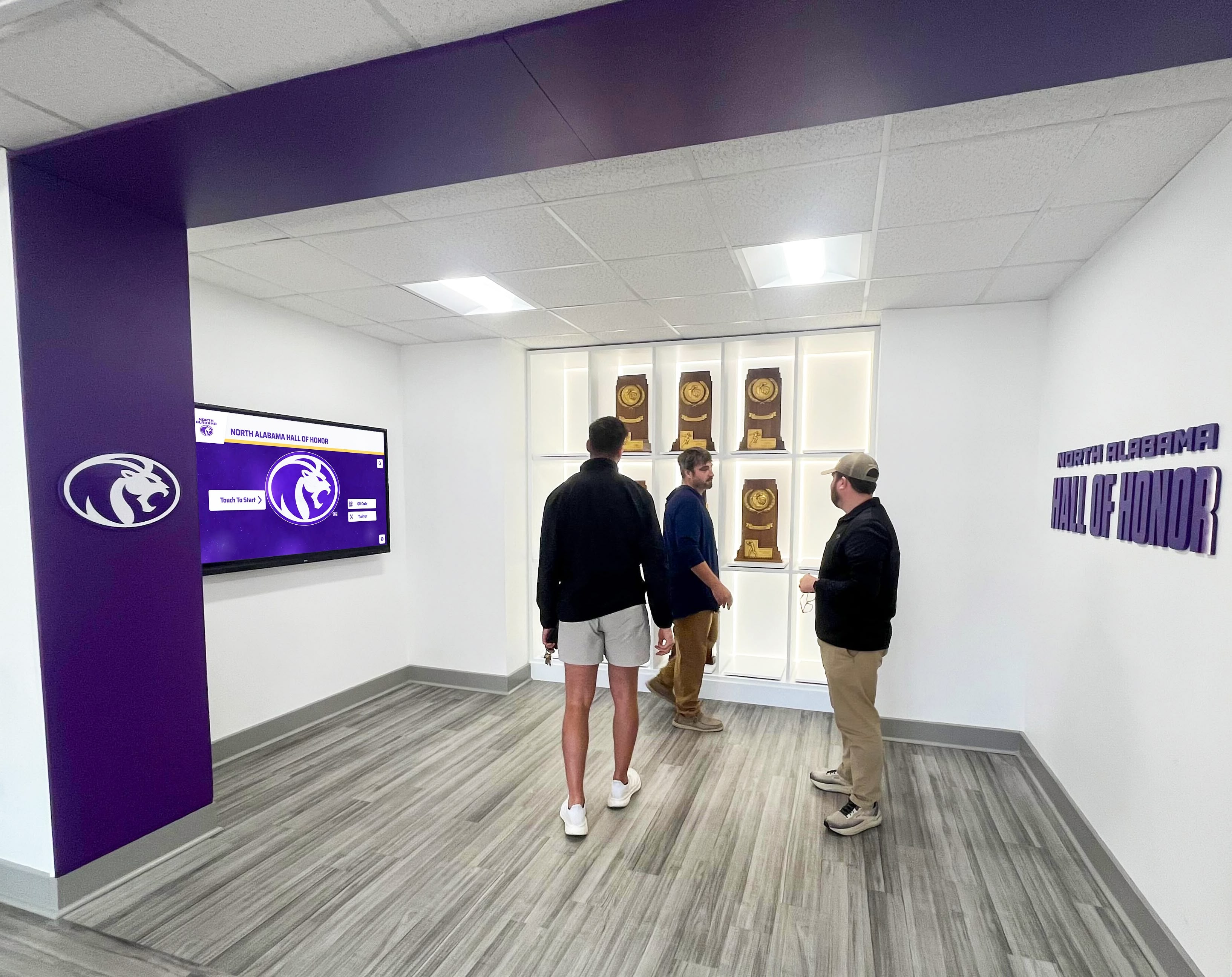
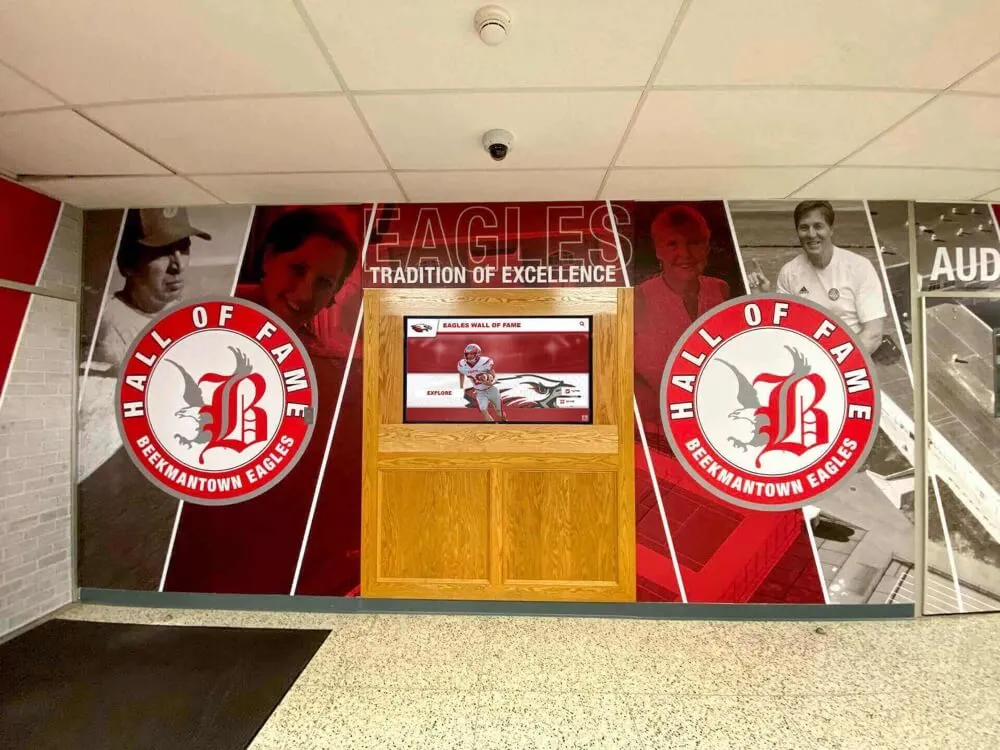
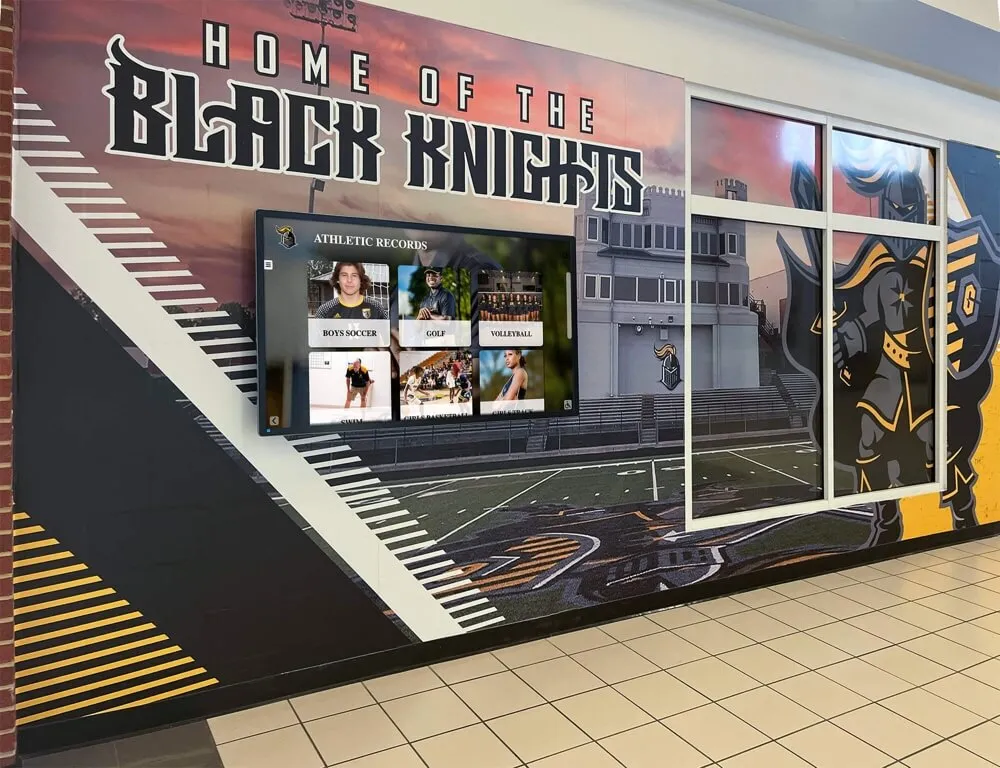
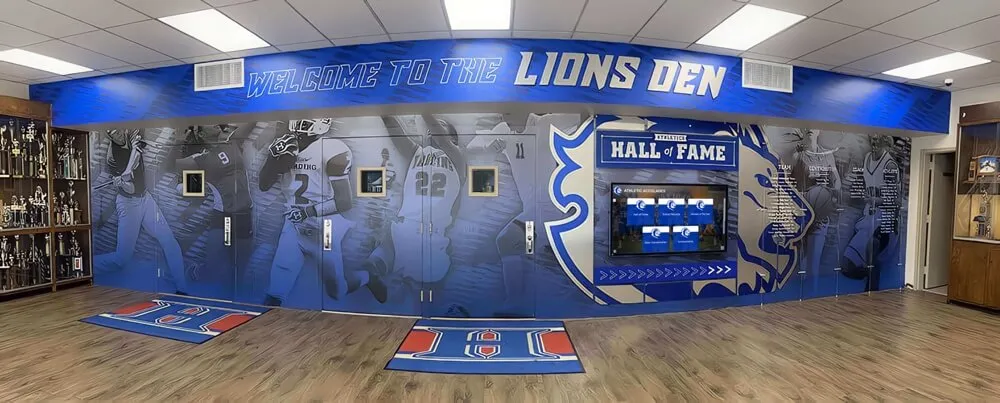
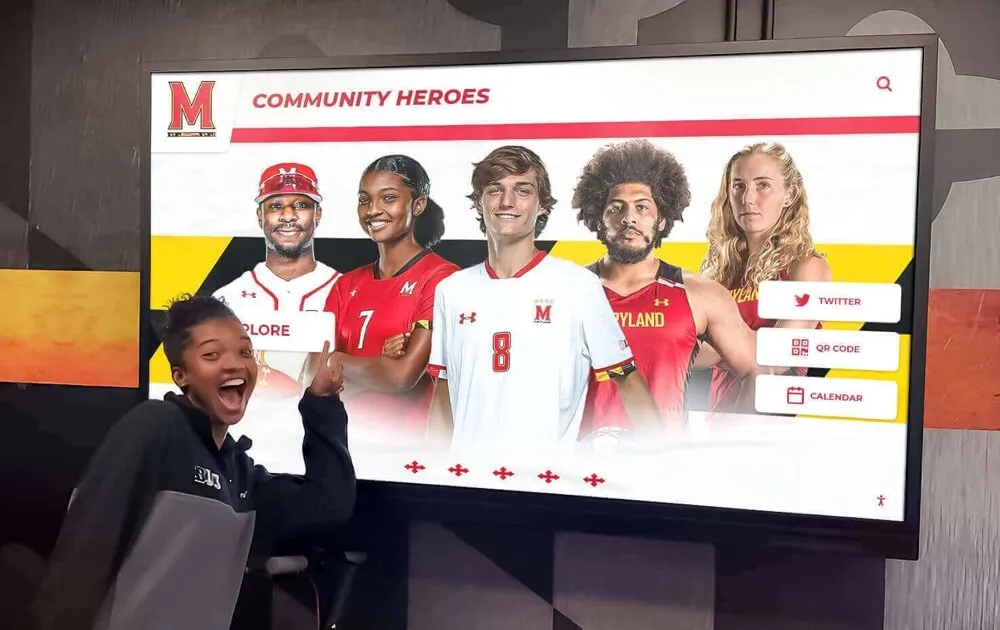
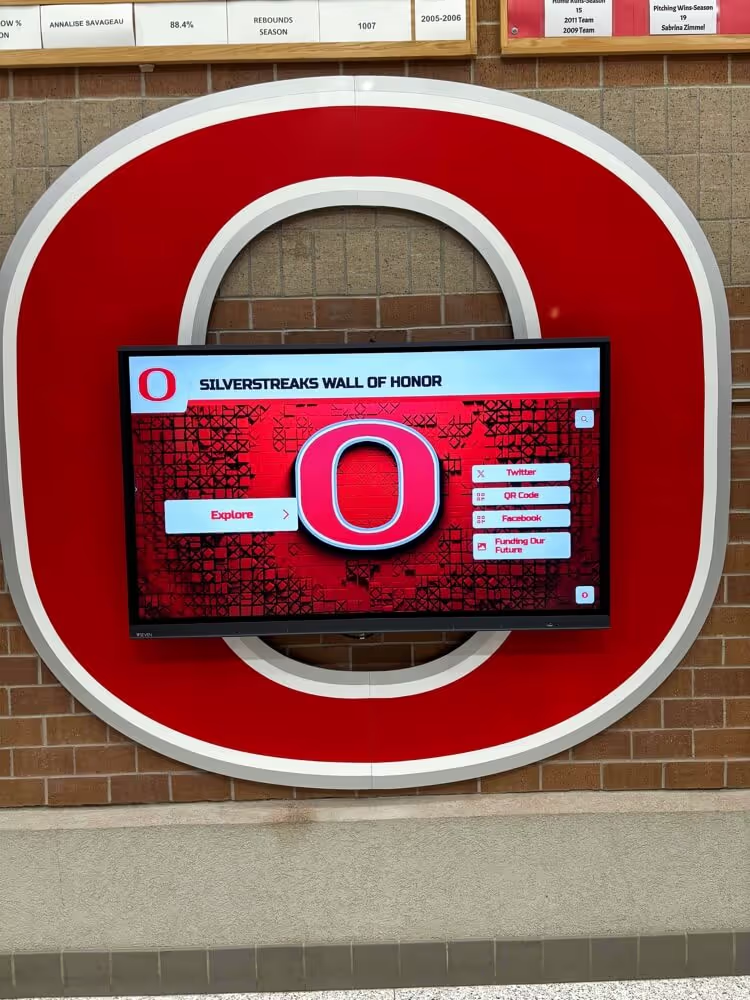
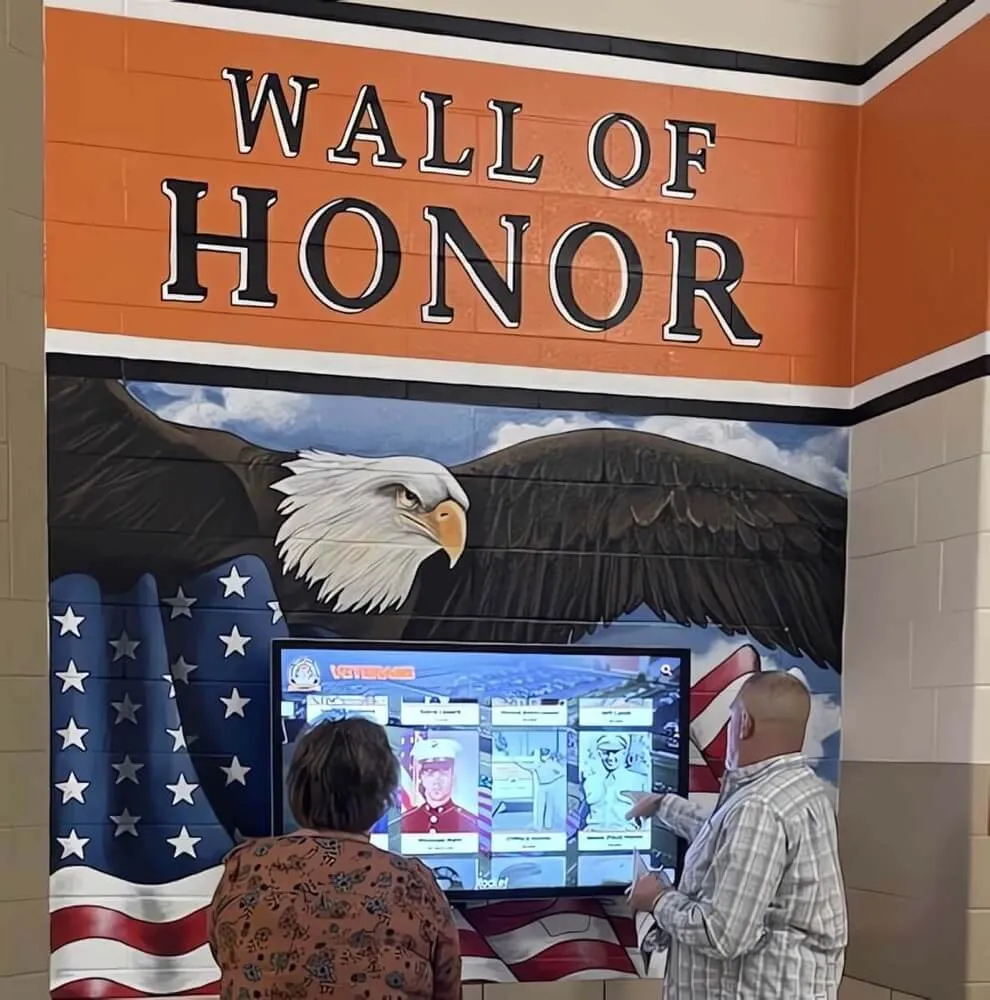
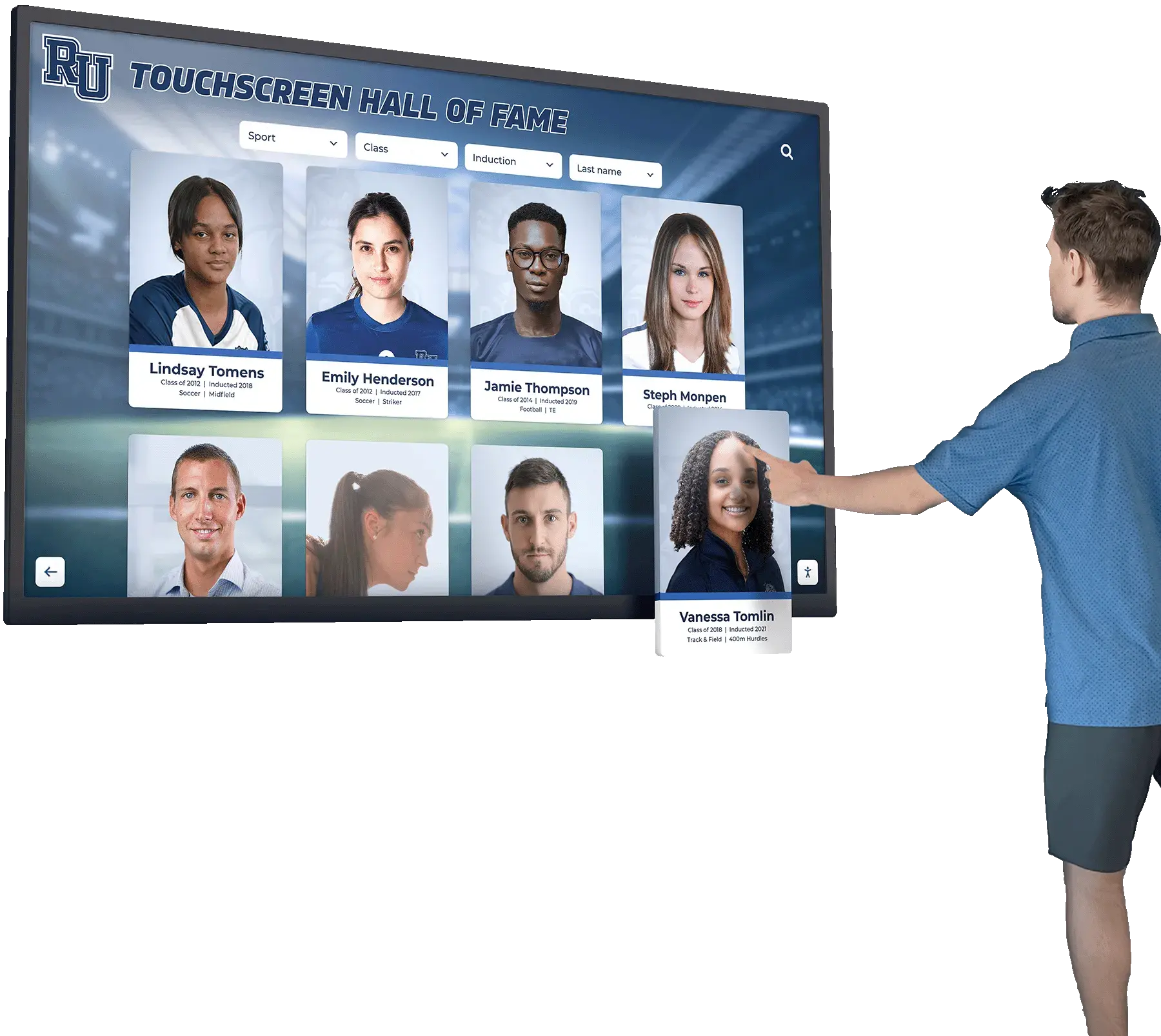
Professional recognition displays preserve championship traditions while inspiring current athletes toward playoff excellence
Program Snapshot: Playoff Preparation Framework
| Preparation Element | Timeline & Details |
|---|---|
| Physical Preparation | Modified practice schedules beginning 2-3 weeks before playoffs |
| Strategic Planning | Opponent scouting and game plan development within 48-72 hours of matchup confirmation |
| Mental Conditioning | Ongoing visualization and pressure management throughout playoff run |
| Team Unity Building | Intensified bonding activities during playoff preparation weeks |
| Recovery Protocols | Structured rest, treatment, and rehabilitation schedules maximizing health |
| Family Communication | Regular updates maintaining support system engagement |
| Community Management | Coordinated approach balancing support with athlete focus |
| Recognition Planning | Championship documentation systems capturing achievements comprehensively |
Physical Preparation Protocols for Playoff Success
Systematic training approaches optimize athlete conditioning while managing fatigue and injury risk.
Modified Practice Schedules and Intensity
Playoff preparation requires different practice structures than regular season:
Reducing Full-Contact Repetitions
Protect athlete health through adjusted contact protocols:
- Limited full-speed contact drills preserving bodies for game competition
- Thud-tempo practices maintaining technique without injury-producing collisions
- Individual position work emphasizing fundamentals and assignment understanding
- Walkthrough pace installations for complex plays and situational schemes
- Reserved full-speed work for specific game-critical situations requiring live repetition
- Monitoring contact accumulation ensuring practice safety protocols
Research consistently demonstrates that reduced practice contact doesn’t diminish performance quality while significantly lowering injury rates and improving athlete availability.
Strategic Practice Day Allocation
Typical playoff week schedules include:
- Monday: Recovery day with no practice, film review only, treatment focus
- Tuesday: Installation day with extensive film study, walkthrough pace, strategy emphasis
- Wednesday: Full practice with normal intensity, complete game plan implementation
- Thursday: Moderate practice focusing on situational work, red zone, two-minute drills
- Friday: Light practice, special teams emphasis, final coordination, travel preparation
- Saturday: Game day with pre-game routines and competition
This structure ensures adequate preparation while managing physical demands appropriately throughout playoff weeks.
Position-Specific Load Management
Different positions require unique preparation approaches:
- Linemen receive reduced contact exposure given high collision frequency
- Skill position players maintain speed work and route precision without excessive contact
- Quarterbacks focus on timing, decision-making, and limited live repetitions
- Defensive players balance aggression development with injury risk management
- Special teams units receive dedicated practice time ensuring execution quality
Position-specific planning acknowledges different physical demands while optimizing preparation for each athlete’s role.
Explore comprehensive athletic director responsibilities managing playoff preparation programs.
Strength, Conditioning, and Nutrition Programs
Optimal physical performance requires attention beyond practice field preparation:
Adjusted Weight Room Protocols
Playoff strength training differs from season building phases:
- Maintenance approach preserving strength without excessive muscle fatigue
- Reduced volume with maintained intensity levels
- Emphasis on injury prevention and functional movement patterns
- Individual athlete adjustments based on position demands and wear patterns
- Strategic rest days preventing overtraining and accumulated fatigue
- Focus on explosive power maintenance rather than strength building
Conditioning and Speed Maintenance
Aerobic and anaerobic capacity preservation:
- Continued conditioning work preventing late-game performance decline
- Speed and agility training maintaining explosive capabilities
- Position-specific metabolic demands addressed through targeted work
- Reduced volume maintaining fitness without excessive fatigue accumulation
- Testing and monitoring ensuring conditioning levels remain optimal
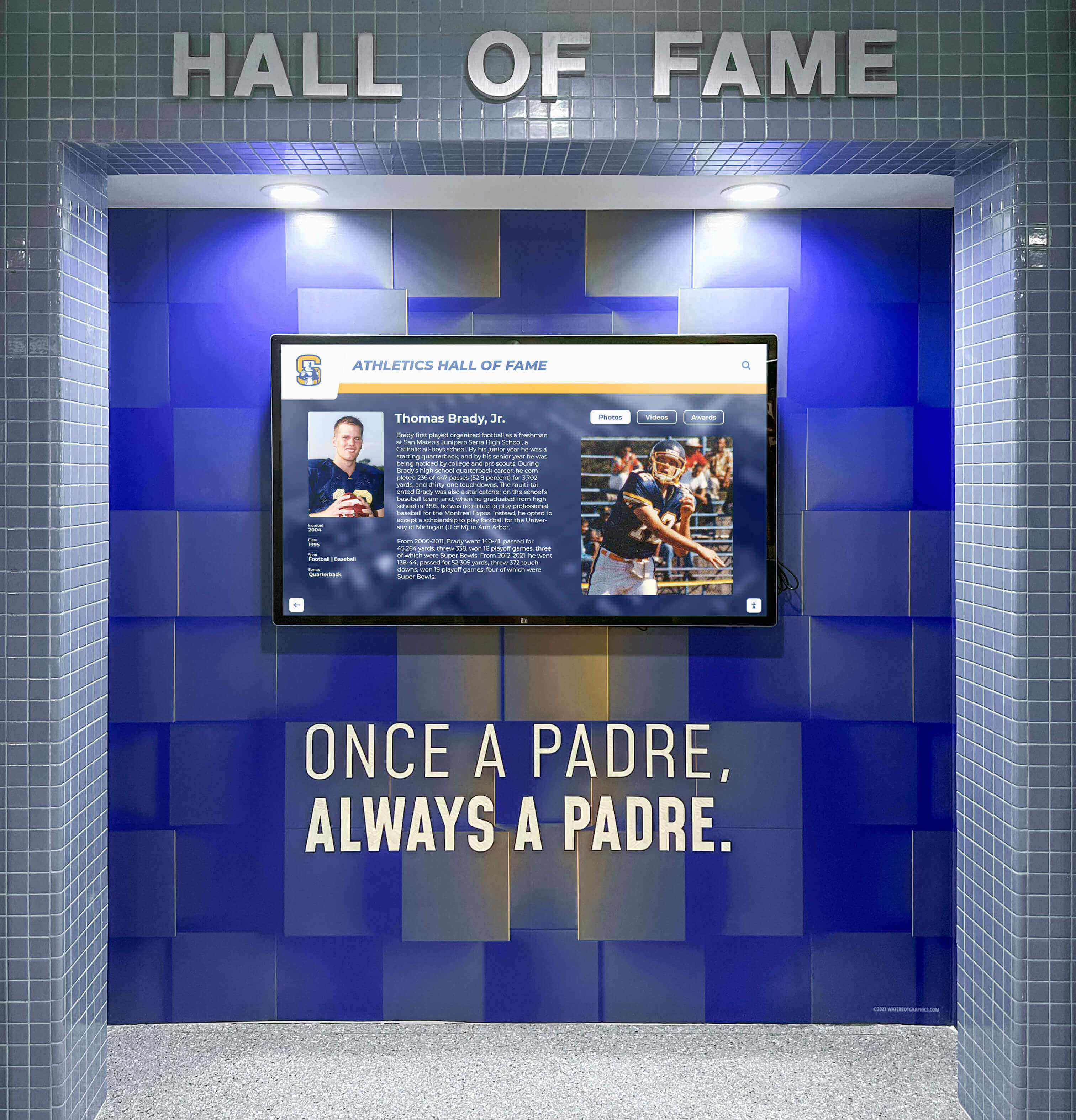
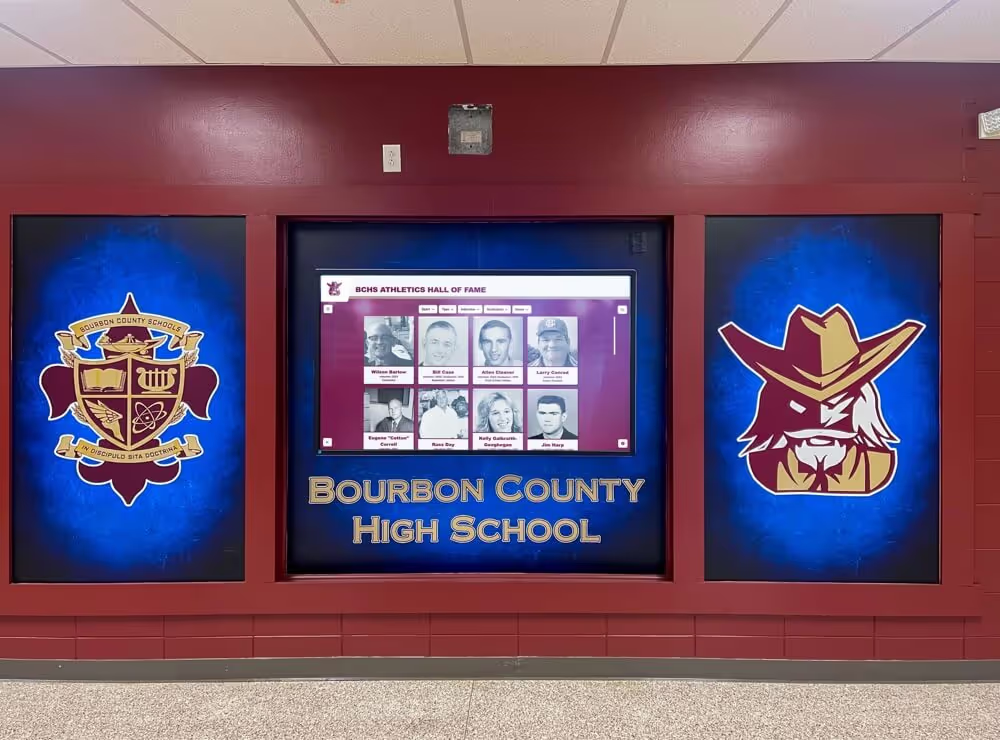
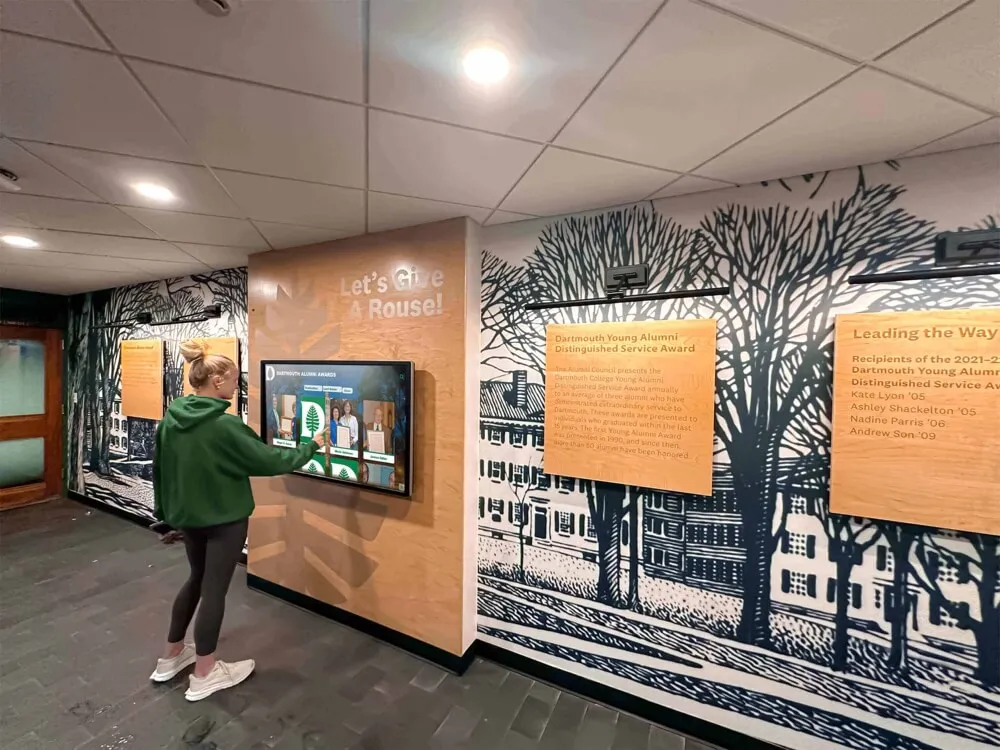
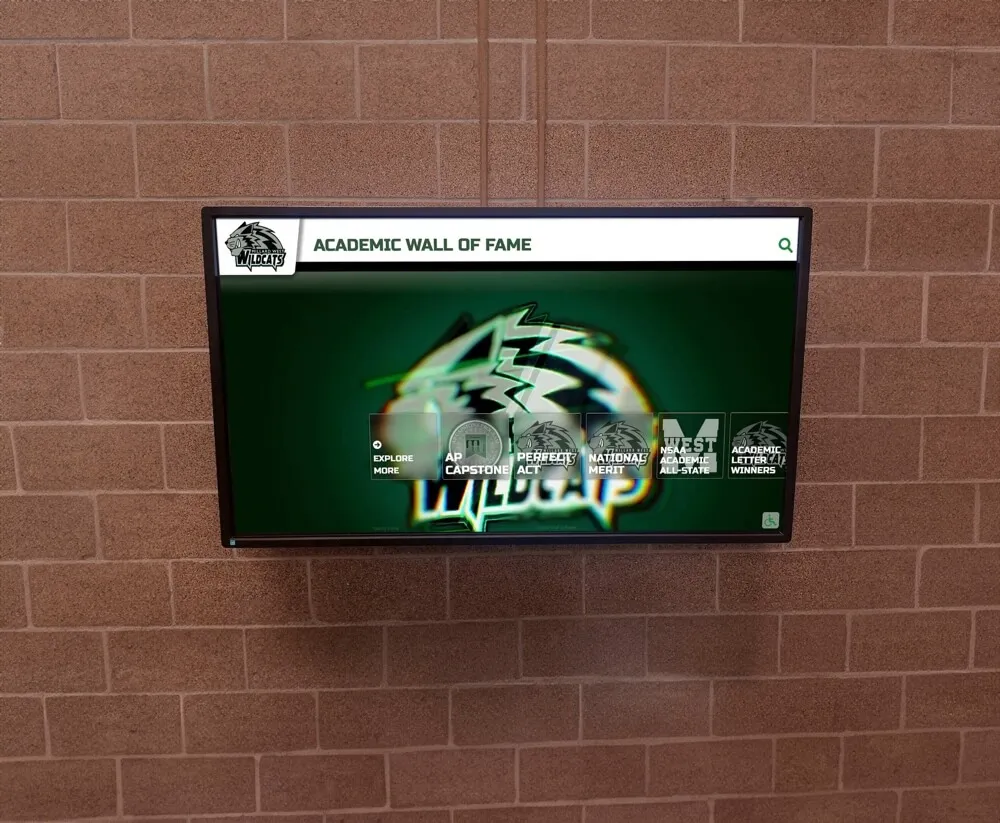
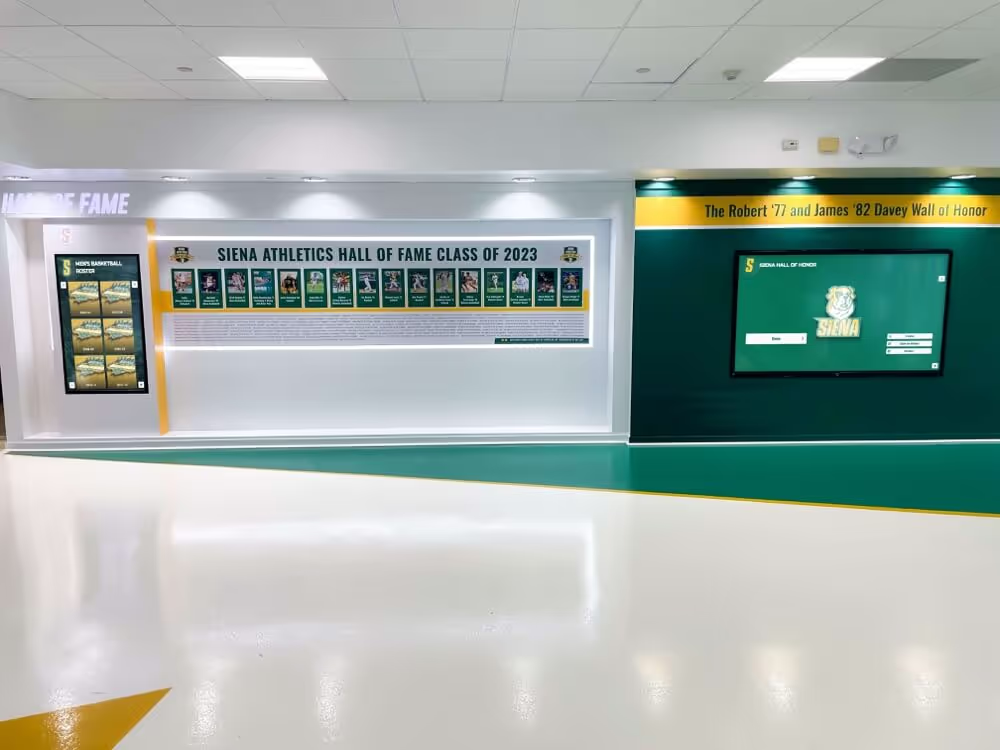
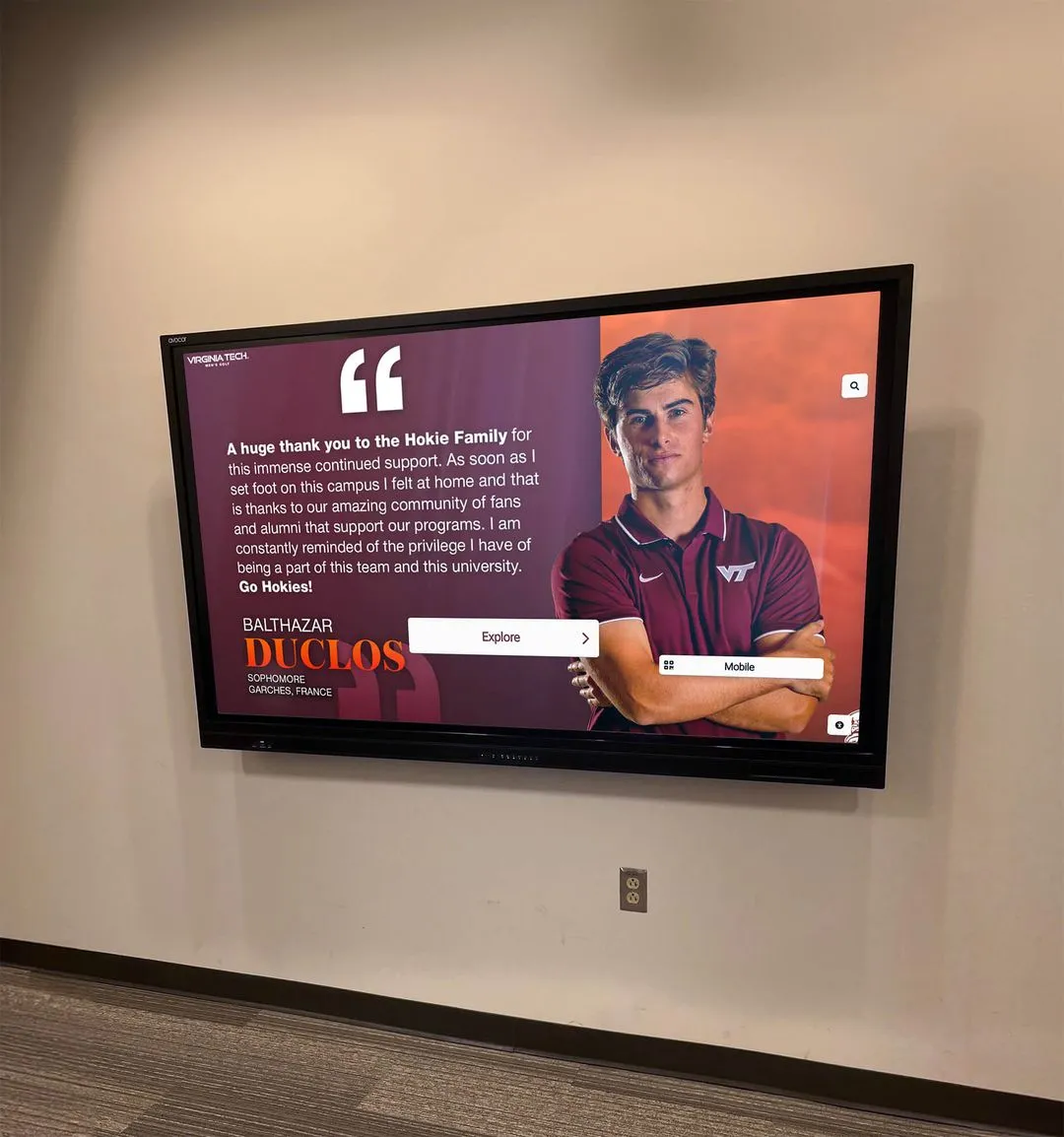
Modern athletic facilities integrate recognition systems inspiring championship performance
Nutrition and Hydration Strategies
Performance optimization through systematic nutrition:
- Individualized meal planning supporting training and recovery demands
- Hydration protocols ensuring optimal fluid balance throughout playoff preparation
- Strategic supplement use supporting recovery and performance within regulatory guidelines
- Pre-game and post-game nutrition timing optimizing energy availability and recovery
- Education programs helping athletes understand nutrition impact on performance
- Family involvement ensuring consistent nutrition practices beyond school supervision
Comprehensive nutrition approaches represent competitive advantages—properly fueled athletes perform better, recover faster, and maintain health throughout extended playoff runs.
Recovery and Treatment Emphasis
Systematic recovery protocols maximize athlete health and availability:
Athletic Training and Medical Support
Professional treatment services provide essential support:
- Daily athletic training sessions addressing minor injuries before escalation
- Ice bath and contrast therapy protocols reducing inflammation
- Massage and soft tissue treatment promoting recovery
- Taping and bracing providing support for minor injuries
- Rehabilitation programs enabling injured athletes to maintain conditioning during recovery
- Medical professional consultation ensuring appropriate injury management
Schools with comprehensive athletic training resources demonstrate lower injury rates and better playoff availability compared to programs lacking systematic treatment protocols.
Sleep and Recovery Protocols
Often-overlooked recovery element critically important for performance:
- Athlete education about sleep importance for performance and recovery
- Recommended sleep duration targets (9+ hours for adolescent athletes)
- Technology use guidelines reducing screen exposure before bedtime
- Morning practice timing considerations acknowledging teenage sleep patterns
- Recognition that sleep deprivation accumulates across season affecting playoff performance
- Family communication emphasizing recovery importance
Research consistently demonstrates sleep as among the most important performance factors—yet often neglected in favor of additional practice or film study time.
Learn about senior athlete recognition celebrating playoff careers.
Strategic Preparation and Game Planning
Playoff success requires systematic opponent analysis and strategic preparation:
Advanced Scouting and Film Study
Understanding opponents enables strategic advantages:
Opponent Tendency Analysis
Comprehensive film study reveals exploitable patterns:
- Offensive formation preferences and play-calling tendencies
- Defensive alignment patterns and coverage schemes
- Third-down tendency analysis revealing predictable situations
- Red zone strategy identification showing scoring approach patterns
- Personnel grouping analysis linking formations to play types
- Situational tendency examination (goal line, two-minute, backed up)
Systematic scouting identifies specific tendencies enabling defensive scheming and offensive exploitation.
Individual Player Evaluation
Understanding key opponent players:
- Star player capability assessment requiring game-plan attention
- Individual technique analysis revealing weaknesses to attack
- Injury status monitoring affecting opponent capabilities
- Fatigue patterns showing performance decline at game stages
- Emotional tendencies (discipline issues, frustration responses)
Individual player knowledge enables strategic game-planning targeting specific matchups or exploiting particular weaknesses.
Self-Scouting and Adjustment
Playoff opponents scout extensively—requiring self-awareness:
- Analyzing own team tendencies opponents will identify and prepare against
- Breaking tendency patterns through constraint plays and counter-actions
- Introducing new plays or wrinkles specifically for playoff implementation
- Adjusting formations and motions creating different visual presentations
- Preparing constraint responses to expected opponent adjustments
Self-scouting prevents becoming predictable while preparing counter-responses to anticipated opponent strategies.
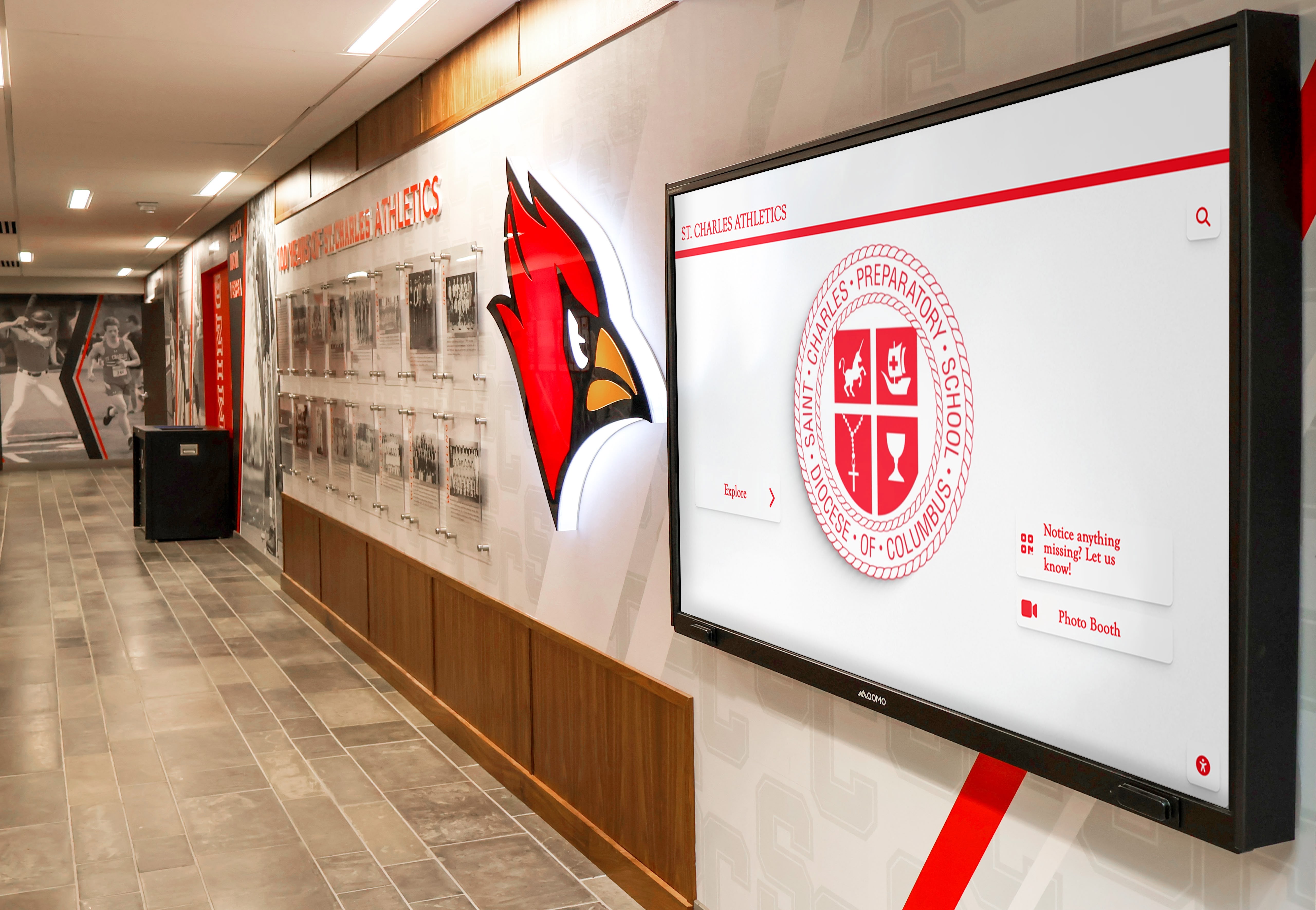
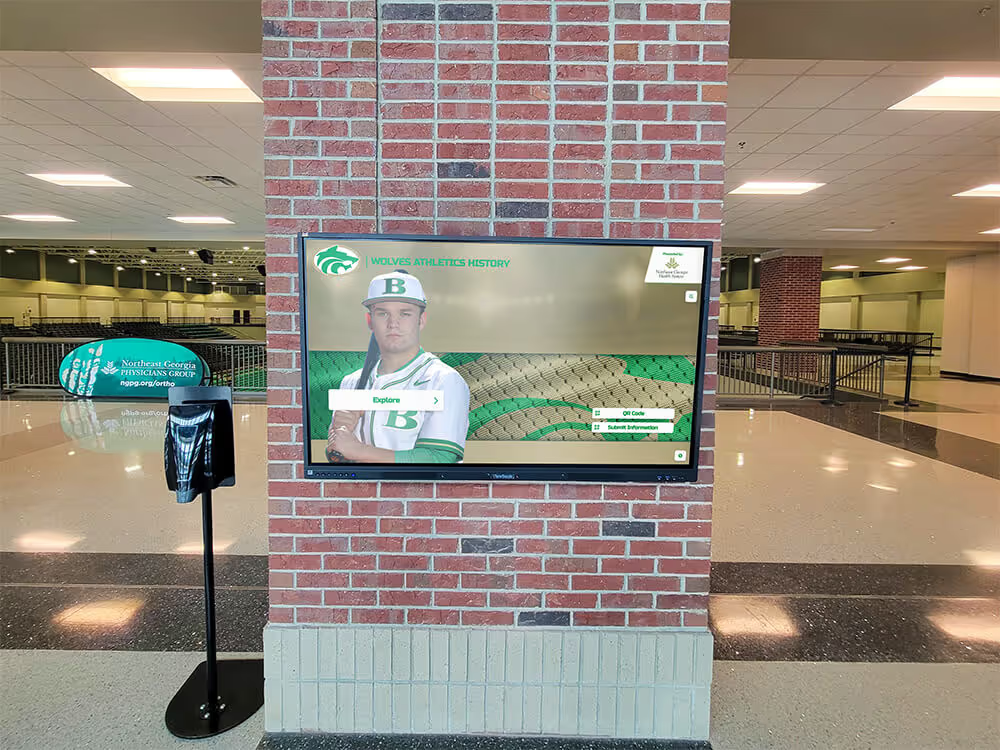
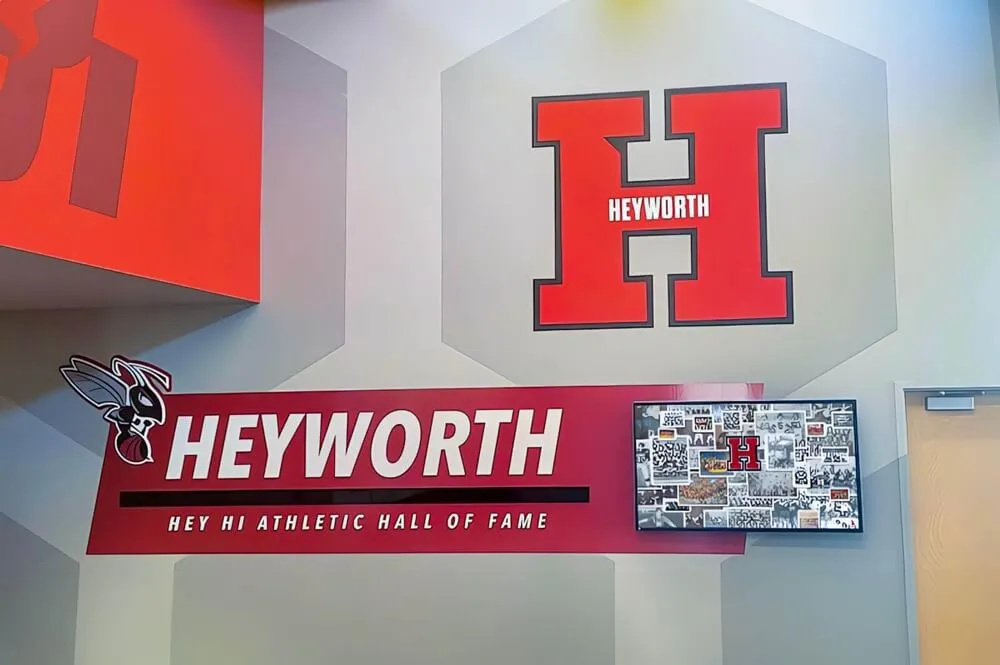
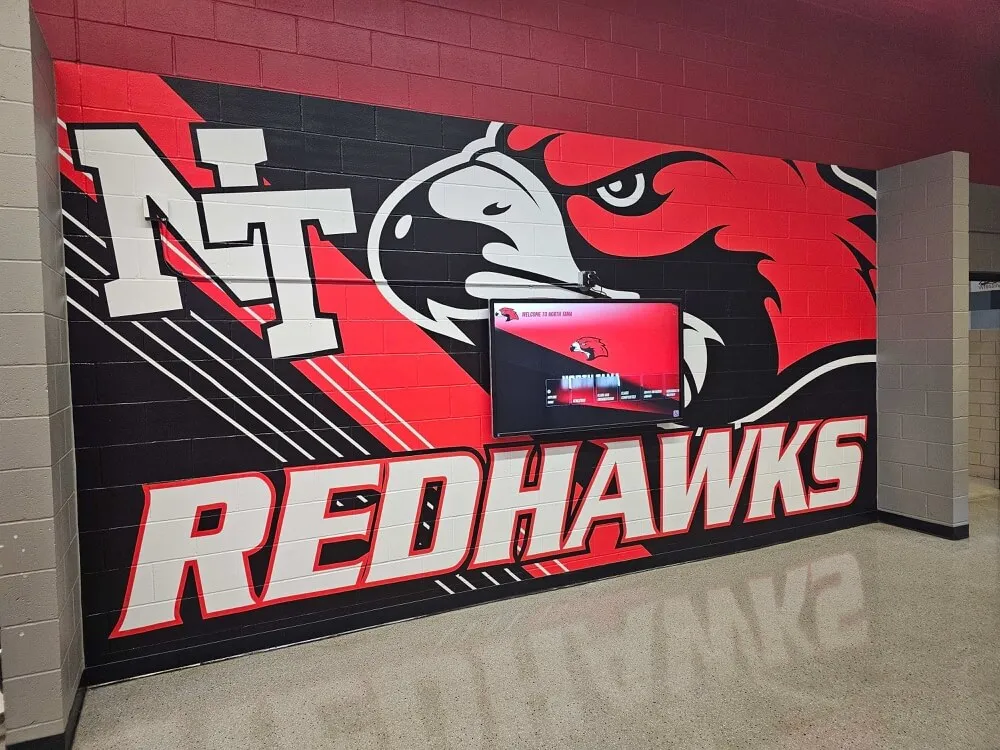
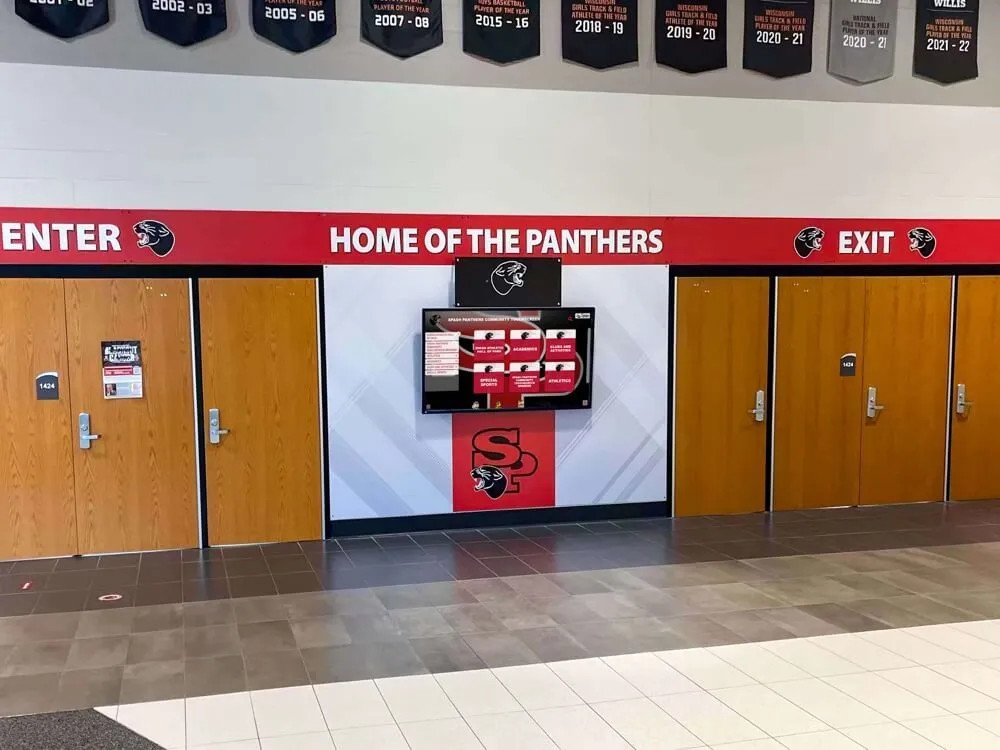
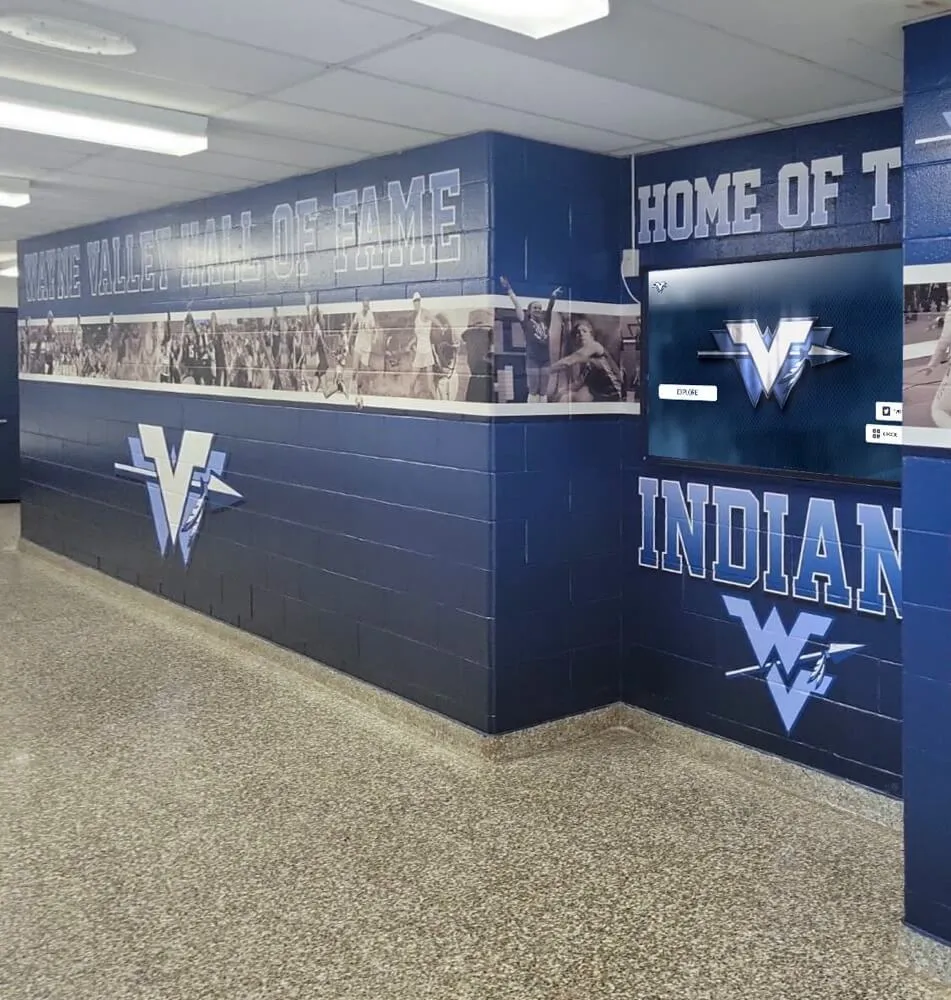
Strategic facility displays celebrate championship achievements throughout buildings
Game Plan Development and Implementation
Translating scouting information into executable strategies:
Offensive Game Plan Construction
Systematic offensive preparation includes:
- Core play selection emphasizing team strengths and opponent defensive weaknesses
- Situational package development (short yardage, red zone, two-minute)
- Constraint play integration countering expected defensive adjustments
- Personnel grouping strategy leveraging matchup advantages
- Tempo variation plans controlling game pace based on strategic needs
- Contingency planning for unexpected defensive schemes
Effective offensive planning balances exploiting specific opponent weaknesses while maintaining system identity and player comfort with execution assignments.
Defensive Game Plan Architecture
Comprehensive defensive preparation involves:
- Base defense selection matching opponent offensive system
- Coverage adjustments addressing opponent passing attack strengths
- Run fit adaptations accounting for opponent blocking schemes
- Pressure package development creating negative plays and disruption
- Special situation defenses (goal line, two-point, prevent)
- Individual matchup strategies leveraging defensive personnel strengths
Defensive planning requires balancing aggressive approaches creating turnovers and negative plays against conservative strategies preventing explosive plays and maintaining assignment discipline.
Special Teams Emphasis
Often-decisive playoff phase requiring dedicated preparation:
- Return game strategy seeking field position advantages or explosive scoring
- Coverage unit discipline preventing opponent return explosions
- Fake play preparation both to execute and defend against
- Field goal operation ensuring reliable scoring in close playoff games
- Punt coverage and operation controlling field position battle
Playoff games frequently decided by special teams execution—warranting proportional preparation emphasis despite limited practice time allocation during regular seasons.
Discover approaches to celebrating athletic achievement through modern recognition.
Mental Preparation and Performance Psychology
Psychological readiness determines performance under championship pressure:
Visualization and Mental Rehearsal
Systematic mental preparation techniques:
Individual Visualization Protocols
Athletes benefit from structured mental practice:
- Pre-game visualization sessions imagining successful performance
- Position-specific scenario rehearsal (pass routes, blocking assignments, coverage reads)
- Pressure situation visualization (game-winning drives, critical stops)
- Success-focused imagery building confidence and reducing anxiety
- Incorporating sensory details (crowd noise, weather conditions, physical sensations)
- Daily repetition building mental performance habits
Research demonstrates visualization improving actual performance—athletes who mentally rehearse demonstrate better execution, faster reaction times, and improved decision-making under pressure.
Team Visualization and Walk-Throughs
Collective mental preparation approaches:
- Group visualization sessions building shared mental images
- Walkthrough pace practice enabling mental rehearsal without physical fatigue
- Situational scenario discussions imagining game situations before occurrence
- Leadership-led team visualization focusing collective energy and confidence
- Film-integrated visualization connecting mental images to actual game footage
Team visualization creates shared mental models improving coordination and collective performance under pressure.
Pressure Simulation Training
Preparing for playoff intensity:
- Increased practice tempo occasionally simulating game-speed decisions
- Situational practice with specific down-distance-score scenarios
- Consequences for practice mistakes (running, push-ups) simulating pressure
- Practice audience presence (younger teams watching, parent observation days)
- Crowd noise simulation preparing for hostile road environments
Controlled pressure exposure during practice reduces anxiety and improves performance when actual playoff pressure arrives.
Confidence Building and Positive Culture
Psychological preparation requires intentional culture development:
Individual Confidence Development
Building athlete self-belief through systematic approaches:
- Highlighting individual improvement and development throughout season
- Position-specific excellence recognition celebrating incremental gains
- Film review emphasizing successful plays and good decisions
- Verbal reinforcement from coaches acknowledging athlete contributions
- Leadership opportunities building confidence through responsibility
- Challenge and success cycles creating mastery experiences
Confident athletes perform better under pressure—making confidence building a legitimate competitive preparation strategy rather than mere motivational exercise.
Collective Team Confidence
Group belief in championship capability:
- Emphasizing team strengths and competitive advantages
- Historical program success stories demonstrating championship possibility
- Underdog mentality or tradition-bearer identity depending on program context
- Previous season success building expectation of continued excellence
- Process focus rather than outcome obsession reducing anxiety
- Championship belief statements and affirmations building collective mindset
Team confidence influences performance substantially—teams believing they can win championships dramatically increase their likelihood of achieving them.
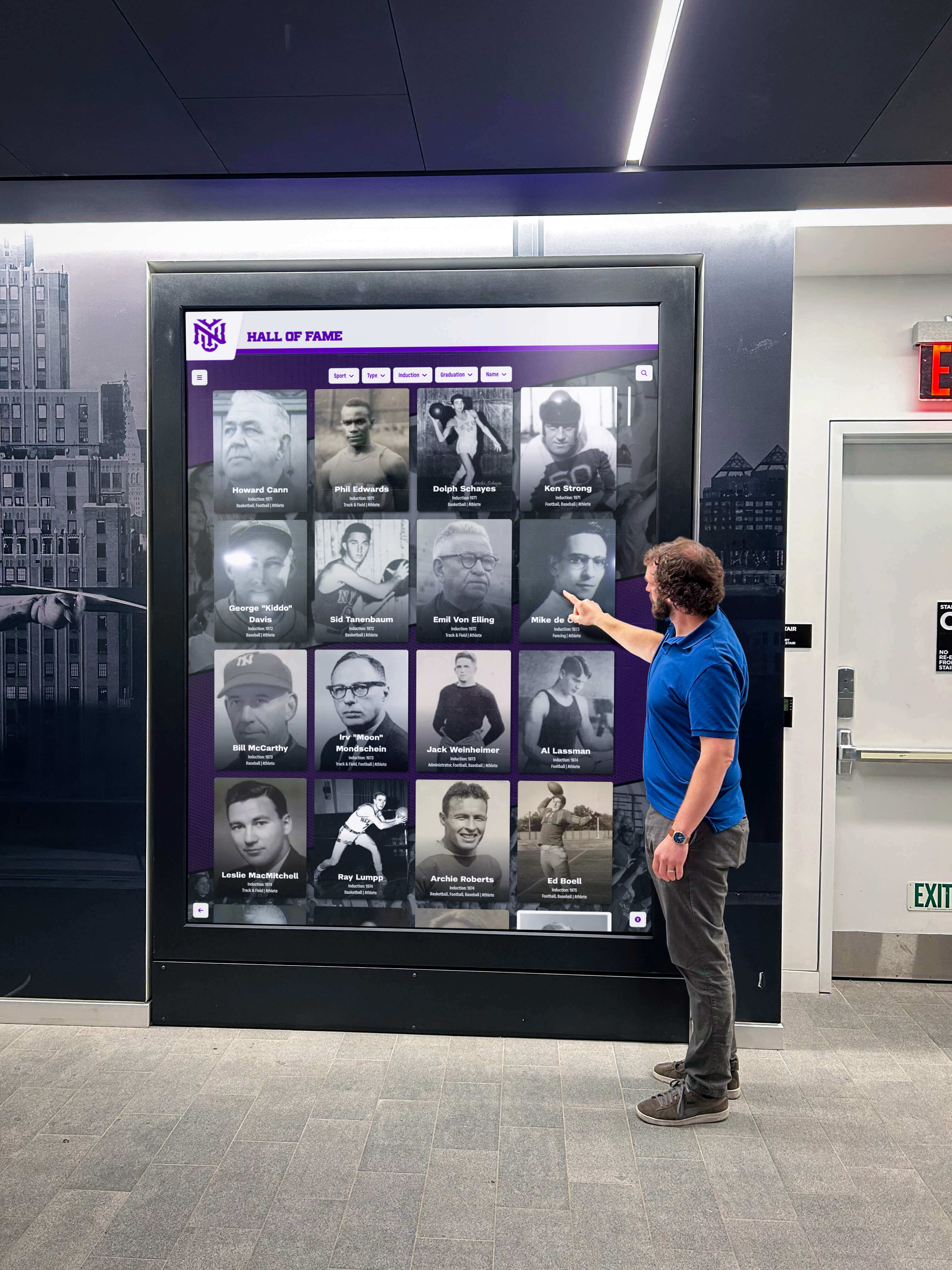
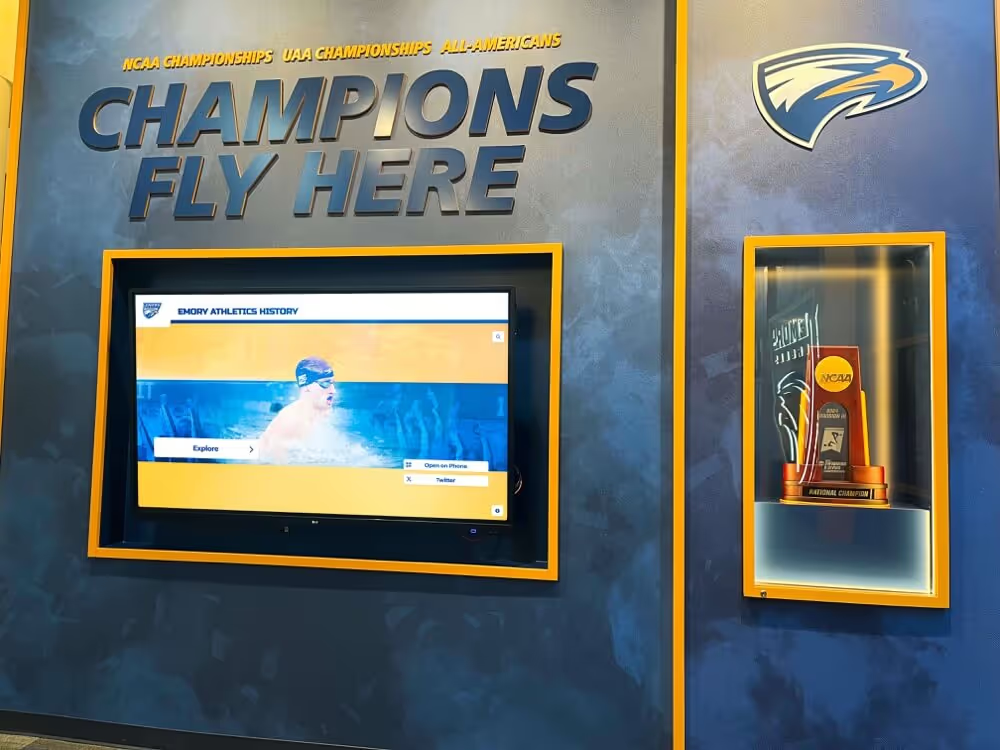
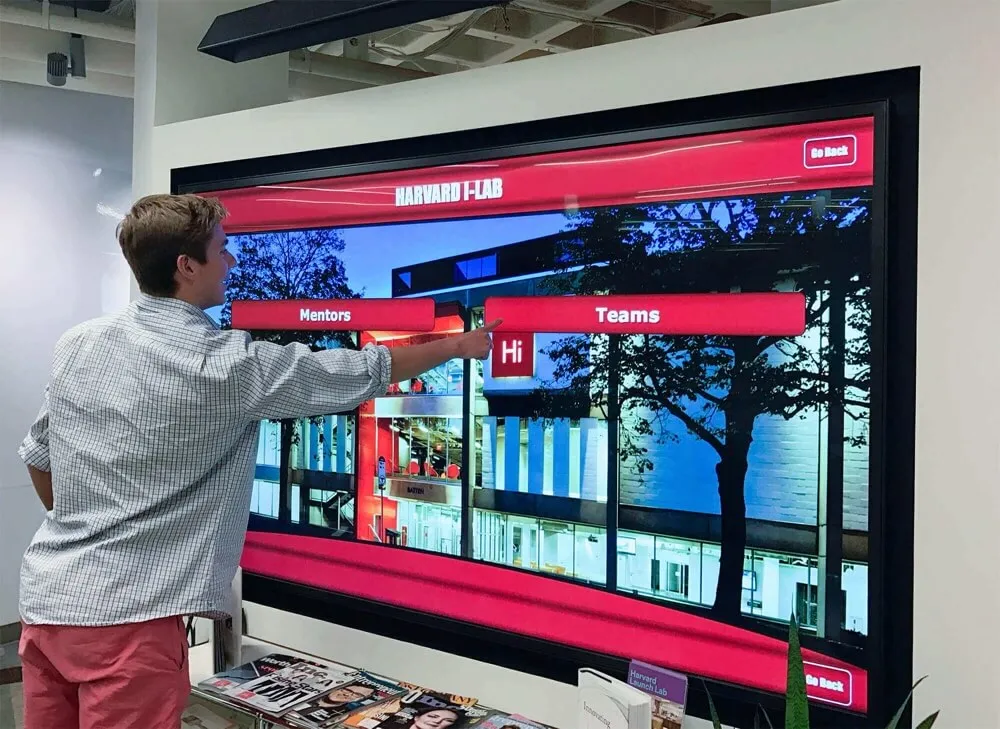
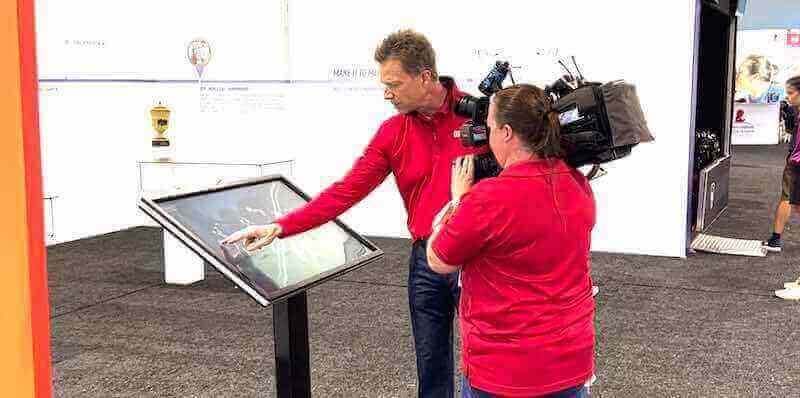
Interactive recognition systems enable exploration of championship achievements inspiring current athletes
Managing Adversity and Resilience Training
Playoff runs inevitably include adversity requiring mental toughness:
Adversity Response Preparation
Systematic resilience building:
- Discussing potential adversity scenarios before occurrence (injuries, bad calls, turnovers)
- Establishing response protocols maintaining composure during challenges
- Historical examples of adversity overcome building belief in resilience
- Practice adversity simulation (starting drives behind on scoreboard)
- Leadership identification of athletes who remain positive during adversity
- Emphasis on controllable responses rather than circumstance complaints
Teams prepared for adversity respond productively when challenges arrive—maintaining composure and execution quality rather than collapsing under pressure.
Emotional Regulation Skills
Teaching athletes to manage competitive emotions:
- Recognition that performance anxiety represents normal response to important competition
- Breathing and relaxation techniques reducing physiological arousal
- Pre-game routine consistency creating psychological comfort
- Refocusing strategies recovering from mistakes or setbacks
- Positive self-talk replacing negative internal dialogue
- Balance between emotional intensity energizing performance and excessive anxiety impairing execution
Emotional regulation enables athletes to channel competitive intensity productively rather than being overwhelmed by championship pressure.
Explore team leadership development supporting playoff success.
Building Team Unity and Championship Culture
Strong team bonds sustain performance through playoff challenges:
Team Bonding Activities and Experiences
Intentional unity building through structured activities:
Playoff Week Special Events
Creating memorable shared experiences:
- Team meals bringing athletes together outside practice environments
- Film sessions at coaches’ homes building personal connections
- Community service projects unifying teams through collective contribution
- Team devotionals or leadership discussions addressing values and character
- Alumni visits from championship teams sharing playoff experiences
- Overnight team stays before away playoff games building camaraderie
These experiences create emotional connections transcending football—bonds sustaining teams through inevitable playoff adversity.
Leadership Development and Empowerment
Maximizing senior and captain impact:
- Leadership council meetings giving athlete voice in preparation decisions
- Senior-led practice segments demonstrating athlete ownership
- Position leader responsibilities distributing leadership throughout team
- Formal leadership training teaching communication and influence skills
- Explicit discussion of championship legacy seniors will leave behind
- Empowerment to address team issues without constant coaching intervention
Strong player leadership often determines playoff success—teams with authentic athlete leadership outperform those dependent solely on coaching direction.
Family and Support System Integration
Acknowledging role of athlete support networks:
- Parent meetings explaining playoff preparation and communicating expectations
- Family recognition events honoring support system contributions
- Clear communication about practice schedules and time commitments
- Family inclusion in celebration events following playoff victories
- Acknowledgment of sacrifices families make supporting athlete participation
- Gratitude expressions from coaches and athletes recognizing support importance
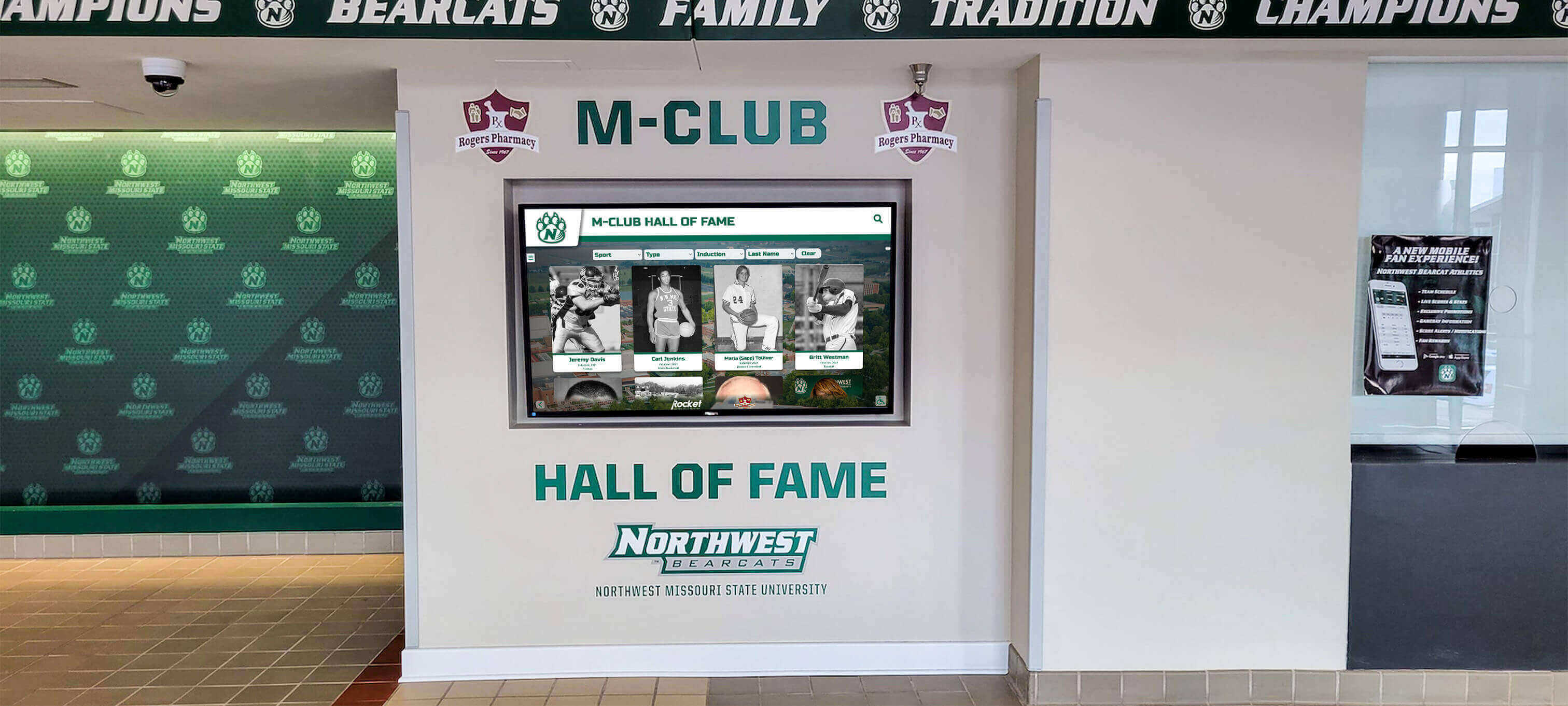
Professional recognition celebrates complete athletic programs including playoff achievements
Family support correlates with athlete performance—students with engaged support systems demonstrate better focus, lower anxiety, and stronger motivation throughout demanding playoff preparation.
Developing Championship Mindset
Psychological preparation creating winning culture:
Process Over Outcome Focus
Maintaining preparation emphasis rather than result obsession:
- Daily improvement goals independent of playoff advancement
- Controllable factor emphasis (effort, preparation, attitude)
- Excellence standard in every aspect of preparation
- Short-term focus on immediate opponent rather than championship projection
- Recognition that proper process increases championship probability
- Reduction of result-based anxiety through process commitment
Process focus paradoxically improves outcomes—teams obsessed with winning often perform worse than those focused on preparation excellence.
Embracing Championship Opportunity
Positive framing of playoff participation:
- Gratitude for playoff qualification opportunity denied to most teams
- Excitement rather than fear regarding championship competition
- Privilege perspective recognizing not everyone experiences playoff football
- Present-moment focus appreciating current experience
- Legacy creation opportunity for senior classes
- Memory-making emphasis beyond competitive outcomes
Positive competitive framing improves performance while creating better experiences regardless of playoff outcomes.
Learn about building positive school athletic culture supporting championship preparation.
Managing External Factors and Distractions
Playoff success requires controlling environmental variables:
Community Engagement and Expectations
Balancing support benefits against distraction risks:
Productive Community Support
Channeling community energy positively:
- Pep rallies providing motivational experiences without excessive time demands
- Police/fire escorts creating special send-off traditions
- Community sign campaigns demonstrating visible support
- Social media engagement managed by program staff rather than athletes
- Parent communication setting expectations about athlete focus needs
- Business partnerships providing meals or resources supporting preparation
Community support creates powerful motivation—but requires management preventing it from becoming overwhelming distraction.
Managing External Pressure
Protecting athletes from excessive stress:
- Media access limitations during playoff preparation weeks
- Social media guidelines reducing distraction and negative exposure
- Clear communication that community expectations shouldn’t create athlete anxiety
- Coaching staff as pressure buffer shielding athletes from external noise
- Focus on internal process rather than external expectations
- Permission to athletes to temporarily disconnect from social platforms
Coaches serve essential roles protecting athletes from well-meaning but potentially harmful external pressure during playoff intensity.
Academic and Life Balance
Maintaining appropriate priorities during playoff preparation:
Academic Responsibilities
Sustaining educational focus despite playoff demands:
- Teacher communication ensuring academic support during playoff preparation
- Study table or tutoring access maintaining academic performance
- Homework and exam scheduling considerations when possible
- Missing class minimization even for playoff travel
- Recognition that academics remain primary institutional purpose
- Student-athlete identity emphasis balancing athletics with educational commitment
Programs maintaining academic standards throughout playoffs demonstrate commitment to student-athlete welfare beyond competitive success.
Family and Personal Life Balance
Acknowledging athletes as complete humans:
- Recognition that family obligations continue during playoff seasons
- Flexibility for legitimate personal or family needs
- Mental health awareness and support access
- Perspective that football represents part of life, not totality
- Post-football life preparation continuing during playoff preparation
- Permission for athletes to maintain identity beyond football participation
Balanced approaches produce better long-term outcomes—athletes with healthy life balance perform better while avoiding burnout and developing more completely as individuals.
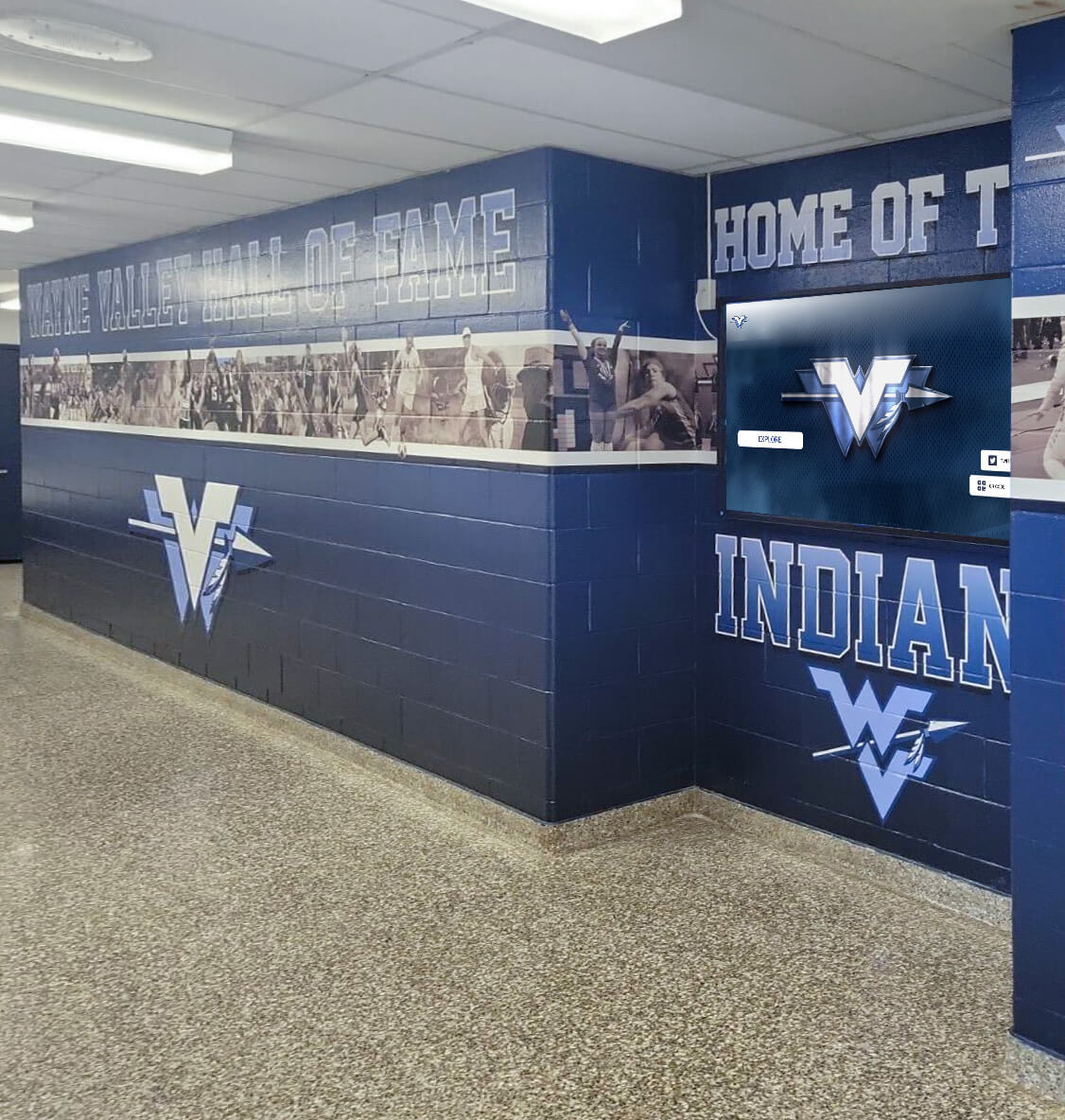
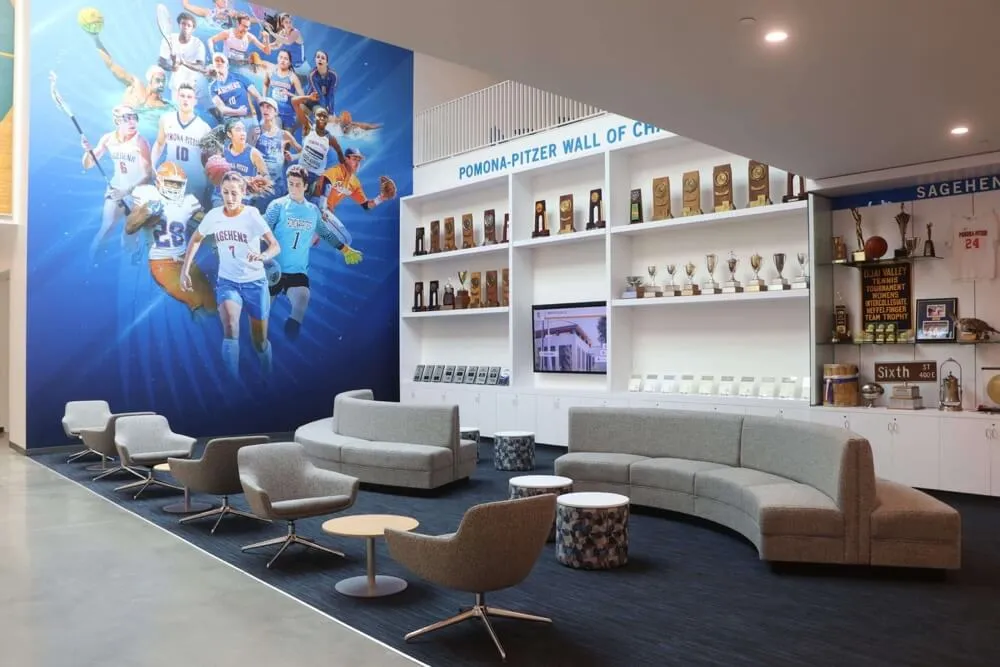
Comprehensive facility displays celebrate athletic excellence throughout school buildings
Preserving Playoff Achievements Through Recognition
Championship experiences deserve permanent celebration and documentation:
Systematic Achievement Documentation
Capturing playoff seasons comprehensively:
Real-Time Information Gathering
Documenting while memories remain fresh:
- Complete roster information with every athlete, coach, and support staff member
- Individual player photographs meeting quality standards
- Team photographs capturing championship moments
- Game statistics and playoff bracket progression
- Championship trophy and medal documentation
- Media coverage collection preserving contemporary reactions
- Video footage of playoff games and celebrations
- Individual athlete interviews capturing memories and perspectives
Immediate documentation prevents information loss—memories fade quickly and participants disperse making subsequent collection exponentially more difficult.
Digital and Traditional Recognition Integration
Comprehensive celebration through multiple formats:
- Championship banners in gymnasiums providing immediate visual impact
- Trophy case displays featuring physical championship hardware
- Digital recognition platforms enabling unlimited content and capacity
- Web accessibility extending recognition beyond physical school locations
- Social media celebration reaching broader community audiences
- Yearbook documentation preserving achievements in permanent school records
Multi-format recognition ensures comprehensive celebration while addressing different audience preferences and access needs.
Discover approaches to championship banner recognition combining tradition and innovation.
Modern Digital Recognition Solutions
Technology addresses traditional recognition limitations:
Unlimited Recognition Capacity
Digital platforms eliminate space constraints:
- Single display accommodating unlimited playoff achievements
- Every team member receiving proper individual recognition
- Complete season documentation including statistics and narratives
- No removal of historical achievements necessary as new playoffs accumulate
- Equitable recognition across all sports and achievement levels
- Sustainable approach accommodating unlimited future growth
Schools implementing digital recognition consistently report that unlimited capacity represents transformative benefit—enabling genuinely comprehensive celebration rather than selective display constrained by physical space.
Rich Multimedia Content
Digital systems support content impossible with traditional displays:
- Video highlights bringing playoff performances to life
- Individual player profiles with statistics and biographical information
- Season narratives telling complete playoff journey stories
- Coach reflections providing strategic and emotional context
- Parent and community testimonials capturing broader impact
- Interactive exploration enabling personalized discovery experiences
This comprehensive content honors not just that championships occurred but celebrates the actual people whose dedication produced playoff success.
Solutions like Rocket Alumni Solutions provide specialized platforms designed specifically for athletic recognition including high school football playoff celebration. These comprehensive systems combine unlimited championship capacity, rich multimedia team and player profiles, intuitive touchscreen and web experiences, easy content management, and ongoing technical support—enabling schools to build recognition programs appropriately honoring playoff achievements while remaining administratively sustainable across years.
Creating Championship Legacy
Recognition extending beyond immediate celebration:
Inspiring Future Teams
Current recognition motivating future playoff preparation:
- Visible examples demonstrating championship possibility within program
- Historical precedent establishing performance standards
- Role models providing templates for excellence
- Tangible goals motivating commitment during challenging preparation
- Connection between current athletes and championship tradition
Championship recognition serves dual purposes—honoring past achievements while inspiring future success through visible examples of what dedication produces.
Connecting Generations
Recognition creating multi-generational program bonds:
- Alumni engagement strengthened through visible recognition of achievements
- Family connections as younger generations explore relatives’ playoff participation
- Reunion opportunities around championship anniversaries
- Mentorship relationships between former and current playoff athletes
- Sustained community pride in program excellence across decades
Recognition systems creating these connections transform football programs from annual teams into permanent institutions connecting generations through shared excellence and tradition.
Explore comprehensive athletic hall of fame programs preserving playoff legacies.
Post-Playoff Reflection and Program Development
Championship preparation extends beyond current season outcomes:
Season Evaluation and Learning
Systematic assessment improving future preparation:
Comprehensive Program Review
Analyzing preparation effectiveness:
- Physical preparation protocols evaluation (injury rates, conditioning effectiveness)
- Strategic game planning assessment (what worked, what didn’t)
- Mental preparation approach analysis (anxiety management, confidence levels)
- Team unity effectiveness (bond strength, leadership impact)
- Community management success (support benefits, distraction minimization)
- Academic balance maintenance (grade patterns, student wellbeing)
Honest evaluation enables continuous improvement—identifying preparation elements supporting success and those requiring adjustment.
Athlete and Family Feedback
Multiple perspective gathering:
- Player surveys assessing preparation experience and identifying improvements
- Coach self-reflection examining personal performance and growth areas
- Family feedback about communication effectiveness and support adequacy
- Athletic training staff input on injury patterns and treatment effectiveness
- Administrator perspective on resource allocation and program management
Comprehensive feedback reveals blind spots while building stakeholder investment in program improvement.
Building for Future Playoff Success
Sustained excellence requires year-round commitment:
Off-Season Program Development
Championship preparation extending beyond playoff seasons:
- Strength and conditioning programs building physical foundation
- Skill development camps advancing individual technical capabilities
- Leadership development preparing future team captains
- Team building activities creating unity before formal seasons begin
- Academic support ensuring eligibility and educational progress
- Recruitment and program promotion attracting quality athletes
Year-round commitment differentiates championship-caliber programs from those satisfied with occasional playoff appearances—sustained excellence requires sustained investment.
Culture and Tradition Building
Long-term program development:
- Recognition systems celebrating achievements and inspiring future teams
- Tradition establishment creating institutional identity
- Alumni engagement maintaining multi-generational connections
- Community partnership cultivation building sustainable support
- Coaching staff development improving preparation capabilities
- Facility improvements creating championship-worthy environments
Championship programs result from accumulated cultural development across years and coaching staffs—requiring patience and persistence beyond single-season preparation focus.
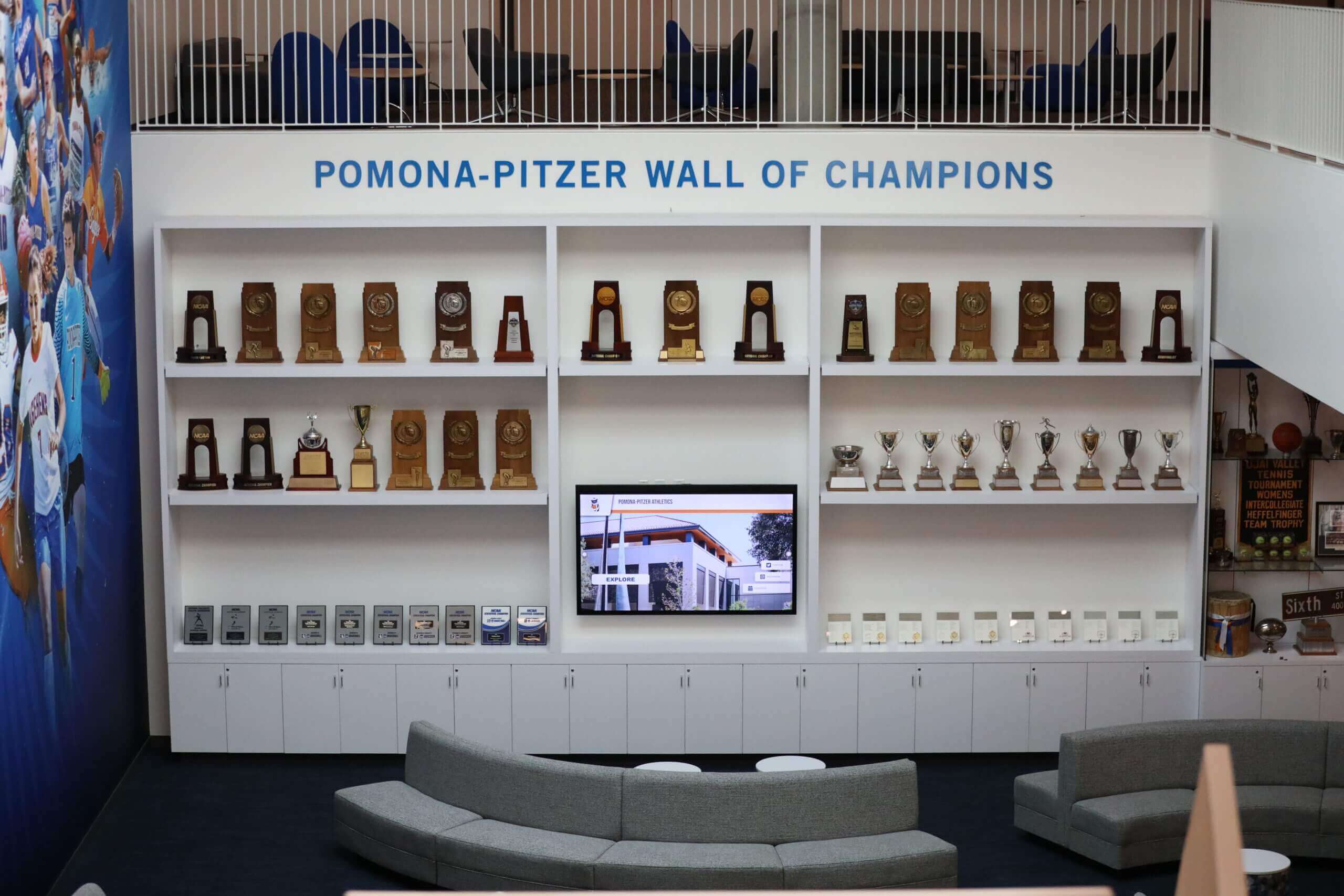
Professional championship displays create celebration spaces honoring playoff excellence permanently
Conclusion: Comprehensive Preparation Enabling Championship Success
High school football playoff preparation represents comprehensive undertaking extending far beyond practice field installation of game plans. Championship success requires systematic attention to physical conditioning, strategic planning, mental preparation, team unity development, and external factor management—integrated approaches addressing complete athlete and team needs during playoff intensity.
The programs achieving sustained playoff success understand that preparation quality determines outcomes more than talent alone. Teams arriving at playoffs in optimal physical condition, mentally prepared for championship pressure, strategically sound in their game planning, and unified through strong bonds dramatically increase their championship probability regardless of opponent capabilities or competitive circumstances.
Effective playoff preparation balances numerous competing demands—adequate rest against maintenance of competitive sharpness, intensive preparation against injury risk management, external support benefits against distraction risks, football commitment against academic and personal life balance, and current season focus against long-term program development. Successful coaches navigate these tensions thoughtfully, making decisions prioritizing both competitive success and complete athlete wellbeing.
Whether programs achieve ultimate championship goals or experience playoff disappointment, comprehensive preparation creates valuable experiences that athletes remember throughout their lives—teaching dedication, resilience, teamwork, and excellence lessons extending far beyond football competition. These lessons represent the ultimate value of high school athletics, justifying the substantial investment schools, communities, and families make supporting athletic programs.
Modern recognition systems ensure that playoff achievements receive appropriate permanent celebration—honoring the dedication producing championship success while inspiring future generations toward their own playoff excellence. Through comprehensive preparation approaches and systematic achievement preservation, programs create championship cultures sustaining success across years while building traditions connecting generations through shared excellence and pride.
Ready to create comprehensive recognition celebrating your program’s playoff achievements? Request your free custom demo to discover how modern recognition solutions preserve playoff success through unlimited capacity displays, rich multimedia content, and engaging interactive experiences that honor your championship tradition appropriately for generations to come.
Begin implementing systematic playoff preparation strategies today—recognizing that championship success results from comprehensive attention to physical, strategic, mental, and cultural preparation elements. Your athletes deserve preparation approaches maximizing their championship potential while creating positive experiences they’ll remember throughout their lives. And when those championship moments arrive, ensure they receive recognition befitting the dedication and excellence they represent—building traditions that inspire future generations toward their own playoff success while connecting your community through shared athletic excellence spanning decades.