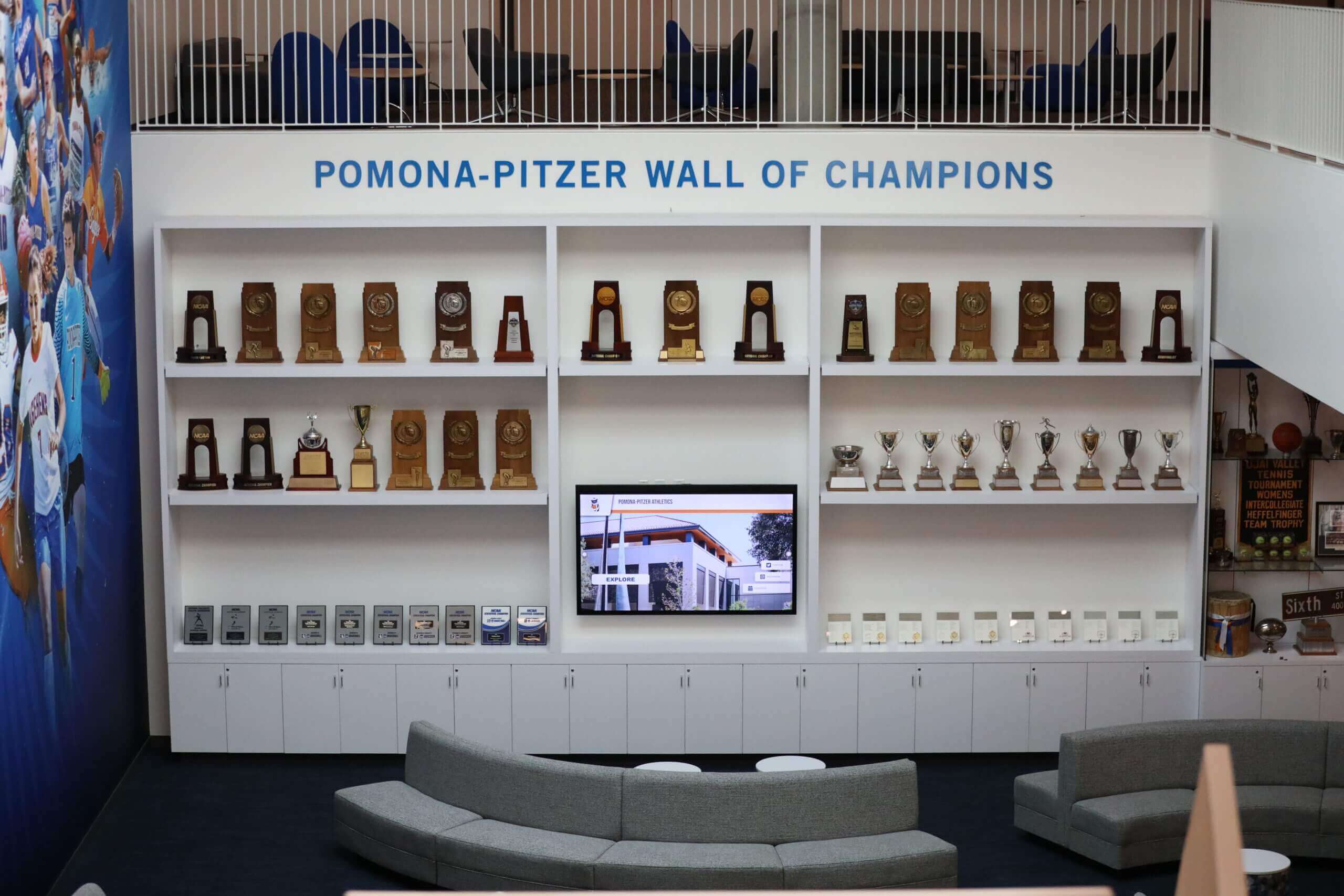




High school end-of-year awards ceremonies serve multiple essential functions within school communities. They validate student effort, motivate continued excellence, strengthen school culture, and provide closure as another academic year concludes. Whether you’re planning a traditional awards assembly or modernizing your recognition approach, this guide covers award categories, nomination processes, ceremony logistics, and digital recognition strategies that extend impact beyond a single event.
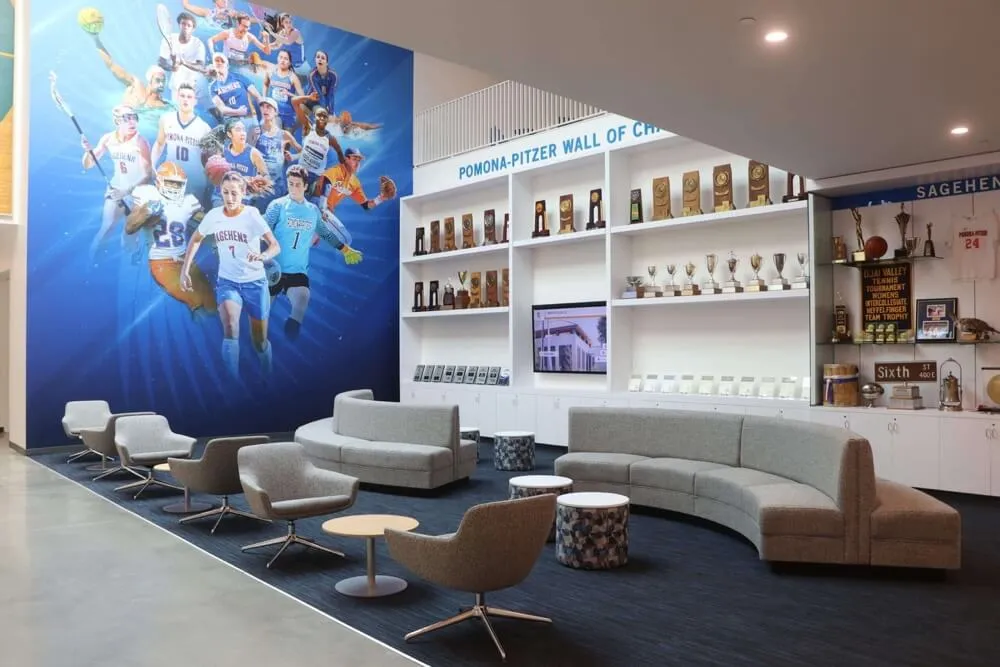
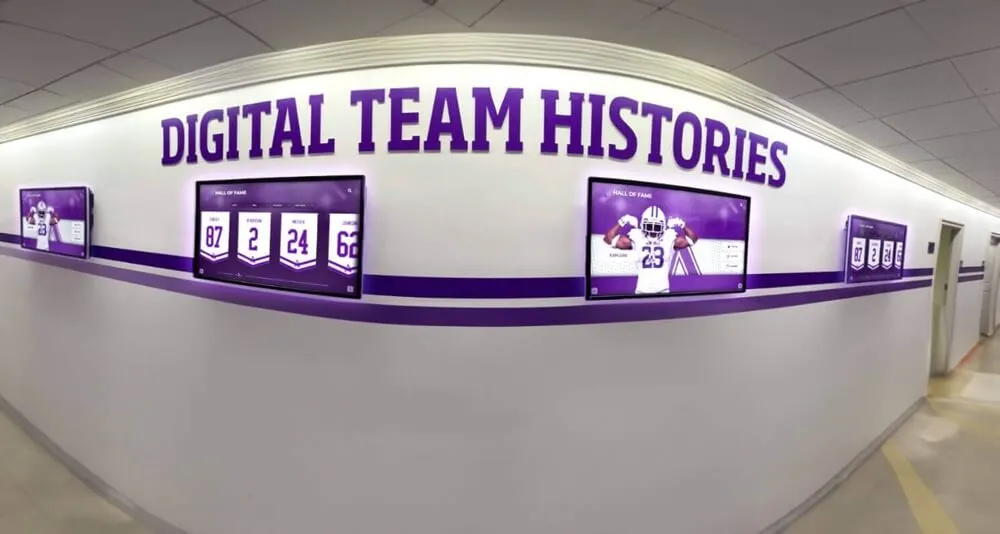
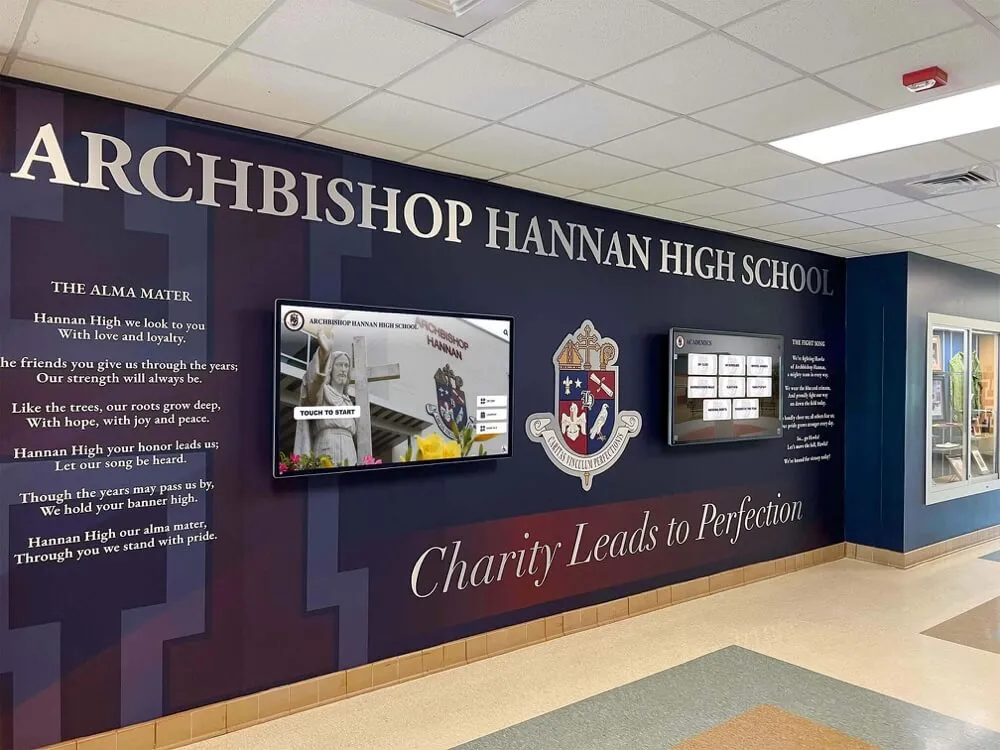
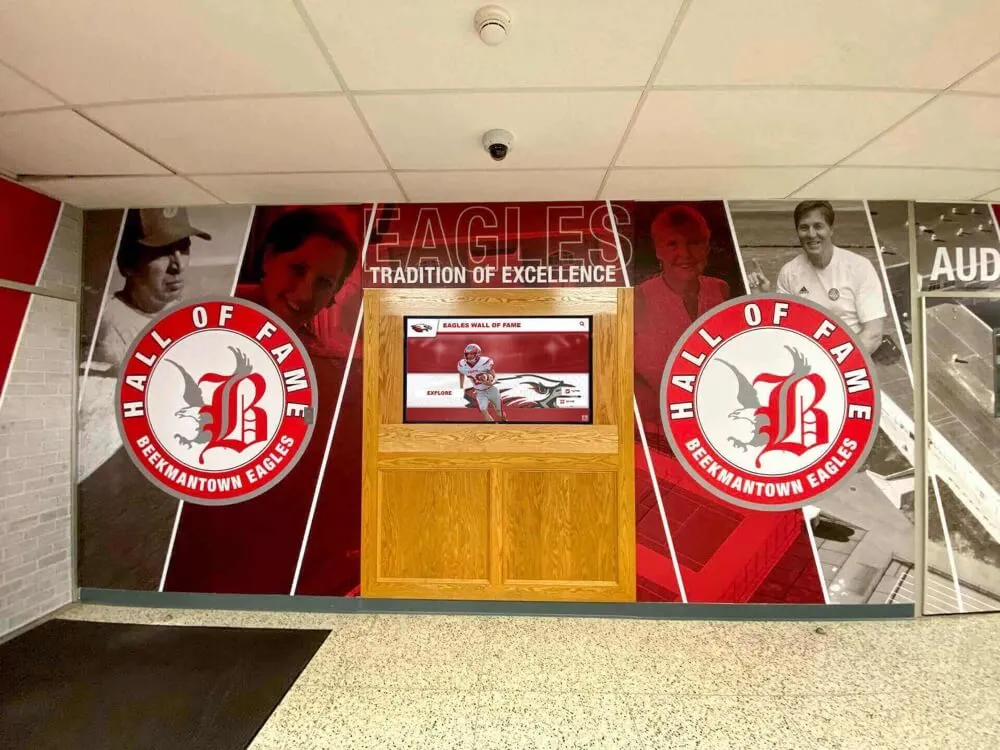
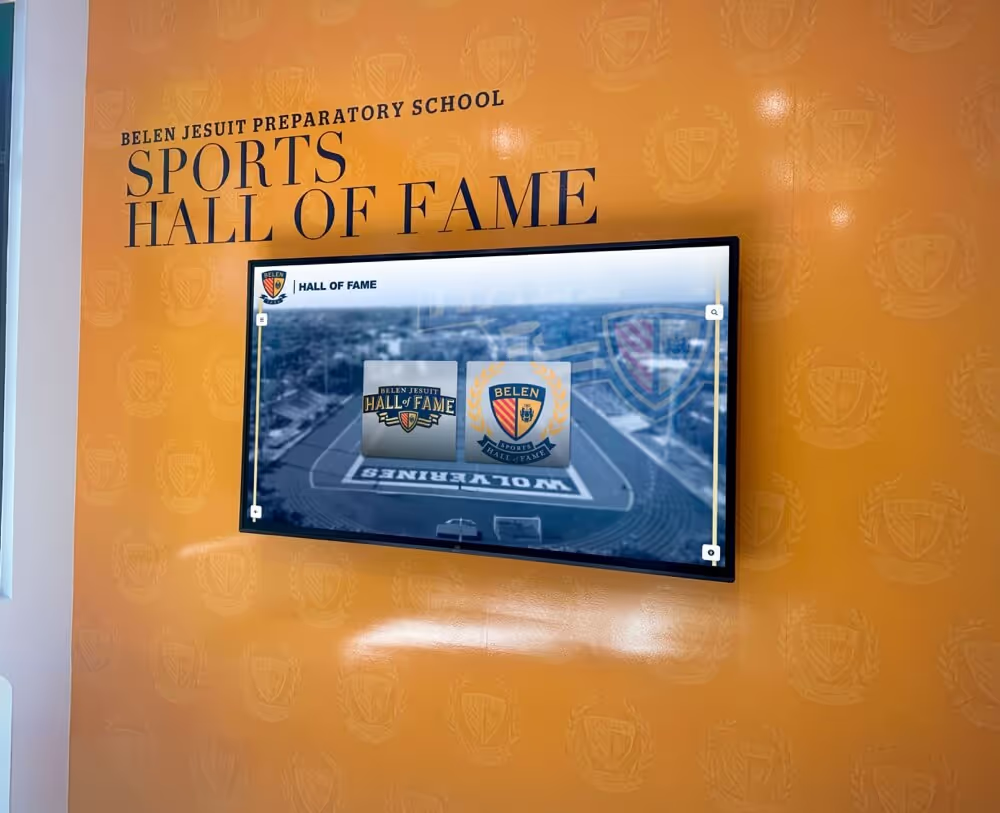
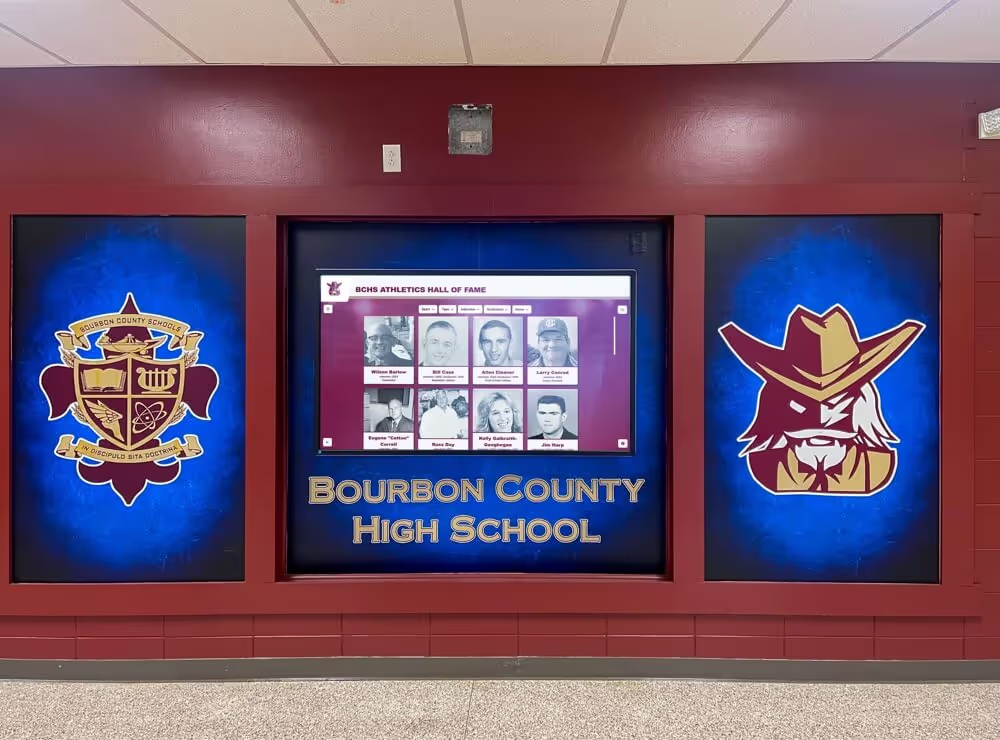
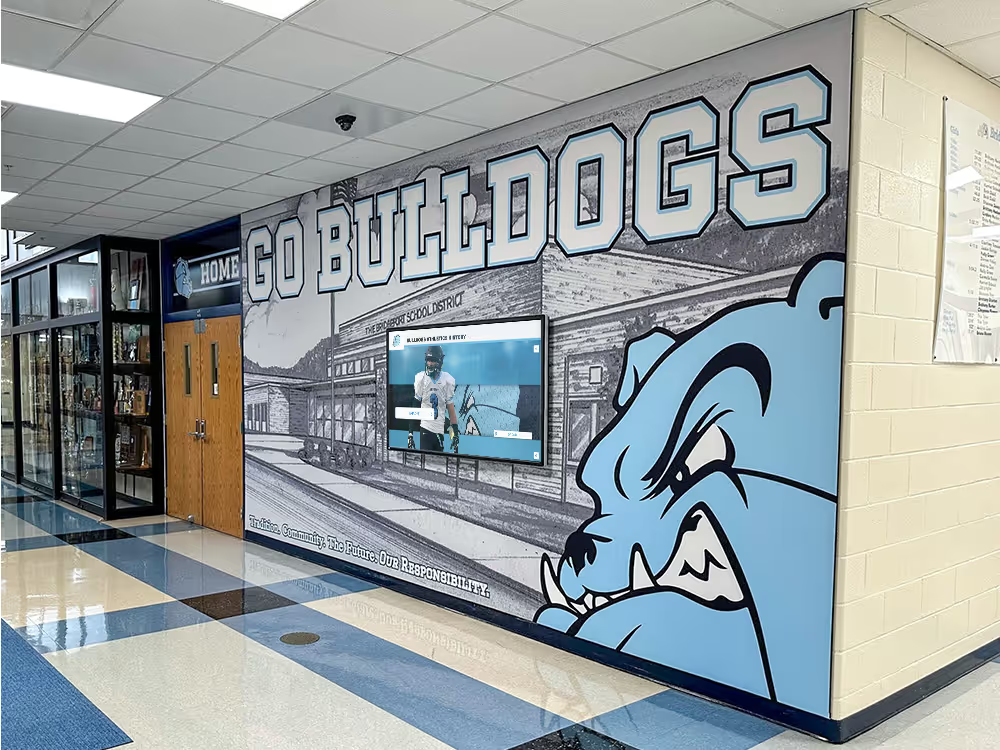
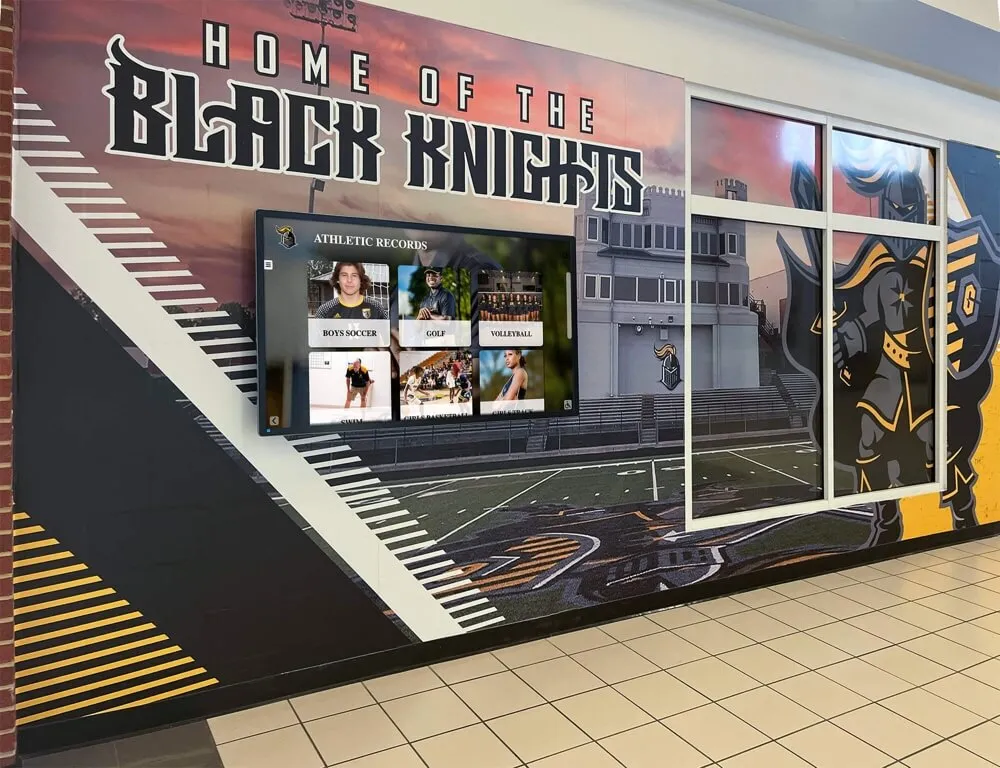
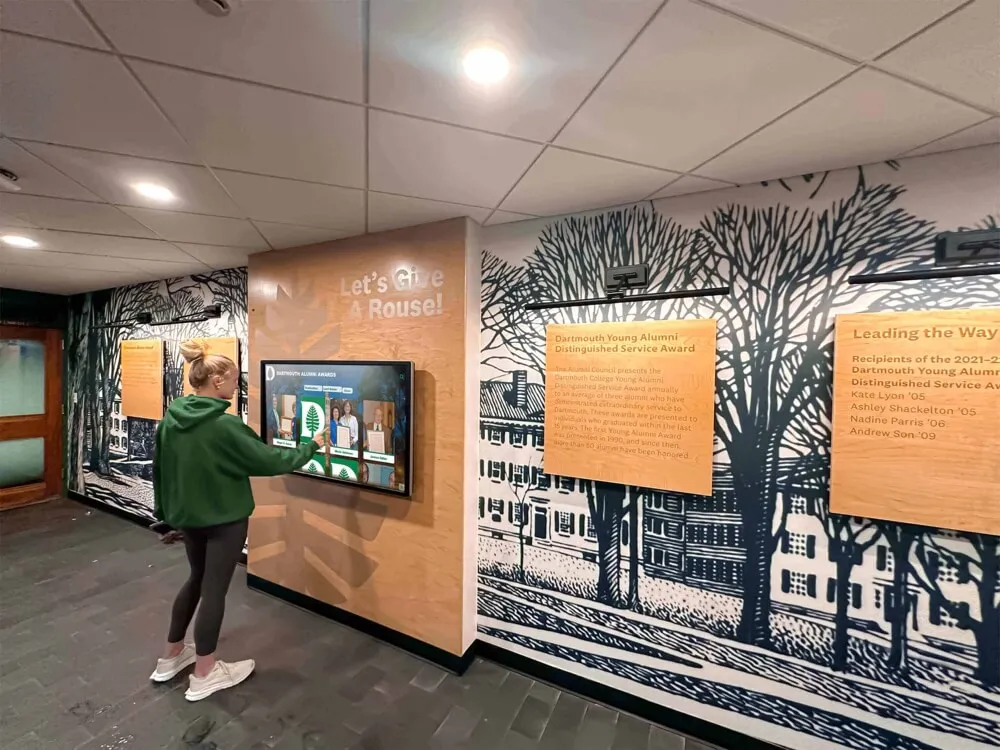
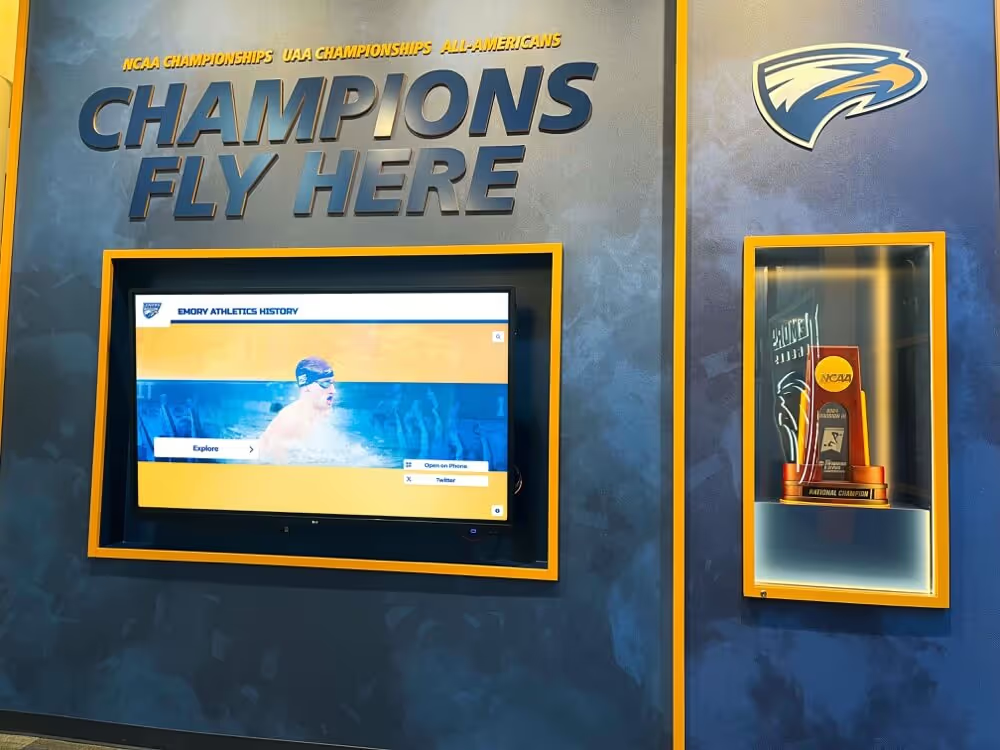
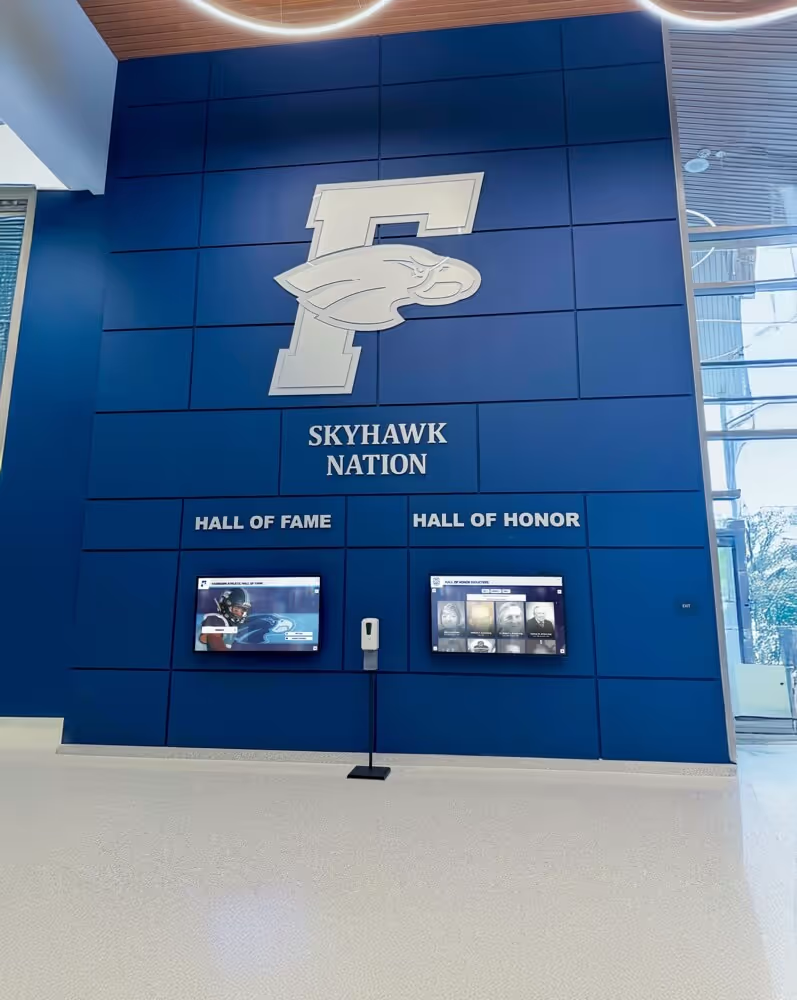
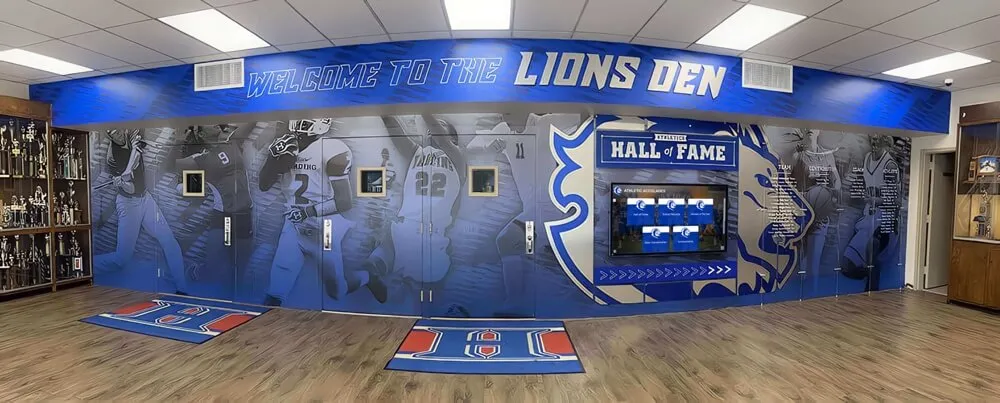
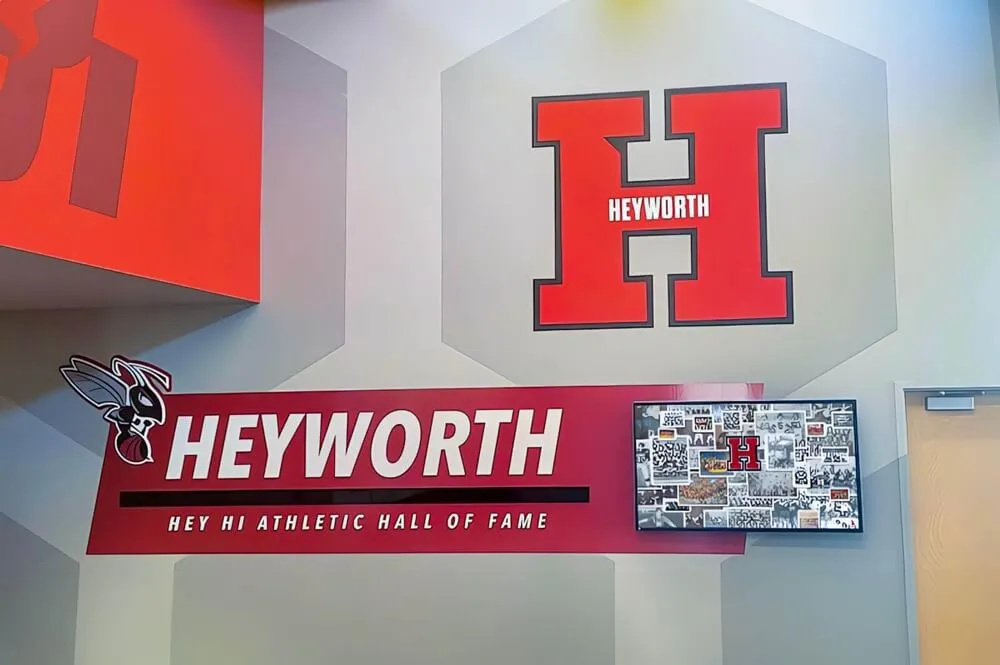
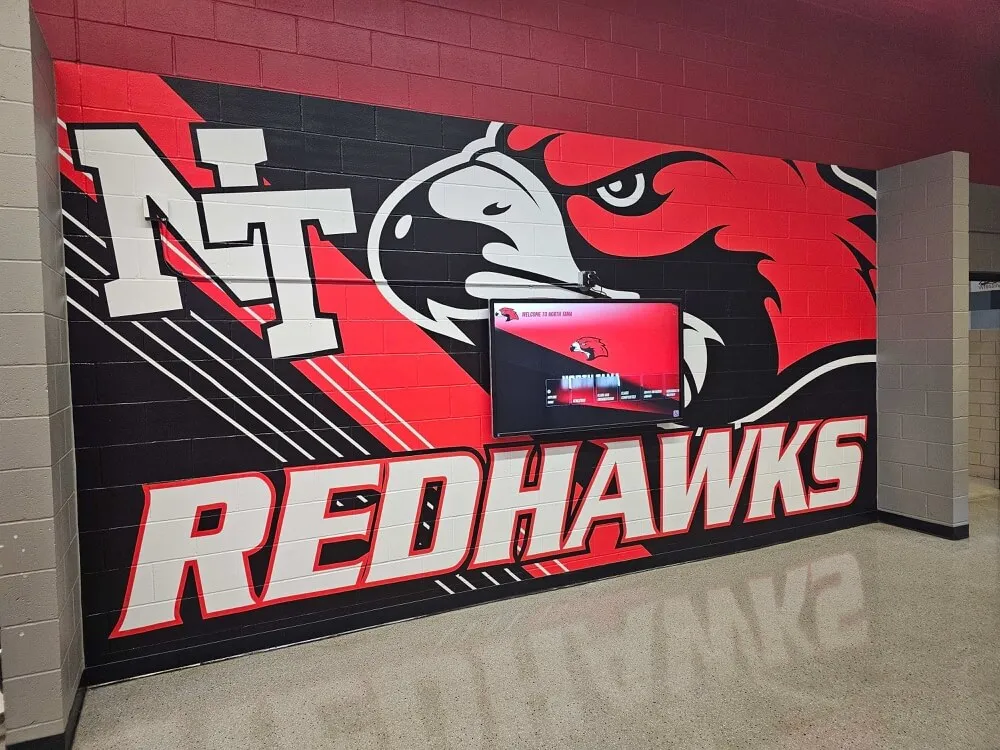
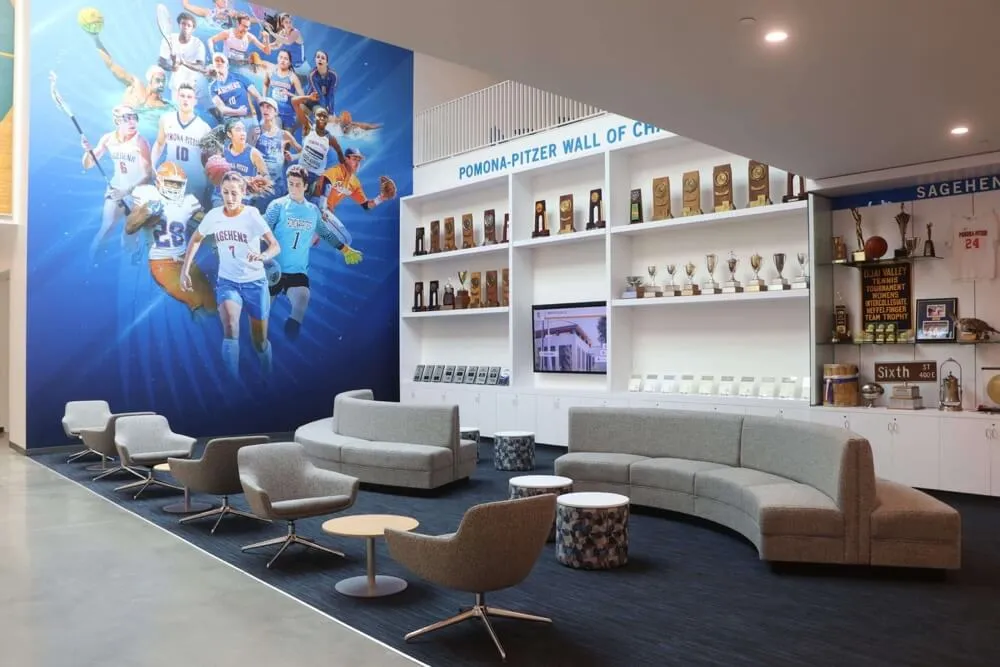
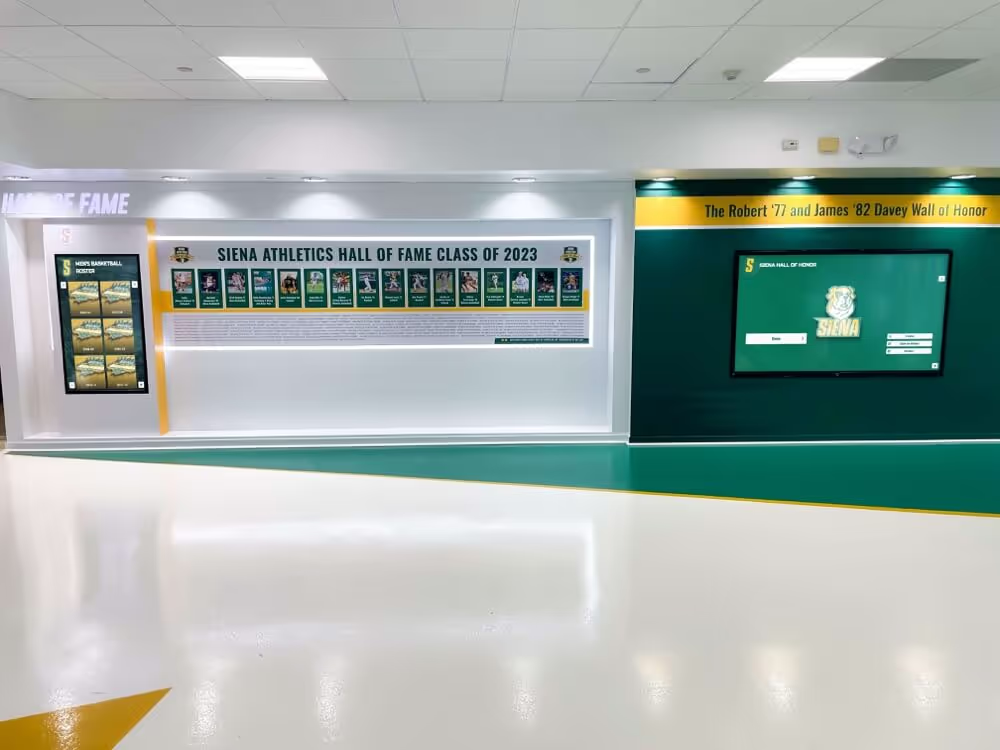
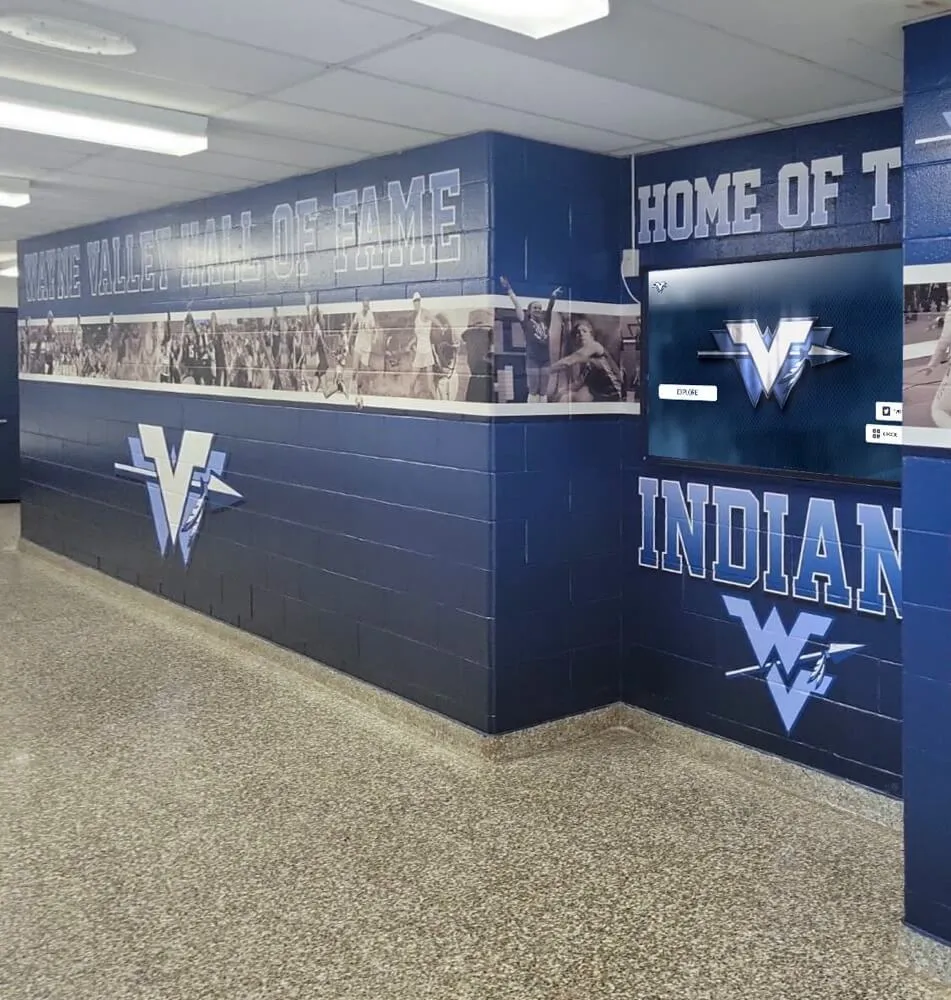
Modern recognition spaces combine traditional trophies with digital displays for comprehensive student achievement showcasing
Program Snapshot: End-of-Year Awards Overview
Understanding the scope and structure of comprehensive end-of-year recognition helps ensure no student achievements go unrecognized. Effective programs balance tradition with innovation while accommodating diverse excellence across all school domains.
| Program Element | Details |
|---|---|
| Primary Audience | Seniors (graduation focus), underclassmen (departmental awards), families, staff |
| Timing | Final 2-3 weeks of school year (May/early June) |
| Award Categories | Academic, athletic, fine arts, career/technical, character, leadership, service |
| Format Options | All-school assembly, senior-specific ceremony, departmental recognition events, virtual/hybrid presentations |
| Key Outcomes | Validated student achievement, documented accomplishments, strengthened school culture, family engagement |
| Recognition Artifacts | Physical certificates/trophies, digital display integration, social media features, permanent records |
| Stakeholders | Administration, department heads, athletic directors, activities coordinators, counseling staff, booster clubs |
Comprehensive Award Categories for High School Recognition
Thoughtful categorization ensures recognition reaches students across all areas of school involvement. Balanced programs acknowledge traditional academic excellence while celebrating diverse talents and contributions.
Academic Excellence Awards
Academic recognition forms the foundation of most end-of-year programs, validating intellectual achievement and scholarly dedication across disciplines.
Core Academic Awards:
- Valedictorian and Salutatorian Recognition - Top academic performers based on GPA calculations
- Department Achievement Awards - Highest performing student in each academic discipline (English, Mathematics, Science, Social Studies, World Languages)
- Subject-Specific Excellence - Individual course recognition (AP Scholar Awards, Honor Roll designations)
- Academic Improvement Awards - Greatest GPA growth year-over-year
- Perfect Attendance Recognition - Consistent daily presence throughout the year
Specialized Academic Recognition:
- National Honor Society Inductees - Character, scholarship, leadership, and service qualifications
- Career and Technical Education Awards - Excellence in vocational programs (welding, cosmetology, automotive, culinary arts)
- STEM Achievement Awards - Recognition for science, technology, engineering, and mathematics excellence
- Research and Innovation Awards - Independent study projects, science fair winners, academic competitions
Programs looking to maintain permanent digital records of academic recognition across multiple years benefit from systems that accommodate unlimited honorees and rich student profiles.
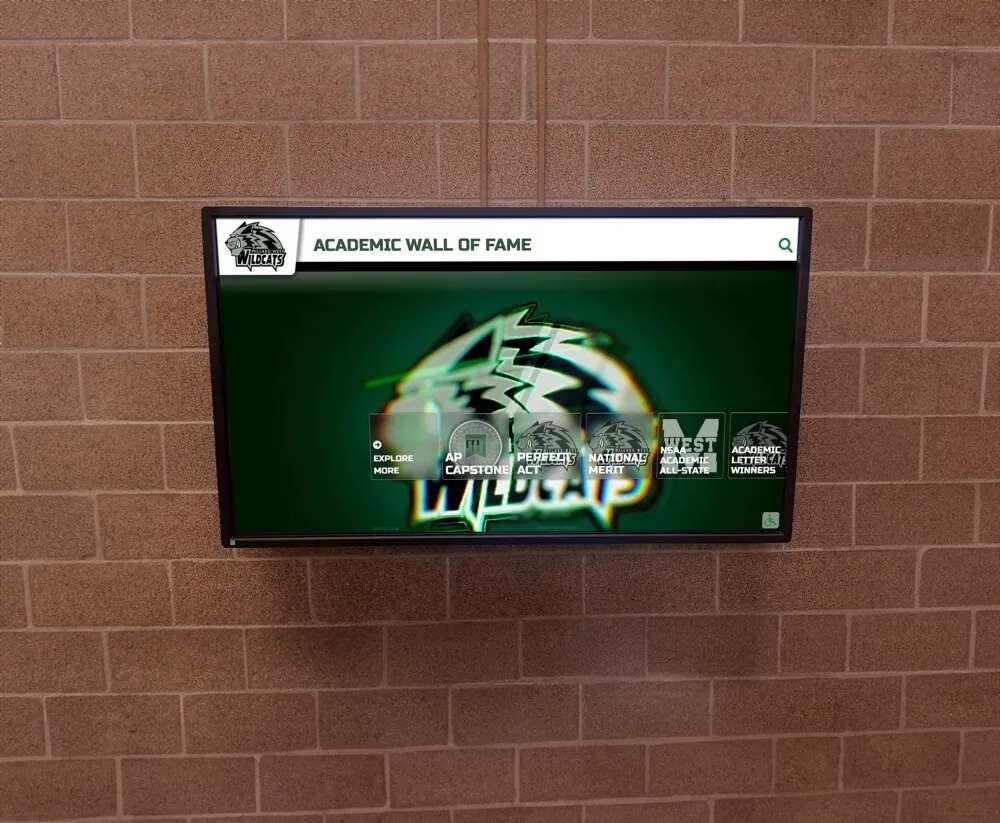
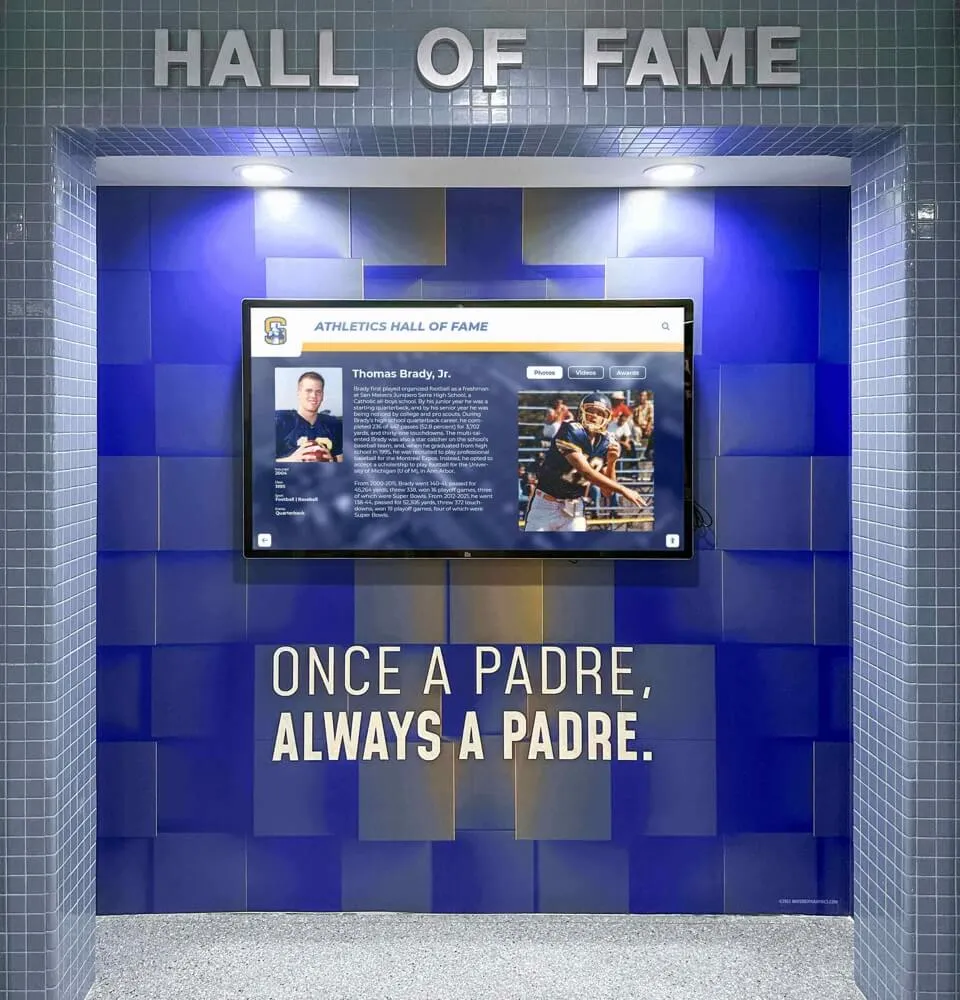
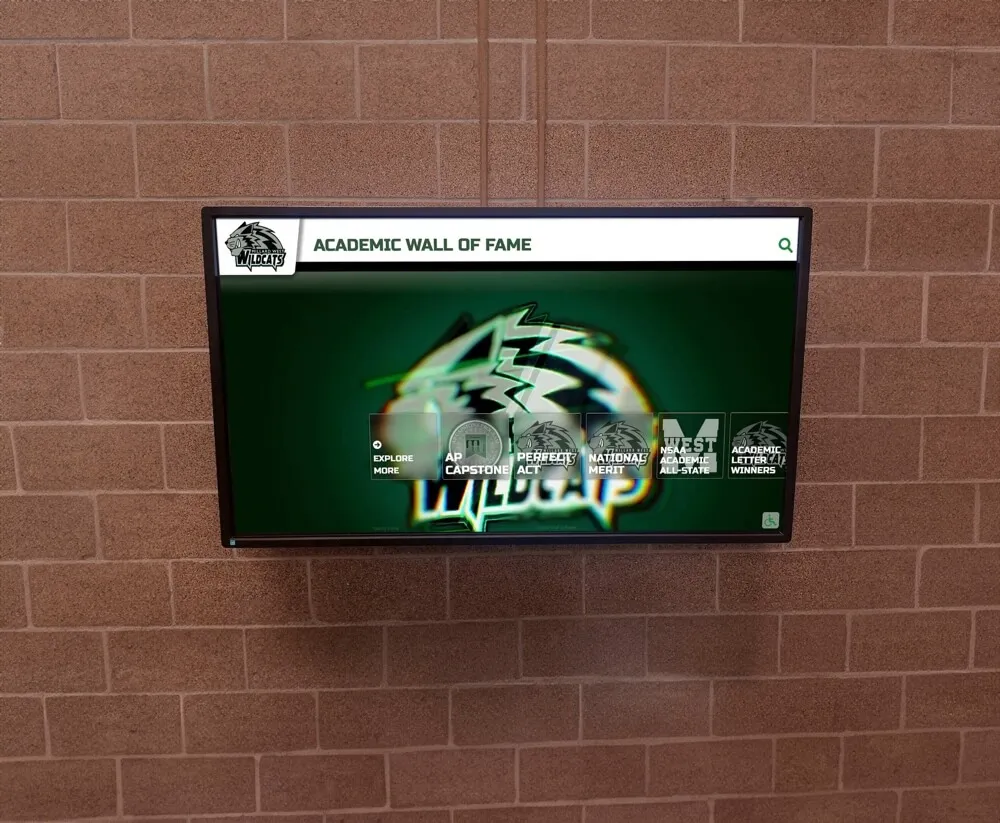
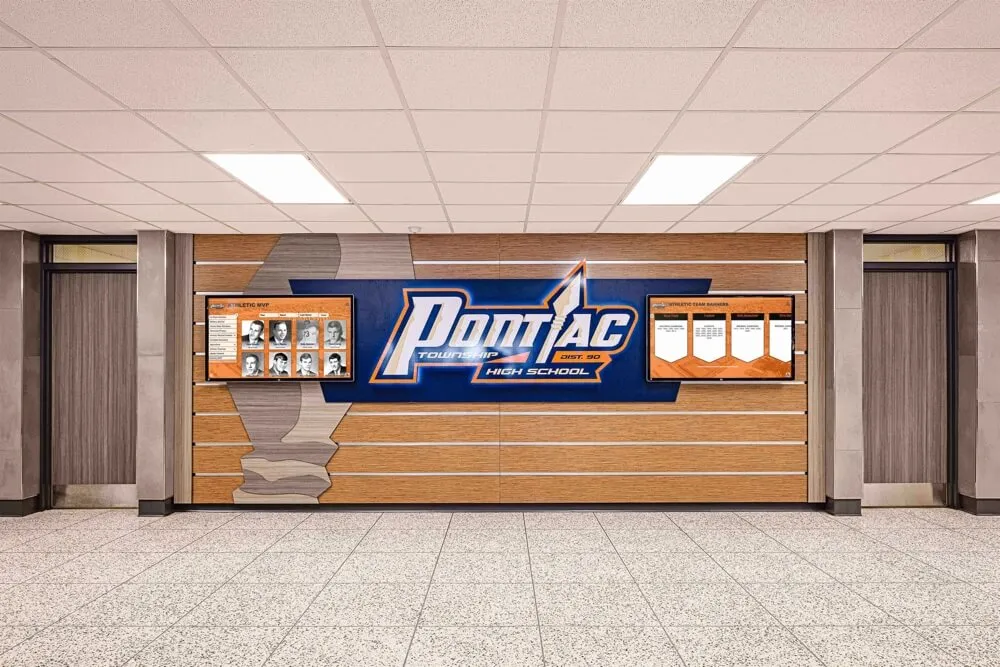
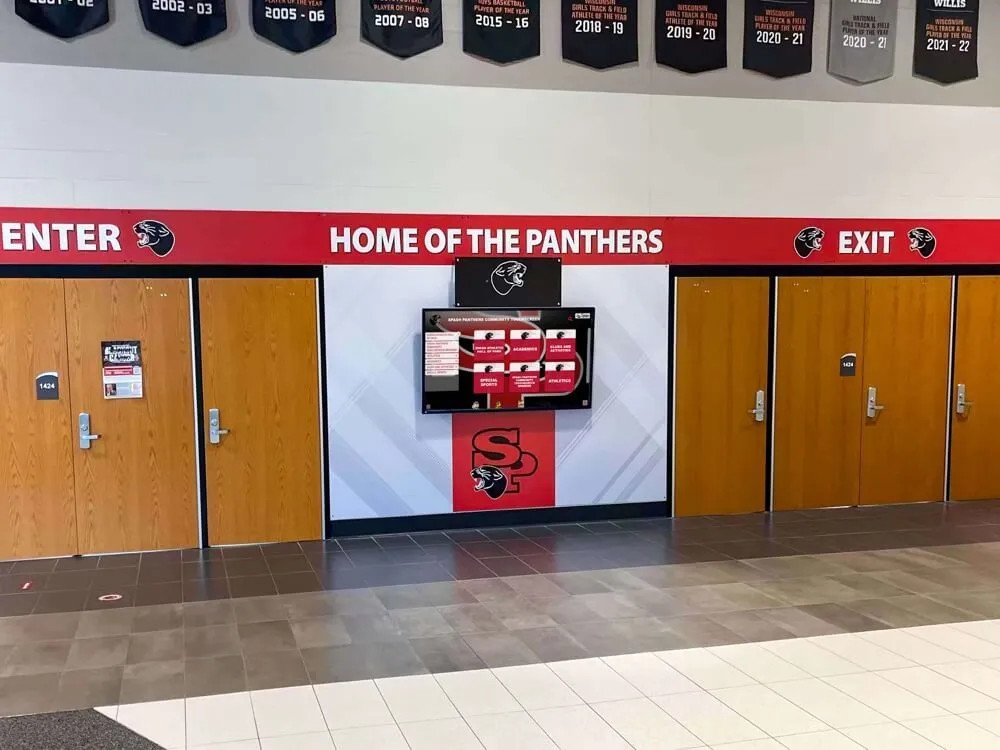
Academic walls of fame provide year-round visibility for student scholarly achievements beyond single ceremony moments
Athletic and Competition Awards
Athletic recognition celebrates physical excellence, competitive achievement, team dedication, and sportsmanship across all sports programs.
Team and Individual Athletic Awards:
- Varsity Letter Awards - Earned participation and performance thresholds
- Most Valuable Player (MVP) - Top performer recognition for each team
- Coaches’ Awards - Leadership, dedication, or most improved player
- All-Conference and All-State Recognition - Regional and state-level competitive honors
- Scholar-Athlete Awards - Combined academic and athletic excellence (typically 3.5+ GPA requirement)
Championship and Special Athletic Recognition:
- State Championship Acknowledgment - Team and individual state tournament placements
- School Record Holders - New records established during the season
- Sportsmanship Awards - Character and conduct recognition
- Four-Year Participation Recognition - Complete high school athletic career commitment
Athletic departments managing extensive recognition across multiple sports and seasons often struggle with physical space constraints. Digital athletic display solutions provide unlimited capacity for team rosters, individual stats, and season highlights.
Fine and Performing Arts Recognition
Arts programs deserve equal recognition prominence, celebrating creative excellence across visual arts, music, theater, and other expressive disciplines.
Visual and Performing Arts Awards:
- Outstanding Performer/Artist - Top student in each arts discipline
- Technical Excellence Awards - Stage crew, lighting design, set construction recognition
- All-State Music Honors - Choir, band, orchestra competitive placements
- Art Competition Winners - Local, regional, and national art contest recognition
- Theater Production Awards - Lead roles, director’s choice, ensemble contribution
Creative Leadership Recognition:
- Section Leader Awards - Music ensemble leadership positions
- Student Director/Choreographer Recognition - Peer leadership in productions
- Arts Advocacy Awards - Students promoting arts programs and participation
Schools with robust theater programs often benefit from dedicated arts and performance recognition displays that showcase production photos, cast lists, and performance archives.
Leadership, Service, and Character Awards
These recognition categories acknowledge students who strengthen school culture through service, exemplify positive character, and demonstrate leadership beyond traditional achievement metrics.
Service and Community Impact:
- Community Service Awards - Volunteer hour milestones (100+, 250+, 500+ hours)
- Service Club Recognition - Key Club, Interact, National Honor Society service projects
- Peer Mentorship Awards - Students supporting younger or struggling classmates
- School Spirit Awards - Consistent positive energy and school pride demonstration
Character and Leadership Recognition:
- Character Education Awards - Embodiment of school values (respect, responsibility, integrity)
- Student Government Leadership - Class officers, student council executives
- Club and Organization Leadership - Presidents and officers of school clubs
- Ambassador Awards - Students representing the school positively to external communities
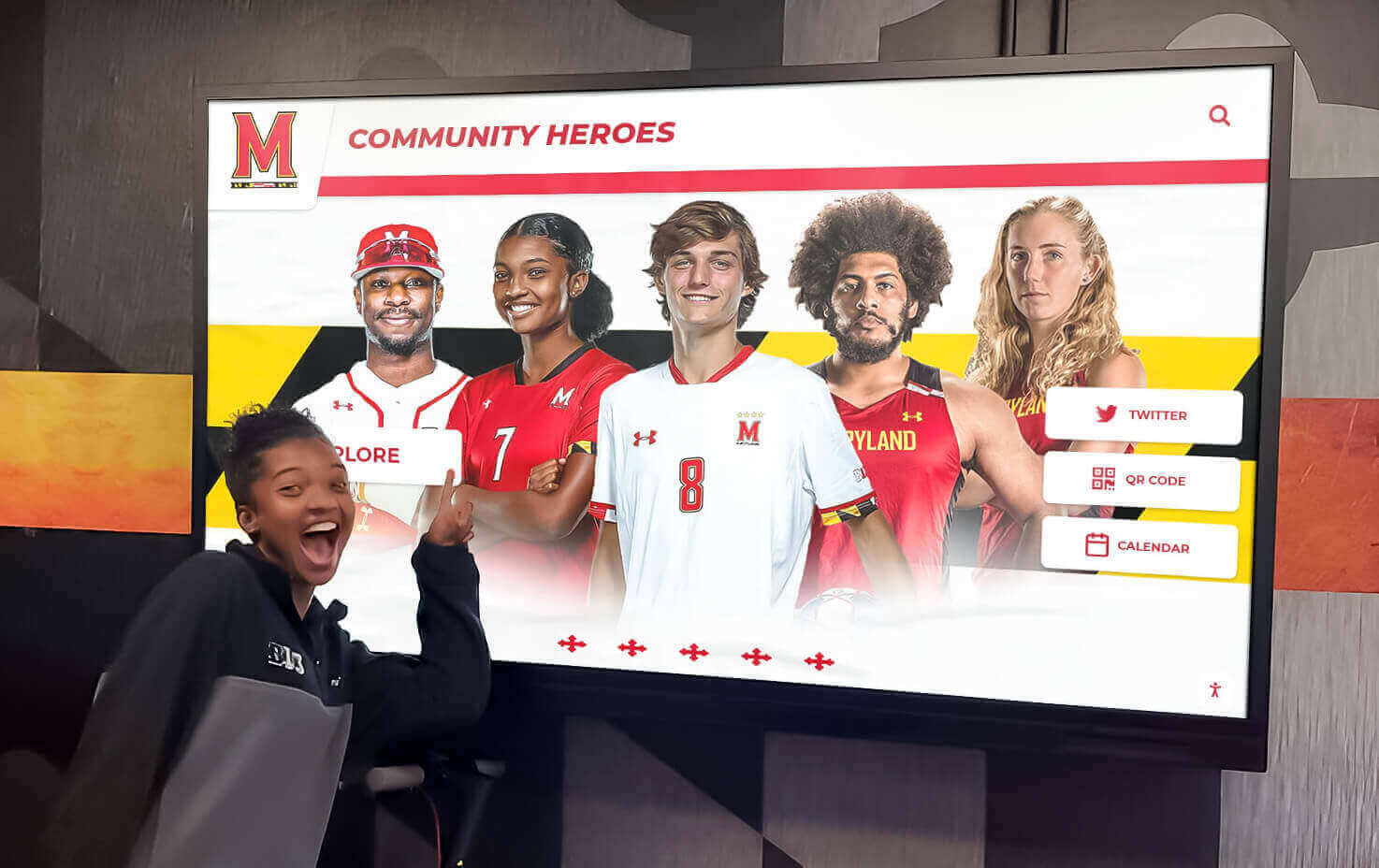
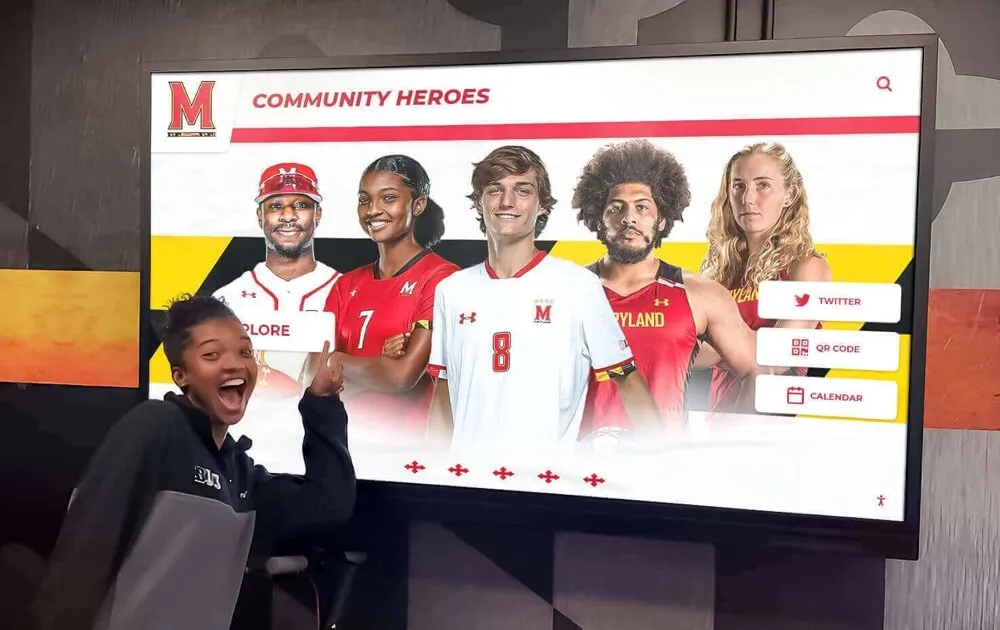
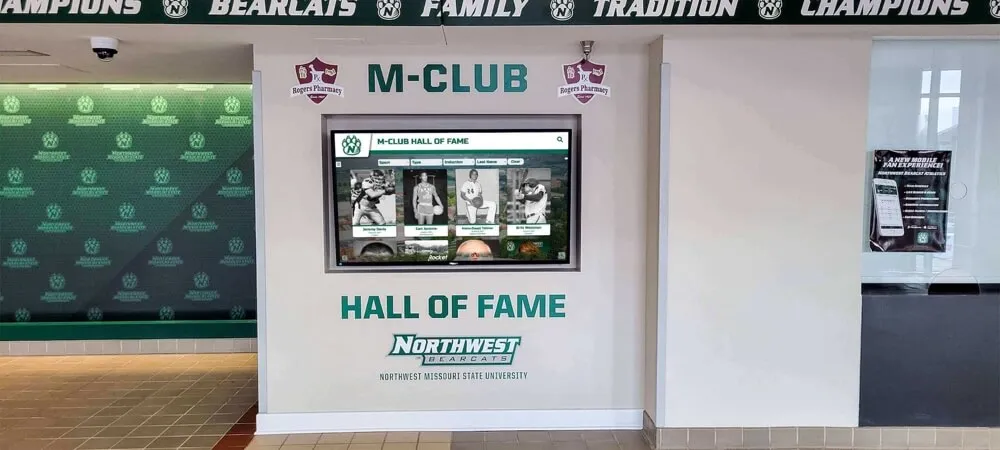
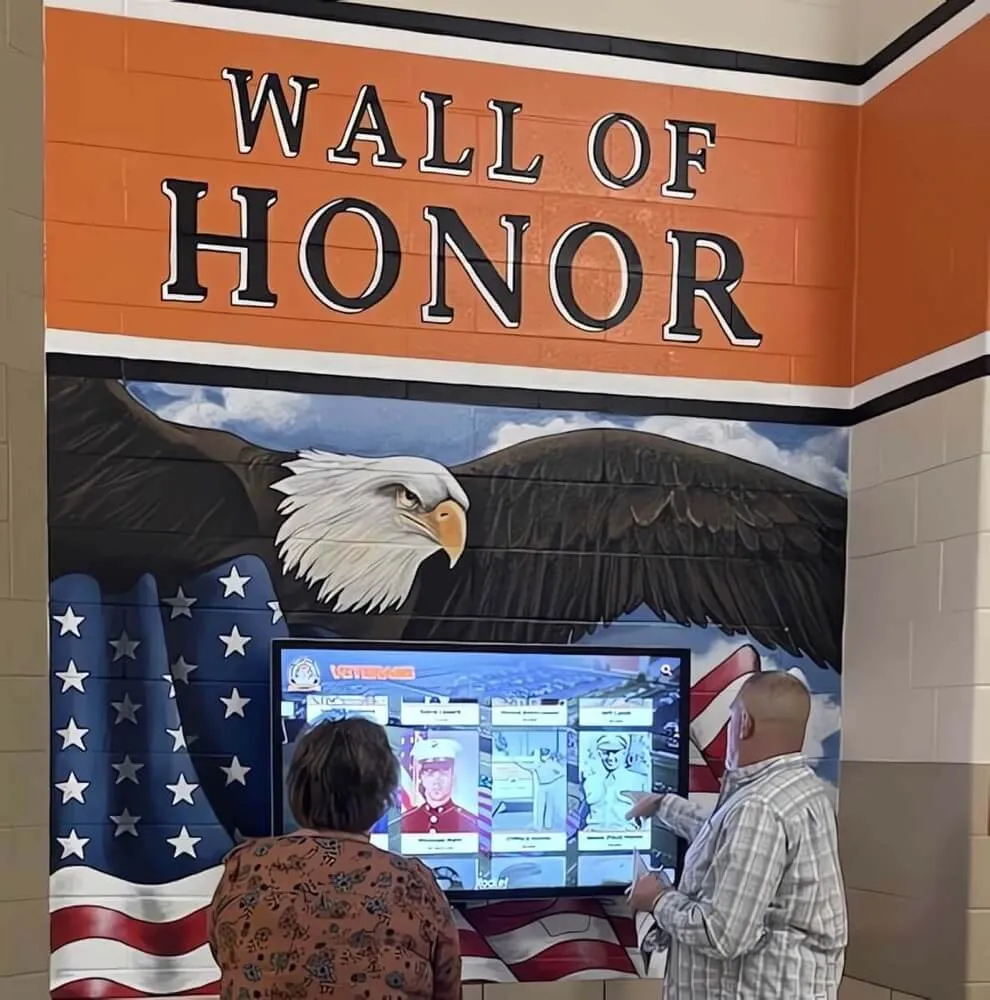
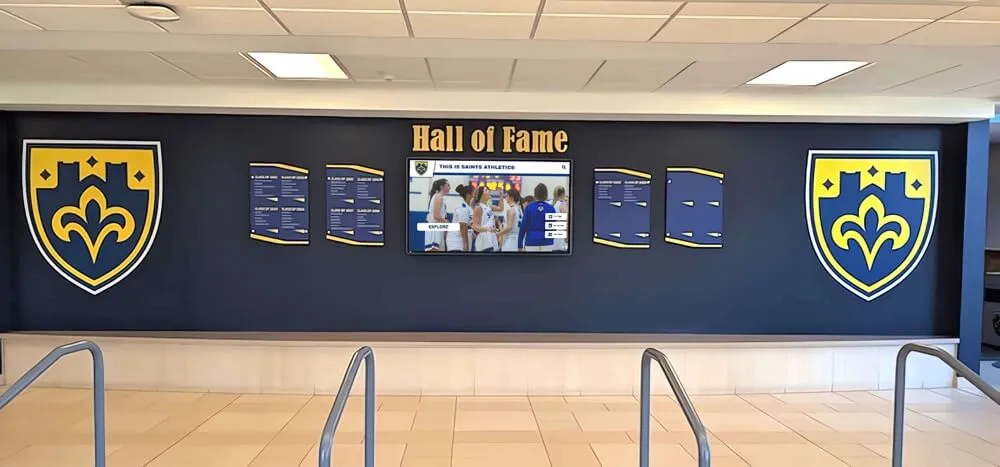
Interactive recognition displays enable students to explore peer achievements and discover role models within their school community
Special Recognition Categories
Beyond standard categories, special awards acknowledge unique contributions and circumstances that merit celebration.
Special Award Categories:
- Principal’s Awards - Administrative discretion for exceptional circumstances
- Faculty Choice Awards - Staff-nominated students for specific characteristics
- Overcoming Adversity Recognition - Students demonstrating exceptional perseverance
- New Student Integration Awards - Transfer students who quickly became positive community members
- Graduating Senior Milestone Recognition - Years in district, family legacy acknowledgment
Comprehensive digital platforms make it practical to recognize broader categories without ceremony time constraints. Solutions like Rocket Alumni Solutions provide systems where senior class achievements remain accessible year-round alongside historic recognition records.
Nomination and Selection Process Framework
Fair, transparent award selection builds community trust and ensures deserving students receive recognition. Structured nomination processes prevent oversights while managing administrative workload.
Establishing Selection Criteria
Define Clear Requirements:
- Quantitative thresholds (GPA minimums, attendance percentages, service hours)
- Qualitative indicators (leadership examples, character demonstrations, growth evidence)
- Eligibility parameters (grade level, years in program, participation requirements)
- Tie-breaker protocols when multiple students meet identical criteria
Create Nomination Templates:
- Standard nomination forms for all award categories
- Required nomination elements: student name, nominator information, specific achievements, supporting evidence
- Word limits or structured response formats to ensure equity across nominations
- Submission deadlines allowing adequate review time (typically 3-4 weeks before ceremony)
Building Selection Committees
Committee Composition:
- Department heads or subject-area teachers for academic awards
- Coaches and athletic directors for sports recognition
- Arts faculty for creative achievement awards
- Counselors and administrators for character/service awards
- Student representatives (where appropriate) for peer-nominated categories
Review and Deliberation Process:
- Blind review when possible to reduce bias
- Rubric-based scoring for objective evaluation
- Committee meetings to discuss close decisions
- Documentation of selection rationale for potential appeals
- Final approval by principal or activities director
Communication and Confidentiality
Managing Award Information:
- Maintain confidentiality until official announcement timing
- Coordinate with families regarding ceremony attendance
- Verify student name pronunciation and preferred names
- Confirm family permission for photos and public recognition
- Prepare alternate plans if recipients cannot attend ceremony
Ceremony Planning and Execution Timeline
Successful end-of-year award ceremonies require meticulous advance planning, clear role assignments, and attention to logistical details that create memorable experiences.
8-10 Weeks Before Ceremony
Initial Planning Phase:
- Secure venue and date (coordinate with school calendar, avoiding conflicts)
- Establish ceremony format and approximate duration
- Form planning committee and assign responsibilities
- Determine budget and identify funding sources (general fund, booster clubs, PTO)
- Begin nomination process and communicate deadlines to staff
6 Weeks Before Ceremony
Content Development Phase:
- Collect and organize award nominations
- Begin selection committee review processes
- Order physical awards (plaques, trophies, certificates)
- Draft ceremony program and script
- Identify student performers (if incorporating musical/artistic elements)
- Reserve audiovisual equipment needs
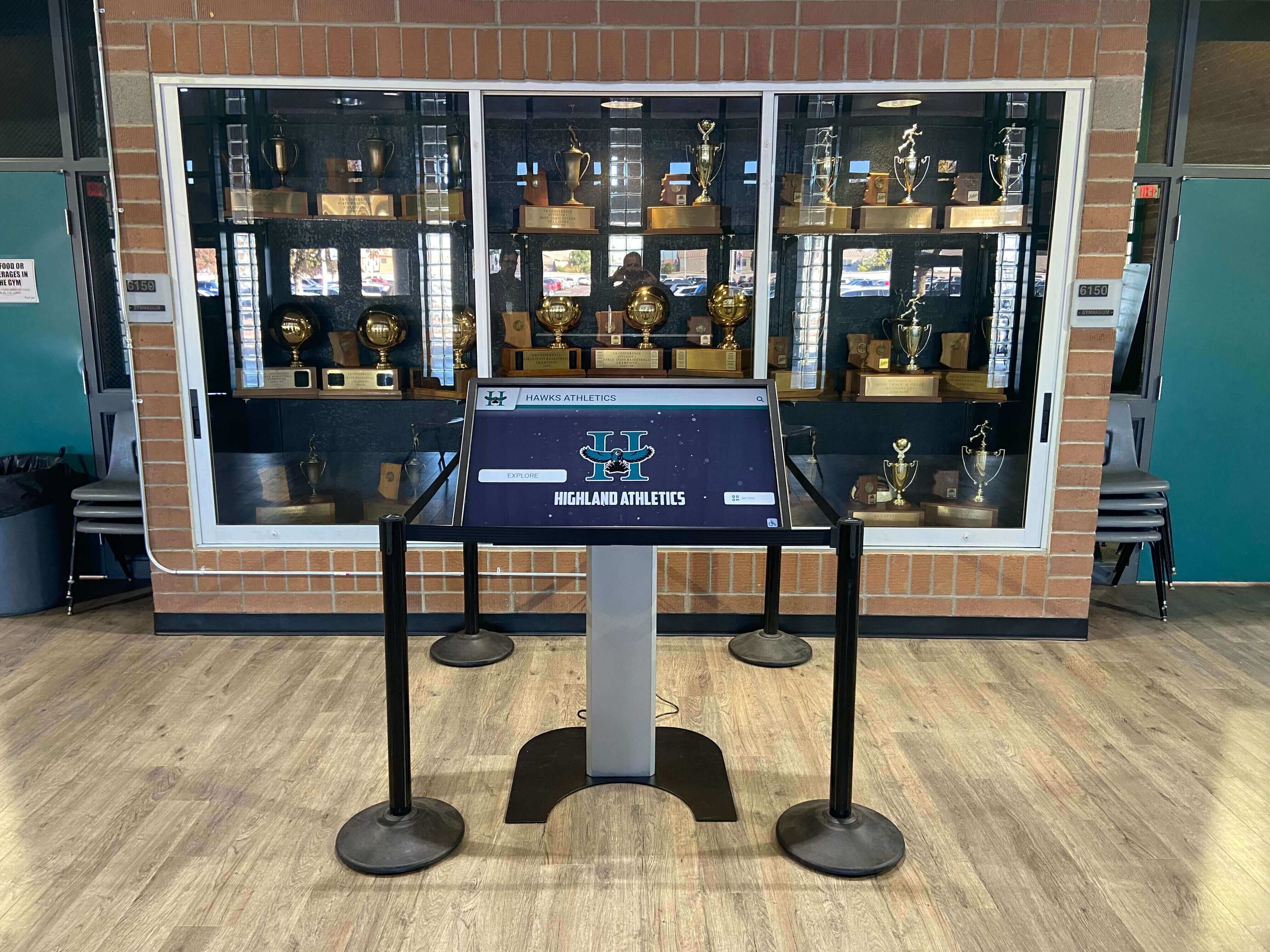
Blending physical trophies with digital recognition technology creates engaging displays that tell comprehensive achievement stories
3-4 Weeks Before Ceremony
Finalization Phase:
- Complete all award selections
- Notify recipients and families (or maintain surprise based on tradition)
- Finalize ceremony program and script
- Confirm presenter assignments (administrators, department heads, coaches)
- Coordinate photographer/videographer
- Prepare digital presentation slides or multimedia elements
- Send invitations to families and community stakeholders
1-2 Weeks Before Ceremony
Final Preparation Phase:
- Conduct ceremony rehearsal with presenters and student participants
- Verify all awards arrived and names are correctly engraved/printed
- Prepare award presentation order and staging logistics
- Test all audiovisual equipment and create backup plans
- Print programs for attendees
- Coordinate ushers, setup crew, and cleanup assignments
- Confirm accessibility accommodations for attendees with disabilities
Day of Ceremony
Execution Checklist:
- Setup begins 2-3 hours before ceremony start
- Stage awards in presentation order backstage
- Verify sound system, microphones, and projection equipment
- Position photographers at optimal angles
- Usher and greeting assignments confirmed
- Presenter final briefing 30 minutes before start
- Backup ceremony scripts for all presenters
- Water available for all speakers
Post-Ceremony Follow-Up
After Event Tasks:
- Distribute awards to any absent recipients
- Post ceremony photos to school website and social media
- Submit information to local media outlets
- Archive ceremony program and recipient lists
- Collect feedback from planning committee for next year improvements
- Thank volunteers, presenters, and supporting organizations
Content Architecture: Mapping Recognition to Display Systems
Modern recognition extends beyond ceremony moments through permanent display integration. Thoughtful content architecture ensures award information remains accessible and impactful year-round.
Recognition Content Components
Individual Honoree Profiles:
- Full name with preferred pronunciation
- Graduation year or current grade level
- Award category and specific achievement details
- Supporting statistics or accomplishments
- High-quality portrait photo
- Optional: personal statement or future plans
- Social media sharing capabilities
Award Category Organization:
- Hierarchical browsing (academic → department → specific award)
- Chronological filtering (view awards by year)
- Search functionality for finding specific students
- Multiple category tagging (student may appear under academics AND leadership)
Multimedia Enhancement:
- Ceremony video clips of award presentations
- Performance recordings (arts awards)
- Athletic highlight reels
- Student interviews or acceptance speeches
- Photo galleries from ceremonies and related events
Touchscreen Display Integration
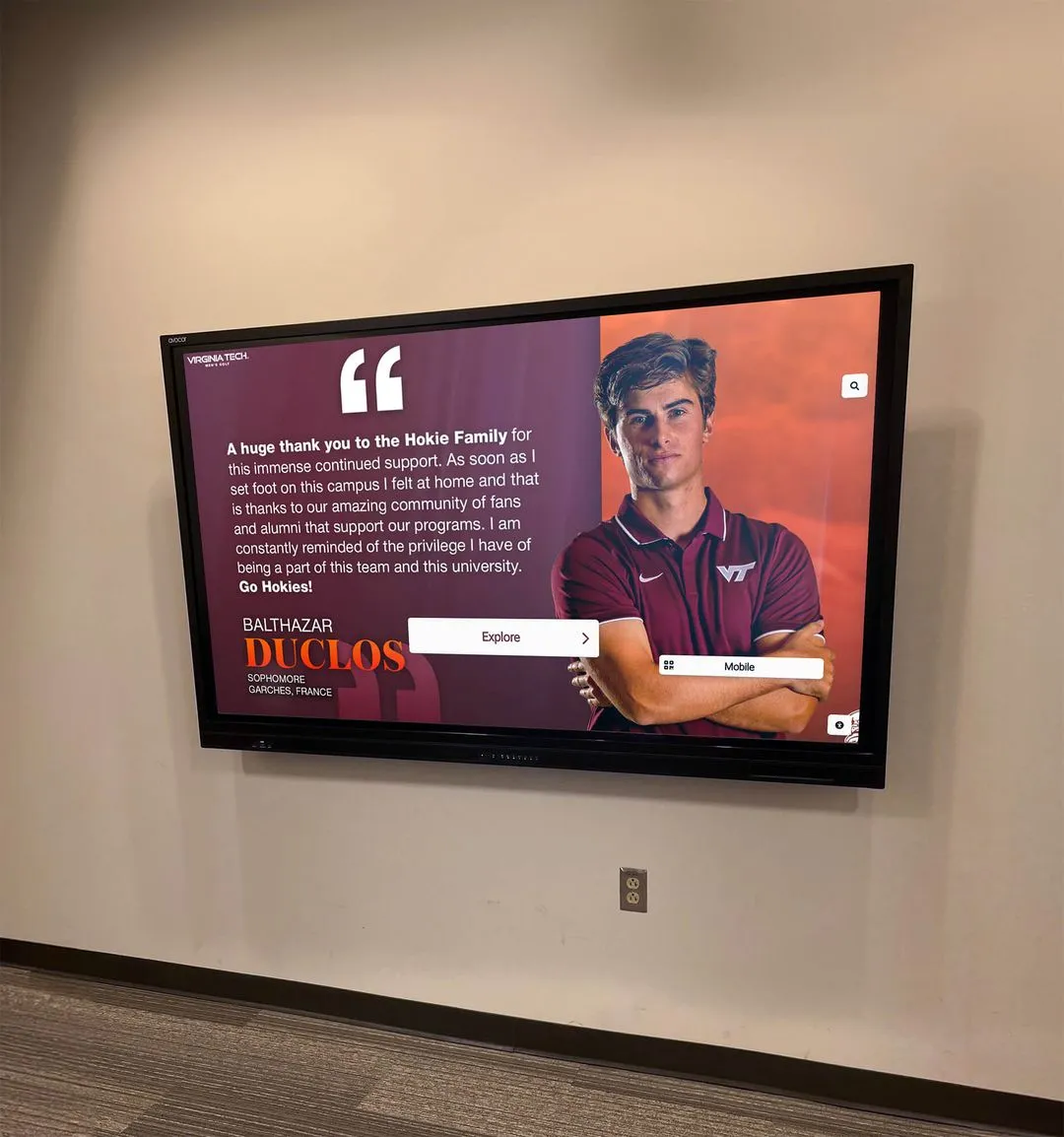
Digital recognition displays provide unlimited capacity and searchable interfaces that traditional static plaques cannot match. These systems address common pain points in school recognition programs:
Capacity Advantages:
- Accommodate unlimited award recipients without physical space constraints
- Display complete recognition history across multiple years
- Include detailed achievement narratives beyond names and dates
- Showcase supporting photos, videos, and statistics
Engagement Features:
- Interactive exploration of award histories
- Search by student name, year, or award category
- QR code generation for mobile sharing
- Social media integration for family amplification
- Analytics tracking which awards generate most interest
Management Efficiency:
- Cloud-based content management for remote updates
- No physical plaque ordering or engraving delays
- Instant corrections of errors or name changes
- Scheduled content publishing for future awards
- Template-based data entry reducing administrative time
Schools implementing comprehensive digital recognition systems report both expanded recognition capacity and increased community engagement with student achievements.
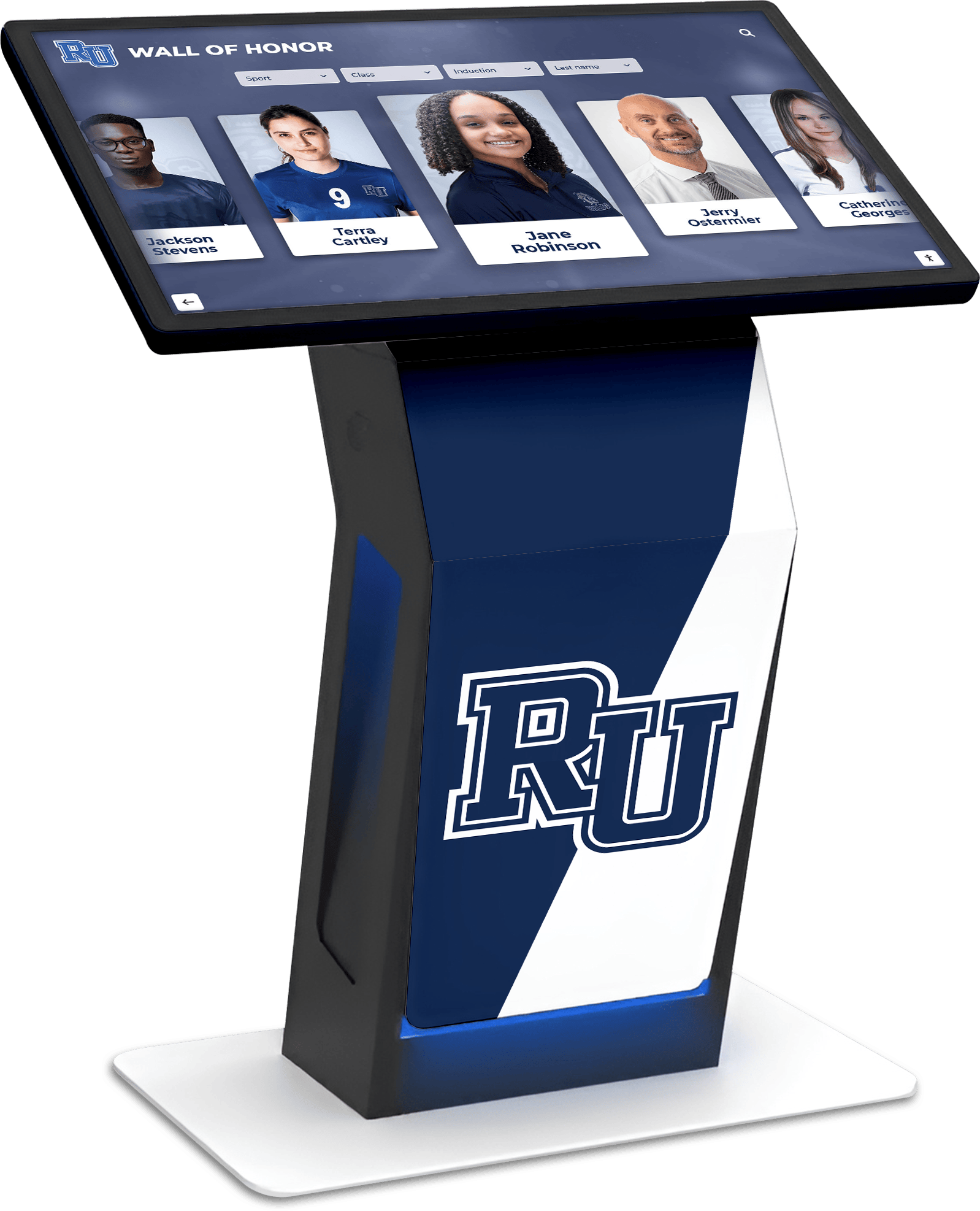
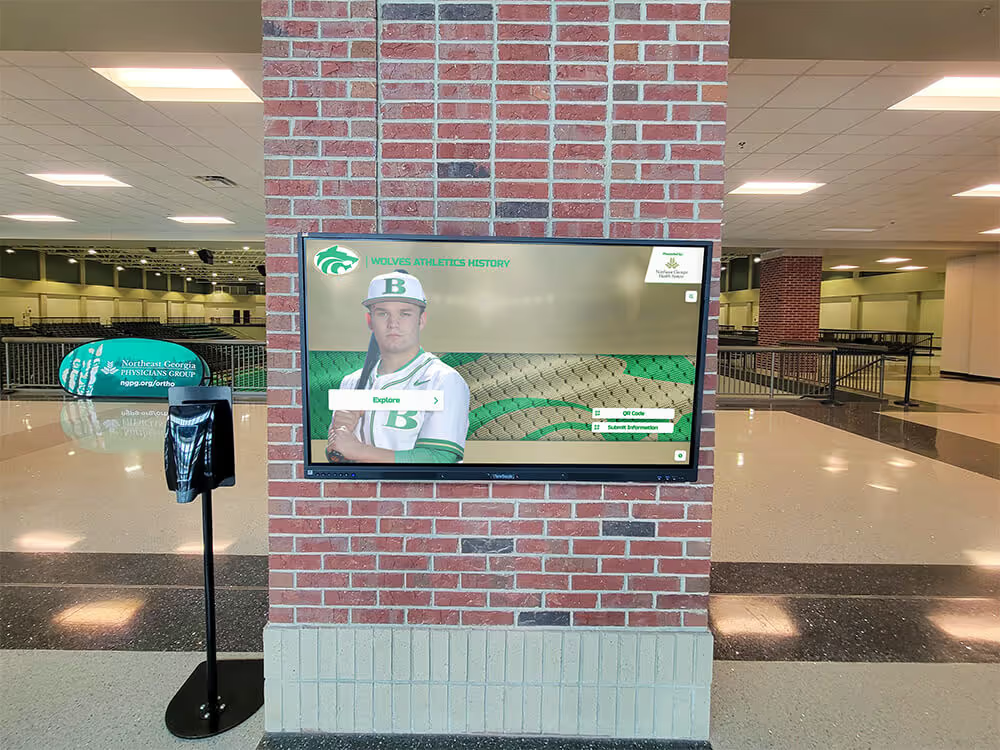
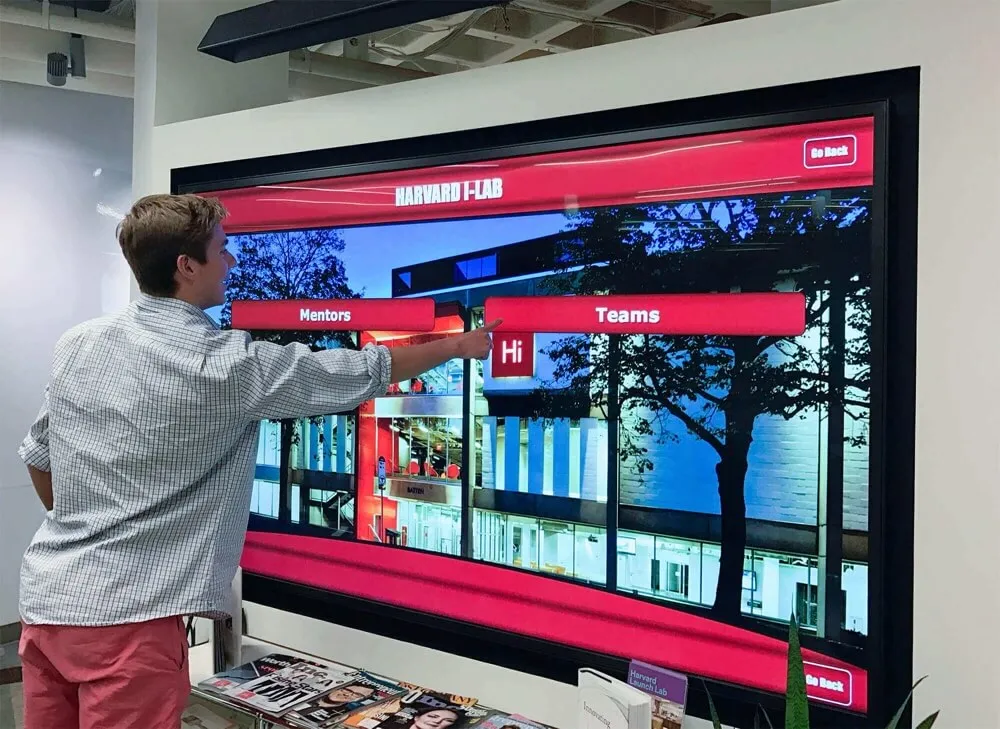
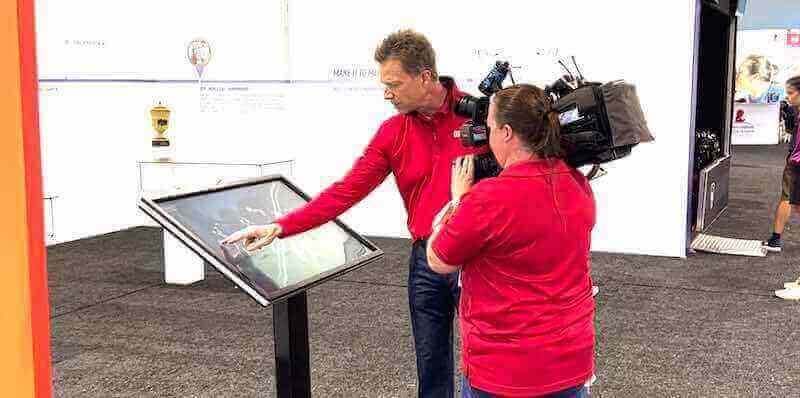
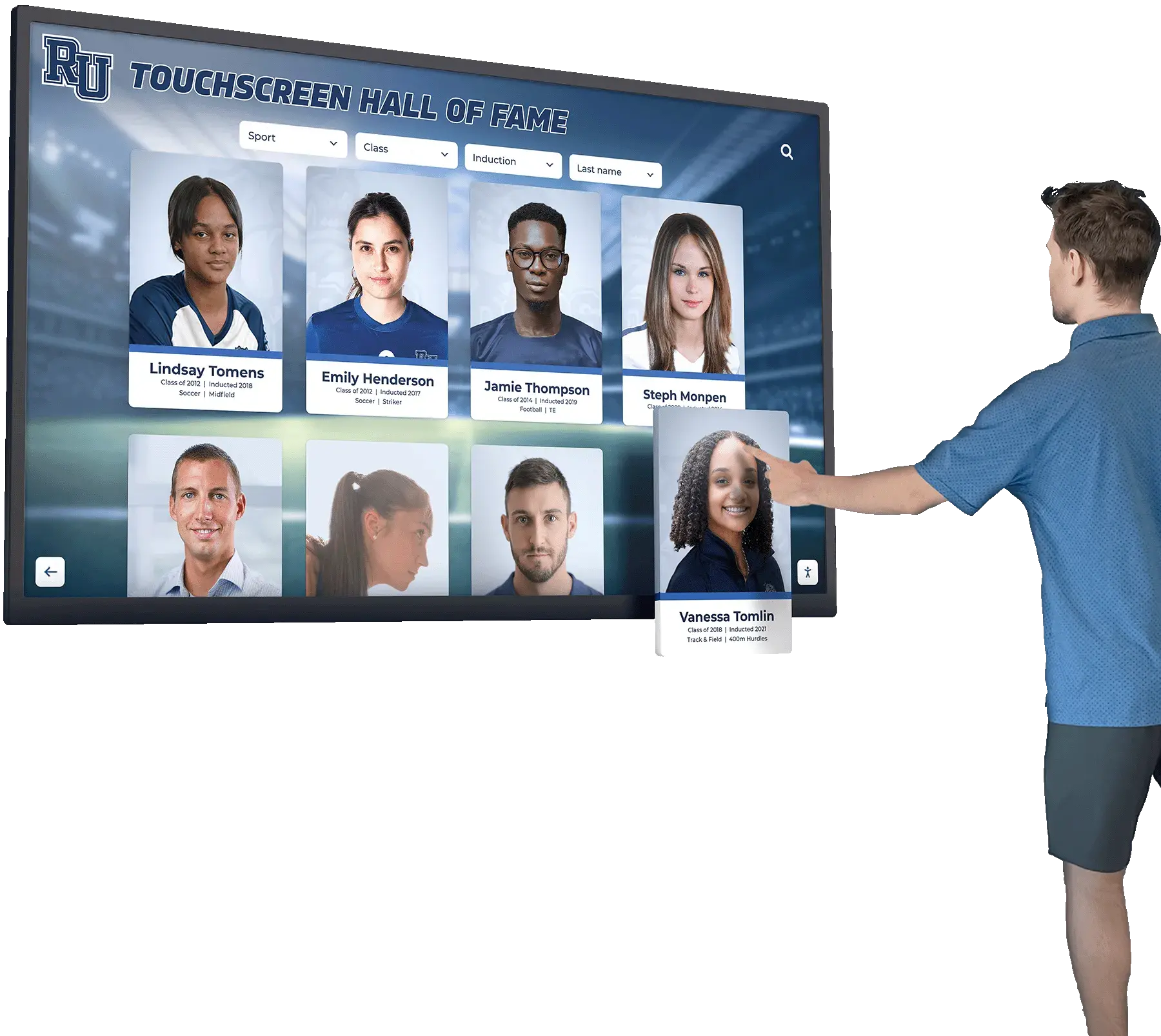
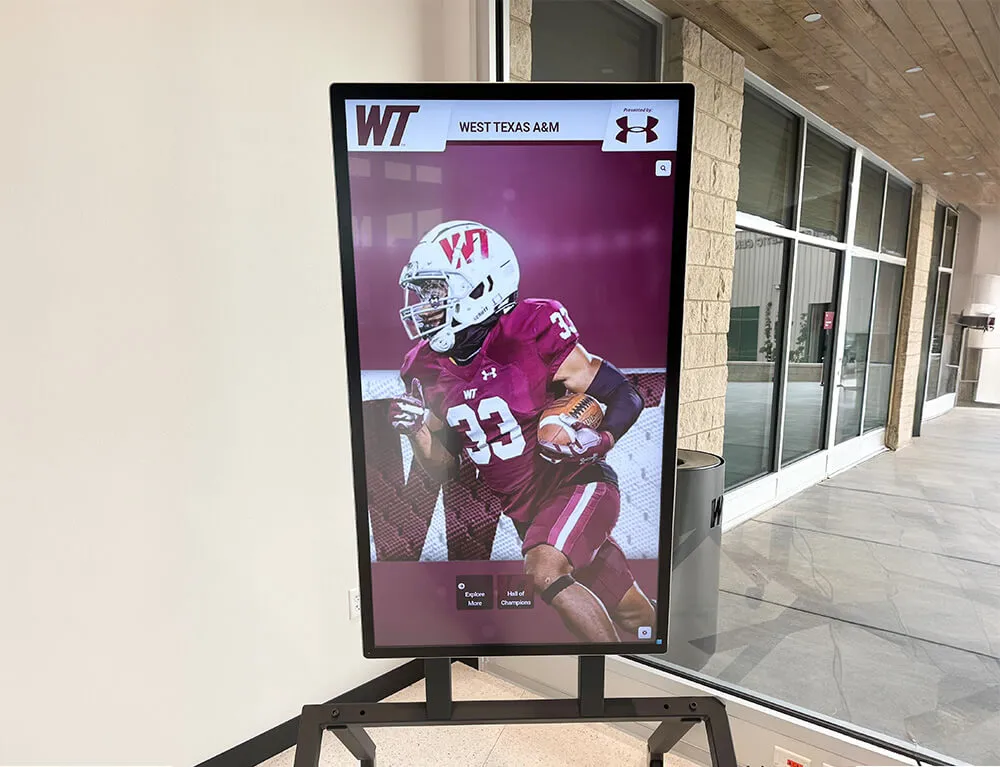
Interactive kiosks enable self-service exploration of award recipients, creating engaging recognition experiences
Display Placement Strategy
High-Traffic Location Selection:
- Main entrance lobbies (maximum visibility for visitors)
- Athletic facilities (sports-focused recognition)
- Fine arts wings (creative achievement showcasing)
- Library or commons areas (academic focus)
- Senior hallways (graduating class emphasis)
ADA Compliance Considerations:
- Screen height positioning for wheelchair access (recommended 36-48 inches from floor)
- High contrast display modes for visual accessibility
- Audio description capabilities for screen readers
- Clear approach space (minimum 30" x 48" clear floor space)
- WCAG 2.1 AA compliance for color contrast ratios
Security and Durability:
- Vandal-resistant enclosures for unmonitored areas
- Tempered glass or polycarbonate screen protection
- Secure mounting preventing theft or tipping
- Cable management concealing power and network connections
- Climate control considerations for electronics longevity
Execution Timeline: From Planning to Launch
Implementing comprehensive recognition systems requires coordination across multiple phases from concept through sustained operation.
Phase 1: Planning and Design (Weeks 1-3)
Program Architecture:
- Audit existing award categories and identify gaps
- Define recognition criteria and selection processes
- Map content requirements (data fields, media types)
- Establish administrative roles and responsibilities
Technical Requirements:
- Assess display location options and ADA accessibility
- Determine hardware specifications (screen size, orientation, mounting)
- Evaluate network connectivity (wired ethernet vs. WiFi)
- Define content management system requirements
Stakeholder Alignment:
- Present proposal to administrative leadership
- Engage department heads and activities coordinators
- Review with technology staff for technical feasibility
- Secure budget approval and funding allocation
Phase 2: Content Development (Weeks 4-8)
Historical Data Migration:
- Compile past award recipients from paper records
- Scan physical certificates or programs
- Collect historical photos from yearbooks or archives
- Verify name spellings and graduation years
- Organize content by award category and year
Current Year Content:
- Complete award nomination and selection processes
- Capture high-quality student portrait photos
- Record ceremony presentations or acceptance speeches
- Write achievement narratives and supporting details
- Obtain necessary permissions for photo and information use
Content Quality Standards:
- Consistent photo specifications (resolution, orientation, background)
- Name format standardization (First Last vs. Last, First)
- Achievement description length guidelines
- Copyright compliance for images and videos
- Accuracy verification for statistics and dates
Phase 3: System Implementation (Weeks 9-12)
Hardware Installation:
- Mount displays at designated locations
- Install protective enclosures if required
- Complete electrical and network connections
- Configure display settings (brightness, orientation)
- Test touch response and calibration
Software Configuration:
- Set up content management system accounts
- Implement branding (school colors, logos, fonts)
- Create navigation structure and category organization
- Import historical and current content
- Configure search and filtering functionality
Training and Documentation:
- Train administrative staff on content management
- Create user guides for updating information
- Document troubleshooting procedures
- Establish support contact protocols
- Schedule regular refresh responsibilities
Phase 4: Launch and Promotion (Weeks 13-14)
Soft Launch:
- Activate displays with initial content
- Monitor for technical issues or user confusion
- Gather informal feedback from students and staff
- Make adjustments to navigation or content presentation
Official Launch:
- Announce new recognition system through school communications
- Create social media promotion highlighting features
- Host demonstration sessions for parent groups
- Celebrate with ceremonial unveiling if appropriate
- Document launch for future marketing use
Phase 5: Sustained Operation (Ongoing)
Regular Content Updates:
- Add new award recipients after each ceremony
- Refresh featured content highlighting seasonal achievements
- Archive outdated information while maintaining historical access
- Incorporate new photos and multimedia as available
Maintenance and Optimization:
- Monitor display performance and uptime
- Clean screens and enclosures quarterly
- Update software as new versions release
- Analyze usage data to understand which content generates most engagement
- Gather stakeholder feedback annually for improvements
Program Evolution:
- Review award categories annually for relevance
- Expand recognition into new areas based on emerging programs
- Integrate with other school systems (student information systems, social media)
- Explore additional display locations as budget allows
- Consider expanding to district-wide recognition network
Organizations implementing touchscreen recognition displays report significant benefits in sustaining year-round engagement with student achievement beyond single ceremony events.
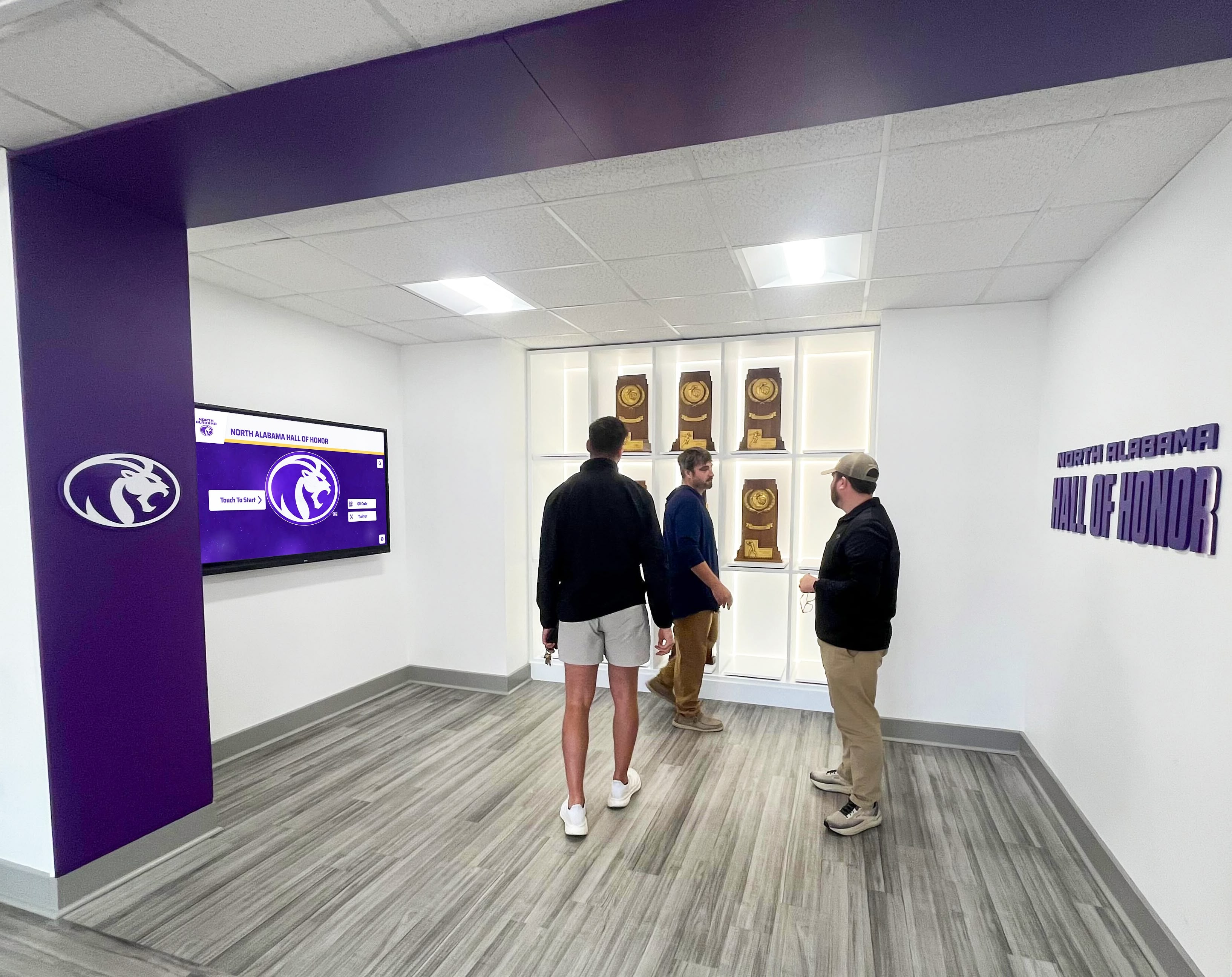
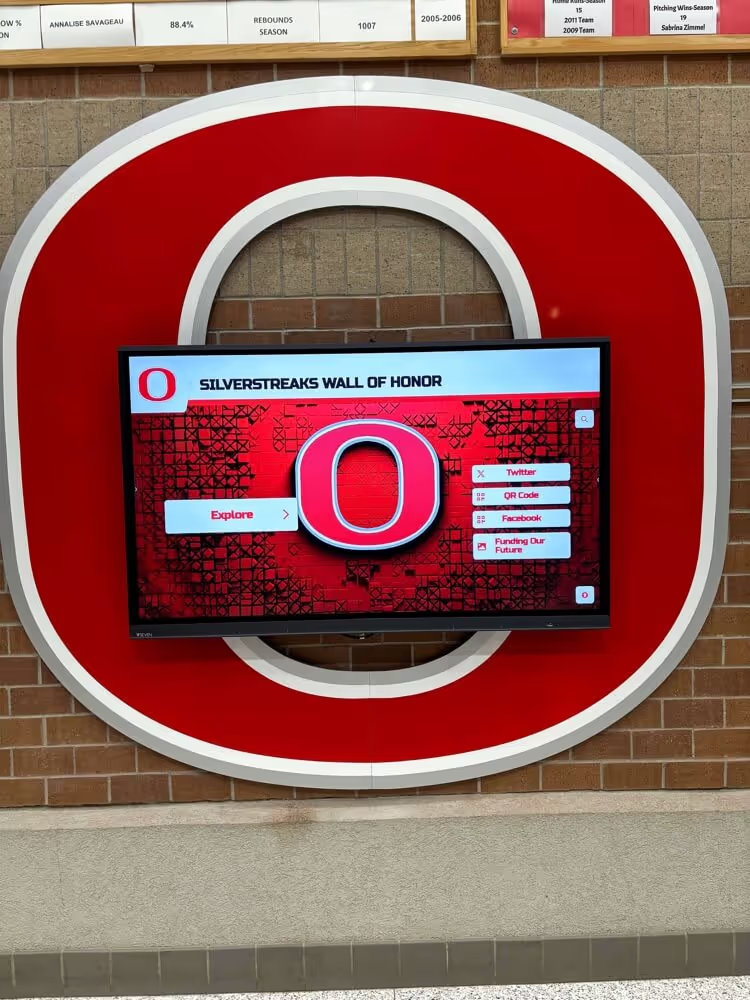
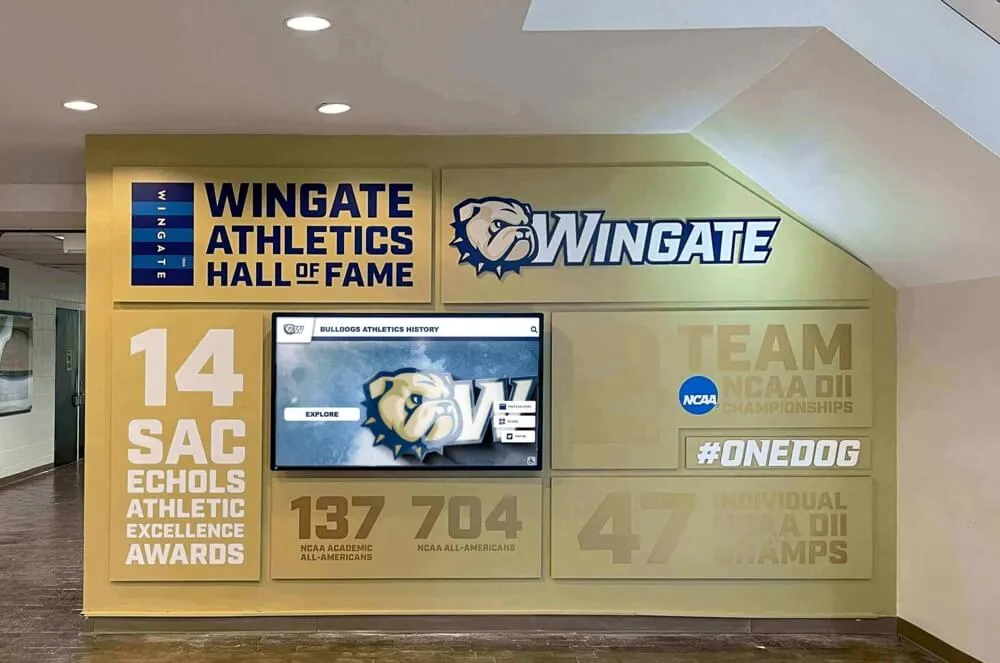
Combining traditional trophy cases with digital displays creates comprehensive recognition spaces honoring past and present achievements
Measurement and Impact Assessment
Quantifying recognition program effectiveness helps justify continued investment and identify improvement opportunities. Both quantitative metrics and qualitative feedback provide valuable insights.
Engagement Metrics
Ceremony Attendance Data:
- Total attendees (families, students, staff, community members)
- Percentage of recipient families in attendance
- Year-over-year attendance trends
- Virtual ceremony viewership if hybrid format
Digital Display Analytics:
- Monthly unique visitors interacting with displays
- Average session duration (dwell time)
- Most frequently searched award categories
- Popular recipient profiles generating most views
- Peak usage times and days
- Social shares generated from display content
Cultural Impact Indicators
Student Perception Surveys:
- Awareness of recognition opportunities available
- Perceived fairness of award selection processes
- Motivation impact on academic/extracurricular engagement
- Sense of recognition for diverse achievement types
- Understanding of pathways to earn awards
Staff Feedback:
- Nomination process ease and clarity
- Time requirements for award administration
- Perceived student response to recognition
- Suggestions for new award categories
- Administrative burden compared to previous approaches
Program Efficiency Measures
Administrative Time Savings:
- Hours required for nomination collection and processing
- Time spent on award ordering and ceremony preparation
- Reduction in physical plaque maintenance
- Efficiency gains from digital vs. manual record-keeping
Cost Analysis:
- Per-recipient cost for physical awards
- Digital system investment vs. long-term plaque expenses
- Venue and ceremony production costs
- Staff time converted to dollar value
Comparative Benchmark Data:
- Recognition capacity increase (recipients honored per year)
- Category expansion (new award types added)
- Historical preservation improvement (years of archived data accessible)
- Error correction efficiency (time to fix mistakes in digital vs. engraved systems)
Sample metrics from schools implementing comprehensive digital recognition show average increases of 40-60% in total students recognized annually, primarily through expanded category capacity rather than lowered standards. Digital systems eliminate the “we don’t have wall space” constraint that traditionally limited recognition scope.
Common Challenges and Solutions
Recognition program administrators encounter predictable obstacles that can be addressed through proactive planning and structured responses.
Challenge: Award Category Overlap
Problem: Same students dominate multiple award categories, leaving many participants unrecognized.
Solutions:
- Implement “one major award per student” policies while allowing multiple minor recognitions
- Create “Most Outstanding” vs. “Most Improved” parallel tracks within categories
- Expand specialty awards recognizing niche contributions
- Celebrate participation milestones alongside performance excellence
- Use digital displays to feature broader recognition beyond ceremony limitations
Challenge: Nomination Workload
Problem: Faculty struggle to complete nominations during end-of-year time pressures.
Solutions:
- Launch nomination process earlier (early April vs. late May)
- Simplify nomination forms focusing on essential information only
- Pre-populate forms with student data from information systems
- Allow teachers to submit ranked lists rather than individual nominations
- Implement rolling nomination collection throughout the year
Challenge: Ceremony Length Management
Problem: Comprehensive recognition results in excessively long ceremonies losing audience attention.
Solutions:
- Separate ceremonies by category (academic awards night, athletic banquet, arts showcase)
- Present group recognitions (call all honor roll students together vs. individually)
- Limit remarks to essential information (names and awards, minimal speeches)
- Use video montages to showcase achievement rather than live presentations for all categories
- Shift detailed recognition to digital displays accessible before and after ceremony
Challenge: Equity and Inclusion Concerns
Problem: Recognition appears to favor certain student populations or activity types.
Solutions:
- Audit awards annually analyzing demographics of recipients
- Create new categories addressing underrepresented contributions
- Establish clear, published criteria reducing subjective selection bias
- Train nomination committees on equitable recognition practices
- Showcase recognition diversity prominently on digital displays
Schools addressing academic recognition equity often expand both the types of achievements celebrated and the communication channels ensuring all students understand recognition pathways available.
Challenge: Physical Space Constraints
Problem: Limited wall space prevents adding new award categories or additional years of recipients.
Solutions:
- Rotate physical displays showing only recent years
- Archive older plaques in storage while maintaining digital access
- Implement digital recognition displays providing unlimited capacity
- Create photo-based bulletin boards requiring minimal space
- Develop online recognition galleries accessible via school website
Challenge: Budget Limitations
Problem: Funding constraints limit award quality or ceremony production value.
Solutions:
- Partner with booster clubs or parent organizations for sponsorship
- Order awards in bulk to achieve volume pricing
- Utilize student-designed certificates reducing printing costs
- Seek local business sponsors for specific award categories
- Prioritize digital recognition investment spreading costs across multiple years
Reusable Resources and Templates
Successful recognition programs leverage standardized templates and checklists ensuring consistency and reducing annual planning burden.
Award Nomination Form Template
STUDENT AWARD NOMINATION FORM
Academic Year: ___________

Nominee Information:
Full Name: _________________________________
Grade Level: ______ Student ID: ____________
Award Category: ____________________________

Nominator Information:
Your Name: ________________________________
Position/Department: _______________________
Email: ____________________________________

Nomination Justification:
(Describe specific achievements, qualities, or contributions that make this student deserving of recognition. Include quantitative data where possible: GPA, statistics, hours contributed, etc.)

_____________________________________________
_____________________________________________
_____________________________________________

Supporting Evidence:
☐ Attached grade reports or academic records
☐ Attached letters of recommendation
☐ Attached competition results or certificates
☐ Other: ________________________________

Nominator Signature: _____________ Date: ____
Ceremony Program Planning Checklist
Pre-Event (2 months before):
- ☐ Venue reserved and confirmed
- ☐ Date selected avoiding conflicts
- ☐ Budget established and approved
- ☐ Planning committee assembled
- ☐ Nomination timeline distributed
- ☐ Award ordering specifications finalized
Mid-Planning (1 month before):
- ☐ All nominations received and reviewed
- ☐ Selection committees completed deliberations
- ☐ Recipients identified and notified
- ☐ Awards ordered or prepared
- ☐ Ceremony script drafted
- ☐ Presenters identified and confirmed
- ☐ Audiovisual requirements specified
Final Preparation (1 week before):
- ☐ Ceremony program printed
- ☐ Presenter rehearsal completed
- ☐ All awards received and verified
- ☐ Photography/videography arranged
- ☐ Setup crew assignments confirmed
- ☐ Accessibility accommodations verified
Day-of Execution:
- ☐ Setup begins on time
- ☐ Technical systems tested
- ☐ Awards organized in presentation order
- ☐ Ushers and volunteers briefed
- ☐ Presenters final walk-through
- ☐ Backup plans reviewed
Post-Event:
- ☐ Photos shared with families and media
- ☐ Thank you notes sent to volunteers
- ☐ Feedback collected from committee
- ☐ Recipient records updated
- ☐ Next year improvements documented
Award Category Criteria Matrix
| Award Category | Eligibility Criteria | Selection Process | Typical Recipients |
|---|---|---|---|
| Valedictorian | Highest cumulative GPA, full 4 years | Calculated by registrar | 1 student |
| Salutatorian | Second highest GPA, full 4 years | Calculated by registrar | 1 student |
| Department Awards | Highest grade in subject area | Department head selection | 1 per department |
| Scholar-Athlete | 3.5+ GPA, varsity letter earned | Athletic director review | Multiple |
| Service Recognition | 100+ volunteer hours documented | Service coordinator verification | Multiple |
| Character Award | Staff nomination, character criteria | Committee vote | 1-3 students |
| Leadership Award | Elected/appointed leadership role | Activities coordinator review | Multiple |
| Most Improved | Greatest GPA increase year-over-year | Calculated by counseling staff | 1 per grade |
Best Practices for Sustainable Recognition Programs
Long-term recognition success requires institutionalizing processes that survive administrative transitions and evolving school priorities.
Document Standard Operating Procedures
Create Recognition Program Manual:
- Annual timeline with specific milestone dates
- Detailed role descriptions and responsibilities
- Step-by-step procedures for each task
- Contact information for vendors and partners
- Budget templates and funding sources
- Past program examples and lessons learned
This documentation ensures new administrators can maintain program quality without reinventing processes annually.
Establish Cross-Functional Ownership
Distribute Program Responsibilities:
- Activities coordinator: overall coordination and timeline management
- Department heads: academic award nominations and selections
- Athletic director: sports recognition categories
- Counseling staff: character and service awards
- Technology coordinator: digital display management
- Administrative assistant: communication and logistics
Shared ownership prevents single-point-of-failure risk when individuals change positions.
Build Scalable Systems
Design for Growth:
- Select digital platforms accommodating increased capacity
- Create category structures allowing new awards without reorganization
- Implement nomination systems handling volume increases
- Choose hardware with upgrade paths for enhanced features
Programs designed for scalability adapt to expanding student populations and evolving recognition philosophies.
Prioritize Accessibility and Inclusion
Universal Design Principles:
- Multiple format options for ceremony participation (in-person, virtual, recorded)
- Recognition criteria acknowledging diverse strength areas
- Physical displays meeting ADA requirements
- Content available in primary languages spoken by community
- Gender-inclusive language in awards and communications
Accessible programs ensure all students see potential pathways to recognition regardless of background or circumstances.
Leverage Technology Strategically
Digital Recognition Advantages:
- Unlimited honoree capacity without space constraints
- Rich multimedia profiles beyond text-only plaques
- Searchable interfaces enabling easy discovery
- Remote content management reducing physical maintenance
- Social sharing amplifying recognition reach
- Analytics revealing engagement patterns
Solutions like Rocket Alumni Solutions provide purpose-built recognition platforms addressing schools’ specific needs beyond generic digital signage systems. These comprehensive platforms combine touchscreen interactivity, cloud content management, and web accessibility to extend recognition impact far beyond single ceremony moments.
Conclusion
High school end-of-year awards represent critical recognition moments that validate student achievement, strengthen school culture, and create lasting memories. Comprehensive programs balance traditional ceremony elements with modern digital recognition systems that extend impact beyond single events. By establishing clear award categories, transparent selection processes, efficient administrative frameworks, and accessible recognition displays, schools create sustainable programs honoring diverse excellence across academics, athletics, arts, leadership, and character. The most effective recognition systems combine memorable ceremony experiences with year-round digital accessibility, ensuring student achievements receive the visibility and celebration they deserve.
Whether you’re refining existing programs or building recognition systems from scratch, the frameworks, templates, and strategies outlined in this guide provide actionable roadmaps for impactful end-of-year awards that serve your school community for years to come.