



Athletic directors shape the future of high school sports—coordinating dozens of teams, managing million-dollar budgets, ensuring Title IX compliance, and creating the recognition systems that celebrate student-athlete achievements for generations. Yet the path to these influential leadership positions remains surprisingly unclear to many aspiring administrators wondering how to transition from coaching or teaching into athletic administration.
Whether you’re a successful coach considering the move to administration, an educator with sports management training seeking your first AD position, or a current assistant athletic director preparing for advancement, understanding the career path, requirements, and hiring strategies for high school athletic director jobs proves essential for making informed decisions and positioning yourself competitively in a selective employment market.
This comprehensive guide examines everything aspiring athletic directors need to know—from educational credentials and professional certifications to gaining relevant experience, navigating the job search process, and understanding what hiring committees seek when evaluating candidates for these critical leadership roles in 2026.
High school athletic director positions represent unique opportunities to impact entire school communities while building comprehensive programs serving hundreds of student-athletes. Yet securing these competitive positions requires strategic planning, appropriate credentials, relevant experience, and understanding what distinguishes successful candidates from those who struggle despite strong coaching backgrounds or sports enthusiasm.

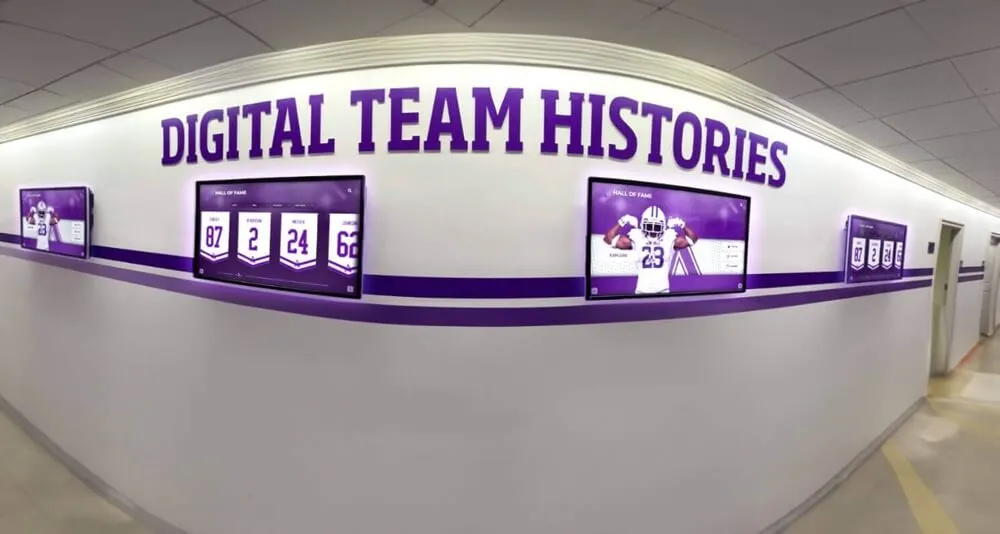
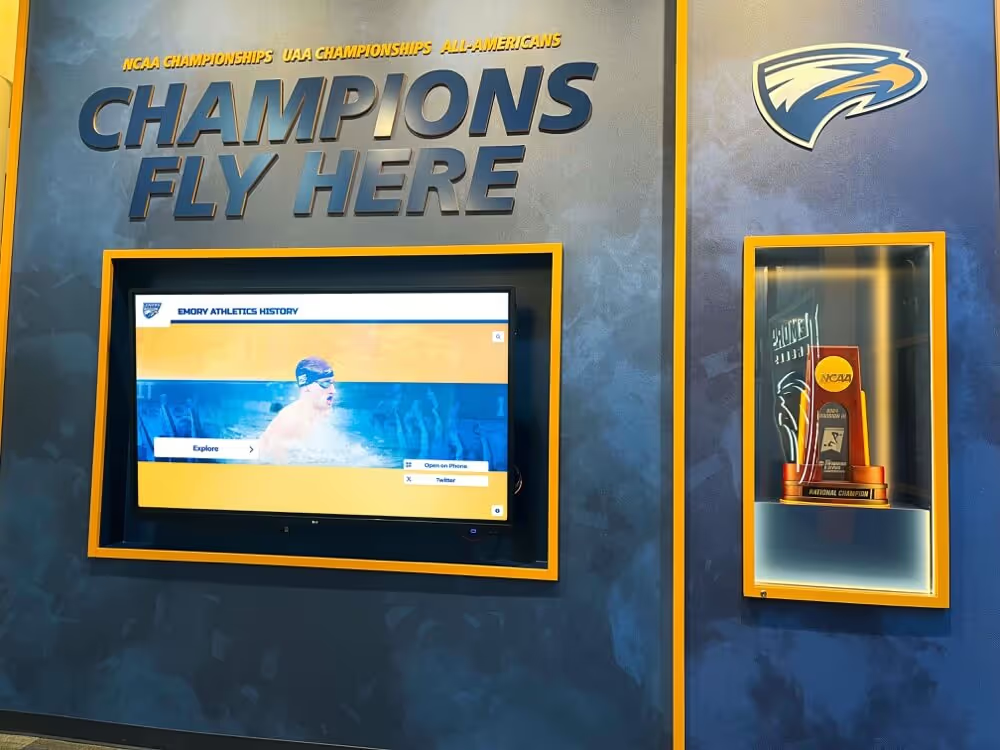
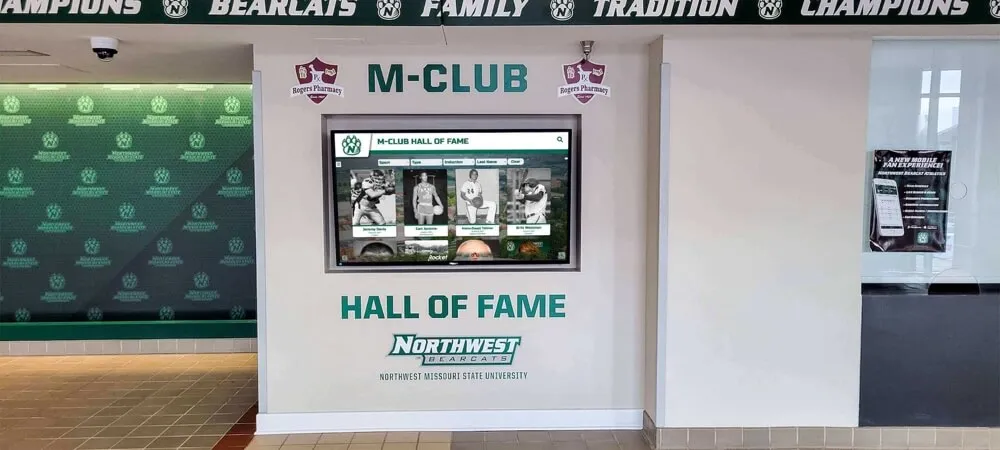
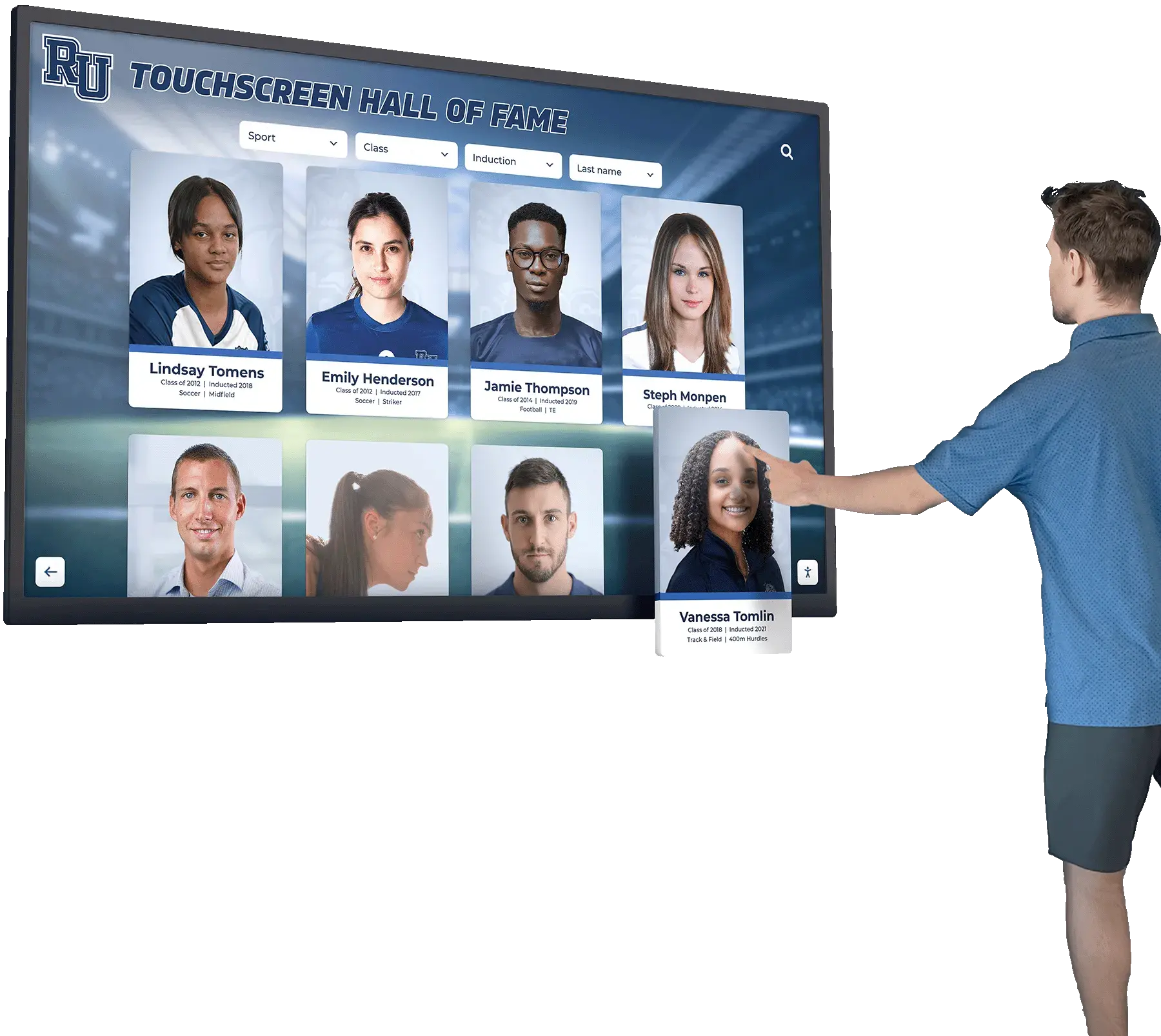
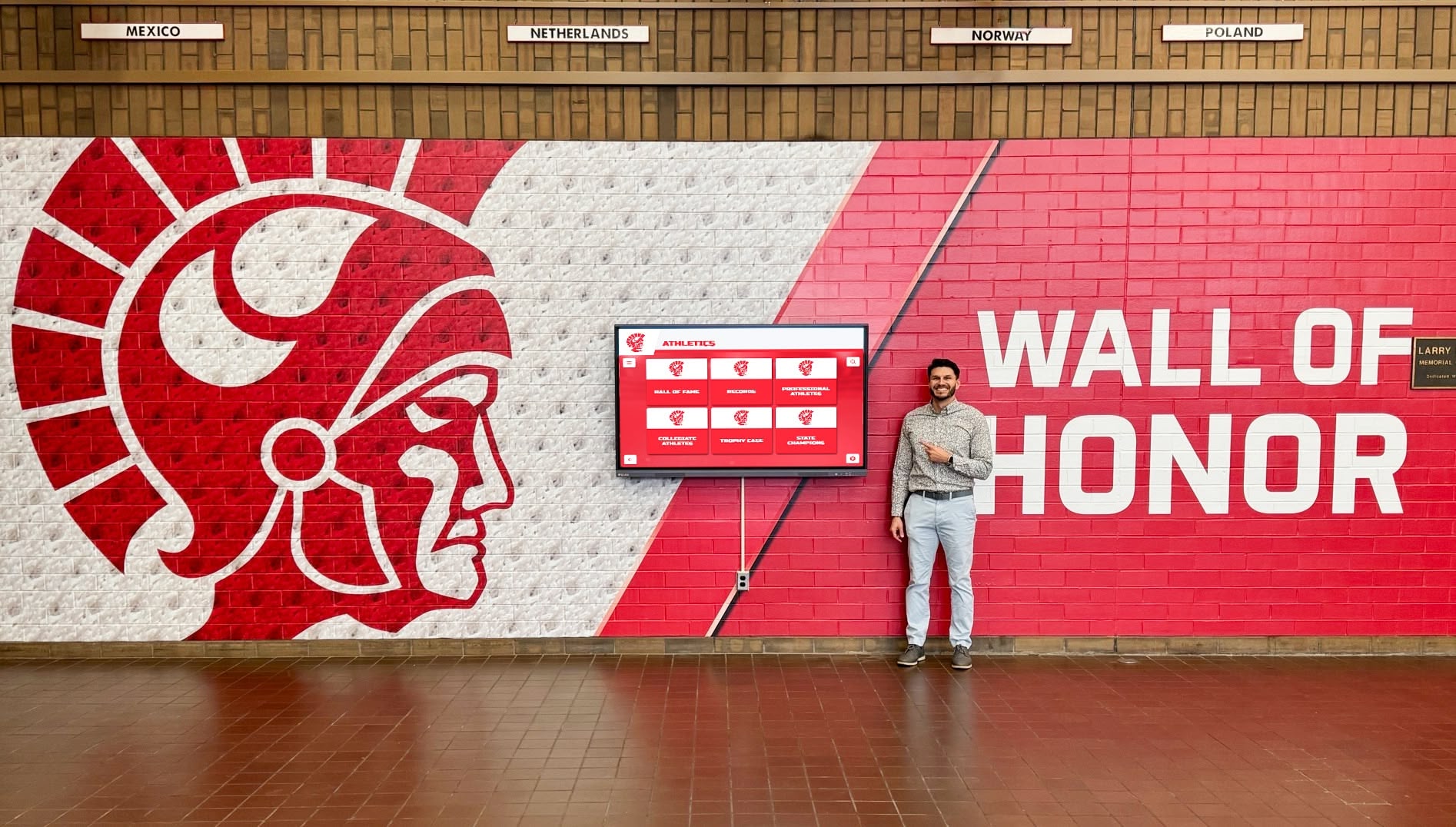
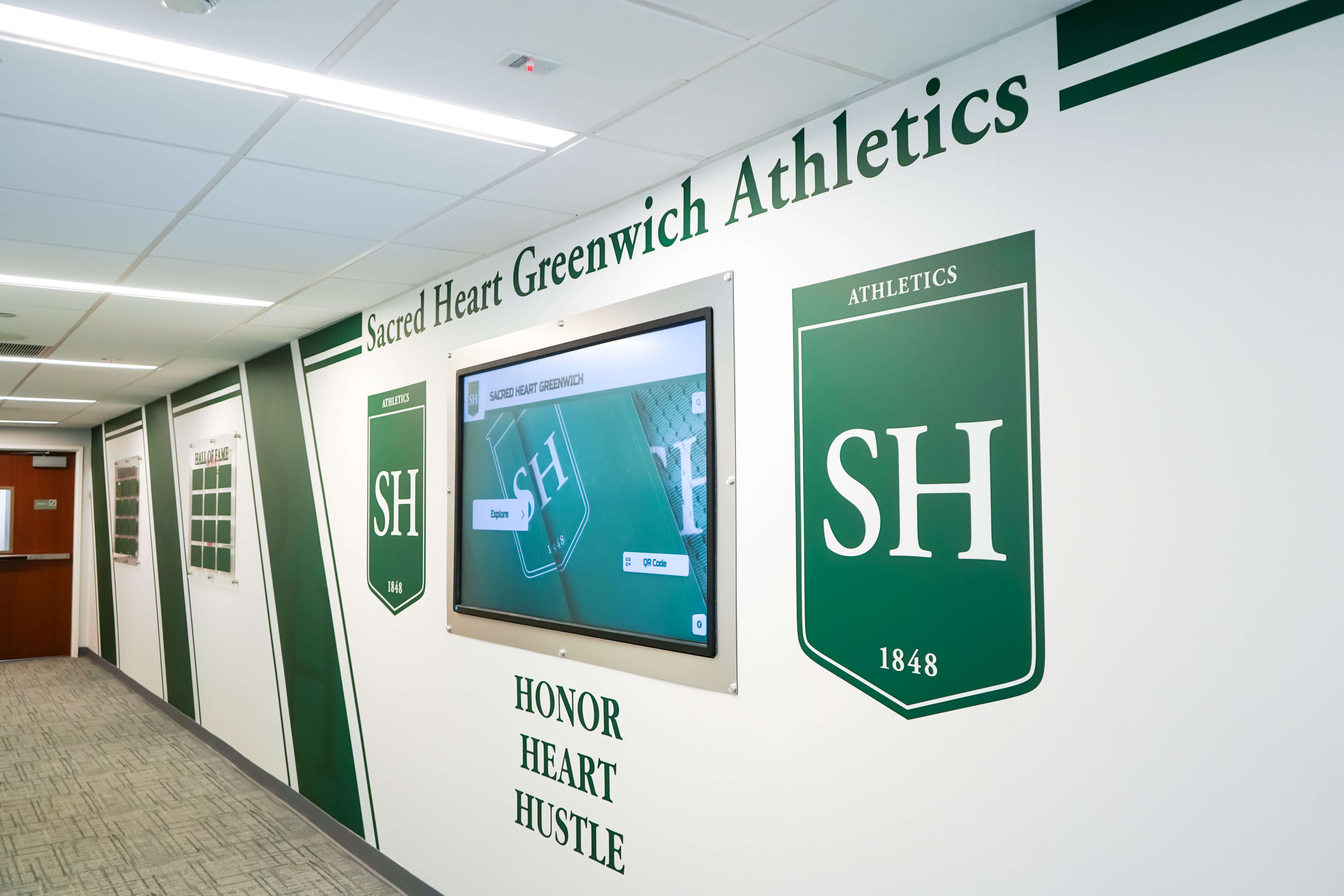
Successful athletic directors create comprehensive recognition programs celebrating achievements across all sports while managing complex operations affecting entire school communities
Career Snapshot: High School Athletic Director Position Overview
Understanding the athletic director career landscape helps aspiring administrators establish realistic timelines and preparation strategies.
| Career Element | Details |
|---|---|
| Typical Entry Age | 28-40 years old (after establishing coaching/teaching foundation) |
| Required Education | Bachelor’s degree minimum; Master’s increasingly expected |
| Common Certifications | Certified Athletic Administrator (CAA), state athletic director license |
| Experience Baseline | 3-8 years coaching and/or teaching experience typically required |
| Application Timeline | Most positions posted March-June for following academic year |
| Salary Range | $45,000-$130,000+ depending on school size and location |
| Job Availability | Moderate competition; turnover averages 5-8 years per position |
| Career Advancement | Progression to larger schools, college athletics, or district administration |
| Key Competencies | Leadership, budget management, communication, compliance knowledge, technology integration |
Understanding the High School Athletic Director Role
Before pursuing athletic director positions, candidates must understand the scope and complexity of modern athletic administration.
Core Responsibilities Across All Levels
Regardless of school size, athletic directors manage essential functions:
Program Administration
- Coordinating scheduling for all athletic teams, facilities, officials, and transportation
- Ensuring student-athlete eligibility through academic progress monitoring and documentation
- Supervising coaching staff including hiring, evaluation, professional development, and retention
- Managing athletic budgets ranging from $200,000 at small schools to $5M+ at large programs
- Overseeing facility maintenance, improvement planning, and safety protocols
- Implementing emergency action plans and risk management systems
Compliance and Governance
- Ensuring Title IX compliance through equitable program opportunities and resource allocation
- Maintaining state athletic association rules and regulations across all programs
- Documenting coaching certifications, background checks, and ongoing training requirements
- Managing insurance verification, physical examination records, and medical clearances
- Responding to eligibility questions, transfer situations, and rule interpretation requests

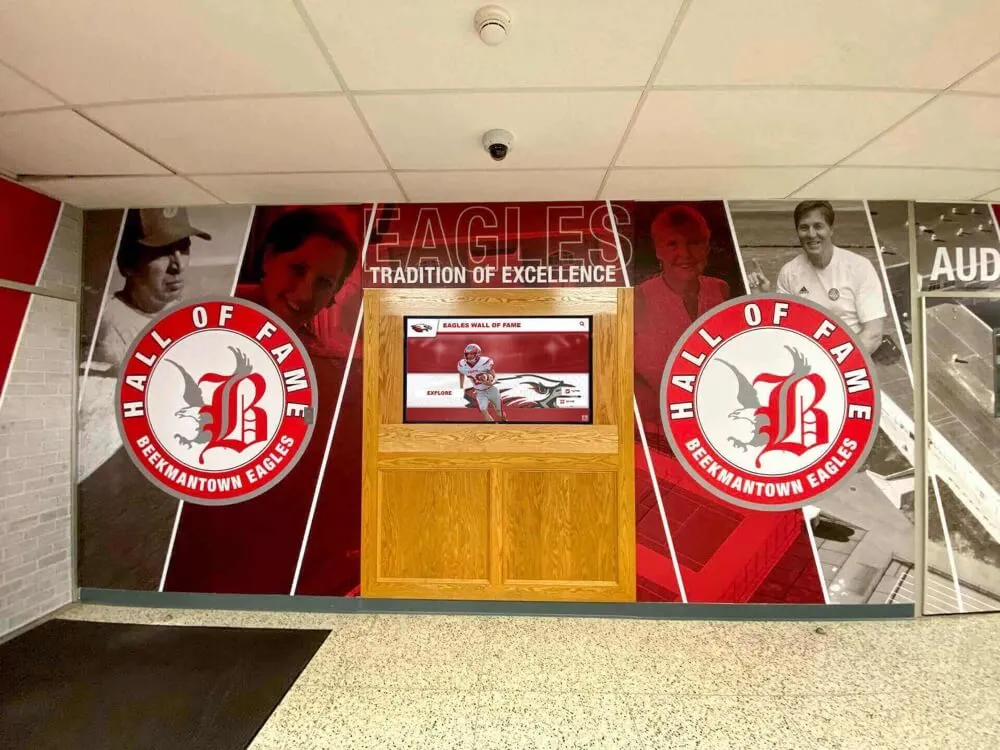
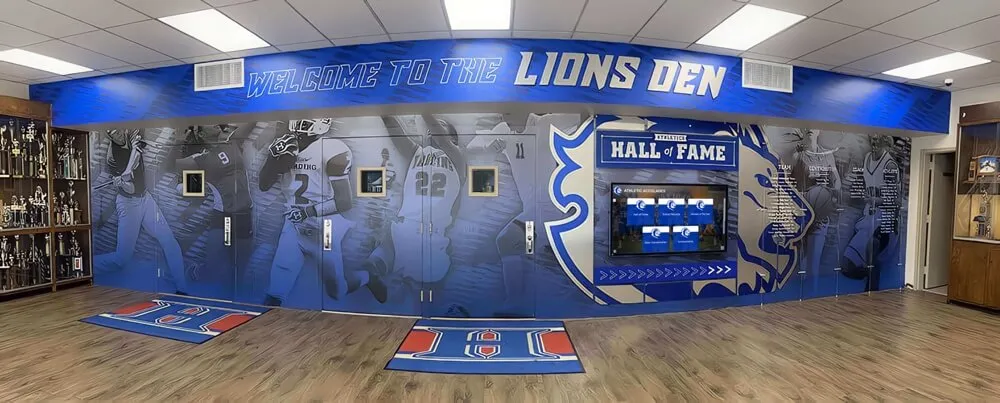
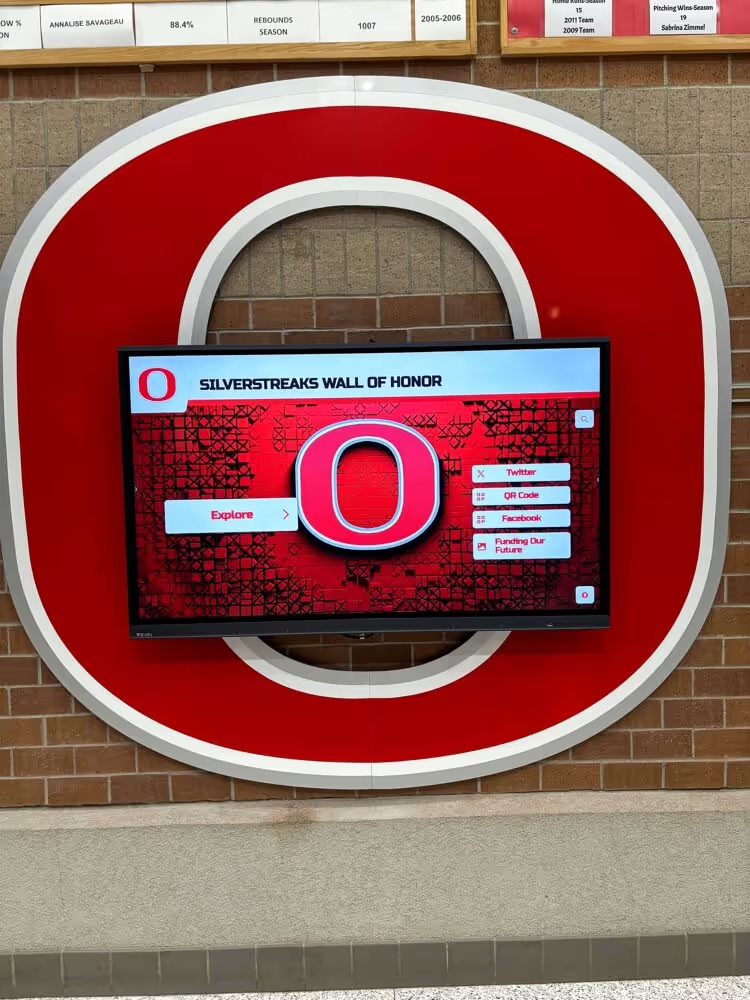
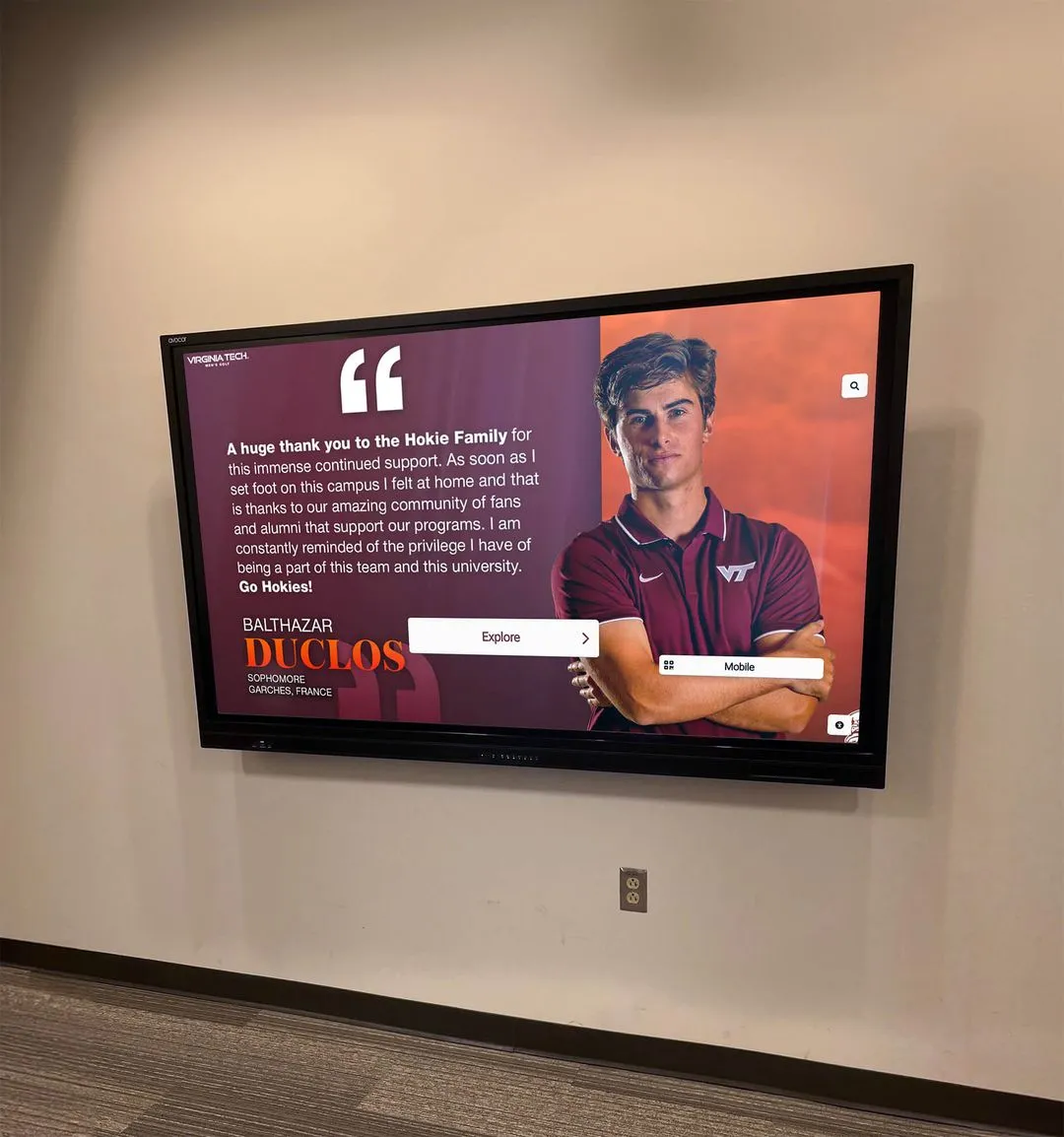
Athletic directors coordinate comprehensive programs including traditional operations alongside modern recognition systems celebrating achievements
Community and Communication
- Serving as primary athletic department spokesperson to parents, media, and community
- Coordinating booster club relationships and volunteer engagement
- Managing parent communication regarding policies, expectations, and program information
- Presenting to school boards and administration on budget requests and program initiatives
- Maintaining athletic department websites, social media, and public communications
Understanding these responsibilities helps aspiring athletic directors assess whether the role aligns with their interests and strengths beyond simply “loving sports” or enjoying coaching.
Position Variations by School Size
Athletic director roles differ substantially based on institutional context:
Small High Schools (Under 500 Students)
- Often combined positions: teaching athletic director, coaching athletic director, or activities director
- Administrative stipends ($5,000-$25,000) added to teaching salaries rather than full-time positions
- Managing 8-15 sports with limited support staff and volunteer dependence
- Significant hands-on involvement in event management, facility setup, and operations
- Close relationships with all coaches and athletes due to program size
Medium High Schools (500-1,500 Students)
- Mix of full-time athletic directors and teaching ADs with reduced classroom loads
- Coordinating 12-20 sports across three seasons with larger coaching staffs
- May include part-time administrative assistant or athletic secretary support
- Balancing operational involvement with strategic planning and program development
- Greater budget responsibility with more complex revenue generation expectations
Large High Schools (1,500+ Students)
- Full-time administrative positions dedicated exclusively to athletic leadership
- Overseeing 15-25+ sports with extensive coaching staffs and support personnel
- May include assistant athletic directors for specific areas (facilities, compliance, operations)
- Strategic focus on program vision, major budget management, and external relationships
- Coordination of extensive facilities including stadiums, multiple gymnasiums, and specialized venues
- Implementation of comprehensive recognition systems like digital athletic displays celebrating achievements
Aspiring athletic directors should target positions matching their experience level—starting at smaller schools before advancing to larger, more complex programs as expertise develops.
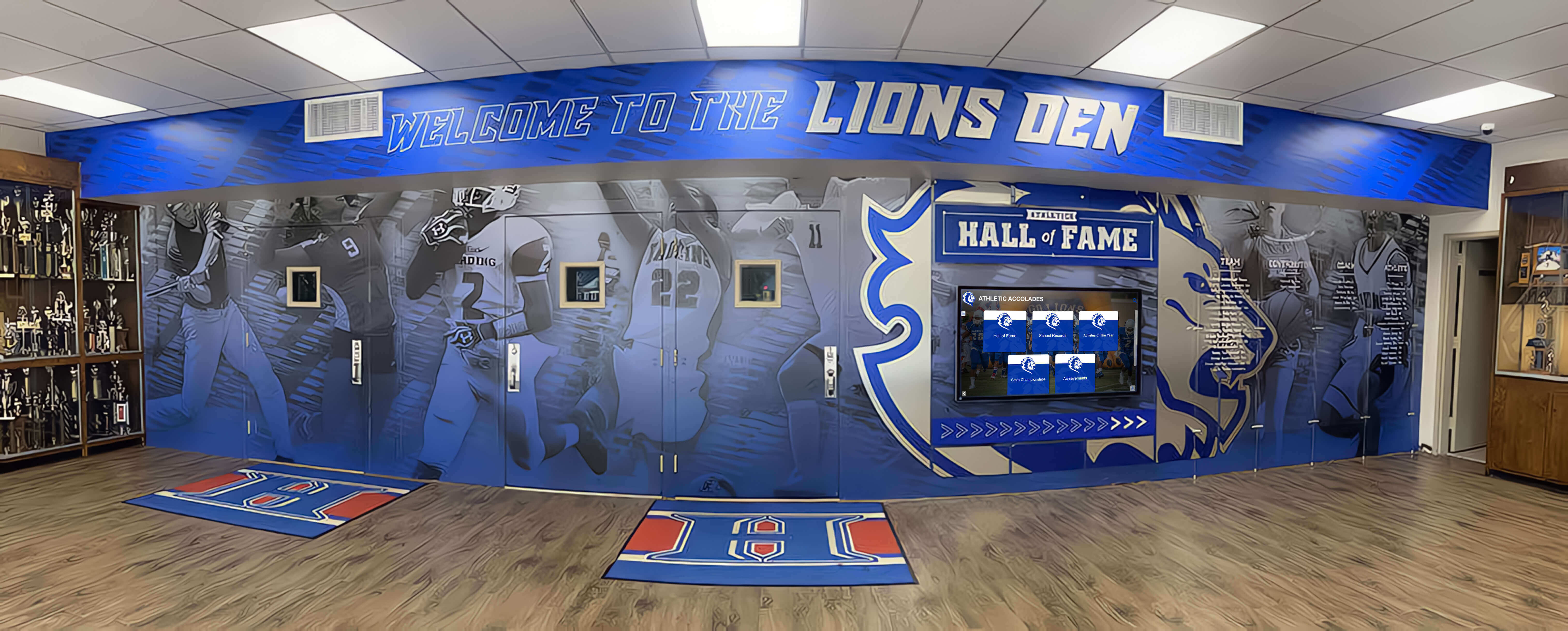
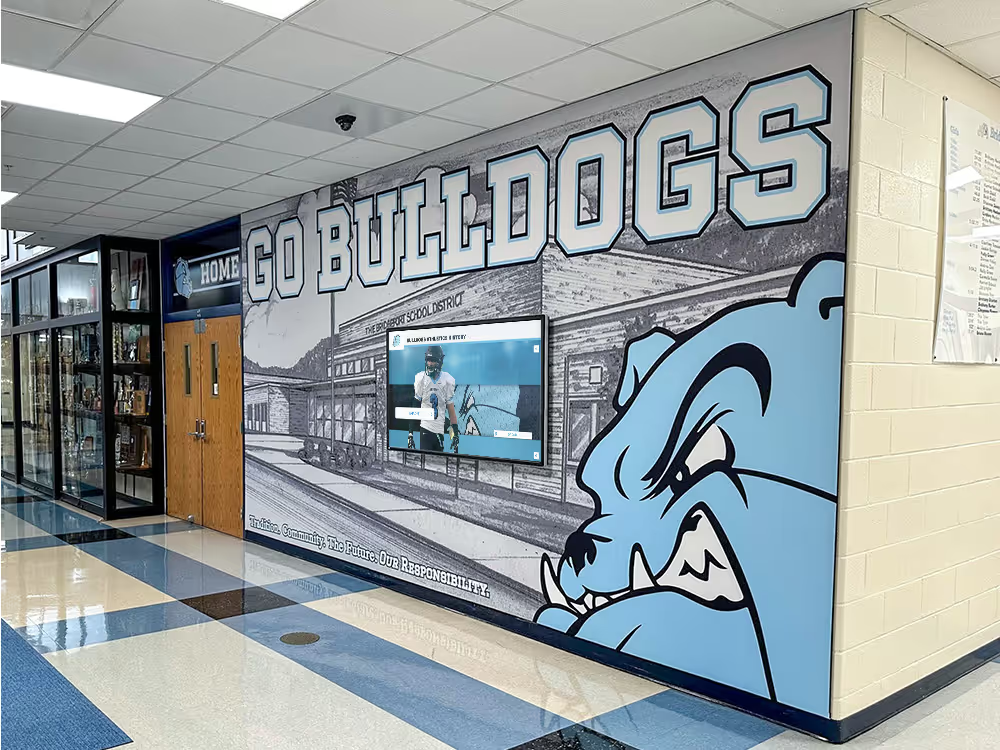
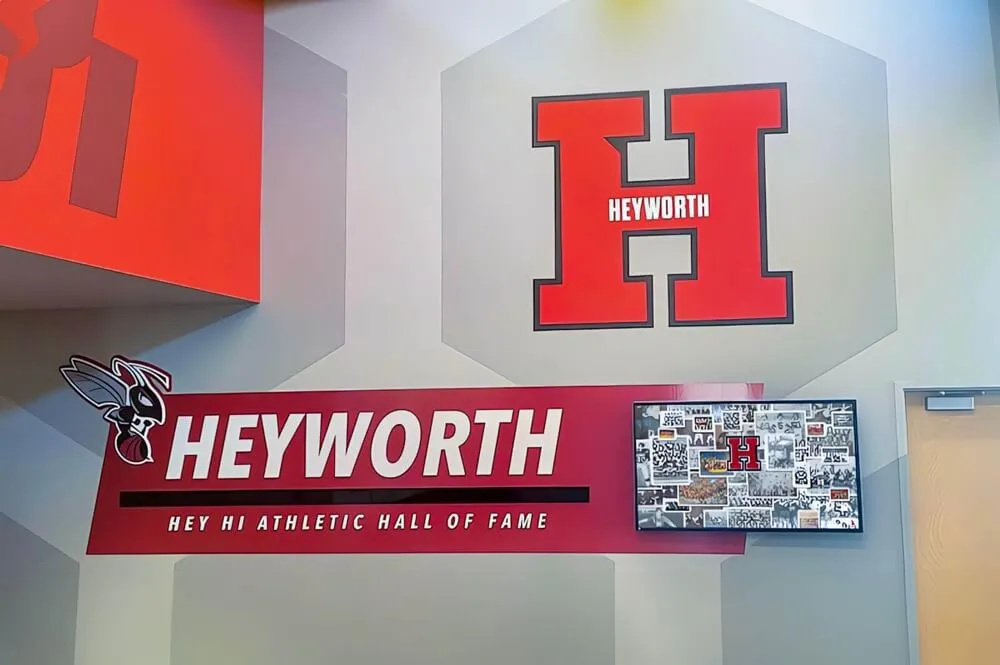
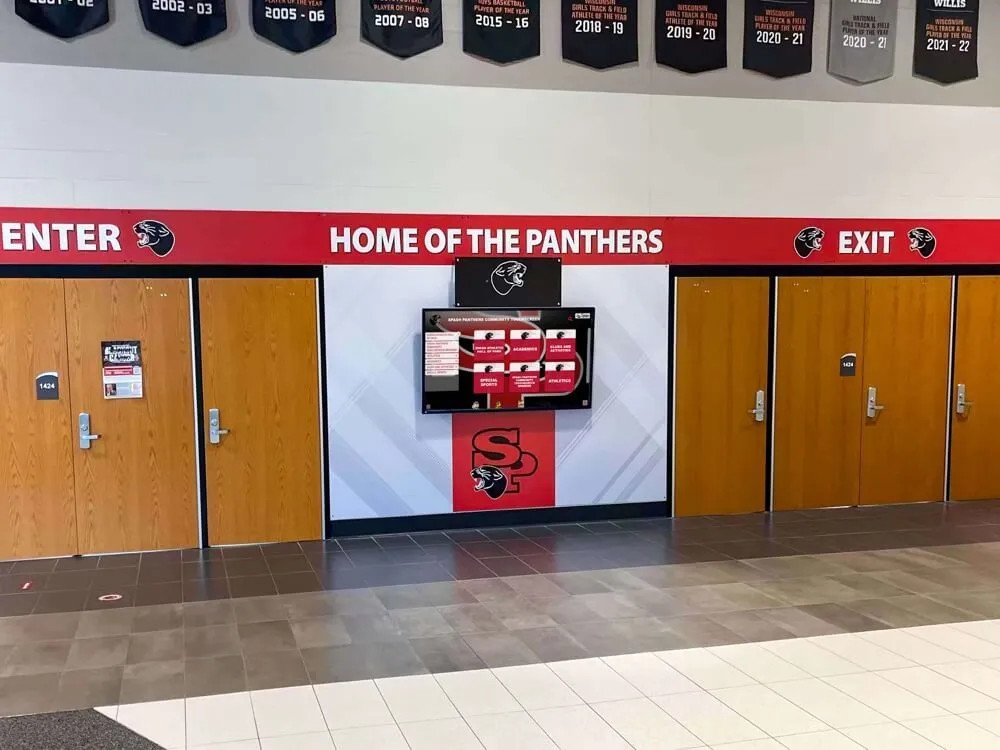
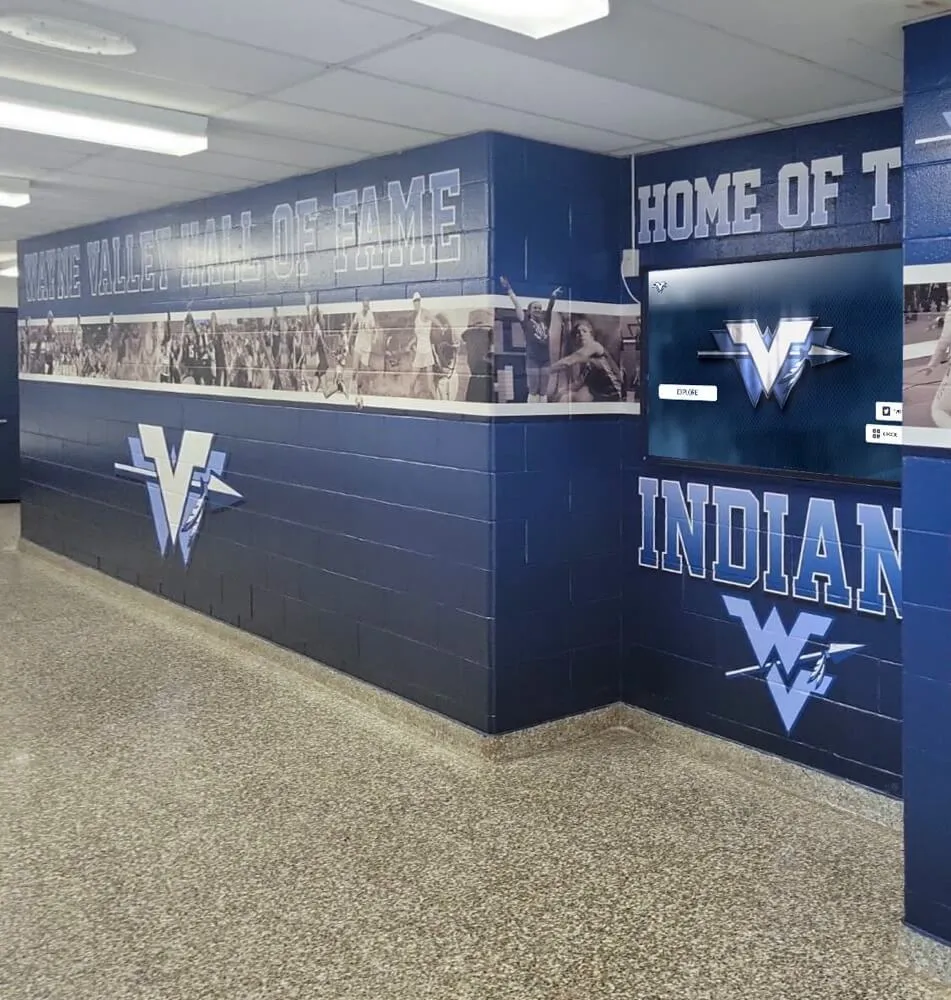
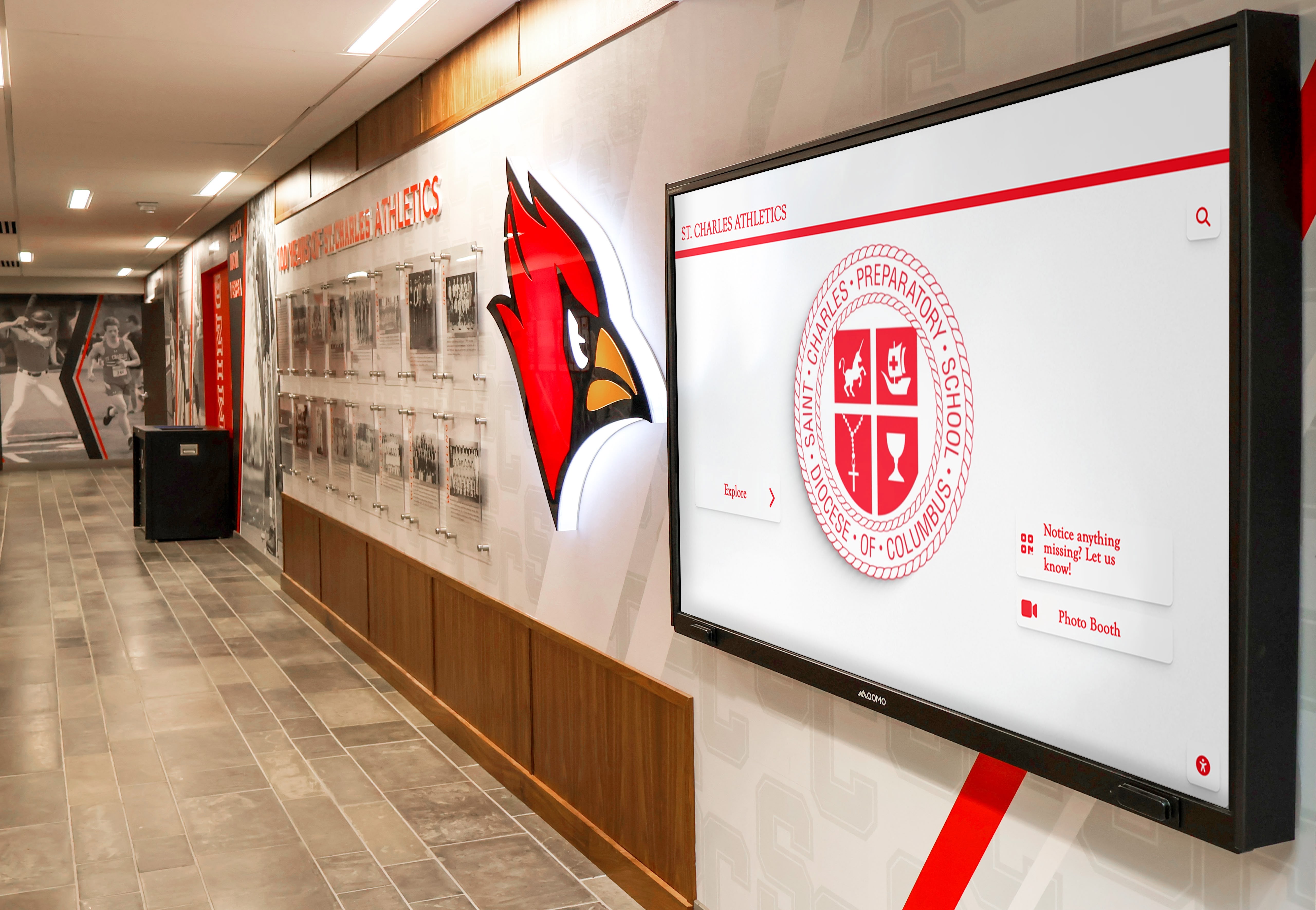
Larger athletic programs feature extensive facilities requiring sophisticated management alongside traditional and digital recognition systems
Educational Requirements for Athletic Director Positions
Academic credentials form the foundation for athletic director candidacy, with requirements varying by position level and regional expectations.
Bachelor’s Degree: The Baseline Requirement
All athletic director positions require four-year degrees, though specific majors vary:
Common Undergraduate Majors
- Physical Education - Traditional pathway combining teaching certification with sports emphasis
- Kinesiology/Exercise Science - Scientific approach to human movement and athletic performance
- Sports Management - Business-focused preparation in athletic administration
- Education - General teaching credentials with coaching or athletic involvement
- Business Administration - Financial and organizational management applicable to athletics
- Recreation Management - Program administration and facility management focus
The specific undergraduate major matters less than demonstrating both athletic involvement (coaching, playing, volunteering) and leadership development during college years.
Teaching Certification Considerations
Many states and school districts prefer or require athletic directors to hold teaching licenses:
- Enables combined teaching/AD roles common at smaller schools
- Demonstrates understanding of educational environments and student development
- Aligns with school personnel systems and salary schedules
- Provides fallback career option if athletic administration doesn’t work out
- May be required in some states for any athletic administration position
Aspiring athletic directors should research specific state requirements, as some mandate teaching credentials while others accept athletic administration backgrounds without classroom certification.
Master’s Degrees: Increasingly Expected
Graduate education has transitioned from optional to expected for most full-time athletic director positions.
Relevant Master’s Programs
Advanced degrees supporting athletic administration include:
Educational Administration/Leadership
- Most common graduate path for aspiring athletic directors
- Prepares candidates for broader school leadership roles
- Often leads to principal or administrative licensure alongside AD preparation
- Emphasizes organizational management, personnel supervision, and educational law
- Typically offered as Master of Education (M.Ed.) or Educational Specialist (Ed.S.)
Sports Administration/Management
- Specialized focus on athletic program leadership and operations
- Curriculum covering budgeting, marketing, facility management, and compliance
- Often includes internship requirements in athletic departments
- Growing number of programs offering concentrations in interscholastic athletics
- May be offered as MS, MA, or MBA with sports emphasis
Business Administration (MBA)
- General management preparation applicable to athletic operations
- Strong foundation in finance, marketing, and organizational leadership
- Particularly valuable for revenue generation and strategic planning responsibilities
- Less common but increasingly appreciated by hiring committees

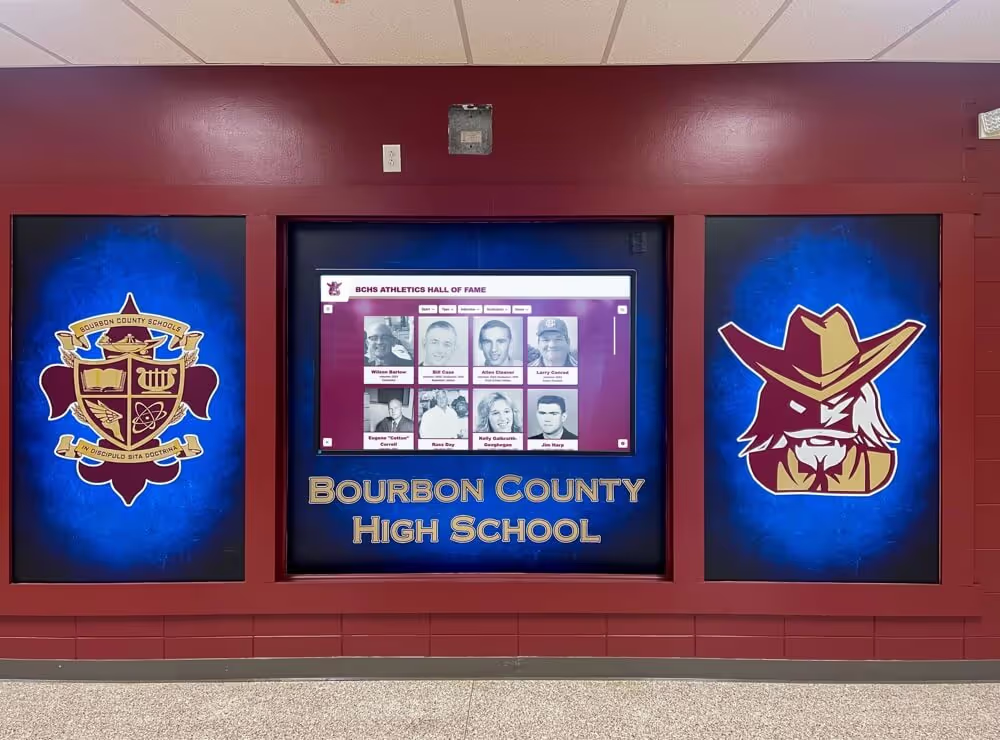
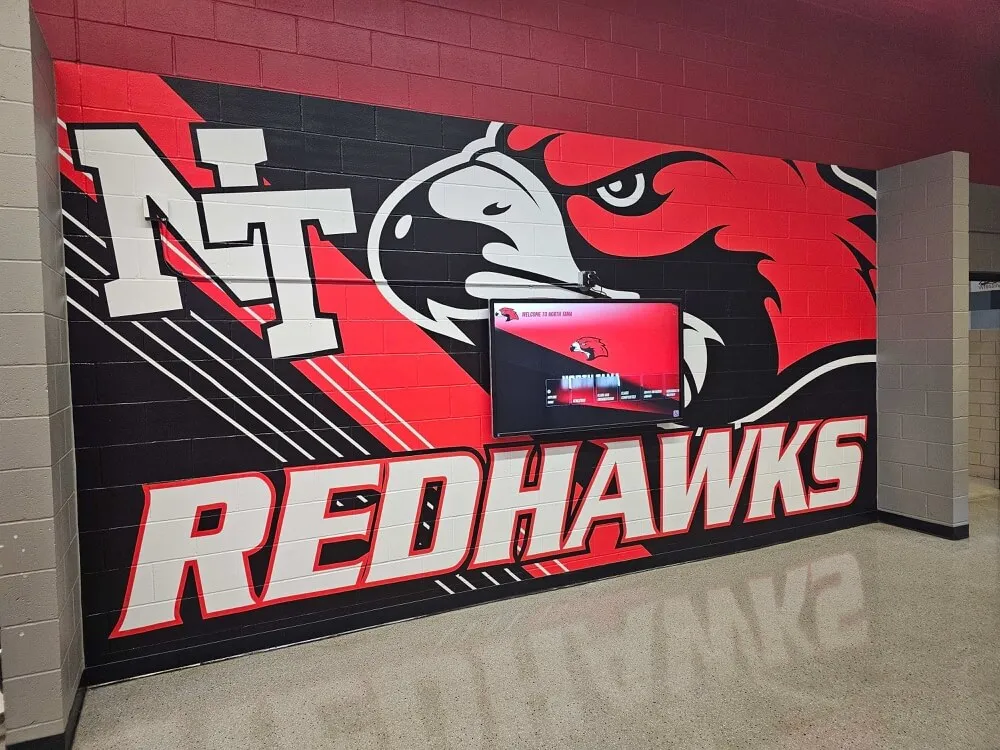
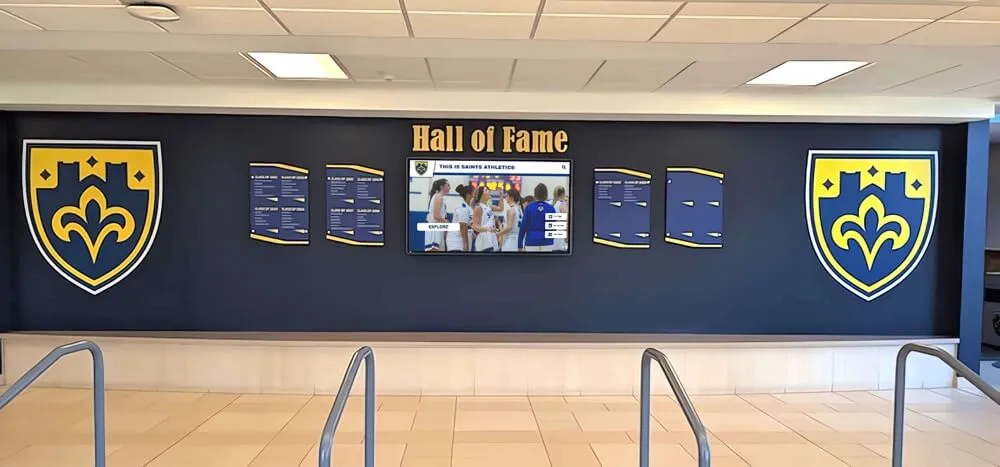
Graduate education prepares athletic directors to manage comprehensive programs documenting achievements while ensuring operational excellence
Salary Impact of Advanced Degrees
Master’s degrees typically increase compensation significantly:
- Many school districts include automatic salary increases of $5,000-$15,000 for graduate degrees
- Advanced credentials make candidates competitive for larger, higher-paying positions
- Demonstrates commitment to professional growth and continuous learning
- Required for advancement to college athletic administration or district-level positions
Coaches and teachers considering athletic director careers should pursue relevant graduate programs during evening/summer study while building experience.
Doctoral Degrees: Optional but Advantageous
PhD or EdD credentials remain uncommon for high school athletic directors but offer advantages:
- Required for most major college athletic director positions
- Positions candidates for superintendent or upper-level district administration
- Demonstrates highest level of professional commitment and expertise
- May provide competitive edge for prestigious high school positions
- Supports consulting, teaching, or research opportunities alongside administration
Professional Certifications and Licensure
Beyond degrees, specific credentials enhance athletic director candidacy and demonstrate specialized expertise.
Certified Athletic Administrator (CAA) Credential
The National Interscholastic Athletic Administrators Association (NIAAA) offers the profession’s premier certification:
CAA Requirements
- Completion of five leadership training courses (LTC) covering essential athletic administration topics
- Courses address leadership, program management, legal responsibilities, finance, and professional development
- Each course represents 14-18 hours of instruction plus assignments and assessments
- Three-year timeline typical for completing all requirements while working full-time
- Continuing education requirements maintaining certification currency
Benefits of CAA Certification
- Demonstrates professional competency beyond academic credentials alone
- Provides practical training in areas many graduate programs don’t thoroughly address
- Creates networking opportunities with peer athletic directors nationwide
- Often preferred or required in job postings for competitive positions
- Typically increases salary by 8-15% compared to non-certified peers
- Signals commitment to athletics as career rather than temporary assignment
The CAA represents the single most valuable professional credential for aspiring high school athletic directors beyond academic degrees.
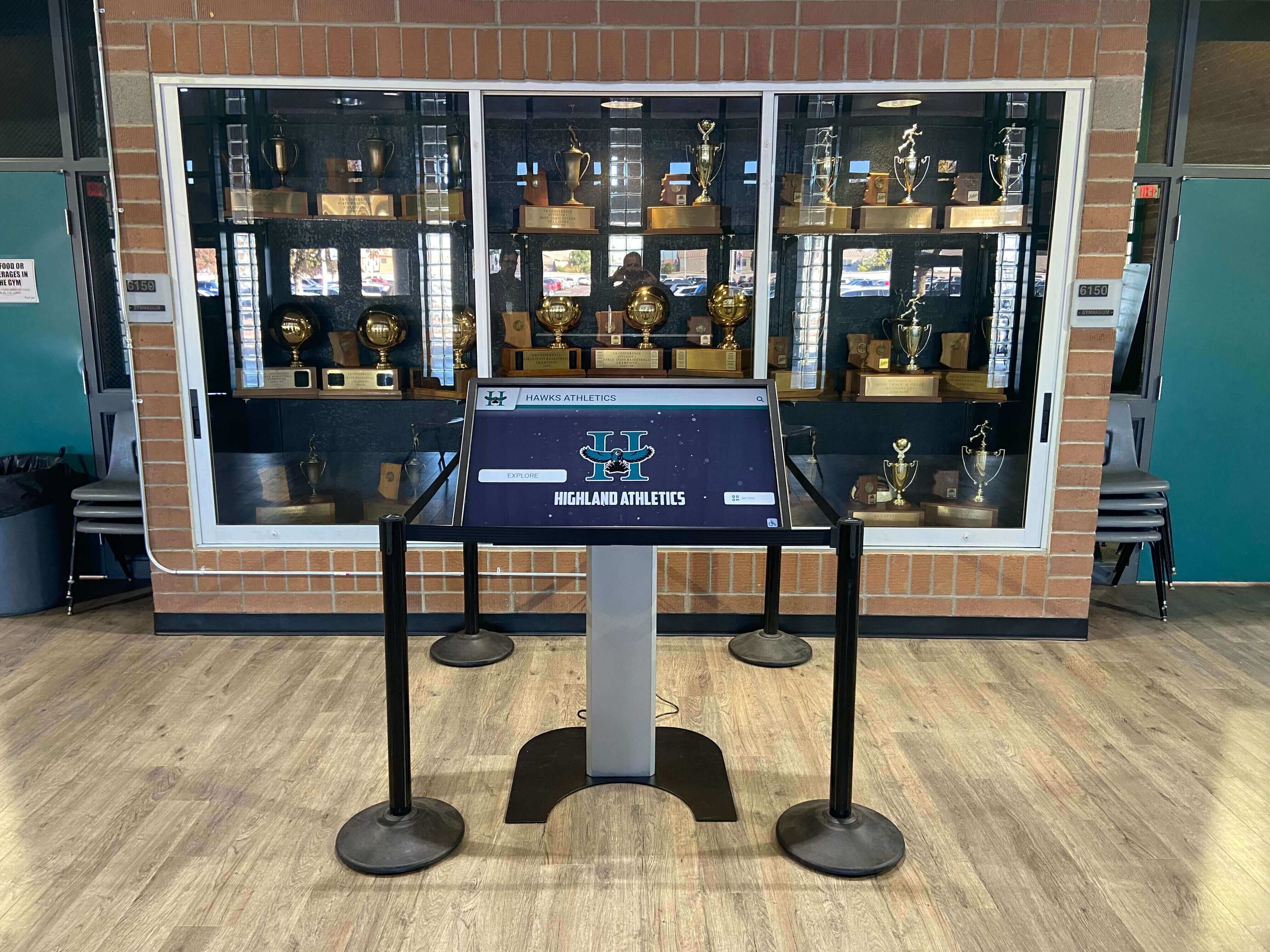
Professional development and certification prepare athletic directors to implement modern systems including digital recognition technology
Advanced NIAAA Certifications
The NIAAA offers additional credentials for experienced administrators:
- Registered Athletic Administrator (RAA) - Advanced certification requiring additional coursework and experience
- Master Athletic Administrator (MAA) - Highest NIAAA certification demonstrating extensive experience and leadership
- State-Specific Certifications - Many state associations offer additional credentials beyond national programs
State Athletic Director Licensure
Some states require specific athletic administration licenses beyond or instead of teaching credentials:
Licensure Requirements (State-Specific)
- Completion of state-approved training programs in athletic administration
- Specific coursework in education law, Title IX compliance, and safety protocols
- Background checks and fingerprinting for working with students
- Ongoing professional development hours maintaining license validity
- Renewal periods typically every 3-5 years with continuing education requirements
Aspiring athletic directors must research requirements in their target states, as variation across states ranges from no specific athletic credentials required to mandatory specialized licensure.
Additional Valuable Certifications
Beyond CAA and state licenses, other credentials enhance candidacy:
Coaching Certifications
- Certified Interscholastic Coach (CIC) from NFHS
- Sport-specific certifications demonstrating coaching expertise
- Coaching education programs required in many states
Safety and Medical Certifications
- CPR/AED and First Aid instructor certifications
- Concussion recognition and management training
- Emergency action plan development and implementation
- Athletic training or sports medicine coursework
Technology and Facility Certifications
- Athletic management software certifications (e.g., FinalForms, ArbiterSports)
- Facility management credentials
- Video and broadcasting technology training
- Digital recognition system implementation experience with platforms like Rocket Alumni Solutions
The more certifications candidates obtain, the more comprehensively they demonstrate readiness for athletic director responsibilities.
Gaining Relevant Experience for Athletic Director Positions
Academic credentials and certifications create eligibility, but relevant experience determines hiring success.
Coaching as Foundation for Athletic Administration
The overwhelming majority of high school athletic directors come from coaching backgrounds:
Building Coaching Credentials
Successful coaching creates athletic director candidacy:
- Head Coaching Experience - Demonstrates leadership, program management, and independent decision-making
- Multiple Sports Involvement - Shows versatility and understanding of diverse program needs
- Competitive Success - Winning records and championships establish credibility with stakeholders
- Program Development - Growing participation, improving culture, or building programs from scratch
- Budget Management - Experience coordinating team finances, fundraising, and resource allocation
Aspiring athletic directors should seek head coaching opportunities early in careers, even if starting with smaller programs, freshman teams, or less prominent sports. The leadership experience proves more valuable than coaching marquee sports as assistants.

Successful coaching careers provide the foundation and credibility that supports transitions to comprehensive athletic administration
Coaching Multiple Seasons
Year-round coaching involvement accelerates AD preparation:
- Understanding challenges across fall, winter, and spring sports
- Experience with scheduling complexities and facility coordination
- Building relationships with diverse coaching staffs and parent groups
- Demonstrating commitment beyond single-sport focus
- Avoiding perception as sport-specific advocate rather than broad program leader
Coaches who work across multiple sports—head coaching one while assisting in another season—develop more comprehensive athletic program perspective valuable in athletic director roles.
Developing Administrative Skills While Coaching
Forward-thinking coaches build AD credentials while leading teams:
- Volunteering for conference scheduling committees or state association roles
- Managing team budgets demonstrating fiscal responsibility
- Coordinating fundraising campaigns and donor relationships
- Implementing recognition programs for athlete achievements
- Organizing multi-team events, tournaments, or showcases
- Serving on hiring committees or coach mentorship programs
- Leading facility improvement projects or equipment purchasing decisions
These experiences demonstrate administrative capabilities beyond on-field coaching excellence.
Assistant Athletic Director Positions
Many athletic directors advance through assistant AD roles providing targeted preparation:
Assistant AD Responsibilities
These positions typically involve:
- Overseeing specific operational areas (scheduling, facilities, compliance, communications)
- Managing selected sports as direct supervisor
- Coordinating game management and event operations
- Serving as athletic director designee during absences
- Leading specific projects like facility renovations or technology implementation
- Handling eligibility verification and documentation
- Managing transportation logistics and official assignments
Assistant AD experience provides operational knowledge without full responsibility burden, creating ideal preparation for head athletic director positions.
Creating Assistant AD Opportunities
At schools without formal assistant AD positions, aspiring administrators can propose:
- Part-time administrative roles with stipends assisting current athletic directors
- Coordinator positions for specific areas (facilities, scheduling, compliance)
- Summer athletic camp management or facility operations oversight
- Internship arrangements through graduate programs placing students in athletic departments
Demonstrating willingness to assume administrative duties—even without formal titles—builds credentials supporting athletic director applications.
Teaching Experience: Benefits and Considerations
Many athletic directors maintain teaching backgrounds providing advantages:
Benefits of Teaching Background
- Understanding of educational mission and student development beyond athletics
- Experience navigating school cultures, faculty relationships, and institutional priorities
- Eligibility for combined teaching/AD roles common at smaller schools
- Credibility with faculty colleagues who might view “athletics-only” administrators skeptically
- Perspective on academic eligibility requirements from classroom side
- Alternative career option if athletic administration positions don’t materialize
Potential Teaching Limitations
- Time commitments to classroom responsibilities limiting administrative availability
- May delay full-time athletic director opportunities compared to administration-focused candidates
- Salary structures often lower for teaching ADs compared to full administrative positions
- Teaching expectations may conflict with athletic demands during peak seasons
Aspiring athletic directors should evaluate whether maintaining teaching credentials aligns with career goals or limits advancement potential.
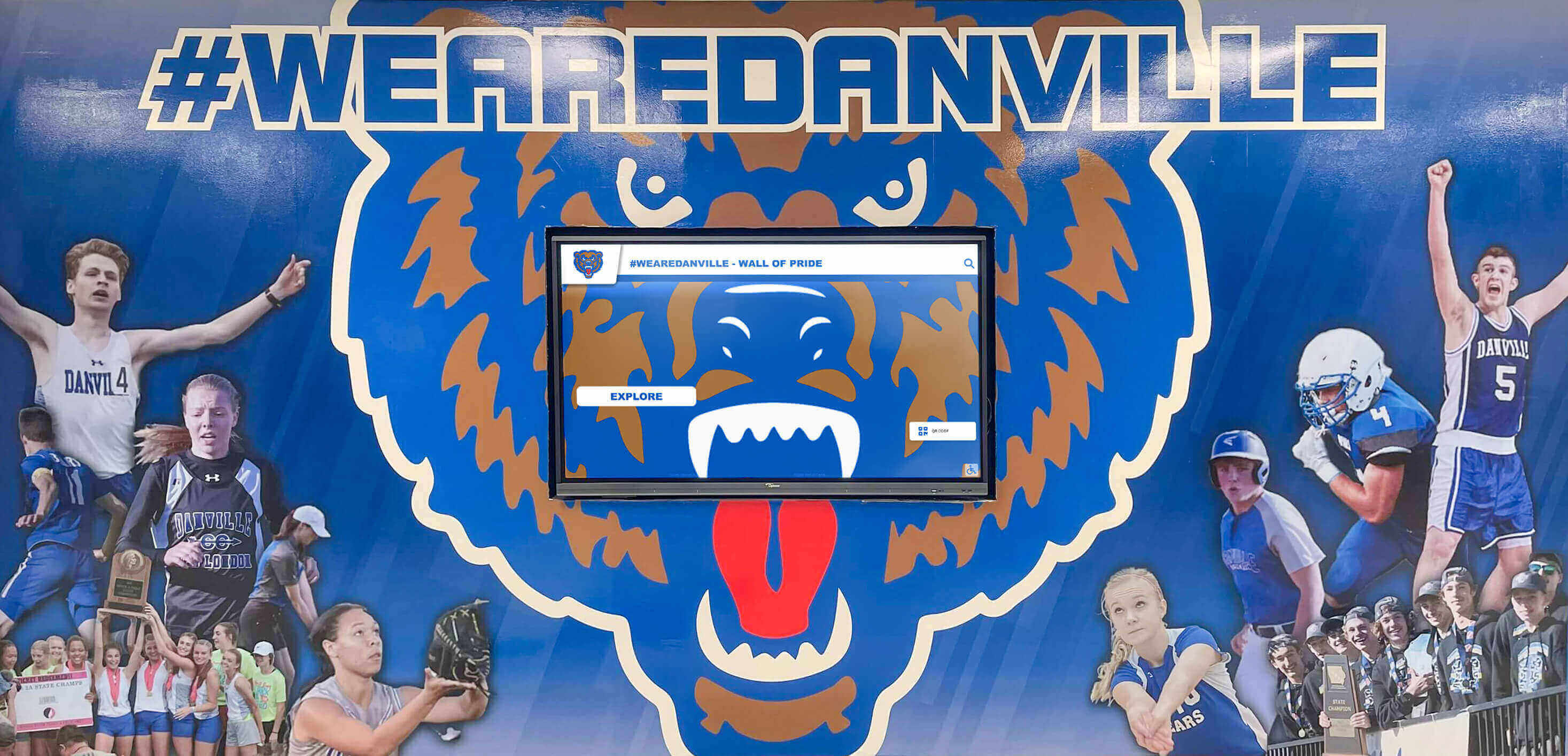
Many athletic directors bring teaching backgrounds providing educational perspective while managing athletic operations and recognition systems
Gaining Diverse Athletic Experience
Breadth of experience strengthens athletic director candidacy:
Experience Categories to Develop
Well-rounded candidates demonstrate:
- Multiple School Levels - Experience at different-sized schools or districts
- Varied Athletic Roles - Head coach, assistant coach, coordinator positions across sports
- Administrative Exposure - Committee work, conference leadership, state association involvement
- Different Sports - Involvement in individual and team sports, various seasons
- Gender Program Experience - Coaching both boys’ and girls’ teams when possible
- Competitive Levels - Understanding from recreational to elite competitive programs
- Technology Integration - Implementation of scheduling systems, video platforms, or digital recognition displays
Candidates with narrow experience—single sport, one school, limited administrative involvement—face skepticism about managing comprehensive programs serving all sports and stakeholders equitably.
The Job Search Process for Athletic Director Positions
Strategic job search approaches increase hiring success beyond simply monitoring postings.
Understanding the Hiring Timeline
Athletic director searches follow predictable seasonal patterns:
Typical Hiring Calendar
- February-March - Athletic directors announce retirements or departures; positions posted
- March-April - Application deadlines and initial screenings
- April-May - Interview processes with finalists
- May-June - Position offers and contract negotiations
- July-August - Transition period with outgoing AD if possible; new AD preparation
- August-September - New athletic director assumes full responsibilities
This timeline means serious job seekers should begin preparation in late fall/winter, ensuring credentials, references, and application materials are ready when positions post in spring.
Off-Cycle Opportunities
Some positions open mid-year due to:
- Unexpected retirements or resignations
- Athletic directors accepting other positions during academic year
- District reorganizations creating new positions
- Interim AD appointments converting to permanent searches
Candidates should monitor opportunities year-round while recognizing spring represents peak hiring season.
Where to Find Athletic Director Job Postings
Multiple sources require regular monitoring:
Primary Job Posting Locations
- State Athletic Association Websites - Most state high school associations maintain job boards
- SchoolSpring, K12JobSpot, NFHS Job Board - Specialized educational athletics employment sites
- District Websites - School district human resources pages post administrative openings
- NIAAA Job Board - National athletic administrator association employment listings
- State Education Department Sites - Consolidated postings of administrative positions
- Social Media and Email Lists - State athletic director associations often circulate openings
Setting up job alerts through these platforms ensures awareness of new postings immediately upon availability.
Networking for Unadvertised Opportunities
Many positions fill through professional networks before or during public posting:
- Attending state athletic director conferences and making connections
- Joining state athletic director associations as affiliate or assistant member
- Maintaining relationships with mentors who may know of upcoming vacancies
- Connecting with colleagues at nearby schools and districts
- Participating in NIAAA events and continuing education programs
- Engaging on professional social media groups and discussion boards
Networking often provides advance notice of pending openings or introductions to hiring administrators before application deadlines.
Professional networking at conferences and through organizations provides visibility and connections essential for athletic director job searches
Preparing Competitive Application Materials
Strong applications distinguish candidates before interviews:
Resume Development for Athletic Director Positions
Effective athletic administration resumes emphasize:
- Leadership Experience - Head coaching positions, coordinator roles, administrative assignments
- Measurable Accomplishments - Championships won, participation growth, budgets managed, facilities improved
- Diverse Responsibilities - Breadth across sports, seasons, and administrative functions
- Professional Development - Degrees, certifications (CAA), relevant coursework, conference attendance
- Technology Proficiency - Athletic management systems, scheduling platforms, digital recognition tools
- Compliance Experience - Title IX knowledge, eligibility management, safety protocols
- Budget and Financial Management - Revenue generation, fundraising success, fiscal responsibility
Resumes should be concise (2-3 pages maximum) with clear accomplishments rather than duty lists.
Cover Letters That Stand Out
Compelling cover letters demonstrate:
- Specific knowledge about the school, community, and athletic program
- Clear vision for program development aligned with school mission
- Examples of relevant accomplishments addressing anticipated challenges
- Understanding of district and community context
- Genuine enthusiasm for the specific opportunity rather than generic interest
- Professional tone balancing confidence with humility
Generic cover letters using template language get eliminated quickly; personalized letters demonstrating research and authentic interest advance candidacy.
Gathering Strong References
Reference selection significantly impacts hiring decisions:
Ideal References Include
- Current or former supervisors who can speak to leadership and administrative capabilities
- Experienced athletic directors who can evaluate readiness for the role
- School administrators (principals, superintendents) confirming professional competence
- Coaches or colleagues describing collaboration and program building abilities
- Community leaders validating relationship-building and communication skills
References should be contacted before listing, briefed on positions being pursued, and provided information highlighting relevant accomplishments they can discuss.
Weak references—coaching colleagues without administrative perspective, outdated contacts from years ago, or people unfamiliar with current work—undermine otherwise strong candidates.
Application and Interview Strategies for Athletic Director Positions
Securing interviews requires strong applications; converting interviews to offers demands thorough preparation.
Standing Out in Initial Application Review
Hiring committees often receive 30-100+ applications for competitive athletic director positions:
Initial Screening Factors
Applications advance based on:
- Meeting all minimum qualifications (degrees, certifications, experience)
- Demonstrating relevant athletic director or administrative experience
- Strong recommendations from credible references
- Clear connection to the community or program (alumni, local coaching, regional network)
- Accomplishments demonstrating program impact rather than just participation
- Professional presentation without errors, gaps, or concerning elements
Common Disqualification Factors
- Missing required credentials or not meeting minimum experience requirements
- Generic applications showing no school-specific research or customization
- Unprofessional resume formatting or obvious errors
- Questionable employment gaps without explanation
- References who don’t enthusiastically endorse candidacy
- Social media presence revealing concerning judgment or behavior
Candidates should audit online presence, ensure all materials are polished, and verify references will provide strong support before submitting applications.
Preparing for Athletic Director Interviews
Interviews typically involve multiple rounds with various stakeholder groups:
Common Interview Formats
Candidates should prepare for:
- Screening Interviews - Phone or video conversations with HR or athletic director search committees (30-45 minutes)
- First-Round Interviews - In-person meetings with search committees, principals, or athletic staff (60-90 minutes)
- Second-Round/Final Interviews - Superintendent panels, school board presentations, or community forums (1-3 hours)
- Building Tours - Facility visits assessing knowledge and asking operational questions
- Coach Meetings - Group sessions or social events with coaching staffs evaluating fit
Successful interview candidates demonstrate understanding of facility management, program operations, and modern recognition systems
Essential Interview Topics to Prepare
Comprehensive preparation covers:
Program Vision and Philosophy
- Overall philosophy for athletic program purpose and priorities
- Approach to balancing competitive excellence with broad participation
- Perspective on academic expectations for student-athletes
- Views on sportsmanship, character development, and life skills through athletics
- Plans for program evaluation and continuous improvement
Operational Management
- Scheduling approach ensuring equitable opportunities and managing conflicts
- Budget development process and allocation philosophy across sports
- Facility maintenance priorities and capital improvement planning
- Emergency preparedness and risk management protocols
- Technology integration for efficiency and stakeholder communication
Personnel and Relationships
- Coaching staff evaluation criteria and professional development approach
- Parent communication strategies and conflict resolution methods
- Booster club relationship management and volunteer coordination
- Building strong relationships with administration, faculty, and school board
- Media relations and public communication philosophy
Compliance and Legal Knowledge
- Title IX compliance approach ensuring equitable opportunities
- Eligibility management systems and academic monitoring
- State association rules understanding and violation prevention
- Safety protocols including concussion management and emergency response
- Student-athlete welfare prioritization and advocacy
Program Development
- Revenue generation strategies including sponsorships and fundraising
- Recognition program development celebrating achievements across all sports through modern display systems
- Facility enhancement vision and capital campaign experience
- Program expansion considerations and emerging sport evaluation
- Community engagement strategies building support and involvement
Demonstrating Cultural Fit and Leadership Capacity
Beyond answering questions correctly, successful candidates demonstrate intangibles:
Qualities Hiring Committees Seek
- Authentic Leadership - Natural presence and confidence without arrogance
- Communication Skills - Clear articulation of complex ideas to diverse audiences
- Problem-Solving Ability - Thoughtful approaches to challenges rather than simplistic answers
- Emotional Intelligence - Understanding stakeholder perspectives and relationship dynamics
- Vision and Innovation - Forward-thinking ideas while respecting tradition
- Ethical Foundation - Clear values and decision-making framework
- Passion for Students - Genuine commitment to student-athlete development beyond wins
Committees can teach operational knowledge but seek candidates with inherent leadership qualities and cultural alignment with institutional values.
Red Flags That Eliminate Candidates
- Speaking negatively about current or previous employers, colleagues, or situations
- Inability to provide specific examples of accomplishments or problem-solving
- Overemphasis on personal athletic achievements rather than program leadership
- Rigid ideology or unwillingness to adapt to school culture
- Poor listening skills or dominating conversations without reading room
- Unclear answers to basic compliance or operational questions
- Arrogance or treating support staff disrespectfully during campus visits
Professionalism throughout entire interview process—from initial contact through thank-you notes—influences final decisions.
Following Up After Interviews
Post-interview actions complete candidacy presentation:
Effective Follow-Up Practices
- Thank-you emails within 24 hours to each interviewer or committee
- Mailed thank-you cards reinforcing interest and key qualifications
- Additional materials if helpful (vision documents, facility plans, references)
- Professional responsiveness to any follow-up questions or requests
- Patience during decision timelines without excessive contact
- Gracious response whether receiving offers or rejections
Strong candidates remain engaged and enthusiastic while respecting hiring processes and timelines.
Understanding Athletic Director Compensation and Contracts
Salary negotiations and contract terms significantly impact long-term career satisfaction:
High School Athletic Director Salary Ranges
Compensation varies dramatically based on multiple factors:
Salary Ranges by School Size
- Small High Schools (under 500 students) - $45,000-$70,000 for full-time positions; $5,000-$25,000 stipends for part-time/teaching ADs
- Medium High Schools (500-1,500 students) - $60,000-$95,000 full-time; $10,000-$35,000 stipends
- Large High Schools (1,500+ students) - $80,000-$130,000+ for full-time positions
Geographic Salary Variations
- High-cost regions (Northeast corridor, California, major metros) offer 25-40% above national averages
- Regional variations reflect cost of living and property tax bases supporting schools
- Competitive districts bidding for experienced administrators drive local salary increases
Explore comprehensive athletic director salary information understanding compensation factors and negotiation strategies.
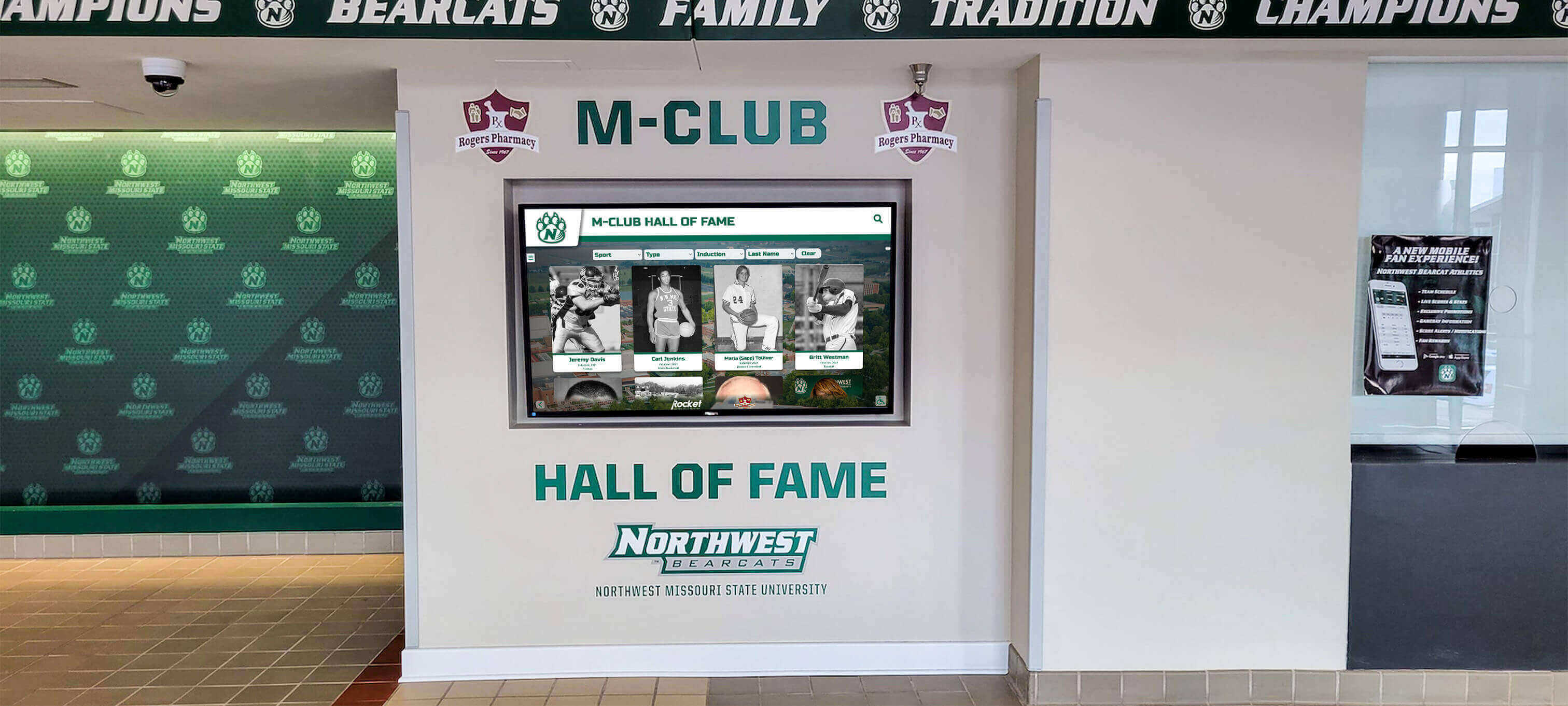
Athletic directors advancing to larger schools or college programs increase compensation while expanding program scope and recognition systems
Negotiating Beyond Base Salary
Total compensation includes elements beyond annual salary:
Benefits and Perks to Evaluate
- Health insurance quality and cost-sharing arrangements
- Retirement plan contributions (pension systems, 403b matches)
- Professional development funding for conferences and continuing education
- Technology provisions (phone, computer, vehicle allowances)
- Contract length and renewal terms
- Summer employment extending 10-month to 12-month contracts
- Performance bonuses for program achievements or fundraising success
Items Potentially Negotiable
- Additional vacation days or administrative leave
- Start date allowing proper transition from current position
- Moving expense reimbursement for relocations
- Professional organization memberships (NIAAA, state associations)
- Graduate tuition assistance for continuing education
- Office space, staffing support, or budget allocations
First-time athletic directors often accept initial offers without negotiation; experienced administrators recognize total package value extends beyond base salary.
Contract Terms and Protections
Understanding contract language prevents future complications:
Key Contract Elements
- Employment term length (typically 1-3 year initial contracts)
- Salary amount and any guaranteed increases
- Benefits eligibility and coverage details
- Professional development allowances and requirements
- Evaluation processes and performance expectations
- Termination clauses and notice requirements
- Non-compete or restrictive covenants (uncommon in education)
Reviewing contracts with attorney consultation—particularly for first administrative positions—protects interests and prevents misunderstandings.
Career Advancement for Athletic Directors
Understanding progression paths helps aspiring ADs establish long-term career strategies:
Advancement Within High School Athletics
Athletic directors advance through several pathways:
Moving to Larger Schools
- Starting at smaller schools building track records
- Advancing to medium programs with expanded responsibilities
- Eventually reaching large flagship schools with premier programs
- Each move typically increases compensation 15-30%
- Geographic mobility often necessary for advancement
District-Level Athletic Administration
- Large districts employ athletic coordinators overseeing multiple schools
- District athletic directors manage departmental budgets, policy development, and cross-school initiatives
- Positions offer increased compensation with reduced operational intensity
- Requires broad perspective beyond single-school program management
Transition to College Athletic Administration
High school athletic directors successfully transition to collegiate athletics:
Pathway to College AD Positions
- Master’s or doctoral degrees increasingly required
- Starting at Division III or small college programs
- Building competitive success and administrative expertise
- Advancing to Division II or larger college opportunities
- Compensation increases substantially ($65,000-$150,000+ at small colleges; $150,000-$350,000+ at mid-major programs)
Assistant AD Roles at Universities
- Specialized positions in compliance, facilities, development, or sport administration
- Salaries ranging from $55,000-$250,000 depending on institution and responsibility
- Provides major program experience supporting eventual head AD candidacy
Alternative Career Paths
Athletic administration skills transfer to various sectors:
Education Leadership Beyond Athletics
- Principal, assistant superintendent, or superintendent positions
- Student activities directors overseeing broader extracurricular programs
- Educational consulting specializing in athletics and activities
Sports Business and Professional Athletics
- Professional team operations or minor league management
- Conference or league administration
- Sports marketing and event management companies
- Athletic apparel and equipment industry positions
Specialized Consulting and Services
- Athletic consulting firms advising schools on program development
- Technology companies serving athletic markets
- Facility design and construction advisory
- Speaking and training businesses supporting athletic administrators
The project management, budgeting, compliance, personnel, and leadership skills athletic directors develop prove valuable across many professional sectors.
Modern Responsibilities: Technology and Innovation in Athletic Administration
Contemporary athletic directors manage responsibilities that didn’t exist a generation ago:
Technology Integration and Management
Modern programs require substantial technical competency:
Athletic Management Platforms
- Comprehensive systems managing eligibility, registration, physicals, and communication
- Popular platforms include FinalForms, Register My Athlete, ArbiterSports, GoFan
- Integration with district student information systems
- Mobile apps connecting athletes, parents, and coaches
Digital Recognition and Display Systems
Progressive athletic directors implement modern recognition technology:
- Interactive touchscreen displays celebrating athletic achievements
- Digital hall of fame systems replacing static plaques with dynamic content
- Cloud-based content management enabling remote updates
- Integration with athletic websites and social media
- Solutions like Rocket Alumni Solutions providing comprehensive recognition platforms
Broadcasting and Media Technology
- Live streaming services (NFHS Network, Hudl) generating revenue and engagement
- Video analysis platforms for coaching and recruiting
- Social media management across multiple platforms
- Website content management and digital communication
Athletic directors comfortable with technology implementation increase value and program capabilities substantially.
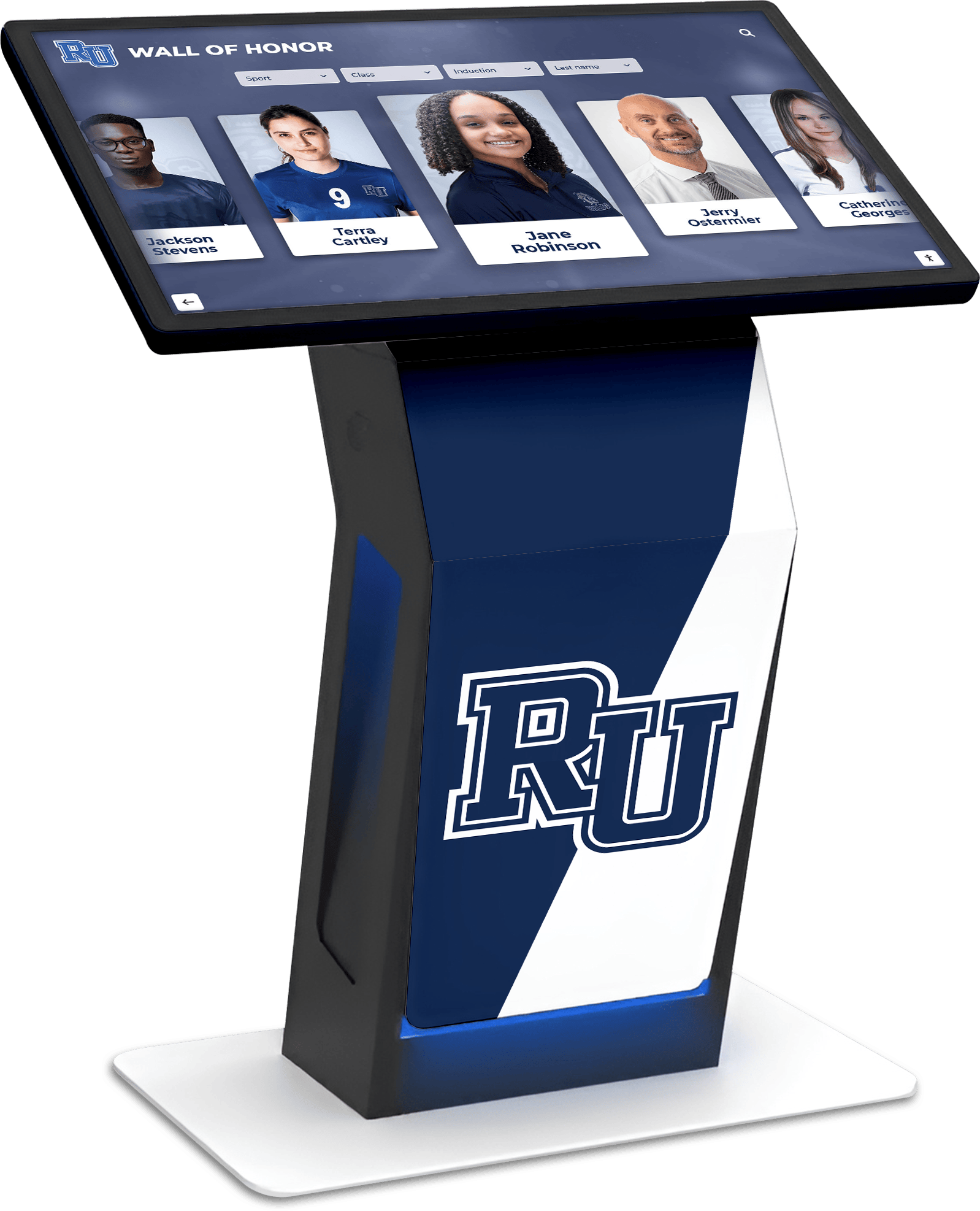
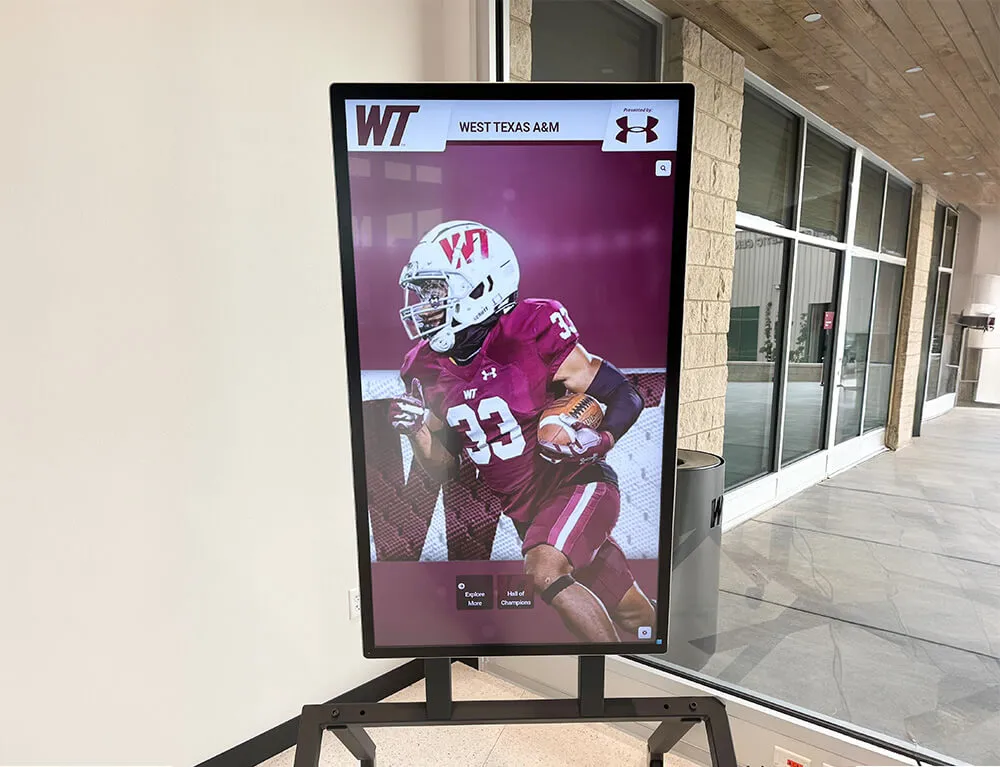
Modern athletic directors implement comprehensive technology systems including digital recognition displays that celebrate achievements while engaging communities
Data-Driven Decision Making
Evidence-based administration increasingly expected:
Analytics and Assessment
- Participation trend analysis across sports and demographics
- Budget efficiency metrics and cost-per-athlete calculations
- Academic performance tracking for student-athletes
- Facility utilization data supporting expansion requests
- Equity audits ensuring Title IX compliance
- Safety incident tracking and risk pattern identification
Athletic directors leveraging data effectively justify budget requests, identify program improvement opportunities, and demonstrate accountability to stakeholders.
Sustainability and Facility Innovation
Progressive athletic directors address emerging priorities:
Sustainability Initiatives
- Energy-efficient facility upgrades reducing operating costs
- Water conservation in field maintenance and facilities
- Recycling and waste reduction programs at events
- Transportation efficiency through scheduling optimization
- Sustainable facility design in renovation projects
Facility Modernization
- Implementing universal design principles ensuring accessibility
- Creating multi-use spaces maximizing facility utilization
- Upgrading recognition systems from static displays to dynamic digital platforms
- Enhancing spectator amenities improving event experiences
- Planning capital improvements aligned with community needs
Forward-thinking athletic directors balance tradition with innovation, preserving program heritage while embracing improvements serving current and future student-athletes.
Building Your Athletic Director Career: Action Steps
For aspiring athletic directors ready to pursue these leadership positions, strategic planning accelerates progress:
Short-Term Actions (Next 6-12 Months)
Immediate Career Development Steps
- Assess Current Credentials - Inventory degrees, certifications, experience against typical AD requirements
- Identify Gaps - Determine what additional qualifications strengthen candidacy
- Enroll in CAA Coursework - Begin NIAAA Leadership Training Courses toward Certified Athletic Administrator credential
- Expand Coaching Breadth - Volunteer to assist with additional sports gaining multi-sport experience
- Seek Administrative Opportunities - Offer to assist current athletic director with projects, committees, or operational areas
- Join Professional Organizations - Become affiliate member of state athletic director association
- Attend Conferences - Participate in state athletic director conferences networking and learning
Mid-Term Actions (1-3 Years)
Strategic Career Positioning
- Complete CAA Certification - Finish all LTC requirements earning Certified Athletic Administrator credential
- Pursue or Complete Graduate Degree - Enroll in relevant master’s program if not already completed
- Gain Head Coaching Experience - Secure head coaching position demonstrating independent program leadership
- Build Administrative Portfolio - Document accomplishments: budgets managed, facilities improved, programs developed
- Develop Specialization - Become expert in specific area (Title IX, facilities, technology, fundraising)
- Create Professional Network - Build relationships with athletic directors regionally and statewide
- Refine Application Materials - Develop strong resume, gather references, prepare portfolio
Long-Term Career Development
Sustained Professional Growth
- Target Initial Opportunities - Apply for smaller school AD positions or assistant AD roles
- Build Track Record - Demonstrate success in initial positions through measurable improvements
- Continue Professional Development - Pursue advanced certifications, attend national conferences, present at state meetings
- Expand Network - Maintain relationships with colleagues, mentors, and professional contacts
- Plan Advancement Moves - Strategically pursue progressively larger or more desirable positions
- Give Back to Profession - Mentor aspiring administrators, serve on state committees, share expertise
Athletic director careers develop over decades; patience combined with strategic action creates long-term success.
Essential Qualities for Athletic Director Success
Beyond credentials and experience, successful athletic directors demonstrate:
Leadership Attributes
- Decisiveness - Making timely decisions with incomplete information
- Integrity - Consistent ethical behavior even under pressure
- Communication - Clearly articulating vision to diverse stakeholders
- Empathy - Understanding perspectives of athletes, coaches, parents, staff
- Resilience - Persisting through challenges and setbacks
- Vision - Seeing program potential beyond current state
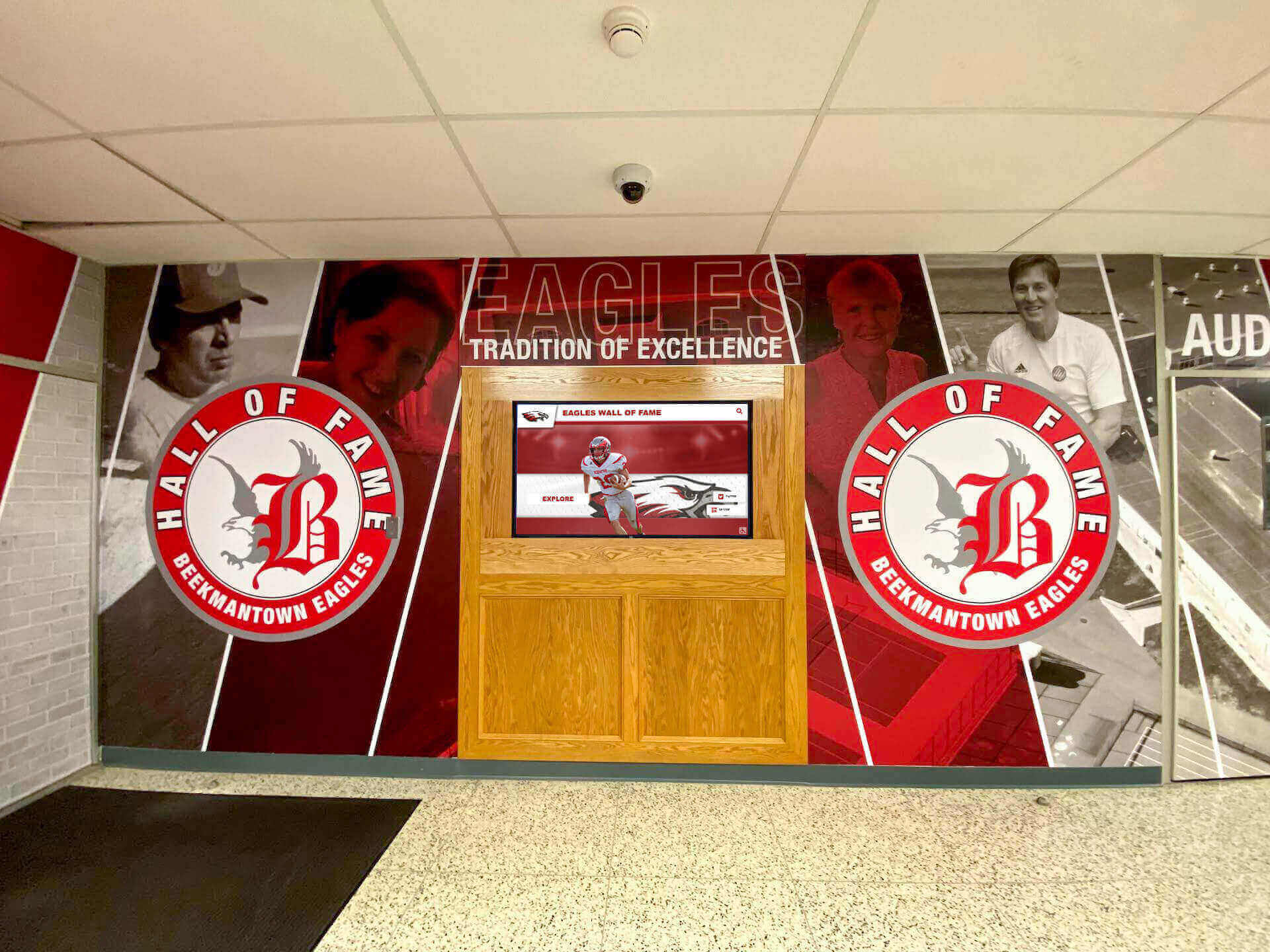
Successful athletic directors demonstrate leadership creating comprehensive recognition programs honoring program heritage while building future excellence
Operational Competencies
- Organization - Managing multiple complex responsibilities simultaneously
- Financial Acumen - Understanding budgets, revenue generation, resource allocation
- Problem-Solving - Creative approaches to constraints and challenges
- Relationship Building - Developing trust with diverse constituencies
- Adaptability - Adjusting to changing circumstances and requirements
Self-assessment against these qualities helps aspiring athletic directors identify development areas while confirming alignment with role demands.
Conclusion: Building Your Path to Athletic Director Leadership
High school athletic director positions offer unique opportunities to impact entire school communities while building comprehensive programs serving hundreds of student-athletes across multiple sports and seasons. Yet securing these competitive positions requires more than simply loving sports or enjoying coaching—success demands strategic credential building through relevant degrees and certifications, gaining diverse experience demonstrating administrative readiness, understanding the job search process, and effectively communicating qualifications to hiring committees.
For aspiring athletic directors, the pathway from coaching or teaching to athletic administration requires patience and planning. Starting with strong coaching credentials or teaching experience, pursuing CAA certification while building administrative exposure, completing relevant graduate degrees, and strategically targeting initial opportunities creates foundation for long-term athletic leadership careers.
The most effective athletic directors don’t just schedule games and supervise coaches—they build comprehensive programs celebrating excellence across all sports, ensuring equitable opportunities for all student-athletes, managing complex budgets and facilities, and creating the recognition systems that preserve athletic heritage while inspiring current and future participants. Modern athletic leadership increasingly requires technology integration, data-driven decision making, and innovative approaches to traditional challenges—skills that forward-thinking administrators develop throughout their careers.
Whether you’re a coach beginning to explore athletic administration, an educator pursuing sports management graduate studies, or an assistant athletic director preparing for advancement, understanding the requirements, expectations, and pathways for high school athletic director jobs enables strategic career planning that positions you competitively when opportunities arise. The investment in appropriate credentials, diverse experience, professional networking, and continuous learning pays dividends throughout athletic administration careers serving students and communities for decades.
Athletic director positions represent more than jobs—they offer opportunities to shape school cultures, develop student-athletes beyond competitive performance, build programs serving entire communities, and create lasting institutional value through facilities, traditions, and recognition systems celebrating excellence for generations. Schools investing in experienced, qualified athletic directors receive returns far exceeding compensation through program excellence, risk mitigation, revenue generation, and the community connections that strengthen institutions. For aspiring athletic directors committed to student-athlete development and comprehensive program leadership, the pathway requires dedication—but the opportunity to impact hundreds of students annually while building premier athletic programs makes the journey remarkably rewarding.