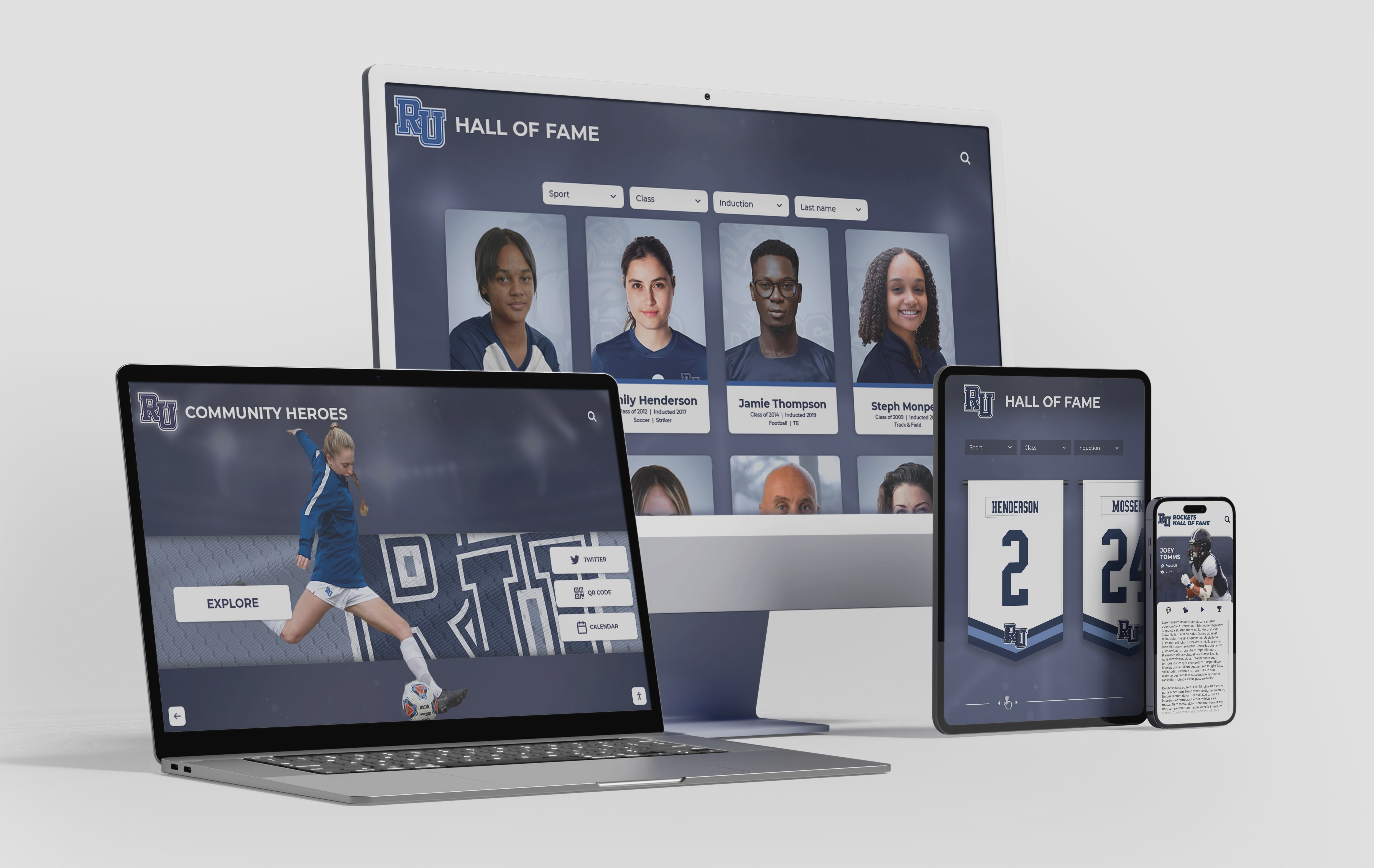




A hall of fame website sitemap audit is the structured process of verifying that every inductee profile, category page, and recognition record on your school’s digital hall of fame appears in search engines, loads correctly, and resolves to a single canonical URL. When inductee profiles are omitted from the sitemap, hidden behind redirect chains, or indexed under duplicate URLs, decades of athletic, academic, and community achievement become invisible to alumni searching by name, sport, or graduation year.
This guide walks athletic directors, IT coordinators, and school administrators through a complete sitemap audit—from generating your first sitemap XML file to resolving the seven most common issues that cause inductee profiles to disappear from search results and touchscreen discovery queues. The workflow applies whether your hall of fame runs on a purpose-built recognition platform or a general-purpose CMS adapted for recognition content.

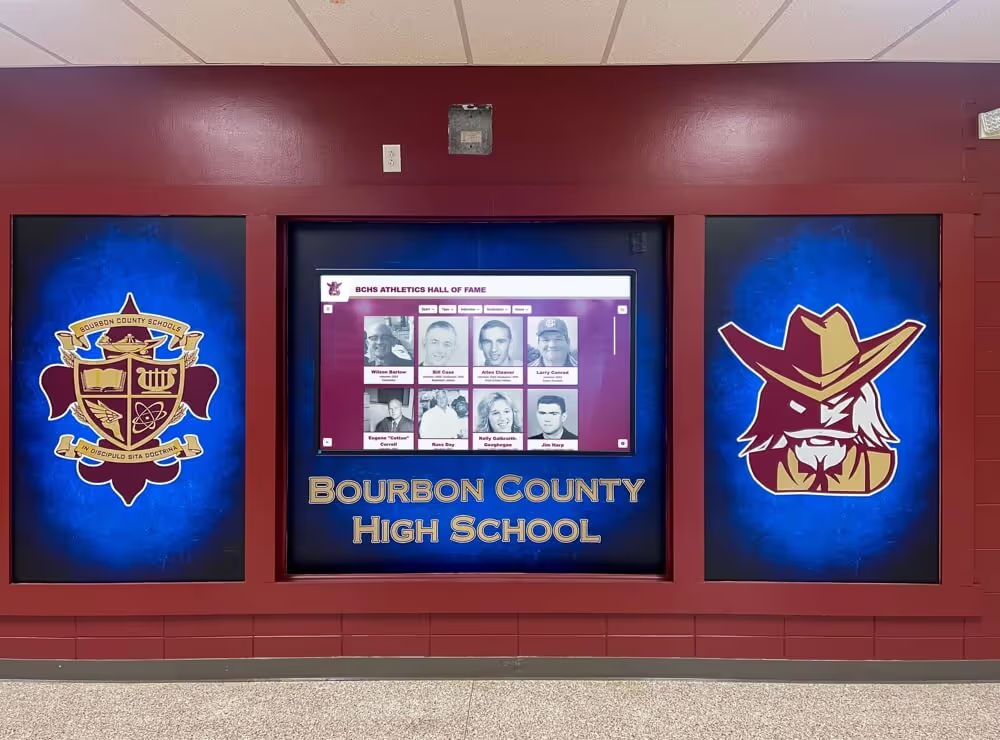
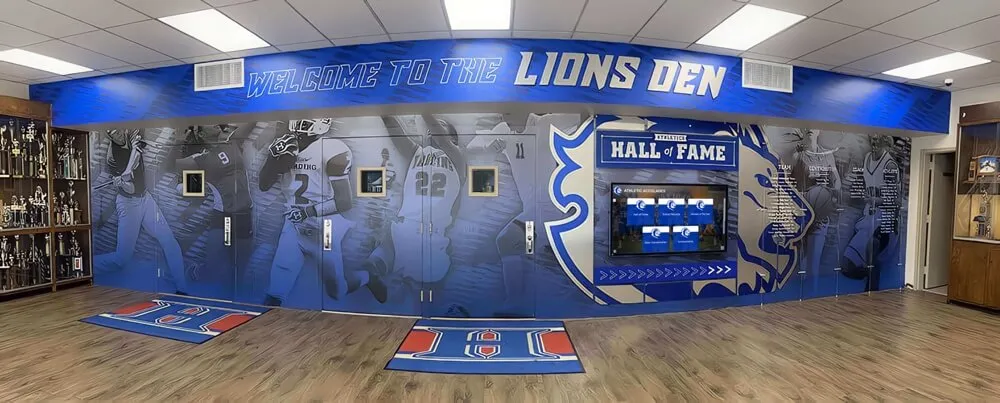
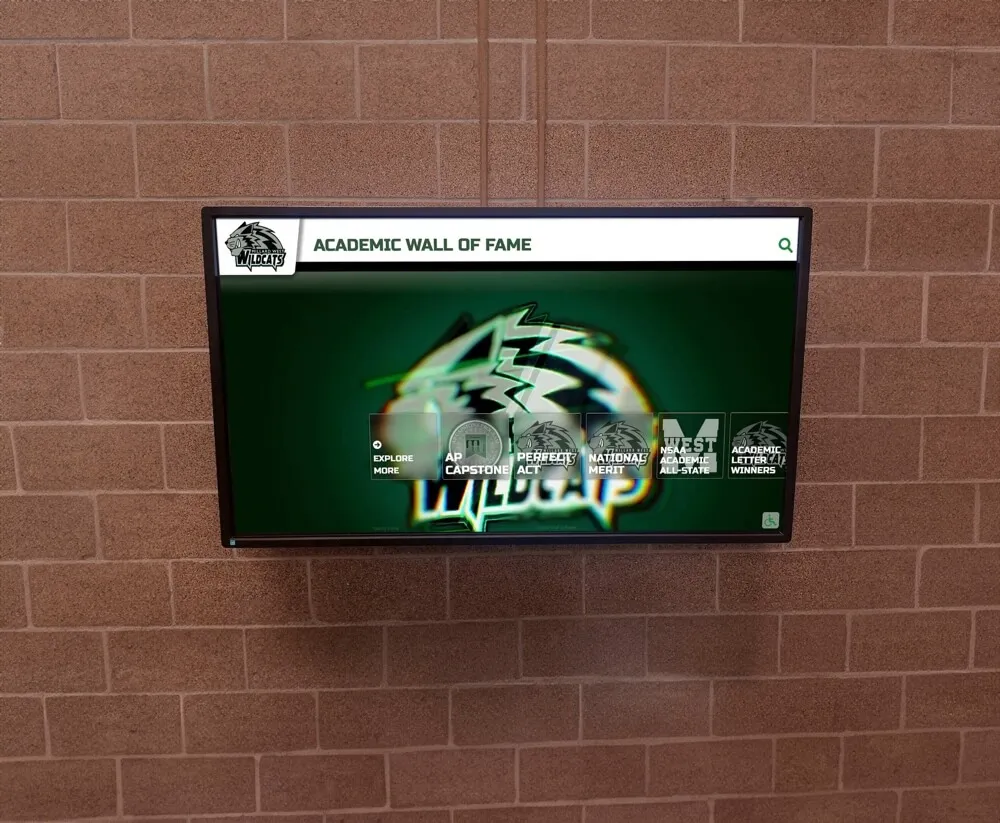
A well-audited hall of fame website ensures every inductee profile is reachable from any device or search query
Audit Snapshot
Use this snapshot to scope the audit for your institution before assigning resources.
| Dimension | Details |
|---|---|
| Primary audience | IT coordinators, athletic directors, facilities managers, web administrators |
| Recognition content at risk | Inductee profiles, championship records, team history pages, award category indexes |
| Common triggers | Platform migration, CMS upgrade, annual induction class added, redirect accumulation over time |
| Recommended audit cadence | Full audit after each major site change; lightweight check each induction cycle |
| Core outcome | 100% of inducted profiles crawlable, indexed, and resolving to a single canonical URL |
A digital hall of fame carries more historical weight than a typical school web page. Unlike a news post that ages out of relevance, an inductee profile from 1987 matters as much to a searching family today as a profile added last week.
Why Sitemap Health Determines Recognition Discoverability
Search engines rely on XML sitemaps to discover and prioritize pages for crawling. A hall of fame website can contain hundreds or thousands of individual inductee profiles—one per athlete, scholar, or community honoree—and each profile is a unique URL that needs explicit sitemap inclusion to receive reliable crawl coverage.
When a profile is missing from the sitemap, search engines may still discover it eventually through internal links, but indexation can lag by weeks or months. During that window, alumni, prospective students, and community members searching for a specific honoree by name may land on an empty results page rather than the recognition profile they sought.
For schools that also display recognition content on in-building touchscreen hall of fame installations, the website sitemap is the authoritative source of record. A profile that never appears in search is also a profile that may fail to surface in the on-screen search interface.
Pre-Audit Inventory: Four Steps Before You Touch the Sitemap
Complete these four steps before evaluating individual sitemap issues. They establish a baseline so changes can be measured accurately.
Step 1 — Generate or locate the current sitemap.
Most CMS platforms generate a sitemap at /sitemap.xml or /sitemap_index.xml. Confirm the URL resolves and is referenced in your robots.txt file.
Step 2 — Count total URLs in the sitemap.
Download the XML and count <url> entries. Compare this number against the total inductee count in your CMS. A significant shortfall indicates omitted profiles.
Step 3 — Identify URL patterns for inductee profiles.
Most hall of fame platforms use a predictable slug structure such as /inductees/first-last/ or /hall-of-fame/sport/athlete-name/. Document these patterns before auditing so omissions are straightforward to spot.
Step 4 — Confirm sitemap submission to Search Console. Log into Google Search Console, navigate to Sitemaps, and verify your sitemap URL has been submitted and shows a recent crawl date with no errors flagged.
The Seven Most Common Sitemap Issues—and How to Resolve Each
The table below covers the issues most frequently encountered during hall of fame website sitemap audits. Each row describes the issue, explains the impact on recognition discoverability, and gives a concrete resolution path.
| Issue | Symptom | Root Cause | Resolution |
|---|---|---|---|
| Profile URL omitted from sitemap | Profile is live but not indexed; name search returns no result | CMS sitemap plugin excludes post type; profile added manually without triggering sitemap regeneration | Add the inductee post type to sitemap inclusion rules; regenerate and resubmit |
| Redirect chain to profile URL | Profile eventually loads but crawl budget is consumed; older links return 301 then 301 | Multiple slug changes across platform migrations | Audit with a redirect checker; consolidate to a single 301 pointing to the final canonical URL; update all internal links to point directly |
| Duplicate profile URLs (www vs. non-www; HTTP vs. HTTPS) | Same profile appears at two or four URL variants | Missing canonical setup after HTTPS migration | Enforce HTTPS sitewide; add <link rel="canonical"> to profile templates; ensure sitemap lists only HTTPS non-www (or www, whichever is chosen as canonical) |
| Non-canonical URL indexed | /inductees/john-smith/ and /inductees/john-smith/?category=football both indexed | Category filter parameters not excluded from indexation | Add canonical tag pointing to the base profile URL on all parameterized variants; add filter parameters to robots.txt or <meta name="robots" content="noindex"> on filtered views |
| Profile returns 404 | Inductee profile linked from induction page but page is deleted or slug changed | Manual slug edit, CMS migration, or accidental deletion | Restore original URL or add 301 redirect from old slug to current profile; verify fix in Search Console Coverage report |
| Profile excluded by robots.txt | Profile crawlable but blocked from indexation | Disallow: /inductees/ rule left from development environment | Review robots.txt; remove or narrow disallow rules that block recognition content; re-request indexation in Search Console |
| Sitemap lists noindex pages | Sitemap submitted to Search Console generates Coverage warnings | Profile page has noindex meta tag (often a staging-environment leftover) | Audit all sitemap URLs for noindex meta tags; remove noindex from live production profiles; regenerate and resubmit sitemap |
Additional Issues for Large Catalogs
Schools with more than 500 inductee profiles should also audit for:
- Sitemap file size limits — XML sitemaps support up to 50,000 URLs and 50 MB. Break large sitemaps into sub-sitemaps and list them in a sitemap index file.
- Lastmod accuracy — If the CMS updates
<lastmod>on every bulk export rather than on actual page edits, search engines may deprioritize crawls. Use genuine last-modified timestamps. - Missing hreflang tags — If the school produces bilingual recognition content, hreflang annotations ensure the correct language version appears in each user’s search results.
Content Architecture: How the CMS Maps to Sitemap Health
Every inductee profile in a well-structured hall of fame platform maps to a set of content nodes: the profile page itself, the sport or category index, the year-of-induction archive, and any connected championship or team-record pages. Each node is a URL that requires sitemap coverage.
A platform built specifically for recognition—like Rocket Alumni Solutions—generates canonical profile URLs automatically for every inductee entered into the cloud CMS, and includes those URLs in the platform sitemap without manual intervention. Sport index pages, year archives, and award category pages are also generated and included by default. Request a custom demo to see how the CMS handles sitemap publishing automatically across all recognition categories.
This architecture matters for audit purposes because:
- Profile URL = one sitemap entry — no manual step required after adding an inductee.
- Category and archive pages inherit canonical structure — filtered views are excluded automatically, avoiding the non-canonical indexation issue described in the resolution table.
- Cloud CMS updates propagate to the sitemap immediately — a profile added at 9:00 AM is in the sitemap by 9:01 AM, ready for the next crawl cycle.
For schools still managing recognition on a general-purpose CMS or static page builder, these safeguards must be implemented manually, which is why sitemap audits are particularly urgent after migrations or induction class additions.
Digital record board and campus engagement approaches depend on the same underlying content architecture—profiles and records published consistently through a structured CMS map directly to reliable discoverability.

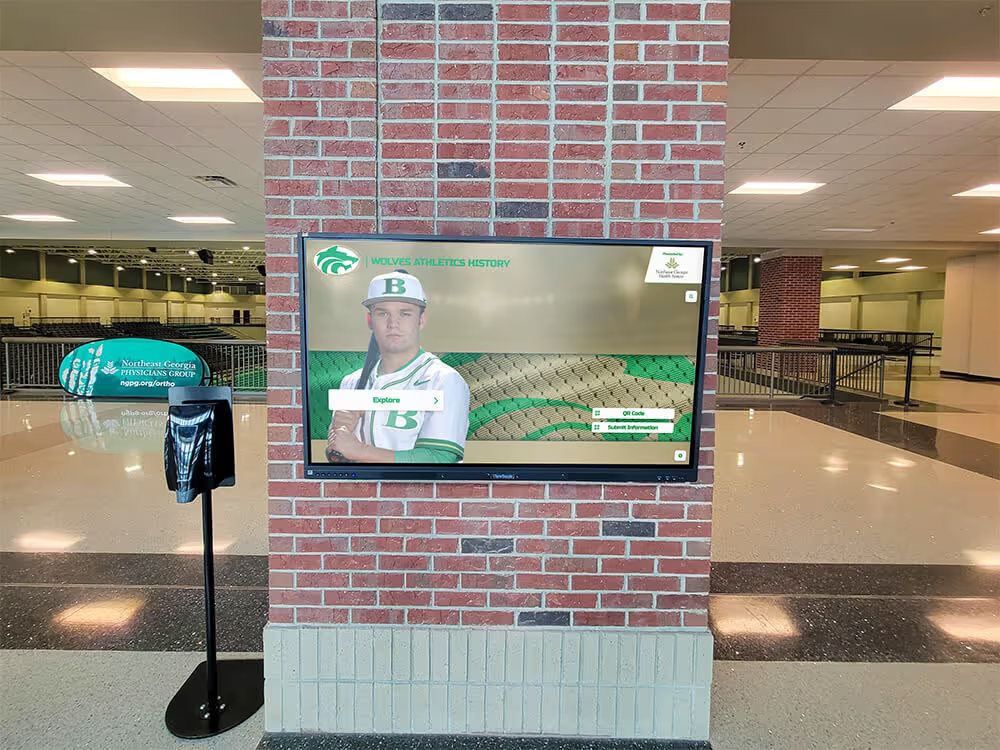
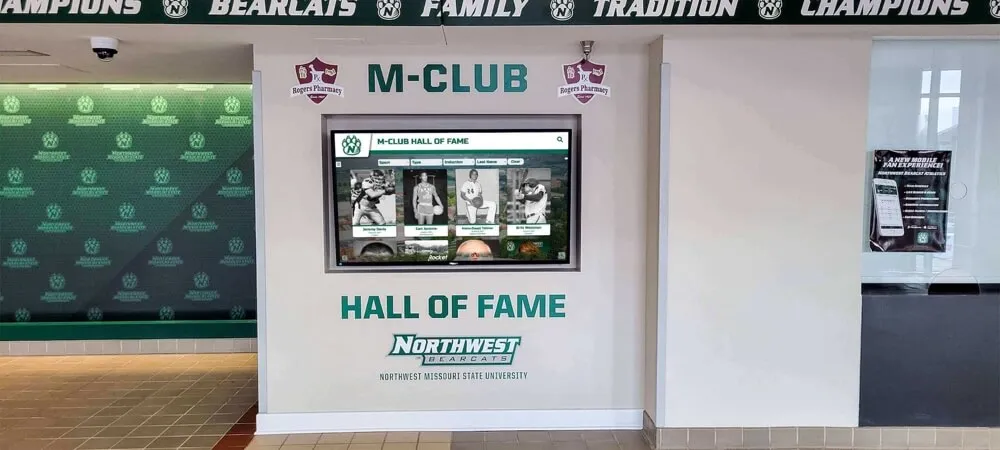
Inductee profiles must be fully accessible and indexable across all device types for complete recognition discoverability
Execution Timeline: Plan → Audit → Fix → Monitor
Structure the sitemap audit as a four-phase workflow to keep IT, the athletic department, and content administrators aligned on responsibilities and timelines.
Phase 1 — Plan (Week 1)
- Assign an audit owner (IT coordinator or web administrator)
- Inventory all URL patterns used by the hall of fame CMS
- Export the current sitemap and inductee database for side-by-side comparison
- Schedule a Search Console review meeting with the athletic director
- Document the current redirect map if recent platform migrations have occurred
Athletic departments integrating digital recognition into annual budget cycles can review high school athletic department budget planning for digital displays to allocate time and resources for ongoing recognition technology maintenance alongside the audit workflow.
Phase 2 — Audit (Weeks 2–3)
- Compare sitemap URL count against inductee database count; log the delta
- Run all sitemap URLs through a redirect checker (Screaming Frog, Ahrefs Site Audit, or free sitemap validators work for most school-size catalogs)
- Log every issue found against the seven-issue table above
- Prioritize 404 errors and omissions ahead of canonical cleanup; broken profiles are the highest-urgency fix
For schools managing academic recognition alongside athletics, academic letter award programs often generate their own digital profiles requiring the same audit treatment. A combined athletic and academic audit prevents coverage gaps across the full recognition catalog.
Phase 3 — Fix (Weeks 3–4)
- Resolve 404 errors first—restore deleted pages or add 301 redirects to current profile URLs
- Remove noindex tags from production profiles
- Consolidate redirect chains to single 301 hops
- Add canonical tags to all filtered and parameterized profile variants
- Regenerate the sitemap with accurate
<lastmod>timestamps and resubmit in Search Console
Phase 4 — Monitor (Ongoing)
- Re-run a lightweight sitemap check within 48 hours of adding any new induction class to the CMS
- Review Search Console Coverage report monthly for new crawl errors
- Set calendar reminders for a full audit each time the CMS platform is updated or migrated
- Document all slug conventions so future content administrators follow the established URL structure
Year-round recognition programs—including milestone and birthday recognition programs—benefit from the same audit cadence, keeping all recognition categories consistently discoverable across the same monitoring schedule.
Display Integration: Connecting Sitemap Health to Touchscreen Recognition
A sitemap audit is not purely an SEO exercise—it directly affects the usability of in-building touchscreen hall of fame displays.
Modern recognition kiosks populate their on-screen search index from the same profile database that feeds the public website. When a profile URL is canonical and properly indexed, the touchscreen search interface surfaces it immediately by name, sport, graduation year, or award type. When a profile exists under a redirect chain or a non-canonical URL, it may appear inconsistently in the on-screen experience or fail to surface in voice-enabled or type-ahead search modes.
Connecting the website sitemap workflow to the touchscreen content management workflow ensures that:
- A profile added to the cloud CMS appears simultaneously on the public website and the in-building kiosk
- Corrections made to a profile (updated photo, corrected career statistics) propagate across both channels without a separate manual step
- Retired or merged profiles are redirected consistently rather than creating dead links in both display environments
The digital signage software powering hall of fame kiosks works best when the underlying content database is canonicalized and free of redirect noise. Sitemap health is the upstream indicator of that content health.
Recognition Programs Beyond Athletics
A sitemap audit should cover all recognition categories, not only varsity athletics. Schools routinely maintain:
- Academic hall of fame profiles for valedictorians, scholarship recipients, and National Merit honorees
- Performing arts and fine arts recognition for musicians, visual artists, and theater alumni
- Community service honorees and service award recipients
- Booster club and donor recognition pages connected to the main recognition domain
Each category generates URLs that require the same sitemap coverage as athletic inductees. Cheer award programs and recognition categories often carry smaller total URL counts, making them easy to audit manually alongside the larger athletic catalog.
For institutions also maintaining physical recognition alongside digital records, glass trophy award inventory management applies parallel inventory disciplines to the physical side of the recognition program.
Annual Induction Class: Sitemap Check Before and After Ceremony
The most common moment when sitemap gaps appear is immediately after an annual induction class is added to the CMS. A batch of new profiles added the week before a ceremony often triggers regeneration issues if the CMS is not configured to include new post types automatically.
Run the pre-audit inventory steps above within 48 hours of adding any new induction class. For a class of 2026 digital showcase, confirming sitemap inclusion before the ceremony date ensures that families searching for honorees by name find the profile immediately on the day recognition is announced.
The athletic achievement traditions represented by letterman jackets and award symbols that precede a digital hall of fame nomination deserve equally reliable digital preservation once an athlete is inducted. A clean sitemap is how that preservation holds over time.
Reusable Artifact: Hall of Fame Sitemap Audit Checklist
Copy this checklist into a shared document, project management tool, or email thread to track audit progress across IT and athletic department stakeholders.
HALL OF FAME WEBSITE SITEMAP AUDIT CHECKLIST

PRE-AUDIT INVENTORY
[ ] Sitemap URL confirmed at /sitemap.xml or /sitemap_index.xml
[ ] Sitemap referenced in robots.txt
[ ] Sitemap submitted in Google Search Console with no flagged errors
[ ] Total sitemap URL count recorded: ___
[ ] Total inductee profile count in CMS recorded: ___
[ ] Difference (expected vs. found) logged: ___
[ ] URL pattern for inductee profiles documented: ___
[ ] URL pattern for category index pages documented: ___
[ ] URL pattern for year-of-induction archive pages documented: ___

ISSUE INVENTORY
[ ] All sitemap URLs tested for redirect chains
[ ] All sitemap URLs checked for 404 status
[ ] Profile templates reviewed for noindex meta tags
[ ] robots.txt reviewed for rules blocking inductee or recognition paths
[ ] www vs. non-www canonicalization verified across all profile URLs
[ ] HTTP vs. HTTPS redirect confirmed sitewide
[ ] Parameterized/filtered profile URLs checked for canonical tags
[ ] Sitemap file size confirmed under 50,000 URLs / 50 MB per file
[ ] Lastmod timestamps reviewed for accuracy vs. actual edit dates

FIXES APPLIED
[ ] 404 profiles restored or redirected to current canonical URL
[ ] noindex tags removed from all production profile pages
[ ] Redirect chains consolidated to single 301 hops per destination
[ ] Canonical tags added to filtered and parameterized URL variants
[ ] robots.txt disallow rules corrected for recognition paths
[ ] Sitemap regenerated with accurate <lastmod> timestamps
[ ] Sitemap resubmitted in Search Console

POST-FIX VERIFICATION
[ ] Search Console Coverage report checked 72 hours after resubmission
[ ] Re-crawl requested for previously-404 profiles
[ ] Inductee database count matches sitemap URL count (within expected delta for non-profile pages)
[ ] Touchscreen search index tested and confirmed reflecting current profile list

MONITORING SCHEDULE
[ ] Lightweight sitemap check scheduled within 48 hours of next induction class addition
[ ] Full audit scheduled after next CMS update or platform migration
[ ] Monthly Search Console Coverage review added to calendar
[ ] Slug convention documented for future content administrators
Keep Every Honoree Discoverable—Without Manual Audits After Every Induction
A sitemap audit surfaces the gaps that let decades of school recognition history slip out of search results. But the most efficient path forward is a platform that handles canonical URL management, sitemap generation, and touchscreen search index updates automatically—so your IT and athletic teams are not running a manual checklist after every induction class.