Hall of Fame Oral History Consent Form: Interview Rights, Releases, and Archive Use
- Home /
- Digital Hall of Fame Insights & Resources /
- Hall of Fame Oral History Consent Form: Interview Rights, Releases, and Archive Use

The Easiest Touchscreen Solution




Live Example: Rocket Alumni Solutions Touchscreen Display
Interact with a live example (16:9 scaled 1920x1080 display). All content is automatically responsive to all screen sizes and orientations.
A hall of fame oral history consent form is the document a school uses to secure a subject’s informed, recorded permission before conducting an interview—covering how the recording may be transcribed, edited, clipped, displayed in a digital exhibit, captioned for accessibility, and preserved in long-term archives. Without that document in place before the camera rolls or the recorder starts, a committee that publishes an audio clip, embeds a video excerpt in an inductee profile, or adds a transcript to a searchable digital archive has created an exposure that may not surface until an alumni subject objects to how their words are being used.
The oral history consent form sits at the intersection of four distinct permission categories: recording rights (who may capture the interview and in what format), transcript rights (who may reproduce the subject’s words in written form and how), display rights (which platforms and contexts may present the interview content), and archive rights (how long the institution may retain and publish the material). Each category requires explicit language in the consent form—and each presents different risks if it is left vague or omitted entirely.
This guide is for general informational purposes only and does not constitute legal advice. Consult your institution’s legal counsel before drafting, adopting, or relying on any oral history consent form or interview rights process.
Alumni interviews are among the most compelling content a school hall of fame can publish. A ten-minute recorded conversation with a former athlete describing a championship season, or a coach reflecting on forty years of building a program, carries an authenticity that no plaque or statistics board can replicate. But that content only reaches students, current athletes, and the wider community if the committee has documented permission to publish it—and only remains defensible if that documentation covers every format in which the interview appears.

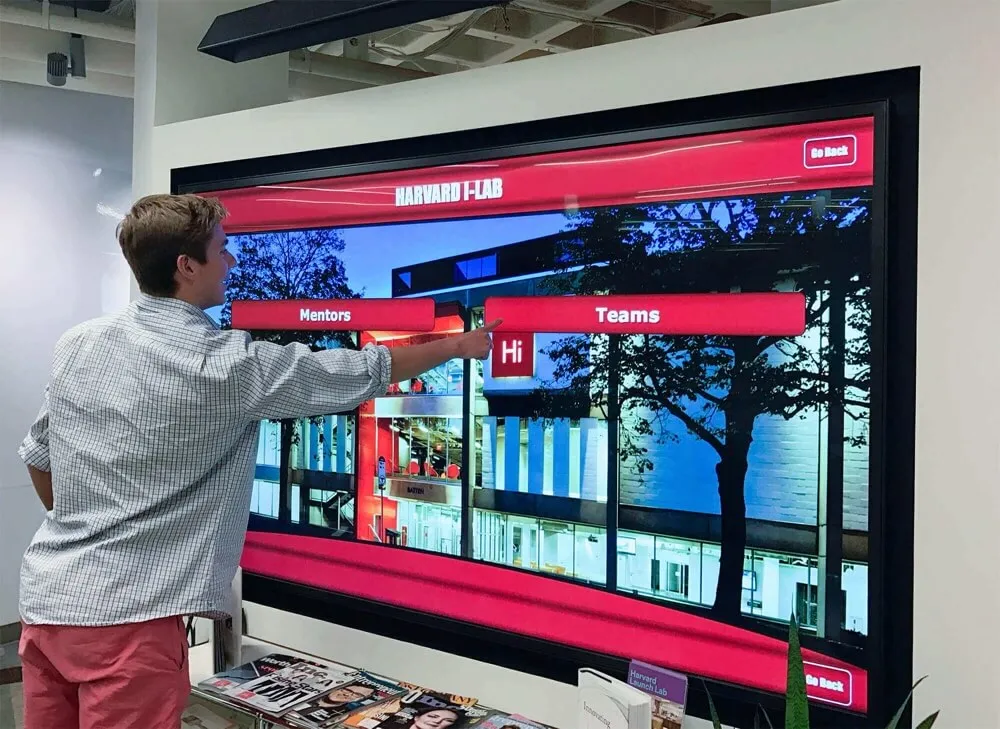
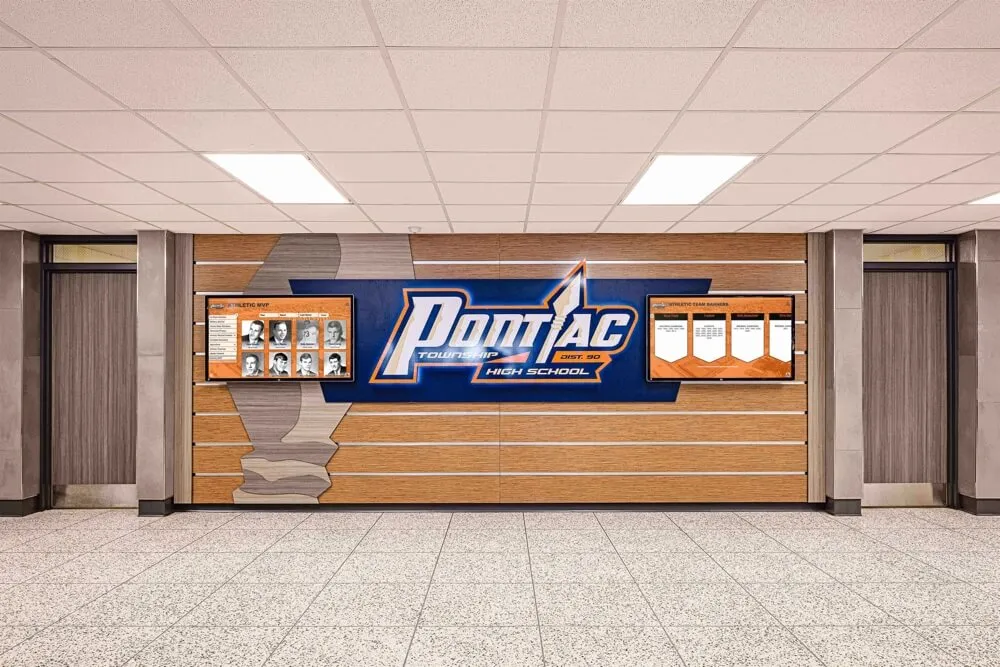
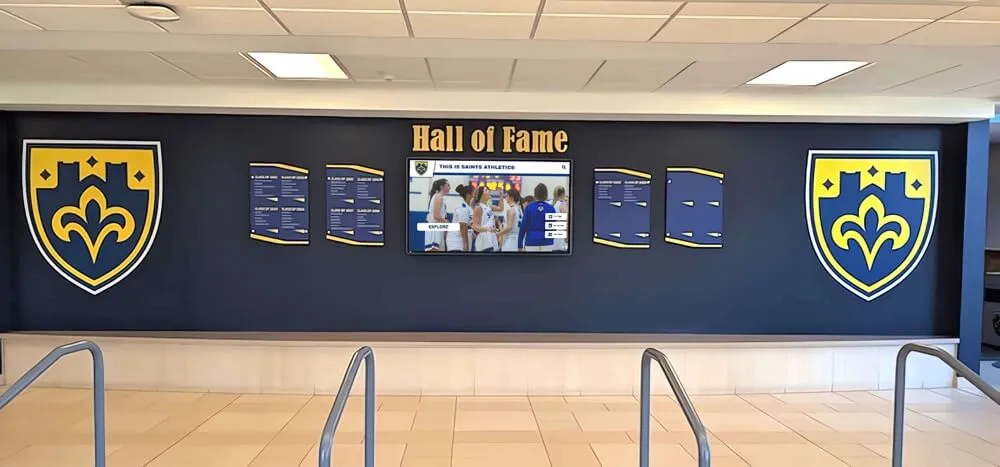
Every oral history interview destined for a digital hall of fame display should begin with a signed consent form—documenting the subject's permission before the camera rolls
Program Snapshot
Before drafting your oral history consent form, map each interview output type to the rights issues it raises and the form language required to address it.
| Interview Output | Rights Issue | Form Language Required | Risk Without Documentation |
|---|---|---|---|
| Audio or video recording | Right to capture and possess the recording | Explicit grant to record; format specified | Subject disputes ownership of the recording |
| Written transcript | Reproduction of spoken words as text | Authorization to transcribe and publish | Transcript removed on demand; exhibit disrupted |
| Edited video clip | Modification and excerpt rights | Permission to edit, excerpt, and reorder content | Subject objects to how words are recontextualized |
| Digital exhibit display | Public presentation of interview content | Named platforms and display contexts authorized | Display removed after publication |
| Closed captions and subtitles | Derivative work rights | Permission to create accessibility versions | Captions legally contested as derived works |
| Long-term archive access | Perpetual retention and future use | Term of retention and permitted future uses defined | Institution must delete material on request |
| Third-party researcher access | Secondary use beyond original display | Conditions under which researchers may access | Archive misused beyond agreed scope |
What a Hall of Fame Oral History Consent Form Must Cover
1. Recording Authorization
The most fundamental element of an oral history consent form is the subject’s explicit authorization to capture the interview. Recording authorization should specify the medium (audio only, video, or both), the format (digital file, specific file type if relevant), and who holds the original recording after the interview is complete.
Many committees assume that a subject’s willingness to show up for an interview constitutes consent to record. It does not—implied consent is not documented consent, and the absence of a signed form leaves the committee unable to prove that permission was given if a subject later disputes the recording’s use.
What the form must include: A clear statement that the subject authorizes the committee to record the interview in the specified format, along with confirmation of who retains ownership of the original recording file and in what format it will be stored.
2. Transcript Rights
Transcripts of oral history interviews are derivative works—they are produced from the recording and represent the subject’s spoken words in a new form. A committee that produces a transcript and publishes it in an inductee’s digital profile, archives it in a searchable database, or reproduces it in a ceremony program needs explicit permission to create and use that transcript.
Transcript rights questions that the form must address include: whether the subject has the right to review and correct the transcript before publication, whether excerpts may be used without the full transcript context, and whether the transcript may be published separately from the video recording.
What the form must include: Authorization to transcribe the interview; the subject’s right (if any) to review and request corrections before the transcript is published; permission to publish excerpts independently of the full transcript; and the display contexts in which the transcript may appear.
3. Display and Exhibit Rights
An oral history interview collected for a hall of fame program may appear across multiple display contexts: a touchscreen kiosk in the school lobby, an online inductee profile accessible from anywhere, a projected clip at the induction ceremony, social media posts on school-owned accounts, and digital signage in alumni gathering areas. Each display context is a separate publication of the content, and the consent form should name every context the committee intends to use.
Committees building alumni gathering areas and recognition spaces frequently discover that oral history content is among the most-viewed material on their displays—which makes the consent form the document that keeps that content available without interruption.
What the form must include: A list of authorized display platforms and contexts; language that covers both current and reasonably foreseeable display formats; and a process for the subject to request removal from specific platforms if circumstances change.
4. Closed Captions and Accessibility Versions
Closed captions, audio descriptions, and translated transcripts are derivative works produced from the original interview recording. ADA compliance requirements and WCAG 2.1 AA accessibility standards that apply to publicly accessible digital displays require captioned video—which means a committee that omits caption rights from its consent form may be unable to meet its accessibility obligations without returning to the subject for additional authorization.
Accessibility versions should be addressed in the original consent form rather than treated as a separate permission request after the display is built.
What the form must include: Explicit authorization to create closed captions, audio transcriptions, and accessibility-compliant versions of the interview recording and transcript for all authorized display platforms.
5. Archive Access and Long-Term Retention
An oral history interview is an institutional asset with value that extends far beyond the current class of inductees. A recording made today may provide essential historical context for research, exhibits, or recognition programs decades from now. The consent form must address how long the institution may retain the recording and transcript, under what conditions future researchers or administrators may access the material, and whether the subject retains any ongoing rights to request modification or removal after a defined period.
Programs that have worked through digital archive infrastructure for schools and colleges consistently identify long-term retention rights as the consent form element most frequently left vague—and the one most likely to create complications when an archived recording is rediscovered for a future exhibit.
What the form must include: The term of authorized retention (perpetual or time-limited); the conditions under which future researchers, administrators, or exhibit curators may access the material; and the process by which a subject may request review of their archived material after the original consent period.
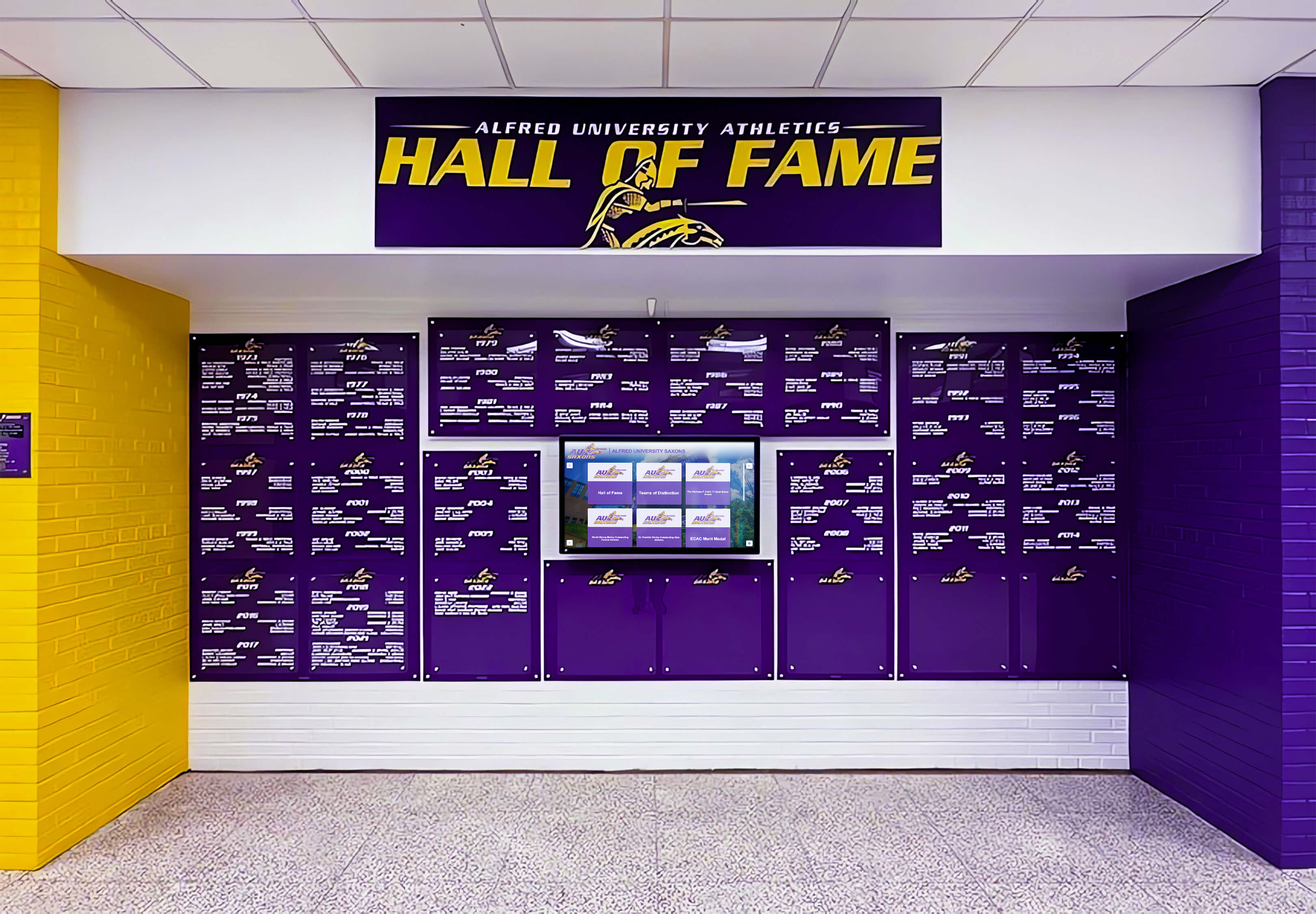
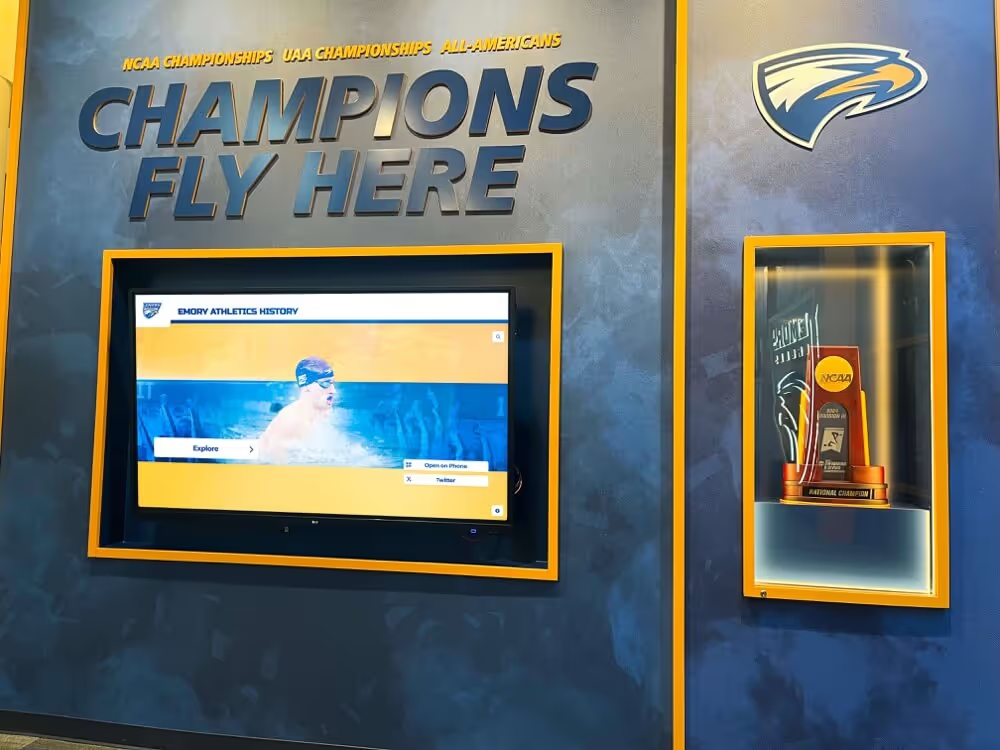
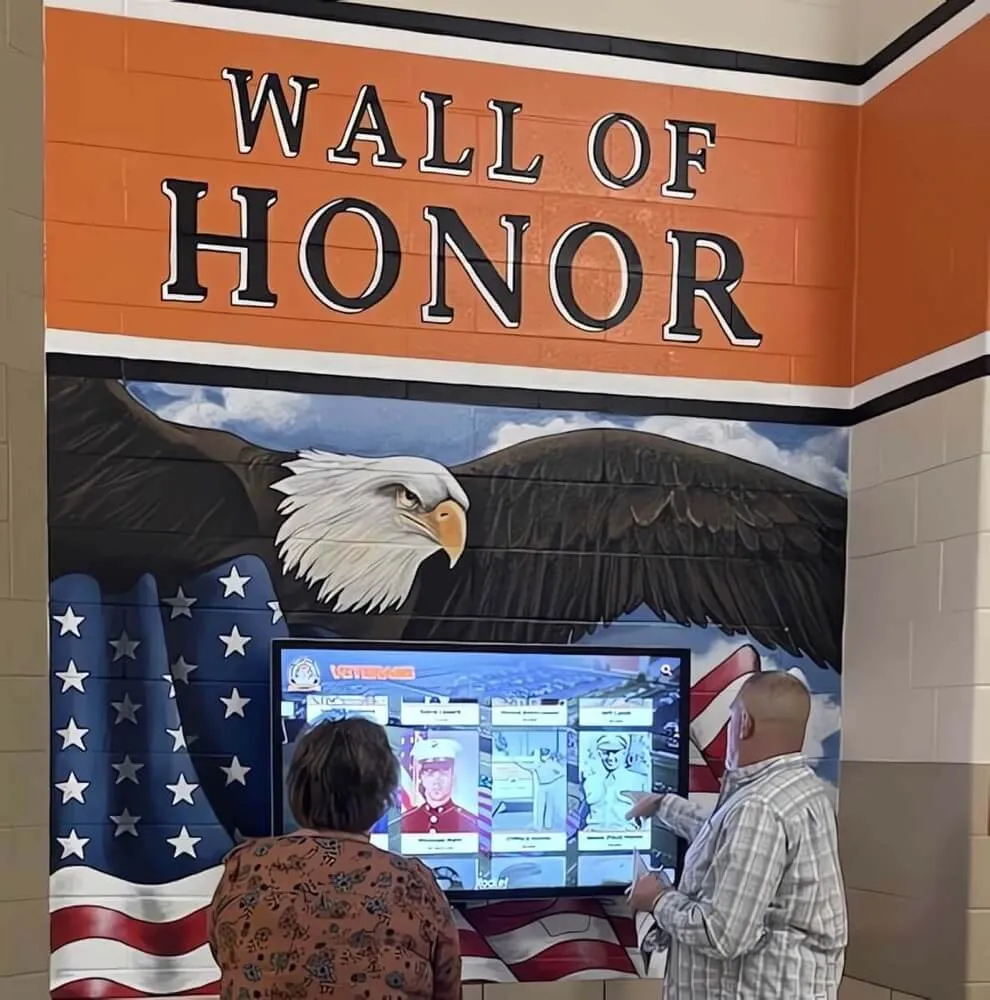
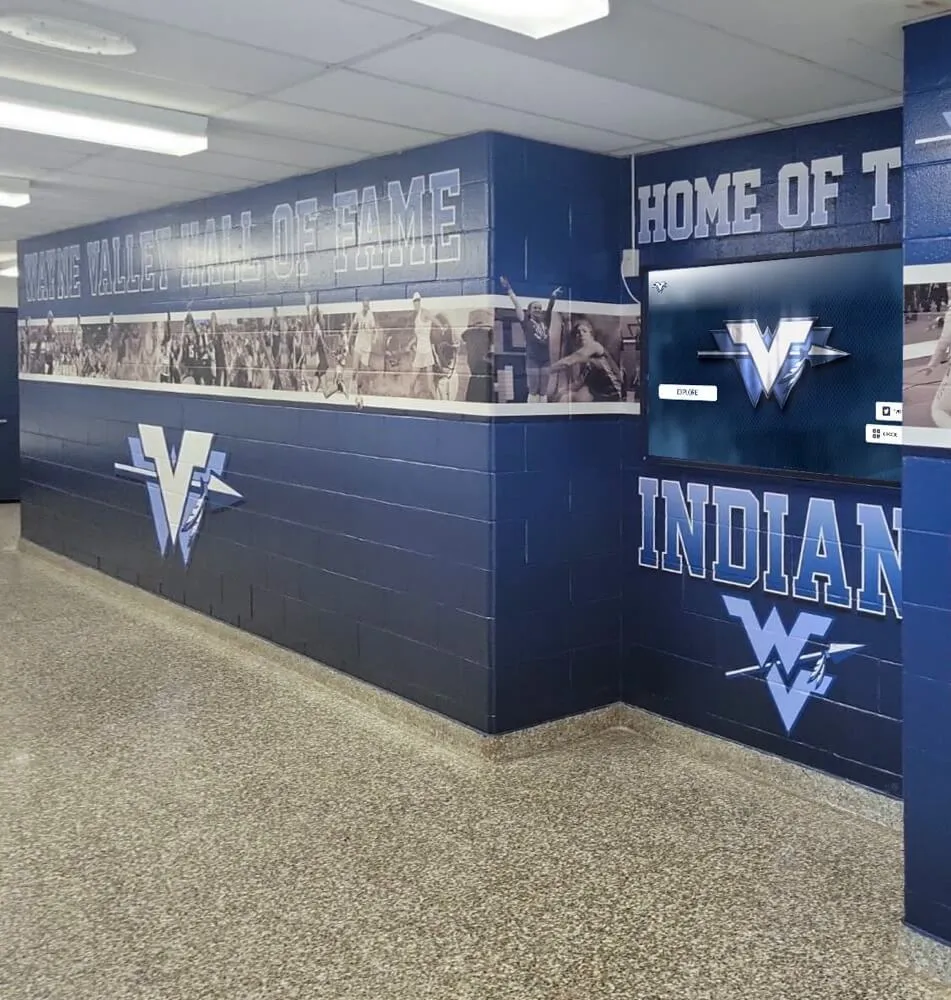
Oral history content—whether video clips, transcripts, or captioned excerpts—is among the most powerful material a recognition wall can feature, and the most dependent on clear documented consent
Content Architecture: Mapping Interview Content to Display Modules
A digital recognition platform organizes oral history content into specific display modules. Each module type has different rights requirements, and the consent form must cover every module type the committee plans to use.
| Display Module | Interview Content It Contains | Rights Required | Form Language to Include |
|---|---|---|---|
| Video player (full interview) | Complete recorded interview | Recording rights + display rights + archive rights | All three categories explicitly named |
| Video clip player (excerpt) | Edited highlight from the interview | Recording rights + editing/excerpt rights + display rights | Explicit permission to edit and recontextualize |
| Transcript panel | Full or partial written transcript | Transcript rights + publication rights | Authorization to transcribe and publish |
| Pull-quote display | Single sentence or passage highlighted | Transcript rights + excerpt rights | Permission to excerpt independently of full transcript |
| Captioned video | Interview with on-screen closed captions | Recording rights + caption/derivative work rights | Explicit accessibility version authorization |
| Audio player | Audio-only version of the interview | Recording rights + audio display rights | Named separately if audio-only display is planned |
| Searchable archive entry | Transcript indexed for search | Transcript rights + database/archive rights | Authorization for search indexing and future researcher access |
Connecting oral history content to a broader recognition ecosystem—where inductee profiles, statistics boards, donor recognition panels, and alumni interview archives all live in a single searchable platform—requires that every content type in the system carries documented authorization. Administrators evaluating dual-recognition systems that combine hall of fame profiles with donor walls should confirm that the platform’s content management system supports consent form linking at the asset level, not just at the inductee level.
Execution Timeline: Oral History Consent Clearance Phases
Phase 1 — Plan (Before Interview Scheduling Begins)
- Identify every output format the committee plans to create from each interview (video, transcript, clip, captions, archive entry)
- Map each output to the display modules it will appear in
- Draft the consent form with legal counsel review, covering all planned output types
- Designate an Archivist or committee member as the consent tracking lead
- Establish a clearance rule: no interview is recorded without a signed consent form on file
- Set an archive access policy before interviews begin, not after they are published
Phase 2 — Build (Interview Collection and Consent Execution)
- Send the consent form to each interview subject at least one week before the interview date
- Allow time for the subject to review, ask questions, and consult their own counsel if desired
- Collect signed consent forms before the recording begins; do not accept verbal consent as a substitute
- Store signed forms linked to the specific interview recording in the content management system
- Provide the subject with a copy of their signed form at the time of signing
- Log the interview date, format, recording file location, and consent form file location in a centralized tracking record
Phase 3 — Launch (Pre-Publication Review)
- Archivist confirms that a signed consent form covers every output format scheduled for publication
- No video clip, transcript, or archive entry is published without consent form verification
- Captioned versions of each video are created and linked to the consent form before the accessibility deadline
- Profile goes live simultaneously with the official inductee announcement to avoid content exposure before the subject’s consent period begins
Phase 4 — Refresh (Annual Archive Review)
- Consent forms with defined retention terms are flagged for renewal before expiration
- Subjects who have requested removal or modification are identified and their requests processed before the annual induction cycle begins
- New interview content added during profile updates goes through the same consent workflow before upload
- Archive access conditions reviewed against current institutional policy annually
Schools that coordinate oral history collection with annual athletic programming—including alumni events, golf outings, and reunion weekends—can build interview collection directly into the event schedule. Committees organizing annual alumni golf events and recognition gatherings find that on-site interview opportunities, supported by advance consent form distribution, produce the highest participation rates and the most complete coverage of inductee classes.
Display Integration: From Signed Consent to Published Exhibit
A consent tracking workflow that is not connected to the publishing workflow does not protect a program. The link between a signed consent form and every published output it covers must be enforced at the platform level.
Step 1: Link consent forms to interview assets at upload
When a recording is uploaded to the content management system, the consent form covering that recording should be attached to the same asset record. Platforms that support custom metadata allow a “Consent Status” field (e.g., “Signed,” “Pending,” “Restricted”) to be required before an asset can be assigned to a published profile.
Step 2: Enforce output-type coverage before publishing
A consent form that covers video display but does not explicitly authorize transcripts cannot be used to justify publishing a transcript. Before any output type goes live, confirm that the signed form explicitly covers that format. A pre-publication checklist that maps each output to its consent coverage makes this review repeatable.
Step 3: Make captions part of the publishing workflow, not an afterthought
Captioned video is both an accessibility requirement and a consent form issue. Build caption creation into the publication timeline—not as a step that happens after the profile goes live—and confirm that the consent form covers derivative accessibility versions before the captioned video is published.
Step 4: Protect archive access with documented conditions
When an archived interview is accessed by a future researcher, exhibit curator, or administrator, the access should be logged against the original consent form’s archive conditions. A platform that supports audit logs for asset access provides the documentation trail that makes archive use defensible years after the original interview.
Step 5: Plan for platform transitions
When an institution migrates to new hardware, upgrades its recognition platform, or changes CMS providers, consent forms and interview assets must migrate together. An interview recording that lands on a new platform without its consent form has lost its compliance trail—the same risk that applies to searchable hall of fame touchscreen systems transitioning between platforms.
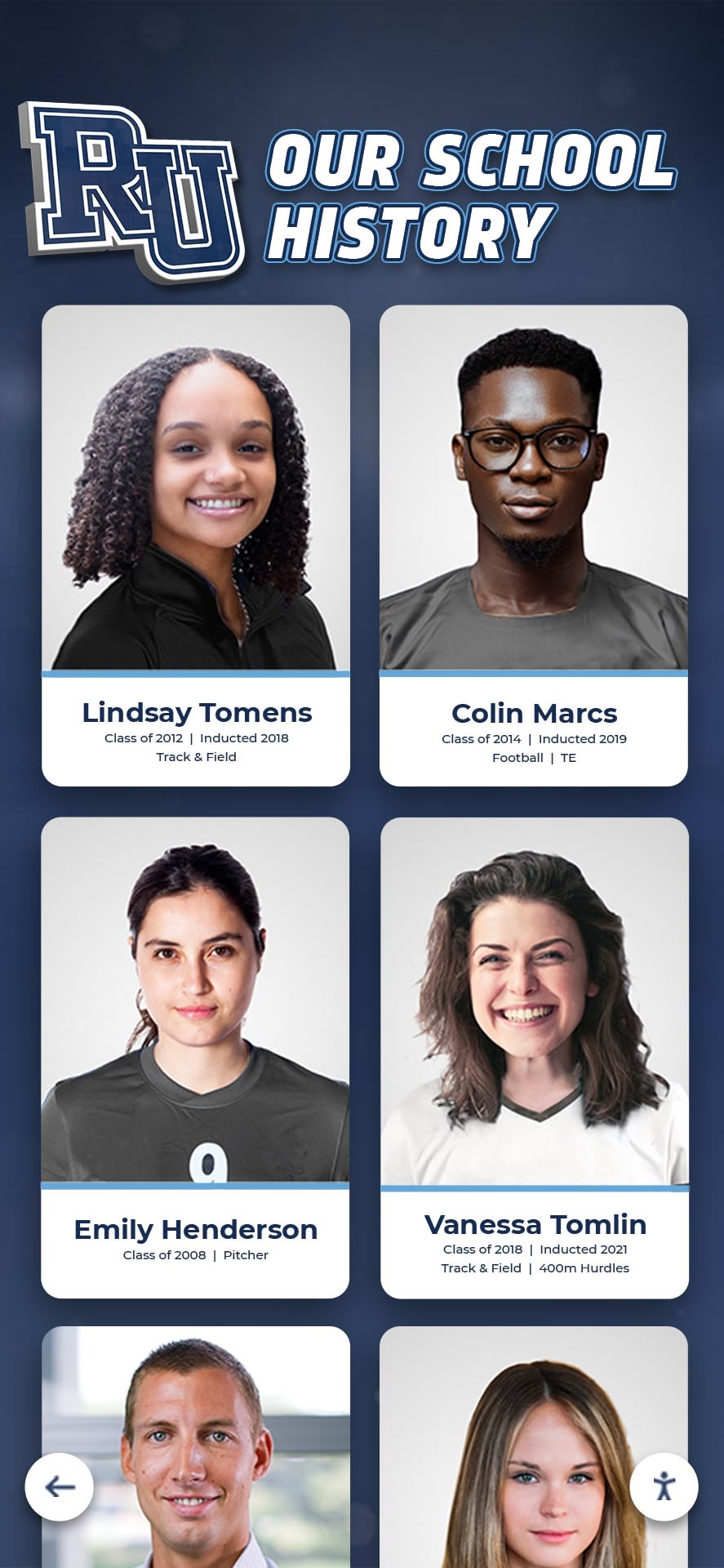
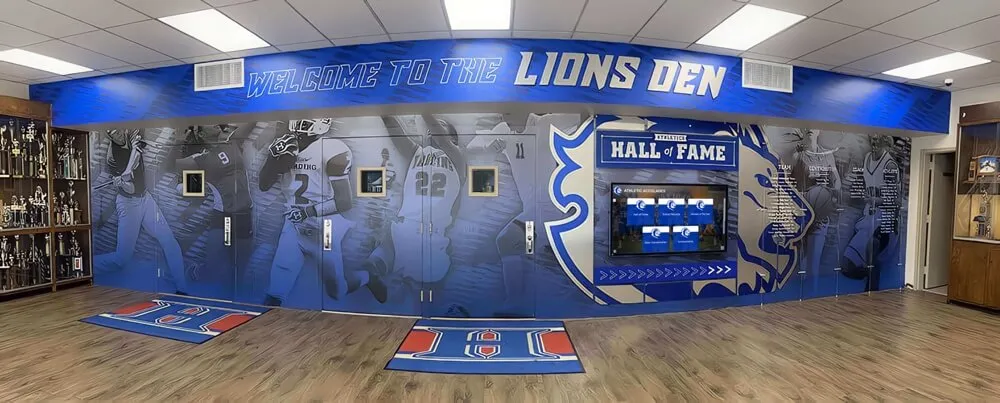
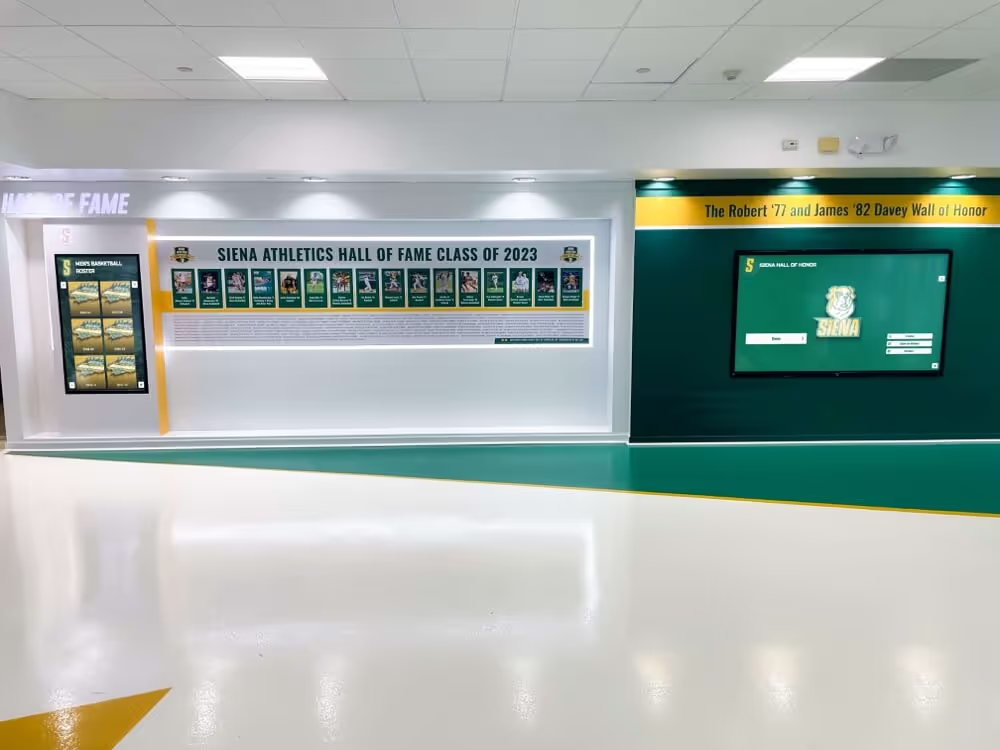
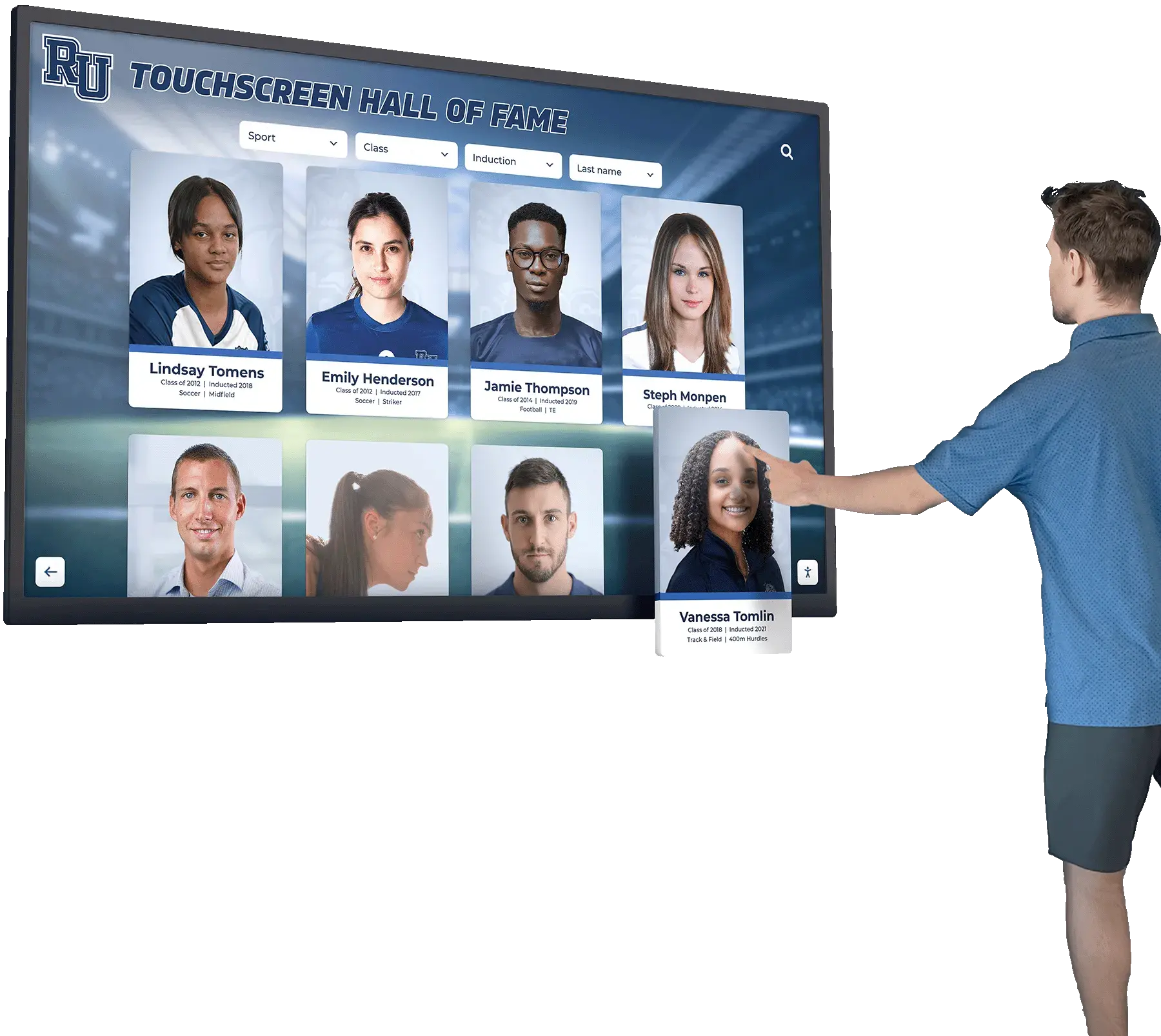
Alumni portrait cards and interview clips displayed on a recognition screen each require their own documented authorization—profile photographs, video recordings, and transcripts carry distinct rights that a single consent form must cover collectively
Copy-Paste Hall of Fame Oral History Consent Form
Use this template as the basis for your oral history interview consent process. Review and adapt with your institution’s legal counsel before use.
HALL OF FAME ORAL HISTORY INTERVIEW CONSENT FORM [School/Program Name] Hall of Fame
Section 1 — Subject Information
Full name: ___________________________ Relationship to the program (e.g., inductee, coach, administrator, family member): ___________________________ Mailing address: ___________________________ Email address: ___________________________ Telephone: ___________________________ Date of birth (if required by your institution’s policy): ___________________________
Section 2 — Interview Details
Interview date: ___________________________ Interview location: ___________________________ Interviewer name and title: ___________________________ Recording format (select all that apply): ☐ Audio only ☐ Video (audio + visual) ☐ Written notes only Estimated interview length: ___________________________ Primary topics to be covered: ___________________________
Section 3 — Recording Authorization
I, the undersigned, authorize [School/Program Name] to record the interview described above in the format(s) checked in Section 2. I understand that [School/Program Name] will retain the original recording file and that I will receive a copy upon request.
Section 4 — Transcript Authorization
☐ I authorize [School/Program Name] to transcribe the interview and publish the transcript in the display contexts listed in Section 5.
☐ I request the opportunity to review the transcript before publication and to request corrections for factual errors. I understand that the review period will be ___ days from the date the draft transcript is provided to me.
☐ I authorize [School/Program Name] to publish excerpts from the transcript independently of the full transcript, in the display contexts listed in Section 5.
Section 5 — Authorized Display and Publication Contexts
I authorize [School/Program Name] to use the recording, transcript, and any excerpts derived from them in the following contexts (select all that apply):
☐ Digital touchscreen kiosk within school or campus facilities ☐ Public-facing website or online inductee profile ☐ Hall of fame printed materials (ceremony programs, brochures) ☐ Social media posts on school-owned accounts ☐ Projected display at induction ceremonies and school events ☐ Digital signage visible to school visitors and alumni ☐ Email communications to alumni and school community members
Section 6 — Accessibility and Derivative Works
I authorize [School/Program Name] to create closed captions, audio transcriptions, translated versions, and other accessibility-compliant derivatives of the interview recording and transcript for use in the display contexts listed in Section 5.
Section 7 — Archive and Long-Term Retention
☐ I authorize [School/Program Name] to retain the recording and transcript in its institutional archive on a perpetual basis.
☐ I authorize retention for a defined term: expires on _______________ (date), after which the institution will delete or de-publish the material upon my request.
I understand that archived material may be accessed by future school administrators, exhibit curators, and credentialed researchers subject to the institution’s archive access policy. If I wish to request modification or removal of archived material after the date of this form, I will contact: _______________ at [School/Program Name].
Section 8 — Subjects’ Rights
I understand that:
- My participation in this interview is voluntary and I may decline to answer any question
- Signing this form does not waive any rights not expressly granted above
- The institution will handle my personal information in accordance with its privacy policy
- I may contact [designated contact name and email] with questions about the use of this interview
Section 9 — Warranty
I represent that I have authority to grant the rights described in this form, that participating in this interview does not violate any agreement with a third party, and that I have not been coerced or induced to sign under false pretenses.
Signature: ___________________________ Date: _______________ Printed name: ___________________________
Witnessed by (if required by institution policy): Witness signature: ___________________________ Date: _______________ Witness printed name: ___________________________
Pre-Interview Consent Checklist
Use this checklist before each oral history session to confirm that consent and logistics are in order.
Before the Interview Date
- Consent form sent to subject at least one week in advance
- Subject given opportunity to ask questions and review with their own counsel if desired
- Interview date, time, format, and topics confirmed in writing with the subject
- Recording equipment tested and labeled with the subject’s name and interview date
- Designated Archivist or coordinator assigned to track consent and asset filing
At the Interview
- Signed consent form collected before recording begins
- Copy of signed form provided to the subject
- Recording format confirmed against consent form authorization
- Subject reminded of their right to decline specific questions during the interview
- Recording labeled with date, subject name, and interview ID
After the Interview
- Recording file uploaded to CMS and linked to signed consent form
- Transcript draft produced within agreed timeline (if transcript review was requested)
- Transcript shared with subject for review period if Section 4 review option was selected
- Corrections incorporated and final transcript linked to asset record
- Captioned version created and attached to asset before publication
- All output types scheduled for publication checked against Section 5 authorizations
- Archive entry created with retention term noted per Section 7
Before Profile Goes Live
- Archivist confirms every output type has matching consent coverage
- Chair or designated approver confirms pre-publication review complete
- Consent documentation backed up to institutional storage alongside recording files
- Publication date aligned with official inductee announcement
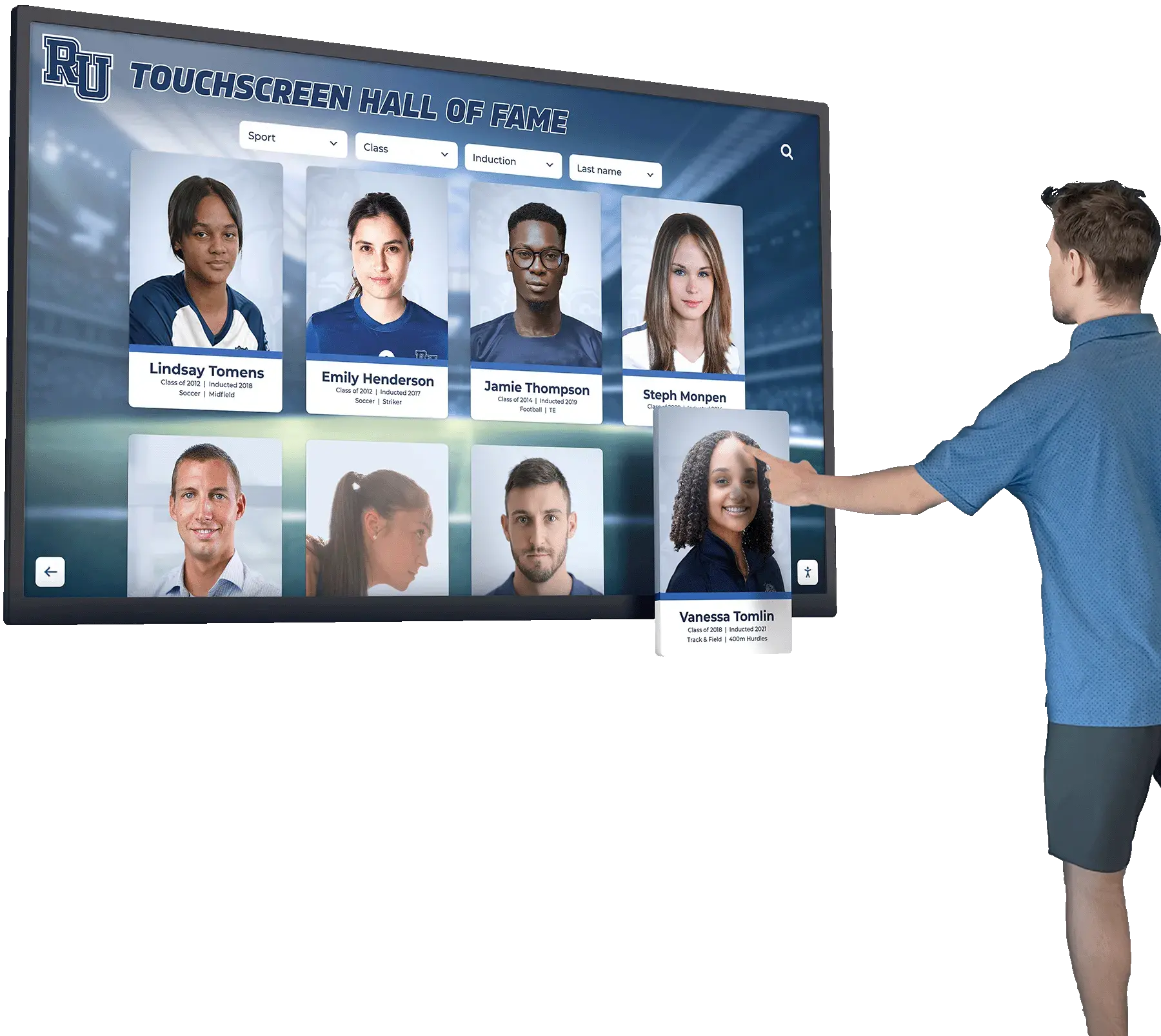
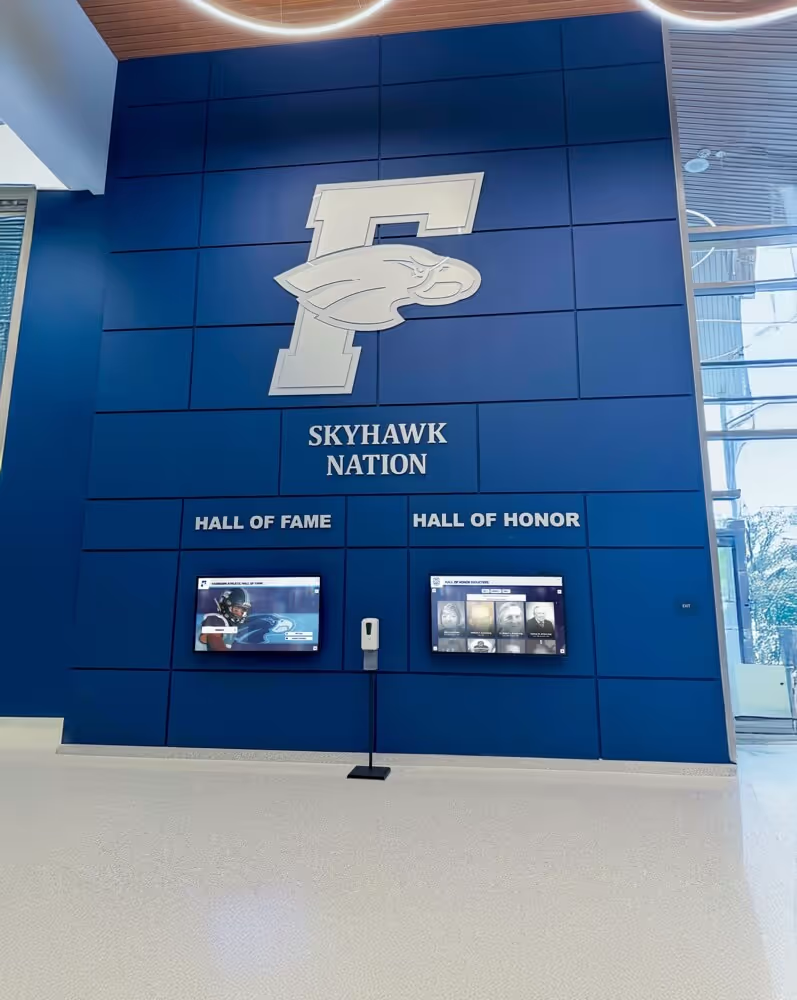
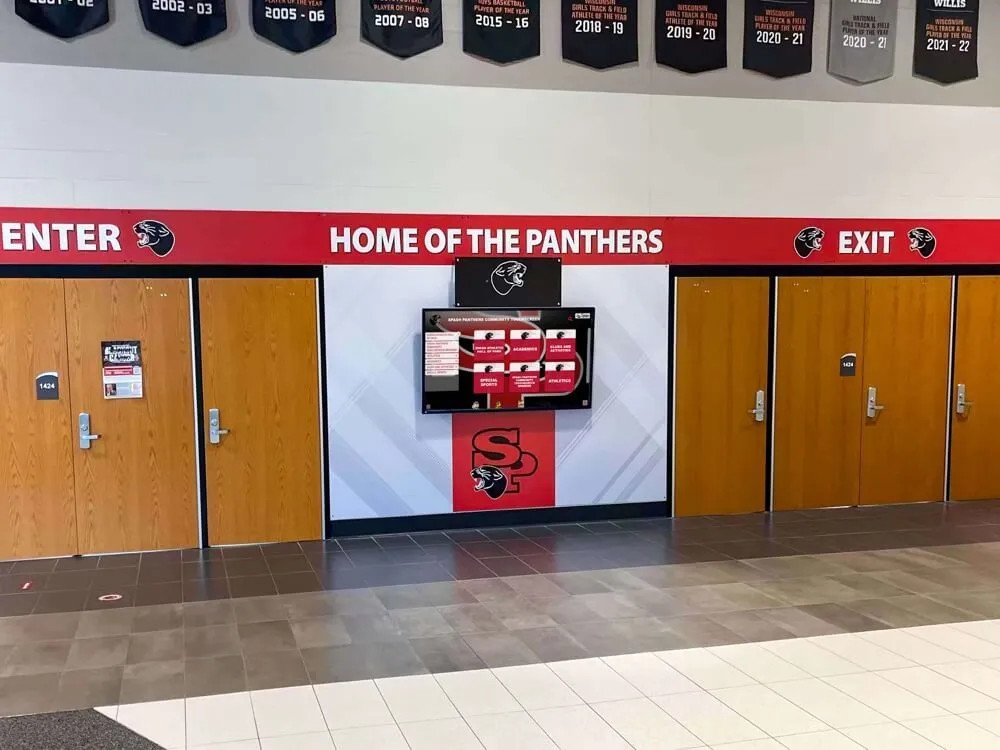
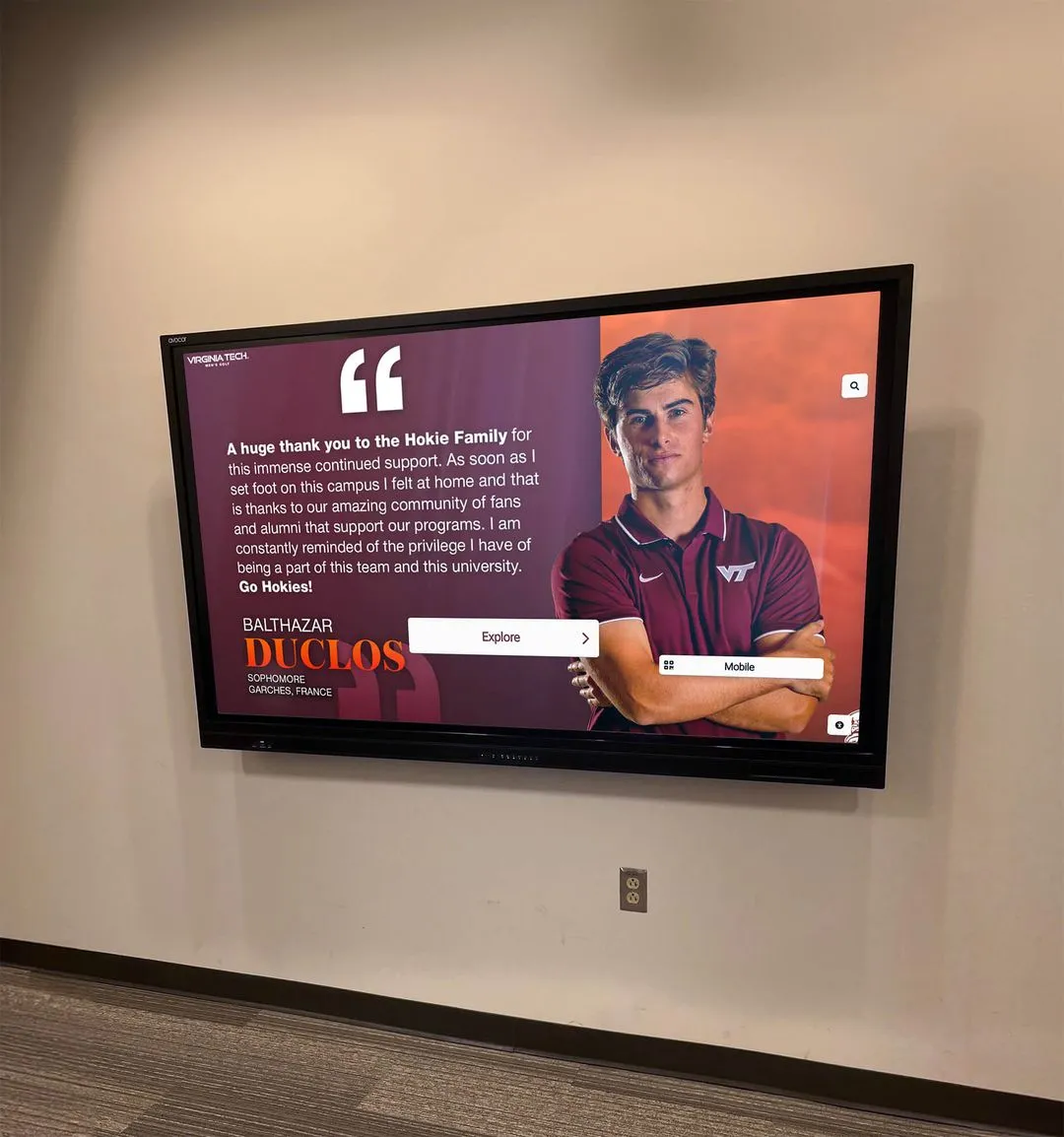
When a visitor watches an oral history clip on a hall of fame touchscreen, the signed consent form in the archive is what makes that display defensible—and what keeps it available without interruption
Frequently Asked Questions
Does verbal consent recorded at the start of an interview count as a valid consent form?
Verbal consent recorded at the start of an interview is not a substitute for a written consent form. While some oral history methodologies accept verbal consent as valid for collection purposes, it provides substantially weaker protection when a dispute arises about how the content was used. A subject who did not review a written form before the interview may not have understood that their words would appear in a searchable digital archive, be excerpted for social media, or be accessible to future researchers. A written consent form reviewed in advance, with time to ask questions, is the standard that gives a committee the strongest basis for defending its publishing decisions.
What if a subject wants to retract consent after the interview is published?
Consent retraction after publication is one of the most challenging scenarios an oral history program faces. The consent form should address this in advance: specify whether the subject retains the right to request removal after signing, what the process for removal requests is, and how long the institution will take to comply. Consent forms that do not address retraction leave this question open, and the institution’s response will depend on what the form does and does not say. Building a clear retraction process into the form is far preferable to negotiating it after a removal demand arrives.
Can a family member or estate executor provide consent for a deceased inductee’s interview?
For future-use access to interviews recorded before a subject’s death, the consent form should address who may authorize additional uses after the subject dies—whether that is the estate executor, next of kin, or the institution itself under the perpetual archive authorization already granted. For interviews conducted after a subject’s death using archival recordings, the rights analysis shifts to who holds the rights to the original recording. Consult your institution’s legal counsel for guidance specific to your state’s applicable statutes.
Does the school own the interview recording once the consent form is signed?
A consent form is not a copyright assignment—it is an authorization to use the recording in specific ways. The rights to the recording itself depend on who made it. If the interview was recorded by a school employee using school equipment as part of their job responsibilities, the school likely owns the recording as a work made for hire. If an independent videographer was hired to conduct or record the interview, rights may belong to the videographer unless a contract transferred them to the school. Establish ownership of the recording as a separate matter from consent, and confirm that the consent form’s authorized uses are backed by the institution’s ownership or license of the underlying recording.
We have recordings from past interviews that were never covered by a consent form. Can we publish them?
Recordings collected without a signed consent form are a common challenge for programs that have been running alumni interview projects for years. Contacting the subject and obtaining a retroactive consent form is the most defensible path forward. If the subject cannot be located, if they have died without a known estate contact, or if the recording predates any record of how permission was handled, consult legal counsel before publishing. The risk analysis depends on the nature of the content, the platforms on which it would be published, and whether the subject would reasonably have expected the recording to be made public.
Does the consent form need to be different for minors?
Yes. If an interview subject is under 18 at the time of the interview—for example, a current student athlete being interviewed about their achievements before graduating—the consent form must be signed by a parent or legal guardian in addition to, or instead of, the minor. Policies vary by state and by institution. Consult your institution’s legal counsel and student data privacy policies before interviewing current students for a hall of fame oral history project.
What accessibility requirements apply to oral history video content?
Schools and publicly accessible educational institutions that publish video content are generally subject to ADA and Section 508 accessibility requirements, which typically require closed captions on video and audio descriptions for visual content. WCAG 2.1 AA is the standard against which most educational digital displays are evaluated. Building caption creation into your publishing workflow from the start—and securing consent for captions in your form—avoids the situation of discovering accessibility gaps after a display is already live. Programs reviewing touchscreen display platforms for hall of fame and recognition use should confirm that their chosen platform supports captioned video playback and meets WCAG 2.1 AA contrast and navigation standards.
How does oral history content connect to the broader recognition program?
Oral history interviews work best as one layer within a multi-format recognition profile that also includes career statistics, photographs, game records, and donor recognition. A touchscreen exhibit that combines a two-minute interview clip with a career statistics panel, an archival photograph gallery, and a championship record display gives visitors a richer experience than any single format alone. The consent form for the interview is one of several permission documents the committee must have in place before a profile goes live—alongside photo permissions, record documentation, and, where applicable, athletic memorabilia provenance documentation for any physical artifacts displayed alongside the digital profile.
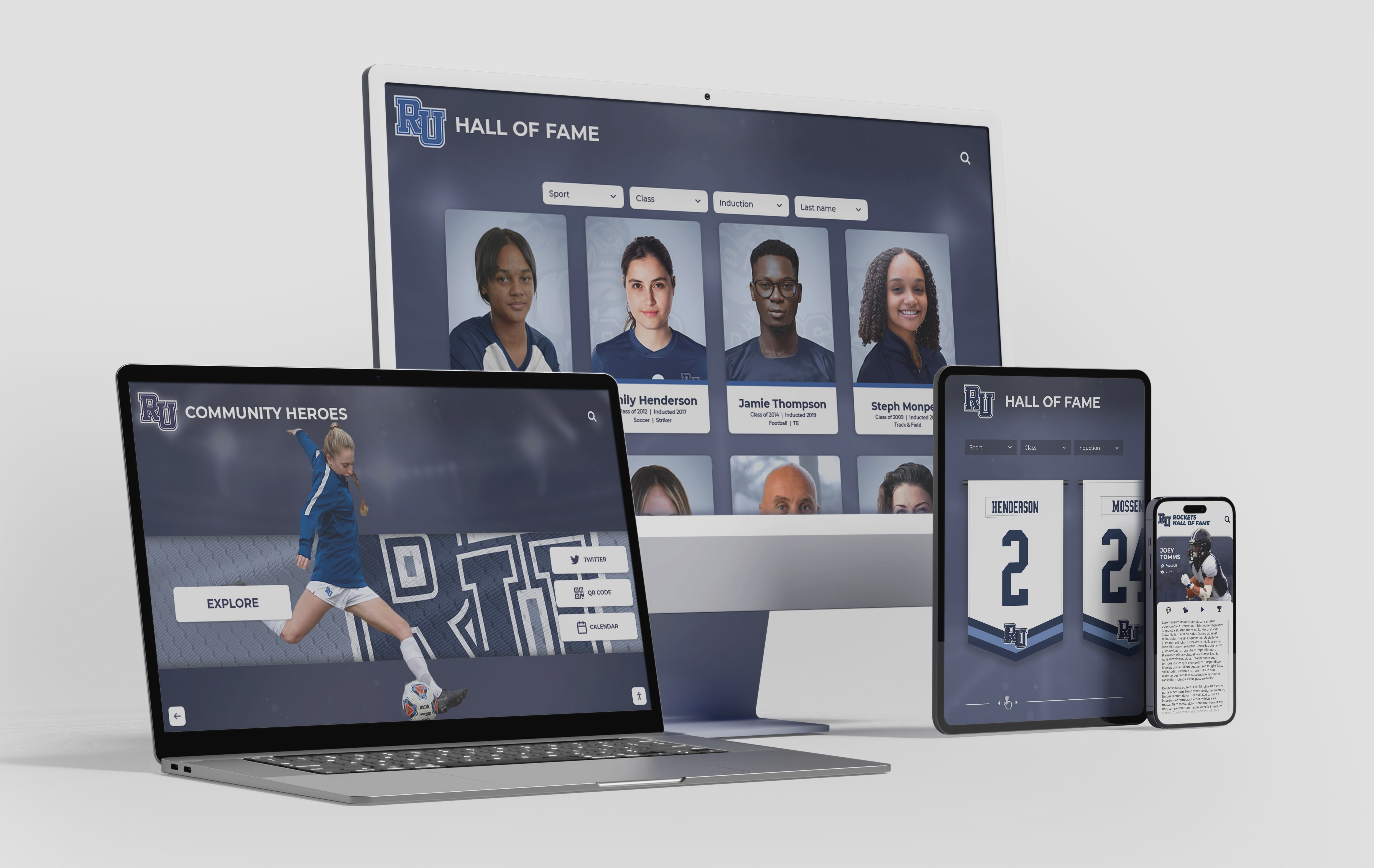
Oral history content that appears across touchscreen, web, and mobile formats requires consent language that explicitly covers each platform—not just the display context where the interview was first published
Measurement: Tracking Oral History Program Health
A hall of fame oral history program that operates without metrics has no way to assess coverage, identify gaps, or demonstrate impact to the administration that funds it.
| KPI | What It Measures | Target to Set |
|---|---|---|
| Consent form completion rate | Percentage of invited subjects who return a signed form | 80%+ before each induction class closes |
| Interview collection rate | Percentage of inductees with at least one recorded interview | 100% for living inductees; 60%+ for historical classes |
| Transcript publication rate | Percentage of recorded interviews with published transcripts | 100% of published video profiles |
| Caption compliance rate | Percentage of published video clips with closed captions | 100% (compliance requirement) |
| Archive coverage | Percentage of inductees with archived interview material | Track as cumulative percentage; set annual growth target |
| Touchscreen dwell time on interview content | Average time visitors spend on profiles with video vs. without | Baseline comparison to demonstrate oral history value |
| Subject retraction requests | Number of consent retraction or modification requests received | Track; target zero escalations through proactive communication |
Programs connected to national high school athletic recognition networks and archives increasingly include oral history content as a standard component of inductee profiles, recognizing that searchable interview archives provide a richer record than statistics alone.
Protect Every Interview with Documented Consent
A hall of fame oral history consent form is not a bureaucratic step before the interesting work begins—it is the document that makes every interview clip, transcript, pull-quote, and captioned video defensible for as long as it remains published. A recording collected without consent is an asset the institution cannot safely use; a recording collected with a clear, comprehensive consent form is an institutional record that can serve the community for decades.
The nine-section form framework in this guide—covering recording authorization, transcript rights, display contexts, accessibility derivatives, and long-term archive access—addresses the full scope of permissions a school hall of fame program needs before publishing interview content. Pair it with the pre-interview checklist and the measurement framework, and a committee can move from informal interview collection to a documented oral history program without building a legal operation from scratch.
Request your free custom demo to see how Rocket Alumni Solutions supports oral history content publishing, linked consent documentation, role-based archive access, captioned video display, and cloud-backed interview archives—so your hall of fame program’s most compelling content stays defensible from the first interview through every platform upgrade.
Live Example: Rocket Alumni Solutions Touchscreen Display
Interact with a live example (16:9 scaled 1920x1080 display). All content is automatically responsive to all screen sizes and orientations.