



Schools and organizations establishing halls of fame face two critical questions: what standards determine who deserves induction, and how should honorees be recognized? These decisions shape whether recognition programs become treasured traditions or source controversy, whether they inspire excellence or breed resentment, and whether they remain relevant across generations or become forgotten relics.
The selection criteria define a hall of fame’s identity—too loose and the honor loses prestige, too restrictive and deserving candidates go unrecognized. The display method determines whether recognition creates meaningful connection with communities or sits unnoticed in dusty corners. Most schools and organizations struggle with both challenges, lacking clear frameworks for establishing fair selection processes while simultaneously navigating the transition from traditional plaques to modern digital systems.
This guide provides complete blueprints for establishing clear induction criteria and implementing digital recognition displays that honor achievement appropriately while creating interaction that traditional static systems cannot match.
Successful hall of fame programs balance rigorous selection standards that maintain prestige with inclusive processes ensuring all achievement types receive fair consideration. Modern digital displays then present these carefully selected honorees through interactive systems that tell complete stories rather than listing bare names and dates.

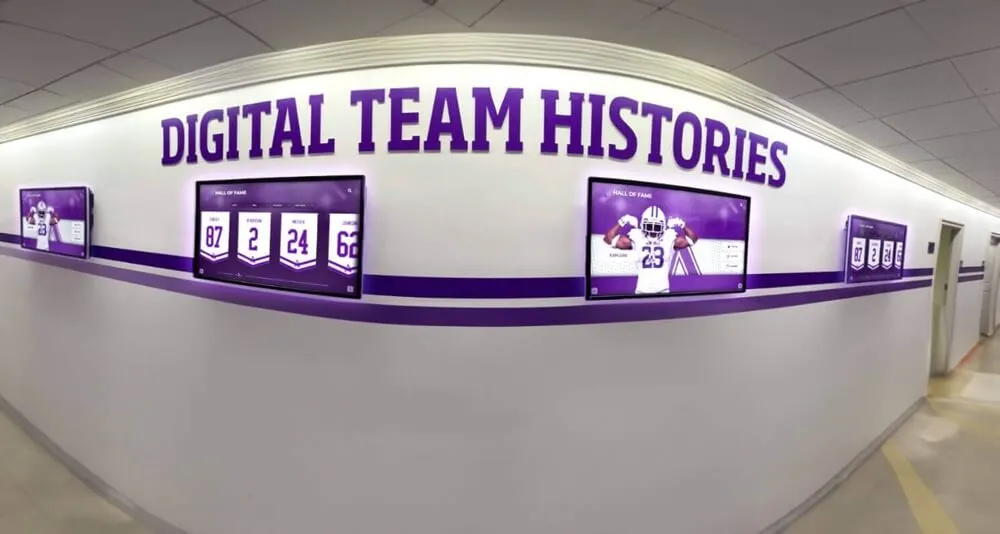
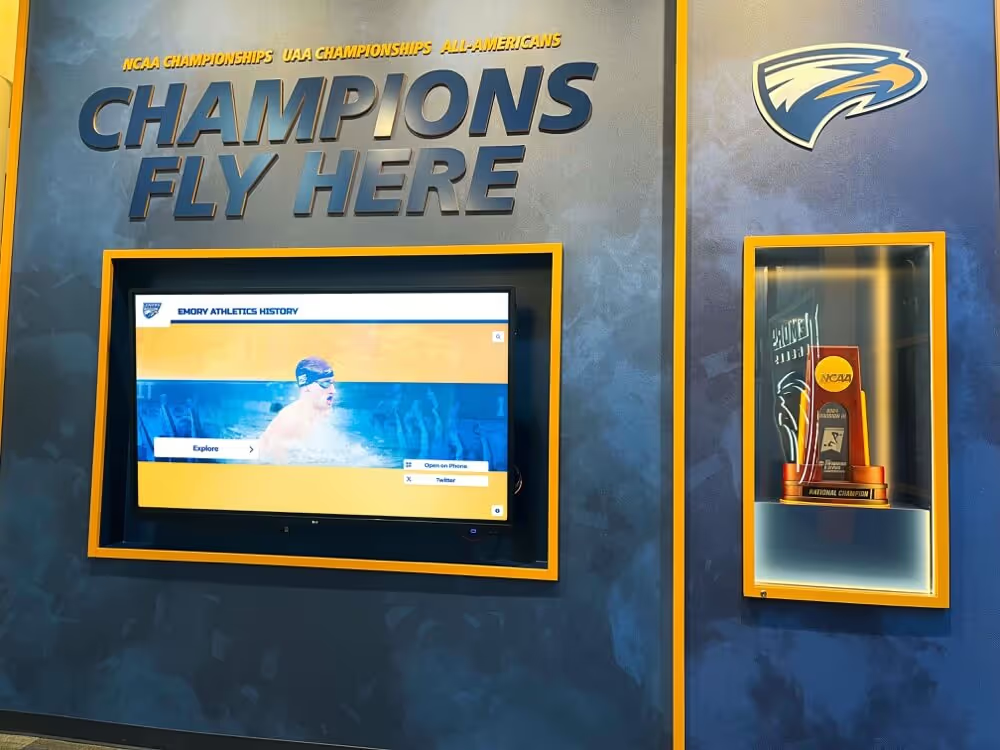
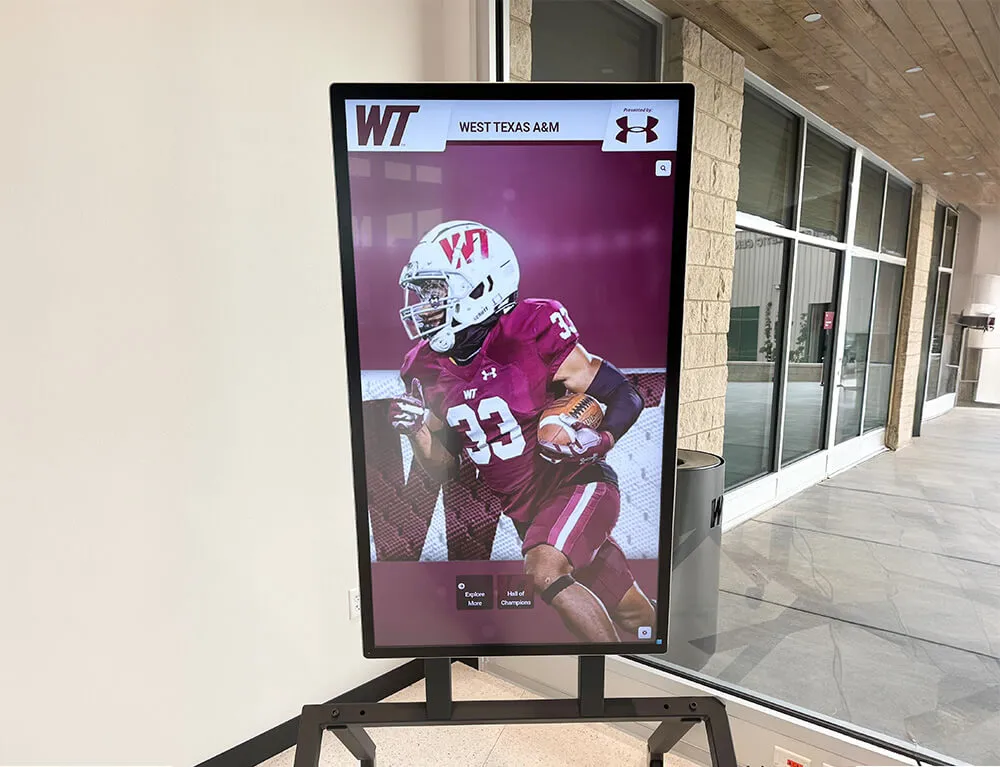
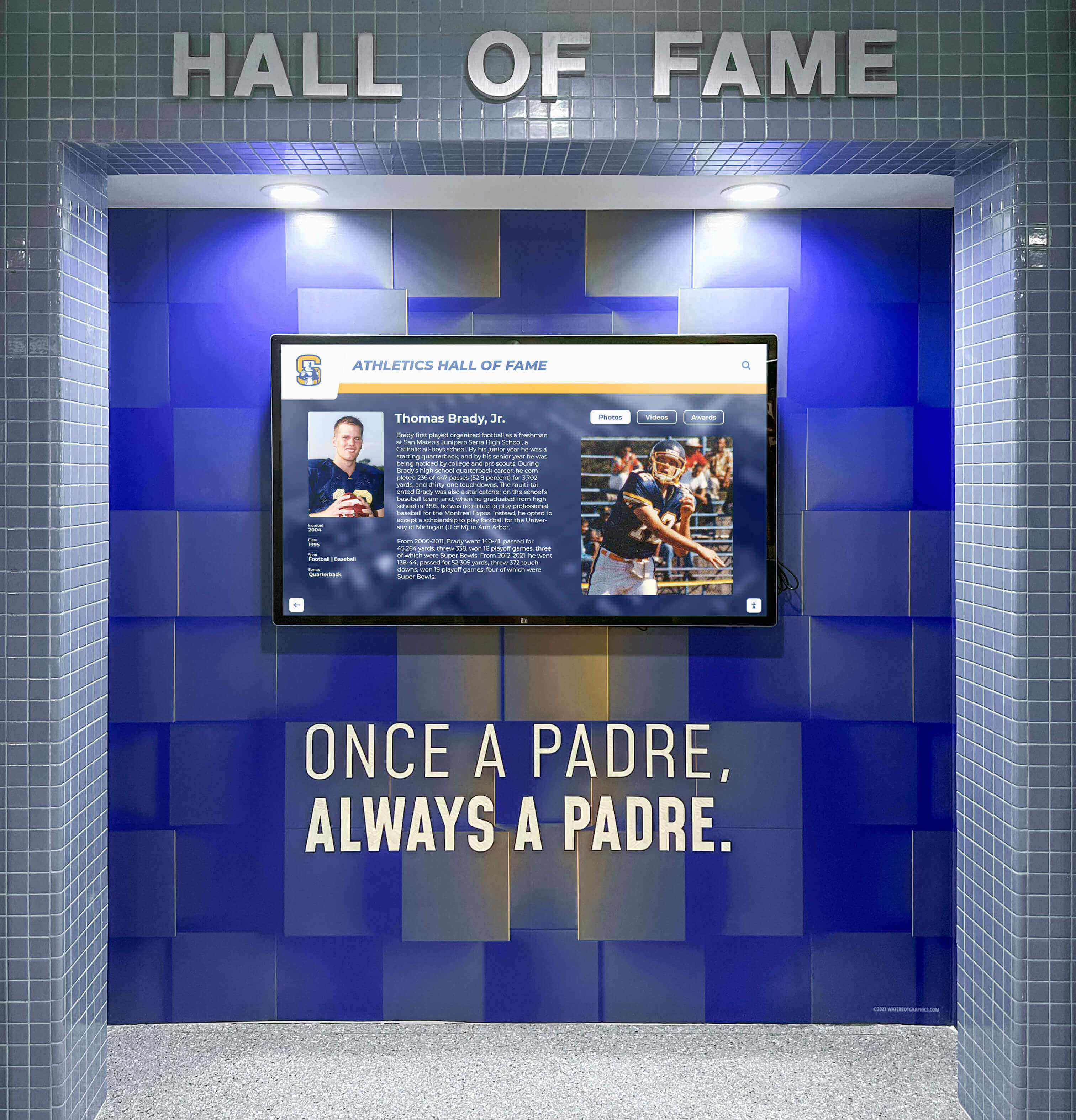
Interactive digital displays enable comprehensive exploration of hall of fame inductees and their achievements
Understanding Hall of Fame Selection Criteria
Before establishing specific requirements, understanding the principles that guide effective criteria development helps create sustainable programs.
The Purpose of Selection Standards
Hall of fame criteria serve multiple functions beyond simply choosing inductees:
Defining Excellence Within Your Context
Criteria establish what your institution values and celebrates. Athletic programs might emphasize championship participation, record-breaking performances, or sustained competitive success. Academic halls of fame might prioritize scholarship achievements, research contributions, or teaching excellence. Community halls of fame might recognize service impact, leadership contributions, or transformational achievements.
The specific standards you establish communicate your organization’s values to current members while setting aspirational targets for future recognition.
Maintaining Program Prestige and Exclusivity
Hall of fame recognition derives value from selectivity. When induction represents an exceptional achievement rather than routine acknowledgment, the honor becomes more meaningful to recipients and more respected by communities. Rigorous criteria prevent recognition inflation that diminishes program significance.
According to the National Federation of State High School Associations, high school athletic halls of fame typically induct fewer than 1% of total athletes who compete in programs, maintaining exclusivity that preserves recognition value.
Ensuring Fair and Open Evaluation
Written criteria establish objective standards that prevent favoritism, political influence, or arbitrary decision-making. When selection processes follow documented procedures applying consistent standards, community members trust that inductees genuinely deserve recognition.
Open processes build credibility that sustains programs across leadership transitions and protects against controversy that can undermine hall of fame reputations.
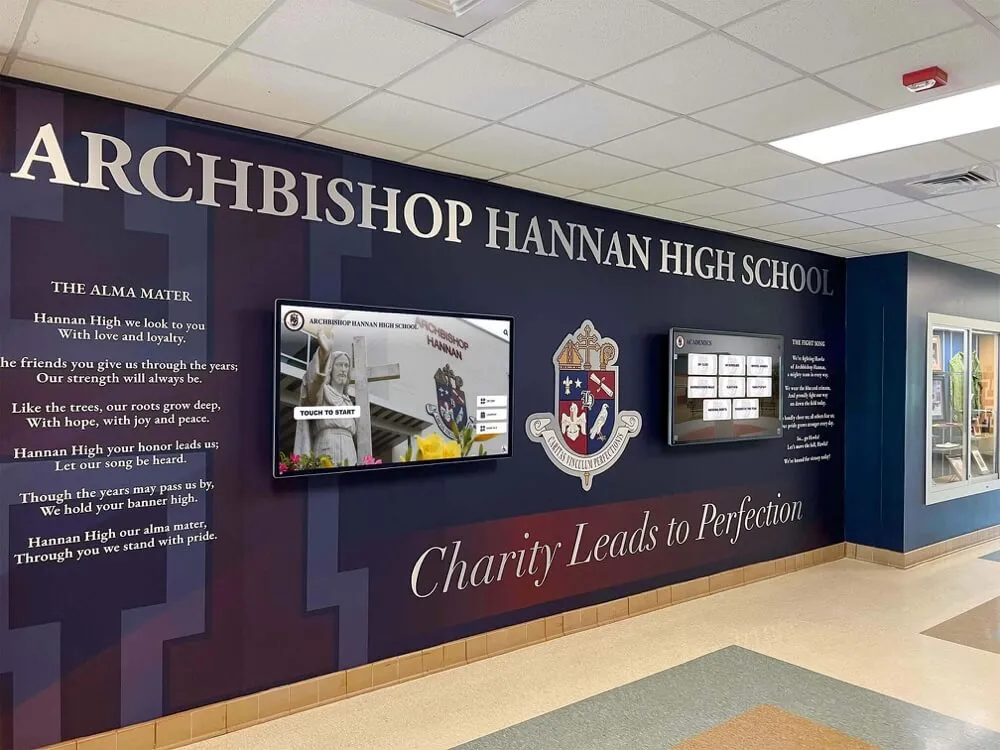
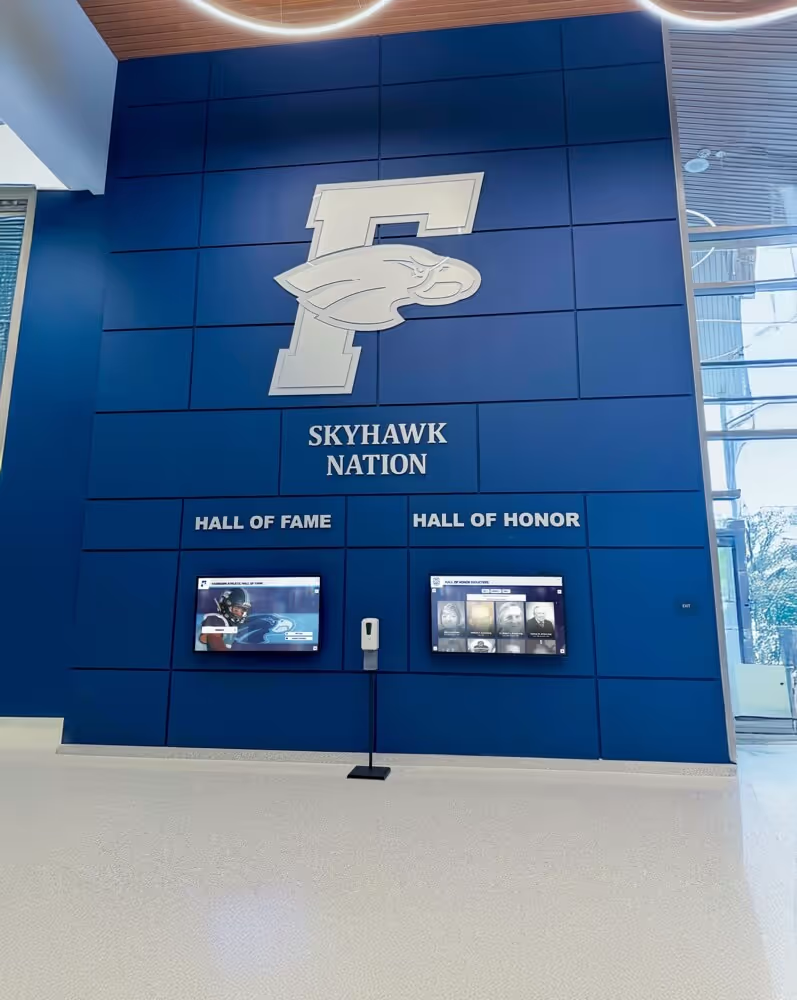
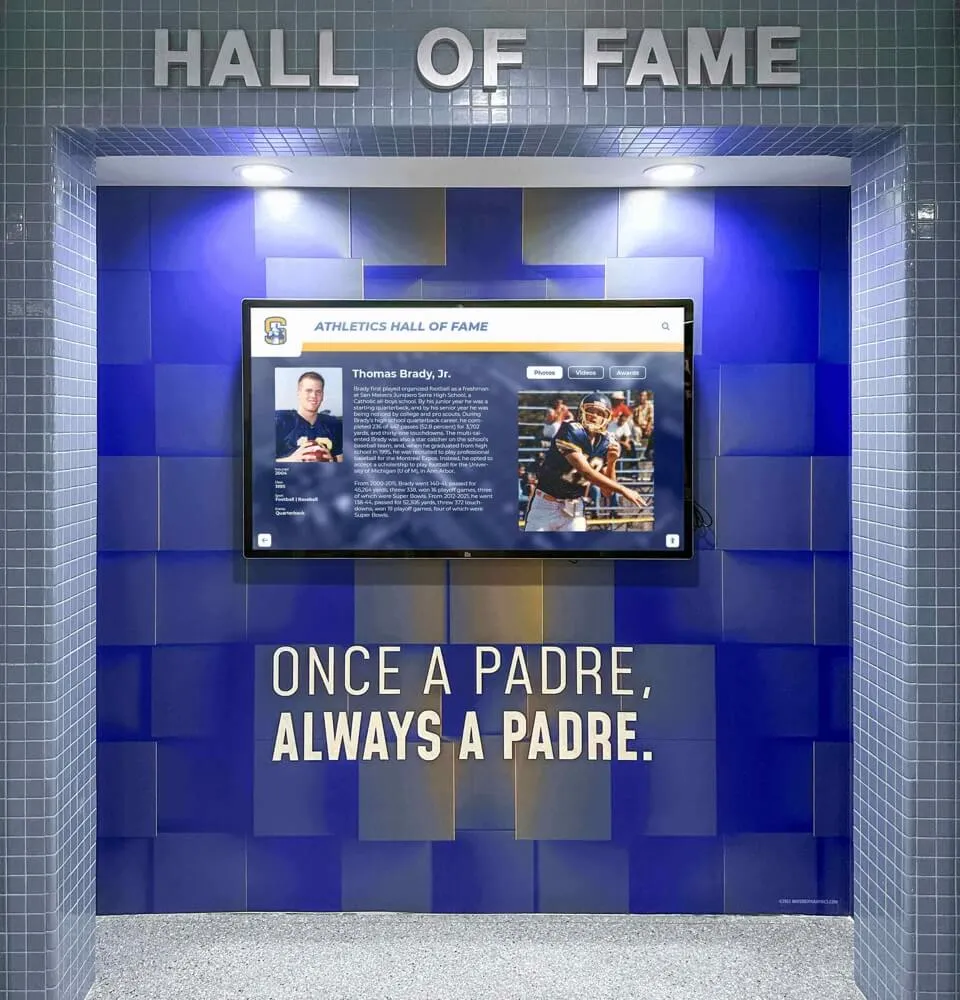
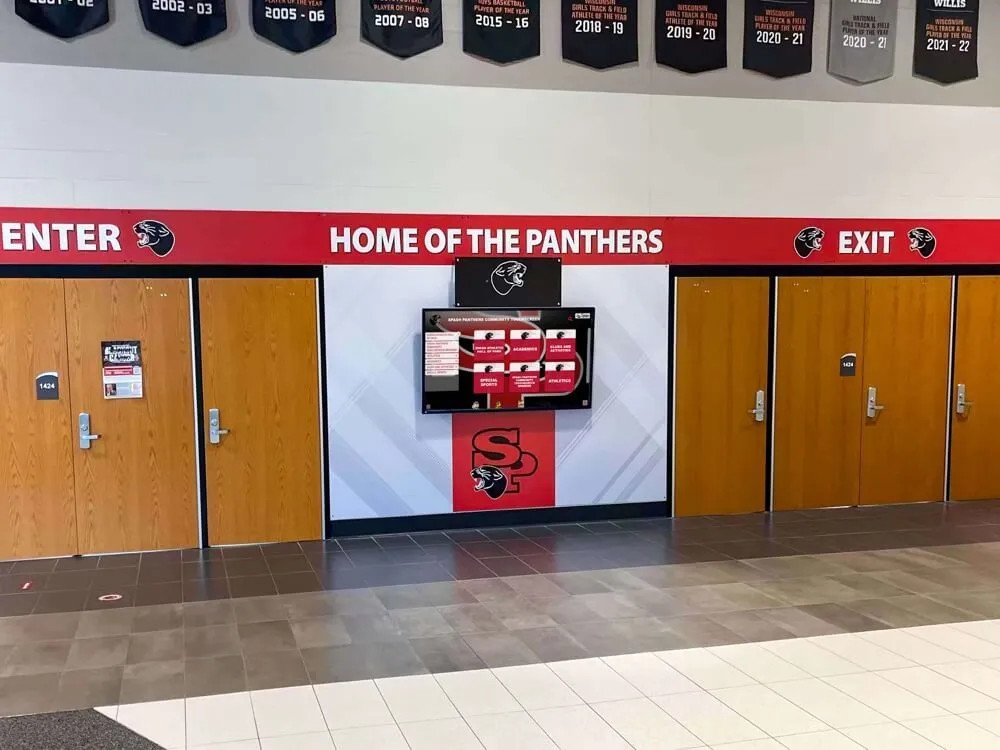
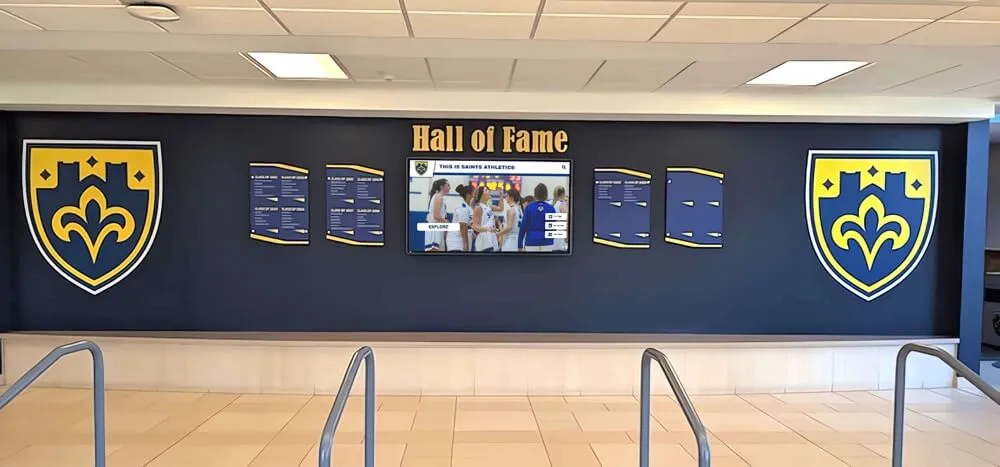
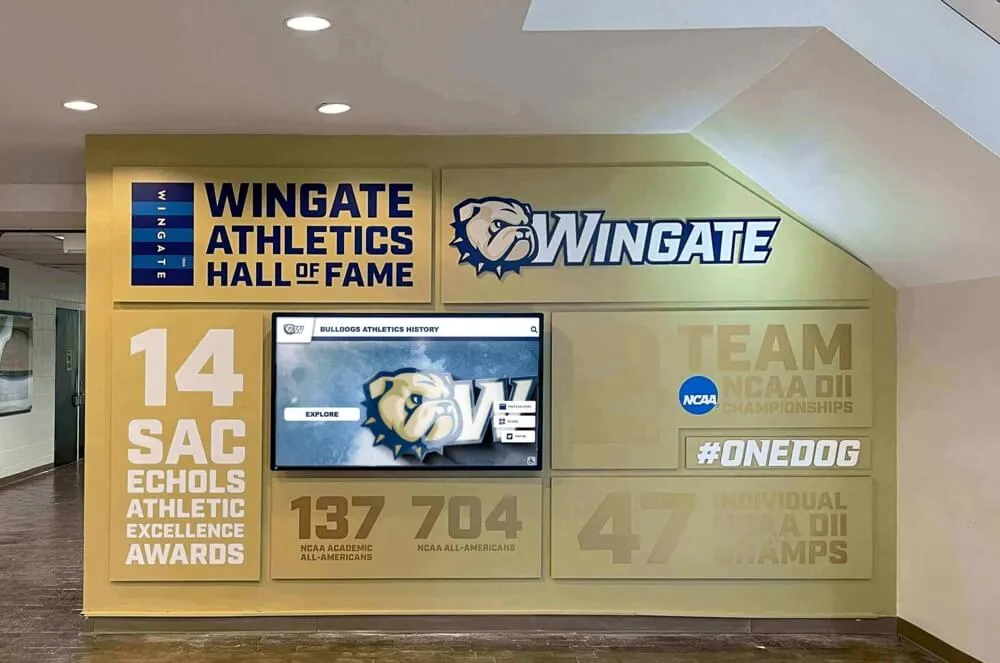
Professional displays in high-traffic locations ensure hall of fame recognition receives appropriate visibility
Core Components of Effective Selection Criteria
Most successful hall of fame criteria include several essential elements:
Eligibility Timing Requirements
Waiting periods between achievement and eligibility serve important purposes:
Standard Waiting Periods
- Athletic Programs: Typically 10 years after graduation or final season
- Academic Recognition: Often 5-10 years post-graduation to assess lasting impact
- Professional Halls of Fame: Commonly 3-5 years after career conclusion
- Community Service: Usually immediate eligibility for current contributions
These gaps provide perspective on sustained impact rather than recent performance, prevent recency bias favoring current programs over historical achievements, and allow time to assess character and post-recognition accomplishments.
Schools implementing digital hall of fame displays often find that waiting periods help accumulate comprehensive biographical information that enriches digital profiles.
Achievement Thresholds and Performance Standards
Quantifiable benchmarks establish objective minimum qualifications:
Athletic Achievement Examples
- All-state, all-conference, or all-American selection
- Championship team participation with significant contribution
- School record holder or top-five all-time statistical performance
- Multi-year varsity letter winner (typically 3+ years)
- Individual championship victories or tournament medals
- College athletic scholarship recipient
Academic Achievement Examples
- Valedictorian or salutatorian status
- National Merit Scholar recognition
- Published research or creative work
- Academic competition championships
- Perfect attendance records spanning multiple years
- ACT/SAT scores exceeding defined thresholds
These measurable standards provide clear targets while enabling objective comparison across candidates from different eras.
Character and Conduct Requirements
Most programs include integrity standards:
- Good standing with institution at time of nomination
- No serious violations of athletic or institutional codes
- Positive role model demonstrating program values
- Character reflecting well on institution and community
- Conduct consistent with honor of recognition
These provisions allow programs to decline inducting individuals whose achievements are overshadowed by serious misconduct, though specific interpretation requires careful committee judgment.
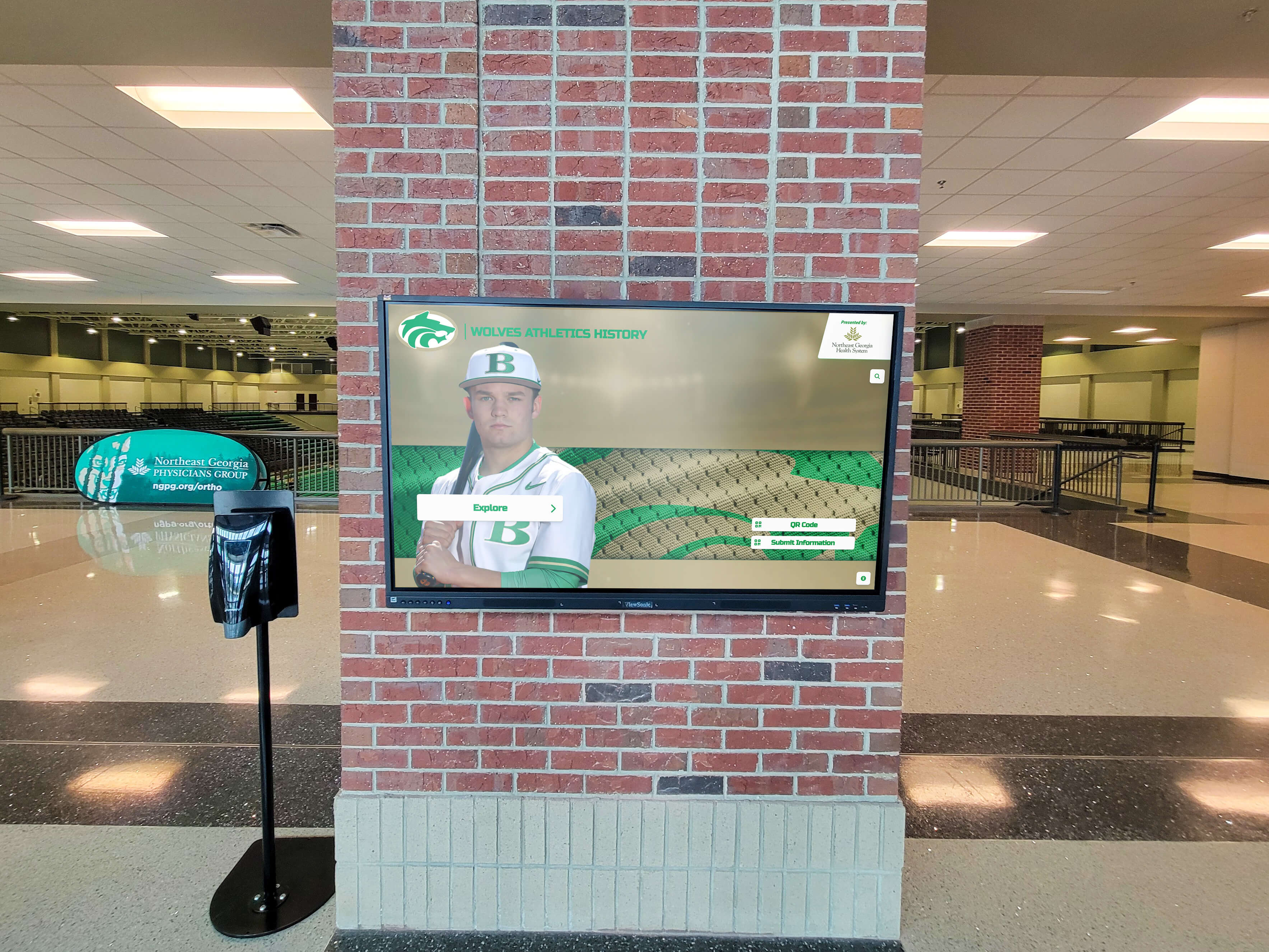
Digital systems provide unlimited space for growing recognition programs without physical expansion constraints
Category-Specific Selection Standards
Most comprehensive halls of fame include multiple recognition categories with tailored criteria:
Individual Athlete or Performer Recognition
Individual inductees typically qualify through exceptional personal achievement:
Performance-Based Criteria
- Statistical excellence placing candidates among program’s all-time leaders
- Individual honors received during competitive career
- Sustained excellence across multiple seasons
- Impact on team success and championship achievements
- Post-graduation athletic or professional accomplishments
- Records established that demonstrate historic performance
Leadership and Character Criteria
- Team captain selection demonstrating peer respect
- Mentorship of younger athletes or teammates
- Sportsmanship recognition and awards
- Overcoming adversity or significant challenges
- Representing program values consistently
- Positive community engagement
Schools creating athletic wall of honor programs often use similar criteria at a broader scale than hall of fame selection.
Team Recognition Standards
Championship teams merit separate consideration:
Team Achievement Thresholds
- State championship victories or highest-level titles
- Undefeated seasons or historic winning streaks (often 20+ consecutive wins)
- Multiple consecutive championship game appearances
- Record-breaking team performances establishing new standards
- Historic significance in program development
- Typically 10+ years after championship season for historical perspective
Team recognition honors collective achievement while acknowledging that exceptional teams result from more than individual talent alone.
Coach and Contributor Recognition
Coaching induction acknowledges sustained program building:
Coaching Criteria
- Minimum years of service (commonly 10+ years at institution)
- Championship victories or sustained competitive success
- Significant winning percentage (often .600 or higher career mark)
- Athletes developed who achieved significant recognition
- Program innovations or lasting cultural contributions
- Typically 5+ years after coaching conclusion
Special Contributor Recognition Some programs include categories for non-competitors:
- Athletic administrators who built exceptional programs
- Booster club leaders providing critical support
- Facilities staff maintaining competitive venues
- Media members chronicling and promoting achievements
- Community supporters enabling program success
Organizations implementing donor recognition walls often apply similar principles to philanthropic hall of fame categories.
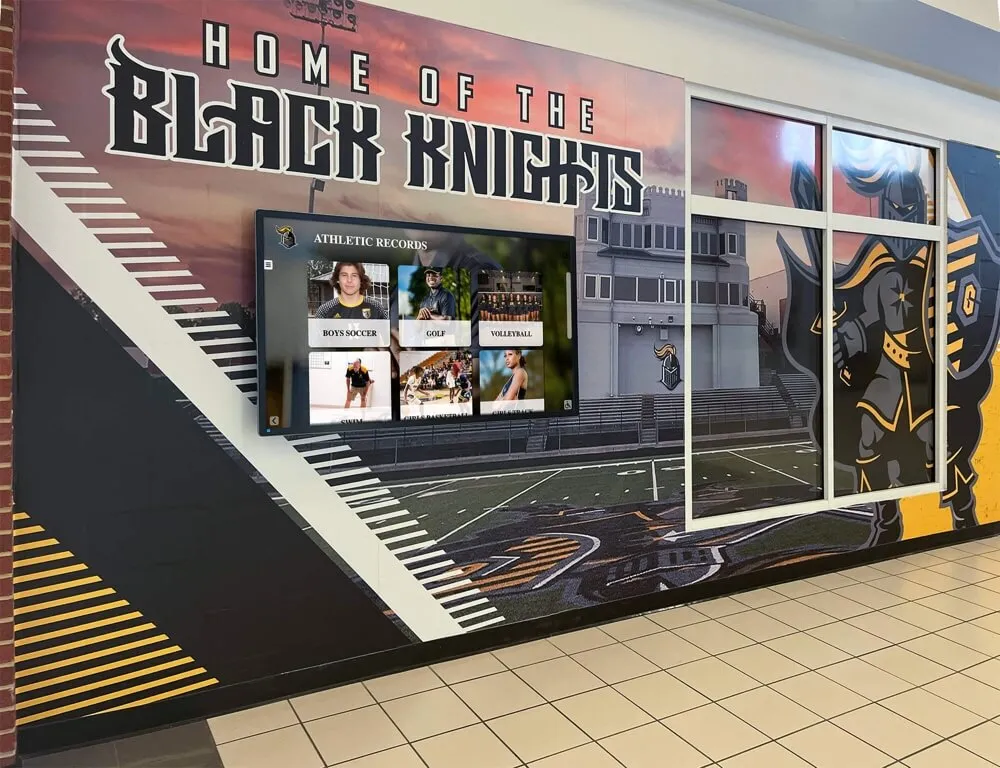
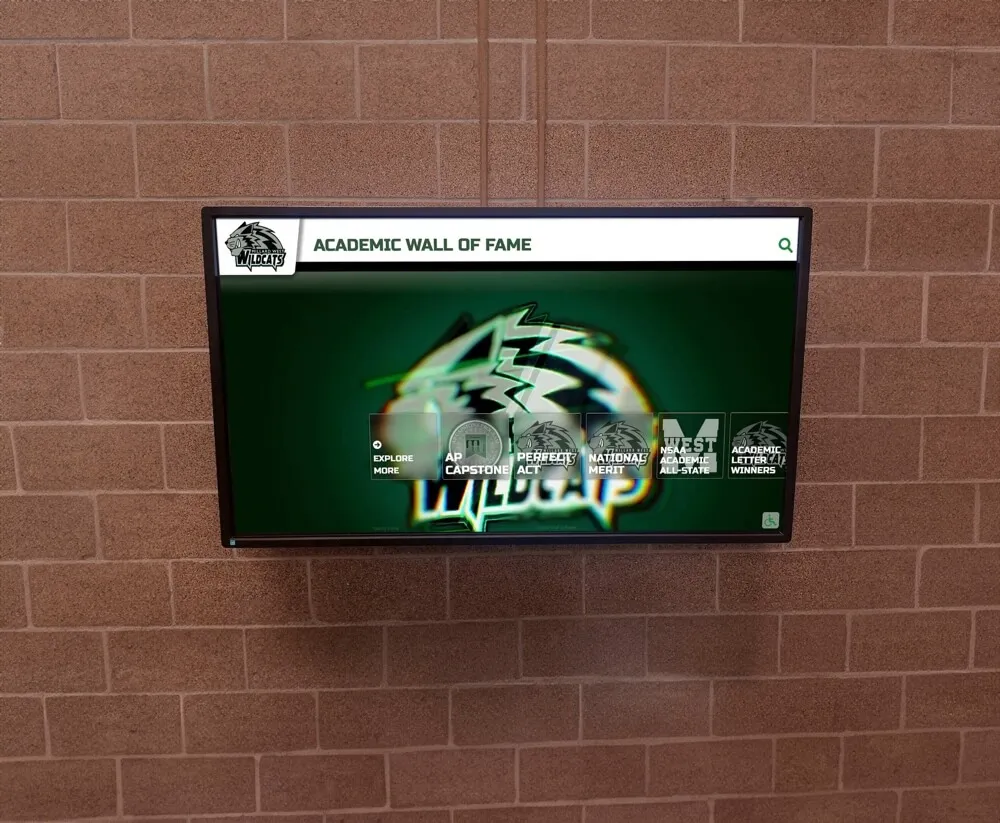
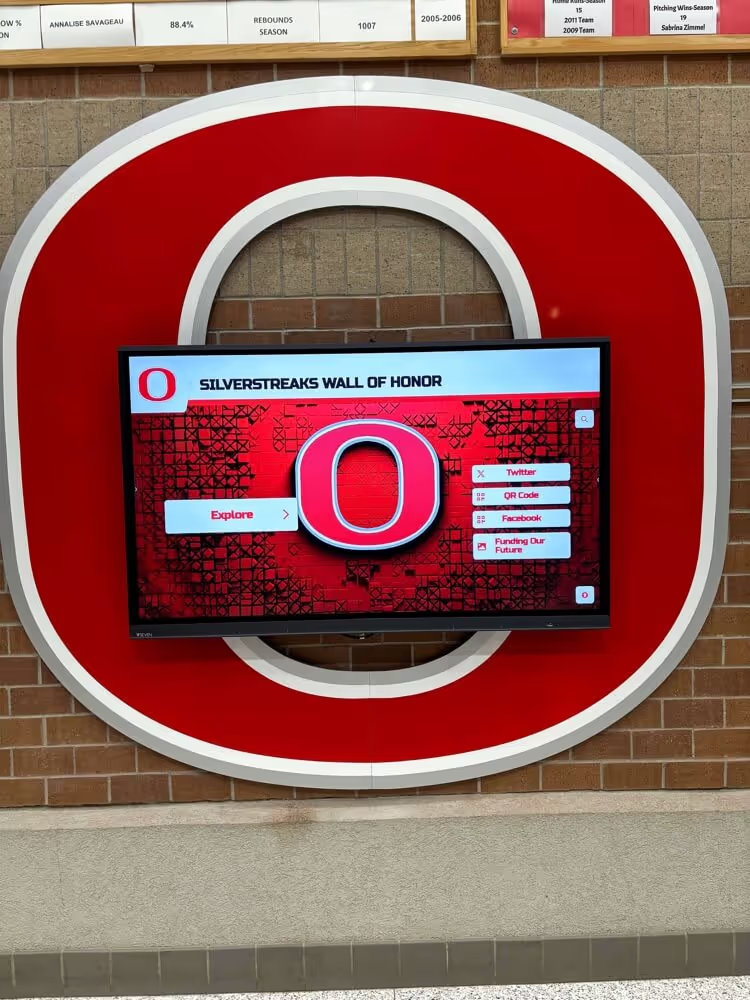
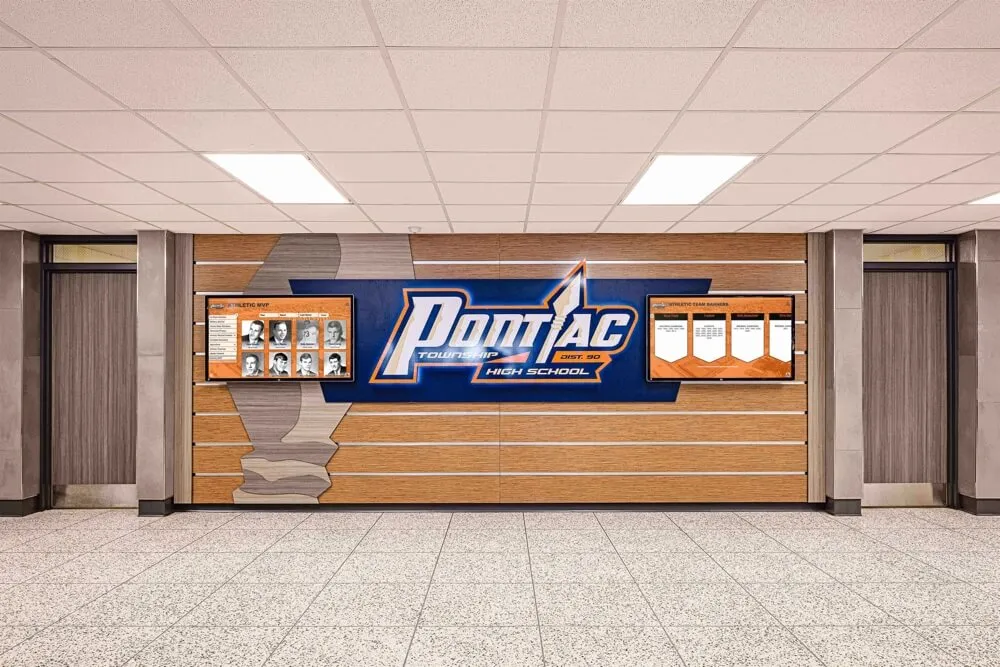
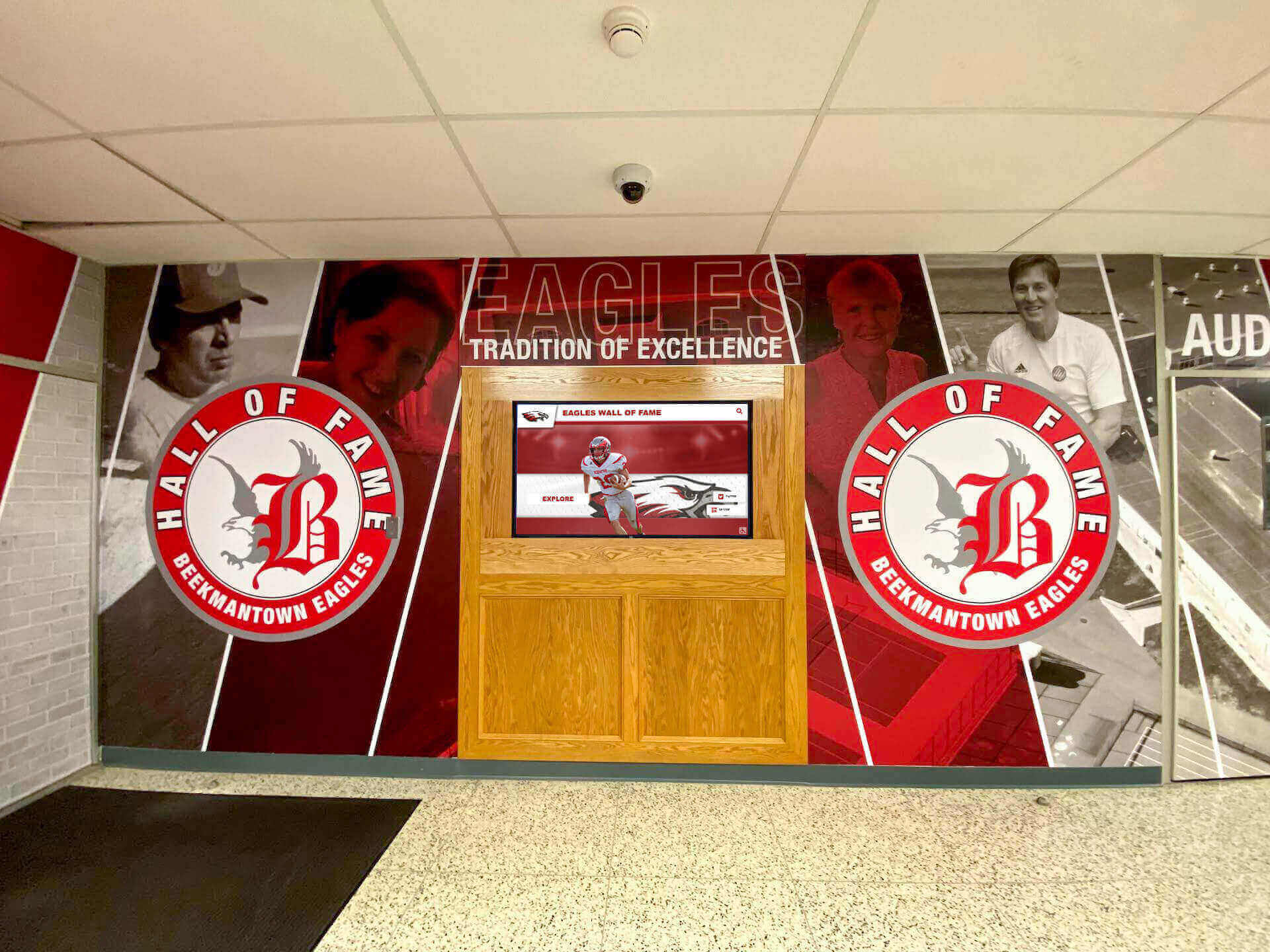
Digital displays can scale from compact kiosks to dramatic large-format installations matching facility aesthetics
Establishing Selection Processes and Committees
Clear criteria require fair processes to ensure consistent, objective application.
Nomination Procedures
Clear nomination processes encourage community participation while gathering necessary information:
Open Nomination Systems
Most programs allow broad nomination participation:
Eligible Nominators
- Current and former coaches with direct knowledge
- Athletic administrators familiar with program history
- Alumni who competed alongside candidates
- Community members aware of contributions
- Family members providing biographical details
- Selection committee members identifying candidates
Open systems maximize candidate identification while demonstrating inclusive processes.
Nomination Requirements
Formal nomination packets typically include:
Required Documentation
- Completed nomination form with candidate information
- Detailed achievement documentation and statistics
- Supporting materials (news articles, photos, videos)
- Nomination letter explaining induction merit
- Contact information for additional references
- Submission by stated annual deadline
Comprehensive packets provide committees with information needed for informed evaluation while establishing submission standards that demonstrate serious nominations.
Multiple Nomination Opportunities
Best practices include:
- Candidates remaining eligible for multiple years if not initially selected
- No limit on resubmission attempts
- Updates and additional documentation welcomed for continuing candidates
- No penalties for unsuccessful nominations
This approach prevents deserving candidates from being overlooked due to single-year competition while avoiding pressure for immediate selection.
Selection Committee Structure
Committee composition determines evaluation quality and community confidence:
Representative Committee Composition
Effective committees include diverse perspectives:
Typical Committee Members
- Athletic director or program leader serving as chair
- Selection of current coaching staff representing multiple sports
- Retired coaches providing historical perspective and context
- Previous hall of fame inductees ensuring standards maintenance
- Athletic booster club representatives
- School administrators ensuring policy alignment
- Alumni association representatives
Committees typically include 8-15 members—large enough for diverse perspectives, small enough for meaningful deliberation.
Term Structure and Rotation
Committee sustainability requires:
- Staggered multi-year terms (commonly 3-5 years)
- Rotating membership preventing stagnation
- Balance between continuity and fresh perspectives
- Clear succession planning for leadership roles
- Orientation processes for new committee members
Organizations establishing academic recognition programs apply similar committee structures to non-athletic selection processes.
Conflict of Interest Protocols
Credibility requires ethical safeguards:
- Committee members recuse from discussions about relatives or close associates
- No committee member involvement when personal relationships exist
- Secret ballot voting preventing pressure or influence
- Documented recusal procedures ensuring accountability
- External oversight when conflict concerns arise
Successful hall of fame programs combine careful selection with prominent recognition that honors inductees appropriately
Voting Procedures and Decision Protocols
Formal voting processes ensure fair, consistent evaluation:
Deliberation and Discussion
Effective evaluation includes:
Review Process
- Pre-meeting distribution of all nomination materials
- Committee members research and prepare independently
- Meeting presentation of each candidate’s qualifications
- Discussion period for questions and evaluation
- Comparison against established criteria
- Historical context consideration
Thorough deliberation ensures informed decisions rather than superficial judgments.
Voting Methodology
Common voting approaches include:
Supermajority Requirements
- Typically 75-80% committee approval required for induction
- Higher thresholds maintain selectivity and prestige
- Prevents marginal candidates from being inducted
- Ensures broad committee consensus exists
- Protects against narrow-majority selections
Annual Induction Limits
- Some programs establish maximum annual inductees
- Others induct all candidates meeting threshold standards
- No required minimum ensures quality over quantity
- Flexibility accommodates strong or weak candidate years
According to National High School Hall of Fame procedures, supermajority requirements and no minimums maintain program integrity better than simple majority voting with required annual inductions.
Secret Ballot Protection
Confidential voting prevents undue influence:
- Written ballots ensuring privacy
- Anonymous voting preventing pressure
- No public disclosure of vote counts
- Committee members free to vote conscience
- Protection against external lobbying
Documentation and Transparency
Accountability requires records:
- Meeting minutes documenting deliberation process
- Voting results preserved in sealed records
- Rationale for decisions recorded for future reference
- Public announcement of selection outcomes
- Criteria application explanation when appropriate
These procedures build community confidence in selection integrity while protecting confidential deliberations.
Schools implementing student recognition programs at lower levels often adapt similar processes for ongoing acknowledgment systems.

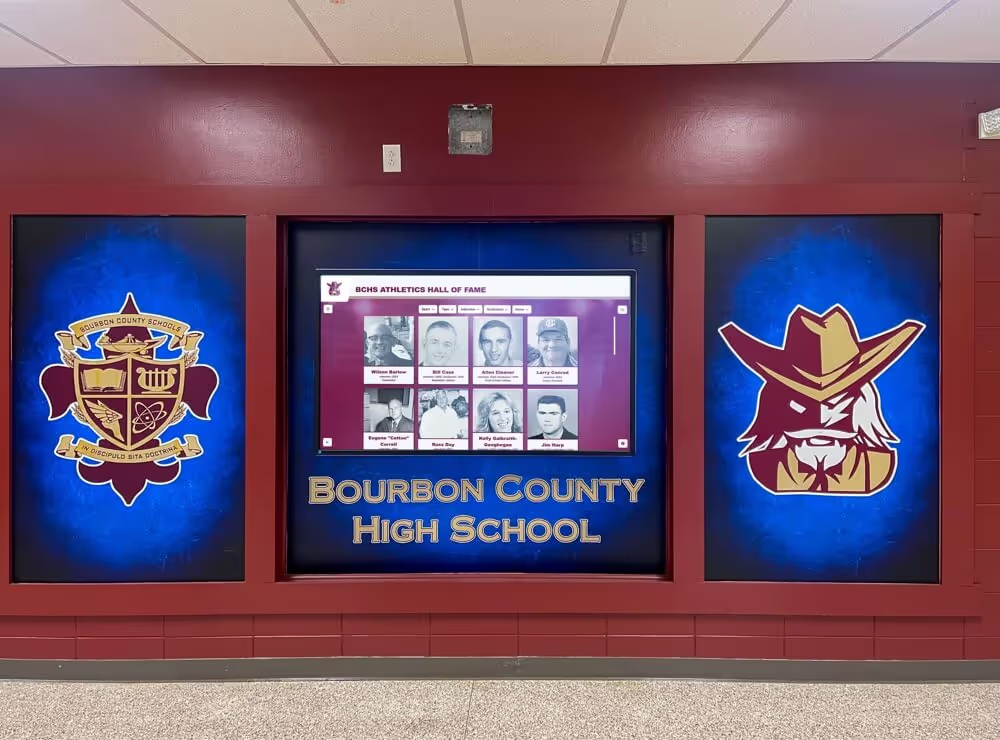
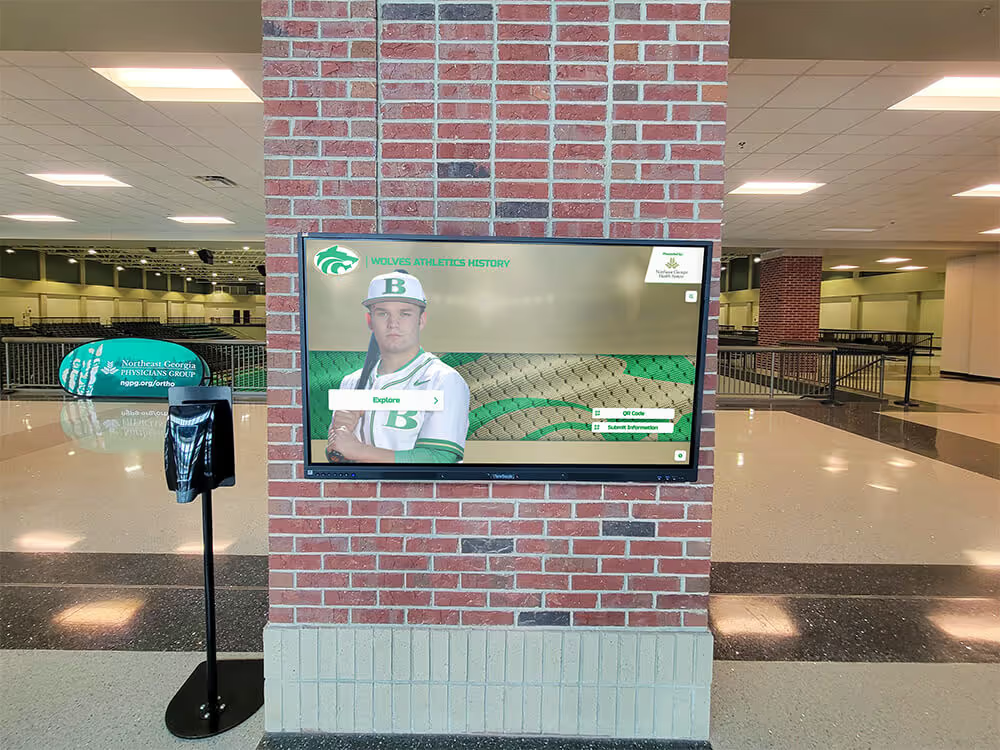
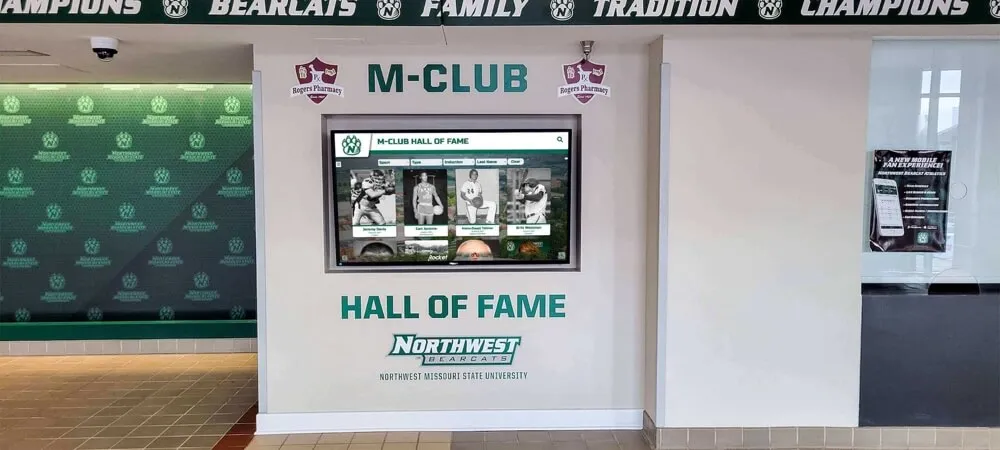
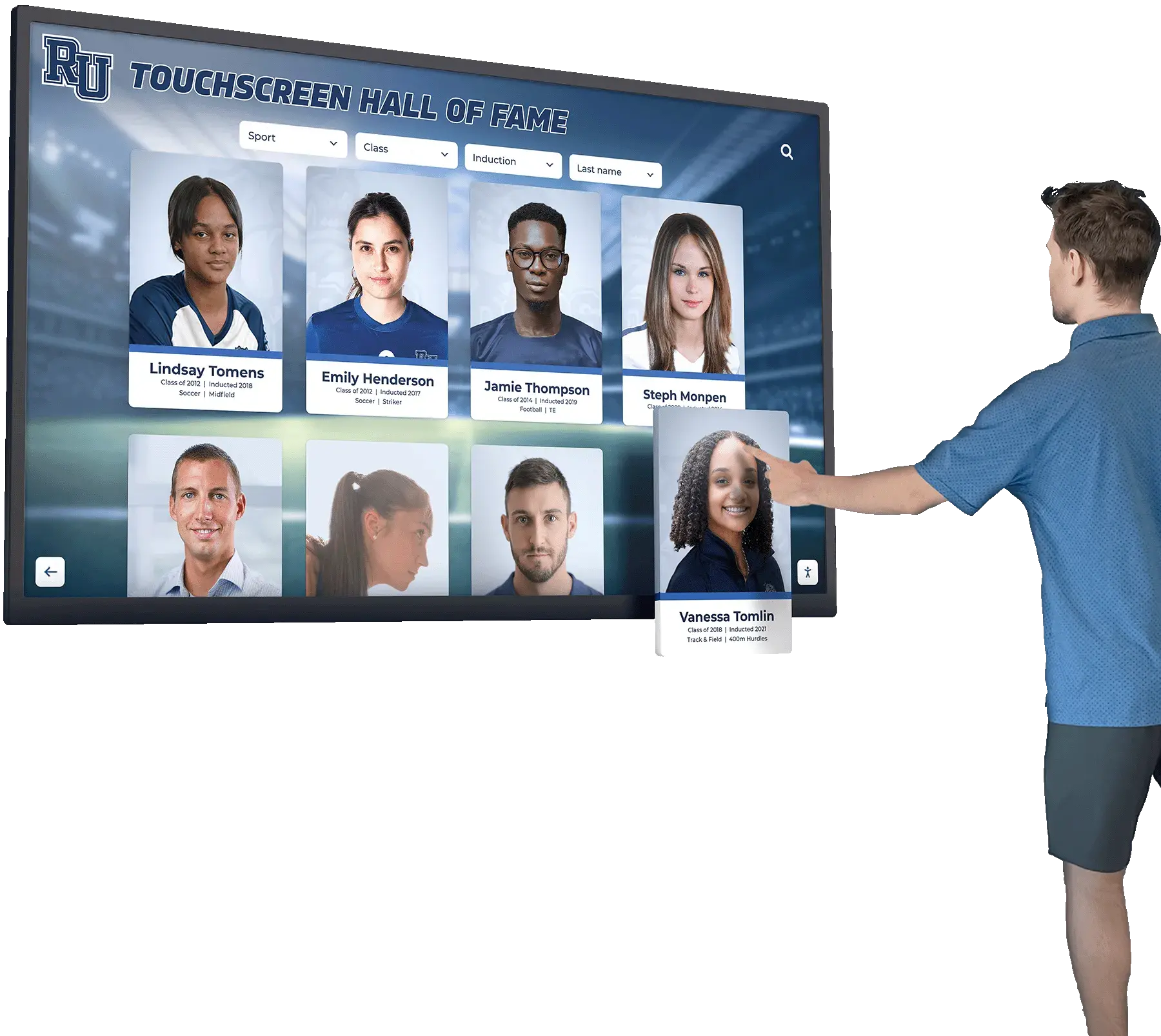
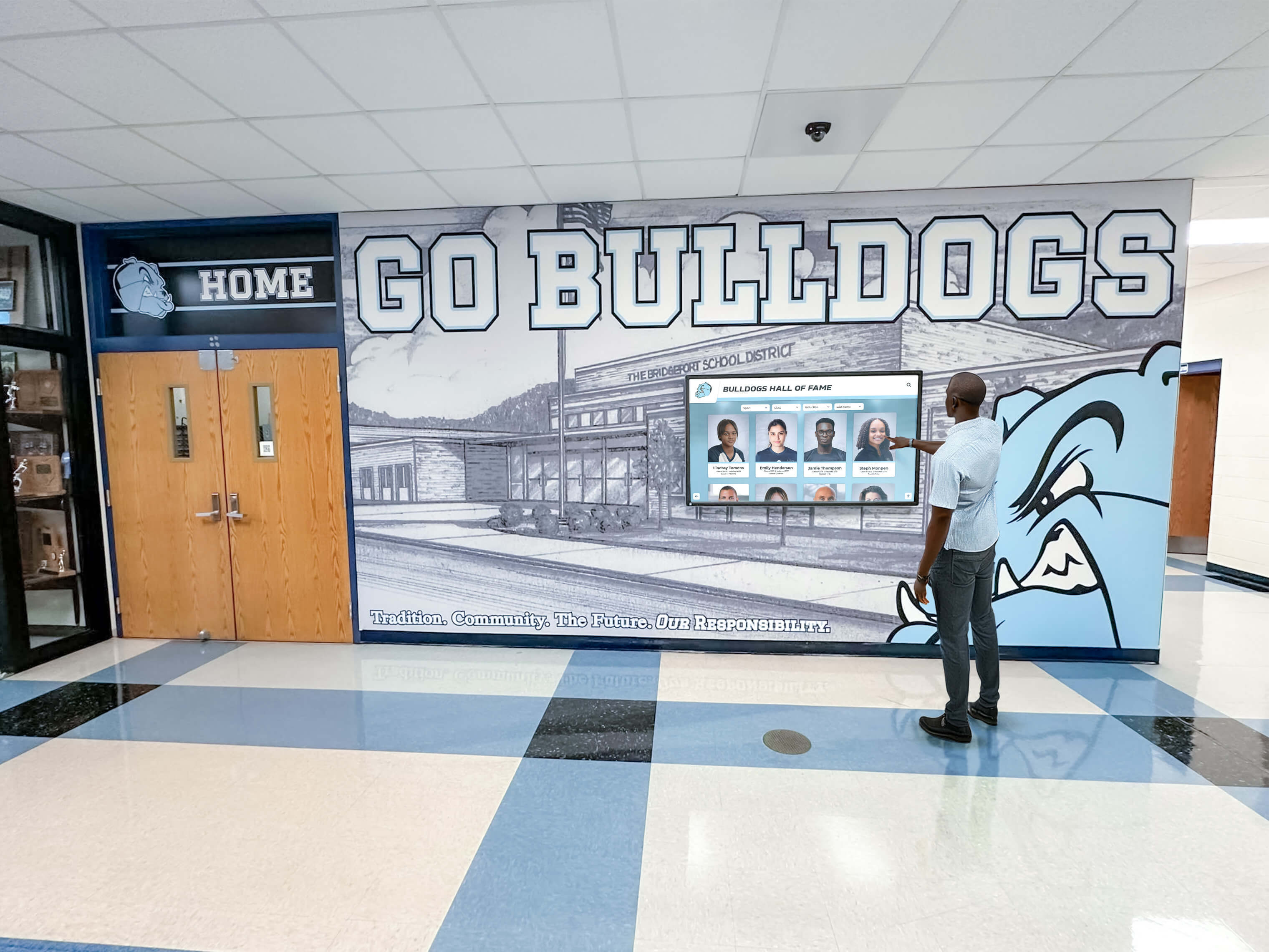
Touchscreen interfaces enable visitors to explore inductee profiles, search by sport or year, and discover detailed achievement information
Special Selection Considerations
Several common situations require thoughtful policy development:
Gender Equity in Selection
Fair representation requires deliberate attention:
Proportional Recognition
- Inductee composition should reflect athletic participation rates
- Historical underrepresentation of female athletes requires correction
- Equivalent criteria application across all programs
- Committee composition including representatives knowledgeable about all sports
- Deliberate identification of qualified female candidates
When launching new halls of fame, retroactive recognition of deserving female athletes from eras when women’s sports received less institutional support helps establish inclusive programs from inception.
Posthumous Nominations
Honoring deceased candidates raises unique considerations:
Posthumous Induction Policies
- Most programs allow posthumous nominations and selection
- Same criteria apply as for living candidates
- Family notification and involvement in ceremonies
- Recognition of those who died before eligibility timing requirements met
- Balanced consideration preventing disproportionate posthumous selections
Posthumous inductions honor achievement while acknowledging that not all deserving candidates remain available for living recognition.
Candidates with Complicated Histories
Some nominees present difficult evaluation scenarios:
Athletes Who Transferred or Left Programs
- Achievements during tenure remain valid regardless of departure circumstances
- Character requirements may affect eligibility if misconduct occurred
- Case-by-case evaluation considering full context
- Focus on athletic achievement separate from other considerations
Post-Athletic Career Considerations
- Criteria typically focus on athletic achievement during program participation
- Serious post-career misconduct may affect induction decisions
- Balance between athletic merit and representing institution appropriately
- Clear policies preventing retroactive character debates
Sport-Specific vs. Unified Recognition
Programs must decide organizational structure:
Unified Hall of Fame Benefits
- Creates cohesive recognition program
- Prevents perceived hierarchy between sports
- Simplifies administration and management
- Ensures all sports receive equal recognition opportunity
- Most appropriate for high schools and small programs
Sport-Specific Hall of Fame Applications
- Allows sport-specific achievement standards
- Prevents comparison across different competition types
- Enables larger inductee numbers
- Requires significantly more administrative effort
- More common in major universities with extensive athletic traditions
Most high school programs benefit from unified halls of fame recognizing excellence across all sports equally.
Organizations developing championship recognition displays often take unified approaches celebrating all team accomplishments.
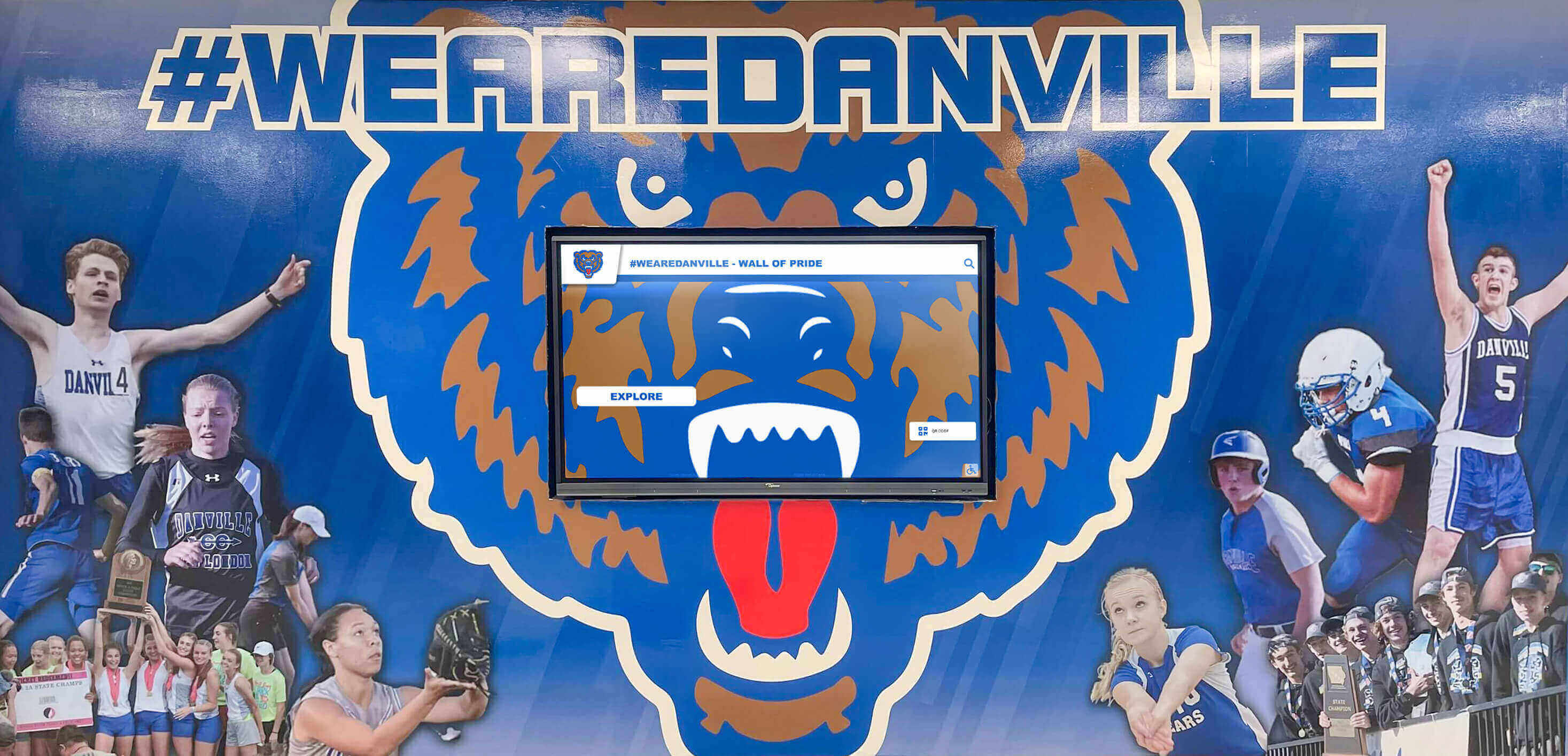
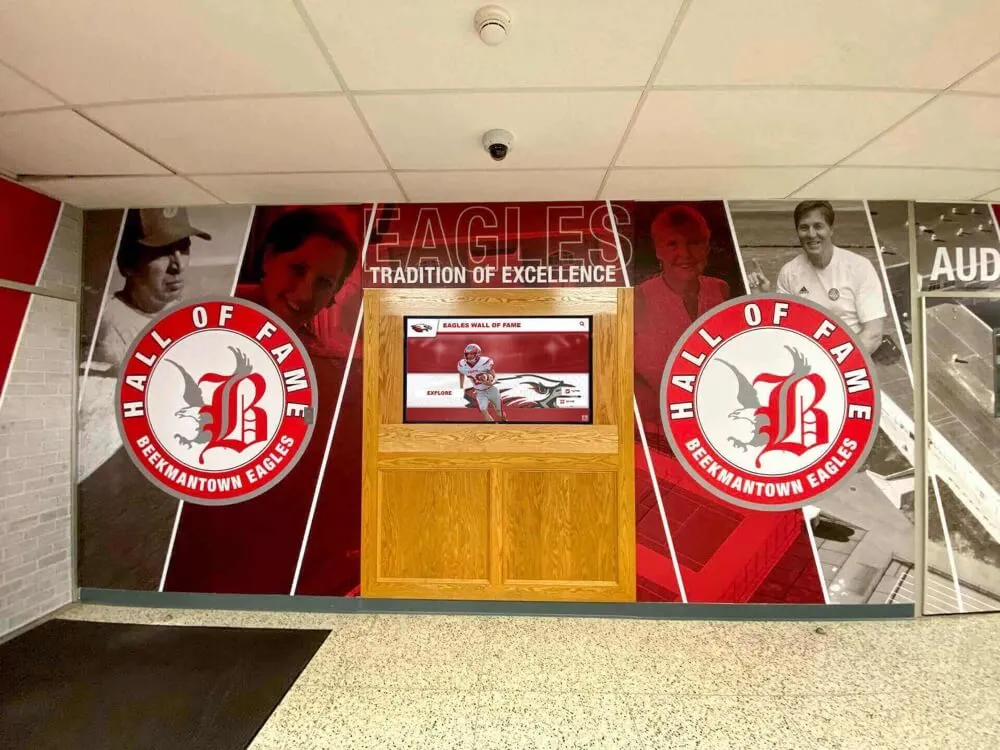
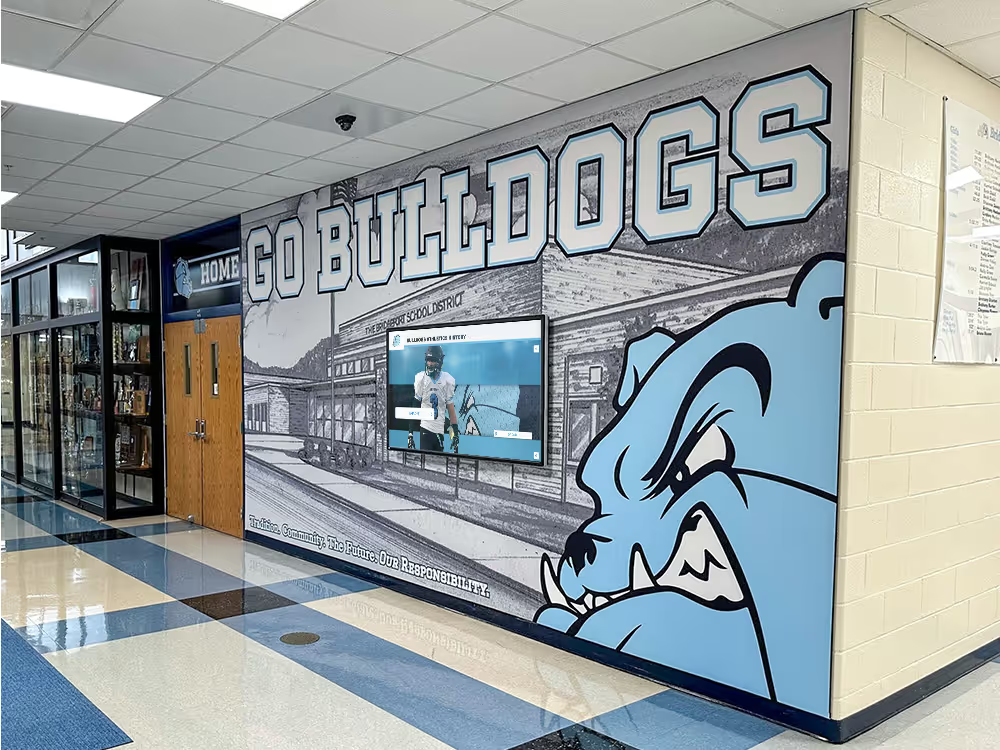
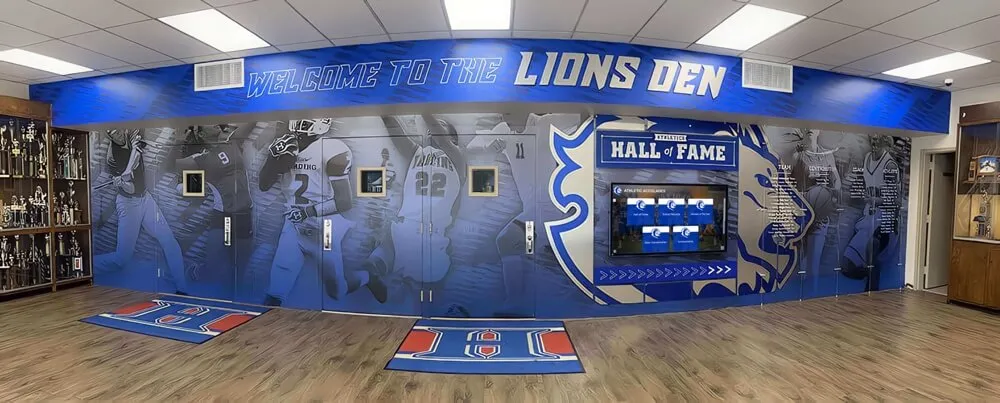
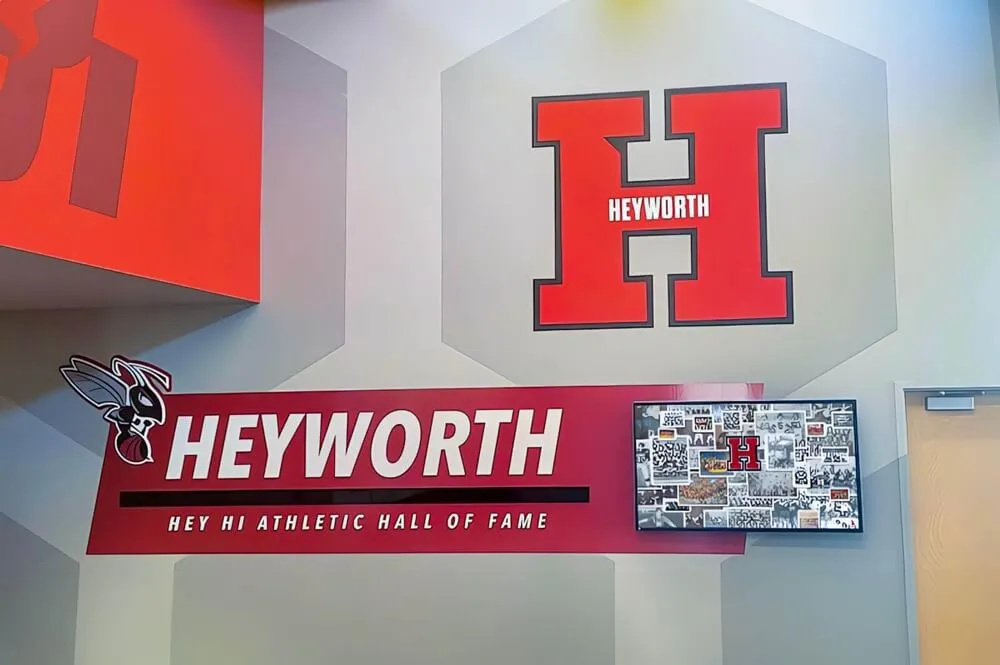
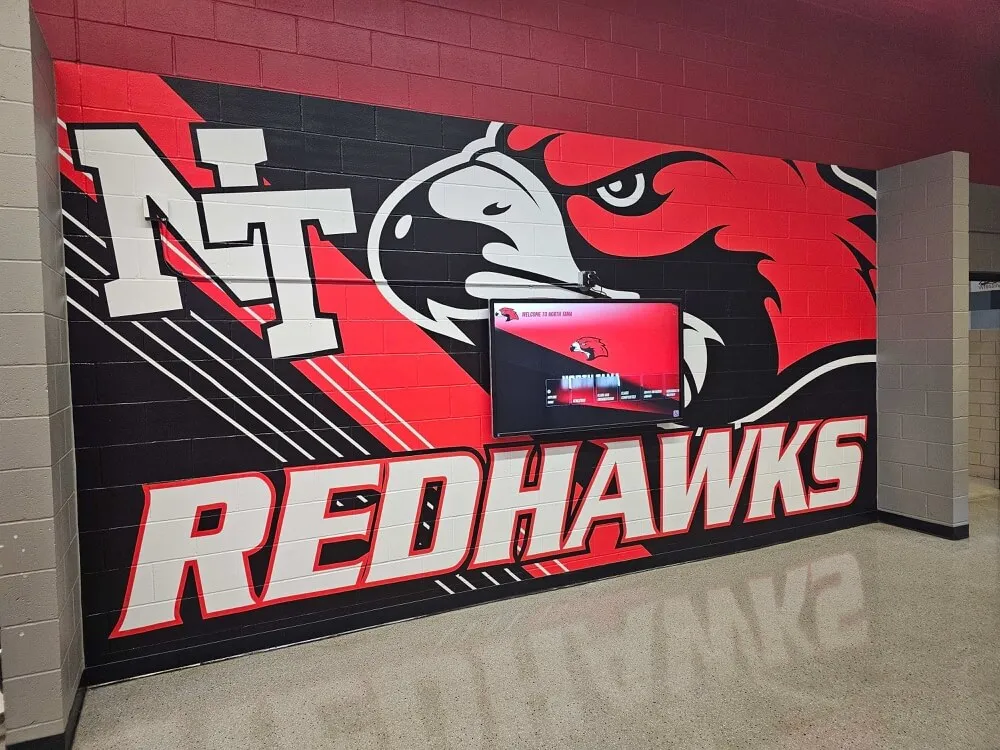
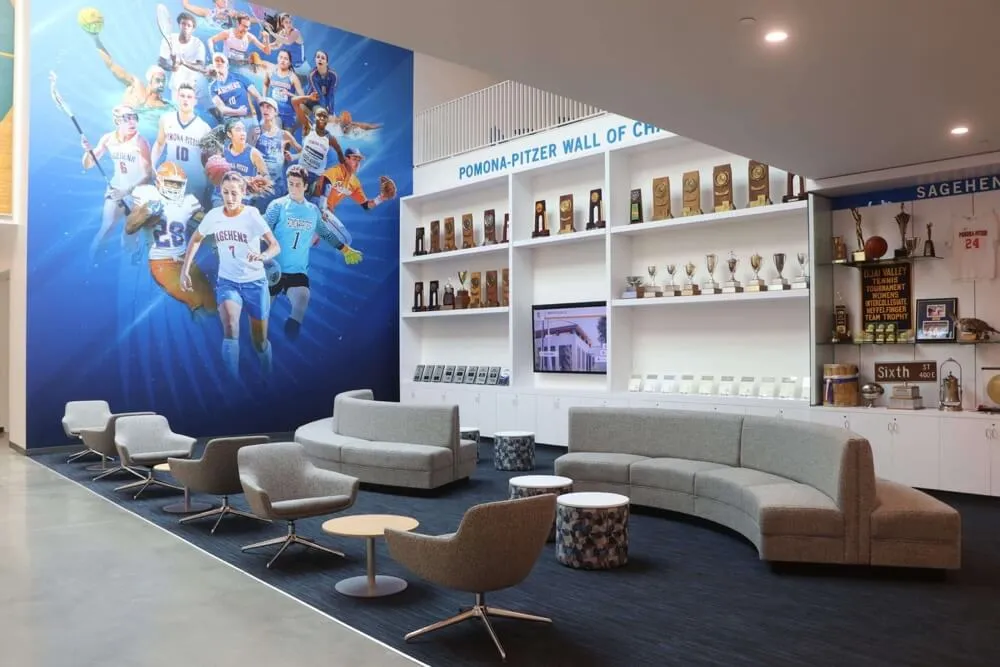
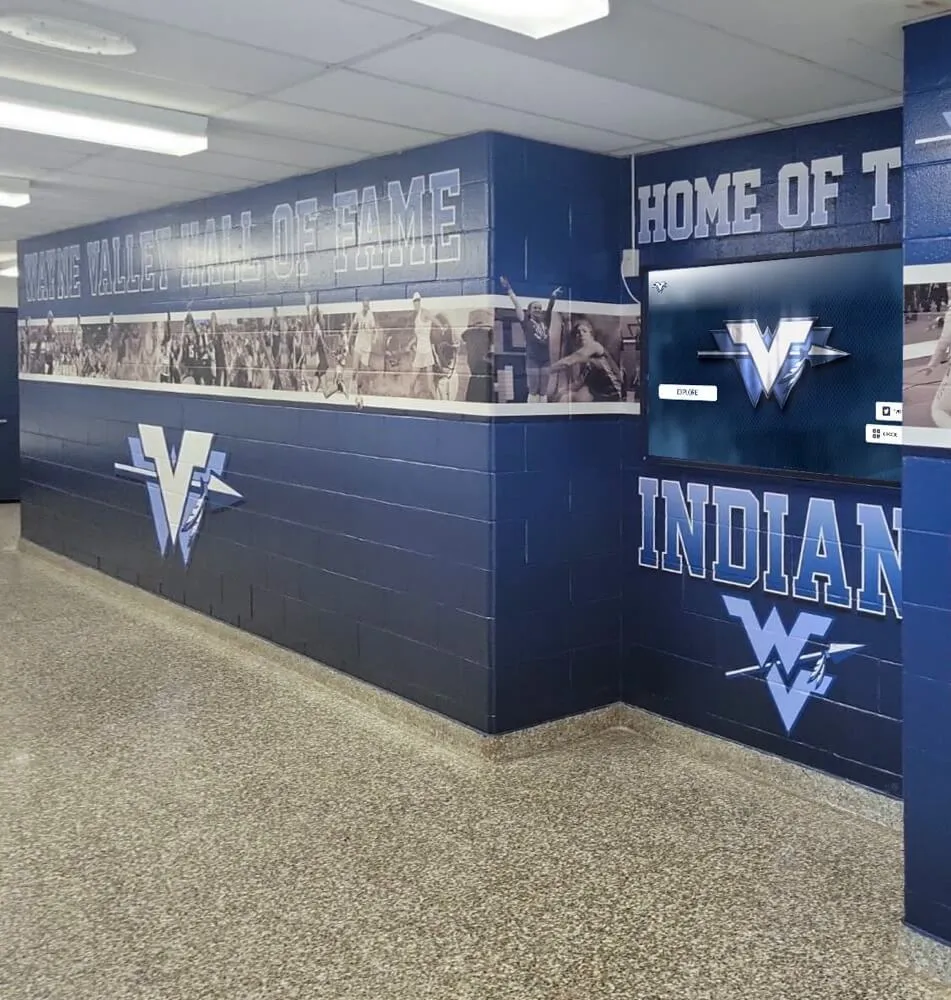
Hybrid approaches combining traditional murals with digital displays balance aesthetic impact with functional information delivery
Digital Display Implementation for Hall of Fame Recognition
After establishing fair selection processes, effective display systems present honorees appropriately.
Why Digital Displays Transform Hall of Fame Recognition
Traditional plaque walls face fundamental limitations that digital systems overcome:
Space Constraint Elimination
Traditional displays run out of physical wall space as programs grow, requiring difficult decisions about removing historical plaques, relocating entire displays, or limiting future inductions. Digital systems display unlimited inductees through single displays—adding your 10th inductee requires identical effort to your 500th.
Richer Biographical Storytelling
Static plaques contain minimal information—typically just names, years, and perhaps sports or brief achievements. Digital profiles include comprehensive achievement documentation, high-resolution photos from athletic careers, complete statistics and records, championship team information, post-athletic accomplishments, personal quotes and reflections, and video highlights when available.
This depth transforms bare acknowledgment into meaningful recognition that honors complete contributions.
Interactive Exploration Capabilities
Touchscreen interfaces enable visitors to search for specific inductees by name, filter by sport, induction year, or achievement type, compare statistics and accomplishments, discover connections between inductees, and explore at their own pace without physical movement.
Organizations report that digital displays generate 5-10 minutes of visitor interaction versus brief glances at traditional plaques.
Web Accessibility Extension
Modern systems provide identical content through web browsers, enabling alumni anywhere to explore hall of fame inductees, social sharing of inductee profiles, mobile-responsive access from smartphones and tablets, and integration with school websites and alumni platforms.
This accessibility extends recognition reach far beyond those physically visiting display locations.
Update Flexibility and Accuracy
Digital systems enable instant updates when new inductees are selected, correction of errors without physical reinstallation, addition of new content as it becomes available, and seasonal or event-specific feature presentations.
Schools implementing digital trophy case systems report similar benefits for broader athletic recognition.
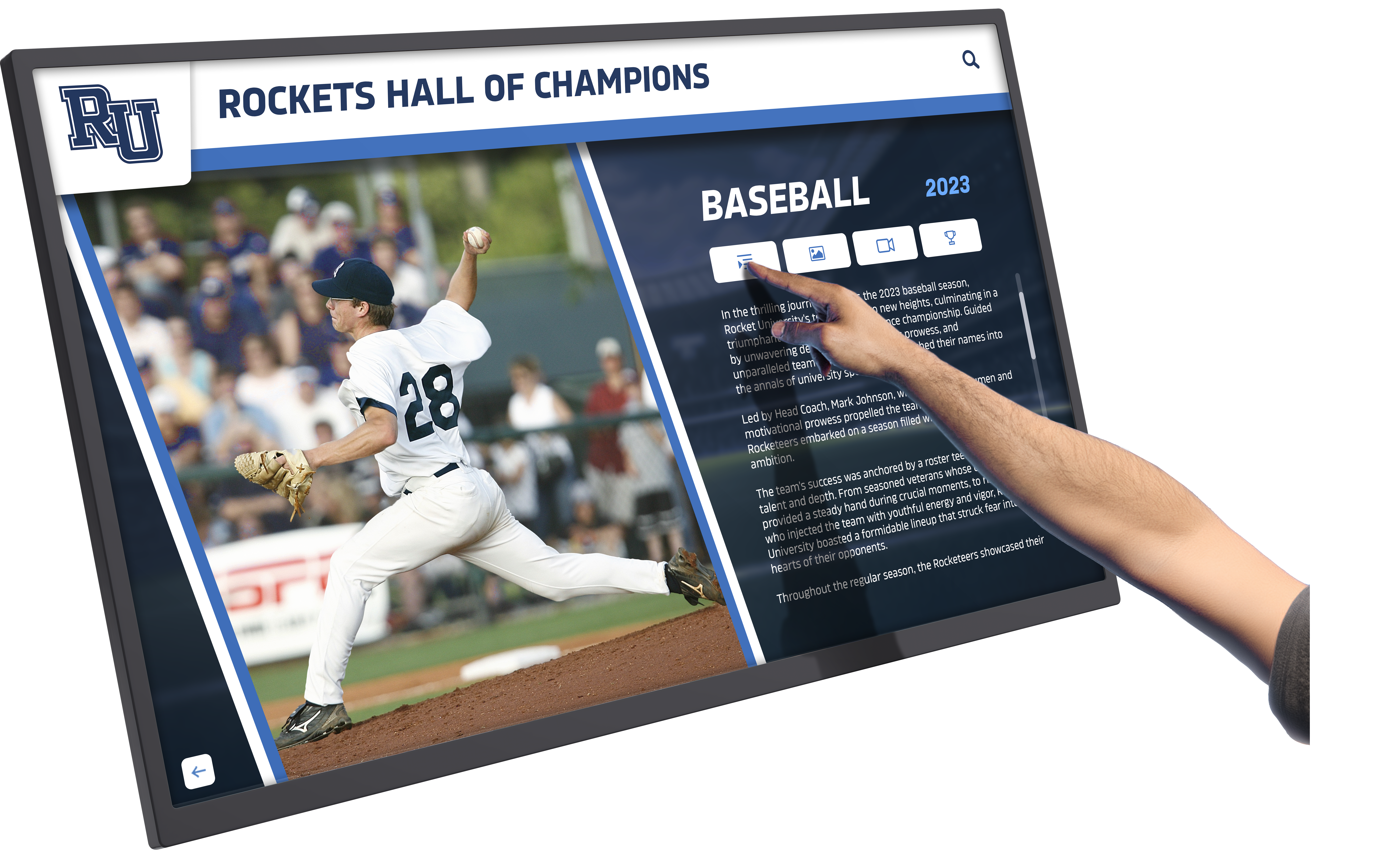
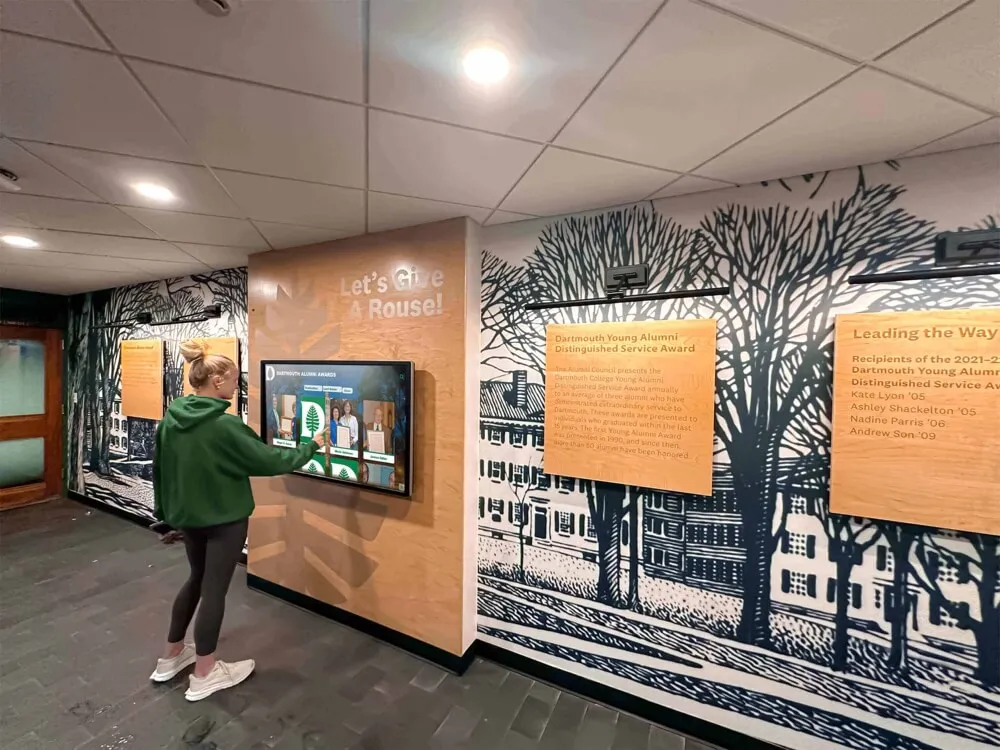
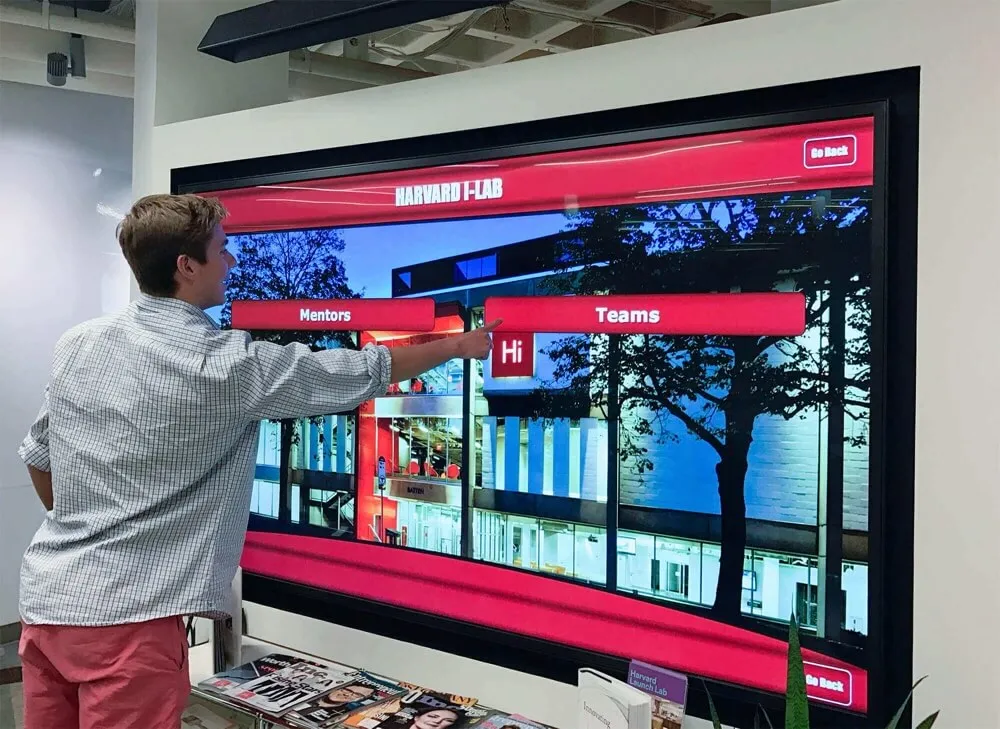
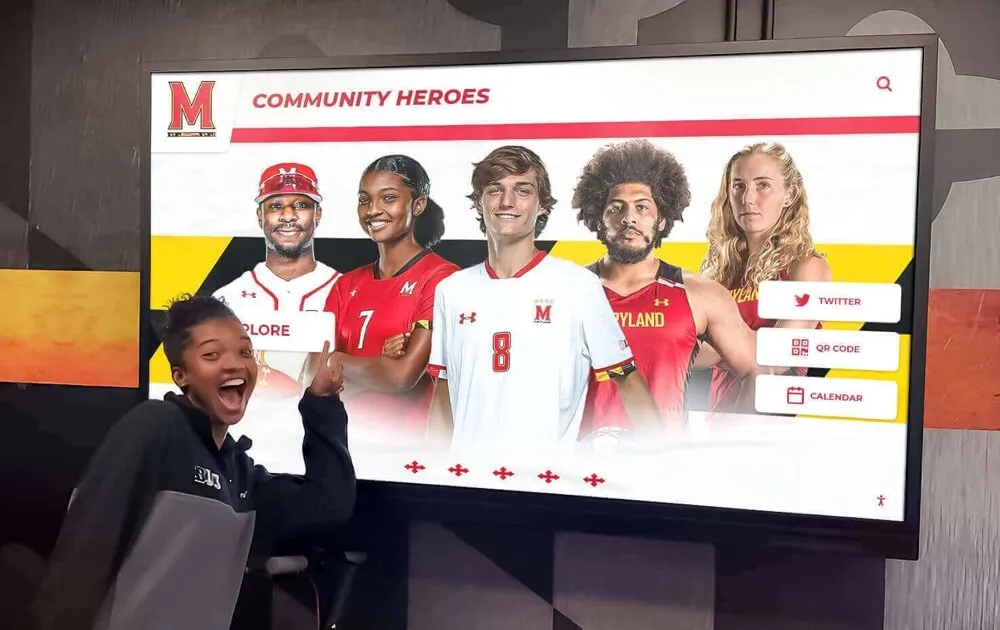
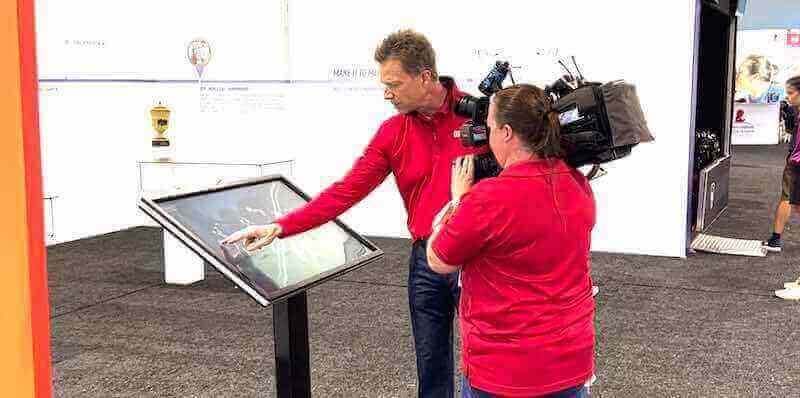
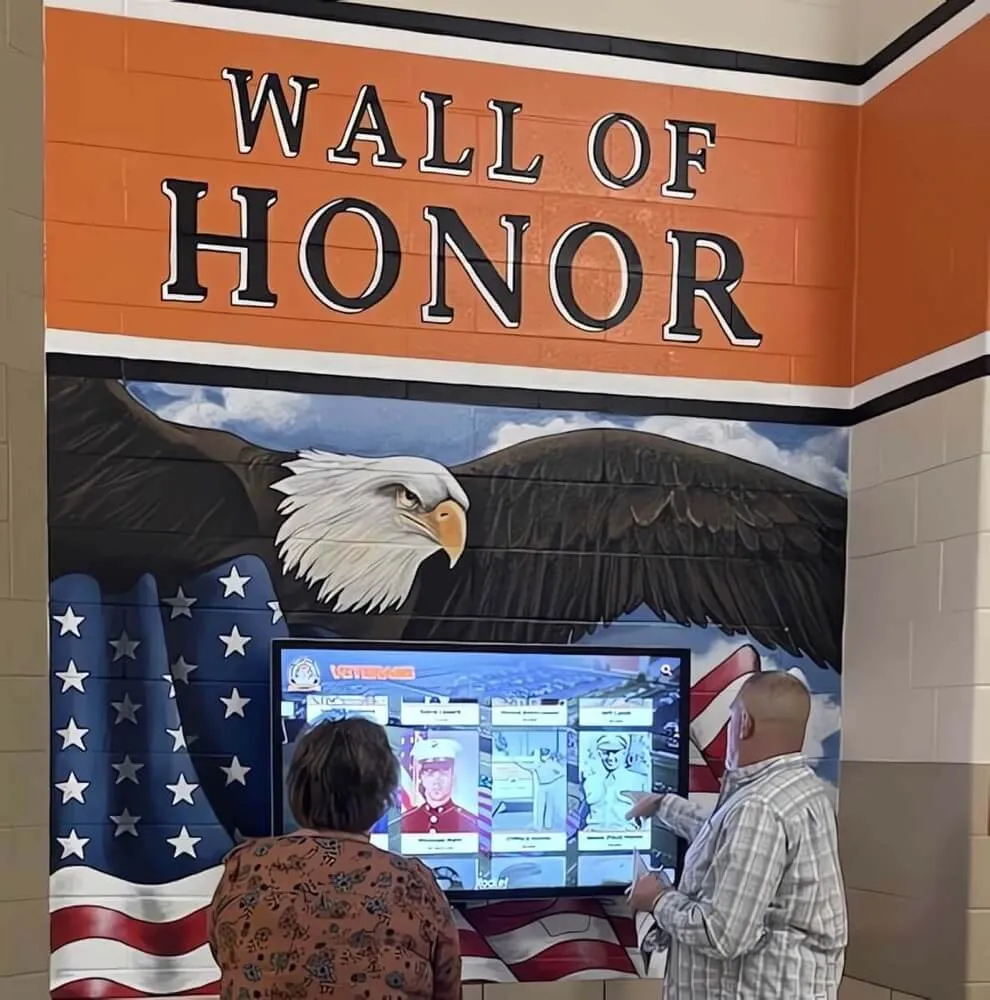
Easy-to-use touch interfaces make hall of fame exploration accessible to visitors of all ages and technical comfort levels
Digital Display Content Architecture
Effective digital halls of fame organize information systematically:
Homepage and Navigation Design
Entry screens should provide:
- Welcome message explaining hall of fame purpose and significance
- Quick access to recent inductees
- Search functionality prominently featured
- Browse options by category, sport, or year
- Featured inductees or spotlight rotations
- Instructions for navigation
Clear entry points help visitors begin exploration confidently.
Individual Inductee Profiles
Comprehensive profiles typically include:
Core Information Section
- Full name and graduation year
- Sport(s) or category of recognition
- Induction year and class
- High-resolution portrait photo
- Years of participation or service
Achievement Documentation
- Career statistics and records
- Championships and tournament participation
- Individual honors and awards
- All-conference, all-state, or all-American selections
- School records held
- Team leadership roles
Biographical Content
- Personal background and context
- Notable career highlights and moments
- Post-athletic/graduation accomplishments
- Current location and occupation
- Personal reflections or quotes
- Connections to other inductees
Multimedia Content
- Photo galleries from competitive career
- Video highlights when available
- News article archives
- Ceremony induction speeches
- Related team or event content
Organizations creating memorial recognition displays often adapt similar content structures for tribute programs.
Search and Filter Functionality
Essential navigation tools include:
- Name search with auto-complete suggestions
- Sport or category filtering
- Induction year selection
- Achievement type filtering (championship teams, record holders, etc.)
- Alphabetical browsing options
- Timeline or era-based navigation
Powerful search capabilities transform static displays into explorable databases that serve research and discovery.
Team and Special Recognition Sections
Beyond individual profiles, comprehensive systems include:
- Championship team rosters with individual links
- Coach profiles with career achievements
- Special contributor recognition
- Era or decade overviews providing context
- Record boards and statistical leaderboards
- Historical program timelines
Hardware and Installation Considerations
Physical implementation requires several decisions:
Display Size and Format Options
Common configurations include:
Freestanding Kiosks
- Self-contained touchscreen units
- Typical sizes 43"-55" diagonal
- Mobility for installation flexibility
- Professional appearance and durability
- Built-in computers and mounting
Wall-Mounted Displays
- Flat panel installation on walls
- Sizes ranging 43"-75" or larger
- More permanent placement
- Cleaner aesthetic integration
- Requires separate touch overlay or built-in touch capability
Large-Format Installations
- Video wall configurations multiple displays
- Dramatic visual impact in large spaces
- Higher cost but significant presence
- Suitable for premier athletic facilities
Selection depends on available space, budget, desired impact, and facility aesthetics.
Location and Placement Strategy
Optimal placement considers:
- High-traffic areas ensuring regular visibility
- Appropriate context (athletic facilities, main lobbies, alumni centers)
- Adequate lighting for screen visibility
- Comfortable viewing height and reach range
- ADA accessibility requirements
- Space for multiple simultaneous users
- Protection from environmental conditions
Schools establishing digital signage for schools consider similar placement factors for maximum effectiveness.
Content Management and Updates
Practical operation requires:
User-Friendly Content Management Systems
- Web-based administration from any device
- No technical expertise required for updates
- Template-based profile creation ensuring consistency
- Bulk upload capabilities for inaugural classes
- Media library management for photos and videos
- Scheduling tools for feature rotations
Administrative Workflow
- Clear responsibility assignment for content updates
- Annual calendar for new inductee additions
- Quality control procedures ensuring accuracy
- Backup and archiving protocols
- Training for staff managing systems
Solutions like Rocket Alumni Solutions provide straightforward content management that typical school staff can operate without ongoing technical support.
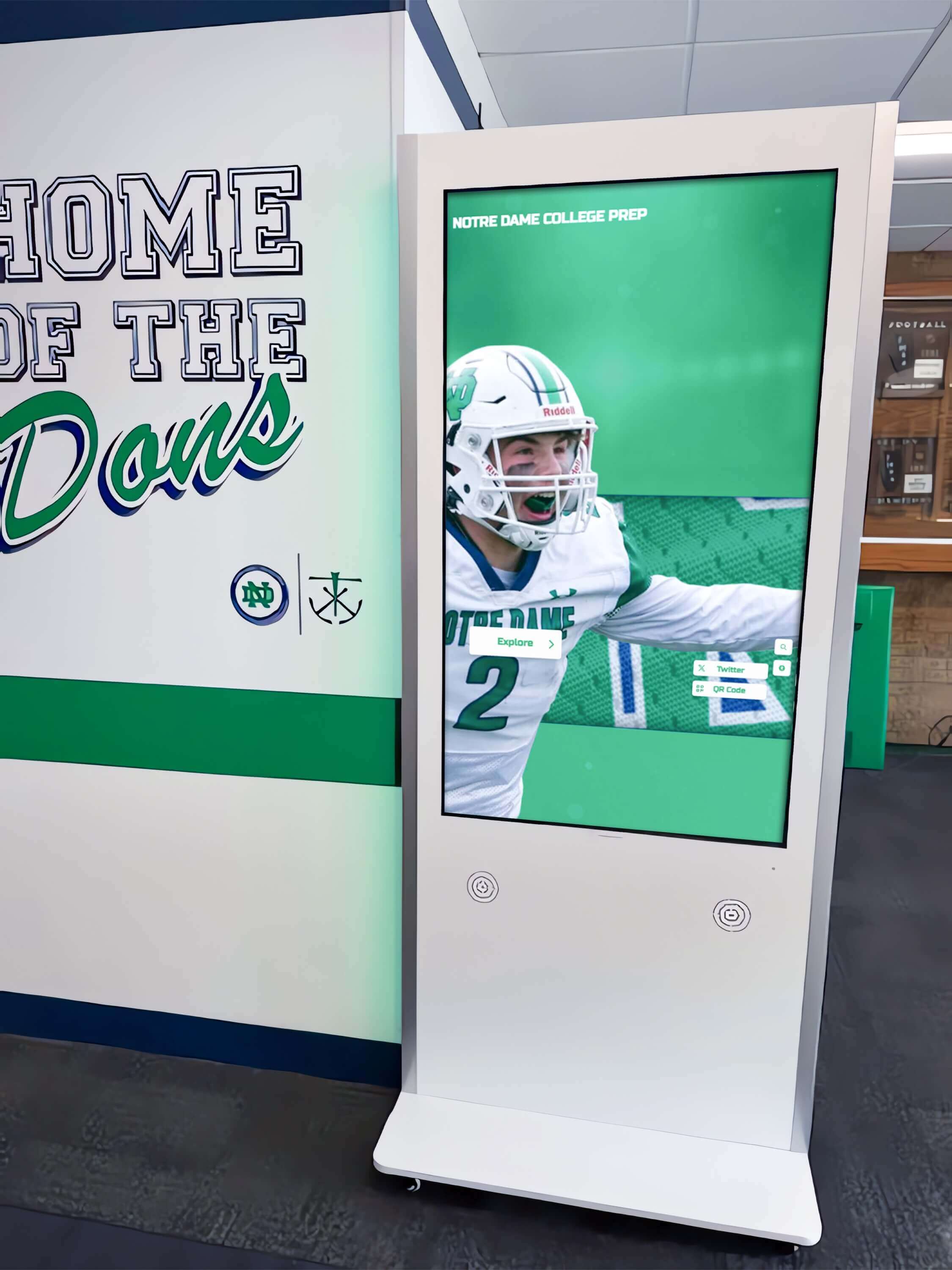
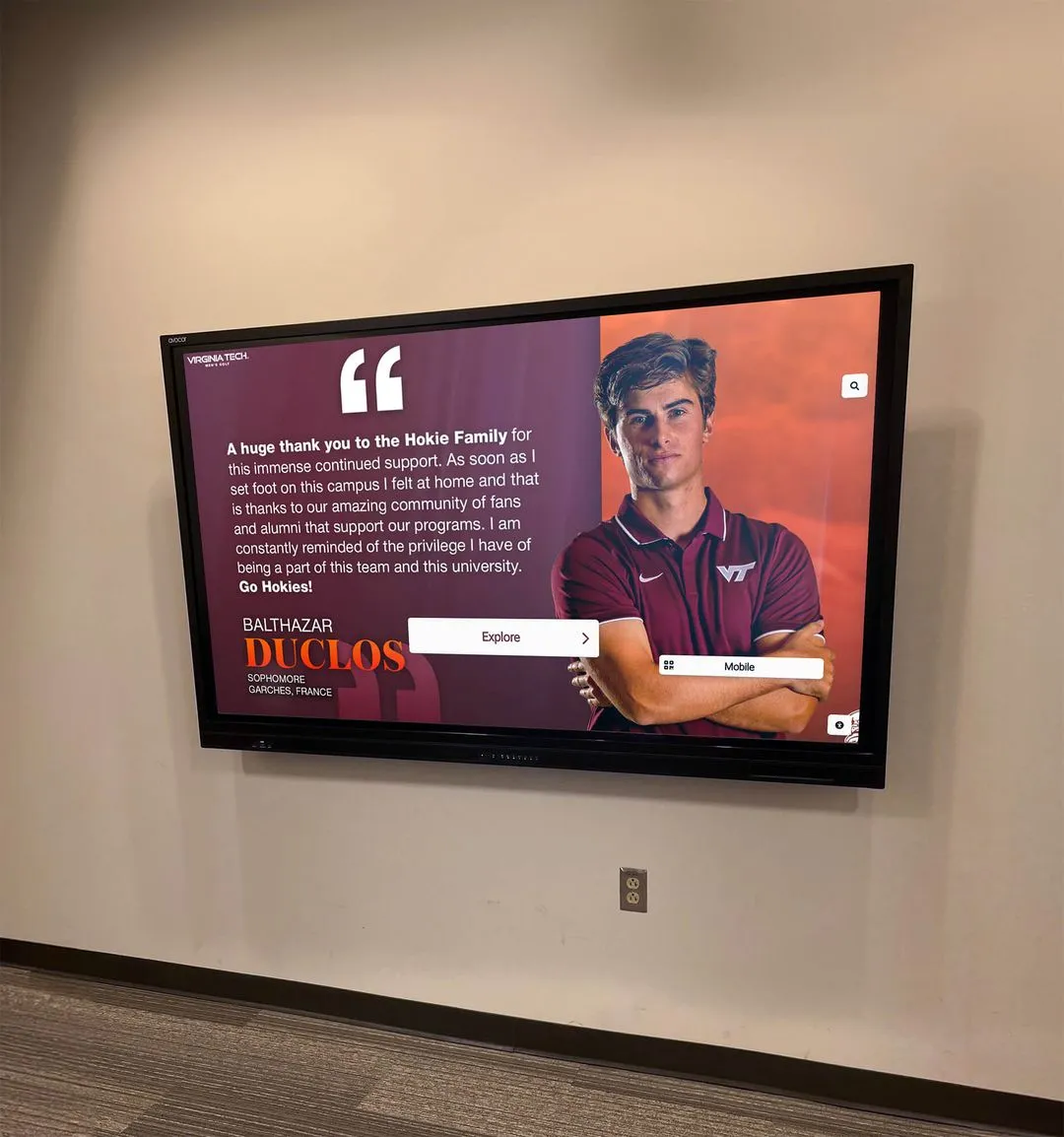
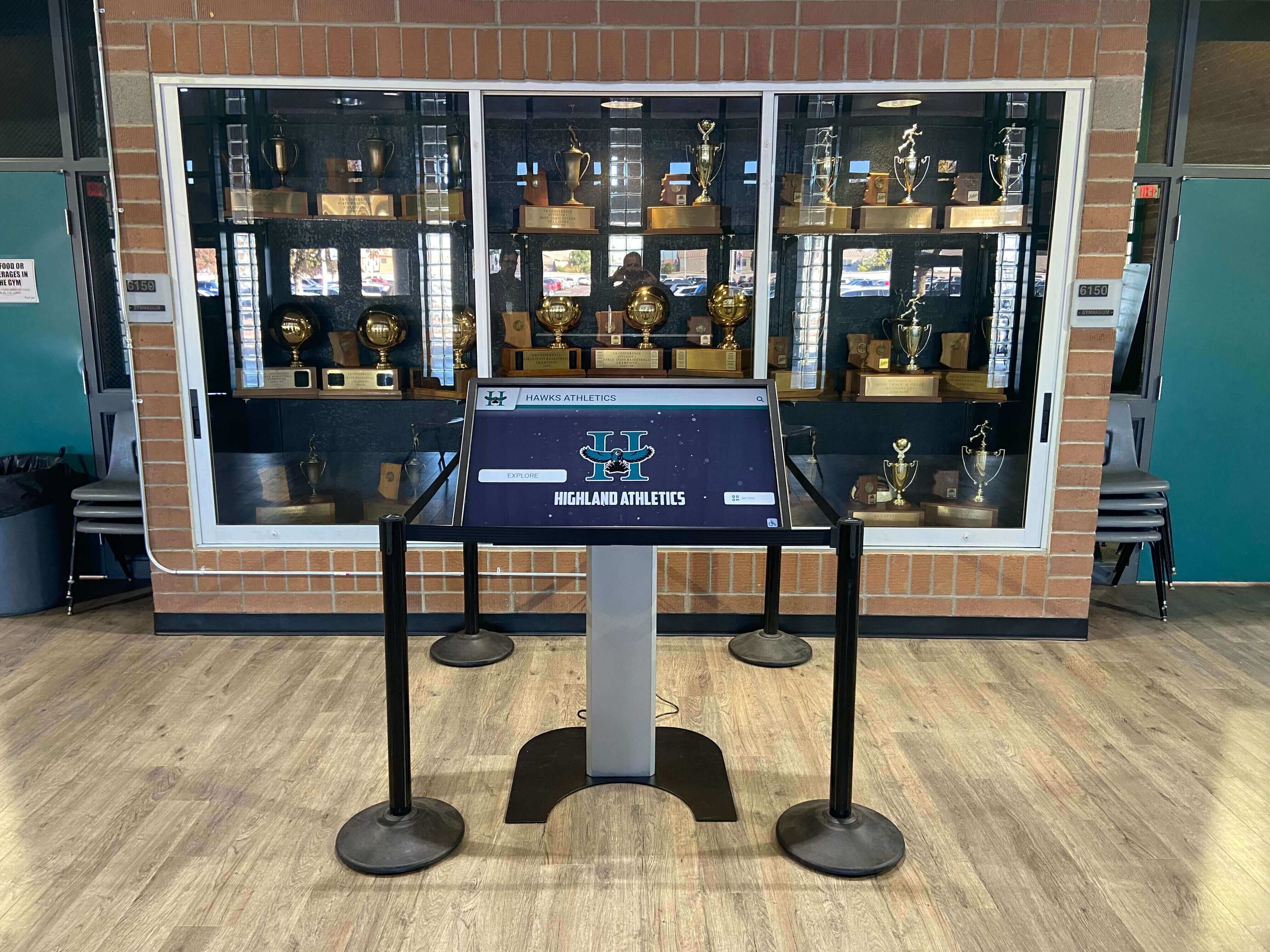
Freestanding kiosks provide flexible installation options while maintaining professional appearance and durability
Hybrid Recognition Approaches
Many programs combine traditional and digital elements:
Physical Tradition with Digital Improvement
Balanced approaches include:
- Traditional plaque walls for physical presence and permanence
- QR codes on plaques linking to detailed digital profiles
- Digital displays nearby providing interactive exploration
- Website integration extending access remotely
- Periodic ceremonial plaque installations maintaining tradition
This strategy satisfies those valuing tangible recognition while overcoming traditional limitations through digital improvement.
Inaugural Digital Implementation
When launching digital systems, effective transitions include:
- Maintain existing plaque walls as historical artifacts
- Add digital displays without removing physical recognition
- Photograph all existing plaques creating digital archive
- Expand digital profiles beyond plaque information
- Communicate benefits while respecting tradition
Respectful implementation acknowledges history while embracing improved capabilities.
Organizations updating recognition displays face similar transition considerations when modernizing programs.
Annual Hall of Fame Calendar and Ongoing Management
Sustainable programs require predictable operational rhythms:
Standard Annual Timeline
Fall Period (September-October)
- Announce nomination period opening
- Distribute nomination forms and criteria
- Promote nomination opportunities through multiple channels
- Deadline for nomination submissions (typically early November)
- Committee reviews materials and conducts research
Late Fall (November-December)
- Selection committee meeting for deliberation and voting
- Verify candidate qualifications and documentation
- Announcement of new inductees (typically December)
- Contact inductees and confirm ceremony participation
Winter-Spring (January-May)
- Gather biographical materials and photos from inductees
- Develop digital profiles and recognition content
- Plan induction ceremony logistics and arrangements
- Update physical and digital displays
- Conduct induction ceremony (typically March-April)
- Post-ceremony media coverage and recognition
This predictable rhythm enables planning while creating consistent annual tradition.
Maintaining Long-Term Program Quality
Periodic Criteria Review
- Annual assessment of criteria effectiveness
- Adjustment when sports programs change structure
- Balance evaluation across different recognition categories
- Community feedback integration
- Standards maintenance preventing erosion
Committee Development
- New member orientation ensuring understanding
- Leadership succession planning
- Institutional memory preservation
- Continuous improvement assessment
- Recognition of committee service
Inductee Engagement
- Annual inductee reunion opportunities
- Invitations to current induction ceremonies
- Mentoring connections with current athletes
- Communication maintaining connection
- Profile updates as circumstances change
Schools building comprehensive athletic recognition programs often develop similar management calendars for multiple recognition initiatives.
Conclusion: Building Recognition Programs That Endure
Hall of fame programs succeed when they establish clear selection criteria applied consistently through open processes, then present honorees through recognition systems that tell complete stories rather than listing bare names. The combination of rigorous standards and comprehensive displays creates programs that honor achievement appropriately while inspiring current community members to pursue their own excellence.
The frameworks explored in this guide provide complete blueprints for establishing selection criteria that maintain prestige through selectivity while ensuring fair evaluation, implementing nomination and voting procedures that build community confidence, and deploying digital recognition systems that overcome traditional limitations while creating compelling experiences.
From defining achievement thresholds to structuring selection committees to implementing interactive displays, these approaches transform hall of fame concepts into impactful programs serving communities for generations. Whether you’re launching new programs or modernizing existing recognition, start with transparent criteria and fair processes, then implement display systems that honor inductees comprehensively.
Ready to establish or modernize your hall of fame program? Modern digital recognition solutions help schools and organizations celebrate achievement comprehensively while maintaining the prestige that makes induction meaningful. Solutions like Rocket Alumni Solutions provide user-friendly content management, unlimited inductee capacity, and interactive displays that honor your carefully selected hall of fame members appropriately.
Book a demo to see how digital hall of fame systems present your recognition program while providing the flexibility to grow as your tradition expands.
Your institution deserves a hall of fame that appropriately honors exceptional achievement through clear selection and comprehensive recognition. With thoughtful criteria development, fair evaluation processes, and professional display systems, you create programs that preserve your legacy while inspiring future generations to write their own chapters in your continuing story.