Hall of Fame Family Notification Policy: Timing, Contacts, and Sensitive Updates
- Home /
- Digital Hall of Fame Insights & Resources /
- Hall of Fame Family Notification Policy: Timing, Contacts, and Sensitive Updates
The Easiest Touchscreen Solution




Live Example: Rocket Alumni Solutions Touchscreen Display
Interact with a live example (16:9 scaled 1920x1080 display). All content is automatically responsive to all screen sizes and orientations.
Intent: define. A hall of fame family notification policy establishes who must be contacted before an induction is publicly announced, in what order, through what channel, and within what time window—and specifies how the program communicates corrections, memorial profile updates, and other sensitive changes after the initial announcement. Without a written policy, programs routinely learn about a family’s loss of a loved one from a third party, send notification letters to addresses that are years out of date, or discover that a living inductee’s spouse heard the news from a neighbor before receiving an official communication. This guide gives school athletic directors, recognition-committee chairs, archives staff, and alumni administrators a practical framework for building a contact hierarchy, sequencing notifications before and after announcement, and handling the sensitive updates that occur throughout a profile’s permanent life in the archive.
A family notification policy is distinct from the embargo and confidentiality policies that govern the selection and content-preparation phases. By the time family notification is relevant, the inductee has accepted, the program has confirmed a ceremony date, and an announcement timeline is in place. The notification policy answers one focused question: who hears the news from the institution—not from someone else—and in what order? That question becomes especially consequential when the inductee is deceased, when a family is navigating grief alongside the pride of posthumous recognition, or when a profile requires a correction that touches personal biographical details.
This guide is operational and educational; it does not constitute legal advice. Programs subject to student privacy regulations, open-records laws, or state-specific notification requirements should have legal counsel review any formal policy before adoption.

A hall of fame's public face carries meaning only when the private notification process behind it is handled with care, precision, and respect for every family involved
Program Snapshot
| Element | Details |
|---|---|
| Audience | School administrators, athletic directors, hall of fame committee chairs, archives staff, alumni office coordinators |
| Policy scope | Notification of inductees, immediate family members, and designated contacts before and after public announcement; correction and memorial-update communication throughout the profile’s permanent life |
| Core goal | Every family hears the news from the institution first, through a personal channel, with enough lead time to prepare—and every sensitive update reaches the right contact through the right process |
| Key deliverable | A written notification policy with a contact hierarchy, notification sequence timeline, communication templates, and a sensitive-updates protocol distributed to every staff member involved in the induction workflow |
| Display payoff | Inductee profiles appear on digital recognition displays, the program website, and ceremony materials with the institution’s confidence that every affected family was notified through a governed, documented process |
The Direct Answer: What Must a Hall of Fame Family Notification Policy Cover?
A complete hall of fame family notification policy answers five questions in writing before the first notification letter is sent for each induction class:
- Who is the primary notification contact? For a living inductee, that person is the inductee. For a posthumous or memorial inductee, the program must identify a designated family representative—typically a surviving spouse, adult child, or sibling—and document that contact before the notification window opens.
- Who else receives official notification? Specify which additional family members receive direct communication from the program (immediate household members, for example) versus which learn through the inductee’s own announcement. Not every relative needs a direct institutional letter; defining the boundary prevents both gaps and over-communication.
- In what sequence are contacts notified? The inductee or their family representative must be notified before any public announcement, before the program notifies any media contact, and before any digital profile is published. The policy must state this sequence explicitly and assign responsibility for confirming it.
- Through what channel and within what time window? Specify whether notification is by phone, formal letter, email, or a combination; specify how many days before the public announcement notification must be complete; and specify a fallback process if the primary contact cannot be reached.
- How are sensitive post-announcement updates communicated? Define the process for notifying a family when a profile correction is made, when a memorial tribute is added to a living inductee’s profile at their passing, or when the program must update contact information after a family change.
Committees that answer all five questions in a single written document eliminate the ambiguity that causes families to feel overlooked, misinformed, or blindsided—experiences that damage a program’s community standing far more than any administrative oversight.
Why Family Notification Deserves Its Own Policy
Most school recognition programs give more procedural attention to candidate evaluation than to the moment of notification. That imbalance matters because the notification call or letter is often the family’s first and most lasting impression of the program’s culture. A fumbled notification—an inductee who finds out from social media, a surviving spouse who is contacted after the press release goes out, a family that receives a form letter for what is, to them, a deeply personal honor—signals institutional carelessness regardless of how carefully the selection process was conducted.
The stakes are highest in three scenarios that a general ceremony policy typically does not address:
Posthumous and memorial inductions. When the inductee has died, the program is not contacting a person receiving good news—it is contacting a family navigating grief alongside recognition. The notification must come from a senior staff member, not a form letter. The family must be given the option to participate in the ceremony, to review the profile before publication, and to designate a representative who will speak to the inductee’s legacy if invited. Programs that handle varsity letter recognition and historical athletic records understand that posthumous documentation requires the family’s cooperation to be accurate; that cooperation begins with a respectful, personally delivered notification.
Corrections to published profiles. A profile that has been live on a digital display or program website for months may contain an error the family notices on its own—a wrong graduation year, a misspelled name, an inaccurate statistical record. When the family reports the correction, the policy must specify who receives the report, who authorizes the change, and how the family is notified that the correction has been made. Without this process, a family’s correction request can sit unanswered while the error remains visible on a lobby touchscreen.
Contact changes after announcement. Inductees and family representatives move, remarry, change email addresses, and sometimes lose the family members who were originally designated as contacts. A program that maintains profiles for decades needs a documented process for keeping contact information current—not because the program needs to communicate frequently, but because when it does communicate (a ceremony anniversary, a platform migration, a memorial tribute following a death), it needs a reliable channel.
Contact Identification: Building the Notification Roster Before the Window Opens
The single most common family notification failure is discovering, days before an announcement, that the program has no verified contact information for an inductee or their family. Contact identification must happen as a discrete step in the induction workflow—not as an afterthought during the notification window.
Step 1: Verify the Inductee’s Current Contact Information
At the moment the selection committee chair confirms acceptances, the program secretary should initiate a contact verification for every inductee. This verification is separate from the acceptance communication and should confirm:
- Current mailing address for official correspondence
- Preferred email address for proofing and digital communication
- Preferred phone number for the notification call
- Whether the inductee prefers to be contacted at home or through a professional address
For recent graduates, school or alumni office records may be current. For inductees who graduated decades ago, the program may need to contact the nominator, the alumni association, or a known community connection to verify current information before the notification window opens.
Step 2: Identify the Appropriate Contact for Posthumous Inductees
When the inductee has died, the program must identify a designated family representative before any notification occurs. The hierarchy below provides a default sequence; the program should document which contact was ultimately designated and confirm their willingness to serve as the family’s primary point of contact.
| Priority | Contact Category | Notes |
|---|---|---|
| 1 | Surviving spouse or domestic partner | Highest priority; most likely to represent the family’s interests at the ceremony |
| 2 | Adult child (eldest, unless family designates otherwise) | Contact the eldest or ask the nominator which adult child is most actively involved in legacy matters |
| 3 | Sibling | If no spouse or adult children survive |
| 4 | Nominator or longtime associate | Only if no biological or legal family can be identified; document the decision with the chair’s written approval |
Do not attempt to notify the full surviving family simultaneously. Designate one representative, notify that person first, and let the representative decide how to involve other family members in the ceremony and profile review.
Step 3: Document the Contact Roster Before the Notification Window Opens
Before sending any notification, the program secretary should compile and circulate a contact roster to the committee chair and communications officer. The roster includes, for each inductee:
- Inductee name and status (living or posthumous)
- Primary contact name, relationship to inductee (if posthumous), and verified contact information
- Preferred notification channel (phone, email, letter)
- Any known sensitivities noted by the nominator (recent bereavement, health considerations, family disputes relevant to representation)
- Nominator name and contact as a backup if primary contact fails
The contact roster is treated as embargoed material—it is not shared beyond the authorized notification team and is retained in the program’s permanent file after the announcement cycle closes.
The Notification Timeline: Sequence, Channels, and Lead Time
A family notification policy must specify not only who is contacted but when—relative to the public announcement—and in what order. The timeline below provides a default structure; adapt it to your program’s ceremony schedule.
| Phase | Timing (Before Public Announcement) | Responsible Party | Action | Channel |
|---|---|---|---|---|
| Contact Verification | 4–6 weeks before announcement | Program Secretary | Verify all primary contact information; identify posthumous representatives | Internal records check; nominator outreach if needed |
| Notification Call | 10–14 days before announcement | Committee Chair or Athletic Director | Personal call to inductee or posthumous family representative; confirm the honor, the ceremony date, and the proofing timeline | Phone |
| Official Notification Letter | 8–12 days before announcement | Communications Officer | Written confirmation of the honor, ceremony details, profile proofing instructions, and embargo reminder | Mailed letter + email |
| Proofing Window | 7–10 days before announcement | Archivist | Share individual profile draft with inductee or family representative for factual review; collect corrections within 3–5 days | Secure email with embargo language |
| Correction Incorporation | 3–5 days before announcement | Archivist | Incorporate proofing corrections; confirm final profile with communications officer | Internal |
| Pre-Announcement Confirmation | 48 hours before announcement | Communications Officer | Confirm with each inductee or family representative that the announcement is proceeding on schedule | Email or phone |
| Public Announcement | Announcement day | All channels | Platform profiles publish; press release distributes; ceremony invitations sent | All public channels simultaneously |
| Post-Announcement Follow-Up | Within 5 business days | Communications Officer | Confirm family received announcement materials, has access to the public profile, and knows the contact for future updates |
Programs that observe academic recognition ceremonies and multi-program honors events know that the notification sequence matters as much as the ceremony itself—a family that is prepared and informed arrives at the event ready to celebrate, not still processing the surprise of the honor.
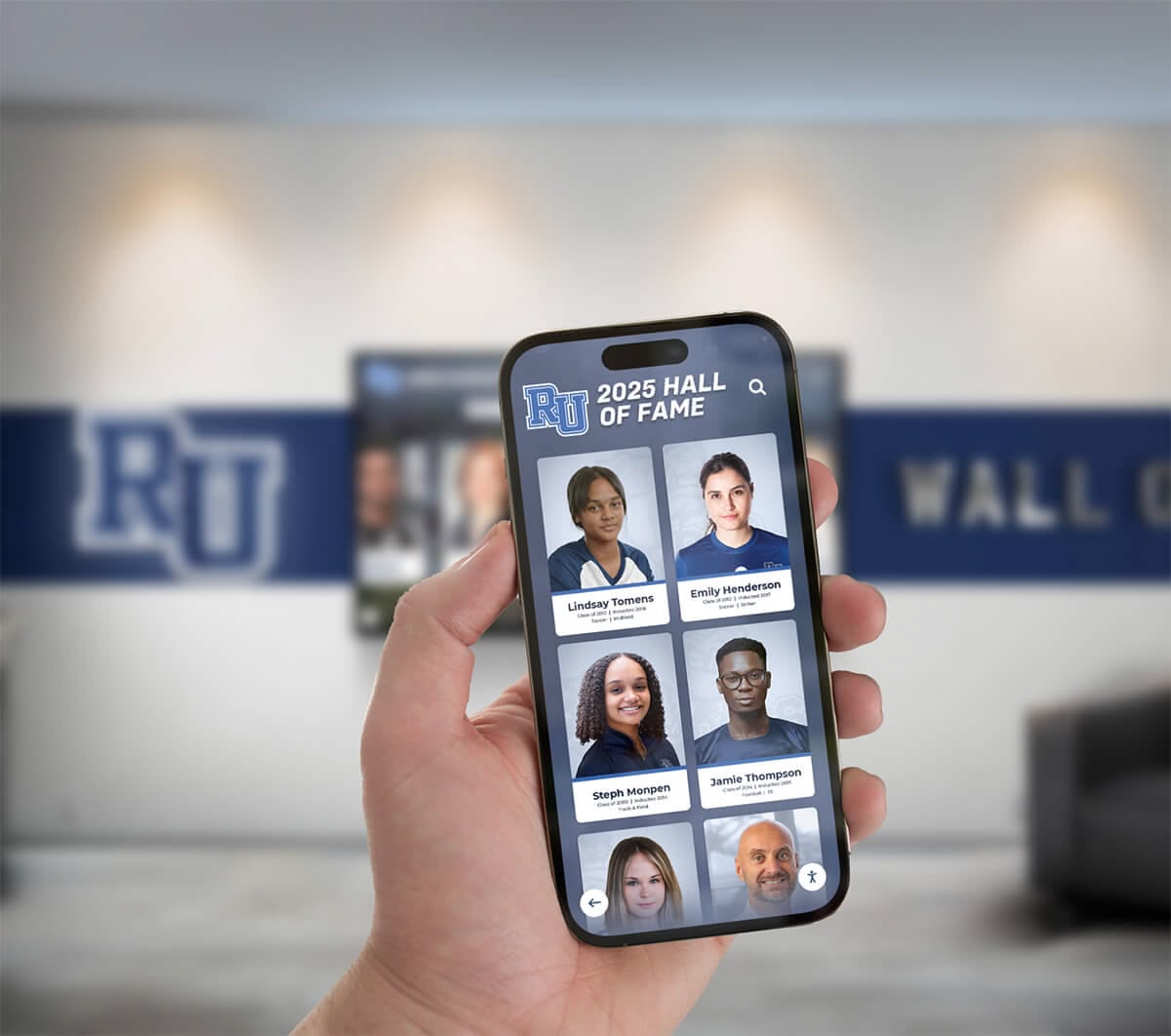
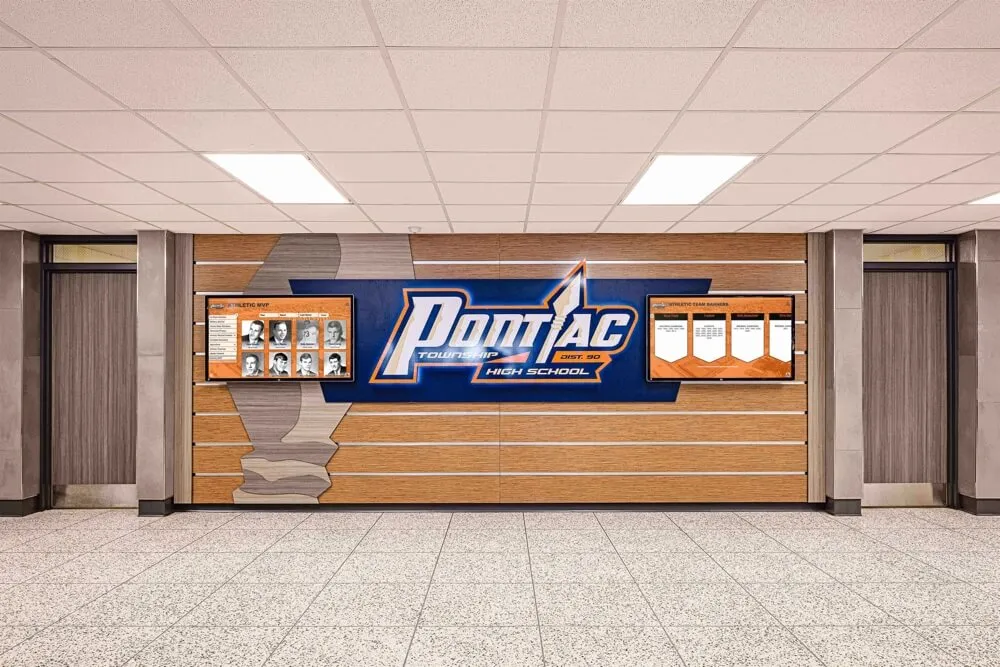
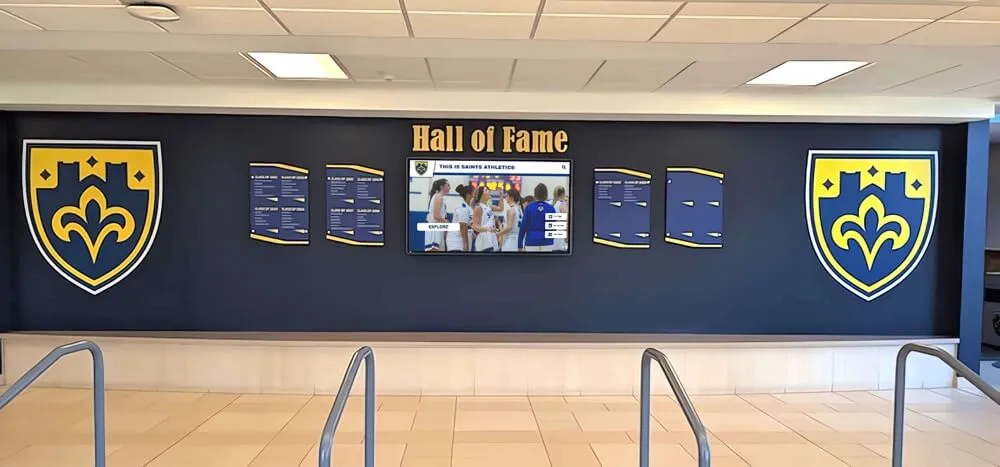
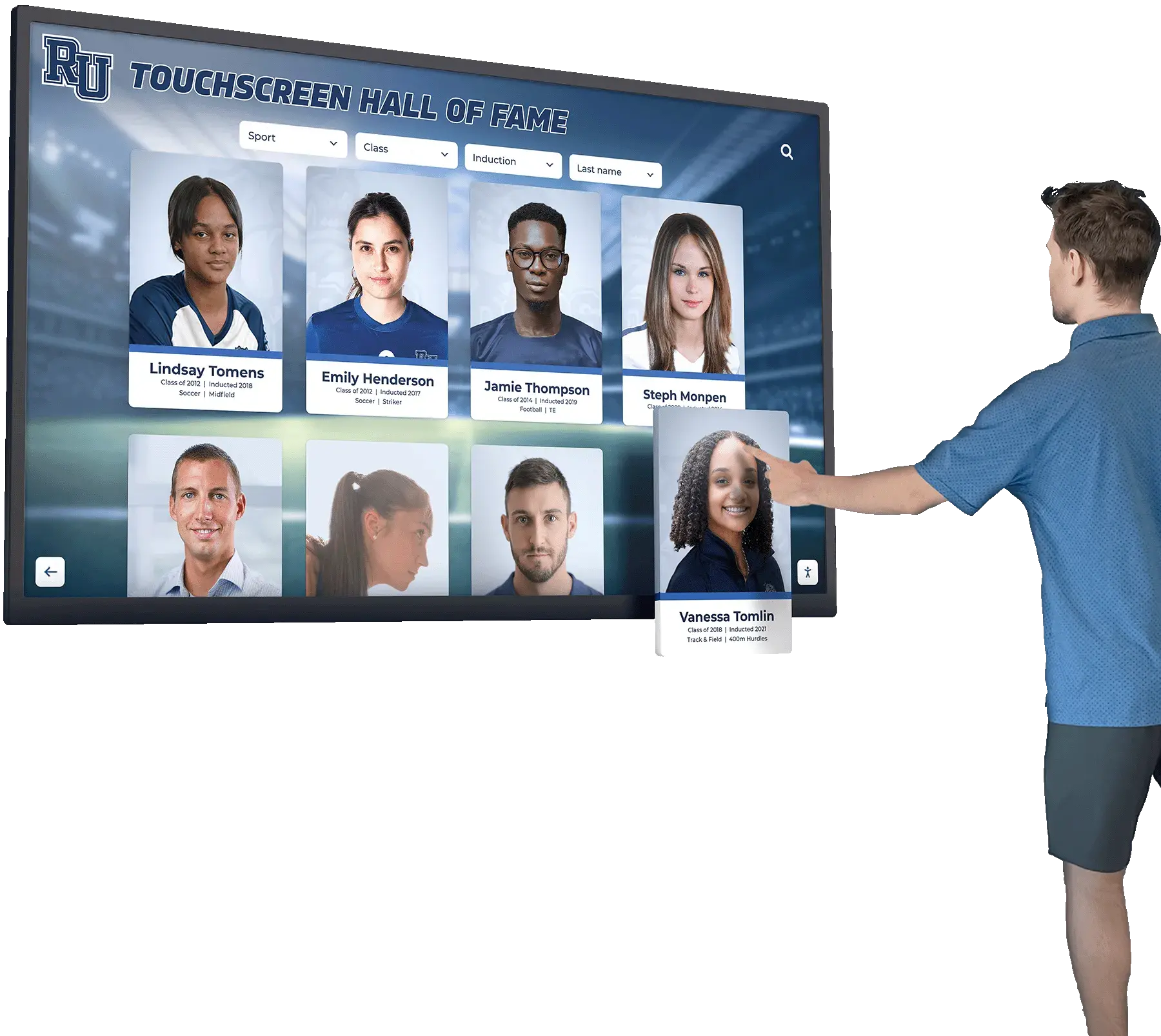
A digital platform gives families ongoing access to the inductee's profile from any device—the notification policy determines when and how that access begins
The Notification Call: What to Say and What to Document
The notification call—whether to a living inductee or a posthumous inductee’s family representative—is the most consequential step in the entire notification process. It cannot be scripted to the word, but it must be consistent in its structure. Assign this call to the committee chair or the athletic director, not to a staff member who has had no prior relationship with the inductee or family.
Structure of the Notification Call
- Identify yourself and your role. State your name, your title, and the name of the program before sharing any news.
- Share the honor directly. Do not build to the announcement with lengthy preamble. State clearly that the inductee has been selected for induction into the [Program Name] Hall of Fame for the [Year] class.
- Allow a moment before continuing. For living inductees, this is a moment of personal significance. For posthumous families, this may trigger emotion. Do not rush into logistics.
- Confirm the ceremony date and whether they plan to attend. For posthumous inductions, ask whether a family representative would like to attend or speak on the inductee’s behalf.
- Explain the proofing process. Describe that a draft profile will be sent for factual review within the next few days, and that the profile will remain embargoed until the announcement date.
- Confirm contact information. Verify the mailing and email address for the notification letter and proofing draft.
- State the announcement date. Make clear when the announcement will be made publicly and ask the inductee or representative not to share the news before that date.
- Provide a direct contact. Give the name and direct phone number of the staff member who can answer questions before the announcement.
After the call, document the date and time of the call, who placed it, and the response—including whether the inductee confirmed attendance, whether a posthumous family representative was designated, and any concerns or requests raised during the call. This documentation belongs in the program’s permanent file for the induction class.
Sensitive Updates: Corrections, Memorial Tributes, and Profile Changes
The notification policy does not end at the announcement. Inductee profiles are permanent records, and the families who care about them will notice errors, experience losses, and expect the program to communicate respectfully when either occurs.
Profile Corrections After Announcement
When a family member identifies an error in a published profile—a wrong graduation year, an incorrect record, a misspelled name—the program needs a clear intake and resolution process.
- Designate a single contact for correction requests. Publish this contact on the program’s website and include it in the post-announcement follow-up communication. Do not require families to figure out who to call.
- Acknowledge the request within three business days. A simple acknowledgment—“We have received your correction request and will review it within [timeframe]"—prevents families from wondering whether their report was seen.
- Review and verify before making any change. Every correction request should be verified against the original nomination materials, official records, or a reliable institutional source before the profile is updated. A correction request from a family member is not automatically correct; an error in the original nomination materials may have been replicated in the profile.
- Notify the family when the correction is complete. Send a brief written confirmation stating what was changed, when the change was made, and confirming that the updated profile is now live.
- Document the correction. Record the original content, the corrected content, the source supporting the correction, the date of the change, and who authorized it. This documentation protects the program if the correction is later disputed.
Memorial Tributes for Deceased Inductees
When a living inductee dies after their induction, the program faces a notification in reverse: the institution learns of the death—ideally before the family contacts them—and must decide how to update the profile and whether to add a tribute statement.
Establish a process for learning of an inductee’s passing:
- Monitor obituary sources relevant to your geographic area and alumni community
- Maintain a relationship with the alumni association, which often learns of member deaths before the institution
- Encourage inductees or family members to notify the program directly by including the program contact in post-announcement materials
When a death is confirmed, contact the designated family representative—the contact documented at the time of induction—before making any change to the public profile. Express condolences, confirm that the program plans to add a memorial notation to the profile, and ask whether the family has any preferences for how the notation is worded. Do not publish a memorial update without family awareness, even if the death is a matter of public record.
Programs that serve arts, music, and broader academic recognition programs alongside athletic honorees encounter this responsibility across all inductee categories; the memorial notification process is the same regardless of the recognition type.
Contact Updates and Long-Term Relationship Maintenance
A program that inducts honorees across decades will have inductees whose contact information changes every few years. Build a lightweight process for keeping contact information current:
- Include a “please update your contact information” prompt in any communication sent to inductees or family representatives
- Use ceremony anniversaries or program newsletters as occasions to re-verify contact information for inductees who have not been contacted recently
- When a profile is accessed through the program’s digital platform, the platform’s analytics may reveal whether families are actively engaging—high-engagement profiles may warrant a proactive check-in
For long-established programs migrating to a digital platform, the contact update process is also an opportunity to re-introduce the program to families who were honored before digital recognition existed. Programs exploring school touchscreen display options as part of a program modernization should treat the contact update initiative as a parallel step in the transition—reaching out to historical inductee families at the same time as the platform launch creates a natural reason for the communication.
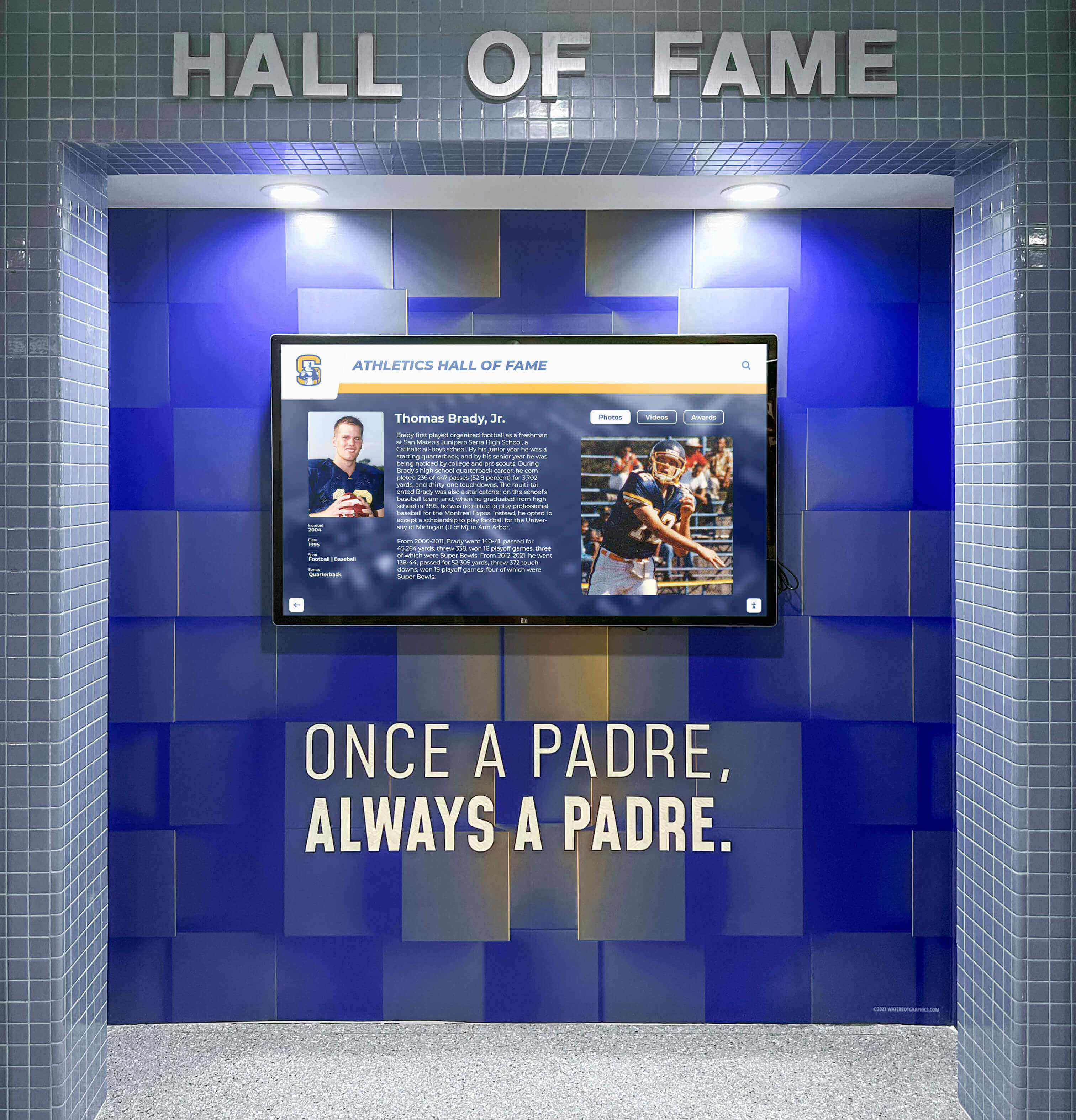
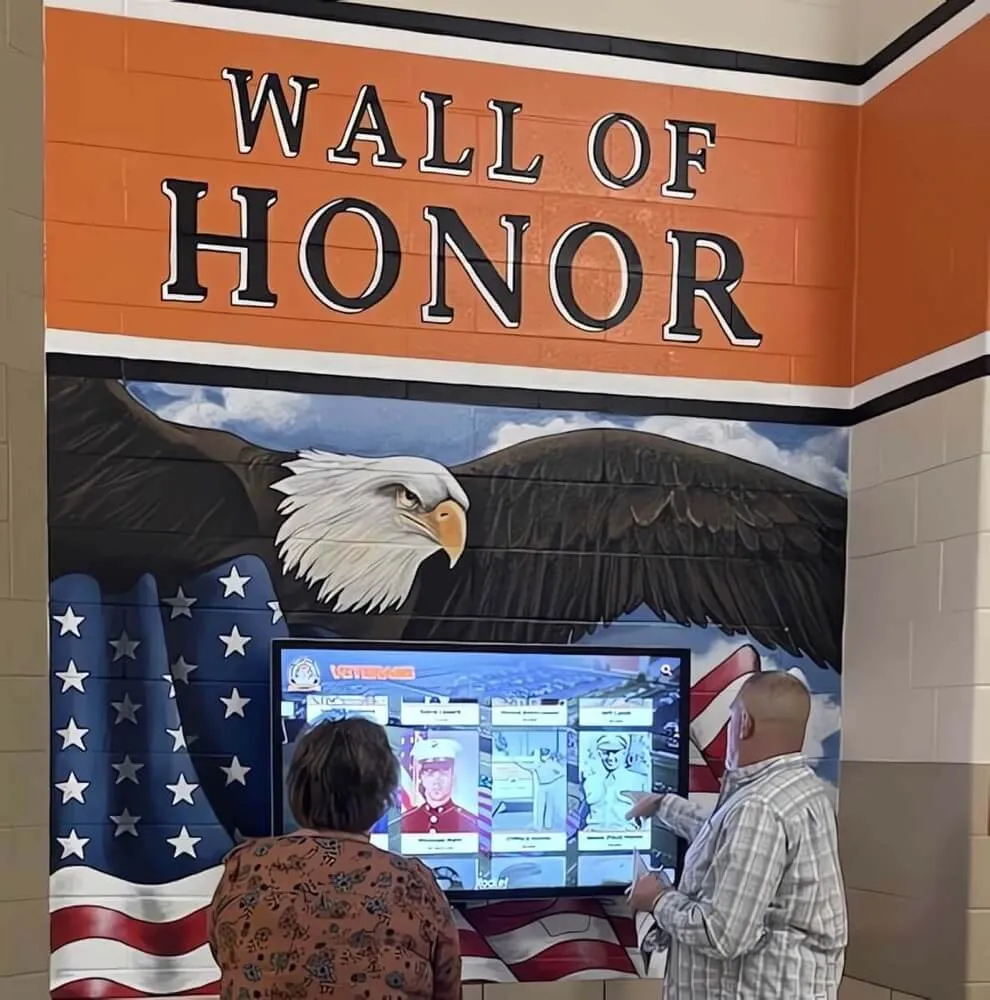
Every name on a digital hall of fame display represents a family relationship; the notification policy is the institution's commitment to maintaining that relationship with care
Communication Templates
Use these templates as starting points. Replace bracketed placeholders with program-specific details. Review each template with legal counsel before adopting.
Template 1: Notification Letter (Living Inductee)
[Institution Name] Hall of Fame Official Induction Notification
Dear [Inductee Name],
On behalf of the [Institution Name] Hall of Fame Selection Committee, it is my honor to notify you that you have been selected for induction into the [Year] Hall of Fame class. This letter confirms the phone conversation we shared on [date].
Your induction will be publicly announced on [announcement date]. Between now and that date, please keep this honor confidential; the full inductee class will be revealed simultaneously across all program channels on the announcement date.
Within the next [X] days, you will receive a draft of your inductee profile for factual review. Please review the profile for accuracy and return any corrections to [archivist contact name and email] by [proofing deadline]. The profile will not be published until the announcement date.
The induction ceremony is scheduled for [ceremony date, time, and location]. We hope you will join us for this celebration.
If you have any questions before the announcement, please contact [name] directly at [phone] or [email].
With great respect and congratulations, [Committee Chair Name] [Title], [Institution Name]
Template 2: Notification Letter (Posthumous Inductee — Family Representative)
[Institution Name] Hall of Fame Official Notification — Posthumous Induction
Dear [Representative Name],
On behalf of the [Institution Name] Hall of Fame Selection Committee, it is my honor to notify you that [Inductee Name] has been selected for posthumous induction into the [Year] Hall of Fame class. This letter confirms the phone conversation we shared on [date].
We recognize that this recognition arrives alongside the continuing loss of [Inductee Name], and we are committed to honoring their memory with the respect it deserves. We hope this recognition brings your family some measure of comfort alongside your pride.
The induction will be publicly announced on [announcement date]. We ask that this honor remain confidential until that date.
A draft of [Inductee Name]’s profile will be sent to you for factual review within the next [X] days. Your review ensures that the profile accurately reflects their achievements and legacy. Please return any corrections to [archivist contact] by [proofing deadline].
The induction ceremony is scheduled for [ceremony date, time, and location]. We would be honored to have a family representative attend and, if the family wishes, to say a few words about [Inductee Name]’s legacy.
Please do not hesitate to contact me directly at [phone] or [email] with any questions or concerns.
With deep respect and gratitude, [Committee Chair Name] [Title], [Institution Name]
Template 3: Profile Correction Acknowledgment
Dear [Family Member Name],
Thank you for contacting the [Institution Name] Hall of Fame program regarding the profile for [Inductee Name]. We have received your correction request and will review it against our records.
We will follow up with you within [X] business days to confirm the outcome and, if a correction is warranted, to notify you when the updated profile is live.
If you have supporting documentation related to the correction (official records, published sources, or program materials), you are welcome to share it with our archivist at [archivist contact] to assist in the verification process.
Thank you for helping us maintain an accurate and respectful record of [Inductee Name]’s achievements.
Sincerely, [Staff Contact Name and Title] [Institution Name] Hall of Fame
Policy Template: Hall of Fame Family Notification Policy
Adapt this template for your program. Replace bracketed placeholders with institution-specific roles and details. Have legal counsel review before formal adoption.
Hall of Fame Family Notification Policy — [Institution Name] Adopted: [Date] | Version: [Number] | Review Date: [Annual review month, year]
1. Purpose This policy governs the timing, sequence, and content of communications with inductees and their family members before and after the public announcement of each induction class, and throughout the permanent life of each inductee’s profile in the program’s archive.
2. Scope This policy applies to all staff and volunteers who contact inductees, family members, or designated representatives in connection with the hall of fame nomination, selection, announcement, or profile management process.
3. Contact Identification The Program Secretary is responsible for verifying current contact information for all inductees and designating a primary family representative for all posthumous inductees no later than four weeks before the scheduled public announcement. Verified contact information is documented in the program’s permanent file for each induction class.
4. Notification Sequence All inductees and posthumous family representatives must be notified by phone by the Committee Chair or Athletic Director before any public announcement, media notification, or digital profile publication. The phone notification must occur no fewer than ten days before the public announcement. Written confirmation follows the phone notification within 48 hours.
5. Proofing Access Each inductee or posthumous family representative receives a draft of their profile for factual review during the designated proofing window. Proofing access is scoped to the individual’s own record and is governed by the program’s content embargo policy. Proofing materials include written embargo language prohibiting sharing or public disclosure before the announcement date.
6. Announcement Coordination The public announcement of the inductee class proceeds simultaneously across all channels at the date and time specified in the Chair’s written release authorization. No inductee or family representative may receive advance public disclosure ahead of the authorized announcement moment.
7. Post-Announcement Follow-Up The Communications Officer sends a post-announcement follow-up to each inductee or family representative within five business days of the announcement confirming profile access, providing the program’s correction contact, and documenting the mailing and email address of record for future communications.
8. Profile Corrections Correction requests from inductees or family members are received by [designated contact role], acknowledged within three business days, verified against program records before any change is made, and resolved with written confirmation to the requesting party. All corrections are documented in the program’s permanent file.
9. Memorial Tributes When a living inductee’s death is confirmed, the Committee Chair or designated staff member contacts the family’s designated representative before any profile change is made. Memorial notations are not added to public-facing profiles without family awareness and, where possible, family input on the tribute language.
10. Contact Maintenance The Program Secretary initiates a contact verification update at minimum every three years for all inductees and family representatives of record. Contact updates are documented and replace prior records in the program’s permanent file.
11. Policy Review This policy is reviewed annually before each induction cycle. Amendments are adopted by the governing board or principal by recorded vote. Prior versions are retained in the committee’s permanent file.
Frequently Asked Questions
How far in advance should the inductee or family be notified?
Ten to fourteen days before the public announcement is the recommended minimum. This window gives the inductee or family representative time to clear their schedule for the ceremony, to complete the proofing review, and to manage their own personal communications before the announcement goes public. Programs with complex ceremony logistics or inductee classes that include posthumous honorees should plan for a longer notification window—up to three weeks—to accommodate the additional coordination steps those inductions require. Programs that coordinate recognition events across multiple program types, including yearbook and school memory documentation, understand that multi-stakeholder timelines require more runway than single-program events.
Who counts as “immediate family” for notification purposes?
For a living inductee, the inductee themselves is the primary and typically sole institutional notification recipient. The inductee decides which family members to inform before the announcement and is responsible for communicating the embargo to those family members. For a posthumous inductee, “immediate family” for notification purposes means the designated family representative—a surviving spouse, adult child, or sibling, as identified through the contact hierarchy. The program does not attempt to notify the full family network directly; it notifies one designated person and respects that person’s role as the family’s point of contact.
What if we cannot reach the primary contact before the notification deadline?
Document every contact attempt with date, time, and method. After two unsuccessful phone attempts over 48 hours, attempt contact by email and certified mail simultaneously. If no response is received by five days before the announcement, escalate to the committee chair and nominator to identify an alternative contact. Do not proceed with the announcement unless you have confirmed the primary contact received notification or exhausted documented attempts. If the inductee or family cannot be reached despite documented effort, the committee chair makes the final decision about whether to proceed with the announcement or defer the inductee to the following year’s class.
Should family members receive ongoing updates when the profile is modified after announcement?
Yes, for any change that alters the factual content of the profile. Routine formatting updates, platform migrations, or display configuration changes do not require family notification. Factual changes—corrections, additions to the achievement record, or memorial notations—require written confirmation to the family’s contact of record. The post-correction notification should be brief: state what was changed, when it was changed, and confirm that the updated profile is now live on the program’s digital platform.
How should the program handle a situation where family members disagree about the profile content?
Treat the designated representative as the authoritative family contact for program purposes. If another family member contacts the program with a conflicting correction request, note the request, inform the family representative that the request was received, and ask the representative to coordinate a single, unified response from the family. The program does not adjudicate family disputes; it accepts one set of corrections from the designated representative. If the dispute involves factual claims that conflict with each other and with official records, the archivist applies the most authoritative documentary source available and documents the decision.
How do memorial inductions differ from standard posthumous inductions in notification terms?
A memorial induction—added in a later cycle to honor someone who was never nominated while living—uses the same notification process as any posthumous induction, with one added step: the program should make clear to the family that the induction is being added retroactively and explain why (a nomination cycle the person was not captured in, a program expansion to include previously excluded achievement categories, or a special commemorative class). The family deserves context, not just notification. Memorial inductions that occur years or decades after the individual’s death may require more effort to identify the current family representative; the nominator’s relationship to the family is often the best starting point for contact identification.
Should the program notify inductees when the display platform is upgraded or replaced?
Yes, if the upgrade meaningfully changes how the inductee’s profile is displayed, accessed, or shared. A notification is not required for routine software updates. It is appropriate when the program migrates to a new platform, changes the public URL for the digital archive, adds new features (such as video integration or social sharing) to existing profiles, or makes a change that affects how families can access their loved one’s recognition. This type of notification also serves as a natural opportunity to verify contact information for inductees and family representatives who have not been contacted in several years.
From Notification to Permanent Archive
The notification policy governs a narrow window—the days between acceptance and announcement, and the discrete moments when updates are required thereafter. But the relationships it governs are permanent. A family that received a respectful, personally delivered notification call, had a genuine opportunity to review and correct the profile before publication, and received confirmation when a correction was made will trust the program’s record of their loved one for decades. A family that learned about the induction from a neighbor, found an error in the profile six months after publication, and heard nothing back after reporting it will carry that experience into every future interaction with the institution.
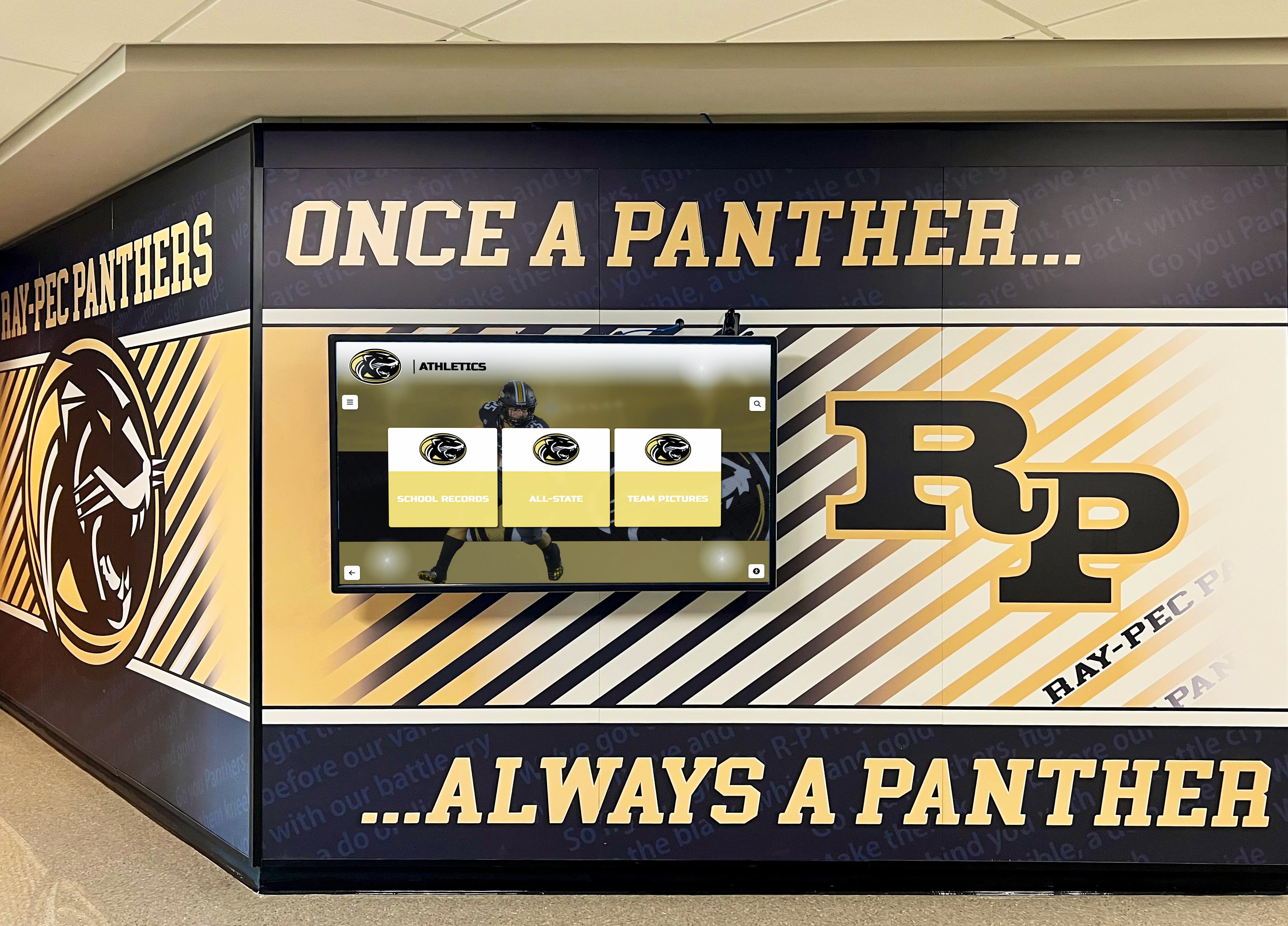
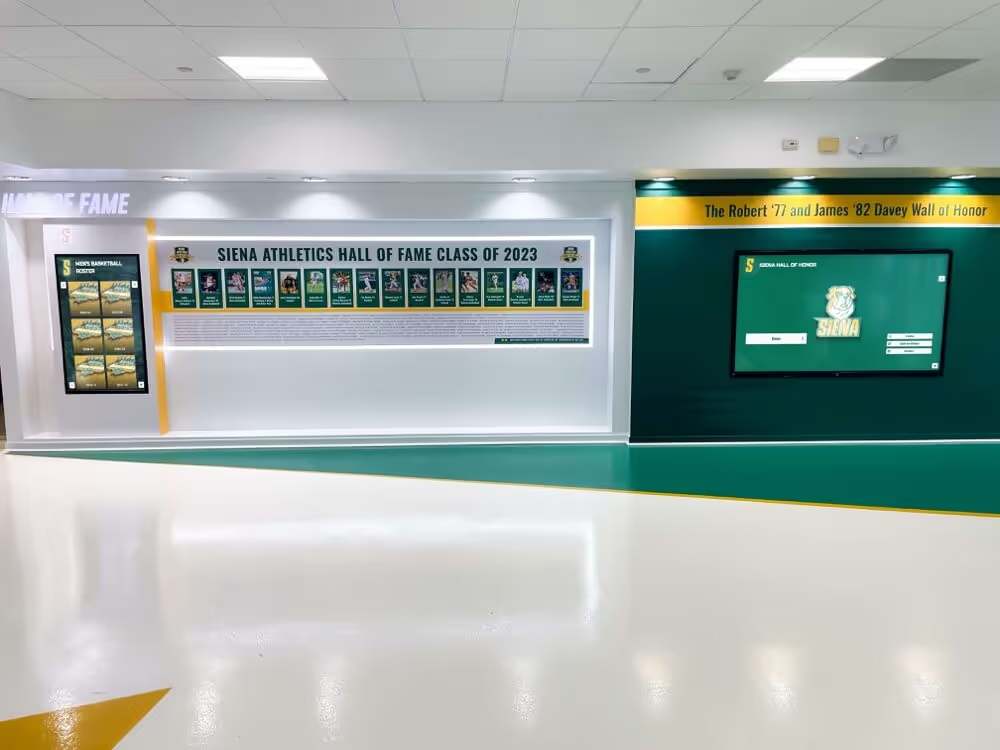
Recognition displays are permanent institutional commitments; the notification policy is what ensures those commitments were made with the care each family deserves
Programs that operate digital recognition platforms with searchable archives benefit most directly from the trust a good notification policy builds. When a platform is accessible to alumni, prospective students, donors, and the broader community, the accuracy and completeness of every profile reflects not only on the inductee but on the institution’s willingness to stand behind what it publishes. Families who were notified respectfully and given genuine proofing access are far more likely to direct others to the archive, to share profiles through the platform’s social features, and to remain engaged with the program over time.
The family notification policy is also the foundation for the program’s long-term stewardship role. A school’s hall of fame is not a static trophy case—it is a living document of institutional history that grows more valuable as it ages. Programs that recognize academic, service, and leadership achievement alongside athletic honors—including student recognition for non-athletic distinctions—extend this stewardship responsibility across every recognized population. Every family behind every profile deserves the same care, regardless of the category that brought their person into the archive.
A written hall of fame family notification policy ensures that inductees and their families hear the news from the institution first—through a personal channel, with enough time to prepare—and that every sensitive update throughout the profile’s permanent life reaches the right contact through a documented, respectful process. When that policy connects to a digital recognition platform with role-based access controls, scheduled publishing, proofing workflows, and cloud-backed archives, the policy becomes operational at every step: the right people see the right content at the right moment, and every family’s trust in the program’s record is earned before the announcement is ever made.
Rocket Alumni Solutions’ platform is built for exactly this governance model—role-based CMS permissions, scheduled publishing aligned with announcement timing, ADA-compliant touchscreen displays, and automatic cloud backups that protect every inductee profile your notification policy worked to build with care. If you are building or modernizing your hall of fame program and want to see how the platform supports a family-first notification and profile management workflow, request your free custom demo to see it in action.
Live Example: Rocket Alumni Solutions Touchscreen Display
Interact with a live example (16:9 scaled 1920x1080 display). All content is automatically responsive to all screen sizes and orientations.