Hall of Fame Conflict of Interest Policy: Rules for Fair School Selection Committees
- Home /
- Digital Hall of Fame Insights & Resources /
- Hall of Fame Conflict of Interest Policy: Rules for Fair School Selection Committees

The Easiest Touchscreen Solution




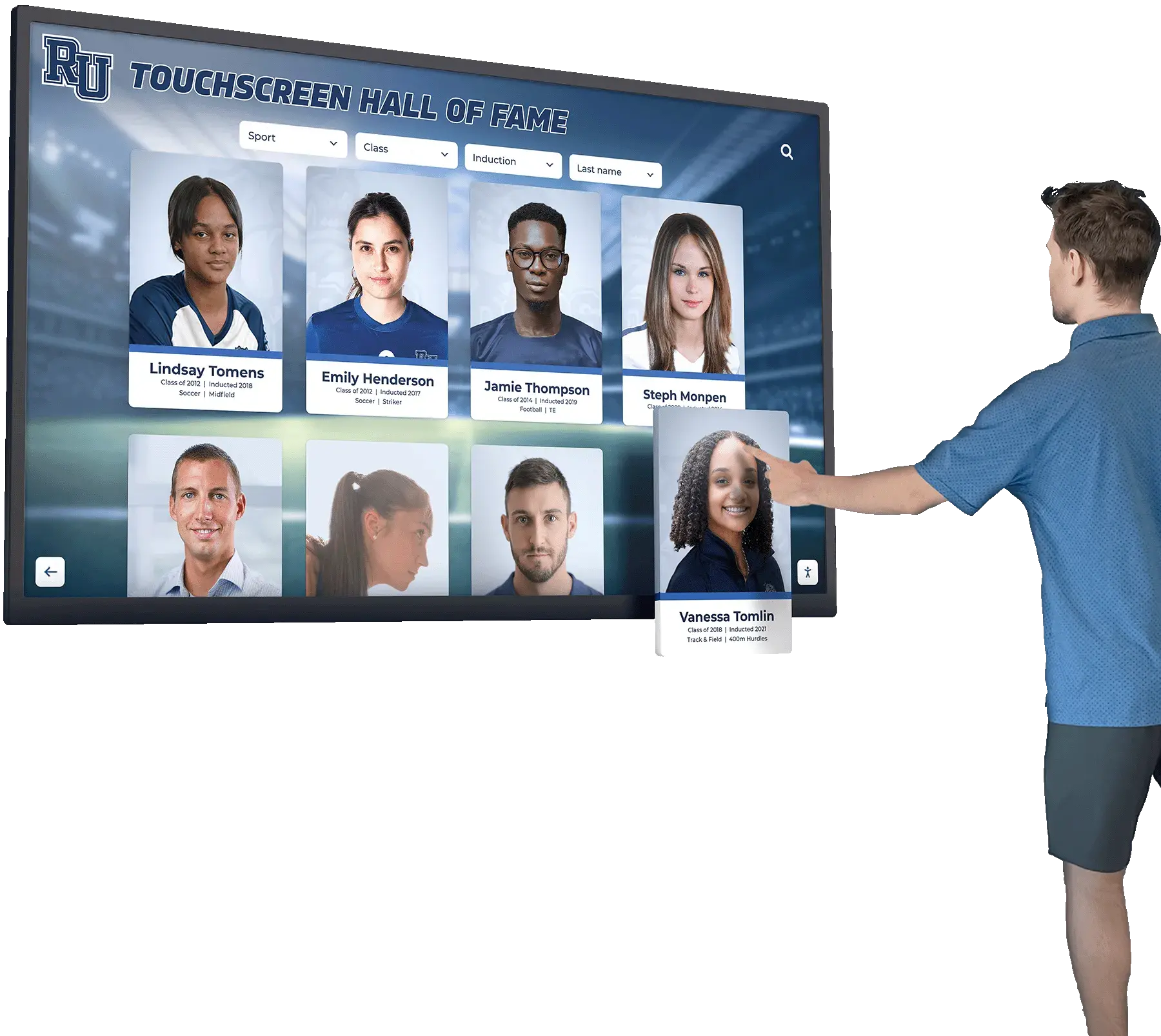
Live Example: Rocket Alumni Solutions Touchscreen Display
Interact with a live example (16:9 scaled 1920x1080 display). All content is automatically responsive to all screen sizes and orientations.
A hall of fame conflict of interest policy requires every selection committee member to disclose any personal, familial, financial, or competitive relationship with a nominee—and to recuse themselves from evaluating that individual. Without this policy in writing, even a well-run program is one contested induction away from a credibility crisis that can take years to repair.
Before your committee scores a single nomination, adopt a written policy that defines what constitutes a conflict, mandates written disclosure, specifies recusal scope, preserves voting records, and governs how and when the final inductee list is published. This guide walks through each requirement in sequence, closes with a copy-paste compliance checklist, and connects the governance layer to the digital archives and recognition displays where inductee records ultimately live.
This guide is for informational purposes only and does not constitute legal advice. Consult your institution’s legal counsel when drafting, adopting, or amending any formal governance policy.
A selection committee that lacks conflict of interest rules is not a committee—it is a group of individuals whose biases operate without any agreed standard. The institutional trust that gives a hall of fame its value depends on the public’s confidence that inductees were selected on merit, not relationship. A written policy is the mechanism that creates and protects that confidence.

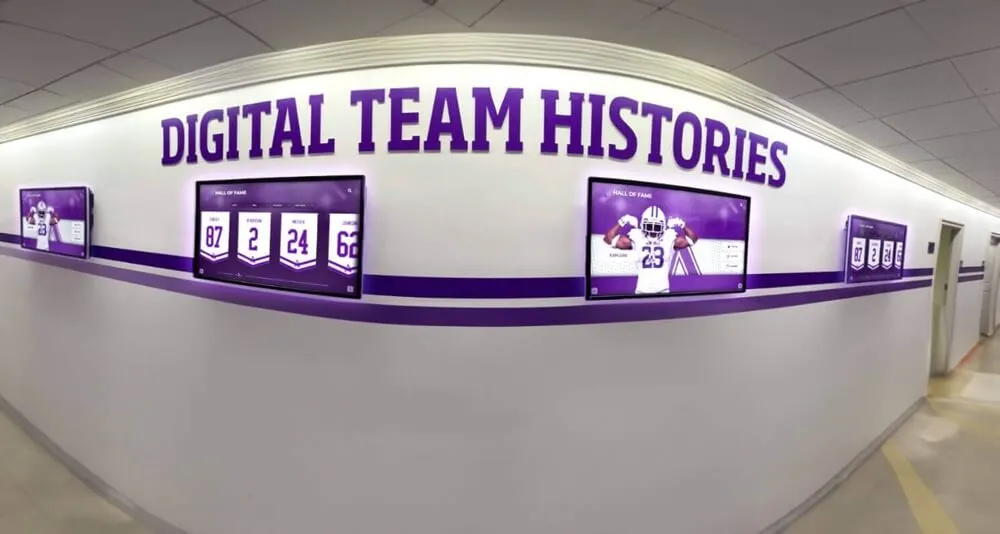
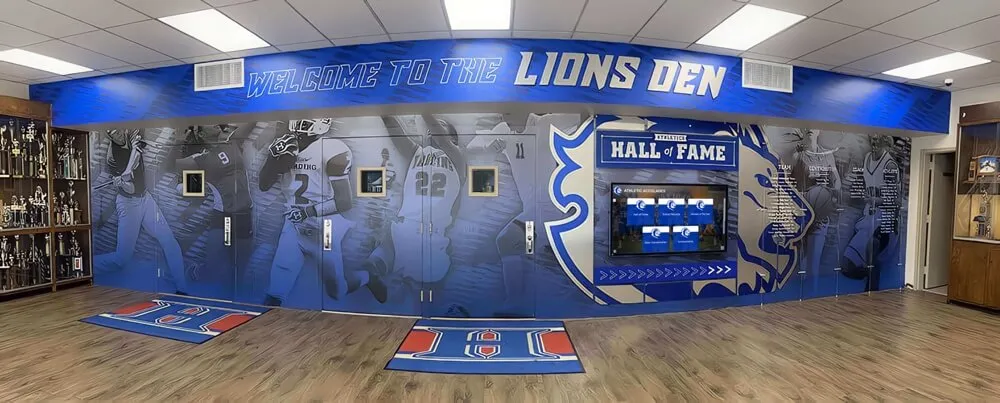
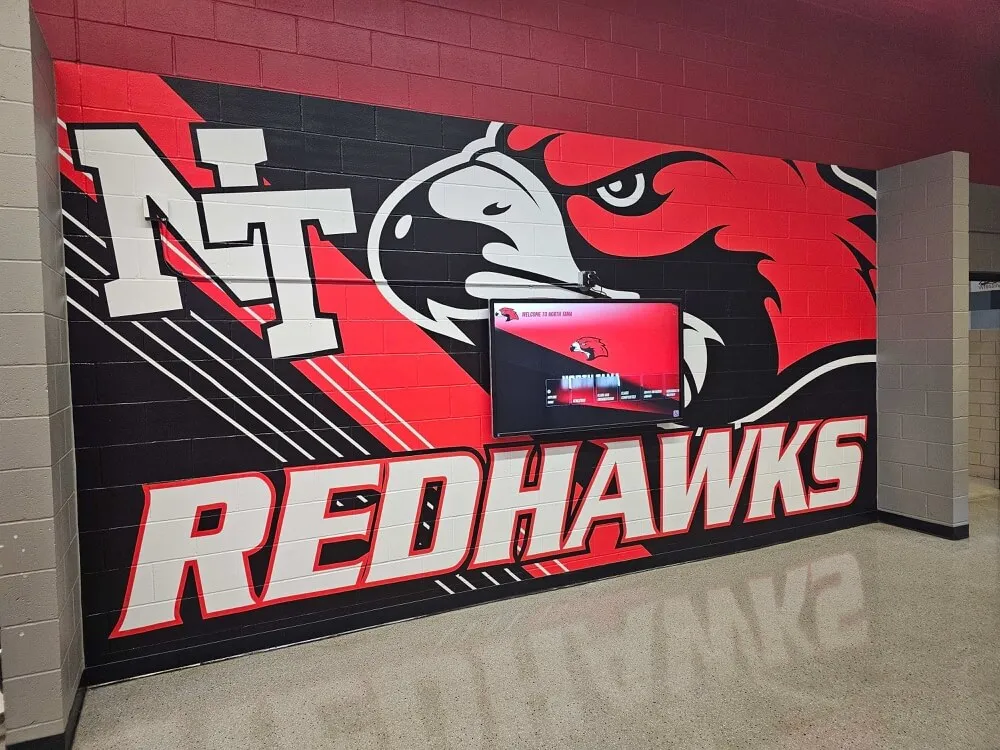
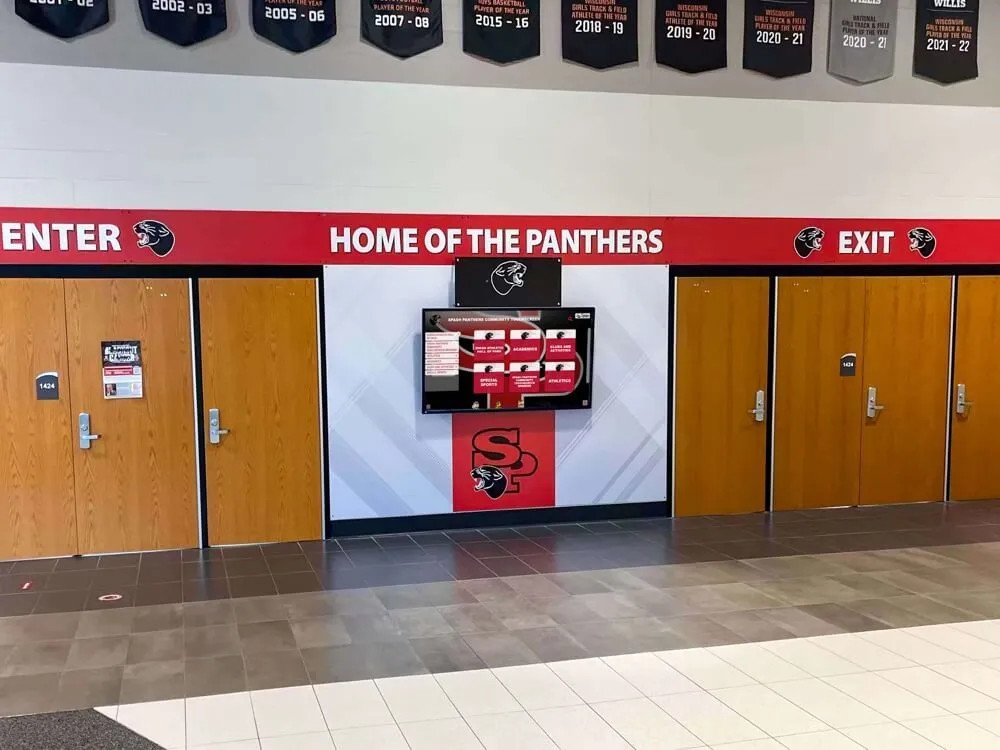
Every name on a recognition wall carries the institution's endorsement—a conflict of interest policy protects that endorsement from challenge
Program Snapshot
Before drafting policy language, align your committee on scope. This table maps each policy component to the problem it prevents and the record it creates.
| Policy Component | Problem It Prevents | Record or Output |
|---|---|---|
| Conflict definition | Disputed judgment calls about what qualifies as a conflict | Written definition adopted by committee vote |
| Disclosure requirement | Undisclosed relationships that surface after induction | Signed disclosure forms filed per nomination cycle |
| Recusal scope | Committee members scoring nominees they are personally connected to | Named recusal log in meeting minutes |
| Voting records | Allegations that one member’s relationship decided the outcome | Sealed individual scores and final tally retained permanently |
| Inductee publication rules | Premature or inaccurate announcements before acceptance | Approved publication checklist before public release |
| Digital archive integration | Inductee profiles that diverge from official committee decisions | CMS publishing workflow tied to the approved committee record |
What a Hall of Fame Conflict of Interest Policy Must Cover
A complete policy addresses six categories. Each must be documented before the first nomination packet is distributed.
1. Scope of Who Is Covered
The policy applies to every voting and advisory member of the selection committee, including ex officio members and consultants who receive nomination materials. Observers with no access to nominee materials are typically outside the policy’s scope.
Name the covered roles explicitly: Committee Chair, Secretary, Eligibility Officer, At-Large Members, and any invited subject-matter reviewers. Ambiguity about who is covered is how undisclosed conflicts survive scrutiny later.
2. Definition of a Conflict of Interest
A conflict exists when a committee member has a relationship with a nominee that could compromise—or reasonably appear to compromise—impartial judgment. Define each category in writing:
- Family relationship: spouse or domestic partner, parent, child, sibling, grandparent, in-law, or anyone sharing a household
- Direct supervisory or coaching relationship: the committee member directly coached, supervised, or evaluated the nominee within a defined lookback window (typically three to five years)
- Financial relationship: a current or recent business partnership, employment relationship, or financial dependency between the committee member and the nominee or their immediate family
- Personal relationship: a close friendship or personal antagonism that a reasonable observer would view as likely to bias the member’s judgment
- Competing institutional interest: the committee member is simultaneously serving on a selection committee at another institution evaluating the same individual
Your institution’s legal counsel or governing board may require adjustments to these categories. Build the definition around your program’s specific community relationships rather than adopting generic language verbatim.
3. Disclosure Procedure
Disclosure must happen in writing before nominee packets are distributed. Verbal acknowledgments at the start of a meeting are insufficient because they leave no permanent record.
Disclosure workflow:
- Secretary distributes the nominee list to all committee members at least five business days before the screening session
- Each committee member completes a signed disclosure form confirming whether they have a conflict with any listed nominee—or confirming they have none
- Forms are returned to the Secretary within three business days of distribution
- The Chair reviews all forms and determines whether each disclosed relationship meets the policy’s definition of a conflict
- The Chair notifies the affected member in writing of the recusal determination before deliberations begin
- Any undisclosed conflict discovered after induction is referred to the governing board for review
Maintain disclosure forms in a permanent committee file. The same comprehensive digital archive practices schools apply to inductee records apply equally to governance documents—disclosure forms and meeting minutes must be retained and retrievable.
4. Recusal Scope and Procedure
A recused member must be excluded from all deliberation, scoring, and voting related to the nominee named in their disclosure. Recusal is not a suspension from the committee; it applies only to the specific nominee(s) identified.
Recusal procedure at each meeting:
- The recused member is listed by name in the meeting agenda alongside the affected nominee
- Before that nominee’s deliberation begins, the recused member exits the meeting room (or the virtual breakout session)
- Remaining members complete deliberation, scoring, and the vote without the recused member present
- The recused member rejoins the meeting after the vote is recorded and before the next agenda item
- The Secretary notes the recusal in official meeting minutes, naming the member, the nominee, and the basis for recusal
A recused member does not count toward quorum or the vote threshold for the nominee from which they are recused. Your bylaws should define the minimum participating count required after recusals and specify how to proceed if recusals would drop the participating count below that threshold.
5. Voting Records and Retention
Individual committee member scores should remain sealed until the deliberation session and should not be attributed to individual members in any publicly released document. The following records must be retained permanently:
- Signed disclosure forms for every nomination cycle
- Meeting minutes documenting each recusal event by member name, nominee name, and recusal basis
- Final vote tally per nominee (votes for, votes against, abstentions)
- Names of members present, recused, and absent for each vote
These records protect the institution if a selection decision is ever challenged. Consult your institution’s records retention schedule and legal counsel for the applicable retention window.
6. Post-Vote Inductee Publication
The inductee list must not be released until all selected individuals have been formally notified and have accepted. Premature publication before acceptance creates public commitments the institution cannot walk back.
Publication workflow:
- Chair issues written acceptance communications to selected inductees; nominees return signed acceptance within a defined response window
- Secretary confirms all acceptances are on file before any public release
- Final inductee list reviewed against the official vote tally for accuracy
- Communications office and Archivist prepare announcement materials
- Inductee list published simultaneously on all official channels: website, press release, and digital display
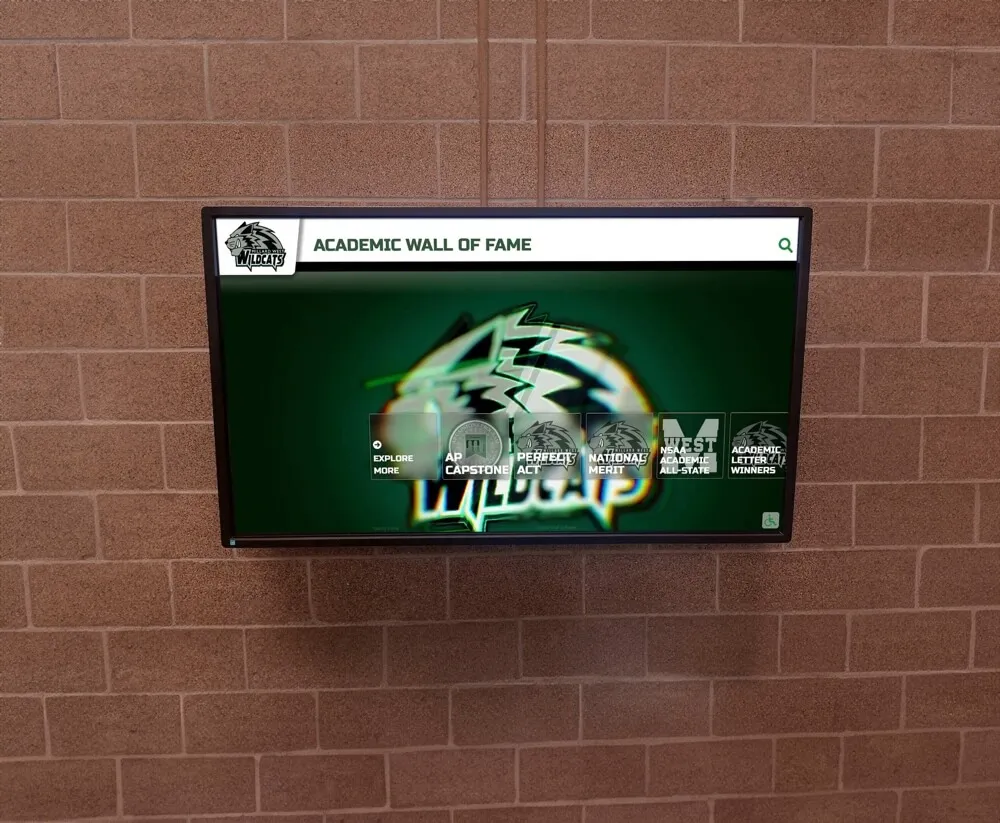
Schools building recognition programs for distinct honoree categories—from athlete halls of fame to academic recognition—benefit from the same publication discipline; consistent announcement timing strengthens every program. For programs recognizing scholar-athletes and academic standouts alongside traditional athletic inductees, the approach used in academic all-state recognition beyond the initial announcement shows how phased communication and digital publication workflows reinforce the committee’s credibility.

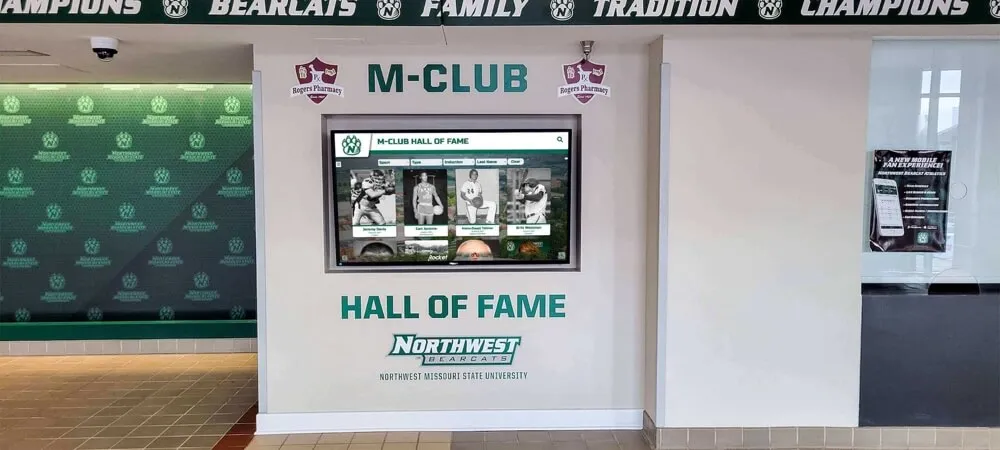
Each shield on a recognition wall represents a governance decision—conflict of interest rules ensure that decision was made without undisclosed influence
Content Architecture: Mapping Governance to Digital Records
Recognition committees increasingly use digital platforms to publish inductee profiles, manage nomination workflows, and maintain searchable archives. A conflict of interest policy must connect to that infrastructure at three points.
| Policy Stage | Documentation Created | Digital Platform Action |
|---|---|---|
| Disclosure forms collected | Signed forms filed with Secretary | Stored in committee document folder; not in the public CMS |
| Recusal logged in minutes | Named recusal record in meeting minutes | Referenced in inductee’s administrative record |
| Vote completed and tally filed | Final approved inductee list | CMS publishing queue unlocked for Archivist |
| Acceptance letters received and confirmed | Signed acceptance on file with Secretary | Archivist begins profile build |
| Content package reviewed | Verified photo, bio, and stats against committee record | Profile pushed live on display at announcement time |
Role-based access in your recognition platform mirrors this governance structure. Only the Archivist—and a designated backup administrator—should hold CMS publishing rights. Broader committee members can review draft profiles but cannot publish. This workflow prevents a profile from going live before the formal committee record authorizes it.
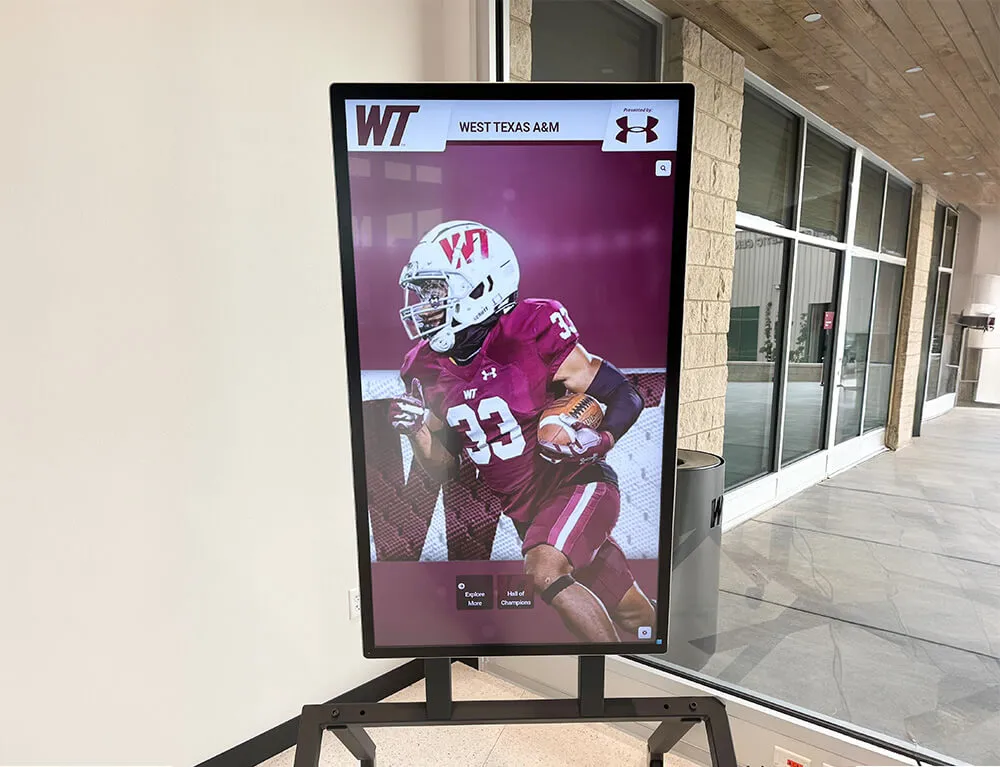
For athletic programs that want to honor distinguished alumni across multiple sport categories, the governance-to-display connection is the same whether the program covers football inductees or recognizes a golf team distinguished alum—the committee approves the selection, and the digital display reflects that decision precisely.
Execution Timeline: Policy Lifecycle Phases
Phase 1 — Plan (Before the First Selection Cycle Under the Policy)
- Governance committee or board drafts the conflict of interest policy
- Legal counsel reviews definitions and recusal scope
- Board adopts the policy by formal vote; adoption is recorded in board minutes
- Policy is distributed to all committee members with written acknowledgment of receipt
Phase 2 — Build (First Cycle Implementation)
- Secretary creates the disclosure form and recusal log template
- Chair develops the nomination packet distribution timeline to enforce the five-day disclosure window
- CMS administrator configures role-based access to enforce the publication checklist
- Committee reviews the policy at the first meeting of the cycle and confirms all members understand their obligations
Phase 3 — Launch (Active Selection Cycle)
- Disclosure forms distributed with nominee list at nomination deadline
- Disclosures reviewed; recusal determinations issued in writing before screening session
- Selection meetings conducted with recusal procedures active for affected nominees
- Voting records filed; inductee list verified against official tally
- Publications released only after all acceptances confirmed and communication materials reviewed
Phase 4 — Refresh (Annual Policy Review)
- Chair and Secretary review the completed cycle for procedural gaps or edge cases
- Any disclosure disputes or novel conflict scenarios are documented and used to refine policy language
- Updated policy reissued to continuing and incoming committee members before the next cycle opens
- Archived governance records verified for completeness and stored appropriately
Schools that manage end-of-semester honor roll digital displays and similar recognition programs often apply the same phased governance approach—policy → build → launch → refresh—across every recognition category, creating a consistent institutional standard regardless of the program.
Display Integration: From Approved List to Live Touchscreen
Once the committee’s selection process closes and acceptances are confirmed, the digital publication workflow begins. Governance and display integration connect at four points.
Step 1: Approved inductee list triggers CMS access The Archivist receives the finalized, committee-approved inductee list. Only after this handoff does content creation begin. No profile is created or drafted during deliberations.
Step 2: Content collection follows the approved list The Archivist collects the verified content package for each inductee: official name, graduation year, category, career highlights, biographical summary, and a rights-cleared photograph. The content package is reviewed against the committee record before upload.
Step 3: Draft profiles reviewed before publishing Draft profiles are reviewed internally for accuracy against the official committee record. Any discrepancy between the draft profile and the approved inductee list is flagged to the Secretary before publishing proceeds.
Step 4: Live publication synchronized with official announcement The digital display profile goes live at the same time as the official public announcement. This prevents the display from being the first source of inductee information before the inductee has been formally notified—a scenario that can create both communication and governance problems.
Platforms like Rocket Alumni Solutions support this workflow with scheduled publishing, role-based CMS access, and cloud-backed archives. Committees using a dedicated recognition platform can enforce the governance timeline through platform features rather than relying on individual team members to self-police publication timing.
For programs building searchable alumni recognition archives across multiple honoree types, the National Honor Society digital recognition display framework demonstrates how governance-driven publication workflows scale across different recognition categories within the same institutional platform.
Schools managing peer recognition programs alongside their hall of fame can apply identical governance-to-publication logic; the peer leadership spotlights recognition guide shows how publication timing and profile review workflows work in a recognition context that sits adjacent to hall of fame programs.
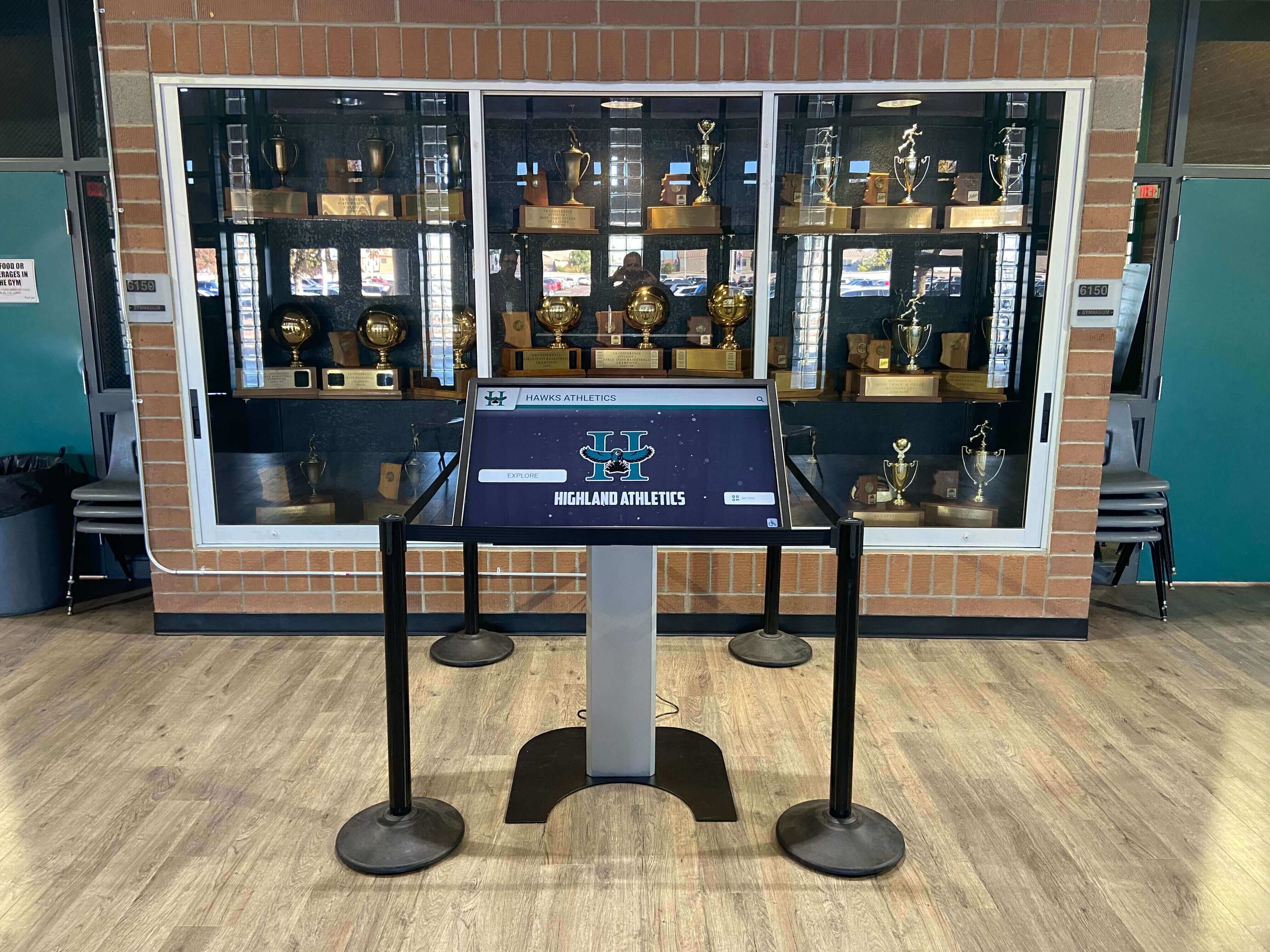
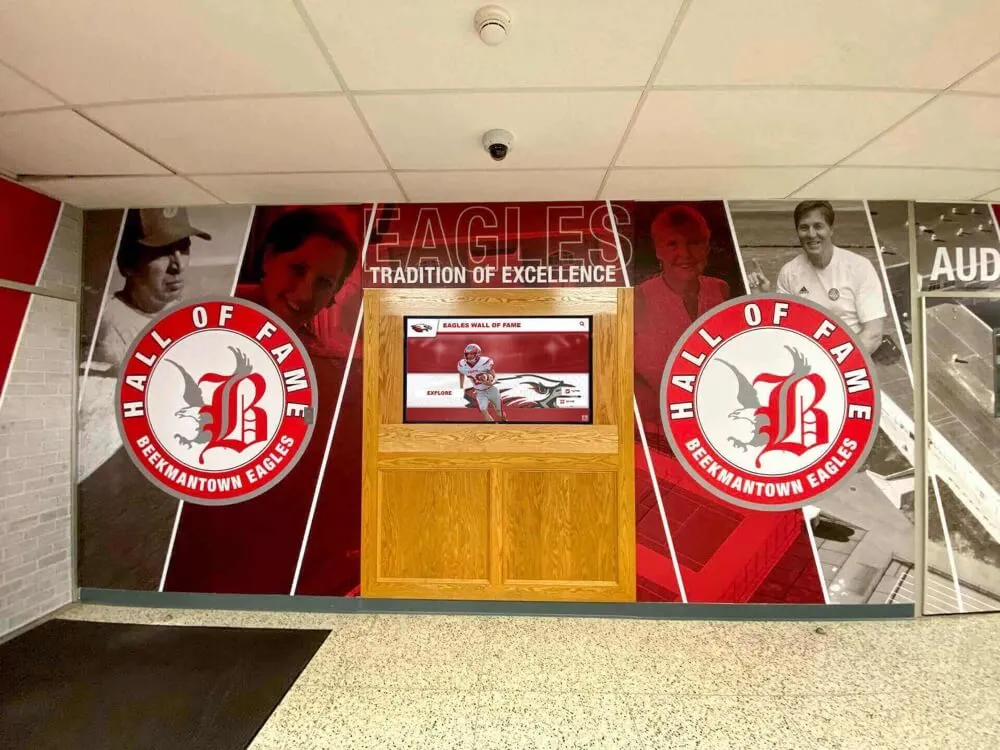
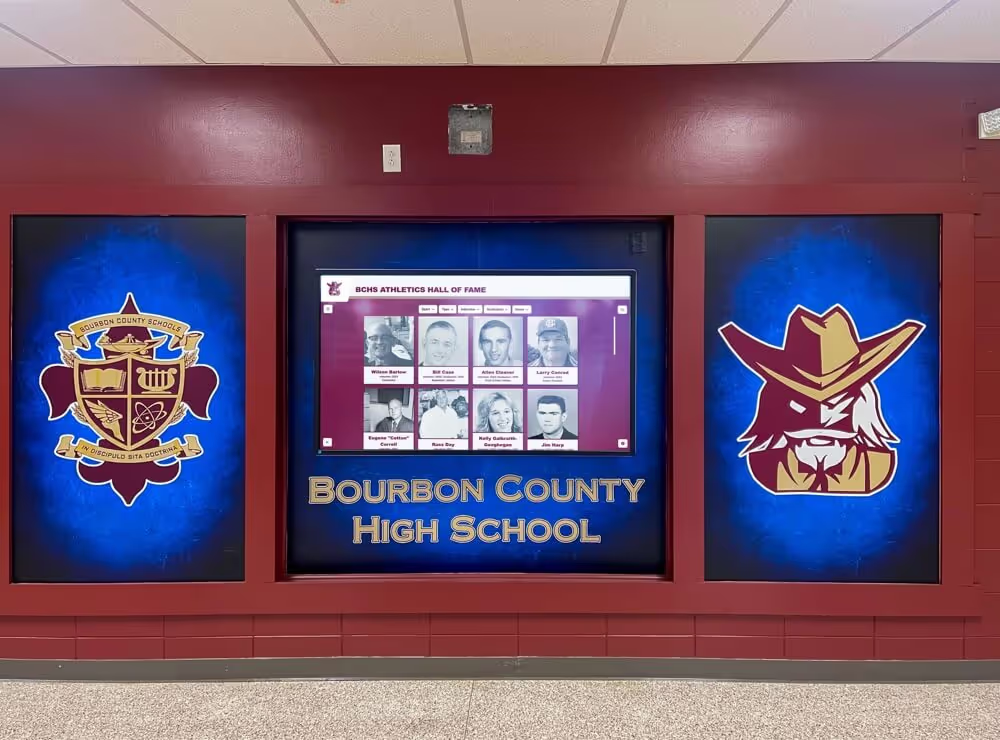
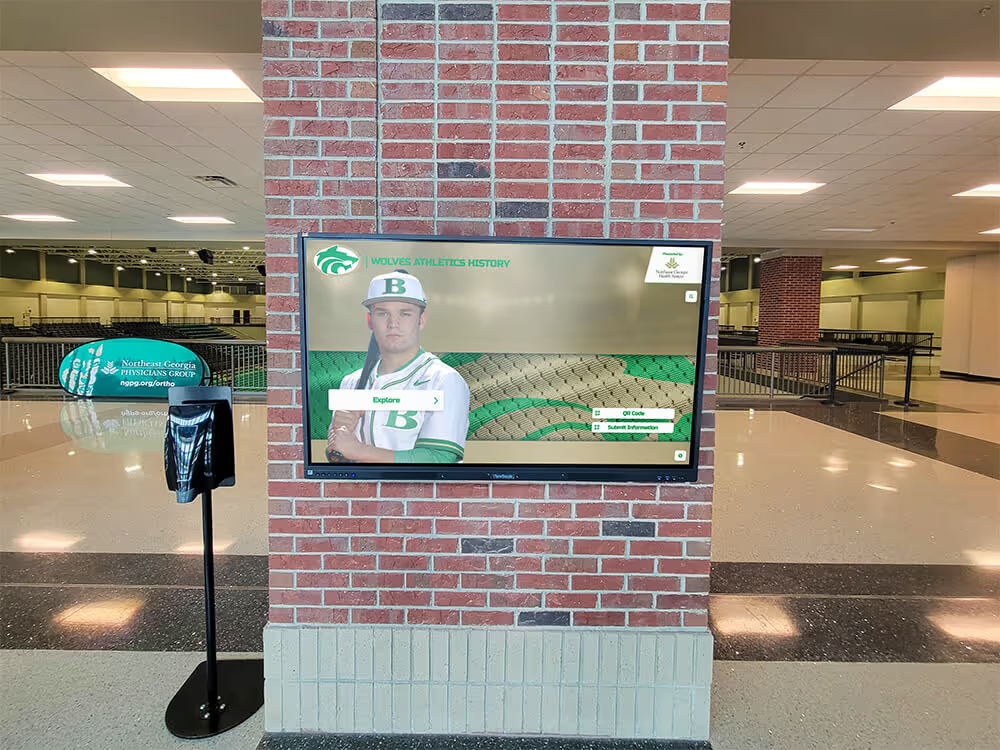
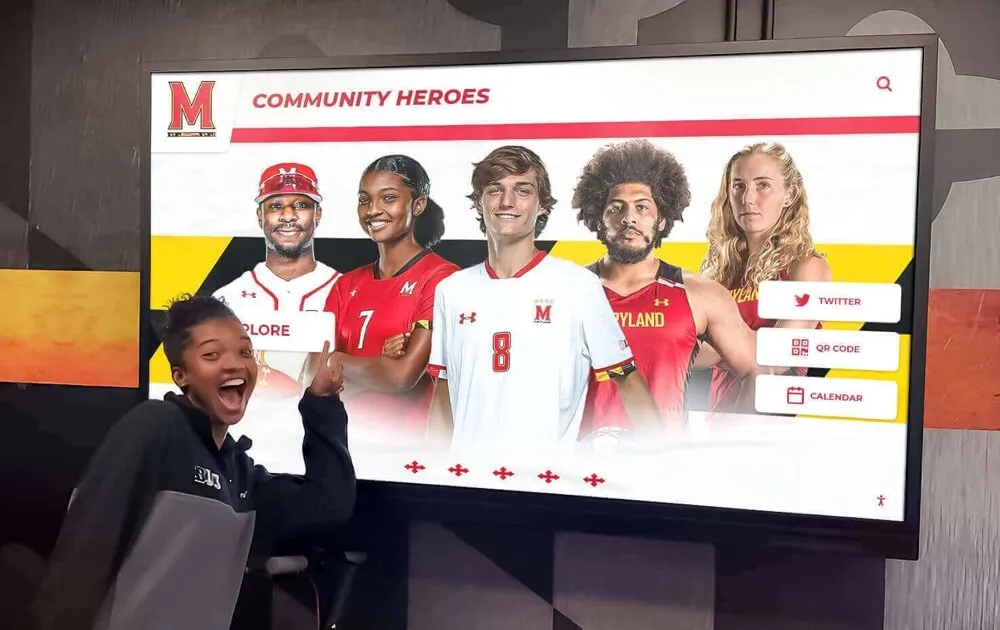
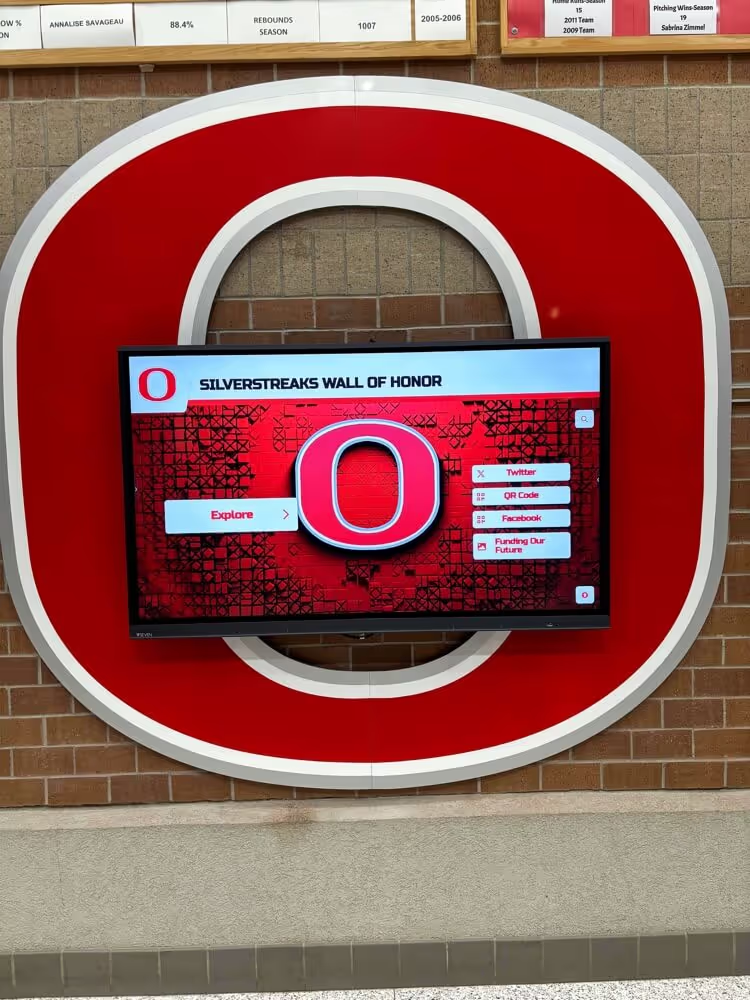
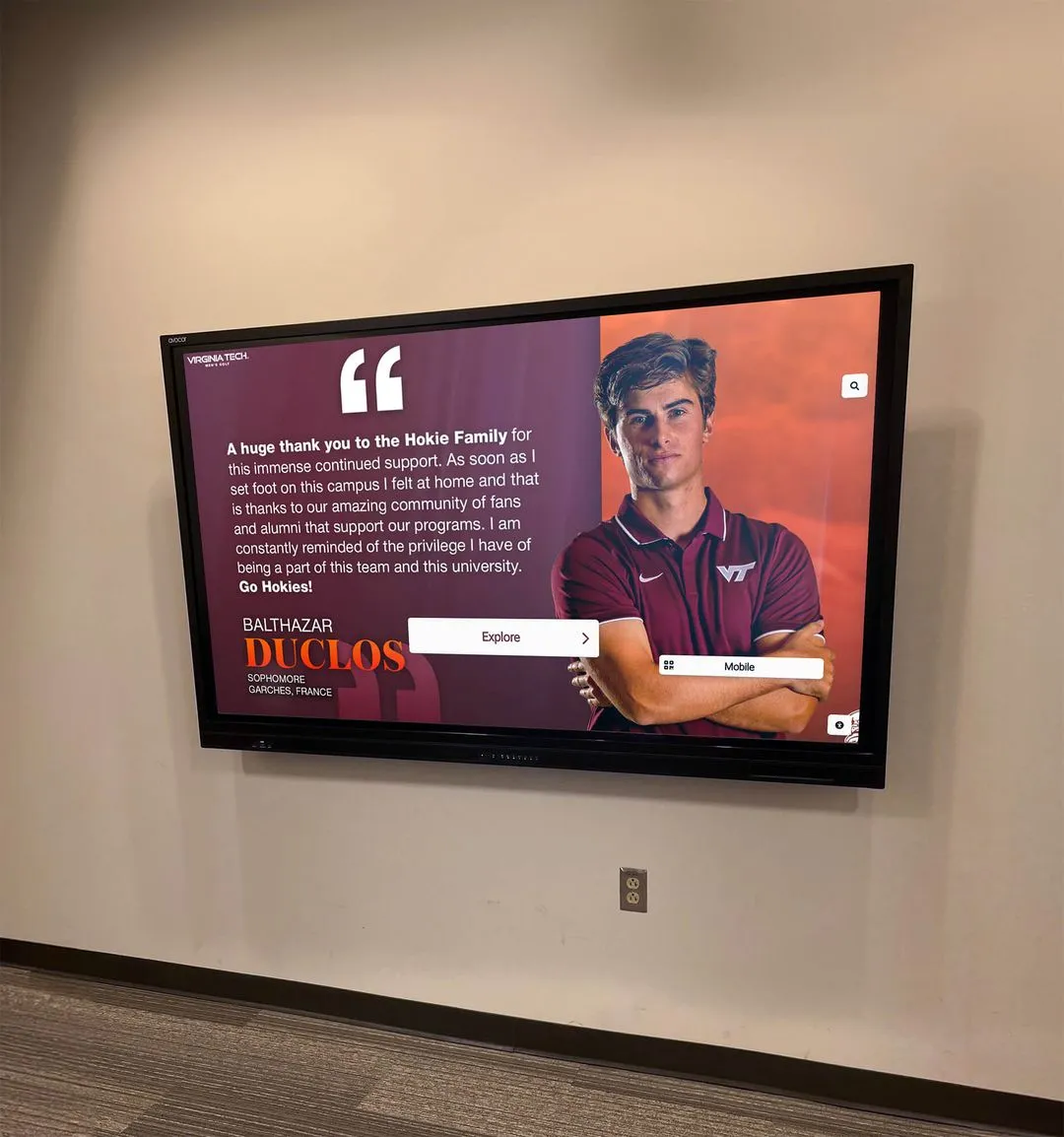
Every profile on a touchscreen recognition display should trace back to an authorized committee vote—the conflict of interest policy is what makes that traceability credible
Copy-Paste COI Compliance Checklist
Use this checklist as the basis for your committee’s annual pre-selection governance review. Adapt it to match your adopted policy language.
Before Nominations Close
- Conflict of interest policy reviewed and reissued to all committee members for the current cycle
- Written acknowledgment of receipt collected from every voting and advisory member
- Disclosure form template prepared and approved for the current cycle
When Nominee List Is Distributed
- Nominee list distributed to all committee members at least five business days before screening
- Disclosure forms distributed simultaneously with nominee list
- Disclosure form return deadline communicated in writing (three business days from distribution)
Before Screening Session
- All disclosure forms received and filed by Secretary
- Chair reviews disclosures and issues written recusal determinations
- Recused members notified in writing before screening session begins
- Meeting agenda updated to identify recused members alongside the specific nominee(s) affected
During Deliberation and Vote
- Recused member exits meeting room before deliberation begins for relevant nominee
- Quorum confirmed with recused member excluded for that nominee
- Vote conducted and tally recorded by Secretary
- Recused member rejoins meeting before next agenda item
After the Vote
- Meeting minutes documenting all recusals distributed to committee within five business days
- Final vote tally filed in permanent committee records
- Voting records secured; access restricted to Chair and Secretary
Before Publication
- Written acceptance received from every selected inductee
- Final inductee list cross-checked against official vote tally for accuracy
- Archivist notified; CMS publishing queue authorized
- Public announcement and digital display publication synchronized to go live simultaneously
Frequently Asked Questions
Does a recused committee member count toward quorum for the nominee they are recused from?
No. When a member is recused from evaluating a specific nominee, they should not count toward quorum for that nominee’s deliberation and vote. Your bylaws should define a minimum quorum that can still operate after recusals—typically no fewer than three voting members—and specify how to proceed if recusals would drop the participating count below that minimum. Common solutions include postponing the vote to a reconstituted committee or allowing a temporary seat appointment through a defined process in the bylaws.
What happens if the Committee Chair has a conflict of interest?
The Chair’s conflict is handled identically to any other member’s. The Chair discloses in writing, the governing board or a designated senior administrator reviews the disclosure, and the Chair recuses from that nominee’s deliberation. Because the Chair typically facilitates meetings, the committee should designate a Deputy Chair or Acting Chair in advance to run the session for any nominee from which the Chair is recused. Define this role in your bylaws before it is needed.
How long should conflict of interest disclosures and voting records be retained?
Retention standards vary by state, institution type, and applicable governing body requirements. A conservative baseline is to retain all nomination-cycle governance records—disclosure forms, meeting minutes, vote tallies, acceptance letters—for at least seven years or for the duration of any unresolved appeal arising from that cycle, whichever is longer. Consult your institution’s records retention schedule and legal counsel for the applicable standard in your jurisdiction.
Does a conflict of interest automatically disqualify a nominee from consideration?
No. A conflict of interest policy governs committee member conduct, not nominee eligibility. The nominee continues through the selection process; the affected committee member is simply excluded from evaluating that individual. The nominee’s advancement or non-selection is determined by the remaining committee members applying the same criteria used for every other nominee.
When should the digital display be updated with the new inductee class?
Update the digital display simultaneously with the official public announcement—not before. A name appearing on a touchscreen recognition display before the inductee has accepted and the formal announcement has been released can inadvertently disclose the committee’s decision ahead of schedule and undermine the institution’s communication plan. Recognition platforms with scheduled publishing let the Archivist queue profiles in advance so the display updates automatically at the exact announcement moment without manual last-minute action from the committee.
Build the Infrastructure That Backs Your Policy
A conflict of interest policy is most effective when the platform hosting your inductee records enforces the same controls. Role-based CMS access ensures no profile goes live without authorization. Scheduled publishing aligns digital display updates with official announcement timelines. Cloud-backed archives preserve the governance documents and voting records that protect your program’s credibility across every leadership transition.
Request your free custom demo to see how Rocket Alumni Solutions can connect your selection committee’s governance workflow directly to a touchscreen recognition display that reflects every authorized induction decision.
Live Example: Rocket Alumni Solutions Touchscreen Display
Interact with a live example (16:9 scaled 1920x1080 display). All content is automatically responsive to all screen sizes and orientations.