Graduation Honor Cords: Colors, Meanings, and How to Wear Them Properly
- Home /
- Digital Hall of Fame Insights & Resources /
- Graduation Honor Cords: Colors, Meanings, and How to Wear Them Properly

The Easiest Touchscreen Solution




Live Example: Rocket Alumni Solutions Touchscreen Display
Interact with a live example (16:9 scaled 1920x1080 display). All content is automatically responsive to all screen sizes and orientations.
Graduation honor cords transform commencement ceremonies into powerful visual celebrations of academic achievement, instantly distinguishing students who excelled across diverse disciplines and activities throughout their educational journey. Yet confusion persists around cord protocols: which accomplishments earn specific colors, how multiple cords should be arranged properly, whether students can wear cords from organizations beyond academic honors, and how schools balance inclusive recognition with maintaining standards that make ceremonial regalia meaningful rather than ubiquitous decoration every graduate receives regardless of achievement.
The most effective graduation cord programs accomplish multiple objectives simultaneously: honoring genuine academic excellence and leadership through visible distinction, maintaining clear achievement standards ensuring cords represent earned recognition, communicating institutional values through which accomplishments receive ceremonial acknowledgment, creating aspiration among underclassmen observing distinguished graduates, and establishing consistent protocols preventing confusion about proper wearing techniques during formal commencement ceremonies.
This comprehensive guide explores graduation honor cords across all dimensions—standard color meanings rooted in academic tradition, achievement thresholds warranting cord recognition, proper wearing protocols ensuring respectful presentation, organization-specific cord customs from honor societies to service clubs, and modern recognition approaches schools implement to celebrate student excellence beyond single-ceremony displays through permanent digital installations documenting achievement across graduating classes.
Graduation cords represent centuries-old academic traditions adapted to contemporary recognition needs, blending historical symbolism with modern achievement categories while maintaining ceremonial dignity distinguishing commencement as formal rite of passage rather than casual celebration. Understanding both traditional protocols and evolving recognition practices helps schools, families, and students navigate graduation cord questions with confidence and appropriate reverence for ceremonial significance.

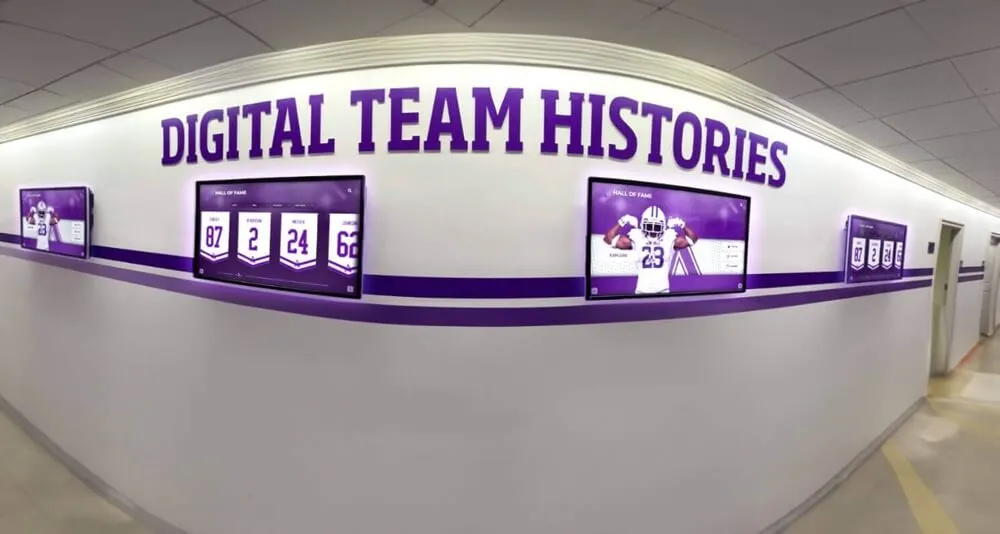
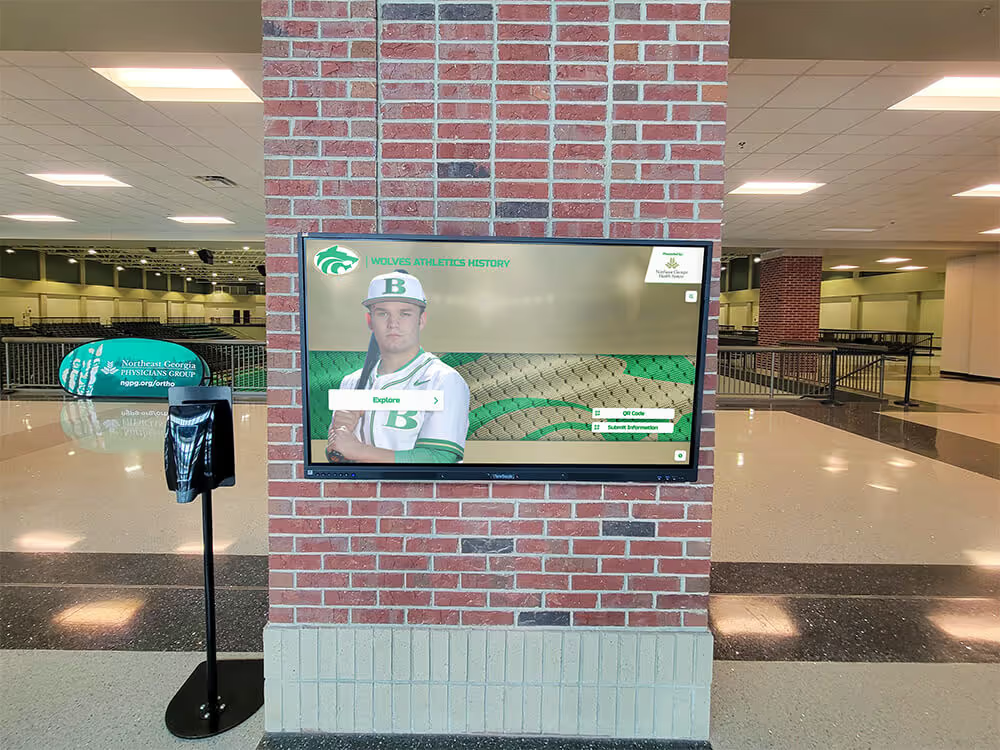
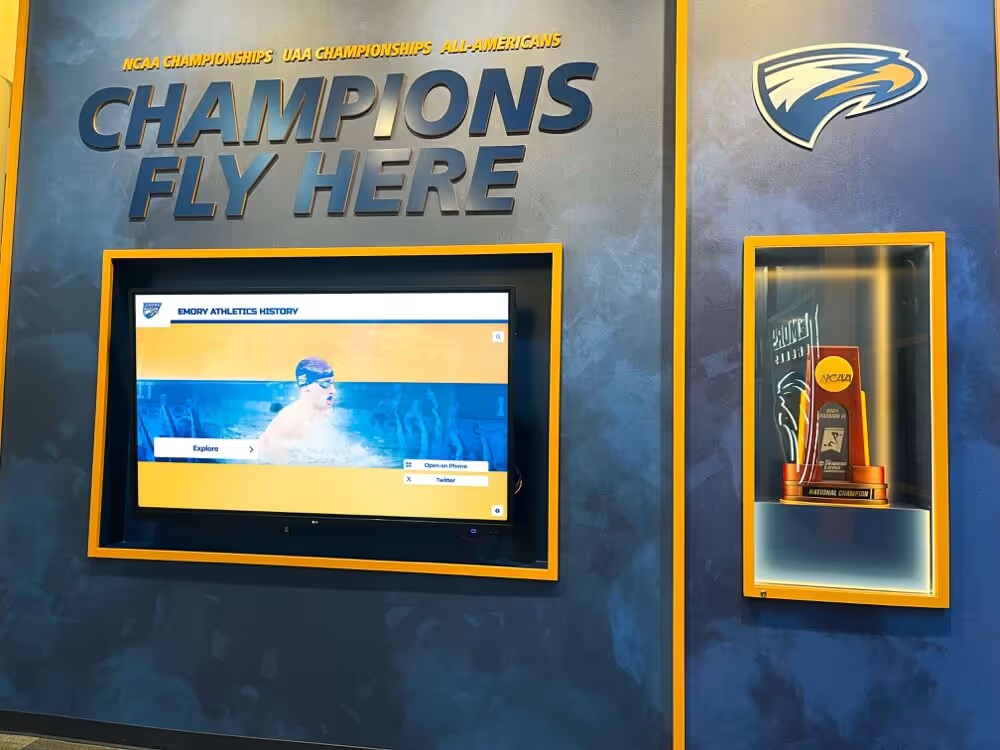
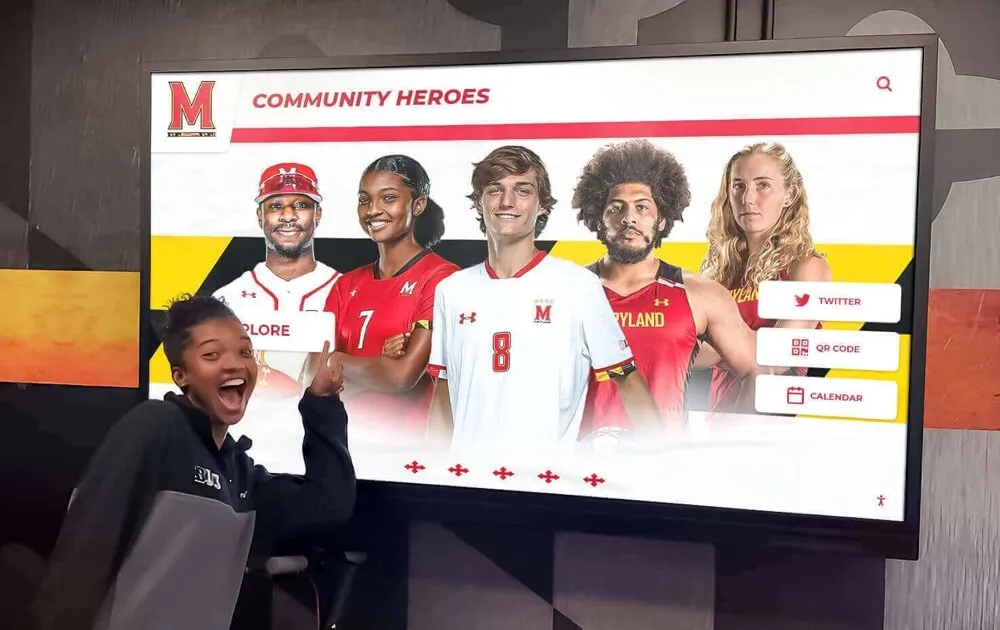
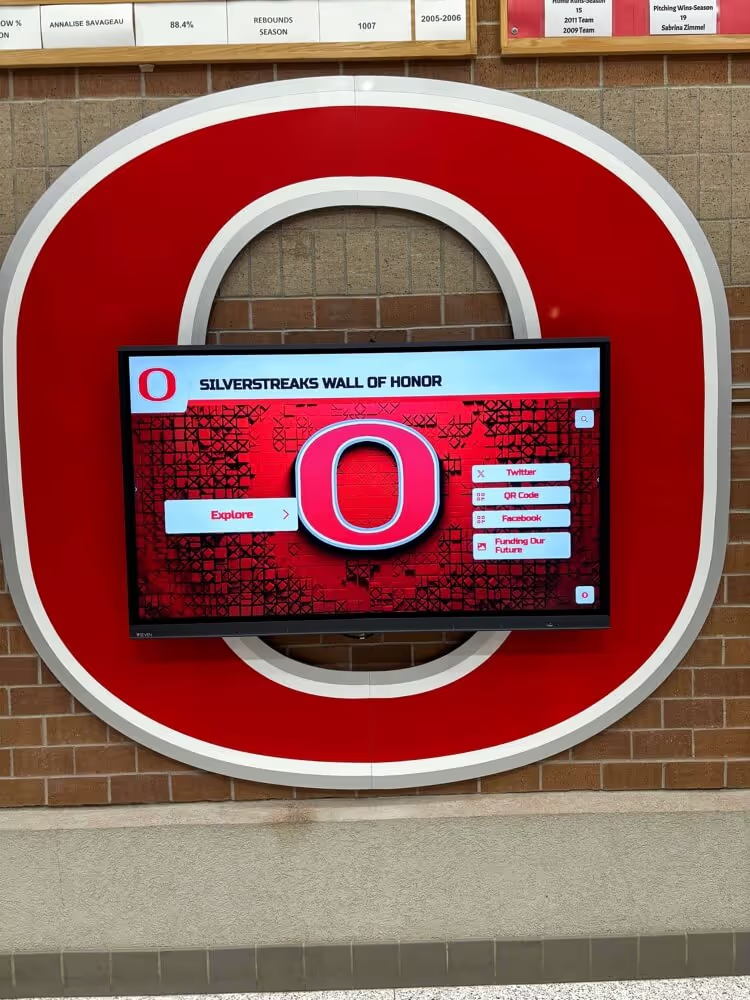
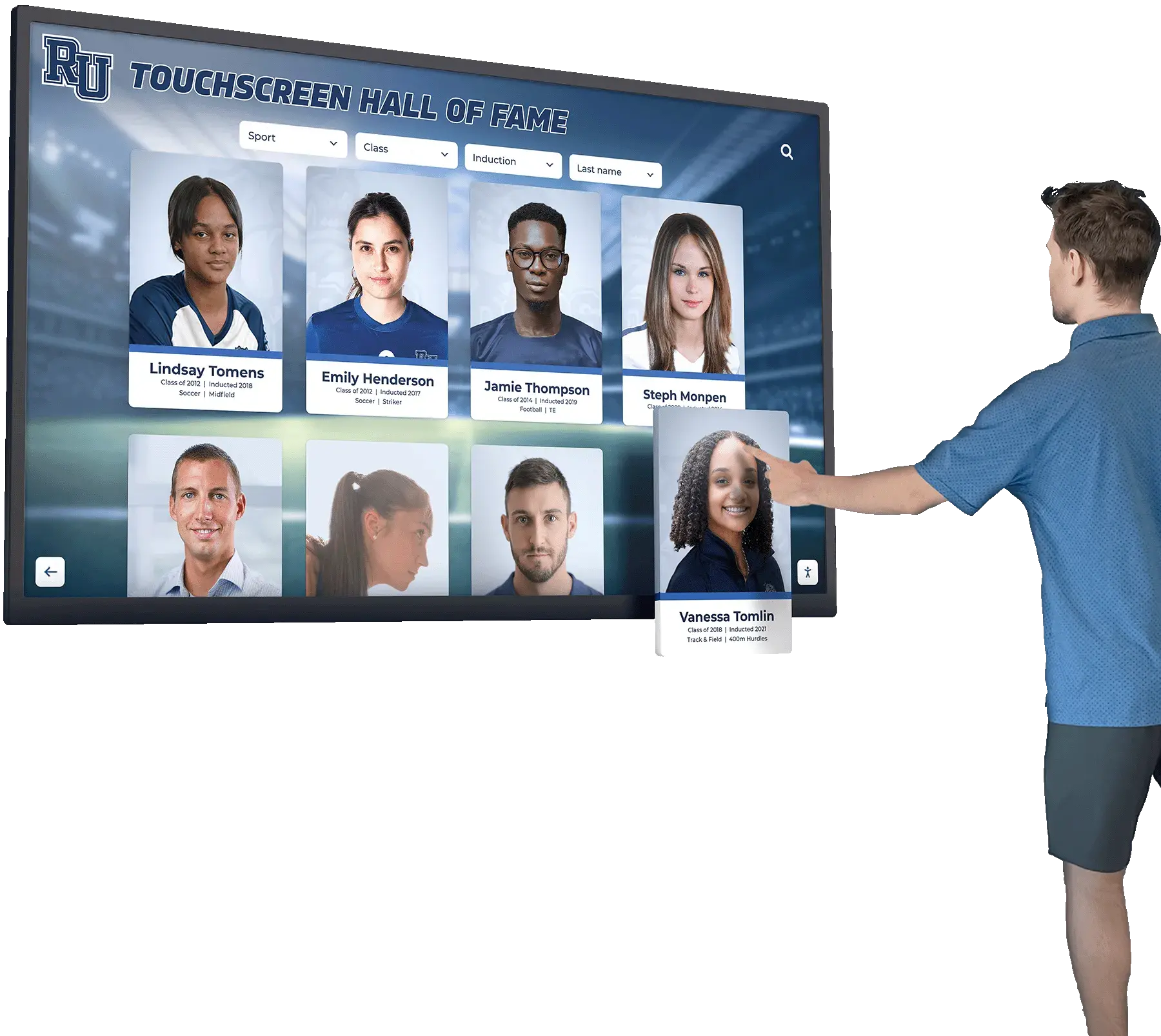
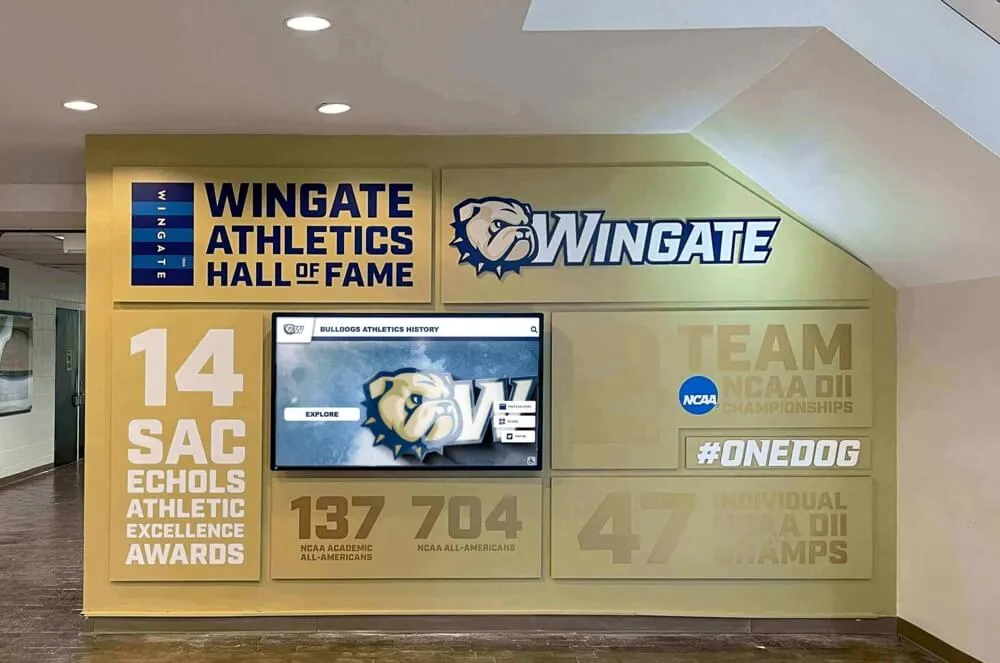
Academic achievement recognition extends beyond single ceremonies through permanent displays celebrating student excellence across multiple dimensions and graduating classes
Recognition Snapshot: Understanding Graduation Cord Systems
Comprehensive understanding of graduation cord categories, achievement requirements, and ceremonial protocols helps schools design recognition systems honoring diverse student accomplishments through consistent, meaningful regalia programs.
| Cord Category | Common Colors | Typical Achievement Requirements | Awarding Organizations |
|---|---|---|---|
| Academic Honor Cords | Gold, silver, blue, white | GPA thresholds (3.5+, 3.75+, 4.0+), honor roll, valedictorian/salutatorian | School administration, academic departments |
| Honor Society Cords | Gold and blue (NHS), specific society colors | Membership requirements including GPA, service hours, leadership | National Honor Society, subject-specific honor societies |
| Subject Excellence Cords | Red (history), purple (music), green (science), brown (fine arts) | Outstanding achievement in specific academic disciplines | Department faculty, subject area teachers |
| Service and Leadership Cords | Red and white, blue and white, specific program colors | Volunteer hours, leadership positions, community service milestones | Service organizations, student government, clubs |
| Activity and Organization Cords | Organization-specific colors | Membership, participation levels, competition success | Band, choir, drama, athletics, special interest clubs |
| International Baccalaureate Cords | Blue and gold | IB diploma completion, specific point thresholds | IB coordinator, school administration |
This multi-category framework ensures schools acknowledge accomplishments systematically across academic, leadership, service, and activity dimensions while maintaining protocols making each cord meaningful recognition rather than participation trophy every student receives.
Standard Academic Honor Cord Colors and Meanings
Traditional academic cord colors follow established conventions rooted in university regalia customs, though individual schools often adapt systems to institutional preferences and local traditions.
Primary Academic Achievement Colors
Core academic honor cords represent overall scholastic excellence measured through grade point average and cumulative academic performance:
Gold Honor Cords
- Most universally recognized academic excellence color
- Typically awarded for GPA thresholds of 3.5 or higher
- Often designated for valedictorians and salutatorians
- May indicate summa cum laude honors at college level
- Represents highest academic achievement recognition in many school systems
- Sometimes reserved exclusively for National Honor Society members
Silver Honor Cords
- Secondary academic excellence recognition
- Often awarded for GPA thresholds of 3.25-3.49
- May represent magna cum laude honors at college level
- Used by some schools for salutatorian distinction
- Indicates strong academic performance slightly below highest threshold
- Alternative color when gold cords serve specific honor society purpose
White Honor Cords
- Frequently used for cum laude honors
- May represent honor roll achievement at specific GPA level
- Sometimes designated for humanities academic excellence
- Used by certain schools for general academic honors
- Can indicate graduation with distinction at institutional threshold
- Alternative academic achievement color in multi-tier recognition systems
Schools implement these core colors with varying GPA requirements and achievement definitions reflecting institutional academic standards and desire to balance accessible recognition with maintaining distinction meaningful enough that cords represent genuine accomplishment requiring sustained academic commitment.
Understanding comprehensive academic recognition programs helps schools design systematic approaches celebrating student achievement beyond single ceremonies.
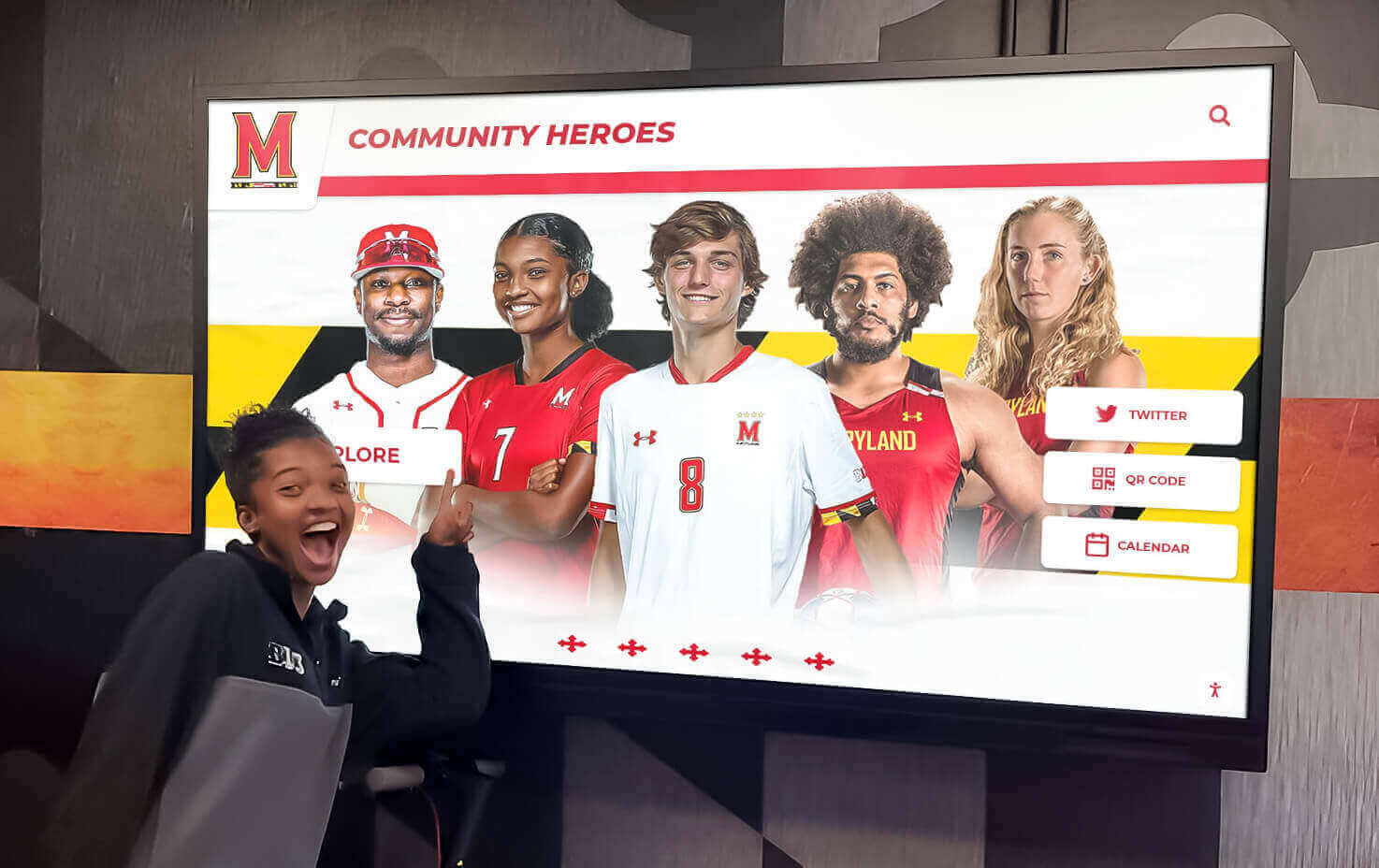
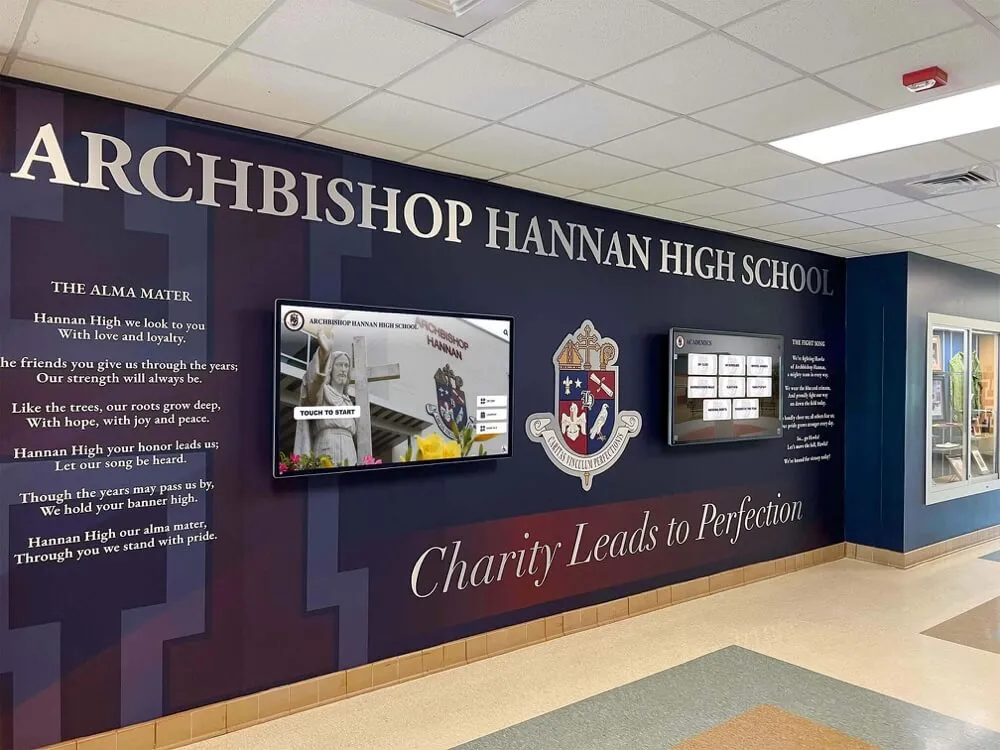
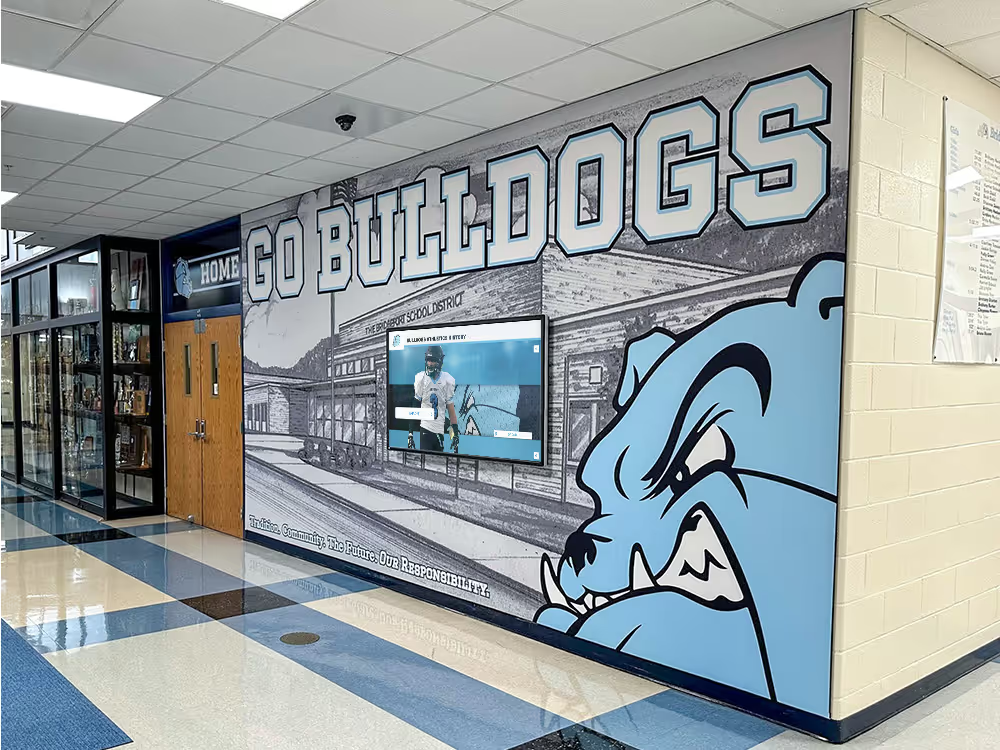
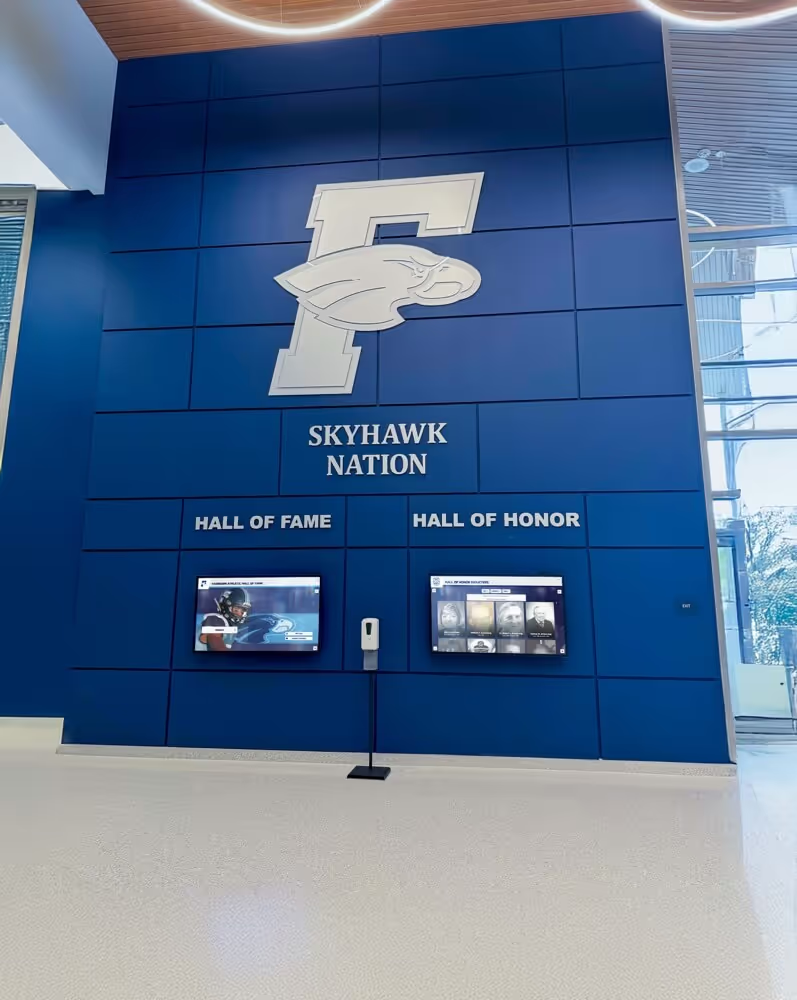
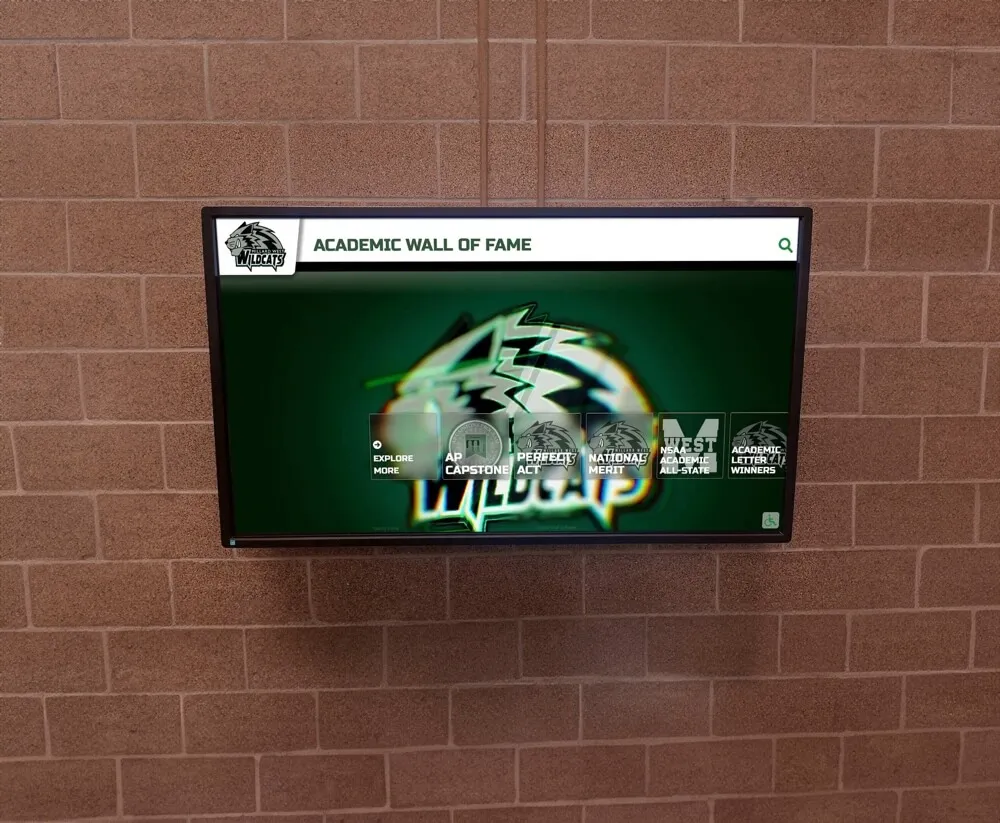
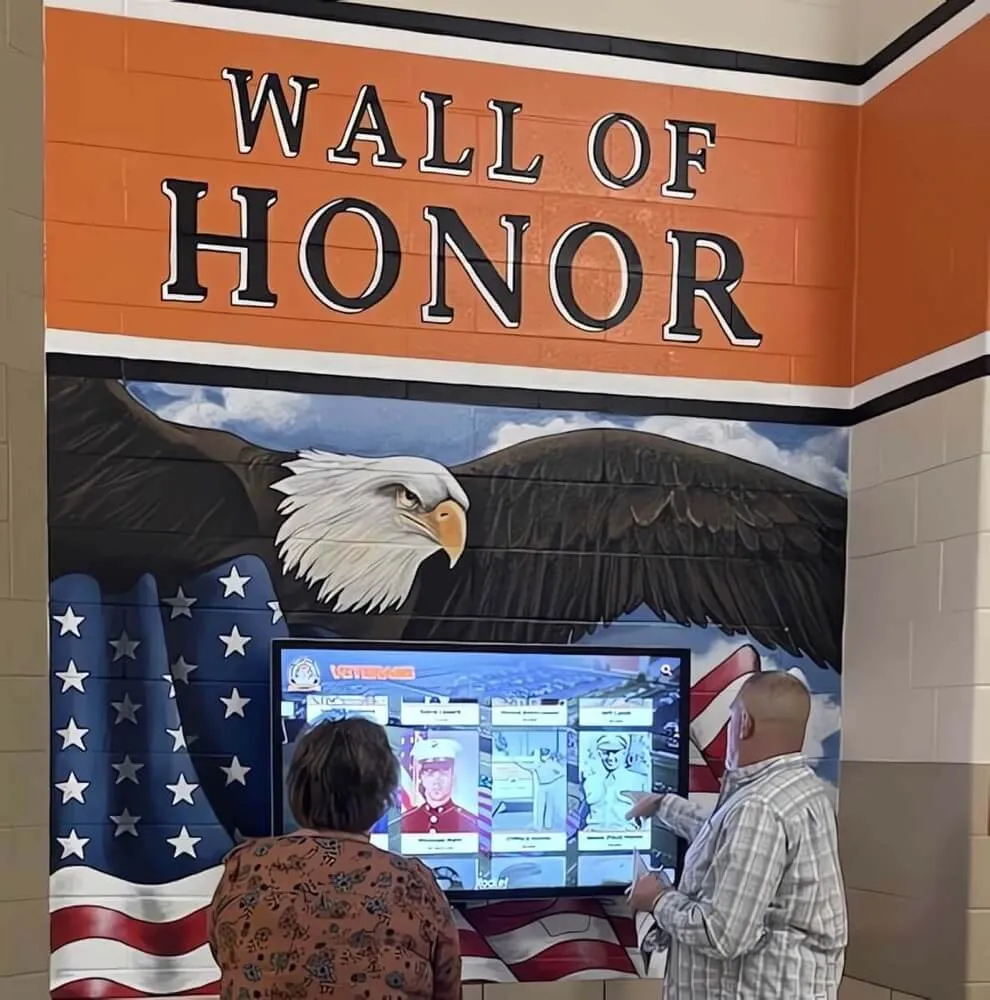
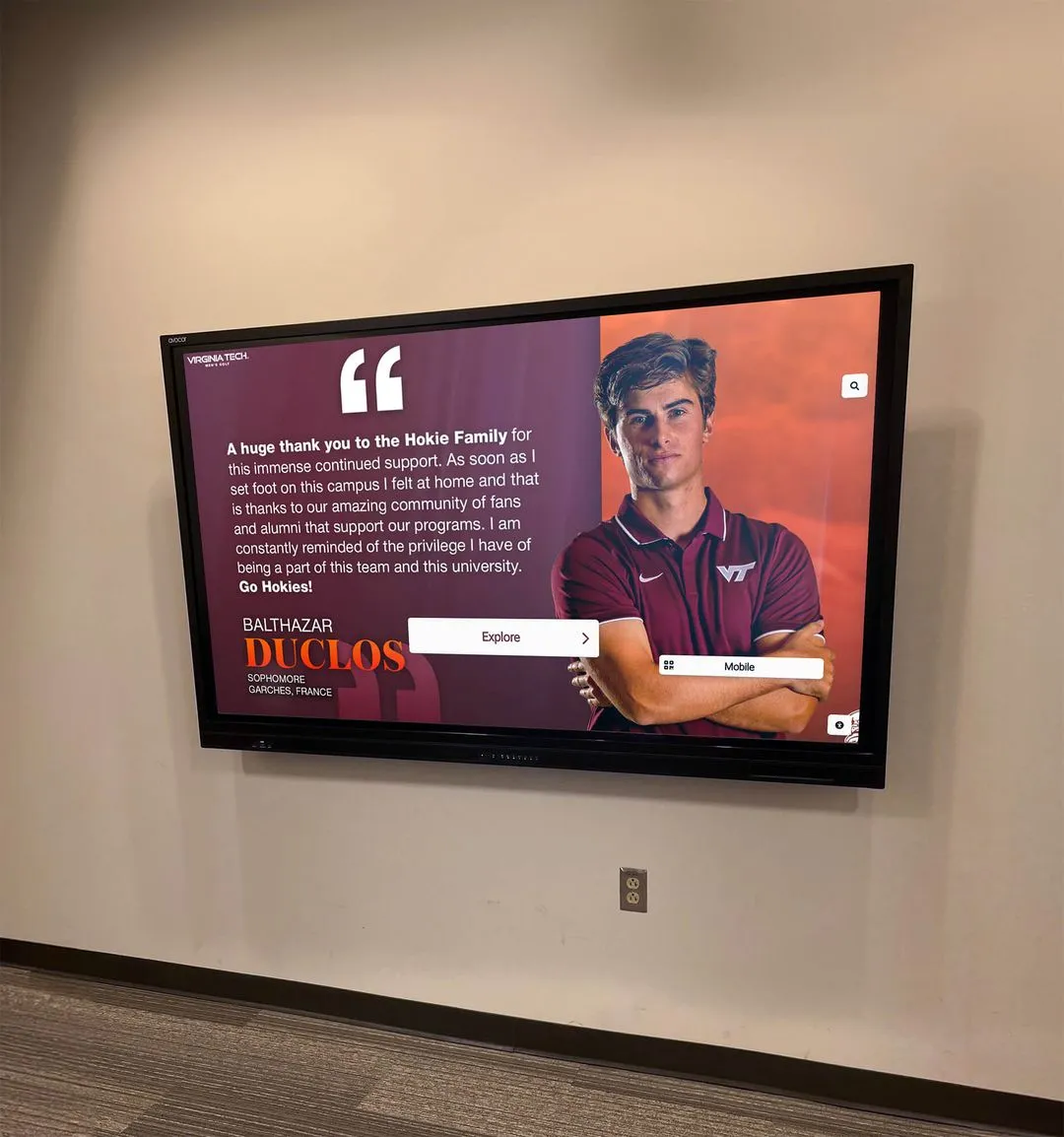
Modern recognition approaches complement ceremonial regalia with year-round displays enabling students to explore achievements interactively beyond commencement day
Subject-Specific Academic Cord Colors
Disciplinary cord colors celebrate excellence in specific academic areas, following color associations traditional in academic regalia:
Science and Mathematics Cords
- Gold (science general excellence)
- Copper or bronze (geology, earth science)
- Silver (mathematics, statistics)
- Green (medicine, physical education, pharmacy)
- Light blue (education focusing on science)
- Golden yellow (general science recognition)
Humanities and Social Sciences Cords
- White (arts, humanities, literature, letters)
- Citron (social science, social work)
- Cream (nursing, medical fields)
- Light blue (education general)
- Dark blue (philosophy, political science)
- Pink (music, fine arts)
Language and Communication Cords
- Purple (law, jurisprudence, sometimes music)
- Silver gray (speech, rhetoric, communication)
- White (general humanities including languages)
- Specific colors for individual world language departments
- Dark blue (foreign language in some systems)
- Brown (fine arts including literary arts)
Specialized Discipline Cords
- Purple (music programs, choir, band)
- Brown (fine arts, visual arts, architecture)
- Orange (engineering in college contexts)
- Sage green (physical education, sports science)
- Peacock blue (public administration, social sciences)
- Russet (forestry, agriculture, home economics)
Individual schools selectively implement subject-specific cords based on curricular emphasis and desire to acknowledge disciplinary excellence beyond general academic achievement, with some institutions limiting cords to overall GPA recognition while others create comprehensive systems acknowledging outstanding performance across multiple subject areas.
National Honor Society and Honor Organization Cords
Established honor societies maintain specific cord traditions representing membership achievement and organizational identity beyond general school academic recognition.
National Honor Society Recognition
The National Honor Society represents premier academic and leadership distinction with established cord protocols:
NHS Cord Standards
- Gold and blue twisted cords (official NHS colors)
- Blue and gold combination representing scholarship and leadership
- Sometimes pure gold cords for NHS members
- Varies by school and NHS chapter traditions
- May include NHS medallion in addition to cords
- Often most prestigious cord designation at high school level
NHS Membership Requirements
- Minimum GPA threshold typically 3.5 or higher
- Demonstrated leadership in school or community
- Required service hours completed
- Character evaluation by faculty committee
- Varies by individual school chapter
- Sustained membership through senior year
Schools typically designate NHS cords as highest academic honor recognition, with some institutions limiting gold cords exclusively to NHS members while providing silver or white cords for students meeting GPA thresholds but not holding NHS membership.
Establishing comprehensive approaches to National Honor Society recognition helps schools celebrate membership beyond graduation ceremonies through permanent displays.
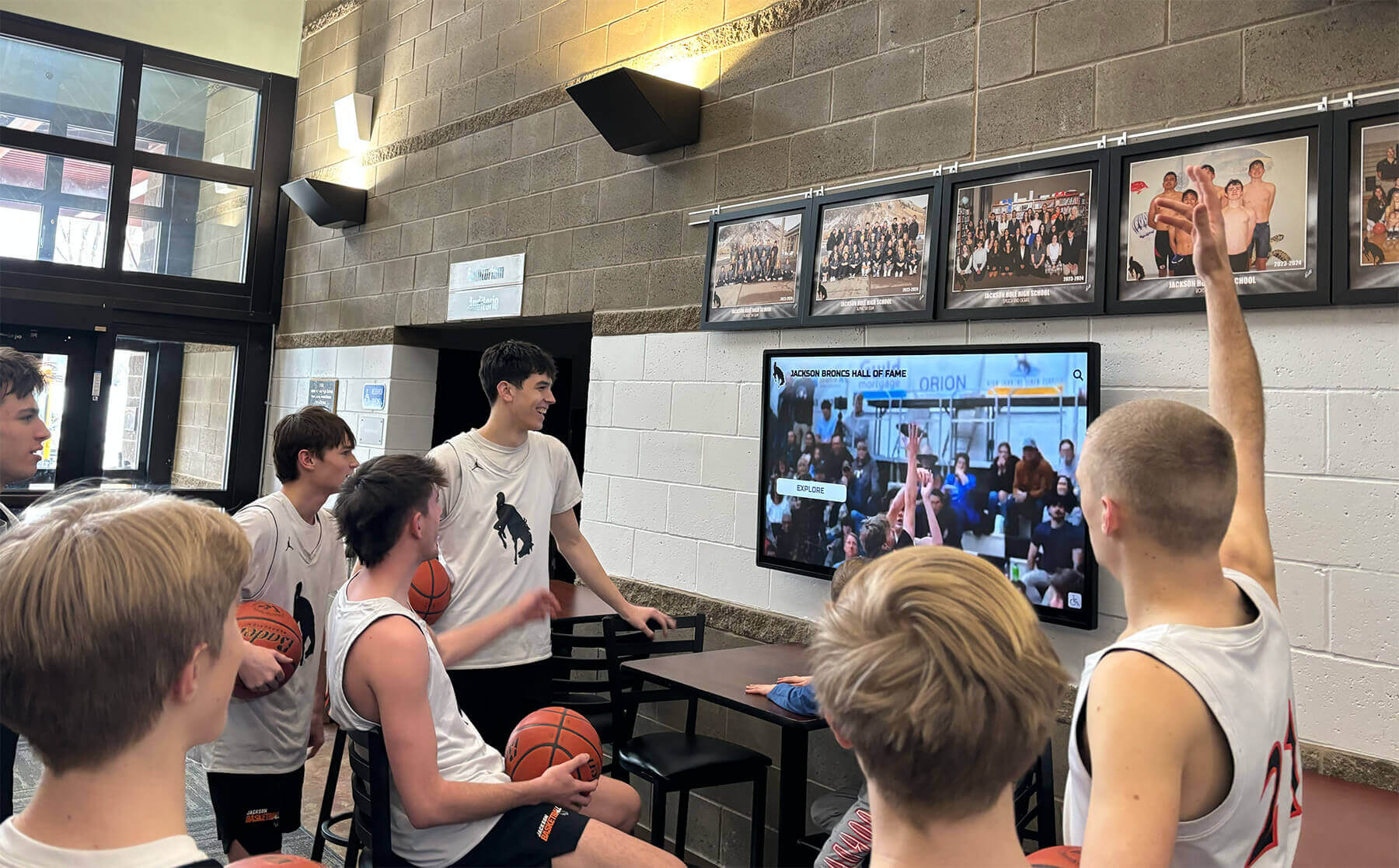
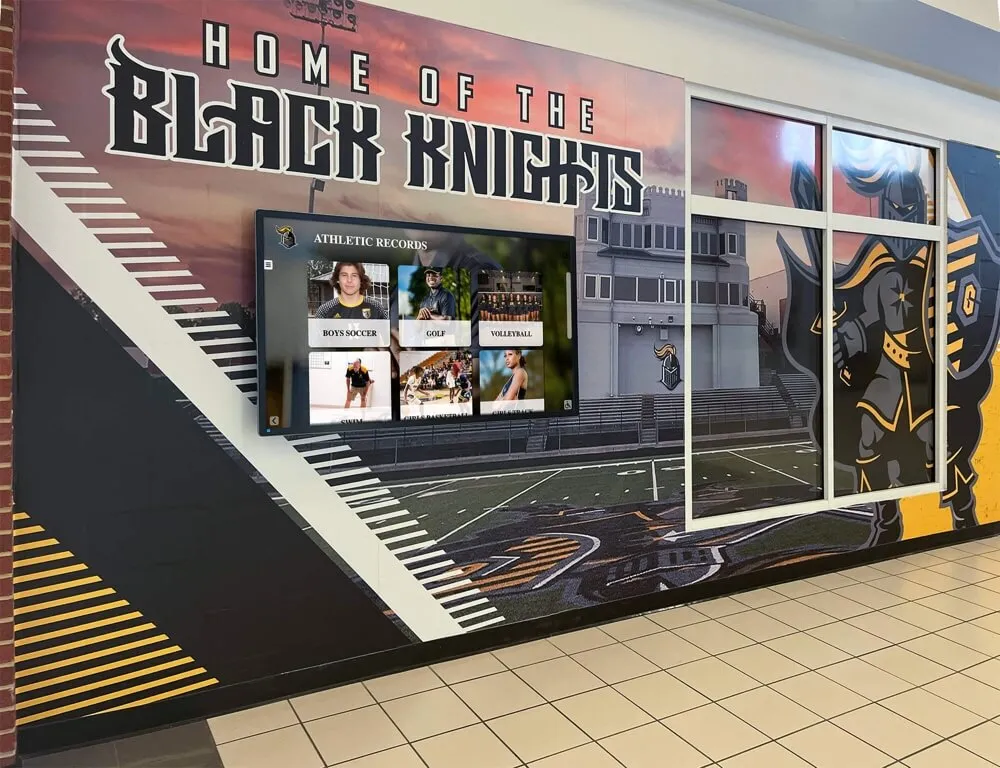
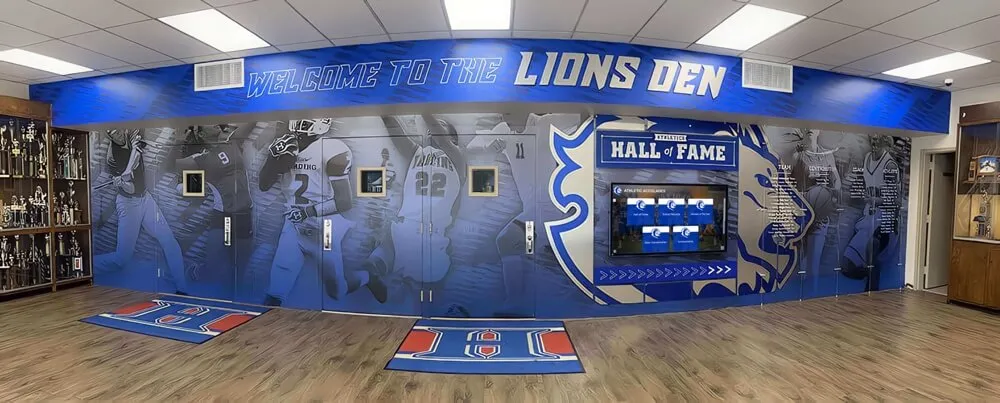
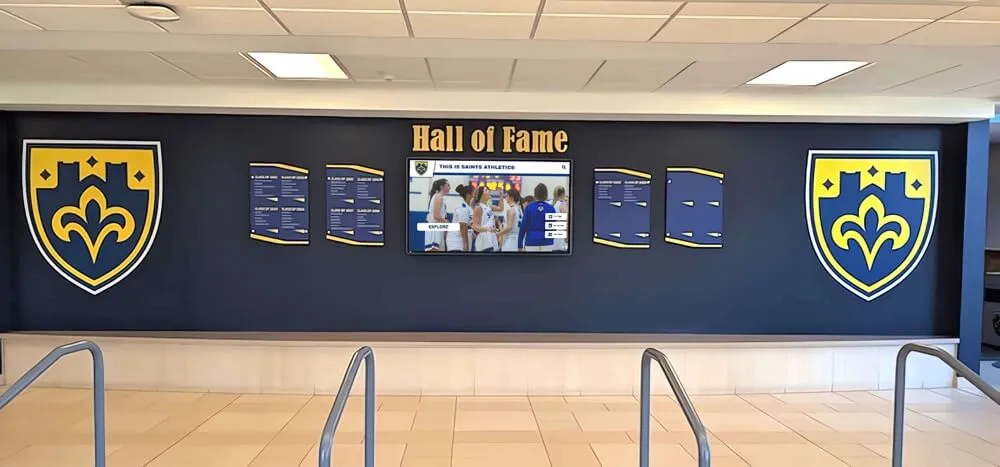
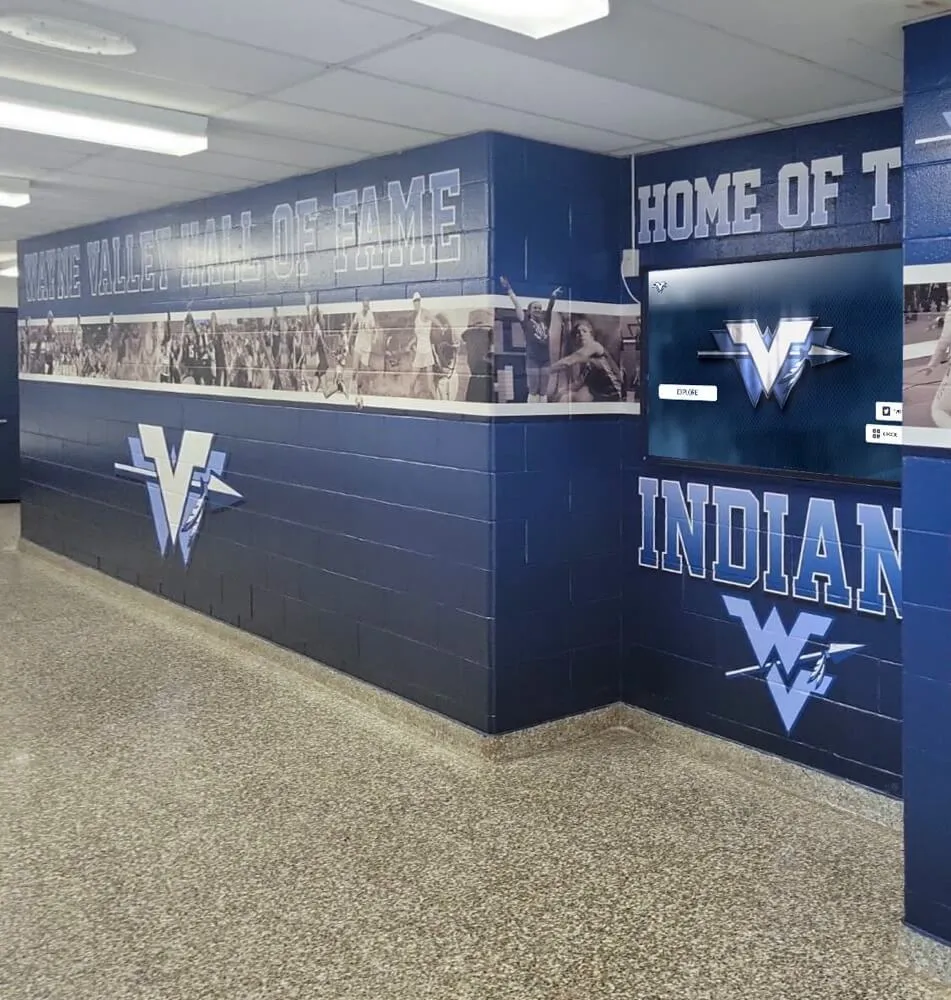
Interactive displays enable continuous recognition of honor society members and academic achievers throughout school facilities beyond commencement day visibility
Subject-Specific Honor Societies
Discipline-focused honor societies maintain distinctive cord traditions reflecting specialized academic excellence:
STEM Honor Society Cords
- Science National Honor Society (blue and gold or silver)
- Math Honor Society (silver, gold, or blue variations)
- Engineering societies (orange in college contexts)
- Computer science honors (specific institutional colors)
- Tri-M Music Honor Society (purple and gold)
- Technology honor societies (varying colors by organization)
Language and International Honor Societies
- Spanish Honor Society (red and gold)
- French Honor Society (blue, white, and red)
- German Honor Society (black, red, and gold)
- National Latin Honor Society (gold and purple)
- Chinese Honor Society (red and gold)
- Multi-language honor societies (institutional specific)
Arts and Activities Honor Societies
- Thespian Society (blue and gold)
- Quill and Scroll journalism honor society (blue and gold)
- Art honor societies (program-specific colors)
- Creative writing honors (varies by institution)
- Photography and media societies (institutional colors)
Honor societies typically provide cords directly to qualifying members or coordinate with school administration to ensure students receive appropriate recognition during graduation ordering processes, with some organizations supplying cords automatically with membership while others require purchase through school or society channels.
Service, Leadership, and Activities Recognition Cords
Achievement dimensions beyond pure academics increasingly receive graduation cord recognition as schools acknowledge diverse excellence pathways and contributions strengthening school communities.
Community Service and Volunteer Recognition
Service accomplishments demonstrate commitment to causes beyond individual achievement, warranting recognition through dedicated cord programs:
Service Hour Achievement Cords
- Red and white cords (common service recognition color)
- Blue and white combinations
- Gold with service-specific accent color
- Specific colors for institutional service programs
- Hour thresholds typically 100+ hours minimum
- May include multiple tiers for varying service levels
Service Organization Cords
- Key Club (blue and gold)
- Interact/Rotary Youth (blue and gold)
- Student Council/government (school colors or blue/white)
- Peer mentoring programs (program-specific)
- Community service clubs (organization colors)
- Specialized service programs (institutional specific)
Service cord programs recognize controllable achievement within reach of students regardless of academic aptitude, creating recognition opportunities valuing character and contribution to community rather than exclusively intellectual performance.
Leadership and Student Government Recognition
Leadership positions and governance participation demonstrate commitment to institutional improvement and peer service:
Student Government Cords
- School colors for student body officers
- Blue and white (common leadership colors)
- Red, white, and blue combinations
- Gold for executive positions
- Specific colors for class officers
- Unique cords for multi-year leadership
Club and Organization Leadership
- Specific colors for major club presidencies
- General leadership cords for officers across organizations
- Thresholds requiring president, vice president, or equivalent roles
- May require sustained leadership for full academic year
- Recognition for founding new organizations or clubs
- Multi-year leadership recognition for exceptional commitment
Leadership recognition through cords validates contributions students make strengthening school culture and organizational infrastructure benefiting broader communities beyond individual achievement.
Exploring alumni engagement strategies reveals how cord traditions connect to lifelong recognition programs celebrating achievement beyond graduation day.
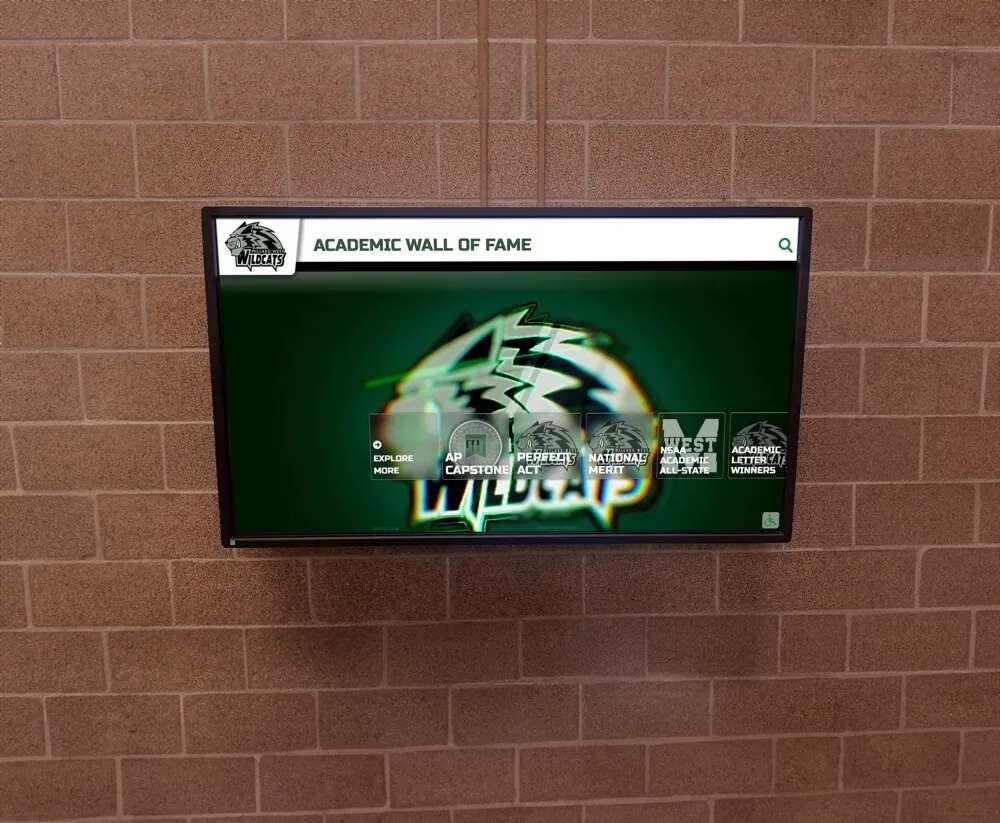
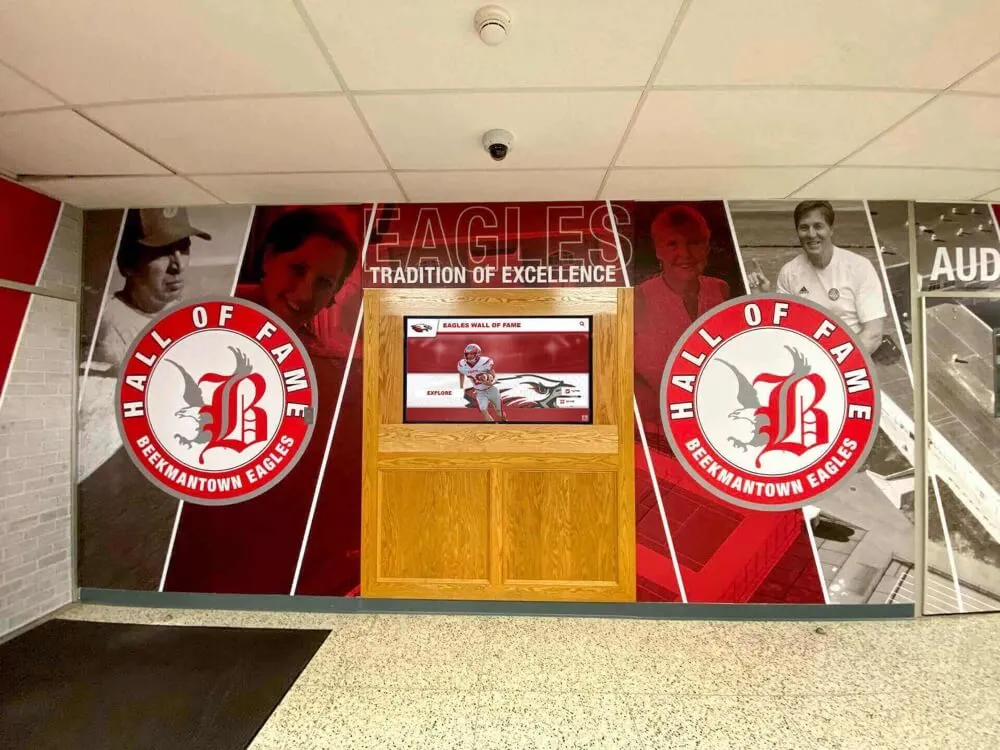
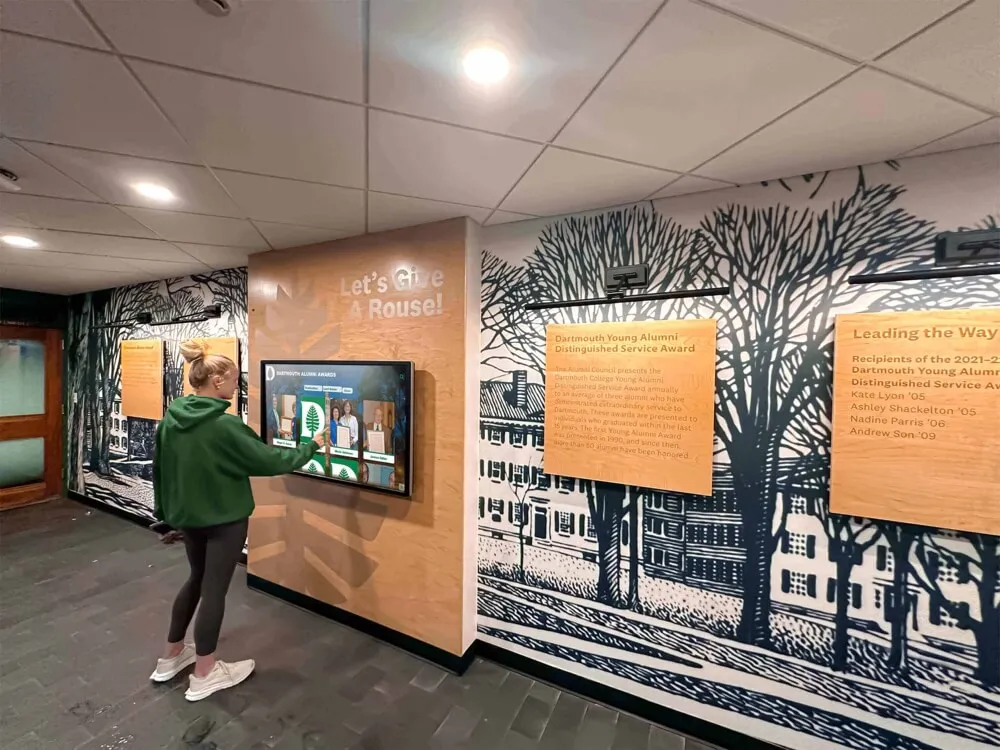
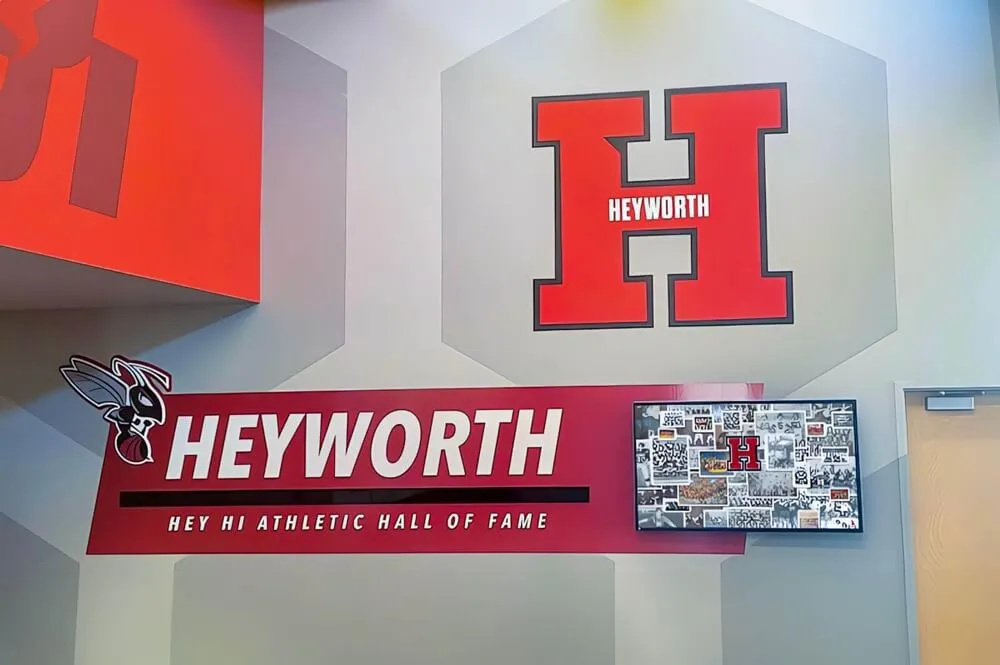
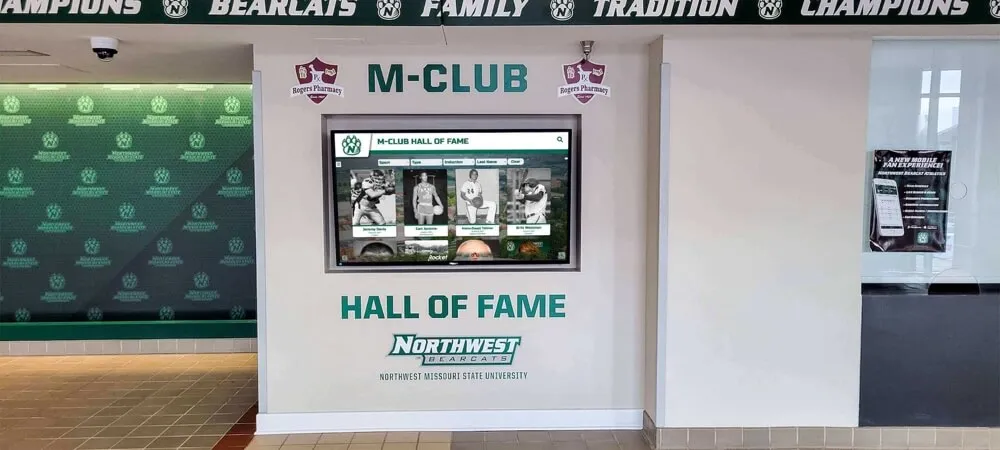
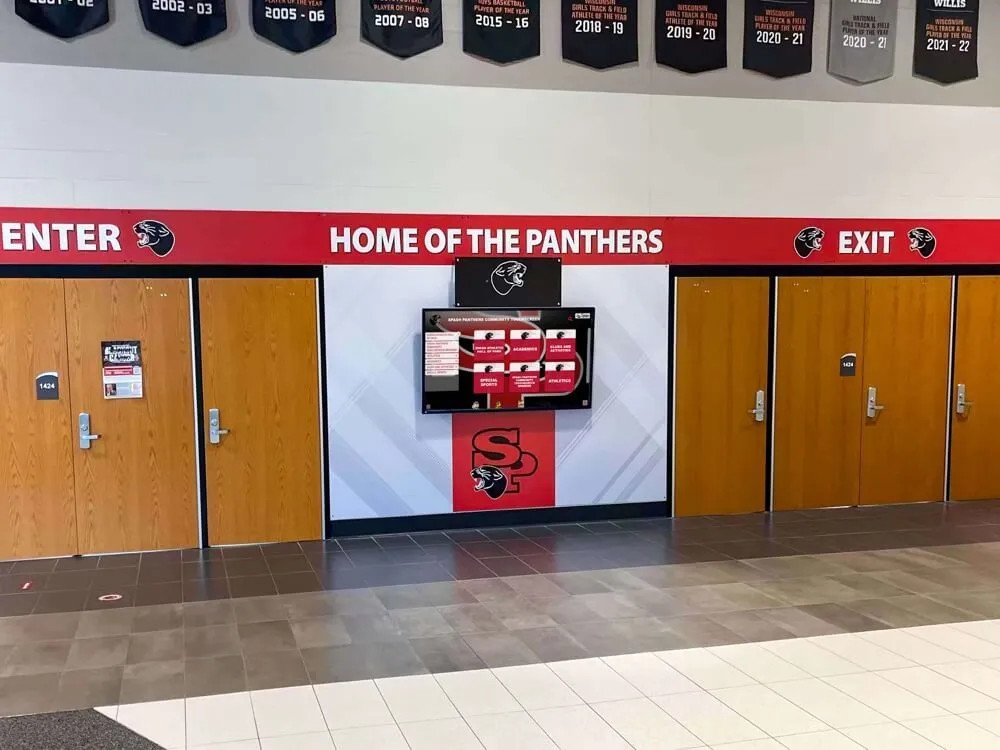
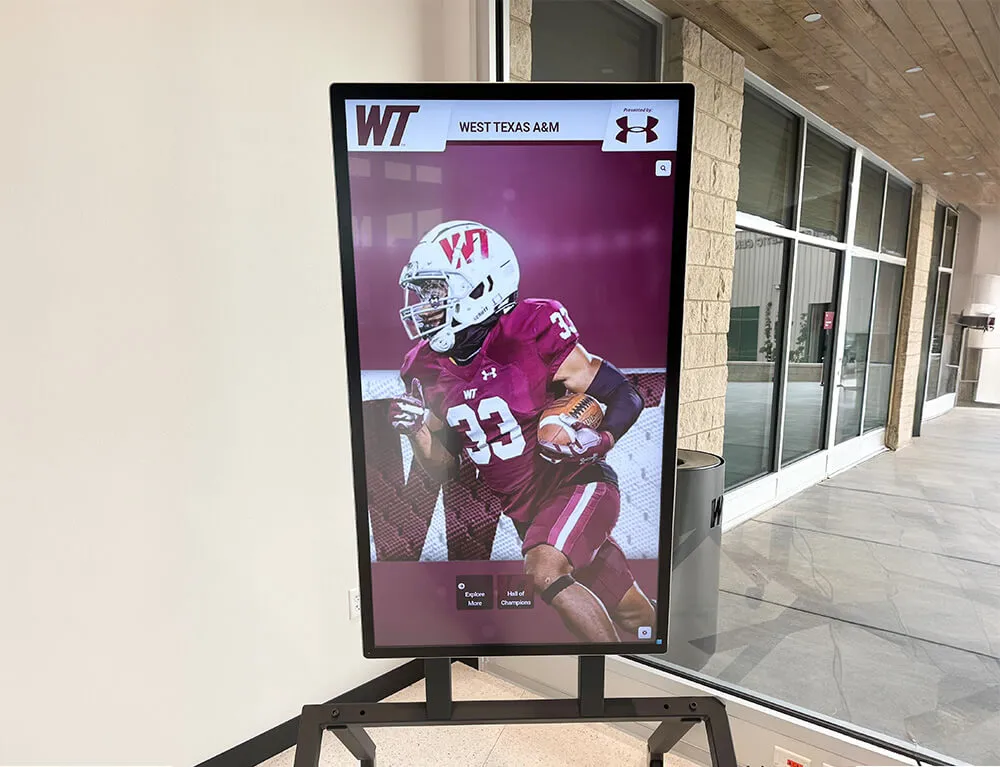
Permanent recognition installations document academic and leadership excellence across graduating classes, creating lasting visibility beyond ceremonial cord presentation
Athletic and Fine Arts Activity Cords
Participation and excellence in activities beyond academics increasingly receive graduation recognition through dedicated cord programs:
Athletic Recognition Cords
- School colors for varsity letter winners
- Specific colors for multi-year athletes
- Special recognition for all-conference or all-state athletes
- Team-specific colors for championship accomplishment
- General athletic participation cords for letter winners
- Student-athlete cords combining academics and athletics
Fine Arts Performance Cords
- Purple for music programs (band, choir, orchestra)
- Brown for visual arts achievement
- Theater/drama specific colors
- All-state music recognition cords
- Superior rating achievement at festivals
- Multi-year participation or leadership recognition
Special Activities Recognition
- Debate and forensics competition achievement
- Academic competition teams (quiz bowl, science olympiad)
- Career and technical education program completion
- Specific certification achievement (CTE programs)
- Special program completion (medical academy, engineering track)
- Competition success at state or national level
Activity cord programs acknowledge time commitment and skill development in areas requiring dedication comparable to academic achievement, creating recognition opportunities for students excelling through multiple pathways beyond traditional classroom performance metrics.
How to Wear Graduation Honor Cords Properly
Proper cord wearing protocols ensure respectful presentation during formal ceremonies while avoiding common mistakes diminishing ceremonial dignity or causing practical difficulties during processional and recessional.
Basic Cord Placement Techniques
Correct positioning ensures cords remain secure and presentable throughout lengthy commencement ceremonies:
Standard Wearing Protocol
- Place cord around neck with ends hanging evenly over front
- Position cord to rest on shoulders beneath graduation gown collar
- Allow both cord ends to hang down the front of gown evenly
- Ensure cord sits above stole or sash if wearing both
- Check that cord lengths are equal on both sides
- Avoid tucking cords into gown or under other regalia
Multiple Cord Arrangements
- Layer cords one over another around neck
- Stagger slightly so all cords remain visible
- Maintain even lengths for professional appearance
- Avoid excessive bunching at neck or shoulders
- Consider alternating colors for visual balance
- Some schools specify layering order by honor level
Length and Adjustment
- Standard cords measure approximately 60-70 inches
- Ends typically fall to mid-torso or waist area
- Tassel cords should not drag on ground
- Adjust by rotating cord around neck if lengths uneven
- Secure slipping cords with safety pin at gown shoulder if necessary
- Check cord position before entering processional line
Proper wearing demonstrates respect for academic achievement and ceremonial tradition while ensuring cords remain visible throughout ceremony for photographic documentation and public recognition of accomplishment.
Creating comprehensive graduation program resources helps schools communicate cord meanings and protocols to families attending ceremonies.

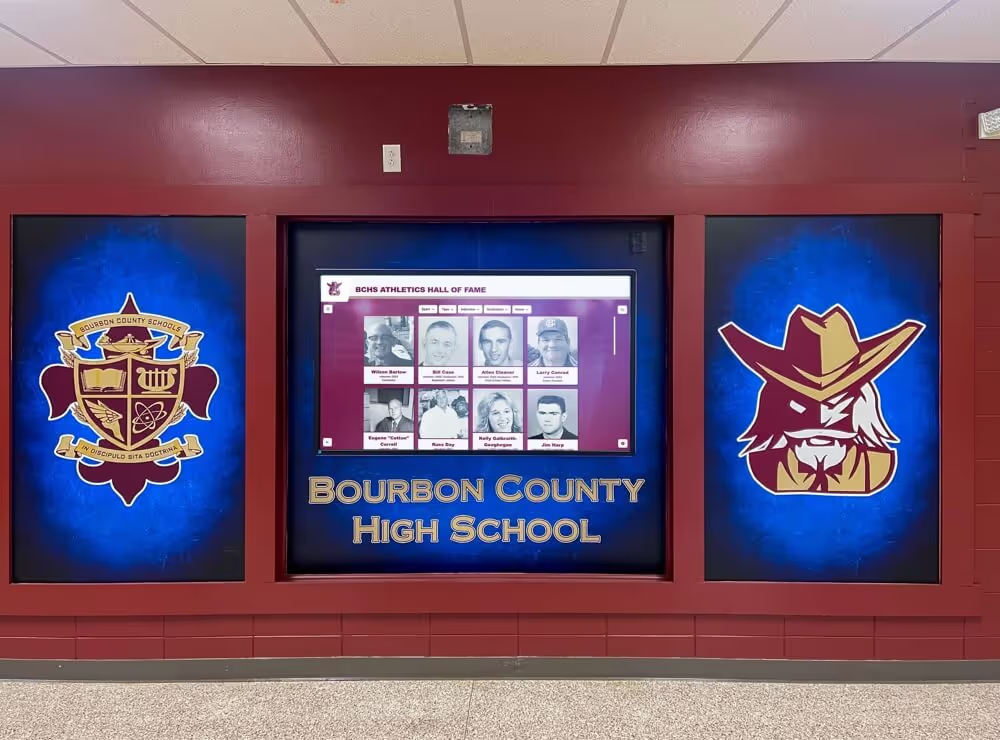
Digital recognition systems enable comprehensive documentation of cord recipients and achievement details beyond what ceremony programs can communicate
Common Wearing Mistakes to Avoid
Understanding frequent errors prevents ceremonial presentation problems and ensures cords convey intended recognition:
Positioning Errors
- Wearing cords under gown collar (hides recognition)
- Tucking cord ends into gown (defeats visibility purpose)
- Wearing cords over stole (reverses proper layering)
- Allowing cords to twist or tangle during ceremony
- Positioning cords asymmetrically with uneven lengths
- Removing cords during ceremony due to discomfort
Coordination Issues
- Wearing unauthorized cords not approved by school
- Purchasing decorative cords unrelated to achievement
- Wearing cords from organizations without official membership
- Combining cords in conflicting color combinations
- Excessive cord quantities appearing cluttered rather than distinguished
- Missing cords due to failure to order through proper channels
Practical Problems
- Loose cords slipping off shoulders during processional
- Excessively long cords creating tripping hazard
- Cords interfering with diploma handshake or photos
- Removing or adjusting cords during ceremony creating disruption
- Cords obscuring face in photos when bent forward
- Tangled cords when wearing stole, sash, and multiple cords simultaneously
Schools can prevent most issues through clear pre-ceremony instructions, regalia fitting sessions, and designated staff members available to adjust cords immediately before processional begins, ensuring all students present achievements properly during formal ceremony.
Regalia Layering Order for Multiple Honors
Students earning multiple recognitions need clear protocols for proper layering sequence:
Standard Layering Sequence (Neck to Outer)
- Graduation gown worn first as base garment
- Honor cords placed around neck over gown collar
- Academic stole worn over cords (if applicable)
- Sashes worn over stole (organizational memberships)
- Medallions worn over all other items (NHS, high honors)
- Graduation cap worn with tassel on correct side
When Wearing Multiple Cords
- Primary academic honor cord closest to gown
- Secondary cords layered on top
- Stagger slightly for visibility of all cords
- Maintain symmetry with even cord lengths
- Limit total quantity to 3-4 cords maximum for practical comfort
- Follow school guidance on mandatory order if specified
Stole and Cord Coordination
- Wear stole over cords (cords closer to gown)
- Ensure cord colors remain visible beneath stole edges
- Stole should not completely obscure cords
- International Baccalaureate stole typically worn outermost
- Cultural or religious stoles coordinate with school administration
- Some schools specify cords-only or stole-only to simplify regalia
Proper layering maintains ceremonial dignity while ensuring all earned recognition remains visible, communicating achievement scope through coordinated regalia presentation rather than cluttered accumulation obscuring individual distinctions.
School Cord Programs: Design and Implementation
Establishing effective graduation cord programs requires careful policy development balancing inclusive recognition with meaningful achievement thresholds maintaining ceremonial significance.
Establishing Achievement Standards and Cord Criteria
Clear published standards prevent confusion and ensure consistent recognition across graduating classes:
GPA-Based Cord Thresholds
- Define specific GPA requirements (3.5+, 3.75+, 4.0+ typical tiers)
- Specify whether weighted or unweighted GPA applies
- Clarify minimum course rigor requirements
- Determine if GPA calculated through all semesters or specific periods
- Address transfer student GPA calculation methods
- Publish thresholds in student handbooks and websites
Organizational Achievement Requirements
- Specify required membership duration for honor societies
- Define service hour minimums with documentation requirements
- Establish leadership position criteria for recognition
- Clarify which activities qualify for cord recognition
- Determine if multiple organizational cords allowed
- Address situations where students hold multiple qualifying roles
Special Achievement Thresholds
- All-state or all-conference athletic achievement requirements
- Arts competition level warranting recognition (state superior, all-state)
- Academic competition success thresholds
- Career certification completion requirements
- Perfect attendance duration requirements
- Specific skill or milestone achievement criteria
Published criteria enable students to understand achievement targets beginning freshman year, creating motivation systems where recognition remains aspirational goal requiring sustained effort rather than unexpected surprise at graduation approaching.
Ordering, Distribution, and Cost Considerations
Practical logistics impact program sustainability and student participation:
Ordering Systems
- School bulk orders ensuring color consistency
- Individual student ordering through approved vendors
- Honor society organization providing cords directly
- Graduation package including cords in regalia rental
- Deadline requirements coordinated with ceremony dates
- Process for late qualifiers earning recognition after initial orders
Cost and Funding Models
- School-funded cords for primary academic achievement
- Student purchase required for organizational cords
- Graduated pricing based on honor level
- Scholarship funds covering costs for financial need students
- Booster club or PTO underwriting cord program costs
- Return programs for reusable ceremonial cords
Distribution Protocols
- Honor society induction ceremonies with cord presentation
- Academic achievement assemblies with cord distribution
- Pre-graduation regalia pickup including earned cords
- Verification process ensuring only eligible students receive cords
- Ceremony morning distribution for late qualifiers
- Documentation systems tracking which students receive which cords
Streamlined logistics prevent last-minute confusion while ensuring all eligible students receive appropriate recognition without financial barriers preventing participation in programs celebrating earned achievement.
Exploring valedictorian selection and honor protocols provides context for highest academic recognition within comprehensive graduation honor systems.

Recognition traditions connecting graduation honors to permanent institutional displays reinforce achievement significance beyond single ceremonies
Communicating Cord Meanings to Ceremony Audiences
Clear communication helps families and guests understand recognition significance during ceremonies:
Program Documentation
- Printed color key in graduation program
- Brief description of each cord color meaning
- Achievement thresholds listed for primary academic cords
- Honor society and organizational cord explanations
- Recognition of highest honors (valedictorian, salutatorian)
- Note about individual achievement variation
Pre-Ceremony Communication
- Senior family newsletters explaining cord system
- Website pages documenting achievement requirements
- Social media posts highlighting cord meanings
- Video announcements showing proper wearing protocols
- FAQ documents addressing common questions
- Individual letters to cord recipients explaining significance
Ceremony Acknowledgment
- Principal or speaker acknowledging honored students
- General recognition statement about cords during ceremony
- Specific achievement category mentions
- Standing recognition for highest honors
- Explanation that cords represent sustained effort throughout education
- Congratulations to all cord recipients collectively
Audience education transforms cords from mysterious colorful accessories into meaningful recognition clearly communicating specific achievements, increasing ceremonial impact and creating shared understanding of which accomplishments institutions choose to honor through visible distinction.
Beyond Cords: Comprehensive Recognition Systems
While graduation cords provide powerful ceremonial recognition, comprehensive programs extend achievement celebration beyond single ceremonies through permanent installations and ongoing visibility.
Digital Recognition Displays for Lasting Impact
Modern recognition approaches complement ceremonial regalia with permanent installations documenting achievement:
Interactive Digital Recognition Systems
- Touchscreen displays showcasing honor society members
- Academic achievement galleries with student profiles
- Searchable databases documenting cord recipients by year
- Photo galleries from graduation ceremonies
- Achievement filtering by recognition category
- Integration with school historical archives
Permanent Installation Benefits
- Year-round visibility beyond single ceremony
- Unlimited capacity compared to physical trophy cases
- Easy updates as new students earn recognition
- Detailed achievement documentation including GPA, activities
- Photo and video integration bringing recognition to life
- ADA accessibility ensuring all community members can explore achievements
Content Architecture for Recognition Displays
- Honor roll graduates by year and achievement level
- Honor society members with induction dates
- Subject-specific academic excellence recognition
- Service hour milestone achievers
- Leadership position documentation
- Multi-dimensional achievement profiles
Digital installations transform graduation cord recognition from fleeting ceremonial moment into permanent institutional record celebrating achievement across graduating classes, creating aspirational models for current students while documenting school excellence for broader community audiences.
Understanding donor recognition display strategies reveals parallel approaches for comprehensive achievement celebration beyond ceremonies.
Connecting Ceremonial Recognition to Institutional Legacy
Strongest recognition programs integrate graduation honors into broader traditions linking current achievement to school heritage:
Hall of Fame and Honor Roll Systems
- Permanent documentation of academic honor cord recipients
- Historical archives showing recognition criteria evolution
- Multi-year honor recipients receiving special recognition
- Connection between high school achievement and alumni success
- Integration with existing hall of fame programs
- Recognition of distinguished alumni who earned graduation honors
Recognition Program Integration
- Coordination between graduation cords and year-round academic recognition
- Honor assembly programs connecting to graduation ceremony
- Monthly or quarterly recognition reinforcing graduation-bound achievement
- Senior recognition events celebrating accumulated achievements
- Scholarship acknowledgment connected to academic cord criteria
- Letter jacket or academic letter programs parallel to athletic recognition
Building Recognition Traditions
- Consistent cord criteria across years creating predictable recognition
- Photography traditions capturing cord recipients
- Senior wall displays showing all honor cord categories
- Social media recognition sharing cord achievement with broader community
- Alumni publications documenting graduation honors
- Reunion recognition of milestone class honor recipients
Integrated systems position graduation cords as visible culmination of comprehensive recognition spanning entire educational experience, creating cohesive institutional culture celebrating achievement through coordinated programs reinforcing common values across ceremonies, displays, and ongoing acknowledgment throughout school years.
Examining approaches for recognizing distinguished alumni demonstrates how graduation honors connect to lifelong achievement narratives.
Conclusion: Meaningful Recognition Through Graduation Cord Traditions
Graduation honor cords represent powerful recognition traditions celebrating academic achievement, leadership, service, and diverse excellence through ceremonial regalia distinguishing accomplished students during momentous educational milestones. When schools establish clear achievement criteria, implement proper wearing protocols, communicate cord meanings effectively, and integrate ceremonial recognition into comprehensive programs including permanent displays, graduation cords transform from simple colored accessories into meaningful symbols representing sustained effort, institutional values, and accomplishment warranting lasting celebration.
The most impactful cord programs balance accessible recognition creating aspiration across student bodies with meaningful thresholds ensuring distinction represents genuine achievement requiring commitment beyond minimum graduation requirements. Whether through traditional gold academic honor cords, subject-specific discipline colors, honor society recognition, or service and leadership acknowledgment, effective programs provide multiple pathways enabling diverse students to earn ceremonial recognition while maintaining consistent standards preserving significance of wearing cords during formal commencement ceremonies.
As schools continue evolving recognition approaches, graduation cord traditions endure by adapting to contemporary achievement dimensions while preserving ceremonial dignity and historical significance connecting current graduating classes to educational traditions spanning centuries. Combined with modern digital recognition systems providing year-round visibility, graduation cords serve essential purposes celebrating individual accomplishment, communicating institutional values, inspiring underclassmen, and creating memorable ceremonial moments families treasure throughout lifetimes.
Ready to create a comprehensive recognition program celebrating academic achievement beyond graduation day? Rocket Alumni Solutions provides interactive digital displays documenting honor cord recipients, honor society members, and academic excellence across graduating classes with unlimited capacity, easy content management, and ADA-compliant touchscreen systems transforming school hallways into celebration spaces honoring student achievement year-round. Request your free custom demo to discover how digital recognition complements graduation traditions while creating permanent installations celebrating excellence across your institution’s history.
Live Example: Rocket Alumni Solutions Touchscreen Display
Interact with a live example (16:9 scaled 1920x1080 display). All content is automatically responsive to all screen sizes and orientations.