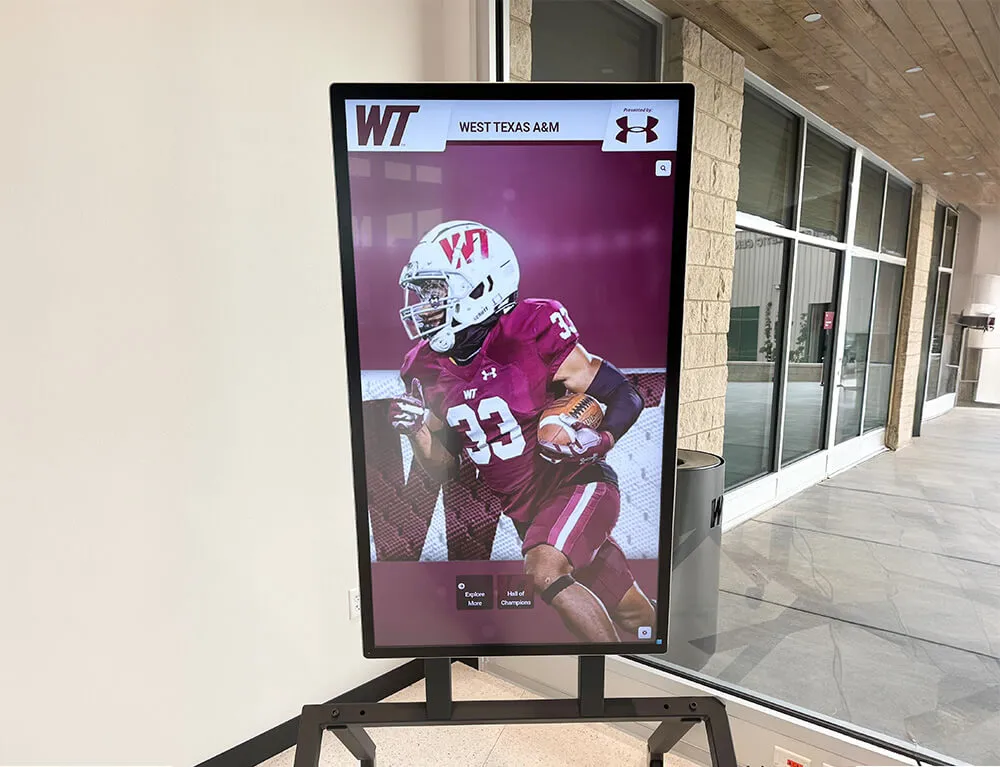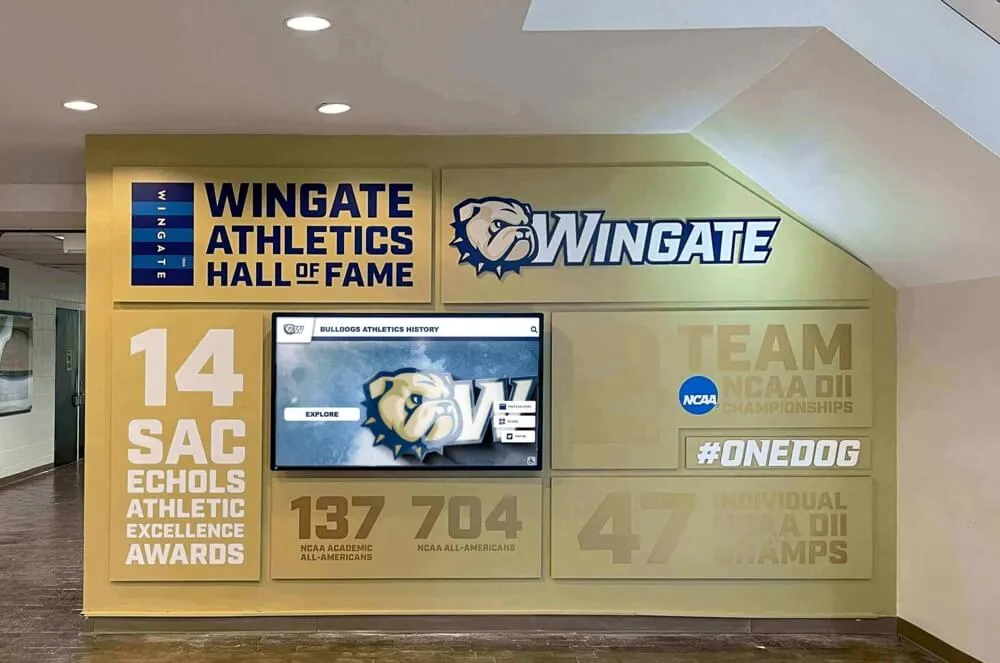




Golf course leaderboard displays have evolved from simple static scoreboards into sophisticated digital systems that transform tournament experiences, enhance member engagement, and elevate the competitive atmosphere at both public and private clubs. These modern display solutions provide real-time scoring updates, create dynamic viewing experiences for spectators and participants, and serve as powerful tools for fostering friendly competition among members throughout the season.
Yet many golf course operators and club managers struggle with selecting and implementing leaderboard systems that genuinely serve their needs. Questions arise about technology options, scoring integration, display placement strategies, content management approaches, and return on investment considerations. Without clear guidance, clubs often settle for basic solutions that fail to capitalize on the full engagement potential these systems offer or invest in overly complex platforms that exceed operational requirements and capabilities.
This comprehensive guide explores golf course leaderboard display systems, providing club managers, tournament directors, and facility operators with practical insights for evaluating, implementing, and maximizing digital scoring displays that enhance tournament operations while creating lasting member engagement.
Modern golf course leaderboard displays do more than simply show scores—they create focal points that transform clubhouse environments, provide tournament participants with real-time competitive context, and generate year-round member engagement through persistent display of club championships, league standings, and historical achievement records. Clubs that excel at leaderboard implementation create systems where displays serve both immediate tournament needs and ongoing member recognition objectives.

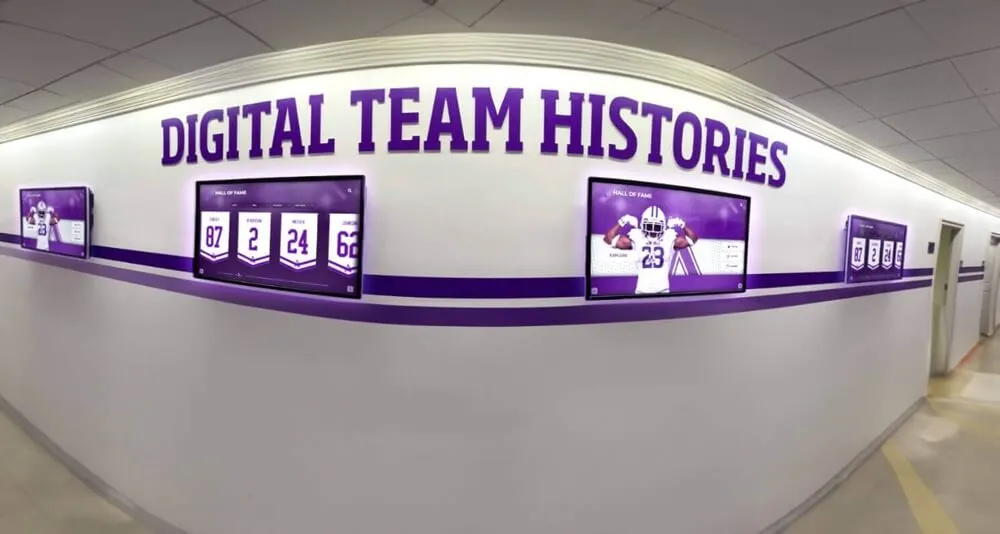
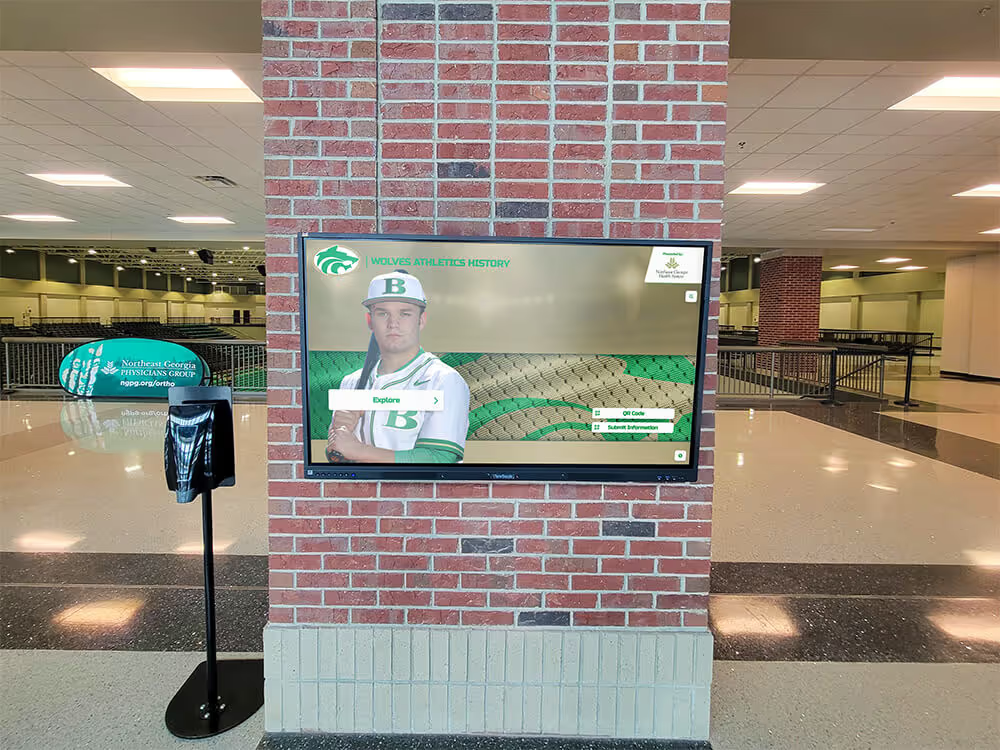
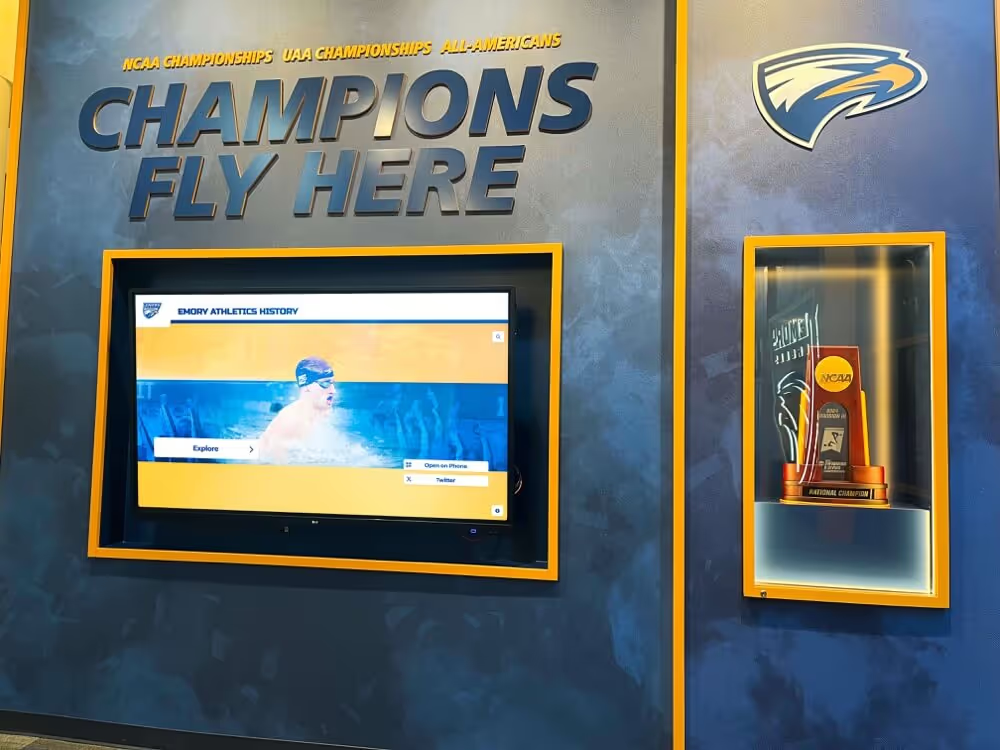
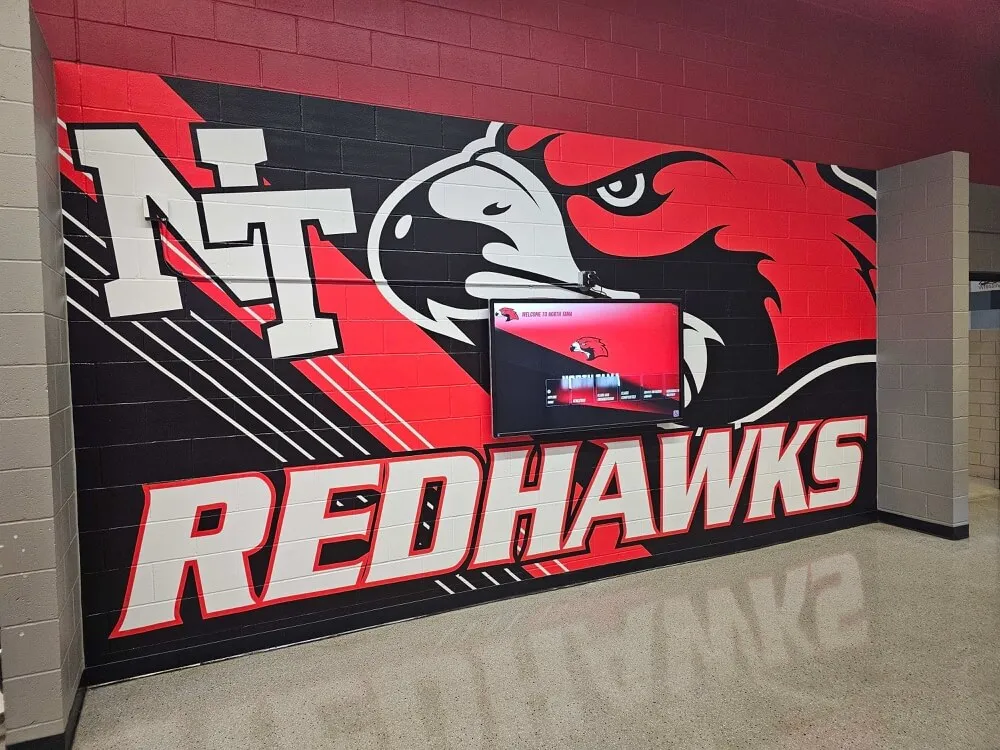
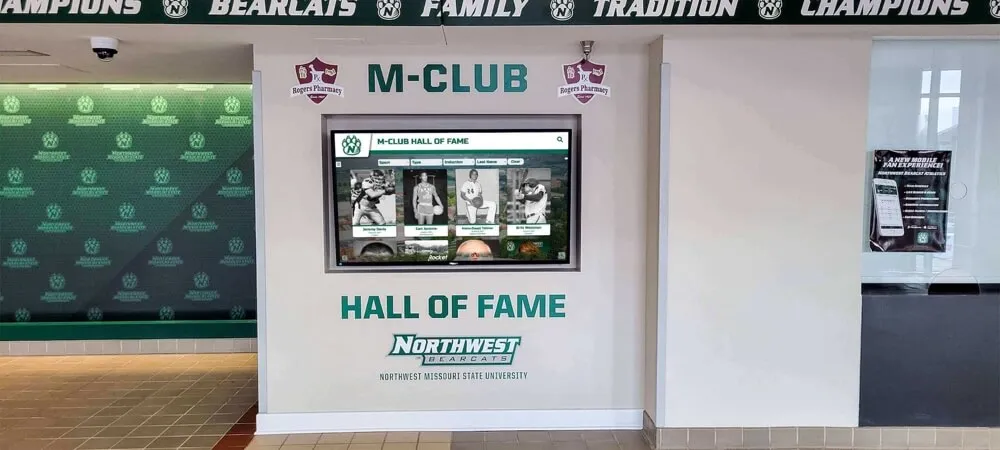
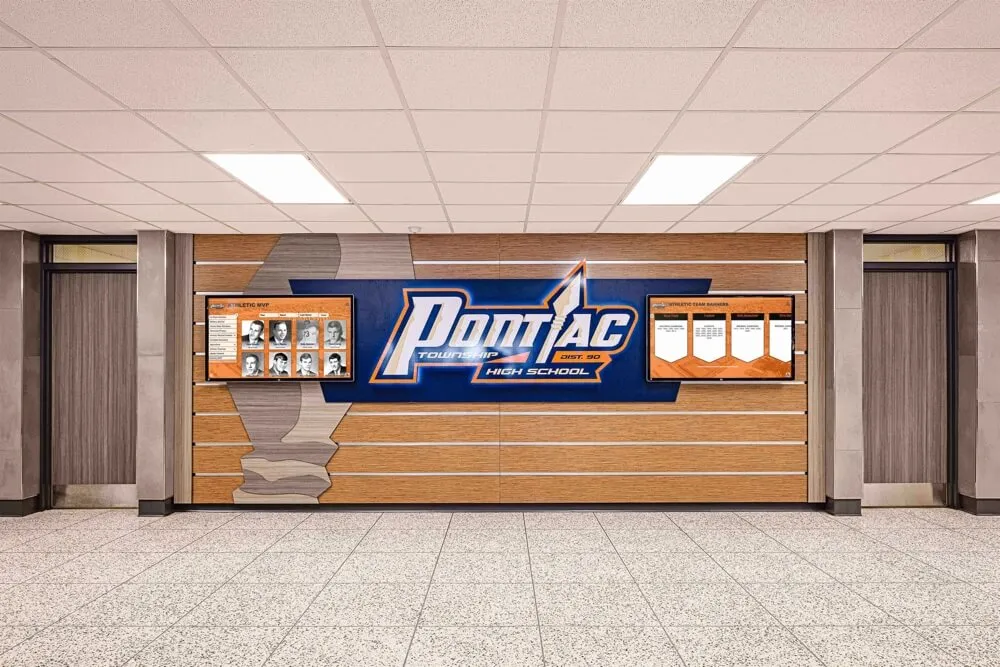
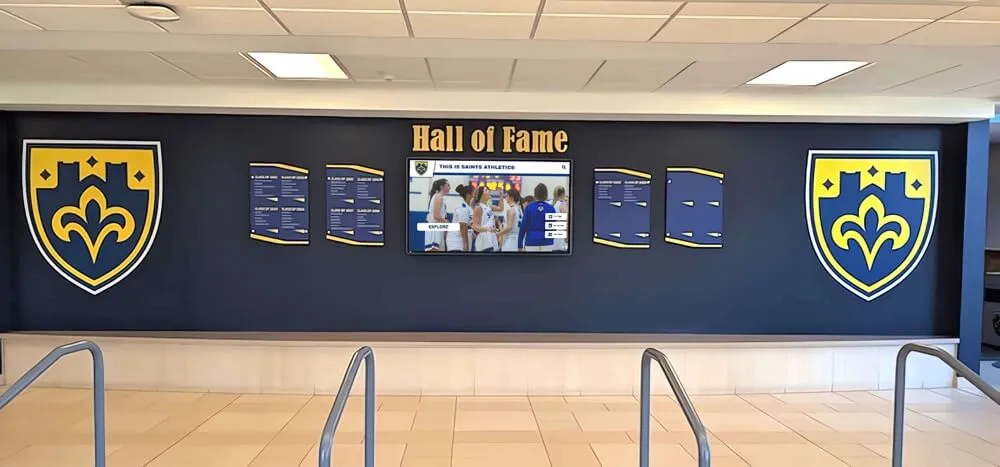
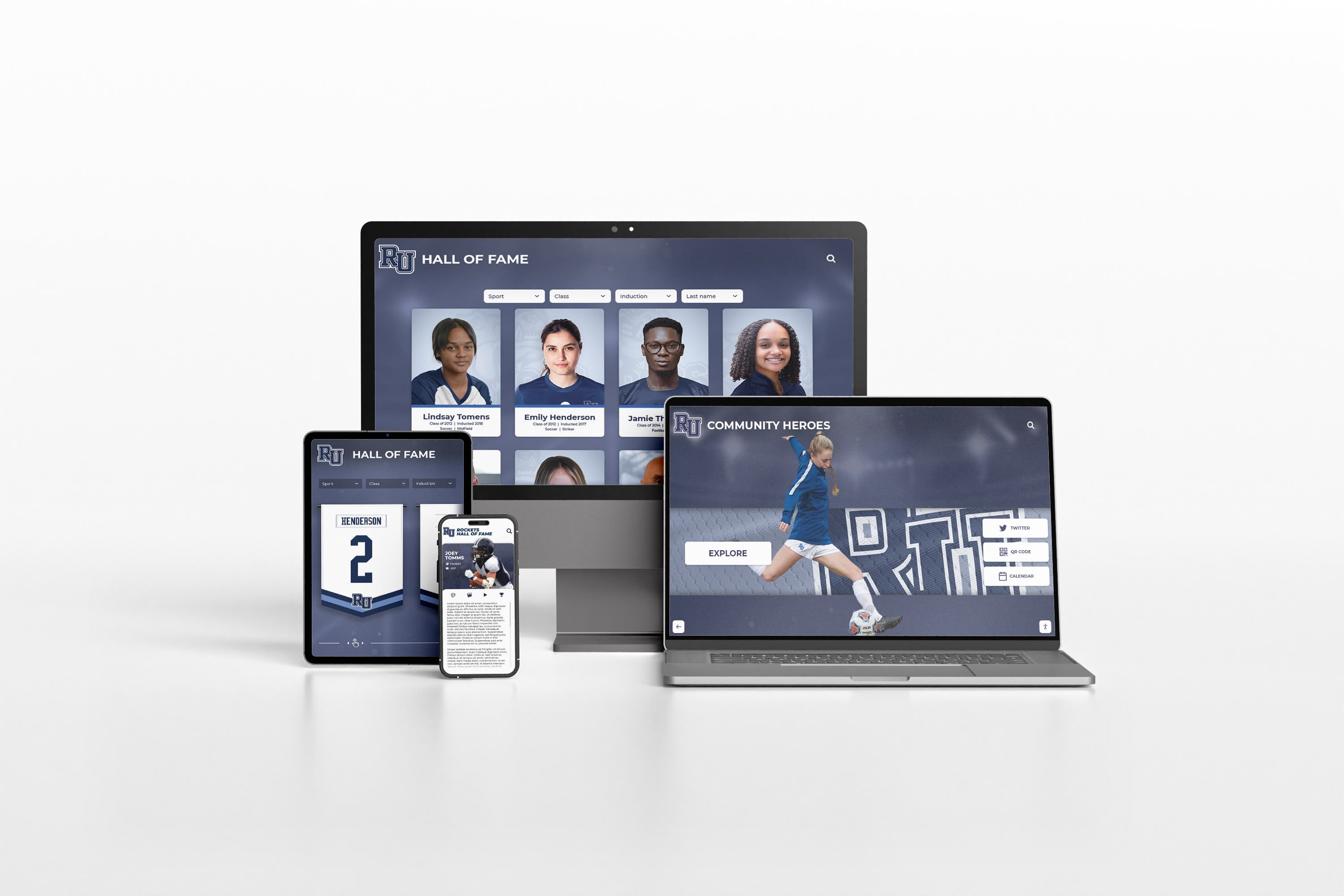
Modern leaderboard systems provide seamless access across devices, enabling members to track scores from clubhouse displays, computers, and mobile devices
Understanding Golf Course Leaderboard Display Systems
Before evaluating specific solutions, understanding the fundamental components and capabilities of modern leaderboard systems helps clubs make informed technology decisions aligned with operational goals.
What Defines Modern Golf Leaderboard Displays
Contemporary golf course leaderboard systems integrate several technological components specifically designed for golf tournament and club applications:
Digital Display Hardware
Professional leaderboard installations typically feature:
- Large-format commercial displays ranging from 55 to 86 inches for prominent clubhouse visibility
- Commercial-grade panels rated for continuous operation in high-traffic public environments
- High-resolution screens (1080p or 4K) ensuring clarity for scores, names, and detailed statistics
- Brightness specifications (350-500 nits) maintaining visibility in naturally lit clubhouse spaces
- Multiple display support enabling simultaneous leaderboards for different tournaments or flights
- Weather-resistant outdoor displays for course-facing installations at key viewing locations
These commercial specifications ensure displays maintain performance and appearance under the demanding continuous-use conditions typical of active golf facilities during peak season.
Tournament Management Integration
Effective leaderboard systems connect seamlessly with scoring platforms:
- Real-time score input from mobile apps used by players or scoring volunteers
- GPS-enabled cart systems automatically transmitting hole-by-hole scores
- Manual entry interfaces for traditional paper scorecard tournaments
- GHIN handicap system integration for accurate net scoring calculations
- Multiple tournament format support including stroke play, match play, scrambles, and Stableford
- Flight and division management separating competitors appropriately
- Live updates appearing within minutes of score submission
According to golf management software providers, real-time scoring integration represents the most valued feature, with clubs reporting it reduces scoring disputes while increasing participant satisfaction through immediate competitive feedback.
Content Management Capabilities
Administrative platforms determining long-term system sustainability include:
- Web-based control panels accessible from any internet-connected device
- Tournament setup wizards streamlining event configuration
- Customizable display layouts matching specific tournament formats and club branding
- Scheduled content rotation showing different tournaments, standings, or historical records
- Sponsor recognition integration displaying supporter logos and messaging
- Historical archive capabilities preserving past tournament results permanently
- Multi-user access enabling delegation of tournament management responsibilities
Solutions like Rocket Alumni Solutions provide integrated platforms combining display hardware, tournament software, and content management specifically designed for golf club recognition and scoring applications.
Types of Golf Course Leaderboard Applications
Comprehensive leaderboard systems serve multiple club functions beyond individual tournaments:
Tournament Leaderboards
Active competition displays showing:
- Live stroke-by-stroke scoring during club championships and major events
- Real-time standings with automatic tie-breaking and position calculations
- Hole-by-hole progress tracking showing where players currently compete
- Statistical leaders for driving distance, greens in regulation, and putting performance
- Flight and division leaderboards for appropriately grouped competitions
- Team event scoring for scrambles, best balls, and alternate shot formats
Season-Long Competition Tracking
Ongoing member engagement features including:
- League standings updated automatically after each competition round
- Points race tracking for annual club champion competitions
- Most improved player statistics celebrating development and progress
- Participation recognition showing most active and engaged members
- Head-to-head match play bracket progression throughout tournaments
- Eclectic or cumulative scoring competitions spanning multiple rounds
Learn about comprehensive approaches through guides on annual alumni golf event management that apply to club tournament planning.
Historical Achievement Archives
Permanent recognition displays showcasing:
- Past club championship winners across all divisions and age groups
- Course record holders for various tees and competitive categories
- Member-guest tournament champions creating multi-generational traditions
- Significant scoring milestones including holes-in-one and albatross achievements
- Long-term statistical leaders in various performance categories
- Anniversary celebrations of historic club moments and achievements
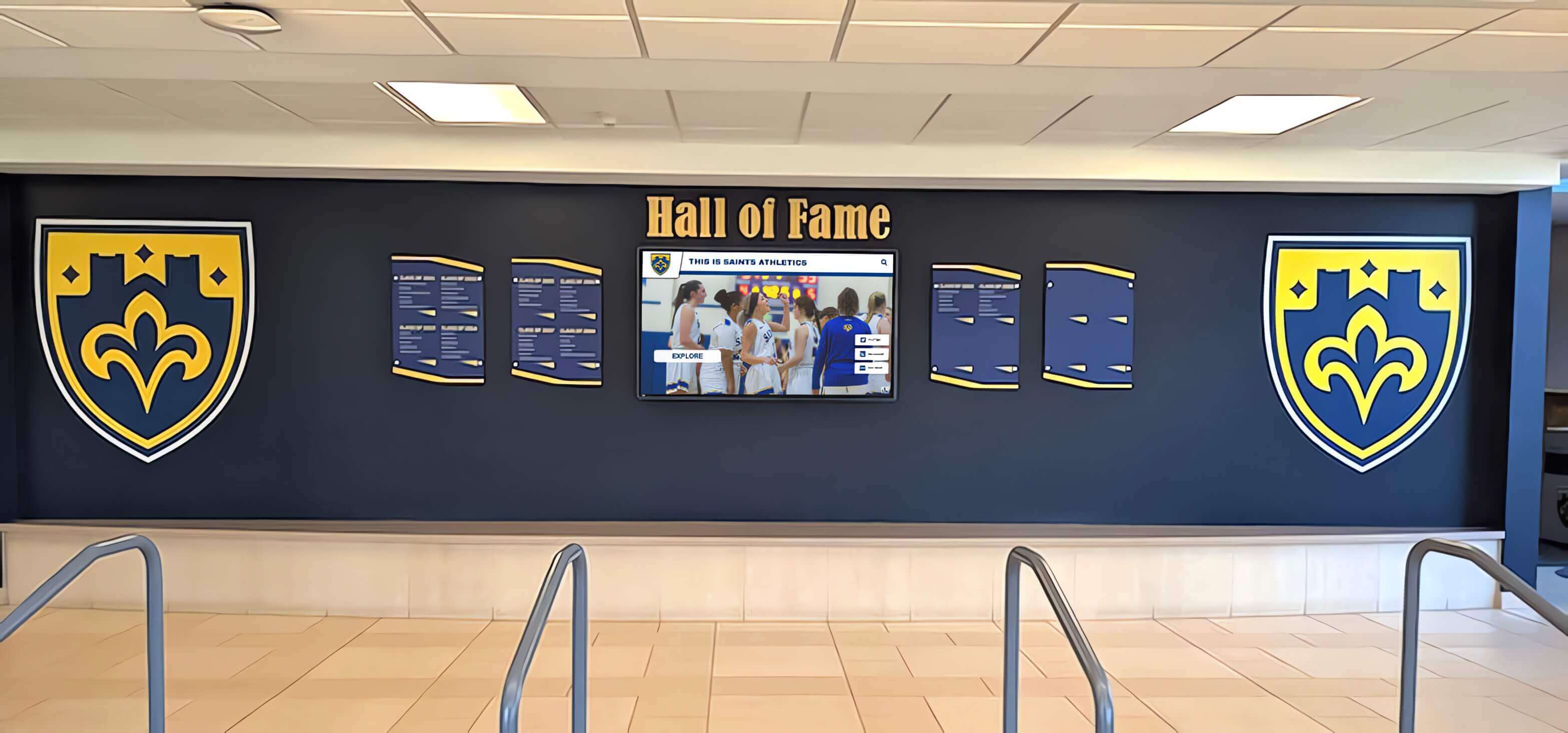
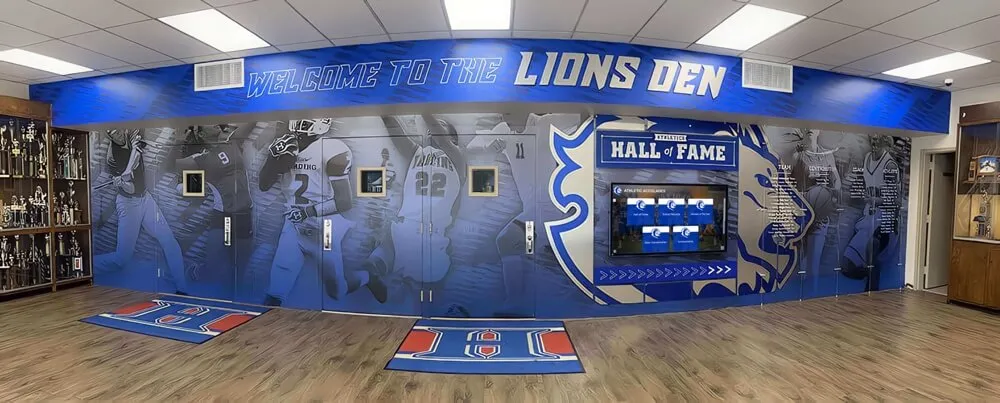
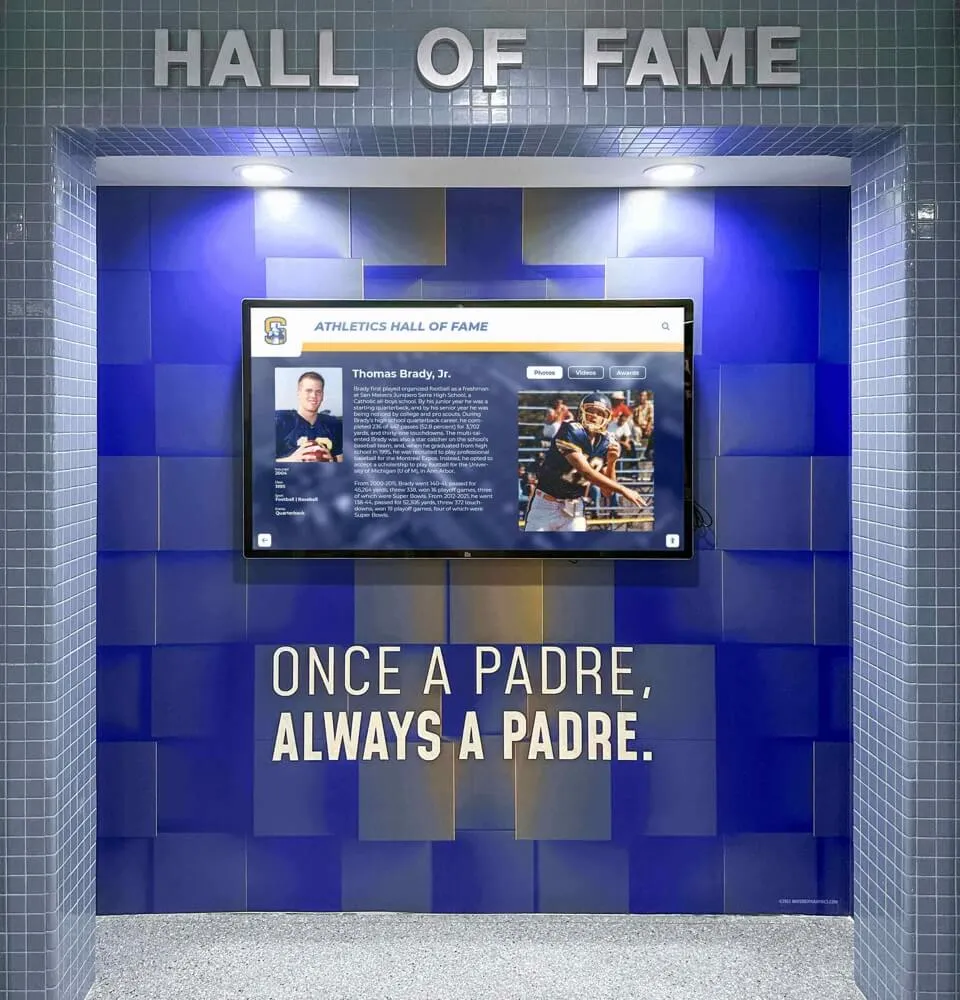
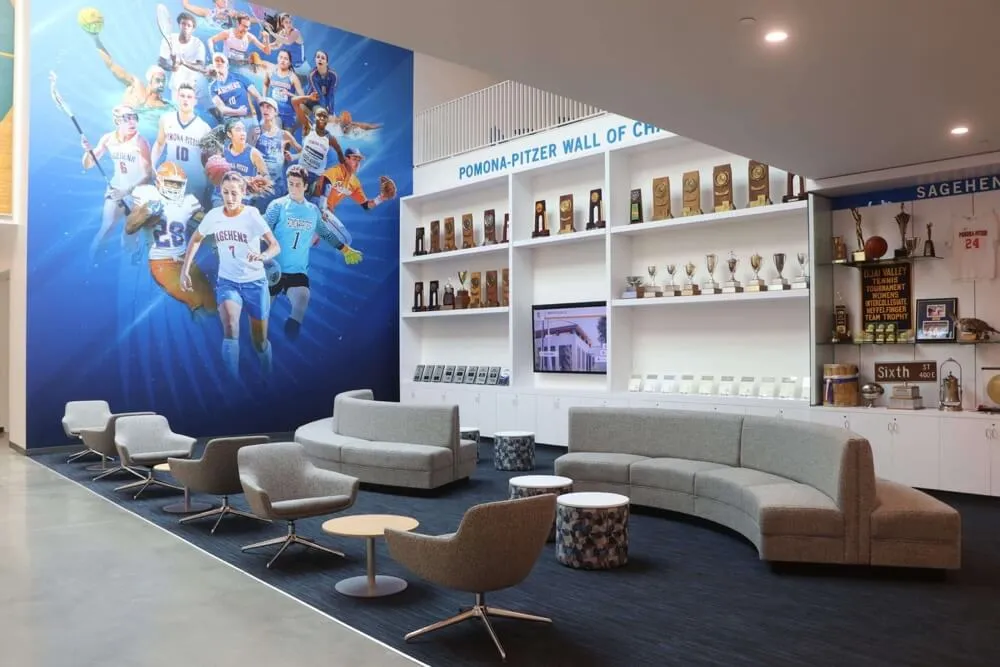
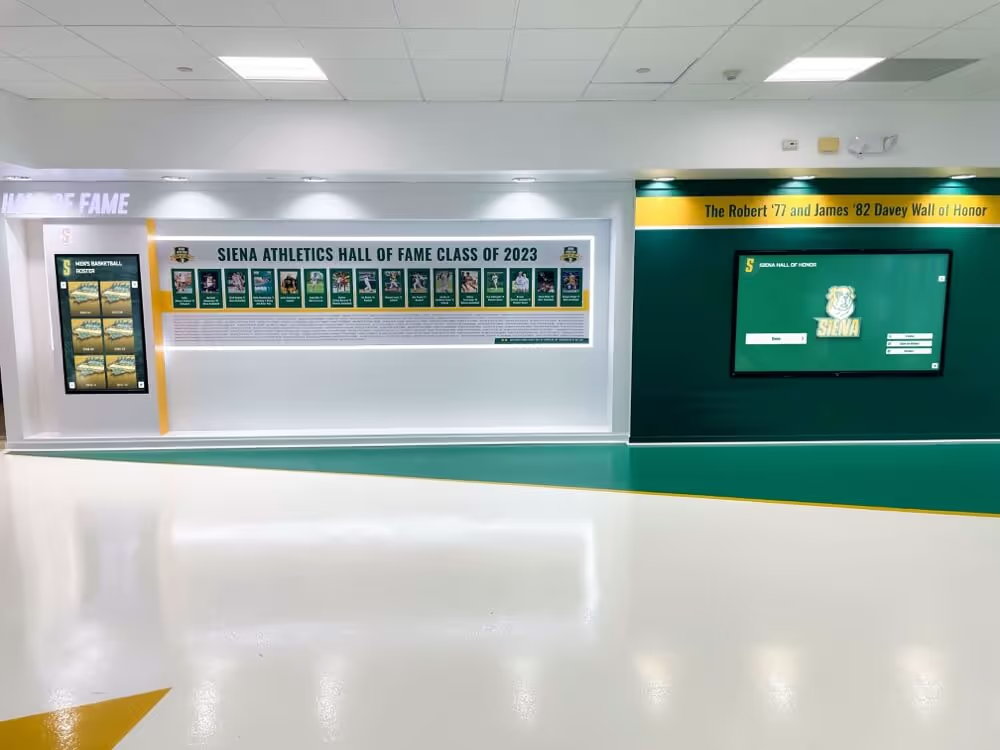
Digital displays complement traditional recognition, providing space for comprehensive historical records alongside physical trophies
Member Achievement Recognition
Year-round engagement content including:
- Handicap improvement leaderboards celebrating dedication and skill development
- Participation milestones honoring members who complete specific round thresholds
- Consecutive year membership recognition building club loyalty
- Course knowledge competitions and trivia creating social engagement
- Major championship qualification and participation acknowledgment
- Junior golfer development tracking and celebration
This multi-dimensional content approach transforms leaderboards from single-purpose tournament tools into comprehensive member engagement platforms that provide value throughout the entire season and beyond.
Benefits of Digital Leaderboard Displays for Golf Courses
Professional leaderboard systems deliver substantial advantages over traditional manual scoreboards and static recognition approaches, impacting tournament operations, member satisfaction, and facility atmosphere.
Enhanced Tournament Experience and Operations
Digital leaderboards fundamentally transform how tournaments operate and how participants experience competition:
Real-Time Competitive Context
Immediate scoring visibility creates engaging tournament dynamics:
- Players on the course understand their position relative to competitors
- Strategic decision-making informed by knowledge of what scores are needed
- Excitement building as tight competitions develop throughout final rounds
- Spectators in clubhouse following tournament progress in real-time
- Dramatic finishes enhanced by visible scoring changes and position movements
- Elimination of the traditional delayed scoring where final results aren’t known until all scorecards are posted
According to tournament management platforms, clubs using real-time leaderboards report significantly higher participant satisfaction scores, with golfers particularly valuing the ability to track competition progress during rounds rather than waiting until completion.
Operational Efficiency
Digital systems dramatically reduce tournament administration burden:
- Automatic score calculation eliminating manual arithmetic and potential errors
- Instant tie-breaking according to predetermined rules without committee intervention
- Reduced scoring disputes through transparent real-time visibility
- Elimination of manual scoreboard updating labor during tournaments
- Automated flight and division management sorting players appropriately
- Simplified prizing and award determination with clear final standings
- Permanent digital archives eliminating paper storage and retrieval challenges
Tournament directors consistently report 60-70% reduction in scoring administration time after implementing integrated digital leaderboard systems, with time savings enabling focus on participant experience rather than operational mechanics.
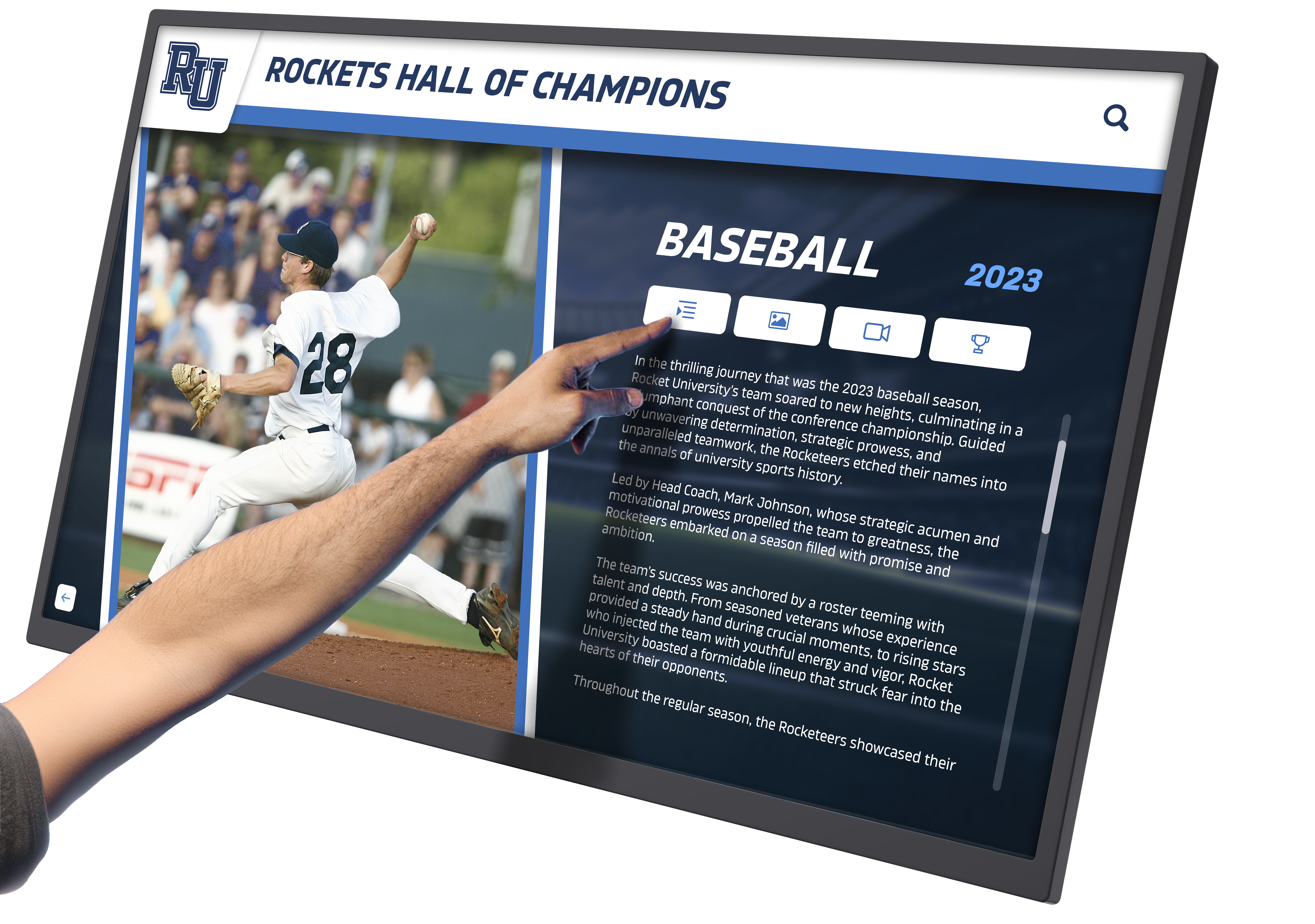
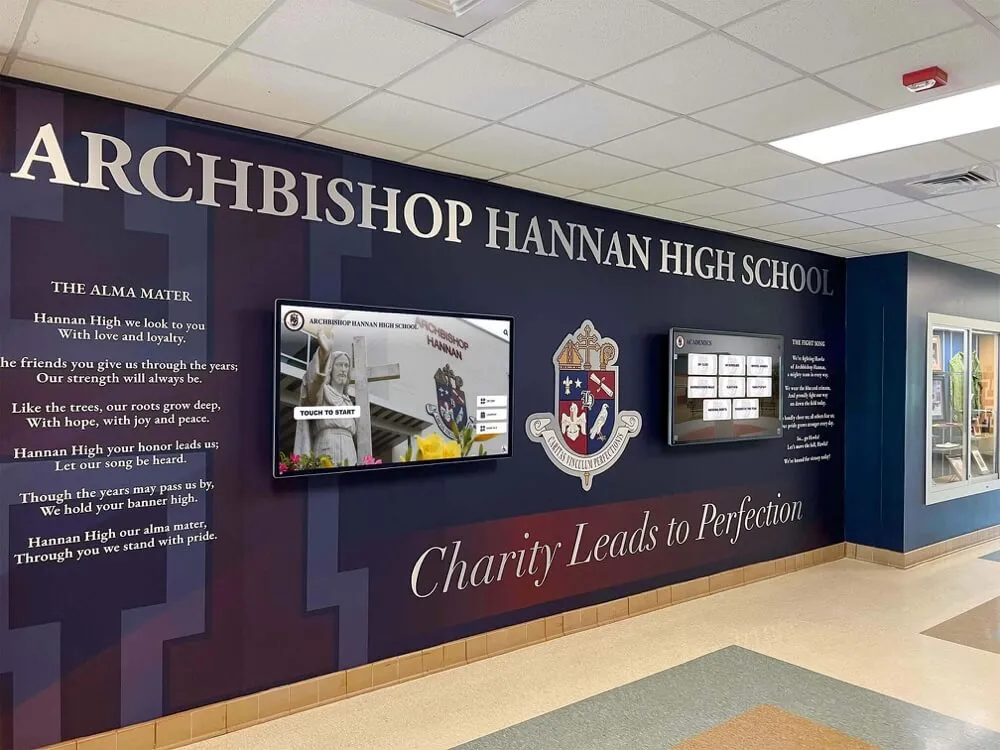
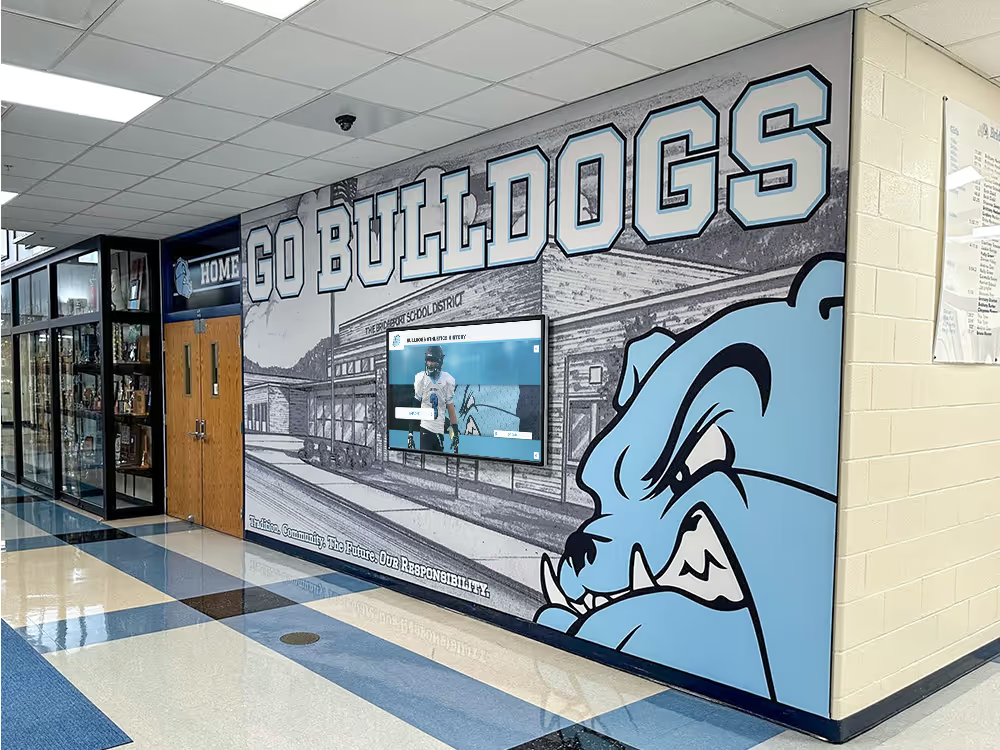
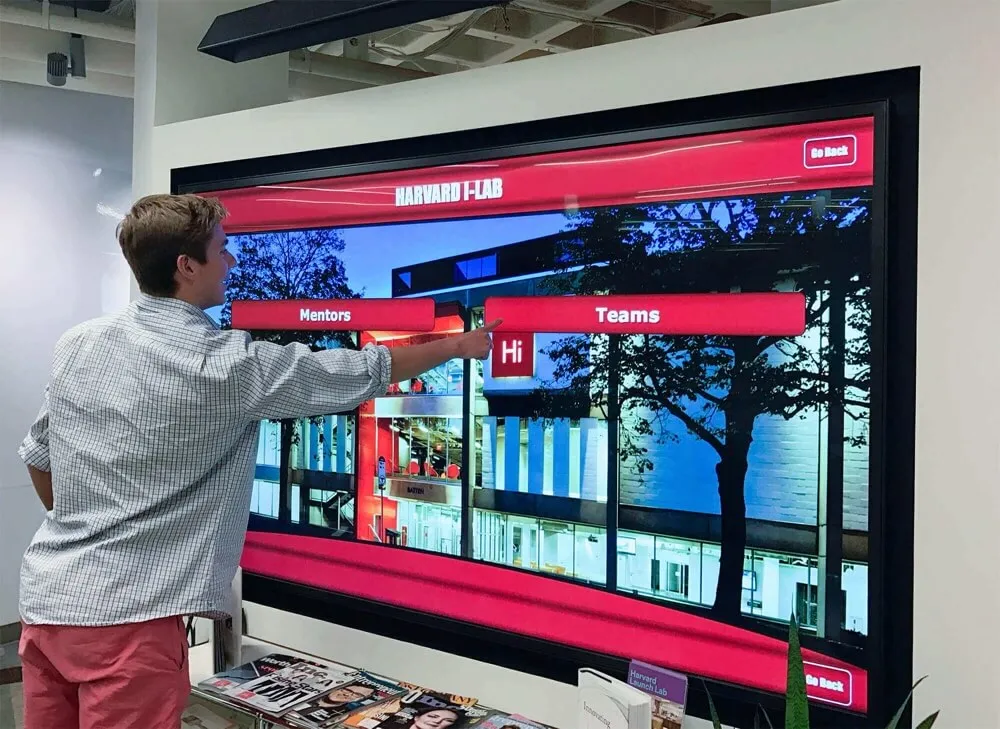
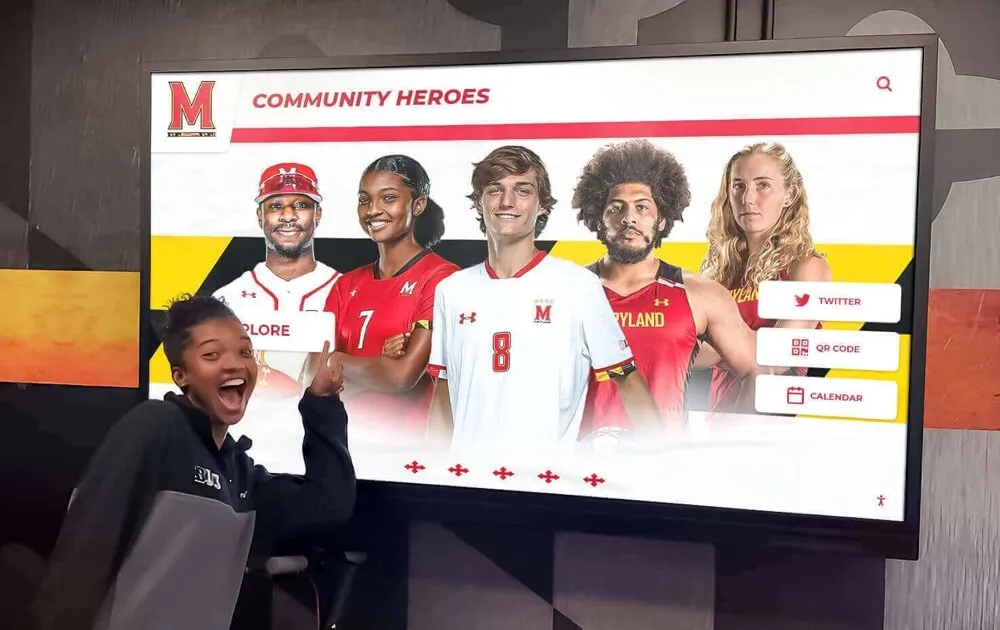
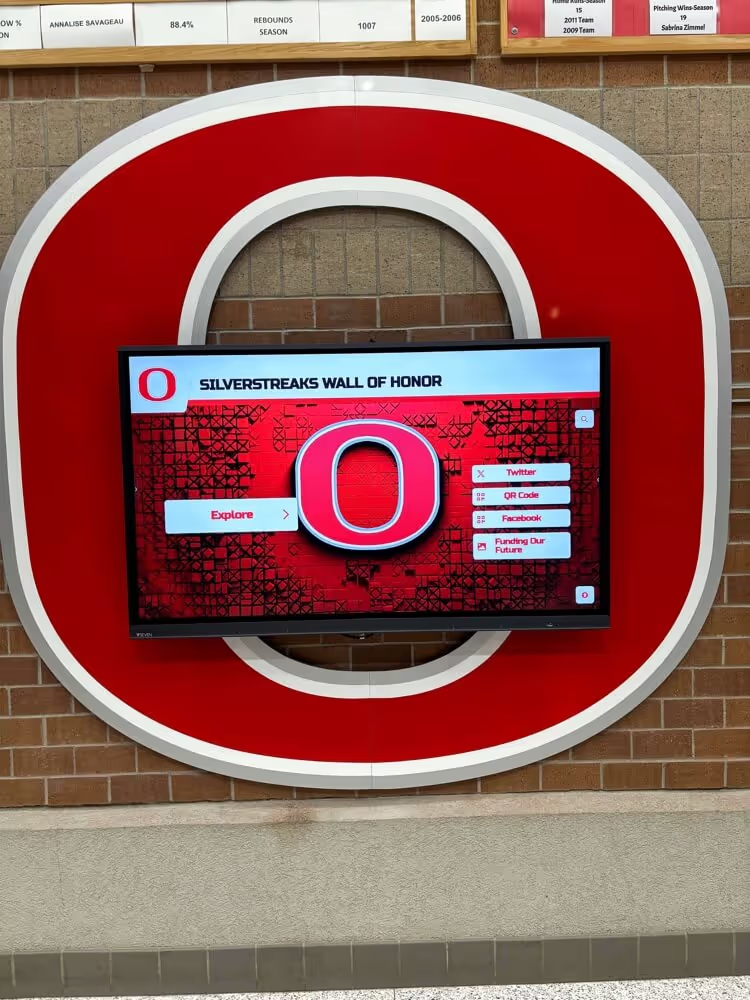
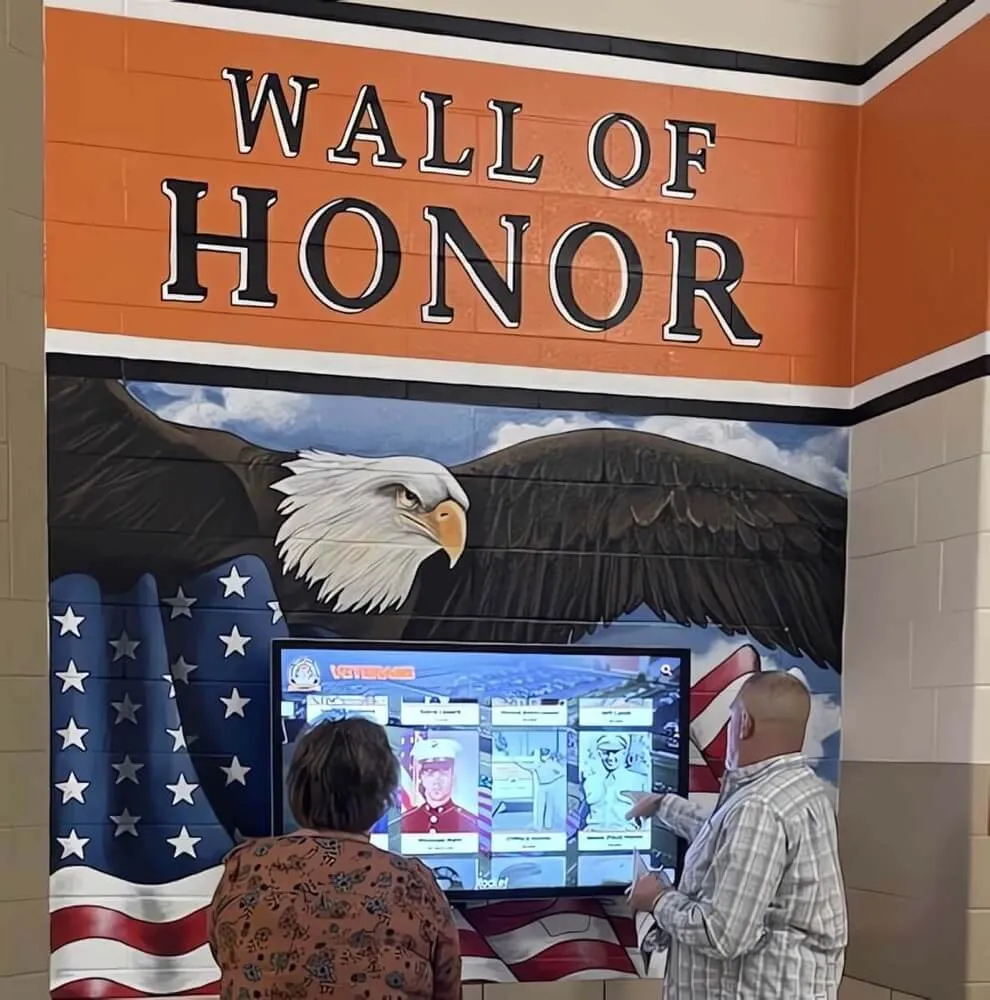
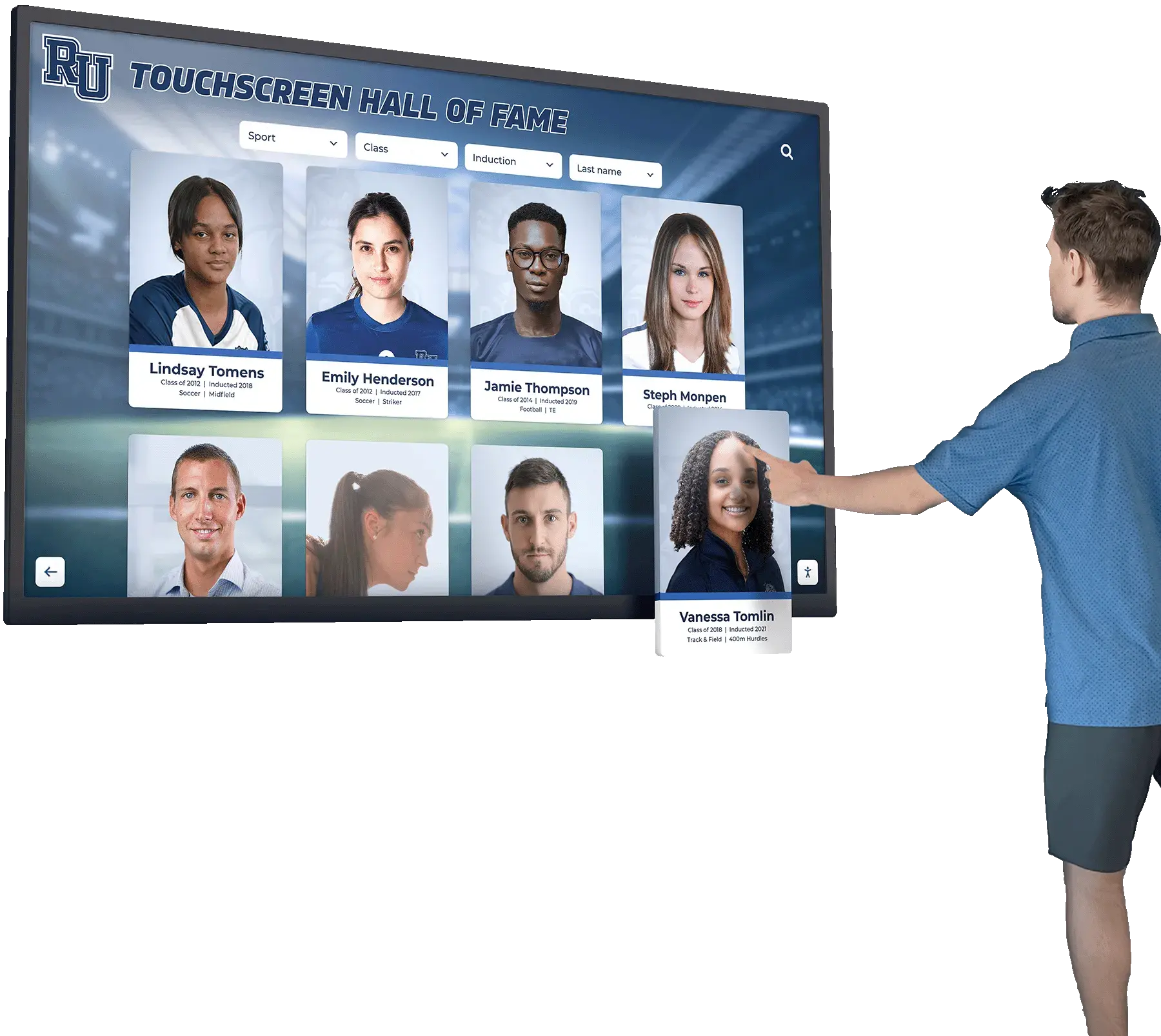
Interactive displays enable detailed exploration of individual achievements and statistics beyond simple score presentation
Multiple Tournament Management
Professional systems accommodate complex multi-event schedules:
- Simultaneous tracking of multiple tournaments with different formats
- Flight-specific leaderboards ensuring appropriately grouped competition visibility
- Multiple division displays for age, gender, or handicap-based categories
- Practice round tracking and qualification leaderboards for major championships
- Team event pairings and results alongside individual competitions
- Historical comparison showing current tournament relative to past events
This capability proves particularly valuable during busy tournament seasons when clubs host overlapping competitions or multi-day events with various concurrent divisions.
Increased Member Engagement and Satisfaction
Beyond tournament operations, leaderboards significantly impact member experience and club atmosphere:
Friendly Competition Culture
Visible standings foster healthy competitive spirit:
- Season-long competitions maintaining engagement across entire membership
- Weekly game tracking showing consistent participants and leaders
- Age group and handicap division leaderboards ensuring fair competition
- Most improved rankings celebrating development alongside raw achievement
- Participation recognition valuing engagement beyond competitive success
- Social gaming results for fun competitions and specialty events
Golf facilities report that persistent leaderboard visibility increases member participation in club competitions by 25-40%, with many members citing enjoyment of tracking their performance against peers as primary motivation.
Achievement Recognition
Comprehensive recognition extends beyond championship victories:
- Personal best rounds celebrated and preserved permanently
- Handicap milestones acknowledged as players reach single digits or scratch
- Holes-in-one memorialized with photographs and circumstances documented
- Course record achievements prominently featured and historically preserved
- Consecutive competition participation honored through milestone recognition
- Junior golfer development tracked showing progression over multiple seasons
This inclusive recognition approach engages broader membership beyond the elite competitive players who dominate championship leaderboards, creating value for diverse member constituencies.
Learn about inclusive approaches through resources on academic recognition programs that apply similar principles to golf club settings.
Community and Social Connection
Leaderboards create natural conversation starters and gathering points:
- Clubhouse displays become social hubs where members check standings and discuss competitions
- Friendly rivalries develop between members tracking each other’s progress
- Multigenerational connection as families compare achievements across age groups
- New member integration facilitated through visible participation in club competitions
- Absentee member awareness through displays keeping members informed even when not playing regularly
- Social media sharing of leaderboard positions extending engagement beyond physical facility
Club managers consistently note that leaderboard areas become some of the most frequented clubhouse spaces, serving similar social functions to traditional trophy cases while providing dynamic, current content that changes regularly.
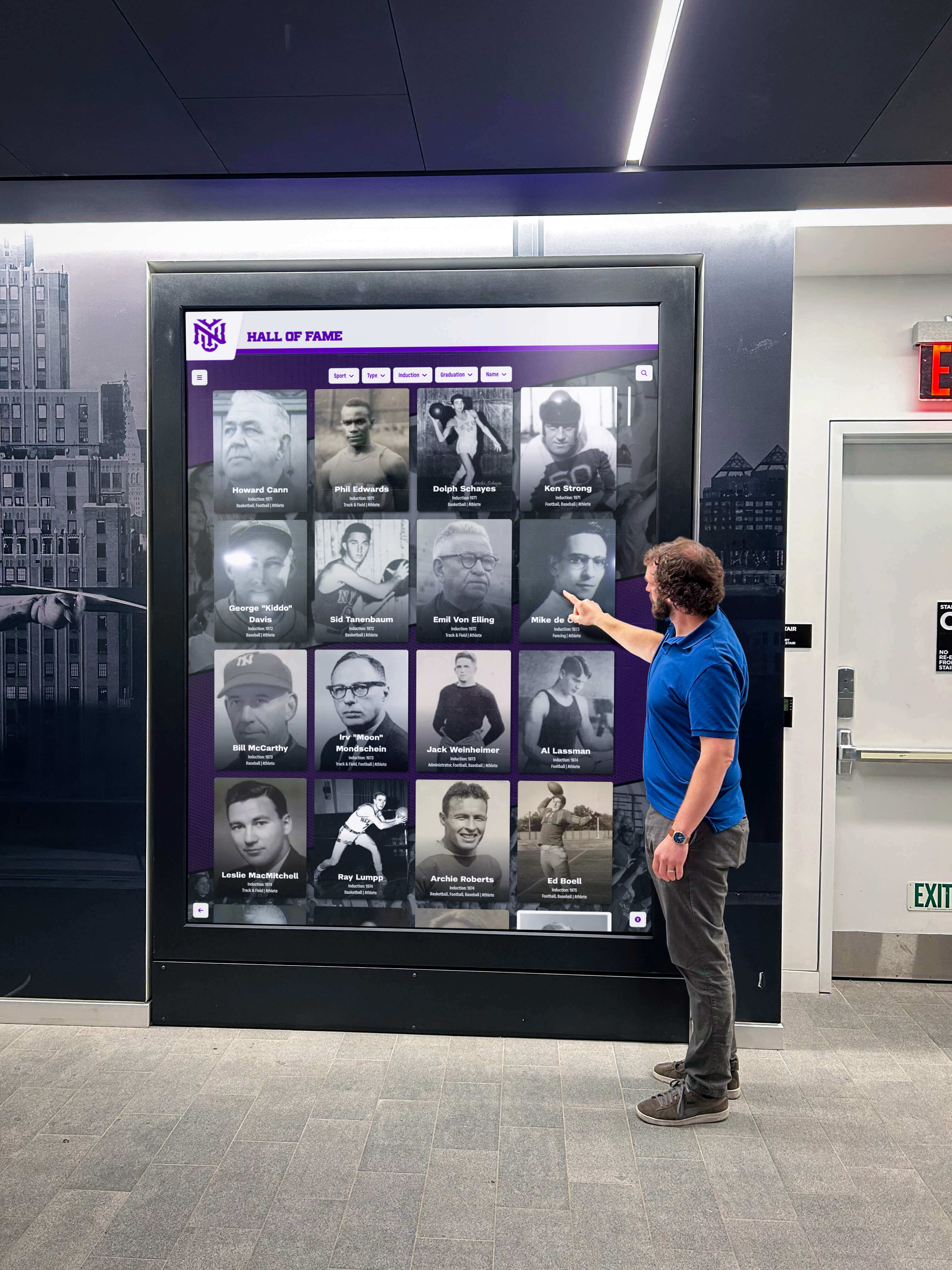
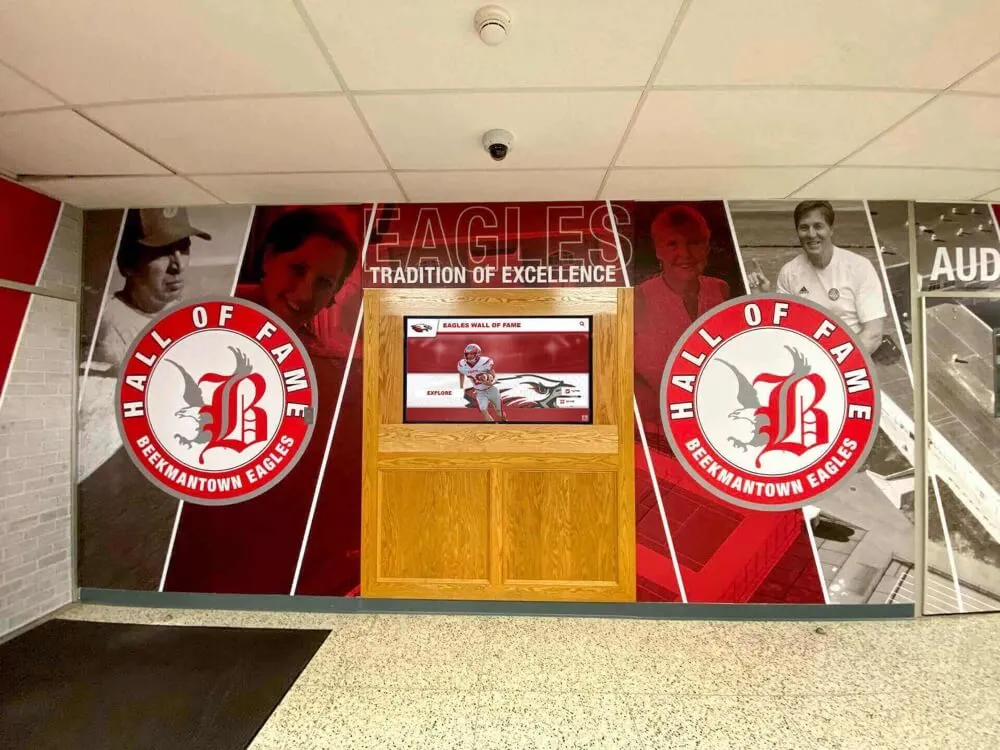
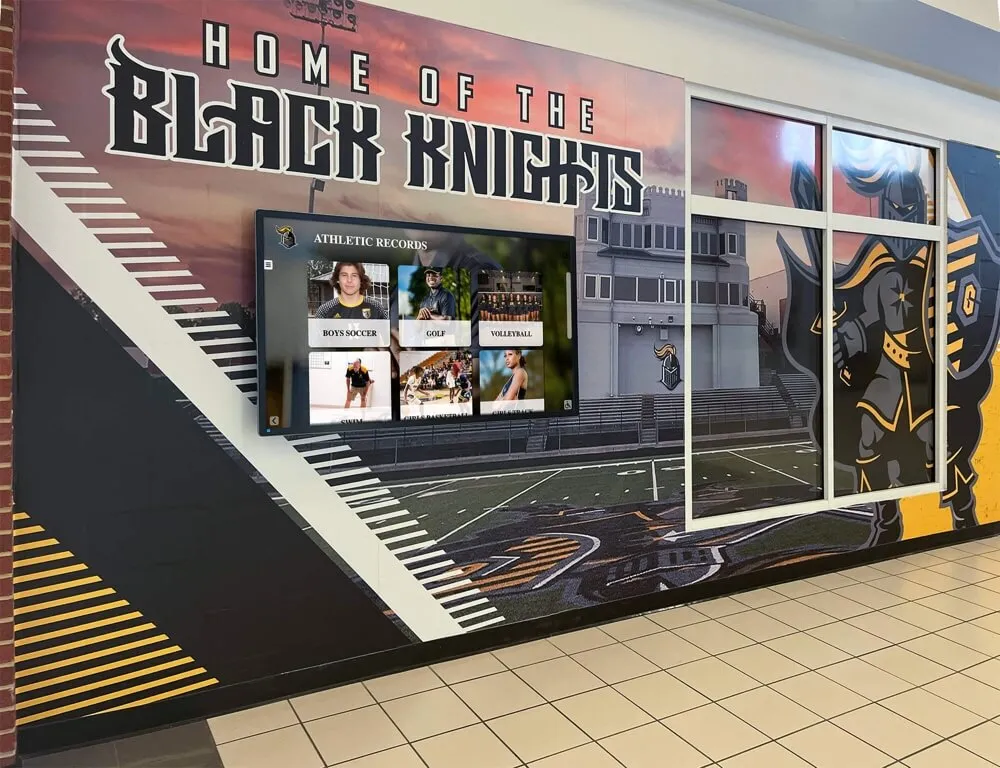
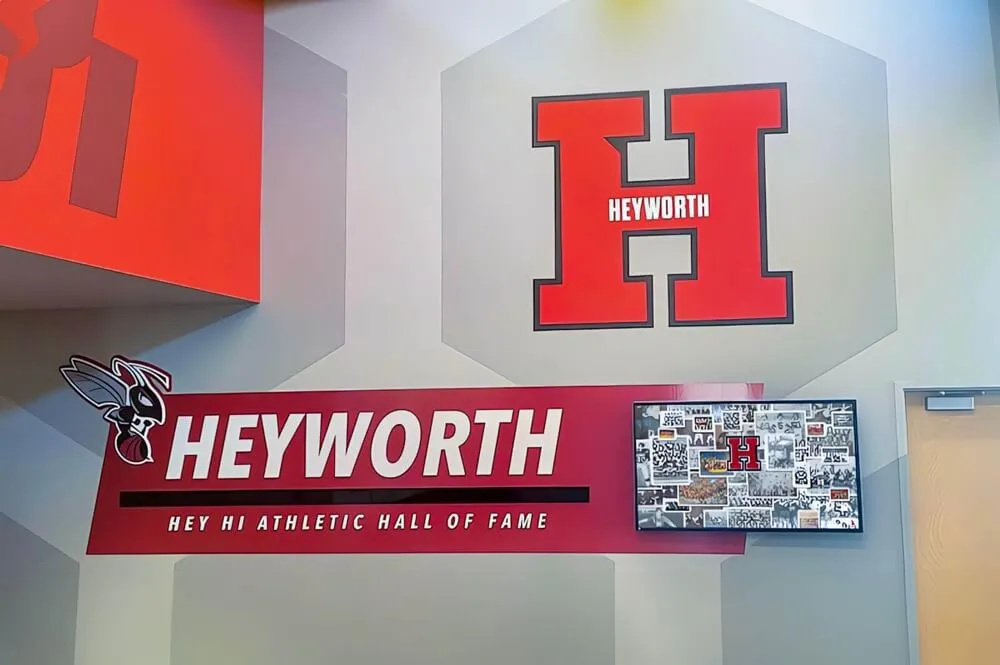
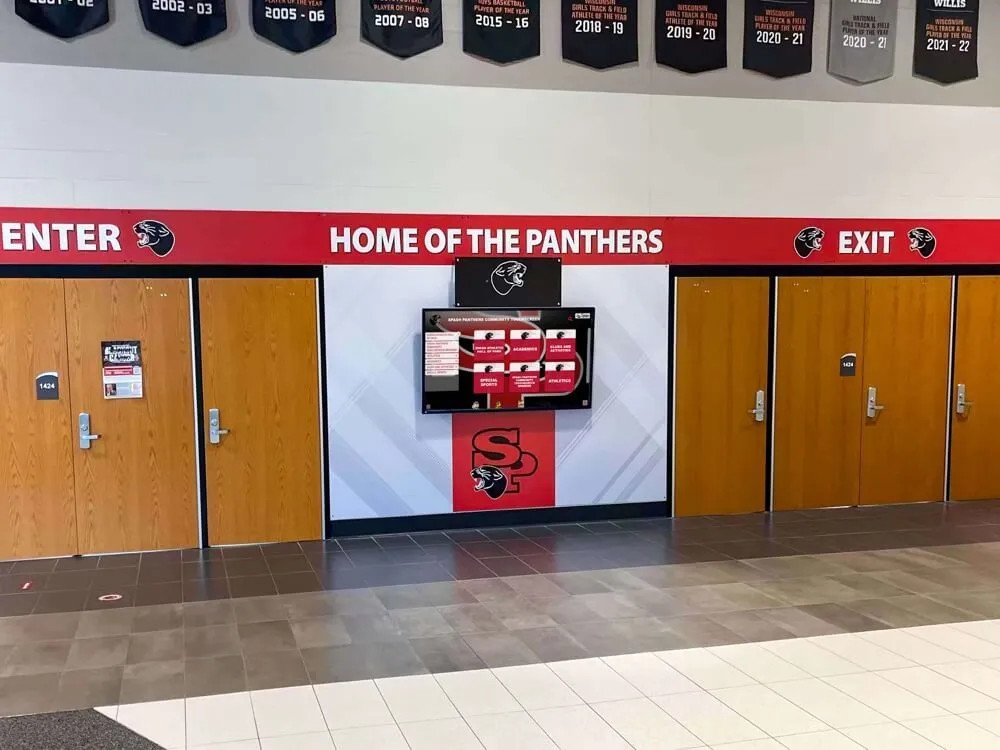
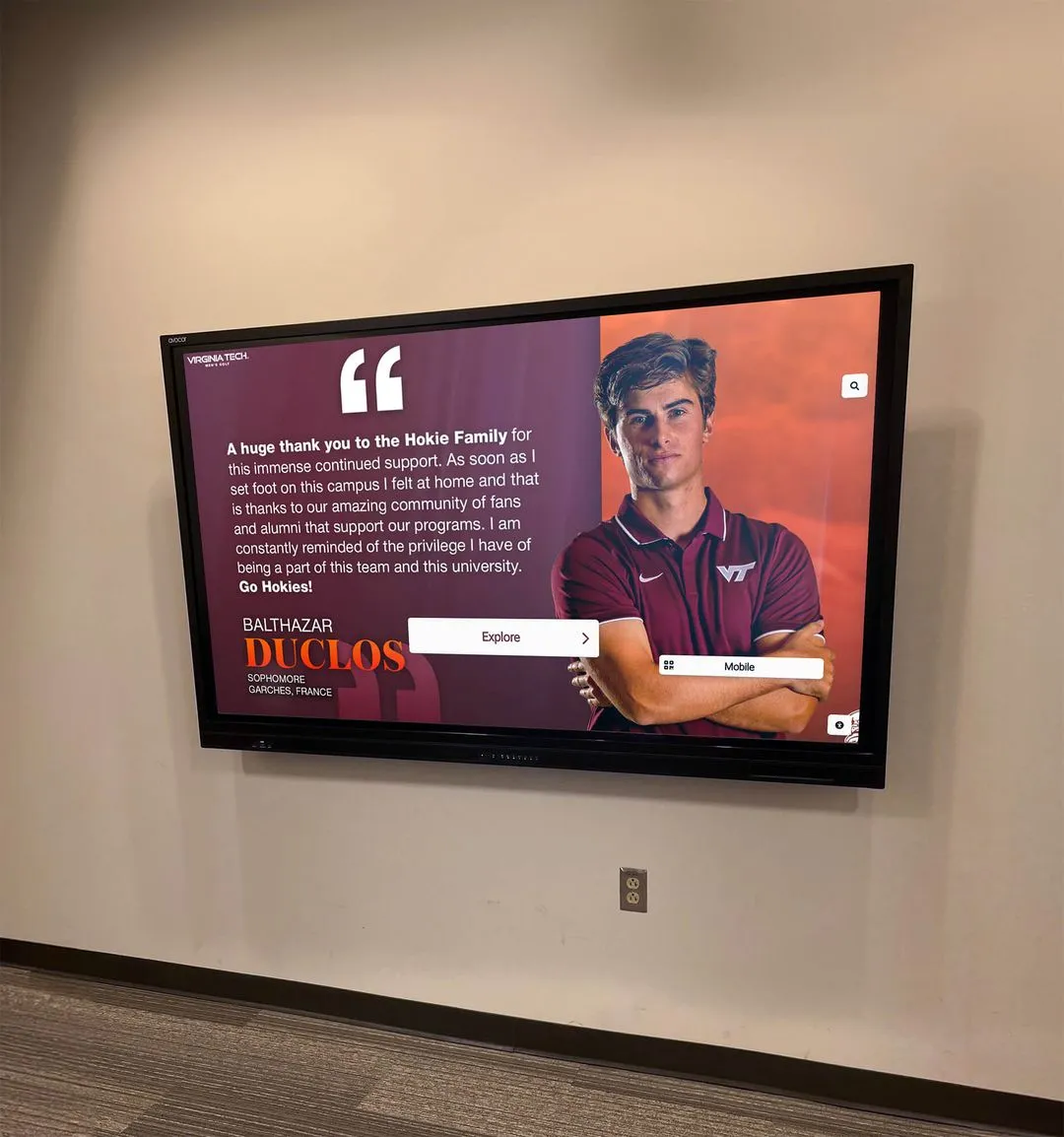
Strategically placed displays in high-traffic areas maximize member engagement and create natural gathering points for competition discussions
Marketing and Revenue Enhancement Opportunities
Professional leaderboard systems contribute to club marketing and financial objectives:
Tournament Sponsor Recognition
Digital displays provide valuable visibility for event supporters:
- Tournament sponsor logos prominently featured on leaderboards throughout events
- Rotating sponsor recognition during off-tournament display periods
- Hole sponsor acknowledgment integrated with scoring displays
- Contest sponsor visibility on closest-to-pin and longest drive leaderboards
- Professional presentation enhancing perceived sponsorship value
- Measurable exposure metrics demonstrating value to potential sponsors
- Year-round visibility rather than single-event exposure
According to golf event management research, clubs using digital leaderboards with sponsor integration report 30-50% higher sponsorship revenue compared to traditional static signage approaches, with sponsors particularly valuing the professional presentation and extended visibility periods.
Facility Enhancement
Modern displays elevate overall club atmosphere and perception:
- Professional technology signaling quality operations and member investment
- Modern aesthetics complementing renovated clubhouse environments
- Attention-grabbing displays creating visual interest in gathering spaces
- Demonstration of commitment to member experience and engagement
- Competitive differentiation versus clubs using outdated manual approaches
- Enhanced facility tours for prospective members showcasing modern amenities
- Social media content opportunities highlighting club technology and events
Event Attraction
Quality leaderboard systems help attract external tournaments and outings:
- Outside groups impressed by professional tournament management capabilities
- Corporate outing appeal through seamless scoring and visible competition tracking
- Charity tournament attraction as organizers seek venues with excellent technology
- Junior golf event hosting facilitated by systems accommodating multiple divisions
- Regional championship bids strengthened by demonstration of scoring infrastructure
- League hosting opportunities through season-long tracking capabilities
Clubs with comprehensive digital leaderboard systems report hosting significantly more outside events and corporate outings compared to facilities using traditional manual scoring approaches.
Essential Features of Effective Golf Leaderboard Systems
Not all leaderboard solutions deliver equal value for golf club applications. Evaluating systems based on features critical for golf-specific needs ensures appropriate technology selection.
Real-Time Scoring and Display Capabilities
The fundamental purpose of leaderboard systems is presenting current competition information accurately and promptly:
Scoring Input Methods
Flexible score entry accommodates various tournament management approaches:
- Mobile app scoring by players themselves during rounds
- Volunteer or staff scoring from designated entry stations
- GPS cart system integration with automatic hole-by-hole score transmission
- Paper scorecard entry after round completion
- Walking scorer tablets for tournament staff following featured groups
- Kiosk stations positioned at specific holes for mid-round score posting
- Multiple simultaneous entry points preventing bottlenecks during large events
Systems supporting multiple input methods provide greatest flexibility, allowing clubs to match scoring approach to specific tournament characteristics, member preferences, and available volunteer support.
Display Update Speed
Leaderboard refresh timing affects participant experience:
- Immediate updates (within 1-2 minutes) for premium real-time experience
- Scheduled refresh intervals (every 5-10 minutes) for standard operations
- Manual refresh control for tournament directors managing timing
- Progressive updates showing score changes highlighted or animated
- Automatic sorting maintaining accurate position standings after each update
- Data validation preventing obvious errors from appearing on public displays
According to tournament software providers, update speeds under 5 minutes are generally sufficient for most club tournaments, with immediate updates primarily valued during final-round championship competitions.
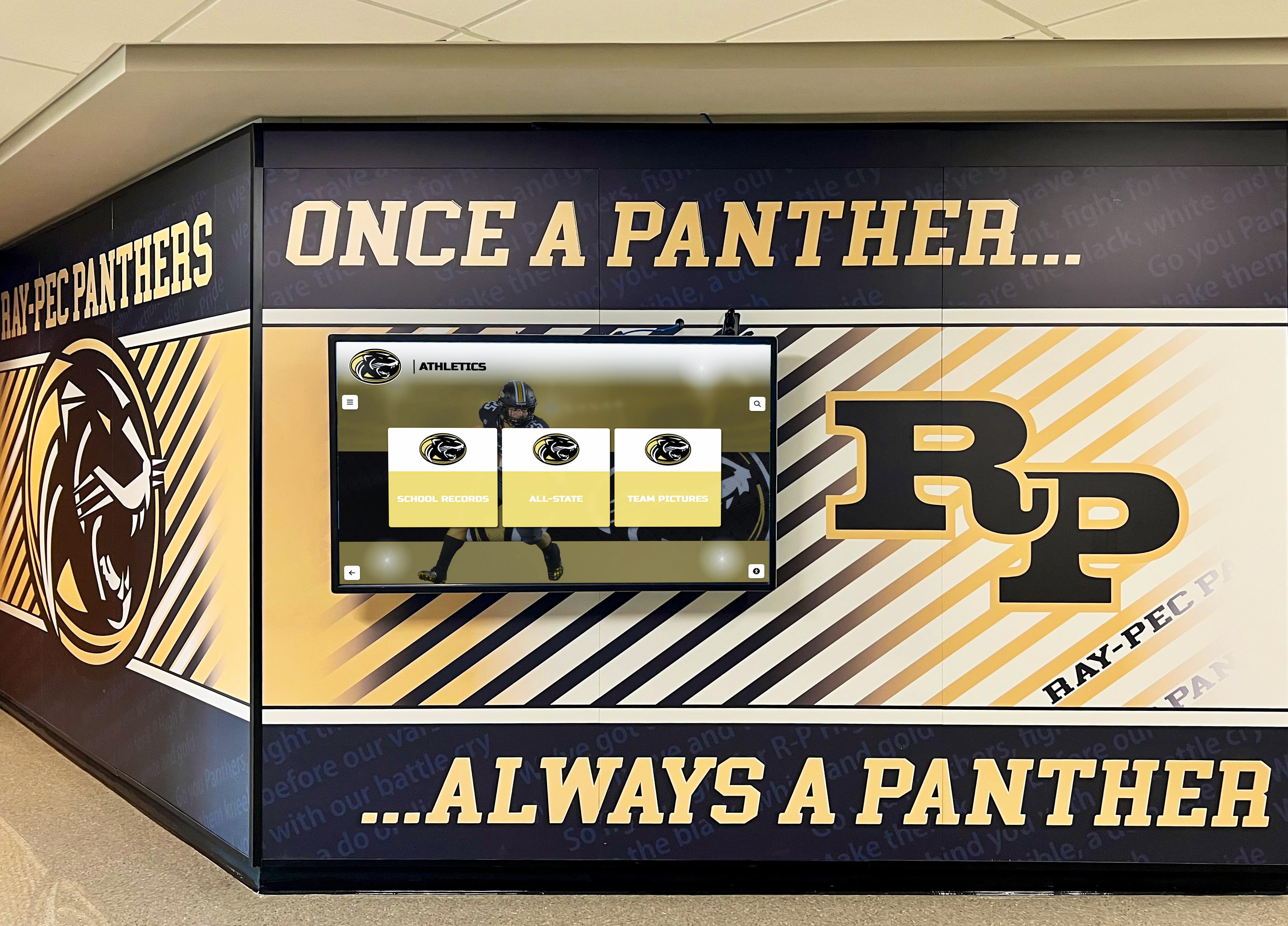
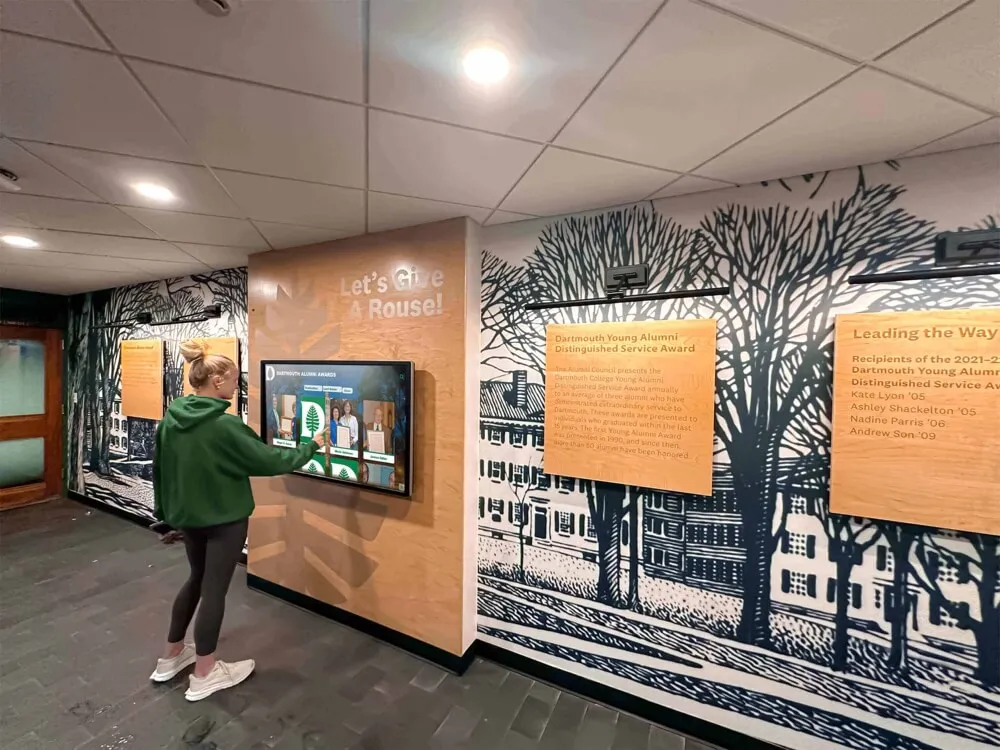
Clear, professionally designed displays present information legibly from across rooms, ensuring all members can view standings easily
Tournament Format Versatility
Comprehensive systems accommodate diverse competition structures common at golf facilities:
Supported Competition Types
Professional platforms handle various scoring formats:
- Stroke play (gross and net) for traditional medal competitions
- Match play brackets with progression tracking through rounds
- Stableford/modified Stableford point systems
- Team scrambles with various player contribution requirements
- Best ball (better ball) team competitions
- Alternate shot and Chapman formats
- Skins games and continuous skins tracking
- Nassau scoring with front nine, back nine, and total calculations
- Eclectic competitions tracking best scores across multiple rounds
Golf facilities typically host 8-12 different competition formats throughout a season, making format versatility essential for systems serving clubs rather than single-event applications.
Handicap Integration
Accurate net scoring requires reliable handicap management:
- GHIN (Golf Handicap and Information Network) system integration for automatic handicap retrieval
- Club System integration for international facilities using different handicap authorities
- Manual handicap entry for guests and players without official handicaps
- Stroke allocation automation applying handicaps to appropriate holes
- Maximum handicap limits and reductions per tournament rules
- Course handicap calculation from index based on tees played
- Team handicap computation for various formats and allowances
According to handicap system providers, automated handicap integration eliminates the most common source of scoring disputes in club tournaments, ensuring accurate net scoring without manual calculation errors.
Content Management and Administrative Control
Long-term system success depends on administrative tools enabling efficient ongoing management:
User-Friendly Tournament Setup
Intuitive configuration reduces setup burden for tournament volunteers:
- Tournament templates for frequently used formats and structures
- Quick setup wizards guiding configuration through essential parameters
- Player list import from club management systems or spreadsheets
- Tee time and pairing tools automatically grouping players appropriately
- Format-specific rule configurations ensuring proper scoring
- Division and flight creation separating competitors fairly
- Preview capabilities allowing review before making tournaments live
Clubs report that user-friendly setup interfaces enable delegation of tournament management to volunteer committees rather than requiring specialized technical staff, distributing workload while building volunteer leadership capabilities.
Display Customization
Branding and presentation control ensures professional appearance:
- Club logo and color scheme integration matching brand identity
- Customizable column layouts showing relevant information for specific formats
- Font size and style controls ensuring legibility across viewing distances
- Background images or videos creating visually appealing displays
- Rotation settings for multiple tournament or content displays
- Sponsor placement and sizing controls
- Mobile and web display optimization ensuring consistency across platforms
Professional presentation matters significantly for member perception of system quality and overall club operations standards.
Explore comprehensive approaches through guides on digital recognition displays that apply across club applications.
Multi-User Access and Permissions
Delegated administration supports distributed tournament management:
- Role-based permissions controlling who can create, edit, or view tournaments
- Tournament director accounts with full administrative access
- Volunteer scorer accounts limited to score entry for assigned tournaments
- Member accounts enabling view-only access or personal statistic tracking
- Approval workflows for tournaments requiring committee review before publication
- Audit trails showing all changes and modifications for accountability
- Committee collaboration features supporting multi-person tournament planning
This governance structure enables clubs to distribute tournament management workload appropriately while maintaining quality control and administrative oversight.
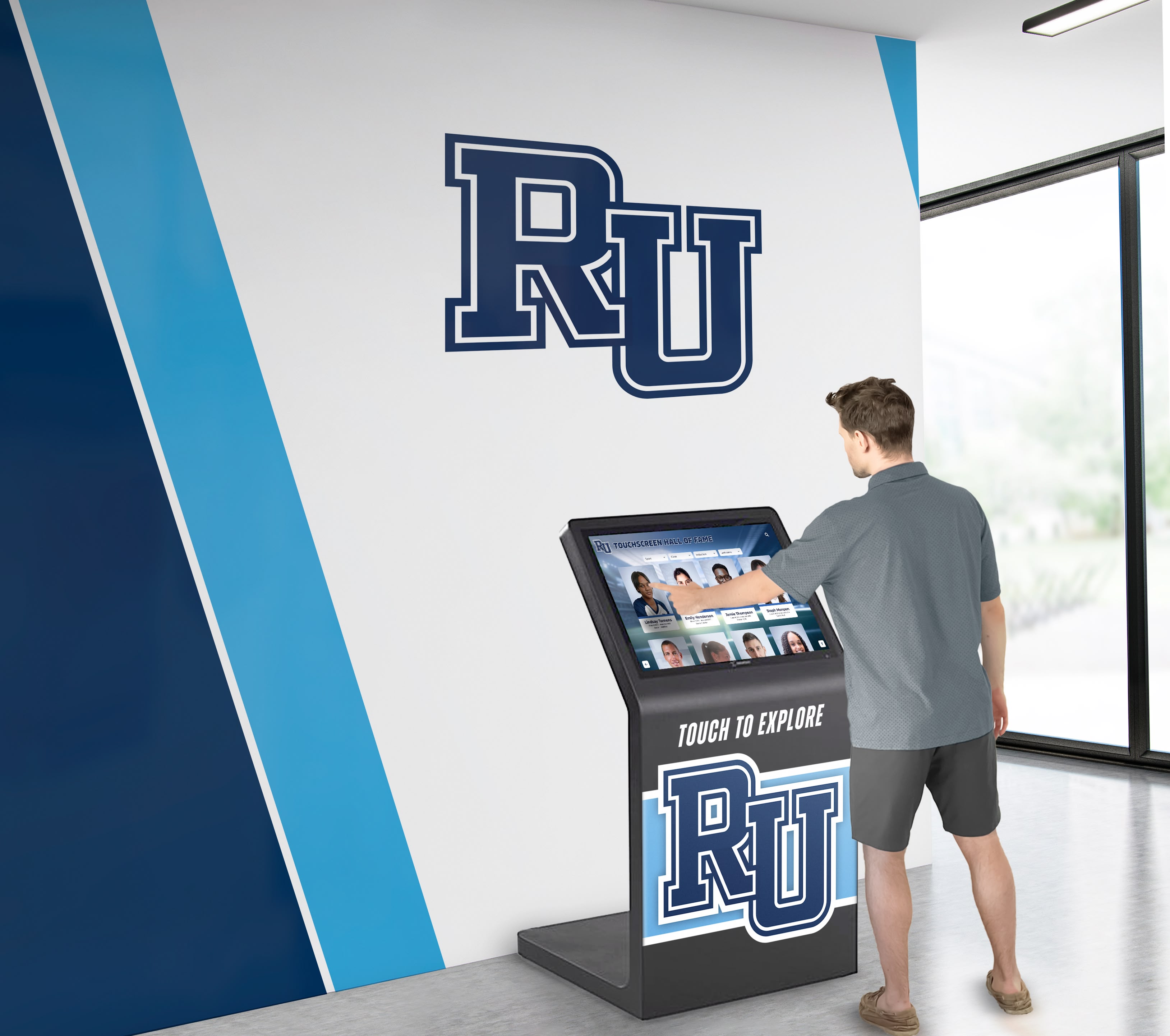
Intuitive administrative interfaces enable tournament directors to manage leaderboards without specialized technical training
Historical Archive and Recognition Capabilities
Beyond current tournament management, effective systems preserve golf history and recognize long-term achievements:
Permanent Record Preservation
Digital archives maintain comprehensive historical data:
- Unlimited storage for all past tournament results without space constraints
- Complete player performance histories across years or decades
- Championship roll of honor accessible instantly through search functions
- Statistical trend analysis showing performance patterns over time
- Comparison capabilities enabling current tournament context relative to historical results
- Export functionality for record-keeping and publication purposes
- Backup and redundancy ensuring preservation despite hardware failures
Golf clubs with rich competitive traditions particularly value archival capabilities, as historical tournament results often disappear when records exist only on paper in inconsistent filing systems subject to loss through staff transitions or storage issues.
Achievement Recognition Features
Systems celebrating diverse accomplishments beyond championship victories:
- Personal milestone tracking for individual member development
- Hole-in-one registries with photographs and circumstances documented
- Course record recognition for various tees and conditions
- Participation milestone acknowledgment honoring engagement
- Most improved player calculations celebrating development
- Age group records ensuring recognition across member demographics
- Career statistics compilations showing long-term member performance
This inclusive recognition approach engages members across all skill levels rather than focusing exclusively on elite competitive performers, broadening system value across entire membership.
Learn about inclusive recognition through resources on digital trophy displays that showcase diverse achievements.
Implementation Best Practices for Golf Course Leaderboards
Successful leaderboard programs require thoughtful planning beyond simply purchasing display hardware and software.
Strategic Display Placement and Installation
Location decisions significantly impact engagement levels and system value:
Primary Clubhouse Locations
Optimal leaderboard placements include:
- Main gathering areas visible from bar, restaurant, and seating zones
- Positioning near primary entrance ensuring visibility for all members entering facility
- 19th hole locations where players naturally congregate after rounds
- Pro shop areas with high traffic from members checking in for tee times
- Tournament registration zones providing immediate competitive context
- Outdoor patio spaces for seasonal viewing during prime weather periods
Facilities report that displays visible from dining and beverage service areas generate highest sustained engagement, as members can view standings while socializing in comfortable environments.
Viewing Distance Considerations
Display size must match viewing distances:
- 55-65 inch displays for viewing distances of 10-15 feet
- 65-75 inch displays for viewing distances of 15-20 feet
- 75-86 inch displays for viewing distances exceeding 20 feet
- Multiple smaller displays often more effective than single large distant display
- Text size minimums ensuring leaderboard legibility from intended viewing positions
- Contrast and brightness specifications maintaining visibility in naturally lit spaces
Environmental factors affect display effectiveness:
- Avoiding direct sunlight creating glare and washing out displays
- Adequate ambient lighting without excessive brightness
- Mounting heights ensuring visibility while preventing neck strain
- Cable management maintaining professional appearance
- Electrical and network connectivity ensuring reliable operation
- Protection from potential impacts in high-traffic corridors
Professional installation addressing these factors prevents expensive remediation after discovering placement issues that reduce engagement.
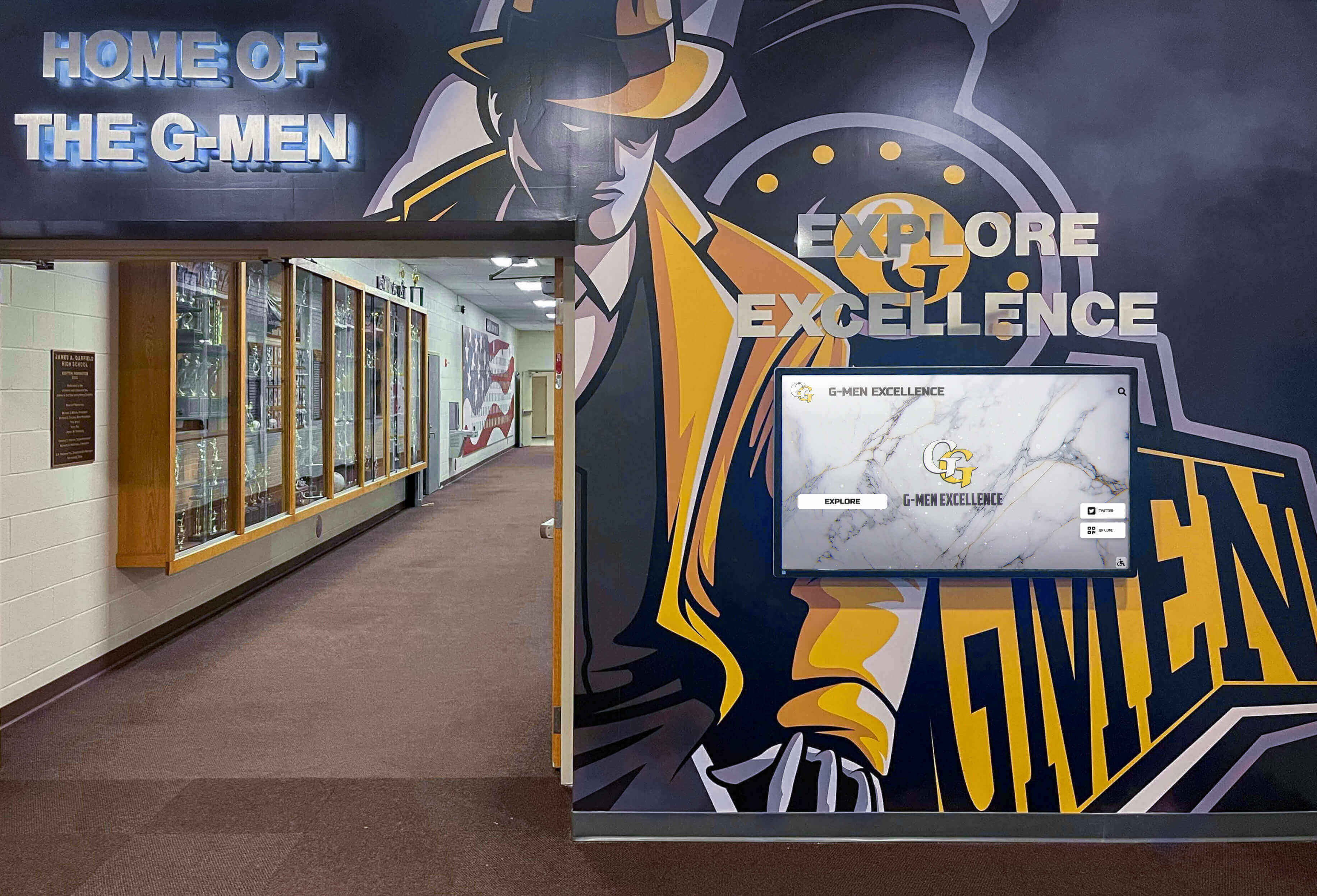
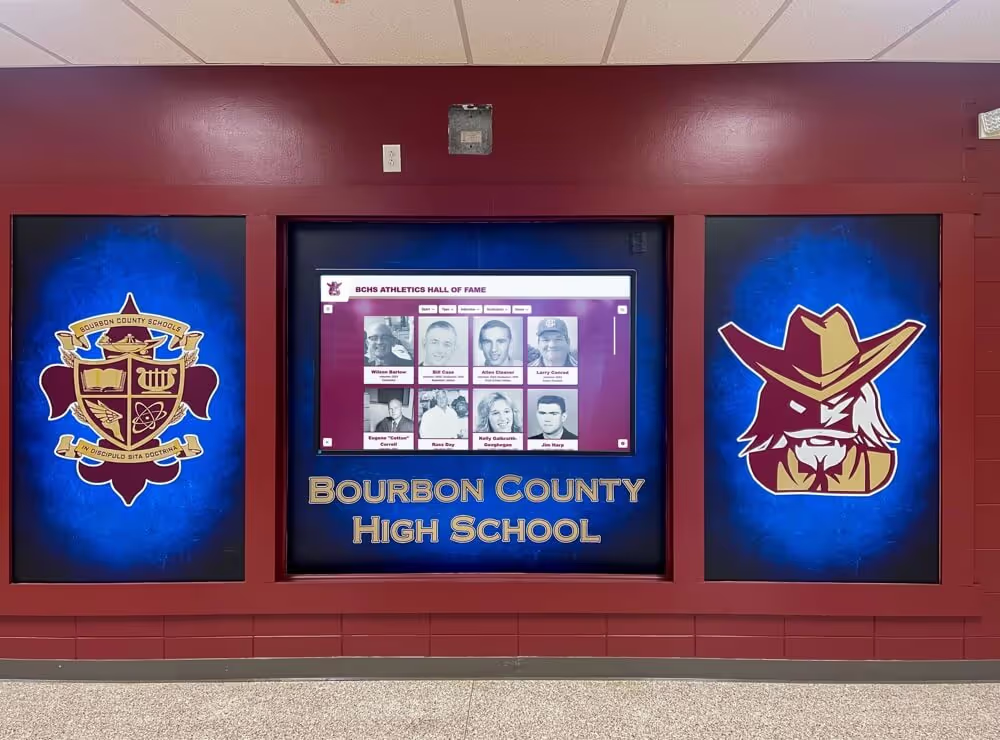
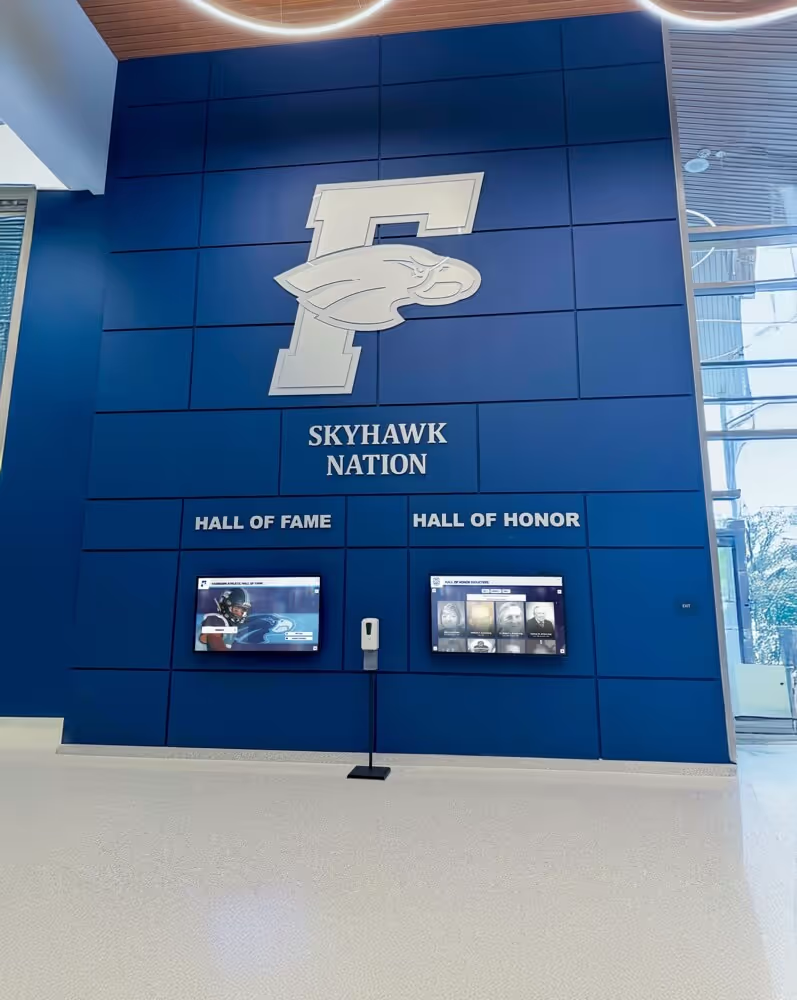
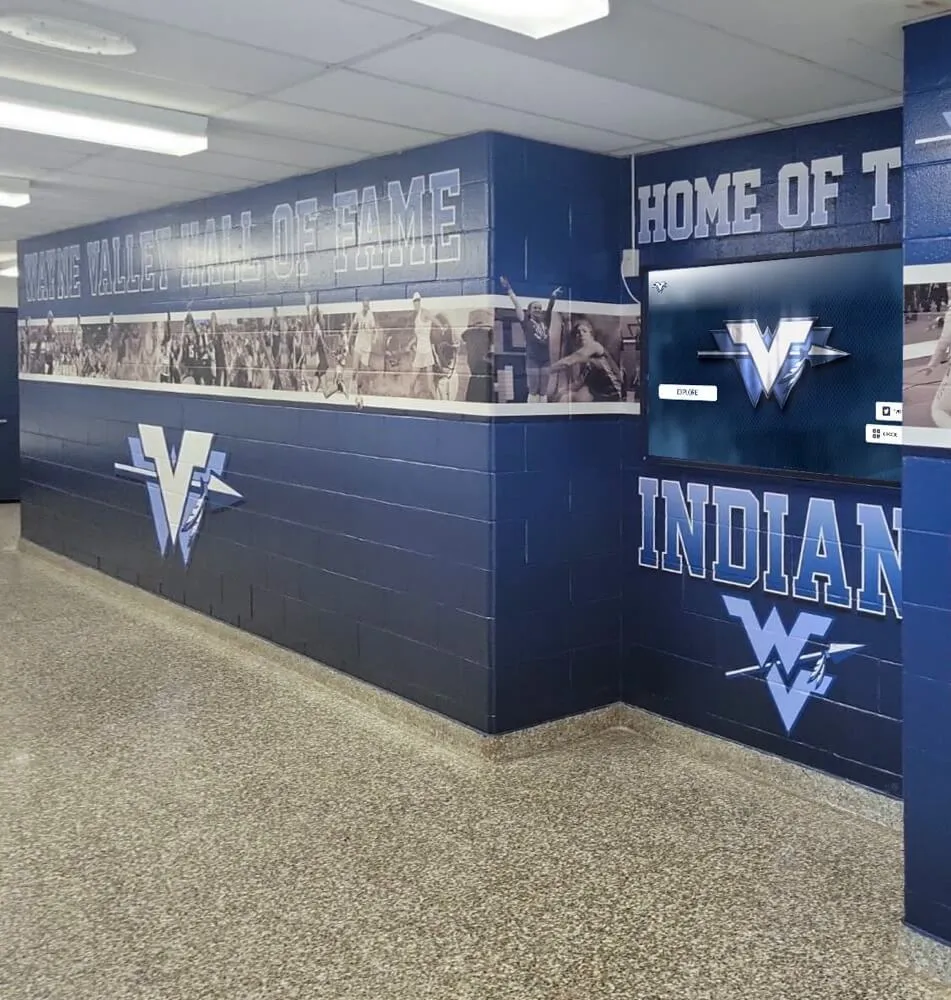
Thoughtful integration with existing recognition elements creates cohesive displays that complement rather than compete with traditional club features
Member Training and Adoption Strategies
Technology investment delivers value only when members actually utilize systems effectively:
Score Entry Training
Successful adoption requires adequate member preparation:
- Pre-season clinics demonstrating mobile app scoring procedures
- Quick-start guides providing essential scoring instructions
- On-course volunteer support during initial tournament implementations
- Simple video tutorials accessible through club website
- Practice tournament opportunities allowing members to learn without pressure
- Troubleshooting resources addressing common questions and issues
- Multiple entry methods accommodating members with varying technology comfort
Clubs report that initial confusion during first several tournaments is normal, with member proficiency typically developing rapidly after 3-4 scoring experiences.
Display Navigation Instruction
For interactive touchscreen displays:
- Signage near displays explaining navigation and search capabilities
- Ambassador programs with volunteers demonstrating features during events
- Social media content highlighting interesting display features and content
- Newsletter articles explaining how members can explore their own statistics
- Demonstration sessions during member events and gatherings
Member education efforts ensure systems achieve engagement potential rather than being underutilized due to lack of awareness about capabilities.
Change Management
Transitioning from traditional approaches requires thoughtful communication:
- Clear explanation of reasons for adopting digital systems
- Acknowledgment of learning curves while emphasizing long-term benefits
- Continued availability of traditional backup methods during transition period
- Member feedback collection and responsive adjustment to concerns
- Celebration of successful implementation milestones
- Recognition of volunteer leaders supporting adoption
Research on technology adoption in golf clubs indicates that member acceptance directly correlates with quality of change management processes, with poorly communicated implementations generating resistance even when technology itself functions excellently.
Maintenance and Ongoing Management
Sustained system value requires attention to long-term operational considerations:
Technical Maintenance
Regular upkeep ensures reliable performance:
- Display cleaning and inspection maintaining appearance and functionality
- Software updates providing new features and security improvements
- Network connectivity monitoring preventing scoring interruptions
- Hardware warranty management ensuring timely repairs if needed
- Backup and disaster recovery planning protecting historical data
- Seasonal preparation for peak tournament periods
Most modern leaderboard systems require minimal routine maintenance beyond basic display cleaning, with cloud-based platforms automatically receiving software updates without local technical intervention.
Content Management
Ongoing administration maintains member engagement:
- Regular tournament schedule updates ensuring current information
- Historical content rotation showcasing different eras and achievements
- Seasonal content adjustments matching current club activities
- Sponsor recognition updates reflecting current supporter relationships
- Member feedback incorporation improving content relevance
- Analytics review identifying popular content and underutilized features
Clubs typically designate specific staff members or volunteer committee chairs responsible for ongoing content management, preventing neglect as initial implementation enthusiasm wanes.
Explore comprehensive management approaches through guides on digital wall of fame implementation that apply to golf club contexts.
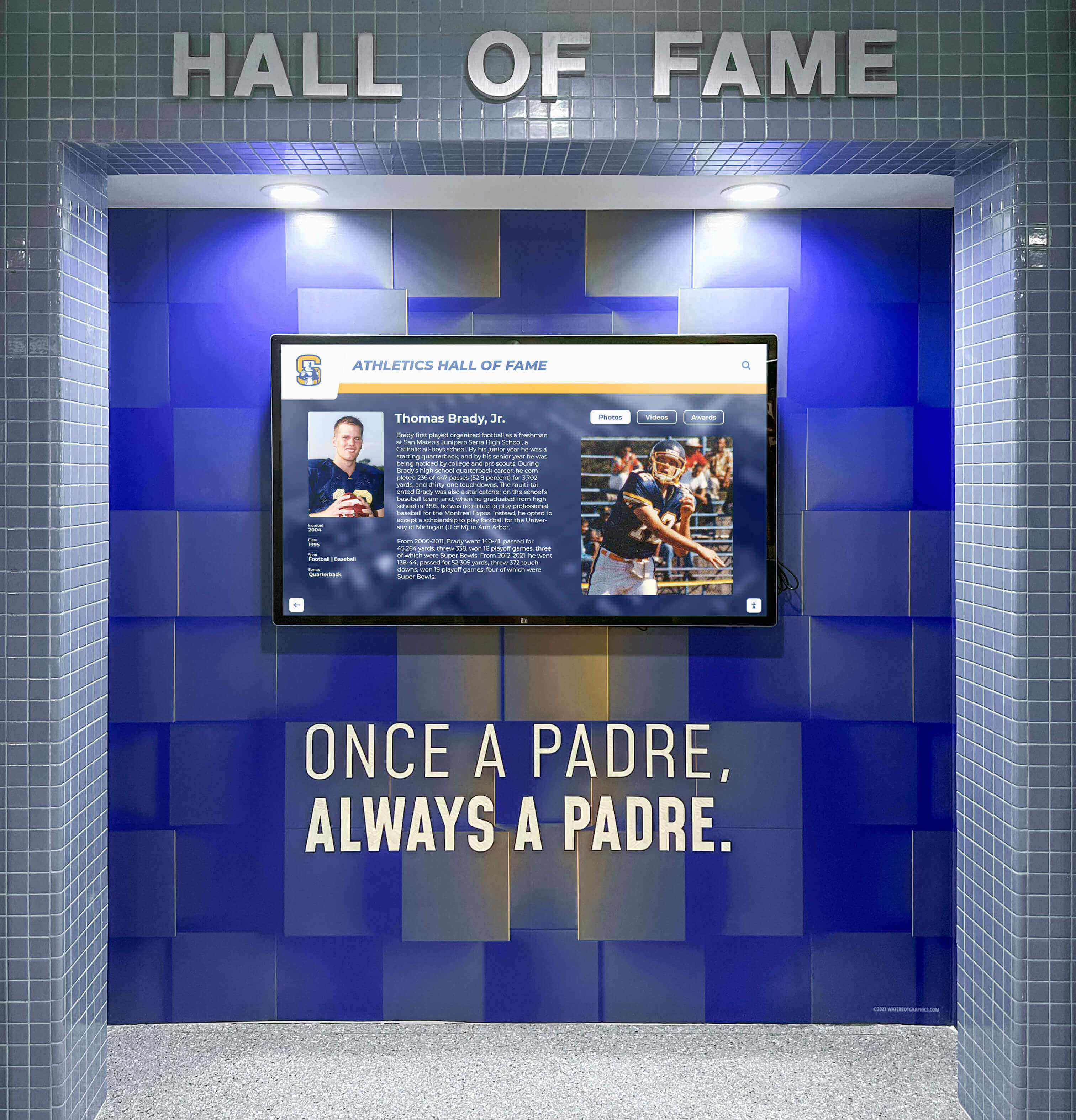
Professional installations with proper maintenance remain attractive and functional for years, providing sustained member engagement
Technology Options and Investment Considerations
Understanding available technology approaches and associated costs helps clubs make appropriate investment decisions aligned with resources and objectives.
Leaderboard System Categories
Golf course leaderboard solutions fall into several technology categories:
Stand-Alone Tournament Software
Purpose-built golf tournament management platforms:
- Focused specifically on golf scoring and leaderboard functionality
- Integration with golf-specific features like handicap systems and common formats
- Mobile apps optimized for course conditions and typical tournament operations
- Display capabilities ranging from basic to sophisticated
- Annual subscription costs typically $1,200-$3,600 depending on features and club size
- Examples include Unknown Golf, Vision Perfect, Golf Genius, and similar platforms
These specialized systems provide most comprehensive golf-specific functionality but may lack broader member recognition and engagement features beyond tournament scoring.
Digital Signage Platforms with Tournament Integration
General digital signage systems with golf scoring modules:
- Broader content management capabilities beyond tournament leaderboards
- Integration with various data sources for diverse display content
- Professional display management and scheduling
- Golf scoring as one application among many capabilities
- Annual costs typically $2,000-$5,000 including display hardware
- May require more technical expertise for configuration and management
General platforms provide flexibility for clubs wanting leaderboards alongside other digital content like club announcements, weather, dining menus, and promotional materials.
Comprehensive Recognition and Engagement Platforms
Integrated systems combining tournaments with historical recognition:
- Tournament leaderboards alongside permanent achievement archives
- Member recognition extending beyond competitive scoring
- Historical preservation of club records and milestones
- Web accessibility for remote member engagement
- Solutions like Rocket Alumni Solutions designed specifically for sports and club applications
- Annual subscription costs typically $2,500-$4,500 with comprehensive features
Comprehensive platforms serve clubs viewing leaderboards as components of broader member recognition and engagement strategies rather than standalone tournament tools.
Total Investment Analysis
Understanding complete financial requirements enables appropriate budgeting:
Initial Implementation Costs
One-time expenses for system launch:
- Display hardware: $2,500-$8,000 per screen depending on size and quality
- Professional installation: $500-$1,500 per location
- Software setup and configuration: Often included in first year subscription
- Historical data entry for archives: $1,000-$3,000 if extensive retroactive records desired
- Member training and adoption support: Internal staff time
- Network infrastructure upgrades if needed: $500-$2,000
Ongoing Operational Costs
Annual expenses after initial implementation:
- Software subscription: $1,200-$4,500 annually depending on platform and features
- Cloud hosting and storage: Typically included in subscription
- Technical support: Typically included in subscription
- Display maintenance and cleaning: Minimal internal staff time
- Extended warranty or support: $300-$800 annually optional
- Content management and updates: Internal staff time typically 2-4 hours monthly
Total Investment Range: $5,000-$15,000 initial implementation, $1,500-$5,000 annually ongoing
Most clubs find that systems achieve return on investment within 2-3 years through combination of administrative time savings, increased member satisfaction and retention, enhanced tournament sponsorship revenue, and attraction of external events.
Funding Approaches
Clubs use various strategies for financing leaderboard investments:
Operating Budget Allocation
Standard funding through annual club budgets:
- Technology or capital improvement line items
- Member services or experience enhancement budgets
- Tournament operations expense categories
Special Assessments or Capital Campaigns
Dedicated member contributions for major improvements:
- One-time special assessment for technology modernization
- Inclusion in broader clubhouse renovation capital campaigns
- Member contribution opportunities with recognition
Tournament Sponsor Funding
Revenue from tournament supporters:
- Title sponsorship of leaderboard system with permanent recognition
- Annual sponsorship covering ongoing subscription costs
- Rotating sponsor recognition on displays throughout season
Operational Efficiency Savings
Redirecting resources from eliminated expenses:
- Manual scoreboard maintenance labor no longer required
- Paper scorecard printing and supply costs eliminated
- Staff time previously spent on manual score calculation and posting
- Reduced scoring dispute resolution time and tournament delays
Many clubs successfully implement leaderboard systems as budget-neutral initiatives when accounting for operational efficiencies and enhanced revenue opportunities.
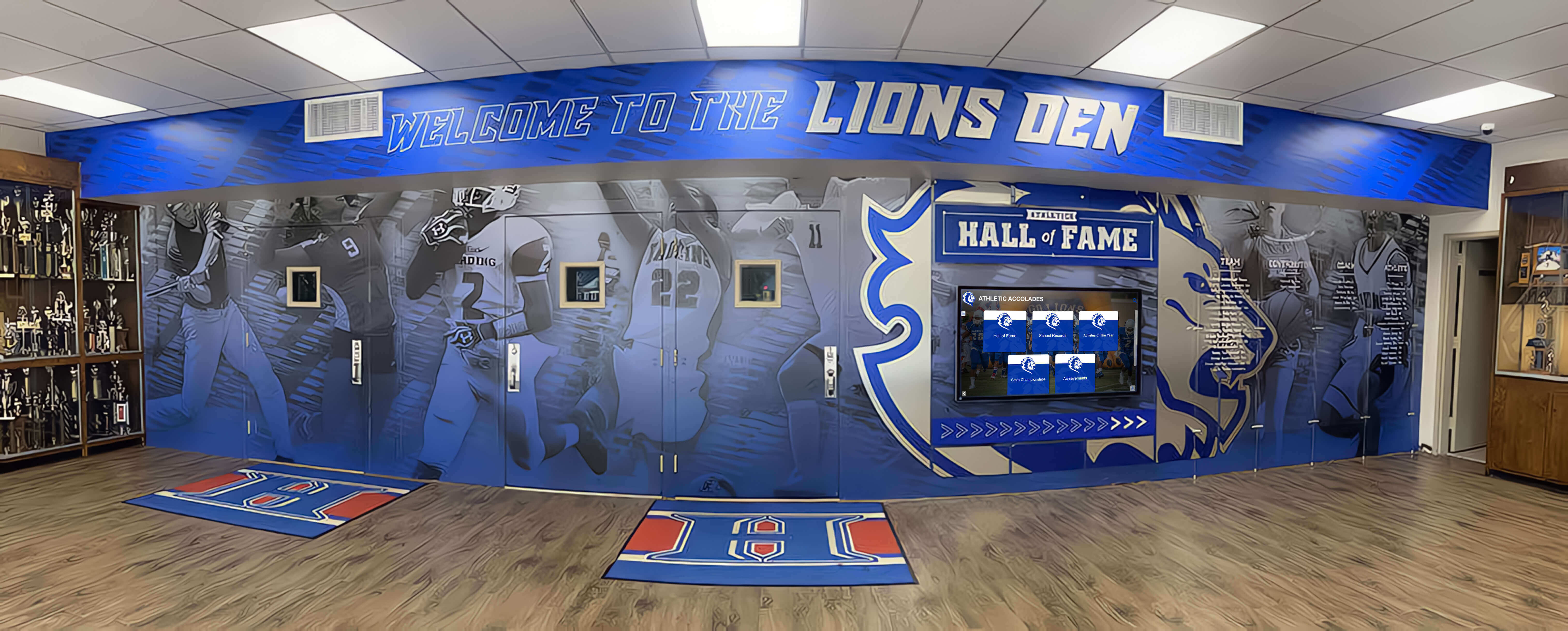
Quality installations represent long-term investments that enhance facility atmosphere and member experience for years
Measuring Success and Continuous Improvement
Systematic evaluation ensures leaderboard systems deliver expected value while identifying opportunities for enhancement.
Key Performance Indicators
Clubs should track metrics demonstrating system impact:
Tournament Operations Metrics
- Scoring completion time compared to pre-digital baselines
- Scoring dispute frequency and resolution time
- Participant satisfaction scores specific to tournament management
- Volunteer recruitment and retention for tournament support roles
- Tournament entry numbers and participation trends
- External event attraction and hosting frequency
Member Engagement Indicators
- Display interaction frequency from analytics when available
- Club competition participation rates across membership
- Member survey responses about competitive offerings and recognition
- Social media sharing of leaderboard positions and achievements
- New member integration success measures
- Overall member retention rates
Financial Impact Measures
- Tournament sponsorship revenue compared to pre-digital periods
- External event revenue from hosting competitions
- Member acquisition and retention costs
- Administrative cost savings from operational efficiency
- Return on investment timelines and payback calculations
Most clubs implementing quality leaderboard systems report measurable improvements across most or all tracked categories within first full season of operation.
Continuous Enhancement Strategies
Successful programs evolve based on experience and feedback:
Regular Content Evaluation
Systematic review ensuring relevance:
- Member surveys about display content preferences and suggestions
- Analytics review identifying most and least viewed content
- Seasonal content planning matching club calendar and activities
- Historical content rotation maintaining freshness and discovery
- Sponsor feedback about recognition placement and value
- Committee deliberation about tournament formats and standings displayed
Technology Updates
Maintaining current capabilities:
- Software platform updates providing new features and capabilities
- Hardware refresh planning as displays age or technology advances
- Integration opportunities with new club management systems
- Mobile optimization improvements as member devices evolve
- Accessibility enhancements ensuring inclusive member experience
Expansion Opportunities
Growing system scope and impact:
- Additional display locations as budgets allow
- Enhanced content types beyond basic tournament leaderboards
- Deeper historical archives as resources permit digitization
- Integration with other club technology like reservation systems
- Outdoor displays extending visibility to course-facing locations
- Mobile app development for comprehensive member engagement
Learn about expansion approaches through resources on interactive hall of fame implementations that grow over time.
Special Considerations for Different Club Types
Implementation approaches vary based on facility characteristics and member populations:
Private Member Clubs
Member-owned facilities have unique priorities:
Member Recognition Emphasis
- Greater focus on historical archives celebrating multi-generational families
- Season-long competitions maintaining year-round engagement
- Member milestone recognition beyond competitive achievements
- Legacy content honoring past club leaders and contributors
Exclusive Atmosphere Considerations
- Privacy preferences regarding public visibility of member information
- Selective guest access to member statistics and records
- Professional presentation standards reflecting club prestige
- Integration with existing club traditions and trophy displays
Public Daily-Fee Courses
Public facilities serve transient customer bases:
Tournament Operations Priority
- Focus on league scoring and regular competition management
- Weekend tournament leaderboards for public events
- Simplified entry procedures for occasional participants
- Reduced emphasis on long-term historical archives
Marketing and Promotion
- Leaderboards as amenities attracting competitive golfers
- Visible technology signaling quality operations
- Social media integration encouraging sharing and course promotion
- External event attraction through professional scoring capabilities
Semi-Private and Resort Courses
Hybrid facilities balance member and public priorities:
Dual Audience Management
- Member recognition alongside public tournament operations
- Flexible content showing appropriate information for different audiences
- Seasonal variations matching member vs. visitor balance
- Special event capabilities for resort packages and corporate groups
Explore diverse applications through guides on digital trophy displays serving various constituencies.
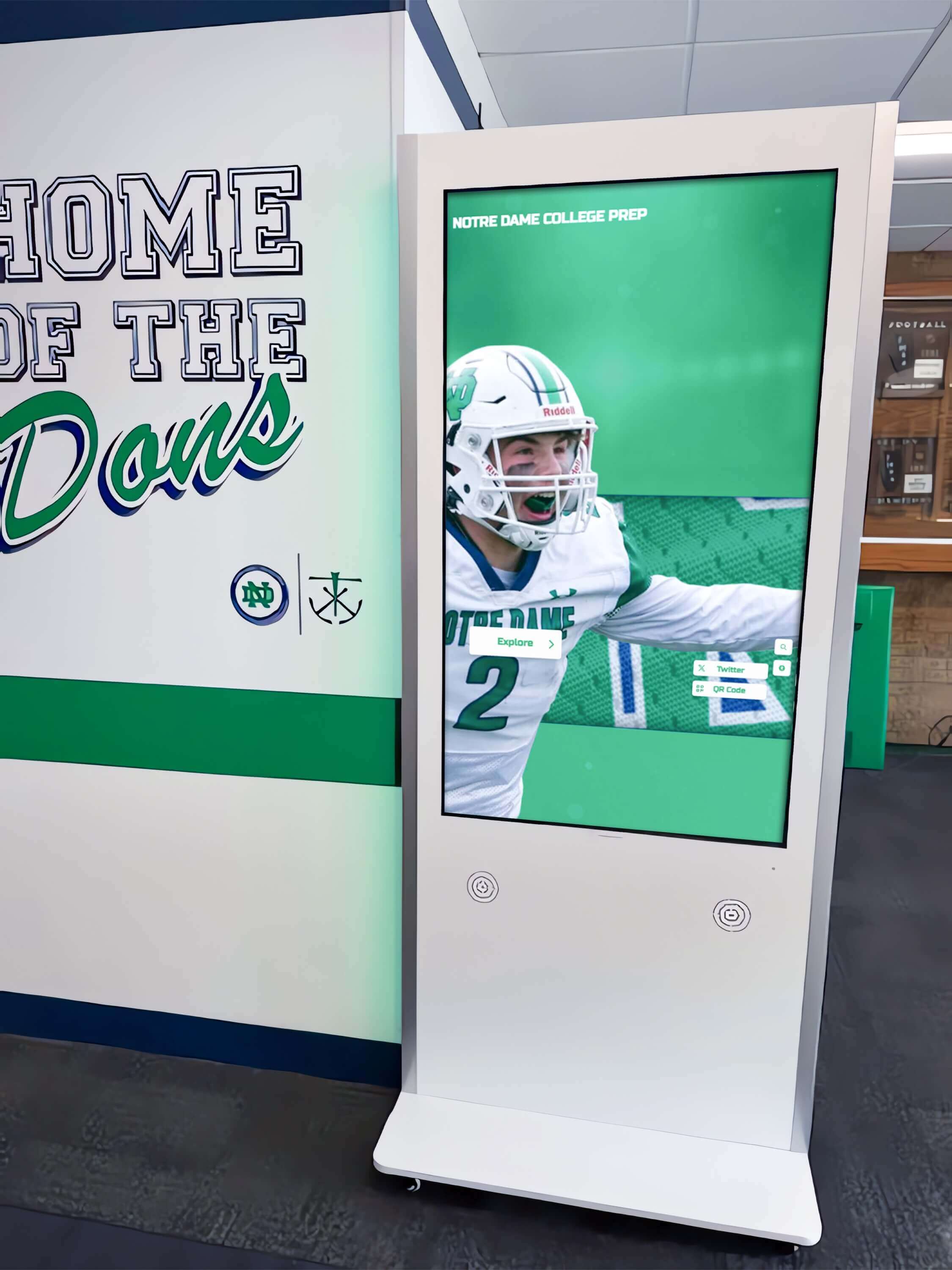
Flexible systems adapt to various club types and member needs while maintaining professional appearance
Conclusion: Transforming Golf Club Experience Through Modern Leaderboards
Golf course leaderboard displays represent far more than simple scorekeeping tools—they function as comprehensive member engagement platforms, operational efficiency systems, and powerful recognition programs that preserve club heritage while creating dynamic competitive environments. When properly selected and implemented, digital leaderboards transform tournament operations while providing year-round member value through persistent display of achievements, competitions, and club history.
The strategies explored throughout this guide provide comprehensive frameworks for evaluating, implementing, and maximizing leaderboard systems that serve immediate tournament needs while building long-term member engagement. From understanding technology options and essential features to implementing strategic placement and measuring ongoing success, these approaches transform leaderboard concepts into impactful programs that elevate overall club experience.
Ready to enhance your golf course with modern leaderboard displays? Professional systems help clubs manage tournaments efficiently while creating engaging member experiences that extend well beyond competition days. Solutions like Rocket Alumni Solutions provide comprehensive platforms specifically designed for golf club applications, combining tournament leaderboards with historical recognition and member engagement features that maximize investment value.
Whether you’re implementing your first digital leaderboard or upgrading existing systems, start with clear objectives that align technology capabilities with specific club needs and member preferences. The right system serves your facility effectively for years while adapting as requirements evolve.
Your members deserve leaderboard systems that make competition enjoyable, make achievements visible, and make club history accessible to all. With thoughtful evaluation, appropriate technology selection, strategic implementation, and commitment to ongoing enhancement, you can create leaderboard displays that become treasured club features—ones that members appreciate daily, that simplify tournament operations substantially, and that preserve competitive legacy for generations to come.
The most important considerations aren’t display size, feature complexity, or system costs—they’re genuine alignment with club culture, sustainable management within operational capabilities, and authentic commitment to member experience enhancement. Your club’s unique character and member priorities should guide all technology decisions, ensuring systems genuinely serve rather than distract from the golf experience you’re working to provide.
Start where you are with improvements you can implement given current resources and capabilities, then systematically build toward comprehensive approaches your members deserve. The journey toward excellent leaderboard systems begins with single thoughtful steps, not perfect solutions implemented overnight. Your members will appreciate visible progress as you enhance their competitive golf experience through technology that genuinely serves rather than complicates their club enjoyment.