Golf Chipping Technique: Master the Short Game With Step-by-Step Drills and Pro Tips
- Home /
- Digital Hall of Fame Insights & Resources /
- Golf Chipping Technique: Master the Short Game with Step-by-Step Drills and Pro Tips
The Easiest Touchscreen Solution




Live Example: Rocket Alumni Solutions Touchscreen Display
Interact with a live example (16:9 scaled 1920x1080 display). All content is automatically responsive to all screen sizes and orientations.
The short game separates good golfers from great ones, and chipping technique forms the foundation of scoring success around the greens. While driving distance captures attention and putting garners glory, proficient chipping transforms difficult situations into routine pars and converts missed greens into unexpected birdie opportunities. Tour professionals routinely get up-and-down from greenside positions 60-70% of the time—a statistical advantage built entirely on systematic chipping fundamentals and deliberate practice protocols.
Yet most amateur golfers struggle with inconsistent chip shots that produce unpredictable results: bladed shots racing across greens, chunked attempts advancing only inches, or skulled chips that fly uncontrollably toward trouble. These frustrating outcomes stem not from lack of athletic ability but from undefined technique fundamentals, inappropriate club selection for specific situations, inconsistent setup positions creating mechanical variability, and practice methods that reinforce poor patterns rather than building reliable skills.
This comprehensive guide provides systematic golf chipping technique instruction covering proper setup fundamentals, swing mechanics that produce consistent contact, club selection strategies matching shot requirements, proven drill progressions that accelerate skill development, and practice frameworks transforming occasional success into reliable performance under competitive pressure.
Mastering chipping technique requires understanding that these shots demand precision rather than power, repeatability rather than variability, and systematic development rather than hopeful experimentation. Players who commit to deliberate chipping practice with proper fundamentals report dramatic scoring improvements—typically saving 3-5 strokes per round through improved short game conversion rates.

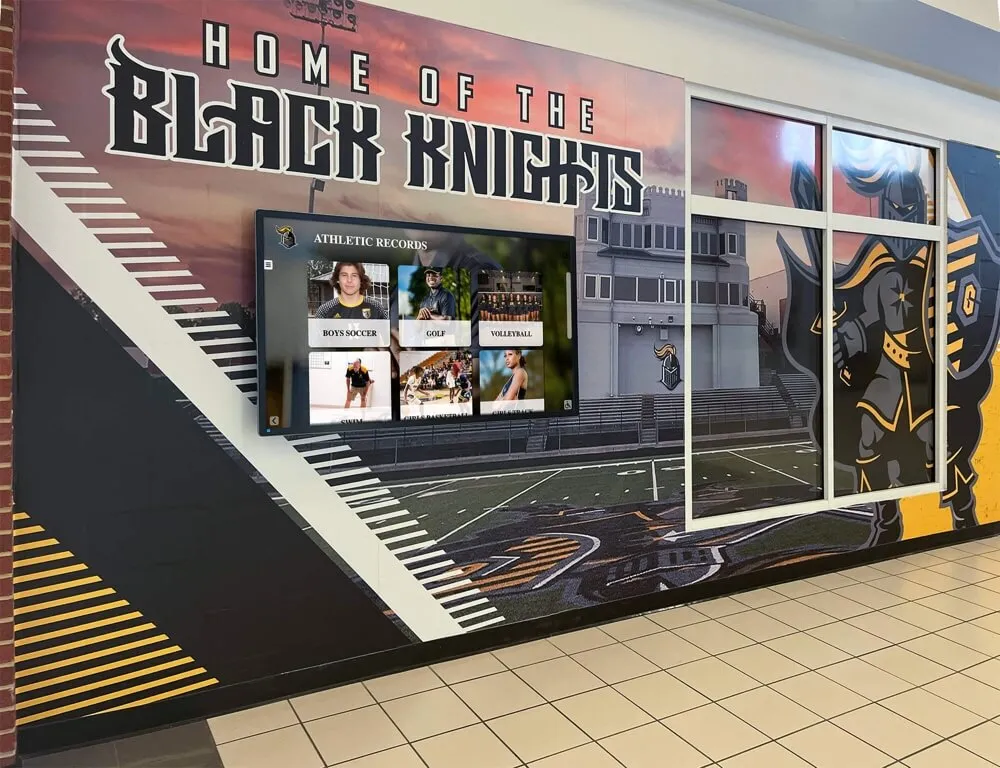
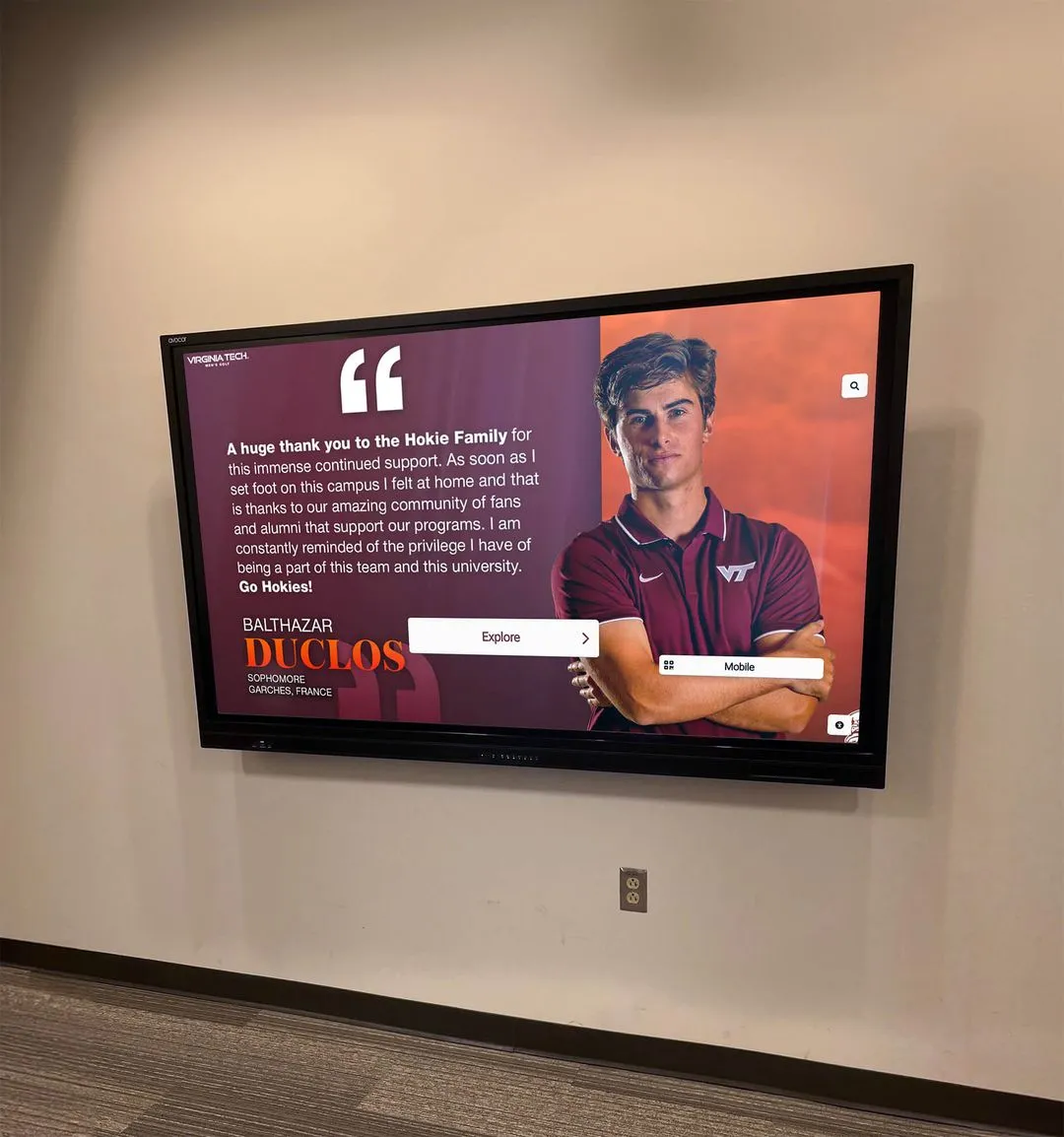
Successful golf programs celebrate achievement milestones including short game excellence through modern recognition displays
Understanding Golf Chipping Fundamentals: Building the Technical Foundation
Before practicing specific drills or shots, establishing core chipping fundamentals creates the technical foundation supporting consistent execution across varying situations.
Proper Chipping Setup Position
Effective chips begin with consistent setup positions that promote clean contact and predictable ball flight:
Stance Width and Ball Position
Optimal chipping setup includes:
- Narrow stance approximately 6-12 inches between feet
- Ball position back of center, typically off back foot instep
- Weight distribution favoring front foot (60-70% forward)
- Hands positioned ahead of ball creating forward shaft lean
- Shorter grip on club promoting control and feel
Body Alignment and Posture
Proper alignment creates consistent swing paths:
- Open stance with front foot pulled back from target line
- Hip and shoulder alignment slightly left of target (for right-handed players)
- Spine tilted slightly toward back foot
- Arms hanging naturally with tension-free grip
- Eyes positioned directly over ball at address
Club Face and Shaft Angle
Setup geometry determines impact characteristics:
- Square club face relative to target line
- Shaft leaning forward toward target creating de-lofted position
- Hands ahead of ball throughout stroke
- Consistent grip pressure maintaining control without tension
- Club sole making full contact with ground preventing digging
Golf programs celebrating distinguished alumni achievements often highlight short game proficiency as a defining characteristic of exceptional players who excelled at competitive levels.
The Chipping Swing Motion: Technique Fundamentals
Unlike full swings requiring significant rotation and power generation, effective chipping employs compact controlled movements:
Backswing Mechanics
Proper takeaway establishes consistent contact:
- Minimal wrist hinge maintaining triangle formed by arms and shoulders
- Shoulders and arms move together as connected unit
- Limited hip rotation keeping lower body quiet and stable
- Backswing length appropriate to required shot distance
- Weight remaining on front foot throughout backswing
Downswing and Impact Fundamentals
Contact quality determines shot success:
- Hands leading club head through impact zone
- Forward shaft lean maintained through contact
- Ball-first contact with crisp descending blow
- Minimal ground contact after ball (brushing turf, not digging)
- Stable lower body preventing unnecessary movement
Follow-Through and Finish Position
Complete motion ensures proper acceleration:
- Follow-through matching backswing length
- Club face remaining square through impact zone
- Weight finishing on front foot
- Chest rotating toward target
- Balanced finish position held momentarily
Common Chipping Errors and Corrections
Understanding typical mistakes helps players develop more effective practice approaches:
Setup Position Errors
Problematic setup patterns include:
- Ball position too far forward causing inconsistent contact
- Excessive stance width reducing control and feel
- Weight distributed evenly or favoring back foot
- Hands positioned behind ball creating scooping motion
- Grip pressure too tight restricting natural swing
Swing Execution Problems
Technical errors during motion include:
- Excessive wrist hinge creating flipping action through impact
- Decelerating through contact producing inconsistent distance control
- Rising up during swing altering club path and contact point
- Active lower body creating unnecessary complexity
- Trying to “help” ball into air by scooping rather than trusting loft
Club Selection for Different Chipping Situations
Choosing appropriate clubs for specific shots significantly impacts success rates:
High-Loft Wedges (58-60 degrees)
Best for:
- Minimal green to work with between landing area and hole
- Shots requiring quick stopping action
- Bunker-adjacent positions needing soft landing
- Elevated greens demanding high trajectory
- Tight lies where clean contact is achievable
Mid-Loft Wedges (52-56 degrees)
Optimal for:
- Moderate green available for roll
- Standard chip-and-run shots
- Most common greenside positions
- Versatile situations requiring balance of flight and roll
- Preferred choice for developing fundamental technique
Lower-Loft Options (PW, 9-iron, 8-iron)
Effective for:
- Significant green between landing spot and hole
- Bump-and-run shots from tight lies
- Running chips from fringe positions
- Firm green conditions favoring roll over flight
- Situations where minimizing air time reduces risk
High school and college golf programs utilizing digital recognition displays frequently showcase technical achievement milestones including short game proficiency metrics alongside competitive accomplishments.
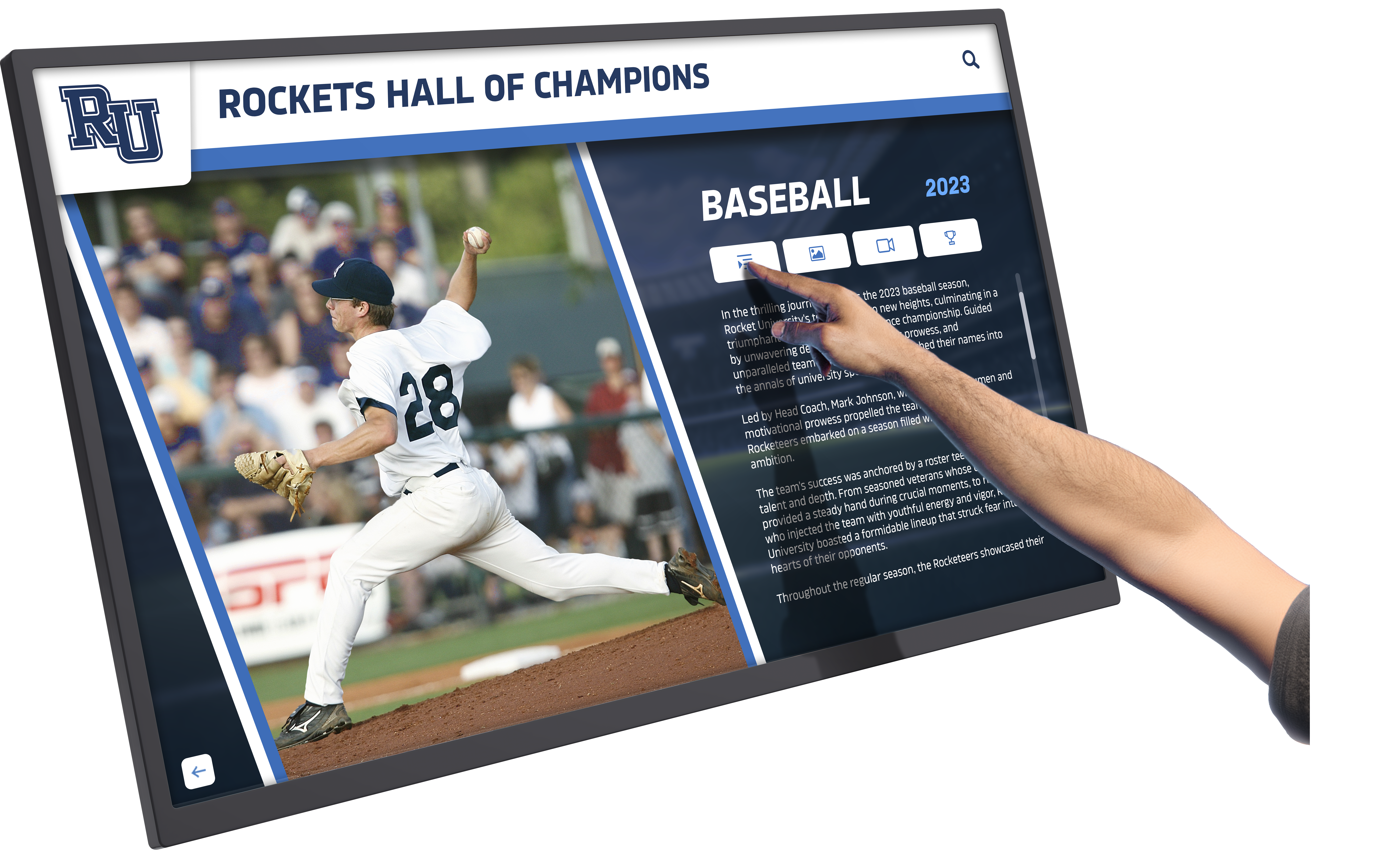
Modern recognition platforms allow programs to document skill progression and celebrate mastery of fundamental techniques
Step-by-Step Chipping Drills: Progressive Skill Development
Systematic drill progressions build chipping proficiency through deliberate practice targeting specific technical elements and performance outcomes.
Drill 1: The Gate Drill—Developing Path Control
This fundamental drill develops consistent swing path and club face control:
Setup and Execution
- Place two alignment sticks or clubs parallel to target line, 6 inches apart
- Position gate just beyond ball creating narrow path club must pass through
- Practice swinging club head through gate without contact
- Focus on square club face and straight-back, straight-through path
- Start with practice swings, progress to hitting balls through gate
Success Metrics
- Clean passage through gate without touching alignment aids
- Consistent ball starting direction
- Improved awareness of club face orientation
- Development of repeatable swing path
Progressive Challenges
- Narrow gate width as skill improves
- Add second gate on follow-through side
- Vary distances while maintaining path control
- Practice from different lies and positions
Drill 2: Distance Ladder—Mastering Distance Control
This drill develops precise distance control across varying shot lengths:
Setup and Execution
- Place targets at 10, 15, 20, 25, and 30 feet from chipping position
- Use consistent technique hitting chips to each distance
- Focus on backswing length variations creating distance differences
- Maintain constant tempo and rhythm across all distances
- Track success rate at each distance checkpoint
Practice Protocol
- Hit 5 chips to each target distance before progressing
- Target must be within 3-foot radius to count as successful
- Reset to shortest distance after any miss
- Complete entire ladder without miss to finish drill
Skill Development Focus
- Backswing length directly correlates with shot distance
- Tempo remains consistent regardless of required distance
- Feel development enabling precise distance estimation
- Confidence building through successful execution patterns
Drill 3: One-Handed Chipping—Building Proper Motion
Practicing with single-hand contact drills isolates proper motion mechanics:
Lead Hand Only (Left for Right-Handed Players)
- Grip club with lead hand only
- Execute normal chipping motion maintaining technique fundamentals
- Focus on leading with hands through impact
- Develop awareness of proper swing sequence
- Build strength in lead-hand control
Trail Hand Only (Right for Right-Handed Players)
- Chip using only trail hand
- Emphasizes feeling proper release and club face control
- Develops touch and distance awareness
- Identifies reliance on dominant hand compensations
- Builds balanced bilateral coordination
Integration Phase
- Return to two-handed grips after single-hand practice
- Notice improved awareness of each hand’s role
- Develop more connected feeling in full technique
- Enhanced consistency from better understanding of mechanics
Drill 4: Coin Drill—Achieving Ball-First Contact
This precision drill ensures clean ball-first contact eliminating chunk shots:
Setup and Execution
- Place coin (quarter or similar) on ground
- Position ball directly on top of coin
- Execute chip shot focusing on striking ball first
- Successful execution lifts ball while coin remains in place or moves minimally forward
- Failed attempts move coin backward or produce chunked contact
Technical Focus
- Forward shaft lean through impact
- Hands ahead of ball throughout stroke
- Descending blow rather than scooping action
- Weight maintained on front foot
- Confidence in trusting club’s loft
Progressive Variations
- Use different coin sizes as skill improves (dimes require greater precision)
- Practice from various lies including tight and fluffy
- Combine with specific distance targets
- Execute under pressure scenarios (consequences for failures)
Schools celebrating athletic excellence through digital wall of fame installations often feature golf program achievements including short game proficiency standards and skill development milestones.
Drill 5: Landing Spot Drill—Visualizing Shot Trajectory
Developing precise landing spot awareness improves consistency and course management:
Setup and Execution
- Place marker (towel, disc, or circle) on green at intended landing spot
- Visualize ball flight and subsequent roll to hole
- Execute chip attempting to land ball on target marker
- Observe actual versus intended landing position
- Adjust club selection or swing length based on results
Distance Ratios to Master
Different clubs produce consistent flight-to-roll ratios:
- 60-degree wedge: Approximately 1:1 (equal flight and roll)
- 56-degree wedge: Approximately 1:2 (twice as much roll as flight)
- 52-degree wedge: Approximately 1:3 (three times more roll than flight)
- Pitching wedge: Approximately 1:4 (four times more roll)
- 9-iron: Approximately 1:5 (five times more roll)
Skill Development
- Precise landing spot selection based on club choice
- Understanding trajectory and roll characteristics
- Course management decision-making improvement
- Confidence in pre-shot visualization
- Reduced reliance on perfect execution through smart strategy
Drill 6: Pressure Practice—Simulating Competitive Situations
Building reliable performance under pressure requires simulation training:
Up-and-Down Challenge
- Place balls in 10 different positions around practice green
- Each position requires getting up-and-down (chip and one putt)
- Track success rate across all positions
- Assign consequences for failures (restart, additional repetitions)
- Create competitive scenarios with practice partners
Progressive Pressure Elements
- Start with moderate difficulty positions
- Add challenging lies and awkward stances
- Include time constraints creating urgency
- Implement scoring systems tracking improvement
- Practice during physical or mental fatigue

Comprehensive recognition systems celebrate technical mastery alongside competitive achievements in golf programs
Advanced Chipping Techniques: Expanding Your Short Game Arsenal
Once fundamental technique becomes reliable, adding specialty shots expands capability in challenging situations.
The Flop Shot: High-Trajectory Short-Distance Chip
The flop shot provides solutions when minimal green is available:
Setup Modifications
- Significantly open stance and club face
- Ball position forward in stance
- Weight distributed more evenly than standard chips
- Wider swing arc with increased wrist hinge
- Higher hands at address opening face further
Execution Technique
- Aggressive acceleration through impact essential
- Slide club under ball rather than striking ball first
- Maintain open face through impact zone
- Full follow-through despite short distance requirement
- Confidence essential—commitment prevents deceleration
When to Use
- Bunker directly between ball and hole
- Extremely elevated greens
- Severe downhill slopes from landing area to hole
- Minimal green available for roll
- Soft conditions favoring high trajectory
Practice Considerations
- Higher risk technique requiring significant practice
- Precision landing essential due to minimal roll
- Clean contact critical—marginal strikes produce poor results
- Confidence built through successful repetitions
- Conservative alternatives often provide better risk-reward ratios
The Bump-and-Run: Low-Trajectory Running Chip
This traditional shot offers reliability in many situations:
Technical Approach
- Ball position back in stance
- Significant forward shaft lean
- Minimal wrist hinge creating putting-style motion
- Club selection favoring lower lofts (8-iron through PW)
- Weight heavily favoring front foot
Ideal Situations
- Firm green conditions
- Significant green between landing area and hole
- Wind conditions making high shots unpredictable
- Uphill approaches to holes
- Tight lies where clean contact is uncertain
Advantages Over Higher Chips
- Reduced margin for error in execution
- More predictable ball behavior after landing
- Less affected by wind conditions
- Easier to execute from challenging lies
- Lower risk with similar reward potential
Athletic programs recognizing achievement through interactive touchscreen displays enable golfers to explore program history while identifying technical benchmarks and competitive standards.
Chipping from Challenging Lies
Real golf presents imperfect conditions requiring technical adjustments:
Tight Lies
Clean contact from hardpan or tight fairway lies:
- Ball position slightly forward from standard setup
- Shallower angle of attack minimizing ground contact
- Lower-loft club selection when possible
- Bump-and-run technique often most reliable
- Commitment to clean strike without tentative deceleration
Fluffy Lies
Thick rough around greens demands specific approach:
- Ball position more centered preventing club catching grass
- Steeper angle ensuring club reaches ball
- Firmer grip preventing twisting through thick grass
- Higher-loft clubs cutting through grass more effectively
- Acceptance of less spin and control from these positions
Course Management for Chipping Success
Strategic decision-making improves up-and-down conversion rates:
Assessing Risk-Reward Ratios
Smart decisions around greens include:
- Identifying safest miss locations for specific pins
- Choosing conservative options in high-pressure situations
- Recognizing when aggressive play is strategically justified
- Understanding personal skill limitations in shot selection
- Accepting bogey rather than risking double-bogey or worse
Reading Green Contours
Short game excellence requires putting green understanding:
- Visualizing ball roll after landing based on slope
- Identifying appropriate landing areas for specific hole locations
- Understanding speed variations across green surfaces
- Planning chips that create easier subsequent putts
- Using green’s natural slopes to assist rather than fighting them
Building an Effective Chipping Practice Routine
Systematic practice routines accelerate skill development more effectively than unstructured hitting:
Structured 30-Minute Chipping Practice Session
Efficient practice maximizes improvement within realistic time constraints:
Warm-Up Phase (5 minutes)
- 10-15 chips from comfortable distance focusing on technique
- Vary clubs experiencing different trajectories
- No specific target pressure—focus purely on solid contact
- Mental preparation establishing positive mindset
- Physical warm-up preventing injury
Fundamental Drill Work (10 minutes)
- Gate drill: 10 repetitions developing path control
- Coin drill: 10 repetitions ensuring ball-first contact
- One-handed chips: 5 each hand developing proper motion
- Focus on execution quality rather than outcome
Distance Control Practice (10 minutes)
- Distance ladder drill progressing through multiple distances
- Landing spot drill with various clubs
- Track success rates identifying improvement areas
- Develop consistent feel across distance ranges
Pressure Simulation (5 minutes)
- Up-and-down challenge from 5 different positions
- Track success rate over time measuring improvement
- Create competitive scenarios building mental toughness
- Finish practice with successful executions when possible
Long-Term Development Planning
Sustained improvement requires progressive challenge over months and years:
Beginner Phase (Months 1-3)
Focus areas include:
- Establishing consistent setup positions
- Developing reliable contact with mid-loft wedge
- Basic distance control across 10-30 foot range
- Building confidence through successful repetitions
- Understanding club selection fundamentals
Intermediate Phase (Months 4-12)
Progression includes:
- Expanding club selection repertoire
- Developing specialty shots (flop, bump-and-run)
- Improving from challenging lies
- Pressure practice building competitive reliability
- Course management decision-making development
Advanced Phase (Year 2+)
Continued development focuses on:
- Consistent up-and-down conversion in competitive play
- Mastery of specialty techniques
- Strategic decision-making excellence
- Confidence under pressure situations
- Teaching and helping others develop skills
Schools implementing comprehensive athletic recognition programs that celebrate skill development alongside competitive results often report enhanced player motivation and accelerated technical progression.

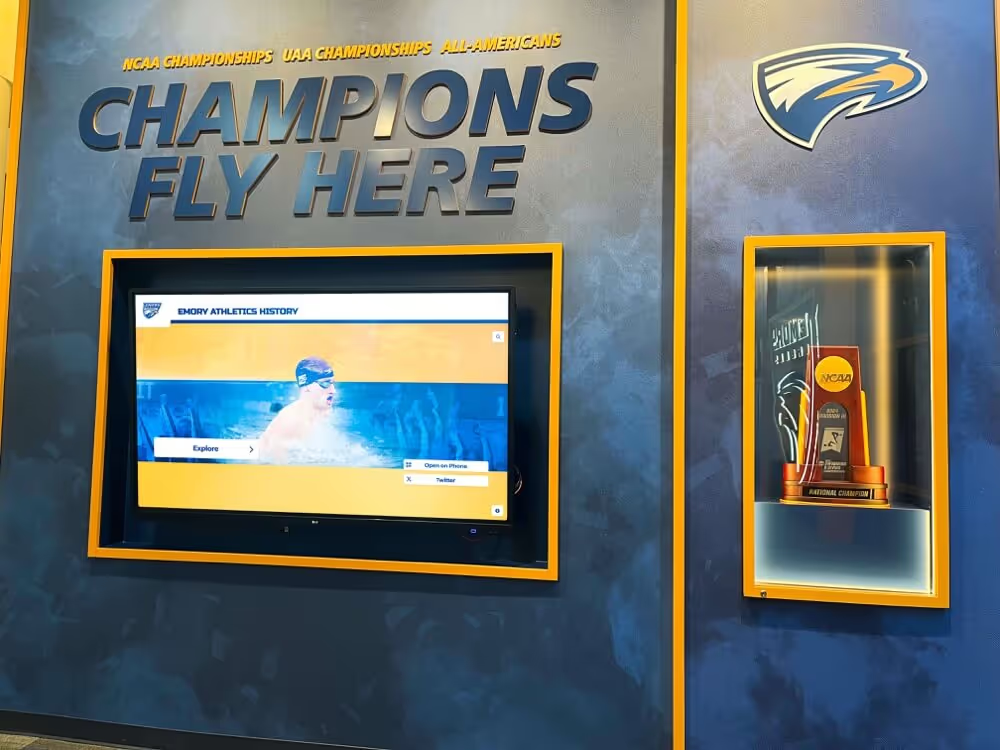
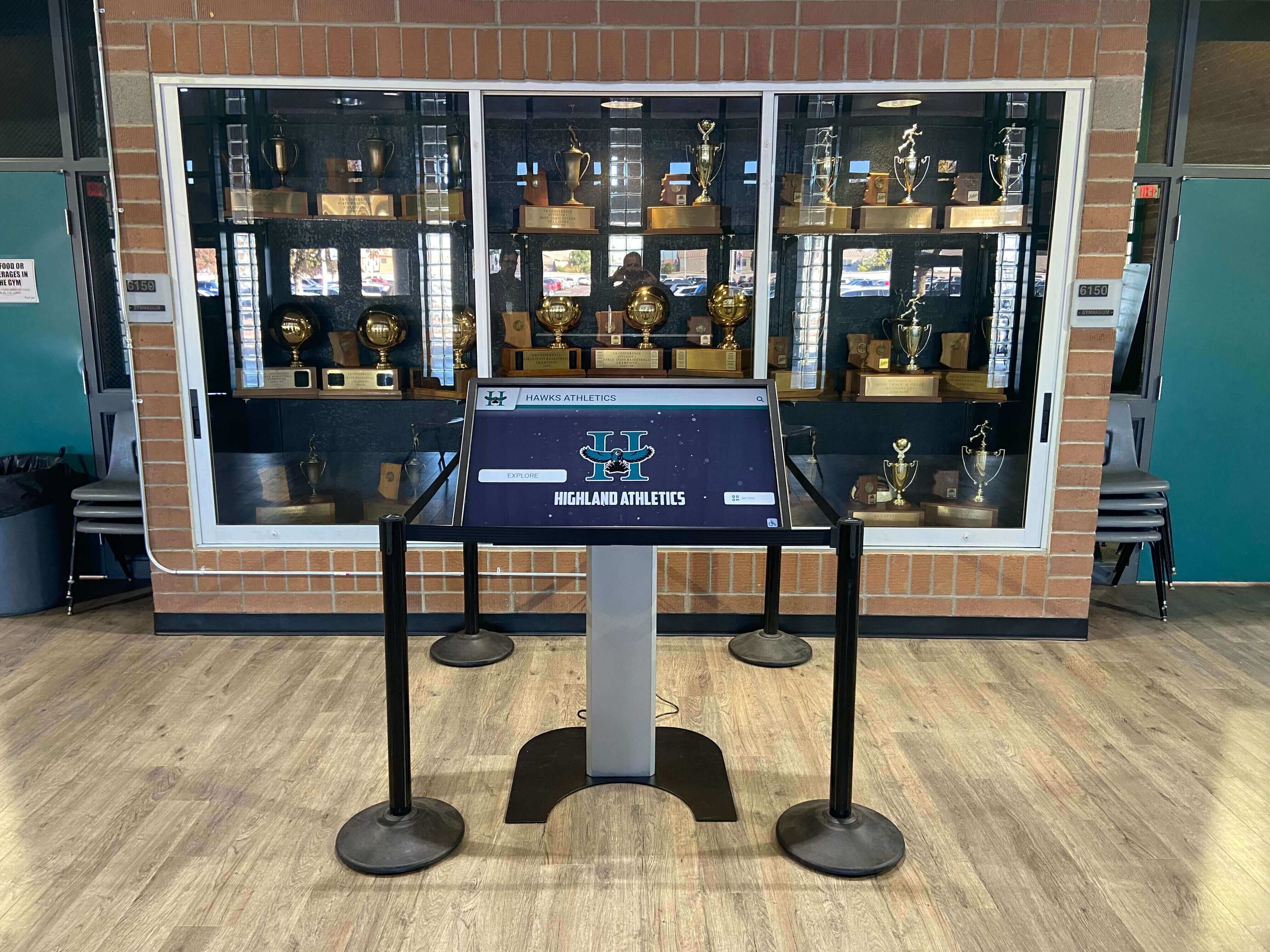
Modern facilities integrate traditional trophy displays with digital recognition systems documenting technical and competitive excellence
Mental Approach to Chipping: Building Confidence and Consistency
Technical proficiency alone doesn’t ensure chipping success—mental approach significantly impacts performance:
Pre-Shot Routine Development
Consistent routines reduce variability and build confidence:
Physical Routine Elements
Repeatable preparation includes:
- Reading lie and assessing situation variables
- Selecting appropriate club for shot requirements
- Taking practice swing rehearsing intended motion
- Visualizing ball flight and roll to hole
- Establishing setup position with precision
Mental Preparation Components
Psychological readiness involves:
- Committing fully to selected shot and club choice
- Eliminating doubt and negative outcome visualization
- Focusing on process (technique) rather than result
- Maintaining positive self-talk and expectation
- Accepting outcomes without emotional reactivity
Managing Pressure in Competitive Situations
Tournament performance requires mental skills beyond practice proficiency:
Pressure Response Strategies
Effective approaches include:
- Breathing techniques managing physiological arousal
- Narrowing focus to immediate task eliminating distractions
- Trusting practiced technique rather than over-controlling
- Accepting increased difficulty under pressure as normal
- Using previous successes building confidence
Learning from Mistakes
Growth mindset development includes:
- Analyzing failures identifying specific technical breakdowns
- Avoiding global negative judgments (“I’m terrible at chipping”)
- Implementing specific corrections in subsequent practice
- Maintaining perspective—even professionals miss chips regularly
- Building resilience through continued effort despite setbacks
Visualization and Mental Practice
Mental rehearsal accelerates learning and builds confidence:
Effective Visualization Techniques
- Creating detailed mental images of successful executions
- Practicing mentally during non-physical practice periods
- Visualizing specific challenging scenarios and successful outcomes
- Engaging multiple senses in mental rehearsal (feel, sound, sight)
- Spending time visualizing before actual shot execution
Programs celebrating golf achievements through digital recognition displays often feature technical skill achievements alongside competitive accomplishments, emphasizing fundamental excellence.
Tracking Progress and Setting Achievement Goals
Systematic measurement enables data-driven improvement and motivation maintenance:
Key Performance Metrics for Chipping
Quantifiable measurements revealing skill level include:
Up-and-Down Percentage
Most important short game statistic:
- Track percentage of times getting up-and-down from around greens
- Professional benchmark: 60-70% from favorable positions
- Collegiate competitive standard: 50-60%
- Developing player target: 40-50%
- Measure over sufficient sample size (minimum 20 attempts)
Distance Control Accuracy
Precision measurement includes:
- Average distance from hole on chips from various distances
- Target: Within 3 feet from 30 feet and closer
- Track separately for different distance ranges
- Monitor improvement over time
- Identify specific distance ranges needing work
Contact Quality Consistency
Execution reliability metrics:
- Percentage of clean ball-first contact
- Frequency of chunked or bladed shots
- Success rate from different lie types
- Consistency across different clubs
- Performance under pressure versus practice
Setting Systematic Improvement Goals
Effective goal-setting drives deliberate practice:
Short-Term Goals (Weekly/Monthly)
Achievable targets include:
- Practice frequency commitments (3x per week minimum)
- Specific drill completion targets
- Measured improvement in key metrics
- Mastery of specific technique elements
- Successful execution under simulated pressure
Long-Term Goals (Quarterly/Annually)
Strategic objectives include:
- Overall up-and-down percentage targets
- Competitive scoring improvements attributable to short game
- Mastery of specialty shots expanding capability
- Consistent performance under tournament pressure
- Ability to teach and explain technique to others
High school and college golf programs utilizing interactive achievement displays can document short game proficiency milestones alongside competitive achievements, creating comprehensive player development records.

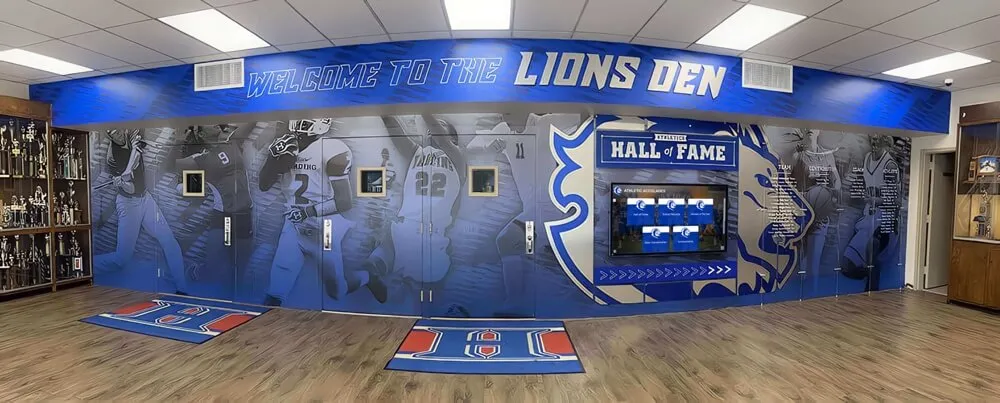
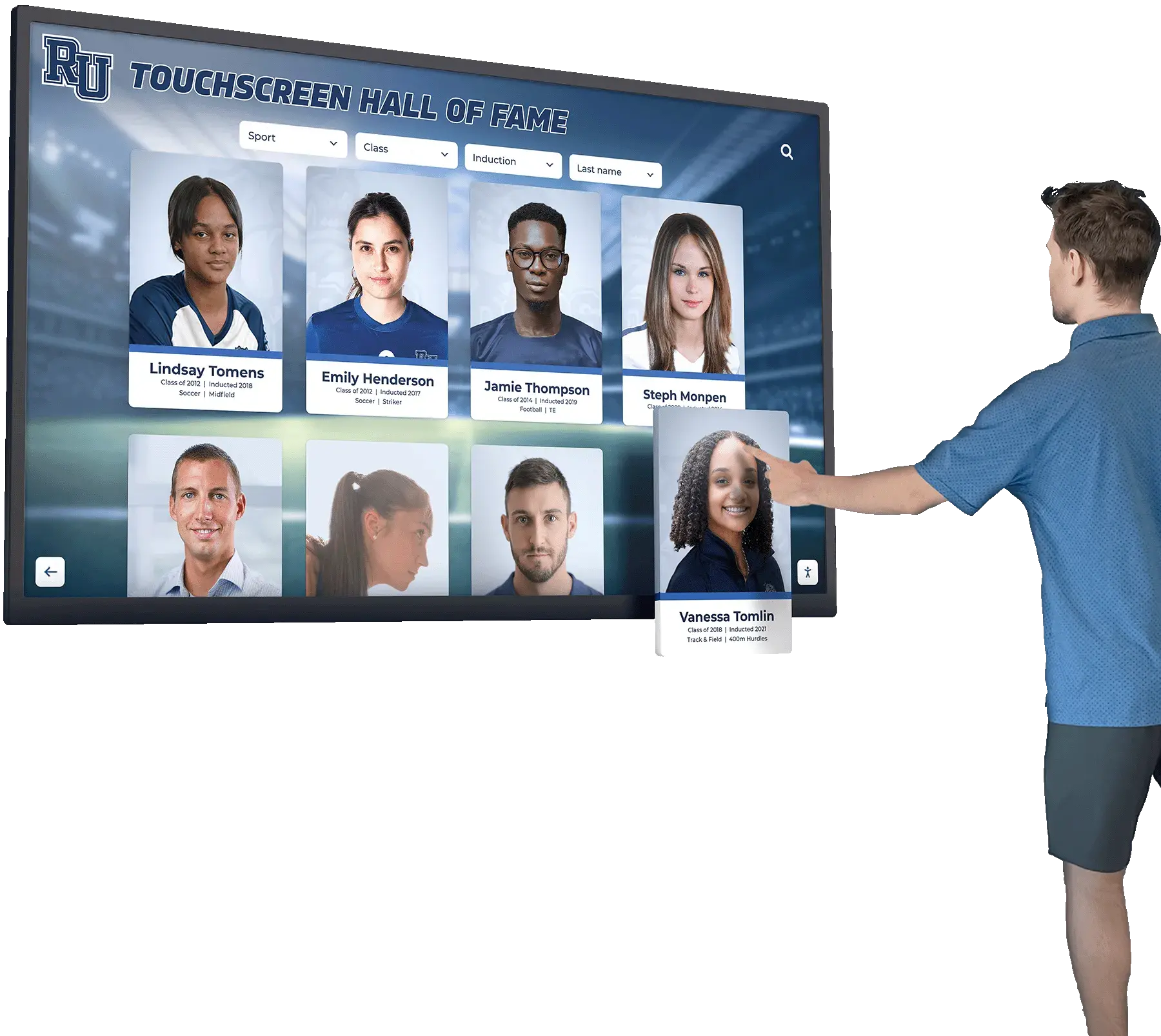
Champion recognition displays celebrate both competitive success and the technical mastery that enables elite performance
Common Questions About Golf Chipping Technique
Understanding frequently asked questions helps players avoid common misconceptions and develop more effective practice approaches.
What’s the Difference Between Chipping and Pitching?
While both are short game shots, key distinctions exist:
Chipping Characteristics
- Lower ball flight with more roll than carry
- Minimal wrist hinge and compact swing
- Ball position back in stance
- Weight heavily favoring front foot
- Generally used closer to green from shorter distances
Pitching Characteristics
- Higher ball flight with more carry than roll
- Increased wrist hinge and longer swing
- Ball position more centered in stance
- More athletic motion with greater rotation
- Used from longer distances requiring increased carry
Should Beginners Use Multiple Clubs or Master One First?
Strategic learning progression matters:
Single-Club Mastery Approach
Benefits include:
- Faster development of consistent technique
- Reduced decision-making complexity during learning
- Better feel development with one club
- Clearer cause-effect feedback for adjustments
- Recommended starting point: 56-degree sand wedge
Multi-Club Progression
Once fundamental technique solidifies with primary club:
- Add lower-loft option for bump-and-run situations
- Include higher-loft wedge for specialty shots
- Develop understanding of trajectory and roll differences
- Expand shot selection repertoire systematically
- Maintain technique consistency across all clubs
How Often Should I Practice Chipping?
Practice frequency and quality both matter significantly:
Minimum Effective Practice
- 2-3 sessions weekly maintaining current skill level
- 15-30 minutes per session minimum
- Structured practice with specific goals and drills
- Quality deliberate practice beats mindless repetition
Optimal Development Schedule
- 4-5 sessions weekly for rapid improvement
- 30-45 minutes per session
- Combination of technique drills and pressure simulation
- Balance between volume and recovery preventing fatigue
- Integration with full practice rounds for context
Why Do I Struggle More in Actual Play Than Practice?
Performance variance between practice and competition stems from multiple factors:
Pressure and Consequence
- Practice eliminates negative consequences reducing anxiety
- Tournament situations trigger physiological stress responses
- Increased muscle tension affects technique execution
- Heightened focus on outcome rather than process
- Solution: Incorporate pressure simulation in practice regularly
Lie and Condition Variability
- Practice typically occurs from favorable lies
- Courses present challenging stances, slopes, and lies
- Unpredictable conditions require adaptations
- Solution: Deliberately practice from difficult positions
Decision-Making Under Uncertainty
- Practice provides unlimited attempts refining execution
- Competition requires single-attempt success
- Course management decisions add complexity
- Solution: Develop reliable pre-shot routines and conservative strategies
Schools recognizing golf excellence through modern achievement displays can celebrate short game mastery alongside competitive accomplishments, providing motivation for technical development.
Integrating Chipping Mastery Into Complete Golf Development
While specialized chipping practice accelerates short game improvement, integration with complete golf development creates well-rounded competitive players.
Balancing Practice Time Across Game Components
Strategic time allocation maximizes overall performance:
Recommended Practice Distribution
For competitive development:
- Short game (chipping, pitching, bunker): 40% of practice time
- Putting: 30% of practice time
- Full swing: 20% of practice time
- Course management and strategic play: 10% of practice time
Rationale: Scoring occurs primarily around and on greens—allocating practice time to highest-impact areas produces greatest scoring improvement.
Building Short Game Excellence Into Program Culture
Golf programs celebrating technical mastery alongside competitive success develop stronger overall player development:
Recognition of Short Game Achievements
Successful programs celebrate:
- Up-and-down conversion rate leaders
- Short game improvement milestones
- Pressure situation clutch performances
- Peer-to-peer instruction and mentorship
- Technical mastery demonstration through teaching others
Creating Practice Accountability Systems
Effective programs implement:
- Tracked practice hours with short game minimums
- Measured skill assessments at regular intervals
- Team challenges building collective improvement culture
- Veteran player mentorship of developing players
- Digital displays showcasing player development progress
Programs maintaining comprehensive records of player development through both competitive achievements and technical skill mastery create richer recognition opportunities and stronger motivation for continued improvement.
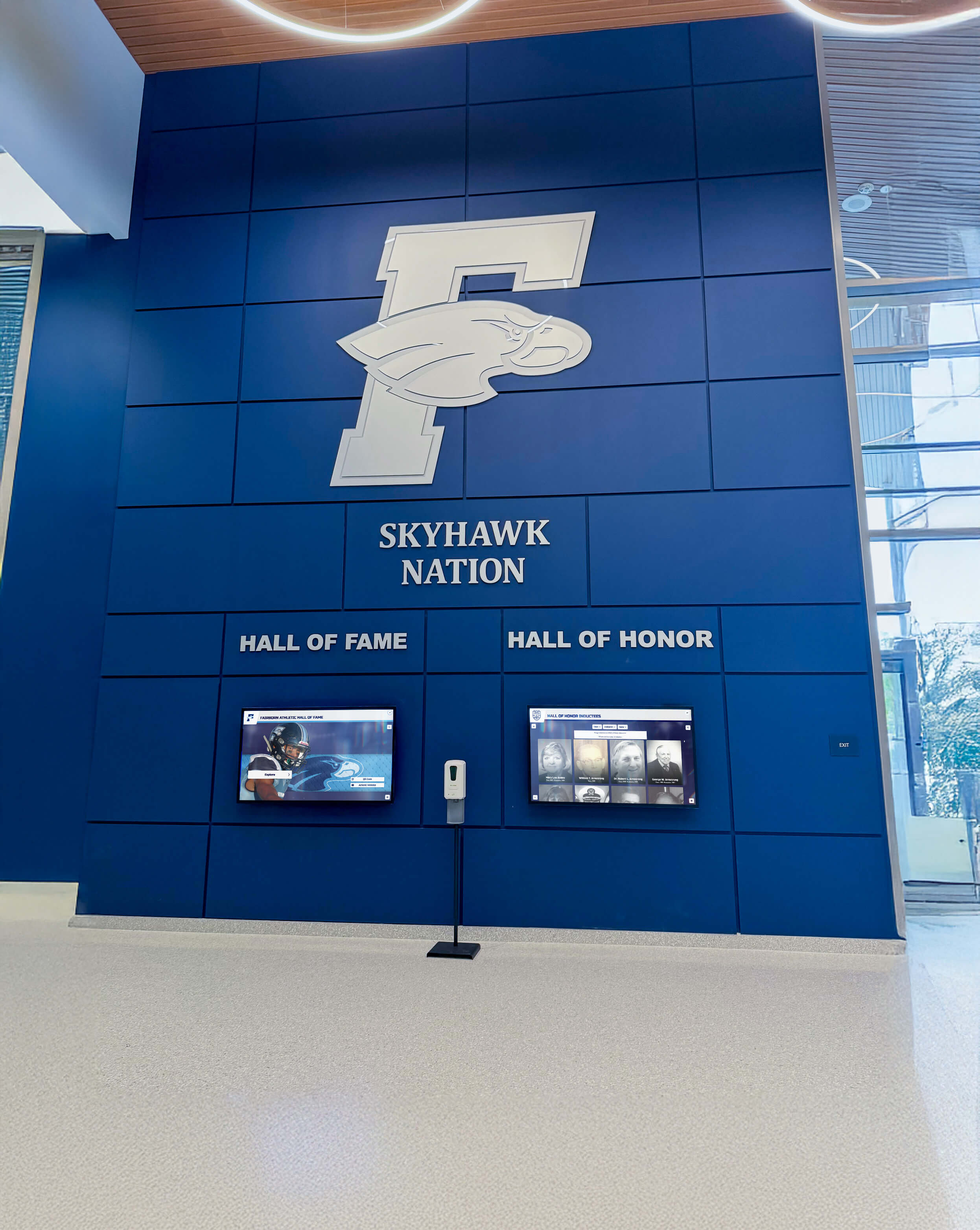
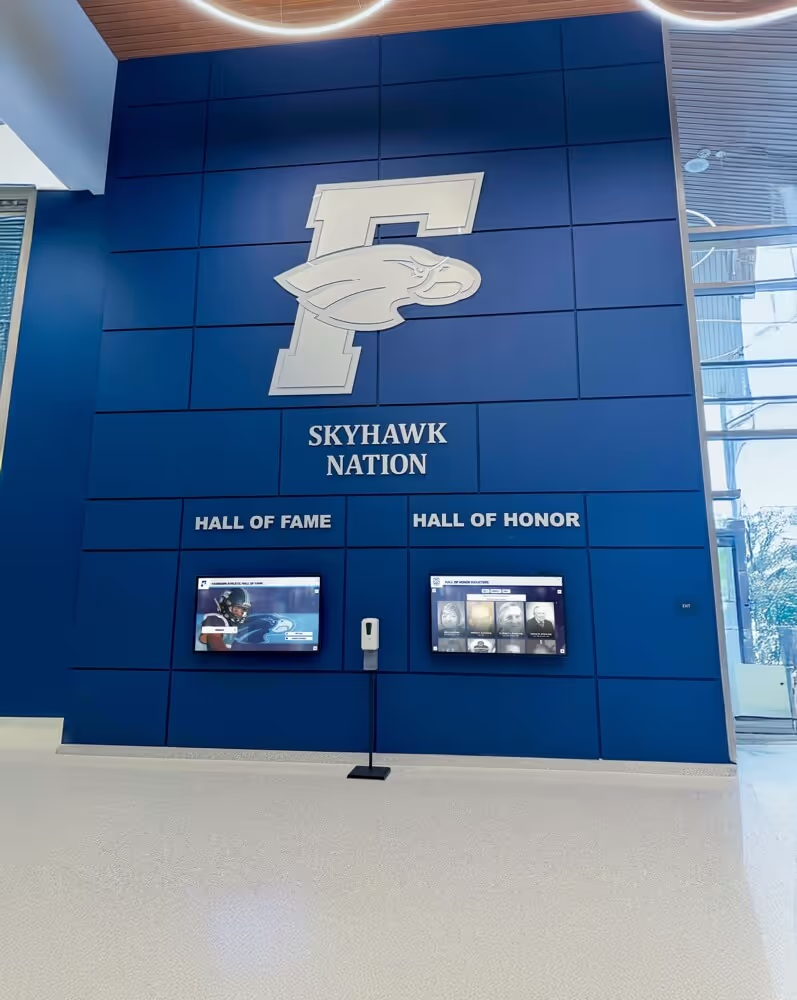
Comprehensive hall of fame displays celebrate the complete athlete—technical mastery, competitive excellence, and program contribution
Conclusion: Transforming Your Short Game Through Systematic Development
Mastering golf chipping technique represents one of the highest-return investments golfers can make in their game development. Unlike driving distance, which requires significant physical attributes and years of development, chipping proficiency can improve dramatically within months through deliberate practice following systematic protocols outlined throughout this guide.
The most successful golfers—from high school competitors through tour professionals—recognize that short game excellence separates field performance levels more significantly than any other skill component. A player with average driving distance but exceptional short game consistently outscores longer hitters lacking touch around greens. This reality makes chipping mastery not just valuable but essential for anyone serious about competitive performance or simply reducing handicaps.
Implementation begins with commitment to proper fundamentals: consistent setup positions creating reliable contact, appropriate club selection matching situation requirements, systematic drill progressions building specific skills, pressure practice developing competitive reliability, and long-term development planning ensuring continued improvement. Programs and players who embrace these systematic approaches report measurable improvement—typically 3-5 stroke reductions per round within 3-6 months of dedicated practice.
Beyond individual performance improvements, golf programs that celebrate short game excellence alongside competitive achievements through modern recognition systems create cultures valuing complete player development rather than single-dimension metrics. Rocket Alumni Solutions provides comprehensive digital recognition platforms enabling golf programs to showcase technical achievement milestones, skill development progressions, competitive accomplishments, and individual player stories—creating inspiration for current players while preserving program heritage for future generations.
Whether you’re a coach developing team short game protocols, an athlete committed to scoring improvement, or a program administrator seeking to celebrate golf excellence comprehensively, systematic chipping technique development delivers transformative results that translate directly to competitive success and personal satisfaction in the game.
Live Example: Rocket Alumni Solutions Touchscreen Display
Interact with a live example (16:9 scaled 1920x1080 display). All content is automatically responsive to all screen sizes and orientations.