



Giving Tuesday donor recognition represents a powerful opportunity for schools, colleges, universities, and nonprofits to celebrate generous supporters while creating momentum that drives additional participation. When organizations showcase Giving Tuesday donors through digital recognition displays, they transform acknowledgment into a strategic tool that validates contributors, inspires others to give, and centralizes campaign activity into a compelling hub that demonstrates community support and encourages continued engagement.
Yet many organizations struggle to maximize Giving Tuesday’s potential beyond the single day. Traditional recognition approaches—annual reports published months later, static donor walls requiring expensive updates, or email acknowledgments that disappear into inboxes—fail to create the immediate visibility and social proof that amplifies campaign success. Meanwhile, opportunities to leverage recognition as both appreciation and cultivation tool go unrealized.
This comprehensive guide explores how to implement effective Giving Tuesday donor recognition programs using digital displays and integrated systems. From showcasing supporters in real time to linking recognition with giving pages to creating centralized hubs that drive action, these strategies help organizations honor every contributor while building sustainable fundraising momentum.
Effective Giving Tuesday recognition extends beyond thanking donors—it creates visible celebration that validates giving decisions, demonstrates community participation, and inspires others to join the movement. Organizations that implement strategic recognition systems centered around digital displays gain powerful tools for honoring contributors immediately while converting recognition visibility into ongoing engagement and future support.

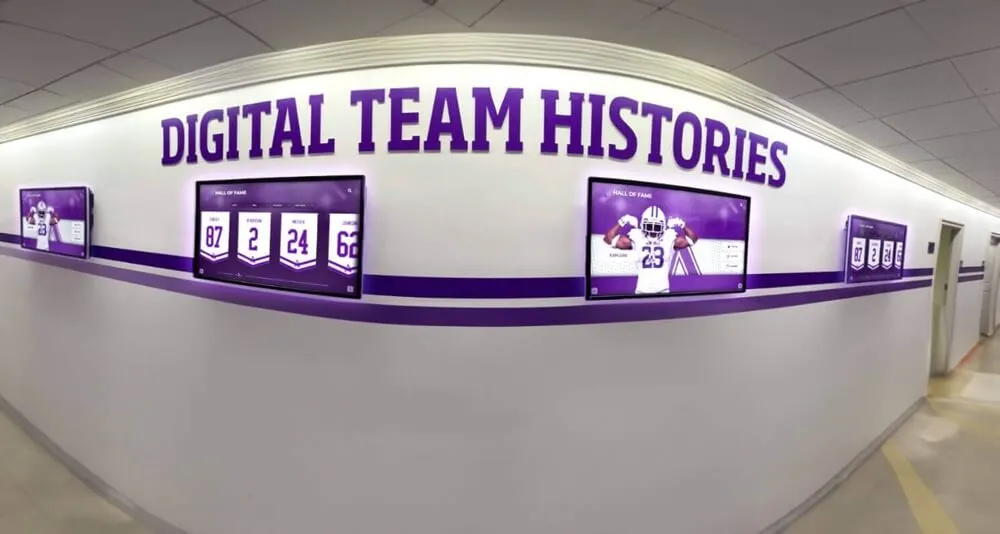
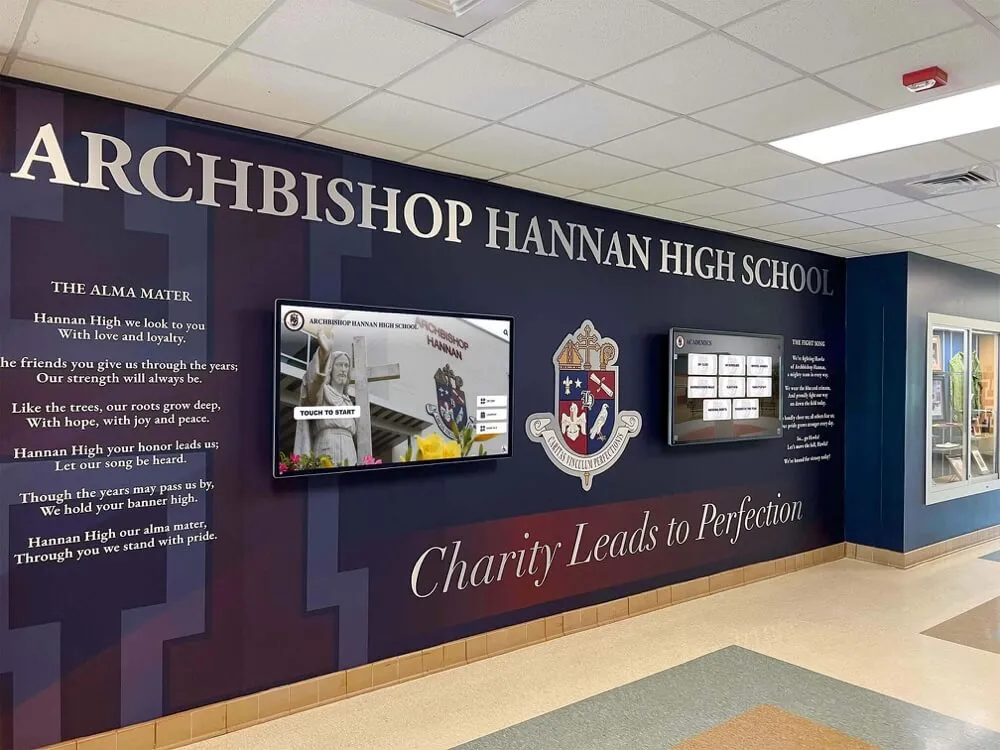
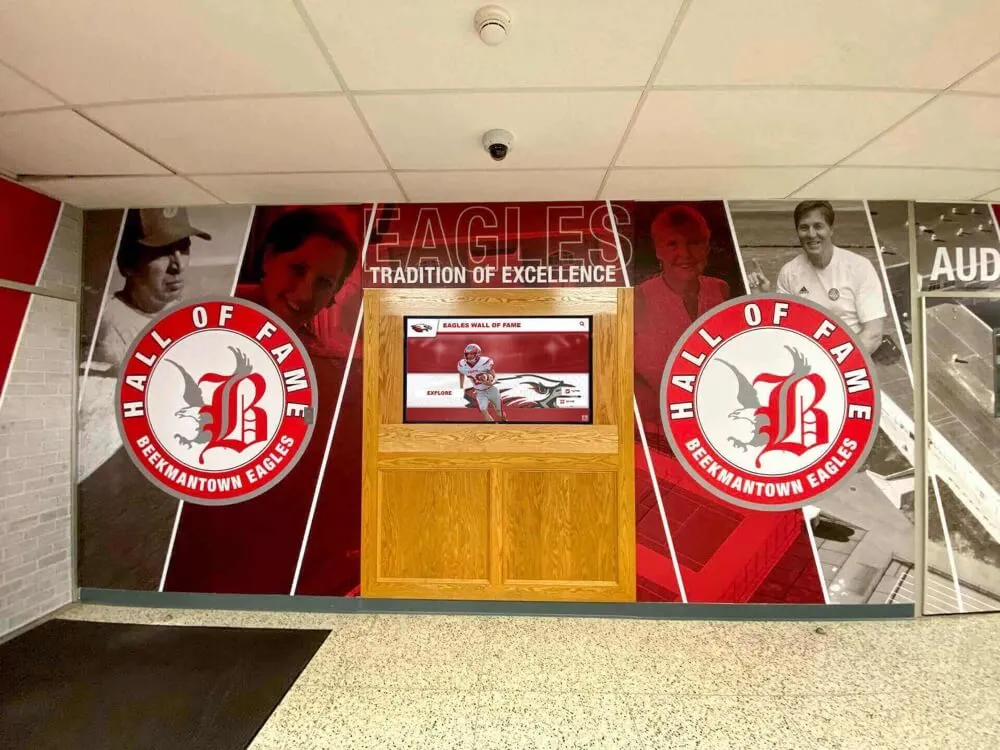
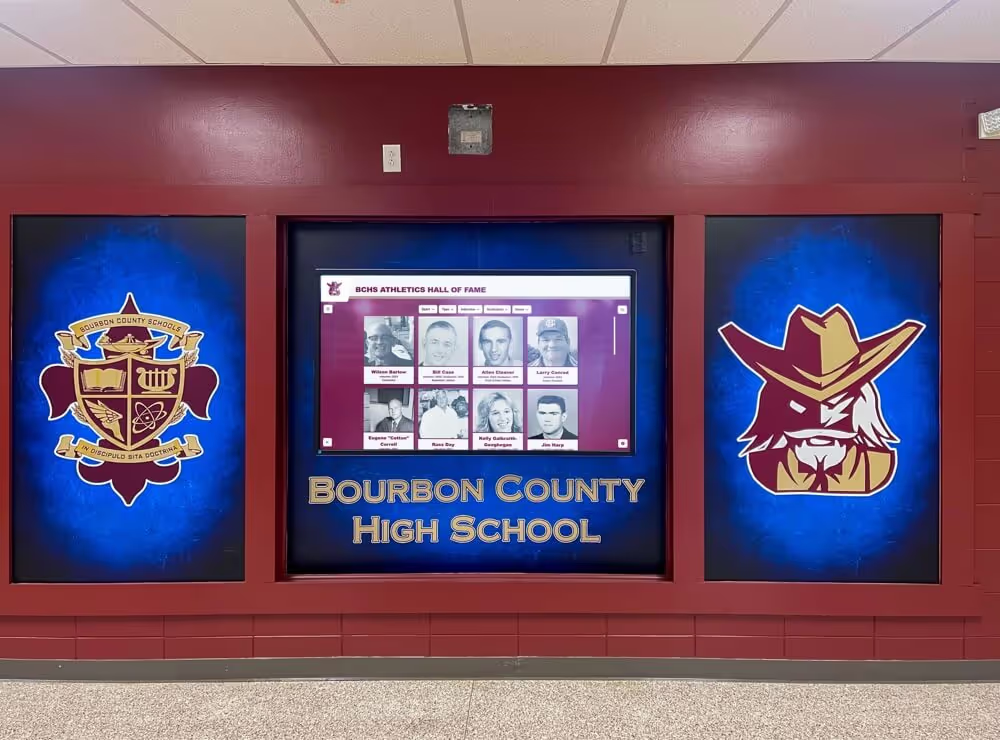
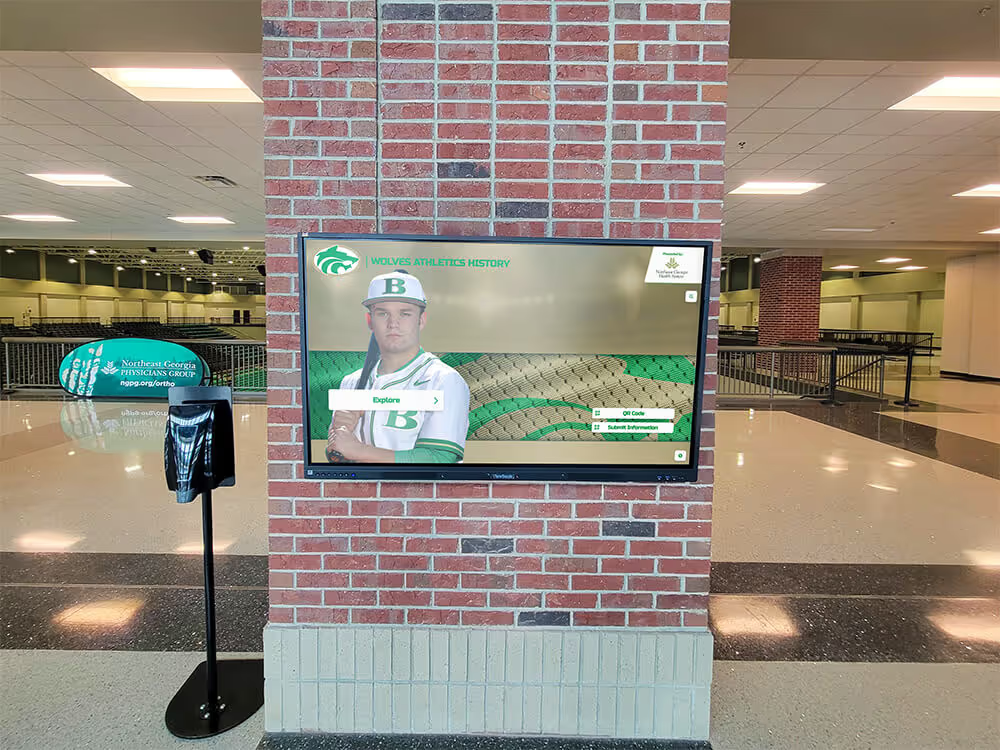
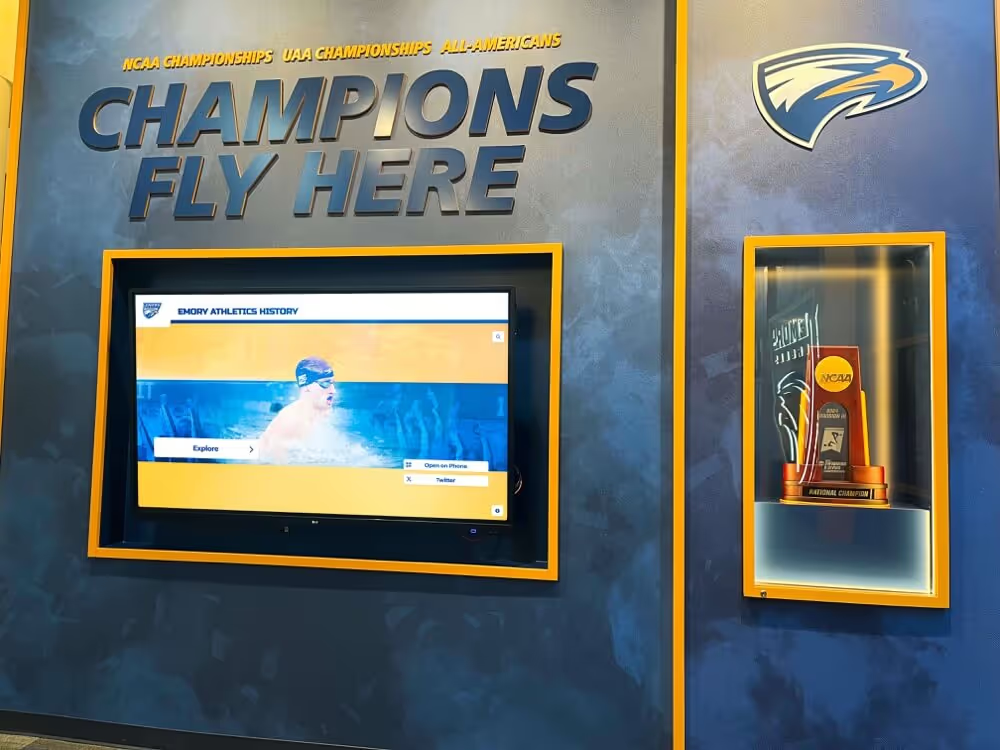
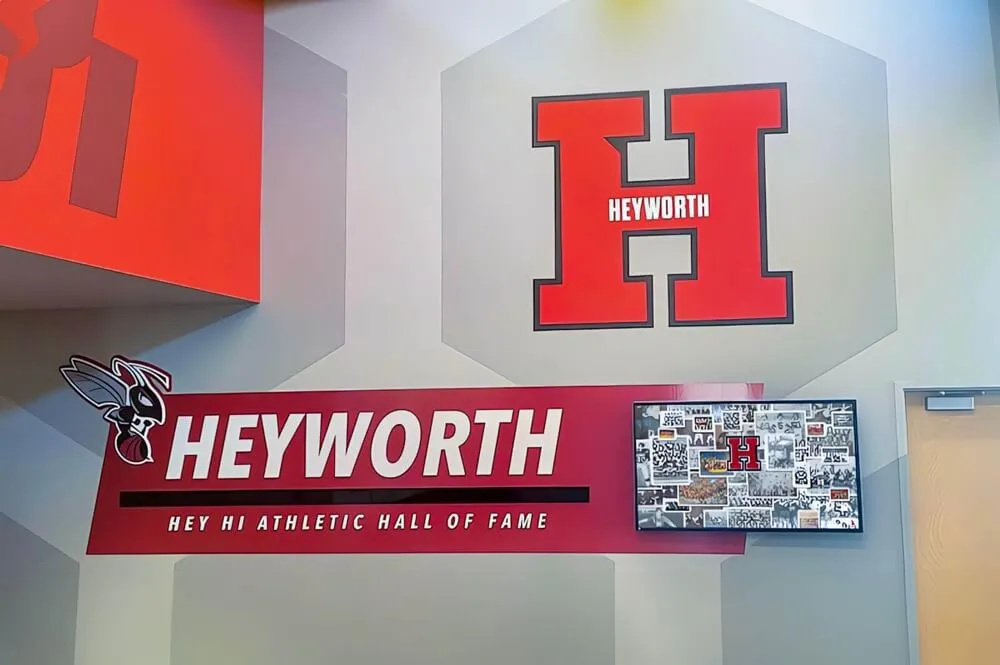
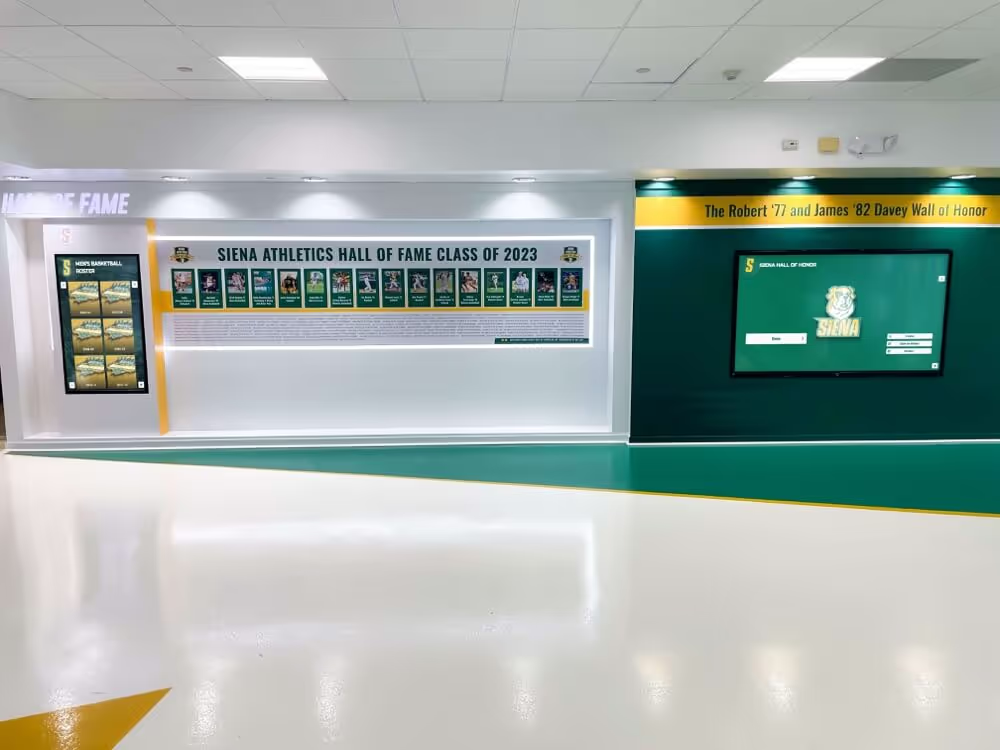
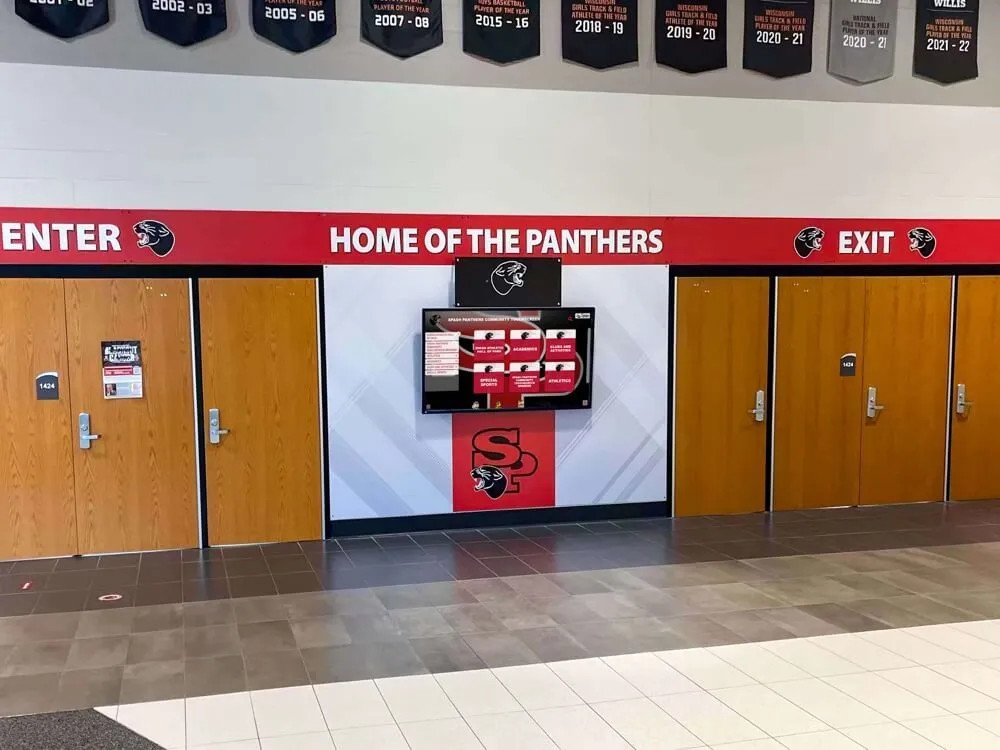
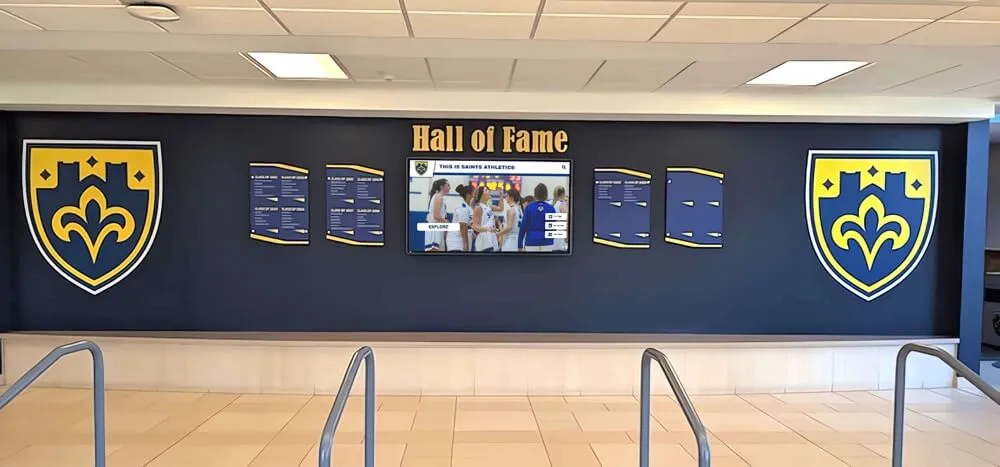
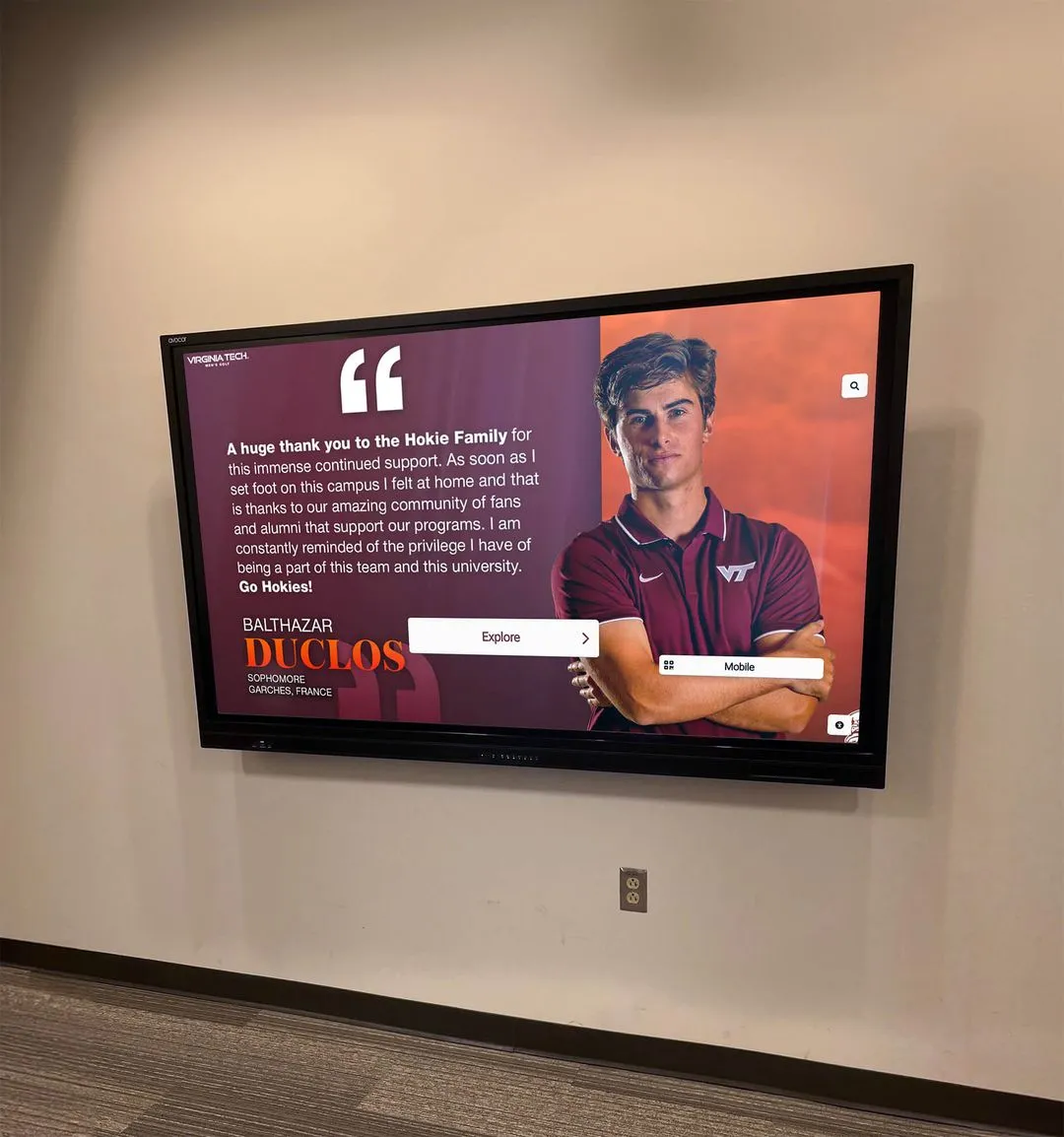
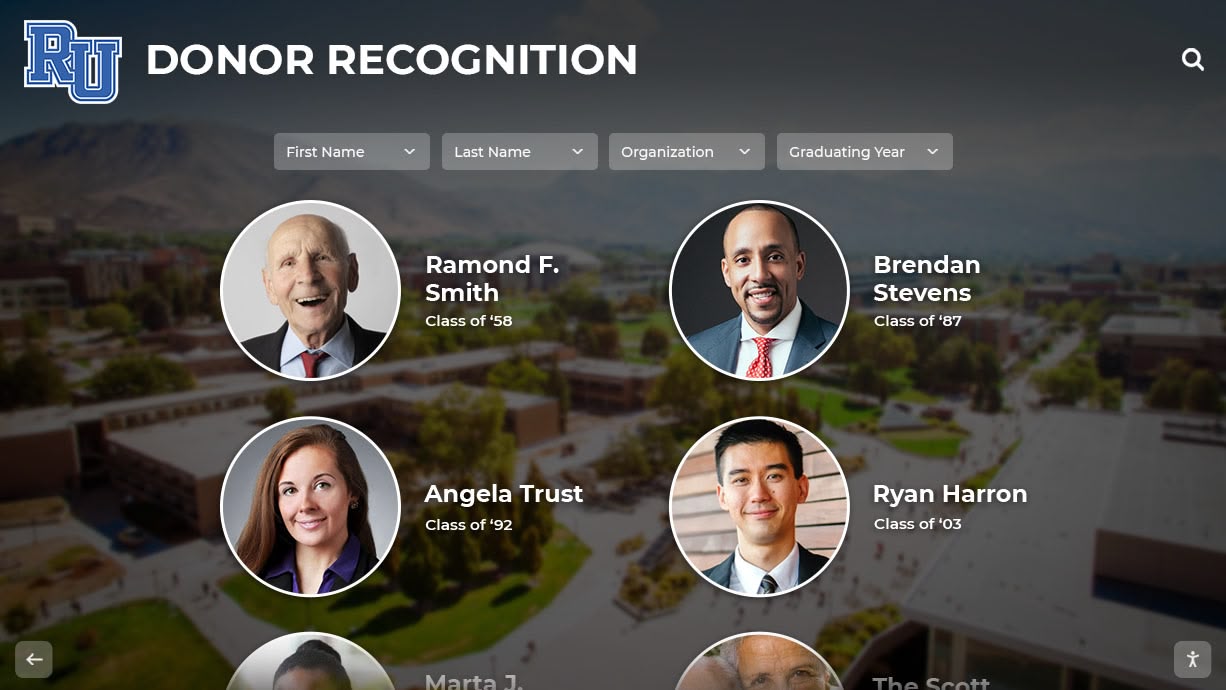
Digital recognition displays enable schools and nonprofits to showcase Giving Tuesday donors prominently while driving continued engagement
Understanding Giving Tuesday’s Recognition Opportunity
Before implementing recognition systems, understanding what makes Giving Tuesday unique helps organizations design approaches that maximize both appreciation and strategic value.
The Giving Tuesday Movement
Giving Tuesday emerged in 2012 as a global generosity movement creating a day dedicated to giving back, positioned strategically after Black Friday and Cyber Monday shopping events.
Key Characteristics
The movement’s distinctive features create unique recognition opportunities:
- Concentrated giving window creating urgency and momentum
- Social media amplification spreading participation through peer influence
- Community participation focus emphasizing collective impact over individual amounts
- Multiple giving motivations from year-end tax planning to holiday generosity
- Matching gift opportunities multiplying donor impact and excitement
- First-time donor recruitment attracting new supporters to causes
According to Giving Tuesday Data Commons, the 2023 Giving Tuesday generated an estimated $3.1 billion in donations across the United States, with participation continuing to grow as organizations implement more sophisticated engagement strategies.
Why Recognition Matters for Giving Tuesday Success
Recognition serves multiple strategic purposes during and after Giving Tuesday campaigns:
Immediate Donor Validation
Contributors who see their support acknowledged experience:
- Confirmation that gifts processed successfully
- Emotional satisfaction from visible appreciation
- Social validation for their giving decision
- Connection to broader community of supporters
- Motivation to share participation with personal networks
Social Proof and Peer Influence
Public recognition creates powerful psychological effects:
- Prospective donors see community participation levels
- Peer giving normalizes and encourages additional support
- Visible momentum builds throughout campaign day
- Family and friend networks become aware of participation
- Organization demonstrates active, engaged supporter community
Research on charitable giving consistently demonstrates that social proof—evidence that others are participating—significantly increases donation likelihood. A study published in the Journal of Consumer Research found that donation rates increased by 12% when potential donors saw evidence of peer participation.
Sustained Engagement Beyond the Day
Recognition extends Giving Tuesday impact:
- Donors remain connected through ongoing recognition visibility
- First-time contributors see their place in organizational community
- Recognition becomes cultivation touchpoint for future campaigns
- Giving Tuesday participants convert to sustained annual supporters
- Organization builds donor database for year-round engagement
Many organizations report that strategic Giving Tuesday recognition contributes to 25-40% higher retention rates among campaign participants compared to those receiving minimal acknowledgment.

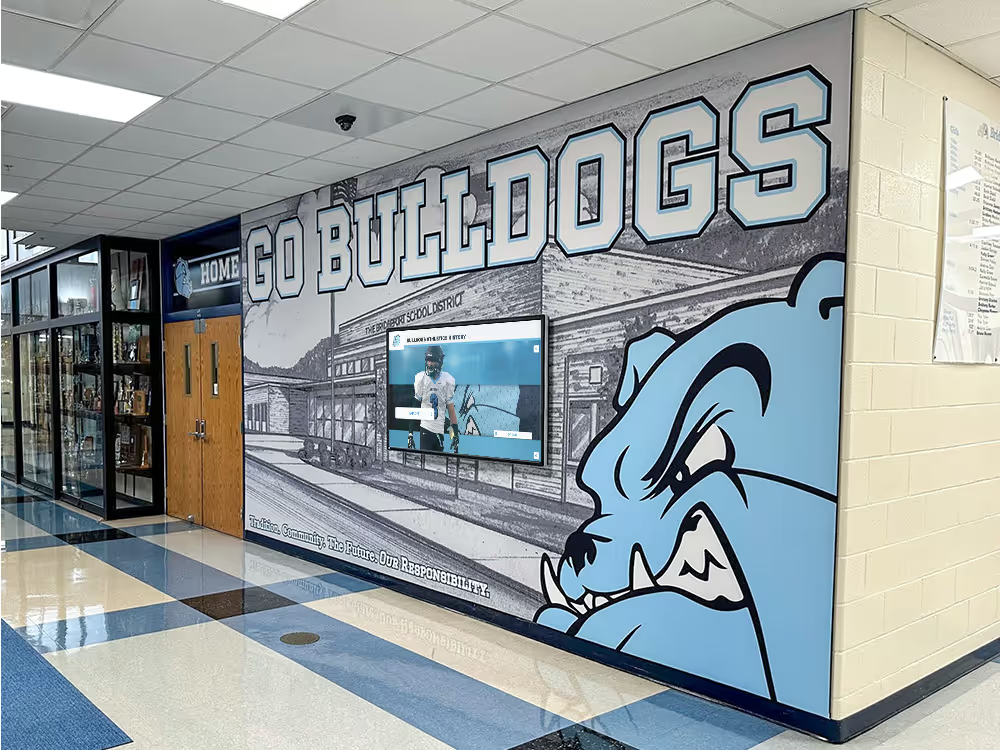
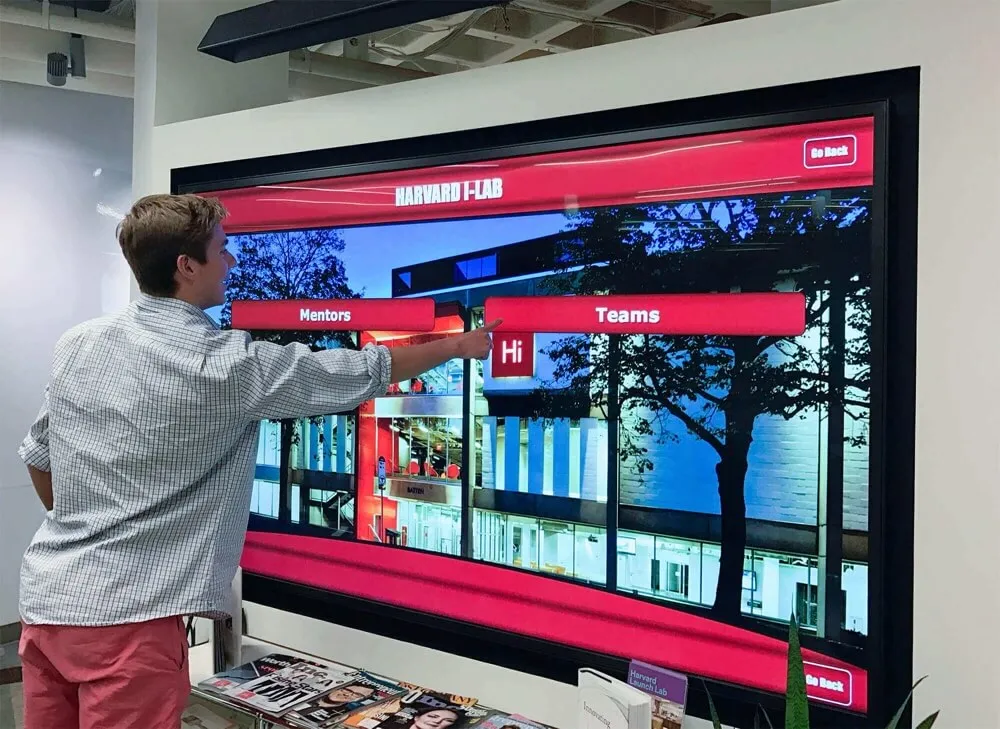
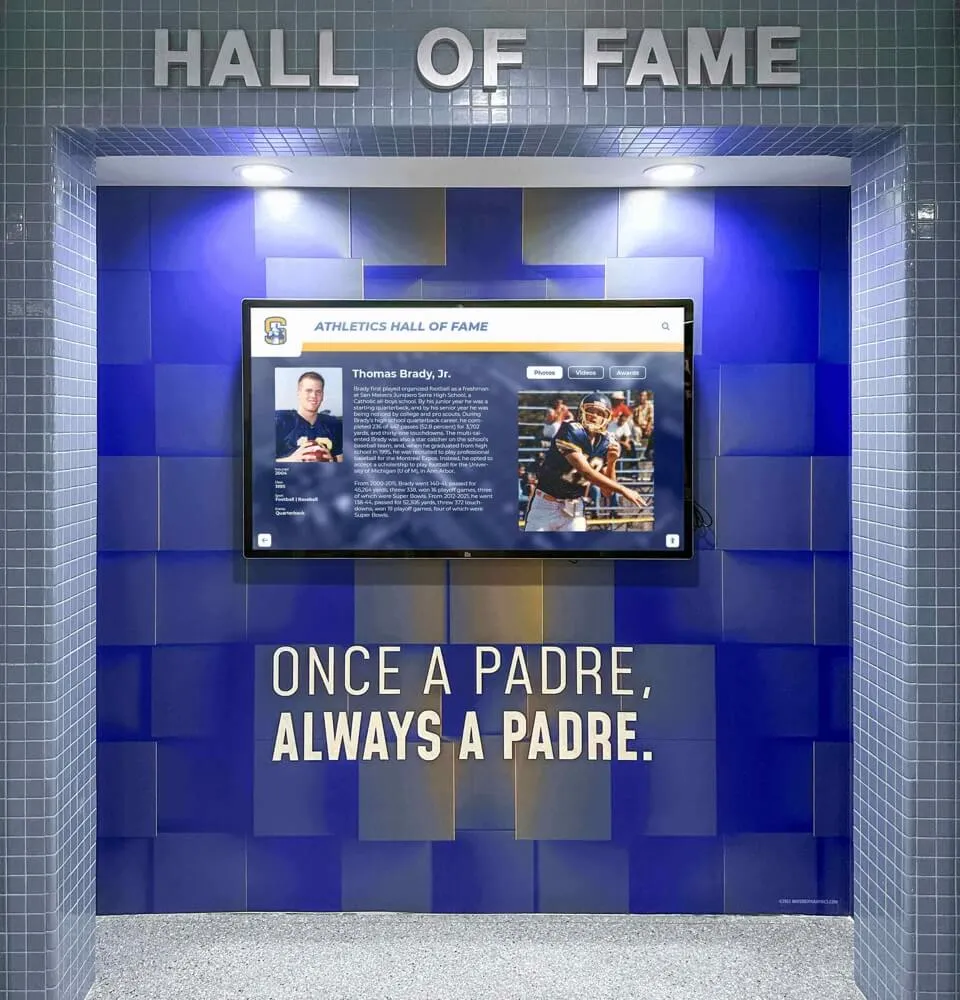
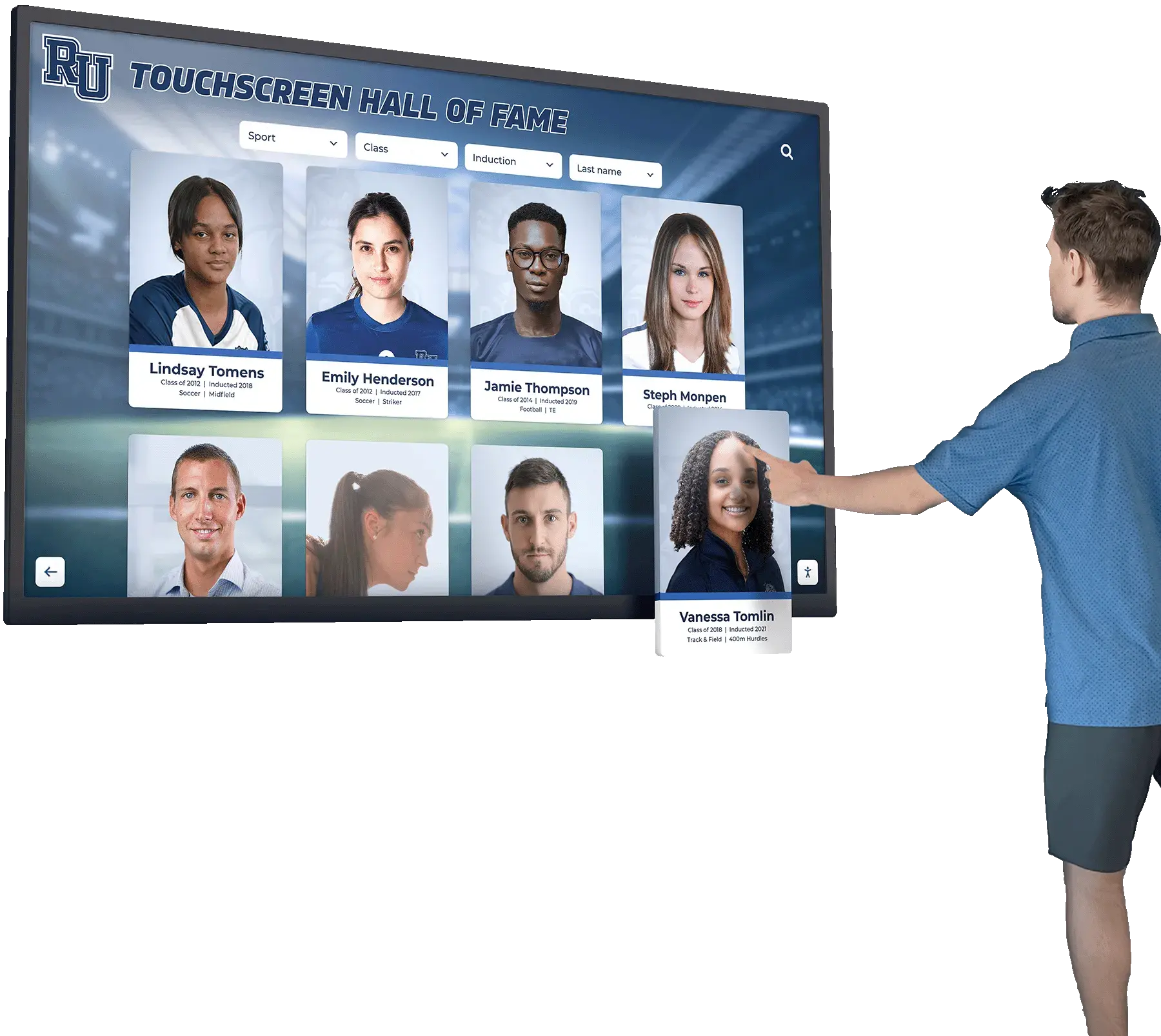
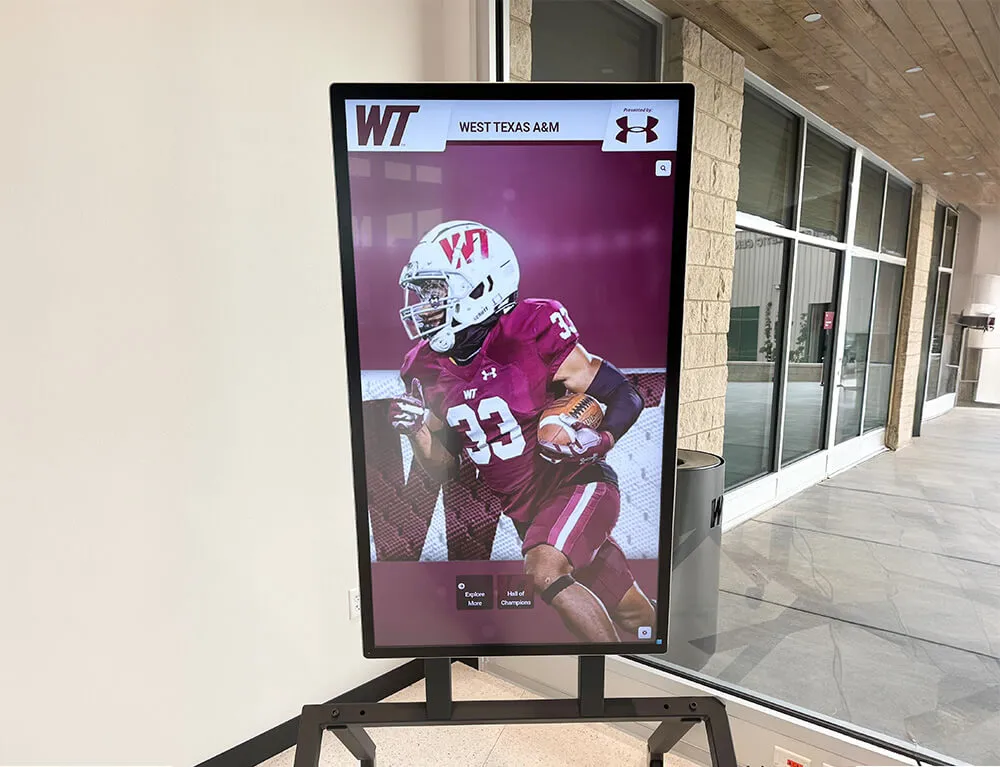
Intuitive touchscreen interfaces enable donors to explore campaign progress and recognition easily
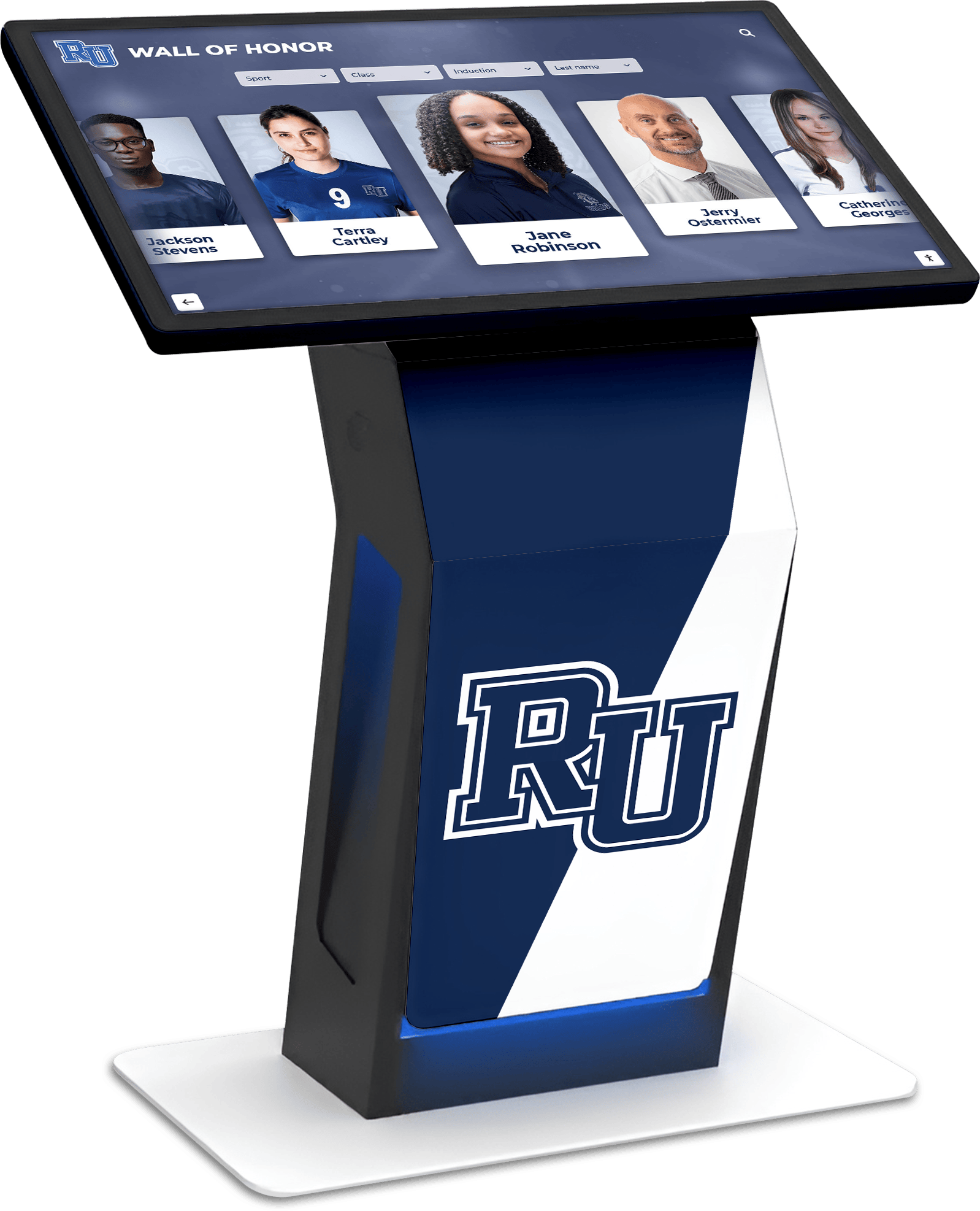
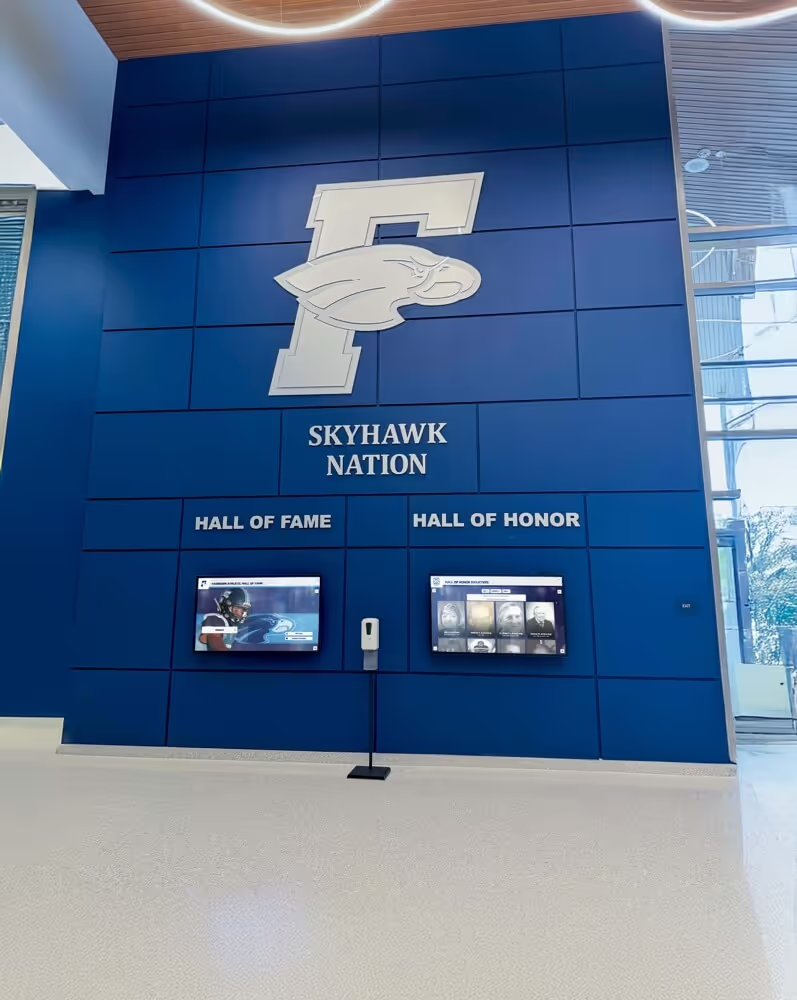
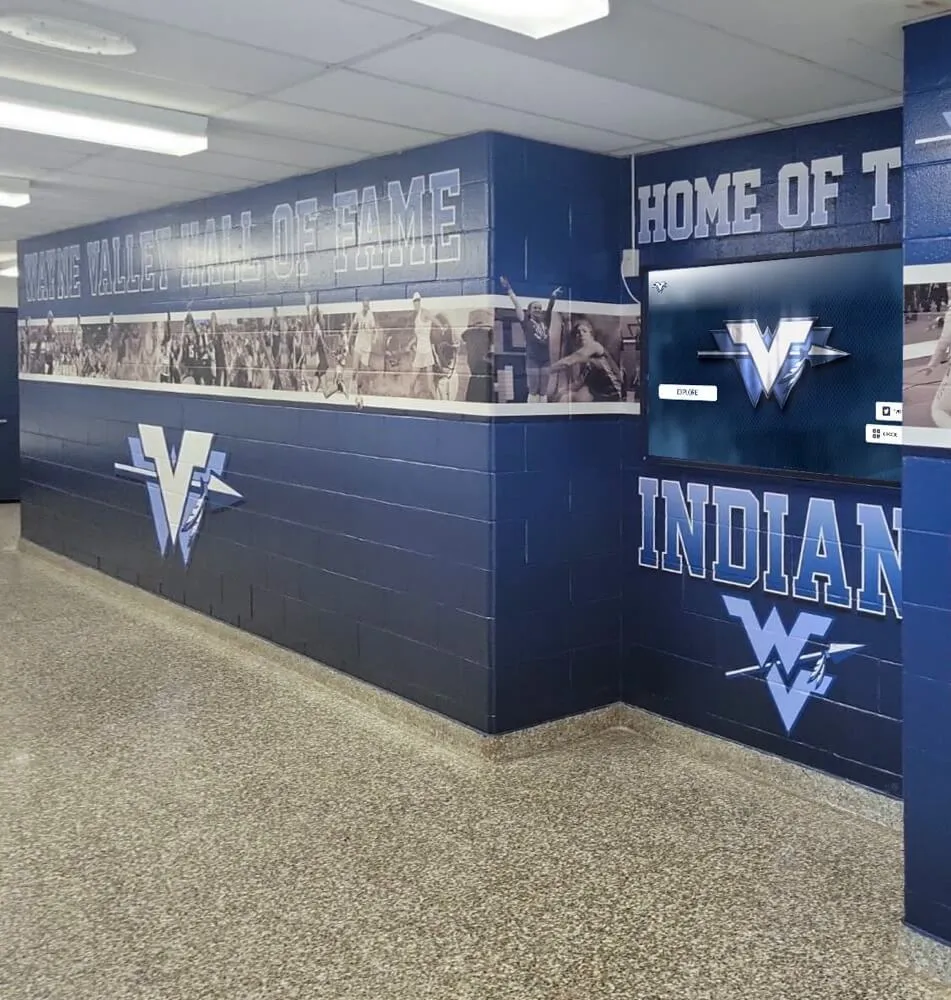
Interactive displays create engaging recognition experiences that inspire additional giving and sustained donor connection
Creating a Centralized Giving Tuesday Recognition Hub
The most effective Giving Tuesday recognition strategies create a central hub that consolidates campaign activity, donor acknowledgment, and giving opportunities into a unified, compelling experience.
The Strategic Value of Centralization
Fragmented recognition—scattered across emails, social media, websites, and physical spaces—dilutes impact and confuses supporters. Centralized approaches provide superior results:
Single Source of Truth
A central recognition hub ensures:
- All donors see consistent, accurate acknowledgment
- Campaign progress displays in one authoritative location
- Giving information remains current and synchronized
- Supporters know where to find recognition and updates
- Staff manage single system rather than multiple platforms
Simplified Donor Journey
Centralization creates intuitive experiences:
- Prospective donors explore recognition and give from one place
- Current donors check their acknowledgment status easily
- Campaign progress tracking doesn’t require multiple site visits
- Mobile access provides complete information conveniently
- Social sharing flows naturally from recognition experience
Amplified Visibility
Consolidated recognition increases exposure:
- Physical displays in high-traffic locations reach broad audiences
- Web-based hubs attract visitors seeking campaign information
- Social media links drive traffic to central recognition
- Email communications point to unified destination
- Media coverage features compelling visualization of support
Organizations implementing centralized Giving Tuesday hubs report significantly higher campaign participation and post-campaign retention compared to those using dispersed recognition approaches.
Core Hub Components
Effective Giving Tuesday recognition hubs include essential elements:
Real-Time Donor Recognition
Live acknowledgment creates excitement:
- Donor names appearing immediately after gift processing
- Running list showing recent contributors and momentum
- Donor counts demonstrating community participation breadth
- Giving level acknowledgment honoring all contribution sizes
- Anonymous donor accommodation while showing support scale
Solutions like Rocket Alumni Solutions enable instant recognition updates, with donors appearing on displays within minutes of gift completion, creating immediate gratification and encouraging social sharing.
Campaign Progress Visualization
Visible progress drives participation:
- Fundraising thermometer showing progress toward goal
- Percentage completion encouraging final push
- Milestone celebrations recognizing achievement increments
- Matching gift status showing multiplier opportunities
- Time remaining creating appropriate urgency
Direct Giving Integration
Seamless donation functionality converts interest to action:
- Prominent “Give Now” calls-to-action throughout hub
- QR codes on physical displays linking to mobile giving
- One-click donation buttons on web-based recognition
- Multiple giving level options clearly presented
- Matching gift information and employer search tools
The key advantage of integrated systems is eliminating friction between recognition exploration and giving action. When donors must navigate to separate giving pages or lose context, conversion rates drop significantly.
Learn more about effective digital donor wall approaches that can be adapted for Giving Tuesday campaigns.
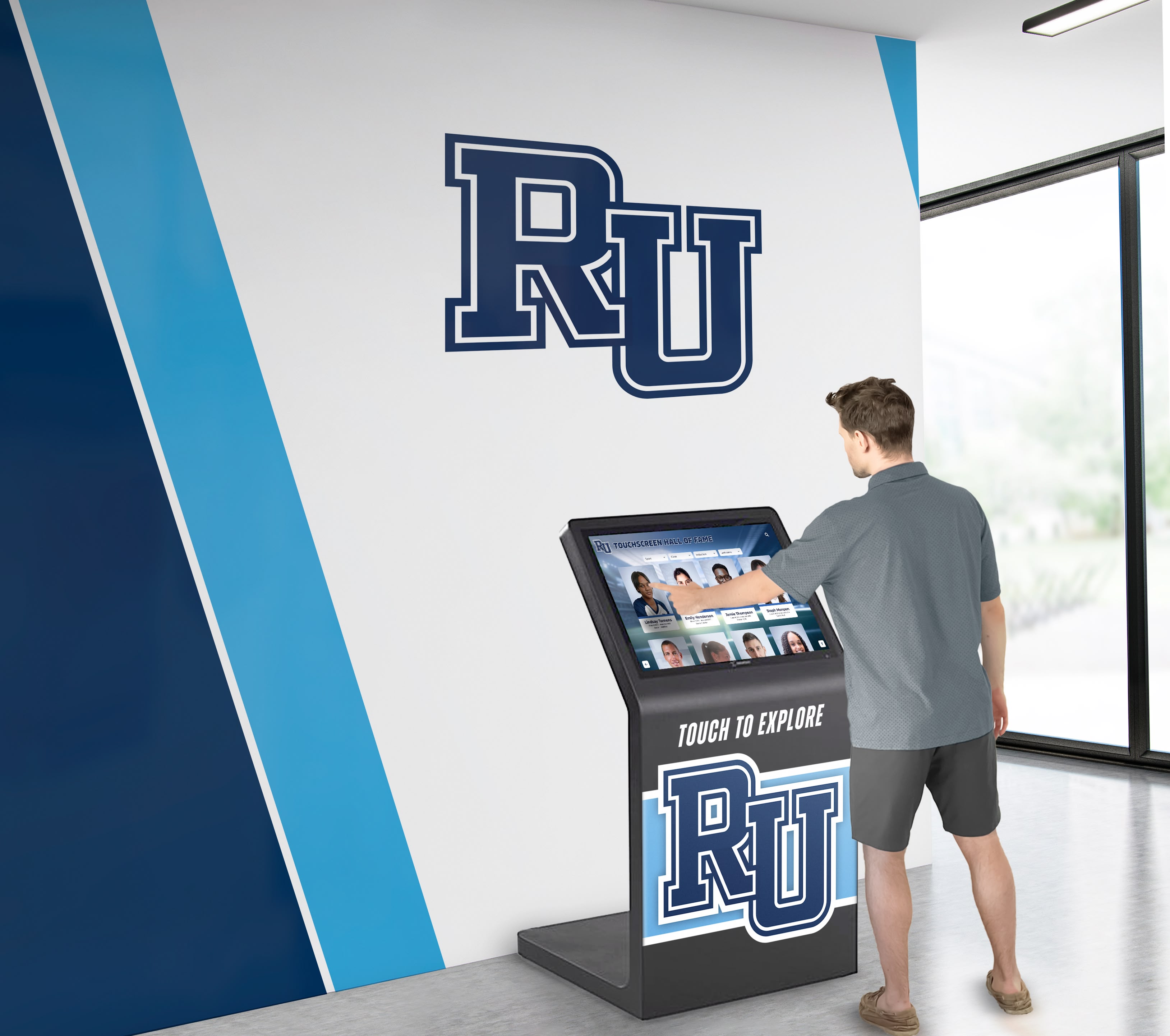
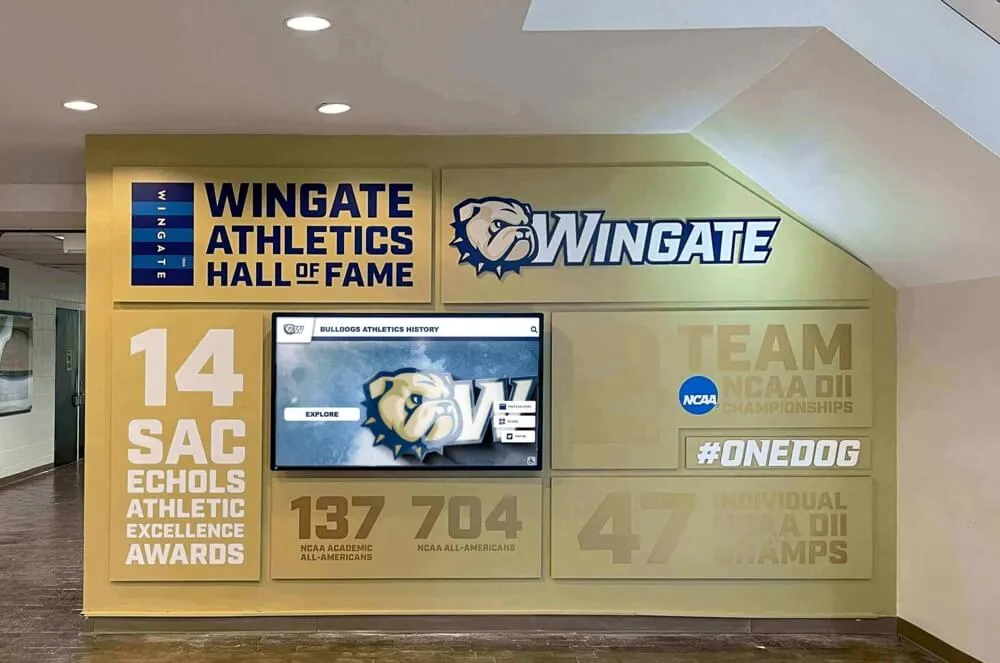
Centralized recognition hubs invite exploration while making giving convenient through integrated donation functionality
Digital Display Recognition Hubs for Physical Spaces
For schools, universities, and organizations with physical facilities, digital recognition displays create powerful on-site hubs:
Strategic Placement Locations
Maximize visibility through placement in:
- Main entrance lobbies where all visitors pass
- Student unions and gathering spaces at colleges
- Athletic facilities during game days and events
- Cafeterias and dining areas with high daily traffic
- Development offices where prospective donors visit
- Event spaces hosting Giving Tuesday celebrations
Interactive Touchscreen Features
Engagement functionality transforms passive viewing:
- Search capability finding specific donors or families
- Filtering by giving level, class year, or campaign type
- Donor profile exploration showing contribution history
- Social sharing enabling immediate celebration
- Direct QR code access to mobile giving pages
- Impact story viewing connecting gifts to outcomes
Scheduled Content Management
Strategic timing maximizes campaign effectiveness:
- Pre-campaign: Campaign information and giving instructions
- During campaign: Real-time donor recognition and progress
- Post-campaign: Final results and thank you messaging
- Year-round: Historical Giving Tuesday recognition and ongoing campaigns
Cloud-based content management enables staff to update displays instantly from any location, ensuring recognition remains current throughout fast-moving campaign days.
Explore interactive digital donor walls that combine recognition with engagement features.
Web-Based Recognition Hubs for Global Reach
Online recognition extends campaign reach beyond physical locations:
Mobile-Responsive Design
Accessibility across all devices ensures:
- Smartphone optimization for on-the-go viewing
- Tablet compatibility for comfortable exploration
- Desktop functionality for detailed browsing
- Consistent experience regardless of device
- Fast loading speeds maintaining engagement
Social Media Integration
Amplification through sharing features:
- One-click social sharing of individual recognition
- Pre-populated messages encouraging posting
- Campaign hashtag integration connecting conversations
- Photo and video content optimized for platforms
- User-generated content opportunities for donors
Organizations report that easily-shareable digital recognition generates 5-10 times more social media mentions compared to campaigns without streamlined sharing functionality.
Live Update Feeds
Dynamic content maintains interest:
- Scrolling donor recognition showing recent gifts
- Animated progress bars moving toward goals
- Matching gift countdowns creating urgency
- Thank you messages from leadership
- Beneficiary testimonials showing impact
The psychological effect of seeing live updates—knowing recognition is current and accurate—significantly increases donor satisfaction and encourages prospective donors to join the growing community of supporters.
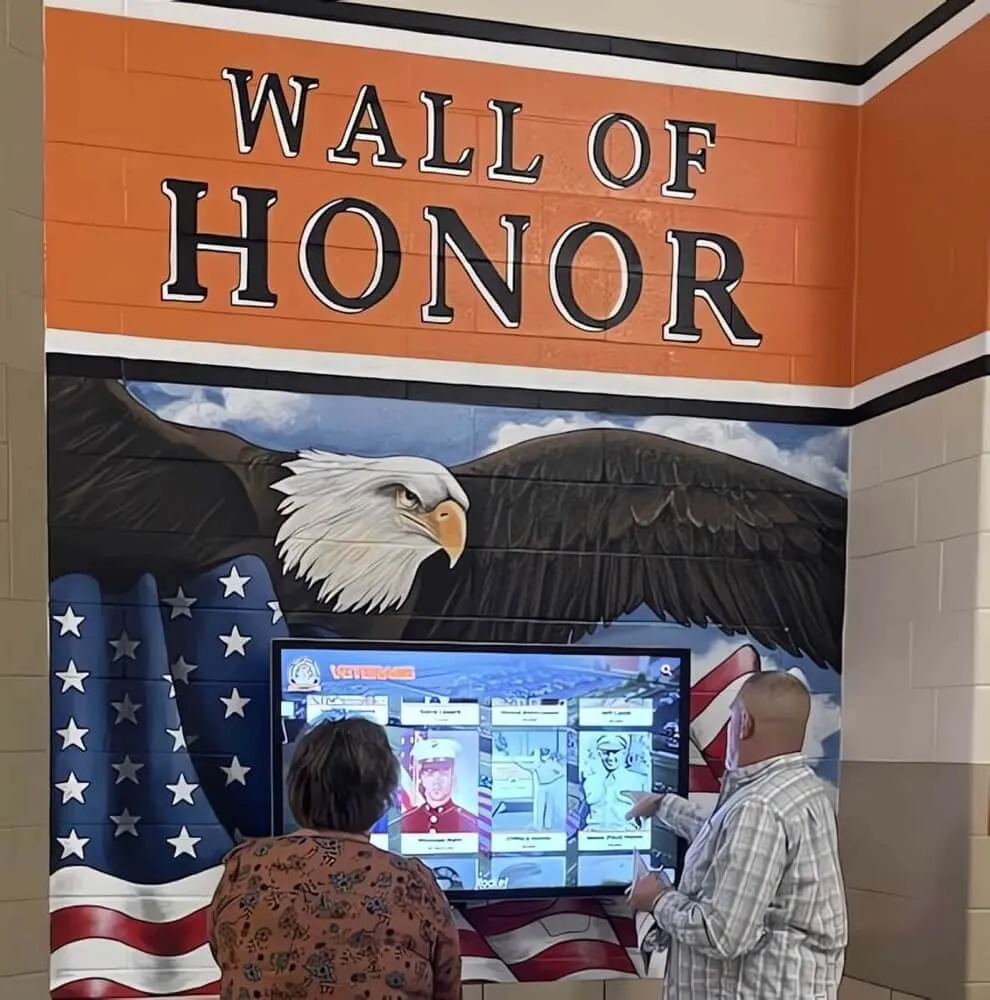
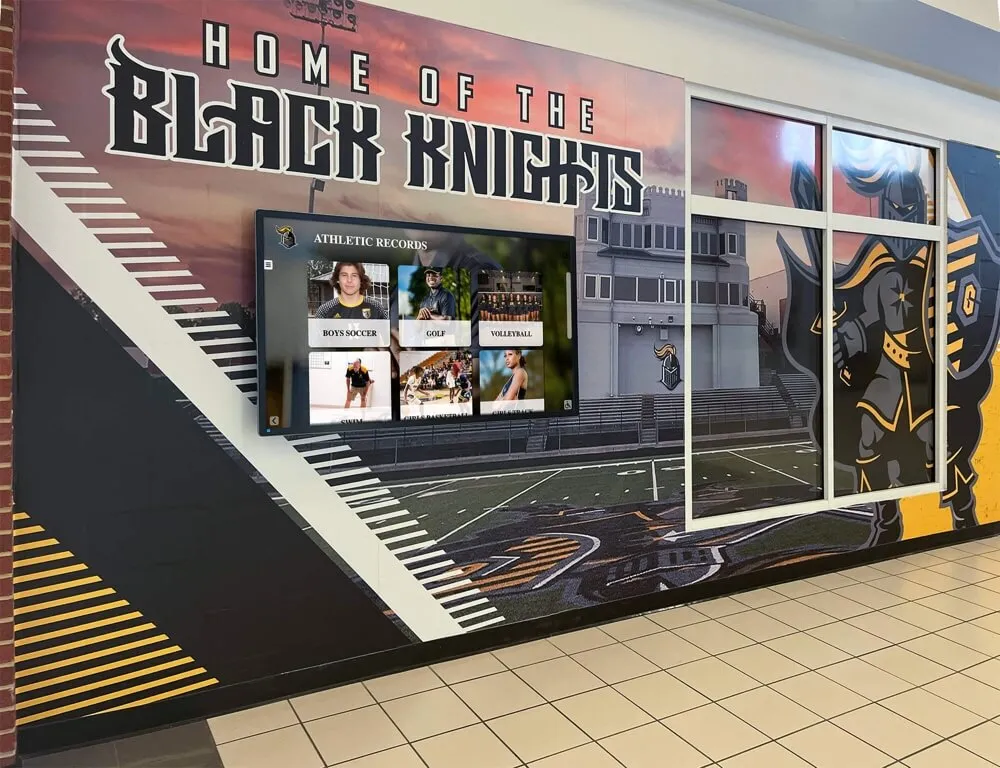
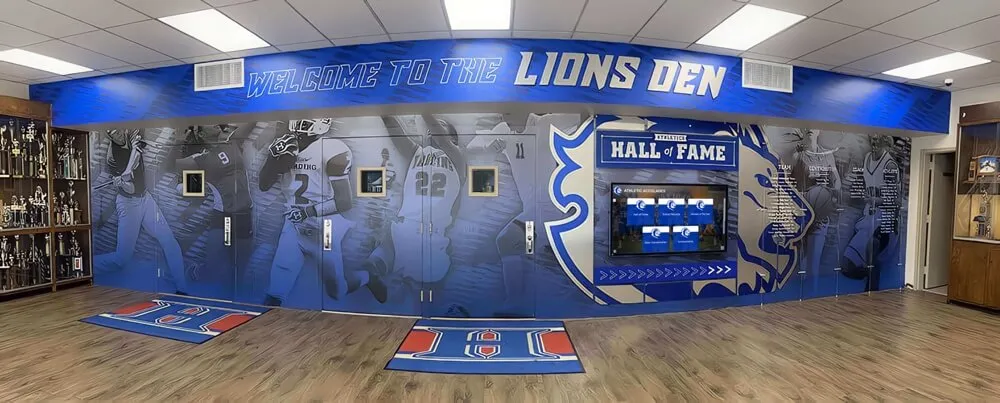
Thoughtful design creates recognition displays that honor community values while celebrating donor contributions
Linking Recognition to Giving Pages: The Integration Advantage
The most successful Giving Tuesday campaigns seamlessly connect recognition with donation functionality, creating friction-free experiences that convert inspiration to action.
The Conversion Power of Integration
When recognition and giving systems operate independently, opportunities disappear:
Common Friction Points
Disconnected systems create barriers:
- Donors viewing recognition can’t easily give without navigation
- Separate giving pages lack social proof from donor displays
- Technical complexity requires donors to re-enter information
- Different branding creates confusion about legitimacy
- Mobile experiences break when switching between platforms
Integration Benefits
Connected systems remove obstacles:
- Single-click transition from recognition to giving
- Context preservation throughout user journey
- Consistent branding building trust and legitimacy
- Simplified mobile experience maintaining momentum
- Analytics tracking complete donor behavior
According to nonprofit technology research, integrated recognition and giving systems achieve 15-25% higher conversion rates compared to separated platforms, with particularly strong advantages in mobile experiences where navigation friction causes significant abandonment.
Implementation Approaches
Organizations can achieve recognition-giving integration through various methods:
Embedded Giving Functionality
Direct integration within recognition platforms:
- “Give Now” buttons appearing prominently on all recognition screens
- Quick donation forms embedded in recognition hub
- Pre-populated donor information for authenticated users
- Saved payment methods enabling instant giving
- Recognition preview showing how donor will be acknowledged
Solutions like Rocket Alumni Solutions provide native giving integration, eliminating technical complexity and ensuring seamless experiences across recognition and donation journeys.
Strategic QR Code Placement
Physical-to-digital bridges connecting spaces:
- QR codes on digital recognition displays linking to mobile giving
- Printed materials with codes directing to campaign pages
- Strategic placement at decision points throughout facilities
- Testing and optimization ensuring reliable functionality
- Analytics tracking QR code conversion performance
When implementing QR codes, organizations should:
- Use branded landing pages maintaining visual consistency
- Optimize mobile giving forms for small screens
- Include campaign context so users understand destination
- Test codes thoroughly on various devices and camera systems
- Place codes at appropriate heights for easy scanning
Learn about digital recognition display implementation including giving integration best practices.
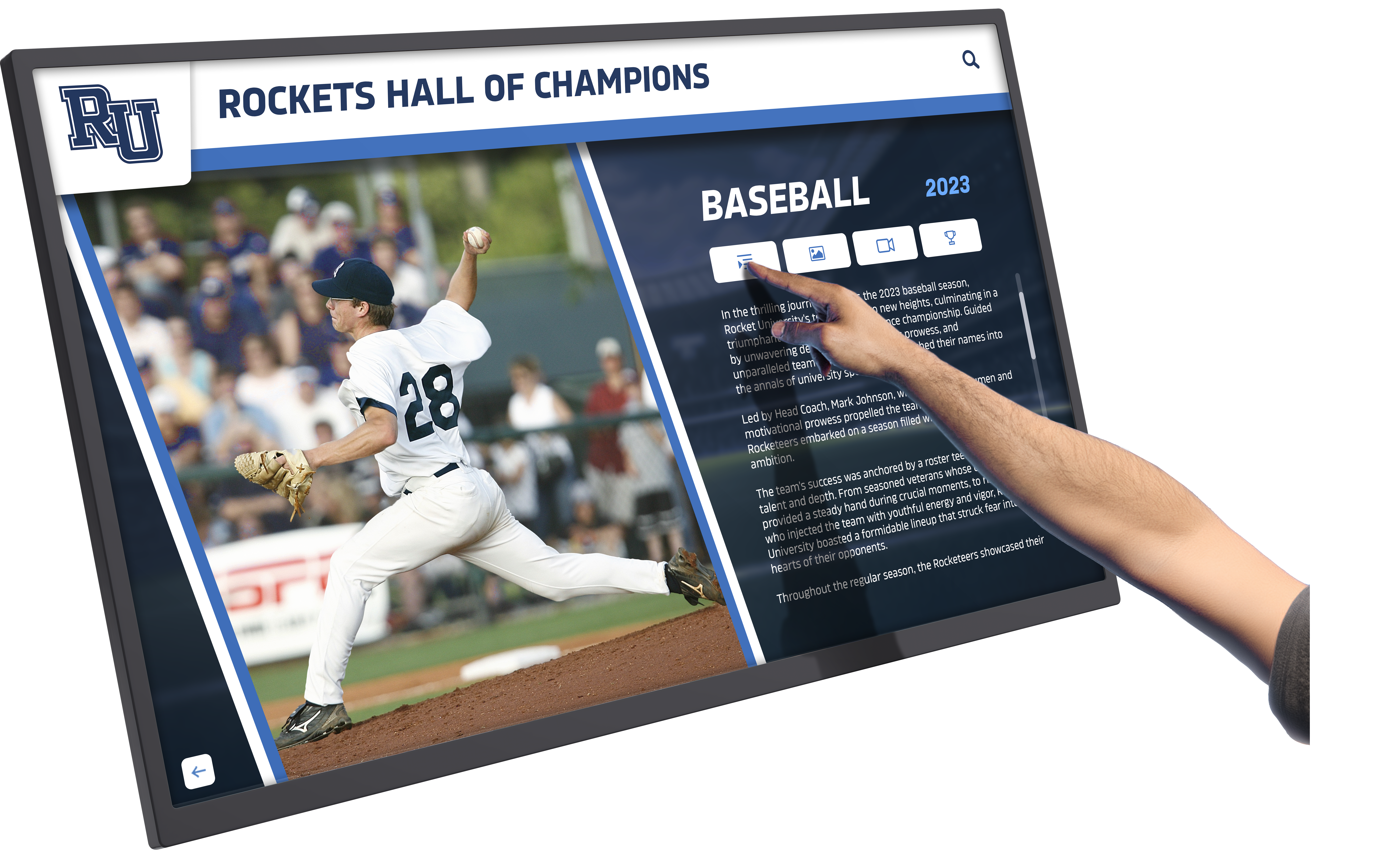
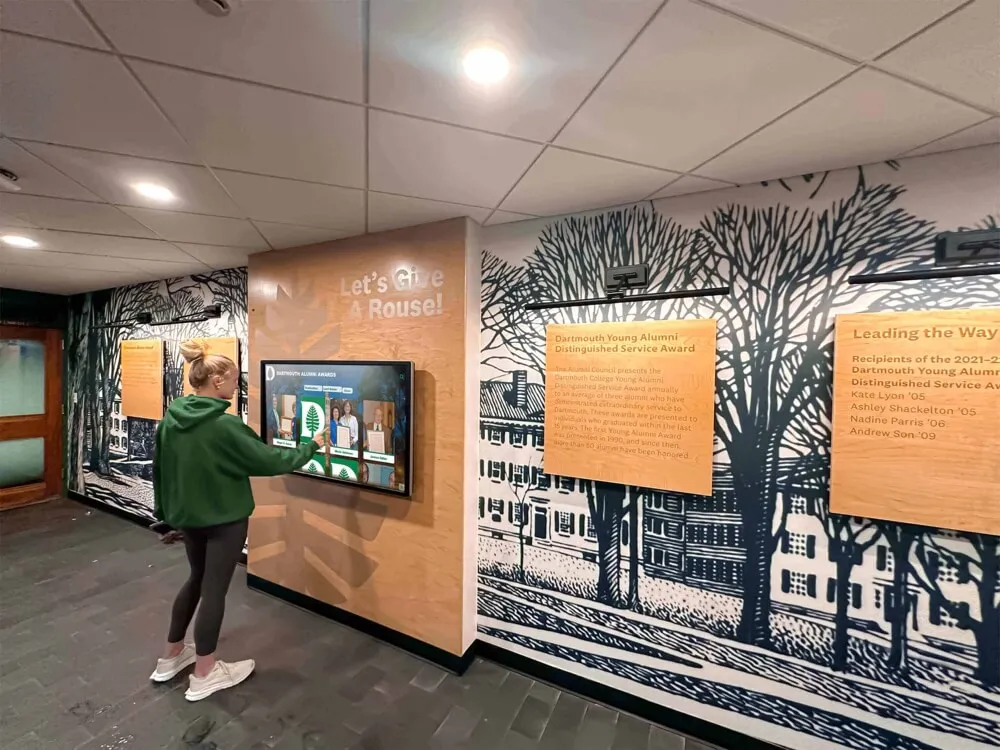
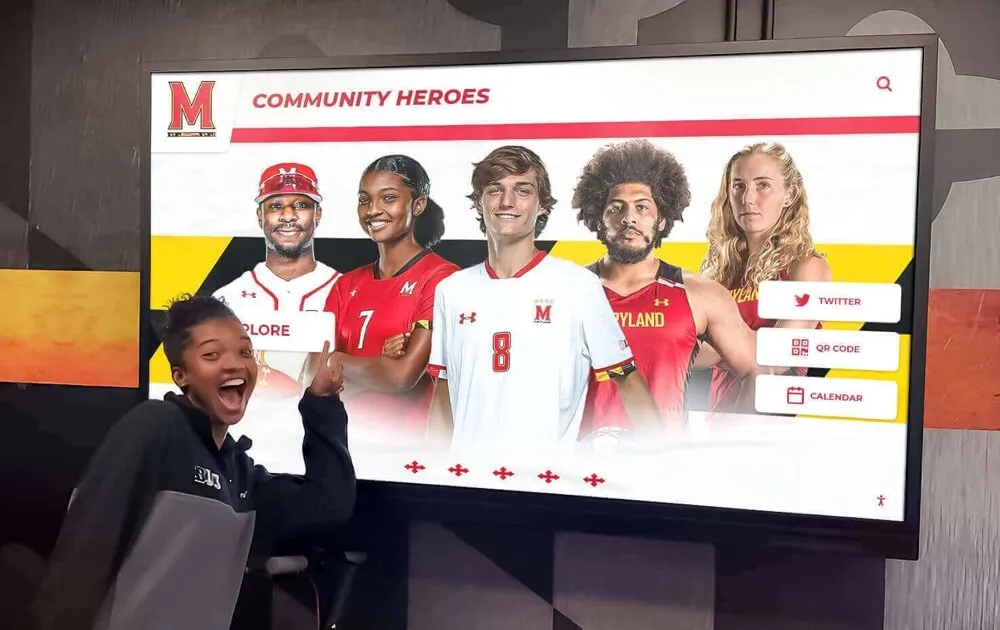
Touchscreen interactions make exploring donor recognition intuitive while providing seamless pathways to giving opportunities
Creating Compelling Calls-to-Action
Integration functionality works only when supporters notice and act on giving opportunities:
Prominent Visual Design
Calls-to-action must be:
- Immediately visible without scrolling or searching
- Visually distinct from surrounding content
- Large enough for easy interaction on all devices
- Branded consistently with campaign identity
- Positioned strategically at decision points
Action-Oriented Messaging
Language should:
- Use clear, direct verbs: “Give Now,” “Join Our Community,” “Support Today”
- Emphasize impact: “Fund Student Scholarships,” “Support Athletic Programs”
- Create appropriate urgency: “Give Before Midnight,” “Matching Gifts End Soon”
- Acknowledge participation: “Join 247 Donors Today”
- Remove barriers: “Give in 60 Seconds,” “All Amounts Welcome”
Multiple Engagement Points
Effective hubs provide giving opportunities:
- Homepage/initial view with primary campaign CTA
- Recognition list pages reminding non-donors to participate
- Individual donor profiles encouraging increased giving
- Campaign progress displays motivating goal completion
- Thank you pages offering upgrade opportunities
Research on charitable giving demonstrates that prospects require multiple exposure points before converting, making repeated but non-intrusive CTA placement essential for maximizing participation.
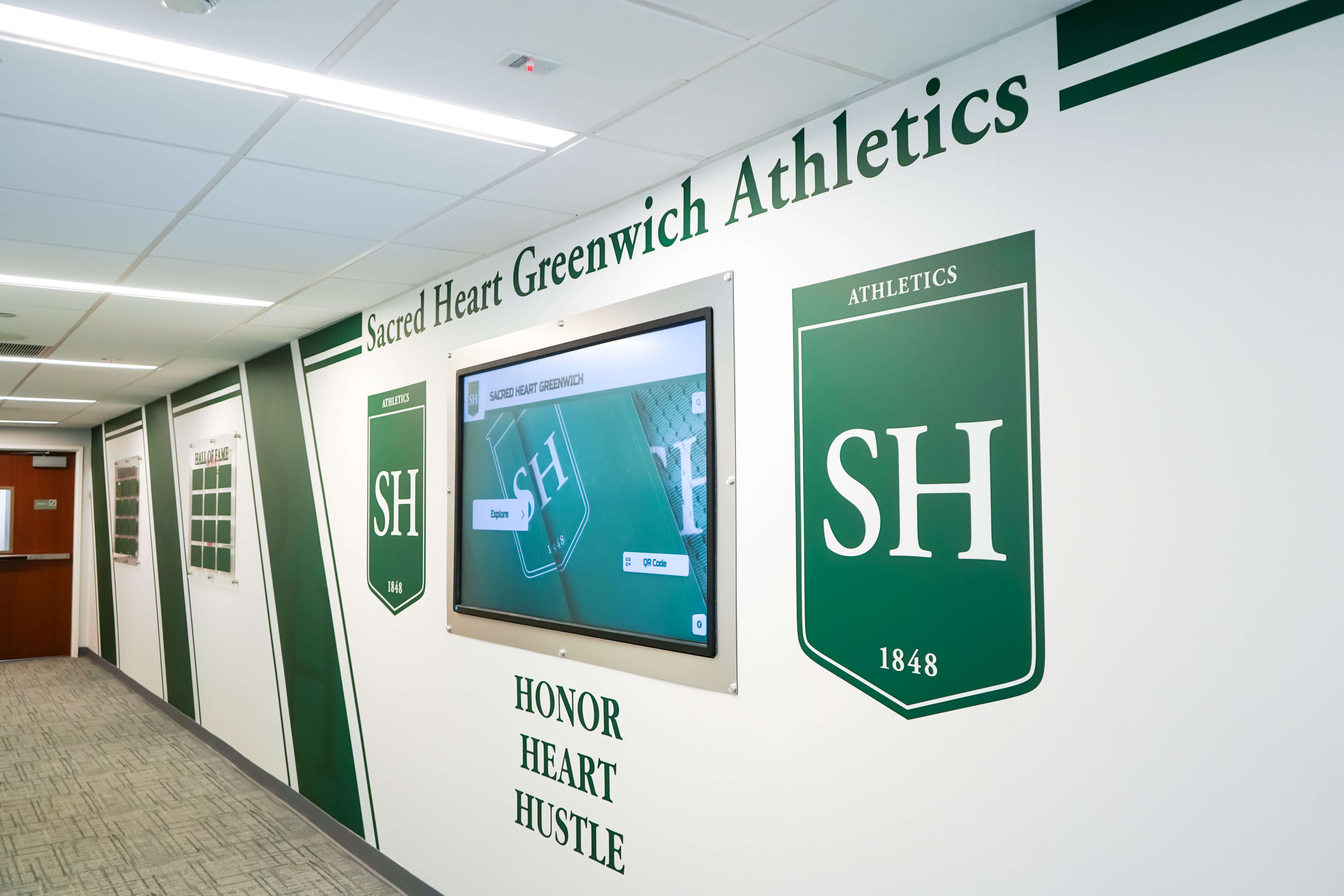
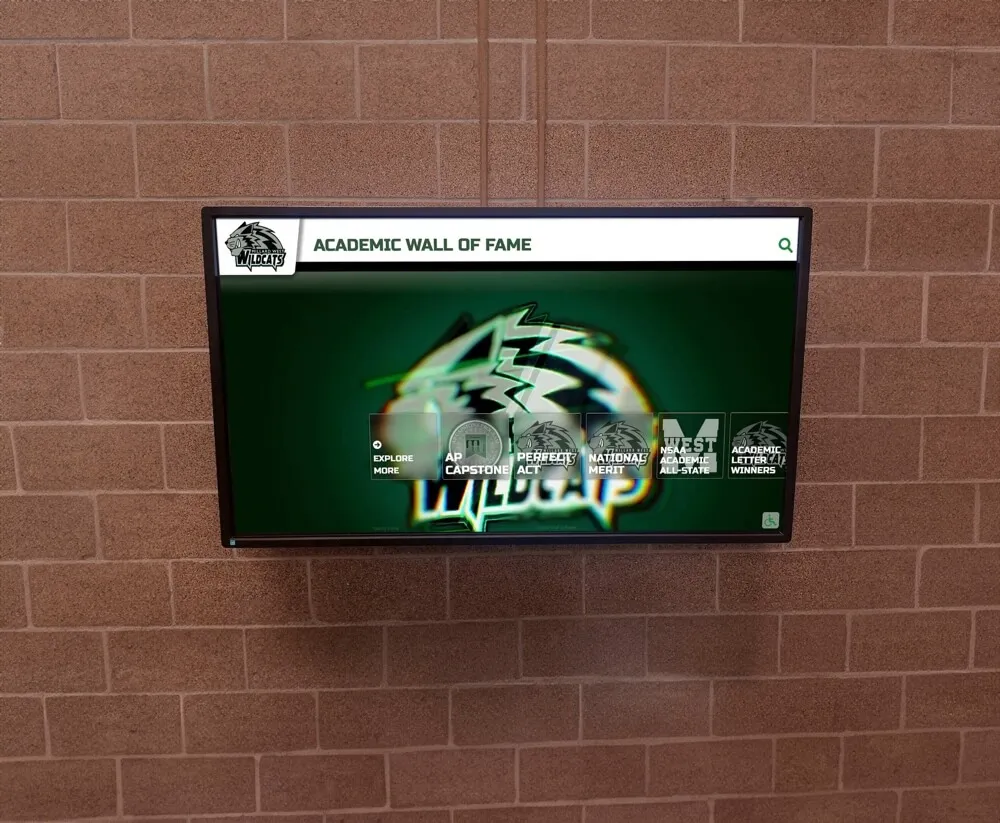
Professional recognition displays can be customized to reflect institutional identity while maintaining giving campaign focus
Building Recognition Programs That Drive Action
Beyond immediate Giving Tuesday acknowledgment, strategic recognition programs create ongoing engagement that sustains donor relationships and encourages continued support.
Tiered Recognition Approaches
Thoughtful giving level structures honor all contributors while creating aspiration:
Inclusive Entry Levels
Accessible participation thresholds ensure:
- First-time donors feel welcomed regardless of amount
- Students and young alumni can participate meaningfully
- Multiple small gifts aggregate to significant impact
- Broad community participation demonstrates widespread support
- Entry-level donors see pathway to increased giving
Many successful Giving Tuesday campaigns establish $10-25 entry-level recognition, dramatically expanding participant counts while creating databases of supporters for future cultivation.
Progressive Giving Societies
Tiered structures provide goals and aspiration:
- Bronze Circle: $100+ contributions
- Silver Society: $250+ gifts
- Gold Level: $500+ support
- Leadership Circle: $1,000+ investment
- Transformational Gifts: $5,000+ and above
Visual Distinction
Recognition displays should differentiate levels:
- Color coding distinguishing giving tiers
- Icon or badge systems marking society membership
- Size variations reflecting contribution levels
- Premium placement for leadership donors
- Special features like photos or quotes for major gifts
The key is creating meaningful differentiation without making modest donors feel undervalued—every contributor deserves sincere appreciation regardless of gift size.
Explore donor recognition level structures for comprehensive programs.
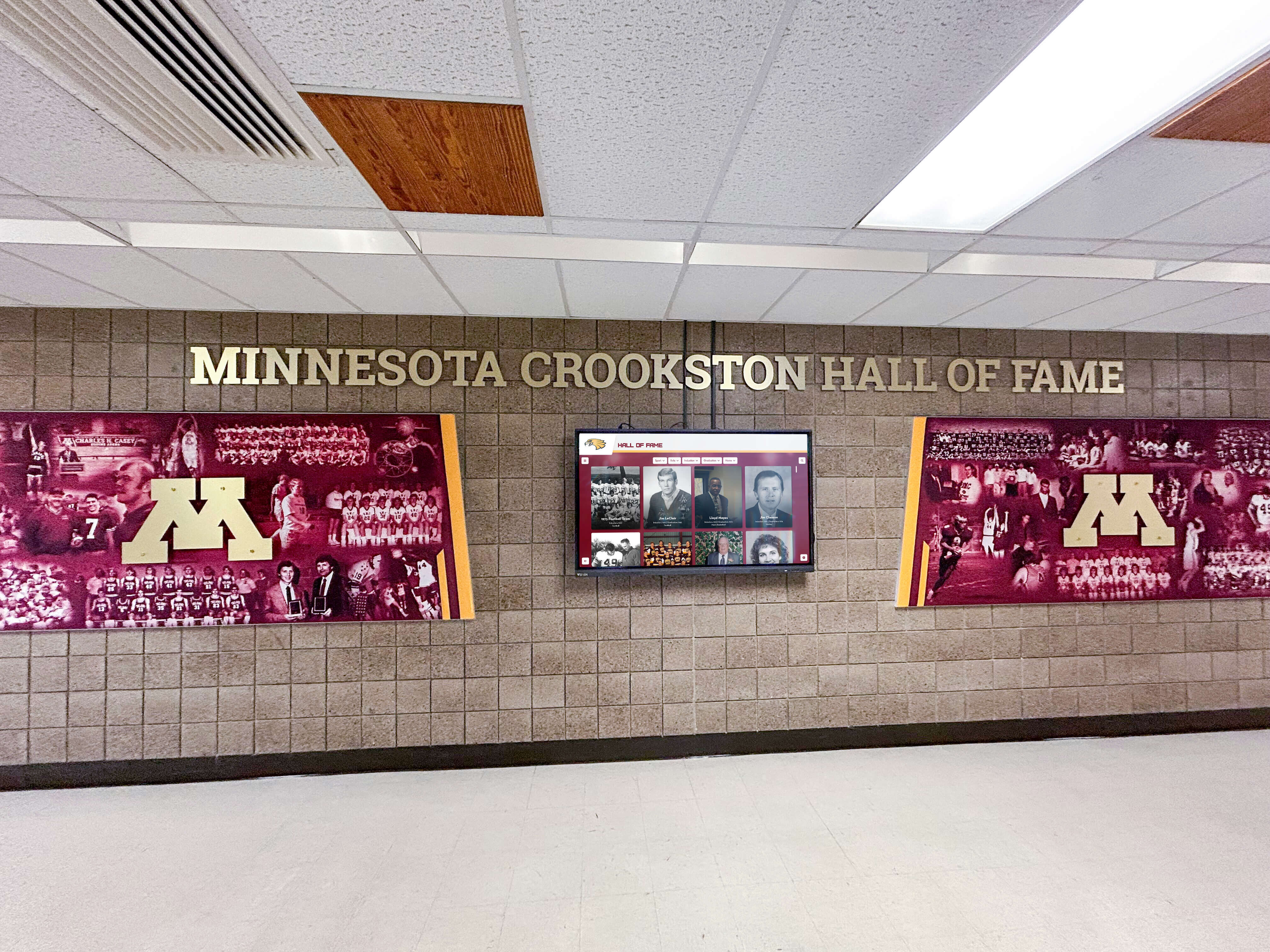
Effective recognition displays incorporate organizational branding while clearly distinguishing donor giving levels
Matching Gift Amplification
Matching gift opportunities create powerful momentum and should be prominently featured in recognition displays:
Real-Time Matching Status
Visibility drives participation:
- Current match status showing funds available or exhausted
- Countdown timers for time-limited matches
- Donor recognition showing matched versus unmatched gifts
- Challenge goal progress toward unlocking additional matches
- Leaderboards encouraging competitive giving
Prominent Match Messaging
Clear communication maximizes participation:
- “Your Gift Doubles!” headlines on giving pages
- Match multiplier information: “2X Match Available”
- Donor examples: “Jane’s $100 gift became $200”
- Urgency creation: “Only $5,000 Matching Funds Remaining”
- Impact emphasis: “Matching Gifts Fund 50 Scholarships”
According to Double the Donation, campaigns with prominent matching gift information see 30-70% higher match utilization compared to those with minimal match visibility, representing substantial unrealized revenue for most organizations.
Multi-Channel Recognition Strategy
Digital displays serve as recognition anchors, but comprehensive programs incorporate multiple touchpoints:
Immediate Digital Acknowledgment
Automated responses provide instant gratification:
- Email receipts arriving within minutes
- Text message confirmations for mobile gifts
- Social media mentions thanking supporters
- Digital display updates appearing rapidly
- Donor portal access showing recognition immediately
Personal Follow-Up Communications
Human touches create deeper connection:
- Personal thank-you calls from leadership for major gifts
- Handwritten notes from students or beneficiaries
- Video thank-you messages from program leaders
- Student organization shout-outs for supporting units
- Board member outreach to leadership circle donors
Physical Recognition Elements
Tangible acknowledgment supplements digital approaches:
- Giving Tuesday participant certificates or stickers
- Recognition in printed publications and annual reports
- Event invitations for donor appreciation gatherings
- Name inclusion on traditional donor walls
- Commemorative items for milestone gifts
The most effective programs layer multiple recognition types, understanding that donors have different communication preferences and respond to various acknowledgment approaches.
Learn about comprehensive donor recognition programs combining multiple acknowledgment methods.
Implementation Planning for Giving Tuesday Recognition
Successful recognition requires systematic planning addressing technology, content, communication, and evaluation:
Pre-Campaign Planning Phase
Technology Selection and Setup
Essential decisions include:
- Digital display hardware for physical recognition hubs
- Content management software enabling real-time updates
- Giving platform integration ensuring seamless donation flow
- Web hosting for online recognition hub
- Mobile optimization confirming all-device functionality
Organizations should implement systems at least 4-6 weeks before Giving Tuesday, allowing adequate testing and troubleshooting time.
Solutions like Rocket Alumni Solutions provide turnkey recognition platforms specifically designed for campaign applications, with donor management integration, mobile responsiveness, and real-time update capabilities addressing schools’ and nonprofits’ specific requirements.
Content Development
Comprehensive preparation includes:
- Campaign branding and visual identity creation
- Giving level structure and recognition criteria definition
- Impact messaging explaining gift utilization
- Photo and video content for campaign promotion
- Donor list import from previous campaigns
- Template design for consistent recognition presentation
Goal Setting and Strategy
Clear objectives guide implementation:
- Fundraising goal based on capacity and campaign history
- Donor count targets emphasizing participation breadth
- New donor acquisition goals building future pipeline
- Social media engagement metrics measuring awareness
- Recognition hub traffic projections gauging interest
Research-based goal setting—analyzing previous campaign performance and peer organization results—creates realistic yet aspirational targets that motivate teams without creating discouragement.
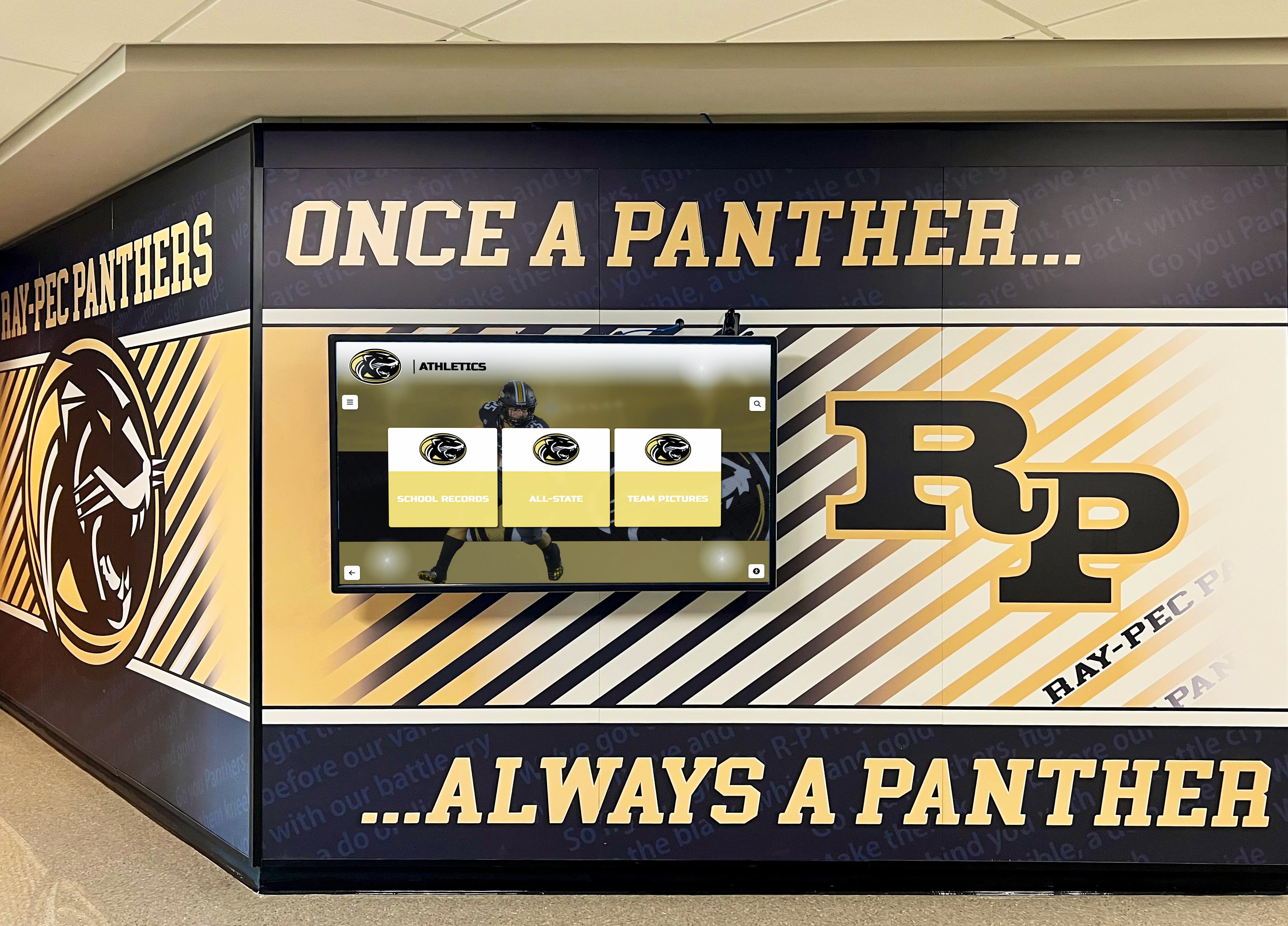
Strategic placement in high-traffic areas ensures donor recognition reaches maximum audiences throughout campaign and beyond
Campaign Day Management
Real-Time Recognition Updates
Active management maintains accuracy:
- Regular gift processing ensuring minimal acknowledgment delay
- Quality control checking name spelling and accuracy
- Progress tracking updating campaign thermometers
- Social media posting featuring recent donors
- Matching gift monitoring showing fund availability
Organizations should designate specific staff members responsible for recognition updates throughout campaign day, establishing rotation schedules if campaign extends to evening hours.
Momentum Building
Strategic communications sustain excitement:
- Milestone announcements celebrating progress
- Leadership gift reveals inspiring additional support
- Challenge unlock notifications motivating goal completion
- Donor testimonials sharing participation motivation
- Countdown reminders creating appropriate urgency
Technical Monitoring
Proactive attention prevents problems:
- Display functionality checking ensuring continuous operation
- Website traffic monitoring identifying capacity issues
- Giving page testing confirming transaction processing
- Mobile experience verification across devices
- QR code functionality validation ensuring link accuracy
Having technical support available throughout campaign day—whether internal IT staff or vendor support teams—enables rapid problem resolution that might otherwise cost substantial lost donations.
Post-Campaign Recognition and Reporting
Final Results Celebration
Campaign conclusion communications include:
- Total fundraising achievement announcement
- Donor count reporting demonstrating participation
- Impact summary explaining gift utilization
- Thank you messaging expressing appreciation
- Recognition hub update showing complete results
Sustained Recognition Visibility
Ongoing acknowledgment maintains engagement:
- Digital displays transitioning to annual donor recognition
- Web hub remaining accessible year-round
- Printed materials featuring Giving Tuesday supporters
- Event recognition at gatherings and programs
- Anniversary communications celebrating participation
Impact Reporting
Outcome documentation validates donor investment:
- Scholarship distribution showing supported students
- Program expansion demonstrating enabled growth
- Facility improvements funded by campaign
- Service metrics quantifying beneficiary impact
- Future campaign plans showing sustained commitment
According to nonprofit research, donors who receive regular impact updates demonstrate 40-50% higher retention rates compared to those receiving only initial thank-you communications, making ongoing reporting essential for maximizing Giving Tuesday’s long-term value.
Explore donor recognition best practices for sustained engagement.
Measuring Giving Tuesday Recognition Effectiveness
Assessment ensures recognition investments achieve intended appreciation and fundraising objectives:
Key Performance Indicators
Participation Metrics
Fundamental success measures include:
- Total funds raised compared to goal and historical performance
- Donor count demonstrating participation breadth
- Average gift size showing contribution depth
- New donor acquisition building future pipeline
- Donor retention from previous Giving Tuesday campaigns
Engagement Indicators
Recognition hub performance includes:
- Digital display interactions and session duration
- Web hub traffic and page views
- Social media engagement and sharing rates
- QR code scans and conversion rates
- Time spent exploring donor recognition
Organizations implementing digital recognition typically see 5-7 minute average engagement times compared to brief glances at static donor lists, indicating substantially increased interest and connection.
Conversion Performance
Critical efficiency measures include:
- Recognition hub visitor-to-donor conversion rate
- QR code scan-to-gift completion rate
- Social media click-to-donation conversion
- Matching gift utilization percentage
- Mobile versus desktop giving performance
Long-Term Impact
Sustained effects include:
- Giving Tuesday participant retention in subsequent years
- Campaign donor progression to annual giving programs
- Major gift cultivation from Giving Tuesday prospects
- Overall fundraising program growth correlation
- Community engagement and brand awareness improvement
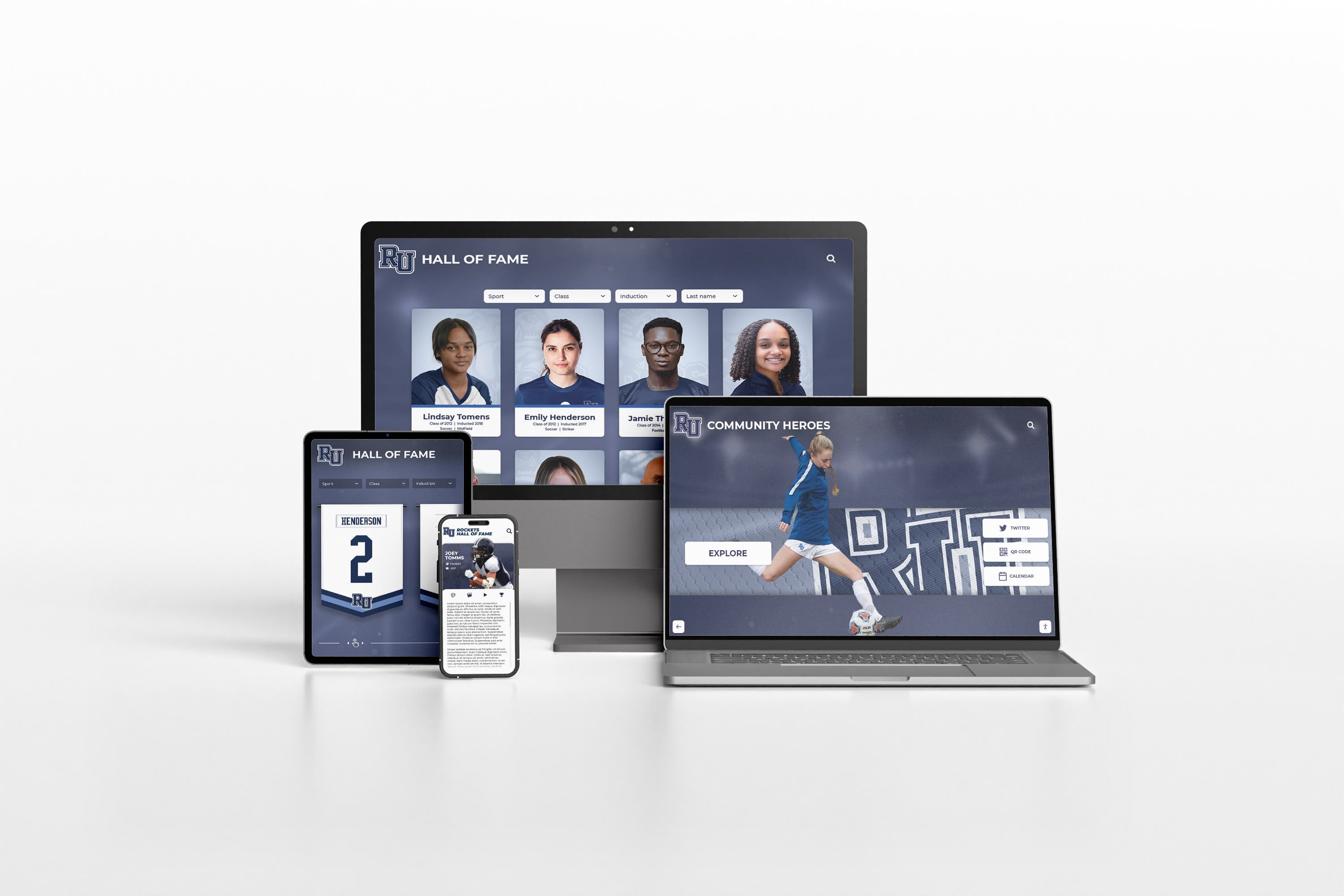
Multi-platform accessibility ensures recognition reaches donors wherever they connect with organizational communications
Continuous Improvement
Post-Campaign Analysis
Systematic evaluation includes:
- What recognition approaches generated highest engagement?
- Which giving levels attracted most participation?
- Where did donors discover campaign and recognition?
- What technical issues impacted user experience?
- How did results compare to goals and previous years?
Donor Feedback Collection
Direct input provides valuable insights:
- Post-campaign surveys asking about recognition experience
- Focus groups exploring donor motivation and satisfaction
- Exit interviews with non-renewing donors understanding attrition
- Social media monitoring revealing unsolicited feedback
- Staff and volunteer debriefing capturing operational insights
Enhancement Planning
Findings inform future campaigns:
- Technology improvements addressing identified limitations
- Content refinements based on engagement patterns
- Communication strategy adjustments optimizing reach
- Goal recalibration reflecting realistic performance
- Budget allocation favoring highest-impact elements
Organizations committed to recognition excellence treat each Giving Tuesday as learning opportunity, systematically refining approaches based on evidence rather than maintaining static programs.
Special Considerations for Educational Institutions
Schools, colleges, and universities face unique Giving Tuesday recognition opportunities and challenges:
K-12 School Recognition Programs
Student and Family Focus
School campaigns should emphasize:
- Parent and alumni giving supporting current students
- Faculty and staff participation demonstrating commitment
- Local business partnership recognition
- Grandparent and extended family engagement
- Student involvement in campaign promotion
Impact Connection
Clear outcomes resonate with school communities:
- Classroom technology and educational resources funded
- Athletic equipment and facility improvements enabled
- Arts program support and performance opportunities
- Scholarship assistance for families needing support
- Extracurricular program expansion serving student interests
Learn about school fundraising recognition approaches for educational environments.
Higher Education Recognition
Alumni Engagement Integration
College campaigns benefit from:
- Class year participation challenges encouraging competition
- Young alumni focus building early giving habits
- Reunion year emphasis leveraging milestone celebrations
- Greek life and student organization fundraising
- Athletic team and academic department campaigns
Leadership Gift Cultivation
University-scale fundraising requires:
- Major gift prospect identification from campaign participants
- Leadership circle recognition for transformational support
- Naming opportunities for facility and program investments
- Planned giving integration for estate commitments
- Corporate partnership development for matching programs
Universities commonly structure Giving Tuesday as gateway to larger annual giving and major gift programs, using broad participation campaigns to identify and cultivate leadership prospects.
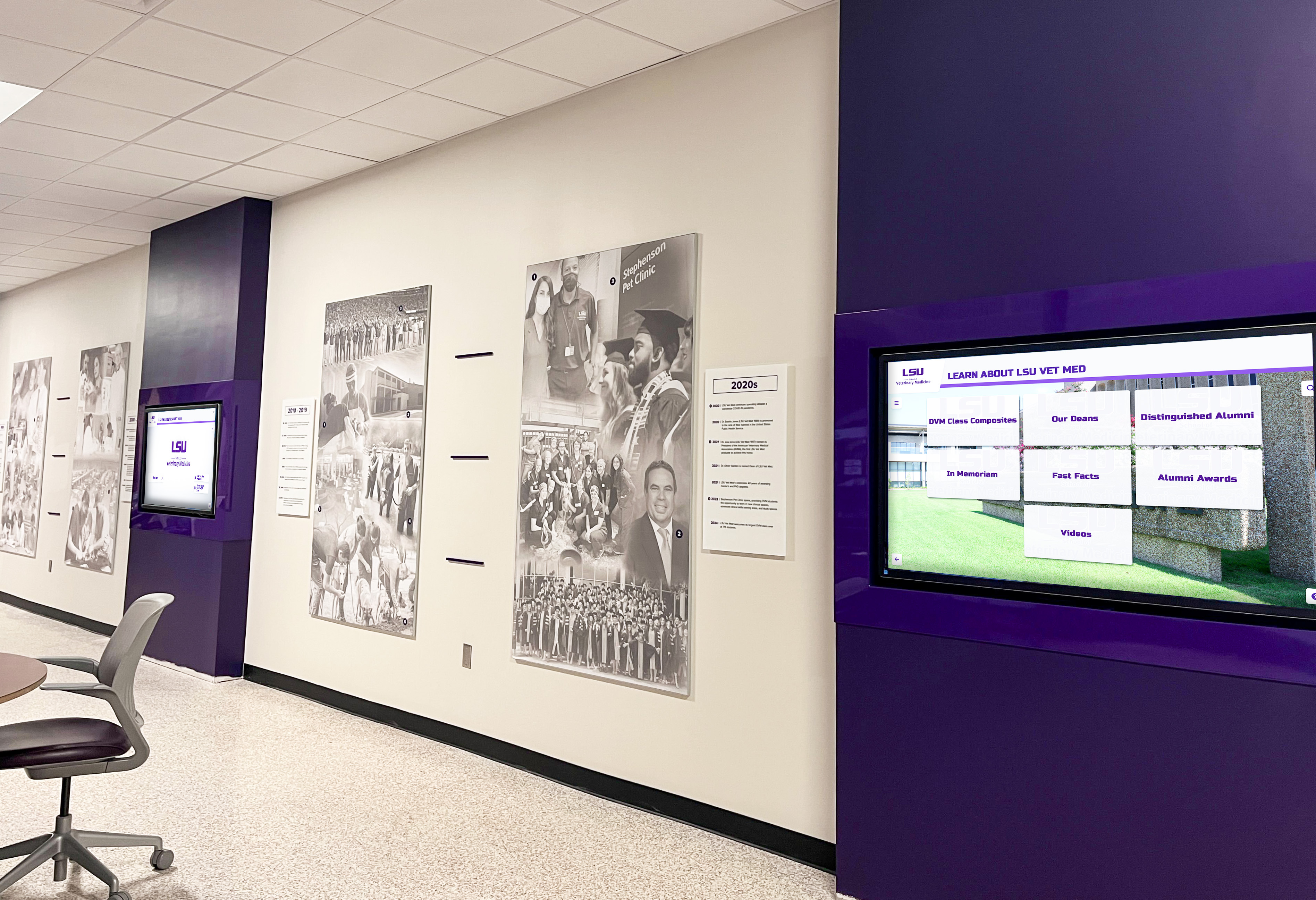
Higher education institutions benefit from comprehensive recognition systems acknowledging diverse donor constituencies
Technology Recommendations for Recognition Systems
Successful Giving Tuesday recognition requires appropriate platform selection:
Essential Platform Capabilities
Real-Time Update Functionality
Systems must provide:
- Instant content publishing appearing within minutes
- Cloud-based management accessible from anywhere
- Mobile-friendly admin interfaces for on-the-go updates
- Scheduled publishing automating time-sensitive content
- Bulk import tools for efficient donor list management
Giving Integration
Native donation functionality ensures:
- Seamless transition from recognition to giving
- Consistent branding throughout user journey
- Saved donor information simplifying repeat gifts
- Multiple payment method support
- Recurring gift setup for sustained support
Multi-Display Coordination
Organizations with multiple locations benefit from:
- Synchronized content across all displays
- Location-specific customization where appropriate
- Central management eliminating duplicate effort
- Consistent branding and messaging
- Remote monitoring confirming operation
Analytics and Reporting
Data capabilities should include:
- User interaction tracking and engagement metrics
- Traffic source identification showing discovery methods
- Conversion funnel analysis revealing drop-off points
- Campaign performance dashboards
- Donor behavior insights informing strategy
Solutions like Rocket Alumni Solutions provide purpose-built platforms specifically designed for donor recognition applications, with features addressing unique requirements that generic digital signage cannot accommodate effectively.
Explore digital recognition platform selection considerations for educational institutions.
Conclusion: Creating Giving Tuesday Recognition That Drives Lasting Impact
Effective Giving Tuesday donor recognition represents far more than obligatory acknowledgment—it serves as strategic tool for validating contributors, inspiring others to participate, and creating centralized hubs that drive action while building sustainable fundraising programs. When schools, colleges, universities, and nonprofits implement recognition systems centered around digital displays with integrated giving functionality, they transform campaign participation into visible celebration that amplifies community support and encourages continued engagement.
The strategies explored in this guide provide comprehensive frameworks for creating recognition programs that honor every Giving Tuesday donor appropriately while converting acknowledgment into cultivation opportunities and sustained relationships. From real-time digital displays showcasing contributors immediately to web-based hubs extending recognition globally to seamless giving integration eliminating friction, these approaches enable organizations to maximize both appreciation and strategic fundraising value.
Ready to transform your Giving Tuesday recognition program? Modern digital recognition solutions help schools and nonprofits showcase supporters prominently while creating centralized hubs that drive participation and sustained engagement. Solutions like Rocket Alumni Solutions provide comprehensive platforms specifically designed for campaign recognition, combining real-time donor acknowledgment with giving integration and analytics that ensure successful programs.
Whether you’re launching your first Giving Tuesday campaign or enhancing existing efforts, the key is creating recognition systems that celebrate every contributor immediately, provide visible social proof that inspires additional giving, and maintain engagement long after campaign conclusion. Request your free custom demo to see how digital recognition can amplify your Giving Tuesday success.
Your supporters deserve recognition that honors their generosity while demonstrating how their contributions create meaningful impact. With strategic planning, appropriate technology, and consistent implementation, you can create Giving Tuesday recognition programs that serve both donor appreciation and fundraising objectives—building grateful, engaged communities where missions thrive.
The most successful Giving Tuesday campaigns understand that recognition serves dual purposes: validating contributors who already gave while inspiring prospects who haven’t yet participated. Organizations that embrace digital recognition position themselves to maximize both appreciation and cultivation, creating visible celebration that drives action and builds sustainable support.
Your Giving Tuesday donors make your programs possible. Recognition systems that celebrate their contributions immediately, prominently, and authentically create the foundation for sustained engagement and growing philanthropic investment that transforms organizational capacity and impact.