



Championship trophies, game-worn helmets, signed footballs, and championship rings tell the story of football excellence—documenting the dedication, sacrifice, and competitive achievement that define successful programs. These physical artifacts represent far more than simply awards and equipment: they embody the team unity forged through challenging seasons, the breakthrough moments when programs reached new competitive heights, and the lasting legacy built by athletes and coaches who pursued excellence relentlessly.
Yet many athletic programs struggle with trophy case challenges: limited display space forcing difficult choices about which achievements to showcase, deteriorating memorabilia from improper storage and lighting, static displays that fail to capture the compelling stories behind championships, and recognition systems that become cluttered or dated within a few years. Meanwhile, championship helmets gather dust in storage, game balls sit forgotten in equipment rooms, and irreplaceable memorabilia degrades without proper preservation—leaving program history disconnected from the athletes and communities who should celebrate these accomplishments.
This comprehensive guide explores innovative football trophy case ideas for effectively displaying helmets, game balls, championship memorabilia, and team achievements through traditional physical displays, modern digital solutions, and hybrid approaches that maximize recognition impact while preserving program history for generations.
Football trophy cases serve multiple critical functions beyond simply storing awards—they preserve institutional heritage documenting program development, inspire current athletes by showcasing what excellence within the program requires, strengthen community pride by celebrating competitive achievement publicly, and create recruiting advantages by demonstrating program commitment to recognizing excellence appropriately.

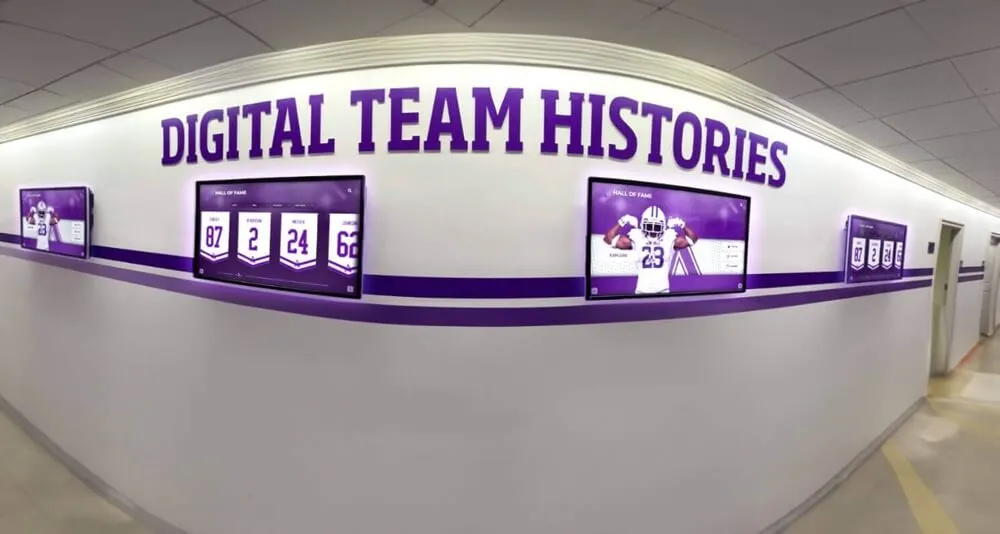
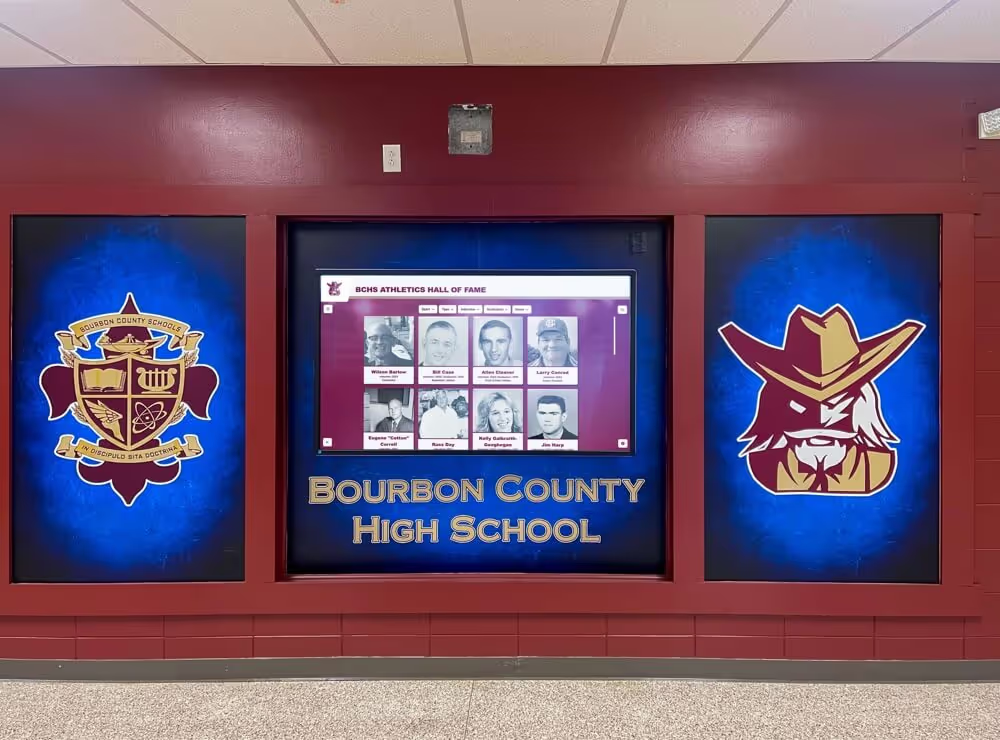
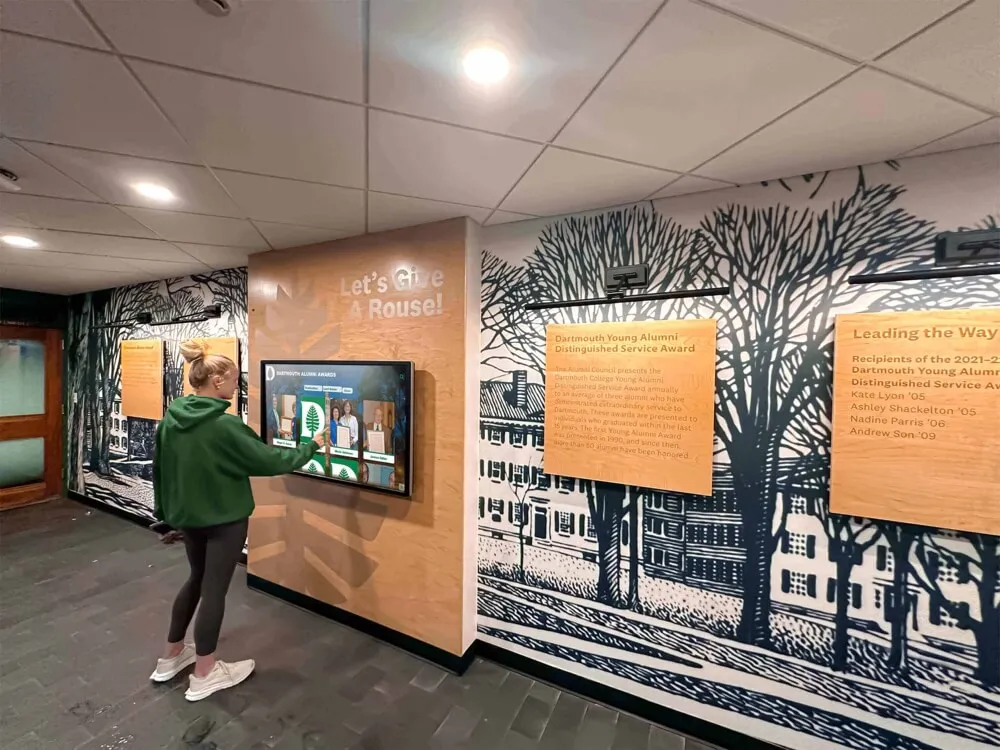
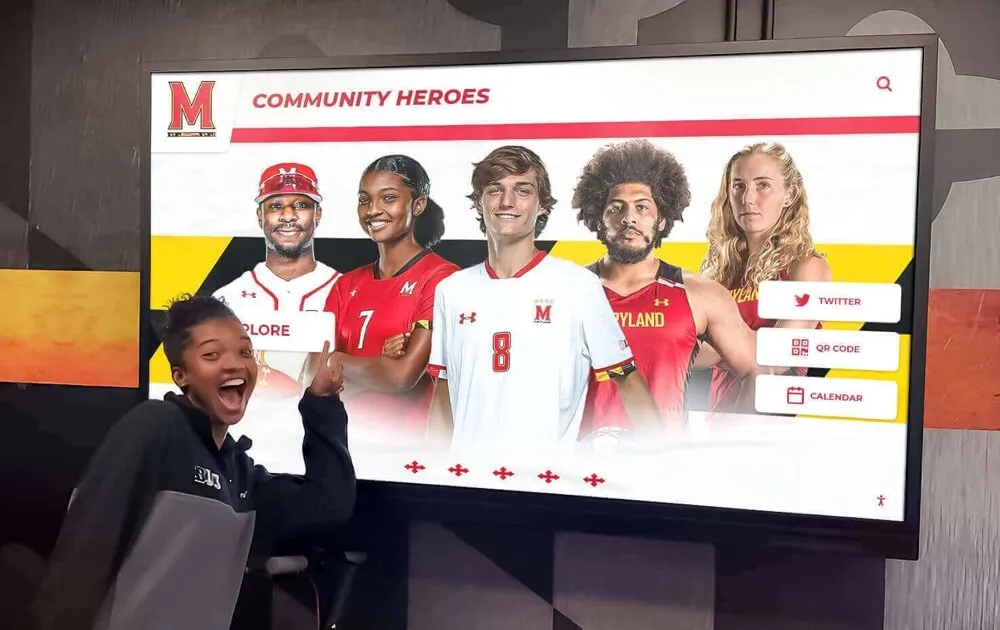
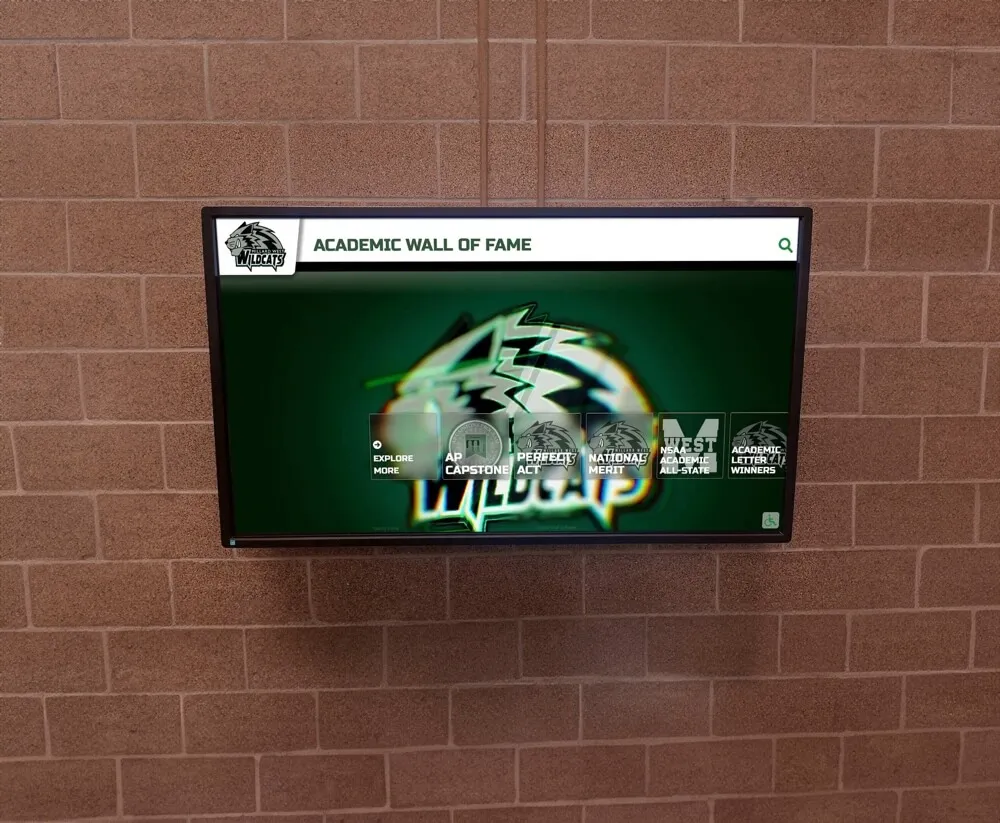
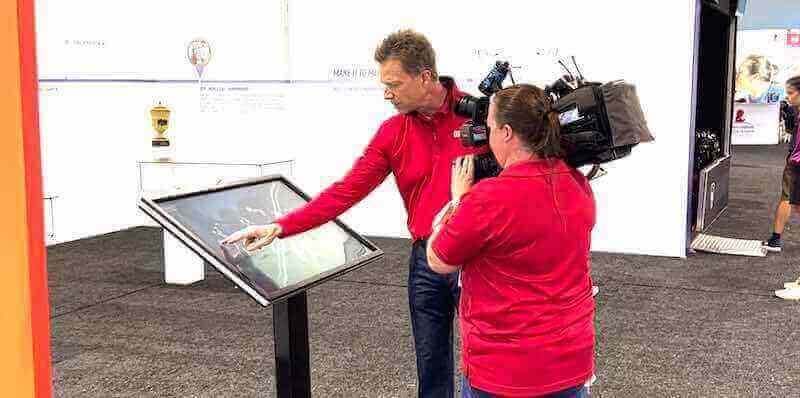
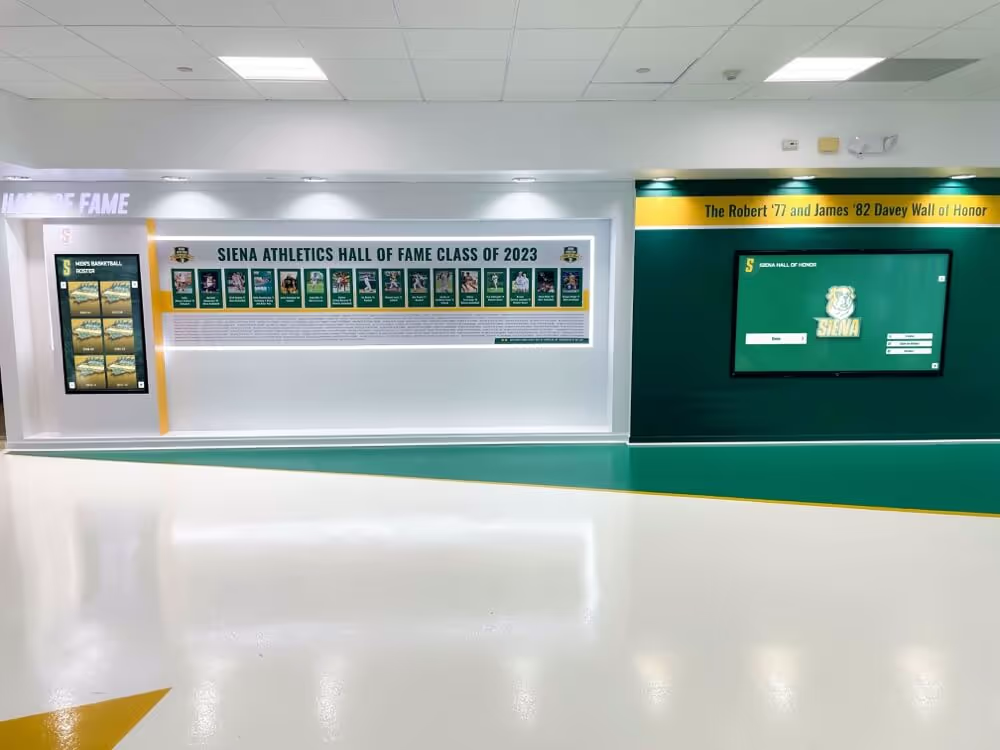
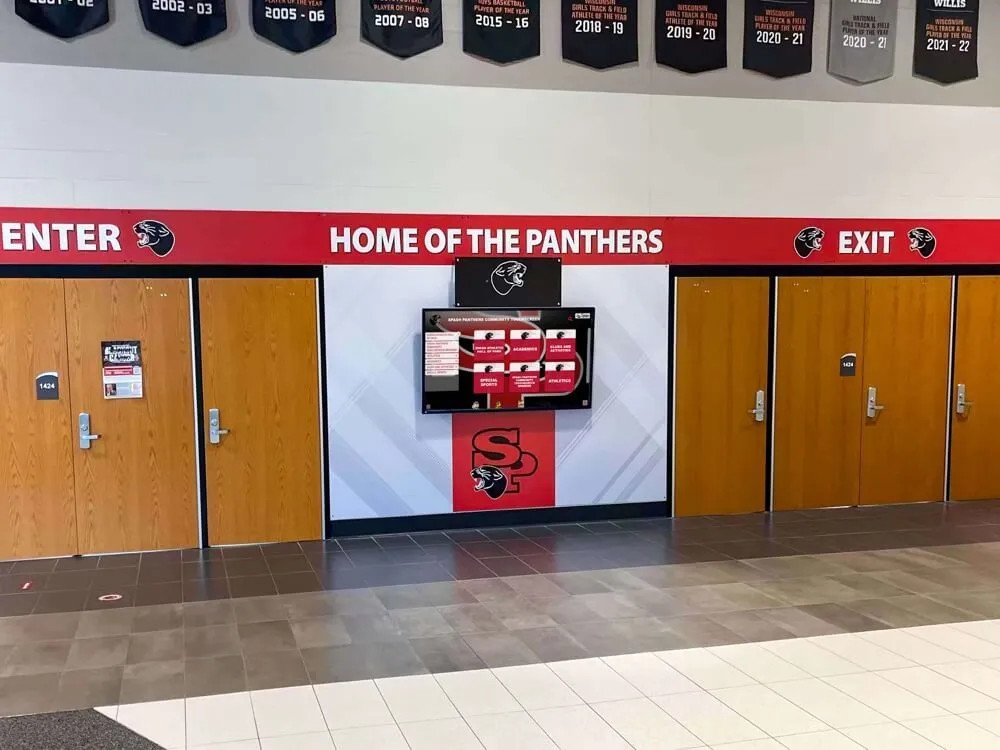
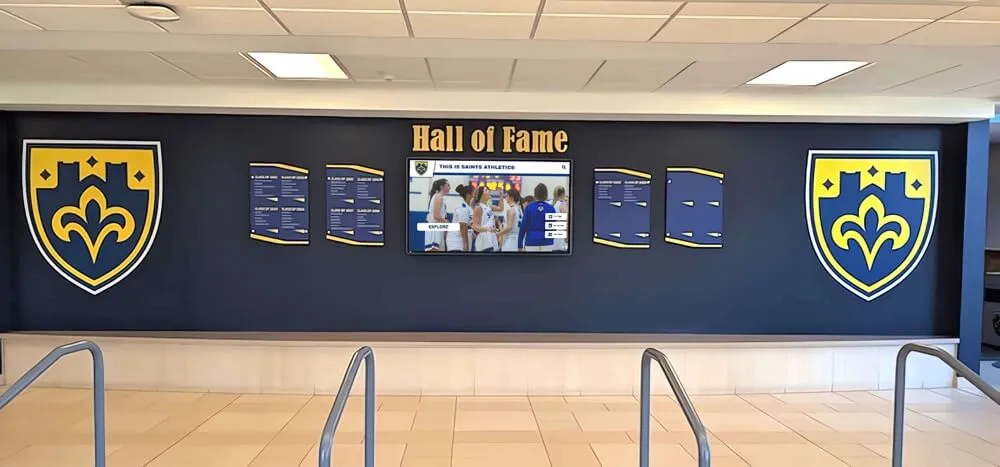
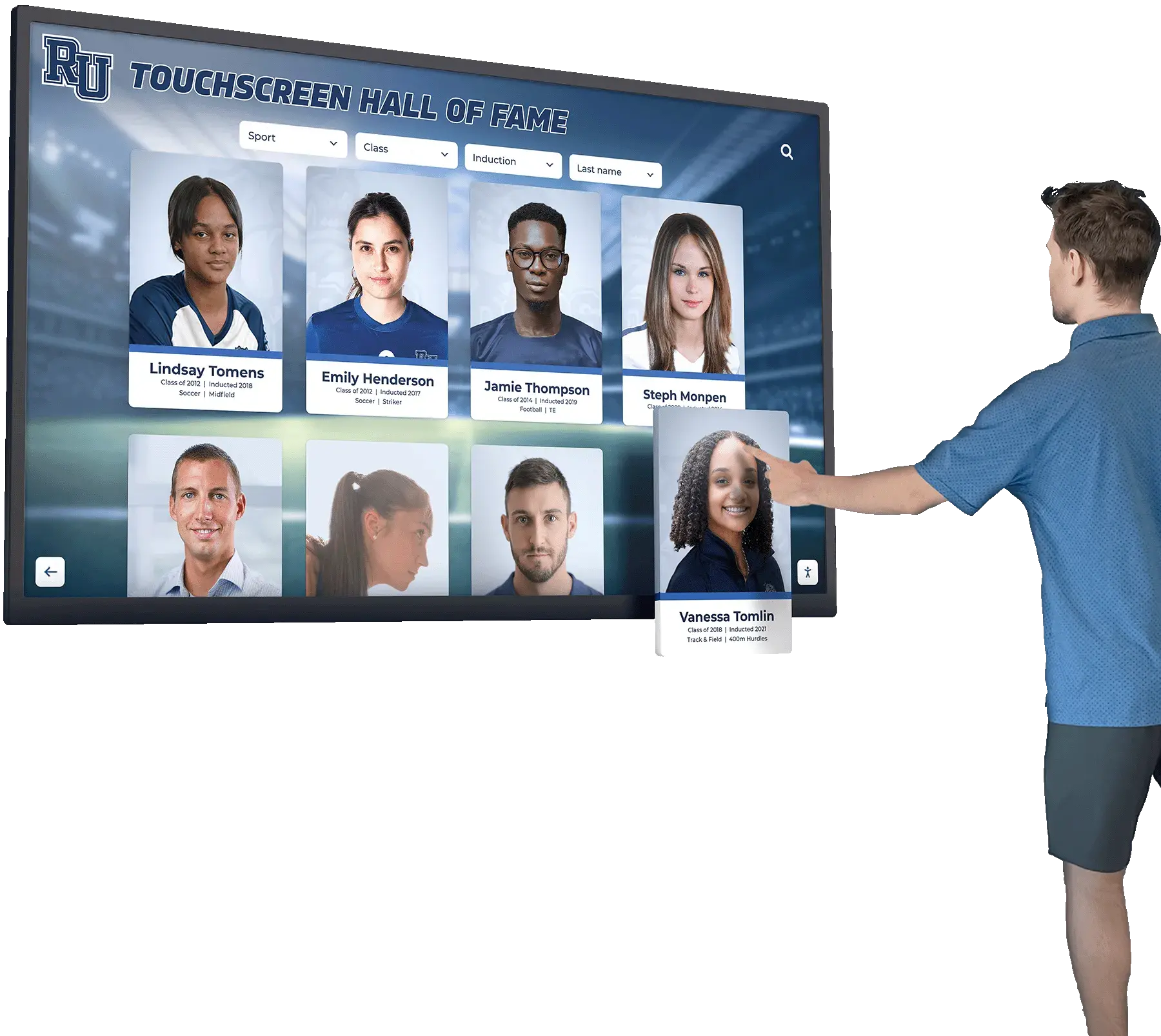
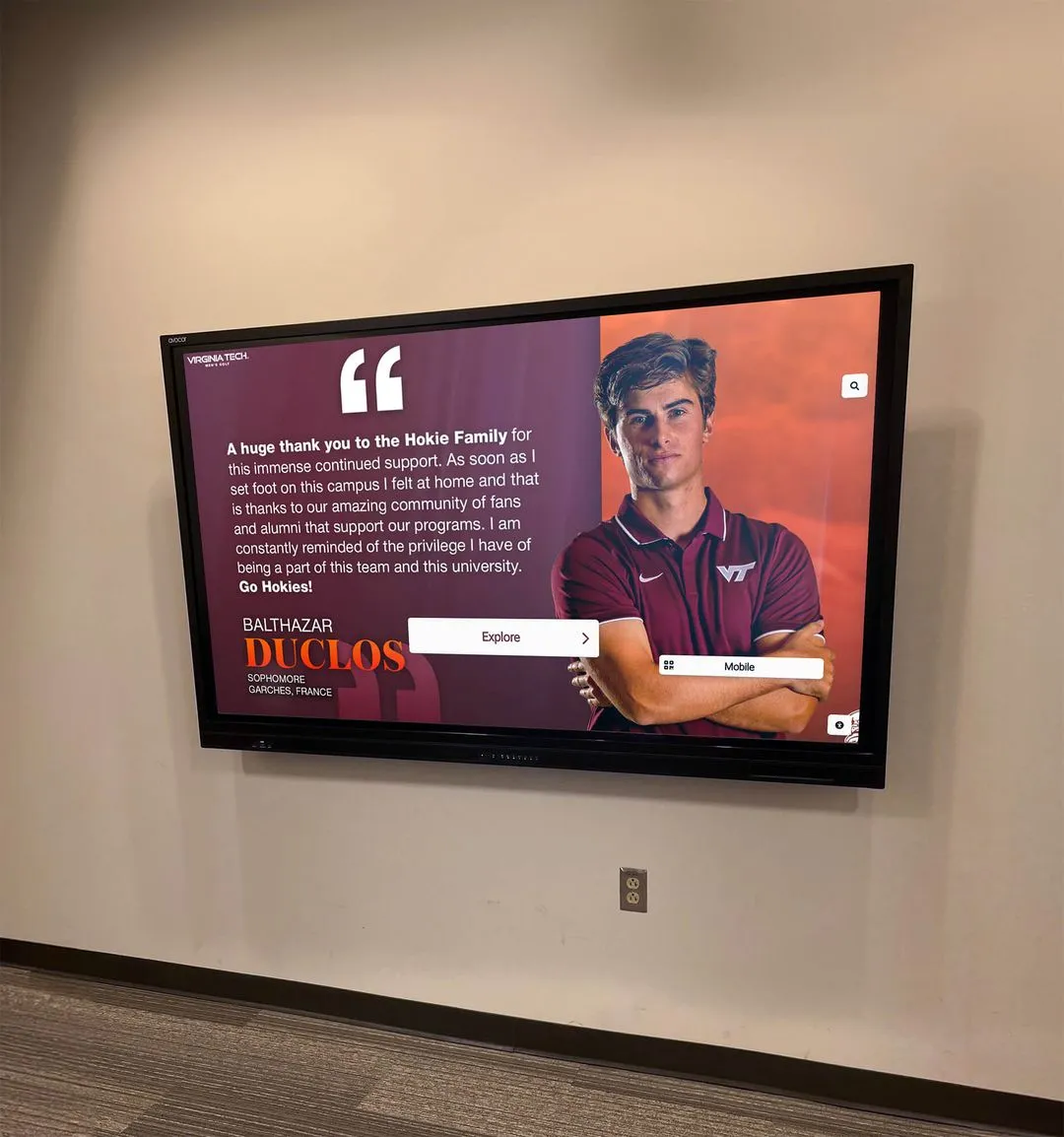
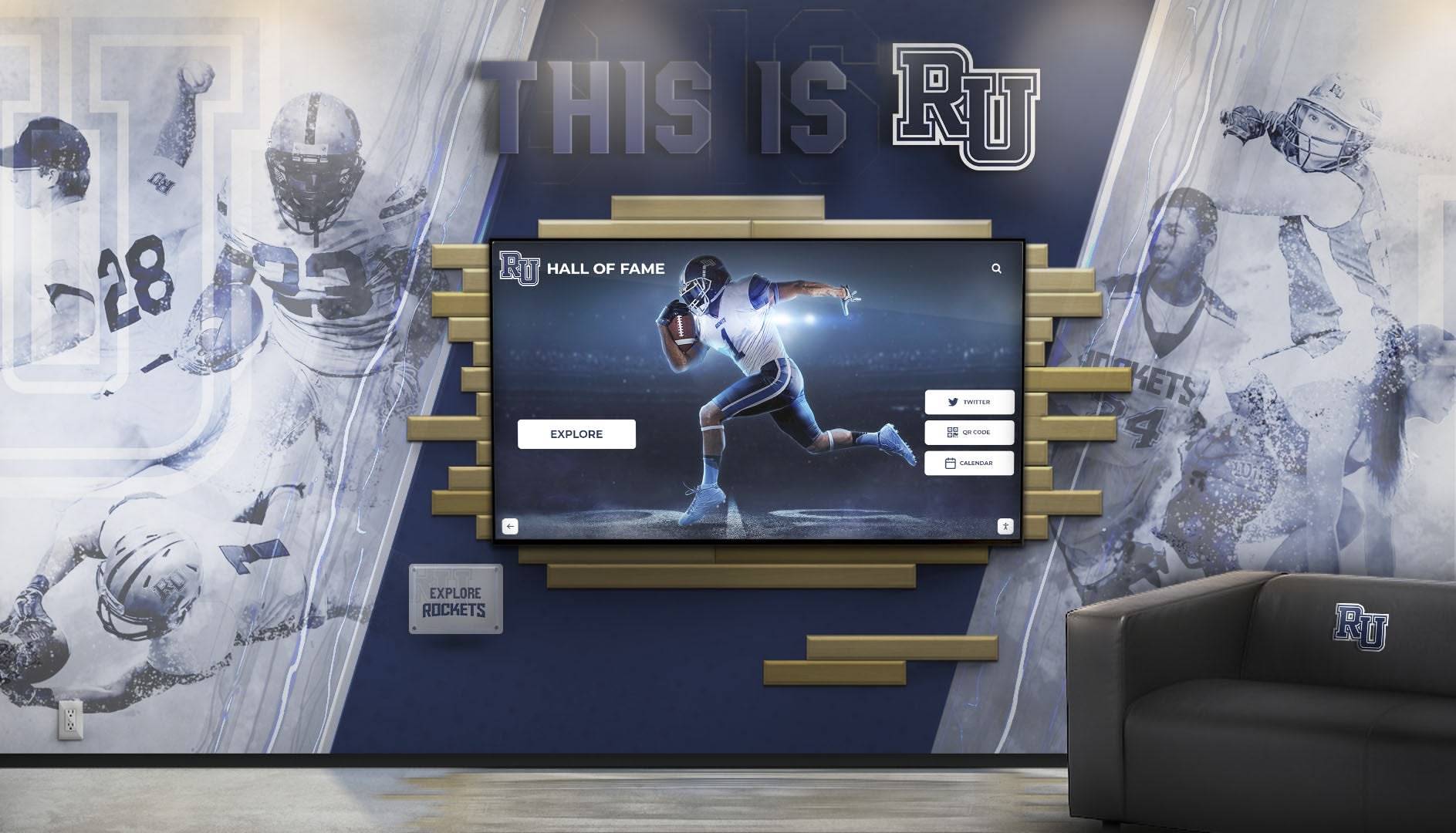
Modern football recognition combines traditional trophy displays with digital platforms showcasing comprehensive program histories
Program Snapshot: Comprehensive Football Trophy Case System
| Display Element | Implementation Details |
|---|---|
| Featured Items | Championship trophies, game helmets, signed footballs, championship rings, jerseys, photographs, team banners, historic equipment |
| Display Locations | Athletic facilities, main school entrances, team areas, weight rooms, hallway corridors, digital platforms accessible anywhere |
| Recognition Scope | Current season achievements, historical championships, individual honors, team accomplishments, coaching milestones, program records |
| Update Frequency | Season-ending additions, annual maintenance reviews, real-time digital updates, historical research expansion |
| Space Considerations | Traditional physical displays (limited capacity), digital systems (unlimited capacity), hybrid approaches (maximum flexibility) |
| Investment Range | Physical cases ($2,000-$15,000), digital displays ($3,000-$12,000), comprehensive hybrid systems ($5,000-$25,000) |
| Primary Benefits | Preserved program history, athlete inspiration, community engagement, recruiting advantage, institutional pride, heritage documentation |
| Management | Athletic directors, coaching staff, booster clubs, facilities managers, historical archivists |
Understanding Football Trophy Case Fundamentals
Before implementing recognition systems, understanding core principles helps programs make informed decisions about display approaches, memorabilia preservation, and long-term sustainability.
The Evolution of Football Trophy Displays
Football recognition has transformed significantly from simple trophy shelves to comprehensive recognition systems:
Traditional Trophy Case Limitations
Conventional displays encounter fundamental constraints:
- Limited physical space forcing selective recognition of only major championships
- Static presentation lacking context about championship seasons or team stories
- Deterioration risks from lighting exposure, dust accumulation, and humidity
- Maintenance challenges including cleaning, reorganization, and damage repair
- Accessibility restrictions limiting viewing to physical facility visitors
- Update complexity requiring case opening, arrangement adjustment, and security concerns
- Inflexibility preventing easy reorganization as programs evolve
- High costs for quality display cases with proper lighting and security features
These limitations result in programs where worthy achievements remain unrecognized due to space constraints, memorabilia deteriorates from improper storage, recognition becomes outdated or cluttered, and trophy cases fail to inspire or engage effectively.
Contemporary Recognition Approaches
Modern programs implement comprehensive systems addressing traditional limitations:
- Digital displays providing unlimited capacity for historical documentation
- Multimedia storytelling incorporating photos, videos, statistics, and narratives
- Interactive exploration enabling visitors to discover program history actively
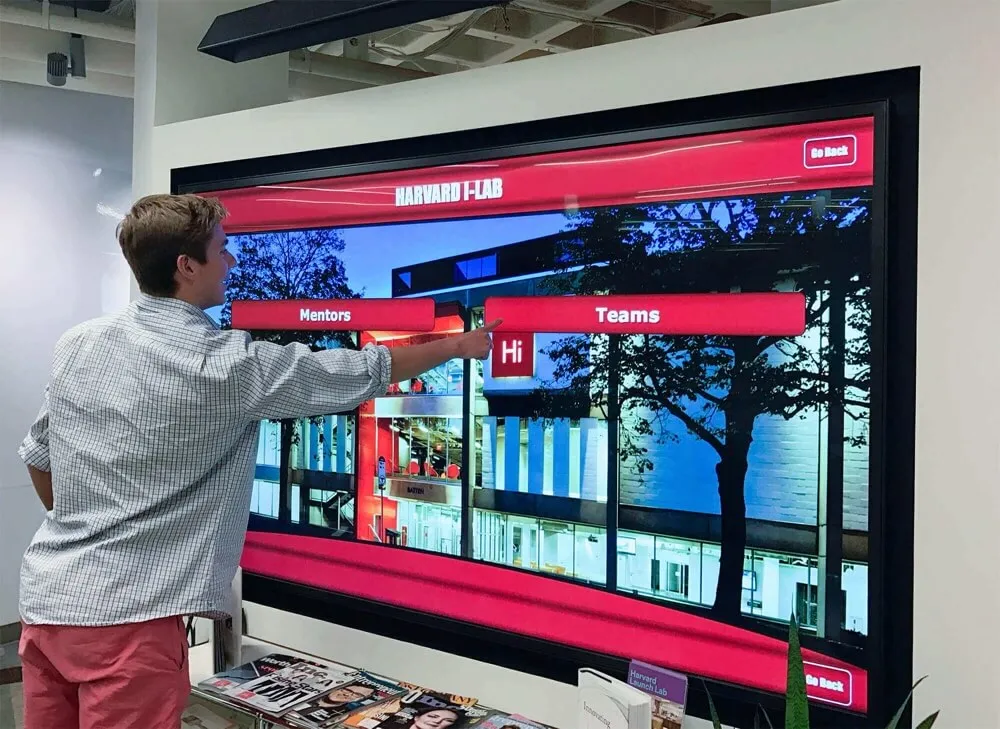
- Hybrid solutions combining physical trophy presence with digital information depth
- Proper preservation protocols protecting irreplaceable memorabilia
- Flexible systems accommodating program growth and changing priorities
- Year-round accessibility through web-based platforms extending beyond physical locations
- Cost-effective scalability enabling comprehensive recognition within realistic budgets
Learn about comprehensive athletic hall of fame systems implemented by successful football programs nationally.
Essential Planning Considerations
Effective trophy case planning requires systematic assessment:
Space Availability and Location
Evaluate display venue options thoroughly:
- Available wall space in athletic facilities, lobbies, and hallways
- Cabinet depth accommodating helmets and three-dimensional objects
- Viewing angles and traffic flow patterns for optimal visibility
- Lighting conditions affecting memorabilia preservation and viewing quality
- Security considerations protecting valuable or irreplaceable items
- Climate control ensuring appropriate temperature and humidity levels
- Accessibility compliance ensuring all community members can view displays
- Future expansion capacity accommodating program growth
Recognition Philosophy and Scope
Define what achievements warrant display:
- Championship trophies from conference, district, regional, state, and national competitions
- Individual player awards including all-conference, all-state, and national recognitions
- Coaching milestone achievements and career honors
- Historic equipment from significant seasons or games
- Game balls from memorable victories or championship contests
- Team photographs documenting championship seasons
- Statistical leaders and program record holders
- Community awards and program recognitions
Understanding digital trophy case options helps programs establish appropriate recognition standards.
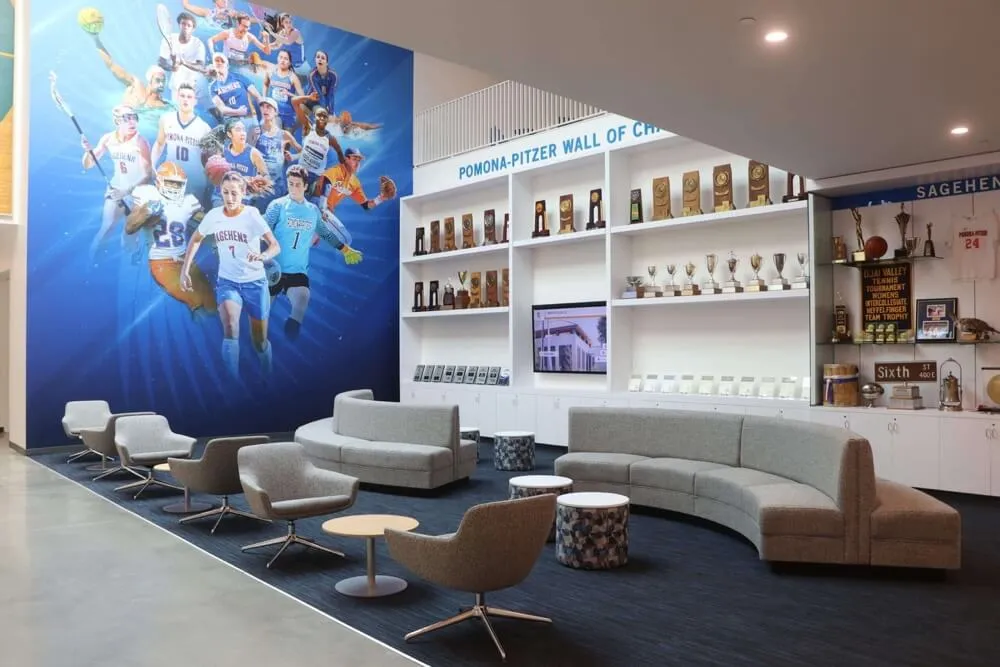
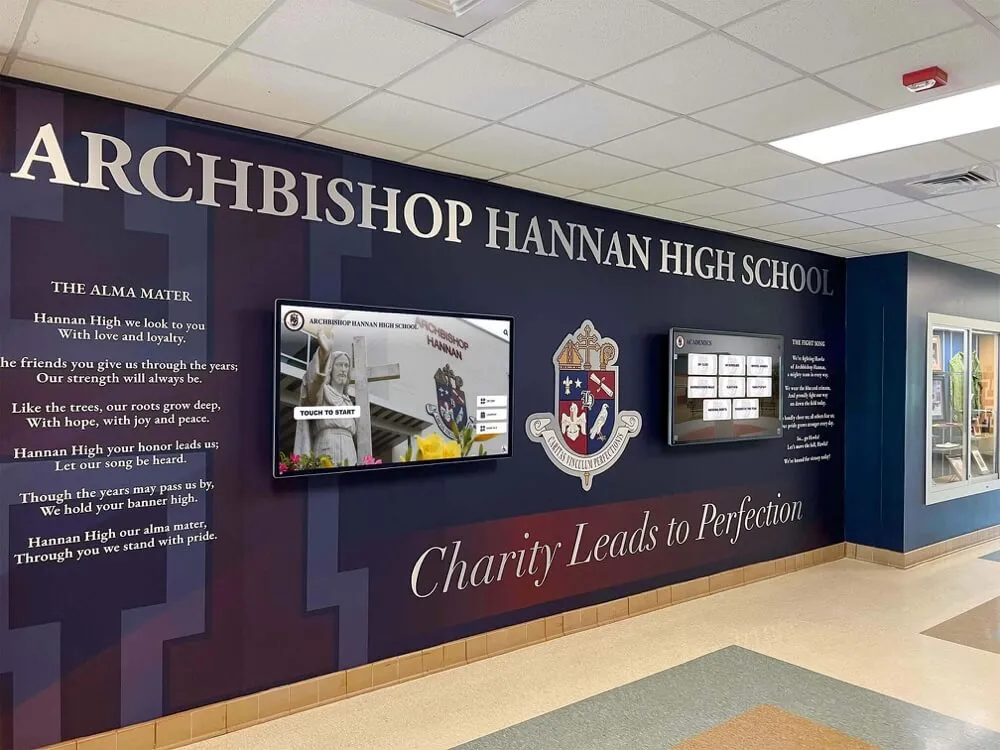
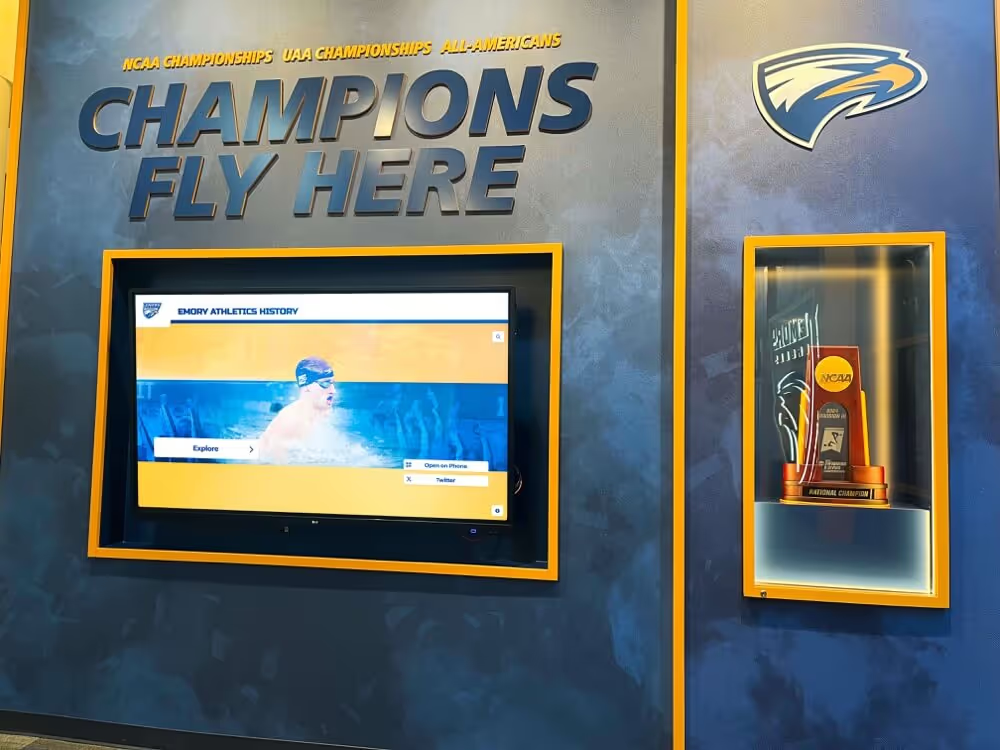
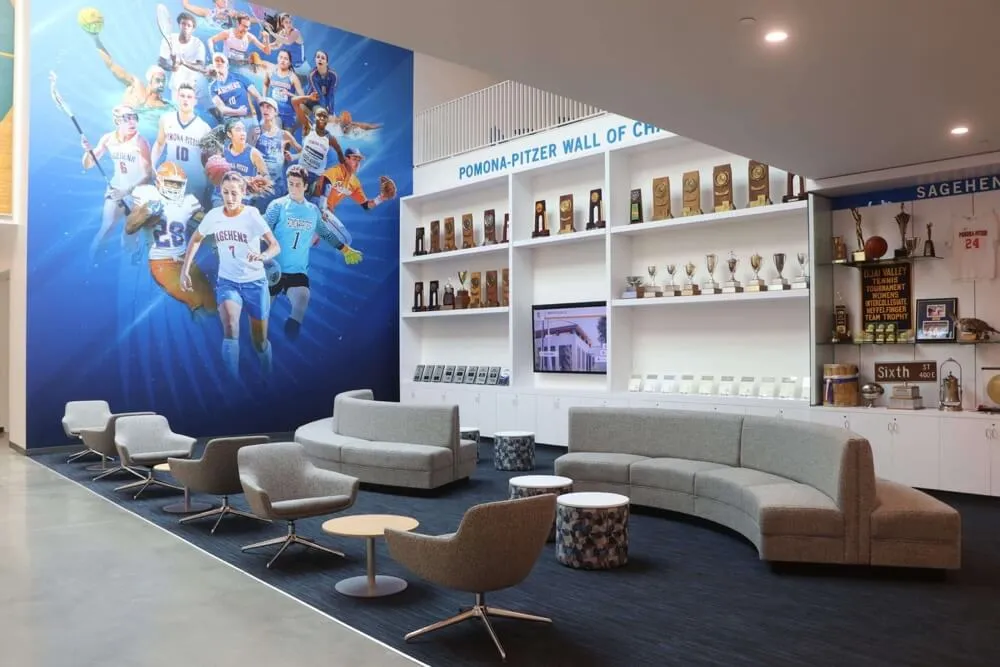
Well-designed trophy display spaces combine physical memorabilia with environmental elements celebrating football excellence
Preservation Best Practices
Protecting irreplaceable memorabilia requires proper care:
Environmental Controls
Create appropriate storage conditions:
- Temperature Management - Maintain 65-70°F preventing material degradation from heat exposure
- Humidity Control - Keep relative humidity at 40-50% preventing mold growth and material deterioration
- Light Protection - Use UV-filtering glass and LED lighting preventing fading and material breakdown
- Dust Prevention - Seal display cases properly minimizing cleaning requirements and contamination
- Air Quality - Avoid locations near kitchens, pools, or high-pollution areas
- Pest Control - Implement preventive measures protecting leather, fabric, and organic materials
Material-Specific Preservation
Different items require specialized care:
Helmets and Equipment
- Clean thoroughly before display removing dirt, sweat, and oils
- Store away from direct sunlight preventing paint fading and plastic degradation
- Support properly preventing deformation from gravity or pressure
- Avoid extreme temperature fluctuations causing material stress
- Inspect regularly for deterioration signs requiring conservation intervention
Footballs and Leather Items
- Condition leather periodically preventing cracking and drying
- Maintain moderate humidity preventing excessive drying or mold growth
- Support shape using stands or mounts preventing deformation
- Protect from direct light preventing color fading
- Handle minimally with clean hands or gloves preventing oil transfer
Trophies and Metals
- Clean with appropriate materials avoiding scratching or tarnish damage
- Protect from humidity preventing corrosion and tarnish
- Secure properly preventing toppling and breakage
- Polish conservatively preserving original finishes
- Document condition regularly identifying deterioration early
Fabrics and Jerseys
- Store flat or properly supported preventing stretching and creasing
- Protect from light preventing severe color fading
- Maintain stable humidity preventing mold and fiber degradation
- Clean professionally before display removing contaminants
- Consider rotation limiting continuous display exposure
Explore memorabilia preservation strategies protecting historical artifacts while enabling recognition.
Traditional Physical Trophy Case Ideas
Conventional display approaches provide tangible memorabilia presence while requiring thoughtful design addressing space and preservation constraints.
Wall-Mounted Display Cases
Vertical displays maximize limited floor space:
Shallow Wall Cases
Ideal for hallways and corridors:
- 4-6 inch depth accommodating trophies, plaques, and photographs
- Multiple shelf configurations creating organized presentation
- Glass or acrylic fronts protecting contents while enabling viewing
- Built-in lighting highlighting featured items
- Lock mechanisms securing valuable memorabilia
- Modular designs enabling expansion over time
- Professional appearance enhancing facility aesthetics
- Typical investment: $2,000-$8,000 depending on size and features
Deep Wall Cabinets
Accommodating larger items like helmets:
- 12-18 inch depth fitting helmets, footballs, and equipment
- Adjustable shelving adapting to different item sizes
- Mirrored backs creating visual depth and item visibility
- Integrated lighting systems showcasing memorabilia effectively
- Tempered glass ensuring safety and durability
- Custom configuration matching available wall space
- Higher capacity reducing clutter and improving organization
- Typical investment: $4,000-$12,000 for quality installations
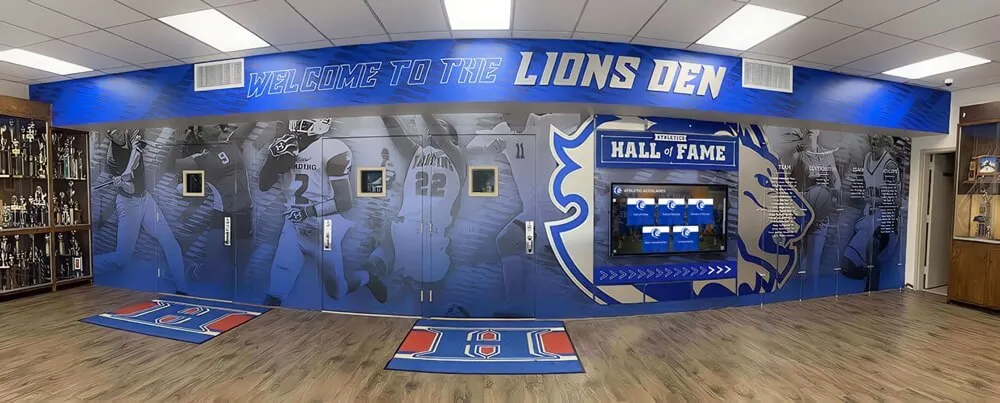
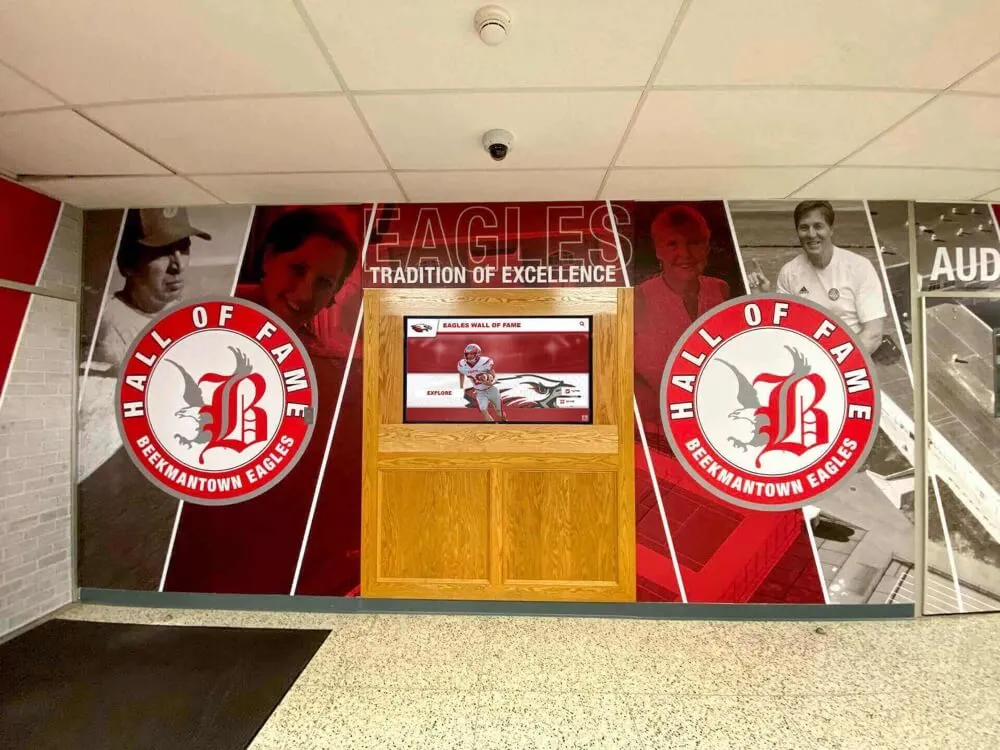
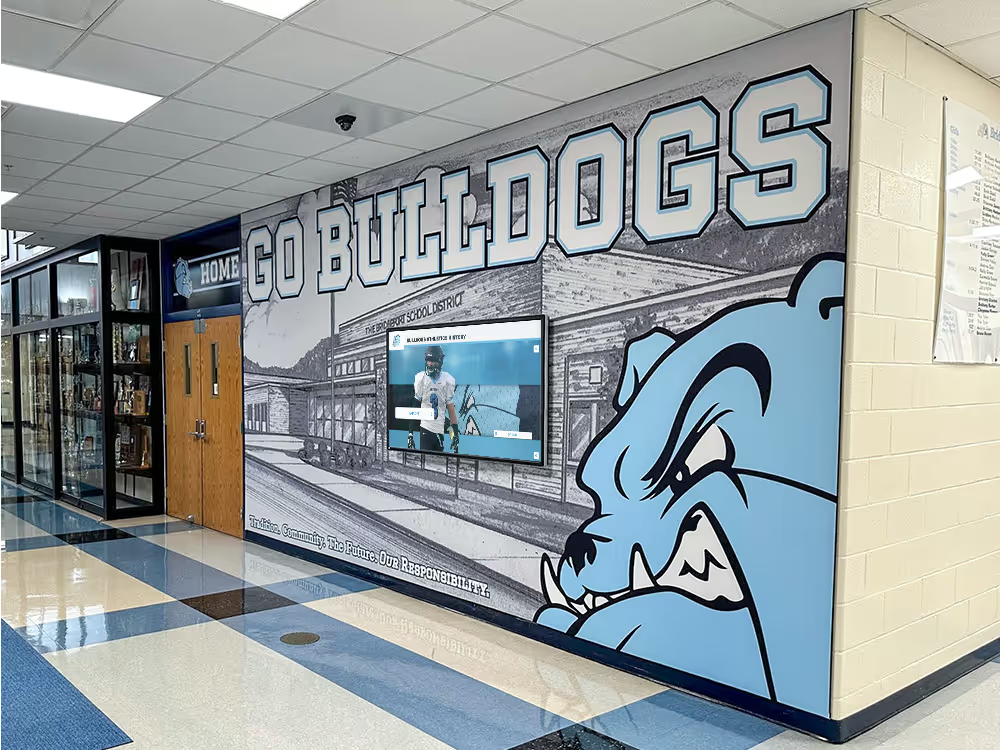
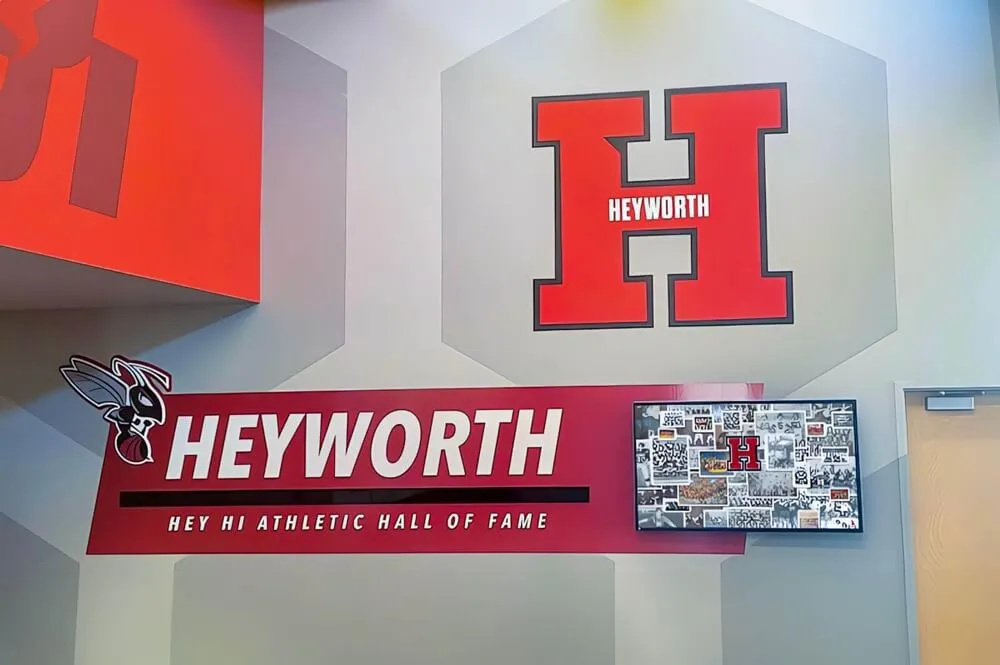
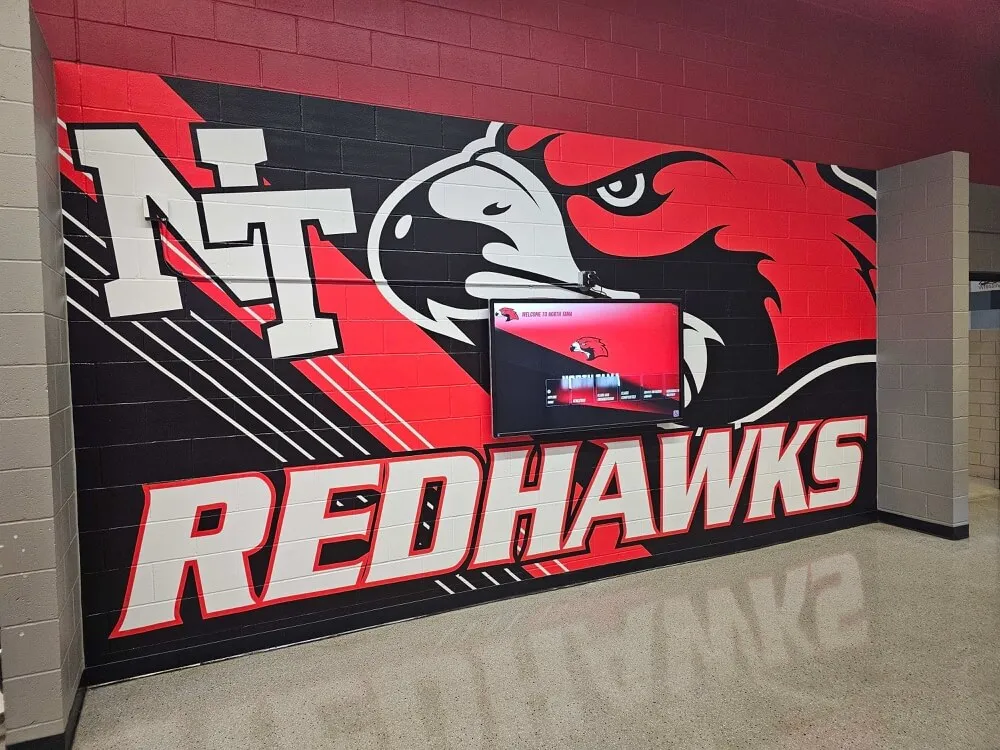
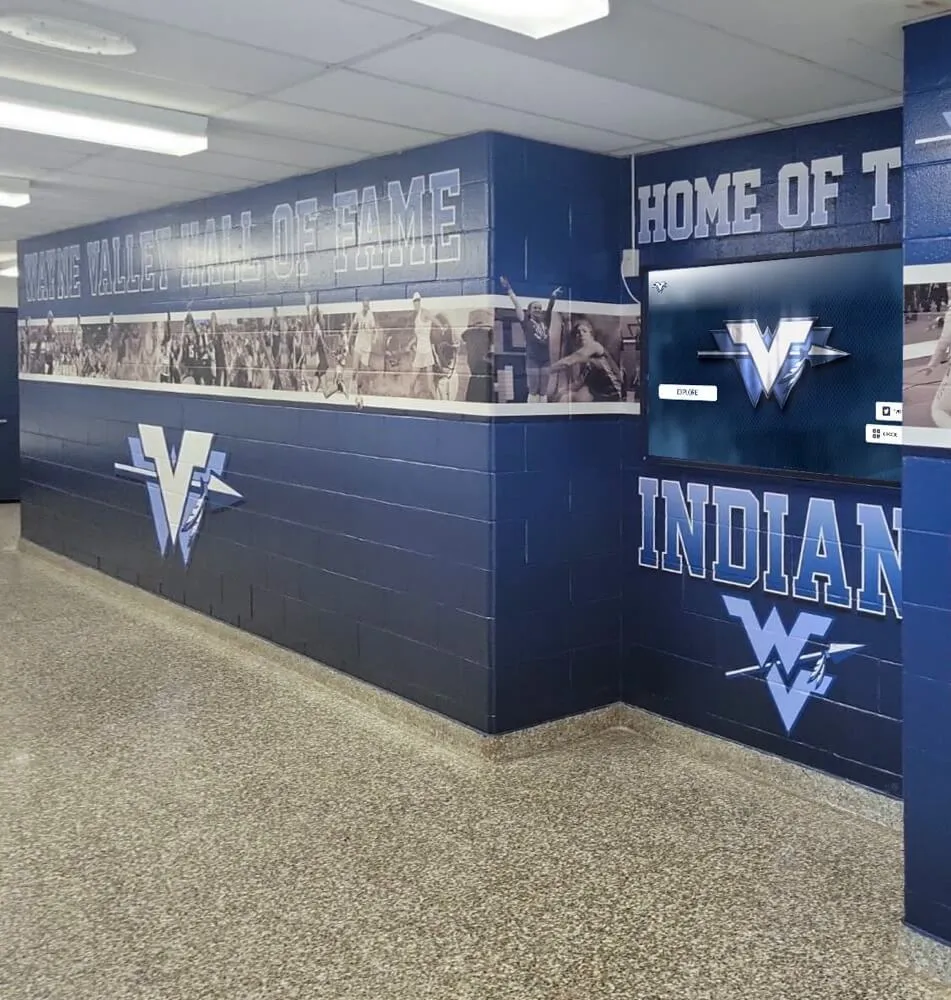
Integrated trophy cases combined with branded murals create immersive football recognition environments
Freestanding Display Cases
Floor units provide flexibility and prominence:
Tower Display Cases
Vertical orientation maximizing visibility:
- Four-sided glass enabling viewing from multiple angles
- Rotating platform options for featured items
- Premium lighting creating dramatic presentation
- Secure locking systems protecting valuable contents
- Mobility allowing repositioning for events or renovations
- Varying heights (4-7 feet) accommodating different spaces
- Ideal for lobbies and prominent locations
- Typical investment: $3,000-$10,000 per unit
Horizontal Display Cabinets
Gallery-style presentation:
- Counter-height viewing providing comfortable examination
- Large surface area accommodating multiple items simultaneously
- Interior organization using risers and platforms
- Professional museum-quality appearance
- Appropriate for championship collections or seasonal displays
- Tempered glass tops withstanding handling
- Custom finishes matching facility aesthetics
- Typical investment: $4,000-$15,000 depending on size
Specialized Football Memorabilia Displays
Purpose-built solutions for specific items:
Helmet Display Systems
Showcasing game-worn and championship helmets:
Wall-Mounted Helmet Brackets
- Individual acrylic or metal mounts for each helmet
- Shadow box frames creating depth and visual interest
- Floating shelf arrangements in organized patterns
- Nameplate integration identifying players, seasons, or significance
- Grid patterns creating uniform appearance
- Chronological or achievement-based organization
- Typical cost: $50-$200 per helmet display
Helmet Display Cases
- Glass-front cabinets specifically sized for helmet collections
- Multiple shelf configurations accommodating 6-20 helmets
- Rotating display options featuring different helmets periodically
- Integrated lighting highlighting helmet details and colors
- Climate-controlled options for valuable historical helmets
- Typical investment: $2,000-$8,000 for dedicated helmet cases
Football and Game Ball Displays
Preserving memorable game balls:
Individual Ball Holders
- Acrylic cubes or spheres enclosing signed or game balls
- Pedestal stands elevating balls for prominence
- Wall-mounted cradles for space-efficient display
- Engraved plates describing ball significance
- UV-protective materials preventing autograph fading
- Typical cost: $30-$150 per ball depending on holder quality
Ball Display Collections
- Multi-ball cases accommodating championship collections
- Tiered shelving creating visual interest
- Integrated lighting highlighting autographs and markings
- Temperature and humidity control for leather preservation
- Rotating seasonal displays featuring different accomplishments
- Typical investment: $500-$3,000 for collection displays
Discover comprehensive trophy display case ideas applicable across multiple sports and recognition needs.
Jersey and Uniform Displays
Showcasing team apparel effectively:
Framed Jersey Presentations
- Professional framing with acid-free materials
- Custom matting in team colors
- UV-protective glass preventing fading
- Nameplate information providing context
- Museum-quality appearance
- Wall-mounting for prominent display
- Typical cost: $300-$800 per framed jersey
Mannequin and Form Displays
- Three-dimensional presentation showing complete uniforms
- Positioned in athletic stances creating dynamic presentation
- Helmet and equipment integration showing complete game appearance
- Appropriate for championship or historically significant uniforms
- Requires significant space and careful placement
- Creates dramatic visual impact in lobbies
- Typical investment: $500-$2,000 per display
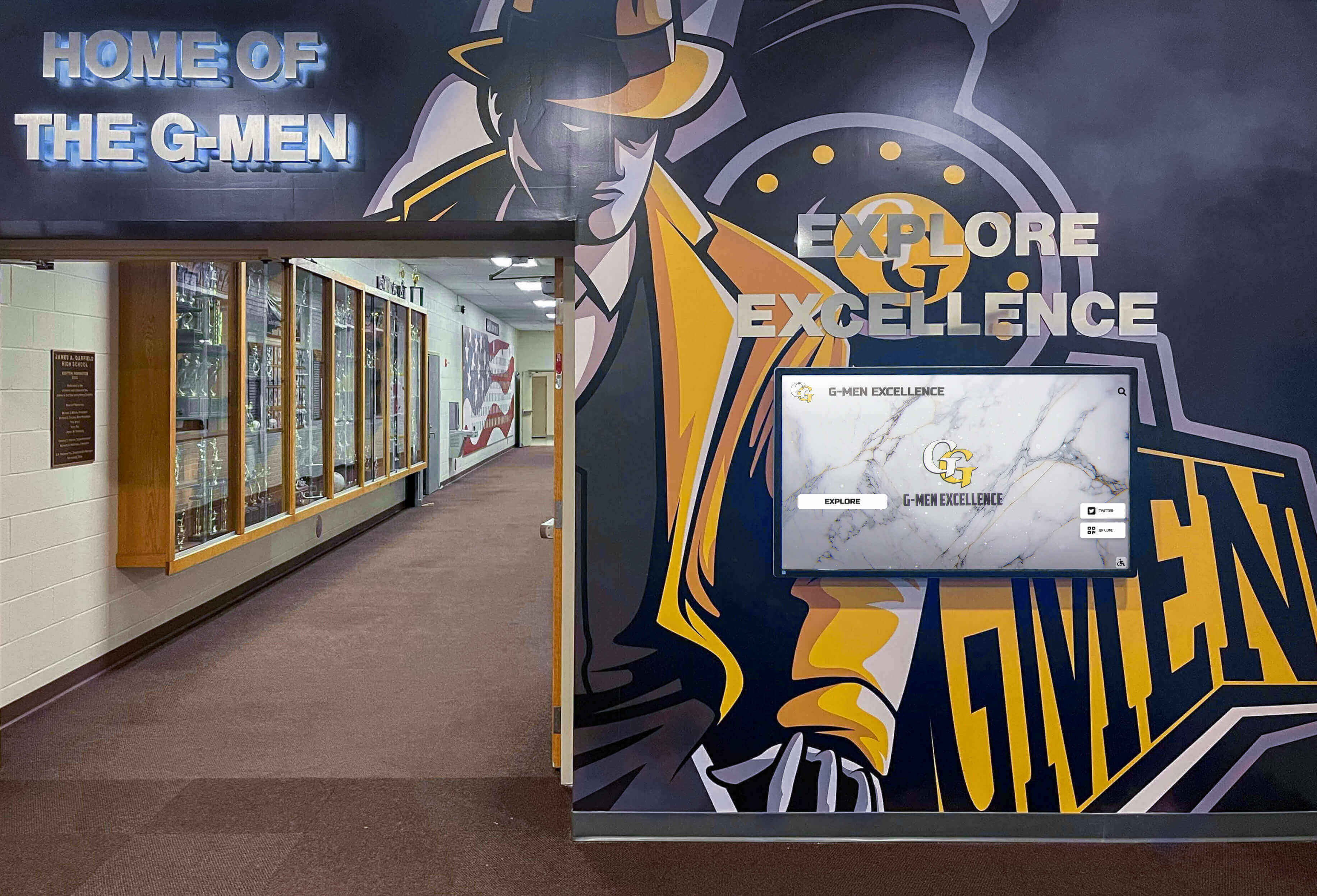
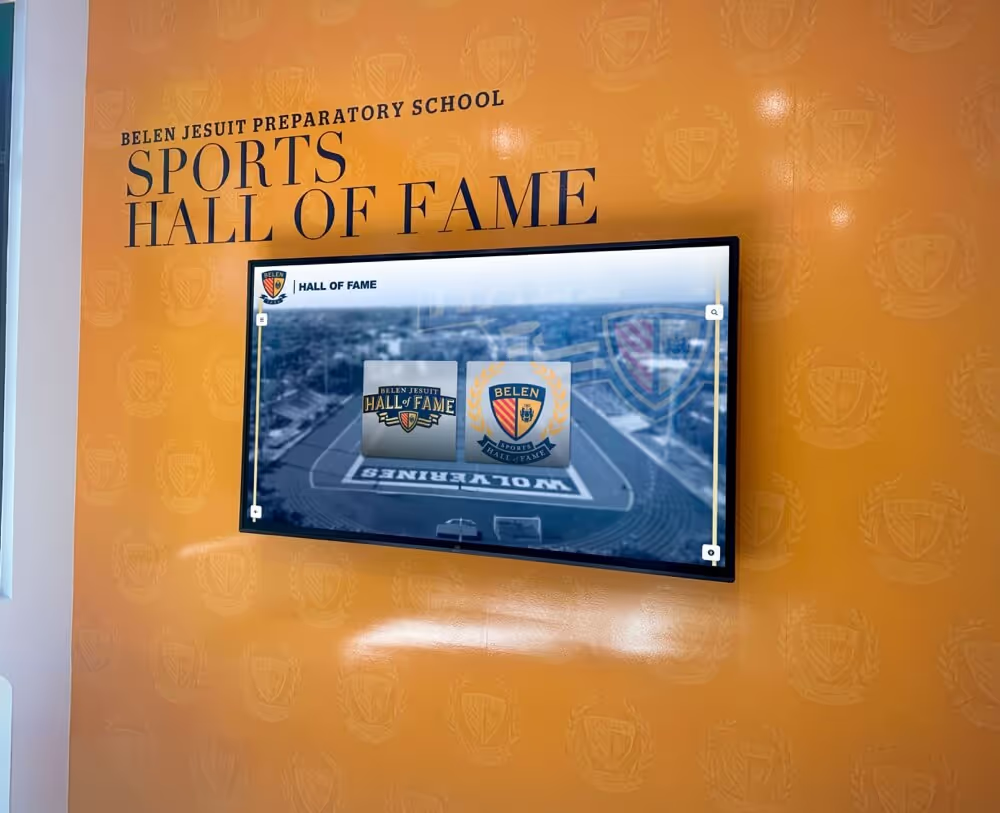
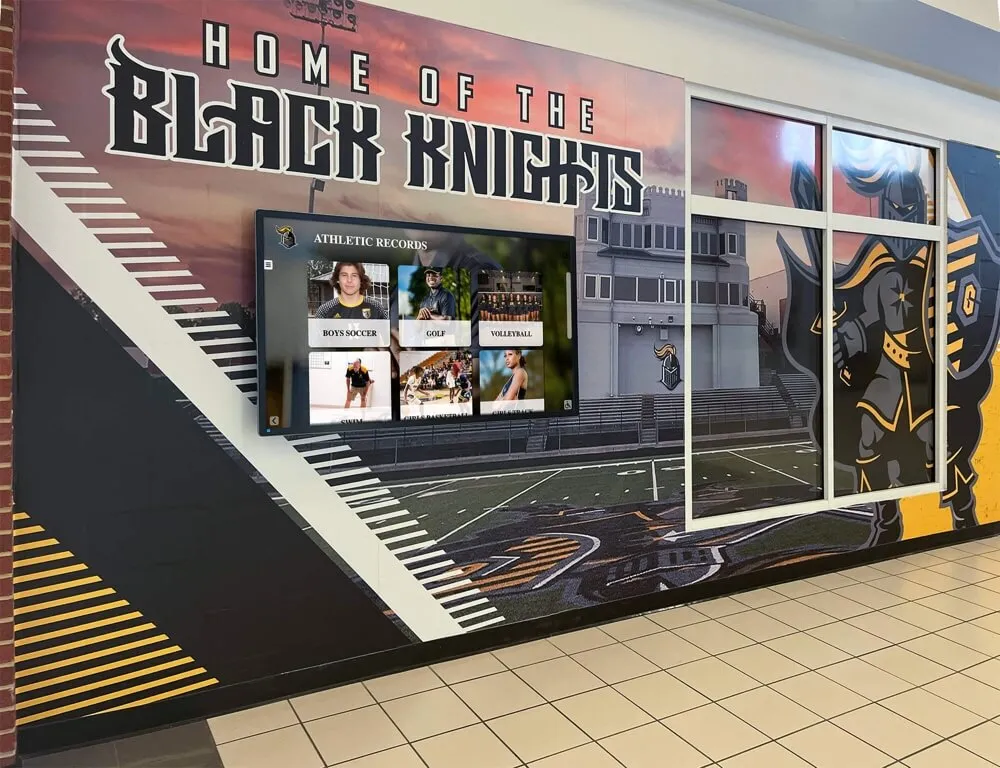
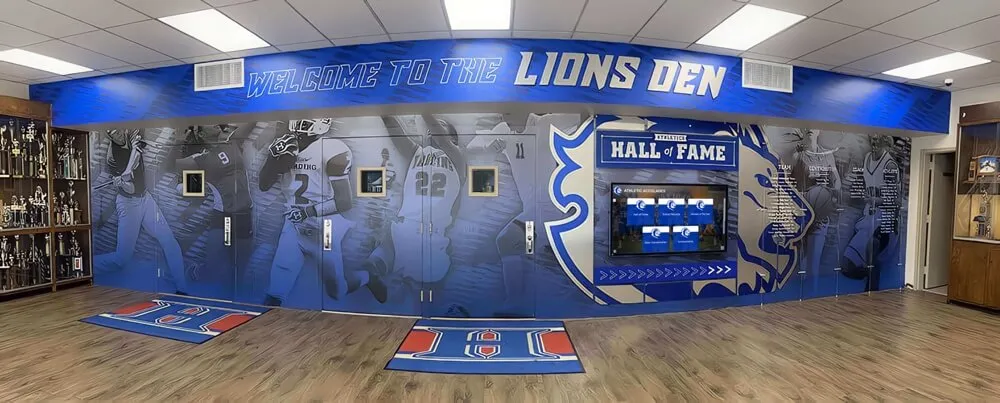
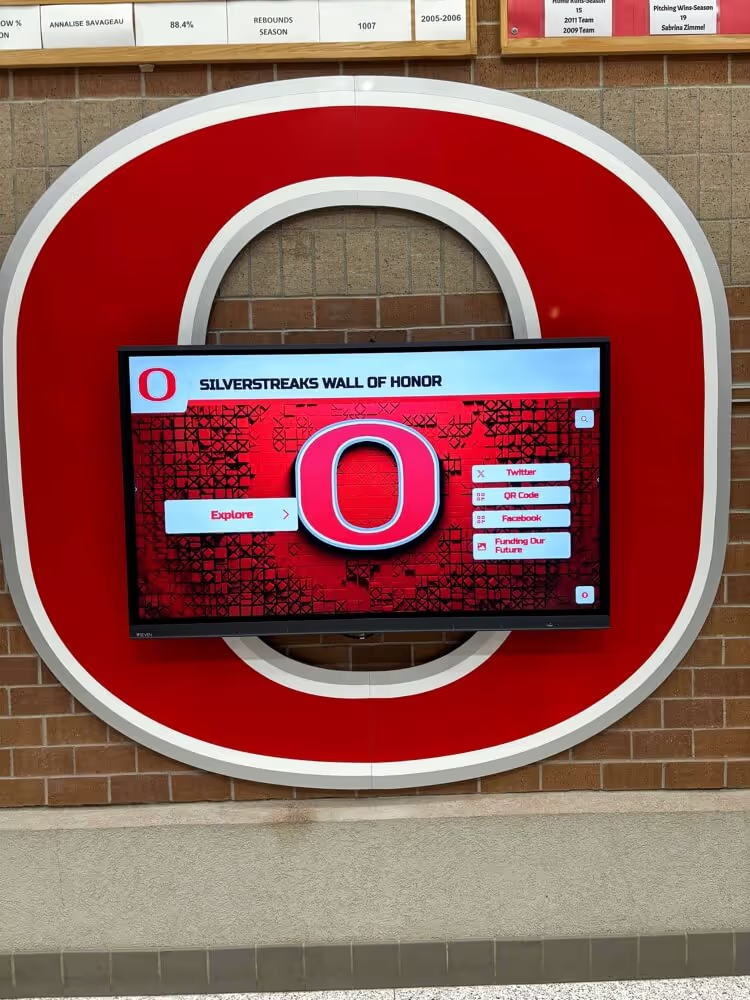
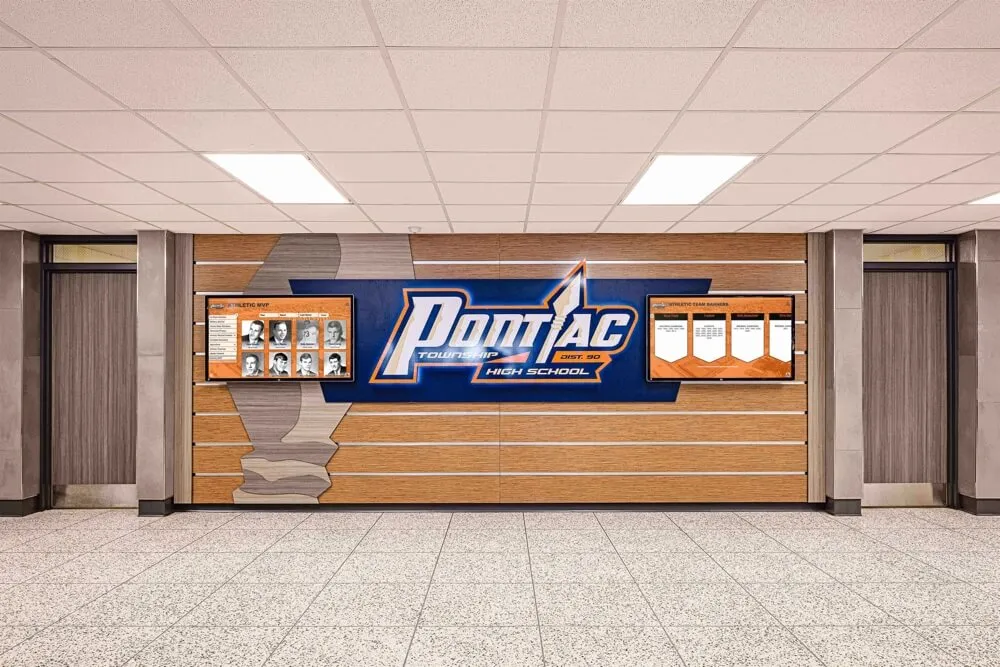
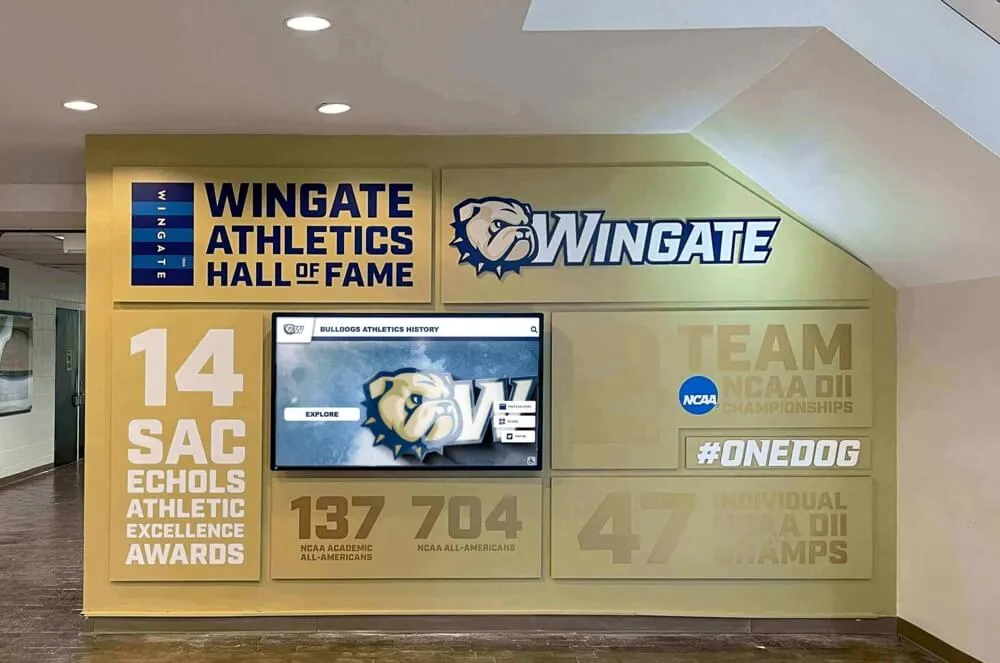
Multi-element displays combining physical trophy cases, artistic murals, and digital screens create comprehensive football recognition
Banner and Championship Recognition
Celebrating team achievements prominently:
Gymnasium and Facility Banners
- Fabric or vinyl banners hanging from ceilings or walls
- Championship years, records, and achievement documentation
- Conference titles, state championships, and undefeated seasons
- Typical size: 2-4 feet wide by 4-8 feet tall
- Professional printing with fade-resistant inks
- Metal grommets and hanging hardware included
- Typical cost: $150-$500 per banner
Wall-Mounted Championship Plaques
- Wood or metal plaques listing championship teams chronologically
- Permanent engraving or plate system for updates
- Team photos and score documentation
- School branding and athletic department logos
- Various sizes accommodating different space constraints
- Traditional aesthetic familiar to communities
- Typical investment: $500-$3,000 for comprehensive plaque systems
Modern Digital Recognition Solutions
Technology-based platforms address traditional trophy case limitations while creating enhanced engagement impossible with physical displays alone.
Unlimited Capacity Digital Displays
Digital systems eliminate space constraints entirely:
Comprehensive Achievement Documentation
Digital platforms enable truly unlimited recognition:
- Every championship trophy and team achievement throughout program history
- Complete roster information for all championship teams
- Individual award winners across all categories and seasons
- Game ball documentation from memorable victories
- Historical equipment and uniform evolution
- Coaching milestone achievements and career honors
- Statistical leaders and program record holders
- Alumni success stories and professional achievements
- Recruiting class celebrations and college commitment recognition
This comprehensive capacity ensures no worthy achievement remains unrecognized due to physical space limitations—a revolutionary advantage compared to traditional trophy cases forced to prioritize based on available shelf space.
Solutions like Rocket Alumni Solutions provide purpose-built platforms eliminating capacity constraints while enabling rich multimedia storytelling impossible with traditional static displays.
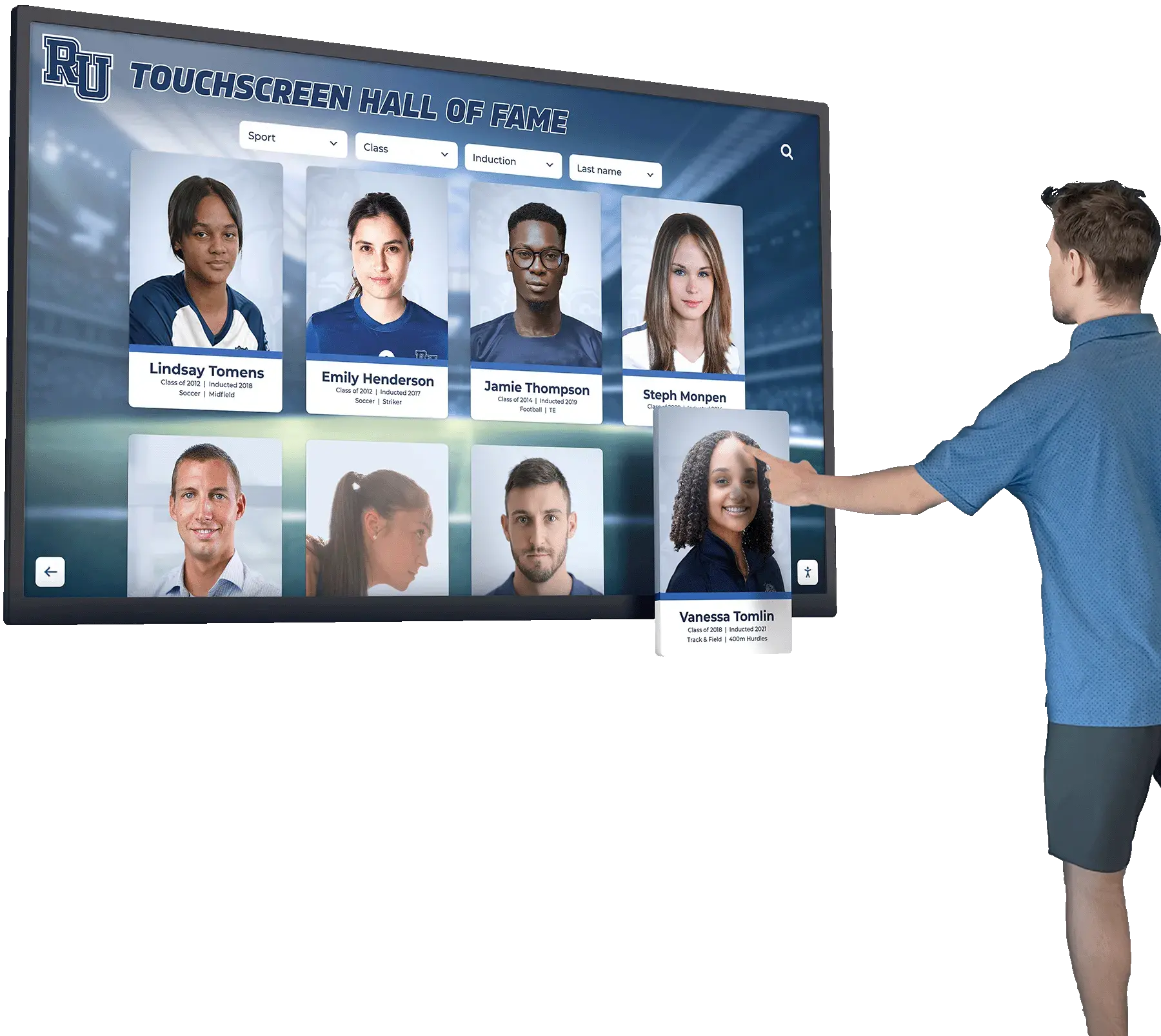
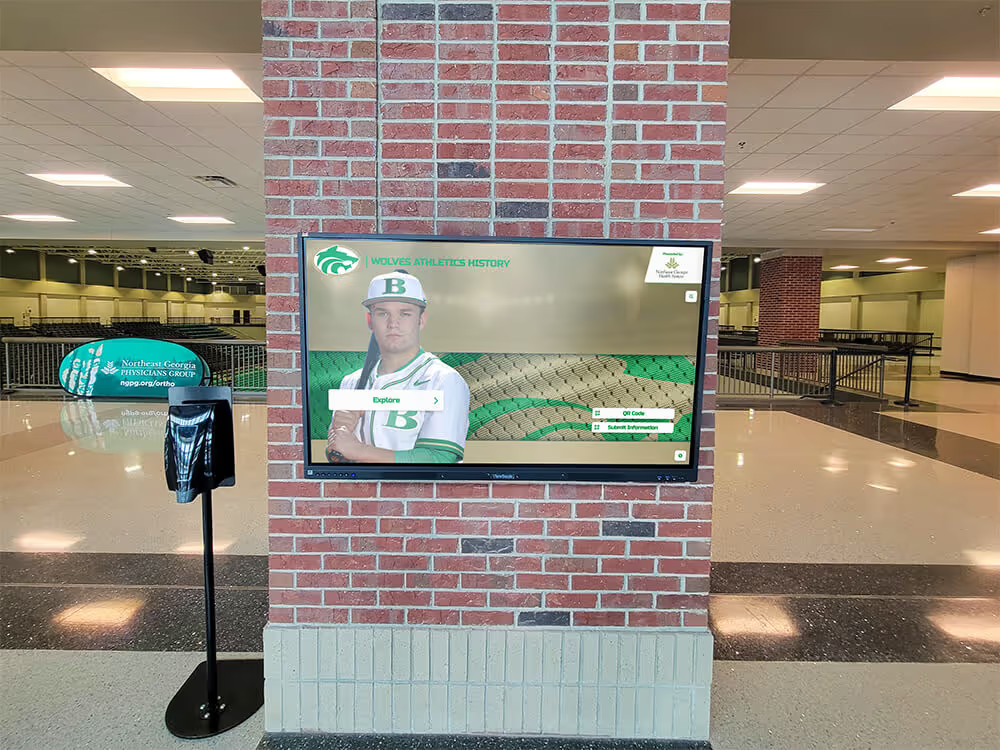
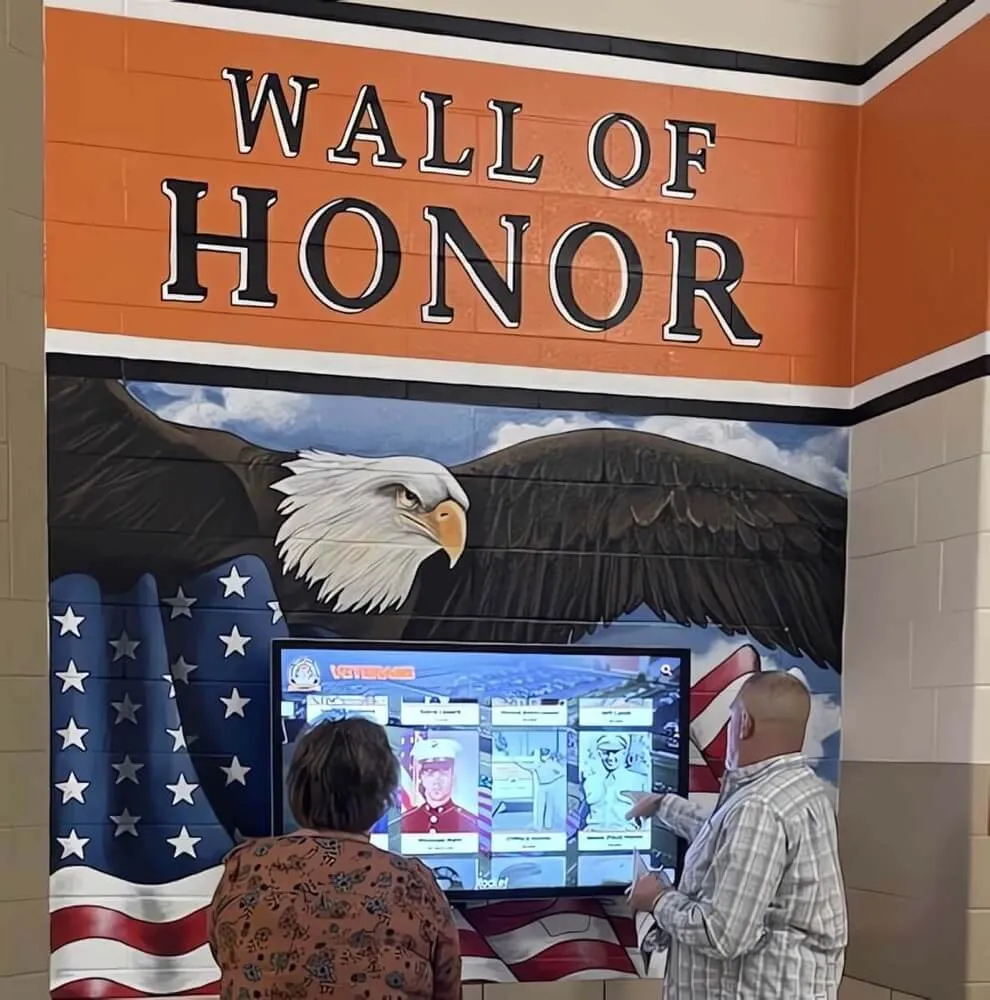
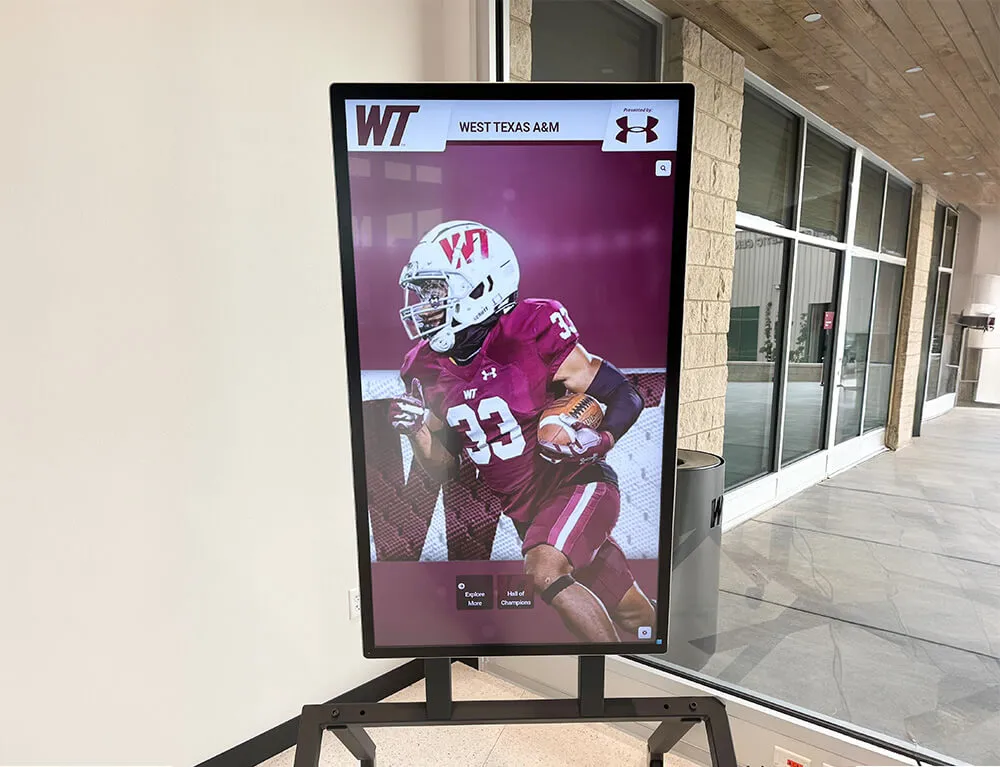
Interactive digital platforms enable visitors to explore decades of football history and achievements at their own pace
Multimedia Storytelling Capabilities
Digital recognition enables rich content beyond physical trophy presentation:
Comprehensive Achievement Context
Modern platforms provide engaging narratives:
- High-resolution photographs from championship seasons and memorable games
- Video highlight reels showcasing championship runs and breakthrough moments
- Game statistics and box scores providing complete performance context
- Coach interviews and player testimonials sharing memories and reflections
- Newspaper articles and media coverage documenting championship pursuits
- Season schedules and score summaries showing paths to championships
- Opponent information providing competitive context
- Community celebration documentation preserving championship atmosphere
- Historical timeline views showing program evolution across decades
Interactive Exploration Features
Powerful discovery tools engage visitors actively:
- Search functionality finding specific players, seasons, or achievements instantly
- Filter options sorting by championship type, season, position, or honor
- Timeline navigation exploring program history chronologically
- Random discovery highlighting diverse achievements visitors might not seek specifically
- Share capabilities enabling social media celebration
- QR code generation linking physical spaces to digital content
- Mobile optimization ensuring excellent smartphone experiences
- Analytics revealing which stories generate most engagement
Research demonstrates visitors engage with interactive digital displays for 6-9 minutes on average compared to brief glances at static trophy cases, creating significantly deeper connections to program history and achievements.
Learn about digital record boards showcasing athletic achievements through modern technology platforms.
Web Accessibility and Remote Engagement
Digital platforms extend recognition far beyond physical facility boundaries:
24/7 Global Access
Online recognition creates unlimited reach:
- Alumni anywhere accessing program achievements from any location
- Recruits researching program excellence during evaluation processes
- Media gathering information without contacting athletic departments
- Community members exploring achievements remotely anytime
- Family sharing athlete accomplishments across social networks
- Historical researchers studying program development
- Prospective students evaluating athletic program quality
- Donors understanding program investment impacts
Multi-Platform Integration
Comprehensive digital presence amplifies recognition:
- Dedicated recognition websites or sections
- Athletic department homepage featured content
- Social media platform integration and sharing
- Mobile apps for on-the-go exploration
- Email signature links for coaching and athletic staff
- Booster club website integration
- Alumni association communication embedding
- Recruiting presentation materials
This expanded reach transforms recognition from locally-visible acknowledgment to comprehensive digital archives accessible globally—dramatically amplifying trophy case impact and value while strengthening program reputation and community connections.
Hybrid Approaches Combining Physical and Digital
Integrated strategies maximize both format strengths:
Digital Touchscreens Adjacent to Trophy Cases
Physical memorabilia presence enhanced with digital depth:
- Traditional trophy cases displaying physical championships and memorabilia
- Interactive touchscreens mounted adjacent providing complete achievement context
- QR codes on physical trophy labels linking to expanded digital stories
- Unified design aesthetic creating cohesive recognition experience
- Physical trophy impact combined with digital storytelling depth
- Space efficiency leveraging unlimited digital capacity
- Flexibility updating digital content without trophy case modifications
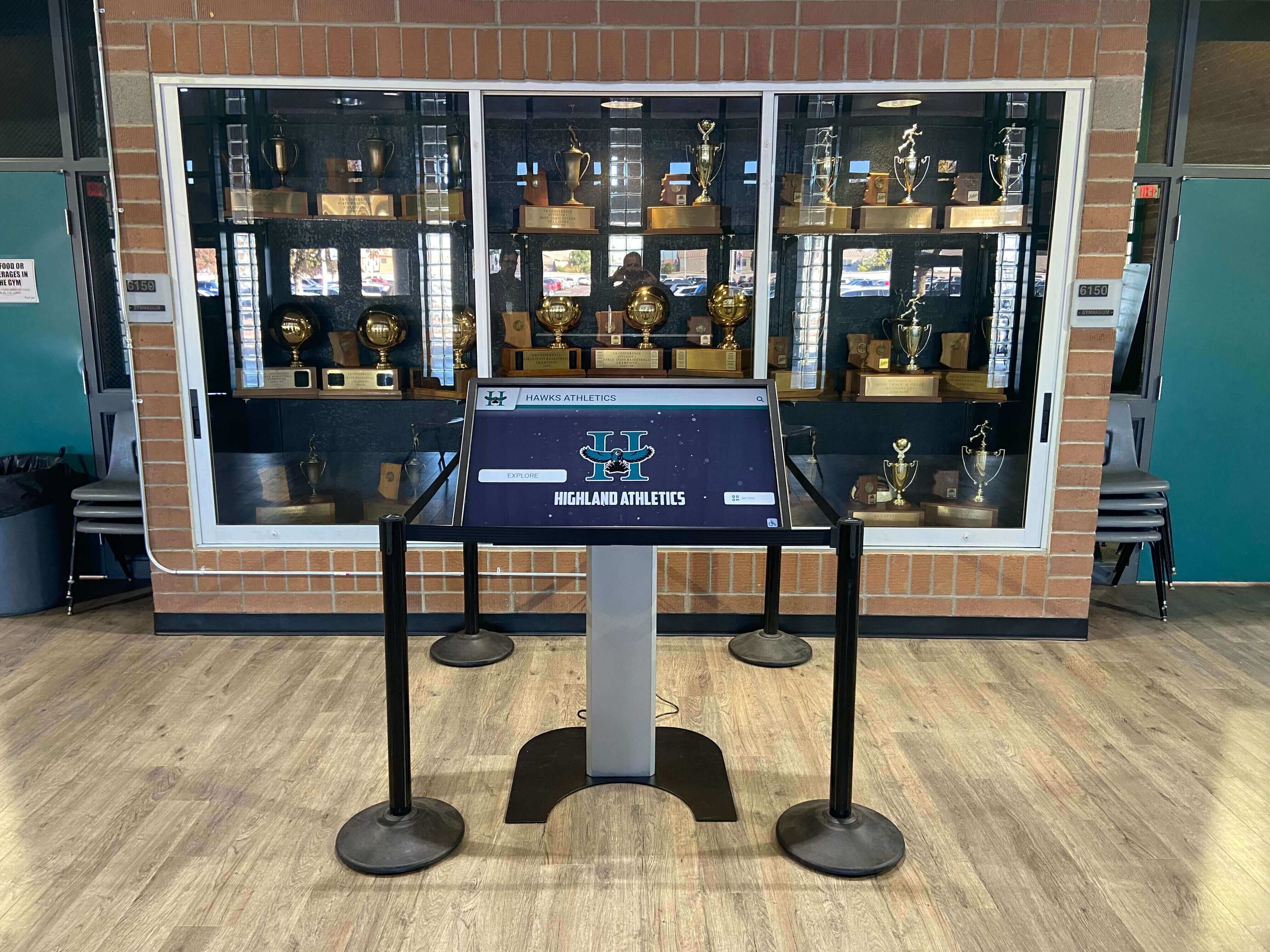
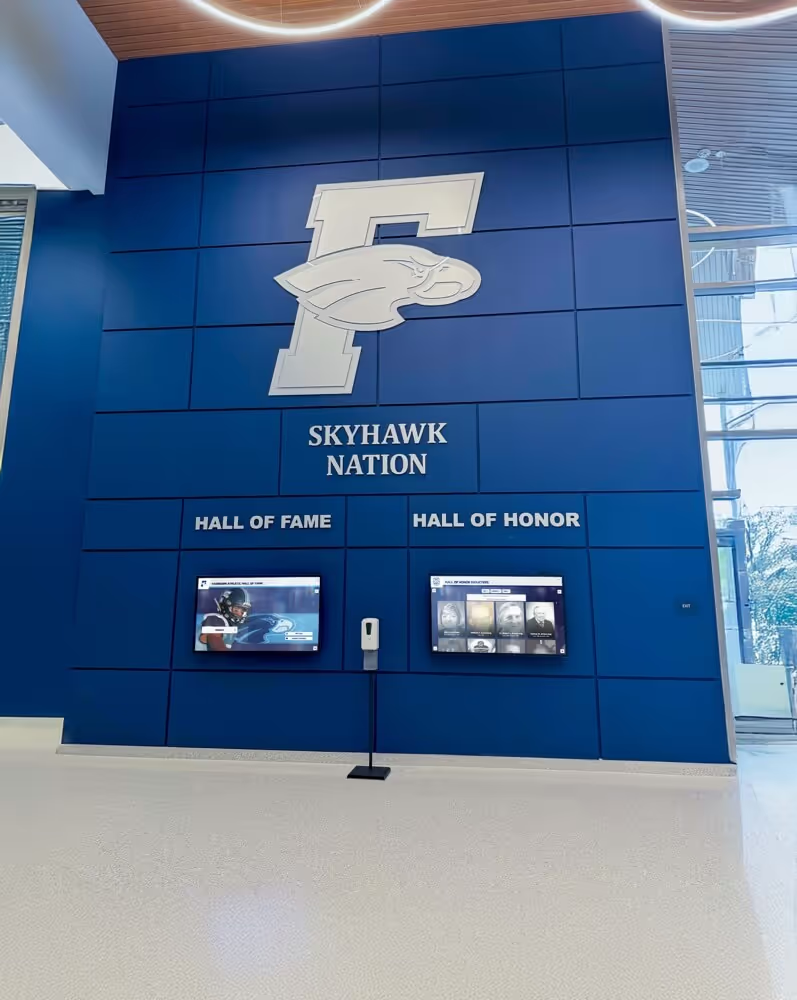
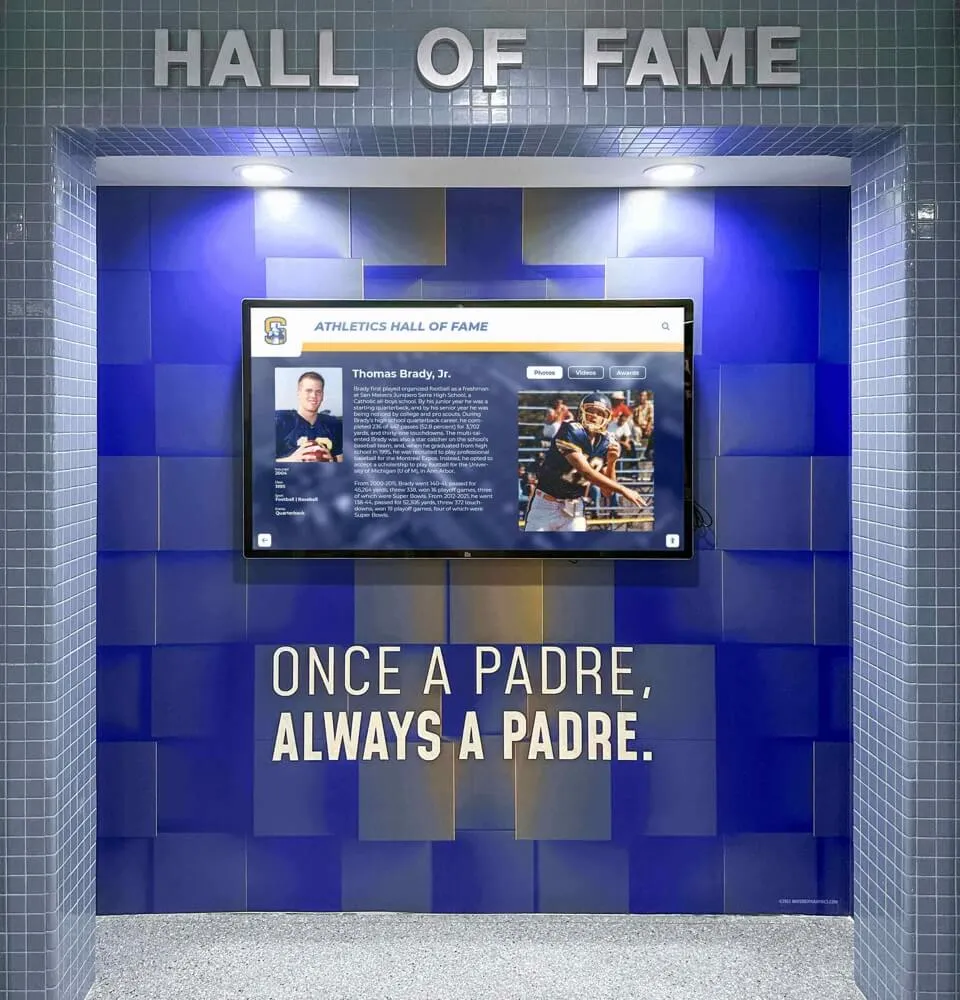
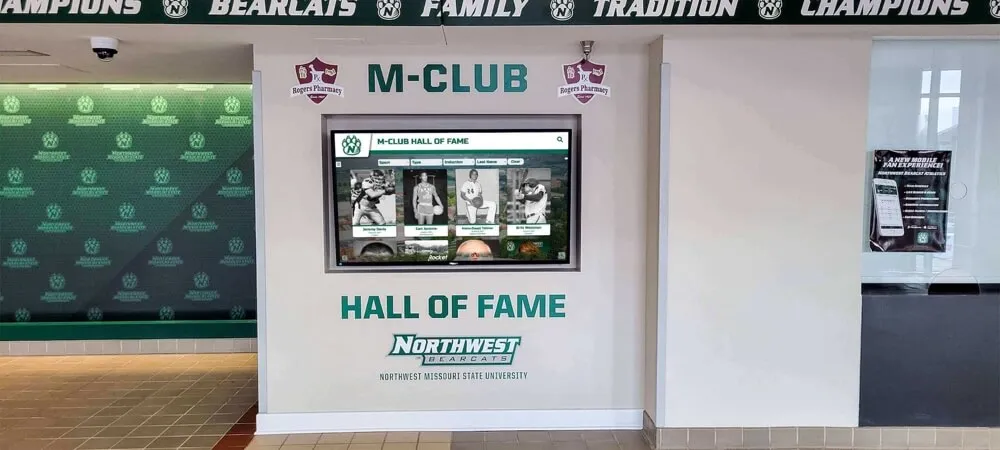
Hybrid solutions integrate interactive touchscreens with traditional trophy displays creating comprehensive recognition experiences
Rotating Physical Displays Complemented by Complete Digital Archives
Featured collections with comprehensive digital documentation:
- Seasonal trophy case displays featuring recent championships or anniversary celebrations
- Complete historical archives accessible through digital platforms
- Regular rotation keeping physical displays fresh and engaging
- Protection of historical memorabilia limiting continuous display exposure
- Visitor satisfaction through featured physical items and complete digital access
- Cost efficiency reducing physical display space requirements
- Administrative flexibility adapting recognition emphasis periodically
Augmented Reality Integration
Emerging technology enhancing physical displays:
- Mobile apps providing augmented reality overlays on trophy cases
- Point smartphone at physical trophy revealing expanded digital content
- Video highlights, statistics, and stories appearing over physical displays
- Interactive elements without requiring permanent digital screens
- Engaging younger audiences through familiar mobile interactions
- Future-forward approach demonstrating program innovation
Explore touchscreen hall of fame systems combining traditional and digital recognition effectively.
Strategic Display Design and Organization
Thoughtful arrangement principles maximize recognition impact and viewer engagement.
Information Hierarchy and Focal Points
Guide viewer attention strategically:
Primary Focus Elements
Emphasize most significant achievements:
- State championships receiving most prominent placement and lighting
- Recent season accomplishments positioned at eye level
- Milestone achievements (100th win, undefeated seasons) featured prominently
- Historical breakthrough moments receiving special highlighting
- Larger or more elaborate displays for most prestigious recognitions
- Championship trophies elevated above secondary awards
Supporting Recognition Tiers
Organize comprehensive achievements logically:
- Conference championships grouped together in dedicated sections
- Individual awards organized by category and season
- Team awards separated from individual recognitions
- Chronological arrangements showing program evolution
- Sport-specific sections when sharing display space
- Alumni achievement recognition in designated areas
Color, Lighting, and Visual Design
Aesthetic considerations affecting engagement:
Color Psychology and Team Identity
Leverage school colors and branding:
- Display case interiors in team colors creating cohesive appearance
- Contrasting backgrounds making trophies and memorabilia prominent
- Consistent color schemes throughout recognition areas
- Accent lighting in team colors creating dramatic effects
- Graphic elements incorporating mascots and logos
- Coordinated signage and labeling in school fonts
Lighting Strategies
Illuminate displays effectively while protecting contents:
- LED lighting minimizing heat and UV exposure
- Directed spotlights highlighting featured items
- Adjustable lighting accommodating different memorabilia types
- Natural light supplementation when available with UV filtering
- Maintenance accessibility for bulb replacement and adjustments
- Energy efficiency reducing operational costs
- Dramatic effects using backlighting or color-changing systems
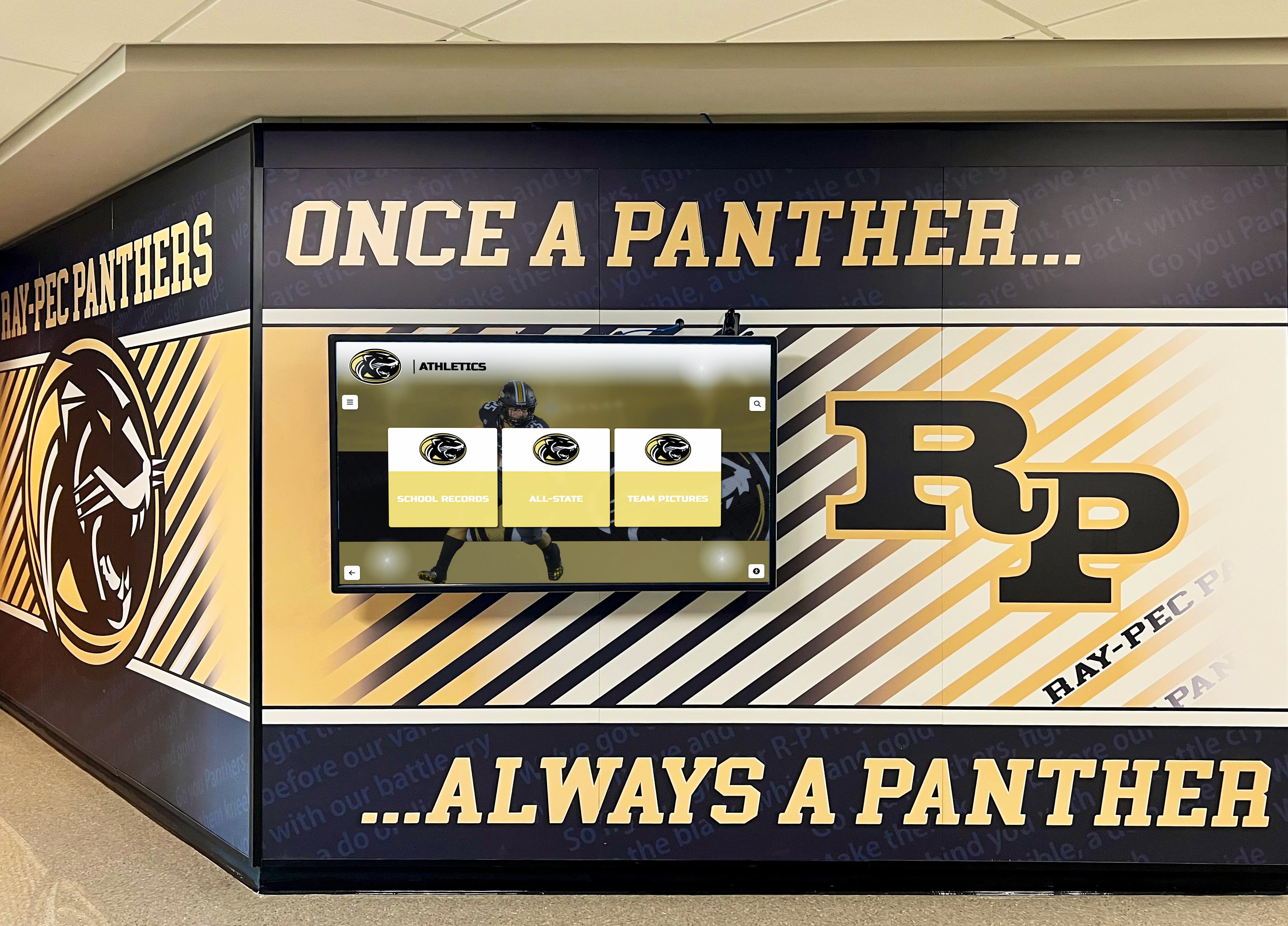
Comprehensive design integrating murals, branding, and technology creates immersive football recognition environments
Labeling and Information Presentation
Clear identification enhances understanding:
Essential Label Information
Provide appropriate context for every item:
- Achievement type and significance (State Championship, Conference Title, etc.)
- Year and season documenting timing
- Team record and opponents providing competitive context
- Key players and coaches receiving recognition
- Scores from championship games
- Opponent information for championship contests
- Special significance or milestone notations
- Donor acknowledgment when memorabilia was gifted
Label Design Standards
Professional presentation matters:
- Consistent typography creating unified appearance
- Durable materials resisting fading and damage
- Appropriate sizing ensuring readability from viewing distances
- School branding elements maintaining identity
- Professional printing or engraving avoiding handwritten labels
- Easy update processes accommodating future additions
- Matching aesthetic between physical and digital labeling
Accessibility and Viewing Considerations
Ensure inclusive recognition experiences:
Universal Design Principles
Enable all community members to engage fully:
- Display heights accommodating wheelchair users and shorter viewers
- Adequate lighting ensuring visibility for vision-impaired visitors
- Glare reduction through proper glass selection and positioning
- Clear signage directing visitors to recognition locations
- Adequate circulation space preventing crowding
- Interactive digital displays meeting WCAG 2.1 AA accessibility standards
- Audio descriptions or alternative formats when appropriate
- Multilingual content when serving diverse communities
Understanding senior night recognition ideas provides insights into comprehensive athlete celebration programs.
Implementation Process and Timeline
Systematic execution ensures successful trophy case programs.
Phase 1: Assessment and Planning (Weeks 1-4)
Establish strong foundations before implementation:
Week 1-2: Comprehensive Assessment
- Inventory existing trophies, memorabilia, and recognition items
- Evaluate available display spaces noting dimensions, lighting, and traffic patterns
- Review current recognition approaches identifying strengths and limitations
- Define recognition philosophy determining what achievements warrant display
- Assess budget availability for initial investment and ongoing maintenance
- Form planning committee including coaches, administrators, booster representatives, and facilities staff
- Research trophy case options exploring traditional, digital, and hybrid approaches
Week 3-4: Design Development
- Finalize trophy case approach based on space, budget, and program needs
- Create detailed layouts showing item placement and organization
- Specify required materials, vendors, and installation contractors
- Establish information architecture for memorabilia labeling
- Develop preservation protocols for different memorabilia types
- Plan future expansion accommodating program growth
- Create project timeline with milestones and responsibilities
- Secure necessary approvals from administration and school boards
Phase 2: Content Preparation and Acquisition (Weeks 5-8)
Develop recognition content and procure display systems:
Historical Research and Documentation
Gather comprehensive information:
- Compile championship documentation from archives and yearbooks
- Contact alumni gathering photographs and memories
- Research newspaper archives for historical achievement confirmation
- Document trophy inscriptions and memorabilia details
- Organize photographs digitally preserving originals
- Write achievement descriptions and contextual narratives
- Verify accuracy of statistical claims and championship details
- Create databases organizing information systematically
Display System Procurement
Acquire necessary equipment:
- Obtain quotes from trophy case manufacturers and installers
- Specify digital display hardware and software requirements
- Order custom elements including engraved plates, labels, and signage
- Procure preservation supplies including lighting, supports, and environmental controls
- Schedule installation coordinating with facility availability
- Arrange for electrical and networking infrastructure when needed
- Confirm delivery timelines ensuring project schedule adherence
Phase 3: Installation and Setup (Weeks 9-12)
Implement physical and digital recognition systems:
Physical Installation
Professional execution matters:
- Trophy case mounting and secure attachment
- Electrical work for lighting systems
- Shelf installation and adjustment
- Lighting installation and focusing
- Environmental control system setup when applicable
- Glass cleaning and final finish work
- Security system integration if required
Content Implementation
Populate displays with memorabilia and information:
- Clean and prepare all trophies and memorabilia
- Arrange items according to design plans
- Install labels and identification information
- Configure digital displays with initial content
- Test interactive features and functionality
- Conduct quality assurance ensuring correct presentation
- Create backup systems preventing data loss
- Train staff on content management and maintenance
Soft Launch and Refinement
Test before public unveiling:
- Internal preview with coaches and administrators
- Identify necessary adjustments and corrections
- Gather feedback from test viewers
- Make refinements based on observations
- Document procedures for future reference
- Prepare promotional materials for public launch
Phase 4: Launch and Celebration (Week 13+)
Public unveiling and community engagement:
Formal Unveiling Ceremony
Create memorable launch events:
- Schedule during high-traffic event (homecoming, alumni weekend, championship celebration)
- Invite alumni, community members, and media
- Feature speakers including administrators, coaches, and honored athletes
- Provide facility tours highlighting new recognition systems
- Document ceremony through photography and videography
- Generate media coverage building awareness
- Celebrate volunteers and supporters who made project possible
Ongoing Promotion
Maximize recognition visibility:
- Social media campaigns featuring trophy case content
- Athletic program communications highlighting achievements
- Website integration directing traffic to recognition areas
- Recruiting materials showcasing program commitment to honoring excellence
- Community presentations demonstrating institutional pride
- Alumni outreach celebrating program history
- Student engagement activities exploring program achievements
Learn about comprehensive wrestling recognition strategies applicable across athletic programs.
Budget Considerations and Funding Strategies
Realistic financial planning ensures sustainable recognition programs.
Understanding Investment Requirements
Traditional Physical Trophy Cases
Cost ranges for conventional displays:
- Basic wall-mounted cases: $2,000-$5,000
- Premium wall-mounted systems: $5,000-$12,000
- Freestanding display units: $3,000-$10,000 each
- Custom built-in installations: $8,000-$25,000
- Specialized helmet/ball displays: $50-$500 per item
- Professional installation: $500-$3,000
- Initial memorabilia preparation: $300-$1,500
- Ongoing maintenance: $200-$800 annually
Digital Recognition Systems
Investment for technology solutions:
- Interactive touchscreen displays: $3,000-$8,000 per installation
- Software platforms with unlimited capacity: $1,500-$5,000 annually
- Content development and migration: $2,000-$6,000 initial
- Professional installation and configuration: $800-$2,500
- Staff training and support: $500-$1,500
- Ongoing content updates: $500-$2,000 annually
- Platform maintenance and hosting: Included in annual software costs
- Hardware replacement reserve: $500-$1,000 annually
Hybrid Comprehensive Systems
Combined approaches maximizing value:
- Physical trophy cases with digital complements: $5,000-$15,000 initial
- Integrated touchscreens with traditional displays: $6,000-$18,000
- Complete facility recognition packages: $15,000-$40,000
- Phased implementation spreading costs: Variable timing
- Annual operating expenses: $2,000-$5,000
Funding Source Strategies
Diverse approaches help programs afford comprehensive recognition:
Athletic Budget Allocations
Regular funding channels:
- Athletic department capital improvement budgets
- Facility modernization allocations
- Recognition and awards line items
- Marketing and communications budgets
- Multi-year capital plans spreading investment
Booster Club Support
Dedicated athletic fundraising:
- Capital campaigns specifically for recognition projects
- Annual giving programs supporting trophy case maintenance
- Memorial donations honoring deceased program members
- Corporate sponsorships with appropriate acknowledgment
- Special event fundraising dedicated to recognition enhancement
Alumni Engagement
Former athlete contributions:
- Class reunion gifts designated for program recognition
- Championship team anniversary fundraising
- Individual athlete memorial donations
- Alumni association partnership programs
- Legacy giving and planned giving integration
- Matching gift campaigns leveraging employer contributions
Creative Funding Approaches
Alternative strategies reducing financial barriers:
- Naming opportunities for major display installations
- Brick or plaque programs funding incremental recognition elements
- Annual sponsorships from local businesses supporting digital content
- Grant applications to athletic or education foundations
- In-kind donations of materials or professional services
- Phased implementation spreading costs across multiple budget years
- Partnership with school district sharing costs across multiple schools
Explore donor recognition strategies applicable to athletic fundraising initiatives.
Ongoing Management and Maintenance
Long-term success requires systematic administration and continuous attention.
Annual Maintenance Schedules
Physical Trophy Case Care
Regular upkeep preserves display quality:
Monthly Tasks
- Dust removal from cases and memorabilia
- Glass cleaning maintaining visibility
- Lighting inspection replacing failed bulbs
- Temperature and humidity monitoring
- Security check ensuring locks function properly
Quarterly Tasks
- Deep cleaning of cases and contents
- Memorabilia condition assessment
- Arrangement adjustment maintaining appearance
- Label verification ensuring accuracy
- Visitor feedback review identifying issues
Annual Tasks
- Professional deep cleaning when appropriate
- Memorabilia conservation assessment
- Display reorganization accommodating new achievements
- Lighting system comprehensive evaluation
- Hardware inspection and repair
- Insurance documentation updating
- Photograph archiving of current displays
Content Update Processes
Digital Platform Management
Systematic addition of new achievements:
- Season-end content compilation documenting latest accomplishments
- Championship documentation within 2-4 weeks of season conclusion
- Player profile updates with statistics and honors
- Photograph organization and digital asset management
- Video highlight editing and upload
- Historical research additions filling information gaps
- Broken link repairs and content accuracy verification
- Analytics review informing content priorities
Quality Control Standards
Ensure recognition accuracy and professionalism:
- Information verification using official sources
- Consistent formatting across all recognition content
- Professional photography standards
- Appropriate image resolution for displays and web
- Spell checking and grammar review
- Date accuracy and chronological correctness
- Factual verification through multiple sources
- Regular audits identifying and correcting errors
Evolution and Enhancement
Recognition programs should grow and improve:
Continuous Improvement
Systematic enhancement strategies:
- Stakeholder feedback collection from athletes, alumni, and visitors
- Engagement analytics identifying popular content and gaps
- Technology updates adopting new capabilities
- Historical research expanding early program documentation
- Multimedia enhancement adding richer storytelling
- Accessibility improvements ensuring inclusive experiences
- Integration expansion connecting with other school systems
- Best practice adoption learning from other successful programs
Understanding school pride development provides insights into recognition program impacts.
Maximizing Trophy Case Program Impact
Strategic approaches amplify recognition effectiveness beyond basic display functions.
Integration with Team Culture
Daily Athlete Engagement
Connect recognition to player development:
- Pregame walks through recognition areas before home games
- Team meetings in spaces featuring program history
- Player goal-setting sessions referencing historical achievements
- Senior speeches discussing legacy and program traditions
- Rookie orientation introducing program excellence standards
- Leadership development using former players as examples
- Motivational messaging incorporating championship stories
Recruiting and Program Marketing
Showcasing Excellence to Prospective Athletes
Leverage recognition strategically:
- Campus tour routing ensuring trophy case visibility
- Recruiting materials featuring recognition system quality
- Social media content highlighting championship traditions
- Website integration displaying program achievements prominently
- Video presentations incorporating trophy case footage
- Verbal commitments celebrated within recognition systems
- Alumni success documentation demonstrating player development
Community Engagement and Support Building
Strengthening Booster and Community Connections
Recognition creates engagement opportunities:
- Alumni weekend programming featuring trophy case tours
- Community open houses showcasing achievements
- Media events highlighting championship anniversaries
- Fundraising appeals demonstrating program investment impacts
- Social media campaigns sharing historical moments
- Partnership recognition for businesses supporting programs
- Educational programming for youth football organizations
Conclusion: Building Football Trophy Cases That Honor Excellence
Football trophies, championship helmets, game balls, and team memorabilia represent far more than physical objects collecting dust—they embody the dedication, sacrifice, teamwork, and competitive excellence that define successful programs. These artifacts preserve institutional heritage connecting current athletes to program traditions, inspire future excellence by demonstrating what championship pursuit requires, strengthen community pride through visible celebration of achievement, and create lasting legacies honoring those who built program foundations through extraordinary commitment.
Whether implementing traditional physical trophy cases, modern digital platforms, or comprehensive hybrid systems combining both approaches, fundamental principles remain constant: recognition should celebrate achievements appropriately, preserve memorabilia properly protecting irreplaceable artifacts, tell complete stories providing context beyond simple trophy display, remain accessible to athletes and communities deserving engagement with program history, and evolve systematically accommodating program growth and changing priorities.
Ready to transform football recognition at your school? Modern solutions help programs celebrate championship excellence comprehensively while preserving program history effectively. Solutions like Rocket Alumni Solutions provide comprehensive platforms specifically designed for athletic recognition, combining unlimited capacity for documenting every achievement across program history, rich multimedia storytelling capabilities bringing championships to life, intuitive content management requiring no technical expertise, and web accessibility extending recognition far beyond physical facility boundaries—creating permanent digital archives preserving program legacy for generations while inspiring current athletes toward similar excellence.
Whether establishing trophy case systems for the first time, enhancing existing displays, or addressing space limitations preventing comprehensive recognition, strategic planning creates foundations honoring football excellence appropriately. Start with clear assessment of achievements deserving recognition, implement preservation protocols protecting irreplaceable memorabilia, leverage technology overcoming traditional display limitations when appropriate, and commit to sustained management ensuring recognition remains current, accurate, and engaging year after year.
Your football athletes, coaches, and teams invested countless hours pursuing competitive excellence, building program traditions, and creating memories deserving lasting honor. Recognition should reflect that dedication through thoughtful trophy cases celebrating achievements comprehensively, preserving memorabilia properly, and inspiring future generations to pursue similar excellence. The most successful programs aren’t necessarily those with the largest budgets or most championships—they’re programs demonstrating genuine commitment to honoring everyone who contributed to program success appropriately, systematically, and permanently.
Start planning your football trophy case transformation today, creating recognition systems serving athletes, families, alumni, and communities for decades—ensuring that championship pursuits, memorable victories, and program-building dedication receive the lasting celebration they truly deserve.