



Intent: Plan — Fallen heroes—military service members, first responders, law enforcement officers, firefighters, and community protectors who gave their lives in service—deserve memorial recognition that honors their sacrifice, preserves their stories, and educates future generations about the cost of freedom and safety. Yet many communities struggle with memorial approaches that balance comprehensive recognition with limited physical space, creating situations where some heroes receive prominent acknowledgment while others fade into obscurity due to capacity constraints that force selective commemoration.
Traditional memorial approaches face inherent limitations that compromise their effectiveness. Physical monuments and plaques provide finite space restricting how many fallen heroes can be honored, forcing difficult decisions about inclusion criteria and recognition priorities. Static engraving reduces complex lives to names and dates, failing to capture the complete service stories, personal qualities, and family contexts that made each hero unique. Geographic limitations concentrate memorials in single locations, preventing dispersed communities from accessing tributes to their local heroes who served broader regions or national missions.
This comprehensive blueprint provides complete guidance for implementing fallen heroes touchscreen displays—digital memorial recognition systems specifically designed to honor military veterans, first responders, law enforcement officers, firefighters, and community heroes who made the ultimate sacrifice. These interactive platforms eliminate space constraints enabling unlimited recognition, preserve comprehensive service biographies with photographs and personal stories, integrate family contributions ensuring memorials reflect loved ones’ memories, extend access through web platforms reaching global communities, and create educational resources teaching current and future generations about sacrifice, service, and the heroes who protected their communities and nation.
Communities implementing fallen heroes touchscreen displays report that comprehensive digital memorials accomplish recognition objectives impossible through traditional approaches: every hero receives equal recognition regardless of when they fell, complete service stories preserve legacies appropriately, family participation enriches tributes with personal dimensions, and accessible platforms ensure dispersed communities maintain connections to their fallen protectors across distances and generations.

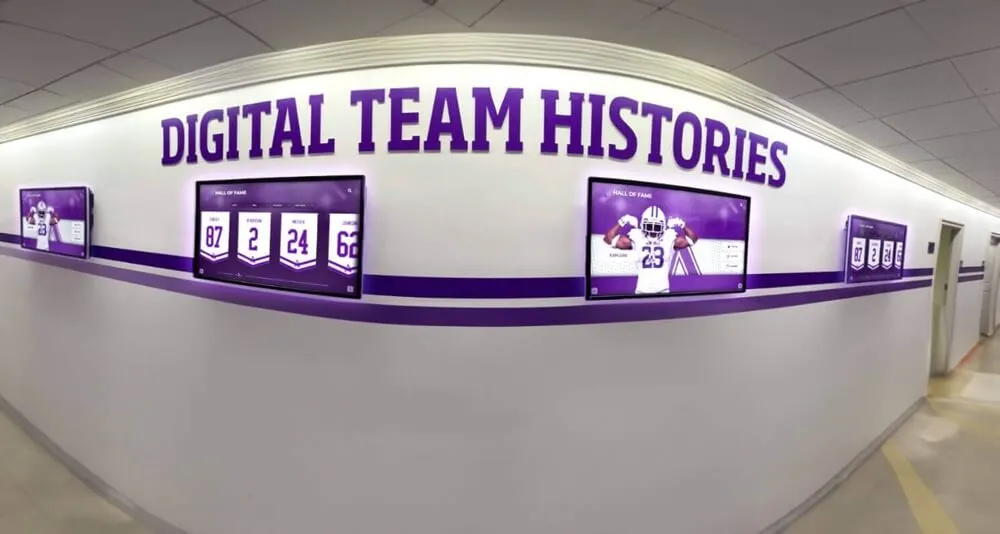
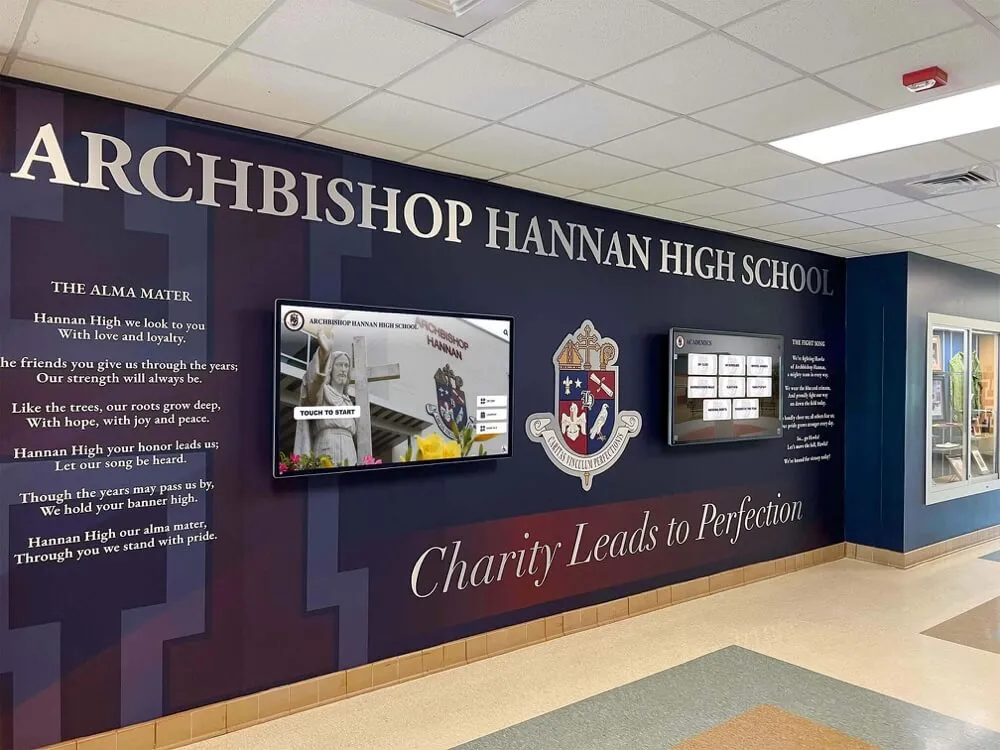
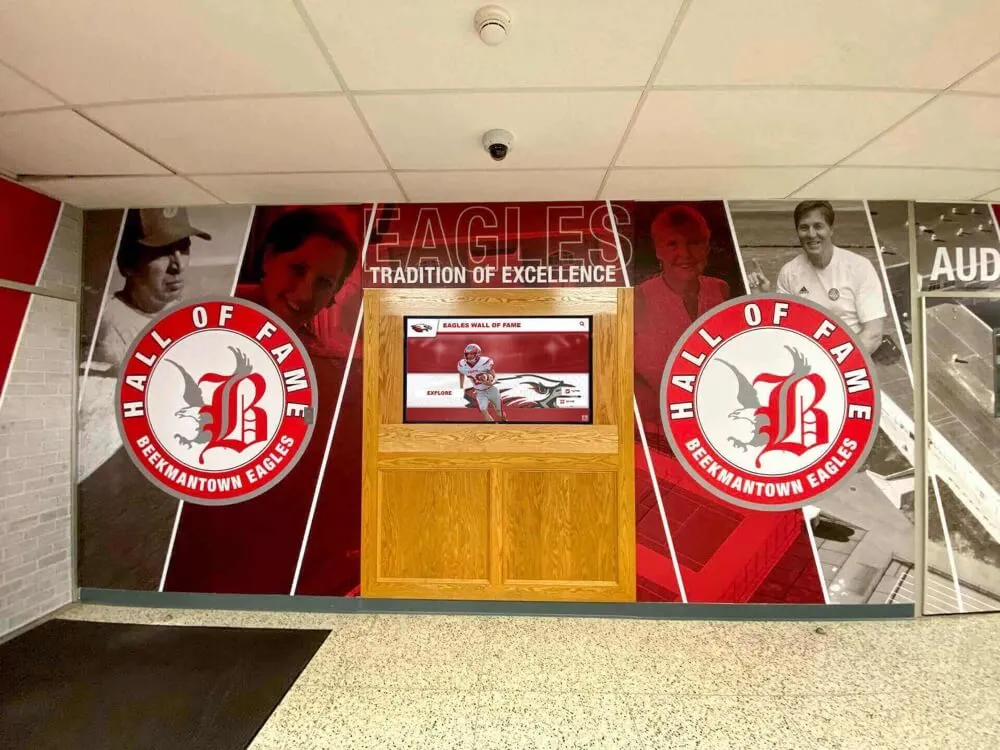
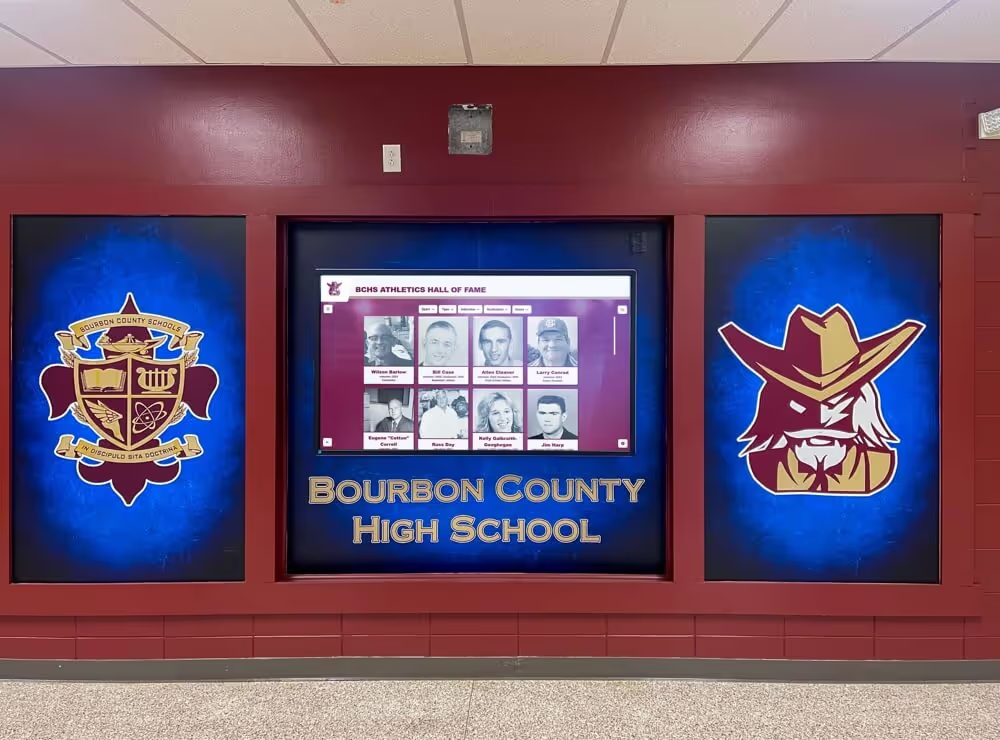
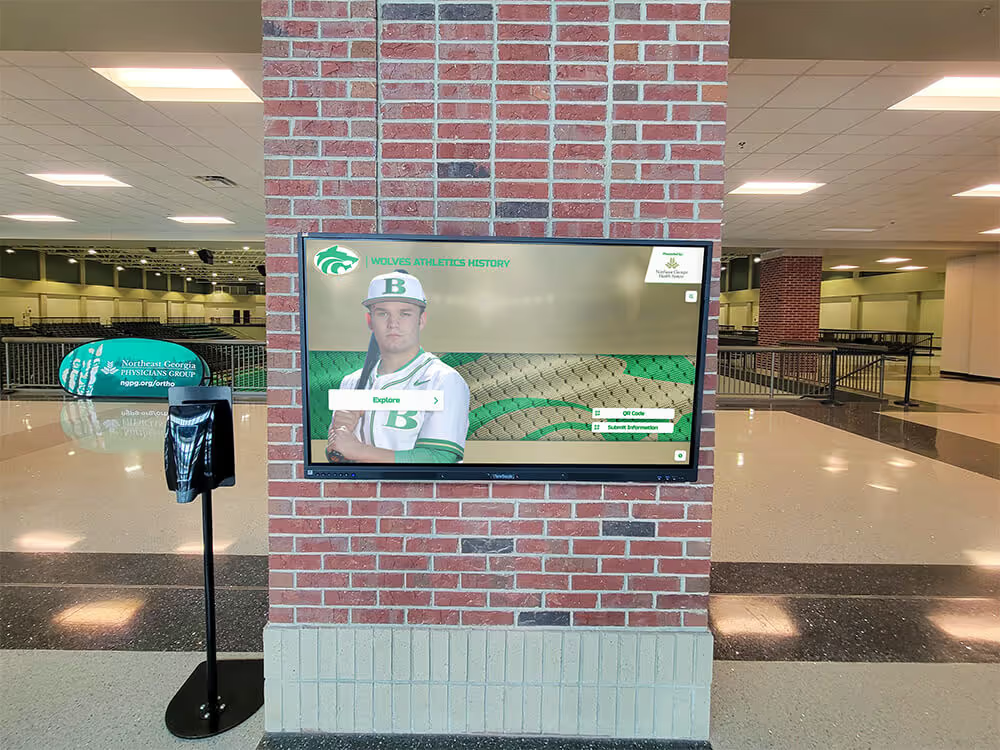
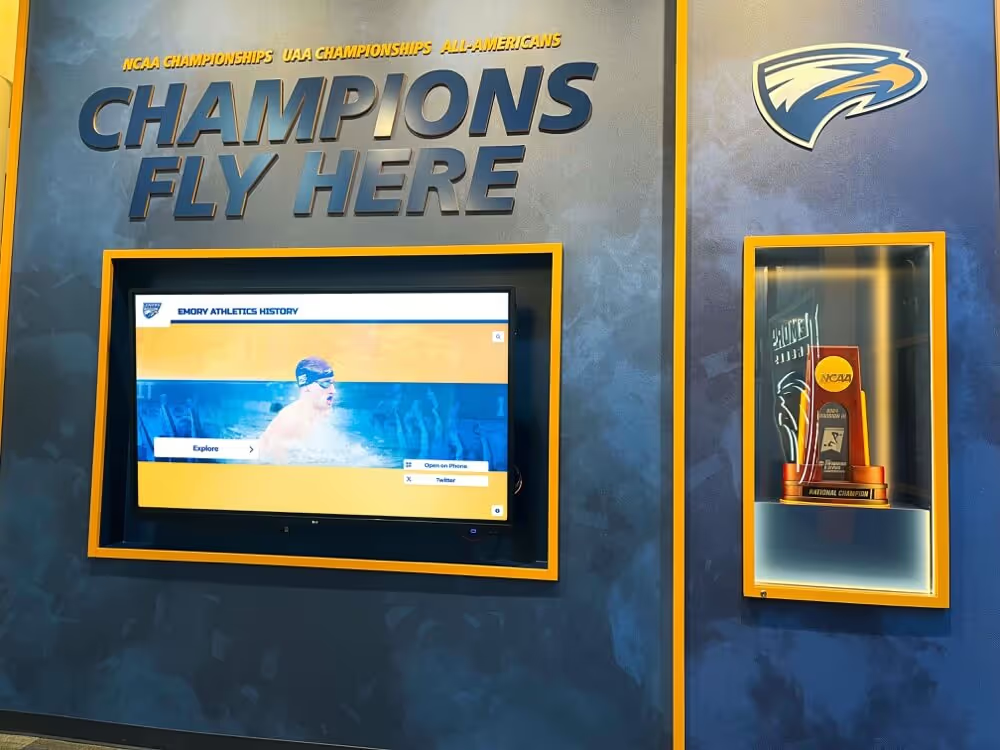
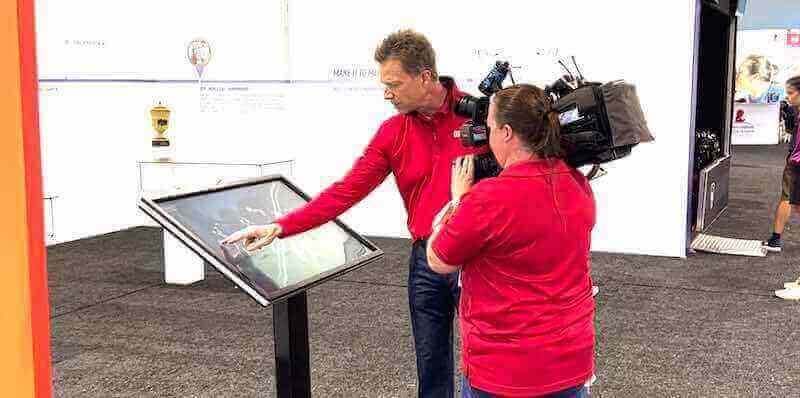
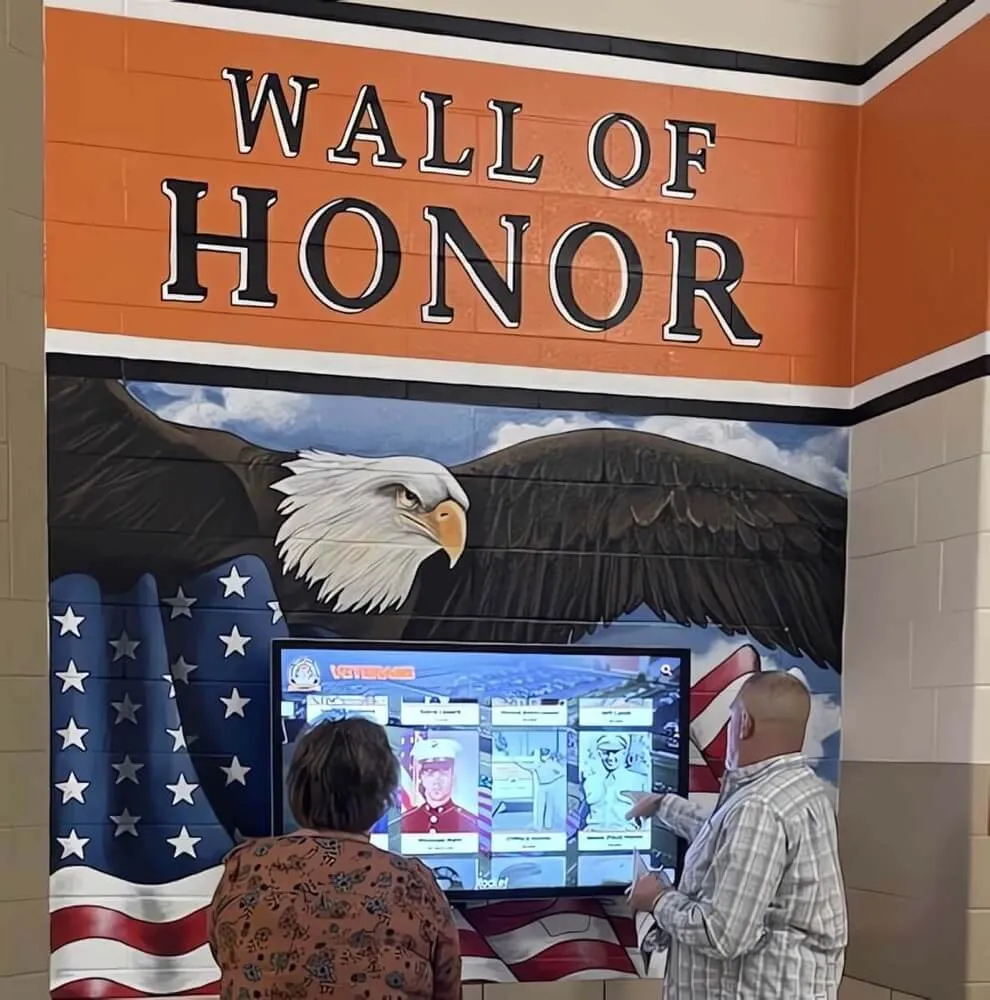
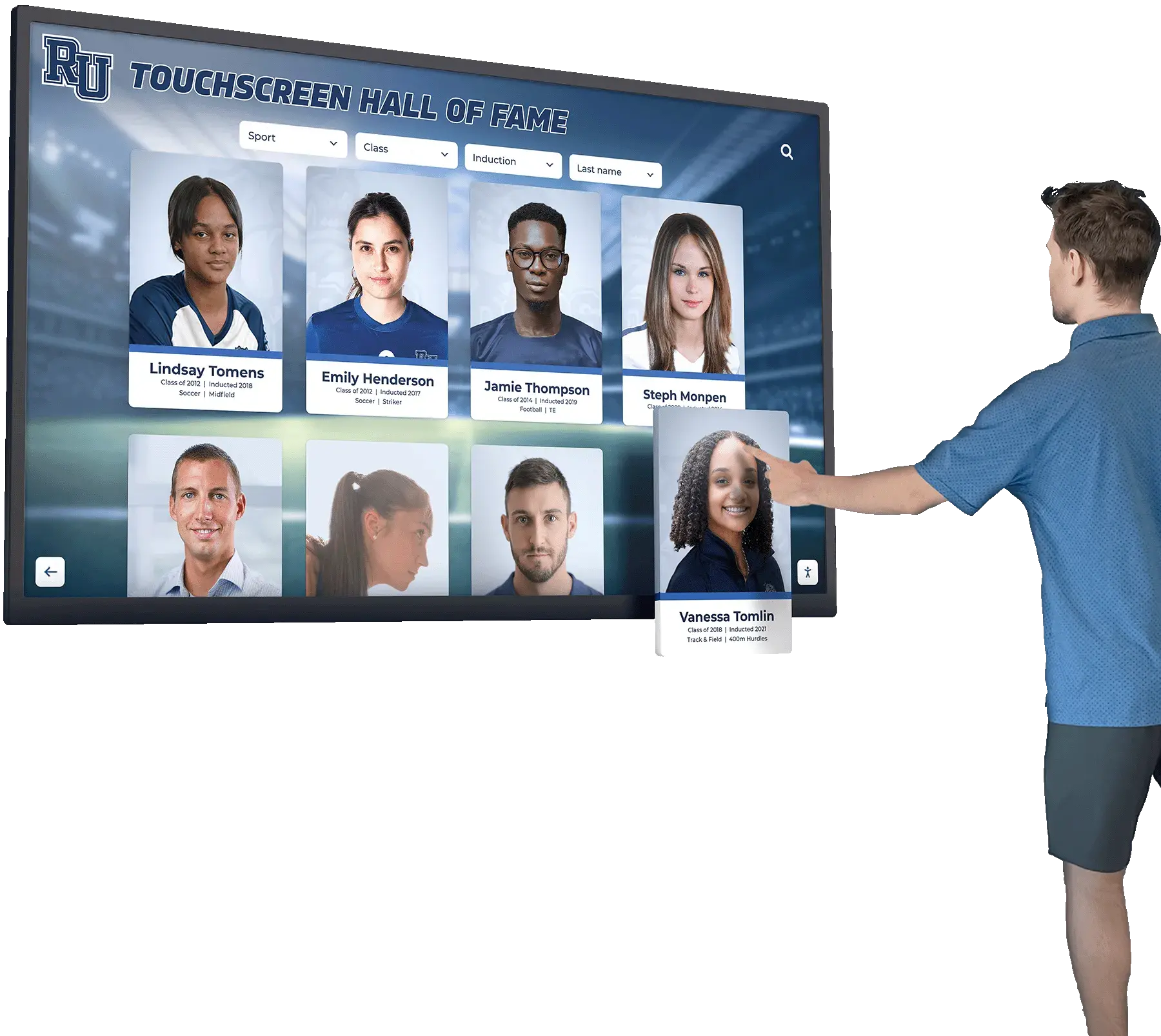
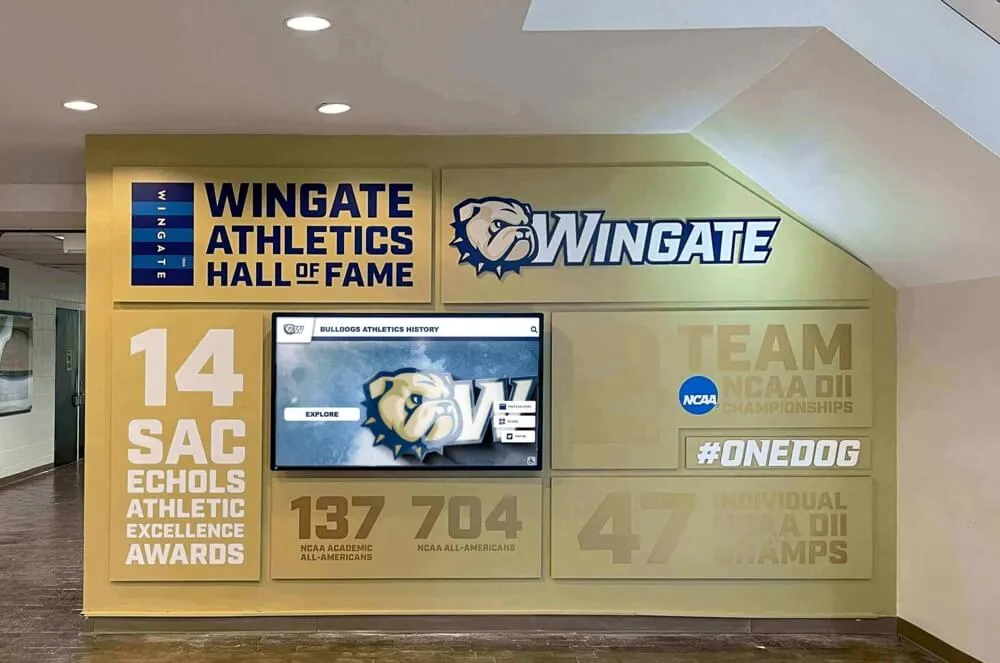
Interactive touchscreen displays enable community members to explore complete service stories and personal tributes honoring fallen heroes comprehensively
Program Snapshot: Fallen Heroes Digital Memorial Recognition
Understanding the complete scope of fallen heroes touchscreen displays helps communities, organizations, and institutions assess whether this recognition approach aligns with memorial goals and available resources:
| Program Element | Description | Key Considerations |
|---|---|---|
| Target Audience | Community members, veterans families, school groups, civic organizations, visiting dignitaries, genealogy researchers | Diverse audiences require multiple discovery pathways and content depth options |
| Recognition Capacity | Unlimited fallen heroes across all service branches, law enforcement agencies, fire departments, emergency services | Eliminates space constraints forcing selective recognition of only recent casualties |
| Service Coverage | Military conflicts (WWI, WWII, Korea, Vietnam, Gulf War, Iraq, Afghanistan, Global War on Terror), line-of-duty deaths, training accidents, peacetime casualties | Comprehensive recognition honoring all who died in service regardless of circumstance |
| Content Depth | Complete service biographies, deployment histories, awards and decorations, personal photographs, family stories, community connections | Rich storytelling transforms memorials from name lists to complete life celebrations |
| Family Participation | Direct contribution portals enabling relatives to share stories, photographs, and personal memories | Family involvement ensures memorials reflect how loved ones remember fallen heroes |
| Educational Integration | Curriculum-aligned resources for schools, historical context for conflicts and service eras, sacrifice and citizenship education | Memorial displays become teaching tools connecting generations to service and sacrifice |
| Primary Outcomes | Lasting tribute creation, comprehensive recognition equity, family healing support, community connection strengthening, educational impact | Success requires integration across memorial, familial, and educational dimensions |
| Technology Components | Interactive touchscreen displays, web-accessible memorial platforms, cloud-based content management, family contribution systems | Purpose-built memorial solutions deliver superior results versus generic digital signage |
| Launch Timeline | Typically 3-6 months from planning through operational deployment | Research-intensive process gathering comprehensive information about fallen heroes |
| Ongoing Management | Continuous family outreach, historical research, annual memorial events, content enhancement | Requires dedicated stewardship ensuring memorials remain current and comprehensive |
Content Architecture: Mapping Fallen Heroes Recognition to Digital Platforms
Fallen heroes touchscreen displays organize memorial content through structured modules specifically designed for honoring military, first responder, and community hero sacrifice:
Core Memorial Recognition Elements
Individual Hero Profiles
Each fallen hero receives comprehensive digital memorial recognition including:
- Full name, rank/position, service branch or agency affiliation
- Professional service photograph in uniform showing dignity and pride
- Complete service dates documenting years of protection and dedication
- Deployment histories listing conflicts, missions, and duty stations
- Awards and decorations earned recognizing exceptional service and valor
- Circumstances of death explained appropriately and respectfully
- Family information (spouse, children, parents) when families consent to inclusion
- Personal qualities described through colleague and family testimonials
- Community connections showing local ties, schools attended, and civic involvement
- Legacy impact explaining how sacrifice influenced community, unit, or nation
Unit and Organization Connections
Contextual recognition linking heroes to larger service communities:
- Military unit histories (battalions, squadrons, ships, divisions)
- Law enforcement department profiles showing agency heritage and mission
- Fire department station histories documenting service area and tradition
- Service era context explaining historical circumstances surrounding sacrifice
- Battle and conflict summaries providing operational background
- Memorial ceremonies documentation showing annual remembrance traditions
- Related heroes from same units creating connections across fallen comrades
- Survivor stories from fellow service members honoring lost brothers and sisters
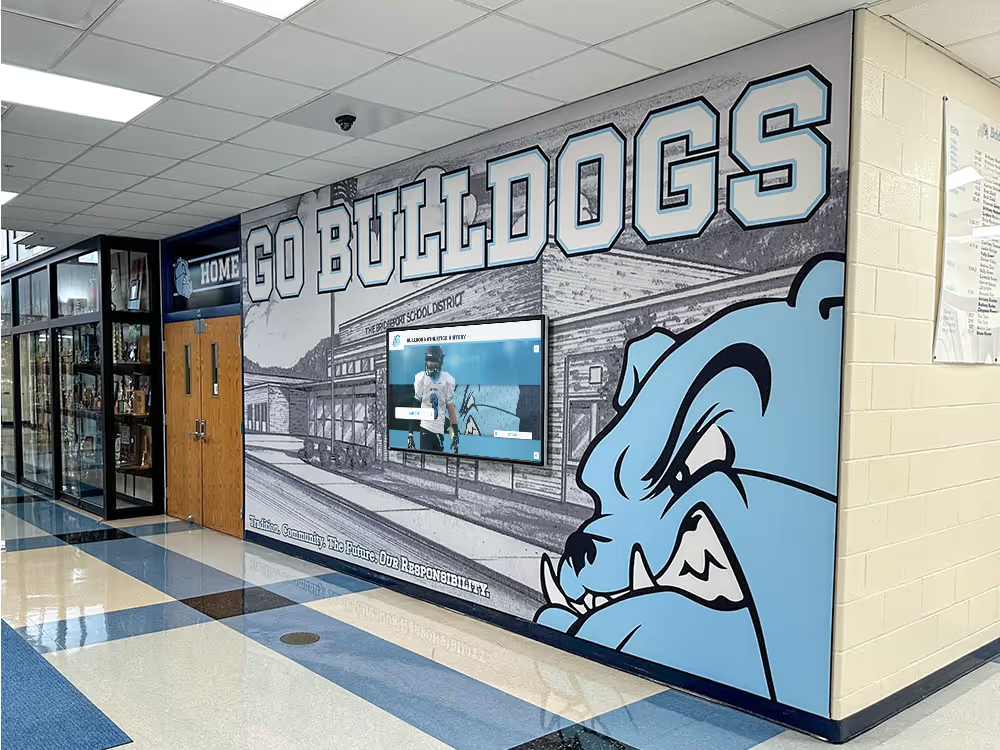
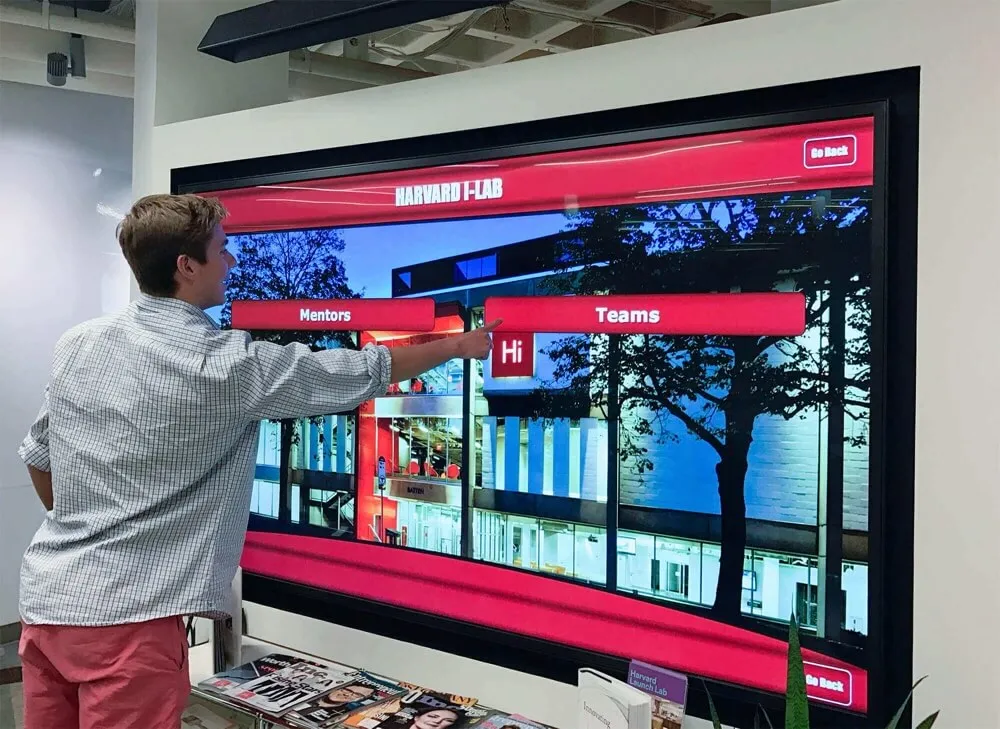
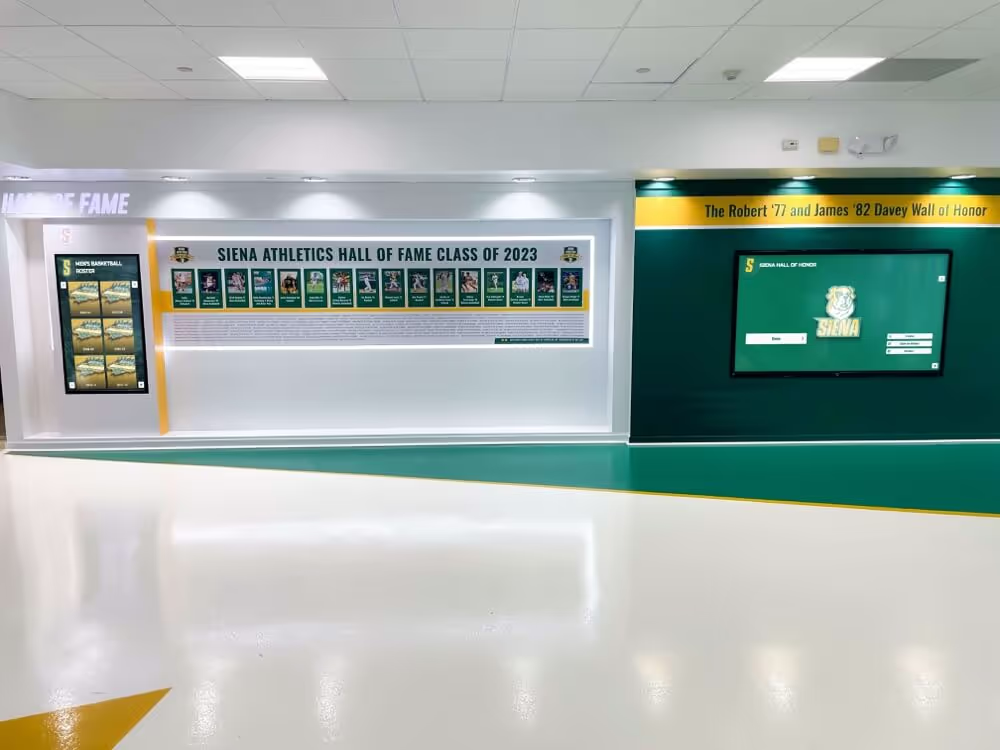
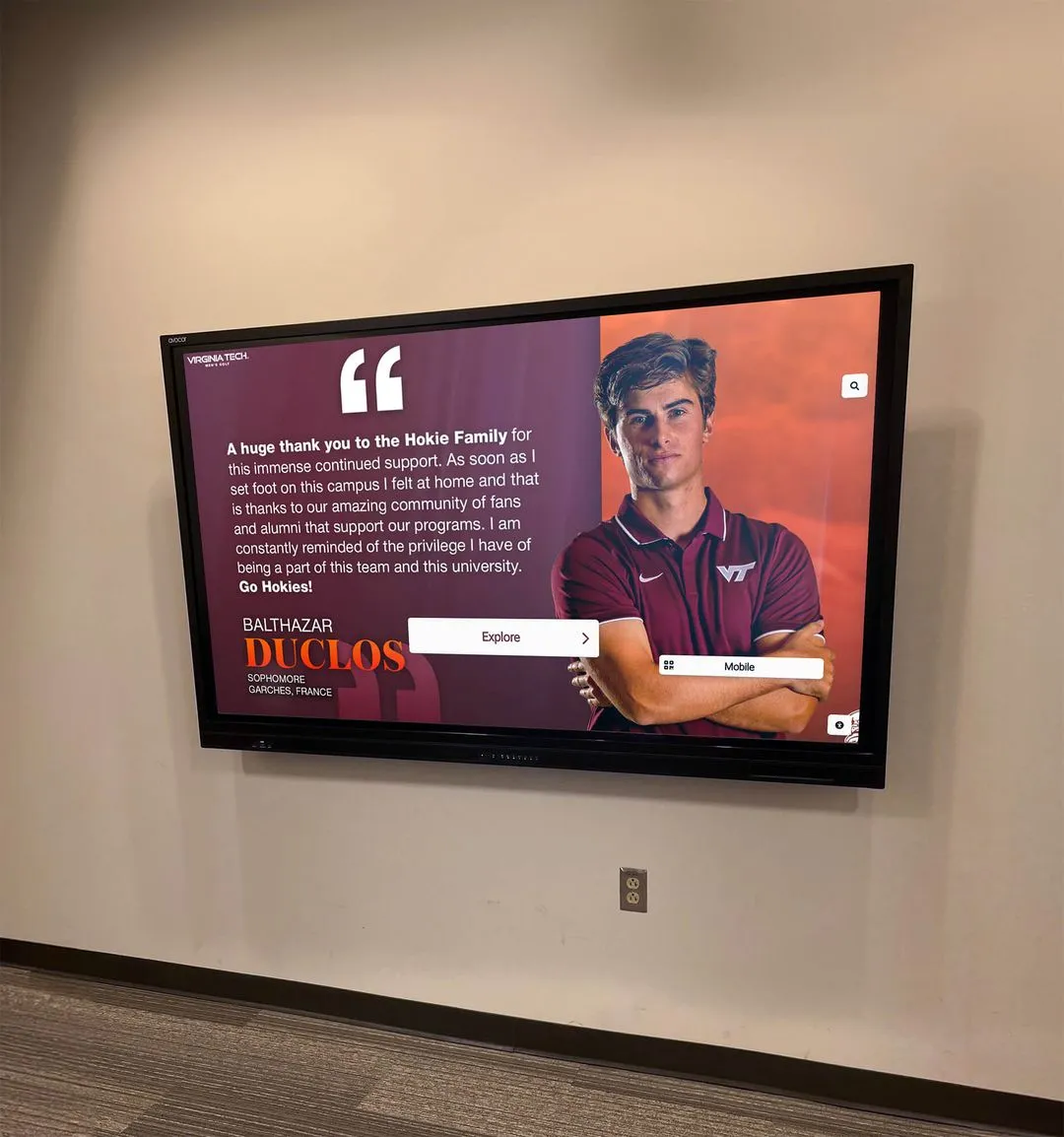
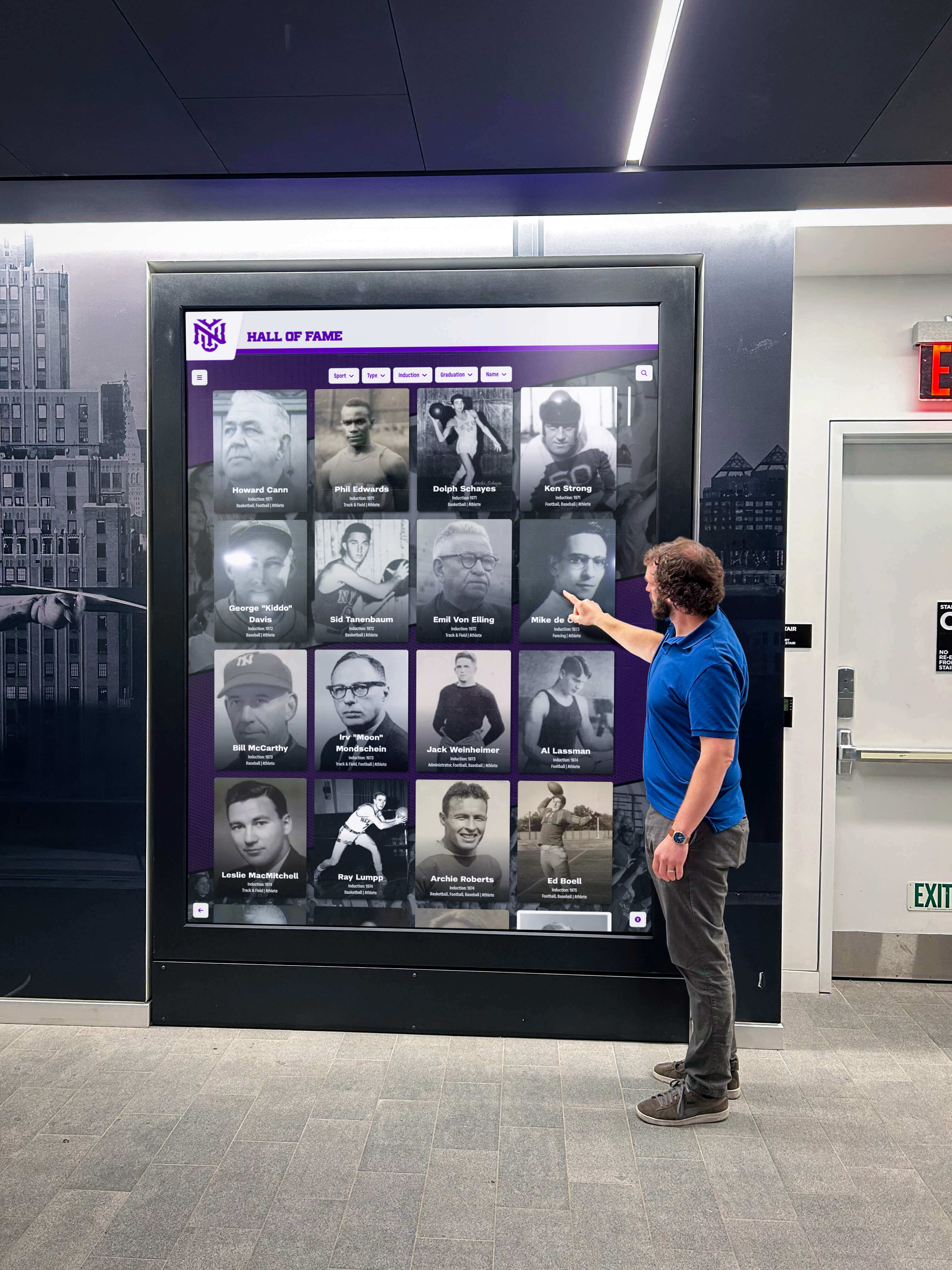
Intuitive touchscreen interfaces enable detailed exploration of individual service records, personal stories, and family contributions
Historical Timeline Integration
Memorial displays preserve complete service heritage:
- Chronological organization showing fallen heroes across decades and conflicts
- War and conflict timelines providing historical context for sacrifice
- Casualty statistics documenting scope of loss during specific periods
- Service evolution showing how military and first responder organizations changed
- Equipment and training history illustrating service conditions across eras
- Home front context connecting military service to community support
- Notable operations and events marking significant moments in service history
- Memorial tradition evolution documenting how communities remembered fallen heroes
Organizations seeking to create comprehensive memorial timelines can explore historical timeline touchscreen display approaches applicable to fallen heroes recognition contexts honoring service across generations.
Family Contribution and Storytelling
Personal Memory Portals
Digital memorial platforms enable family participation enriching tributes:
- Direct upload capabilities allowing relatives to contribute photographs
- Story submission forms enabling families to share personal memories
- Childhood and civilian life documentation showing heroes before service
- Marriage and family photographs celebrating love and relationships
- Personal qualities descriptions from those who knew heroes best
- Favorite activities, hobbies, and interests humanizing military profiles
- Letters and communications preserved showing personality and voice
- Anniversary reflections allowing ongoing memorial enhancement
- Sibling and childhood friend testimonials providing complete life portraits
- Video submissions enabling spoken tributes and memory sharing
Collaborative Memorial Development
Systematic family outreach ensures comprehensive memorial content:
- Initial contact protocols respectfully requesting family participation
- Memorial content review enabling families to verify accuracy and appropriateness
- Privacy preferences honored regarding what information appears publicly
- Cultural sensitivity respecting diverse traditions around death and remembrance
- Ongoing communication maintaining relationships with Gold Star families
- Annual memorial event invitations keeping families connected to communities
- Legacy projects involving children and grandchildren in memorial stewardship
- Support resources connecting families to counseling and bereavement services
- Recognition programs acknowledging family sacrifice and ongoing loss
Solutions like Rocket Alumni Solutions provide specialized memorial platforms combining professional content management with family contribution portals, creating collaborative environments where official service records integrate seamlessly with personal stories and photographs that families provide, resulting in complete memorial tributes honoring fallen heroes as both distinguished service members and beloved family members.
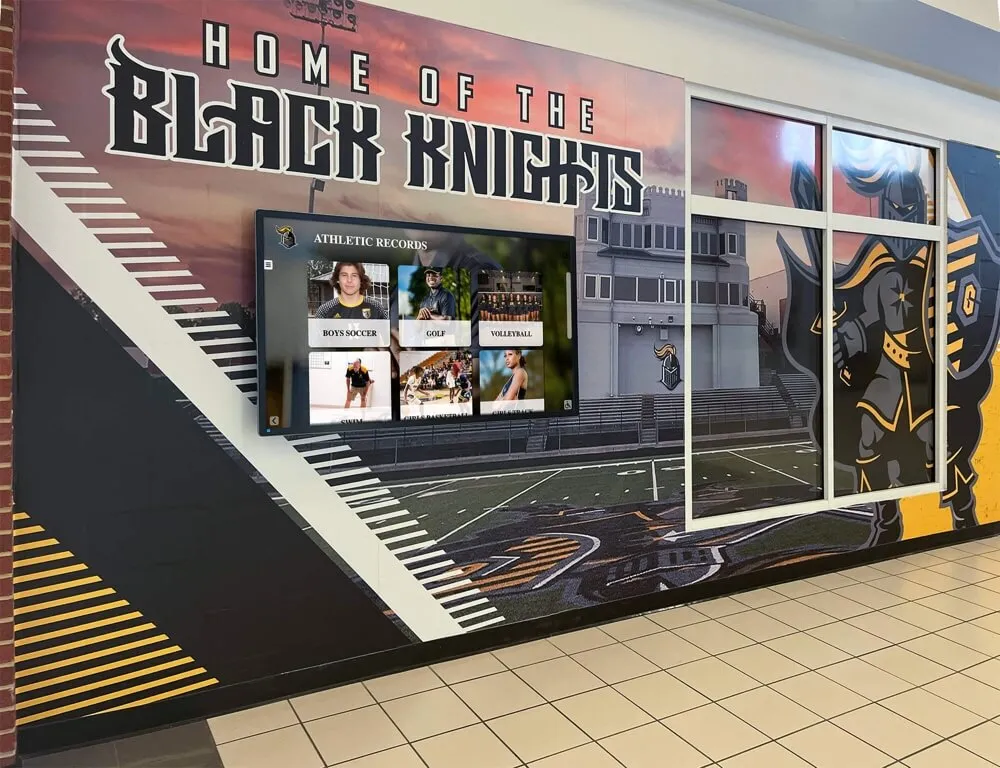
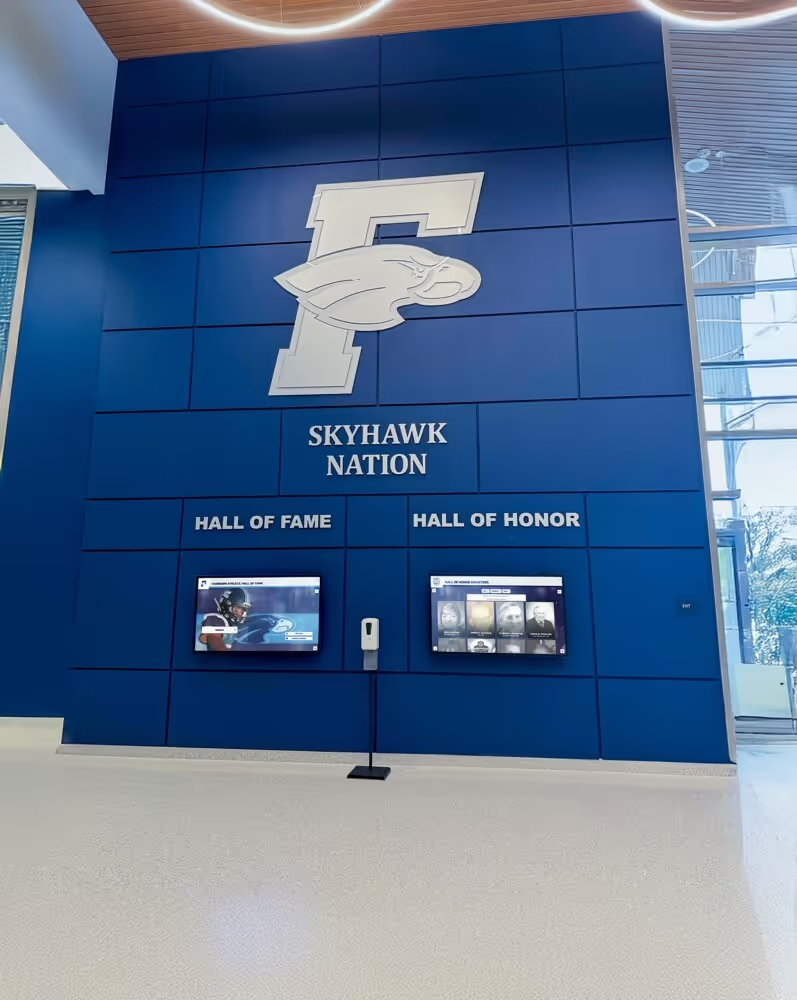
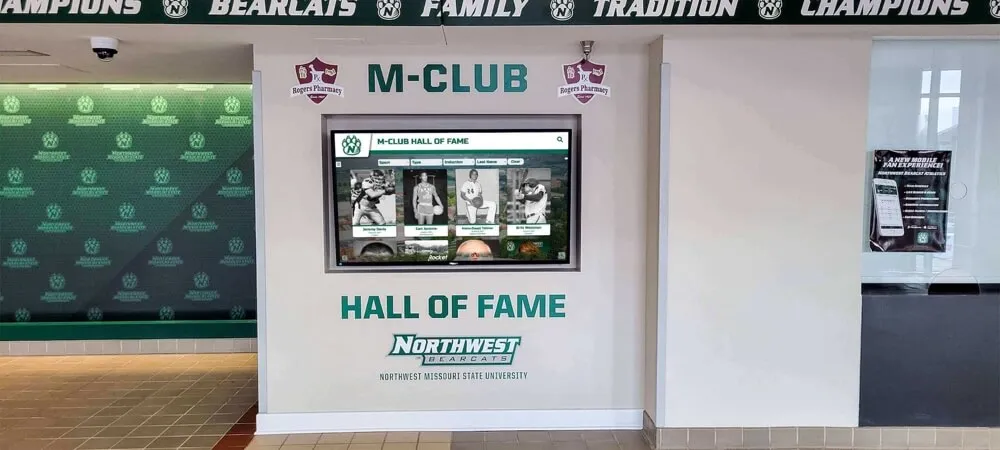
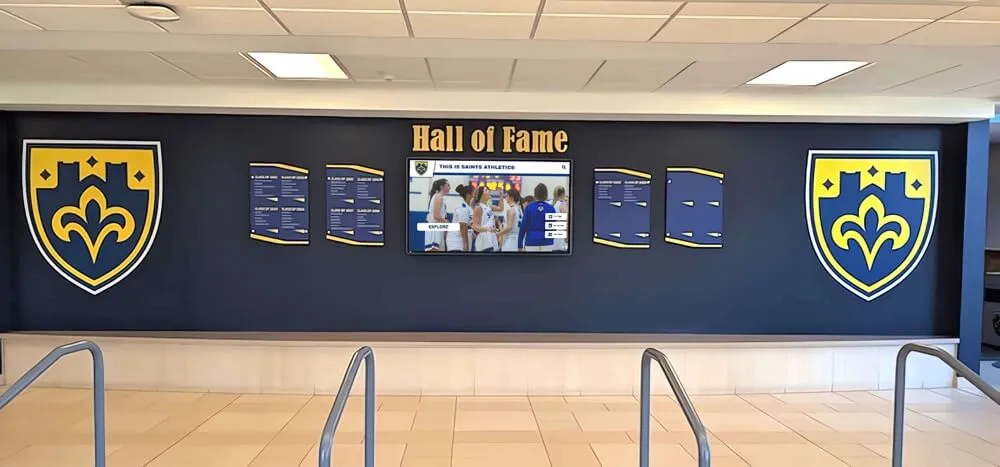
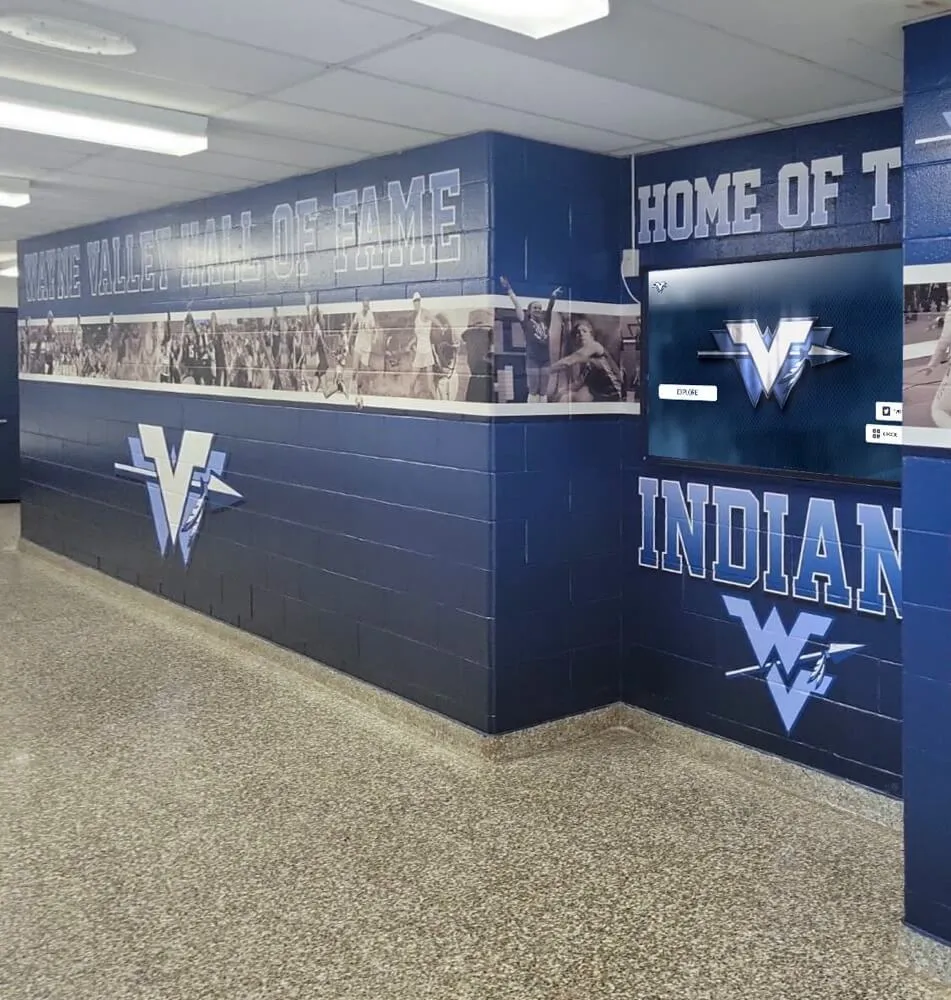
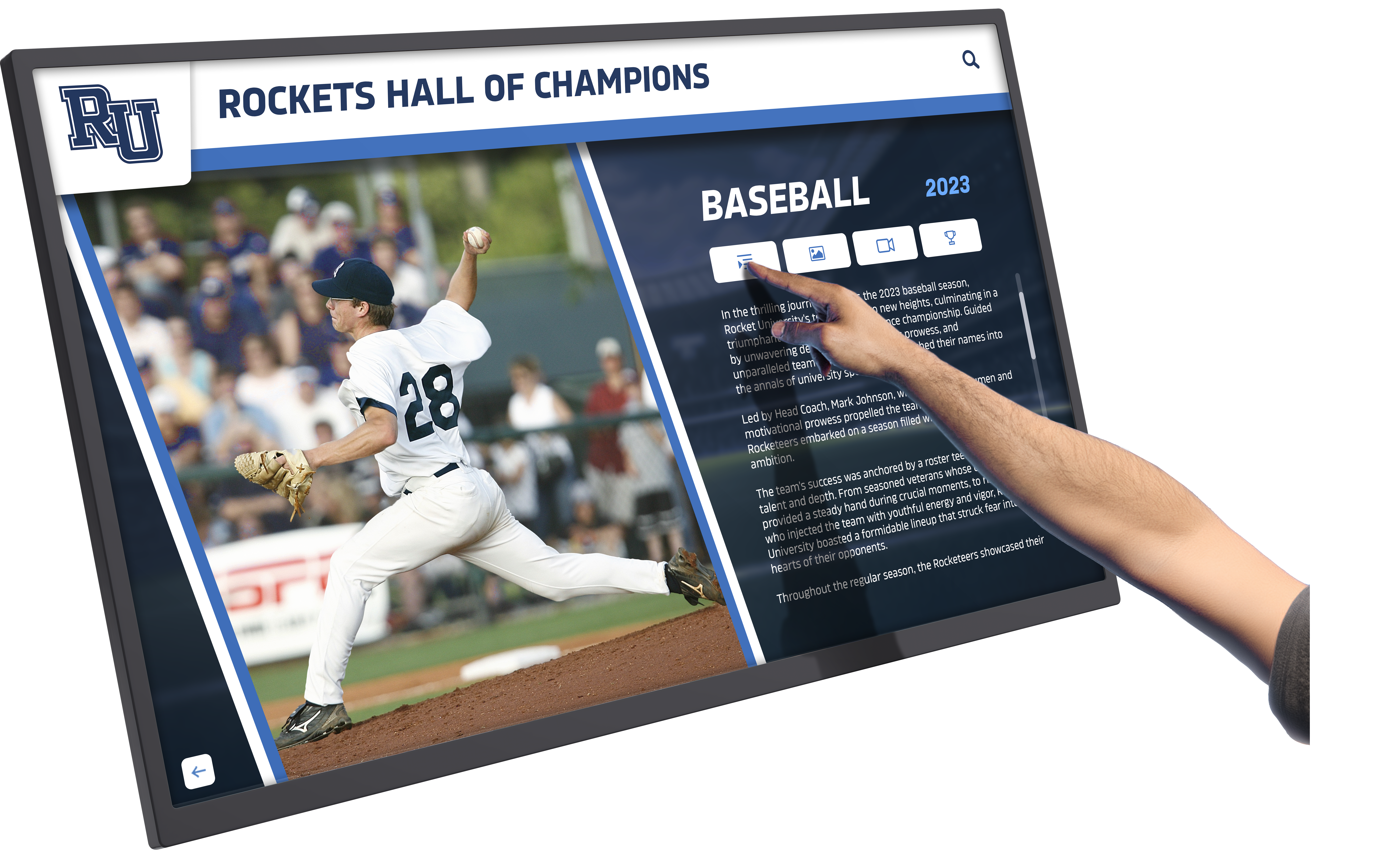
Digital memorial walls create powerful focal points for community remembrance and education about service and sacrifice
Interactive Discovery Features
Modern fallen heroes displays enable multiple exploration pathways supporting diverse memorial engagement needs:
Search and Filter Capabilities
- Full-text search across names, units, conflicts, and service branches
- Conflict-specific filtering showing only Vietnam, Iraq, or Afghanistan casualties
- Geographic organization displaying heroes by hometown or duty station
- Service branch separation (Army, Navy, Air Force, Marines, Coast Guard)
- Law enforcement agency filtering for multi-jurisdiction memorials
- Fire department and EMS organization grouping
- Time period navigation enabling exploration by decade or specific years
- Award and decoration filtering highlighting Medal of Honor or valor recipients
- Alphabet navigation for memorial walls honoring hundreds or thousands
- Related hero suggestions connecting unit members and fellow service members
Educational and Engagement Functions
- Historical context modules explaining conflicts and military operations
- Interactive maps showing deployment locations and operational areas
- Sacrifice statistics documenting casualties across conflicts and eras
- Educational curriculum connections for school group visits
- QR code generation linking physical memorials to comprehensive digital profiles
- Social media sharing enabling families to distribute memorial content
- Memorial day messaging providing annual remembrance content
- Veterans organization integration connecting to support networks
- Genealogy research support helping families trace military heritage
- Academic research access supporting military history scholarship
Comprehensive approaches to honoring fallen soldiers through memorial recognition provide additional frameworks for developing meaningful tribute programs that combine digital technology with traditional commemoration practices appropriately.
Display Integration: Connecting Memorial Recognition to Community Spaces
Effective fallen heroes recognition combines strategic physical placement with interface design optimizing community engagement and respectful remembrance:
Optimal Memorial Display Locations
Veterans Centers and Military Facilities
Primary memorial spaces offer appropriate context:
- VFW and American Legion post lobbies welcoming veteran communities
- VA medical center common areas serving active veteran populations
- National Guard and Reserve armories connecting to service heritage
- Recruiting offices inspiring future service through sacrifice recognition
- Veterans memorial parks creating outdoor remembrance spaces
- Military museum installations integrating digital memorials with artifact collections
- Base and installation memorial chapels supporting spiritual remembrance
- Cemetery visitor centers providing context for burial grounds
Civic and Municipal Buildings
Community-centered locations ensure public access:
- City hall rotundas creating central memorial focal points
- County government buildings serving broader regional populations
- Courthouse lobbies connecting sacrifice to justice and rule of law
- Public library special collections integrating with historical archives
- Community center gathering spaces supporting civic engagement
- Airport terminals honoring local heroes for traveling populations
- Convention center lobbies reaching visitors during events and conferences
- Municipal service department buildings honoring fellow public servants
Emergency Services and Public Safety Facilities
First responder memorials honor fallen colleagues appropriately:
- Police department headquarters creating internal memorial spaces
- Fire station common areas where current firefighters gather daily
- Sheriff’s office facilities serving law enforcement communities
- Emergency dispatch centers honoring communications professionals
- Emergency management offices recognizing disaster response heroes
- Ambulance and EMS stations memorializing medical first responders
- Public safety training academies educating future first responders
- 911 memorial locations linking to emergency response heritage
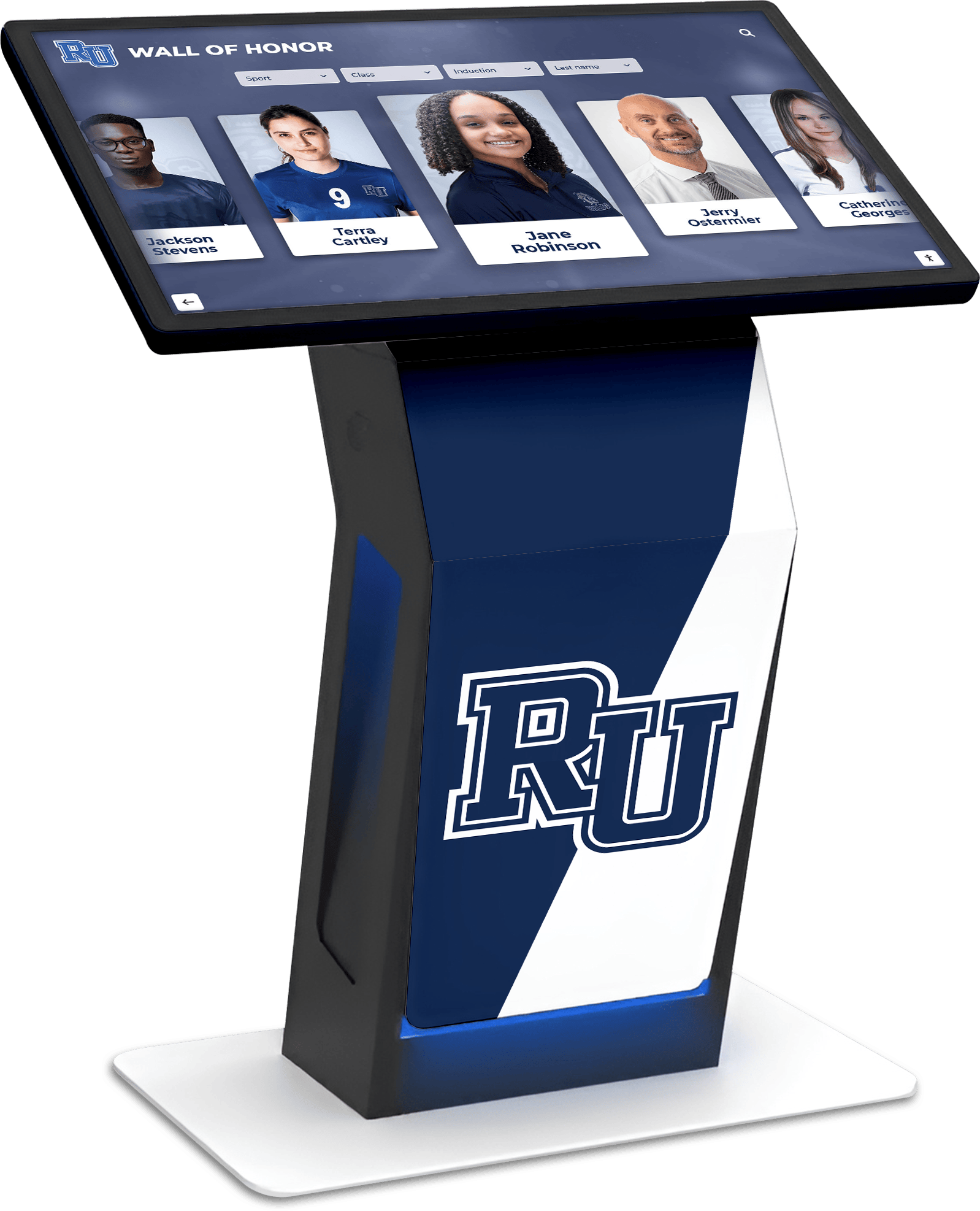
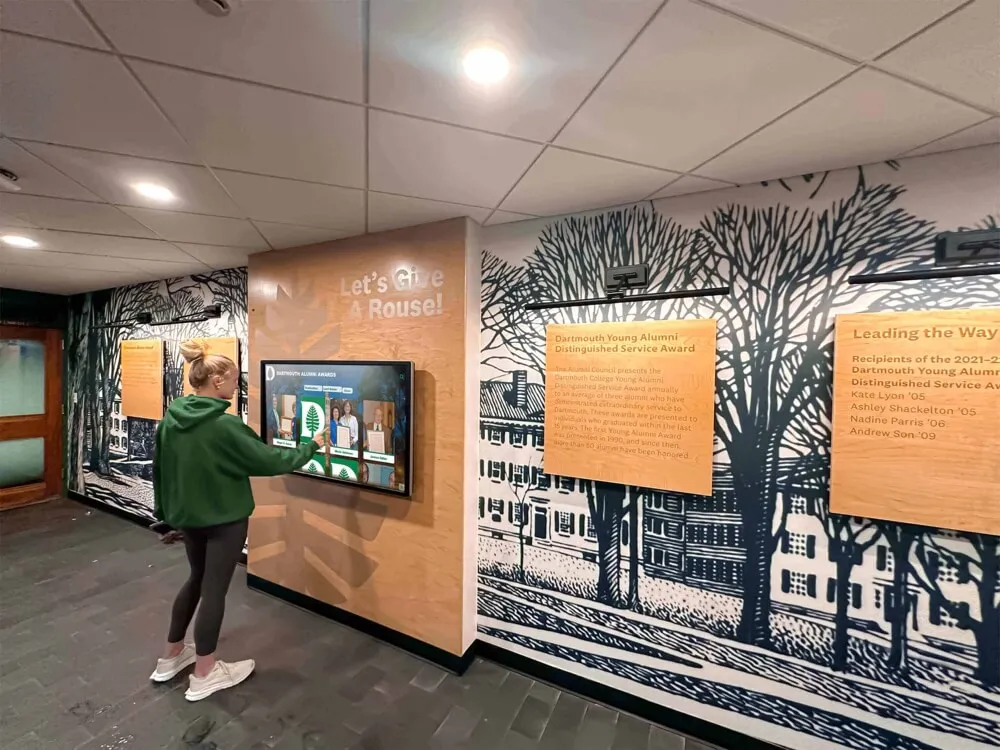
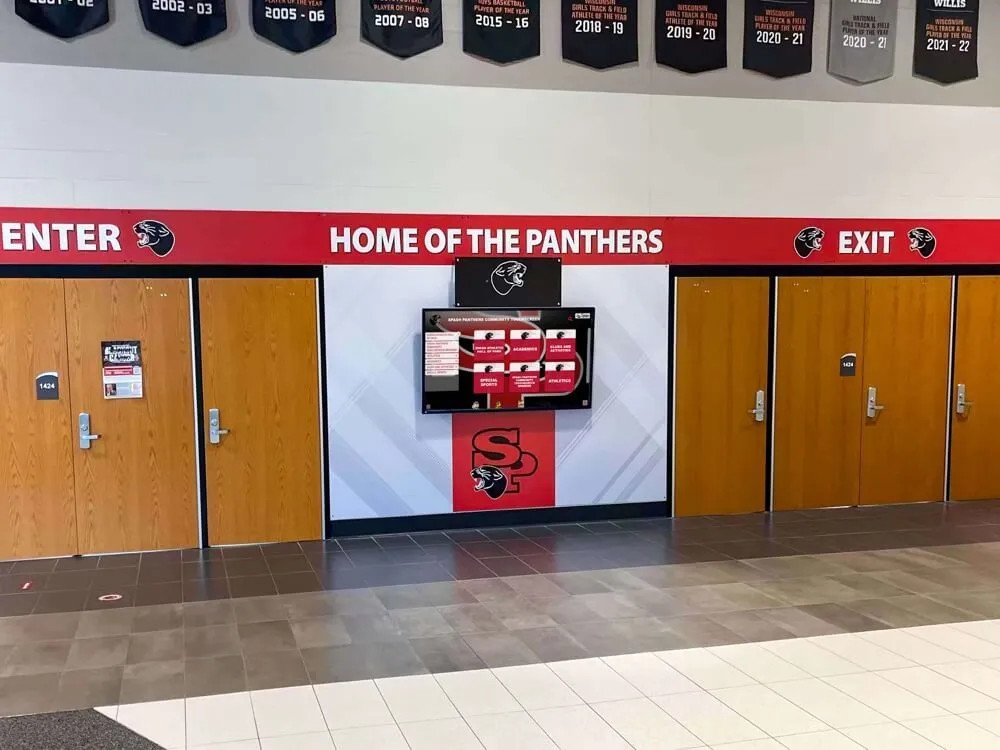
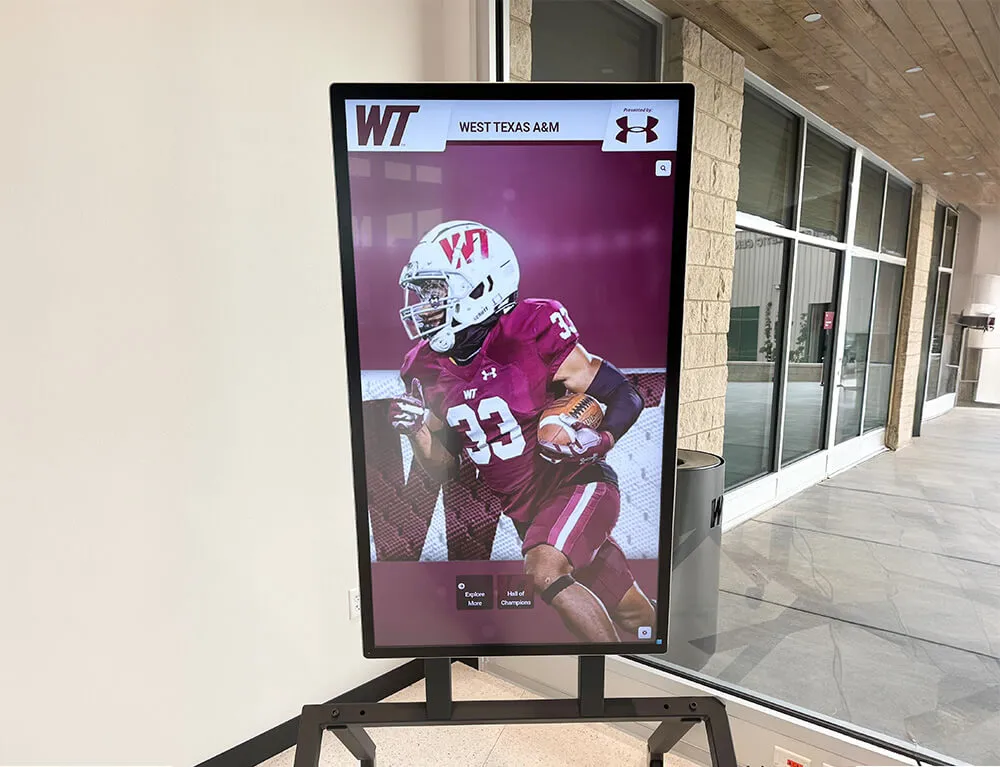
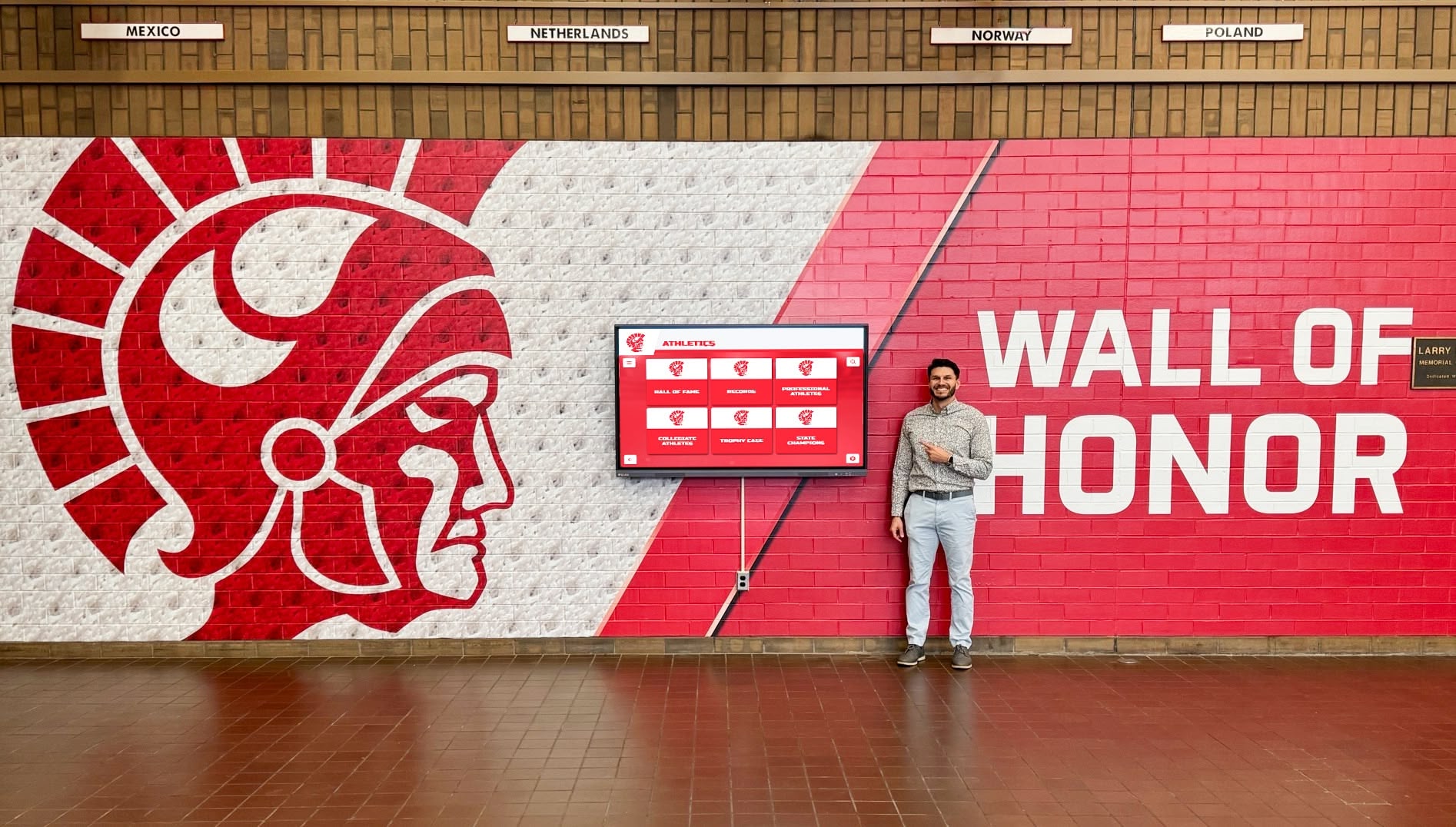
Freestanding memorial kiosks provide flexible installation options for diverse community spaces and facility types
Educational Institutions
Schools create meaningful memorial engagement:
- High school main lobbies connecting students to local heroes
- College and university veterans centers serving student veteran populations
- ROTC buildings preparing future military officers
- Military academy campuses honoring service traditions
- Community college public safety programs training future first responders
- School libraries supporting research and curriculum integration
- Student union buildings reaching broad student populations
- Athletic facility lobbies honoring student athletes who later served
Communities can explore comprehensive memorial recognition approaches in digital wall of honor plaque implementations that combine traditional memorial aesthetics with modern interactive technology creating appropriate commemoration environments.
Accessibility and Environmental Design
Technical and Practical Considerations
Memorial installations require thoughtful planning:
- ADA-compliant mounting heights enabling wheelchair user access
- Adequate ambient lighting preventing glare while maintaining visibility
- Climate-controlled environments protecting equipment from weather exposure
- Appropriate acoustics supporting audio content without disturbing other spaces
- Sufficient electrical infrastructure supporting continuous operation
- Reliable network connectivity enabling cloud-based content updates
- Security measures protecting memorial displays from vandalism
- Space for group viewing enabling families and school groups
- Seating areas supporting extended engagement and reflection
- Integration with existing memorial elements (flags, monuments, plaques)
Respectful Memorial Environments
Design choices communicate appropriate reverence:
- Subdued color schemes avoiding bright or frivolous aesthetics
- Professional mounting and installation reflecting permanent memorial status
- Dignified interface design matching memorial solemnity
- Appropriate background music or silence options
- Memorial wreath placement areas enabling ceremonial tributes
- Flag display integration honoring service branch traditions
- Lighting design creating contemplative atmosphere
- Signage explaining memorial purpose and hero recognition
- Quiet zones respecting those in reflection or grieving
- Visitor protocols maintaining memorial space dignity
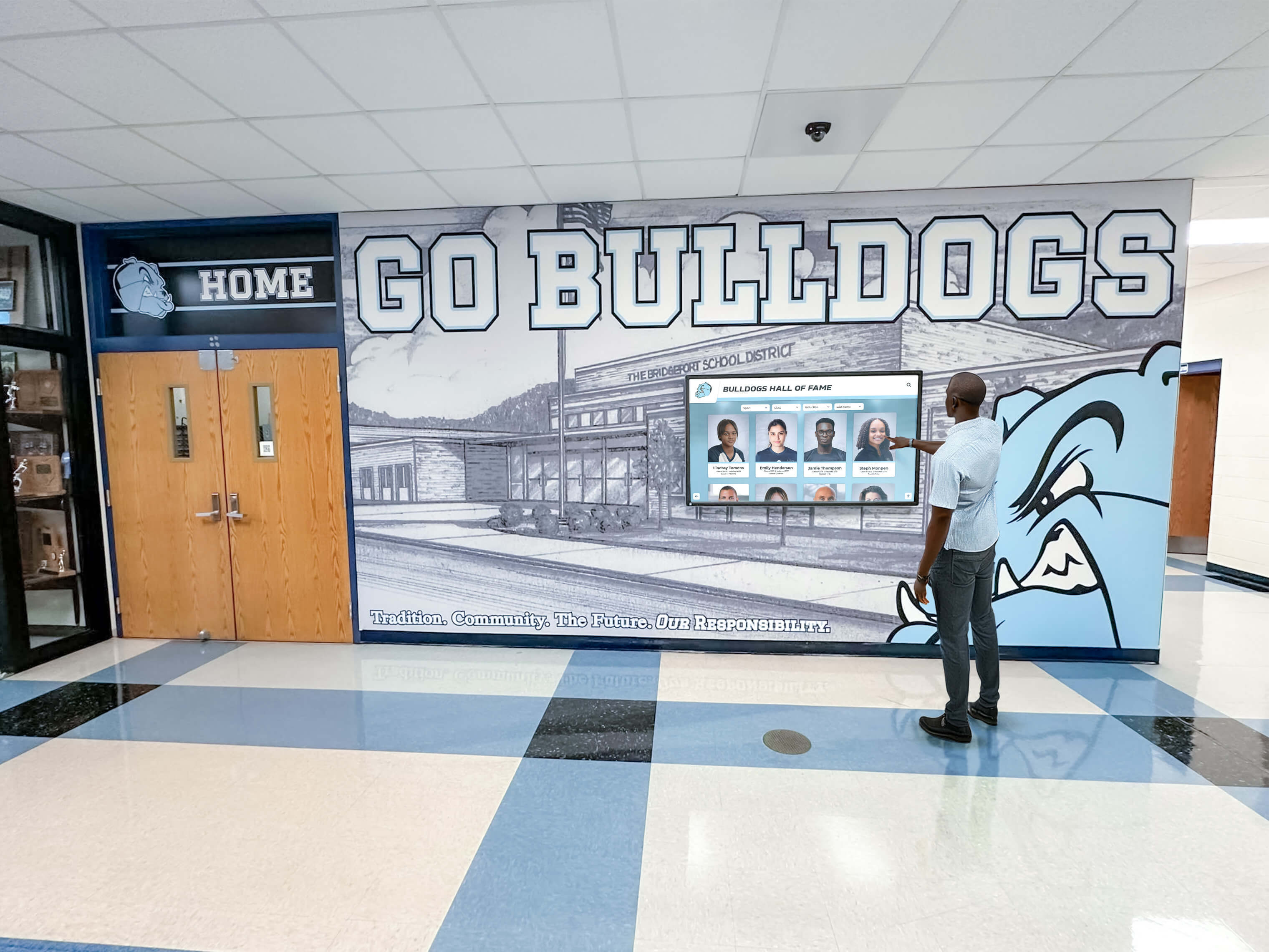
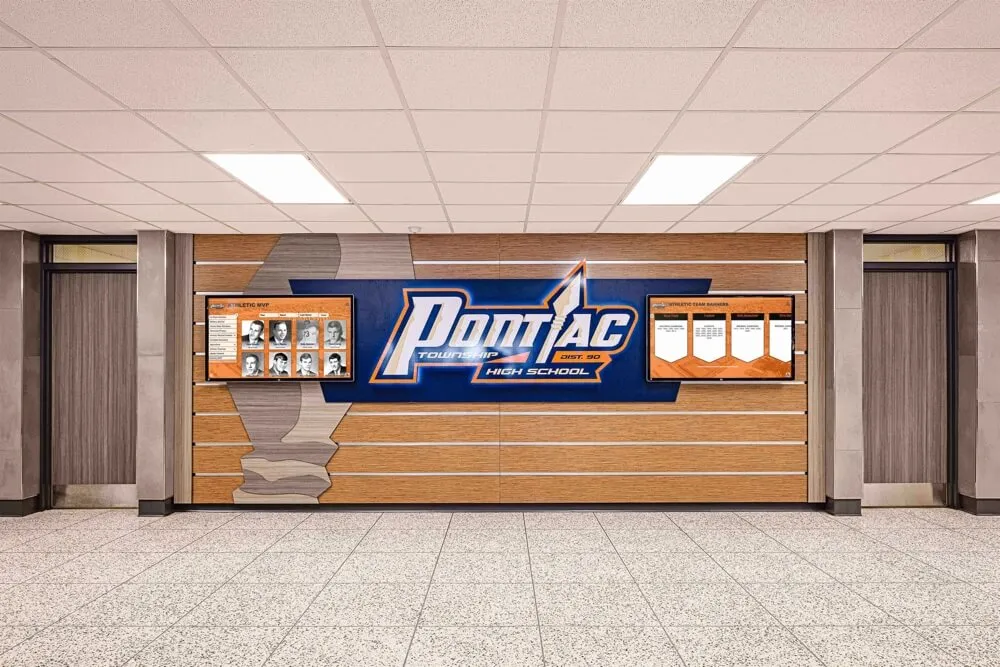
Thoughtfully designed memorial spaces balance technology integration with traditional reverence and respectful commemoration
Execution Timeline: From Planning to Memorial Launch
Successful fallen heroes touchscreen implementation follows systematic development phases ensuring thorough research, family engagement, and appropriate commemoration:
Phase 1: Planning and Research Foundation (Weeks 1-4)
Memorial Scope Definition
Communities must clarify recognition parameters:
- Geographic boundaries (city, county, state, national)
- Service type inclusion (military only, or military plus first responders)
- Time period coverage (recent conflicts, or complete historical recognition)
- Eligibility criteria defining who receives memorial inclusion
- Family notification protocols informing relatives about memorial plans
- Advisory committee formation including veterans, families, and civic leaders
- Budget development covering initial investment and ongoing operations
- Success metrics defining what effective memorial recognition achieves
Historical Research Initiation
Comprehensive hero identification requires systematic investigation:
- Military casualty databases (Defense Casualty Analysis System, American Battle Monuments Commission)
- National Law Enforcement Officers Memorial database queries
- Firefighter memorial databases and fallen firefighter registries
- Local newspaper archives researching historical casualties
- Veterans organization records and post membership histories
- County clerk and vital records research
- Cemetery records identifying military and service burials
- Family history societies and genealogy organizations
- State military museums and historical societies
- Department of Defense personnel record requests
Organizations developing fallen heroes memorials should reference donor recognition approaches that can fund comprehensive memorial research and implementation through community giving campaigns supporting hero commemoration.
Phase 2: Hero Research and Content Development (Weeks 5-16)
Individual Service Record Compilation
Each fallen hero requires thorough documentation:
- Official military records from National Archives
- Service branch casualty reports and after-action summaries
- Local newspaper obituaries and memorial service coverage
- Unit histories and organizational records
- Award citations and decoration documentation
- Photograph acquisition from archives and family sources
- Deployment records and assignment histories
- Casualty circumstances research respecting sensitivity
- Burial location documentation and cemetery records
- Memorial dedication and street naming recognition
Family Outreach and Engagement
Systematic contact ensures family participation:
- Contact information research through veterans organizations
- Sensitive initial communication explaining memorial plans
- Personal interview opportunities for families desiring participation
- Photograph and story collection from willing families
- Content review processes enabling family verification
- Privacy preference documentation respecting family wishes
- Cultural sensitivity training for outreach volunteers
- Support resource provision connecting families to services
- Annual event planning including families in memorial ceremonies
- Ongoing communication maintaining long-term relationships
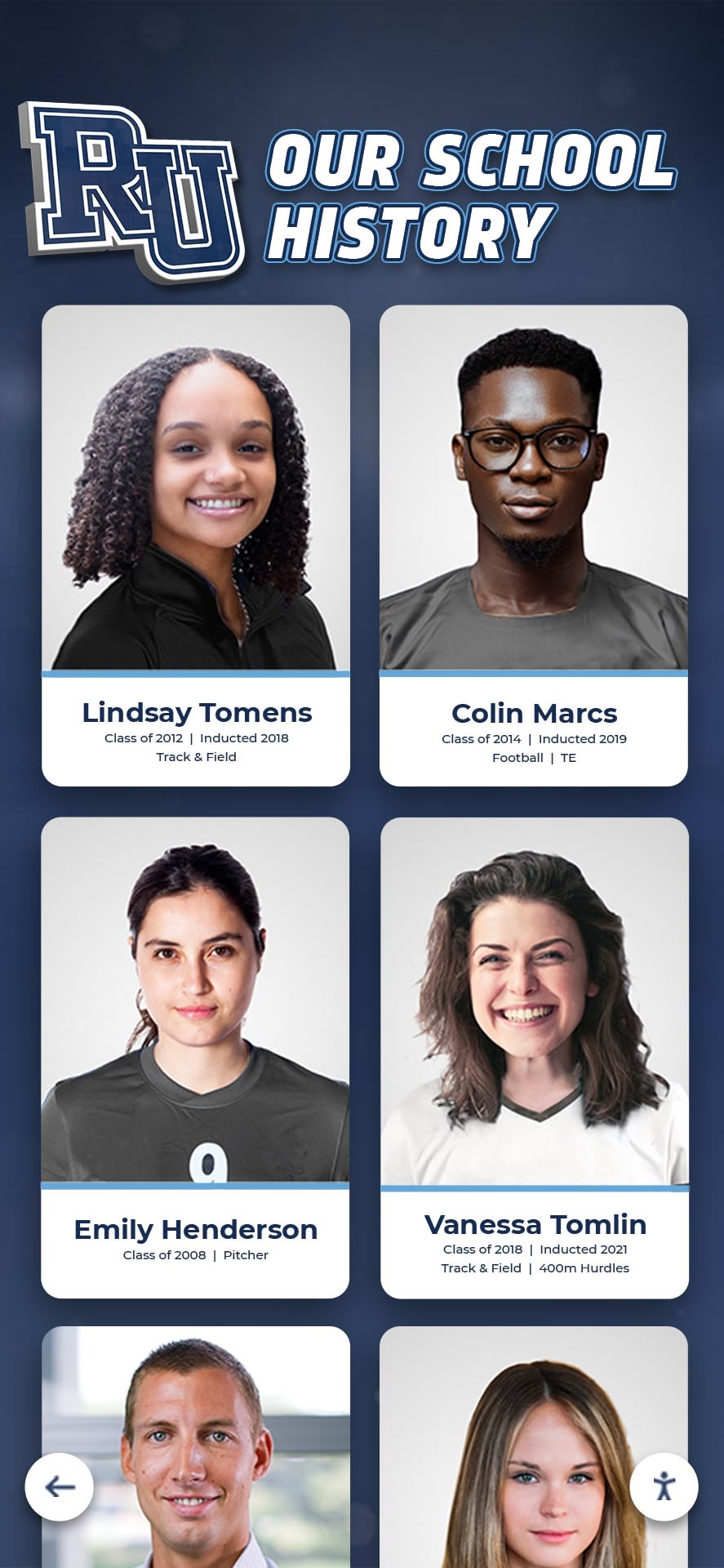
Comprehensive memorial profiles document complete service records, personal stories, and family contributions creating lasting tributes
Historical Context Development
Memorial content requires contextual frameworks:
- Conflict summaries explaining military operations and campaigns
- Service branch histories documenting organizational evolution
- Equipment and training descriptions illustrating service conditions
- Home front narratives connecting military service to community support
- Casualty statistics providing scope understanding
- Veterans organization histories showing community support traditions
- Memorial evolution documenting how communities remembered heroes historically
- Oral history collection from surviving veterans and family members
- Artifact documentation connecting objects to fallen heroes
- Geographic context mapping showing hometown, service, and burial locations
Phase 3: Technology Implementation and Content Integration (Weeks 17-22)
Platform Selection and Configuration
Memorial-specific technology requirements:
- Purpose-built memorial platforms versus generic digital signage
- Family contribution portal integration enabling ongoing participation
- Cloud-based management supporting remote content updates
- Web platform extension providing access beyond physical locations
- Mobile-responsive design ensuring smartphone accessibility
- Privacy controls protecting sensitive family information
- Search and filter capabilities supporting hero discovery
- Analytics tracking enabling engagement measurement
- Backup and archival systems protecting memorial content permanently
- Accessibility compliance ensuring all community members can engage
Content Loading and Quality Assurance
Systematic content integration ensures accuracy:
- Database development organizing hero information systematically
- Photograph processing and optimization for display quality
- Biographical writing and editing ensuring consistent quality
- Family story integration matching appropriate tone and style
- Historical context placement providing necessary background
- Cross-reference verification ensuring factual accuracy
- Family review processes enabling pre-launch verification
- Veteran organization consultation confirming appropriate representation
- Test display configuration revealing interface or content issues
- Soft launch with limited audience enabling refinement
Communities implementing comprehensive memorial recognition can learn from school history preservation approaches that balance historical documentation with modern technology creating accessible archives honoring institutional heritage across generations.
Phase 4: Memorial Dedication and Public Launch (Weeks 23-26)
Professional Installation
Memorial displays require appropriate deployment:
- Professional mounting and electrical work meeting code requirements
- Secure installation protecting equipment from damage or theft
- Network connectivity testing ensuring reliable operation
- Touchscreen calibration and interface optimization
- ADA compliance verification confirming accessibility
- Audio system configuration when included
- Lighting adjustment creating appropriate memorial atmosphere
- Signage installation explaining memorial purpose
- Ceremonial element integration (flags, flowers, traditional monuments)
- Final quality inspection before public dedication
Memorial Dedication Ceremony
Public launch creates community awareness:
- Gold Star family invitations honoring relatives of fallen heroes
- Veterans organization participation recognizing service communities
- Elected official attendance demonstrating civic commitment
- Military and first responder honor guard presence
- Keynote speaker selection (military leaders, surviving heroes, family members)
- Media coverage generating awareness and education
- School group attendance connecting young people to sacrifice
- Religious or spiritual elements appropriate to community traditions
- Memorial wreath laying and ceremonial tributes
- Reception enabling community connection and conversation

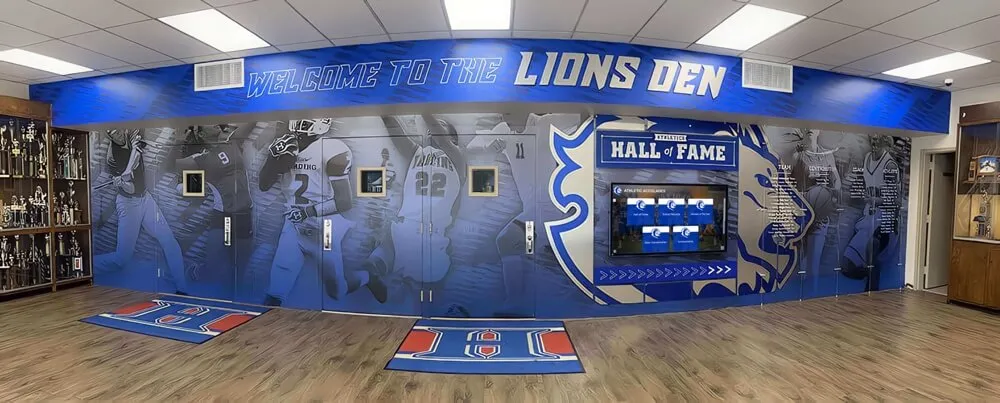
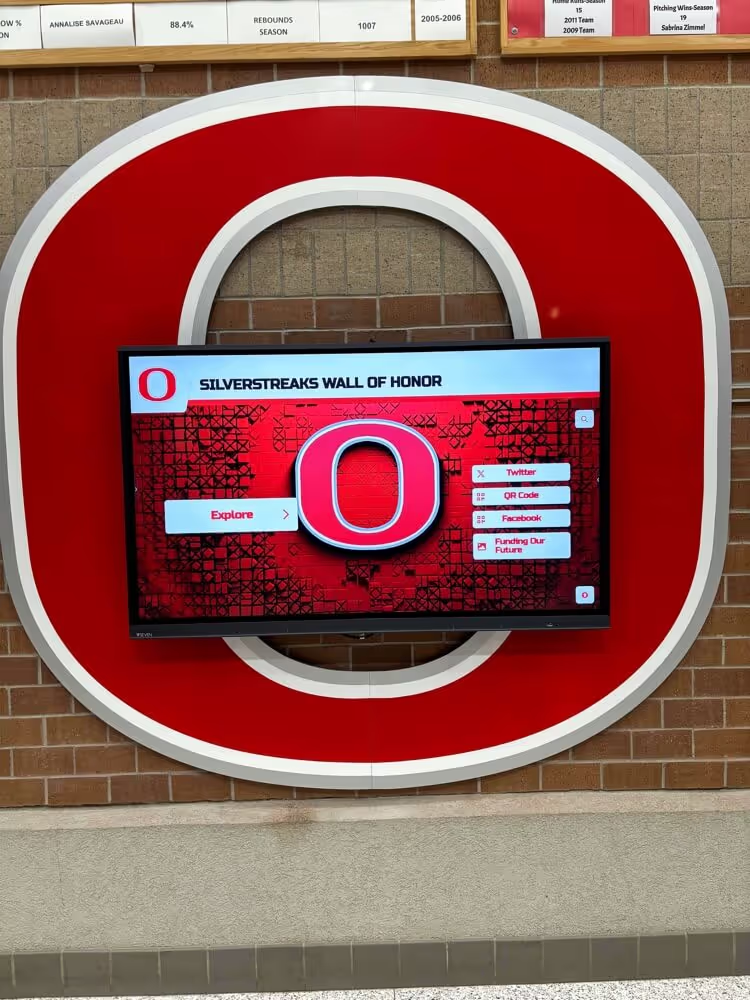
Professional installations create permanent memorial focal points honoring fallen heroes with dignity and appropriate prominence
Memorial Categories: Recognizing Diverse Service and Sacrifice
Fallen heroes touchscreen displays accommodate various service types requiring tailored recognition approaches:
Military Service Members
Combat Casualties
Warriors who fell in battle deserve comprehensive recognition:
- Complete operational context explaining combat circumstances
- Unit action summaries documenting mission and engagement
- Award citations highlighting valor and sacrifice
- Fellow soldier testimonials honoring battlefield brotherhood
- After-action reports providing military perspective
- Family impact stories showing sacrifice beyond battlefield
- Memorial dedication ceremonies at military installations
- Repatriation narratives documenting return home
- Burial at national cemeteries or hometown memorials
- Legacy programs supporting surviving family members
Non-Combat Military Deaths
All military casualties merit equal recognition:
- Training accident documentation explaining circumstances respectfully
- Peacetime service deaths honoring sacrifice during preparedness
- Illness and disease casualties from deployment environments
- Aircraft and vehicle accidents during military operations
- Suicide prevention context addressing military mental health
- Friendly fire incidents explained sensitively and accurately
- Missing in action cases honoring uncertainty and ongoing searches
- POW deaths recognizing captivity and suffering
- Post-service death from service-connected conditions
- Reserve and Guard casualties during non-deployed service
Communities implementing military memorial recognition can reference comprehensive approaches in memorial tribute displays for deceased faculty that translate memorial best practices across different institutional contexts requiring sensitive and appropriate commemoration.
Law Enforcement Officers
Line-of-Duty Deaths
Police officers killed in service require appropriate recognition:
- Incident narratives explaining circumstances of death
- Department profiles showing agency mission and heritage
- Career progression documenting years of protection
- Commendation records highlighting exceptional service
- Community impact stories showing relationships with citizens
- Fellow officer testimonials honoring brotherhood and sacrifice
- Traffic stop and patrol dangers educating public about risks
- Domestic violence response casualties highlighting intervention dangers
- Pursuit-related deaths showing commitment to public safety
- Ambush and targeted attack recognition documenting violence against police
- Memorial traditions including annual candlelight vigils
First Responder Context
Memorial recognition extends beyond officers:
- Corrections officer deaths in custody environments
- Probation and parole officer casualties during supervision
- Animal control officer deaths serving communities
- Code enforcement officer line-of-duty deaths
- Court officer and bailiff casualties protecting judicial system
- Transit police officer deaths serving transportation systems
- Campus police officer casualties protecting educational institutions
- Tribal police officer recognition honoring indigenous law enforcement
- Federal law enforcement deaths across multiple agencies
- Military police casualties during overseas and domestic operations
Firefighters and Emergency Medical Services
Fire Service Casualties
Firefighters who died protecting communities deserve recognition:
- Fire incident narratives documenting suppression operations
- Department histories showing station tradition and service area
- Career firefighter and volunteer distinction honoring all service types
- Structural collapse and flashover casualties explaining fire behavior dangers
- Wildland firefighter deaths during forest fire operations
- Hazardous materials incidents causing firefighter casualties
- Water rescue deaths during emergency response operations
- Medical emergency deaths while serving (heart attacks, strokes)
- Training exercise casualties during skill development
- Arson investigation deaths highlighting fire marshal risks
- Cancer deaths from occupational exposure documented and recognized
Emergency Medical Services Recognition
EMS personnel casualties require commemoration:
- Paramedic and EMT line-of-duty deaths
- Air ambulance crashes during medical transport
- Vehicle accidents during emergency response
- Violent patient attack casualties
- Disease exposure deaths from patient contact
- Mental health crisis response casualties
- Disaster response deaths during major incidents
- Community health worker deaths serving vulnerable populations
- 911 dispatcher deaths though less common in field work
- EMS volunteer recognition honoring non-career service
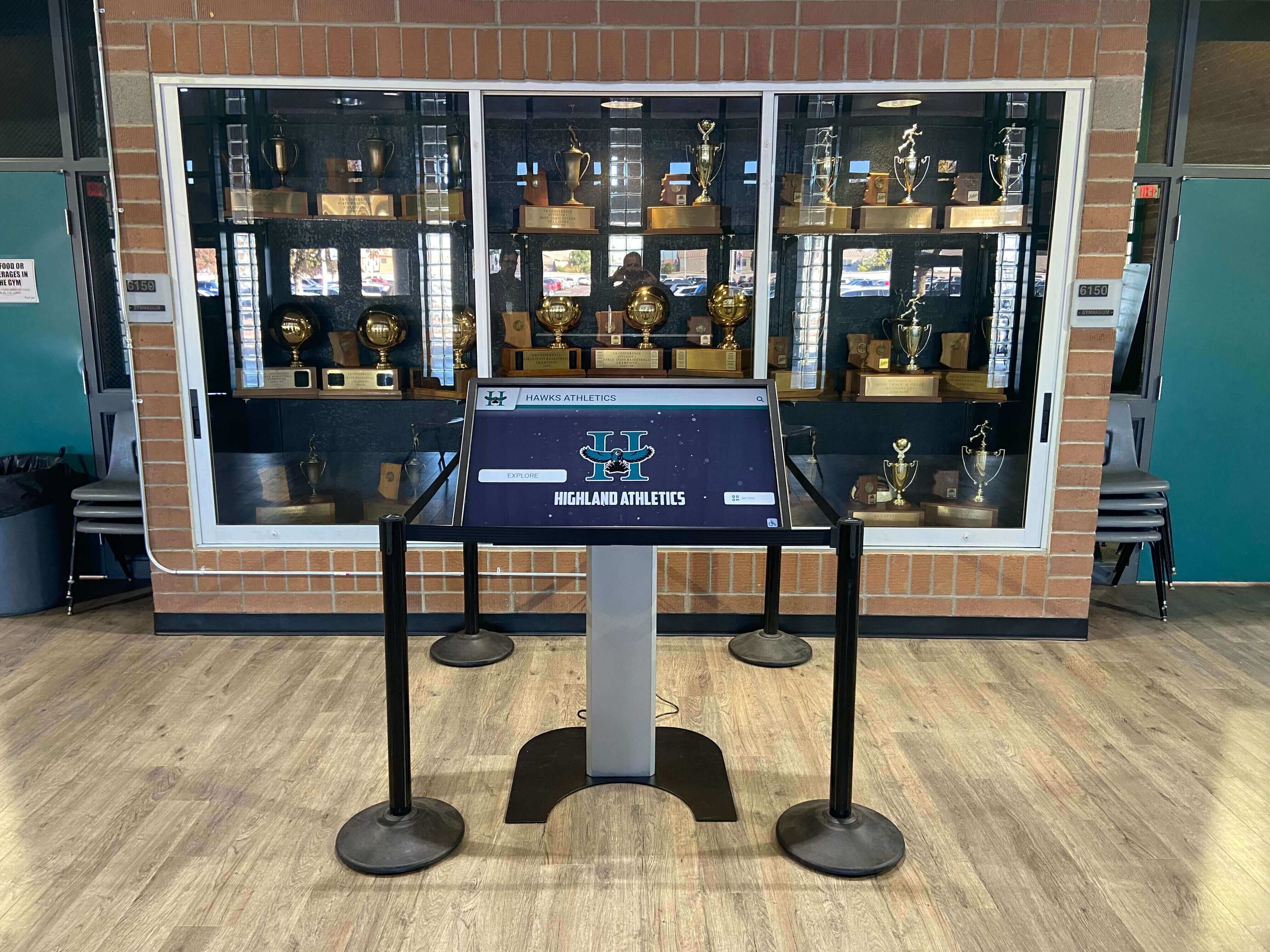
Hybrid approaches combining digital memorials with traditional elements create comprehensive recognition honoring service across formats
Educational Integration: Teaching Through Memorial Recognition
Fallen heroes touchscreen displays serve as powerful educational resources connecting students and citizens to sacrifice, service, and citizenship:
Curriculum-Aligned Educational Content
History and Social Studies Integration
Memorial platforms support academic learning:
- Primary source documents including letters, orders, and reports
- Timeline integration connecting fallen heroes to broader historical events
- Geographic literacy through deployment maps and operational areas
- Civic education emphasizing service, sacrifice, and democratic values
- Critical thinking development analyzing complex military and ethical issues
- Historical research skills using memorial database as investigation tool
- Comparative history examining conflicts across different eras
- Genealogy and family history research connecting students to ancestors
- Local history emphasis showing community contributions to national defense
- Veterans oral history projects linking memorial to living history
Language Arts and Literacy Applications
Memorial content supports communication skill development:
- Biography reading comprehension using fallen hero profiles
- Persuasive writing about service importance and memorial recognition
- Poetry analysis and creation honoring sacrifice and remembrance
- Interview skills through veteran oral history collection
- Research paper development investigating specific heroes or conflicts
- Public speaking through memorial dedication and remembrance ceremonies
- Media literacy analyzing how conflicts and casualties receive coverage
- Letter writing to active service members and Gold Star families
- Narrative writing creating historical fiction grounded in memorial research
- Visual literacy interpreting photographs and memorial imagery
Science and Mathematics Connections
Memorial recognition supports STEM learning:
- Statistical analysis of casualty data across conflicts and eras
- Geographic information systems mapping deployment and operations
- Technology investigation examining military equipment evolution
- Medical research exploring combat casualty care improvements
- Engineering connections studying military technology development
- Data visualization representing casualty statistics meaningfully
- Probability and risk analysis in military and first responder contexts
- Environmental science through wildland firefighter casualty study
- Physics applications examining ballistics and military technology
- Mathematics applications calculating deployment lengths and casualty rates
School Group Programming
Structured Educational Visits
Memorial displays support guided learning experiences:
- Pre-visit curriculum materials preparing students for memorial engagement
- Guided tour protocols appropriate to different age groups
- Age-appropriate explanations of death, sacrifice, and loss
- Scavenger hunt activities engaging younger students appropriately
- Research assignments connecting specific students to individual fallen heroes
- Reflection prompts encouraging thoughtful memorial engagement
- Post-visit activities extending learning beyond memorial visit
- Writing assignments processing memorial experience and learning
- Art projects creating student interpretations of service and sacrifice
- Service project development inspired by fallen hero examples
Organizations developing educational memorial programming can explore display approaches for schools that combine historical preservation with student engagement creating meaningful learning experiences connected to institutional and community heritage.
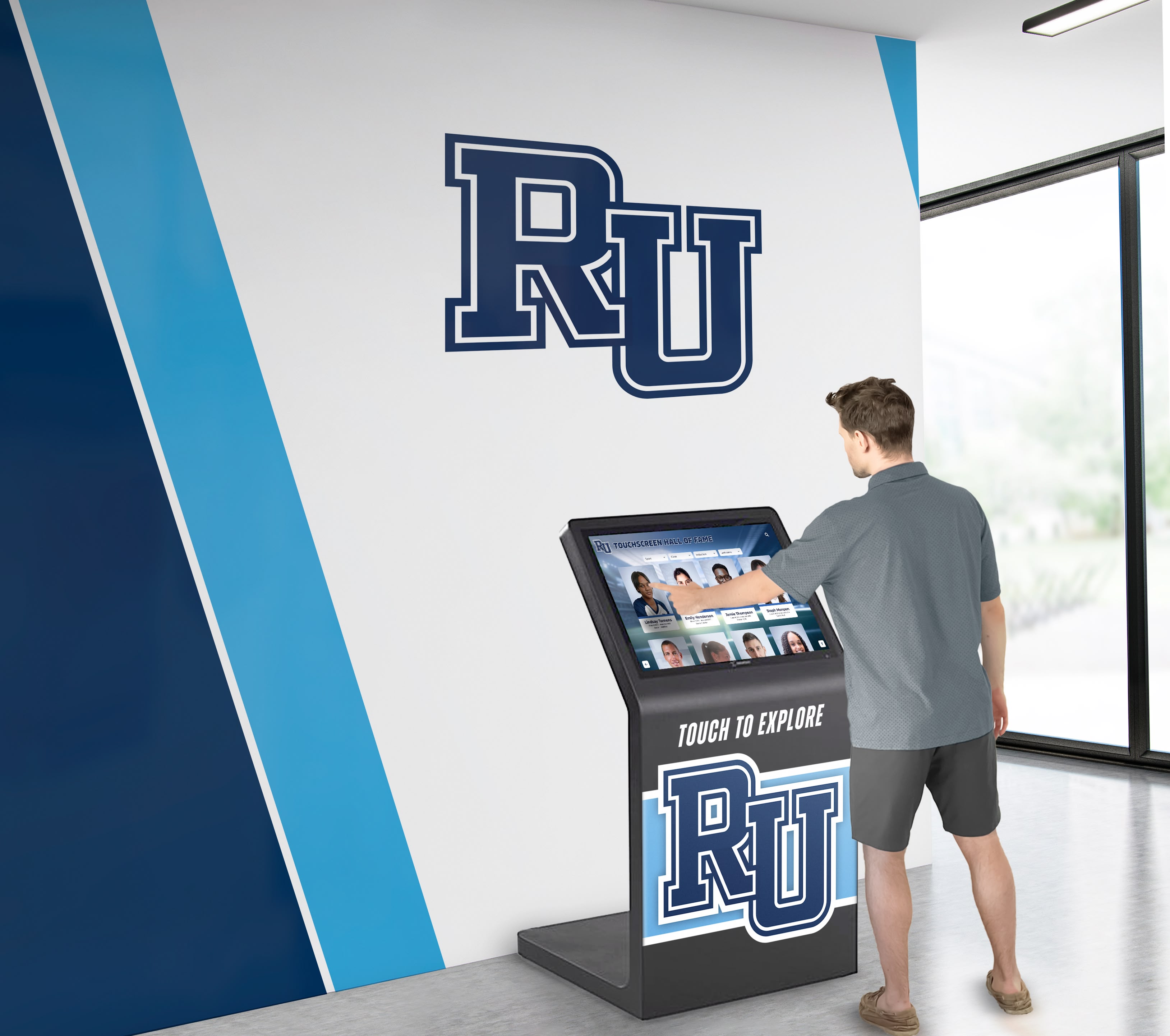
Memorial touchscreen displays serve as powerful educational resources connecting students to sacrifice, service, and local history
Memorial Stewardship: Sustaining Recognition Excellence
Long-term memorial effectiveness requires systematic stewardship ensuring displays remain current, accurate, and meaningful:
Ongoing Content Management
Continuous Hero Addition
Memorial displays must remain current:
- Real-time addition of recently fallen heroes
- Notification systems alerting administrators to new casualties
- Family outreach protocols initiating immediately after deaths
- Appropriate timing balancing memorial urgency with family grieving
- Temporary memorial content during investigation and information gathering
- Permanent profile completion as comprehensive information becomes available
- Anniversary updates recognizing ongoing remembrance
- Legacy development as fallen heroes’ children and families create impact
- Related content connections as additional family members serve
- Historical research continuing to identify previously unrecognized heroes
Content Enhancement and Accuracy
Memorial quality requires continuous improvement:
- Family-contributed additions enriching existing profiles
- Photograph restoration and enhancement improving display quality
- Newly discovered information correcting errors or gaps
- Veteran testimony collection adding personal dimensions
- Archival research uncovering additional context
- Oral history integration preserving first-person accounts
- News coverage compilation documenting initial reporting
- Genealogical research connecting heroes to local families
- Unit history development providing organizational context
- Equipment and uniform documentation improving historical accuracy
Annual Memorial Programming
Remembrance Ceremonies and Events
Regular programming maintains community engagement:
- Memorial Day ceremonies gathering communities annually
- Veterans Day observances honoring all service members
- Police Week memorial events in May
- Fire Prevention Week firefighter recognition in October
- Peace Officers Memorial Day on May 15
- National Fallen Firefighters Memorial Weekend
- Individual hero death anniversaries marked annually
- Gold Star Family recognition events
- Flag retirement ceremonies connecting to memorial themes
- Educational programming throughout academic year
Communities implementing annual memorial traditions can reference donor recognition wall approaches that create sustainable engagement through regular events, donor stewardship, and community programming maintaining visibility and participation across years.
Family Engagement Maintenance
Long-term relationships with Gold Star families:
- Annual memorial event invitations keeping families connected
- Birthday and death anniversary acknowledgments
- Holiday remembrance messages and communications
- Family update opportunities enabling content enhancement
- New family member additions as children grow and marry
- Legacy program participation connecting families to causes
- Support resource provision addressing ongoing needs
- Privacy preference updates respecting changing family wishes
- Reunion facilitation connecting families with fellow unit members
- Scholarship and memorial fund development honoring fallen heroes
Technology Sustainability
Hardware and Software Maintenance
Memorial displays require ongoing technical stewardship:
- Regular display cleaning and physical maintenance
- Touchscreen calibration ensuring accurate interaction
- Software updates maintaining security and functionality
- Content backup systems protecting memorial data permanently
- Network monitoring ensuring reliable connectivity
- Hardware replacement planning anticipating equipment lifecycle
- Climate control maintenance protecting equipment
- Security system monitoring preventing vandalism or theft
- Accessibility testing confirming ongoing ADA compliance
- Usage analytics review informing content and interface improvements
Long-Term Memorial Platform Management
Organizational sustainability ensures memorial continuity:
- Staff position designation with memorial responsibility
- Training programs preparing future memorial stewards
- Documentation systems recording procedures and standards
- Succession planning preventing knowledge loss during transitions
- Budget allocation ensuring sustained operational funding
- Community partnership development sharing stewardship responsibility
- Veterans organization engagement maintaining service community connections
- Academic institution partnerships leveraging student research
- Government agency coordination accessing official records
- Technology vendor relationships ensuring ongoing platform support
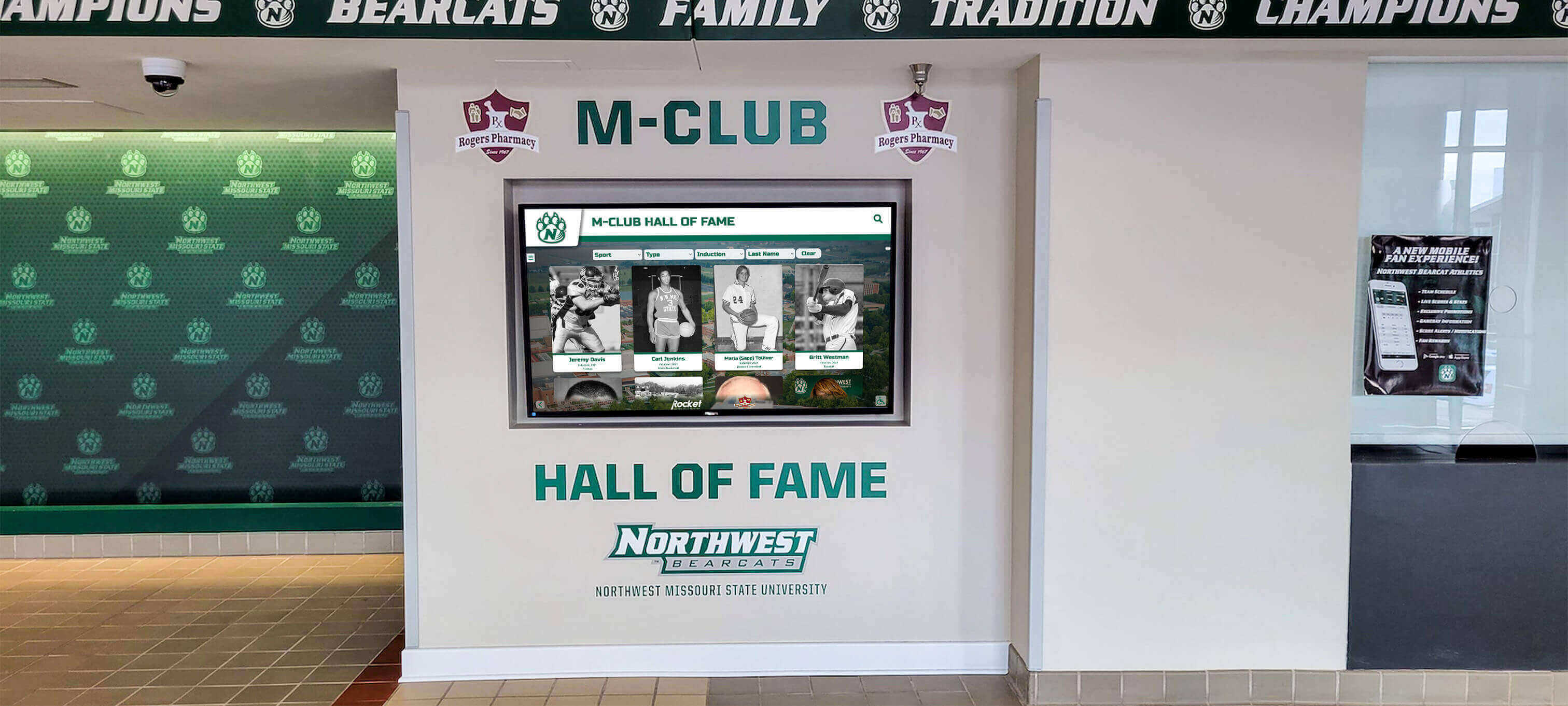
Well-maintained memorial installations provide lasting tributes serving communities and families across generations
Measuring Memorial Impact: Demonstrating Recognition Value
Systematic evaluation demonstrates fallen heroes touchscreen display effectiveness and guides continuous improvement:
Engagement and Usage Metrics
Display Interaction Analytics
- Total touchscreen interactions measuring community engagement frequency
- Average session duration indicating superficial versus deep exploration
- Popular content identification revealing which heroes attract most interest
- Search patterns showing how visitors discover specific heroes
- Time-of-day usage informing staffing and program scheduling
- Seasonal variations correlating with memorial holidays and events
- Year-over-year trends demonstrating sustained versus declining interest
- Age demographic patterns when observable through supervised visits
Web Platform Extension
- Online memorial visits from remote locations
- Geographic distribution revealing national or international reach
- Mobile device usage patterns showing smartphone engagement
- Family engagement from relatives worldwide
- Academic researcher access supporting scholarship
- Genealogy community usage connecting memorial to family history
- Social media sharing and memorial content virality
- Referral sources indicating how audiences discover memorial
- Returning visitor rates showing sustained family connections
- Time-on-page metrics indicating content depth and quality
Educational Impact Assessment
School Program Effectiveness
Memorial educational value requires measurement:
- Student group visit frequency and participation numbers
- Teacher satisfaction surveys assessing curriculum value
- Student learning outcomes measured through pre/post assessments
- Assignment quality improvement using memorial as research source
- Student feedback revealing memorial experience impact
- Curriculum integration expansion as more teachers utilize memorial
- School return visits indicating ongoing educational value
- Student-led memorial project development
- Veteran classroom visit coordination facilitated through memorial
- College essay topics inspired by memorial engagement
Community Learning Outcomes
Broader educational impact indicators:
- Public survey results measuring sacrifice awareness and understanding
- Veterans organization satisfaction with memorial recognition
- Gold Star family feedback about memorial appropriateness
- Elected official support demonstrated through attendance and funding
- Media coverage generating broader community awareness
- Tourism impact as memorial becomes destination
- Economic development through memorial visitation
- Community pride indicators connecting to memorial presence
- Civic engagement increases inspired by service examples
- Military recruitment and first responder interest influenced by memorial
Family and Community Satisfaction
Gold Star Family Feedback
Family perspectives indicate memorial success:
- Satisfaction surveys measuring memorial appropriateness
- Content accuracy verification from families
- Privacy respect assessment ensuring family preferences honored
- Healing impact reported by families finding comfort
- Community connection maintained through memorial
- Legacy preservation appreciation for permanent recognition
- Event attendance at memorial gatherings
- Ongoing participation through content contributions
- Referral of other families to memorial programs
- Financial support through memorial fund donations
Community Value Perception
Stakeholder perspectives reveal memorial effectiveness:
- Veterans organization endorsement and support
- Civic leader testimonials about memorial importance
- Media coverage tone and frequency
- Community funding willingness for memorial sustainability
- Volunteer recruitment for memorial support activities
- Ceremonial attendance at memorial events
- Public comments and guest book entries
- Memorial award and recognition received
- Regional model status as other communities replicate approach
- Intergenerational impact as children return with grandchildren
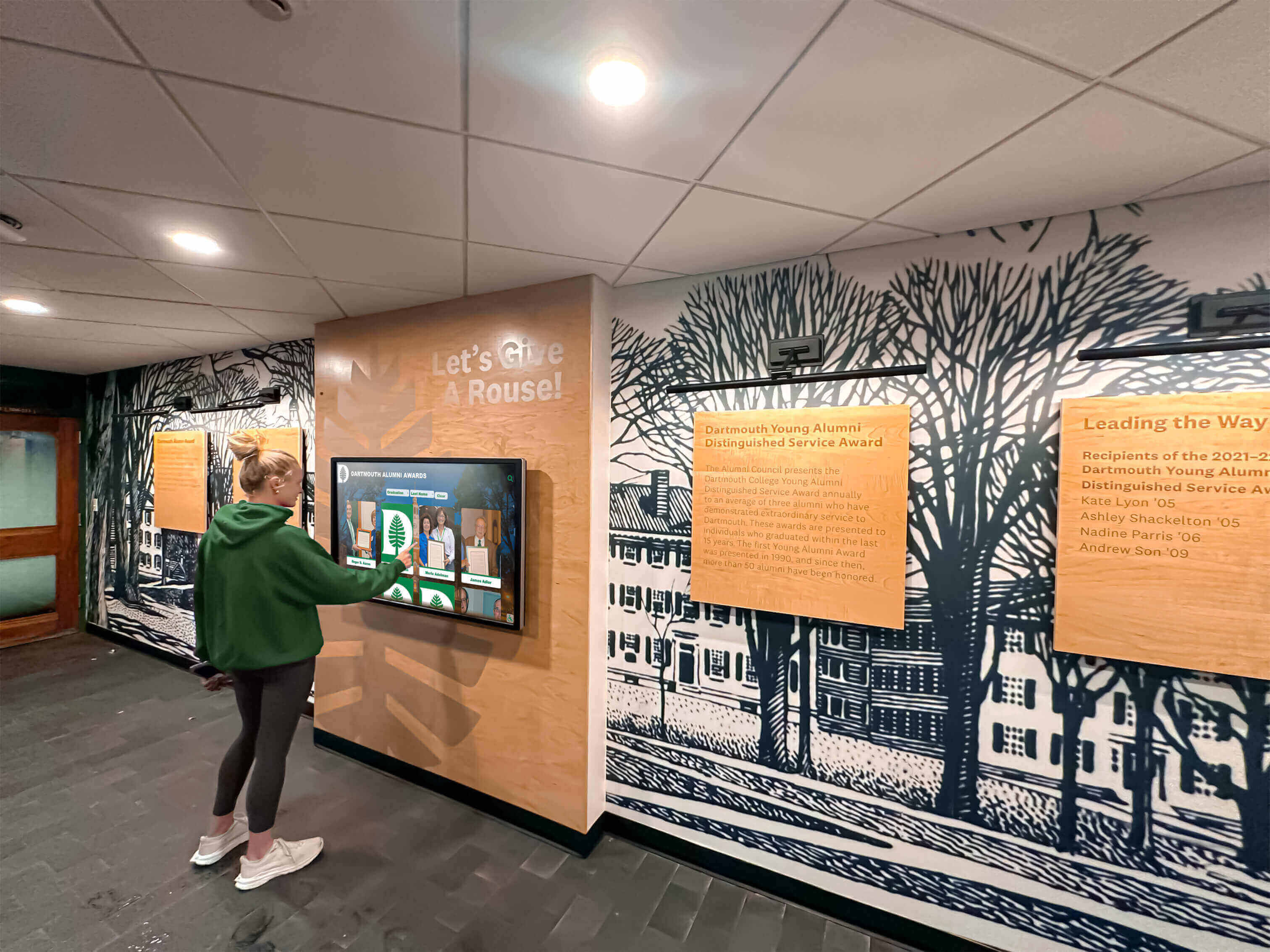
Memorial touchscreen displays effectively engage diverse age groups connecting young people to service heritage and sacrifice stories
Conclusion: Creating Lasting Tributes Honoring Ultimate Sacrifice
Fallen heroes touchscreen displays represent sacred community commitments ensuring military service members, first responders, law enforcement officers, firefighters, and community protectors who gave their lives receive memorial recognition matching their sacrifice. When communities implement comprehensive digital memorial platforms—combining unlimited recognition capacity with rich biographical storytelling, family contribution integration, educational functionality, and sustained stewardship—they transform memorial recognition from limited physical monuments into living tributes that preserve complete service stories, educate generations about sacrifice, support grieving families through meaningful commemoration, and strengthen community connections to the heroes who protected freedom and safety through their ultimate sacrifice.
The strategies explored throughout this comprehensive guide provide complete blueprints for developing fallen heroes touchscreen displays serving diverse community contexts—from understanding memorial recognition requirements and family engagement approaches to implementing educational programming and measuring long-term memorial impact. Whether establishing first-ever digital memorials or modernizing existing approaches, the fundamental principles remain consistent: honor every fallen hero comprehensively regardless of when or how they died, preserve complete service stories celebrating lives alongside documenting deaths, engage families as collaborative partners ensuring memorials reflect loved ones’ memories, extend access through technology serving dispersed communities, integrate education connecting current generations to sacrifice, and sustain commitment ensuring memorials remain accurate, meaningful, and permanent across decades.
Ready to create comprehensive fallen heroes memorial recognition honoring military veterans, first responders, and community heroes with the dignity, permanence, and visibility their sacrifice deserves? Modern memorial recognition solutions like Rocket Alumni Solutions provide specialized platforms designed specifically for fallen heroes commemoration, combining unlimited recognition capacity with family contribution portals, educational content management, and professional support ensuring successful implementation serving both memorial and community needs effectively.
Your memorial development journey begins with defining recognition scope and researching fallen heroes comprehensively, continues through family outreach building collaborative relationships with Gold Star families, advances with systematic content development creating complete biographical tributes, implements through professional technology deployment creating accessible memorial experiences, and sustains through ongoing stewardship maintaining memorial accuracy and community engagement across generations. Request your free custom demo or schedule a consultation to explore how digital memorial displays can appropriately honor your community’s fallen heroes while serving families, educators, and citizens seeking connection to service and sacrifice.
Your fallen heroes deserve memorial recognition that celebrates their complete lives, honors their service comprehensively, supports their families meaningfully, and educates communities perpetually about the cost of freedom and safety. The most important consideration isn’t selecting the most sophisticated technology or most expensive equipment—it’s demonstrating authentic community commitment to remembering and honoring those who gave everything through permanent, accurate, accessible memorial recognition that serves families and communities effectively while preserving stories and sacrifices that must never be forgotten.
Begin your fallen heroes memorial transformation today by assembling your planning team including veterans, Gold Star families, and civic leaders, defining memorial scope balancing comprehensiveness with available resources, initiating systematic research identifying all fallen heroes deserving recognition, engaging families as collaborative partners enriching official records with personal stories, selecting memorial-specific technology designed for permanent commemoration, and committing to sustained stewardship ensuring your memorial remains current, accurate, and meaningful across generations. The blueprint provided throughout this guide offers proven pathways to memorial excellence—transform vision into reality and create the lasting tribute your community’s fallen heroes, their families, and future generations truly deserve.