



E-sports conference championships represent the pinnacle of competitive gaming achievement at the collegiate and high school levels, showcasing teams and individual players who have demonstrated exceptional skill, strategic thinking, teamwork, and dedication throughout rigorous competition seasons. As educational institutions continue expanding varsity e-sports programs—with over 260 colleges now offering official competitive gaming teams according to the National Association of Collegiate Esports (NACE)—the importance of appropriately recognizing conference championship achievements becomes essential for honoring excellence, inspiring current competitors, and building prestigious competitive traditions that rival traditional sports programs.
Yet many schools and organizations struggle with how to celebrate e-sports conference championships meaningfully. Questions arise about how to document digital achievements effectively, what recognition approaches resonate with gaming communities while engaging broader institutional audiences, how to showcase tournament success that occurs entirely in digital spaces, and how to create lasting recognition that appropriately honors the dedication and excellence required to win conference championships in highly competitive gaming environments.
This comprehensive guide explores evidence-based strategies for recognizing e-sports conference championship success through modern digital recognition technology, engaging display systems, systematic documentation approaches, and celebration methods that honor competitive gaming achievement while positioning e-sports alongside traditional athletics as legitimate excellence worthy of institutional recognition and community celebration.
E-sports conference championships represent extraordinary competitive accomplishments requiring thousands of practice hours, sophisticated strategic understanding, exceptional individual mechanics, seamless team coordination, and mental fortitude comparable to any traditional sport. Schools and organizations that recognize conference championship success through prominent, engaging systems legitimize e-sports programs, inspire current competitors to pursue championship excellence, build competitive traditions, and preserve the rapidly evolving history of institutional gaming achievement.

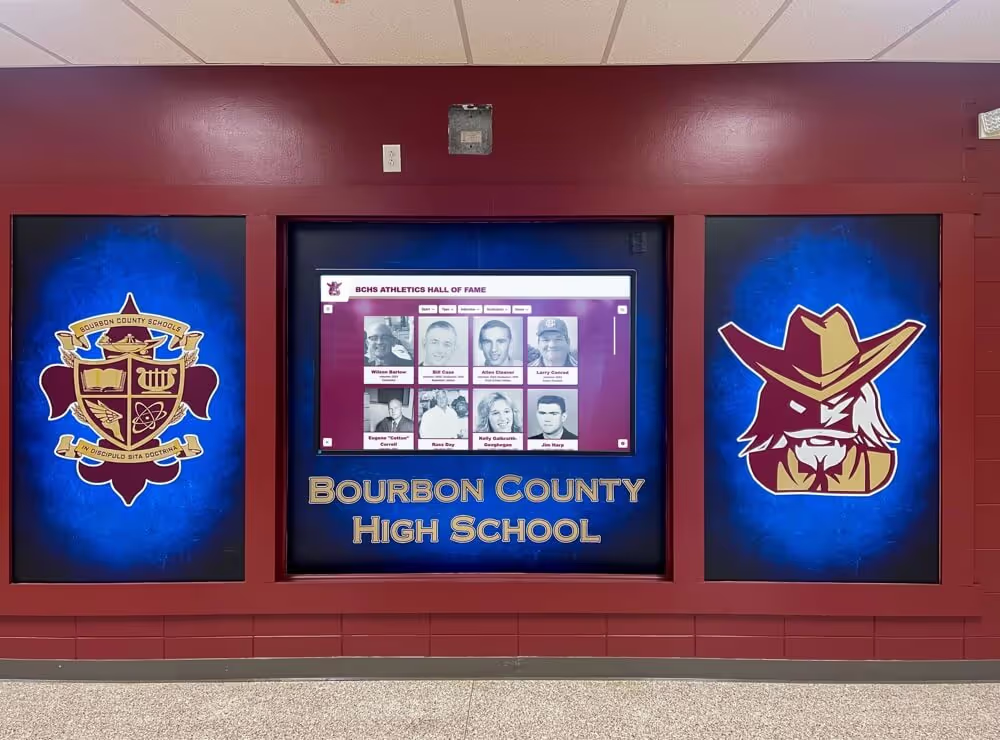
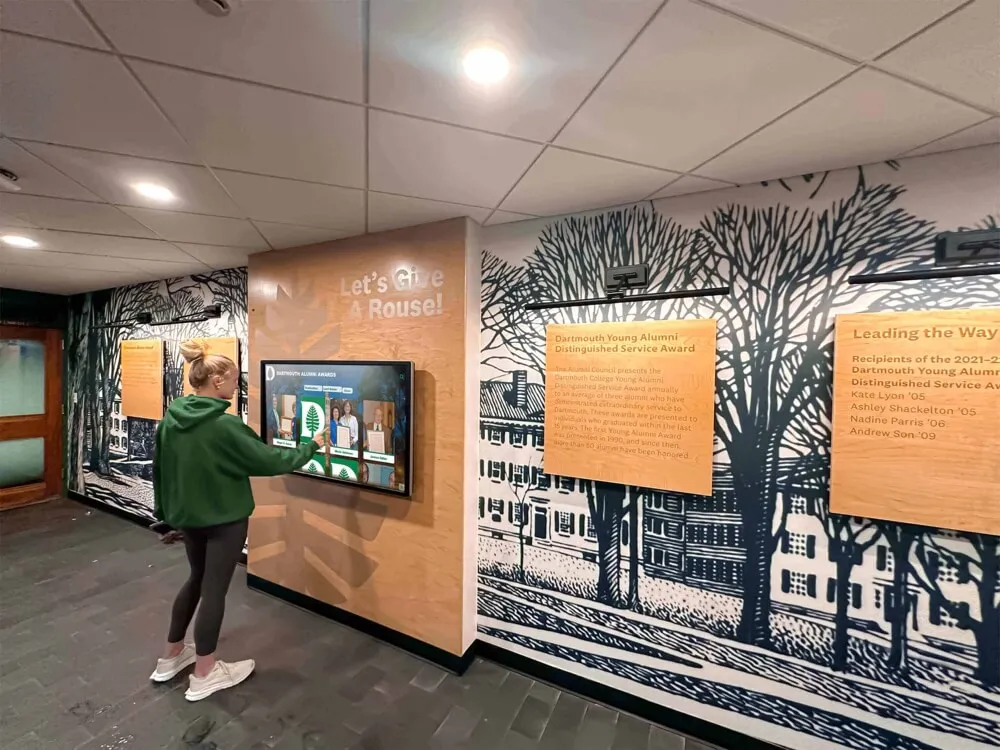
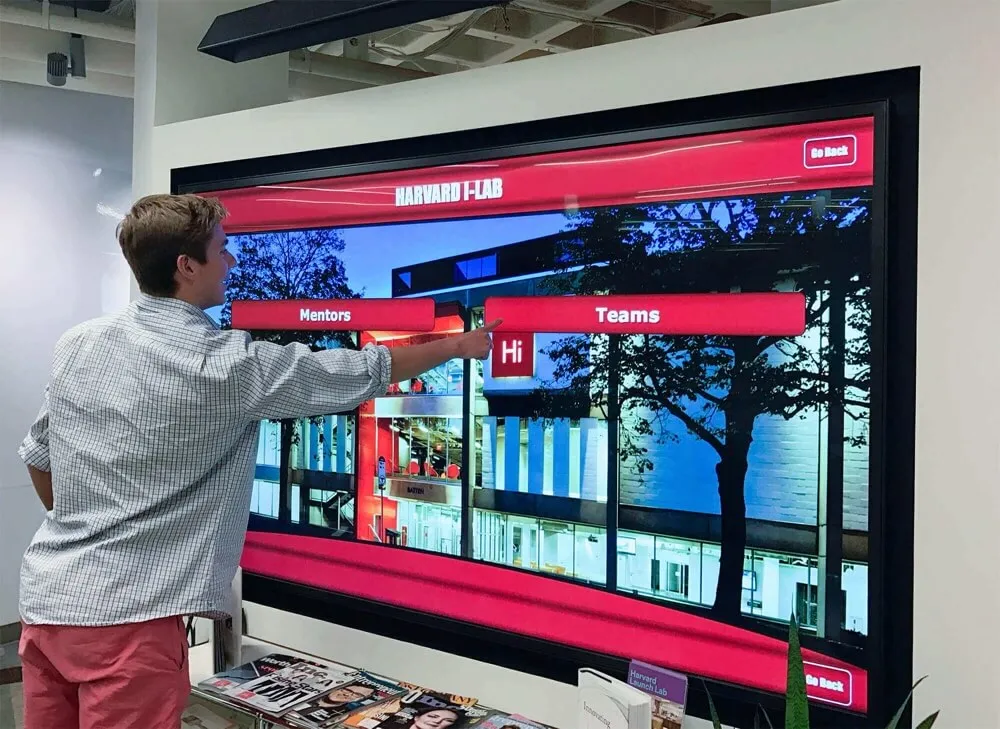
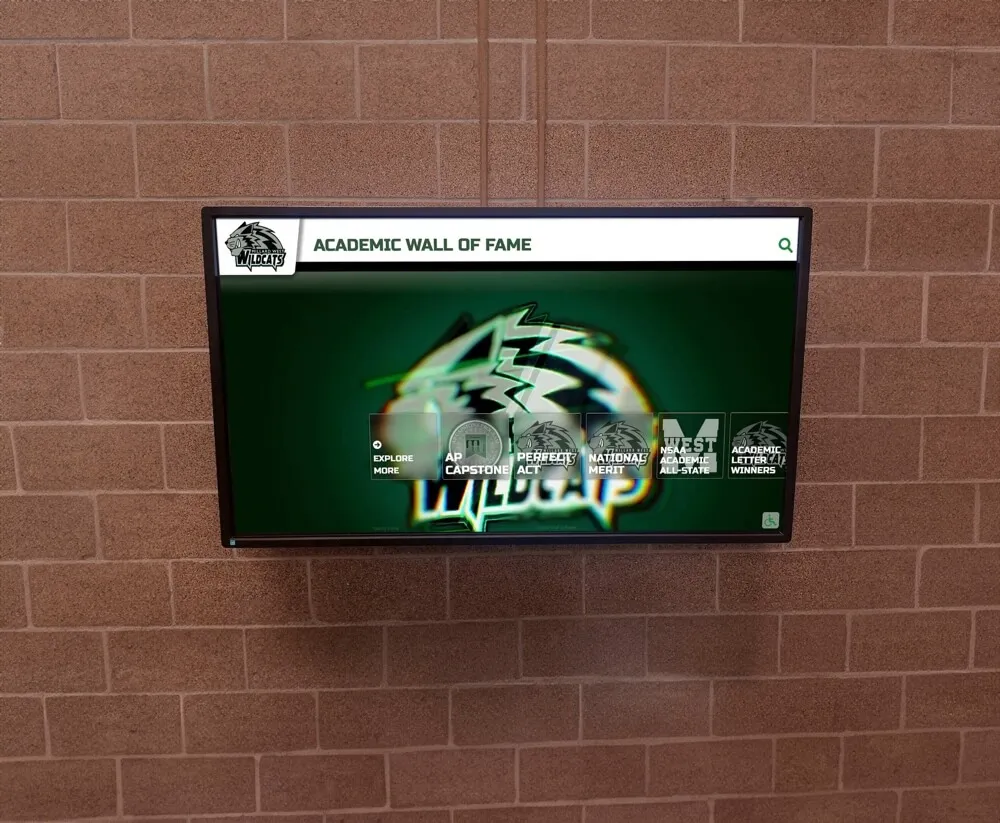
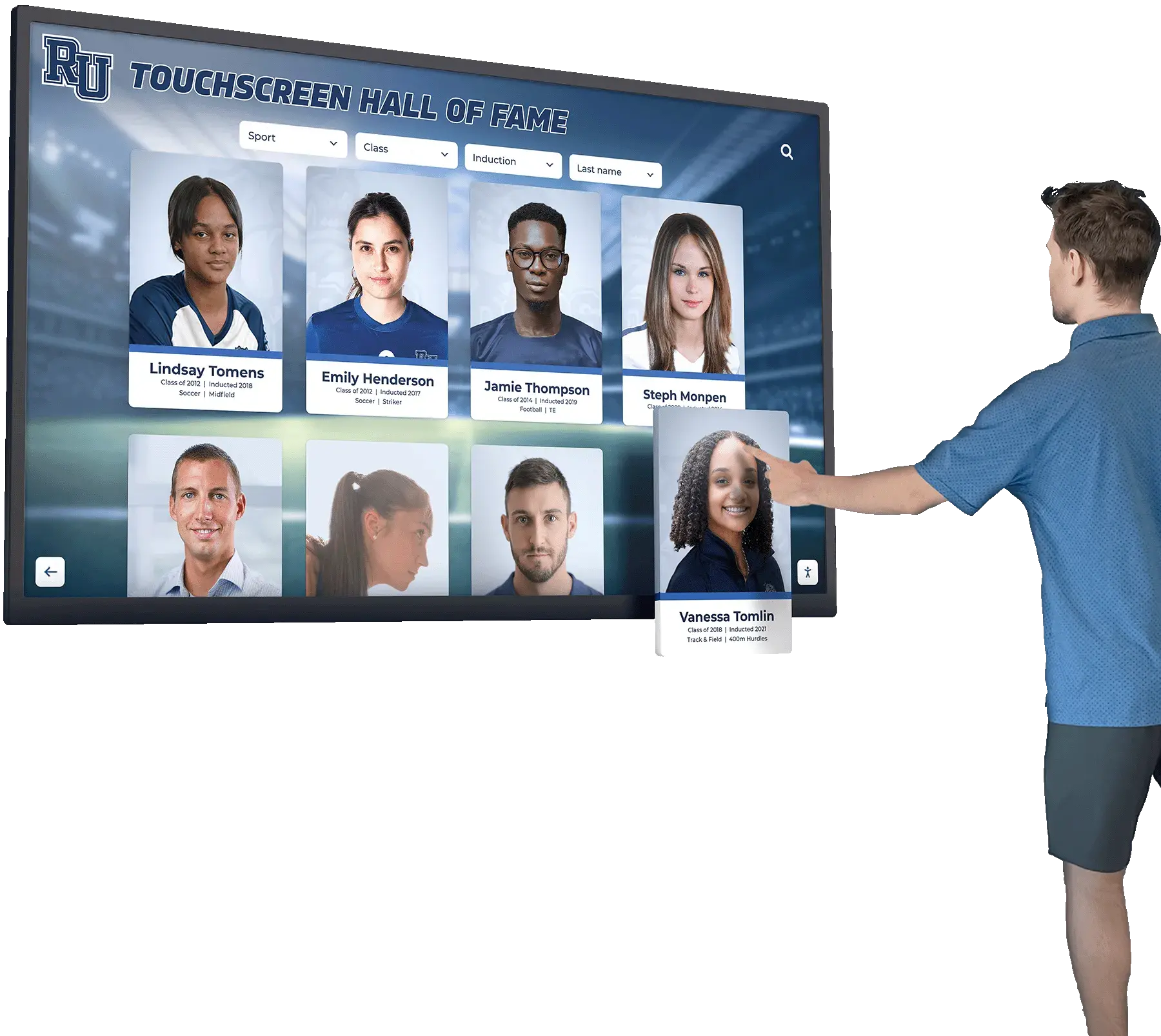
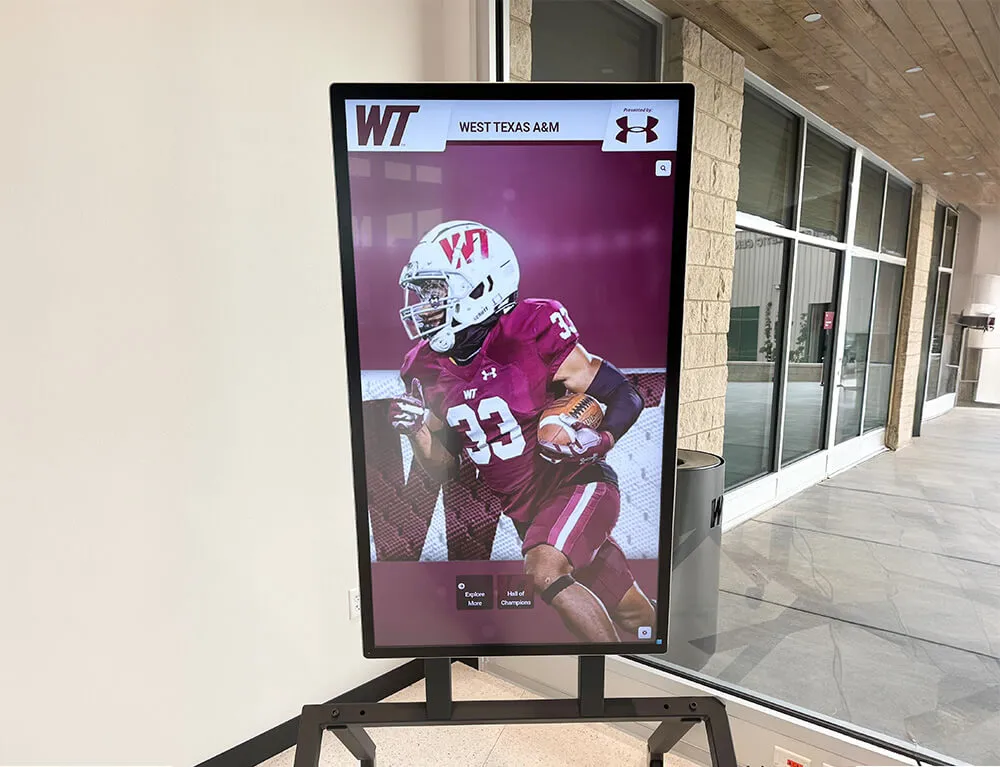
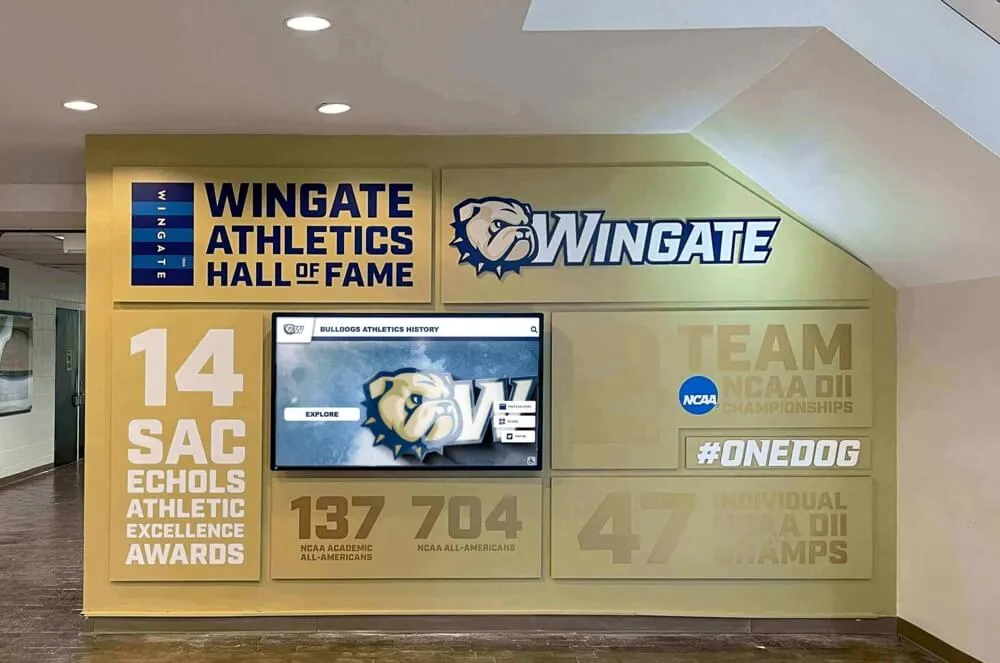
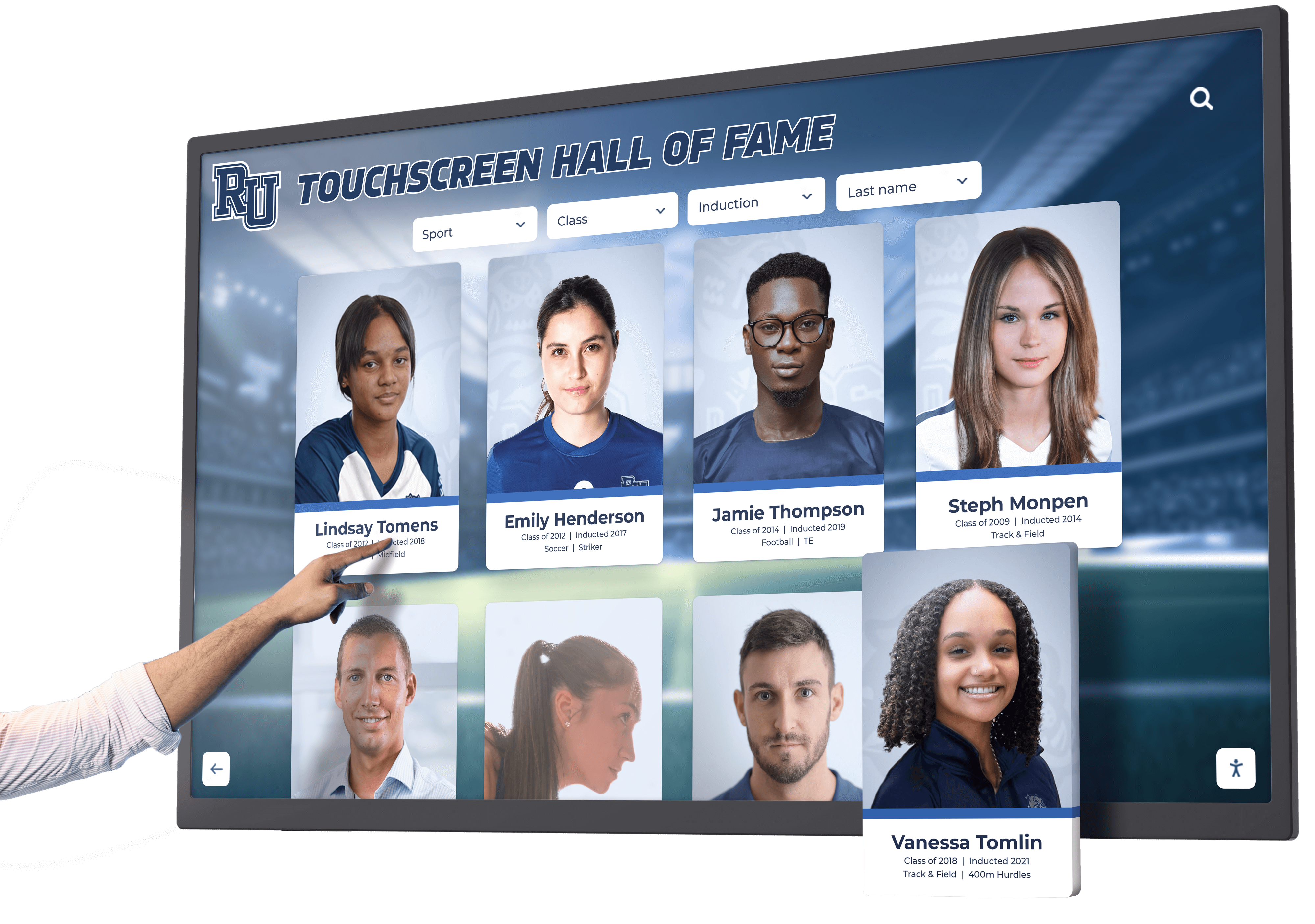
Interactive digital displays enable comprehensive e-sports championship recognition including tournament brackets, team rosters, gameplay statistics, and individual player achievements
Understanding E-Sports Conference Championship Landscape
Before implementing recognition systems, understanding the competitive e-sports structure and championship formats helps organizations create appropriate programs that accurately reflect achievement significance and community values.
Major Collegiate E-Sports Conference Organizations
National Association of Collegiate Esports (NACE)
NACE serves as the largest member association for varsity e-sports programs across North America:
- Founded in 2016, NACE champions collegiate e-sports in the United States, Canada, and Mexico
- Over 260 member institutions across North America offer varsity e-sports programs
- Spring 2025 Grand Finals featured championship competition across six game titles
- Member schools must meet specific criteria including dedicated physical facilities, official institutional recognition, operating budgets, and active student-athlete recruitment
- Competition structure includes both Open divisions (available to all eligible institutions) and Varsity divisions (restricted to NACE member institutions with stricter requirements)
According to NACE, member institutions now offer over $16 million in e-sports scholarships annually, demonstrating the substantial institutional investment in competitive gaming programs.
National Esports Collegiate Conference (NECC)
The NECC provides structured conference competition across multiple game titles:
- Offers competition in League of Legends, Valorant, Rocket League, Counter-Strike, and other popular titles
- 2024-25 season featured reformatted point structures and Last Chance Qualifier opportunities
- Regional and national championship tournaments with in-person LAN finals for top Division 1 teams
- Conference structure enables regular season competition followed by championship tournaments
- Schools compete for both regional conference titles and national championships
Recent NECC championships saw schools like Northwood University, Winthrop University, and others claiming conference and national titles across multiple game titles.
Collegiate Esports Commissioners Cup (CECC)
The CECC welcomes 320 teams representing 185 schools and 1,500 athletes:
- Competition includes Overwatch 2, Rocket League, Valorant, Street Fighter 6, and Super Smash Bros
- Annual championship tournaments held at professional venues (May 2025 event in Arlington, Texas)
- Focus on creating professional-level championship experiences for collegiate competitors
- Cross-conference participation enabling broader competitive opportunities
ECAC Esports and Other Conference Organizations
ECAC Esports represents substantial collegiate participation:
- Over 315 member schools fielding more than 5,000 teams
- Competition across twenty-four different game titles and divisions
- Conference championship structures across multiple regional divisions
High school e-sports also features significant conference structures through organizations like the High School Esports League (HSEL), which has distributed over $600,000 in scholarships to date.
Understanding these organizational structures helps schools determine which championships warrant recognition and how to contextualize achievement significance appropriately. Explore comprehensive approaches to e-sports hall of fame establishment that complement championship recognition.
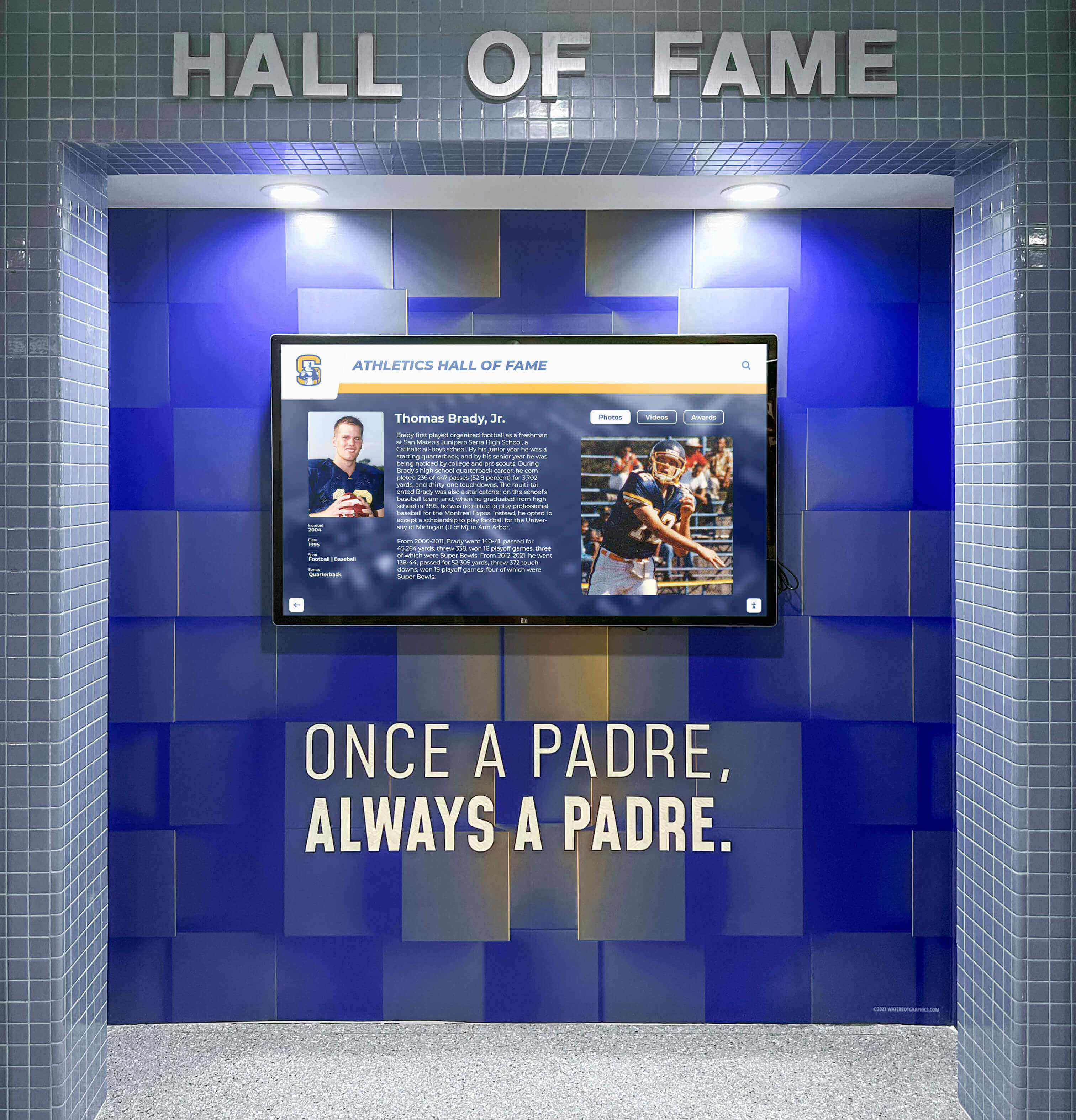
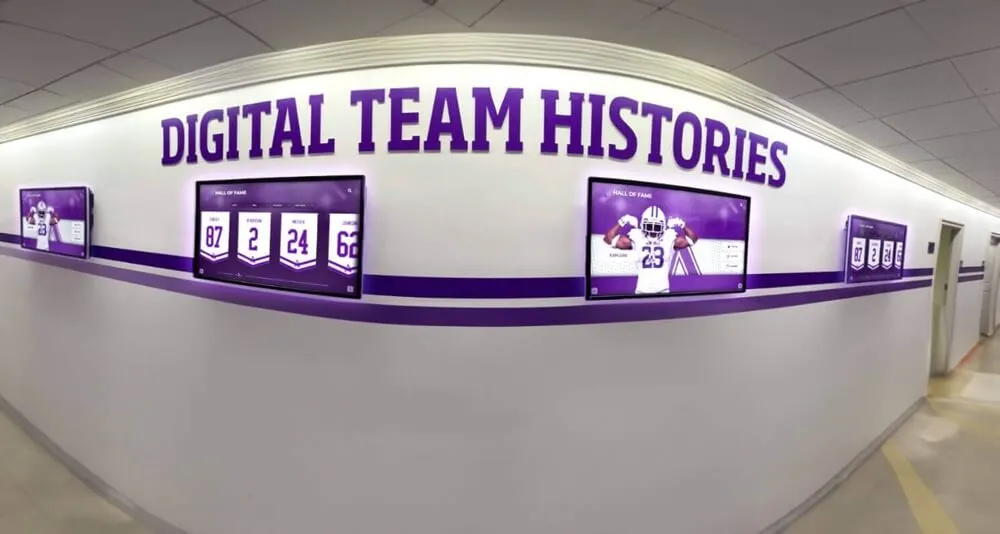
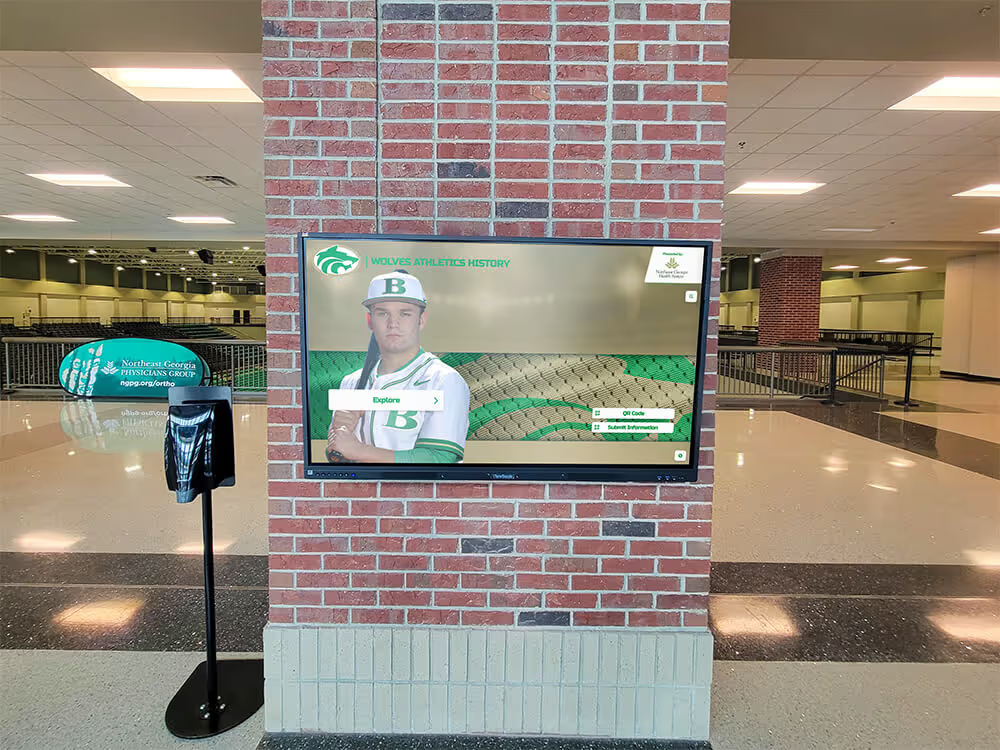
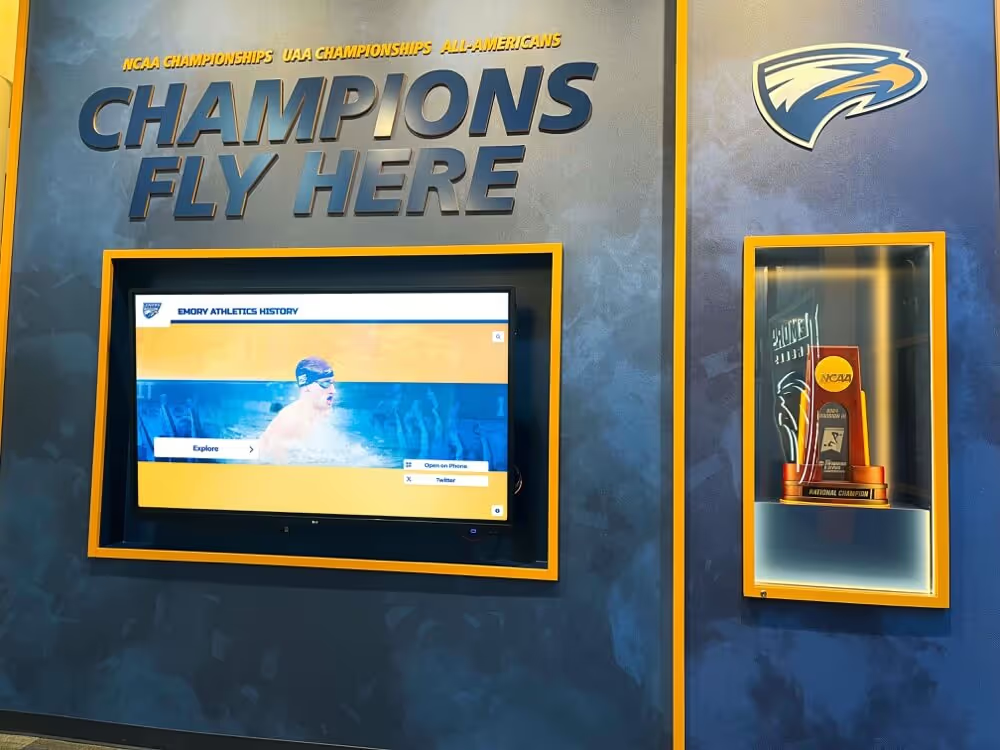
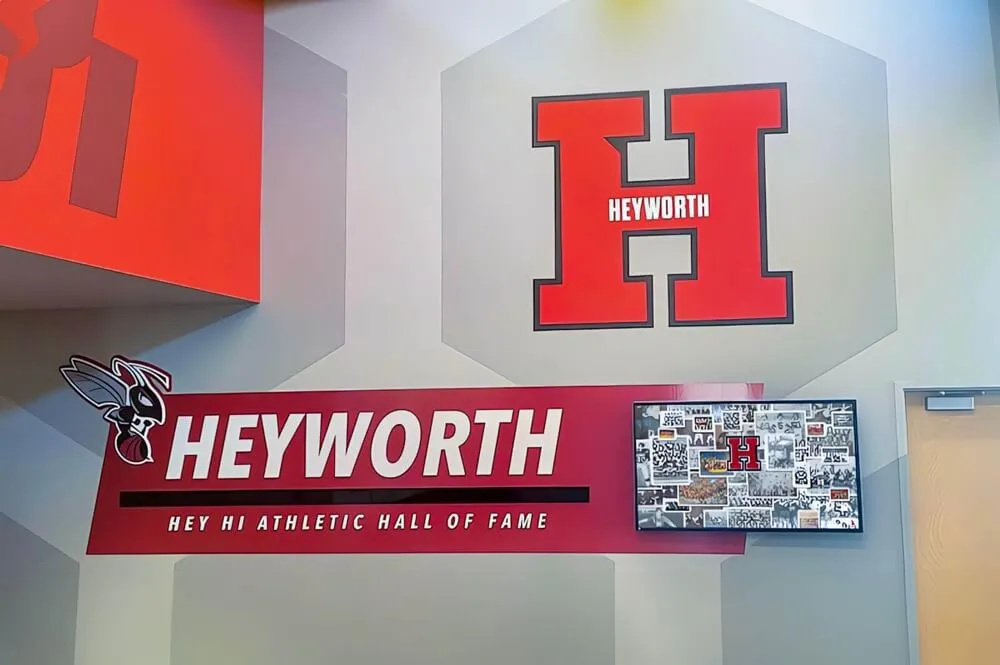
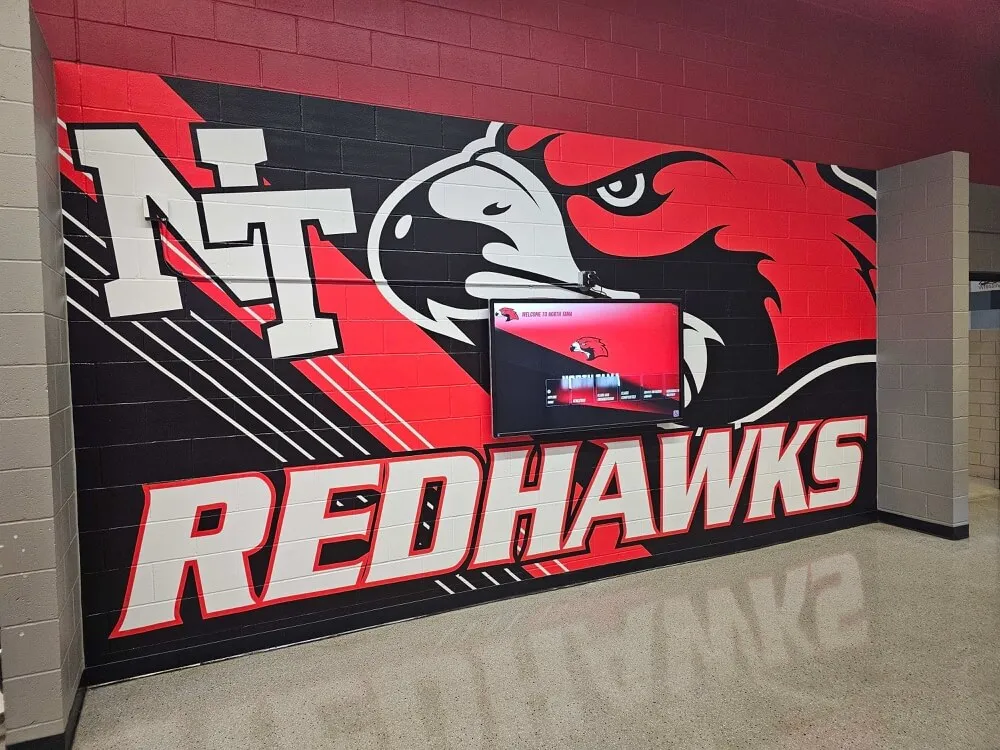
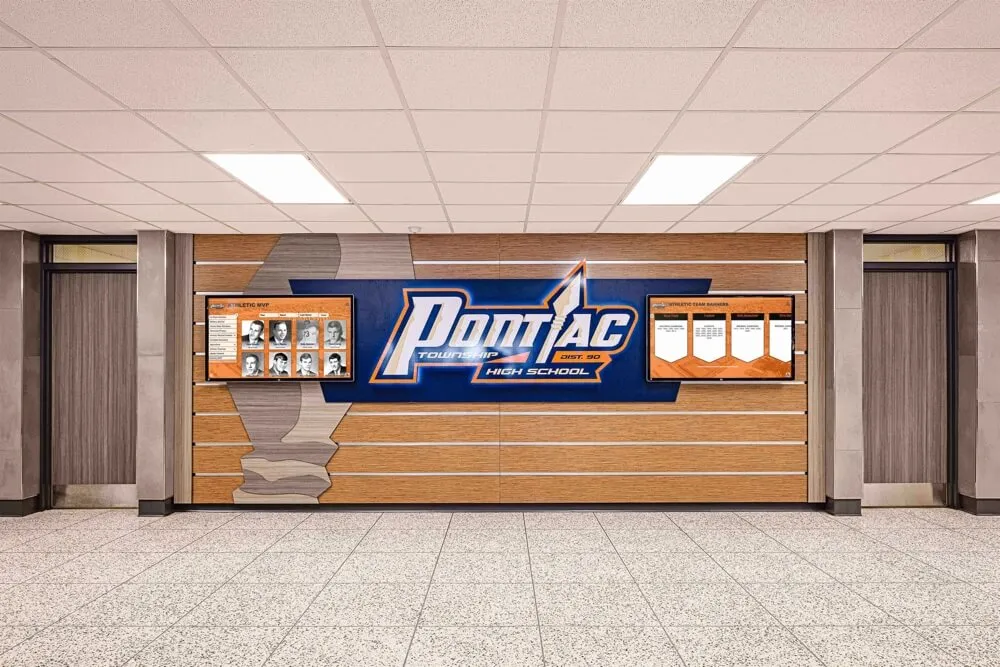
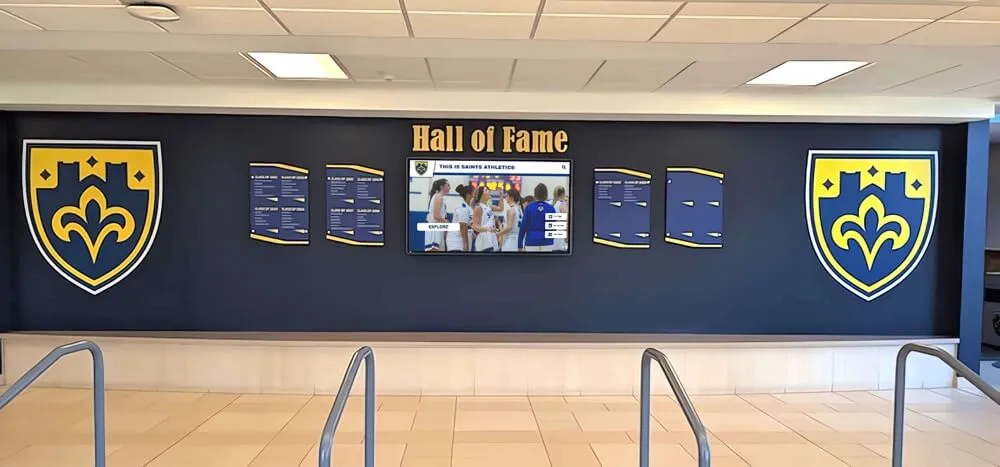
Digital recognition systems provide flexible platforms accommodating both traditional sports and e-sports championship achievements in unified, prestigious displays
Conference Championship Significance and Achievement Levels
Understanding Championship Hierarchy
E-sports conference championships represent varying levels of competitive achievement:
Regional Conference Championships
- Titles earned through competition against geographically proximate schools
- Regular season excellence culminating in conference tournament success
- Gateway to national championship opportunities in many structures
- Significant accomplishment demonstrating sustained competitive excellence
- Foundation for program reputation and recruiting advantages
National Conference Championships
- Titles earned competing against conference winners from multiple regions
- Highest level of achievement within specific conference structures
- Often includes in-person LAN finals requiring travel and on-stage performance
- Substantial media coverage and community recognition
- Comparable prestige to traditional sports national championships
Game-Specific Championship Considerations
Different game titles feature varying competitive depths:
- League of Legends and Valorant typically feature the deepest collegiate competition with hundreds of teams
- Fighting games and sports simulations may have smaller but highly skilled competitive fields
- Emerging titles may have less competitive depth initially but grow rapidly
- Championship significance varies based on competitive field strength and institutional investment
Schools should evaluate championship prestige based on factors including number of competing teams, quality of competition, tournament format rigor, and whether championships included playoff structures versus round-robin formats.
Conference Championships vs. Tournament Victories
Recognition should distinguish between:
- Regular season conference titles (demonstrating sustained excellence)
- Conference tournament championships (proving performance under pressure)
- Invitational tournament victories (showcasing competitive strength)
- National championship achievements (representing ultimate competitive success)
This hierarchy enables appropriate recognition scope matching achievement significance, similar to how traditional sports distinguish between conference regular season titles, conference tournament championships, and national championships.
Learn about state championship recognition approaches applicable to e-sports conference championship contexts.
Designing E-Sports Championship Recognition Systems
Creating effective recognition for conference championships requires thoughtful system design addressing unique e-sports characteristics while maintaining credibility and engagement.
Championship Documentation and Content Development
Essential Championship Information Elements
Comprehensive championship recognition should document:
Tournament and Season Information
- Championship title and level (regional conference, national conference, invitational)
- Academic year and season (Spring 2025, Fall 2024-25)
- Conference organization (NACE, NECC, ECAC, CECC, HSEL)
- Game title and competitive format
- Division or tier level when applicable
- Tournament location (online, LAN finals location)
- Number of participating teams in championship
- Tournament format (single elimination, double elimination, round-robin)
Team Achievement Documentation
- Complete roster with player names and gaming handles
- Head coach and assistant coaches
- Season record and tournament performance
- Championship match results and scores
- Tournament bracket progression showing path to victory
- Notable victories against top-ranked opponents
- Statistical achievements during championship run
Individual Player Recognition
- Starting lineup and role assignments
- Individual player statistics from championship competition
- MVP, All-Conference, and tournament team selections
- Standout performances and clutch moments
- Game-specific achievements (pentakills, ace rounds, perfect games)
- Draft strategies and champion/agent pools when applicable
Historical Context and Significance
- Program’s first championship or continuation of winning tradition
- Previous championship appearances and results
- Records established or milestones achieved
- Comparison to peer programs and competitive landscape
- Post-season achievements following conference championship
- Impact on program reputation and recruiting
This comprehensive documentation creates meaningful recognition that educates audiences about achievement significance while preserving complete championship histories.
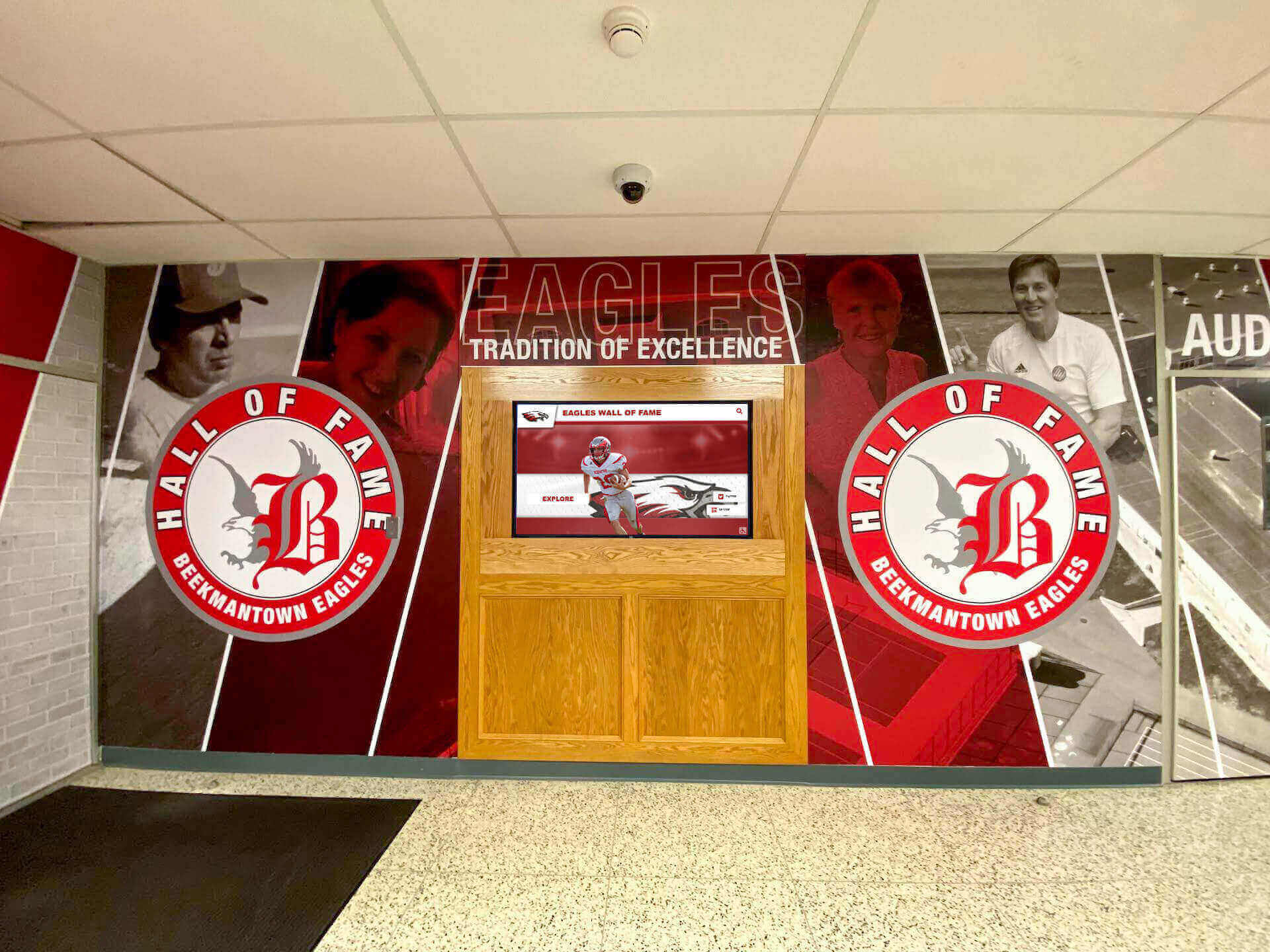
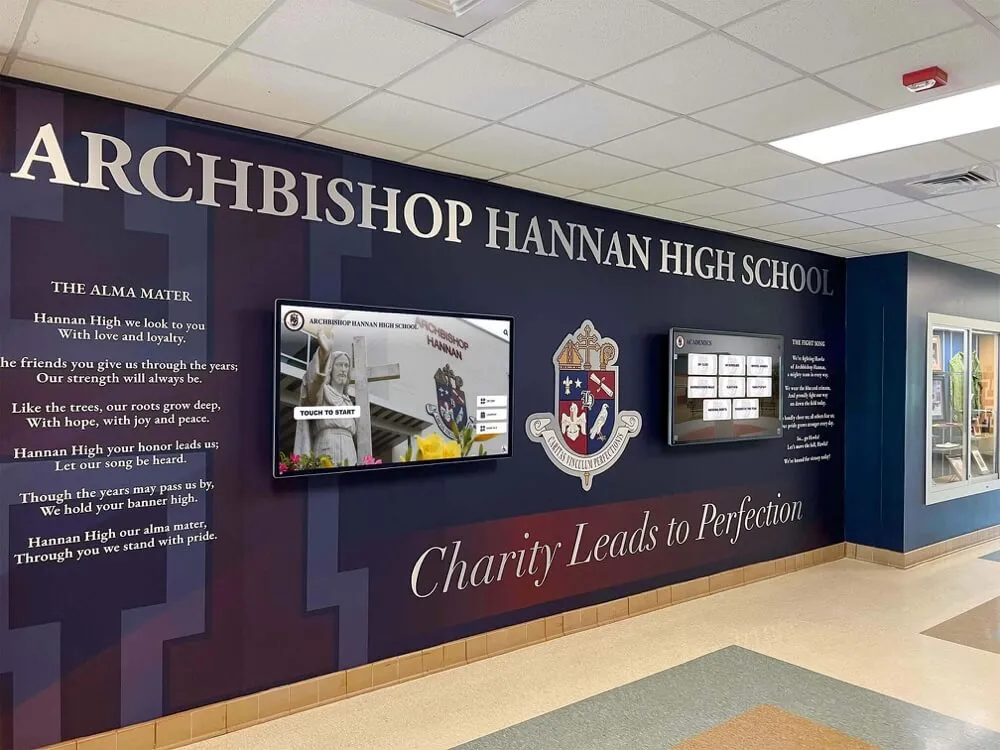
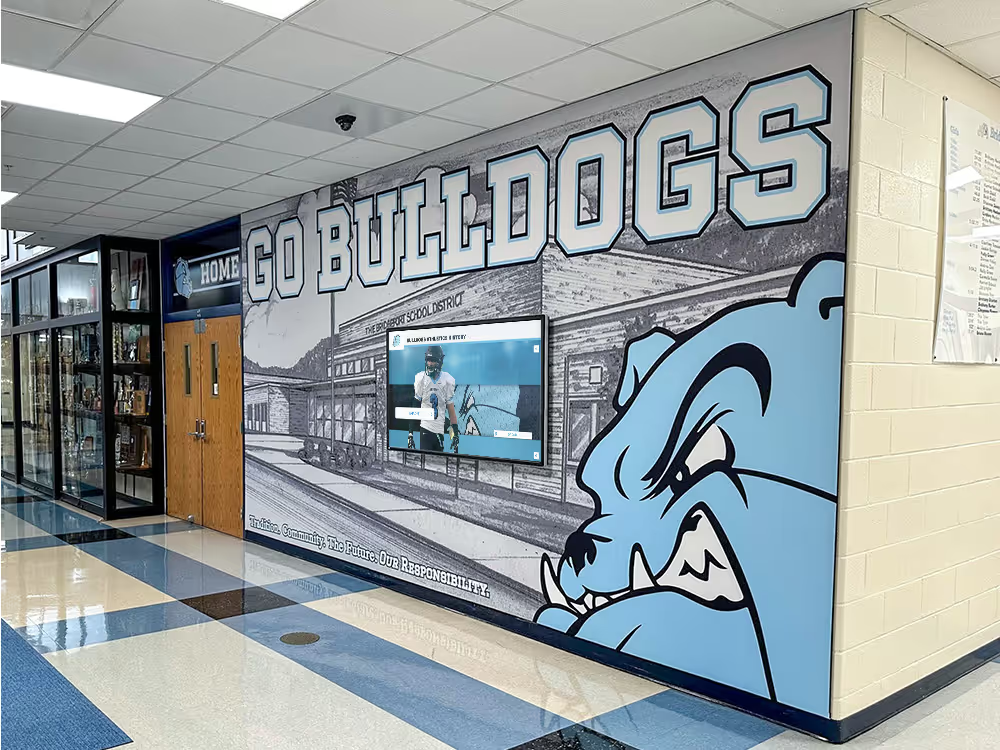
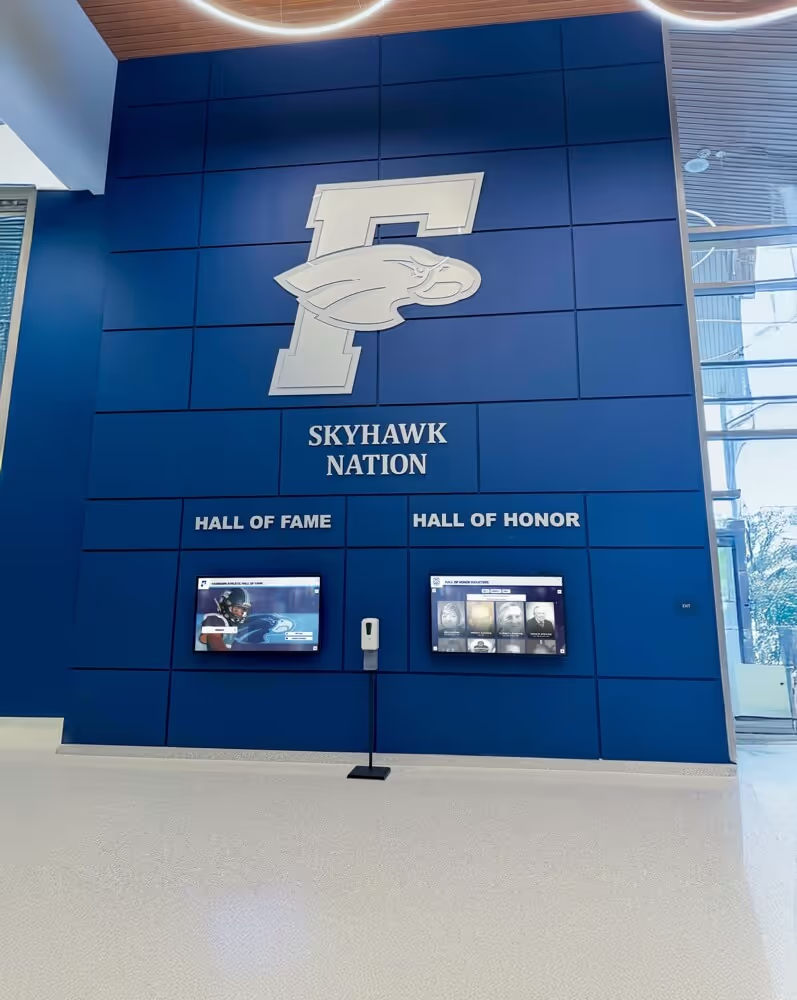
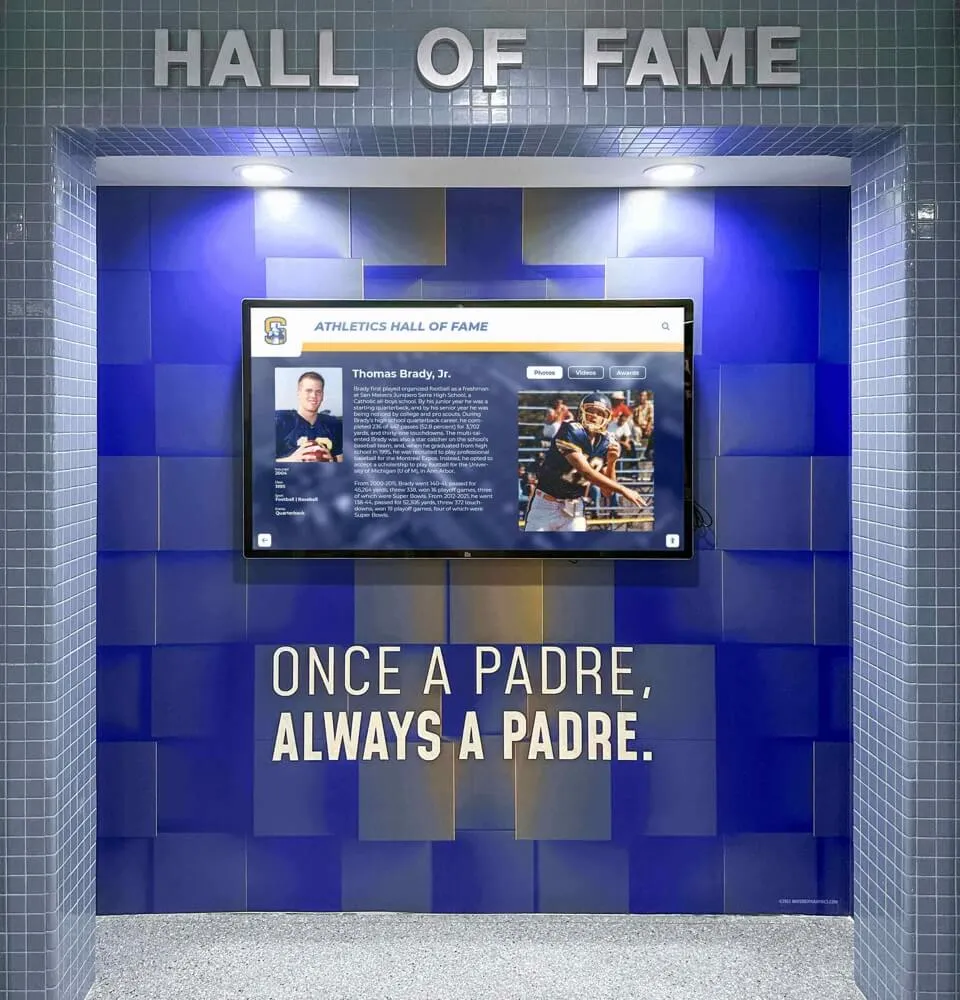
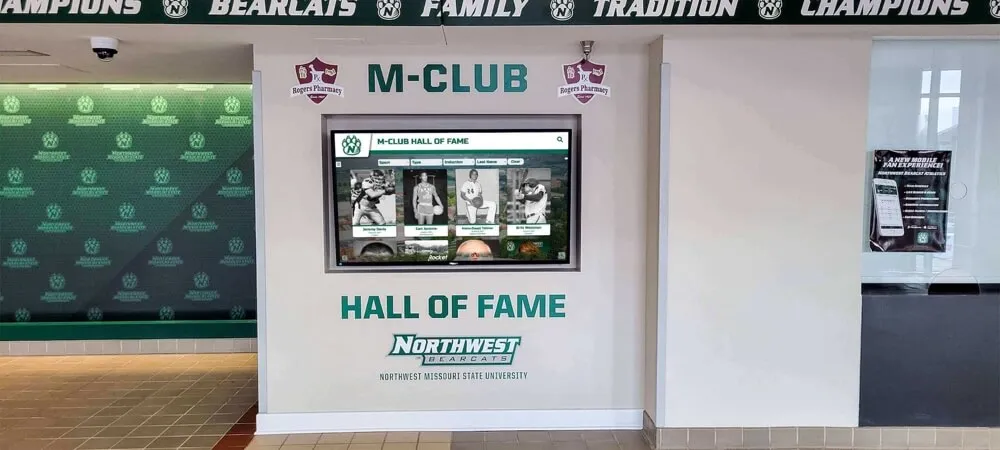
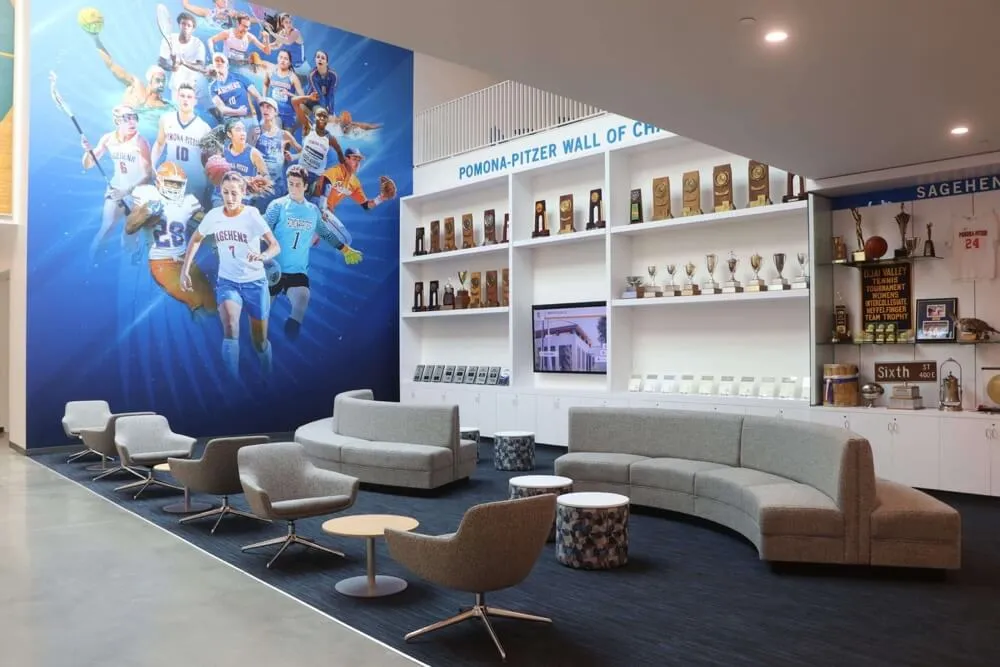
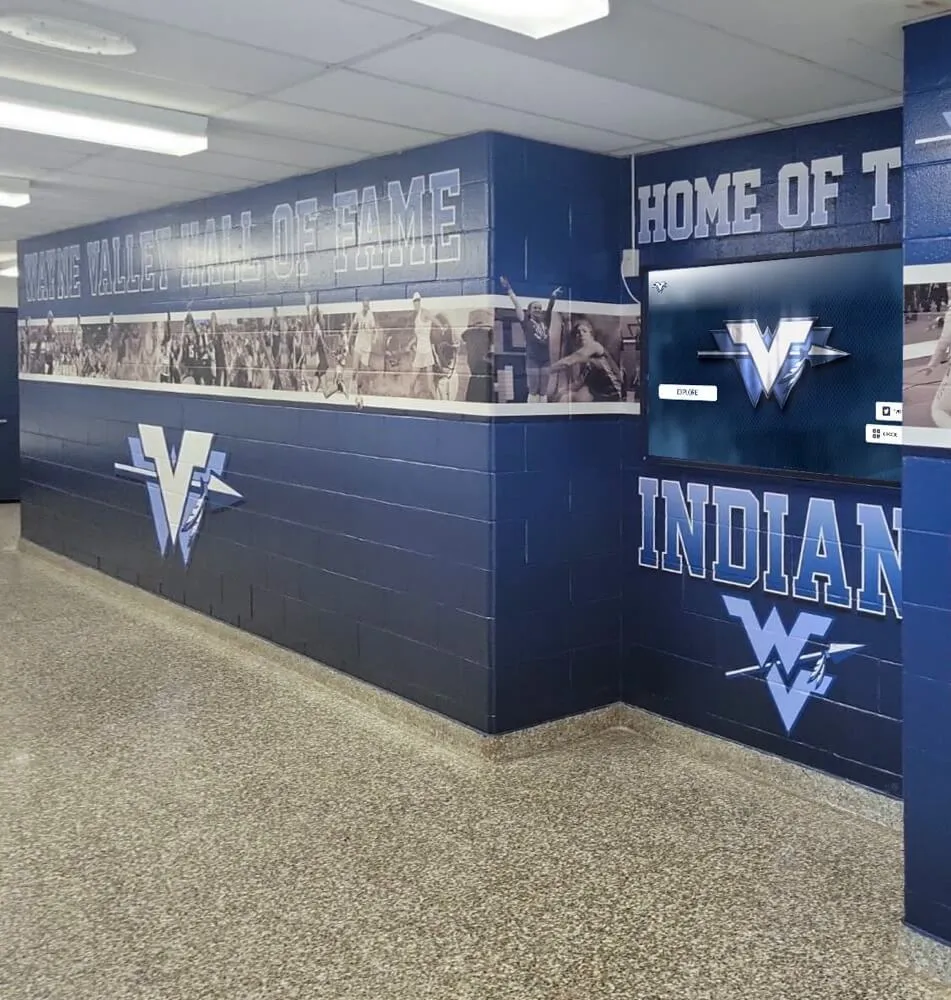
Professional recognition installations create prestigious focal points celebrating championship achievements across all competitive programs including e-sports
Multimedia Content for Championship Recognition
Video Content Integration
Video brings championship recognition to life uniquely for e-sports:
Highlight Reels and Gameplay Footage
- Championship match highlights showcasing exceptional plays
- Tournament bracket progression videos showing path to championship
- Critical round wins and clutch moments determining outcomes
- Team fight executions demonstrating strategic coordination
- Individual player mechanical excellence and game-changing plays
- Final moments of championship victories capturing celebration
- VOD (video on demand) links to full championship matches
Team and Player Interviews
- Post-match champion interviews capturing immediate reactions
- Coach reflections on championship journey and team development
- Player testimonials about teamwork and preparation
- Season recap discussions contextualizing championship achievement
- Strategic analysis explaining key decisions and adaptations
- Future outlook and program momentum commentary
Behind-the-Scenes Documentation
- Practice facility footage showing preparation environments
- Team communication during critical championship moments
- Celebration footage following championship victories
- Travel and LAN event documentation for in-person finals
- Fan and community celebration recordings
- School recognition ceremonies and presentations
Statistical Visualizations and Infographics
Data-driven content resonates strongly with e-sports audiences:
- Tournament bracket graphics with match results
- Player performance statistics dashboards
- Head-to-head comparison graphics against championship opponents
- Season progression charts showing improvement trajectory
- Strategic analysis diagrams explaining tactical approaches
- Championship moment timelines showing key events
- Historical program achievement comparisons
Photography Requirements
Quality still images complement video content:
- Professional team photos in competition jerseys
- Individual player portraits with championship context
- Action shots from competition (screen captures or facility photos)
- Trophy and championship medal presentations
- On-stage championship moments from LAN finals
- Facility and practice environment documentation
- Fan and community celebration images
Understanding digital storytelling for athletic programs provides frameworks applicable to e-sports championship documentation.
Strategic Display Placement for Maximum Impact
Campus Installation Locations
Physical digital displays celebrating championships should occupy prominent positions:
Primary Locations
- Main entrance lobbies greeting all campus visitors
- E-sports facility entrances establishing program pride
- Student commons and cafeteria areas with high daily traffic
- Athletic facilities alongside traditional sports championship recognition
- Admissions office areas influencing prospective students
- Alumni and advancement office lobbies engaging donors and supporters
- Library and academic buildings connecting gaming to broader excellence
Strategic Placement Considerations
- Visibility from primary traffic flows ensuring maximum exposure
- Proximity to related achievements (traditional athletic halls of fame)
- Lighting conditions ensuring screen visibility and image quality
- Traffic patterns enabling extended viewing time
- Power and network infrastructure supporting installation
- Security considerations protecting expensive equipment
- Accessibility compliance ensuring universal access
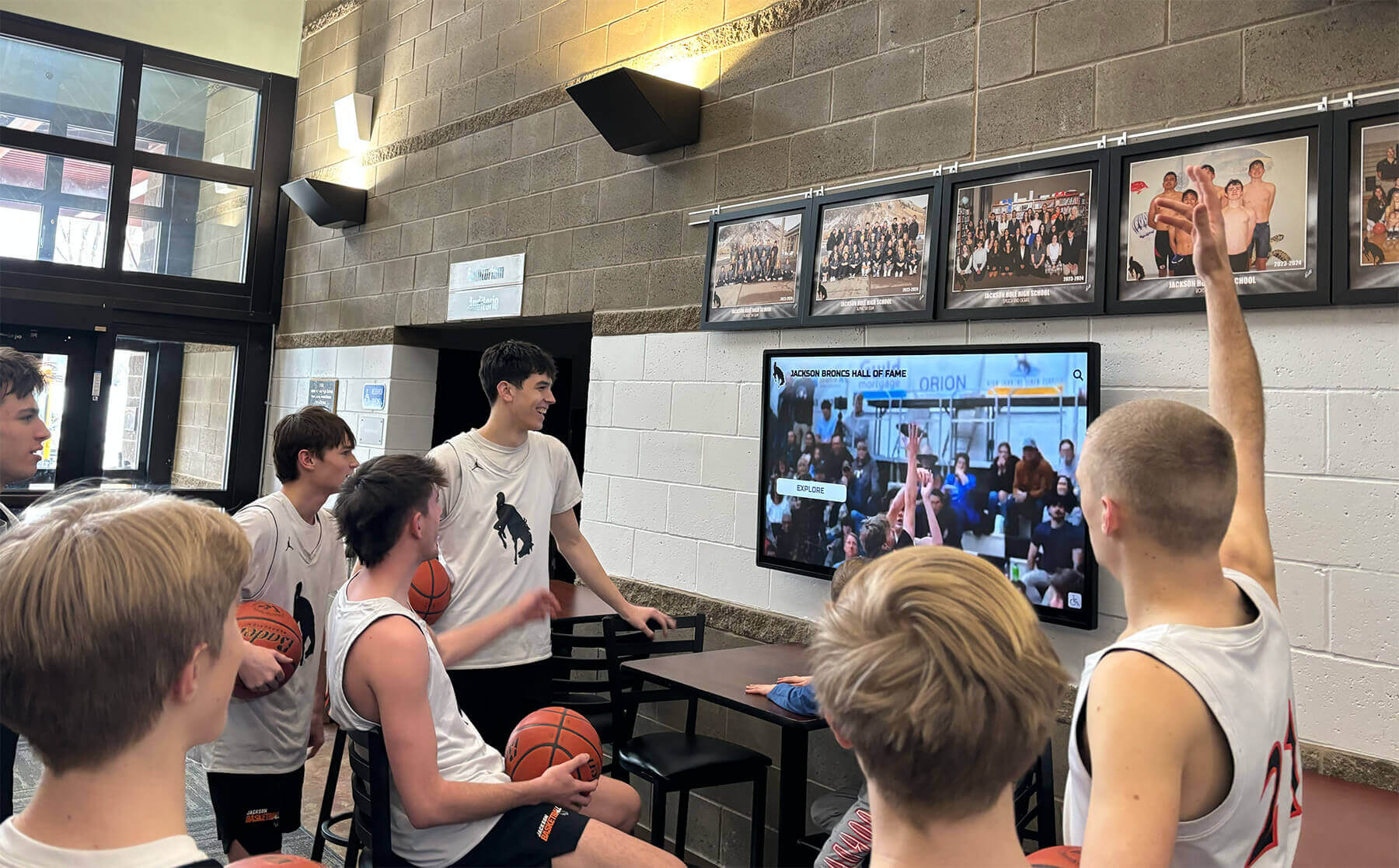
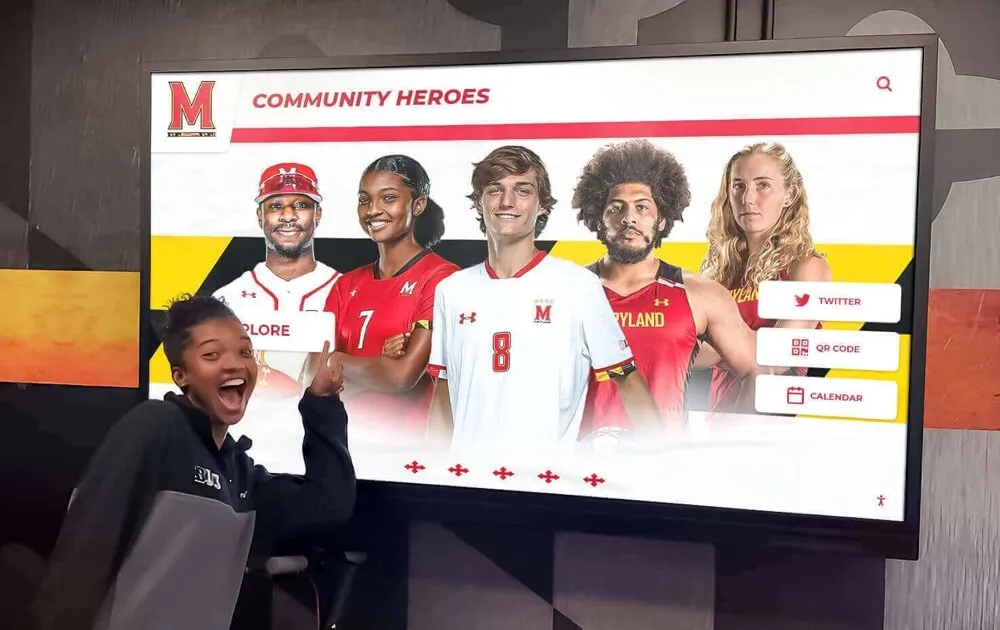
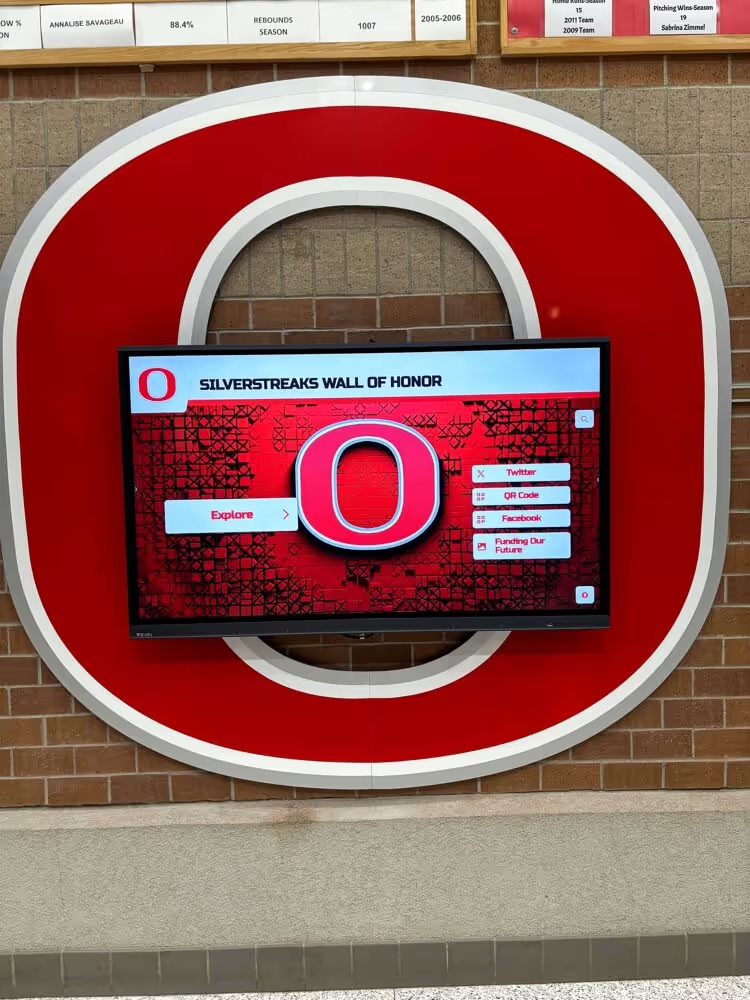
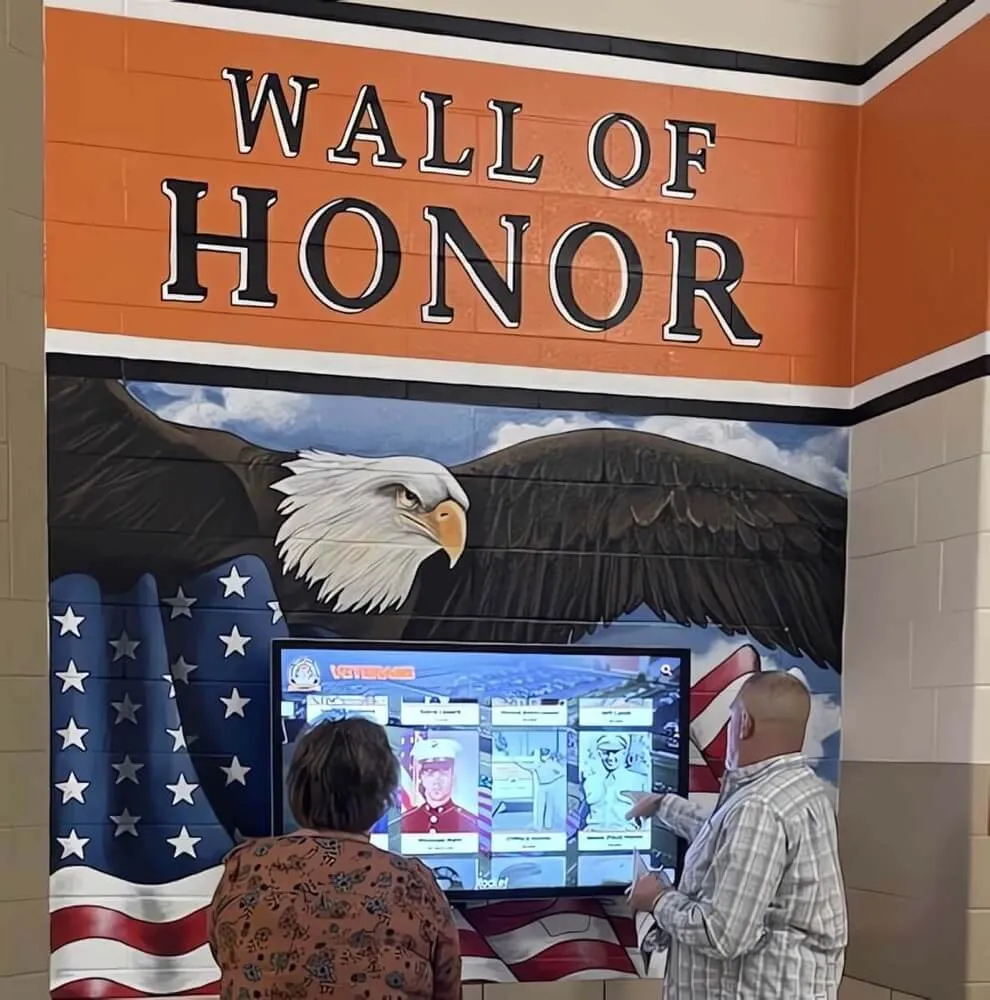
Social viewing experiences create organic engagement as students explore championship achievements during daily campus activities
Multi-Display Coordination
Larger programs may implement coordinated display networks:
- E-sports facility displays focusing on comprehensive program history
- General campus displays featuring current championships prominently
- Rotating content across multiple screens maintaining fresh presentations
- Synchronized updates ensuring consistent information campus-wide
- Hierarchical content showing recent championships most prominently
- Historical archives accessible through deeper navigation
Solutions like Rocket Alumni Solutions provide comprehensive platforms combining championship-specific content with broader institutional achievement recognition, enabling schools to showcase e-sports championships alongside traditional athletic excellence through unified systems that demonstrate parity and institutional commitment to all competitive programs.
Digital Recognition Technology for E-Sports Championships
Selecting appropriate technology platforms ensures sustainable, engaging championship recognition systems that serve gaming communities effectively while fitting institutional capabilities.
Interactive Touchscreen Display Systems
Hardware Requirements for E-Sports Recognition
Effective touchscreen installations require appropriate specifications:
Display Technology Standards
- Commercial-grade displays rated for continuous operation in high-traffic areas
- Screen sizes from 55 to 86 inches supporting both individual exploration and group viewing
- 4K resolution providing crisp image quality for detailed statistics and gameplay footage
- Capacitive multi-touch technology enabling smartphone-like interaction responsiveness
- High brightness ratings (400-500 nits) ensuring visibility in well-lit hallways
- Wide viewing angles maintaining image quality from various positions
- Tempered protective glass resisting damage from daily student interaction
Installation Configuration Options
- Freestanding kiosk enclosures providing self-contained solutions
- Wall-mounted installations creating sleek, space-efficient presentations
- Recessed installations integrating displays into architectural features
- Multi-display video walls creating impressive visual impact
- Portrait or landscape orientation based on content and space requirements
- Secure mounting systems preventing theft or vandalism
- Cable management concealing connections professionally
Technical Infrastructure Requirements
- High-speed internet connectivity supporting video streaming and cloud content management
- Dedicated network connections ensuring reliable operation
- Backup power solutions preventing disruption during outages
- Remote monitoring capabilities alerting staff to technical issues
- Scheduled restart protocols maintaining optimal performance
- Content caching enabling smooth operation during network fluctuations
Learn about digital recognition display technology selection and implementation best practices.
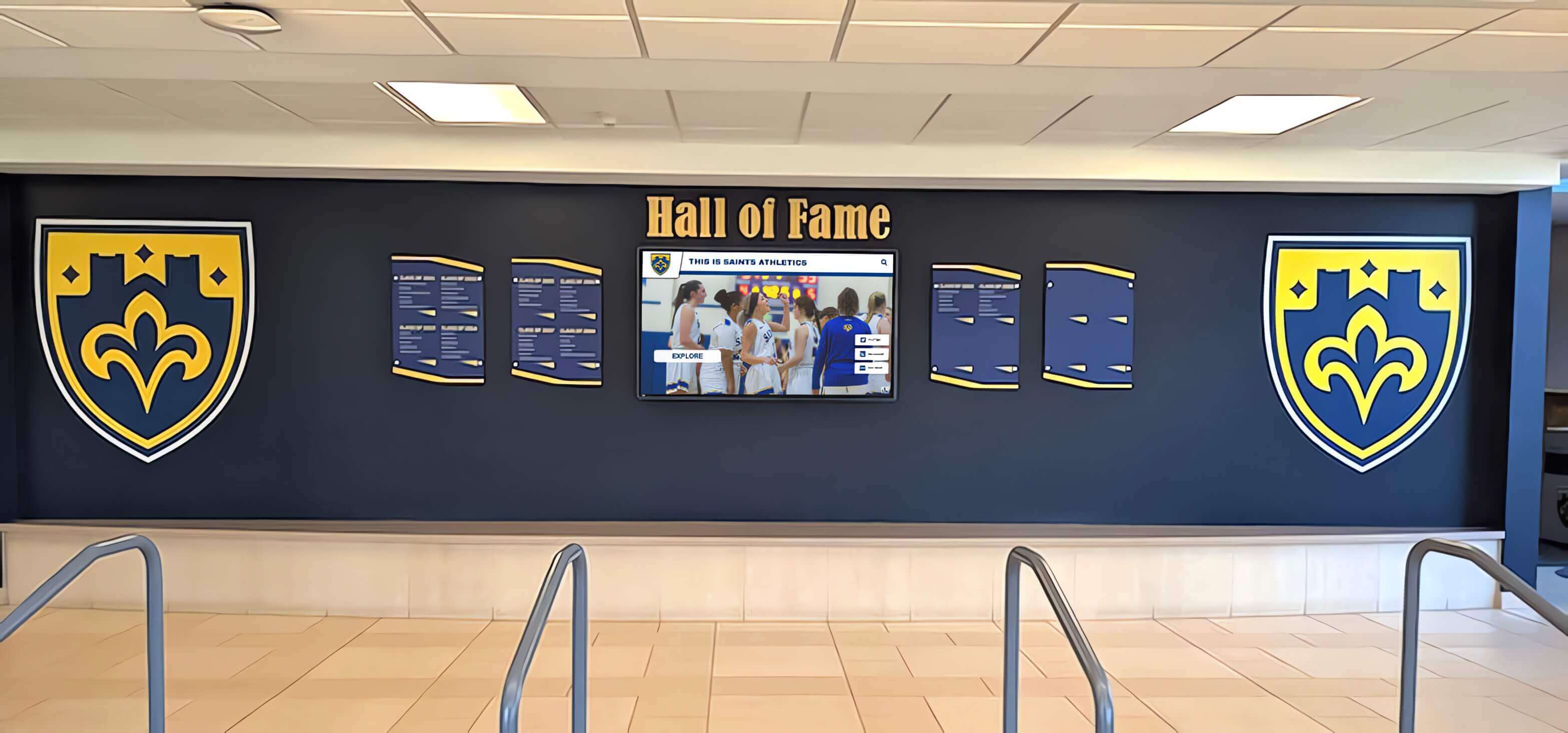
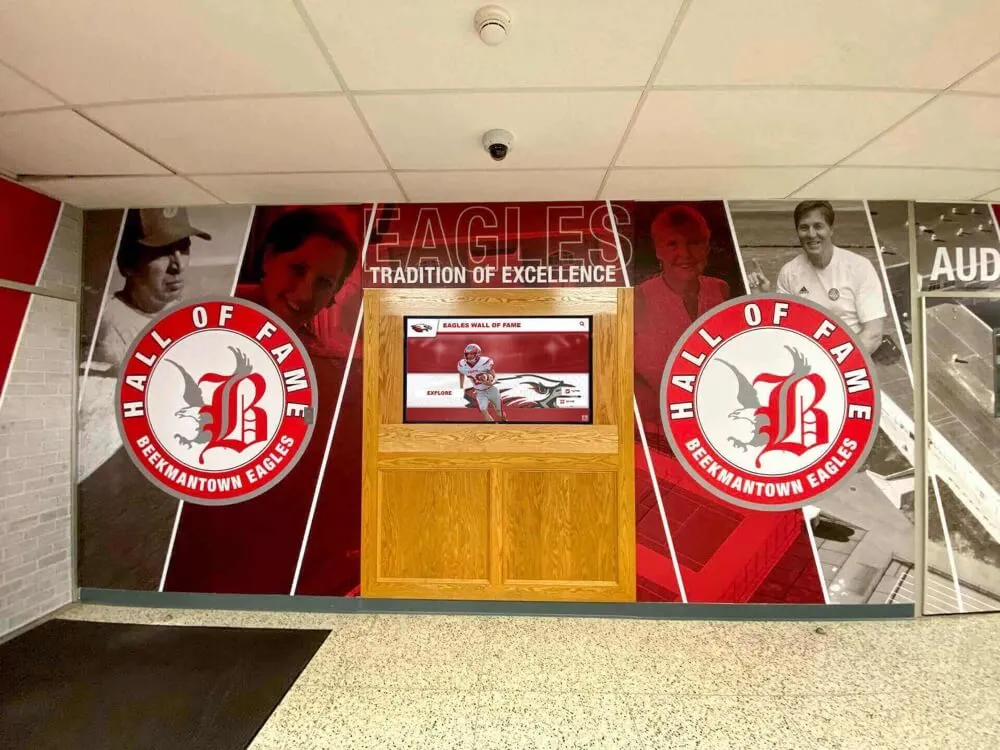
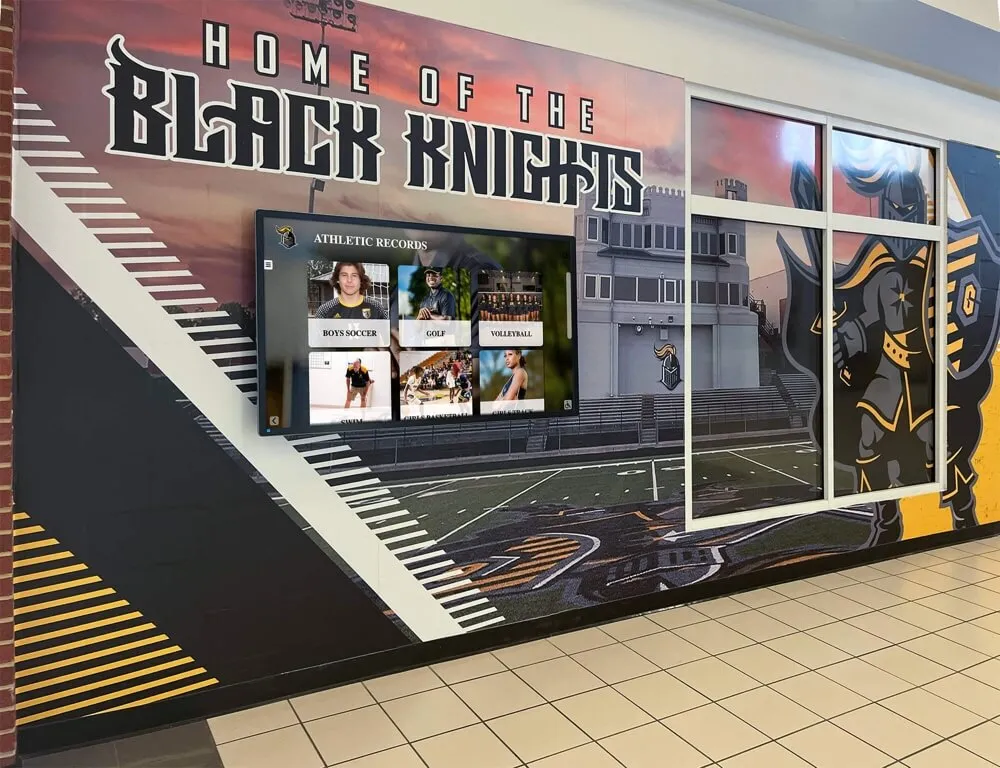
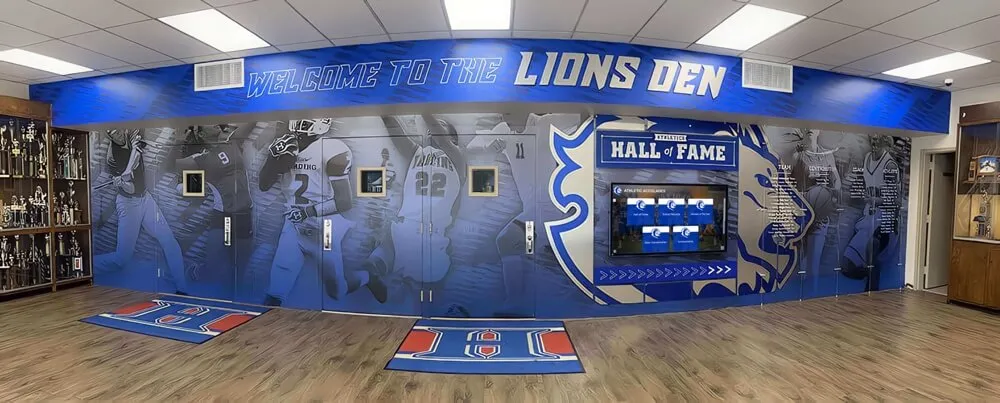
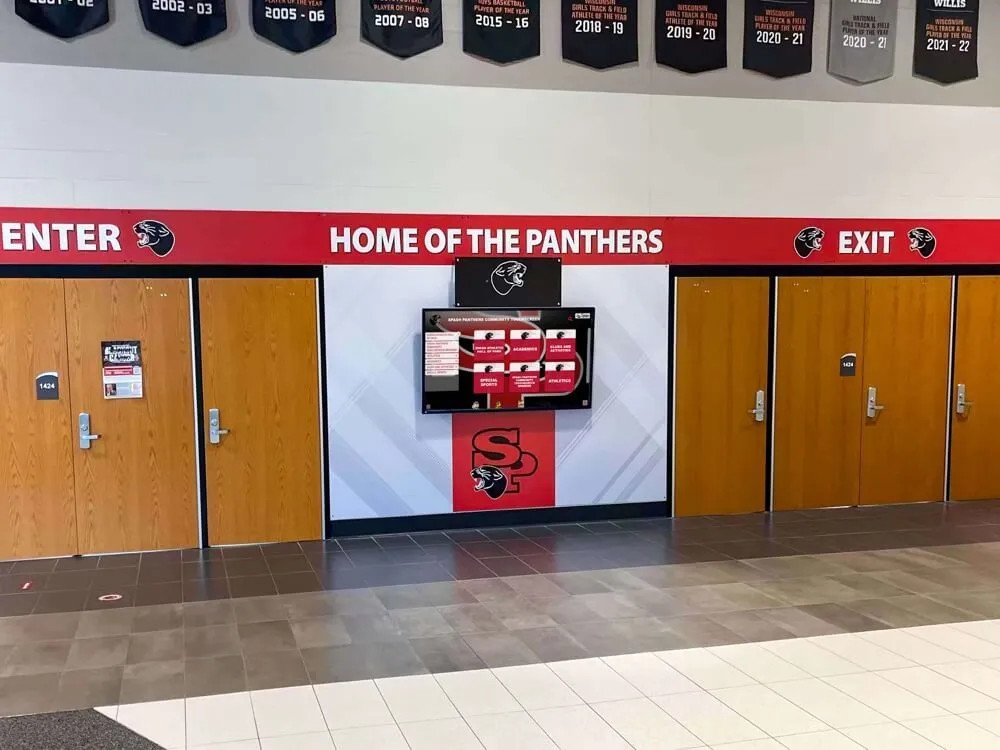
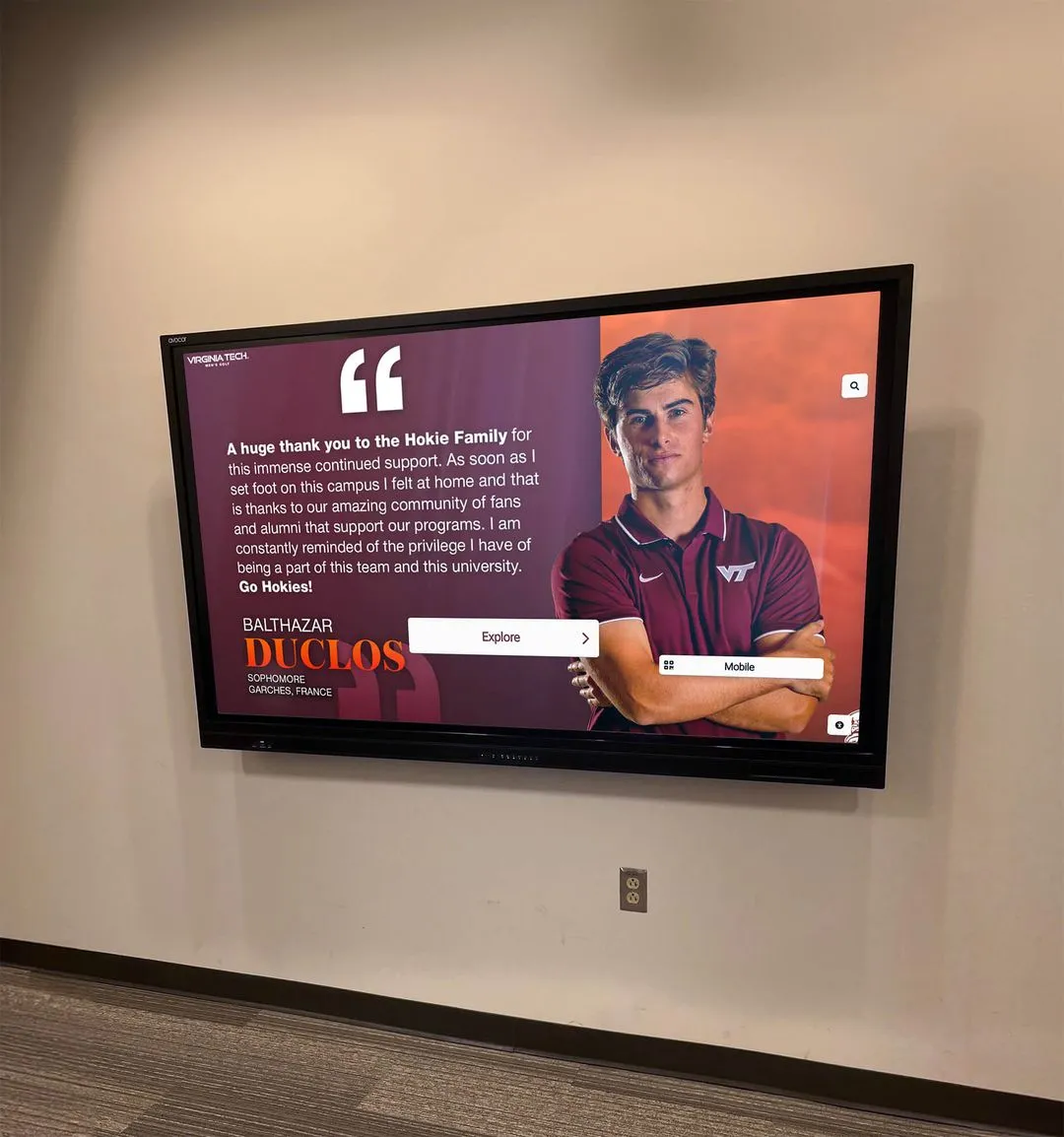
Strategic lobby placements ensure e-sports championship recognition reaches broad audiences alongside traditional athletic achievements, demonstrating competitive gaming legitimacy
Content Management and Display Control
Cloud-Based Administration Systems
Modern recognition platforms require robust backend capabilities:
Content Management Features
- Web-based administration enabling updates from any internet-connected device
- Drag-and-drop content organization simplifying layout development
- Scheduled content rotation featuring different championships and achievements
- Bulk upload capabilities efficiently adding championship information
- Template systems ensuring consistent formatting across all championships
- Media library management organizing photos, videos, and graphics
- Version control tracking changes and enabling content rollback
- Multi-user access with role-based permissions protecting sensitive operations
Display Control Capabilities
- Real-time content updates appearing immediately across all displays
- Display grouping enabling different content across various locations
- Idle state attractions drawing attention when displays not actively used
- Analytics tracking engagement including views, interaction time, and popular content
- Remote troubleshooting diagnosing technical issues without site visits
- Scheduled on/off times conserving energy during closed periods
- Emergency message capabilities for urgent communications
Integration Requirements
- School website embedding enabling online championship showcase access
- Social media connectivity facilitating content sharing
- Student information system integration when available
- Existing digital signage network compatibility when applicable
- Mobile-responsive design enabling smartphone and tablet access
- Single sign-on integration simplifying administrative access
Platforms specifically designed for educational recognition, like Rocket Alumni Solutions, provide purpose-built tools for championship documentation rather than generic digital signage requiring extensive customization for recognition use cases.
Web-Based Championship Recognition Platforms
Online Showcase Websites
Web platforms extend championship recognition beyond physical campus boundaries:
Accessibility and Reach
- 24/7 global access enabling alumni, families, and prospective students to explore achievements
- Search engine optimization helping championship content appear in relevant searches
- Direct URL sharing enabling social media promotion and recruiting use
- Mobile optimization ensuring excellent smartphone and tablet experiences
- Permanent archives preserving championship history indefinitely
- No degradation over time unlike physical trophies and plaques
- Unlimited capacity accommodating all future championships
Social Sharing and Engagement
- One-click sharing to Facebook, Twitter, Instagram, LinkedIn, and other platforms
- Embedded social media feeds when teams authorize connections
- Hashtag campaign integration encouraging community participation
- QR codes linking physical trophies or displays to comprehensive online content
- Download capabilities enabling users to save championship graphics
- Newsletter integration promoting championships through email communications
Recruiting and Development Applications
- Prospective student-athlete portals showcasing program success
- Alumni engagement tools connecting championship teams to fundraising
- Media resources providing high-resolution assets for press coverage
- Statistical databases supporting program history research
- Coach recruitment portfolios demonstrating competitive track records
Understanding college athletics hall of fame approaches provides frameworks for comprehensive championship showcase development.

Responsive web design ensures e-sports championship recognition delivers excellent experiences across all devices that students, families, and community members use
Celebrating E-Sports Conference Championships
Beyond permanent recognition displays, championship celebrations create memorable experiences while building program prestige and community engagement.
Championship Ceremony Planning
Recognition Event Formats
Schools celebrate e-sports conference championships through various approaches:
Dedicated E-Sports Championship Celebrations
- Standalone events honoring competitive gaming achievements exclusively
- Extended time for gameplay highlight viewing and detailed recognition
- Gaming-themed decorations and atmosphere reflecting community culture
- Professional production quality matching e-sports broadcasting standards
- Streaming capabilities enabling remote community participation
- Community building focused specifically on competitive gaming program
Integrated Athletic Awards Ceremonies
- E-sports championships recognized alongside traditional sports achievements
- Demonstrates institutional parity between gaming and traditional athletics
- Educates broader community about e-sports competitive excellence
- Streamlined event planning and potentially higher attendance
- Cross-program community building and mutual respect development
School Assembly Presentations
- Brief championship recognition reaching entire student body
- Educational component explaining e-sports competitive structure
- Inspiration for students considering e-sports participation
- Visible institutional endorsement legitimizing program
- Recruiting advantage demonstrating program visibility
Championship Ceremony Components
Effective recognition ceremonies typically include:
Program Context and Achievement Significance
- Overview of conference structure and competitive field
- Explanation of championship tournament format and progression
- Contextualization of achievement within program and school history
- Introduction of championship team roster and coaching staff
Championship Highlight Presentation
- High-quality video montage showcasing tournament journey
- Critical gameplay moments determining championship outcome
- Individual player excellence and team coordination demonstrations
- Championship-clinching moments and celebration footage
- Statistical achievement highlights and records established
Individual and Team Recognition
- Formal introduction of championship team members
- Individual player recognition highlighting specific contributions
- Coaching staff acknowledgment and appreciation
- Presentation of championship rings, medals, or awards
- Trophy or plaque presentation for permanent display
- Group photos documenting recognition event
Community Celebration
- Opportunity for attendees to congratulate championship team
- Reception enabling informal interaction and celebration
- Social media content creation and sharing
- Media interviews with players and coaches
- Parent and family recognition acknowledging support systems
Explore championship team showcase approaches applicable to e-sports contexts.
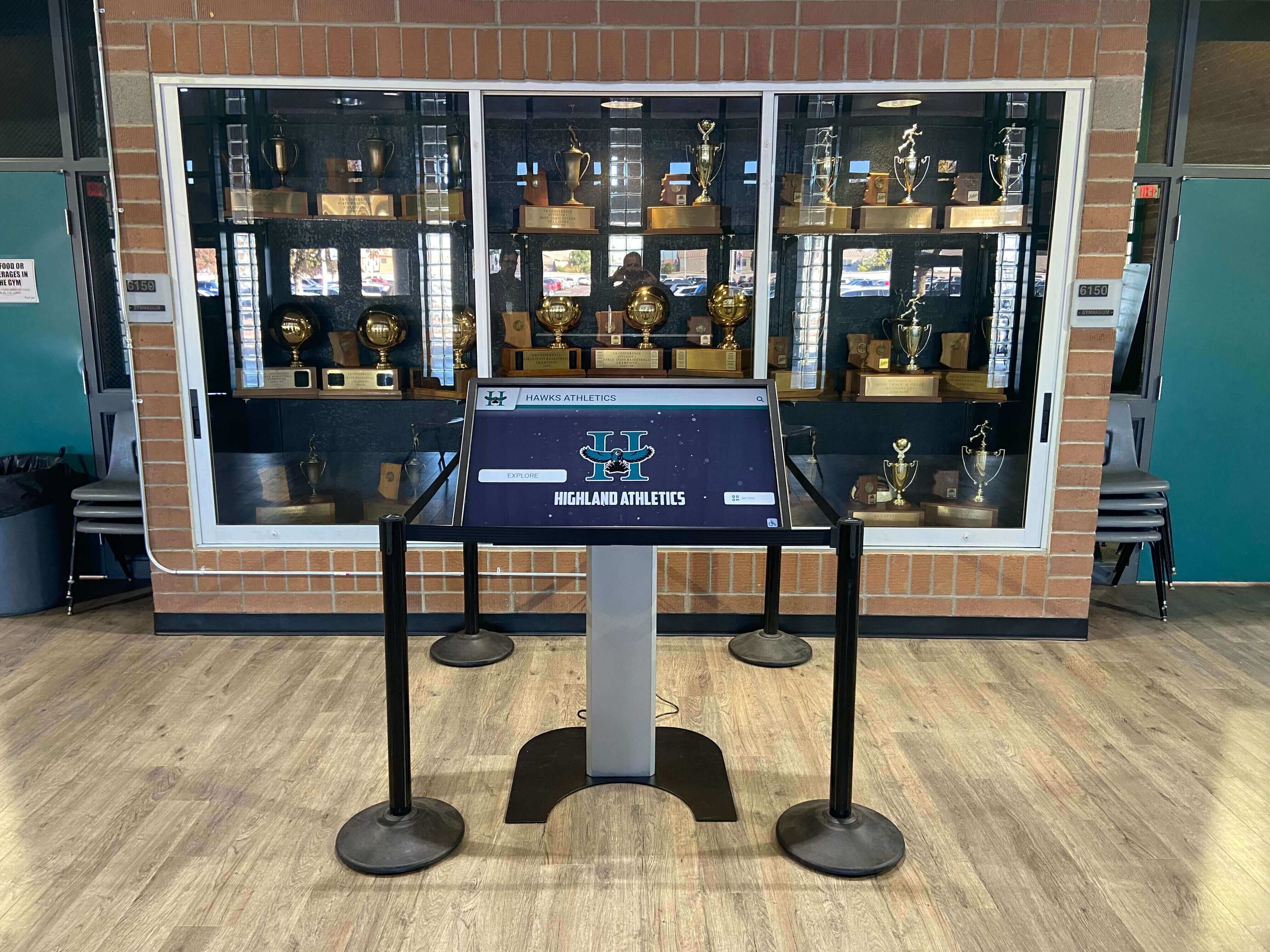
Digital displays complement physical championship trophies creating comprehensive recognition showcasing both traditional tangible awards and rich multimedia championship documentation
Physical Championship Awards and Recognition Items
Championship Team Awards
Tangible recognition creates lasting connections to championship achievement:
Traditional Trophy and Award Options
- Championship trophies sized appropriately for permanent display
- Individual player medals or championship rings
- Framed championship certificates for each team member
- Championship plaque with roster for facility installation
- Conference championship banners for facility display
Gaming-Themed Recognition Items
- Customized gaming peripherals (mice, keyboards, headsets with championship engraving)
- Championship jerseys or team apparel with title designation
- Commemorative art prints featuring championship imagery
- Custom controller or device stands with championship plates
- Championship-branded backpacks or equipment bags
Digital Recognition Elements
- Championship badges for player profiles on recognition displays
- Discord server roles designating championship status
- Website championship roster pages with detailed documentation
- Social media graphics for players to share championship recognition
- Video highlight packages personalized for individual players
Institutional Recognition Elements
- Championship banners displayed prominently in e-sports facilities
- Trophy case additions showcasing physical championship hardware
- Name plaques on facility championship walls
- Updated facility signage reflecting championship achievement
- Academic building displays connecting gaming to institutional excellence
Physical recognition items should balance traditional prestige elements with gaming culture authenticity, creating championship awards that teams proudly display while reflecting competitive gaming identity appropriately.
Managing E-Sports Championship Recognition Long-Term
Sustainable championship recognition requires ongoing program management as competitive achievements accumulate and gaming landscapes evolve.
Building Championship Recognition Traditions
Establishing Consistent Recognition Standards
Systematic approaches ensure equitable championship celebration:
Recognition Criteria Definition
- Clear standards determining which championships receive prominent recognition
- Conference championship distinction from invitational tournament victories
- Division or tier acknowledgment providing appropriate context
- Regular season versus tournament championship differentiation
- National versus regional championship recognition hierarchy
- Historical recognition consistency as standards evolve
Annual Recognition Cycles
Predictable timelines create sustainable processes:
- Championship documentation immediately following tournament conclusions
- Content development and approval workflows
- Display updates scheduled during academic breaks when feasible
- Annual championship ceremony planning and execution
- Social media promotion coordinating with school communications
- Archive organization maintaining historical championship records
Program Evolution Accommodation
Recognition systems must adapt as programs change:
- New game title additions as programs expand competition offerings
- Discontinued game championships archived appropriately with historical context
- Conference affiliation changes documented clearly
- Division reclassifications explained to avoid confusion
- Achievement standard adjustments maintaining appropriate selectivity
Understanding championship banner recognition solutions provides frameworks for systematic championship celebration.
Maintaining Championship Display Content
Content Freshness and Updates
Dynamic content maintains audience engagement:
Recent Championship Prominence
- Most recent championships featured most prominently in rotation
- Seasonal updates highlighting current competitive campaigns
- Historical championship archives accessible through navigation
- Scheduled content rotation preventing stagnation
- Featured championship spotlights providing variety
Periodic Content Enhancement
- Additional photos and videos added as they become available
- Statistical corrections and updates ensuring accuracy
- Alumni achievement updates showing post-graduation success
- Historical context additions as program perspective develops
- Technology upgrades incorporating new multimedia capabilities
Technical Maintenance Requirements
- Regular display testing ensuring proper operation
- Software updates maintaining security and functionality
- Hardware inspection preventing component failures
- Network connectivity verification ensuring reliable access
- User experience assessment identifying navigation improvements
- Analytics review informing content and feature decisions
Learn about digital trophy display management applicable to championship recognition systems.
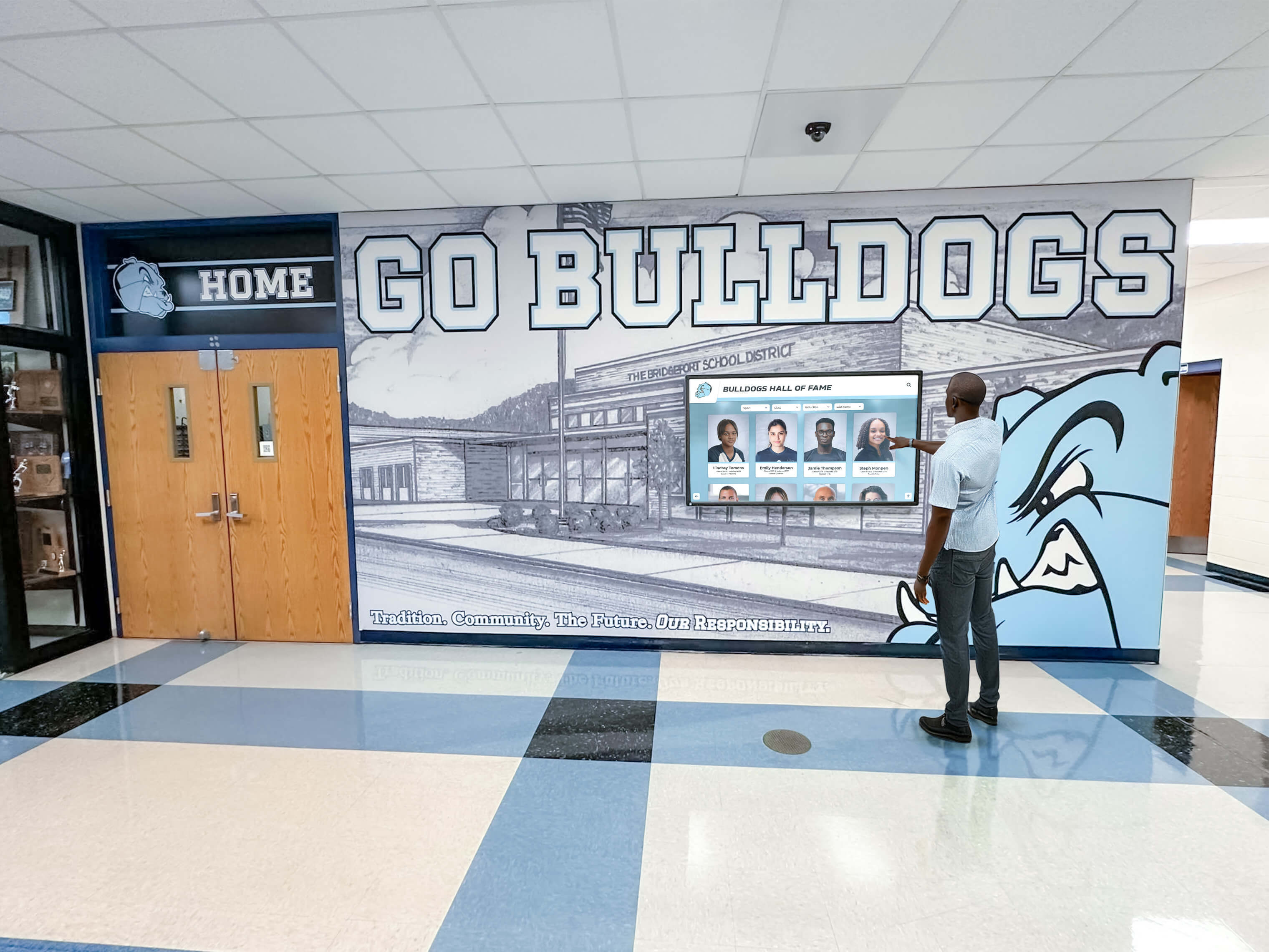
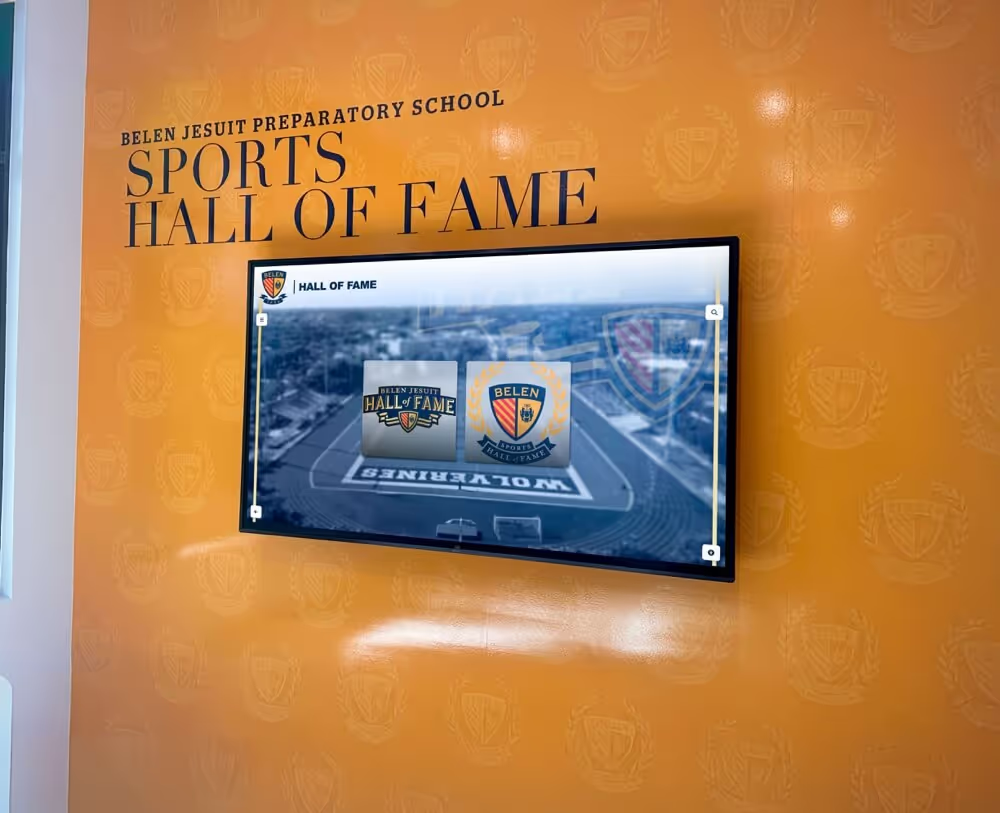
Engaging displays invite interaction and discovery, transforming hallway championship recognition into active community engagement points rather than passive static displays
Engaging Championship Alumni and Building Legacy
Championship Team Reunion Opportunities
Active alumni involvement strengthens programs:
Ongoing Connection Activities
- Annual championship team reunions during major tournaments or events
- Invitations to mentor current competitive teams
- Participation in program promotion and recruiting activities
- Speaking opportunities at team meetings and orientations
- Input on program development and championship tradition evolution
Alumni Network Development
- Connections between championship alumni in gaming industry careers
- Mentorship networks supporting current players’ career development
- Professional networking facilitating career transitions into gaming industry
- Content creation collaborations for program promotion
- Fundraising engagement supporting program facility and scholarship development
Legacy Building and Historical Preservation
Championship recognition creates institutional memory:
- Oral history projects documenting championship team experiences
- Anniversary celebrations for milestone championship achievements
- Historical timeline development showing program evolution
- Championship team comparison features showing competitive progression
- Tradition documentation preserving program culture and values
Given e-sports’ substantial industry ecosystem, championship alumni networks provide valuable career development opportunities extending recognition value beyond ceremonial honor, while building traditions that define institutional competitive gaming identity.
Strategic Considerations for E-Sports Championship Recognition
Several unique factors require thoughtful approaches specific to competitive gaming championship celebration.
Balancing E-Sports and Traditional Athletics Recognition
Achieving Recognition Parity
Institutional credibility depends on equitable treatment:
Equivalent Recognition Standards
- Conference championship recognition standards comparable across traditional and e-sports programs
- Physical display quality matching traditional athletic championship recognition
- Ceremony prestige reflecting equivalent competitive achievement
- Budget allocation demonstrating genuine commitment to e-sports legitimacy
- Campus placement visibility comparable to traditional sports achievements
Educational Advocacy
Championship recognition provides legitimacy-building opportunities:
- Championship celebrations educate broader communities about e-sports competitive rigor
- Display content explaining competitive structure and achievement significance
- Documentation of practice hours, strategic preparation, and skill development required
- Comparison of teamwork, dedication, and mental discipline to traditional athletics
- Showcase of alumni career success in gaming industry or professional competition
Organizations implementing high-quality e-sports championship recognition alongside traditional athletic achievements report substantial increases in program acceptance, community understanding, and institutional legitimacy for competitive gaming programs.
Integration Approaches
Strategic recognition design demonstrates parity:
- Unified digital platforms showcasing both traditional and e-sports championships
- Integrated trophy cases featuring physical awards from all competitive programs
- Combined championship ceremonies celebrating diverse competitive excellence
- Cross-program promotion building mutual respect and appreciation
- Institutional messaging emphasizing all competitive achievement equally
Understanding how to showcase championship teams provides frameworks applicable across all athletic programs.
Addressing E-Sports-Specific Recognition Challenges
Online Harassment and Safety Considerations
Championship recognition requires unique safety awareness:
Privacy Protection Protocols
- Respect for players who prefer handles/aliases over legal names
- Privacy settings for players concerned about online harassment
- Limited personal information in public championship displays
- Accommodation for players preferring minimal public profiles
- Support systems for players experiencing targeted harassment following championship recognition
Community Standards and Conduct
Championship recognition should emphasize positive values:
- Sportsmanship recognition alongside competitive achievement
- Conduct standards highlighted as championship criteria
- Positive representation of gaming culture to broader audiences
- Education about respectful online engagement
- Zero tolerance messaging about harassment and toxic behavior
Documenting Digital-Only Championships
E-sports presents unique documentation challenges:
Capturing Digital Competition Authentically
- VOD archives preserving actual championship matches
- High-quality screen recordings showcasing gameplay excellence
- Strategic analysis content explaining critical decisions
- In-game statistics and performance metrics documentation
- Communication recordings showing team coordination (when appropriate and authorized)
LAN Finals vs. Online Championships
Recognition should acknowledge competition format:
- In-person LAN finals featuring on-stage performance pressure
- Online championships requiring different skill sets and home environment management
- Hybrid formats combining online qualification with in-person finals
- Context explaining how pandemic-era online championships differed from traditional LAN competitions
Explore tournament bracket display approaches for presenting championship progression visually.
Connecting Championships to Recruiting and Program Growth
Leveraging Championships for Competitive Advantage
Championship recognition supports program development:
Recruiting Applications
- Championship displays demonstrate program competitive success to prospective athletes
- Historical achievement documentation shows consistent excellence rather than isolated success
- Alumni career progression following championships illustrates program value
- Facility championship recognition creates impressive recruiting visit experiences
- Social media content highlighting championships reaches prospective players nationwide
Institutional Advancement Opportunities
- Championship success generates donor interest in program support
- Recognition displays provide naming opportunities for major donors
- Championship documentation demonstrates ROI on e-sports program investment
- Media coverage extends institutional reputation beyond immediate community
- Alumni engagement increases as championship traditions develop
Community and Industry Connections
- Championship recognition attracts gaming industry partnership opportunities
- Local esports businesses interested in supporting successful programs
- Professional team connections for player development pathways
- Content creator relationships for program visibility
- Tournament hosting opportunities based on program reputation
Championship recognition serves multiple strategic functions beyond simply honoring achievement, making implementation investment generate returns through recruiting, fundraising, partnerships, and institutional reputation enhancement.
Conclusion: Building Prestigious E-Sports Championship Traditions
E-sports conference championships represent exceptional competitive achievements requiring dedication, skill, strategic thinking, and teamwork comparable to any traditional sport. As collegiate and high school competitive gaming programs continue expanding—with hundreds of schools now offering varsity e-sports and substantial scholarship investments—appropriately recognizing conference championship success becomes essential for legitimizing programs, inspiring current competitors, preserving competitive histories, and building lasting traditions that honor gaming excellence meaningfully.
The strategies explored throughout this guide provide comprehensive frameworks for creating e-sports championship recognition systems that honor competitive achievement through engaging digital displays, comprehensive documentation approaches, meaningful celebration ceremonies, and sustainable management processes. From interactive touchscreen installations showcasing championship details to web-accessible platforms enabling worldwide recognition access to systematic content development documenting tournament success to strategic placement demonstrating institutional commitment, these approaches transform championship recognition concepts into impactful programs serving gaming communities effectively.
Ready to establish or enhance e-sports championship recognition at your institution? Modern digital recognition solutions like Rocket Alumni Solutions provide ideal platforms for championship documentation, combining unlimited recognition capacity with multimedia integration perfect for gaming content, interactive exploration matching gaming culture, and cloud-based management supporting easy updates as new championships occur throughout competitive seasons.
Whether establishing new recognition systems or enhancing existing programs, success requires aligning technology with championship documentation needs, ensuring platforms serve gaming communities effectively while educating broader audiences, creating systematic processes supporting quality content development, and committing to ongoing program management maintaining recognition relevance as competitive landscapes evolve.
Your e-sports championship teams deserve recognition celebrating their exceptional achievements, preserving competitive histories, and inspiring future competitors to pursue championship excellence. With thoughtful planning addressing game-specific documentation requirements, engaging displays leveraging gaming content naturally, meaningful ceremonies celebrating accomplishments appropriately, and sustainable management processes accommodating gaming’s dynamic evolution, you can create championship recognition systems that honor your competitive legacy while building traditions defining institutional gaming identity for generations.
The essential elements aren’t budget size, facility quality, or program history length—they’re genuine commitment to recognizing competitive gaming as legitimate athletic pursuit, systematic approaches ensuring comprehensive championship documentation, sustainable processes supporting consistent recognition, and continuous improvement ensuring programs evolve meeting changing community expectations while maintaining core values that transform championships from temporary achievements into lasting legacies.
Start planning your e-sports championship recognition program today. Your competitive gaming achievements deserve celebration systems that honor excellence appropriately while positioning your institution as leader in acknowledging the dedication, strategy, teamwork, and skill required for conference championship success in competitive gaming’s rapidly growing landscape.