



As the final bell approaches and another school year draws to a close, the end of year assembly stands as your last opportunity to celebrate collective achievements, honor individual excellence, recognize growth across every program area, and send students into summer break feeling valued, inspired, and connected to their school community. This final gathering holds power far beyond simple awards distribution—it shapes how students remember their year, influences their sense of belonging, and determines whether they return in August feeling excited about continuing their educational journey at your institution.
Yet too many schools struggle to maximize this critical moment. Generic programs fail to engage diverse audiences, rushed timelines prevent meaningful recognition, technical limitations force impossible choices about which achievements receive visibility, and outdated approaches leave students and families underwhelmed rather than inspired by what should be a celebratory capstone experience.
This comprehensive guide explores practical strategies for designing end of year assemblies that genuinely celebrate your entire community while creating memorable experiences reflecting the remarkable accomplishments your students, staff, and school achieved throughout the year.
The most successful end of year assemblies balance efficient programming with meaningful recognition, celebration of achievement with inspiration for continued growth, individual acknowledgment with collective pride, and professional presentation with authentic school culture and spirit. Schools that excel at this final gathering understand that every element—from program flow to recognition approach to multimedia integration—contributes to whether students leave feeling celebrated or merely processed through another routine event.

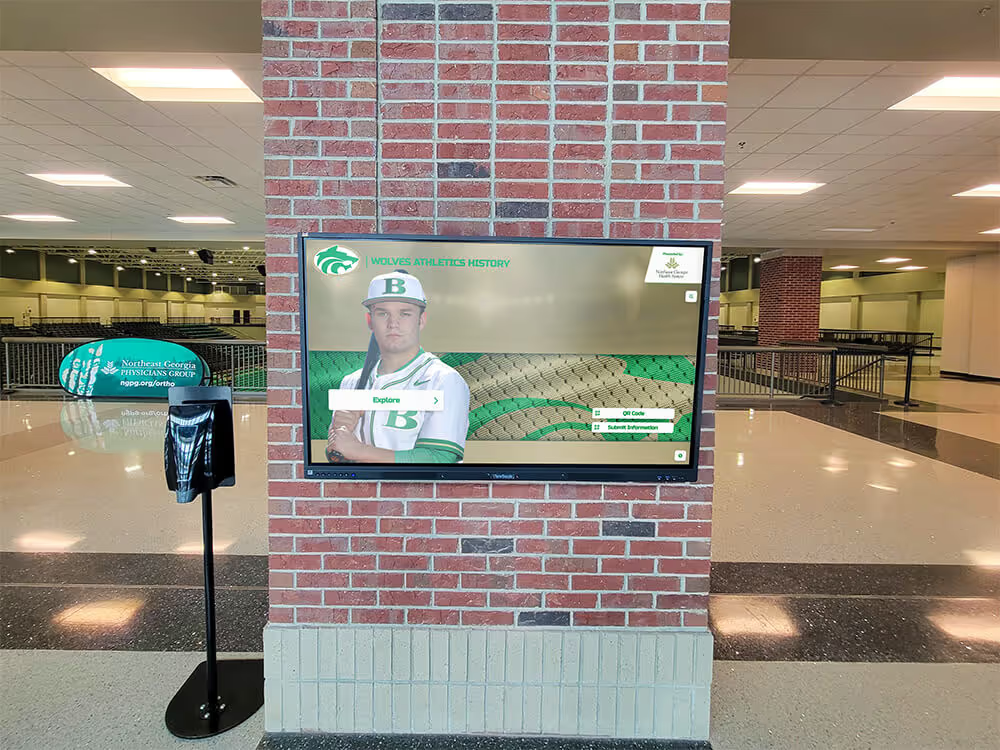
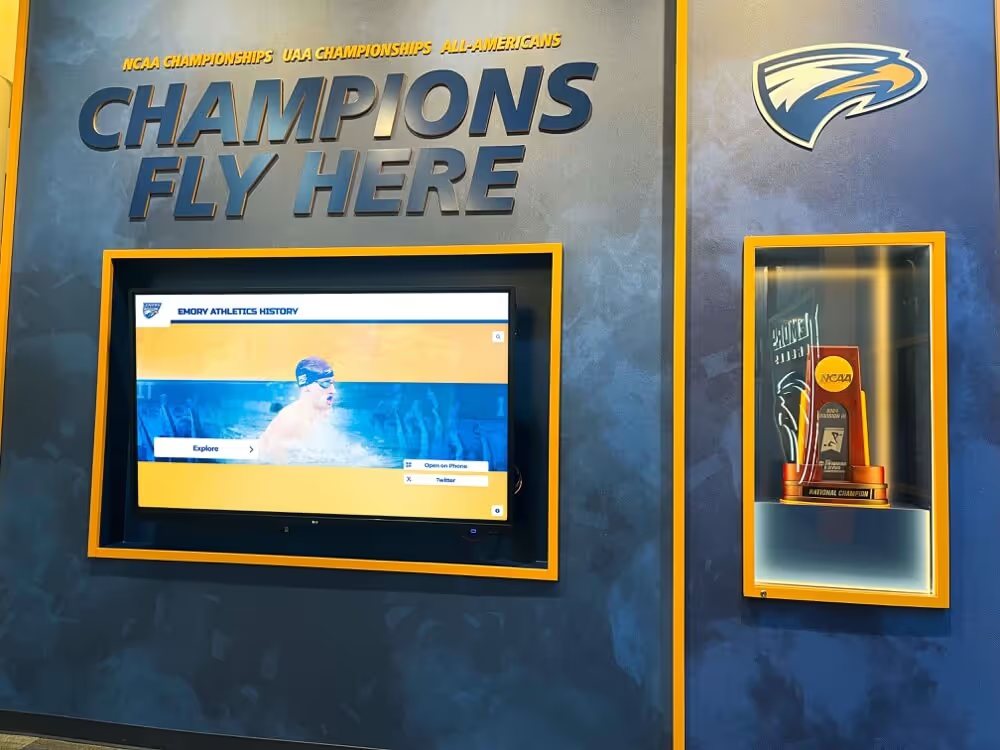
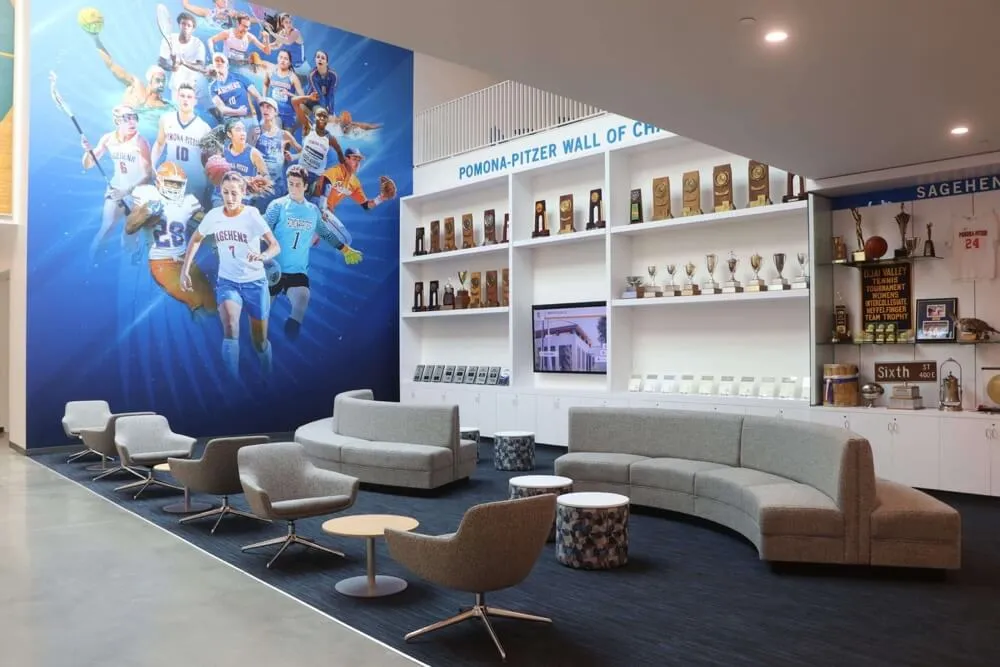
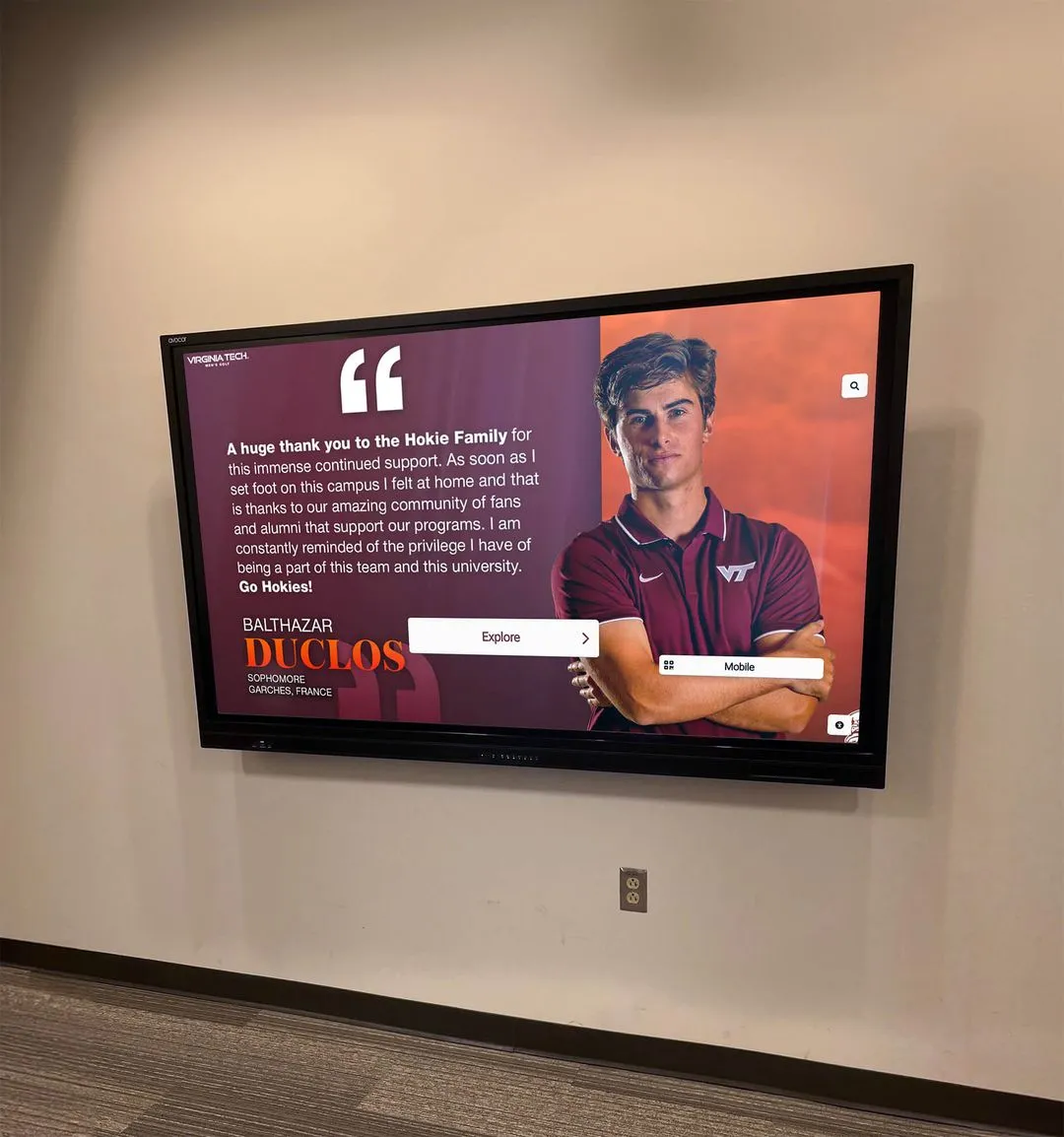
Engaging multimedia content brings school achievements to life during assemblies and throughout the year
Program Snapshot: Comprehensive End of Year Assembly Design
Primary Audience
- Students across all grade levels and programs
- Faculty and staff members
- School administrators and leadership
- Parents and families (when space allows)
- School board members and district leadership
- Community partners and supporters
Key Outcomes
- Comprehensive recognition celebrating achievements across all program areas
- Memorable experiences students remember throughout summer break
- Strengthened school culture and community connection
- Inspired students motivated for continued growth next year
- Family engagement communicating institutional excellence
- Positive year-end momentum carrying into next academic year
- Documentation creating lasting records of accomplishment
Recognition Categories
- Academic excellence and honor roll recipients
- Athletic championships and individual achievements
- Fine arts accomplishments in music, theater, and visual arts
- Student leadership and service contributions
- Attendance and character awards
- Academic competition achievements
- Special program recognitions (STEM, CTE, etc.)
- Teacher and staff appreciation
- Senior class celebration and sendoff
- Perfect attendance and milestone recognitions
- Improvement and growth acknowledgments
Timeline Considerations
- Planning: 6-8 weeks before year end
- Content Preparation: 3-4 weeks before assembly
- Rehearsals: Week before assembly
- Event Duration: 60-90 minutes maximum
- Follow-Up: Post-assembly documentation and communications
Content Architecture: Structuring Your Assembly Program
Effective end of year assemblies organize recognition through thoughtful program structures that honor achievements comprehensively while maintaining audience engagement and energy throughout.
Opening Moments: Setting the Celebratory Tone
Powerful Program Openings The first five minutes determine whether your audience engages or mentally checks out for the remainder:
- Dynamic multimedia introduction showcasing year highlights through video montage set to inspiring music
- Student leadership welcome delivered by student government rather than exclusively administrators
- Year in review overview briefly summarizing major accomplishments and milestones
- Community acknowledgment recognizing collective achievement beyond individual awards
- Energy-building elements using school cheers, music, or student performance creating excitement
- Clear agenda preview helping audiences understand program flow and duration expectations
Schools that begin assemblies with energy and student voice rather than lengthy administrative remarks immediately establish celebratory rather than obligatory atmosphere.
Core Recognition Programming: Honoring Achievement Meaningfully
Academic Excellence Celebration Structure academic recognition ensuring efficiency while honoring accomplishment appropriately:
For comprehensive achievement recognition, consider digital solutions that showcase every honoree without consuming excessive assembly time. Academic recognition displays enable honoring all students while maintaining engaging program pacing.
- Honor roll recognition by level (highest honors, high honors, honors) with efficient batch acknowledgment
- Departmental academic awards highlighting top performers in each subject area
- Academic competition achievements celebrating Quiz Bowl, Science Olympiad, Math League, and similar programs
- Advanced Placement and honors program recognition for students excelling in rigorous coursework
- Perfect attendance acknowledgment honoring commitment and consistency
- Academic improvement awards celebrating growth alongside absolute achievement
- Scholarship announcements for graduating seniors earning college financial support
- Special academic program recognition for STEM, CTE, language immersion, and other focused initiatives
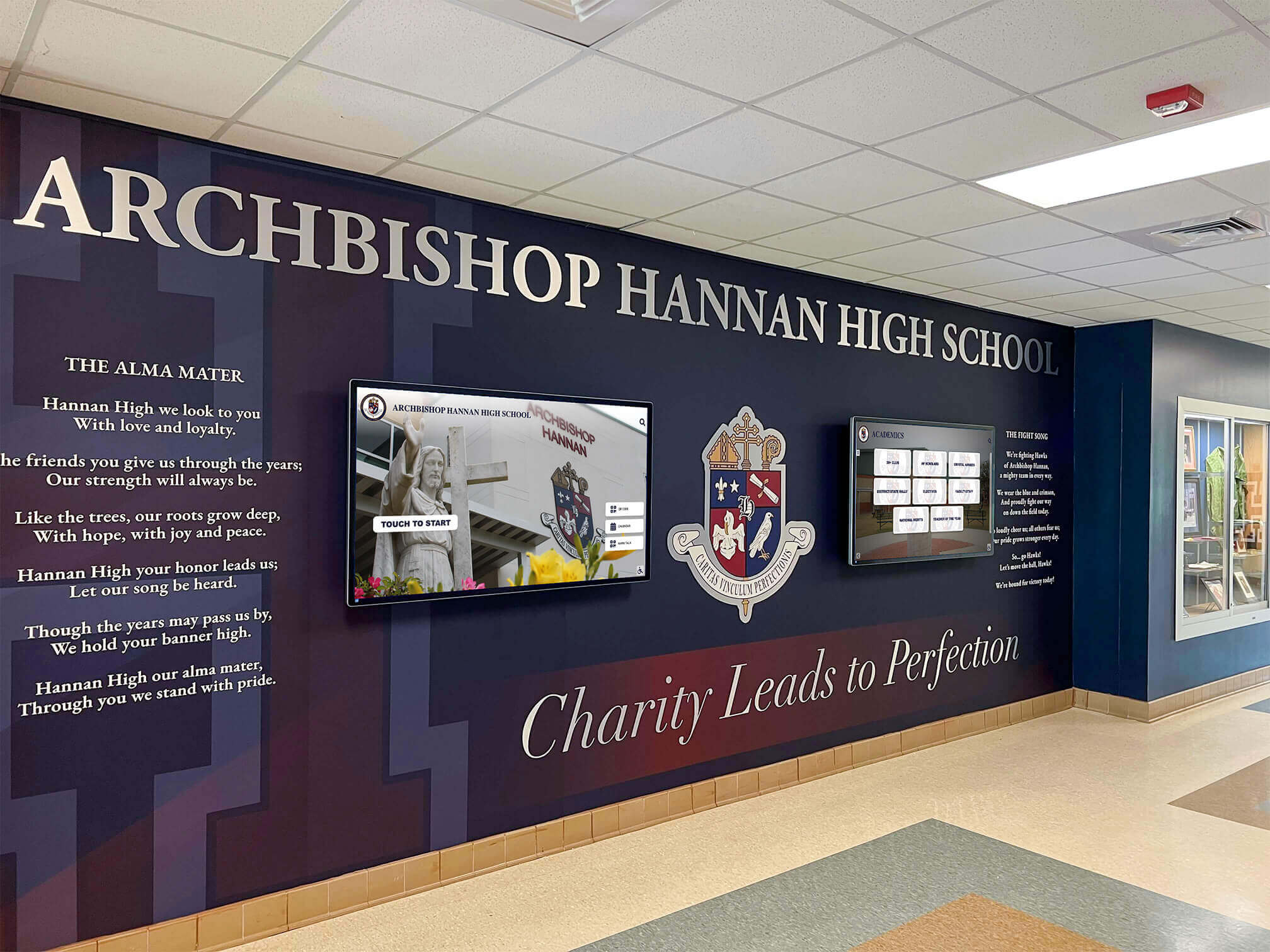
Strategic display placement ensures recognition receives ongoing visibility beyond single assembly events
Athletic Achievement Celebration Honor sports accomplishments across all programs and participation levels:
- Team championship recognition celebrating conference, regional, and state titles
- Individual athletic honors for all-conference, all-state, and all-American selections
- Senior athlete acknowledgment honoring graduating athletes’ contributions and careers
- Most Valuable Player and position awards for each team recognizing exceptional performance
- Sportsmanship and character awards emphasizing values alongside achievement
- Team captains and leadership recognizing those who led programs
- Athletic milestone recognition for significant individual records and achievements
- Coaching appreciation acknowledging staff dedication and program leadership
Learn about comprehensive approaches to athletic recognition programs that honor athletes meaningfully.
Fine Arts and Activities Recognition Ensure arts programs receive equal visibility to athletics:
- Performing arts achievements for band, choir, orchestra, and theater productions
- Visual arts honors celebrating artwork excellence and competition success
- Theater production recognition acknowledging cast, crew, and production teams
- Music ensemble achievements for competition success and festival ratings
- Literary arts acknowledgment for creative writing, yearbook, and newspaper
- Debate and forensics honors celebrating competitive speech achievements
- Academic clubs and organizations recognizing participation and leadership
- Technology and innovation awards for robotics, coding, and STEM competitions
Explore student recognition strategies that celebrate diverse talents and achievements.
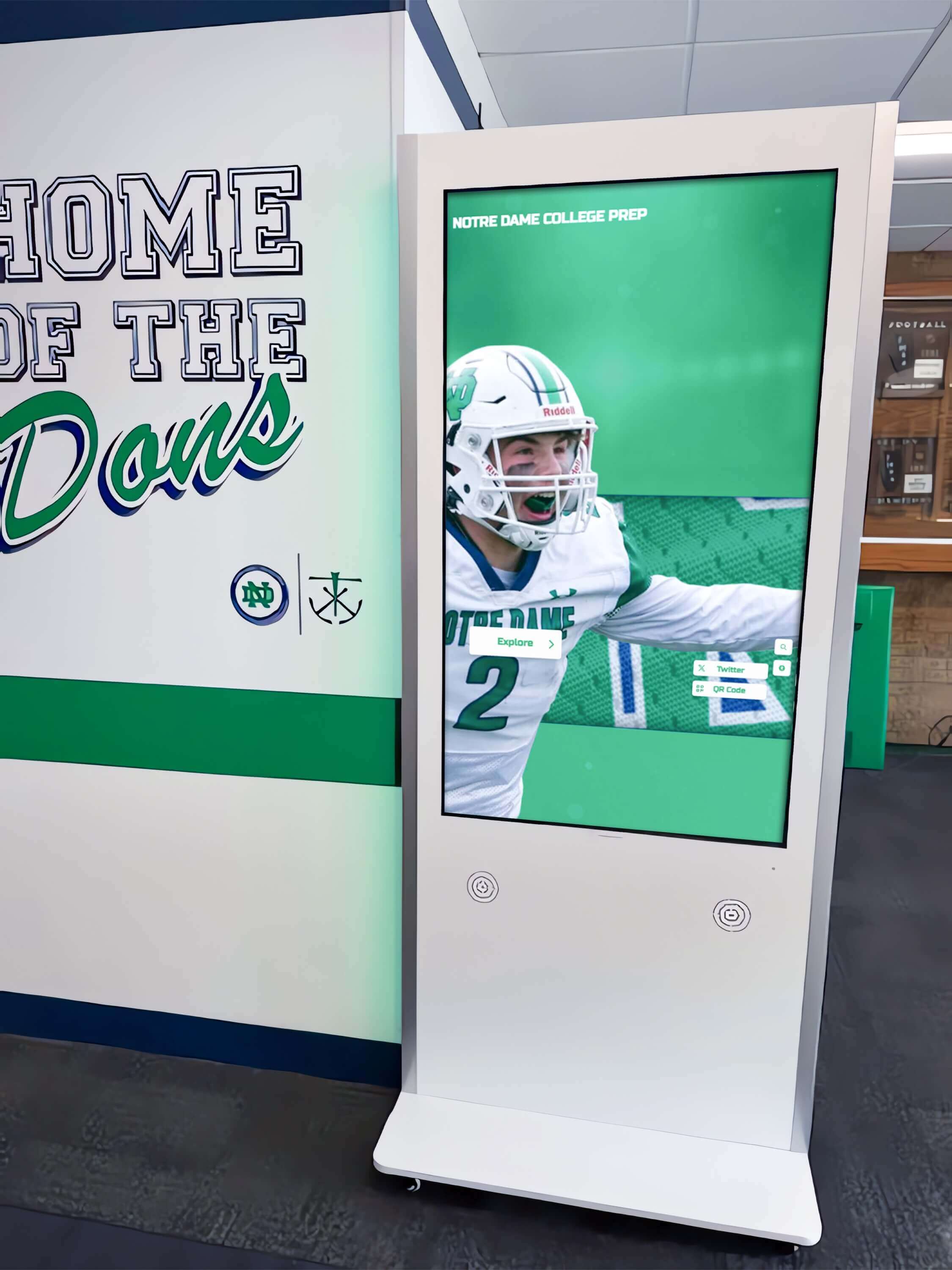
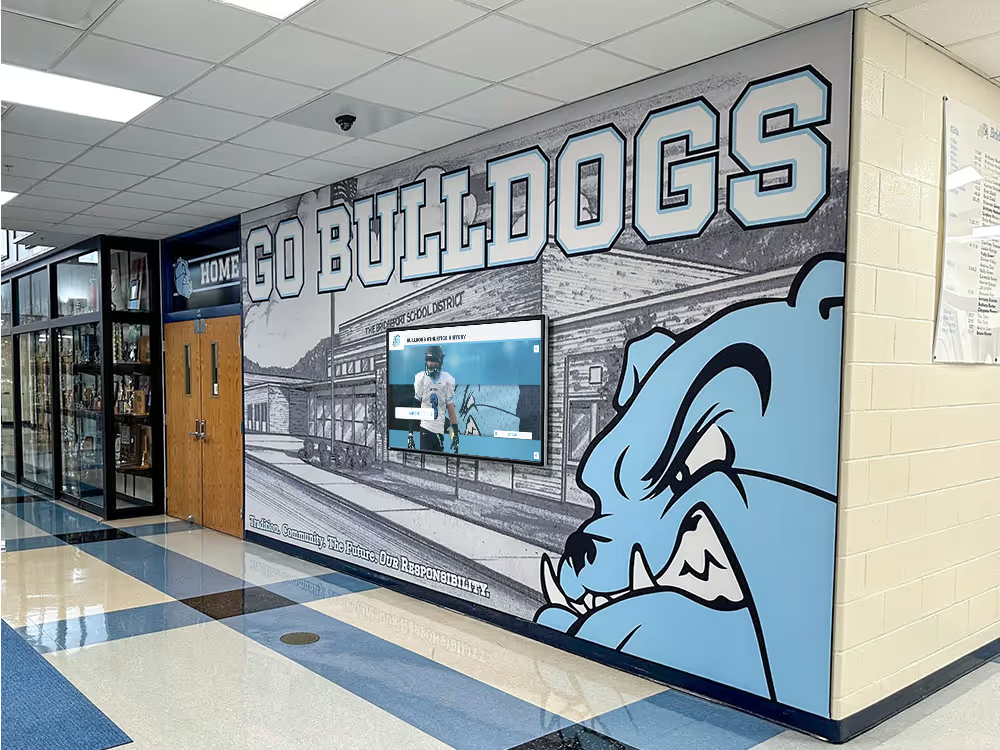
Flexible kiosk placement allows recognition in multiple locations throughout campus
Character and Service Recognition Honor contributions extending beyond measurable achievement:
- Outstanding citizenship awards recognizing exemplary character and community contribution
- Service hour milestones acknowledging significant volunteer commitment
- Peer recognition awards voted by students honoring positive influence
- Leadership acknowledgment for student government, club officers, and organizational leaders
- School spirit celebration recognizing students embodying institutional values
- Community service projects highlighting collective student impact initiatives
- Mentorship recognition honoring students supporting peers and younger students
- Random acts of kindness celebrating students making school community better
Research from educational leadership studies demonstrates that character recognition influences school culture more profoundly than achievement awards alone, making balanced programming essential.
Special Presentations and Highlights
Multimedia Year in Review Transform abstract accomplishment lists into engaging storytelling:
Solutions like digital recognition displays enable creating dynamic multimedia presentations showcasing year highlights compellingly:
- Photo and video montages documenting memorable moments from throughout the year
- Student testimony segments sharing personal growth stories and memorable experiences
- Event highlight reels from athletic competitions, performances, and school activities
- Before-and-after documentation showing facility improvements or program growth
- Social media integration featuring student-generated content and perspectives
- Teacher and staff features highlighting educator contributions and memorable moments
- Community partnership recognition acknowledging external supporters and sponsors
Professional multimedia integration transforms passive listening into active engagement while creating content families and students want to share on social media and personal networks.
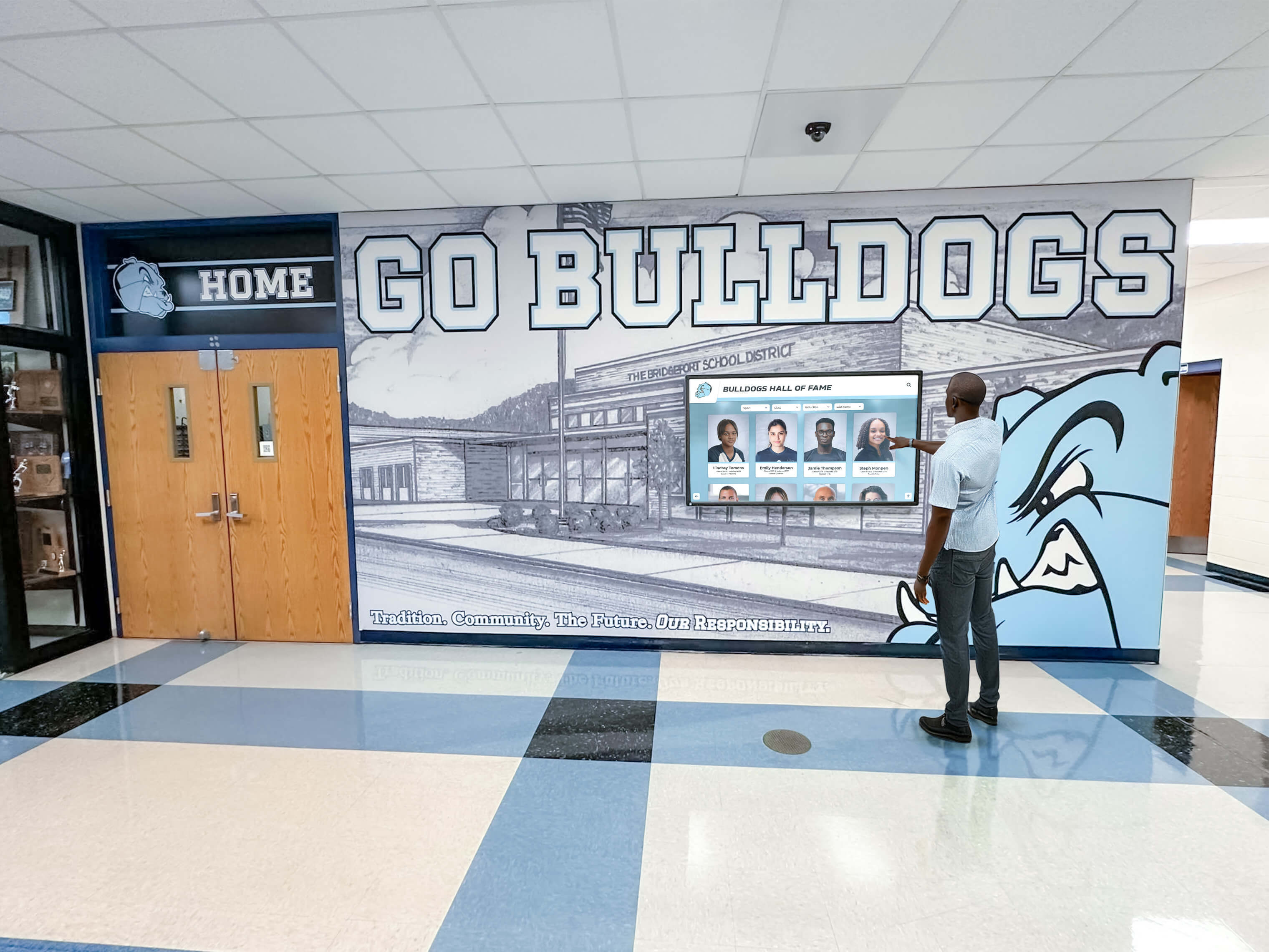
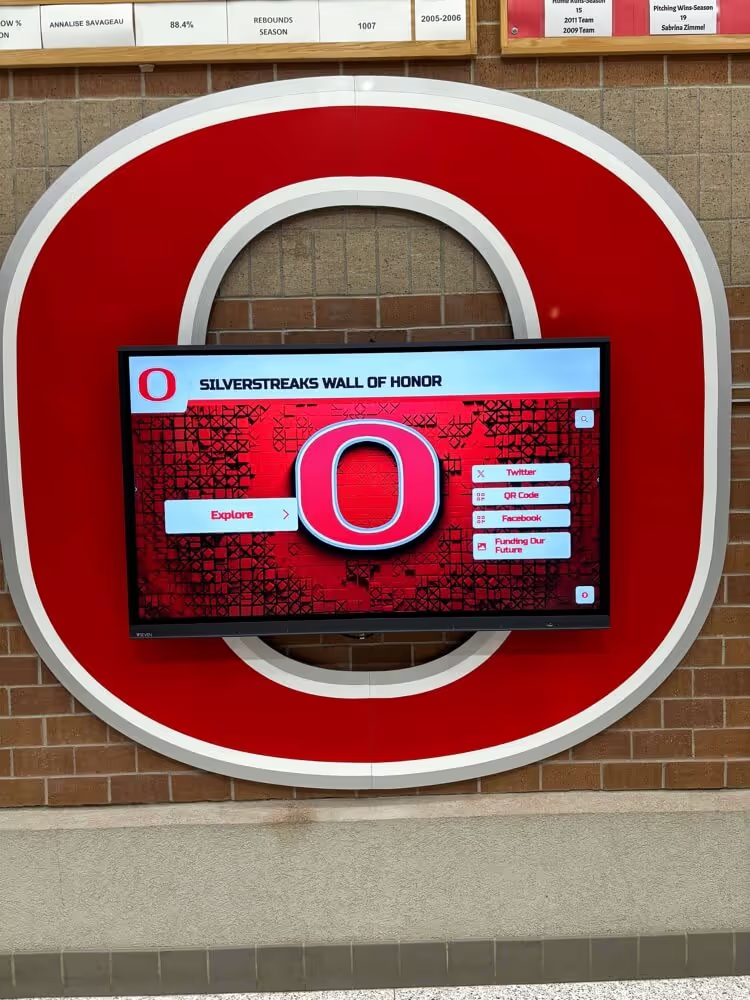
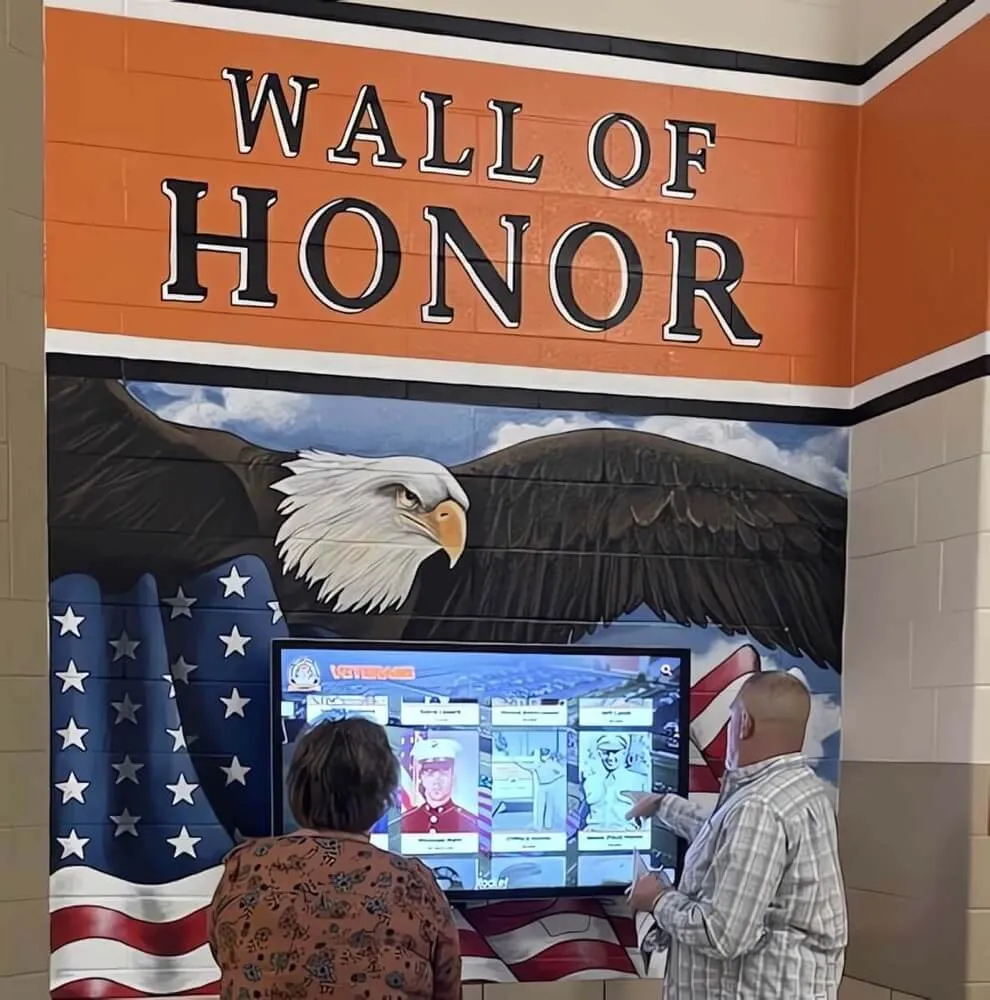
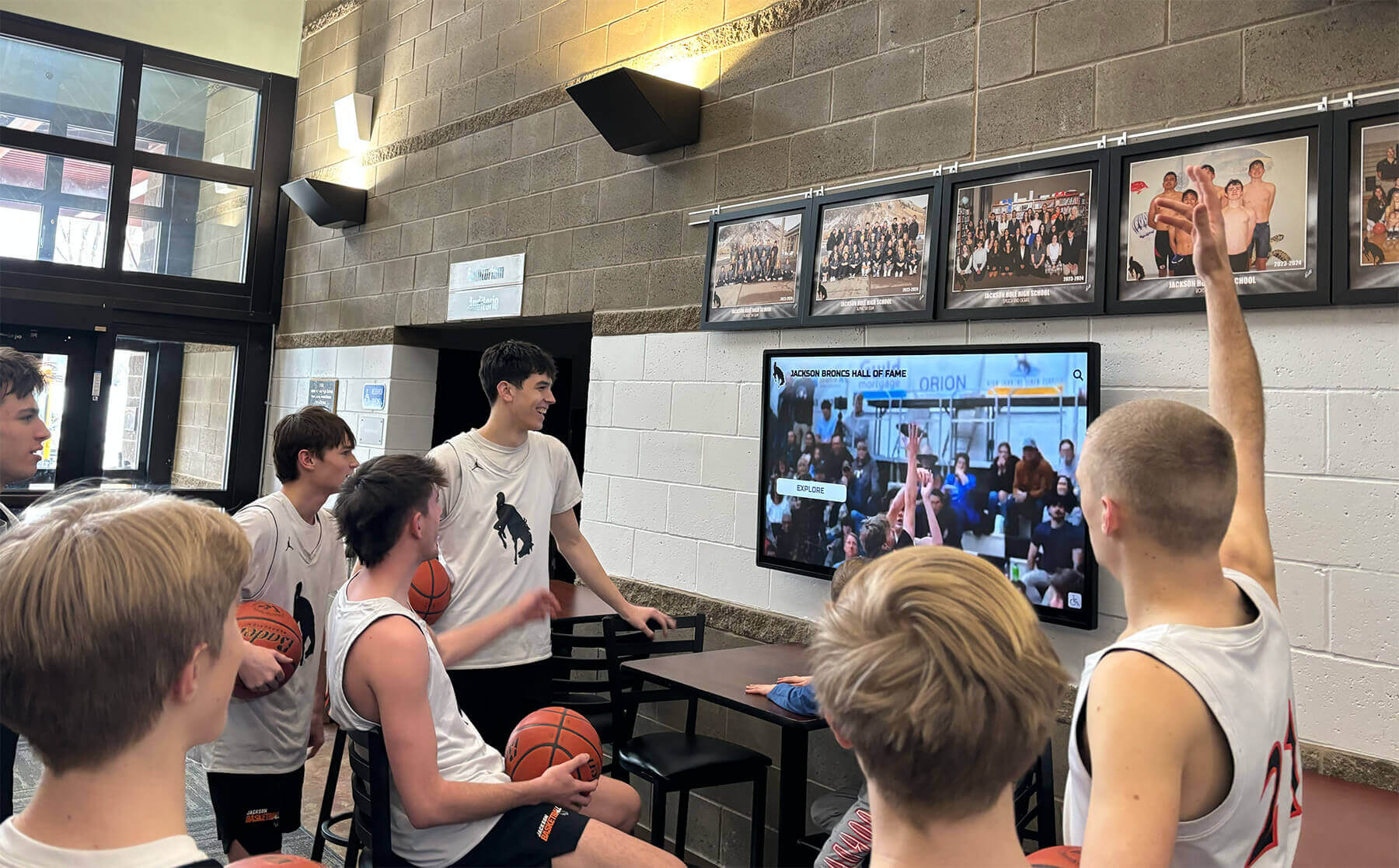
Interactive displays enable students to explore achievements independently beyond assembly programs
Senior Class Celebration and Sendoff Create meaningful transitions for graduating students:
- Senior class video featuring memories, achievements, and future plans
- College commitment announcement showcasing acceptances and scholarship totals
- Senior superlatives celebrating unique personalities and contributions with humor and affection
- Faculty messages sharing encouragement and memories with graduating class
- Legacy projects documenting senior contributions to school community
- Symbolic passing of leadership from seniors to rising student leaders
- Final school song or tradition creating emotional closing moment
For schools planning comprehensive senior recognition, explore high school graduate display ideas that honor achievements meaningfully.
Teacher and Staff Appreciation
Educator Recognition Programming Honor the adults making student success possible:
- Teacher of the Year and similar awards recognizing exceptional educational excellence
- Years of service milestones celebrating career dedication to your school
- Retiring staff tributes honoring educators concluding their careers
- Staff member of the year acknowledging non-instructional employees’ contributions
- Student-selected teacher awards reflecting impact from student perspective
- Department recognition celebrating collaborative team achievements
- Volunteer and community support acknowledging parent and community partners
Learn about comprehensive approaches to teacher recognition programs extending beyond single events.
Execution Timeline: Planning Your Memorable Assembly
Successful end of year assemblies require systematic planning addressing logistics, content development, technical coordination, and communication ensuring smooth, professional execution.
Phase 1: Planning Foundation (6-8 Weeks Before Assembly)
Planning Committee Formation Establish collaborative leadership ensuring comprehensive programming:
Assemble committee including:
- Administration representative with decision-making authority
- Activities director or dean of students coordinating logistics
- Student government leadership providing student voice
- Athletic director representing sports programs
- Fine arts department chair ensuring arts inclusion
- Technology coordinator managing multimedia elements
- Communications staff documenting and promoting event
- Faculty representatives from academic departments
- Student representatives from diverse program areas
Committees including diverse perspectives create inclusive programs reflecting entire school community rather than administrative priorities alone.
Venue Selection and Logistics Planning Determine practical details affecting every other decision:
Consider venue factors including:
- Seating capacity accommodating expected audience size comfortably
- Acoustics and sound system quality ensuring clear audio throughout space
- Visual display capabilities for presentations and multimedia content
- Stage and performance space adequate for award distribution and presentations
- Accessibility ensuring full participation for students with disabilities
- Climate control maintaining comfortable temperature during extended program
- Rehearsal availability for practicing technical elements and transitions
- Timing considerations scheduling around other end-of-year commitments
Many schools find that gymnasium assemblies provide necessary capacity but require substantial audio-visual investment creating professional rather than echoey, difficult-to-hear experiences.
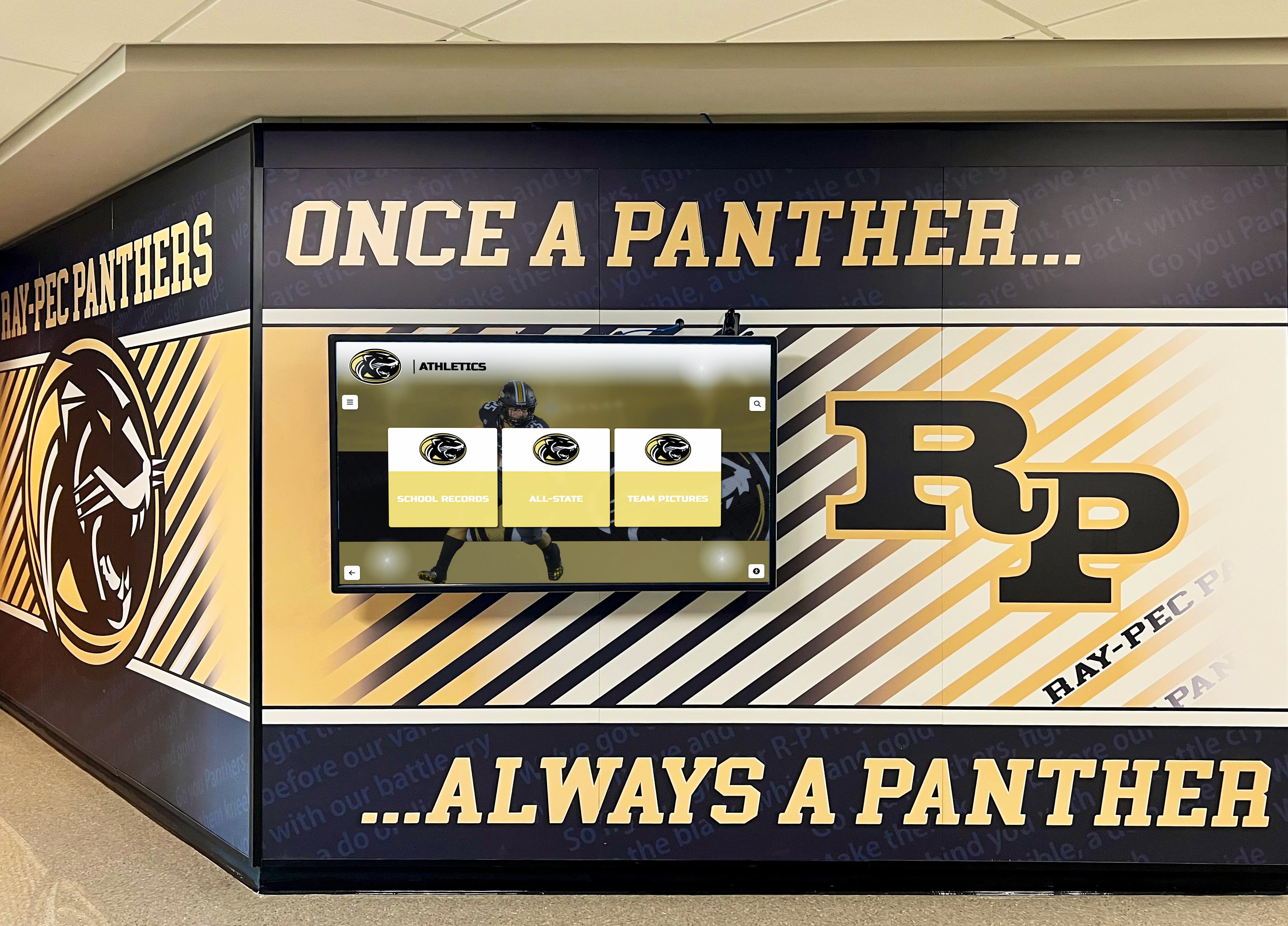
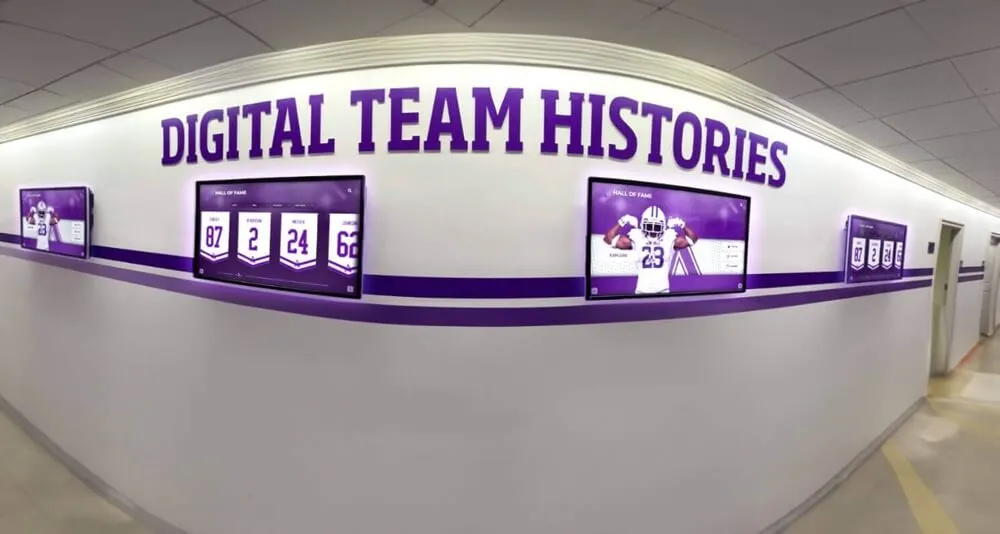
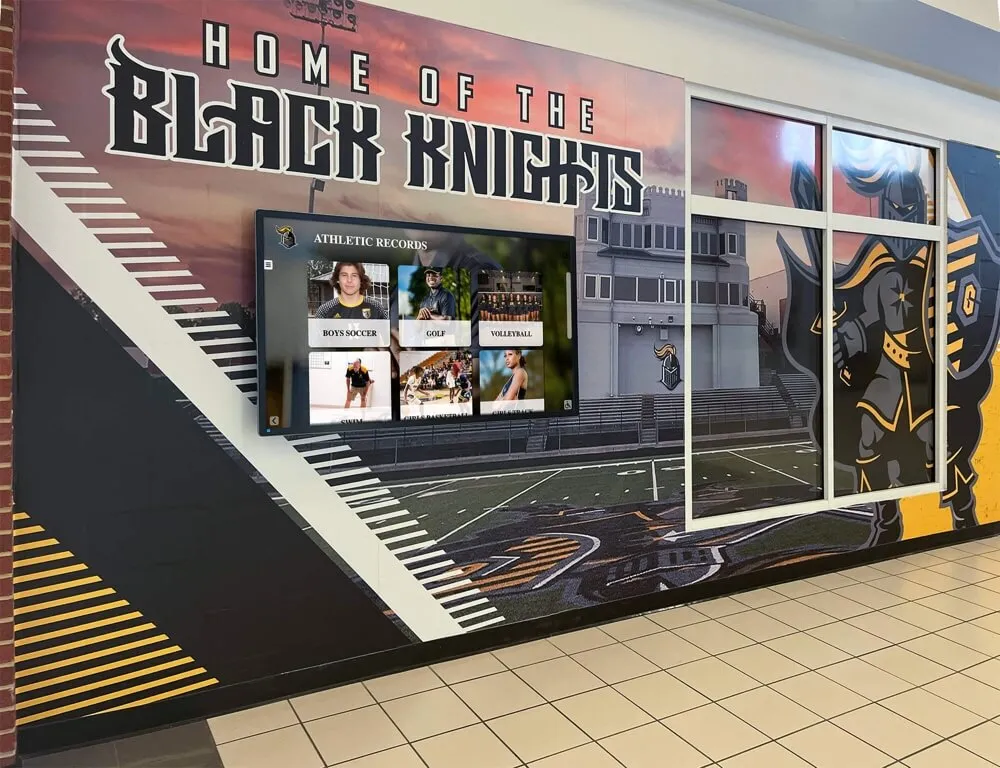
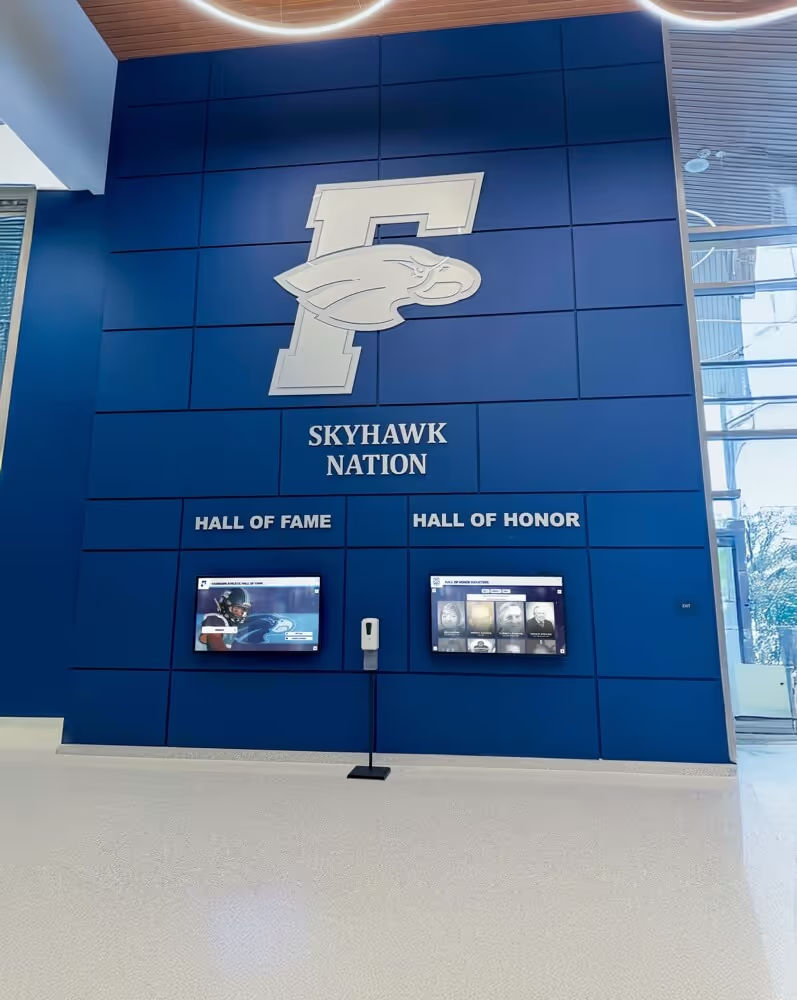
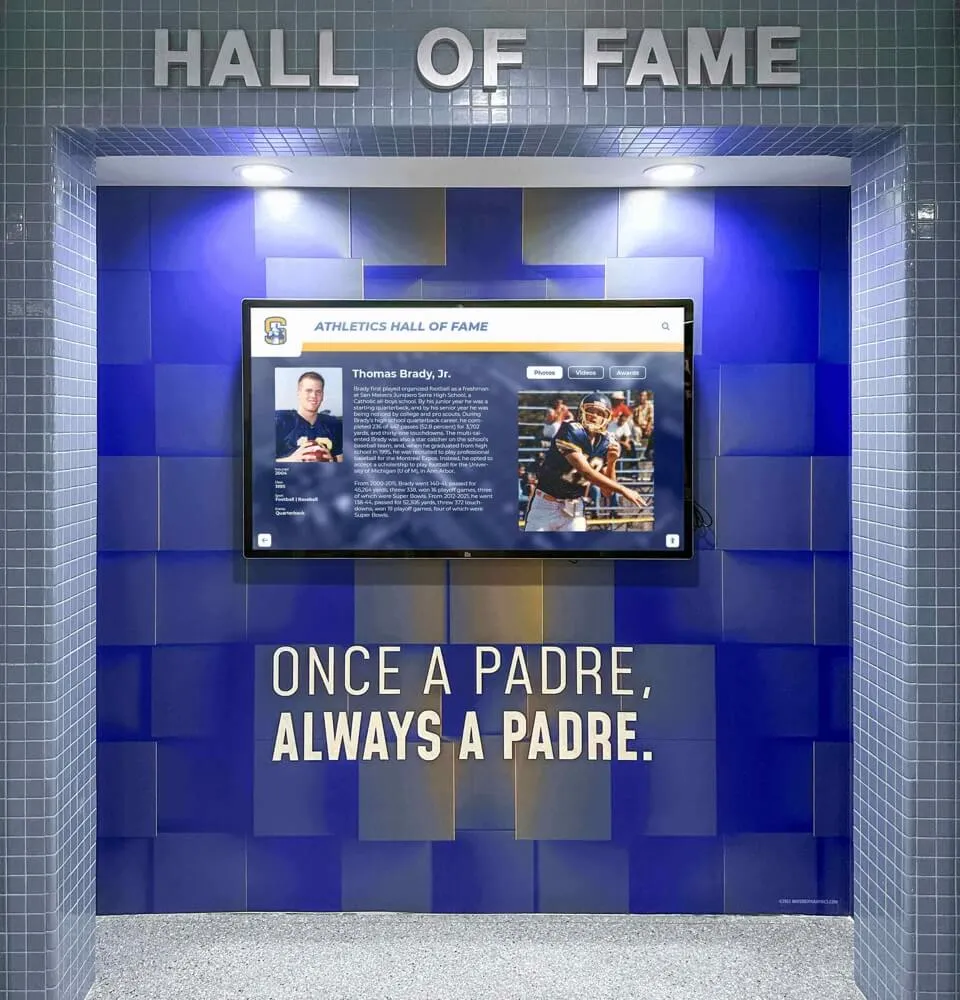
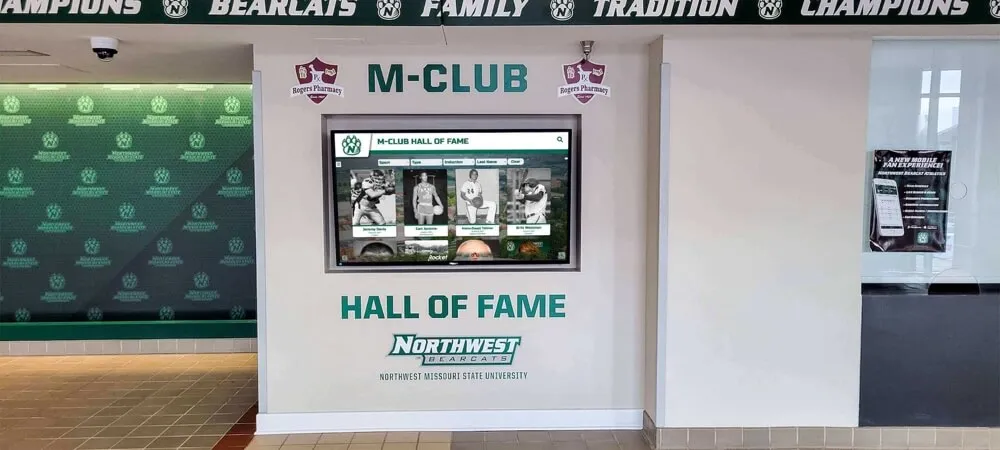
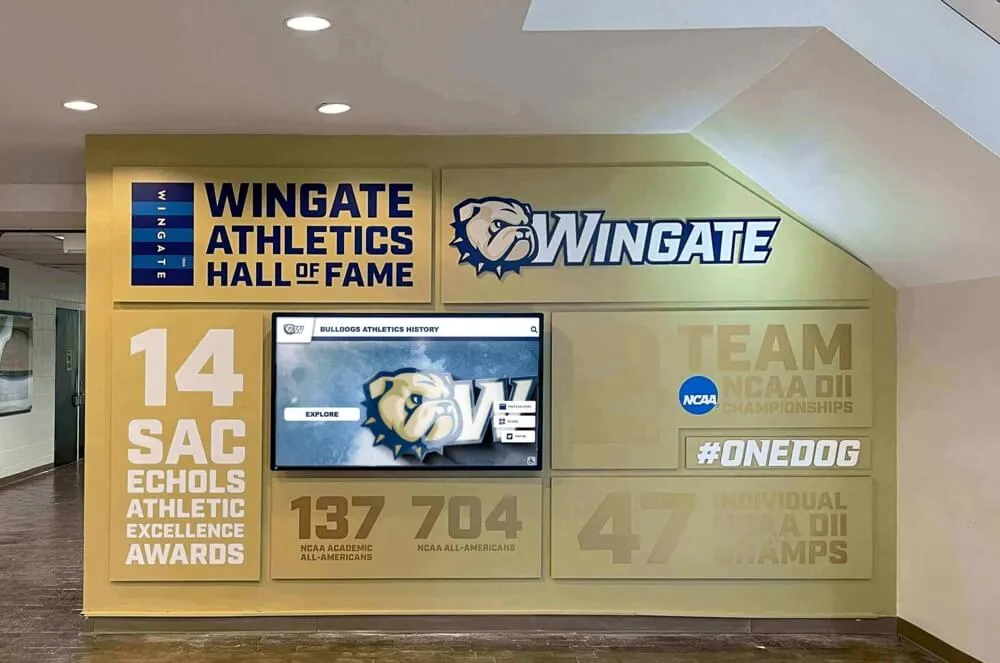
Permanent recognition displays complement assembly programs while providing year-round achievement visibility
Recognition Criteria and Award Selection Establish clear, equitable standards preventing confusion and disappointment:
Define comprehensive policies addressing:
- Academic honor roll threshold requirements and calculation methods
- Athletic award criteria and selection processes for subjective honors
- Fine arts recognition standards across different program areas
- Character and service award nomination and selection procedures
- Departmental award allocation ensuring equity across subjects
- Grade-level or school-wide recognition determining scope appropriately
- Multiple award limitations preventing single students monopolizing recognition
- Anonymous nomination processes enabling peer and faculty input
- Appeals procedures if families question award decisions
- Communication timing ensuring students and families receive advance notice
Clear criteria established early prevent last-minute challenges and ensure recognized students feel genuinely honored rather than arbitrarily selected.
Phase 2: Content Development (3-4 Weeks Before Assembly)
Recognition List Compilation Gather comprehensive achievement data across all program areas:
Systematically collect information including:
- Final grade calculations identifying academic honor roll recipients at all levels
- Athletic coaching staff recommendations for team and individual awards
- Fine arts director nominations for music, theater, and visual arts honors
- Club and activity advisor recommendations for organizational leadership awards
- Attendance records identifying perfect and excellent attendance achievements
- Service hour documentation for community service recognition
- Special program coordinators providing focused initiative honors
- Student and staff nominations for character and citizenship awards
- Graduating senior data including college acceptances and scholarships
- Staff milestone recognition for years of service and retirement acknowledgment
Multiple verification rounds ensure accuracy before public announcement, preventing embarrassing corrections undermining professional presentation.
Program Script Development Create detailed roadmap guiding smooth program flow:
Develop comprehensive script including:
- Opening remarks with welcoming message and program overview
- Recognition category introductions providing context for each award section
- Individual award presentations with names, achievements, and presenter assignments
- Transition language connecting different program segments smoothly
- Multimedia integration cues coordinating audio-visual elements precisely
- Time allocation for each section maintaining appropriate pacing
- Student speaker segments with prepared remarks or talking points
- Closing messages offering inspiration and summer wishes
- Contingency plans for technical difficulties or timing issues
Professional script development prevents awkward silence, confused transitions, and inconsistent messaging undermining otherwise excellent programming.
Multimedia Content Creation Develop engaging visual elements enhancing spoken recognition:
Produce quality content including:
- Opening video montage featuring memorable year highlights set to music
- Award category introduction slides providing visual interest during presentations
- Senior class video celebrating graduating students with photos and memories
- Athletic highlight reels showcasing championship moments and individual achievements
- Fine arts performance footage documenting theatrical productions and concerts
- Photo galleries from major school events throughout the academic year
- Teacher tribute videos recognizing retiring or honored educators
- Digital yearbook integration featuring candid moments and student life
- Social media compilation showcasing student-generated content perspectives
- Closing inspiration video sending students into summer with positive messages
Quality multimedia transforms passive award listings into emotionally engaging experiences students remember and share with families and social networks.
Explore comprehensive approaches to digital signage content that engages audiences effectively.
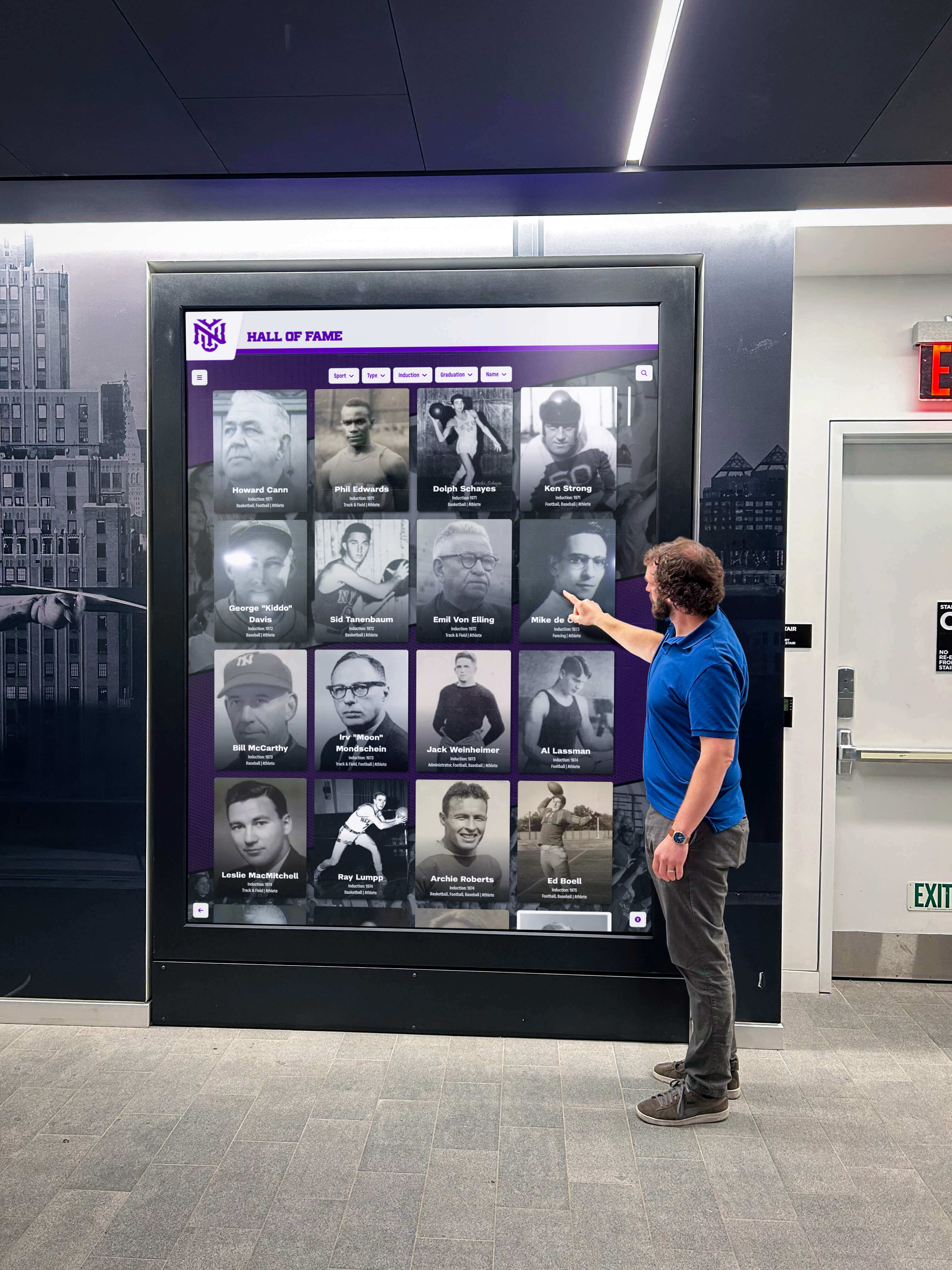
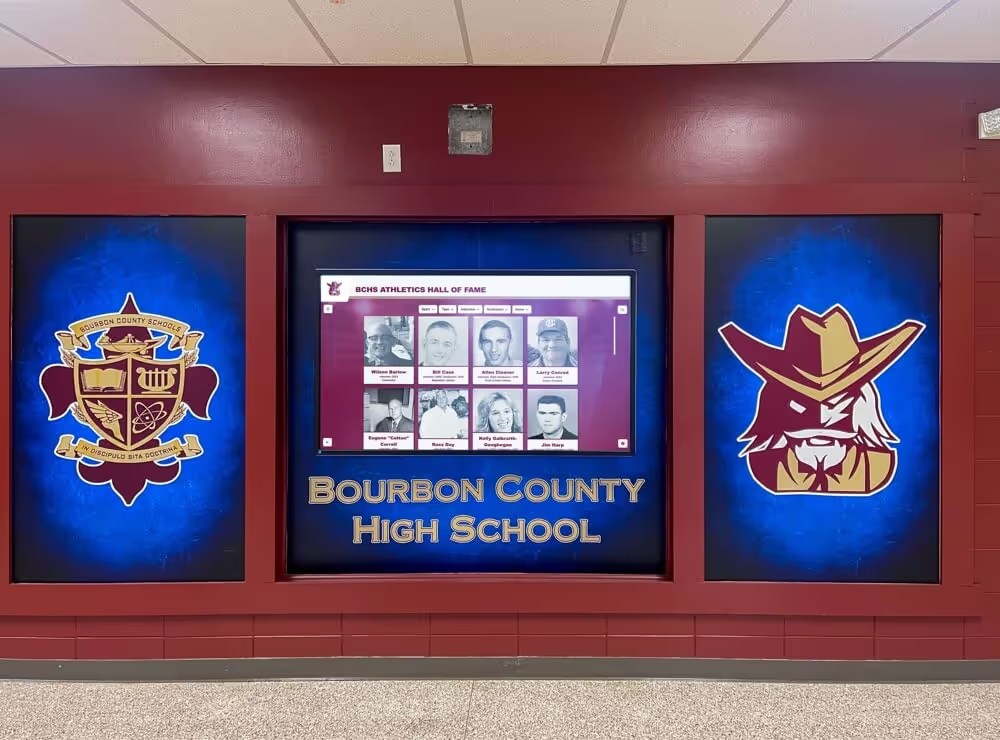
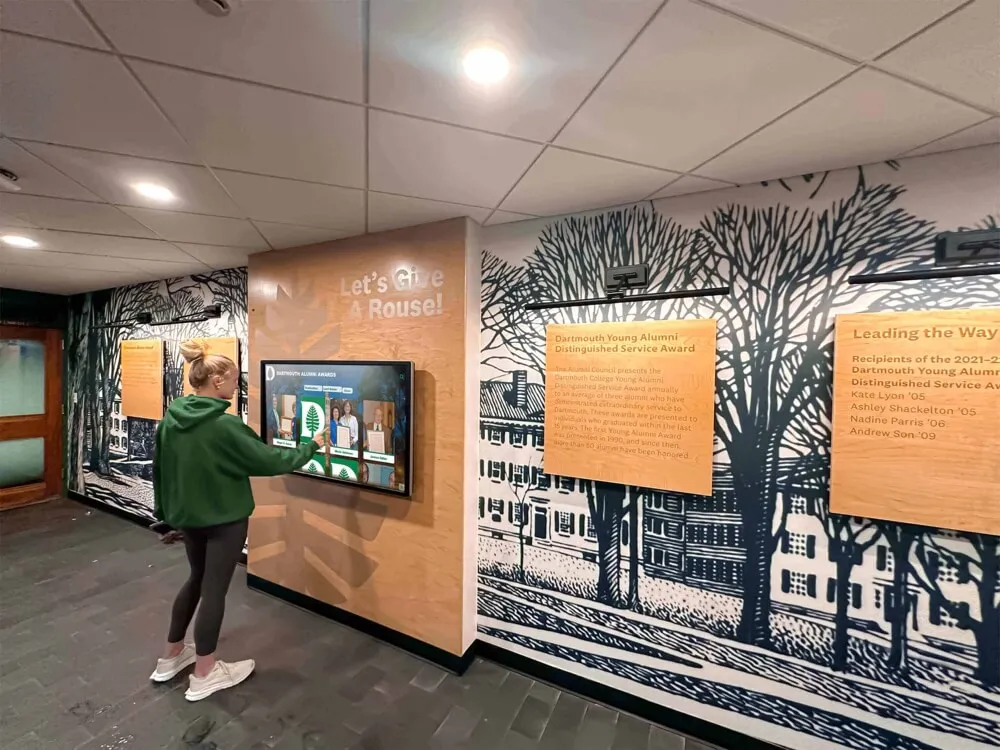
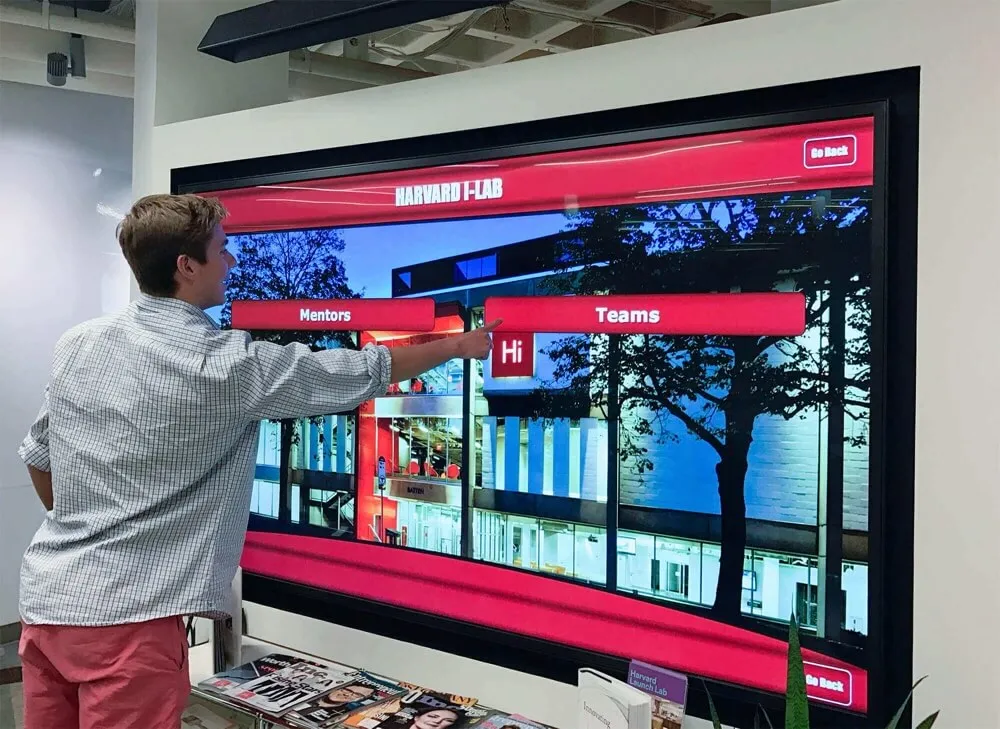
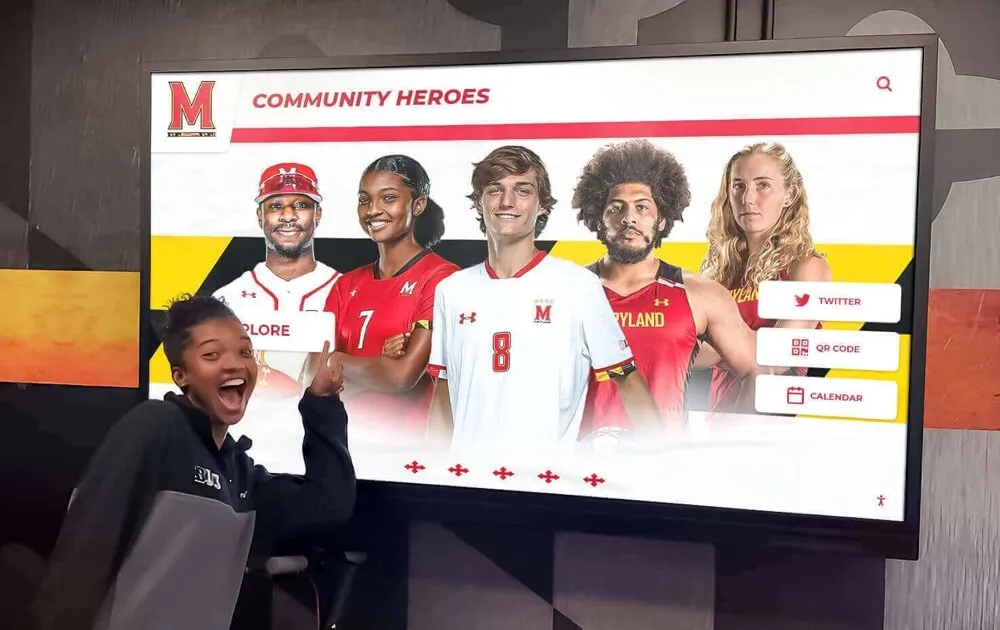
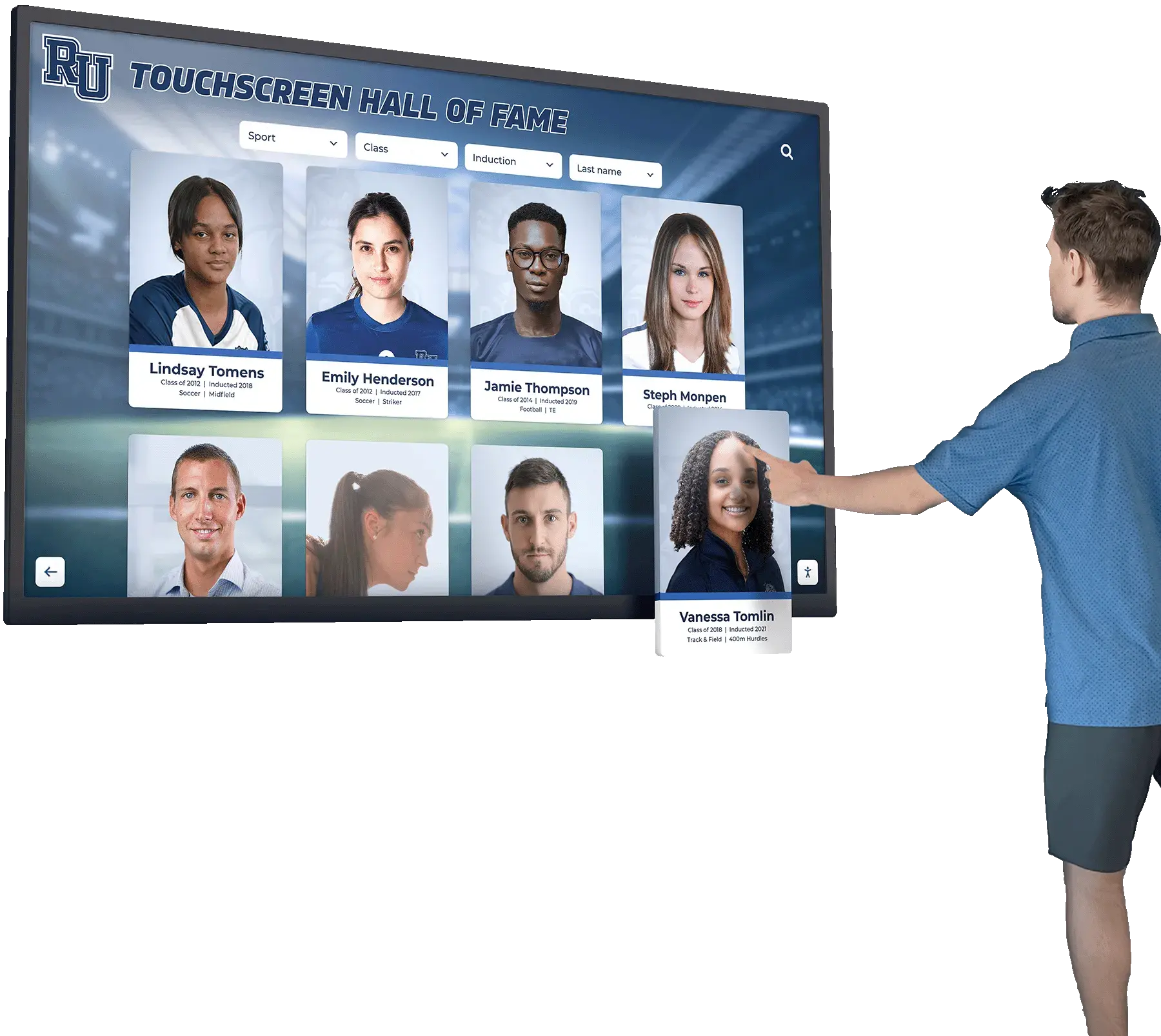
User-friendly interfaces enable audiences of all ages to explore achievements independently
Award Preparation and Organization Coordinate physical recognition elements ensuring smooth distribution:
Manage logistical details including:
- Award certificates or plaques prepared with accurate names and achievements
- Organization system sequencing awards matching program order
- Distribution volunteers staged appropriately for efficient presentation
- Backup recognition items replacing any damaged certificates or awards
- Photography coordination ensuring every honored student receives documentation
- Stage management planning entrances, exits, and positioning during presentations
- Special accommodation for students with mobility considerations
- Name pronunciation guides for presenters ensuring respectful acknowledgment
- Display easels or tables for showcasing awards during presentation
- Post-assembly distribution plans for students unable to attend
Attention to recognition logistics demonstrates respect for honored students while preventing embarrassing errors or awkward delays undermining professional presentation.
Phase 3: Rehearsal and Final Preparation (Week Before Assembly)
Technical Rehearsal and Systems Testing Prevent technology failures through comprehensive advance testing:
Verify complete technical setup including:
- Audio system functionality ensuring clear sound throughout entire venue
- Microphone testing for all speakers and presenters
- Video playback quality on all screens or projection systems
- Presentation slide transitions and display coordination
- Lighting appropriate for both presentations and audience visibility
- Internet connectivity if streaming or accessing cloud-based content
- Backup systems ready for rapid deployment if primary systems fail
- Volume levels appropriate for venue size and acoustics
- Timing run-through ensuring multimedia aligns with program segments
- Stage lighting for photography and video documentation
Technical rehearsals identify problems with time to solve them rather than discovering issues during actual assembly when corrections prove impossible.
Program Walkthrough and Timing Verification Ensure program duration matches available time and maintains appropriate pacing:
Conduct full rehearsal addressing:
- Complete program run-through from opening to closing
- Award presentation practice ensuring efficient recognition flow
- Student speaker rehearsal confirming preparation and timing
- Transition coordination between different program segments
- Entrance and exit staging preventing awkward pauses or congestion
- Photography positioning enabling documentation without disrupting flow
- Recognition of potential bottlenecks requiring procedure adjustments
- Total program duration verification ensuring schedule compliance
- Contingency activation if portions require trimming
- Presenter confidence building through practice and familiarity
Rehearsals reveal timing and flow issues invisible during planning, enabling adjustments creating polished final presentation.
Communication and Logistics Finalization Ensure all stakeholders understand expectations and responsibilities:
Finalize comprehensive details including:
- Honored student notification confirming attendance and awareness
- Family communication inviting attendance when space allows
- Staff role assignments with clear responsibility descriptions
- Student volunteer briefing for ushering, distribution, and support roles
- Schedule distribution to all participants including arrival expectations
- Dress code communication for presenters and honored students
- Photography permission verification for students appearing in media
- Accessibility accommodation confirmation for students requiring support
- Post-assembly celebration or reception coordination when planned
- Backup contact information for day-of questions or issues
Clear communication prevents confusion and no-shows while ensuring everyone arrives prepared to contribute to successful program.
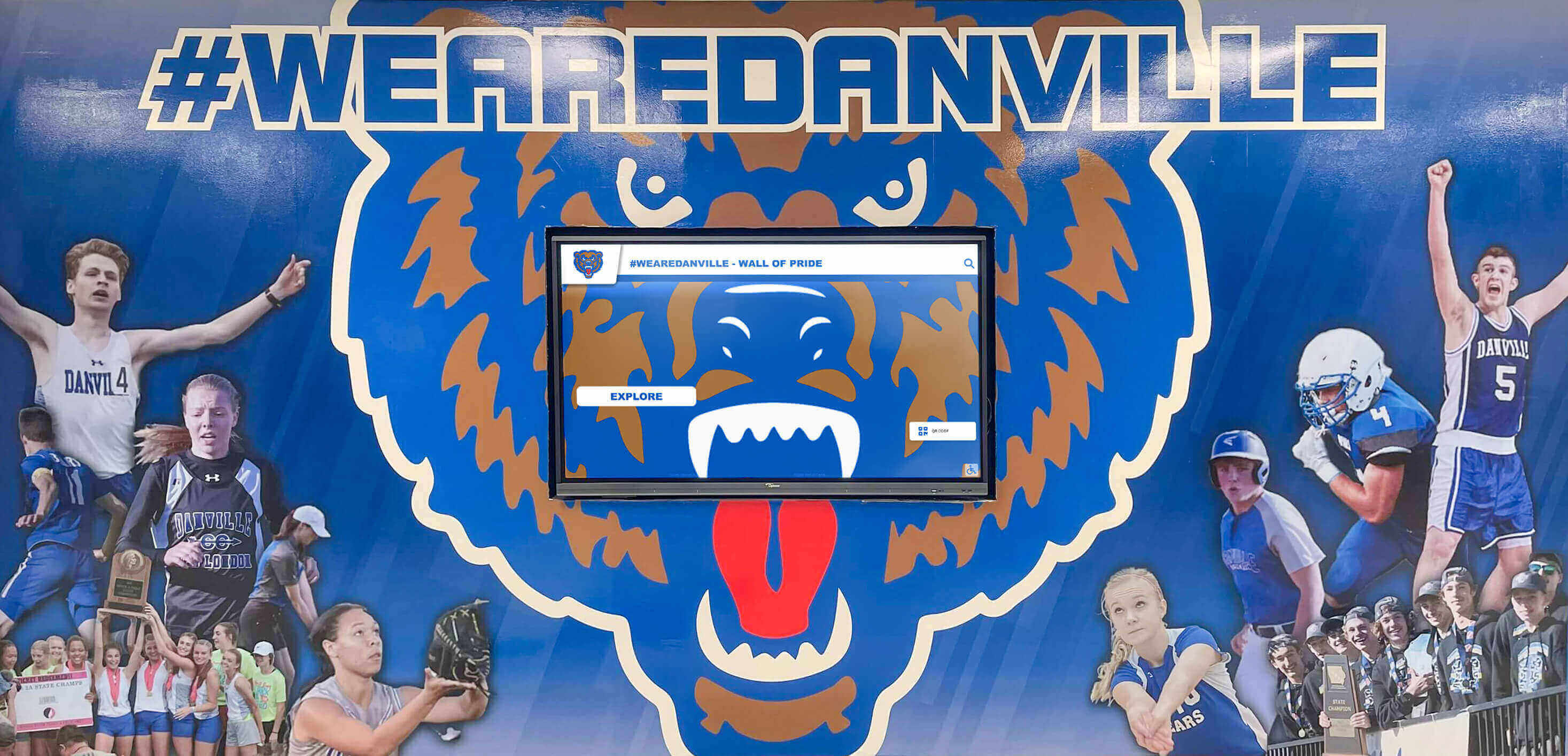
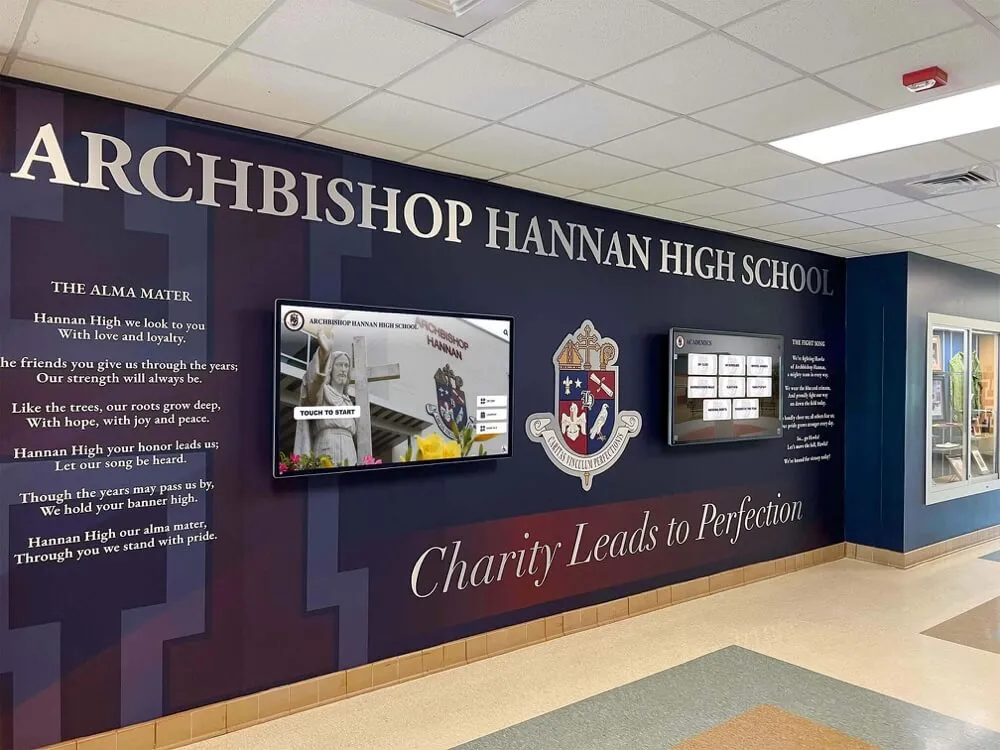
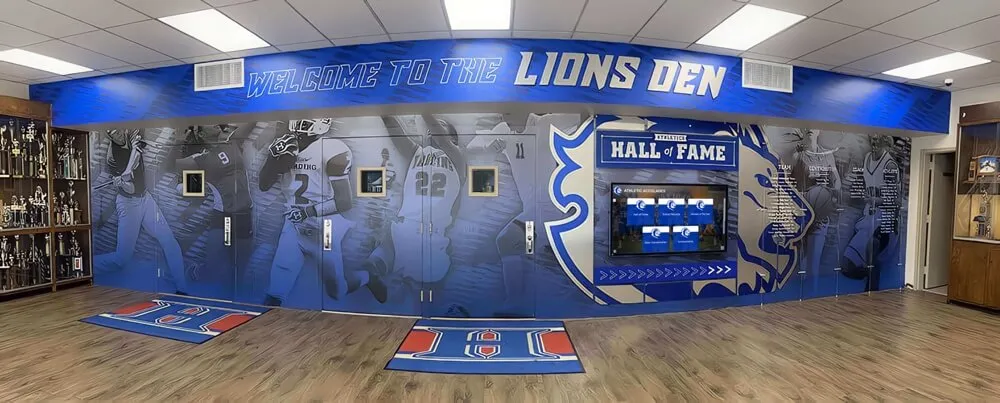
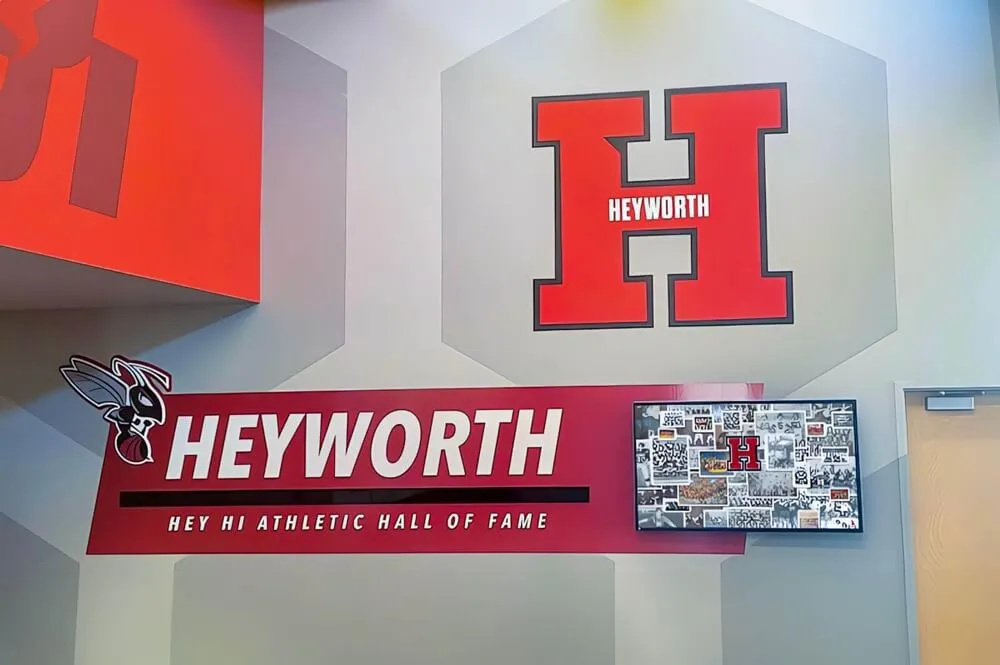
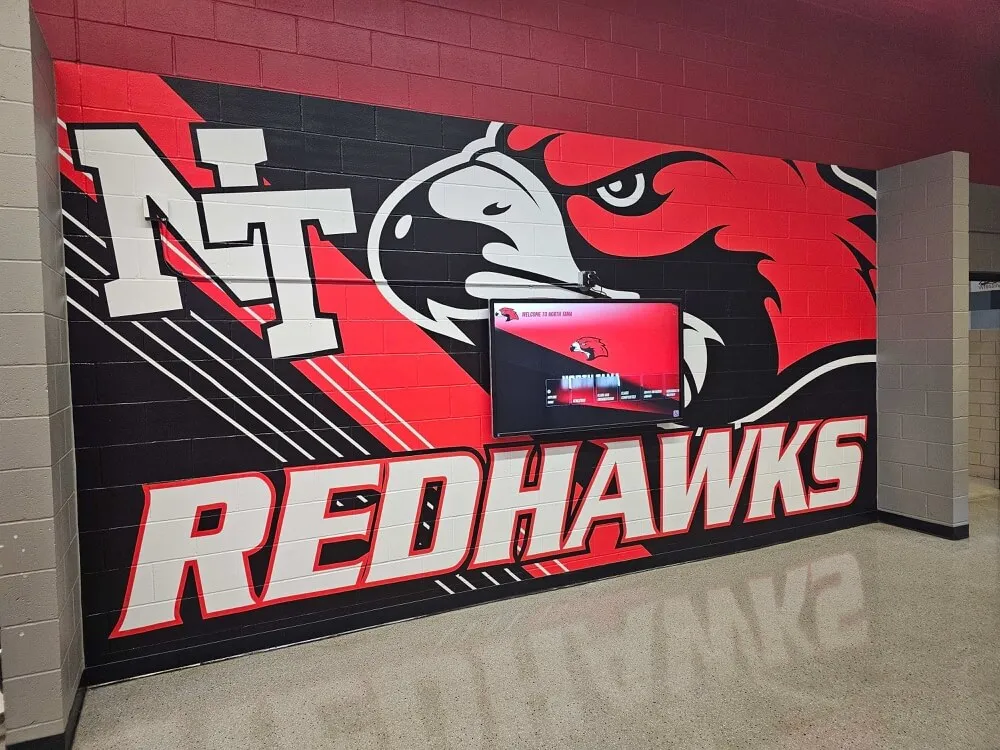
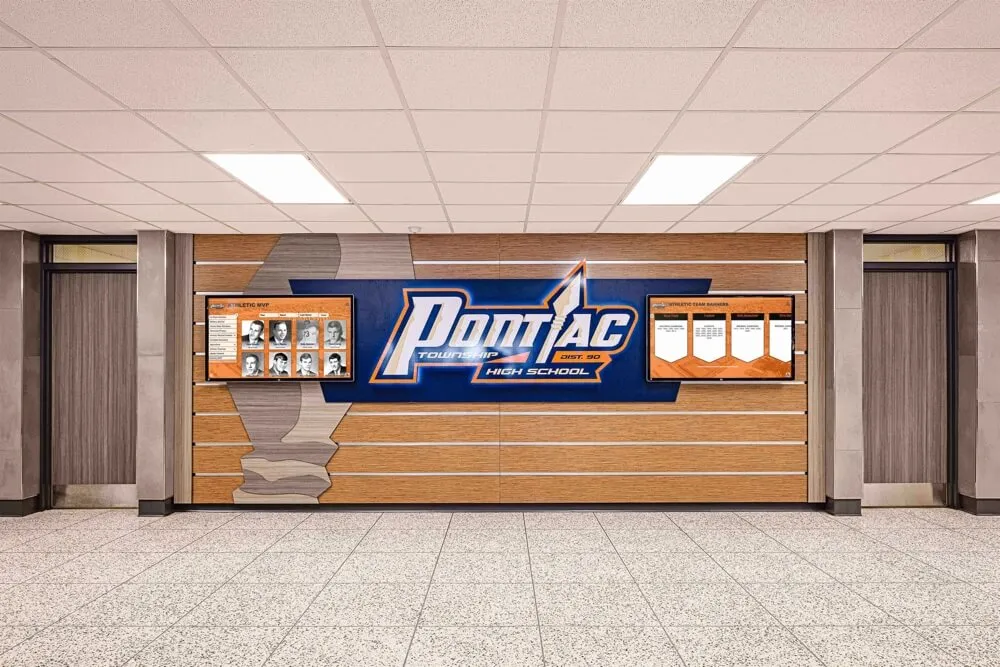
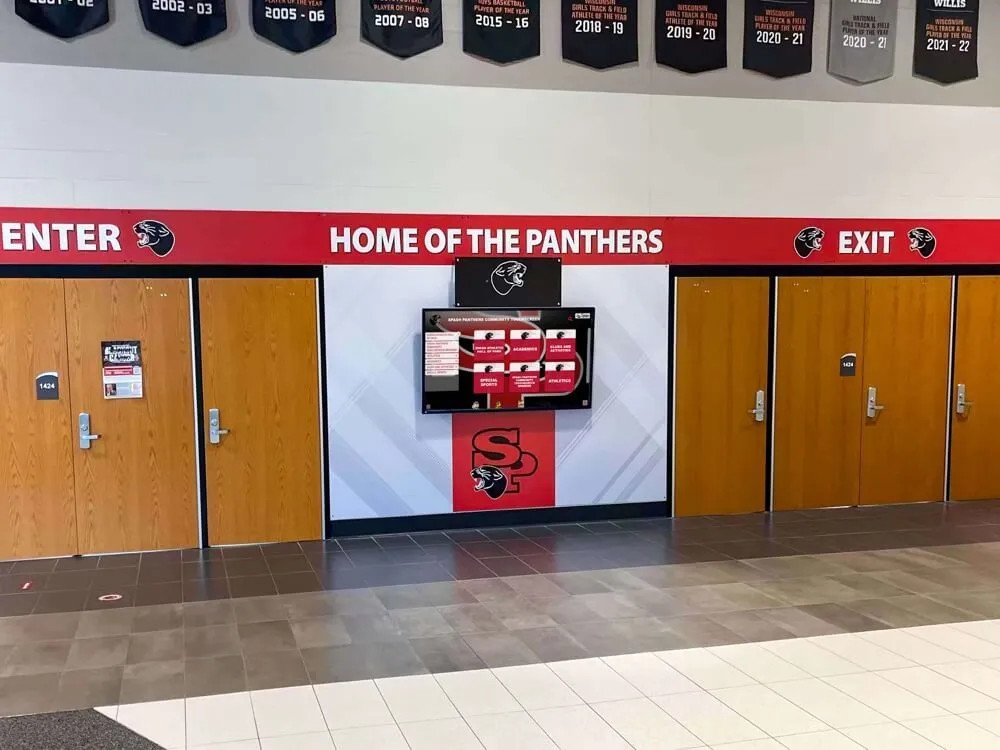
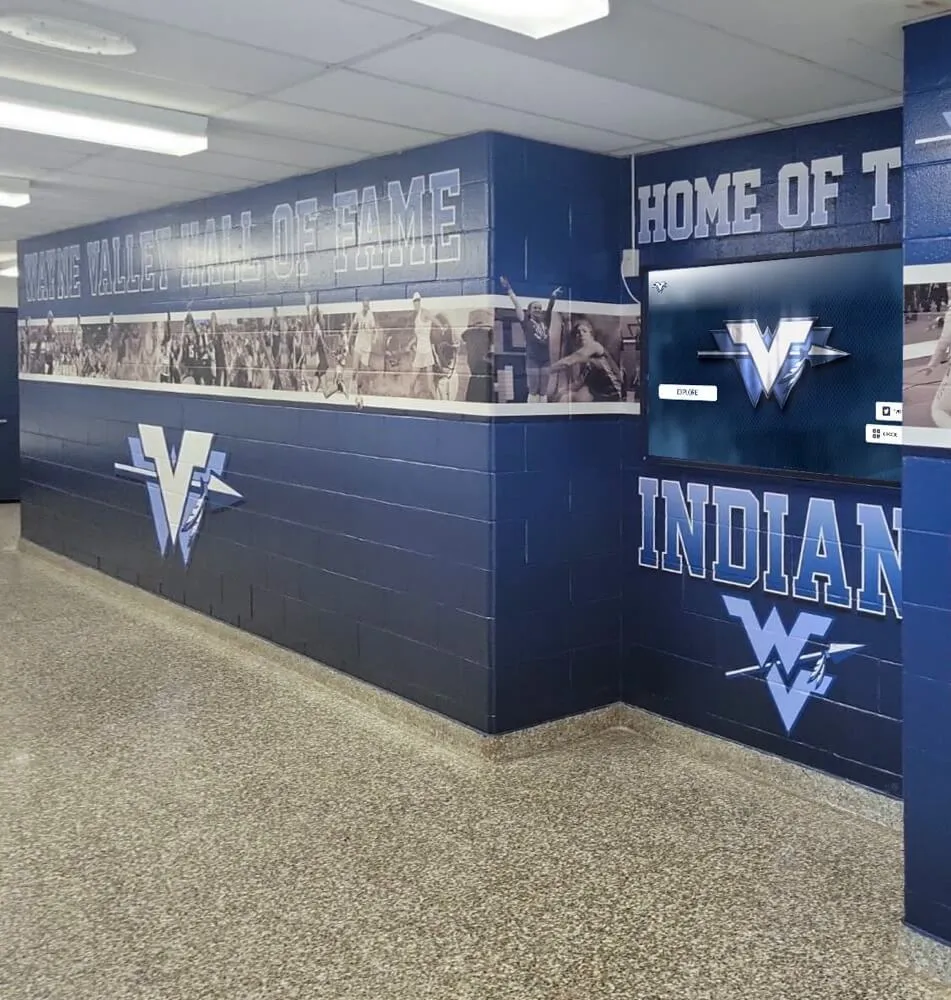
Coordinated visual branding throughout facilities creates professional institutional identity reinforcing pride
Phase 4: Assembly Execution and Follow-Up (Assembly Day and After)
Day-of Coordination and Management Execute professional program through attentive real-time coordination:
Manage assembly execution including:
- Early arrival ensuring setup completion before audience entry
- Final technical system verification confirming operational readiness
- Participant check-in confirming all honored students and presenters present
- Volunteer positioning at entrances, aisles, and stage areas
- Stage management coordinating presenter entrances and award distribution
- Time monitoring ensuring program maintains appropriate pacing
- Backup plan activation if issues emerge requiring adjustments
- Photography and video documentation capturing memorable moments
- Audience management addressing disruptions professionally
- Smooth closing and dismissal preventing chaotic conclusion
Calm, confident coordination during execution creates polished experience even when unexpected challenges emerge requiring real-time problem-solving.
Post-Assembly Documentation and Communication Extend assembly impact through thoughtful follow-up and recognition preservation:
Complete comprehensive follow-up including:
- Photo gallery compilation and distribution to families and community
- Award list publication on school website and communications
- Video highlight posting to social media and school channels
- News media outreach featuring exceptional achievements and recognition
- Thank you communications to volunteers, presenters, and participants
- Debrief meeting identifying successes and improvement opportunities
- Recognition display updates incorporating newly honored students
- Digital archive creation preserving this year’s assembly documentation
- Planning notes documentation guiding next year’s committee
- Budget review assessing costs and identifying efficiency opportunities
Thoughtful follow-up extends single-day impact while creating resources guiding future program improvement and documenting institutional achievement history.
Learn about year-round recognition approaches that complement assembly programs.
Display Integration: Extending Recognition Beyond Single Assembly
Strategic recognition display planning ensures achievements receive visibility extending beyond brief assembly acknowledgment, creating lasting impact on school culture and student motivation.
Permanent Recognition Display Systems
Year-Round Achievement Visibility Transform temporary assembly recognition into sustained celebration:
Solutions like digital recognition displays enable schools to showcase comprehensive achievements without physical space limitations:
- Academic honor roll displays updated each grading period celebrating intellectual excellence
- Athletic achievement walls documenting team championships and individual records
- Fine arts recognition highlighting performance excellence and competitive success
- Service and character awards emphasizing values alongside achievement
- Historical achievement archives connecting current students to institutional legacy
- Senior showcase areas celebrating graduating class accomplishments and destinations
- Teacher recognition honoring educator excellence and career milestones
- Perfect attendance tracking acknowledging consistency throughout academic year
Digital platforms provide unlimited recognition capacity ensuring every achievement category receives appropriate visibility without forcing impossible prioritization decisions inherent in limited physical display space.
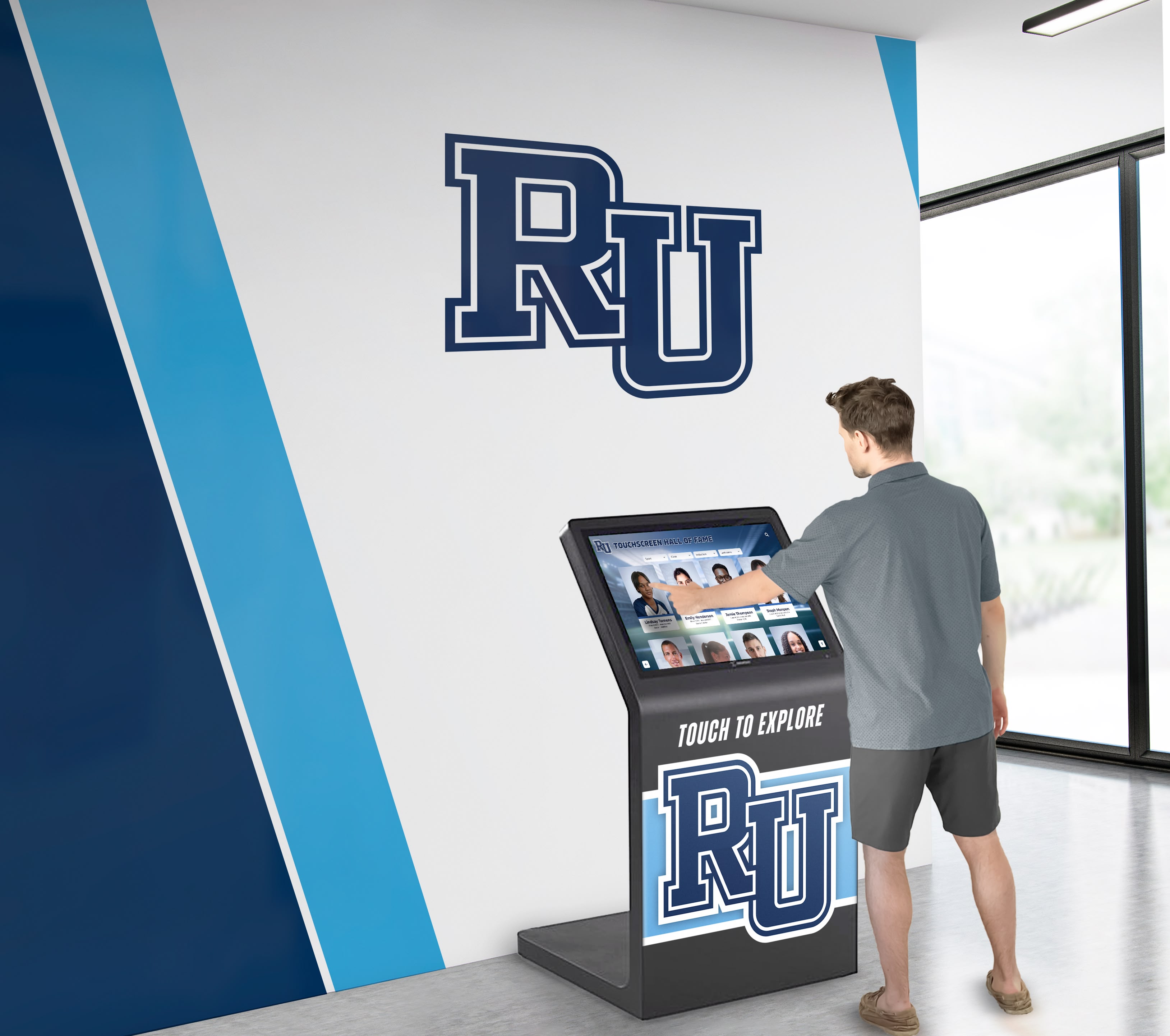
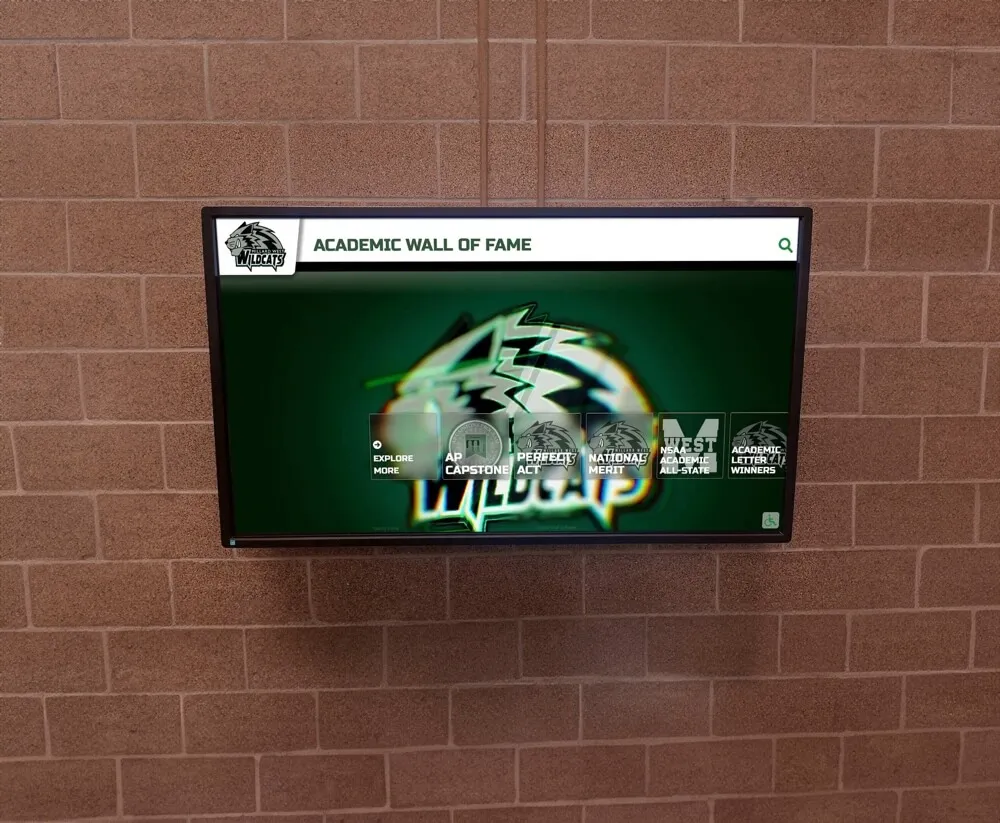
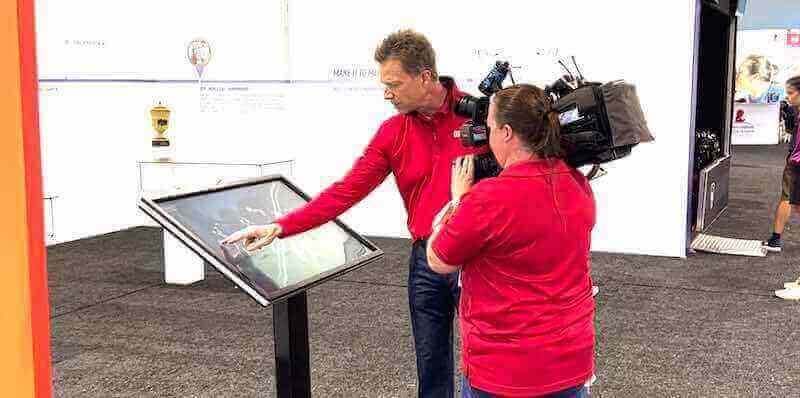
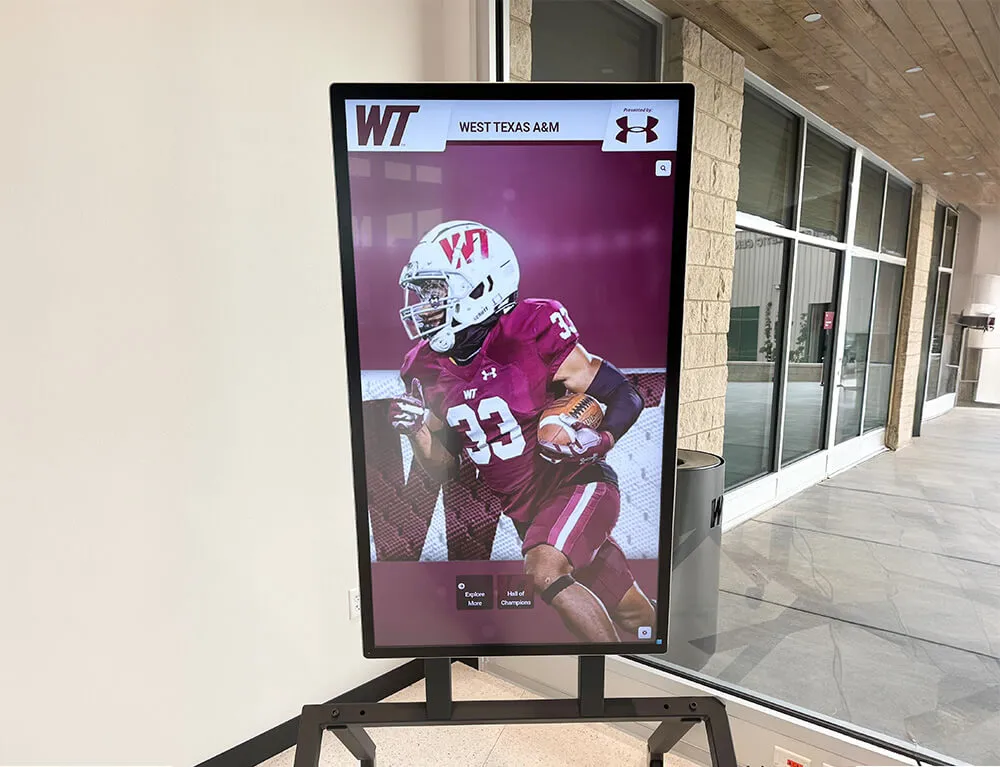
Interactive exploration enables students to discover achievements and school history independently
Strategic Display Placement Position recognition where students, families, and visitors encounter it naturally:
Optimize visibility through thoughtful placement in:
- Main entrance lobbies ensuring every visitor sees recognition immediately upon arrival
- Athletic facility entrances celebrating sports achievements in contextually appropriate locations
- Fine arts spaces honoring performing and visual arts excellence near relevant programs
- Cafeteria and common areas where students gather informally throughout school days
- Hallway intersections connecting high-traffic areas and program spaces
- Main office areas where families visit for official business and communication
- Classroom buildings showcasing academic achievement near instructional spaces
- Alumni centers connecting past and present achievement for returning graduates
Research from environmental psychology demonstrates that recognition placement in primary traffic paths generates significantly higher engagement than peripheral locations receiving minimal foot traffic.
Dynamic Content Integration
Real-Time Recognition Updates Maintain current, relevant content throughout academic year:
Implement systematic update workflows including:
- Quarterly honor roll updates reflecting current academic achievement
- Athletic season recognition celebrating recent championships and accomplishments
- Event highlight additions showcasing recent performances and competitions
- Student spotlight rotations featuring individual achievement stories regularly
- College commitment updates tracking senior acceptances throughout application season
- School news integration highlighting current initiatives and upcoming events
- Social media feed incorporation showcasing student-generated content perspectives
- Calendar integration promoting upcoming recognition events and assemblies
Cloud-based content management systems enable instant updates without requiring contractor engagement or physical modifications, maintaining recognition relevance throughout dynamic school years.
Explore comprehensive digital display solutions that engage school communities effectively.
Multimedia Storytelling Enhancement Transform name listings into engaging achievement narratives:
Enrich recognition through quality content including:
- Photo galleries documenting students in action during competitions and performances
- Video highlight reels showcasing athletic competitions and artistic performances
- Student testimony videos sharing personal achievement stories and gratitude
- Before-and-after documentation illustrating growth and skill development
- Behind-the-scenes content showing preparation and dedication behind achievement
- Teacher and coach perspectives providing context for recognized accomplishments
- Historical comparisons connecting current achievement to school record legacy
- Impact stories demonstrating how individual success contributes to broader community
Rich multimedia transforms abstract achievement into emotionally engaging stories that inspire other students while creating content families eagerly share on personal social networks.
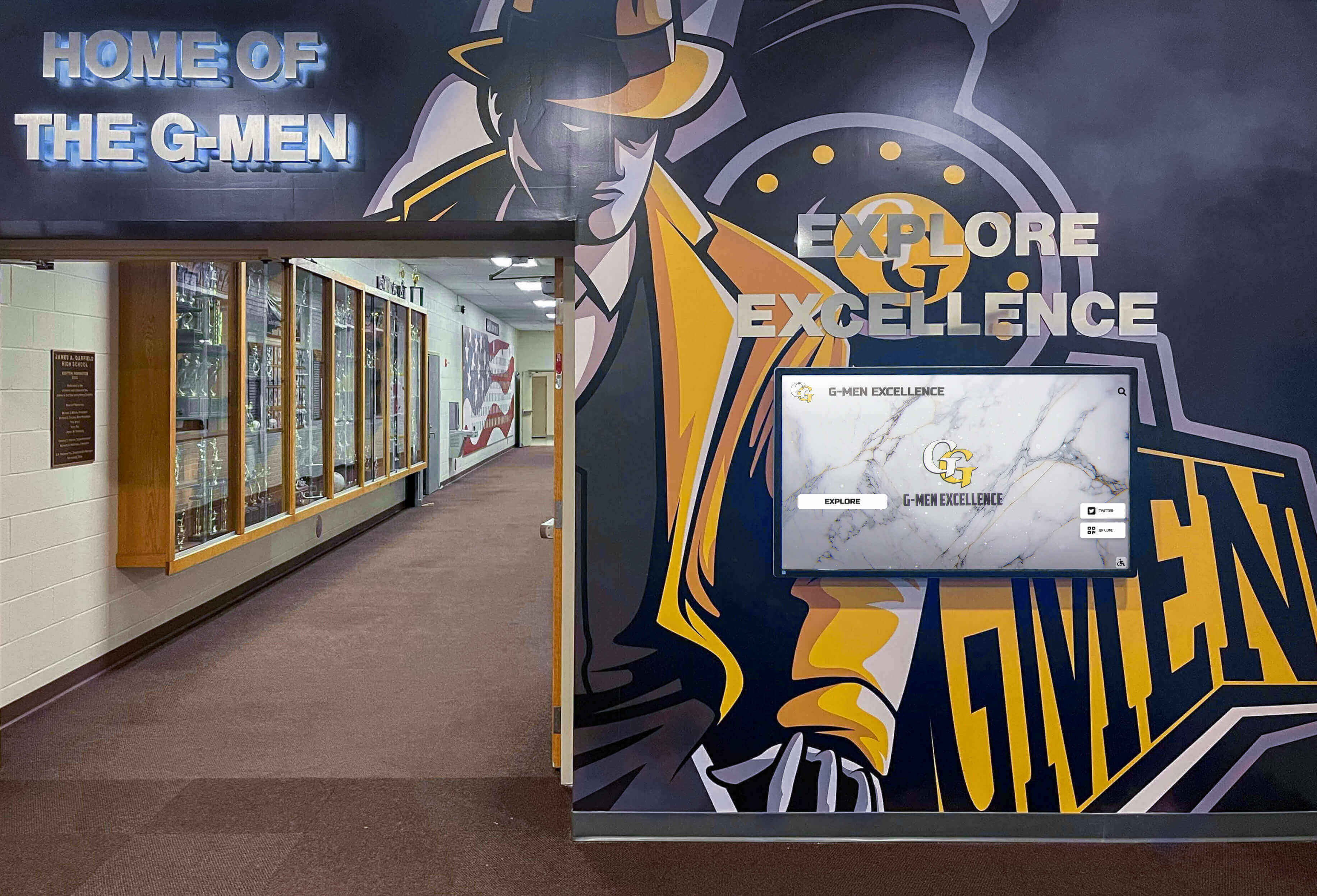
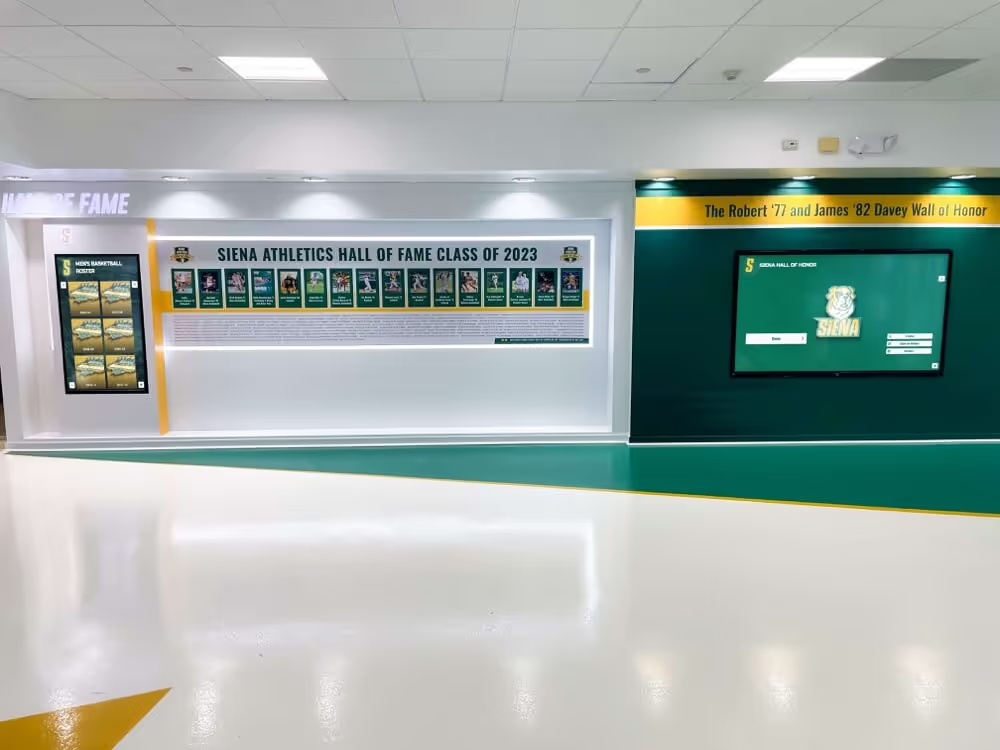
Coordinated display systems throughout facilities create comprehensive recognition presence
Special Considerations for Different Assembly Formats
End of year assembly approaches should adapt to school size, grade configuration, facility constraints, and community culture creating optimal experiences for specific institutional contexts.
All-School Assembly Considerations
Large Gathering Management Address challenges inherent in assembling entire student bodies:
Advantages of All-School Format
- Creates unified community experience celebrating collective achievement
- Maximizes efficiency presenting single program rather than multiple iterations
- Builds school-wide culture and shared identity across grade levels
- Enables impressive multimedia productions justifying significant preparation investment
- Facilitates senior sendoff creating emotional connection across student body
Challenges Requiring Mitigation
- Lengthy program duration testing audience attention and patience
- Recognition dilution with hundreds or thousands of awards creating marathon listings
- Grade-level engagement variance with content irrelevant to some audience segments
- Facility constraints requiring uncomfortable seating or poor sightlines
- Acoustic challenges in large spaces creating unclear audio
- Student behavior management across large diverse populations
Discover strategies for large school event programming that maintains engagement.
Grade-Level Assembly Approaches
Developmentally Appropriate Programming Smaller assemblies enable tailoring content to specific audiences:
Elementary School Considerations
- Shorter program duration respecting younger students’ attention spans (30-45 minutes maximum)
- Every student recognition ensuring inclusive participation rather than selective honors
- Interactive elements maintaining energy and engagement throughout program
- Parent attendance accommodation when space allows family celebration
- Age-appropriate presentations using visual elements and simple language
- Celebratory atmosphere emphasizing positivity and encouragement
- Clear schedule communication preventing confusion about timing expectations
Middle School Adaptations
- Identity-building focus celebrating diverse talents and contributions
- Peer recognition opportunities enabling student voice in acknowledgment
- Balance between serious recognition and lighthearted celebration matching adolescent culture
- Social-emotional emphasis honoring growth, resilience, and character
- Grade-level specific programming creating intimate rather than overwhelming experiences
- Technology integration reflecting students’ digital native preferences
- Transition messaging preparing students for next educational level
High School Priorities
- Comprehensive achievement recognition across sophisticated program portfolios
- Senior celebration prominence honoring graduating class appropriately
- College and career readiness emphasis connecting current achievement to future opportunity
- Student leadership involvement in program planning and execution
- Sophisticated multimedia reflecting mature audience expectations
- Alumni connection building relationships extending beyond high school
- Legacy and tradition emphasis connecting students to institutional history
Learn about comprehensive approaches to student leadership recognition throughout school years.
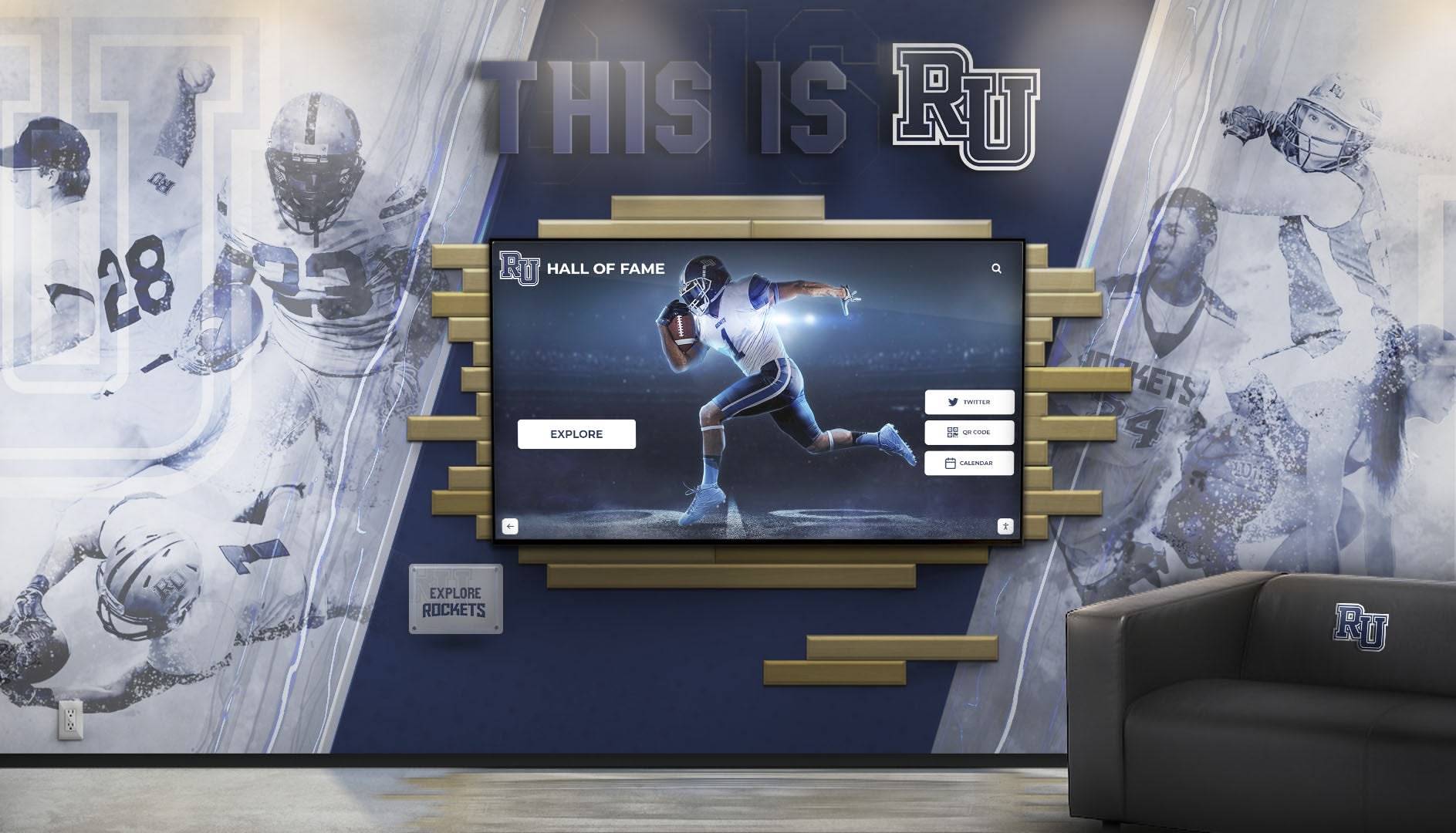
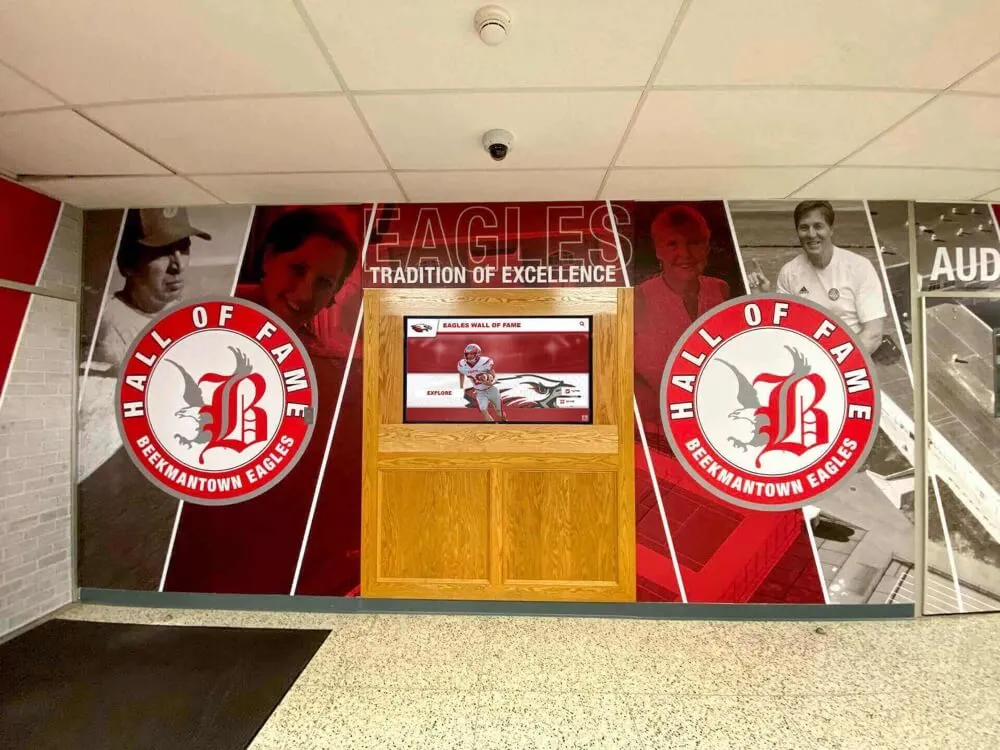
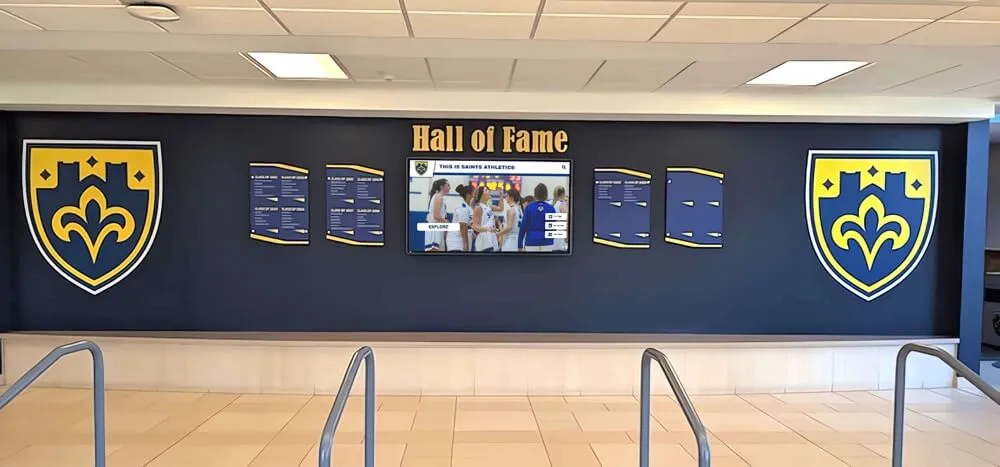
Contextually appropriate placement integrates recognition with relevant program spaces
Virtual and Hybrid Assembly Options
Technology-Enhanced Recognition Delivery Expand participation through digital platforms when space or circumstances require:
Virtual Assembly Advantages
- Unlimited family participation unrestricted by facility capacity
- Permanent recording enabling missed students to view later
- High production quality possible with professional editing
- Closed captioning and accessibility features supporting diverse needs
- Flexible viewing accommodating varied family schedules
- Reduced time constraints enabling comprehensive recognition without venue limitations
Virtual Format Challenges
- Reduced emotional energy lacking in-person collective experience
- Technology access disparities creating equity concerns
- Attention competition with home environment distractions
- Limited interaction preventing spontaneous celebration moments
- Production complexity requiring substantial technical expertise
Hybrid Approach Benefits Combine in-person and virtual elements maximizing both formats’ strengths:
- Small in-person gathering with honored students and families attending physically
- Livestream broadcast enabling broader community viewing remotely
- Pre-recorded content segments ensuring quality while incorporating live presentation elements
- Interactive features like digital congratulations enabling remote participant engagement
- Recorded archive providing permanent documentation families can revisit
Explore technology solutions supporting school event documentation and preservation.
Measurement: Assessing Assembly Impact and Effectiveness
Evaluation ensures assembly investments achieve intended celebration objectives while identifying improvement opportunities for future programs.
Immediate Assessment Metrics
Attendance and Participation Tracking Quantify engagement and reach:
- Student attendance rates compared to typical school day levels
- Family participation numbers when parents invited to attend
- Honored student presence ensuring recognized individuals actually receive awards
- Staff attendance demonstrating institutional priority and community support
- Student behavior quality indicating engagement level and program appropriateness
- Social media engagement and sharing reflecting student and family enthusiasm
- Post-event survey response rates showing willingness to provide feedback
Qualitative Feedback Collection
Stakeholder Satisfaction Assessment Understand assembly effectiveness from diverse perspectives:
Gather systematic feedback from:
- Students regarding engagement, fairness, and memorable moments through brief surveys
- Parents about communication quality, program length, and recognition appropriateness
- Staff concerning logistics, preparation burden, and program effectiveness
- Honored students specifically about recognition experience and personal meaning
- Administration assessing alignment with school values and strategic priorities
- Planning committee reflecting on process efficiency and collaboration quality
Questions should address:
- Overall satisfaction and program quality perception
- Recognition fairness and comprehensiveness across program areas
- Program length and pacing appropriateness
- Most memorable or impactful program elements
- Suggestions for improvement in future assemblies
- Technical quality of audio-visual elements
- Venue appropriateness and comfort
- Communication effectiveness before and after event
Long-Term Impact Indicators
Sustained Effects on School Culture Assess whether assembly programming influences broader community:
Monitor indicators including:
- Student pride and school spirit expressions following assembly
- Family engagement increases in subsequent school communications
- Social media sentiment and sharing patterns demonstrating enthusiasm
- Student motivation and goal-setting influenced by recognized peers
- Alumni connection strengthened through tradition and celebration
- Teacher morale reflecting appreciation and community recognition
- Enrollment retention and new family recruitment citing recognition culture
Schools viewing assemblies as strategic culture-building rather than obligatory events invest in systematic improvement guided by evidence rather than maintaining unchanged traditions regardless of effectiveness.
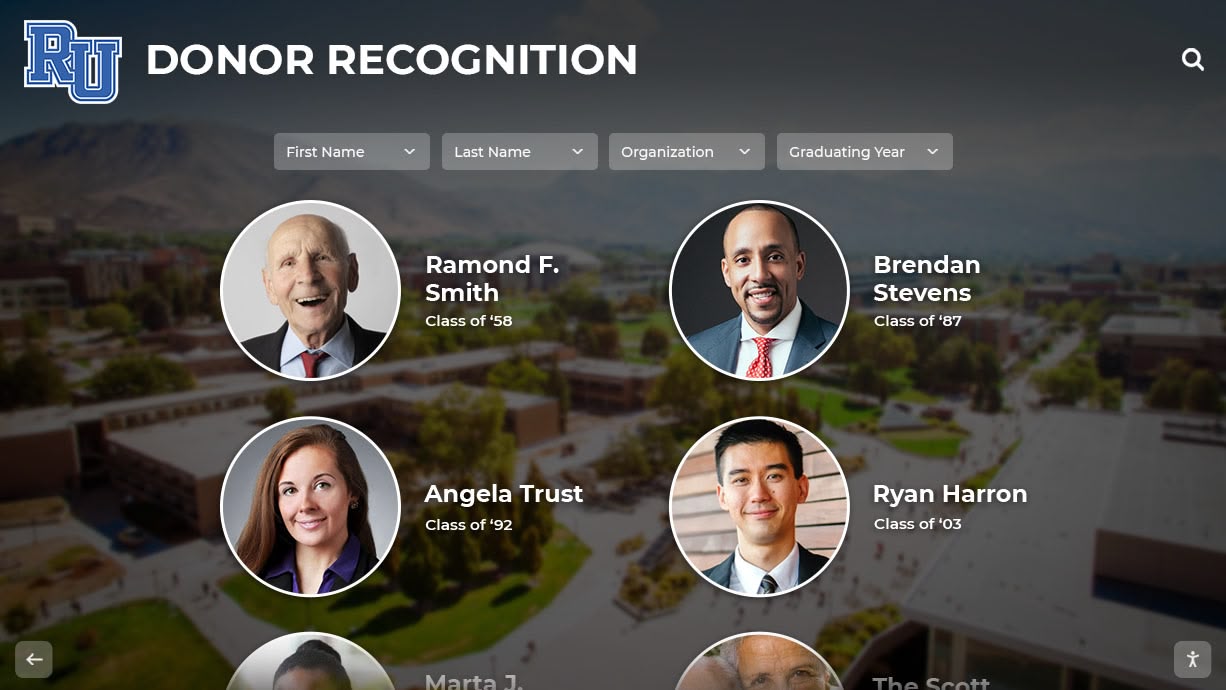
Professional recognition systems serve institutions effectively while honoring community contributions meaningfully
Conclusion: Creating Celebrations Worthy of Your School’s Achievements
End of year assemblies represent far more than administrative requirement or traditional obligation—they embody your school’s values, celebrate the remarkable achievements your community accomplished together, and send students into summer break feeling recognized, valued, and excited about returning for continued growth and success. When schools approach these final gatherings strategically, balancing comprehensive recognition with engaging presentation, honoring individual excellence alongside collective achievement, and investing in quality production reflecting institutional excellence, they create memorable experiences that genuinely celebrate learning while building lasting school pride and community connection.
The strategies explored throughout this comprehensive guide provide practical frameworks for designing assemblies serving both celebration and inspiration objectives effectively. From developing inclusive recognition criteria honoring diverse talents to coordinating seamless technical execution creating professional presentations, these proven approaches enable schools building year-end traditions worthy of their students’ remarkable accomplishments and your educators’ dedicated efforts.
Ready to transform your school’s recognition programs and assembly presentations? Modern digital display solutions help schools celebrate achievements comprehensively while creating engaging experiences that inspire students and build lasting institutional pride. Solutions like Rocket Alumni Solutions provide comprehensive platforms specifically designed for educational recognition, combining unlimited capacity with intuitive content management and professional displays that honor every student meaningfully while extending recognition impact far beyond single assembly events.
Whether planning your first formal end of year assembly or enhancing established traditions, success requires thoughtful programming addressing every student across all achievement categories, engaging multimedia bringing accomplishments to life authentically, efficient pacing respecting audience attention while honoring students appropriately, and genuine commitment to celebration rather than merely processing awards distribution.
Your students deserve end of year experiences reflecting the remarkable growth, achievement, and community they built throughout the academic year. With strategic planning, appropriate technology investment, and authentic commitment to comprehensive recognition celebrating every contribution, you can create assemblies students remember throughout summer and return discussing with pride when school resumes.
The most successful schools understand that recognition extends beyond single events—year-round visibility through permanent displays, ongoing communication celebrating achievement as it occurs, and systematic appreciation building culture where excellence receives consistent acknowledgment. End of year assemblies represent culminating celebrations within broader recognition ecosystems honoring students continuously rather than exclusively during scheduled ceremonies.
Start planning your memorable assembly today by forming diverse committees ensuring inclusive perspective, establishing clear recognition criteria treating all students fairly, developing engaging program content maintaining audience attention, and investing in quality multimedia production creating polished presentations. Your school community accomplished remarkable things this year—celebrate those achievements in ways worthy of the dedication, growth, and excellence your students and educators demonstrated every single day.
Every student who leaves your assembly feeling celebrated, every family who shares photos on social media with pride, every educator who feels appreciated for their contribution validates the strategic importance of thoughtful end of year programming. Make your final gathering count.