



Elementary school yearbooks capture fleeting childhood moments that families treasure for decades. The cover sets the tone for every memory inside—it’s the first impression, the lasting image, and the visual anchor that transforms a collection of photos into a cherished keepsake. A thoughtfully designed cover doesn’t just look attractive; it encapsulates the unique personality of a school year, celebrates student identity, and creates instant recognition that makes graduates smile when they rediscover their yearbook years later.
Yet yearbook committees often struggle with cover design, cycling through generic templates that fail to capture their school’s distinctive character. Time constraints push committees toward safe, forgettable choices. Limited design experience makes creative concepts feel overwhelming. Budget restrictions seem to demand compromise on quality. The pressure to please everyone—students, parents, teachers, and administrators—can paralyze decision-making and result in covers that satisfy no one.
This comprehensive guide presents 30 elementary school yearbook cover ideas organized by theme category, offering practical inspiration that sparks creativity while remaining achievable for committees with varying design skills and budgets.
Elementary yearbook covers succeed when they balance visual appeal with meaningful connection to the school year they represent. The most memorable covers capture authentic school spirit, incorporate student voices, reflect the specific experiences of that academic year, and maintain professional design standards that ensure the yearbook remains a treasured keepsake rather than an embarrassing artifact.

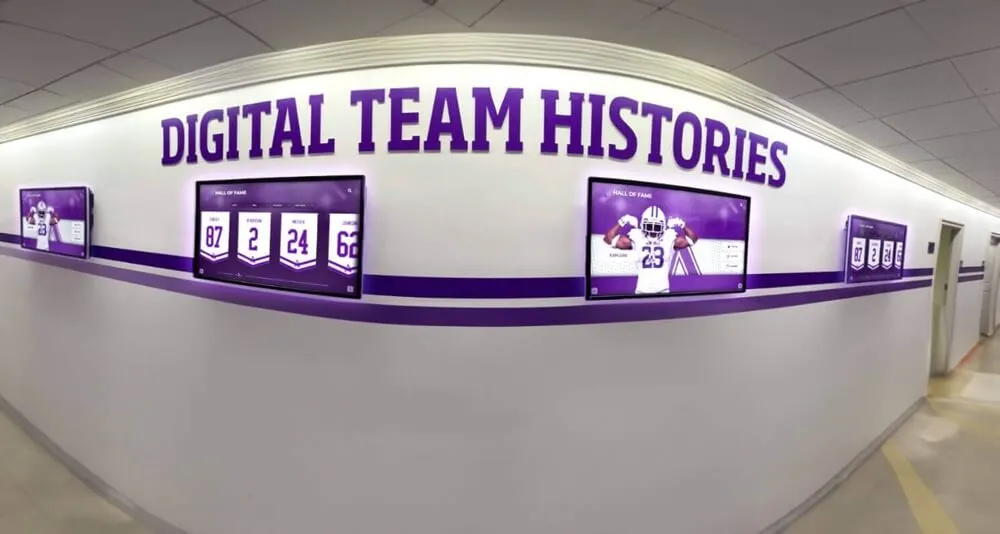
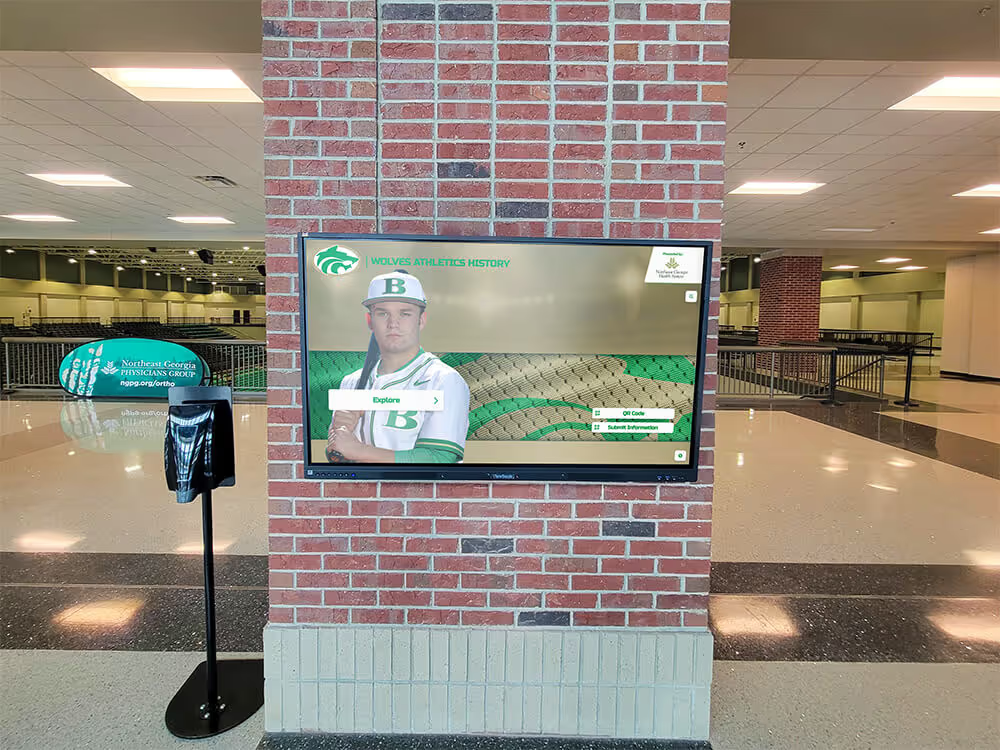
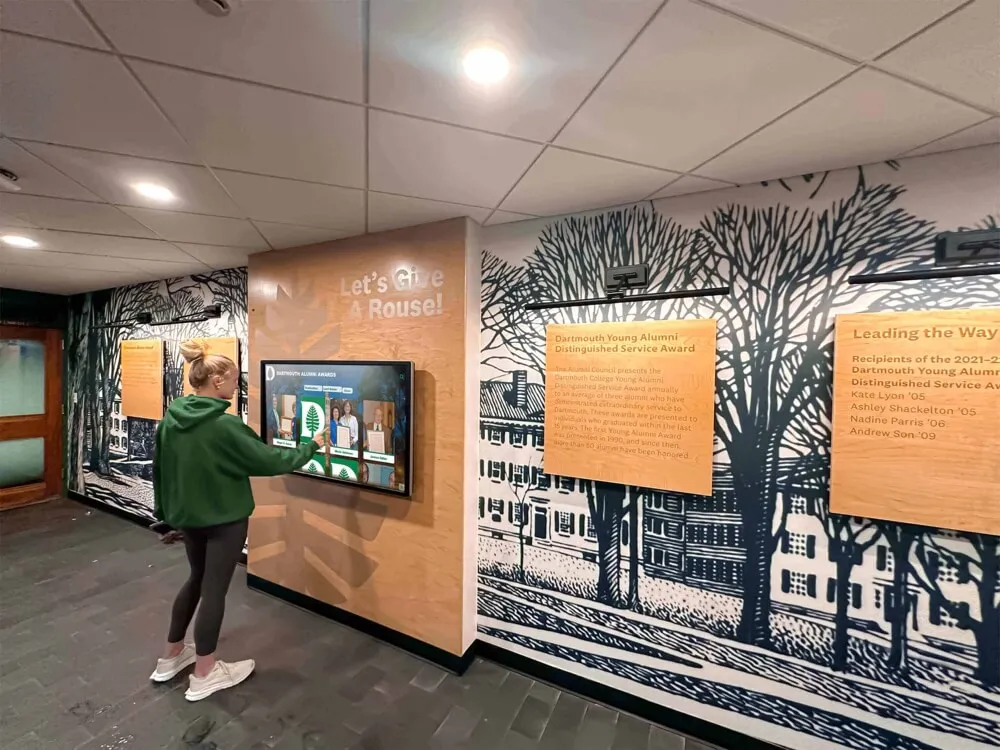
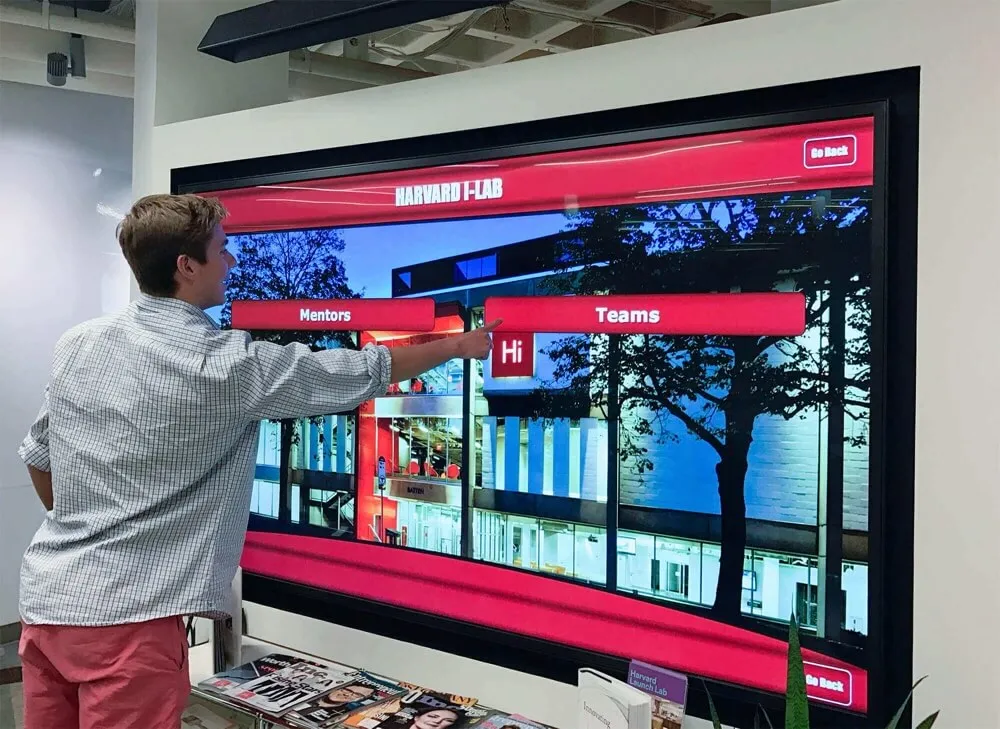
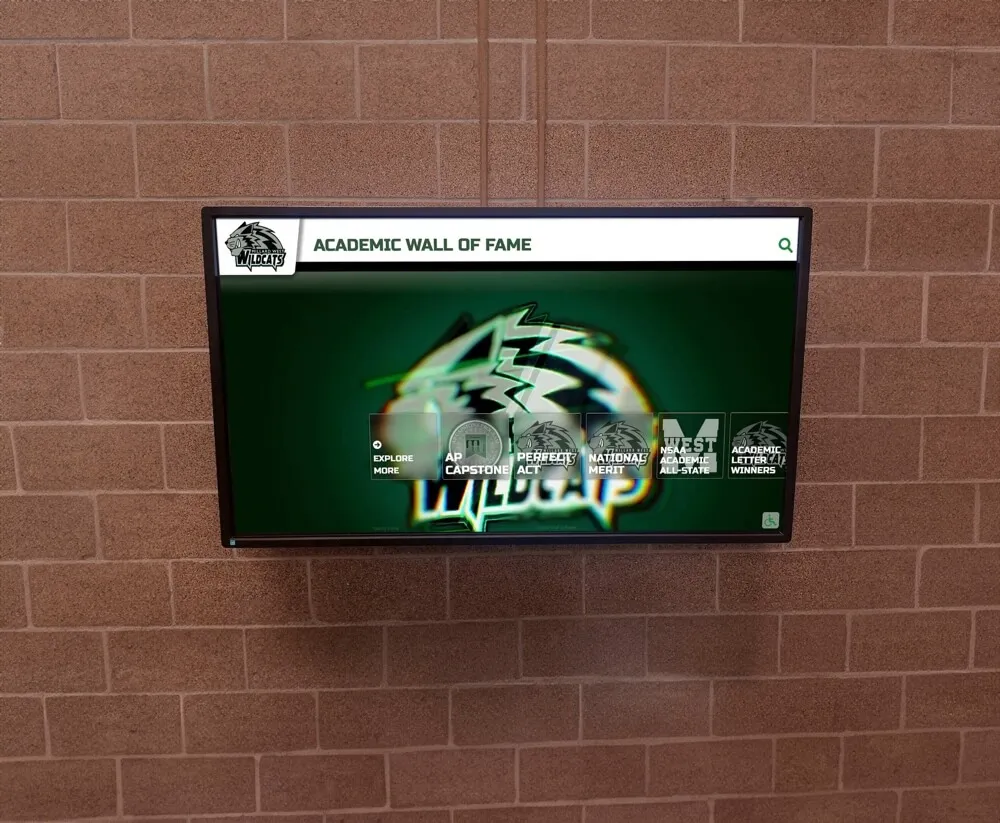
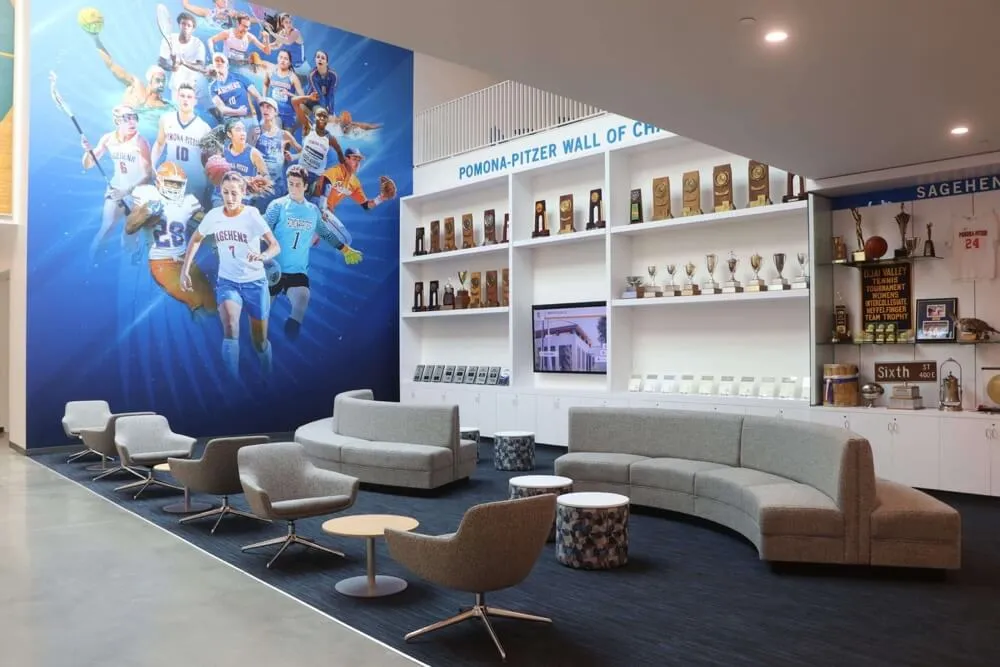
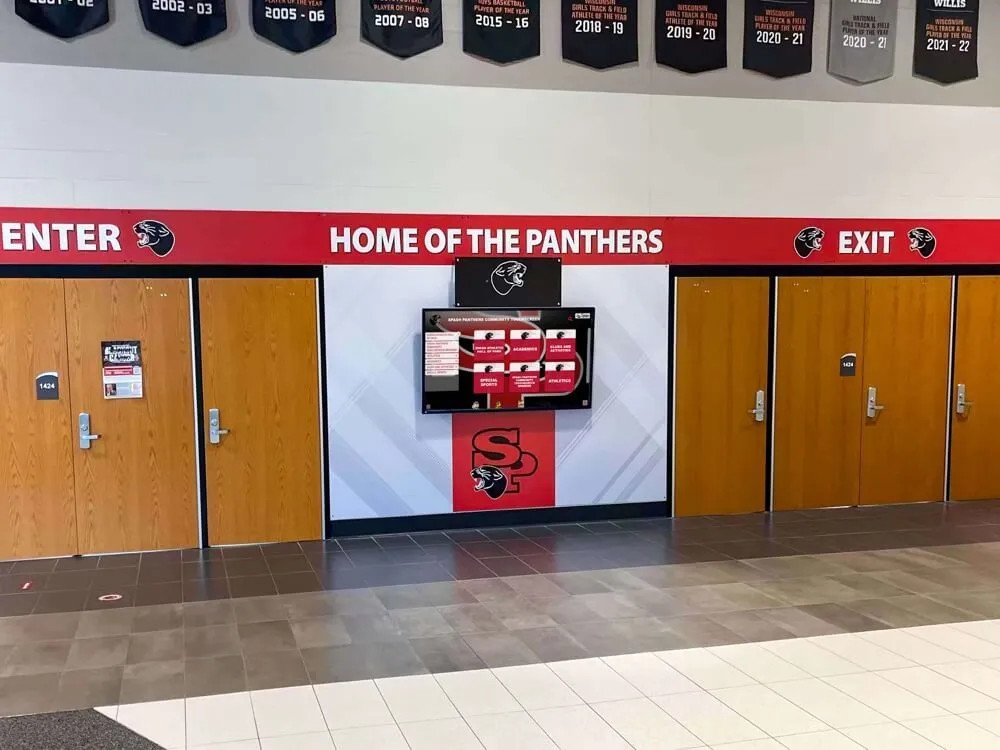
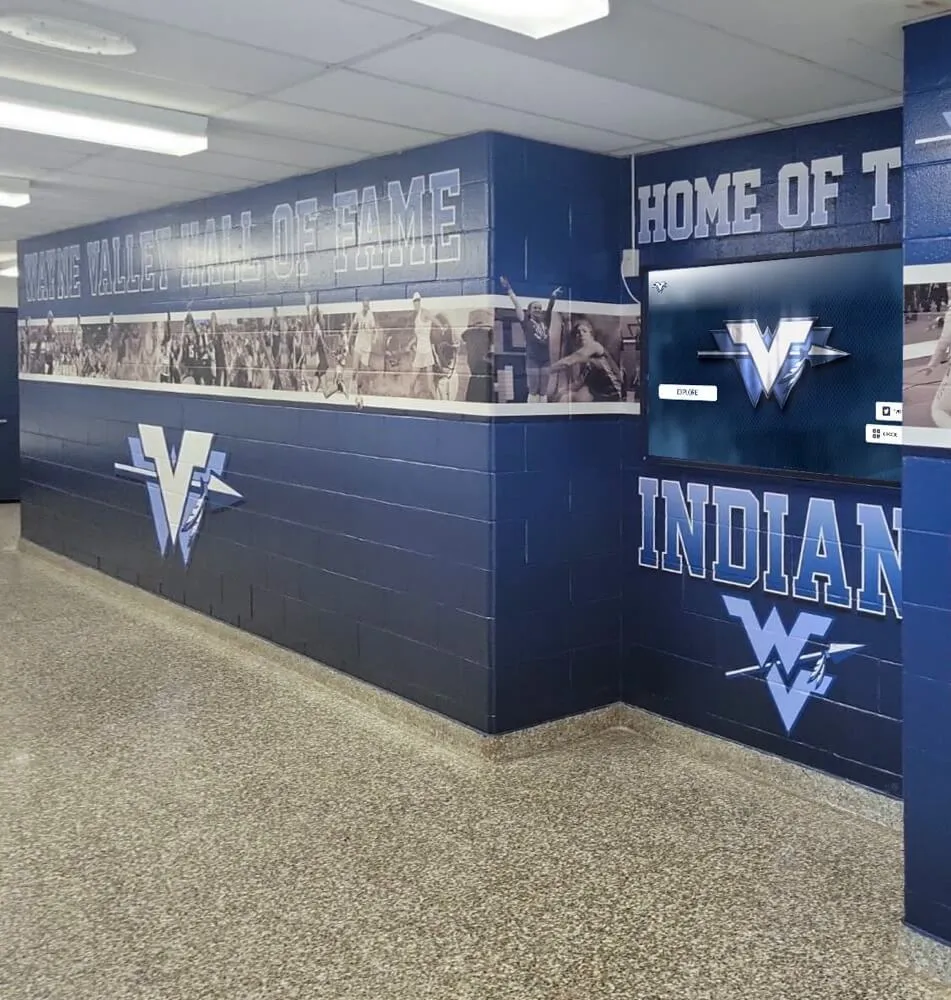
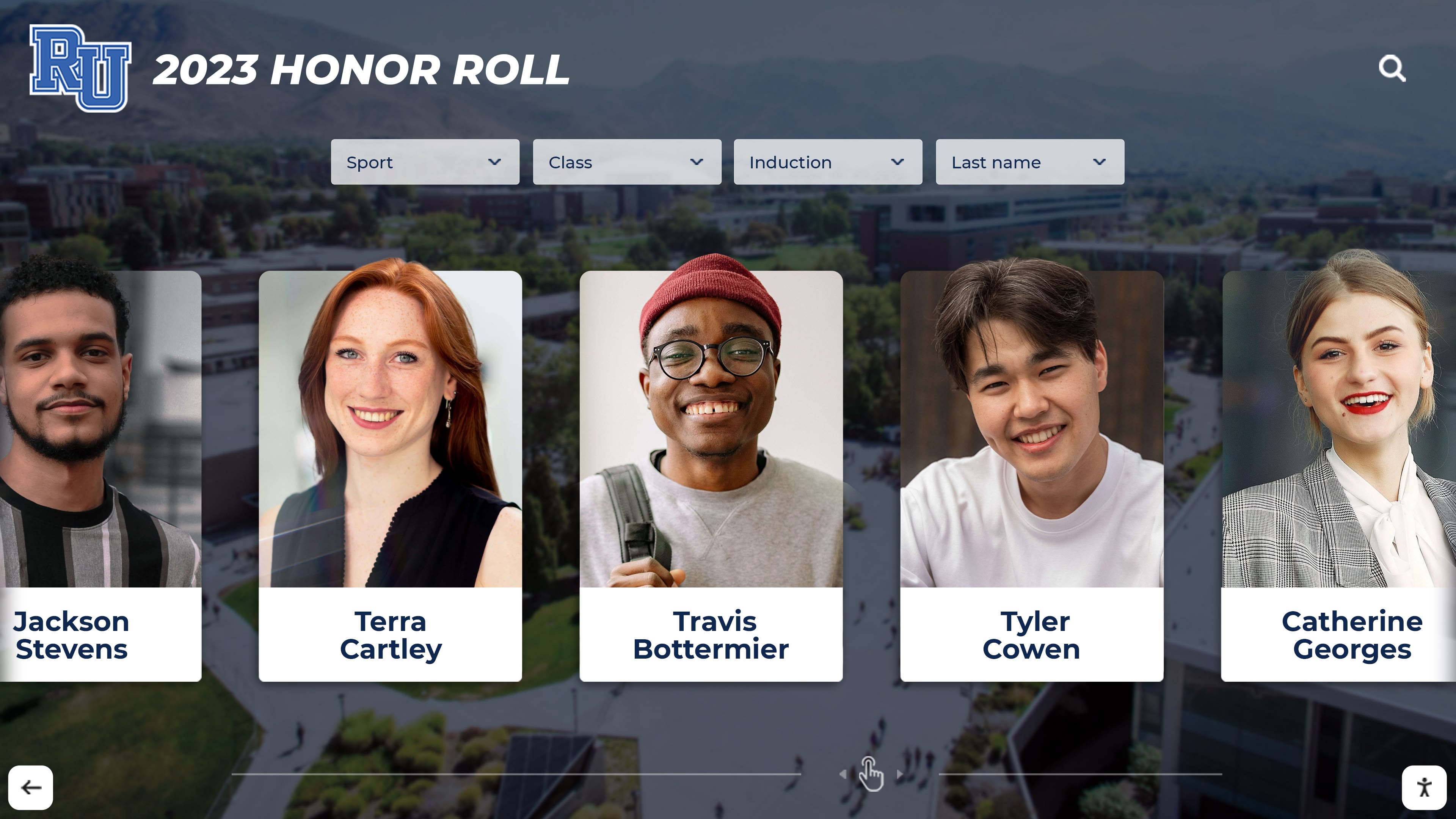
Vibrant visual displays capture student energy and achievement—the same spirit that makes yearbook covers memorable
Nature-Inspired Yearbook Cover Themes
Nature themes offer universal appeal and endless creative possibilities that resonate across grade levels while providing flexible design frameworks.
1. Four Seasons Journey
Design a cover divided into four sections representing fall, winter, spring, and summer, with student photos integrated into each seasonal landscape. This approach naturally organizes the school year timeline and creates visual variety through changing colors and imagery.
Implementation Tip: Feature different grade levels in each season, or showcase signature school events that occur during specific times of year (fall festivals, winter concerts, spring field days).
2. Garden of Learning
Create an illustrated garden where flowers, trees, or plants represent different aspects of school life. Each botanical element can symbolize academic subjects, character values, or student activities, with roots spreading beneath spelling out the school motto or year.
Design Variation: Use student artwork for the plants, incorporating actual drawings from art classes into the professional design.
3. Under the Sea Adventure
Transform the cover into an underwater scene with fish, coral, and sea creatures. Students can be featured as various sea life or explorers discovering ocean wonders, metaphorically representing their educational journey.
Color Psychology: Ocean blues and aquas create calming, timeless designs that photograph well and appeal broadly across age groups.
4. Woodland Creatures Community
Feature forest animals engaged in school activities—owls reading in the library, squirrels gathering knowledge like acorns, bears demonstrating strength in athletics. This whimsical approach works particularly well for schools with nature-related names or woodland mascots.
5. Sky’s the Limit
Design covers featuring clouds, hot air balloons, birds in flight, or aerospace elements symbolizing student potential and upward growth. The sky theme naturally incorporates school colors through balloon or aircraft designs.
Integration Opportunity: Connect to science curriculum covering weather, flight, or space exploration studied during the year.
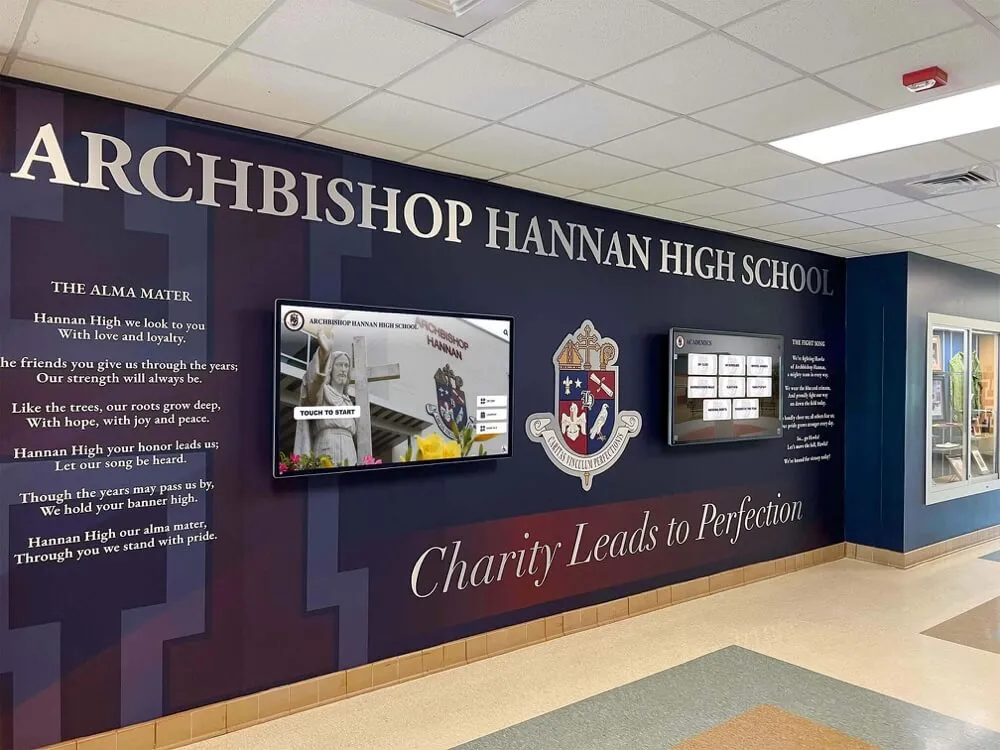
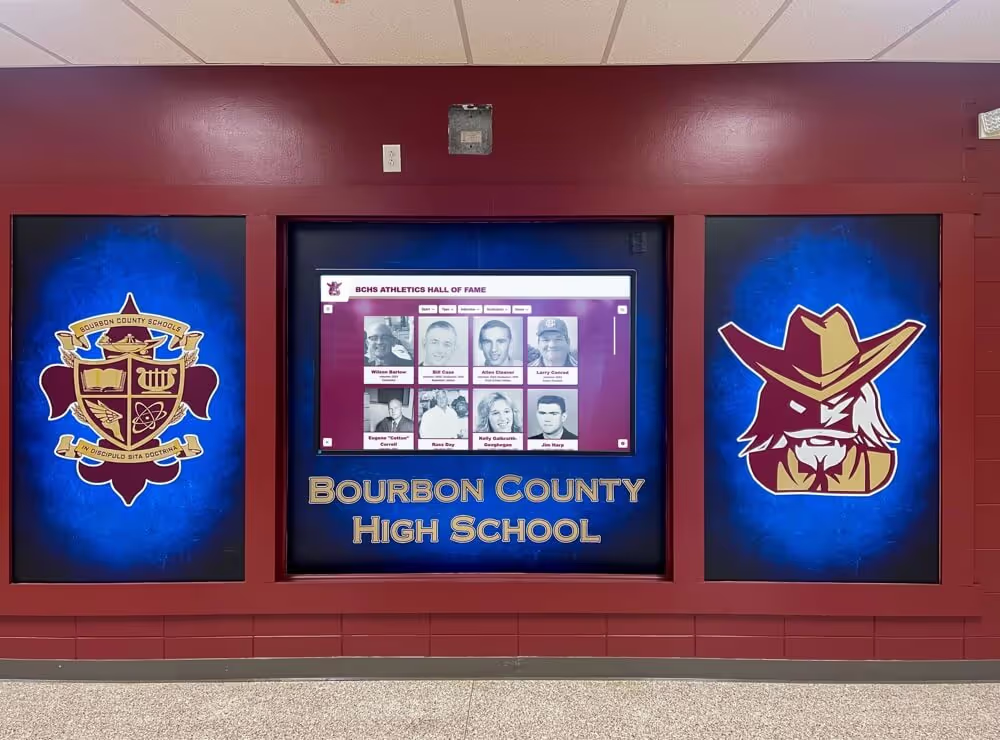
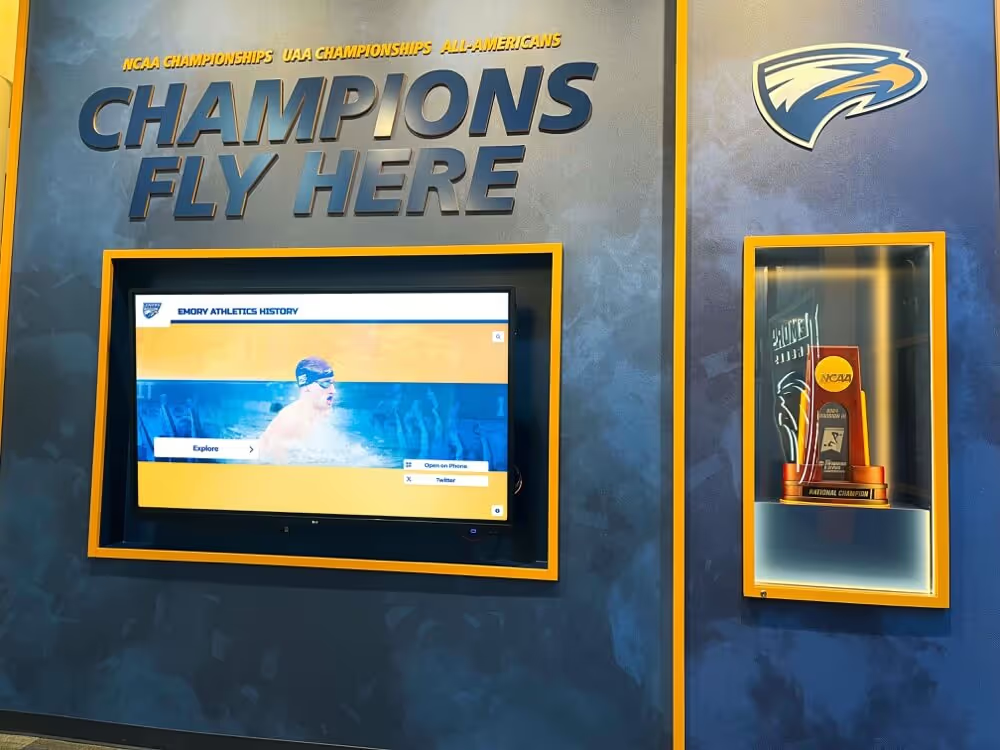
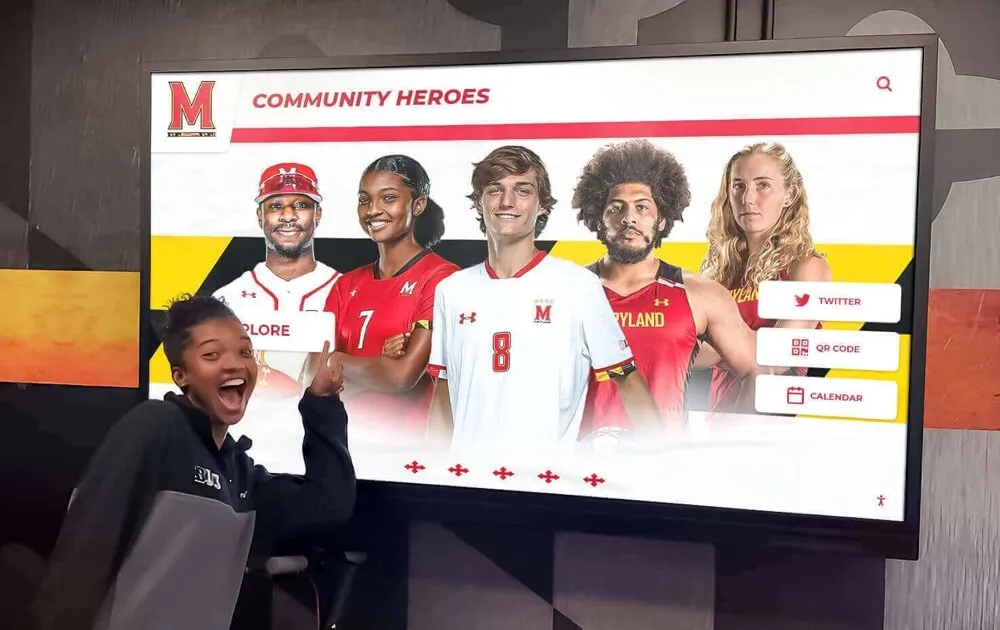
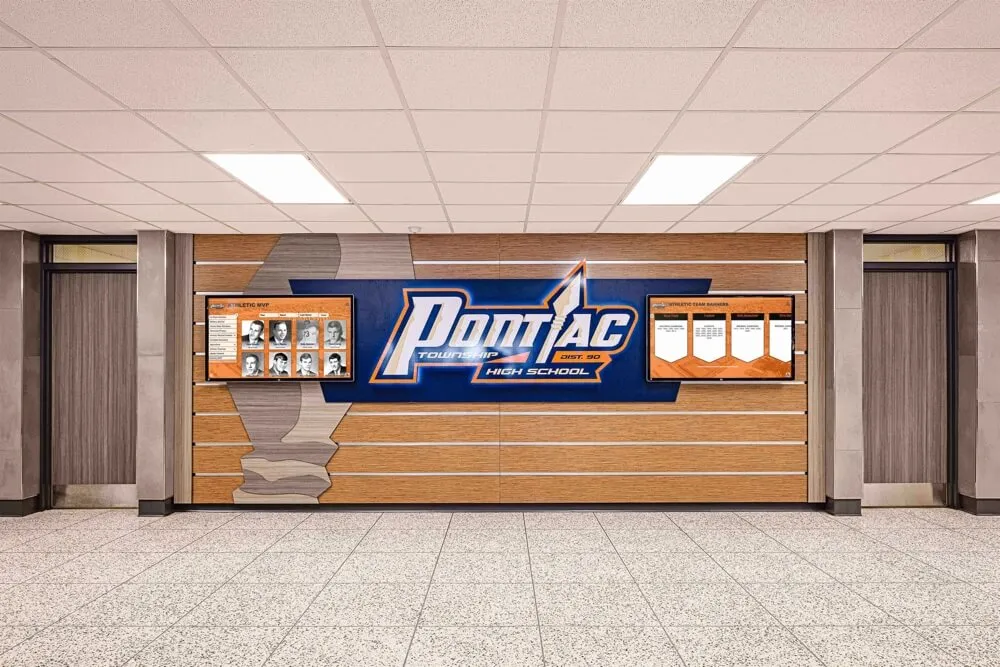
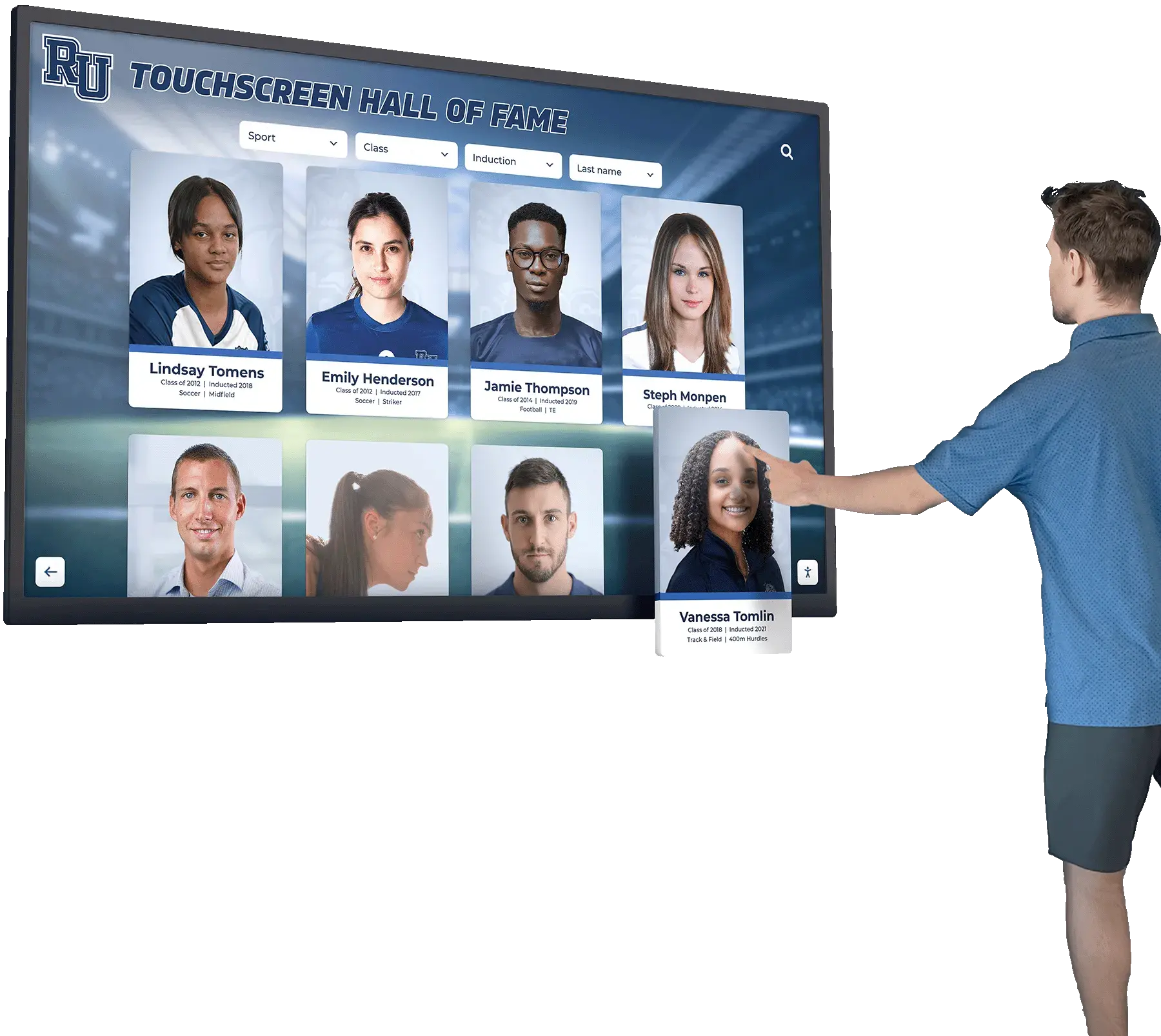
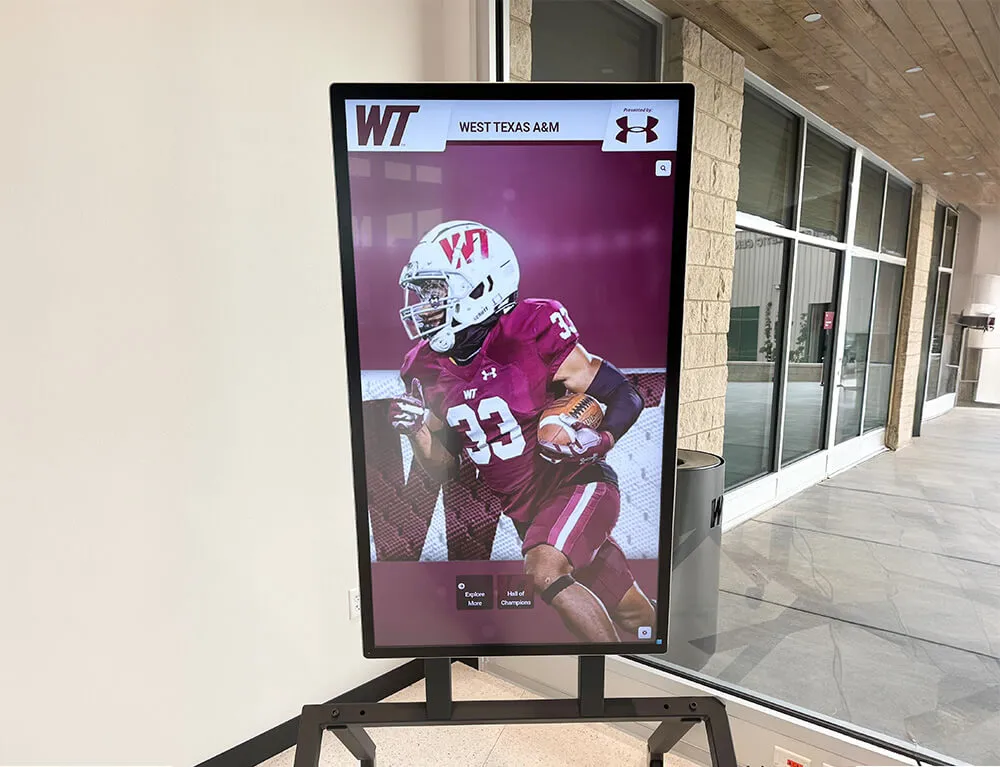
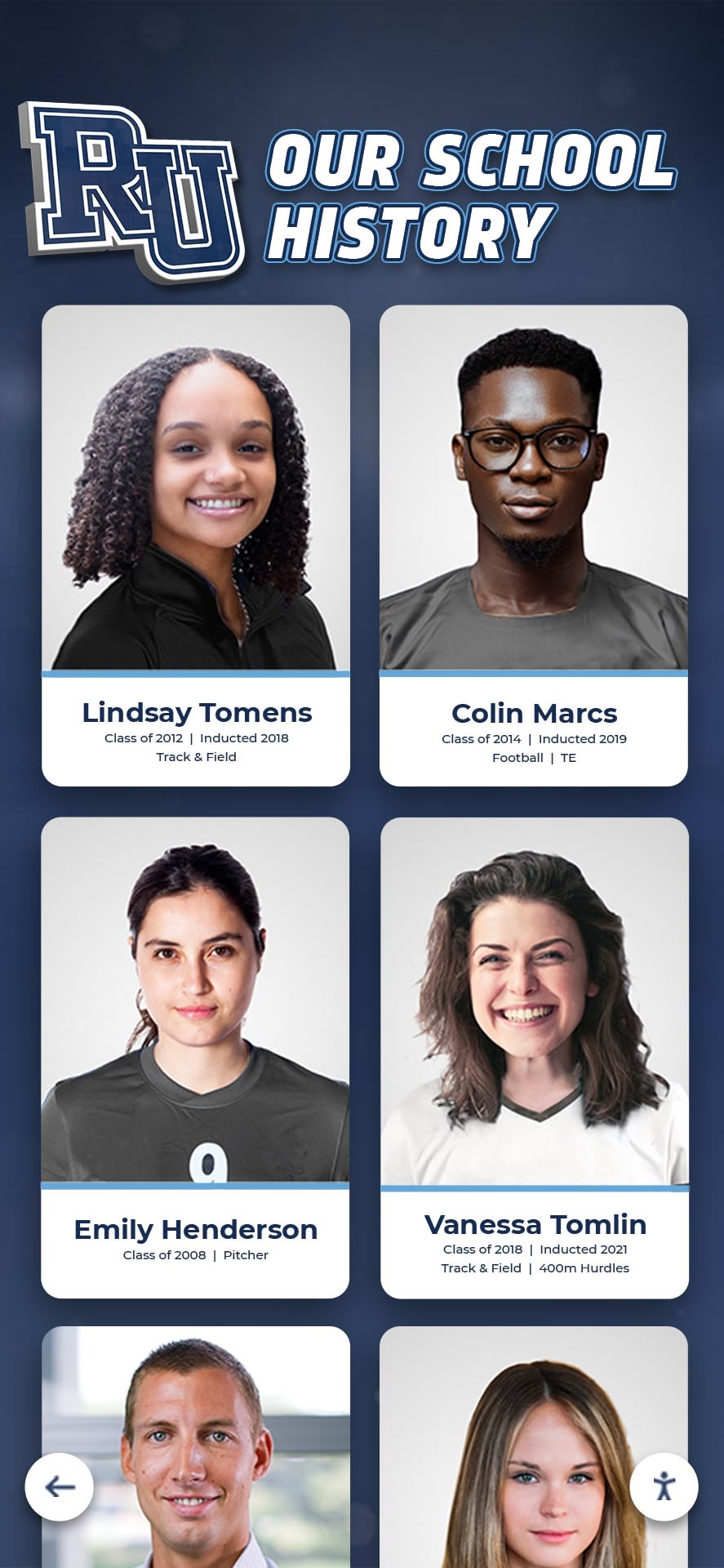
Portrait-style displays demonstrate how individual student photos can be creatively arranged in cohesive designs
School Spirit and Tradition Themes
Covers celebrating school identity create instant recognition and strengthen community connection while building institutional pride.
6. Mascot Showcase
Place the school mascot front and center in an action pose, illustrated professionally or photographed from events. Surround the mascot with student photos, school colors, and identifying elements that make the affiliation unmistakable.
Professional Touch: Commission a custom mascot illustration rather than using generic clipart—the investment creates distinctive design that elevates perceived yearbook quality.
7. School Building Silhouette
Feature an artistic rendering of the school building’s distinctive architecture, perhaps with silhouetted student figures in windows or on grounds engaged in activities. This approach works especially well for historic schools with recognizable structures.
8. Timeline Through the Decades
For schools celebrating milestone anniversaries, create covers showing the institution’s evolution through time, with vintage-style sections transitioning to modern design elements, connecting current students to alumni heritage.
9. School Colors Explosion
Design abstract or geometric patterns using exclusively school colors in bold, modern arrangements. This minimalist approach emphasizes brand identity while creating contemporary aesthetic appeal that feels current and fresh.
Design Tool: Explore how digital displays effectively showcase school branding through consistent color use and visual identity.
10. Trophy and Achievement Wall
Create a cover resembling an awards display featuring student accomplishments from the year—academic honors, sports victories, arts achievements, and character recognitions arranged in an engaging visual collection.
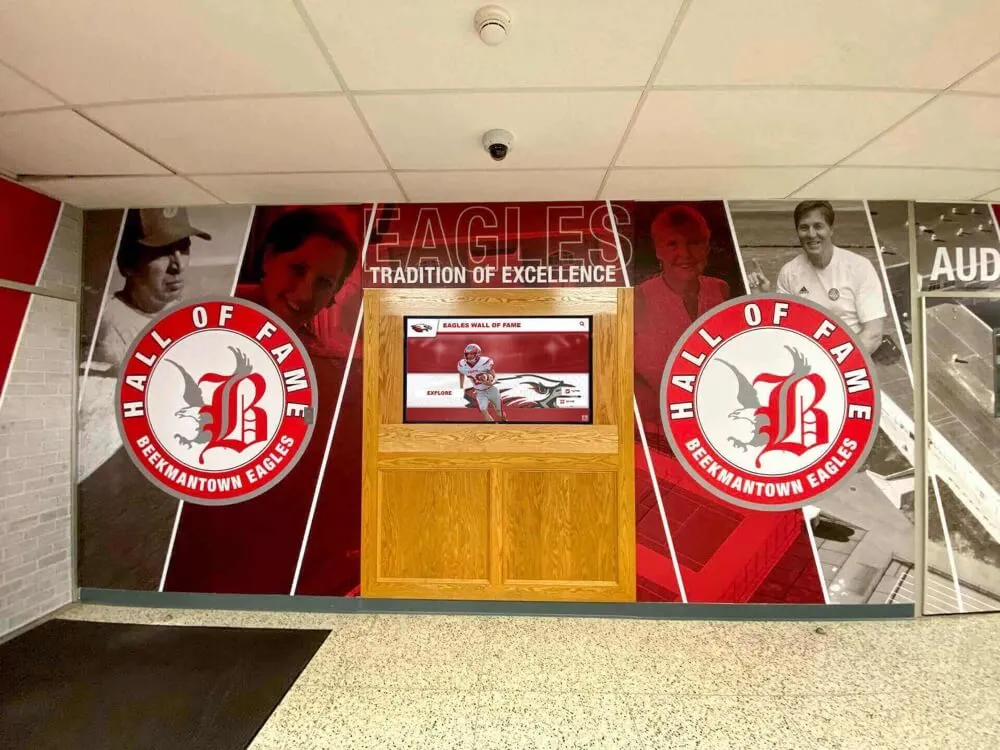
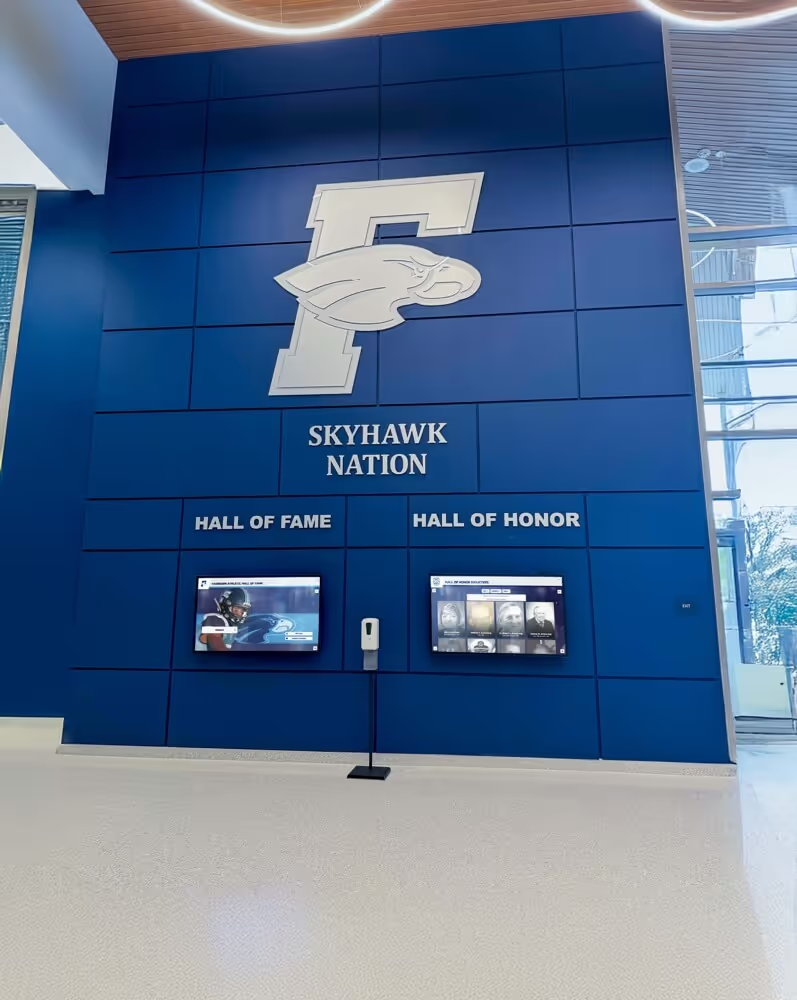
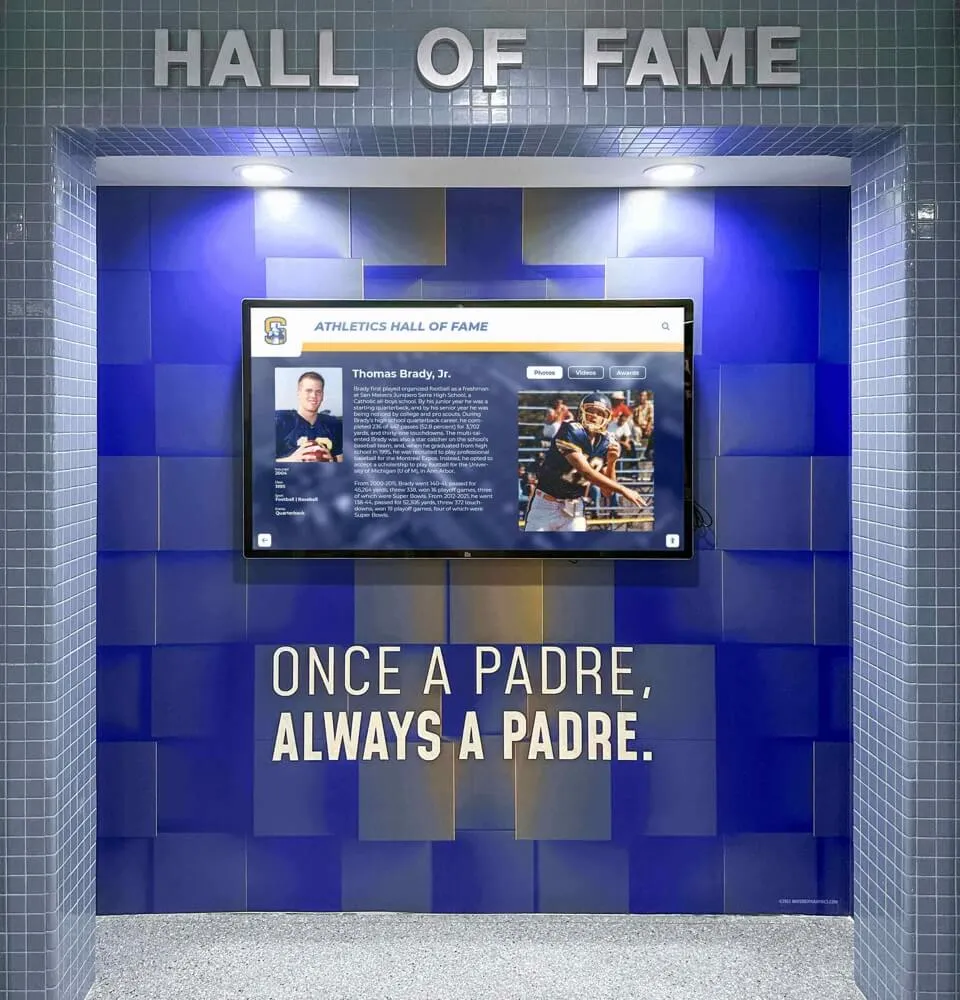
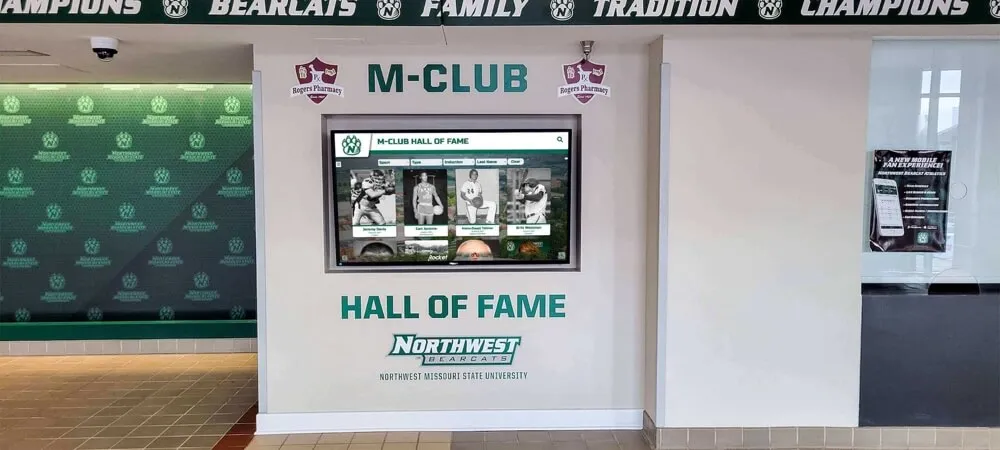
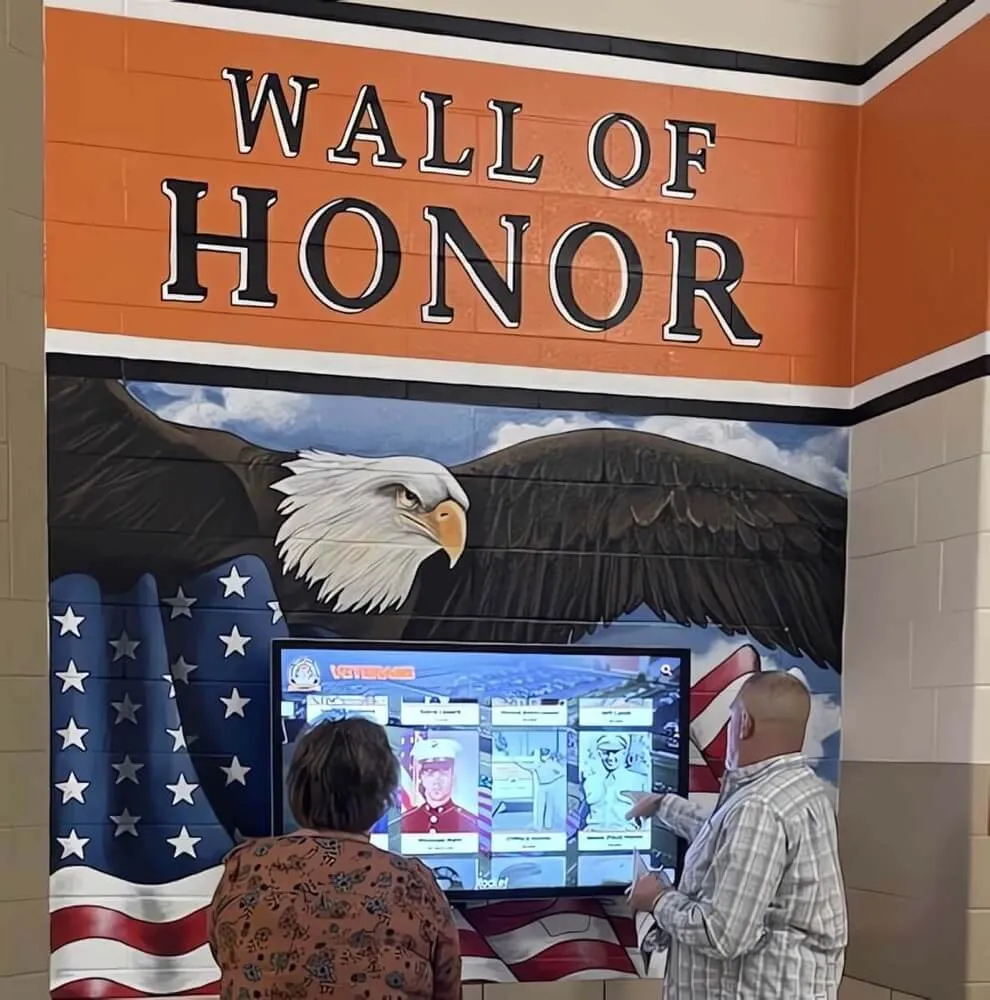
Historical portrait arrangements demonstrate timeless yearbook design principles that remain effective across decades
Adventure and Journey Themes
Journey metaphors naturally align with the educational experience while offering engaging visual storytelling opportunities.
11. Road Trip Across the School Year
Design the cover as a roadmap with landmarks representing major school events, subject areas, and milestones. Students appear as travelers on the journey, with the path winding through the academic year.
Interactive Element: Include hidden details throughout the map that reward close examination, like tiny references to inside jokes or memorable moments from the year.
12. Space Exploration Mission
Transform the school year into a space mission with students as astronauts exploring planets representing different grades, subjects, or school values. Rocket ships, stars, and cosmic imagery create excitement while maintaining educational connections.
13. Mountain Climbing to Success
Feature a mountain landscape where climbers (students or mascot) progress upward, with base camps marking grade levels or achievement milestones. The summit represents year’s end or graduation to the next level.
14. Treasure Map Quest
Create a pirate-themed treasure map where X marks the spot of discovered knowledge, with illustrated islands representing subjects, character traits, or school programs. Hidden treasures symbolize the valuable experiences gained throughout the year.
15. Around the World Journey
Design covers featuring global landmarks, maps, or cultural symbols representing diversity, learning about different cultures, or metaphorical exploration of new knowledge territories discovered during the year.
Curriculum Connection: Particularly effective for years when social studies focused on geography, world cultures, or global citizenship themes.
Creative Arts and Literature Themes
Arts-focused covers showcase creativity while providing opportunities to feature actual student work.
16. Storybook Cover Design
Style the yearbook cover like a classic children’s book, complete with illustrated borders, whimsical fonts, and narrative title treatment: “The Adventures of [School Name]: Chapter [Year]” or “Once Upon a Time at [School Name].”
17. Crayon Box Creativity
Feature oversized crayons in school colors with the yearbook title written in child-like handwriting, celebrating the artistic expression and creative development central to elementary education.
Student Involvement: Use actual student handwriting samples for text elements, making students literal contributors to the cover design.
18. Paint Splatter Art
Create energetic covers with vibrant paint splatters, drips, and brush strokes in school colors, suggesting creative freedom, expression, and the joyful messiness of learning and growth.
19. Music and Rhythm
Design covers featuring musical notes, instruments, or sound waves, particularly effective for schools with strong music programs or years when musical performances played significant roles in school events.
20. Puzzle Pieces Coming Together
Use puzzle piece imagery where each piece contains student photos, school values, or program elements, symbolizing how individual students and components create the complete school community.
Symbolic Depth: The puzzle metaphor works on multiple levels—individual student importance, community building, and problem-solving skills developed through education.
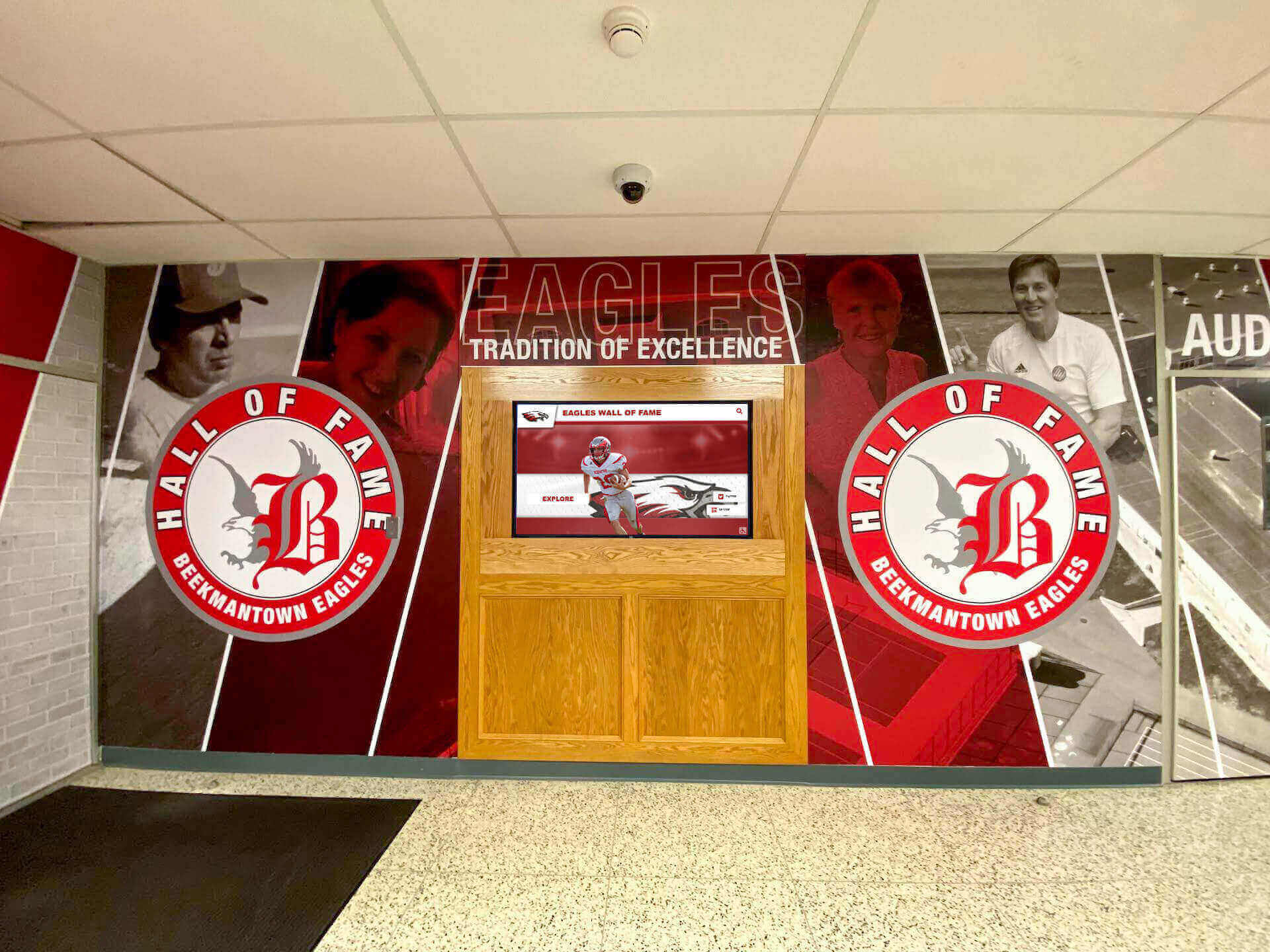
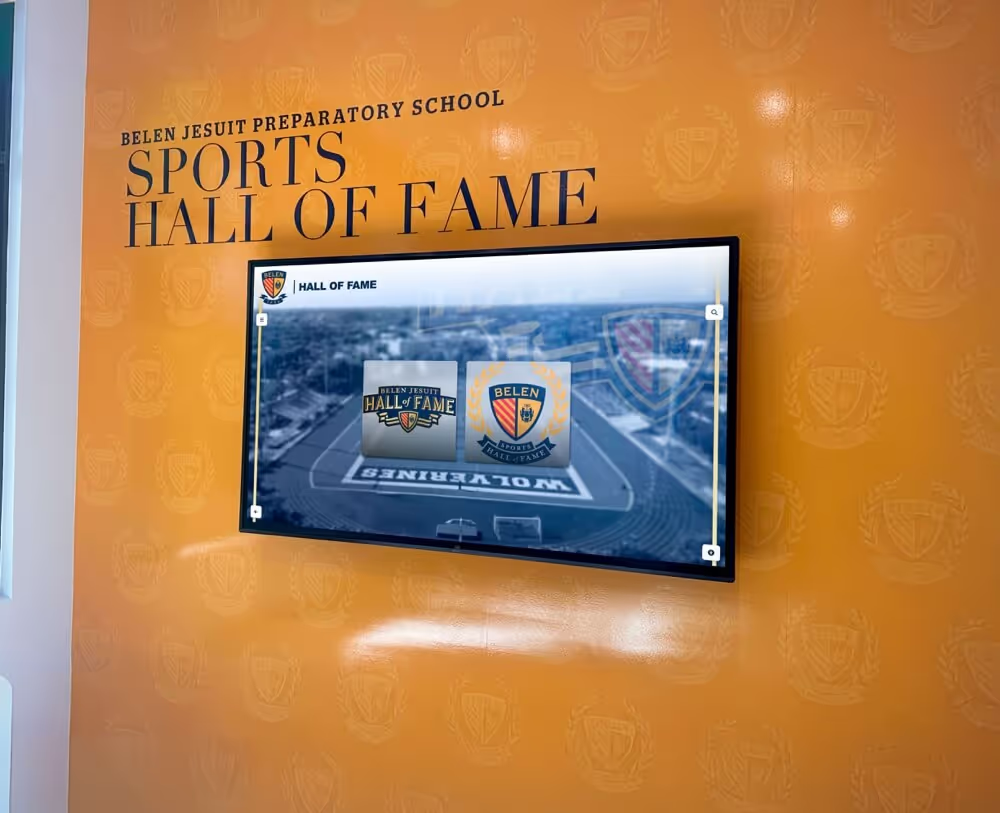
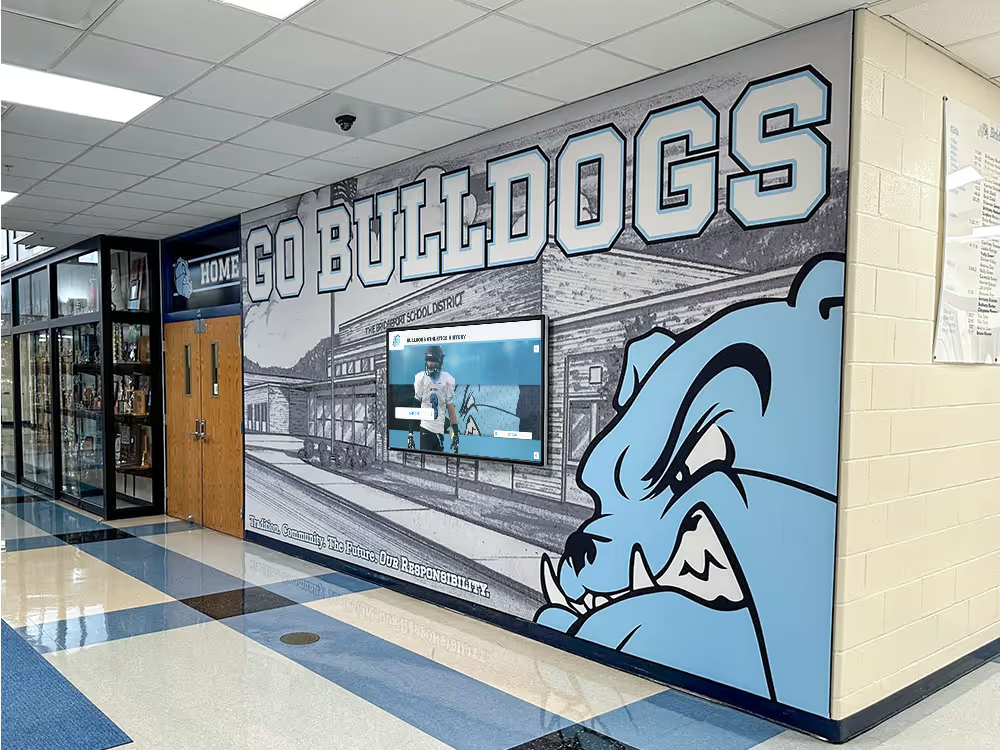
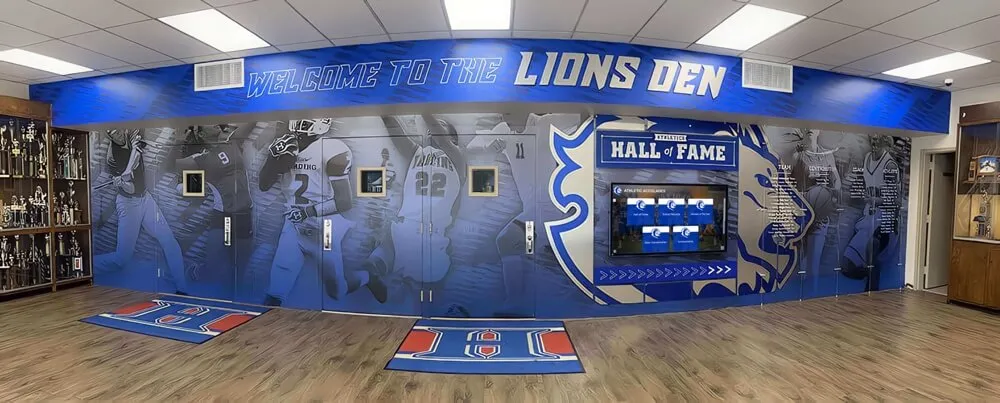
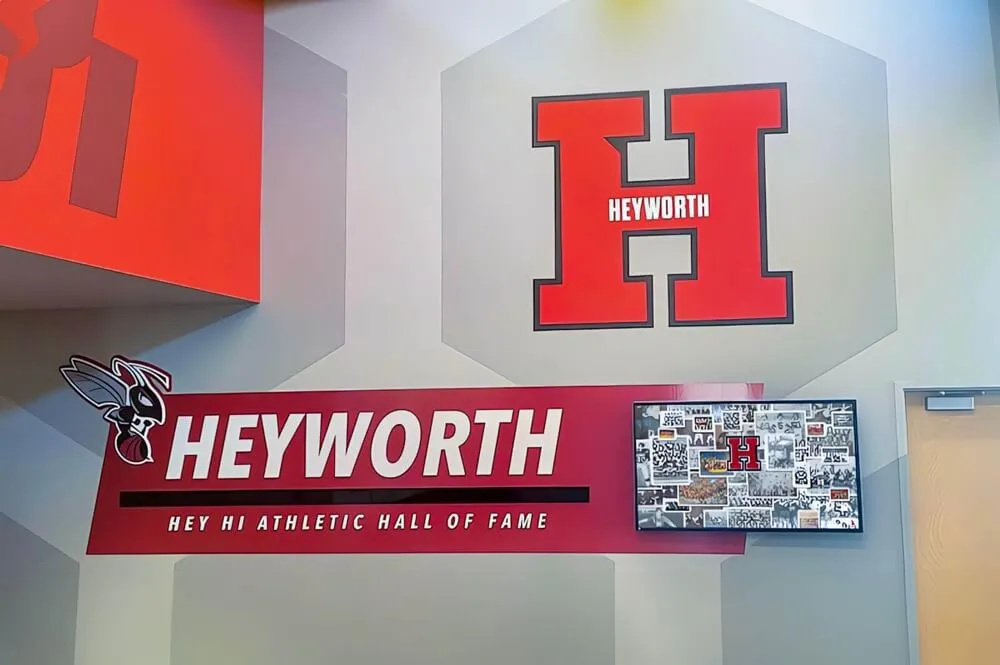
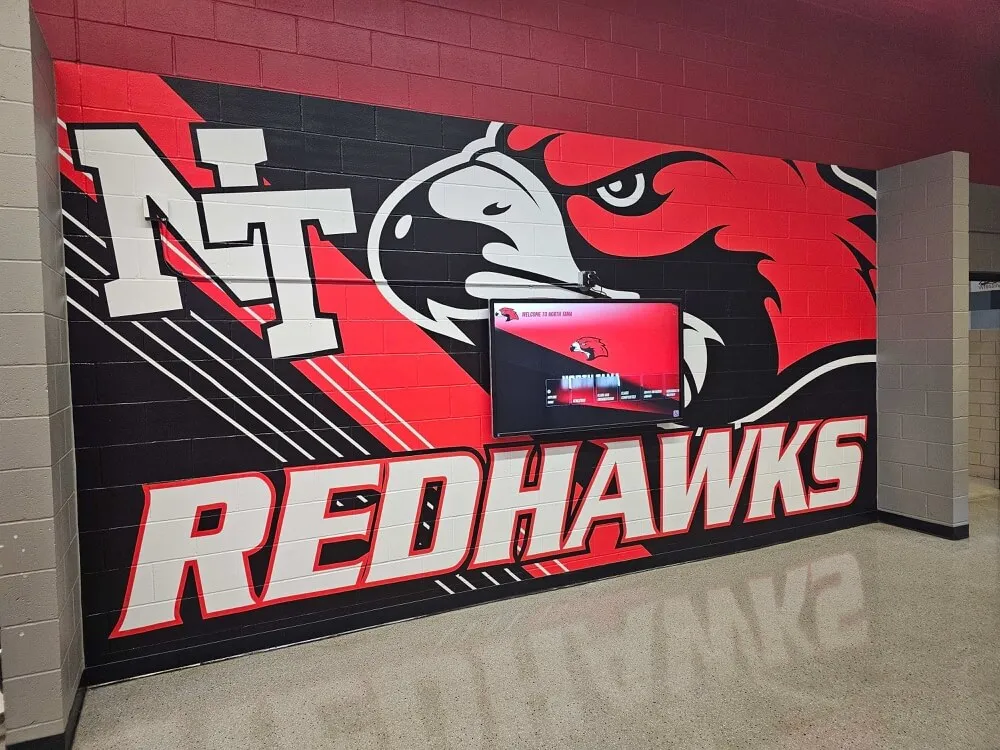
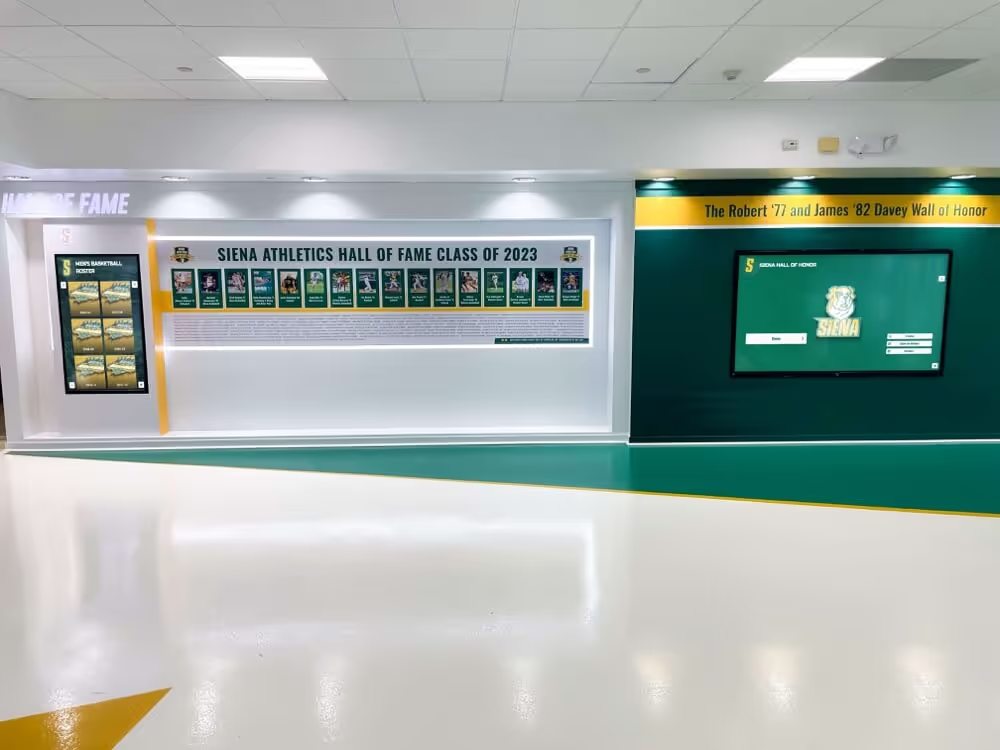
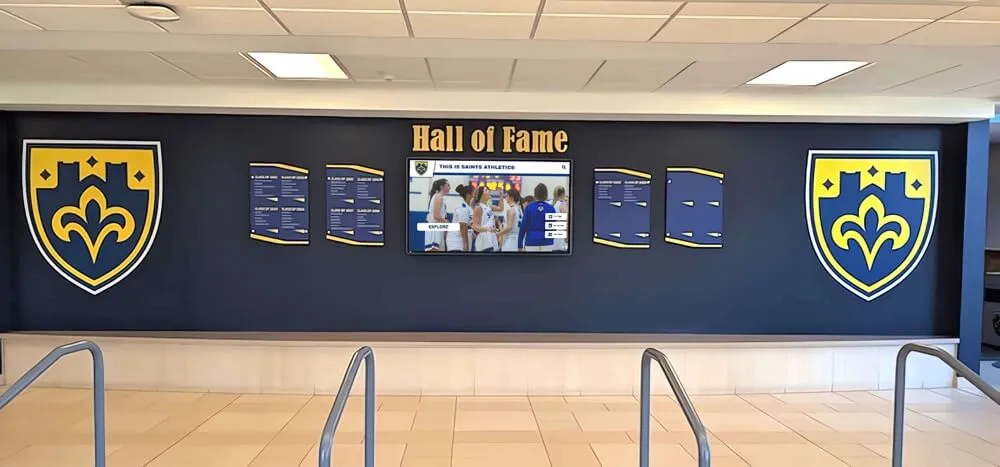
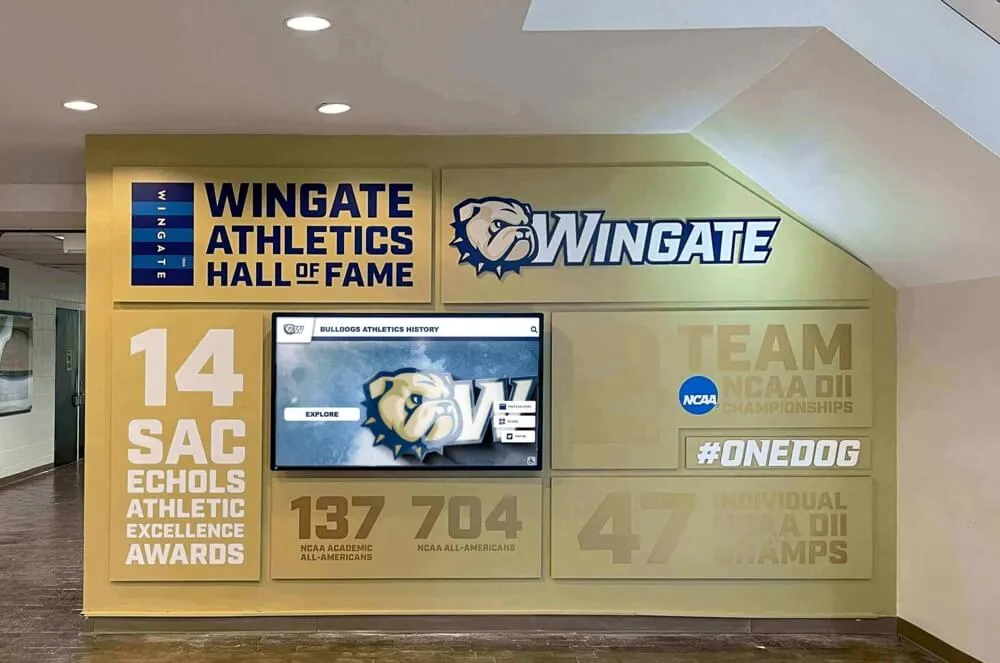
Professional branding installations demonstrate how school identity elements can be designed with visual impact and lasting appeal
Technology and Innovation Themes
Modern themes acknowledge current student experiences while creating contemporary design aesthetic.
21. Emoji Story
Design covers using popular emoji arranged to tell the story of the school year, mixing familiar digital communication symbols with custom emoji featuring the mascot, school building, or year-specific references.
Generational Appeal: Parents appreciate the contemporary reference while students immediately connect with familiar visual language from their digital lives.
22. Video Game Level Complete
Style the cover like a video game interface showing students “leveling up” through the grade, with achievement badges, progress bars, and game-style graphics celebrating completed missions (school events and accomplishments).
23. App Icon Grid
Create covers resembling smartphone home screens with app icons representing different school subjects, programs, and experiences. Each icon can be tapped into (represented through page references) to discover that section of the yearbook.
24. Social Media Feed
Design the cover as a social media feed featuring “posts” highlighting memorable school year moments, student achievements, and school events in familiar social platform styling (adapted appropriately for elementary audiences).
Safety Note: Use social media visual style without actual platform logos or suggesting real online presence, keeping the concept metaphorical and safe.
25. QR Code Connection
Incorporate functional QR codes into the cover design that link to digital yearbook content, video yearbook supplements, or photo galleries, bridging print and digital experiences.
Sports and Movement Themes
Athletic themes work well for schools with strong sports cultures while celebrating health, teamwork, and physical development.
26. All-Star Team Roster
Design covers resembling sports jerseys, trading cards, or team rosters featuring student names and photos in athletic styling with banner-style design elements that celebrate school pride.
27. Olympic Games Theme
Create covers featuring Olympic ring colors and imagery, with different sports or activities representing various aspects of school life, emphasizing excellence, participation, and personal bests.
28. Field Day Championship
Feature field day activities and outdoor games in action-packed cover designs celebrating physical education, teamwork, and the joy of movement and play central to elementary experience.
Photography Opportunity: Use actual photos from field day events rather than stock imagery, making the cover authentically representative of real student experiences.
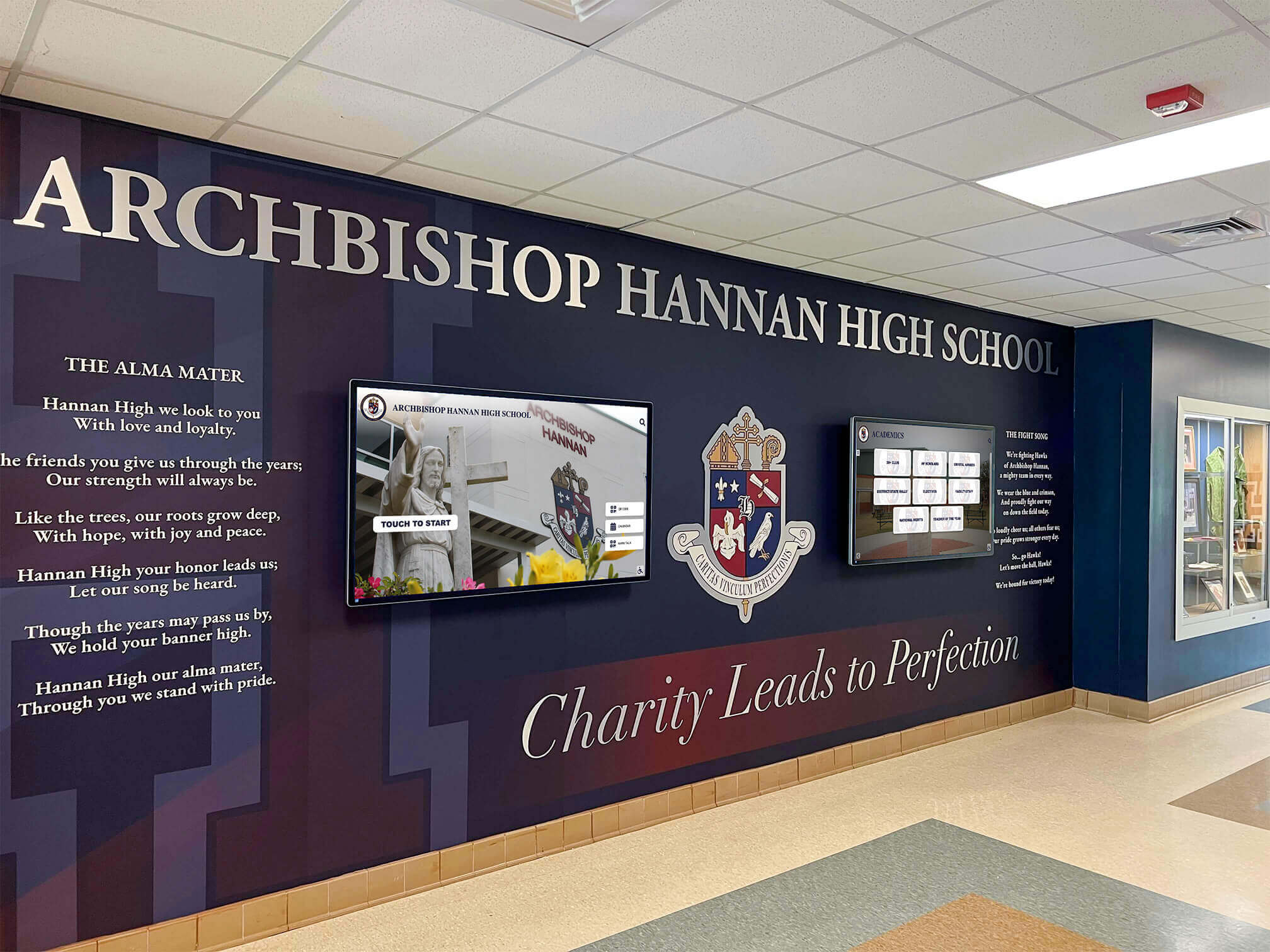
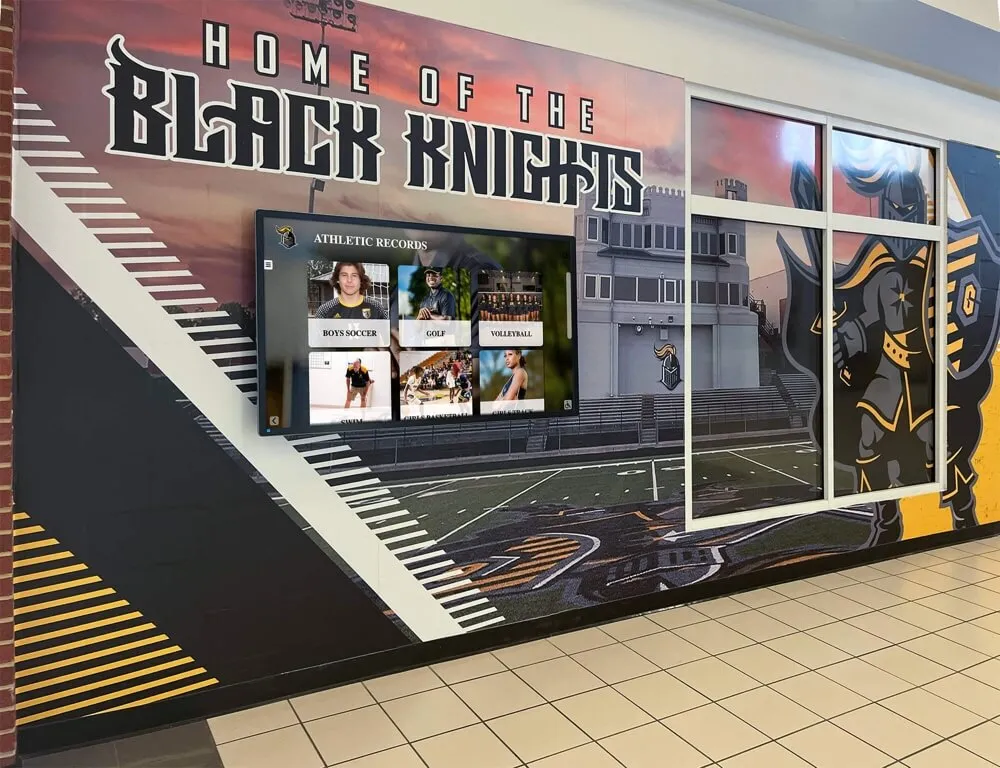
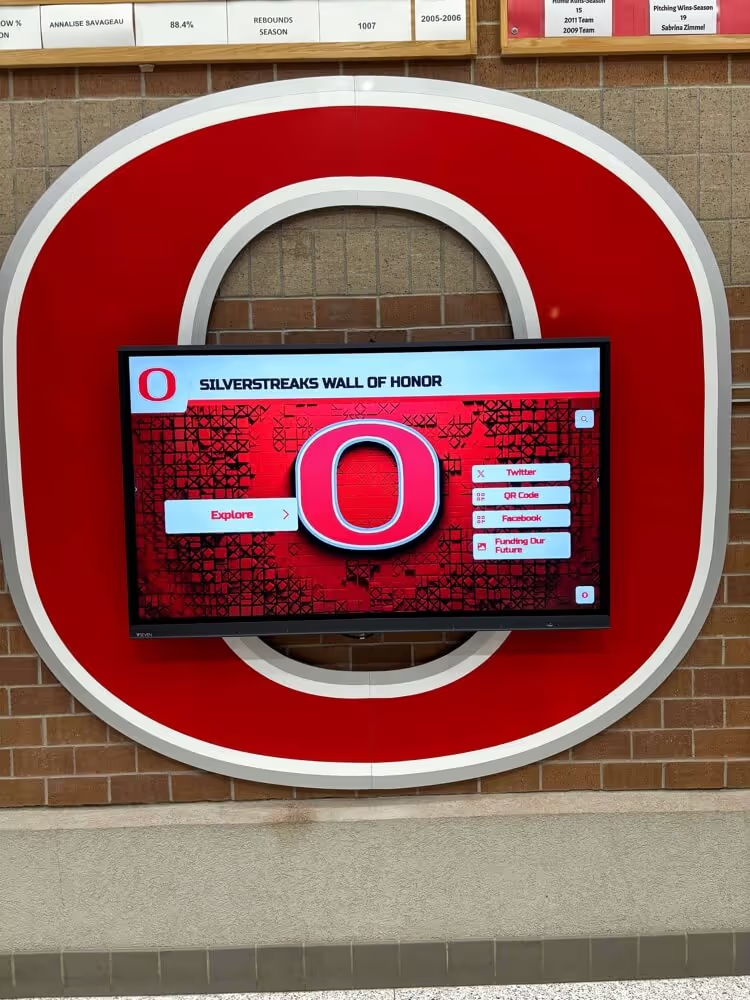
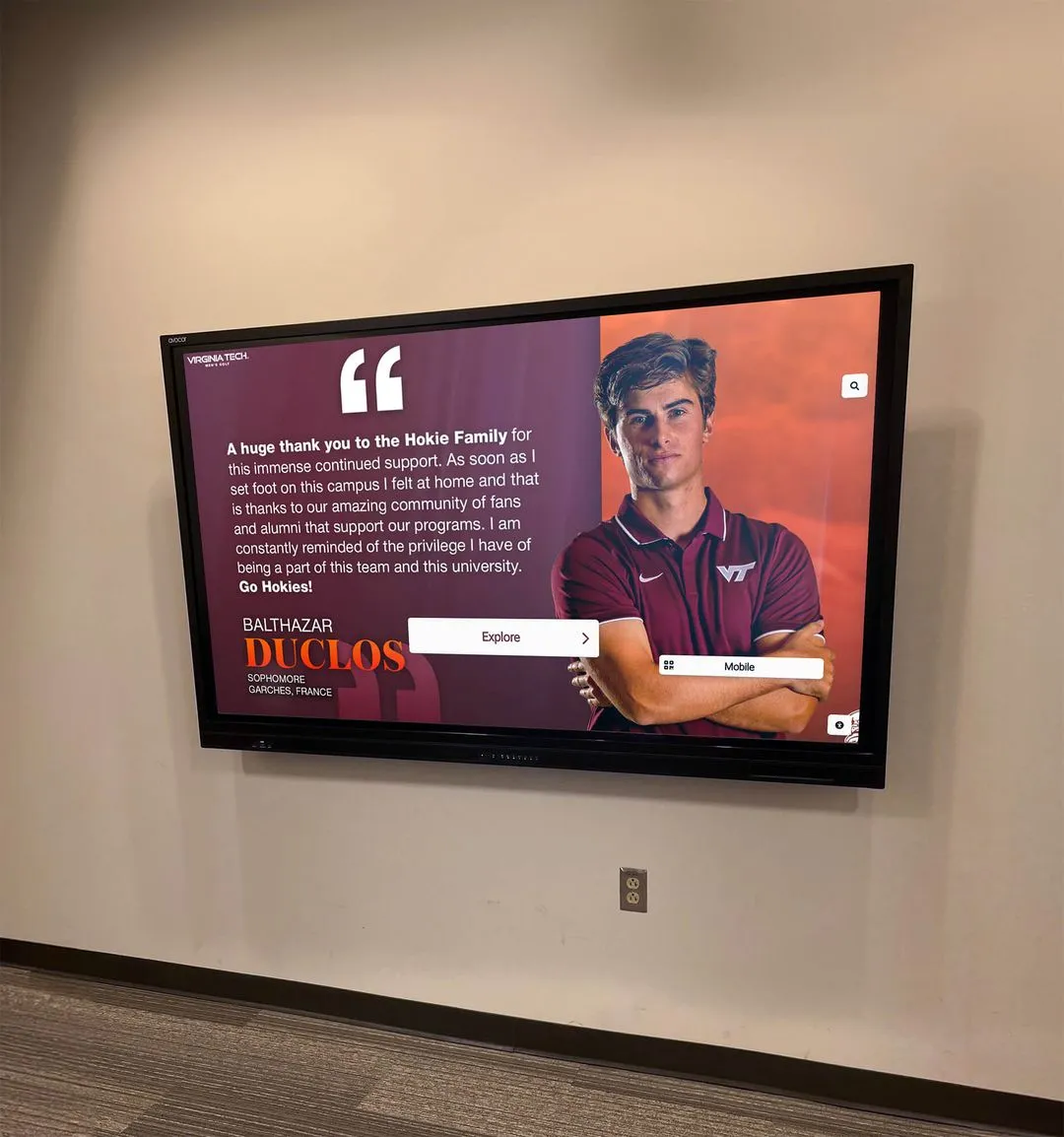
Sophisticated design installations show how traditional school symbolism can be presented in contemporary, visually compelling ways
Student-Centered Collaborative Themes
Designs featuring actual student contributions create authentic representation and increase student investment in the yearbook.
29. Student Artwork Collage
Create covers entirely from student artwork submissions, arranging drawings, paintings, and creative pieces into cohesive mosaic designs that showcase student talent while ensuring every contributor sees their work featured.
Democratic Process: Hold schoolwide voting to select artwork, teaching civic participation while ensuring popular support for the final design.
30. Handprint Community
Feature colorful handprints from every student arranged into recognizable shapes—the school mascot, building outline, or abstract design—symbolizing individual contribution to the collective community.
Keepsake Value: Years later, students can find their specific handprint, creating personal connection to the yearbook beyond just their photos.
Practical Cover Design Considerations
Beyond theme selection, successful yearbook covers require attention to practical production elements that affect both visual impact and long-term durability.
Material and Finish Selection
Cover materials significantly impact both appearance and longevity:
Hard Cover Options
- Provide superior protection for frequently handled yearbooks
- Support premium finishing techniques like foil stamping and embossing
- Justify higher price points through perceived quality
- Withstand years of storage and repeated viewing
Soft Cover Considerations
- Offer budget-friendly options for schools with limited funds
- Allow more frequent cover design updates without significant cost increase
- Work well with photographic cover designs requiring full-color coverage
- May show wear more quickly but remain perfectly functional
Lamination and Protective Finishes
- Matte finishes reduce glare and fingerprints while creating sophisticated aesthetic
- Gloss finishes make colors pop with vibrant, eye-catching shine
- Soft-touch coatings provide pleasant tactile experience that feels premium
- Spot UV techniques highlight specific design elements through selective glossiness
Typography and Text Hierarchy
Cover text must balance aesthetics with readability:
Essential Text Elements
- School name (typically most prominent text element)
- Year designation (academic year or graduation year)
- Volume number (for schools maintaining continuous yearbook numbering)
- Minimal additional text—covers should be visual-first with text supporting rather than dominating
Font Selection Principles
- Choose fonts reflecting theme while maintaining clarity
- Avoid overly trendy typefaces that quickly feel dated
- Ensure text remains legible at various sizes
- Test readability in both printed and digital thumbnail views
- Limit font variety to 2-3 complementary typefaces maximum
Color Psychology and Print Considerations
Strategic color choices affect both emotional impact and production quality:
School Color Integration
- Anchor design in recognizable school colors for brand consistency
- Use colors in proportions that feel balanced rather than overwhelming
- Consider color symbolism appropriate for elementary audiences
- Test how school colors photograph and reproduce in print
Print Production Color Management
- Understand RGB (screen colors) versus CMYK (print colors) differences
- Account for color shifts between digital proofs and final printed products
- Avoid colors that reproduce poorly in standard printing processes
- Request physical proof copies before full production runs
Design Tool: Learn how digital recognition displays effectively use color and visual design principles to create lasting impressions.
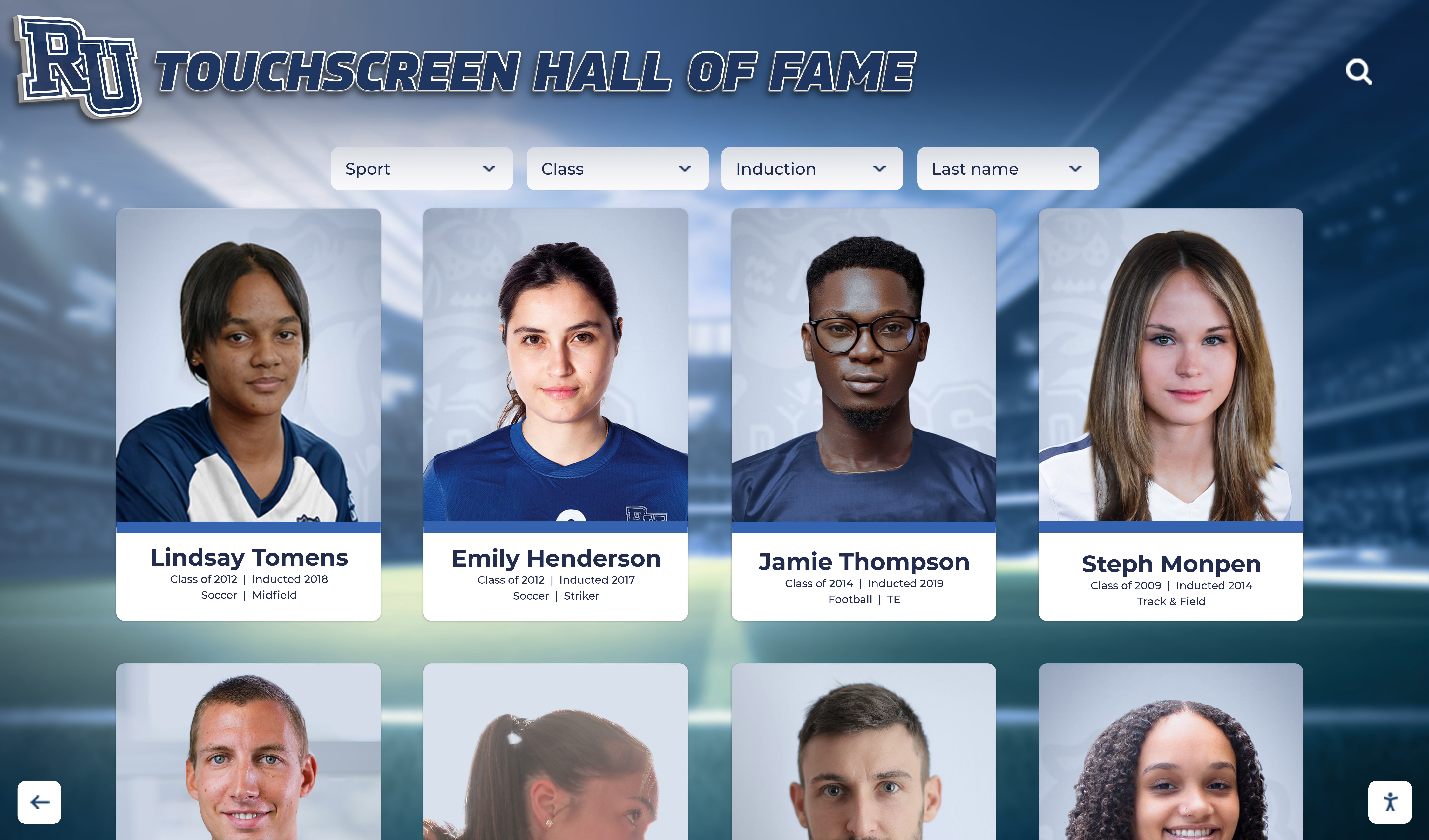
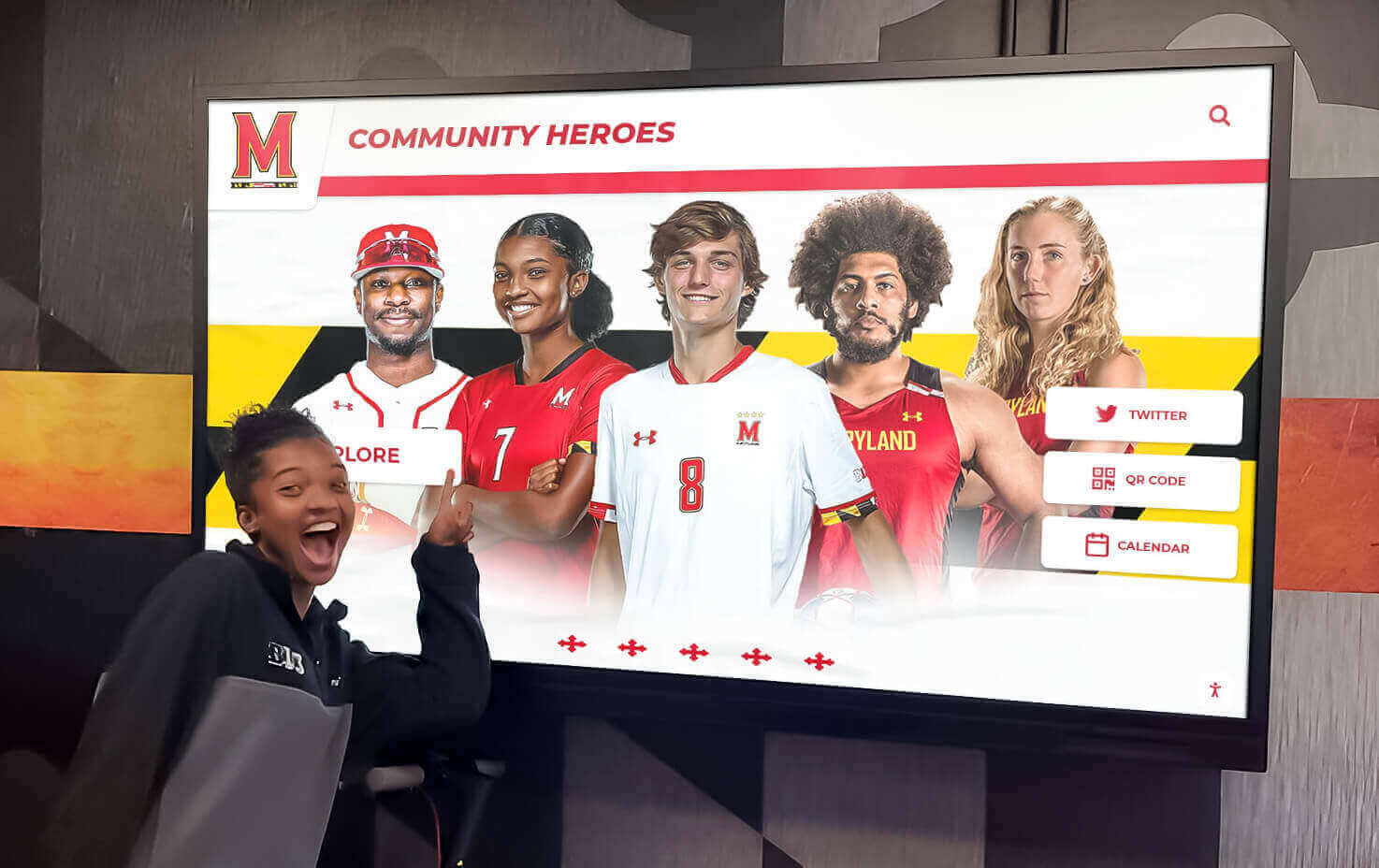
Digital portrait displays demonstrate effective organization and presentation of individual photos within cohesive design frameworks
Student and Community Involvement in Cover Design
The most successful yearbook covers emerge from collaborative processes that incorporate diverse perspectives while maintaining design quality.
Student Design Competitions
Engaging students in cover creation teaches valuable lessons while generating authentic design options:
Competition Structure
- Announce design contest at school assemblies or morning announcements
- Provide clear submission guidelines including required elements and dimensions
- Set appropriate deadlines allowing adequate design time
- Offer submission categories for different grade levels or skill levels
- Recognize all participants while highlighting winning designs
Judging Criteria
- Visual appeal and creativity (how eye-catching and original is the design?)
- Theme appropriateness (does it authentically represent the school year?)
- Technical feasibility (can it actually be produced within budget?)
- School spirit representation (does it capture institutional identity?)
- Student appeal (would students be proud to own this yearbook?)
Supporting Student Designers
- Provide design templates with proper dimensions and safe zones
- Offer optional design workshops teaching basic principles
- Make computer lab time and design software available
- Pair interested students with teacher mentors or parent volunteers with design experience
- Consider digital submissions alongside hand-drawn concepts
Parent and Community Input
Beyond students, broader community perspectives ensure covers resonate across stakeholder groups:
Parent Advisory Committees
- Include parent representatives in cover selection committees
- Solicit feedback through surveys shared via school newsletters
- Present finalized designs for parent review before production
- Address concerns while maintaining student voice in final decisions
Staff Perspectives
- Share design options at faculty meetings for teacher input
- Incorporate suggestions from staff who understand year’s significant moments
- Ensure covers reflect schoolwide priorities rather than single program focus
Design Refinement Process
Transform initial concepts into production-ready covers through systematic review:
Professional Design Support
- Work with yearbook company design services to refine student concepts
- Hire freelance designers to execute student ideas professionally
- Partner with high school or college design students seeking portfolio projects
- Invest in basic design training for yearbook advisor or committee chair
Revision Considerations
- Allow multiple revision rounds before final approval
- Test designs in both color and black-and-white to ensure core design works
- Review covers at actual printed size, not just on computer screens
- Check design details like text readability and photo clarity
- Verify all spellings, dates, and identifying information accuracy
Connecting Yearbook Design to Broader Recognition Culture
Elementary yearbook covers represent one element of comprehensive recognition programs that celebrate student achievement and preserve school heritage throughout the year.
Schools increasingly integrate yearbook content with year-round recognition through digital displays in lobbies and common areas. These touchscreen installations allow schools to showcase student achievements, historical photos, and school traditions in engaging formats that complement print yearbooks.
Digital recognition solutions provide several advantages for elementary schools:
Year-Round Accessibility
- Students and families can explore school achievements and traditions beyond annual yearbook distribution
- Digital platforms accommodate photo collections far exceeding print yearbook space constraints
- Interactive features allow personalized browsing by student, grade, or interest area
- Content updates throughout the year maintain currency and relevance
Enhanced Storytelling Capacity
- Video clips capture performances, events, and moments impossible to convey in static photos
- Audio elements include student voices, musical performances, and spoken memories
- Searchable interfaces help families quickly locate specific students or events
- Broader context through connections to historical archives and multi-year collections
Community Building Benefits
- Lobby displays create gathering points where families engage with school heritage
- Interactive exploration encourages intergenerational connections as alumni and current students discover shared experiences
- Professional installations demonstrate institutional pride and investment in celebrating community
- Recognition culture extends beyond specific achievement moments to ongoing appreciation
Practical Implementation
- Systems integrate with existing photo collection workflows used for print yearbooks
- User-friendly content management allows non-technical staff to maintain and update displays
- Touchscreen technology creates intuitive navigation appropriate for elementary-age users
- Durable installations withstand heavy use in high-traffic school environments
Schools implementing comprehensive recognition programs report increased family engagement, strengthened school spirit, and enhanced preservation of institutional heritage that benefits current students while honoring alumni contributions across generations.
Budget Management for Quality Yearbook Covers
Creating professional, memorable covers within budget constraints requires strategic planning and smart resource allocation.
Understanding Cover Cost Factors
Several variables affect yearbook cover pricing:
Material Selections
- Hard covers typically cost $3-8 more per book than soft covers
- Premium finishes (foil stamping, embossing, spot UV) add $1-5 per book
- Full-color photographic covers cost less than they did historically due to digital printing advances
- Lamination and protective coatings add modest costs while significantly improving durability
Design Complexity
- Professional custom design services range from $200-800 for original artwork
- Yearbook company template modifications typically cost $0-200
- Student-created designs cost nothing but may require professional refinement
- Complex multi-element designs may increase production costs if requiring special printing processes
Quantity Considerations
- Per-unit costs decrease significantly with larger print runs
- Minimum order quantities may affect small schools’ options
- Splitting orders between hard and soft covers complicates production and may increase costs
- Reprints for late orders typically carry premium pricing
Cost-Saving Strategies That Maintain Quality
Smart approaches reduce expenses without compromising cover appeal:
Design Efficiency
- Use yearbook company design templates as starting points, customizing rather than creating from scratch
- Incorporate student artwork that’s free while adding authentic character
- Focus design budget on covers while simplifying interior layouts
- Choose fewer premium finishing elements applied strategically rather than covering entire surface
Production Timing
- Place orders during early-bird discount periods offered by yearbook companies
- Finalize cover designs early to avoid rush fees
- Commit to guaranteed order quantities for volume discounts
- Coordinate with other schools for group purchasing when possible
Resource Leveraging
- Recruit parent volunteers with design skills to contribute professional services
- Partner with local businesses for design sponsorships (with appropriate recognition)
- Use free online design tools for concept development before professional production
- Repurpose existing school photography rather than commissioning new cover photos
Revenue Generation
- Price yearbooks to cover actual production costs including desired cover quality
- Offer premium upgrade options (hard covers, personalization) at higher price points
- Sell advertising space inside yearbooks to offset production expenses
- Consider digital yearbook supplements as additional revenue streams
Timeline and Production Planning
Successful yearbook cover creation requires systematic planning throughout the school year.
Recommended Timeline
Fall Semester
- September: Form yearbook committee and identify cover design approach
- October: Announce student design competitions or begin professional design process
- November: Collect design submissions and narrow options to finalists
- December: Select final cover design and submit for professional refinement
Spring Semester
- January: Review refined designs and approve final cover artwork
- February: Submit cover designs to yearbook company with full specifications
- March: Review and approve physical cover proofs
- April: Complete final yearbook content and submit for production
- May: Receive finished yearbooks and plan distribution events
Timeline Flexibility
- Adjust schedule based on yearbook company deadlines
- Allow buffer time for unexpected delays or revision needs
- Coordinate cover design timeline with interior content development
- Plan earlier distribution for schools ending academic year in May versus June
Quality Control Checkpoints
Systematic review prevents costly errors and ensures satisfaction:
Pre-Production Verification
- Proof all cover text for spelling, grammar, and accuracy
- Verify year designation and volume numbering
- Check school name spelling and logo accuracy
- Review color specifications and finishing instructions
- Confirm cover dimensions and spine width calculations
Physical Proof Review
- Request physical cover samples before full production run
- Evaluate actual printed colors versus digital proofs
- Assess finishing quality and material durability
- Test binding strength and cover attachment
- Compare proof to approved design specifications
Final Acceptance
- Inspect initial shipment books before distribution
- Verify cover quality consistency across entire order
- Document any production issues immediately with yearbook company
- Prepare distribution plan ensuring careful handling
Conclusion: Creating Yearbook Covers That Capture Elementary Magic
Elementary school yearbooks preserve irreplaceable memories of formative years that families treasure for lifetimes. The cover serves as the gateway to those memories—the visual symbol that represents an entire year of growth, learning, friendship, and achievement. When yearbook committees invest thoughtful creativity in cover design, they create artifacts that students and families value far beyond their modest cost.
The thirty cover theme ideas presented in this guide offer starting points for committees seeking inspiration, but the most successful covers emerge from authentic representation of specific school communities. The perfect yearbook cover for one school might completely miss the mark for another. Effective design requires understanding the unique character, traditions, values, and experiences that define your specific elementary school year.
Beyond selecting compelling themes, successful yearbook programs recognize that covers work best as components of comprehensive recognition cultures that celebrate student achievement year-round. Forward-thinking schools complement annual print yearbooks with digital recognition platforms that preserve heritage, showcase achievements, and build community pride through accessible, engaging formats.
Whether your yearbook committee chooses nature themes celebrating growth, school spirit designs emphasizing tradition, creative arts concepts showcasing student work, or technology-inspired approaches reflecting contemporary student life, the commitment to thoughtful design communicates an essential message: this school year mattered, these students matter, and these memories deserve professional, beautiful preservation.
Ready to enhance your elementary school’s recognition programs beyond traditional yearbooks? Rocket Alumni Solutions provides interactive touchscreen displays that bring yearbook content to life through digital platforms accessible year-round. These professional recognition installations showcase student achievements, preserve historical photos, and create engaging experiences that complement print yearbooks while building lasting school pride. Discover how digital displays can transform your school’s approach to celebration and heritage preservation.