



Elementary physical education programs face a unique challenge: How do you keep young students engaged in movement activities while building fundamental motor skills, teaching sportsmanship, and fostering a love of physical activity that extends beyond the gym? The answer lies in thoughtfully designed elementary school gym games that balance fun with skill development, accommodate diverse ability levels, and create positive experiences that shape lifelong attitudes toward fitness.
Effective PE programs for elementary students move beyond simple competitive games to incorporate cooperative challenges, individual skill stations, modified sports activities, and creative movement experiences. These activities teach fundamental movement patterns—running, jumping, throwing, catching, and balancing—while developing social skills like teamwork, communication, and conflict resolution that extend far beyond physical education contexts.
This comprehensive guide presents practical elementary school gym games organized by grade level, skill focus, and class format. Physical education teachers, classroom instructors managing recess, and after-school program coordinators will find ready-to-implement activities creating engaging experiences while building the physical literacy young students need for healthy, active lives.
Physical education in elementary schools establishes the foundation for lifelong fitness habits and positive attitudes toward physical activity. When gym games capture student imagination while systematically building skills, they create experiences students eagerly anticipate rather than endure—transforming PE from obligation to opportunity.

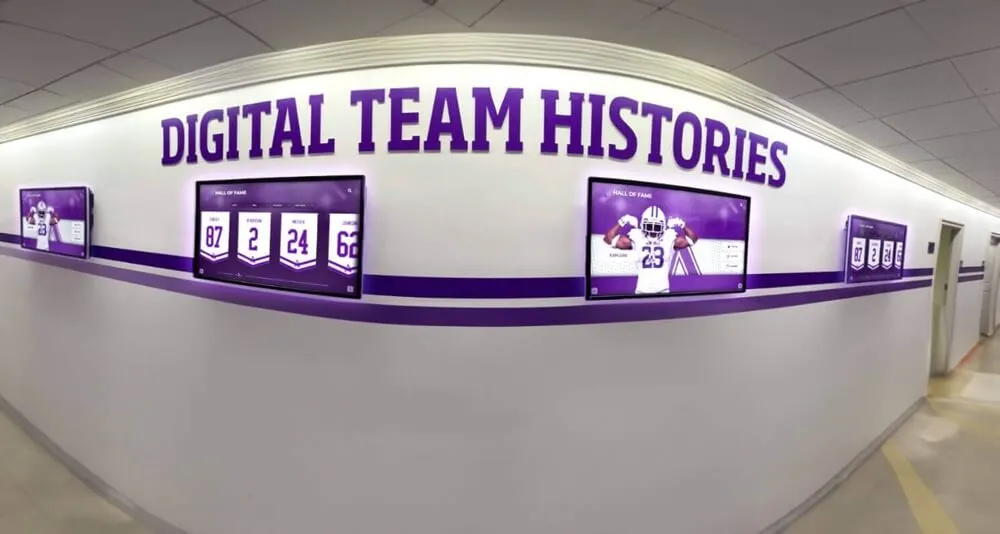
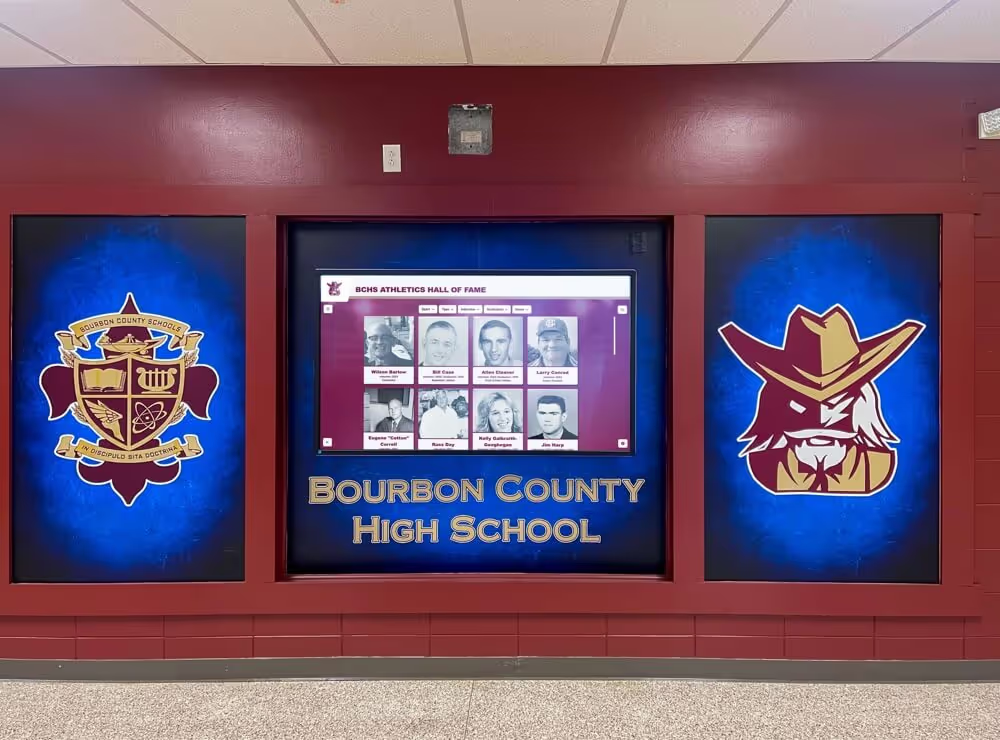
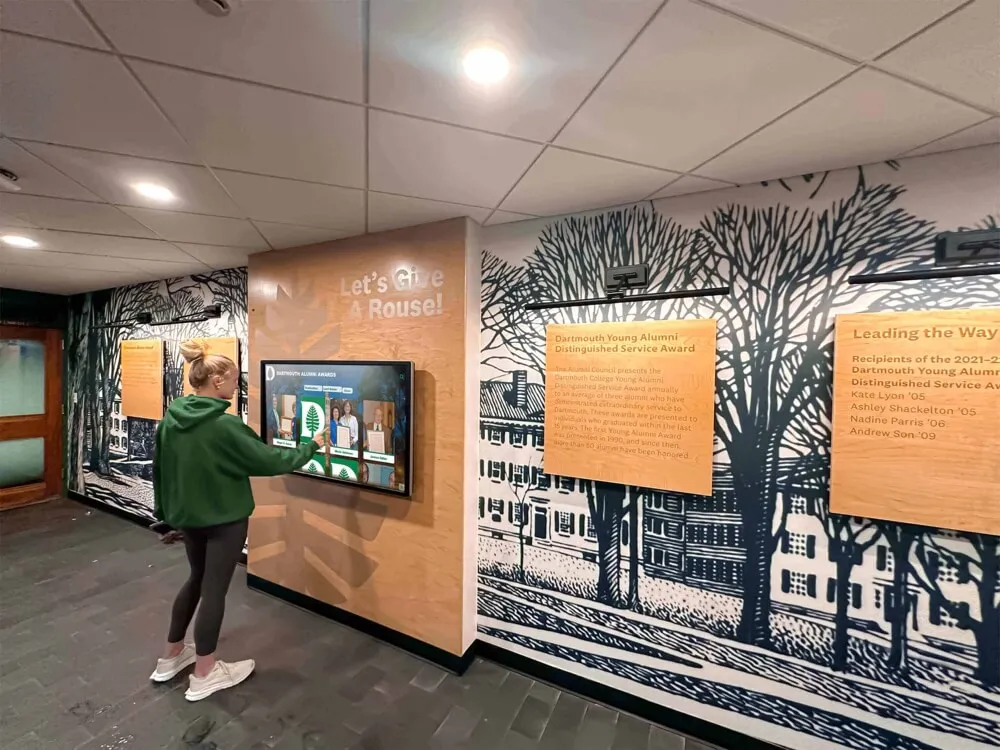
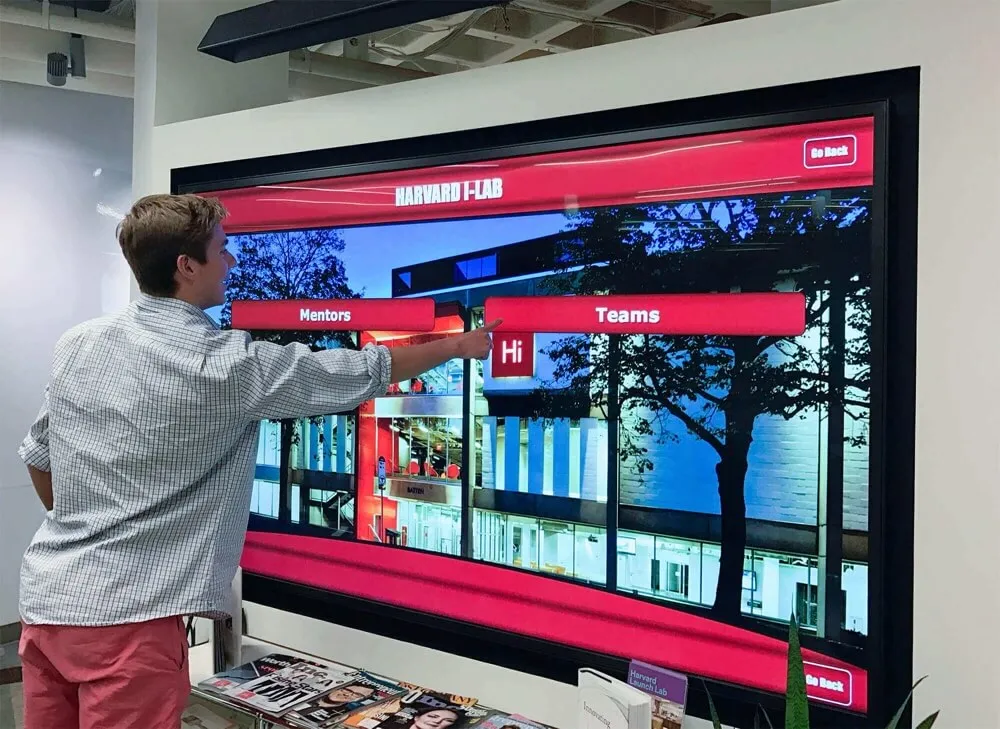
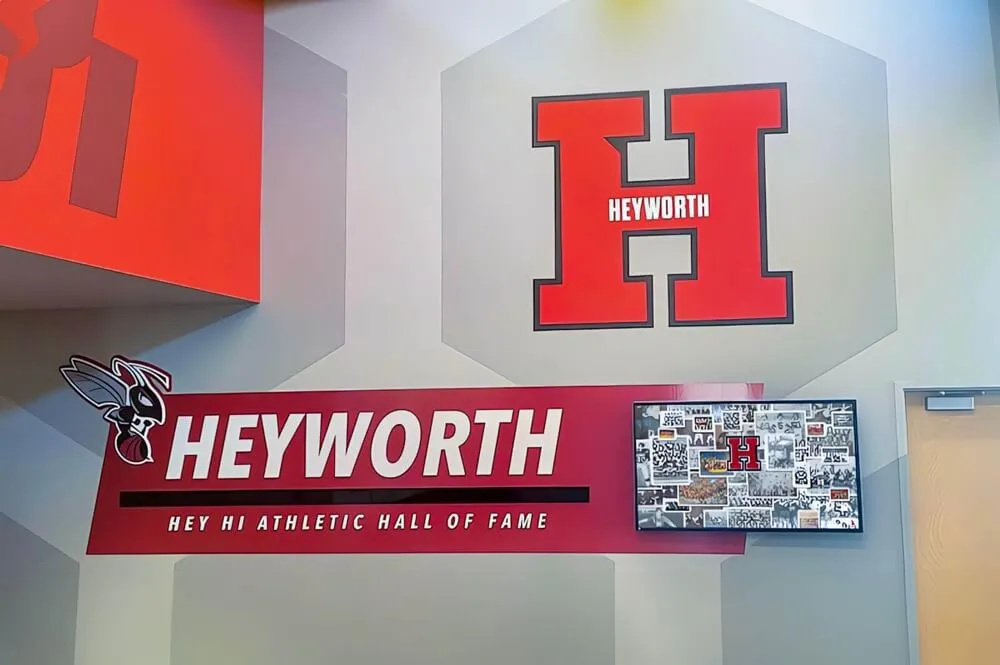
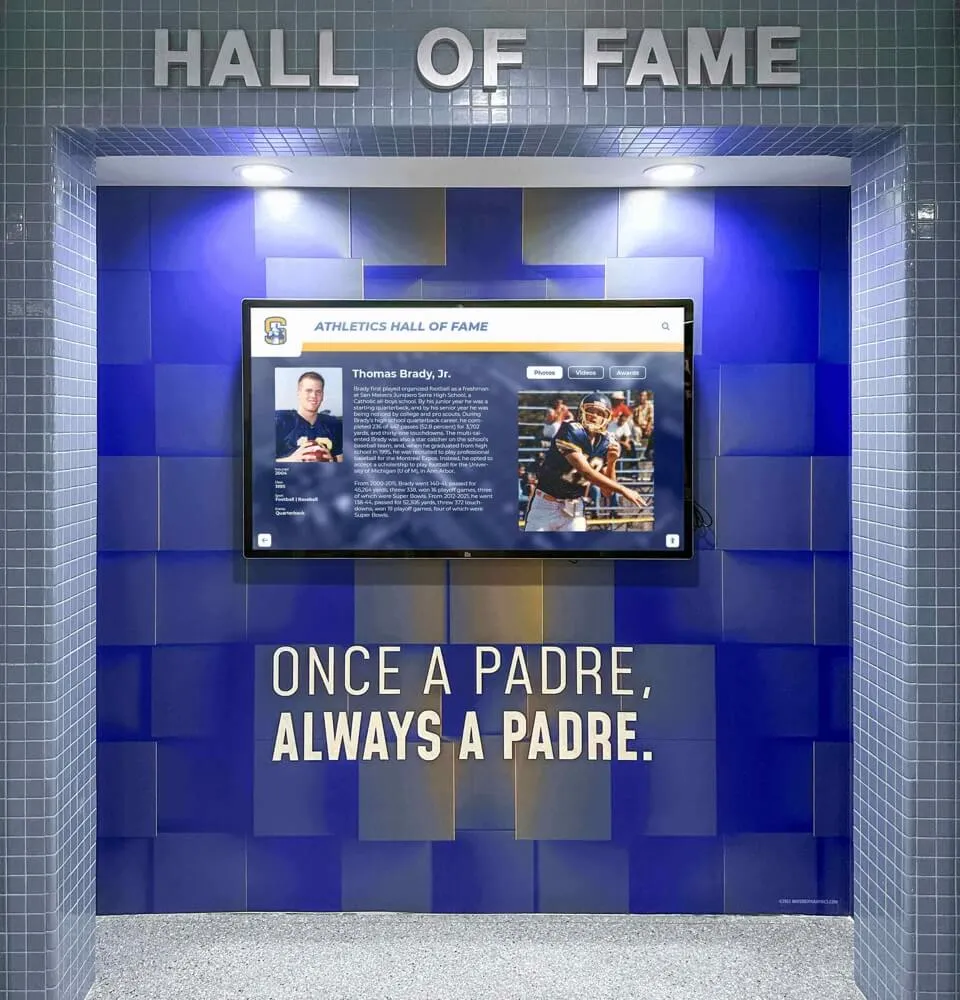
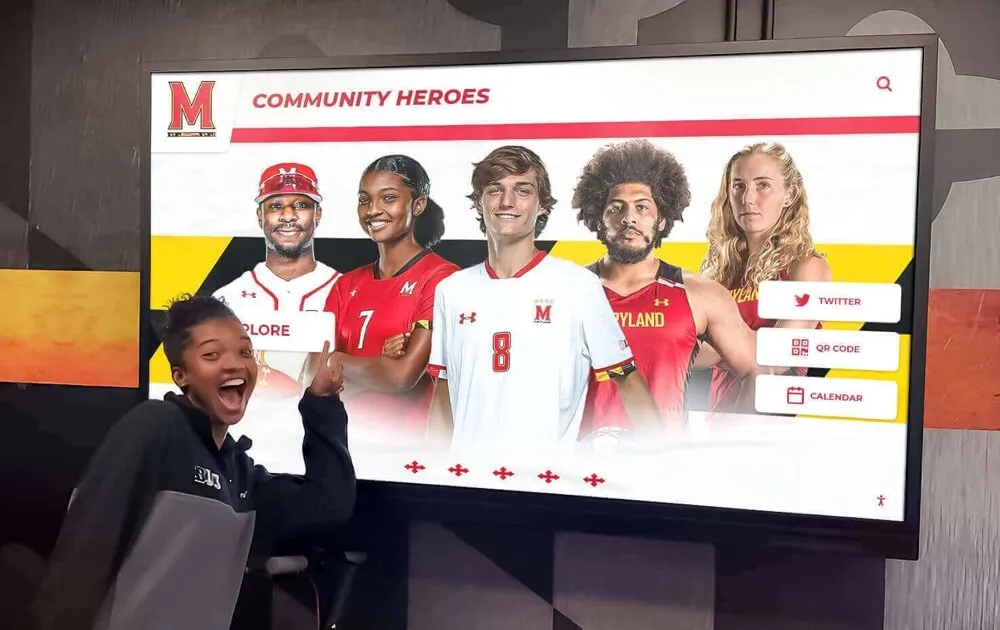
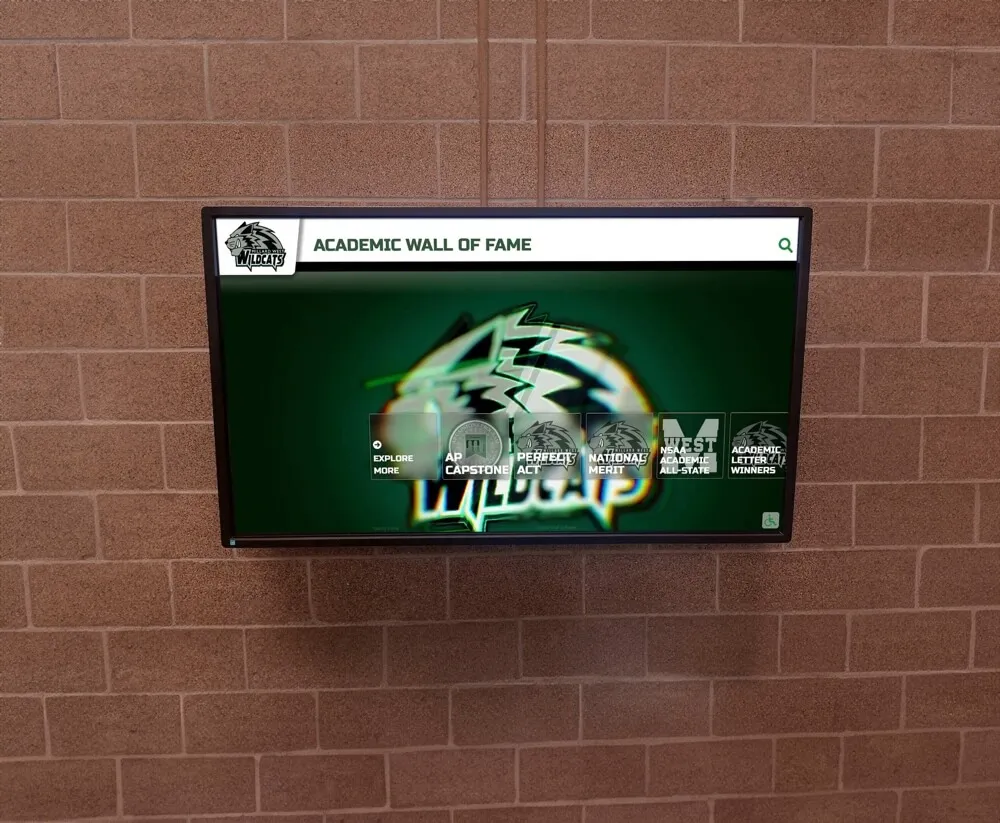
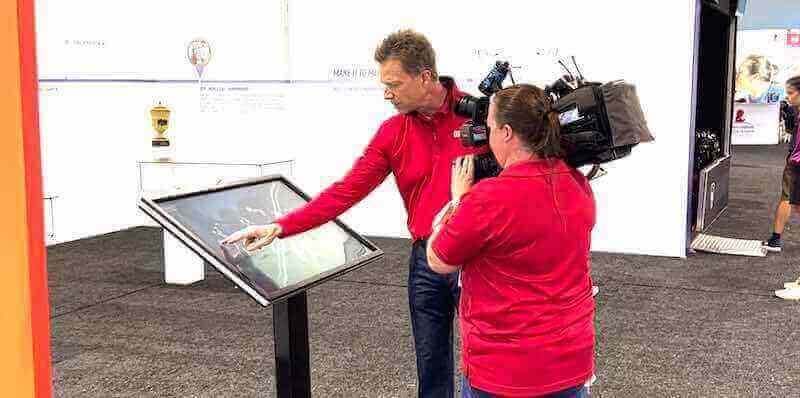
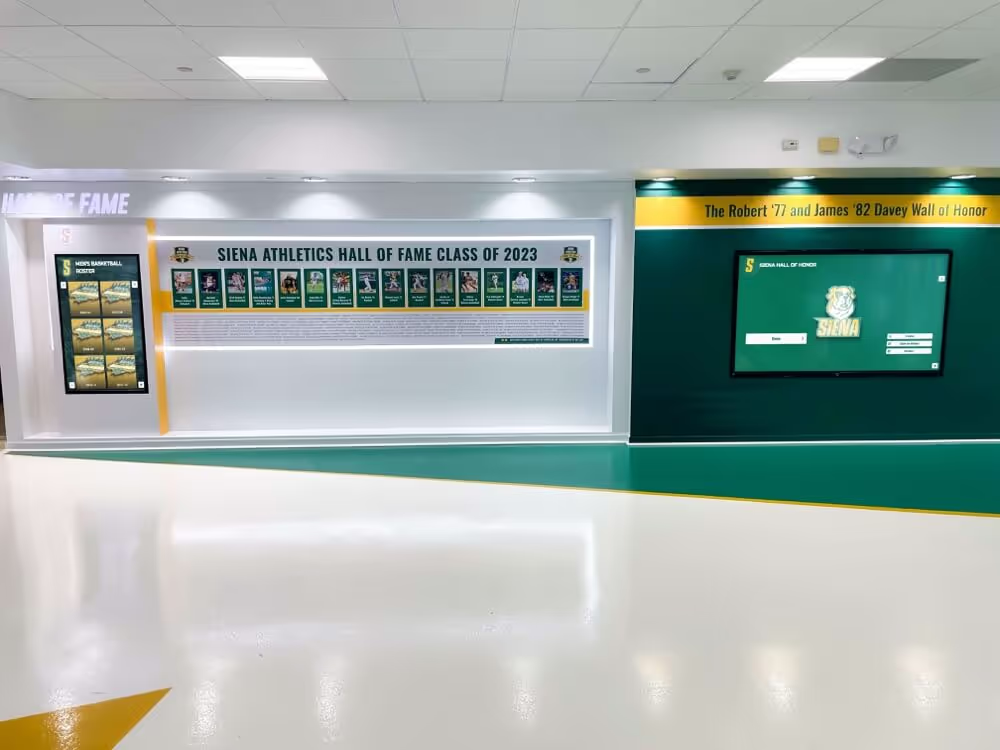
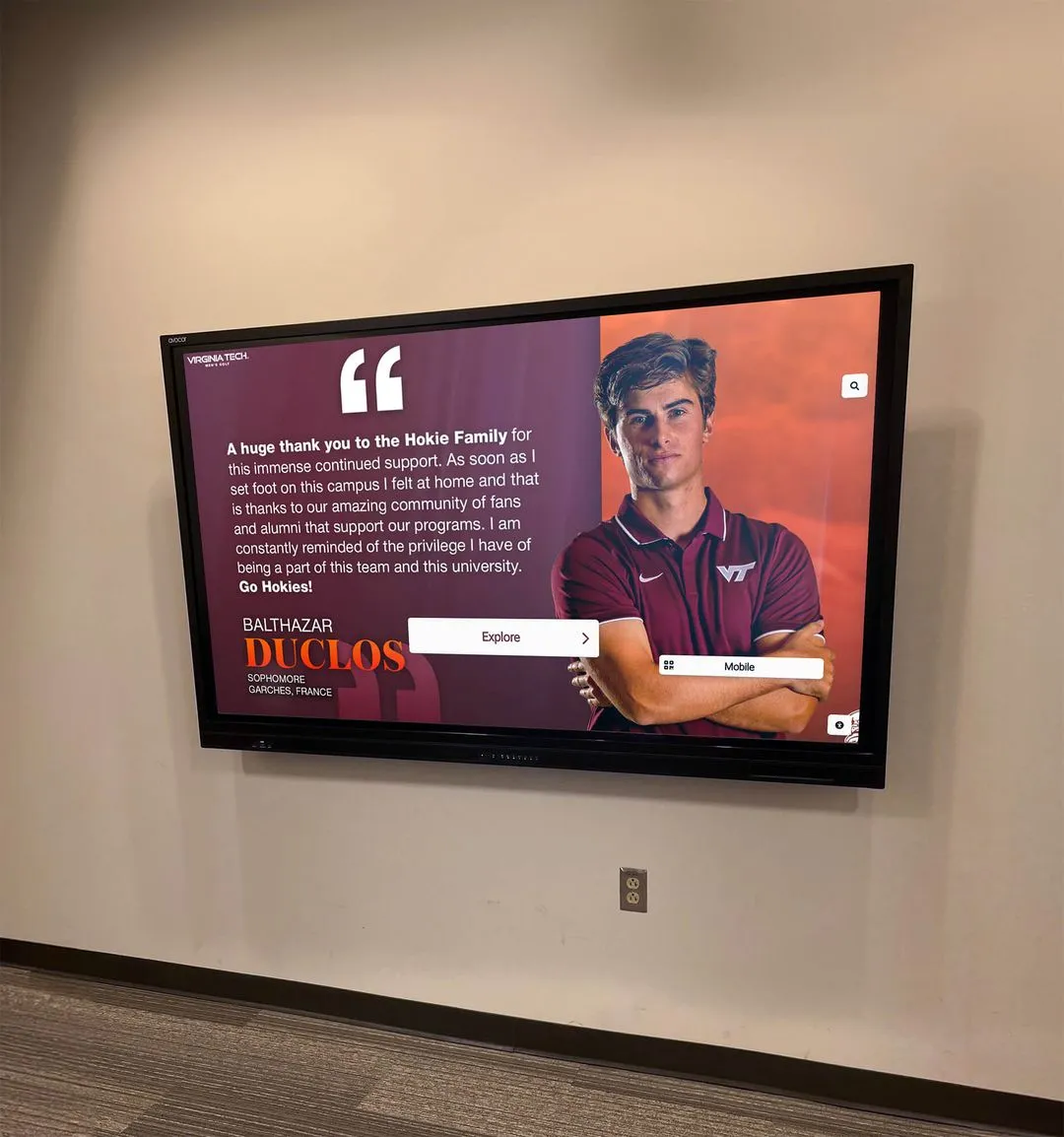
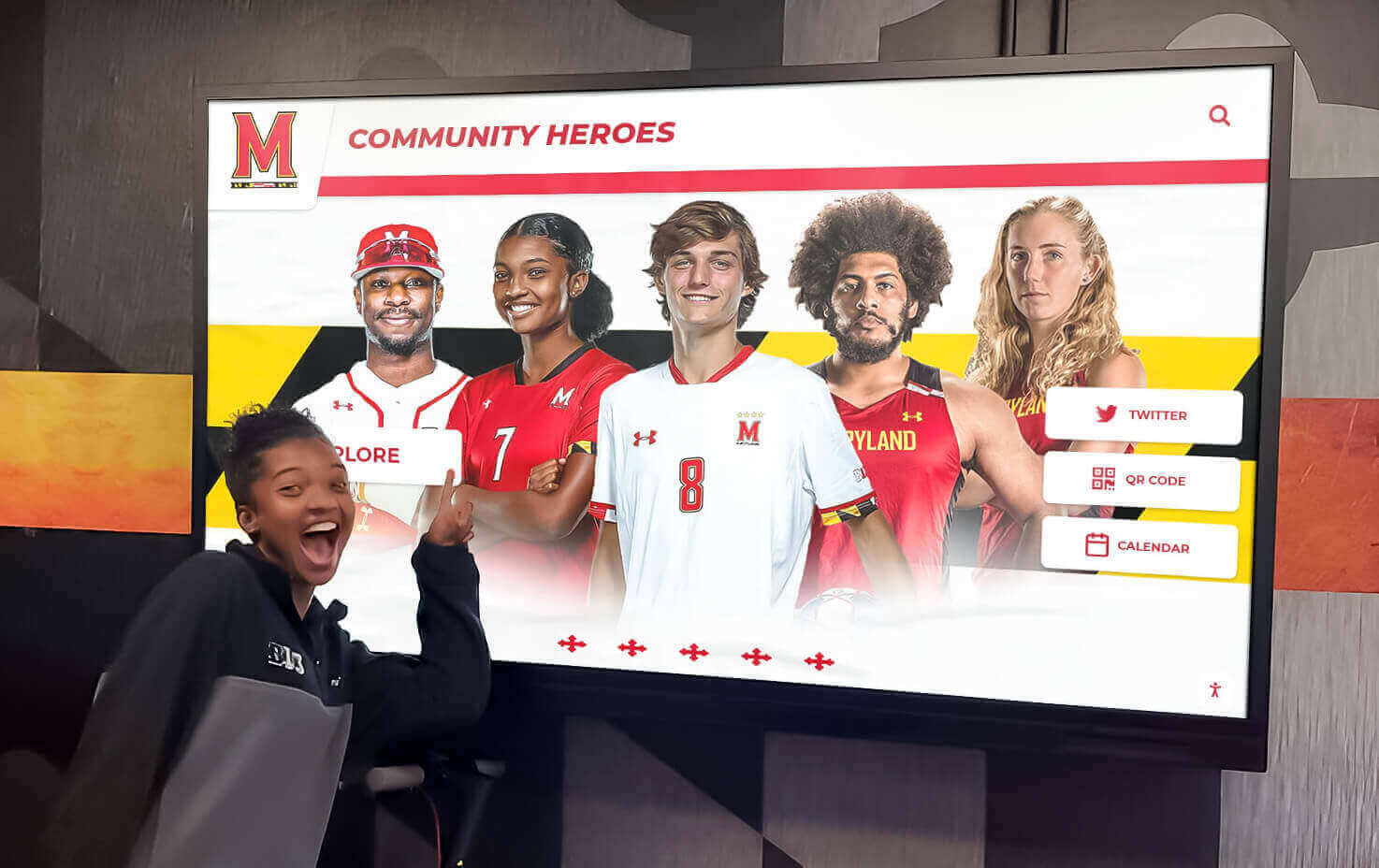
Modern schools celebrate PE achievements through recognition displays showcasing fitness milestones, sportsmanship awards, and student accomplishments
Program Snapshot: Elementary PE Game Framework
Understanding how different game types support specific learning objectives helps teachers design comprehensive programs meeting diverse student needs.
| Game Category | Primary Skills Developed | Key Benefits |
|---|---|---|
| Locomotor Movement Games | Running, skipping, galloping, hopping, jumping | Builds fundamental movement patterns essential for all physical activities |
| Throwing and Catching Activities | Hand-eye coordination, object control, spatial awareness | Develops manipulative skills transferring to sports and daily activities |
| Cooperative Team Challenges | Communication, problem-solving, teamwork, trust | Teaches social skills while removing competitive pressure |
| Modified Sport Games | Sport-specific skills, rules understanding, strategy | Introduces athletics in age-appropriate, inclusive formats |
| Fitness Station Circuits | Cardiovascular endurance, strength, flexibility, coordination | Builds physical fitness while maintaining high engagement through variety |
This structured approach ensures elementary PE programs systematically develop physical competencies across multiple domains while maintaining the playful, engaging atmosphere essential for young learners.
Grades K-2: Foundational Movement Games
Early elementary students need games emphasizing fundamental motor skills in non-threatening, success-oriented environments.
Locomotor Movement Activities
Building basic movement patterns through engaging games creates physical literacy foundations:
Traffic Light Game
- Students move through space responding to color commands
- Green = run, Yellow = walk, Red = freeze in balanced position
- Variations: Add movements (blue = skip, orange = hop on one foot)
- Benefits: Develops listening skills, body control, and spatial awareness
- Equipment: None required (colored cones optional for visual learners)
Animal Movement Challenge
- Students imitate animal movements when called
- Bear walk (hands and feet), frog jump, crab walk, snake slither
- Incorporates different movement patterns and muscle groups
- Engages imagination while building strength and coordination
- Easily modified for different ability levels
Freeze Dance with Movement Cards
- Music plays while students perform designated movement
- When music stops, students freeze in creative positions
- Rotate through skipping, galloping, sliding, hopping
- Develops rhythmic awareness and movement variety
- No elimination—everyone participates throughout activity
Bean Bag Balance Relay
- Students walk/run designated course with bean bag balanced on head or shoulder
- Teaches body control and postural awareness
- Can modify speed and distance for different skill levels
- Cooperative version: Partners work together balancing shared object
- Builds core strength and spatial orientation
Understanding comprehensive field day activity planning helps PE teachers design larger events incorporating multiple game stations simultaneously.
Basic Object Control Games
Introducing throwing, catching, and kicking through low-pressure activities:
Rolling Ball Circle
- Students sit in circle rolling playground balls to each other
- Emphasizes gentle rolls and two-hand catches
- Progression: Increase circle size, use multiple balls simultaneously
- Teaches taking turns and awareness of others
- Successful for all skill levels
Balloon Keep-Up
- Individual or small group challenge keeping balloon(s) airborne
- Slow balloon movement provides success for developing hand-eye coordination
- Variations: Use different body parts, count consecutive hits
- Completely non-competitive, focuses on personal challenge
- Can incorporate counting and cooperative teamwork
Target Throwing Stations
- Multiple stations with different targets and throwing implements
- Bean bags at hula hoops, yarn balls at buckets, foam balls at targets
- Students rotate through stations practicing various throwing motions
- Self-paced allows each student appropriate challenge level
- Teaches proper throwing mechanics: step with opposite foot, follow through
Parachute Play
- Students hold parachute edges performing various movements
- Make waves (small movements), make mushroom (lift high and sit inside)
- Roll balls on top while keeping them from falling off
- Develops upper body strength and cooperative timing
- Highly engaging for students who struggle with individual skill activities
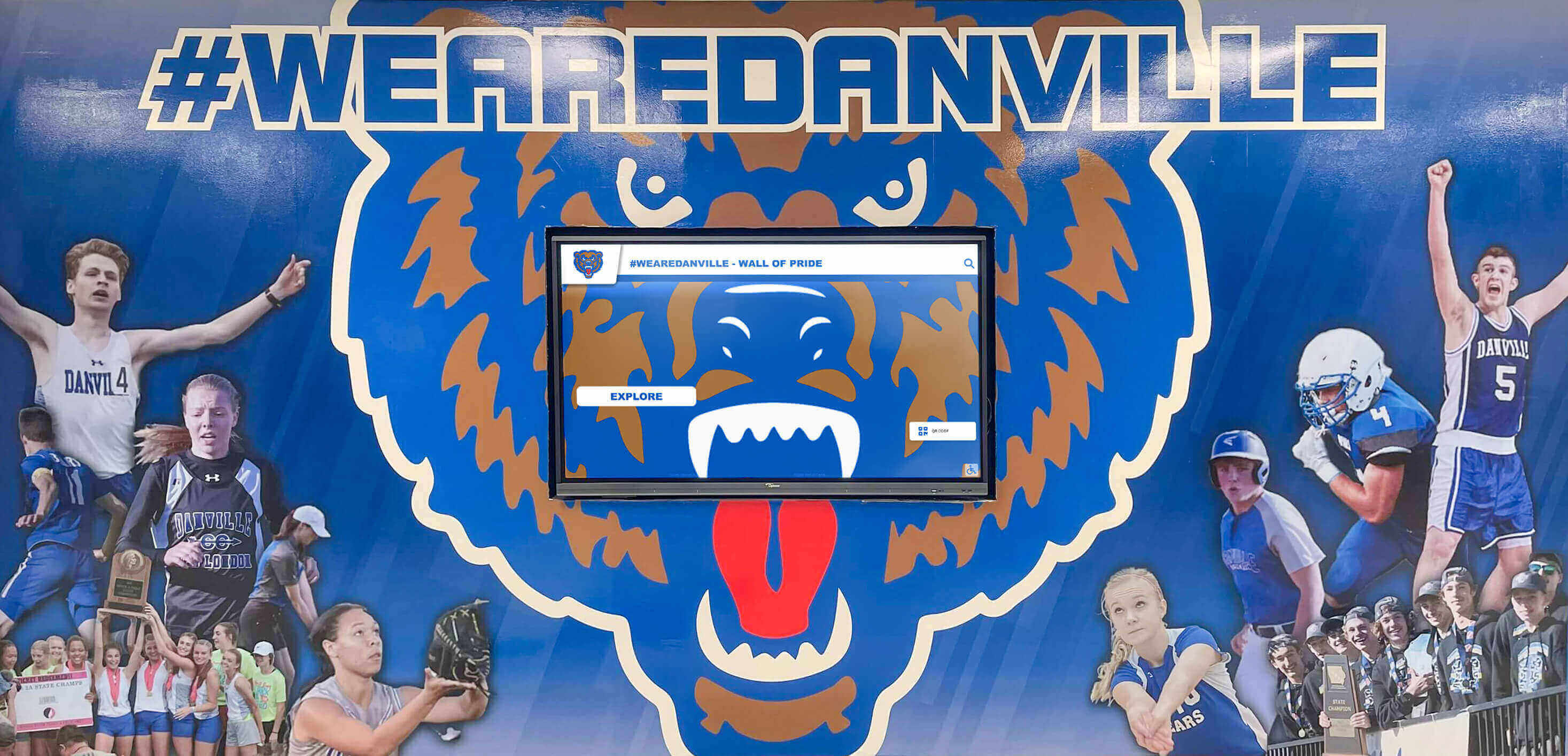
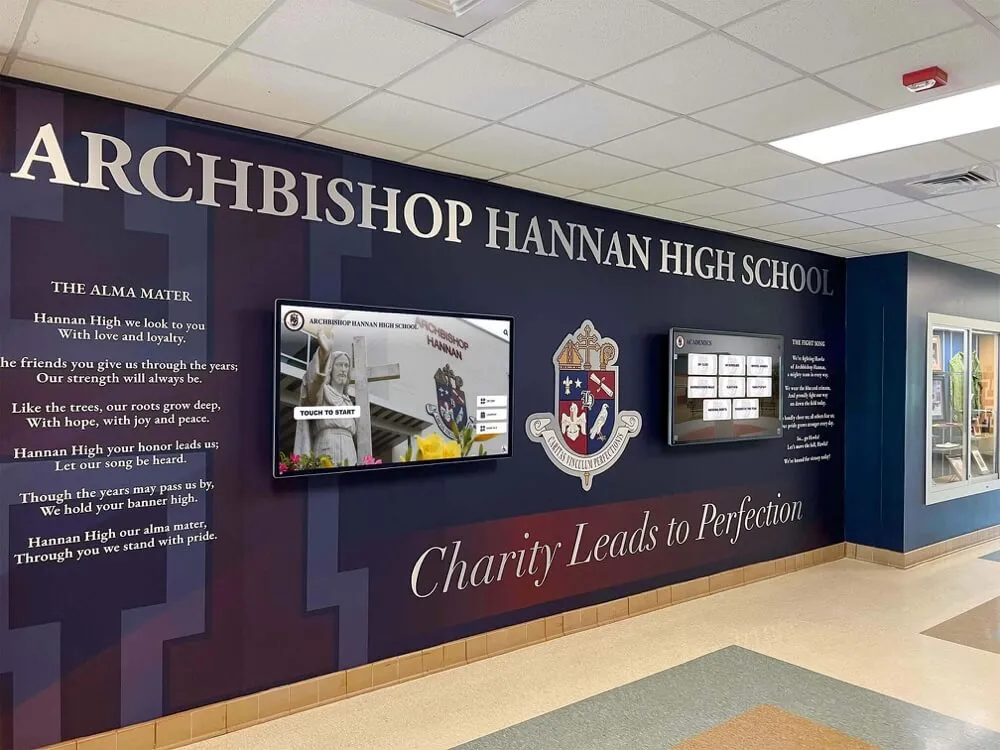
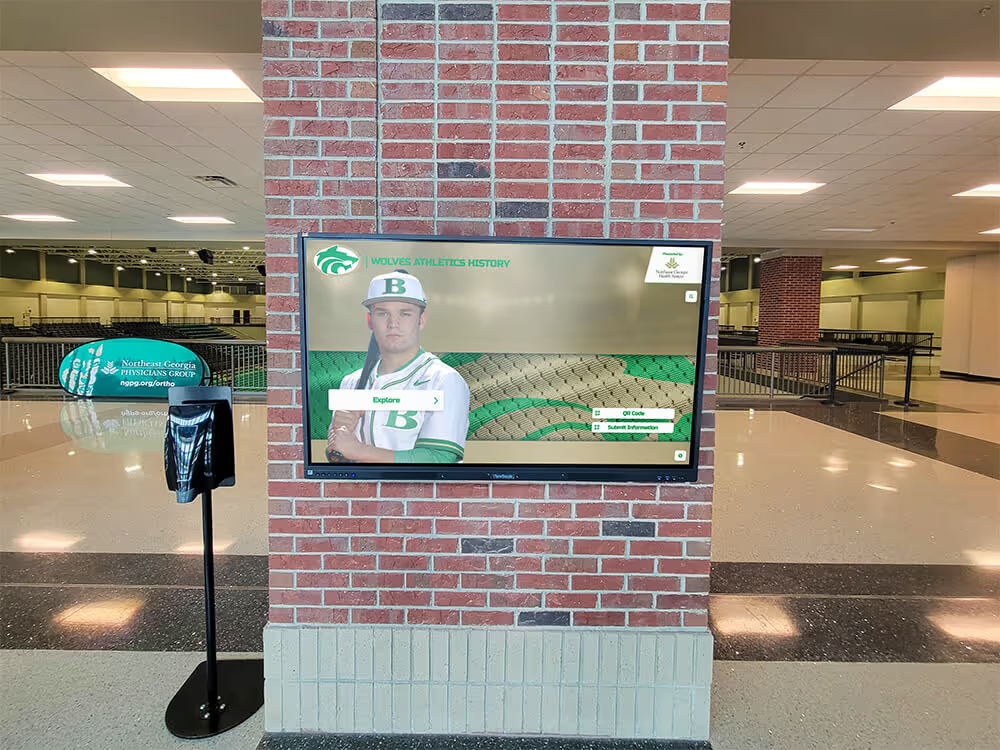
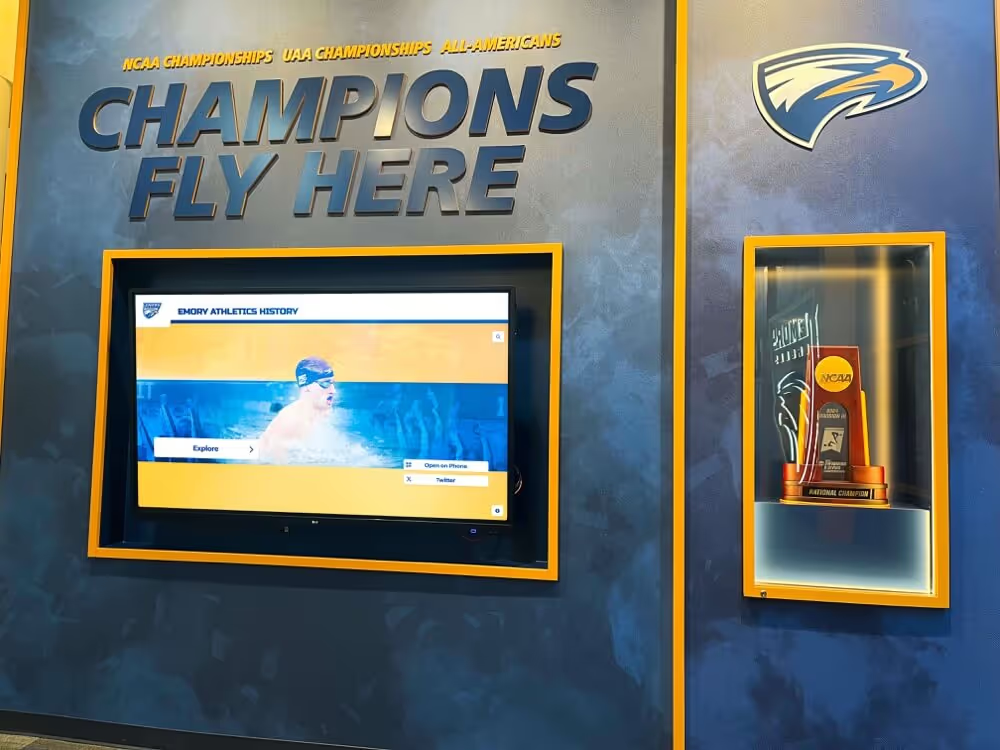
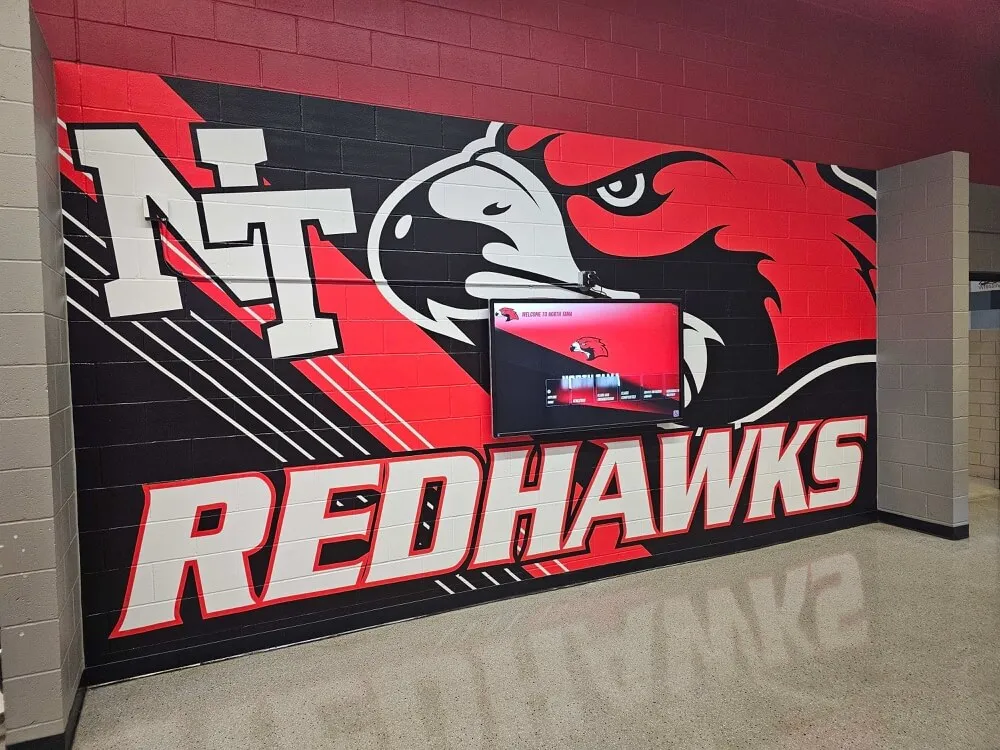
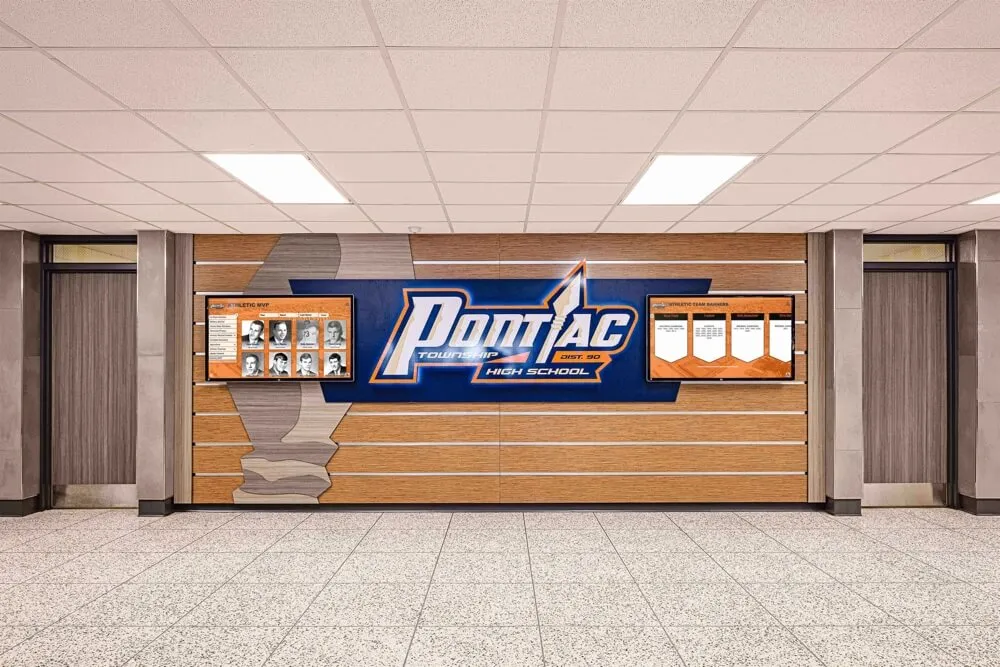
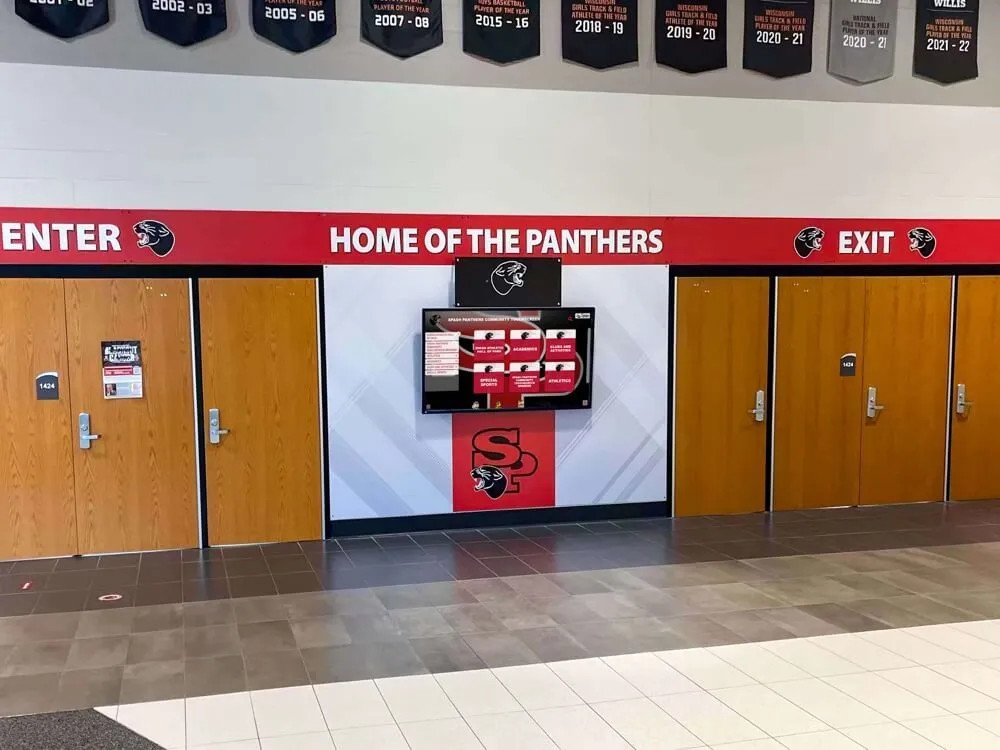
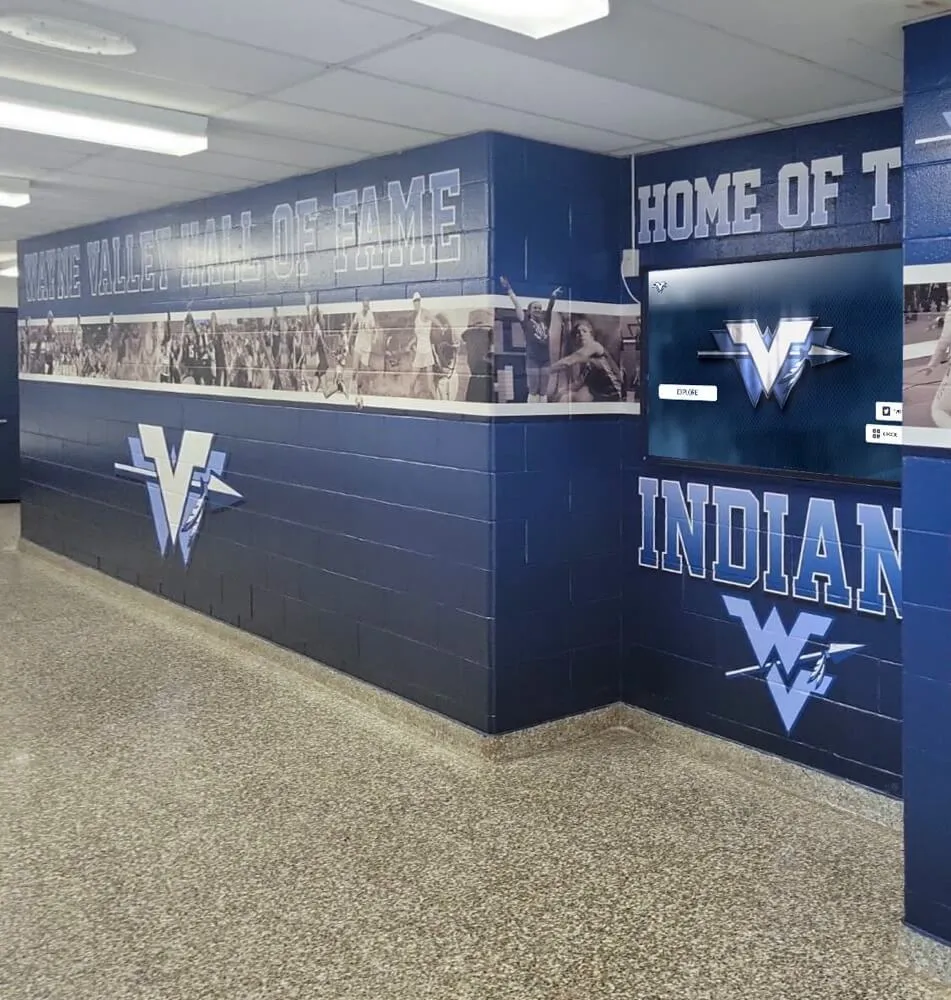
Schools create positive PE culture through hallway displays celebrating physical education achievements and fitness milestones
Cooperative Team Games
Building social skills through non-competitive challenges:
Partner Bean Bag Transfer
- Partners transport bean bags from one location to another using only specified body parts
- Between elbows, on backs while crawling, between foreheads
- Emphasizes communication and cooperation
- No racing—focus on successful completion
- Teaches problem-solving and patience
Hula Hoop Chain
- Students hold hands in circle with hula hoop on one student’s arm
- Pass hoop around circle without breaking hand connections
- Requires teamwork, body awareness, and creative problem-solving
- Completely cooperative—success benefits entire group
- Can time attempts and work toward improvement
Group Juggling
- Circle of 8-10 students establishing pattern passing foam ball
- Add additional balls once pattern established
- Focus on remembering pattern and successful catches
- Develops concentration and group coordination
- Can increase difficulty by changing ball types or pattern complexity
Island Hopping
- Small groups travel from one location to another
- Can only step on designated “islands” (poly spots, carpet squares, paper plates)
- Fewer islands than students requires creative cooperation
- Teaches planning, communication, and problem-solving
- Physical and mental challenge combined
Exploring student recognition programs provides frameworks for celebrating PE achievements alongside academic honors.
Grades 3-5: Skill Development and Modified Sports
Upper elementary students benefit from games incorporating more complex skills and strategic thinking.
Advanced Locomotor and Agility Games
Building speed, agility, and strategic movement:
Four Corners
- Numbered corners with students choosing location when eyes closed
- Called number is out OR continues (modify for inclusion)
- Inclusive version: All numbers perform challenge rather than elimination
- Develops quick decision-making and spatial orientation
- Highly engaging with appropriate suspense
Capture the Flag Variations
- Modified rules for elementary age: Multiple flags, safe zones, tag requires touch only
- Emphasizes strategy, teamwork, and sustained cardiovascular activity
- Rotate roles ensuring all students experience different positions
- Can modify boundaries for ability levels
- Teaches offensive and defensive concepts
Pac-Man Tag
- Played on court lines (students and taggers must stay on lines)
- Multiple “ghosts” try to tag “pac-men” moving through grid
- Develops agility, spatial awareness, and strategic movement
- Can adjust number of taggers for appropriate challenge
- Naturally limits running space making game manageable
Sharks and Minnows
- Minnows attempt to cross gym while sharks try to tag in middle
- Tagged students become sharks for next round
- Teaches dodging, faking, and change of direction
- Cardiovascular workout with brief rest between rounds
- Can modify boundaries for different ability levels
Ultimate Frisbee (Modified)
- Flying disc instead of ball, no running with disc
- Simplified rules: Complete passes to advance, no physical contact
- Emphasizes throwing accuracy and teamwork
- Success doesn’t require elite athletic ability
- Inclusive game allowing all students meaningful participation
Modified Team Sports
Introducing traditional sports through age-appropriate modifications:
Three-Team Rotation Sports
- Three teams: Two playing while third officiates or manages equipment
- Shorter games with frequent rotations maintain engagement
- Soccer, basketball, volleyball, hockey all work with format
- Reduces standing time, increases total participation
- Teaches multiple perspectives (player, official, manager)
Small-Sided Games
- 3v3 or 4v4 instead of full teams
- More touches for each player, less complexity
- Basketball, soccer, floor hockey all benefit from reduced numbers
- Can run multiple simultaneous games
- Develops skills faster through increased participation
Skill Challenge Stations
- Sport-specific skills practiced at stations
- Basketball: Dribbling through cones, shooting from various spots, passing accuracy
- Rotate groups through stations rather than extended game play
- Allows individualized challenge appropriate to skill level
- More active time than traditional game formats
Lead-Up Games
- Simplified versions teaching sport concepts without full complexity
- Newcomb (throwing volleyball over net), kickball (baseball concepts), team handball
- Develops game understanding before introducing full rules
- Success accessible to broader range of abilities
- Natural progression to full sport versions
Understanding middle school award categories helps schools plan recognition programs acknowledging PE achievement as students advance.
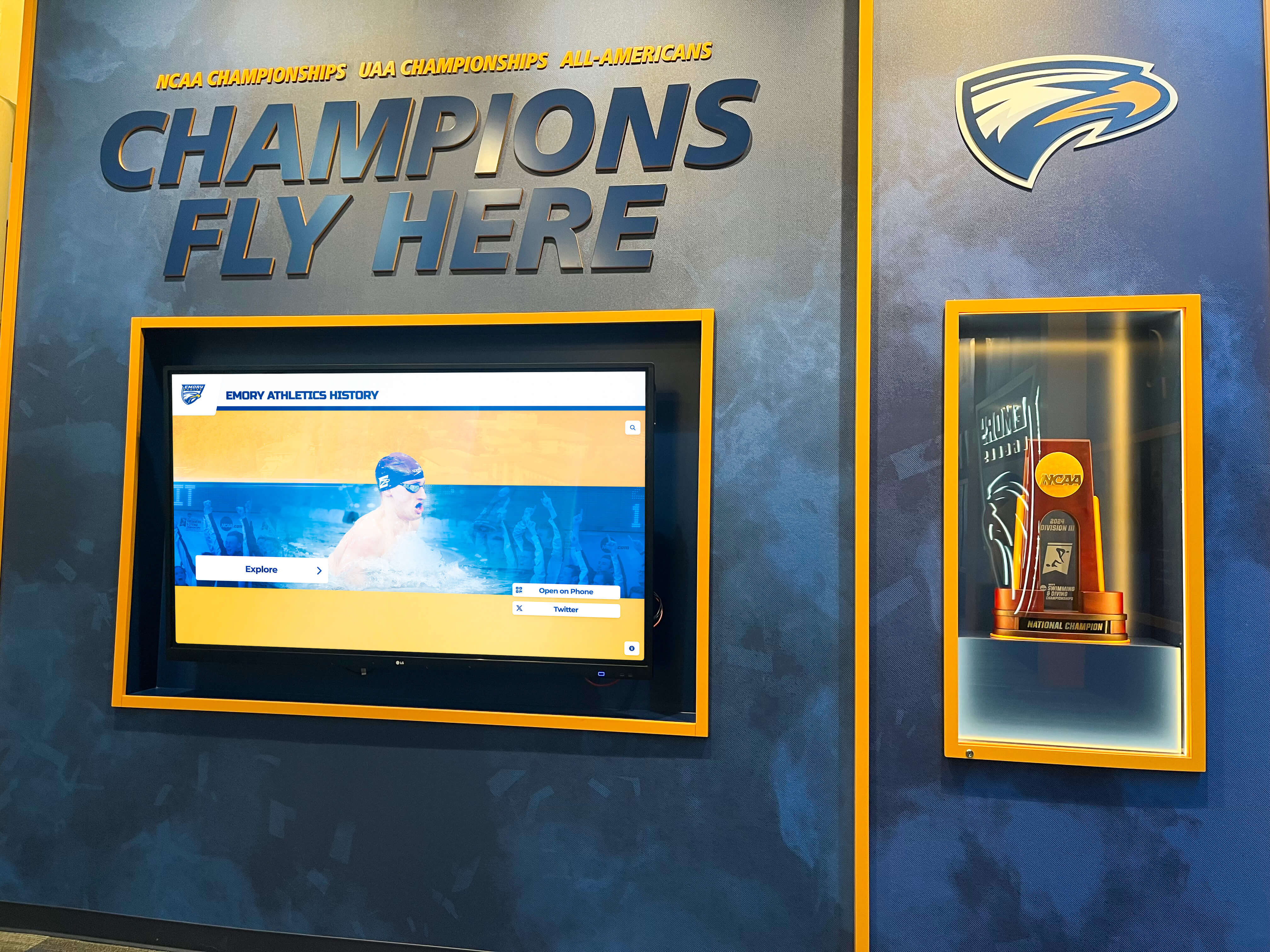
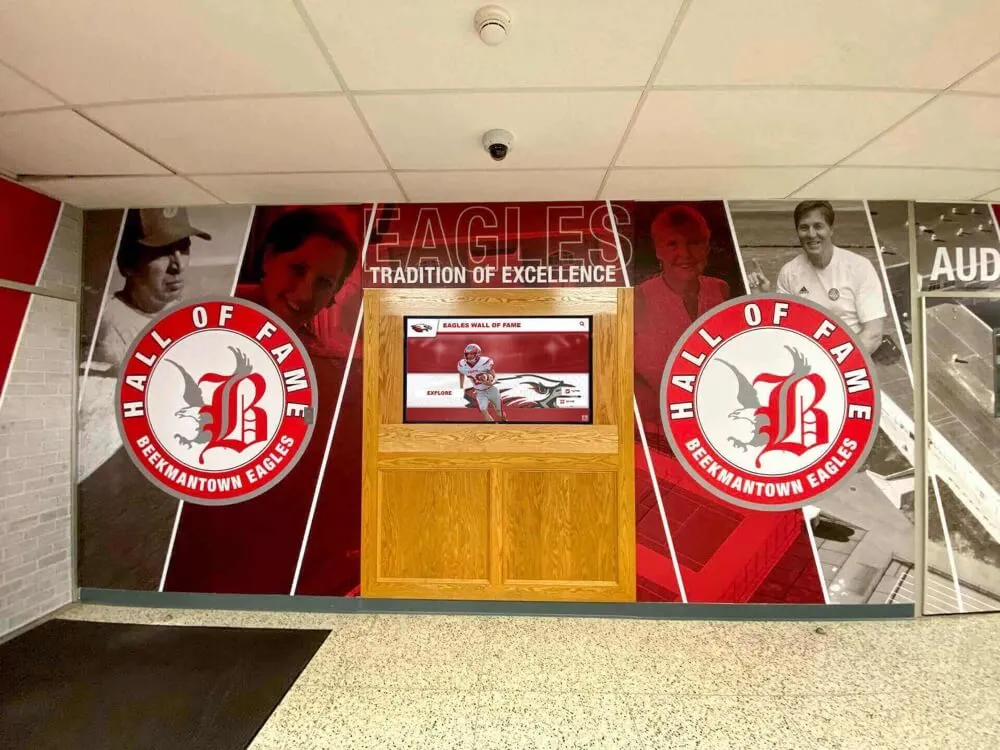
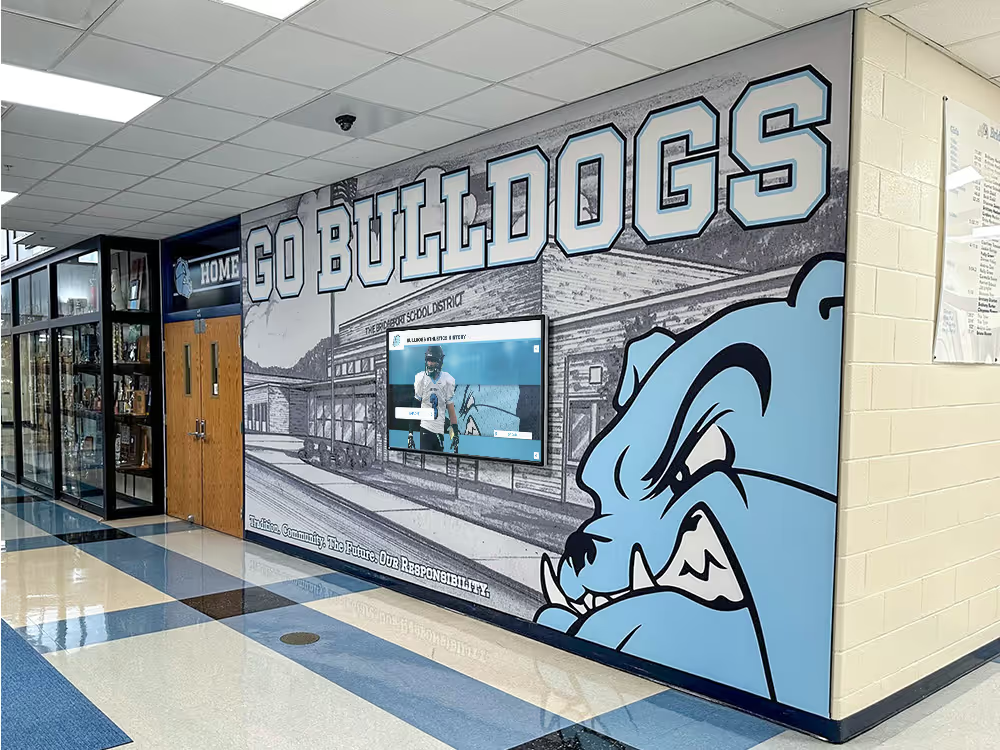
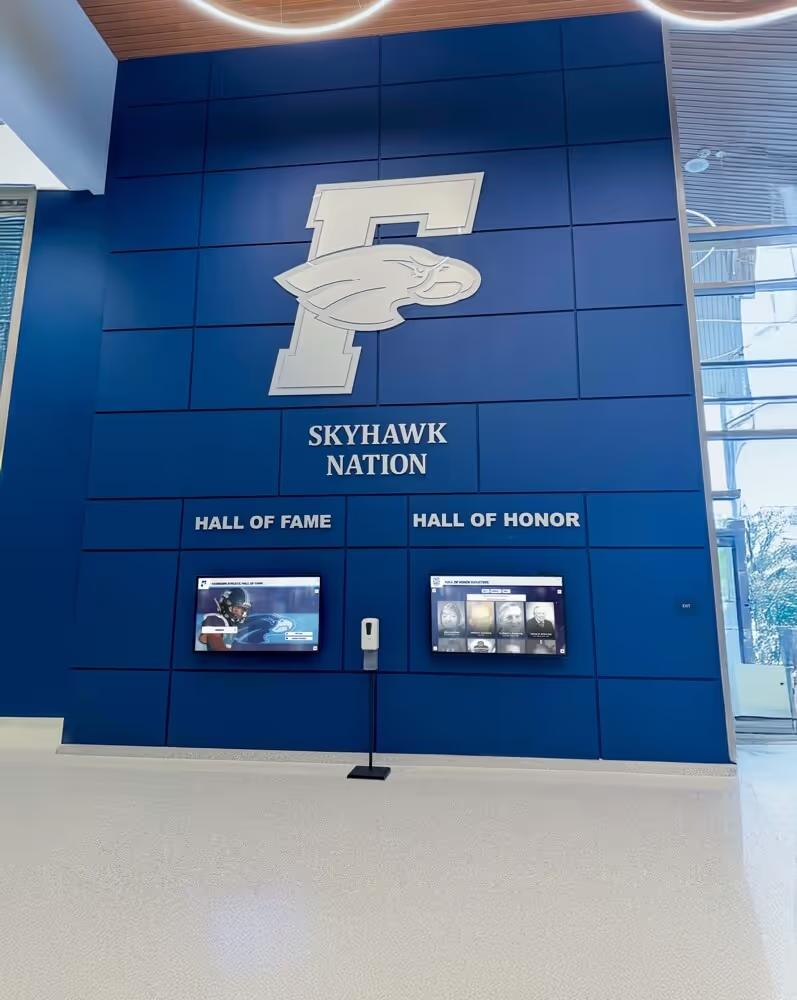
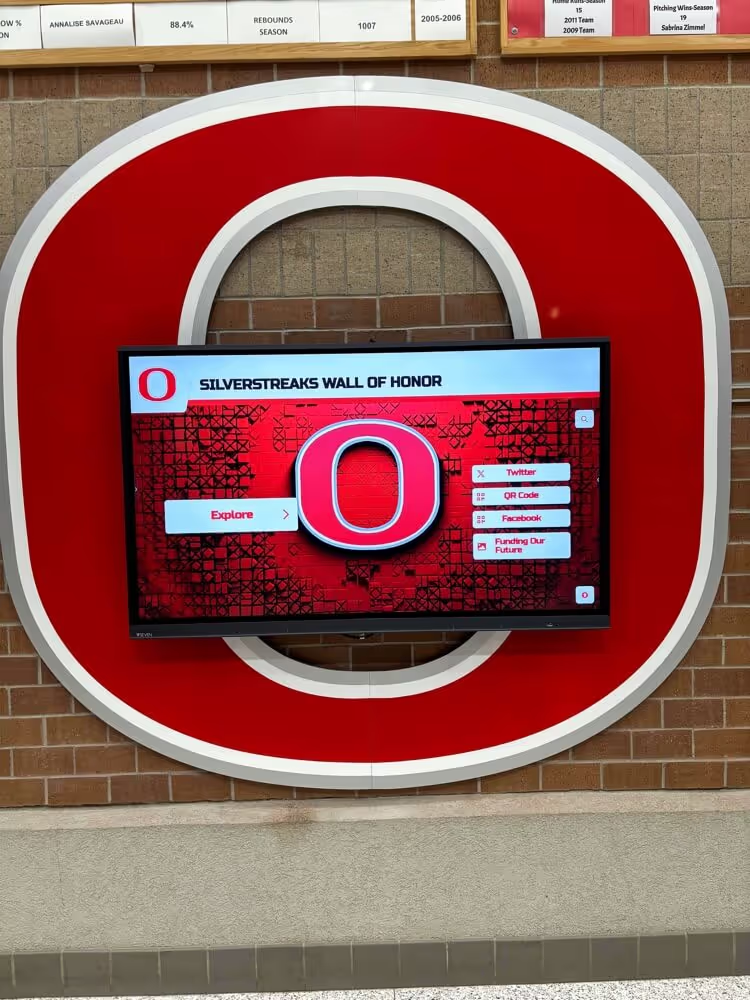
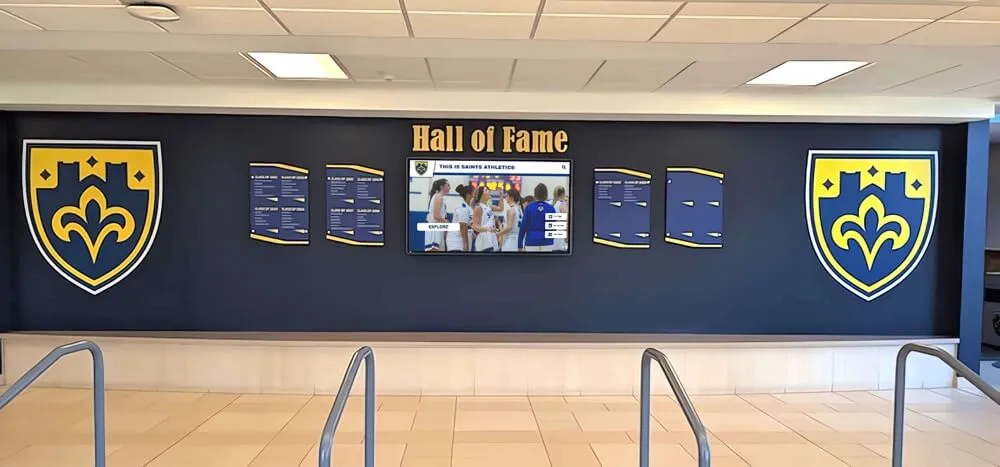
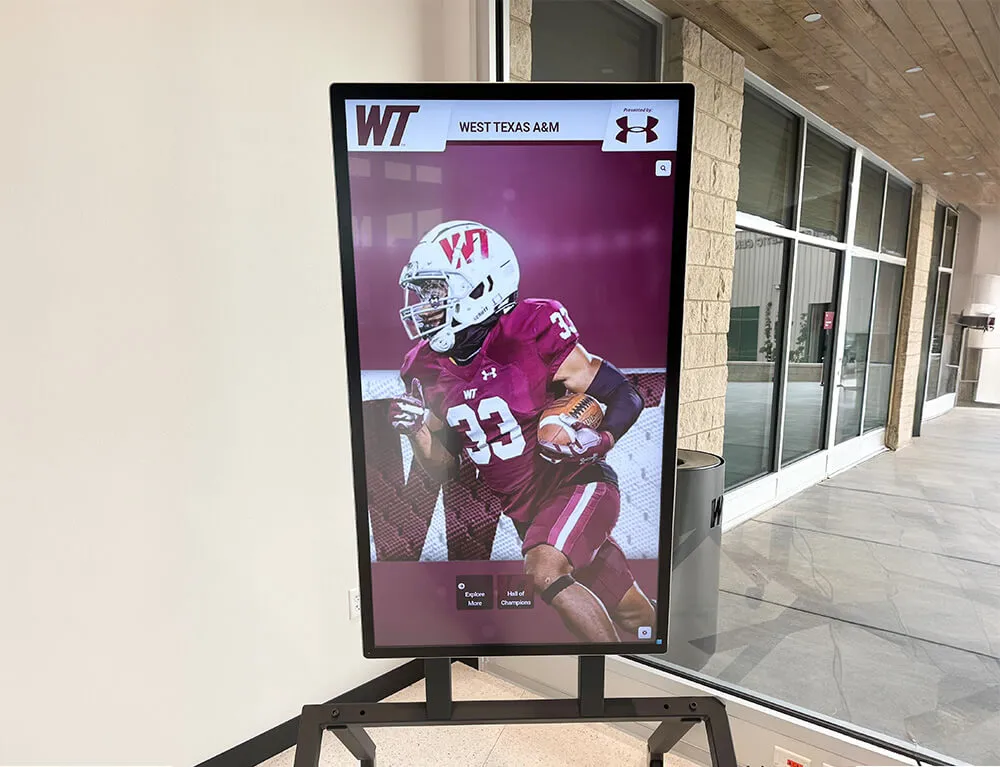
Recognition displays documenting athletic achievements inspire younger students while celebrating physical education excellence
Fitness Circuit and Challenge Activities
Building physical fitness through varied, engaging formats:
Fitness Station Circuits
- 8-12 stations with different fitness challenges
- Jumping jacks, mountain climbers, plank holds, jumping rope, agility ladder
- Students spend 30-45 seconds per station with brief transition time
- Music creates energy and marks timing
- Accommodates all fitness levels through self-paced effort
Exercise Dice Games
- Roll dice to determine which exercise and repetition count
- Partners or small groups work together
- Incorporates math skills (addition, multiplication)
- Element of chance creates engagement
- Can modify exercises for different ability levels
Fitness Bingo
- Bingo cards with various exercises in each square
- Students perform exercise when square called
- First to complete row/entire card (depending on time)
- Variation: Free choice allowing students to select squares
- Makes exercise feel like game rather than work
Obstacle Course Challenges
- Rotating obstacle courses using available equipment
- Crawl under, jump over, balance on, climb through
- Time individual attempts for personal improvement tracking
- Cooperative version: Teams complete together
- Develops multiple fitness components simultaneously
Fitness Scavenger Hunt
- Exercise tasks hidden around gym or outdoor area
- Students find task cards and complete specified activity
- Incorporates cardiovascular activity (searching) with strength/flexibility exercises
- Can incorporate academic content (math problems determining repetitions)
- Adventure element increases engagement
Comprehensive academic recognition programs provide models for systematic PE achievement acknowledgment.
Inclusive Games for Diverse Abilities
Ensuring all students can participate successfully requires thoughtful game selection and modification.
Universal Design Principles for PE Games
Creating accessible activities for varied abilities:
Multiple Means of Participation
- Different roles within same game (thrower, catcher, retriever, scorekeeper)
- Varied equipment options (larger/softer balls, different sized goals)
- Adjustable boundaries and rules based on individual needs
- Success achievable through different pathways
- Ensures meaningful participation rather than token inclusion
Cooperative Rather Than Competitive Structures
- Group challenges where students work together toward common goal
- Personal improvement focus rather than comparison to others
- Eliminates anxiety associated with competitive failure
- Creates supportive rather than judgmental environment
- Students of all abilities contribute meaningfully
Sensory Considerations
- Quiet spaces available for students needing sensory breaks
- Visual demonstrations alongside verbal instructions
- Predictable routines and clear expectations
- Reduced auditory stimulation when possible
- Alternative activities respecting sensory preferences
Specific Modification Strategies
Adapting games for specific needs:
For Students with Limited Mobility
- Seated versions of throwing, catching, and striking activities
- Reduced playing area allowing full participation
- Peer partners assisting with movement when appropriate
- Equipment modifications (lighter balls, larger targets)
- Role assignments matching capabilities
For Students with Visual Impairments
- Sound-producing equipment (beeper balls, bells on goals)
- Physical boundaries students can feel
- Peer guides when appropriate
- Consistent equipment placement and organization
- Verbal descriptions of activities and spatial arrangements
For Students with Different Cognitive Processing Needs
- Simplified rules focusing on core game elements
- Visual rule cards and demonstrations
- Shorter game durations with frequent breaks
- Consistent routines and predictable structure
- Extra processing time for instructions
For Students with Coordination Challenges
- Slower-moving equipment (balloons, foam balls)
- Larger targets and reduced distances
- Success-oriented modifications
- Partner support when beneficial
- Focus on effort and improvement rather than absolute performance
Exploring end-of-year activity ideas provides frameworks for celebrating PE achievement and fitness accomplishments.
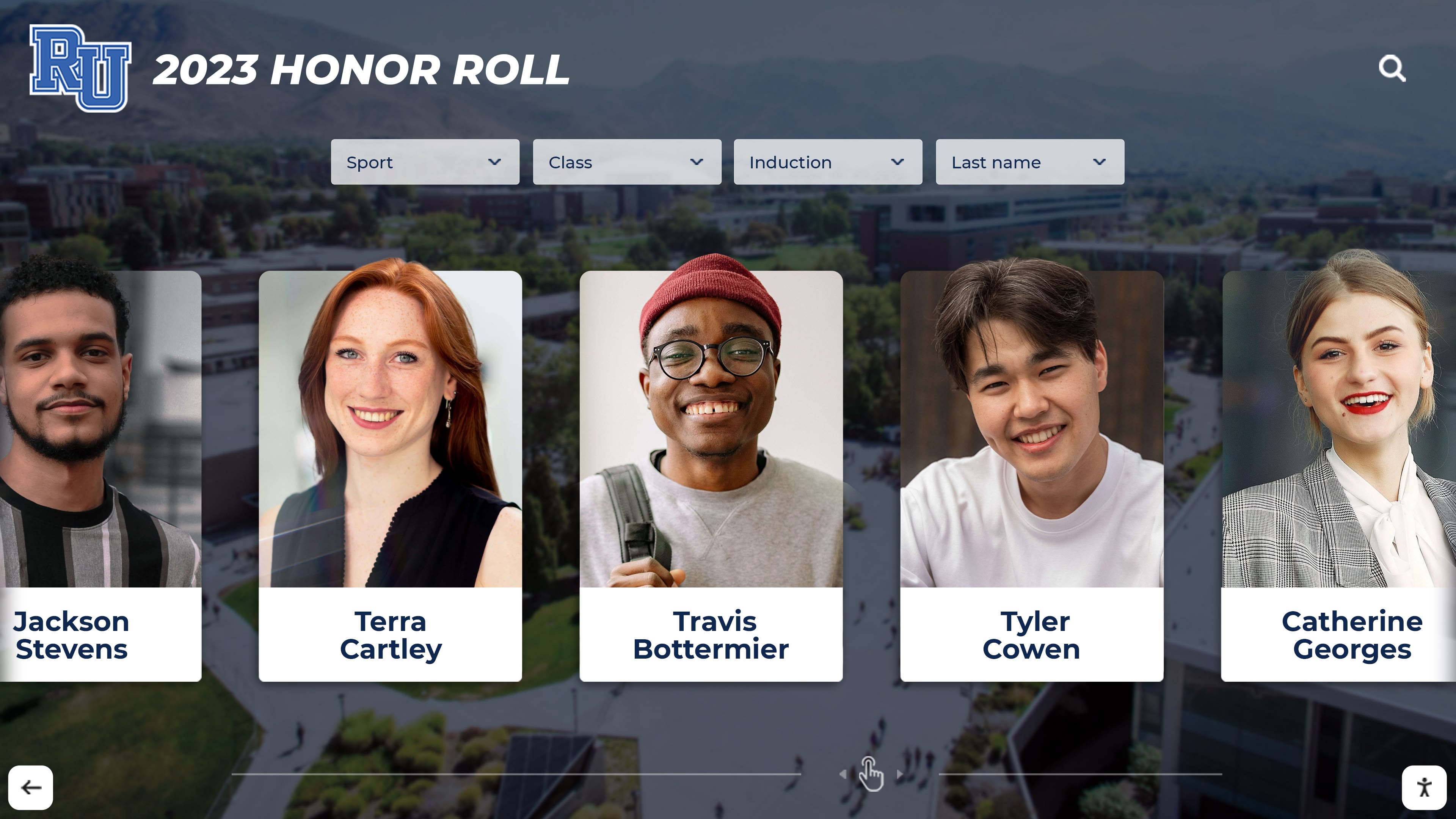
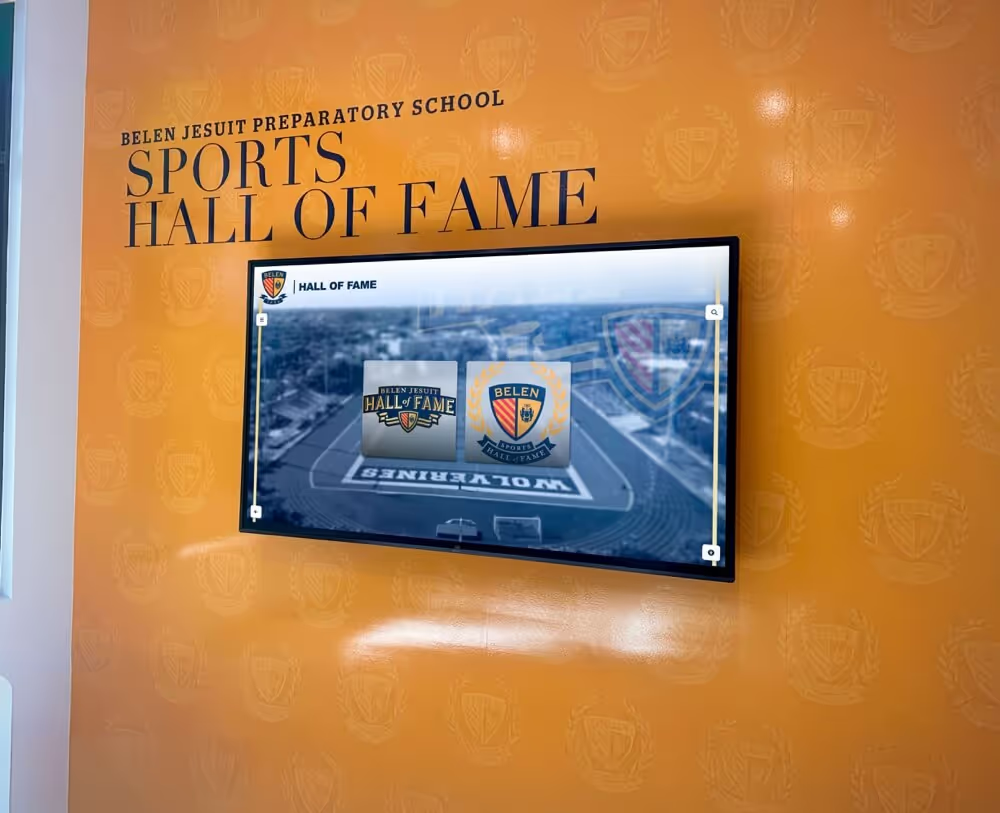
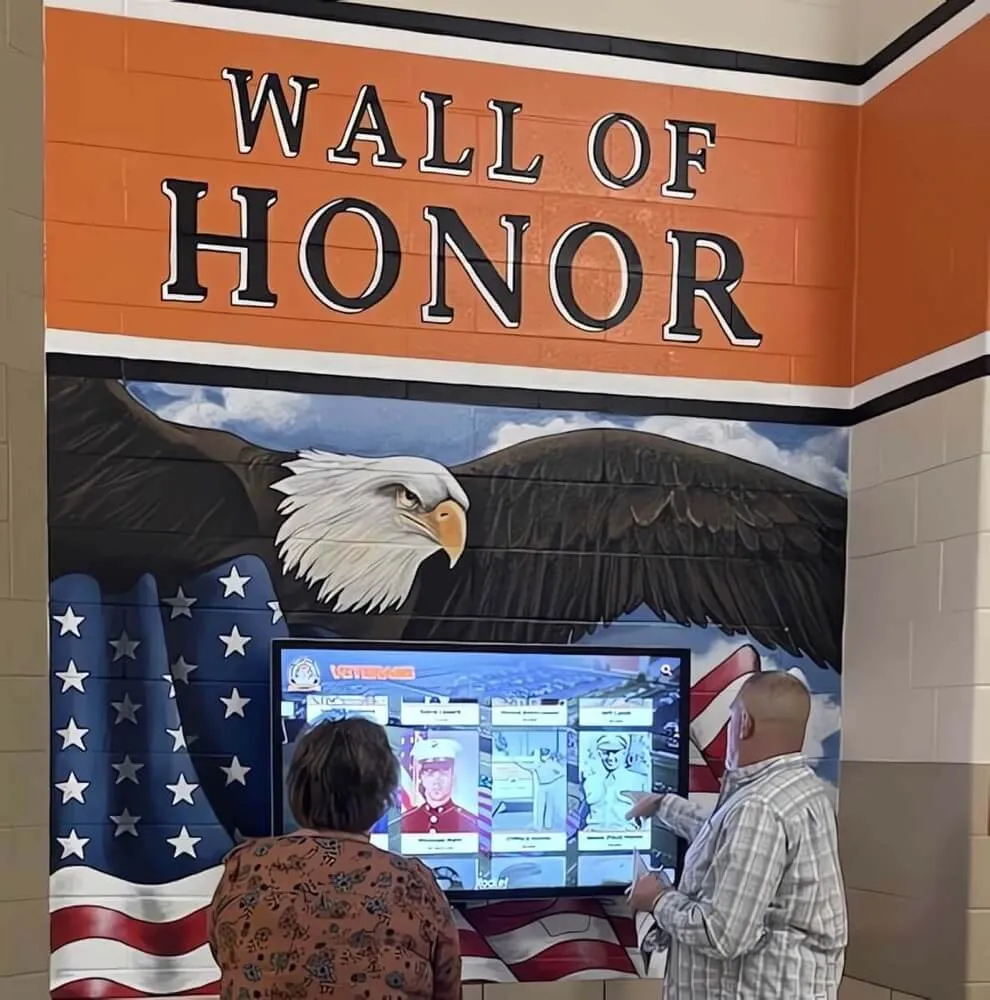
Recognition systems celebrating diverse achievements, including PE milestones and fitness goals, create inclusive school culture
Class Management and Safety Considerations
Effective elementary PE requires systematic organization ensuring safety while maximizing active participation time.
Efficient Transition and Organization Strategies
Minimizing downtime while maintaining safety:
Visual Boundary Markers
- Cones, poly spots, or colored lines clearly defining play areas
- Students understand spatial limits without repeated verbal reminders
- Different colors for different games or teams
- Reduces confusion and increases independent student function
- Essential for multiple simultaneous activities
Equipment Distribution Systems
- Numbered equipment matched to student numbers
- Team bins with all necessary materials
- Students responsible for retrieving and returning
- Teaches responsibility while reducing distribution time
- Minimizes waiting and maximizes movement time
Whistle Signals and Routines
- Consistent signals: One whistle = stop and listen, two whistles = return equipment
- Visual signals for students with hearing differences
- Practiced routines requiring minimal explanation
- Predictability allows smooth transitions
- Reduces need for repeated verbal instructions
Quick Team Formation Methods
- Playing cards, partner numbers, birthday months for random grouping
- Pre-assigned teams for activities requiring consistent groups
- Visual team identification (colored pinnies, wristbands)
- Efficient grouping maximizes activity time
- Reduces social anxiety around team selection
Safety Protocols and Risk Management
Preventing injuries while maintaining active participation:
Proper Warm-Up Sequences
- 5-7 minutes of dynamic movement before vigorous activity
- Age-appropriate movements preparing muscles and joints
- Fun format (movement games) rather than boring stretching
- Teaches lifelong fitness habits
- Reduces injury risk significantly
Space Awareness Education
- Teaching students to be aware of others in shared space
- “Heads up, eyes scanning” reminders
- Appropriate speed for available space
- Stopping when whistle blows regardless of game situation
- Prevents most collision-related injuries
Equipment Safety Checks
- Regular inspection of equipment for damage
- Proper equipment for appropriate ages
- Safe storage preventing trip hazards
- Students report damaged equipment immediately
- Maintains safe environment consistently
Medical Consideration Documentation
- Awareness of student medical conditions (asthma, heart conditions, seizure disorders)
- Modified activities for temporary injuries
- Communication with school nurse and families
- Emergency action plans readily accessible
- Quick access to rescue inhaler or other emergency medications
Boundary and Surface Awareness
- Appropriate distance from walls and equipment
- Understanding of different surface properties (wood floor vs. blacktop)
- Clear out-of-bounds areas
- Hazard identification (wet spots, equipment on floor)
- Students take responsibility for safe space
Recognition Programs Celebrating PE Achievement
Acknowledging physical education accomplishments alongside academic and artistic achievements creates comprehensive school culture valuing diverse contributions.
PE Achievement Recognition Categories
Systematic acknowledgment of physical education excellence:
Fitness Milestone Recognition
- Students achieving specific fitness benchmarks (flexibility, cardiovascular endurance, strength)
- Personal improvement tracking rather than absolute performance comparison
- Individual goals based on baseline assessments
- Celebrates effort and growth mindset
- Inclusive recognition accessible to all students regardless of starting ability
Sportsmanship and Character Awards
- Outstanding examples of fair play, encouragement, and positive attitude
- Students demonstrating inclusive behavior toward all classmates
- Leadership in cooperative activities and team challenges
- Recognizes controllable behaviors within all students’ capability
- Often more meaningful than pure athletic performance awards
Skill Development Progress Recognition
- Mastery of specific PE skills (overhand throw, dribbling, jump rope sequences)
- Progression through skill levels with clear criteria
- Documentation of skill acquisition over elementary years
- Students work toward next level at own pace
- Creates clear goals and celebrates systematic improvement
Participation and Effort Acknowledgment
- Consistent full participation and positive effort
- Trying new activities despite initial difficulty
- Maintaining positive attitude through challenging activities
- Recognizes qualities enabling lifelong fitness commitment
- Particularly meaningful for students without natural athletic gifts
Understanding digital recognition implementation helps schools showcase PE achievements alongside other student accomplishments.
Display and Celebration Methods
Creating visible recognition extending beyond individual moments:
PE Achievement Boards
- Dedicated display space for physical education accomplishments
- Student photos with specific achievements documented
- Rotating recognition ensuring all students featured over time
- Visible location communicating PE importance equal to academics
- Creates positive association with physical activity
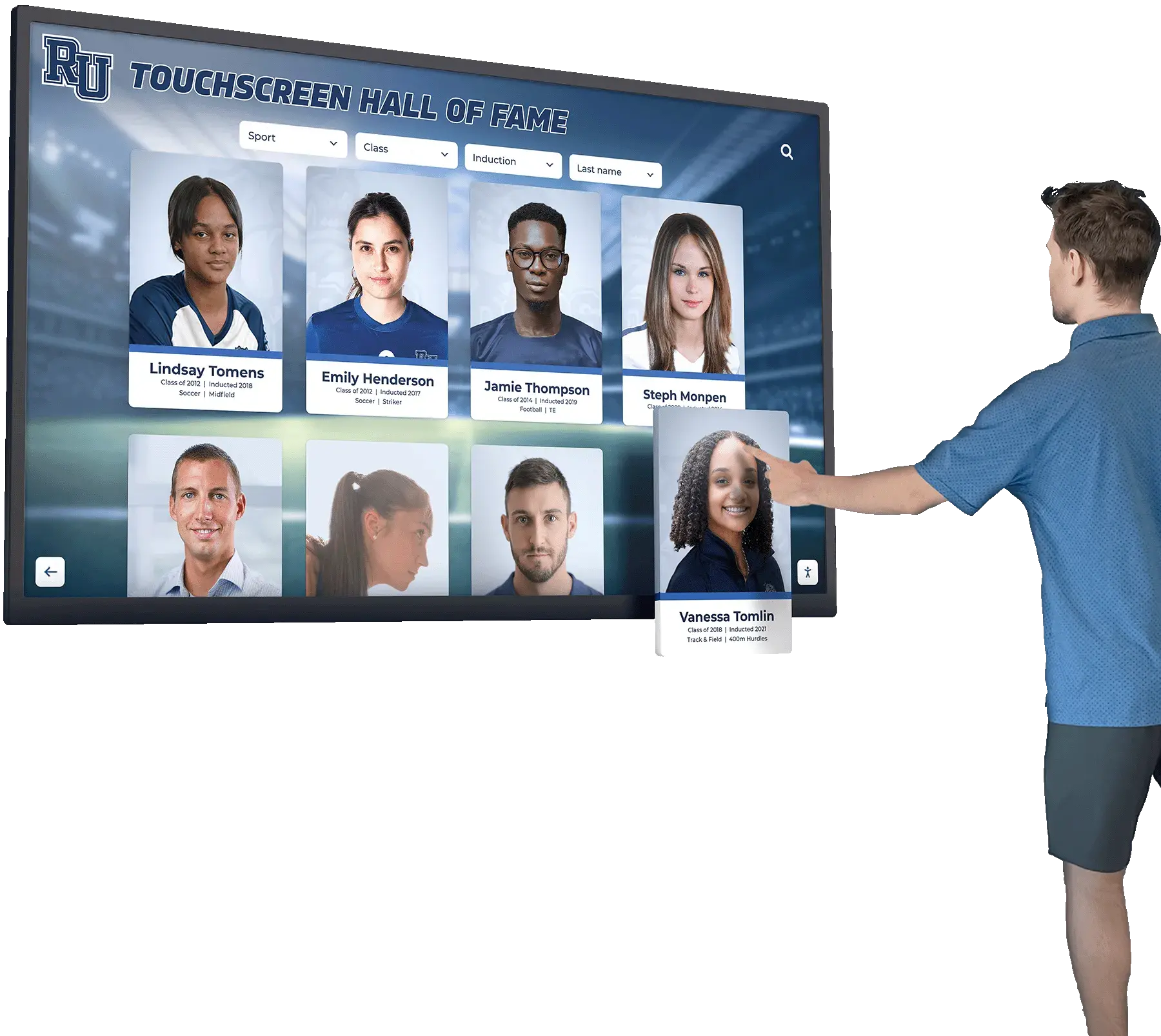
Digital Recognition Systems
- Interactive displays showcasing PE achievements, fitness milestones, and sportsmanship awards
- Video clips of students demonstrating skills or explaining fitness concepts
- Unlimited capacity accommodating all students rather than selecting few
- Updates throughout year maintaining current, relevant recognition
- Family access extending celebration beyond school hours
Solutions like Rocket Alumni Solutions provide specialized recognition platforms enabling schools to celebrate PE accomplishments comprehensively, creating visible acknowledgment that physical education achievements matter alongside academic and artistic excellence while building school culture valuing active, healthy lifestyles.
Class Recognition Ceremonies
- Quarterly or semester recognition during PE class time
- Certificates, ribbons, or tokens acknowledging specific achievements
- Public acknowledgment in age-appropriate format
- Parent notification of recognition
- Creates positive memories associated with physical education
School-Wide PE Celebrations
- Annual field days showcasing PE skills learned throughout year
- PE demonstrations during school assemblies or family events
- Integration of PE achievements in school newsletters and announcements
- Student-led presentations explaining fitness concepts
- Elevates PE status within broader school culture
Comprehensive school event planning incorporates PE showcases alongside traditional academic and artistic programs.
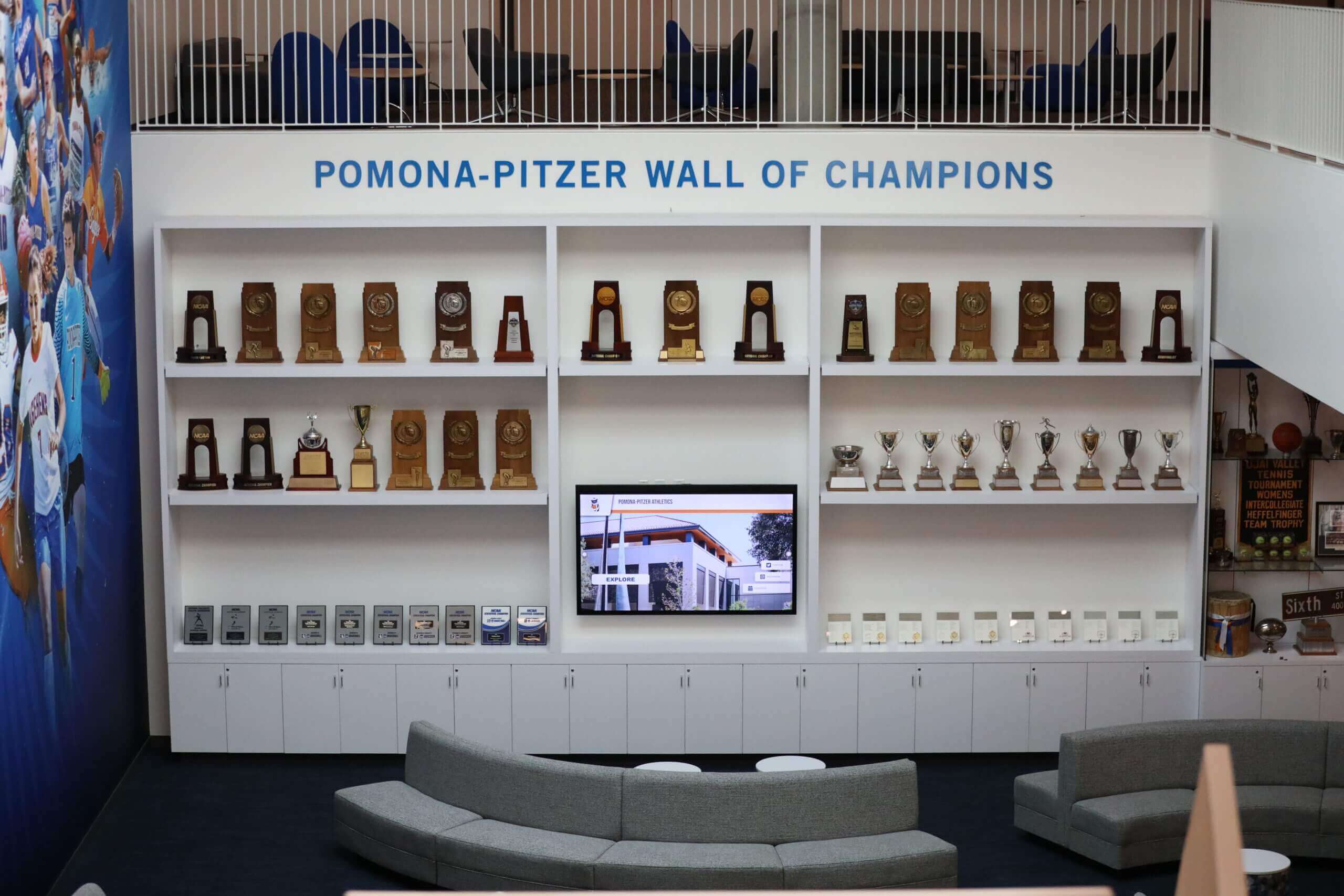
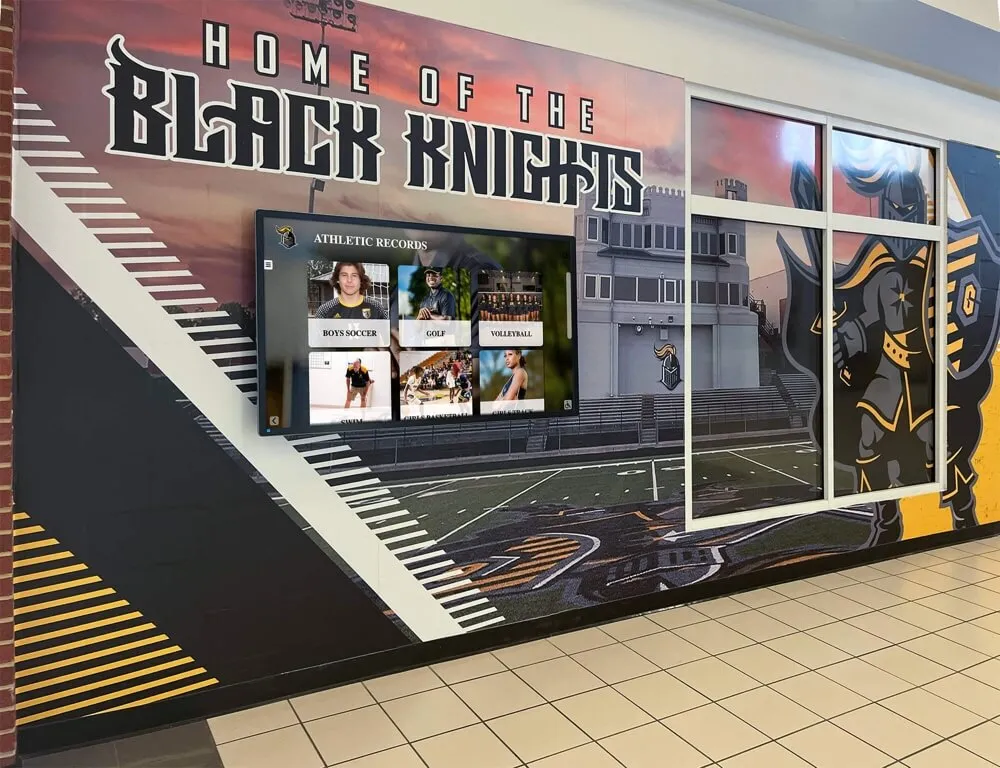
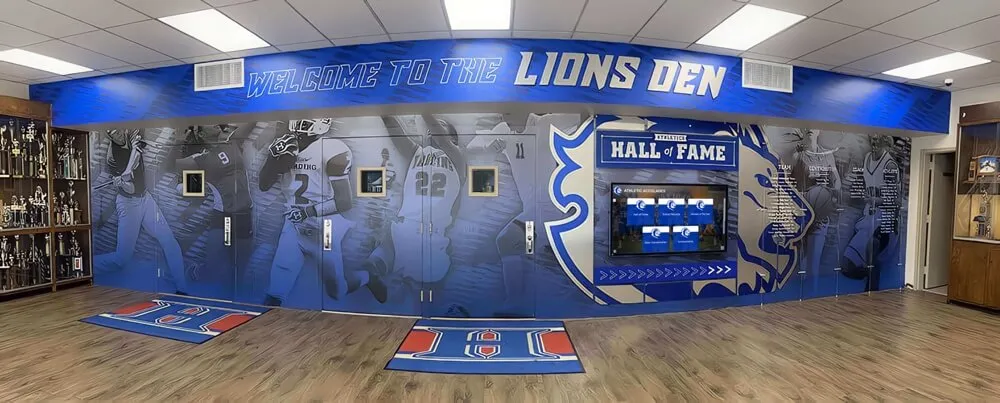
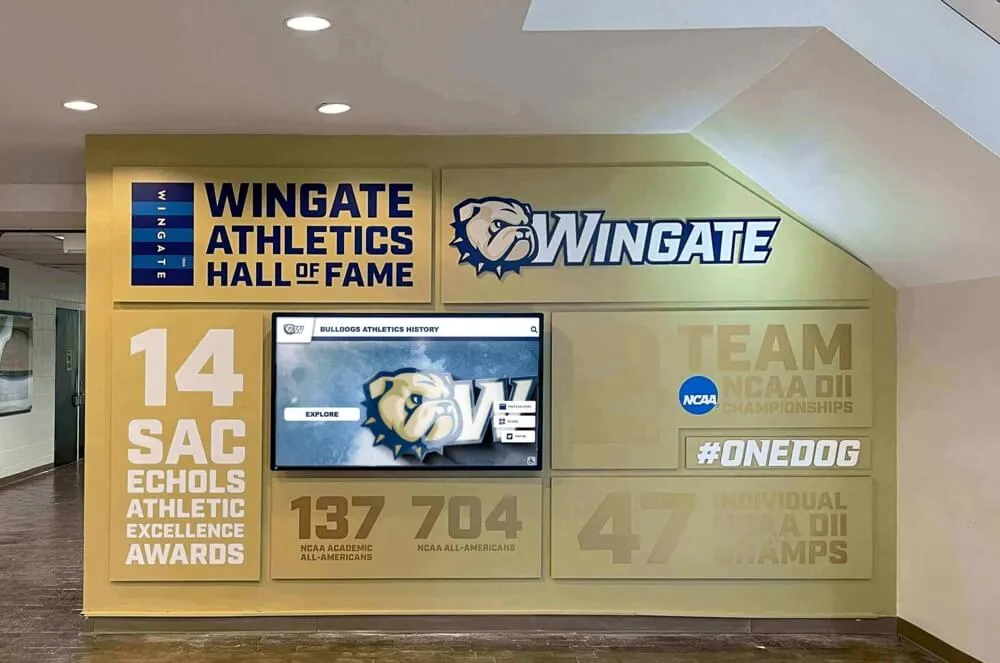
Recognition displays in athletic facilities inspire elementary students while documenting the progression from PE participation to competitive athletics
Seasonal and Special Event PE Activities
Varying activities throughout year maintains engagement while teaching diverse skills.
Outdoor Season Activities (Fall/Spring)
Maximizing outdoor space when weather permits:
Ultimate Games (Frisbee, Football)
- Flying discs or foam footballs provide throwing variation
- Open field running with strategic positioning
- Cooperative passing sequences rather than competitive scoring
- Develops throwing accuracy and catching skills
- Highly engaging team format
Orienteering and Navigation Games
- Age-appropriate map reading and location finding
- Clue-based scavenger hunts around school grounds
- Partner challenges promoting cooperation
- Integrates cognitive skills with physical activity
- Adventure element creates high engagement
Track and Field Stations
- Running, jumping, throwing events at multiple stations
- Focus on personal improvement and proper technique
- Non-competitive format celebrating individual achievement
- Develops diverse athletic skills
- Prepares students for traditional field days
Outdoor Fitness Challenges
- Nature-based obstacle courses
- Playground equipment incorporation
- Hill running, trail walking, outdoor yoga
- Connects fitness with natural environment
- Teaches fitness extends beyond gym walls
Winter Season Indoor Alternatives
Maintaining engagement during indoor-only periods:
Floor Hockey and Indoor Soccer
- Controlled environments for modified team sports
- Smaller spaces require different strategies than outdoor play
- Foam equipment ensuring safety
- High activity levels maintaining fitness during weather restrictions
- Team building during extended indoor periods
Dance and Movement Units
- Line dancing, folk dancing, creative movement
- Fitness through coordinated rhythmic activity
- Cultural education through international dance forms
- Performance opportunities for families
- Appeals to students preferring artistic movement
Indoor Climbing and Traversing
- Equipment like climbing walls or horizontal ladders
- Upper body strength development
- Problem-solving and route planning
- Personal challenge rather than competition
- Develops confidence and body awareness
Tumbling and Gymnastics Basics
- Forward rolls, cartwheels, balance beam activities
- Body control and spatial awareness
- Structured progression from basic to advanced
- Safety emphasized through proper instruction and spotting
- Develops balance, coordination, and strength
Special Event Programming
Creating memorable PE experiences:
Jump Rope for Heart
- Fundraising combined with jump rope skill development
- Community service integrated with fitness
- Individual and group jumping challenges
- Connects PE to broader social responsibility
- Positive memories associated with physical activity
School Olympics
- Multi-day event featuring various PE activities
- Opening ceremonies, team assignments, closing celebrations
- Modified events ensuring all students can participate successfully
- School-wide excitement around physical education
- Creates traditions students anticipate annually
Family Fitness Nights
- Evening events where families participate in PE games together
- Demonstrates skills students learned during school year
- Builds home-school connection around physical activity
- Parents learn activities to play with children outside school
- Communicates PE program value to broader community
Guest Instructor Sessions
- Local athletes, coaches, or fitness instructors visiting classes
- Exposes students to activities beyond traditional PE curriculum
- Builds connections with community resources
- Inspires students through role model interactions
- Demonstrates career possibilities in fitness and athletics fields
Understanding kindergarten celebration planning provides frameworks for age-appropriate recognition ceremonies celebrating student accomplishments.
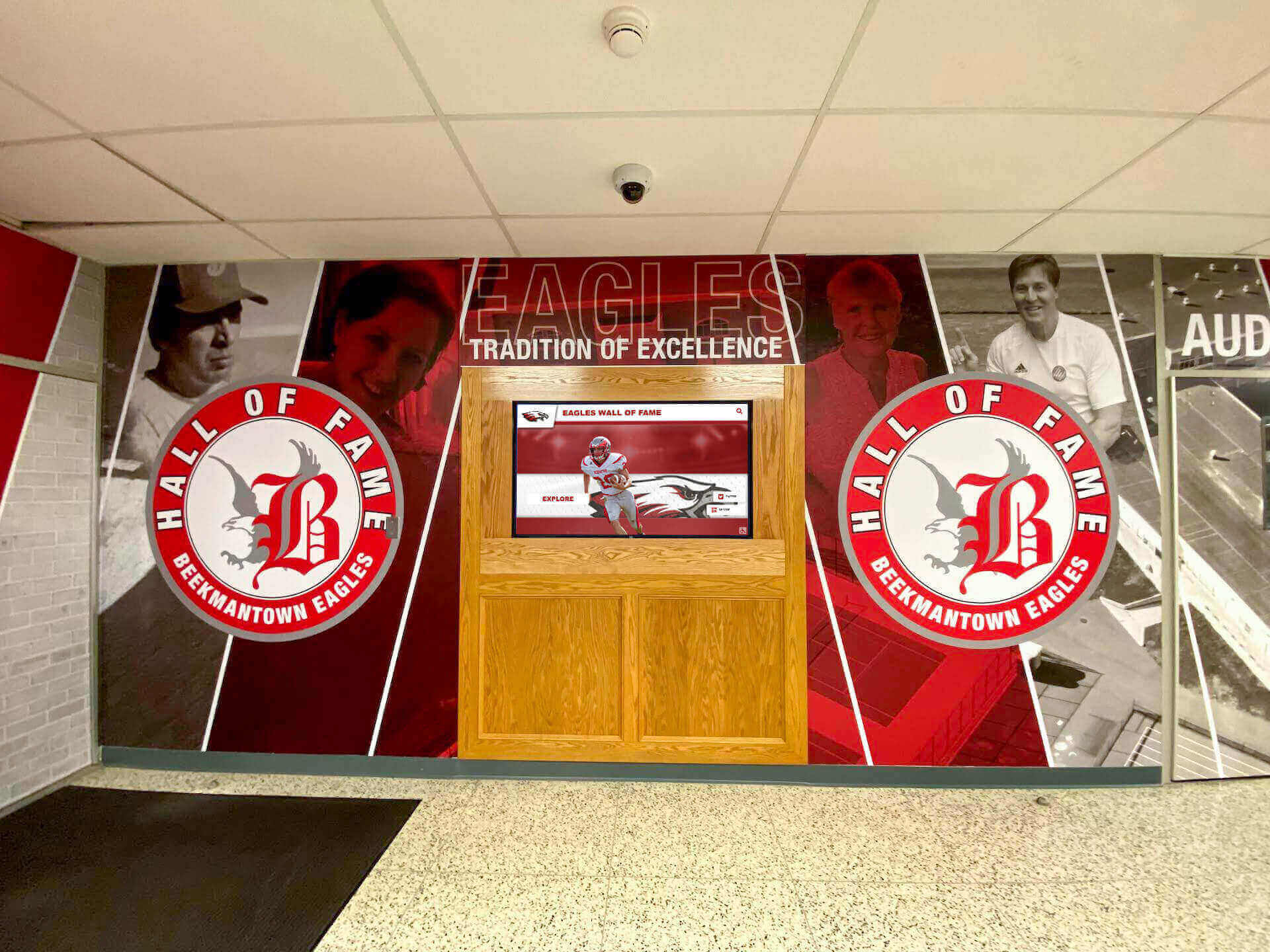
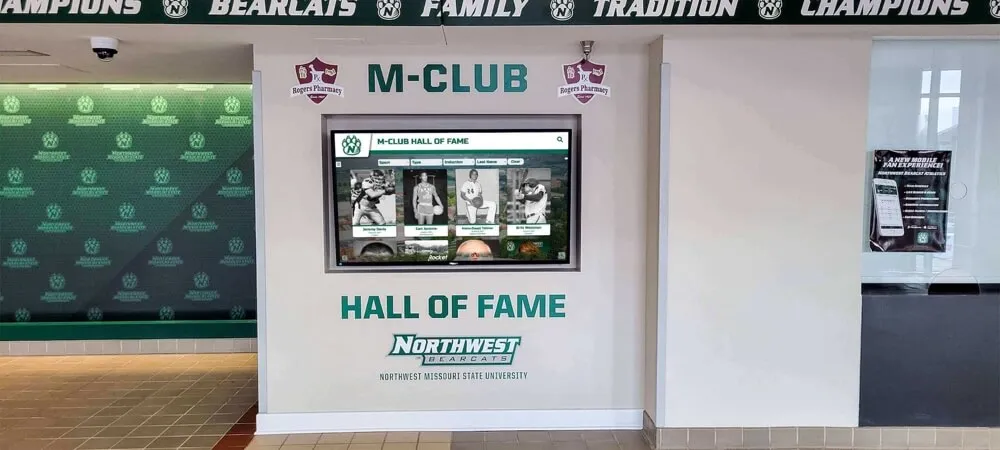
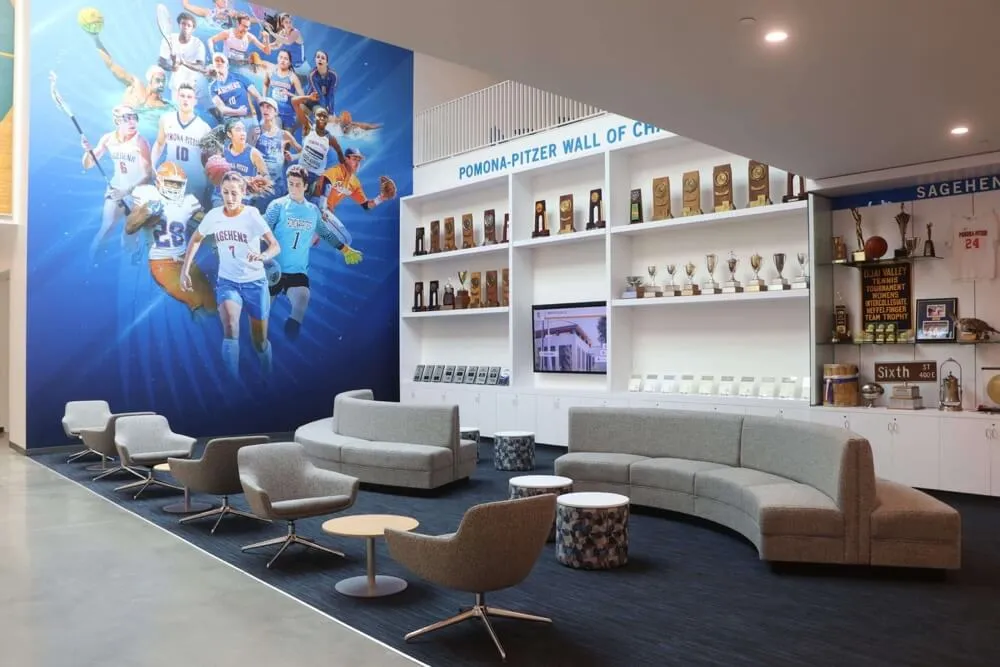
Prominent lobby displays documenting athletic and PE achievements create school culture celebrating physical education alongside academic excellence
Assessment and Progress Tracking in Elementary PE
Systematic documentation of student development supports instruction while celebrating growth.
Skills-Based Assessment Approaches
Tracking physical skill development:
Skill Rubrics and Checklists
- Clear criteria for skill mastery at different levels
- Students understand expectations and work toward progression
- Documentation of skill acquisition throughout elementary years
- Teachers identify students needing additional support
- Creates clear communication with families about PE development
Video Analysis
- Recording students performing skills for technique evaluation
- Students watch own performance identifying improvement opportunities
- Portfolio documenting skill development over time
- Motivating to see own progress visually
- Enables targeted feedback on specific technique elements
Peer Assessment Opportunities
- Students evaluate partners using provided criteria
- Develops observational skills and understanding of proper technique
- Creates collaborative learning environment
- Reduces teacher burden while increasing student engagement
- Teaches constructive feedback skills
Self-Assessment and Reflection
- Students evaluate own performance and set personal goals
- Reflection on effort, improvement, and areas for growth
- Develops metacognitive awareness about learning process
- Creates ownership of PE development
- Particularly valuable for students with diverse abilities
Fitness Tracking Systems
Documenting physical fitness development:
Baseline and Progress Assessments
- Beginning-of-year fitness testing (flexibility, cardiovascular endurance, strength)
- Regular check-ins tracking improvement
- Individual comparison rather than class-wide ranking
- Visual progress charts motivating continued effort
- Educates students about components of physical fitness
Personal Fitness Journals
- Students record activities, effort levels, and feelings about PE
- Develops awareness of connection between activity and wellbeing
- Integrates writing and self-reflection with physical education
- Creates dialogue between teacher and student about PE experience
- Particularly valuable for students struggling with traditional PE activities
Goal Setting and Achievement Documentation
- Students set realistic, specific fitness or skill goals
- Regular progress checks with teacher support
- Celebration when goals achieved
- New goals set creating continuous improvement cycle
- Teaches goal-setting process applicable beyond PE
Class-Wide Fitness Challenges
- Collaborative goals (total class miles run, collective repetitions)
- Combines individual contribution with group achievement
- Non-competitive but goal-oriented
- Charts or graphs showing class progress toward goal
- Creates positive peer support around fitness participation
Integration with Classroom Learning
Connecting PE with academic content reinforces both areas while creating efficient use of instructional time.
Math and Science Connections
Academic integration through physical activities:
Data Collection and Graphing
- Students collect fitness data (heart rate, distance, repetitions)
- Create graphs displaying personal or class progress
- Calculate averages, ranges, and improvements
- Real-world math application with personal relevance
- Teaches data analysis through kinesthetic learning
Science Concepts Through Movement
- Body systems (circulatory, respiratory, muscular, skeletal) taught through PE context
- Nutrition education connected to fuel for physical activity
- Physics concepts (force, motion, trajectory) through throwing and catching
- Weather and seasonal changes affecting outdoor activity
- Makes science concepts tangible through physical experience
Measurement Activities
- Measuring distances thrown, jumped, or run
- Time tracking for various activities
- Weight and size of different equipment
- Angles in throwing or kicking
- Standard and metric unit exposure
Pattern Recognition
- Movement patterns in dance or gymnastics
- Play patterns in team sports
- Repeating sequences in fitness circuits
- Rhythmic patterns in jumping rope or drumming activities
- Develops pattern thinking through kinesthetic modality
Literacy and Social Studies Integration
Cross-curricular connections enhancing both PE and academics:
Reading and Following Directions
- Written station instructions students must read and follow
- Task cards describing activities or challenges
- Rule sheets for games requiring reading comprehension
- Vocabulary development through PE-specific terms
- Supports diverse learning styles through movement connection
Cultural Study Through Games
- Traditional games from various cultures around world
- Historical context of sports and physical activities
- Geographic awareness through origin of different activities
- Multicultural appreciation through physical education
- Makes social studies concepts experiential
Communication Skills
- Partner and team activities requiring verbal communication
- Explaining strategies and game concepts
- Conflict resolution during team activities
- Active listening during instruction
- Develops oral communication in authentic contexts
Creative Writing Extensions
- Journaling about PE experiences
- Creating new games and writing rule descriptions
- Reflecting on teamwork and cooperation experiences
- Describing feelings about physical challenges overcome
- Makes writing personally meaningful through PE connection
Understanding teacher recognition approaches helps schools celebrate PE specialists alongside classroom teachers.
Building Home-School Connections Around Physical Activity
Extending PE impact beyond school hours requires engaging families in supporting active lifestyles.
Family Communication Strategies
Keeping families informed and involved:
Regular PE Newsletters
- Monthly or quarterly updates on PE curriculum
- Skills students are learning with home practice suggestions
- Explanations of fitness concepts and health benefits
- Community activity suggestions families can do together
- Recognition of student achievements
Activity Calendars for Home
- Simple activities families can complete together
- Daily or weekly challenges encouraging movement
- Requires minimal equipment available in most homes
- Age-appropriate for siblings to participate together
- Creates home fitness culture reinforcing school learning
Video Demonstrations for Families
- Short clips showing games and activities from PE class
- Instructions enabling families to replicate at home
- Students teaching family members creates leadership opportunities
- Makes PE curriculum transparent to parents
- Demonstrates value and rigor of physical education program
Family Fitness Events
- Evening or weekend gatherings with active stations
- Demonstrates PE curriculum to parents
- Opportunities for families to be active together
- Builds community among school families
- Positions school as resource for family wellness
Supporting Active Lifestyles Outside School
Resources helping families maintain physical activity:
Community Recreation Resource Lists
- Local parks, trails, recreation centers, and facilities
- Youth sports leagues and instructional programs
- Free or low-cost activity opportunities
- Addresses barriers families face accessing activity options
- Connects school PE with broader community resources
At-Home Equipment Suggestions
- Inexpensive equipment supporting active play (jump ropes, balls, sidewalk chalk)
- Storage and organization tips for home use
- Safety considerations for home activities
- Emphasizes that elaborate equipment isn’t necessary for active lifestyle
- Removes financial barriers to home physical activity
Screen Time Alternatives
- Active games and challenges replacing sedentary activities
- Family activities creating together time while moving
- Practical suggestions respecting busy family schedules
- Addresses contemporary challenge of electronic entertainment
- Supports school wellness initiatives extending to home environment
Recognition of Out-of-School Activity
- Acknowledging sports participation, family activities, and active hobbies
- Connecting community activities to PE skills
- Celebrating diverse forms of physical activity
- Validates that PE learning extends beyond school gym
- Motivates continued participation in varied activities
Conclusion: Creating Elementary PE Programs That Build Lifelong Fitness Foundations
Elementary school gym games represent far more than ways to occupy students during scheduled PE time—they establish the physical literacy, positive attitudes, and fundamental skills determining whether young students develop active lifestyles persisting throughout life. When games effectively balance skill development with enjoyment, accommodate diverse abilities while maintaining appropriate challenge, and create positive memories associated with movement and fitness, they transform physical education from endurance test into eagerly anticipated opportunity for growth, success, and fun.
The elementary PE activities explored throughout this guide provide practical frameworks for creating programs ensuring every student experiences success, builds essential motor skills, and develops positive relationships with physical activity. From foundational movement games teaching kindergarteners basic locomotion to modified sports introducing upper elementary students to team strategies, these activities address multiple development dimensions while maintaining the playful, engaging atmosphere essential for young learners.
Ready to establish or enhance physical education recognition in your school? Modern digital recognition solutions provide ideal platforms for celebrating PE achievement, combining unlimited recognition capacity accommodating all students with comprehensive documentation systems tracking fitness milestones, interactive displays engaging students and families, multimedia integration showcasing activities and accomplishments, and web accessibility extending recognition beyond school facilities to communities worldwide.
Whether establishing new recognition systems or modernizing existing approaches, success requires understanding diverse contributions deserving acknowledgment in elementary PE, selecting varied activities addressing multiple skill domains and ability levels, creating inclusive environments where all students experience success and growth, and implementing year-round visibility through displays communicating that physical education achievements matter as much as academic and artistic excellence.
Discover how Rocket Alumni Solutions can help your elementary school create professional recognition displays that showcase PE excellence year-round, inspire continued participation in physical activity, and build school culture valuing fitness and wellness throughout your campus and community.
Your elementary students deserve physical education programs providing engaging activities building fundamental skills, creating positive experiences with movement and fitness, accommodating diverse abilities and learning styles, and establishing the foundations for lifelong active living. With thoughtful game selection addressing varied development needs, systematic skill instruction progressing logically through elementary years, inclusive modifications ensuring all students participate meaningfully, and recognition programs celebrating achievements across multiple dimensions, you can create PE experiences students anticipate enthusiastically while developing the physical literacy essential for healthy, active lives.
The essential elements aren’t elaborate equipment, massive gym spaces, or specialized training—they’re genuine commitment to making physical education accessible and enjoyable for all students, creative approaches adapting activities for diverse abilities and interests, systematic recognition communicating that PE achievements matter alongside academics, and persistence building programs creating positive associations with fitness and movement that persist long after elementary school ends.
Start planning your elementary PE program enhancement today, transforming gym class from obligation into opportunity while building the physical skills, positive attitudes, and healthy habits young students will carry throughout their lives.