



Elementary school celebrations create the foundation for lifelong positive associations with education, achievement, and community belonging. These formative events teach young students that their efforts matter, their accomplishments deserve recognition, and they’re valued members of a caring community. When planned thoughtfully, elementary celebrations become powerful traditions that motivate current students, engage families, and establish the recognition culture that supports academic and social development.
Many elementary schools, however, struggle to move beyond generic pizza parties or hastily organized assemblies that fail to create meaningful impact. Time-strapped teachers and administrators need practical frameworks for celebrations that genuinely honor student achievement without overwhelming already packed schedules. Budget constraints limit elaborate events, while diverse student bodies require inclusive approaches ensuring every child feels recognized regardless of academic standing, athletic ability, or family resources.
This comprehensive guide provides practical elementary school celebration ideas spanning end-of-year ceremonies, achievement recognition programs, seasonal events, and ongoing recognition systems that build positive school culture throughout the academic year.
Elementary celebration planning requires balancing multiple priorities: creating memorable experiences that resonate with young children, maintaining inclusive approaches that recognize diverse achievements, respecting time constraints facing busy educators, and working within realistic budgets while still delivering professional, polished events that families remember. The most successful elementary celebrations accomplish all these goals through systematic planning and strategic use of recognition tools.

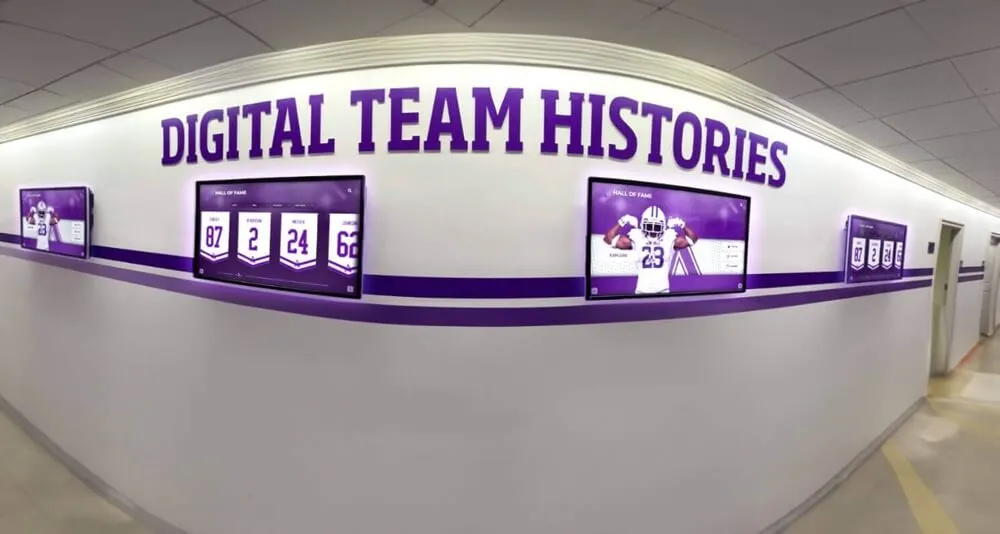
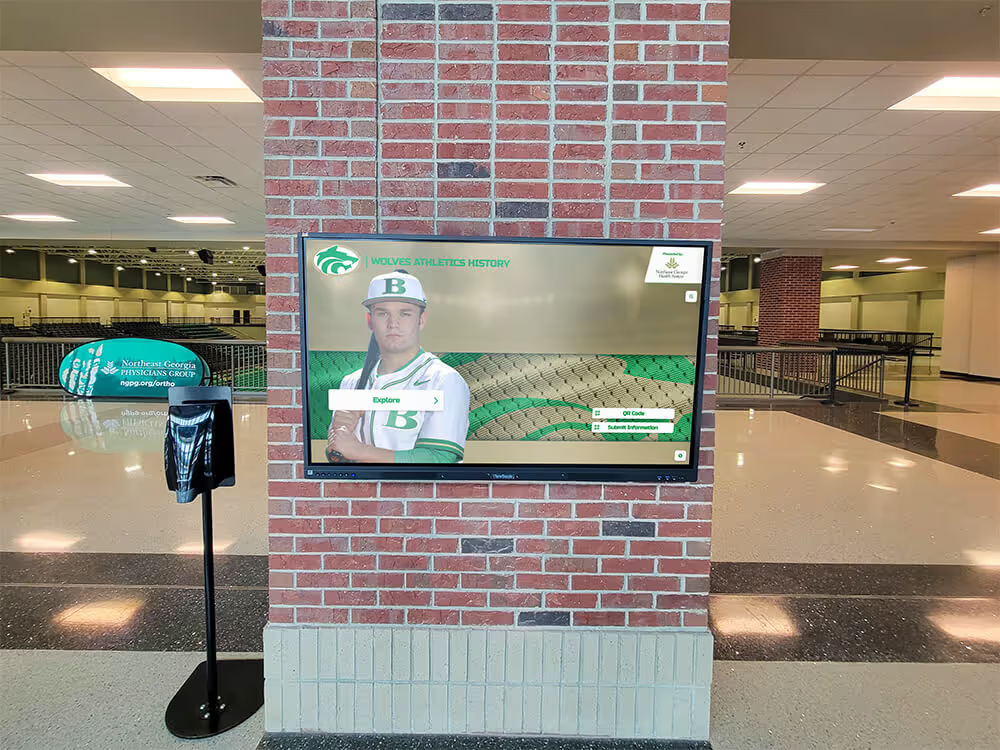
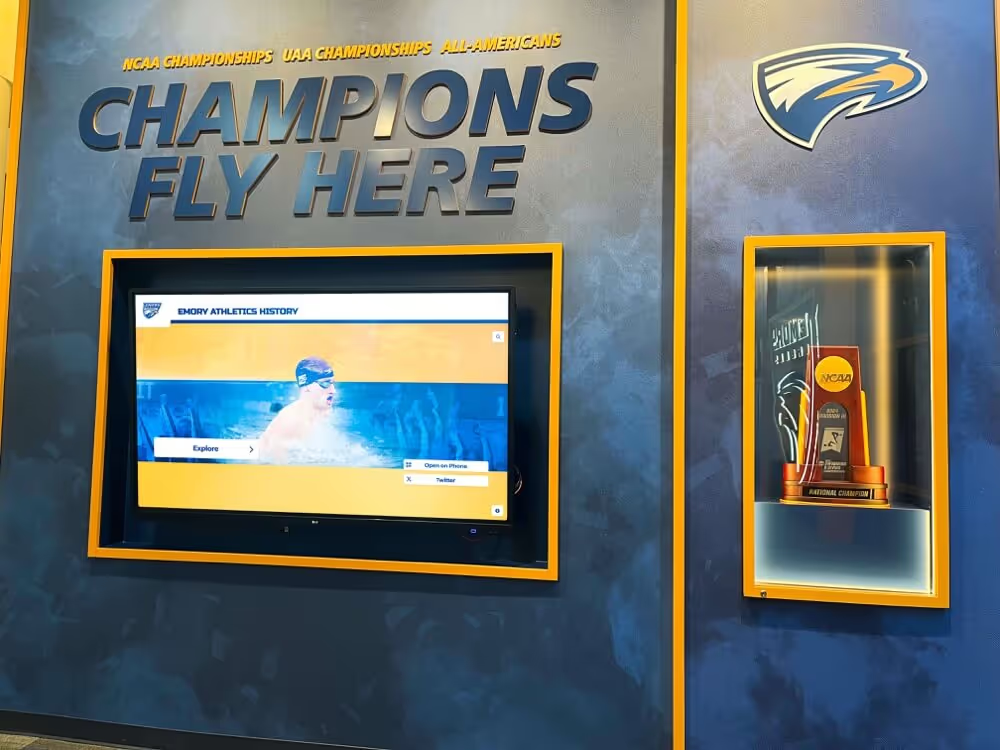
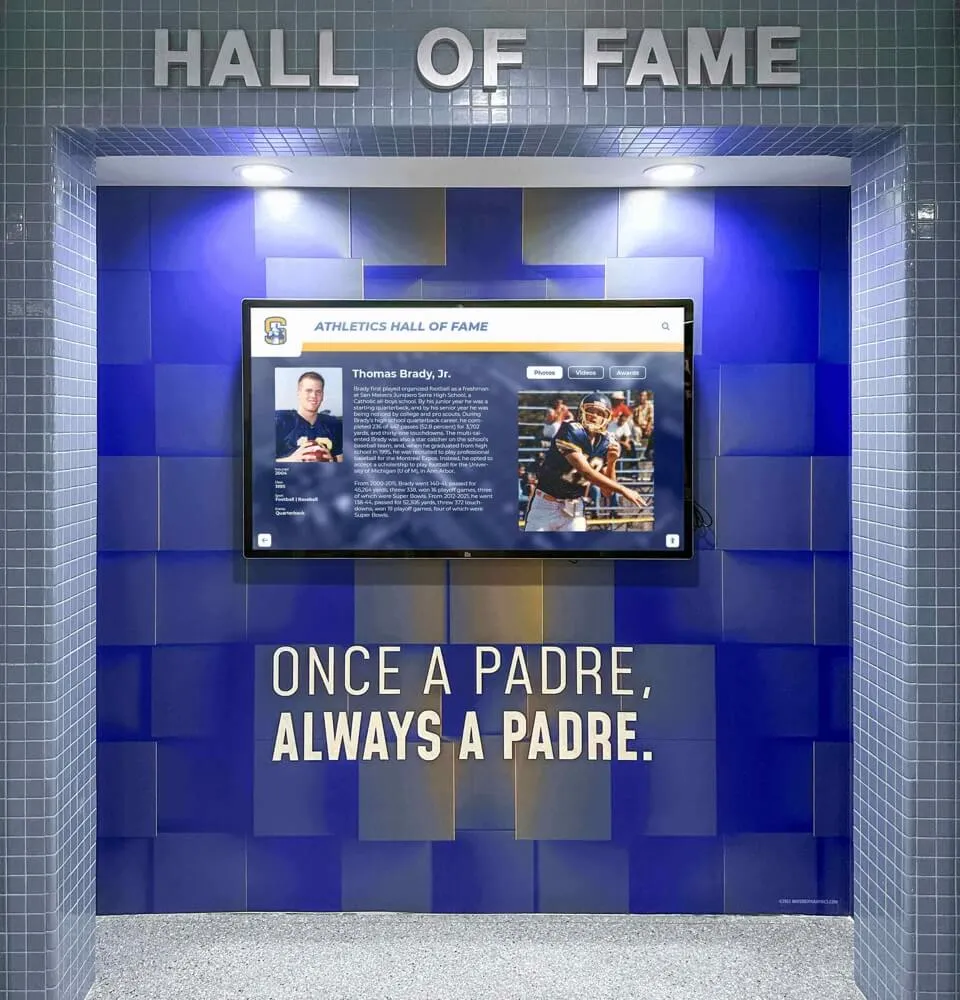
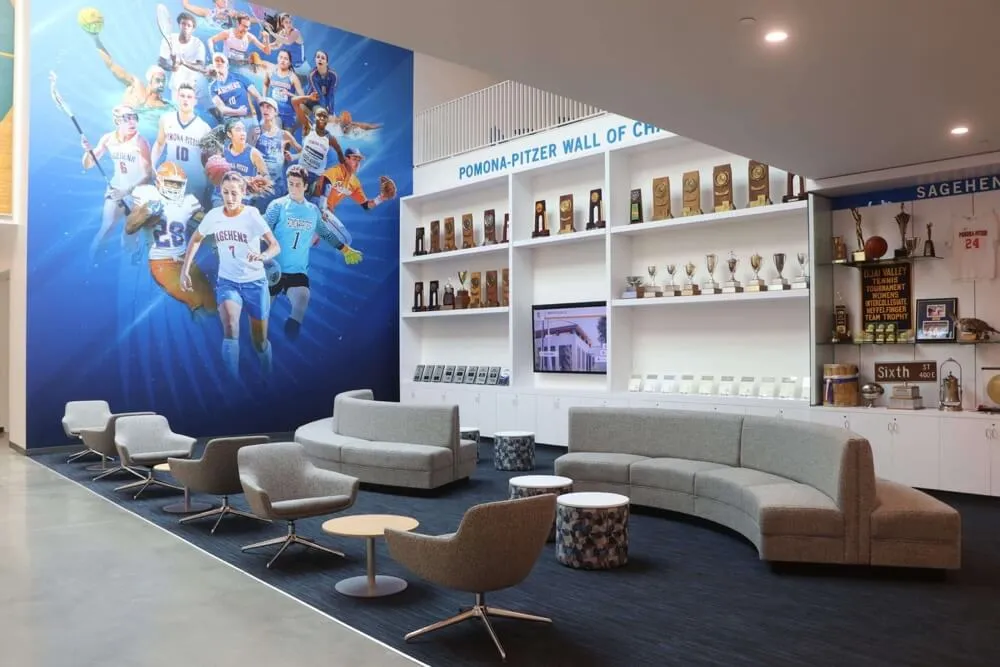
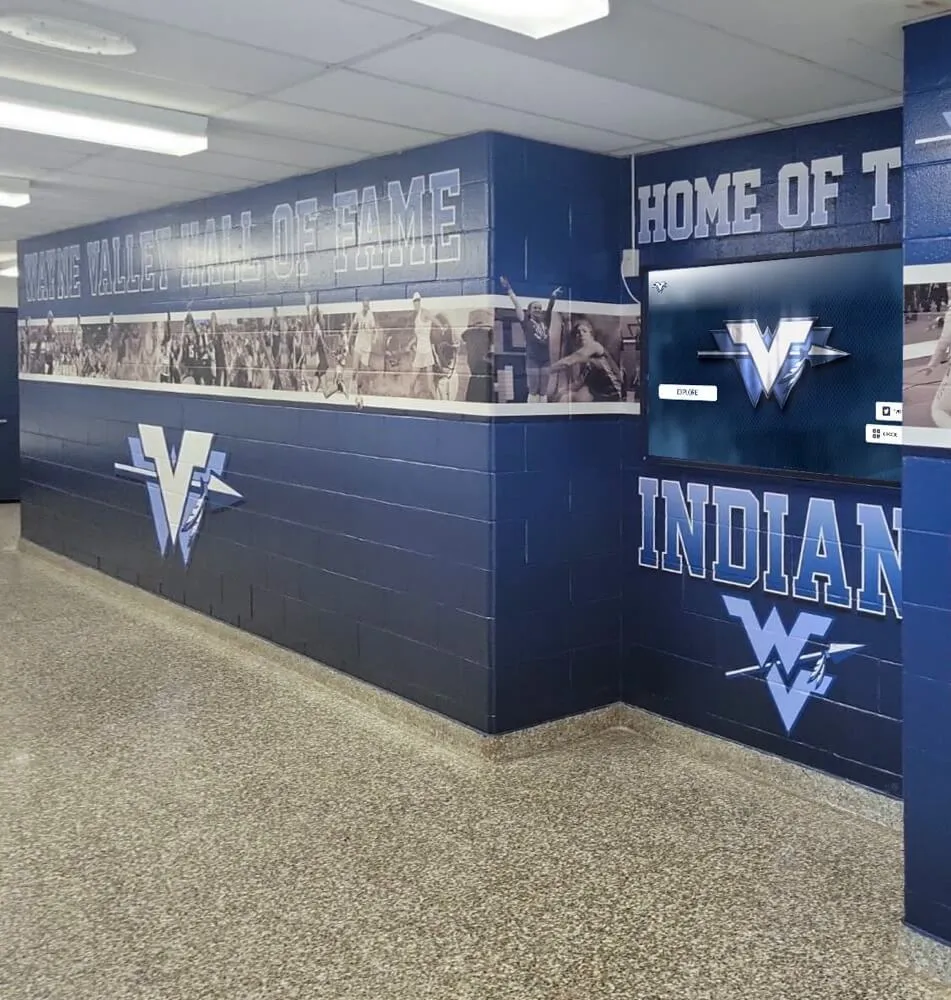
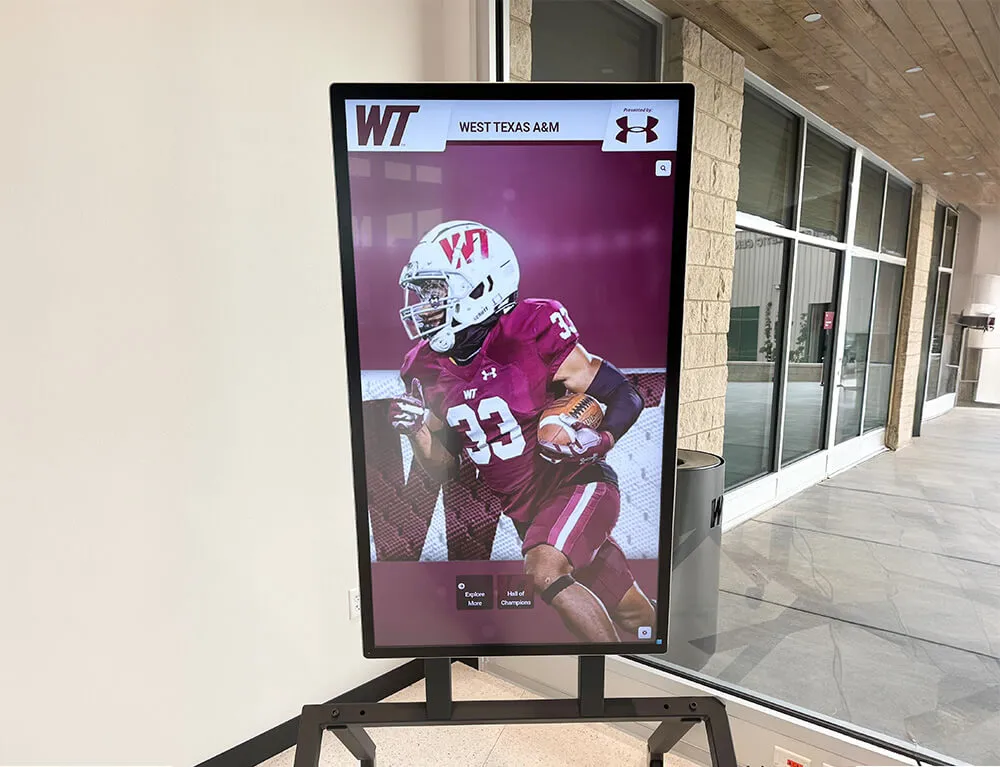
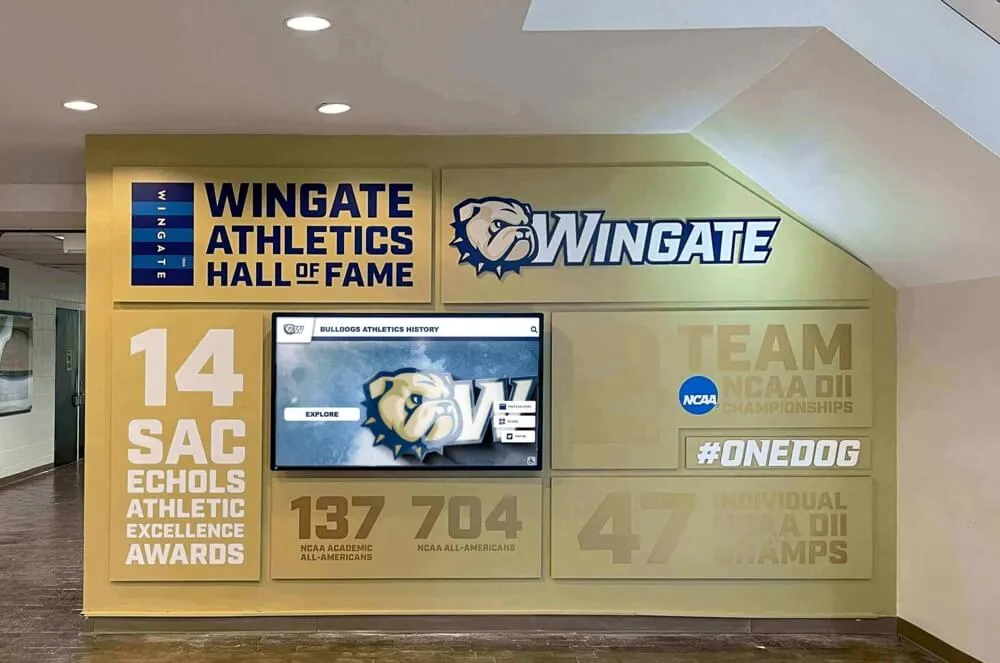
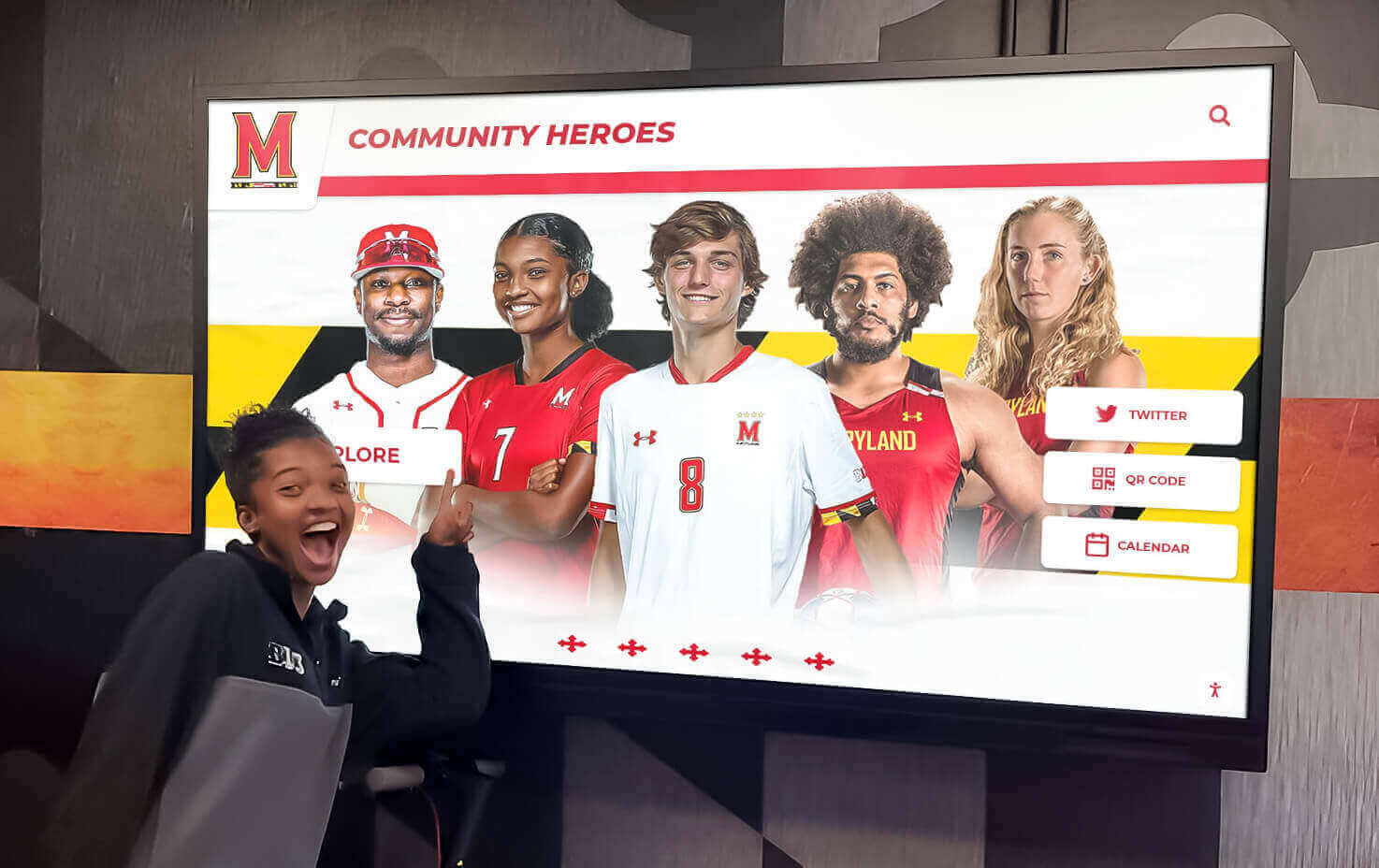
Interactive recognition displays create engaging celebration elements that students can explore throughout school events
Understanding Elementary School Celebration Purposes
Before diving into specific celebration ideas, understanding what makes elementary celebrations effective helps schools design events serving clear educational and community goals.
Building Achievement Motivation
Young students develop work ethic and persistence through experiences showing that effort leads to recognition. Well-designed celebrations create positive associations between hard work and acknowledgment that shape lifelong achievement orientation.
Effort-Based Recognition
Elementary celebrations should emphasize effort and improvement equally with outcomes. The student who progresses from reading below grade level to meeting standards deserves celebration as enthusiastically as the child reading above level—both demonstrated determination and growth.
Recognition programs celebrating diverse achievement types ensure every child experiences success:
- Academic progress and improvement
- Character development and citizenship
- Creative expression and artistic growth
- Athletic participation and skill development
- Leadership and peer support contributions
- Attendance and commitment to learning
When celebrations acknowledge multiple pathways to recognition, students learn that various talents and efforts hold value, fostering inclusive achievement cultures where different strengths receive appreciation.
Creating Community Connection
Elementary celebrations bring together students, families, staff, and community members, strengthening the relationships supporting child development and school success.
Family Engagement Opportunities
Celebration events provide structured occasions for family participation in school life. Parents who attend recognition ceremonies develop stronger connections to their children’s educational experiences, better understanding of school programs, and increased investment in supporting learning at home.
Thoughtfully designed celebrations accommodate diverse family circumstances:
- Scheduling that respects work constraints
- Multiple participation options for large families
- Cultural sensitivity in program design
- Language accessibility ensuring all families understand proceedings
- Clear communication helping families know what to expect
Building School Pride and Identity
Regular celebrations establish traditions that define school culture and create shared community identity. Students who experience meaningful recognition events develop pride in their school, stronger sense of belonging, and connection to institutional values.
Multi-year students who see themselves progressing through recognition programs—perhaps earning achievement certificates as first-graders and later serving as peer mentors recognized at celebration assemblies—internalize messages about growth, community contribution, and institutional continuity.
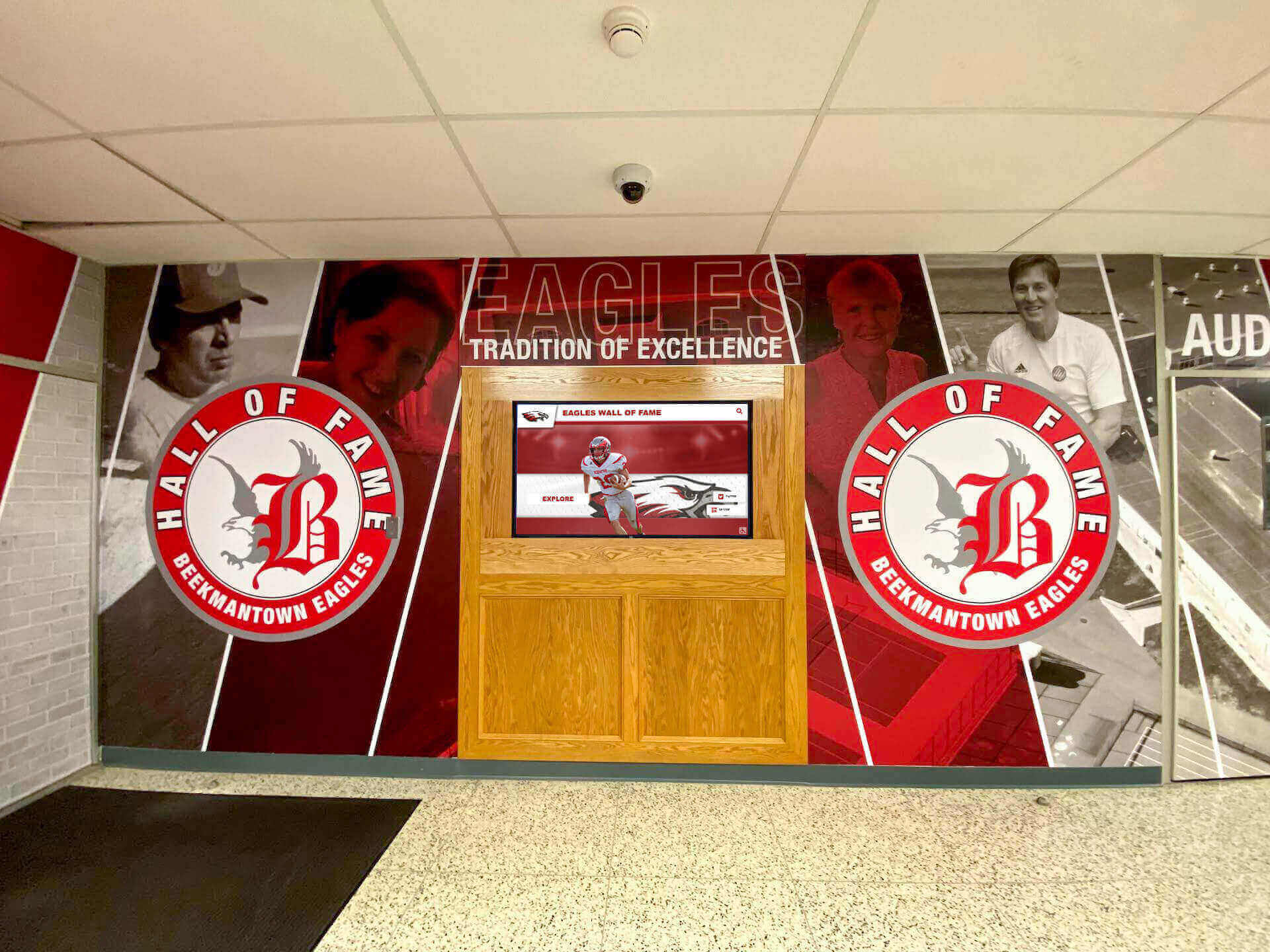
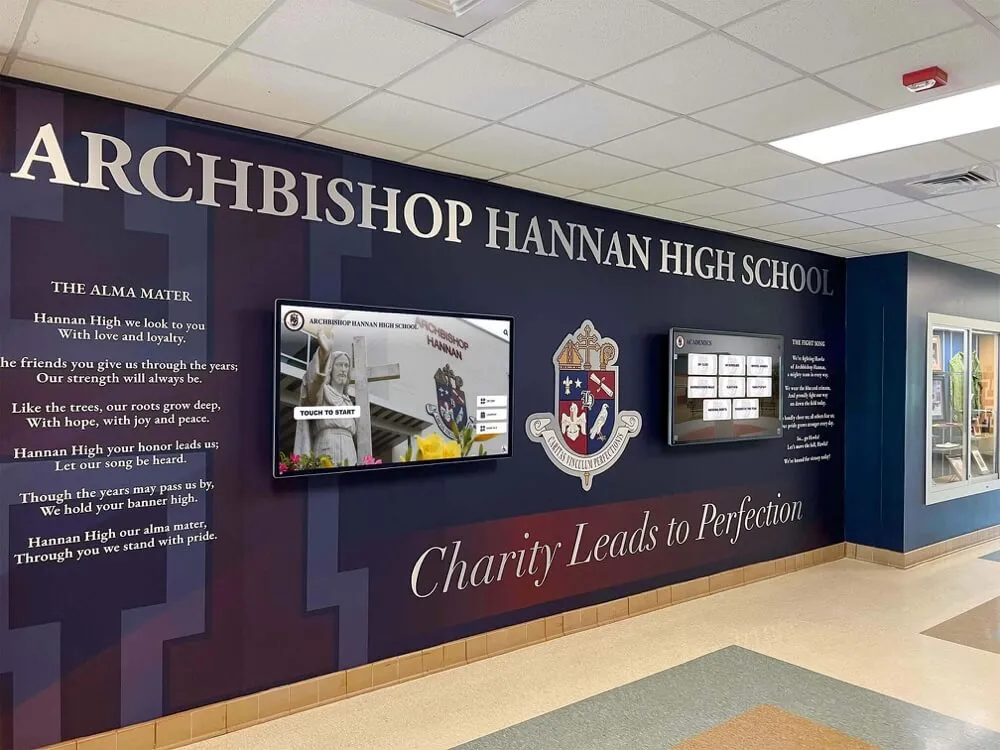
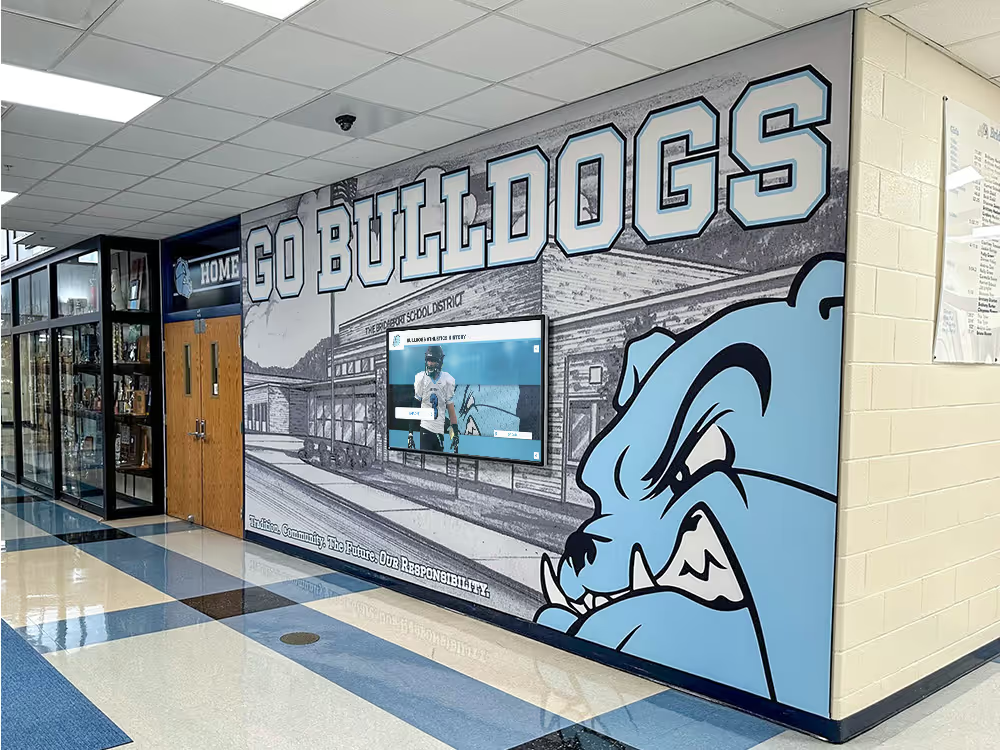
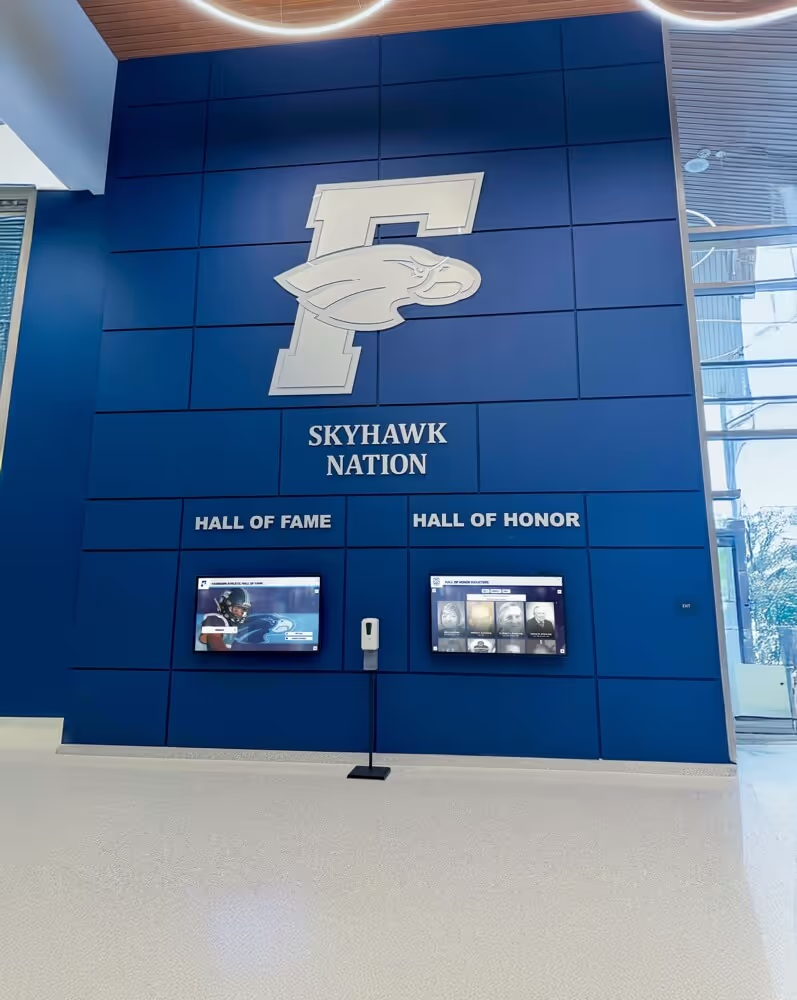
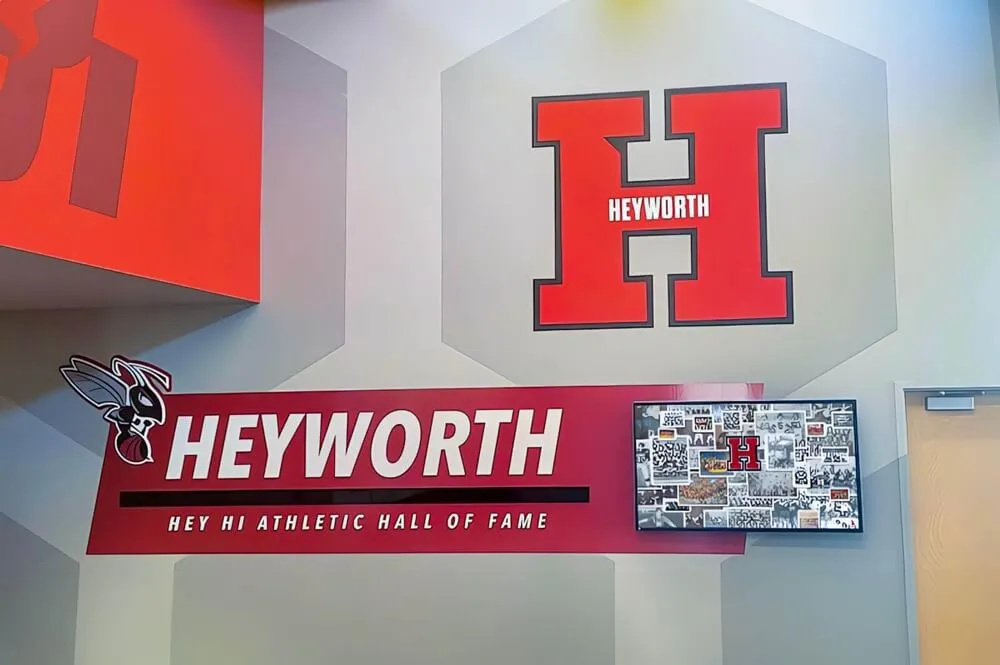
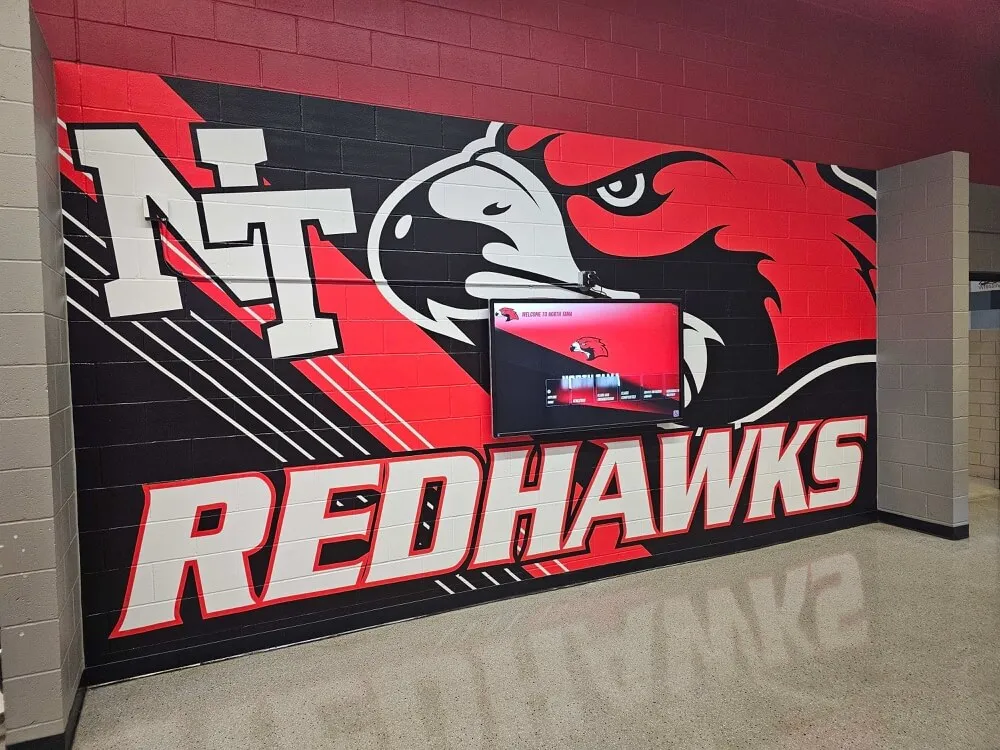
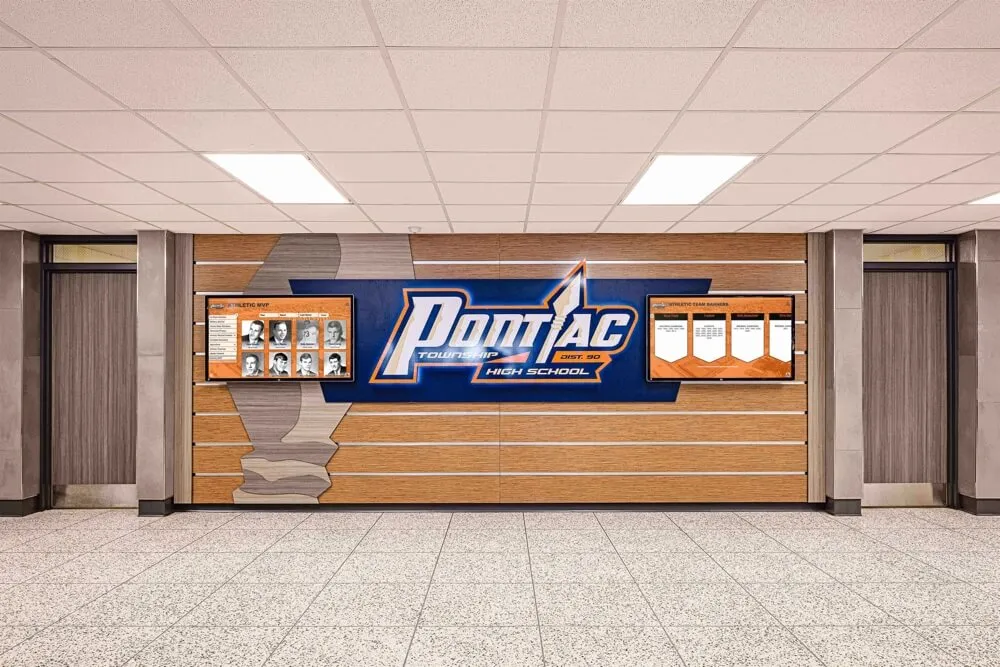
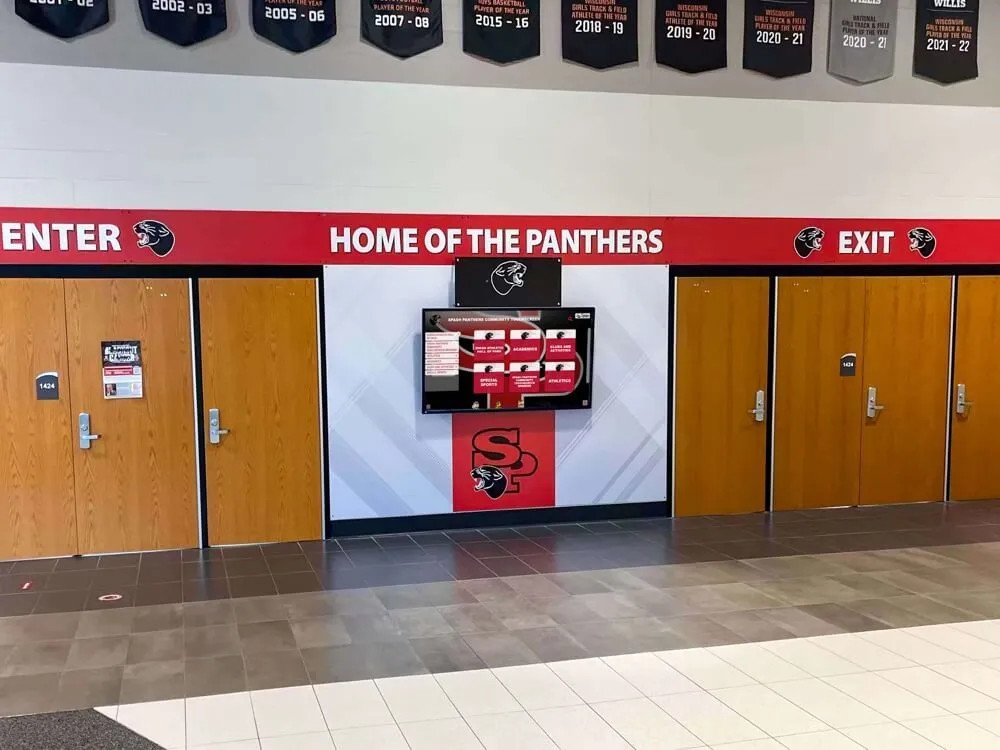
Professional entrance displays communicate school pride and set positive tone for celebration events
Teaching Recognition and Appreciation
Participating in recognition ceremonies teaches elementary students important social-emotional lessons about celebrating others’ successes, expressing appreciation, and gracefully receiving recognition.
Developing Empathetic Celebration Skills
When students regularly attend events honoring classmates’ achievements, they practice:
- Genuine happiness for others’ success
- Respectful attention during recognition moments
- Appropriate applause and encouragement
- Understanding that recognition isn’t competition—one child’s achievement doesn’t diminish another’s worth
- Patience waiting for their own recognition opportunities
These lessons combat comparison cultures and support emotional intelligence development crucial for healthy social relationships throughout life.
End-of-Year Celebration Ideas
End-of-year celebrations mark significant transitions, honor cumulative growth, and create memorable closings to the academic year.
Moving-Up Ceremonies
Moving-up ceremonies recognize grade-level transitions, particularly meaningful for students completing milestone years like kindergarten or fifth grade before middle school.
Kindergarten Graduation
Kindergarten graduations deserve special attention as students’ first major educational milestone. Elements creating meaningful experiences include:
- Cap and gown ceremonies providing “big school” experiences
- Individual recognition with certificates and awards
- Performance elements showcasing year’s learning (songs, poems, demonstrations)
- Photo opportunities creating lasting family memories
- Slideshow presentations documenting kindergarten year highlights
- Personal messages from teachers to each student
Fifth-Grade Promotion
Fifth-grade celebrations mark elementary school completion and impending middle school transition. Effective programs balance celebration with preparation:
- Retrospective elements highlighting elementary years
- Individual achievement recognition across academic, social, and character domains
- Special recognition for students who attended the school throughout elementary years
- Words of wisdom and encouragement for middle school transition
- Symbolic elements like certificate presentations or school legacy contributions
- Teacher speeches or video messages from staff who taught students across years
Academic Achievement Celebrations
Year-end academic recognition honors student learning progress and achievement across subject areas.
Honor Roll and Academic Excellence
Academic recognition programs at the elementary level should emphasize growth and effort alongside traditional grade-based achievement:
- Multiple honor roll tiers acknowledging different achievement levels
- Improvement awards for students showing significant progress
- Subject-specific recognition (Math Star, Reading Champion, Science Explorer)
- Perfect attendance acknowledgment
- Citizenship and character awards
- Special recognition for students overcoming learning challenges
Showcasing Student Work
Academic celebrations become more meaningful when they include tangible demonstration of learning:
- Art exhibitions displaying visual arts projects
- Writing celebrations featuring student-authored books and stories
- Science fair exhibits showcasing investigation projects
- Technology demonstrations of digital creations
- Performance presentations of dramatic or musical learning
- Portfolio displays showing year’s academic progression
Character and Citizenship Recognition
Elementary celebrations should prominently feature non-academic recognition emphasizing character development and positive behavior.
Monthly or Quarterly Character Awards
Systematic character recognition throughout the year culminates in end-of-year celebration:
- Kindness awards for students demonstrating exceptional caring
- Leadership recognition for peer support and responsibility
- Perseverance awards for students showing determination through challenges
- Respect awards for consistently positive interactions
- School spirit recognition for students embodying community pride
- Growth mindset awards for students embracing learning challenges
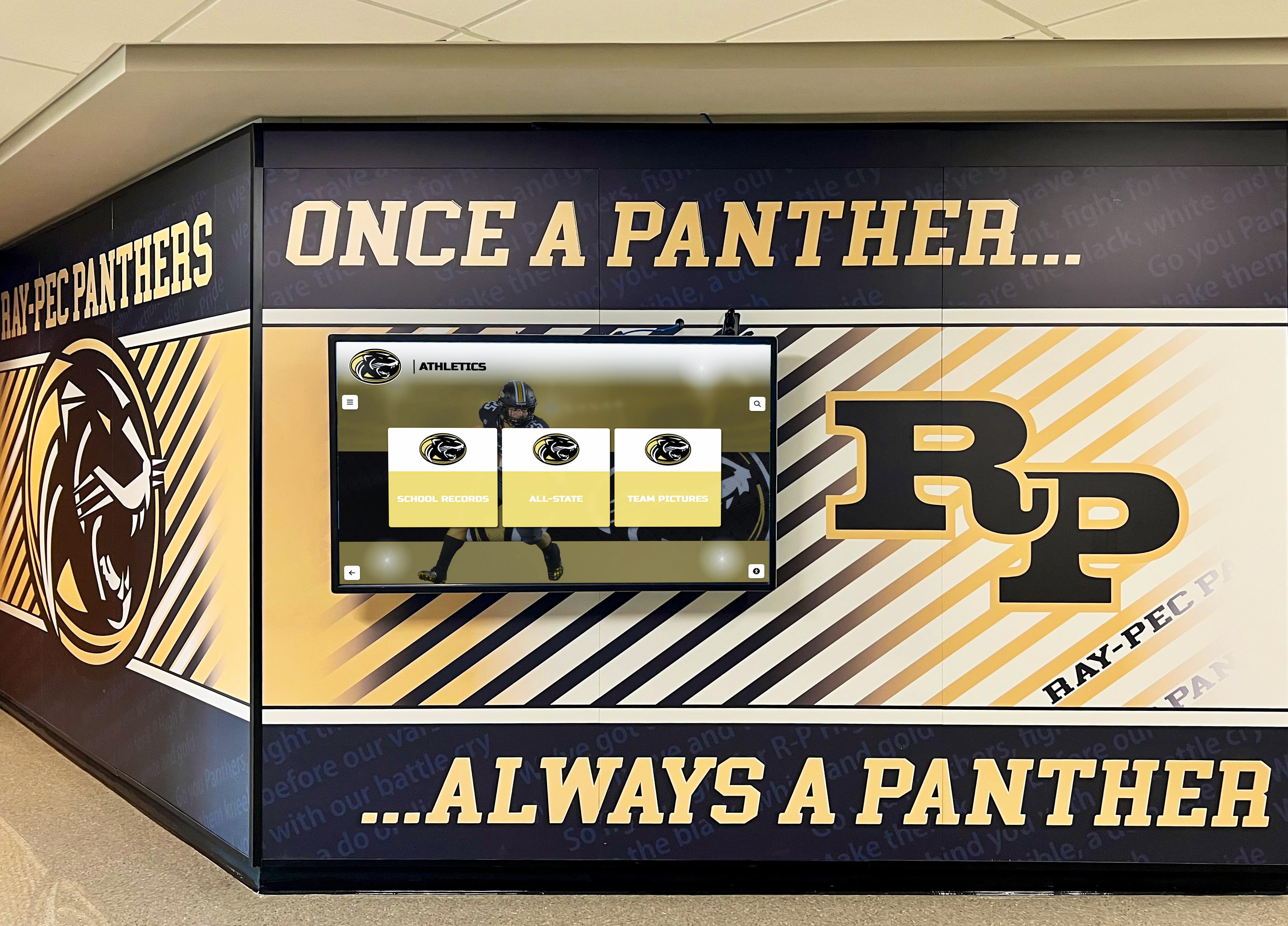
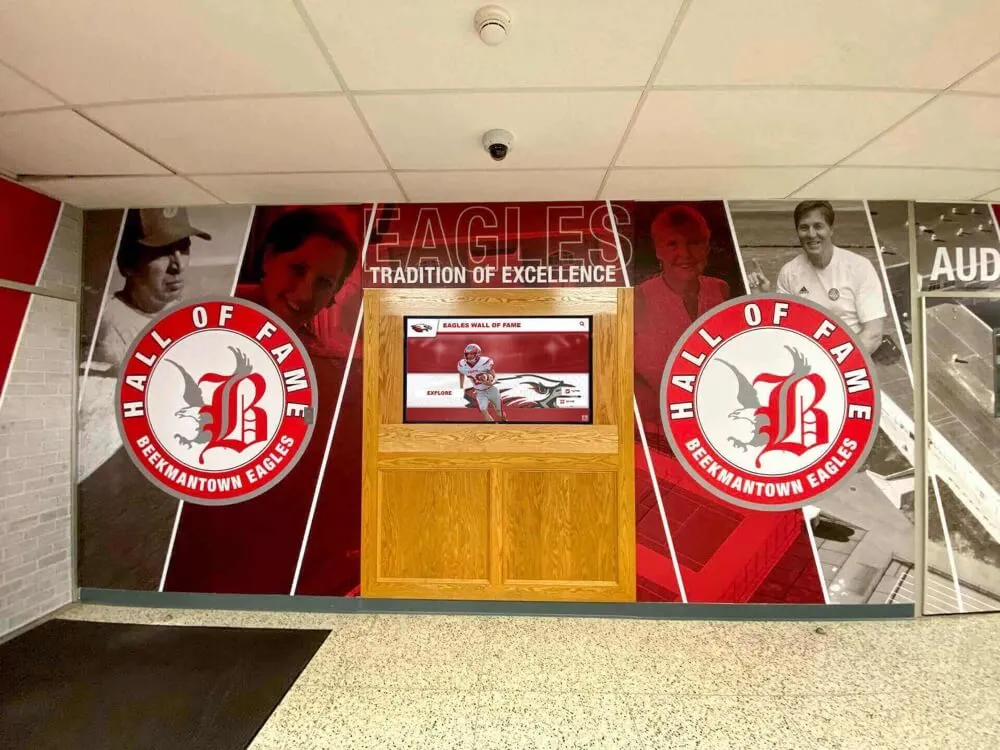
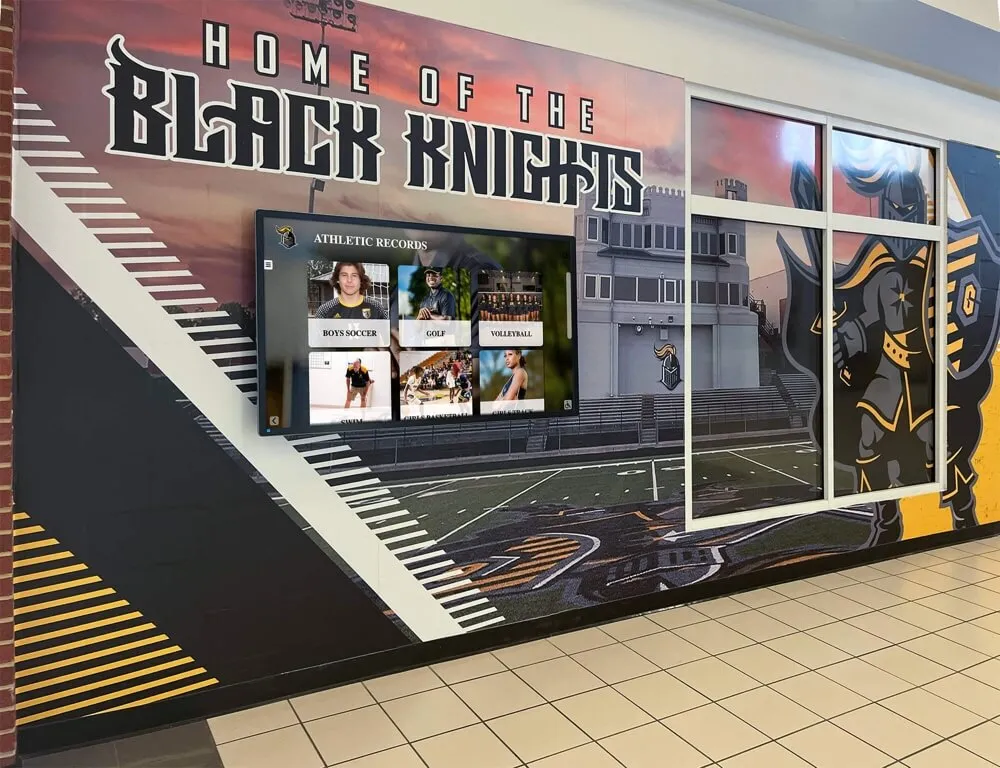
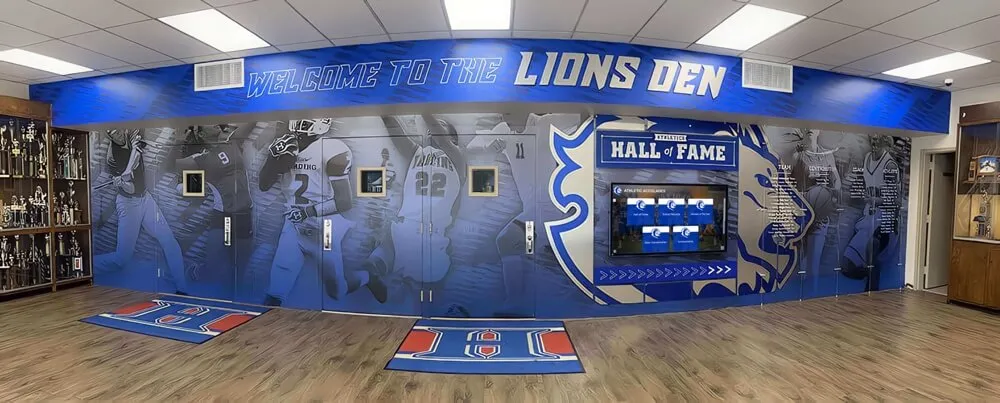
Hallway displays create visible reminders of celebration events and ongoing recognition throughout the year
Community Service Recognition
Acknowledging students’ contributions beyond classroom walls teaches civic responsibility:
- Volunteer hour milestones for service projects
- Fundraising achievement recognition for school or charitable causes
- Environmental stewardship awards for sustainability efforts
- Peer tutoring and mentorship appreciation
- Safety patrol or school service role acknowledgment
Seasonal and Thematic Celebration Ideas
Throughout-the-year celebrations maintain recognition momentum and provide regular opportunities for student acknowledgment.
Fall Celebrations and Recognition
Back-to-School Spirit Week
Opening the year with celebratory energy establishes positive tone and builds community quickly:
- Themed dress days building school spirit
- Classroom decoration contests
- Newcomer welcome ceremonies for new students and families
- Goal-setting celebrations where students share aspirations
- Community-building activities mixing grades and classes
- Ice cream socials or outdoor gatherings welcoming families back
Harvest and Gratitude Celebrations
Fall-themed events connect to seasonal traditions while teaching appreciation:
- Thanksgiving feast events bringing families together
- Gratitude activities where students recognize staff, volunteers, and peers
- Harvest festival with games, activities, and recognition elements
- Book character parades showcasing literacy love
- Fall achievement assemblies recognizing first-quarter successes
Winter and Holiday Season Celebrations
Multicultural Winter Celebrations
Inclusive winter events honor diverse traditions within school community:
- Cultural tradition showcases where families share celebrations
- Performance programs featuring music from various traditions
- Art exhibitions displaying winter and holiday themed creations
- Community service recognition tied to seasonal giving
- Achievement recognition woven into winter programs
New Year Goal-Setting Celebrations
January provides natural opportunity for forward-looking celebration combining recognition of fall achievements with spring goal setting:
- First-semester achievement recognition assemblies
- Goal-sharing celebrations where students announce spring objectives
- Vision board creation events
- Reading challenge kickoffs with celebration elements
- Winter achievement certificates and awards
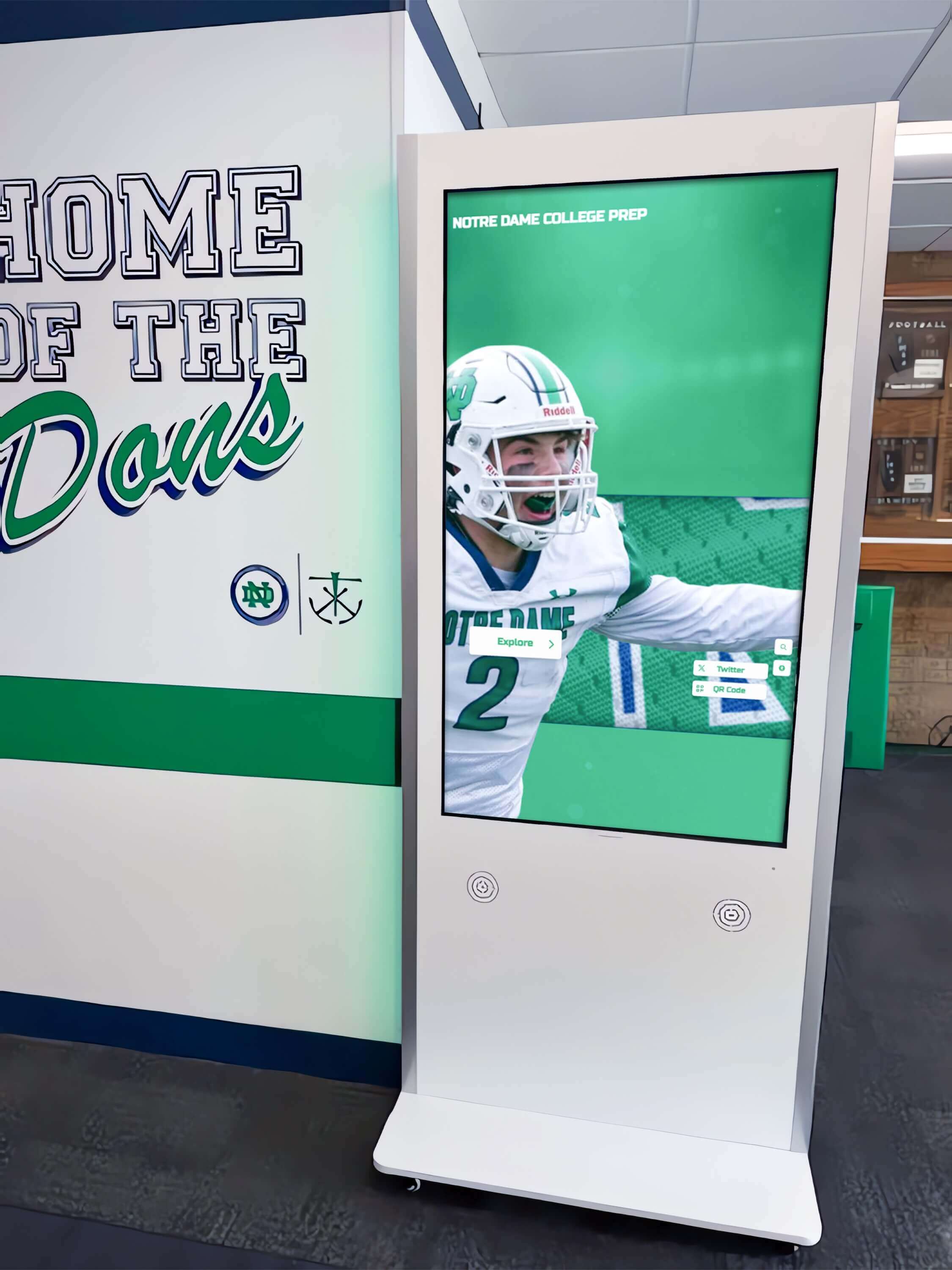
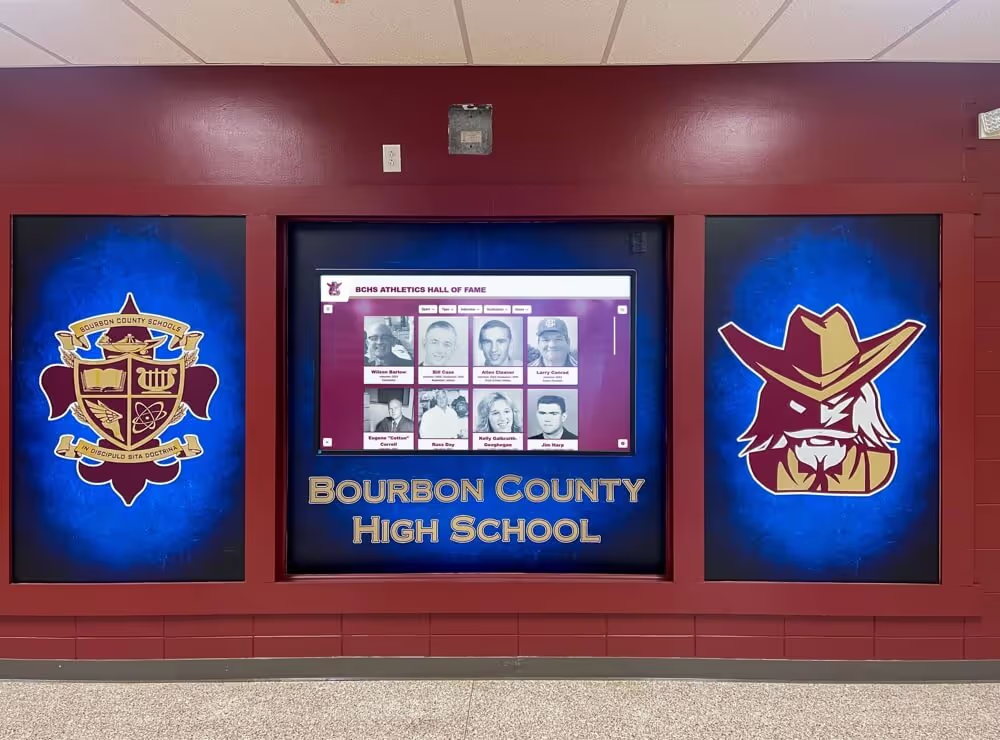
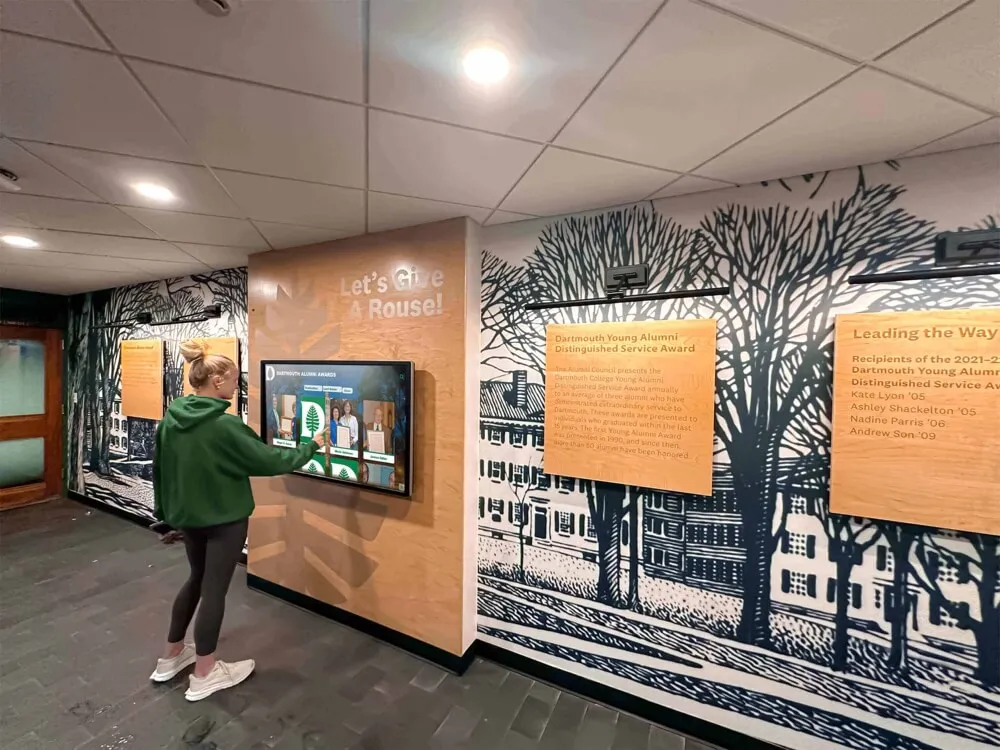
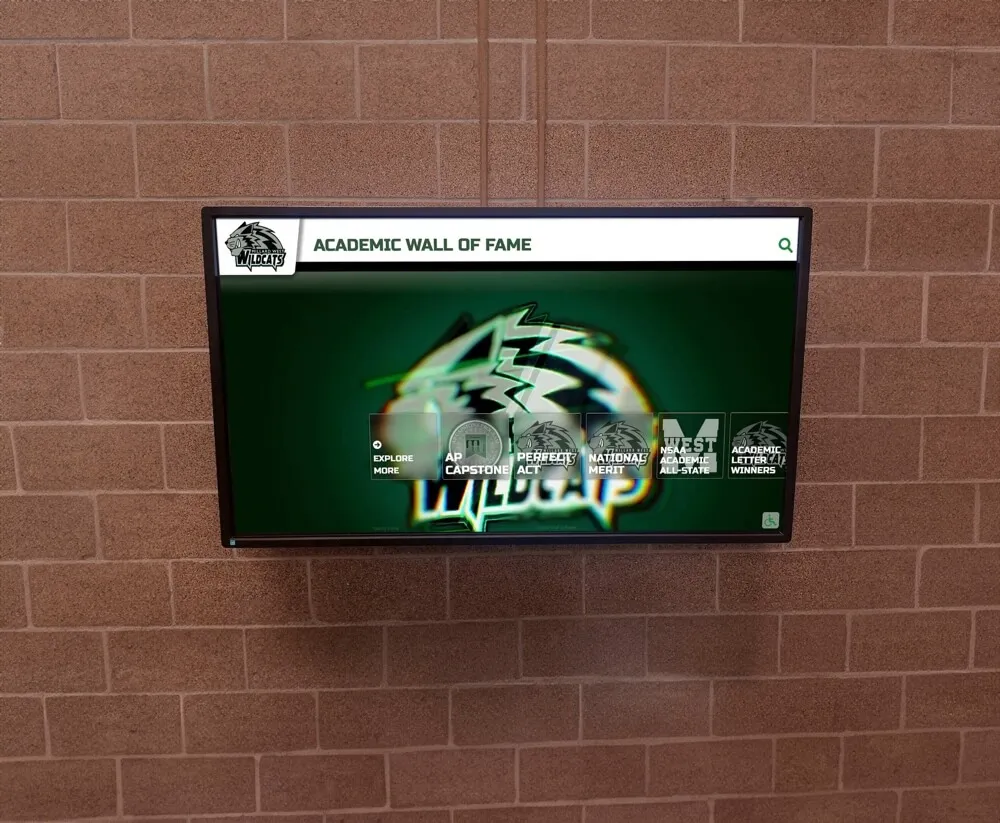
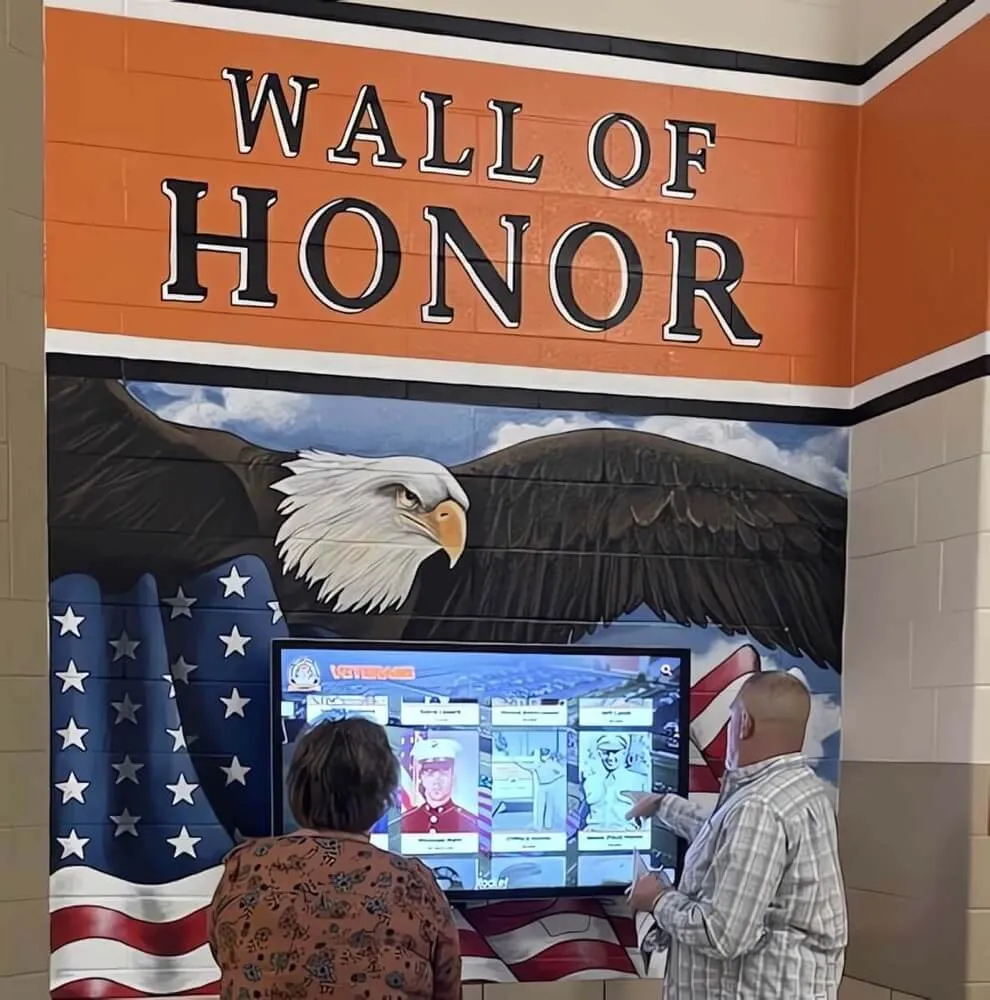
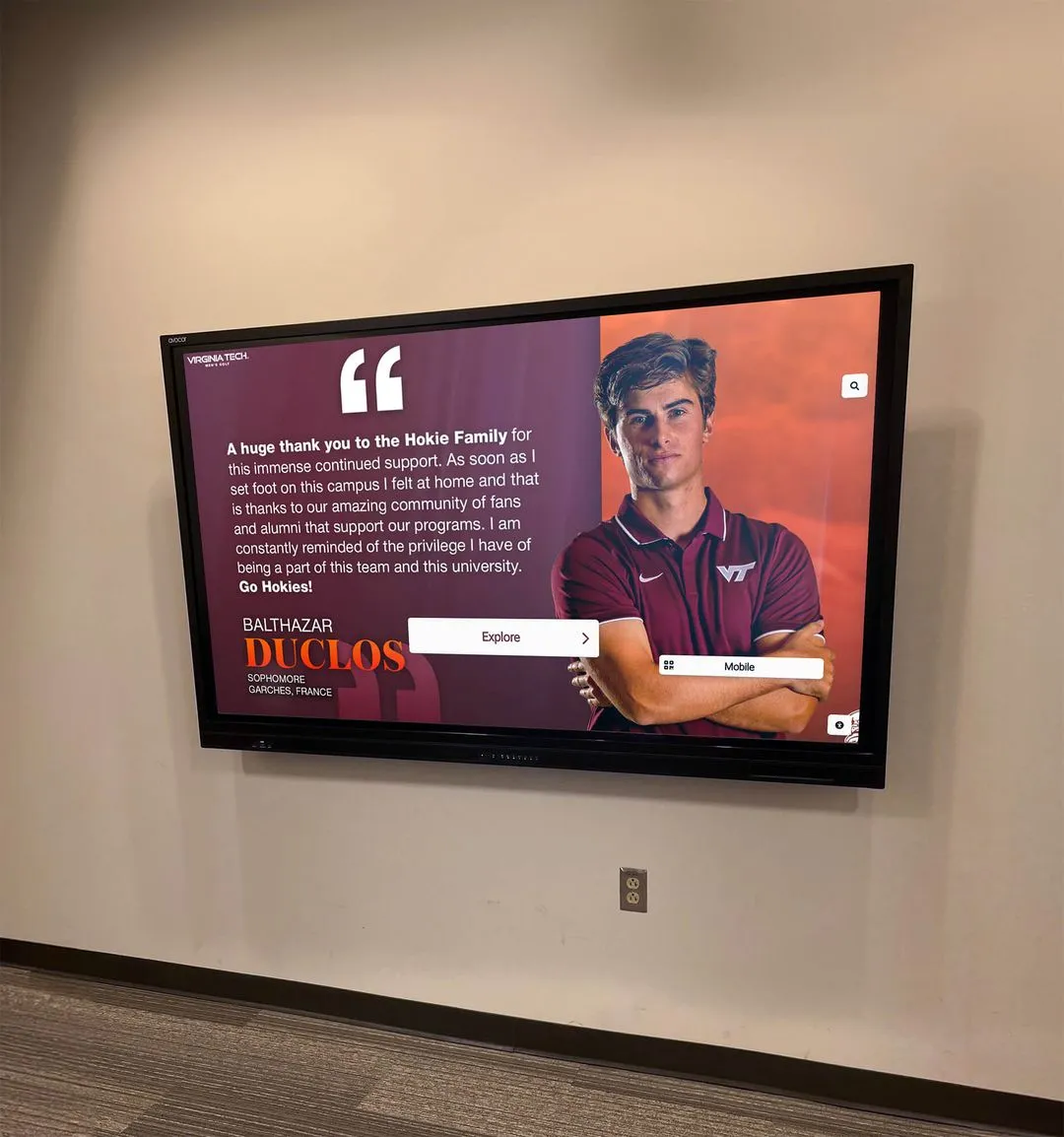
Interactive kiosks placed in common areas enable families and visitors to explore student achievements during celebration events
Spring Celebrations
Spring Achievement Assemblies
Mid-spring recognition events maintain motivation approaching year-end:
- Academic progress celebrations highlighting third-quarter achievement
- Testing encouragement rallies building confidence before assessments
- Spring arts festivals showcasing creative accomplishments
- Athletics and physical education recognition for active lifestyle participation
- Garden or outdoor education celebrations connecting to seasonal learning
Earth Day and Environmental Recognition
Spring environmental focus creates celebration opportunities:
- Recycling competition recognition
- Garden club and outdoor classroom achievement acknowledgment
- Environmental stewardship awards
- Nature-themed art exhibitions
- Science learning celebrations focused on environmental topics
Ongoing Recognition Systems and Celebrations
Beyond special events, systematic ongoing recognition creates continuous celebration culture supporting daily positive behavior and achievement.
Weekly and Monthly Recognition Programs
Student of the Week/Month Programs
Rotating recognition ensuring every student receives spotlight:
- Classroom-level student selections with displayed recognition
- School-wide featured students announced in morning meetings
- Display boards or digital systems showcasing current honorees
- Take-home certificates families can treasure
- Special privileges or recognition symbols (badges, certificates, cafeteria recognition)
Caught Being Good Programs
Immediate recognition for positive behaviors and choices:
- Staff-issued positive behavior tickets or cards
- Public recognition in morning announcements or assemblies
- Monthly drawings for students accumulating recognition
- Classroom celebrations for collective positive behavior milestones
- Visual tracking systems showing class progress toward celebration goals
Achievement Milestone Celebrations
Reading Milestones
Literacy achievement provides natural celebration opportunities:
- Books-read tracking with milestone celebrations (25 books, 50 books, 100 books)
- Reading level advancement recognition
- Genre exploration challenges with completion celebrations
- Author study celebrations featuring student-created projects
- Poetry memorization achievement acknowledgment
- Reading challenge competitions with team celebrations
For comprehensive approaches to literacy recognition extending beyond individual celebrations, explore honor roll digital displays that maintain ongoing visibility for academic achievers.
Math and STEM Achievement
Mathematical and scientific accomplishments deserve equal celebration:
- Math facts mastery recognition with certificates or badges
- Problem-solving challenge celebrations
- Science investigation project showcases
- Engineering design challenge recognition events
- Technology skill milestone acknowledgment
- STEM competition participation celebration
Attendance and Effort Recognition
Perfect Attendance Celebrations
Regular attendance supports academic success and deserves recognition:
- Monthly perfect attendance acknowledgment
- Quarterly celebrations with special recognition or privileges
- End-of-year perfect attendance awards
- Class attendance competitions with celebration rewards
- Improved attendance recognition for students overcoming challenges
Effort and Improvement Focus
Beyond outcome-based achievement, celebrating effort teaches growth mindset:
- Most Improved awards across subject areas
- Perseverance recognition for sustained effort
- Challenge-conquering celebrations when students master difficult concepts
- Homework completion milestone recognition
- Class participation and engagement acknowledgment
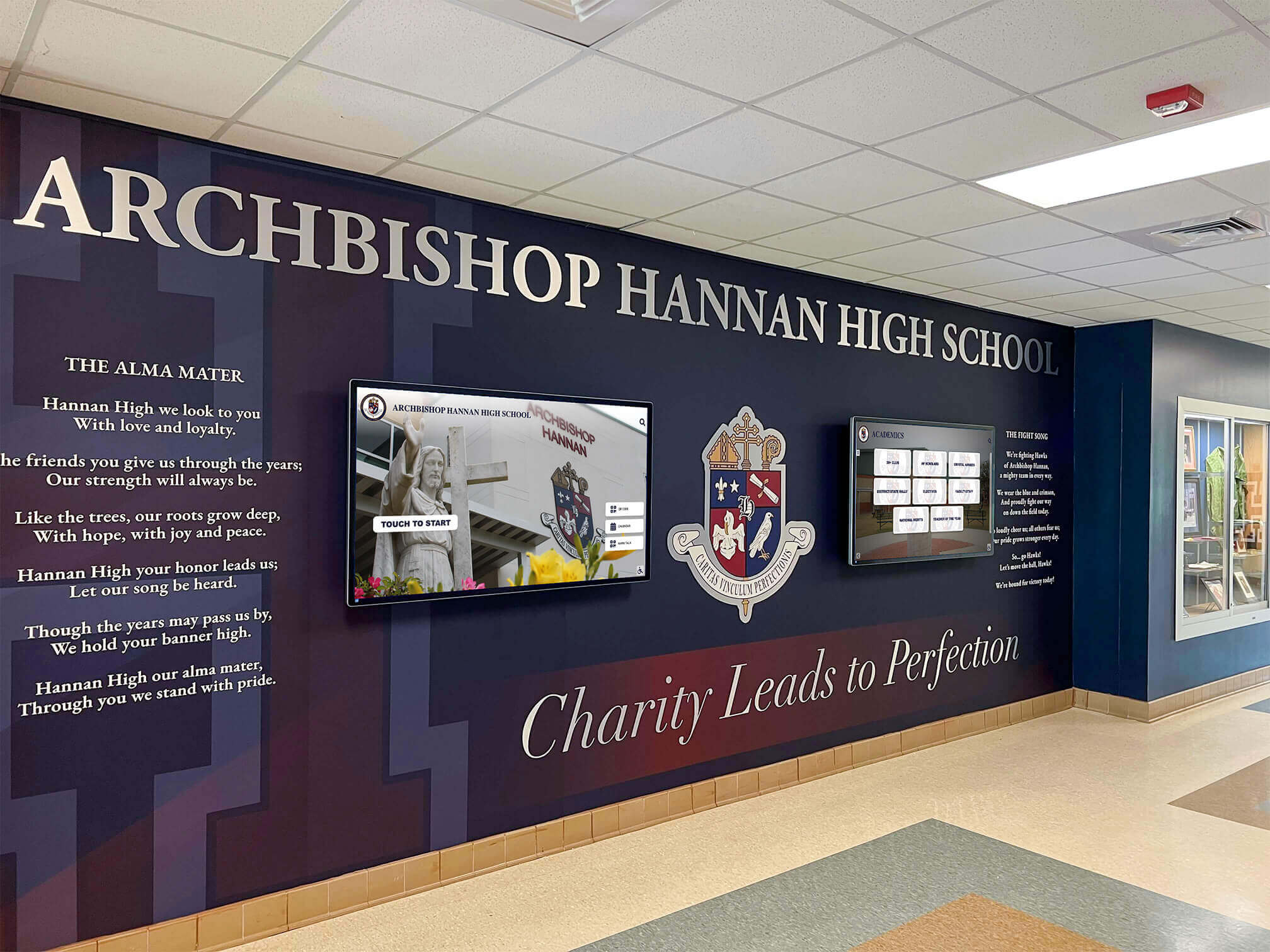
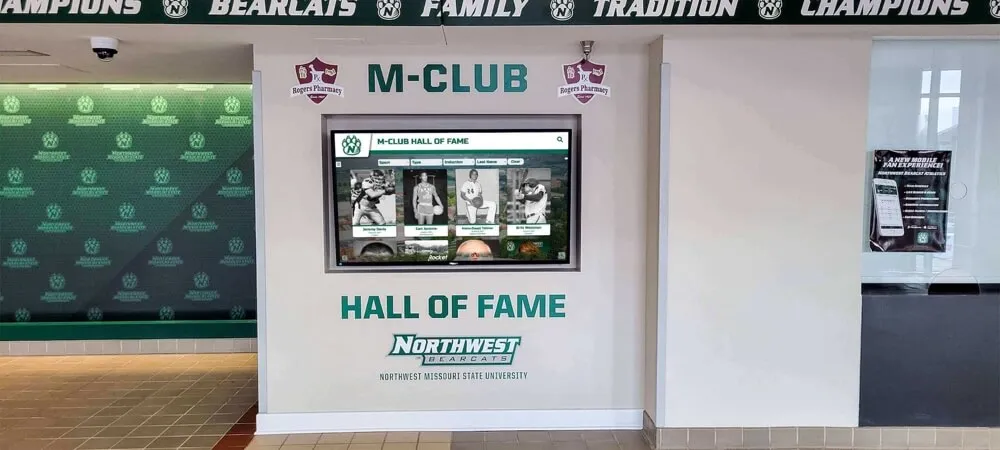
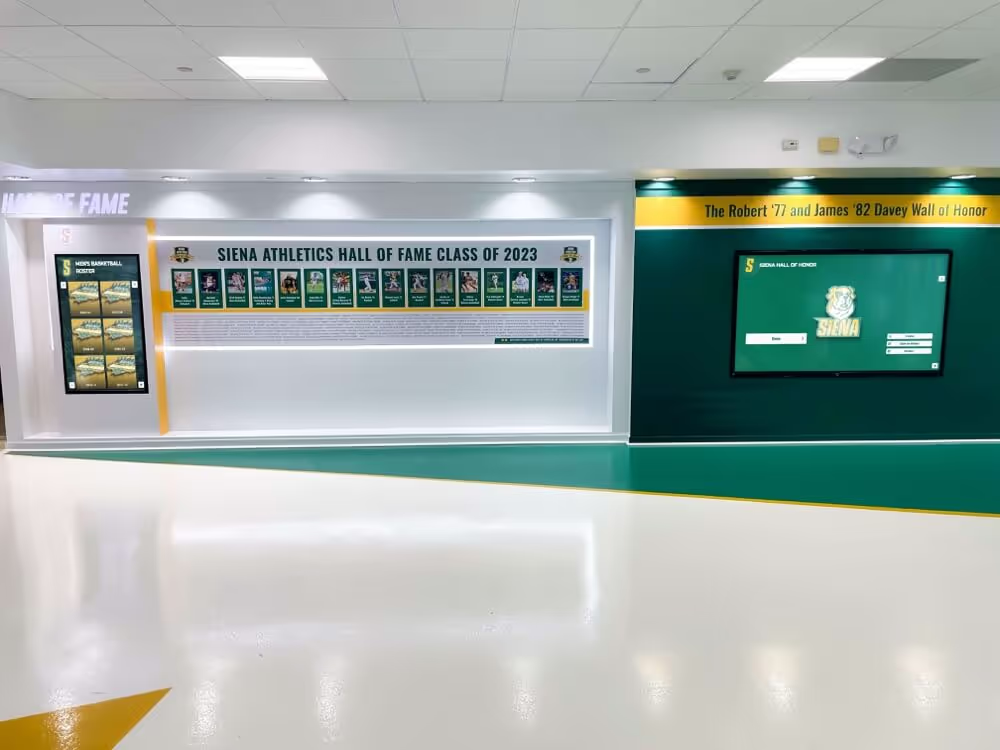
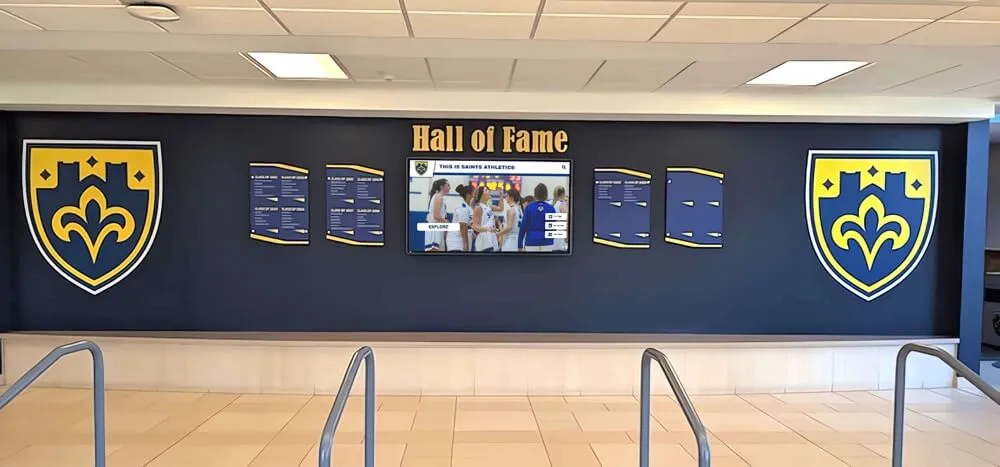
Coordinated displays throughout entrance areas create welcoming environments for celebration events while maintaining year-round recognition visibility
Creative Celebration Format Ideas
Beyond traditional assemblies, alternative celebration formats create memorable experiences engaging young students.
Celebration Parades and Processions
Achievement Parades
Parade formats create excitement and visible community celebration:
- Grade-level parades through school halls with achievement signs or banners
- Classroom decoration contests tied to achievement themes
- Musical accompaniment creating festive atmosphere
- Family spectator opportunities in hallways or outdoor spaces
- Award presentations at parade conclusion
- Photo opportunities throughout parade route
Recognition Walk-Throughs
Staff-created celebration experiences for honored students:
- Honor roll students walk through tunnel of applauding staff and peers
- Achievement path with stations featuring different recognition categories
- Celebrity treatment with red carpet elements
- High-five lines celebrating recognized students
- Music and decorative elements creating special atmosphere
Interactive Celebration Stations
Celebration Fair Format
Station-based celebrations providing multiple engagement opportunities:
- Academic achievement display stations where students showcase work
- Interactive game stations tied to learning themes
- Arts and creativity demonstration areas
- Athletic skill showcases and participation opportunities
- Service project presentations
- Food and fellowship areas for family connections
Recognition Rotations
Structured rotation events ensuring all students experience celebration elements:
- Small-group recognition allowing personalized attention
- Multiple stations featuring different achievement categories
- Performance opportunities with intimate audiences
- Interactive displays and demonstrations
- Timed rotations ensuring event efficiency
Performance-Based Celebrations
Talent Showcases
Performance opportunities allowing diverse skill demonstration:
- Musical performances showcasing band, choir, or individual talent
- Dramatic presentations featuring student actors
- Dance performances from school programs or student choreography
- Athletic demonstrations showcasing physical education learning
- Academic demonstrations like spelling bees or math competitions
- Creative readings of student-authored work
Class Presentations
Grade-level performances celebrating collective learning:
- End-of-year programs featuring songs, skits, or demonstrations
- Subject-specific showcases (science fair presentations, history museums, writing celebrations)
- Cultural learning presentations sharing research and understanding
- Community projects presented to families and community members
Virtual and Hybrid Celebration Options
Digital Recognition Events
Technology-enhanced celebrations accommodate modern needs:
- Live-streamed ceremonies enabling distant family viewing
- Pre-recorded video celebrations families can watch conveniently
- Virtual award presentations with mailed certificates
- Online achievement galleries showcasing student work
- Digital portfolios celebrating year’s accomplishments
- Social media recognition campaigns (with appropriate privacy protections)

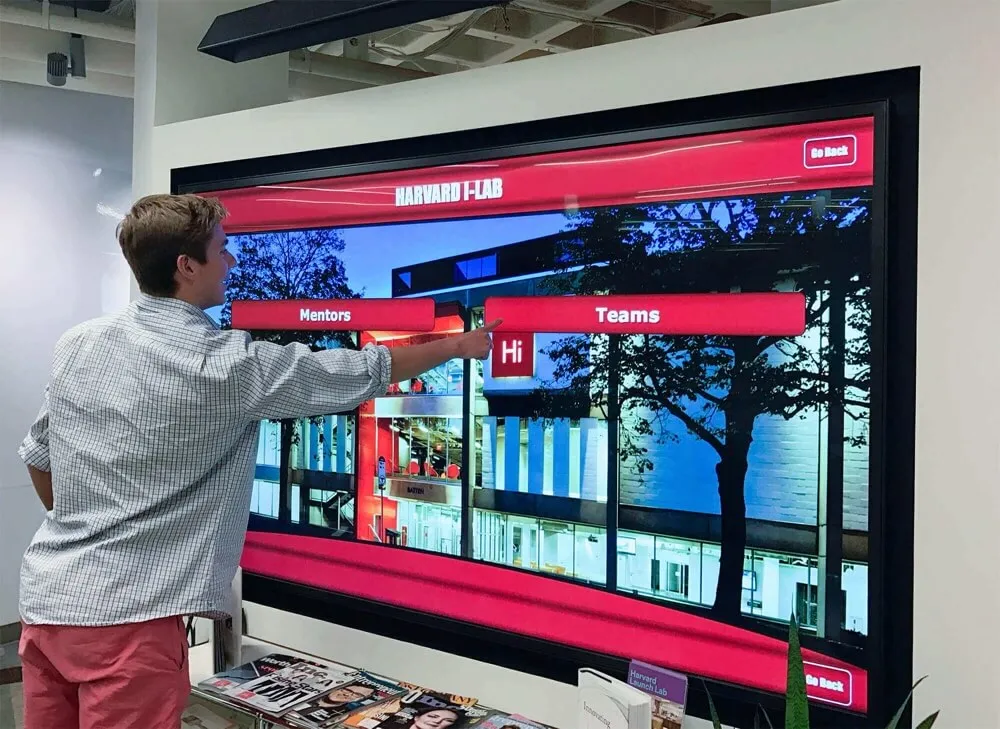
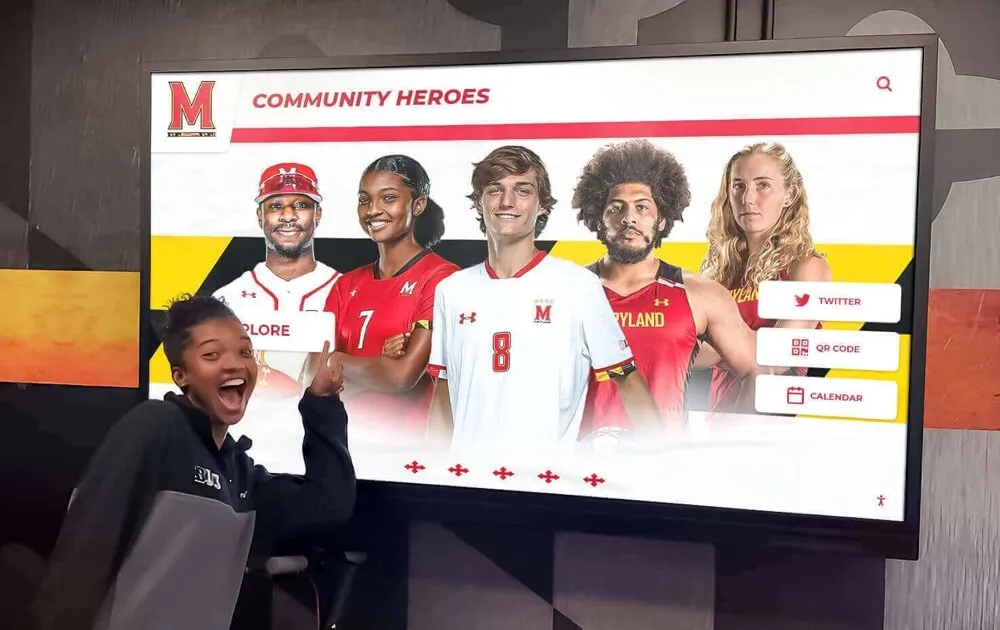
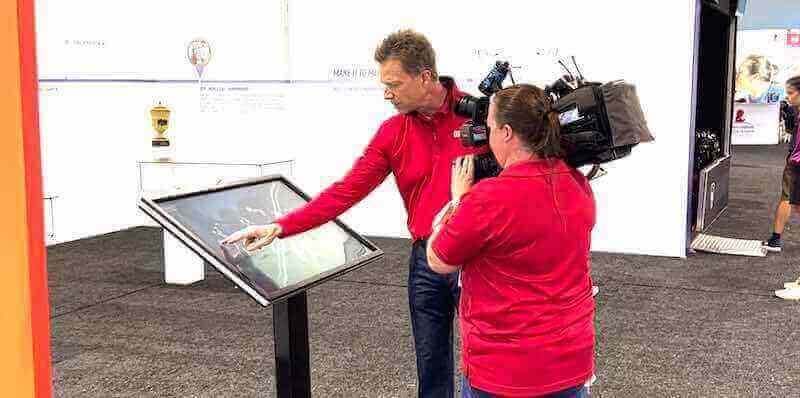
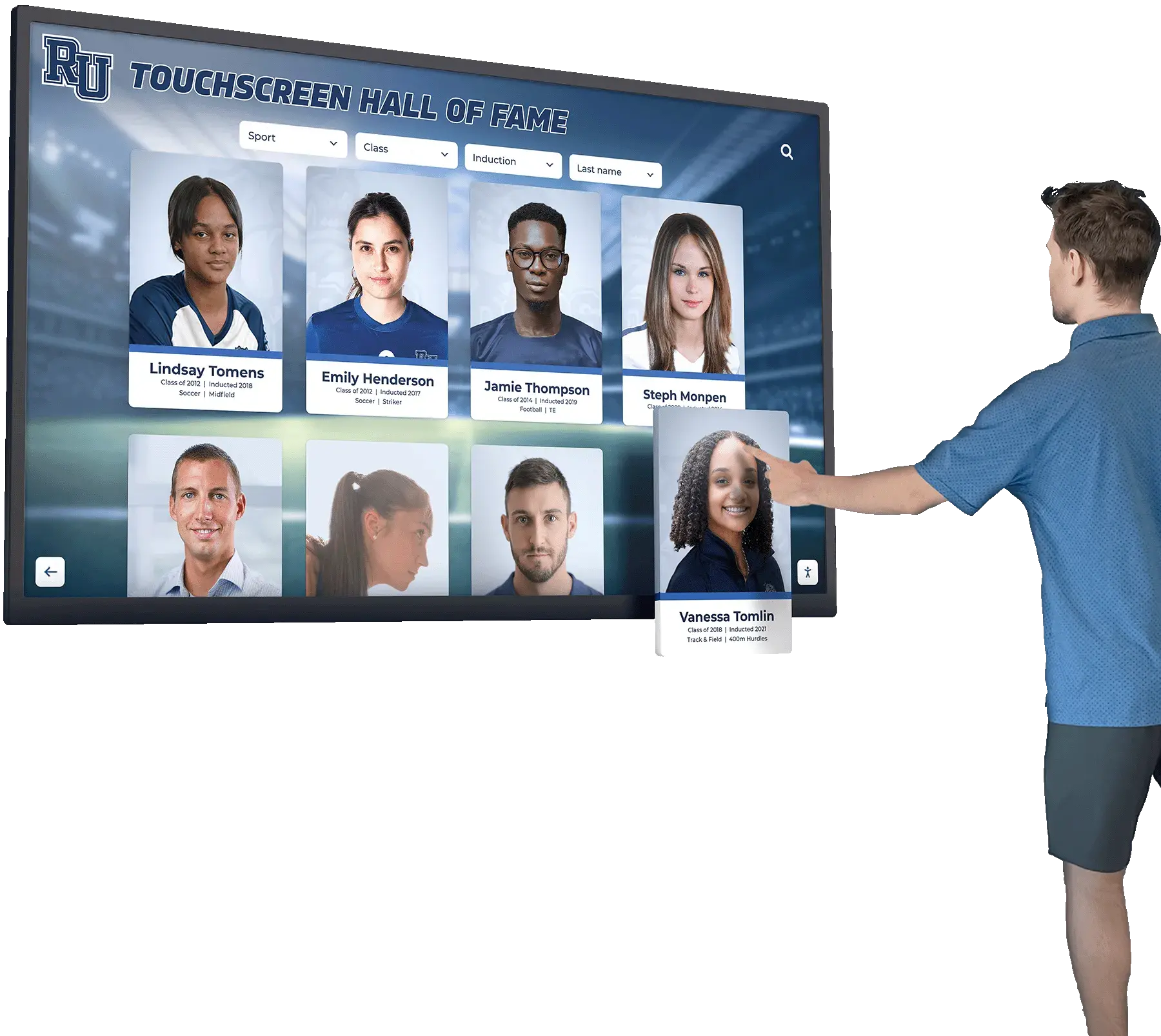
Touchscreen interfaces enable interactive exploration of student achievements during celebration events and throughout the year
Hybrid Event Formats
Combining in-person and virtual elements maximizes participation:
- In-person ceremonies with live streaming for remote viewing
- Pre-recorded elements supplementing live components
- Online recognition complementing physical events
- Digital photo galleries from in-person celebrations
- Virtual recognition walls displaying achievement alongside physical displays
Using Digital Recognition to Enhance Celebrations
Modern recognition technology transforms elementary celebrations from one-time events into ongoing acknowledgment systems maintaining year-round visibility.
Benefits of Digital Recognition Systems
Unlimited Recognition Capacity
Traditional recognition constraints—limited trophy case space, expensive plaque additions, static displays becoming outdated—disappear with digital systems enabling unlimited student recognition without physical space limitations.
Dynamic Content Updates
Digital platforms allow instant recognition updates:
- Adding new achievers immediately after accomplishments
- Featuring current students prominently during celebration events
- Updating content seasonally or for special programs
- Rotating spotlights ensuring all recognized students receive visibility
- Customizing displays for different celebration events or audiences
Engaging Interactive Exploration
During celebration events, interactive displays create meaningful family engagement:
- Parents searching for their children’s achievements
- Students exploring classmates’ accomplishments
- Families learning about school programs and recognition categories
- Interactive elements making recognition exploration fun and memorable
- Self-service achievement certificates families can print
Multimedia Storytelling
Digital recognition enables rich documentation impossible with traditional plaques:
- Photo galleries from celebration events
- Video clips of performances and presentations
- Written narratives describing achievement contexts
- Student testimonials and reflections
- Teacher comments and recognition messages
Solutions like Rocket Alumni Solutions provide comprehensive platforms specifically designed for educational recognition, combining intuitive content management with engaging displays that transform celebration events while maintaining year-round achievement visibility.
Strategic Display Placement for Celebrations
Entrance and Lobby Locations
Position recognition displays where celebration event attendees naturally congregate:
- Main entrance lobbies where families arrive
- Cafetoriums or gymnasiums hosting celebration assemblies
- Hallway locations outside performance spaces
- Administrative areas where families check in
- Common areas serving as gathering spaces before or after events
Integration with Celebration Events
Feature digital recognition strategically within celebration programming:
- Opening slideshow presentations featuring achievement highlights
- Recognition displays running during pre-event gathering times
- Interactive exploration opportunities during receptions or fellowship times
- Award presentation supplements showing recipient profiles
- Photo galleries from previous celebration events building tradition
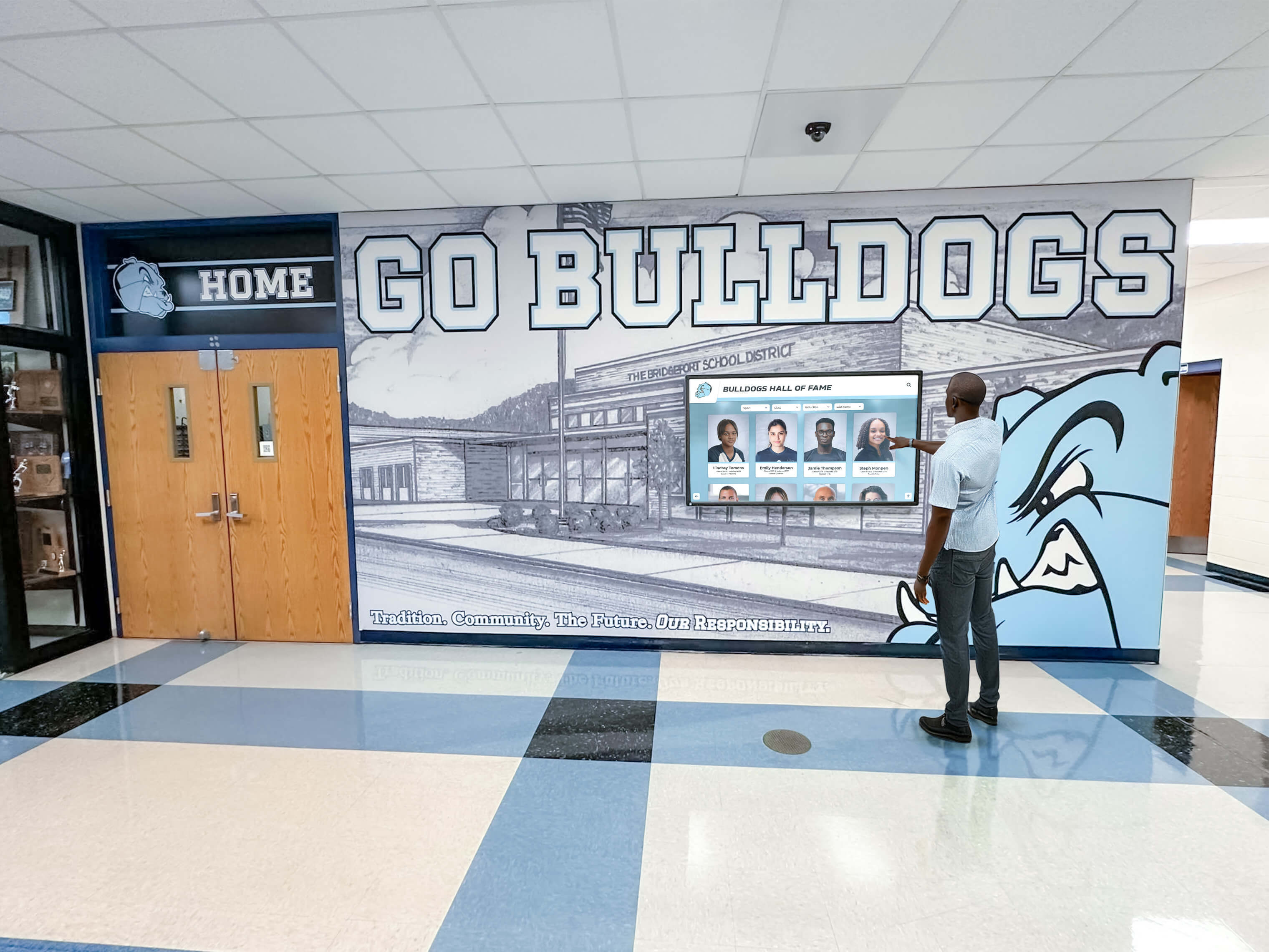
Strategic hallway placement ensures recognition displays receive visibility during celebration events and daily school activities
Ongoing Recognition Between Celebration Events
Digital systems extend recognition beyond discrete events into continuous acknowledgment:
Daily Recognition Visibility
- Morning announcements supplemented with visual achievement displays
- Cafeteria displays showcasing current achievement highlights
- Classroom screens featuring rotating student accomplishments
- Library displays celebrating reading achievements
- Physical education spaces highlighting athletic participation and fitness milestones
Sustained Family Engagement
- QR codes enabling families to access achievement displays from home
- Online portals where parents view recognition history
- Email notifications when children receive new recognition
- Social media sharing opportunities (with appropriate privacy controls)
- Virtual open houses featuring achievement displays for distant family
Planning Logistics for Successful Celebrations
Beyond creative ideas, successful celebrations require systematic logistical planning addressing space, time, budget, and participation.
Scheduling Strategic Timing
Calendar Considerations
Thoughtful scheduling maximizes participation and impact:
- Avoiding conflicts with major holidays or competing events
- Selecting times accessible for working families (early evening, weekend options)
- Building in sufficient planning time (6-8 weeks for major events)
- Spacing celebrations throughout year maintaining recognition momentum
- Coordinating with district or community calendars preventing conflicts
- Communicating dates well in advance enabling family planning
Event Duration Planning
Elementary-appropriate timing maintains engagement:
- Programs typically 30-60 minutes matching children’s attention spans
- Clear start and end times respecting family schedules
- Efficient transitions between program elements
- Reception or social time allowing informal family connections
- Flexible attendance options for families unable to stay for complete programs
Budget-Conscious Celebration Planning
Meaningful celebrations don’t require excessive spending—strategic resource allocation creates impact.
Low-Cost High-Impact Elements
- Student-created decorations providing authentic, meaningful environment
- Digital certificates and recognition eliminating printing costs
- Potluck receptions reducing food expenses
- Volunteer support minimizing paid staffing needs
- Outdoor venues eliminating facility rental costs
- Social media and digital communication reducing printing and mailing expenses
Wise Investment Priorities
When budgets allow spending, prioritize elements with lasting value:
- Quality audio systems ensuring all attendees hear programs clearly
- Professional photography documenting events creating lasting memories
- Digital recognition infrastructure serving multiple years and events
- Recognition certificates or awards students treasure long-term
- Professional program printing when budget permits
Fundraising and Sponsorship
Community support extends celebration budgets:
- Parent organization funding for recognition programs
- Local business sponsorships for specific celebration elements
- Booster club support for achievement awards
- Community foundation grants for recognition technology
- Alumni association funding for tradition-building celebrations
Volunteer Coordination
Strategic volunteer utilization addresses staffing needs while building community investment.
Volunteer Roles
- Event setup and decoration committees
- Registration and family greeting teams
- Photography and documentation volunteers
- Reception and hospitality support
- Traffic and parking management
- Program distribution and assistance
- Cleanup and takedown crews
Volunteer Recognition
Acknowledging volunteer contributions ensures sustained support:
- Public recognition during events
- Thank-you notes or certificates of appreciation
- Volunteer recognition receptions
- Featured acknowledgment in school communications
- Meaningful roles making volunteers feel valued
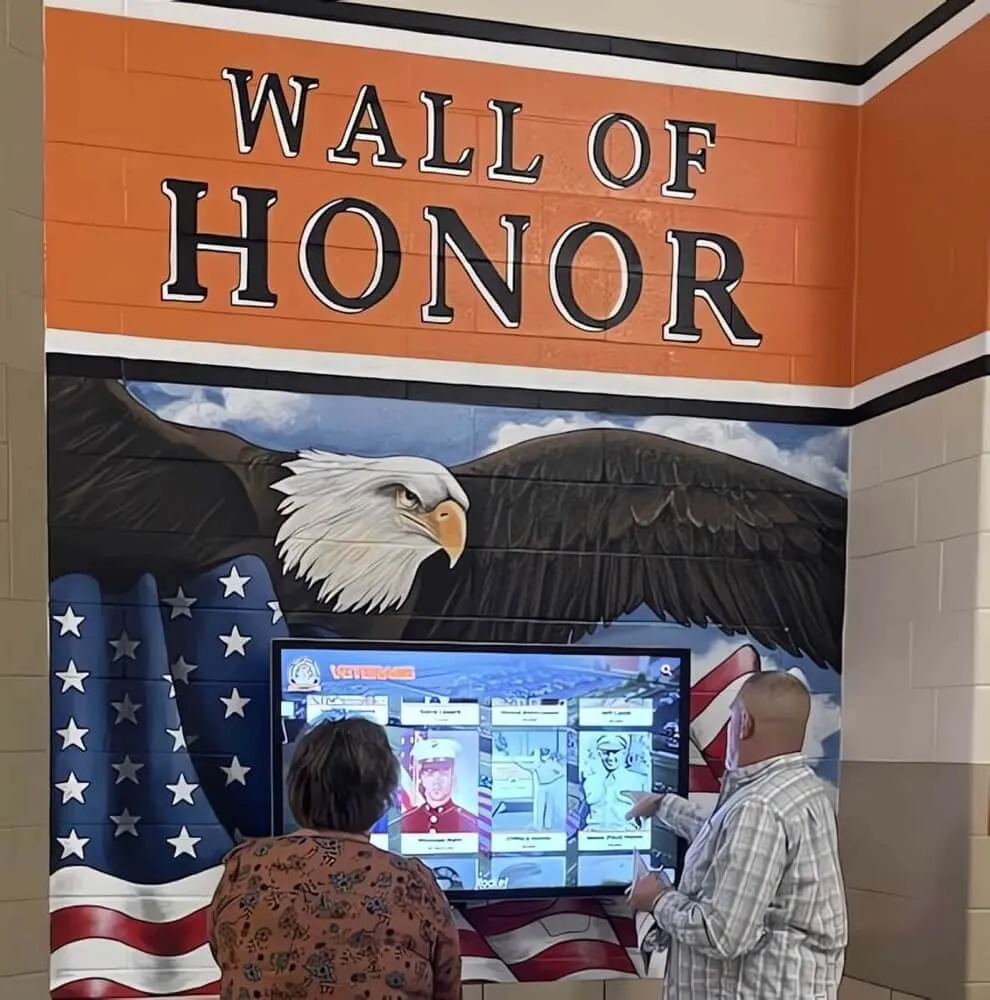
Professional entrance displays create welcoming atmosphere for celebration events while communicating school values and priorities
Inclusive Celebration Practices
Ensuring all students and families feel included requires intentional attention to diversity, equity, and accessibility.
Recognizing Diverse Achievements
Multiple Pathways to Recognition
Avoid celebrations favoring only traditionally high-achieving students:
- Academic recognition at multiple achievement levels
- Effort and improvement equal to absolute achievement
- Social-emotional and character recognition alongside academic awards
- Creative and artistic accomplishments receiving equivalent emphasis
- Athletic participation and sportsmanship honored alongside competitive success
- Service and citizenship celebrated as prominently as individual achievement
Avoiding Comparison Culture
Frame recognition emphasizing personal growth rather than competition:
- Avoid ranking or comparison language
- Celebrate individual student stories and contexts
- Recognize unique contributions rather than standardized metrics
- Use asset-based language focusing on strengths
- Ensure multiple students receive spotlight rather than single “top” student
Cultural and Linguistic Inclusivity
Multilingual Communication
Serve diverse families through accessible communication:
- Invitations and program materials translated into community languages
- Multilingual staff or volunteers supporting non-English-speaking families
- Visual programs reducing language barriers
- Cultural liaison support for immigrant families
- Interpretation services for major celebration events
Culturally Responsive Programming
Design celebrations honoring diverse cultural traditions:
- Recognition of varied cultural achievement values
- Inclusive music, decorations, and symbolic elements
- Food options respecting dietary restrictions and preferences
- Scheduling considering religious observances
- Diverse representation in speakers, presenters, and highlighted examples
Accessibility and Accommodation
Physical Accessibility
Ensure all families can participate fully:
- ADA-compliant venues with accessible parking and entrances
- Seating accommodations for families with mobility needs
- Assistive listening systems for families with hearing challenges
- Clear sightlines for wheelchair users
- Accessible restroom facilities
Diverse Family Support
Recognize varied family circumstances:
- Child care for younger siblings when possible
- Transportation assistance information
- Flexible attendance options (virtual participation, alternative timing)
- Food security sensitivity (no-cost events, discrete meal support)
- Single-parent scheduling considerations
For comprehensive approaches to inclusive recognition practices, explore elementary school recognition board strategies that ensure all students receive appropriate acknowledgment.
Measuring Celebration Success
Assessment ensures celebrations achieve intended goals while identifying improvement opportunities.
Quantitative Metrics
Participation and Attendance
- Percentage of families attending events
- Student participation rates across recognition categories
- Comparison to previous years’ participation
- Demographic representation ensuring all communities engaged
- Volunteer involvement levels
Recognition Distribution
- Number of students receiving recognition
- Representation across achievement categories
- Demographic analysis ensuring equitable recognition
- Repeat recognition versus first-time honorees
- Recognition spanning multiple years showing sustained achievement
Qualitative Assessment
Family Feedback
- Post-event surveys gathering parent reactions
- Student feedback about celebration experiences
- Staff reflection on program effectiveness
- Community member perspectives
- Suggestions for future improvements
Cultural Impact Indicators
- School climate surveys showing community connection
- Student motivation and engagement observations
- Family involvement in school activities
- Community pride and positive perception
- Tradition establishment and sustained participation over years
Sustaining Celebration Traditions
Long-term celebration success requires systematic approaches ensuring consistency despite staff changes and evolving circumstances.
Documentation and Tradition-Building
Program Documentation
Create resources enabling celebration continuity:
- Detailed planning timelines and checklists
- Budget templates and resource lists
- Volunteer role descriptions and coordination guides
- Program samples and script templates
- Vendor and supplier contact information
- Post-event evaluation forms and improvement notes
Tradition Communication
Help students and families understand celebration traditions:
- Written descriptions of annual celebration events
- Historical context explaining tradition origins
- Photo archives documenting celebrations across years
- Alumni testimonials about celebration memories
- New family orientations introducing celebration traditions
Continuous Improvement
Annual Evaluation and Enhancement
Systematic assessment drives steady improvement:
- Post-event debriefs with planning teams
- Data analysis identifying participation or recognition gaps
- Stakeholder feedback integration into planning
- Celebration rotation exploring new formats while maintaining traditions
- Professional development supporting celebration planning skills
Creating Year-Round Recognition Culture
The most effective celebrations exist within comprehensive recognition cultures extending beyond discrete events.
Daily Recognition Practices
Classroom-Level Acknowledgment
- Morning greetings acknowledging every student
- Positive behavior reinforcement throughout days
- Growth mindset language celebrating effort and progress
- Peer recognition systems teaching appreciation
- Weekly classroom celebrations for collective achievements
School-Wide Recognition Systems
- Morning announcements featuring student accomplishments
- Hallway displays celebrating diverse achievements
- Digital displays maintaining ongoing recognition visibility
- Social media recognition (with appropriate privacy protections)
- Principal or administrator personal notes to achieving students
Building Community Recognition Culture
Staff Recognition Modeling
When staff demonstrate recognition appreciation, students learn these values:
- Public appreciation among colleagues
- Teacher recognition programs modeling acknowledgment culture
- Administrator recognition of staff achievements
- Support staff acknowledgment in school communications
- Volunteer appreciation demonstrating gratitude
Family and Community Extension
Recognition culture extends beyond school walls:
- Parent recognition of school staff and volunteers
- Community member acknowledgment of school achievements
- Business partner recognition for school support
- Alumni connection maintaining recognition continuity
- Family celebration encouragement supporting home recognition practices
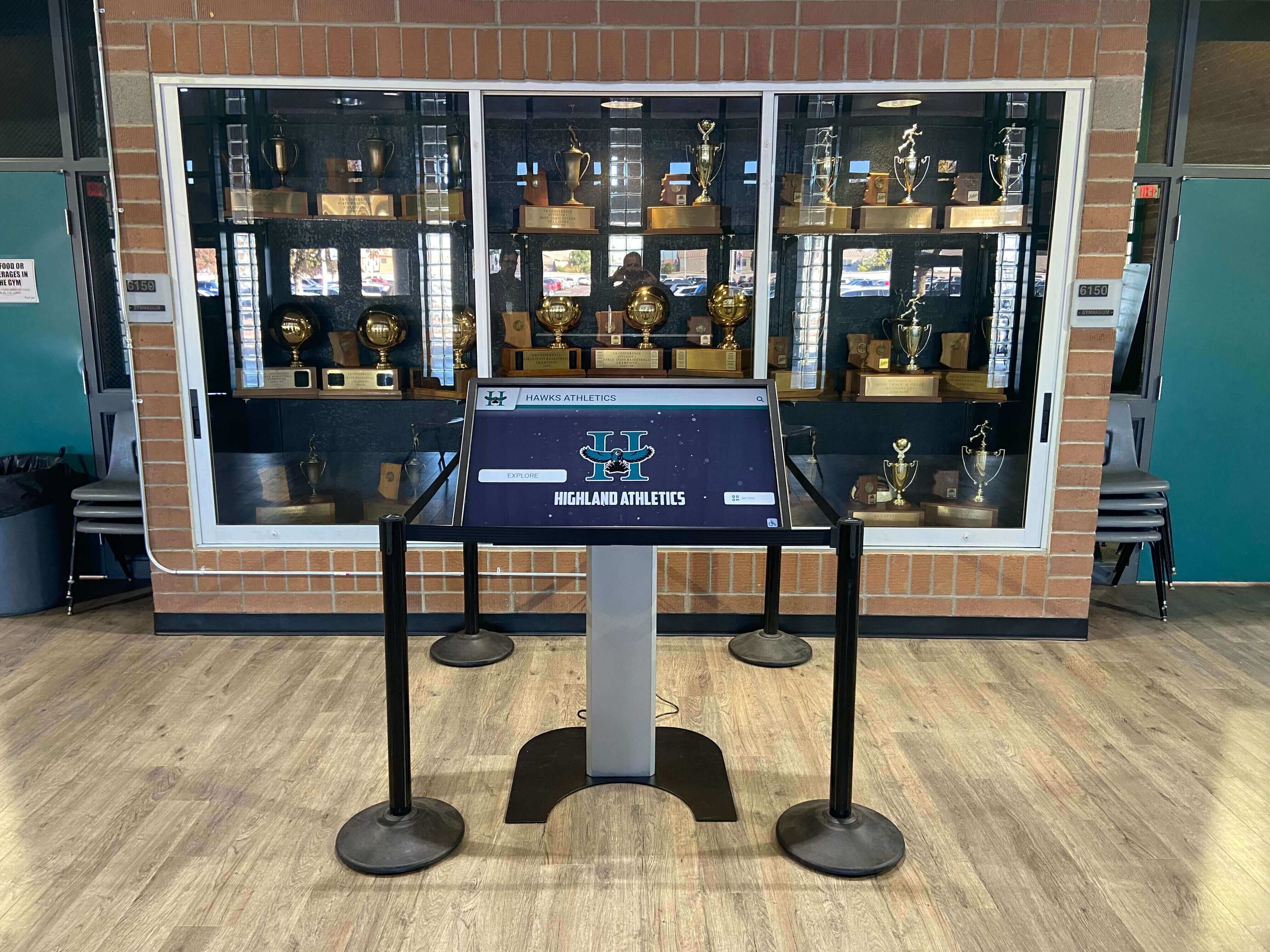
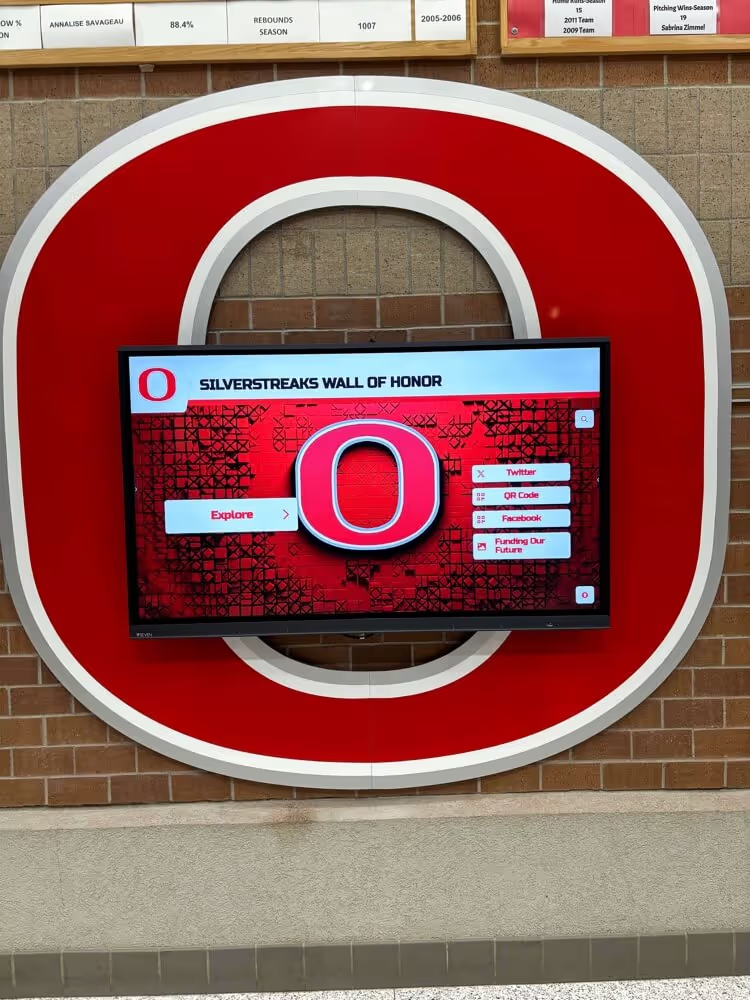
Integrated digital displays complement traditional recognition elements while enabling comprehensive ongoing acknowledgment
Conclusion: Creating Celebration Cultures That Shape Young Lives
Elementary school celebrations profoundly impact young students’ developing identities, achievement motivation, and sense of community belonging. When schools approach celebrations systematically—balancing special events with ongoing recognition, honoring diverse achievements equally, maintaining inclusive practices serving all students and families, and using modern tools enabling comprehensive acknowledgment—they create recognition cultures that genuinely shape educational experiences and outcomes.
The celebration ideas explored in this guide provide practical frameworks for elementary schools at any resource level. From end-of-year ceremonies marking major transitions to ongoing recognition systems celebrating daily achievements, from traditional assemblies to creative interactive formats, effective celebrations honor what makes elementary education special while building the positive cultures supporting every student’s growth.
Most importantly, thoughtful celebration planning communicates fundamental respect for elementary students’ efforts, achievements, and identities. These young learners need to know their hard work matters, their unique talents have value, and they belong to caring communities invested in their success. Comprehensive recognition and celebration systems deliver these essential messages consistently, creating the supportive environments where all students can thrive.
Ready to transform your elementary school’s recognition and celebration programs? Modern digital recognition platforms enable schools to showcase unlimited student achievements across all categories, maintain year-round visibility for accomplishments, and create engaging celebration experiences that families remember. Whether implementing first-time systematic recognition or enhancing existing celebration traditions, Rocket Alumni Solutions provides comprehensive platforms specifically designed for elementary schools, combining intuitive content management with engaging displays that transform both special events and daily recognition culture.
From individual achievement milestones to school-wide celebration assemblies, from character recognition to academic excellence, comprehensive recognition ensures every student’s dedication receives the acknowledgment they deserve—creating elementary cultures where celebration becomes integral to the educational experience rather than occasional interruption.
Your elementary students bring remarkable energy, curiosity, and potential to school every day. Comprehensive celebration programs ensure these qualities receive the recognition and encouragement needed to flourish, creating school communities where every child knows they matter, their efforts count, and their achievements will be remembered and celebrated. The most powerful elementary celebrations don’t require elaborate budgets or complex programming—they require genuine commitment to honoring student growth, consistent acknowledgment of diverse achievements, and systematic approaches ensuring no child’s accomplishments go unnoticed or uncelebrated.