



Elementary school assemblies serve as powerful educational tools that bring entire school communities together for shared learning, celebration, and inspiration. When thoughtfully planned, these gatherings transform from routine obligations into memorable experiences that reinforce school values, recognize student achievement, and introduce important concepts through engaging presentations that capture young learners’ attention.
The most effective elementary assemblies strike a careful balance—educational enough to justify instructional time, entertaining enough to maintain student engagement, age-appropriate in content and format, and aligned with school culture and educational goals. Yet many schools struggle to design assemblies that achieve these multiple objectives simultaneously while managing logistics, budget constraints, and the diverse needs of students ranging from kindergarten through fifth grade.
This comprehensive guide explores proven elementary school assembly ideas spanning recognition programs, educational presentations, character development themes, and special event celebrations that educate while entertaining young learners.
Successful elementary assemblies create experiences that students remember long after returning to classrooms—moments that reinforce positive behaviors, celebrate accomplishments, introduce new ideas, and build the sense of community essential to elementary school culture. The best assemblies combine clear educational purpose with engaging delivery, appropriate pacing for young attention spans, and elements that allow every student to feel included in the shared experience.

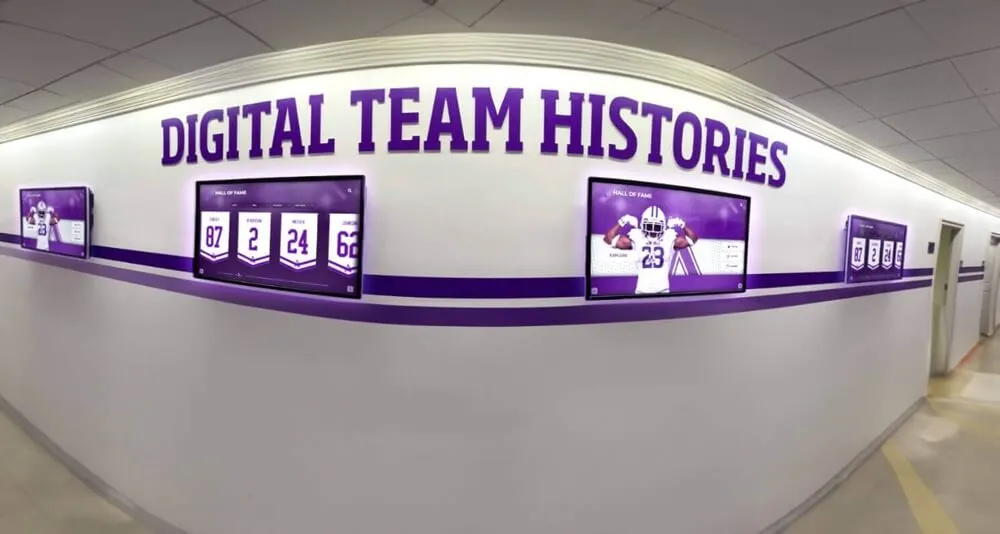
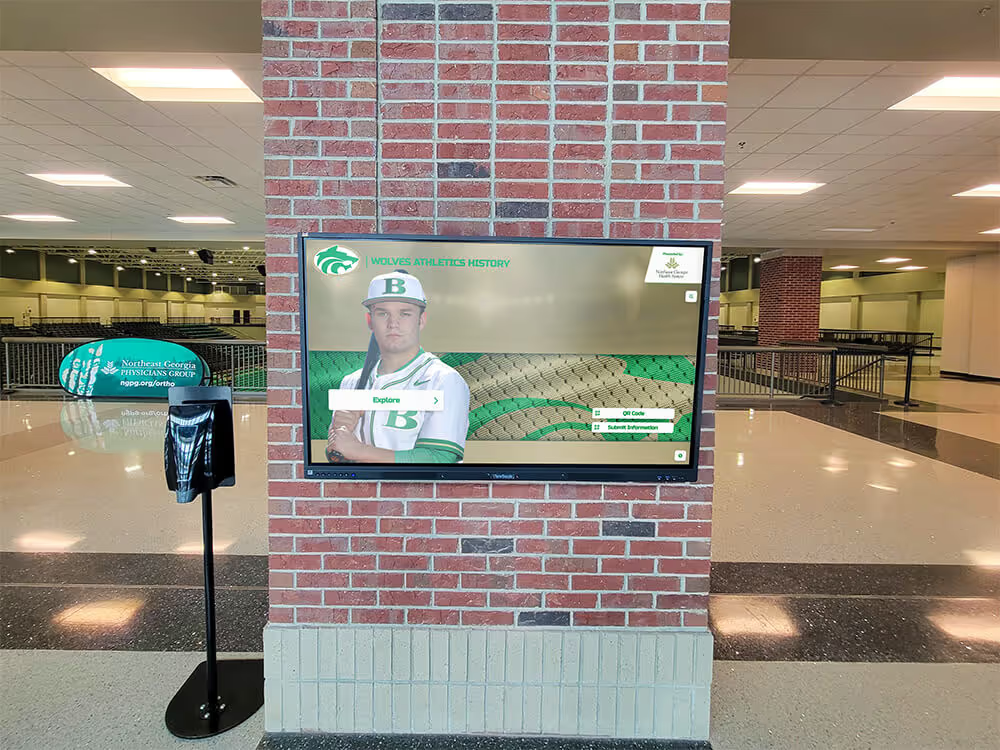
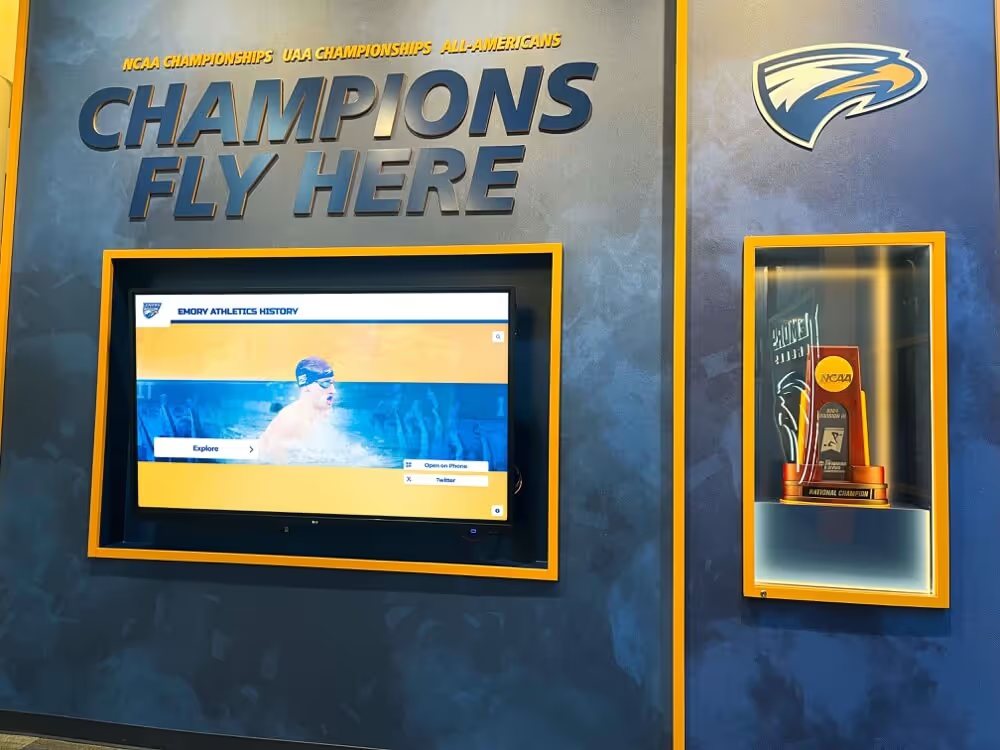
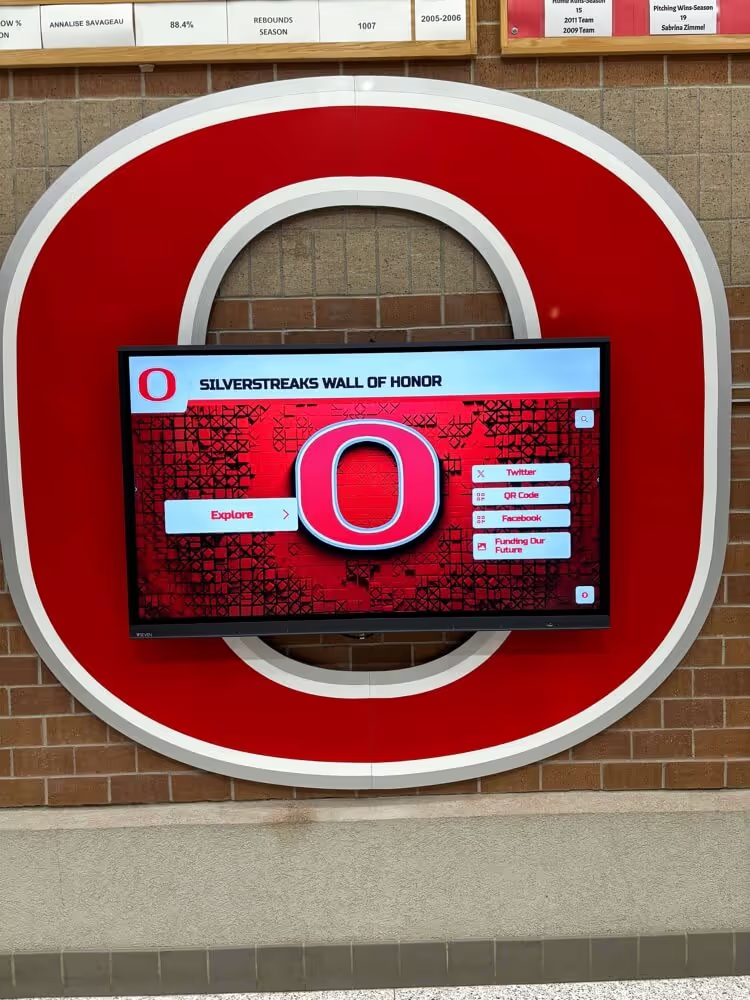
Modern technology enables schools to showcase student achievements and create engaging content that captures elementary students' attention during assemblies and throughout the school day
The Educational Value of School Assemblies
Understanding why assemblies matter helps schools design programs that maximize educational impact while justifying time away from classroom instruction.
Social-Emotional Learning Opportunities
Elementary assemblies provide unique contexts for developing social and emotional competencies:
Community Building and Belonging
- Shared experiences creating connections across grade levels and classrooms
- School identity development through traditions and collective participation
- Social awareness as students observe peers receiving recognition
- Empathy building through exposure to diverse perspectives and experiences
- Relationship skills demonstrated during collaborative assembly activities
Character Development Reinforcement
- Visible modeling of school values through recognition and storytelling
- Positive behavior reinforcement when assemblies celebrate students demonstrating character traits
- Growth mindset development through improvement recognition and effort celebration
- Responsible decision-making illustrated through assembly themes and messages
- Self-management skills practiced as students participate appropriately
Research from the Collaborative for Academic, Social, and Emotional Learning (CASEL) demonstrates that systematic recognition and celebration of positive behaviors significantly increase the likelihood students will repeat those behaviors while influencing peers through social modeling.
Academic Connection and Reinforcement
Assemblies extend classroom learning through different formats:
Cross-Curricular Integration
- Science concepts explored through demonstrations
- Historical events or figures introduced through presentations
- Literacy skills reinforced through storytelling and read-alouds
- Mathematical thinking demonstrated in interactive activities
- Arts education showcased through performance and creation
Learning Style Accommodation
- Visual learners engage through multimedia presentations
- Auditory learners benefit from spoken presentations and music
- Kinesthetic learners participate through movement and activities
- Multiple intelligences addressed through varied content formats
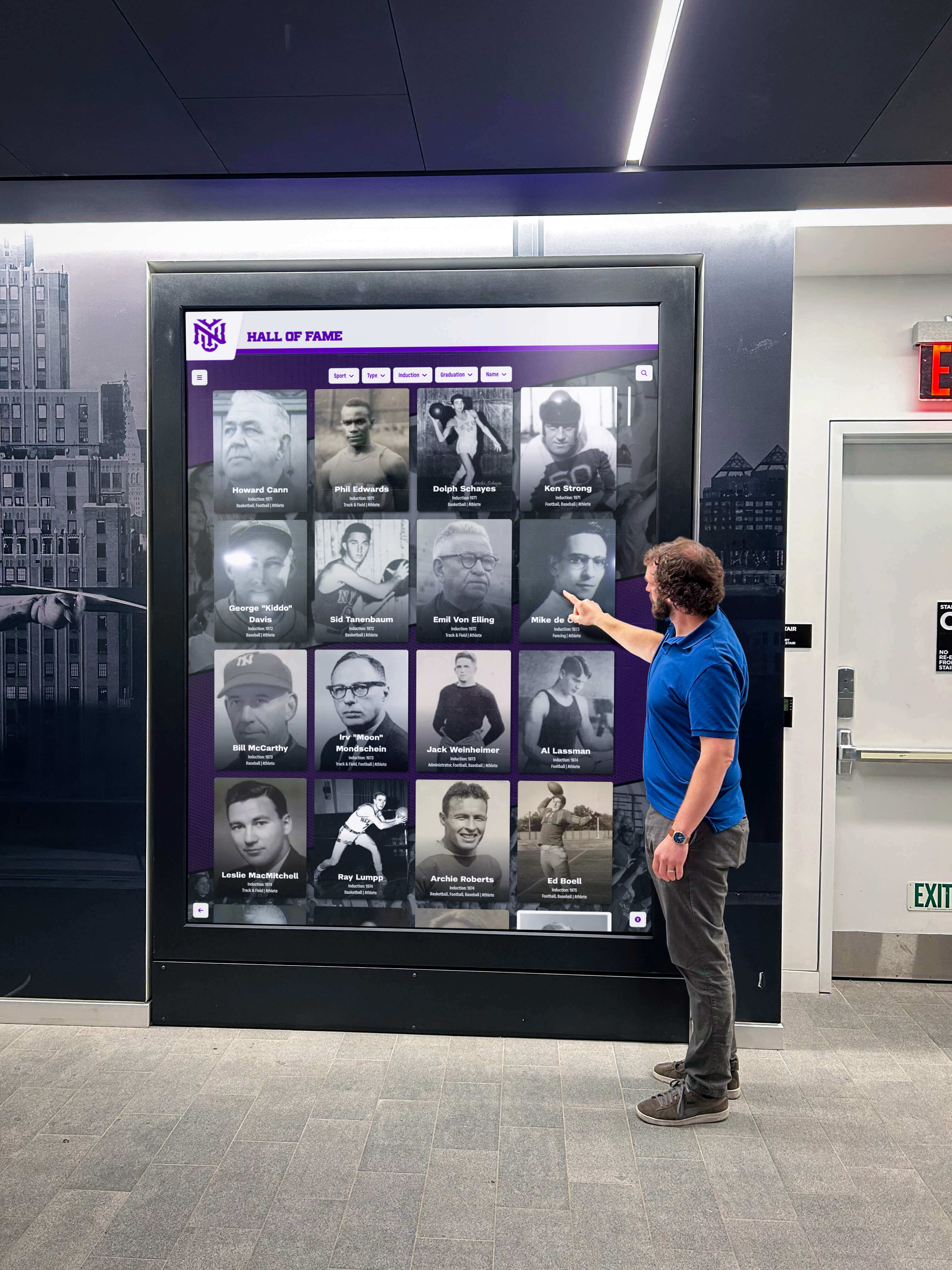
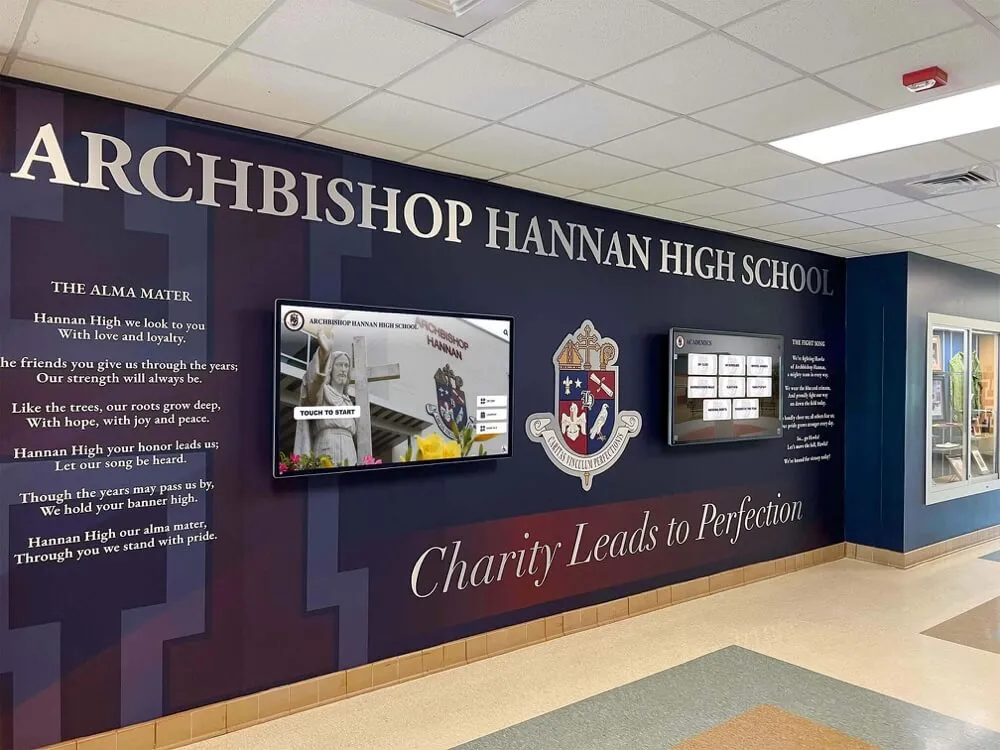
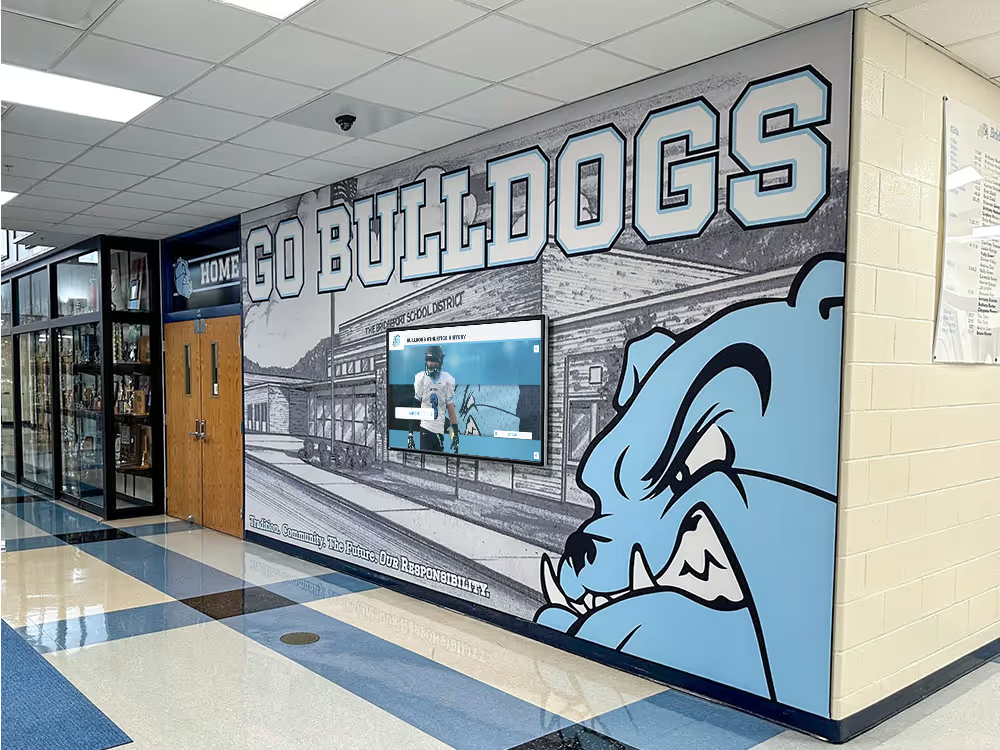
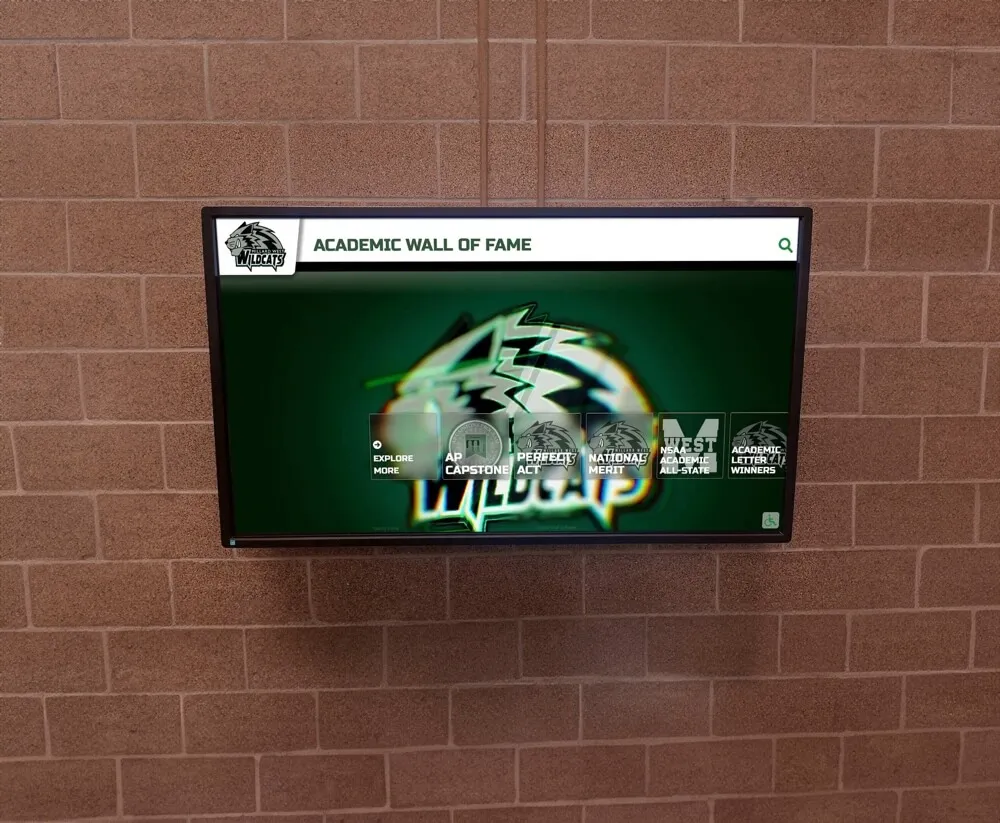
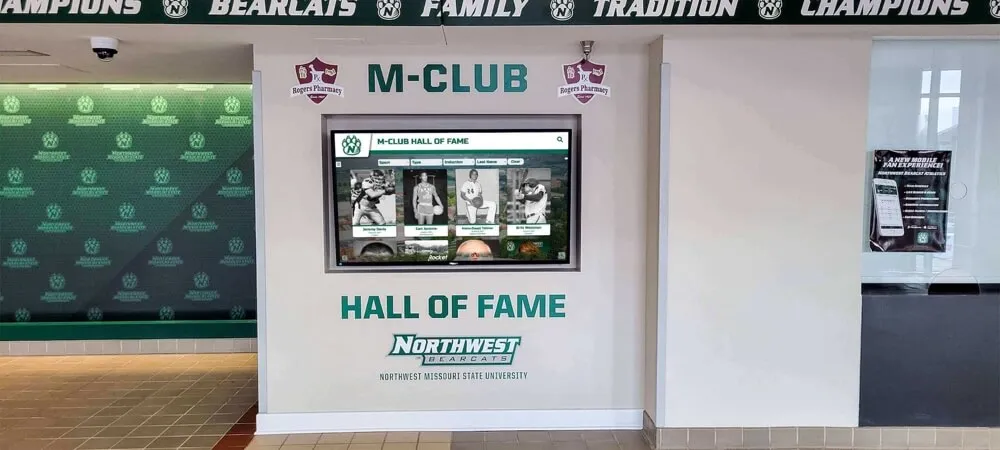
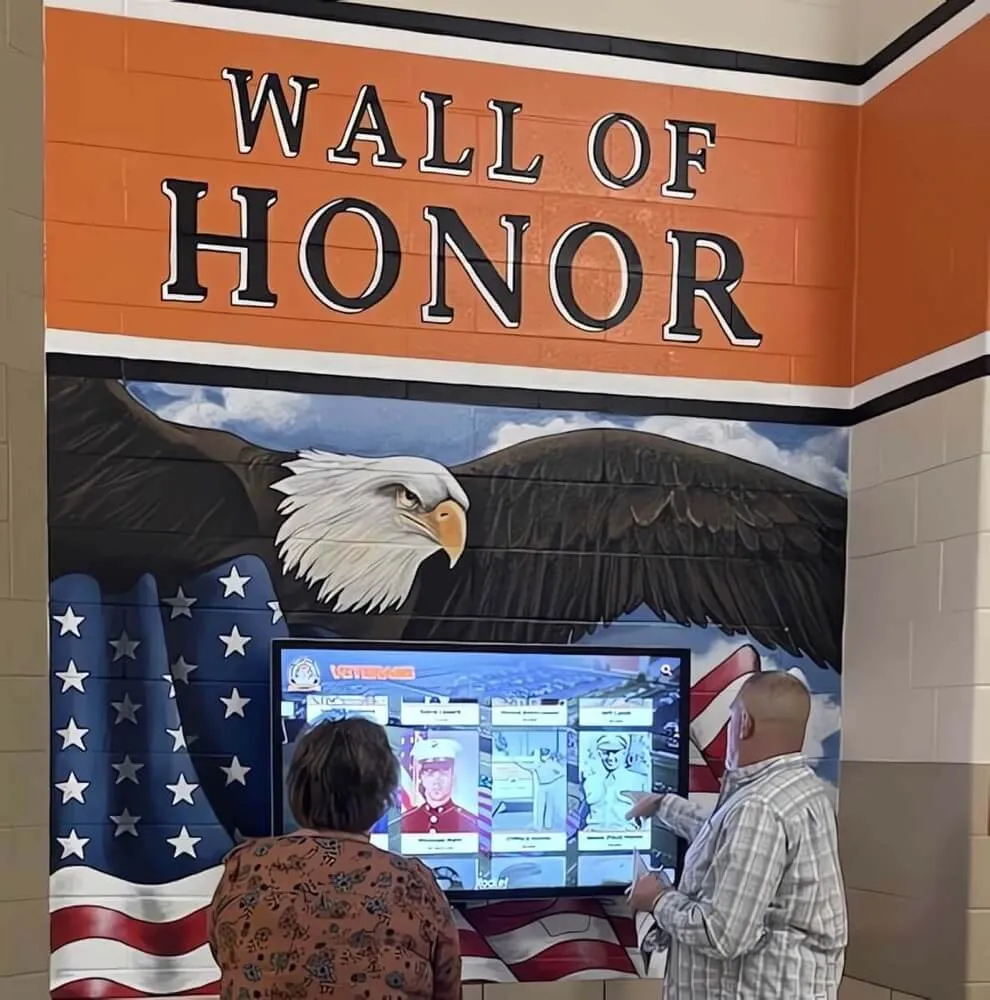
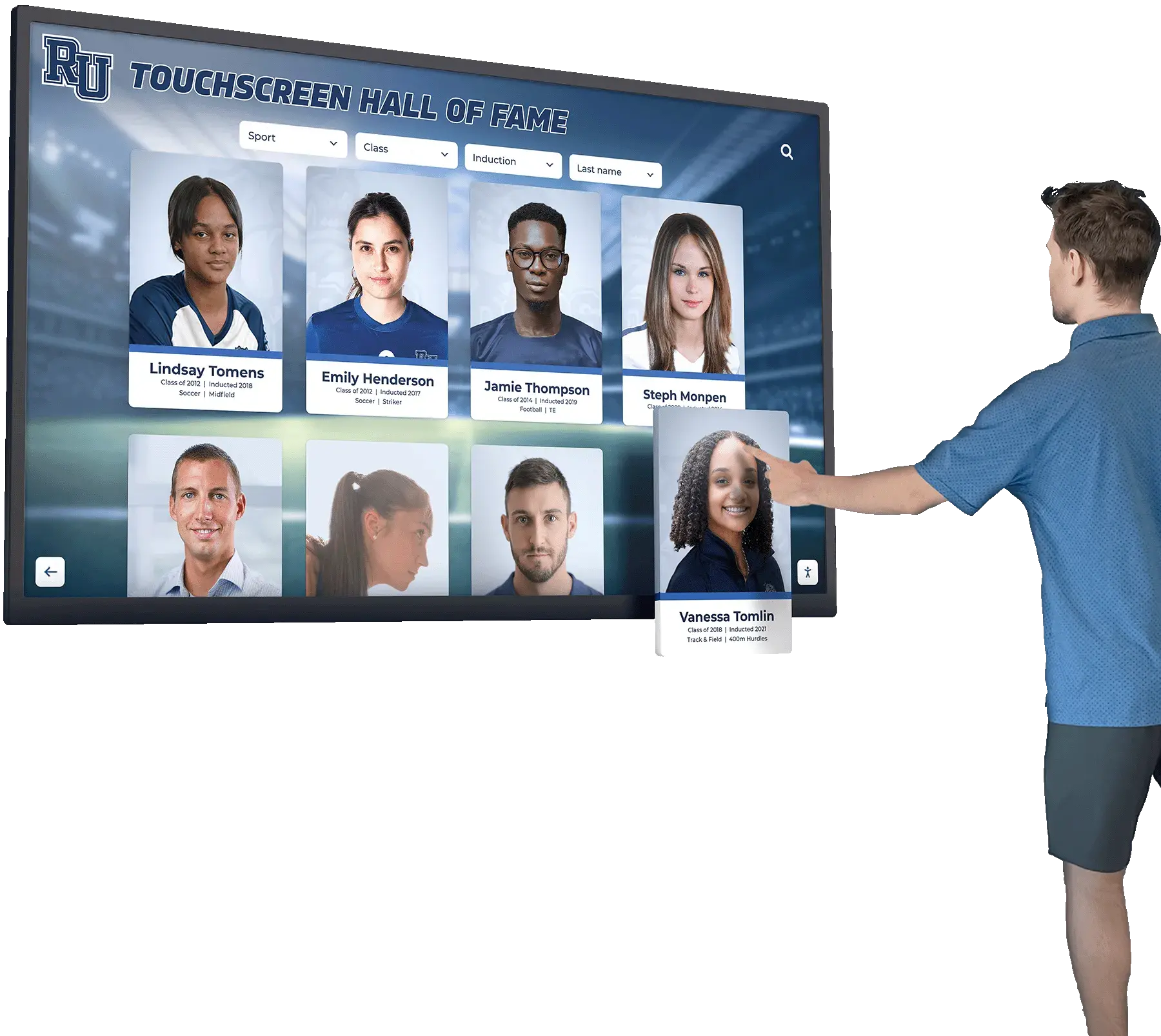
Interactive displays enable students to explore achievements and school culture in engaging, age-appropriate formats
Schools incorporating intentional academic connections into assemblies report that students demonstrate increased engagement with related classroom content following well-designed assembly presentations.
Recognition and Achievement Assembly Ideas
Celebrating student success creates motivation while establishing achievement-oriented culture throughout elementary schools.
Academic Achievement Recognition Programs
Systematic academic celebration deserves dedicated assembly time:
Honor Roll and Academic Excellence Assemblies Quarterly or semester recognition celebrating academic achievement:
- Grade-level specific honor roll recognition with clear criteria
- Improvement awards for students demonstrating growth
- Perfect attendance acknowledgment reinforcing consistent school engagement
- Subject-specific excellence awards in reading, math, science, and other areas
- Grade-level advancement celebrations at year-end
- Benchmark assessment achievement recognition
Modern student recognition displays can feature honored students year-round, extending recognition impact beyond single assembly moments.
Reading Achievement Celebrations Literacy-focused assemblies recognizing reading milestones:
- Reading goal achievement recognition (books read, minutes logged)
- Reading level advancement celebrations
- Genre exploration challenges and completion
- Author study participation awards
- Library engagement recognition
- Book character dress-up celebration assemblies
Learn about comprehensive academic recognition programs that extend throughout the school year.
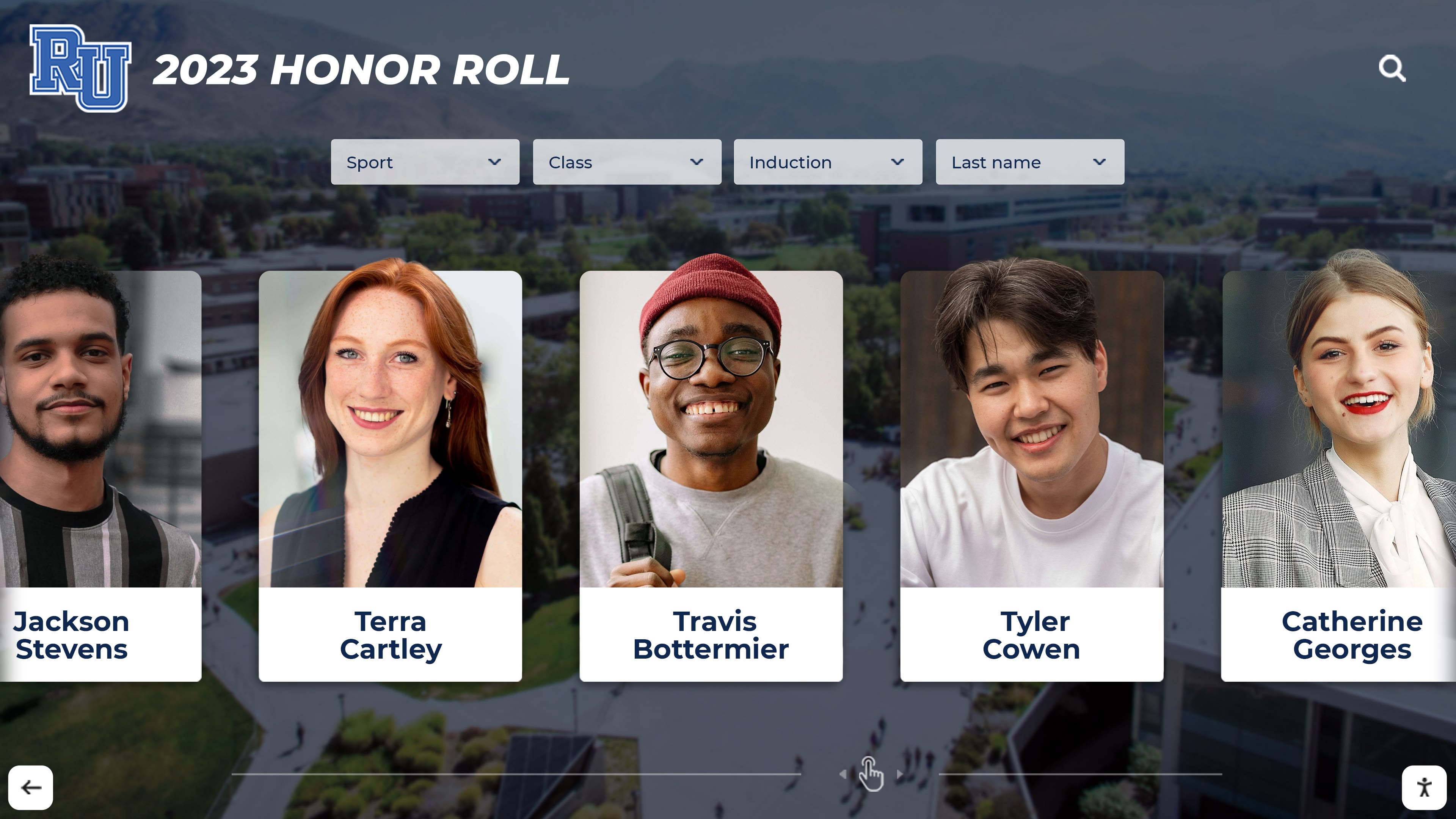
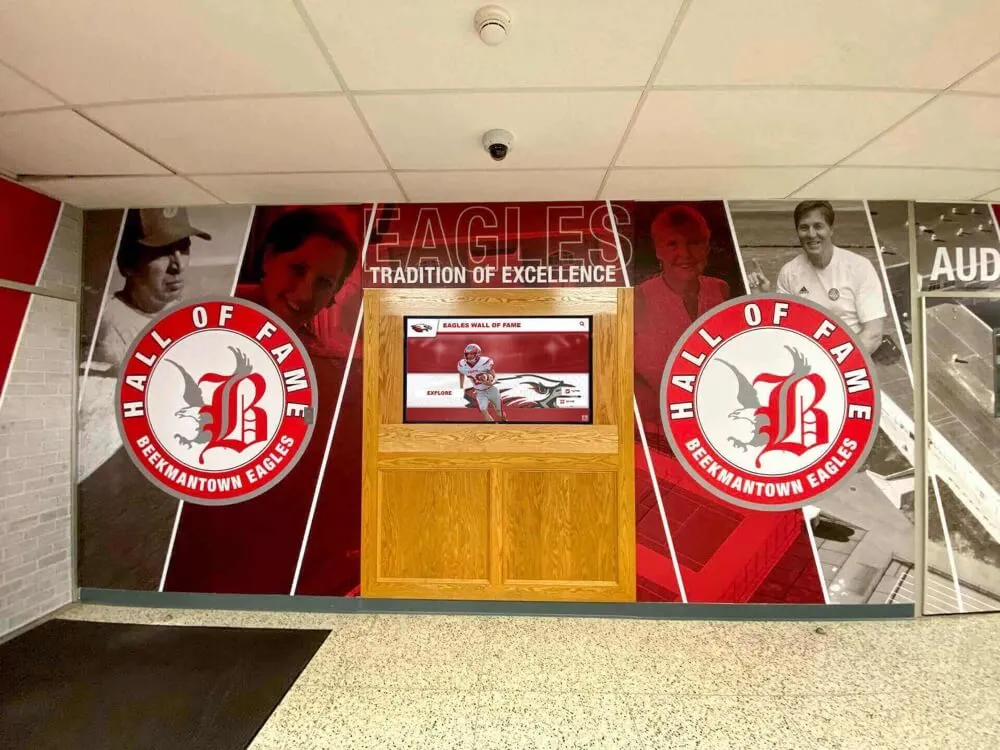
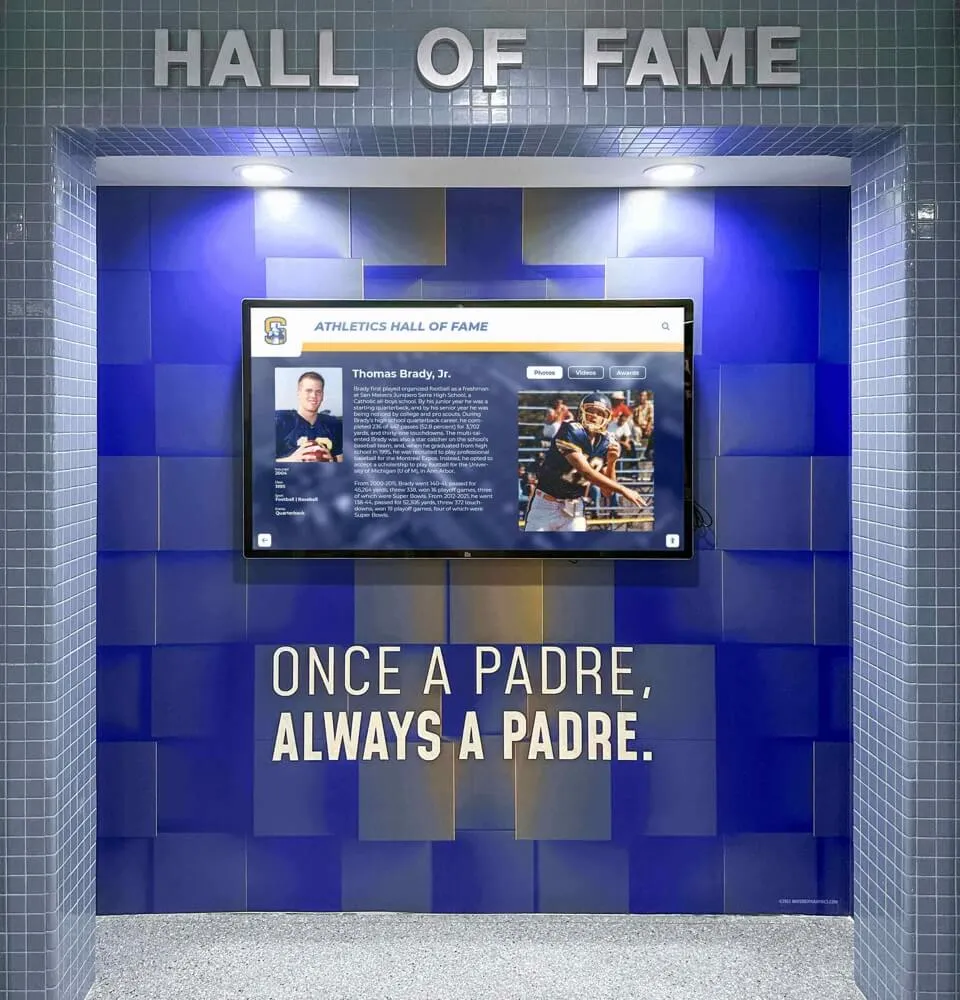
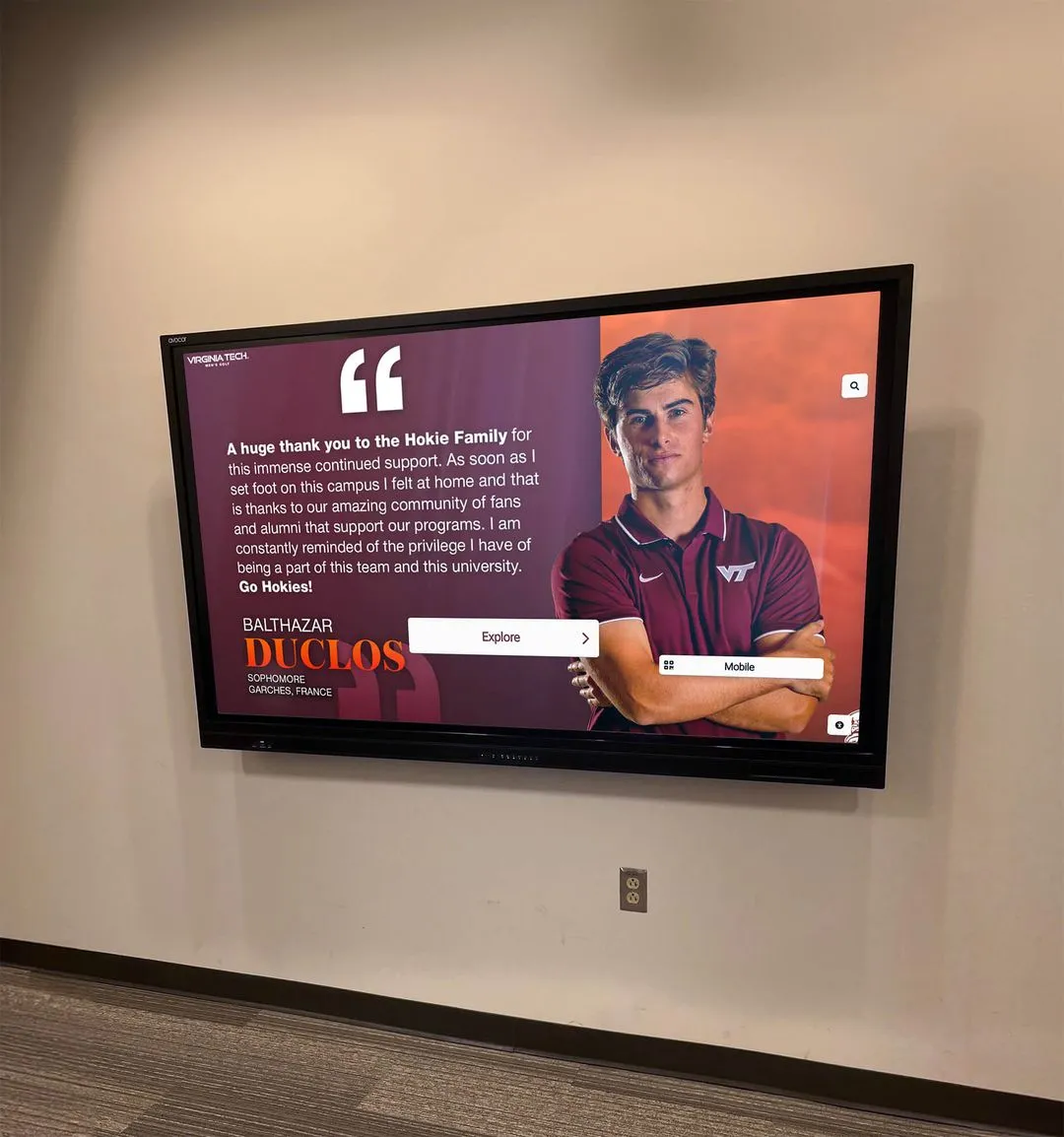
Individual achievement profiles create personalized recognition that elementary students value and remember
STEM and Academic Competition Recognition Celebrate students participating in academic challenges:
- Science fair participation and achievement awards
- Math competition recognition and team celebrations
- Spelling bee participant acknowledgment and winner recognition
- Geography bee, history day, and other competition celebrations
- Robotics team achievement recognition
- Academic olympiad participation awards
These assemblies inspire future participation while validating current competitors’ efforts.
Character and Behavior Recognition Assemblies
Recognition assemblies focusing on character traits and positive behaviors reinforce school values:
Monthly Character Trait Celebrations Systematic recognition of students demonstrating specific character attributes:
- Respect, responsibility, perseverance, kindness, and other trait focuses
- Teacher-nominated students from each classroom
- Specific examples shared illustrating how students demonstrated traits
- Certificate presentation and family notification
- Photo displays documenting recognized students
- Trait definition and discussion for all students
Positive Behavior Intervention Systems (PBIS) Recognition Schools implementing PBIS frameworks use assemblies to celebrate program participants:
- Ticket or token milestone achievement recognition
- Classroom and grade-level behavior competitions
- School-wide behavior goal achievement celebrations
- Positive referral recognition honoring students “caught being good”
- Behavior expectation demonstrations and reminders
Solutions like digital recognition displays can showcase PBIS participants year-round, maintaining program visibility.
Kindness and Community Service Recognition Assemblies celebrating students making positive contributions:
- Peer kindness awards nominated by fellow students
- Community service project participation recognition
- Conflict resolution and peacemaker awards
- Buddy program participation for older students mentoring younger
- Lunch buddy and inclusive play recognition
- Environmental stewardship and school improvement contributions
Athletics and Physical Education Assembly Ideas
Physical achievement and fitness deserve systematic celebration in elementary schools:
Field Day and Physical Education Achievement End-of-year or seasonal recognition of physical accomplishments:
- Field day winners and participant recognition across events
- Presidential Fitness Challenge achievement awards
- Mile run club participation and distance milestones
- Sports skill development progression recognition
- Team spirit and sportsmanship awards
- Inclusive participation recognition ensuring all fitness levels celebrated
Youth Sports and Recreation Recognition Assemblies acknowledging outside athletic participation:
- School-sponsored team season celebrations
- Youth sports awards recognizing diverse athletic participation
- Intramural competition winners
- Recess game tournament champions
- Jump rope, hula hoop, and skill challenge recognition
These assemblies validate physical achievement alongside academic accomplishment.
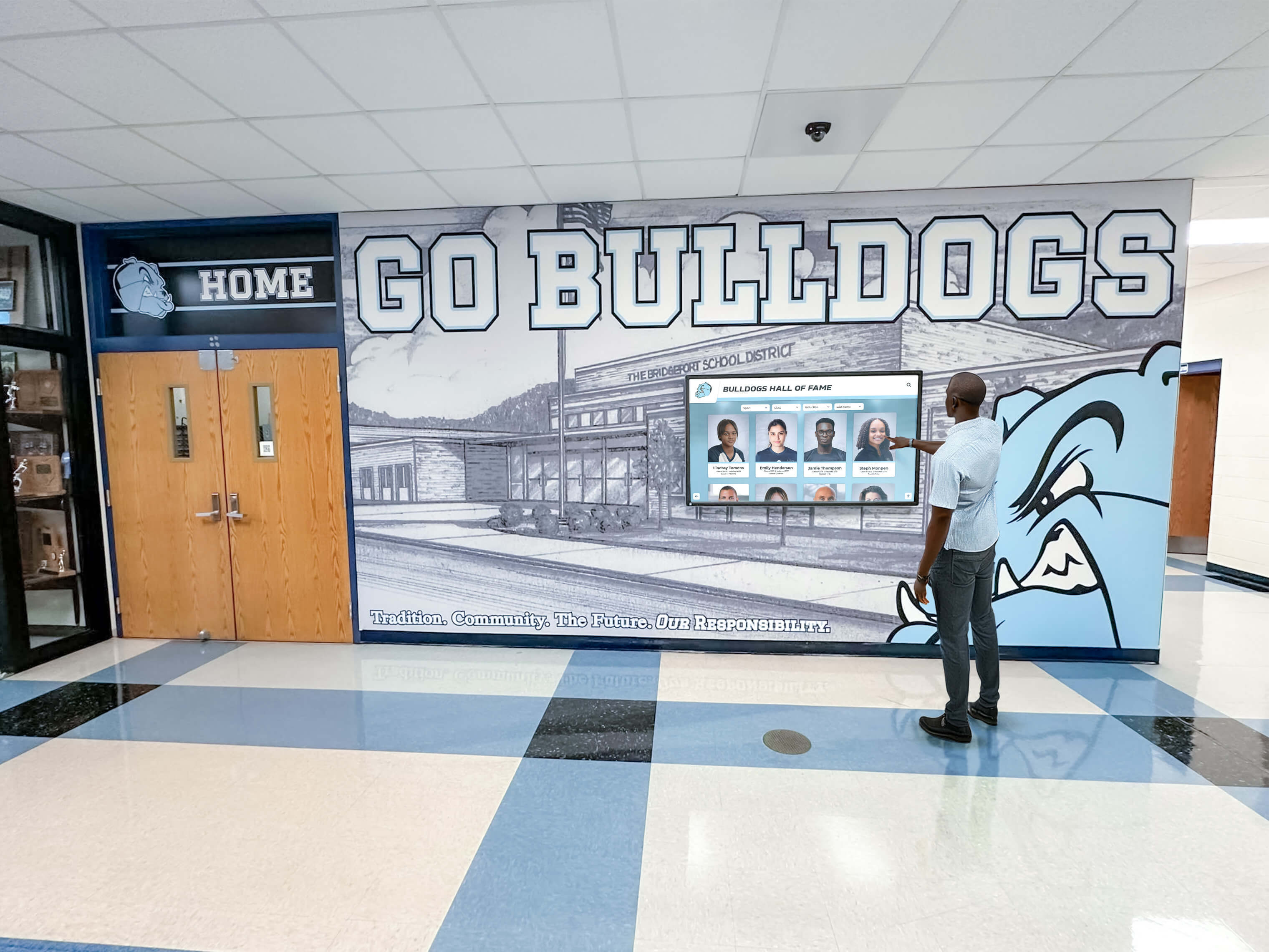
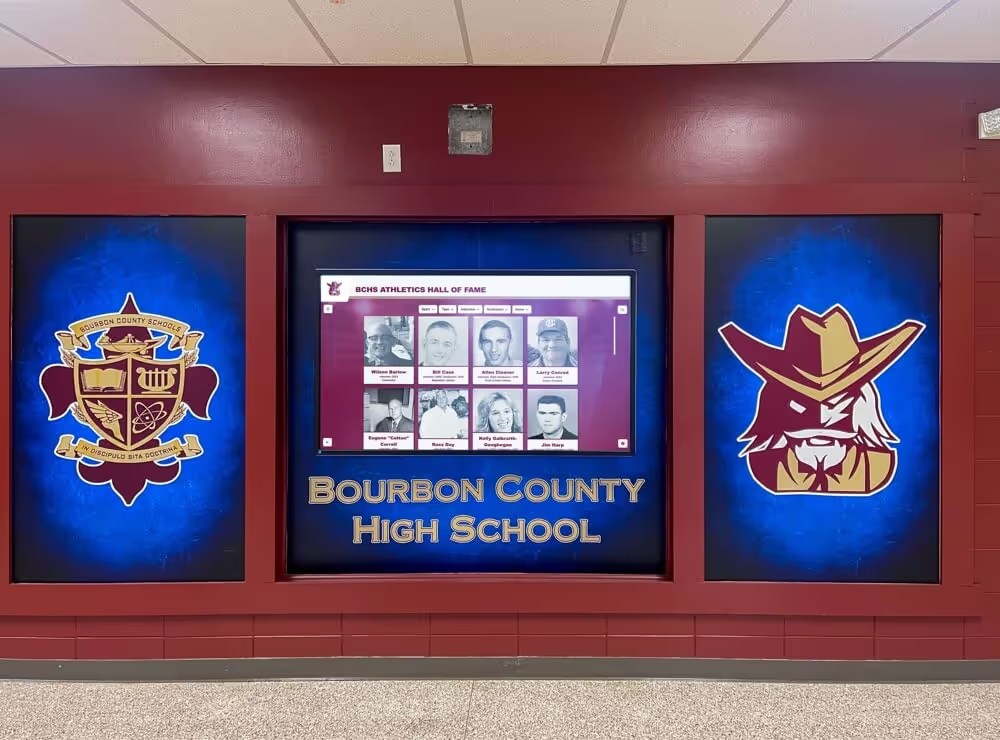
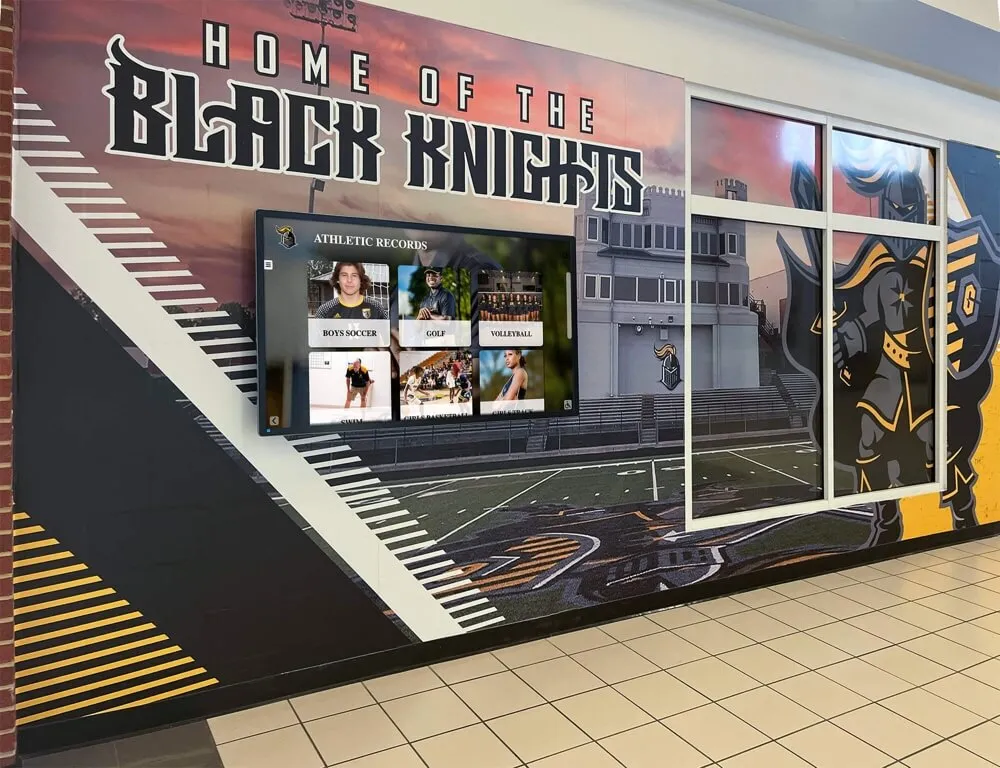
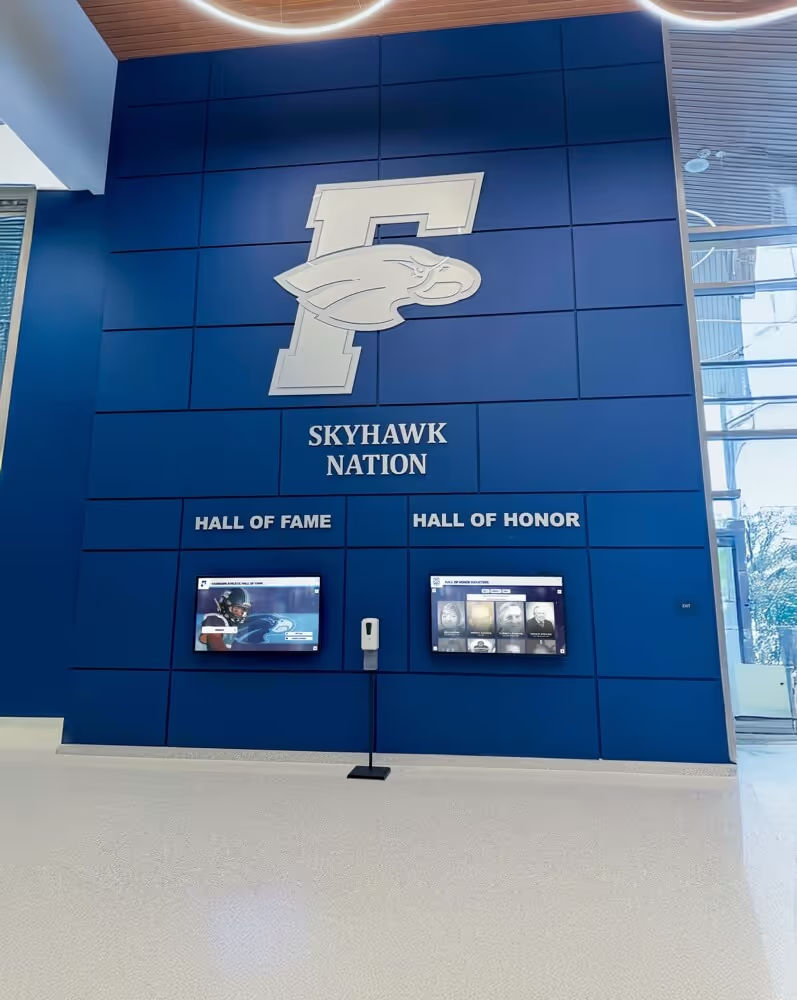
Strategic display placement in high-traffic areas extends recognition beyond assembly moments, creating ongoing celebration
Educational Content Assembly Programs
Beyond recognition, assemblies introduce important educational concepts through engaging presentations.
Science and STEM Assembly Programs
Interactive science presentations capture elementary curiosity:
Hands-On Science Demonstrations Professional presenters or teachers demonstrating scientific concepts:
- Physical science experiments exploring force, motion, and energy
- Chemical reactions creating visible, engaging demonstrations
- Biology presentations featuring live animals or ecosystems
- Earth science explorations of weather, geology, or astronomy
- Simple machines demonstrations students can relate to daily life
- Age-appropriate explanations connecting demonstrations to curriculum
STEM Career Exploration Assemblies introducing students to science and technology careers:
- Guest speakers from STEM fields sharing career paths
- Demonstrations of technologies students don’t typically encounter
- Problem-solving challenges illustrating engineering thinking
- Connections between school learning and real-world applications
- Diverse STEM professional representation showing multiple pathways
These assemblies inspire STEM interest during formative elementary years.
Literacy and Arts Education Programs
Language arts and creative expression thrive through assembly formats:
Author and Illustrator Visits Professional writers and artists connecting with young readers:
- Author presentations sharing creative processes
- Read-aloud sessions from published works
- Writing workshop demonstrations and student participation
- Question and answer sessions about books and creativity
- Book signing opportunities creating lasting memories
- Inspiration for students’ own writing and illustration efforts
Performing Arts Assemblies Live performances exposing students to artistic expression:
- Theater companies performing age-appropriate productions
- Musical performances introducing different instruments and genres
- Dance performances showcasing various cultural traditions
- Poetry slam or spoken word presentations
- Puppet shows combining entertainment with educational themes
- Student performance showcases celebrating school arts programs
Explore how theater recognition programs celebrate performing arts throughout the year.
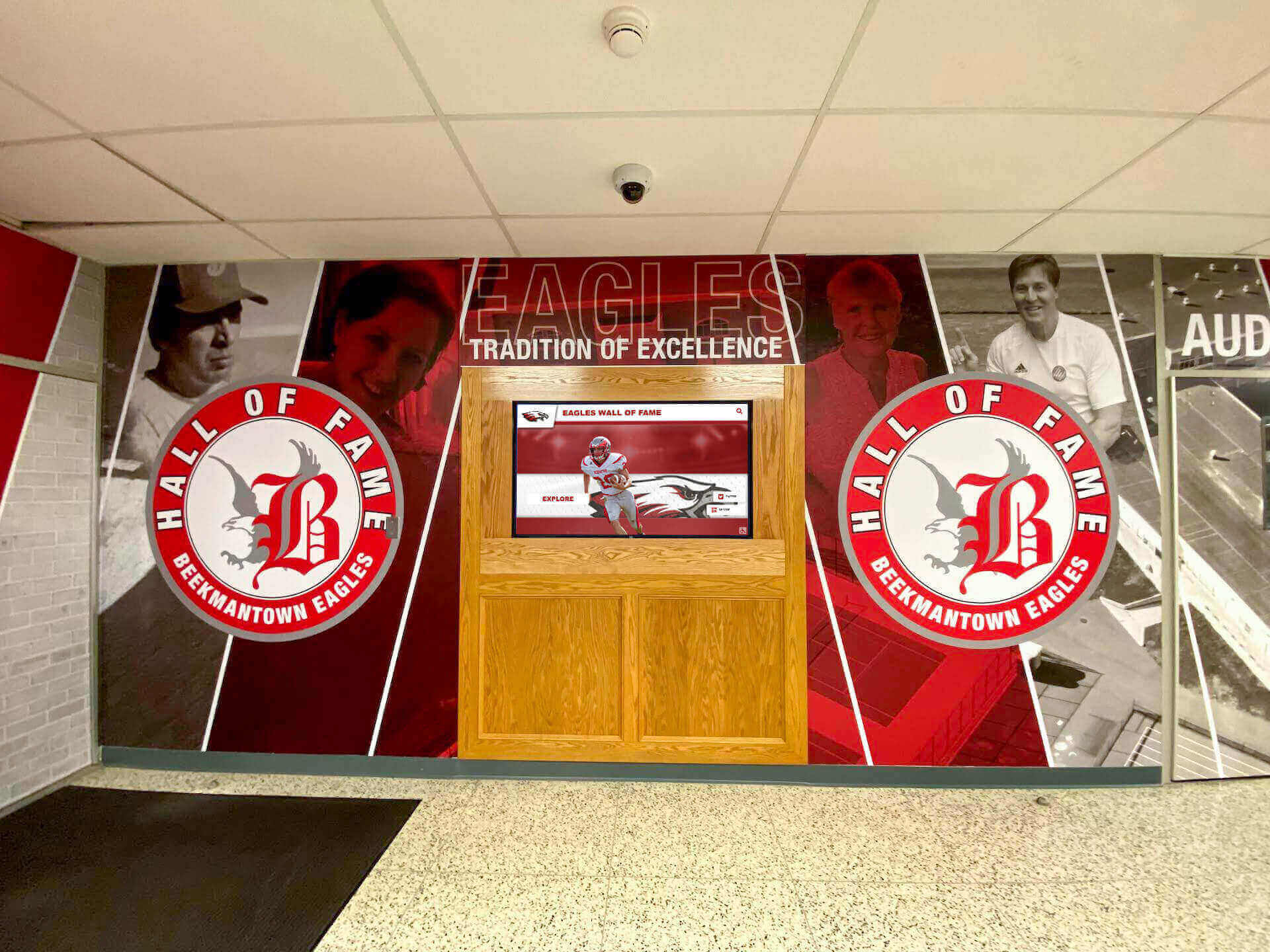
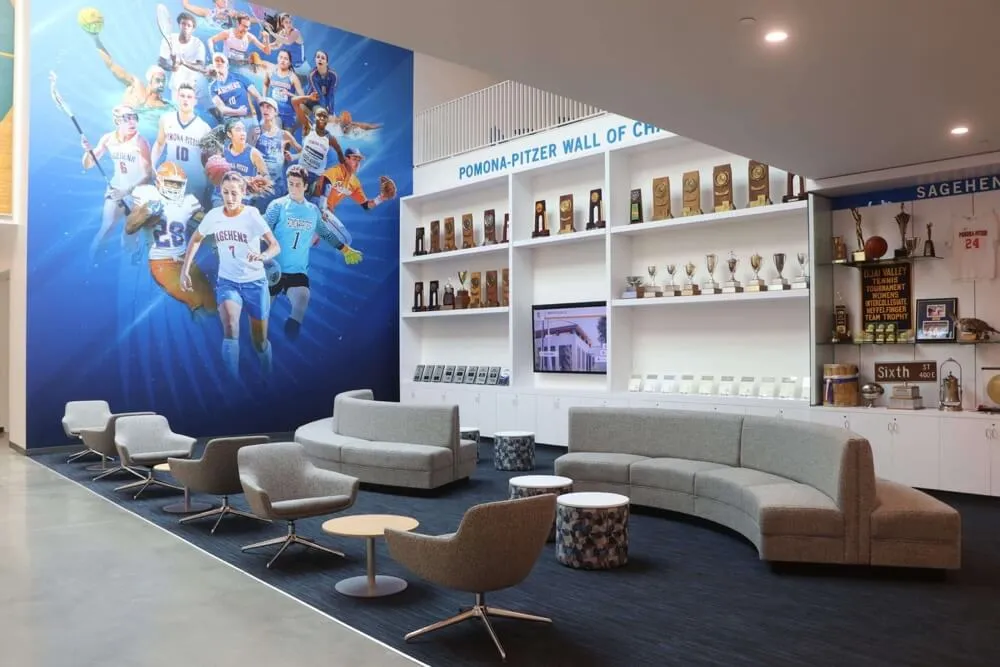
Welcoming lobby displays create positive first impressions while showcasing student achievements across all activity areas
Cultural Awareness and Diversity Education
Assemblies create safe spaces for exploring cultural differences and similarities:
Heritage Month Celebrations Assemblies recognizing diverse cultural traditions:
- Black History Month programs featuring significant figures and contributions
- Hispanic Heritage Month celebrations showcasing Latino culture and achievement
- Asian American and Pacific Islander Heritage recognitions
- Native American Heritage Month educational programs
- Cultural performance assemblies featuring traditional music, dance, and art
- Student presentations sharing their own cultural backgrounds
International Education Programs Assemblies broadening global awareness:
- “Travel” assemblies exploring different countries and cultures
- Language awareness programs introducing world languages
- Global holiday traditions comparisons
- International guest speakers sharing perspectives
- Geography-focused programs building world knowledge
- Cultural artifact demonstrations and explanations
These programs build the cultural competence essential in diverse communities.
Health, Safety, and Wellness Assemblies
Important practical information delivered through engaging formats:
Health and Nutrition Education Assemblies promoting healthy choices:
- Nutrition education programs making healthy eating engaging
- Physical activity importance demonstrations
- Sleep and rest education for growing bodies
- Hygiene practices taught through interactive presentations
- Dental health assemblies with practical tooth care instruction
- Vision and hearing health awareness programs
Safety Education Programs Critical safety information delivered age-appropriately:
- Fire safety education with local firefighters
- Stranger danger and personal safety awareness
- Bus safety rules and demonstrations
- Internet safety and digital citizenship appropriate for elementary ages
- Bicycle and pedestrian safety programs
- Weather safety and emergency preparedness education
Social-Emotional Wellness Assemblies Mental health and emotional regulation education:
- Feelings identification and emotional vocabulary building
- Conflict resolution strategies presented through scenarios
- Bullying prevention programs with clear action steps
- Friendship skills and social problem-solving
- Stress management techniques for elementary students
- Mindfulness and self-regulation strategy introductions
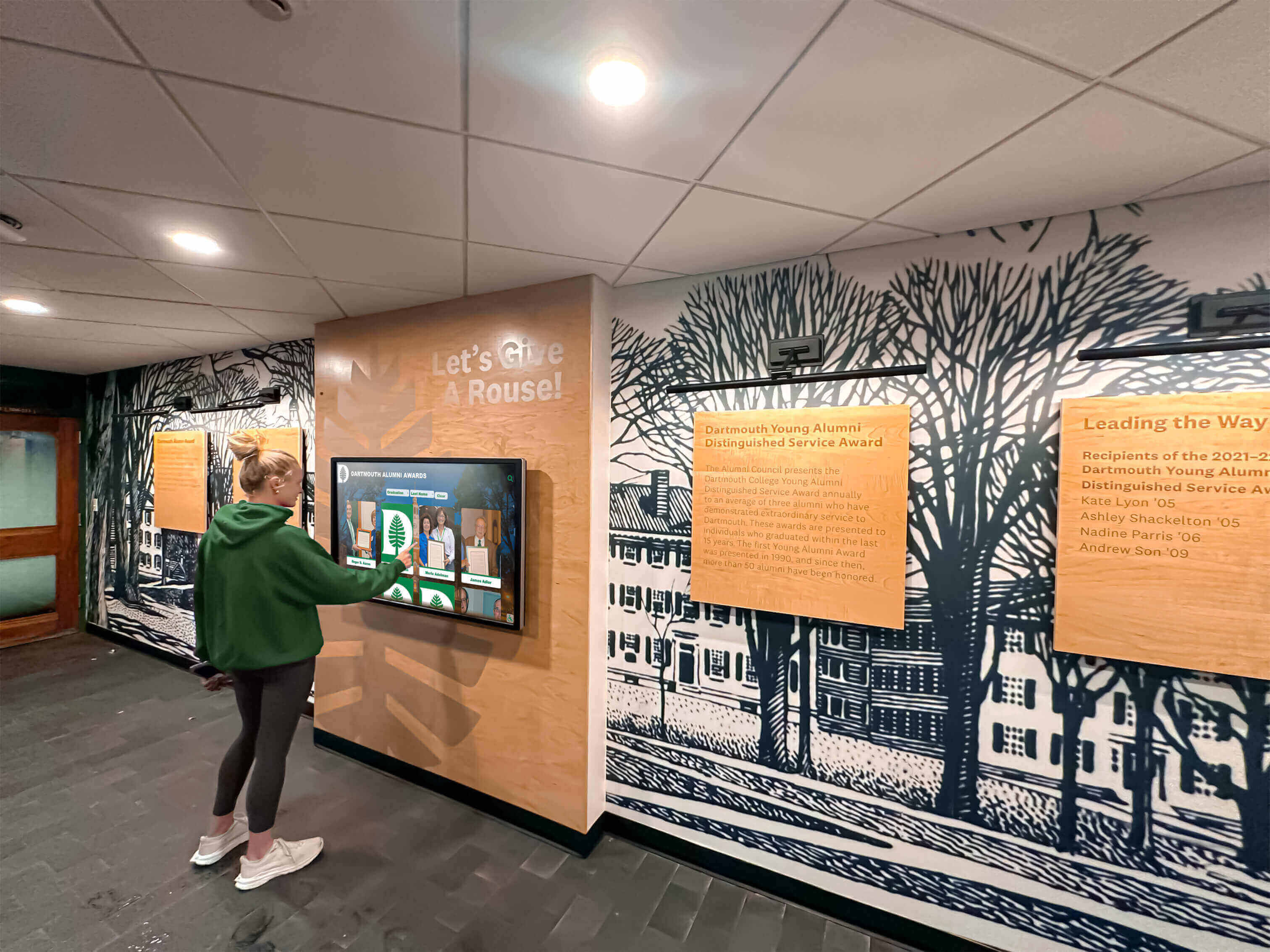
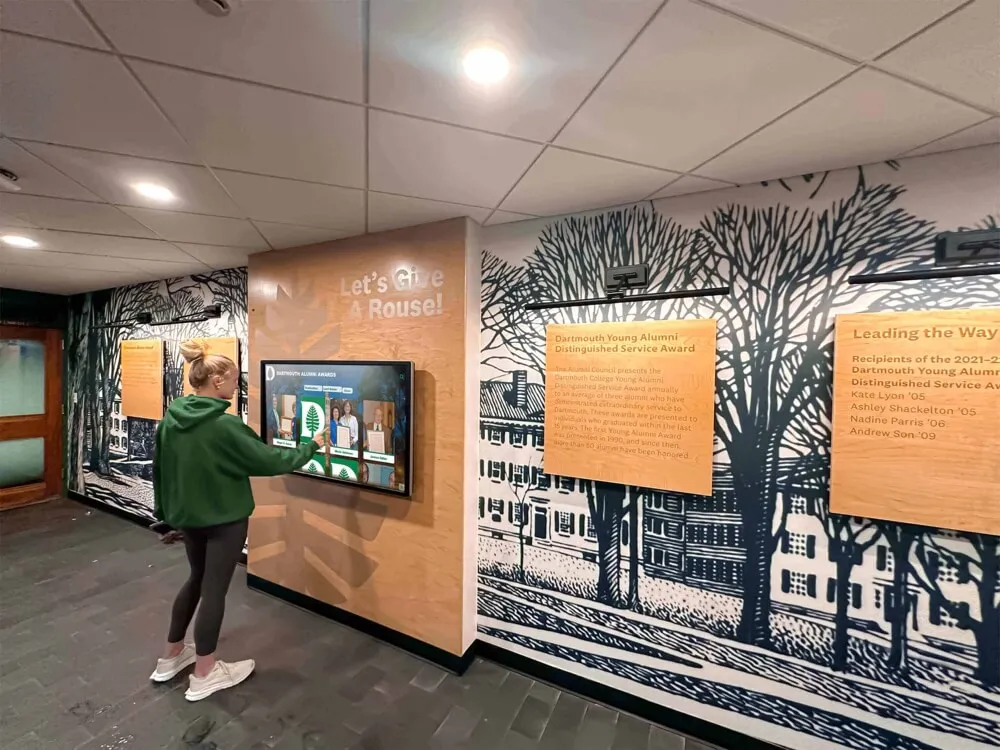
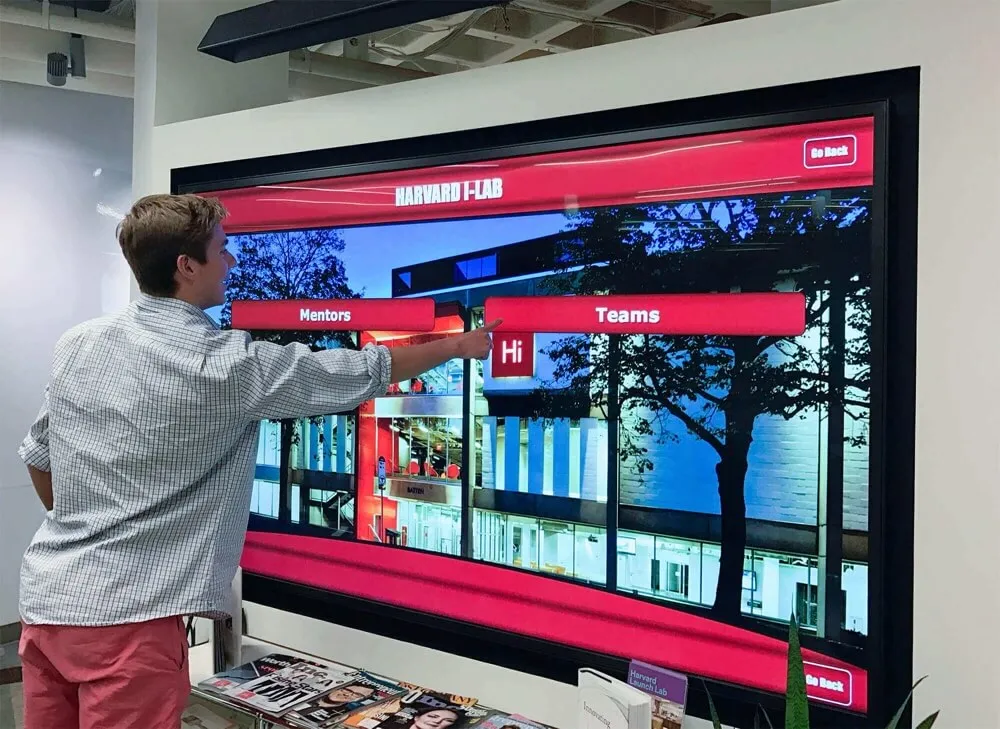
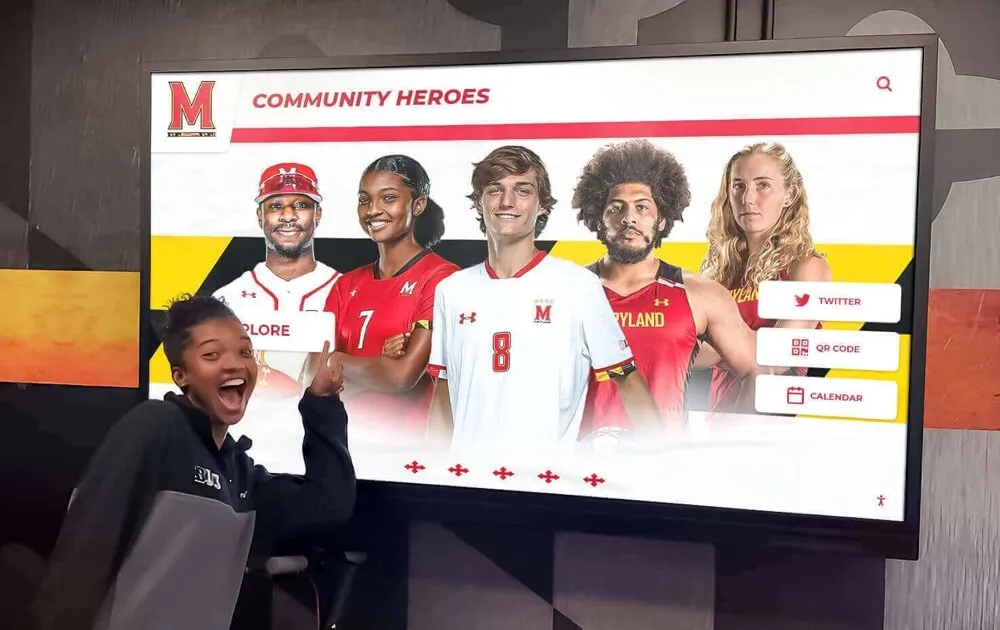
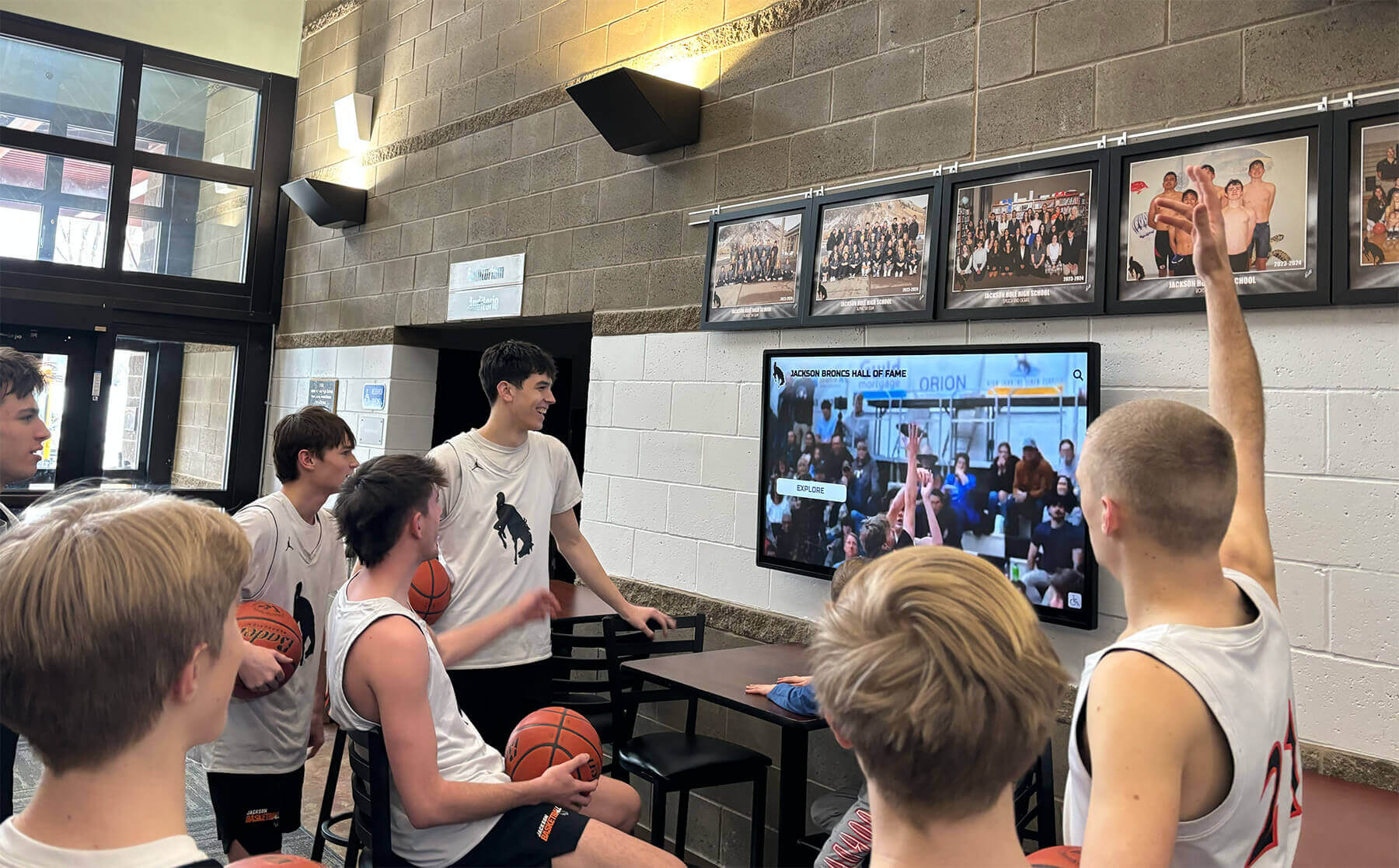
Age-appropriate interactive displays engage elementary students while teaching navigation and technology skills
Seasonal and Holiday Assembly Ideas
Special occasions provide natural assembly themes throughout the school year.
Fall Semester Assemblies
Autumn months offer rich assembly opportunities:
Beginning of Year Community Building Opening assemblies establishing positive culture:
- Welcome assembly introducing staff, procedures, and expectations
- School values and character trait introduction
- Goal-setting assemblies helping students establish academic aims
- Team-building activities creating cross-grade connections
- School history and tradition presentations
- Student leadership introduction and explanation
Fall Holiday and Tradition Celebrations Seasonal assemblies appropriate for diverse communities:
- Harvest celebration assemblies focusing on gratitude
- Cultural tradition recognition respecting diverse backgrounds
- Autumn science explorations of seasonal changes
- Community service project launches (food drives, clothing collections)
- Veterans Day or Remembrance Day programs honoring service
- Thanksgiving-themed gratitude and appreciation assemblies
Winter Semester Assemblies
Cold weather months provide unique programming opportunities:
Winter Holiday Celebrations Inclusive assemblies recognizing diverse traditions:
- Multicultural winter holiday presentations
- Musical performances featuring seasonal songs from various cultures
- Student performance showcases before winter break
- Kindness and giving-focused assemblies
- Winter science explorations of snow, ice, and seasonal changes
New Year and Goal-Setting Programs Assemblies encouraging reflection and forward thinking:
- New Year resolution assemblies adapted for elementary students
- Mid-year academic check-in and goal revision
- Growth mindset assemblies emphasizing continuous improvement
- Second semester kickoff motivational programs
- Student achievement celebrations from first semester
Explore how recognition programs maintain motivation throughout the school year.
Spring Semester Assemblies
Spring months build toward end-of-year celebrations:
Spring Season and Science Themes Nature-focused educational assemblies:
- Spring science explorations of plant growth and animal behavior
- Earth Day environmental education programs
- Gardening and sustainability assemblies
- Weather science appropriate for spring storms season
- Outdoor education and nature connection programs
Testing Motivation and Test-Taking Strategies Assemblies supporting students during assessment periods:
- Test-taking strategy instruction delivered engagingly
- Growth mindset messages about assessment purpose
- Stress reduction and relaxation technique instruction
- Nutrition and sleep importance before testing
- Positive mindset and confidence-building messages
End-of-Year Celebration Assemblies Year-end programs recognizing growth and achievement:
- Academic year achievement celebration and award ceremonies
- Grade-level advancement recognition and promotion ceremonies
- Summer reading program launches and reading goal-setting
- Student and staff appreciation assemblies
- Fifth-grade or upper elementary transition assemblies preparing for middle school
- Talent show or student showcase assemblies featuring diverse talents
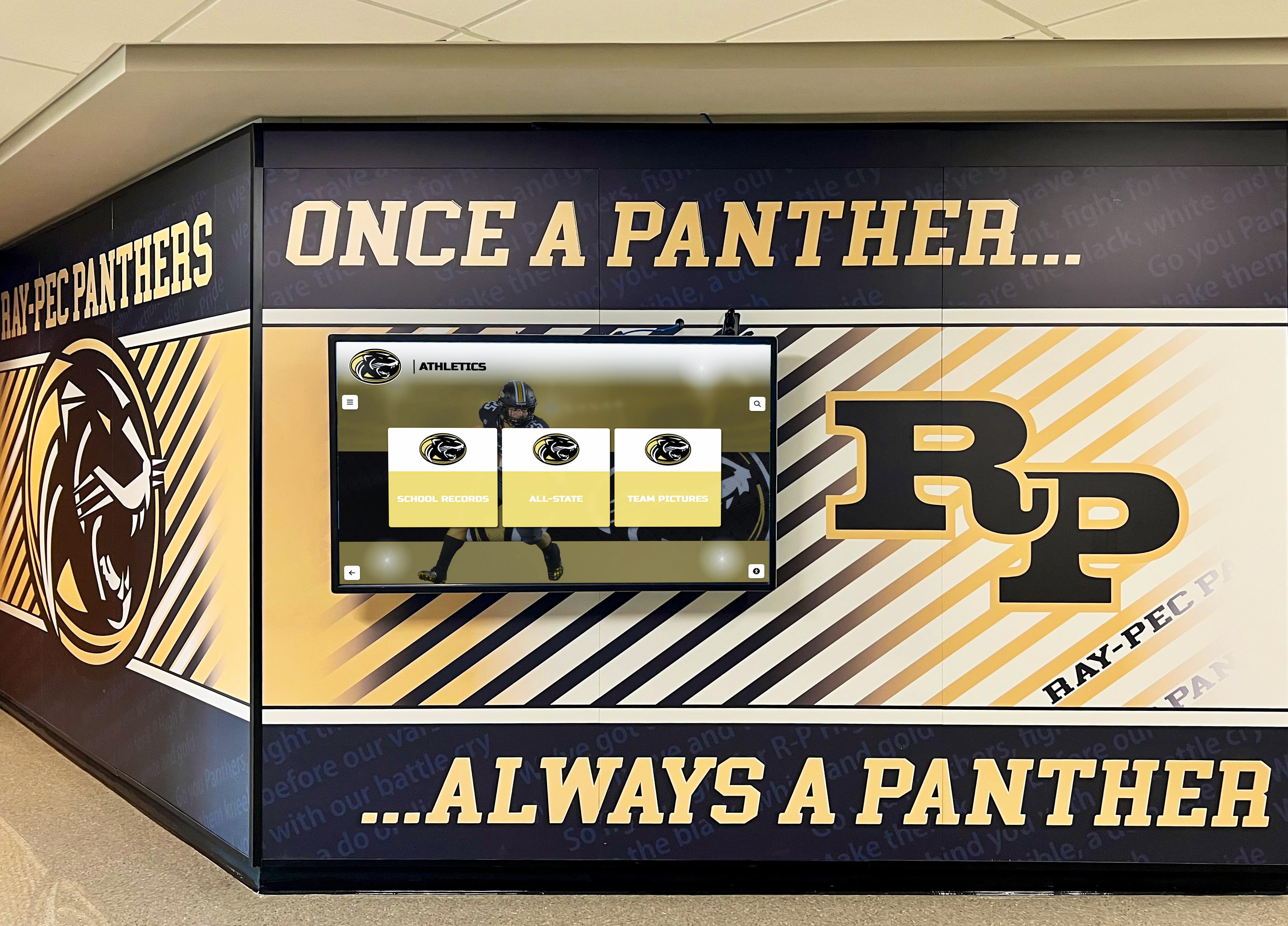
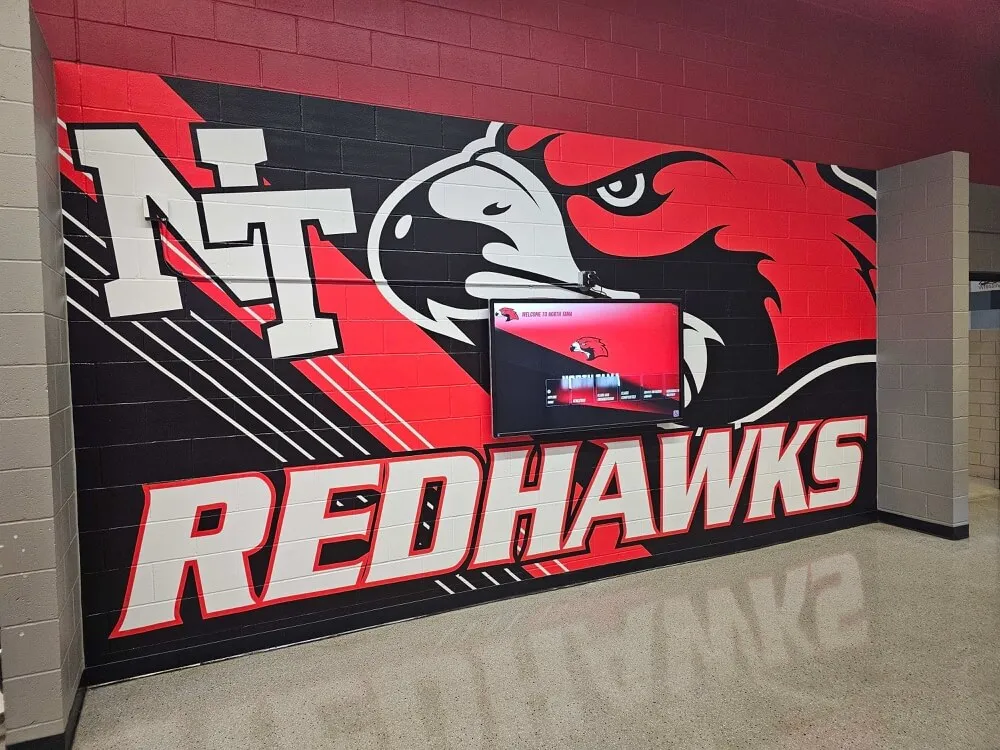
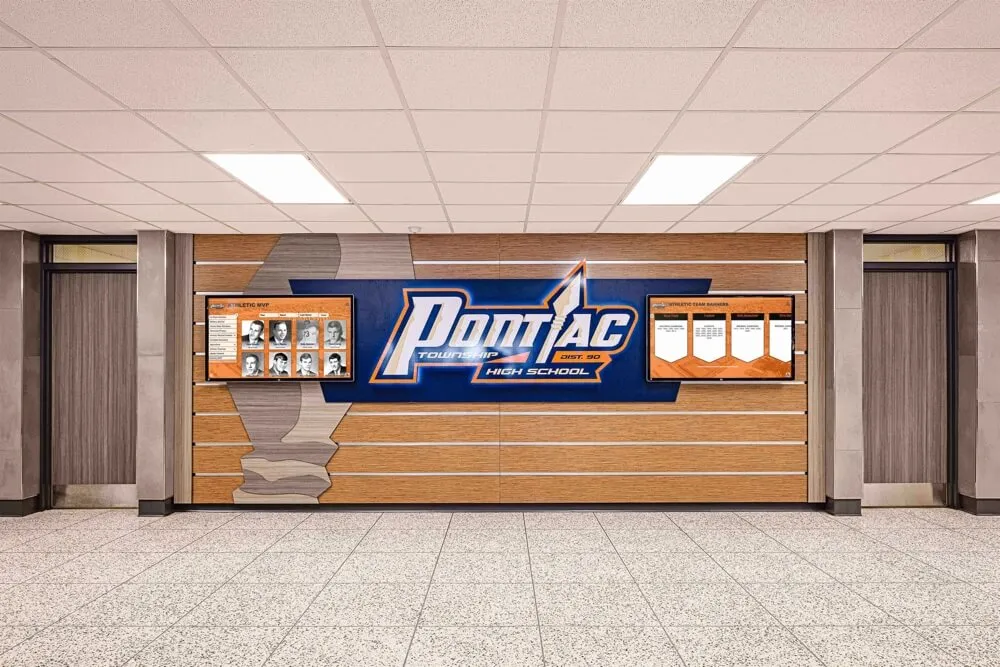
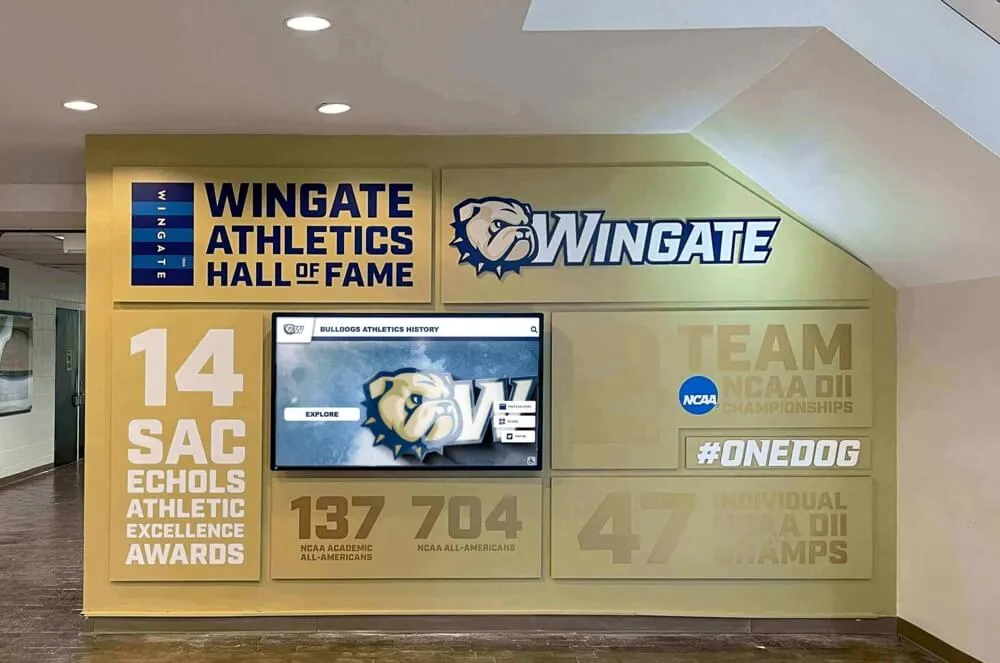
Branded displays create consistent visual identity while celebrating student achievements throughout school spaces
Interactive and Participatory Assembly Formats
The most engaging elementary assemblies incorporate active student participation rather than passive observation.
Student Performance and Showcase Assemblies
Assemblies featuring students themselves as presenters:
Grade-Level Performance Showcases Regularly scheduled opportunities for students to present learning:
- Monthly grade-level assemblies where each grade presents to school
- Classroom project presentations sharing learning with school community
- Science fair finalist presentations demonstrating experiments
- Historical figure presentations from social studies units
- Book report presentations sharing favorite reads
- Invention convention or maker faire showcases
These assemblies give students authentic audiences for their work while teaching presentation skills.
Talent Show and Variety Programs Assemblies celebrating diverse student abilities:
- Formal talent show events with auditions and selected acts
- “Open mic” style assemblies allowing broader participation
- Grade-level talent showcases ensuring all students can participate
- Classroom acts allowing whole-class participation options
- Special talent recognition (yo-yo tricks, magic, unusual skills)
- Group performance opportunities (dance teams, singing groups)
Student Leadership Assemblies Programs featuring student leaders and school government:
- Student council presentations explaining their work and projects
- Peer leader programs where older students present to younger
- Student-led announcements and recognition presentations
- Safety patrol, crossing guard, and school helper recognition
- Classroom representative reports from school meetings
Interactive Educational Assemblies
Programs requiring student participation create engagement:
Game Show Format Assemblies Academic content delivered through competitive games:
- Trivia competitions testing grade-level knowledge
- Physical challenge games reinforcing concepts
- Team competitions fostering collaboration
- Academic bowl formats with student participants
- Review game assemblies before assessments
- Cross-grade team competitions mixing age groups
Audience Participation Programs Assemblies inviting whole-school involvement:
- Sing-along assemblies teaching songs and school anthems
- Movement and dance instruction programs
- Call-and-response presentations maintaining attention
- Volunteer student demonstrations during presentations
- School-wide challenges with collective goals
- Interactive polling or question sessions
Learn about engagement strategies from pep rally ideas adaptable for elementary audiences.
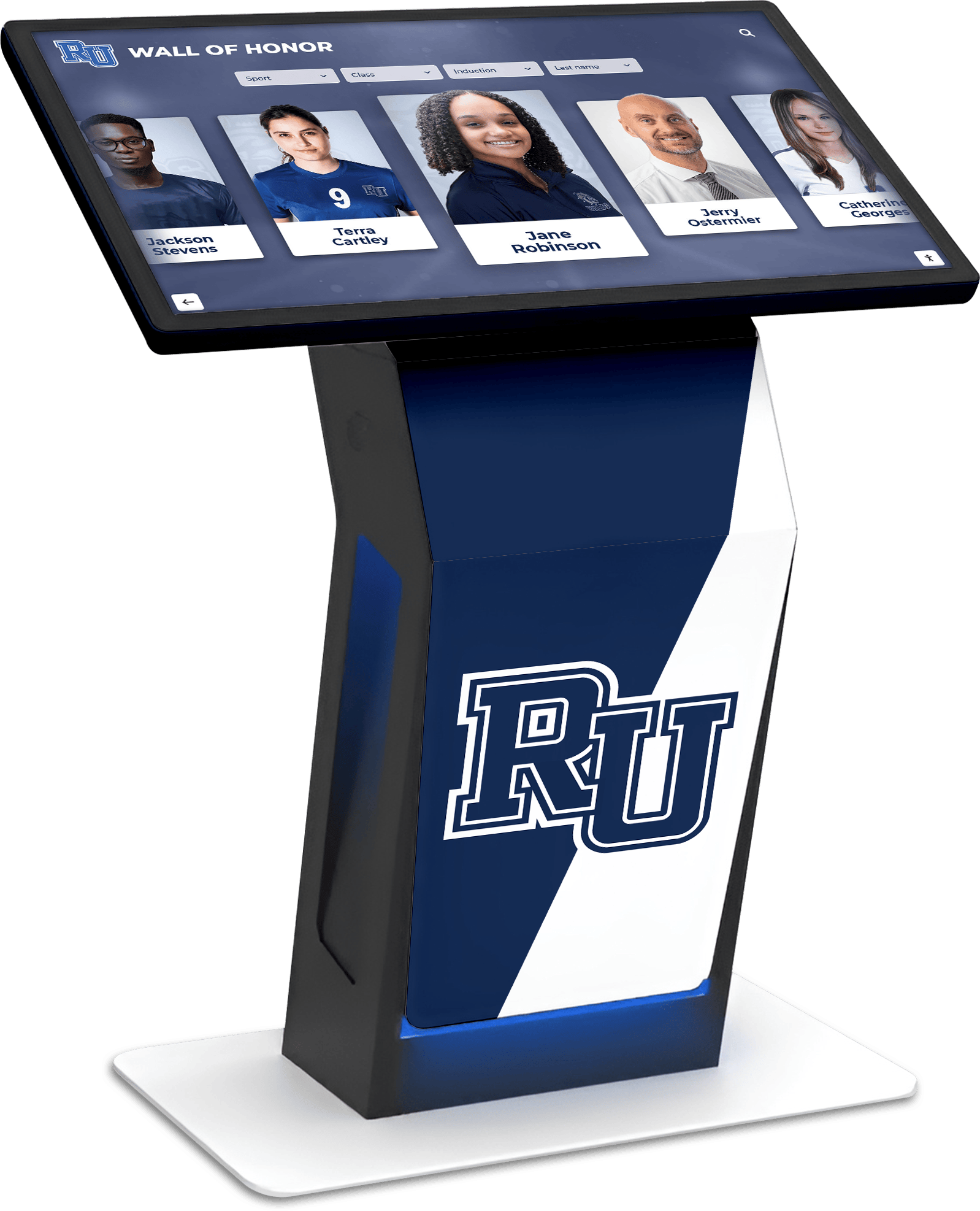
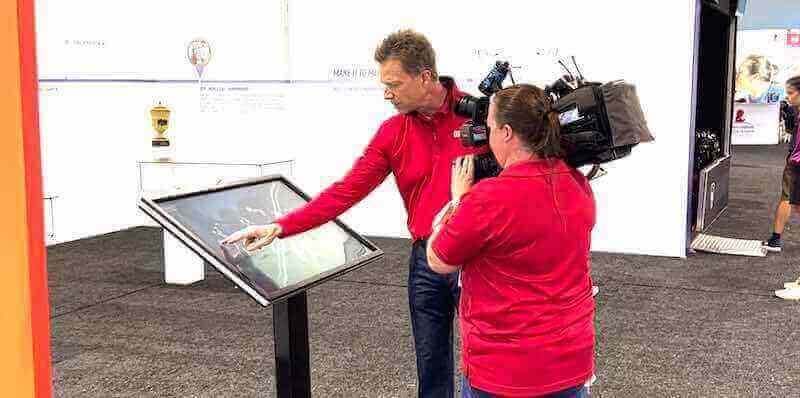
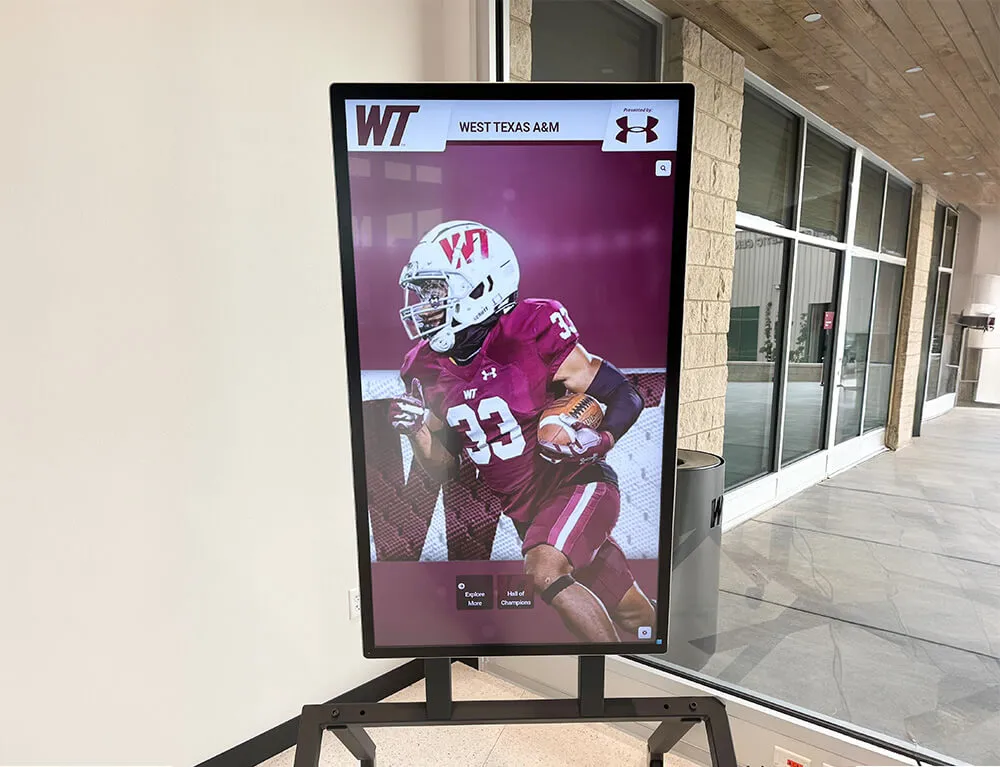
Freestanding interactive kiosks provide flexible placement options in cafeterias, lobbies, and other gathering spaces
Technology Integration in Modern Assemblies
Contemporary technology enhances elementary assemblies while teaching digital literacy.
Multimedia Presentation Enhancement
Strategic technology use increases engagement and impact:
Visual Technology Integration
- Large screen projections ensuring all students can see content
- Video segments featuring relevant content or student work
- Photo slideshows documenting school activities and achievements
- Animation and graphics maintaining young attention
- Document camera demonstrations for close-up viewing
- QR codes connecting to additional resources for families
Audio Technology Applications
- Microphone systems ensuring all students hear clearly
- Music integration setting atmosphere and transitions
- Sound effects enhancing presentations
- Pre-recorded audio segments when appropriate
- Student voice recordings incorporated into presentations
Interactive Technology Elements
- Live polling or response systems engaging all students
- Touchscreen displays students can interact with during assemblies
- Video conferencing enabling remote guest speakers
- Augmented reality demonstrations where appropriate
- Digital badges or recognition distributed after assemblies
Digital Recognition Display Integration
Modern schools leverage technology for ongoing recognition extending beyond assembly moments:
Solutions like Rocket Alumni Solutions provide comprehensive platforms specifically designed for educational settings:
Assembly-Coordinated Display Content
- Featured students from assemblies highlighted on lobby displays
- Assembly themes reinforced through hallway screen content
- Photo galleries from assembly events showcased afterward
- Achievement recognition announced in assemblies displayed permanently
- Countdown displays building excitement for upcoming assemblies
- Event schedules and assembly information communicated school-wide
Year-Round Recognition Extension Digital systems extend assembly recognition impact throughout the year:
- Every recognized student featured permanently, not just during assemblies
- Multiple recognition categories displayed without space constraints
- Searchable databases enabling students to find their achievements
- Historical archives documenting school tradition and achievement
- Interactive exploration maintaining engagement between assemblies
- Remote management enabling quick updates and scheduled content
Learn about comprehensive student achievement recognition approaches that extend beyond individual events.
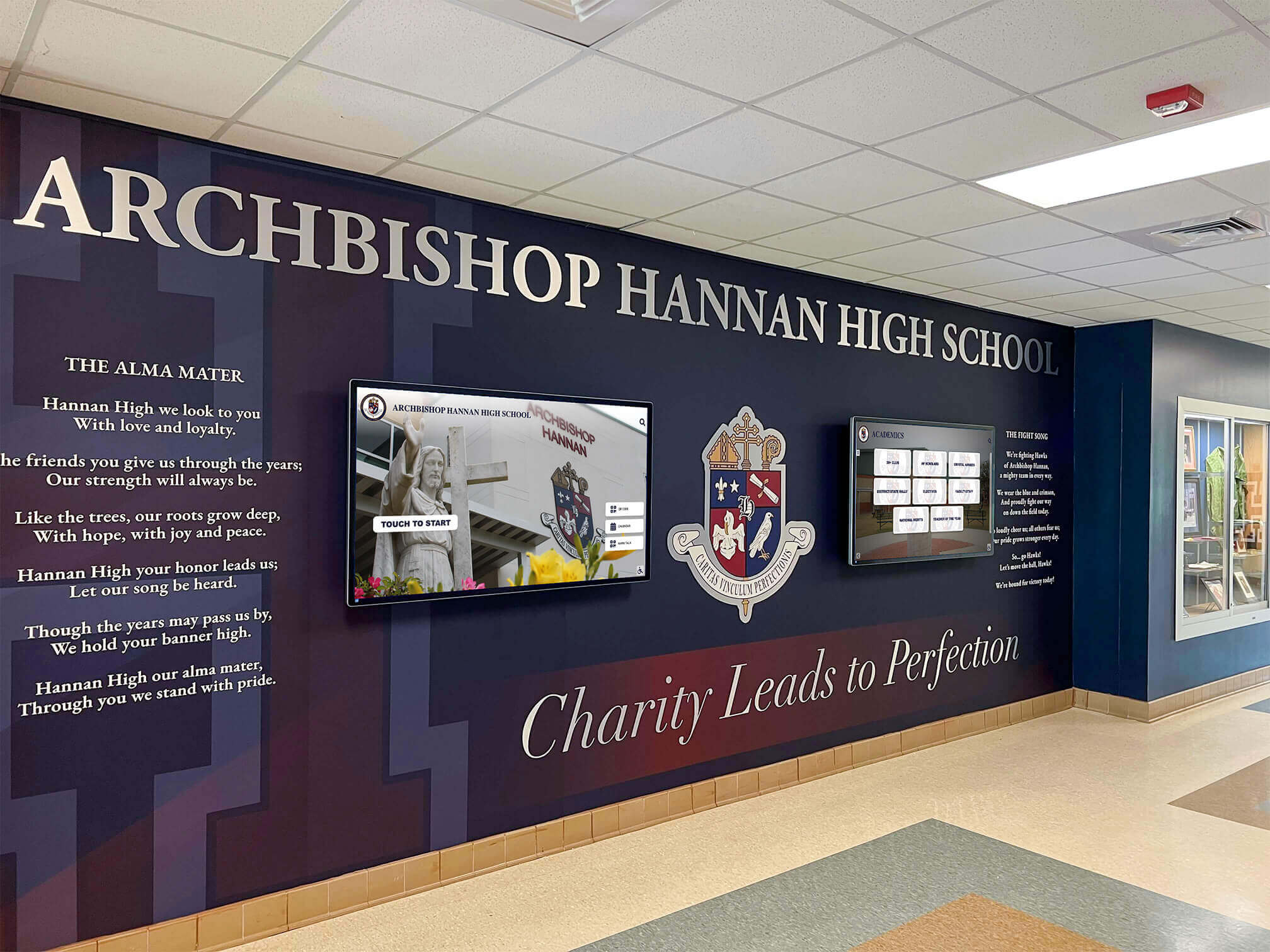
Coordinated displays throughout entrance and common areas create comprehensive achievement celebration spaces
Assembly Planning and Logistics
Successful assemblies require systematic planning addressing practical considerations.
Scheduling and Timing Considerations
Optimal Assembly Timing Strategic scheduling maximizes effectiveness:
- Morning assemblies when students are most alert and focused
- Pre-lunch timing avoiding post-lunch energy dips
- Friday assemblies creating positive week endings
- Monthly or bi-weekly frequency maintaining novelty without disruption
- 30-45 minute duration appropriate for elementary attention spans
- Grade-specific timing accommodating developmental differences
Calendar Integration Coordinating assemblies with academic calendar:
- Avoiding testing periods when instructional time is critical
- Aligning with curriculum units assemblies can reinforce
- Scheduling recognition assemblies after grading periods
- Planning seasonal assemblies at appropriate times
- Coordinating with holiday schedules and school vacations
- Communicating assembly calendar to families in advance
Physical Space and Setup
Venue Selection and Preparation Creating appropriate assembly environments:
- Gymnasium, cafeteria, or auditorium selection based on capacity needs
- Grade-level assemblies in smaller spaces for age-appropriate sizing
- Seating arrangements ensuring all students can see and hear
- Teacher and staff positioning throughout audience managing behavior
- Clear entrance and exit plans preventing congestion
- Acoustics consideration and sound system testing
- Climate control ensuring comfortable temperature
- Accessibility accommodation for students with special needs
Technical Setup and Testing Preventing technology failures:
- Early setup and equipment testing before student arrival
- Backup plans for potential technical failures
- Adequate electrical access for all equipment
- Lighting adjusted for visibility of both presenters and screens
- Microphone systems tested for volume and clarity
- Connection testing for any video or internet-dependent content
Behavior Management and Expectations
Assembly Behavior Instruction Teaching students assembly expectations:
- Pre-assembly classroom instruction about appropriate behavior
- Clear expectations for entering, sitting, and exiting
- Attention signals students understand and practice
- Participation guidelines explaining when response is appropriate
- Respectful listening and viewing expectations
- Bathroom and emergency procedure explanations
- Grade-level specific expectations acknowledging developmental differences
Positive Reinforcement Systems Encouraging appropriate assembly behavior:
- Class recognition for exemplary assembly behavior
- Individual student acknowledgment of positive participation
- PBIS ticket distribution during assemblies for appropriate behavior
- Post-assembly discussion reinforcing expectations
- Photo or video documentation of well-behaved assemblies
- Celebration of school-wide successful assembly behavior
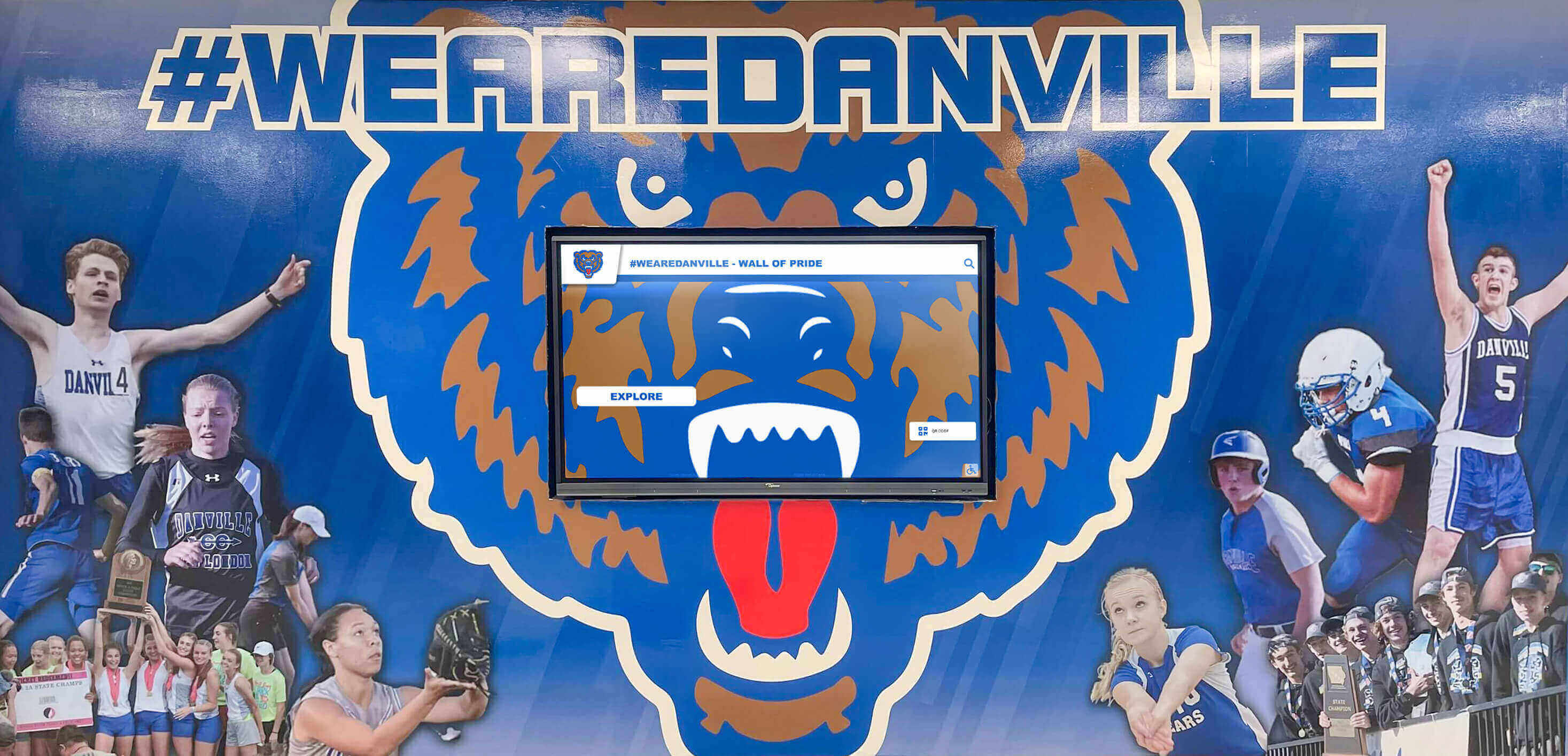
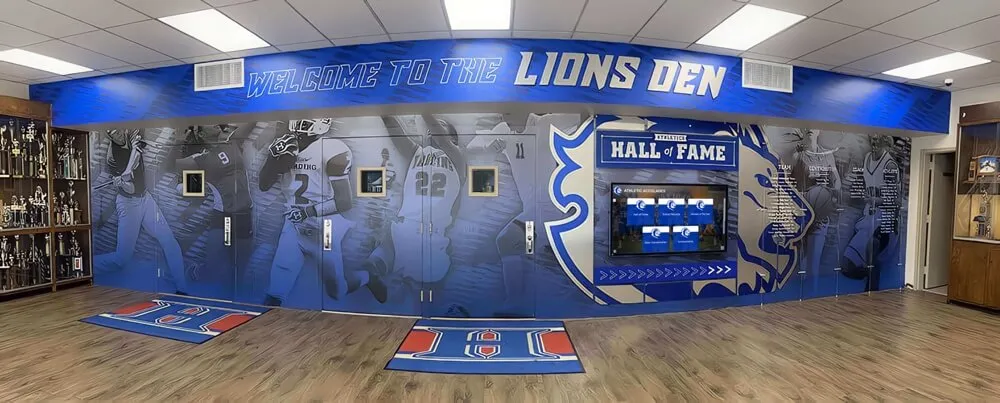
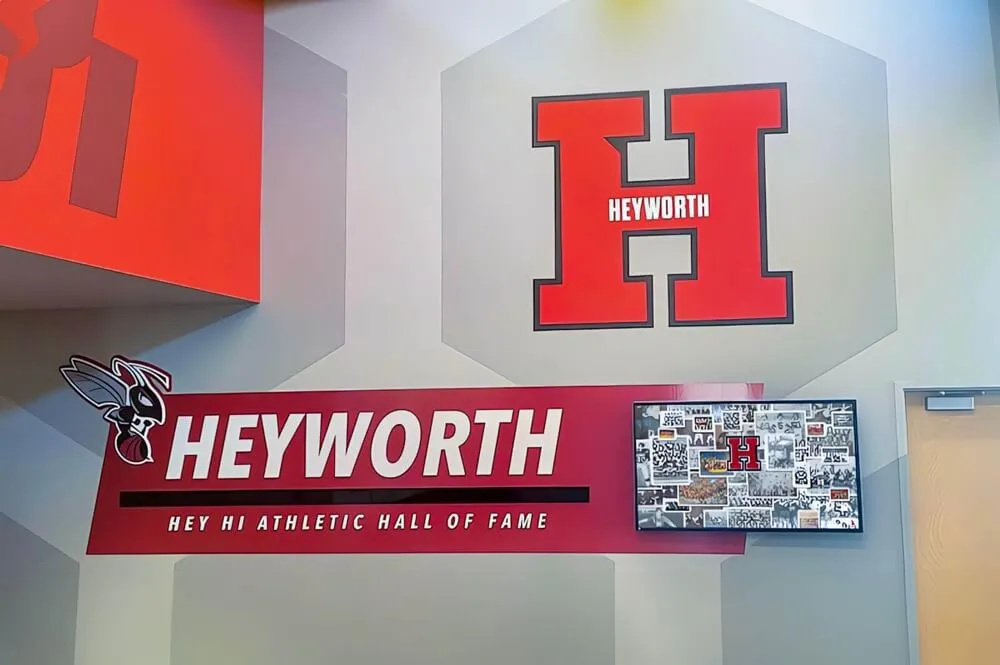
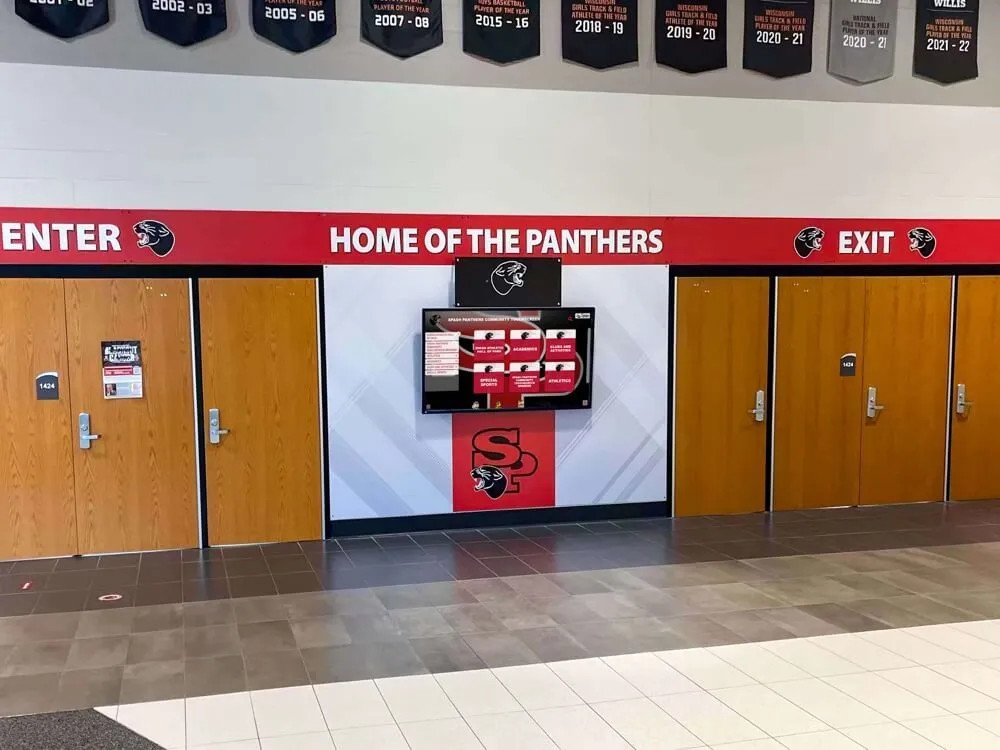
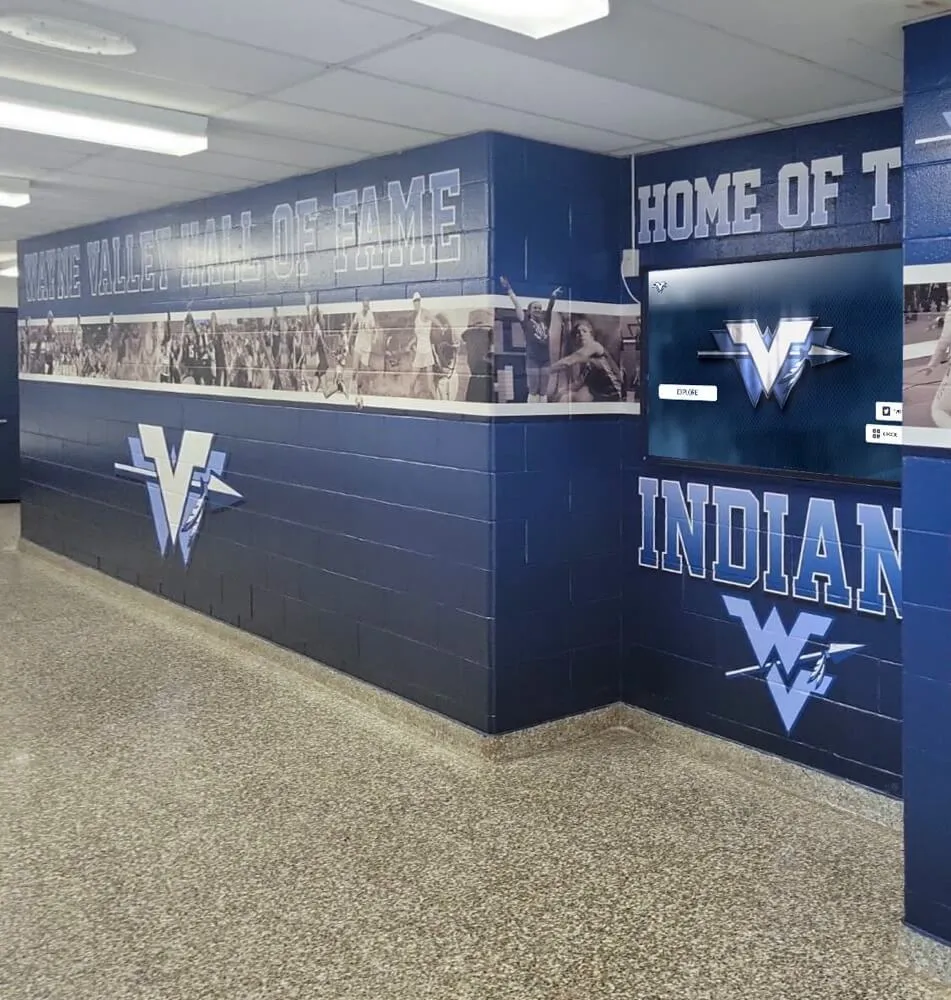
Consistent branding and professional displays create welcoming environments that reinforce school identity
Community and Family Engagement Through Assemblies
Assemblies provide opportunities for broader community connection.
Family-Inclusive Assembly Events
Parent and Family Attendance Opportunities Select assemblies open to families:
- Grandparents’ Day assemblies specifically inviting extended family
- Student performance showcases families attend
- End-of-year recognition assemblies celebrating achievement
- Cultural celebration assemblies where families share traditions
- Career day assemblies featuring parent speakers
- Holiday program assemblies families traditionally attend
Virtual Assembly Access Technology enabling broader participation:
- Live streaming assemblies for families unable to attend
- Recorded assembly segments posted for family viewing
- Photo galleries from assemblies shared via school communication platforms
- Highlight videos edited for social media sharing
- Virtual participation options for remote learners or absent students
Community Partner Involvement
Guest Speakers and Presenters Community members enhancing assembly programming:
- Local business representatives discussing careers and skills
- Public safety officials (police, fire, EMT) providing safety education
- Healthcare professionals offering health and wellness information
- Authors, artists, and performers from the local community
- Community organization representatives sharing service opportunities
- Alumni returning to inspire current students
Sponsorship and Support Community partners enabling enhanced programming:
- Local businesses funding quality assembly performers or programs
- Community organizations providing free educational assemblies
- Parent organization fundraising supporting assembly budgets
- Digital recognition displays sponsored by community partners
- In-kind donations supporting special assembly events
Assessment and Continuous Improvement
Evaluating assembly effectiveness ensures continuous program enhancement.
Measuring Assembly Impact
Student Response Indicators Observable signs of assembly effectiveness:
- Student attention and engagement during presentations
- Appropriate responses to interactive elements
- Questions asked indicating interest and learning
- Behavior changes following character-focused assemblies
- Academic connections made in classrooms afterward
- Student discussion and memory of assembly content
Teacher and Staff Feedback Professional assessment of assembly quality:
- Post-assembly staff surveys gathering reactions
- Discussions about assembly content and student response
- Suggestions for future assembly improvements
- Assessment of logistics and technical aspects
- Observations about which assemblies generated most impact
- Recommendations for follow-up activities
Family Response Parent perspectives on assembly programming:
- Communication from families about students’ assembly discussions
- Attendance rates at family-invited assemblies
- Survey feedback about assembly calendar and content
- Social media engagement with assembly posts
- Volunteer interest in supporting future assemblies
Program Refinement Strategies
Continuous Improvement Approach
- Annual assembly calendar review and revision
- Variety assessment ensuring diverse content across year
- Balance evaluation between recognition and educational assemblies
- Budget allocation review for maximum impact
- Scheduling optimization based on assessment data
- Technology integration enhancement as resources allow
- Accessibility improvement ensuring all students fully participate
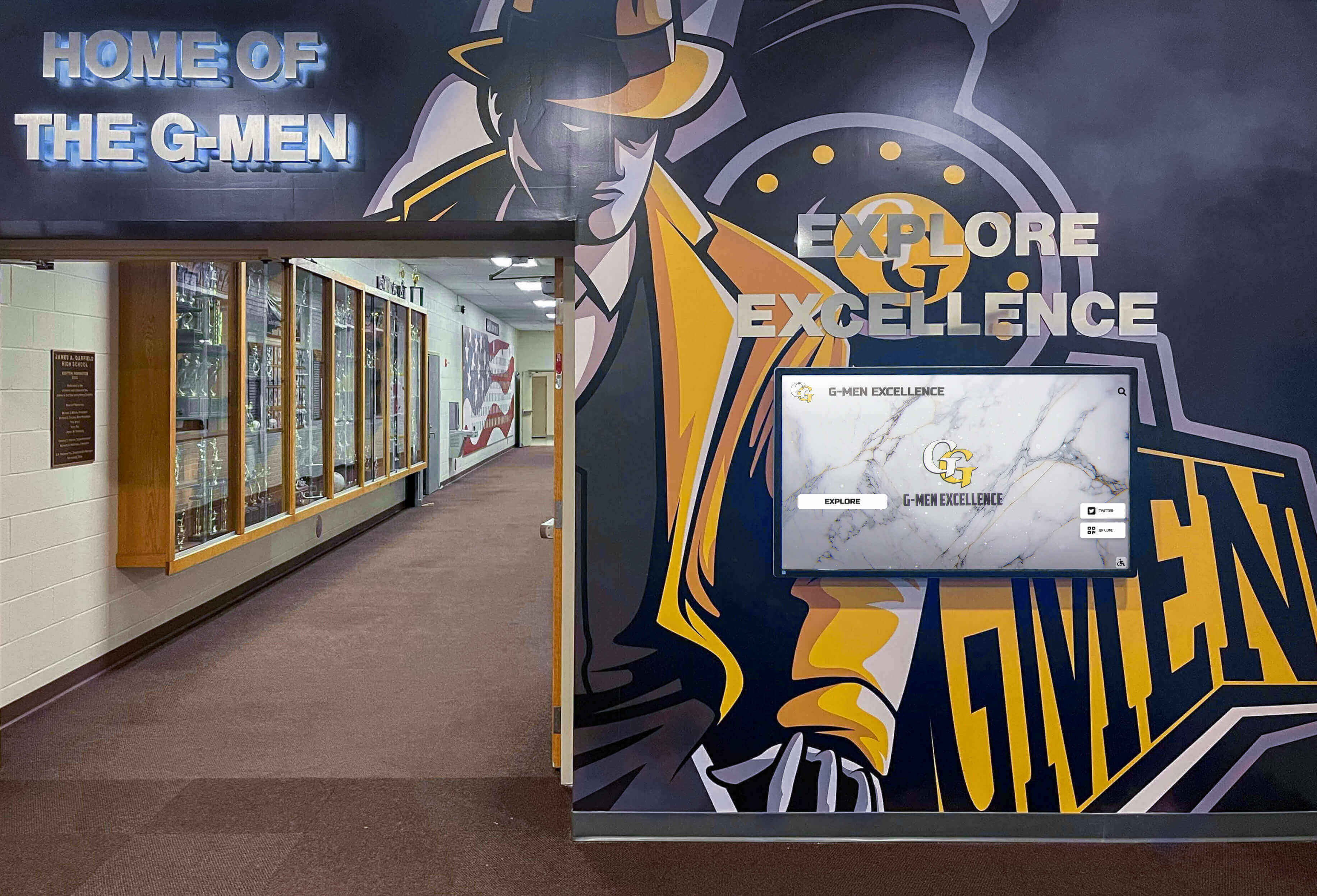
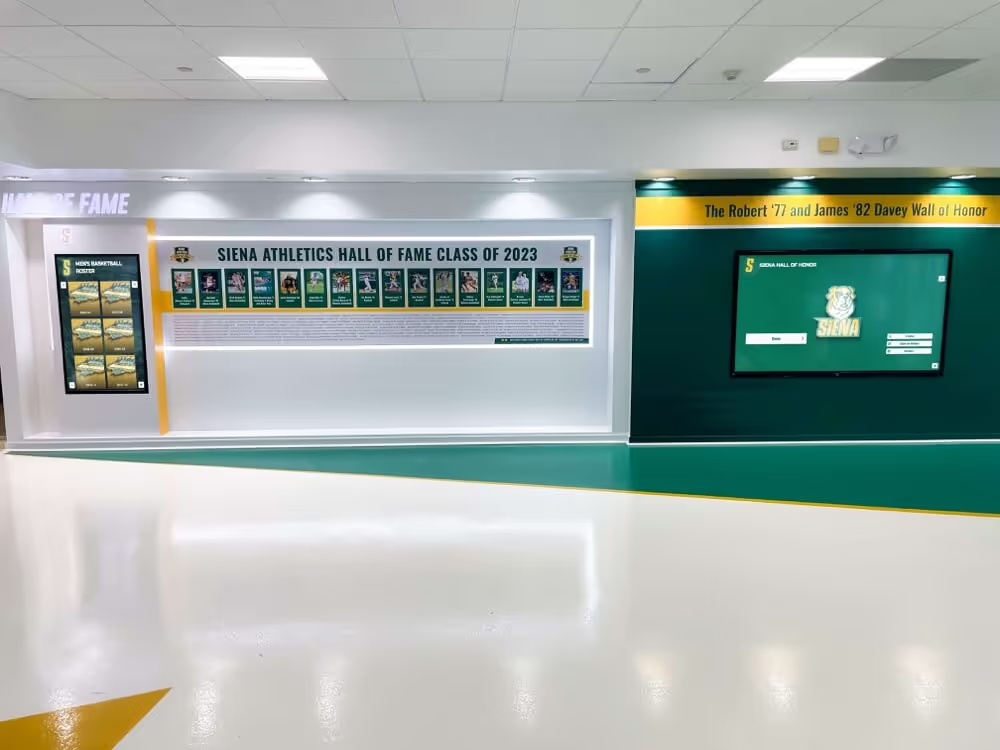
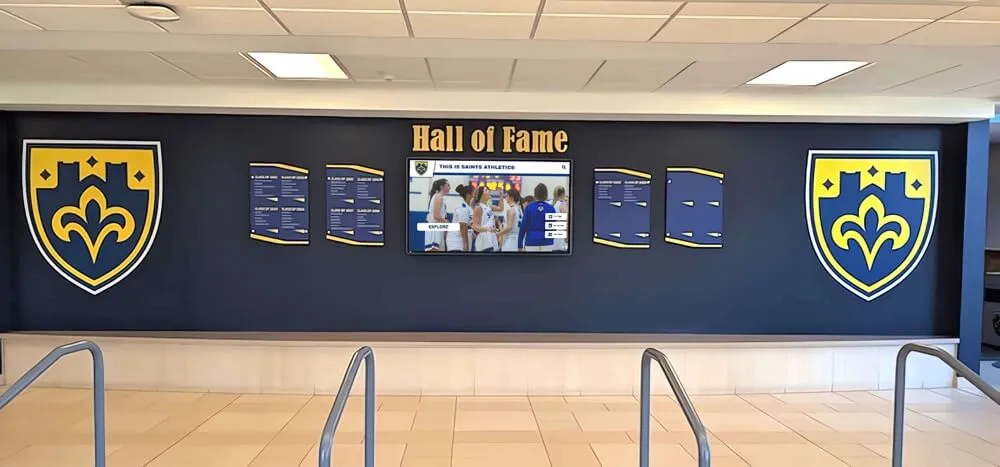
Integrated recognition systems combine traditional elements with modern digital displays creating comprehensive celebration spaces
Special Considerations for Different Elementary Grades
Assembly approaches should adapt to developmental stages and grade-level needs.
Primary Grades (K-2) Assembly Adaptations
Developmental Appropriateness Younger elementary students require specific considerations:
- Shorter assemblies (20-30 minutes) matching attention spans
- More interactive participation preventing restlessness
- Visual and concrete content over abstract concepts
- Frequent movement breaks or standing activities
- Simplified language and clear, direct instruction
- More teacher support and proximity during assemblies
- Earlier dismissal if losing engagement
Content Considerations Programming appropriate for youngest students:
- Basic character trait focus with simple definitions
- Concrete recognition categories they understand
- Familiar performers or characters creating comfort
- Movement and music integration maintaining engagement
- Repetition and predictable structures providing security
- Positive, encouraging messages without scary content
Upper Elementary (3-5) Assembly Enhancements
Age-Appropriate Sophistication Older elementary students benefit from:
- Longer assemblies (35-45 minutes) with sustained content
- More complex concepts and educational content
- Abstract thinking integration where appropriate
- Increased student leadership and participation roles
- Peer recognition and social awareness themes
- Academic competition and achievement emphasis
- Preparation for middle school transitions
Engagement Strategies Maintaining older elementary interest:
- Relevant topics connecting to their lives and interests
- Technology integration appealing to digital natives
- Humor appropriate for upper elementary sensibilities
- Choice and voice opportunities in assembly planning
- Challenge and competition elements
- Connections to future goals and aspirations
Budget-Friendly Assembly Ideas
Effective assemblies don’t require large budgets—creativity and planning create impact.
Low-Cost and No-Cost Assembly Options
Staff-Led Assemblies Leveraging internal talent and expertise:
- Teacher talent showcases highlighting staff skills
- Principal or administrator presentations
- Staff-created recognition programs
- Music and physical education teacher performances
- Library media specialist storytelling assemblies
- Counselor-led social-emotional learning programs
Student-Created Content Assemblies featuring student work and performance:
- Grade-level performance rotations throughout year
- Student council-led programs and announcements
- Peer recognition programs students nominate and present
- Classroom project presentations shared school-wide
- Student art and writing showcases
- Student-led games and activities
Community Resource Utilization Free or low-cost community partnerships:
- Public library programs and author visits
- University student performances or presentations
- Community theater programs seeking audiences
- Local museum outreach programs
- Public safety department educational programs
- Health department wellness presentations
- Environmental organization educational programs
Maximizing Assembly Budgets
Strategic Resource Allocation Making assembly budgets go further:
- Prioritizing one or two high-quality paid assemblies annually
- Splitting costs with other schools for traveling performers
- PTO or booster funding for special assembly programs
- Grant applications for educational assembly programs
- Volunteer time instead of paid performers when possible
- Technology investments providing ongoing value across assemblies
Learn about cost-effective recognition solutions that enhance multiple assemblies throughout years.
Conclusion: Creating Memorable Educational Experiences Through Assemblies
Thoughtfully planned elementary school assemblies serve multiple critical purposes—they build community, reinforce shared values, celebrate achievement, introduce important concepts, and create the collective experiences that bond school communities. When assemblies balance educational purpose with engaging delivery, age-appropriate content with challenging ideas, and recognition with inspiration, they become powerful tools supporting elementary education’s holistic mission.
The strategies explored in this guide provide practical frameworks for designing assembly programs that educate while entertaining, recognize accomplishment while inspiring future achievement, and bring elementary communities together in shared experiences students remember long after returning to classrooms. From recognition assemblies celebrating academic and character achievement to educational programs introducing science, arts, and cultural awareness, these approaches transform assemblies from routine obligations to meaningful experiences supporting student growth.
Extend Your Assembly Recognition Impact
Discover how modern digital recognition solutions can showcase assembly award recipients year-round while creating engaging content that reinforces your elementary school's values and celebrates every student's achievements.
Explore Recognition SolutionsModern technology enables schools to extend assembly impact far beyond individual events. Solutions like Rocket Alumni Solutions provide digital platforms that showcase assembly award recipients permanently, document school traditions through photos and videos, create interactive experiences students explore throughout the school day, and maintain recognition visibility across hallways, lobbies, and common areas. These systems eliminate space constraints that force schools to choose whose accomplishments receive visibility while providing simple content management requiring no technical expertise.
Whether planning weekly assemblies or quarterly celebrations, success requires clear educational purpose aligned with school values, age-appropriate content matching developmental stages, engaging delivery maintaining elementary attention, systematic recognition ensuring all students receive acknowledgment, and thoughtful logistics creating smooth experiences for students and staff. Budget size matters less than strategic planning and creative execution—many of the most memorable assemblies cost nothing but require thoughtful preparation and genuine commitment to creating meaningful experiences.
Your elementary students deserve assemblies that educate, inspire, recognize, and bring your school community together in shared celebration. With systematic planning, creative programming, appropriate technology integration, and consistent attention to both educational content and student engagement, you can create assembly programs that students remember, teachers value, and families celebrate—experiences that truly educate while they entertain.
Start by evaluating your current assembly programming, identifying gaps or improvement opportunities, and implementing one or two new approaches this semester. Every assembly represents opportunity—to recognize achievement, teach important concepts, reinforce positive values, or simply bring your school community together in joyful celebration. Make each gathering count, and your assemblies will become traditions your students treasure throughout their elementary years and beyond.