



Educational field trips represent one of the most powerful tools in modern education—transforming abstract classroom concepts into tangible experiences that students remember for years. When a student touches a Civil War artifact, observes marine life in its natural habitat, or explores a professional theater backstage, learning shifts from passive absorption to active discovery.
Yet the gap between merely organizing a field trip and creating a truly transformational educational experience is vast. Too many trips become expensive checkbox exercises that disrupt schedules without delivering lasting educational value. Students board buses, visit locations, return to school, and within weeks have difficulty recalling specific learning outcomes or connections to classroom curriculum.
This comprehensive guide explores proven strategies for planning educational field trips that create meaningful, memorable student experiences—from initial curriculum alignment through post-trip recognition and documentation that extends impact well beyond the return bus ride.
The most successful educational field trips don’t happen by accident. They result from intentional planning that considers learning objectives, logistical details, student preparation, active engagement during the experience, and thoughtful follow-up that cements knowledge and celebrates participation. Schools that excel at experiential learning understand that the trip itself represents just one component of a comprehensive educational experience beginning weeks before departure and continuing long after students return.

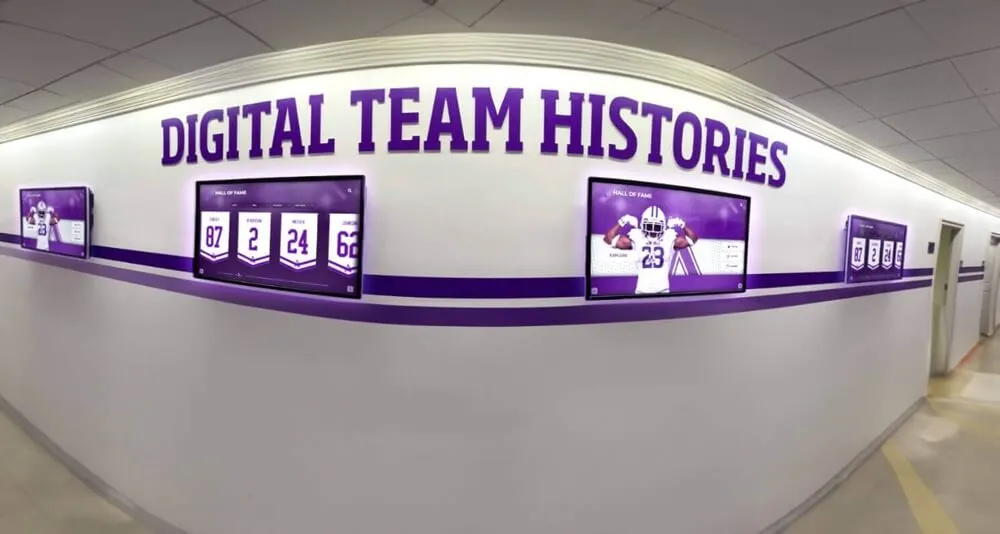
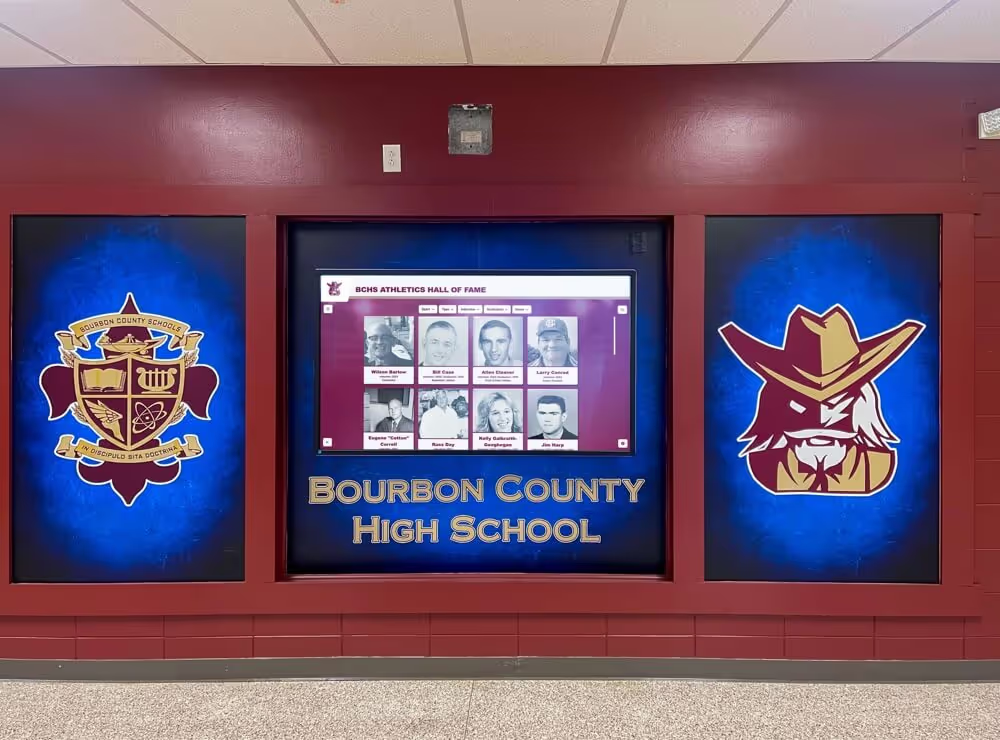
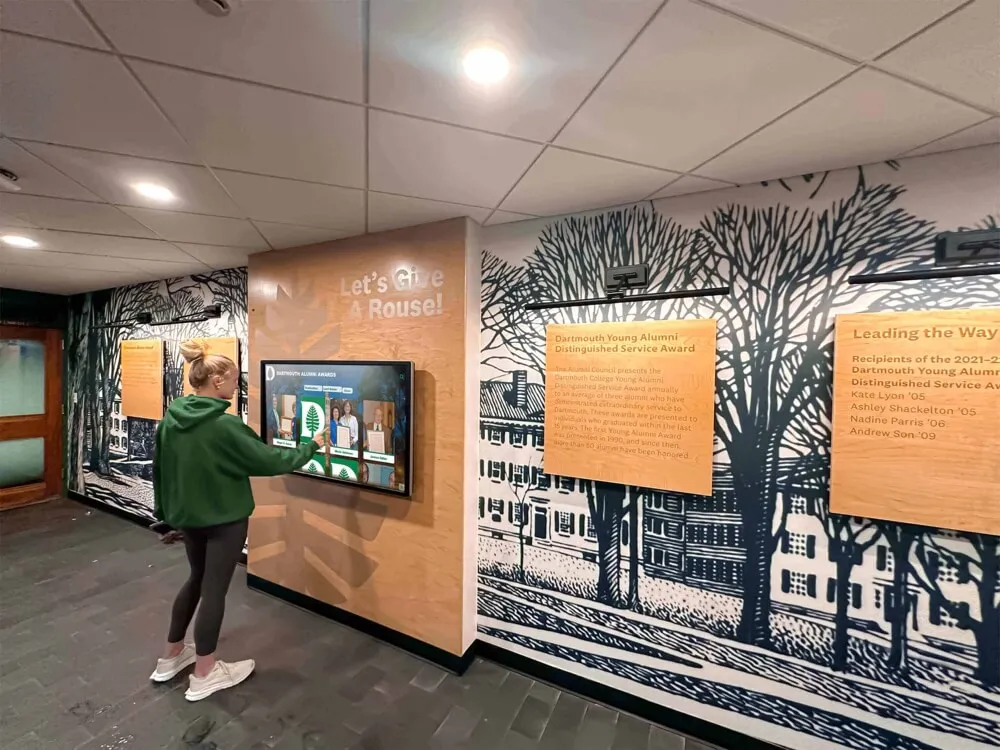
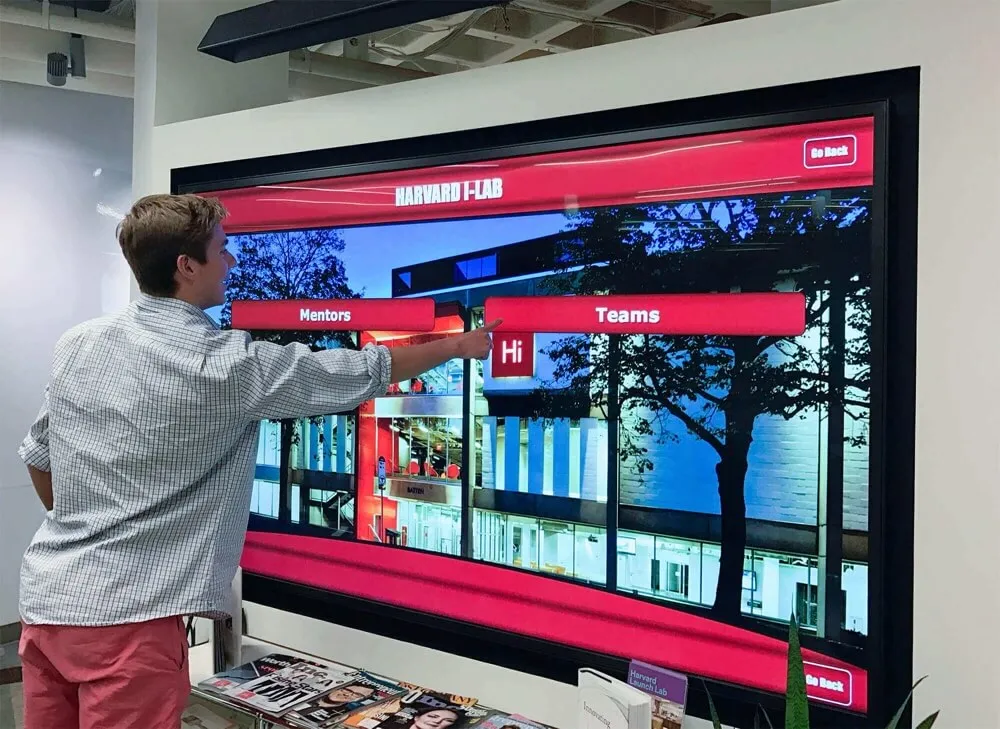
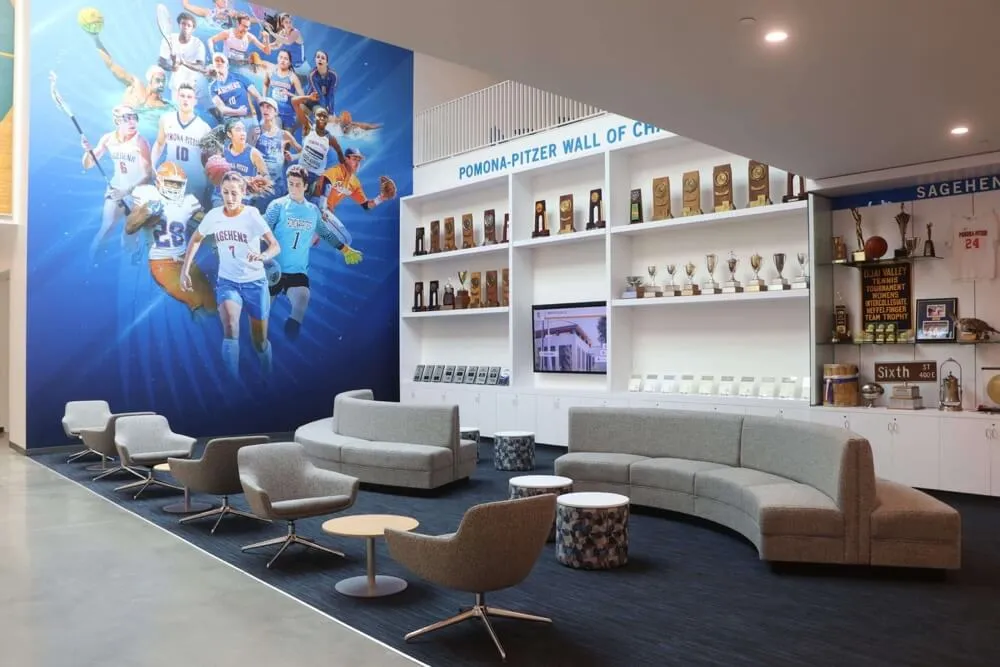
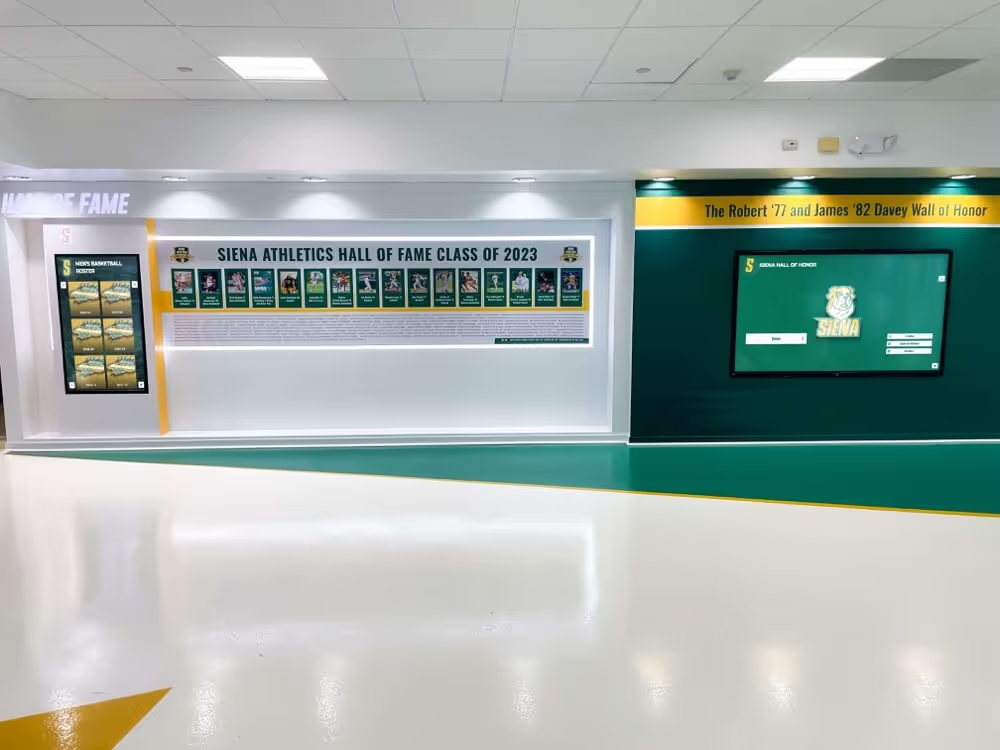
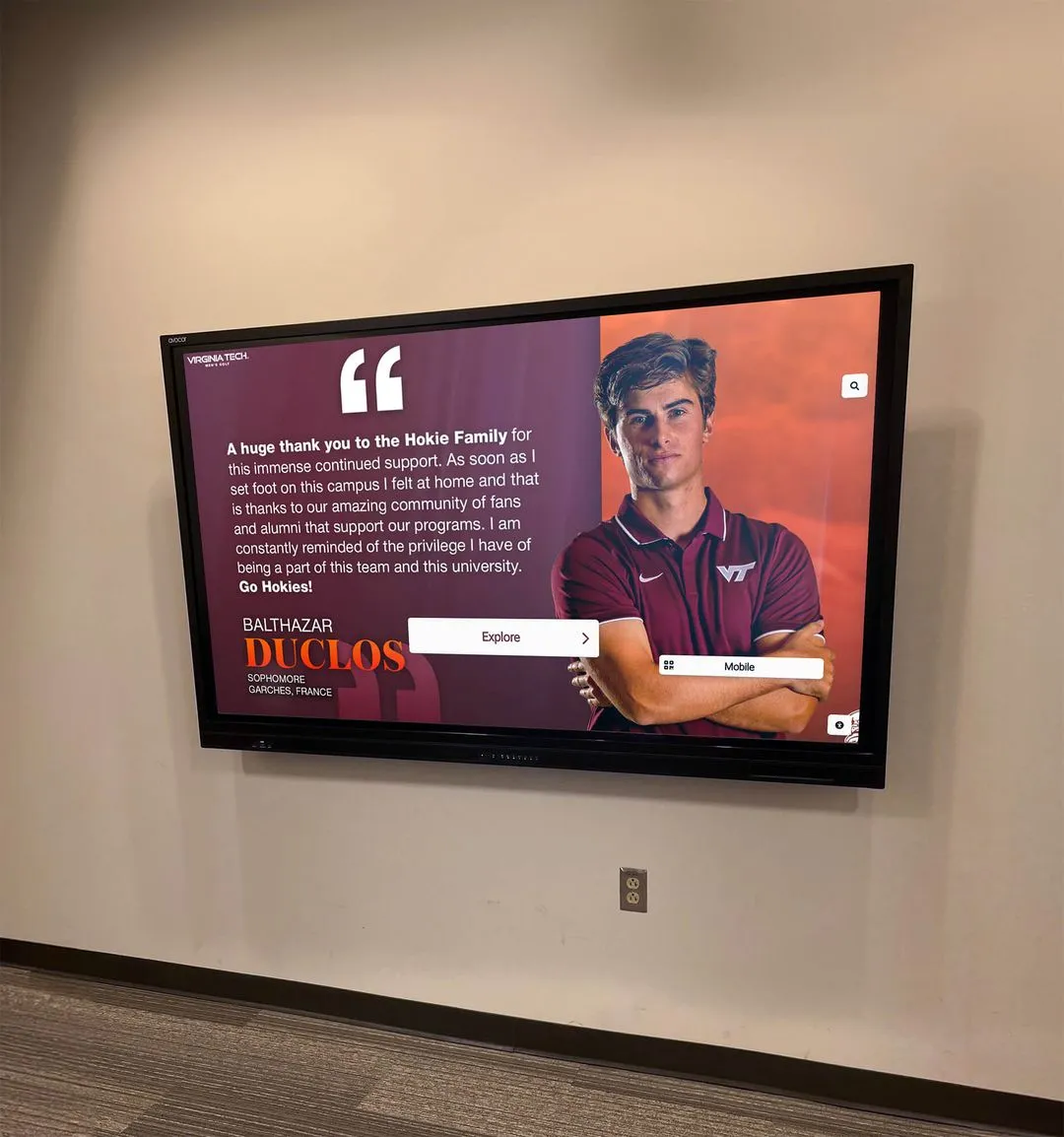
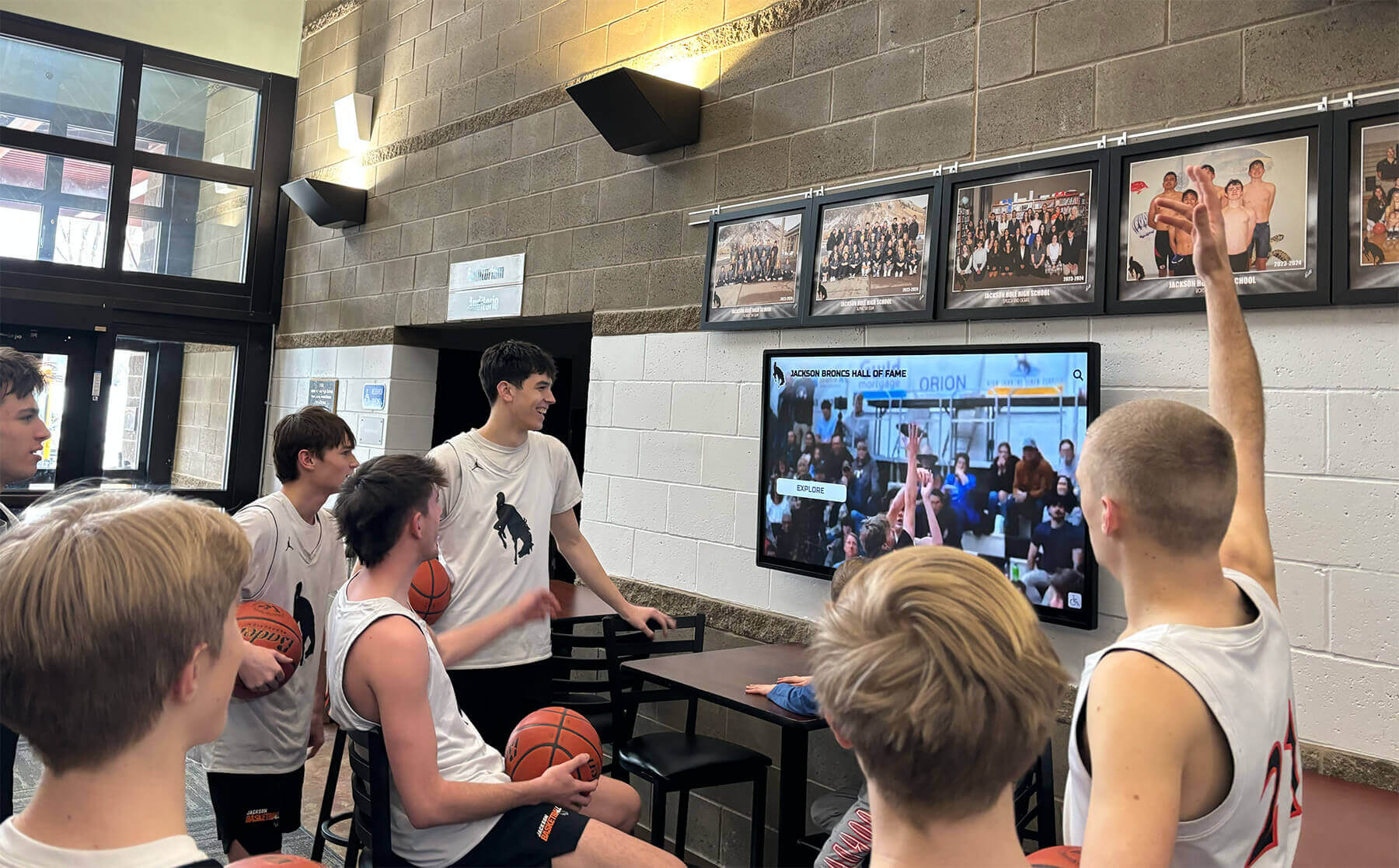
Modern schools create rich learning environments that extend beyond traditional classrooms—field trips complement and enhance these comprehensive educational experiences
The Educational Value of Field Trip Experiences
Understanding why field trips matter helps justify budget allocations and planning time while ensuring trips align with broader educational goals.
Why Field Trips Transform Learning
Research consistently demonstrates that experiential learning creates deeper understanding and longer retention than traditional classroom instruction alone:
Concrete Learning Experiences
- Abstract concepts become tangible through direct observation and interaction
- Multi-sensory engagement activates different learning pathways strengthening memory formation
- Real-world context helps students understand practical applications of academic content
- Direct experience with professionals and experts provides career exposure and inspiration
- Physical exploration satisfies kinesthetic learning needs often unmet in traditional classrooms
Enhanced Engagement and Motivation
- Novel environments capture attention more effectively than familiar classroom settings
- Excitement about upcoming trips increases classroom engagement during preparatory lessons
- Shared experiences build classroom community and peer relationships
- Break from routine energizes students and teachers alike
- Memorable experiences create positive associations with learning and school
According to research from the National Education Association, students who participate in well-planned field trips demonstrate 15-20% higher retention of related curriculum content compared to students learning exclusively through classroom instruction. The experiential learning advantage persists even months after the trip, particularly when follow-up activities reinforce connections.
Long-Term Impact Beyond Immediate Learning
Field trips influence students in ways extending far beyond single-day experiences:
Academic Achievement Effects
- Exposure to college campuses increases higher education aspirations
- Museum and cultural institution visits build background knowledge supporting reading comprehension
- STEM facility tours inspire interest in science and mathematics pathways
- Historical site experiences deepen understanding of social studies concepts
- Arts performances and backstage access develop cultural literacy and appreciation
Social and Emotional Development
- Shared challenges build resilience and problem-solving skills
- Navigating new environments develops independence and confidence
- Group experiences strengthen peer relationships and collaborative skills
- Exposure to diverse communities and perspectives broadens worldviews
- Interactions with professionals provide mentorship and role model connections
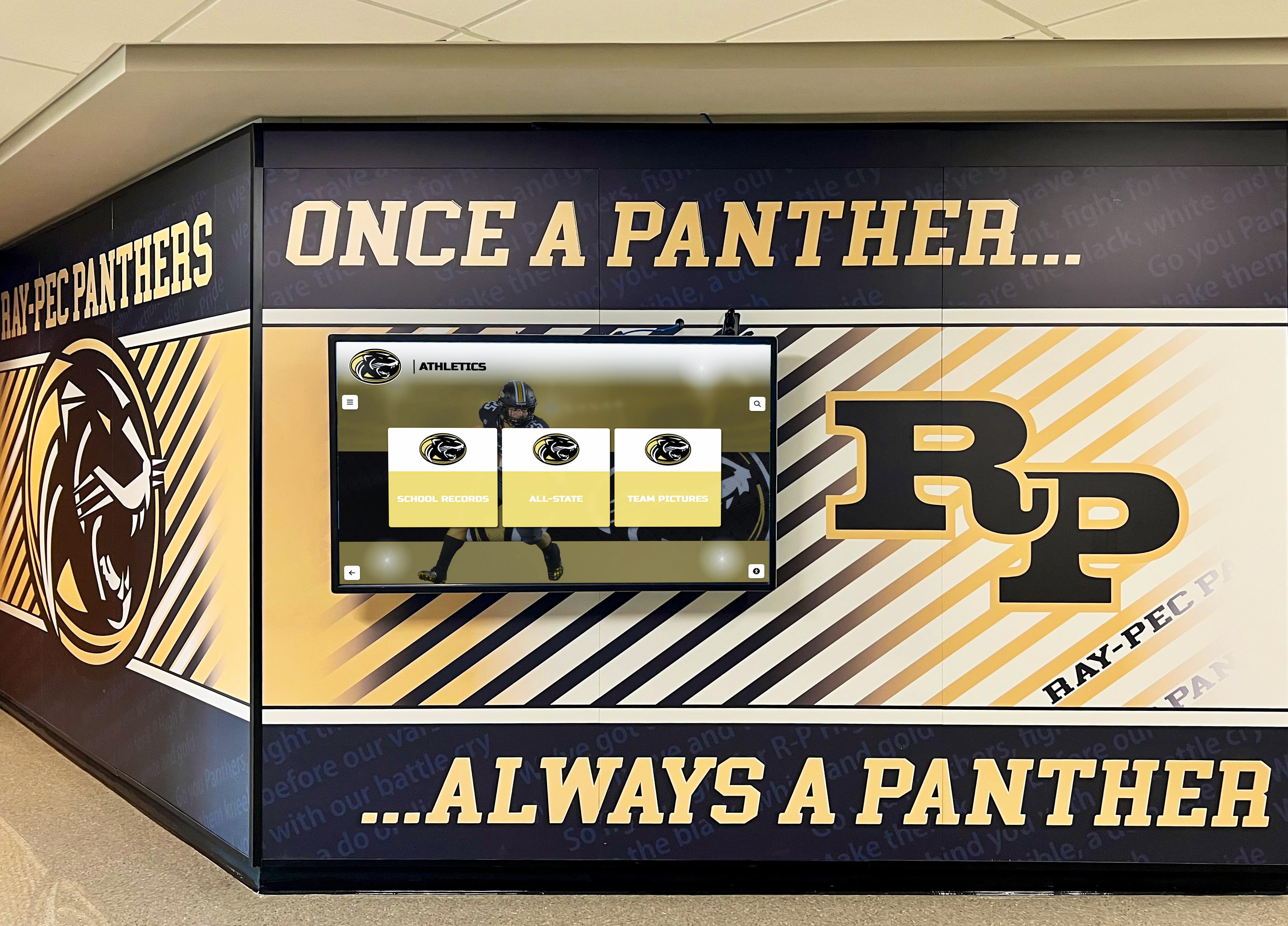
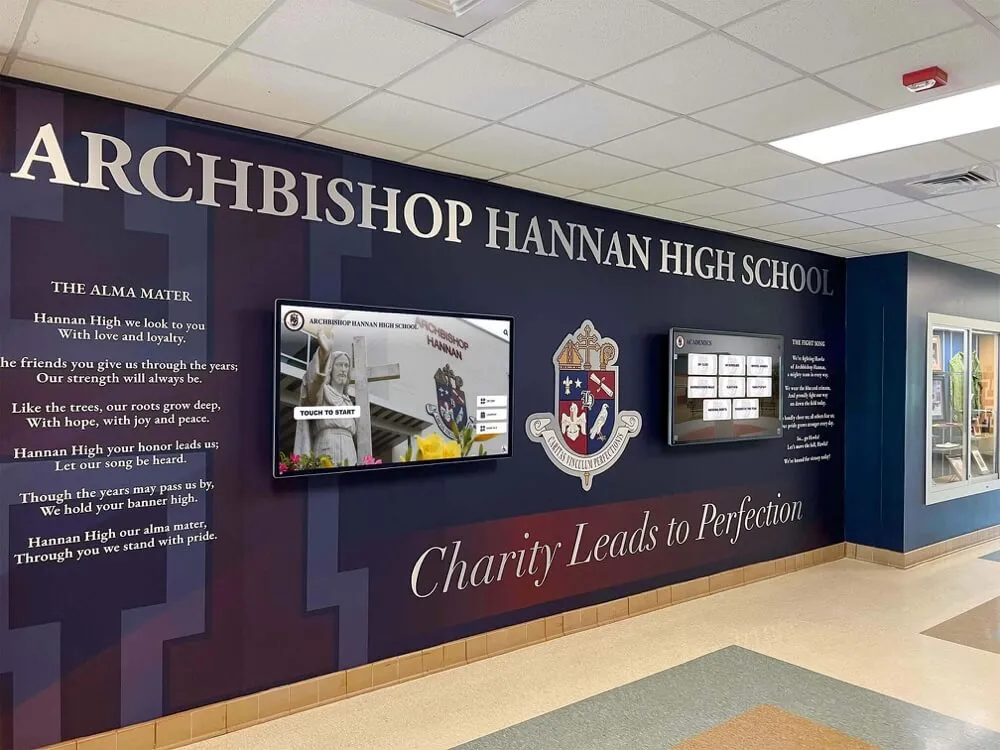
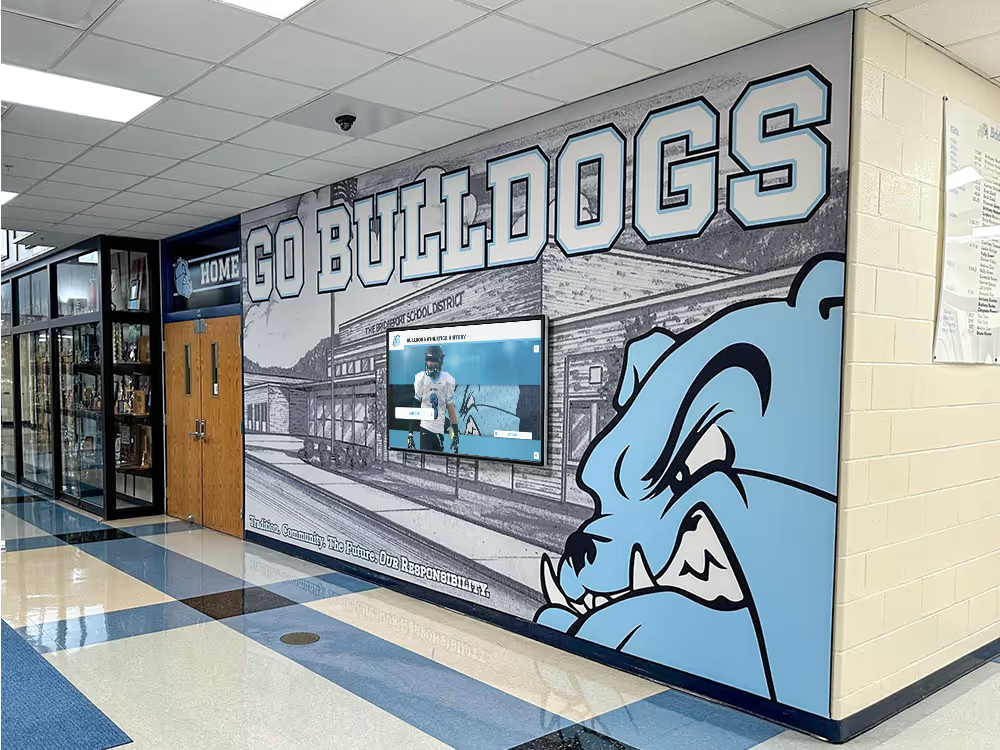
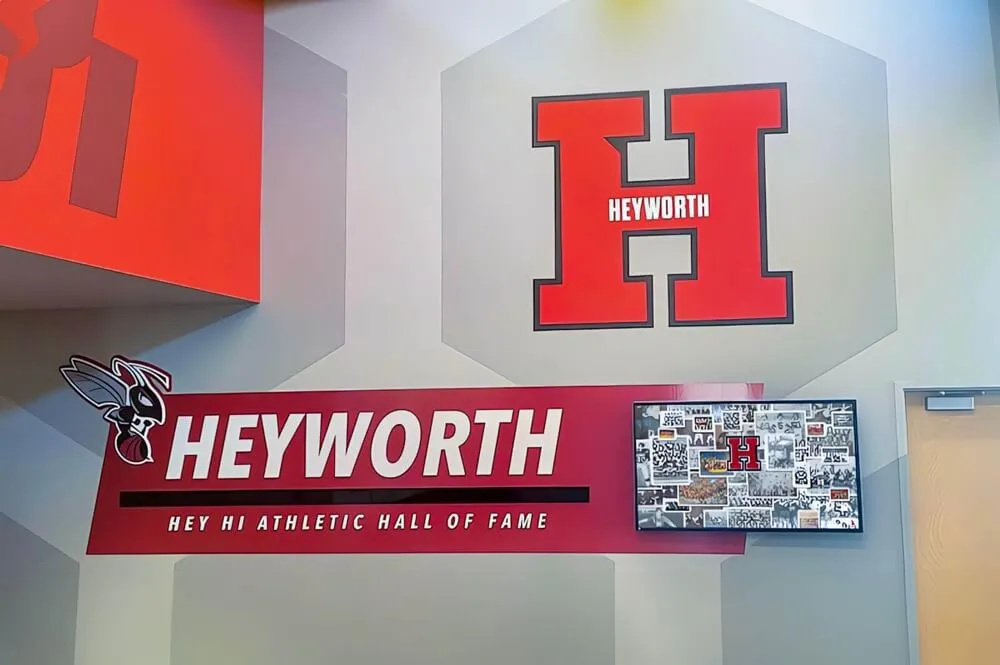
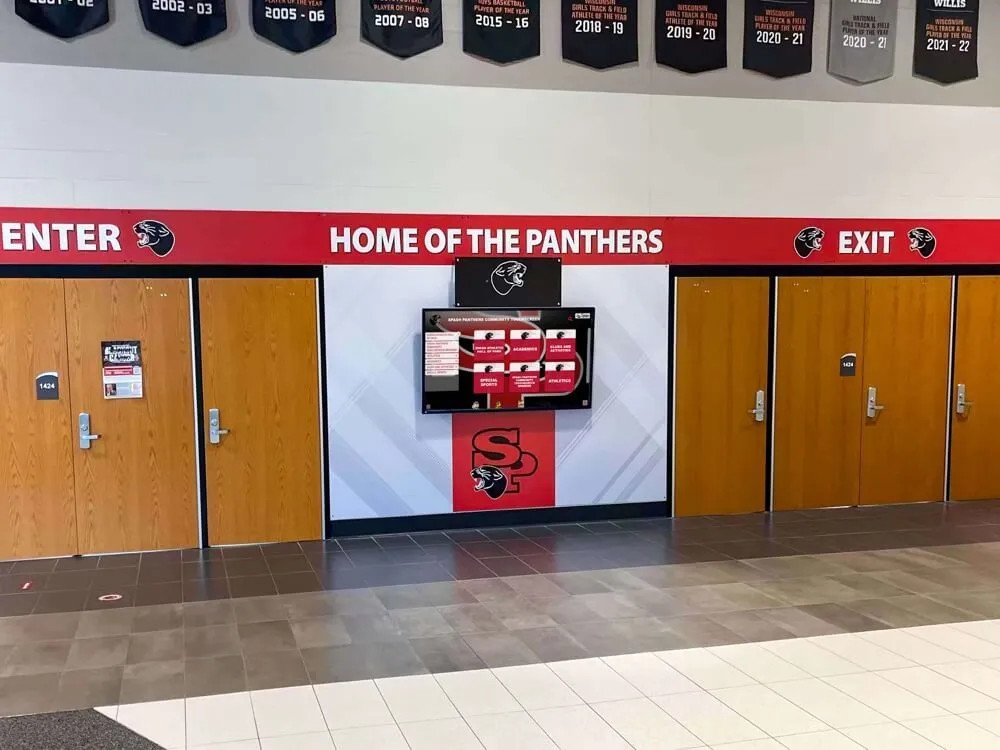
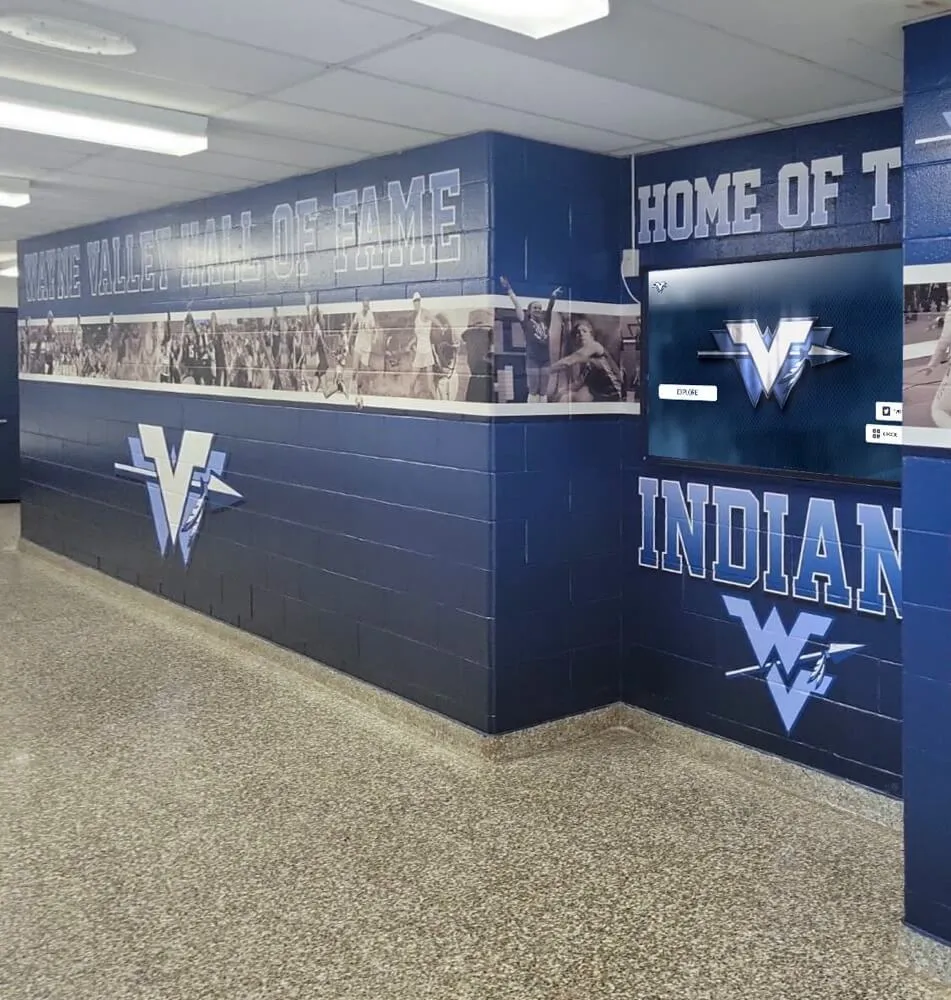
Schools committed to comprehensive student development combine experiential learning opportunities with systematic recognition of achievements and milestones
Career and College Readiness
- Professional environment exposure demystifies career pathways
- Industry facility tours connect academic subjects to real-world applications
- Networking opportunities with professionals provide valuable connections
- College campus visits make higher education feel accessible and achievable
- Internship and opportunity discovery happens through direct exposure
These long-term benefits justify the significant investment of time, money, and logistical effort required to execute quality field trips.
Aligning Field Trips with Curriculum and Learning Objectives
Strategic field trips integrate seamlessly with classroom instruction rather than functioning as isolated events disconnected from ongoing learning.
Starting with Clear Learning Goals
Curriculum Connection Identification Before selecting destinations, clarify specific learning objectives:
- Review current curriculum identifying topics benefiting from experiential reinforcement
- Determine specific standards and competencies the trip should address
- Identify abstract concepts students struggle to grasp through traditional instruction
- Consider timing within curriculum sequence maximizing trip impact
- Ensure alignment with broader course objectives and assessment goals
- Verify that trip content matches student developmental levels and background knowledge
Destination Selection Criteria Choose locations intentionally supporting identified learning goals:
- Educational value directly connecting to curriculum content
- Age-appropriate presentations and activities matching student developmental levels
- Engagement opportunities providing active learning rather than passive observation
- Professional educators or guides enhancing rather than replacing teacher instruction
- Accessibility accommodating all students including those with special needs
- Cost-effectiveness providing good educational value for budget investment
Learn about comprehensive approaches to building school culture that values diverse learning experiences.
Pre-Trip Curriculum Integration
Foundational Knowledge Building Prepare students with background information maximizing trip impact:
- Teach essential vocabulary and concepts students will encounter
- Provide historical or scientific context for what they’ll observe
- Review safety procedures and behavioral expectations specific to the environment
- Assign pre-trip research projects building anticipation and background knowledge
- Share photos, videos, or virtual tours familiarizing students with the location
- Connect upcoming trip content to previous learning creating knowledge scaffolding
Question Generation and Wonder Development Encourage students to approach trips with inquiry mindsets:
- Facilitate brainstorming sessions identifying what students want to learn
- Have students generate specific questions they hope to answer during the trip
- Create observation guides directing student attention to key learning elements
- Develop scavenger hunts or data collection activities focusing engagement
- Assign roles ensuring each student has specific responsibilities during the visit
- Build anticipation through countdown activities and trip previews
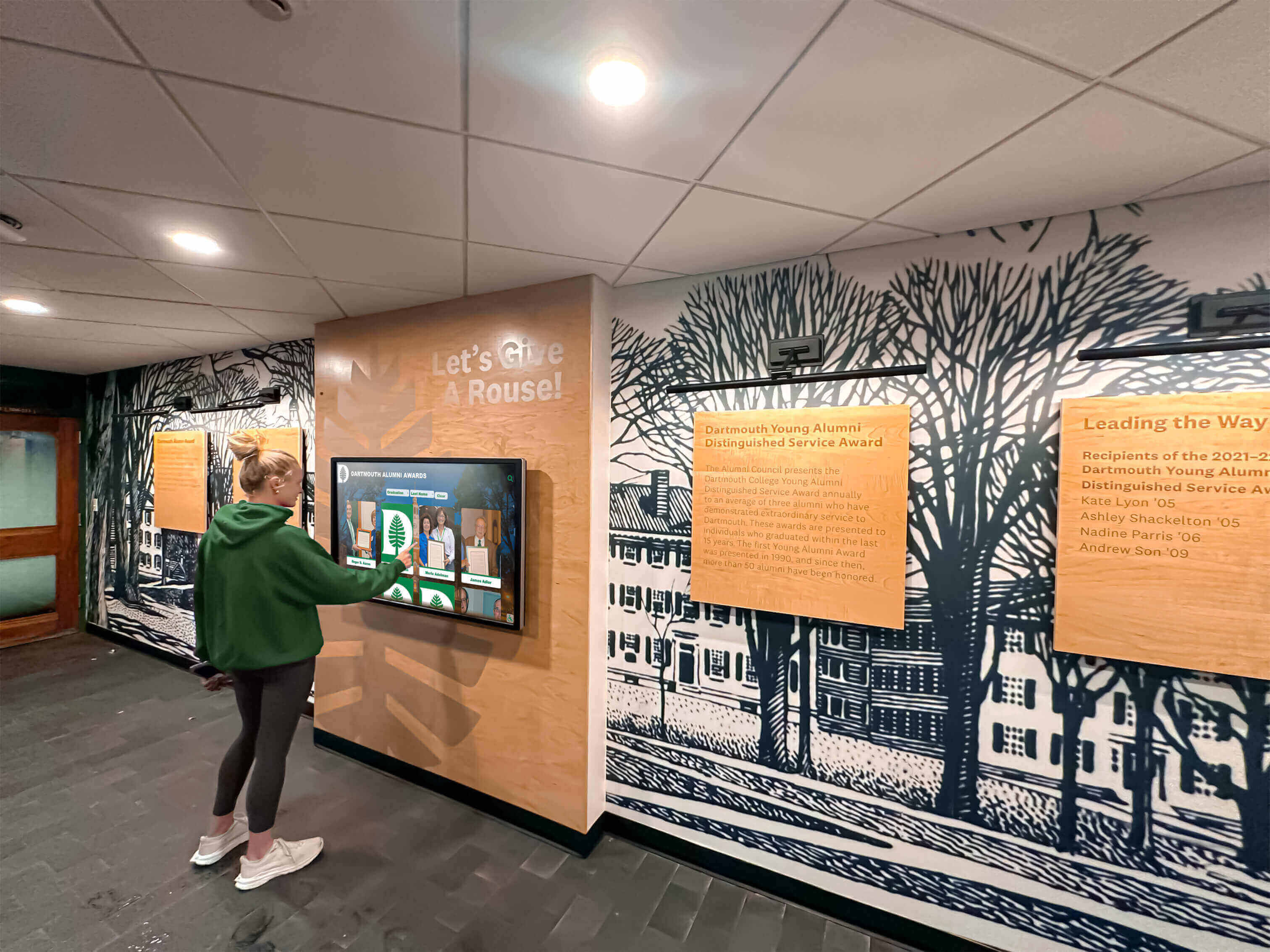
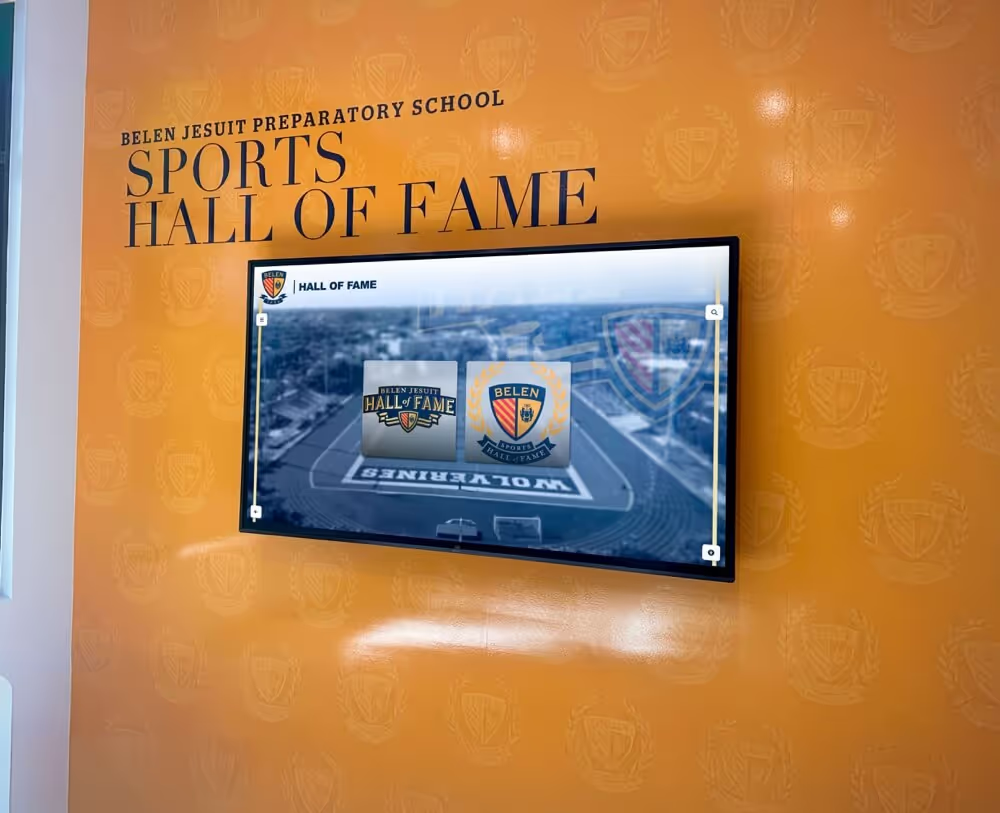
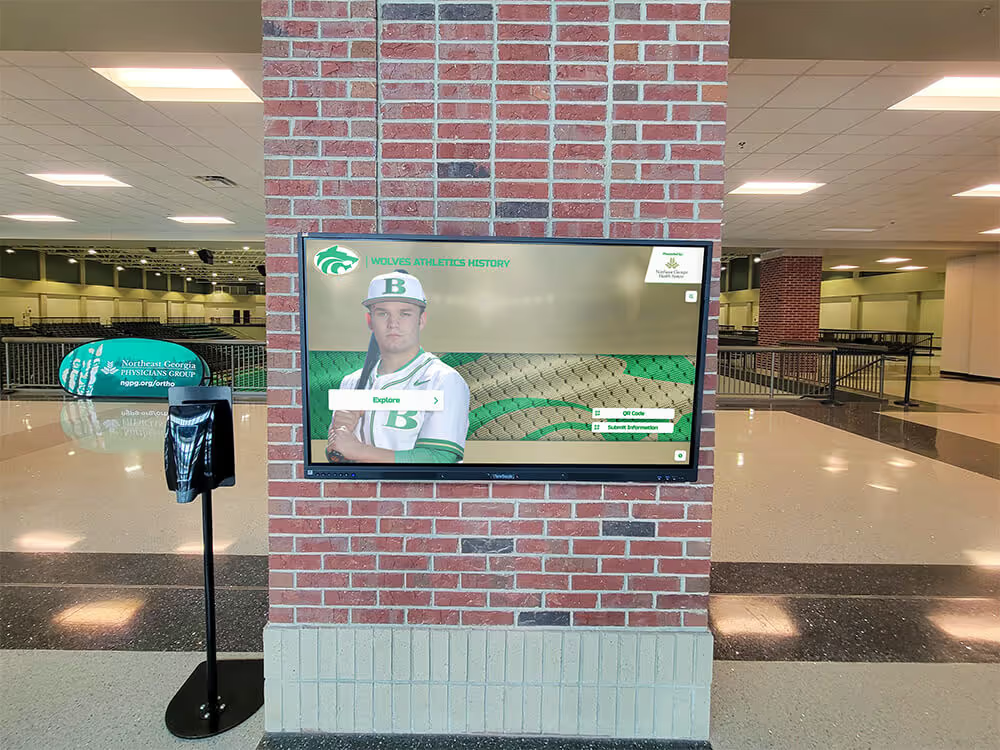
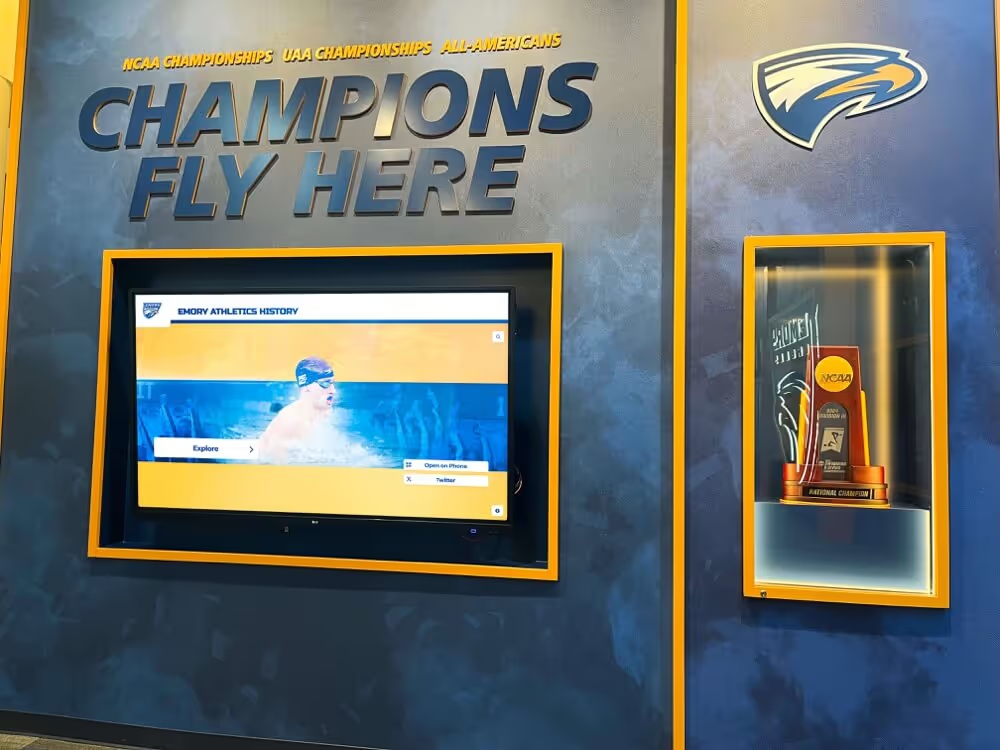
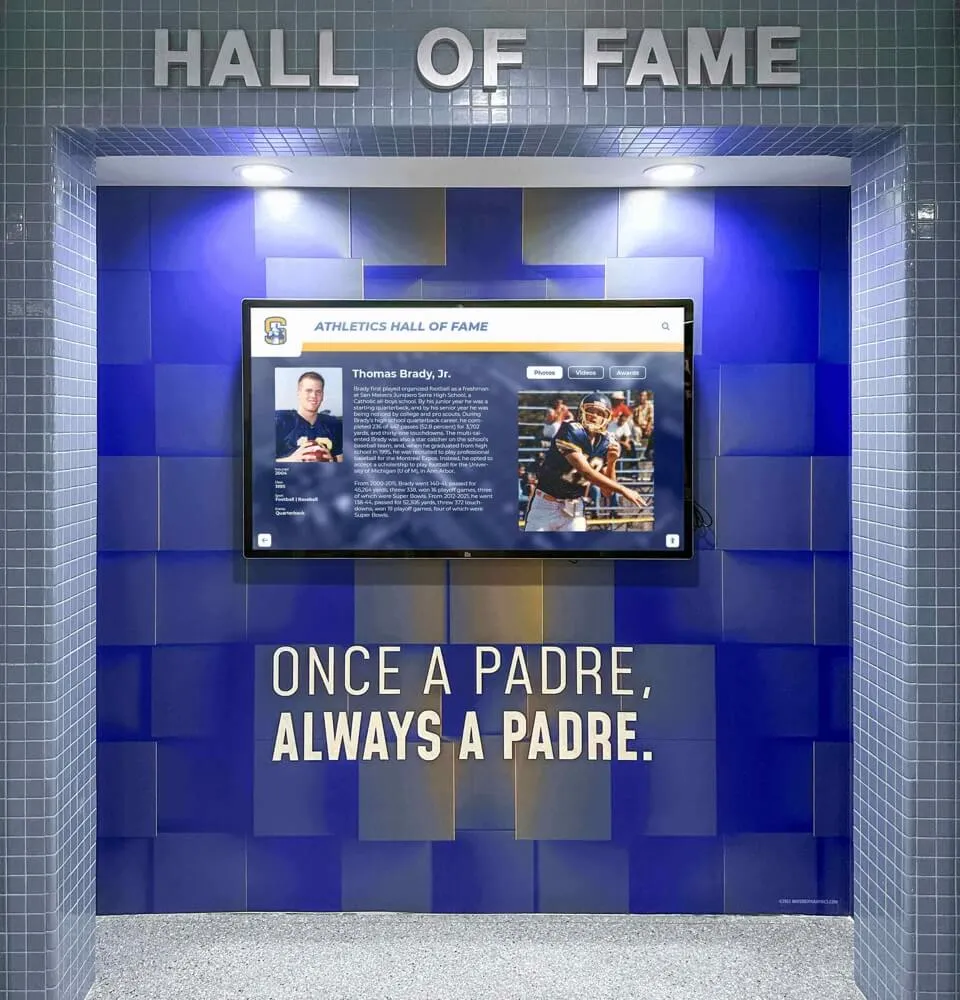
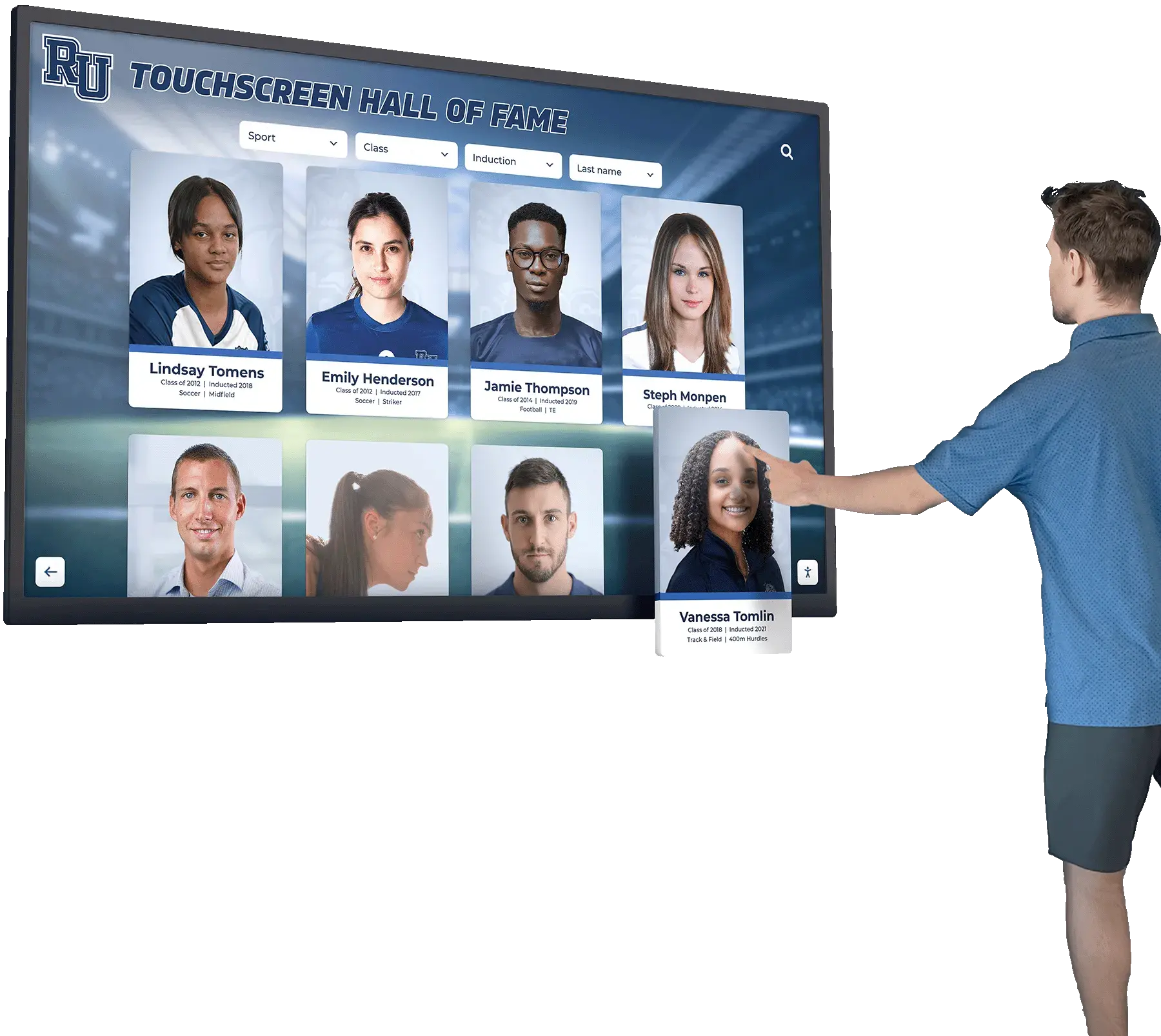
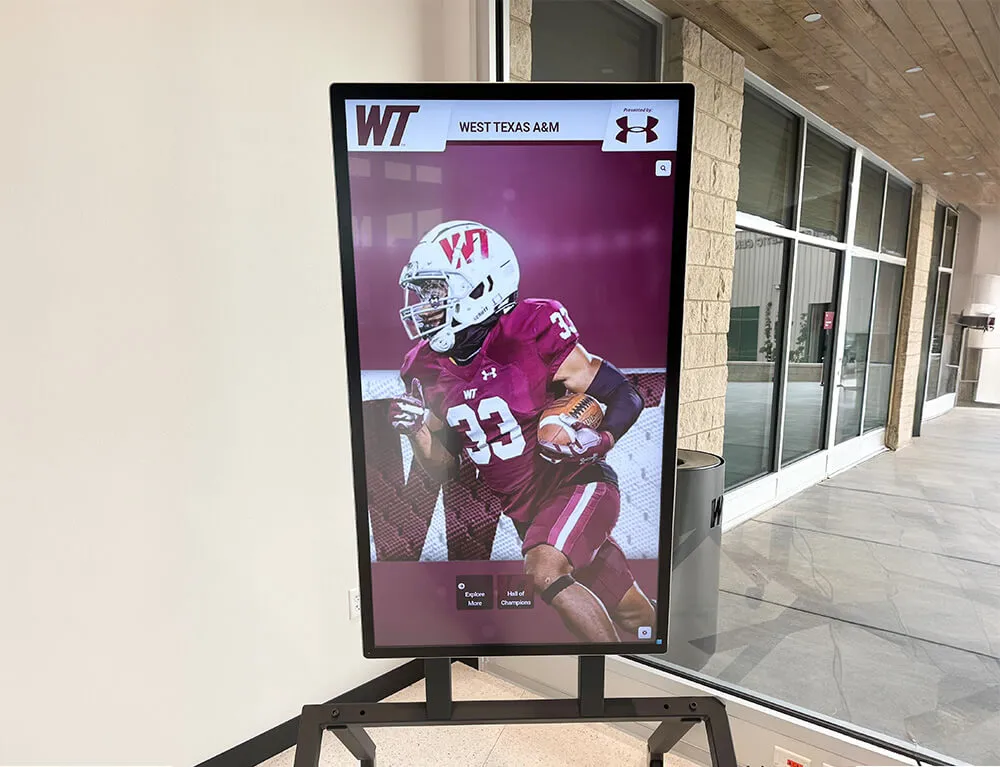
Interactive learning experiences—whether through field trips or on-campus technology—engage students in ways traditional instruction alone cannot achieve
Comprehensive Trip Planning and Logistics
Successful field trips require meticulous attention to practical details ensuring safety, efficiency, and maximum educational value.
Budget Development and Funding Strategies
Comprehensive Cost Assessment Account for all trip expenses avoiding unexpected budget shortfalls:
- Transportation costs including buses, fuel, parking, and driver fees
- Admission fees for all students, chaperones, and staff members
- Educational program fees for guided tours or specialized activities
- Meal costs if trip extends through lunch or snack times
- Emergency funds for unexpected expenses or student needs
- Substitute teacher costs if trip removes teachers from other responsibilities
- Pre-trip and post-trip material costs for preparation and follow-up activities
Creative Funding Approaches Reduce or eliminate student costs through strategic funding:
- Title I or other federal funding supporting experiential learning
- Local education foundation grants specifically designated for enrichment activities
- Parent organization (PTA/PTO) funding or fundraiser support
- Business partnership sponsorships from community organizations
- Crowdfunding campaigns engaging broader community in supporting student experiences
- Scholarship funds ensuring all students can participate regardless of family financial circumstances
- In-kind donations securing free or reduced admission through institutional partnerships
Explore strategies for community partnership development that can support field trip funding.
Transportation and Safety Planning
Vehicle and Route Logistics Ensure safe, efficient transportation:
- Contract with licensed, insured transportation providers meeting safety standards
- Verify driver qualifications, vehicle inspections, and company safety records
- Plan routes considering travel time, rest stop needs, and arrival timing
- Arrange seat assignments preventing behavior issues and ensuring supervision
- Prepare contingency plans for vehicle breakdowns or traffic delays
- Communicate clear pickup and return times with families
- Ensure transportation accessibility for students with mobility needs
Comprehensive Permission and Documentation Secure all necessary authorizations:
- Parent permission slips with detailed trip information and emergency contacts
- Medical information forms documenting allergies, medications, and health conditions
- Emergency contact cards carried by chaperones for each student
- Student roster with attendance tracking for departure and return
- Itinerary copies distributed to school administration and families
- Chaperone responsibility assignments with clear supervision expectations
- Emergency response protocols addressing various scenarios
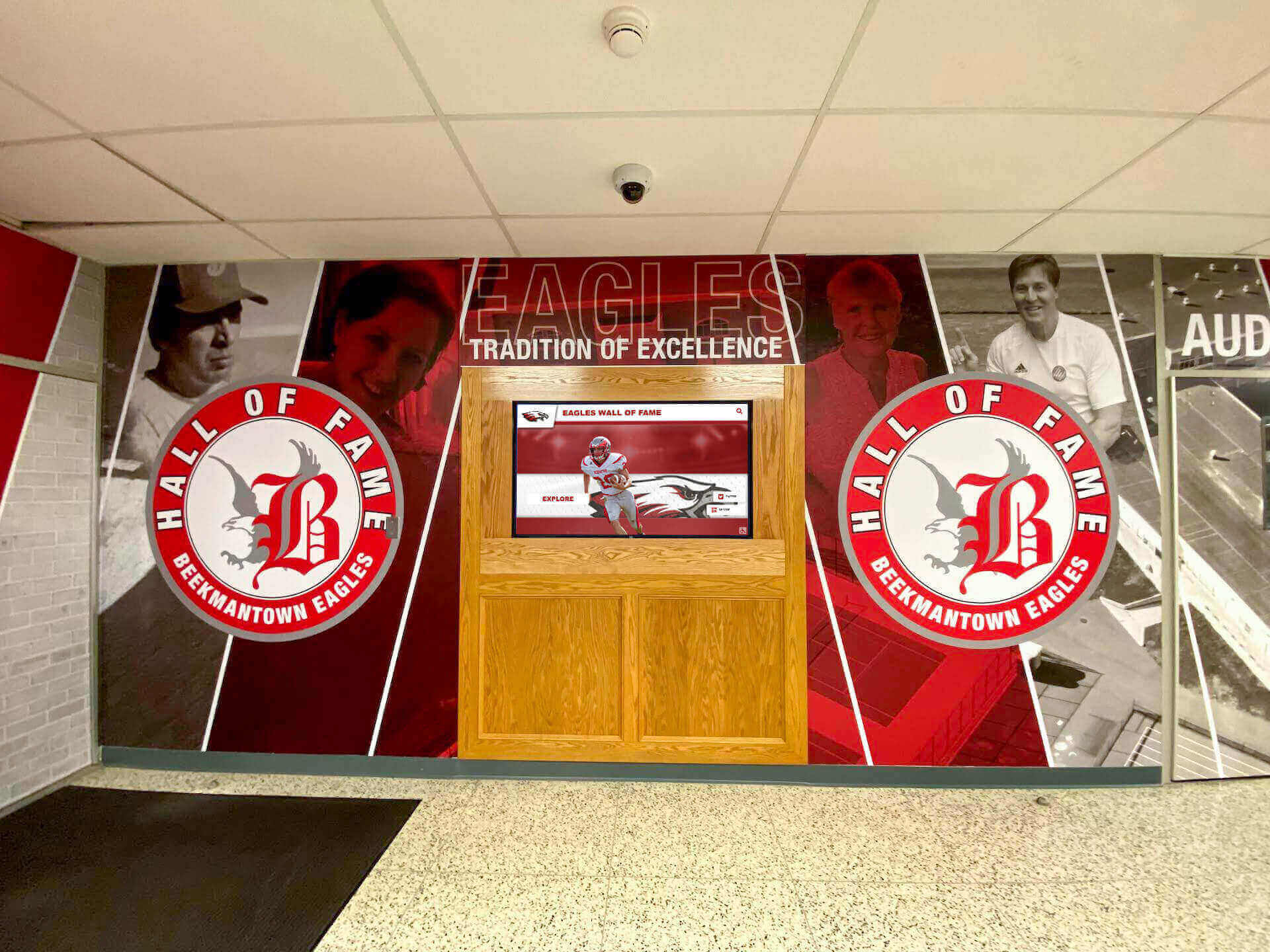
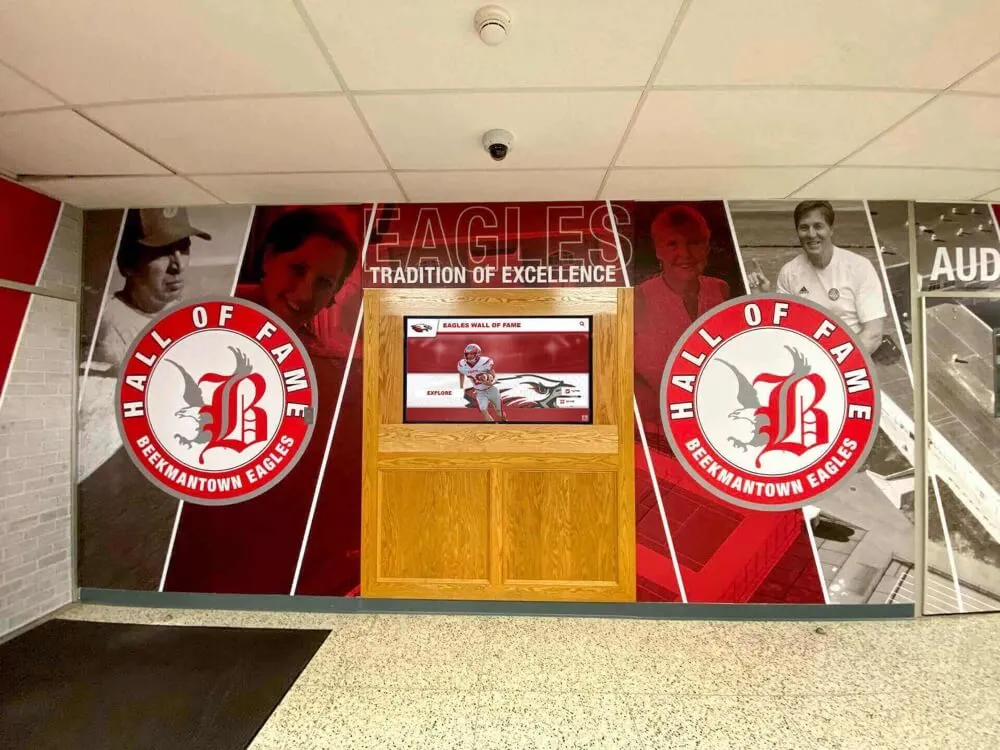
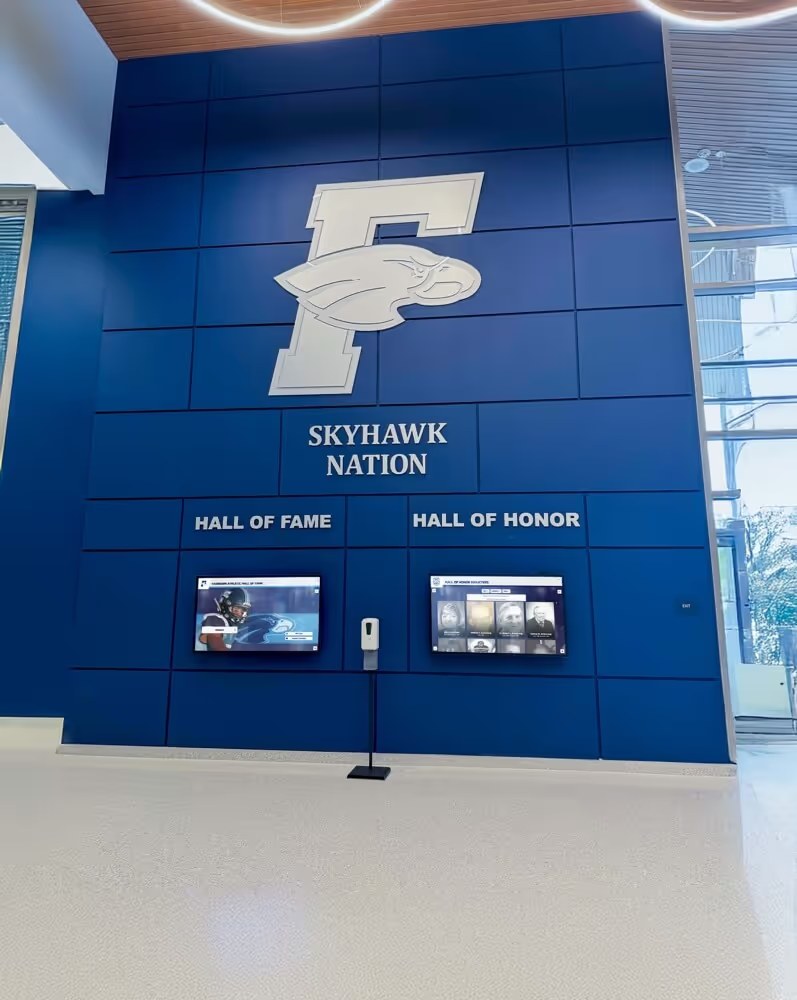
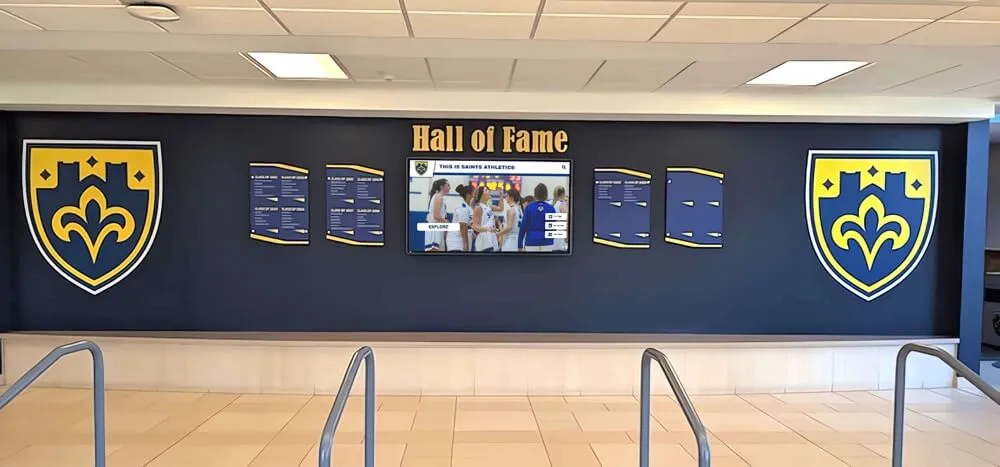
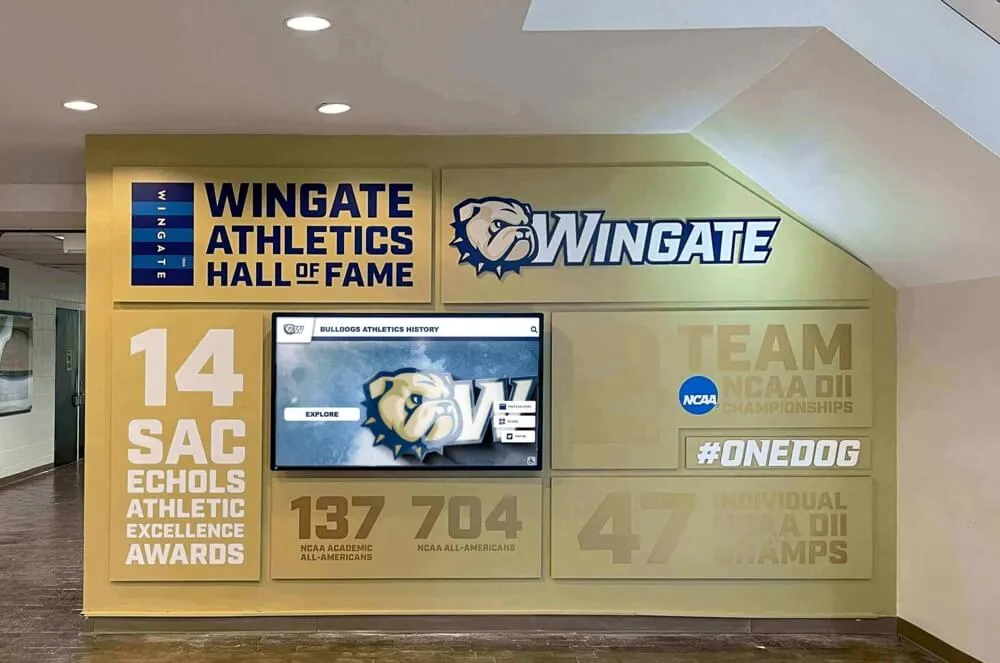
Schools that value comprehensive student experiences create environments celebrating achievements—field trip participation and learning deserves similar recognition
Chaperone Recruitment and Training
Appropriate Adult-to-Student Ratios Ensure adequate supervision based on age and environment:
- Elementary students typically require 1 adult per 5-8 students
- Middle school students generally need 1 adult per 8-10 students
- High school students usually require 1 adult per 10-15 students
- Increase ratios for special needs students, challenging environments, or complex activities
- Consider student behavioral needs when determining supervision requirements
- Recruit more chaperones than minimum requirements allowing backup coverage
Chaperone Preparation and Expectations Prepare adult supervisors for effective support:
- Clearly communicate educational objectives and learning focus
- Review behavioral expectations and discipline procedures
- Assign specific student groups to each chaperone
- Provide emergency procedures and contact information
- Clarify supervision responsibilities during structured and unstructured time
- Address appropriate and inappropriate chaperone behaviors
- Ensure background checks and clearances meet district requirements
Discover how schools create comprehensive recognition programs honoring various forms of achievement and participation.
Maximizing Educational Value During the Trip
Active engagement during field trips transforms sightseeing into meaningful learning experiences.
Structured Learning Activities
Focused Observation Tasks Guide student attention toward key learning elements:
- Provide observation worksheets with specific questions directing focus
- Create photo documentation assignments capturing specific elements
- Assign sketch or drawing activities requiring close observation
- Develop comparison activities contrasting trip observations with classroom learning
- Use digital tools enabling real-time data collection and recording
- Encourage note-taking highlighting connections to curriculum content
- Design age-appropriate activities balancing structure with flexibility for discovery
Interactive Engagement Strategies Move students beyond passive observation:
- Hands-on activities and demonstrations when available
- Question-asking opportunities with guides, docents, or professionals
- Small group exploration allowing student-paced discovery
- Role-playing or simulation activities bringing content to life
- Problem-solving challenges applying learning to real scenarios
- Collaborative projects requiring teamwork and communication
- Creative expression through art, writing, or performance
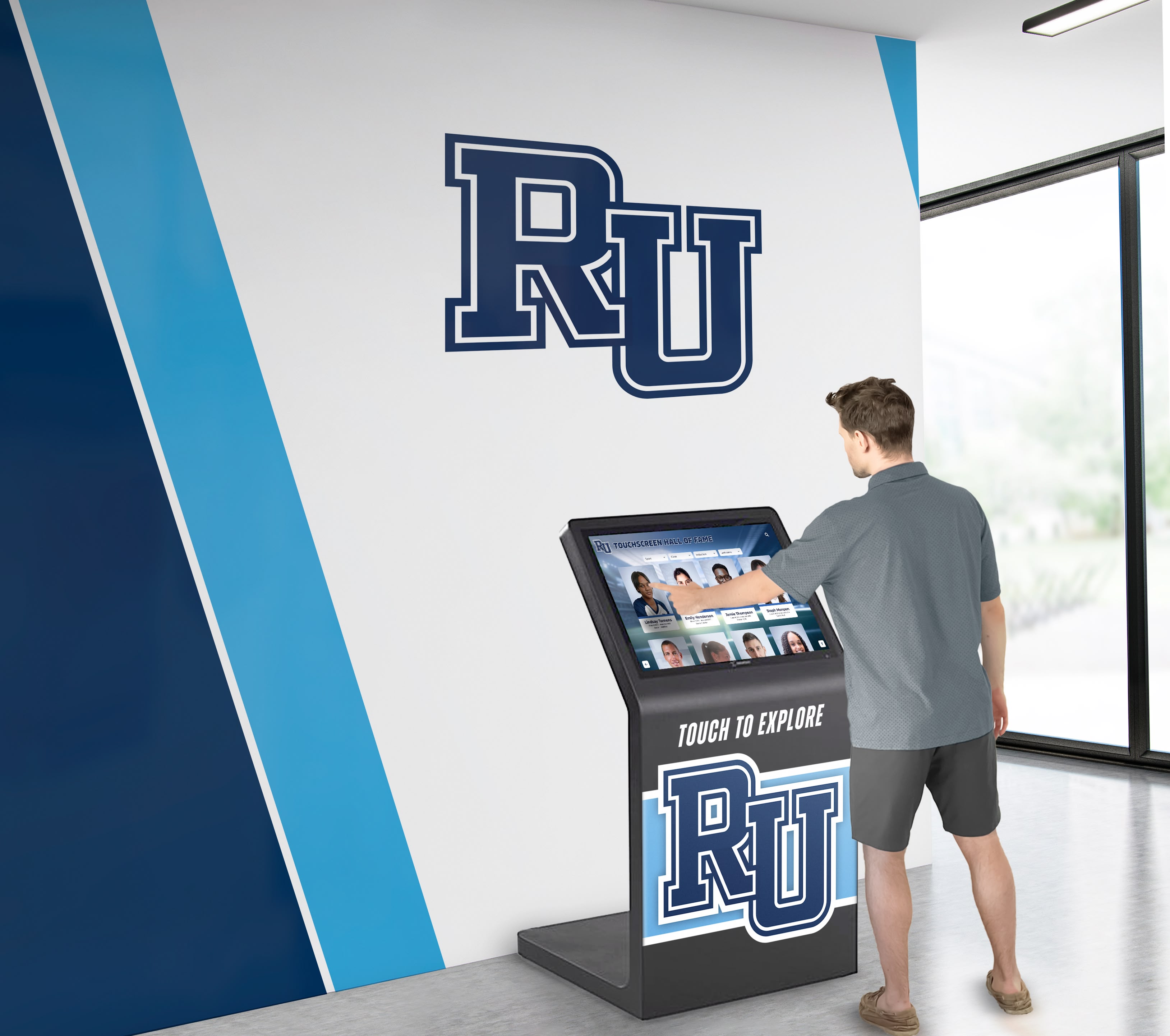
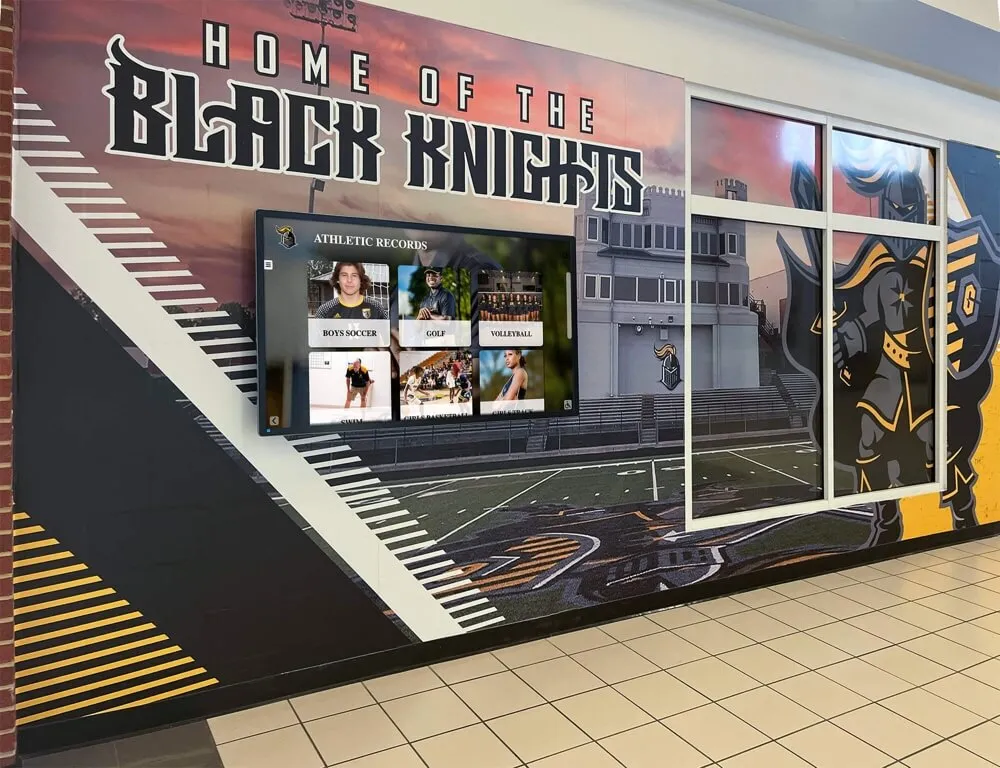
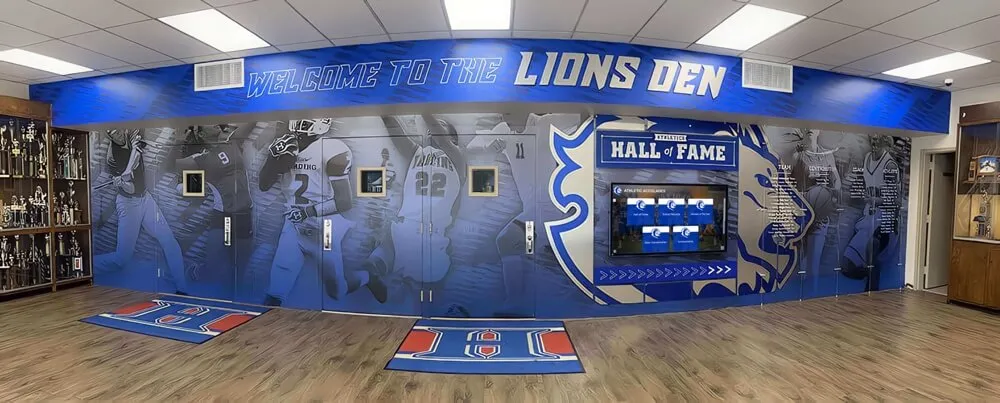
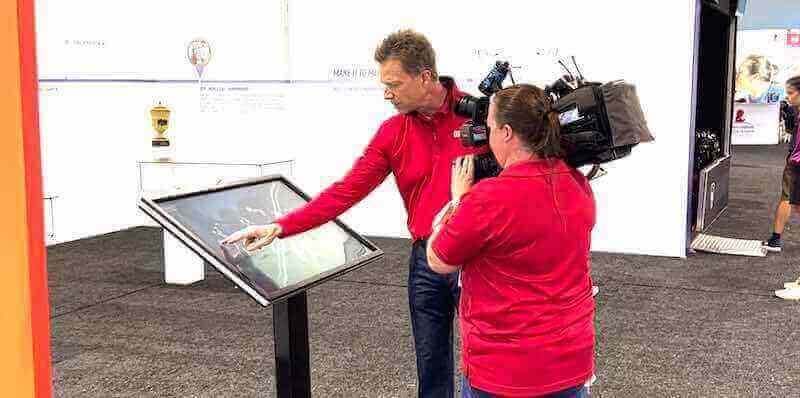
Modern learning environments leverage technology to create engaging, interactive experiences—skills students develop navigating museum exhibits and educational facilities
Documentation and Evidence Collection
Student-Created Records Empower students to document their own learning:
- Photography capturing important observations and experiences
- Video recording of demonstrations, presentations, or student reflections
- Audio notes documenting thoughts, questions, and discoveries
- Journal entries describing experiences and insights
- Specimen or artifact collection when appropriate and permitted
- Interview recordings with professionals or guides
- Data collection supporting later analysis and reporting
Teacher and Chaperone Documentation Create resources supporting follow-up activities:
- Photograph student engagement and learning moments
- Video record presentations or demonstrations for classroom review
- Note unexpected learning opportunities or student insights
- Document questions students ask revealing thinking and curiosity
- Capture authentic moments illustrating student growth and discovery
- Record contact information for potential future collaboration
- Collect materials, brochures, or resources for classroom reference
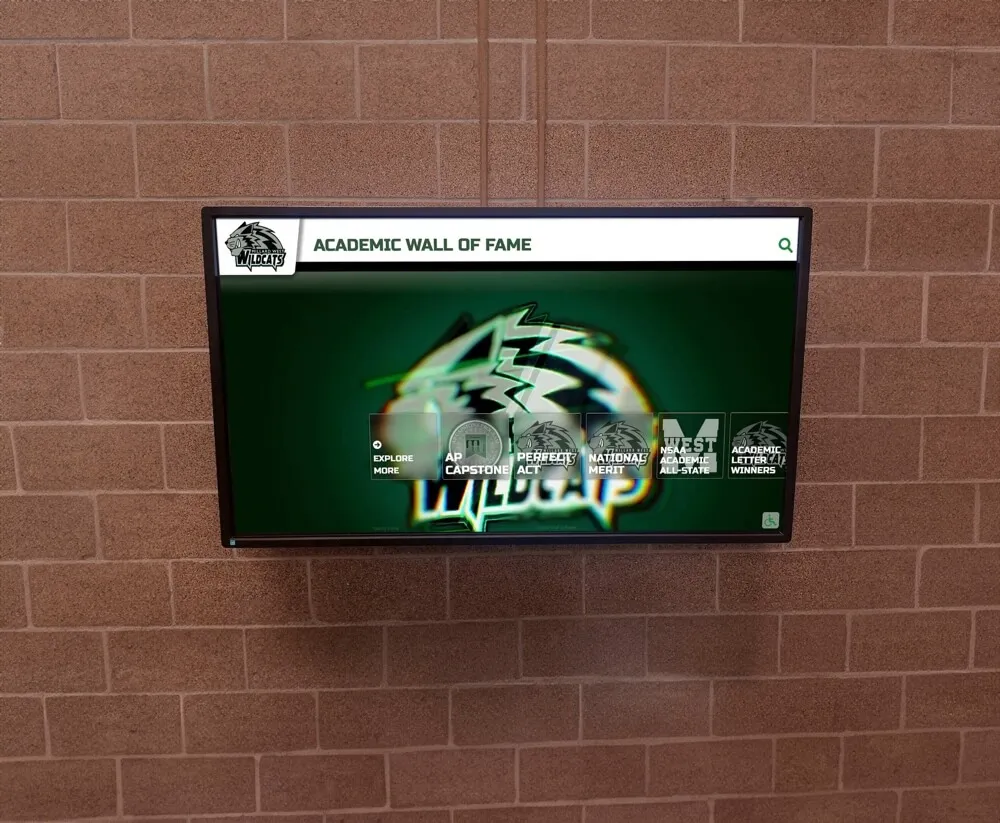
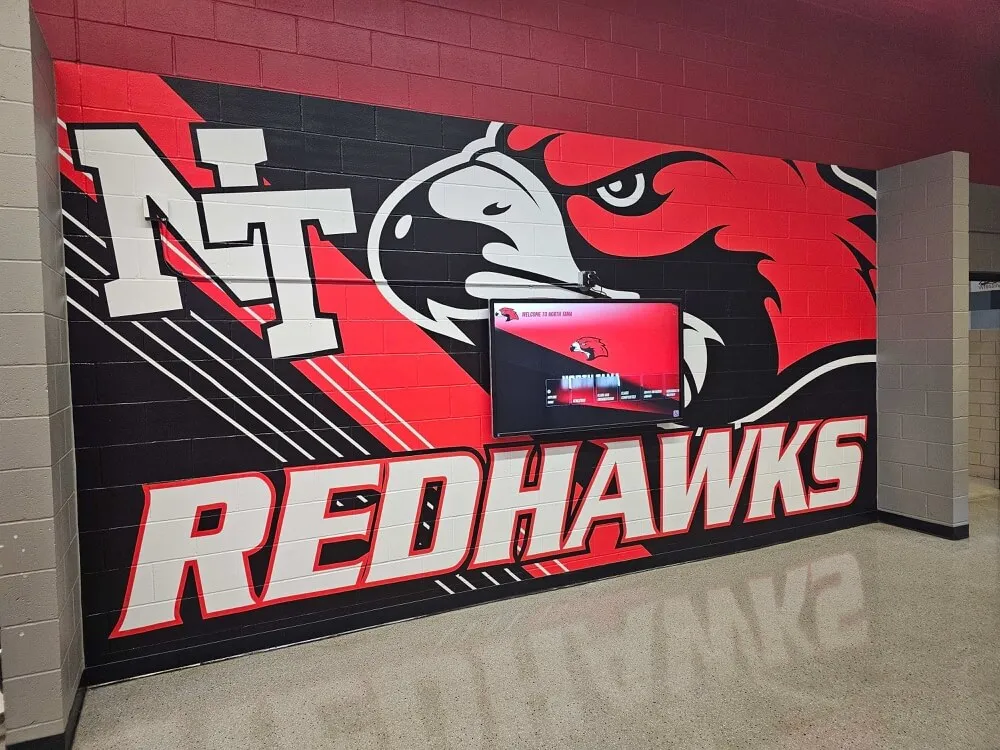
Schools can showcase trip experiences and achievements through modern digital recognition displays celebrating diverse student accomplishments.
Post-Trip Follow-Up and Knowledge Consolidation
The learning doesn’t end when buses return to school—systematic follow-up activities cement knowledge and extend impact.
Reflection and Processing Activities
Individual Reflection Assignments Help students process and internalize experiences:
- Written reflection essays connecting trip to curriculum concepts
- Creative projects expressing learning through art, music, or performance
- Presentation development sharing key takeaways with classmates or other students
- Digital storytelling combining photos, video, and narrative
- Comparison activities analyzing trip observations against predictions or prior knowledge
- Question revisiting addressing queries generated before and during trip
- Thank-you letter writing to chaperones, trip sponsors, or host organizations
Collaborative Learning Extensions Build on shared experiences through group activities:
- Class discussions debriefing key observations and insights
- Group presentations synthesizing different aspects of the trip
- Collaborative displays showcasing student work and trip documentation
- Comparative analysis activities examining different student perspectives
- Problem-solving challenges applying trip learning to new scenarios
- Research projects investigating topics inspired by trip experiences
- Service learning or action projects responding to trip observations
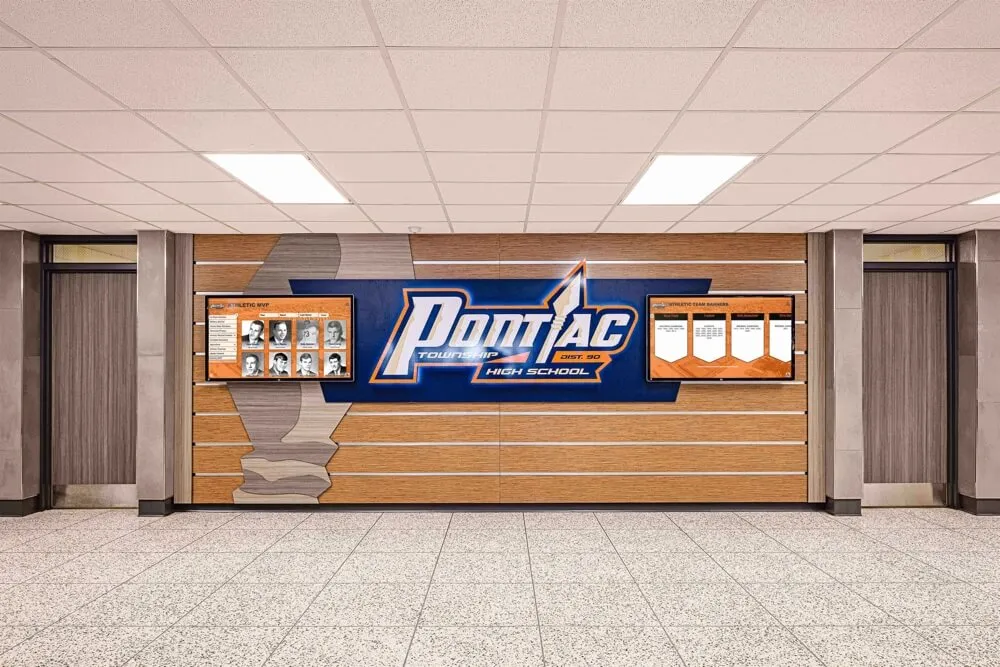
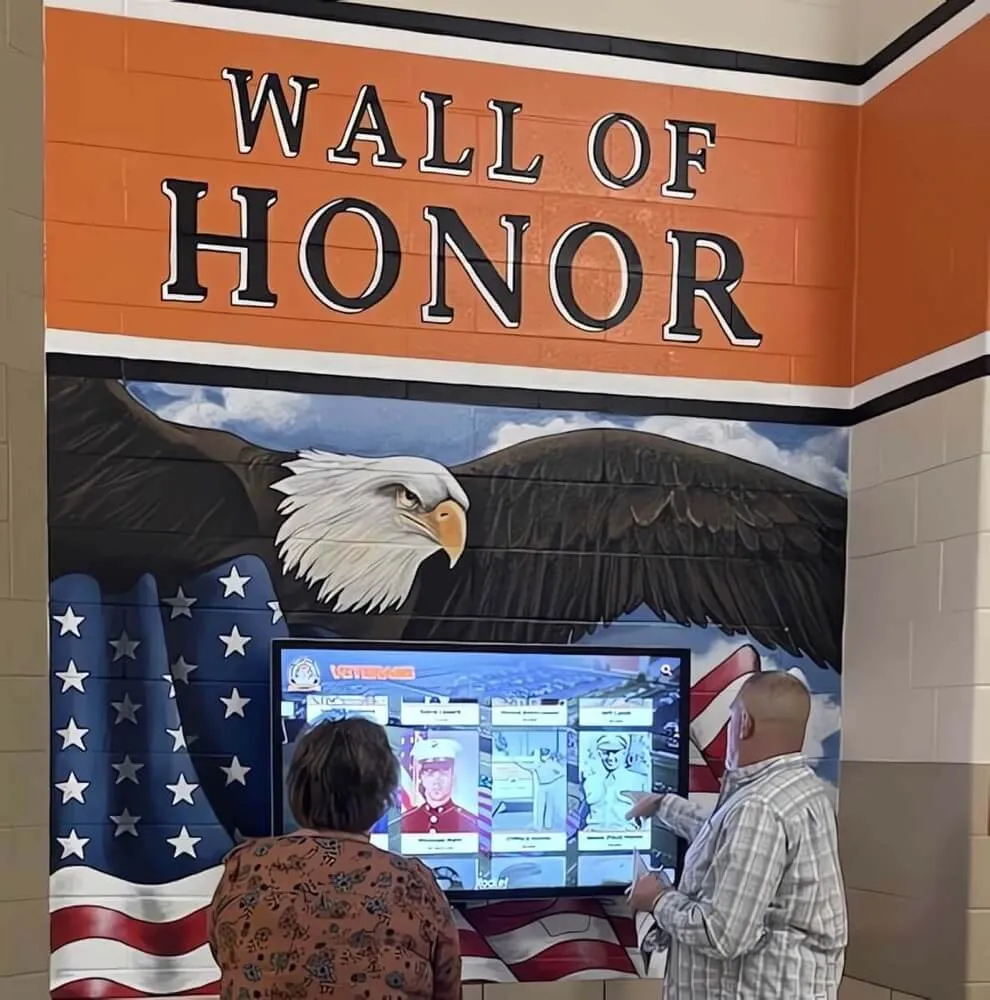
Comprehensive recognition systems celebrate diverse student achievements—participation in educational experiences deserves acknowledgment alongside traditional academic and athletic honors
Assessment and Learning Evaluation
Formal Assessment Integration Measure trip impact on learning objectives:
- Quiz or test questions specifically addressing trip content
- Essay questions requiring application of trip observations
- Project rubrics evaluating understanding demonstrated through trip-based work
- Presentation assessments measuring communication of trip learning
- Portfolio entries documenting trip experiences and reflections
- Performance tasks applying trip learning to novel situations
- Comparative assessments measuring growth from pre-trip to post-trip understanding
Informal Learning Evidence Recognize learning indicators beyond traditional assessment:
- Enthusiasm and engagement during trip discussions
- Connections students make spontaneously between trip and other learning
- Questions demonstrating deeper curiosity about trip topics
- Incorporation of trip experiences into unrelated assignments or discussions
- Student-initiated research or exploration of trip-related topics
- Changed attitudes or perspectives about subjects or careers
- Voluntary sharing of trip experiences with family and peers
Learn about comprehensive approaches to academic recognition celebrating diverse forms of student achievement.
Creating Lasting Recognition of Field Trip Experiences
Thoughtful documentation and recognition extend trip impact while building school culture valuing experiential learning.
Trip Documentation and Display
Physical and Digital Exhibits Showcase trip experiences throughout school:
- Hallway displays featuring student work, photos, and reflections from trips
- Classroom bulletin boards documenting trip observations and learning
- School website galleries celebrating trip experiences
- Social media posts highlighting educational experiences (with appropriate permissions)
- Digital yearbook sections preserving trip memories
- Newsletter features sharing trip highlights with broader community
- Parent night presentations showcasing experiential learning programs
Permanent Recognition Systems Build traditions honoring experiential learning:
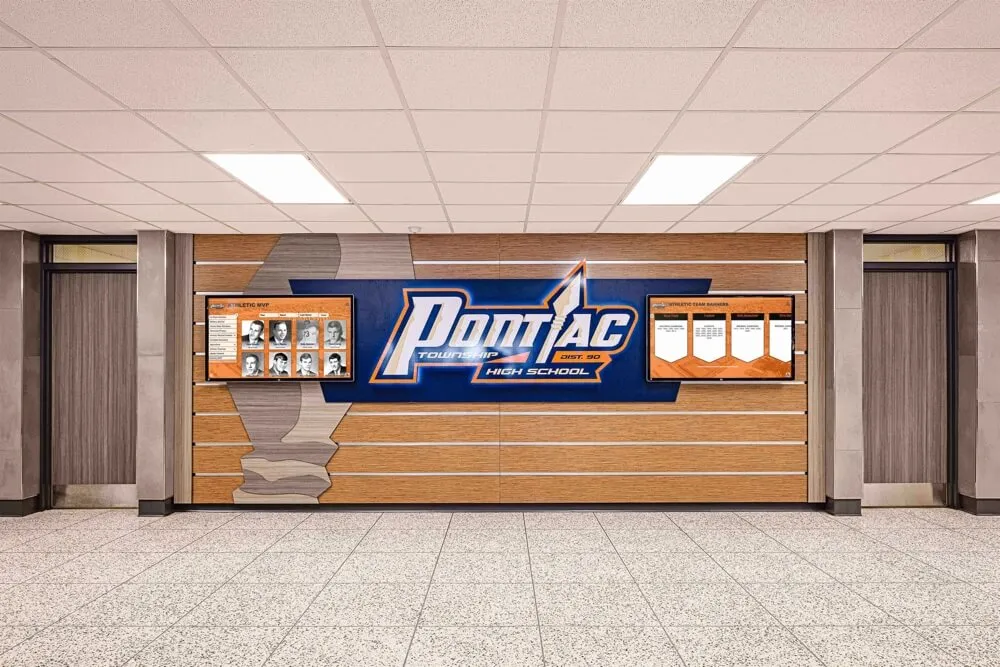
Modern schools use interactive digital displays to showcase diverse student achievements including participation in educational experiences:
- Student achievement galleries including field trip participation documentation
- “Experience Explorer” recognition for students participating in multiple trips
- Trip alumni networks connecting students who shared experiences
- Digital archives preserving trip photos, videos, and student work
- Interactive timelines showing school’s experiential learning history
- Student testimonial collections sharing trip impact stories
- Before-and-after displays showing trip influence on student work
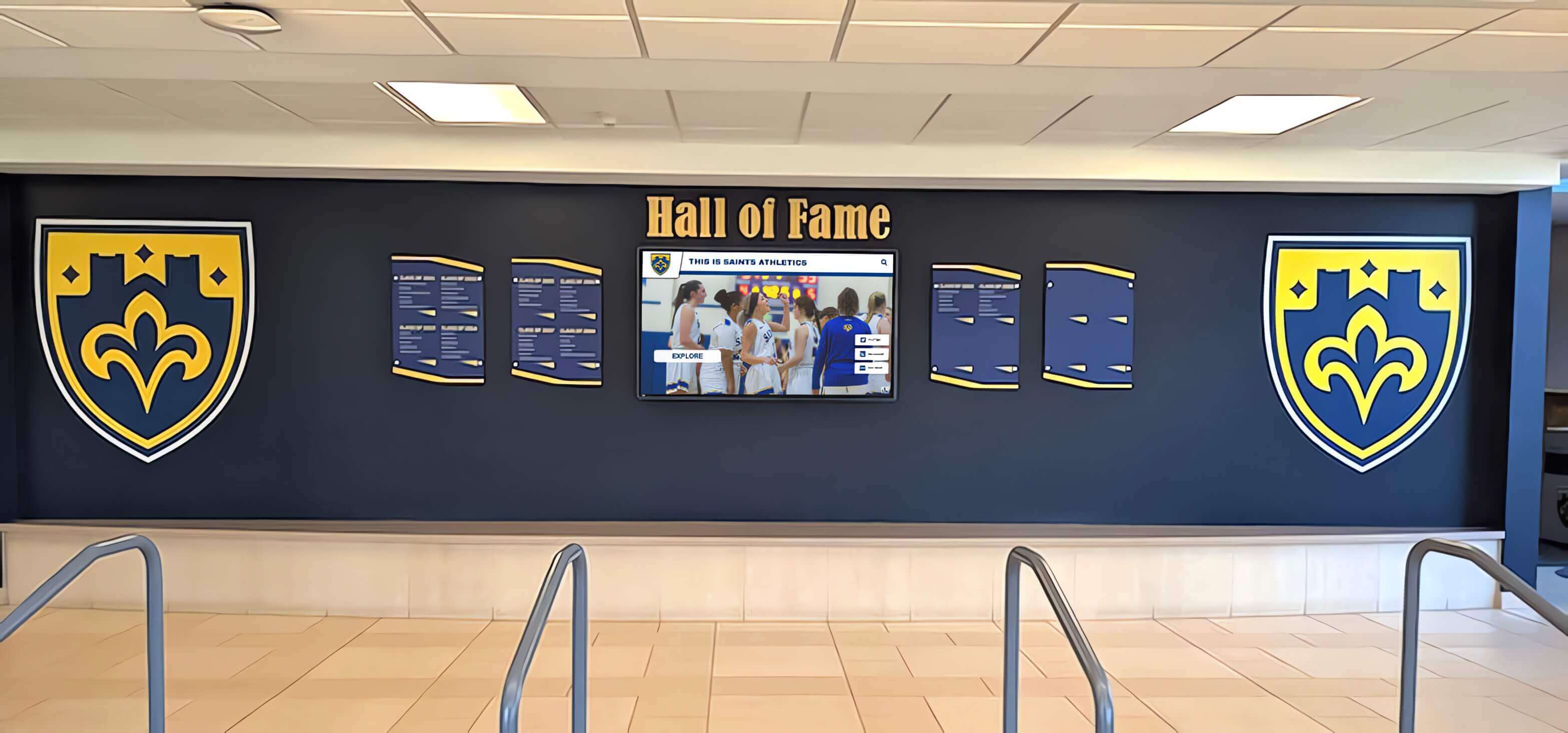
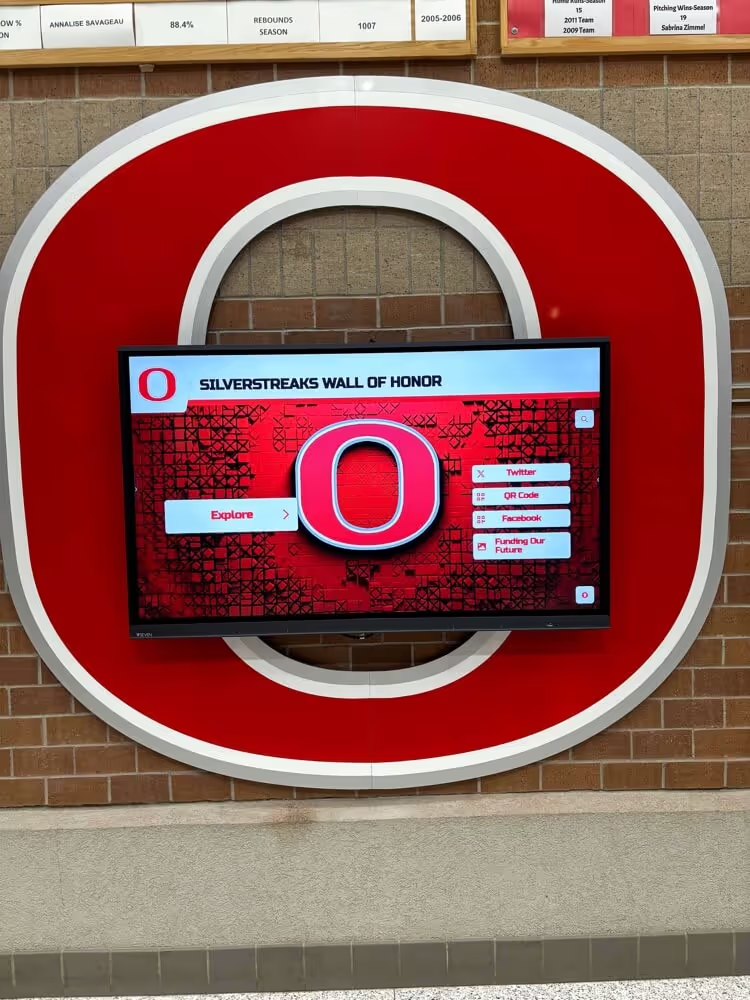
Modern recognition systems enable schools to celebrate comprehensive student achievement including meaningful educational experiences beyond traditional academics and athletics
Building Sustainable Field Trip Programs
Multi-Year Planning and Traditions Create consistent experiential learning opportunities:
- Grade-level trip traditions students anticipate throughout school career
- Progressive trip sequences building knowledge across years
- Partnership development with host organizations ensuring continued access
- Budget allocation systems ensuring equitable trip access across grades
- Teacher collaboration maintaining institutional knowledge about effective trips
- Continuous improvement processes refining trips based on assessment
- Alumni engagement connecting graduates back to meaningful trip experiences
Community Partnership Development Leverage local resources maximizing trip opportunities:
- Business partnerships providing facility access or funding support
- Cultural institution relationships offering educational programs
- University collaborations enabling campus visits and expert access
- Industry connections creating authentic career exploration opportunities
- Nonprofit organization partnerships supporting service learning experiences
- Government facility access for civic learning and democratic engagement
- Arts organization relationships building cultural literacy
Explore comprehensive strategies for community engagement applicable to educational partnerships.
Special Considerations for Different Trip Types
Different field trip categories require specific planning approaches maximizing educational value.
Cultural Institution Visits
Museums, Theaters, and Performance Venues Maximize learning from arts and culture experiences:
- Pre-teach content knowledge enabling students to appreciate complex presentations
- Arrange for guided tours led by professional educators
- Schedule workshops or hands-on activities complementing exhibitions
- Prepare students for appropriate behavior in formal cultural settings
- Connect experiences to curriculum through specific observation assignments
- Follow up with creative projects inspired by cultural exposure
- Build sequential visits developing deeper cultural literacy over time
Historical Sites and Monuments Bring history to life through place-based learning:
- Develop historical context helping students understand site significance
- Create primary source analysis activities examining historical evidence
- Use role-playing or historical simulation bringing past to life
- Connect historical content to contemporary issues and citizenship
- Encourage empathy development through perspective-taking activities
- Document site visits through historical research projects
- Compare historical evidence with previously learned classroom content
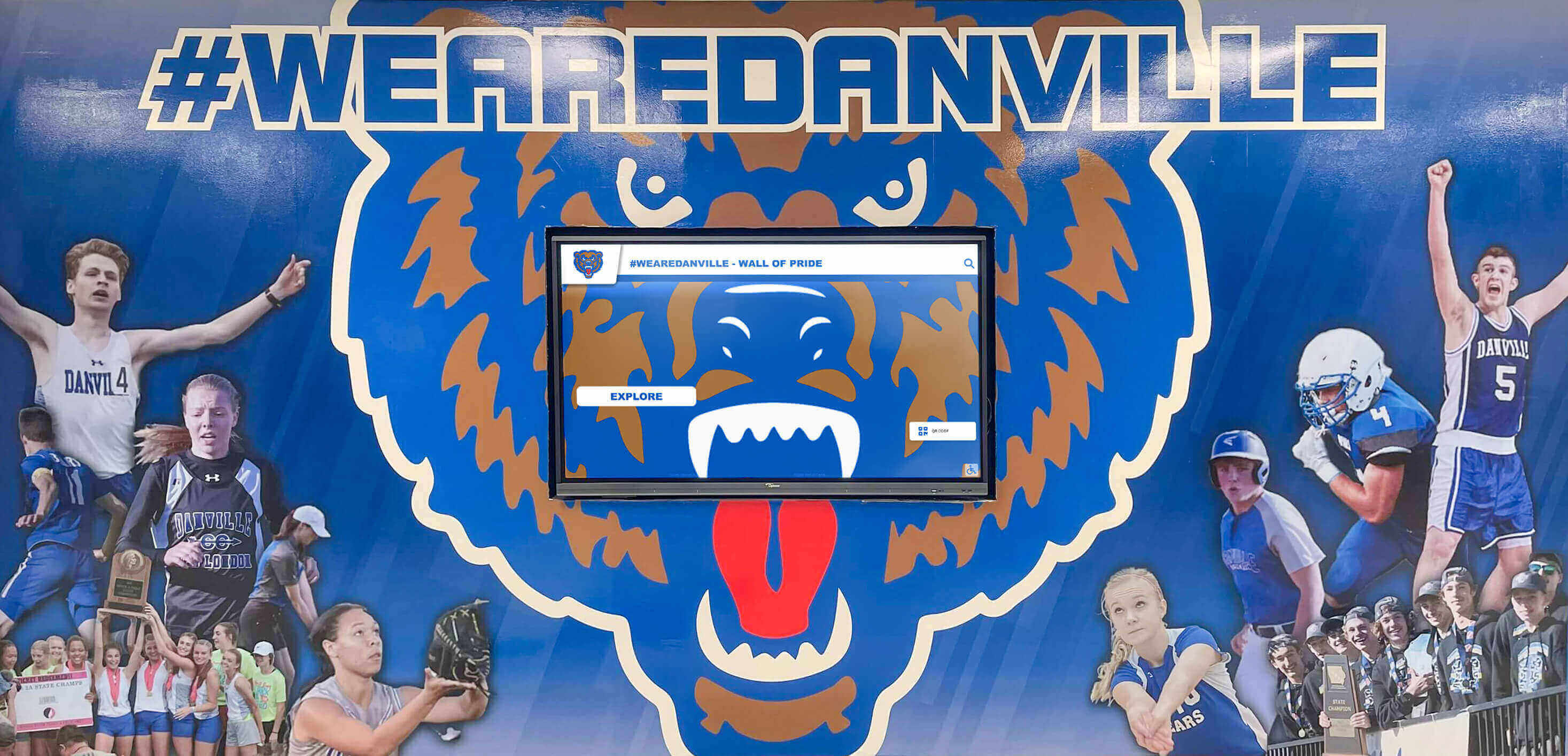
Schools committed to comprehensive student development create environments celebrating diverse achievements—experiential learning deserves prominent recognition
STEM and Industry Experiences
Science Centers and Research Facilities Maximize STEM learning opportunities:
- Align visits with current science curriculum topics
- Prepare students with background knowledge enabling understanding of complex demonstrations
- Arrange for professional scientist or researcher presentations
- Provide data collection activities connecting to classroom investigations
- Encourage question-asking about careers and pathways in STEM fields
- Follow up with research or experimentation inspired by observations
- Build understanding of scientific method through authentic research facility exposure
Business and Industry Tours Connect classroom learning to professional applications:
- Select facilities demonstrating real-world applications of curriculum content
- Prepare students with questions about careers, training, and educational pathways
- Arrange for employee presentations about their work and career journeys
- Document processes, technologies, and workflows for later analysis
- Connect business practices to economics, mathematics, or other curriculum
- Explore career pathway programs supporting student development
- Follow up with research projects investigating industry trends or careers
Nature and Environmental Experiences
Outdoor Education and Environmental Centers Leverage outdoor learning environments:
- Connect outdoor experiences to science curriculum standards
- Provide field guides and identification tools supporting observation
- Teach Leave No Trace principles and environmental stewardship
- Conduct authentic data collection supporting scientific understanding
- Build appreciation for natural world through direct experience
- Address environmental challenges and conservation topics
- Follow up with service learning or environmental action projects
College and University Campus Visits Build higher education aspirations:
- Target visits to grade-appropriate developmental moments
- Arrange for campus tours led by current students sharing authentic experiences
- Schedule meetings with admissions counselors explaining application processes
- Visit academic departments related to student interests
- Attend classes or lectures providing college experience preview
- Meet with financial aid offices demystifying college affordability
- Connect campus visits to college and career planning curriculum
Measuring Field Trip Program Success
Assessment ensures continuous improvement and demonstrates program value justifying continued investment.
Quantitative Success Indicators
Participation and Access Metrics
- Percentage of students participating in at least one trip annually
- Equitable access across demographic groups ensuring inclusive opportunities
- Trip frequency and variety across grade levels and subjects
- Cost per student for different trip types comparing educational value
- Funding secured through partnerships and grants reducing family burden
- Number of repeat trips to successful destinations building traditions
- Student interest and demand for particular trip types
Learning Outcome Measurements
- Assessment scores on curriculum content related to trip topics
- Comparison of learning outcomes for trip participants versus non-participants
- Project quality and depth demonstrating trip-influenced understanding
- Retention rates measuring long-term knowledge preservation
- College enrollment rates for students participating in campus visits
- Career pathway selection influenced by industry exposure trips
- Advanced course enrollment following inspirational trips
Qualitative Impact Assessment
Student Feedback and Reflection
- Post-trip surveys gathering student reactions and learning self-assessment
- Written reflections revealing depth of processing and insight
- Student testimonials describing trip impact on interests or aspirations
- Observed behavior changes indicating altered attitudes or perspectives
- Voluntary continued learning about trip-related topics
- Student requests for related trips or experiences
Stakeholder Perspectives
- Teacher assessment of trip educational value and logistical effectiveness
- Parent feedback about student enthusiasm and learning at home
- Chaperone observations about student engagement and growth
- Host organization feedback about student behavior and engagement
- Community partner satisfaction with school relationships
- Administrator evaluation of program alignment with institutional goals
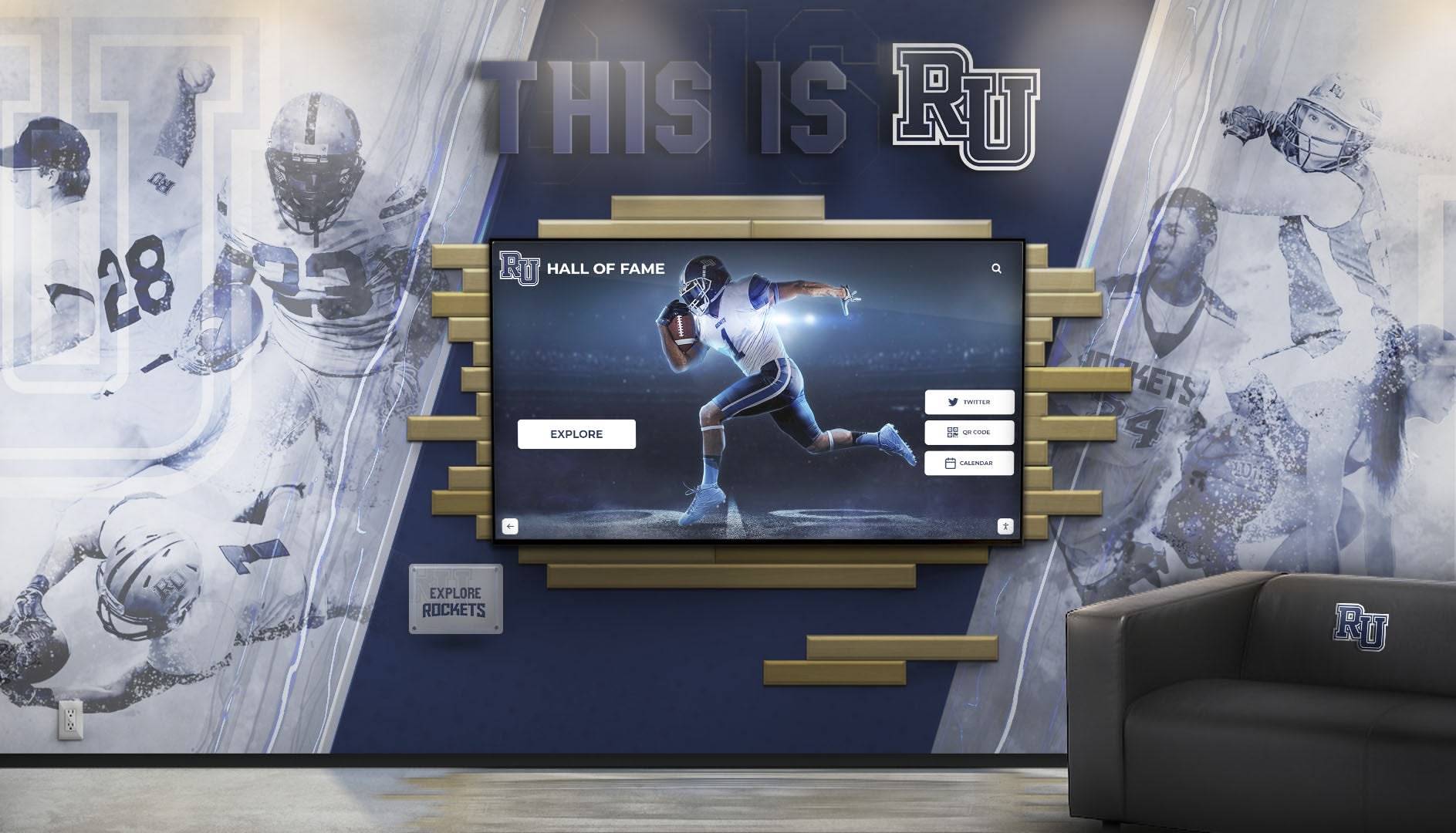
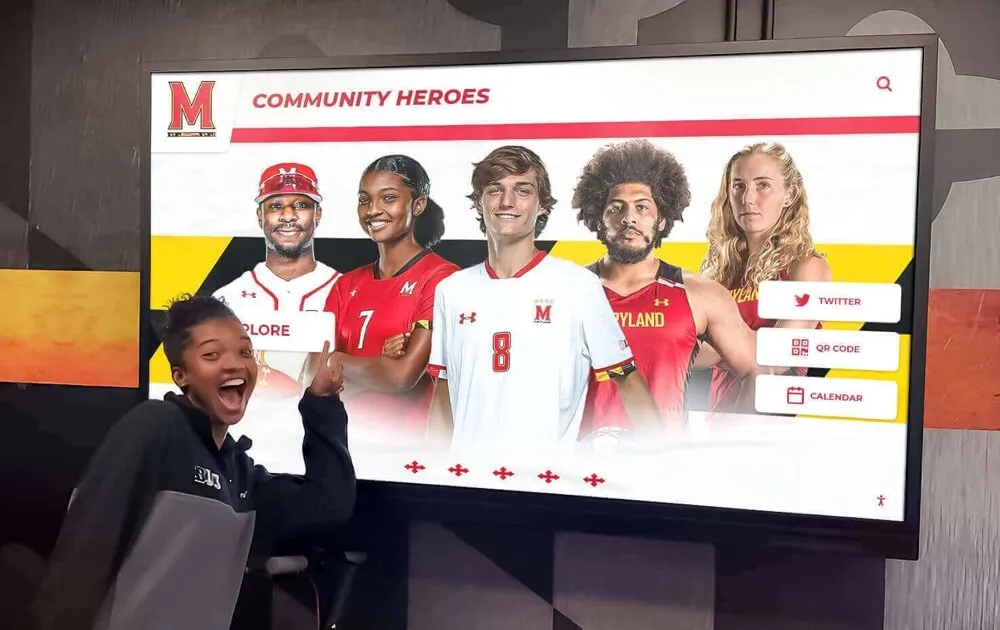
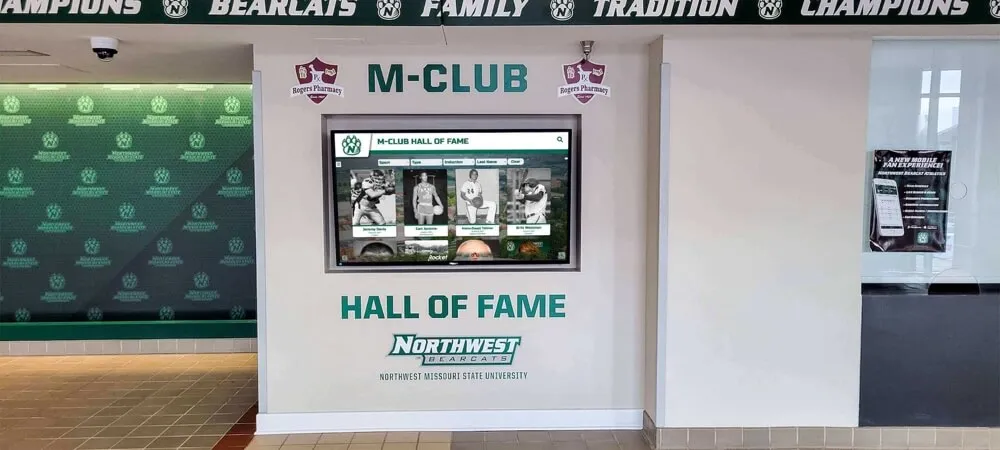
Higher education institutions model comprehensive recognition approaches celebrating diverse student achievements—K-12 schools can build similar cultures honoring experiential learning
Conclusion: Building Comprehensive Experiential Learning Programs
Educational field trips represent far more than pleasant diversions from regular classroom routines—when planned thoughtfully and executed strategically, they create transformational learning experiences that students remember for years and that fundamentally shape understanding, aspirations, and attitudes toward learning.
The difference between mediocre field trips that disrupt schedules without delivering lasting value and exceptional experiences that amplify curriculum and inspire students lies in intentional planning addressing every phase from initial concept through post-trip recognition. Schools that excel at experiential learning understand that the bus ride represents just one small component of comprehensive educational experiences beginning with careful curriculum alignment and continuing through systematic follow-up cementing knowledge and celebrating participation.
Ready to build comprehensive recognition programs celebrating diverse student achievements including meaningful educational experiences? Modern schools use innovative display solutions showcasing not just traditional academic and athletic honors but the full range of student growth and development including field trip participation and experiential learning.
Rocket Alumni Solutions provides comprehensive digital recognition platforms specifically designed for educational institutions. These systems enable unlimited recognition capacity ensuring every student achievement—from perfect attendance to honor roll, from athletic championships to meaningful field trip participation—receives appropriate visibility without physical space constraints or outdated static displays limiting what you can celebrate.
Interactive touchscreen systems allow students, parents, and visitors to explore comprehensive achievement galleries, historical archives documenting institutional traditions, and dynamic content showcasing the rich learning experiences you provide. Combined with professional hardware, intuitive content management, and unlimited recognition categories, modern display solutions help schools communicate excellence while building cultures that truly value diverse student growth and achievement.
Your students deserve educational experiences that extend beyond classroom walls, connecting abstract concepts to tangible reality through direct observation, interaction, and discovery. With strategic planning addressing curriculum alignment, logistical details, active engagement, and thoughtful follow-up, you can create field trip programs delivering transformational learning experiences that students carry with them for life.
Start by evaluating your current field trip program through the framework presented in this guide. Identify improvement opportunities in curriculum integration, student preparation, active engagement during trips, or post-trip follow-up. Develop partnerships with cultural institutions, businesses, and organizations that can provide meaningful learning experiences. Most importantly, systematically recognize and celebrate student participation in these valuable experiences, communicating that your school values comprehensive development including the experiential learning that transforms education from information transfer to genuine discovery and growth.
Every field trip that connects a student to a new possibility, deepens understanding of an abstract concept, or inspires educational or career aspiration represents success. Every teacher who transforms routine curriculum into living, breathing experiences through thoughtful experiential learning validates the strategic importance of well-planned field trips. Your students’ futures depend on rich, diverse learning experiences that prepare them not just with knowledge but with curiosity, confidence, and broad understanding of the world they’ll inherit—make educational field trips worthy of the remarkable educational community you’ve created.