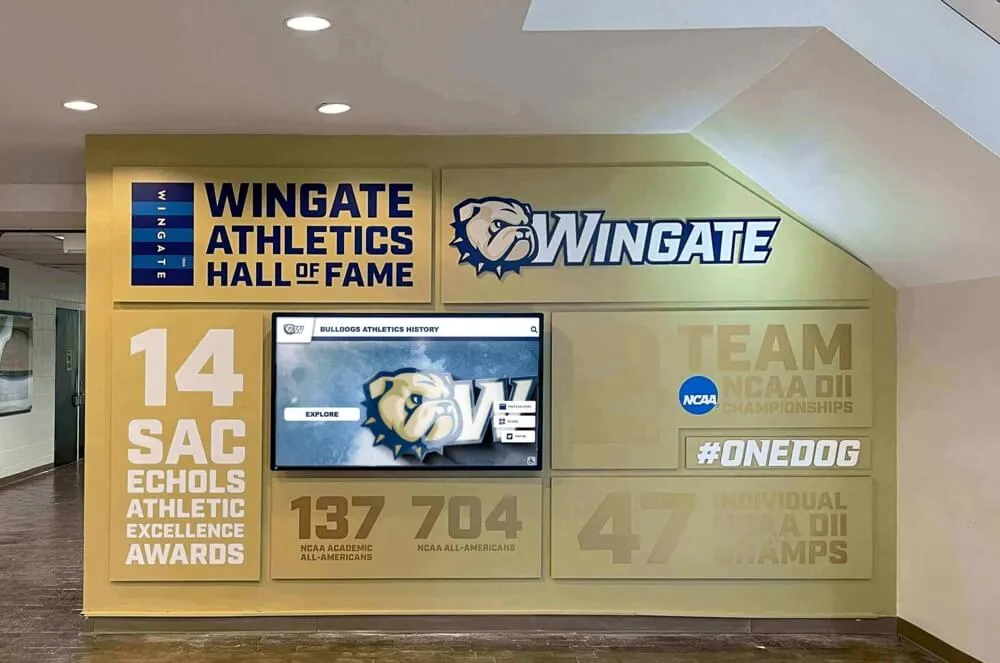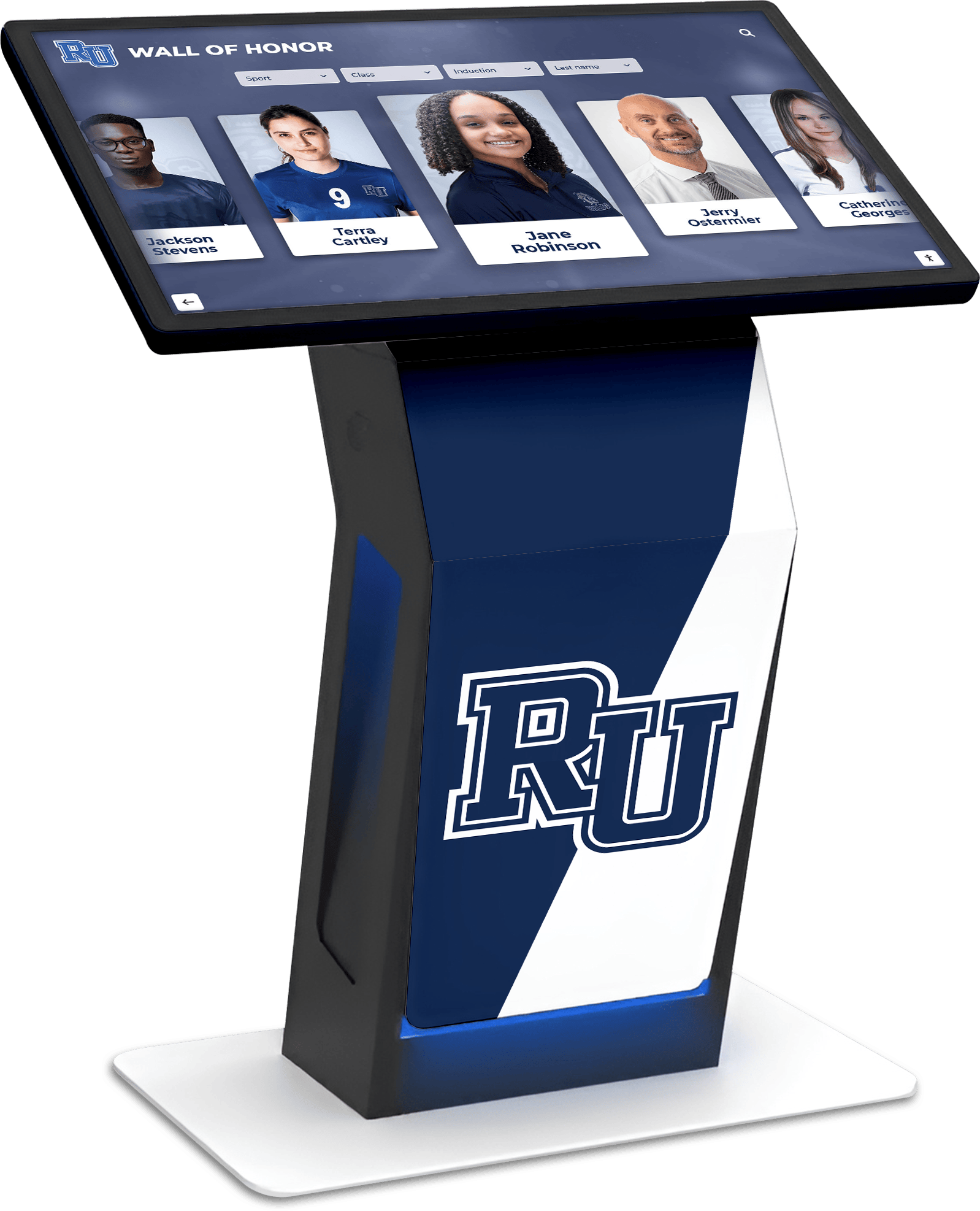




Intent: Define — Establish comprehensive frameworks for planning, designing, and implementing donor wall recognition programs that honor contributions meaningfully while building sustainable fundraising cultures.
Organizations planning capital campaigns, annual giving programs, or major gift initiatives face a recurring challenge: how do you honor every generous supporter when traditional brass plaques and static walls impose severe capacity limitations? When donor levels change, campaigns evolve, or you need to communicate impact stories, how can recognition adapt rather than requiring costly reconstruction?
Donor walls solve this challenge by providing dedicated recognition infrastructure that celebrates philanthropic support, strengthens donor relationships, and creates environments where generosity thrives. When schools, nonprofits, hospitals, universities, and mission-driven organizations implement thoughtful recognition programs—whether traditional physical displays or modern digital platforms—they build stewardship systems that retain donors, inspire giving progression, and sustain missions across generations.
This comprehensive 2026 guide explores donor wall planning frameworks, design strategies for maximum impact, implementation approaches spanning traditional and digital solutions, and recognition programs that honor every contribution appropriately while advancing fundraising objectives.
Effective donor recognition represents strategic infrastructure for cultivation, retention, and sustained philanthropic partnership rather than simple acknowledgment. Organizations that approach donor walls systematically gain powerful capabilities for celebrating community support while building cultures where missions flourish through generous investment.

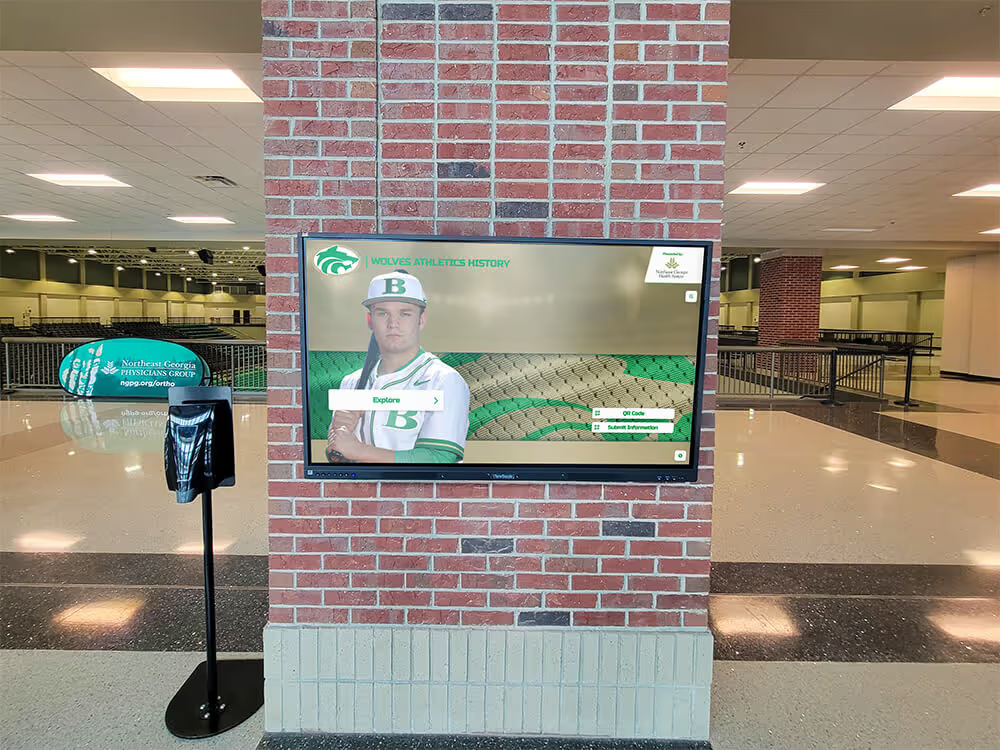
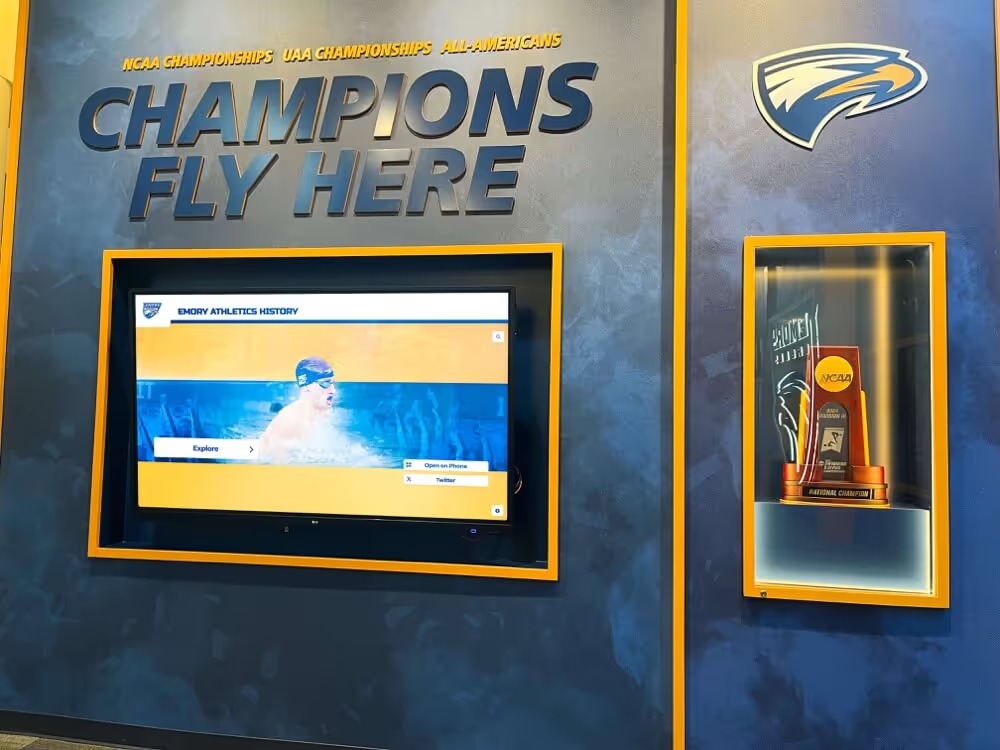
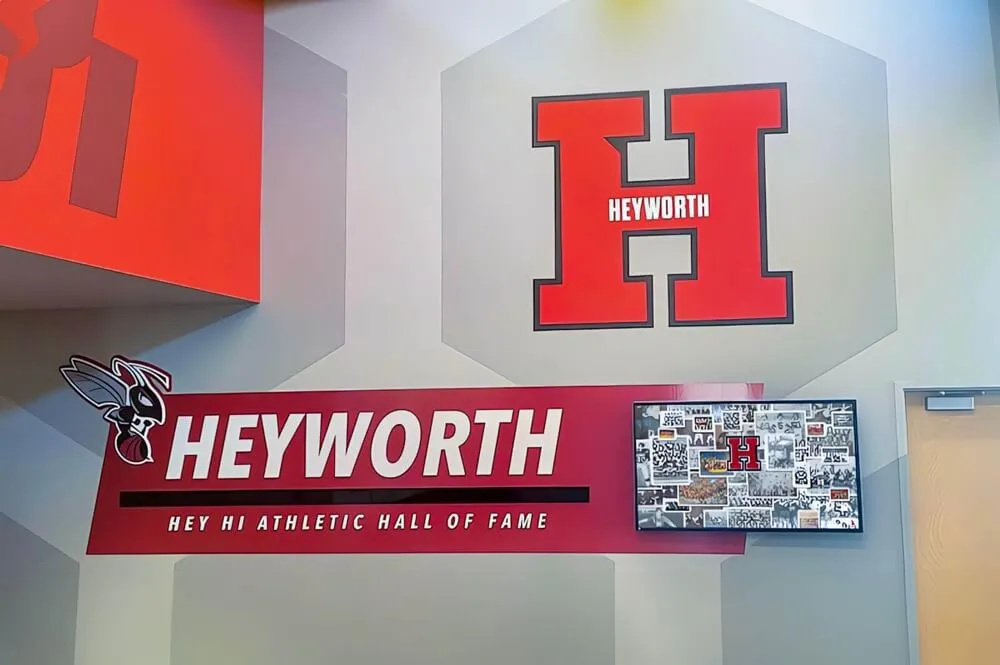
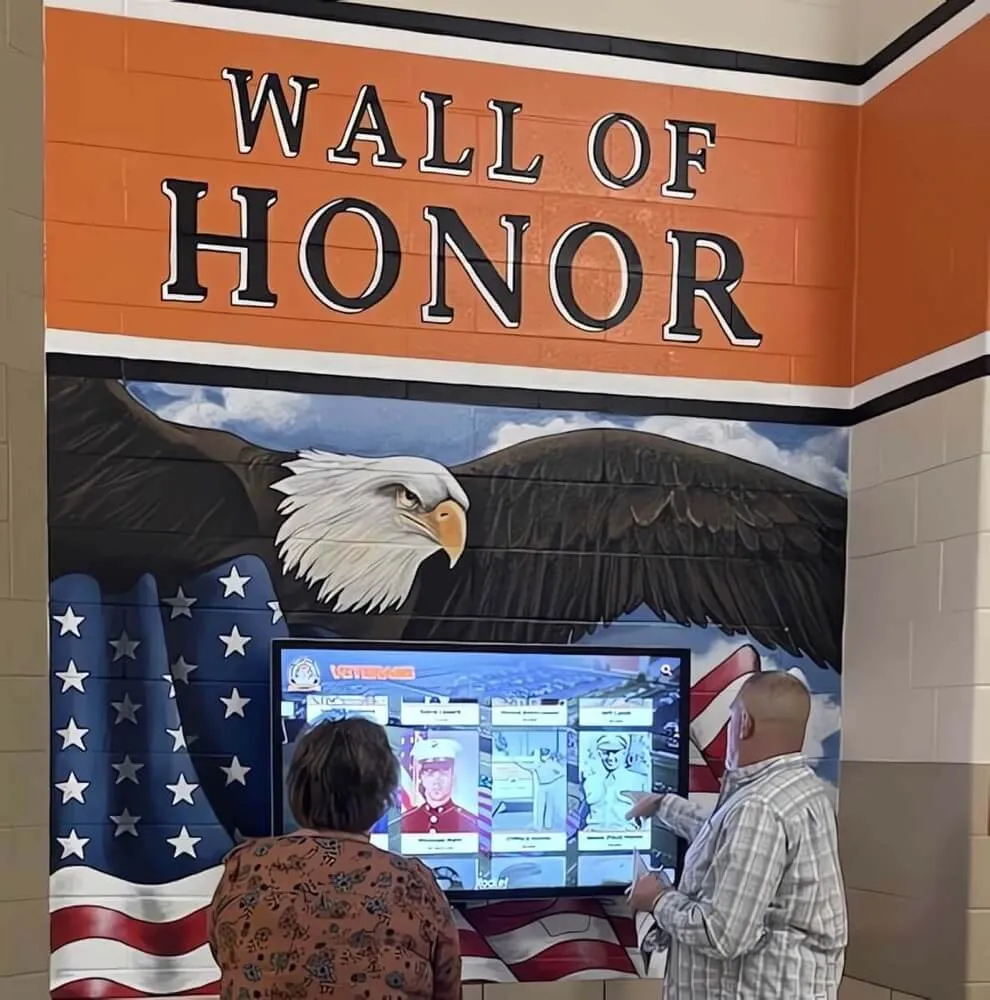
Thoughtful donor wall planning creates recognition infrastructure serving organizations effectively for decades
Program Snapshot: Donor Wall Recognition Systems
Primary Stakeholders
- Development directors planning stewardship programs
- School administrators managing capital campaigns
- Nonprofit leaders building fundraising infrastructure
- Board members establishing recognition policies
- Facilities managers implementing displays
- Communications professionals designing visual identity
Recognition Objectives
- Acknowledge contributions meaningfully across all giving levels
- Strengthen donor retention through visible appreciation
- Inspire giving progression toward higher contribution tiers
- Create silent solicitation through community support visibility
- Preserve philanthropic history for organizational legacy
- Accommodate growth without capacity constraints
Implementation Scope
- Recognition criteria and giving level structures
- Design development reflecting organizational identity
- Technology selection for traditional or digital platforms
- Content architecture organizing donor information
- Installation planning and site preparation
- Unveiling celebration integrating stakeholder engagement
- Ongoing administration and content updates
Timeline Overview
- Planning Phase: 2-4 months (policy, criteria, vendor selection)
- Design Phase: 1-3 months (visual identity, content structure)
- Implementation: 2-8 weeks (construction or installation)
- Launch: Recognition unveiling event
- Administration: Monthly updates, annual comprehensive reviews
Understanding Donor Wall Fundamentals: Purpose and Strategic Value
Before exploring design options and implementation approaches, organizations benefit from examining why donor walls serve fundraising programs effectively and what strategic outcomes thoughtful recognition achieves.
The Psychology of Recognition in Philanthropy
Donor recognition operates through several psychological mechanisms that influence continued giving and relationship strength:
Social Proof and Community Norms When prospective donors witness extensive community support through visible recognition, they perceive giving as normative behavior within that community. Research in nonprofit fundraising demonstrates that visible recognition creates social proof effects, with individuals more likely to contribute when seeing others’ participation. Donor walls serve as permanent testimony to philanthropic culture, communicating that generous support represents expected community membership behavior rather than exceptional action.
Identity Reinforcement and Values Alignment Public recognition reinforces donors’ self-concept as generous community members who support causes aligning with personal values. According to fundraising research, acknowledgment strengthens donor identity formation, making individuals more likely to continue giving behavior that public recognition has validated. When schools honor supporters through prominent donor walls, contributors increasingly incorporate “generous school supporter” into their core identity, predicting sustained engagement.
Reciprocity and Gratitude Demonstration Visible recognition demonstrates organizational gratitude in tangible, lasting form beyond transactional thank-you letters. The psychological principle of reciprocity suggests that when organizations honor donors publicly, contributors feel appreciated and remain emotionally connected to missions, increasing retention likelihood. Quality donor walls communicate that organizations value partnerships appropriately, encouraging continued relationship investment.
Achievement Motivation and Giving Progression Tiered recognition structures tap into achievement motivation, with donors progressing toward higher giving levels to reach next recognition tier. Studies demonstrate that prominent giving society acknowledgment motivates contribution increases, with supporters viewing tier progression as meaningful accomplishment. Well-designed donor walls make achievement pathways visible, silently encouraging giving growth across donor populations.
Explore donor recognition strategies that integrate psychological principles with stewardship practices effectively.
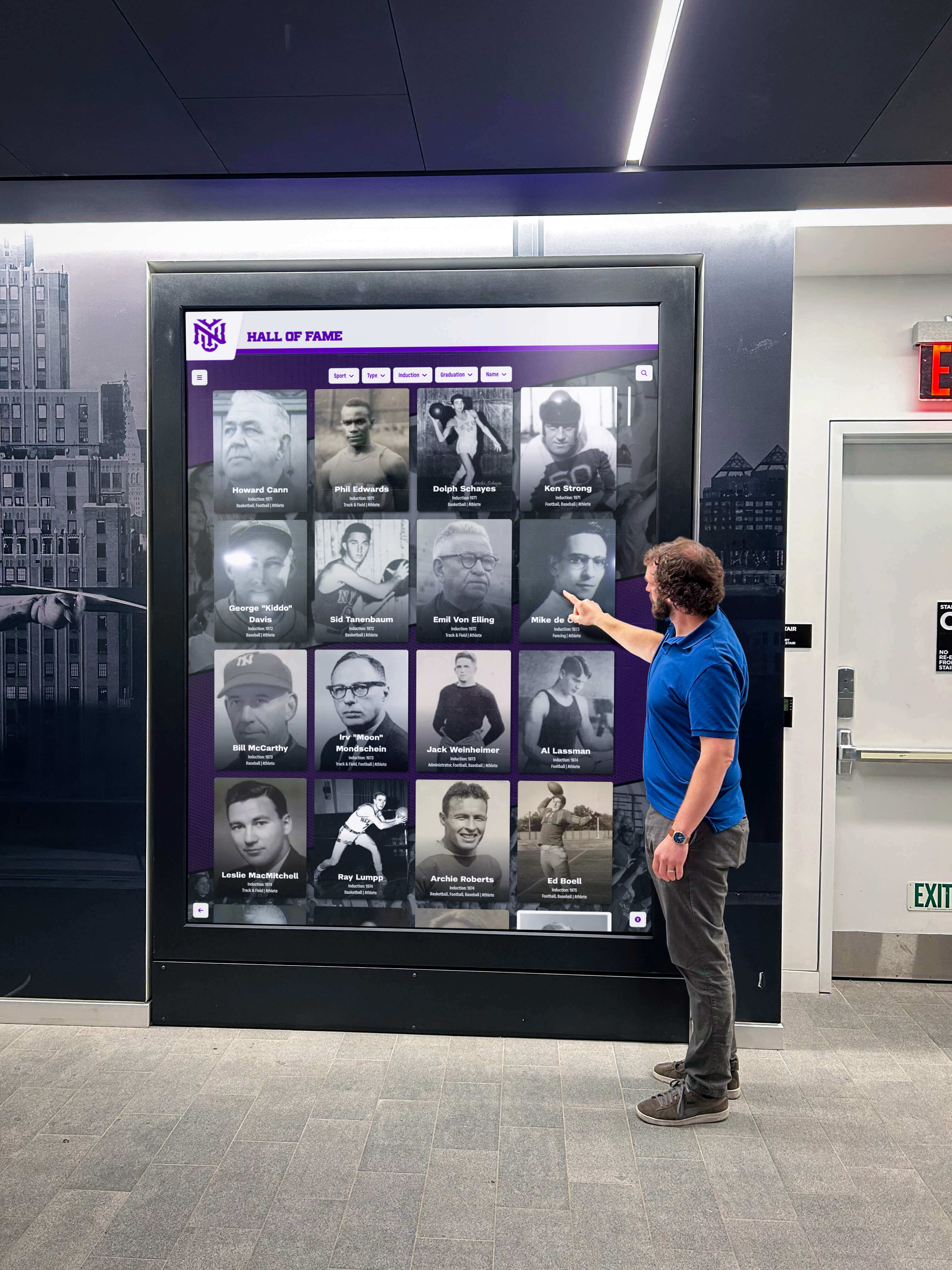
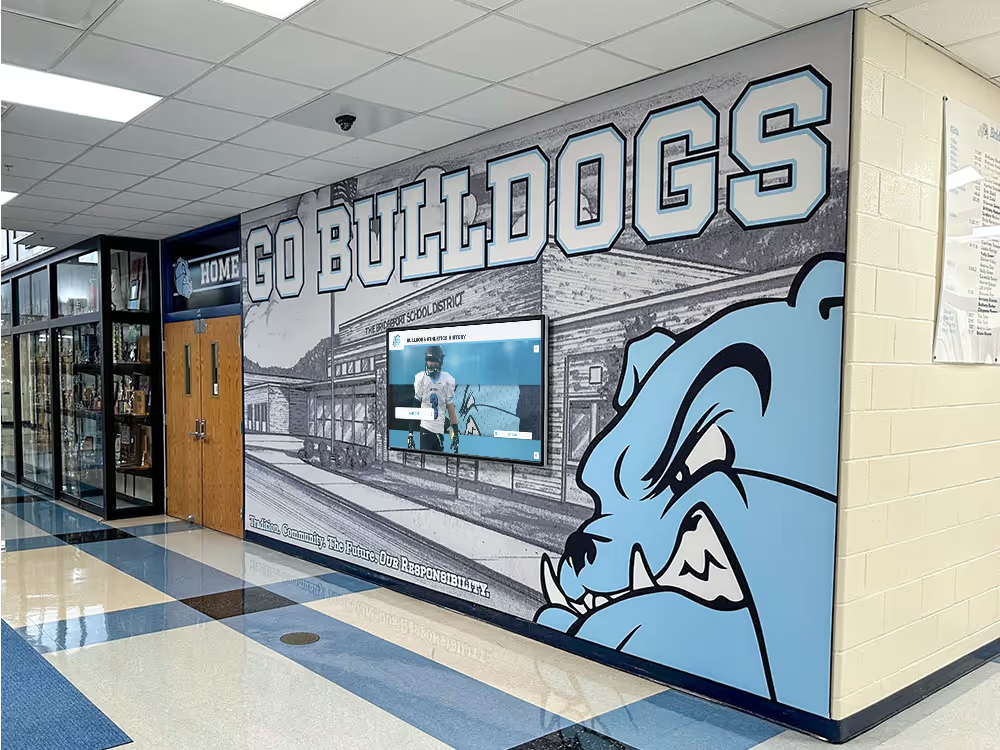
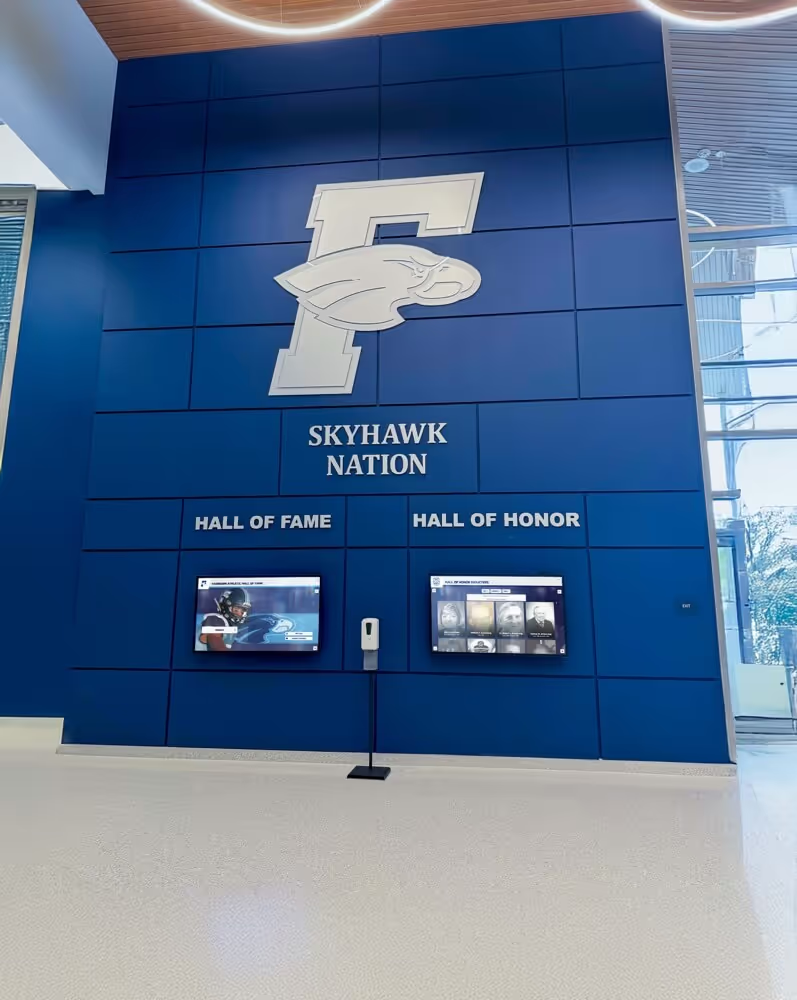
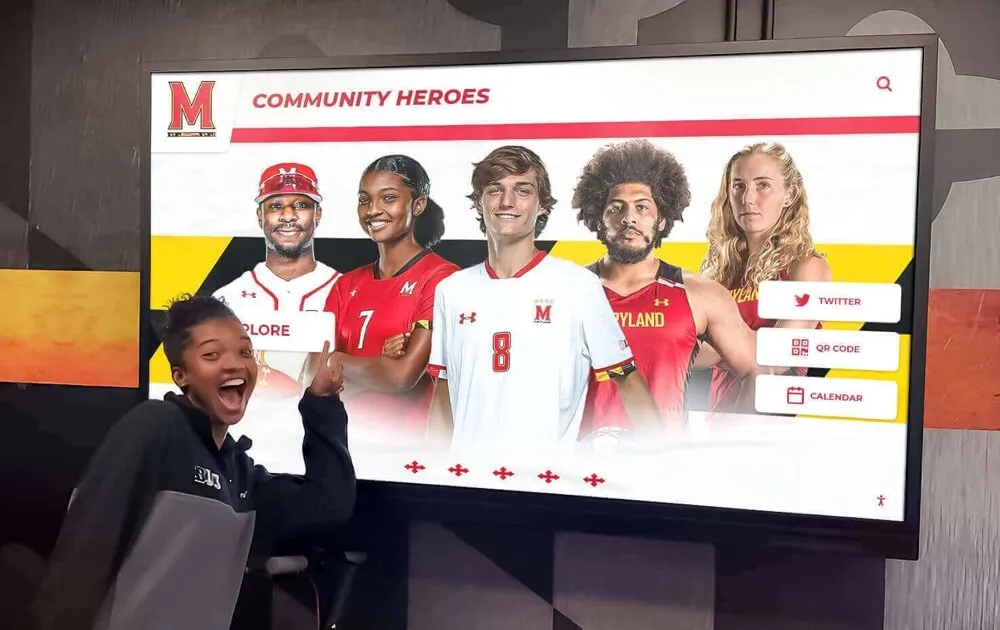
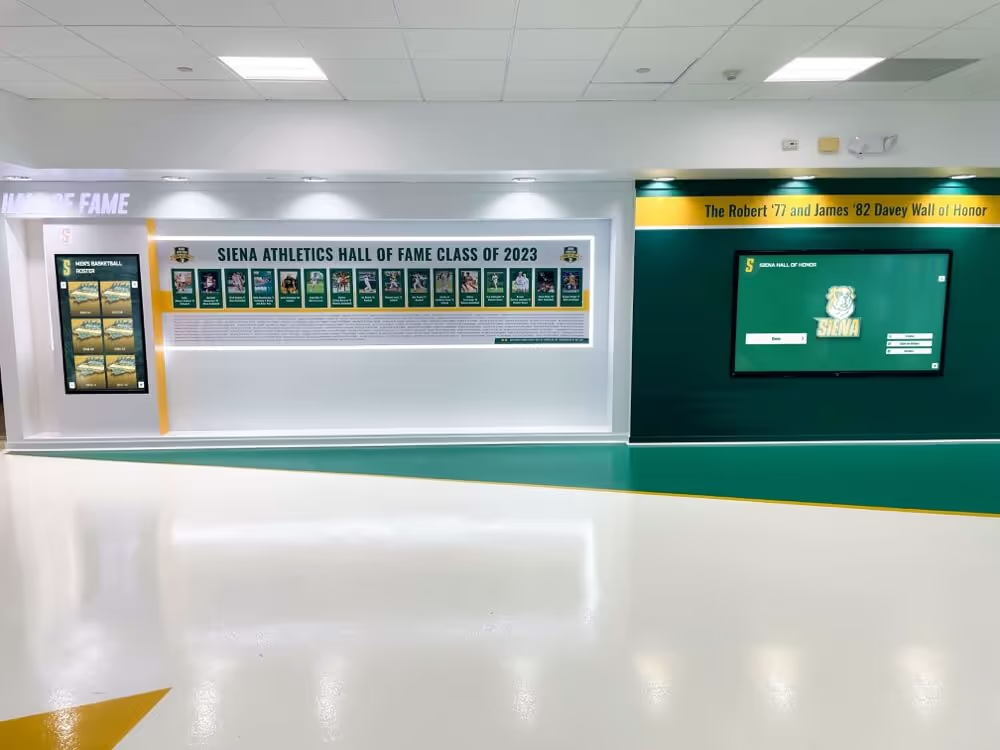
Effective recognition transforms passive viewing into meaningful engagement with organizational mission and community support
Strategic Fundraising Outcomes From Quality Recognition
Organizations implementing thoughtful donor walls achieve measurable outcomes supporting long-term fundraising success:
Improved Donor Retention Rates Fundraising research consistently demonstrates that acknowledged donors renew gifts at significantly higher rates than unrecognized contributors. Organizations implementing comprehensive donor walls report 40-60% improvement in retention rates, particularly among first-time donors who receive prompt, prominent recognition. Since acquiring new donors costs substantially more than retaining existing supporters, retention improvements generate significant return on recognition investment.
Increased Average Gift Sizes Public recognition correlates with gift size increases as donors perceive that contributions receive appropriate acknowledgment. Studies indicate that prominently recognized supporters increase gifts 15-25% more frequently than unacknowledged donors, with giving progression accelerating when recognition structures make tier advancement visible and achievable.
Enhanced Major Gift Pipeline Development Visible recognition creates cultivation pathways from annual giving to major gift consideration. Development professionals report that donor wall inclusion facilitates relationship deepening, with supporters viewing recognition as partnership invitation rather than transaction conclusion. Organizations discover that comprehensive recognition systems identify and nurture prospects who might otherwise remain anonymous annual contributors.
Planned Giving Program Growth Legacy society recognition encourages estate gift consideration by making planned giving visible and socially normative. Nonprofits implementing planned giving recognition report 30-50% increases in bequest notifications and charitable gift annuity inquiries within 3-5 years of prominent legacy society acknowledgment.
Campaign Momentum and Silent Solicitation During active fundraising campaigns, updated donor walls create momentum by showcasing growing support. Real-time recognition of leadership gifts encourages participation among prospects witnessing community engagement, with campaign consultants citing visible recognition as powerful silent solicitation tool complementing direct asks.
Learn about implementing nonprofit digital donor recognition programs that maximize retention and cultivation impact.
Planning Your Donor Wall: Essential Strategic Decisions
Successful recognition begins with systematic planning addressing purpose, criteria, scope, and long-term administration before selecting designs or vendors.
Establishing Recognition Philosophy and Guiding Principles
Organizations benefit from clarifying recognition philosophy before making implementation decisions:
Gather Stakeholder Perspectives Form planning committees including development staff, board members, major donors, facilities managers, and communications professionals. Diverse perspectives ensure recognition serves multiple constituencies effectively while reflecting organizational values comprehensively. Many organizations discover that individual decision-makers miss important considerations that committee processes surface through collaborative discussion.
Define Recognition Purpose Articulate what recognition should accomplish beyond basic acknowledgment:
- Appreciation demonstrating genuine gratitude for partnership
- Stewardship creating accountability and transparency
- Inspiration encouraging continued giving and community participation
- Education communicating impact and mission advancement
- Cultivation building relationships supporting fundraising progression
- Legacy preservation documenting philanthropic history
Clear purpose definition enables evaluation of design options against strategic objectives rather than aesthetic preferences alone.
Establish Values Reflection Consider what organizational values recognition should communicate:
- Inclusivity honoring contributions at all levels appropriately
- Excellence through quality design and materials
- Transparency demonstrating stewardship accountability
- Community celebrating collective impact alongside individual achievement
- Permanence or adaptability depending on organizational preference
- Dignity avoiding commercialization of sacred or educational spaces
Values articulation prevents recognition approaches that conflict with organizational character or community expectations.
Developing Recognition Criteria and Giving Level Structures
Clear, equitable criteria prevent future donor relations challenges while ensuring consistent treatment:
Establish Inclusion Thresholds Define minimum contribution levels warranting donor wall recognition:
- Consider organizational size, donor base breadth, and fundraising maturity
- Balance inclusivity (recognizing many contributors) against practical capacity
- Typical thresholds range from $1,000 for grassroots organizations to $25,000+ for major institutions
- Many organizations use tiered structures with different recognition levels for varied contribution ranges
Document policies addressing cumulative giving versus single gifts, multi-year pledge recognition timing, and threshold adjustments over time as programs mature.
Design Giving Society Structures Create recognition tiers that motivate giving progression:
- Leadership circles for transformational gifts (typically $100,000+)
- Major donor societies for significant support ($25,000-$99,999)
- Mid-level recognition for substantial contributions ($10,000-$24,999)
- Foundational giving levels for community participation ($1,000-$9,999)
- Legacy societies for planned giving commitments regardless of amount
Research demonstrates that visible tier structures encourage giving increases, with donors viewing progression toward next level as meaningful achievement. However, avoid creating so many tiers that distinctions become meaningless or confusing.
Explore unique donor wall ideas that reflect organizational character while motivating continued support.
Address Complex Recognition Scenarios Establish policies for situations requiring judgment:
- Corporate and foundation giving acknowledgment protocols
- In-kind donation equivalency standards and valuation
- Anonymous donor accommodation maintaining privacy while showing support breadth
- Deceased donor memorial designation procedures
- Family giving attribution when multiple members contribute
- Recognition duration for different gift types (annual, multi-year, endowment)
- Donor name changes through marriage or preference updates
- Recognition removal requests or controversial donor situations
Documented policies enable consistent decision-making while preventing uncomfortable improvisation during sensitive situations.
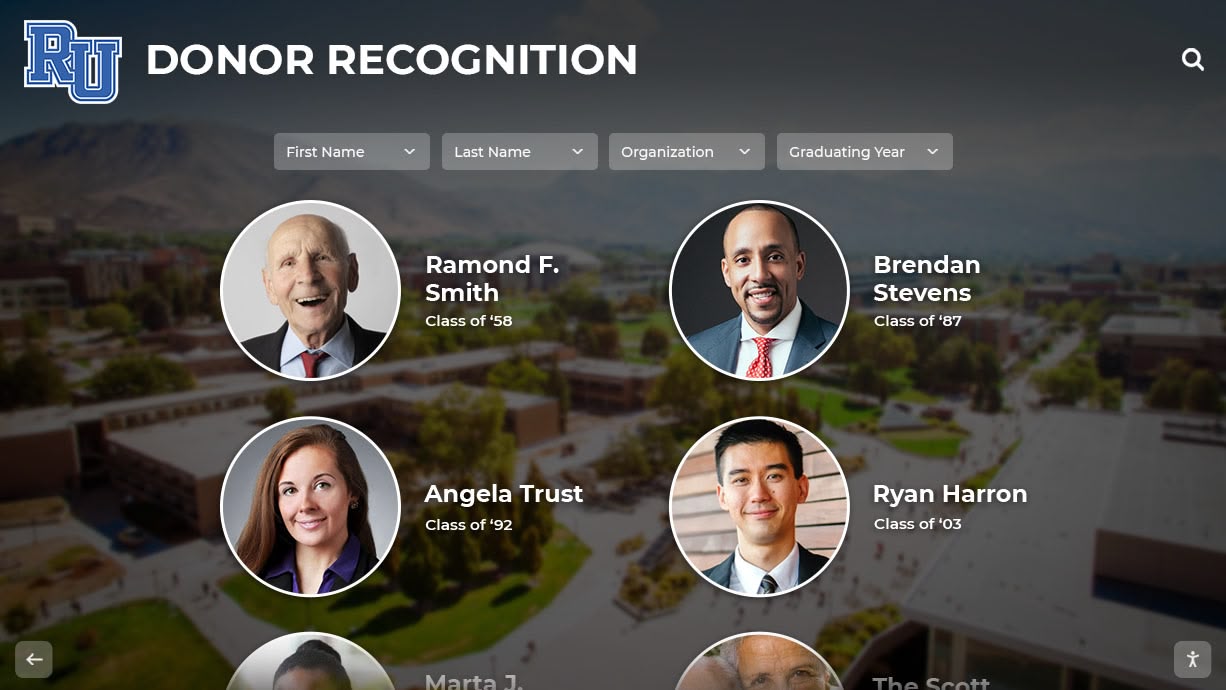
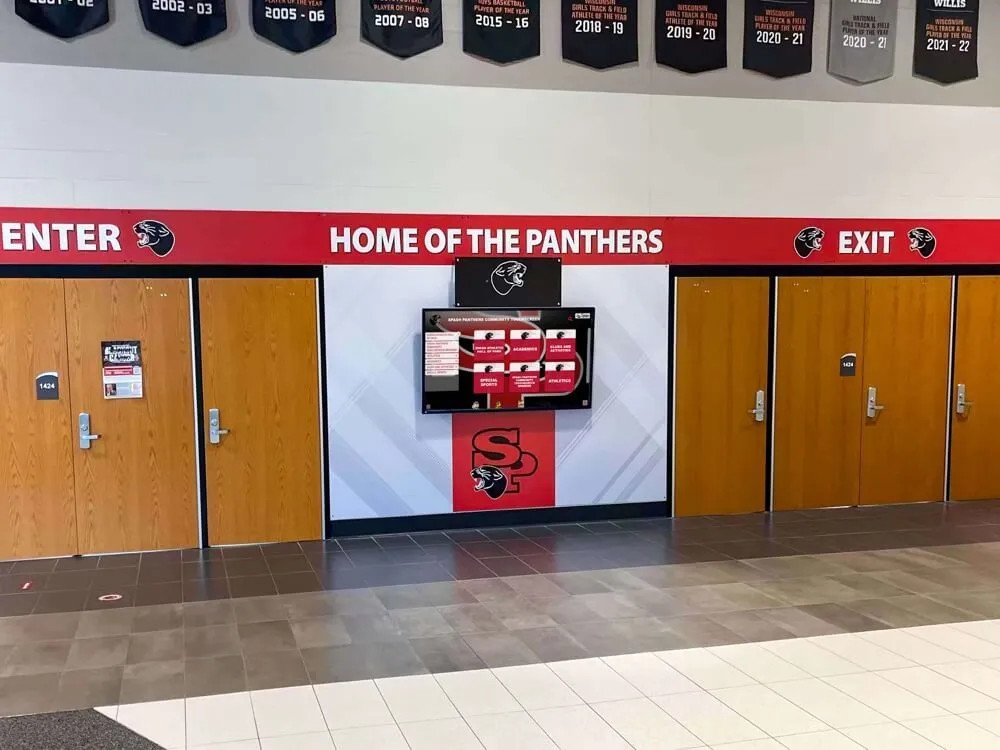
Quality recognition systems accommodate diverse donor constituencies and multiple campaign types simultaneously
Determining Recognition Scope and Scale
Practical planning requires assessing how many donors require acknowledgment and how recognition might grow:
Assess Current Donor Population Compile data revealing recognition requirements:
- Historical donor counts at various giving levels across recent years
- Campaign-specific recognition needs for capital or comprehensive initiatives
- Planned giving society membership current and projected
- Memorial and tribute gift acknowledgment requirements
- Corporate and sponsor recognition obligations
Comprehensive data prevents implementing recognition with inadequate capacity, forcing difficult prioritization decisions or costly reconstruction shortly after installation.
Project Future Growth Estimate how donor populations might expand:
- Campaign goals and anticipated new donor acquisition
- Annual giving program growth targets and retention improvement
- Planned giving program maturation adding legacy society members
- Scholarship and endowment fund establishment creating recognition needs
- Multi-generational family giving compound growth effects
Conservative projections suggest planning for 50-100% donor population growth over 10-15 years. Traditional physical donor walls face severe growth accommodation challenges, while digital platforms scale effortlessly as organizations expand.
Consider Multiple Recognition Contexts Many organizations require donor acknowledgment across various settings:
- Capital campaign recognition for facility or renovation projects
- Endowment and scholarship fund donor acknowledgment
- Annual giving program recognition encouraging sustained support
- Planned giving legacy society membership celebration
- Event and program sponsorship acknowledgment
- Memorial and tribute gift recognition
Comprehensive planning addresses whether single donor wall serves all needs or multiple context-specific recognition displays provide appropriate acknowledgment across organizational locations and initiatives.
Traditional Donor Wall Design: Materials, Formats, and Implementation
Physical donor walls remain popular recognition solutions offering permanence, craftsmanship, and traditional aesthetic appeal many organizations prefer.
Material Selection and Design Approaches
Traditional donor recognition employs various materials and formats serving different aesthetic preferences and budgets:
Brass Plaque Systems Classic approach featuring individual engraved nameplates mounted on display walls:
- Advantages: Traditional appearance, perceived permanence, quality craftsmanship, no technology requirements
- Materials: Brass, bronze, or aluminum plates with etched or engraved text
- Mounting: Adhesive backing, pin mounting, or integrated frame systems
- Typical Cost: $50-$150 per nameplate including engraving and installation
- Capacity: Limited by physical wall space, typically 100-500 donors maximum
- Updates: Require adding new plaques, often creating unplanned visual patterns as space fills
Brass plaque walls work well for established organizations with mature donor bases experiencing minimal growth. However, they impose severe capacity constraints and require ongoing contractor engagement for additions.
Donor Recognition Panels and Boards Pre-fabricated display systems organizing recognition systematically:
- Formats: Wall-mounted panels, freestanding displays, integrated architectural installations
- Organization: Alphabetical listings, giving level groupings, campaign-specific sections
- Materials: Wood, acrylic, metal, stone, or composite materials
- Typography: Engraved, routed, vinyl lettering, or printed graphics under protective glazing
- Capacity: Varies by design; expandable systems accommodate 200-2,000+ names
- Updates: Some designs allow adding panels or sections; others require full reconstruction
Panel systems provide greater capacity than individual plaques while maintaining traditional appearance. Quality designs integrate blank panels or expansion space accommodating predictable growth.
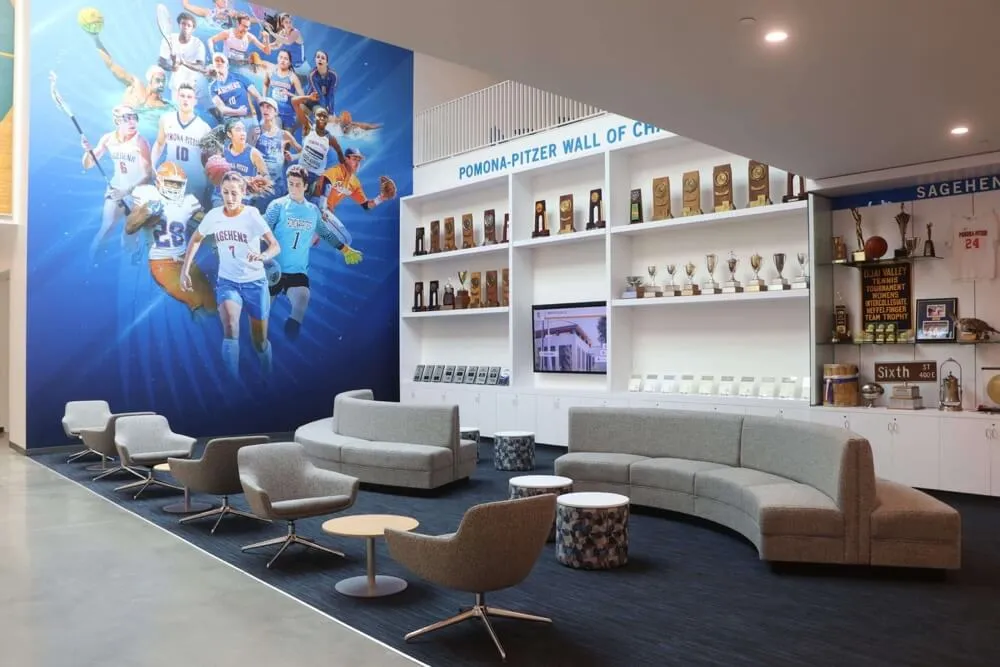
Architectural Integration and Custom Installations Permanent recognition built into facility design:
- Applications: Building lobbies, campaign-specific facilities, memorial spaces
- Materials: Etched glass, carved stone, cast metal, mosaic tile, architectural concrete
- Design: Custom artistic treatments reflecting organizational identity uniquely
- Permanence: Integral to architecture, intended for decades or permanent installation
- Cost: Significant investment, typically $25,000-$150,000+ depending on scale and materials
- Updates: Generally immutable; growth accommodation requires forethought in initial design
Architectural integration works well for major capital campaign recognition in dedicated buildings where donor populations remain relatively stable and space allows expansion planning.
Explore memorial wall ideas that honor contributions meaningfully through thoughtful design.
Traditional Donor Wall Implementation Process
Physical recognition requires systematic planning and professional execution:
Phase 1: Design Development Work with recognition vendors or design professionals:
- Assess available wall space, architectural context, and viewing conditions
- Develop visual concepts reflecting organizational branding and character
- Create mockups showing layout, typography, materials, and donor organization
- Refine designs based on stakeholder feedback and practical constraints
- Finalize specifications enabling accurate vendor bidding
Quality design development typically requires 1-3 months depending on complexity and organizational decision-making processes.
Phase 2: Vendor Selection and Contracting Evaluate recognition specialists based on comprehensive criteria:
- Review portfolios demonstrating relevant experience and quality
- Verify references from similar organizations
- Compare pricing across complete scope including installation
- Assess responsiveness and communication quality
- Confirm update procedures and long-term service capabilities
- Negotiate contracts protecting organizational interests
Many organizations regret selecting vendors based primarily on initial cost rather than total value including quality, service, and update accommodation.
Phase 3: Content Preparation and Verification Compile accurate donor information preventing embarrassing errors:
- Extract giving data from financial systems with development office verification
- Standardize naming conventions for consistency
- Identify and resolve duplicate records or alternate name forms
- Code giving levels and society membership accurately
- Verify deceased donor status for memorial designation
- Implement multiple review cycles catching mistakes before production
- Secure final approval from leadership before vendor production
Content accuracy protects organizational reputation while demonstrating appropriate donor relationship stewardship.
Phase 4: Production and Installation Professional implementation ensures quality results:
- Monitor production progress and quality control
- Schedule installation during periods minimizing disruption
- Prepare site including any required wall preparation or finishing
- Coordinate access and logistics for installation crews
- Inspect completed installation against approved specifications
- Address any corrections or adjustments before final acceptance
- Photograph completed recognition for archival and promotional purposes
Many organizations plan soft launch periods allowing internal review before public unveiling, identifying any issues requiring correction.
Phase 5: Unveiling and Celebration Launch recognition ceremonially while thanking donors:
- Invite donors to recognition celebration event
- Integrate remarks expressing organizational gratitude
- Provide tours highlighting recognition and its significance
- Capture photography documenting launch and attendees
- Generate media coverage creating publicity value
- Announce recognition through newsletters and communications
- Begin integrating donor wall into tour scripts and cultivation visits
Thoughtful launch creates excitement while educating stakeholders about recognition program and organizational appreciation culture.
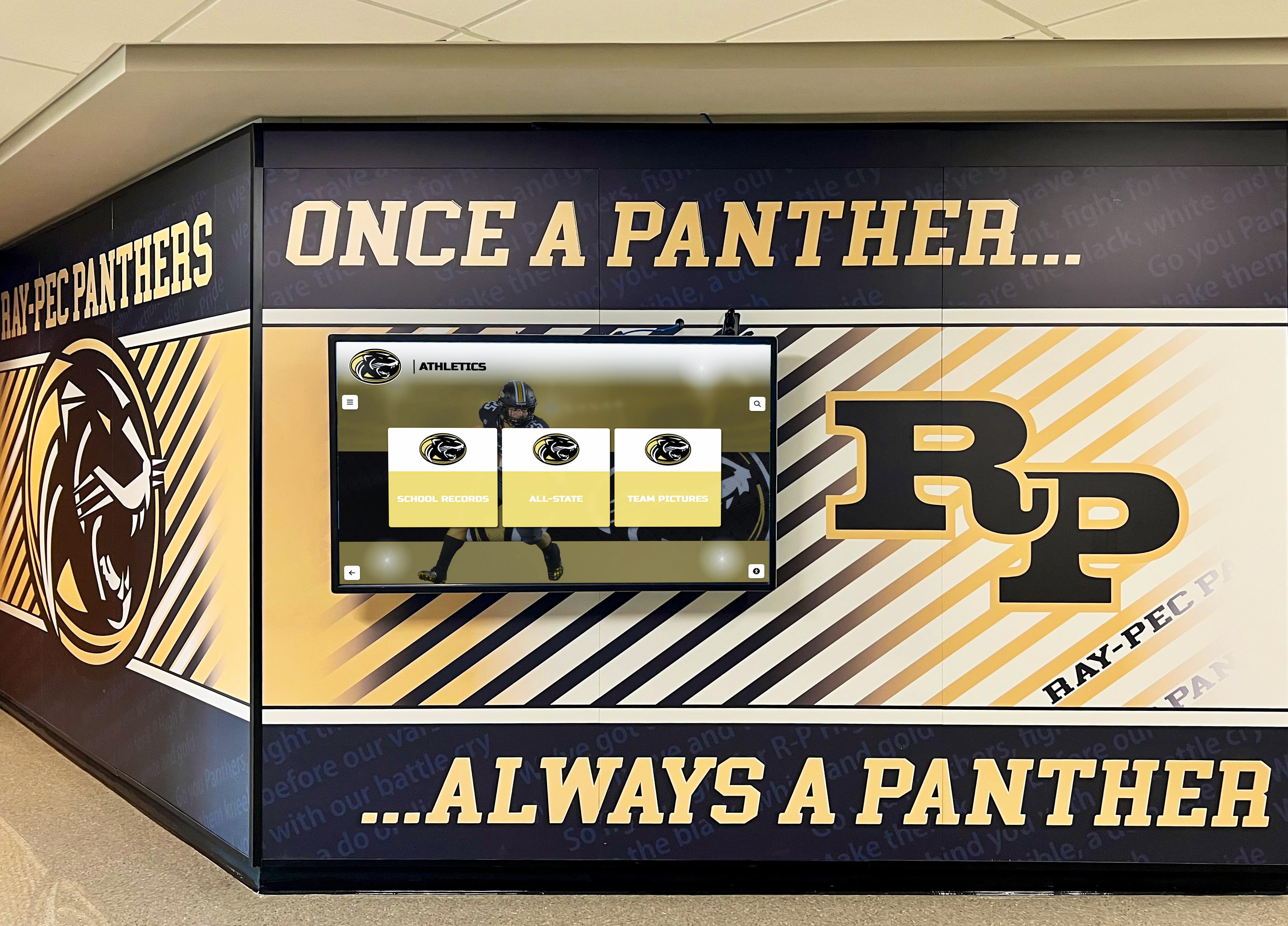
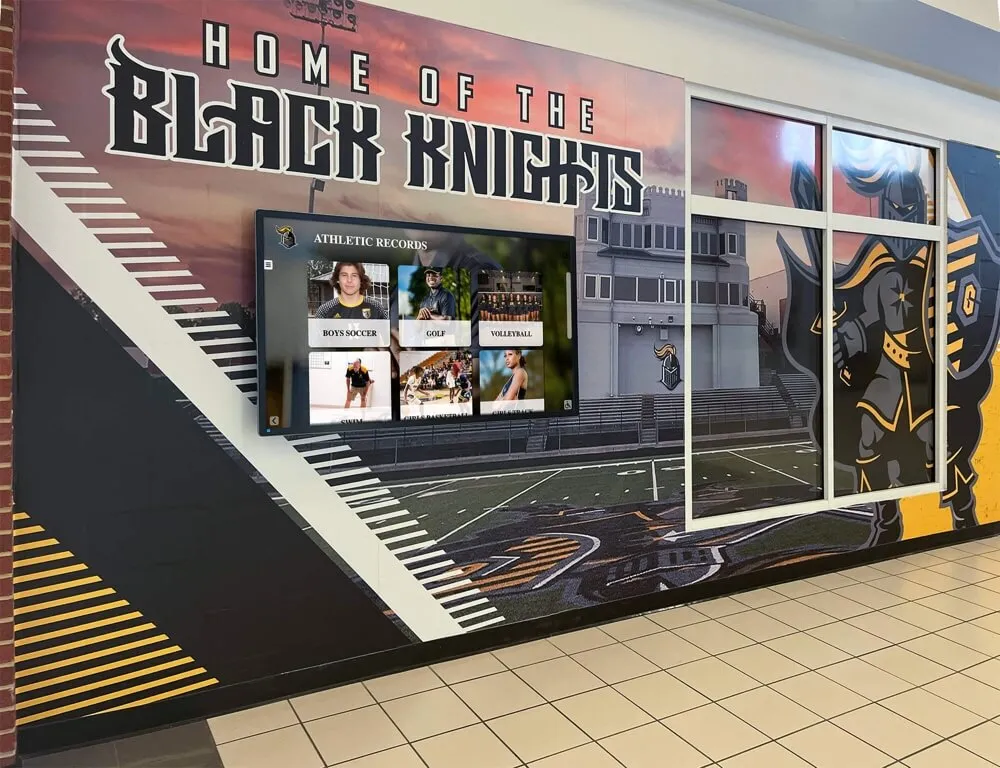
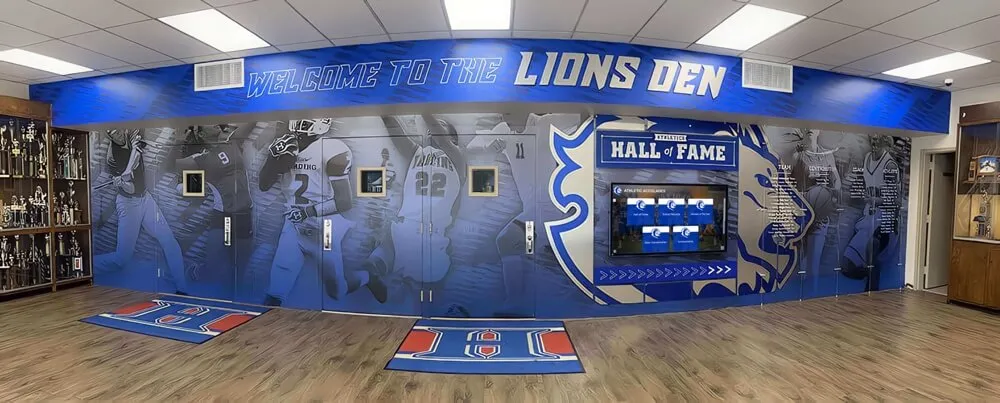
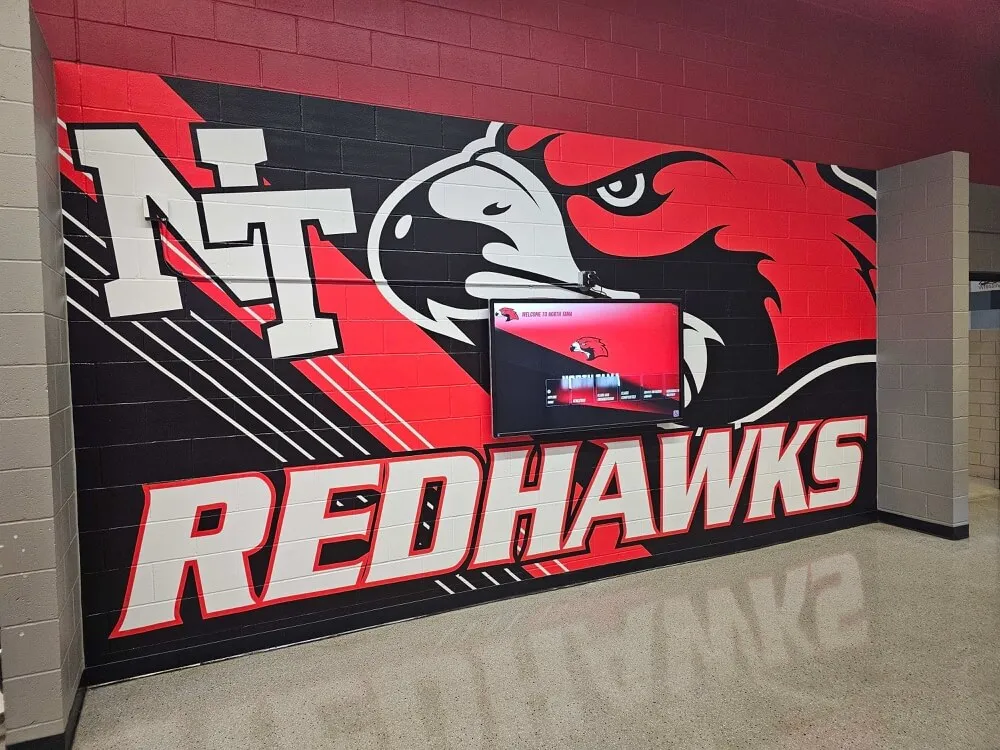
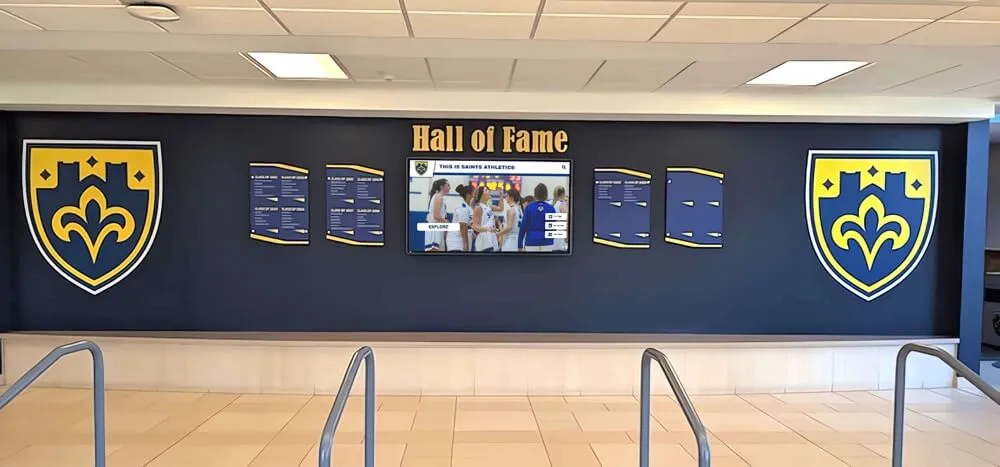
Strategic placement ensures recognition receives visibility necessary for donor appreciation and cultivation impact
Traditional Donor Wall Advantages and Limitations
Physical recognition offers both significant benefits and meaningful constraints organizations should understand:
Traditional Recognition Strengths
- Perceived permanence and gravitas communicating lasting commitment
- No technology requirements or digital literacy barriers
- Traditional aesthetic many donors and organizations prefer
- Craftsmanship quality and material richness digital displays cannot replicate
- No ongoing software costs or technology refresh requirements
- Reliable operation without technical support needs
Traditional Recognition Limitations
- Severe capacity constraints limiting recognized donors
- Expensive, disruptive updates requiring contractor engagement
- Growth accommodation challenges forcing difficult prioritization
- Static content preventing storytelling beyond name recognition
- No impact demonstration beyond basic acknowledgment
- Alphabetical or giving level organization only; no search or navigation
- Space consumption as recognition expands across wall surfaces
- Inflexibility when donor information changes or recognition criteria evolve
Organizations must weigh these tradeoffs against institutional priorities, donor base characteristics, and long-term recognition objectives.
Digital Donor Wall Solutions: Modern Recognition Technology
Digital platforms transform recognition from static acknowledgment into dynamic, engaging experiences that honor unlimited contributors while communicating impact meaningfully.
Digital Donor Recognition Platform Capabilities
Modern digital donor walls provide functionality traditional approaches cannot match:
Unlimited Recognition Capacity Digital platforms eliminate space constraints:
- Acknowledge thousands of donors across all giving levels without capacity concerns
- Add new contributors instantly without reconstruction or contractor fees
- Accommodate organizational growth effortlessly as programs expand
- Recognize diverse donor types (individuals, families, corporations, foundations) comprehensively
- Include historical recognition preserving complete philanthropic legacy
Capacity limitations force traditional donor walls to exclude supporters or impose high giving thresholds. Digital recognition honors every contributor appropriately regardless of gift size.
Rich Multimedia Donor Profiles Digital recognition presents information impossible with brass plaques:
- High-resolution donor photography personalizing acknowledgment
- Biographical narratives and connection stories
- Complete giving history showing sustained partnership
- Specific programs or facilities supported
- Donor testimonials explaining philanthropic motivation
- Video content bringing impact stories to life authentically
- Links to additional content extending recognition online
Research indicates that comprehensive profiles generate significantly higher donor satisfaction and perceived recognition value compared to name-only acknowledgment.
Interactive Search and Navigation Intuitive interfaces enable donor discovery:
- Alphabetical browsing with instant name location
- Giving level filters showing society membership
- Campaign-specific views displaying initiative supporters
- Year-based organization documenting recognition history
- Full-text search finding donors immediately
- Related family giving connections showing multi-generational support
Interactive exploration transforms passive viewing into meaningful engagement that name listings alone cannot achieve.
Learn about donor recognition screens that create engaging recognition experiences through technology integration.
Real-Time Campaign Integration Digital platforms enable dynamic campaign recognition:
- Live fundraising thermometers visualizing progress toward goals
- Leadership gift announcements building campaign momentum
- Matching gift countdowns creating urgency and participation
- Milestone celebrations recognizing achievement increments
- Challenge period tracking generating competitive engagement
Real-time integration creates silent solicitation effects, with prospective donors witnessing community support and feeling inspired to contribute.
Impact Storytelling and Mission Connection Digital recognition communicates what contributions accomplish:
- Project documentation showing facilities or programs funded
- Before-and-after imagery demonstrating transformation enabled
- Beneficiary testimonials describing services received through support
- Quantified outcome metrics illustrating impact achieved
- Program descriptions explaining funded initiatives
- Historical context connecting donors to organizational legacy
According to fundraising research, donors cite “seeing impact” as the second most important factor influencing continued giving, making impact storytelling essential recognition content.
Cloud-Based Content Management Intuitive administration requires no programming expertise:
- Web-based platforms accessible from any computer
- Simple content entry forms requiring no technical skills
- Drag-and-drop media uploading and organization
- Preview capabilities ensuring content appears correctly before publishing
- Scheduled publishing enabling automated content updates
- Multi-user access with role-based permissions
- Complete edit history documenting changes
- Database integration pulling donor information automatically
Organizations report 80-90% reduction in administrative time spent on recognition after implementing digital systems compared to traditional physical updates.
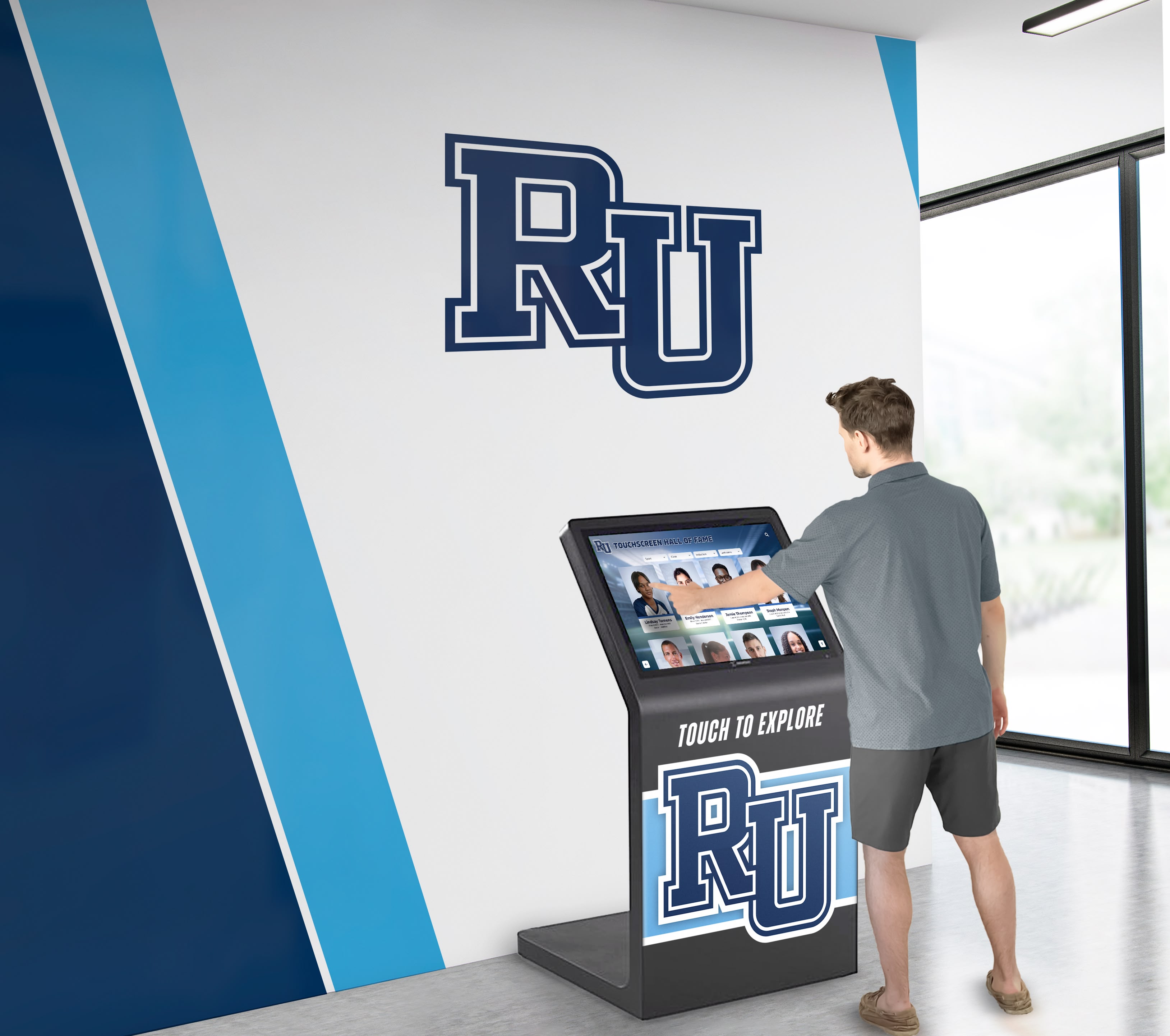
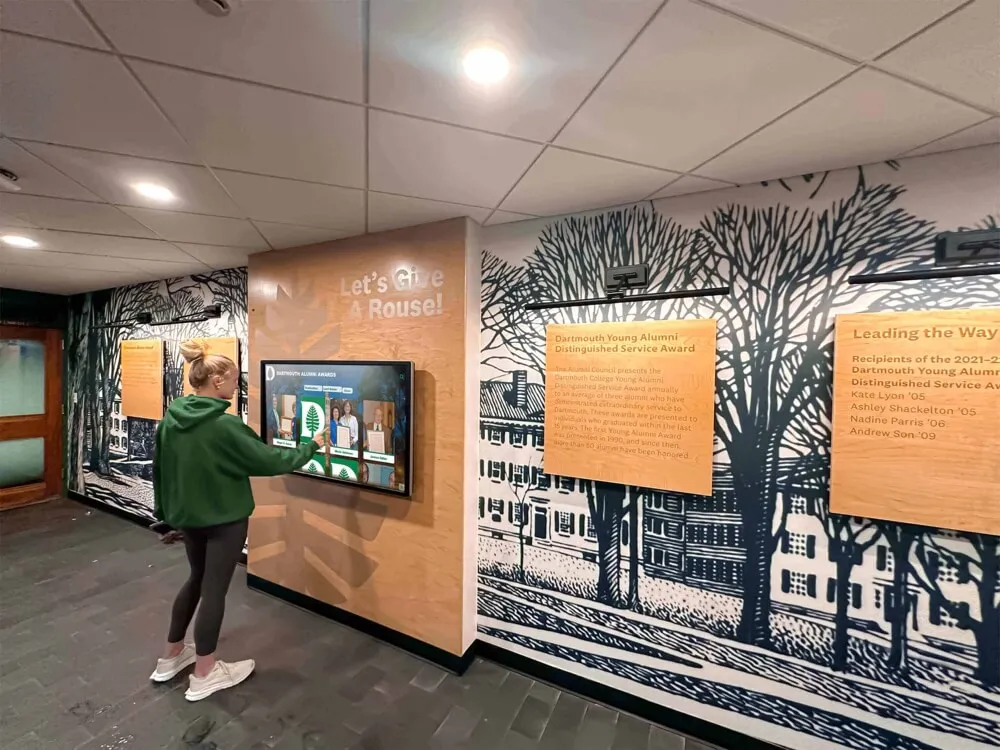
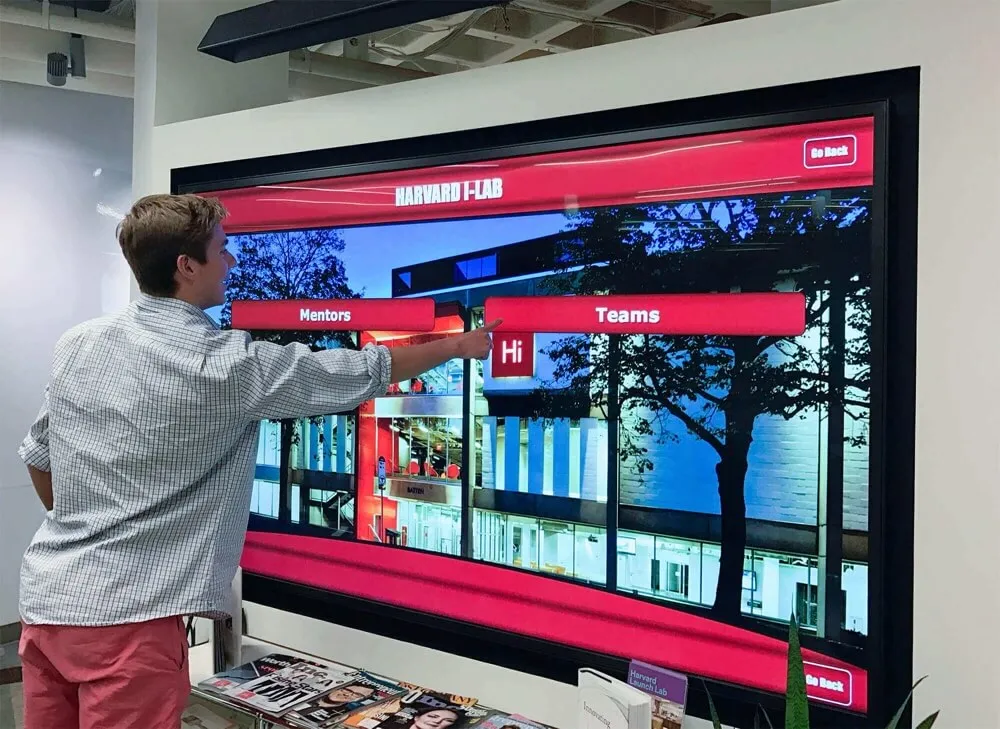
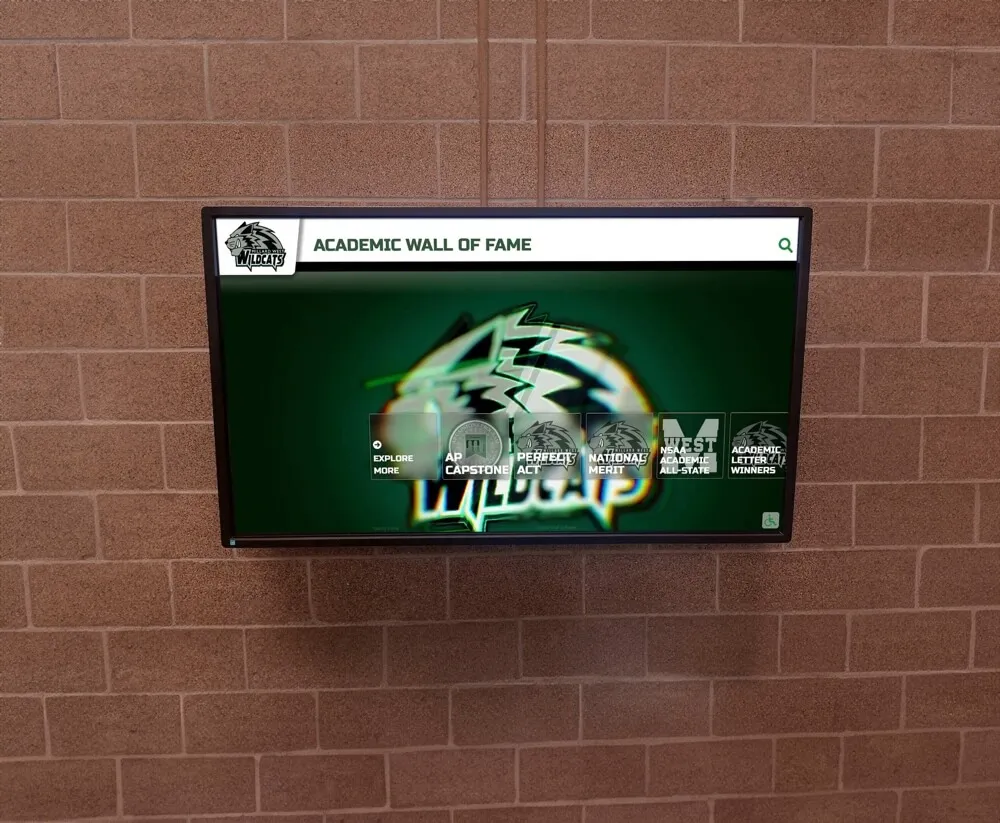
User-friendly design ensures visitors of all ages can explore donor recognition comfortably and independently
Digital Donor Wall Hardware and Display Options
Digital recognition requires appropriate hardware supporting content effectively:
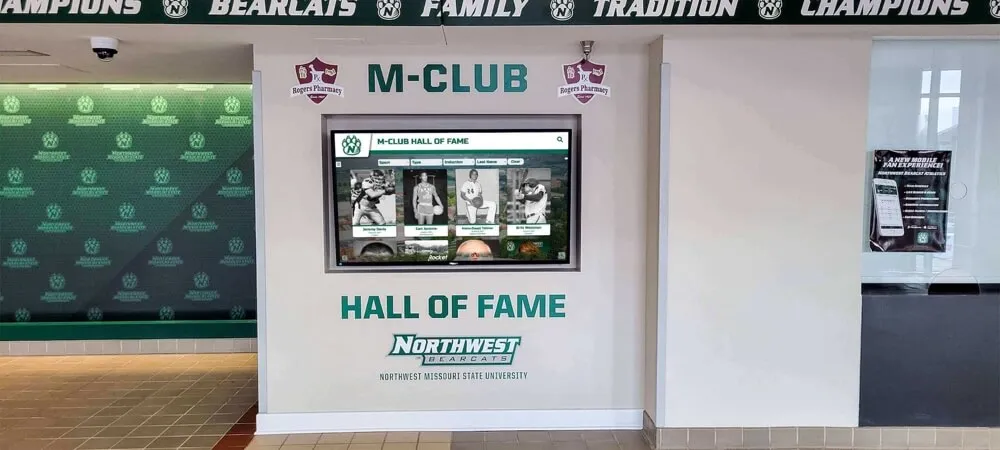
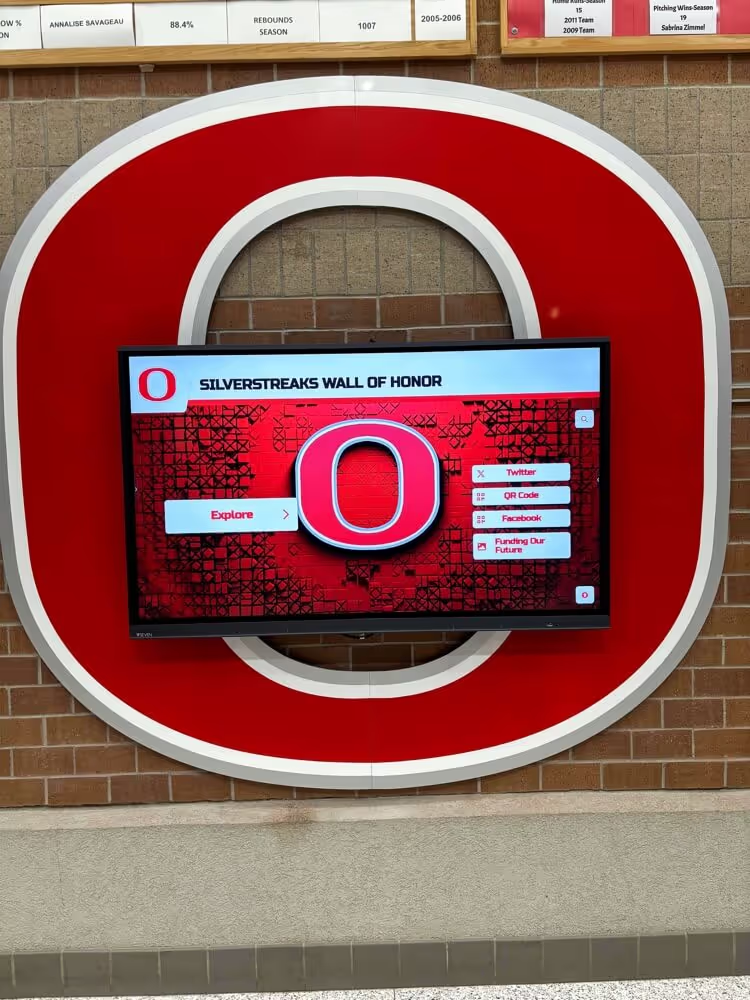
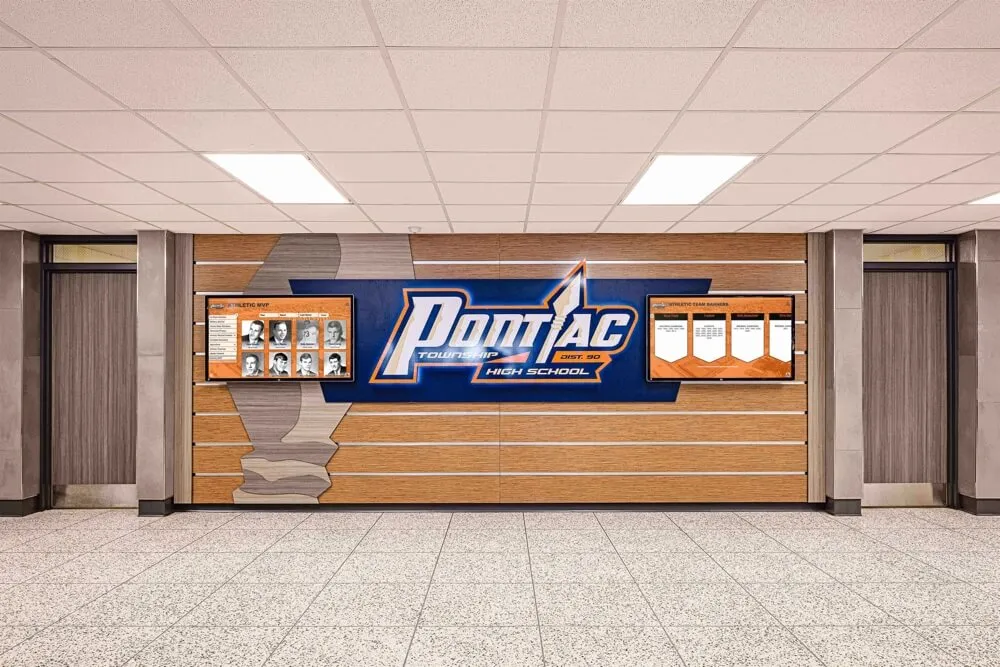
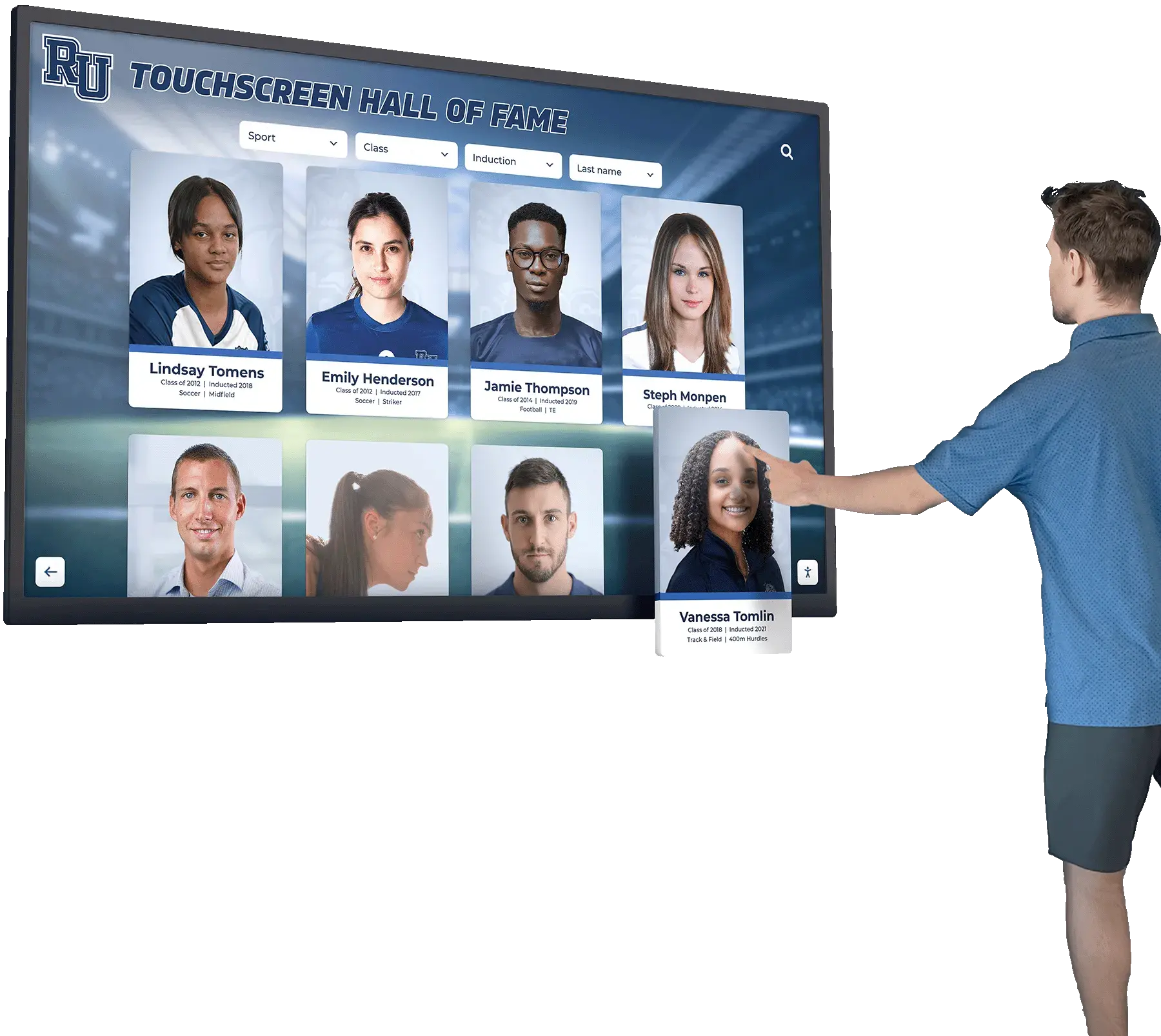
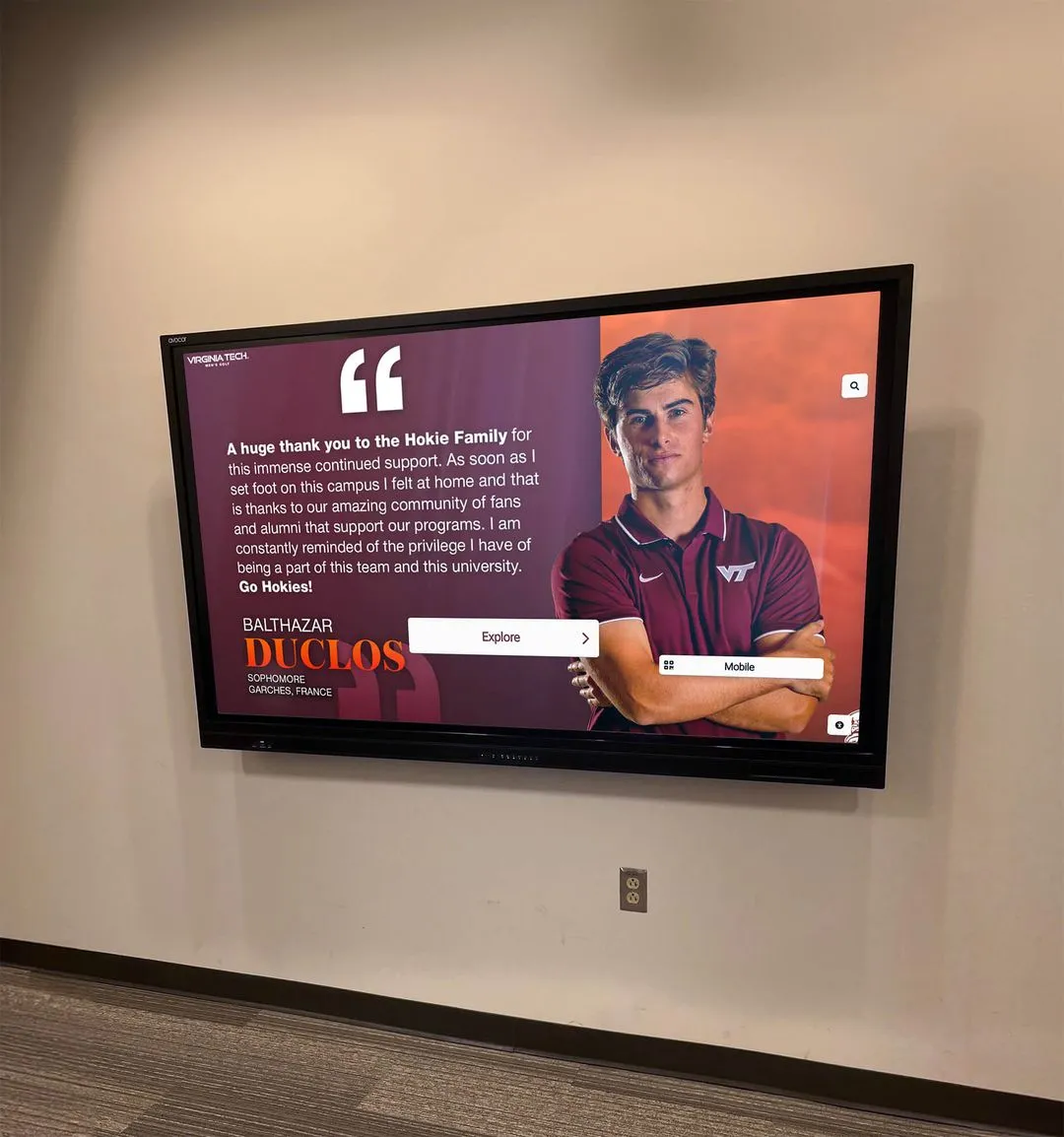
Touchscreen Interactive Displays Full interactivity enabling user-directed exploration:
- Screen Sizes: Typically 43-75 inches depending on viewing space
- Commercial Grade: Displays rated for continuous operation versus consumer TVs
- Touch Technology: Capacitive touchscreens providing responsive interaction
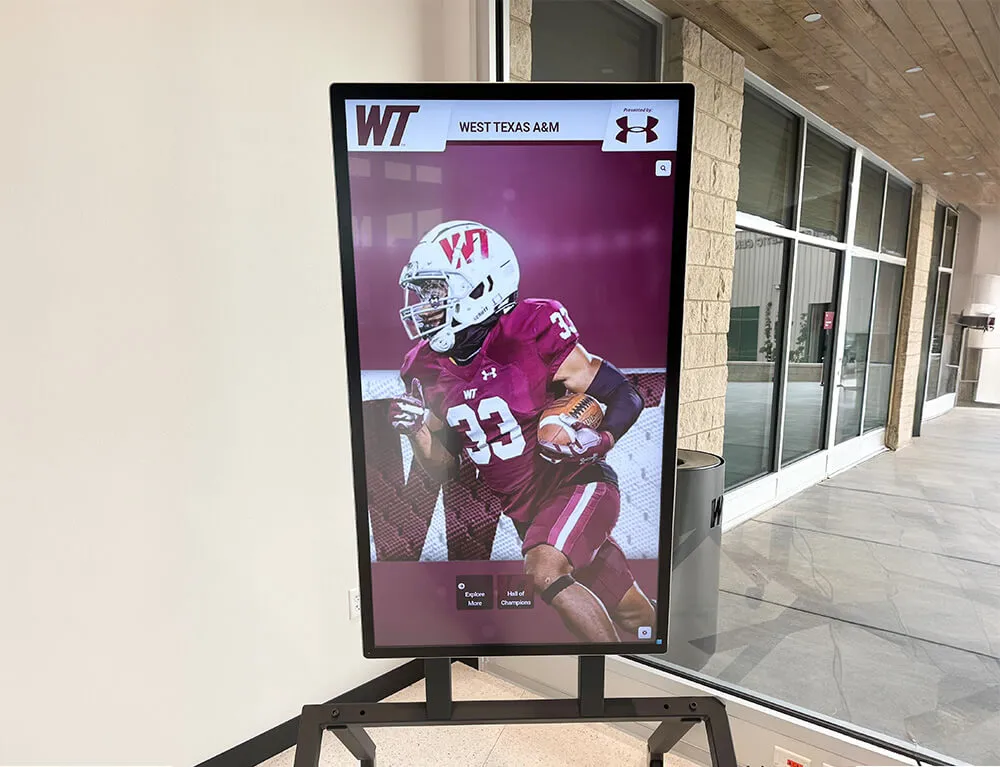
- Mounting: Wall-mounted, freestanding kiosks, or recessed architectural integration
- Orientation: Portrait or landscape depending on content design preferences
- Brightness: High brightness (400+ nits) ensuring visibility in naturally lit spaces
- Connectivity: Wired Ethernet preferred for reliability; Wi-Fi acceptable for some applications
Research demonstrates 5-10 times longer engagement duration with interactive exploration compared to passive viewing, making touchscreen capability important for maximizing recognition impact.
Passive Digital Displays Content rotation without user interaction:
- Applications: Secondary locations, budget-conscious installations, supplemental recognition
- Content: Slideshow rotation highlighting donors, campaigns, and impact stories
- Limitations: No navigation or search; viewers see only content currently displayed
- Cost: Typically 30-50% less than touchscreen installations
While less engaging than interactive displays, passive digital recognition still offers unlimited capacity and easy updates compared to traditional approaches.
Multi-Display Networks Coordinated recognition across multiple locations:
- Campus-wide visibility spanning multiple building lobbies
- Consistent recognition appearing at all organizational facilities
- Location-specific content when appropriate (building-specific campaign recognition)
- Centralized cloud management administering all displays efficiently
- Analytics comparing engagement across locations
Larger institutions benefit from coordinated recognition networks creating comprehensive visibility rather than isolated acknowledgment in single location.
Online Recognition Extensions Web-accessible donor recognition expanding reach:
- Responsive design ensuring smartphone and tablet compatibility
- Complete donor directory accessible globally
- Direct links to individual donor pages for social sharing
- Integration with organizational websites and donor portals
- Email signature links celebrating recognition inclusion
- Virtual tour integration for prospective donor cultivation
Research indicates online recognition extensions receive 10-20 times more views than physical display interactions, dramatically expanding acknowledgment reach and impact.
Digital Donor Wall Implementation Considerations
Organizations evaluating digital recognition should assess several factors:
Platform Selection Criteria Choose systems specifically designed for donor recognition:
- Purpose-built donor acknowledgment features versus repurposed digital signage
- Intuitive content management requiring no programming skills
- Unlimited donor capacity without artificial content restrictions
- Search and navigation functionality quality
- Analytics and engagement reporting capabilities
- Total cost of ownership including ongoing licensing
- Vendor support quality, training, and implementation assistance
- Company stability and long-term platform commitment
Solutions like Rocket Alumni Solutions provide comprehensive platforms specifically designed for donor recognition, with features addressing unique requirements that general digital signage cannot accommodate effectively.
Total Cost Assessment Evaluate complete financial commitment:
- Initial hardware costs (typically $5,000-$15,000 per display)
- Software licensing (annual or one-time depending on vendor)
- Installation and site preparation expenses
- Content development and photography costs
- Ongoing support and maintenance fees
- Technology refresh planning for equipment lifecycle (7-10 years)
While digital recognition requires upfront technology investment, many organizations discover lower total cost compared to traditional donor walls when accounting for update expenses over 10-15 year timeframes.
Space and Placement Planning Strategic positioning ensures recognition visibility:
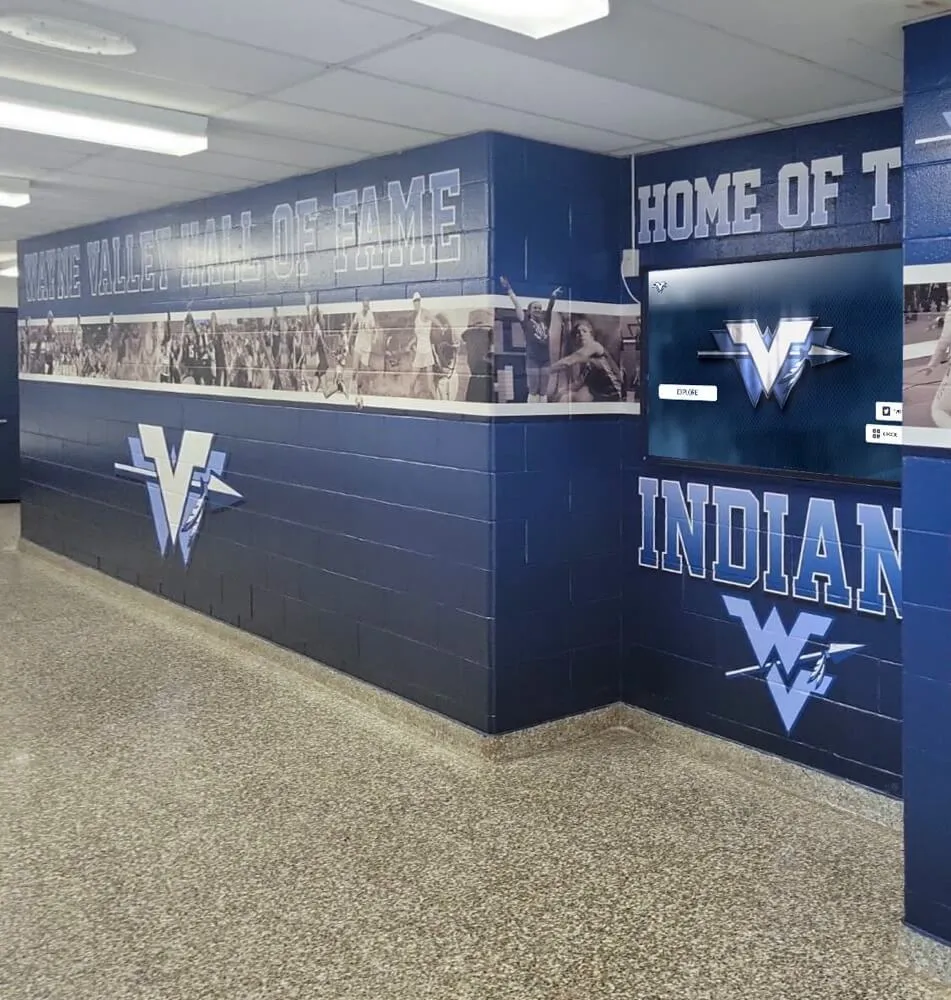
- High-traffic lobbies ensuring every visitor encounters acknowledgment
- Adequate space for comfortable viewing and interaction
- ADA-compliant mounting heights enabling wheelchair accessibility
- Lighting conditions avoiding glare or screen washout
- Network infrastructure supporting reliable connectivity
- Electrical service for display power
- Security considerations in public spaces
Placement significantly influences recognition engagement and impact, with high-traffic primary locations generating 5-10 times more interaction than secondary hallways.
Learn about implementing donor recognition examples from schools and nonprofits achieving measurable retention and cultivation outcomes.
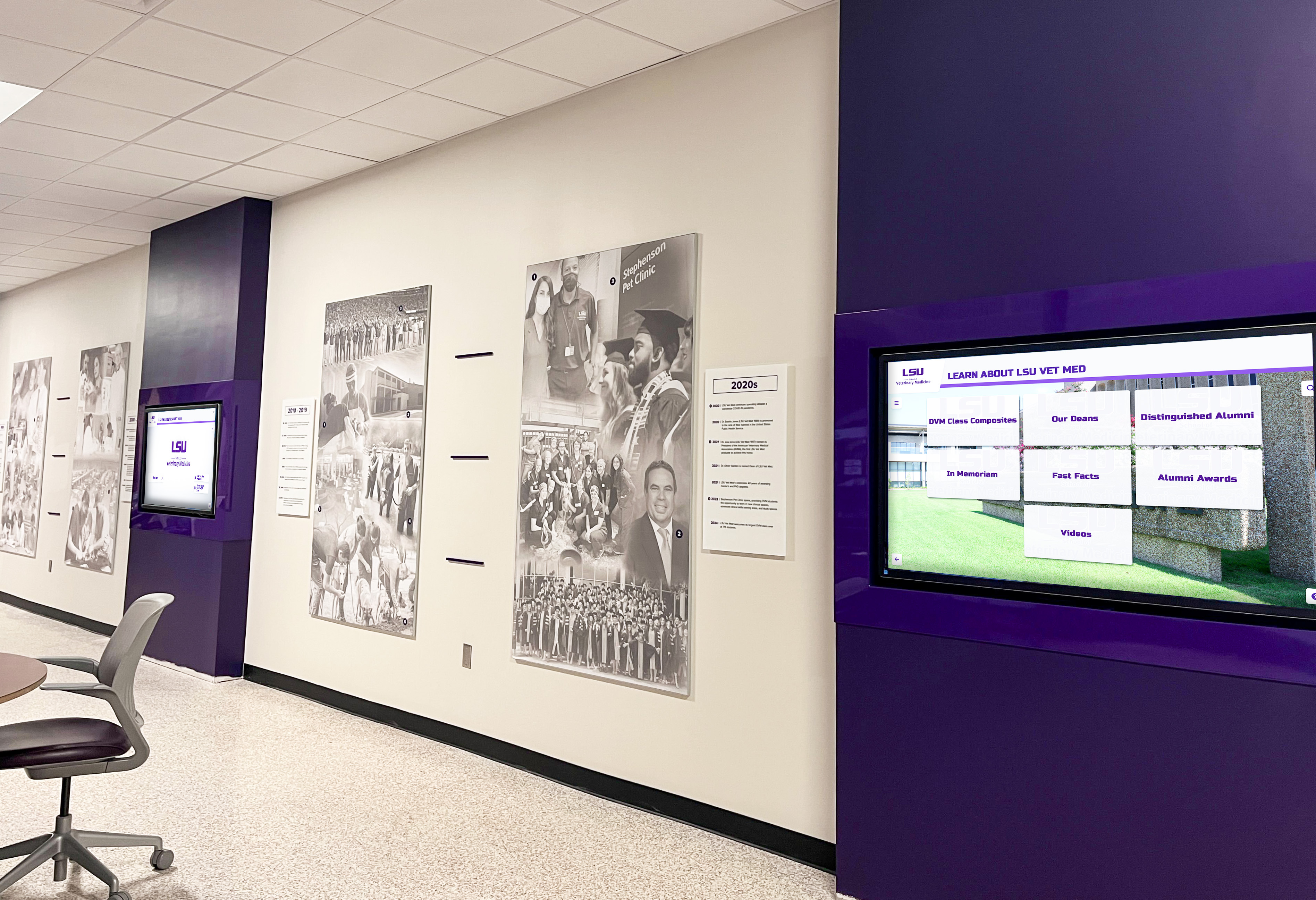
Quality digital recognition systems serve organizations effectively for decades while accommodating unlimited growth
Hybrid Recognition Approaches: Combining Traditional and Digital
Many organizations implement hybrid strategies leveraging strengths of both recognition formats:
Blended Recognition Models
Thoughtful combinations address diverse stakeholder preferences:
Major Donor Physical Recognition with Digital Comprehensive Acknowledgment Common approach honoring leadership gifts permanently while including all supporters:
- Traditional brass plaques or architectural recognition for transformational gifts ($100,000+)
- Digital donor wall providing complete recognition across all giving levels
- Combination communicates permanence for major gifts while honoring broad participation
This model addresses donor expectations that leadership investments receive permanent architectural acknowledgment while digital capacity ensures comprehensive recognition impossible with physical approaches alone.
Campaign-Specific Physical Recognition with Digital Program Portfolio Multiple campaign donor walls supported by integrated digital recognition:
- Physical donor walls in facilities funded through specific capital campaigns
- Centralized digital recognition consolidating all campaign and program donors
- Approach connects donors to specific buildings while providing complete philanthropic documentation
Organizations with multiple facilities benefit from building-specific physical recognition complemented by comprehensive digital archives preserving complete donor history.
Donor Societies Physical Roster with Digital Impact Storytelling Traditional donor listings enhanced with digital mission connection:
- Physical donor wall listing recognition society members
- Adjacent digital display presenting impact stories, beneficiary testimonials, and project documentation
- Combination provides traditional acknowledgment while communicating contribution outcomes
This hybrid addresses organizations preferring traditional aesthetic while recognizing that impact communication strengthens donor relationships and retention.
Transition Strategies: Moving from Traditional to Digital Recognition
Organizations with existing physical donor walls approaching capacity face transition decisions:
Preservation with Digital Expansion Maintain traditional recognition while adding digital capacity:
- Preserve existing brass plaque or panel donor wall honoring historical commitments
- Install digital recognition adding new donors going forward
- Approach respects tradition while solving capacity constraints
This conservative transition minimizes stakeholder disruption while addressing practical limitations forcing change.
Complete Migration with Historical Preservation Transition comprehensively to digital recognition:
- Archive existing physical donor wall through high-quality photography
- Migrate all historical donor data to new digital platform
- Repurpose wall space for other uses or architectural enhancement
- Preserve original donor wall panels for potential future display in archival context
Complete migration maximizes digital recognition benefits while appropriately preserving organizational history and honoring previous donor acknowledgment commitments.
Phased Replacement During Renovation Integrate recognition updates with facility improvements:
- Time donor wall replacement during building renovation projects
- Coordinate recognition design with updated architectural context
- Leverage construction access and infrastructure updates
- Minimize redundant investment in temporary solutions
Facility planning provides natural transitions for recognition modernization without premature abandonment of functional systems.
Recognition Content Development: What Information to Include
Regardless of format selected, thoughtful content development determines recognition effectiveness:
Essential Donor Information
Core content every recognition program should include:
Donor Names and Designations Foundation of acknowledgment regardless of format:
- Preferred name forms (verify spelling and formatting with donors)
- Honorary titles or credentials when donors prefer inclusion
- Deceased donor memorial designation (“In Memory of” or † symbols)
- Anonymous donor accommodation (“Anonymous Donor” or “A Friend” listings)
- Family giving attribution when multiple members contribute collectively
- Corporate and foundation donor formal names
Quality recognition respects donor preferences while maintaining consistent presentation standards across all acknowledgment.
Giving Levels and Society Membership Recognition tier identification communicating contribution significance:
- Society names reflecting organizational character (Founder’s Circle, Heritage Society, Leadership Guild)
- Giving level thresholds defining society membership
- Visual differentiation through typography, placement, or formatting
- Multiple society membership when donors qualify for several groups
- Anonymous society participation counts showing breadth without identifying individuals
Clear level identification motivates giving progression while honoring contributors appropriately across support ranges.
Giving History and Recognition Period Temporal context documenting sustained engagement:
- Recognition period covered (e.g., “2020-2025 Campaign Donors” or “Annual Fund Supporters”)
- Year of first gift for long-term donor celebration
- Consecutive giving years recognizing loyalty
- Cumulative giving totals when appropriate and donor-approved
- Legacy society membership indicating planned giving commitments
- Multi-generational family giving spanning decades
Historical context transforms one-time acknowledgment into celebration of sustained partnership and organizational legacy.
Explore donor wall ideas that balance comprehensive information with accessible presentation.
Enhanced Content for Digital Recognition
Digital platforms enable richer storytelling impossible with traditional formats:
Donor Profiles and Personal Stories Biography and connection narratives:
- Professional or personal photography personalizing recognition
- Educational background and career accomplishments when relevant
- Connection story explaining motivation for supporting organization
- Family relationships to institution (alumni status, family members served)
- Volunteer involvement beyond financial contributions
- Personal testimonials in donors’ own words
- Related family members also recognized creating generational continuity
Comprehensive profiles generate significantly higher perceived recognition value according to donor satisfaction research.
Impact Documentation and Mission Connection What contributions accomplish beyond name recognition:
- Specific programs, facilities, or services supported through donations
- Student, patient, or beneficiary stories demonstrating transformation enabled
- Quantified outcomes showing measurable results from philanthropic investment
- Project photography documenting facilities or programs funded
- Video testimonials from beneficiaries describing impact personally
- Historical context showing how contributions advance mission over time
Impact communication converts recognition from transactional acknowledgment into compelling mission celebration that inspires continued engagement.
Recognition for Non-Financial Contributions Comprehensive acknowledgment beyond monetary gifts:
- Volunteer leadership and service hour recognition
- In-kind donations of goods, services, or professional expertise
- Planned giving commitments regardless of timing or amount
- Tribute and memorial gifts honoring loved ones
- Board service and governance contribution
- Advocacy and ambassadorship advancing organizational visibility
Inclusive recognition celebrates diverse contribution forms, strengthening relationships across entire stakeholder community rather than only financial donors.
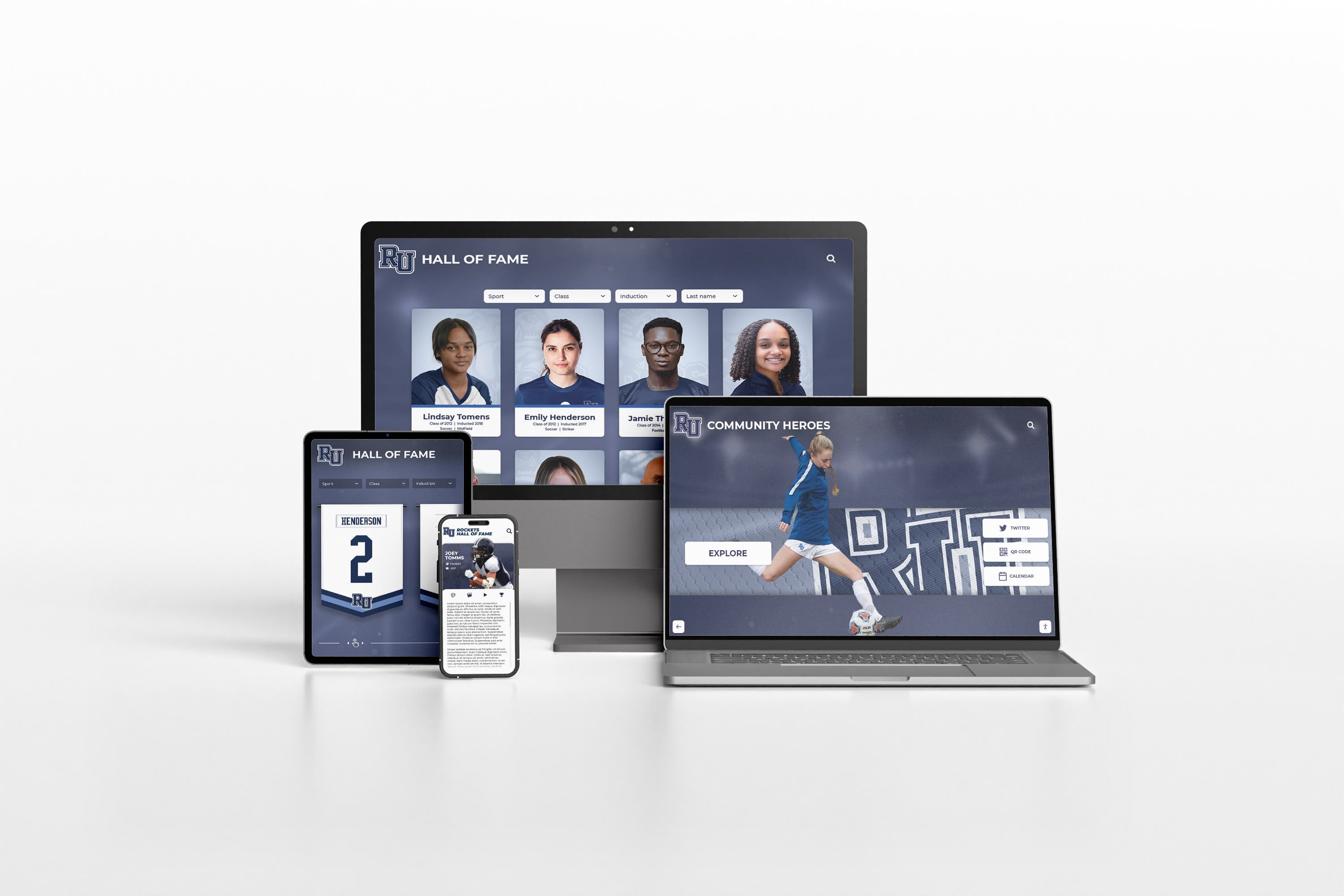
Digital recognition extends beyond physical displays through web platforms accessible globally
Donor Wall Administration and Long-Term Management
Sustained recognition effectiveness requires systematic administration ensuring accuracy, currency, and appropriate stewardship:
Establishing Update Workflows and Processes
Quality management prevents errors while maintaining timely recognition:
Regular Content Update Schedules Maintain current, accurate donor acknowledgment:
- Weekly or monthly new donor additions as gifts process through financial systems
- Quarterly comprehensive reviews ensuring ongoing accuracy
- Annual recognition refresh for giving societies and campaign progress
- Memorial designations honoring deceased donors promptly with appropriate sensitivity
- Giving level progression reflecting increased contributions
- Donor information updates when names, preferences, or circumstances change
Consistent update rhythms prevent recognition staleness while demonstrating organizational commitment to appropriate stewardship.
Quality Control and Accuracy Verification Prevent errors undermining donor confidence:
- Multiple staff review cycles catching mistakes before publication
- Donor verification for major gifts before recognition publication
- Automated error detection identifying incomplete records
- Approval workflows requiring appropriate authorization
- Documentation of update history for accountability
- Regular comprehensive audits comparing recognition against financial systems
- Rapid correction protocols addressing visible errors immediately
Systematic quality control protects organizational reputation while demonstrating donor relationship stewardship seriousness.
Donor Communication Regarding Recognition Inform supporters about acknowledgment appropriately:
- Recognition inclusion notifications thanking donors and confirming acknowledgment
- Opportunity for donors to verify name spelling and preferences
- Legacy society membership recognition explaining planned giving acknowledgment
- Unveiling event invitations for major campaign recognition
- Annual recognition updates during giving society renewal communications
- Photography permissions for profile inclusion in digital recognition
Proactive communication ensures donors understand recognition while preventing surprises about public acknowledgment forms or details.
Managing Recognition Policy Challenges
Real-world administration requires navigating complex scenarios:
Anonymous Donor Accommodation Balance privacy respect with support visibility:
- “Anonymous” or “Anonymous Donor” listings in appropriate giving level categories
- Anonymous society membership counts showing breadth (“15 Anonymous Heritage Society Members”)
- Private recognition through personal communications when donors decline public acknowledgment
- Policy clarity about circumstances warranting complete anonymity versus generic listing
Many donors request anonymity from peer knowledge rather than organizational acknowledgment, enabling creative solutions honoring privacy while showing support breadth.
Controversial Donor Situations Address recognition removal or problematic acknowledgment requests:
- Establish policies addressing recognition removal circumstances before issues arise
- Consider reputational risk versus donor relationship preservation thoughtfully
- Engage legal counsel when contractual commitments complicate decisions
- Communicate policy rationale transparently to stakeholders
- Document decisions creating institutional precedent for future situations
While rare, controversial situations require handling with sensitivity to multiple competing interests and organizational values.
Recognition Duration and Historical Archives Determine how long acknowledgment continues:
- Permanent recognition for endowment gifts creating perpetual impact
- Campaign-period recognition for project-specific contributions
- Annual giving recognition reflecting recent support
- Historical archives preserving complete philanthropic documentation
- Migration approaches when recognition transitions from active to archival status
Clear policies prevent awkward conversations about recognition removal while honoring contribution significance appropriately across time.
Learn about donor highlight boards that simplify administration while maintaining engagement quality.
Measuring Donor Wall Impact and Recognition ROI
Evaluation ensures recognition investments achieve intended appreciation and fundraising objectives:
Key Performance Indicators for Recognition Programs
Track metrics demonstrating recognition effectiveness:
Donor Retention and Relationship Metrics Primary indicators of recognition program success:
- Year-over-year donor retention rate improvements post-implementation
- First-time donor renewal rates comparing recognized versus unrecognized contributors
- Multi-year giving pattern development showing sustained engagement
- Lapsed donor reactivation rates after recognition program launch
- Average gift size progression among recognized supporters
- Major gift conversion rates relative to recognition visibility
- Planned giving inquiry increases following legacy society recognition
- Campaign participation comparing comprehensive recognition versus limited acknowledgment
Organizations implementing thoughtful recognition report 40-60% retention improvement and 15-25% average gift increases within 2-3 years.
Engagement Quality Assessment Relationship strength beyond transaction metrics:
- Donor satisfaction survey results regarding recognition appropriateness
- Event attendance rates at appreciation gatherings and unveiling celebrations
- Digital recognition platform interaction duration and exploration depth
- Social media sharing and engagement with recognition content
- Unsolicited donor feedback, testimonials, and positive commentary
- Volunteer recruitment success from donor populations
- Advocacy and peer-to-peer fundraising participation rates
Research demonstrates that engagement quality predicts long-term donor value more reliably than short-term giving patterns alone.
Digital Recognition Analytics Technology platforms provide detailed engagement insights:
- Display usage frequency and daily/weekly interaction patterns
- Average session duration showing exploration depth
- Popular search terms revealing donor interests
- Most-viewed profiles identifying compelling content
- Navigation pathways showing discovery patterns
- Drop-off points indicating confusing interface areas
- Online portal traffic extending beyond physical displays
- Social sharing rates creating viral recognition effects
Data-driven insights enable evidence-based optimization rather than assumptions about what donors and visitors value.
Cost-Effectiveness and ROI Analysis
Quantify recognition program value:
Recognition Investment Comparison Assess total cost across implementation approaches:
Traditional Donor Wall 10-Year Cost
- Initial installation: $15,000-$40,000
- Annual plaque additions (30 donors/year average): $3,000-$9,000/year = $30,000-$90,000
- Expansion project (year 8, capacity reached): $15,000-$50,000
- Total 10-year cost: $60,000-$180,000
- Recognition capacity: 200-500 donors maximum
- Update flexibility: Requires contractor engagement for all additions
Digital Recognition 10-Year Cost
- Initial implementation: $15,000-$30,000
- Annual software and support: $2,500-$5,000/year = $25,000-$50,000
- Hardware refresh (year 7): $5,000-$10,000
- Total 10-year cost: $45,000-$90,000
- Recognition capacity: Unlimited donors
- Update flexibility: Instant updates requiring no contractor fees
Digital recognition often delivers superior long-term value while providing dramatically greater capacity, flexibility, and engagement capabilities.
Retention Value Calculation Quantify recognition impact on fundraising revenue:
- Donor lifetime value increase from improved retention
- Average gift size growth among recognized contributors
- Major gift pipeline development from acknowledged donors
- Planned giving commitments influenced by legacy recognition
- Staff time savings redirected to cultivation activities
- Reduced acquisition costs through retention improvement
Many organizations discover recognition achieves return on investment within 3-5 years through retention improvements alone, before accounting for capacity and storytelling benefits.
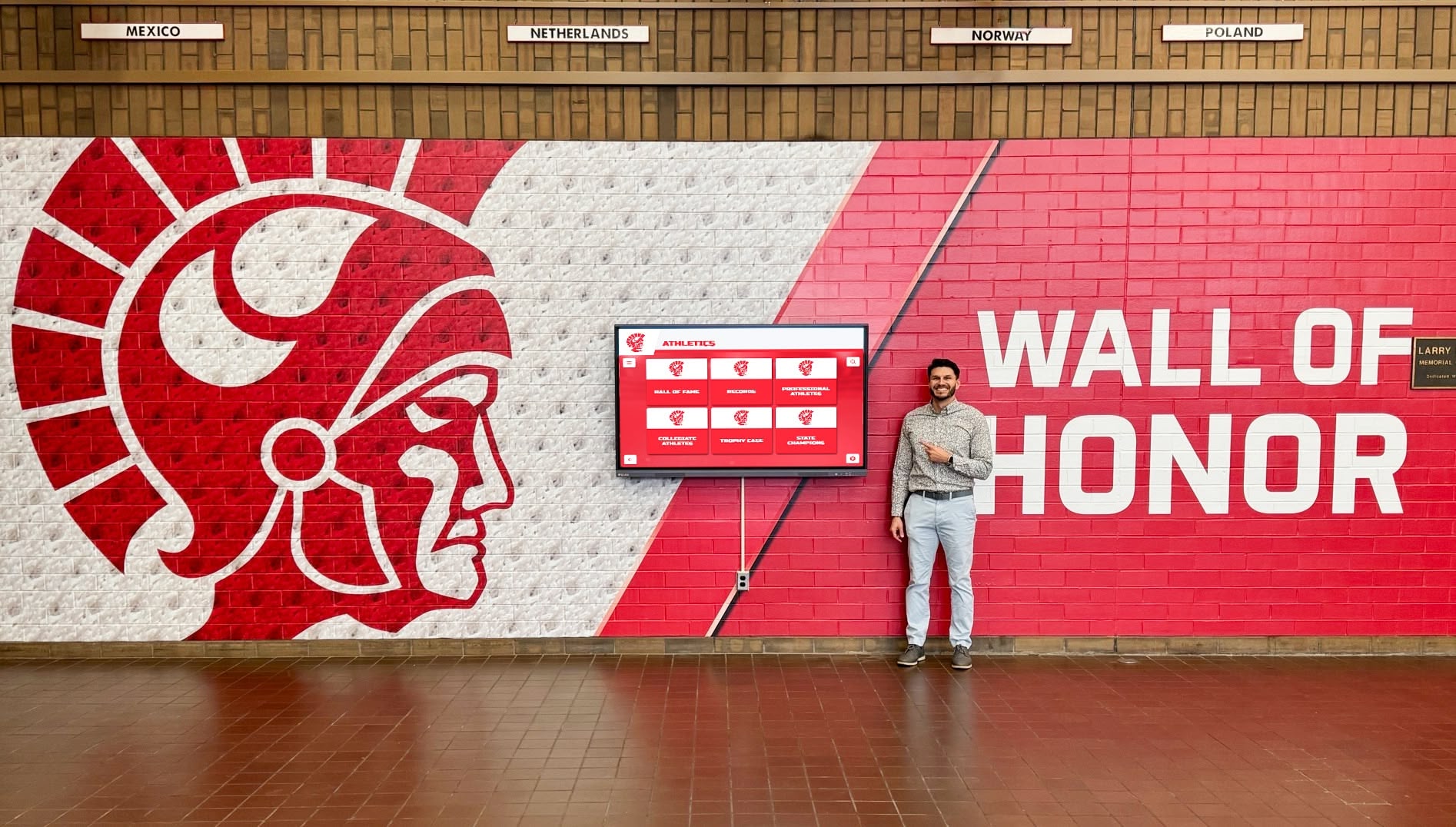
Strategic location decisions maximize recognition visibility and donor cultivation opportunities
Specialized Donor Wall Applications by Organization Type
Recognition requirements vary across institution types, necessitating tailored approaches:
Educational Institution Donor Recognition
K-12 Schools and Independent Schools Primary and secondary education donor walls should emphasize:
- Capital campaign recognition for facility improvements and construction
- Scholarship fund donor acknowledgment connecting support to beneficiaries
- Athletic booster and program supporter recognition
- Annual giving acknowledgment encouraging sustained participation patterns
- Alumni donor celebration inspiring current students
- Memorial gifts honoring community members
- Building dedication recognition for major construction donors
Schools implementing comprehensive recognition discover that student awareness of philanthropic support creates future giving patterns and community investment appreciation.
Colleges and Universities Higher education institutions require systems addressing:
- Major gift recognition for transformational investments in facilities and programs
- Endowment donor acknowledgment creating permanent naming opportunities
- Alumni giving societies across class years and contribution levels
- Research and academic program supporter recognition
- Athletics donor acknowledgment for sports facilities and program support
- Scholarship fund recognition connecting donors to recipient impact
- Planned giving society membership celebrating estate commitments
Universities report that prominent recognition in high-traffic campus locations creates cultivation opportunities during prospective donor tours while inspiring current students toward future alumni engagement.
Healthcare Organization Donor Recognition
Hospitals and Medical Centers Healthcare institutions should focus recognition on:
- Patient care and medical equipment donor acknowledgment
- Research and innovation supporter recognition
- Facility and capital campaign donors funding construction
- Grateful patient giving programs acknowledging care-motivated philanthropy
- Memorial and tribute gifts honoring loved ones
- Department and service line recognition connecting gifts to specific programs
- Physician and provider appreciation alongside donor recognition
Healthcare donors frequently give in response to personal care experiences, making patient outcome storytelling and clinical impact documentation particularly meaningful recognition content.
Nonprofit and Mission-Driven Organization Recognition
Community Nonprofits and Service Organizations Mission-driven organizations emphasize:
- Service beneficiary demographic reflection in recognition design
- Mission impact prominently featured showing outcomes achieved
- Volunteer recognition alongside financial contribution acknowledgment
- Local business partner and corporate supporter acknowledgment
- Program-specific recognition connecting gifts to services funded
- Campaign recognition for capacity-building and operational support
- In-kind contribution acknowledgment for non-cash gifts
Nonprofit research indicates donors cite “seeing beneficiaries helped” as most compelling recognition they receive, making impact storytelling central to effective acknowledgment.
Arts, Cultural, and Faith-Based Organizations Museums, performing arts organizations, and religious institutions emphasize:
- Exhibition, performance, and program funding recognition
- Collection acquisition and preservation supporter acknowledgment
- Facility restoration and capital campaign donors
- Membership society recognition for sustaining annual supporters
- Event and production sponsorship acknowledgment
- Artistic design elements reflecting organizational mission authentically
- Appropriate reverence and design sensitivity for sacred spaces
Recognition design should reflect organizational character and mission while celebrating philanthropic partnership meaningfully.
Future-Proofing Recognition: Planning for Long-Term Success
Strategic foresight ensures donor walls serve organizations effectively across decades:
Technology Refresh and Evolution Planning
Hardware Lifecycle Management for Digital Recognition Plan for equipment replacement and advancement:
- Commercial displays typically function effectively 7-10 years
- Budget 10-15% of initial hardware investment annually for maintenance and eventual replacement
- Select vendors providing backward compatibility ensuring content remains usable
- Prioritize scalable platforms accommodating organizational growth
- Establish vendor relationships providing ongoing support beyond initial installation
Proactive technology planning prevents recognition obsolescence while maximizing investment longevity.
Software Platform Selection for Sustainability Choose recognition systems committed to continuous improvement:
- Regular feature enhancements adding capabilities addressing emerging needs
- Security updates maintaining protection against evolving threats
- User interface improvements based on customer feedback and usability research
- Vendor roadmap transparency enabling long-term planning confidence
- Company stability and platform commitment beyond initial sale
Purpose-built recognition platforms like Rocket Alumni Solutions invest continuously in product enhancement rather than treating software as static commodity, ensuring systems remain current as technology and expectations evolve.
Content Strategy and Growth Accommodation
Historical Preservation and Archive Management Maintain comprehensive philanthropic documentation:
- Complete donor archives preserving recognition history permanently
- Multi-generational family giving documentation showing legacy continuity
- Campaign history and milestone achievement documentation
- Impact story archives demonstrating outcomes over time
- Event photography and celebration galleries
- Video testimonial collections bringing donor motivation to life
Digital systems enable preserving complete philanthropic history rather than capacity constraints forcing difficult removal decisions that traditional approaches necessitate.
Scalability for Organizational Growth Plan for program expansion without constraint:
- Unlimited donor capacity eliminating space planning concerns
- Multiple simultaneous campaign recognition
- New giving society addition without reconstruction requirements
- Threshold adjustments reflecting organizational maturation
- Recognition policy evolution as programs develop
- International donor accommodation for global organizations
Digital recognition scales effortlessly as organizations grow, eliminating painful capacity planning required with physical displays.
Conclusion: Building Recognition Programs That Honor Generosity and Inspire Giving
Donor walls represent strategic stewardship infrastructure serving fundraising programs for decades when organizations approach recognition thoughtfully. Whether implementing traditional brass plaques offering craftsmanship and permanence, modern digital platforms providing unlimited capacity and impact storytelling, or hybrid approaches leveraging both formats’ strengths, successful recognition shares common characteristics: it honors contributions authentically, communicates mission impact compellingly, remains administratively sustainable, and inspires continued philanthropic engagement.
The frameworks explored throughout this comprehensive guide provide systematic approaches for planning recognition serving both donor appreciation and strategic fundraising objectives. From establishing recognition philosophy and criteria through implementation best practices and long-term administration, these strategies enable organizations to build programs worthy of generous supporters who make missions possible.
Ready to explore donor wall solutions for your organization? Whether planning capital campaign recognition, enhancing annual giving acknowledgment, or replacing outdated physical displays approaching capacity, modern recognition platforms help schools, nonprofits, hospitals, and institutions honor every contributor while creating experiences that strengthen relationships and inspire continued generosity.
Solutions like Rocket Alumni Solutions provide comprehensive digital recognition platforms specifically designed for donor acknowledgment, combining intuitive content management with professional hardware guidance and implementation support ensuring successful long-term programs. Unlimited donor capacity eliminates space constraints, instant updates remove contractor dependency, and rich multimedia connects contributions to impact meaningfully.
Request your free custom demo to discover how digital donor walls can appropriately honor your community’s generosity while building fundraising programs that sustain missions across generations.
Your supporters deserve recognition celebrating their partnership as meaningfully as they support your mission. With thoughtful planning, appropriate technology selection, quality design, and genuine commitment to donor appreciation, you can implement recognition systems serving stewardship needs effectively while building grateful, engaged communities where missions flourish through generous investment.
The most effective donor walls transcend transactional acknowledgment, becoming permanent celebration of community values, organizational mission, and shared commitment to purposes larger than individual interests. When recognition honors contributions authentically while communicating impact compellingly, it creates environments where generosity becomes cultural norm and philanthropic partnership sustains organizations across generations.
Organizations embracing comprehensive recognition approaches—whether traditional, digital, or hybrid—position themselves for fundraising success by demonstrating that donor relationships receive appropriate priority and investment. Quality recognition systems pay dividends through improved retention, increased giving, and stronger partnerships that make ambitious missions achievable through community support.
Start planning your donor wall program today with confidence that recognition infrastructure represents strategic investment in relationships sustaining your organization’s most important work for decades to come.