



Intent: Plan | Designing a donor recognition screen program that transforms acknowledgment from static name lists into dynamic celebration hubs showcasing contributors, demonstrating impact, and inspiring continued philanthropic engagement.
Donor recognition screens represent transformative opportunities for schools, colleges, nonprofits, and mission-driven organizations to honor supporters comprehensively while creating interactive experiences that strengthen relationships, showcase impact, and cultivate sustained giving. When properly implemented, digital recognition displays eliminate the capacity limitations of traditional brass plaques, enable rich multimedia storytelling that connects donations to outcomes, and provide centralized engagement hubs that celebrate philanthropic culture while driving fundraising momentum.
Yet many organizations struggle to design recognition screen programs that maximize both appreciation and strategic value. Common challenges include unclear content architecture leaving donors feeling generically acknowledged, technical implementation complexity causing delays and frustration, inadequate integration with fundraising systems creating disconnected experiences, and maintenance workflows that allow recognition to become outdated and ineffective.
This comprehensive blueprint provides systematic frameworks for planning, building, launching, and sustaining donor recognition screen programs that honor every contributor meaningfully while supporting organizational fundraising objectives and creating engaging experiences that demonstrate stewardship excellence.
Effective donor recognition screens extend beyond displaying donor names—they create compelling visual celebrations that validate philanthropic decisions, demonstrate tangible impact, inspire prospective supporters to join giving communities, and provide ongoing stewardship touchpoints that strengthen relationships across donation lifecycles. Organizations implementing strategic recognition screen programs gain powerful tools for honoring unlimited contributors while building sustainable fundraising momentum.

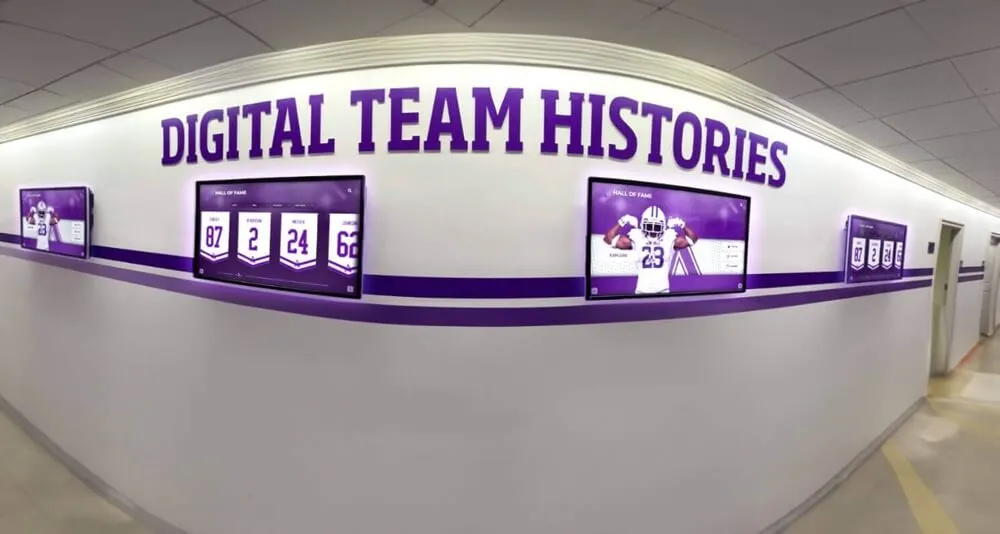
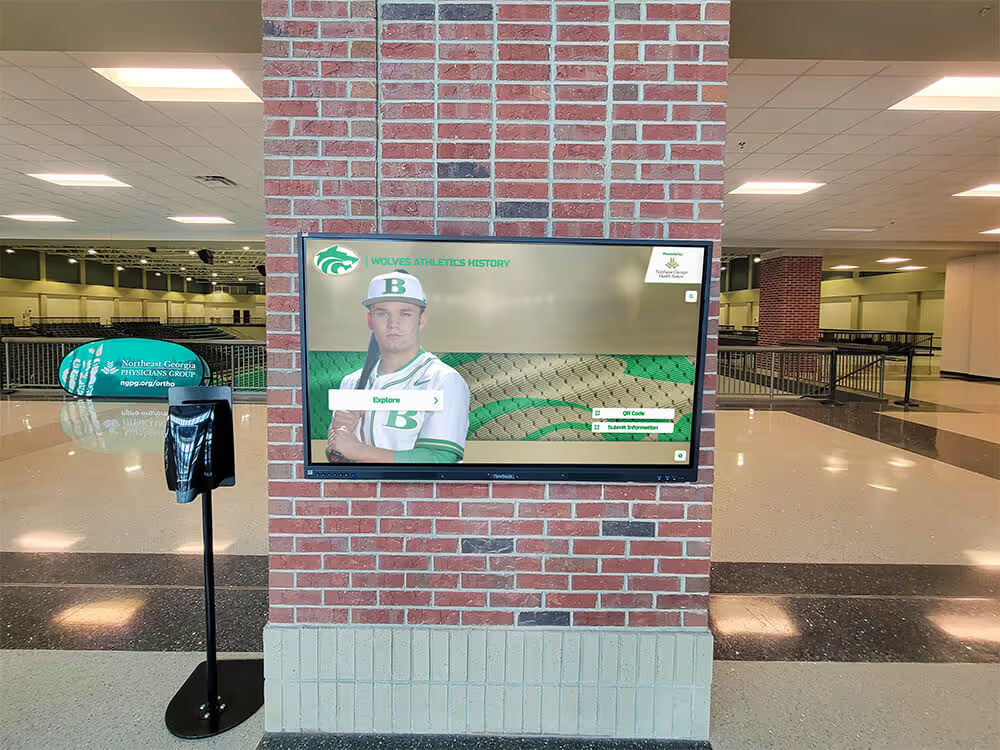
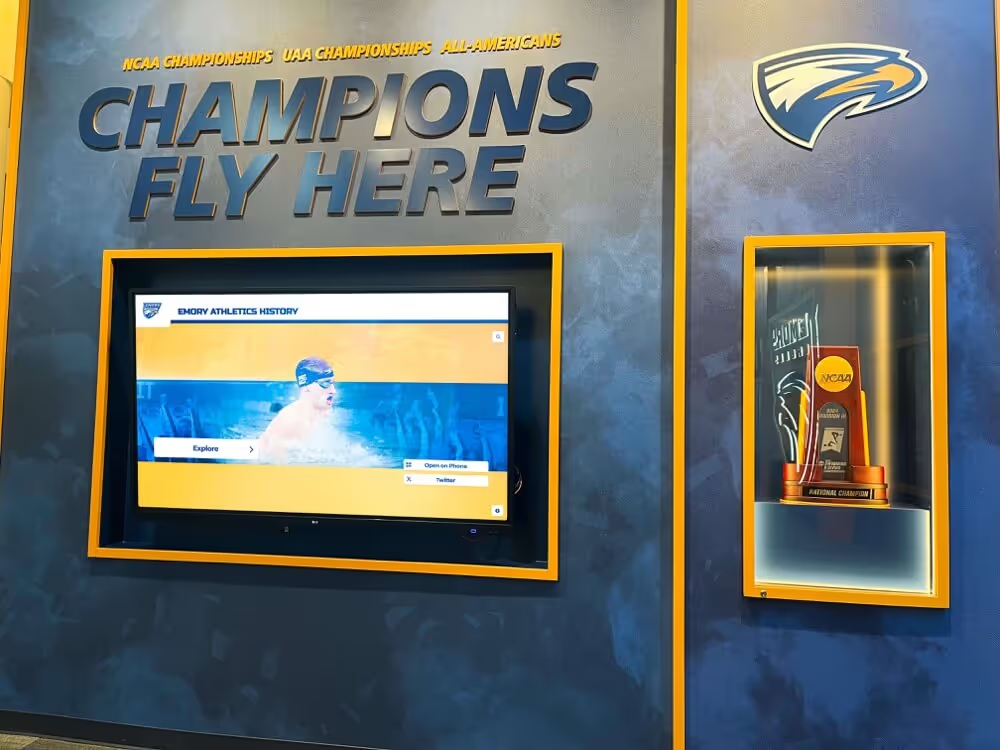
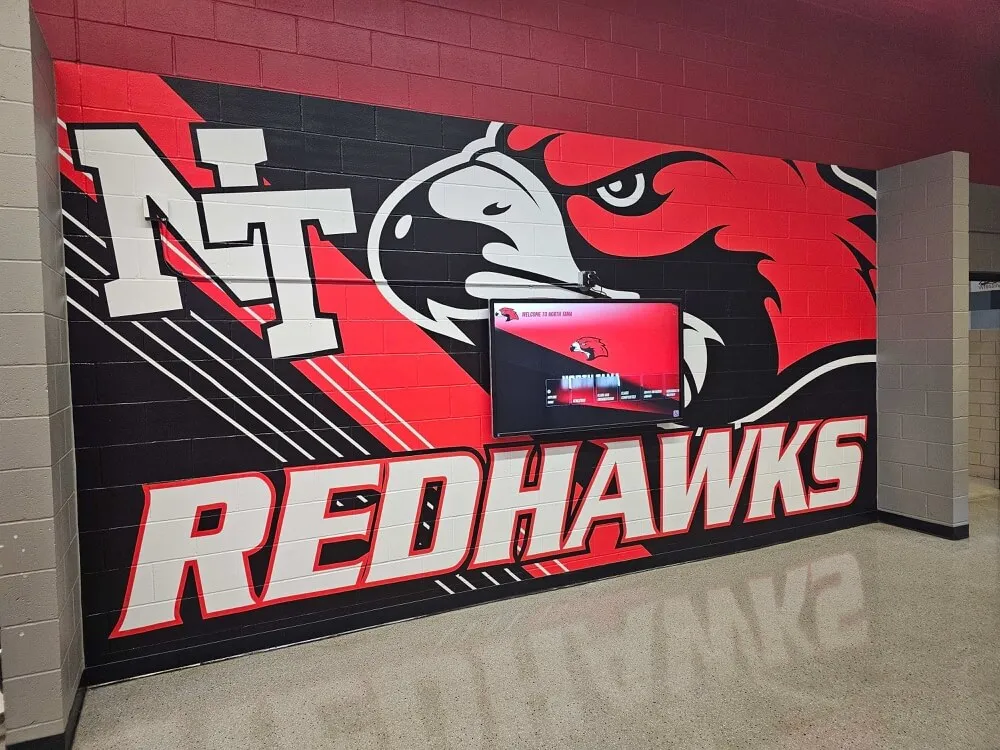
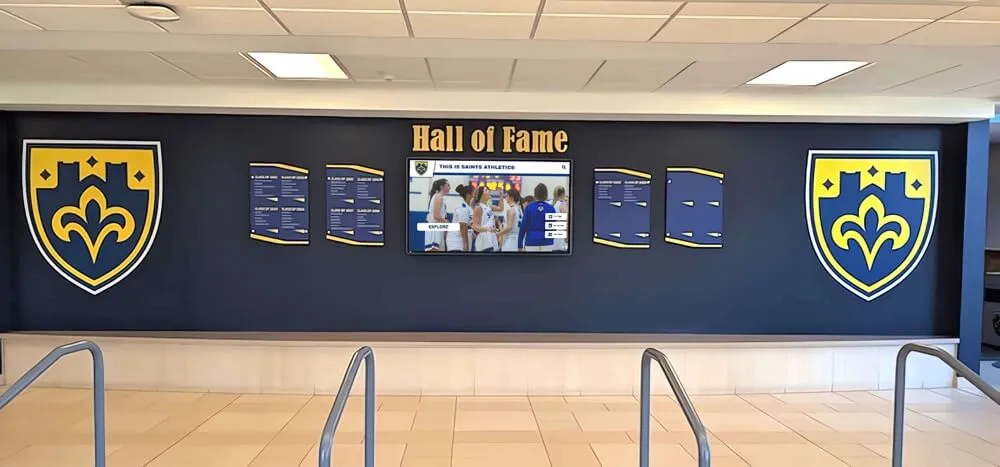
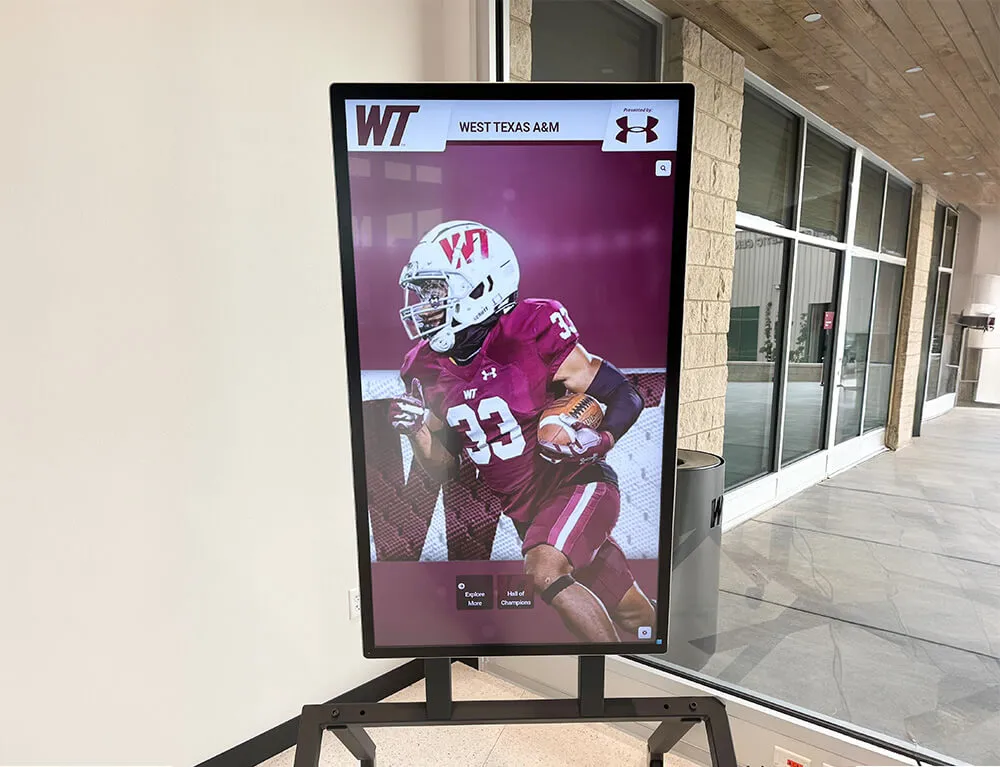
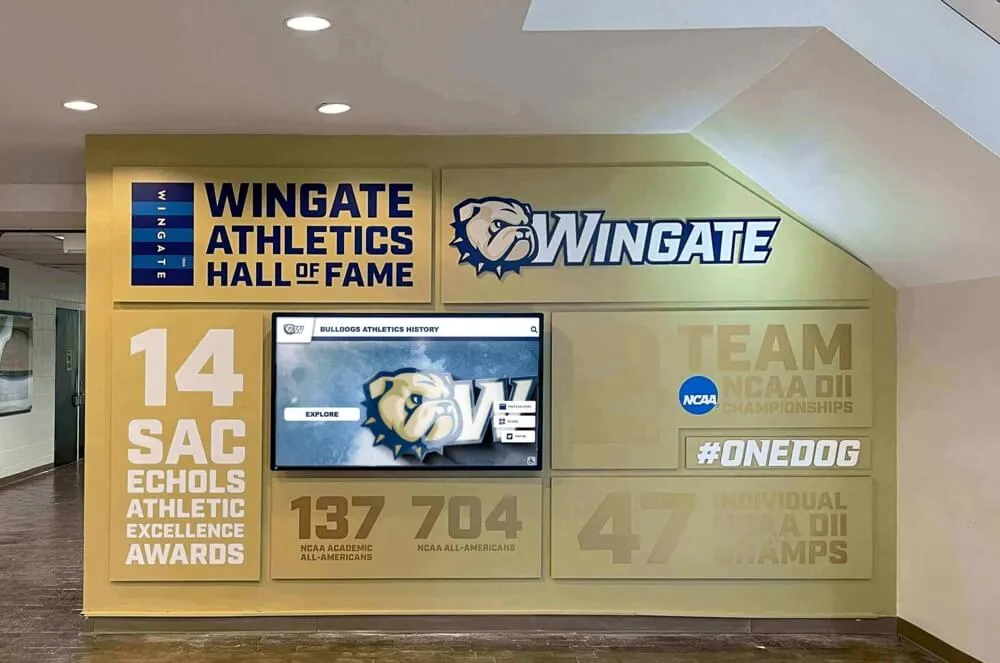
Professional donor recognition screens create lasting tributes honoring generosity while inspiring continued engagement through compelling visual storytelling
Program Snapshot: Donor Recognition Screen Implementation
Before diving into detailed planning, understanding the comprehensive scope of recognition screen programs helps organizations prepare appropriate resources and timelines.
| Program Element | Description | Timeline |
|---|---|---|
| Audience | Current donors across all giving levels, prospective contributors, board members, volunteers, facility visitors, alumni communities, campaign prospects | Ongoing engagement |
| Primary Outcomes | Comprehensive donor acknowledgment, improved retention rates, enhanced gift progression, strengthened emotional connection, visible stewardship demonstration, campaign momentum building | Measurable within 12-24 months |
| Recognition Scope | Historical archives of past contributions, current annual fund supporters, capital campaign donors, endowment contributors, planned giving society members, volunteer leadership, in-kind donations | All giving types included |
| Content Architecture | Searchable donor databases, giving level societies, multimedia impact stories, campaign progress tracking, video testimonials, beneficiary narratives, QR code giving integration | Multi-layered content system |
| Technical Platform | Interactive touchscreen displays, cloud content management, web portal extension, mobile responsiveness, donor database integration, real-time update capabilities | Scalable technology infrastructure |
| Launch Preparation | 8-12 weeks for planning, content development, technical implementation, staff training, donor communication | Comprehensive preparation phase |
| Ongoing Management | Weekly recognition updates, quarterly impact refreshes, annual comprehensive reviews, continuous quality assurance, donor feedback integration | Sustained administrative commitment |
This snapshot illustrates that donor recognition screens require strategic planning addressing technology, content, communication, and long-term maintenance rather than one-time installation projects.
Content Architecture: Mapping Recognition Elements to Screen Modules
Effective donor recognition screens organize information systematically, enabling intuitive navigation while showcasing diverse recognition content that honors all contribution types and giving levels comprehensively.
Core Recognition Database Module
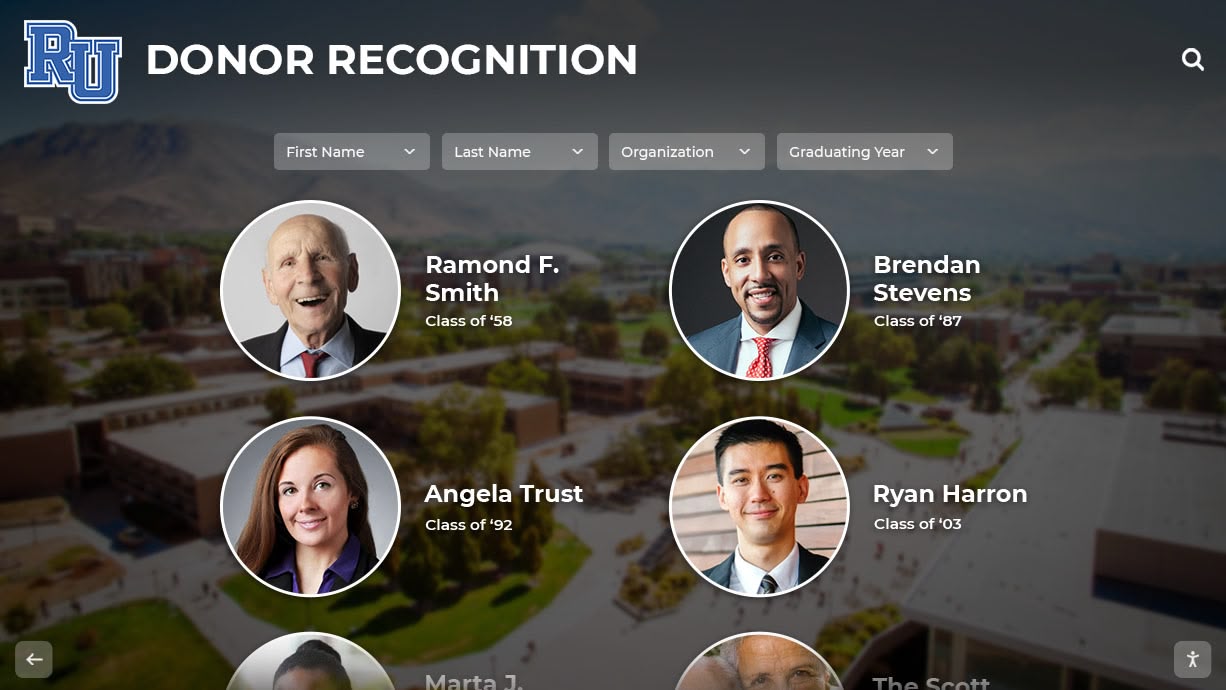
The foundation of every recognition screen program is a comprehensive, searchable database presenting donor information accessibly.
Essential Database Fields
Complete donor profiles should include:
- Full name with proper spelling and preferred format
- Giving level designation (annual fund, leadership circle, major gift society)
- Recognition year or contribution date
- Cumulative giving total when appropriate
- Campaign or fund designation (scholarship, capital project, endowment)
- Anonymous accommodation for privacy-conscious donors
- Memorial or tribute designation honoring loved ones
- Connection to specific programs or initiatives funded
Organizations implementing digital donor walls report that comprehensive profiles create substantially more engagement than name-only listings, with visitors spending 5-7 minutes exploring rich content versus brief glances at traditional plaques.
Search and Filter Capabilities
Intuitive discovery requires multiple navigation pathways:
- Alphabetical directory enabling quick name lookup
- Giving level filters showcasing society membership tiers
- Campaign-specific views displaying initiative supporters
- Year filters showing historical giving patterns
- Program area organization connecting donors to missions
- Full-text search finding donors by name, company, or keywords
- Random highlight rotation featuring diverse contributors
These capabilities transform passive name displays into interactive exploration experiences where every visitor can find personally relevant content.
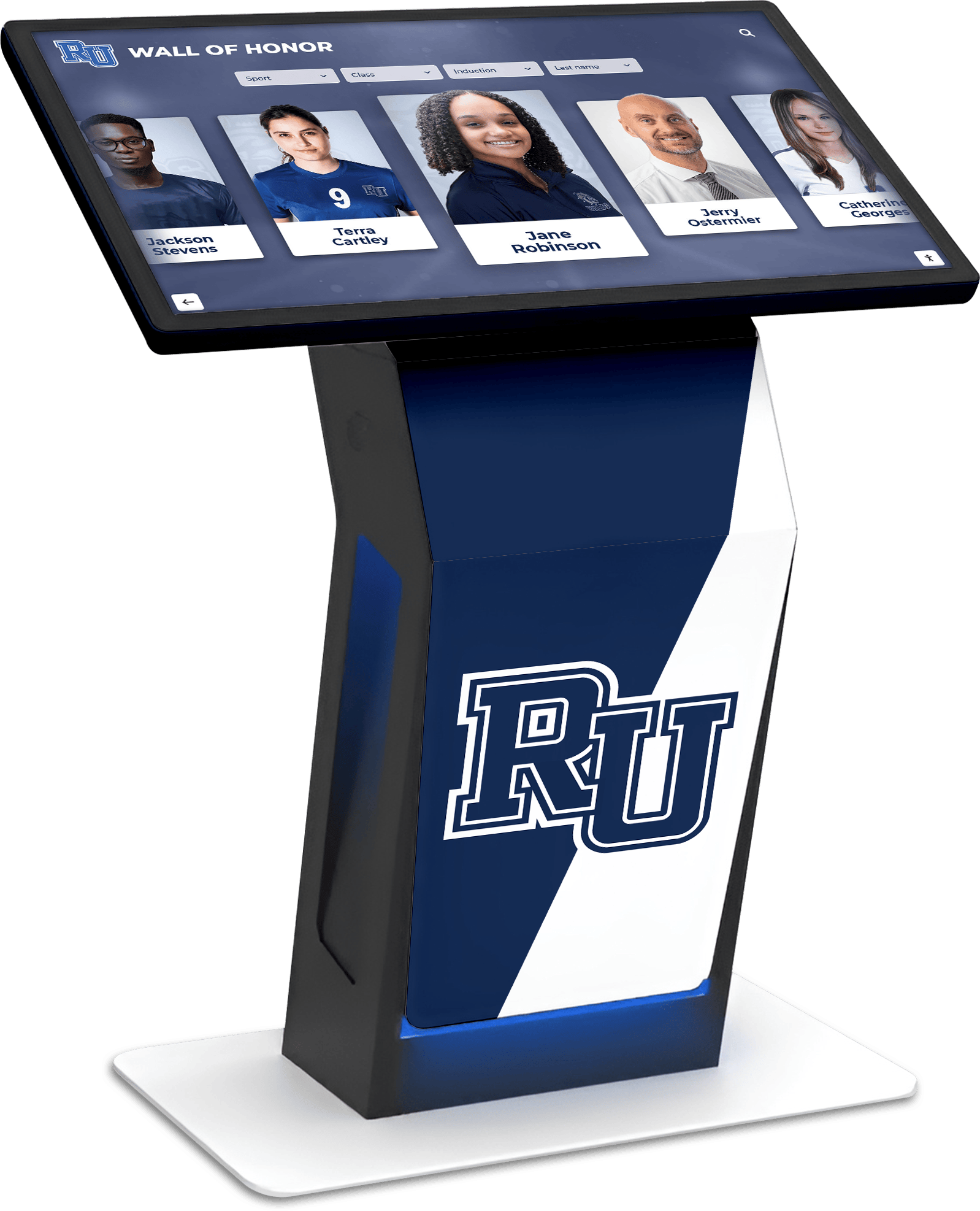
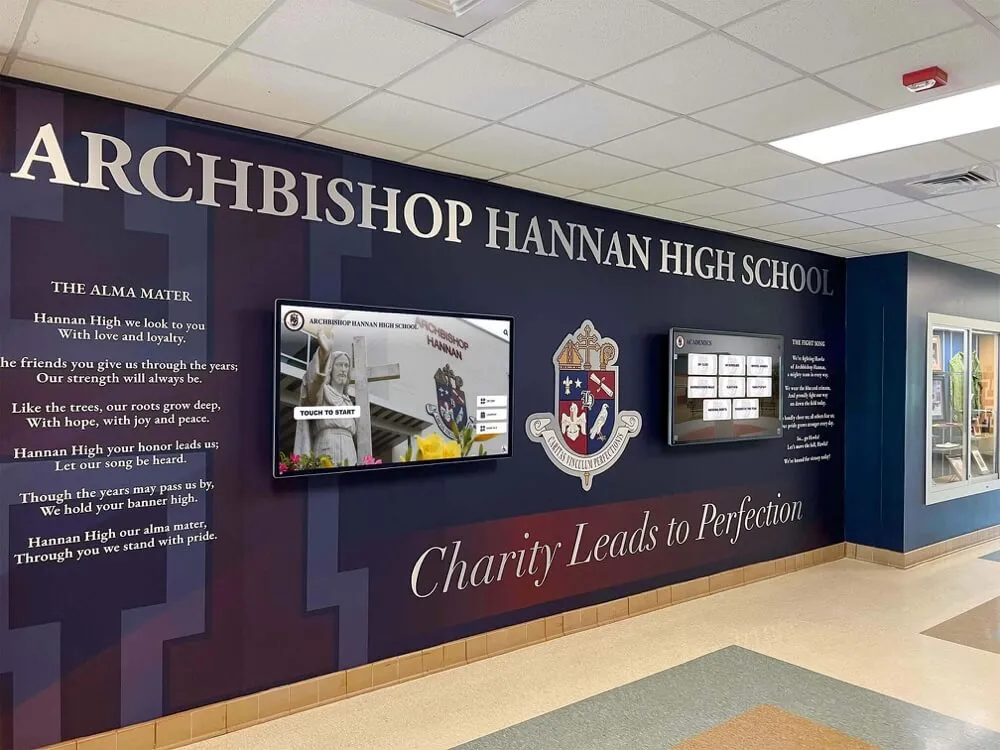
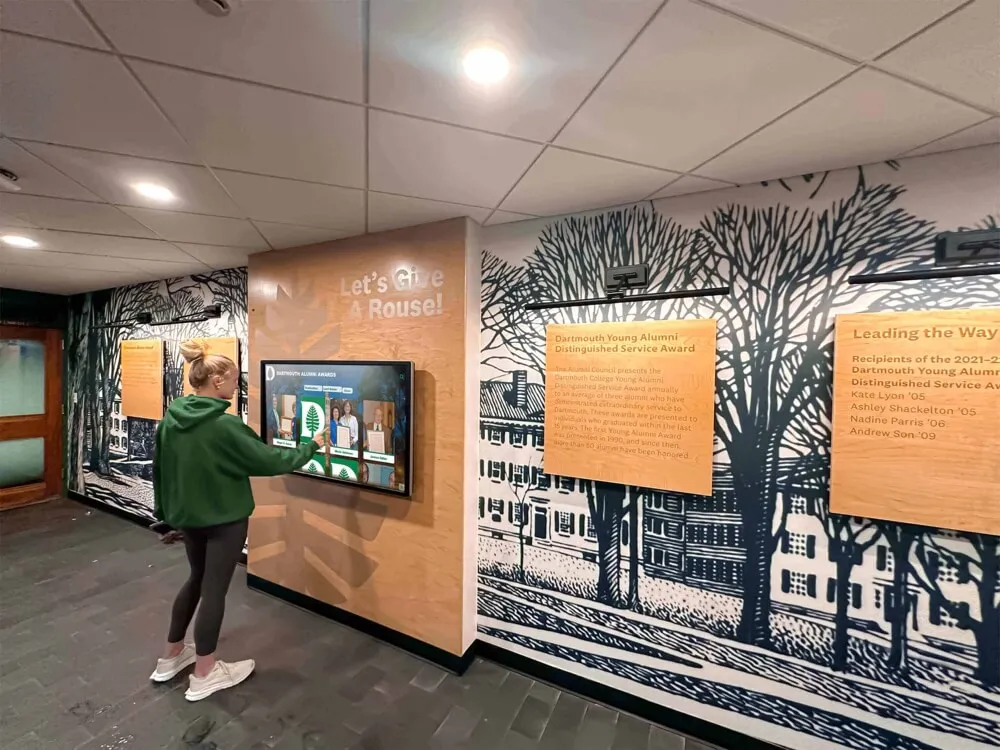
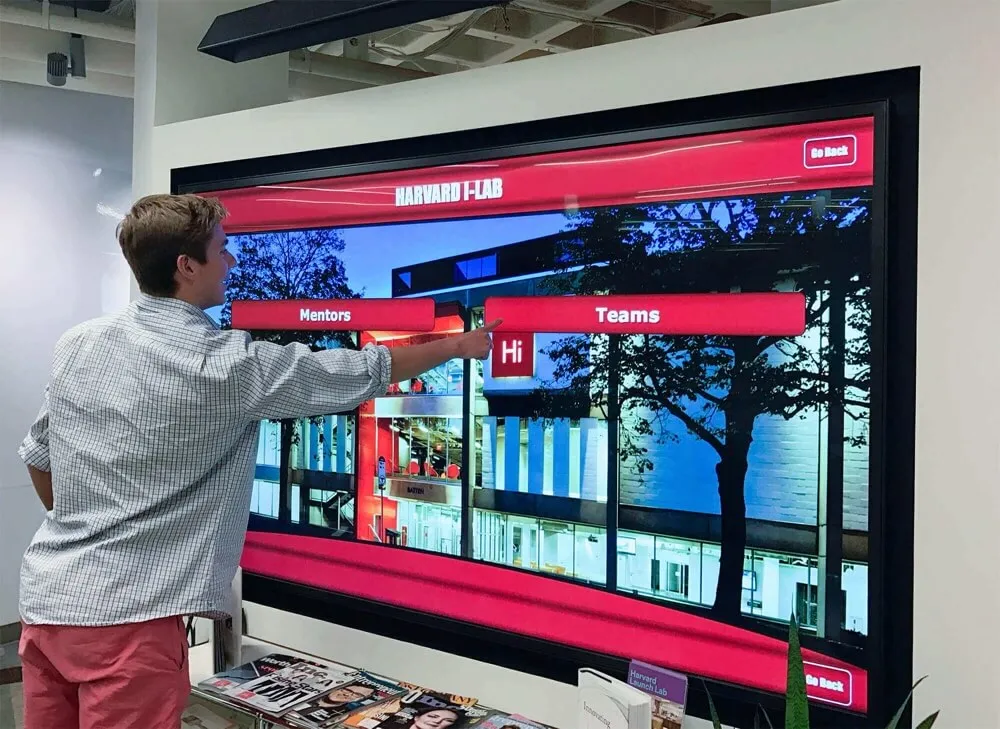
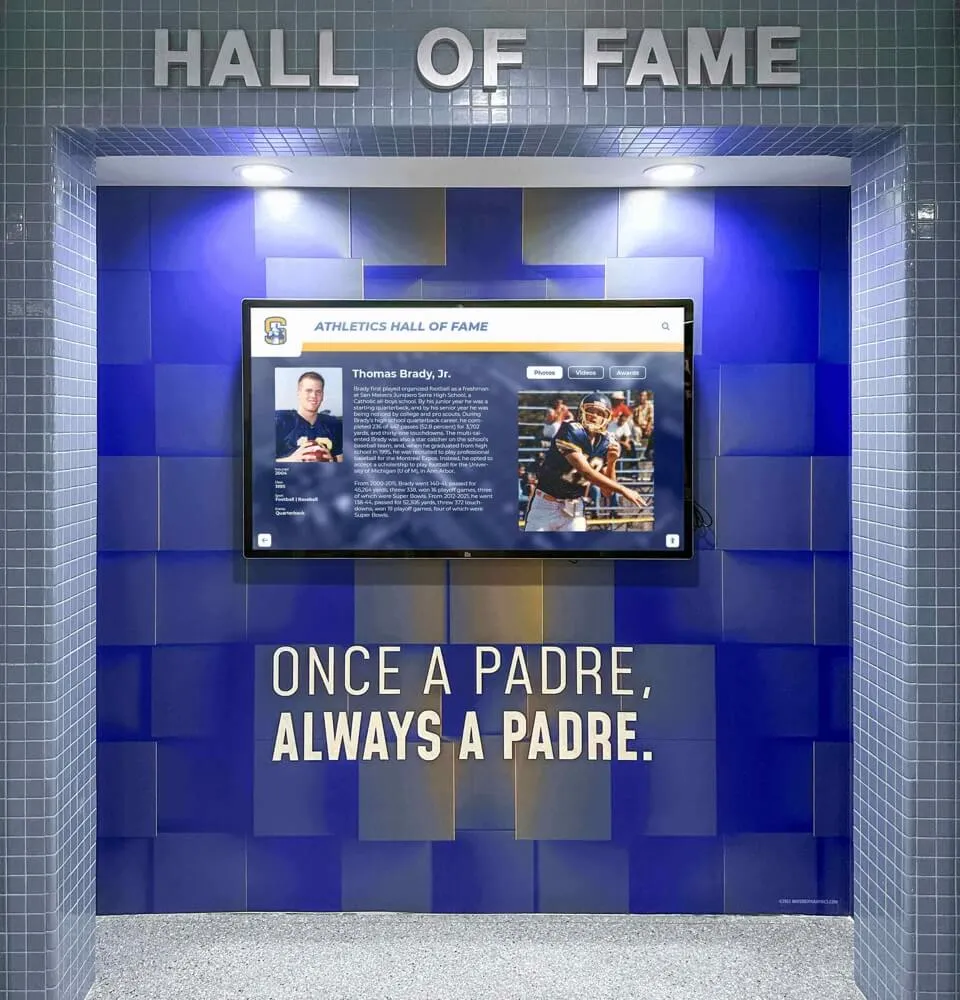
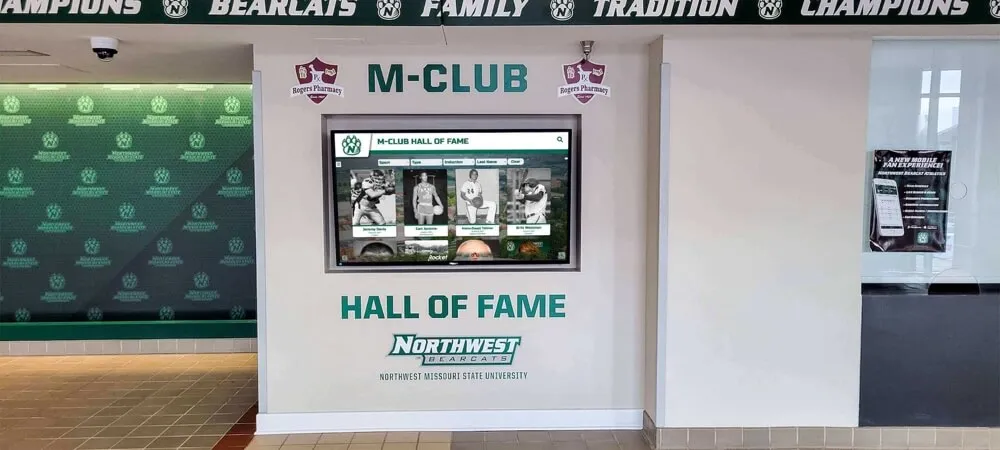
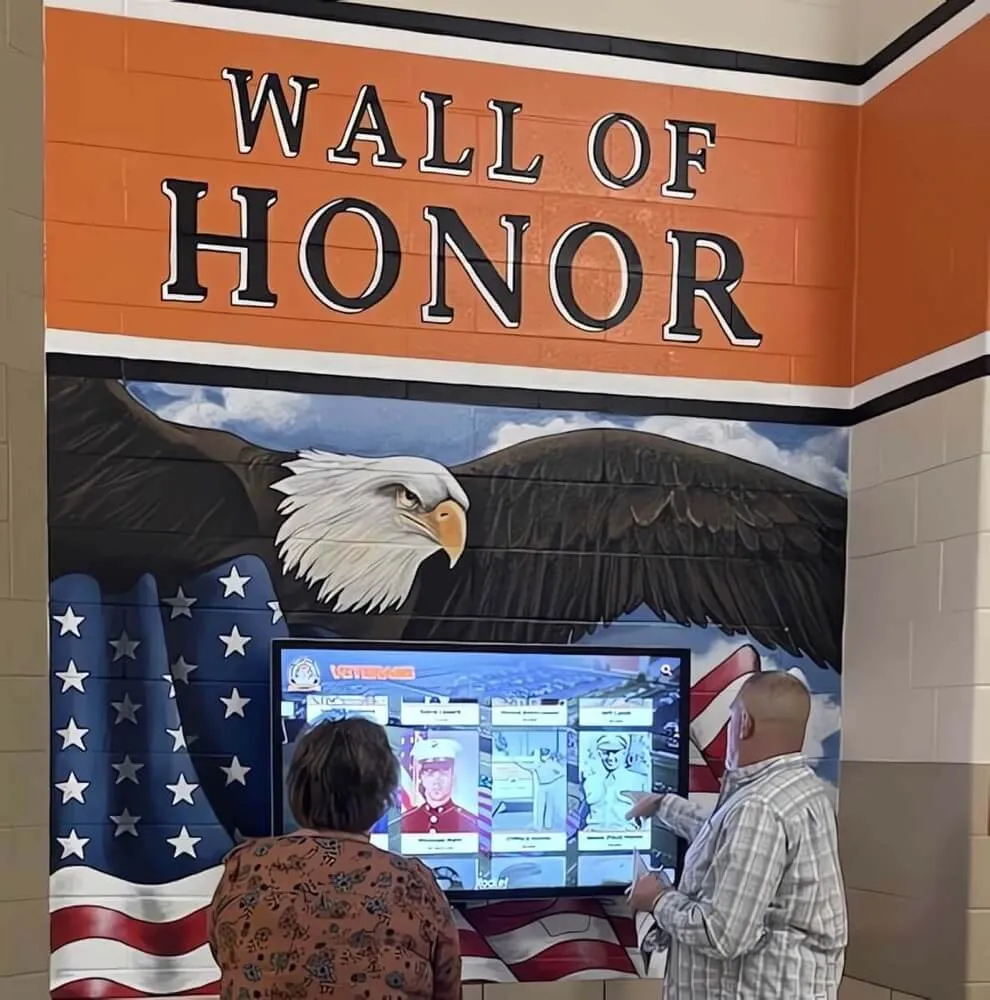
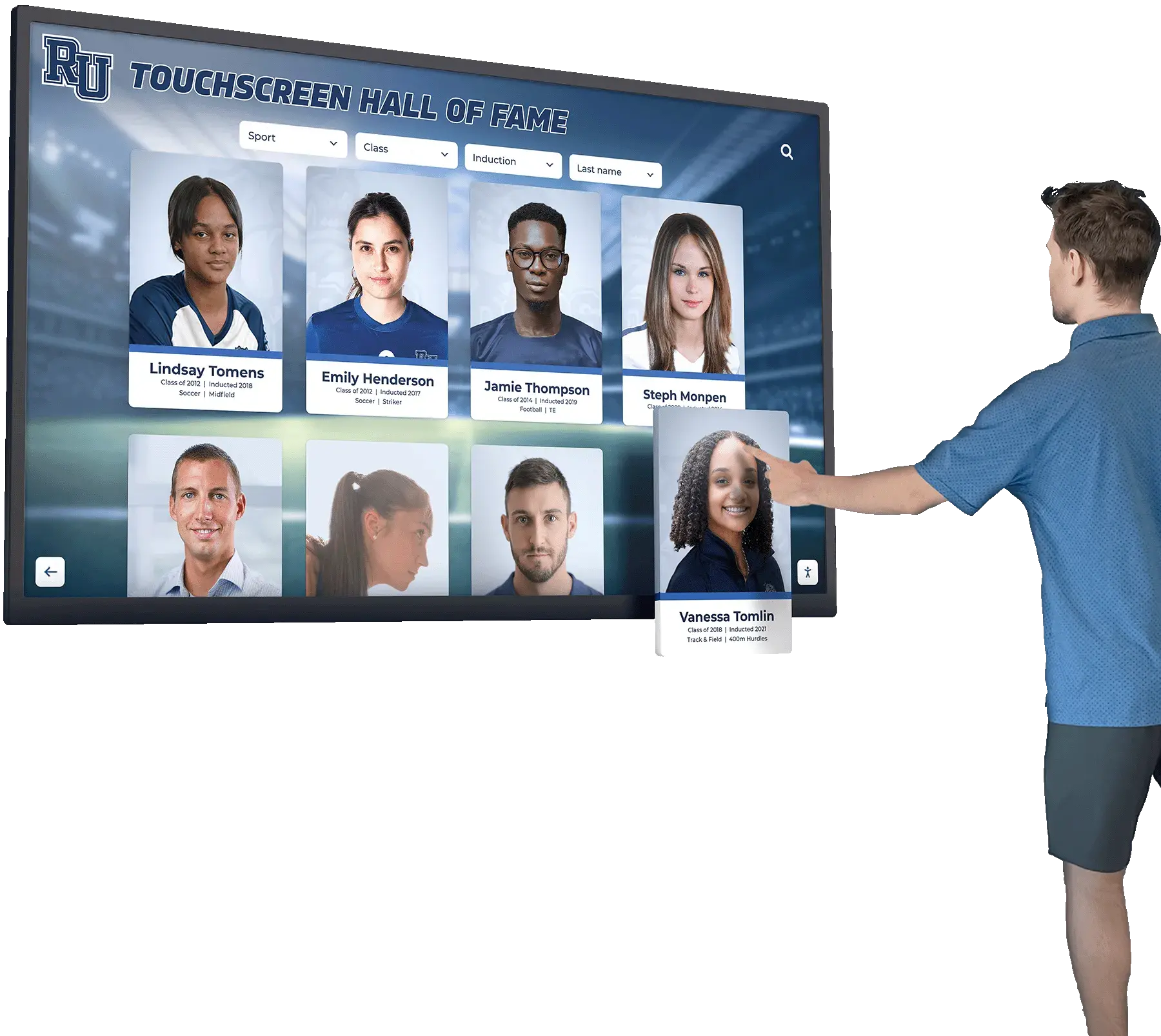
Interactive kiosks invite engagement through intuitive touchscreen interfaces that enable deep exploration of donor recognition and impact stories
Impact Storytelling Module
Beyond acknowledging contributions, recognition screens must demonstrate what donations accomplish and how they create meaningful change.
Program Outcome Documentation
Effective impact communication includes:
- Quantified beneficiaries served through donor support
- Facility improvements enabled by capital campaign contributions
- Scholarship recipients funded by endowment earnings
- Program expansion made possible by annual fund support
- Research outcomes and discoveries funded by philanthropy
- Community services provided through donor generosity
- Student, patient, or client success stories illustrating transformation
According to nonprofit research, donors cite “seeing impact” as the primary factor influencing continued giving and increased contribution levels, making outcome communication essential recognition content rather than optional enhancement.
Before-and-After Visual Documentation
Compelling storytelling pairs narrative with imagery:
- Facility condition before renovation compared to completed transformation
- Program scale prior to expansion versus current reach
- Service capacity limitations contrasted with donor-enabled growth
- Technology infrastructure upgrades showing modernization impact
- Outdoor space improvements documenting donor-funded beautification
Visual documentation creates tangible evidence of philanthropic impact that abstract financial reports cannot match, helping donors understand how their investments create real-world change.
Explore effective approaches for highlighting donor recognition that combines acknowledgment with impact demonstration.
Campaign Progress Tracking Module
Active fundraising campaigns benefit from real-time progress visibility that creates momentum and encourages participation.
Dynamic Campaign Thermometers
Progress visualization should display:
- Current fundraising total versus goal
- Percentage completion with visual progress bars
- Donor count demonstrating participation breadth
- Milestone celebrations recognizing achievement increments
- Time remaining for time-limited campaigns
- Matching gift status and multiplier availability
- Challenge goal progress toward unlocking additional funds
Organizations implementing campaign progress displays report that visible community support creates powerful silent solicitation effects, with prospective donors witnessing participation levels and feeling inspired to join giving movements.
Leadership Gift Announcements
Strategic recognition of major contributions:
- Named giving opportunities highlighting transformational support
- Anonymous leadership gift acknowledgment showing major commitment
- Matching gift challenges issued by generous donors
- First-gift announcements launching campaigns with momentum
- Completion celebrations recognizing goal achievement
- Donor testimonials explaining giving motivation
These announcements build campaign energy while honoring generous supporters who catalyze broader community participation.
Learn about comprehensive capital campaign donor recognition strategies for maximizing fundraising effectiveness.
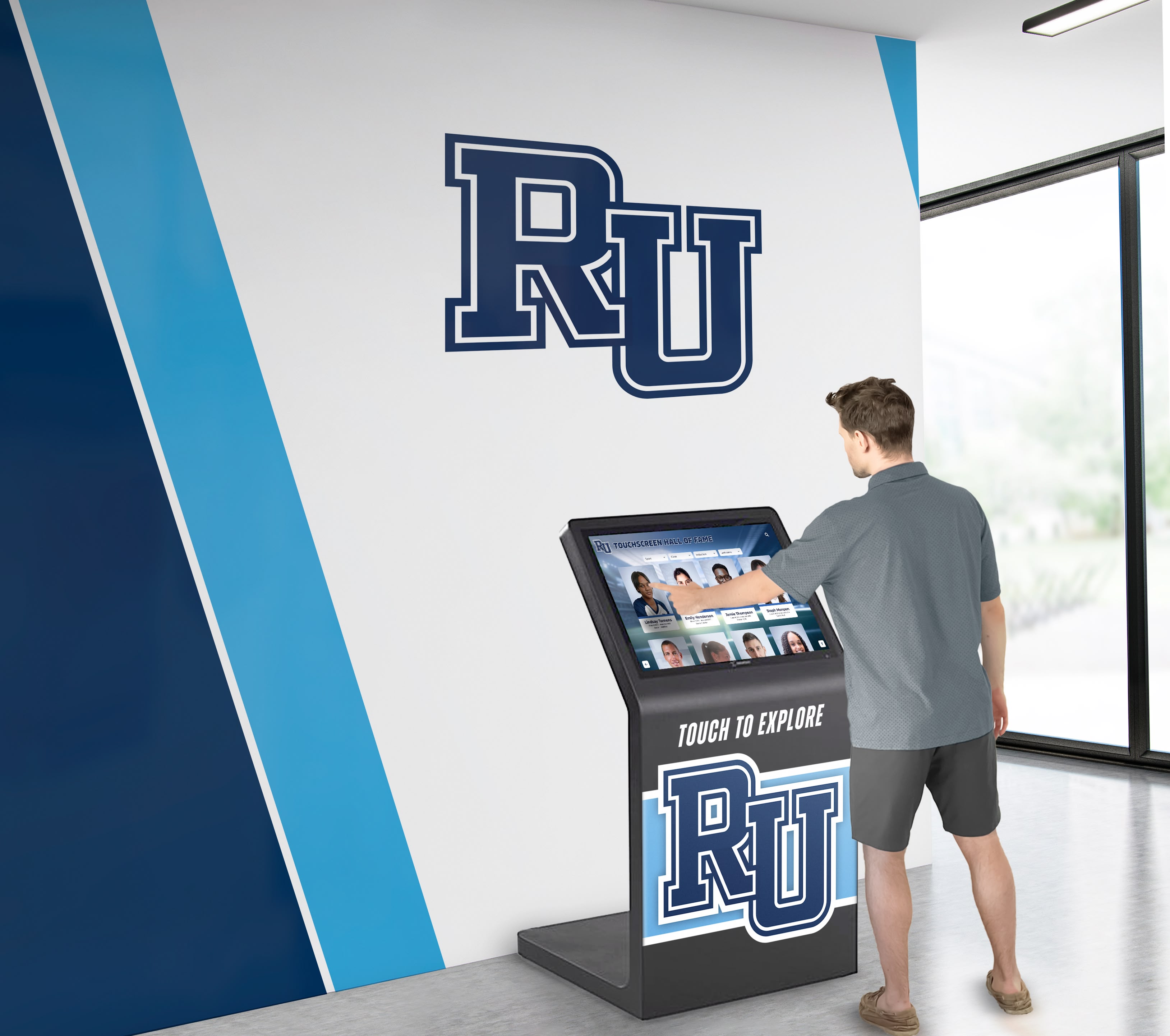
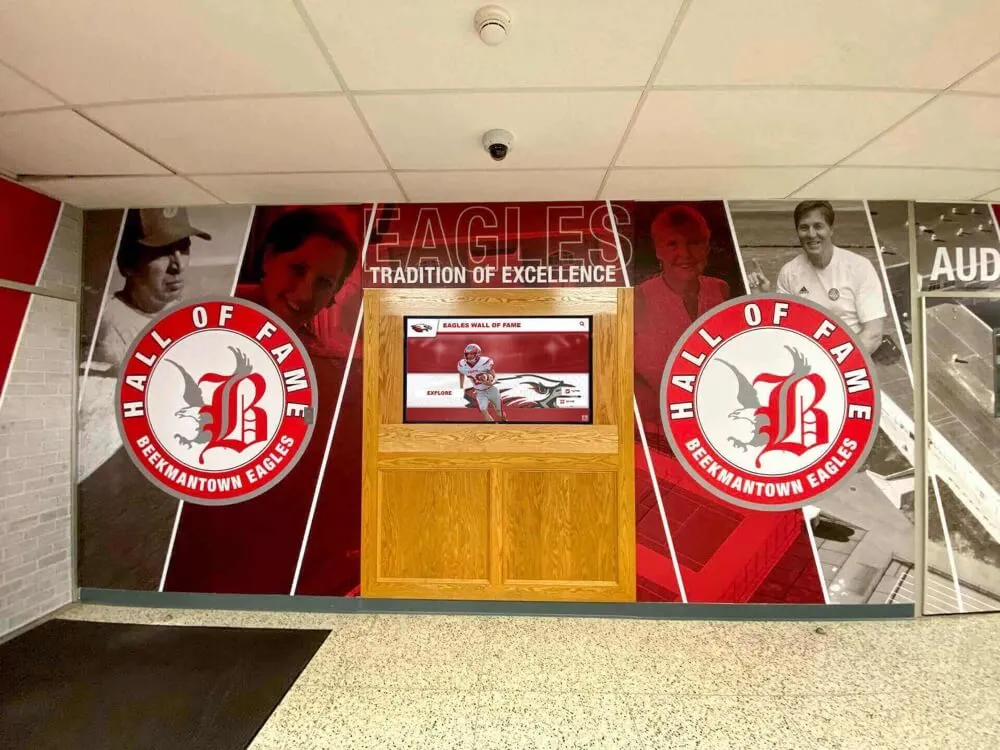
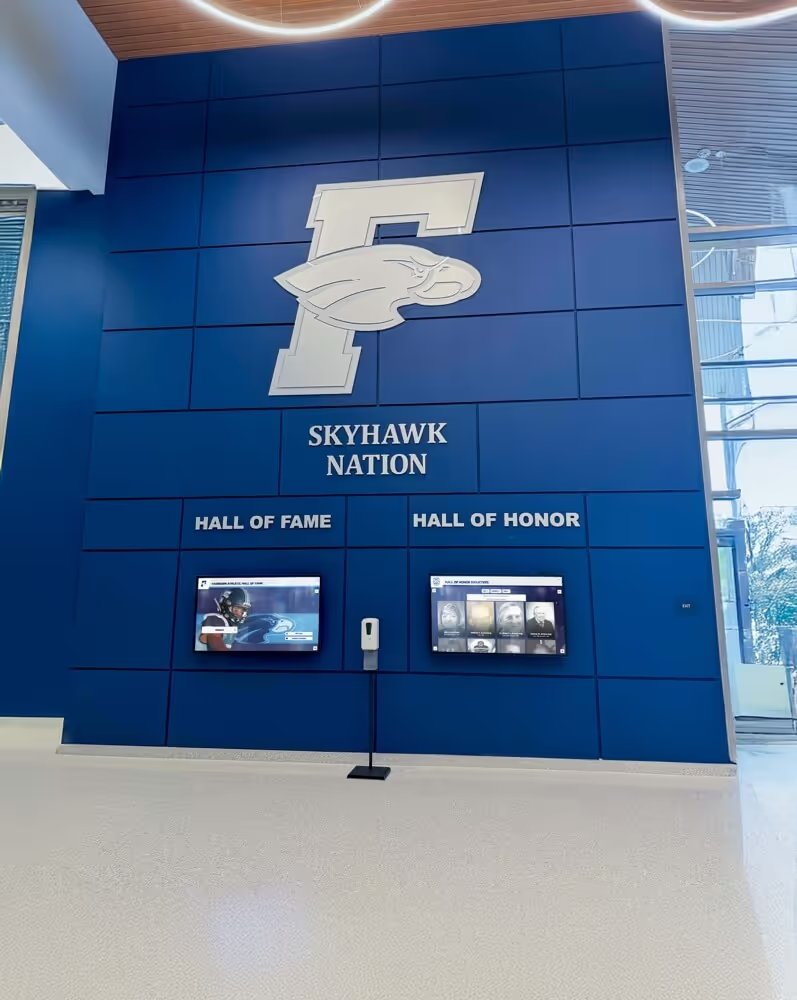
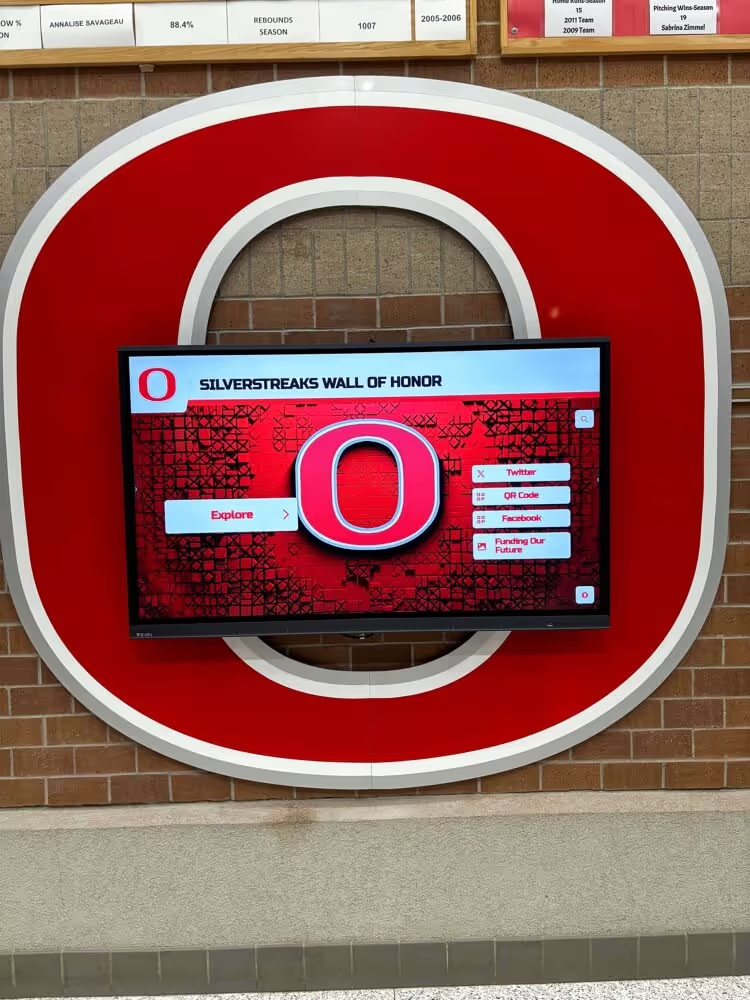
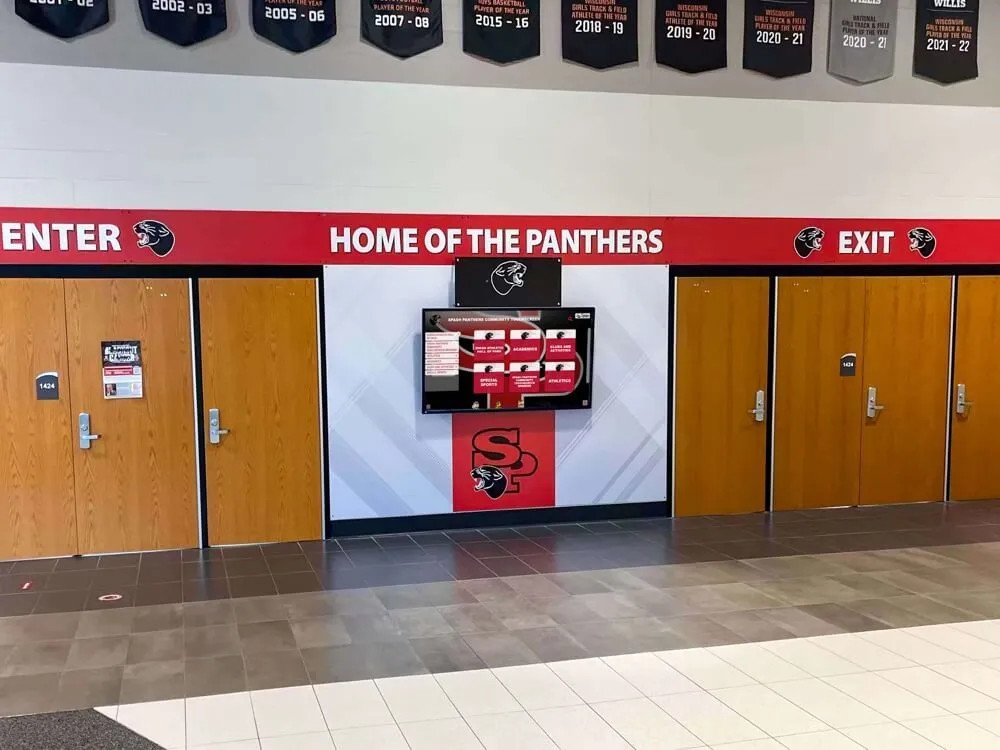
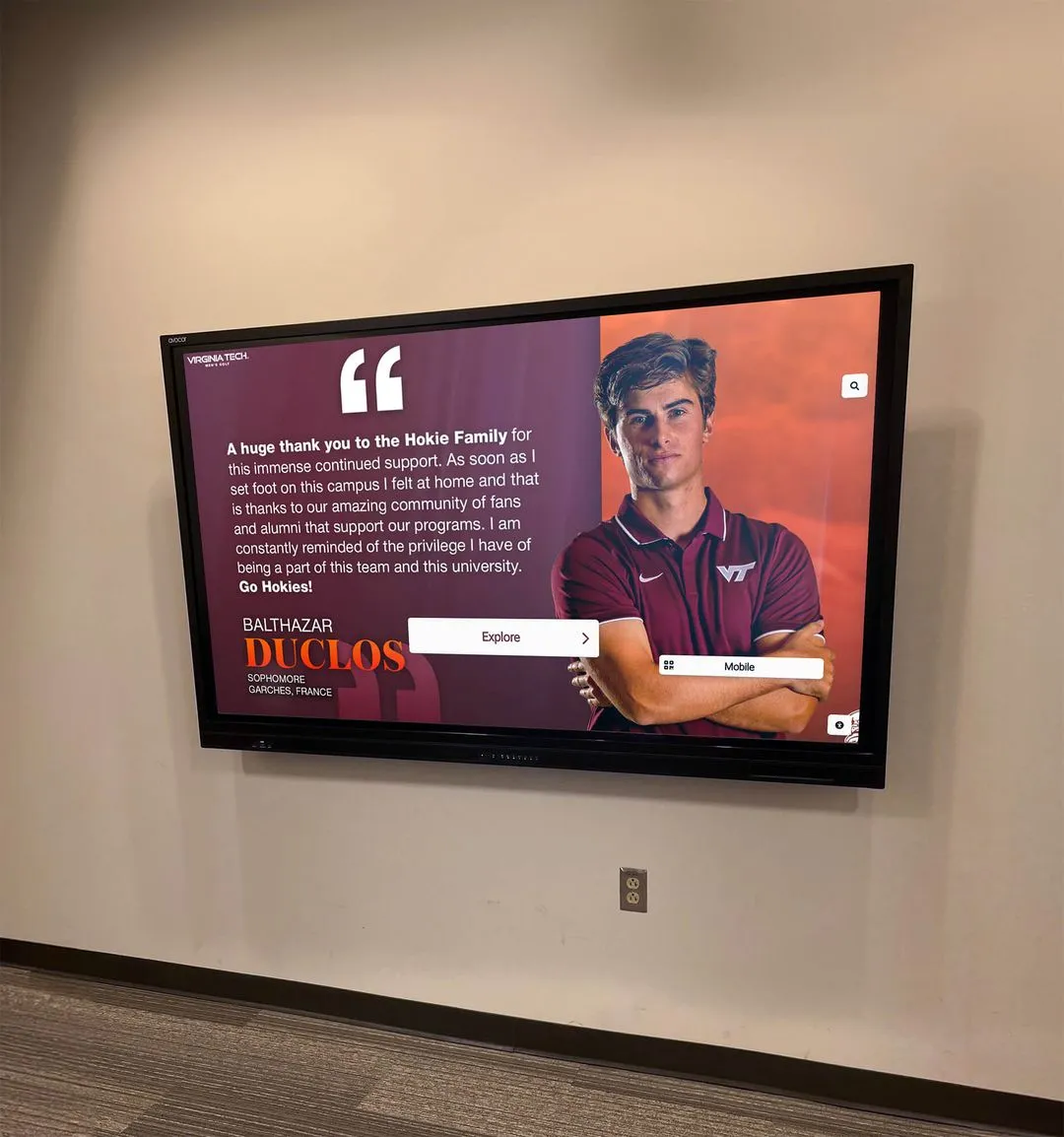
Strategic placement in high-traffic lobbies ensures maximum visibility while inviting natural exploration of recognition content and giving opportunities
Donor Testimonial and Story Module
First-person narratives from contributors create authentic peer influence that generic institutional messaging cannot achieve.
Video Testimonial Integration
Multimedia storytelling capabilities include:
- Donor interviews explaining philanthropic motivation
- Family legacy stories connecting generational giving
- Values alignment narratives describing mission connection
- Challenge and matching gift announcements from sponsors
- Impact observation reflections from donors visiting programs
- Volunteer leadership perspectives on organizational commitment
Video content generates significantly higher engagement than text alone, with visitors watching 60-90 second testimonials completely when content authentically shares donor perspectives rather than organizational marketing messages.
Written Donor Profiles
Text-based storytelling complements video content:
- Biographical sketches providing context about contributors
- Career achievement highlights connecting professional success to giving
- Alumni journey narratives describing institutional impact on lives
- First-gift stories explaining what inspired initial support
- Giving progression testimonials describing why support increased
- Planned giving rationale sharing estate commitment motivation
These profiles honor individual contributors comprehensively while providing prospective donors with relatable examples of philanthropic engagement.
Discover strategies for creating compelling donor recognition programs that combine multiple storytelling approaches effectively.
Giving Opportunity Integration Module
Recognition screens should seamlessly connect appreciation with cultivation, providing easy pathways for inspired visitors to join donor communities.
QR Code Giving Access
Mobile giving integration includes:
- Prominent QR codes linking to optimized donation pages
- Campaign-specific codes directing to designated funds
- Society membership information with joining instructions
- Planned giving resources explaining estate gift options
- Recurring donation setup for sustained support
- Employer matching gift search tools maximizing contributions
Organizations implementing QR code integration report that 15-25% of recognition display visitors scan codes to learn more about giving opportunities, with 3-5% converting to actual donations—creating measurable fundraising ROI from recognition investments.
Direct Contact Information
Personal connection opportunities:
- Development office contact details for gift discussions
- Planned giving officer information for estate planning conversations
- Campaign leadership contact for leadership gift inquiries
- Program director information for designated fund questions
- Online giving portal links for immediate contributions
- Event registration for donor appreciation gatherings
Providing multiple engagement pathways accommodates diverse donor preferences, ensuring interested prospects can connect through their preferred communication channels.
Execution Timeline: Planning, Building, Launching, and Refreshing Recognition Screens
Successful donor recognition screen implementation requires systematic phasing that addresses planning, content development, technical setup, launch communication, and ongoing maintenance.
Phase 1: Strategic Planning and Program Design (Weeks 1-3)
Recognition Philosophy Definition
Establish guiding principles before making technical decisions:
- Recognition purpose (appreciation, stewardship, inspiration, transparency, cultivation)
- Organizational values reflected through recognition approach
- Inclusive commitment honoring all contribution levels equitably
- Anonymous giving accommodation respecting privacy preferences
- Long-term vision for recognition as fundraising programs grow
- Integration with broader donor relations and stewardship strategy
Many organizations find that recognition planning committees including development staff, board members, major donors, and communications professionals create comprehensive perspectives that individual planners might miss.
Giving Level Structure Development
Define clear, fair recognition criteria:
- Entry-level recognition minimum (commonly $500-$2,500 depending on organization size)
- Progressive giving societies (typical tiers: $1,000, $2,500, $5,000, $10,000, $25,000, $50,000, $100,000+)
- Leadership circle thresholds for transformational investments
- Cumulative lifetime giving recognition honoring sustained partnership
- Planned giving society membership for estate commitments
- Volunteer leadership and in-kind contribution equivalency standards
Clear policies established proactively prevent future conflicts and ensure consistent treatment across all donors over time.
Technology Platform Selection
Evaluate solutions based on recognition-specific requirements:
- Purpose-built donor recognition software versus generic digital signage
- Interactive touchscreen capability enabling visitor engagement
- Cloud-based content management accessible from anywhere
- Web portal extension reaching donors remotely
- Donor database integration for automated updates
- Multi-display coordination for larger installations
- Analytics tracking engagement and content effectiveness
Solutions like Rocket Alumni Solutions provide comprehensive platforms specifically designed for donor recognition applications, with features addressing unique requirements that generic alternatives cannot accommodate effectively.
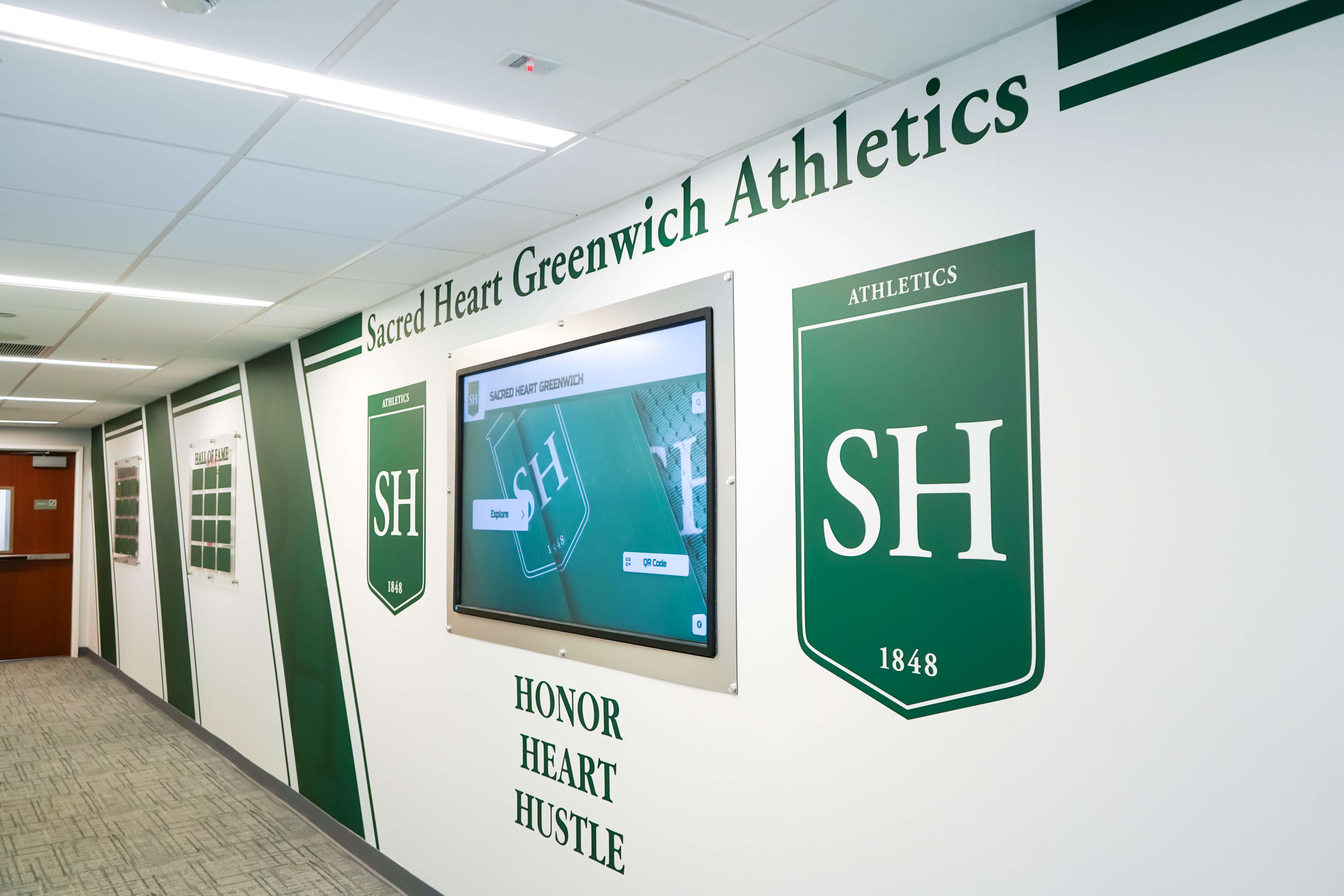
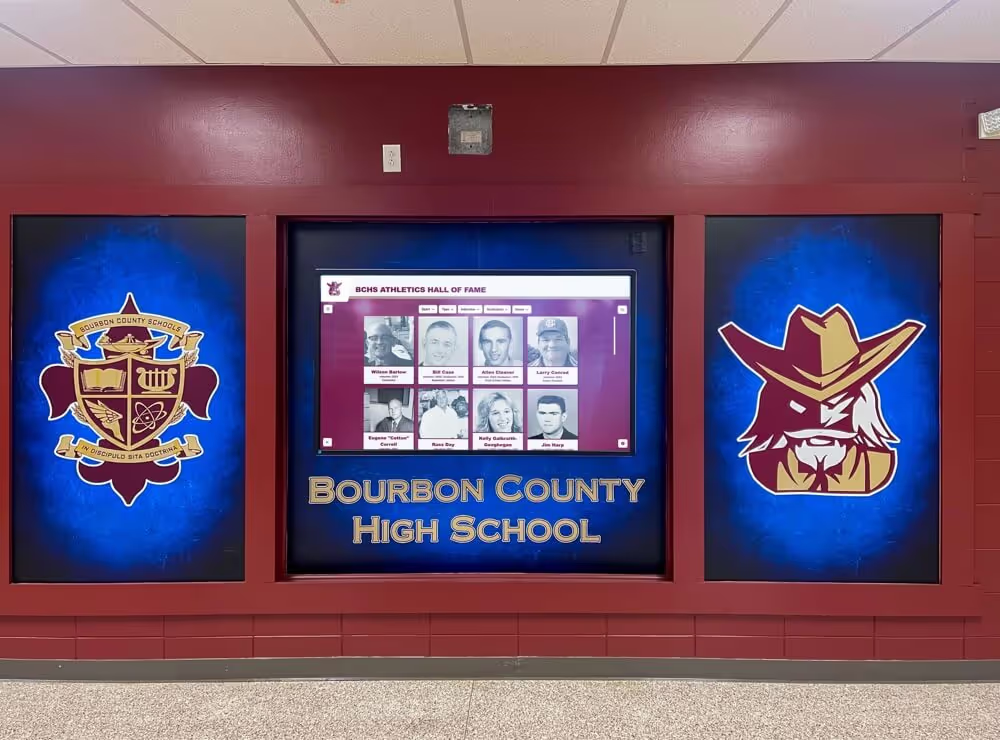
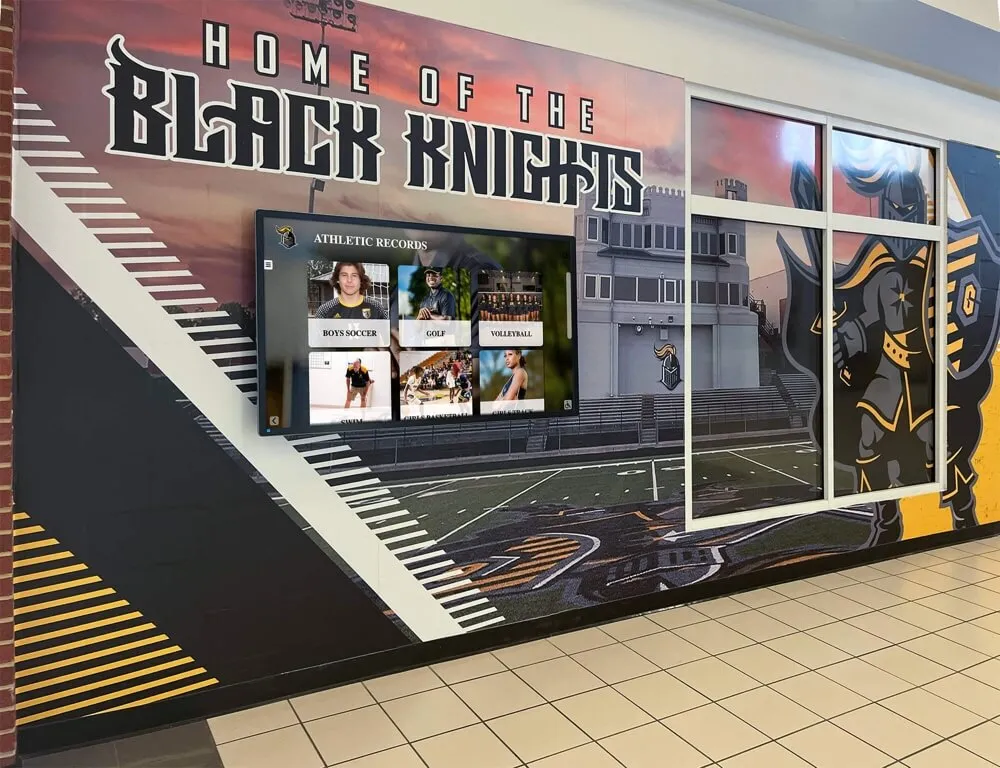
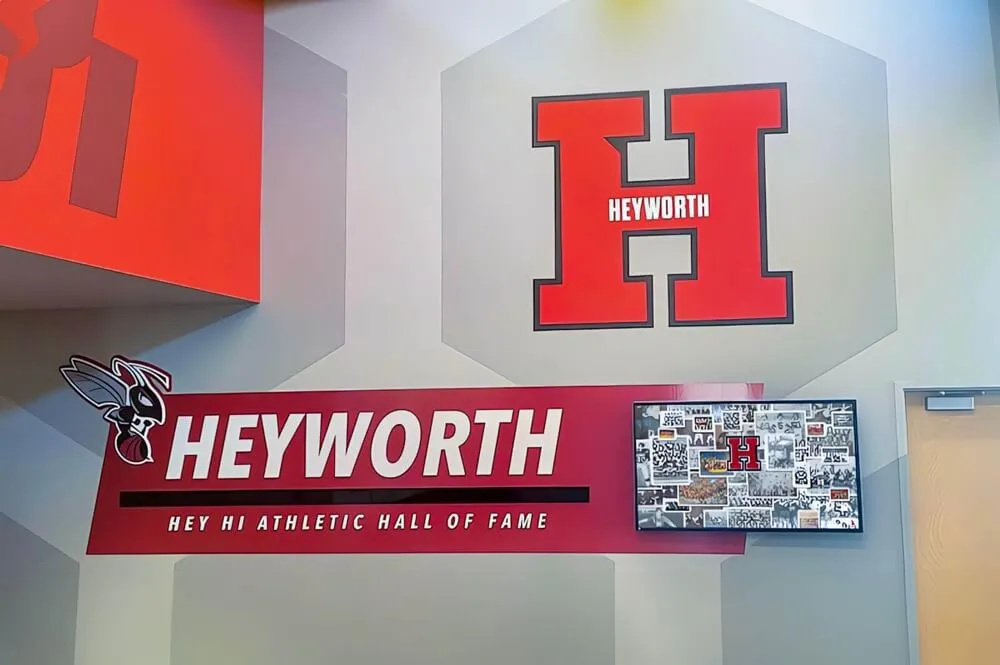
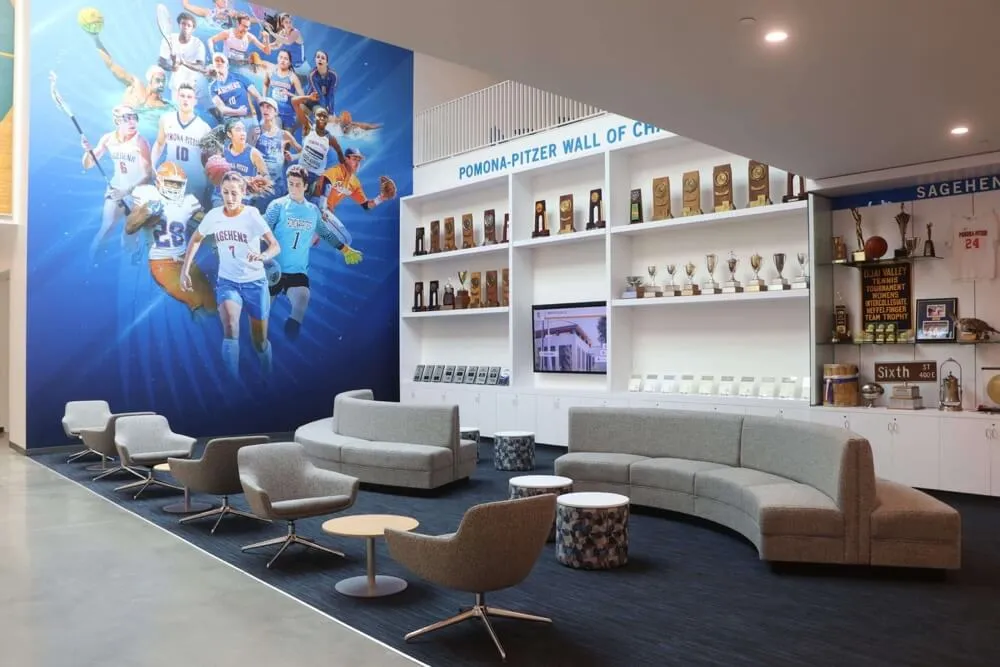
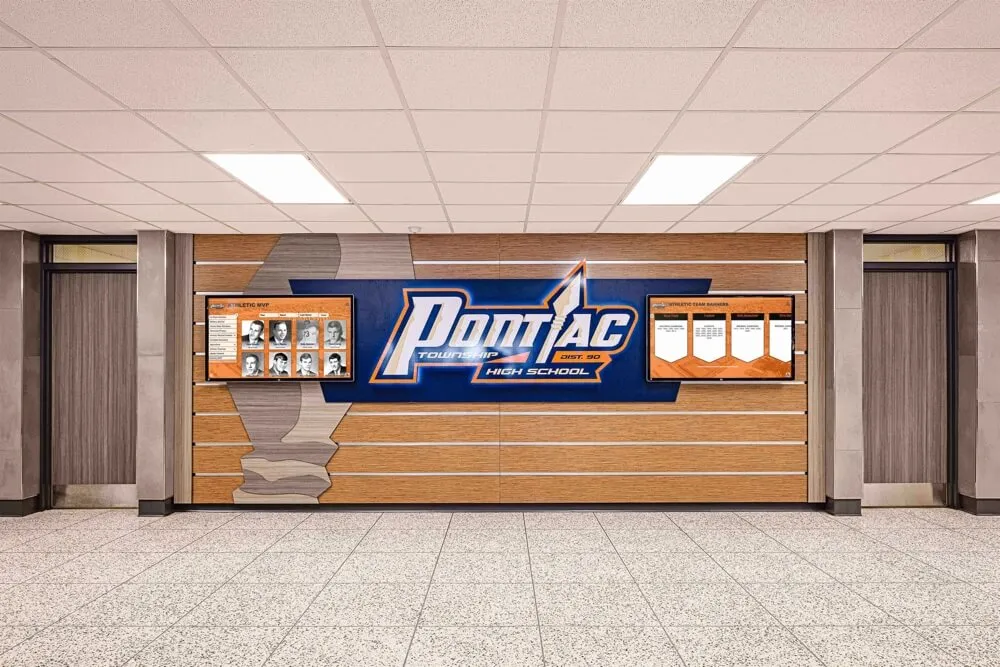
Thoughtful design integrates digital recognition displays with institutional branding and architectural elements for cohesive professional presentation
Phase 2: Content Development and Data Migration (Weeks 4-7)
Historical Donor Data Compilation
Comprehensive archive preparation includes:
- Campaign records and donor lists from development databases
- Giving level verification with financial systems
- Biographical information compilation from donor files
- Photography collection from event archives and donor submissions
- Memorial designation identification for deceased contributors
- Anonymous donor coding preserving privacy commitments
Organizations should plan 3-4 weeks for historical data quality assurance, as this discovery process often reveals inconsistencies requiring resolution before public display.
Multimedia Content Creation
Rich storytelling asset development:
- Professional photography of donors, facilities, programs, and beneficiaries
- Video testimonial filming with donors explaining giving motivation
- Impact story development connecting gifts to outcomes
- Program description writing explaining funded initiatives
- Historical timeline creation documenting organizational legacy
- Campaign progress graphic design for active fundraising
Quality content distinguishes compelling recognition from basic name listings, transforming acknowledgment into engaging storytelling that honors donors comprehensively.
Content Management System Population
Technical implementation of recognition content:
- Donor profile import using bulk upload tools
- Individual record verification ensuring accuracy
- Photo and video upload with proper attribution
- Category and tag assignment enabling filtering
- Search optimization ensuring discoverability
- Preview and quality assurance review
- Correction of errors before public launch
Many organizations conduct soft launches allowing internal stakeholders to review content and identify issues before public unveiling, preventing embarrassing errors that undermine credibility.
Phase 3: Technical Implementation and Display Installation (Weeks 6-8)
Hardware Installation and Configuration
Physical setup requirements include:
- Display mounting hardware installation (wall-mounted or freestanding kiosk)
- Electrical power connection and network infrastructure
- Screen calibration and touchscreen responsiveness testing
- Physical security measures in public spaces
- ADA-compliant placement ensuring accessibility
- Lighting adjustment preventing glare and ensuring visibility
Professional installation ensures reliable operation and creates positive first impressions with polished presentation rather than technical problems undermining recognition effectiveness.
Software Configuration and Testing
System setup and validation:
- Content management software installation and configuration
- Donor database integration establishing automated updates
- Interactive feature testing across all navigation pathways
- Search and filter functionality verification
- Mobile responsive testing for web portal access
- Performance optimization ensuring smooth operation
- Backup and recovery procedure documentation
Organizations should allocate 5-7 business days for comprehensive testing, addressing any technical issues before public launch when problems create donor-facing embarrassment.
Explore digital recognition display implementation best practices for successful technical deployment.
Staff Training and Administrative Onboarding
Operational readiness preparation:
- Content management training for designated staff
- Update workflow documentation and role assignment
- Quality assurance procedures and approval processes
- Technical troubleshooting guidance and vendor support contacts
- Donor communication protocols for recognition inclusion
- Analytics review procedures for engagement monitoring
Comprehensive training ensures recognition remains current and well-managed long after initial implementation, preventing the decay that occurs when systems lack clear administrative ownership.
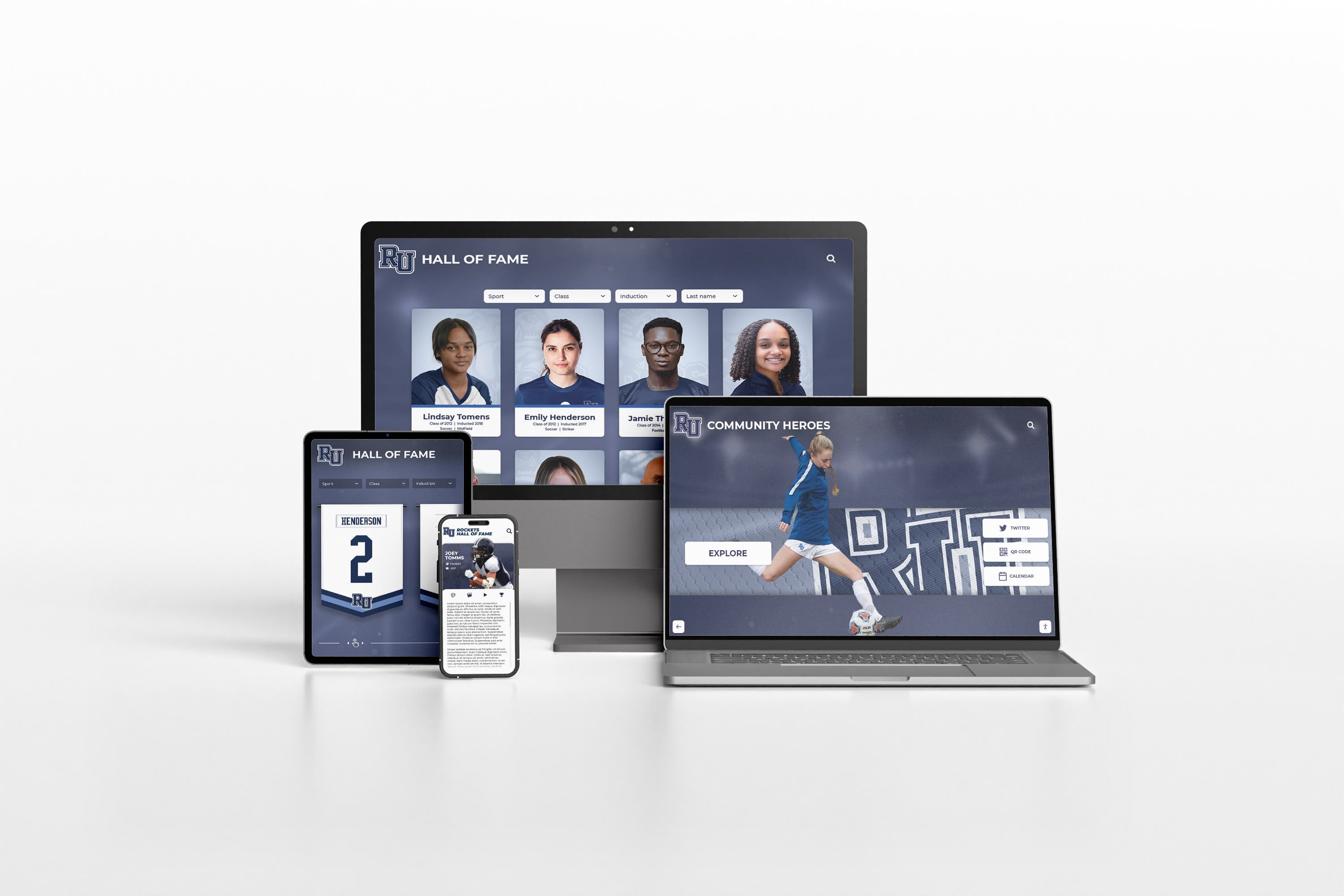
Multi-platform accessibility ensures recognition reaches donors wherever they connect, extending impact beyond physical display locations
Phase 4: Launch Communication and Celebration (Weeks 9-10)
Unveiling Event Planning
Recognition launch celebration components:
- Donor invitation to exclusive preview or dedication ceremony
- Leadership remarks expressing gratitude and explaining vision
- Interactive display demonstration showcasing capabilities
- Reception or refreshments creating social engagement opportunity
- Photography documentation for marketing and communications
- Media coverage generating publicity value and community awareness
Thoughtful launch events honor donors who made programs possible while educating stakeholders about recognition capabilities and organizational appreciation culture.
Multi-Channel Donor Communication
Comprehensive announcement strategy:
- Personalized letters to all recognized donors announcing inclusion
- Email campaigns with direct links to online recognition profiles
- Social media promotion showcasing recognition features
- Newsletter features explaining program and technology
- Website integration with prominent navigation and discovery
- Tour script updates incorporating recognition displays
- Printed materials featuring recognition in annual reports
Broad communication ensures donors know about their recognition and can celebrate inclusion with families, colleagues, and personal networks—amplifying appreciation impact beyond single display location.
Prospective Donor Cultivation Integration
Strategic leveraging for fundraising:
- Facility tour integration highlighting recognition and giving opportunities
- Major gift prospect meetings showcasing visible appreciation culture
- Campaign materials featuring recognition as giving benefit
- Naming opportunity presentations illustrating tribute options
- Planned giving conversations emphasizing legacy celebration
- Board recruitment demonstrating organizational stewardship excellence
Recognition screens become powerful silent solicitation tools when strategically incorporated into broader fundraising cultivation activities.
Phase 5: Ongoing Refresh and Sustained Management (Continuous)
Regular Recognition Updates
Maintenance schedule for current acknowledgment:
- Weekly or bi-weekly new donor additions as gifts process
- Monthly comprehensive reviews ensuring accuracy and completeness
- Quarterly impact story refreshes showcasing program outcomes
- Annual recognition audit verifying all donors included appropriately
- Campaign milestone updates during active fundraising periods
- Giving society progression when donors increase commitment levels
Consistent updates demonstrate that recognition remains organizational priority rather than one-time project completed at launch.
Content Refresh Strategy
Keeping recognition engaging over time:
- Seasonal content rotation preventing static presentation
- Event photography additions from donor appreciation gatherings
- New video testimonials collected systematically
- Impact reporting updates showing sustained program results
- Historical anniversary recognition celebrating milestones
- Campaign progress updates maintaining fundraising momentum
Organizations committed to recognition excellence treat displays as living systems requiring continuous refinement rather than static installations completed at implementation.
Learn about comprehensive donor recognition best practices for sustained program effectiveness.
Display Integration: Layout Zones, Placement Strategy, and Accessibility Considerations
Physical and technical integration determines whether recognition screens achieve intended visibility, engagement, and impact.
High-Impact Placement Strategy
Location selection significantly affects recognition effectiveness and return on investment.
Primary Traffic Path Locations
Optimal placement includes:
- Main entrance lobbies ensuring every visitor encounters recognition
- Reception areas where guests wait naturally before meetings or tours
- Event spaces hosting donor cultivation activities and gatherings
- Development office areas where prospective major donors visit
- Building dedication spaces commemorating capital campaign projects
- Alumni center gathering areas where supporters congregate
- Athletic facility concourses with high game-day traffic
Research indicates that recognition placement in primary circulation paths generates 5-10 times more engagement than secondary hallways or peripheral locations, making visibility a critical implementation consideration.
Multiple Display Coordination
Organizations with larger facilities benefit from distributed recognition:
- Coordinated content across all displays ensuring consistency
- Location-specific customization highlighting relevant programs
- Campaign progress synchronized showing unified fundraising efforts
- Central management eliminating duplicate administrative effort
- Consistent branding and design language across all touchpoints
Cloud-based content management systems enable efficient multi-display coordination without requiring staff to physically visit each location for updates.
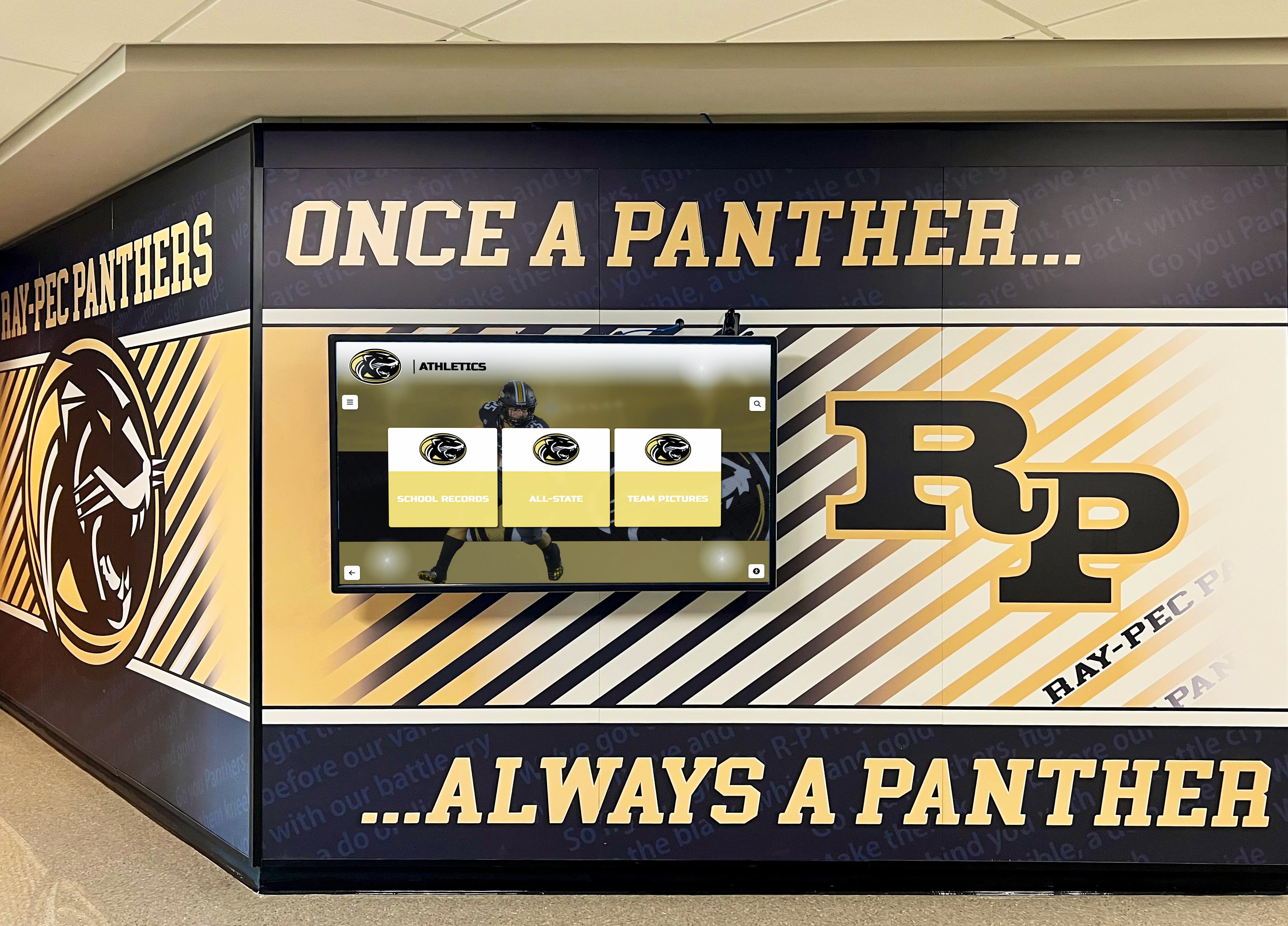
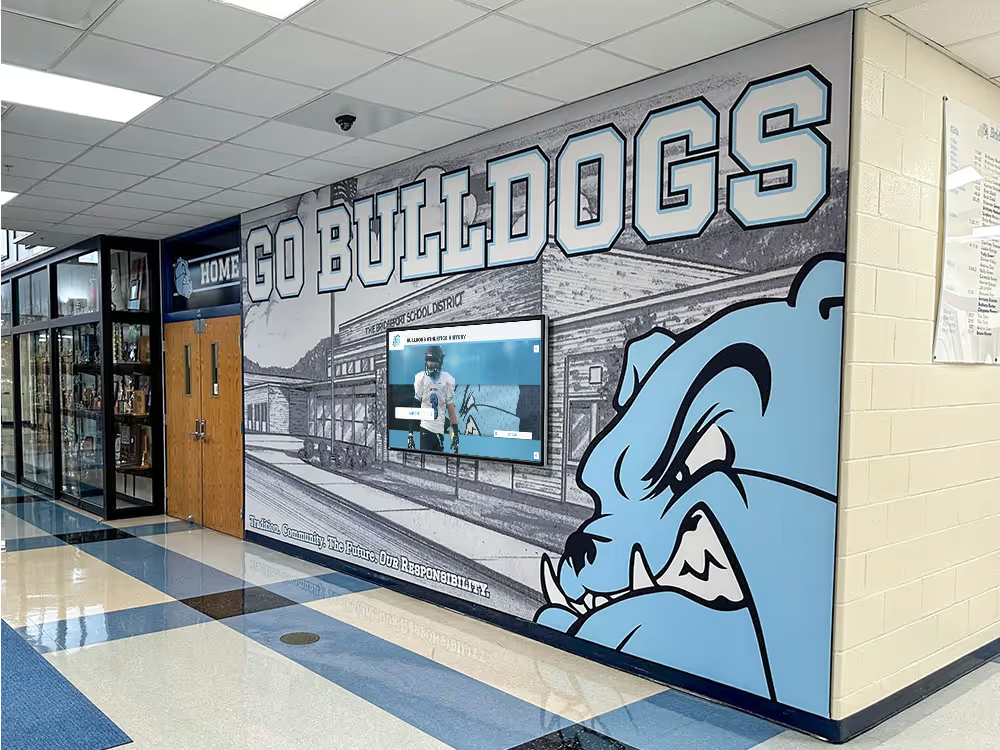
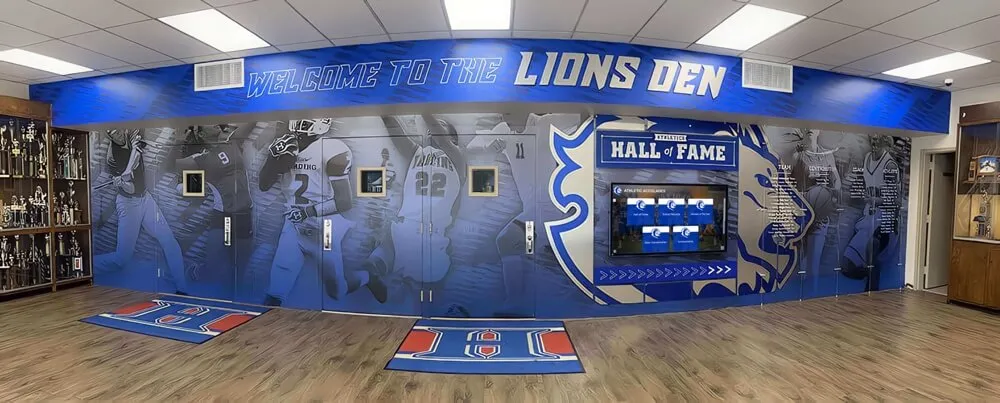
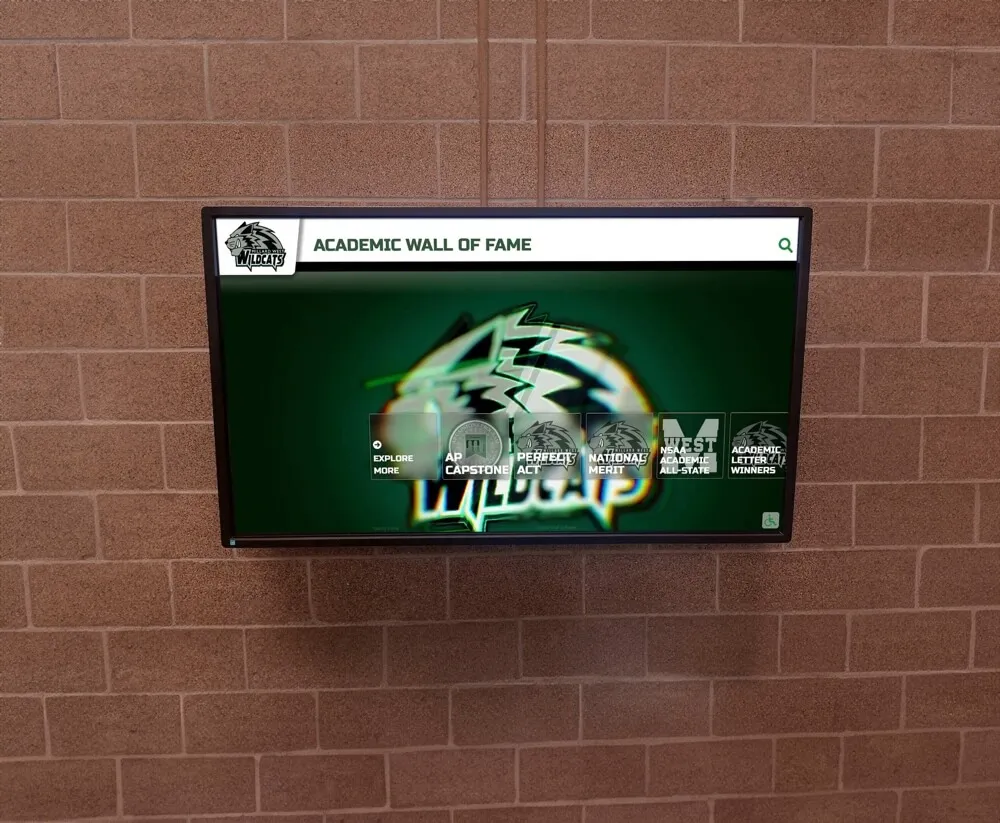
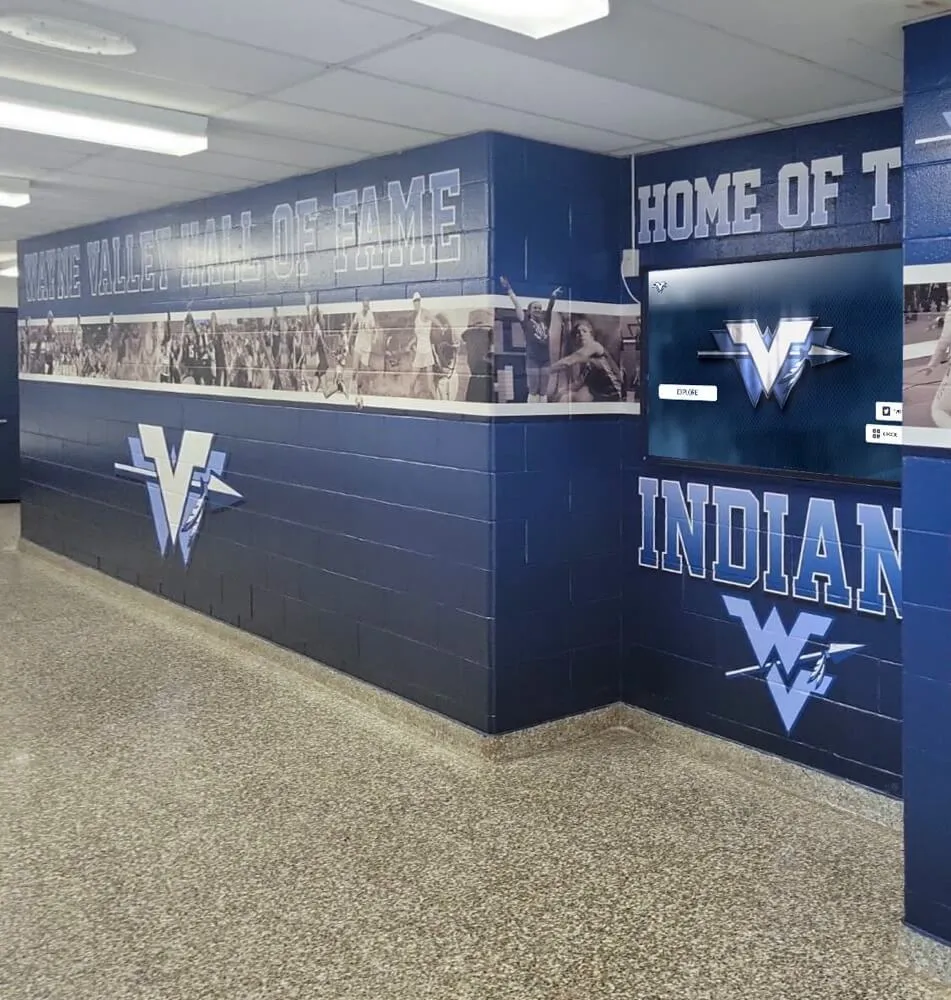
Strategic integration with existing murals and institutional design creates cohesive recognition environments rather than disconnected technology additions
Universal Design and Accessibility Standards
Inclusive recognition ensures every stakeholder can engage with donor acknowledgment meaningfully.
ADA Compliance Requirements
Accessibility considerations include:
- Mounting heights enabling wheelchair viewing and touchscreen interaction
- Clear floor space allowing close approach from all directions
- Adequate lighting without glare or reflection obscuring content
- High-contrast visual design meeting WCAG 2.1 AA standards
- Text sizing ensuring readability from typical viewing distances
- Audio accessibility options when technically feasible
- Alternative access through web portal for those unable to reach physical displays
Accessibility extends beyond legal compliance to organizational values ensuring every community member can celebrate and explore donor recognition.
Mobile and Remote Access Extension
Digital recognition platforms should include:
- Responsive web design ensuring smartphone and tablet compatibility
- Same search and filter capabilities available on physical displays
- Direct URL access to individual donor profiles for sharing
- Social media integration enabling celebration with personal networks
- Geographic accessibility for distant alumni and supporters
- Email signature links celebrating recognition inclusion
Organizations implementing comprehensive web access report 10-20 times more recognition views online than at physical displays, dramatically expanding appreciation impact and donor engagement opportunities.
Technical Infrastructure and Reliability Considerations
Dependable operation requires appropriate technical foundation and proactive maintenance.
Network Connectivity and Power Requirements
Infrastructure necessities include:
- Wired Ethernet connectivity preferred over WiFi for reliability
- Adequate bandwidth supporting video content and real-time updates
- Backup power or graceful shutdown procedures preventing data loss
- Surge protection safeguarding hardware investments
- Environmental controls maintaining appropriate temperature and humidity
- Physical security measures in publicly accessible locations
Professional installation addressing these requirements prevents common technical problems that create donor-facing embarrassment and undermine recognition effectiveness.
Maintenance and Support Planning
Sustained reliability requires:
- Regular screen cleaning maintaining professional appearance
- Software update management ensuring security and performance
- Hardware warranty registration and vendor support coordination
- Remote monitoring when available detecting issues proactively
- Local IT support training for basic troubleshooting
- Vendor escalation procedures for complex technical problems
Organizations should budget 2-5% of initial hardware investment annually for maintenance, support, and eventual hardware refresh planning.
Explore touchscreen software selection considerations for reliable recognition systems.
Measurement Block: Tracking Recognition Program Effectiveness
Systematic evaluation ensures recognition investments achieve intended appreciation and fundraising objectives while informing continuous improvement.
Key Performance Indicators
Donor Retention and Engagement Metrics
Primary effectiveness measures include:
- Year-over-year donor retention comparing pre- and post-recognition implementation
- First-time donor renewal rates indicating acknowledgment impact
- Multi-year giving pattern development showing sustained engagement
- Average gift size progression among recognized donors
- Major gift prospect pipeline development from annual fund contributors
- Planned giving inquiry rates from legacy society recognition
Organizations implementing comprehensive digital recognition typically observe 20-40% improvement in donor retention within 18-24 months, with measurable increases in gift size progression and sustained giving patterns.
Recognition Display Engagement Analytics
Technical tracking capabilities include:
- Physical display interaction frequency and session duration
- Search pattern analysis revealing popular content and donor interest
- Navigation pathway tracking showing exploration behaviors
- Web portal traffic and page view metrics
- Social sharing rates measuring amplification beyond displays
- Content popularity indicating which recognition approaches resonate
- Device distribution showing access channel preferences
These insights enable evidence-based optimization rather than assumptions about what donors and visitors value in recognition experiences.
Fundraising Performance Correlation
Strategic impact assessment includes:
- Campaign participation rates among recognized versus unrecognized donors
- Giving level progression patterns following recognition inclusion
- Donor acquisition effectiveness when prospects observe recognition
- Board recruitment success when candidates experience appreciation culture
- Planned giving commitment rates among recognized supporters
- Overall fundraising revenue growth attributable to retention improvements
While isolating recognition impact from other fundraising variables requires careful analysis, organizations with robust programs consistently report measurable improvements across these fundraising effectiveness dimensions.
Sample Metrics and Performance Benchmarks
Engagement Benchmarks
Organizations implementing donor recognition screens typically observe:
- Physical Display Interaction: 150-400 sessions monthly per display in moderate-traffic locations; 500-1,200+ in high-traffic lobbies
- Average Session Duration: 5-7 minutes for interactive exploration versus 10-20 seconds for traditional static plaques
- Search Utilization: 40-60% of visitors use search functionality to find specific donors or content
- Web Portal Traffic: 10-20X more online views than physical display interactions when web access promoted effectively
- Social Sharing: 2-5% of engaged visitors share recognition content on social networks
- QR Code Scanning: 15-25% scan codes for additional information; 3-5% convert to actual donations
Fundraising Impact Indicators
Retention and giving improvements include:
- First-Time Donor Renewal: 15-25 percentage point improvement in second-gift retention
- Overall Donor Retention: 20-40% higher retention among recognized donors
- Average Gift Growth: 25-35% increase over 3-5 years among regularly recognized contributors
- Major Gift Pipeline: 40-60% of major gift prospects emerge from recognized annual fund donors
- Planned Giving Inquiries: 2-3X higher inquiry rates when legacy society recognition prominently featured
These benchmarks provide context for evaluating program performance and identifying enhancement opportunities.
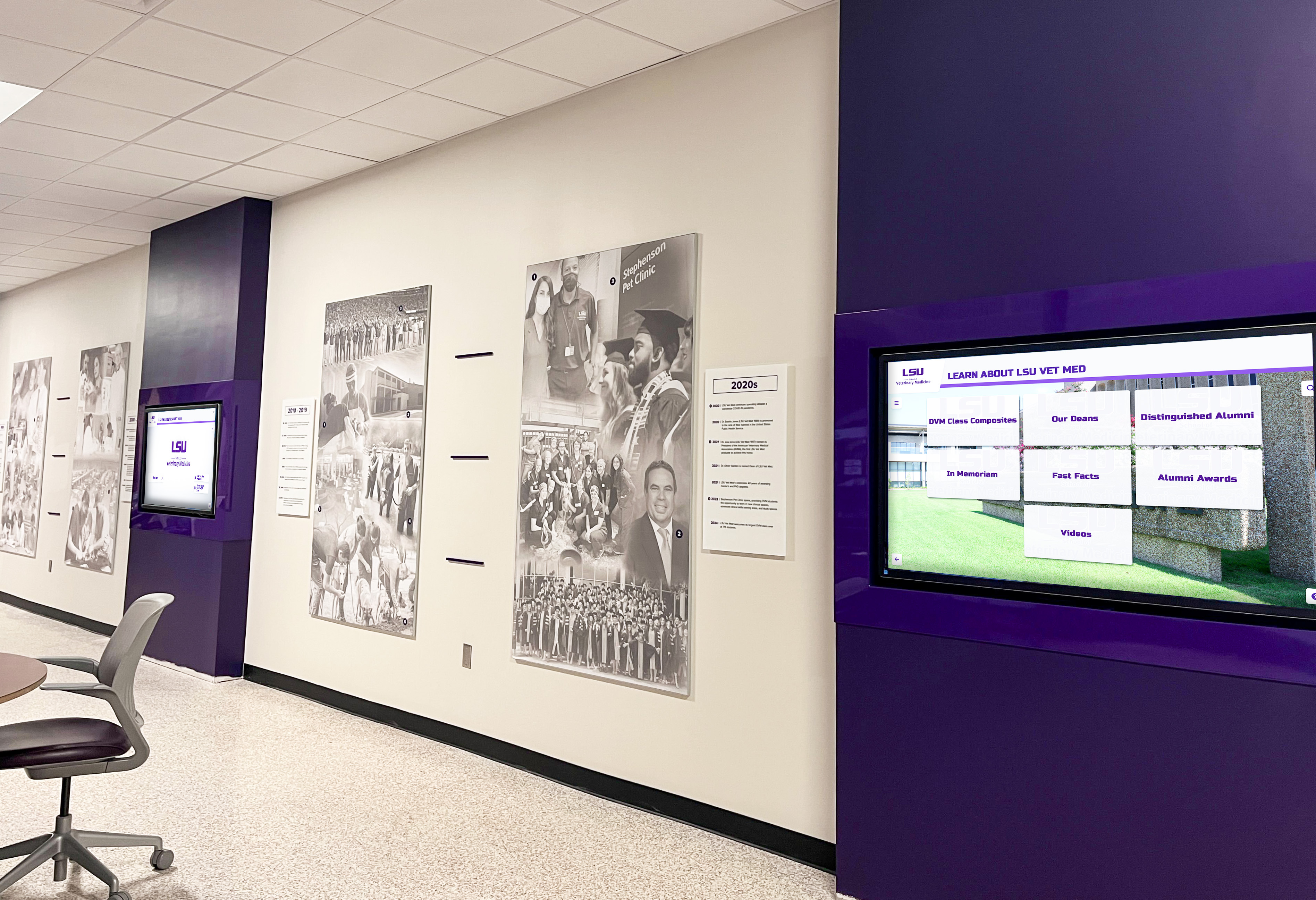
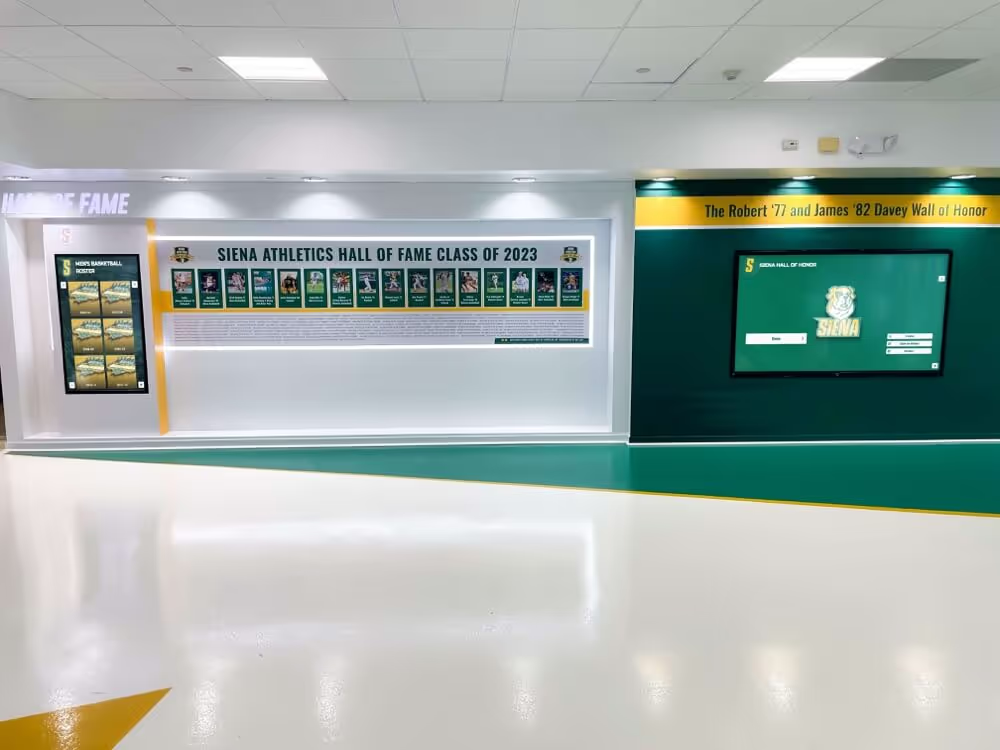
Higher education institutions benefit from comprehensive recognition systems that accommodate unlimited donors across diverse campaigns and constituencies
Special Considerations for Different Organization Types
Donor recognition screens serve diverse organizations with unique recognition requirements and opportunities.
Educational Institution Recognition Programs
Schools, colleges, and universities face particular recognition challenges and constituencies.
K-12 School Recognition
Primary and secondary schools should emphasize:
- Parent and alumni donor recognition supporting current students
- Faculty and staff giving demonstrating institutional commitment
- Booster club and athletic supporter acknowledgment
- Scholarship fund contributor recognition connecting to beneficiaries
- Capital campaign recognition for facility improvements
- Local business partnership and community supporter appreciation
Learn about effective school fundraising recognition approaches for educational environments.
Higher Education Comprehensive Programs
Colleges and universities require sophisticated systems:
- Class year giving societies encouraging reunion participation and competition
- Young alumni recognition building early giving habit development
- Athletic program supporter acknowledgment for sports contributions
- Academic department and research funding recognition
- Scholarship and endowment donor celebration with beneficiary connection
- Capital campaign recognition for facilities and major project investments
- Planned giving legacy society honoring estate commitments
Universities commonly structure recognition as integrated donor relations strategy rather than isolated acknowledgment program, connecting appreciation with broader advancement objectives and major gift cultivation.
Healthcare Organization Recognition
Hospitals and medical centers recognize unique donor motivations and relationship patterns.
Patient Care and Gratitude Recognition
Healthcare-specific considerations include:
- Grateful patient giving recognition honoring care experiences
- Medical equipment and technology funding acknowledgment
- Research and innovation supporter recognition
- Facility and capital campaign donor celebration
- Memorial and tribute giving honoring loved ones prominently
- Physician and caregiver involvement in donor appreciation
Healthcare donors often give in response to personal medical experiences, making patient stories and clinical outcome communication particularly meaningful recognition content that validates philanthropic decisions.
Volunteer and Non-Monetary Contribution Recognition
Comprehensive acknowledgment includes:
- Volunteer service hour recognition alongside financial contributions
- In-kind donation acknowledgment with equivalent prominence
- Professional services contributions receiving appropriate appreciation
- Board leadership and governance commitment recognition
- Physician champion acknowledgment for advancement support
Inclusive recognition systems honoring all contribution types create cultures of appreciation rather than suggesting only financial support matters to organizations.
Nonprofit Mission-Driven Organization Recognition
Social services, arts, environmental, and community nonprofits emphasize mission connection and beneficiary impact.
Beneficiary Connection Storytelling
Mission-focused recognition should feature:
- Client or beneficiary participation in donor appreciation
- Thank-you communications from those served by programs
- Impact videos featuring program participants and outcomes
- Quantified service metrics showing support utilization
- Long-term follow-up demonstrating sustained program impact
- Community transformation documentation showing broader change
According to nonprofit sector research, donors cite “meeting beneficiaries” and “seeing programs firsthand” as most compelling stewardship experiences they receive, making this connection central to recognition strategy.
Discover strategies for creating compelling nonprofit donor recognition that strengthens mission connection and philanthropic relationships.
Technology Recommendations and Platform Selection
Choosing appropriate recognition screen solutions determines program effectiveness, ease of management, and long-term sustainability.
Essential Platform Capabilities
Recognition-Specific vs. Generic Digital Signage
Purpose-built platforms provide critical advantages:
- Donor database and profile management designed for recognition applications
- Searchable interfaces optimized for finding individual contributors
- Giving level society organization and visual differentiation
- Fundraising system integration enabling automated updates
- Campaign progress tracking and real-time goal visualization
- Analytics tracking donor-specific engagement patterns
- Web portal extension reaching supporters remotely
Generic digital signage platforms lack these recognition-specific features, requiring extensive custom development or accepting limited functionality that undermines program effectiveness.
Cloud-Based Content Management
Modern recognition requires flexible administration:
- Remote access enabling updates from anywhere with internet connection
- Mobile-friendly administrative interfaces for on-the-go management
- Scheduled publishing automating time-sensitive content
- Multi-user access with role-based permissions
- Bulk operations enabling efficient updates
- Preview functionality showing changes before publication
- Audit trails documenting who changed what and when
Cloud-based systems eliminate the location-dependent management that creates administrative barriers and allows recognition to become outdated when designated staff are unavailable.
Integration and Extensibility
Recognition platforms should connect with broader ecosystems:
- Fundraising database integration (Raiser’s Edge, Salesforce, etc.)
- Payment processing connection for QR code giving
- Email marketing platform synchronization for donor communications
- Website integration embedding recognition in online presence
- Social media API connections automating sharing
- Analytics platform integration providing comprehensive insights
Integration eliminates manual data entry and disconnected systems that create administrative burden and allow recognition to diverge from authoritative donor records.
Rocket Alumni Solutions: Purpose-Built Recognition Platform
Organizations seeking comprehensive donor recognition screen solutions benefit from platforms specifically designed for acknowledgment applications rather than generic alternatives requiring extensive customization.
Rocket Alumni Solutions provides turnkey recognition systems addressing unique requirements that schools, colleges, nonprofits, and mission-driven organizations face when honoring contributors:
- Unlimited Recognition Capacity: Single displays accommodate unlimited donors across all giving levels without space constraints
- Interactive Touchscreen Interfaces: Intuitive navigation enabling easy donor discovery and content exploration
- Cloud Content Management: Remote updates from any internet-connected device
- Web Portal Extension: Online recognition reaching supporters globally
- Donor Database Integration: Automated updates synchronizing with fundraising systems
- Campaign Progress Tracking: Real-time fundraising visualization and momentum building
- Comprehensive Analytics: Detailed engagement tracking informing continuous improvement
- White-Glove Support: Implementation assistance, training, and ongoing customer success partnership
Purpose-built solutions deliver substantially better recognition outcomes than generic digital signage adapted for donor acknowledgment, while providing easier administration and lower total cost of ownership over program lifetimes.
Common Implementation Challenges and Solutions
Even well-planned recognition screen programs encounter obstacles requiring proactive mitigation and problem-solving.
Challenge 1: Incomplete or Inaccurate Historical Donor Data
Problem: Organizations discover that historical donor records contain missing information, spelling errors, duplicate entries, and giving level inconsistencies when compiling recognition content.
Solution: Build 4-6 weeks into project timelines specifically for data quality assurance, implementing systematic verification:
- Cross-reference donor lists with financial system records
- Verify name spelling and preferred formats with donors directly when possible
- Consolidate duplicate records using matching algorithms and manual review
- Establish clear giving level calculation methodology
- Document anonymous donor preferences and memorial designations
- Conduct multiple review cycles before publication
- Plan for post-launch correction processes when errors inevitably surface
Data quality challenges are nearly universal—organizations should anticipate this work rather than discovering problems during implementation that cause delays and embarrassment.
Challenge 2: Staff Capacity for Ongoing Content Management
Problem: After initial launch, recognition updates lag as staff juggle competing priorities, causing donor acknowledgment delays and outdated content that undermines program credibility.
Solution: Establish clear administrative ownership and realistic workflows before launch:
- Designate specific staff roles responsible for recognition management
- Integrate recognition updates into regular gift processing workflows
- Create update checklists and scheduled reminders preventing lapses
- Allocate 2-4 hours weekly for recognition administration in staff workplans
- Provide backup coverage ensuring continuity during absences
- Leverage automation through donor database integration reducing manual effort
- Establish quality assurance review preventing publication of incomplete updates
Recognition programs succeed when organizations commit administrative capacity rather than treating content management as unfunded mandate added to already-full staff responsibilities.
Challenge 3: Balancing Donor Privacy with Recognition Visibility
Problem: Some donors request anonymity while organizations want to showcase generous support, and determining appropriate accommodation creates policy challenges.
Solution: Develop clear, nuanced recognition policies respecting privacy while celebrating community support:
- Offer complete anonymity for donors requesting no public acknowledgment
- Provide partial anonymity options (e.g., “Anonymous Donor—Leadership Circle Member”)
- Enable gift amount privacy while allowing name recognition
- Respect communication preferences limiting contact frequency
- Obtain explicit consent before including photos, videos, or biographical content
- Document all preferences systematically in donor database
- Review privacy policies with legal counsel ensuring GDPR and similar regulation compliance
Thoughtful privacy accommodation demonstrates respect for individual preferences while maintaining recognition programs that honor community generosity appropriately.
Challenge 4: Technical Reliability and Support Concerns
Problem: Organizations worry about display malfunctions, software problems, or technical issues occurring when IT staff or vendor support are unavailable.
Solution: Implement redundancy and support structures ensuring reliable operation:
- Select commercial-grade display hardware rated for continuous operation
- Establish vendor support agreements with clear response time guarantees
- Train local IT staff on basic troubleshooting and problem resolution
- Document restart procedures and common issue solutions
- Implement remote monitoring alerting staff to problems proactively
- Maintain backup content players or displays for critical locations
- Schedule preventive maintenance preventing failure rather than reacting
Technology reliability concerns are legitimate—addressing them proactively through quality hardware, comprehensive support, and staff preparation prevents problems from undermining recognition effectiveness.
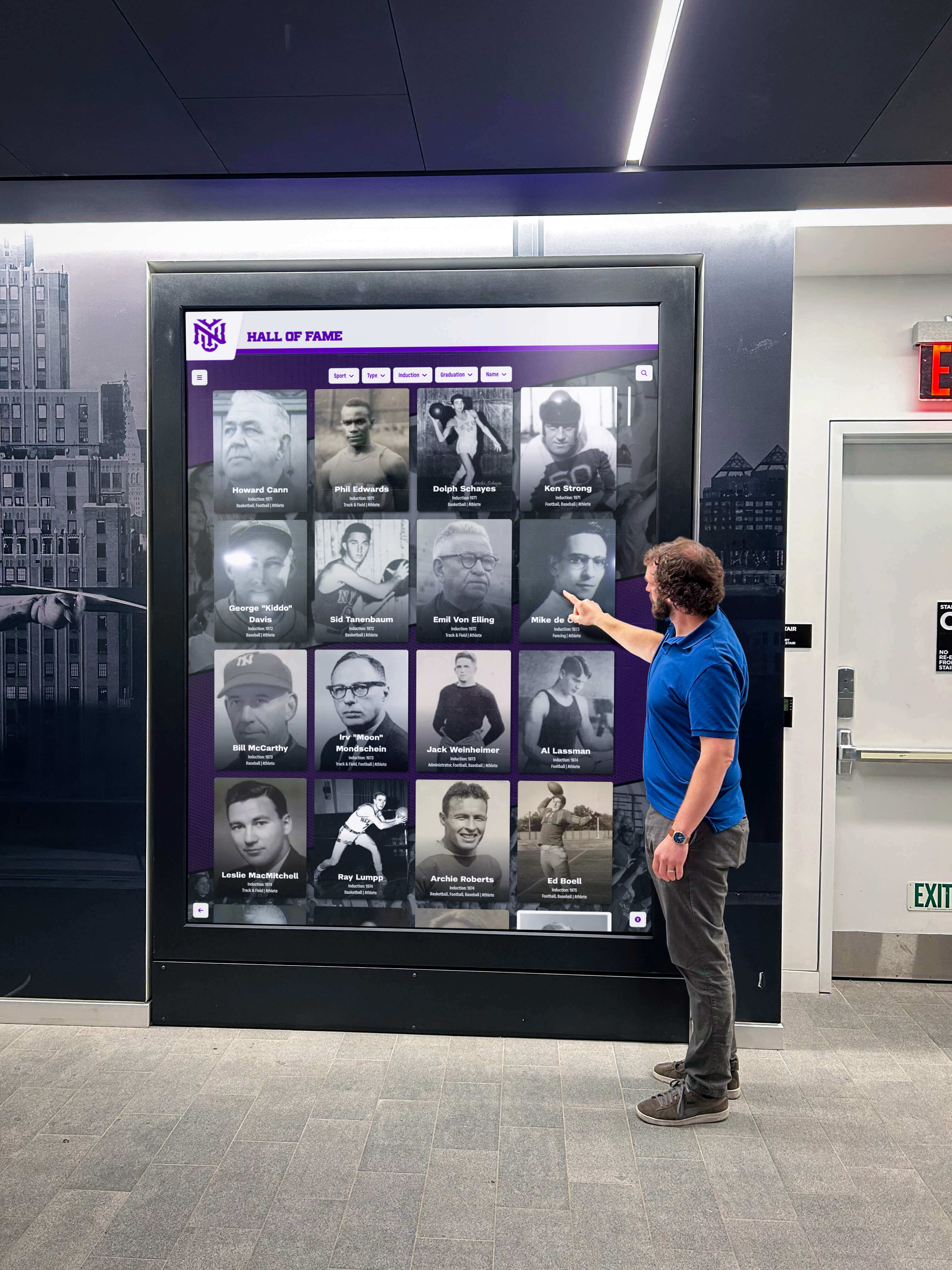
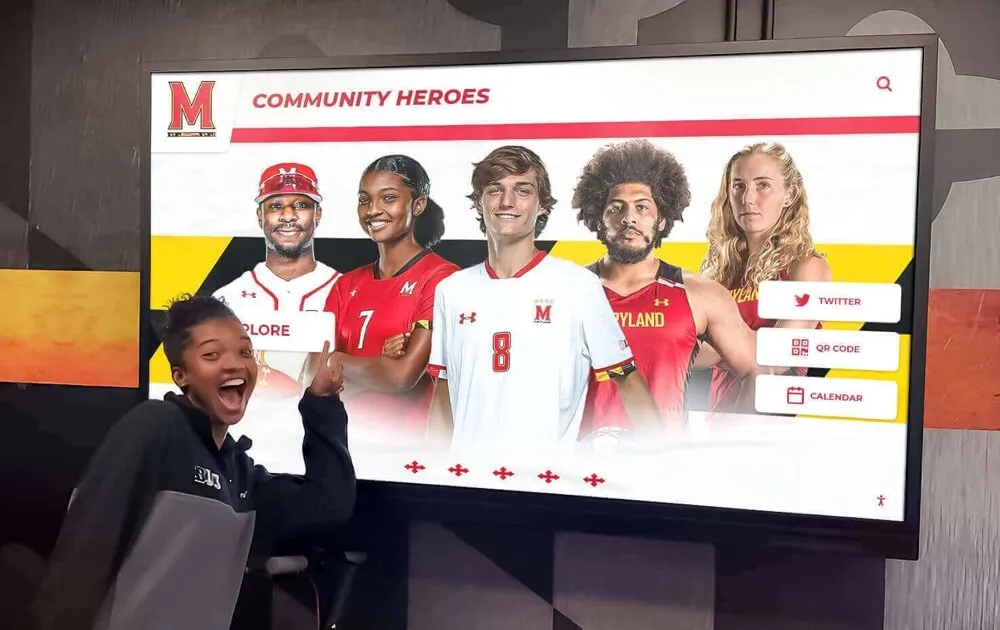
Engaging recognition displays invite natural interaction and exploration, creating positive visitor experiences that reflect organizational excellence
Conclusion: Building Recognition Screen Programs That Honor Donors and Inspire Philanthropy
Donor recognition screens represent transformative opportunities for schools, colleges, nonprofits, and mission-driven organizations to honor supporters comprehensively while creating engaging experiences that strengthen relationships, demonstrate stewardship excellence, and cultivate sustained philanthropic engagement. When thoughtfully planned with clear content architecture, systematic implementation timelines, strategic display integration, and sustained management commitment, digital recognition programs eliminate traditional space limitations while enabling rich storytelling that connects contributions to meaningful impact.
The frameworks explored in this blueprint provide systematic approaches for designing recognition screen programs that serve both appreciation and strategic fundraising objectives—from organizing comprehensive donor databases and impact storytelling modules to planning phased implementation timelines, selecting appropriate technology platforms, and establishing measurement systems that inform continuous improvement. Each element contributes to recognition programs that honor every contributor meaningfully while building cultures of gratitude that inspire continued giving and community-wide philanthropic participation.
Ready to implement donor recognition screen programs that celebrate contributors while driving fundraising success? Modern recognition platforms help organizations honor unlimited donors through interactive touchscreen displays, comprehensive web portals, and cloud content management that keeps acknowledgment current and engaging. Solutions like Rocket Alumni Solutions provide purpose-built systems specifically designed for donor recognition applications, combining intuitive interfaces with robust management capabilities and implementation support ensuring successful long-term programs.
Whether you’re establishing first-ever digital recognition or enhancing existing acknowledgment systems, the key is creating comprehensive programs aligned with organizational values, sustainable within operational capabilities, and designed to serve specific donor community needs effectively. Request your free custom demo to see how digital recognition screens can transform donor appreciation while supporting fundraising objectives.
Your contributors deserve recognition that honors their generosity authentically while demonstrating tangible impact and validating philanthropic values. With systematic planning addressing content architecture, phased implementation, strategic placement, and sustained management, you can create recognition screen programs that increase retention, enhance giving levels, and build lasting relationships sustaining organizational missions for decades to come.
The most successful donor recognition screens don’t simply list names—they tell compelling stories connecting contributions to outcomes, celebrate community generosity that makes missions possible, and inspire prospective supporters to join philanthropic movements creating meaningful change. Organizations embracing strategic recognition screen programs position themselves to honor every contributor appropriately while building sustainable fundraising momentum through visible appreciation that strengthens relationships across donation lifecycles.
Your donors make your mission possible. Recognition screen programs implemented thoughtfully celebrate their contributions comprehensively while creating engaging experiences that demonstrate stewardship excellence and inspire continued philanthropic partnership. Start planning your recognition program today by defining your appreciation philosophy, evaluating technology solutions designed specifically for donor acknowledgment, and establishing administrative frameworks ensuring recognition remains a strategic organizational priority rather than one-time project completed at implementation.