



Booster clubs serve as the financial backbone of school athletic programs, arts organizations, academic competitions, and extracurricular activities across the nation. These volunteer-led parent organizations raise hundreds of thousands of dollars annually to fund uniforms, equipment, travel, facilities, scholarships, and program enhancements that institutional budgets cannot cover. Yet despite generating substantial revenue and dedicating countless volunteer hours, many booster clubs struggle with effective donor recognition that appropriately honors contributors while inspiring continued support.
The challenge booster clubs face differs from traditional nonprofit recognition. Boosters work with limited budgets, all-volunteer leadership that turns over frequently, diverse donor levels from modest raffle purchases to transformational facility gifts, and the need to celebrate both financial contributions and volunteer service. Traditional brass plaques prove expensive and inflexible for organizations where donor rosters change annually, while paper programs and banners quickly become outdated or deteriorate.
This comprehensive guide explores donor recognition strategies specifically designed for booster club environments, practical approaches that honor supporters meaningfully without consuming limited budgets, and how digital recognition solutions address the unique challenges volunteer-led parent organizations face when building sustainable fundraising programs.
Effective booster club donor recognition serves multiple strategic purposes beyond simple courtesy—it validates supporter contributions, encourages increased giving and participation, models philanthropic engagement for students, and builds organizational cultures where supporting extracurricular programs becomes celebrated community practice. Organizations that implement systematic recognition programs appropriate to volunteer-led environments demonstrate higher retention rates, stronger fundraising performance, and deeper community connections.

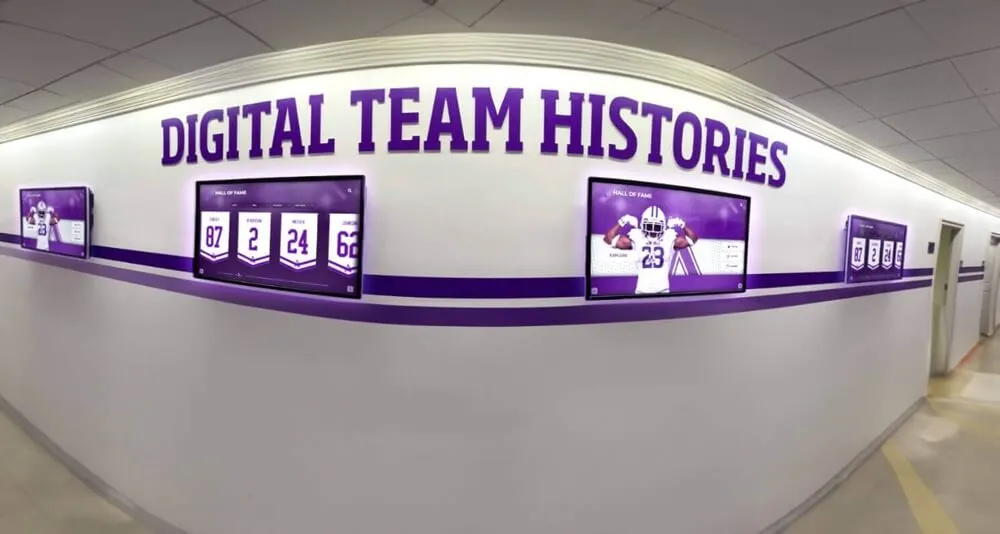
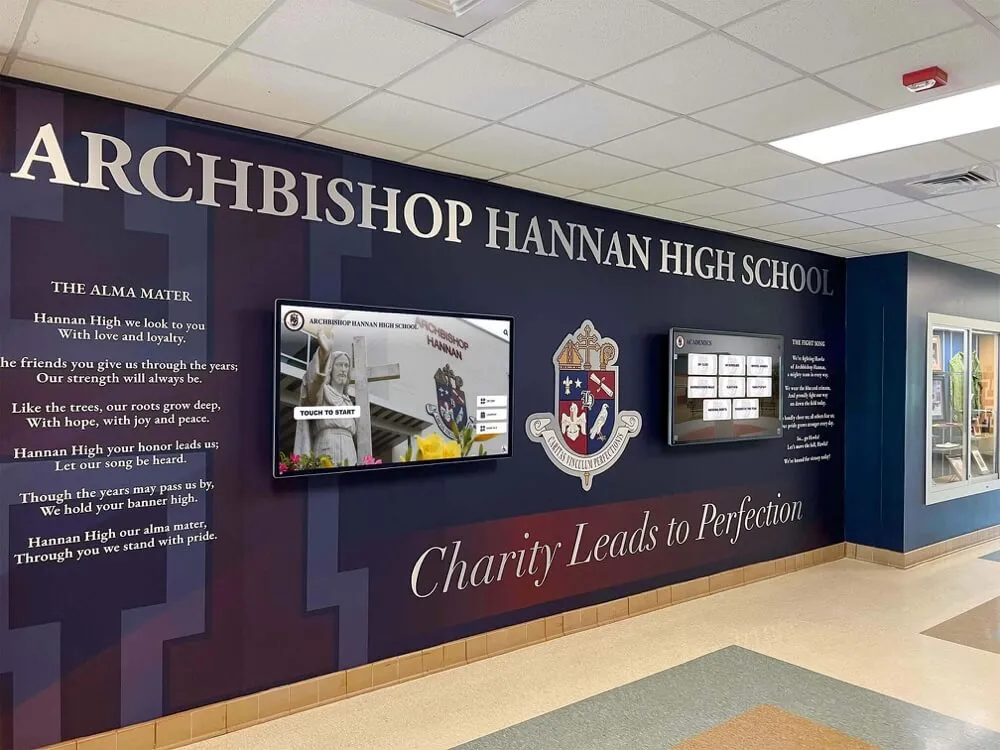
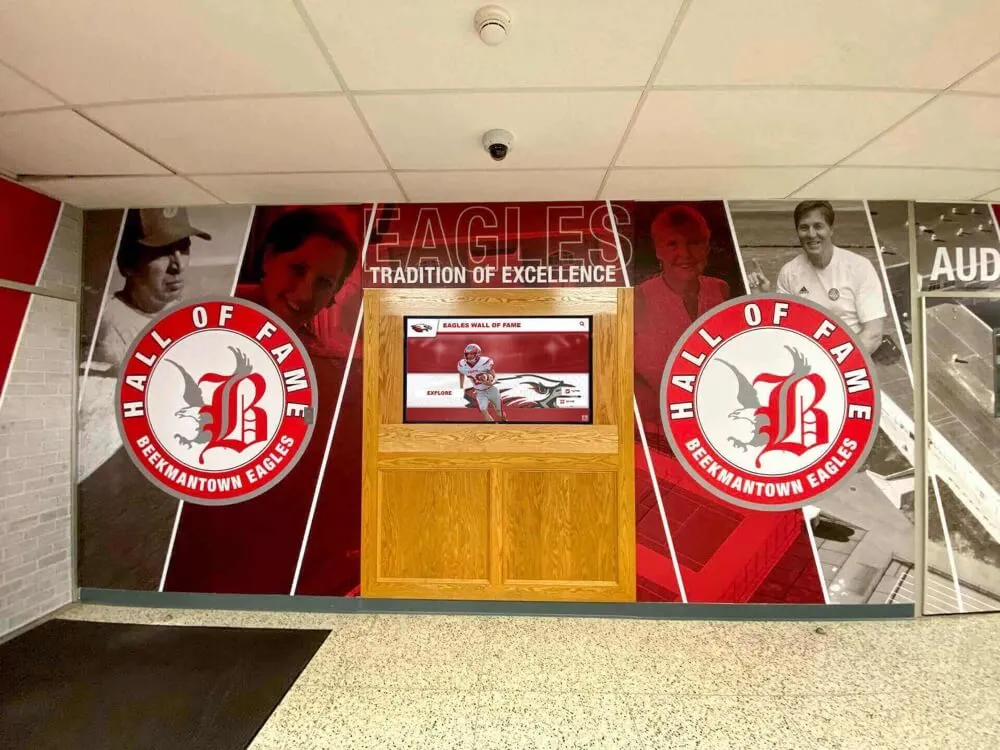
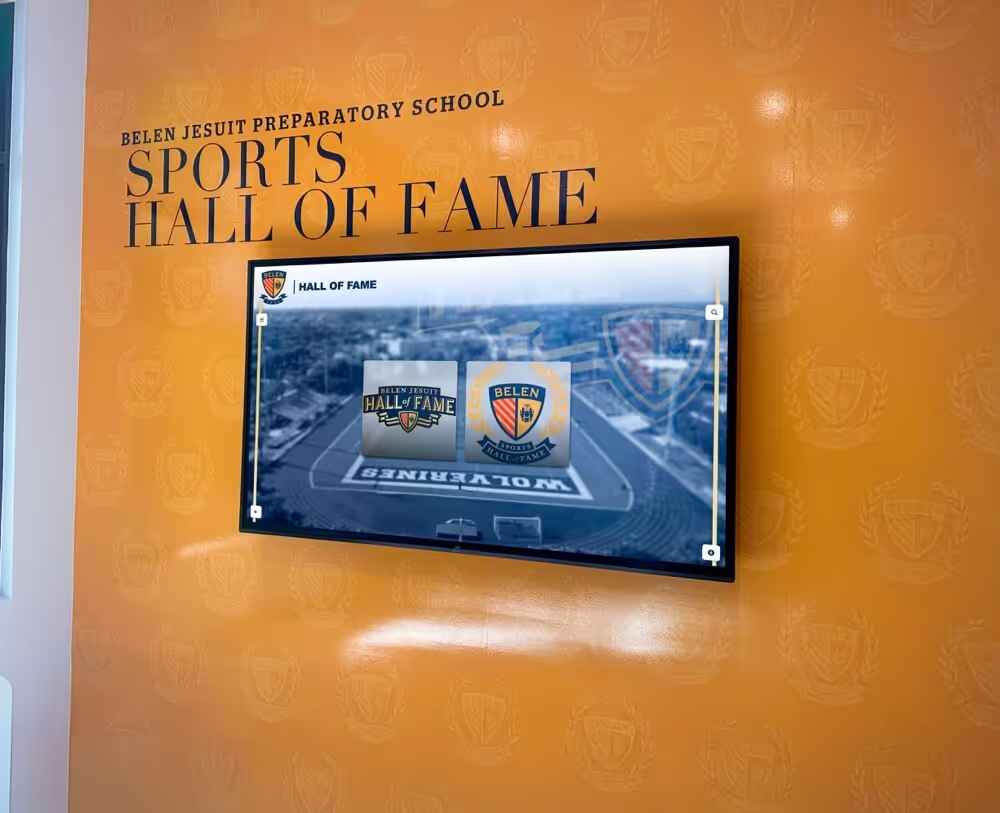
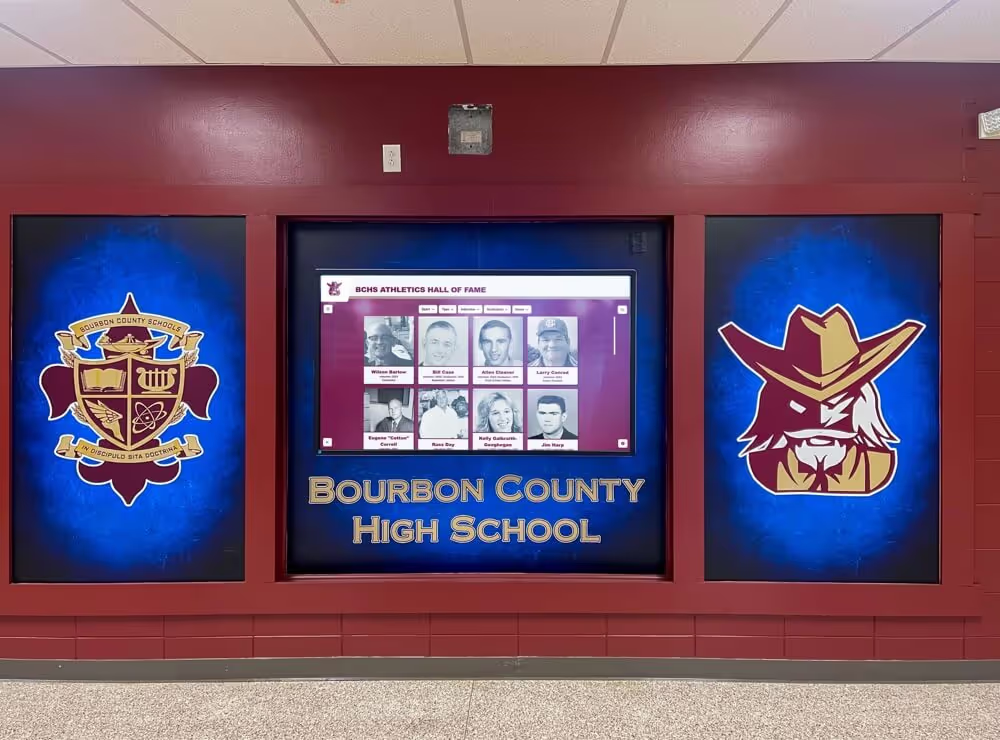
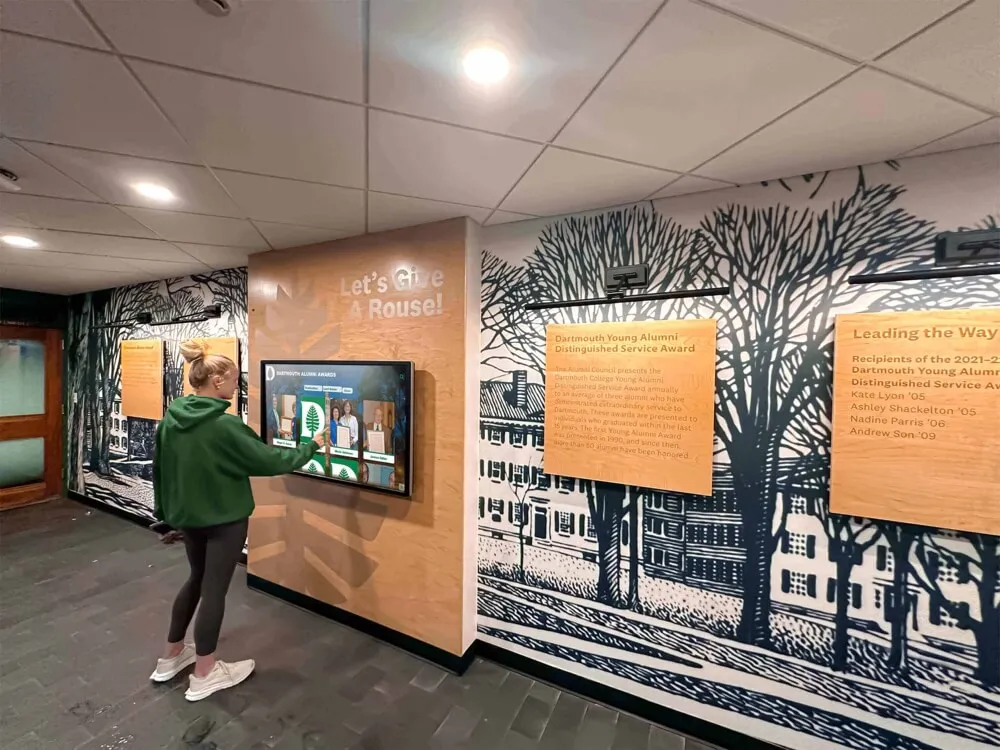
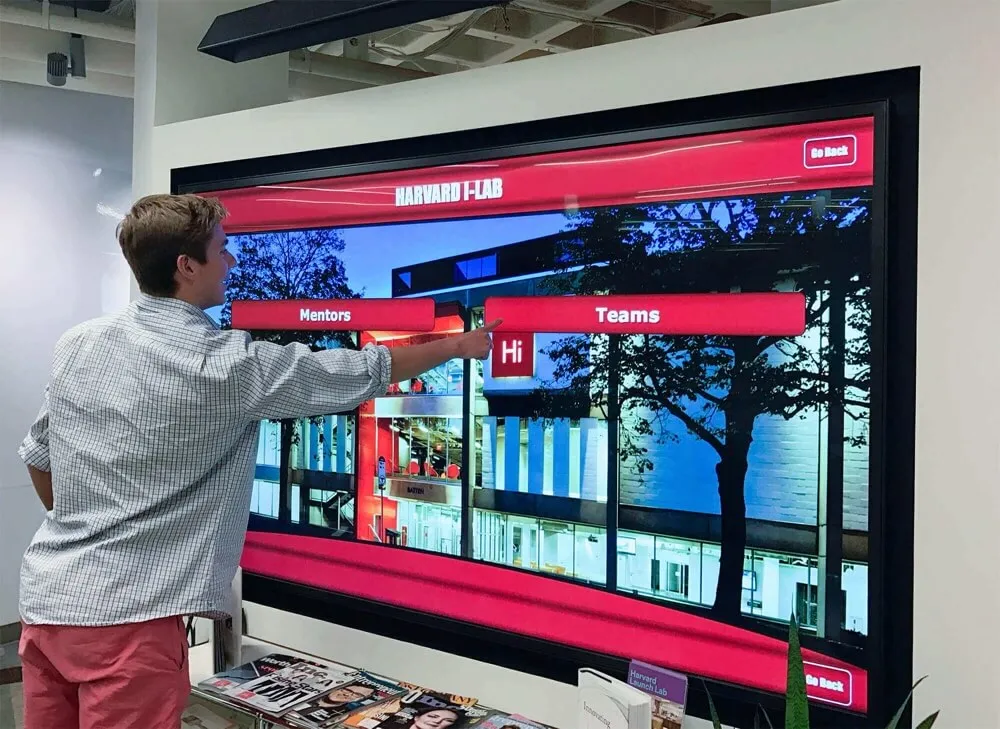
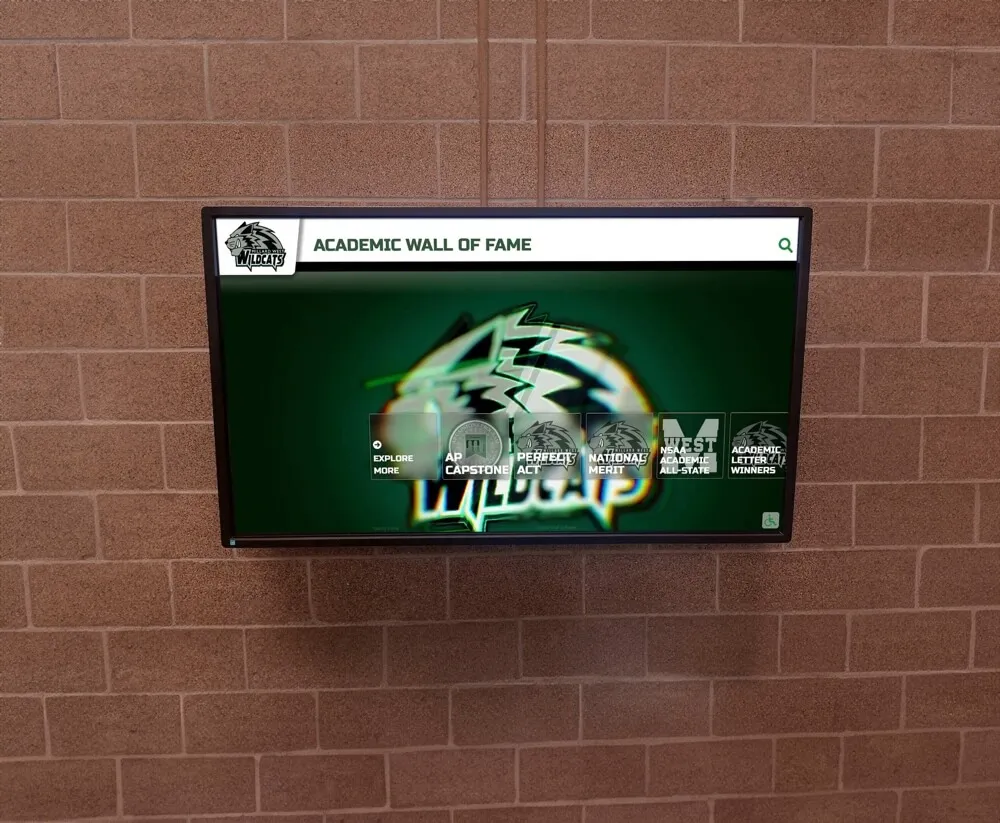
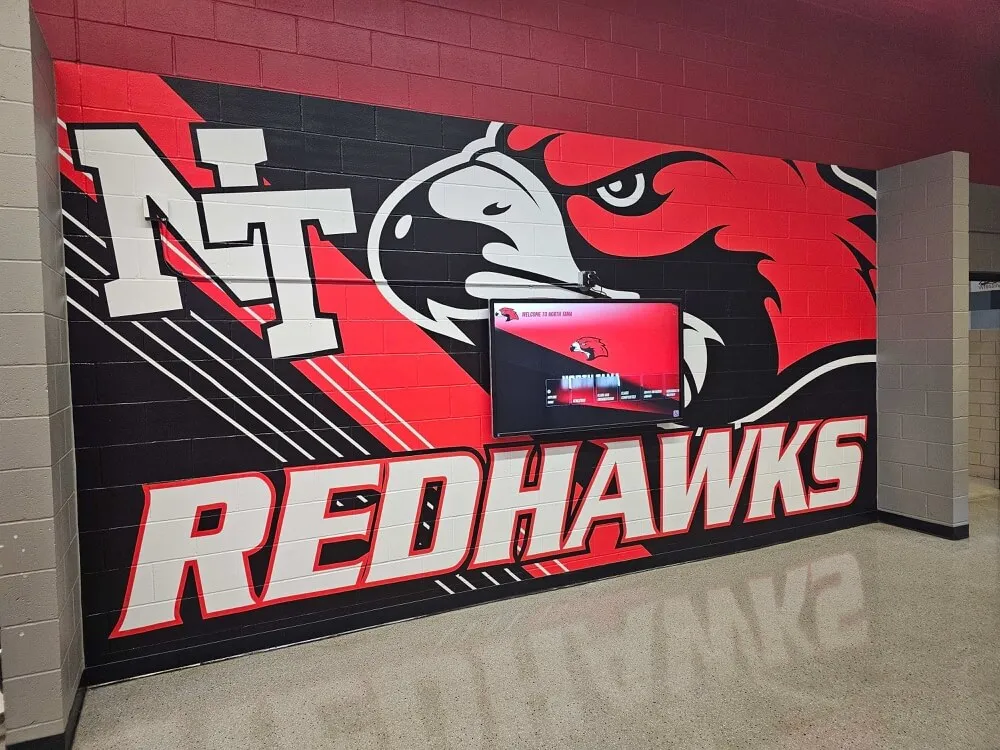
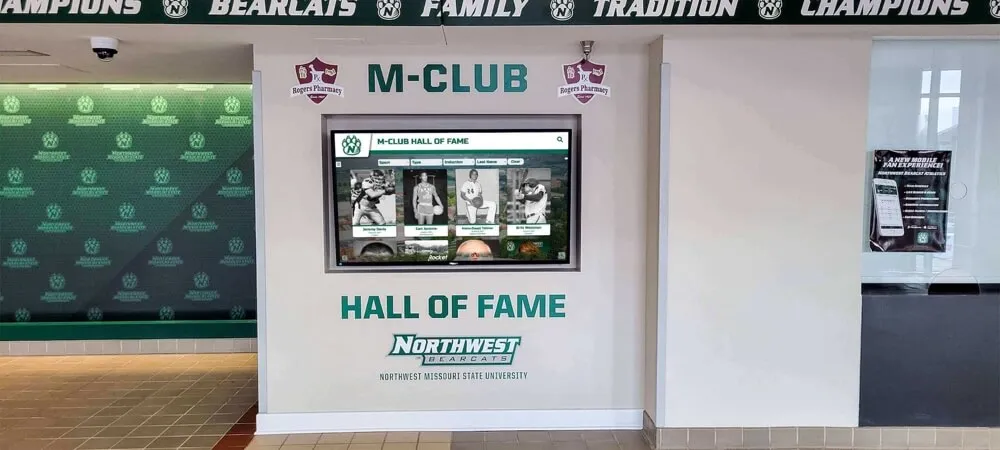
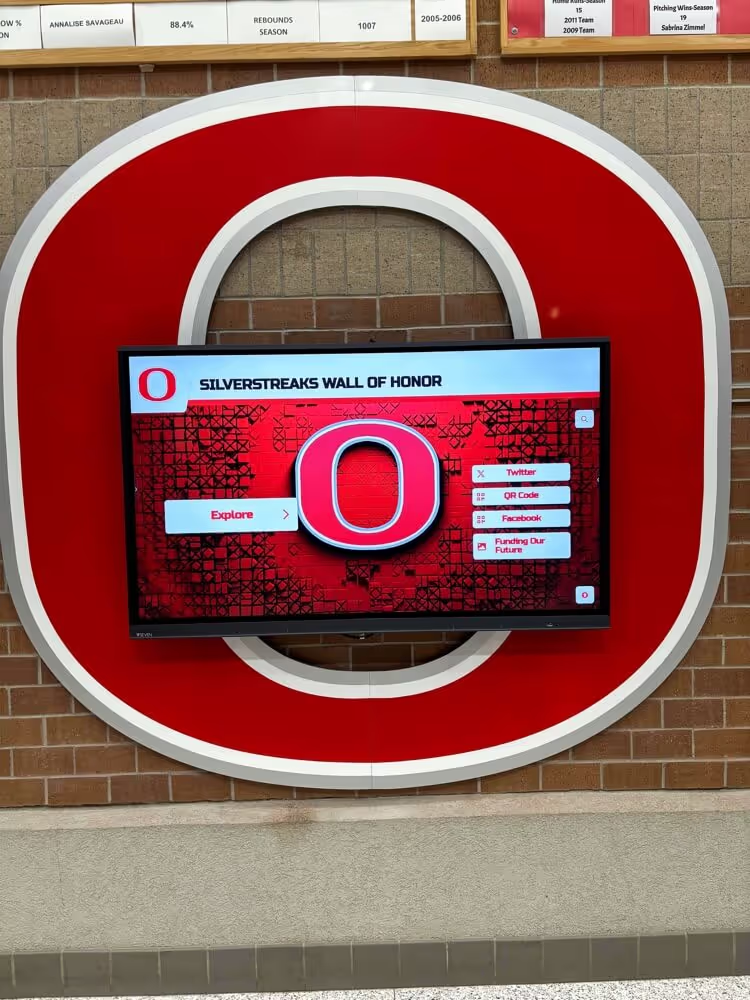
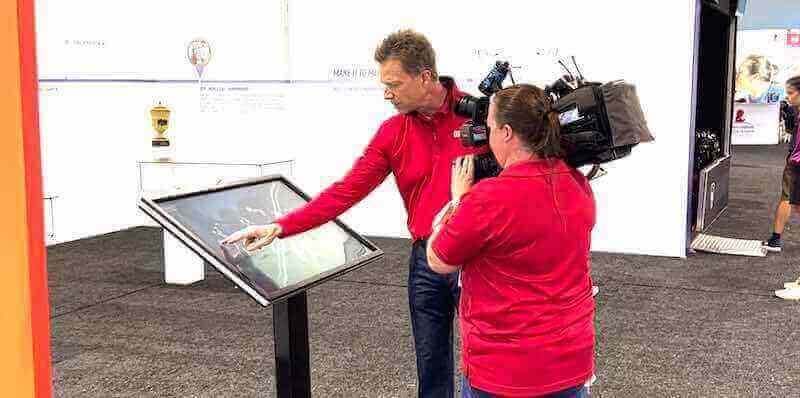
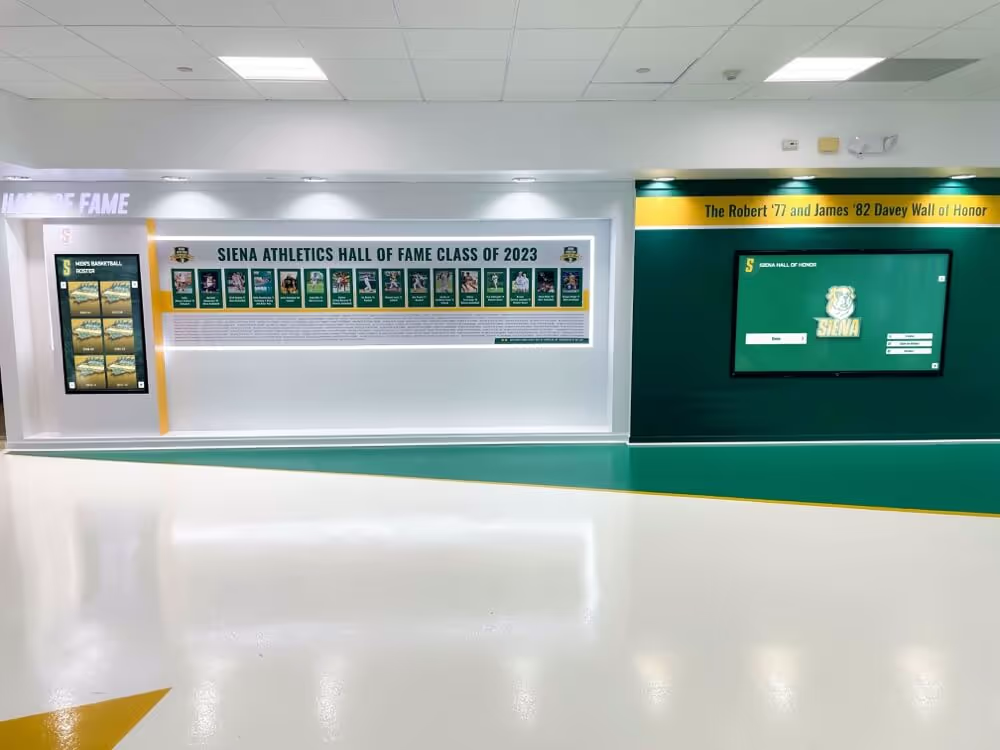
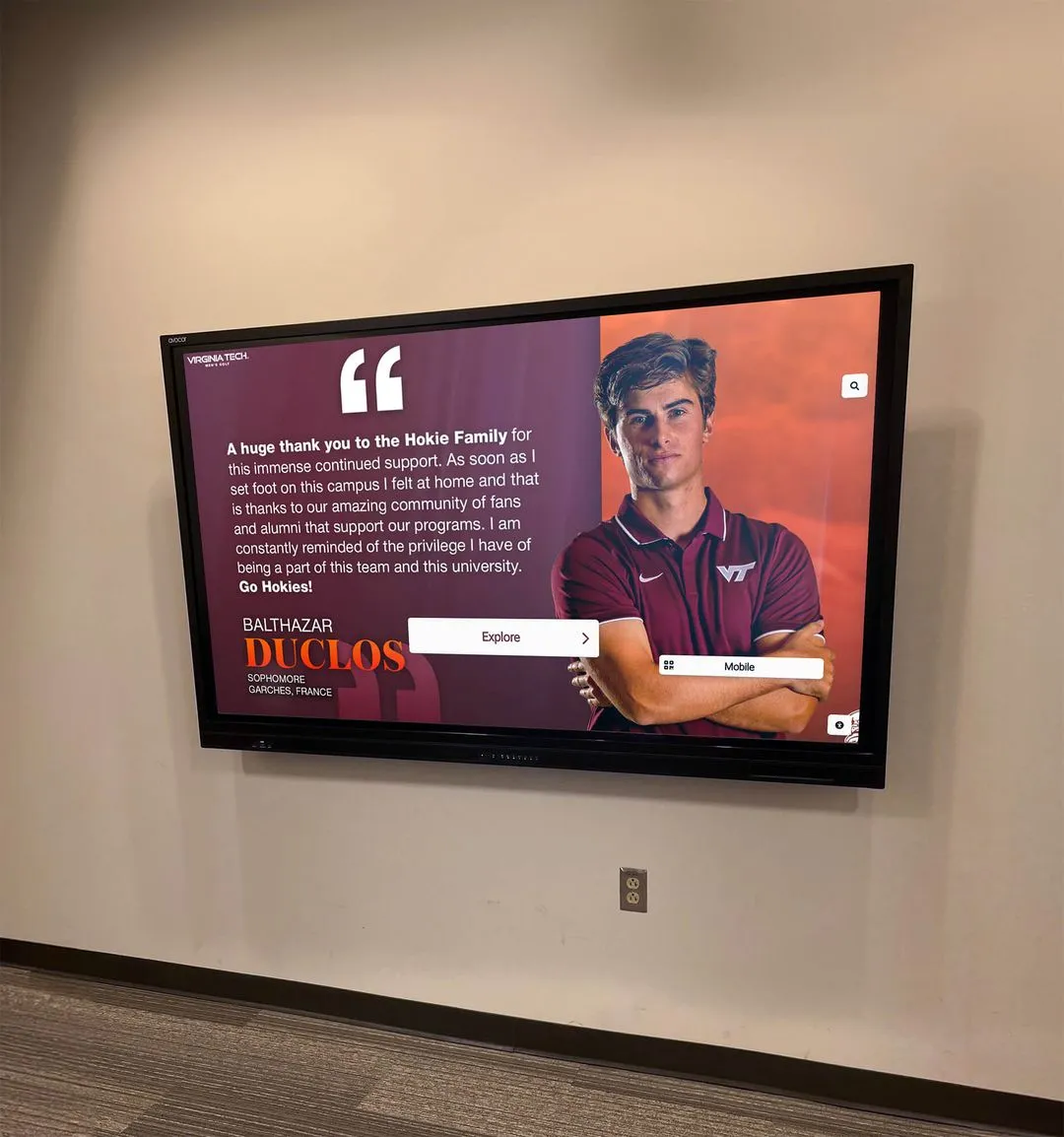
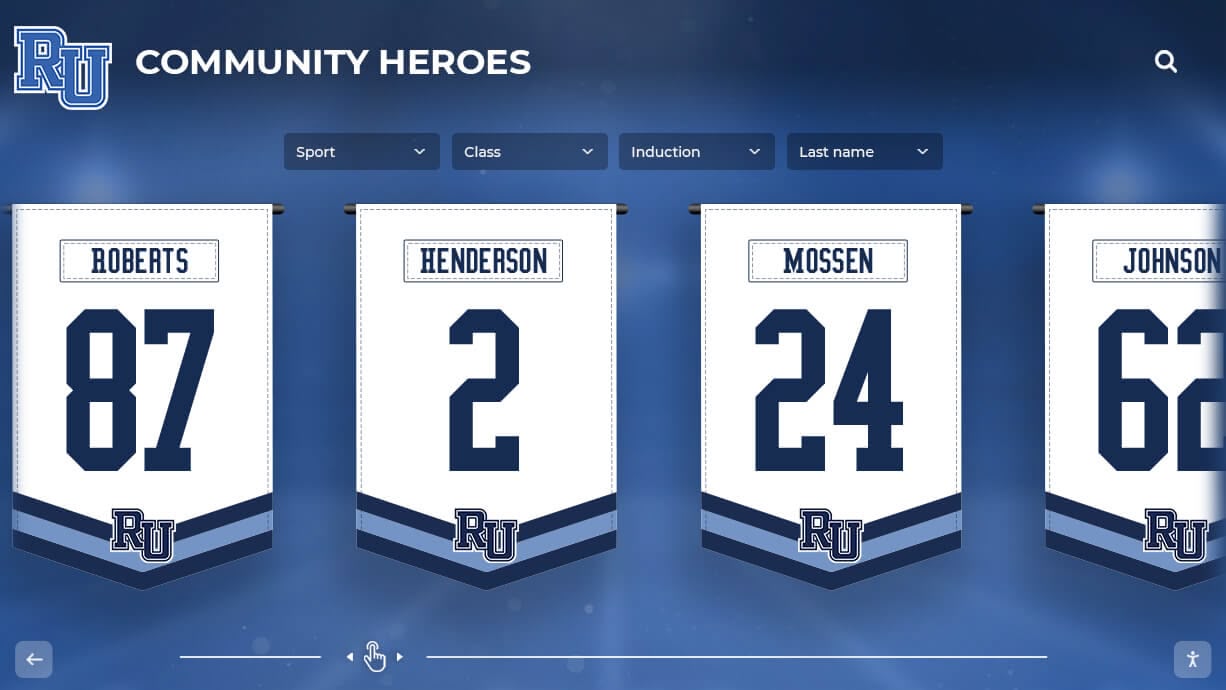
Creative recognition approaches celebrate booster club supporters while inspiring continued community engagement
Understanding Booster Club Fundraising Environments
Before implementing recognition systems, understanding the unique characteristics of booster club operations helps inform approaches that serve volunteer organizations effectively.
The Booster Club Financial Impact
Booster organizations generate substantial funding supporting student programs:
Revenue Scale
Athletic booster clubs at mid-size high schools commonly raise $50,000-$150,000 annually, with larger programs or successful organizations generating $250,000-$500,000+ per year. These funds cover expenses including:
- Uniforms, equipment, and gear for multiple sport seasons
- Team travel for competitions, tournaments, and championship events
- Facility improvements, field maintenance, and equipment repairs
- Coaching stipends, training camps, and professional development
- Technology, video analysis systems, and performance tracking tools
- Scholarships and awards recognizing student achievement
- Banquets, recognition events, and team building activities
According to the National Federation of State High School Associations, extracurricular program costs have increased substantially as competitive standards rise and safety equipment requirements expand, making booster support increasingly critical for program viability and competitiveness.
Funding Sources Diversity
Booster revenue comes from numerous channels:
- Annual membership dues and contribution drives
- Corporate sponsorships from local businesses
- Special events including golf outings, auctions, and dinners
- Concessions operations at games and competitions
- Spirit wear and branded merchandise sales
- Memorial and tribute gifts honoring community members
- Capital campaigns for facility construction or renovation
This revenue diversity creates recognition challenges as organizations must acknowledge everything from $25 spirit wear purchases to $50,000 facility naming gifts appropriately.
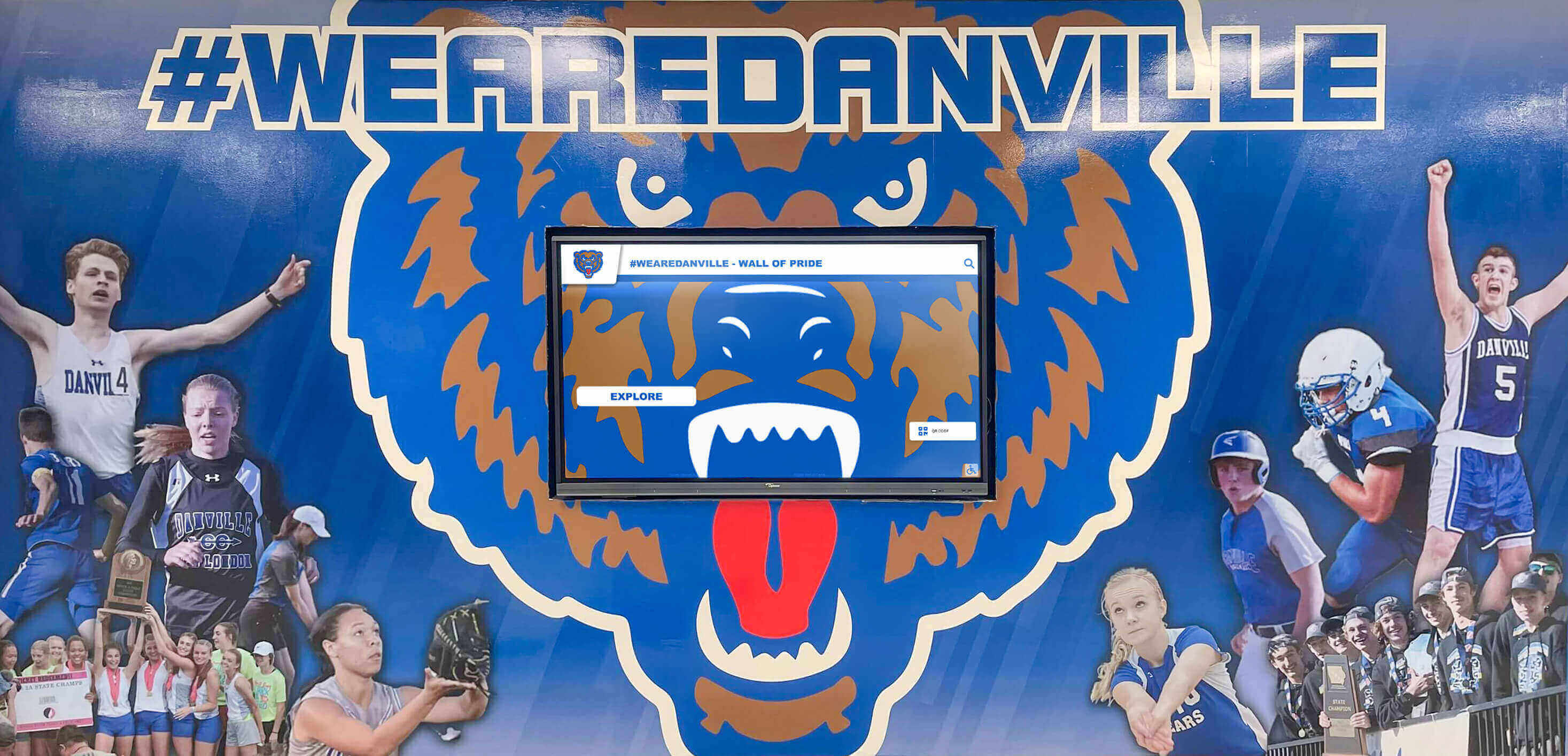
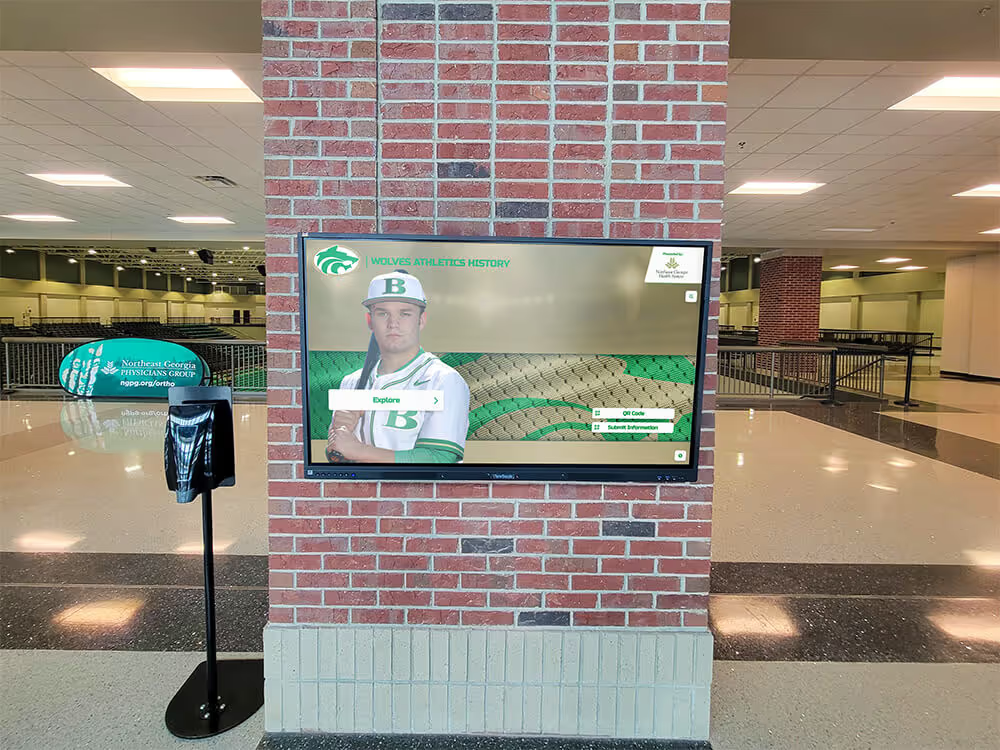
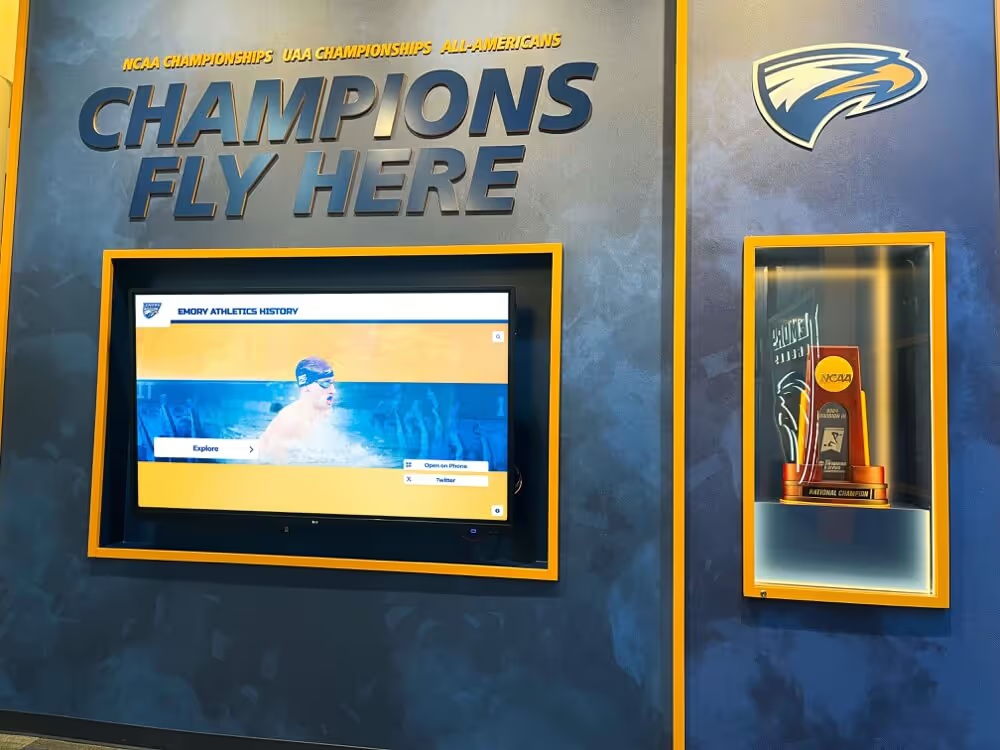
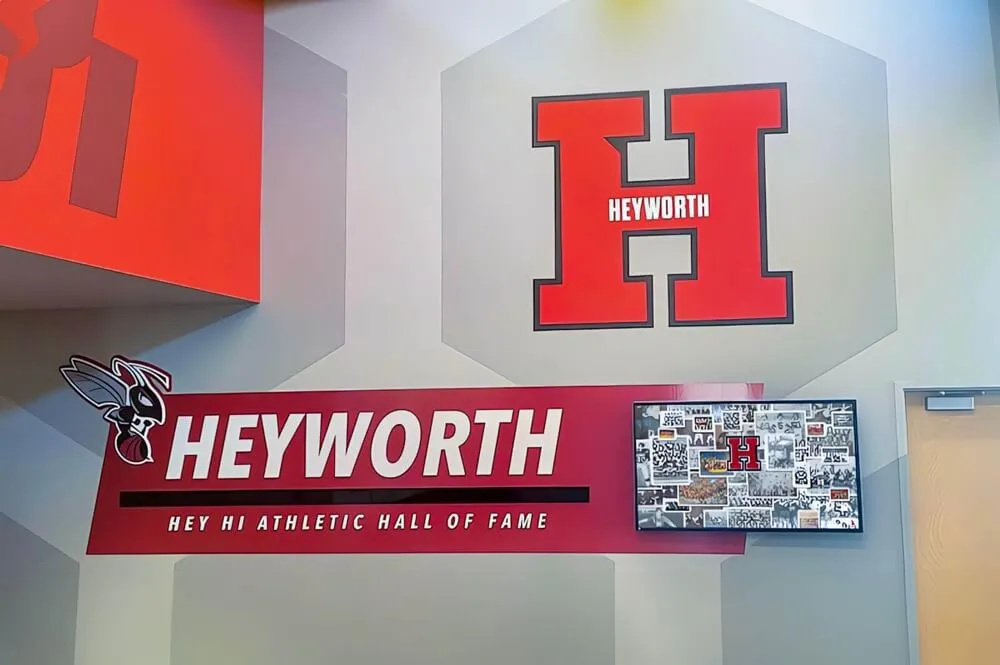
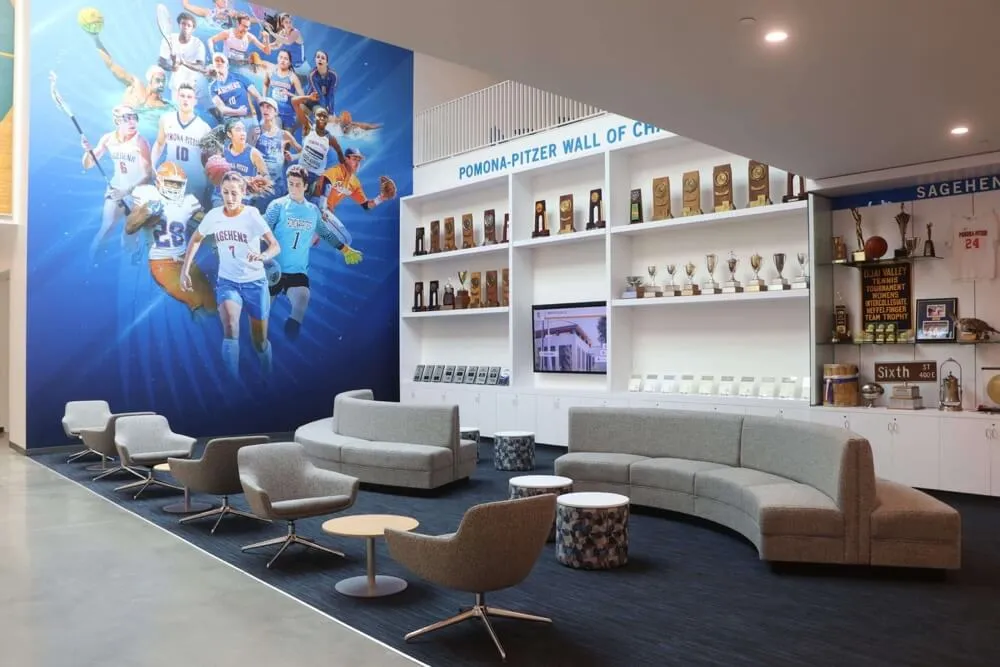
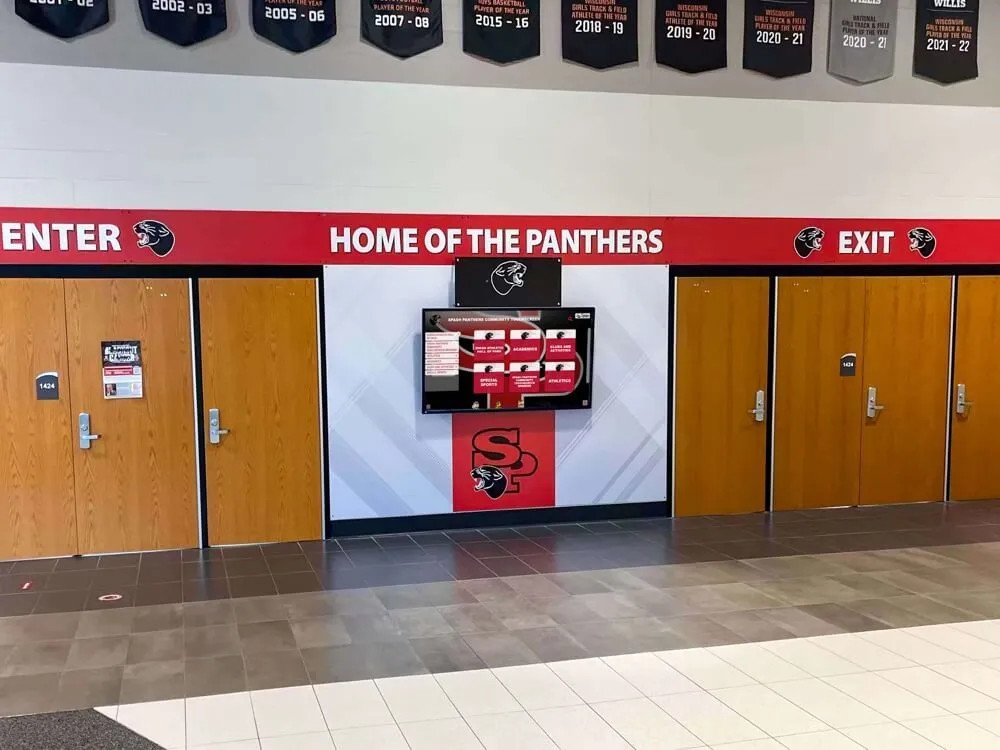
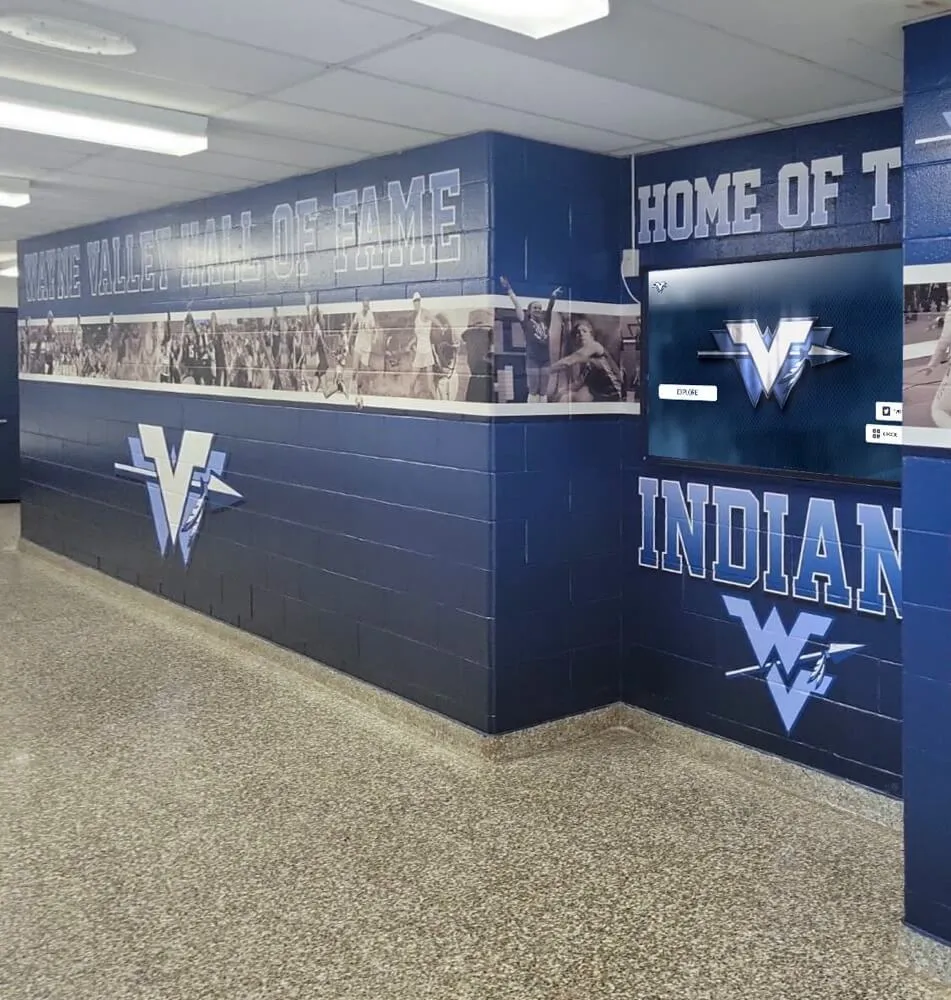
Comprehensive recognition honors diverse contribution types while creating professional displays
Unique Booster Club Recognition Challenges
Volunteer parent organizations face distinct obstacles implementing donor recognition:
Leadership Turnover
Booster clubs experience constant leadership rotation:
- Board positions turning over as children graduate
- Institutional knowledge lost with departing volunteers
- Inconsistent practices as new leaders implement different approaches
- Limited time for recognition planning among all-volunteer teams
- Competing priorities between fundraising, operations, and stewardship
This turnover makes complex recognition systems requiring specialized knowledge impractical, favoring simple approaches that new volunteers can manage easily.
Budget Constraints
Unlike institutional advancement offices with professional staff and dedicated budgets, boosters operate with minimal overhead:
- Every dollar spent on recognition reduces funds available for program support
- Expensive engraved plaques and traditional donor walls often feel inappropriate
- Cost-effectiveness becomes paramount when volunteers spend donated funds
- Recognition investments must demonstrate clear value to stakeholder satisfaction
- Long-term sustainability requires approaches affordable over multiple years
Space Limitations
Physical recognition space proves scarce:
- School facilities offer limited wall space for booster recognition
- Athletic programs share facilities with academic departments and other organizations
- Outdoor recognition faces weather exposure and vandalism risks
- Mobile recognition like banners deteriorate quickly and require storage
- Multiple booster organizations compete for available display locations
Learn about approaches for athletic recognition programs that address space constraints effectively.
Diverse Stakeholder Needs
Booster clubs serve multiple constituencies:
- Parents expect recognition for financial contributions
- Volunteers deserve acknowledgment for time and expertise
- Corporate sponsors require visibility fulfilling sponsorship benefits
- Students benefit from seeing community support for their programs
- School administrators want recognition reflecting institutional values
- Alumni contributors seek connection to programs they valued
Balancing these diverse needs within limited recognition capacity requires strategic thinking and creative solutions.
Strategic Benefits of Booster Club Donor Recognition
Understanding recognition’s strategic value helps booster leaders prioritize acknowledgment despite budget and time constraints.
Donor Retention and Giving Growth
Recognition directly influences contributor behavior and fundraising success:
Retention Rate Improvement
Booster clubs report measurable retention benefits from systematic recognition:
- Recognized donors demonstrate 30-50% higher year-over-year retention rates
- First-time contributors receiving quality acknowledgment return at significantly higher rates
- Multi-year giving patterns develop among consistently recognized supporters
- Corporate sponsors renewing at higher rates when recognition delivers promised visibility
- Major donors increasing commitments when stewardship demonstrates appreciation
According to fundraising research specific to parent organizations, donors cite “feeling appreciated” and “seeing program impact” as primary factors in their decision to continue supporting booster clubs beyond their own children’s participation years.
Gift Level Progression
Effective recognition creates upward giving movement:
- Annual donors increasing contributions to qualify for higher recognition tiers
- First-time supporters progressing to leadership giving over multiple years
- Corporate sponsors expanding support levels to achieve greater visibility
- Family foundations emerging from individual donor relationships
- Estate gifts resulting from long-term recognition and engagement
Organizations implementing tiered recognition societies report 25-40% higher donor progression rates compared to those providing uniform acknowledgment regardless of giving level.
Volunteer Recruitment and Engagement
Recognition extends beyond financial contributions to celebrate service:
Volunteer Appreciation Value
Acknowledging time and talent proves equally important:
- Board members and committee volunteers serving hundreds of hours annually
- Event organizers coordinating complex fundraising activities
- Concessions workers staffing operations generating substantial revenue
- Facility maintenance volunteers preserving fields and equipment
- Communications volunteers managing websites and social media
Public recognition validating volunteer contributions encourages sustained service and helps recruit new volunteers by demonstrating appreciation.
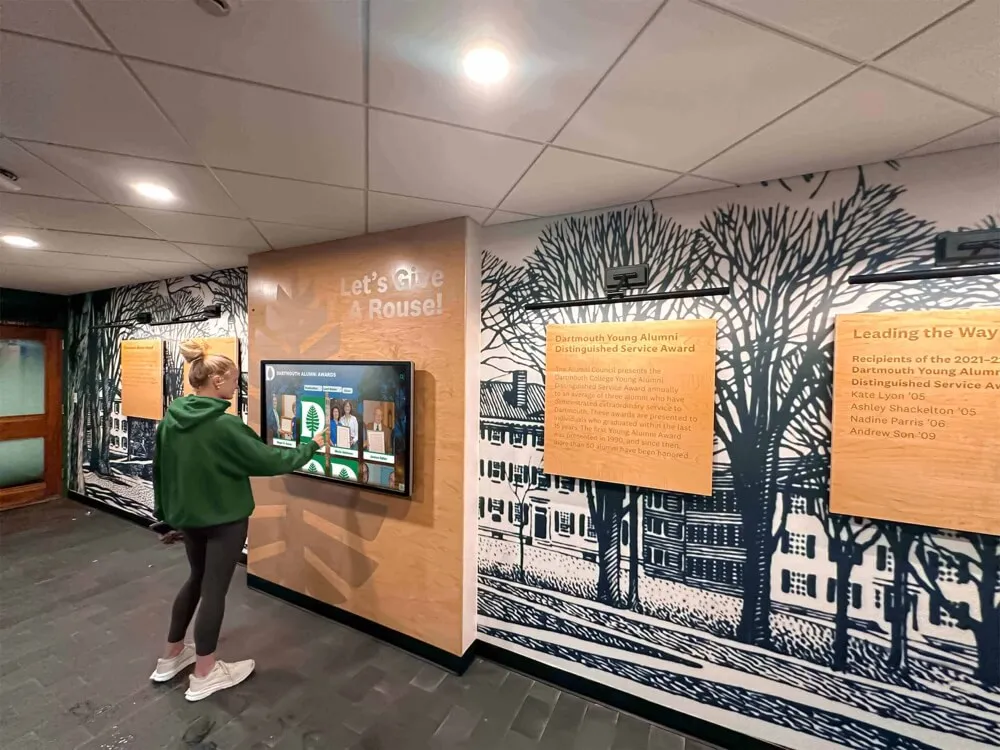
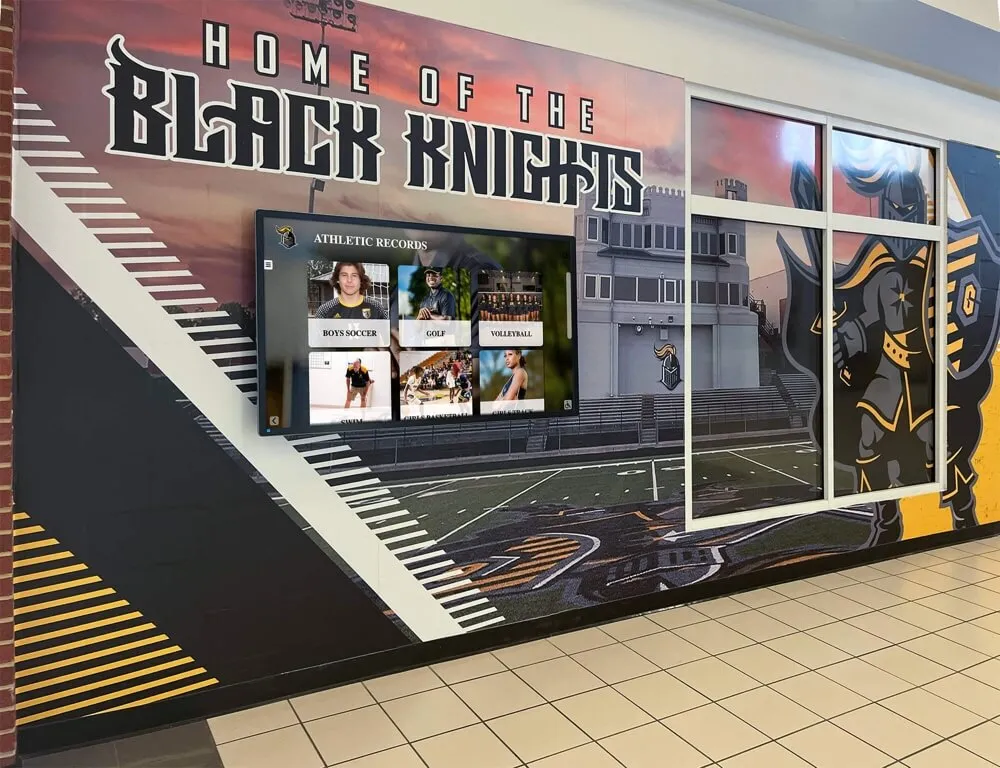
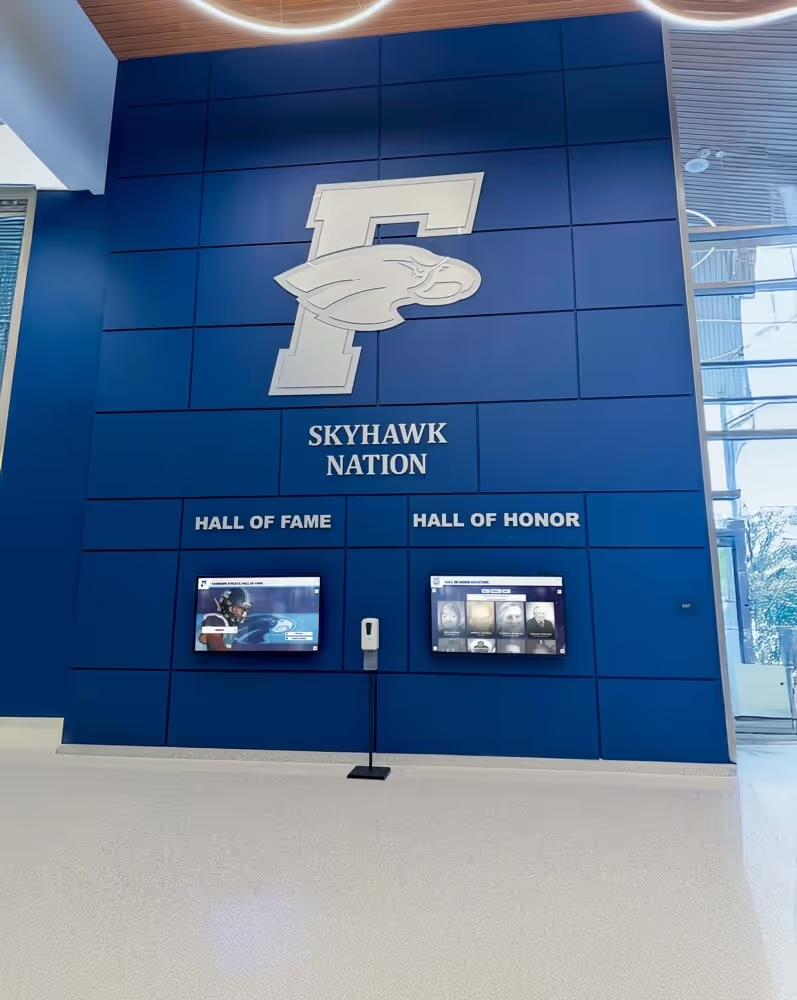
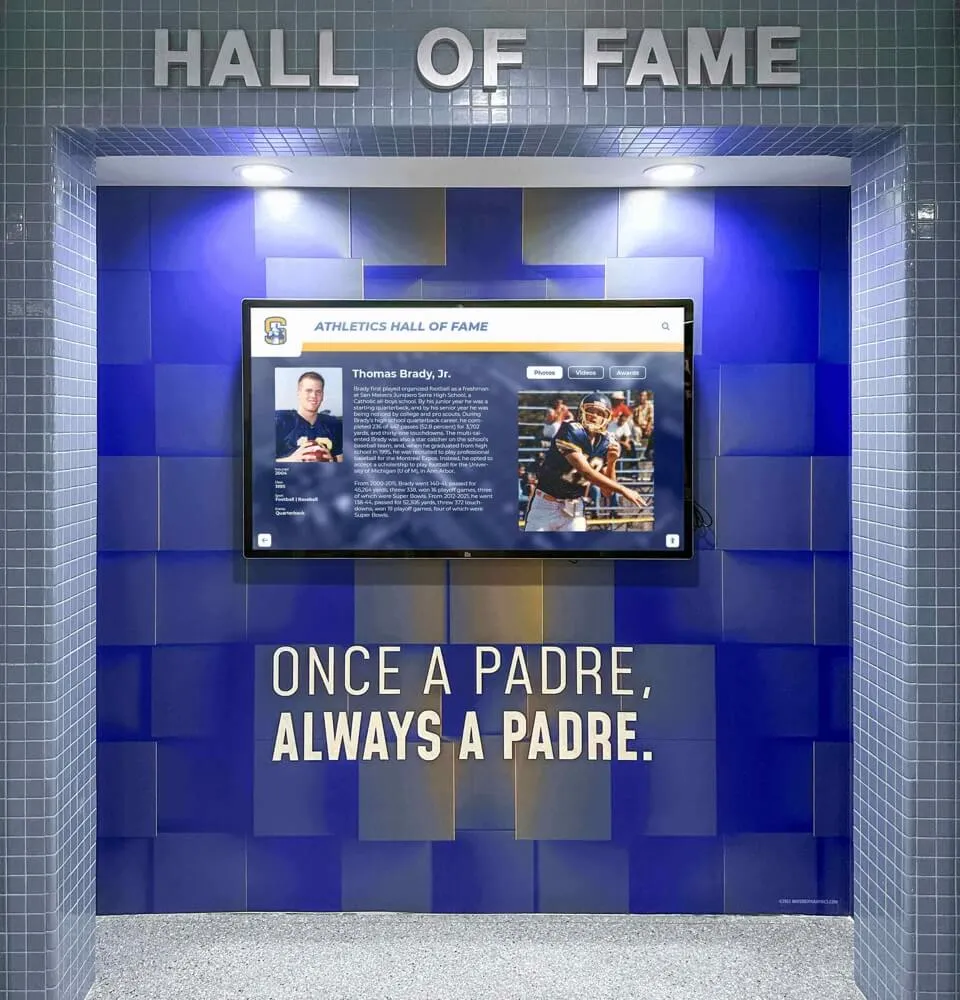
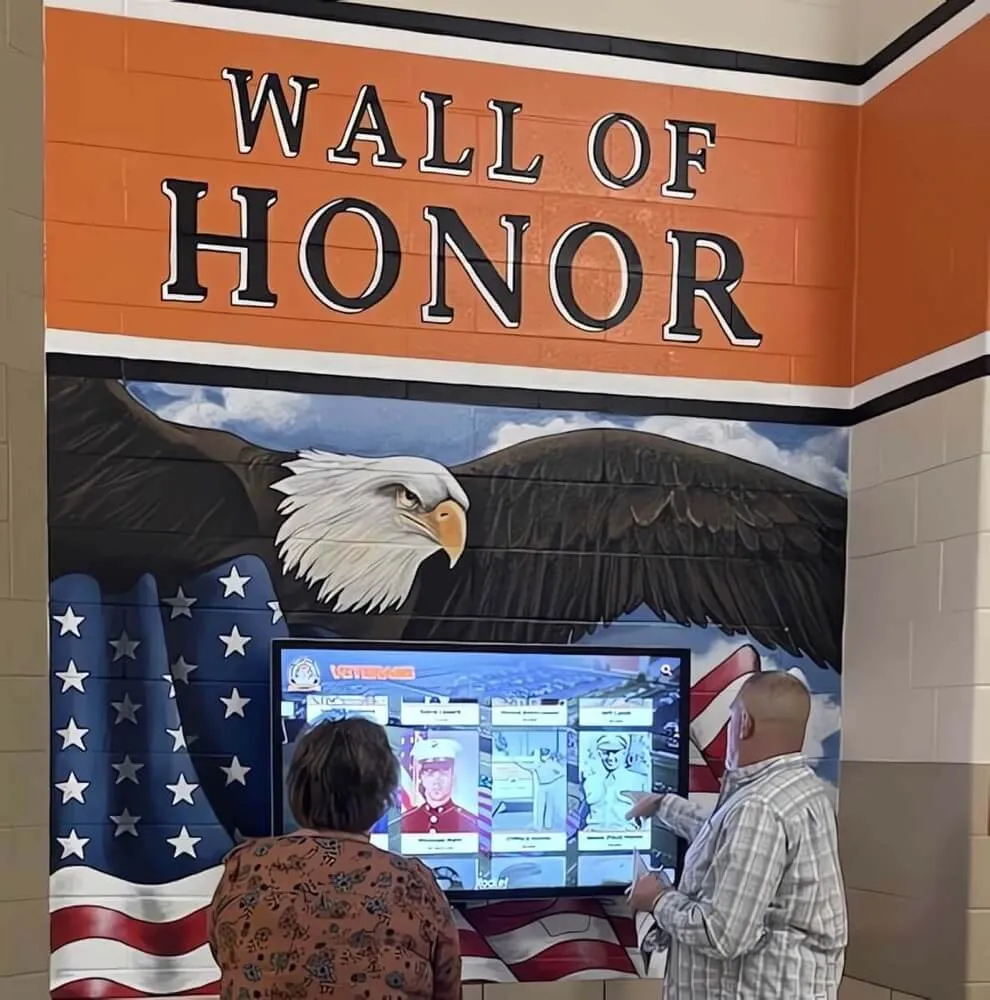
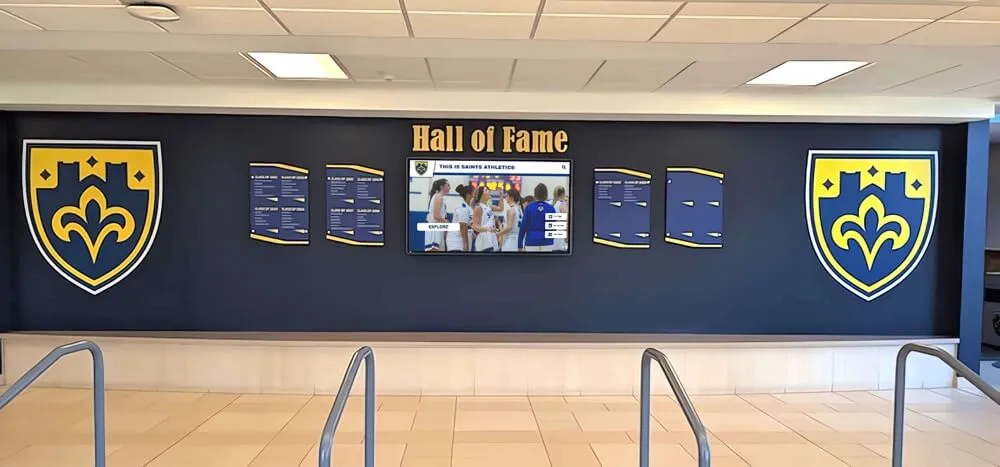
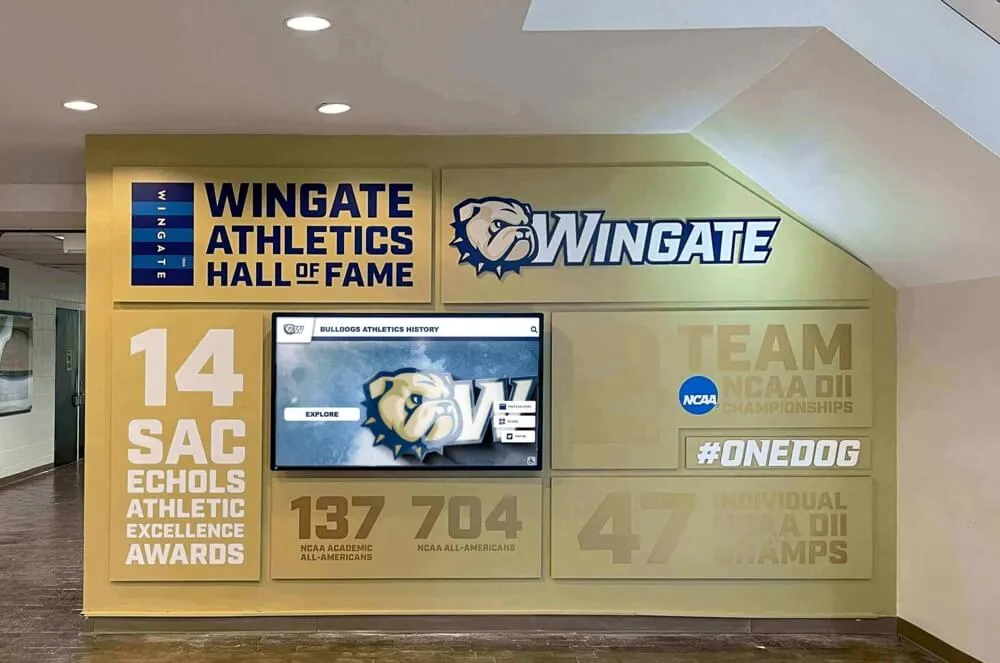
Recognition displays can celebrate both financial supporters and volunteer leaders building programs
Leadership Development
Recognition creates natural progression paths:
- Donors receiving acknowledgment often volunteer for leadership roles
- Volunteers seeing their service valued take on increased responsibility
- Recognition builds organizational attachment encouraging multi-year commitment
- Acknowledged contributors become ambassadors recruiting other supporters
- Celebrated volunteers mentor new members creating institutional sustainability
Booster clubs implementing comprehensive recognition report stronger leadership pipelines and reduced recruitment challenges compared to organizations where service goes unacknowledged.
Student and Community Impact
Recognition creates broader programmatic benefits:
Student Awareness and Gratitude
Visible donor recognition educates students about community support:
- Athletes and participants seeing community investment in their programs
- Students developing gratitude for supporter generosity enabling opportunities
- Recognition modeling philanthropic engagement for future adult giving
- Parent-child conversations about supporting community programs
- Alumni returning as donors having experienced recognized support
Schools report that prominent booster recognition correlates with reduced equipment vandalism and improved student stewardship as participants appreciate community investment.
Community Culture Development
Recognition creates environments celebrating program support:
- Visible acknowledgment normalizing philanthropy as community practice
- Social proof encouraging broader participation in booster activities
- Community pride in collective support for student programs
- Reduced barriers to asking for donations when support feels widespread
- Positive publicity attracting new families considering school enrollment
Explore strategies for showcasing community partnerships that celebrate collective support.
Donor Recognition Categories for Booster Clubs
Effective booster recognition acknowledges diverse contribution types at appropriate levels.
Financial Contribution Recognition
Monetary donations form the primary fundraising category requiring systematic acknowledgment:
Annual Giving Societies
Tiered membership structures encouraging aspirational giving:
Entry-Level Recognition ($100-$250)
- Booster Club Member or Supporter designation
- Name inclusion in game programs or annual publications
- Email acknowledgment and tax receipt
- Access to member-only communications and updates
- Recognition on digital displays and online directories
Mid-Level Recognition ($250-$1,000)
- Named giving societies (Gold, Silver, Bronze levels)
- Name featured prominently in facility displays
- Special event invitations and exclusive access opportunities
- Social media recognition celebrating contributions
- Dedicated webpage sections honoring society members
Leadership Recognition ($1,000-$5,000)
- President’s Circle or Leadership Council membership
- Premium display placement and enhanced recognition
- Season passes or reserved seating benefits
- Personal communication from booster leadership
- Advisory opportunities providing program input
Major Gift Recognition ($5,000+)
- Benefactor or Founder’s Circle designation
- Named recognition opportunities for specific programs or equipment
- Permanent display in prominent facility locations
- Comprehensive benefits packages including event access and communications
- Lifetime recognition honoring transformational support
Organizations should adjust thresholds based on community demographics and typical giving patterns, ensuring recognition levels feel achievable while appropriately honoring larger commitments.
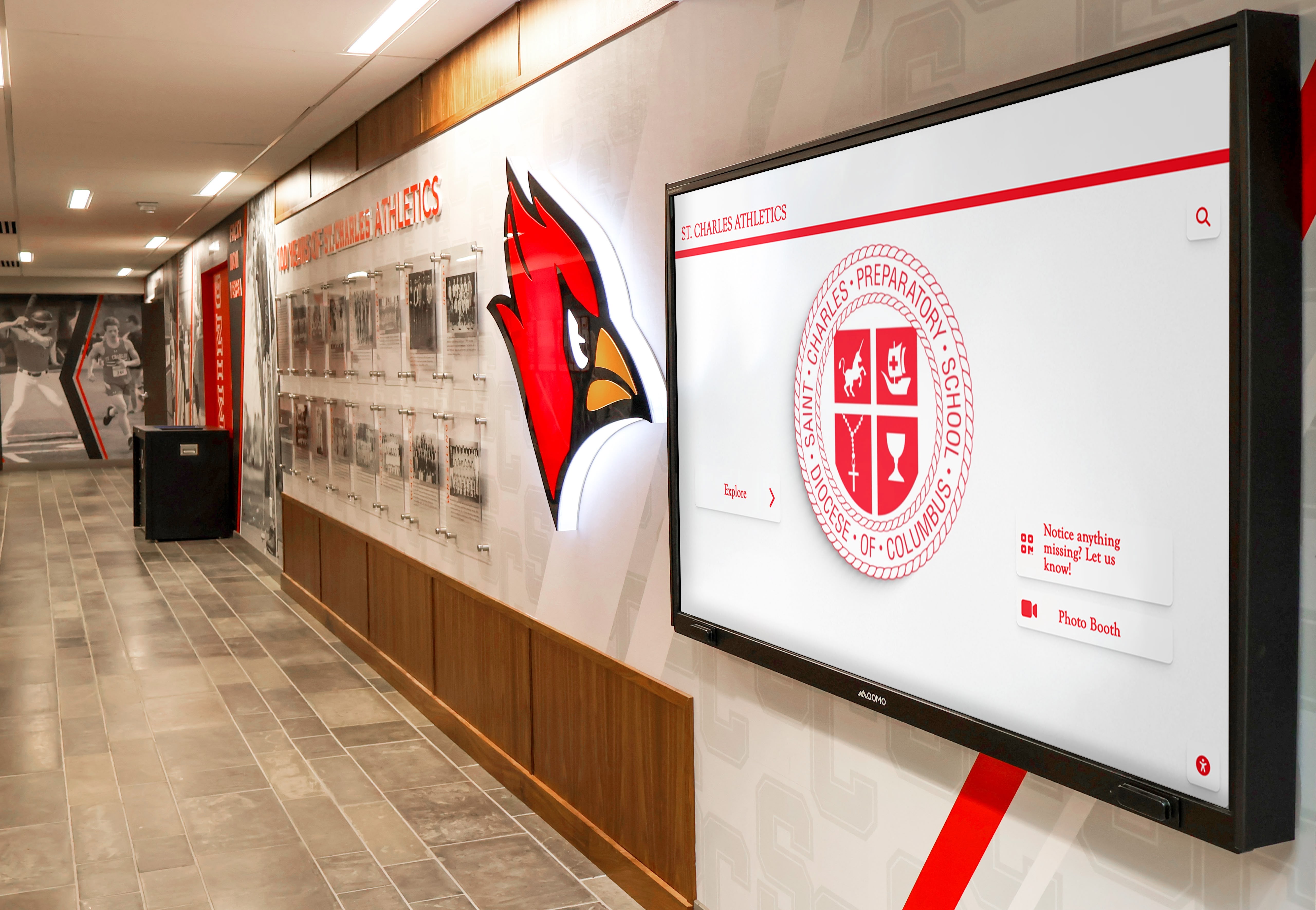
Clear giving level structures guide donors toward appropriate contribution amounts while honoring all support
Corporate and Business Recognition
Business supporters require visibility fulfilling sponsorship agreements:
Sponsorship Categories
- Title sponsors receiving naming rights for events or facilities
- Platinum sponsors with premium visibility at multiple venues
- Gold/Silver/Bronze tiers providing scaled recognition benefits
- In-kind sponsors receiving acknowledgment for donated goods and services
- Multi-year sponsors earning enhanced recognition for sustained commitment
Visibility Deliverables
- Logo placement on digital displays, signage, and publications
- Verbal recognition during events and announcements
- Social media acknowledgment with business tag and links
- Website sponsor pages with business descriptions and links
- Program advertisements and promotional materials
Learn about comprehensive donor recognition approaches applicable to business partnerships.
Memorial and Tribute Gifts
Contributions honoring loved ones require sensitive, permanent recognition:
- Memorial designation acknowledging deceased community members
- Tribute gifts celebrating living individuals through named recognition
- Family memorial funds supporting specific programs or needs
- Legacy recognition for multi-generational booster families
- Scholarship funds honoring graduates or community leaders
Memorial recognition often receives dedicated display areas creating respectful contemplation spaces while acknowledging generous support.
Non-Monetary Contribution Recognition
Acknowledging time, talent, and expertise proves equally important:
Volunteer Service Recognition
Celebrating donated time and leadership:
- Years of service recognition honoring sustained commitment
- Leadership position acknowledgment for board and committee service
- Special recognition for officers and key volunteers
- Event volunteer appreciation celebrating operational support
- Milestone recognition for volunteers reaching service anniversaries
In-Kind Donation Recognition
Honoring contributed goods and services:
- Equipment donations from businesses or families
- Professional services provided by skilled volunteers
- Facility usage donated for events and activities
- Materials and supplies contributed to operations
- Transportation and logistics support enabling programs
Organizations should establish equivalency standards determining in-kind donation recognition levels, ensuring non-monetary contributions receive appropriate acknowledgment comparable to cash gifts.
Explore volunteer recognition strategies that celebrate service contributions.
Practical Recognition Approaches for Booster Clubs
Budget-conscious, volunteer-manageable recognition strategies serve booster organizations effectively.
Digital Recognition Displays
Technology provides cost-effective, flexible recognition solutions ideal for booster environments:
Unlimited Recognition Capacity
Digital platforms eliminate space constraints forcing difficult choices:
- Single display accommodating unlimited donors across all giving levels
- No need to remove previous donors when adding new recognition
- Comprehensive historical archives preserving organizational legacy
- All contribution types receiving equal display capacity
- Easy updates accommodating membership changes and new supporters
Solutions like Rocket Alumni Solutions provide purpose-built platforms specifically designed for volunteer organizations, with intuitive content management requiring no technical expertise and affordable pricing appropriate for booster budgets.
Cost-Effective Long-Term Investment
Digital recognition proves economical over time:
Traditional Recognition Ongoing Costs
- Annual plaque engraving at $75-$200 per name for 50+ donors
- Banner replacement every 2-3 years due to weather deterioration
- Program printing costs for recognition listings
- Storage costs for outdated materials
- Labor costs for installation and updates
Digital Recognition Cost Structure
- One-time hardware investment in display and installation
- Predictable annual software licensing fees
- No per-name costs for recognition additions
- Instant updates eliminating contractor fees
- Comprehensive recognition sustainable within volunteer budgets
Many booster clubs find digital recognition achieves return on investment within 2-4 years compared to ongoing traditional recognition expenses while delivering superior capacity, engagement, and management efficiency.
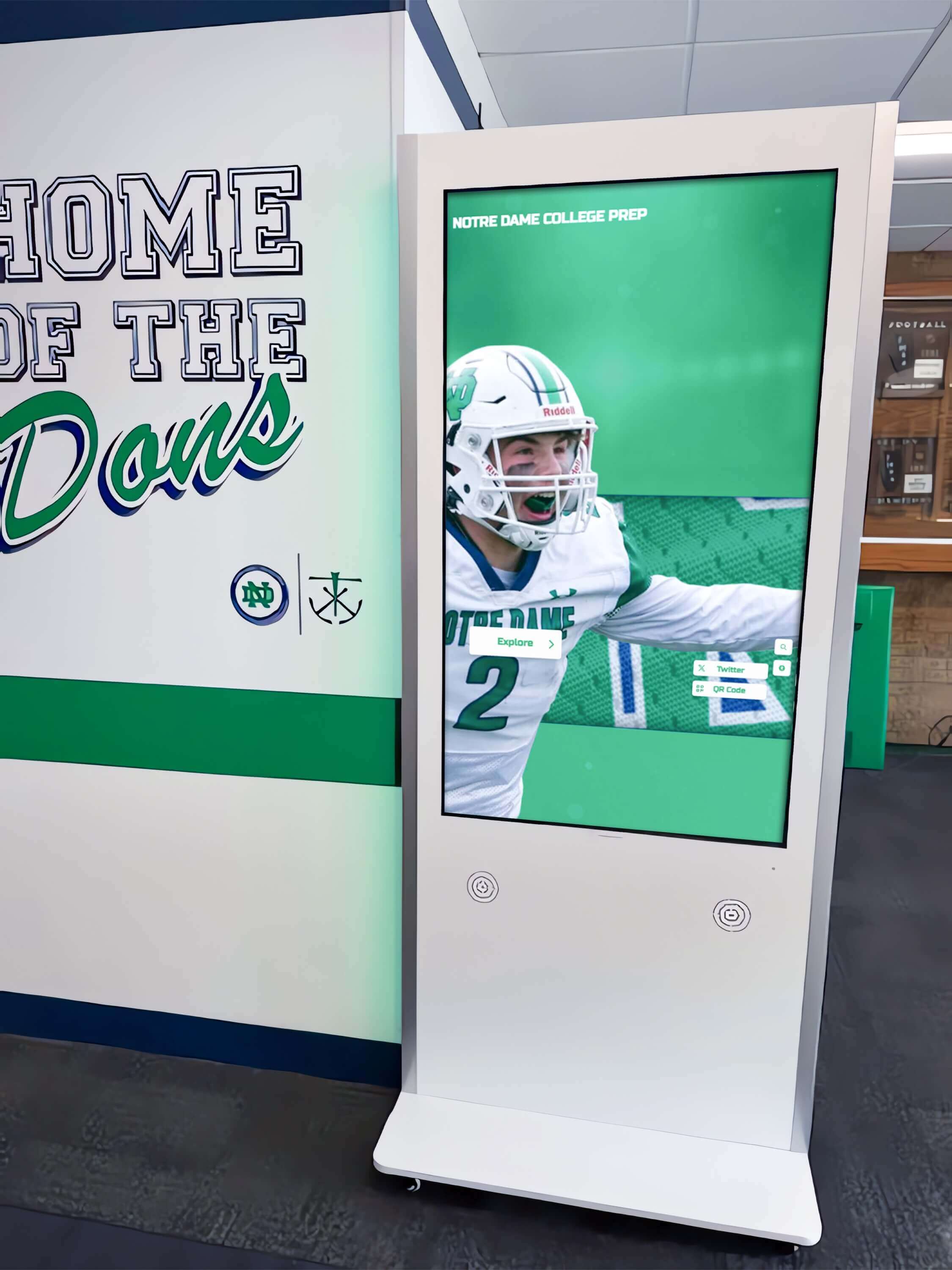
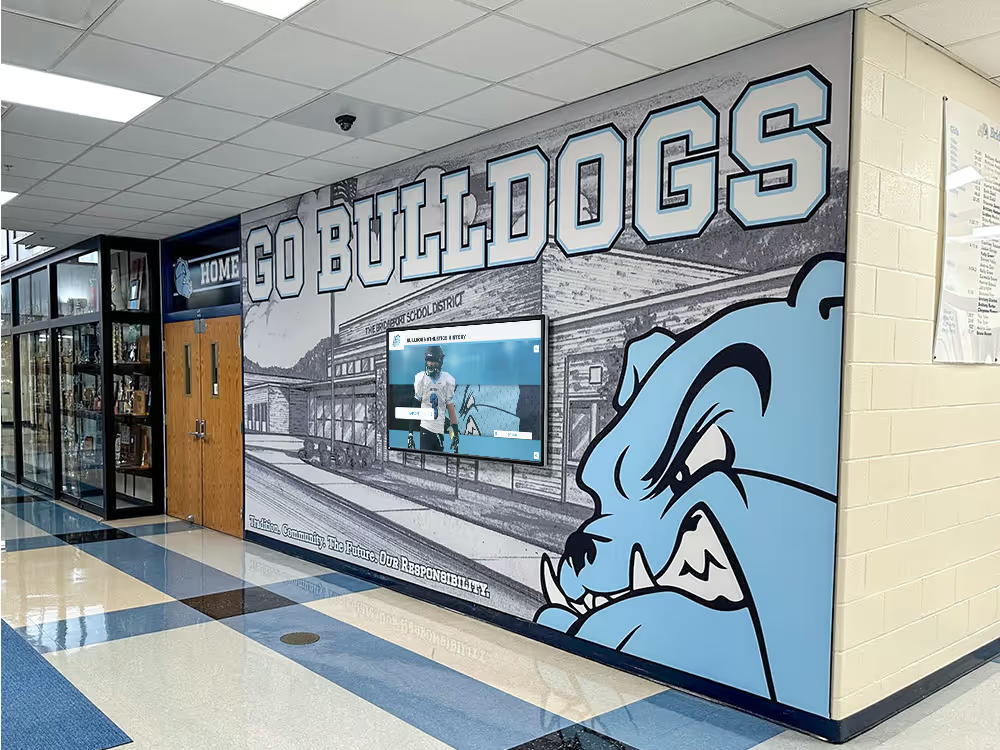
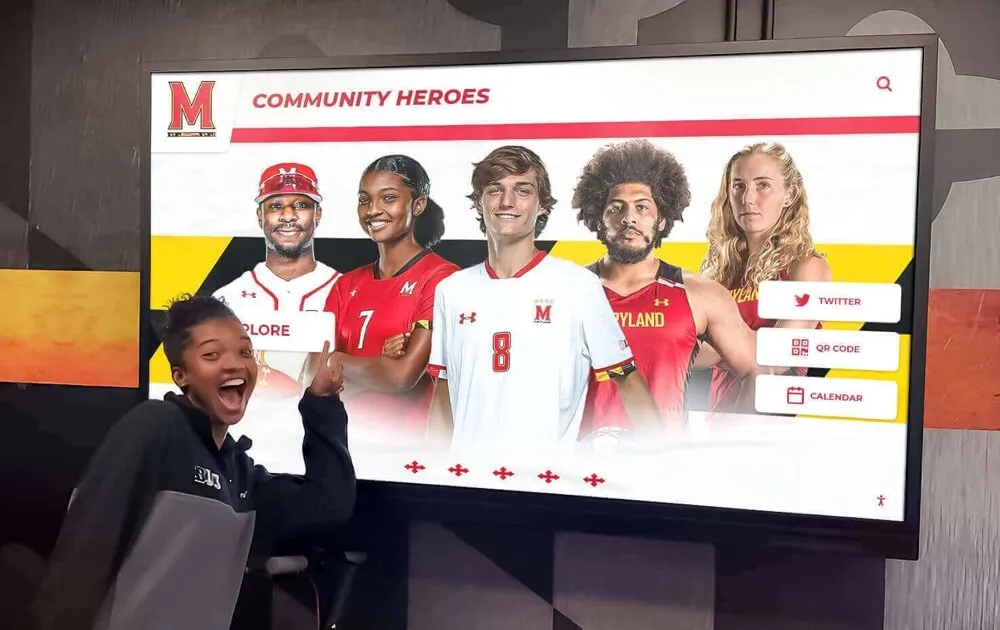
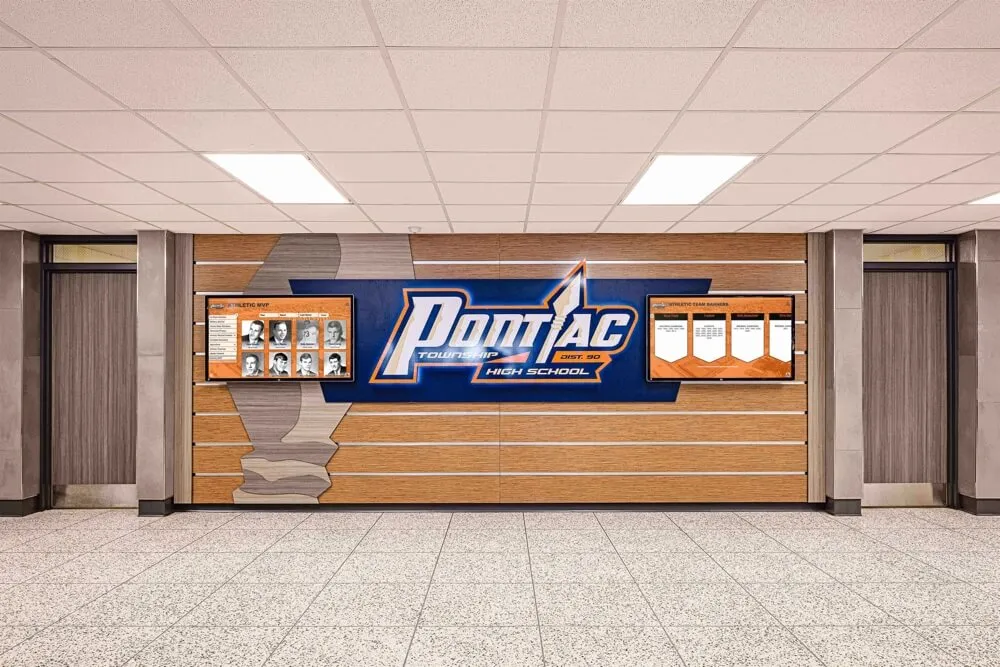
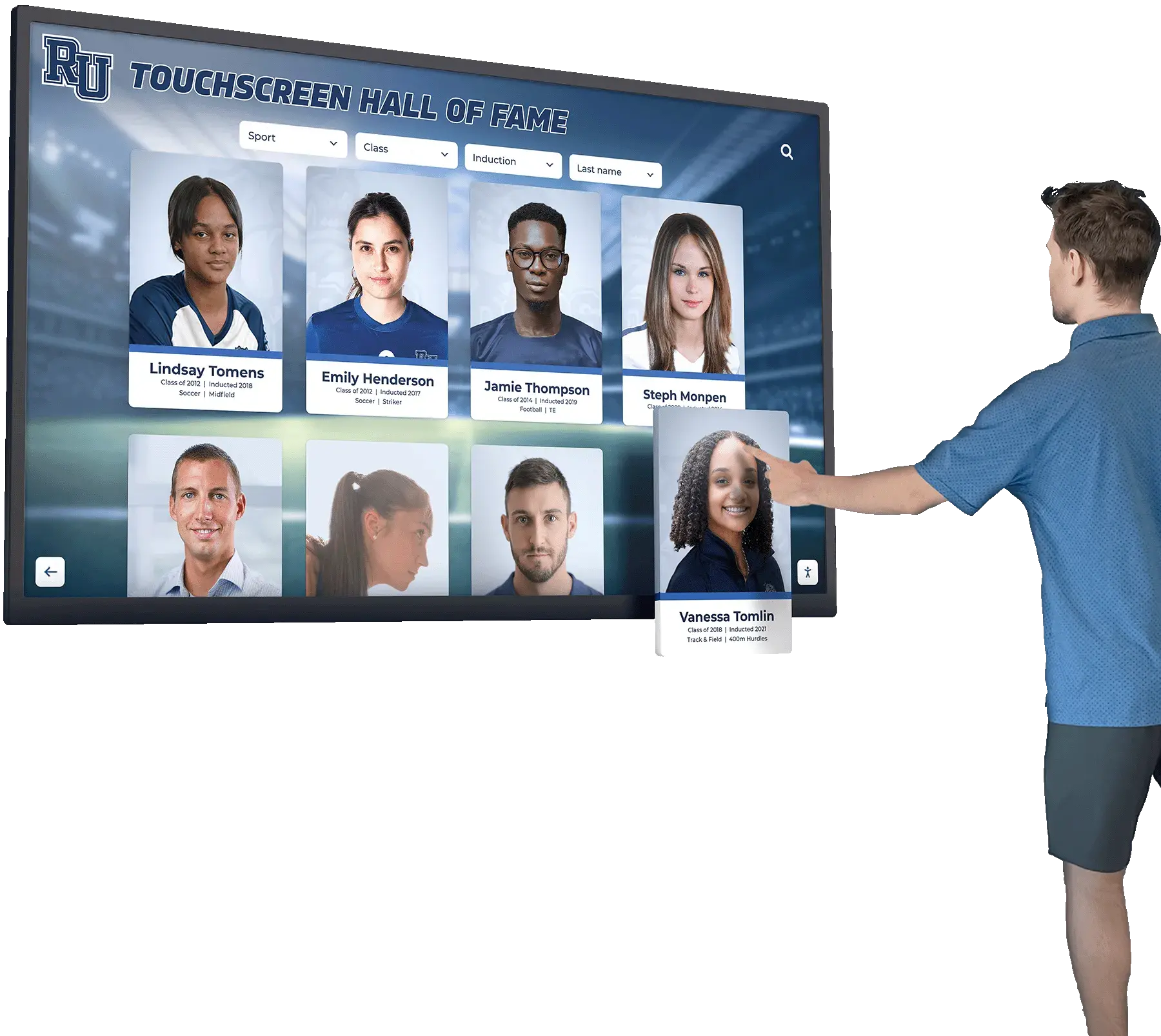
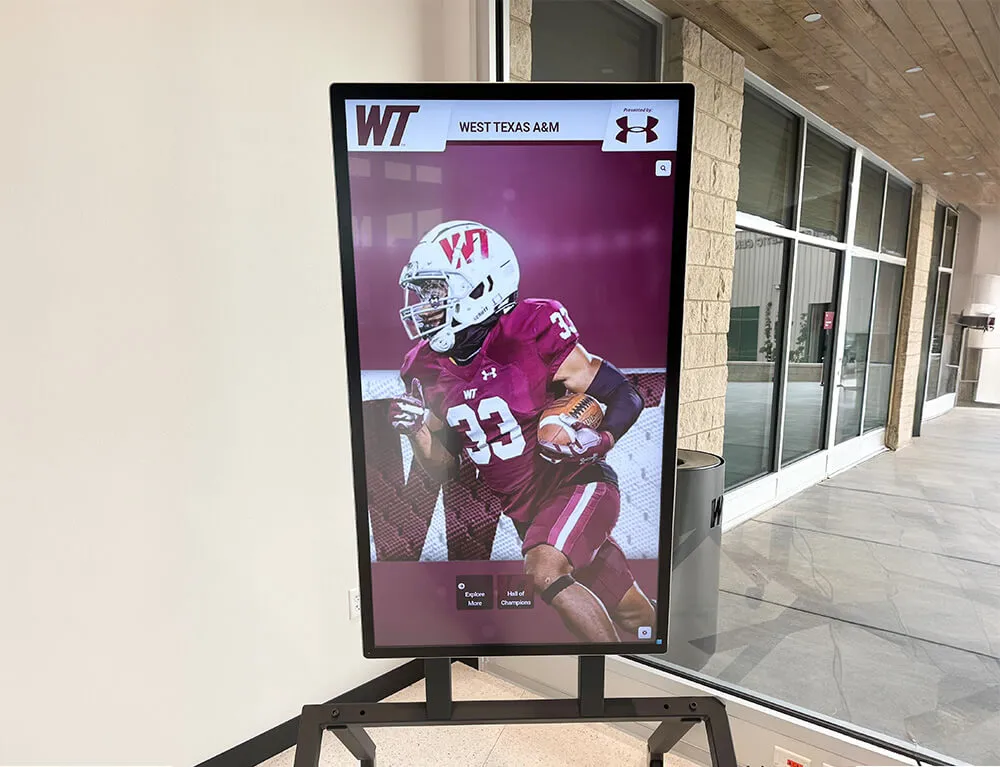
Interactive displays enable comprehensive recognition while creating engaging experiences for visitors and supporters
Volunteer-Friendly Management
Cloud-based systems accommodate volunteer operations:
- Intuitive interfaces requiring no technical knowledge or training
- Remote access enabling updates from home without facility visits
- Role-based permissions allowing appropriate volunteer access
- Template systems ensuring consistent professional presentation
- Mobile-friendly management enabling updates from smartphones
- Bulk import tools efficiently adding large donor lists
- Scheduled publishing automating recognition appearance
Learn about digital recognition display management designed for volunteer organizations.
Multi-Purpose Functionality
Digital displays serve broader organizational communications:
- Recognition displays doubling as event promotion screens
- Fundraising campaign progress visualization and thermometers
- Game schedule and team roster information
- Sponsor advertisement rotation fulfilling visibility commitments
- Athletic achievement and championship celebration
- Program impact stories and student testimonials
This multi-purpose functionality maximizes hardware investment value while creating dynamic displays that engage visitors beyond simple donor acknowledgment.
Print-Based Recognition Solutions
Traditional print materials provide accessible recognition approaches:
Game Programs and Event Publications
Printed materials distributed at events:
Advantages
- Low initial investment for professional-looking recognition
- Broad distribution reaching entire event attendance
- Keepsake value for families preserving programs
- Advertising revenue offsetting production costs
- Flexibility updating recognition seasonally
Limitations
- Limited lifespan and single-use nature
- High per-unit costs when distributed widely
- Environmental concerns about paper waste
- Storage requirements for surplus inventory
- Design and layout expertise needed for quality results
Banners and Signage
Fabric and vinyl recognition displays:
Applications
- Facility banners acknowledging sponsors and major donors
- Fence signage providing visibility at outdoor venues
- Portable displays used at various events and locations
- Seasonal recognition updated for different sports
- Championship celebration banners doubling as recognition
Durability Considerations
- Indoor banners lasting 5-10 years with proper care
- Outdoor signage deteriorating within 2-4 years from weather exposure
- Professional printing quality affecting longevity
- Mounting hardware and installation costs
- Storage space needed during off-seasons
Banner displays provide visible recognition while allowing seasonal updates and program flexibility
Hybrid Recognition Approaches
Combining multiple strategies maximizes recognition effectiveness:
Tiered Recognition Strategy
Matching recognition approaches to contribution levels:
- Major donors receiving permanent physical recognition
- Annual supporters acknowledged through digital displays and programs
- Volunteers celebrated through event recognition and communications
- Corporate sponsors receiving multi-channel visibility fulfilling agreements
- Memorial gifts honored through dedicated permanent displays
Multi-Channel Recognition
Acknowledgment across various touchpoints:
- Physical displays at facilities providing visible presence
- Digital platforms offering interactive exploration
- Print programs distributed at events and competitions
- Website recognition extending acknowledgment online
- Social media celebration engaging broader communities
- Email communications thanking supporters directly
- Annual reports documenting community support
Explore athletic recognition best practices combining multiple acknowledgment approaches.
Implementation Planning for Booster Clubs
Systematic planning ensures recognition programs serve organizations effectively without overwhelming volunteers.
Recognition Committee Formation
Dedicated leadership ensures consistent implementation:
Committee Structure
Effective recognition committees include:
- Booster board member providing organizational oversight
- Communications volunteer managing content and updates
- Parent representatives from various sport seasons or programs
- School liaison ensuring alignment with institutional policies
- Corporate sponsor representative providing business perspective
Small committees of 3-5 volunteers prove most effective, avoiding paralysis from excessive input while ensuring diverse perspectives.
Committee Responsibilities
Clear role definition prevents confusion:
- Donor list compilation and verification
- Recognition content creation and approval
- Display updates and maintenance coordination
- Policy development and enforcement
- Budget management for recognition expenses
- Vendor relationships and contract management
Organizations should document committee roles ensuring smooth transitions when volunteers rotate off leadership.
Policy Development
Formal guidelines ensure consistent, equitable recognition:
Gift Acceptance and Recognition Standards
Clear policies preventing future conflicts:
Minimum Gift Thresholds
- Entry-level recognition qualifying amount
- Giving society tier structures and benefits
- Corporate sponsorship levels and deliverables
- In-kind donation valuation standards
- Multi-year pledge recognition timing
Recognition Duration
- Annual membership requiring yearly renewal
- Multi-year recognition for sustained giving
- Permanent recognition thresholds for major gifts
- Memorial recognition continuing in perpetuity
- Lapsed donor removal policies and procedures
Naming Opportunities
- Facility and program naming investment requirements
- Naming duration and renewal considerations
- Approval processes for naming proposals
- Name removal circumstances and procedures
- Conflict resolution mechanisms
Anonymous Giving
- Anonymous donor accommodation approaches
- Recognition alternatives respecting privacy
- Gift counting toward organizational totals
- Generic acknowledgment demonstrating support breadth
- Donor preference documentation and respect
Learn about donor recognition policy development best practices applicable to volunteer organizations.
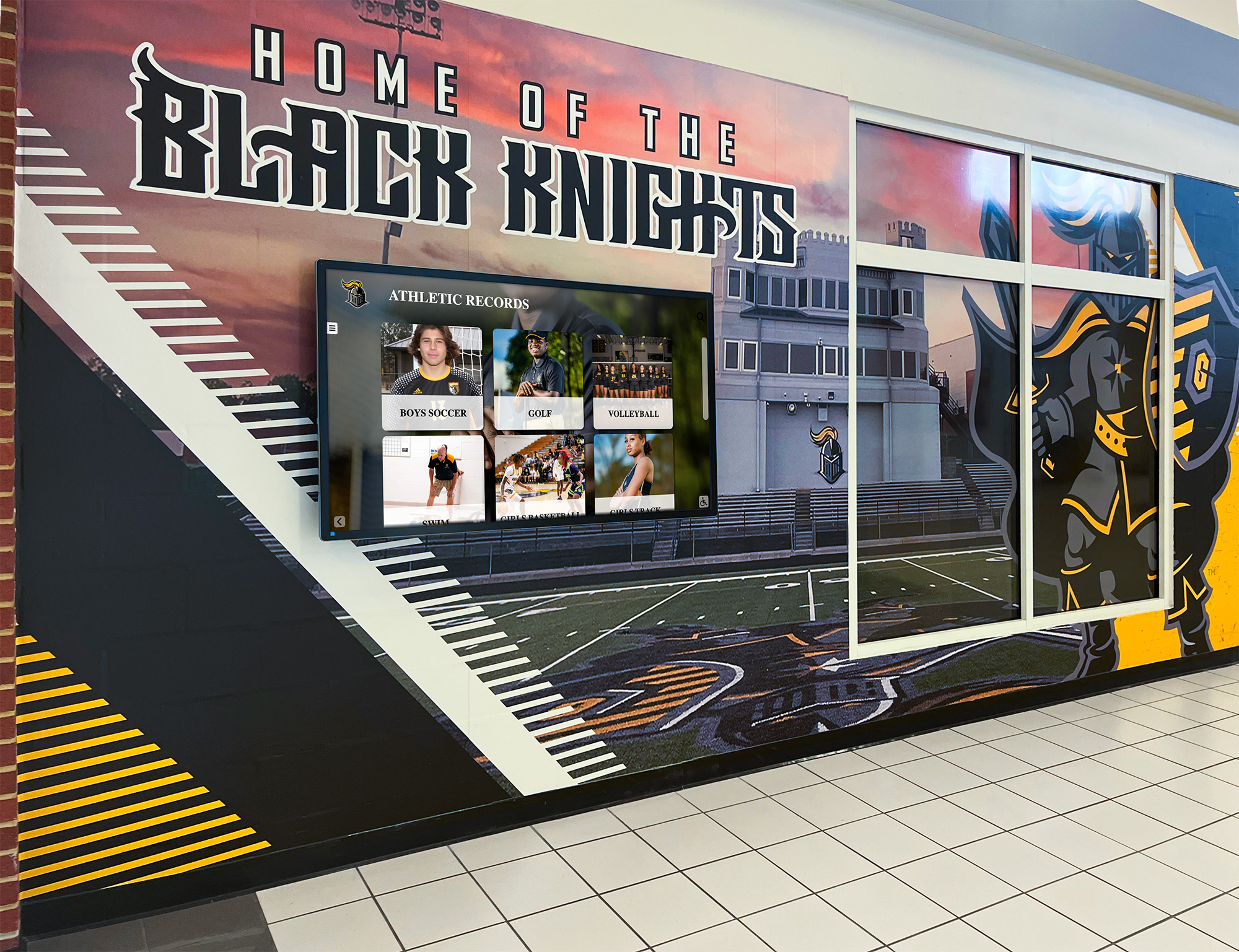
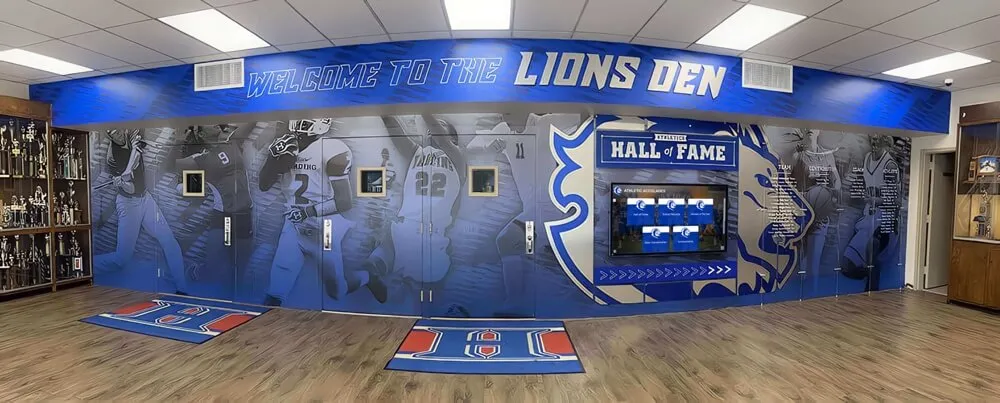
Professional recognition implementation reflects organizational values while honoring supporters appropriately
Budget Planning and Funding
Recognition requires dedicated financial resources:
Initial Investment Planning
Understanding startup costs:
Digital Recognition Systems
- Display hardware: $3,000-$8,000 depending on size and quality
- Software licensing: $1,500-$3,500 annually for comprehensive platforms
- Installation and mounting: $500-$2,000 for professional setup
- Content development: $500-$1,500 for initial donor data migration
- Training and support: Often included with quality vendors
- Total initial investment: $6,000-$15,000 typical range
Traditional Recognition Approaches
- Engraved plaques: $100-$300 per name depending on materials
- Banner displays: $200-$800 per banner depending on size and quality
- Modular plaque systems: $5,000-$15,000 for frameworks and initial plaques
- Installation and mounting: $500-$2,000 for professional installation
- Design consultation: $500-$2,000 for custom approaches
Ongoing Budget Requirements
Sustaining recognition over time:
- Digital platform annual licensing fees
- Recognition additions for new donors
- Display maintenance and cleaning
- Content updates and seasonal changes
- Recognition event costs
- Communications and publicity expenses
Organizations commonly allocate 2-5% of annual fundraising revenue to donor recognition, ensuring adequate resources for quality acknowledgment without excessive overhead reducing program support.
Funding Recognition Investments
Creative approaches financing recognition systems:
- Capital campaign designation for recognition components
- Dedicated fundraiser with proceeds funding recognition
- Corporate sponsor underwriting recognition displays
- Major donor naming opportunities funding implementation
- Multi-year budget allocation spreading costs over time
- Grant applications for technology supporting donor stewardship
Some boosters successfully fund recognition through sponsorship sales, with businesses underwriting display costs in exchange for prominent logo placement alongside donor acknowledgment.
Recognition Content and Storytelling
Quality content transforms simple name lists into meaningful appreciation:
Donor Profile Development
Comprehensive recognition includes rich information:
Essential Information Elements
Baseline content for all recognized donors:
- Donor name with preferred spelling and formatting
- Recognition society or giving level designation
- Contribution year or date for annual recognition
- Company affiliation for corporate donors
- Memorial or tribute designation when applicable
- Home community for geographic attribution
Enhanced Profile Content
Additional elements creating deeper appreciation:
- High-quality photographs showing donors and families
- Brief biographical information and connections to programs
- Quotes explaining giving motivation when donors consent
- Giving history showing sustained commitment over time
- Volunteer service acknowledgment alongside financial gifts
- Connection to specific programs or sports supported
Research demonstrates that recognition including photos and stories generates significantly higher visitor engagement compared to name-only listings, with average exploration time increasing 4-6 times.
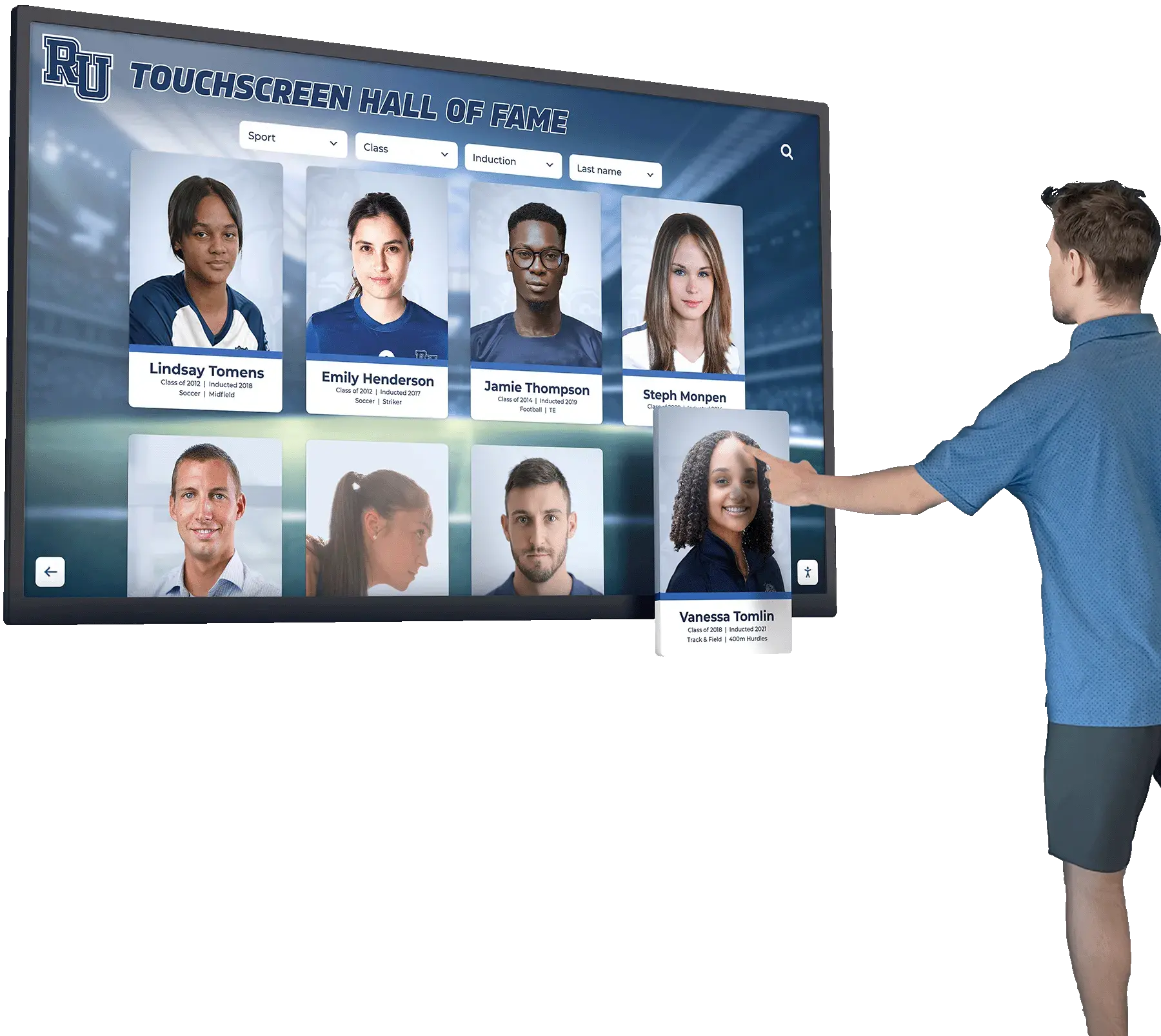
Rich profiles telling supporter stories create meaningful recognition beyond simple name acknowledgment
Impact Communication
Connecting donations to outcomes strengthens recognition value:
Program Impact Stories
Demonstrating what contributions accomplish:
- Facility improvements enabling better training and competition
- Equipment purchases improving safety and performance
- Travel funding providing competitive opportunities
- Scholarship recipients benefiting from donor generosity
- Championship achievements supported by booster funding
- Participation statistics showing program growth enabled by support
Quantified Outcomes
Specific metrics illustrating contribution impact:
- Number of student-athletes served by programs
- Championships won by teams supported by boosters
- Facility improvements completed through fundraising
- Scholarship dollars distributed to deserving students
- Equipment items purchased through donor support
- Years of sustained program excellence enabled by community
According to research on donor motivation, supporters cite “seeing program impact” as the most important factor influencing continued giving, making impact communication essential recognition content.
Explore digital storytelling approaches that demonstrate supporter impact effectively.
Student Testimonials
First-person accounts from program beneficiaries:
- Athletes describing how booster support enabled their participation
- Scholarship recipients expressing gratitude for educational opportunities
- Team captains acknowledging community investment in programs
- Coaches explaining how resources improve competitive performance
- Graduates reflecting on lasting impact of booster-supported activities
These testimonials create emotional connections between donors and mission impact, validating philanthropic decisions and encouraging sustained support.
Special Booster Club Recognition Considerations
Unique circumstances requiring thoughtful approaches:
Multi-Program Booster Organizations
Some boosters support multiple sports or activities:
Recognition Organization Strategies
Acknowledging diverse program support:
- Program-specific recognition for designated gifts
- General support recognition for unrestricted contributions
- Sport season organization separating fall/winter/spring athletics
- Giving level structures consistent across programs
- Unified branding maintaining organizational cohesion
Equitable Visibility
Ensuring all programs receive appropriate recognition:
- Rotating featured programs on digital displays
- Proportional recognition reflecting contribution distribution
- Alphabetical or neutral sequencing avoiding favoritism
- Seasonal updates highlighting relevant current programs
- Comprehensive donor directories showing all support
Learn about comprehensive recognition approaches serving diverse constituencies.
Parent Organization Coordination
Booster clubs often work alongside other parent groups:
Coordination with Related Organizations
- Athletic boosters supporting competitive sports programs
- Fine arts boosters funding music, theatre, and visual arts
- Academic boosters supporting STEM, debate, and competition teams
- General parent-teacher organizations funding broad school needs
- Alumni associations providing graduated supporter connections
Avoiding Recognition Conflicts
Collaborative approaches preventing duplication:
- Coordinated giving structures preventing competing asks
- Shared recognition displays acknowledging all support
- Unified communications reducing solicitation fatigue
- Joint events celebrating comprehensive community support
- Clear attribution showing which organization received contributions
Schools report that coordinated recognition across parent organizations strengthens overall fundraising by demonstrating comprehensive community investment rather than creating competition between groups.
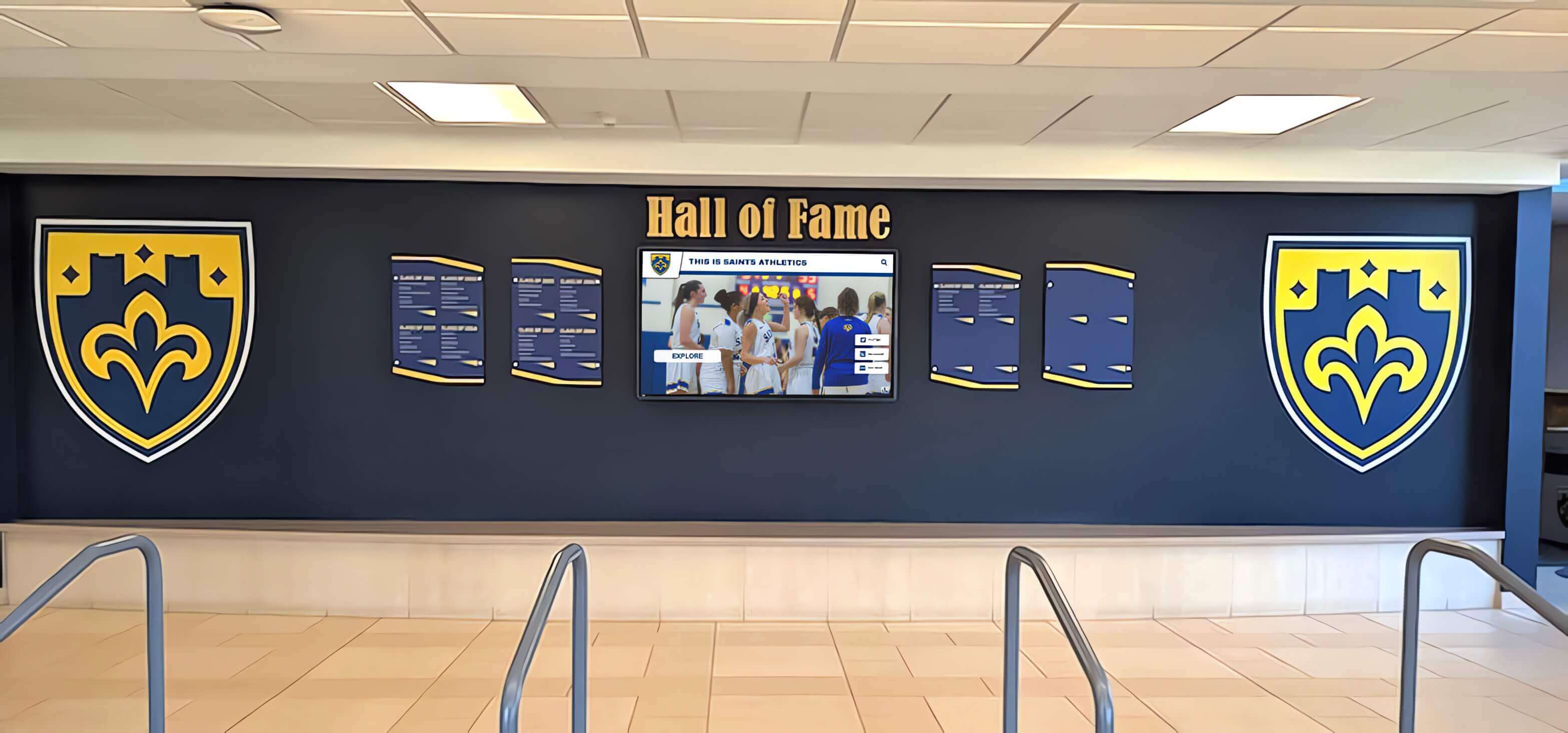
Coordinated recognition celebrates all forms of parent and community support serving student programs
Succession Planning for Recognition Programs
Ensuring recognition sustainability as volunteers rotate:
Documentation Requirements
Information preservation for leadership transitions:
- Recognition policies and procedures documented clearly
- Vendor contacts and contract information centralized
- Content management system access and credentials secured
- Update schedules and maintenance requirements outlined
- Budget information and funding sources documented
- Historical context explaining recognition decisions
Knowledge Transfer Processes
Systematic transitions preventing institutional knowledge loss:
- Overlap periods where outgoing and incoming volunteers serve together
- Training sessions on recognition systems and management
- Written procedures for routine tasks and updates
- Vendor support utilization for technical assistance
- Committee continuity with staggered term structures
Organizations implementing formal succession planning report smoother leadership transitions and sustained recognition quality compared to those where departing volunteers leave programs vulnerable.
Measuring Recognition Program Effectiveness
Assessment ensures recognition investments achieve intended outcomes:
Quantitative Performance Metrics
Measurable indicators of recognition impact:
Fundraising Performance Indicators
- Year-over-year donor retention rates
- Average gift size progression over time
- New donor acquisition rates
- Corporate sponsor renewal percentages
- Major gift conversion rates
- Campaign success rates and goal achievement
- Fundraising revenue growth trends
Organizations implementing systematic recognition should expect measurable retention improvements within 18-24 months, with longer-term impacts on gift levels and major donor cultivation.
Engagement Metrics
For digital recognition systems:
- Display interaction frequency and duration
- Popular search terms and content
- Web-based recognition platform traffic
- Social media engagement with recognition posts
- Recognition event attendance
- Volunteer recruitment success
These metrics demonstrate whether recognition creates desired engagement beyond simple acknowledgment, guiding continuous improvement.
Qualitative Assessment
Understanding stakeholder satisfaction:
Donor Feedback
Soliciting supporter perspectives:
- Annual surveys assessing recognition satisfaction
- Exit interviews when donors discontinue giving
- Informal feedback during events and interactions
- Testimonials about recognition experiences
- Suggestions for recognition improvements
Volunteer and Leader Assessment
Internal stakeholder evaluation:
- Board member satisfaction with recognition program
- Committee volunteer experience managing systems
- Staff feedback on recognition effectiveness
- Student awareness of community support
- School administration perspective on recognition quality
Regular assessment enables evidence-based refinement rather than assumptions about recognition effectiveness.
Learn about measuring recognition program success in educational environments.
Technology Solutions for Booster Club Recognition
Modern platforms address volunteer organization needs specifically:
Purpose-Built Recognition Software
Distinguishing specialized solutions from generic alternatives:
Key Capabilities for Booster Clubs
Essential features serving volunteer organizations:
- Intuitive content management requiring no technical expertise
- Mobile-friendly administration enabling remote updates
- Affordable pricing appropriate for volunteer organization budgets
- Multiple user access with role-based permissions
- Integration with common fundraising and membership systems
- Comprehensive support and training resources
- Donor database management and categorization
- Event coordination and campaign tracking
Solutions like Rocket Alumni Solutions provide comprehensive platforms specifically designed for school-connected organizations, with features addressing challenges unique to volunteer-led parent groups.
Avoiding Generic Digital Signage
Generic platforms often lack essential capabilities:
- No donor-specific organization or search functionality
- Complex interfaces requiring technical knowledge
- Enterprise pricing inappropriate for volunteer budgets
- Limited support and training for non-technical users
- No integration with fundraising systems
- Missing analytics and engagement tracking
Booster clubs should prioritize recognition-specific software rather than attempting to repurpose generic digital signage or presentation platforms for donor acknowledgment.
Explore touchscreen software considerations for recognition applications.
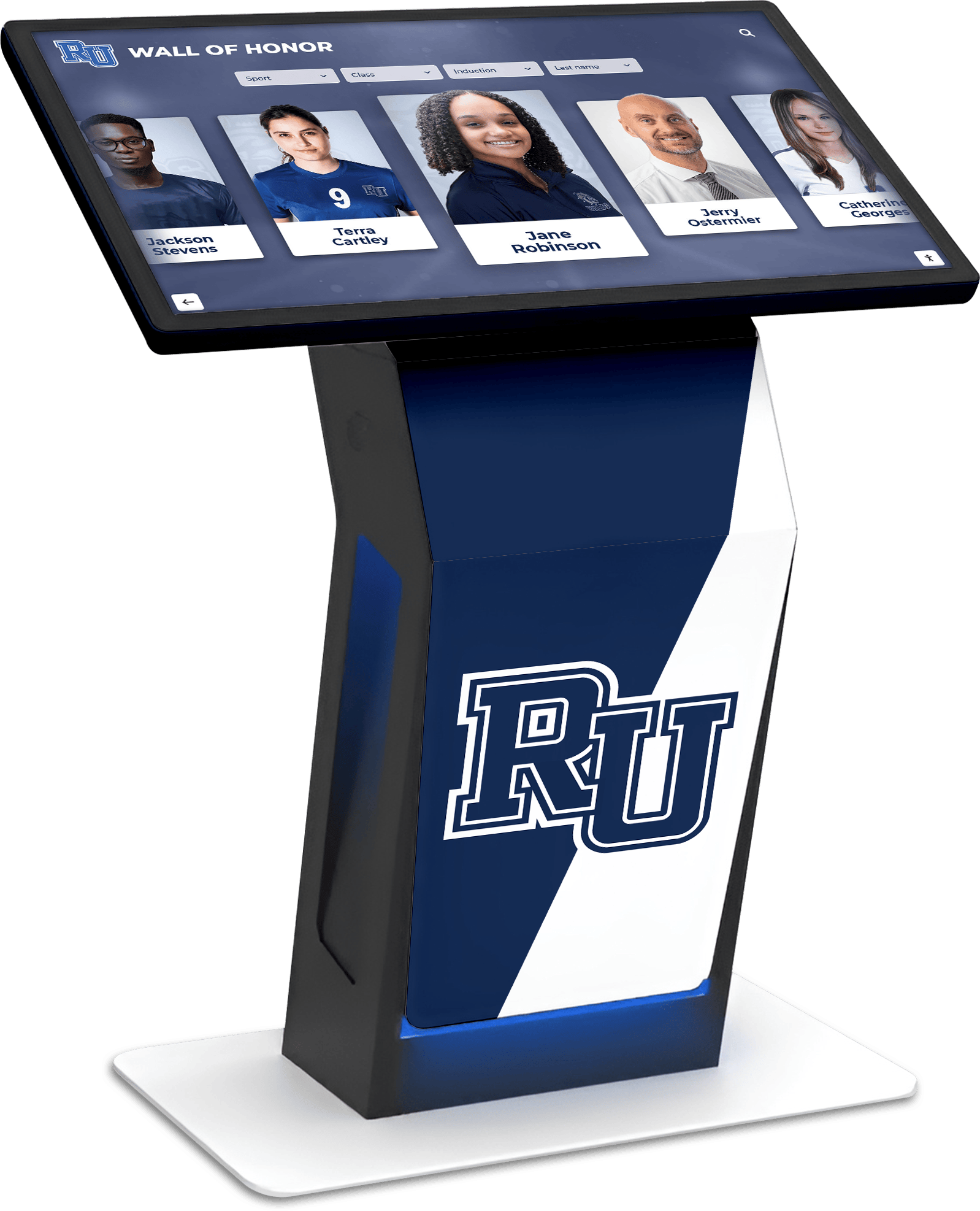
Purpose-built recognition platforms provide volunteer-friendly management while creating professional displays
Hardware Selection Guidance
Appropriate equipment serving booster installations:
Display Specifications
Commercial-grade equipment ensures reliability:
- Screen size appropriate to viewing distance (typically 43-65 inches)
- Commercial displays rated for continuous operation
- Touchscreen capability enabling visitor interaction
- Brightness specifications ensuring visibility in naturally lit spaces
- Portrait or landscape orientation based on design preferences
- Durable construction withstanding high-traffic environments
Mounting and Installation
Professional setup ensuring longevity:
- Wall-mounted displays integrating seamlessly with facilities
- Freestanding kiosks providing flexibility and dual-sided viewing
- ADA-compliant mounting heights and approach clearances
- Secure mounting preventing theft or vandalism
- Professional cable management and power infrastructure
- Network connectivity for content management and updates
Budget-Friendly Hardware Approaches
Cost-conscious options for volunteer organizations:
- Phased implementation starting with single display
- Refurbished commercial displays from reputable vendors
- Leveraging school technology purchasing contracts
- Corporate sponsor underwriting hardware costs
- Multi-year budget allocation spreading investment over time
Organizations should balance initial cost with long-term reliability, as hardware failures create recognition downtime and repair expenses exceeding savings from budget options.
Integration with Existing Systems
Connecting recognition with other organizational tools:
Fundraising Database Synchronization
Automated updates reducing volunteer workload:
- Direct integration with booster fundraising platforms
- Automatic donor information updates when gifts process
- Giving level calculation based on cumulative contributions
- Membership status tracking and renewal notifications
- Corporate sponsor management and visibility tracking
School Communication Integration
Connecting recognition with broader communications:
- Website integration extending recognition online
- Email system connectivity for donor communications
- Social media automation sharing recognition content
- School app integration for mobile accessibility
- Parent portal connections creating comprehensive platforms
Learn about digital archives and integration in educational environments.
Best Practices for Long-Term Recognition Success
Sustainable programs require ongoing attention and refinement:
Regular Content Updates
Keeping recognition current and accurate:
Update Schedules
Systematic maintenance ensuring accuracy:
- Monthly or quarterly new donor additions
- Seasonal updates reflecting current programs
- Annual comprehensive reviews and refreshes
- Campaign milestone updates during active fundraising
- Memorial designation additions honoring community members
- Lapsed donor removal following policy guidelines
Quality Control Processes
Ensuring accuracy before publication:
- Multiple volunteer review cycles
- Donor verification when possible
- Proofreading protocols catching errors
- Approval workflows requiring authorization
- Documentation maintaining update history
Organizations should designate specific volunteers responsible for recognition updates, preventing confusion about accountability and ensuring consistent attention.
Recognition Event Integration
Connecting acknowledgment with booster activities:
Annual Recognition Ceremonies
Dedicated appreciation events:
- Recognition dinners or receptions honoring supporters
- Award presentations celebrating exceptional contributions
- Program impact presentations demonstrating donor influence
- Student performance or demonstration showcasing funded activities
- Unveiling new recognition displays or additions
Ongoing Event Acknowledgment
Recognition integrated throughout booster calendar:
- Pre-game announcements thanking sponsors and donors
- Program recognition in event publications
- Display activation showcasing recognition during competitions
- Volunteer appreciation at operational activities
- Social media recognition surrounding events
Systematic event integration ensures recognition receives regular visibility rather than limiting acknowledgment to dedicated ceremonies.
Explore giving recognition event strategies applicable to booster clubs.
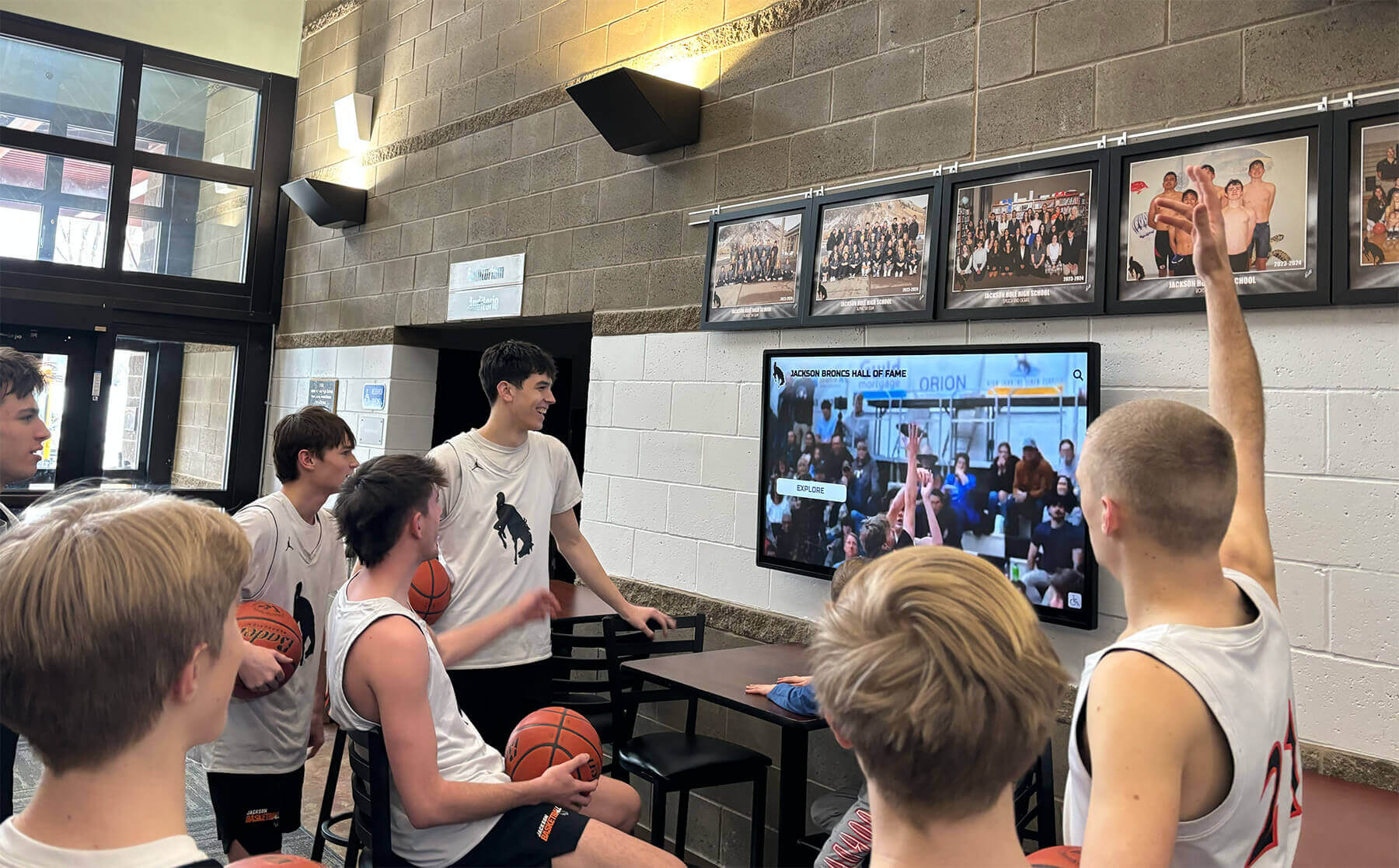
Recognition displays integrated with facilities create natural acknowledgment visibility during events and activities
Volunteer Training and Support
Ensuring recognition sustainability across leadership transitions:
New Volunteer Orientation
Comprehensive onboarding for recognition responsibilities:
- Recognition philosophy and organizational values
- Policy overview and decision guidelines
- System demonstrations and hands-on training
- Vendor contact information and support resources
- Update procedures and quality standards
- Timeline expectations and responsibility clarity
Ongoing Technical Support
Resources sustaining recognition quality:
- Vendor support utilization for complex questions
- Peer mentoring from experienced volunteers
- Written procedures documenting routine tasks
- Video tutorials demonstrating common operations
- Regular check-ins ensuring volunteers feel supported
Organizations should prioritize recognition systems requiring minimal technical expertise, acknowledging that all-volunteer teams have limited capacity for complex technology management.
Conclusion: Building Sustainable Support Through Recognition
Effective donor recognition represents strategic investment for booster clubs seeking to build sustainable fundraising programs supporting student opportunities. When volunteer organizations implement systematic approaches honoring contributors at all levels while telling compelling stories about program impact, they strengthen relationships with supporters, encourage increased giving, and create community cultures where investing in student programs becomes celebrated practice.
The strategies explored in this guide provide practical frameworks specifically designed for volunteer-led parent organizations facing unique challenges including leadership turnover, budget constraints, and limited administrative capacity. From affordable digital recognition eliminating space constraints to volunteer-friendly management systems requiring no technical expertise, these approaches transform donor acknowledgment from obligatory courtesy into strategic stewardship building long-term community investment.
Ready to transform donor recognition at your booster club? Modern recognition solutions help volunteer organizations honor unlimited supporters while creating engaging experiences that inspire continued generosity. Solutions like Rocket Alumni Solutions provide comprehensive platforms specifically designed for school-connected organizations, combining intuitive content management with affordable pricing and implementation support ensuring successful volunteer-managed programs.
Whether you’re establishing first-ever formal recognition or enhancing existing approaches, focus on creating authentic programs aligned with your organizational values, sustainable within volunteer capabilities, and designed to serve your specific booster community needs effectively.
Your supporters deserve recognition that honors their generosity and service meaningfully while demonstrating the impact of their contributions and validating their investment in student opportunities. With thoughtful planning, appropriate technology selection, and genuine commitment to donor appreciation, you can implement recognition systems that increase retention, enhance giving levels, and build lasting community support sustaining programs for years to come.
The most important consideration isn’t implementing the most expensive recognition displays or sophisticated technology—it’s creating genuine appreciation programs that resonate with your supporters, communicate impact authentically, and demonstrate organizational commitment to honoring partnership meaningfully. Your donors and volunteers make student programs possible. Recognition systems celebrating their contributions appropriately create foundations for sustained engagement and organizational success.
Ready to begin enhancing donor recognition at your booster club? Start by assessing current practices, gathering supporter feedback about recognition effectiveness, and exploring recognition solutions designed specifically for volunteer organizations rather than generic approaches failing to address parent group needs appropriately. Talk to our team to learn how digital recognition can serve your booster organization.