



Intent: Define and plan a comprehensive yearbook digitization initiative that preserves irreplaceable memories while creating searchable, accessible digital archives.
Digitizing old yearbooks transforms aging, fragile printed volumes into permanent digital archives that preserve precious memories for future generations while making decades of school history instantly searchable and accessible. Every school, university, and organization possesses yearbooks documenting institutional heritage through photographs, names, achievements, and candid moments that cannot be replaced once lost to deterioration, damage, or disposal.
Yet most institutions struggle with yearbook preservation and accessibility. Precious volumes sit forgotten in storage rooms facing threats from moisture, handling damage, and gradual deterioration. Alumni seeking memories from their school years find accessing physical yearbooks impossible without campus visits during limited hours. Genealogists researching family history and historical societies documenting community heritage cannot locate materials locked away in institutional archives.
This comprehensive guide explores how to systematically digitize old yearbooks using professional methods, create searchable digital archives accessible to global audiences, implement modern display solutions like those offered by Rocket Alumni Solutions, and establish sustainable workflows ensuring ongoing preservation. From scanning specifications to interactive touchscreen displays, discover proven strategies for protecting yearbook collections while maximizing their educational and cultural impact.
Yearbook digitization serves multiple essential purposes simultaneously—preserving irreplaceable historical documents before physical deterioration makes recovery impossible, making decades of institutional memory instantly accessible through searchable online platforms, creating powerful engagement tools that strengthen alumni connections, and honoring institutional legacy through professional presentations demonstrating pride in heritage.

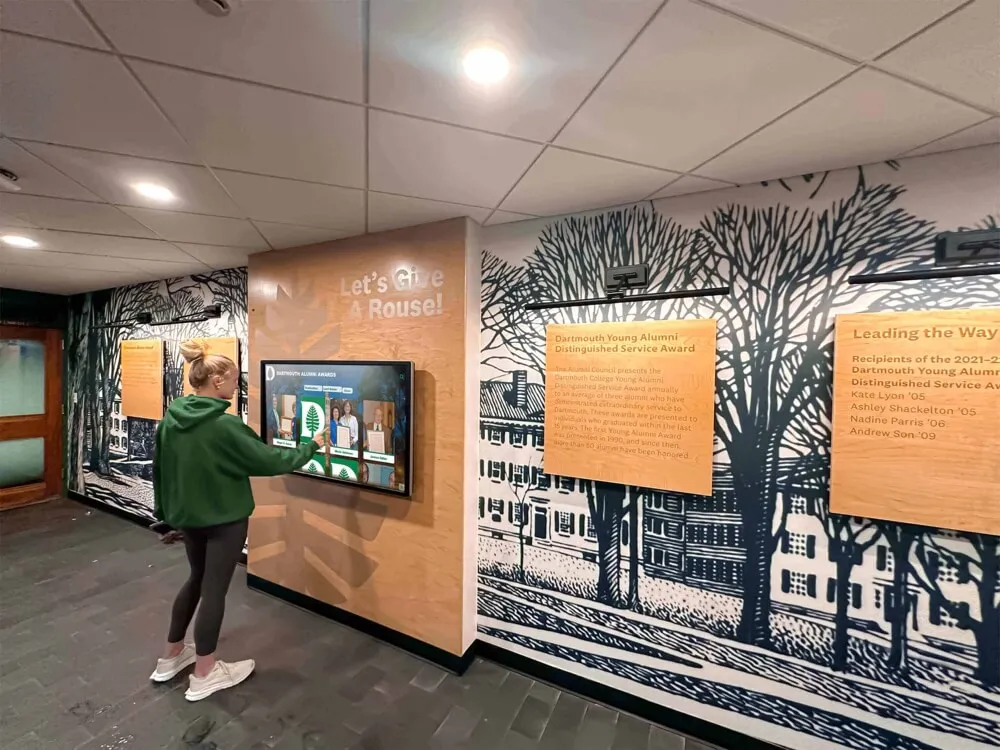
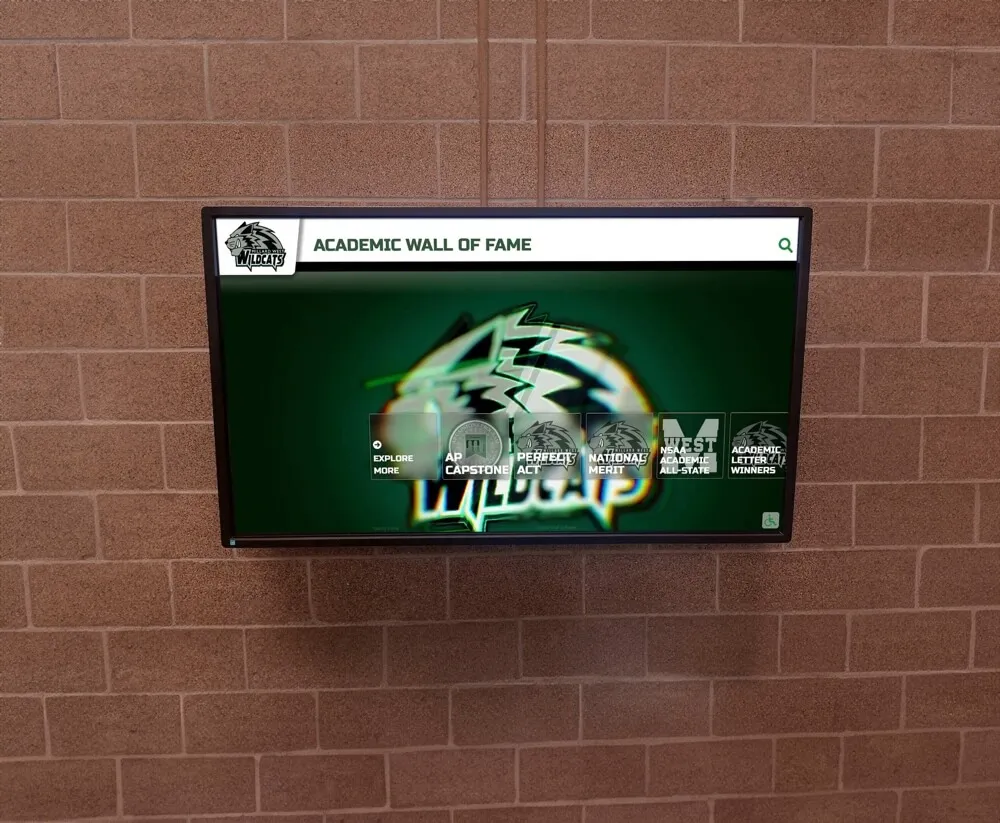
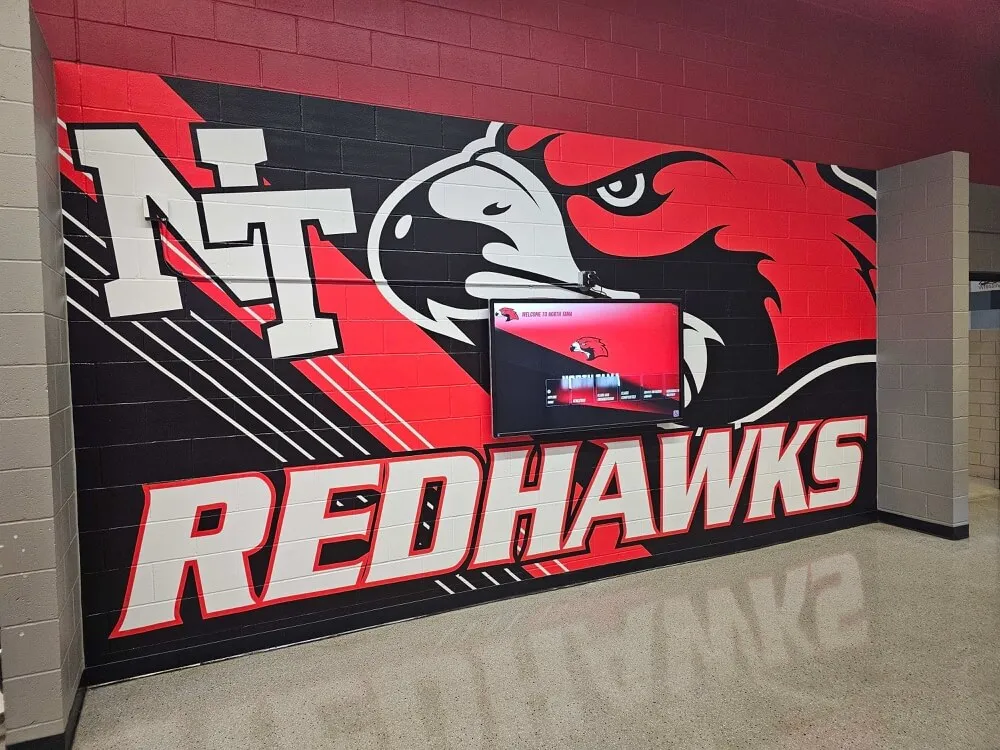
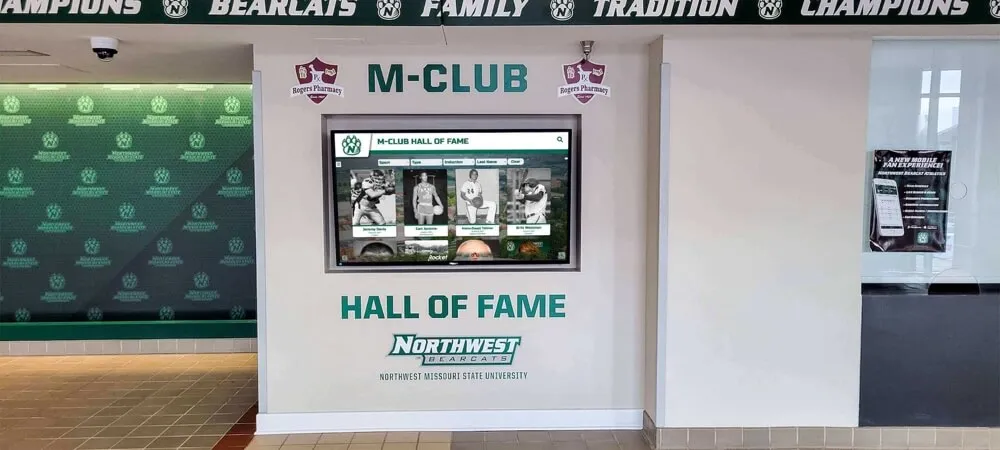
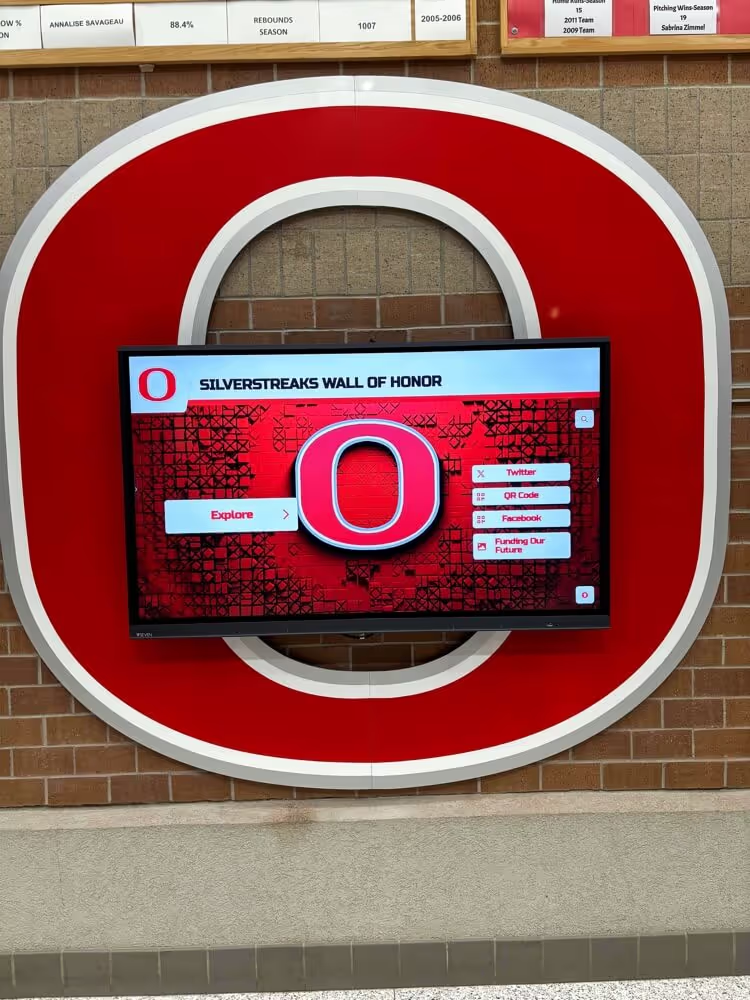
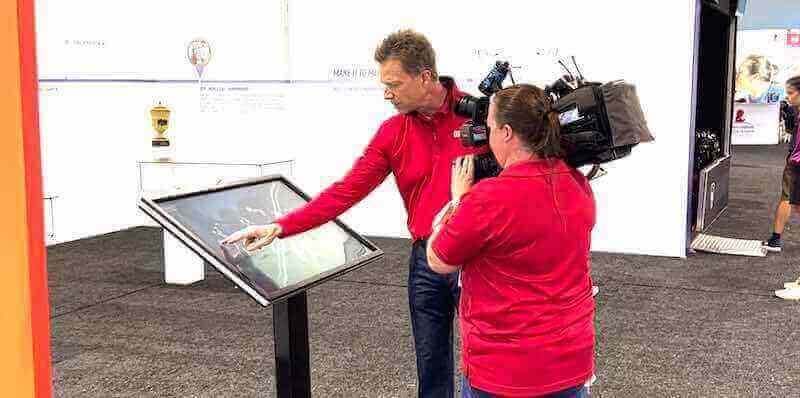
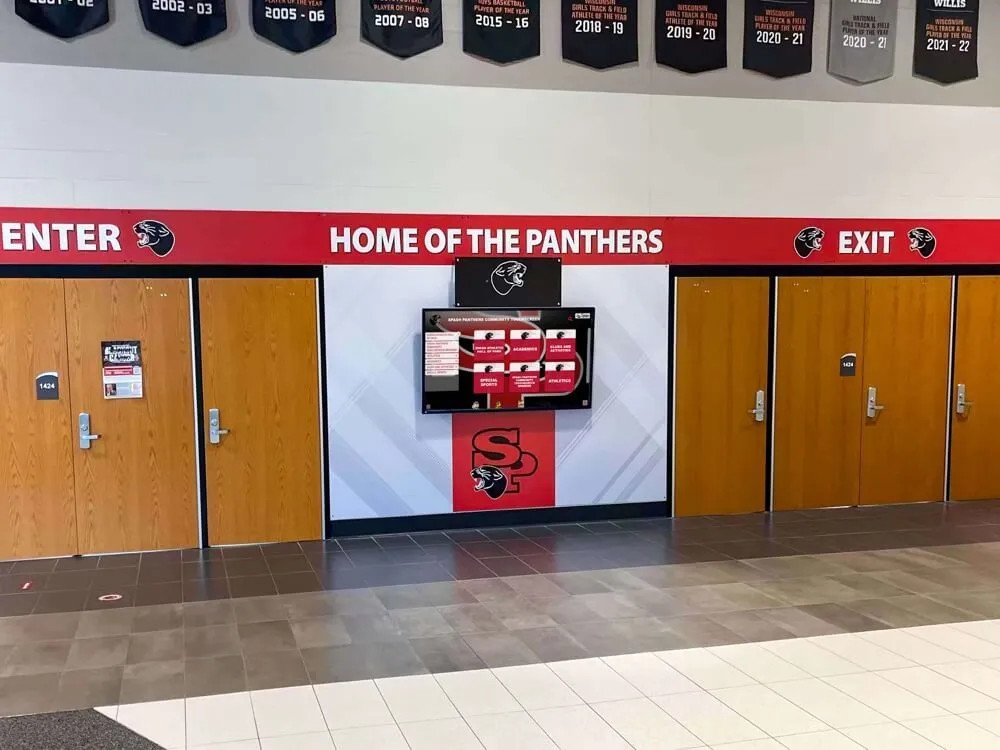
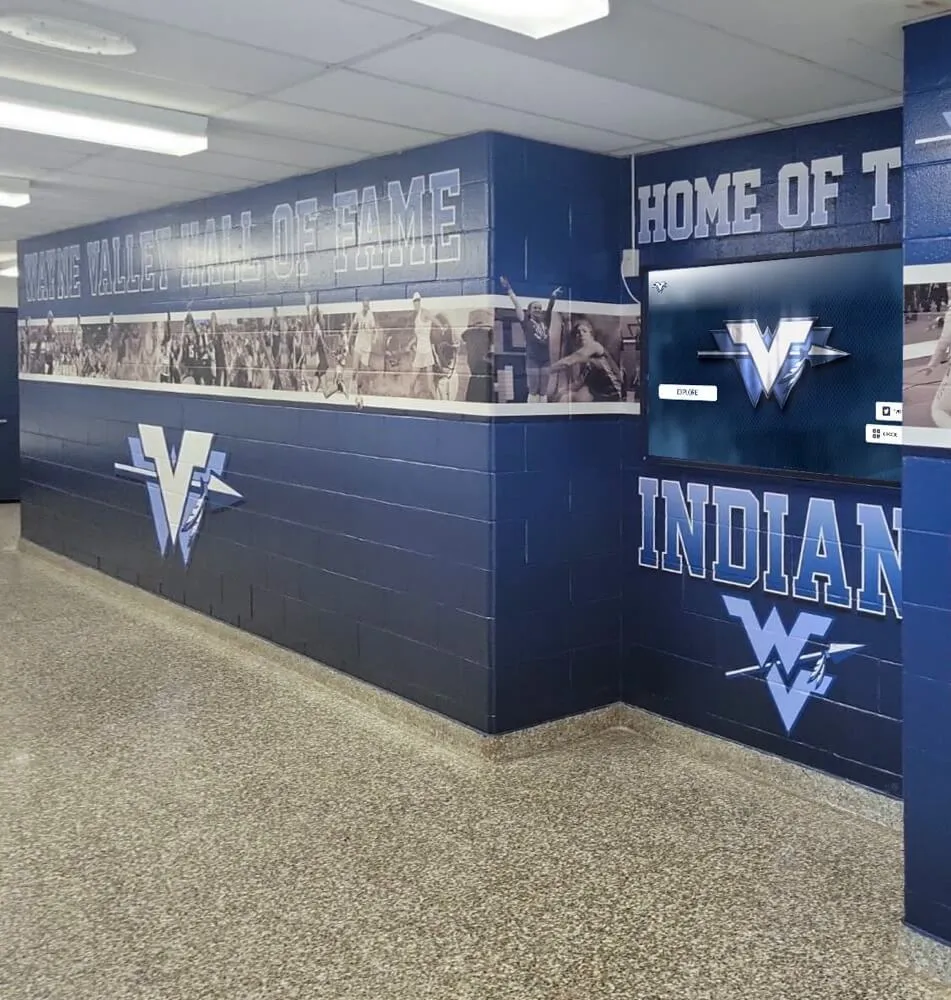
Modern digital archives transform fragile yearbooks into accessible, searchable resources preserving institutional memory
Program Snapshot: Yearbook Digitization Initiative Overview
Before exploring detailed implementation strategies, understanding the complete yearbook digitization program framework helps organizations plan comprehensive initiatives addressing preservation, accessibility, and engagement goals.
| Program Component | Description | Timeline |
|---|---|---|
| Primary Audience | Alumni, current students, genealogists, historical researchers, community members | Ongoing access |
| Desired Outcomes | Complete digital archive of all yearbook volumes; searchable text enabling name/keyword discovery; accessible online platform reaching global audiences; physical touchscreen displays for on-site engagement | 12-24 months initial implementation |
| Content Architecture | High-resolution scans (300-600 DPI); OCR text recognition enabling search; metadata including year, school name, page numbers; individual page images and full-volume PDFs; web-optimized delivery formats | Systematic capture |
| Featured Content | Complete yearbook page spreads; individual portrait photographs; group and team photos; candid event documentation; handwritten signatures and personalization; historical advertisements and design elements | All yearbook elements |
| Display Integration | Online web archive accessible globally; mobile-responsive design for smartphone/tablet access; interactive touchscreen kiosks in campus lobbies and gathering areas; integration with broader digital recognition platforms | Multi-channel delivery |
| Engagement Tools | Keyword search by name, activity, or term; Browse by year, decade, or graduating class; Featured alumni spotlights; Social sharing capabilities; Community contribution features for identification and memories | Interactive discovery |
Why Digitizing Old Yearbooks Matters for Institutions
Understanding the tangible benefits of yearbook digitization helps justify investment and build stakeholder support from administrators, boards, alumni associations, and community partners.
Preserving Irreplaceable Historical Documents
Physical yearbooks face constant threats that digitization helps address before materials are lost forever. According to preservation experts, printed materials deteriorate through multiple mechanisms including paper acidification causing brittleness and yellowing, binding adhesives failing as they age, photographic elements fading from light exposure, and physical handling causing tears and wear.
Environmental factors accelerate deterioration. Yearbooks stored in basements or attics experience temperature fluctuations and humidity extremes that dramatically shorten material lifespans. Water damage from leaks, floods, or roof failures can destroy entire collections within hours. Fires and natural disasters create catastrophic loss possibilities. Many institutions discover too late that yearbooks considered safely stored have suffered damage beyond repair.
Older yearbooks face particular vulnerability. Volumes from the 1960s-1980s often used acidic paper that becomes increasingly brittle over time. Binding methods from earlier eras may fail completely, causing pages to separate. Original print runs were limited—many schools possess only one or two copies of their oldest yearbooks, making loss truly irreplaceable.
Systematic digitization creates preservation insurance. High-resolution digital scans capture every page, photograph, and text element in formats that don’t deteriorate over time. Cloud-based storage with multiple redundant copies ensures that even catastrophic disasters affecting physical locations cannot destroy institutional memory. This digital preservation proves particularly critical for schools’ oldest volumes—materials that may exist in single copies without ability to obtain replacements.
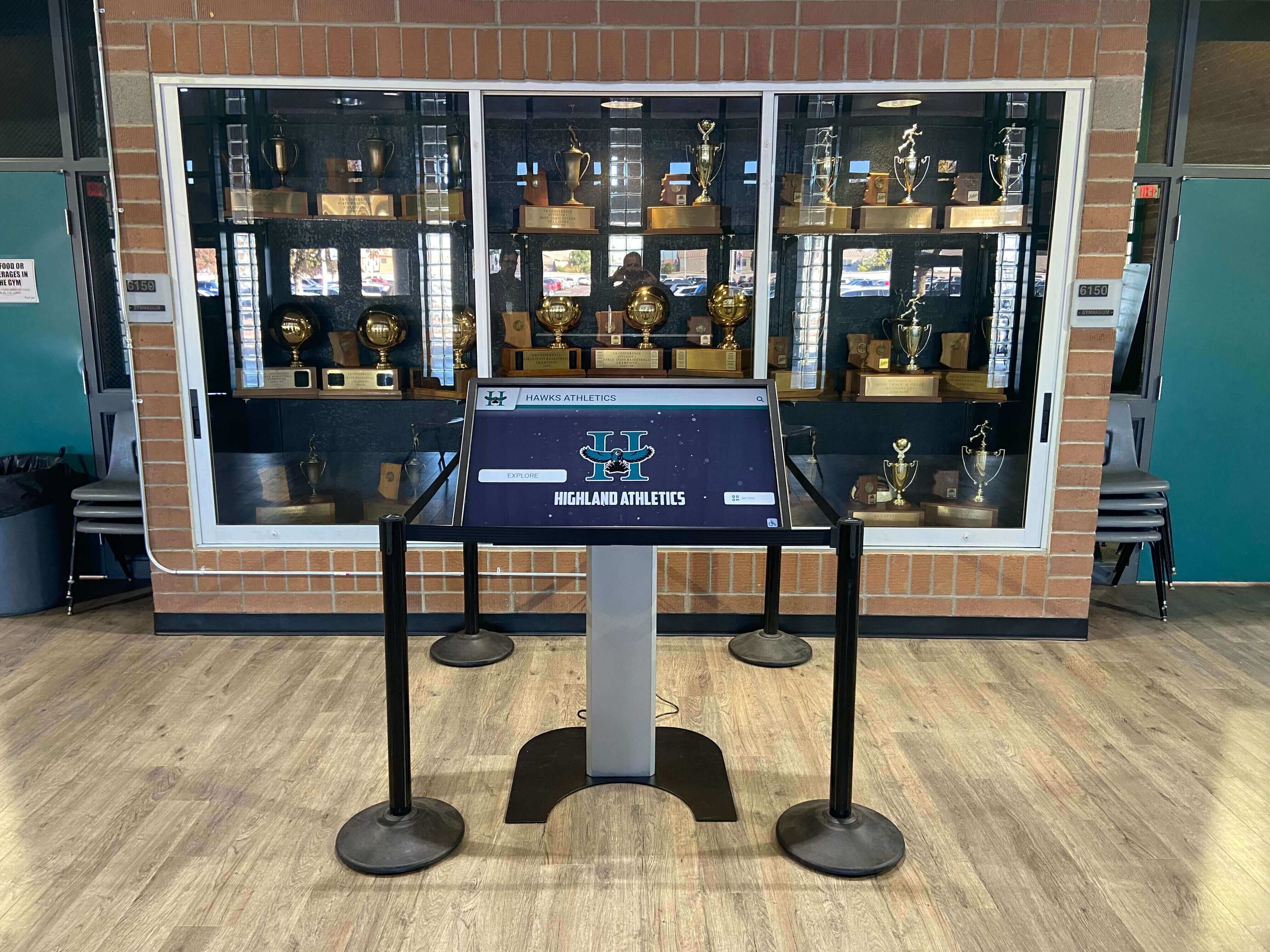
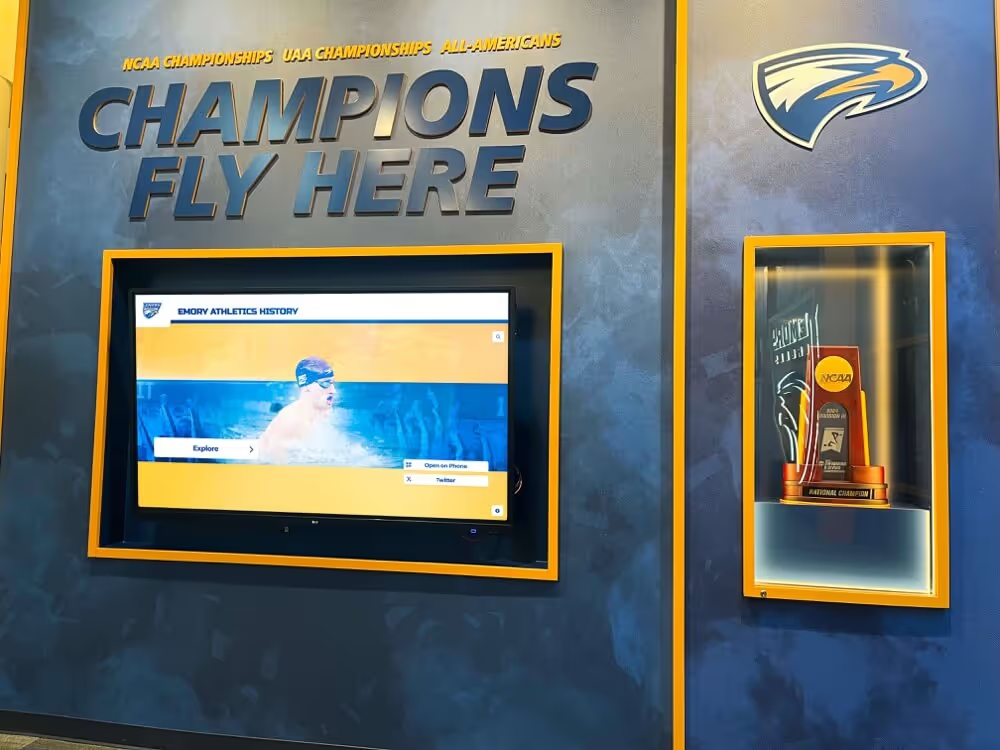
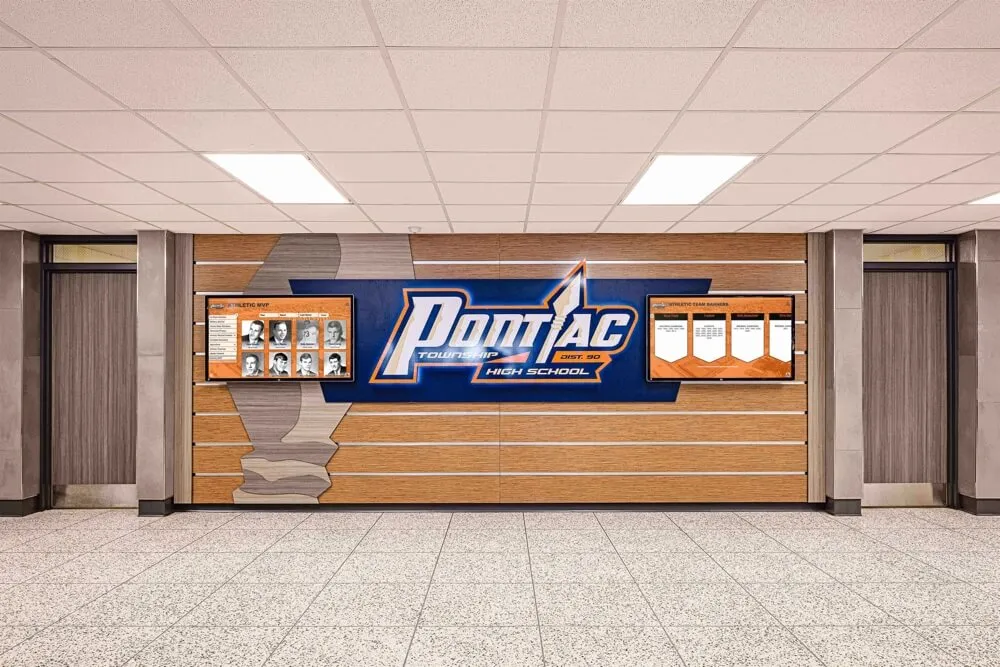
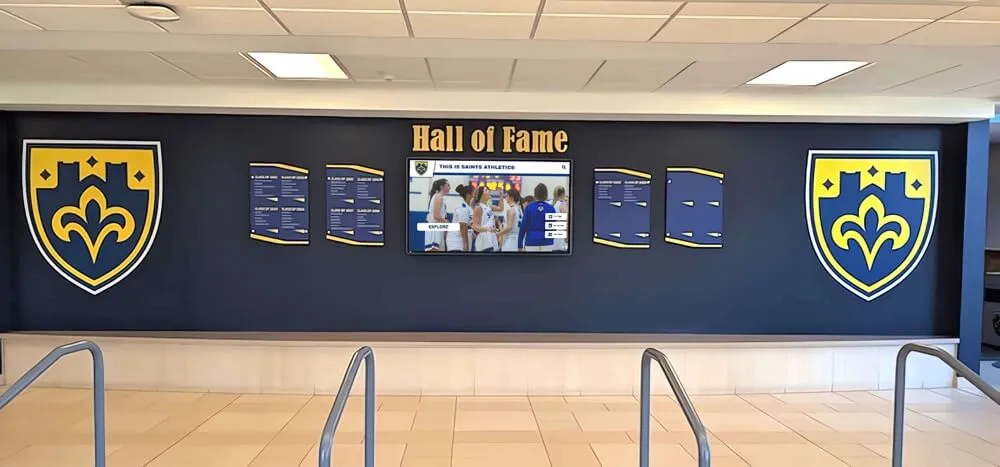
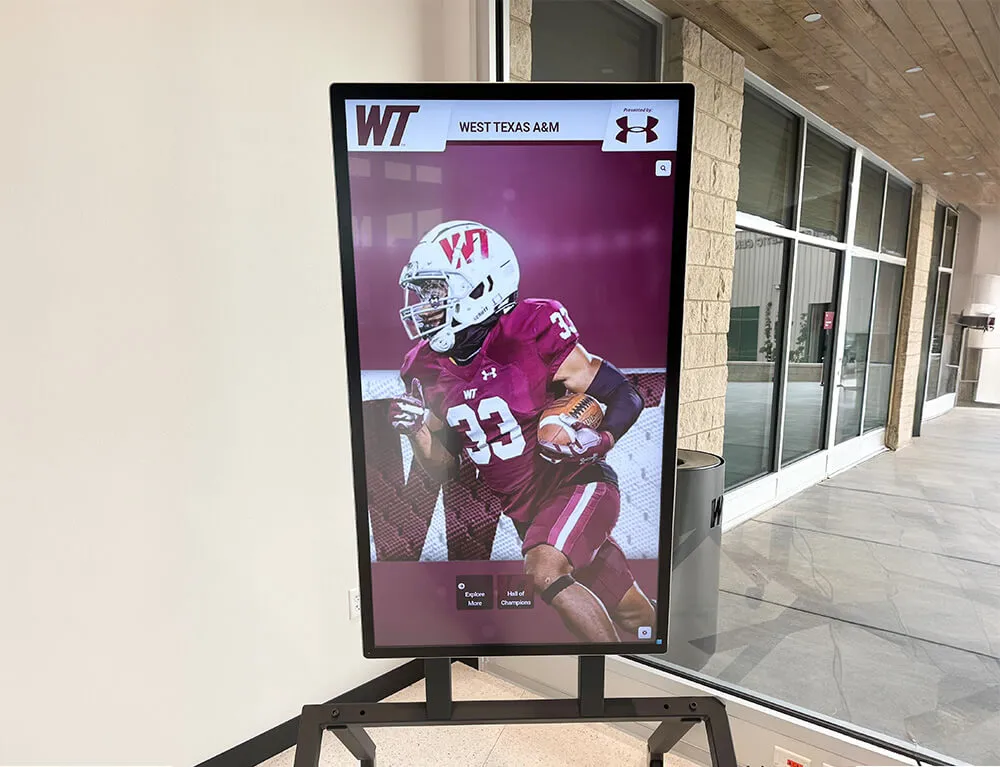
Professional digitization protects irreplaceable yearbooks from deterioration, damage, and loss
Making Decades of Memories Instantly Accessible
Traditional yearbook storage severely limits accessibility. Physical volumes require campus visits during limited hours, reaching only those who can physically access collections. Many yearbooks remain stored in locations unknown to most community members. Even when available, locating specific individuals or events within dozens of unsorted volumes proves time-consuming and frustrating. Schools with century-long histories may have 100+ yearbook volumes making comprehensive browsing practically impossible.
Digital archives eliminate these access barriers completely. Online platforms enable alumni anywhere in the world to explore yearbooks from their graduation years or browse institutional history from home computers or smartphones. Parents can share school memories with children and grandchildren regardless of geographic distance. Genealogists researching family history can access materials previously requiring travel and special permissions.
Powerful search capabilities transform discovery. Rather than manually flipping through hundreds of pages hoping to locate specific individuals or events, users simply search by name finding all yearbook appearances instantly. Keyword search enables discovering activities, sports, clubs, or events of interest across multiple years. This searchability increases engagement exponentially—institutions implementing comprehensive digital yearbook archives report 20-30 times more yearbook viewing compared to physical collections.
Solutions like best school history software enable creating comprehensive digital archives that make decades of yearbooks discoverable through intuitive search and browse capabilities.
Strengthening Alumni Engagement and Development Initiatives
Yearbooks create powerful emotional connections that development professionals leverage for cultivation and fundraising strategies. Alumni rediscovering yearbooks from their school years experience intense nostalgia strengthening emotional bonds with their alma mater. Viewing photographs of themselves, classmates, and memorable events triggers positive memories associated with formative experiences.
These emotional connections translate directly to measurable institutional benefits. Schools implementing accessible digital yearbook archives consistently report increased reunion attendance as alumni engage with memories prompting desire to reconnect with classmates. Volunteer participation rises as emotionally connected alumni seek opportunities to give back. Most significantly, philanthropic support grows measurably—studies indicate that engaged alumni give at rates 3-5 times higher than unengaged counterparts.
Anniversary-based campaigns gain power when supported by yearbook documentation. 25th and 50th reunion classes respond particularly strongly to materials from their graduation years. Development officers can customize appeals incorporating specific yearbook pages, photographs, or content relevant to each class creating personalized cultivation that resonates far more effectively than generic messaging.
Digital yearbook archives also create recognition opportunities. Alumni can sponsor digitization of specific years, decades, or complete collections creating meaningful legacy giving options. Recognition associated with these sponsorships appears prominently within digital platforms creating visible appreciation while funding essential preservation work.
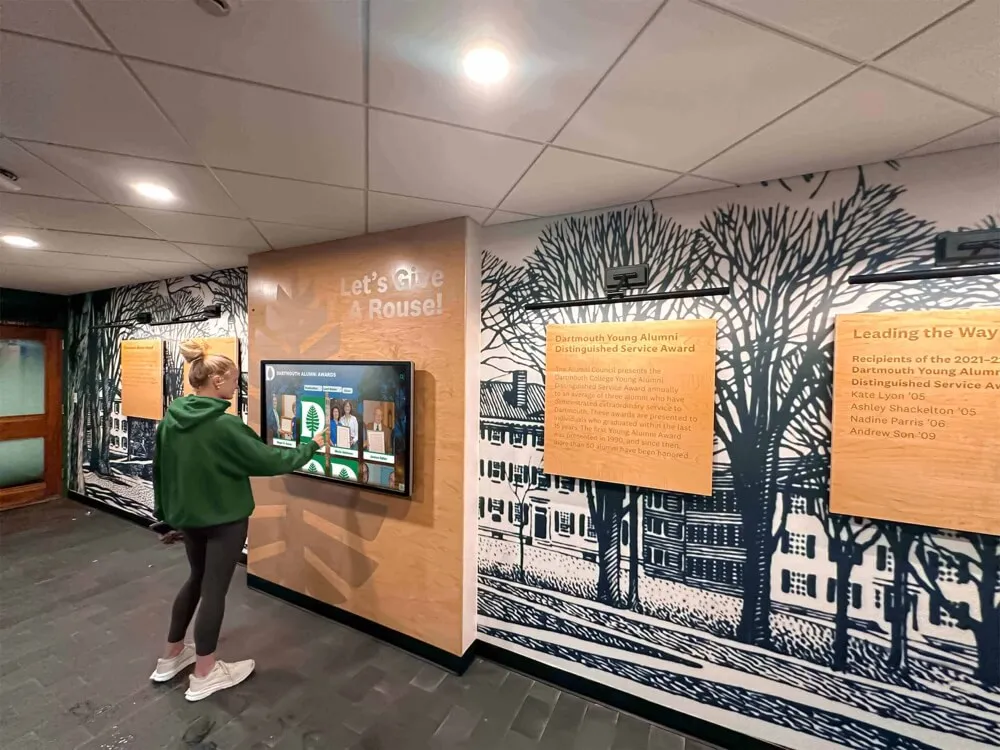
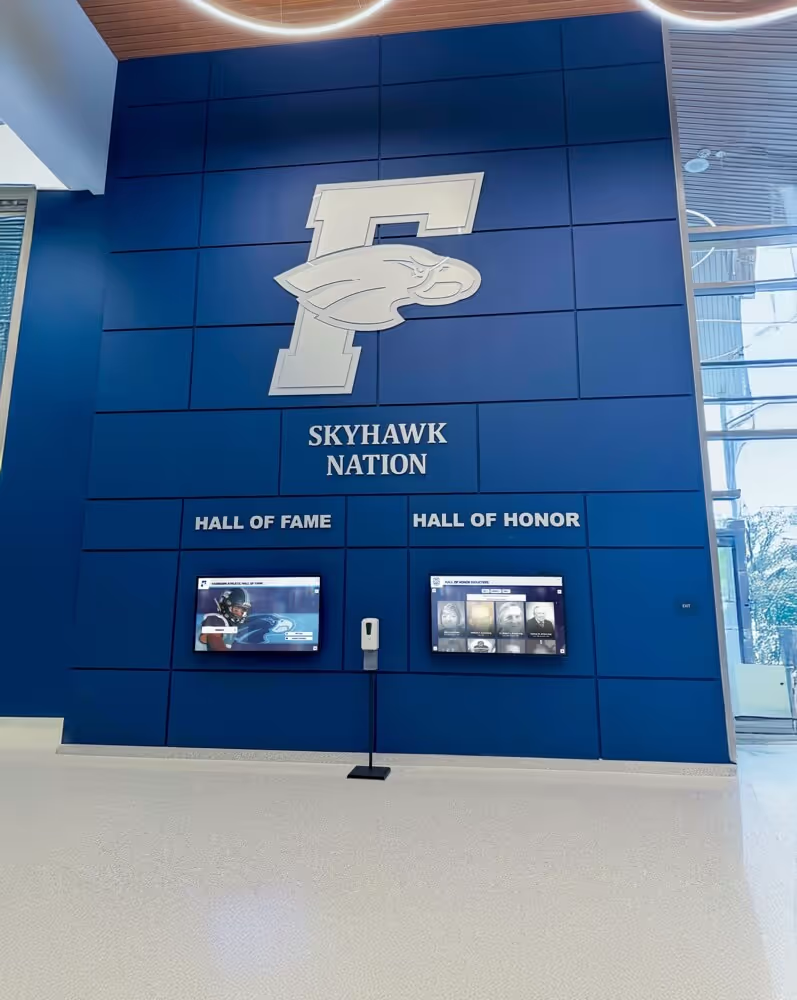
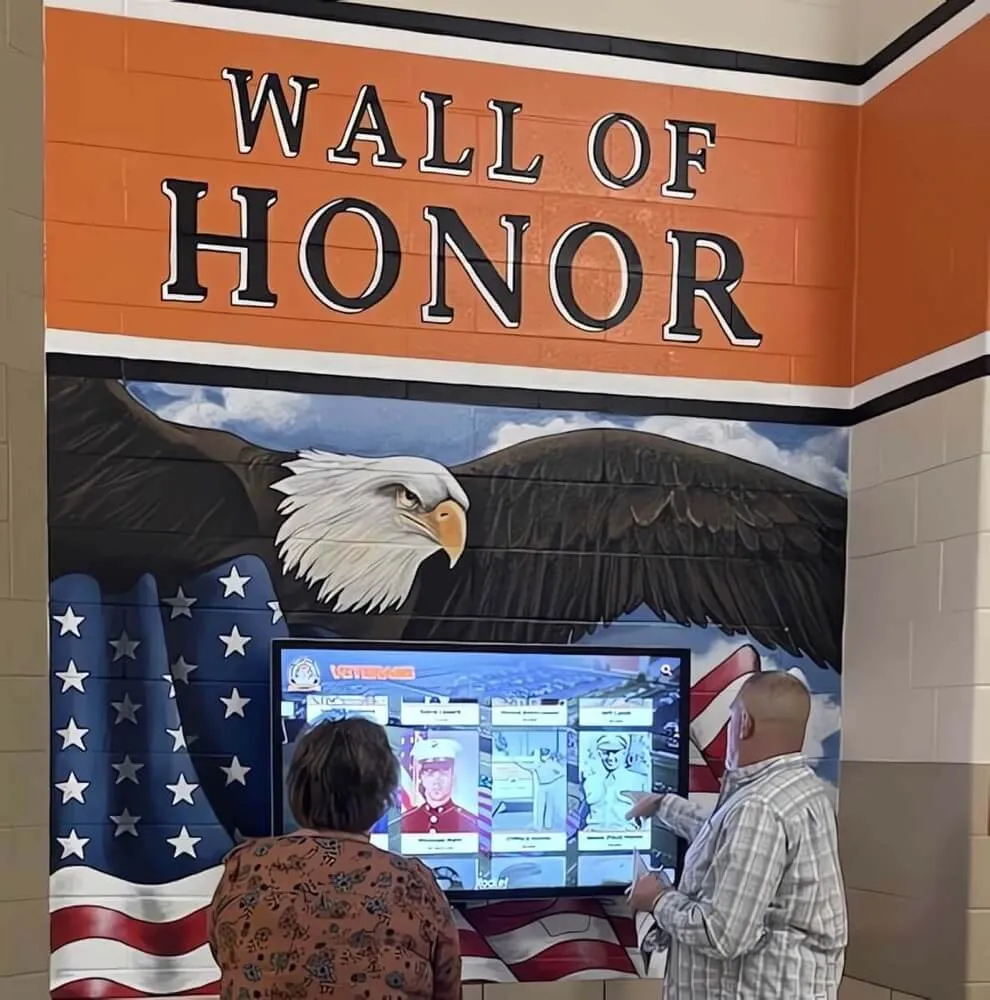
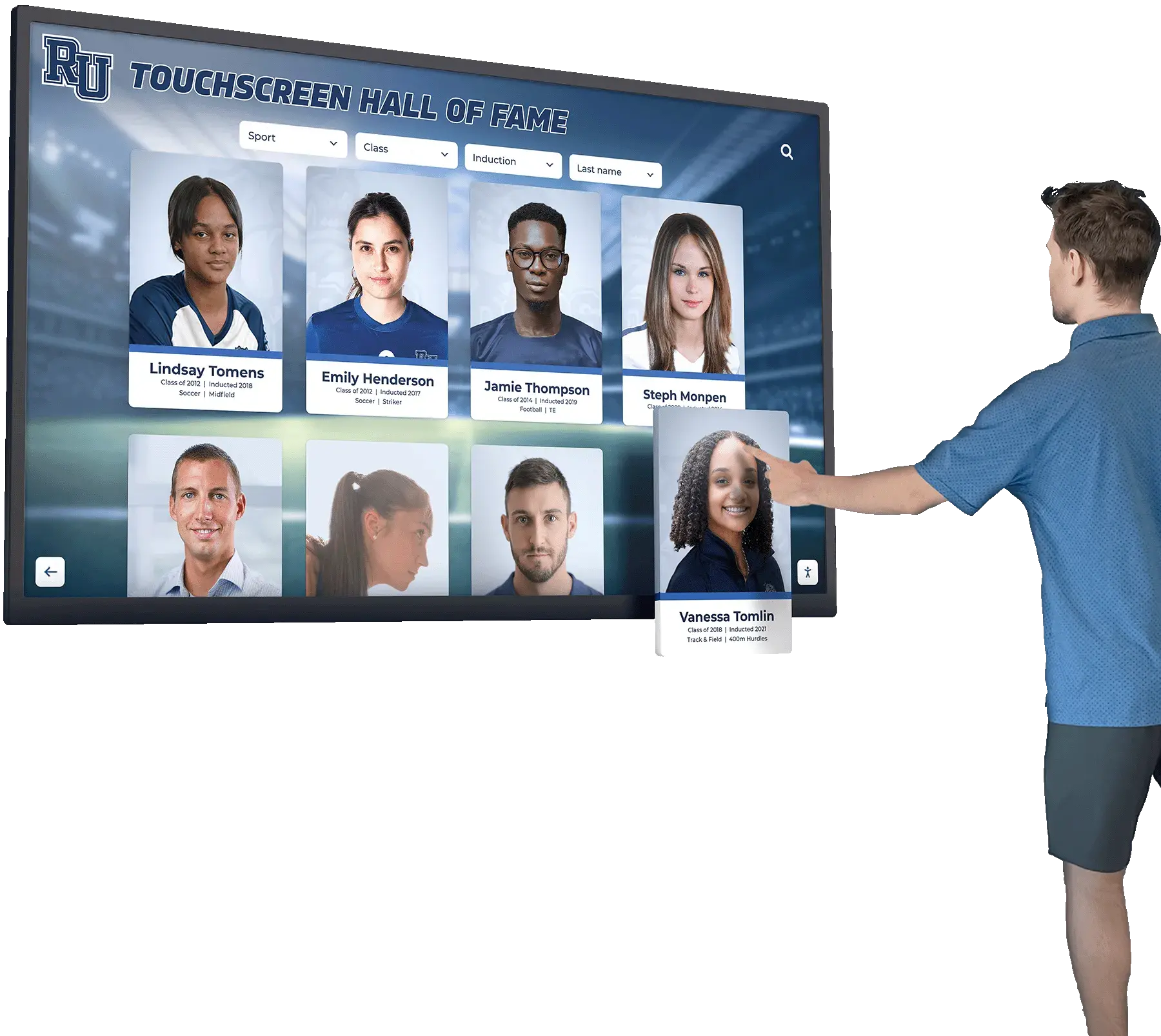
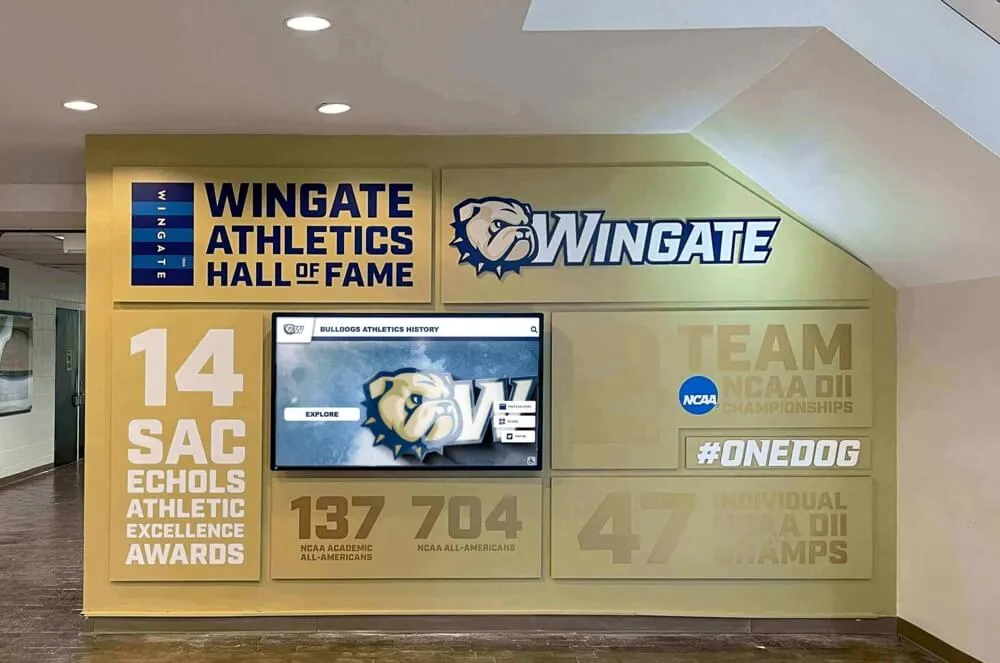
Accessible digital yearbooks create powerful emotional connections strengthening alumni engagement and support
Content Architecture: Mapping Yearbook Elements to Digital Modules
Effective yearbook digitization requires systematic approaches addressing scanning specifications, file organization, metadata creation, and presentation formats that support both preservation and accessibility goals.
Scanning Specifications and Technical Standards
Digitization quality fundamentally determines archive value and longevity. Establishing clear technical standards ensures yearbooks are captured with sufficient detail for current viewing while providing flexibility for future uses as display technology evolves.
Resolution Requirements for Archival Quality
Professional archivists recommend 300-600 DPI (dots per inch) resolution balancing quality with manageable file sizes. For yearbooks containing primarily text and standard photography, 300 DPI captures adequate detail for screen viewing and moderate enlargement. For volumes with fine print, detailed artwork, or materials potentially requiring significant magnification for research, 400-600 DPI provides additional clarity.
Higher resolution creates larger file sizes requiring more storage and longer transfer times but preserves maximum detail from original materials. Many institutions adopt tiered approaches—scanning oldest or most significant volumes at higher resolutions while using standard 300 DPI for routine materials. This balances comprehensive preservation with practical resource constraints.
Color Depth and Format Standards
Scan all yearbooks in color regardless of whether originals are black-and-white or color. Color scanning (24-bit color depth minimum) preserves all visual information enabling future enhancement or analysis impossible with grayscale scans. Even black-and-white yearbooks often contain subtle color variations in paper aging, annotations, or inserts worth preserving.
For file formats, create archival master files in uncompressed TIFF format preserving maximum quality for long-term preservation. Generate derivative files in JPEG format (quality setting 90-95%) for web delivery balancing visual quality with reasonable file sizes enabling responsive online viewing. Create full-volume PDF files enabling users to download complete yearbooks for offline viewing.
Non-Destructive Scanning Methods
Preserving physical yearbooks during digitization requires appropriate equipment and techniques. Flatbed scanners accommodate most yearbooks but require careful handling to avoid damaging spines and bindings. Never force yearbooks to lie completely flat—this can crack spines and separate pages. Use scanner glass carefully, avoiding excessive pressure.
For particularly fragile volumes or materials that cannot safely open 180 degrees, overhead book scanners provide non-destructive alternatives. These specialized scanners capture pages from above using cameras and specialized lighting, supporting books in V-shaped cradles that minimize stress on bindings. Professional digitization services typically possess this equipment enabling safe handling of fragile materials.
Some organizations adopt destructive scanning approaches for duplicate copies or volumes in deteriorating condition—carefully removing pages from bindings enabling flat scanning producing superior results. This proves acceptable only when possessing multiple copies or when physical volumes have deteriorated beyond functional use as reference materials.
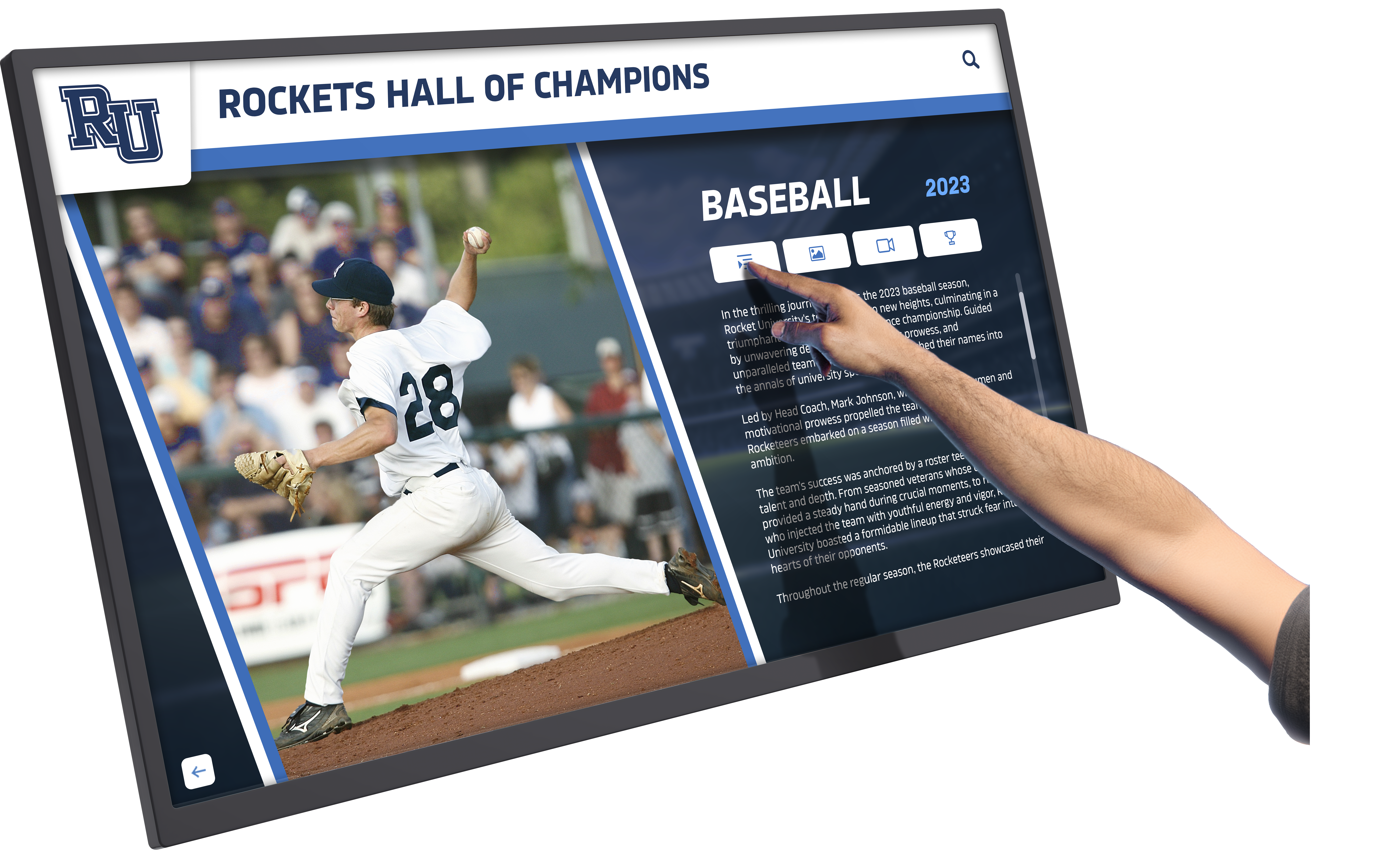
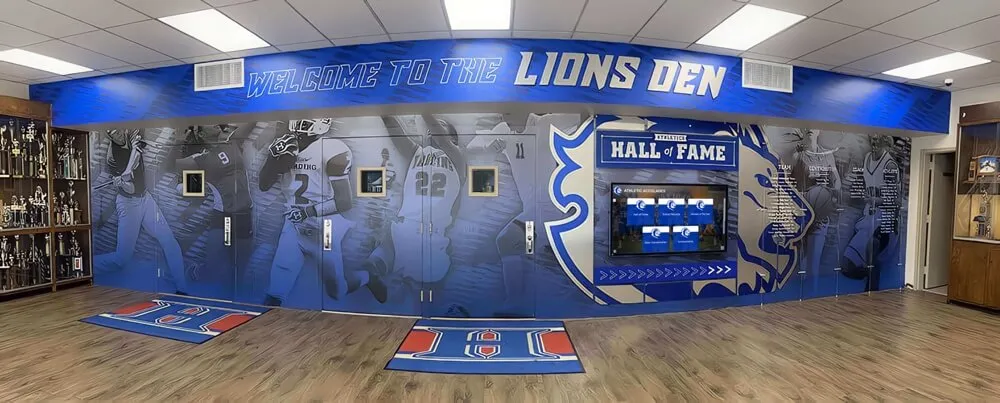
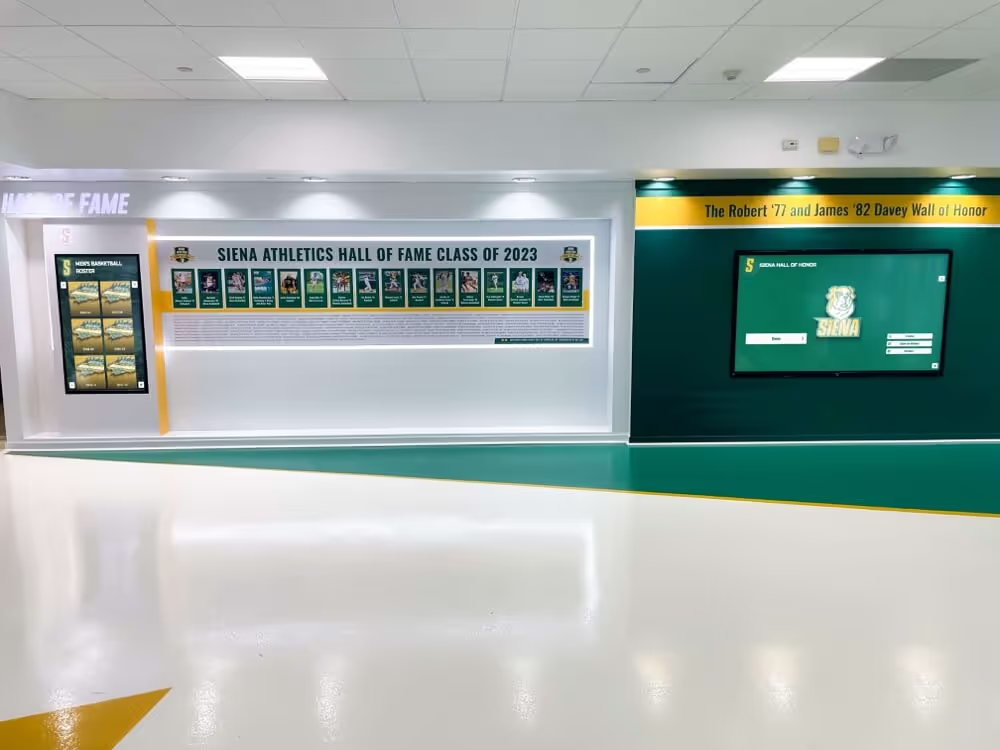
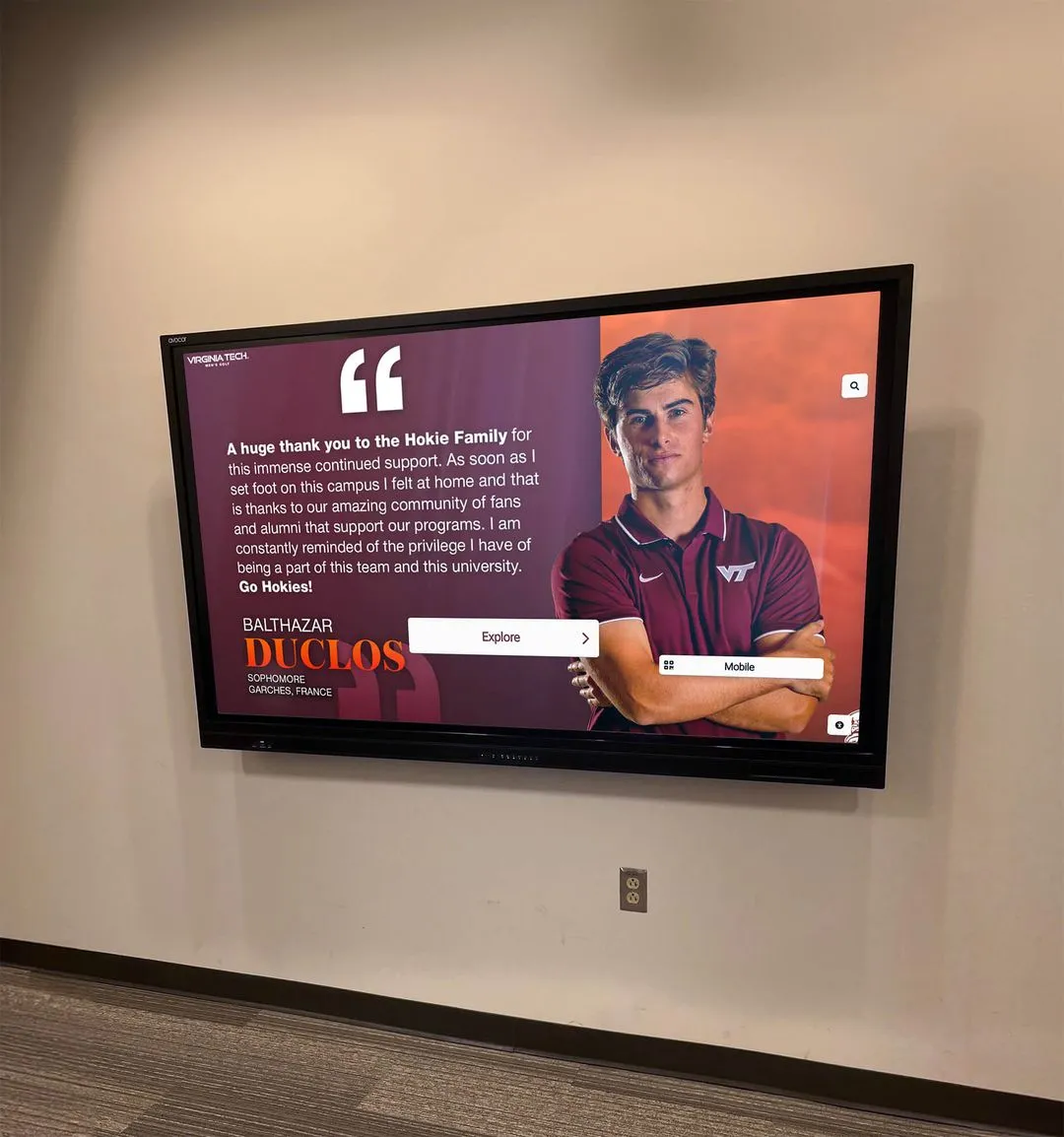
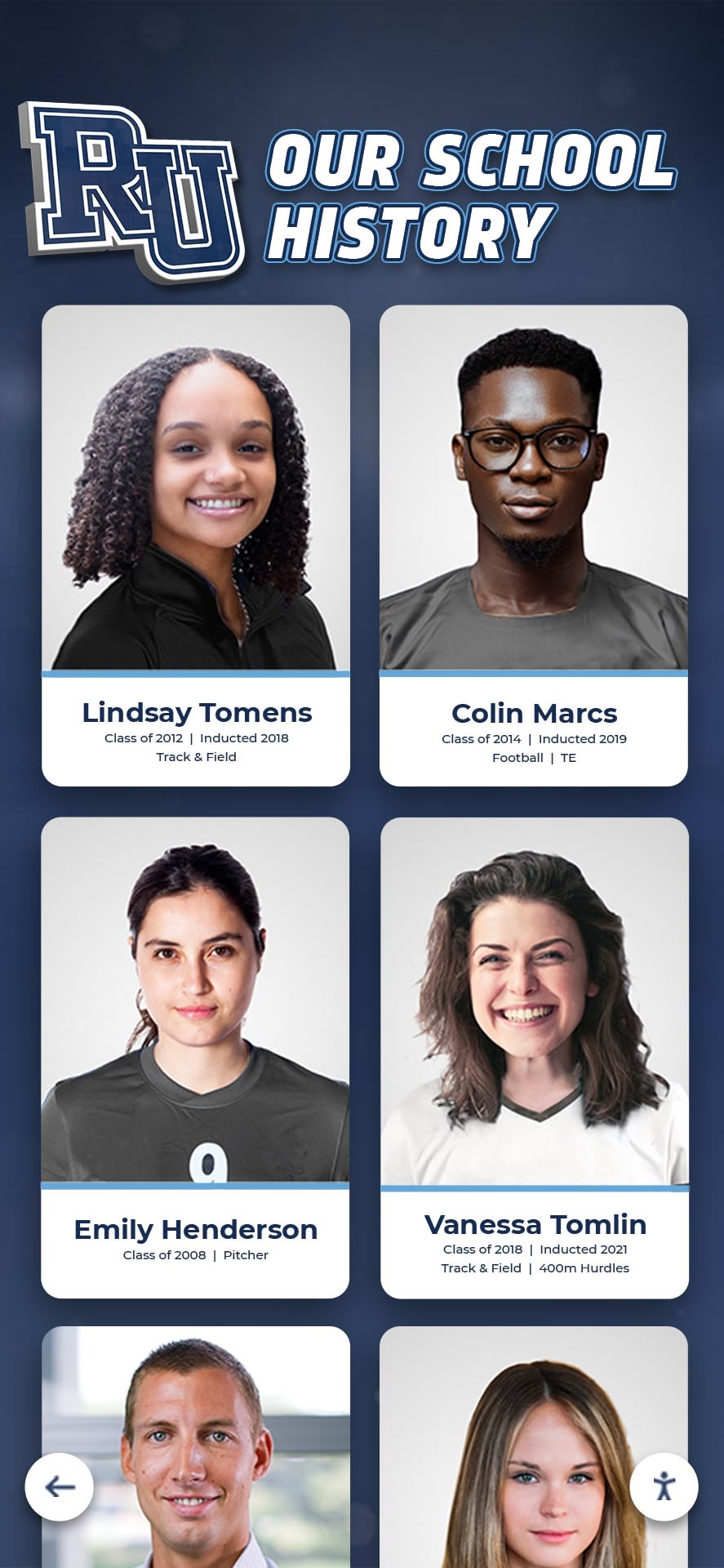
Professional scanning standards ensure yearbooks are digitized with quality supporting long-term preservation and accessibility
OCR Text Recognition and Searchability
The single most valuable feature digital yearbook archives provide involves searchability—enabling users to instantly locate specific individuals, activities, or content across decades of volumes that would require hours or days of manual searching.
Optical Character Recognition Technology
OCR software analyzes scanned page images identifying text characters and converting visual information into machine-readable text. Modern OCR technology achieves 95-99% accuracy on well-printed materials with clear fonts. Yearbooks generally OCR well given their relatively clean layouts and standard typography.
OCR quality depends on original print quality, scanning resolution, and software sophistication. Older yearbooks with deteriorated print, unusual fonts, or poor contrast may achieve lower OCR accuracy requiring manual correction for critical applications. Most yearbook archives accept OCR imperfections recognizing that even 85-90% accuracy makes content vastly more discoverable than non-searchable page images.
Process OCR during initial digitization rather than retroactively adding it later. Most scanning workflows can integrate OCR automatically during batch processing. Generated text typically embeds within PDF files or stores separately in databases enabling full-text search across complete yearbook collections.
Metadata and Descriptive Information
Beyond OCR text, comprehensive metadata makes yearbook archives discoverable and usable. Essential metadata includes publication year, school name, volume number, and page counts enabling basic organization and browsing. Enhanced metadata adds graduating class sizes, special features or themes, notable events documented, and known historical context.
For individual pages, metadata can identify specific content types—portrait pages, sports team photographs, club and activity sections, candid photography, or advertisement pages. This categorization enables filtered browsing allowing users to view only particular content types of interest.
Many institutions discover that alumni possess detailed knowledge about yearbook content that archivists lack. Implementing community contribution features enables users to suggest corrections to OCR errors, identify individuals in photographs, provide context about documented events, and share memories related to specific pages. These crowdsourced enhancements dramatically improve archive quality while engaging contributors through active participation.
Comprehensive approaches to displaying school history emphasize metadata and organization enabling intuitive exploration of archival materials.
File Organization and Storage Architecture
Systematic file organization prevents digital archives from becoming unusable chaos despite containing thousands of individual files.
Hierarchical Folder Structure
Organize scanned files using clear, logical hierarchies. Top-level organization by decade enables quick navigation to time periods of interest. Within decades, organize by individual year. Within years, maintain files for each yearbook volume including individual page images, full-volume PDFs, and associated metadata files.
Adopt standardized file naming conventions before beginning digitization. Systematic naming might include school identifier, year, and sequential page numbers—for example, “LincolnHS_1965_p001.jpg” through “LincolnHS_1965_p120.jpg” immediately identifies content while enabling alphabetical sorting maintaining proper sequence.
Storage Solutions and Redundancy
Never store digitized yearbooks in single locations. Multiple redundant copies across different physical locations and cloud storage platforms protect against data loss from hardware failure, disaster, or accidental deletion. Professional archivists recommend the 3-2-1 backup rule: maintain 3 copies of data, on 2 different media types, with 1 copy stored off-site.
Cloud storage services provide convenient off-site backup with automatic redundancy built into their infrastructure. Major platforms maintain multiple copies across geographically distributed data centers making simultaneous loss of all copies extremely unlikely. Calculate storage requirements carefully—complete yearbook collections for schools with century-long histories can easily reach hundreds of gigabytes requiring substantial storage capacity.
Professional solutions like Rocket Alumni Solutions provide managed hosting specifically designed for institutional archives, eliminating technical burden while ensuring professional-grade security, redundancy, and accessibility for yearbook collections.
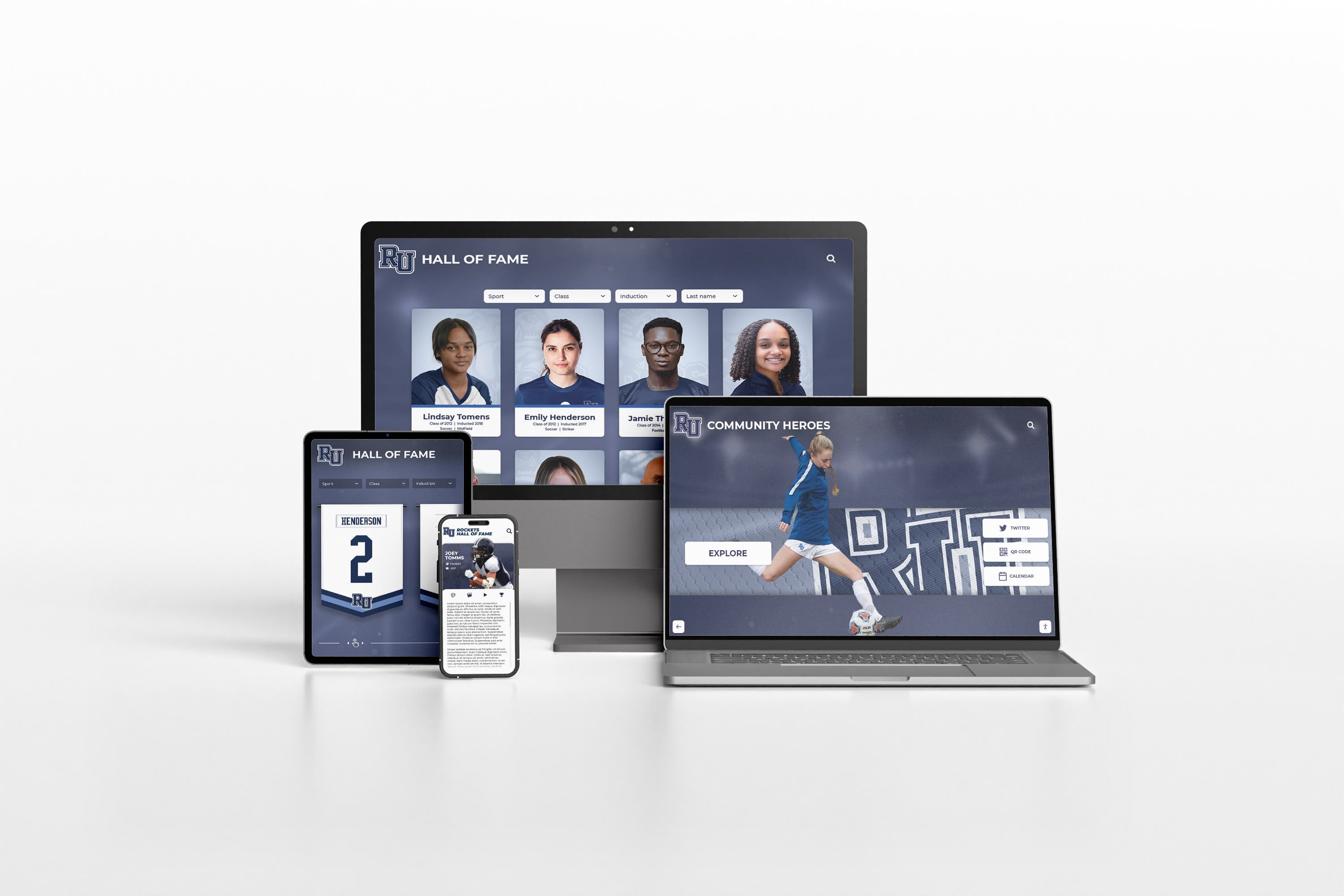
Cloud-based storage with redundancy ensures permanent preservation while enabling access across all device types
Execution Timeline: Planning Your Yearbook Digitization Program
Successful yearbook digitization requires systematic planning addressing assessment, prioritization, execution, and ongoing management across multiple phases.
Phase 1: Assessment and Planning (Weeks 1-4)
Inventory Existing Collections
Begin with comprehensive inventory understanding what yearbook volumes exist, their physical condition, current storage locations, and completeness. Systematically survey all potential locations where yearbooks might be stored including administrative archives, libraries, athletic departments, and forgotten storage areas.
Document findings including specific years available, missing years requiring acquisition efforts, physical condition of each volume, binding integrity, and any special preservation concerns. This inventory guides realistic planning about digitization scope, resource requirements, and completion timelines.
Identify whether complete sets exist or whether gaps require filling through acquisition. Reach out to alumni associations, local historical societies, and community members who may possess copies of missing volumes. Many alumni retain personal yearbooks they’ll willingly loan or donate for digitization purposes.
Establish Goals and Success Metrics
Define clear objectives driving digitization efforts. Preservation-focused goals prioritize protecting most vulnerable materials first. Access-focused goals emphasize making high-interest years available quickly. Engagement-focused goals target specific alumni cohorts for reunion or fundraising campaigns.
Establish measurable success metrics including number of volumes digitized, percentage of collection completed, online archive usage statistics, and alumni engagement indicators. These metrics demonstrate progress and value justifying continued investment.
Resource Planning and Budget Development
Calculate resource requirements for comprehensive digitization including equipment needs (scanners, computers, storage), staff time or professional services, software and platforms, and ongoing hosting and maintenance. Develop realistic budgets recognizing that quality digitization represents significant investment but delivers long-term value.
Consider phased approaches spreading costs across multiple years rather than attempting everything simultaneously. Many institutions begin with pilot projects digitizing 5-10 volumes testing workflows and demonstrating value before expanding to comprehensive efforts.
Explore academic recognition programs that integrate yearbook digitization with broader heritage preservation initiatives creating comprehensive platforms worthy of significant investment.
Phase 2: Digitization Execution (Months 2-12+)
In-House Scanning Versus Professional Services
Organizations face fundamental decisions about whether to conduct digitization internally using institutional resources or contract with professional services offering specialized expertise and equipment.
In-house scanning provides maximum control and potentially lower costs for smaller collections. Required investments include quality flatbed or book scanners ($500-$3,000), computers with adequate processing power and storage, and staff time (approximately 30-60 minutes per yearbook depending on page count and scanning resolution). In-house approaches work well for ongoing capture of current yearbooks or small collections under 50 volumes.
Professional digitization services offer substantial advantages for large collections or materials requiring specialized handling. Professional services typically charge $0.50-$2.00 per page or $30-$120 per yearbook depending on specifications. While more expensive upfront, professional services deliver superior quality through specialized equipment, experienced technicians preventing damage to fragile materials, integrated OCR processing, and substantially faster completion enabling comprehensive collections online within months rather than years.
Many institutions adopt hybrid approaches—using professional services for bulk digitization of historical collections while handling current yearbooks internally as routine annual processes.
Prioritization Strategies for Large Collections
Schools with extensive yearbook collections spanning many decades face decisions about digitization sequence. Several prioritization strategies prove effective:
Chronological from oldest to newest protects most vulnerable materials first while building historical depth. Oldest yearbooks often face greatest deterioration risk and exist in fewest copies making their preservation most urgent. Starting with founding decades through mid-20th century creates impressive historical foundations.
Chronological from newest to oldest maximizes immediate alumni engagement by digitizing recent decades with largest living graduate populations first. This approach delivers quick wins demonstrating value through strong initial usage while building support for continued investment in older materials.
Interest-based prioritization focuses on years with highest anticipated engagement such as anniversary reunion classes, historically significant eras, or championship years with strong athletic interest. This creates immediate enthusiasm demonstrating impact.
Most institutions adopt hybrid approaches combining criteria—perhaps prioritizing volumes from before 1970 that face preservation urgency while also digitizing recent decades (post-2000) that drive strongest engagement, filling gaps systematically as resources permit.
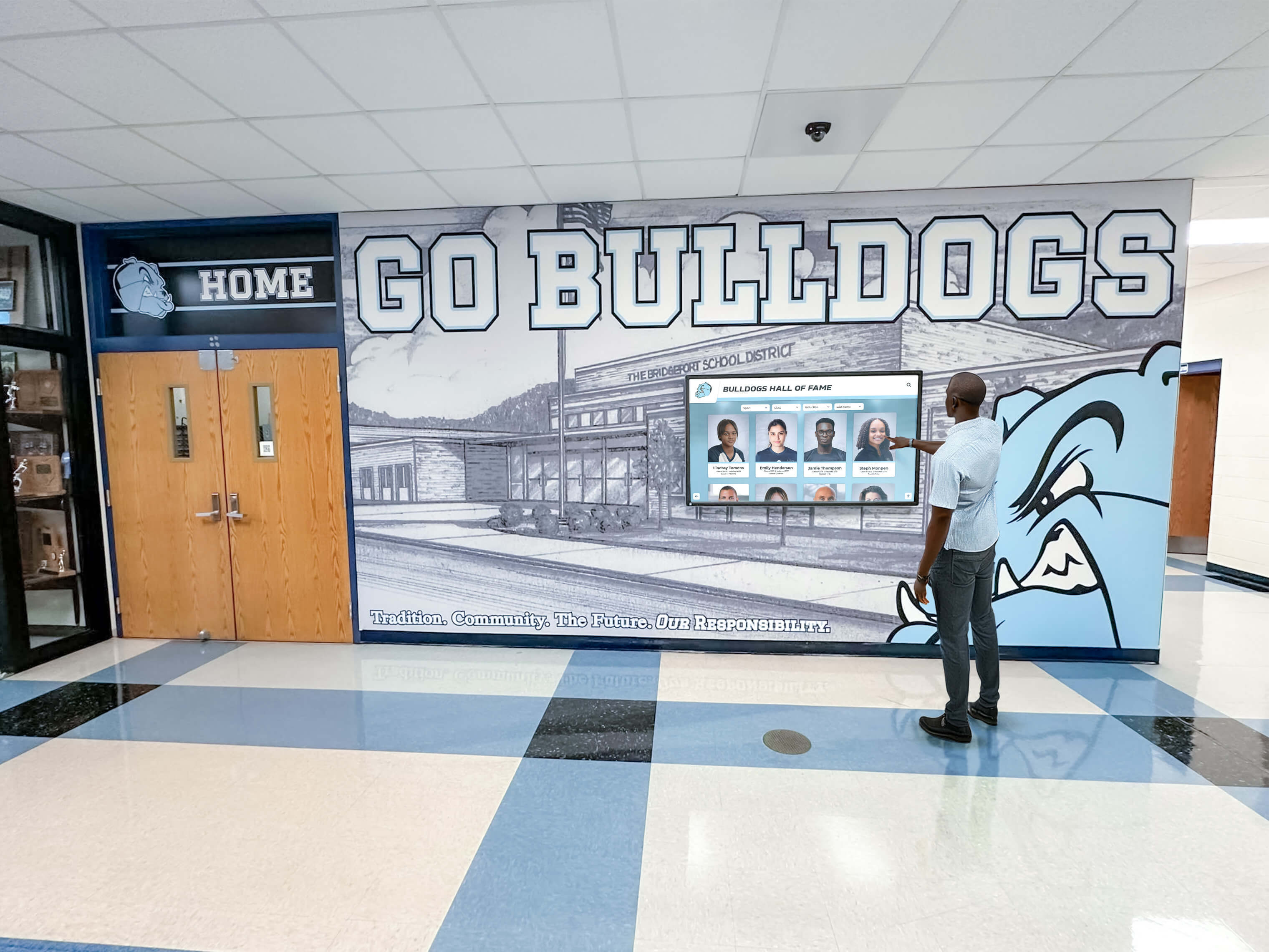
Systematic digitization workflows enable completing comprehensive yearbook collections through phased multi-year efforts
Phase 3: Platform Implementation and Launch (Months 3-6)
Selecting Yearbook Archive Platforms
Platform selection significantly affects both administrative experience managing archives and user experience accessing content.
Generic document hosting services like Google Drive or Dropbox provide basic storage and sharing but lack features essential for comprehensive yearbook archives. Limitations include minimal metadata capabilities, basic search functionality, lack of customization reflecting institutional branding, and poor user experience for browsing large collections.
Purpose-built yearbook platforms designed specifically for schools offer substantial advantages including unlimited or high-capacity storage exceeding typical needs, robust OCR search enabling name and keyword discovery, intuitive interfaces designed for yearbook browsing, customizable branding reflecting institutional identity, and usage analytics revealing engagement patterns.
Consider whether yearbook archives will exist as standalone resources or integrate with broader digital recognition programs. Integrated solutions connecting yearbook archives with hall of fame displays, alumni recognition programs, and interactive touchscreen installations create unified heritage platforms celebrating both historical memory and current achievements.
Solutions like Rocket Alumni Solutions provide comprehensive platforms combining yearbook archives with interactive recognition displays, creating engaging experiences that honor past and present simultaneously through connected digital ecosystems.
Physical Display Integration
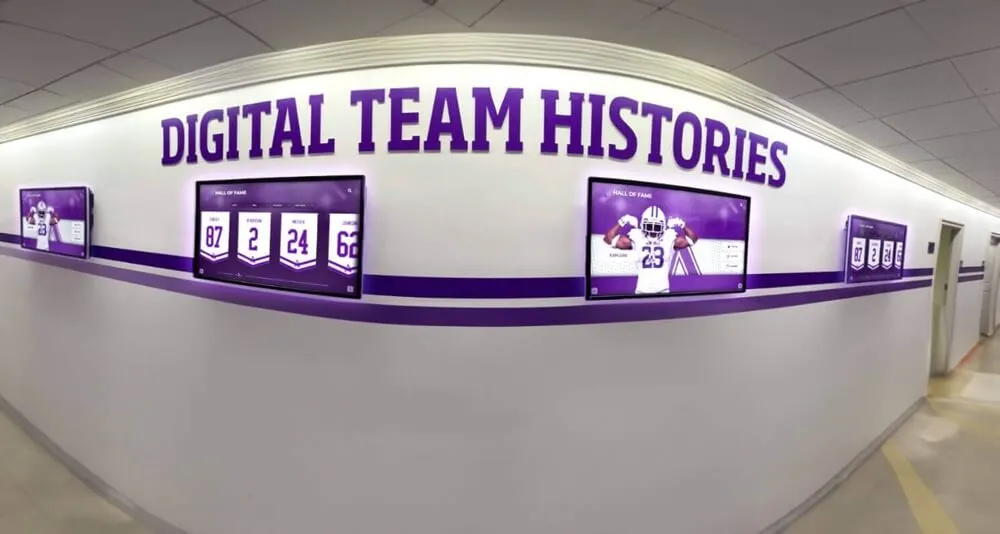
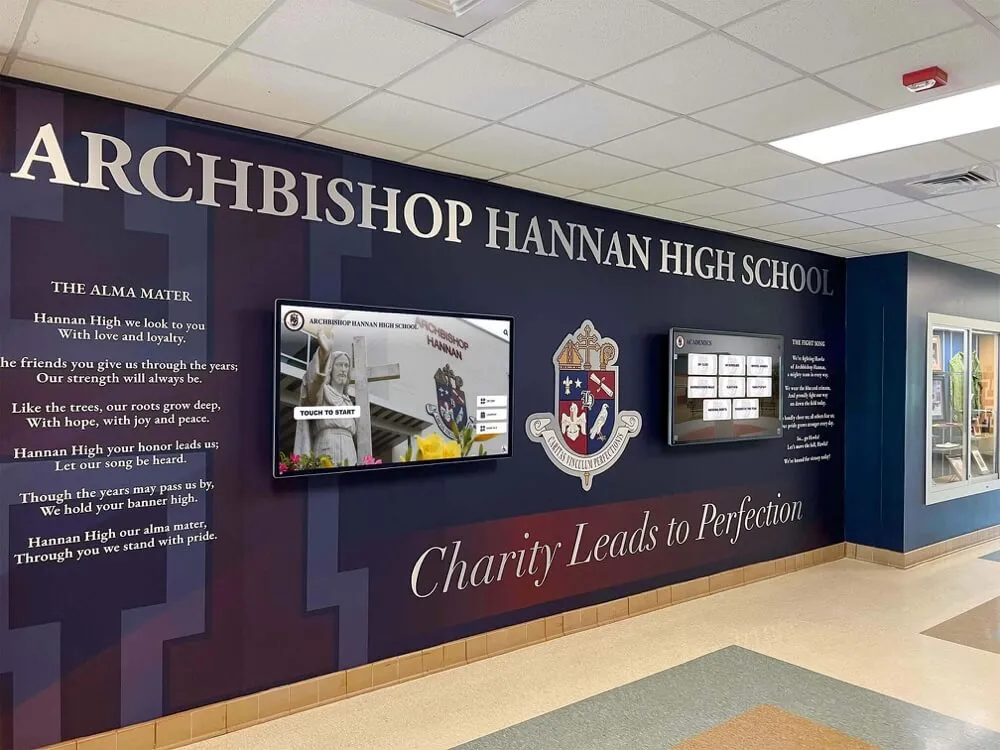
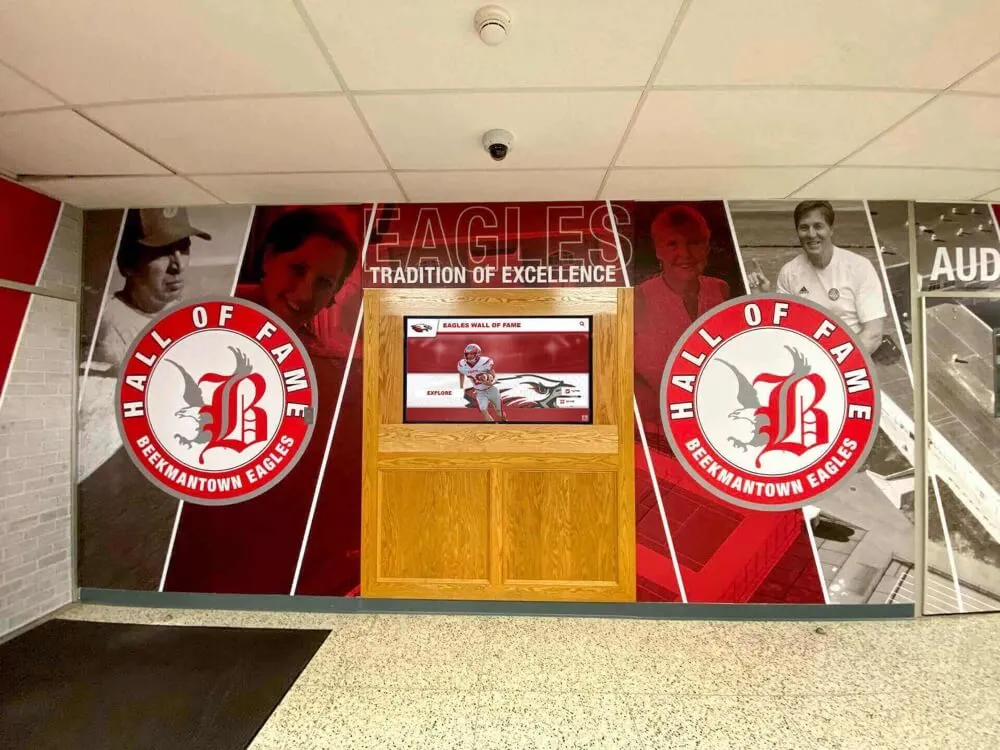
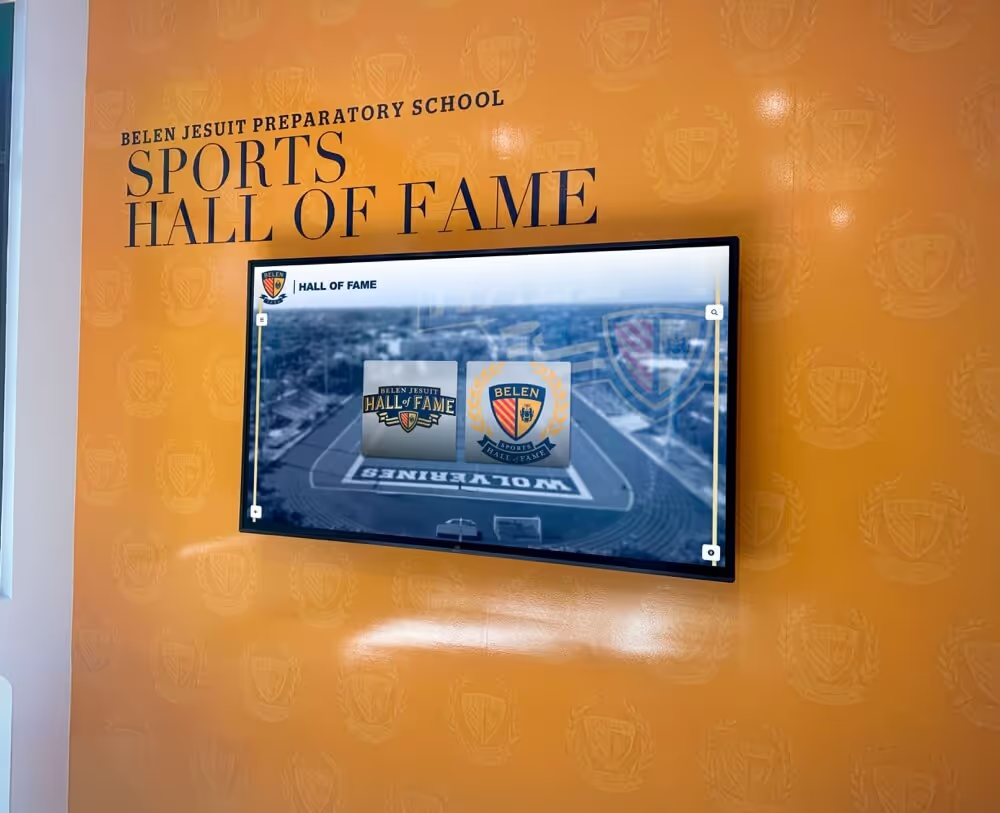
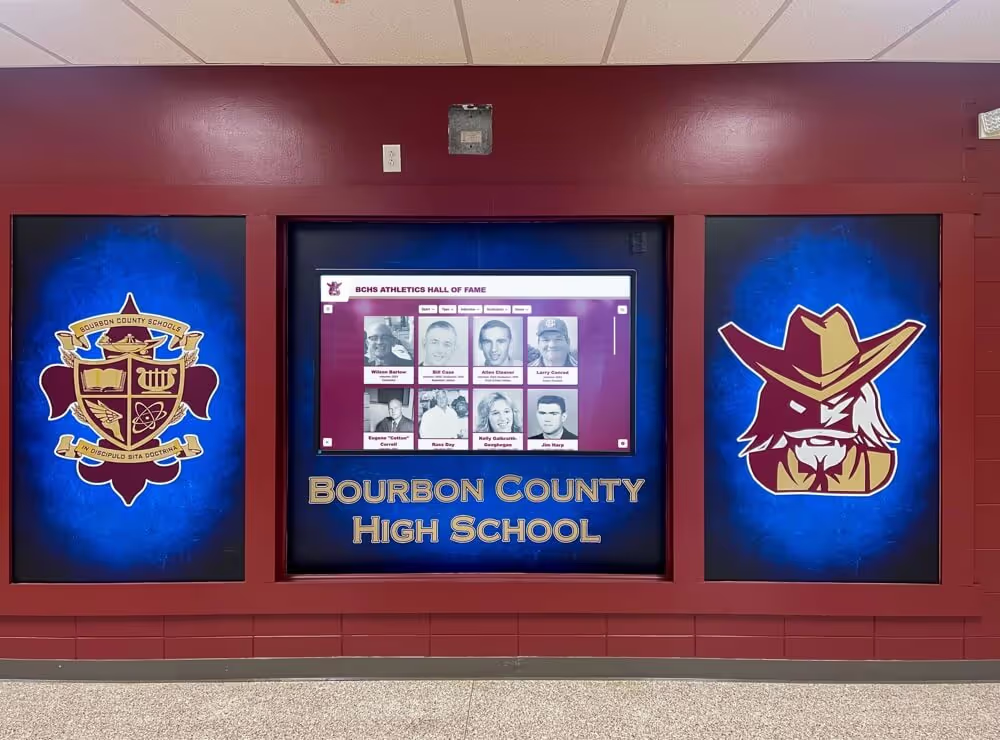
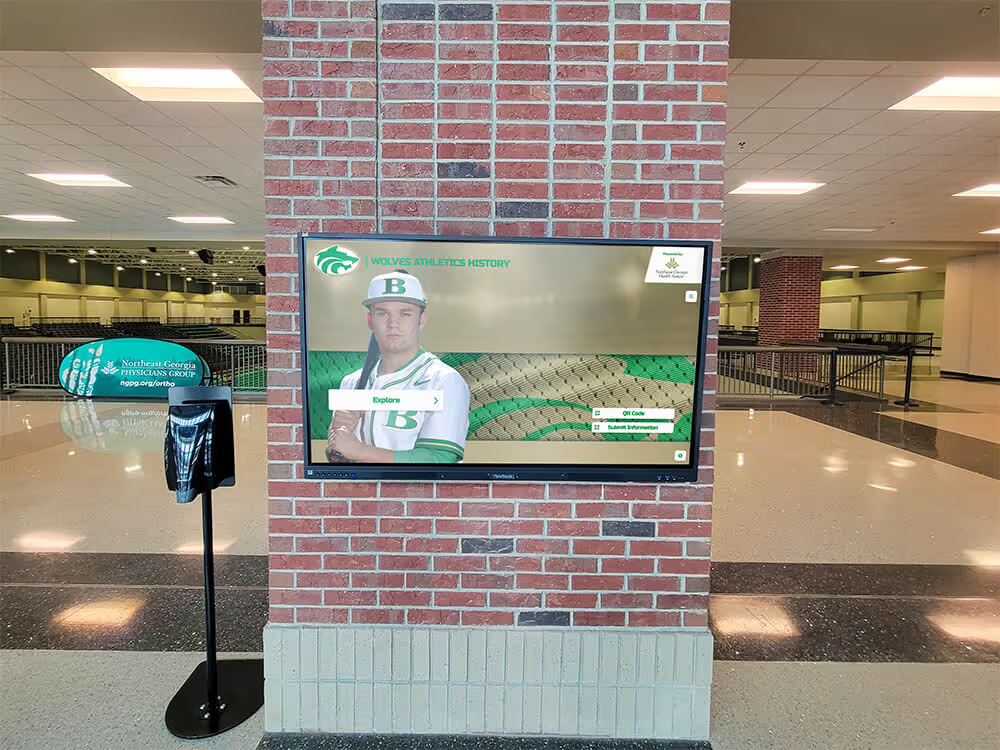
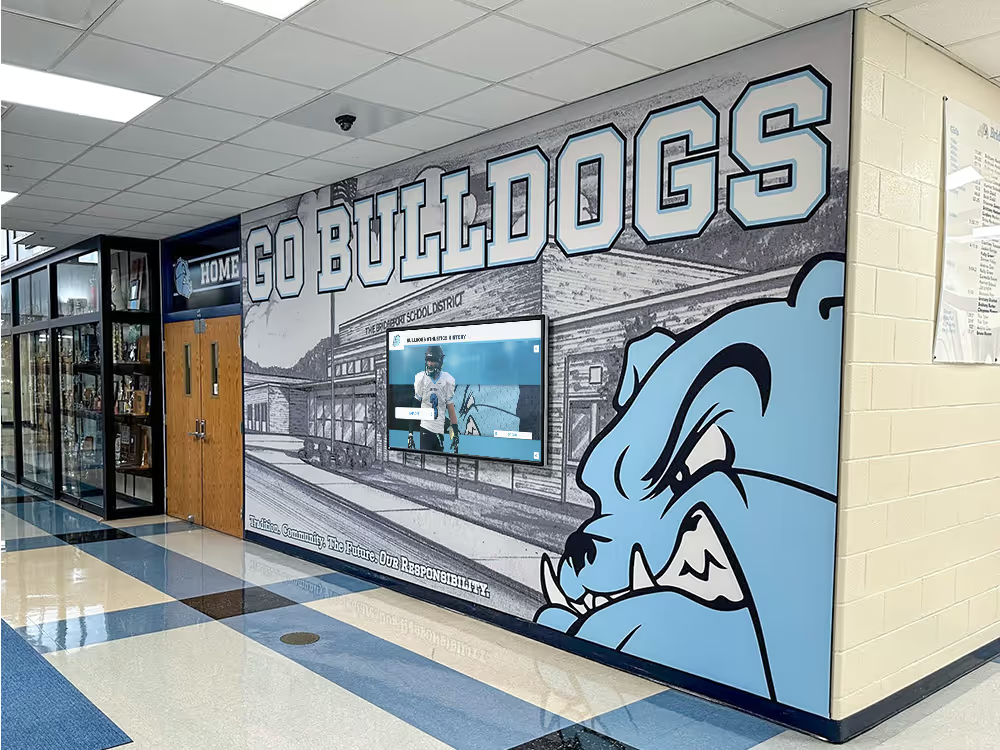
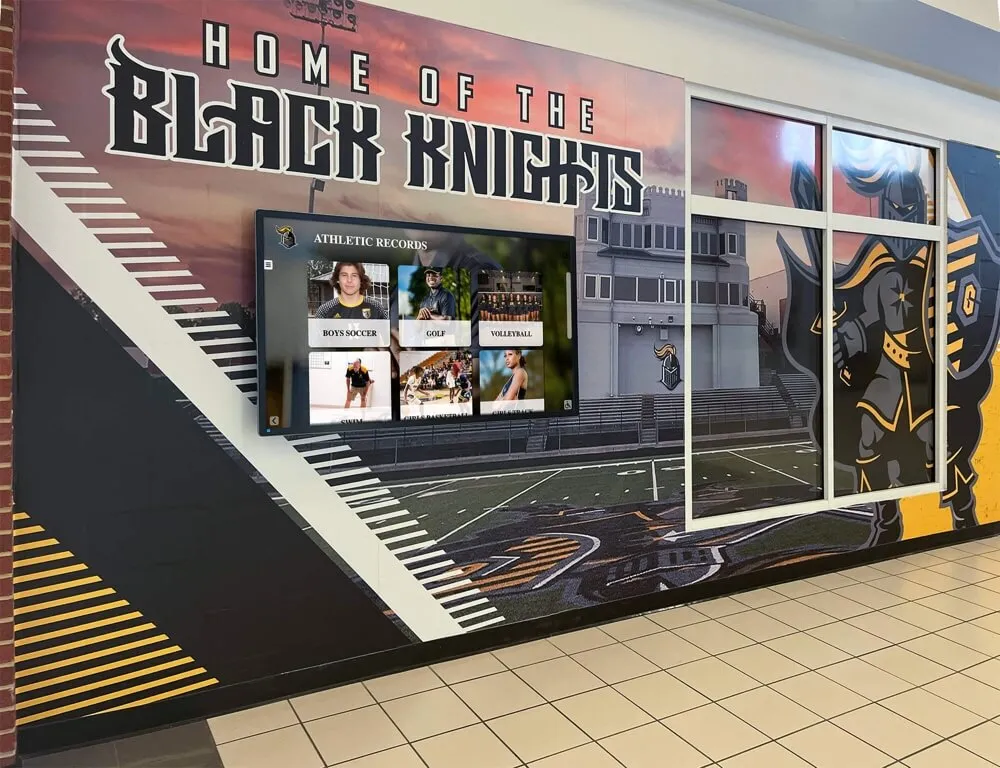
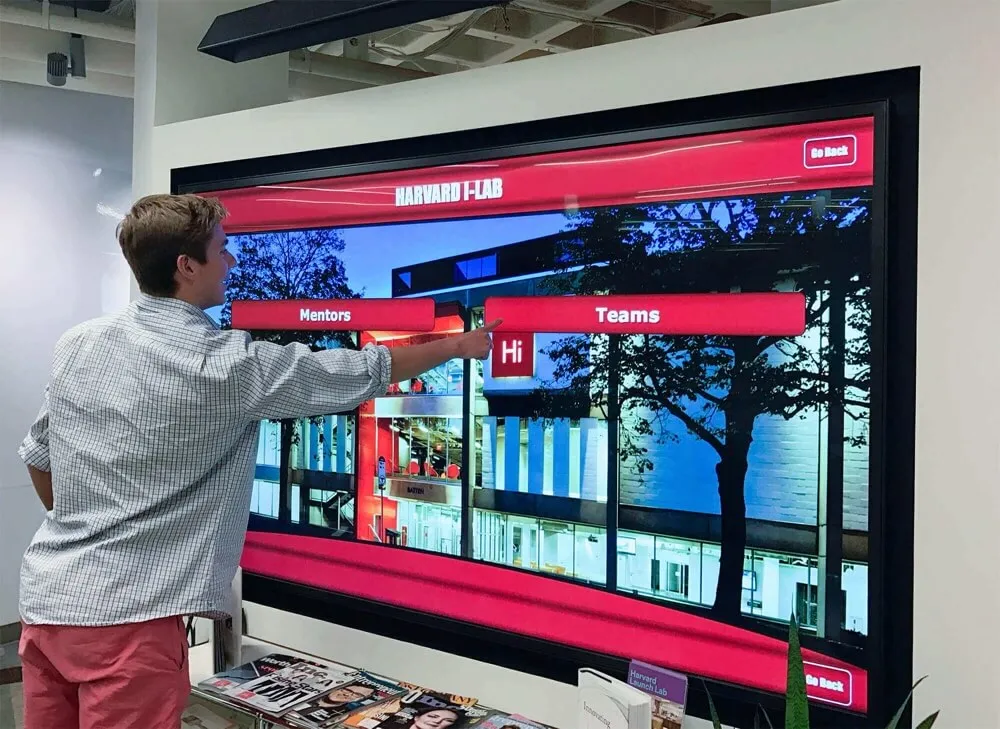
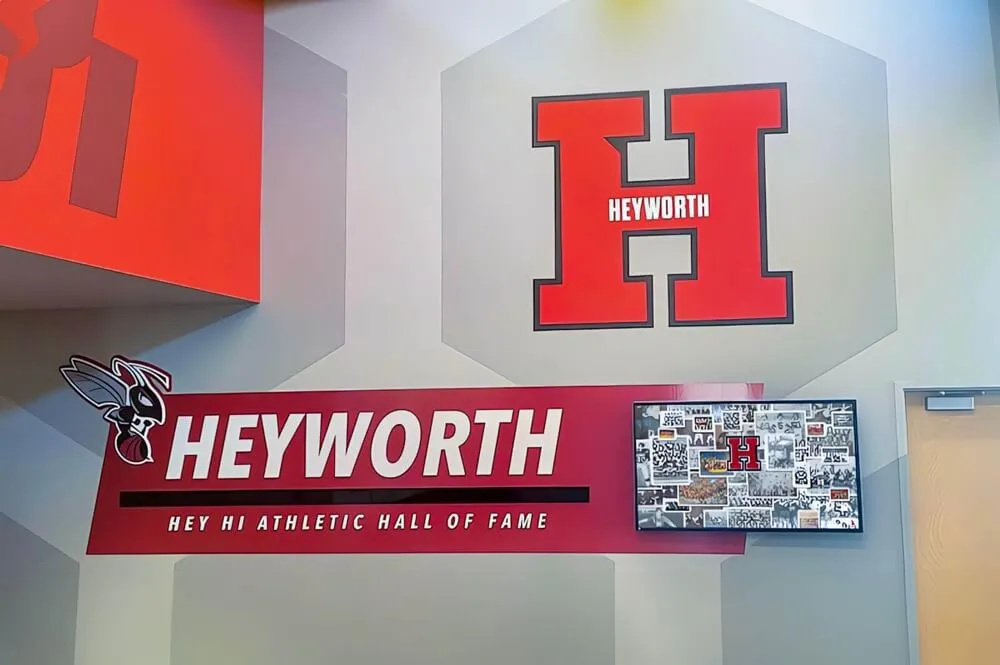
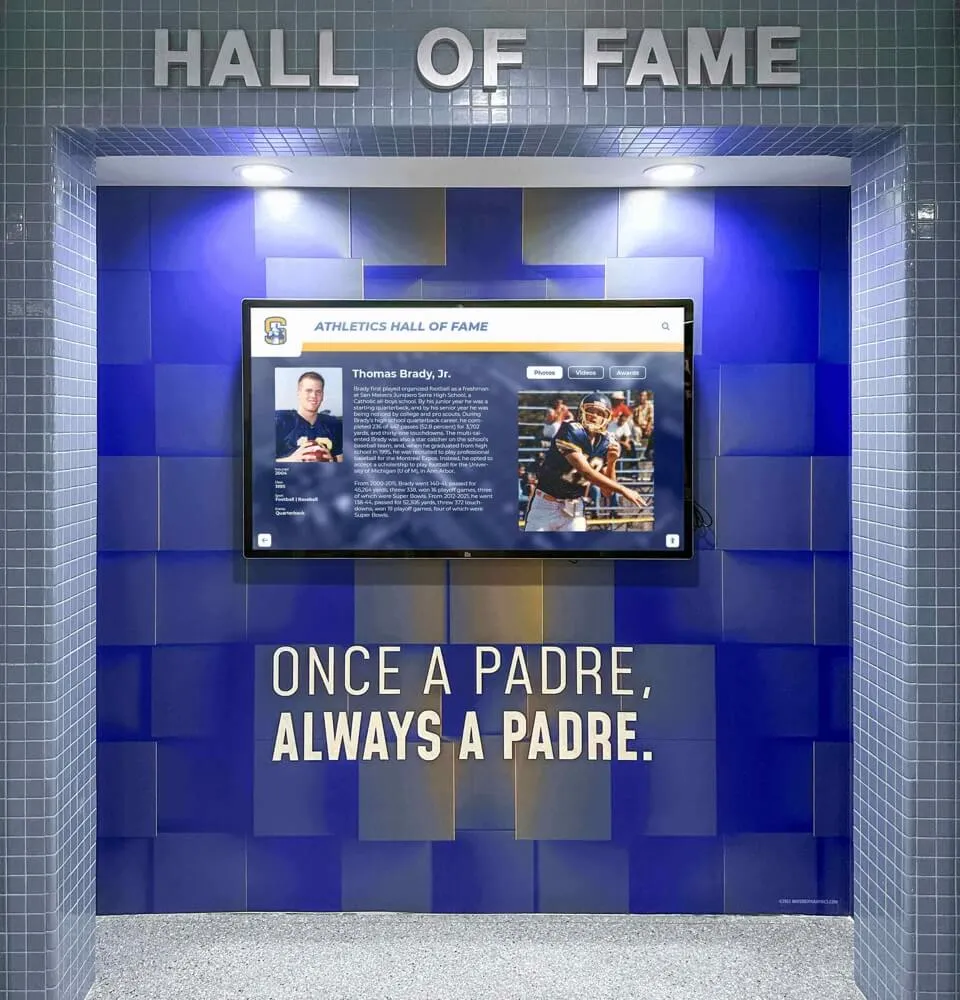
Comprehensive strategies combine online accessibility with physical on-campus installations bringing yearbook archives to locations where students naturally encounter them. Interactive touchscreen displays in main lobbies, libraries, student centers, or alumni gathering areas create daily visibility for historical yearbooks.
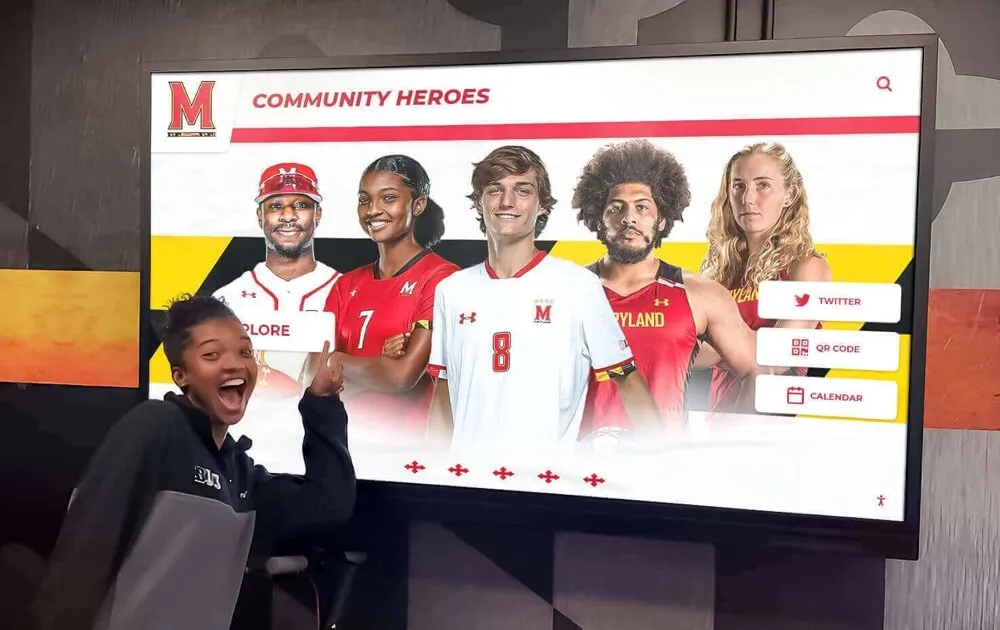
These physical installations serve current students who might not spontaneously visit online archives while creating impressive presentations for campus visitors, prospective families, and reunion attendees. Touchscreen interfaces invite exploration—users browse decades, search for names, view photographs, and discover institutional heritage through engaging interactions impossible with static displays or storage-room access.
Web-based platforms extend reach to global alumni, genealogists, historical researchers, and community members unable to visit campus. Mobile-responsive design ensures archives function beautifully on smartphones and tablets where many users access online content.
Unified content management controlling both physical displays and online platforms eliminates duplicate effort while ensuring consistency across all presentation channels. Updates and additions made once appear simultaneously across all touchpoints.
Discover effective approaches through interactive touchscreen software designed specifically for yearbook archives and institutional recognition.
Phase 4: Promotion and Ongoing Enhancement (Ongoing)
Launch Communications and Awareness Building
Yearbook archives deserve celebration and systematic promotion ensuring target audiences discover available resources.
Create compelling launch announcements distributed through multiple channels including alumni email newsletters, social media platforms, website news sections, and institutional publications. Feature specific content highlights encouraging exploration—notable alumni appearing in historic yearbooks, championship teams, significant events, or interesting historical advertisements.
Host launch events gathering alumni, students, and community members for celebrations and demonstrations. These events create awareness while generating positive publicity through media coverage and attendee word-of-mouth. Consider timing launches to align with homecoming, reunions, or significant institutional anniversaries maximizing attendance and relevance.
Community Contribution and Enhancement
Transform yearbook archives from static historical resources into collaborative community projects. Enable alumni to contribute information enhancing archives through identification of individuals in photographs, corrections to OCR errors or metadata, contextual memories about documented events, and submission of additional materials like loose photographs or memorabilia not captured in yearbooks.
Publicly recognize valuable contributors encouraging continued participation. Feature community contributions in communications demonstrating how engagement enriches archives for everyone. Many institutions discover that alumni eagerly participate when provided clear contribution mechanisms and regular acknowledgment.
Host dedicated identification events where groups of alumni from specific eras systematically review yearbook pages collectively identifying individuals and sharing memories. Virtual identification events via video conferencing enable participation from distant alumni unable to visit campus. These focused efforts dramatically improve archive quality while creating engaging alumni activities strengthening connections.
Systematic Ongoing Capture
Establish processes ensuring current yearbooks join digital archives immediately upon publication rather than waiting for retrospective digitization decades later. Coordinate with yearbook publishers or student publications staff to receive digital files directly if available, eliminating scanning requirements. If digital files aren’t available, scan new yearbooks systematically within weeks of release.
This proactive approach proves far more efficient than attempting retrospective recovery when yearbooks have scattered, institutional memory has faded, and locating missing volumes has become difficult. Schools treating yearbook archiving as ongoing annual practice rather than periodic projects build comprehensive collections requiring substantially less intensive effort over time.
Similar systematic approaches apply to digitizing varsity letters and other recognition materials, with consistent processes enabling efficient ongoing capture.
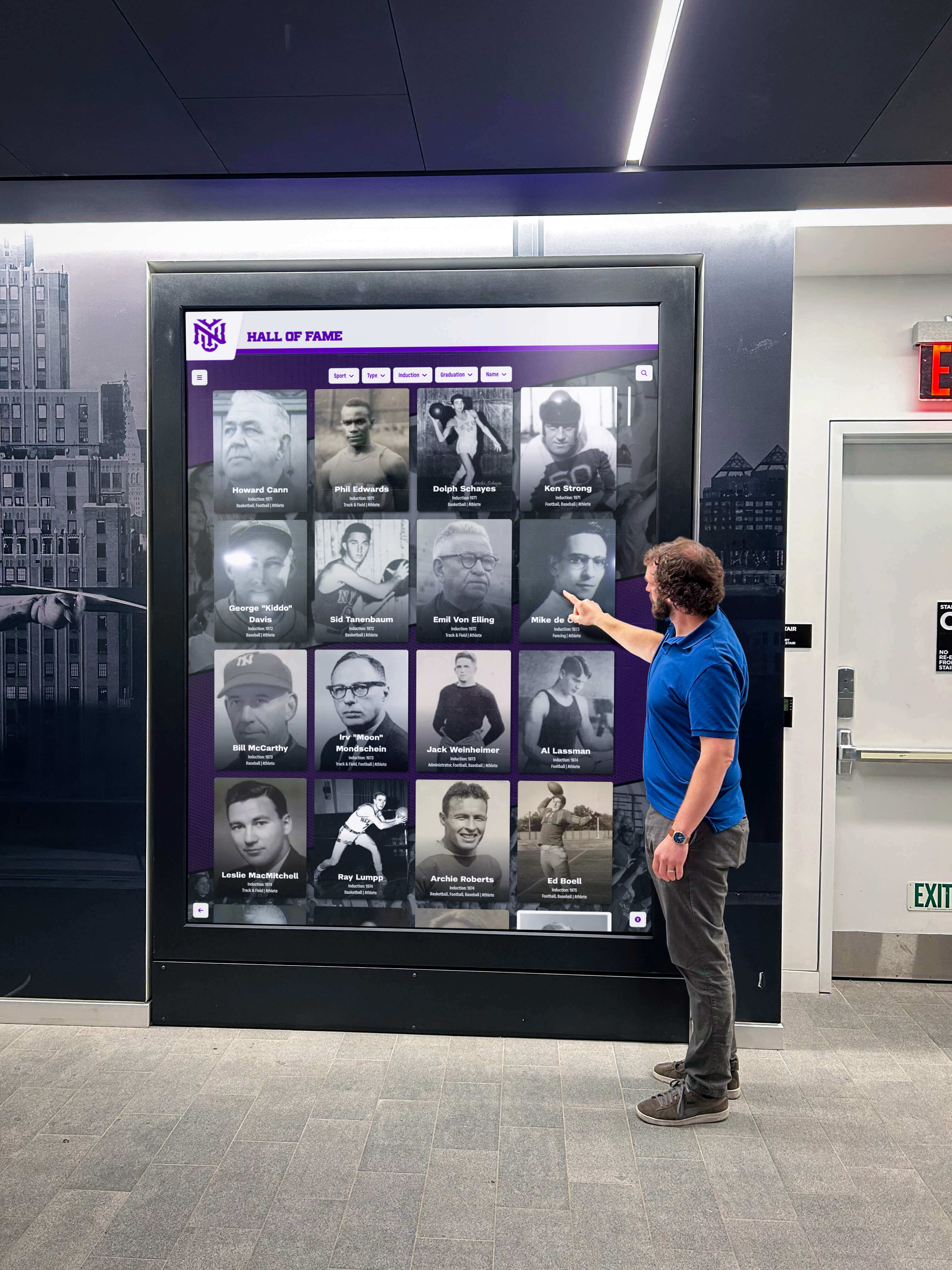
Successful yearbook archives evolve continuously through ongoing additions, community contributions, and engagement campaigns
Display Integration: Connecting Yearbook Archives to Recognition Ecosystems
Maximum value emerges when yearbook archives integrate with broader institutional recognition and heritage initiatives rather than existing as isolated digital repositories.
Interactive Touchscreen Installations
Physical touchscreen displays transform yearbook archives from online resources into prominent campus features that students, visitors, and alumni naturally encounter during daily activities or special events.
Strategic Placement for Maximum Visibility
Install touchscreen displays in high-traffic areas ensuring yearbook content receives attention rather than remaining hidden in administrative offices or archives. Main entrance lobbies create immediate impressions for visitors while serving as natural gathering places. Alumni centers and development offices leverage yearbook content for cultivation conversations. Athletic facilities connect yearbook history with ongoing sports traditions. Libraries position archives within broader educational resources.
Adequate space in front of displays accommodates group viewing and touchscreen interaction. Multiple users should be able to view simultaneously without crowding. Lighting should avoid glare or screen washout while providing adequate visibility. Consider proximity to related recognition creating thematic zones celebrating institutional heritage comprehensively.
Idle-State Attraction Content
When not actively used, displays should attract attention through engaging idle-state content inviting interaction. Featured yearbook pages highlighting interesting content from “this week in history” connect current dates to historical events. Scrolling photo galleries showcase diverse yearbook content across multiple eras. Video montages compile yearbook photographs set to period-appropriate music creating nostalgic experiences.
Clear invitations encouraging interaction—“Touch to explore decades of school history” or “Find yourself and classmates in yearbook archives”—prompt engagement from users who might not spontaneously interact without explicit invitation.
Search and Browse Functionality
Touchscreen interfaces should provide multiple discovery pathways accommodating different user interests. Name search with auto-complete suggestions enables instantly locating specific individuals across all available yearbooks. Graduating class browsing allows viewing complete years sequentially. Decade selection creates entry points for historical exploration. Featured content sections highlight particularly significant or interesting materials as curated starting points.
Advanced features like facial recognition technology can enable finding all yearbook appearances of individuals even when not explicitly named in captions. This dramatically enhances personal discovery experiences—alumni finding themselves in candid photos, team pictures, or activity group photographs they’d forgotten about.
Approaches demonstrated through school historical timeline displays show how yearbook content integrates effectively within broader heritage presentations.
Web and Mobile Accessibility
Online platforms extend yearbook archive access to audiences who cannot visit physical installations while providing features complementing touchscreen experiences.
Responsive Design for All Device Types
Web-based yearbook archives must function beautifully across desktop computers, tablets, and smartphones. Responsive design adapts layouts, navigation, and image display to screen sizes and input methods ensuring excellent experiences regardless of device. Given that substantial percentages of users access online content primarily through mobile devices, mobile experience quality proves essential rather than optional.
Touch-optimized navigation for tablets and smartphones accommodates finger inputs rather than mouse cursors. Simplified interfaces on smaller screens accommodate limited screen space without sacrificing core functionality. Progressive loading techniques deliver fast initial views on mobile connections with modest bandwidth.
Social Sharing and Viral Distribution
Enable users to easily share favorite yearbook pages or photographs to Facebook, Instagram, Twitter, or other social platforms. Social sharing dramatically extends archive visibility beyond those directly visiting school websites, reaching friends and family of alumni who share nostalgic discoveries.
Shared content includes attribution and links back to complete archives, driving additional traffic from social networks. Many users who would never directly seek yearbook archives discover them through friends’ shared photographs creating viral discovery patterns. This organic reach proves far more effective than paid advertising for building awareness and engagement.
Personal Collections and Bookmarking
Allow users to create personal collections saving favorite pages, marking appearances in yearbook photographs, or building curated sets for specific research interests. Alumni might compile all their yearbook appearances across multiple years. Genealogists could save pages referencing multiple family members across generations. Reunion planners might bookmark content relevant to specific graduating classes.
These personalization features increase engagement by enabling users to build customized experiences rather than repeatedly searching for same content during multiple visits. Personal collections create reasons for return visits as users continue building their yearbook portfolios over time.
Discover comprehensive digital presentation approaches through digital hall of fame touchscreen systems that demonstrate yearbook integration within broader recognition platforms.
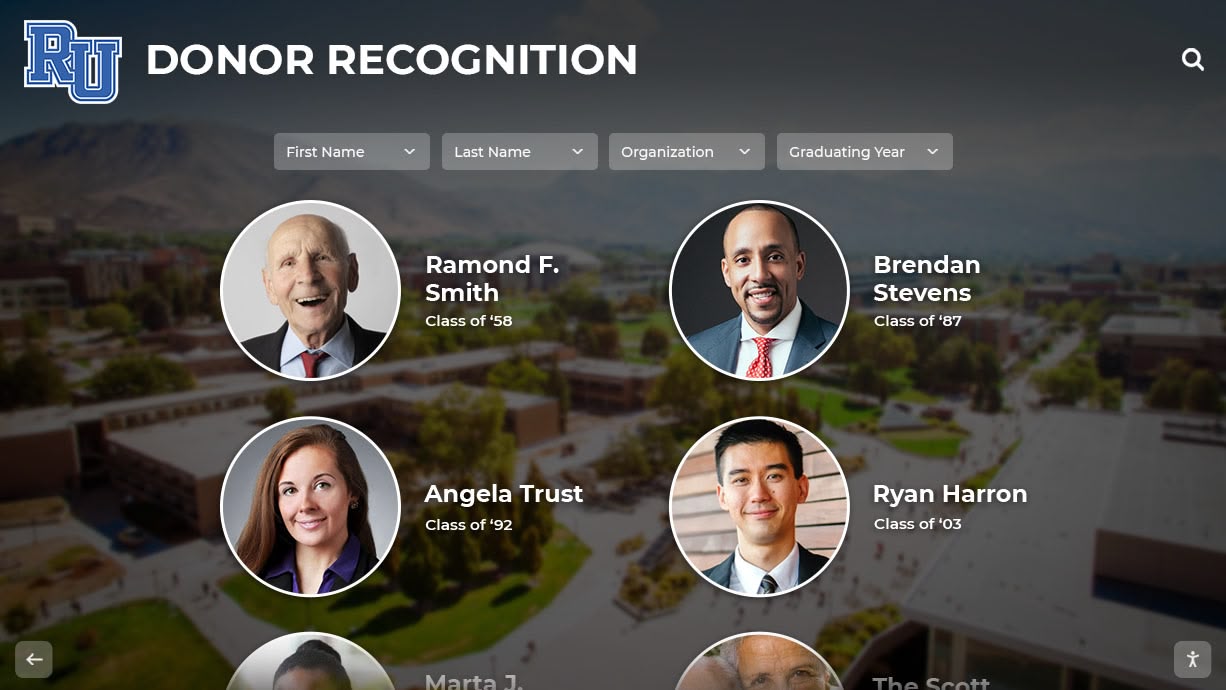
Professional yearbook archives provide seamless experiences across touchscreen installations and online platforms
Special Considerations and Common Challenges
Understanding typical challenges helps institutions avoid preventable problems while preparing realistic responses when difficulties arise.
Copyright and Privacy Considerations
Yearbook digitization and online publication raise copyright and privacy questions requiring careful navigation.
Copyright Status of Yearbooks
Yearbooks published by schools typically constitute institutional works owned by the publishing institution. Most schools can freely digitize and share their own yearbooks without additional copyright concerns. However, individual photographs, artwork, or content created by external parties may have separate copyright status requiring investigation.
Yearbooks published after 1989 receive automatic copyright protection for 95 years from publication. Older yearbooks may have entered public domain depending on original copyright registration and renewal. For complete legal certainty, institutions may consult copyright attorneys familiar with educational publishing rights.
From practical perspectives, digitizing yearbooks for educational and historical purposes generally qualifies as fair use under copyright law. Courts consistently recognize that nonprofit educational institutions making historical materials accessible serves public interest. No known cases exist of schools facing copyright challenges for digitizing their own yearbooks, though seeking legal guidance for specific situations proves wise.
Privacy and Student Record Considerations
Yearbooks constitute public directory information rather than protected educational records under FERPA (Family Educational Rights and Privacy Act). Students appeared in yearbooks understanding that content would be publicly distributed to entire school communities. Digitizing and making publicly available what was already public documents generally doesn’t create new privacy concerns.
However, individual preferences merit consideration. Establish clear policies addressing requests to remove images or information from digital archives. Honor reasonable requests promptly while explaining that yearbook content constitutes historical documentation for legitimate institutional and community interest.
Consider proactive measures like allowing users to request their images be excluded from search results while remaining visible in overall yearbook page scans. This balances preservation of historical documentation with individual privacy preferences. Most alumni appreciate historical preservation efforts, but respecting those with concerns maintains trust and prevents complications.
Commercial Photography and Professional Images
Some yearbooks include photographs taken by professional commercial photographers who may retain copyright requiring licensing for use beyond original yearbook publication. Review yearbook content for professional portrait studios or commercial event photographers potentially retaining copyright interests.
For particularly valuable professional photographs where copyright holders cannot be located or identified, document good-faith attempts to secure permissions. Copyright law includes provisions for “orphan works” where reasonable efforts to identify copyright holders prove unsuccessful, though specific requirements vary by jurisdiction. Consult legal guidance for high-stakes situations.
Managing Large-Scale Digitization Projects
Schools with extensive collections spanning many decades can face overwhelming volumes requiring strategic management.
Volunteer and Partnership Resources
Extend digitization capacity beyond internal resources through volunteers and partnerships. Retired educators or engaged alumni might volunteer scanning time as service contributions to institutions they value. Student service learning projects can provide substantial labor for properly supervised scanning efforts combining skill development with meaningful institutional contribution.
Local libraries, historical societies, or universities might partner sharing equipment and expertise. Many public libraries possess book scanners and digitization capabilities they’ll make available to schools for community benefit projects. Regional historical societies often prioritize educational institution documentation within their missions creating natural partnership opportunities.
These partnerships require coordination but substantially extend capabilities beyond what internal resources alone could achieve. Professional services handling bulk digitization might be justified for large foundational collections like complete yearbook sets, with ongoing maintenance digitization handled internally using volunteer support.
Incremental Progress and Realistic Expectations
Rather than attempting comprehensive digitization simultaneously, accept incremental progress through phased multi-year implementations. Steady addition of materials maintains momentum and demonstrates value justifying continued support without creating overwhelming demands on resources or staff.
Communicate progress transparently showing community members how collections grow over time. Regular announcements about newly digitized decades or milestone completion of specific eras maintain awareness and appreciation for ongoing efforts. Celebrate achievements—digitizing 50 or 100 yearbooks represents significant accomplishment worthy of recognition even when larger collections remain.
Set realistic timelines acknowledging that quality digitization requires time. For large collections, 3-5 year complete digitization programs prove realistic while demonstrating steady progress. Similar phased approaches work well for high school graduate displays and other comprehensive recognition projects requiring systematic long-term effort.
Identification and Metadata Challenges
Yearbook collections lose substantial value when individuals and content cannot be properly identified and described.
Crowdsourced Identification Strategies
Leverage community knowledge for identification assistance. Alumni recognizing themselves or classmates in yearbook photographs contribute valuable information institutions could never develop independently. Online platforms enabling users to suggest identifications or confirm others’ suggestions distribute identification labor while engaging community members through active participation.
Consider hosting dedicated identification events where groups of alumni from particular eras systematically review yearbook pages collectively identifying individuals through shared memories. These collaborative sessions often prove remarkably productive while creating enjoyable social experiences strengthening alumni connections. Virtual identification events via video conferencing enable participation from distant alumni unable to visit campus.
Accepting Partial Information
Not all yearbook content will receive complete identification—accept this reality while maximizing available information. Partial metadata like “1950s athletic event, exact sport and most individuals unknown” provides more value than no description while avoiding incorrect guesses presented as fact. Document uncertainty rather than speculating.
Continue adding identification and metadata as information becomes available over time. Archives are living resources continually improving as community members contribute knowledge. Initial publication with incomplete metadata proves preferable to waiting indefinitely for perfect information that may never materialize.
Cross-reference yearbooks with other institutional records whenever possible. Graduation programs, athletic rosters, club membership lists, and other documentation can provide definitive identifications even when yearbook captions lack complete information. Student newspapers, local community publications, and historical society archives may contain contextual information enriching yearbook understanding.
Measuring Success and Demonstrating Value
Regular assessment demonstrates yearbook digitization value justifying continued investment while guiding improvements.
Quantitative Engagement Metrics
Track measurable engagement indicators demonstrating archive usage and reach:
- Unique visitors to online yearbook archives
- Page views and session duration indicating engagement depth
- Search queries revealing user interests and discovery patterns
- Most-viewed content identifying particularly popular yearbooks or pages
- Geographic distribution showing whether archives reach distant alumni
- Device types used for access informing mobile optimization priorities
- Repeat visitor rates indicating sustained interest beyond single visits
Compare metrics over time assessing whether promotional efforts increase usage, new content additions drive traffic, or engagement patterns shift as archives mature. Identify seasonal patterns—usage often peaks around reunion seasons, homecoming, or graduation suggesting optimal timing for promotional campaigns.
Qualitative Impact Assessment
Document qualitative impact through stakeholder feedback and observational insights that quantitative metrics alone cannot capture.
Alumni Testimonials and Stories
Collect testimonials from alumni discovering meaningful content or reconnecting with classmates through yearbook archives. Capture stories about emotional responses to rediscovering forgotten photographs or memories. Document how archives enabled family historical research, reunion planning, or memorial tributes.
Feature these personal narratives in communications demonstrating impact while creating compelling advocacy materials for continued support. Alumni stories resonate far more powerfully with potential donors, board members, or administrators than usage statistics alone.
Educational Applications
Survey educators using yearbook archives for curriculum integration about educational value. History classes studying local history through yearbook evolution, English classes analyzing changing language and social norms, or media classes examining design trends all demonstrate direct curriculum benefits.
Document student projects incorporating yearbook content. Photograph completed assignments showing how archives support learning objectives across multiple subject areas. These educational applications justify investment through tangible academic benefits beyond nostalgia or alumni engagement alone.
Development Outcomes
Development offices should track whether yearbook archive access correlates with improved advancement metrics. Monitor patterns between archive usage and reunion attendance, giving participation rates, gift sizes, and volunteer engagement. While attributing direct causation proves difficult, consistent correlations suggest meaningful relationships worth highlighting to leadership.
Calculate return on investment comparing digitization costs to measurable fundraising results. If yearbook archives contribute to even modest increases in giving among engaged alumni, financial returns often exceed digitization costs within 3-5 years justifying continued investment on purely financial grounds beyond intrinsic preservation value.
Advanced Features and Future Enhancements
As yearbook archives mature, consider advanced features creating additional value and differentiation.
Facial Recognition Technology
Modern facial recognition AI can analyze yearbook photographs automatically identifying specific individuals across multiple years and contexts even without name captions. This technology enables “find me” features where users select one portrait photograph and system locates all other yearbook appearances of that individual—in team photos, candid shots, or activity group pictures.
While privacy considerations require thoughtful implementation, facial recognition dramatically enhances personal discovery experiences. Alumni find photographs they’d completely forgotten about. Family researchers locate distant relatives across multiple graduation years. This technological capability transforms yearbook archives from passive historical documents into active discovery tools creating meaningful personal connections.
Audio and Video Integration
Beyond static yearbook scans, consider integrating multimedia content enriching historical understanding. Oral history interviews with alumni from specific eras can accompany their yearbook pages—graduates sharing memories about documented events, explaining how school life felt during their time, or providing context about historical photographs.
Historical video footage from school events, athletic competitions, or campus life when available creates powerful multimedia archives connecting still photographs with motion and sound. Graduation speeches, championship game broadcasts, or theatrical productions preserved on video complement yearbook documentation creating comprehensive multimedia time capsules.
Integration with Broader Recognition Platforms
Maximum value emerges when yearbook archives integrate seamlessly with comprehensive digital recognition systems celebrating both historical heritage and current achievements. Students viewing current honor roll displays can explore how academic recognition appeared in yearbooks from decades past. Athletes featured in championship celebrations can discover connections to historical teams that competed before them.
This integration demonstrates that today’s achievements become tomorrow’s history, creating continuity that strengthens institutional identity. Current students see themselves as part of continuing stories rather than isolated individuals. Alumni viewing historical materials discover connections to ongoing institutional life rather than engaging with disconnected nostalgia.
Solutions like Rocket Alumni Solutions provide unified platforms where yearbook archives, athletic records, academic honors, and alumni recognition exist within connected ecosystems creating comprehensive institutional heritage presentations.
Conclusion: Preserving Institutional Memory Through Yearbook Digitization
Digitizing old yearbooks transforms fragile printed volumes vulnerable to deterioration into permanent digital archives preserving institutional memory while making decades of history instantly accessible to global audiences. Schools, universities, and organizations implementing comprehensive yearbook digitization discover that locked-away materials become searchable resources, forgotten memories emerge to strengthen alumni connections, and institutional heritage gains visibility demonstrating pride in tradition and commitment to preservation.
The strategies explored throughout this guide provide frameworks for evaluating options, making informed decisions, and implementing digitization programs serving preservation and engagement goals effectively. From scanning specifications and file organization to interactive displays and online platforms, each decision affects long-term program success and archive value.
Ready to digitize your yearbook collection and create engaging digital archives? Modern recognition platforms like Rocket Alumni Solutions help schools and organizations systematically digitize yearbooks, create searchable online archives, implement interactive touchscreen displays, and connect historical materials with current recognition programs. These specialized solutions eliminate technical barriers while providing professional results worthy of institutional heritage.
Whether launching initial digitization efforts or enhancing existing yearbook collections, start with systematic inventory of available materials, establish clear priorities balancing preservation urgency with engagement opportunities, implement professional digitization capturing adequate quality for long-term value, and create sustainable management processes ensuring ongoing enhancement.
Request your free custom demo at Rocket Alumni Solutions to explore how digital yearbook archives and recognition displays can transform heritage preservation at your institution.
Your yearbooks deserve preservation and presentation through technology making institutional memory accessible to current students discovering inspiring traditions, global alumni maintaining lifelong connections, genealogists researching family history, and future generations inheriting comprehensive visual documentation of your unique story.
Begin today with focused efforts that grow systematically—digitize one decade, preserve most vulnerable volumes first, or launch pilot projects demonstrating value. Success builds momentum attracting resources, volunteers, and institutional support enabling expansion toward comprehensive yearbook archives serving your community for generations to come.
Every yearbook preserved protects irreplaceable heritage from loss while creating opportunities for meaningful engagement across all community members. Your institutional history matters, and digital archiving makes preservation and celebration achievable for organizations committed to honoring unique legacies through professional, accessible presentations. Start preserving your yearbook legacy today—ensuring tomorrow’s community members can explore, discover, and connect with the rich history you’re creating right now.